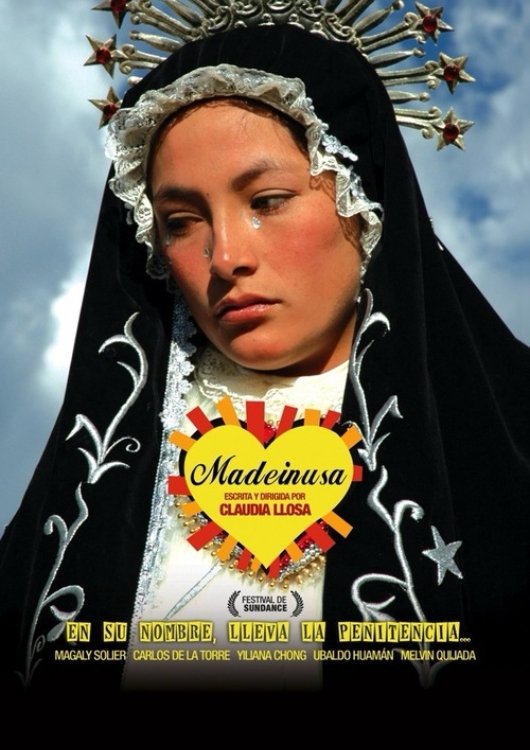
Madeinusa is a girl who lives in an isolated village in the mountains of Peru. This strange place is characterized by its religious fervor, and seemingly odd custom: from Good Friday at three o’clock in the afternoon to Easter Sunday, the whole village can do whatever it feels like.
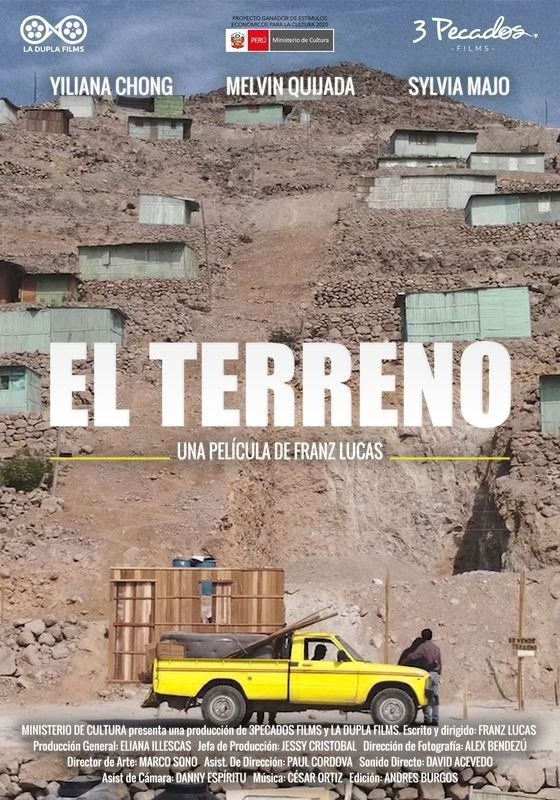
Rita discovers that she is the victim of a scam in the purchase of a piece of land and denounces the woman who manages the place. Without finding justice, Rita joins other scammed people to face the situation.

The Valdez family gathers for the traditional festivities of “Tayta Shanti”. Angela arrives from the capital with her daughter Angie, who denies her provincial roots. In the midst of the uproar over the party, Angie and her cousin Marcelo will have to confront their identity, since she does not assume herself to be a racist and he represses his sexuality.
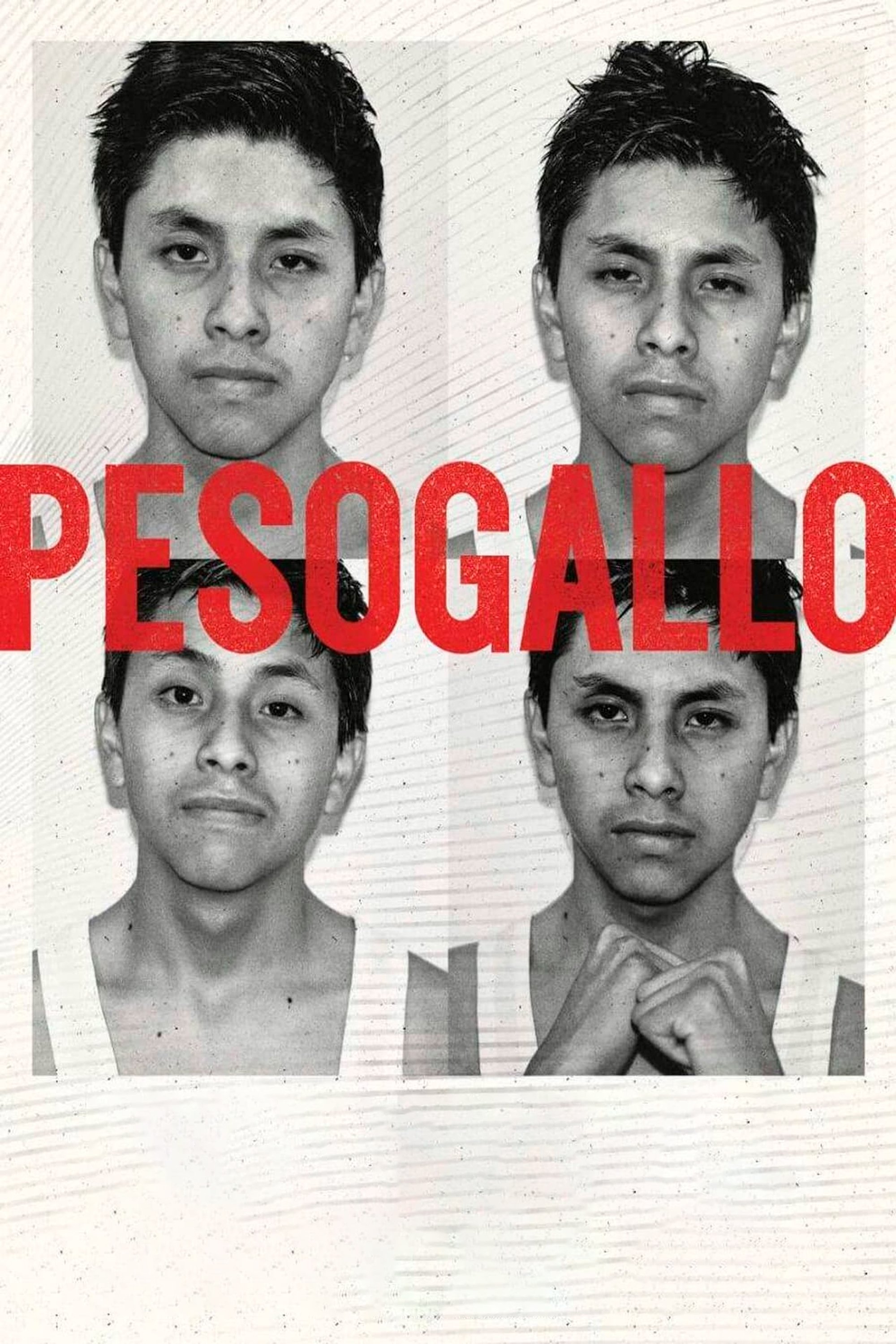
Enrique, a teenage boxer who lives with his grandmother in Huancayo, is chosen to represent his city in a national championship. Between training and travel plans, Enrique will become aware that the fight for his dreams is not only inside the boxing ring.
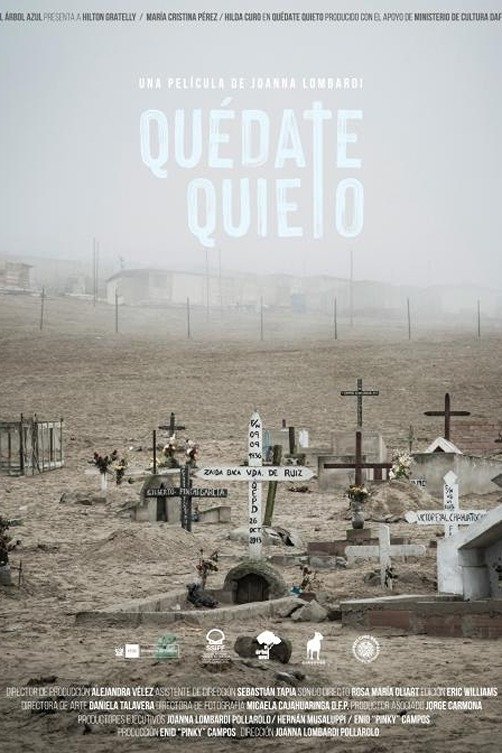
Hilda and Cristina have been told that a settlement will begin near the cementery. Hilton, an illegal gravedigger, watches with concern. If they invade, he won’t have space to digging graves. The settlement and the cemetery are very close, and the dead seem to have achieved what they desire: a home.
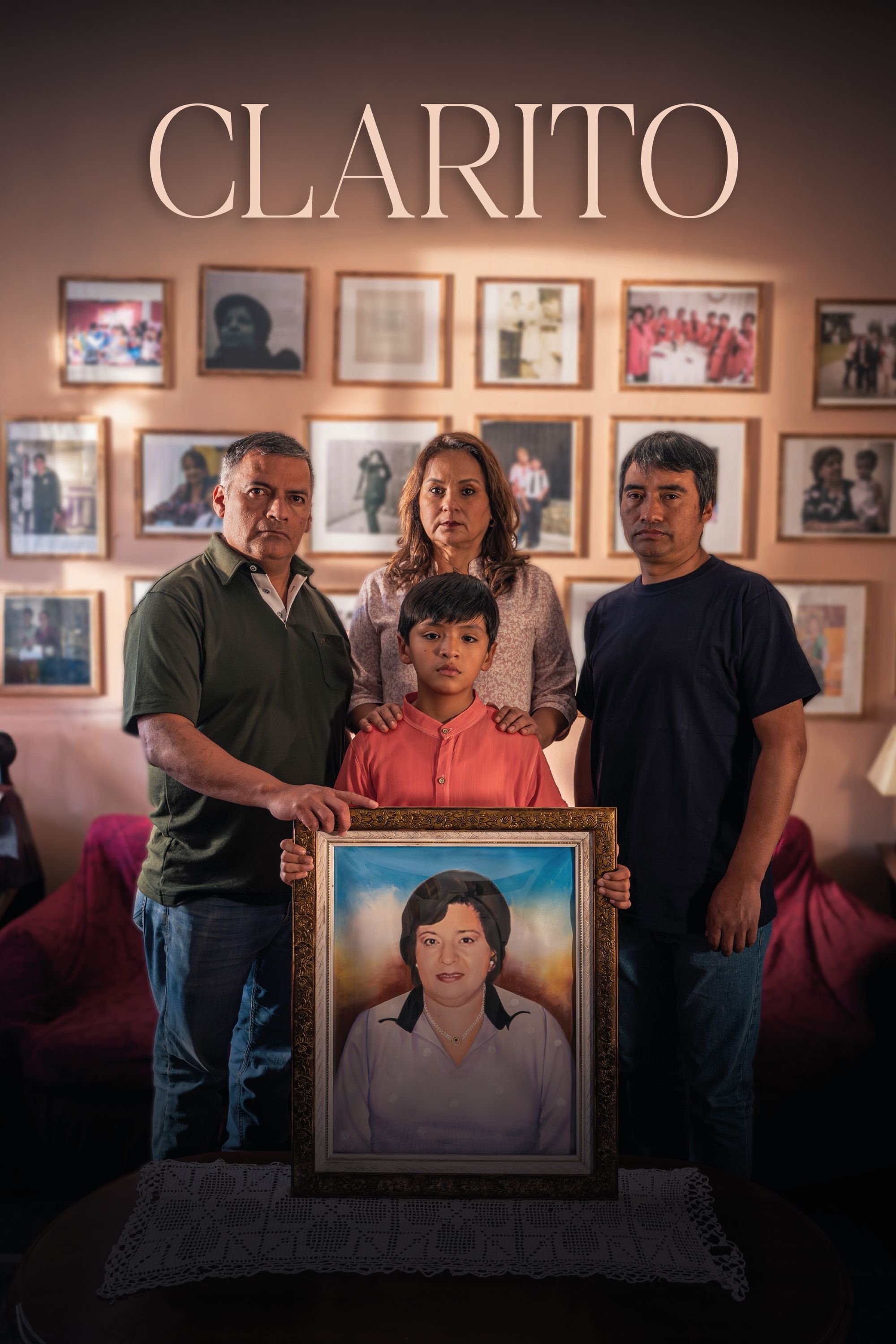
After 15 years in prison, Javier has the opportunity to reconnect with his family.
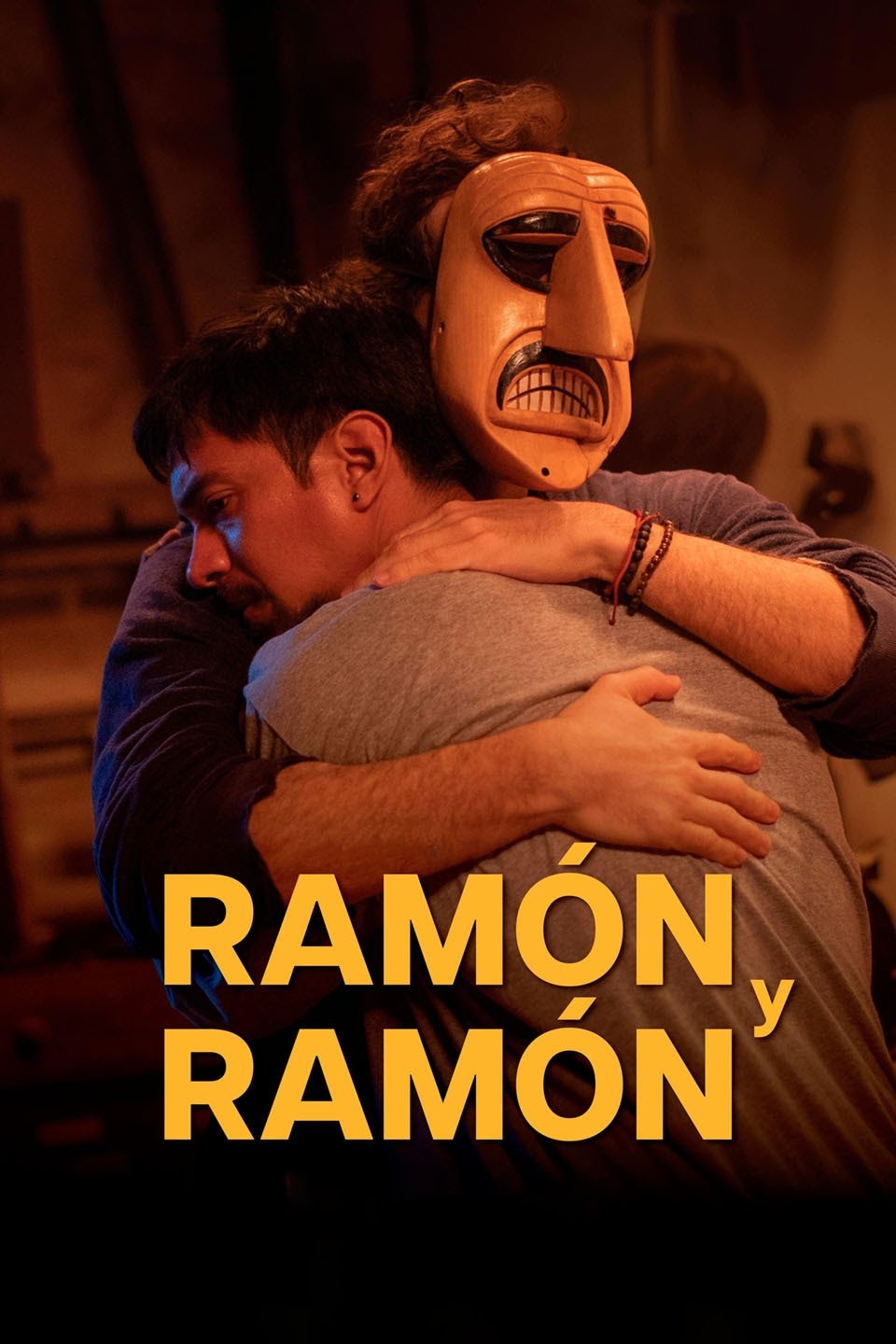
During the COVID-19 lockdown in Lima, Ramón, a gay man in his thirties, receives the ashes of his estranged father. Unable to hold a funeral, he sets out to return the remains to his father’s native village of Mito. Along the way, he meets Mateo, a striking traveler grounded by the pandemic. Despite curfews, masks, and distancing, an unexpected bond forms. They dance, laugh, and grow attuned to each other’s presence, their closeness charged with quiet intimacy and unspoken possibility. As they journey into the Andean highlands, Ramón is drawn not only to Mateo but also to a deeper confrontation with grief, memory, and the hope of healing.