
Alice von Trota returns to her father’s manor in Latvia in 1919 to sell it and start a new life. She meets the hostile resistance of the local workers and discovers she has been lured into a carefully tailored trap set by a demonic lawyer, a decadent underground organisation and its necrophile leader. While escaping the clutches of her “helpers”, she meets some silent-cinema enthusiasts and learns to use the cinematograph as a tool for healing and self-discovery, as a weapon against her enemies and as a way to create a masterpiece.

An insecure millennial woman pursues her dream whilst learning how to adult. While being preoccupied with life tasks at hand she can barely handle and also severe depression, main character of this film Marta (30) keeps dreaming about making films, drawn to the healing power of storytelling, but not having the courage to act these dreams out; sometimes she is too scared to even pick up the phone. Marta’s life seems to sway both in comic and tragic directions: it’s sometimes a mix of ultimate freedom, sex, drugs, friendship, laughter, alcohol, lots of alcohol, music, honesty and love, and sometimes the reality Marta avoids to face becomes so brutal she can’t take it anymore. Through the course of the film Marta learns there is an unavoidable question that at some point becomes inevitable for almost every filmmaker: if you really want to direct films, can you first direct yourself out of depression?

Anastasia is 13 and her sister Diana is 11. The two sisters live in a Latvian orphanage. When they find out that an American family is ready to adopt them, Diana cannot wait to move to the States, while Anastasia is less excited about the idea of leaving her home.

Diana, a woman in her early 40s, struggles to end an abusive relationship with her husband while also trying to protect the only possession their family have left – an apartment in a luxurious part of the city. As the couple’s daughter Astra gets involved in the conflict, Diana will have to make a choice between Astra’s wellbeing and her own goals and convictions.
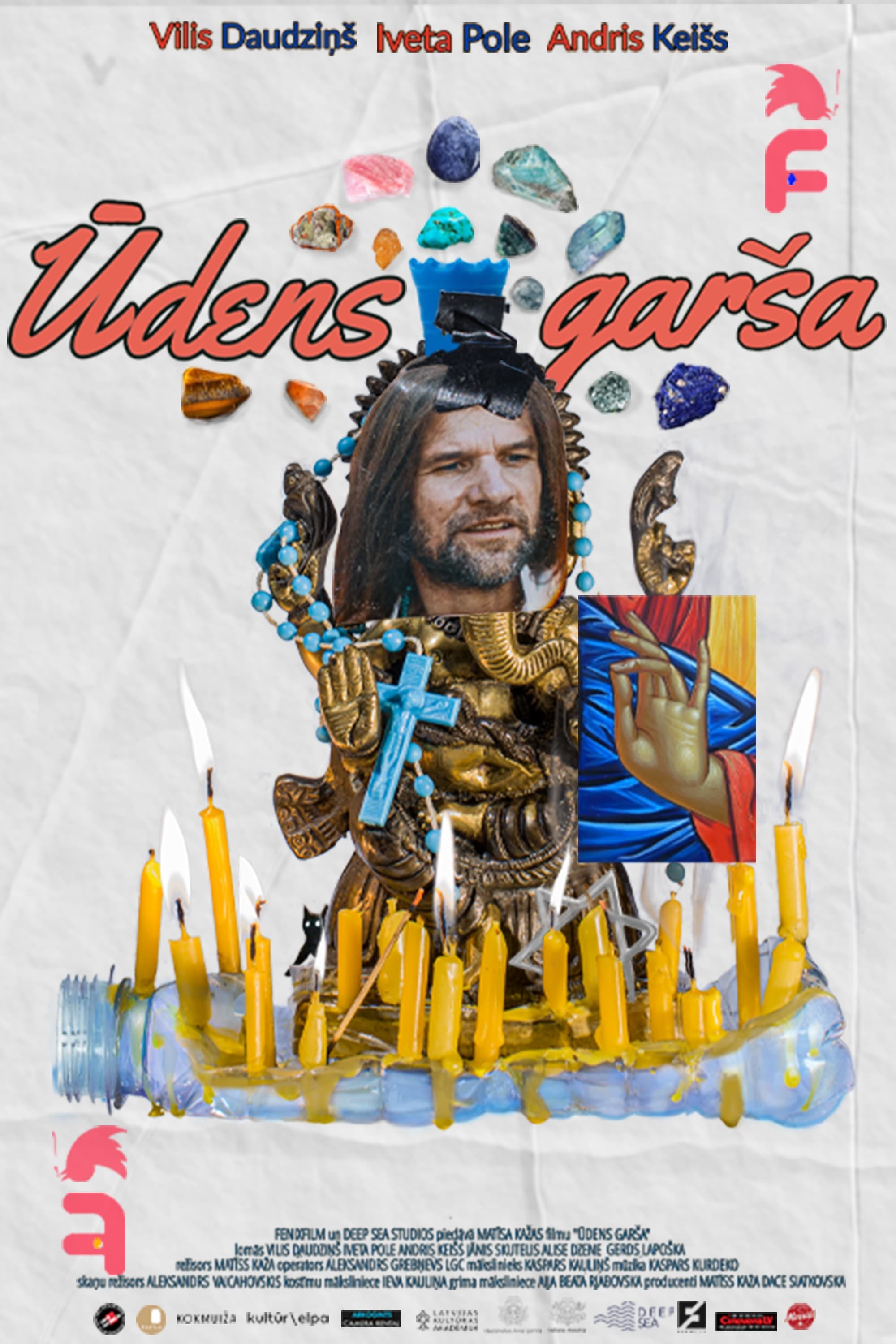
An investigative journalist decides to take down an esoteric organization based around the implementation of structured water.

Estere spends her days by the sea selling ice cream. Trying to find peace, she listens to meditation podcasts and self-help books. Meanwhile, strangers caressed by the summer sun look for the same in tarot cards, alcohol and the Bible. Estere starts to imitate overheard conversations: stuck in positive self-verbalization, she repeats it until she believes it.

A film that depicts the mentality of the inhabitants of a small village on the Baltic coast. Three guys are trying to fulfill their life's by drinking beer, killing time and picking up fights with neighboring villagers. The main character Andzha is trying to convince his girlfriend to marry him. The sudden arrival of his elder brother Guido starts a series of events where main roles a played by elevated self-esteem, pride and cravings for love that is stronger than death.

CIA agents Palmer and Gagano are tasked with the perilous mission of destroying “The Soviet Union!" As they enter the system using a VR simulation, their mission quickly turns into a delirious trap, far more complex than expected, as the fabric of reality starts unraveling around them.

Three unrelated sci-fi stories that depict people’s search for happiness.
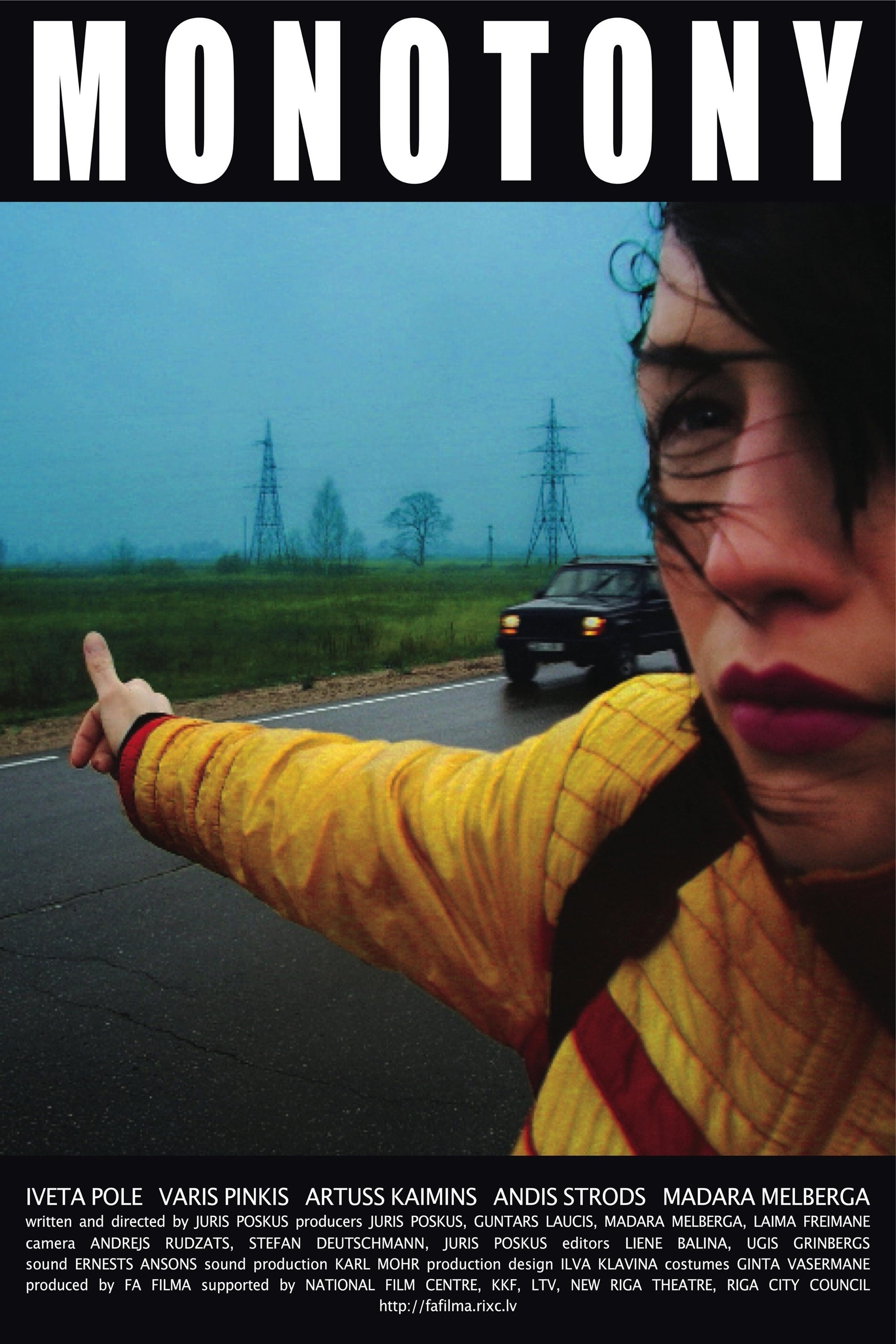
Following an ad in the paper, Ilze leaves her native village to become an actress. She fails the audition, but her pride won't let her return home. Her boyfriend is skeptical about her ambitions, so he comes after her to bring her back home. The plot evolves around their relationship as they pretend and lie to each other trying to end the emotional stand-off.

Riga, Latvia. Four women: Elita, a passioned actress, Elina, her daughter, Iveta, a tourist guide and Paulina, a teenage ballet dancer. All are in love and going through strong emotions. A free-style composition about passion and arts, a visually stunning cinematic jazz partition.
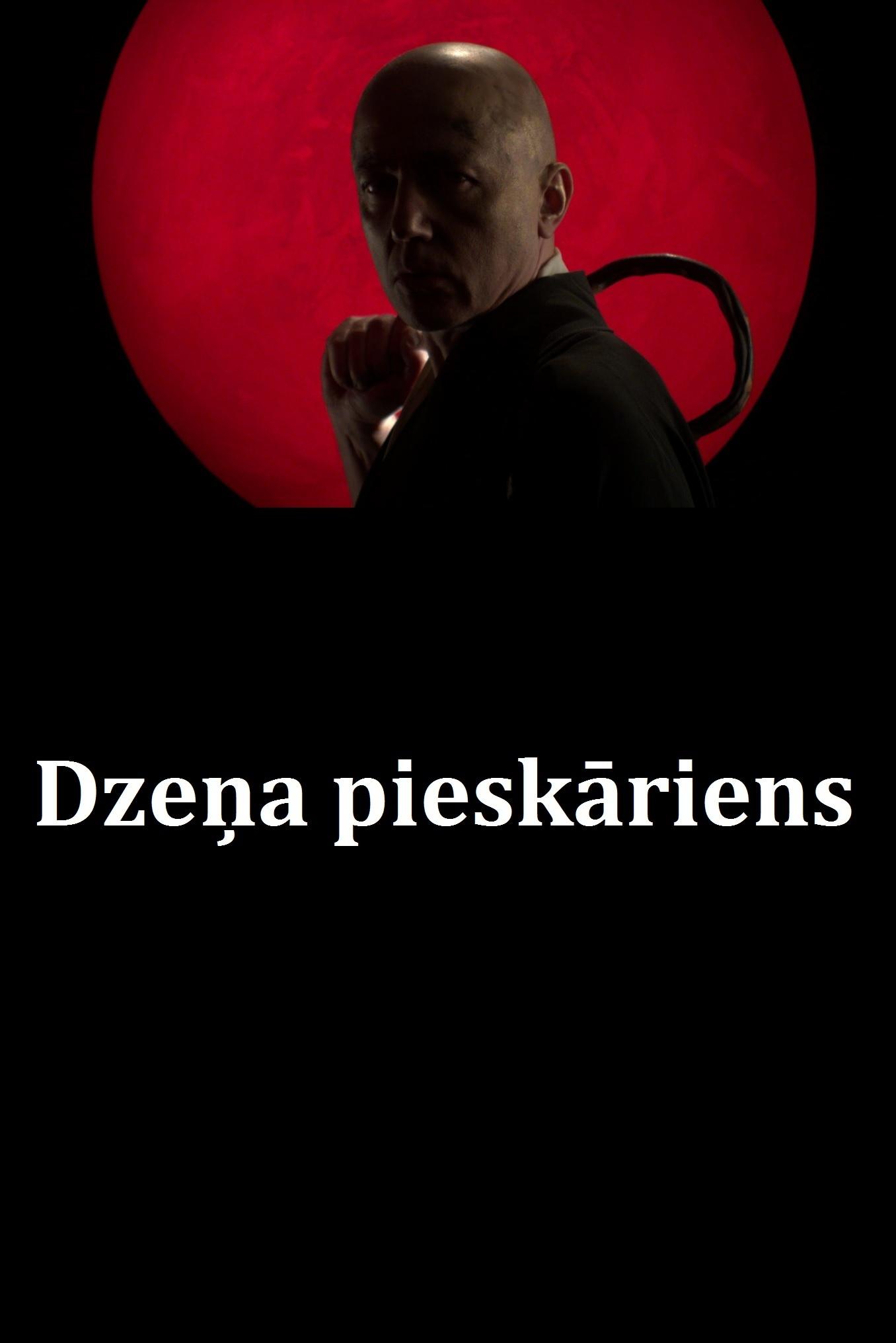
A female ninja tries to break ties with her spiritual teacher. The seemingly unexpected and humiliating death of her teacher is only the beginning of this process; it is a decisive step in her life. The action takes place in a specific environment, and the characters, references, symbols, and movements are directly related to the history of cinema, more specifically, to Japanese ninja films made in the 1930s–1960s.
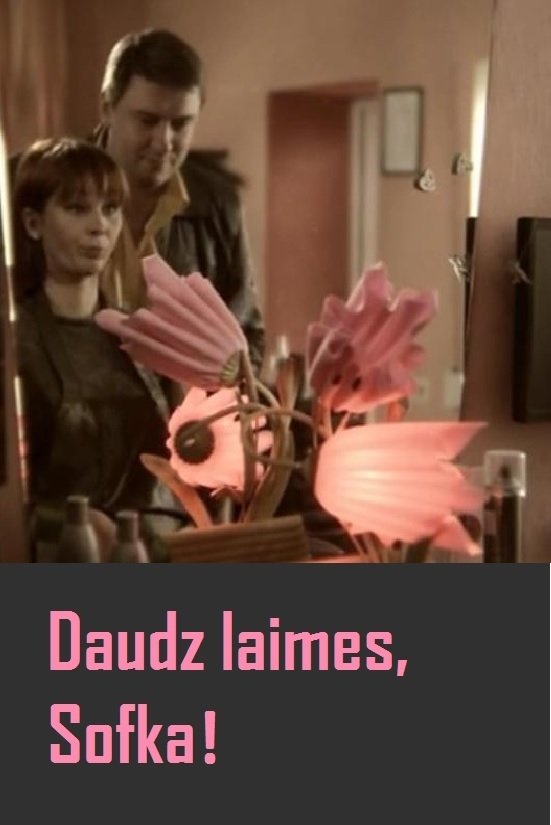
It's Sofka's birthday and she gets a lamp which is the beginning of her dream. But there's a misunderstanding and someone takes Sofka’s lamp away. Because of a friend’s principles of justice, Sofka winds up in a criminal situation.