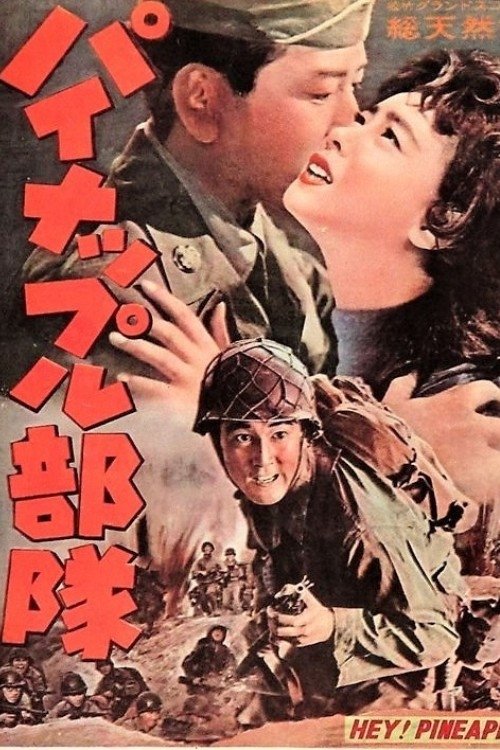
The story of the role played by Japanese-American soldiers from Hawaii in the Korean War of the 1950s.
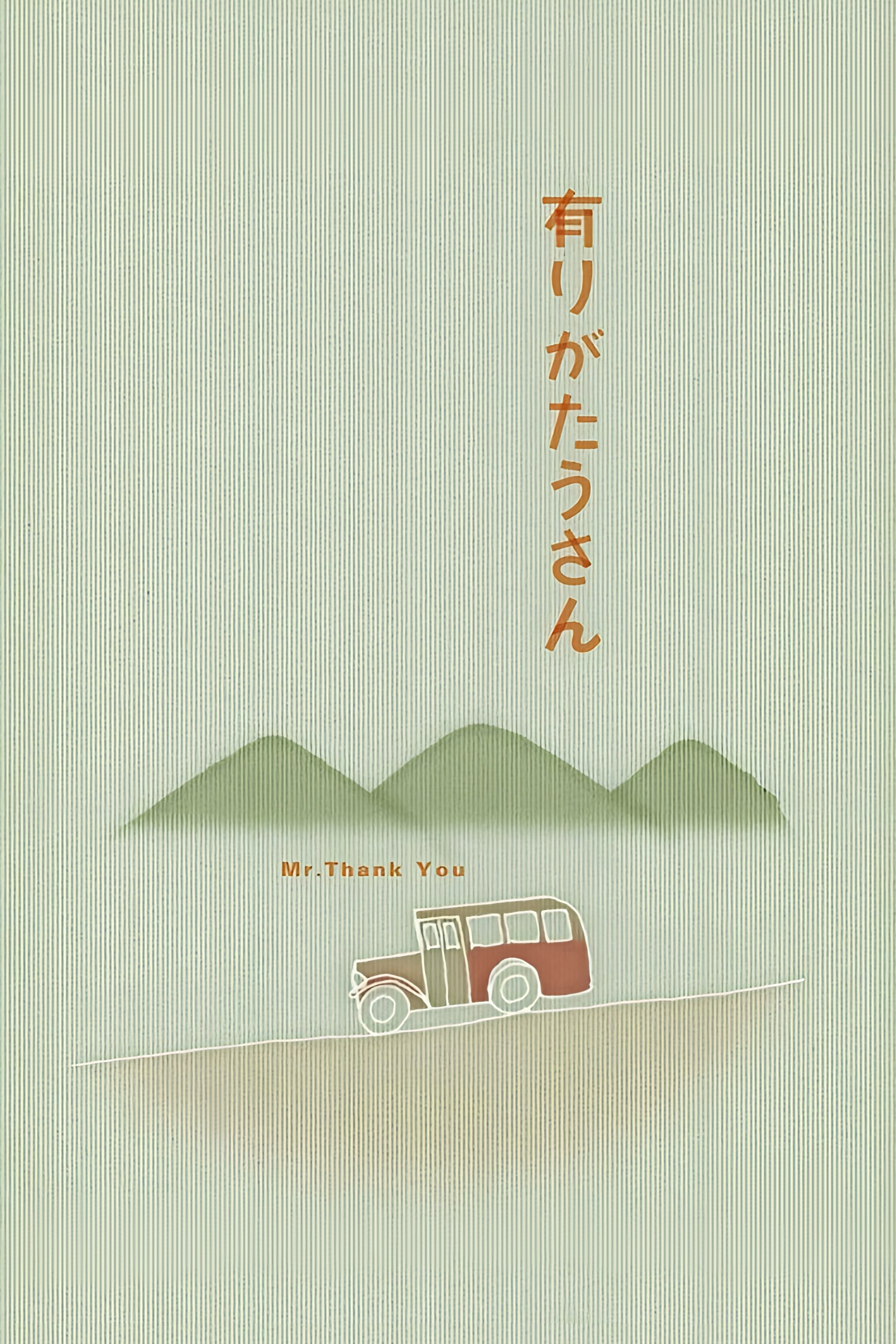
In Depression-era Japan, a courteous bus driver carries an eclectic group of passengers from the mountainous Izu to Tokyo.
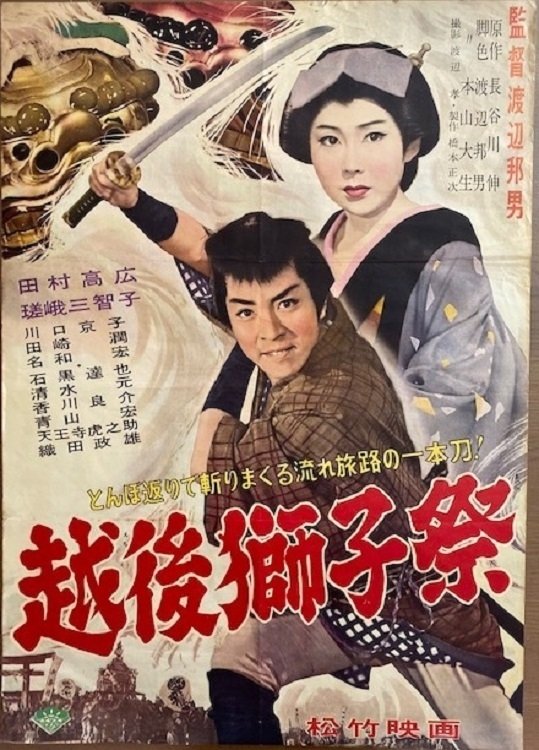
1960 version of Lion Festival of Echigo
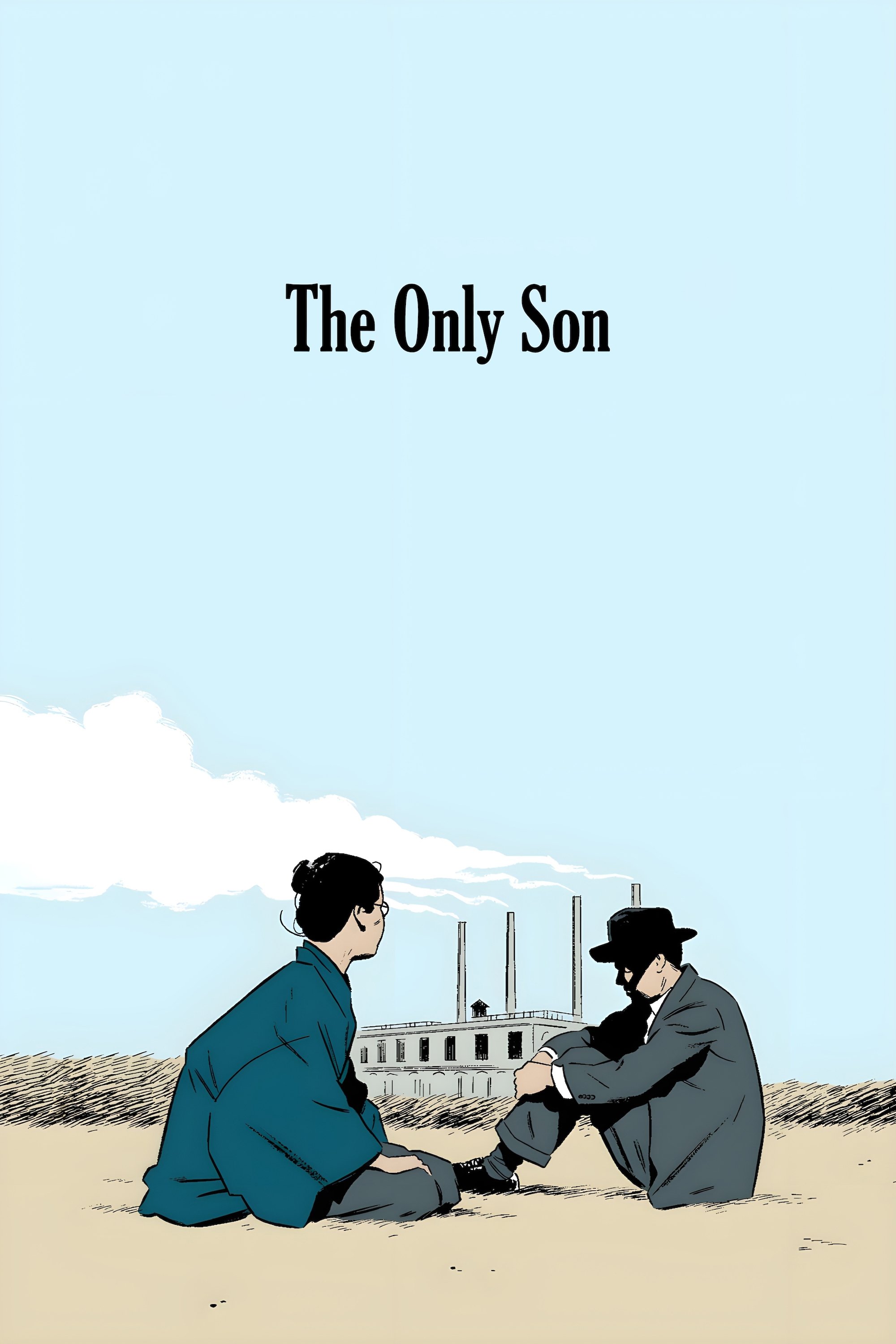
A silk factory worker is persuaded to support her son's education up to a college level despite their poverty. Many years later, she travels to Tokyo to visit her son.
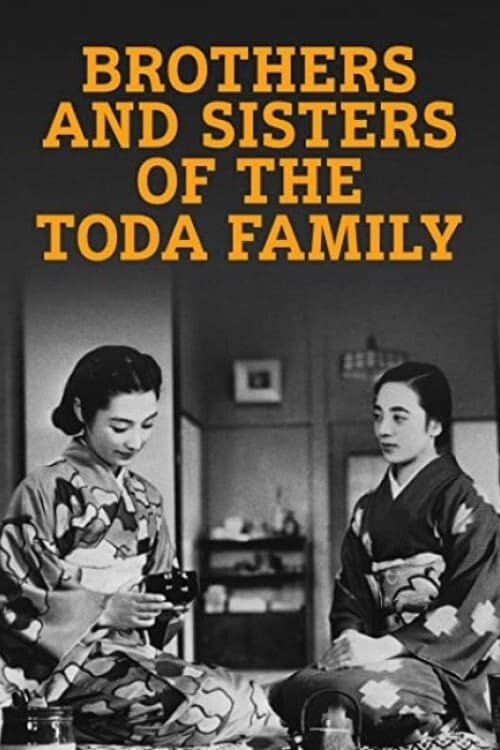
After the death of her husband, an elderly woman and her youngest, unmarried daughter are forced to sell their house to cover his debts and decide to move in with one of the former's children, each of whom is scarcely happy to accommodate.
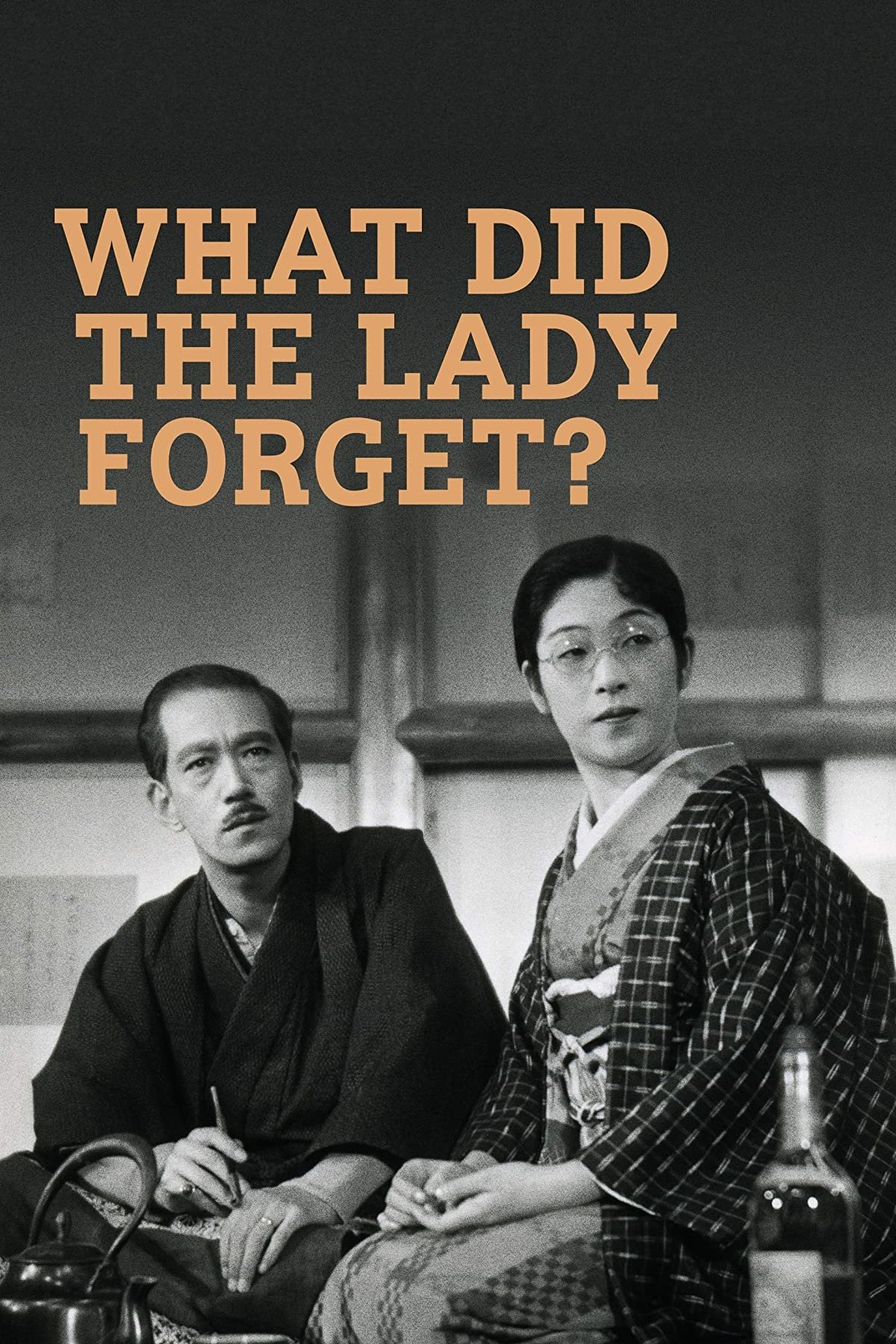
A professor, Komiya, and his bossy wife, Tokiko, are to look after Setsuko, their high-spirited niece from Osaka. Despite being a minor, Setsuko is a liberated woman who does whatever she wants, including smoking. She even convinces Koyima to take her to a geisha house. When she gets rather tipsy, the professor calls Okada, one of his students, to take her home. The wife becomes suspicious of Setsuko when she sees Okada bringing her home.

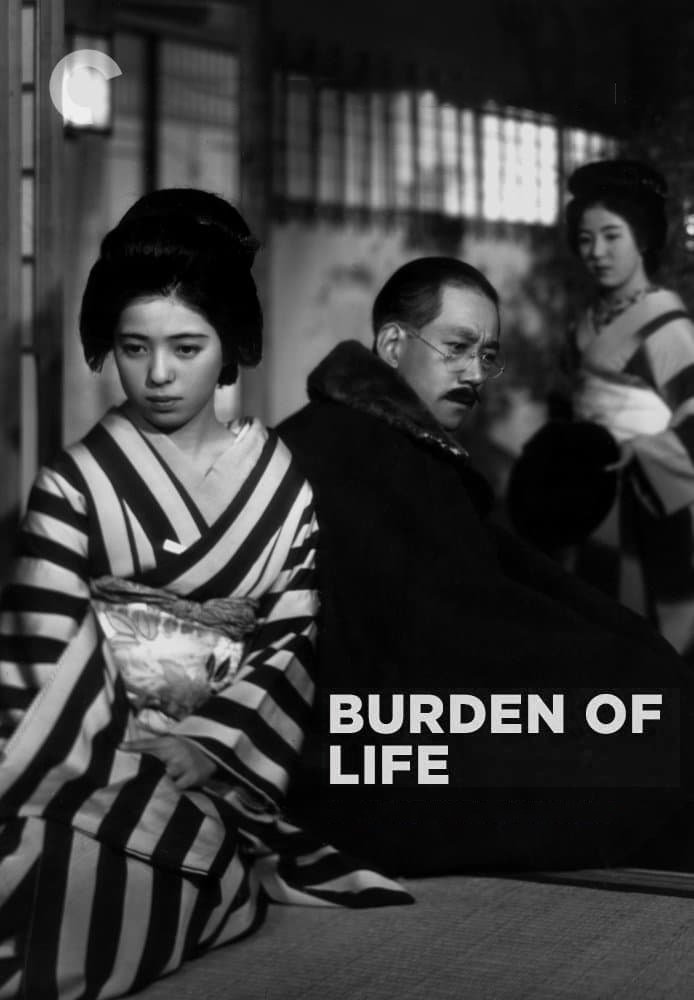
A middle-aged father has just married off his third daughter, but still has his nine year old son to raise whom he resents as he was unwanted.
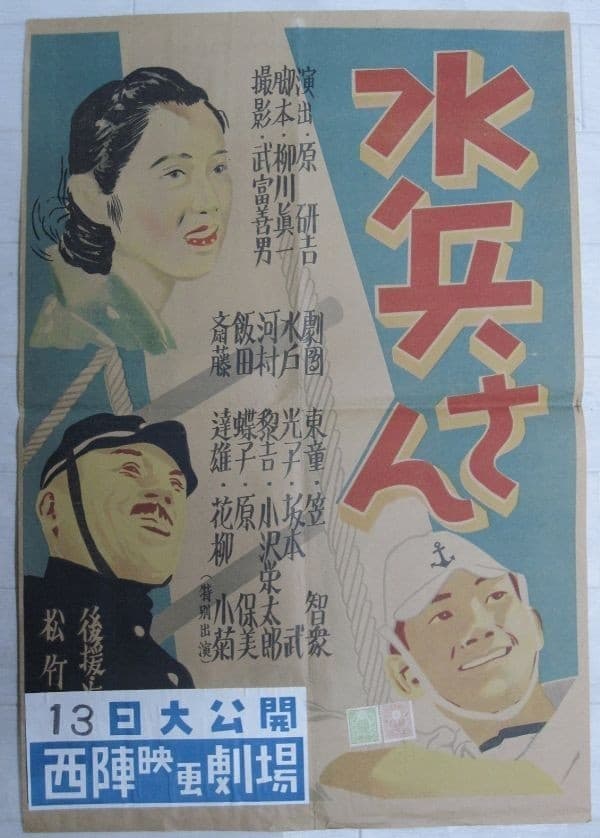
Shinpachi Morimura, who was born in a fusuma craftsman's house, wants to join the Japanese navy. However, his father wants him to continue in the family business and refuses to accept it.
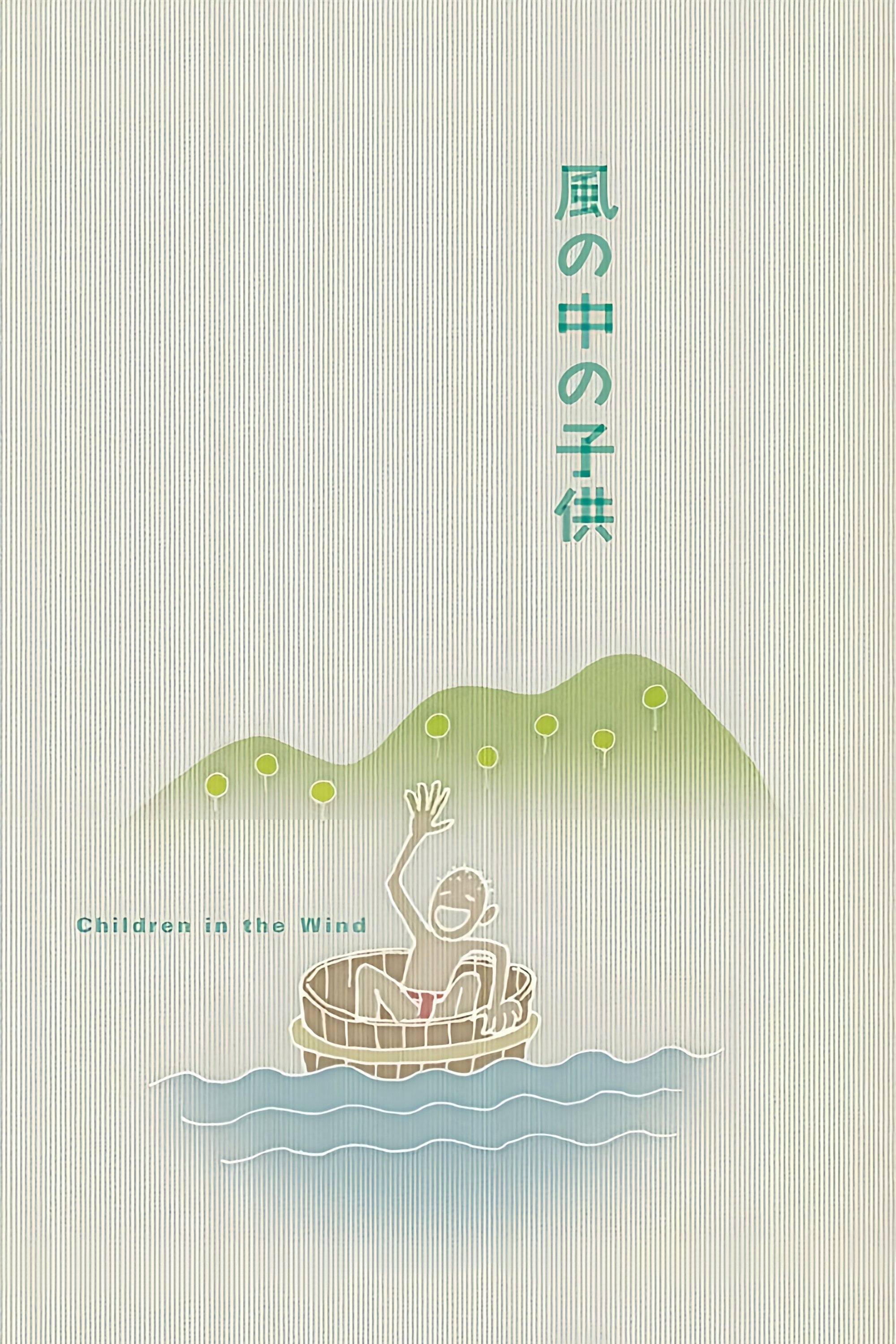
On vacation's eve, a boy is sent to the countryside to live with his uncle after his father is imprisoned and accused of embezzlement.
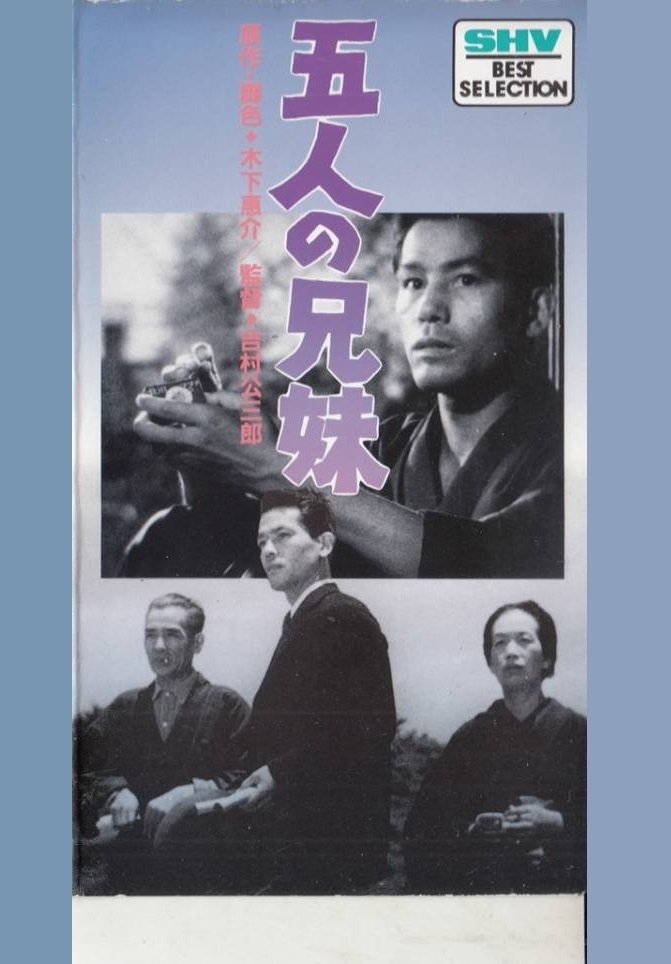
A businessman runs afoul of the law and commits suicide, leaving behind a wife and five children. The eldest son takes the family to Tokyo and labors to restore its name and fortune
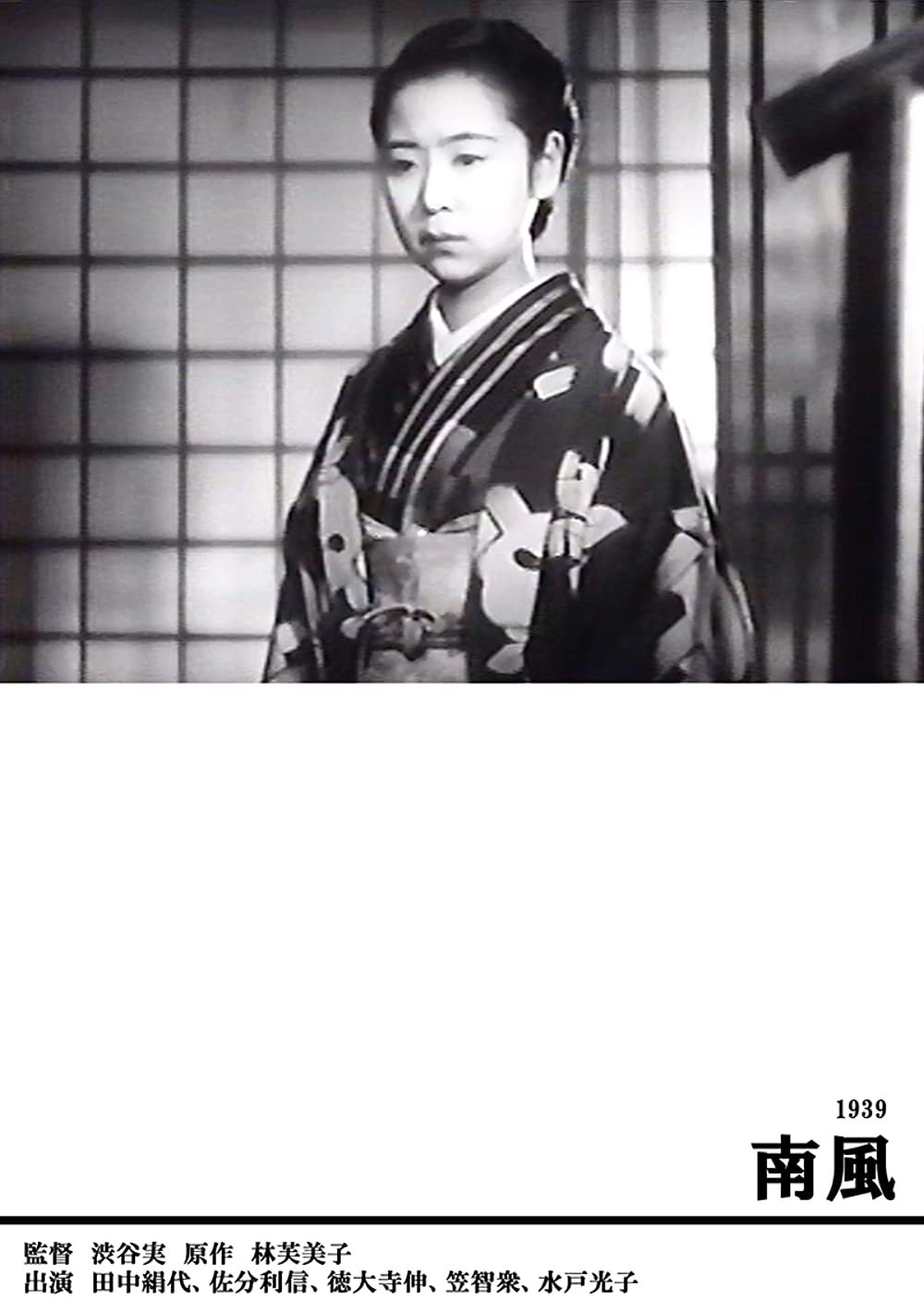
Based on the original work by Fumiko Hayashi, this is a story about a woman and two men. The lust is restrained and indifferent. The story even has an elegance to it, which is the charm of the 30 year old Kinuyo Tanaka. There was a time when Tanaka was adorable... Shin Saburi was young and Chishu Ryu was young too. It is a promise of melodrama that the rival or friend is prettier than the heroine Kinyo.
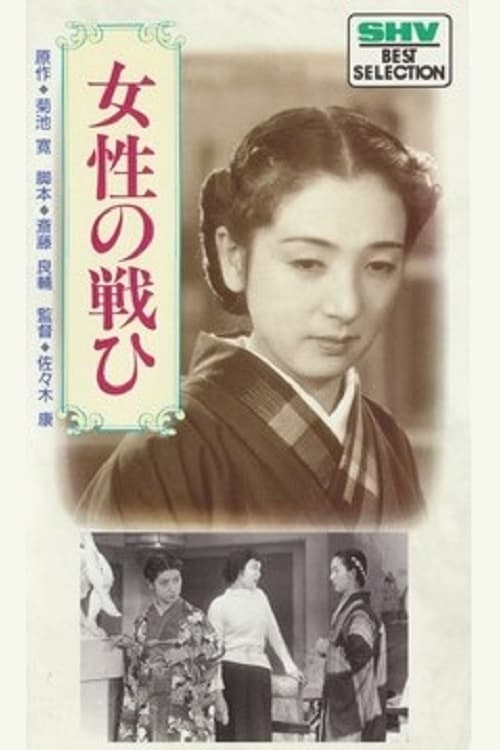
Naomi Tazawa (Hiroko Kawasaki), who works at Isetan Department Store, was told by an executive at a film company (Ken Uehara), that he was going to make a film about her. She was scouted to become an actress, but she held strong. Around that time, her adoptive father dies, and at the time of his death, she learns that her real father was a man of high rank.
Yuki is a young, single mother supporting herself and her son, Haru, with a job as a bar hostess.
Shuhei Horikawa, a poor schoolteacher, struggles to raise his son Ryohei by himself, despite neither money nor prospects.
A boy aviator endures rigorous training and a sad fate, and grows into a strong man with his eyes set on becoming an eagle.
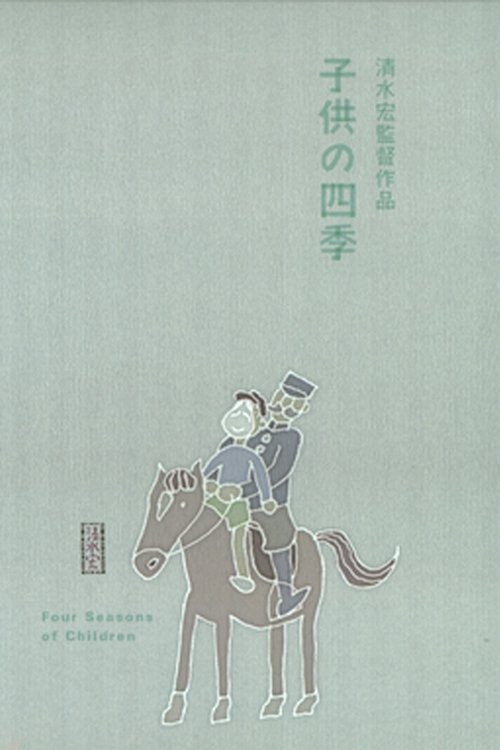
The brothers of Children In The Wind deal with declining family fortunes: they must work when the father becomes sick, and eventually live with their grandfather, which means making new friends and struggling with a different environment.
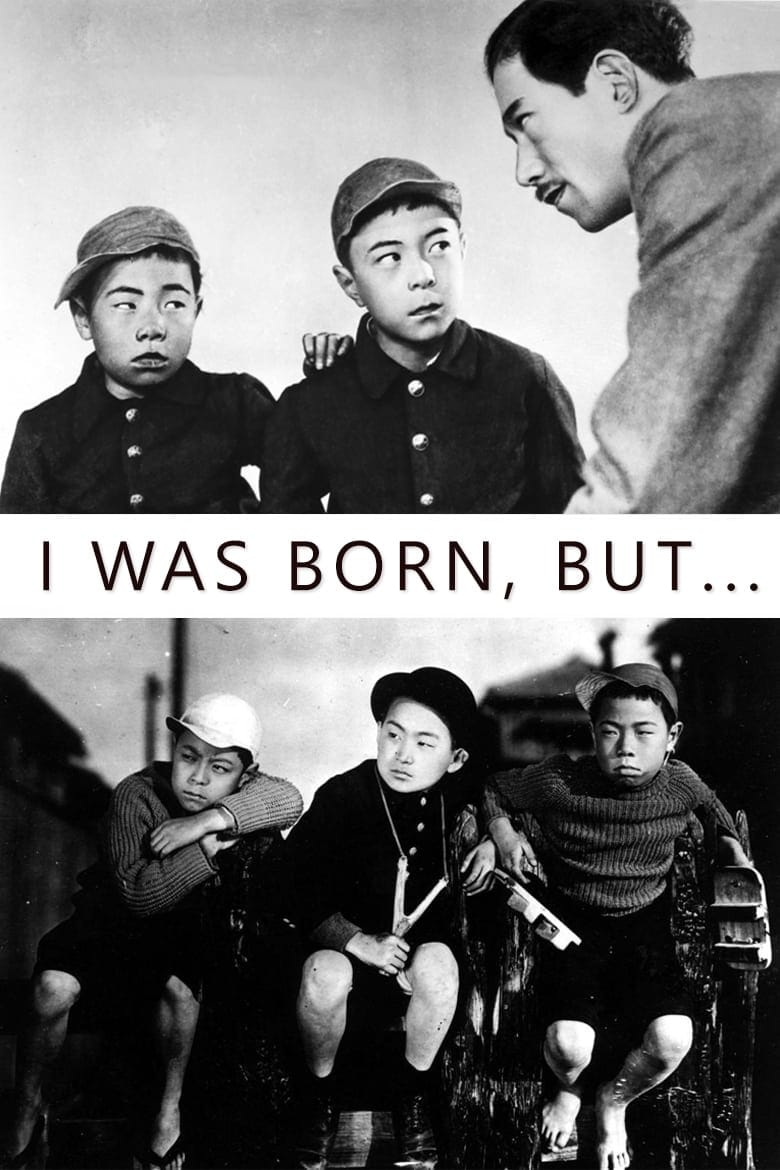
Two young brothers become the leaders of a gang of kids in their neighborhood. Ozu's charming film is a social satire that draws from the antics of childhood as well as the tragedy of maturity.
Episode in the life of a composer of a popular Japanese song.
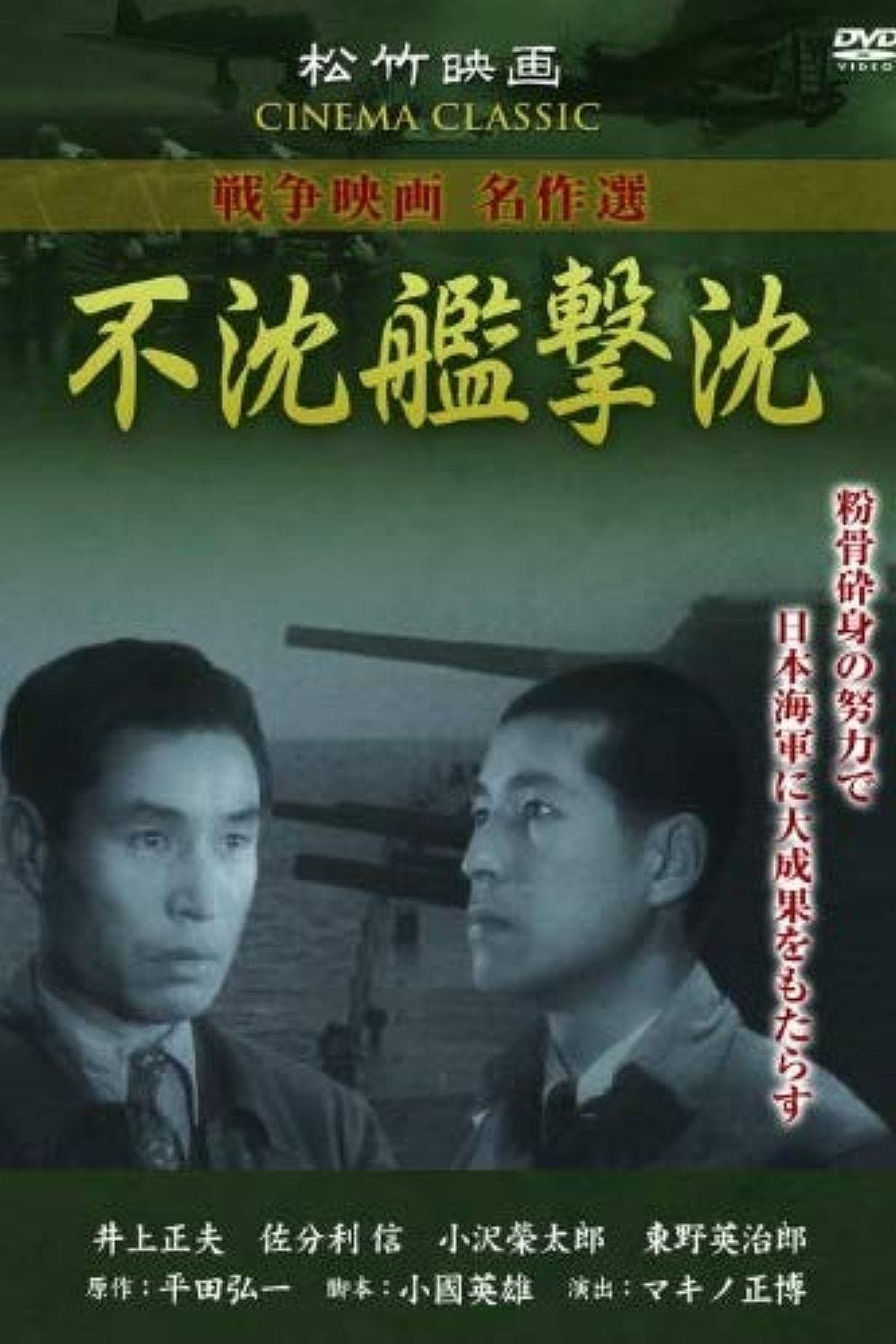
Japanese Warmovie

During college military training exercises, the bond between two friends and athletic rivals is tested when one of them becomes involved with a woman who may be a prostitute.
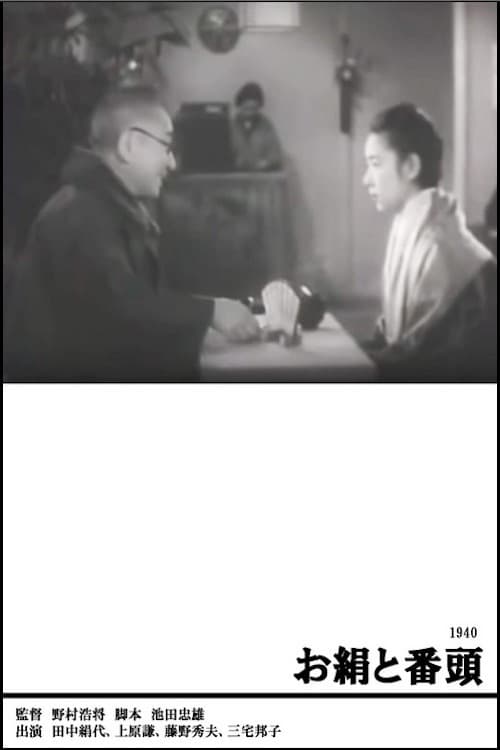
A story of a store that makes Tabi socks.
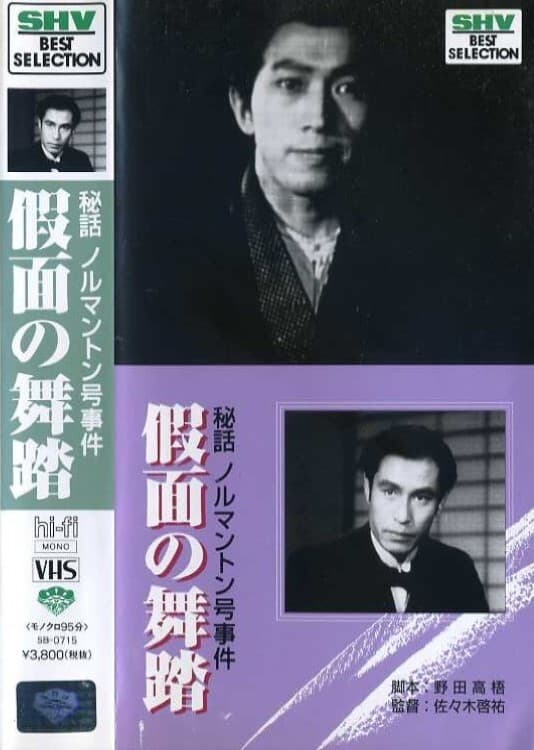
Japanese propaganda film about the Normanton Incident.

The movie follows a young woman (Kinuyo Tanaka), a daughter of a high-ranking businessman and his neglected mistress, as she struggles to ease her mother's loneliness, while also having an affair with her father's subordinate.