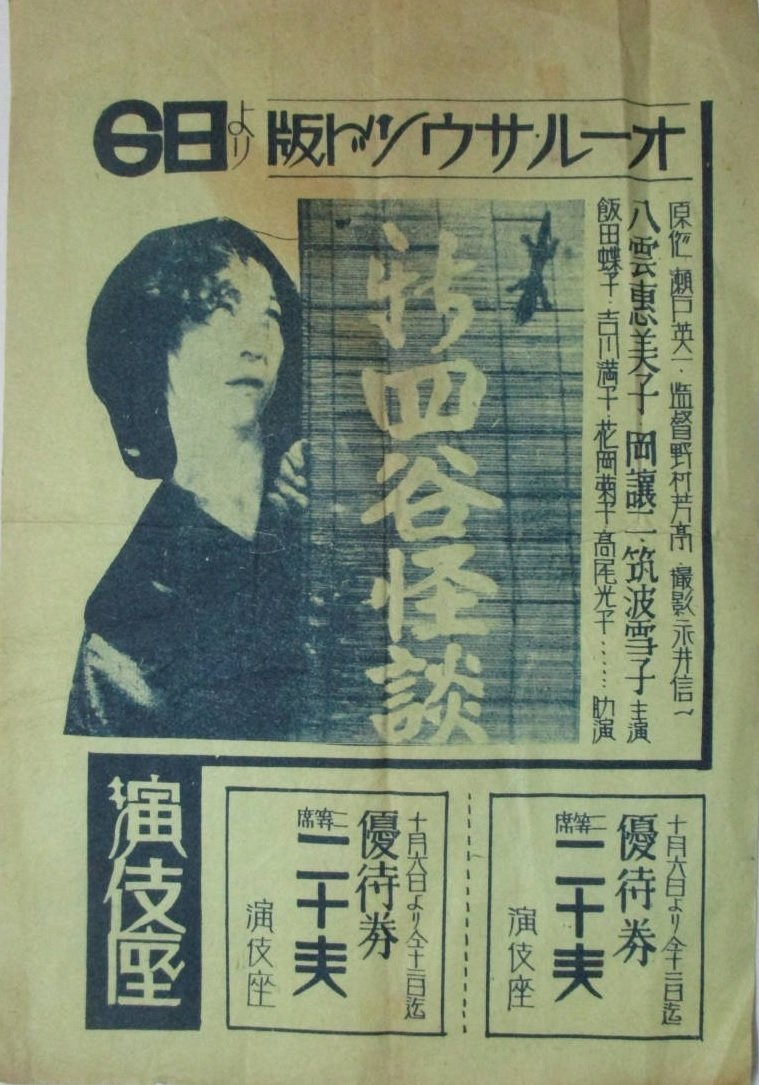
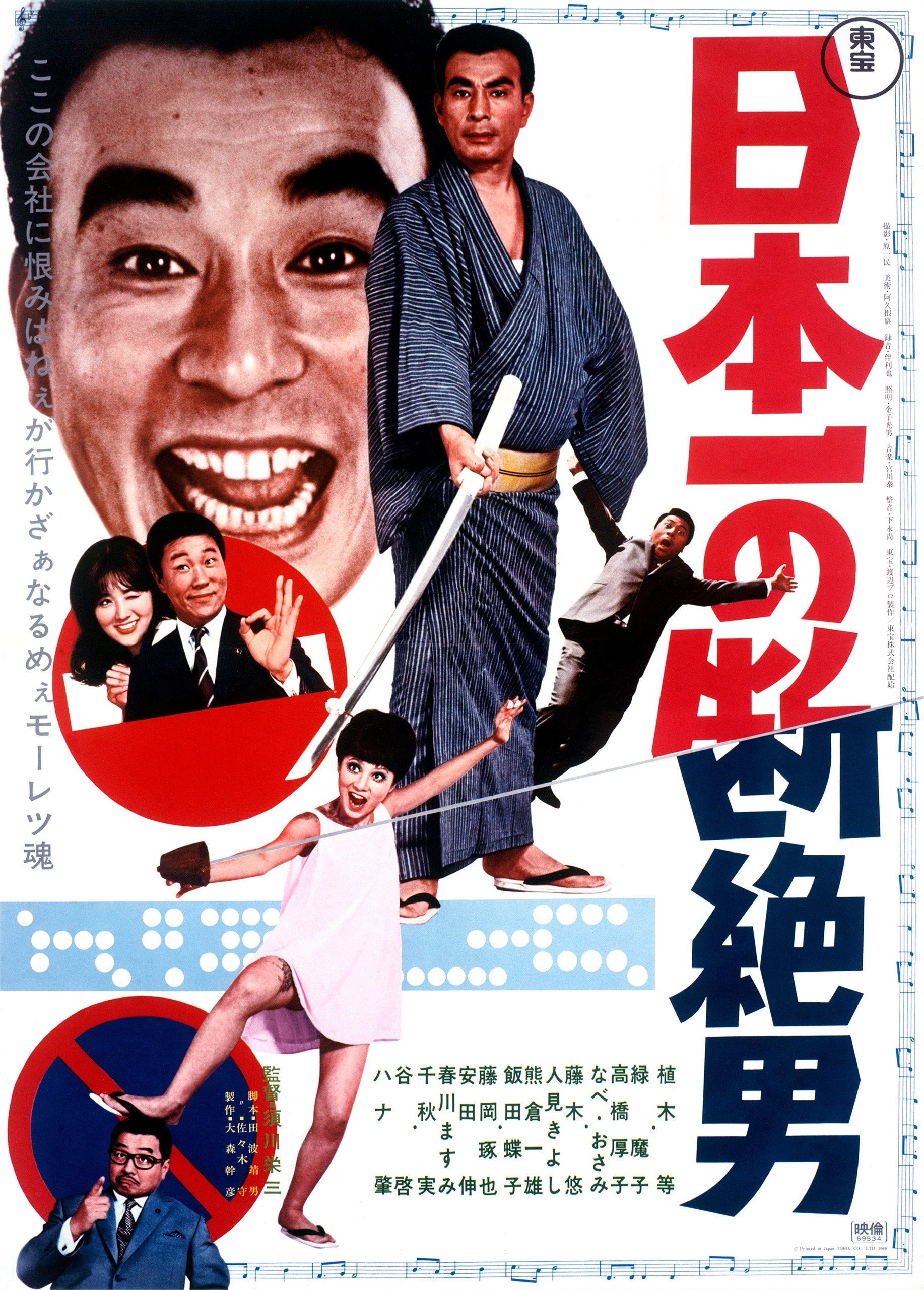
Maruyama, a day laborer, is living on an abandoned ship at the port of Osaka when he meets an elusive man offering a job.
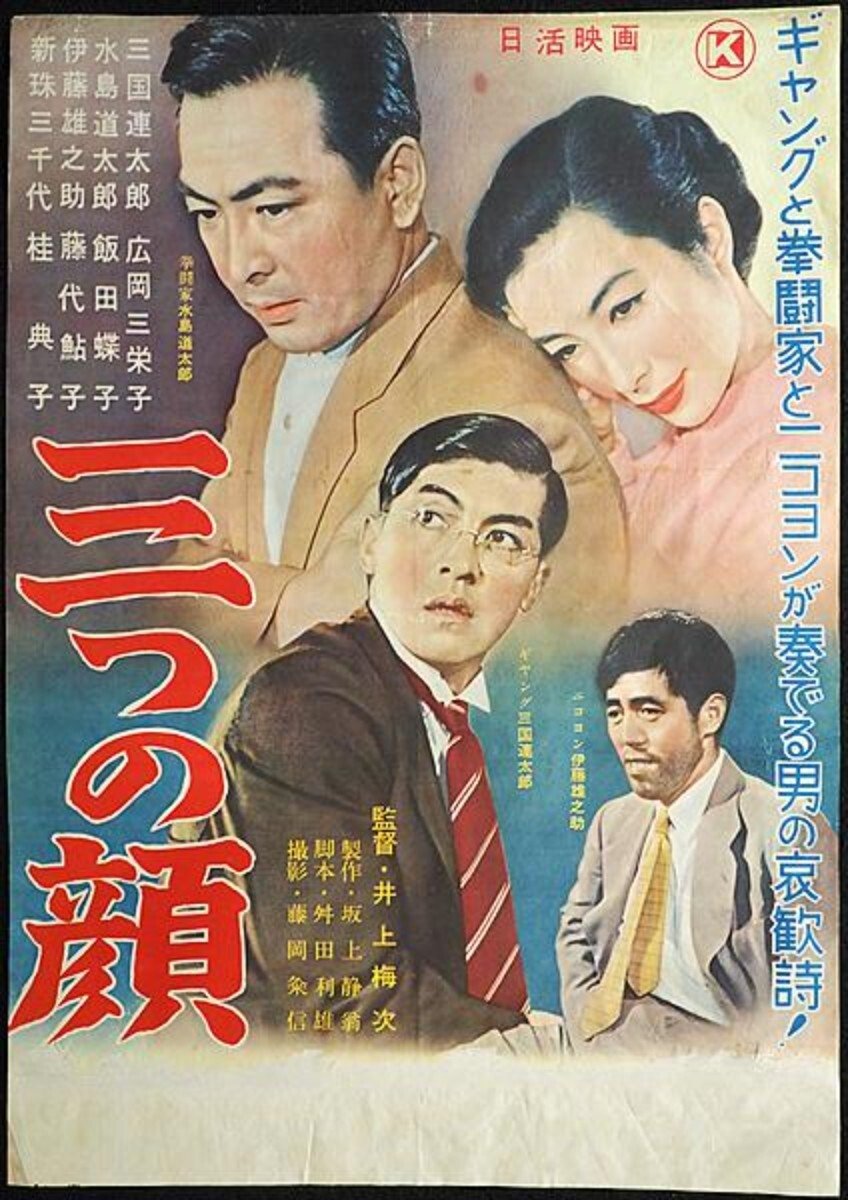
Five years have passed since the three comrades who saved their lives on the Burma Campaign-Kenichiro Kishi, Eiji Shiga, and Daizo Kobayashi promised to meet again five years later at the platform of Shinagawa Station, which was crowded with repatriates. , The day of reunion is approaching.

In postwar Tokyo, a blunt, alcohol-soaked doctor diagnoses a swaggering young yakuza with tuberculosis, forging an uneasy bond that’s tested when the gangster’s ruthless former boss returns and drags him back toward the swampy underworld he can’t escape.
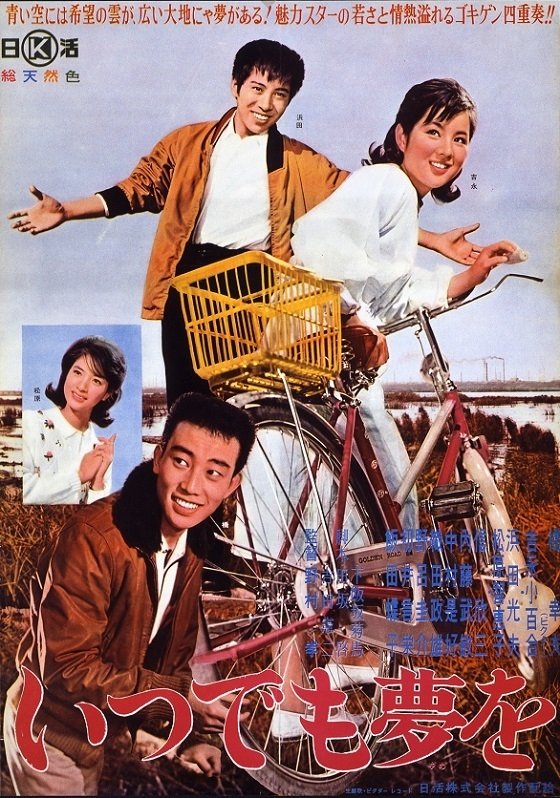
This is a factory area in downtown Tokyo, and Hikaru, nicknamed Pika-chan, is a nurse at the Mihara Clinic, a friend of the poor.
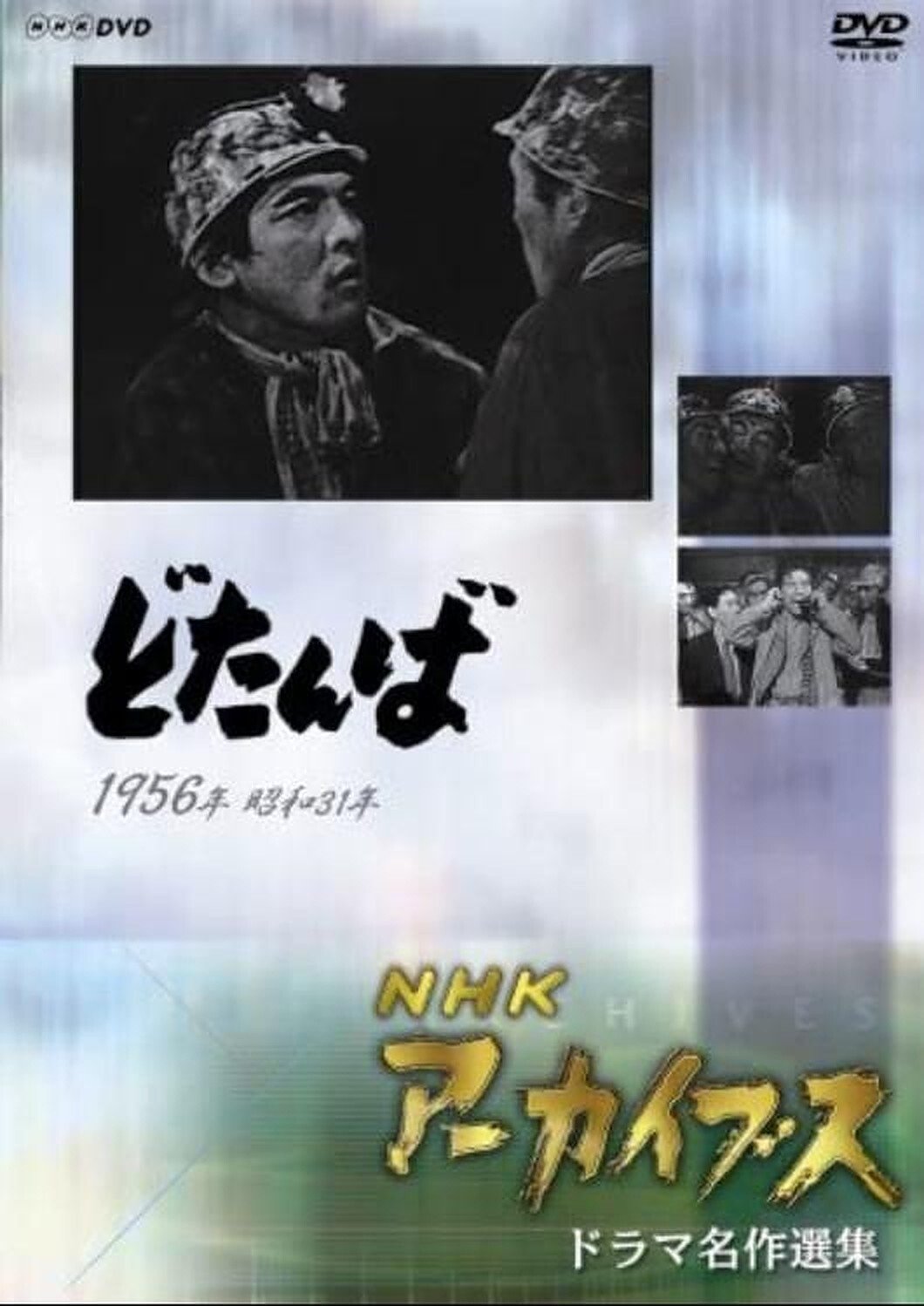
Based on a 1956 television feature on Japan’s national network, NHK, this is one of Uchida’s rarest films. A socially conscious drama with a contemporary backdrop, Dotanba focuses on the attempts to rescue a group of trapped miners. The title is a figure of speech — (essentially “last minute” or “eleventh hour”) — that refers to a situation of peril. The film boasts a script co-written by Uchida and Akira Kurosawa’s frequent screenwriter, Shinobu Hashimoto, and stars Kurosawa’s frequent star Takashi Shimura.
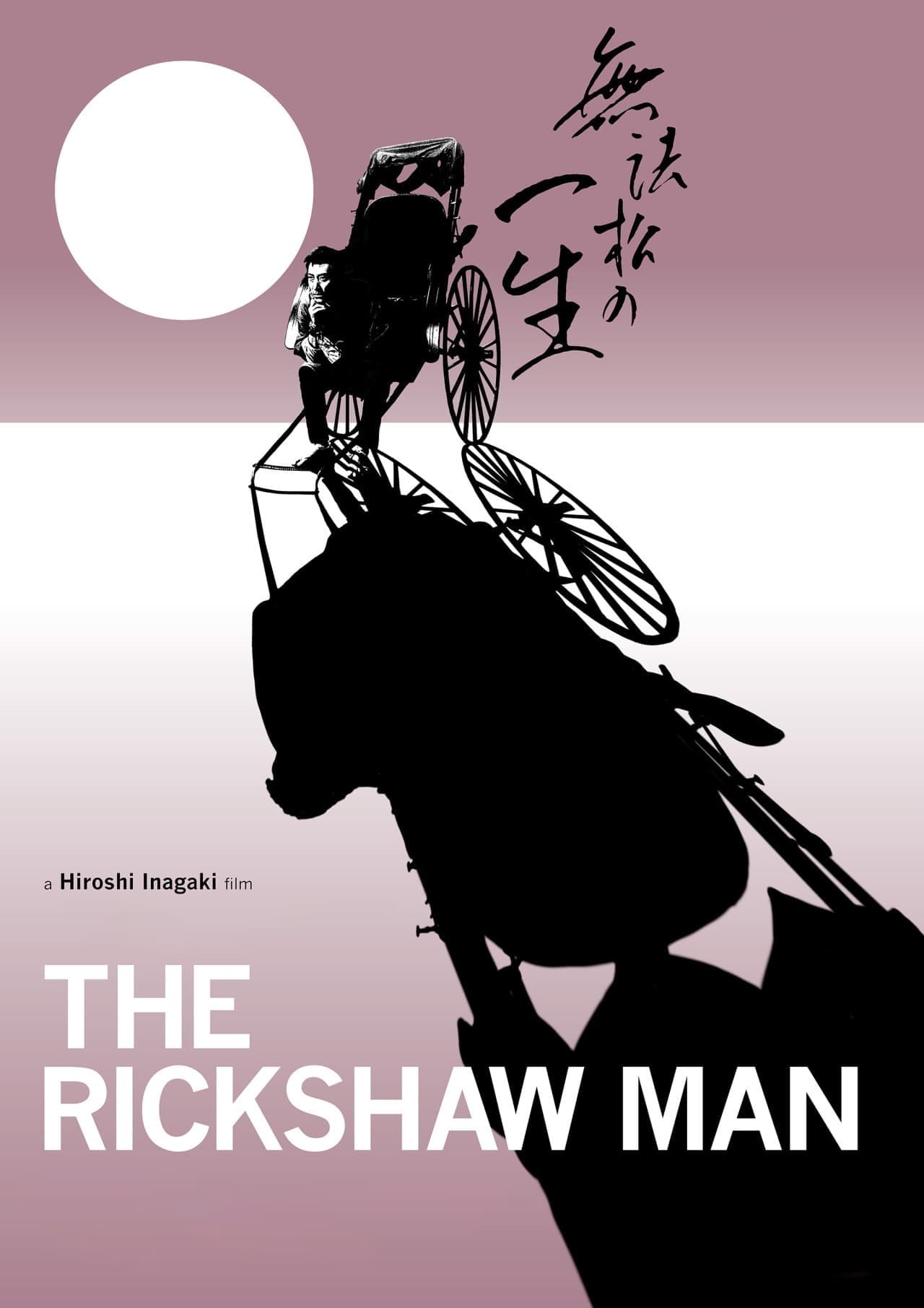
A poor rickshaw driver finds himself helping a young woman and her son after the woman's husband dies suddenly.
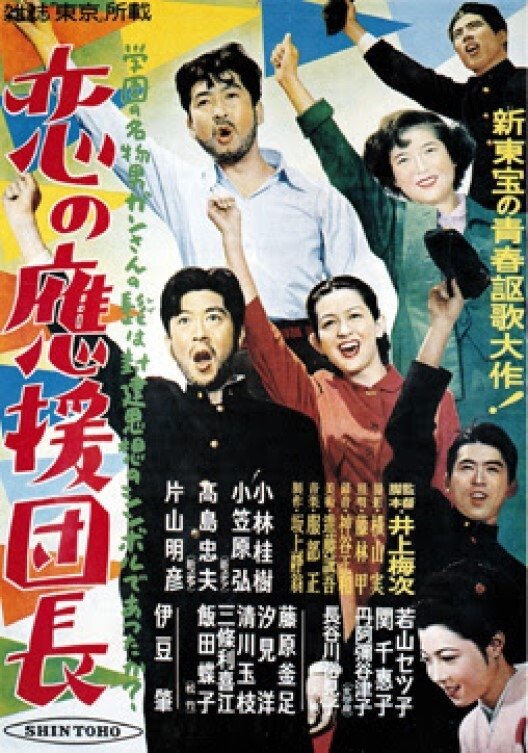
Directorial debut by Umetsugu Inoue, the famous director of Musicals
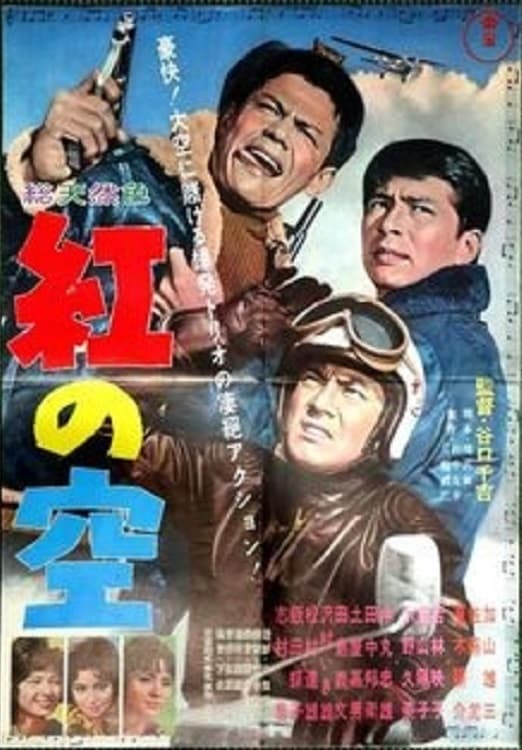
1962 Japanese movie
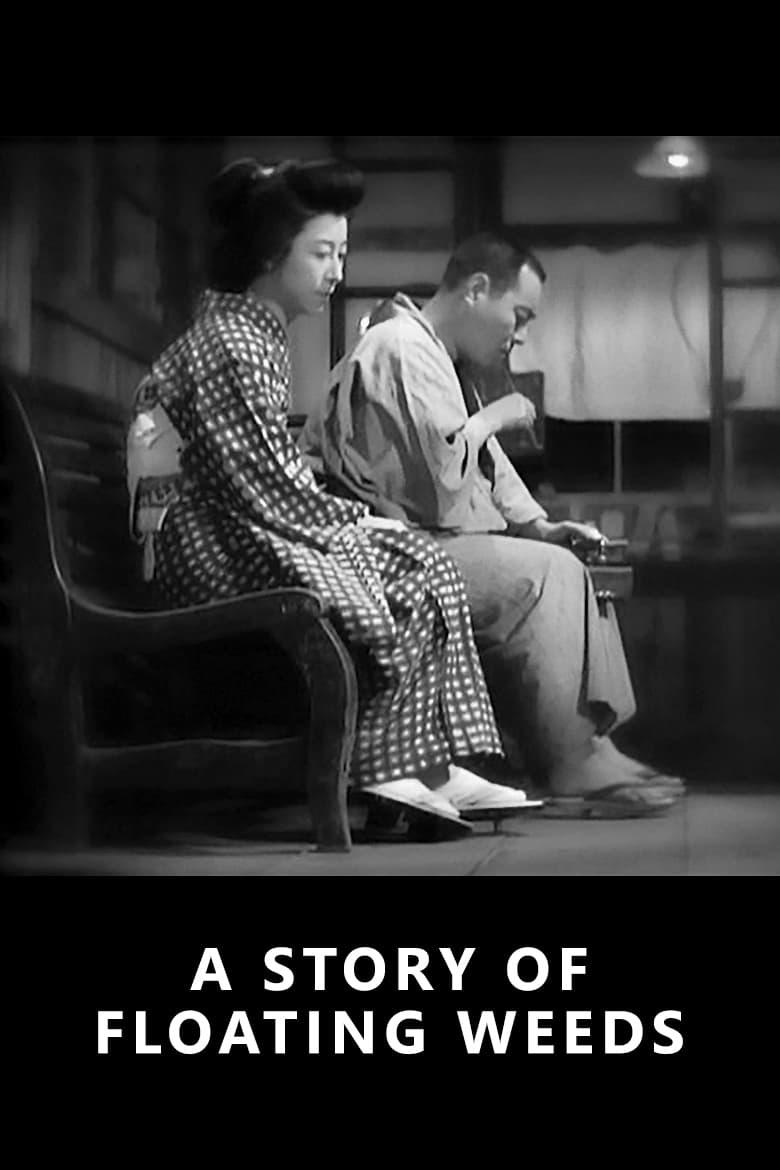
An aging actor returns to a small town with his troupe and reunites with his former lover and illegitimate son, a scenario that enrages his current mistress and results in heartbreak for all.
An early film by Kon Ichikawa
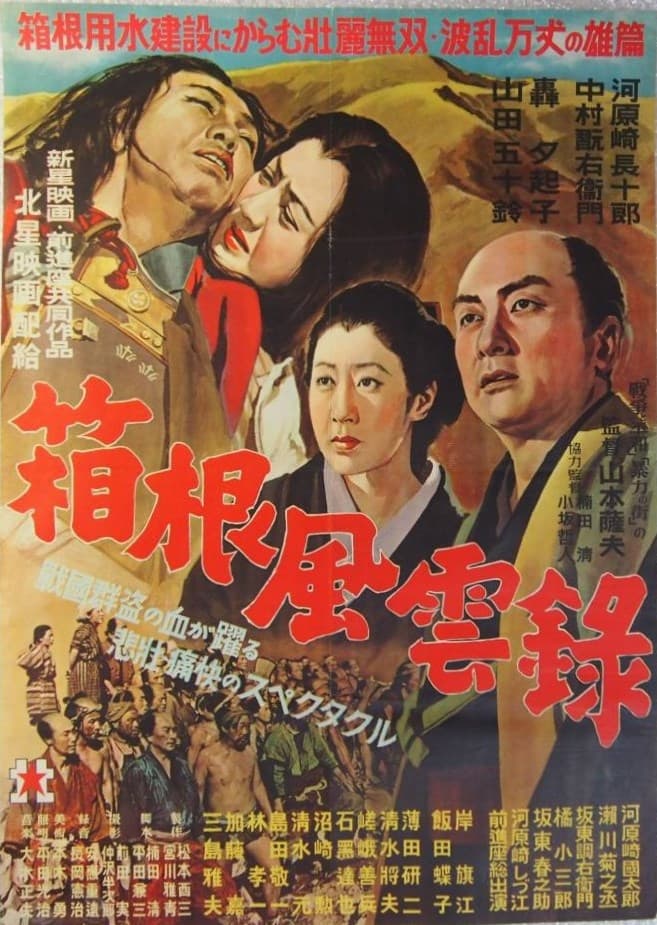
A period film about a peasant revolt in the region near Mount Fuji, occasioned by high officials' depriving the farmers of their water rights.
1962 Japanese movie

The story of a boy who befriends a lonely middle-aged man.
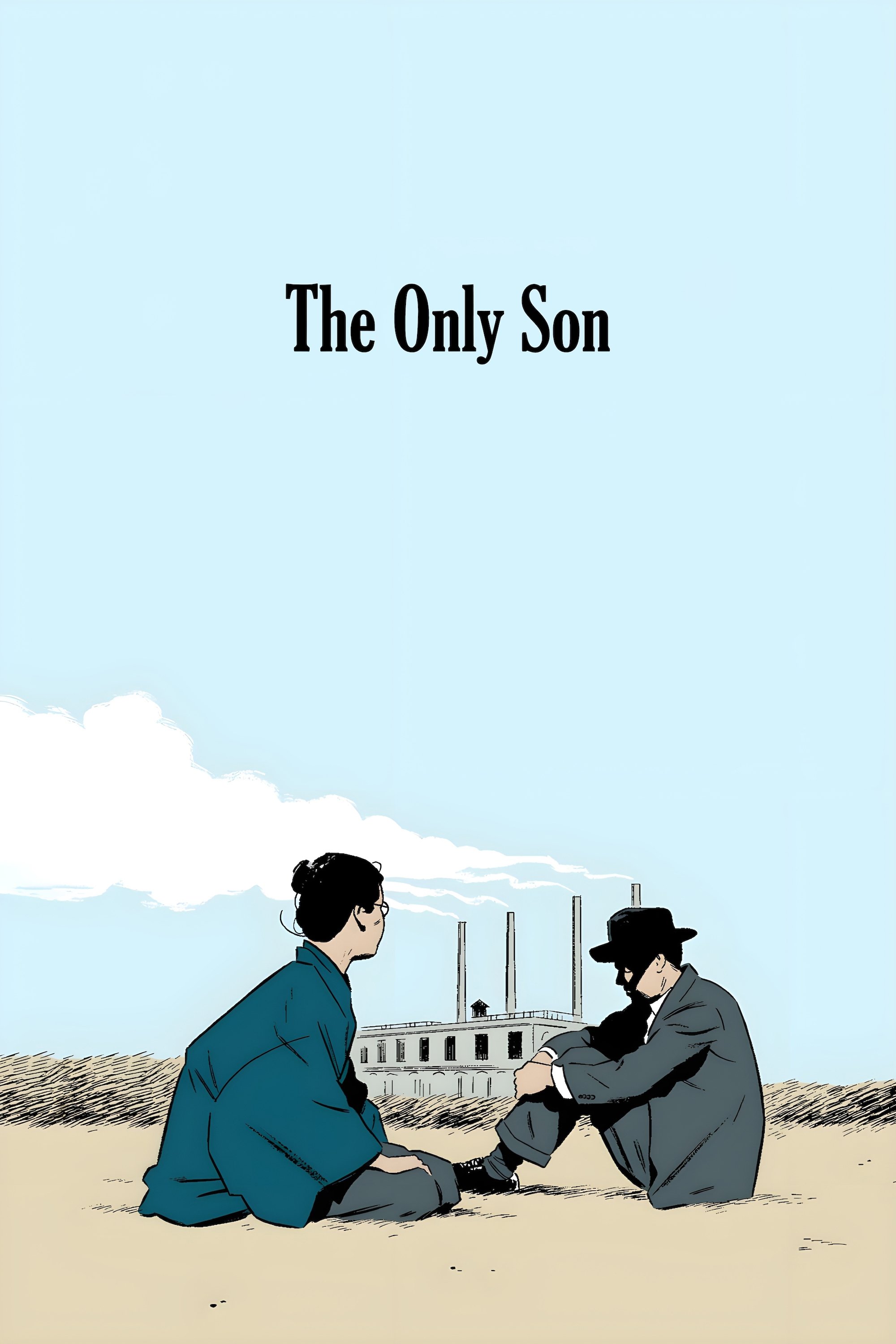
A rural widow sends her only son to Tokyo to receive a better education. Years later, she visits him and finds he has become a night school teacher struggling to support his wife and son.
A hard-hearted old woman in a bombed-out Tokyo neighborhood reluctantly takes in an abandoned boy, leading to a heartwarming bond between them.
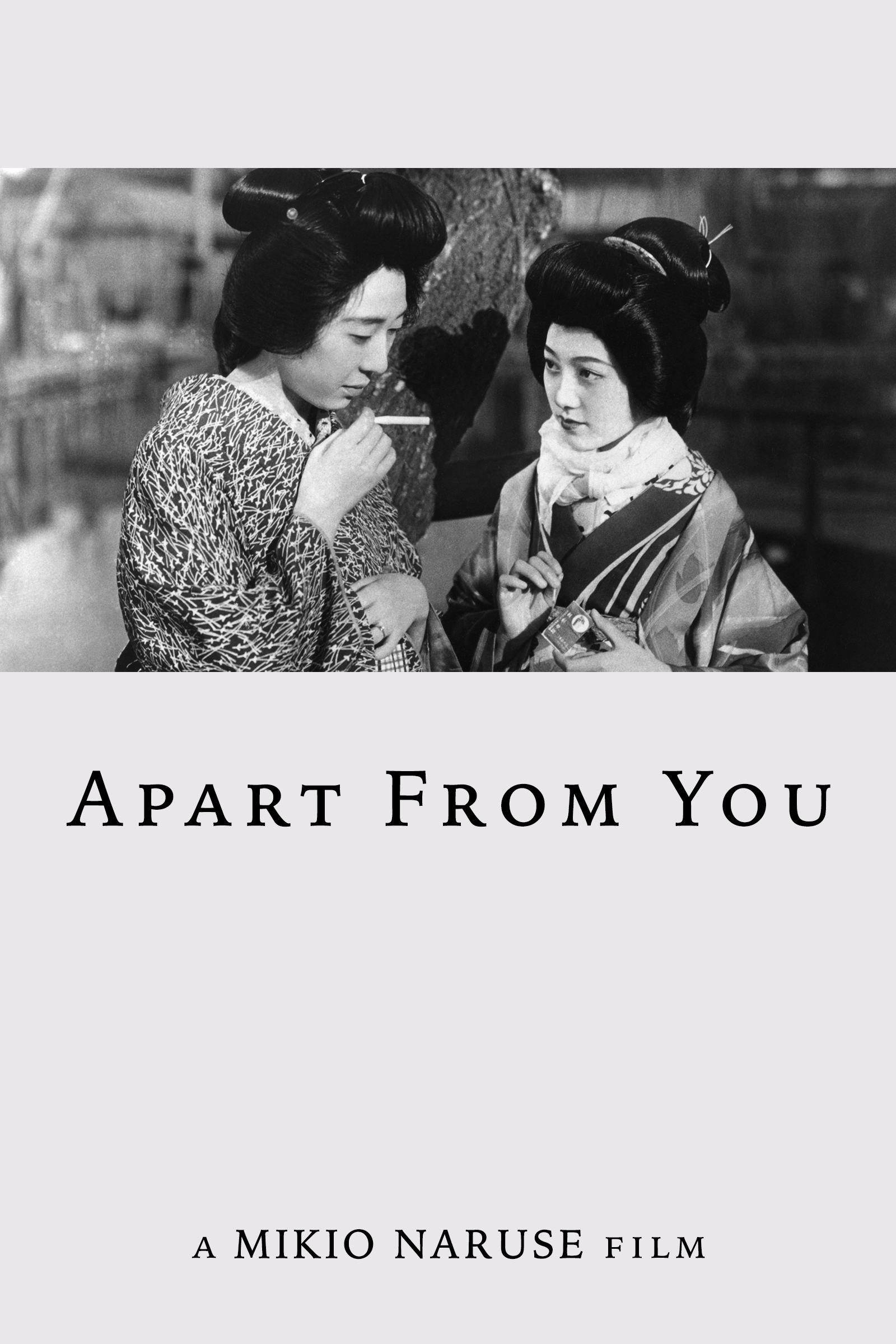
An aging geisha, whose angry teenage son is ashamed of her profession, works alongside a young geisha, resentful of her family for forcing her into a life of ignominy.
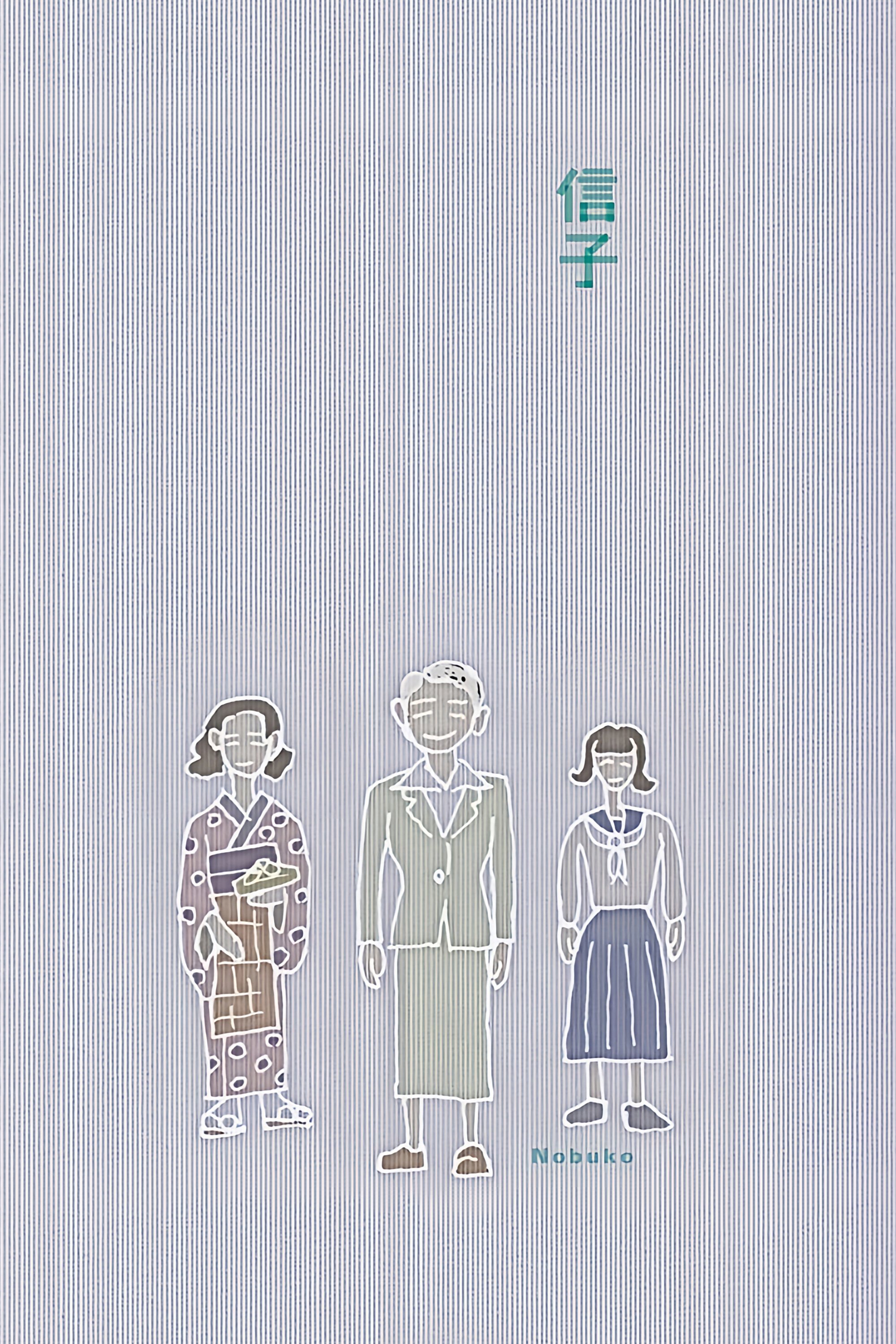
A spirited young teacher challenges the conservative school employing her with liberal thinking and teaching methods.
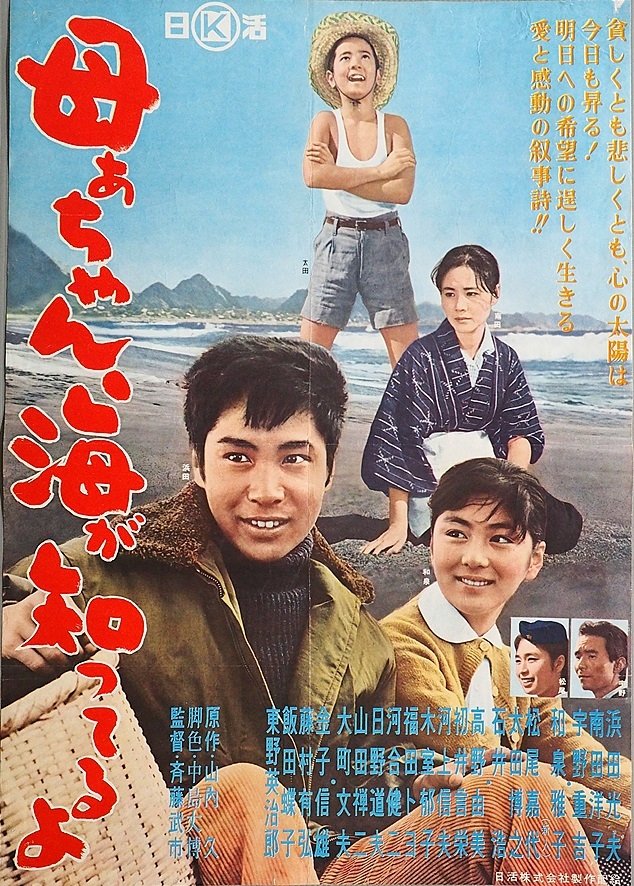
Little dark-eyed boy Kazuo. Yes, he dreamed of the sea. However, like everyone here in the village. Kazuo only wanted to study first, to finish school... But he failed. Mother died. The woman who replaced her brought with her affection, comfort, and warmth of mother's hands. It seemed that joy settled in their house again. But one day a storm caught the fishermen at sea. Father did not return... Father's friends, fishermen, tried to help the widow, who was left with two children. But the money was still not enough. And then Kazuo decided to become a fisherman. After all, he was now the eldest in the family...
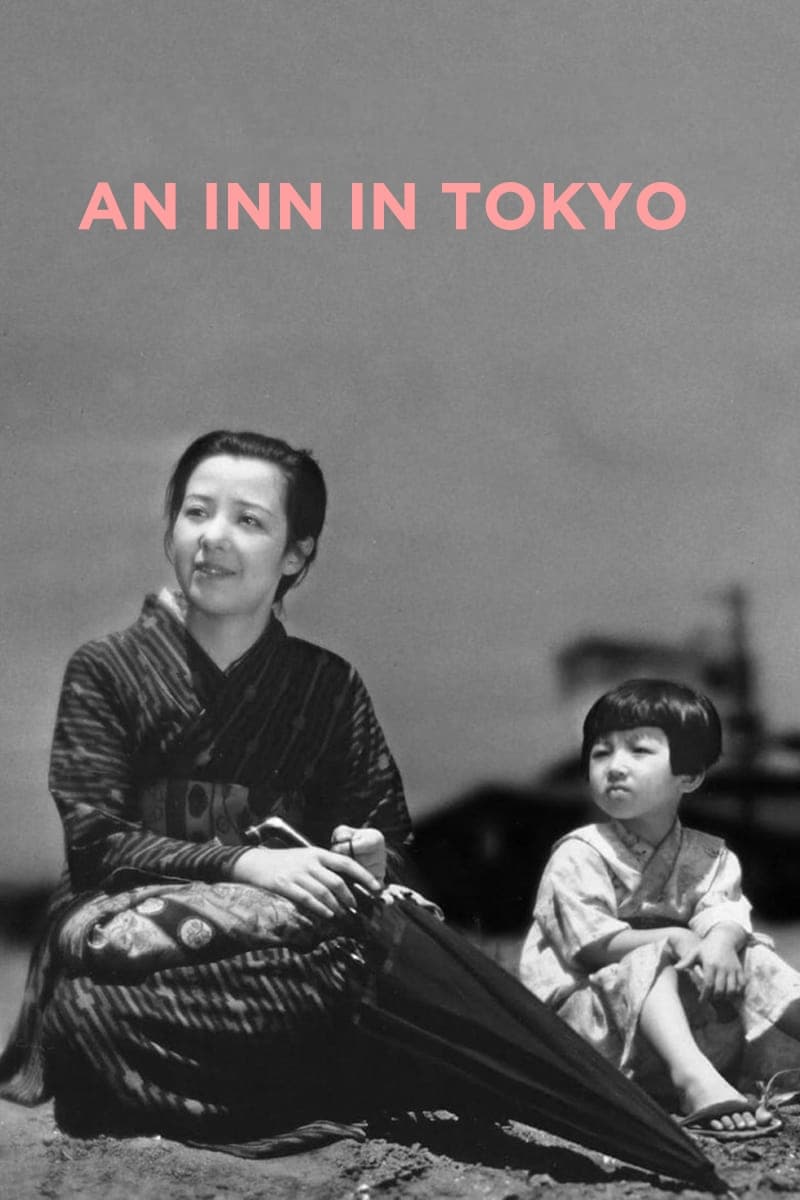
An unemployed Japanese man and his two sons wander the industrial flatlands of Depression-era Tokyo, until he chances upon an old friend and befriends a woman and her daughter, who are in a similar predicament.
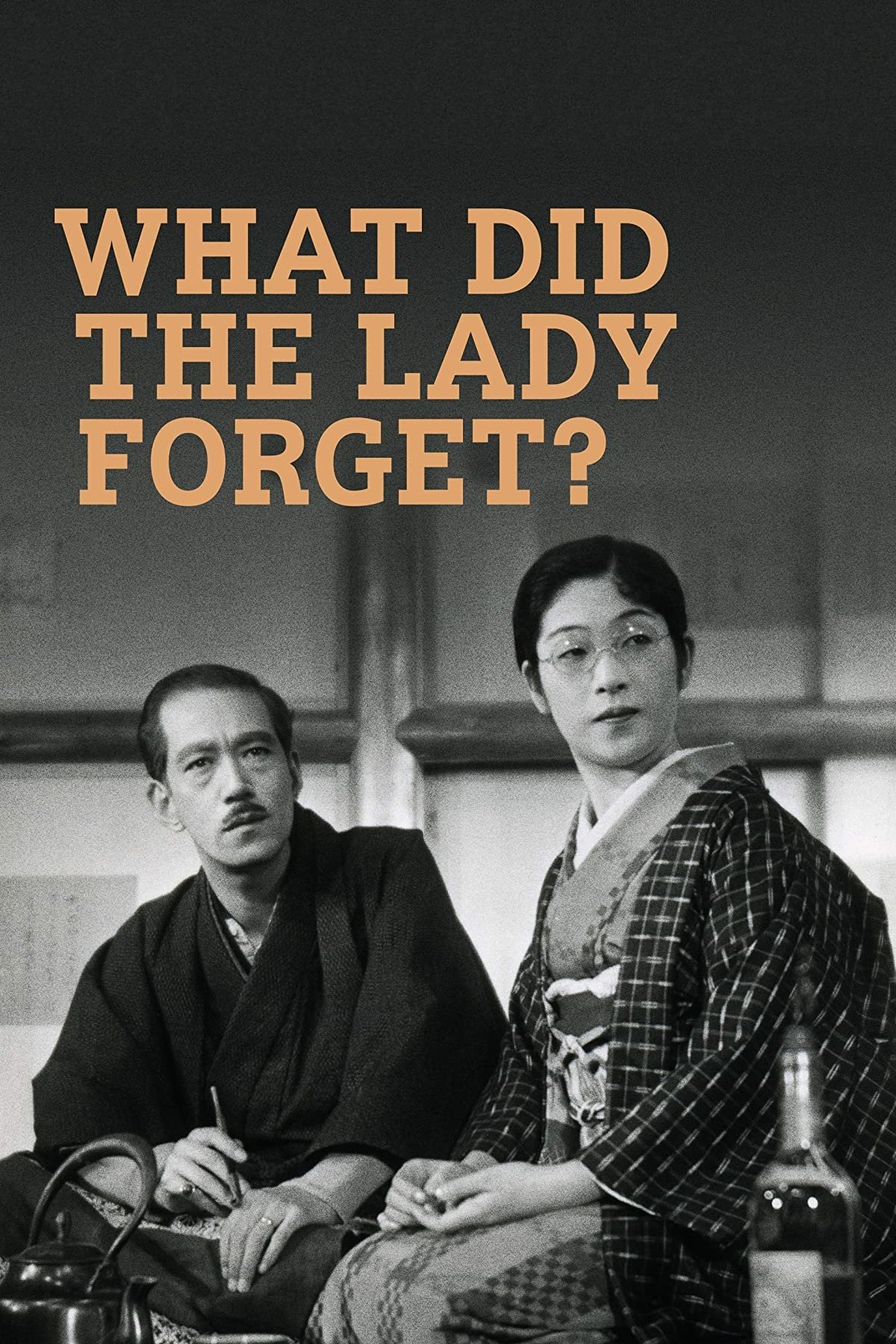
A professor, Komiya, and his bossy wife, Tokiko, are to look after Setsuko, their high-spirited niece from Osaka. Despite being a minor, Setsuko is a liberated woman who does whatever she wants, including smoking. She even convinces Koyima to take her to a geisha house. When she gets rather tipsy, the professor calls Okada, one of his students, to take her home. The wife becomes suspicious of Setsuko when she sees Okada bringing her home.

In Depression-era Tokyo, the life of a single mother and her young son are disrupted by the return of her ex-husband, who fathered the child and walked out on her years earlier.
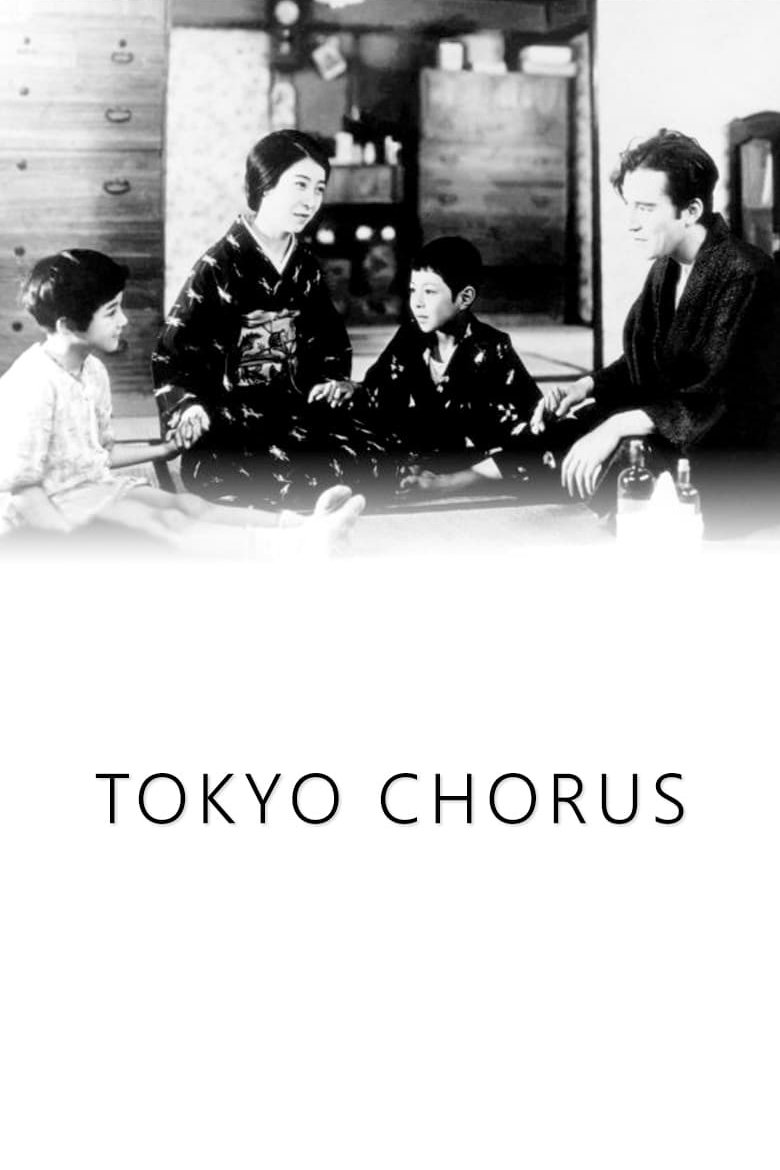
During the Depression, a young man struggles to provide for his family after he is sacked for defending an older colleague.
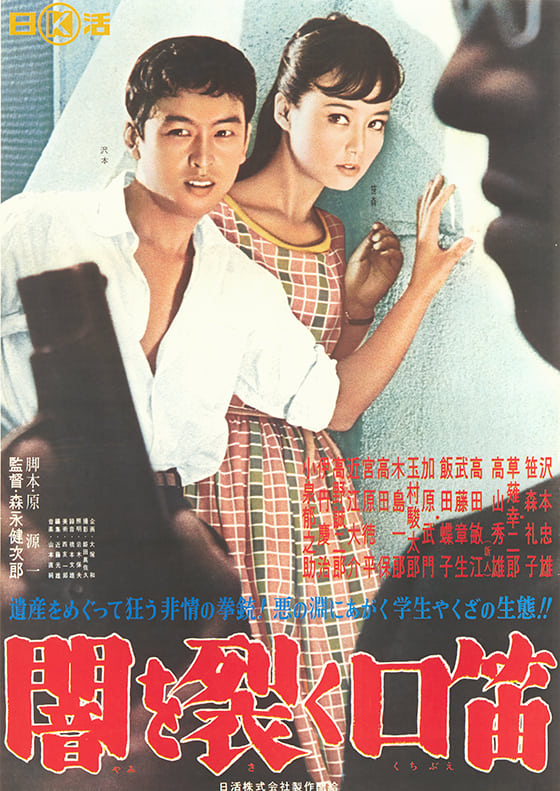
A unique action film about a battle between two students and a yakuza over the eviction fee for a family that abandoned their home at the bottom of an artificial lake.
A hard-working new employee at a trading company is promoted through the company president's business. However, he quarrels with his wife over something trivial, and her wife runs away from home, causing a fuss, but she returns to normal. Selected by Kinema Junpo as the 5th-best Japanese movie of 1926.
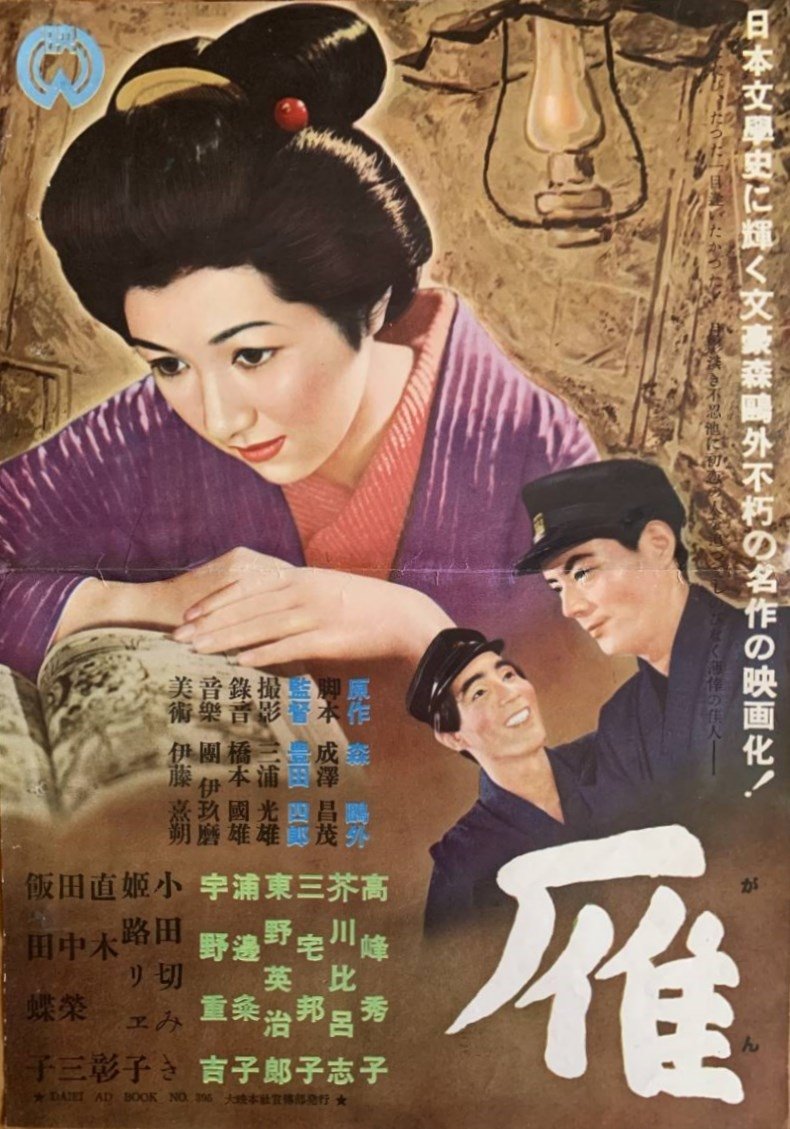
A young woman, who must support her father as a middle-aged man's mistress, finds herself falling in love with a student closer to her age.
In Depression-era Tokyo, a struggling middle-aged single father with a young son comes across a homeless young lady and convinces a bar owner to take her in.

A war widow with a young boy manages a farm with her bossy mother-in-law. When a reporter comes to interview her, the two begin an affair. He turns out to be married and won't leave his wife. Her older brother tries to marry off his children and hang on to/ extend his farm through an advantageous marriage in the face of threatened land confiscation and the desire of his children to get comfortable urban jobs instead of the backbreaking work in the paddy fields under parental control.
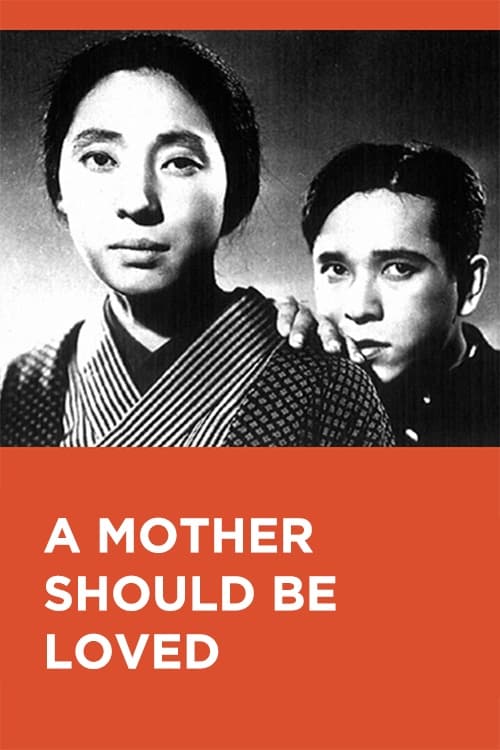
A young man discovers that the woman who raised him is his stepmother. His stepbrother, who is unaware of the revelation, resents his mother for always punishing him more severely than his stepsibling.
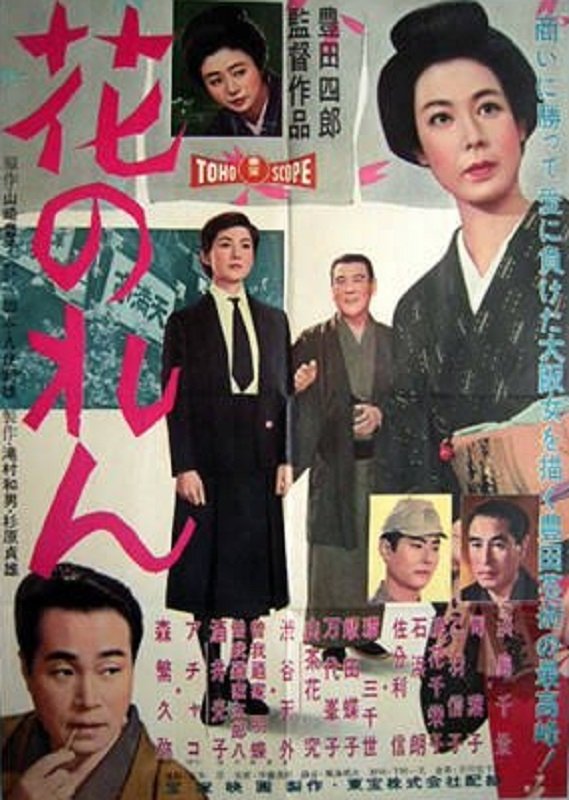
The movie depicts the strength and resilience of a woman who spent her entire life as a merchant in Semba, Osaka.
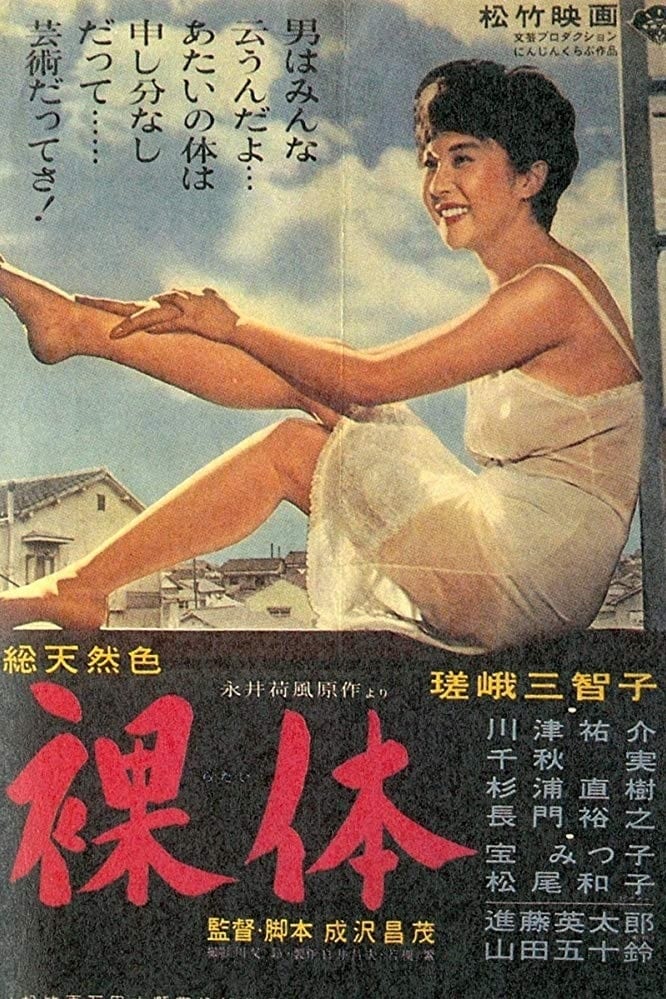
The sexual experiences of the passionate Sakiko, from her fling with her boss in her first job to her ending up as a prostitute.
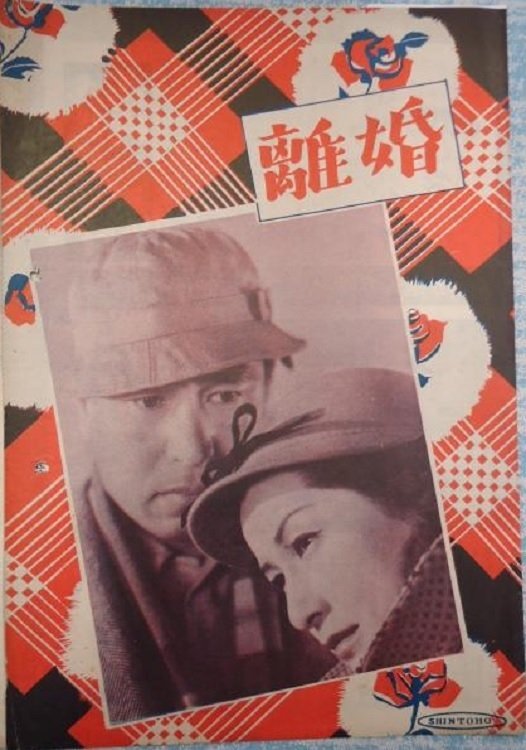
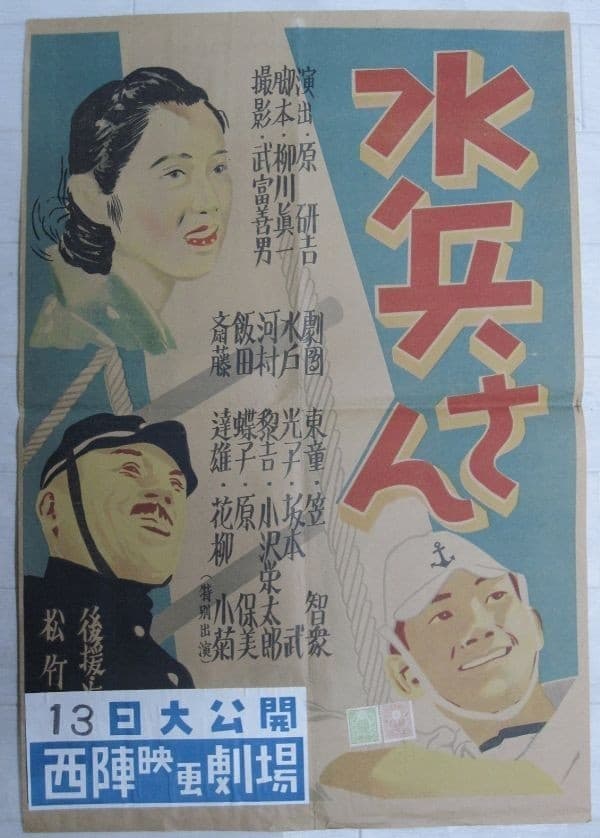
Shinpachi Morimura, who was born in a fusuma craftsman's house, wants to join the Japanese navy. However, his father wants him to continue in the family business and refuses to accept it.
1962 Japanese movie
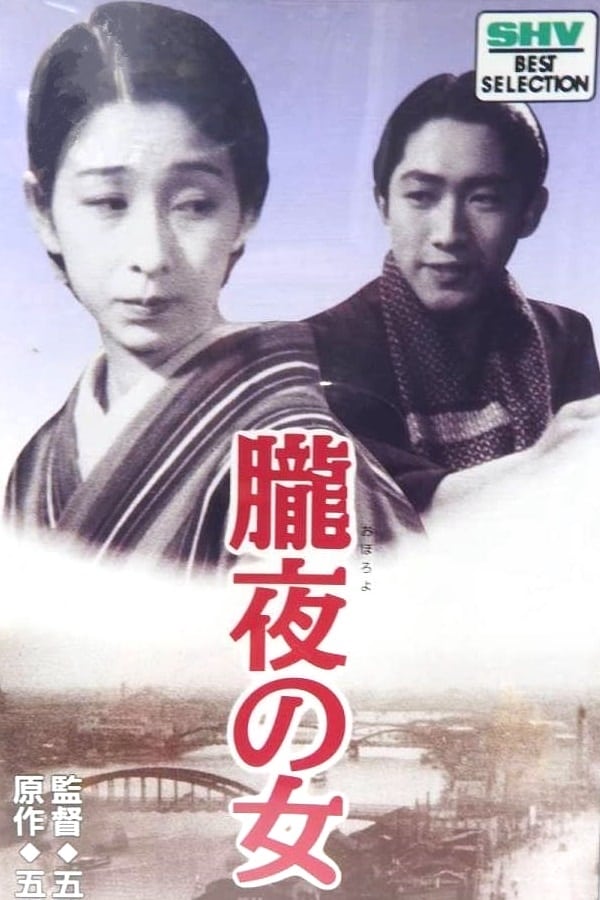
Otoku asks her brother Bunkichi to speak with her son Seiichi, a young man for whom sacrificed everything but who now seems to be headed for a wastrel life. Bunkichi admonishes the boy to study harder, but it seems his uncle's advice may already be too late.
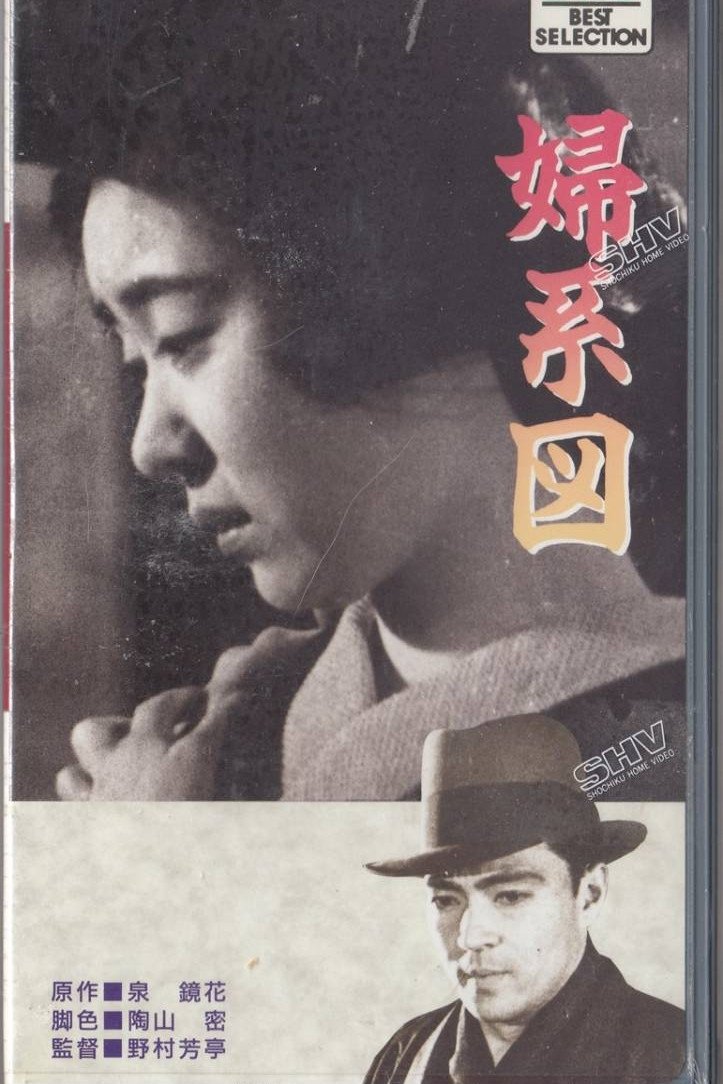
A melodrama by noted auteur and father of director Yoshitaro Nomura, Hotei Nomura. This is apparently the first adaptation of Izumi Kyoka's The Romance of Yushima.
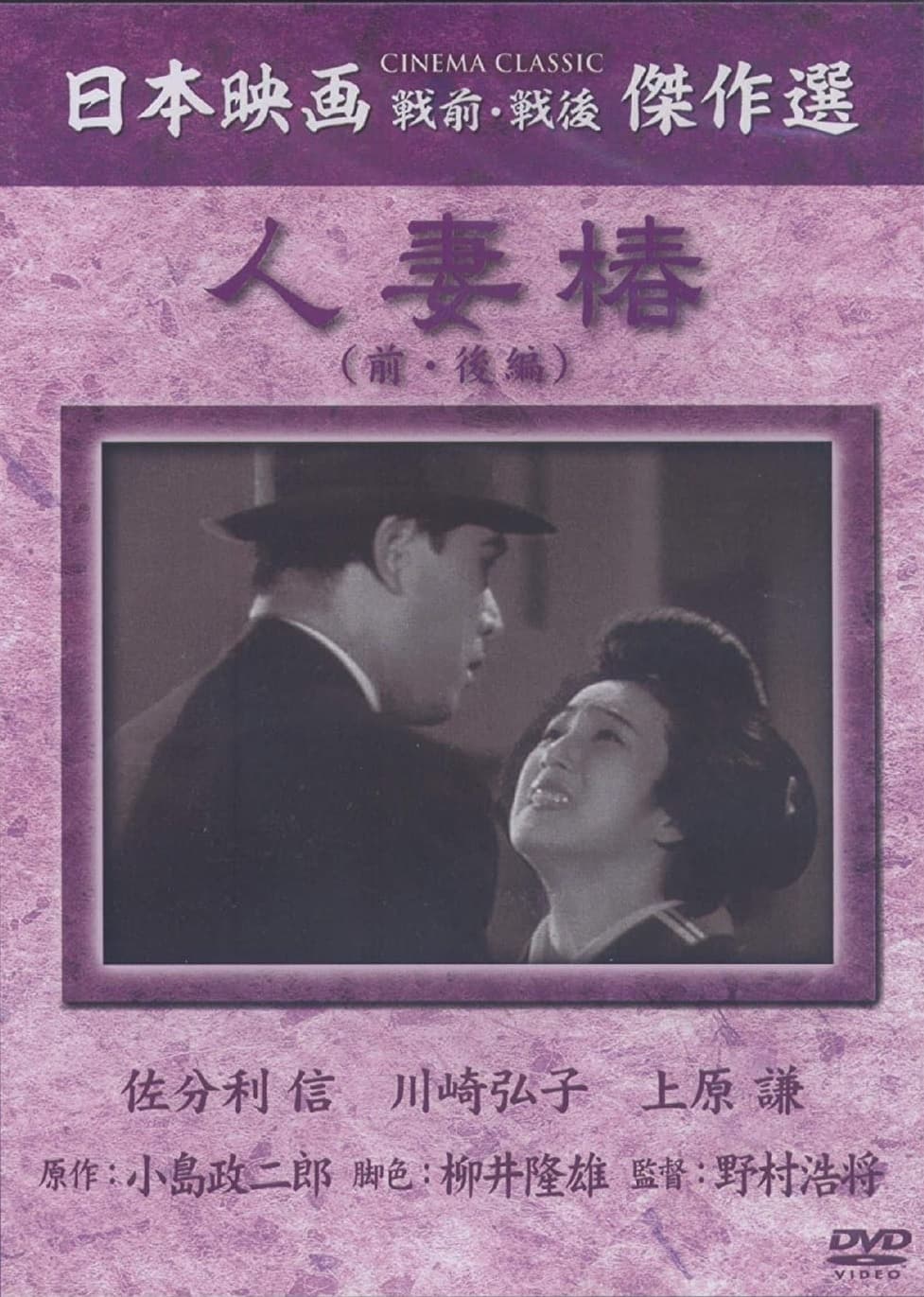
The narrative is about a woman who faces hard times, when her husband is arrested for a crime committed by his boss. The woman also has a child to look after, and they end up meeting several colorful personalities.
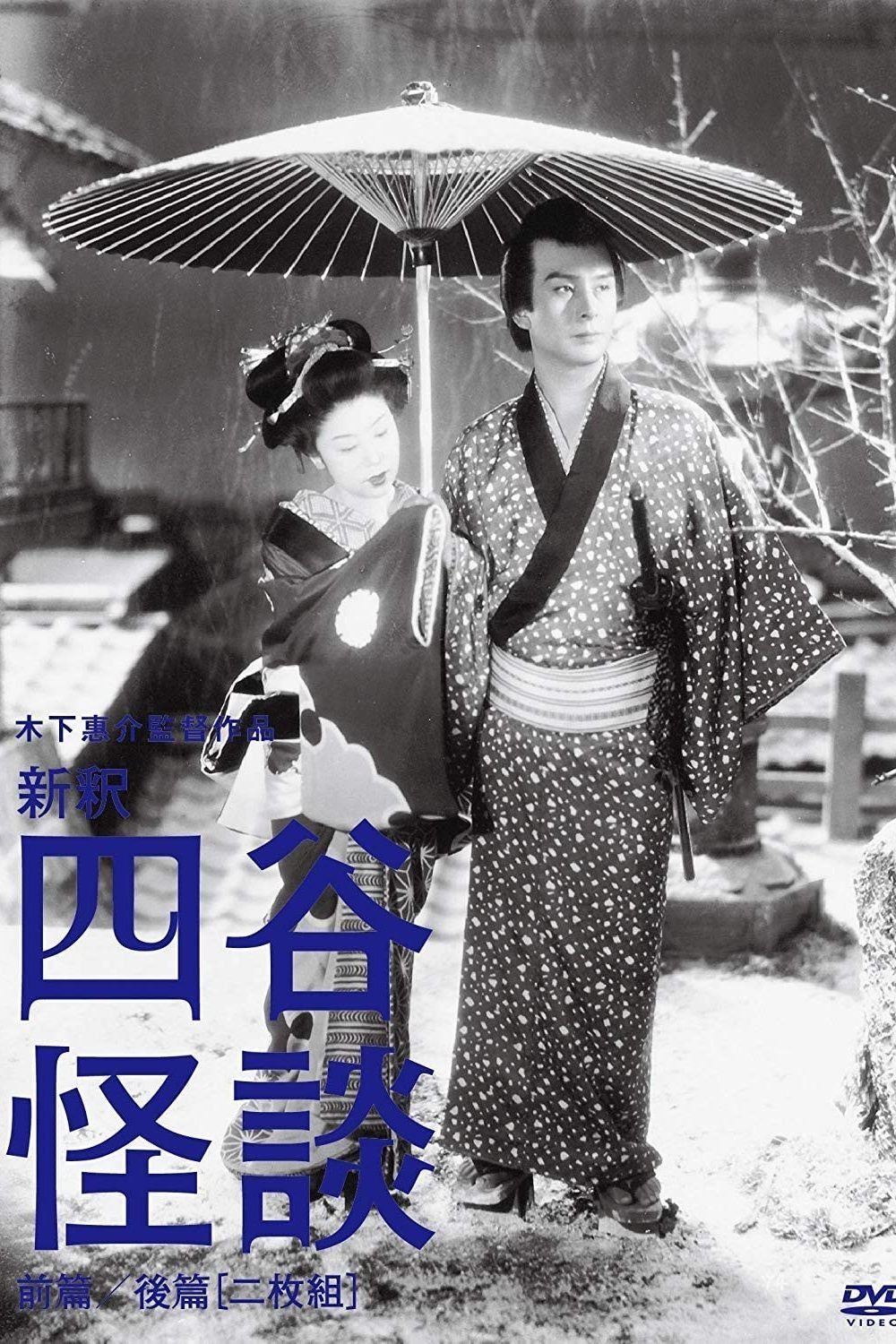
Iemon Tamiya is an impoverished masterless samurai who craves a better life, which he cannot have because of his marriage to Oiwa, who is completely devoted to her husband.
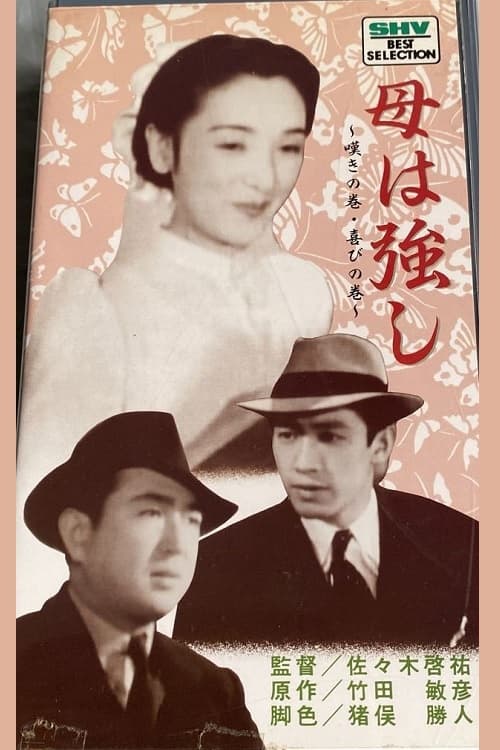
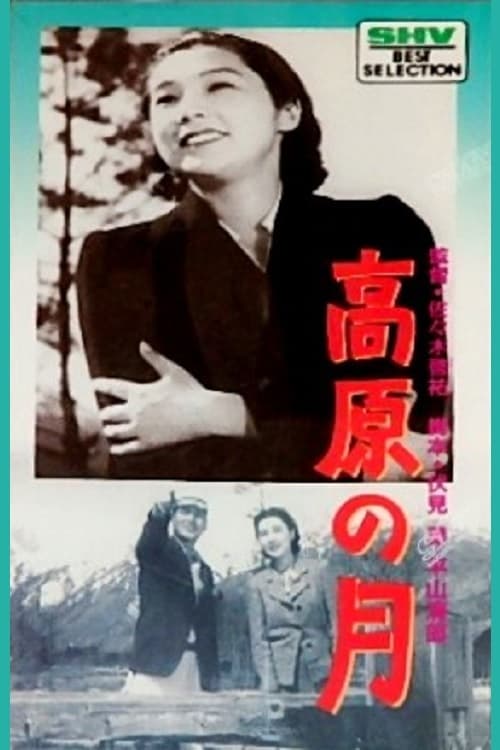
An older sister and brother (Mieko Takamine and Masayoshi Otsuka) come to visit their grandfather (Takeshi Sakamoto) who lives deep in the mountains. As for their parents, father was serving in the South Seas and mother died of illness on her way home. So, the brother, who is still young, will live alone with his grandfather whilst the sister goes away to study to become a teacher.
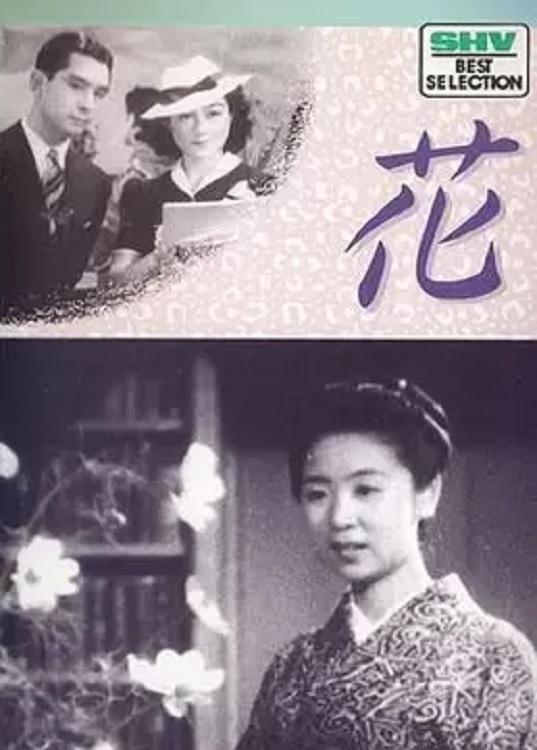
Most of the students studying Ikebana with Kozoe Iemoto are daughters of rich Tokyo families. Kozoe meets and grows close to a doctor who proposes marriage but whose mother harbours ill feeling towards her because of an incident in the mountains where a child got into difficulties. Kozoe rejects the proposal but falls ill and when she recovers, decides to devote herself entirely to the world of flower arranging.
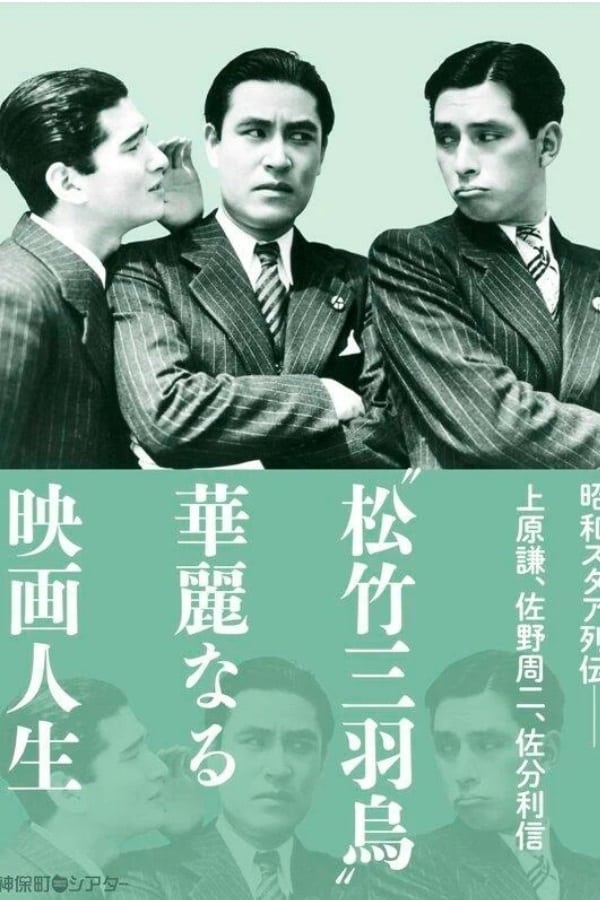
Three men vying for the same job end up chasing the same girl in this comedy-drama from noted Japanese director Yasujiro Shimazu.
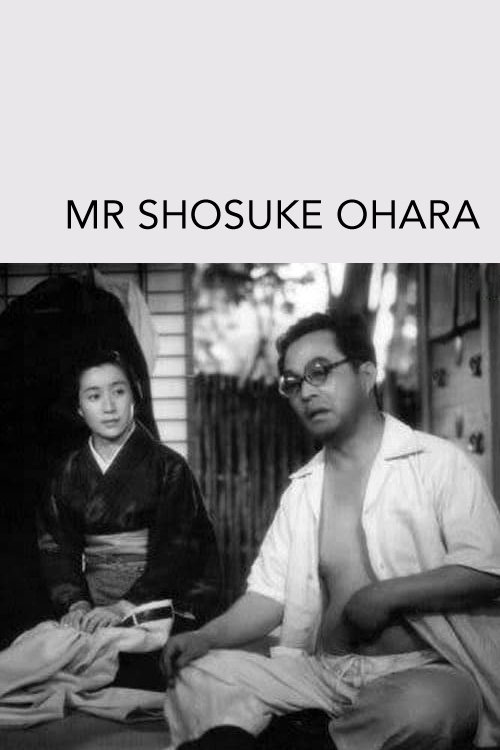
Saheita, the final heir of a once rich and respectable family, can't refuse the many villagers that come to him for favours and money, even though he is on the brink of bankruptcy. Around town he is better known by his nickname Mr. Shosuke Ohara.
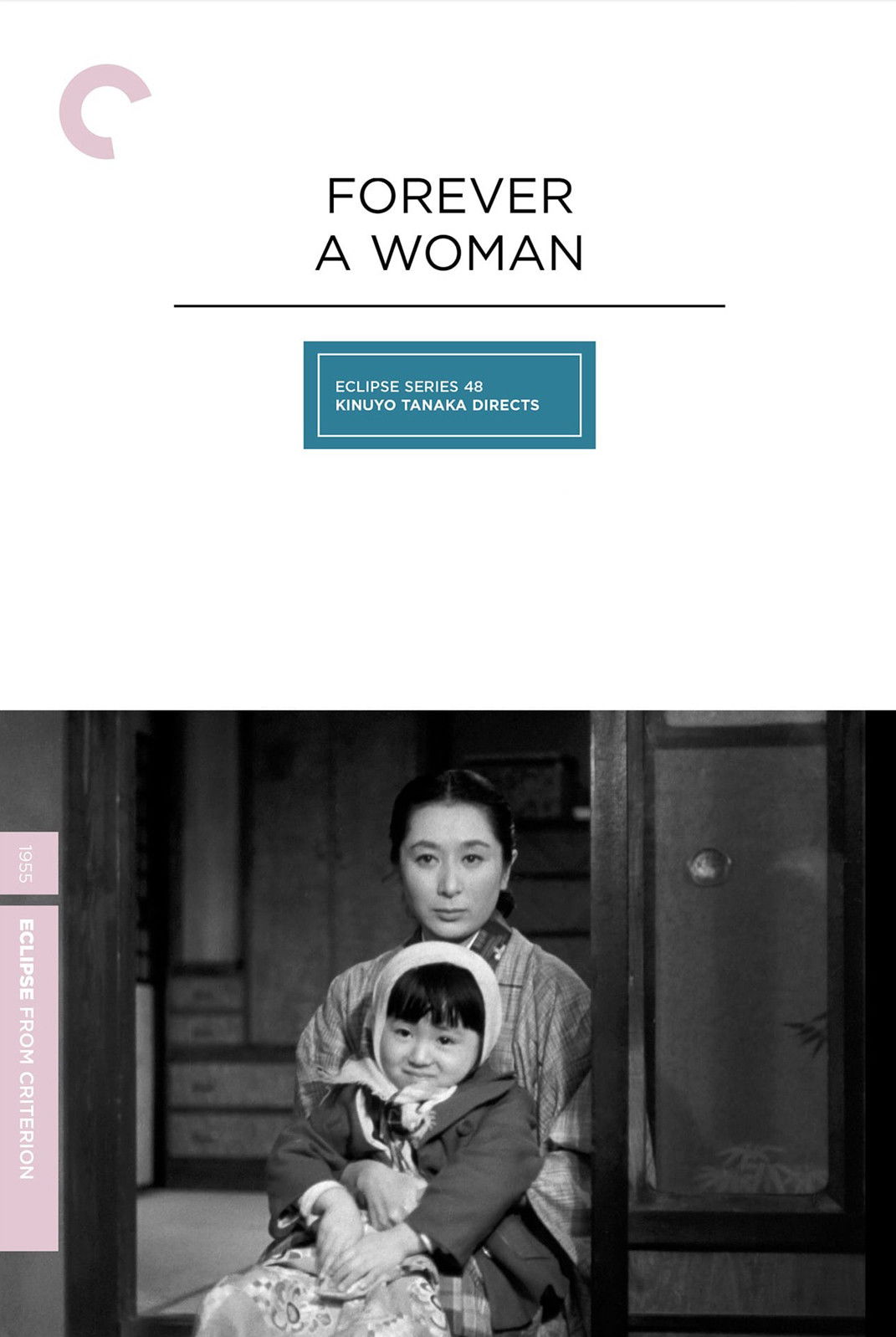
Fumiko, mother of two children and wife of an unfaithful man, shares her family life with her budding vocation as a poet. The beginning of her successful literary career coincides with her divorce and her breast cancer diagnosis. In the last stage of her life, she meets a young journalist from Tokyo who wants to write a story on her life.
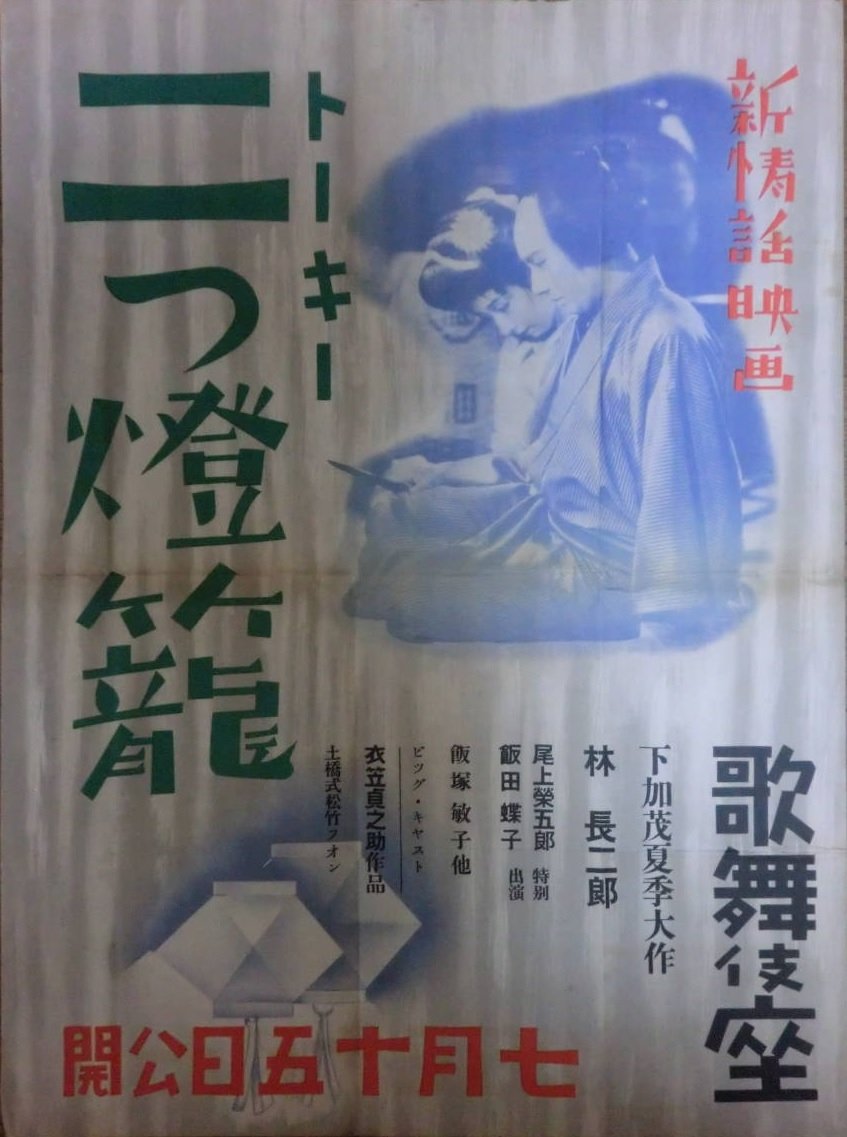
A mournful masterpiece by Kinugasa Teinosuke
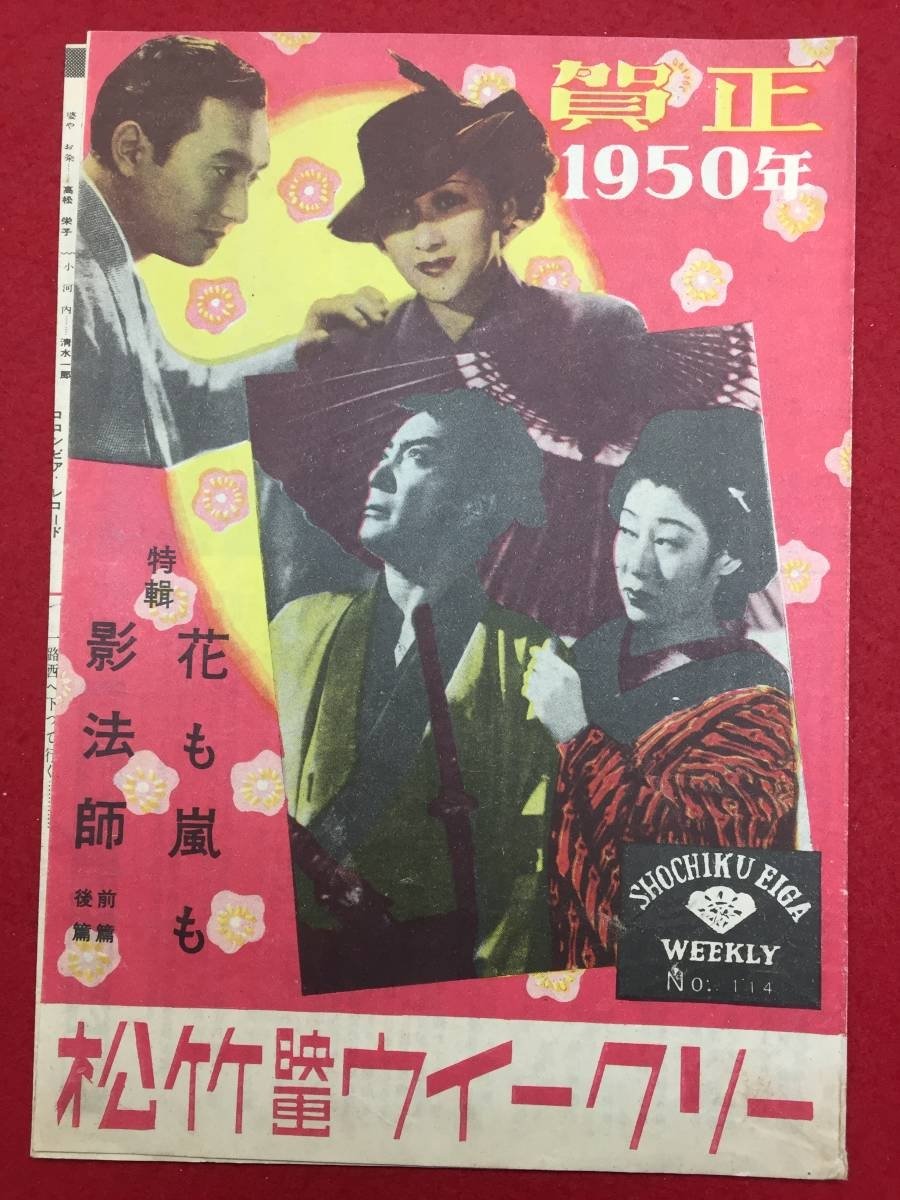
On the night the shogunate's treasury was breached, the guard Utsugi had already been taken down. His colleague Ryunosuke felt responsible and decided to catch the culprit, not only for the sake of the beautiful wife of Utsugi, Chika, but also for his own honor. Chika's younger brother Shinjiro and the powerful Uechi family living near Ryunosuke's abode, join hands to support Ryunosuke. Counterfeit coins begin to surface—a scheme by the corrupt faction led by Yanagisawa. The henchman behind this is Koyamada Tesshin, who gathers ronin to amplify Yanagisawa's power. Among those ronin is Tendo Sakon—a man who drinks silently and plays the flute when in a mood.
1950 Japanese movie
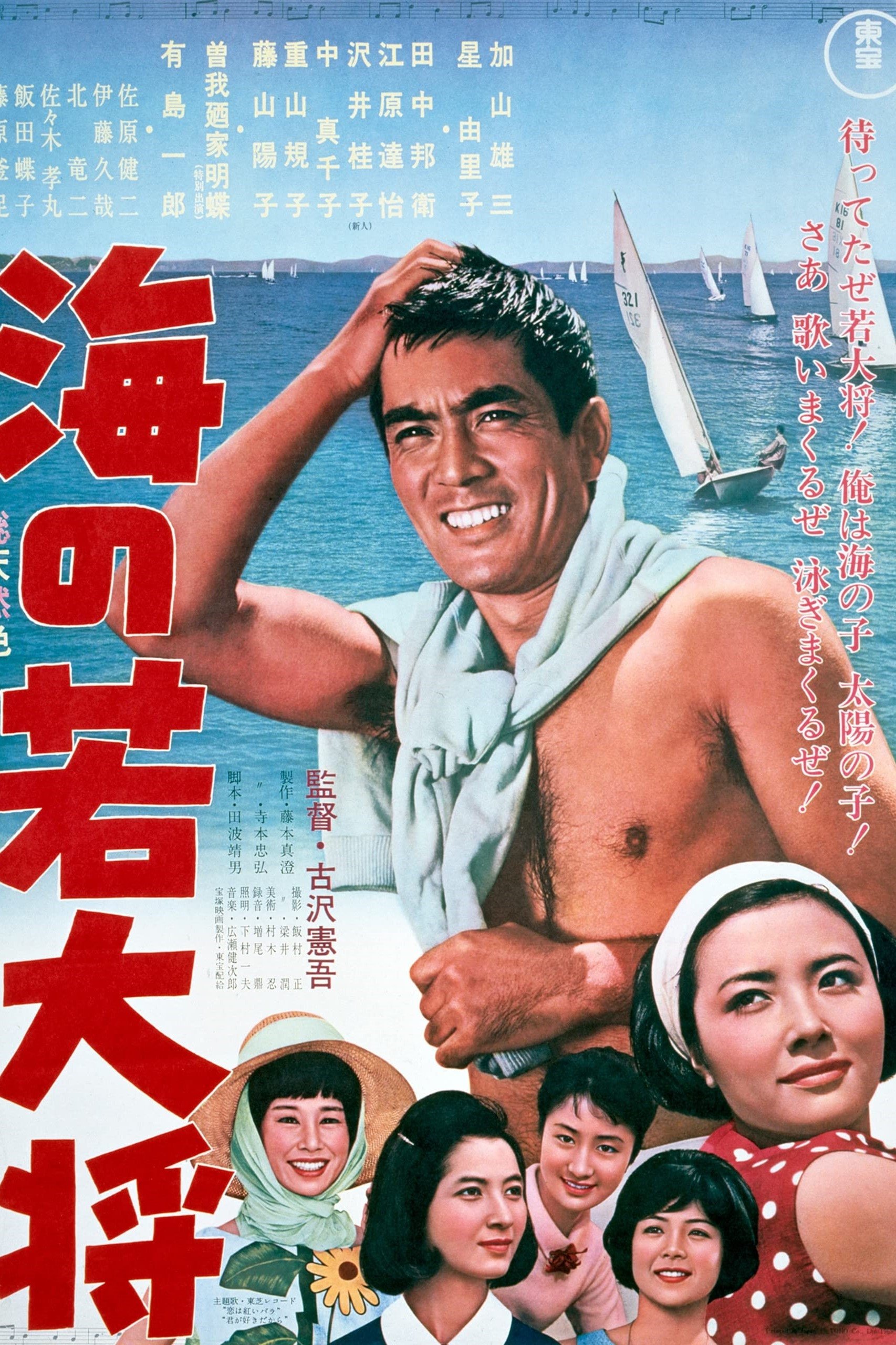
Eternal young guy, Yuzo Kayama stars in this fifth installment of the Young Guy series. Young Guy returns to the swim team from the first movie, boards his rival Blue Guy's boat, and meets a young woman on a small island.
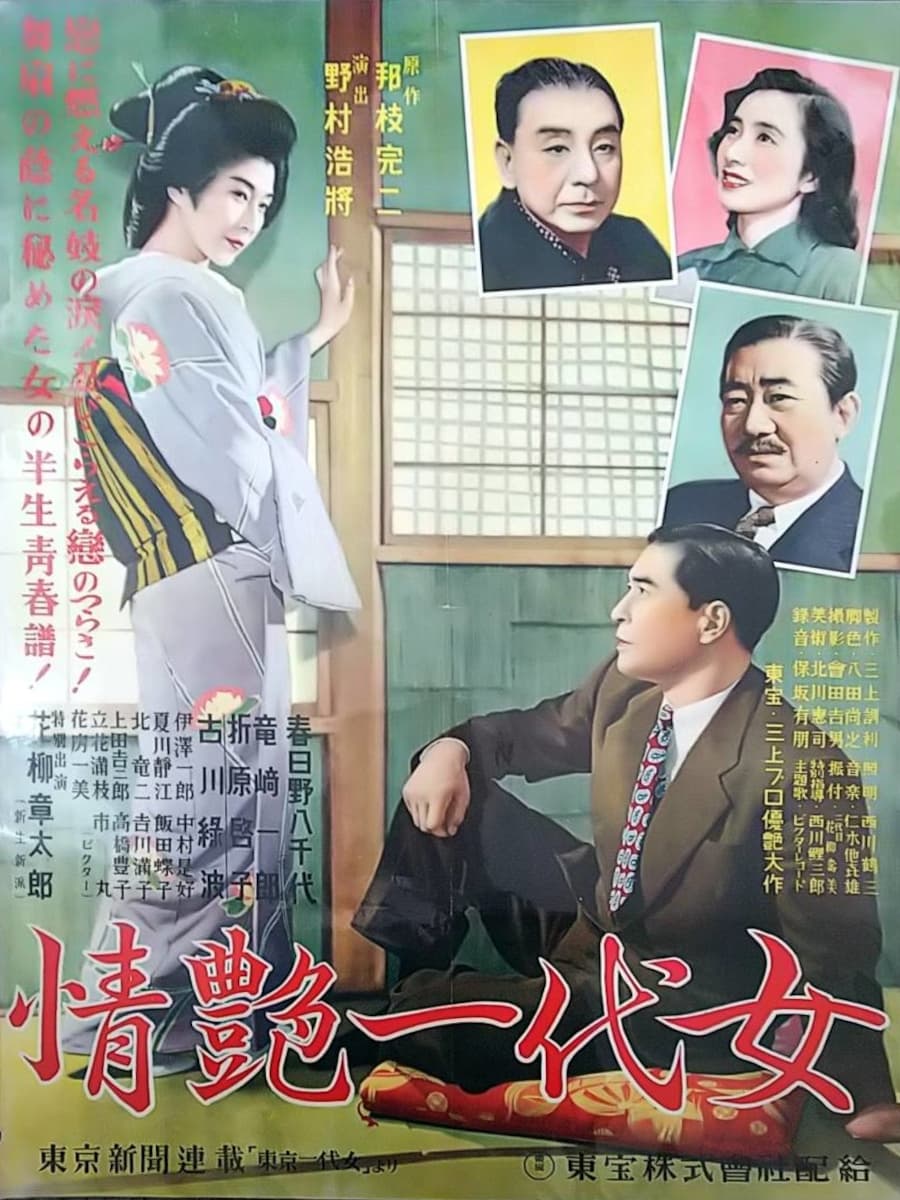
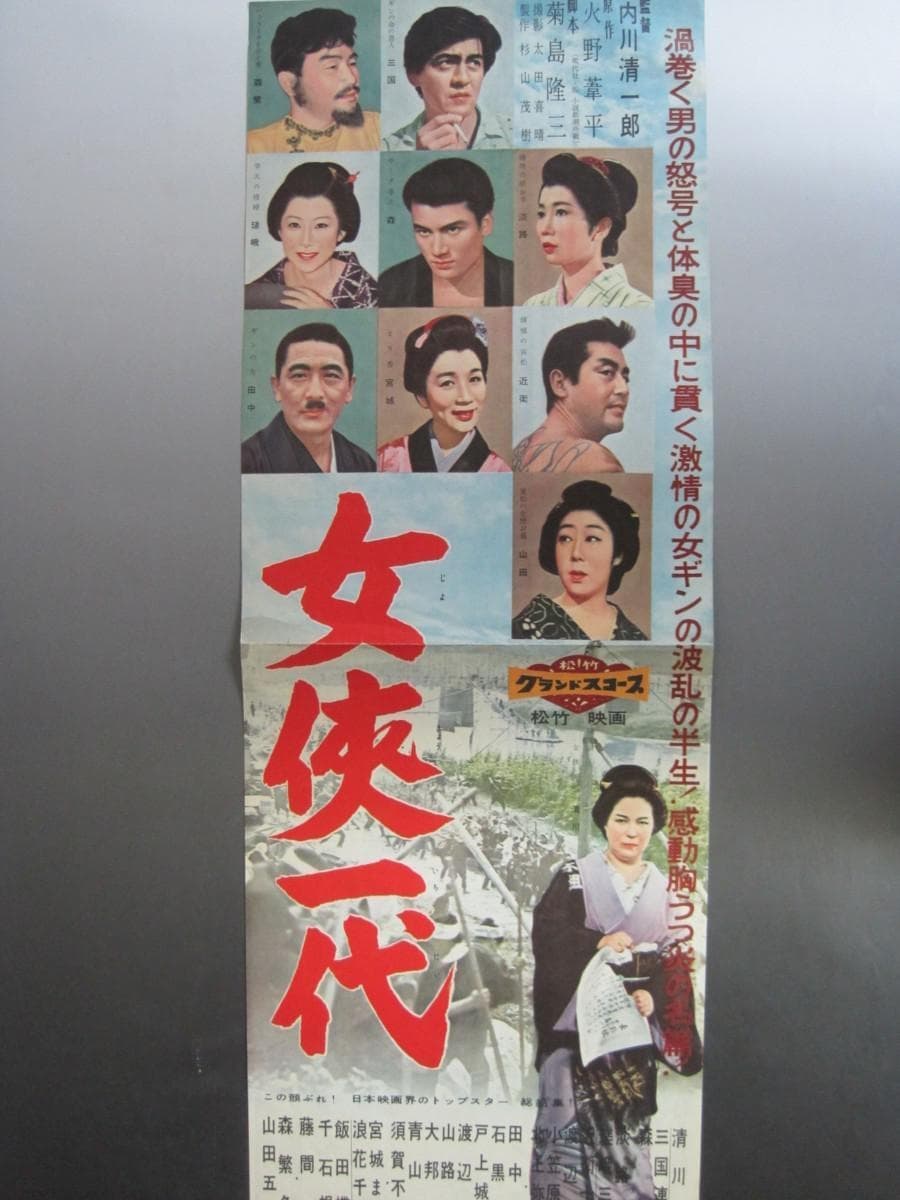
Based on the serialized story "東京一代女" which appeared in Tokyo Shinbun. A geisha known for her dancing begins training with the Onnagata Kikugoro VI as a dancer. She leaves her geisha life to pursue this new path, but falls in love with a naval officer who is the younger brother of Kikugoro and who saves her from a stalker monk. Kikugoro hears of this and becomes enraged. The naval officer dies in the Second Sino-Japanese War, causing the lead to go back home to her mother where she meets, and falls in love with, a poet who resembles her now-deceased fiancé. This poet leaves her in order to force her to dedicate her entire life to dancing, which he sees as her true pursuit.
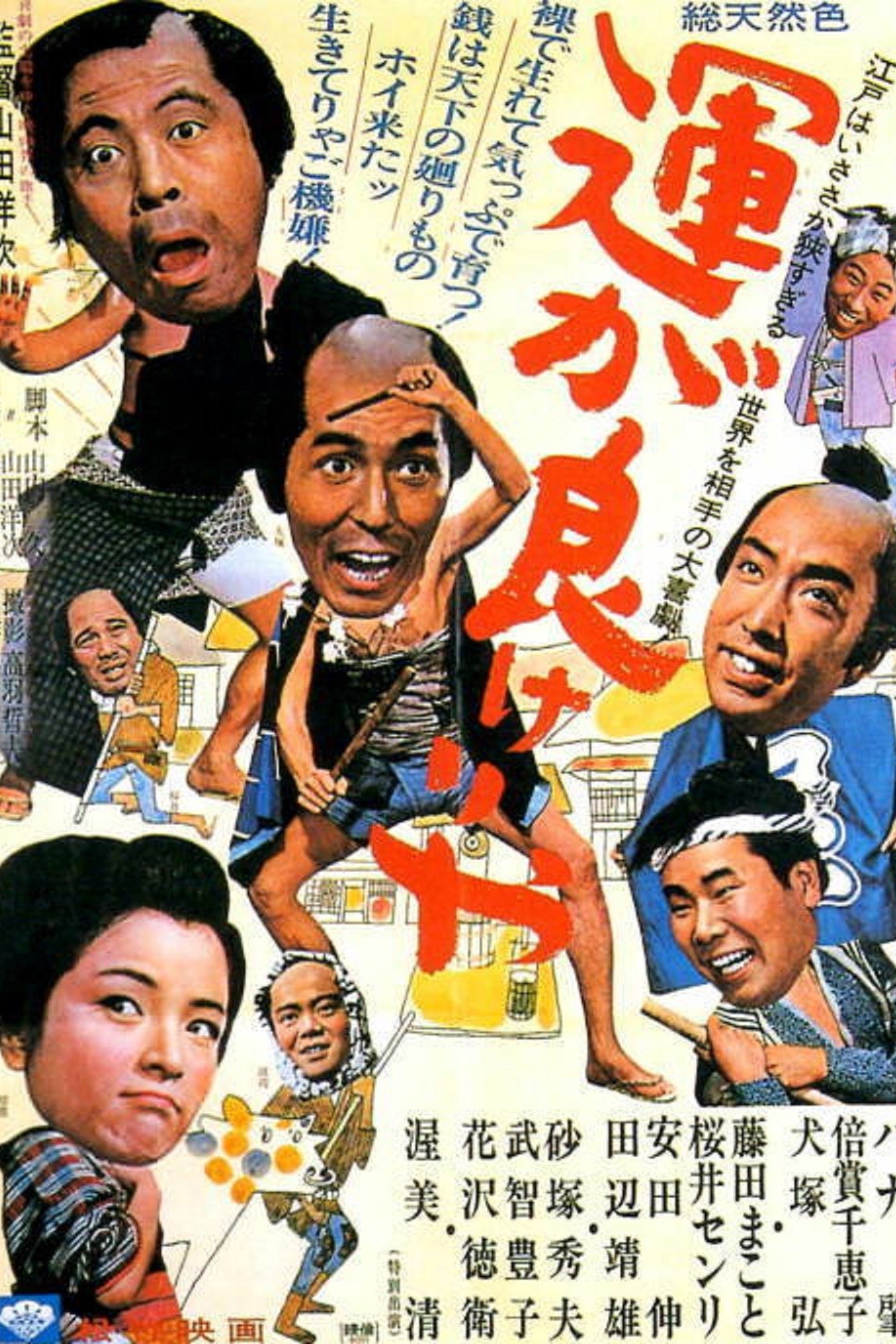
A group of ne'er-do-wells live happily in the slums of what is now Tokyo and have a number of adventures: they get drunk and go whoring, revenge themselves on cruel landlords, animate the corpse of a money-lender in order to frighten people. Then they assist at the marriage of a lovely girl and almost kill themselves gambling to provide her with a dowry.
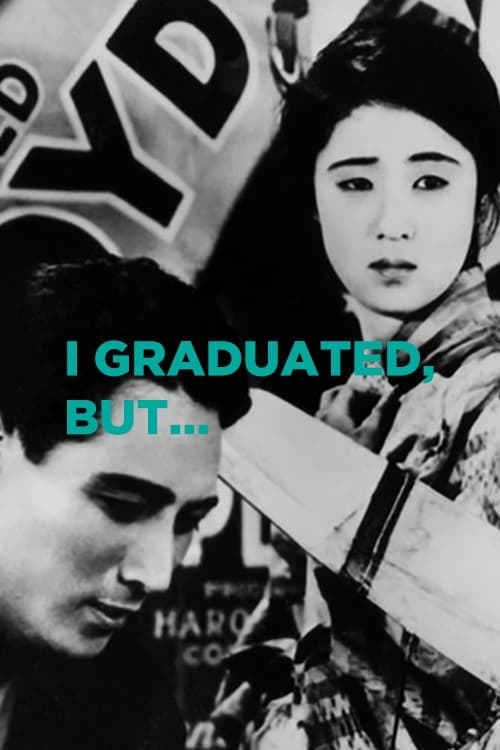
Tetsuo Nomoto, a young college graduate tries to find a decent job by himself. Later on, he will marry his girlfriend, Machiko, whom he hides the fact that he has no job. Hardships come quickly, which forces Machiko to find a job in a bar.
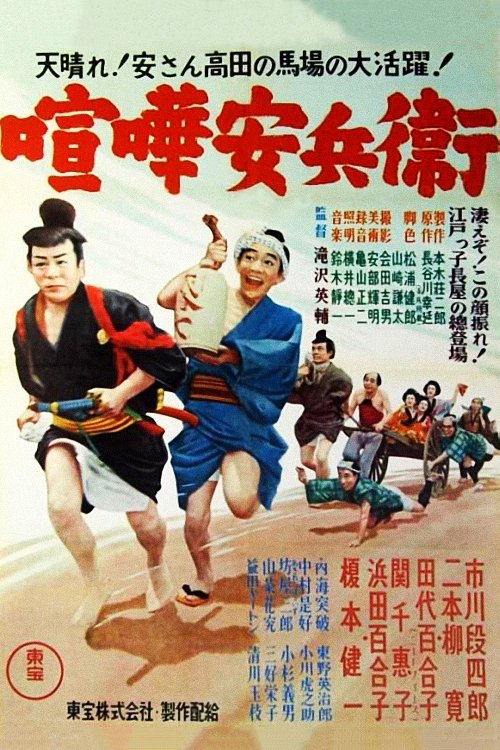
Yasube Nakayama left the clan and lives in Edo. One day, Yasubei visits his uncle Rokuroemon Kanno to borrow money from a moneylender in the amount of 13 ryo in order to save Oteru, the daughter of a merchant. However, the next day, Rokuroemon was killed in a fight by the Murakami brothers. Yasubei rushed to the scene, took revenge and became the husband of Miya, the daughter of Horibe Yahei.
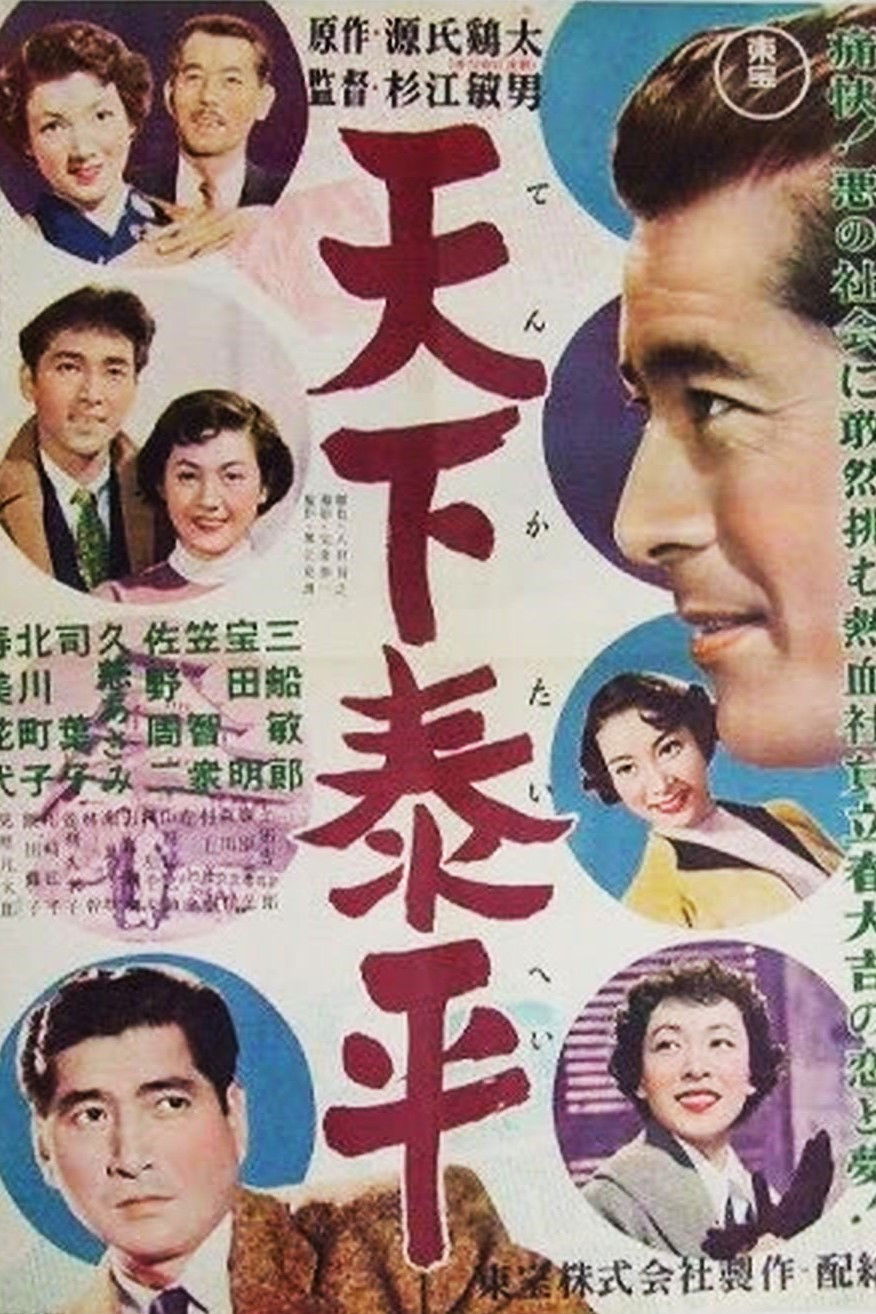
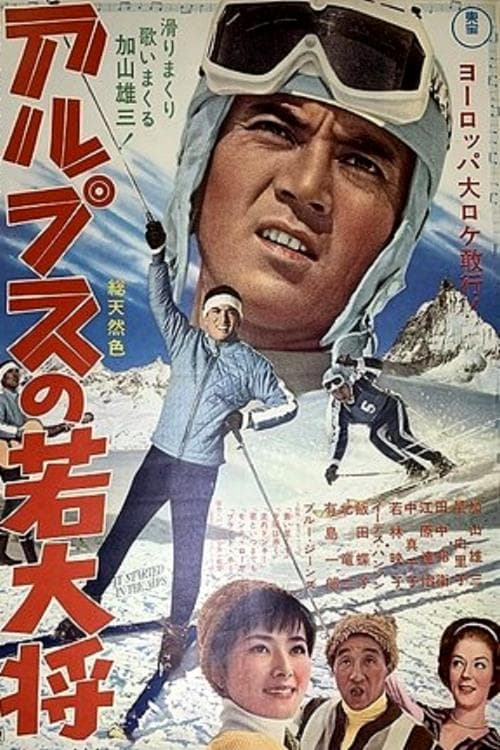
Seventh movie of the Wakadaishō series directed by Kengo Furusawa.
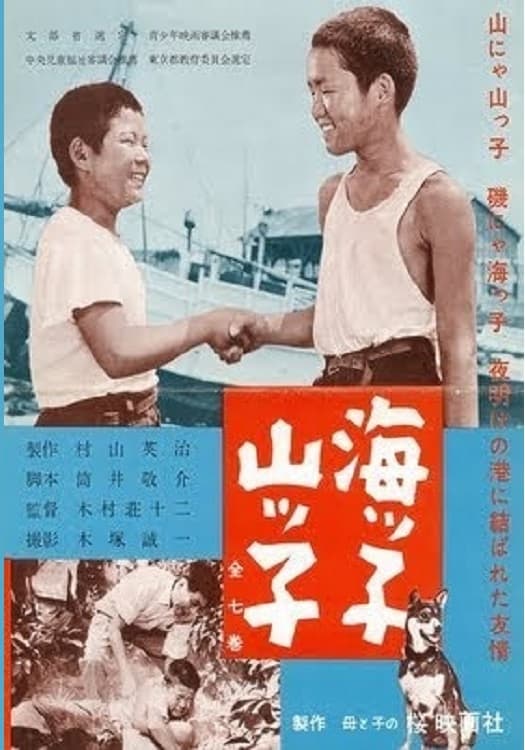
Focuses on the mutual antipathy of two groups of children in an Izu village.
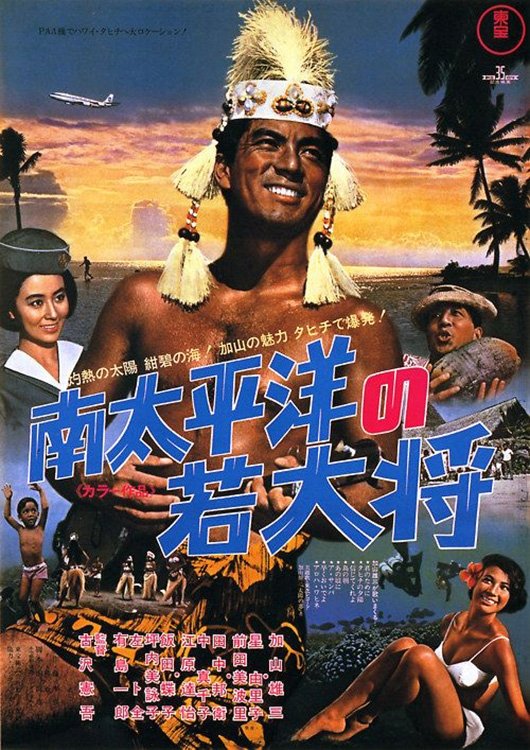
The 10th film in the Wakadaisho series, the Young Ace Yuichi Tanuma travels to Hawaii to train in deep-sea navigation. The Young Ace comes to the rescue of various women in peril, teaches a would-be restauranteur how to make sukiyaki, thwarts the romantic aspirations of his rival Ao Daisho, and competes in the finals of the Japan Judo Championship at the Nippon Budokan. Shot across various locations across Hawaii, Tahiti, Saipan, and Tokyo.
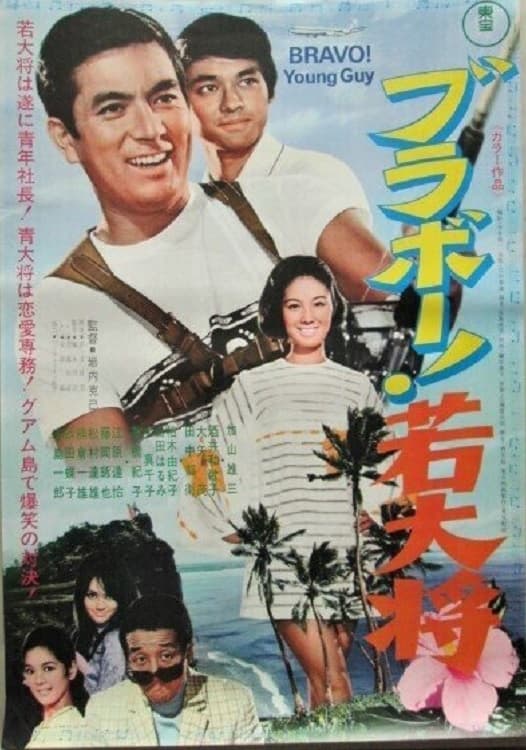
A film by Katsumi Iwauchi.
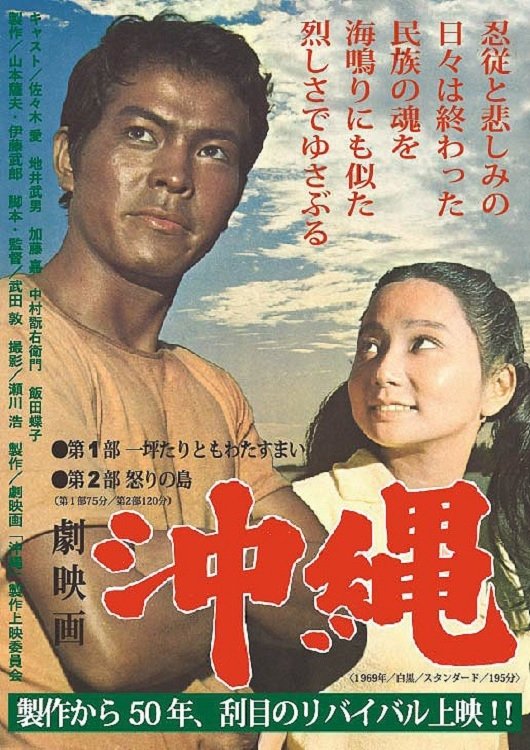
A group of teenagers grow up in Okinawa amid the protests and resistance against the presence of the American base in the island.
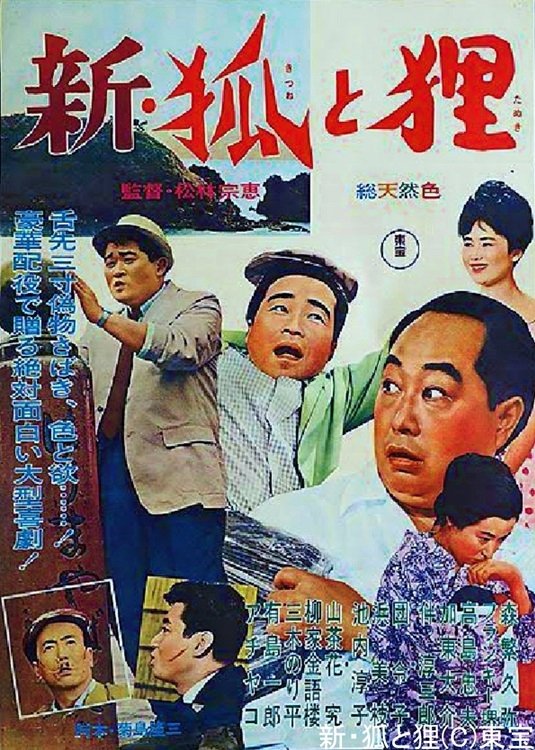
1962 Japanese movie
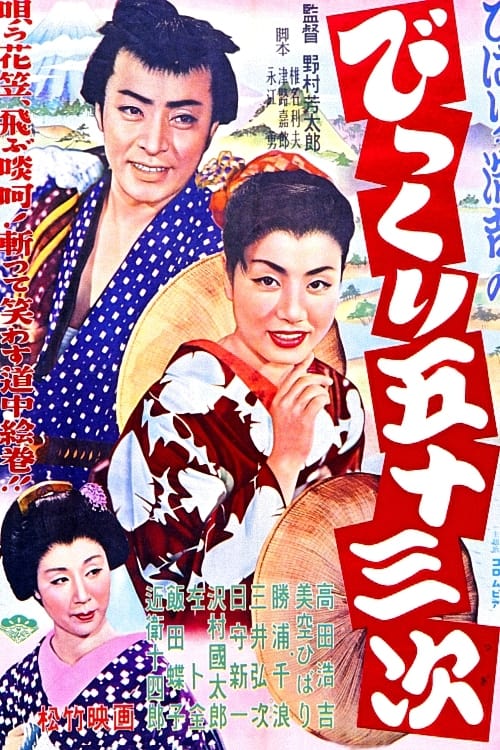
Kintaro goes on a journey to his hometown to meet his mother and sister. His love for singing leads him to a perceptive and cheerful girl named Onatsu... A road trip comedy featuring Kokichi Takada and Hibari Misora singing and dancing.
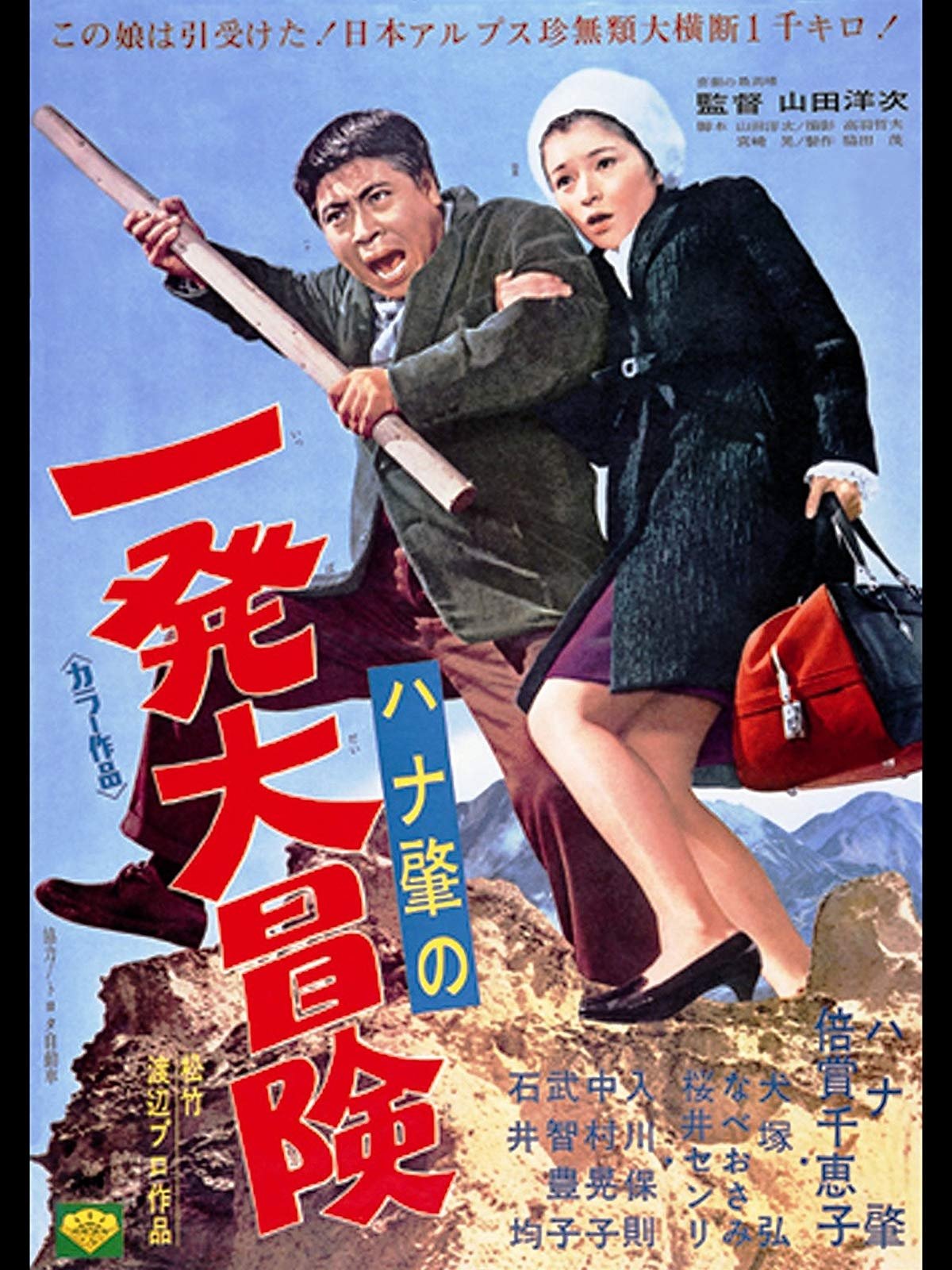
Burned out butcher Hazama meets a woman at a restaurant and is asked to help her deliver a bag of diamonds.
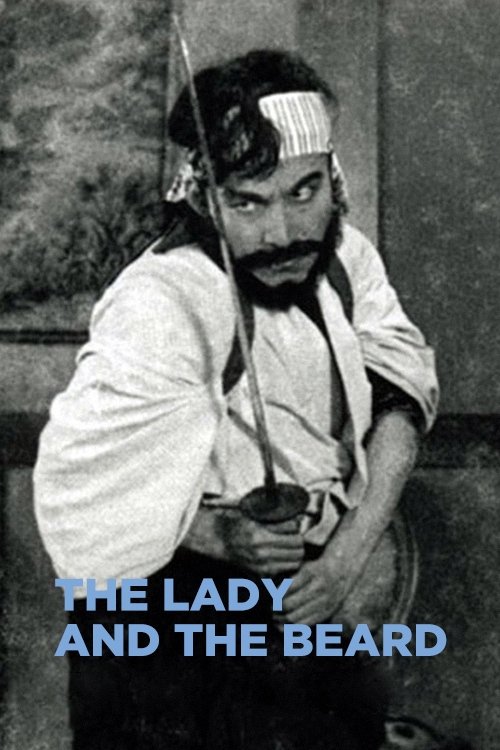
Graduate Okajima finds his old-fashioned beard makes life difficult in a comedy exploring the tension between tradition and modernity.

When a young man inherits his father's lucrative business, he cheats the system to set up three of his college friends with jobs.
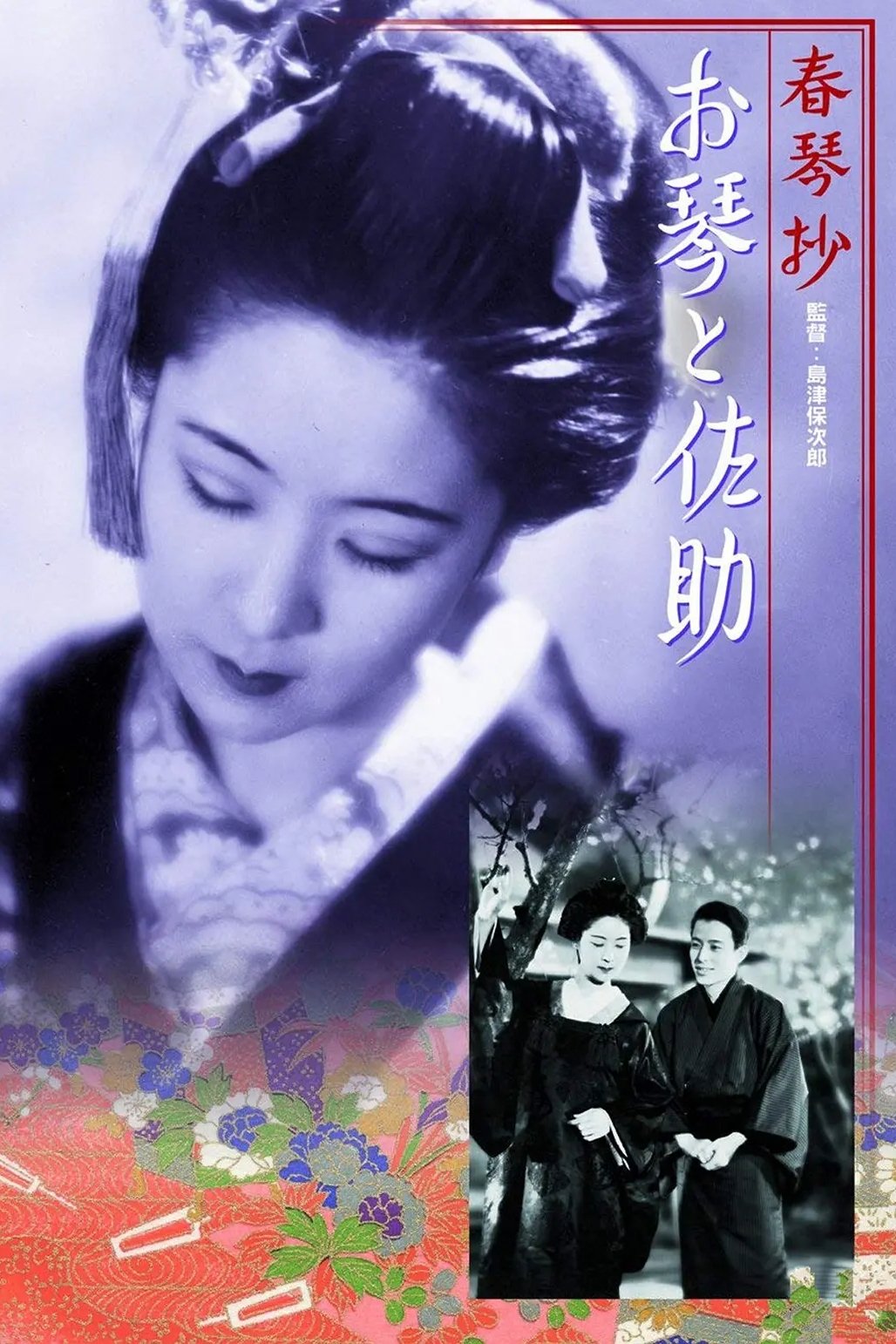
A period piece about the love of a wealthy blind woman, a teacher of koto and shamisen, and her devoted manservant. Based on a novella by Tanizaki Junichiro.
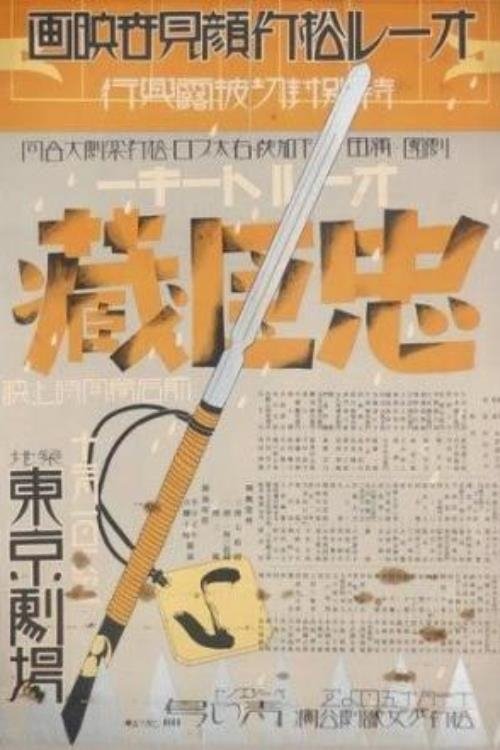
This 1932 adaptation is the earliest sound version of the ever-popular and much-filmed Chushingura story of the loyal 47 retainers who avenged their feudal lord after he was obliged to commit hara-kiri due to the machinations of a villainous courtier. As the first sound version of the classic narrative, the film was something of an event, and employed a stellar cast, who give a roster of memorable performances. Director Teinosuke Kinugasa was primarily a specialist in jidai-geki (period films), such as the internationally celebrated Gate of Hell (Jigokumon, 1953), and although he is now most famous as the maker of the avant-garde silent films A Page of Madness (Kurutta ichipeji, 1926) and Crossroads (Jujiro, 1928), Chushingura is in fact more typical of his output than those experimental works. The film ranked third in that year’s Kinema Junpo critics’ poll, and Joseph Anderson and Donald Richie noted that 'not only the sound but the quick cutting was admired by many critics.
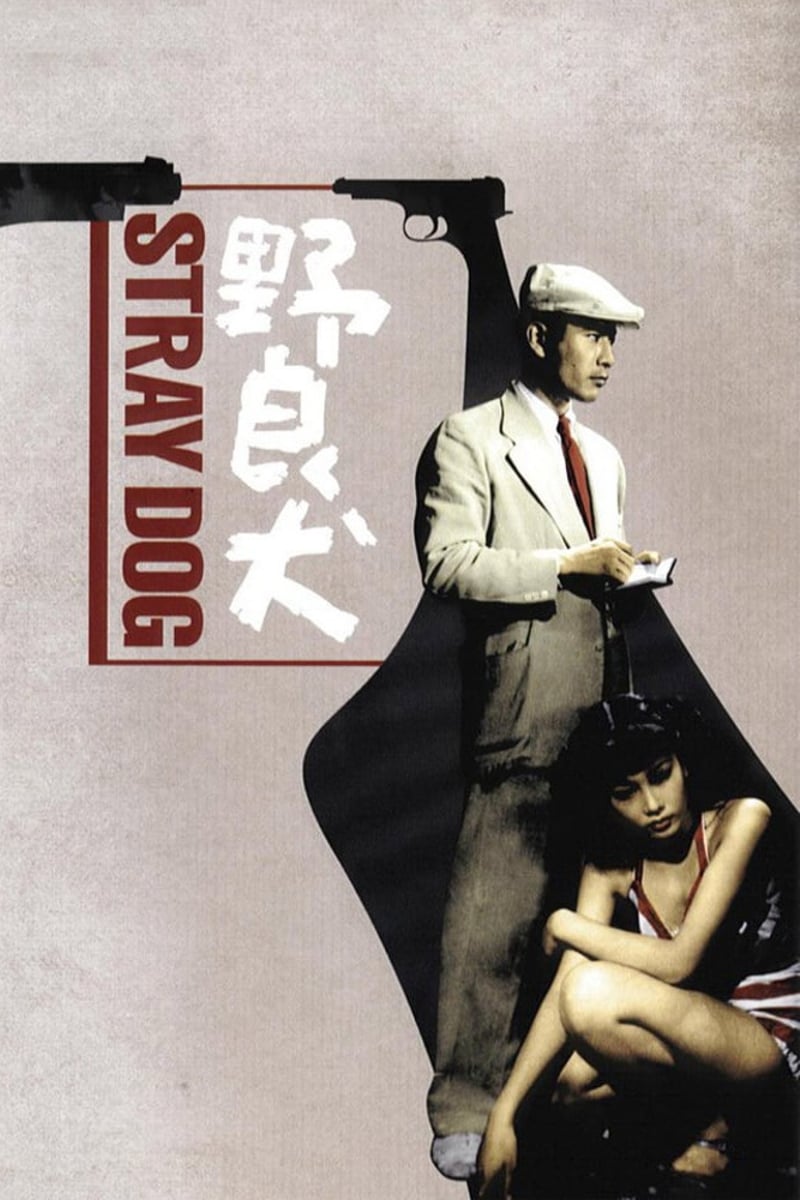
A bad day gets worse for young detective Murakami when a pickpocket steals his gun on a hot, crowded bus. Desperate to right the wrong, he goes undercover, scavenging Tokyo’s sweltering streets for the stray dog whose desperation has led him to a life of crime. With each step, cop and criminal’s lives become more intertwined and the investigation becomes an examination of Murakami’s own dark side.
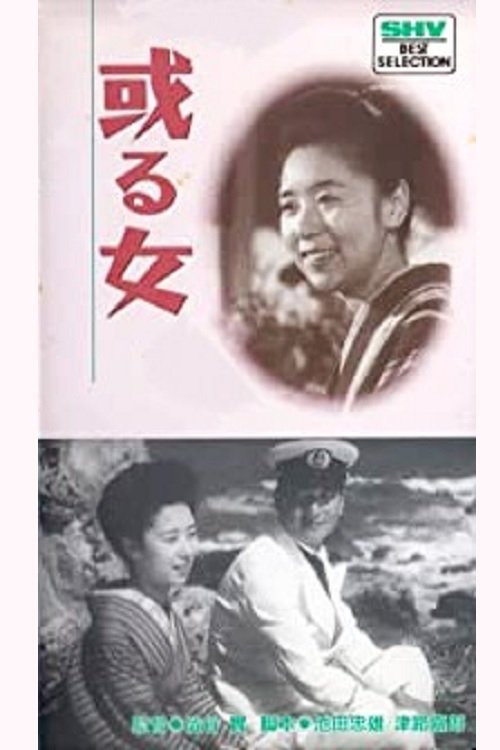
Pretty Oshige is deceived by her first love. After this, she lives a hard lifestyle, working at a number of jobs. Her only pleasure is her nephew, who eventually becomes a merchant marine. When Oshige meets her old love ten years later, she is able to forgive him and even thank him for the path her life has taken.

1958 Japanese movie
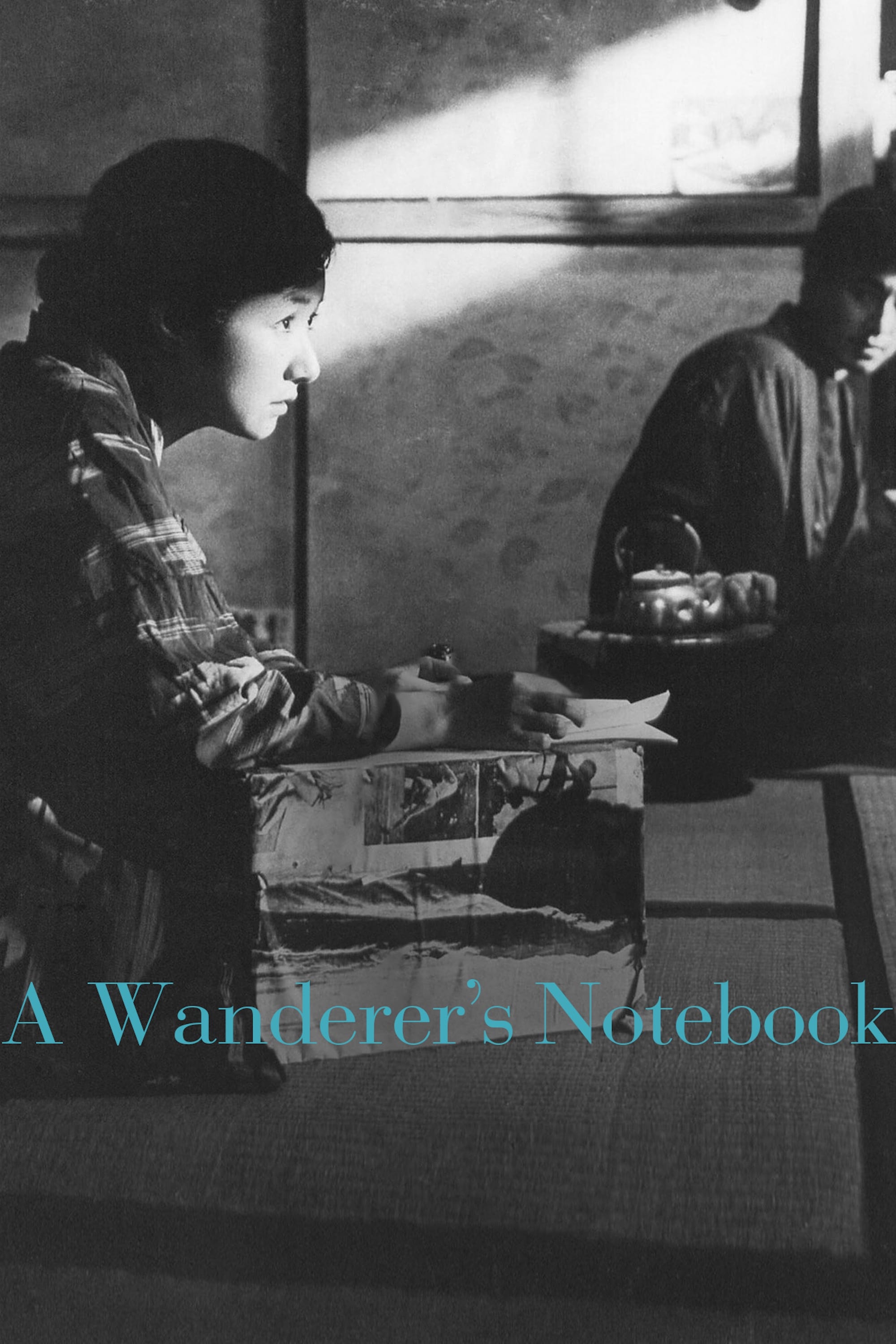
Based on the life and career of novelist Fumiko Hayashi, she bitterly struggles for literary recognition in the first half of the 20th-century – her affairs with feckless men, the jobs she took to survive (peddler, waitress, bar maid), and her arduous, often humiliating attempts to get published in a male-dominated culture.
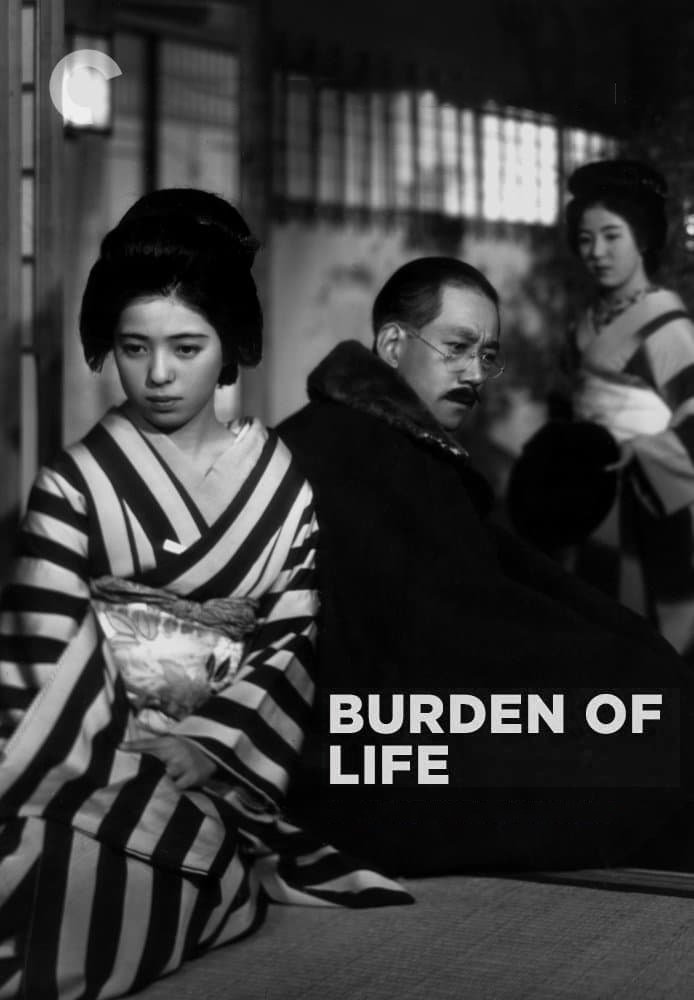
A middle-aged father has just married off his third daughter, but still has his nine year old son to raise whom he resents as he was unwanted.
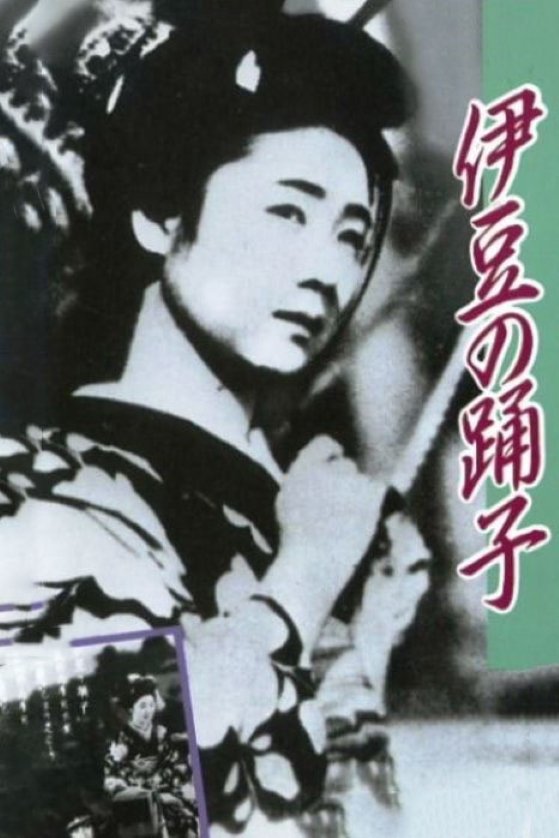
"The Dancing Girl of Izu" tells of the story between a young male student who is touring the Izu Peninsula and a family of traveling dancers he meets there, including their youngest girl. The student finds the naïve girl attractive even though he eventually has to part with the family after spending memorable time together.
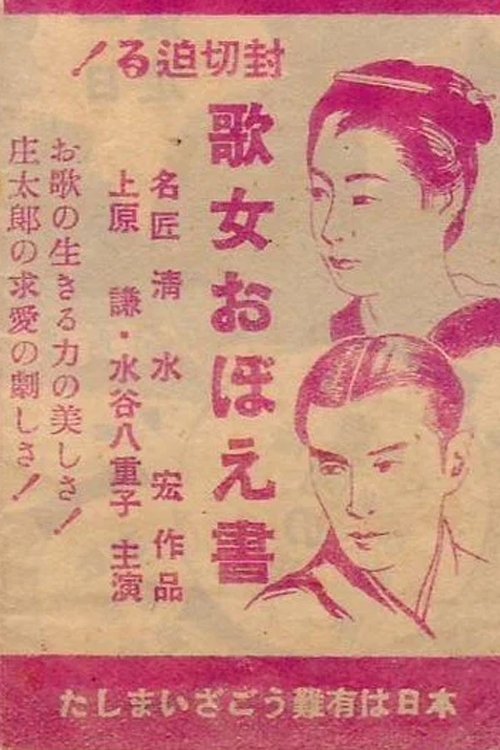
Uta’s mother died when she was six years old; her father she never met. She was forced to adopt a traveller’s life when her grandmother died, and now she is a dancer and part of a family of actors who travel from town to town, setting up street performances. A way of escape from this marginal existence arises when she gets the chance to move to tea merchant Hiramatsu’s place, where she is asked to teach his daughter to dance.
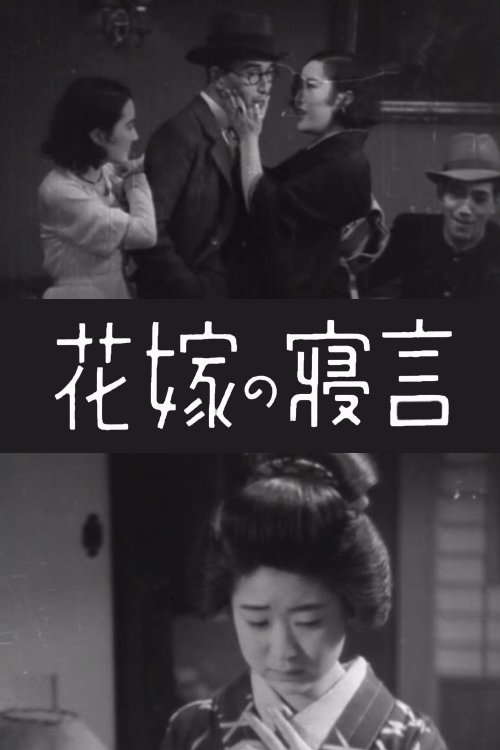
This pair of gentle yet witty and inventive comedies from the director of The Neighbour's Wife and Mine typify both the formal experimentation of early Japanese sound cinema and the social milieux that Shochiku tended to depict. 'Virtually plotless, and feeling more like comic sketches than fully developed stories,' writes Arthur Nolletti, Jr, 'these light comedies, or farces, take a wholly trivial matter (often a socially embarrassing situation) and use it as a springboard for a succession of gags.' Much of the films' distinction comes from the wit of Gosho's direction, the imaginative use of the new sound technology and the charm of the acting, particularly of the heroines (Kinuyo Tanaka in Bride; Hiroko Kawasaki in Groom). Yet in both films, Gosho finds room for some shrewd observation of character and environment, subtly exploring the values and assumptions of the suburban petit bourgeoisie.

Slice of life film centered on a couple of years in the life of a rural high school girl.
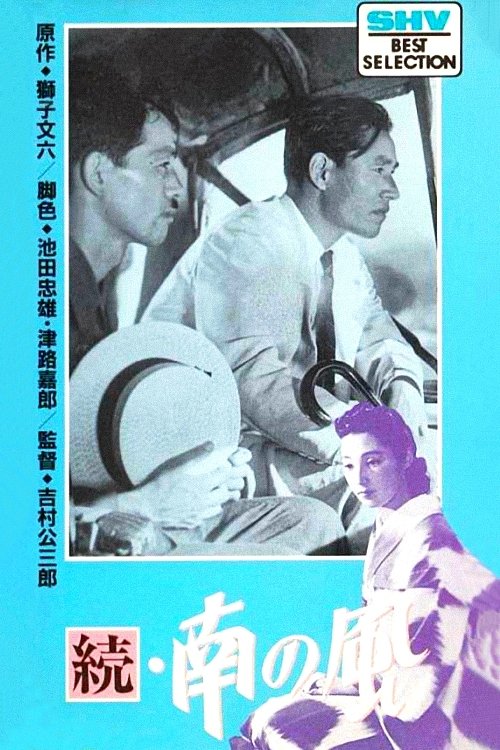
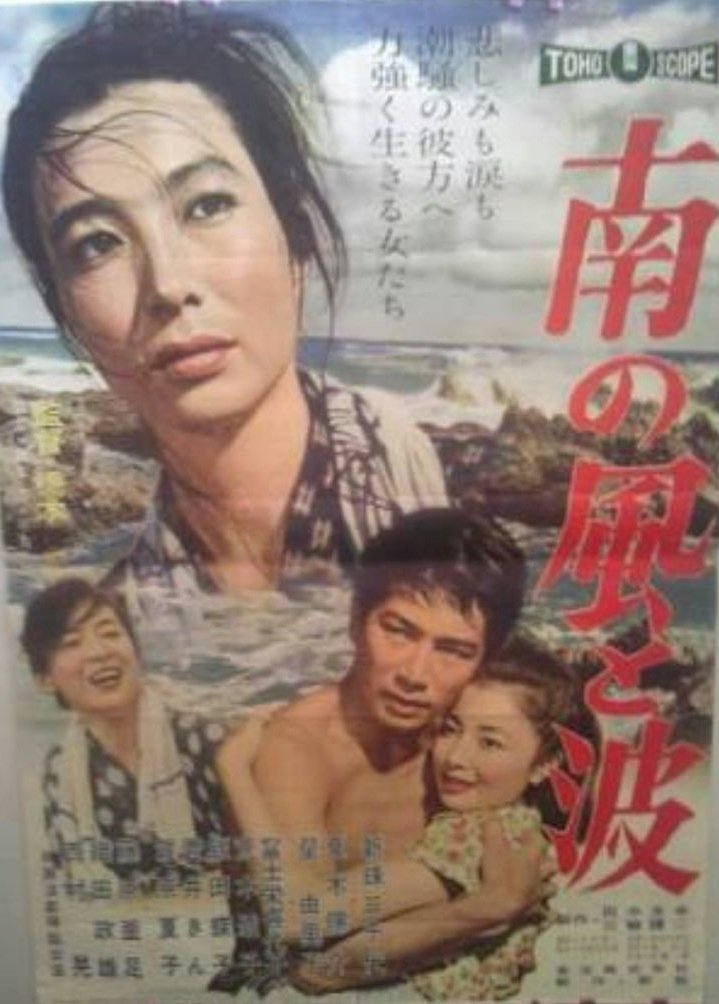
In this comic sequel to Yoshimura Kozaburo's original, Minami no Kaze, ex-baron (Saburi Shin) is in Singapore where he meets an old friend who proposes a scam to make some quick cash. It involved inventing the story that Saigo Takamori didn't actually die in the Satsuma Rebellion but escaped to Southeast Asia to start a new religion and in the process fathered a son who is now the founder. But when they bring the supposed heir and his aide to Japan, chaos ensues...
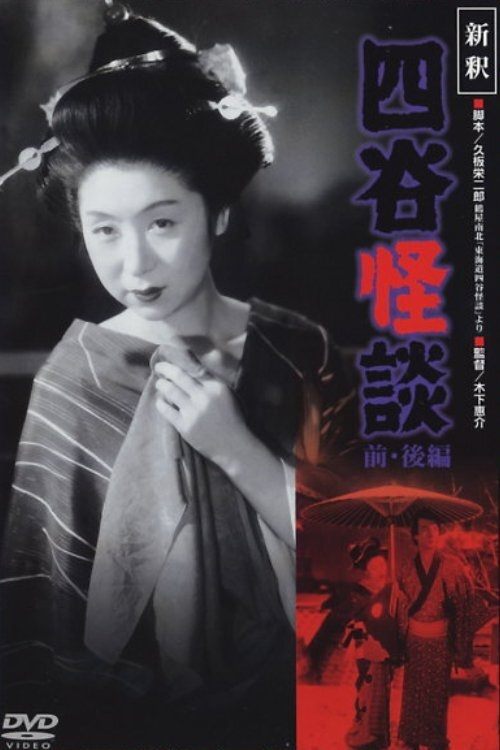
Part 2 starts where the first film ended, with Iemon disposing of the bodies of his wife and Kohei, marrying upward, and being blackmailed by the evil Naosuke.
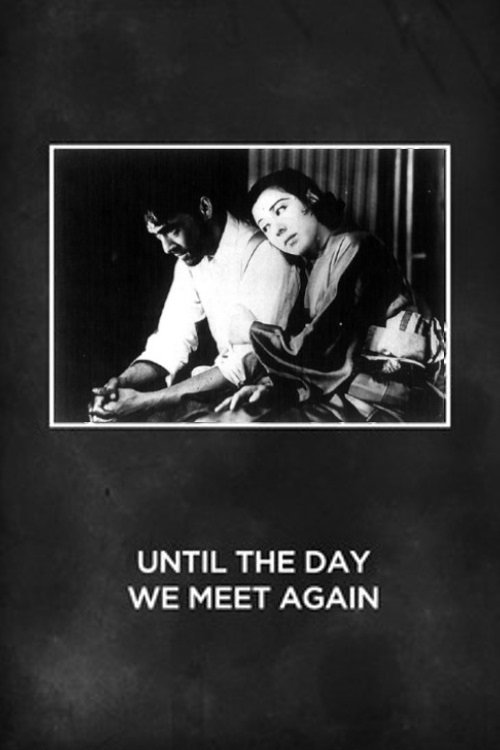
A young man falls in love with a prostitute and is disowned by his family. He is then drafted, and heads off to war. Script exists - considered to be a lost film.
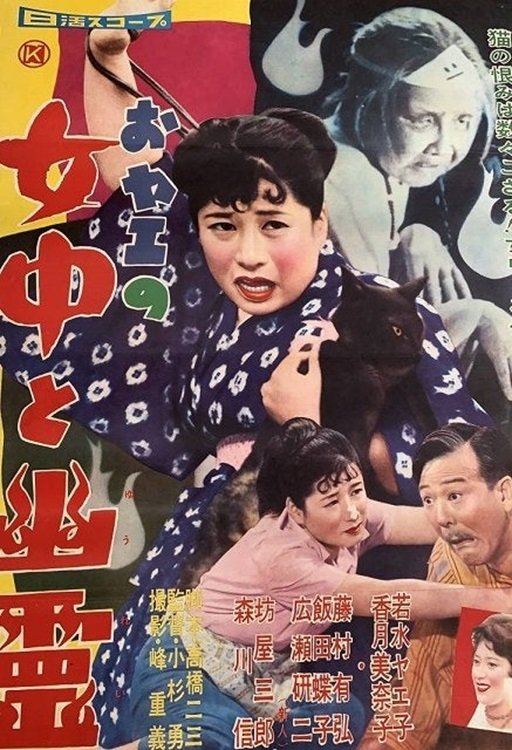
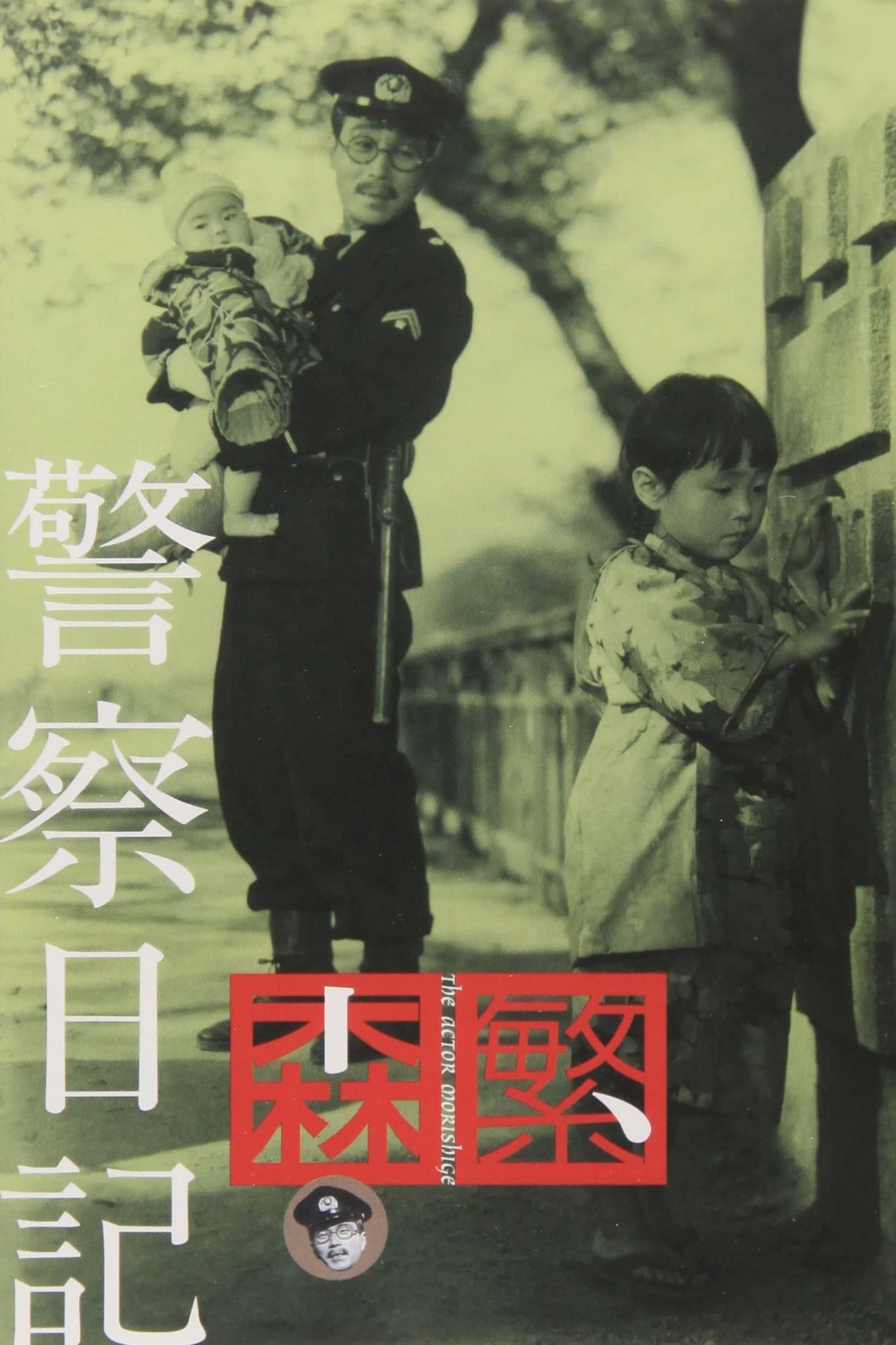
Lending money, job hunting for civilians and babysitting. All these things are usually not listed on a policeman's job description. But for the officers of this local police station, it‘s part of their daily routine. One day, patrolman Yoshii (Hisaya Morishige) finds an abandoned baby and a six year old girl standing in front of the station. When he's declined by the welfare office, orphanage and local health clinic to take them in, he decides to take care of them himself.
A bar girl tries to pass her three children, each from a different father, to rural relatives.
Adaptation of a novel by Yojiro Ishizaka, originally released in two parts.
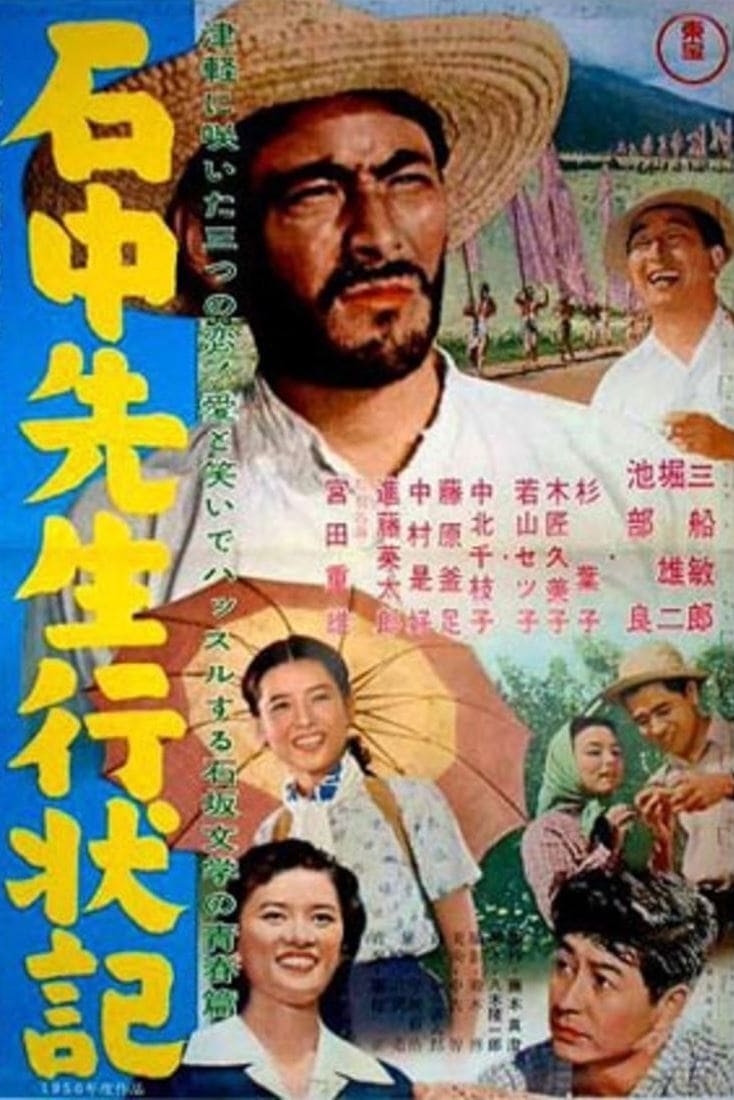
Three humorous love stories set in rural Japan.

Oiwa has been searching for the one who killed her father for a long time. She comes to Yedo and sees a man named Naosuke. The film is based on the kabuki classic: Toukaidou Yotsuya Kaidan (1826) written by Tsuruya Nanboku and is one of the most famous ghost stories throughout Japan.
Japanese drama film.
Japanese drama film.
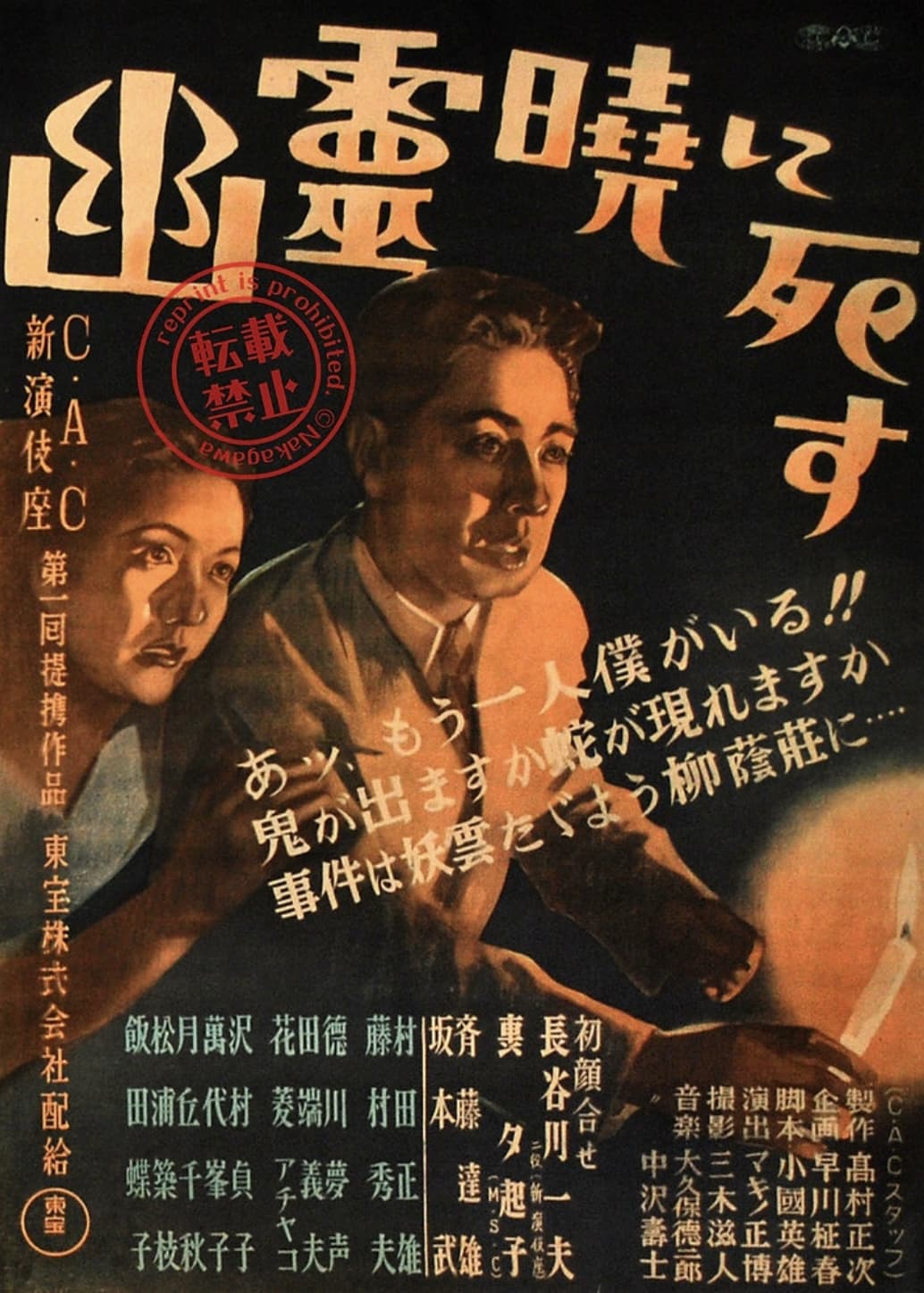
At the wedding of Kohei (Hasegawa) and Michiko (Todoroki), a whisper echoes along with a gust of wind. As if manipulated by the mysterious voice, Kohei takes Michiko to stay at a dilapidated mountain villa in his hometown. What awaited him there...
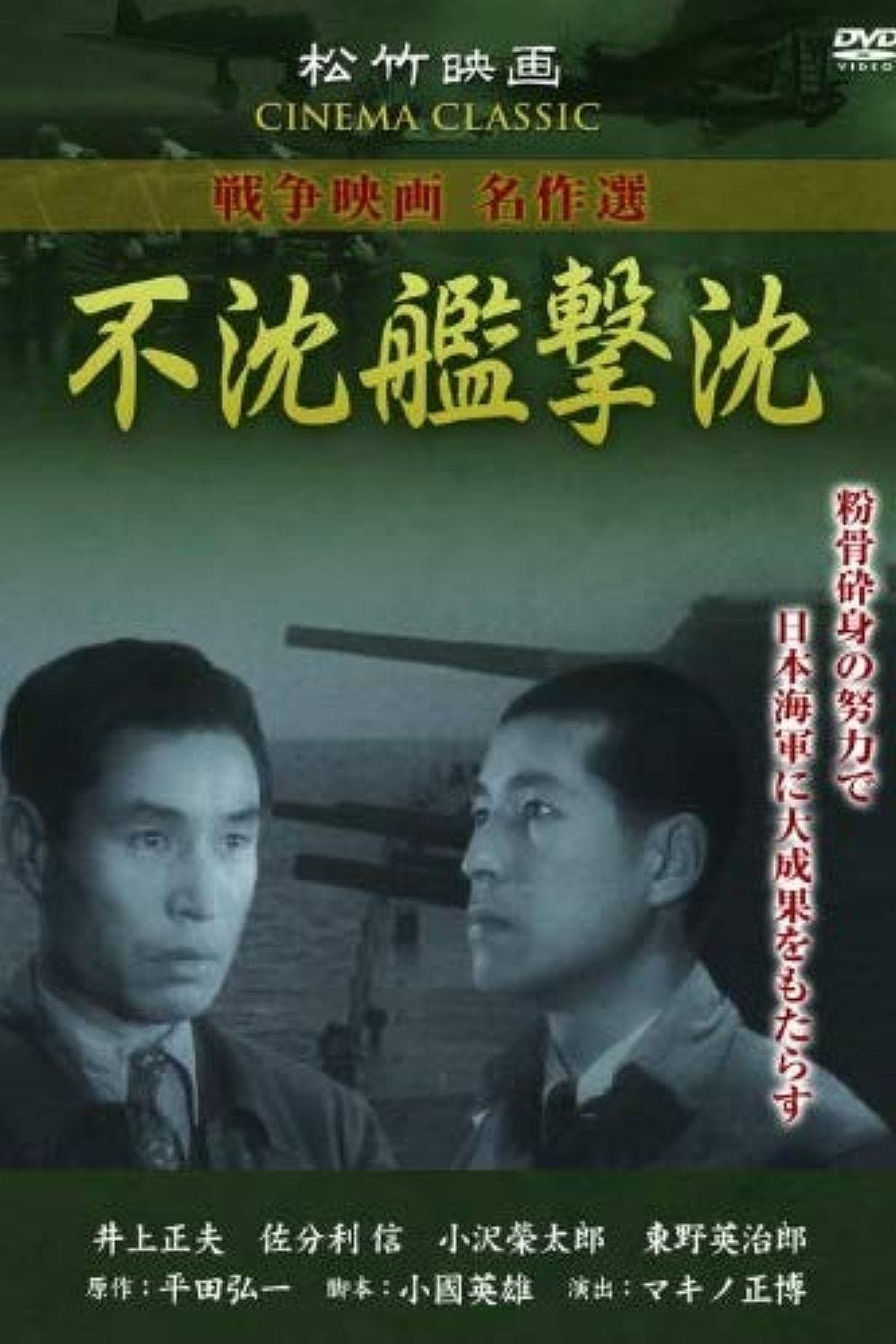
Japanese Warmovie
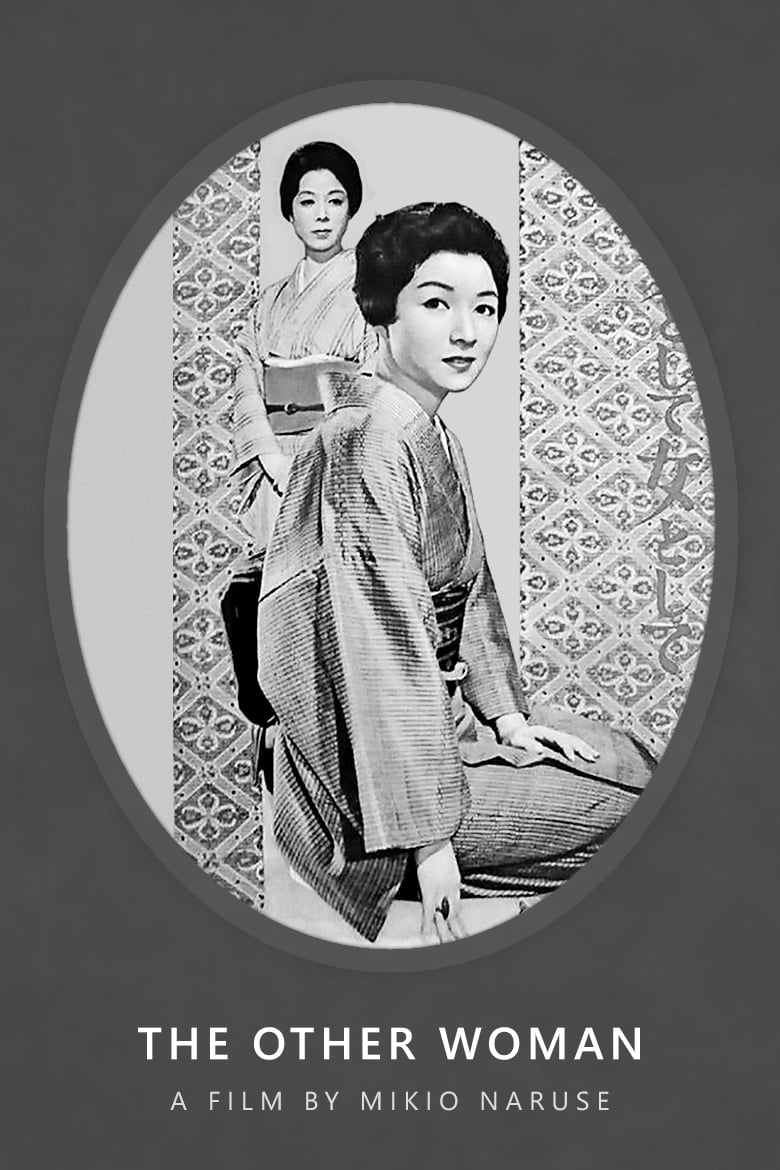
The real mother of the two children of a respectable university professor is not his wife, but his mistress, the hostess of a Ginza bar the family frequents.
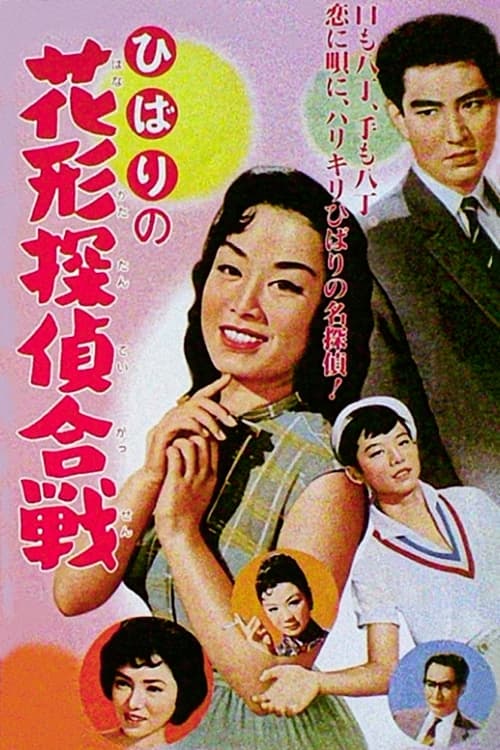
A friendly rivalry turns into romance for Yukiko, an elite female detective, and a handsome private eye named Mitamura while both are investigating the missing person's case from a wealthy family.
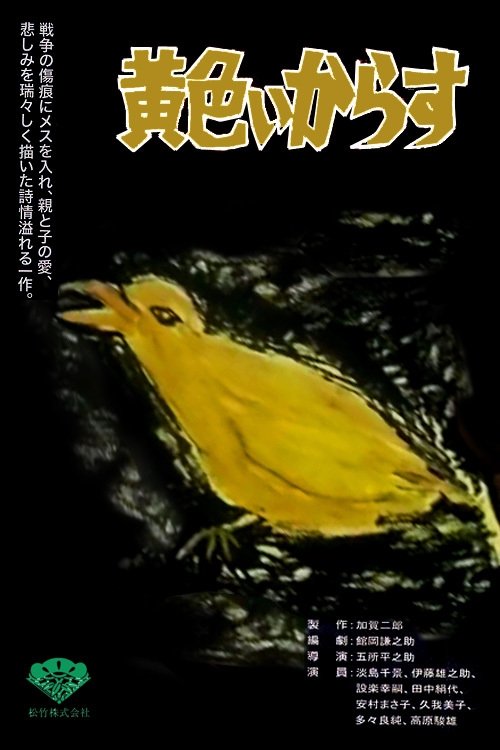
Ichiro Yoshida, the father of the boy Kiyoshi, who has been repatriated from China, returns home after a ten-year separation. The father, who has been estranged from his son for many years, pays no attention to the boy, often punishes him unfairly, and gives all his tenderness to his little daughter, who was born after his return. The boy sees all the injustice of his father and, offended, leaves home. The father realized that he was wrong, that he was guilty before his son. The mother finds the boy and brings him home. The father and the son become friends from that day on.
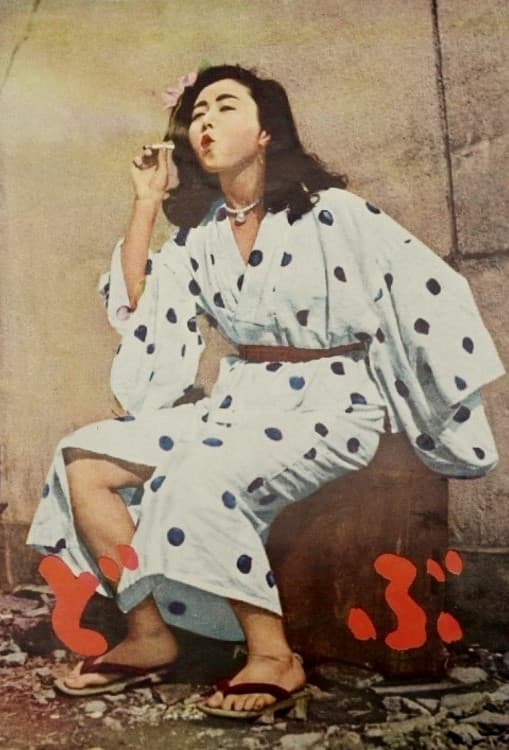
Postwar Tokyo. Pin and Toku live in the squatter area of Kappanuma. Pin and Toku are avid gamblers. They take in Tsuru, a slightly demented woman who has run away from a geisha house.
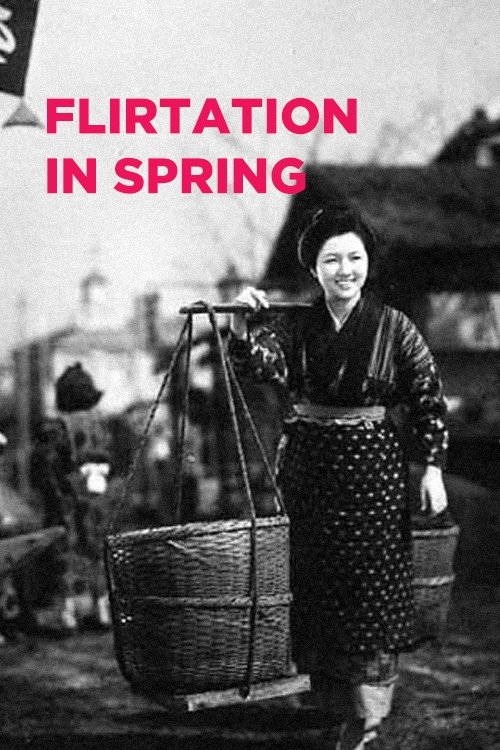
Japanese adaptation of Marcel Pagnol's play "Marius", set in early XXth century Japan.
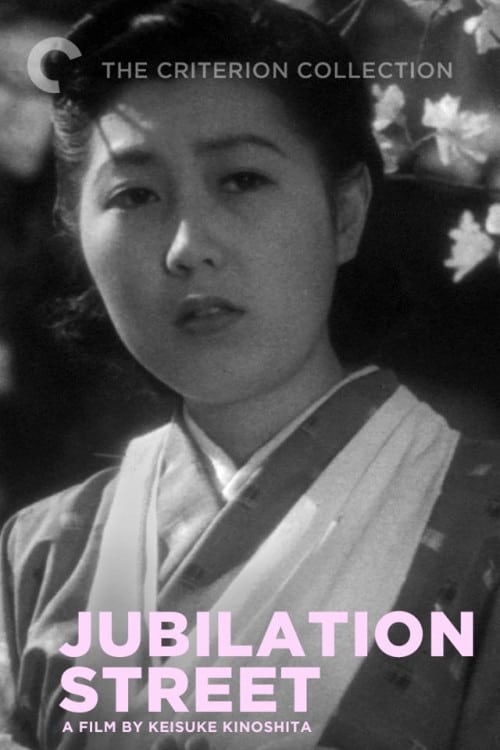
The few residents left on the streets in Tokyo share their individual stories and come to understand the melancholy of saying goodbye.
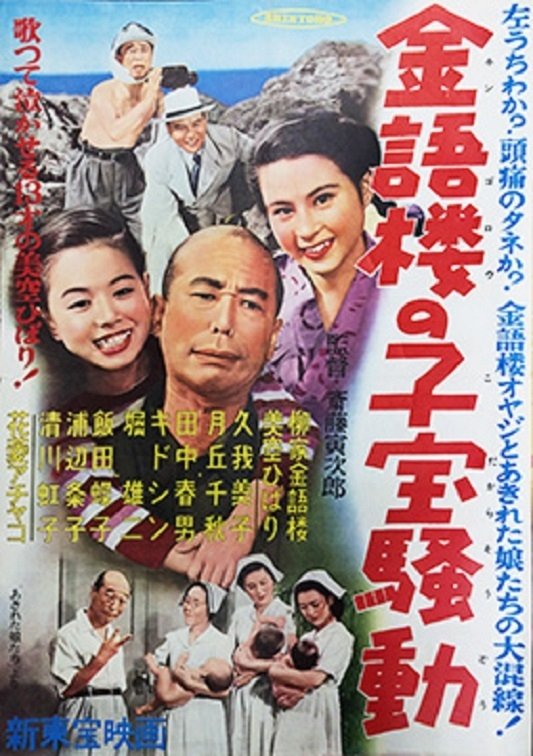
Japanese comedy film.
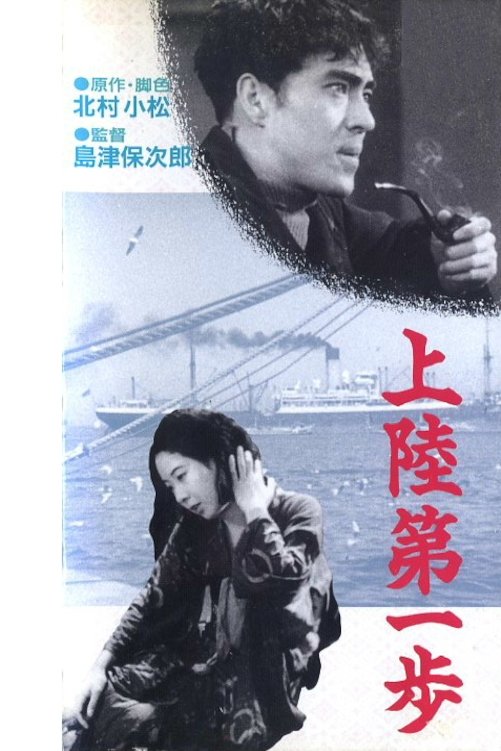
The story of a sailor who begins a love affair with a woman he saves from suicide.
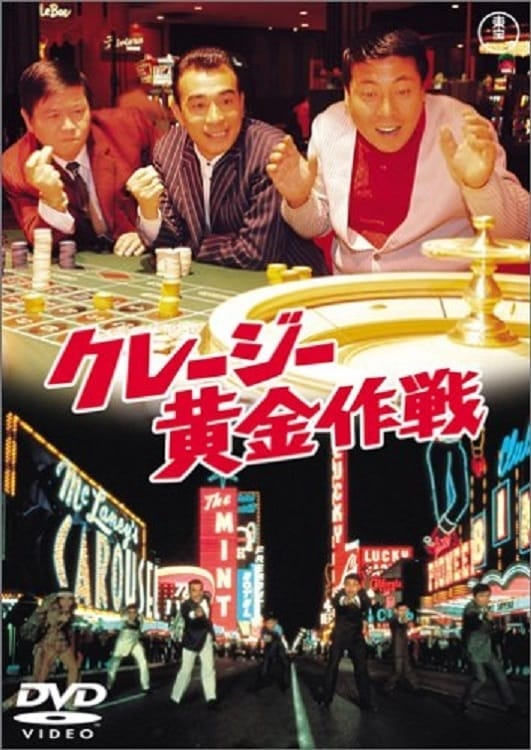
The Crazy Cats, a Japanese musical-comedy group, were showcased a series of comic adventures throughout the 1960s. Las Vegas Free-For-All, one of their most popular movies, featured scenes filmed on location in Las Vegas, Los Angeles, and Hawaii. Appearing with the seven Cats were the lovely Mie Hama and such Japanese musical artists as The Peanuts, The Johnnys, The Drifters, and Jackie Yoshikawa & the Blue Comets.
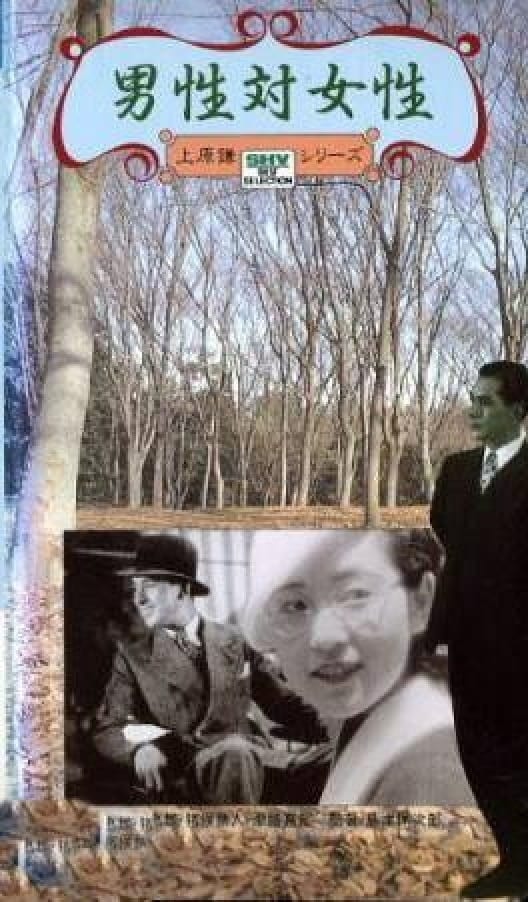
A musical film made for the inauguration of Shochiku's Ofuna Studio, with an all-star cast of the era.
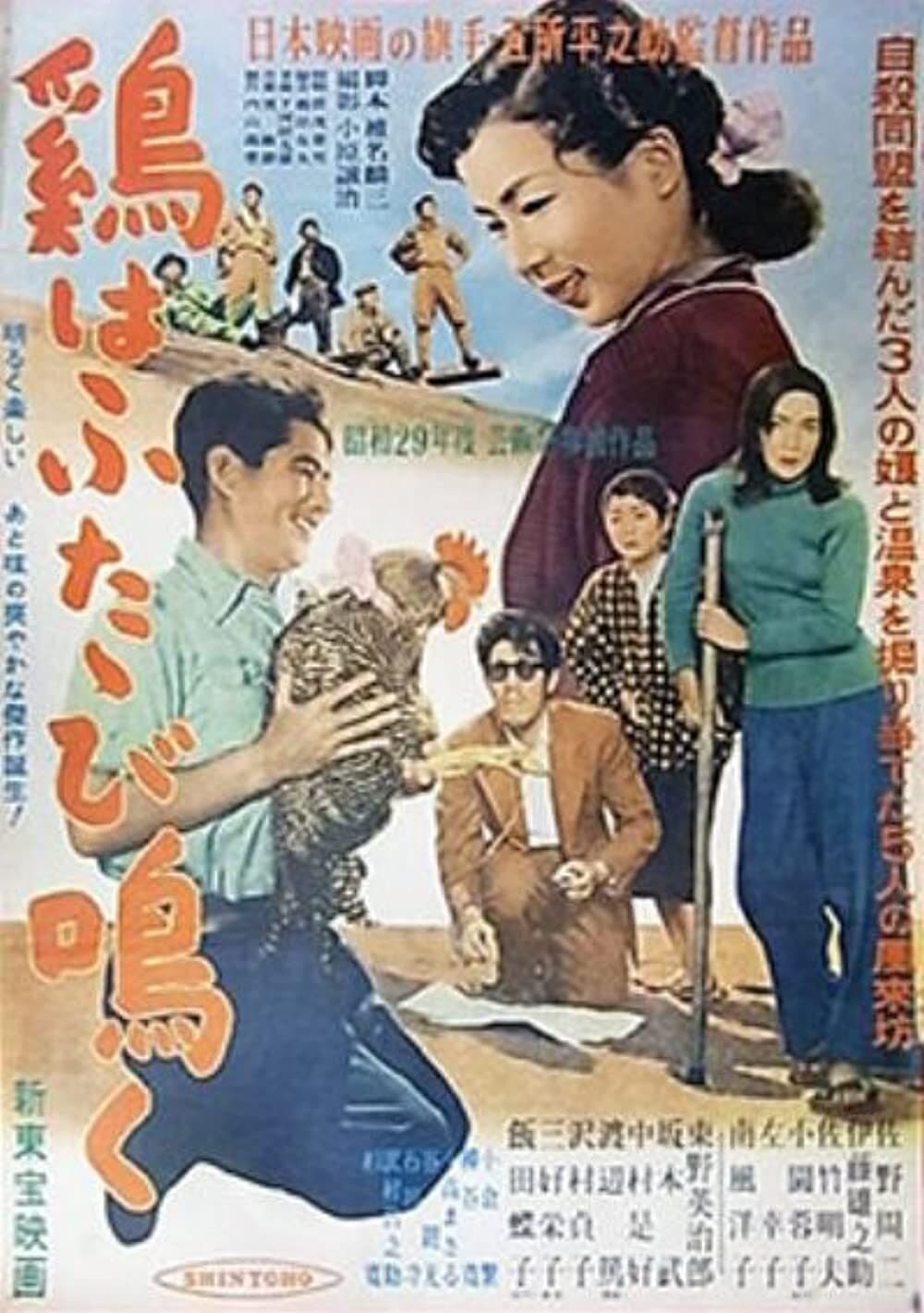
Three young women make a suicide pact, but they grow to have a better understanding of themselves.
Episode in the life of a composer of a popular Japanese song.
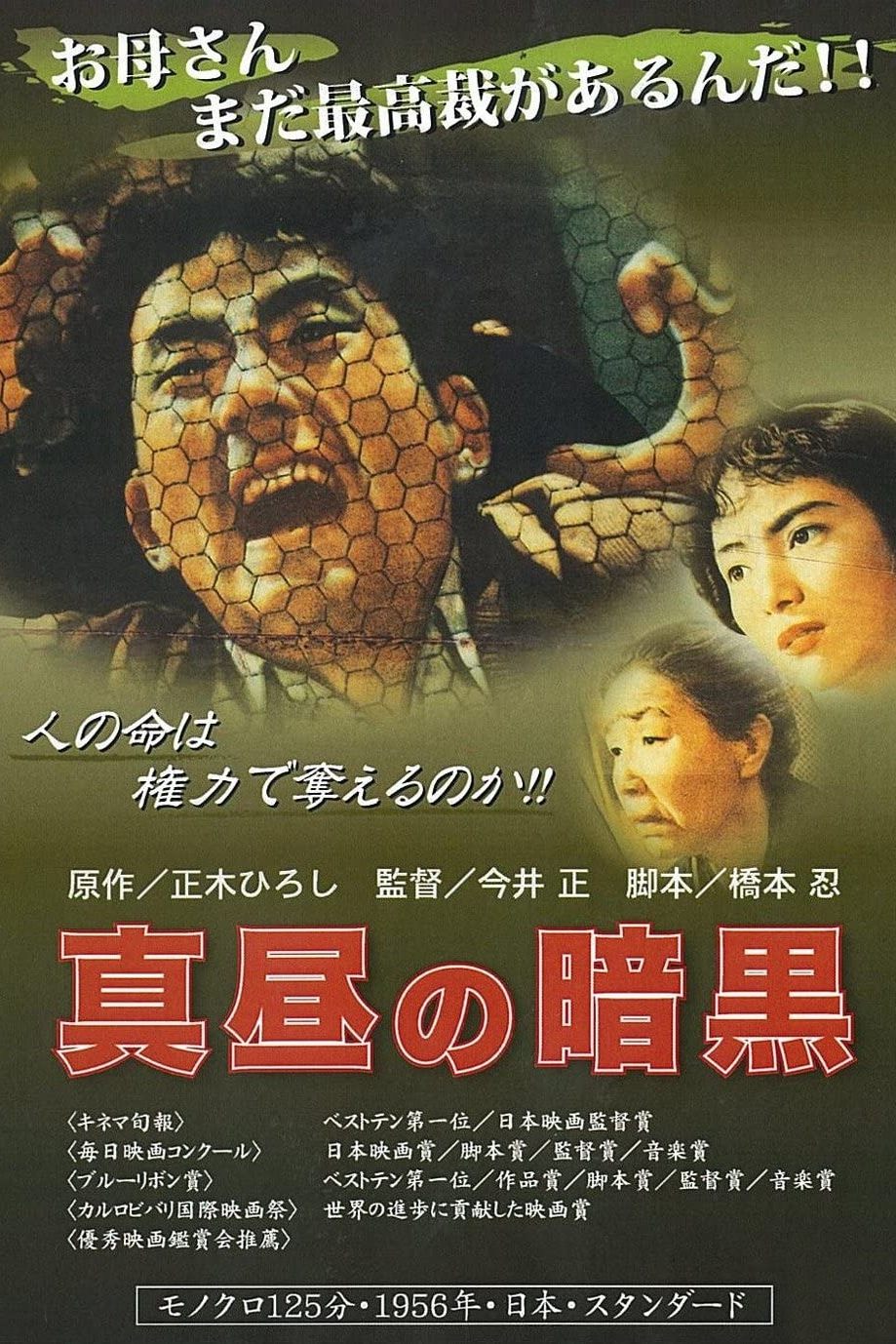
Police beat a murder confession out of four innocent men who are then sentenced to death. Based on a true story.
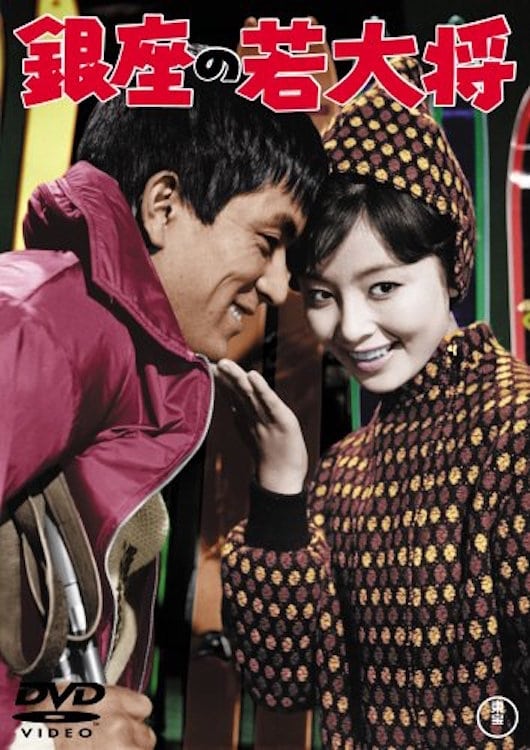
Young Yuichi (Kayama) romances Sumiko (Hoshi) while helping out at his family's restaurant, singing in a band, and preparing for an important boxing tournament.
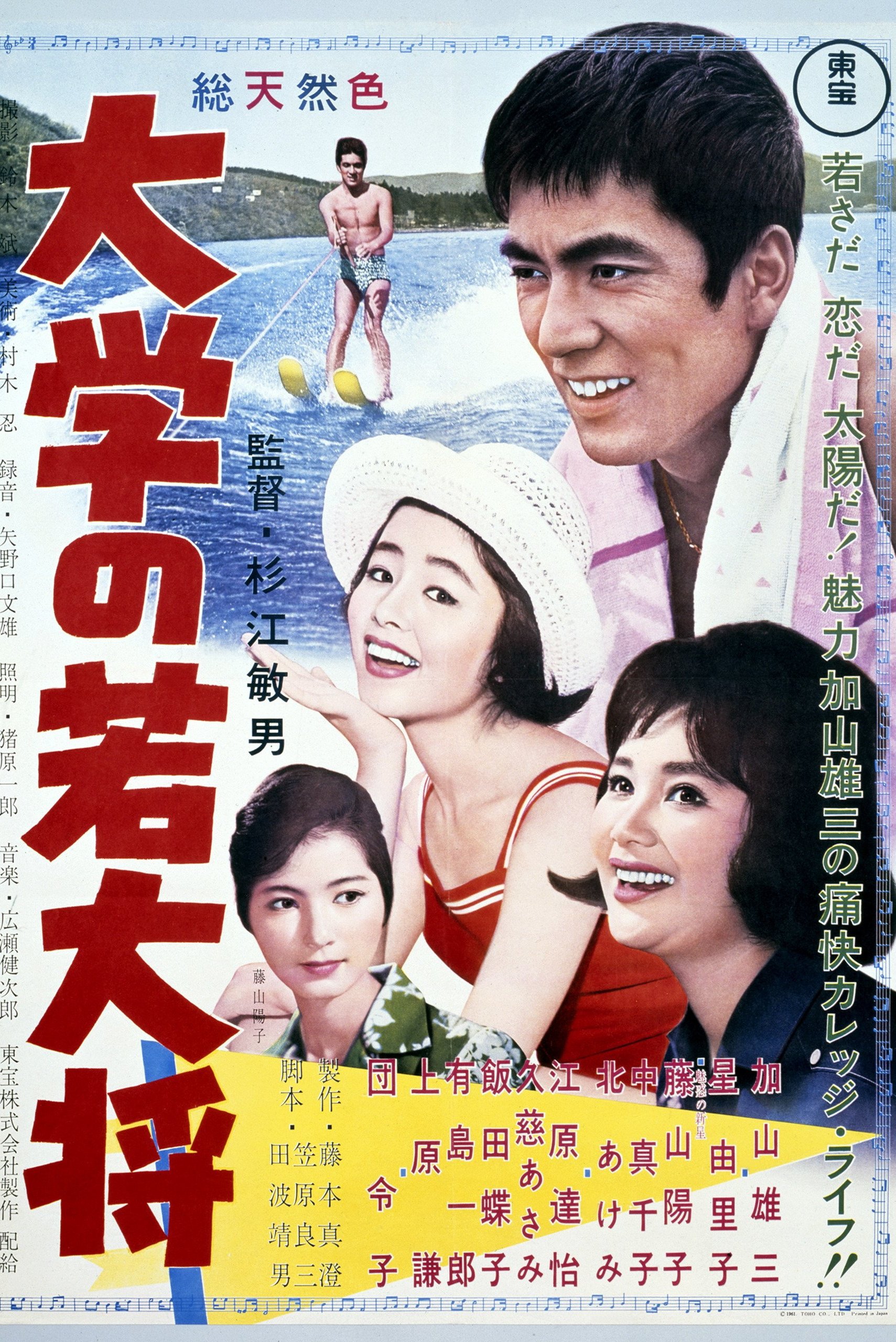
The first instalment in Toho's popular Wakadaishō (Young Guy) series.
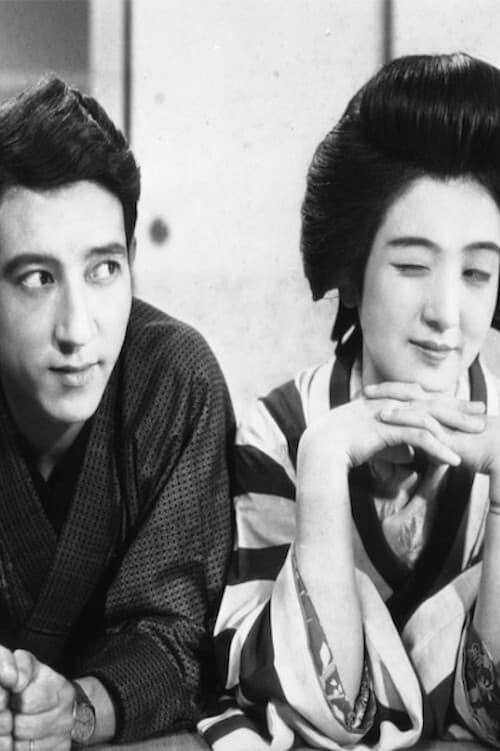
A young couple is harrased by an uncle.
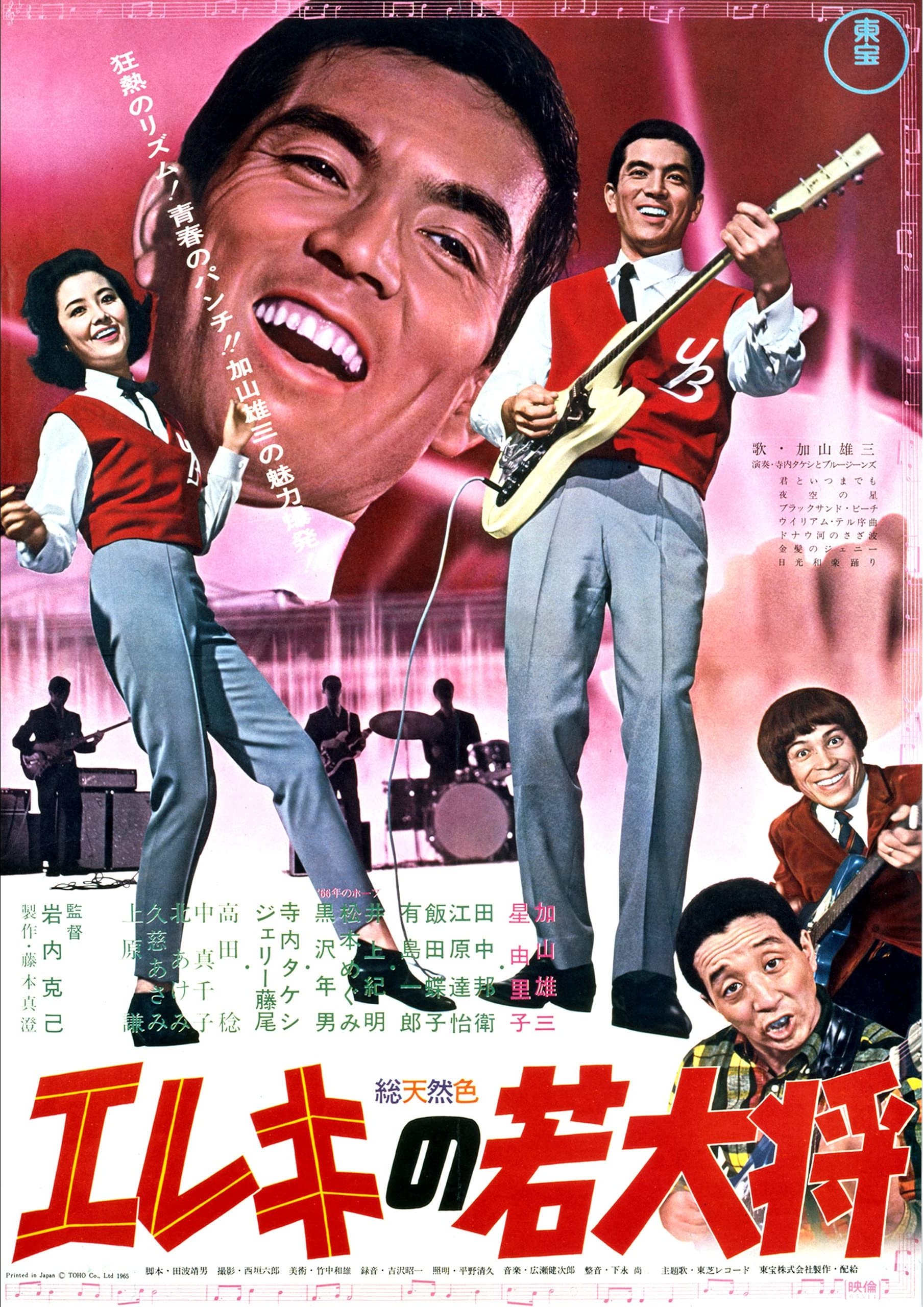
Young Guy (Kayama) competes in an electric guitar competition and plays American-style football. Released alongside Invasion of Astro Monster.
A 1937 Japanese film.
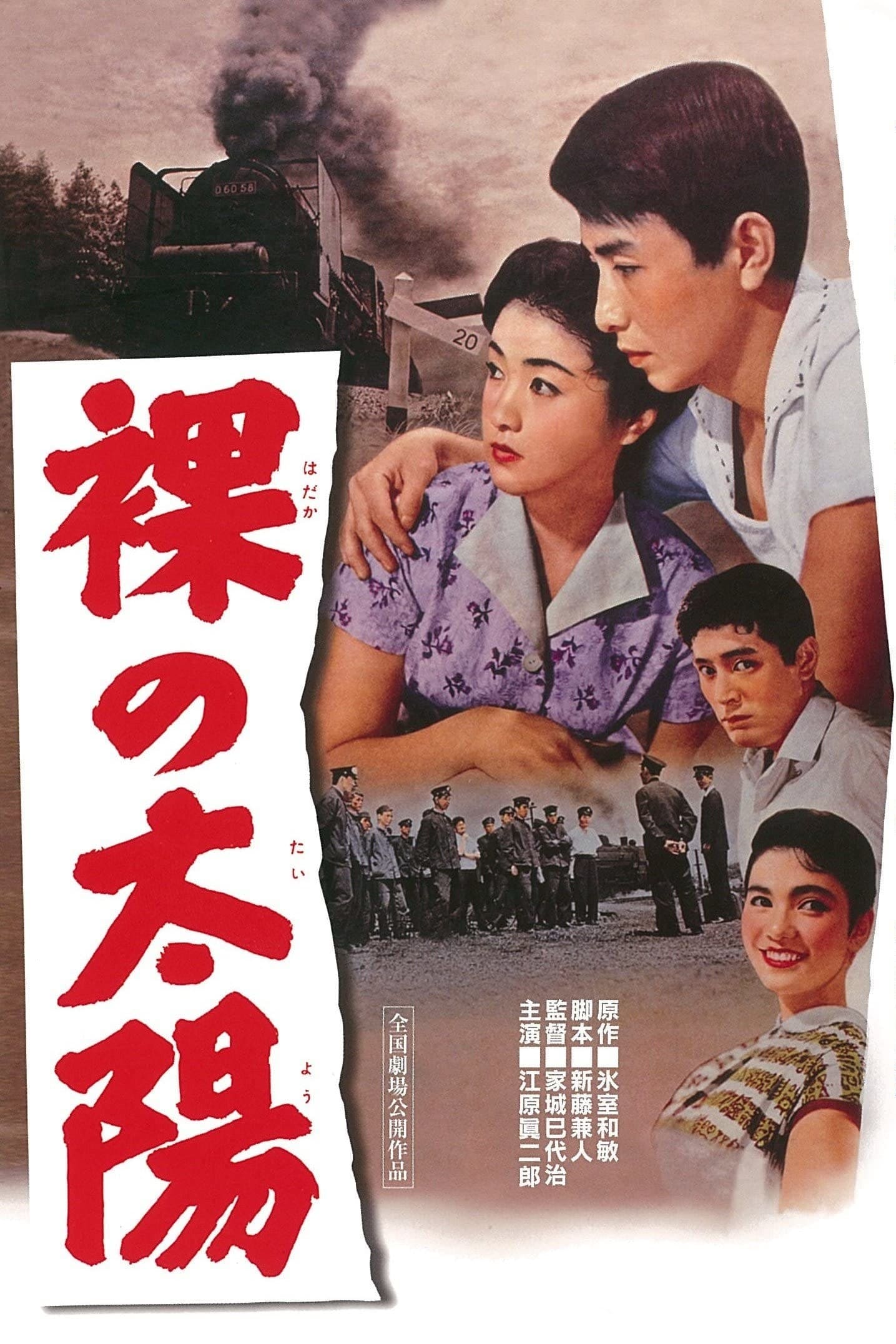
A young, struggling couple are making every sacrifice so they will one day in the not-too-distant-future, have enough money to get married. As they have agreed on this procedure, it comes as a shock to the young woman to find out from her husband-to-be that he just loaned all the money they had saved to a friend. She is understandably miffed, and a big disagreement results. But after some time goes by, she discovers why the friend needed the money so badly, and the couple are back on solid footing again.
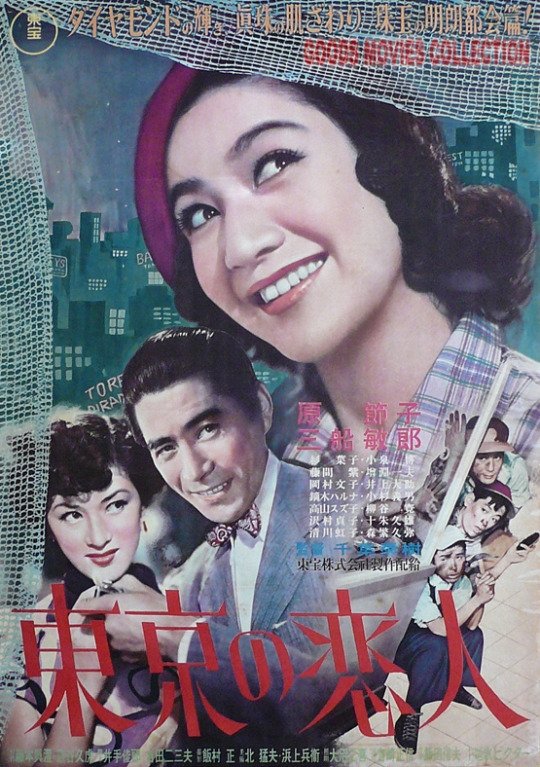
Following the Second World War, the lives of various people in a poverty-stricken area of Tokyo are entertwined. Pachinko parlor girls, shoeshine boys, a maker of costume jewelry, and a streetcorner artist all struggle to make their livings and to find happiness in difficult surroundings.
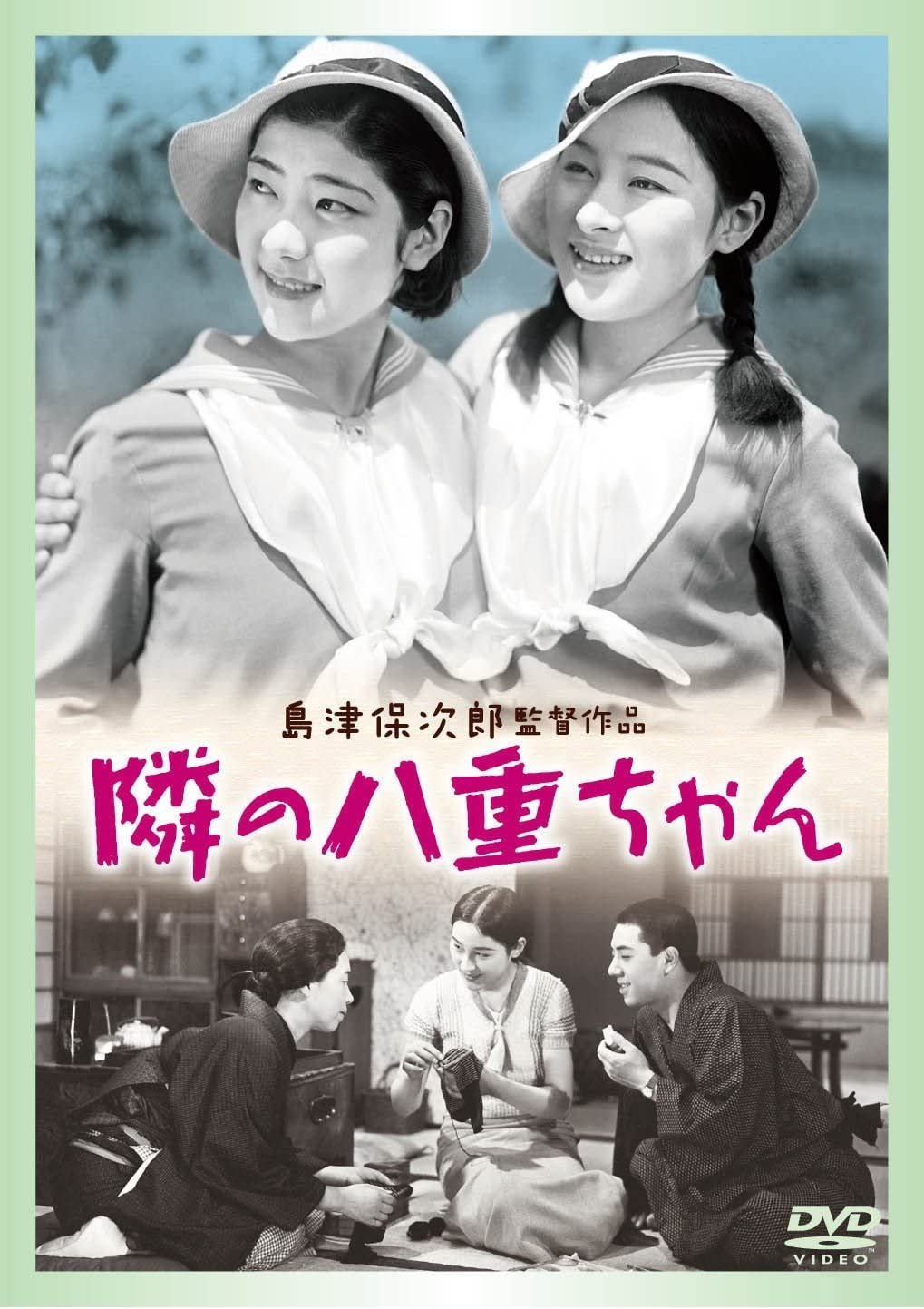
Keitaro is a law student and Yaeko is a high school girl. They are neighbors, and their friendship is starting to develop into something more romantic. Then, Yaeko's sister Kyouko has a breakup with her husband and returns home. Kyouko is clearly interested in Keitaro and Yae becomes anxious.
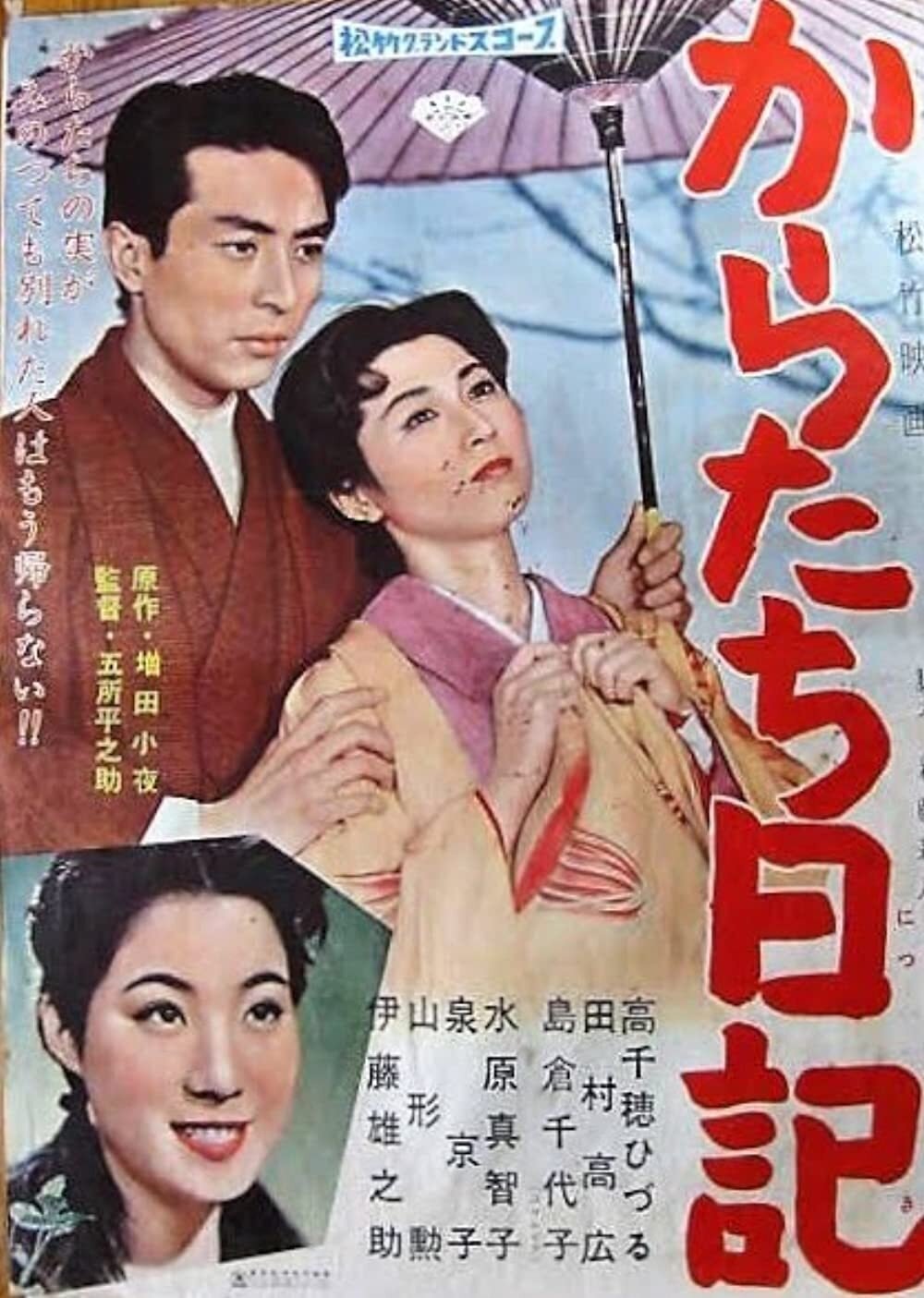
Follows the life of Tsuru, the poor daughter of farmers in Shinshu, Japan.
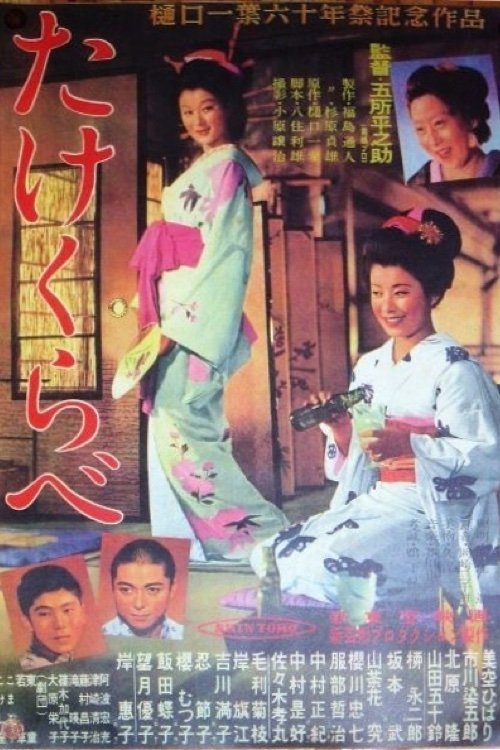
A boy falls in love with a girl. Neither of them know that she's to be sold to a brothel.
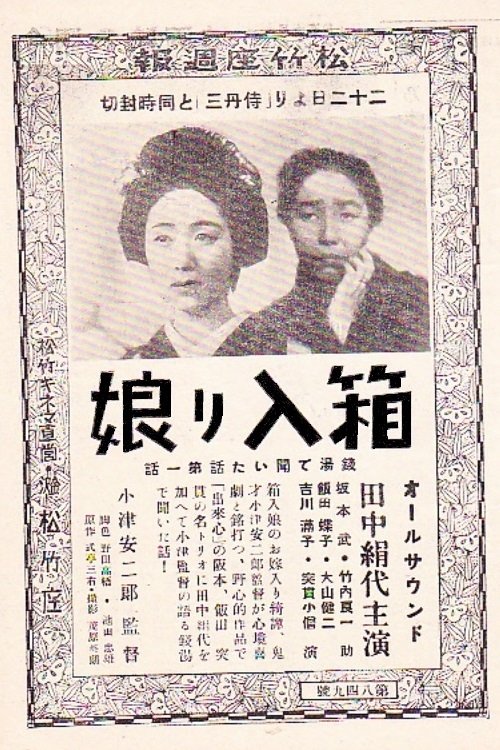
In a back alley of the Shitamachi district of Tokyo, Kihachi bears witness to a series of romantic complications involving the inhabitants of the neighborhood. Considered to be a lost film.
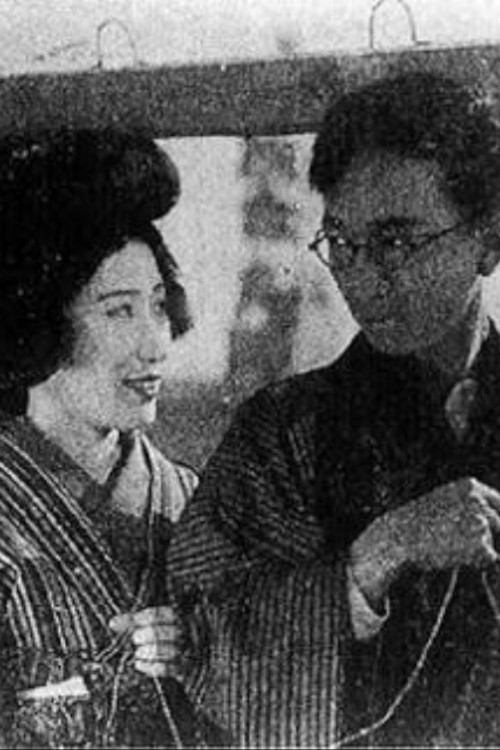
A young man falls for one of the geisha working in the house where he lives. However, the romance doesn't find favour with his father or current girlfriend. Considered to be a lost film.
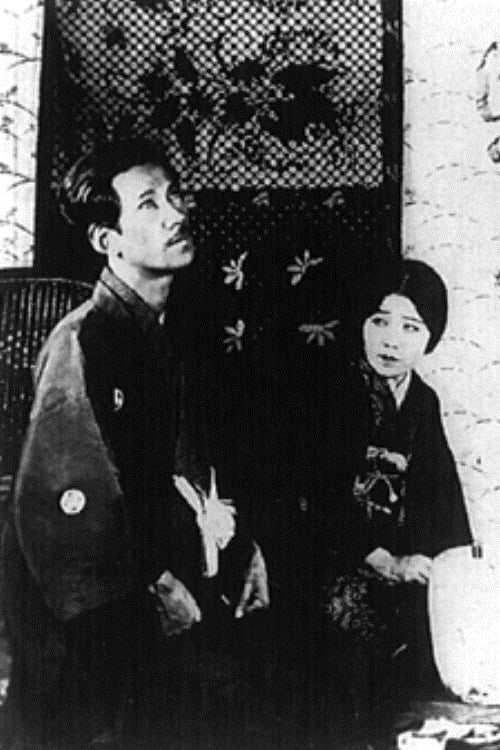
A hen-pecked man works as his artist wife's model and a house-husband. When her patron flirts with her and humiliates him, he decides to get revenge by trying his own hand as a painter. Considered to be a lost film.
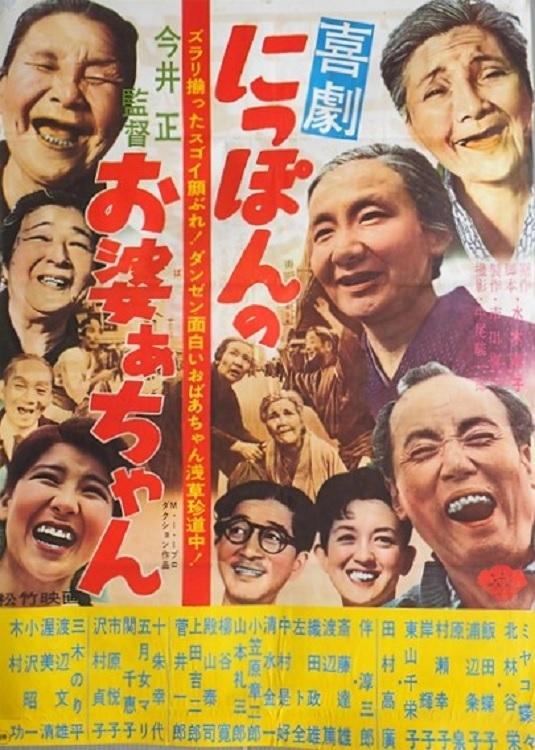
Two obaachans become fast friends listening to music in front of a record store. They both boast about their loving sons but in reality, one had just escaped a retirement home and the other was looking for an escape from her son and daughter-in-law. With nowhere to go, the two wander around, befriending a cosmetics salesman and a kind waitress who give them beer. This biting social satire starring two memorable grandmothers, scripted by Yôko Mizuki, picked up on Japan’s aging population problem far ahead of its time.
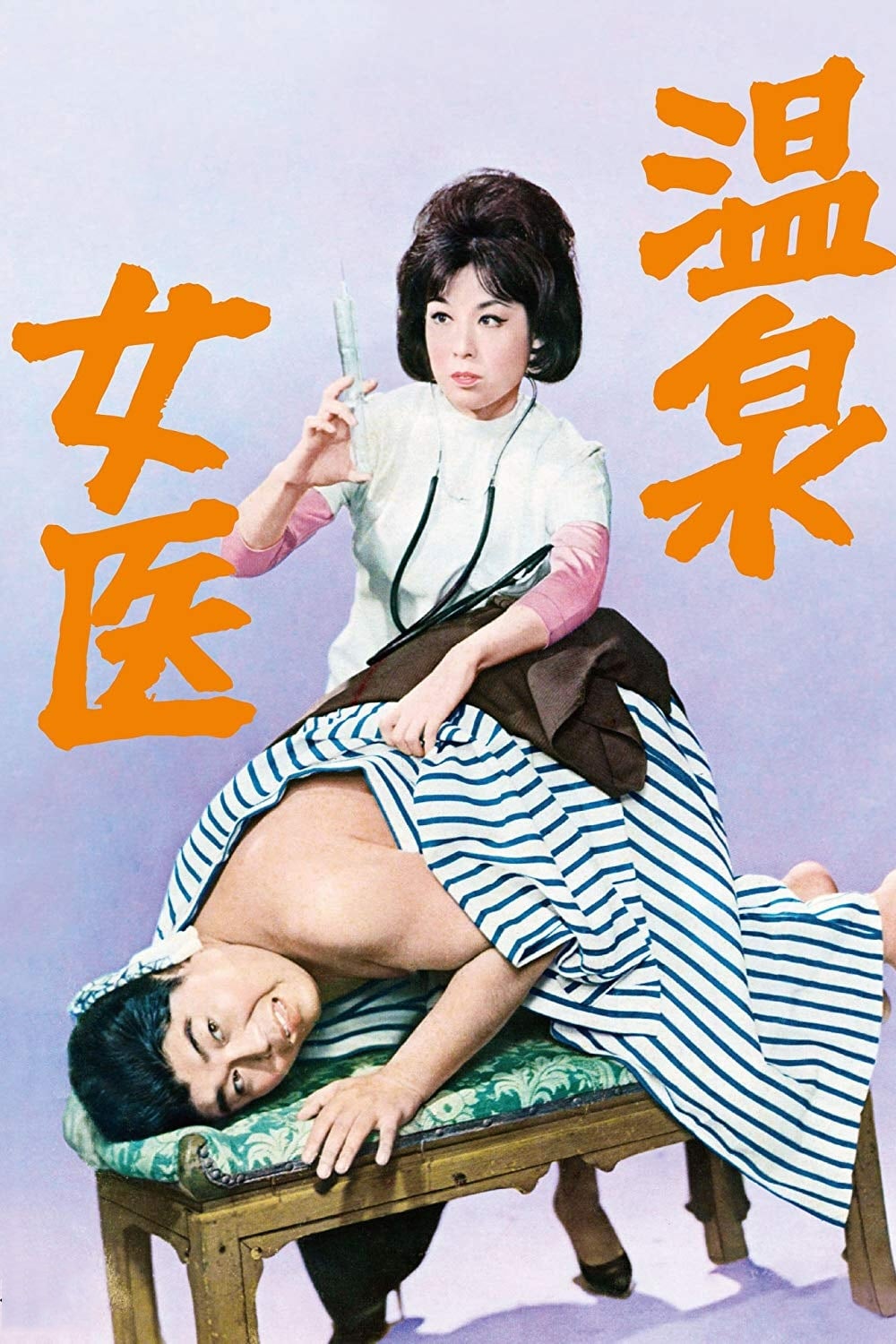
A light comedy with Ayako Wakao charming her patients.
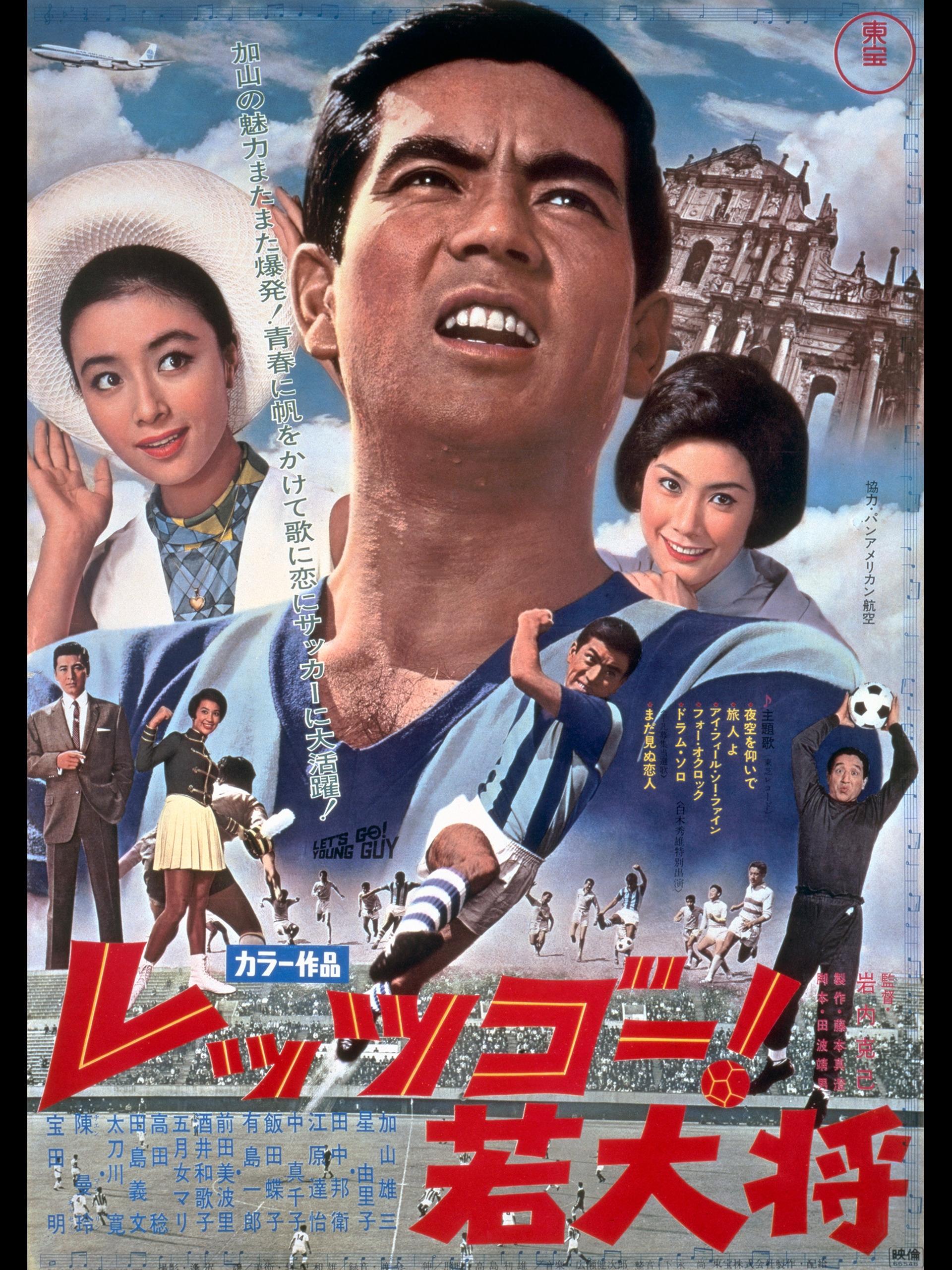
College student Yuichi Tanuma is fired up for Nationals where his university Kyonan will face off against their rivals, Seihoku. Yuichi has his sights set on winning football gold, but his father, who wants him to take over his sukiyaki restaurant, isn't too keen on this. Set in Kyoto, Hong Kong, and Macau, we follow Yuichi as he falls in love and chases after his dreams.
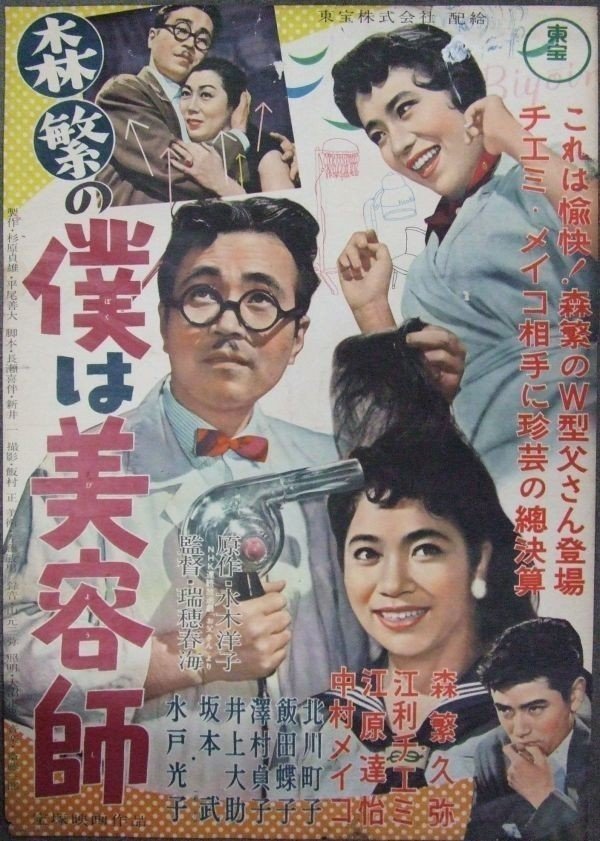
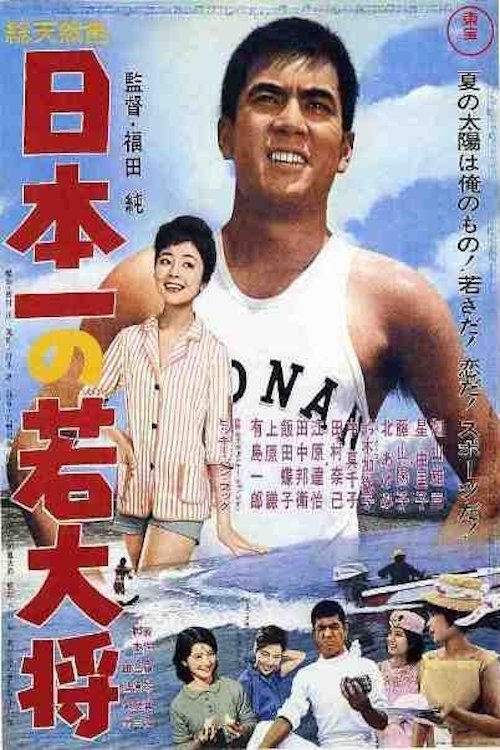
Yuuichi Tanuma, our young hero, is a senior at Kyonan University and captain of the marathon team. His parents run a sukiyaki restaurant back in his hometown. When his allowance stops coming in, Yuuichi moves back in with his folks to work part-time. He has his eyes set on nationals in the fall, until one day he runs into a young woman who's fallen into trouble with the Lightning Gang...
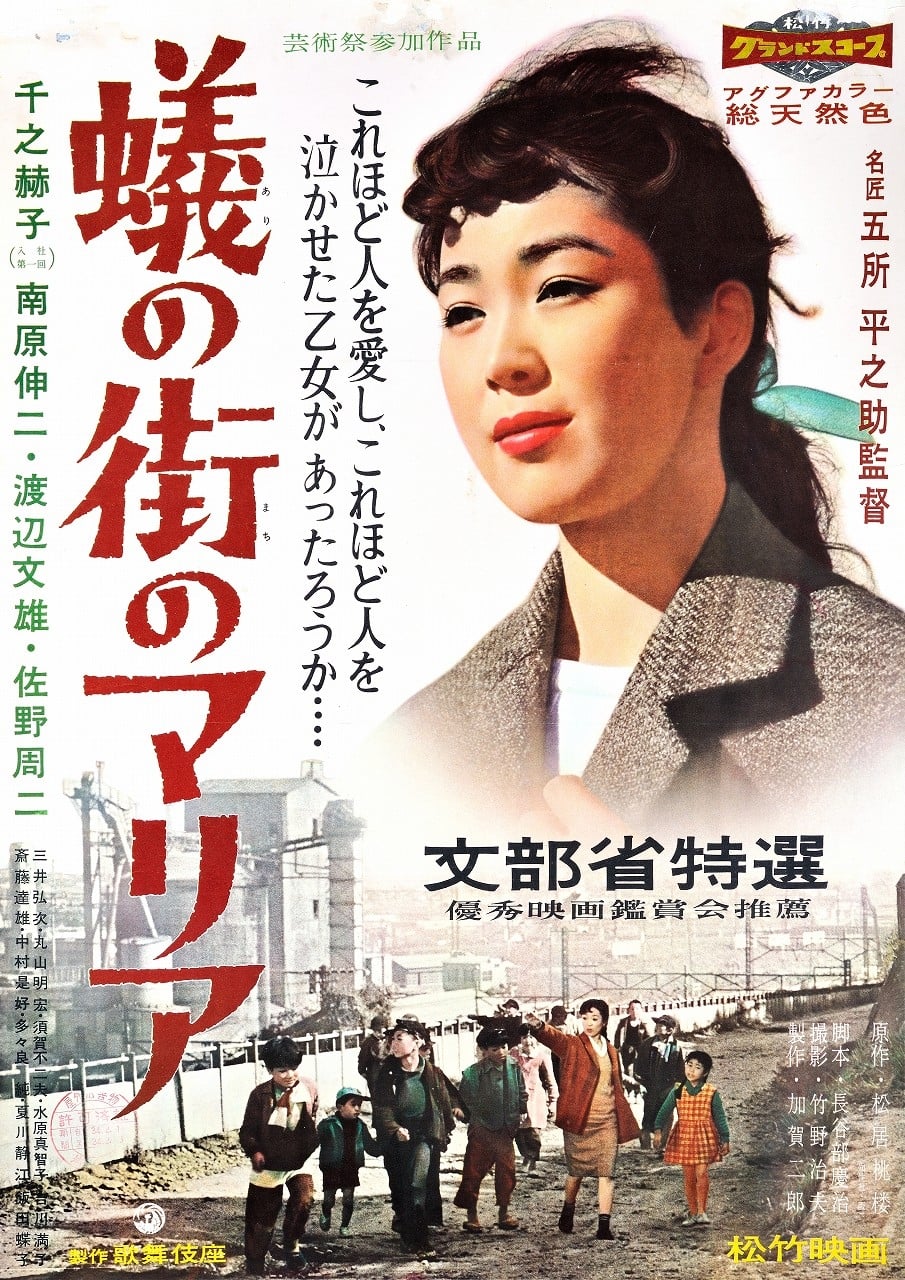
Alongside Tokyo's Sumida River is a ragpickers' settlement known as Ant Village. One night, a young Catholic girl, Satoko Kitahara, who has been baptized under the name of Maria, comes to offer her services. However, Ant Village is not just an ordinary vagrants' community but a fine autonomous organization, and as the municipal authorities have long been demanding that the people of Ant Village leave the site, Satoko is utilized to publicize the Village and win public sympathy. While being utilized in this manner, Satoko is nevertheless glad to be able to help the people of Ant Village, especially the children, and when the summer vacation comes she decides to take the children on an excursion to Hakone. To raise funds for this purpose she becomes a rag-picker herself.
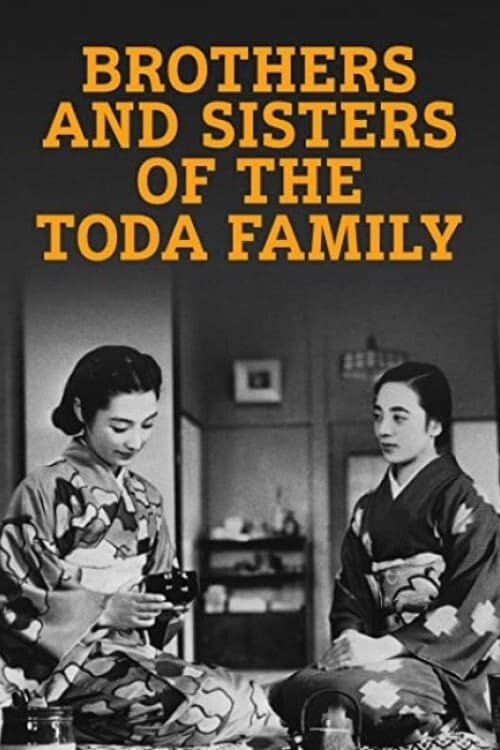
After the death of her husband, an elderly woman and her youngest, unmarried daughter are forced to sell their house to cover his debts and decide to move in with one of the former's children, each of whom is scarcely happy to accommodate.
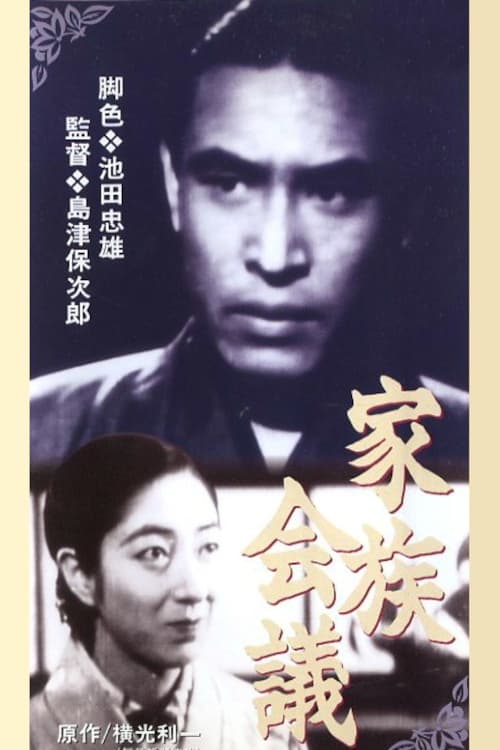
A melodrama about a businessman's relations with the three women in his life.
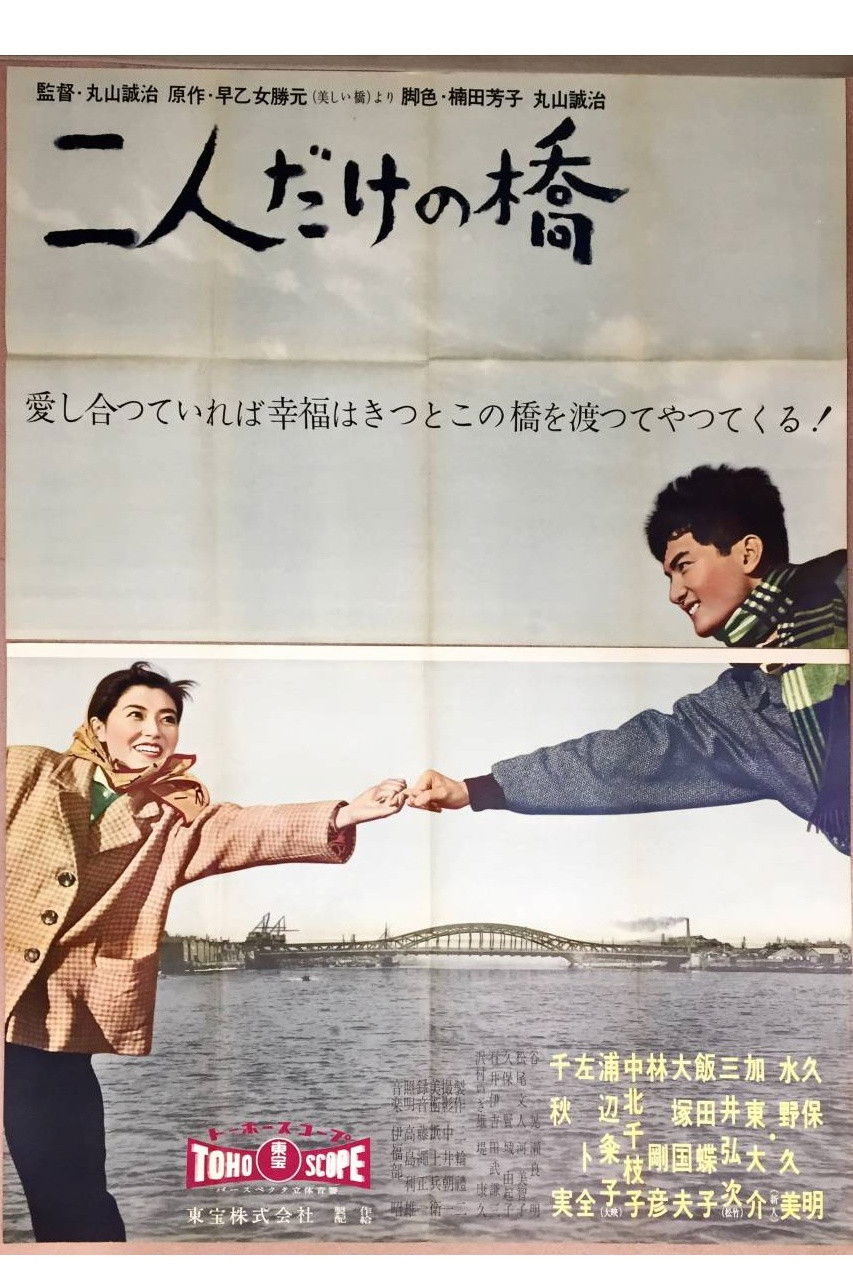
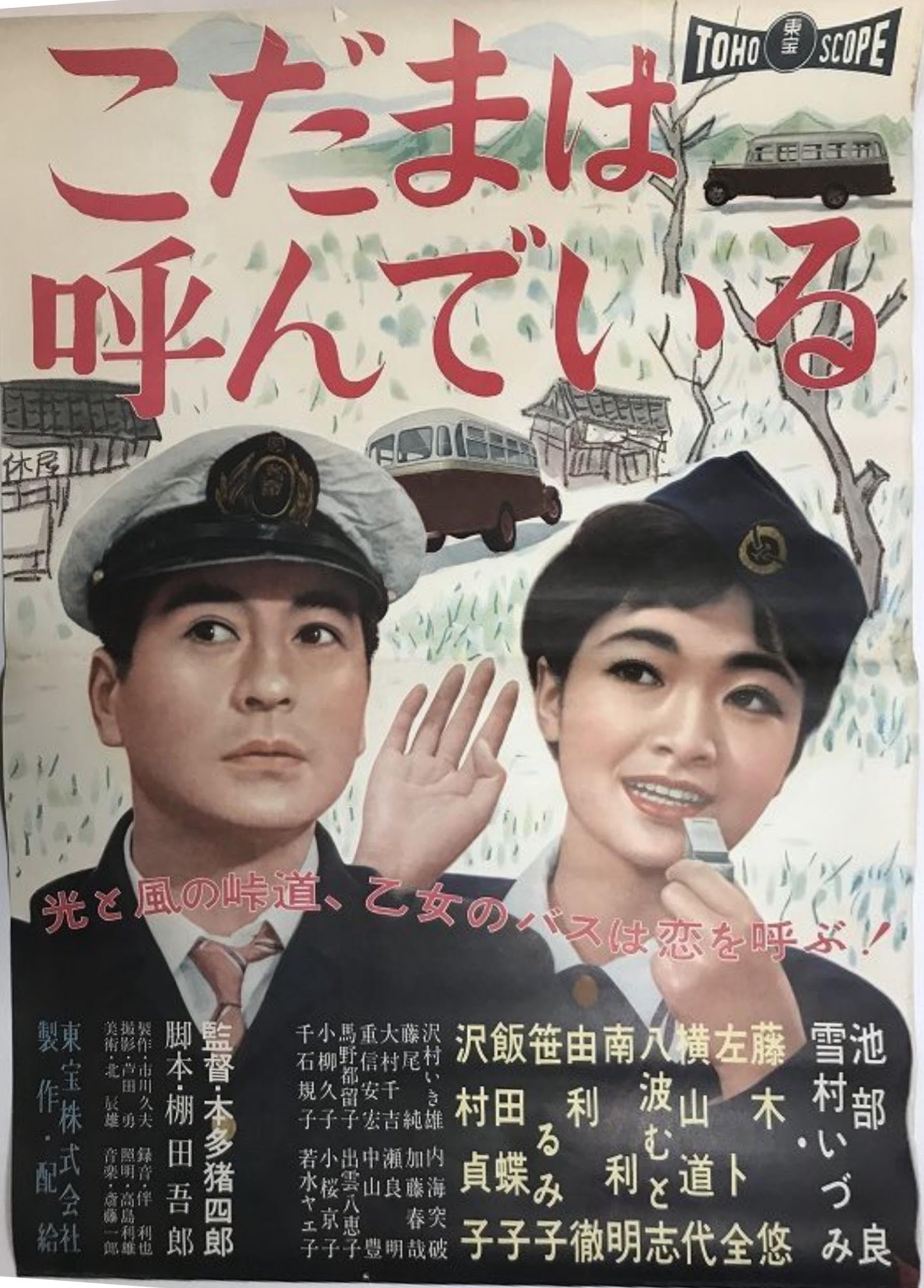
An Ishiro Honda film.
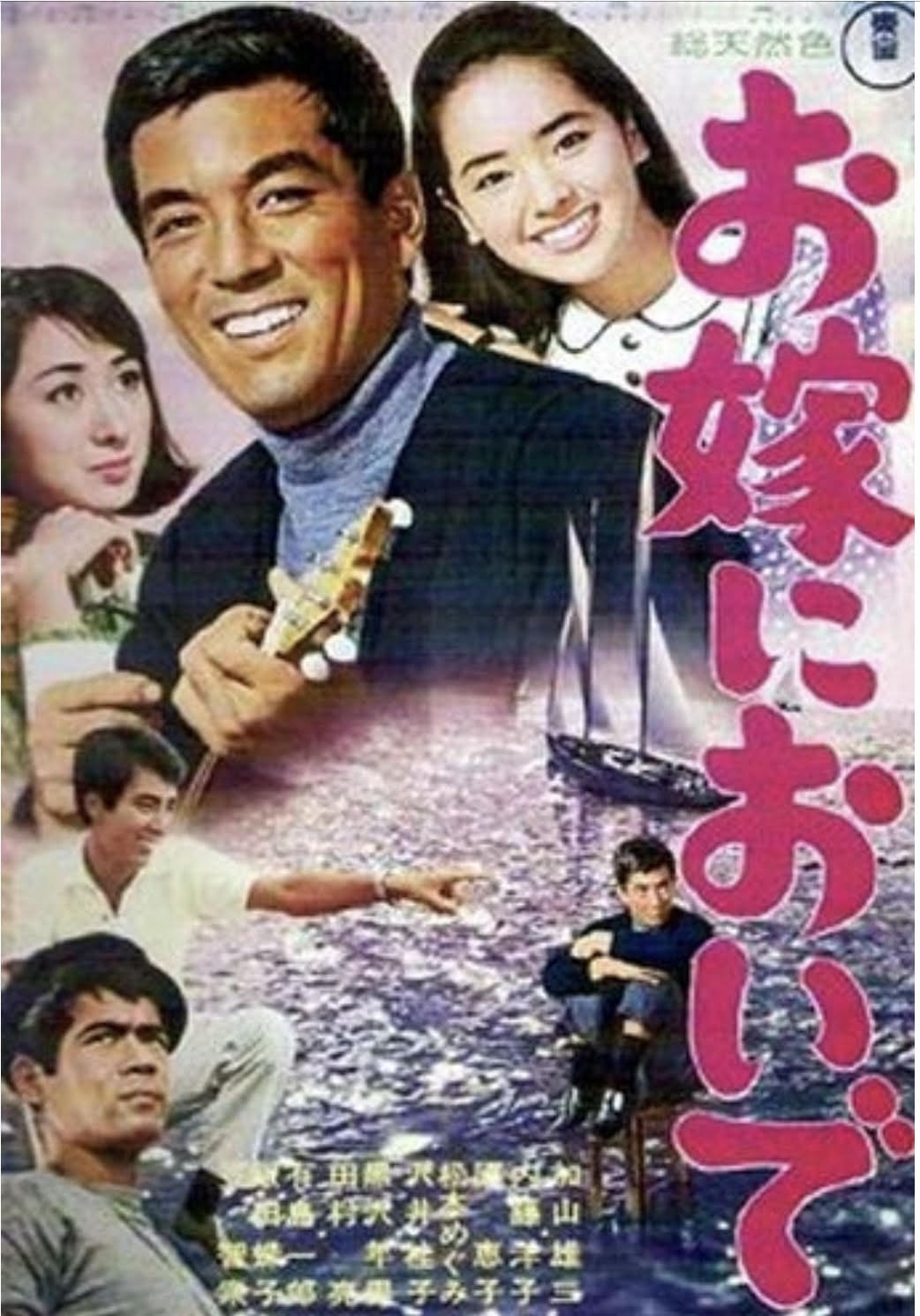
Masako is a humble waitress who has a chance encounter with playboy Tamotsu. With the aid of his sister, Tamotsu seeks to win Masako's affection despite the disapproval of his wealthy parents and Masako's own feelings towards the working-class cabbie Noro.
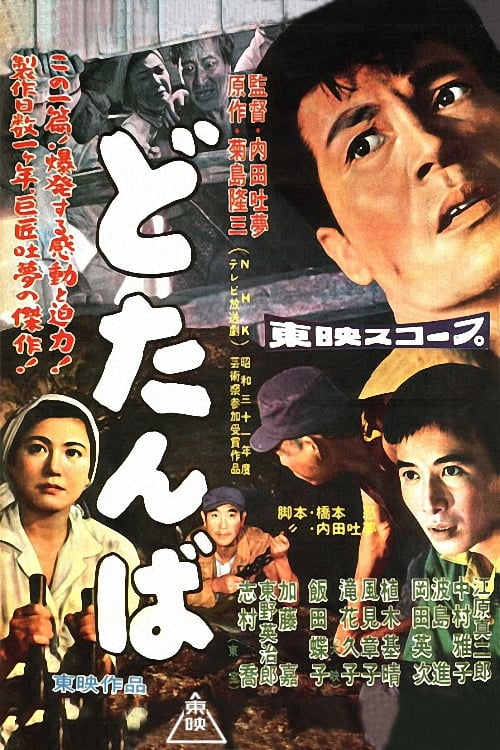
Based on a 1956 television feature on Japan’s national network, NHK, this is one of Uchida’s rarest films. A socially conscious drama with a contemporary backdrop, Dotanba focuses on the attempts to rescue a group of trapped miners. The title is a figure of speech — (essentially “last minute” or “eleventh hour”) — that refers to a situation of peril. The film boasts a script co-written by Uchida and Akira Kurosawa’s frequent screenwriter, Shinobu Hashimoto, and stars Kurosawa’s frequent star Takashi Shimura.
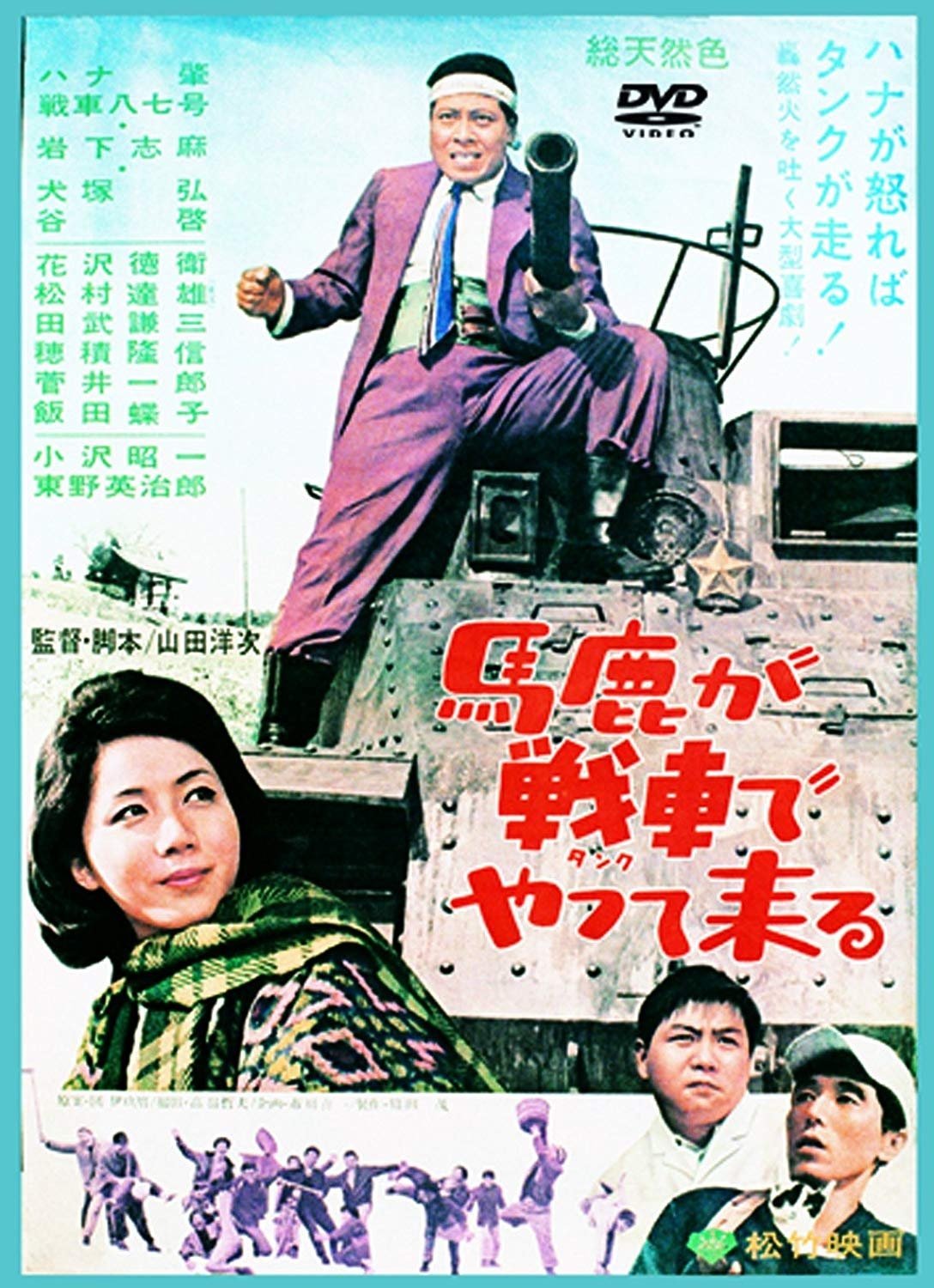
Sabu was once a boy soldier but people in his village disliked him. He finally broke loose when his land was taken.
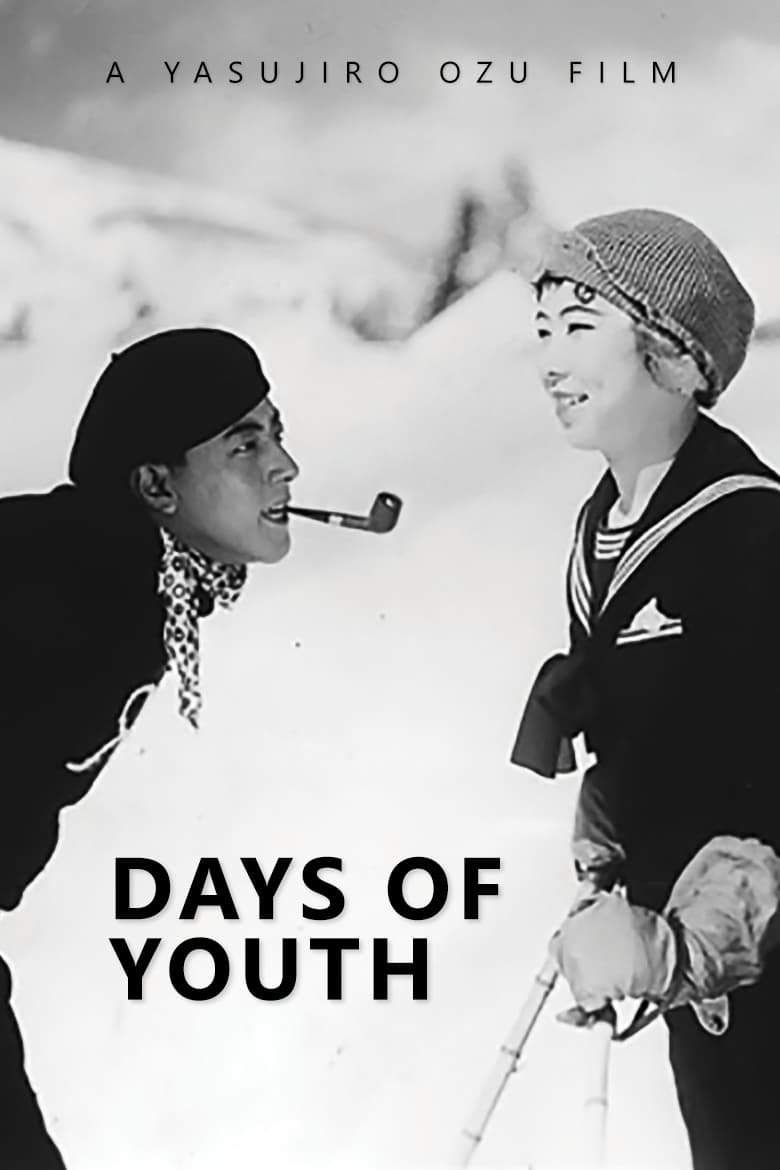
University friends Ben and Shūichi unknowingly vie for the attention of the beautiful Chieko while on a skiing trip.
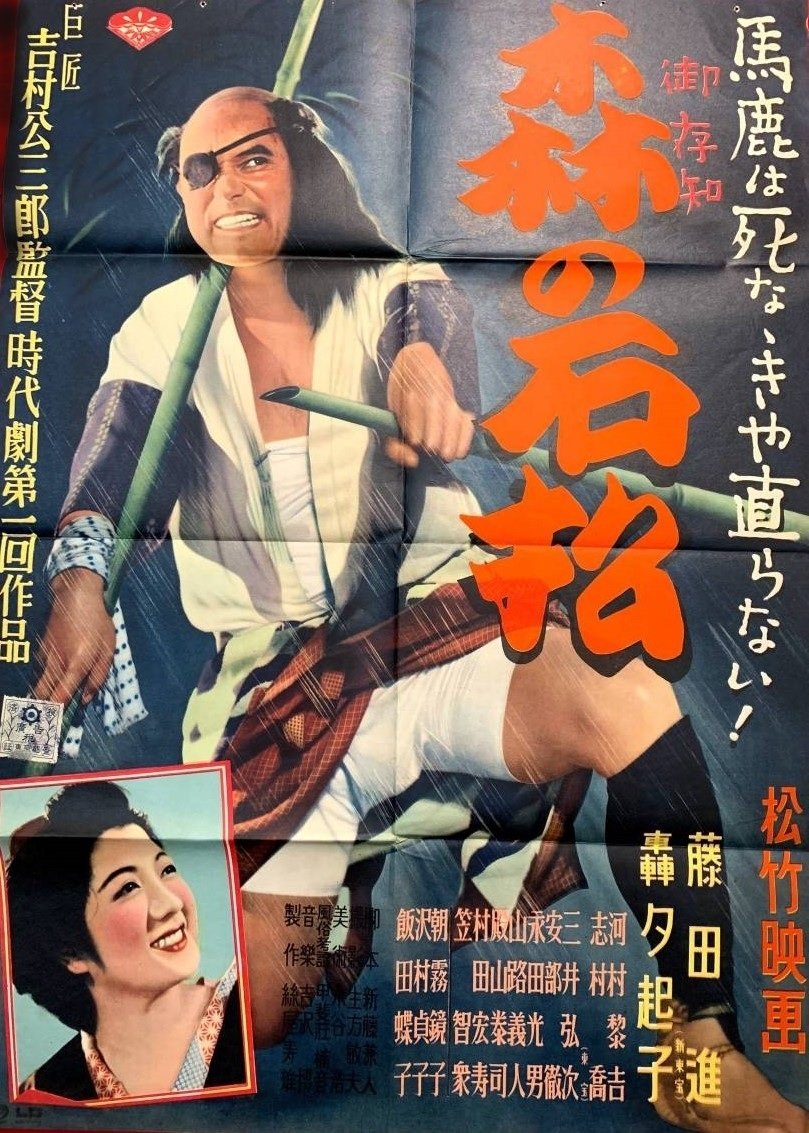
The tale of a feudal swordsman who cynically takes no responsibility for anything, relegating it to others, and then taking the credit.
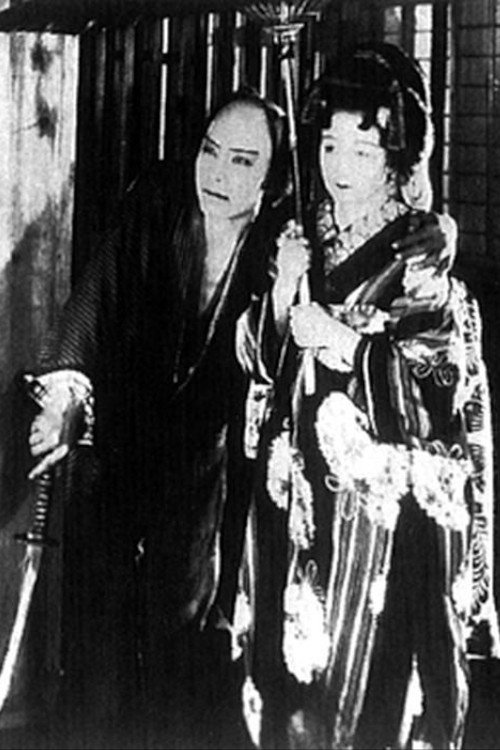
Two criminal brothers try to go straight but face opposition from one of their criminal cohorts. Considered to be a lost film.
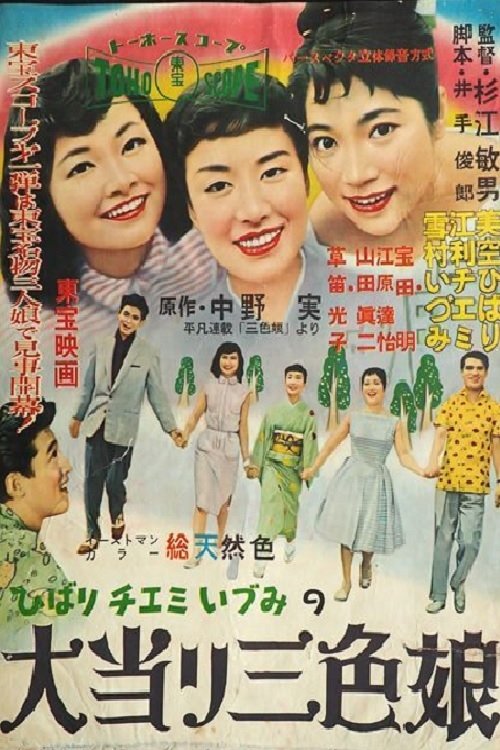
On Wings of Love is a 1957 Japanese romantic musical film directed by Toshio Sugie. It was Toho's highest-grossing film of the year and the first film released in Tohoscope.
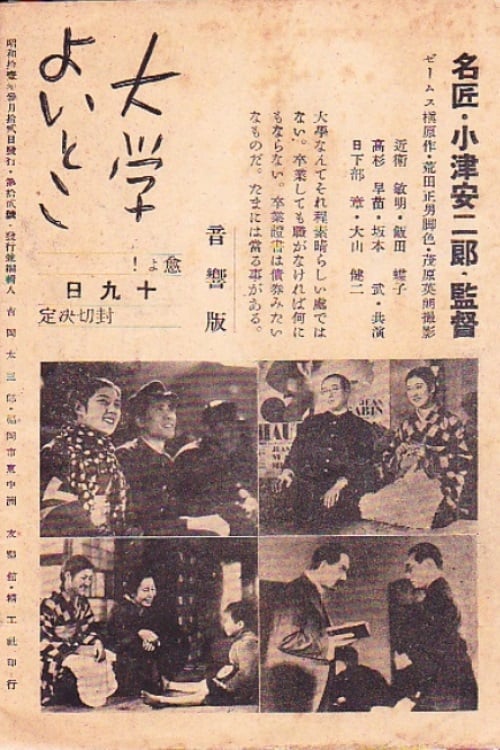
In a Tokyo boarding house a group of students and recent graduates struggle to complete their studies and find jobs. Considered a lost film.
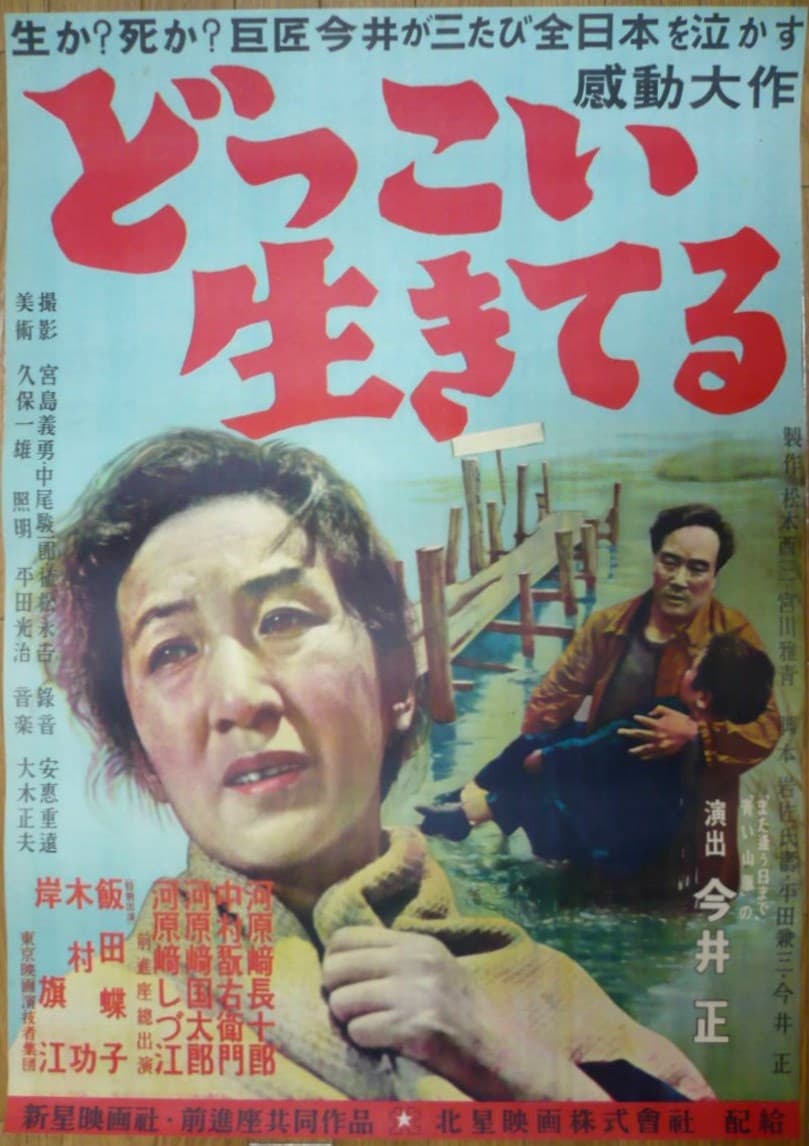
About the struggles of day labourers to achieve dignity and a standard of living above the starvation level. Utilising the Zenshinza theatrical troupe.
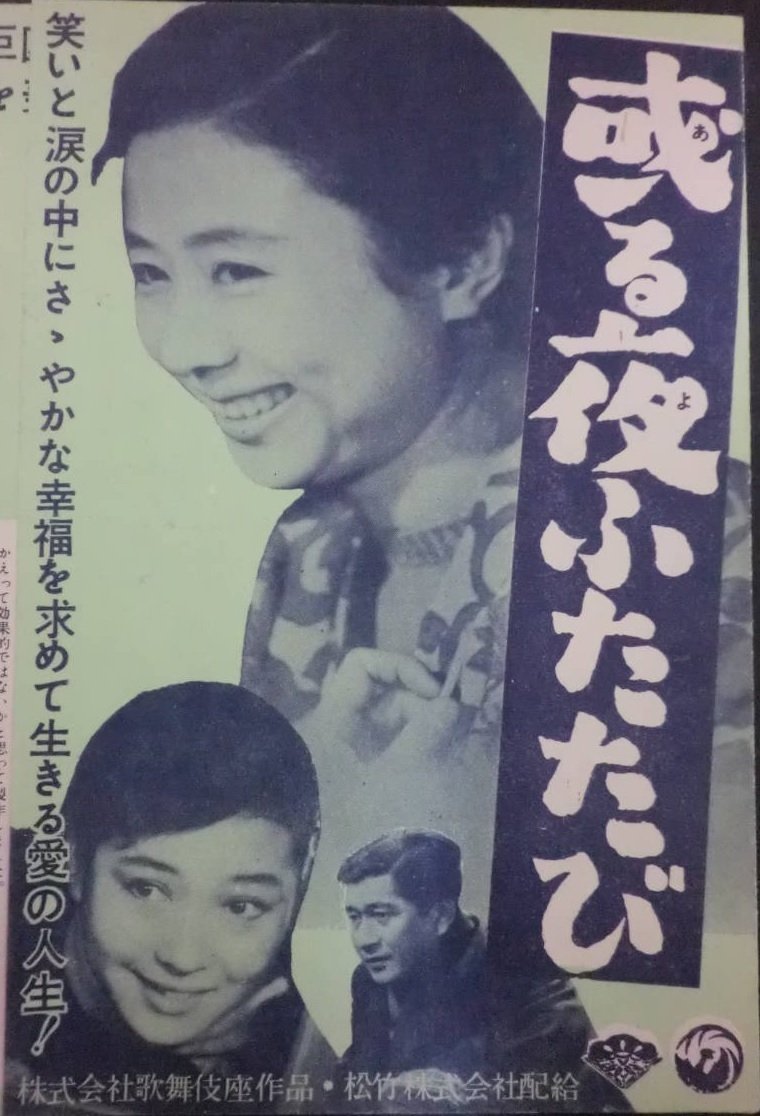
Poor social conditions badly affect the relationship between a married couple, when the husband, who is desperately searching for work, fails to notice the terrible sacrifices made by his wife when she accepts a job at a local inn.
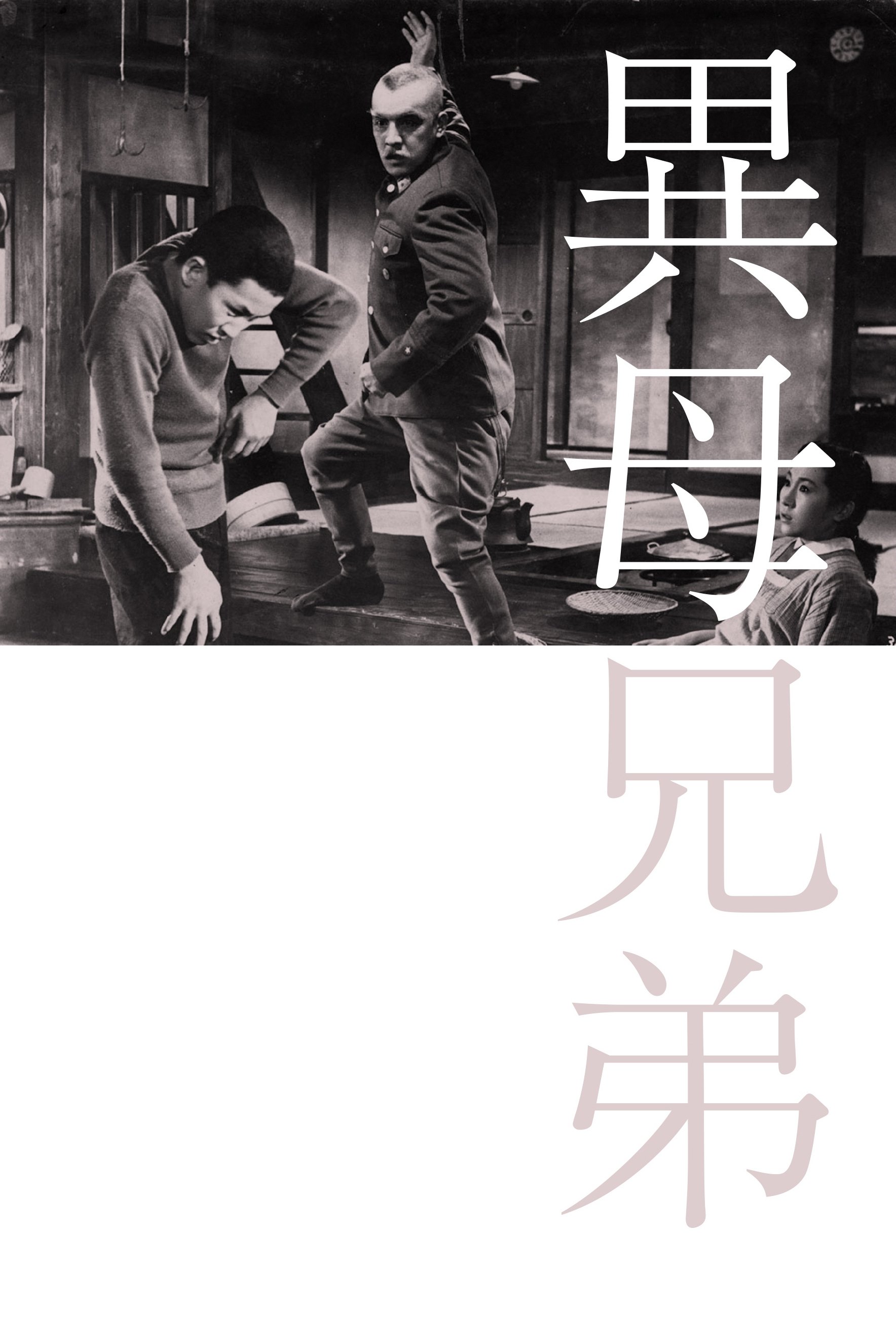
In a military family, an illegitimate son is brutalized by his brothers. A patriarchal, feudalistic household where dissent is forbidden is used to reveal the whole imperialist system that afflicted Japan between 1921 and 1946.
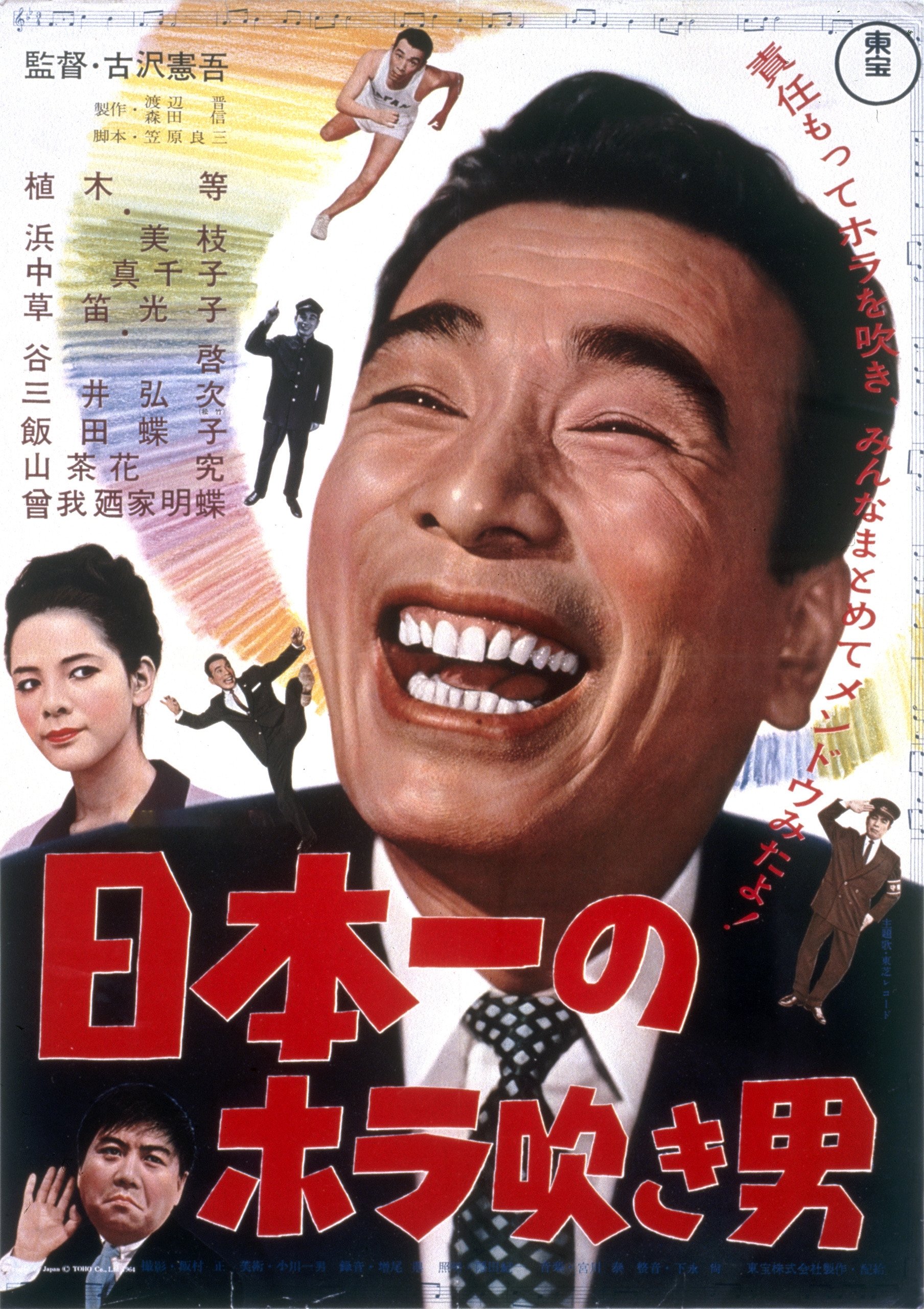
When hopeful Olympic triple-jump competitor injures both his Achilles tendons, he discovers an old manuscript about self-confidence to join the best company in Japan try to triple-jump his way to the top and marry the company model (Mie Hama) in the bargain. The second installment in the "Japan's No. 1" film series.
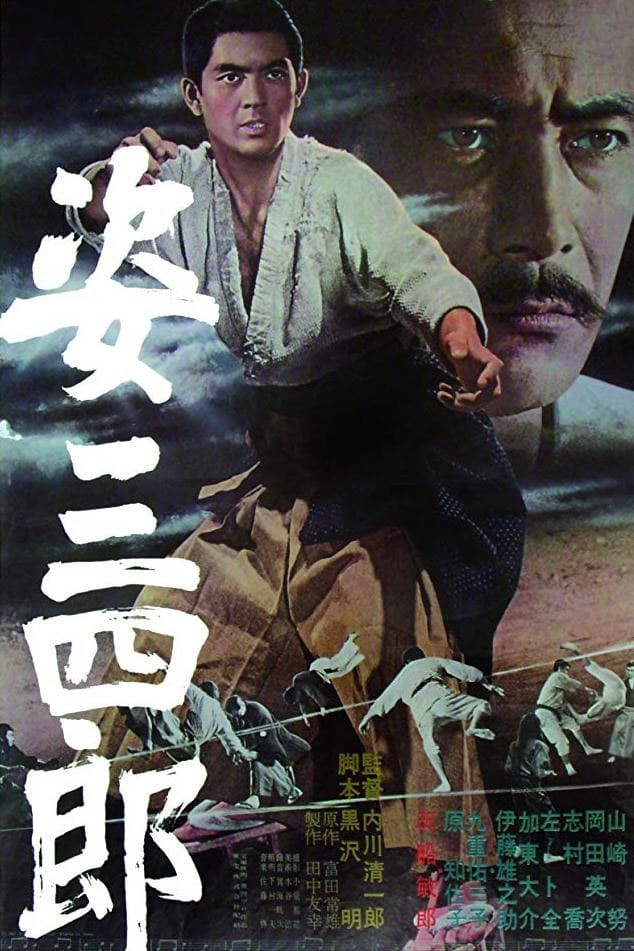
Remake of Akira Kurosawa's films "Sanshiro Sugata and "Sanshiro Sugata Part II". A young man, Sanshiro Sugata, troubled by personal problems, takes up judo. His teacher, Shogoro Yano, is a devout man who has aroused the enmity of the local practitioners of jujitsu, the older and more accepted of the two sports. Sugata uses his newly learned prowess to gain a measure of respect from others; however, Shogoro insists that the sport has a spiritual side, a lesson Sugata has yet to learn. Eventually, in hand-to-hand combat with the father of a young woman he loves, he comes to understand the true meaning of judo.
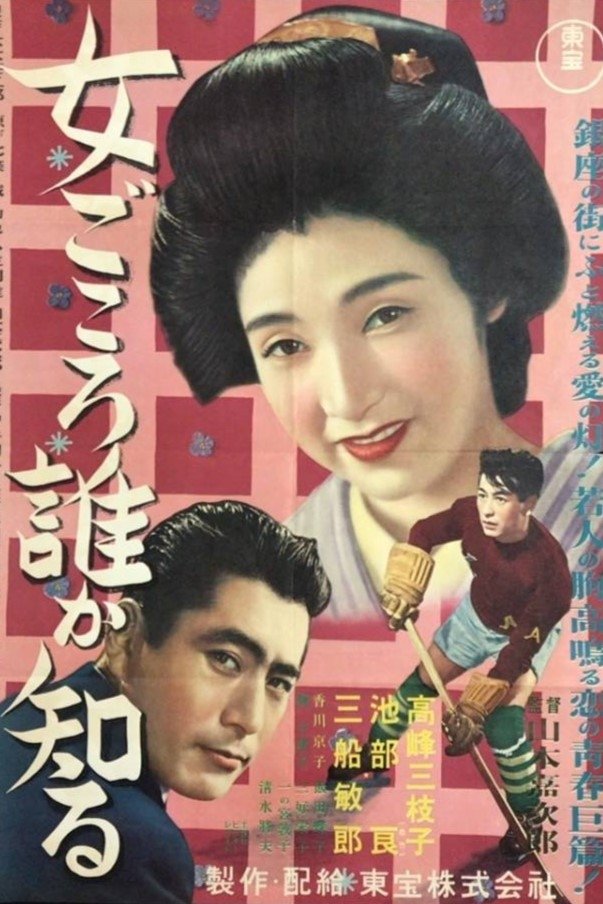
Ikeuchi was captain of the K - University ice hockey team. The daughter Shikotsuko of Ginza 's western restaurant "Piccolo" was also a female student at K University and was a figure player. They had a dream of being dispatched to Oslo in the Olympic Games and were struggling in each way. Mizuno who runs a sports equipment store in Ginza, showed the geisha by guiding the junior's Ikeuchi and others to the shop of Shimbashi one day.
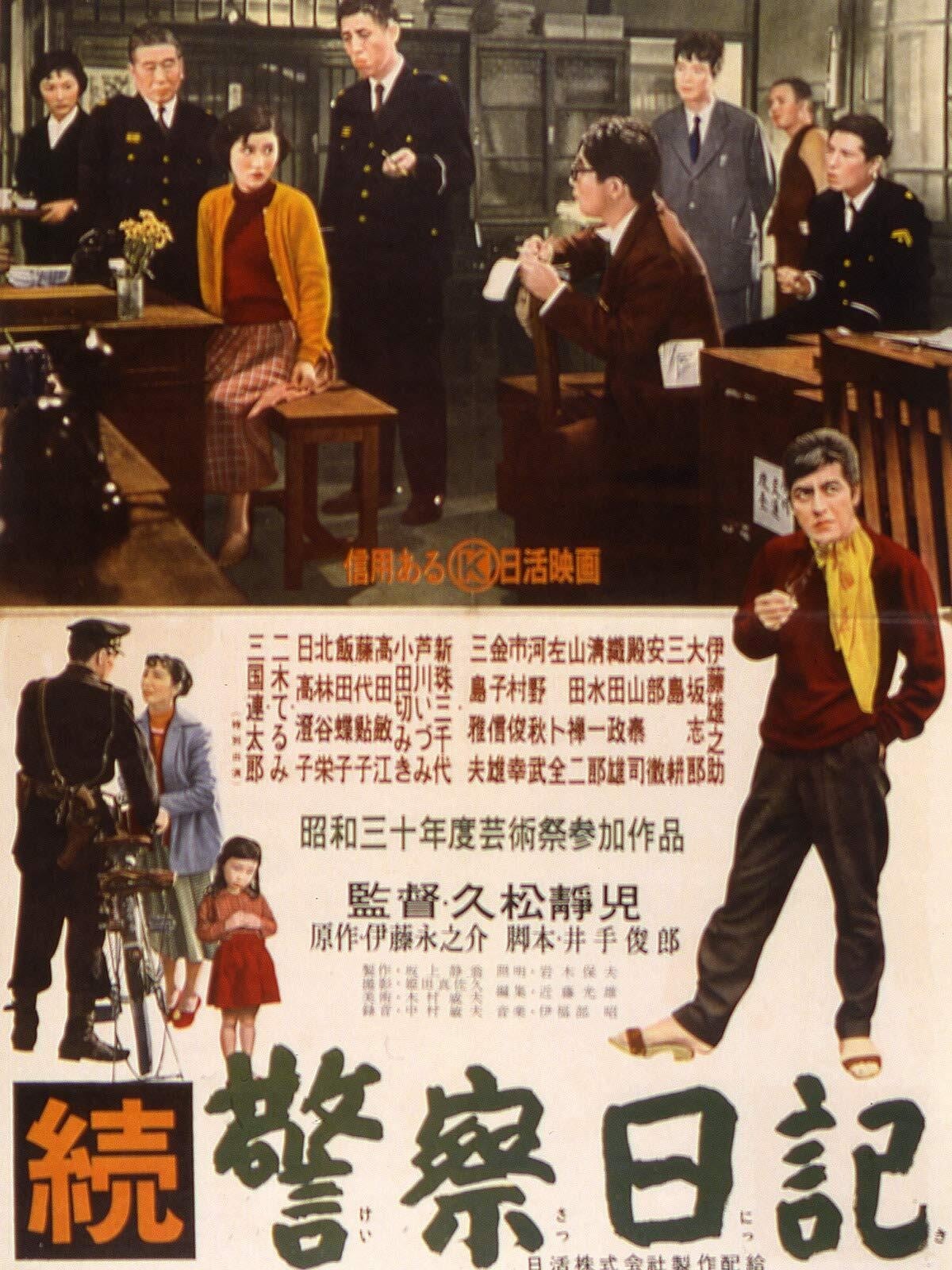
From runaway brides to a typhoon, the continued adventures of Ushikata police station.
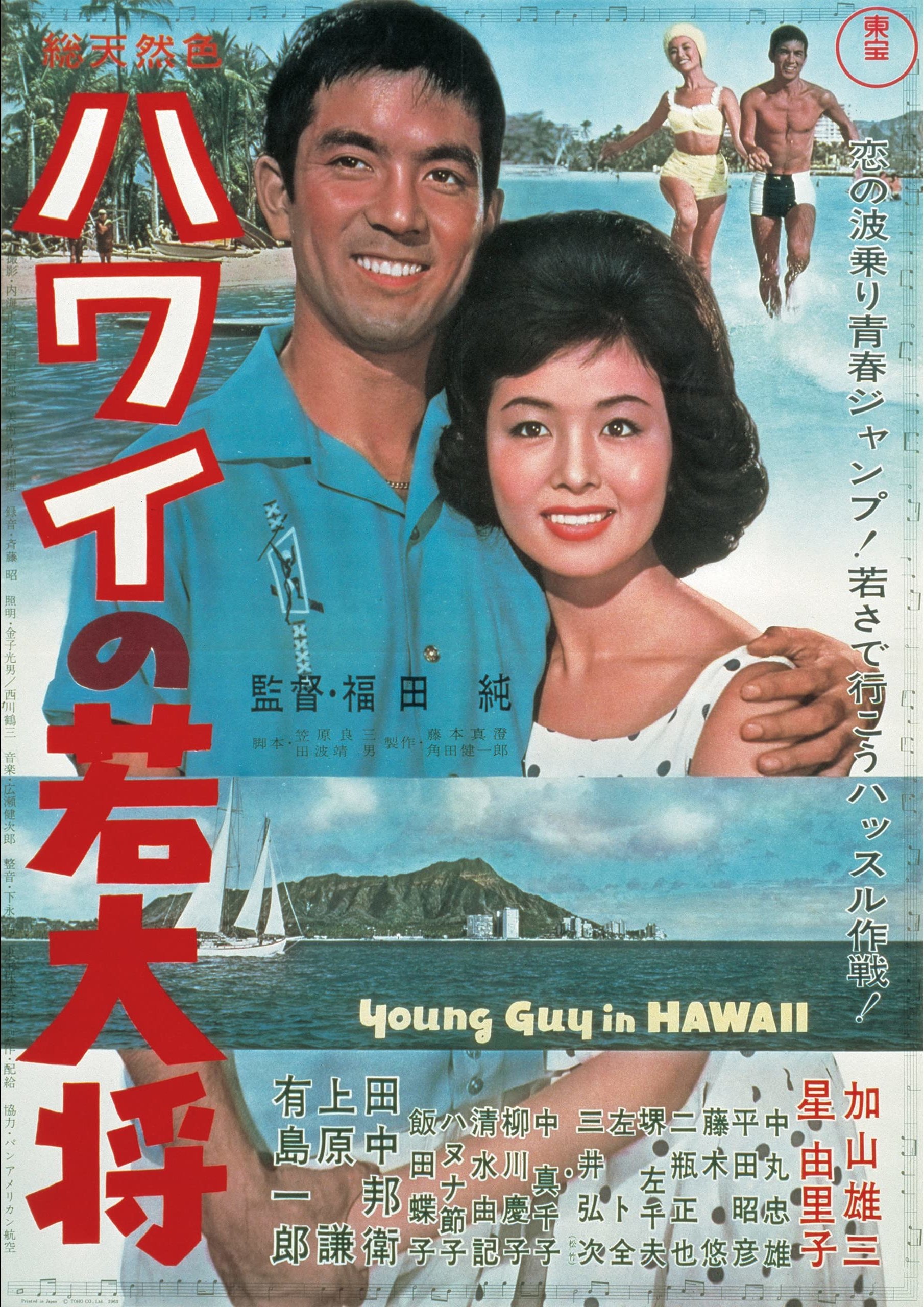
Fourth entry in Toho's Wakadaishō series directed by Jun Fukuda and released on a simultaneous screening with Matango. Filmed on location in Hawaii.
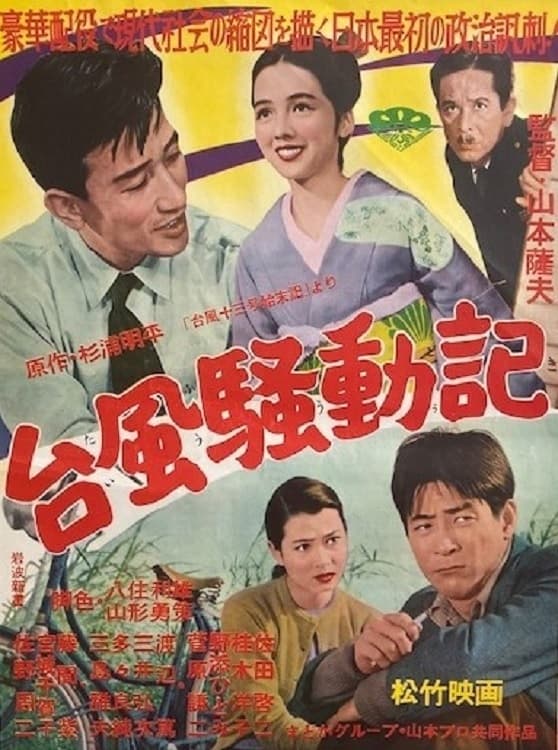
A group of shady politicians want to make money after a typhoon by claiming the schoolhouse has been destroyed and then cashing in on building a new one.
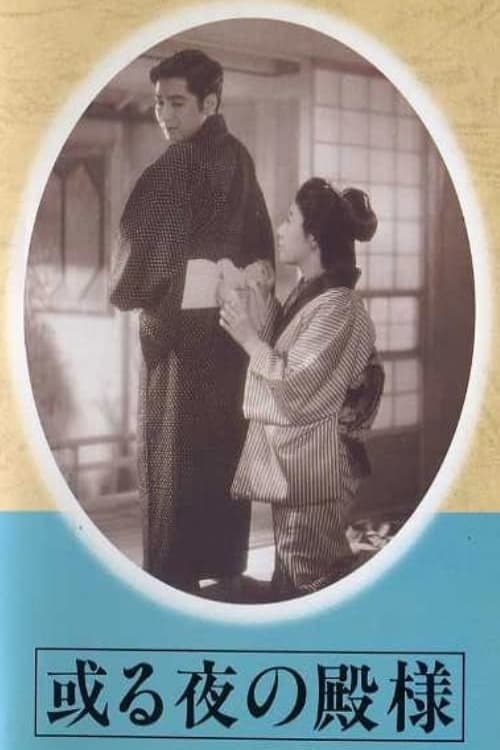
In 1887, two businessmen, Echigo-ya and Kitahara, compete for railroad construction authorization from the government. The minister states that a local noble must not object, and his missing younger brother is the only one who could sway him. Meanwhile, Omitsu, a hotel employee tired of Echigo-ya’s wife’s arrogance, teams up with Kitahara to stage a scheme where a vagrant young man pretends to be the noble’s lost brother, aiming to trick and embarrass the wealthy woman.
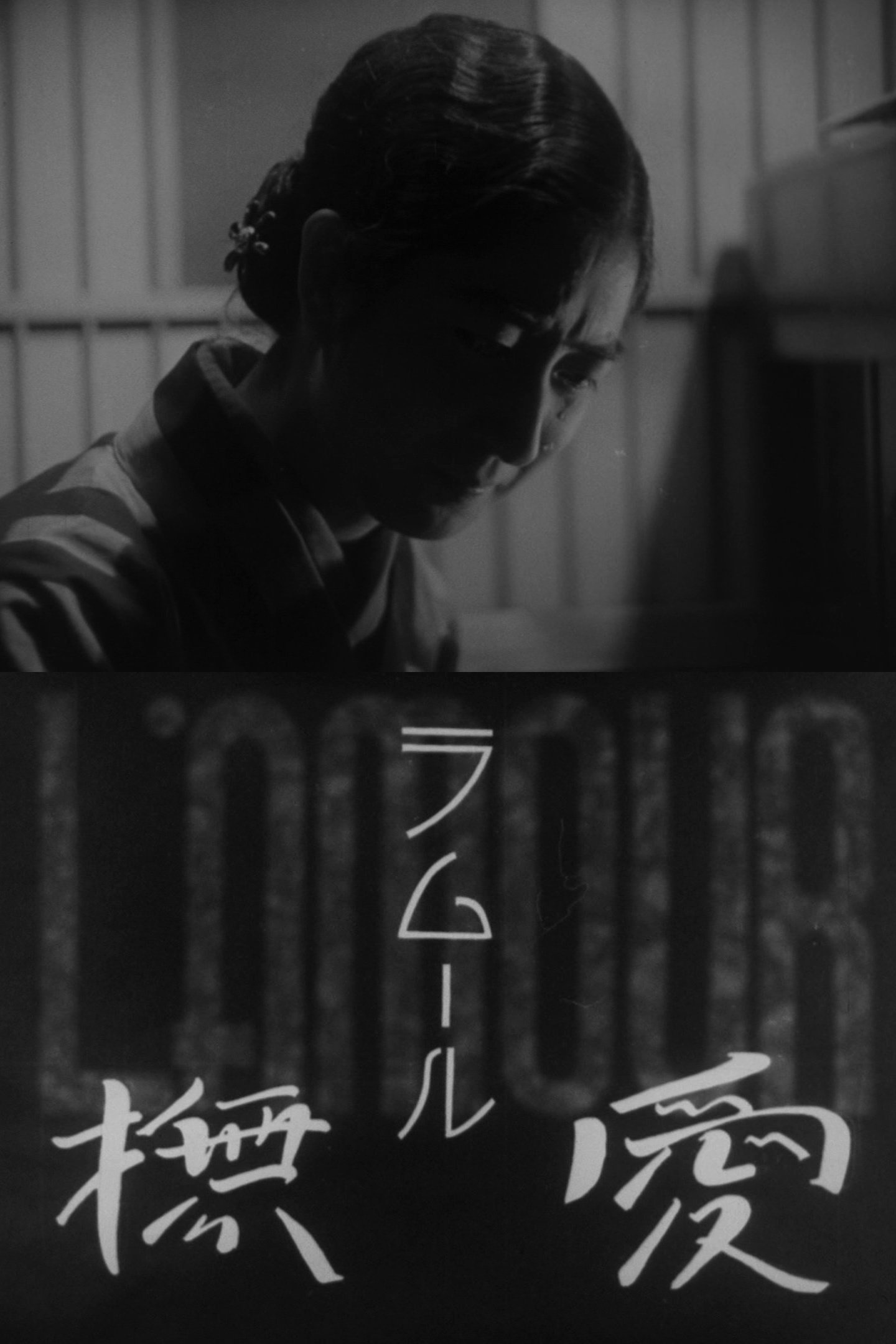
Heinosuke Gosho evokes in this film the family conflicts engendered by the eternal problem of a father who projects his professional desires on the life of his son. The sister Machiko is the essential link that will allow everyone to apologize to each other and achieve reconciliation.
Period film from 1934.
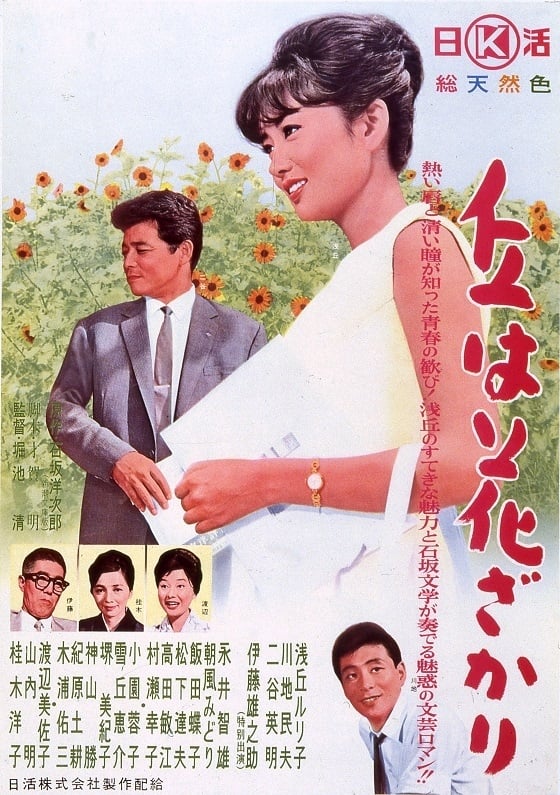
A youth drama directed by Kiyoshi Horiike, who was adapted from "Young Tokyo no Yane" by Akira Saiga from "Oka wa Hanazakari" based on Yojiro Ishizaka. Miwako Kazuki left the English literature department and joined Toyo Critics. She was attracted by Noro, the editor-in-chief, whose wife died a few years ago and was now living with her two orphans and her old mother....
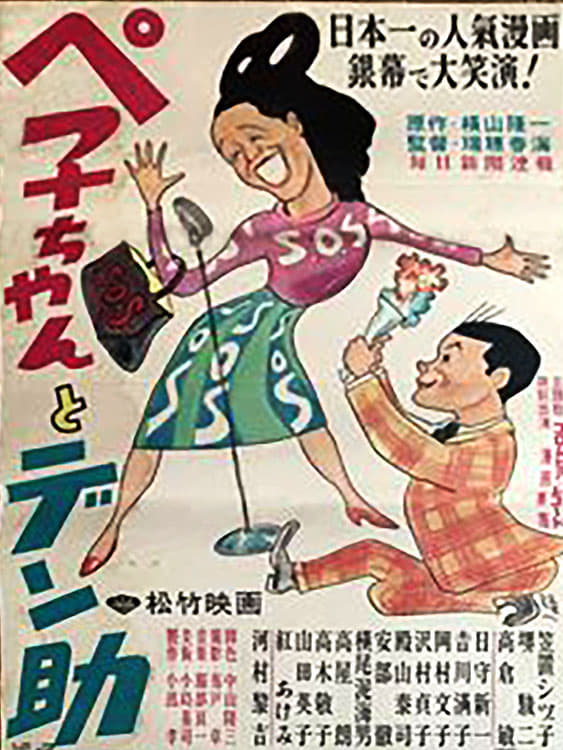
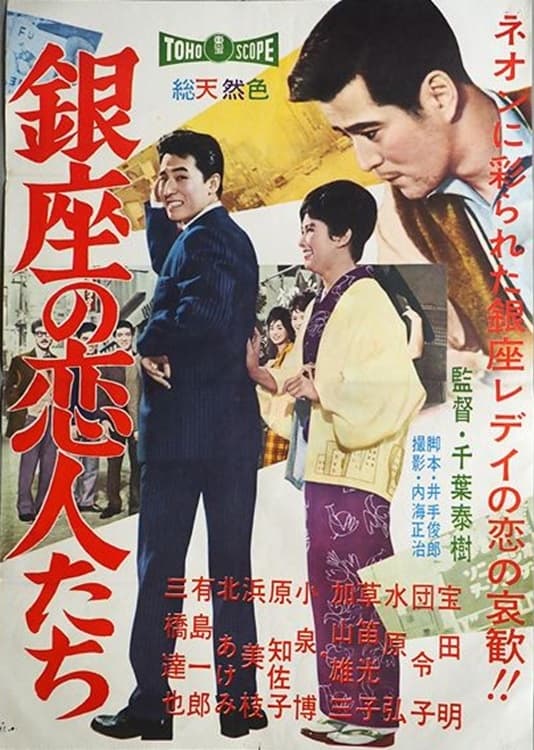
1961 Japanese movie
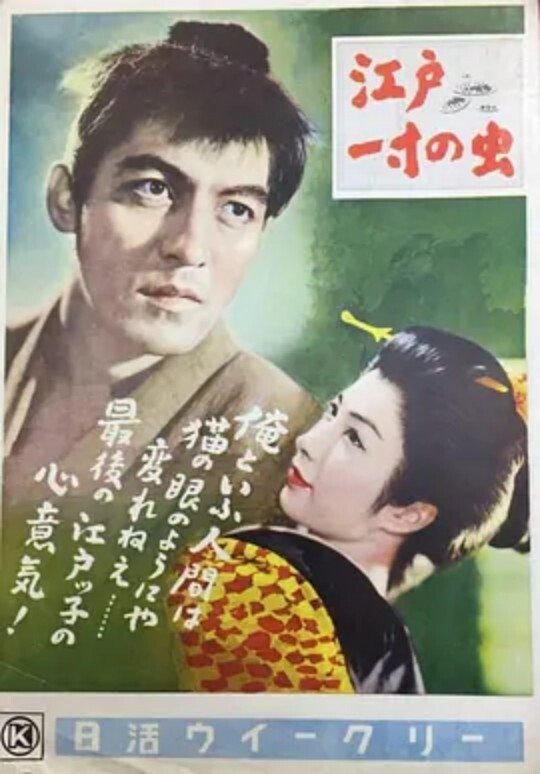
This historical film depicts the life of a man who was at the mercy of the waves during transition from the end of the Edo period to the Meiji Restoration, and therefore, shows audience the dynamic change from Edo to Meiji. Before the war, the director, Eisuke Takizawa, together with the writers, formed a scenario writer group "Narutaki-gumi and they shot many historical masterpieces.
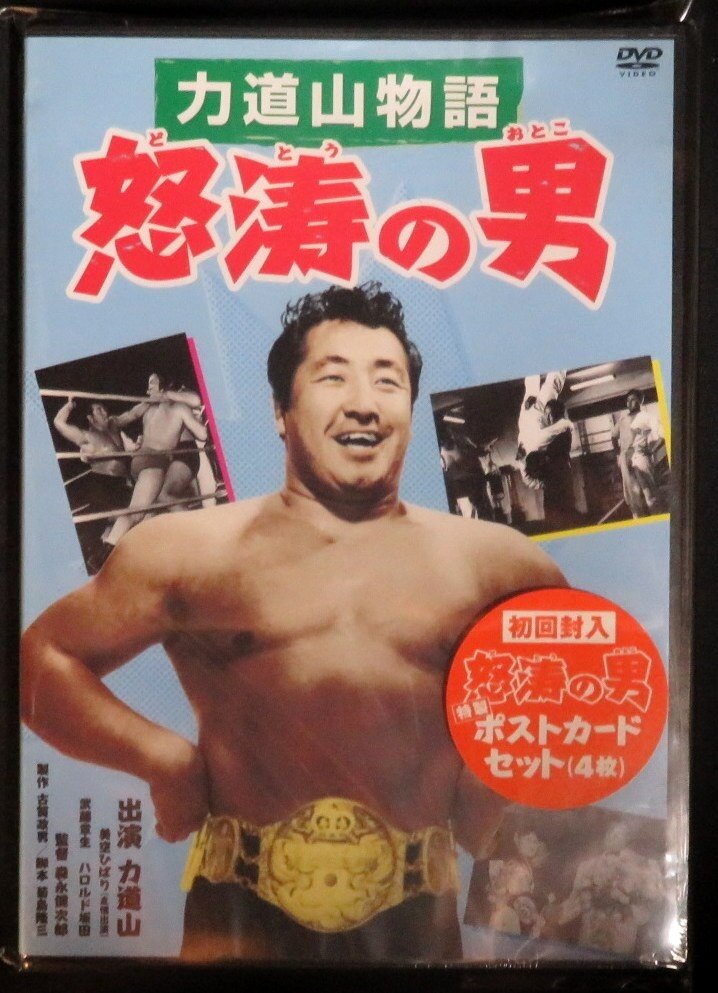
The story of legendary Korean-Japanese wrestler Rikidozan.
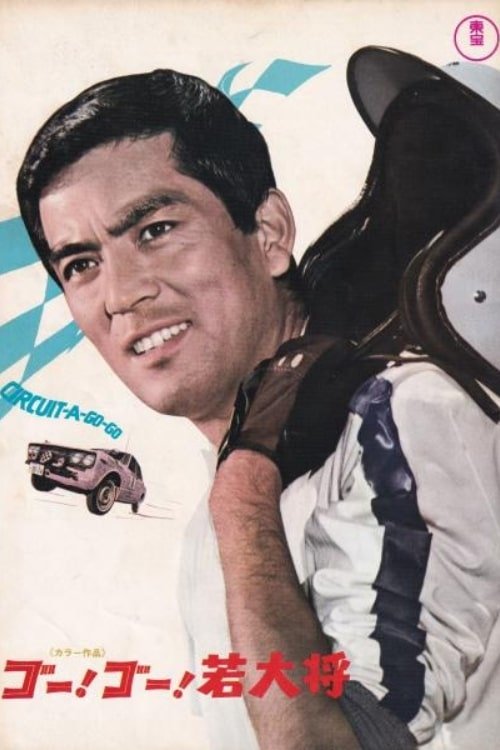
Rally themed entry in the Wakadaisho series
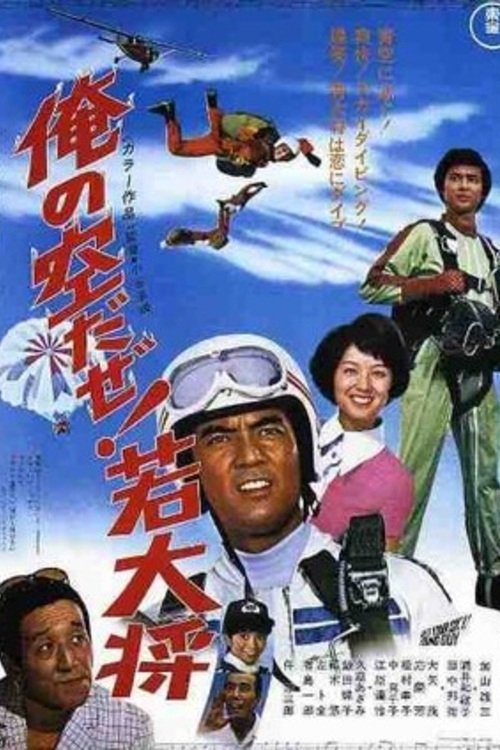
Yuzo Kayama does skydiving.
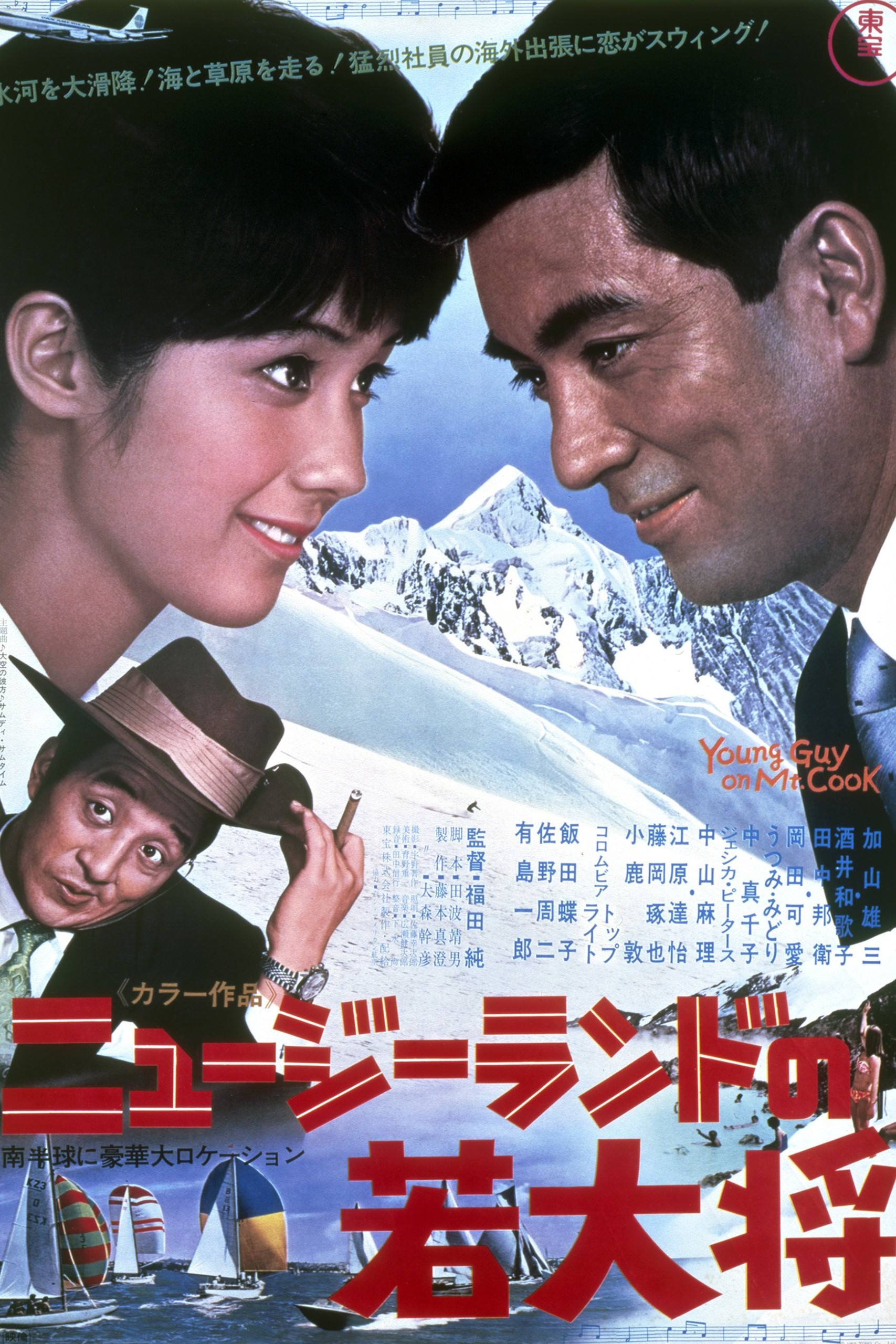
Yuzo Kayama visits New Zealand
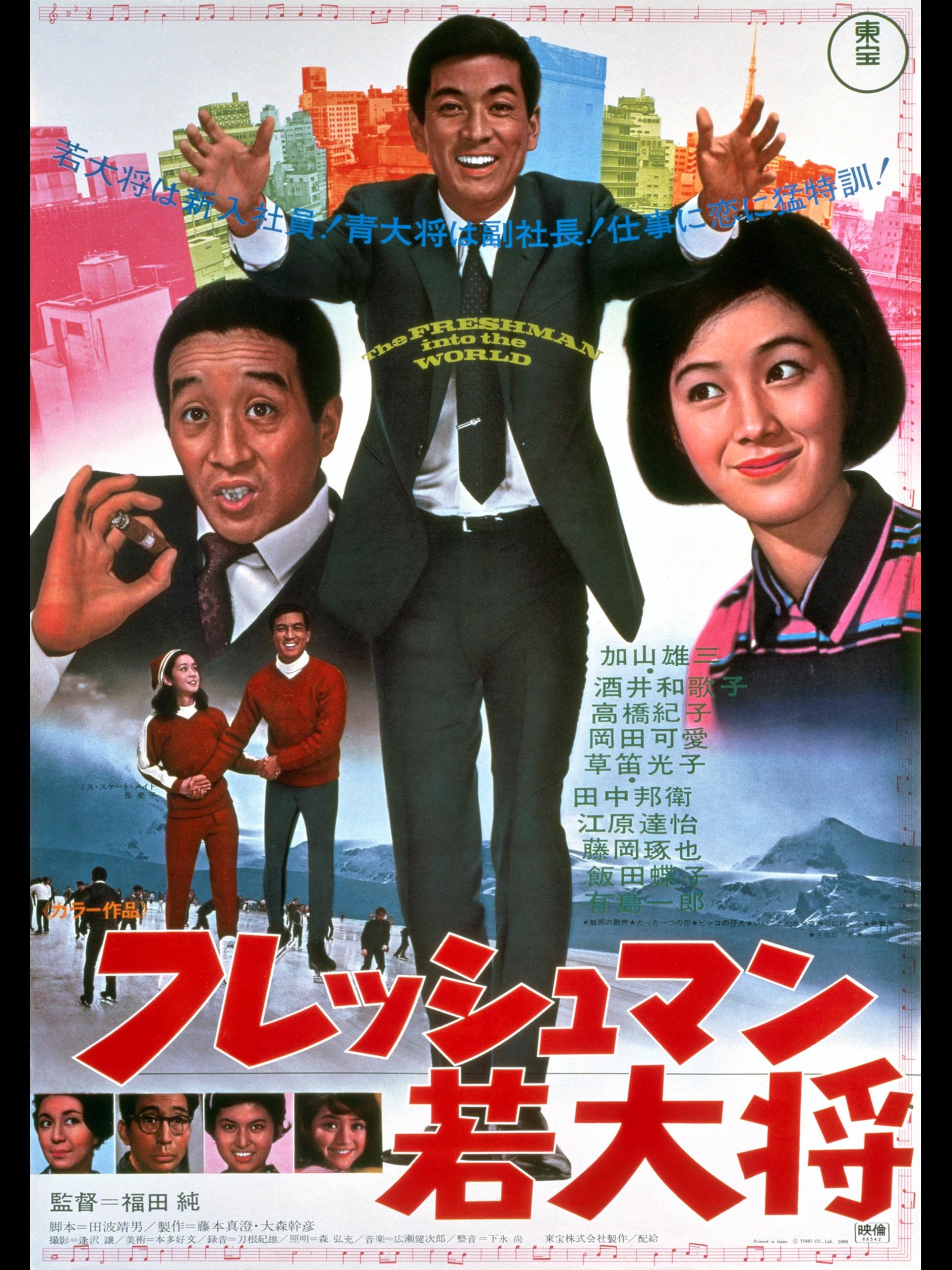
Young Guy graduates from University.
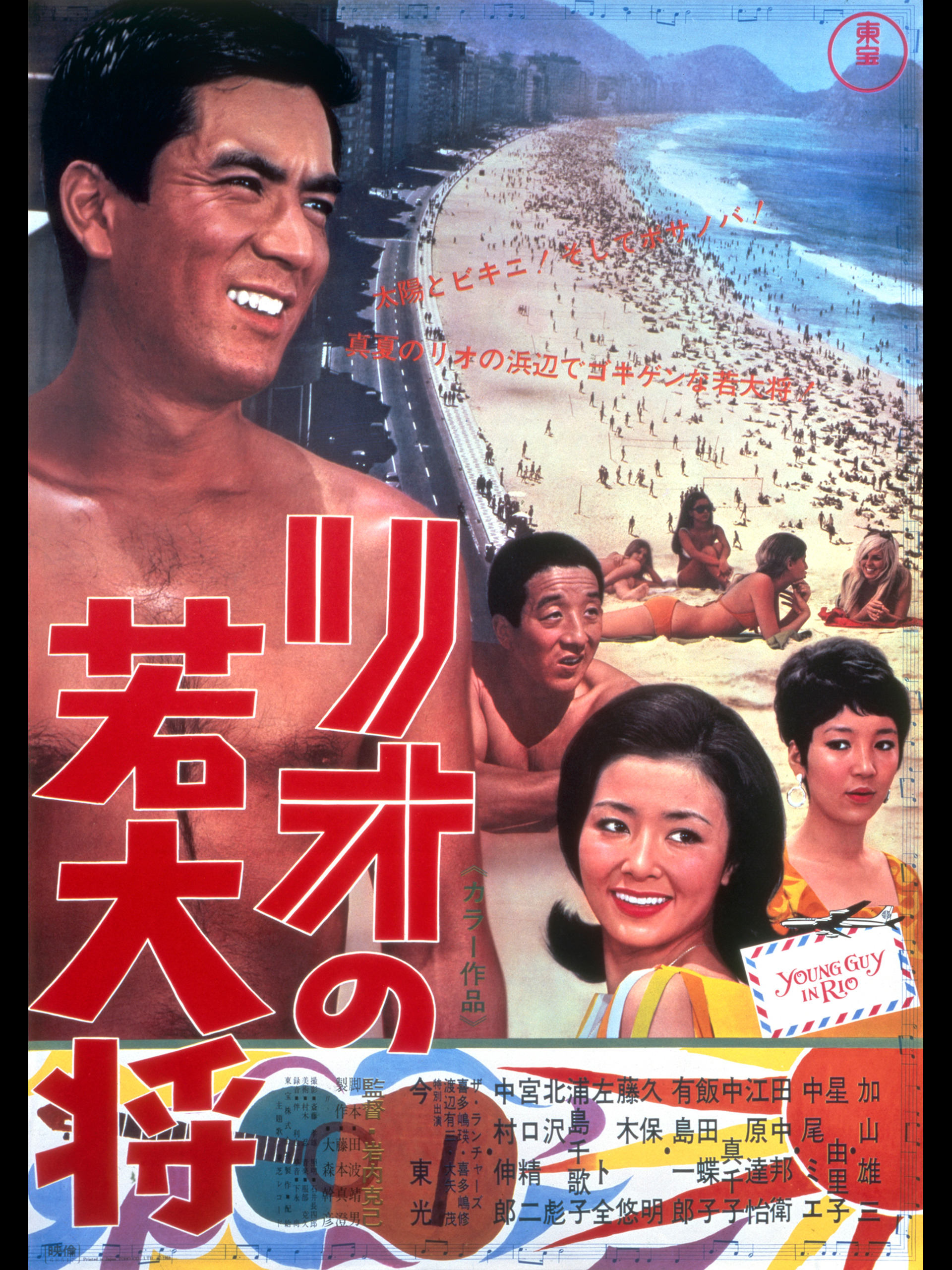
Yuzo Kayama is captain of the Fencing team and visits Brazil to work in the shipyards with his professor. There he meets his beautiful daughter (Mie Nakao) and a tour guide (Yuriko Hoshi), but his work and his band, The Ranchers, keep him busy.
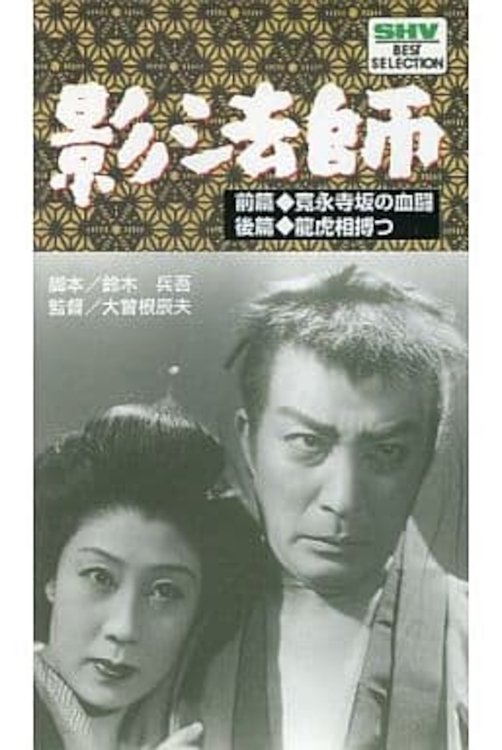
A continuation of the prior film (影法師).
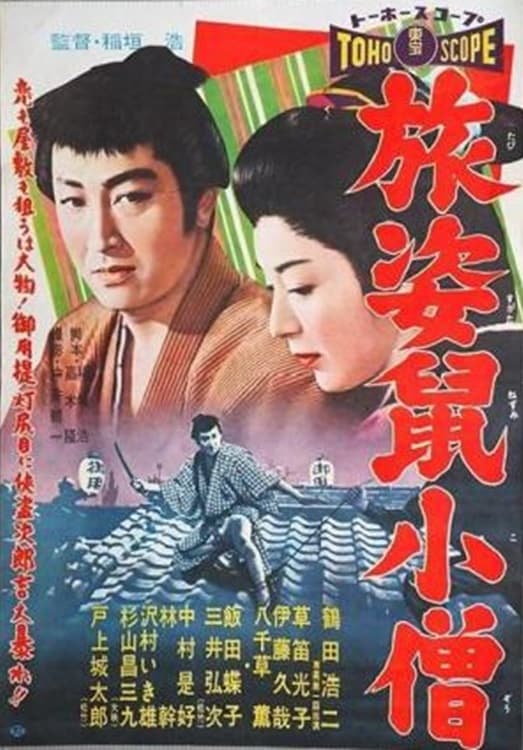
1958 Japanese movie
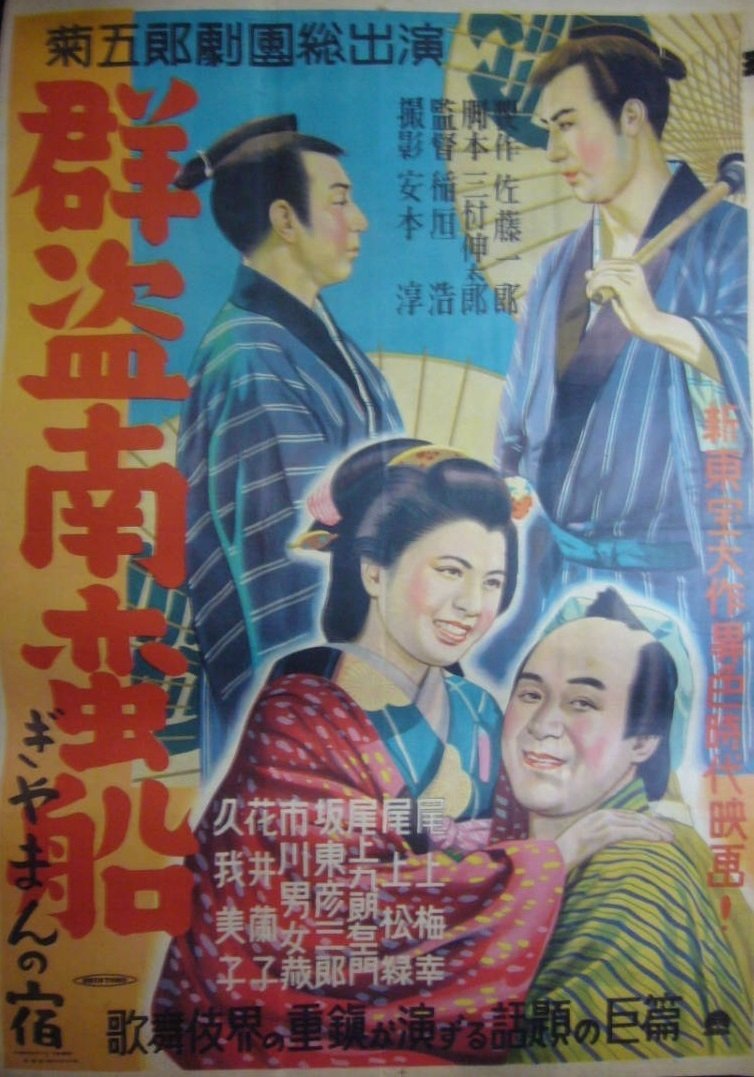
1950 Japanese movie
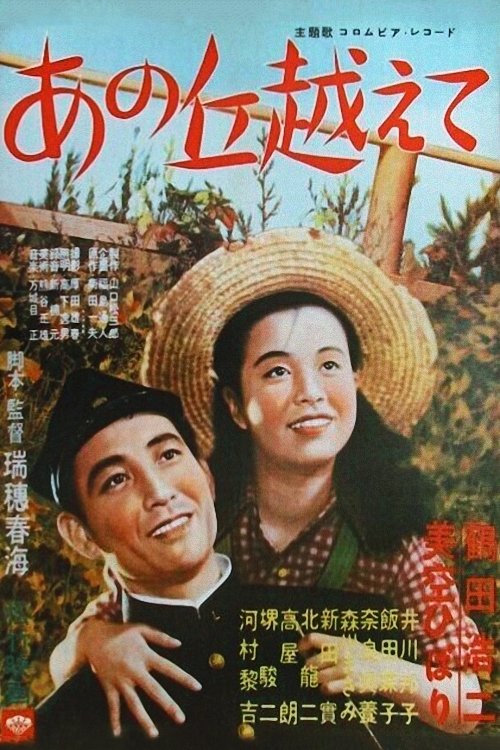
Mariko is an innocent girl who grew up in the highlands of Shinshu. She moves to Tokyo to live with her father who has successfully returned to Japan. Mariko is simply confused by the life in Tokyo, which is different from her own. Only her private tutor Daisuke was an advisor she could tolerate. Mariko develops slight feelings for Daisuke and finally realizes that he is her first love...
1961 Japanese movie
A film by Shinobu Hashimoto.
Japanese comedy film released to commemorate the 10th anniversary of Shintoho's founding.
Based on the Sakatayama double suicide
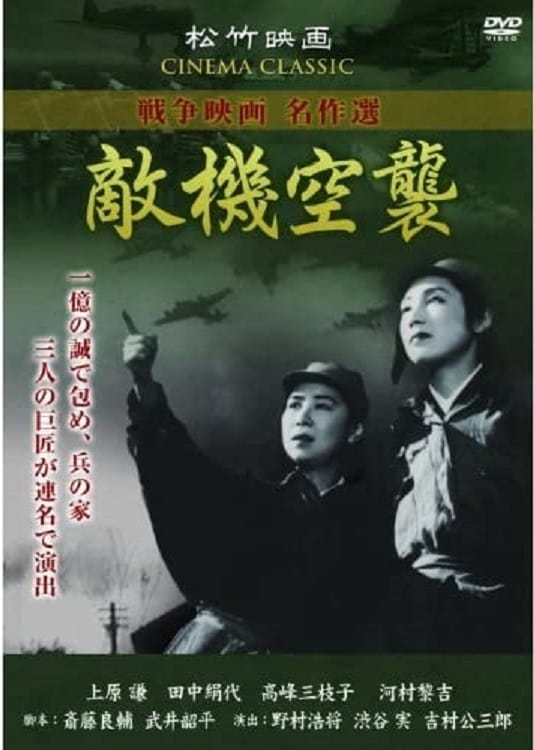
Japanese war movie.
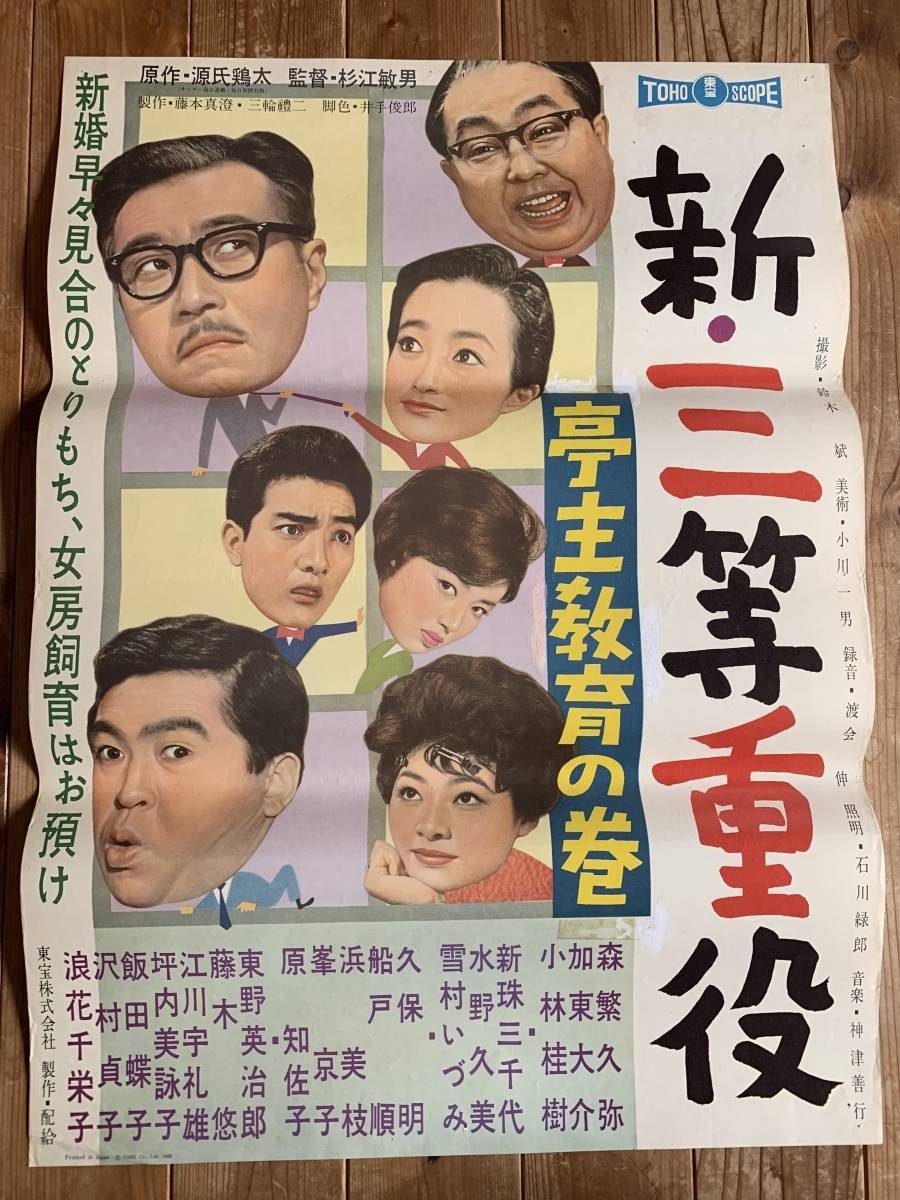
Amid management shakeups and arranged marriage plans at Sekai Electric, an executive couple tries to support a young woman’s relationship with an academic over a business heir.
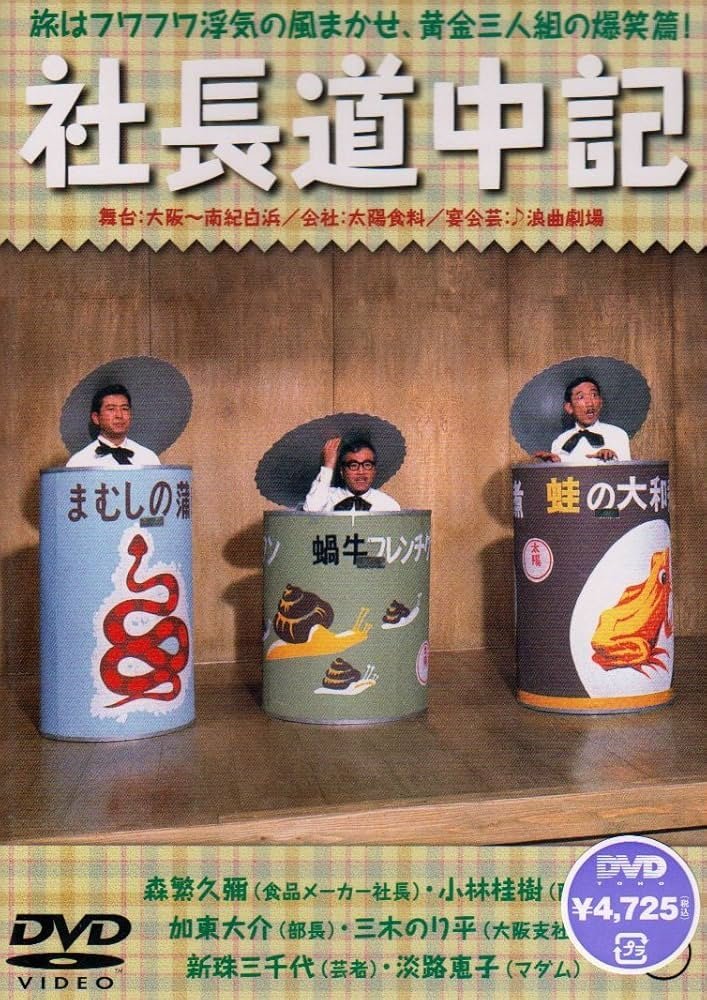
A straight-laced employee is tasked with supervising his impulsive CEO during a business trip intended to revive struggling sales.
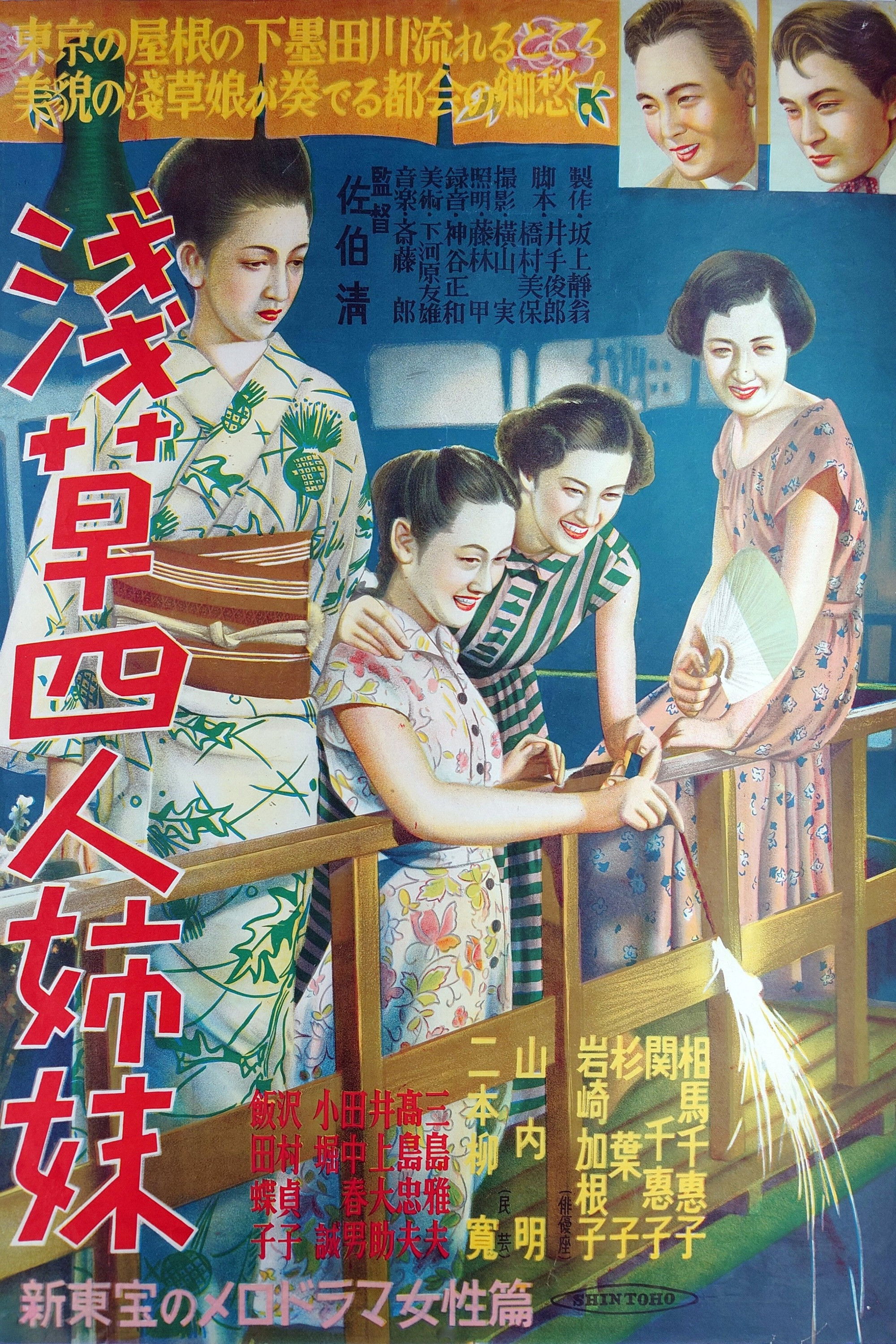
Love stories of four sisters from a small restaurant in Asakusa.
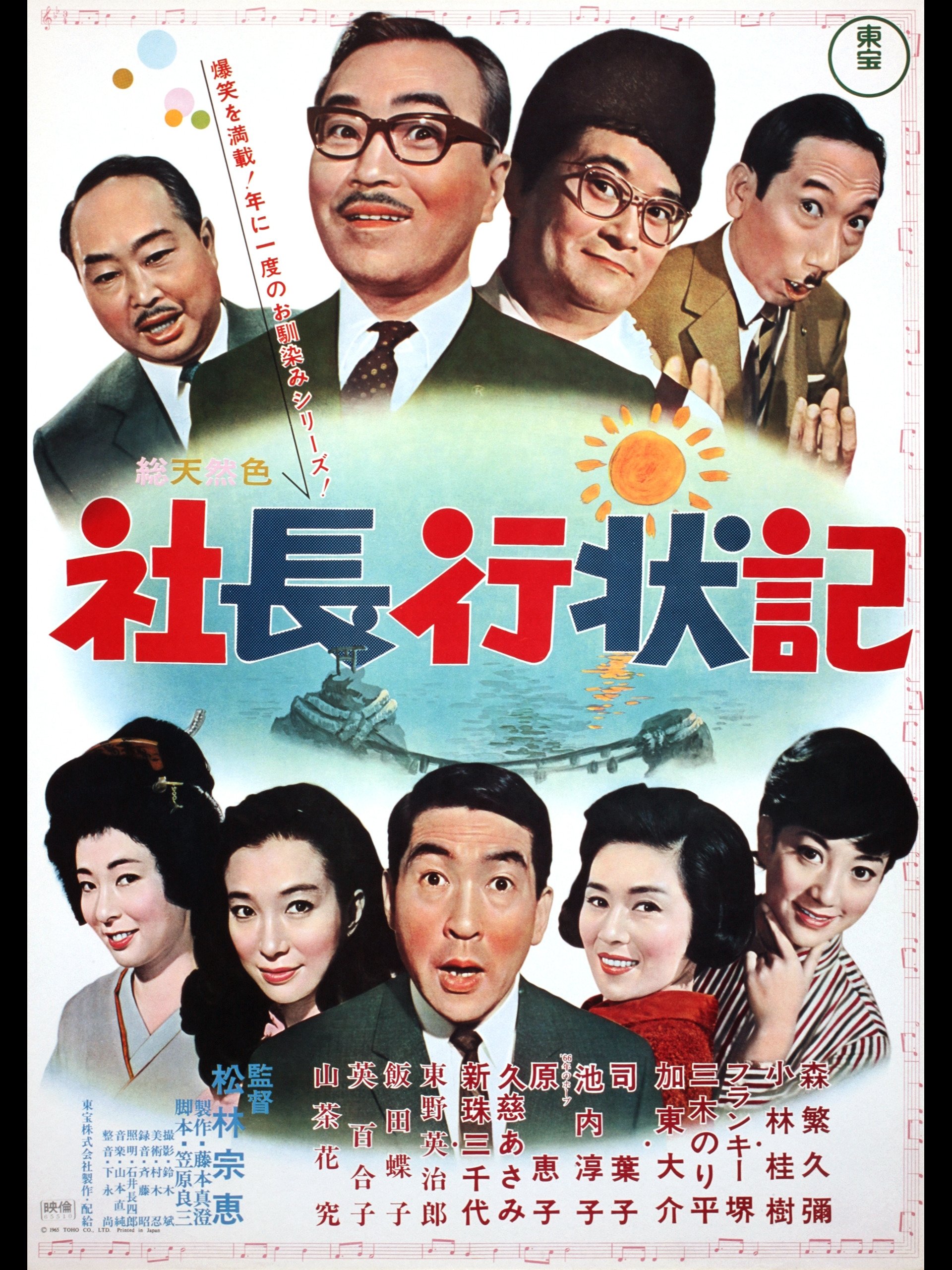
A clothing manufacturer president tries to revitalize his company during a business downturn by securing new sales partners and chasing a deal with a world-renowned fashion designer.
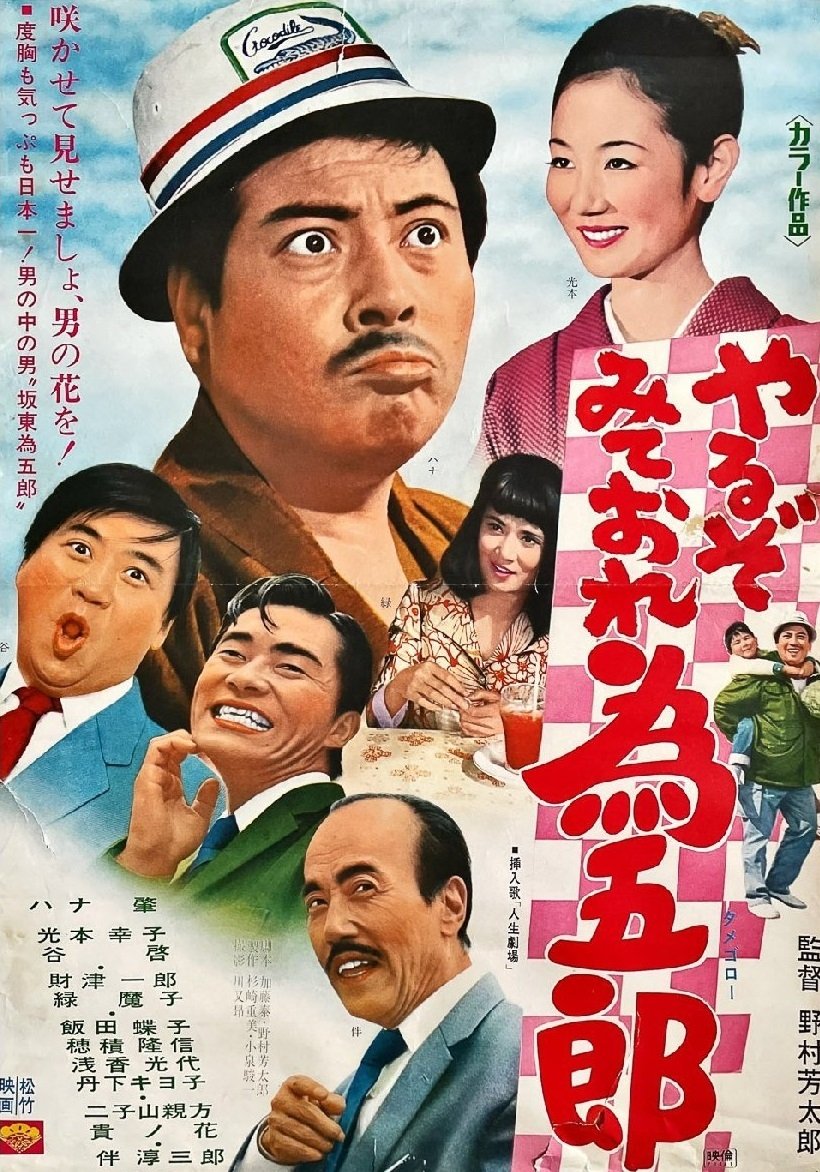
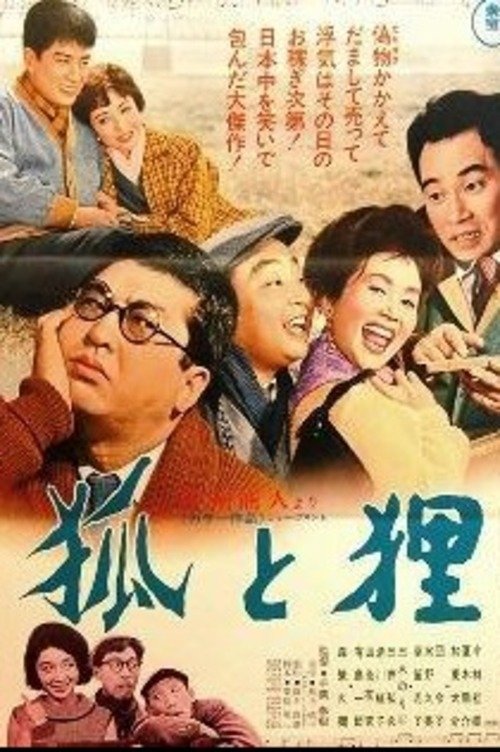
A group of hustling peddlers swindle rural towns with fake goods, facing betrayals, close calls, and constant setbacks as they chase survival and dream of a better future.
Japanese film from 1929.
Japanese film from 1925.
Japanese silent film from 1925 featuring Kinuyo Tanaka.
Early Japanese silent film directed by Heinosuke Gosho.
Short Japanese silent comedy from 1926. Directed by "Kamata Nonkinosuke," a probable pseudonym for a junior director (literally "Carefree Man from Kamata," the location of Shochiku studios).
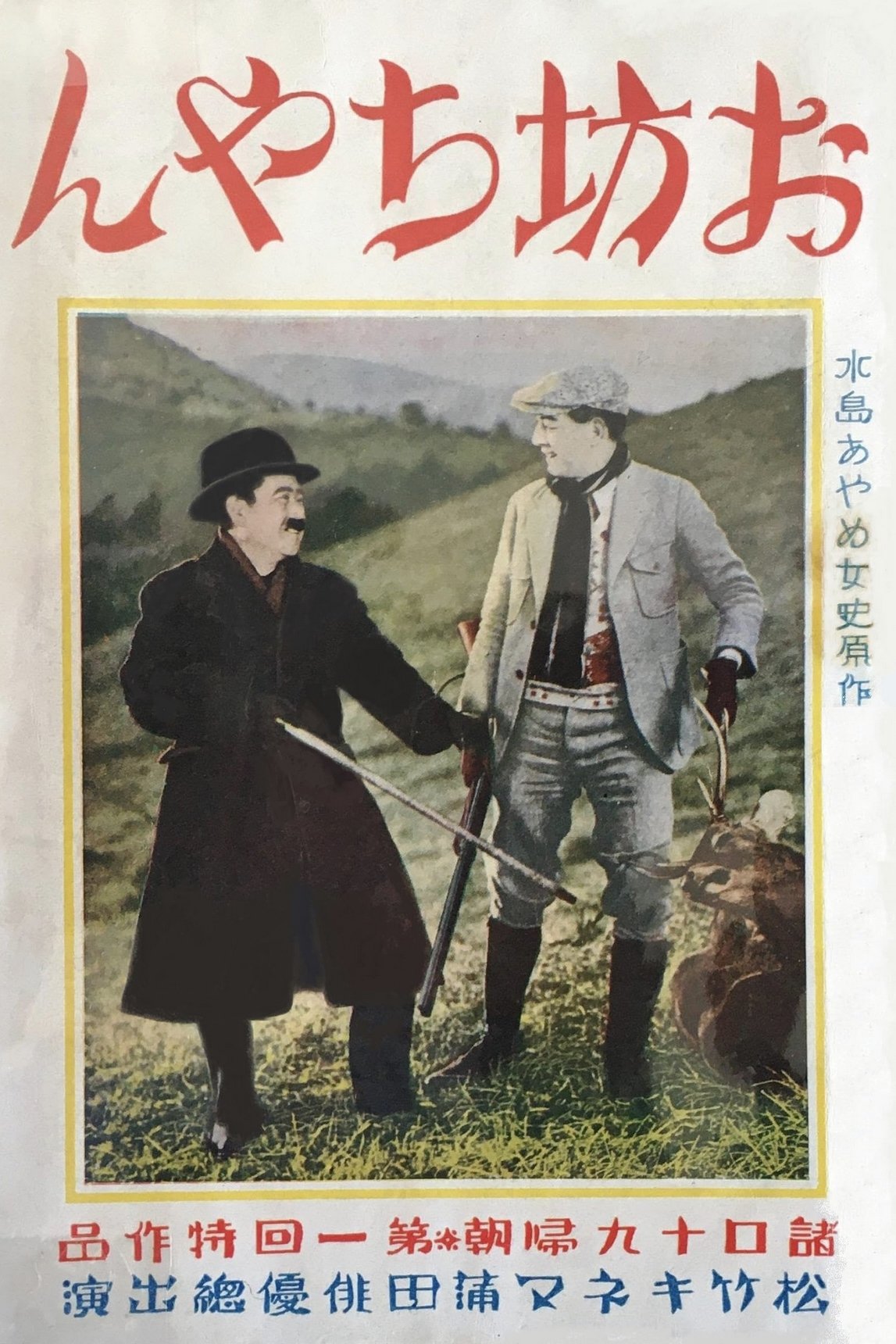
Japanese silent film from 1926. (Obo-chan meaning "Young Master.") Written by Ayame Mizushima, the first female screenwriter in Japan.
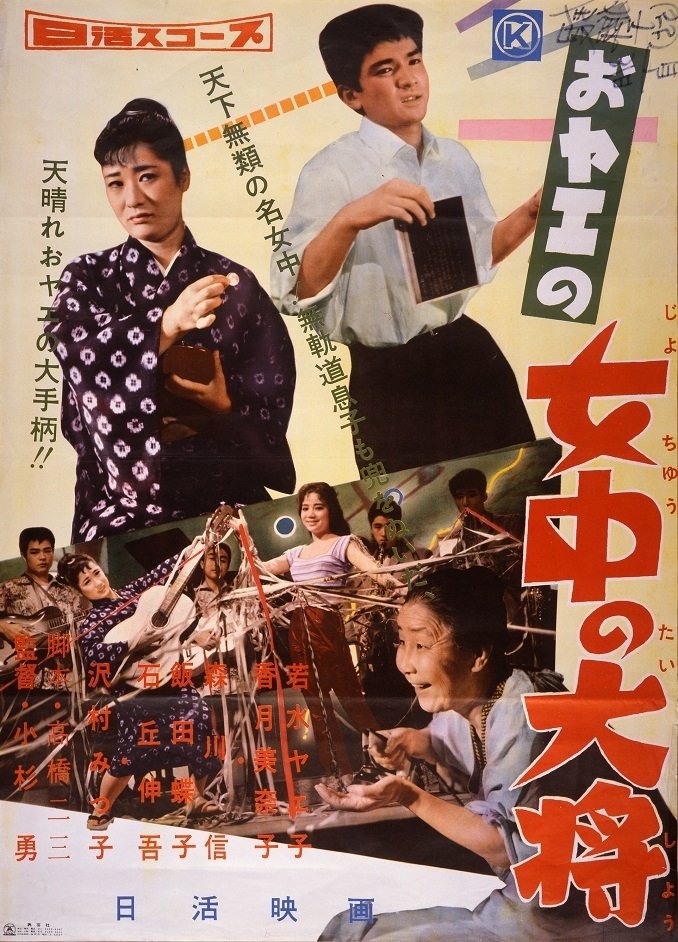
Japanese silent film from 1926, directed by Heinosuke Gosho and featuring Kinuyo Tanaka.
1926 silent film directed by Heinosuke Gosho.
Japanese silent film from 1928.
Hirano's wife Yasuko had grown weary of her life of poverty. Her feelings of dissatisfaction deepened when she met her elegantly dressed friend Hanako. When Yasuko asked Hanako for advice, Hanako spoke at length about the restrictions and meaninglessness of married life and encouraged Yasuko to divorce her husband. Persuaded by Hanako’s words, Yasuko divorced Hirano and, hoping to emulate Hanako, adorned herself in fine clothes, applied heavy makeup, and sought to revel in her newfound freedom. But instead of admiration, she was met with ridicule and contempt. Even her attempts to gain recognition from magazines like Hanako’s went unanswered. She applied to work as a café waitress but was rejected, and when she became an office clerk at a company advertised publicly, she was treated as a nuisance. After being tossed about by these setbacks, Yasuko finally came to understand the love of her husband, Hirano.
Japanese silent film from 1929.
Japanese silent film from 1929.
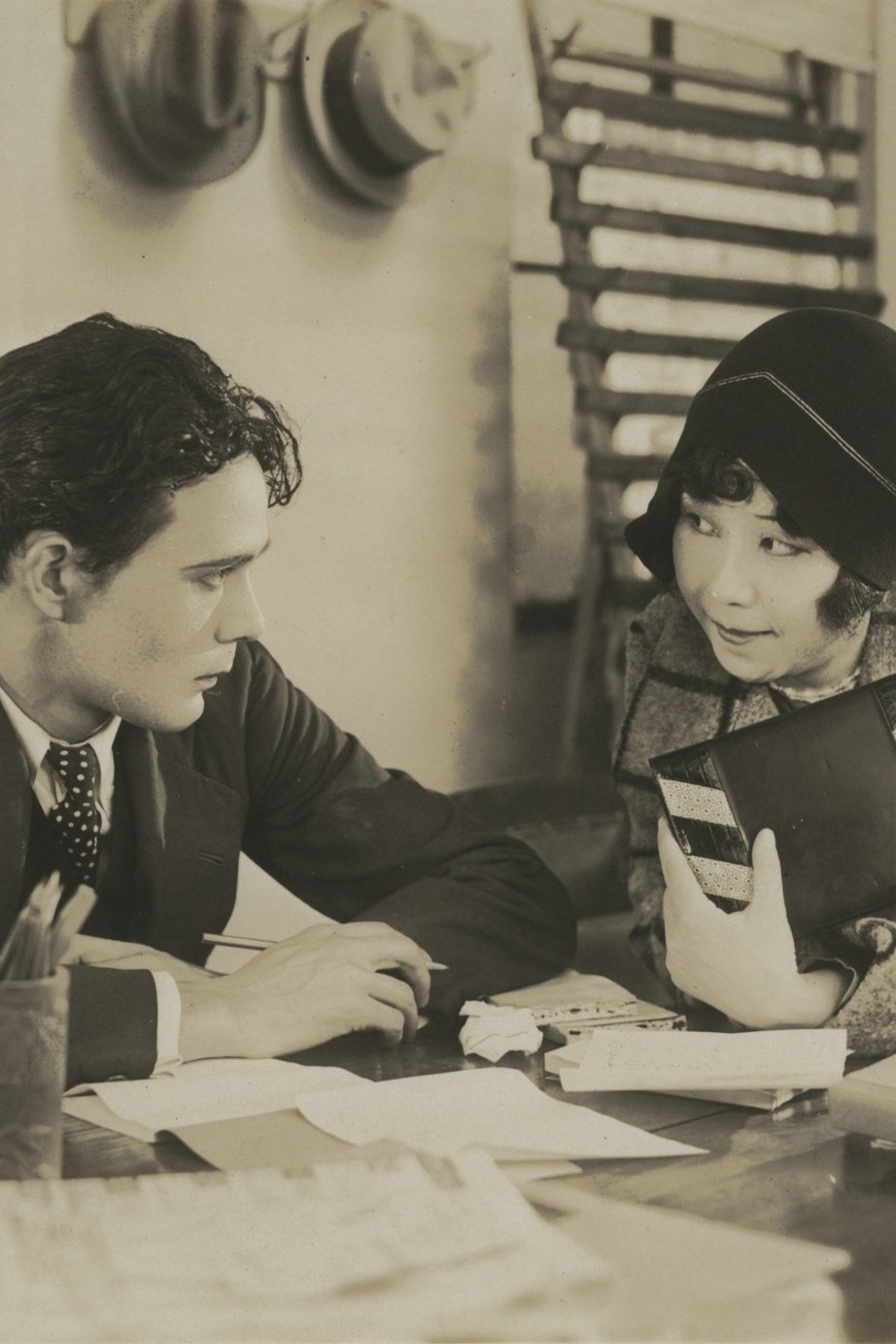
A modern girl suddenly intrudes into a widower's family home.
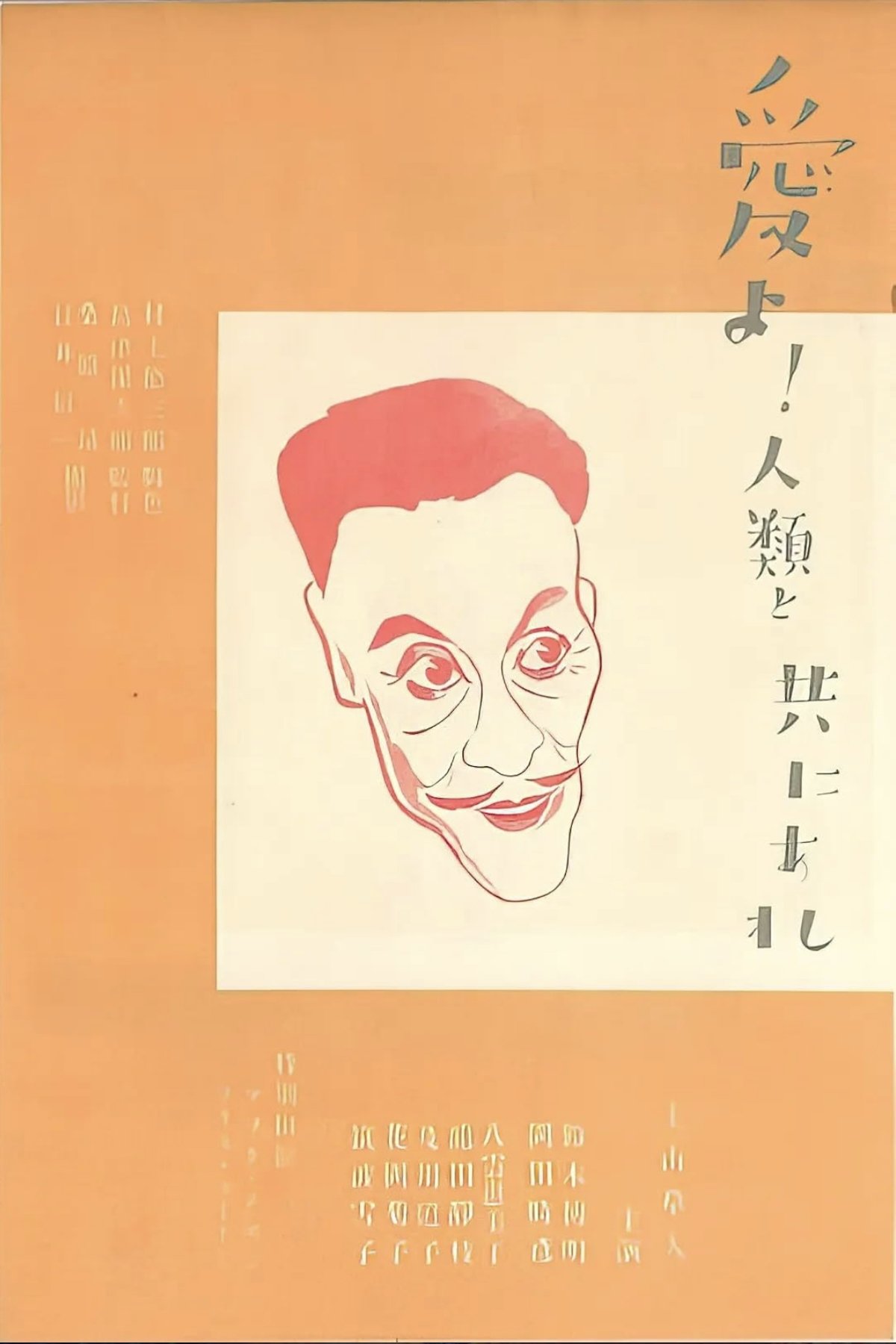
The three-hour Ai yo jinrui to tomo ni are / Love, Be with Humanity (1931) starts as a satire of alienation in the world of money, develops into a lumberland epic with a forest fire on Sakhalin Island, turns into a tragedy of King Lear dimensions, and manages to amaze the blasé audience with a happy end in the Wild West.
The three-hour Ai yo jinrui to tomo ni are / Love, Be with Humanity (1931) starts as a satire of alienation in the world of money, develops into a lumberland epic with a forest fire on Sakhalin Island, turns into a tragedy of King Lear dimensions, and manages to amaze the blasé audience with a happy end in the Wild West.
Japanese film from 1932.
The Japanese debut film of silent-era star Sessue Hayakawa, in which he not only starred but directed.
Tsukamoto and Omitsu are close friends, but one day, Tsukamoto becomes fascinated by Ayako, whom he meets at the home of Miyajima.
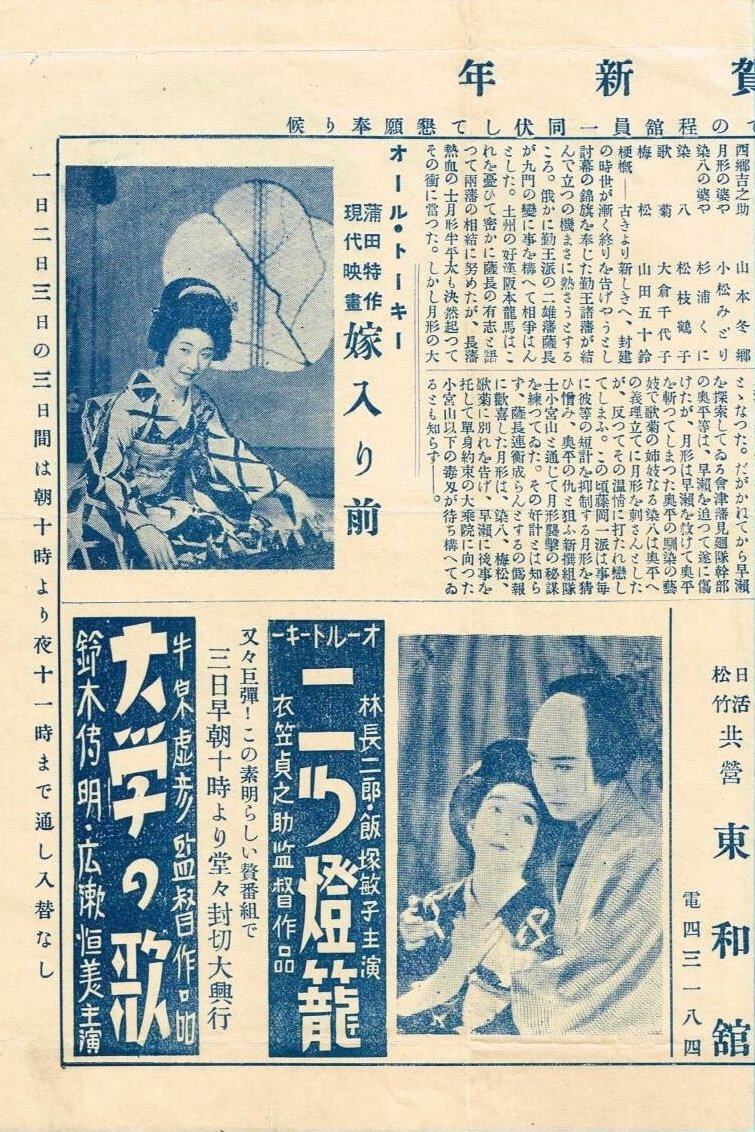
Japanese home drama starring Kinuyo Tanaka.

The adventures of a demobilised soldier and a group of war orphans under his care on Ringing Bell Hill. First installment of a wartime film trilogy.
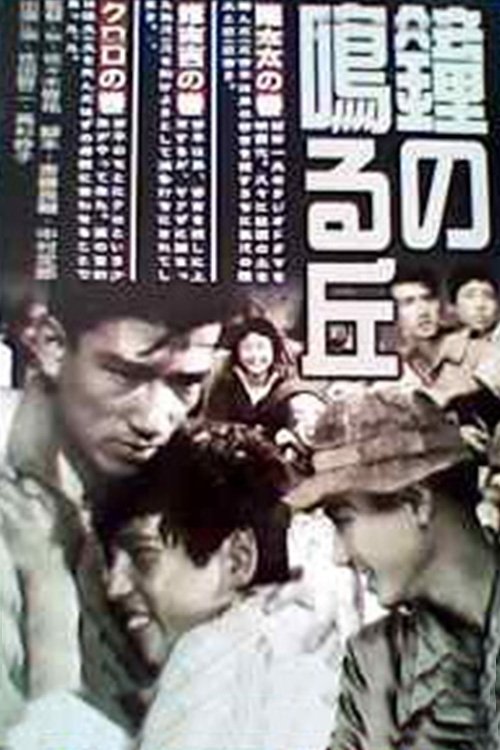
The adventures of a demobilised soldier and a group of war orphans under his care on Ringing Bell Hill. Second installment of a wartime film trilogy.
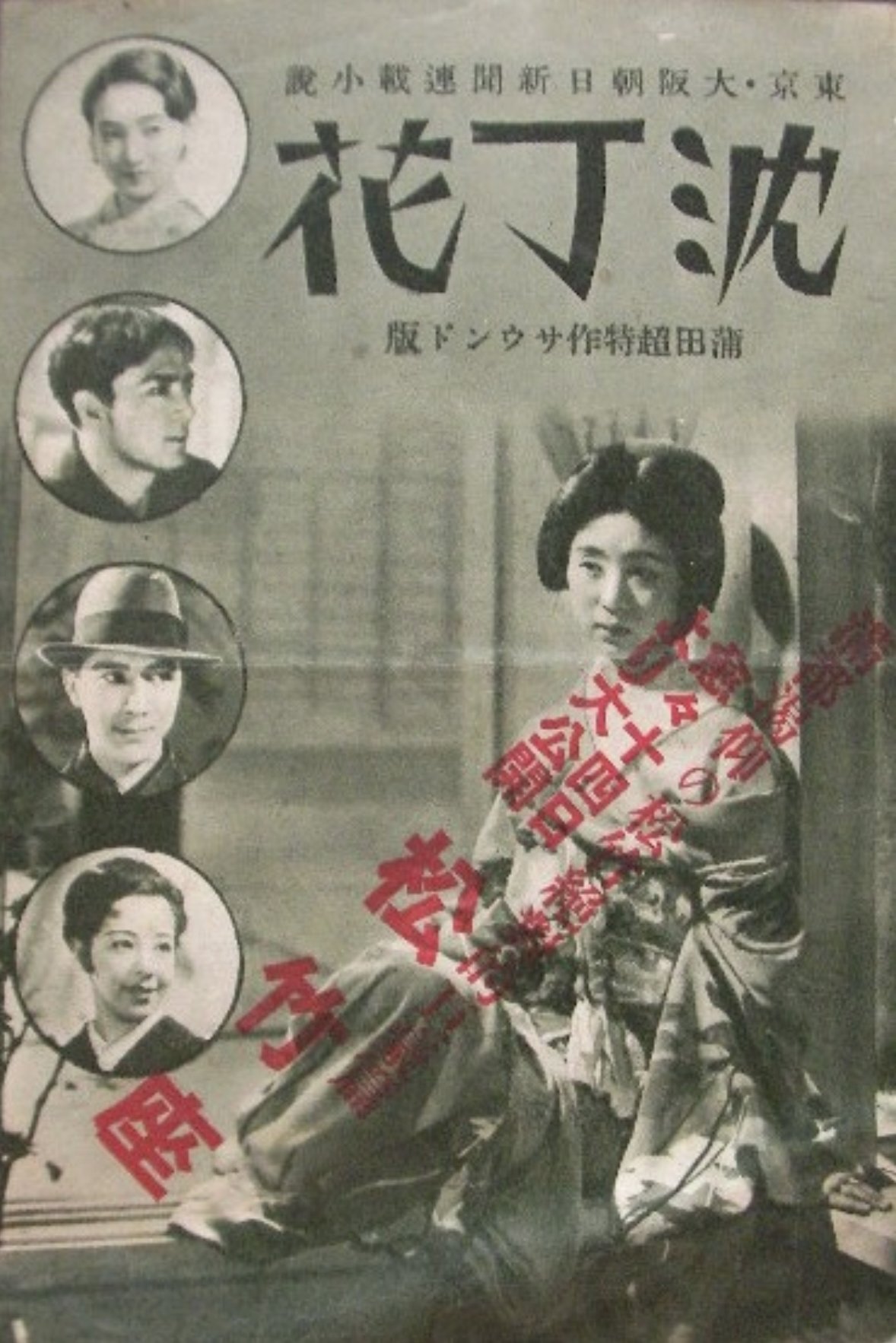
Japanese film from 1933, adapted from Masao Kume's serialized newspaper novel.
Japanese drama from 1934. A major production of Shochiku Studio, directed by Hiroshi Shimizu.
Japanese film from 1934.
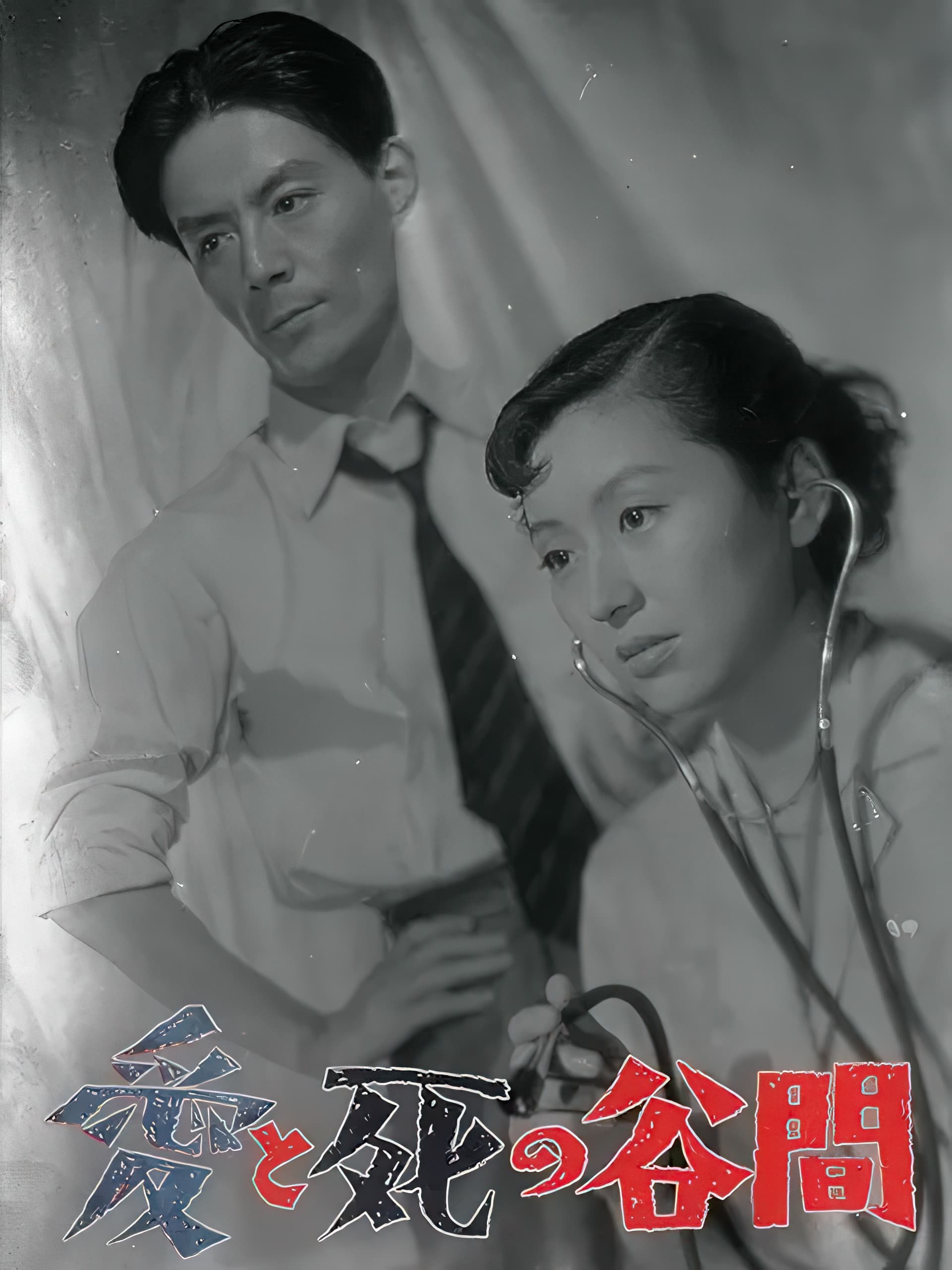
A great ambition to portray with sharp satire and humor the course of modern anxiety and love that is about to be driven to despair.
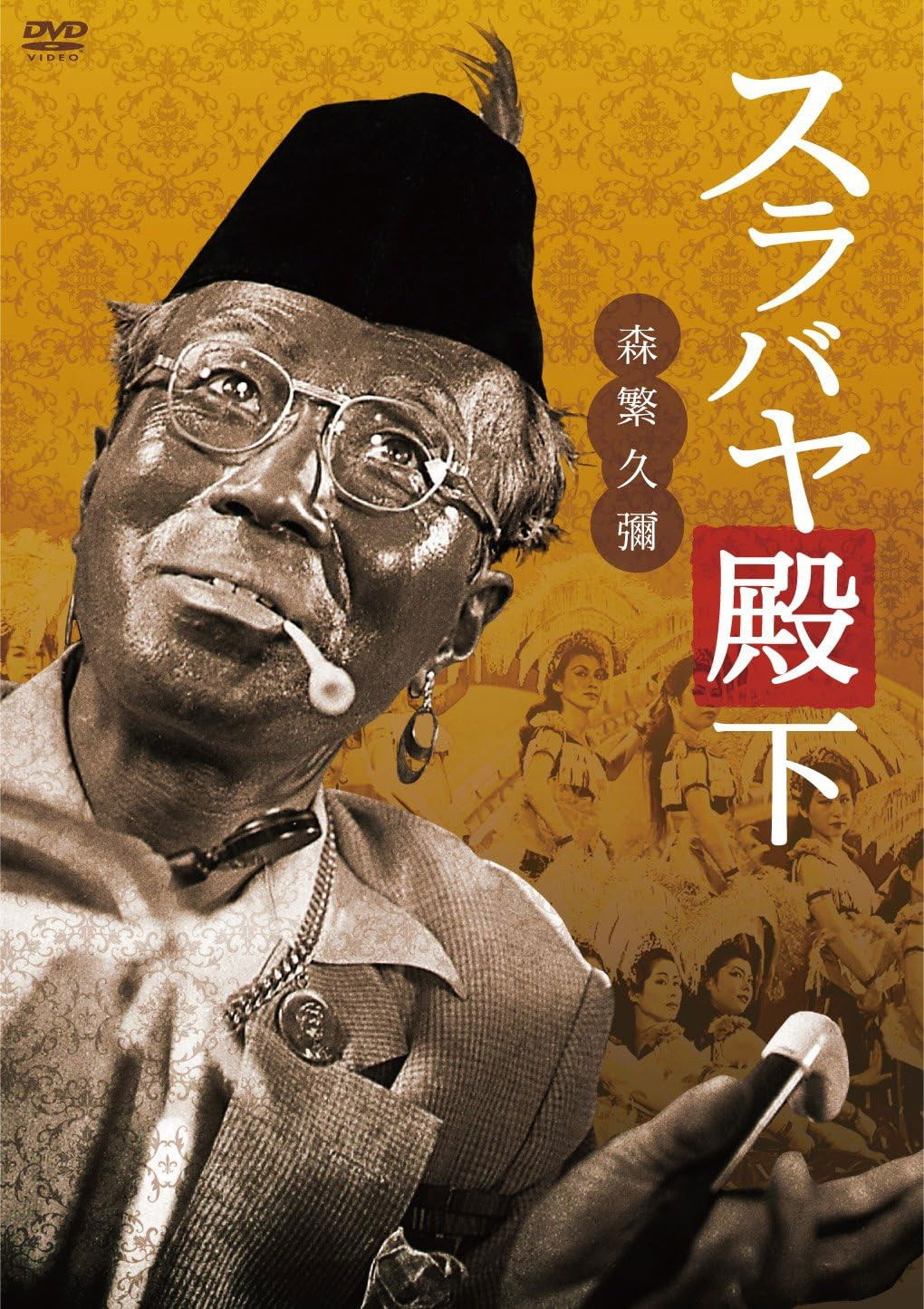
Hisaya Morishige is Kyutaro, a nuclear physicist and his twin brother, Eiji, a con man. Eiji finally hits on his most elaborate scheme yet, to pretend to be a king of a remote, undiscovered island, and becomes a media sensation.
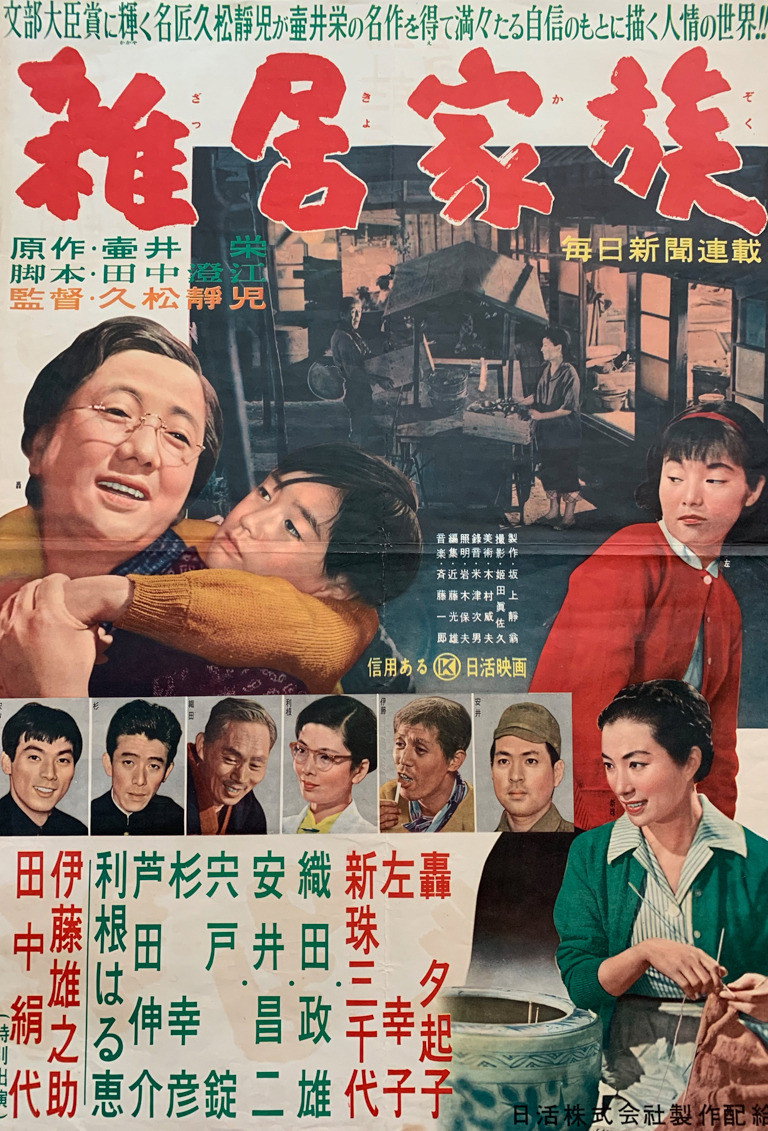
Yasue (Todoroki) and Fumikichi (Oda), a married couple, have no children, but they take in children from other places and wind up raising three kids.
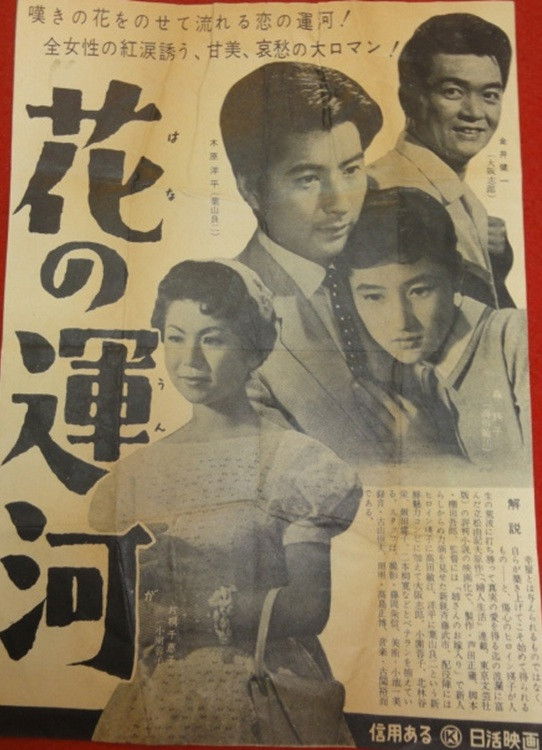
Film by Buichi Saitô