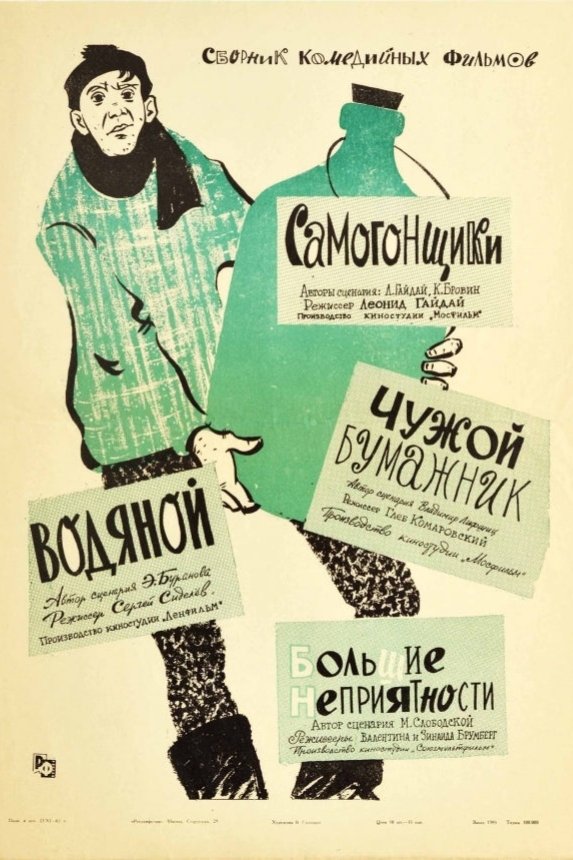
Vacationing in a Crimean sanatorium, Nikolai Nikanorovich Staroseltsev finds someone else's wallet on the beach and gives it to the administration of the sanatorium to return it to the owner. Having become a find for bored mass-entertainers, Nikolai Nikanorovich does not stand the test of fame - and prematurely leaves the resort.

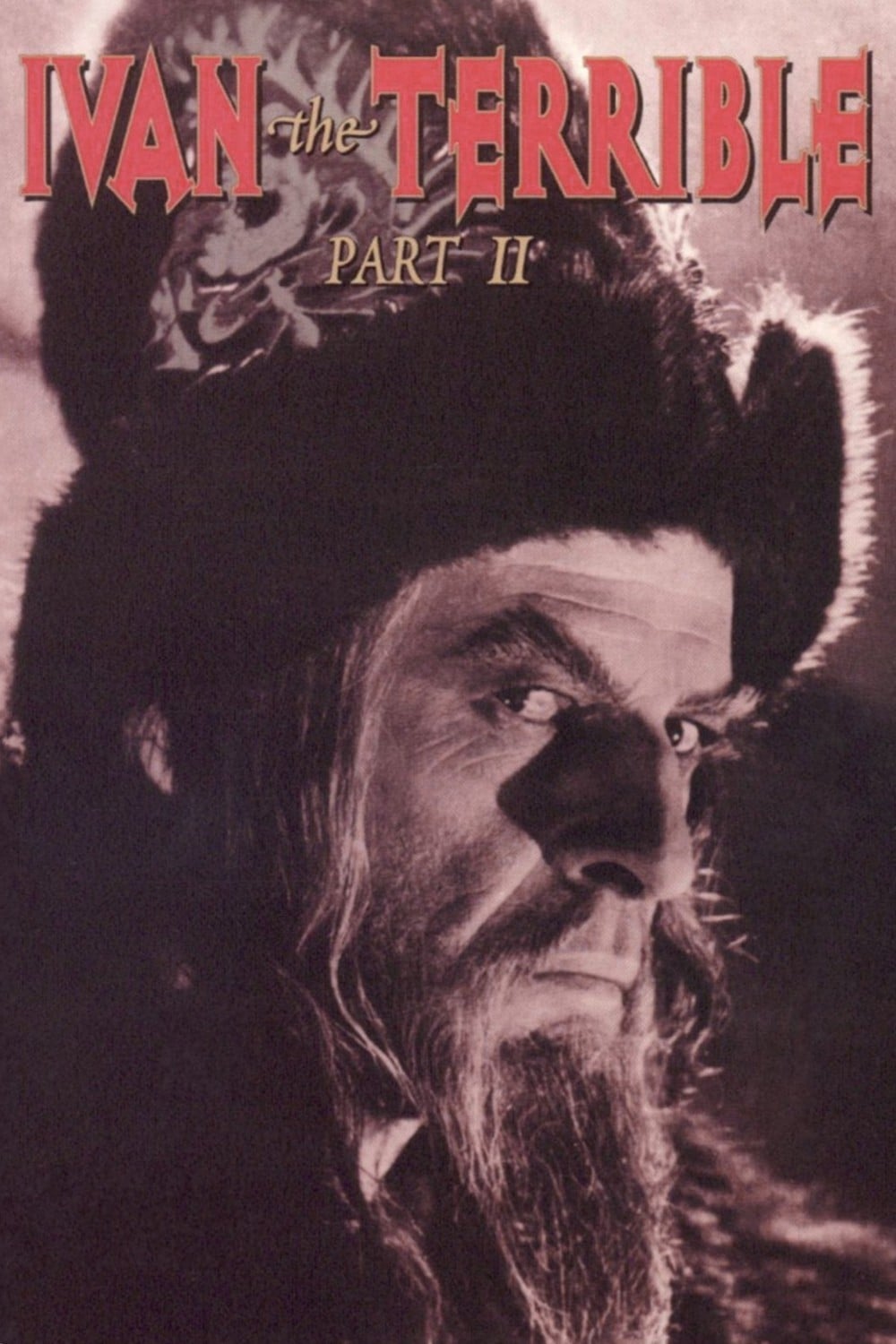
This is the second part of a projected three-part epic biopic of Russian Czar Ivan Grozny, undertaken by Soviet film-maker Sergei Eisenstein at the behest of Josef Stalin. Production of the epic was stopped before the third part could be filmed, due to producer dissatisfaction with Eisenstein's introducing forbidden experimental filming techniques into the material, more evident in this part than the first part. As it was, this second part was banned from showings until after the deaths of both Eisenstein and Stalin, and a change of attitude by the subsequent heads of the Soviet government. In this part, as Ivan the Terrible attempts to consolidate his power by establishing a personal army, his political rivals, the Russian boyars, plot to assassinate him.
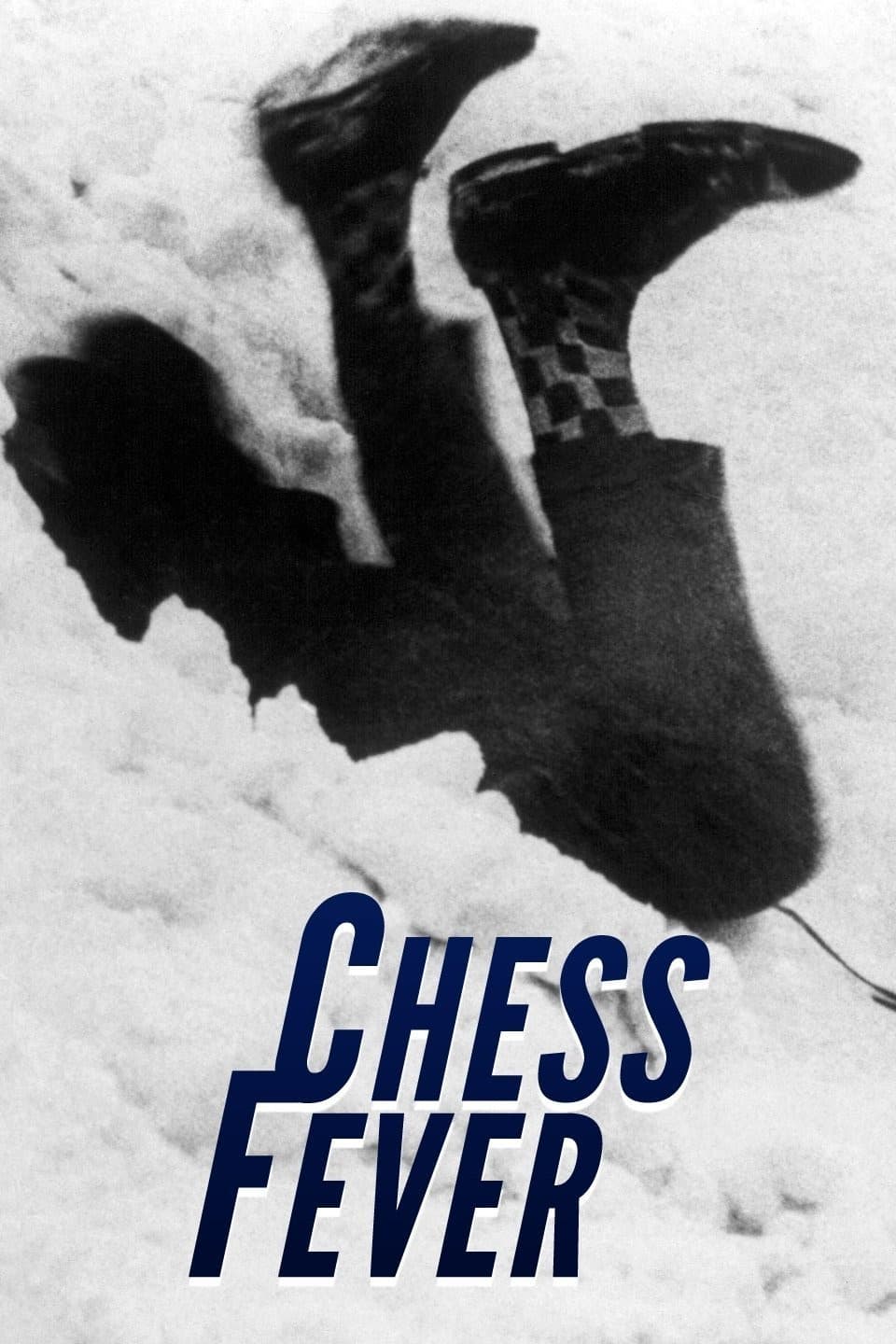
With an international chess tournament in progress, a young man becomes completely obsessed with the game. His fiancée has no interest in it, and becomes frustrated and depressed by his neglect of her, but wherever she goes she finds that she cannot escape chess. On the brink of giving up, she meets the world champion, Capablanca himself, with interesting results.
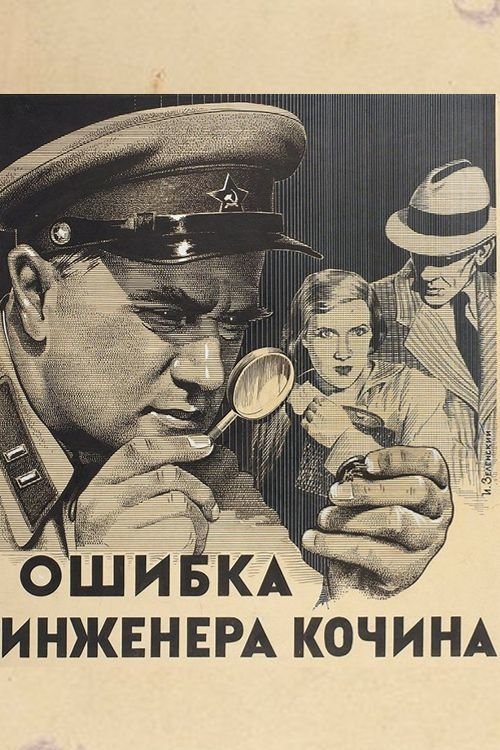
Engineer-designer of the Moscow aviation plant Cochin took the secret blueprints home. He didn't know that foreign intelligence had long been hunting for these blueprints...

A new construction manager, Zaitsev, arrives in a small town. Two of his former comrades from the Red Army work here: Glinka, the director of the paper factory, and Latsis, the head of the timber rafting operation. Zaitsev advocates for the rapid expansion of the paper factory and surrounds himself with a group of opportunists. However, despite their long-standing friendship, after a series of revelations, he is forced to leave the town.
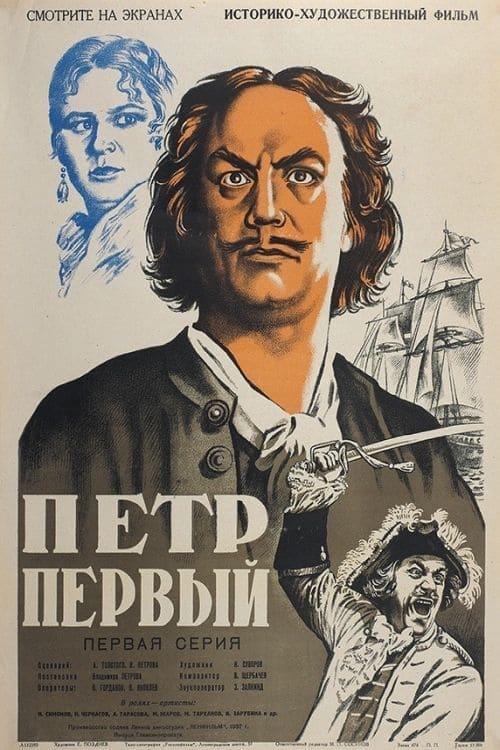
This, the first Soviet depiction of Peter the Great, set the stage for what would become the post-Revolutionary line concerning the early Romanovs. Rulers like Ivan the Terrible and Peter the Great were widely admired for their dedication to Russia and their absolute determination to enhance her position in the world. But praise for the hated later Romanovs conflicted too heavily with the very beliefs that had brought about the Revolution in 1917.
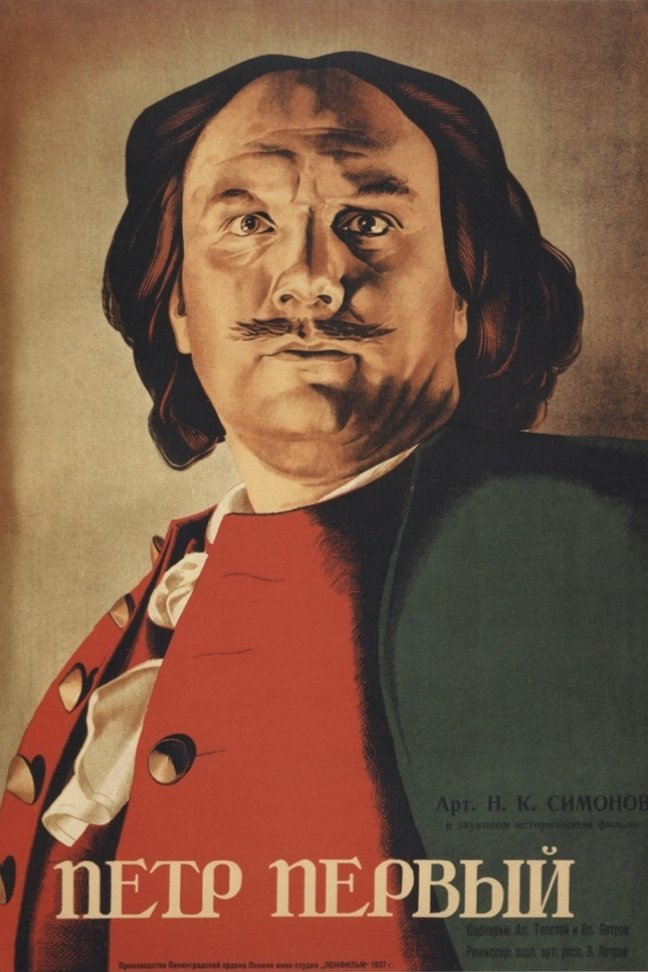
Depicts Russian Tsar Peter the First's conquest over the Swedes and his son Aleksey's plot to overthrow him.
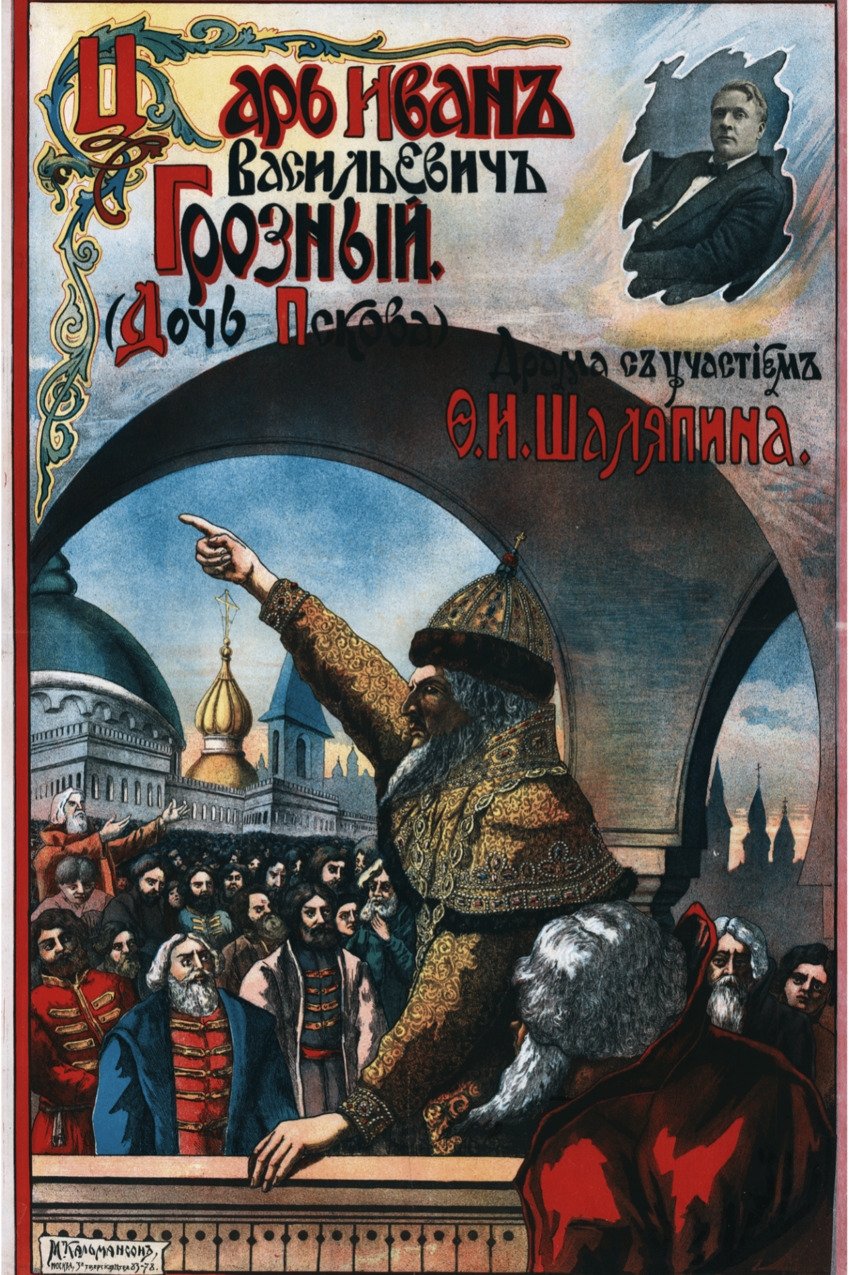
This film was a true peculiarity, a filmed version of the great Feodor Chaliapin in one of his most famous roles; the fact that it was a silent film, with title cards, meant that audiences could only appreciate his acting. Another curiosity is that the film also included a minor role enacted by Richard Boleslavsky, who in 1932 directed “Rasputin and the Empress.”(9)
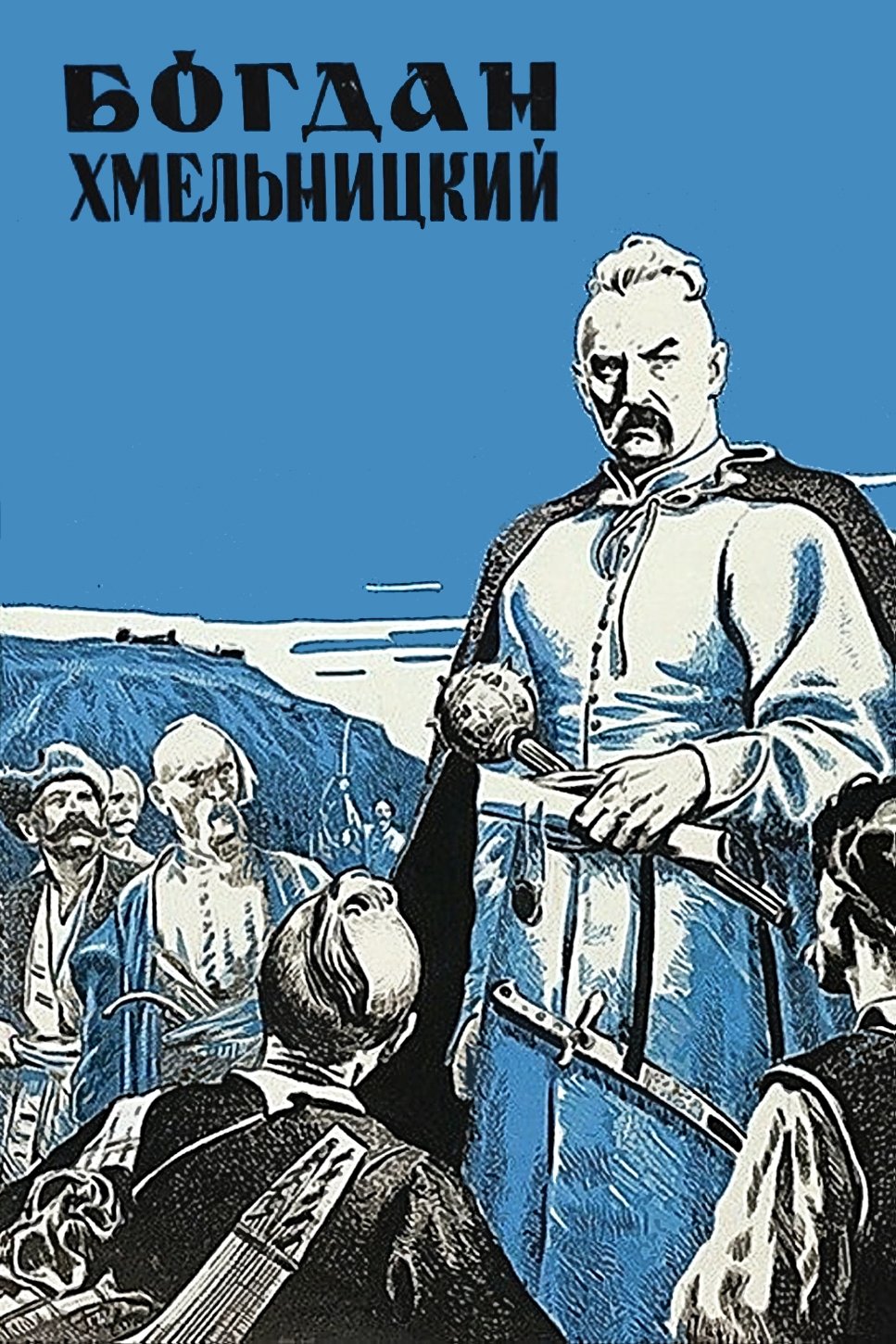
648. Ukraine under the oppression of Poland. Polish nobility committing outrage, burning villages one after another. Hetman of Zaporozhian Cossacks Bohdan Khmelnytskyi gathers the army of defenders of the motherland.
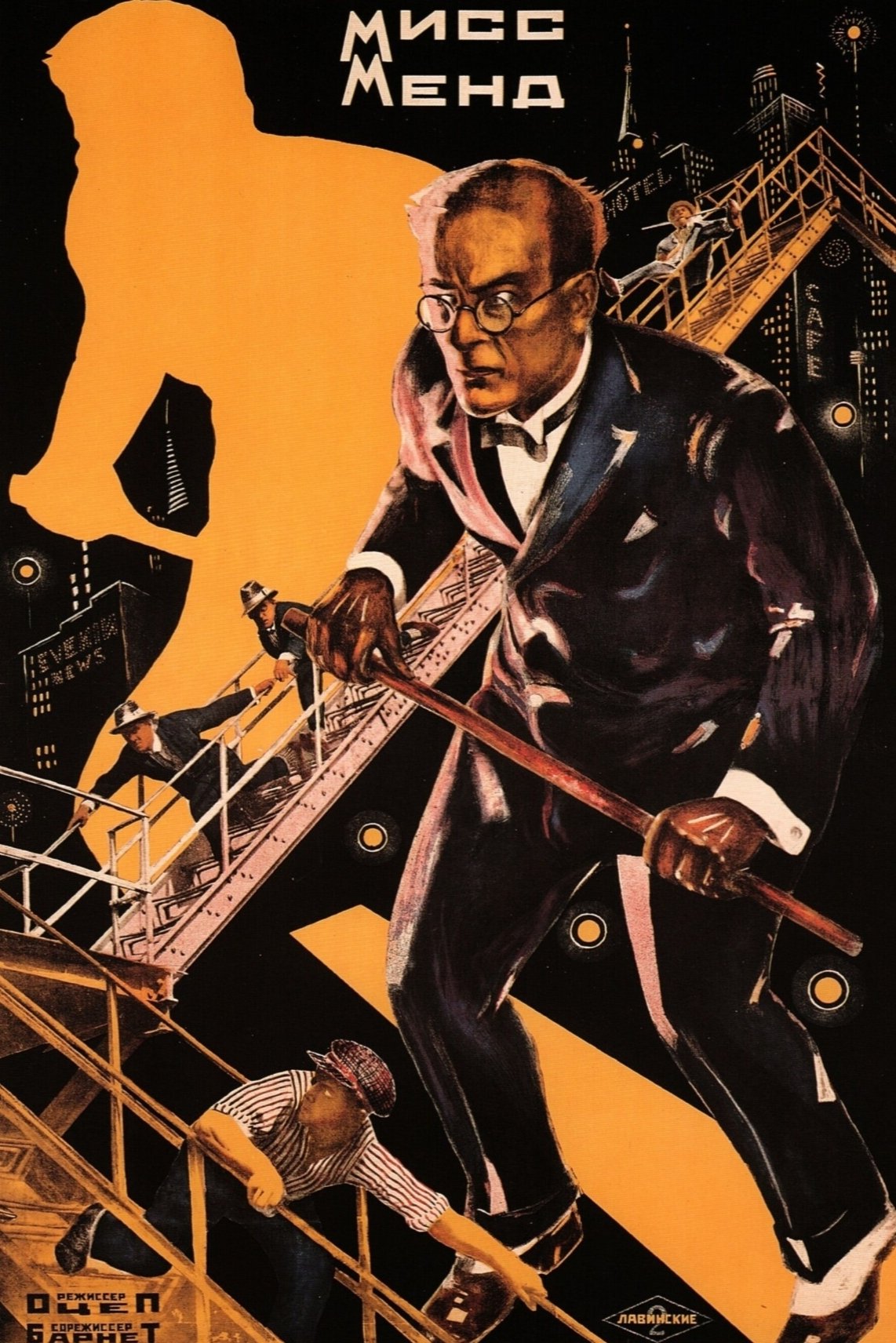
Three reporters and an office girl are trying to stop a bacteriological strike by some powerful western business leaders against the USSR.
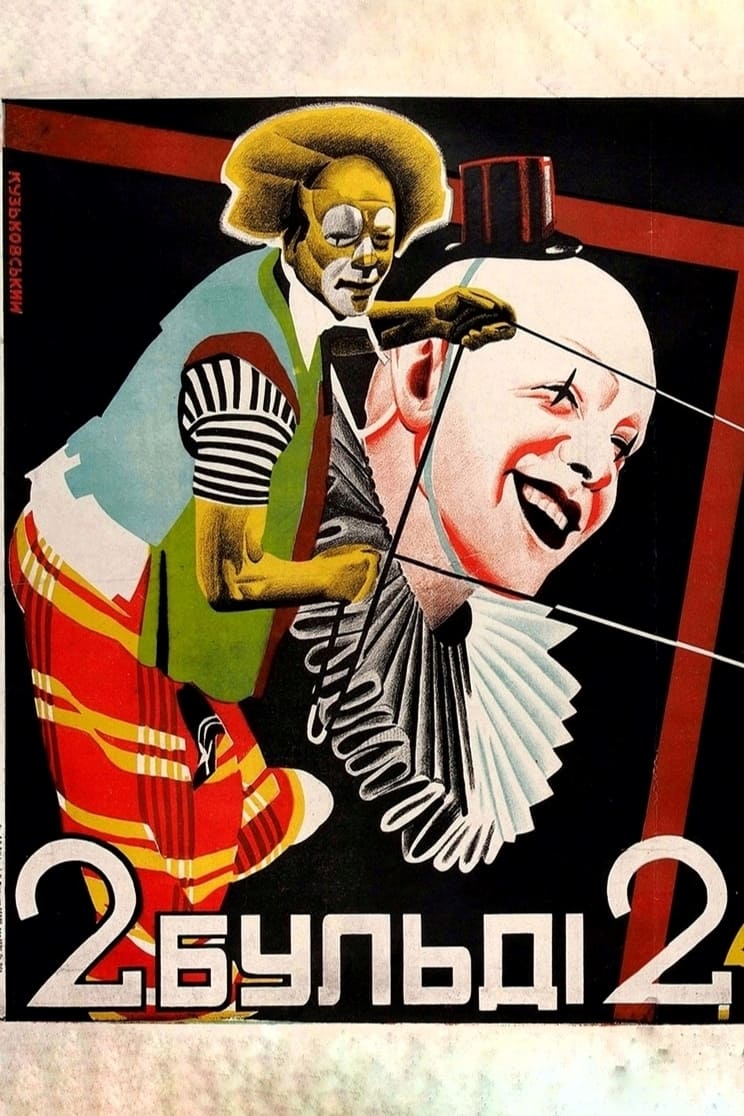
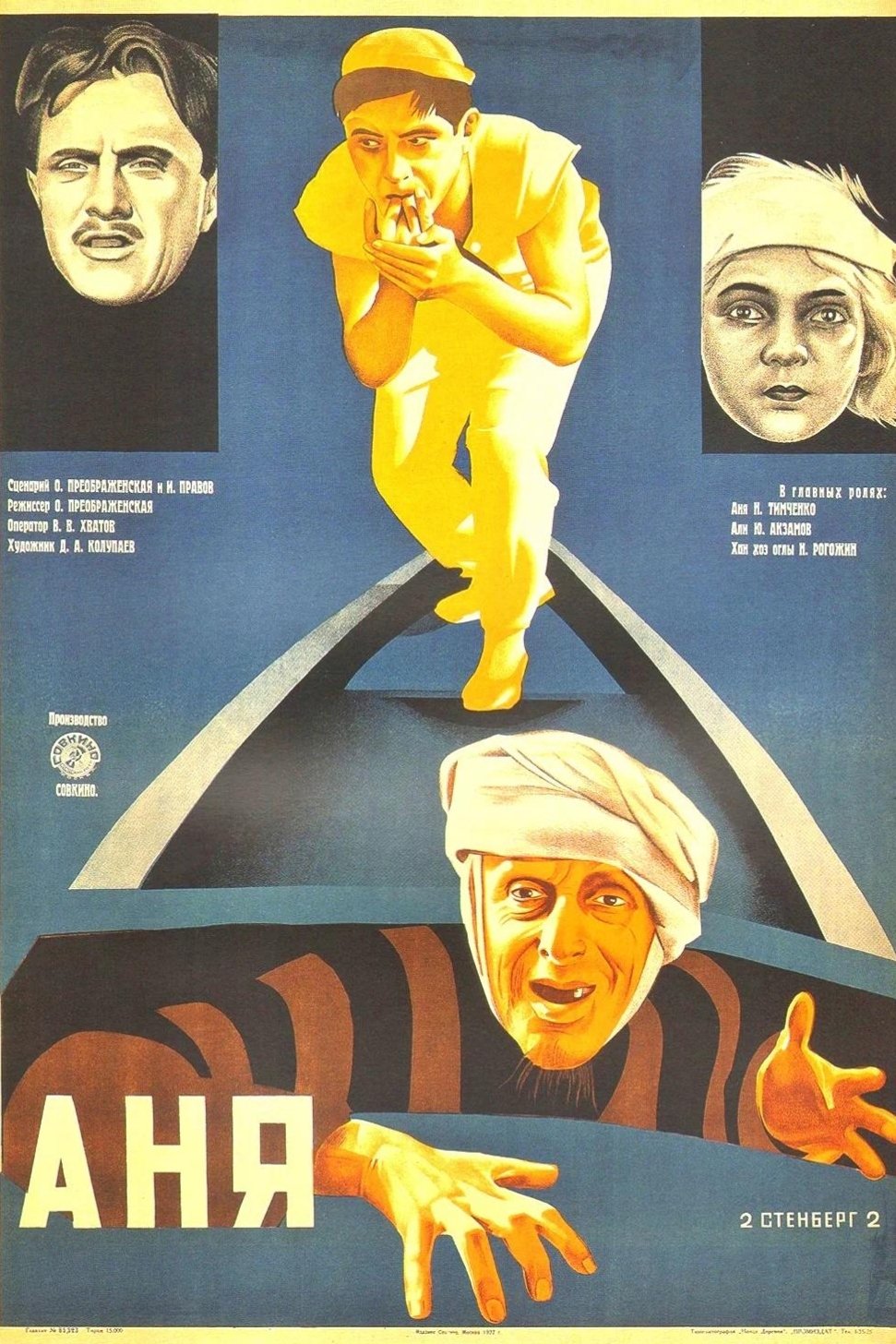
Naturally, the circus milieu of 2 Buldy 2 (1929) encourages stunts. A father and son, both clowns, are to perform together for the first time, but the civil war separates them, and the elder Buldy, tempted for a moment to acquiesce to the White forces, casts his lot with the revolution. At the climax Buldy Jr. escapes the Whites thanks to flashy trampoline and trapeze acrobatics; the gaping enemy soldiers forget to shoot.
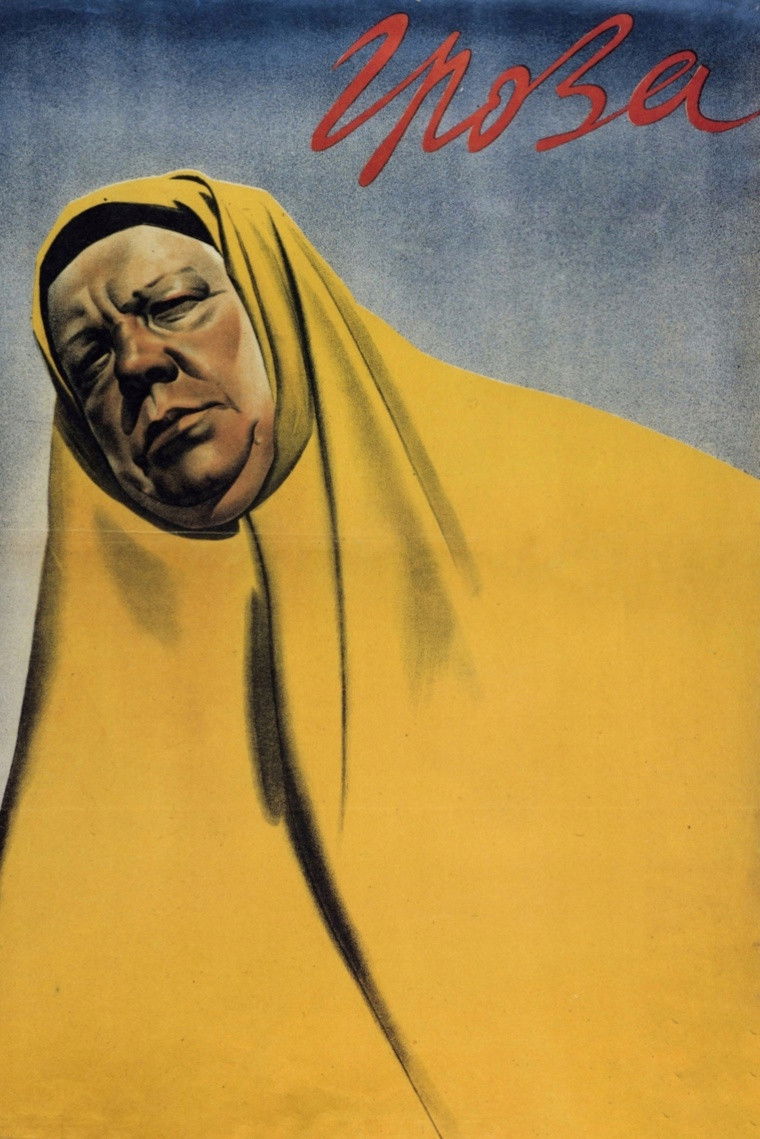
The cinematic adaptation of "The Storm" play by Aleksandr Ostrovsky. In a provincial town on the Volga River, the young and sensitive Katerina marries Tikhon, a violent drunkard, and thus enters the crude milieu of greedy salesmen, the "dark kingdom". Her mother-in-law, Kabanikha, rules the family with an iron fist and endlessly harasses Katerina. One day, when Tikhon is away, she meets Boris, a man who embodies everything Katerina is longing for.
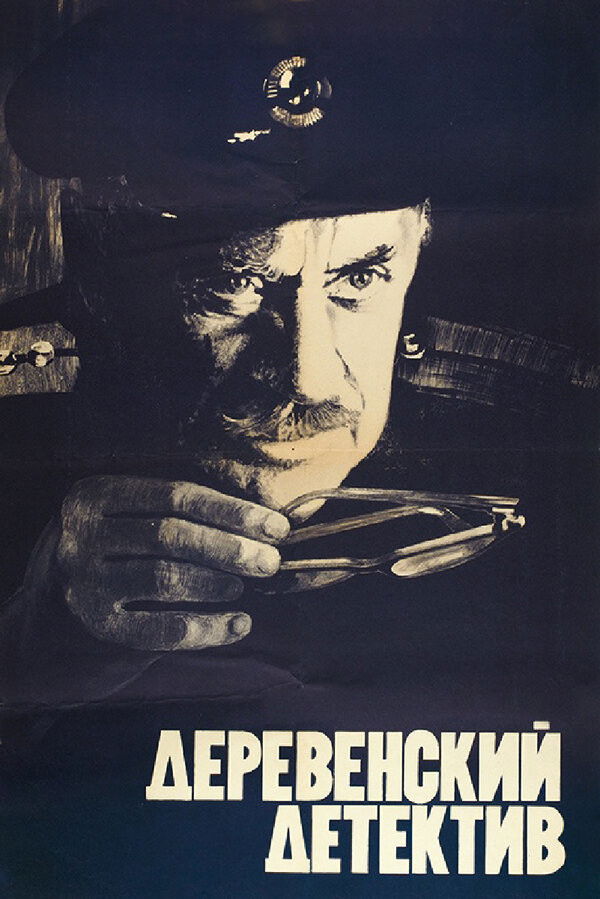
Police officer Aniskin lives with his family in a rural Russian village whose inhabitants admire his gentleness and wisdom. When an accordion is stolen from the local clubhouse, he begins to investigate.
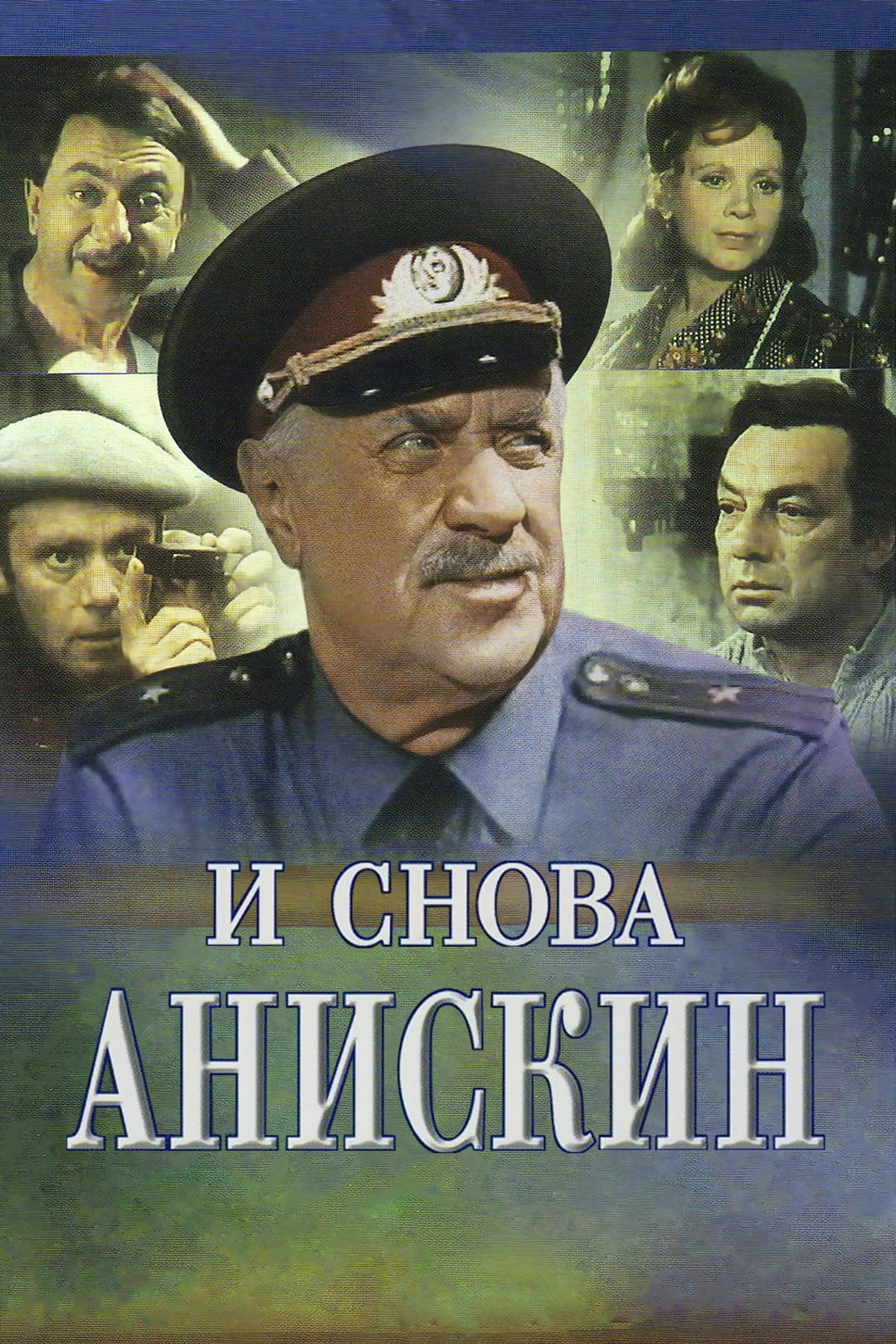
Third and final part of the comedies about the funny adventures of countryside cop named Aniskin.
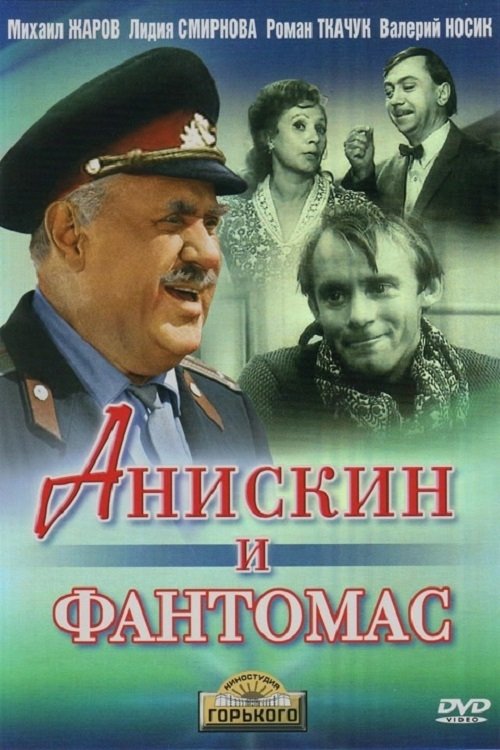
A second story about countryside cop named Aniskin.
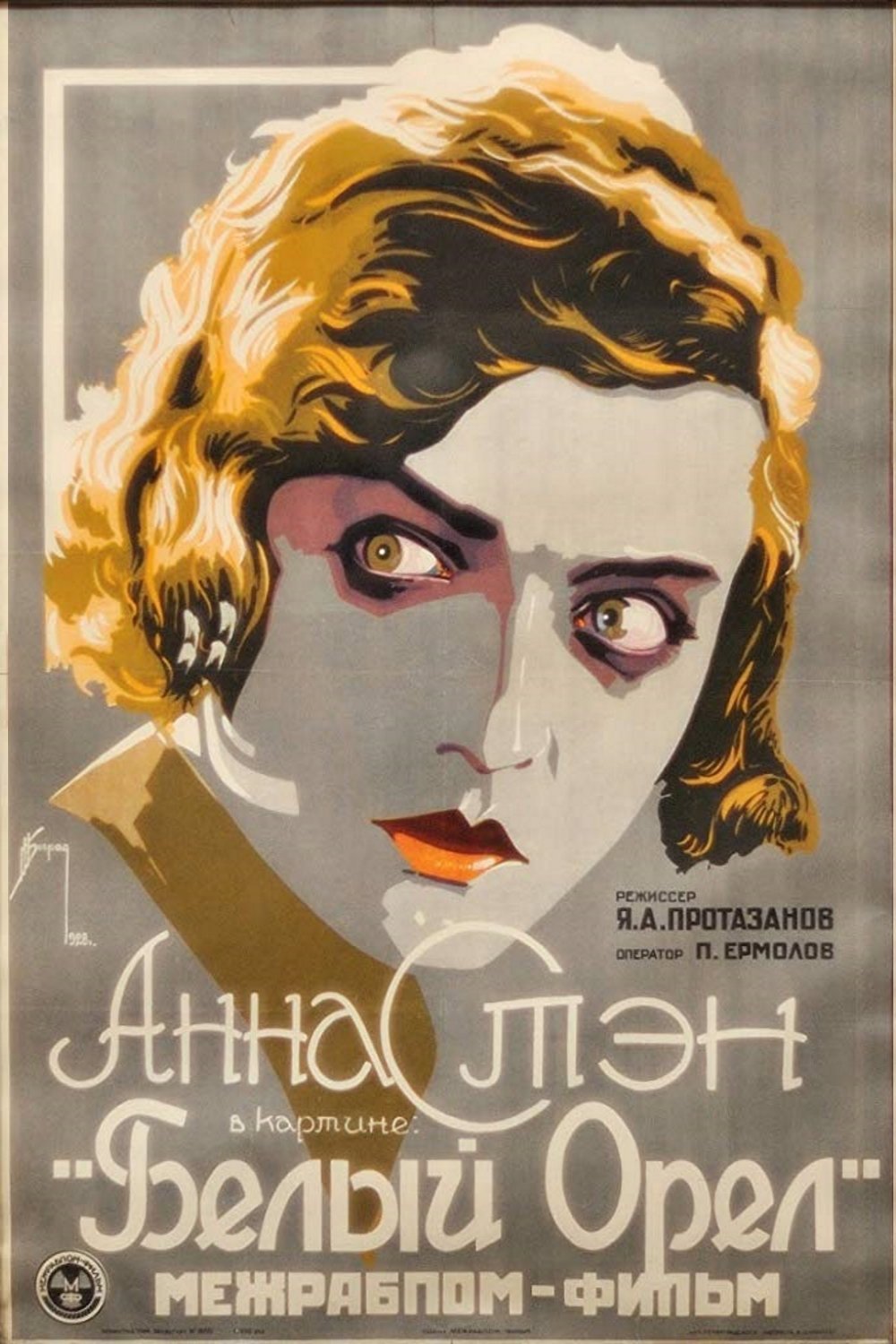
The film is based on The Governor, a play by Leonid Andreyev. V.I. Kachalov plays the governor of a small Russian province who tries to treat the people under his authority with kindness and equanimity. But when a local factory goes on strike, the governor buckles under to pressure from the Tzar and orders the wholesale slaughter of the strikers. He pays for this betrayal of his trust with his life -- at the hands of a courageous Bolshevik spy.
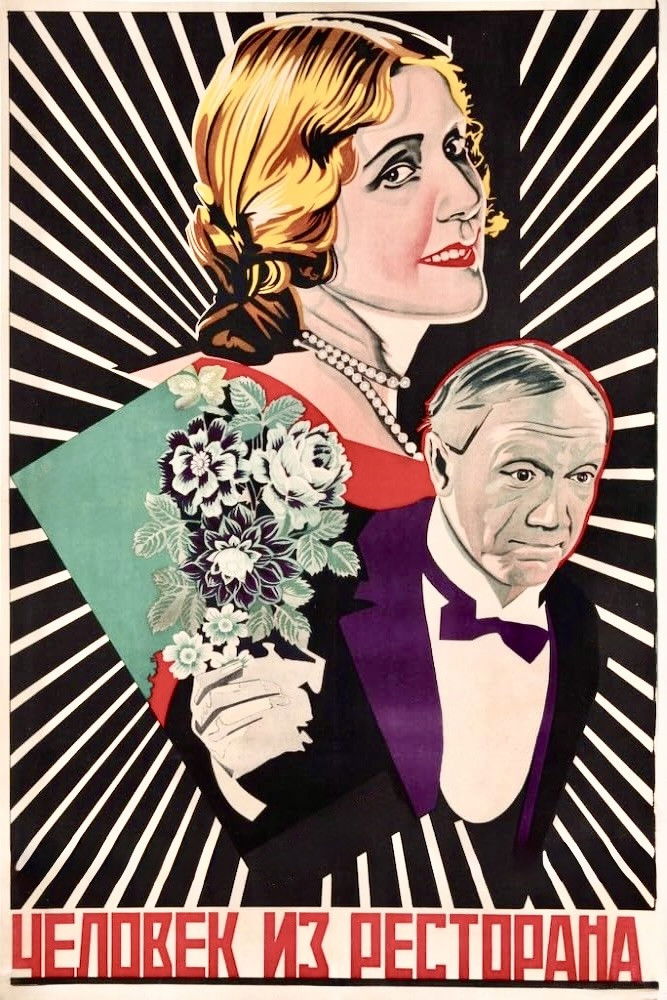
During the good old days of the Russian aristocracy, that is to say, before the October Revolution, in the city of Moscow there was a fancy restaurant which catered to the appetites and egos of the rich. In one such establishment works a middle-aged waiter who is devoted to serving his bourgeoisie clients correctly. However, his life outside his job is very different: His son was killed during the Russian civil war and the waiter's wife died of grief as a result....
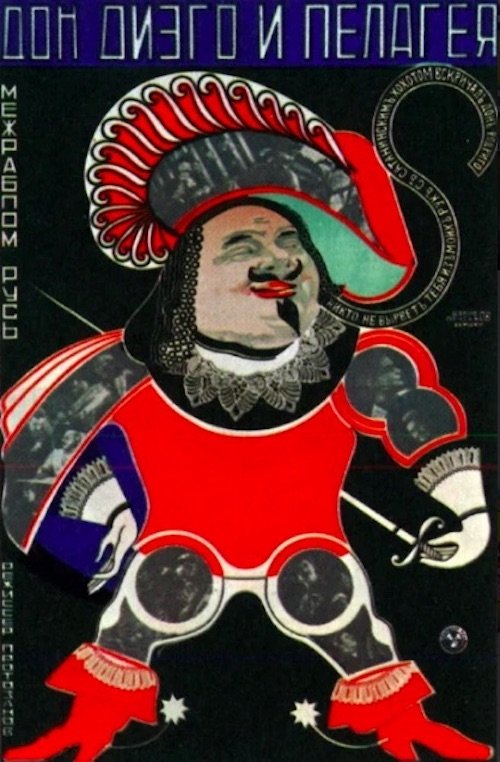
The vain station master of a Russian train station out in the sticks has a quarrel with an old peasant woman and has her thrown in jail. The local party youth organisation finally manage to get her released, after having to cut through lots of red tape.
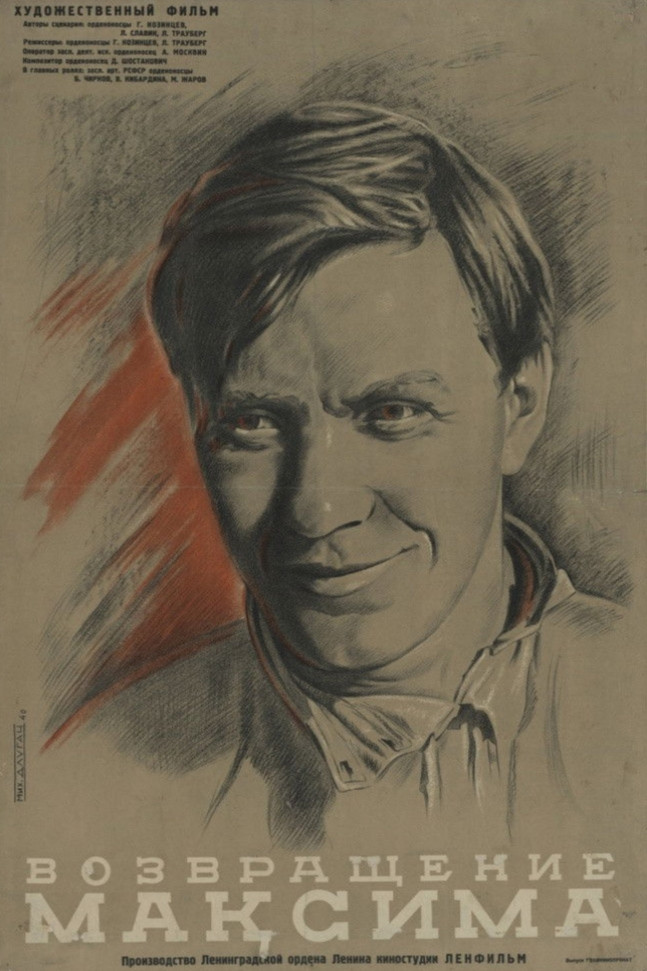
The second part of trilogy about the life of a young factory worker, Maxim. In July 1914, the Bolsheviks and Mensehviks compete for representation of the working-class in the Duma. Maksim, who just returned from exile, calls the workers to strike as a protest against the firing of six of their colleagues. The traitor Platon Dymba assaults Maksim, wounding him severely. When the strike unfolds the workers demonstrate by the thousands, the news of the outbreak of World War I suddenly arrives. Maksim gets drafted.
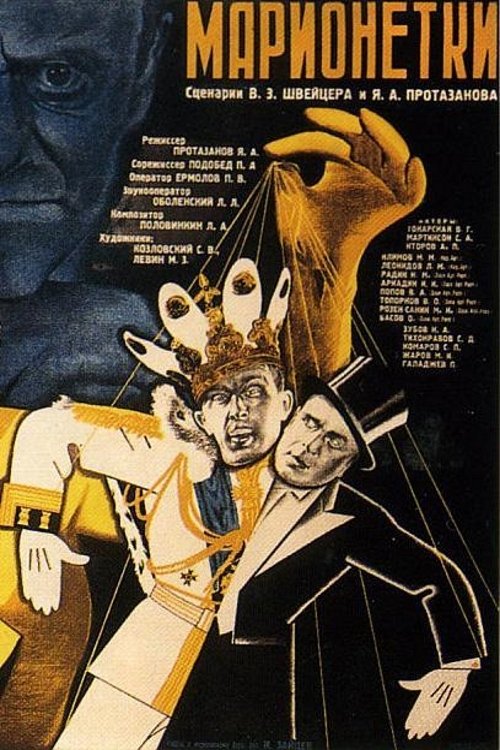
Fearing the Soviet Union, rich businessmen who want more influence in Europe decide to give the nation of Boufferia a new king, an easy to handle drunkard.
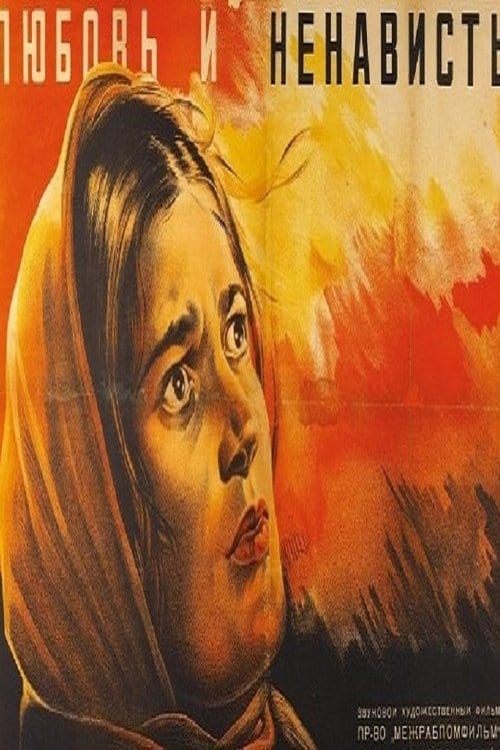
A group of Ukrainian women are forced to work in the mine under the supervision of cruel enemy soldiers. When the soldiers are forced to retreat and decide to blow up the mine, the women organize a guerrilla action to stop them.
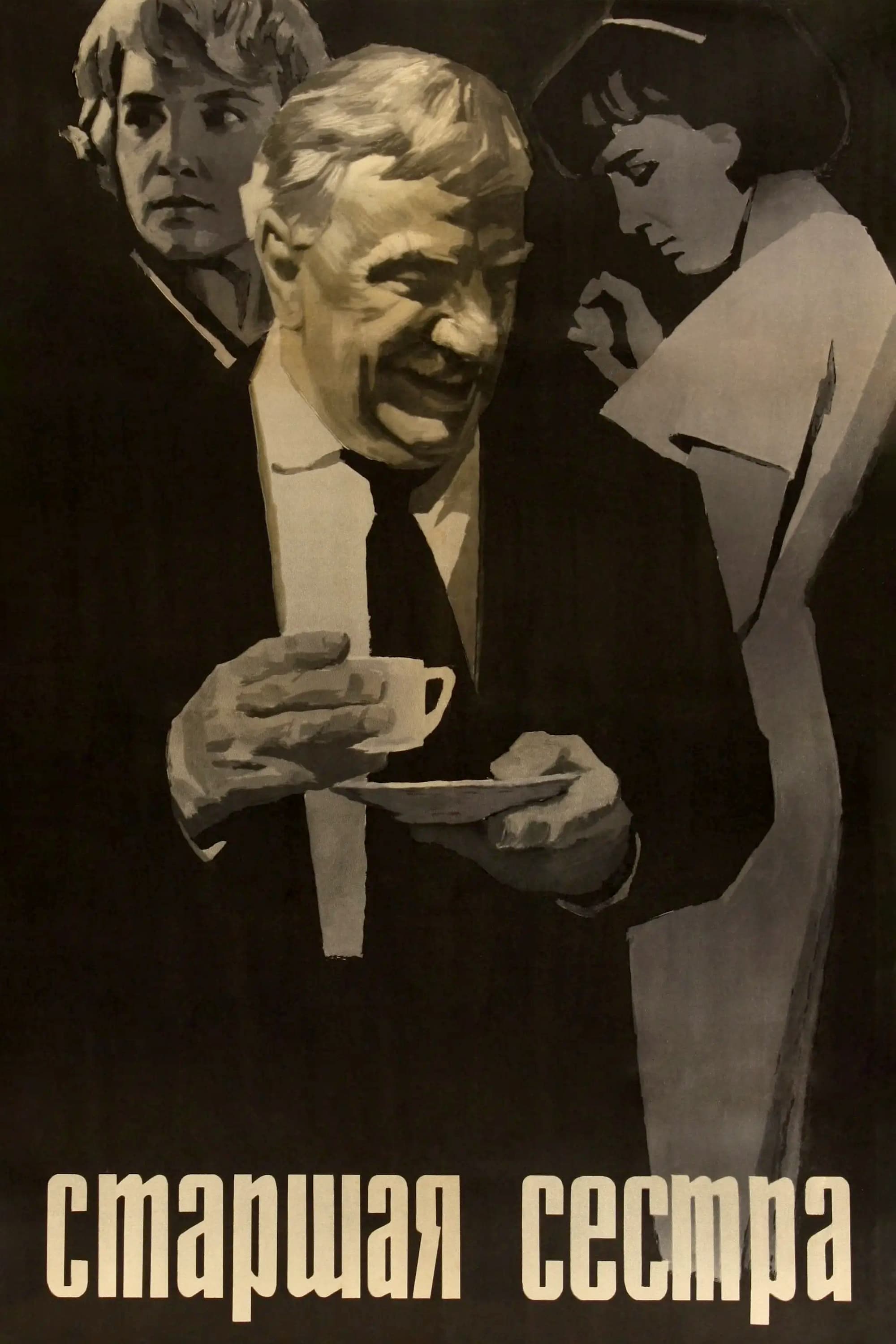
A drama about a life of two sisters - Nadya and Lida, who both are dreaming about theater and actress career.
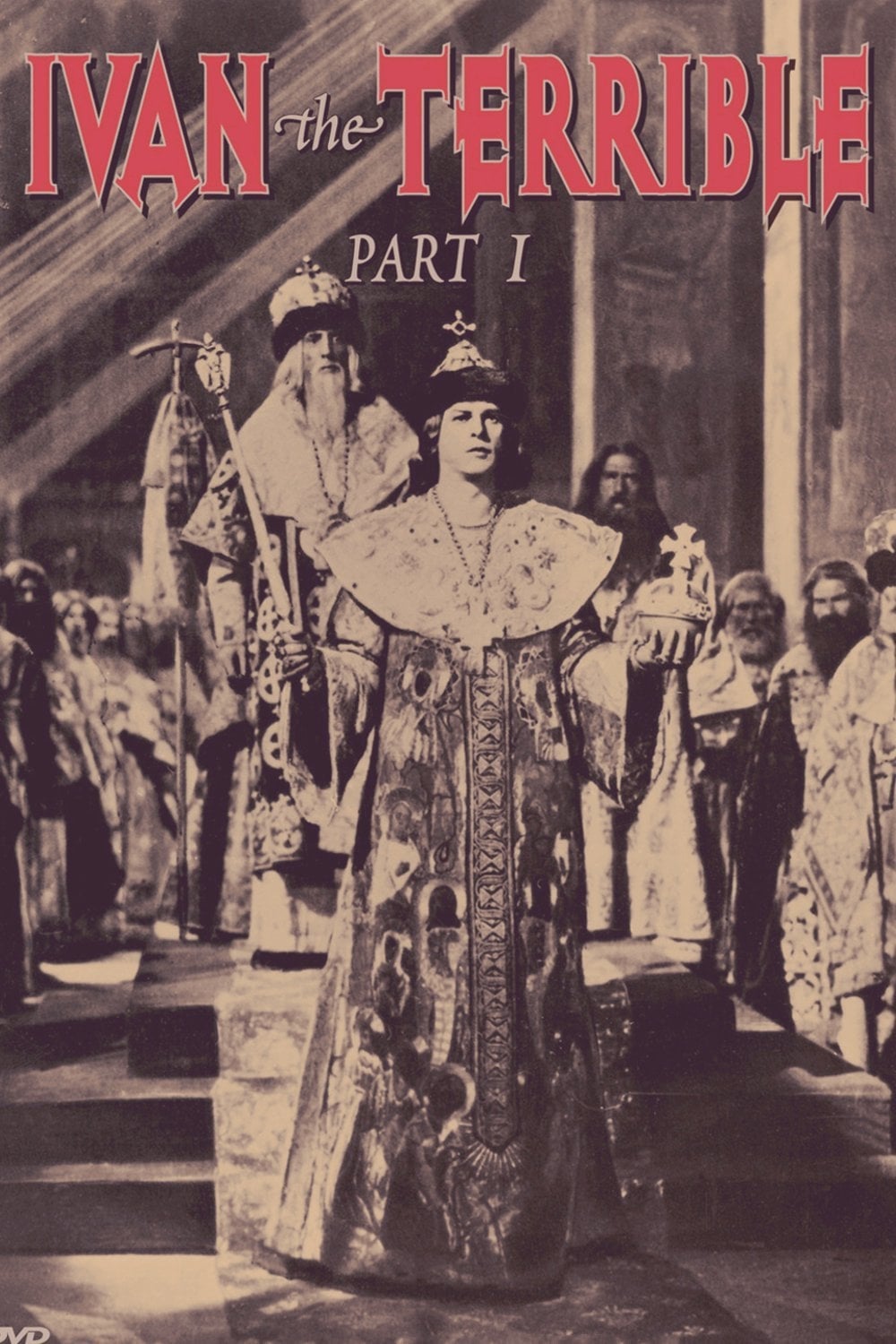
Set during the early part of his reign, Ivan faces betrayal from the aristocracy and even his closest friends as he seeks to unite the Russian people. Sergei Eisenstein's final film, this is the first part of a three-part biopic of Tsar Ivan IV of Russia, which was never completed due to the producer's dissatisfaction with Eisenstein's attempts to use forbidden experimental filming techniques and excessive cost overruns. The second part was completed but not released for a decade after Eisenstein's death and a change of heart in the USSR government toward his work; the third part was only in its earliest stage of filming when shooting was stopped altogether.
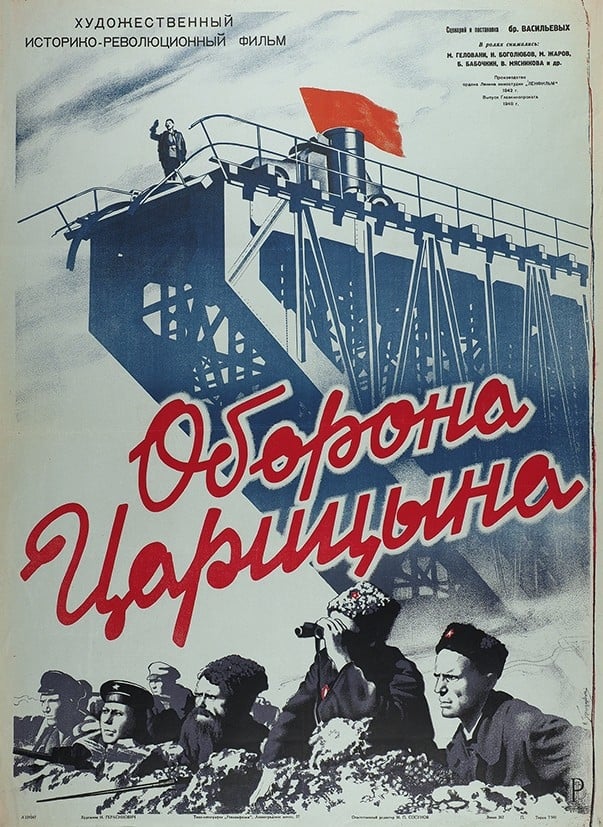
Propaganda film enhancing the role of I.V. Stalin in the defense of the city of Tsaritsyn (subsequently Stalingrad, at present Volgograd) by the red army during the Russian civil war.
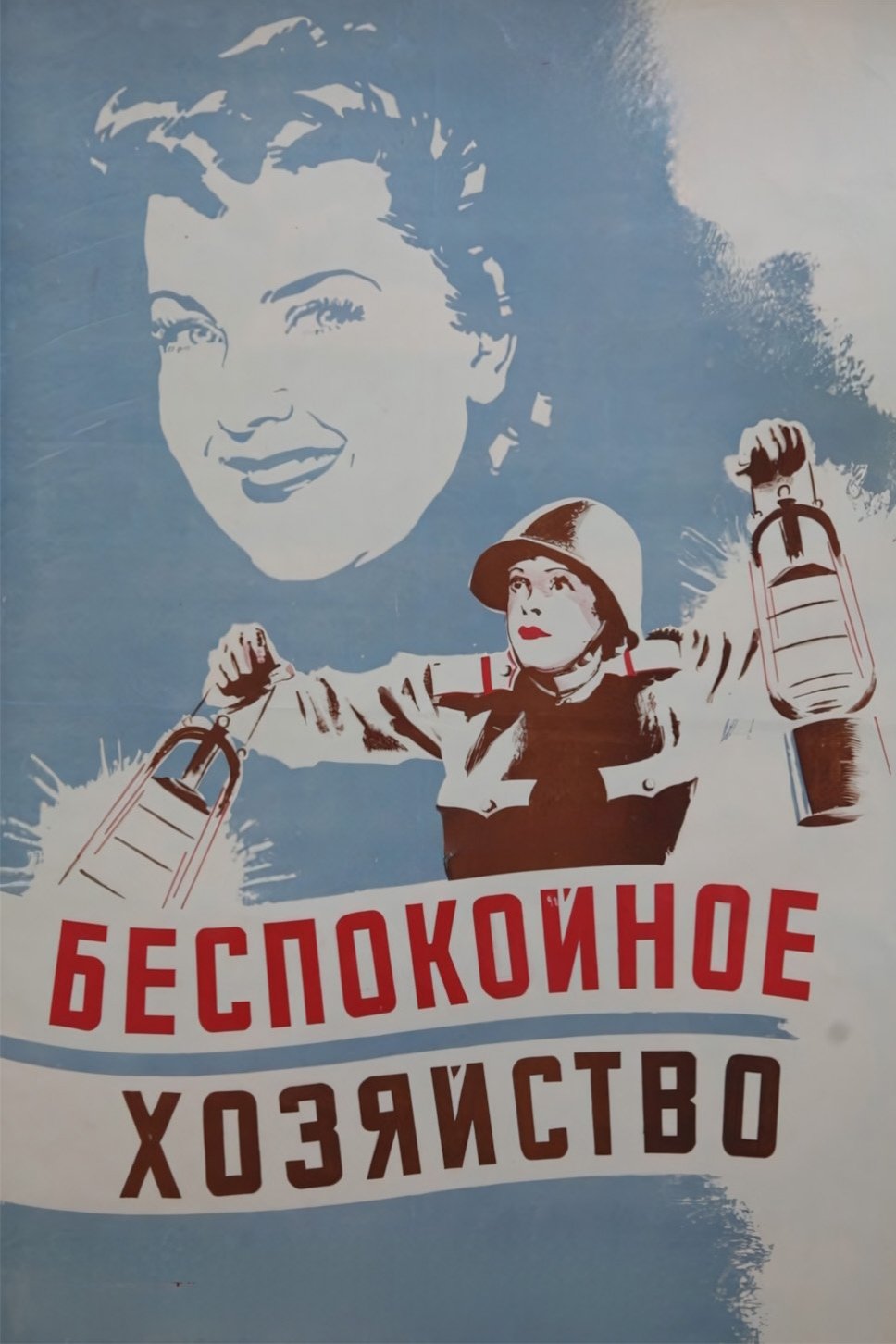
A musical romantic comedy set in Soviet Union during the first years of WWII.
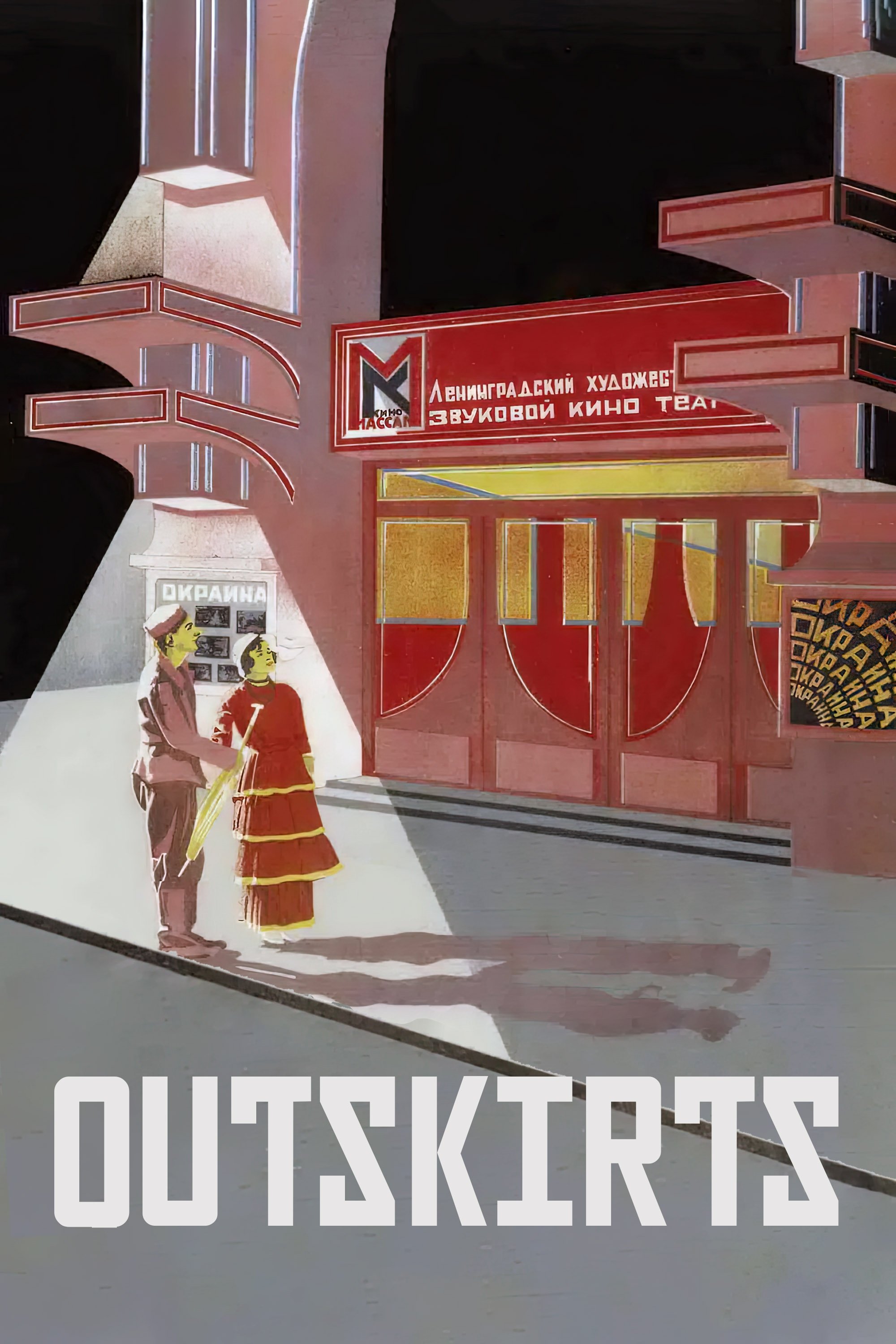
In a remote Russian village during World War I, colourful and nuanced characters experience divided loyalties: family loyalty vs. personal desire, nationalism vs. transcendent humanism.
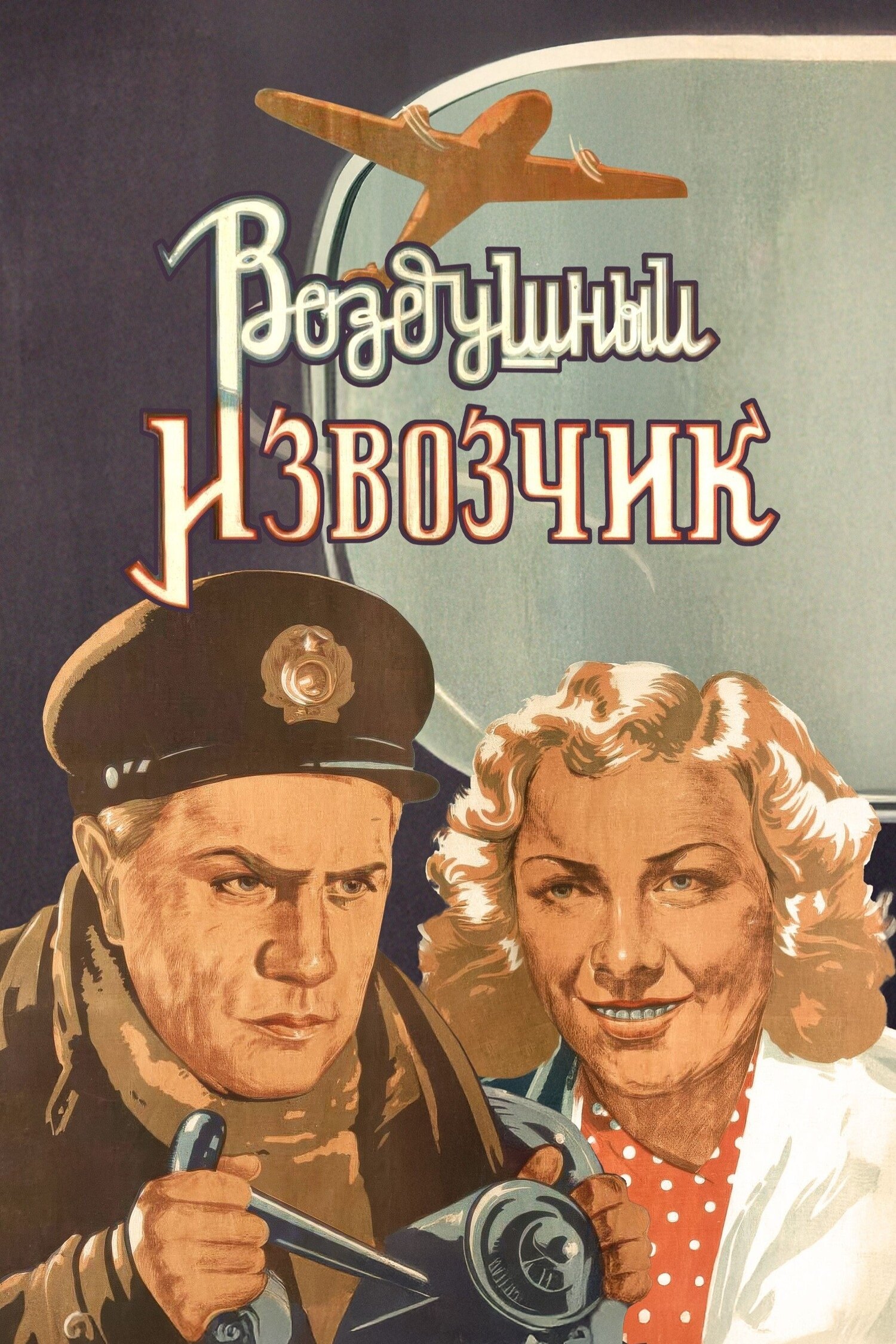
A comedy about an army squad guarding the fake airport during WWII.
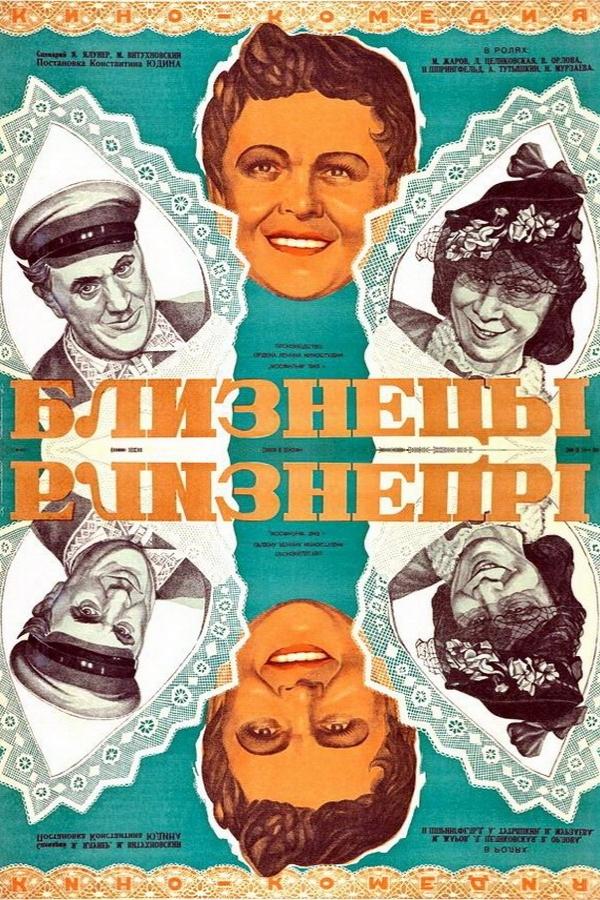
A funny comedy about a lost twins and a lot of good people who are involved in a search for twins' parents.
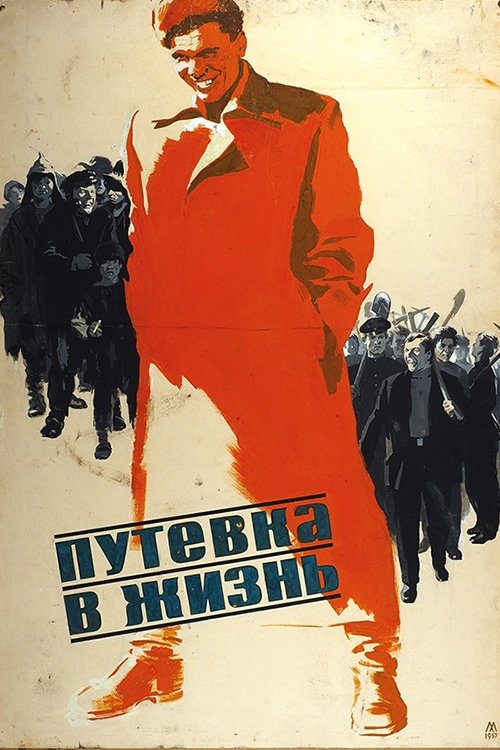
The first Russian talking picture which won a prize at the 1st Venice IFF. The action is set in 1923. The USSR is struggling with hunger and economic ruin. It is a story of homeless teenagers for whom a work commune is set up with the idea of uniting and reforming them.
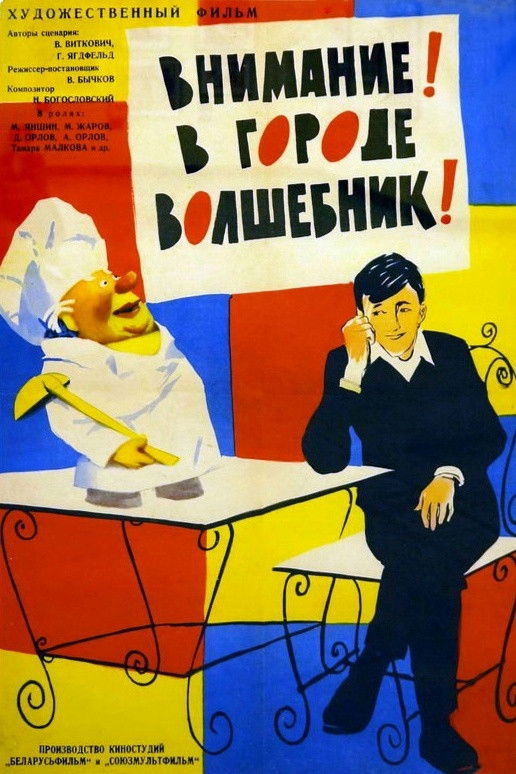
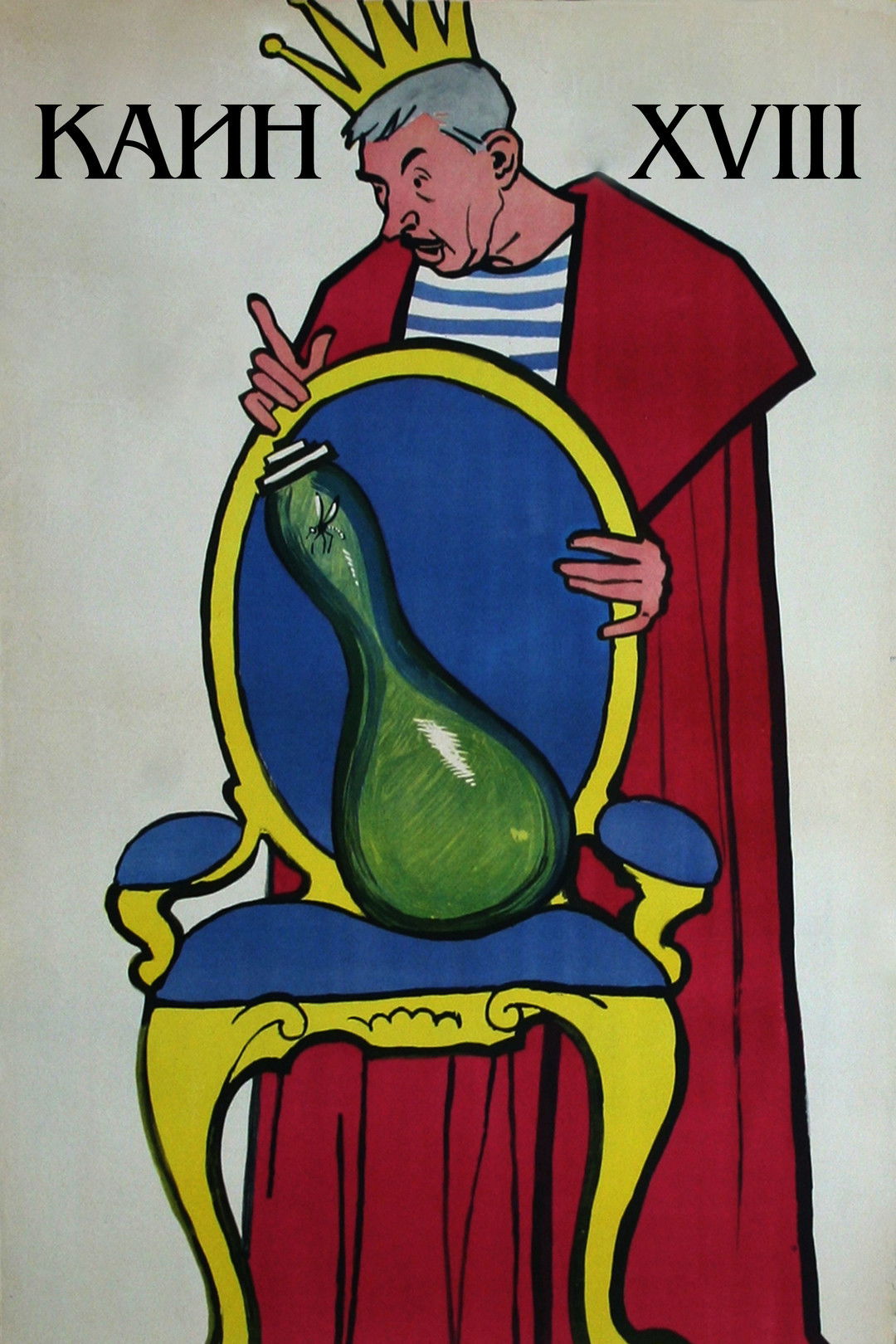
A traveling musician falls in love with a princess who is betrothed to a dictator planning to defeat his enemies with the help of an exploding mutant mosquito.
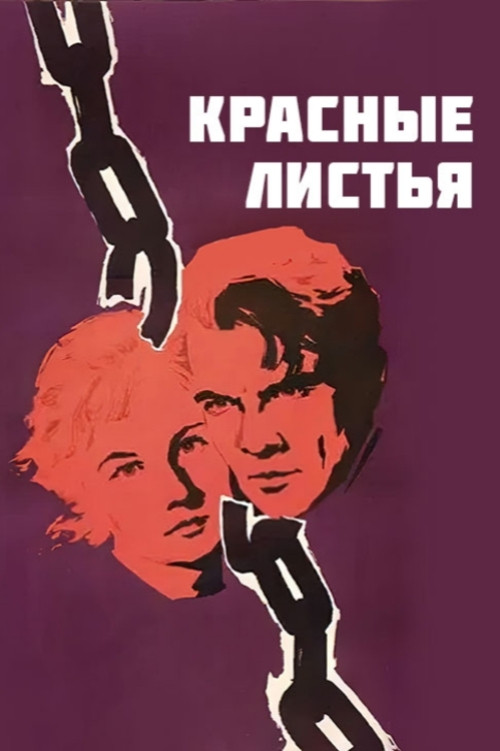
A story is taking place in West Belarus where local rebels are fighting for the unification with Soviet Union during 1930-ies.
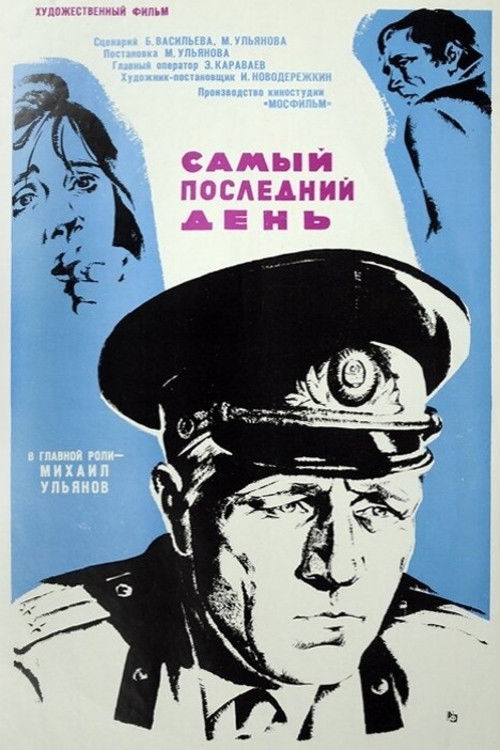
A former front-line soldier, who worked at his post for a quarter of a century, local commissioner Lieutenant Semyon Mitrofanovich Kovalev, going to the department in the morning, was most sad that tomorrow he would no longer have to go to service: tomorrow he would be retired. But the last day of his service ended tragically.
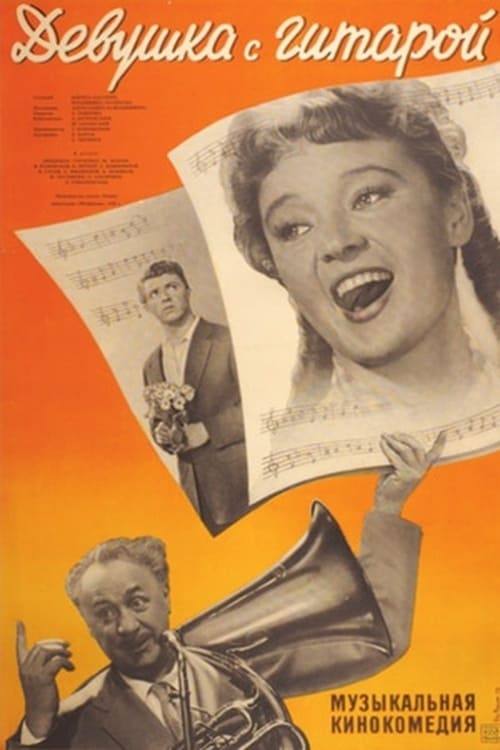
A romantic story about the girl working in the musical instruments store.
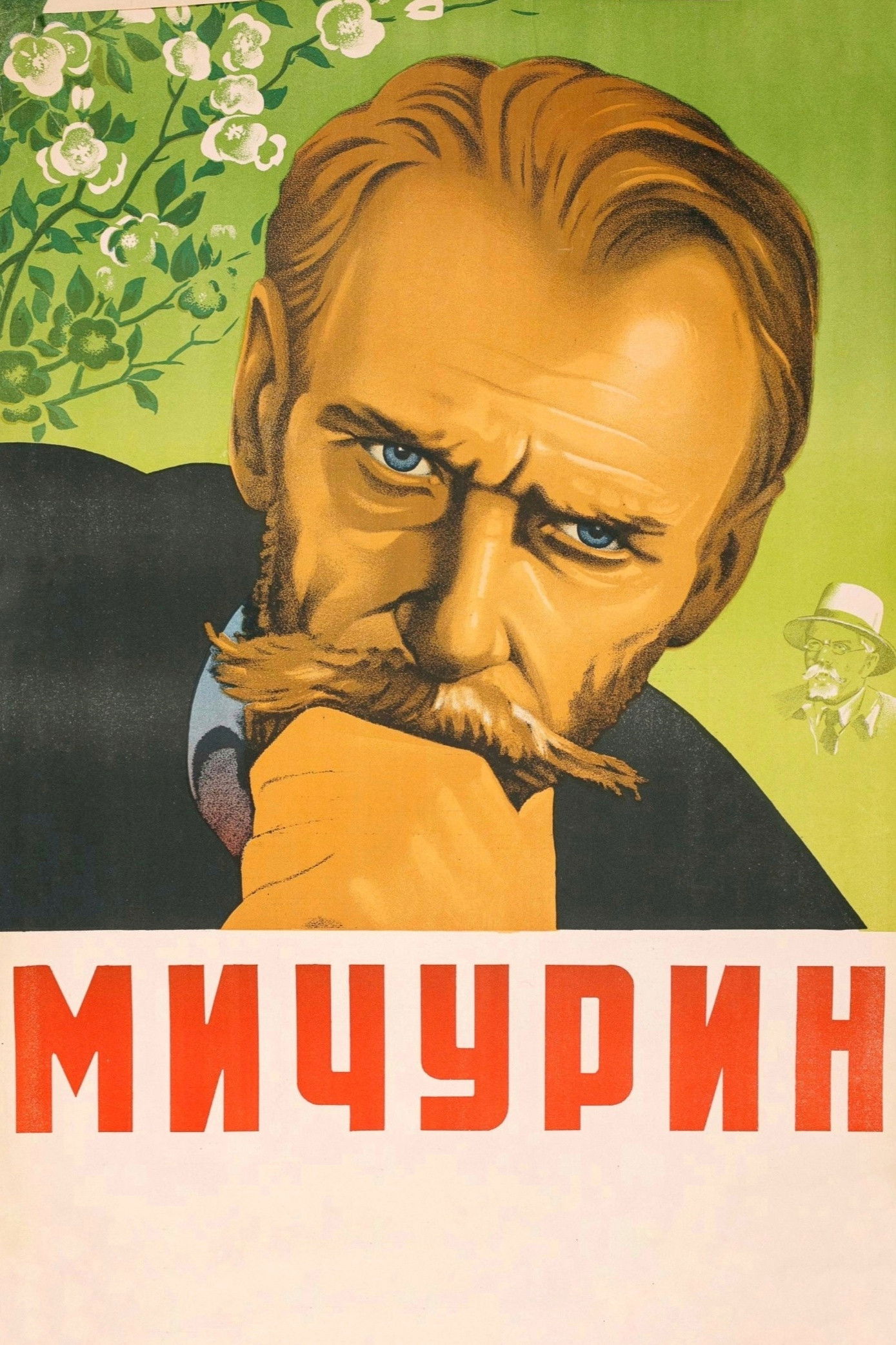
About the life of the Russian biologist Ivan Michurin. 1912 year. Having rejected American offers to work abroad, Michurin continues his research in the Russian Empire, despite the fact that his ideas are not perceived by the tsarist government, the church and idealistic science. Michurin is supported by prominent scientists of the country and he continues to work hard. After the October Revolution, a small Michurin garden in the city of Kozlov (the biologist's homeland) becomes a large state nursery.
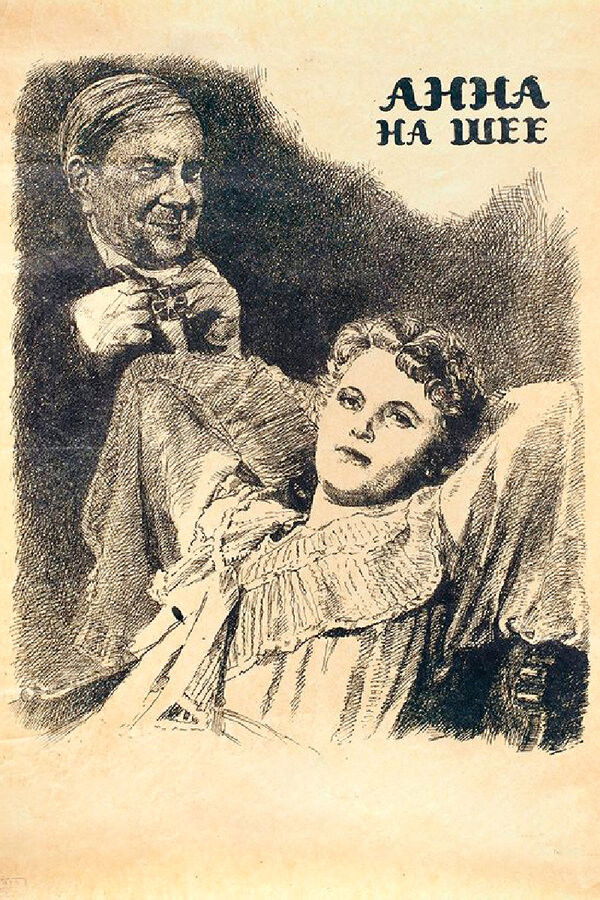
Based on the short story by A. P. Chekhov. Beggar 18-year-old beauty Anna marries a rich 52-year-old official to help her father and brothers. After the death of the mother, the father drinks, the brothers go hungry. For the sake of her relatives, she is ready for anything, even to become the wife of an elderly, rude, vulgar and hated Modest Alexeyevich.
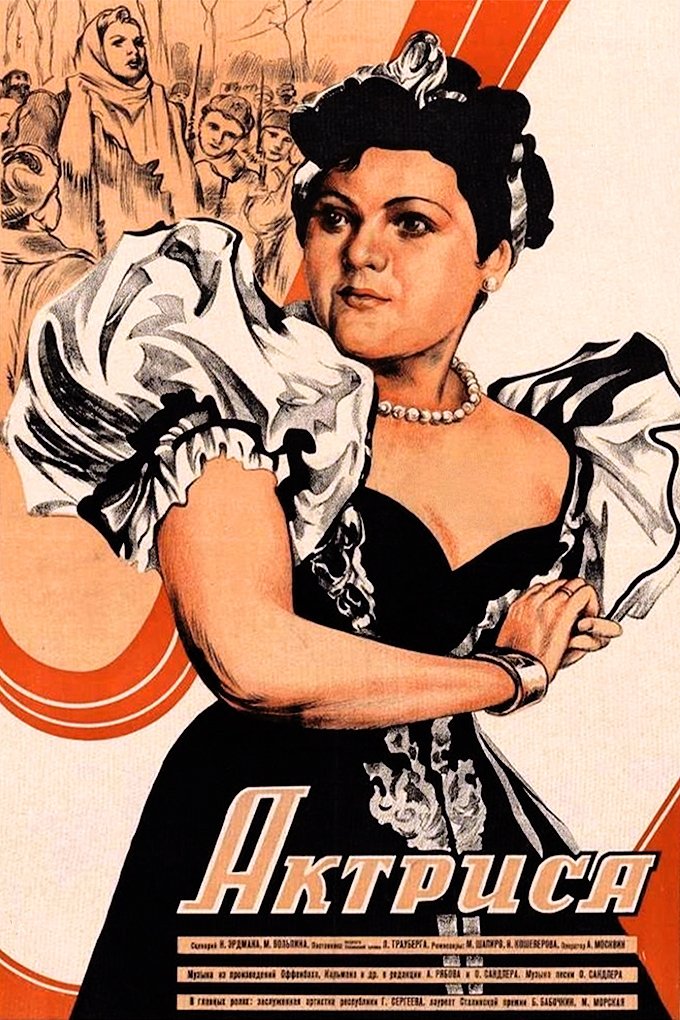
Zoya Vladimirovna Strelnikova, a famous operetta actress, quits the theater and gets a nanny in a military hospital. There she meets the wounded major Peter Nikolayevich Markov.
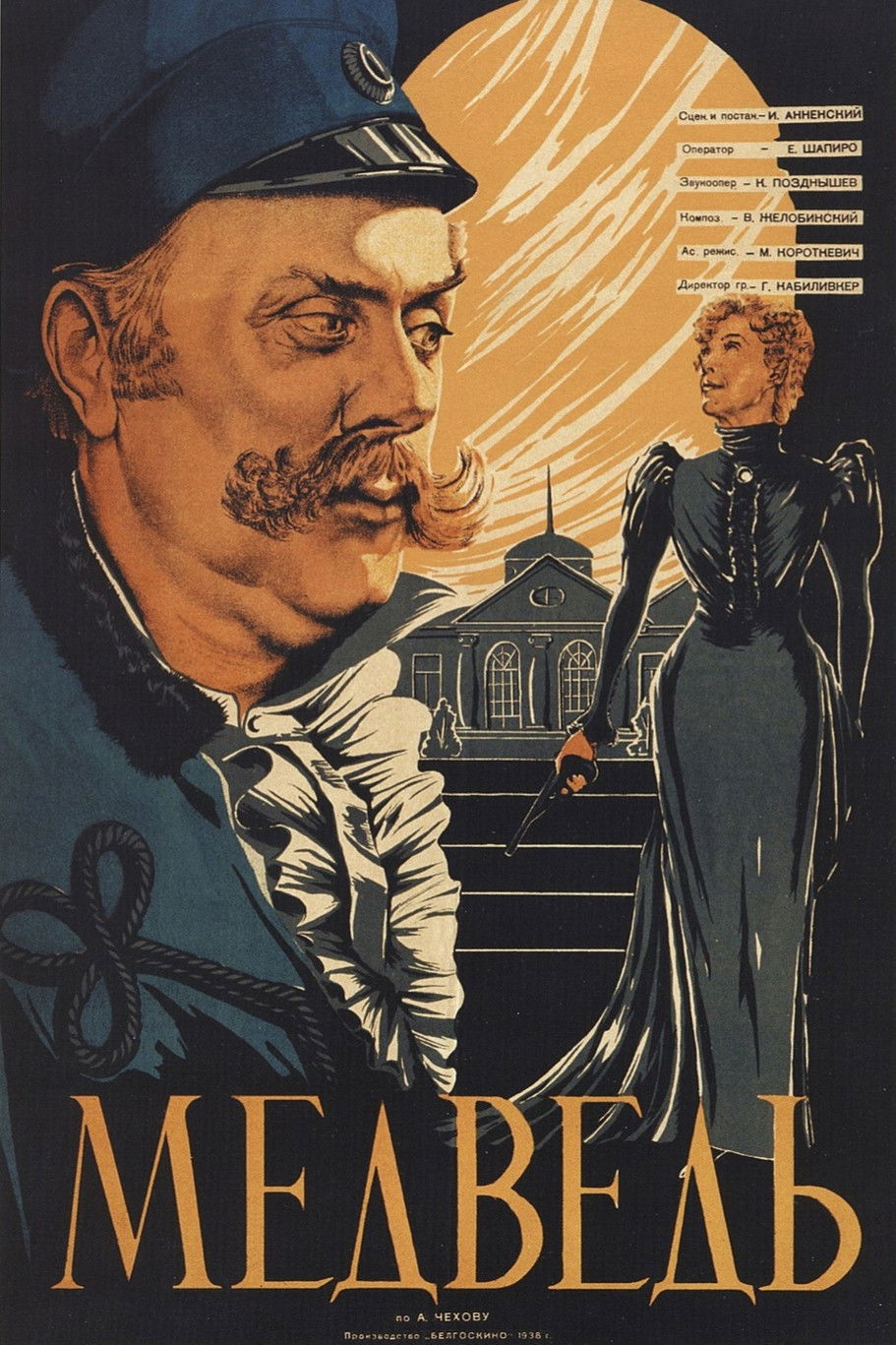
A romantic comedy based on an Anton Chekhov play of the same name. A young man comes to collect a debt owed to him by the widow Popova's late husband. They argue , duel with pistols , and fall in love while all of this is witnessed by Popova's servant Luka.
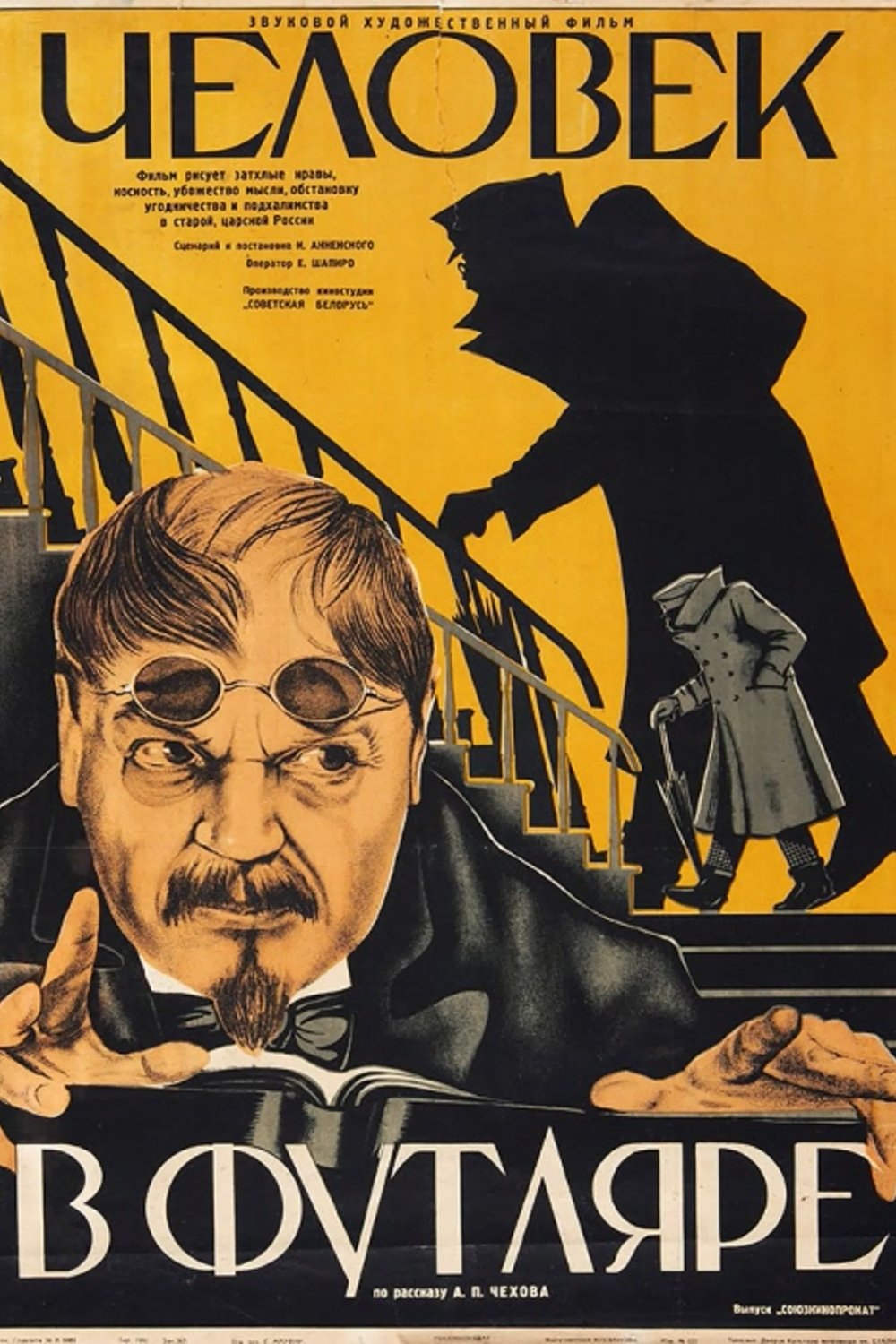
The Greek teacher Belikov, who works in a rural gymnasium, loved to keep things in cases, was afraid of everything and lived himself, as if in a case, on the principle: “no matter what happens”. By this principle, he literally "terrorized" the gymnasium and the villagers. Hope appeared when Varenka arrived in the village - “not a girl, but marmalade”, although she was already aged, and “did not mind being married, even if only to a teacher of the Greek language”.
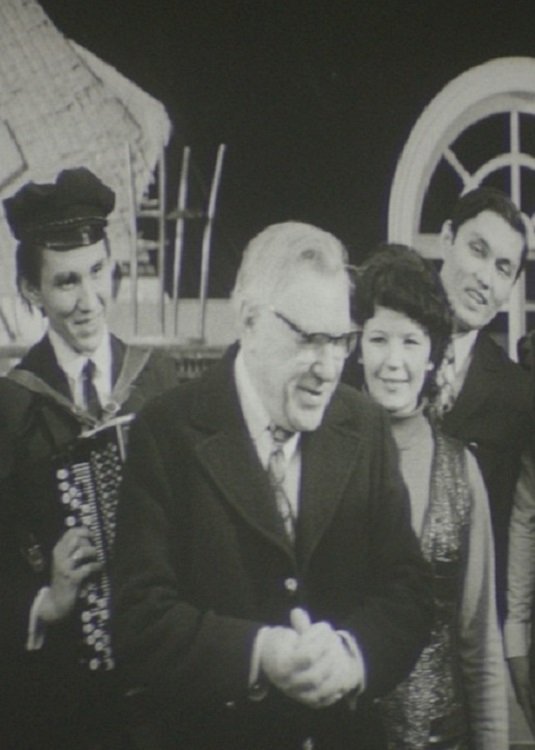
The film Our Friend Maxim is devoted to the life and work of actor and National Artist of the USSR Boris Petrovich Chirkov. This film includes excerpts from his Maxim trilogy, and significant focus is placed on Chirkov’s role as a pedagogue and mentor to young actors.
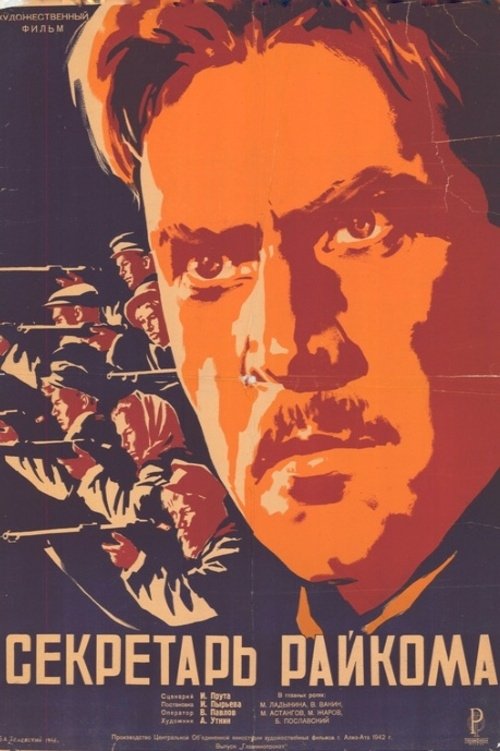
A story about a Secretary of the Communist Party District Committee who is leading partisans in their fight with the Nazis during WWII.
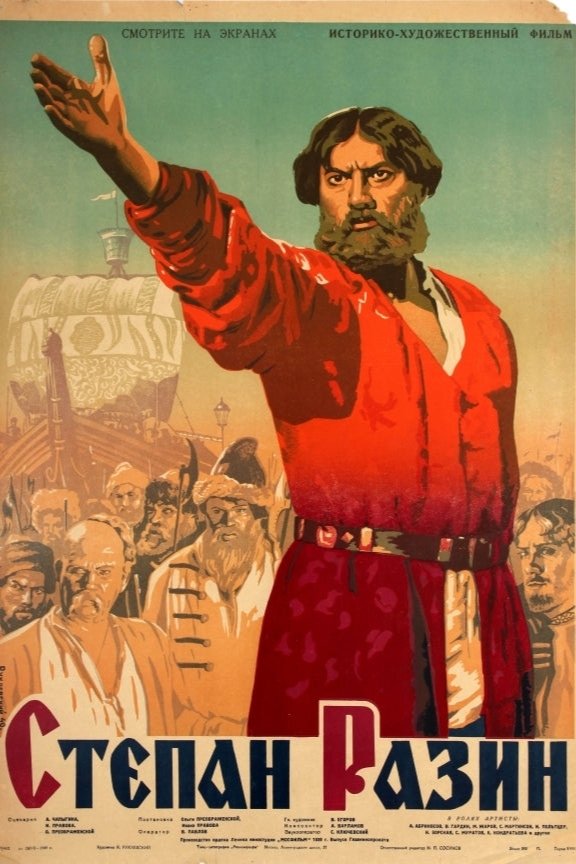
Don Cossack Stepan Razin boyars vowed revenge for his friends tortured torture. As head of the rebellious peasants, he becomes the leader of the whole army. With all the Russian land flock to him humiliated and oskorblennye.Tsar Alexey concerned the growing power Ataman. Church anathematizes Stepan collected in the march on Moscow. Regular king's troops manage to stop rebel forces near the walls Simbirska.Spodvizhniki perish, and the chieftain captured. Severe torture did not break the will of Razin.
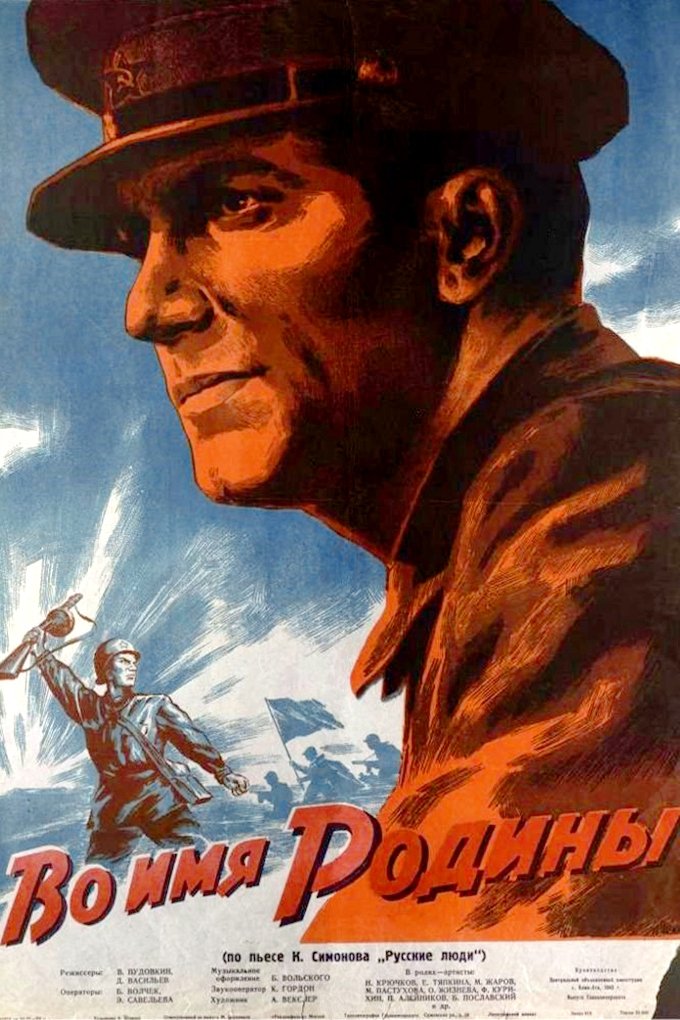
The film deals with a Russian battalion under siege by the Germans during the Second World War.
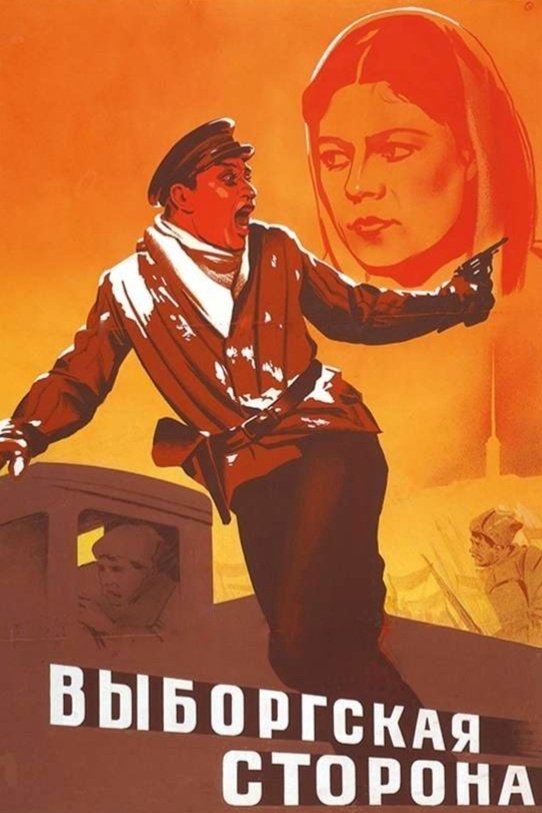
The final part of trilogy about the life of a young factory worker, Maxim. Following the Russian Revolution, Maksim is appointed state commissar in charge of the national bank. With great efforts, he learns the complexies of the banking trade and begins to fight off sabotaging underlings. Dymba, now a violent enemy of the Republic, tries to rob a wine store but is arrested with Maksim's help. Maksim also exposes a conspiracy of a group of tsarist officers who prepare an attempt against Lenin. He then joins the Red Army in its fight against the German occupation.
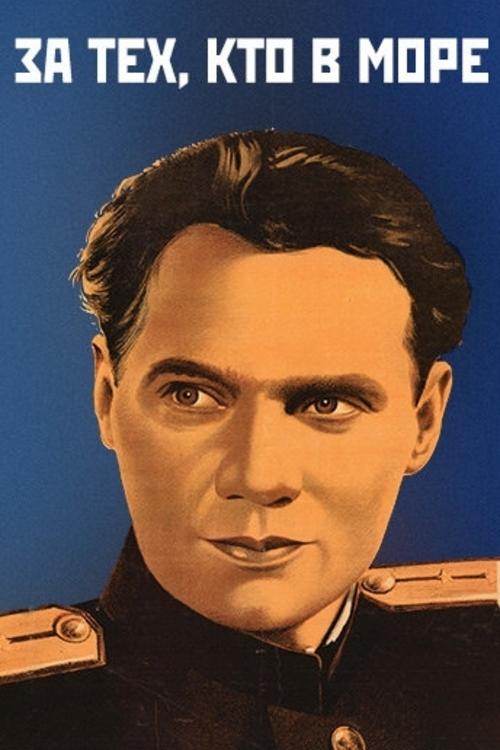
The film is about the sailors who fought on torpedo boats in the Great Patriotic war.

Two young people love each other. Both studied in Kiev: he at a teacher training college, she at the conservatory. But their paths diverged: Gleb went to work as a teacher on the virgin lands, while Lisa got married and stayed in Kyiv. Time passes. Lisa, whose family life has not worked out, comes to Gleb in the virgin lands with the secret hope of taking him back to Kyiv...
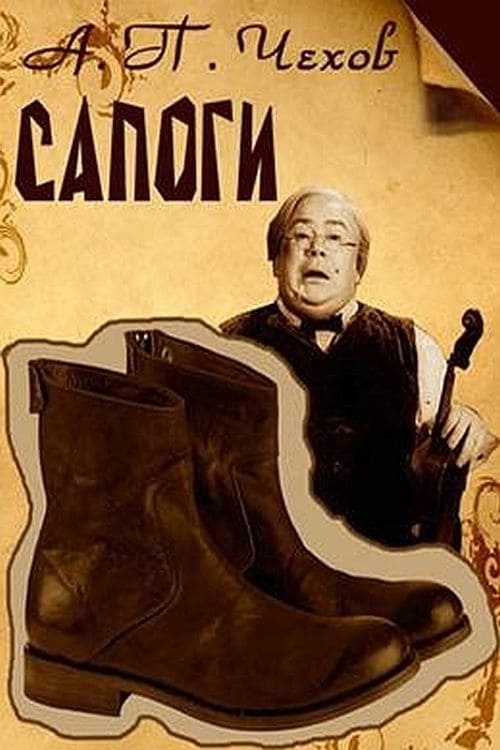
The piano tuner Murkin, an elderly and sickly man, sets out in the morning to find his boots, in which his neighbor's overnight guest has mistakenly left.
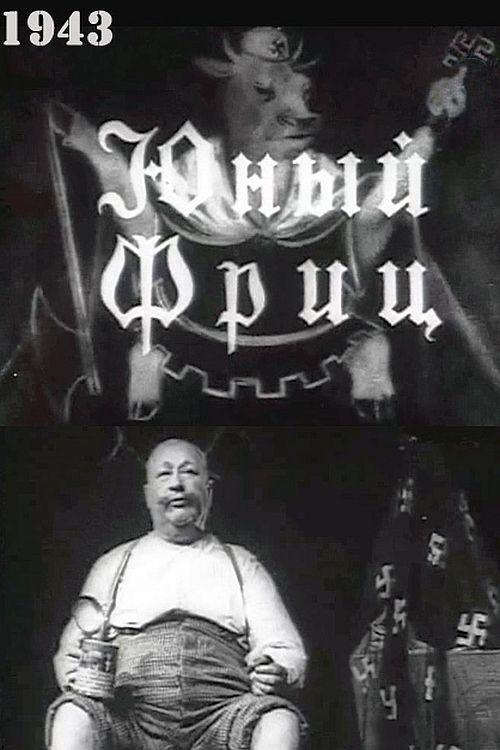
War-time satire about the inhumanity of the nazis. Based on Samuil Marshak's play which was extremely popular among soldiers at the front.
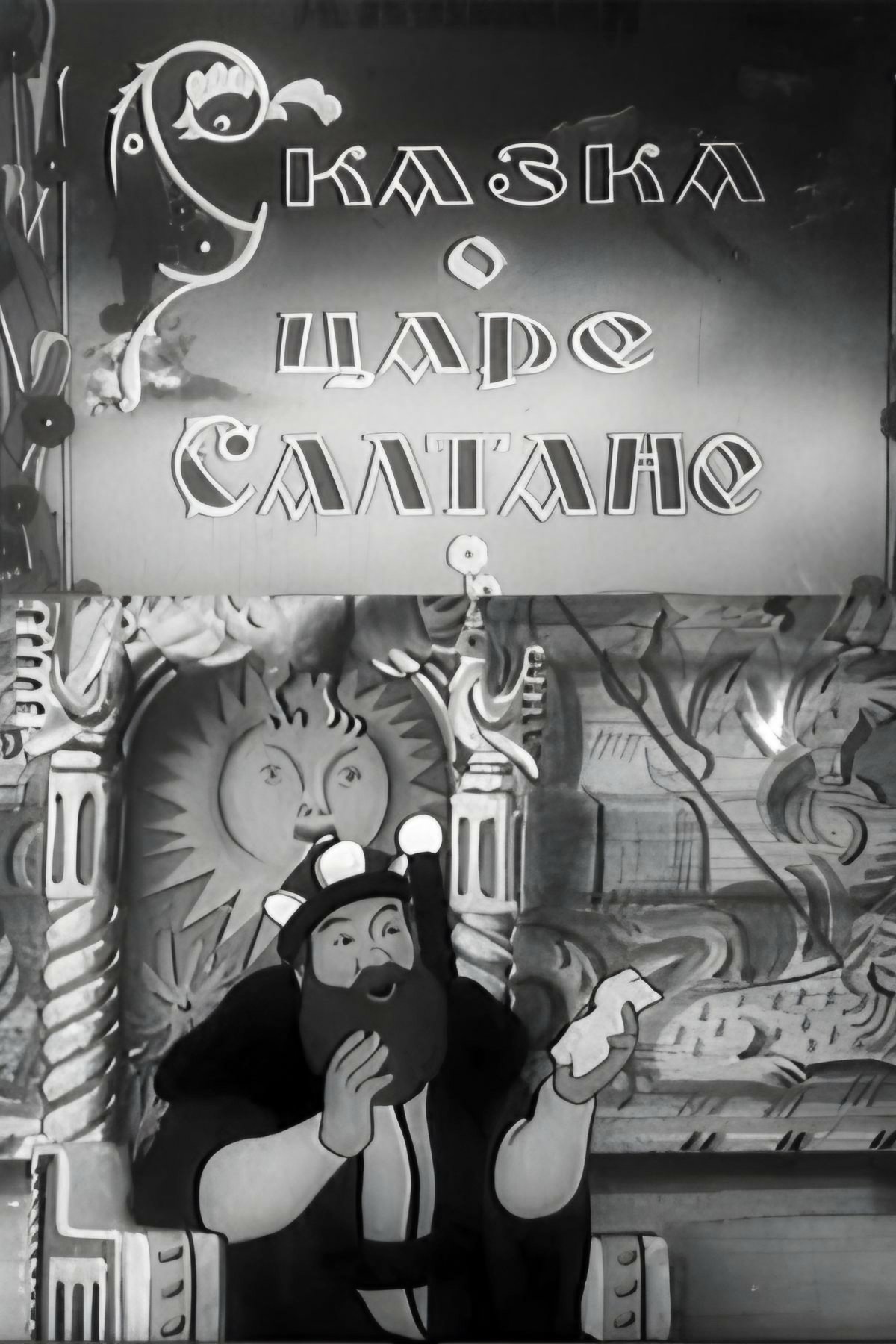
The story is about three sisters. The youngest is chosen by Tsar Saltan to be his wife. He orders the other two sisters to be his royal cook and weaver. They become jealous of their younger sister. When the tsar goes off to war, the tsaritsa gives birth to a son, Prince Gvidon (Gvidón.) The older sisters arrange to have the tsaritsa and the child sealed in a barrel and thrown into the sea. The sea takes pity on them and casts them on the shore of a remote island, Buyan. The son, having quickly grown while in the barrel, goes hunting. He ends up saving an enchanted swan from a kite bird. The swan creates a city for Prince Gvidon to rule, but he is homesick, so the swan turns him into a mosquito to help him. In this guise, he visits Tsar Saltan's court, where he stings his aunt in the eye and escapes. Back in his realm, the swan gives Gvidon a magical squirrel. But he continues to pine for home, so the swan transforms him again, this time into a fly.
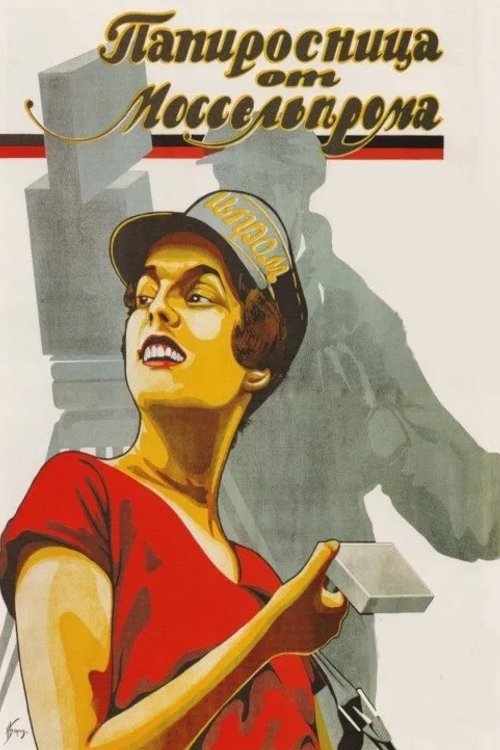
As she works in her tedious office job, Maria Ivanovna dreams about being married, and she has particular hopes that her co-worker Nikodim Mityushin will take an interest in her. Nikodim, though, is in love with Zina, who sells cigarettes on the sidewalk, and he frequently buys cigarettes from her even though he does not smoke. One day, a film crew uses Zina as an extra in an outdoor scene, and the cameraman, Latugin, falls in love with her. Latugin soon arranges an acting job for Zina. To complicate matters further, Zina has yet another admirer in Oliver MacBride, an American businessman who is visiting Moscow.
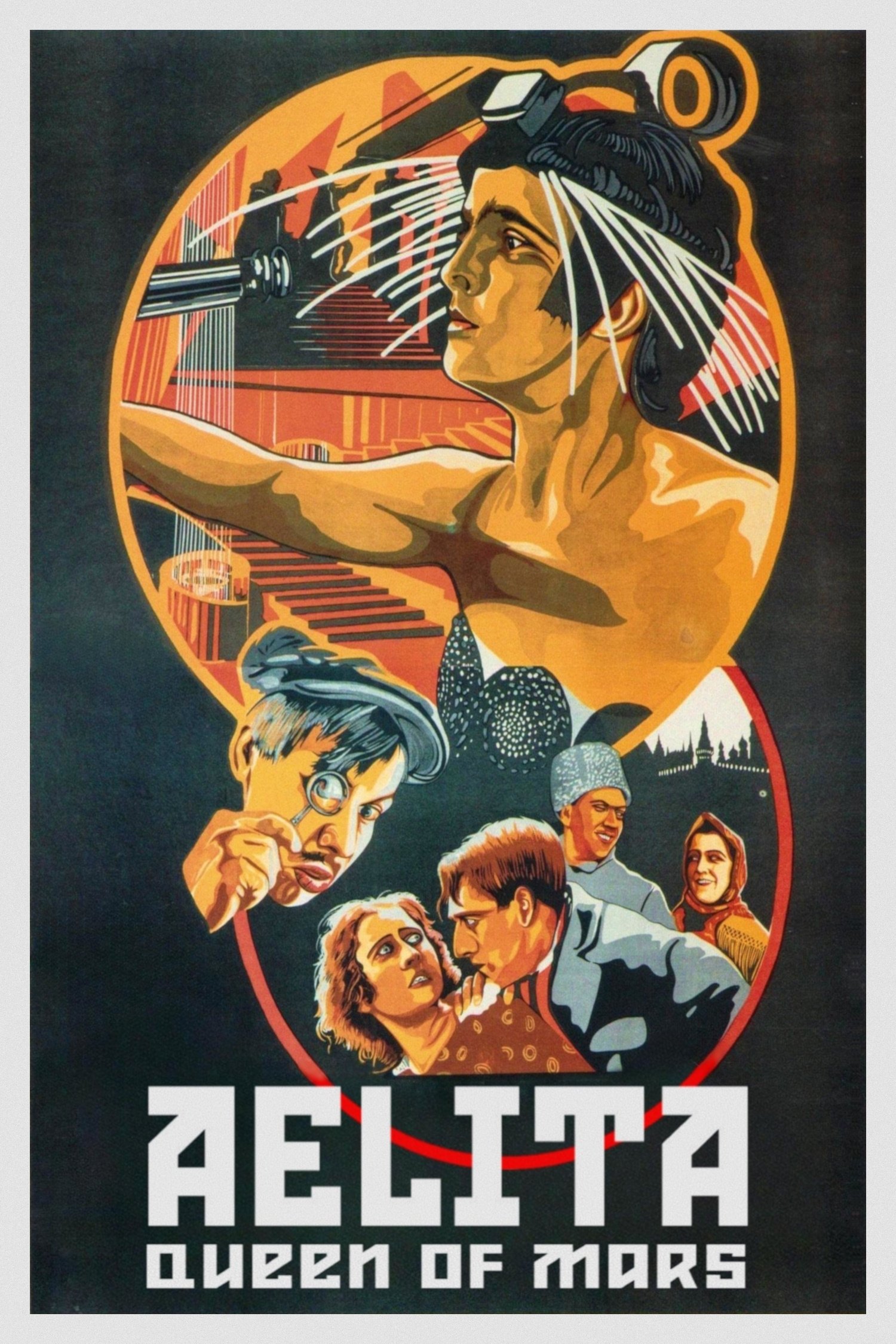
A young man travels to Mars in a rocket ship, where he leads a popular uprising against the ruling group with the support of Queen Aelita, who has fallen in love with him after watching him through a telescope.
The main protagonists of the film are Katya (Varvara Popova), the daughter of a factory worker and Andrey (Ivan Koval-Samborsky), the son of the former owner of the factory who illegally returns to the USSR to find treasures hidden by his father. The film title refers to the Communist party's appeal, after Lenin's death, to enlarge its membership.
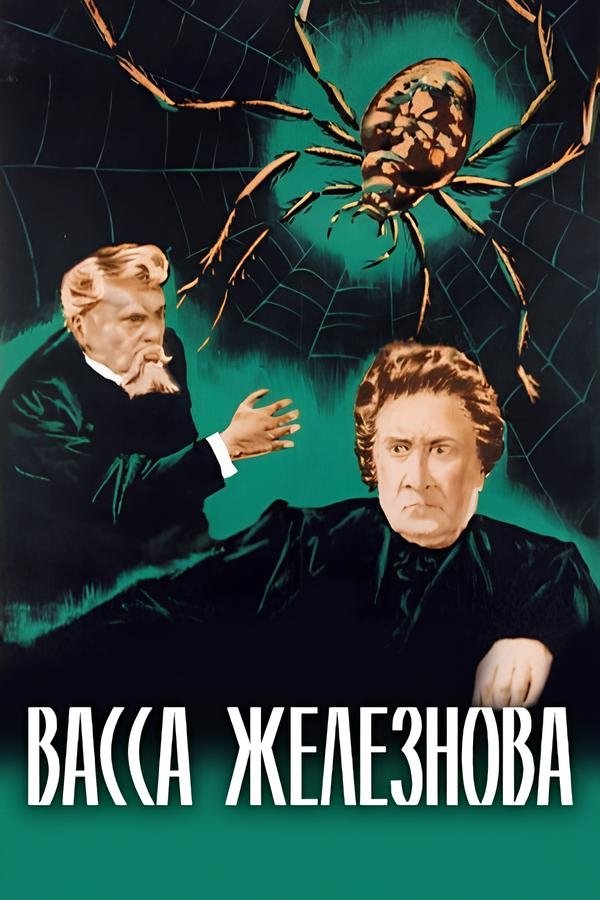
The tragedy of a talented and strong woman who built the well-being of her family on blood and blood. And well-being turned out to be just as false and ghostly.
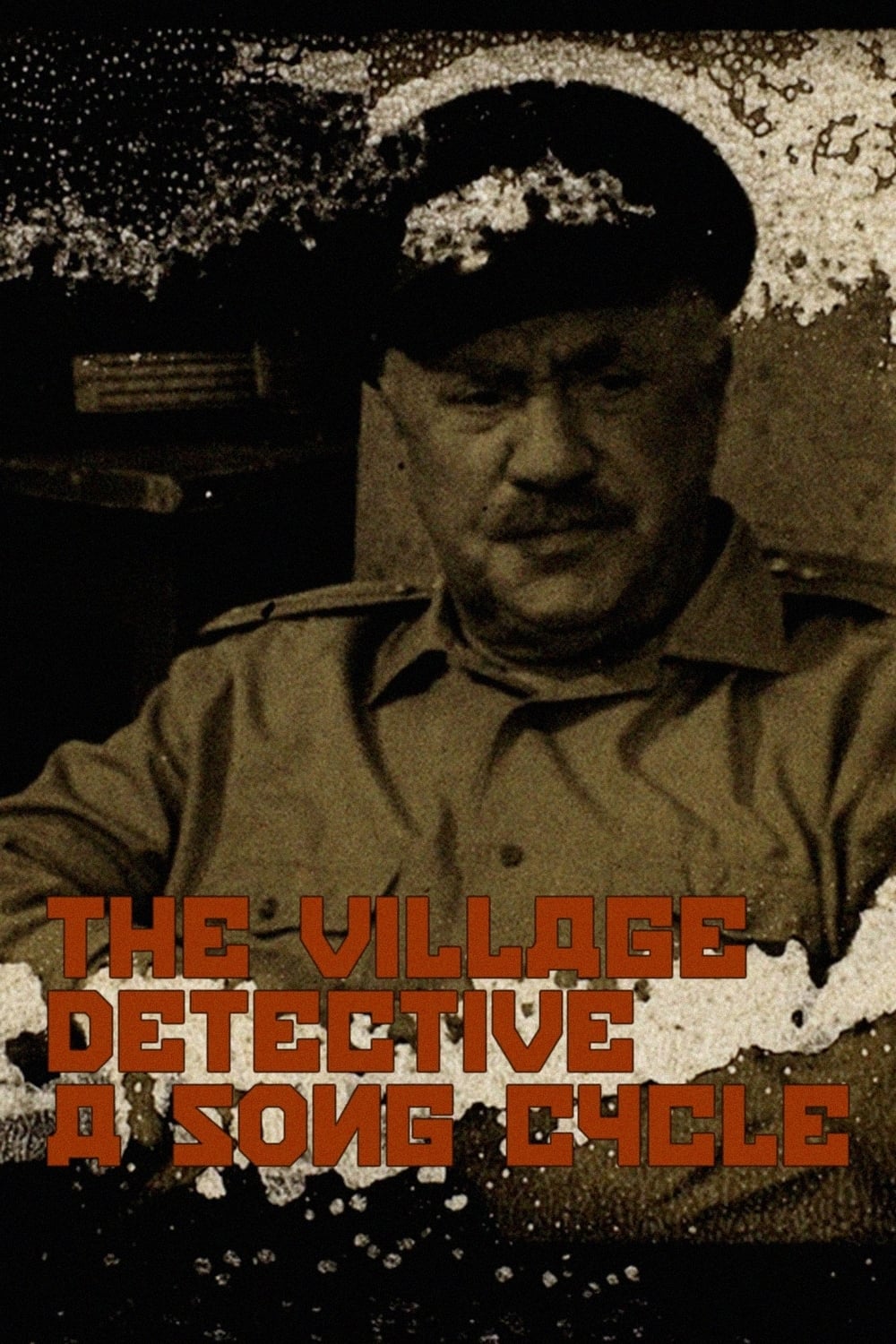
Atlantic Ocean, off the coast of Iceland, July 9, 2016. The surprising discovery of a canister —containing four reels of The Village Detective (Деревенский детектив), a 1969 Soviet film—, caught in the nets of an Icelandic trawler, is the first step in a fascinating journey through the artistic life of film and stage actor Mikhail Ivanovich Zharov (1899-1981), icon and star of an entire era of Russian cinema.

About an international brigade that fought during the years of the civil war in Donbass. About how people of different nationalities, dreaming of a peaceful life, begin to rebuild the destroyed economy.
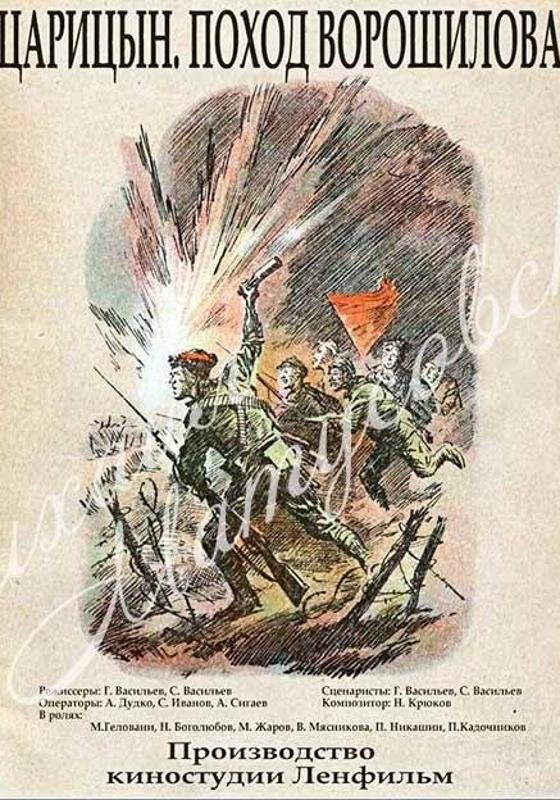
The film takes us back to the summer of 1918 and tells the story of how Voroshilov, under the noses of a 300,000-strong German corps, pulled 80 trains loaded with valuable cargo, materials, ammunition, and equipment out of Donbass. With a 15,000-strong army and 50,000 refugees from Ukraine, occupied by Germany, in Tsaritsyn. It was an unprecedented campaign, unparalleled in world military history, because it involved marching 500 km through territory occupied by the White Cossacks, under the command of some of the most capable tsarist cavalry generals, Mamontov and Fitzhelaurov.
Partially lost adventure film for children based on popular short stories by Sergey Grigoryev.
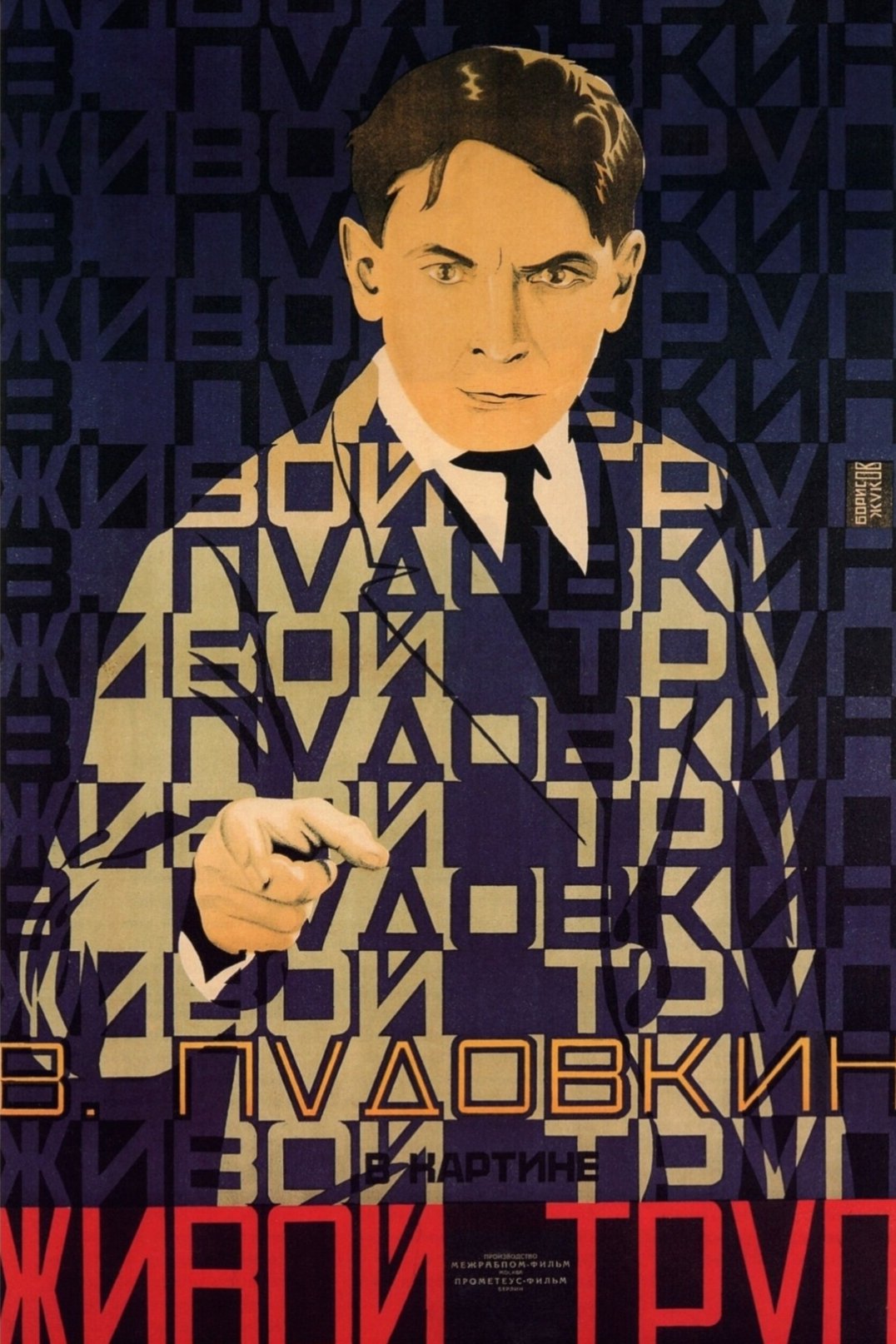
The central character of the play, Fedor Protasov, is tormented by the belief that his wife Liza has never really chosen between him and the more conventional Victor Karenin, a rival for her hand. He wants to kill himself, but doesn't have the nerve. Running away from his life, he first falls in with Gypsies, and into a sexual relationship with a Gypsy singer, Masha.
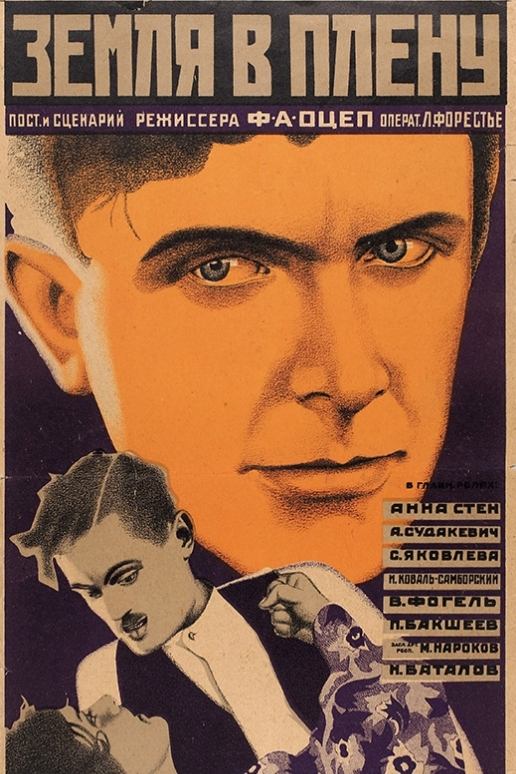
Jacob, a farmer, returns from the war to his wife Marie and begs the landlord baron for a plot of land to rent. The Baron grants the request, but only for a barren, rocky, useless acreage. The pair struggle to make do on this land, but then the Baron demands that Maria leave her husband to serve as wet nurse to his married daughter Anya's new baby, on threat of eviction. While nursing the daughter's baby, Maria receives unwelcome attentions from the daughter's husband, and a scandal erupts, ruining Maria in her husband's eyes. When she escapes from her employers and seeks to return home, the police give her the yellow passport signifying a prostitute, further degrading her. She approaches home, unsure of the reception that awaits her.

Adaptation of Jack Londos's short story "The South of the Slot". Partially lost.
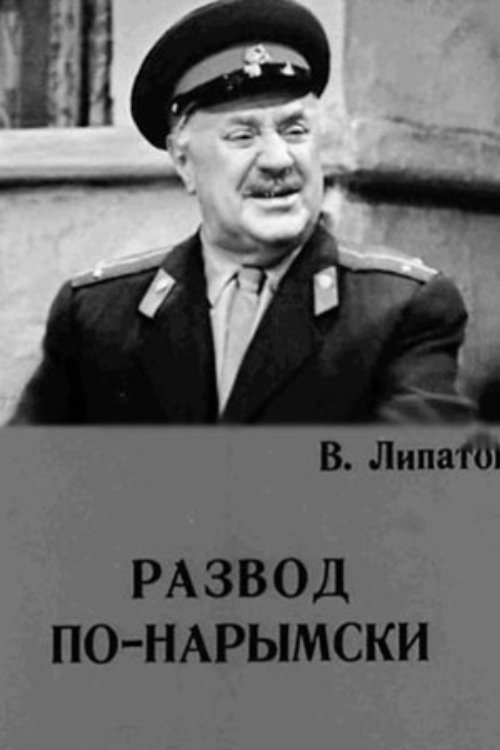
About the district officer Fyodor Ivanovich Aniskin, who maintains order and legality in his native collective farm.
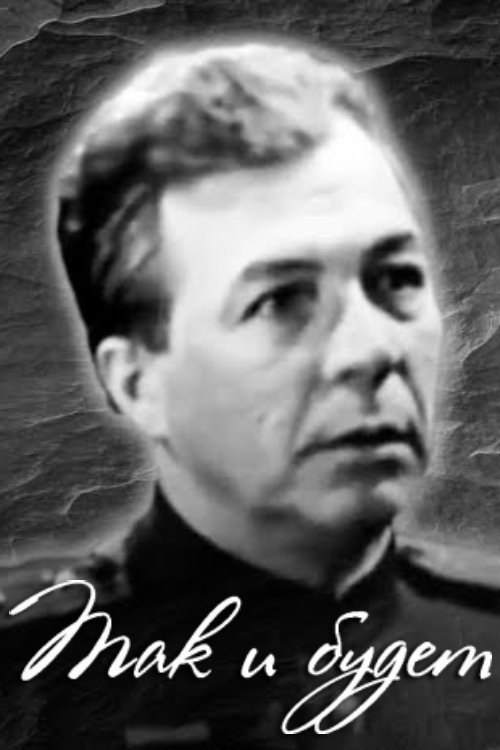
Based on the play of the same name by K. Simonov, in the production of the State Academic Maly Theatre of the USSR. The events of September 1944 are described, when military engineer Saveliev arrives in Moscow for a few days. In his apartment, he finds new tenants—the Vorontsov family. A mutual love sparks between him and Olya…
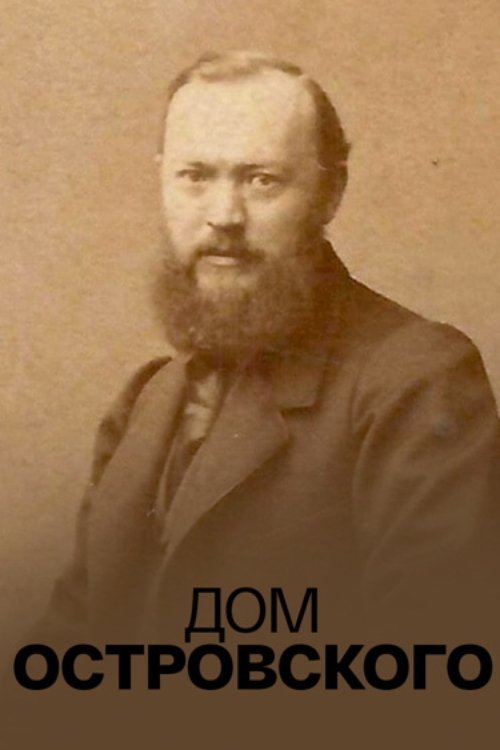
A production of the State Academic Maly Theater. The film, dedicated to the memory of Alexander Nikolayevich Ostrovsky, includes fragments of plays based on the playwright's plays: "We'll settle accounts with our own people", "Thunderstorm", "Wolves and Sheep", "The Abyss", "The Snow Maiden", "The Heart is not a Stone", "It Shines but Doesn't Warm", "Mad Money", "The Truth is Good, but Happiness is Better", and "It's not all for naught".
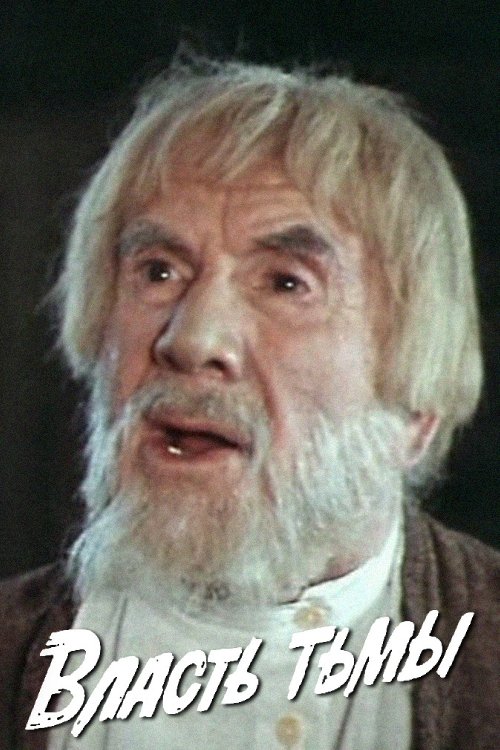
Based on Leo Tolstoy's drama "The Power of Darkness, or the Claw is Faded, the whole bird is lost" staged by the State Academic Maly Theater of the Union of Soviet Socialist Republics.
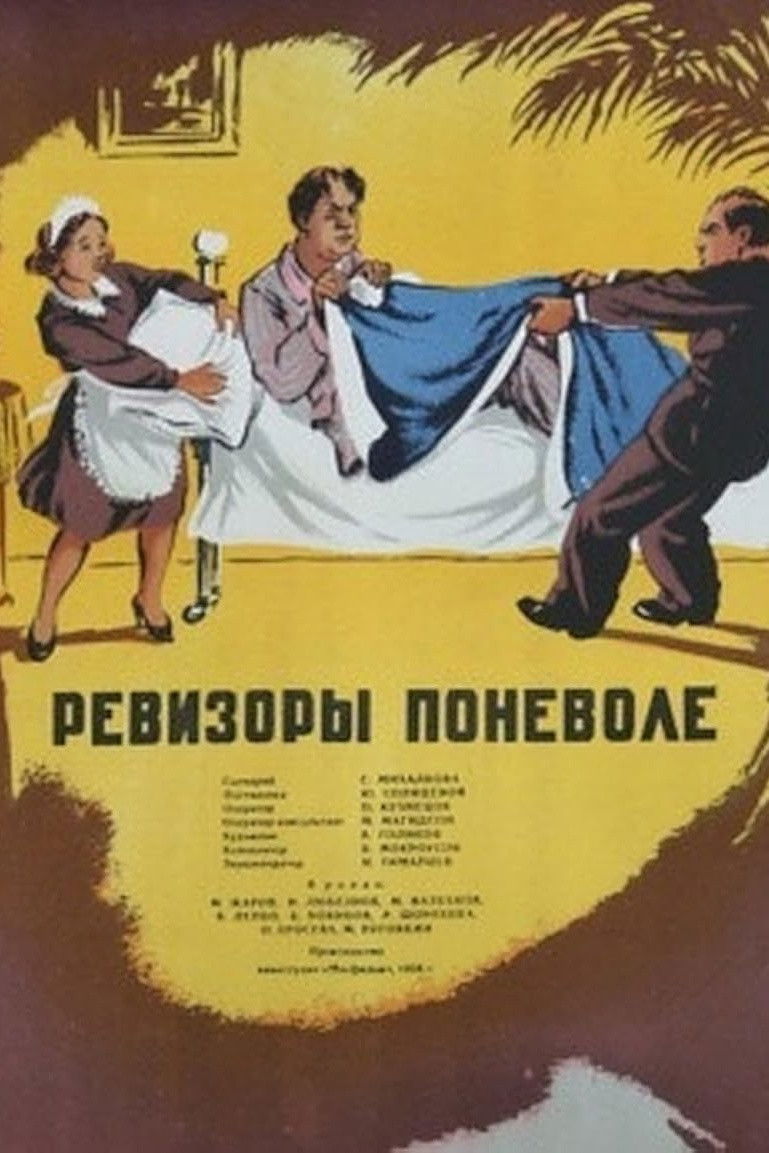
Two business travelers, Laptev and Rusakov, staying at a small town hotel, were surprised by the care that the service staff showed them. It turns out that the hotel administrators, lazy and bureaucratic, accepted the new guests as capital auditors. But it soon turns out that the real auditor has been living in one of the rooms for three days and has already started working as a hotel staff member.
Docu-drama about political and military conflict during the Russian Civil War in 1918, from an orthodox pro-Communist viewpoint.
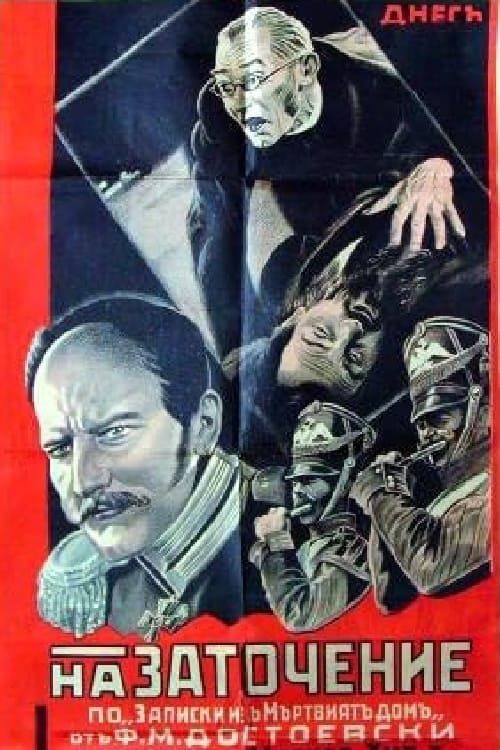
Soviet film based on Dostoevsky's autobiographical novel of his prison experiences in Tsarist days.