
A masked girl sits in a store window in New York, writing cards to demonstrate a fountain pen. Everybody is curious about her because she is so pretty, and she becomes nicknamed "the Angel in the Mask." A certain boy from the country, Bob Singleton, chances to pass the window. He is forlorn because he cannot get work. The masked girl holds up a card, on which is written a word of friendly encouragement. At the boarding-house where the boy is staying a robbery and murder are committed, incriminating evidence is found in Singleton's room, and he is taken to prison.
J. Courtleigh Brice, son of a self-made father, lives abroad where he does little except spend the money his father has left and lament the fact that he is not of noble birth. Some business connected with his estate brings him back to America. On the wharf he is buttonholed by reporters, who put him down as one who finds American women "loud," and quote his declaration that he will marry no one except a titled gentlewoman.
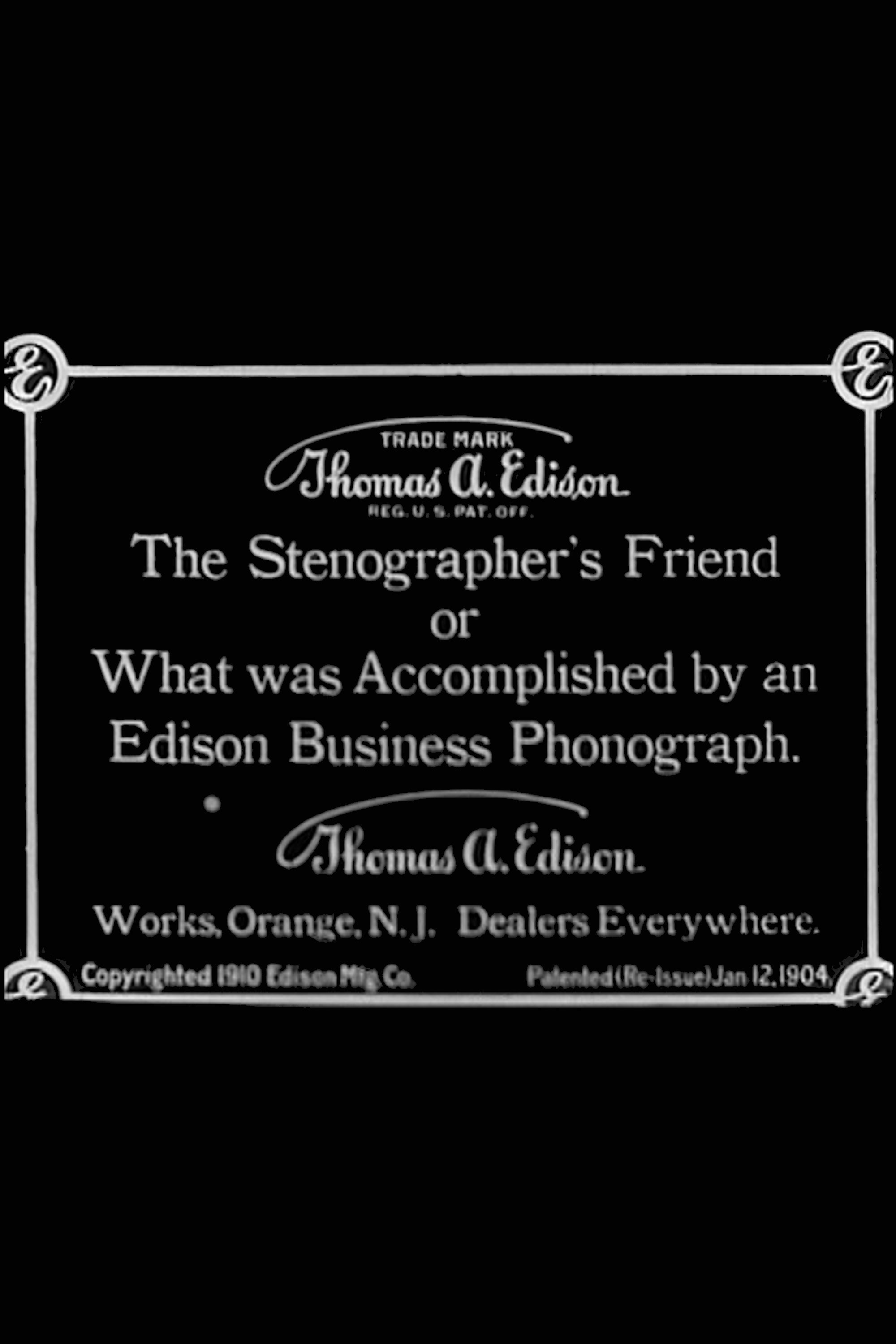
It's a busy day at the office, and the stenographer is exhausted from trying to keep up with the demands on her skills. Even when she stays late, she cannot catch up with all of the work. But then a man comes into the office to demonstrate the many advantages of the Edison System, his company's new business phonograph.
A poor young boy goes on a field trip and dreams of escaping to a land beyond the sunset.
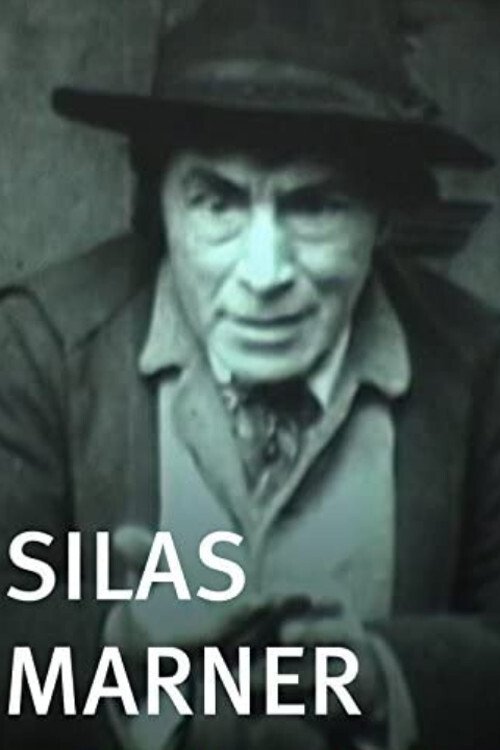
After having been wrongly accused of murder and robbery, a heretofore kindly and gregarious weaver becomes a nasty, bitter, lonely old miser. Originally a seven-reel picture, a three-reel re-release survives.

In the home of the stalwart young son and his mother, the girl rescued from the sea grows strong again after her fearful exposure. Her attractiveness, so different from that of the fisher maidens, has a telling effect on the young man. He asks her, at length, to become his bride, and she accepts. But a few days before the wedding the affianced bride disappears, sailing away with a strange man from the city, who has suddenly appeared. Thinking that his sweetheart had deserted him for another, the fisherman is heartbroken for a time, but gradually the keen edge of his sorrow wears away, and he succumbs to the attractions of another girl, one who had recently come to the village with her father, and who had lived together and alone at the end of the town.
Young broker Donald Baxter is ruined financially and resolves to "come back" and start life afresh. He does so, returning incognito at the end of 5 years. He purchases his old home, but gives out the impression that it is his valet, Mr. Hawkins, who is the successful "Klondyke Millionaire." His one-time fiancée and her purse-proud mother at once endeavor to cultivate Hawkins, whom Baxter prevails upon to enter society, much to his discomfiture. Meanwhile, Baxter, passing as a still-poor man, meets and falls in love with pretty Mabelle Arnold, the Porters' ward. Eventually, the true identities of Hawkins and Baxter are disclosed, causing haughty Mrs. Porter and her daughter Helen much chagrin and pretty Mabelle much pleasure, as she and Baxter plan to share sorrows and joys.
A tale of English political intrigue. A certain member of Parliament, whose voice and vote would have passed an objectionable measure, is prevented from reaching the house in time by the opposition's subterfuge of a girl calling for assistance just as he passed her house. The young lady being an actress merely re-enacts a scene from the amateur theatricals she appeared in. The plan works holding him until it is too late to take part in the debate or vote upon the question and the bill did not pass.
Day after day, O'Hara watched the roses wither on his daughter Cathleen's cheeks, and his longing to free her from the work and danger of her job intensified when, in the suddenness of fate, an accident on his machine nearly took her away entirely.

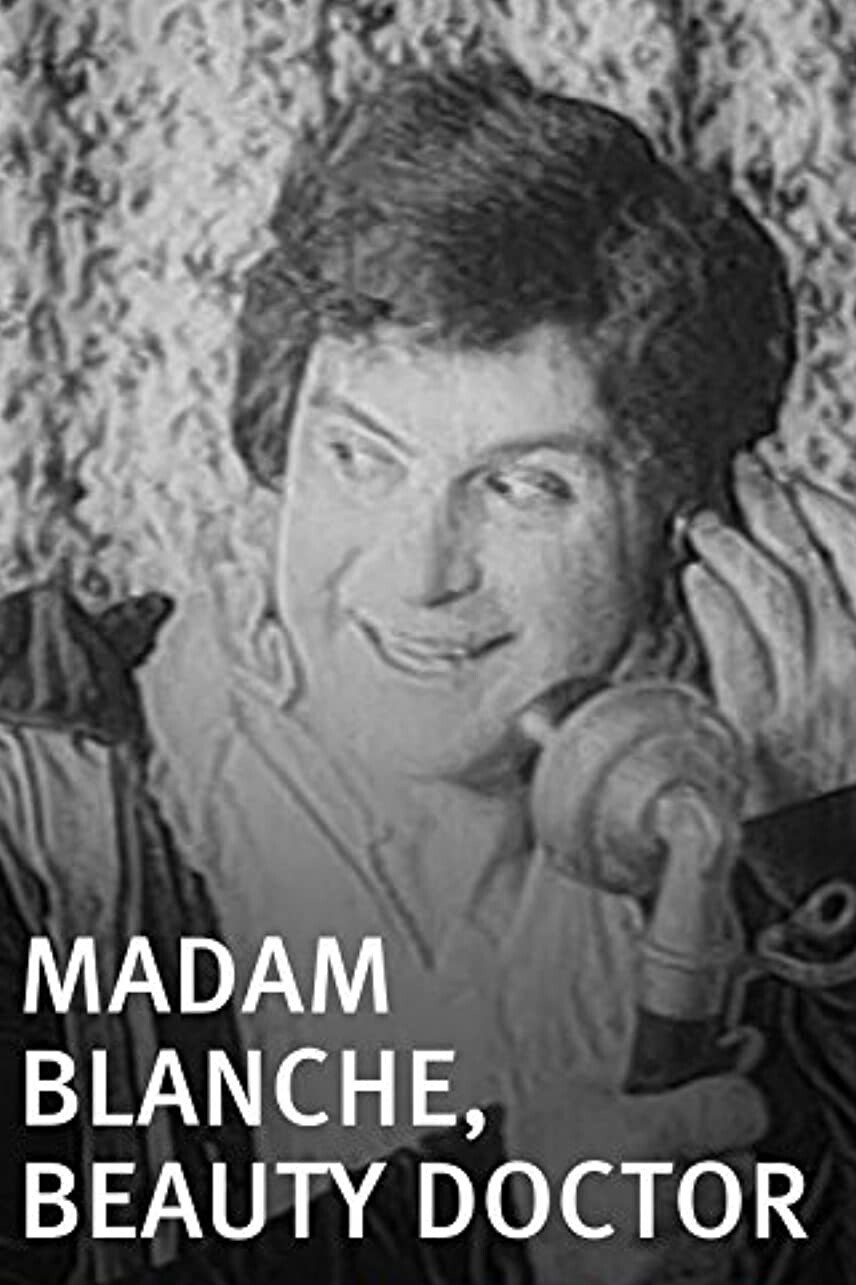
A good example of the clever light comedy Thanhouser produced for its Falstaff label, while other studios cranked out broad slapstick comedies. Harry Benham and Mignon Anderson were versatile and popular Thanhouser stars, here showing considerable skill in light comedy, a genre that invites plenty of satirical social observation such as the burgeoning beauty-salon industry here. Cinema technique shows much more intricate editing and freer use of closeups than just a year or two earlier.
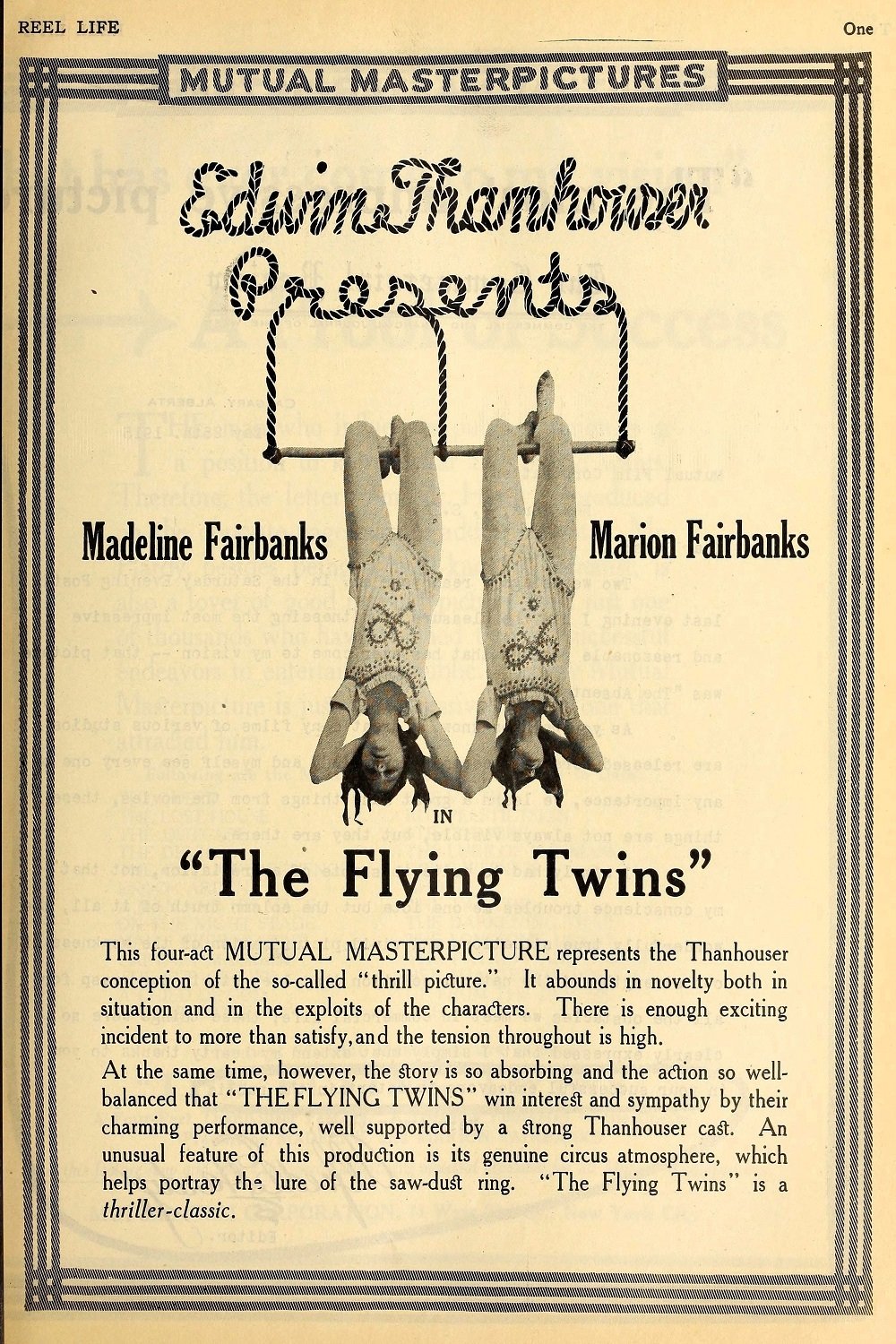
John Rapley, head of Associated Baking Companies, executes a commercial coup that raises the price of bread to 6 cents a loaf. The price increase has a devastating effect on Mary Quinn, a Valencian factory girl who supports her younger brother Joel and sister Norah. Because of the higher cost, Mary can no longer afford to buy as much bread as she previously could for her family, impacting her ability to provide for them.
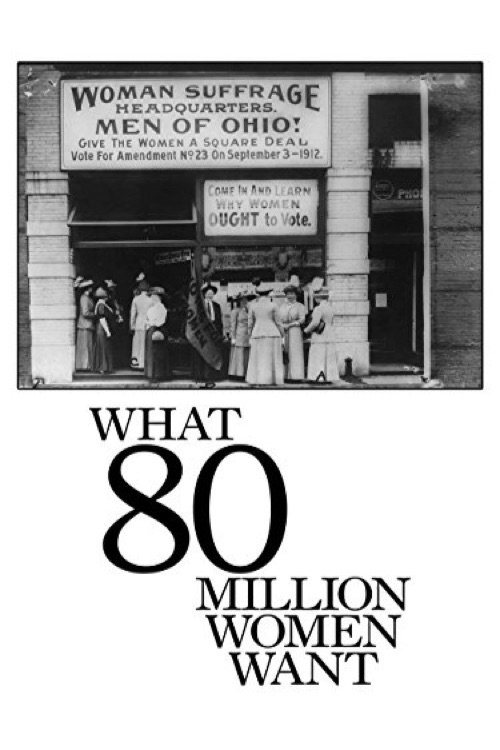
The women's suffrage movement inspired this silent film classic that includes appearances by equal rights crusaders Emmeline Pankhurst and Harriet Stanton Blatch. As politicos work to deny women the right to vote, a young lawyer tells his activist girlfriend of the corruption within the government that actively seeks to ensure that her voice is never heard.