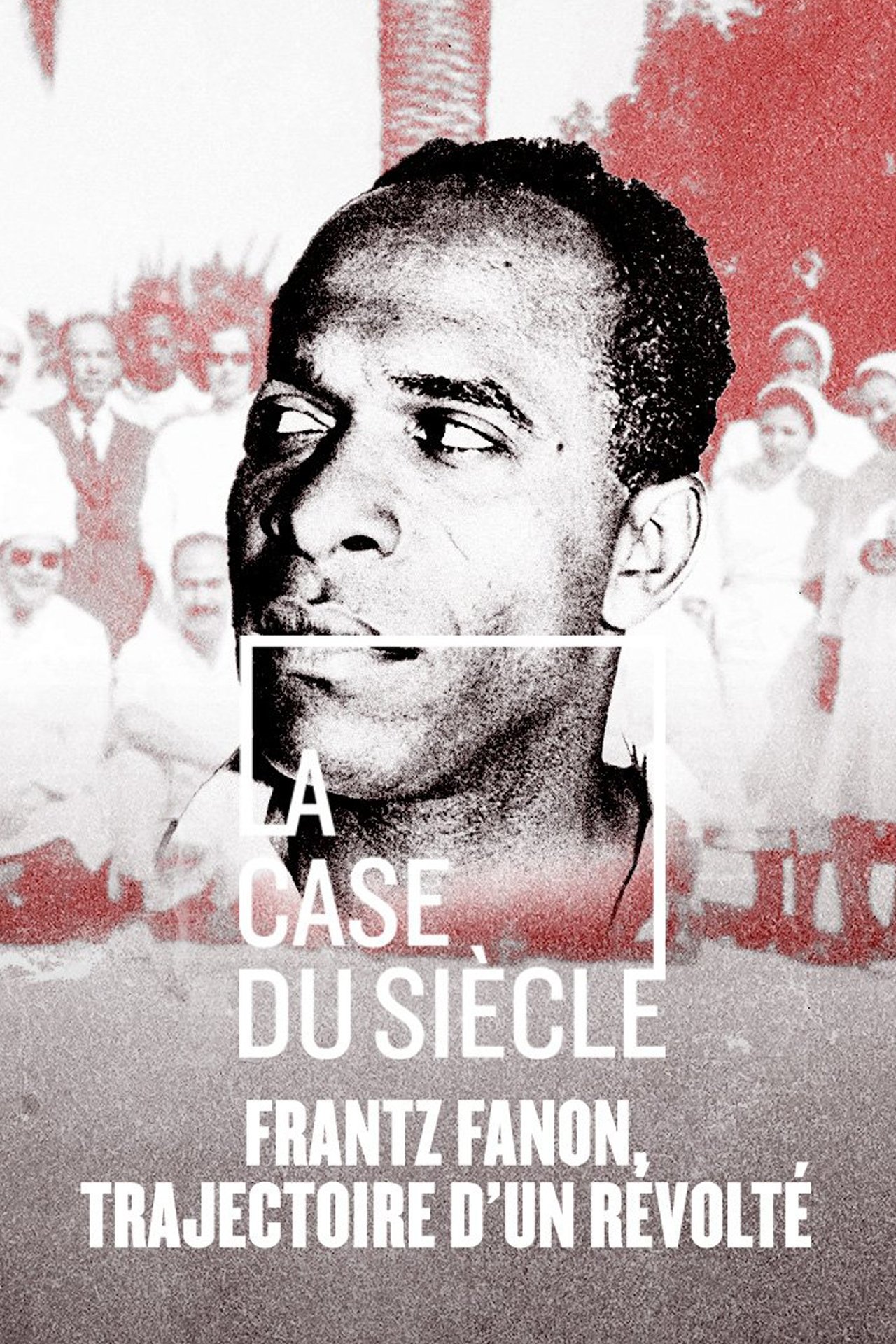
Frantz Fanon alone embodies all the issues of French colonial history. Martinican resistance fighter, he enlisted, like millions of colonial soldiers, in the Free Army out of loyalty to France and the idea of freedom that it embodies for him. A writer, he participated in the bubbling life of Saint-Germain with Césaire, Senghor and Sartre, debating tirelessly on the destiny of colonized peoples. As a doctor, he revolutionized the practice of psychiatry, seeking in the relations of domination of colonial societies the foundations of the pathologies of his patients in Blida. Activist, he brings together through his action and his history of him, the anger of peoples crushed by centuries of colonial oppression. But beyond this exceptional journey which makes sensitive the permanence of French colonialism in the Lesser Antilles at the gates of the Algerian desert, he leaves an incomparable body of work which has made him today one of the most studied French authors across the Atlantic.
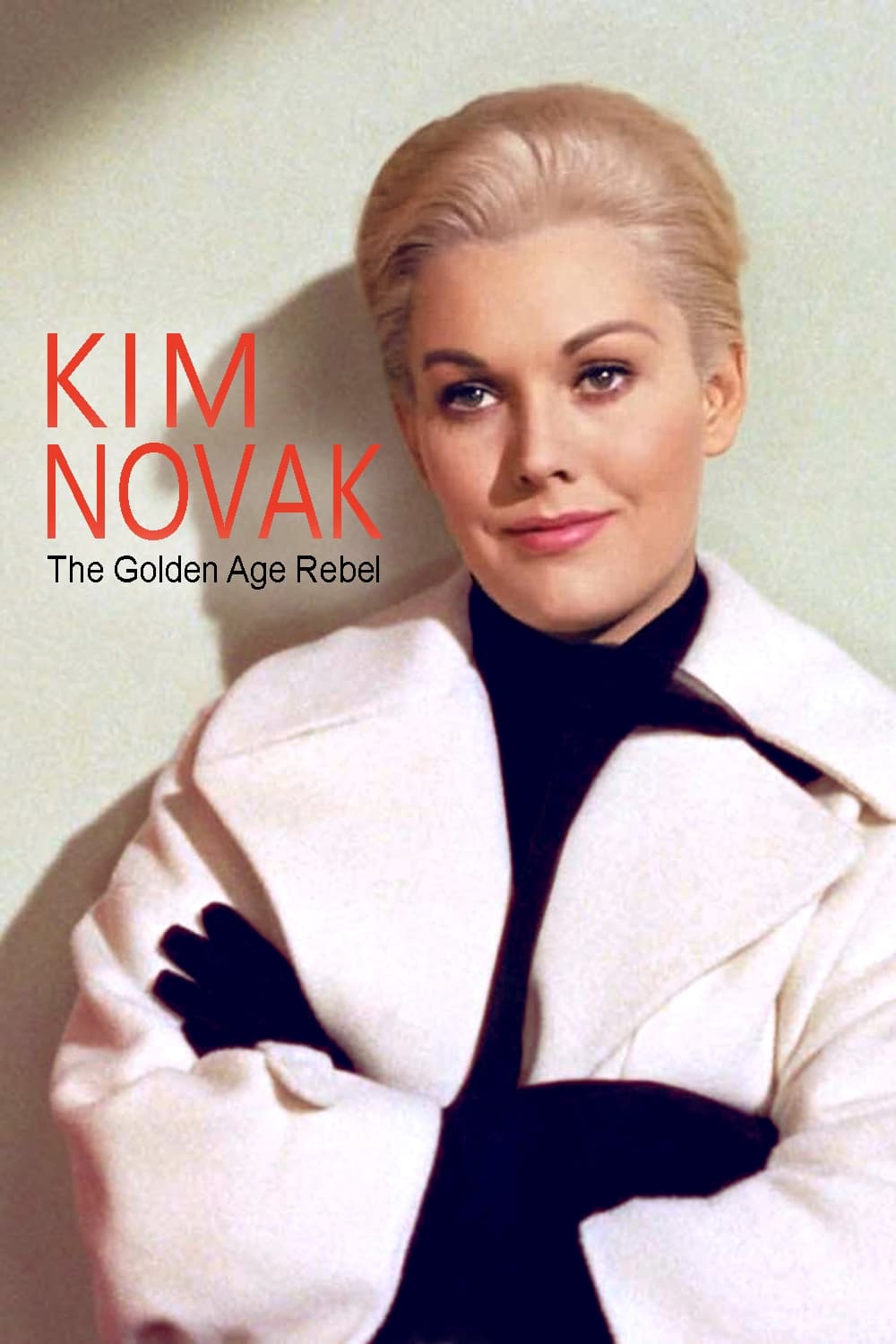
Kim Novak never dreamed on being a star, but she became one. Most famous for her enigmatic performance in Hitchcock’s Vertigo (1958), the Chicago-born actress never quite fitted into the Hollywood mould and wanted to do things her own way.
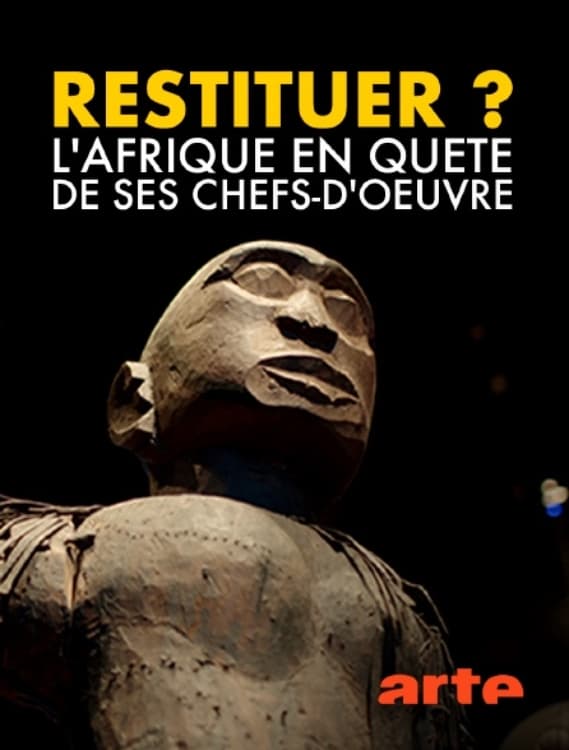
There is an interlinking history of violent European colonialism and the cultural legacy of ethnographic collections in institutions. This documentary traces the progression of colonial history from the Berlin Conference of 1884-85 to the systematic elimination of cultural traditions, religions and lifeways which would occur sporadically through genocides and warfare until the early 20th century throughout the African continent—surveying the inquiries and movements for historical justice, the relationships between European institutions and colonial violence and following enduring struggles against these organisations to regain what was taken.
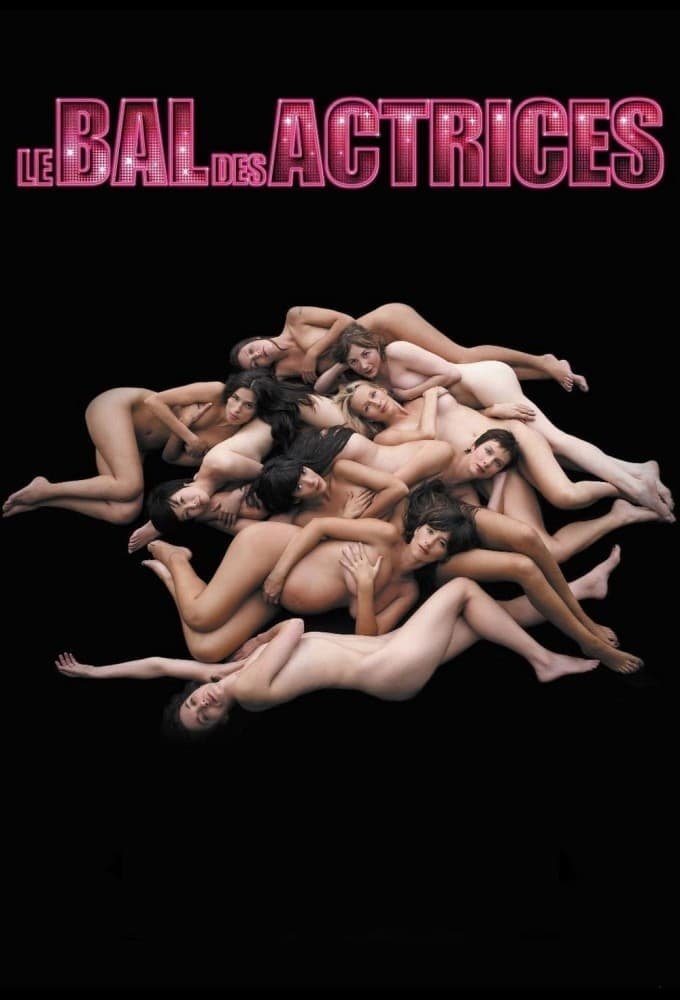
A director wants to make a documentary about actresses, all actresses: the popular ones, the unknown ones, the intellectuals, the comedians, the forgotten ones... Filming everything, with or without their consent, the director gets caught up in the game and lets herself be devoured by these women, who are as fragile as they are manipulative.
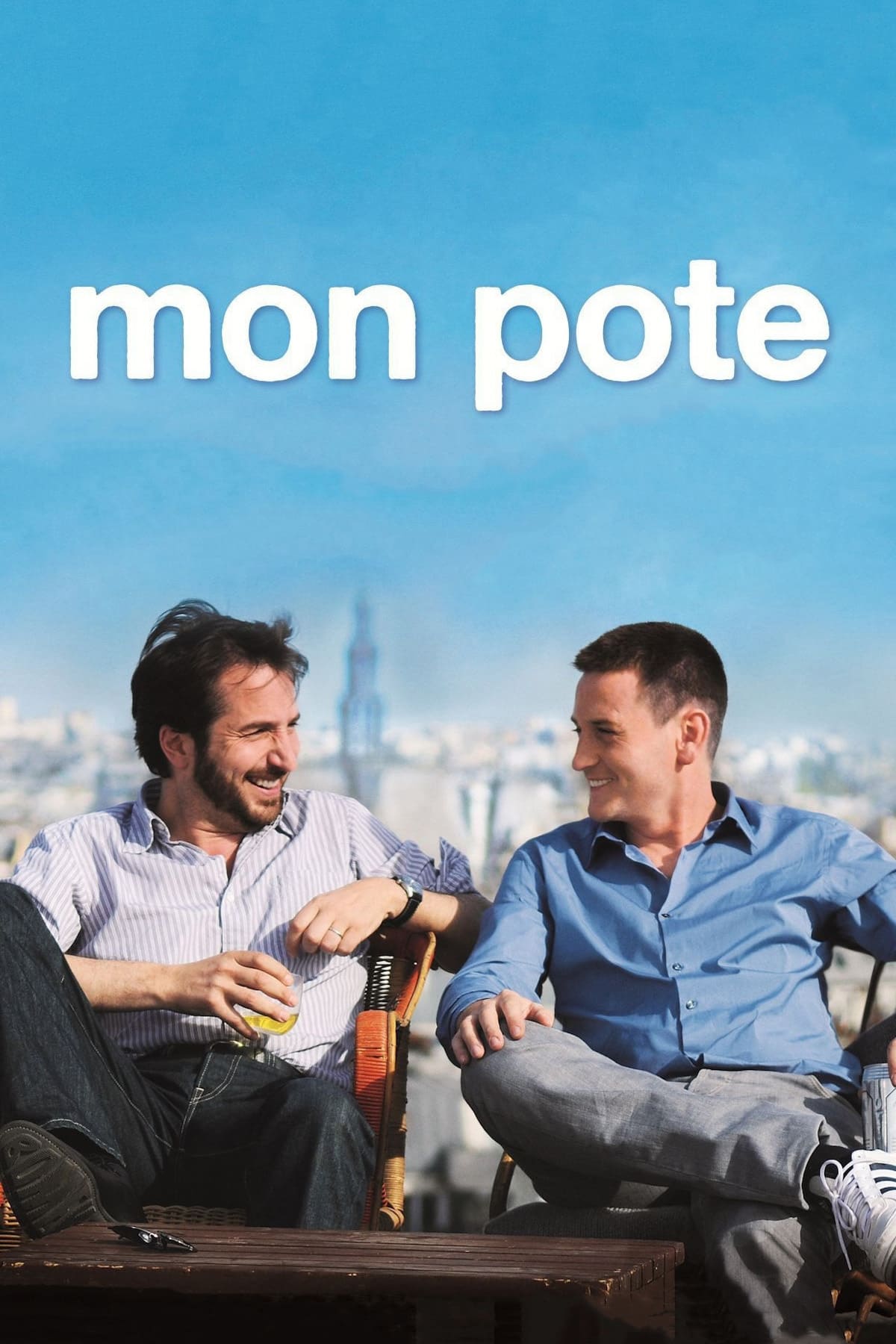
The story of a friendship between Victor, owner of a magazine, and Bruno, a car thief.
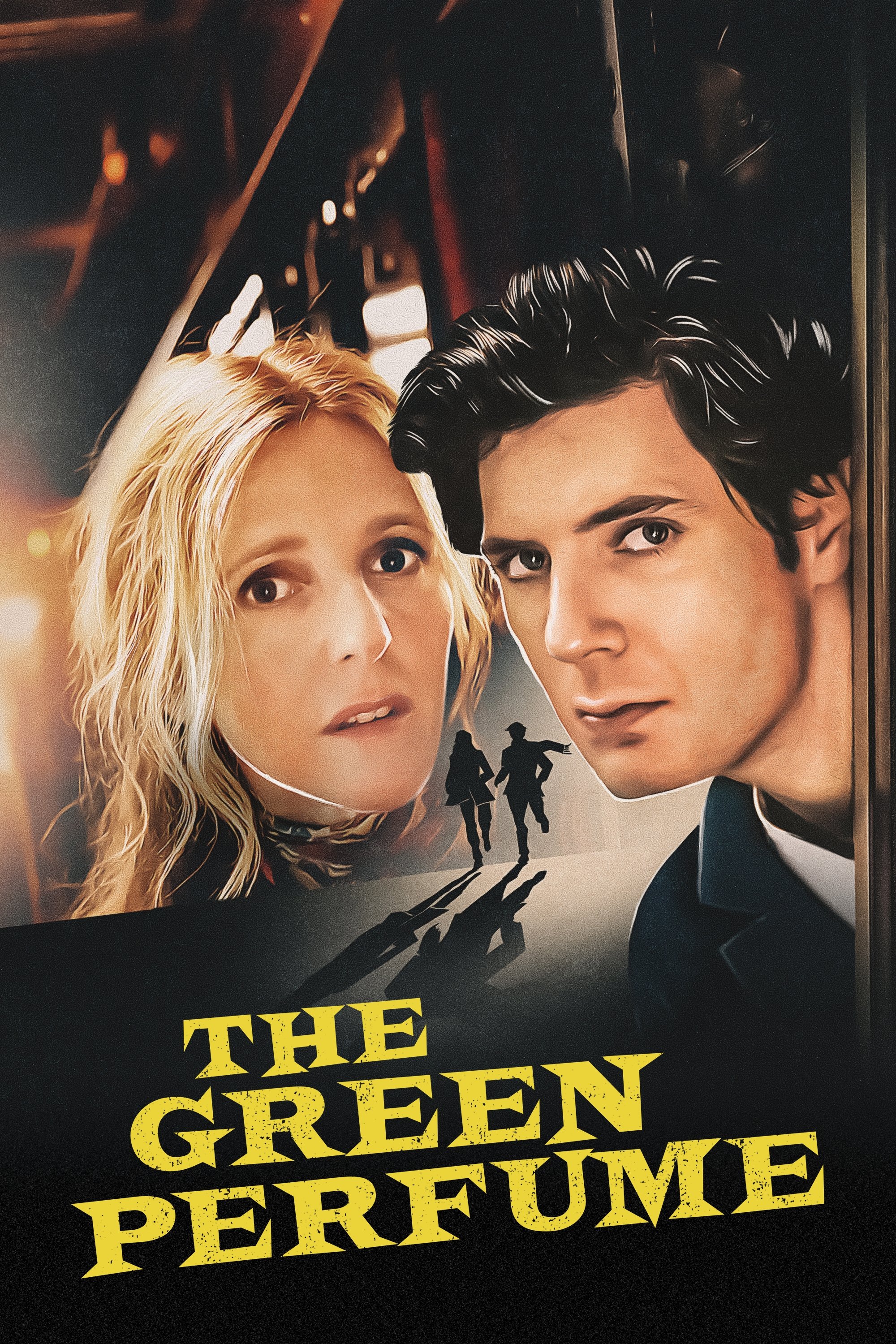
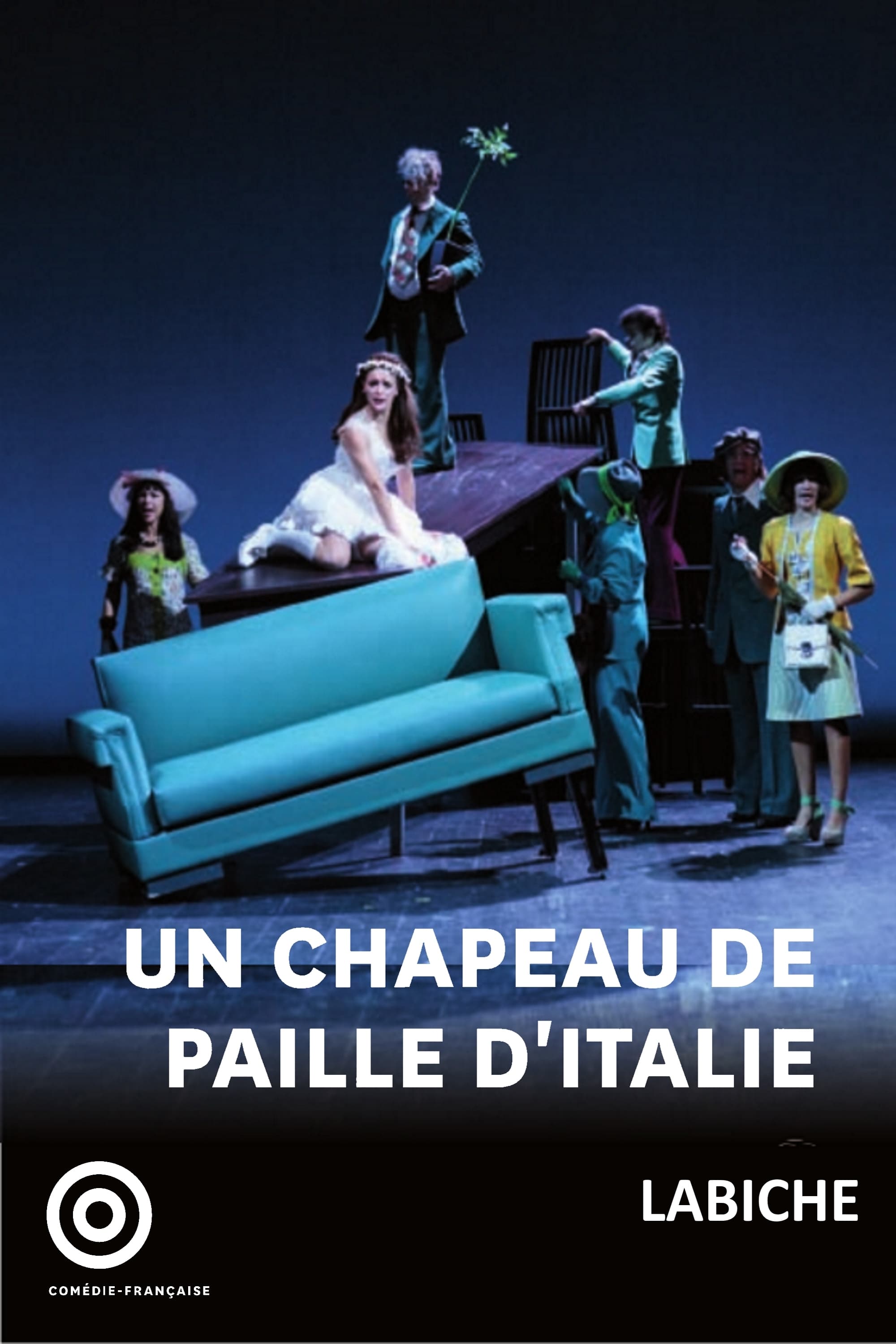
In the middle of a performance at la Comédie-Française, an actor dies on stage, poisoned. Martin, member of the troupe and friend of the victim, becomes the center of everyone’s attention. Suspected by the police, he’s also chased by a mysterious organization, Le Parfum vert, that seems to have ordered the murder.
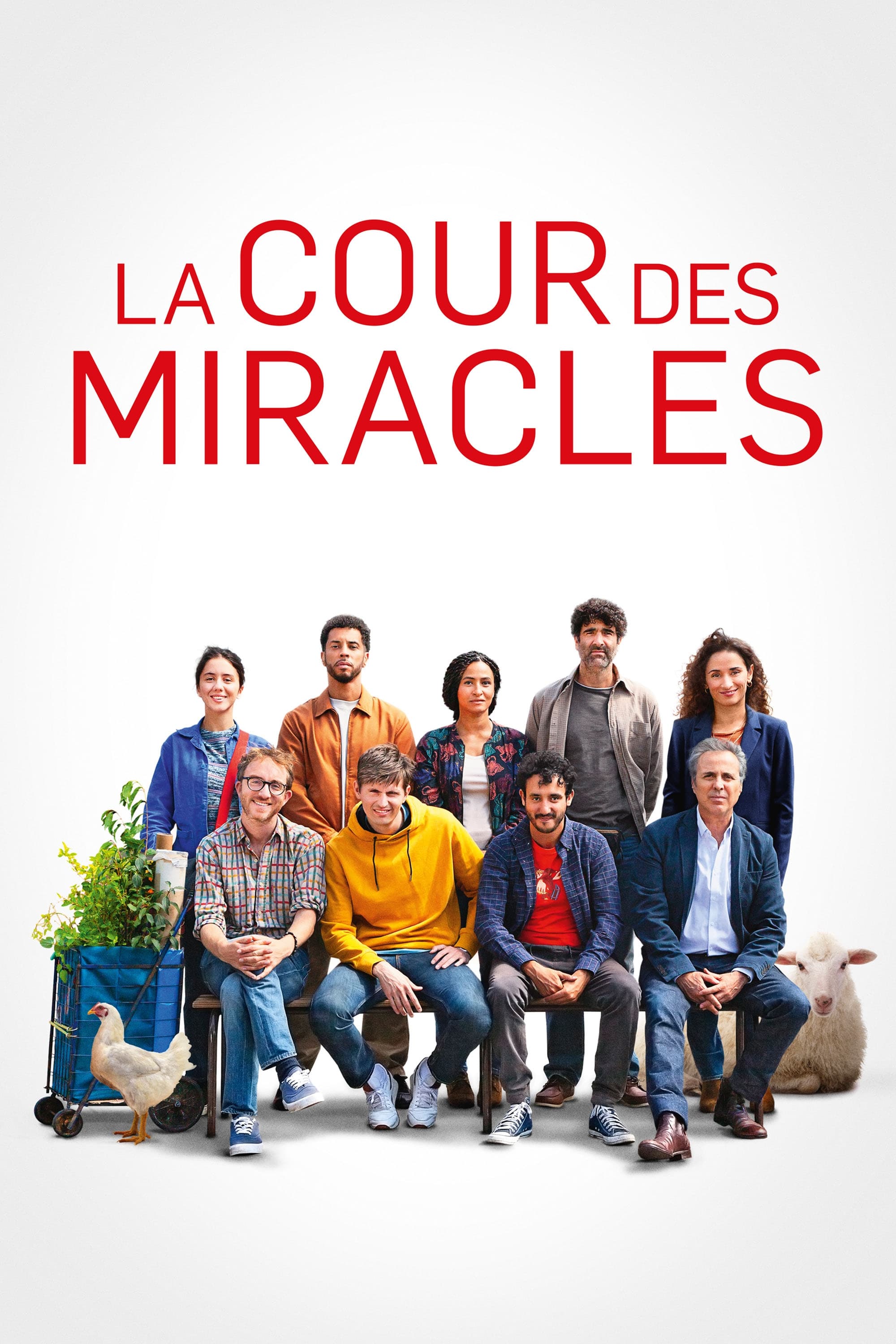
A delightful and ebullient comedy on Paris’ first suburban “green school”.
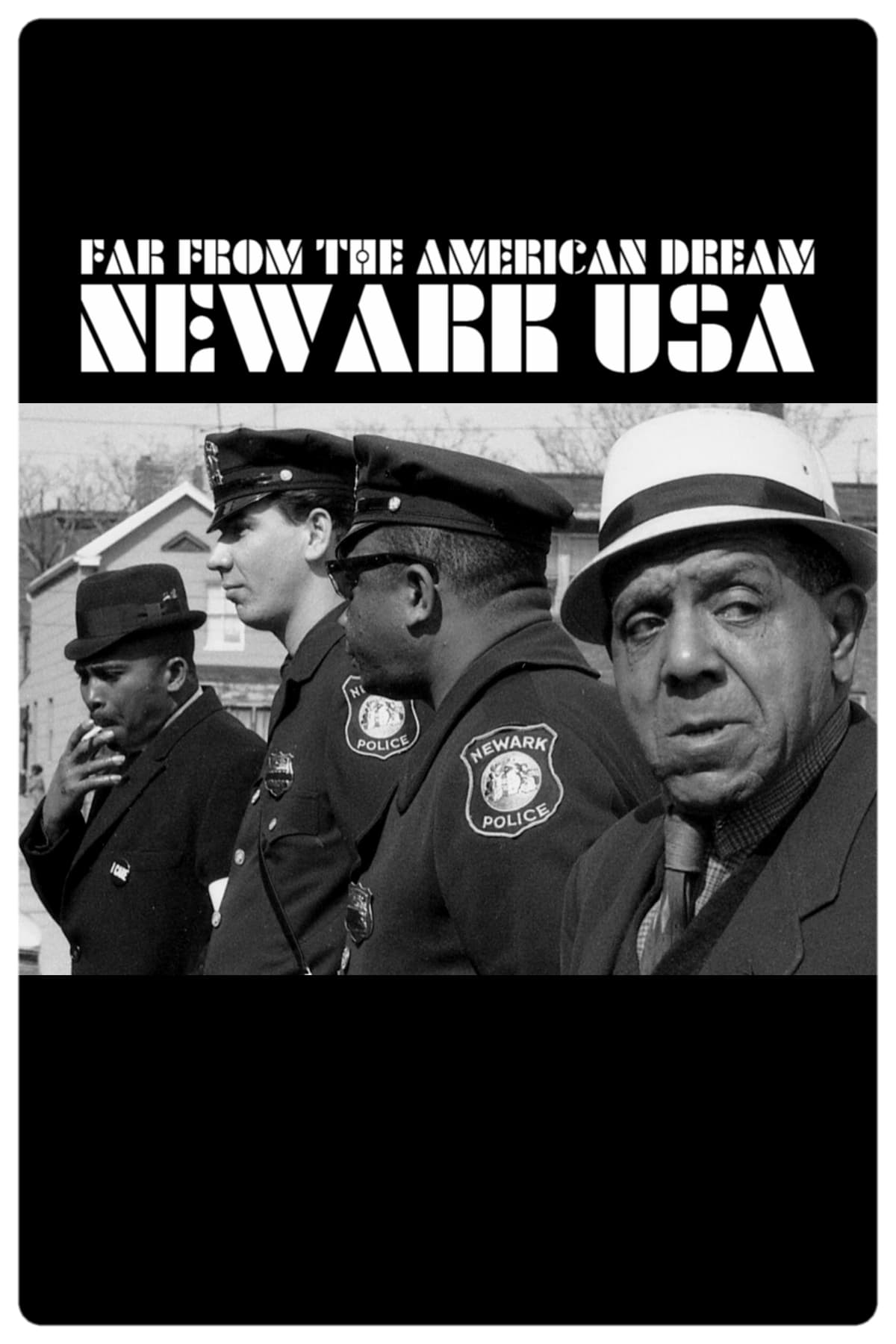
The story of the city of Newark, in the state of New Jersey, USA; unlikely capital of the struggle for civil rights in the legendary sixties of the convulsive twentieth century, told through the eyes of writers Philip Roth and Amiri Baraka, who were born and grew up there, in the ominous shadow of the immense New York.
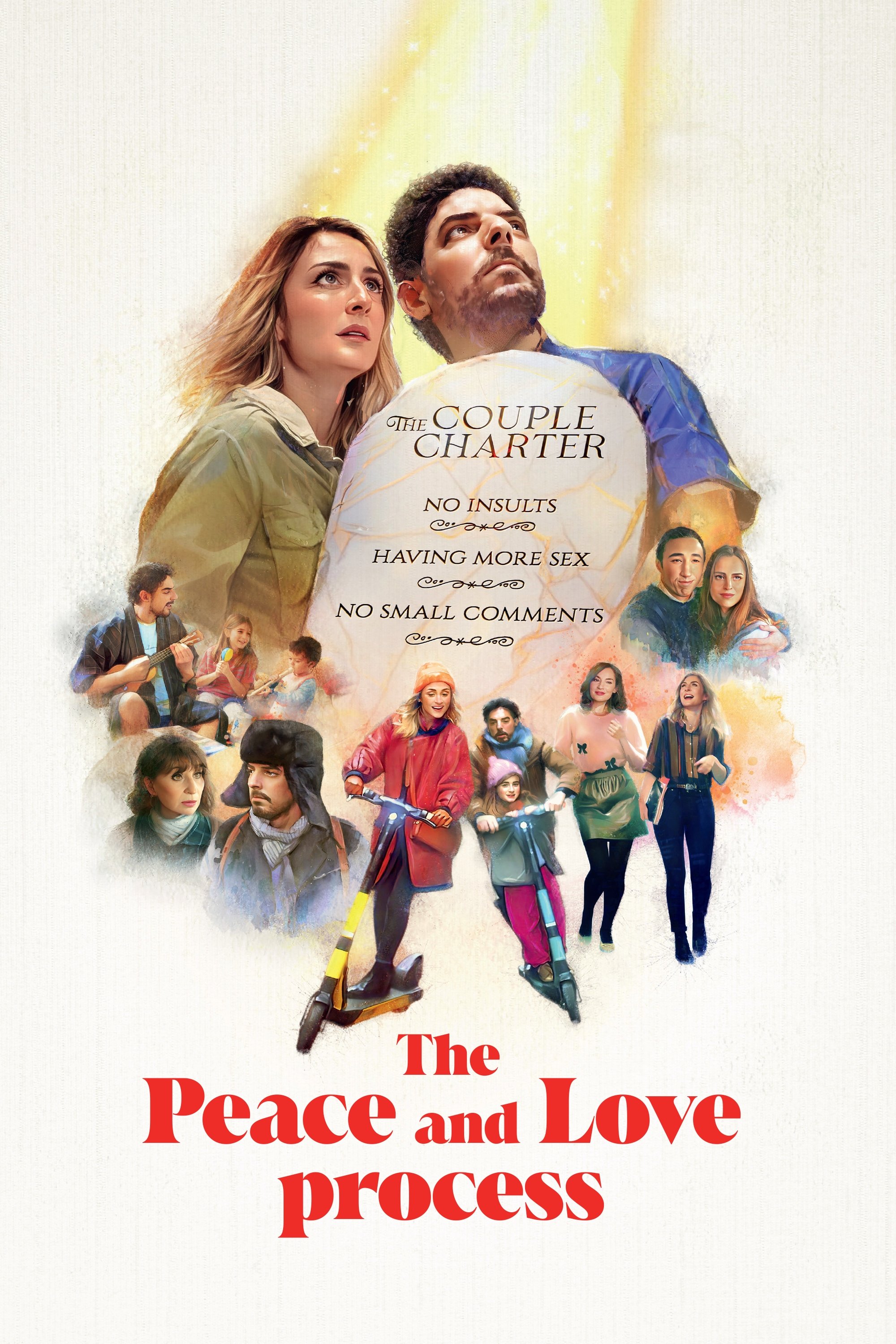
Marie and Simon, a couple with two children, are deeply in love despite constant fights in their paired life. To save their marriage, they come up with a chart of Ten Rules to seek love and peace.
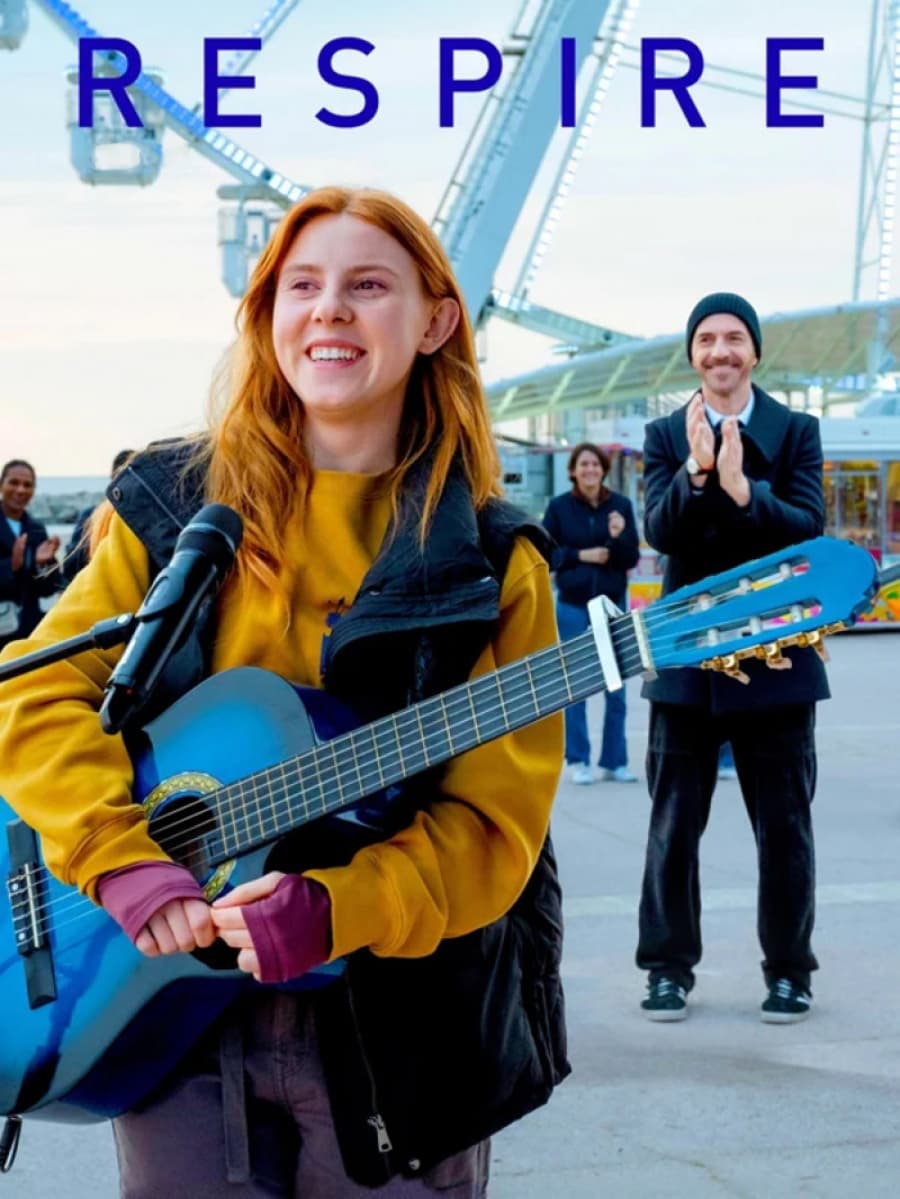
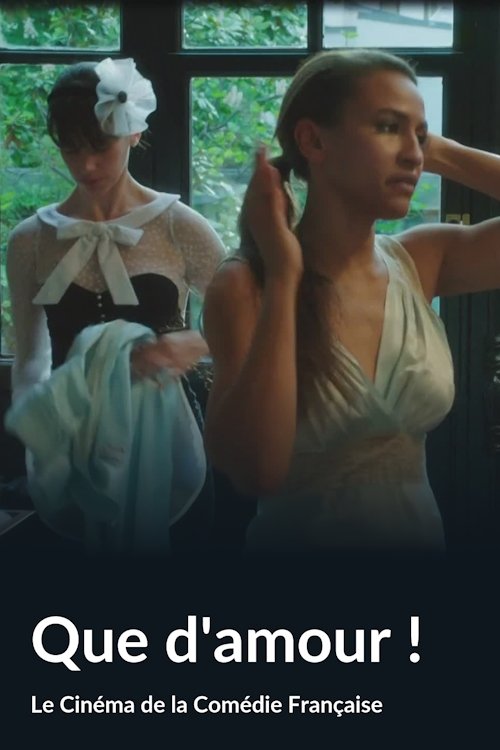
Silvia’s father grants her permission to meet Dorante, the man she’s promised to in marriage, by pretending to be her servant Lisette, who in turn will play the role of her mistress.
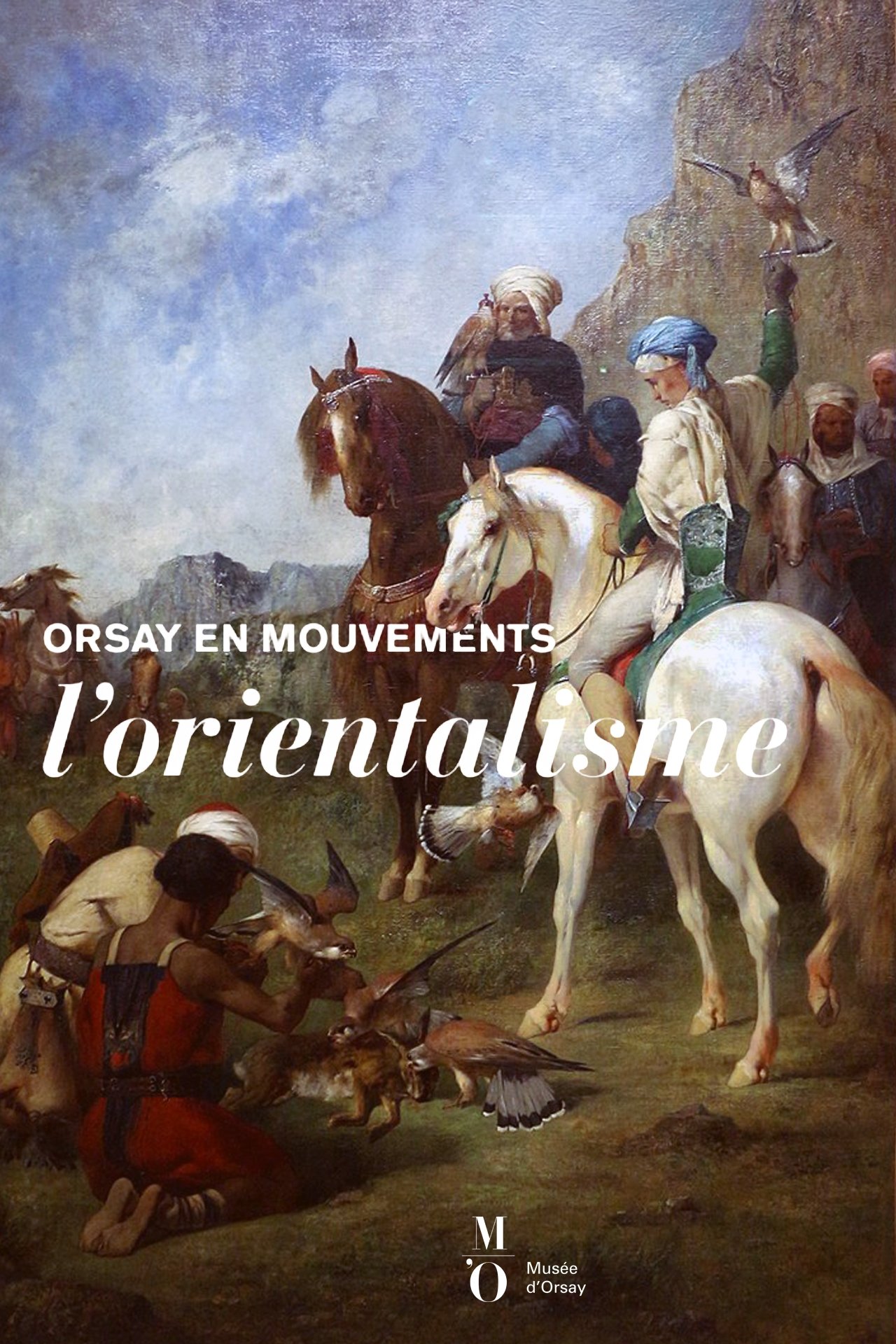
Orientalism is a literary and artistic movement born in Western Europe in the 18th century. Through its scale and popularity, throughout the 19th century, it marked the interest and curiosity of artists and writers for the countries of the West (the Maghreb) or the Levant (the Middle East). Orientalism was born from the fascination of the Ottoman Empire and followed its slow disintegration and the progression of European colonizations. This exotic trend is associated with all the artistic movements of the 19th century, academic, romantic, realistic or even impressionist. It is present in architecture, music, painting, literature, poetry... Picturesque aesthetics, confusing styles, civilizations and eras, orientalism has created numerous clichés and clichés that we still find today in literature or cinema.
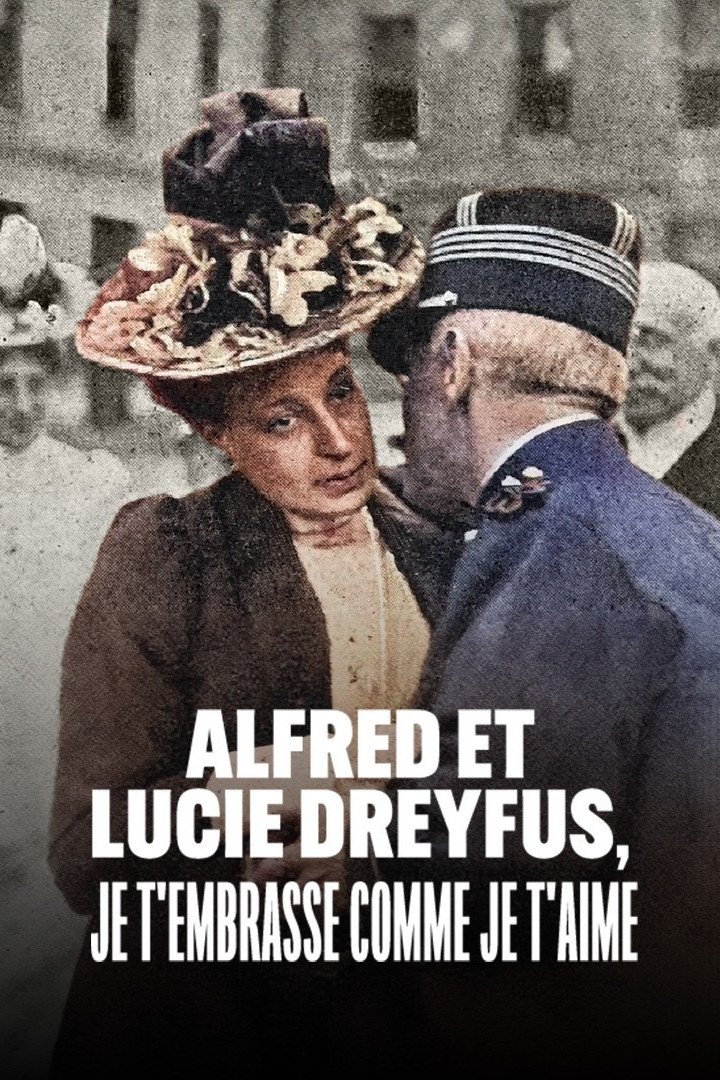
Victim of a terrible plot, Captain Dreyfus was sentenced in December 1894 to deportation for high treason. His wife Lucie made a pact with him: to live, whatever the cost, while awaiting rehabilitation. During five years, the Dreyfus spouses exchanged hundreds of letters. They became a weapon of survival for Alfred. This film is the story of the correspondence of a man and a woman who unwittingly became the unsung heroes of the case that bears their name.
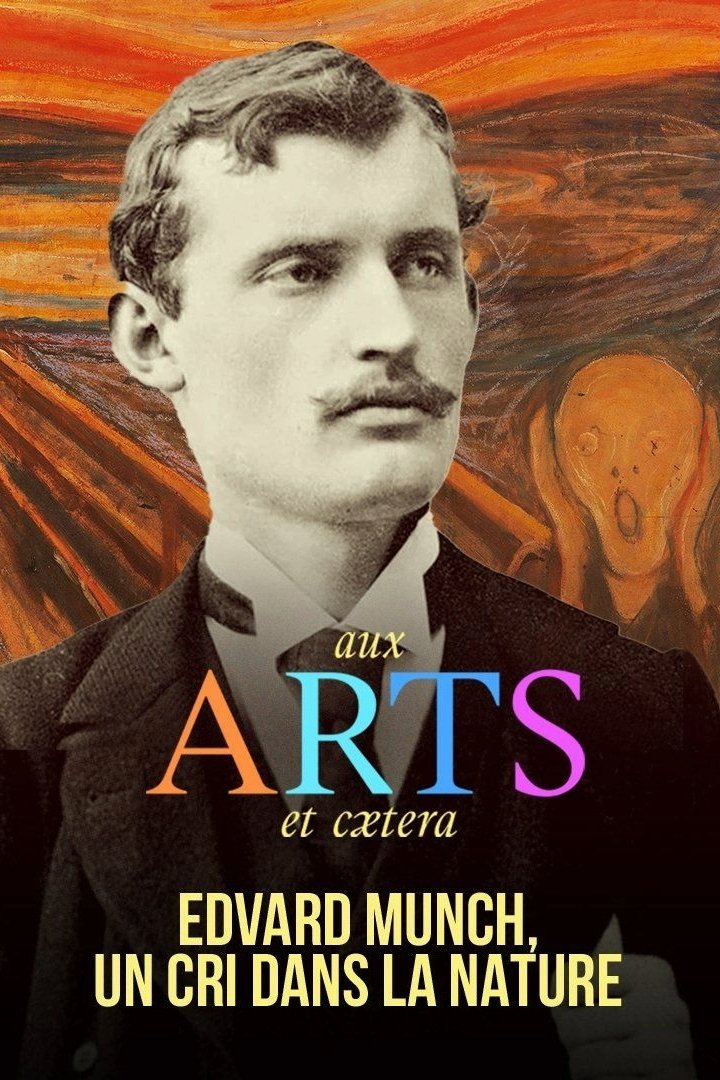
The Norwegian painter Edvard Munch is the author of a powerful body of work that is rooted in symbolism and expressionism. His most famous painting, "The Scream", painted in 1893, has become the symbol of existential anguish. He obsessively sought to express his most violent emotions in the face of death and love, bringing them together in a great whole, the "Frieze of Life". Nature, in perpetual movement, the bearer of vital momentum, helped him to exalt his anguish of living through its colors and undulating lines.
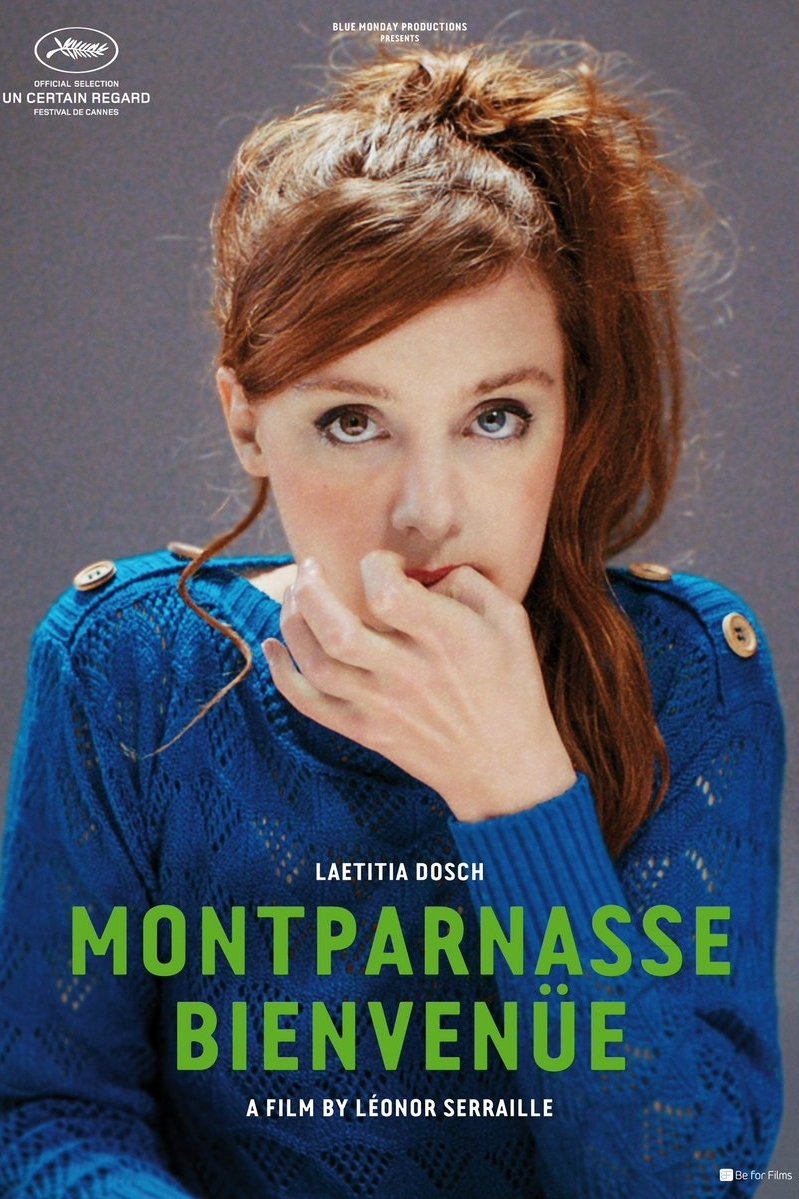
Broke, with nothing but her cat to her name and doors closing in her face, Paula is back in Paris after a long absence. As she meets different people along the way, there is one thing she knows for sure: she's determined to make a new start and she'll do it with style and panache.
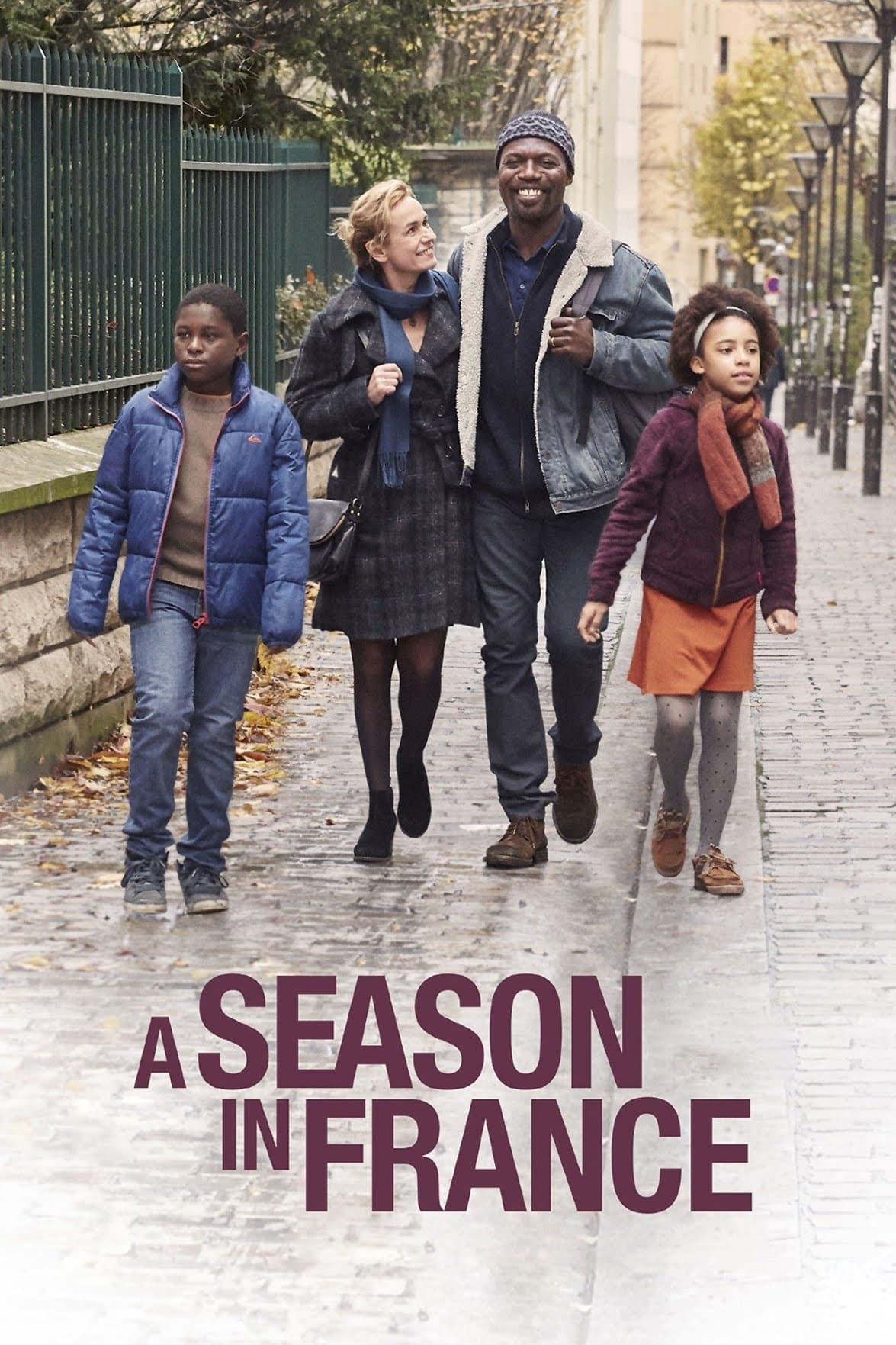
An African high school teacher flees his war-torn country for France, where he falls in love with a Frenchwoman who offers a roof for him and his family.
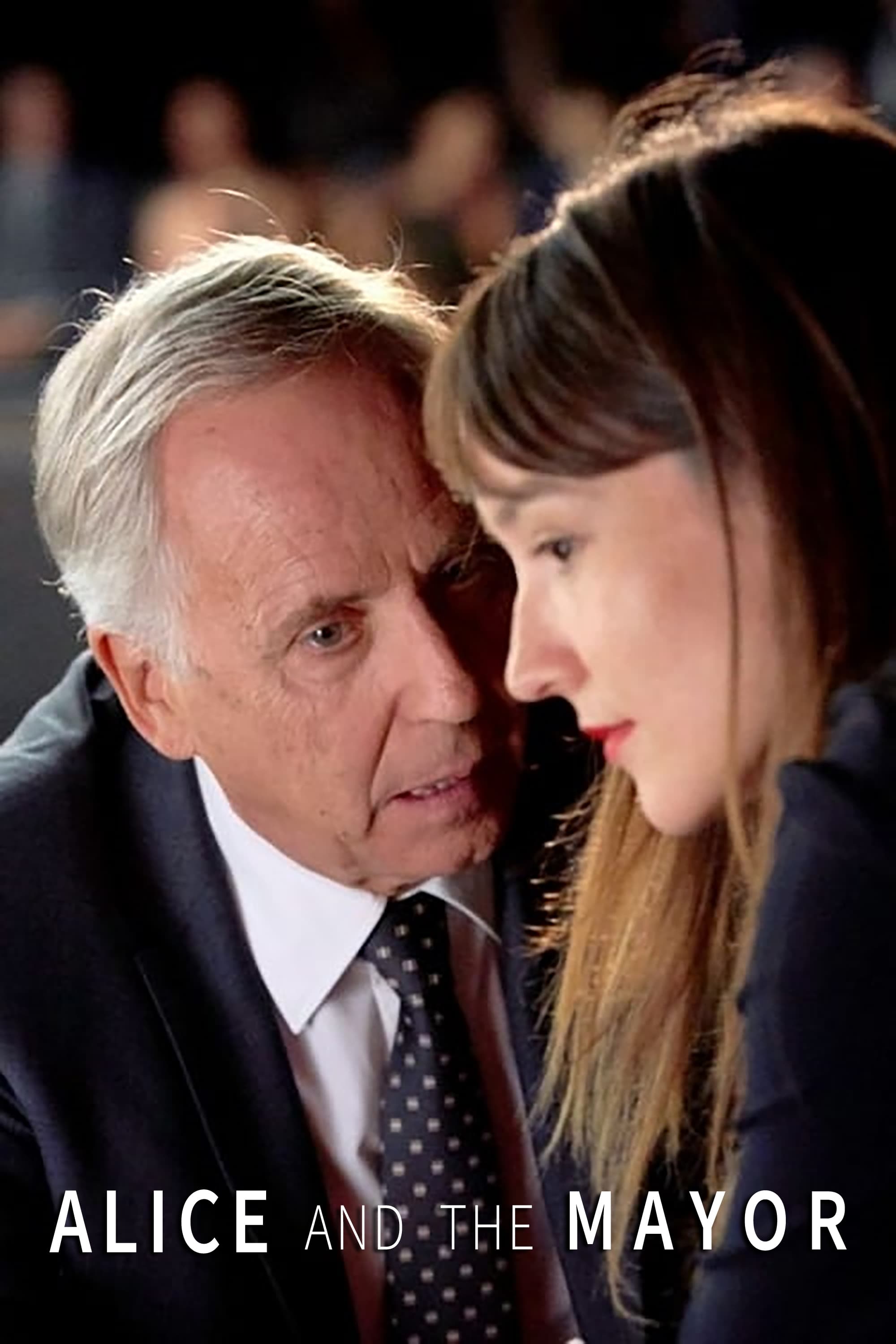
The mayor of Lyon, Paul Théraneau, is in a delicate position. After 30 years in politics, he is running out of ideas and is faced with a feeling of existential emptiness. To overcome this, Paul hires a young and brilliant philosopher, Alice Heimann. Then follows a dialogue between two diametrically opposed personalities who will turn their certainties upside down.
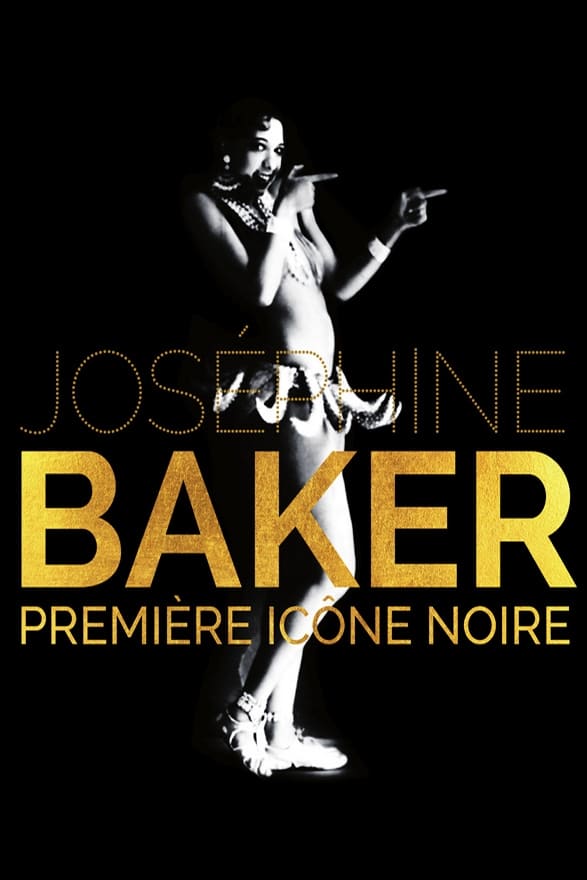
How did a poor little black girl from Missouri become the Queen of Paris, before joining the French Resistance and finally creating her dream family “The Rainbow Tribe”, adopting twelve children from four corners of the world? This is the fabulous story of the first black superstar, Josephine Baker.
Hired to oversee the security of a superstore, Pierre soon discovers a dark secret and becomes a threat to the system he helped create.
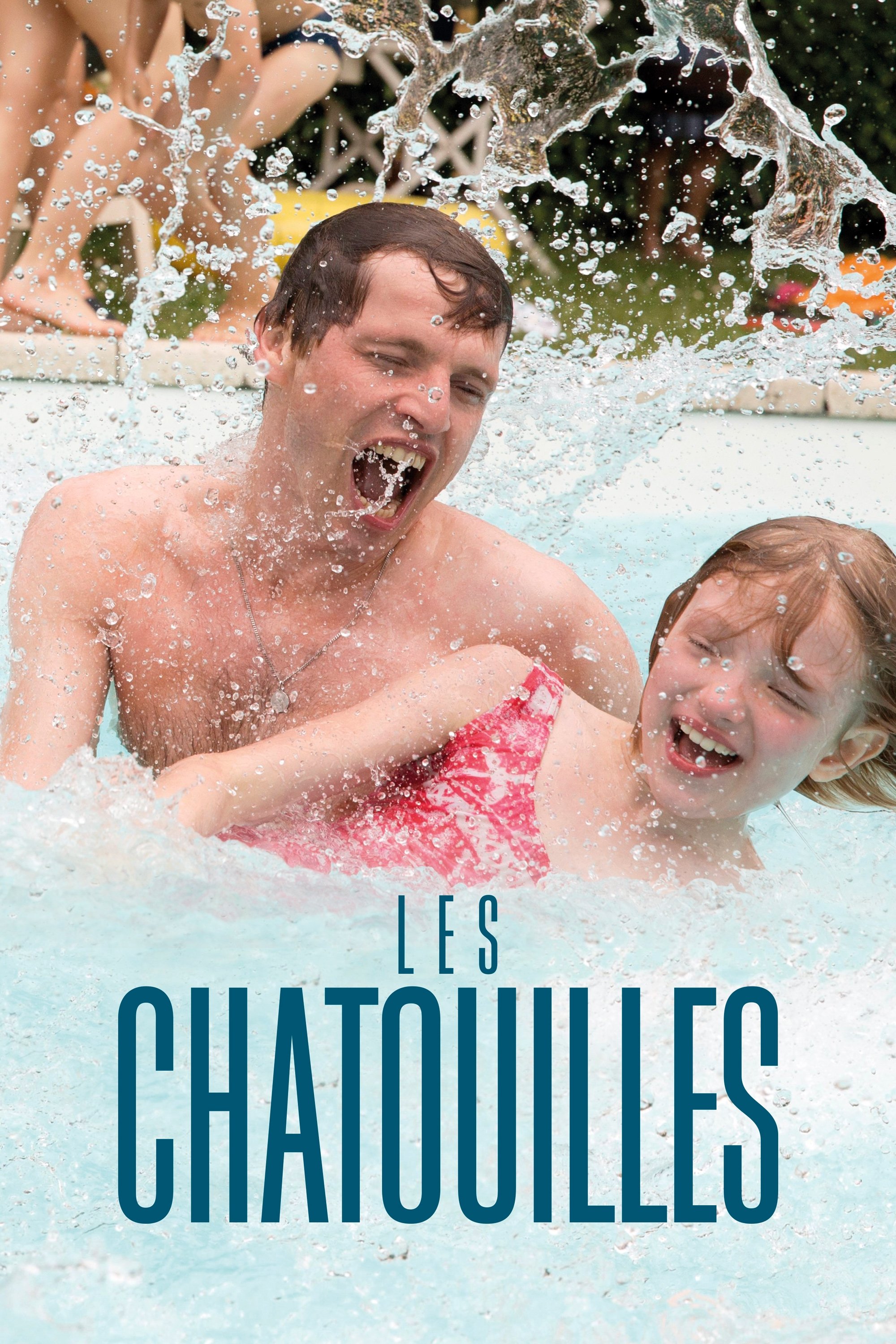
Odette is a 8-yr-old girl who loves to dance and draw. Once she has become an adult, Odette realizes she was abused, and immerses herself body and soul in her career as a dancer while trying to deal with her past.
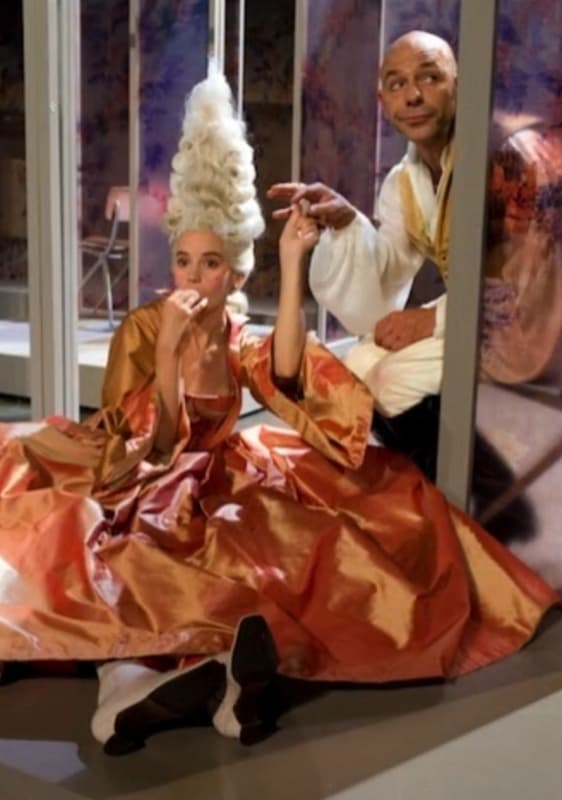
A staging of Marivaux's play "The Game of Love and Chance" by Galin Stoev.
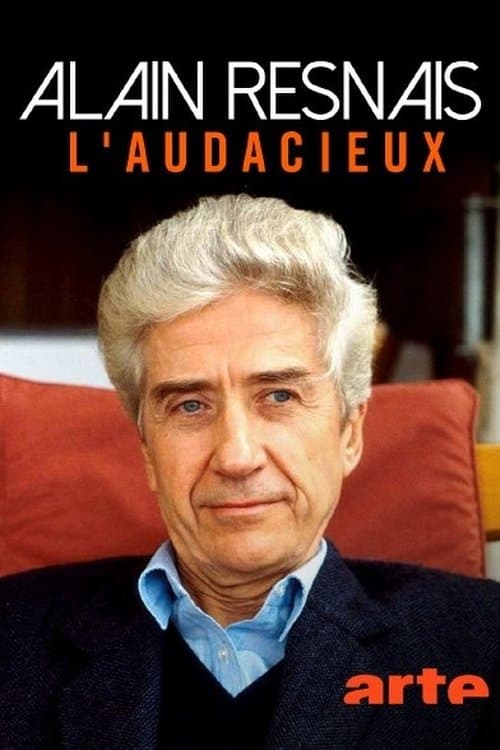
A genius inventor of forms, Alain Resnais is one of the fathers of cinematic modernity. This portrait, rich in archives, looks back on the career of a discreet non-conformist, in perpetual search of renewal to fight against anxiety.
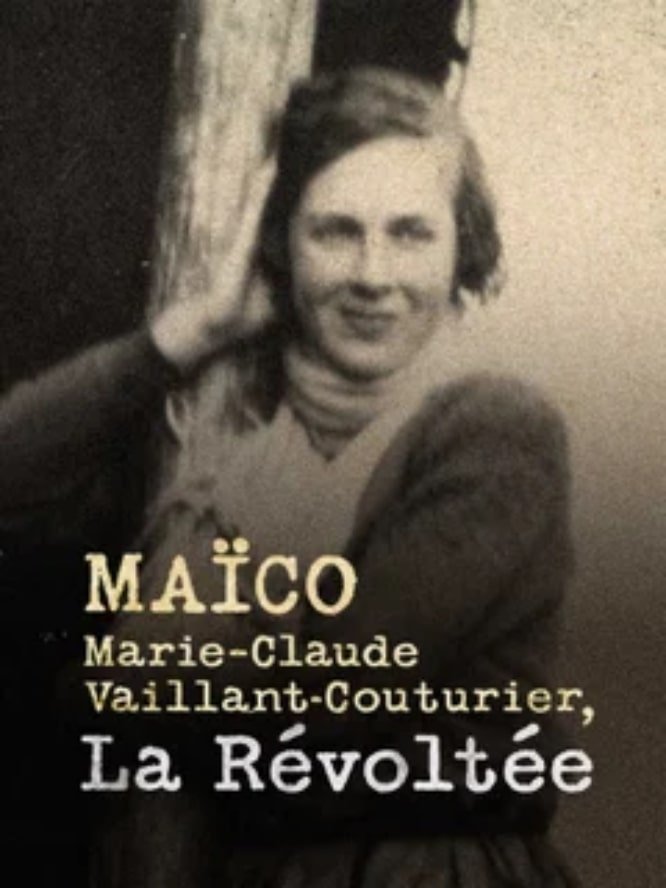
Communist, resistance fighter, deportee, Marie-Claude Vaillant-Couturier is one of the great heroines of the 20th century. Nicknamed Maïco, she became a photojournalist and embraced the class struggle at the same time as she fell in love with one of the figures of the Popular Front, Paul Vaillant-Couturier. During World War II, she joined the Resistance and later gave decisive testimony at Nuremberg.
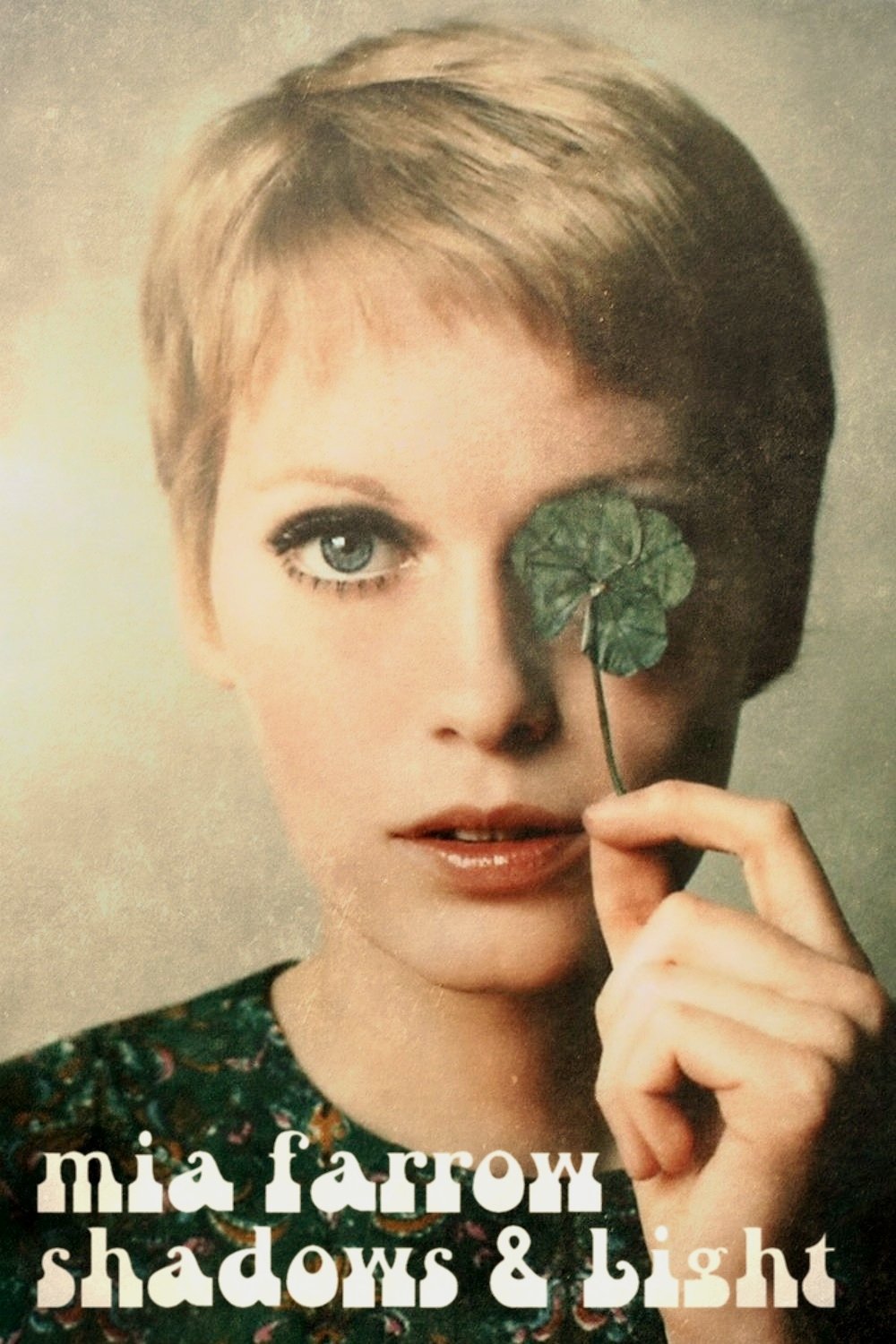
The artistic career of American actress Mia Farrow has been that of a passionate and committed woman who became the embodiment of a special kind of femininity, halfway between innocence and madness.
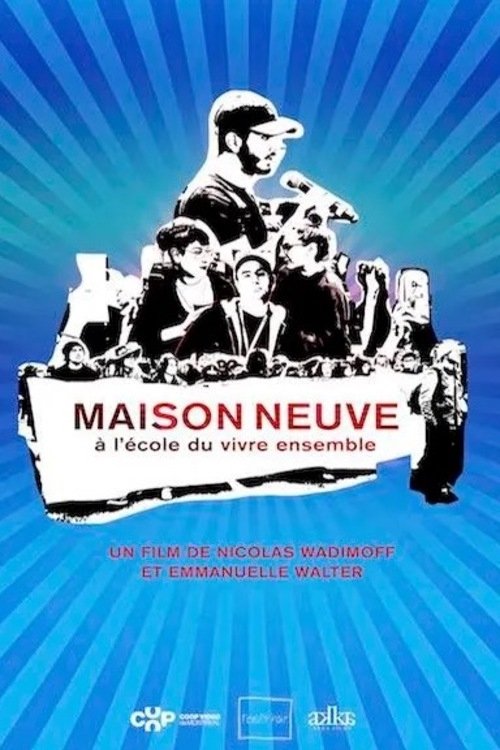
Over a dozen students at this school in Quebec were radicalised. To tackle the issue, a pilot project was launched to heal divides within the student body. It's a hybrid cultural model, made up of the many cultures of its students.

Matt, a charismatic coach, captivates crowds until he spirals into a disturbing downward spiral.