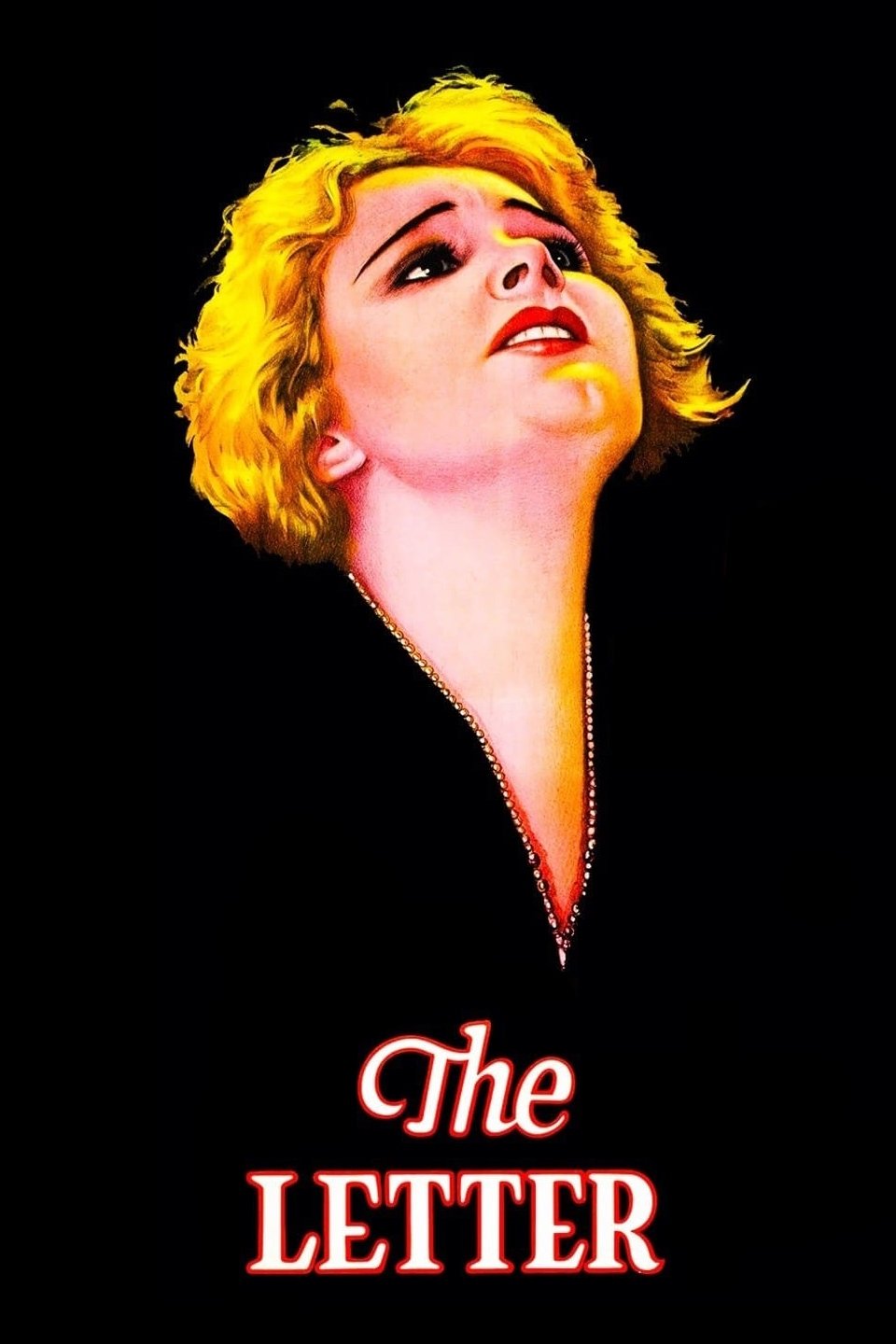
A plantation owner's wife goes on trial for shooting a man she says attacked her, but a handwritten letter reveals otherwise.
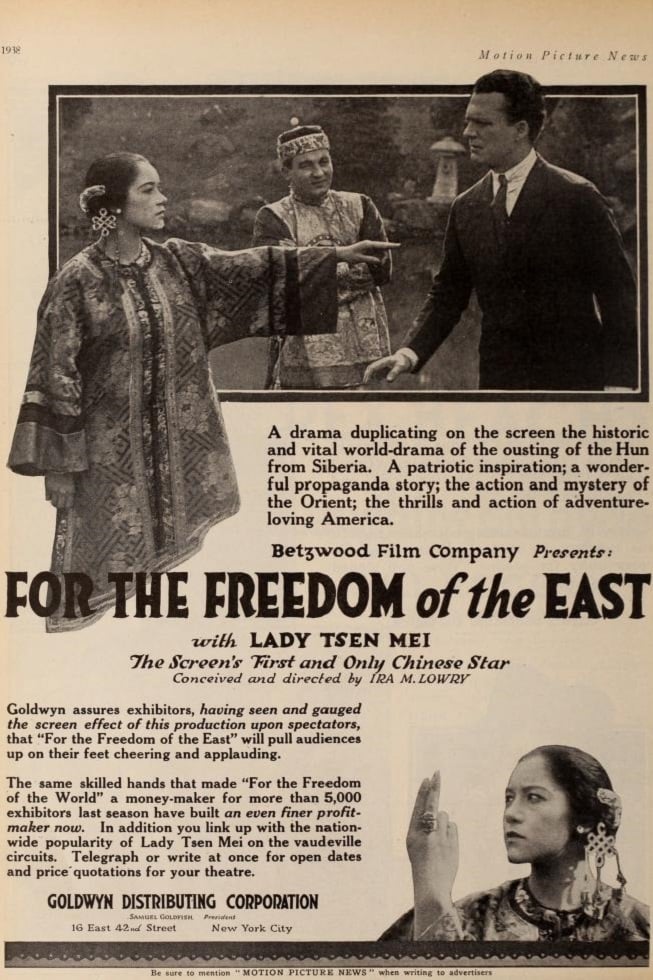
In World War I China, Princess Tsu, who leads a secret group dedicated to eradicating German influence in China, learns that the Chinese viceroy, in order to further his own ambitions, has organized an army to help Germany win Russia. She steals their written agreement and smuggles it to American agent Robert Kenyon, with whom she has fallen in love. The princess' jealous fiancé, Prince Kang, tells her that Robert is betrothed to an American girl and, bent on revenge, she informs German agent Von Richtman that Robert possesses the secret papers. In Washington, Von Richtman sends his henchmen to apprehend Robert before he can reach the Secretary of State, but Princess Tsu, whose love of country has triumphed over her personal concerns, foils the plot. Aware of her great love for Prince Kang, she returns to China and marries him.
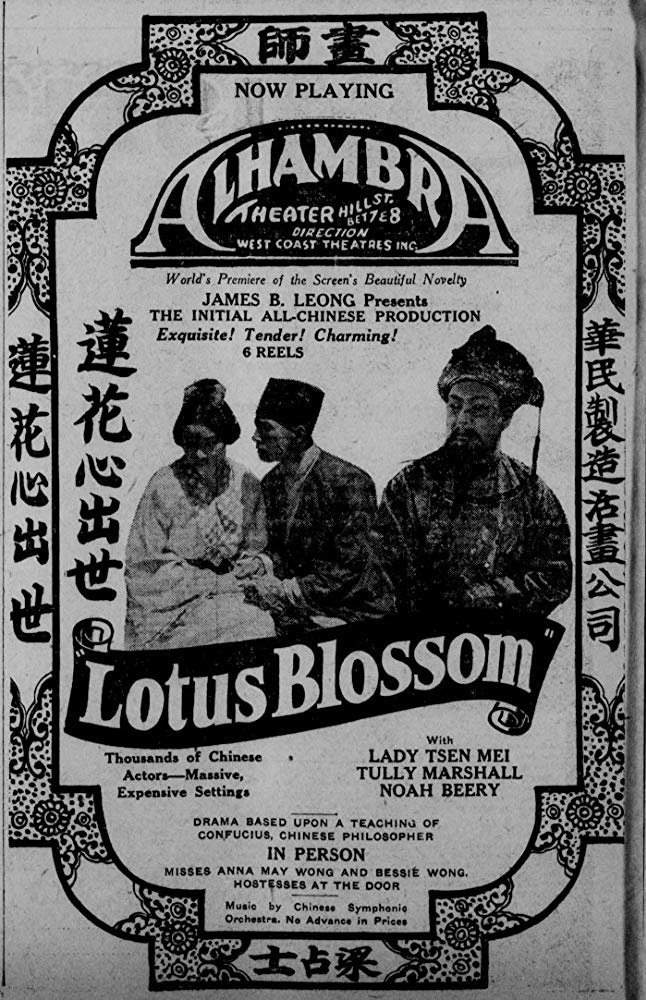
The film is perhaps the only remaining example of silent era cinema from a Chinese-American production company, and was co-written, co-directed (with Francis J. Grandon) and produced by James B. Leong, who changed his name from Leong But-jung after emigrating from Shanghai in 1913. Of the seven reels that originally comprised 'Lotus Blossom,' only one (the fifth, running for 12 minutes at 20fps) is known to survive. This remaining reel of film is now available on Disc 2 of the DVD Collection "More Treasures from the American Film Archives," and was preserved by the UCLA Film and Television Archive.