
Freedom-loving Mykola Dzheria goes away from the village because of poverty and villainage. He leaves his senior parents, his young wife Nemydora and escapes to the sugar-mill. His friend dies because of slave work. Mykola goes to the Dniester reed beds. Working with other escapees, Mykola falls in love with the daughter of the cooperative leader. The girl also likes the handsome guy. However, their fate is decided by the landlord’s servants; they set the reed beds on fire, shackle Mykola and take him to Verbivka. The film was released on 01 April 1927 in Kyiv and on 24 May 1928 in Moscow. The film is lost.
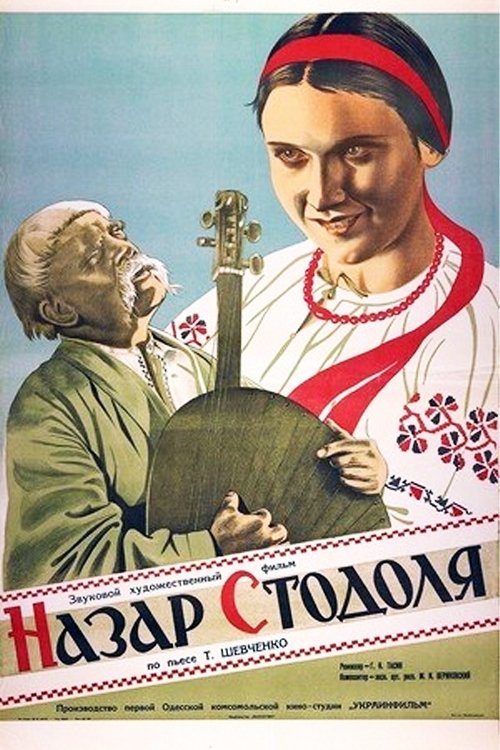
In the first half of the 17th century, the peasant Nazar Stodolya, sentenced to death by the Polish magnate Haletsky, is rescued by his friend Hnat. Later, Nazar and Hnat find themselves in the estate of the Ukrainian centurion Kichaty. The centurion, having invited a priest, persuades the fugitives to sign a paper stating that they have voluntarily been assigned to Kichaty's estate. Hnat does not sign the paper, and Nazar, falling in love with the owner's daughter Halia, easily puts his signature and thus falls into another bondage. Soon, Hnat leads the people's struggle against the oppressors, and Nazar and Halya join the rebels.
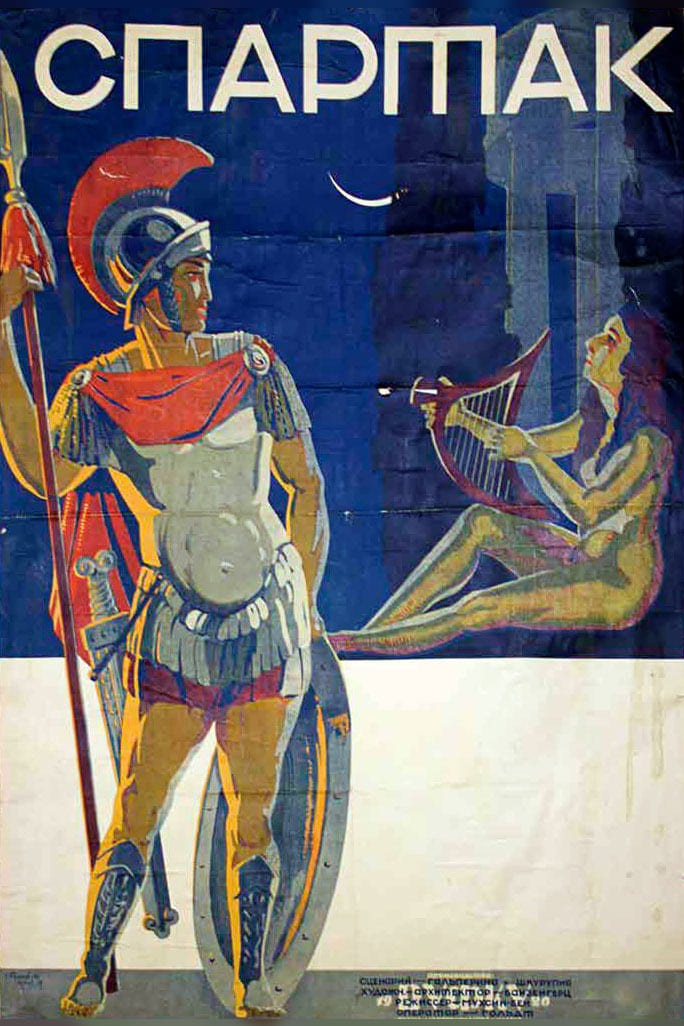
The owner of the gladiator school buys two slaves, the Thracian Spartacus and the Gaul Artorix. During the first fight in the arena, Spartacus wins over the Colloseum audience and his freedom. When freed from gladiator slavery, Spartacus calls slaves and Rome plebs for a rebel. The dictator Sulla dies. Spartacus and rebellious slaves lay out a camp near Vesuvius. The Roman commander Crassus is unable to take Spartacus’s camp by storm, so he lays siege to it. Spartacus is betrayed; he dies with his friend Artorix in a battle. The film is based on Raffaello Giovagnoli’s novel of the same name.
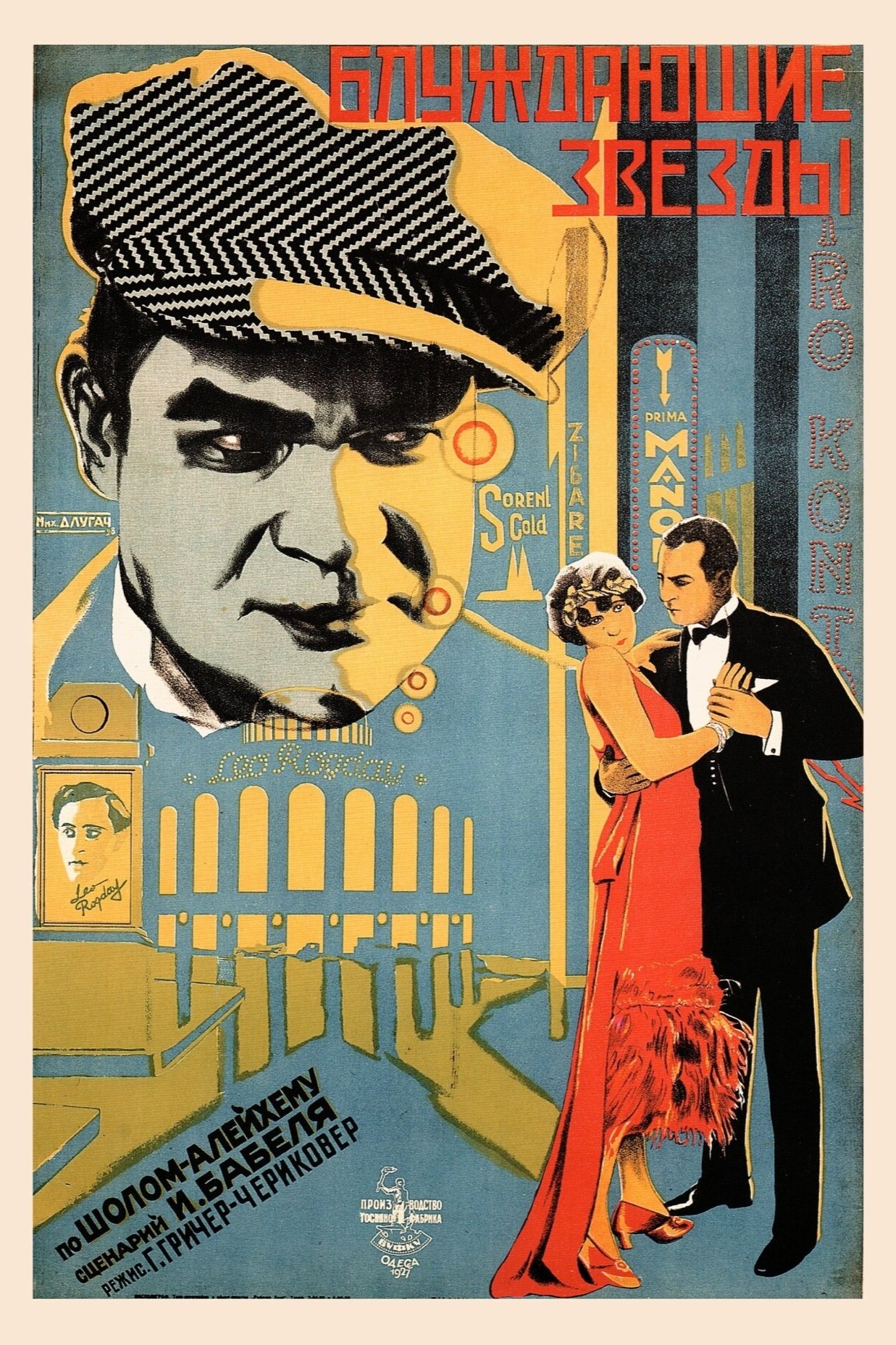
Directed by Grigori Gritscher-Tscherikower.
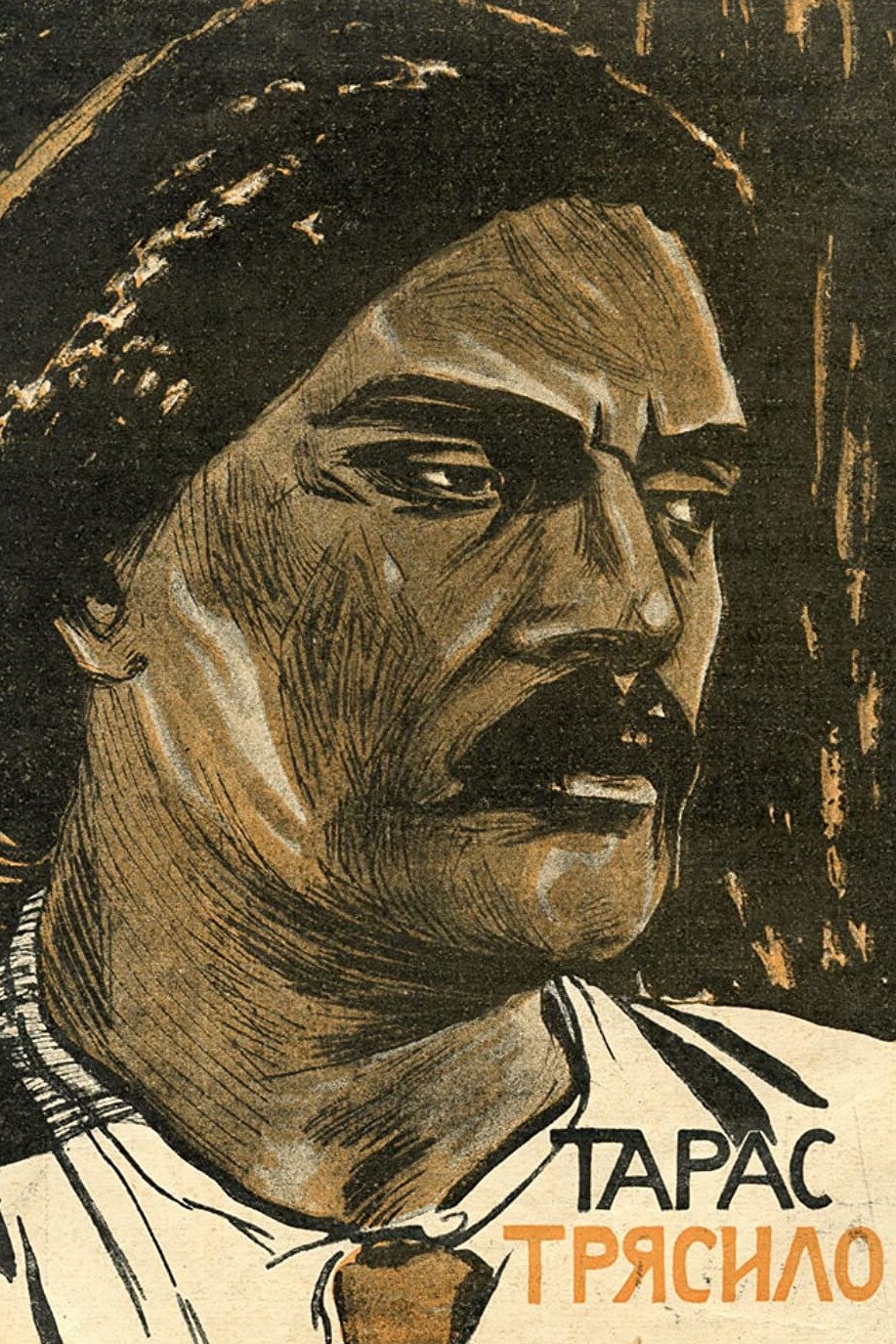
The film is set in the 17th century, when social antagonism is at its peak. The poverty of peasants and poor Cossacks is opposed to the lavish lifestyle of the Ukrainian and Polish noblemen, priests, and Cossack officers. Cossacks fight off Tatars’ attacks, however, they start to realise that the real enemy is much closer. Taras Triasylo raises Cossacks to help the rebellious peasants. A dramatic historical narrative, masterly mass shootings of horse attacks, hand-to-hand combats and public festivities contrast with lounge scenes in the palace – balls, feasts, and entertainment of rich people and their family members wearing brocade clothes. On a grand scale and with an eye for detail, the director draws the texture of the film and its characters. The leading actors of Les Kurbas’s theatre Berezil played film protagonists. The film based on Volodymyr Sosiura’s verse novel of 1925 was considered lost for a long time.
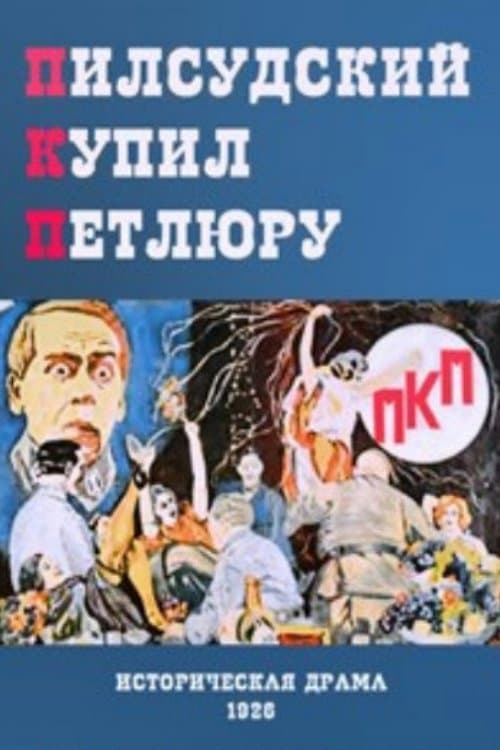
The defeated remnants of vile Ukrainian nationalists, headed by the leader of the Ukrainian liberation movement, Symon Petliura, cannot accept their historical fate and are plotting an insurrection against the Soviet regime in Ukraine. There is nothing Petliura and his cohorts would not do to win back control over Ukraine, including selling it to the highest bidder, in this case, the Polish dictator Jozef Pilsudski. A group of plotters are coordinating an insurrection in Kyiv with an attack from Poland headed by Petliura’s general Yurko Tiutiunnyk. Predictably, the invincible Red Army defeats the nationalist plotters and proves that the Soviet borders are impregnable.
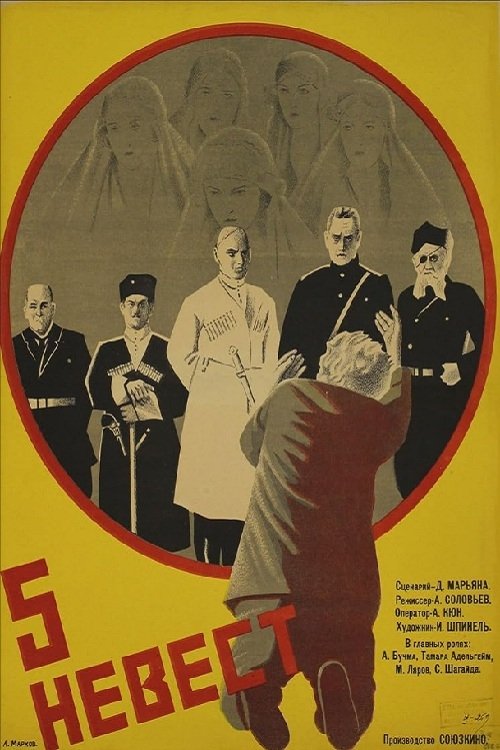
A Soviet propaganda film based on material from the Bolshevik coup. During the Russian civil war, the Whites, that anti-Communist force that fought against the Bolsheviks during that period, capture a Jewish Ukranian village; the gang commander threatens a pogrom, and will kill everyone in the village unless the inhabitants agree to give to the White Officers five virgin girls in wedding dresses. Under such terrible pressure, the Jewish council of the town decides, full of sorrow and despair, to sacrifice their daughters to the drunken officers but fortunately and just in time, a detachment of partisans that belong to the Red Army, comes and frees the village.
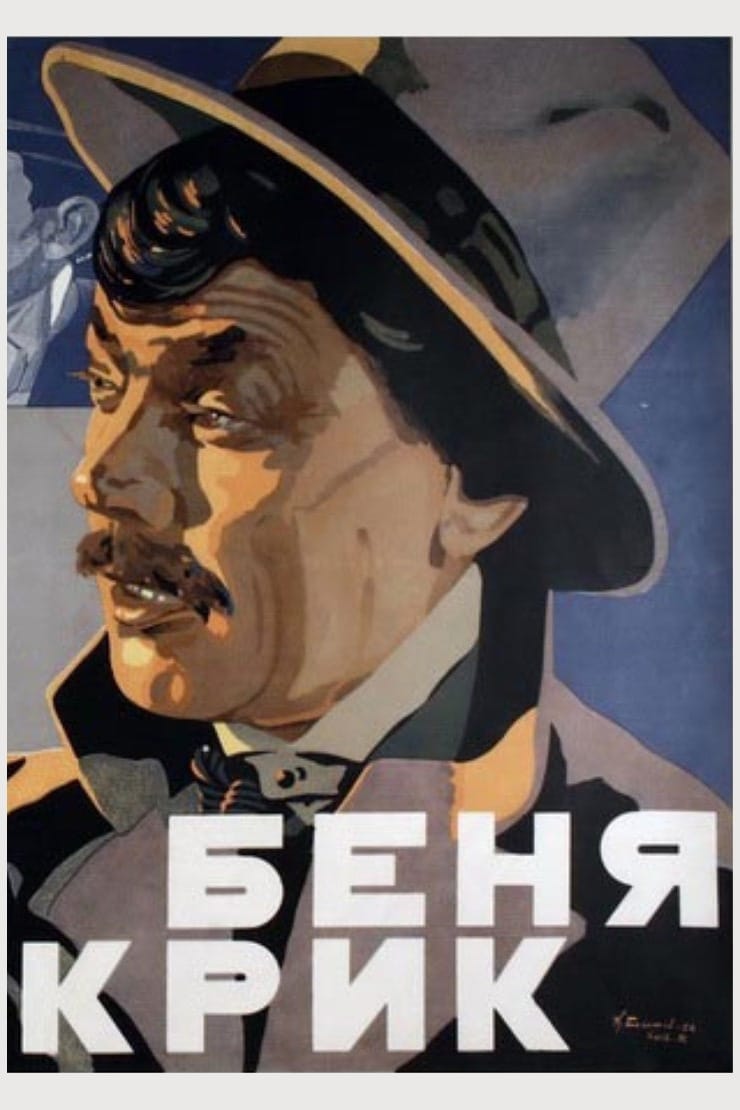
The seamy Jewish underworld of Odesa is the setting for Isaac Babel's story based on the life of gangster king Mishka Yaponchik "Mike the Jap" Vinnitsky. Murder is a way of life for Benya and his gang until he finds himself ensnared in a Bolshevik trap.
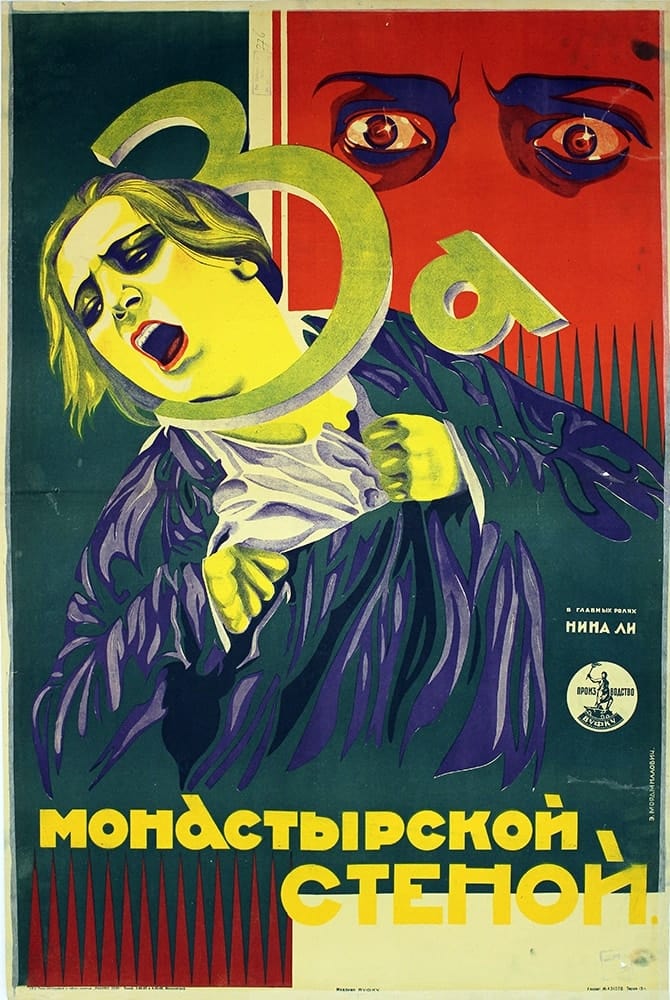
The old nunnery owns the best lands. Nuns rent out the land to local rich men, and exploiting peasants they have a wealthy life. The peasants live in misery. Especially, the family of the peasant named Levin. He is forced to give away his last horse, his son Andrii is imprisoned, his daughter Nastia becomes a maid of a rich landlord. Trying to prevent the master’s harassment, Nastia escapes and gets to the nunnery. She can see the other life of the nuns who manufacture false relics, drink alcohol and kill children. Nastia ends up in the basement for resisting one of the “spiritual pastors.” Meanwhile, her brother Andrii escapes from prison. He stirs up a rebellion and saves his sister. The film is lost.
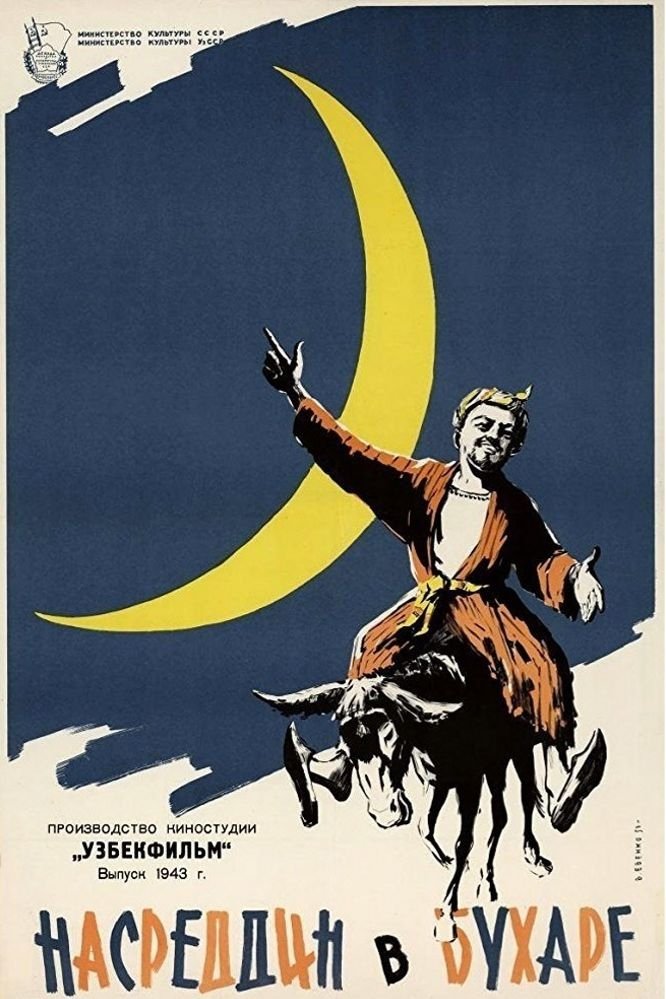
Smart Man Nassredin easily penetrates into Bukhara Emir inner circle posing as Wise Man from Damascus. He becomes Emir trusted advisor, and even convinces the tyrant to relax the rule and release a lot of political prisoners (because stars favor this arrangement).
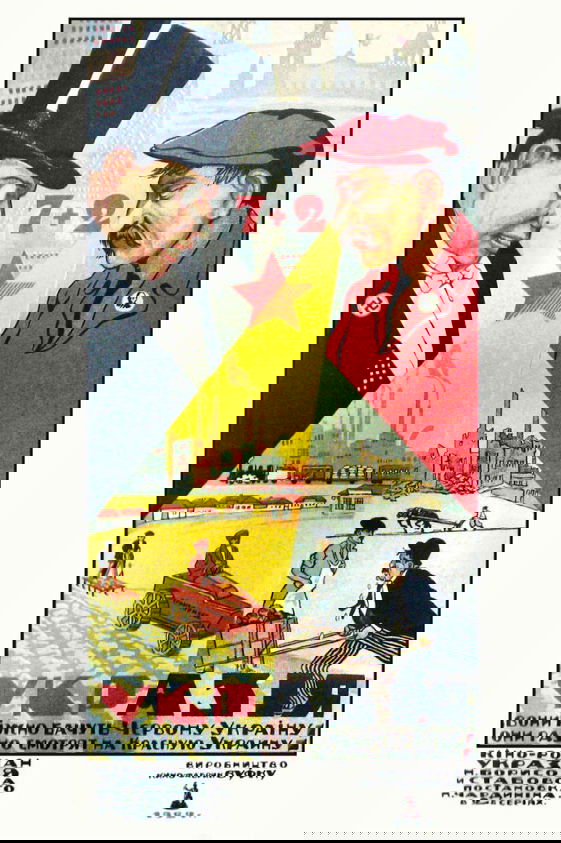
The first Ukrainian adventure detective story. The action takes place in Odesa in 1920, occupied by Denikin's troops. The White Guard counterintelligence conducts a fruitless search for the Bolshevik agent "7+2". The search is led by officer Enger. Dizzying races, disasters, and murders further confuse the agent's trail. It is only with the arrival of the Bolsheviks that the case is solved. Incompletely preserved
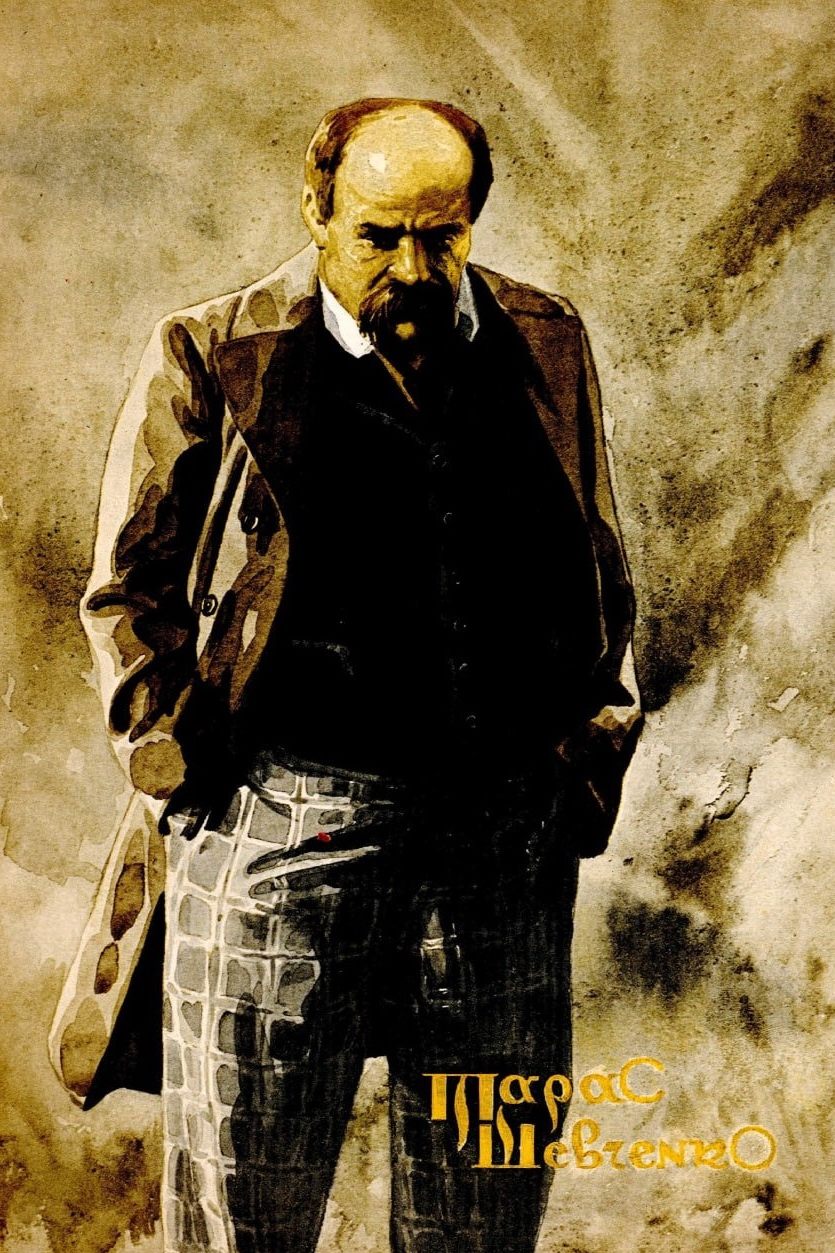
The film adaptation of Taras Shevchenko’s biography of 1925 is the first Ukrainian biopic. At that time, it was one of the most expensive films, as for the first time experts in history, ethnography, and literary studies were involved in pre-production. The famous Modernism artist, academician Vasyl Kryvhevskyi designed the film, and professor Serhii Yefremov served as a consultant. Consisting of numerous short stories, the film that shows the life of Shevchenko as an adolescent, a soldier, a poet, was successfully demonstrated in Ukraine and abroad and became the most acknowledged cinema project of 1926. Amvrosii Buchma played Taras Shevchenko.
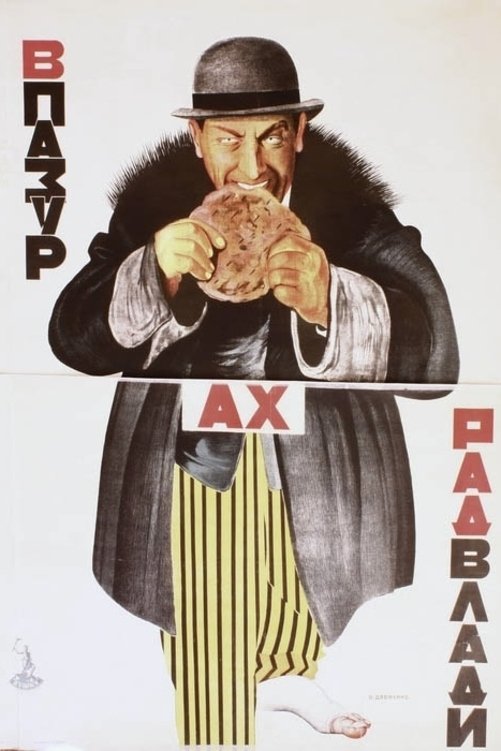
Day in and day out, factory worker Wolfer enjoys his luxurious life. But one day he wakes up after another night of drinking and is horrified to learn that the October Revolution has taken place. It took away the manufacturer's luxurious life. Wolfer's mansion, jewelry, and excess clothes were requisitioned. In the end, the manufacturer has to sweep the streets. He flees to Paris, where he finds a job in a circus with great difficulty.
A remote Ukrainian village. A poor peasant, Hryhorii Malynovskyi, wants to expose those who oppose the revolutionary changes in the village - the rich, led by Konstantin Popandopul, who have made their way into the village council and are ruling there. Since poor peasants enjoy certain privileges, the rich in the village council decide to exclude Grigory from the list of poor people. Outraged, Hryhorii goes to the city and writes a letter to the newspaper. Malynovskyi is murdered. The investigator uncovers the murder and the thieves are brought to justice. The film is based on the high-profile trial of the murder of the pro-Bolshevik rural journalist Hryhorii Malynovskyi in the village of Dymivka (later renamed Malynivka in honor of Malynovskyi in Odesa province, now Mykolaiv region), promoted by Pravda newspaper and mentioned by Stalin.
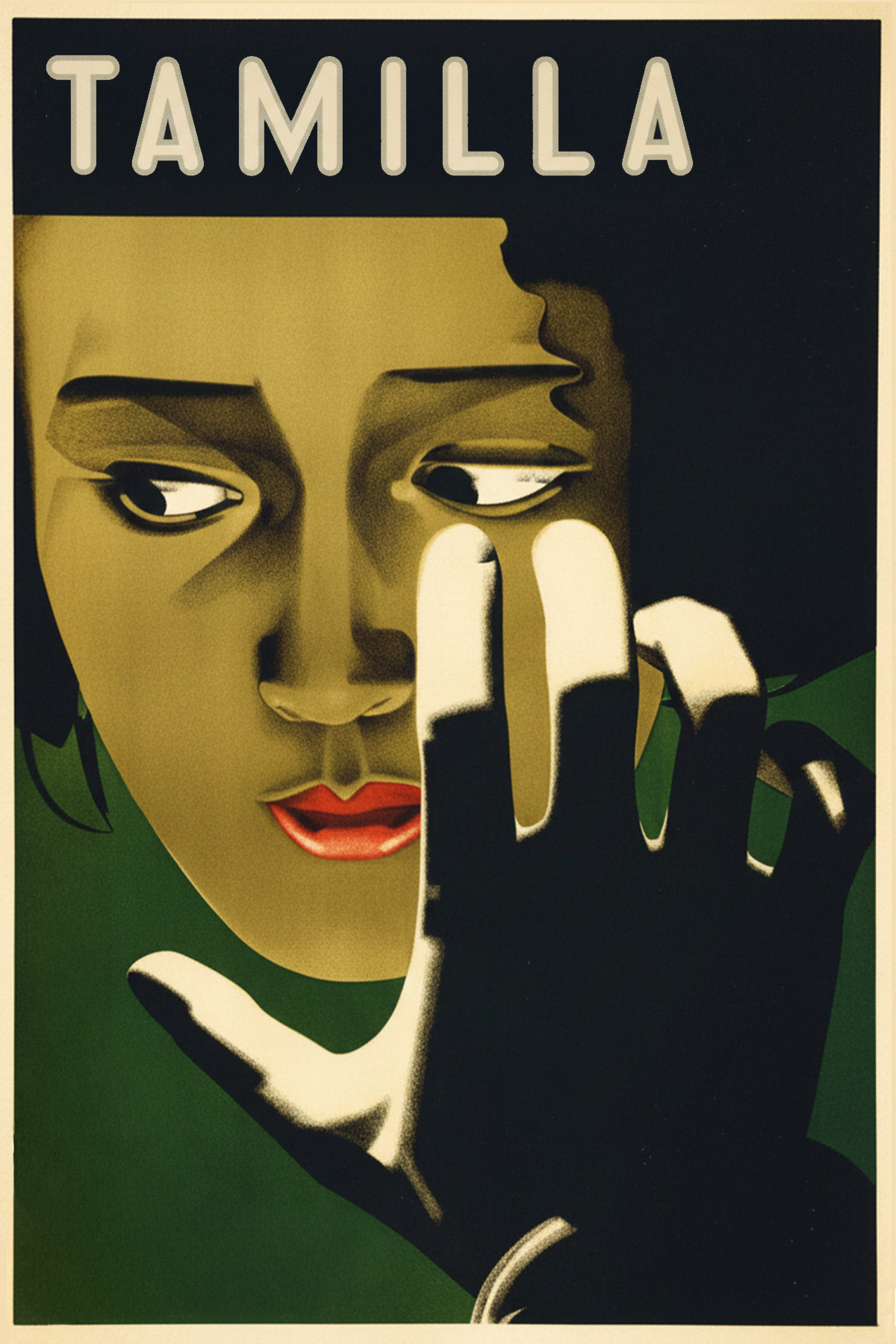
Algeria, run by the French administration. Tamilla is a cheerful girl whose father, a respected member of the Méziane community of Kabylians, is looking for a favorable marriage. Mezian promises his daughter to the old merchant Lakhrash. This does not prevent him from selling Tamilla almost immediately for the second time, this time to a young handsome man named Akli, with whom the girl experiences short-term happiness. But later, Akli thinks about another wife. At the same time, Meziane is scheming to lure more money from Akli and pay off Lakhrash. Having already given birth to a child with Akli, Tamilla finally falls into Lakhrash's hands. Everything ends in tragedy, and Tamilla is imprisoned by an unjust sentence of French judges who are insensitive to Berber problems. Although Tamilla will be released, she is already "damaged goods". The film premiered in Turkey 92 years later with a special screening at the 56th Antalya Golden Orange Film Festival.

The poor tailor Perchyk who dreams to buy a she-goat lives in a small town. Meanwhile, Perchyk’s daughter Frida falls in love with the unemployed Elia. Perchyk is totally against their marriage, as he cannot buy a she-goat if the son-in-law does not have any money. Finally, Perchyk buys a she-goat from a rich tavern owner but he gives him… a goat. Moreover, a police officer dissatisfied with the tailored uniform forges a document, according to which Perchyk and his whole family are expelled from the town as troublemakers.
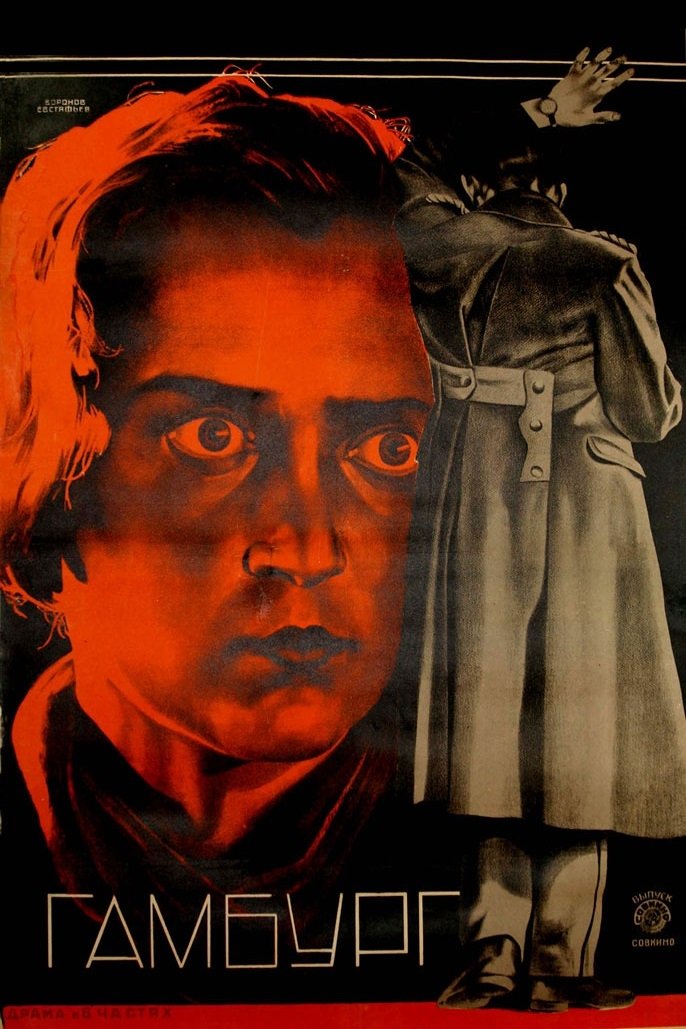
Germany, 1923. Workers, called to the struggle by the communist Niels Unger, seize the arsenal and turn every building into a fortress. The social democrat Buk does not fulfill Unger's order to blow up the bridge over the Elbe, so the Reichswehr troops enter the city. A bloody massacre begins. Nils Unger is arrested. Buk, who is associated with the punitive leader Meins, betrays the rebels during interrogations. A trial is scheduled for the rebels. To avoid political publicity during the trial, Nils Unger is declared insane, but manages to escape from the prison hospital. Once again, his call resounds through the streets of Hamburg: "Save your guns!"