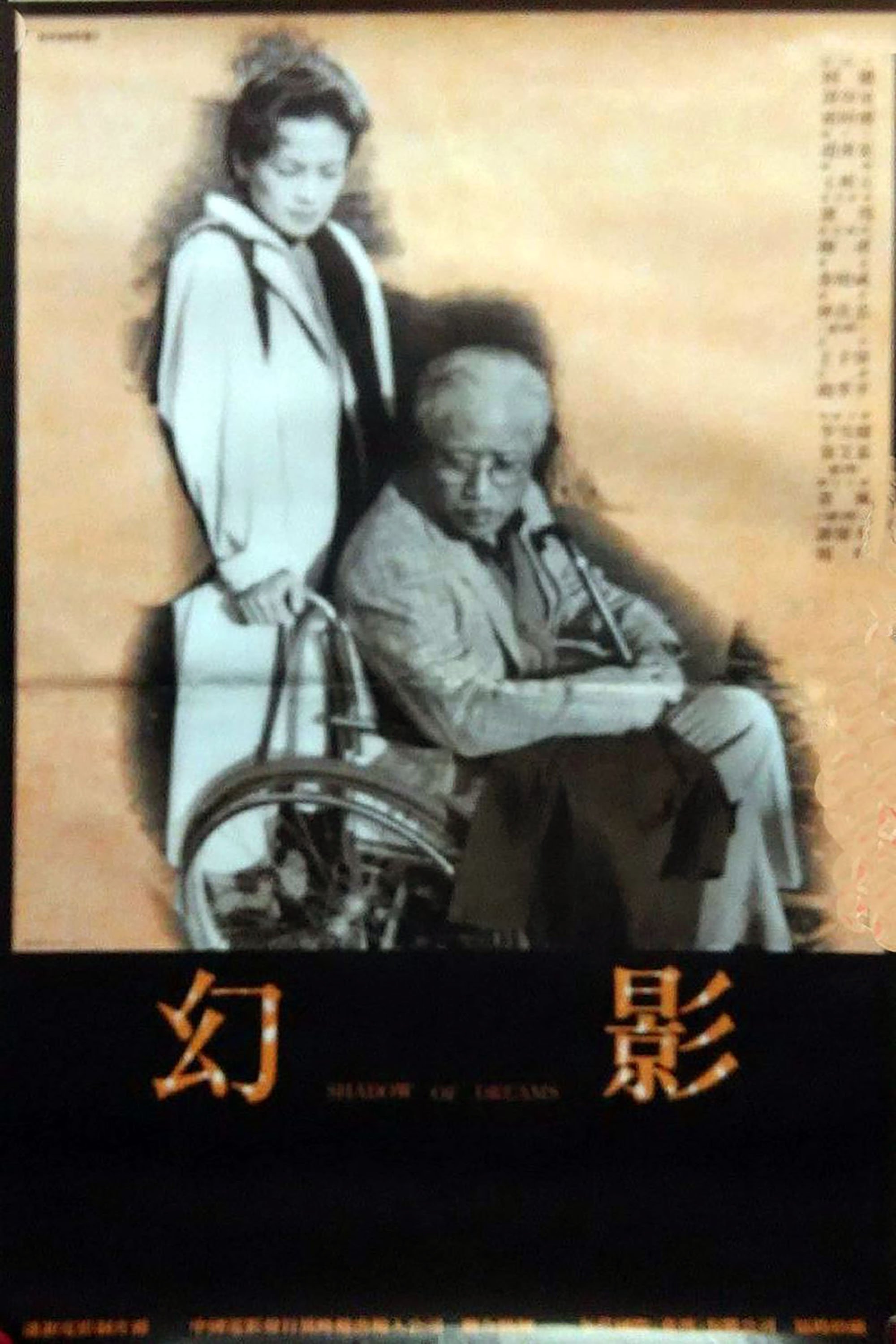
Wan Renle, a man in his sixties in Taipei, becomes eccentric after buying an old record, leading to hallucinations about reuniting with a former lover. His daughter, Wan Jinjin, admits him to a hospital, where she learns of his secret romance with Tong Shuizhu, a Beijing drum singer. Renle goes missing, and Jinjin finds him in Tianjin, discovering he was searching for Shuizhu, who is her biological mother and has passed away. Jinjin arranges a meeting with a woman posing as Shuizhu, but Renle recalls Shuizhu’s suicide. Back in Taipei, Renle is diagnosed with Alzheimer’s, and Jinjin continues to help him regain his memories.
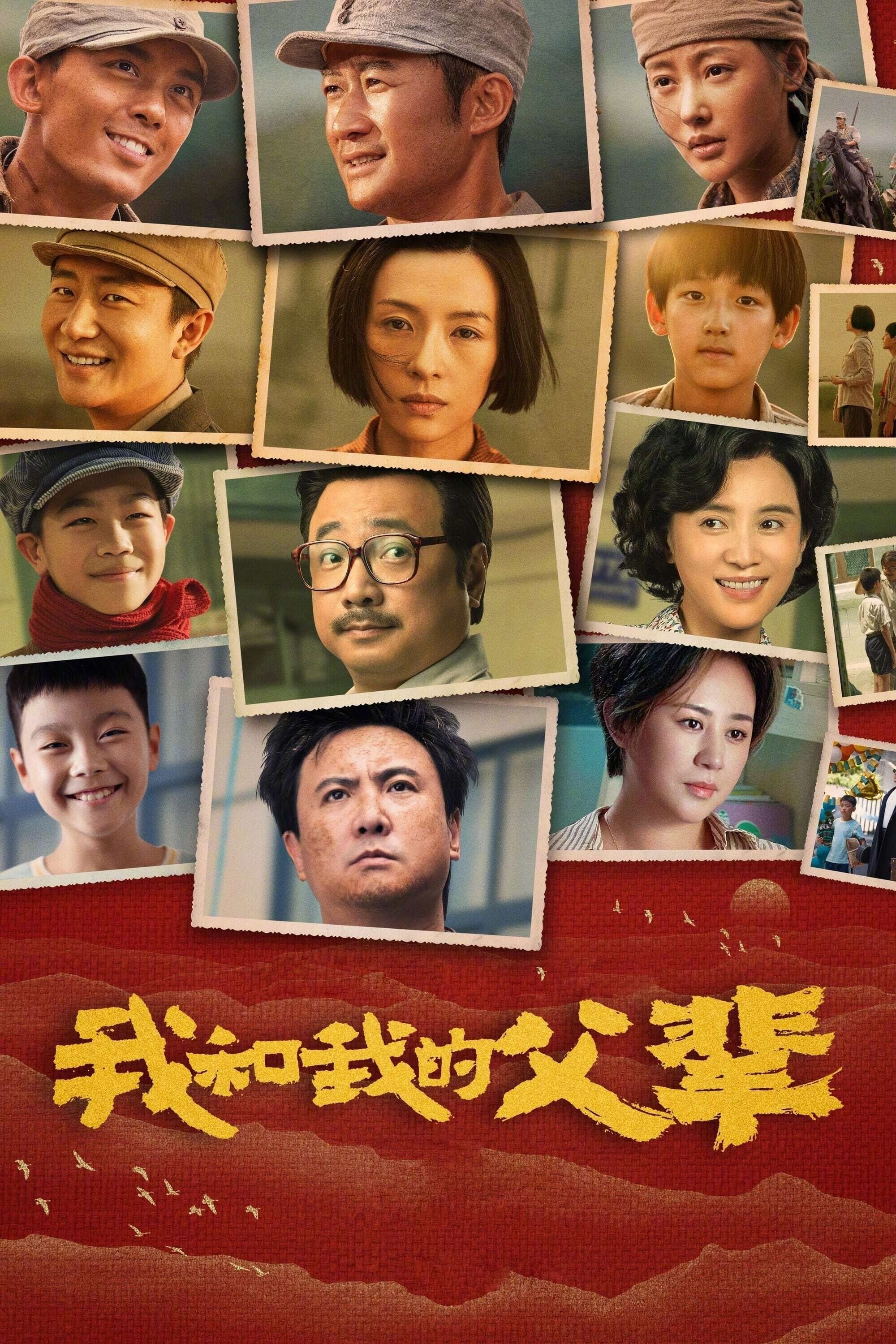
This anthology drama presents four short films honoring Chinese families, spotlighting the struggles of key groups across four pivotal eras: the revolution, construction, reform and opening up, and the new era, while highlighting their perseverance, dedication to ideals, and commitment to passing on the national spirit through generations.
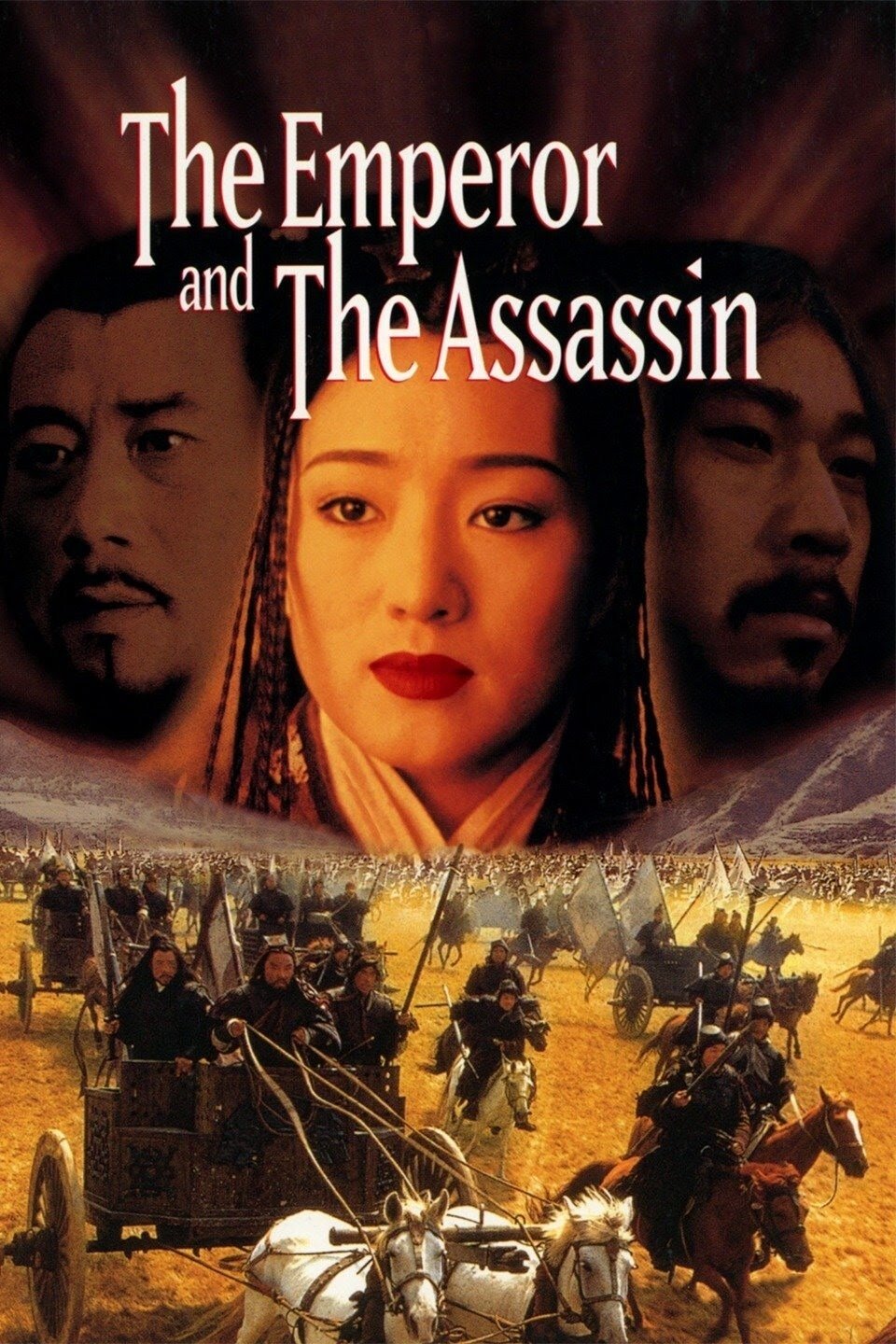
In pre-unified China, the King of Qin sends his concubine to a rival kingdom to produce an assassin for a political plot, but as the king's cruelty mounts she finds her loyalty faltering.
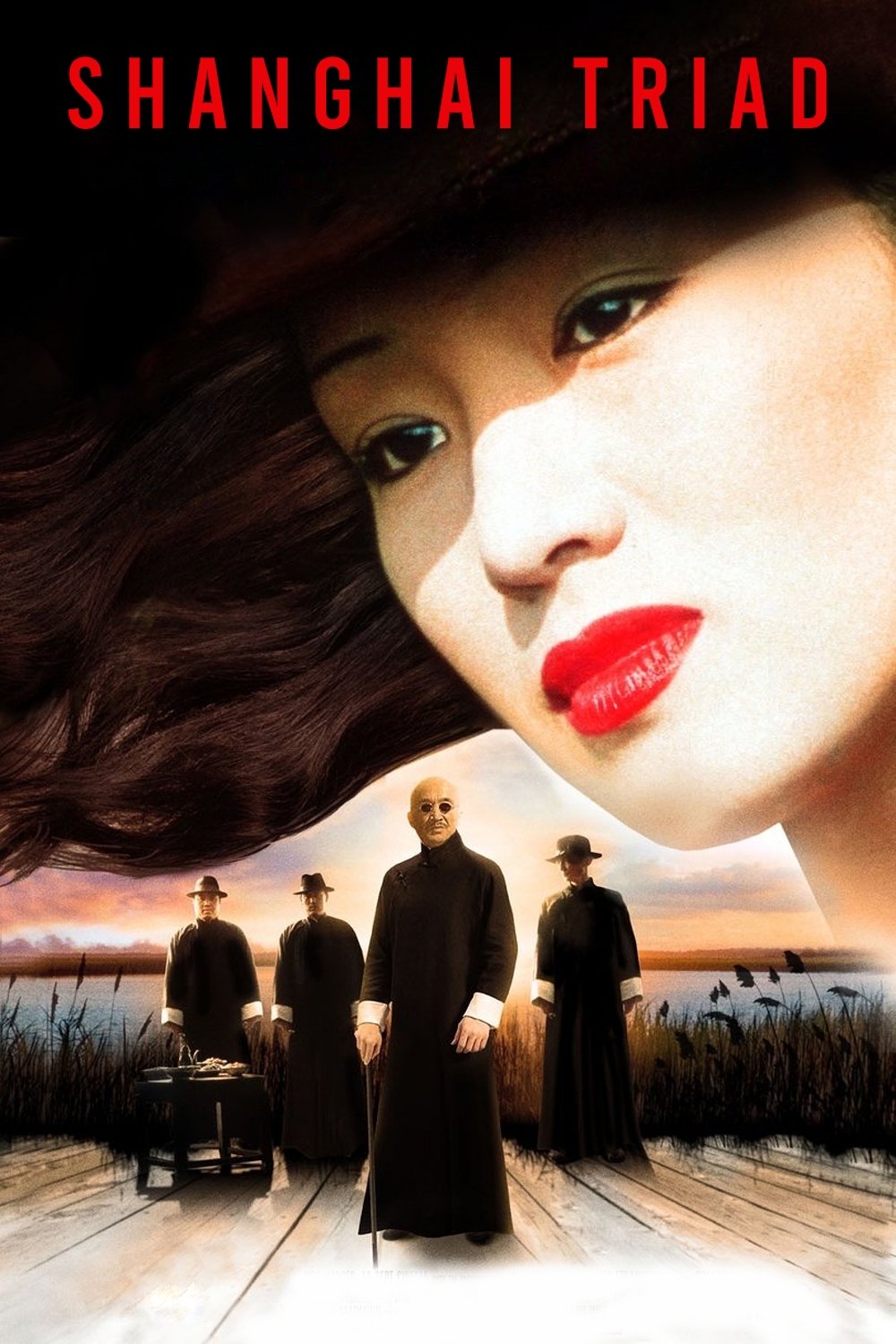
Shanghai, China, 1930. When young Shuisheng arrives from the countryside, his uncle Liushu puts him at the service of Bijou, the mistress of Laoda, supreme boss of the Tang Triad, constantly threatened by his enemies, both those he knows and those lurking in the shadows.
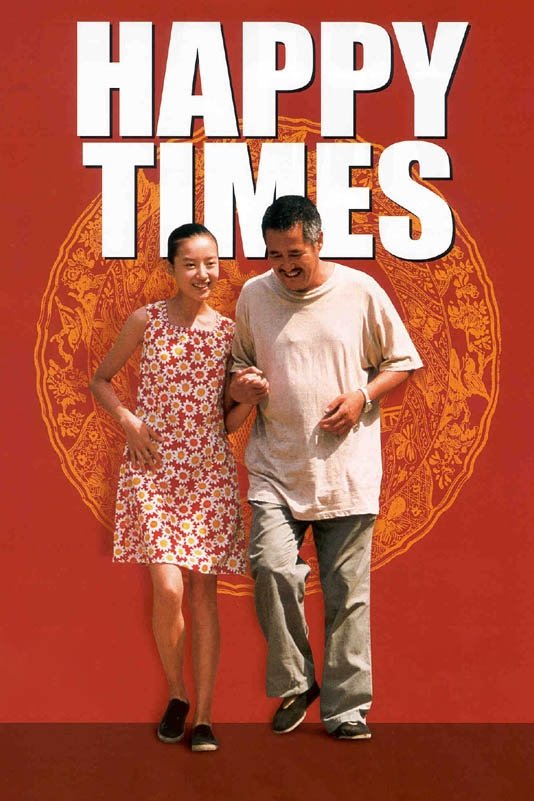
Zhao is an ageing bachelor, who has not been fortunate in love. Believing that he has finally met the female of his dreams, Zhao makes her believe that he is opulent and consents to a lavish wedding.
Wearing identical dresses, the same bouquets and deliriously happy, older couples stride out of a communal wedding. In Xian, China, getting remarried en masse is nothing unusual. It is also a celebration of what was previously impossible owing to socio-economic conditions. Now, however, elderly couple Li and Nie are facing up to death. In small ways and big: a dying female friend has her eye on a potential suitor for her husband; their fridge breaks down; the grave of Li’s deceased first wife has to be vacated. Guilt-ridden about her death, he gladly offers her a final resting place in the grave set aside for him and Nie. Maybe there will even be some space left, so Nie’s late husband can join them?
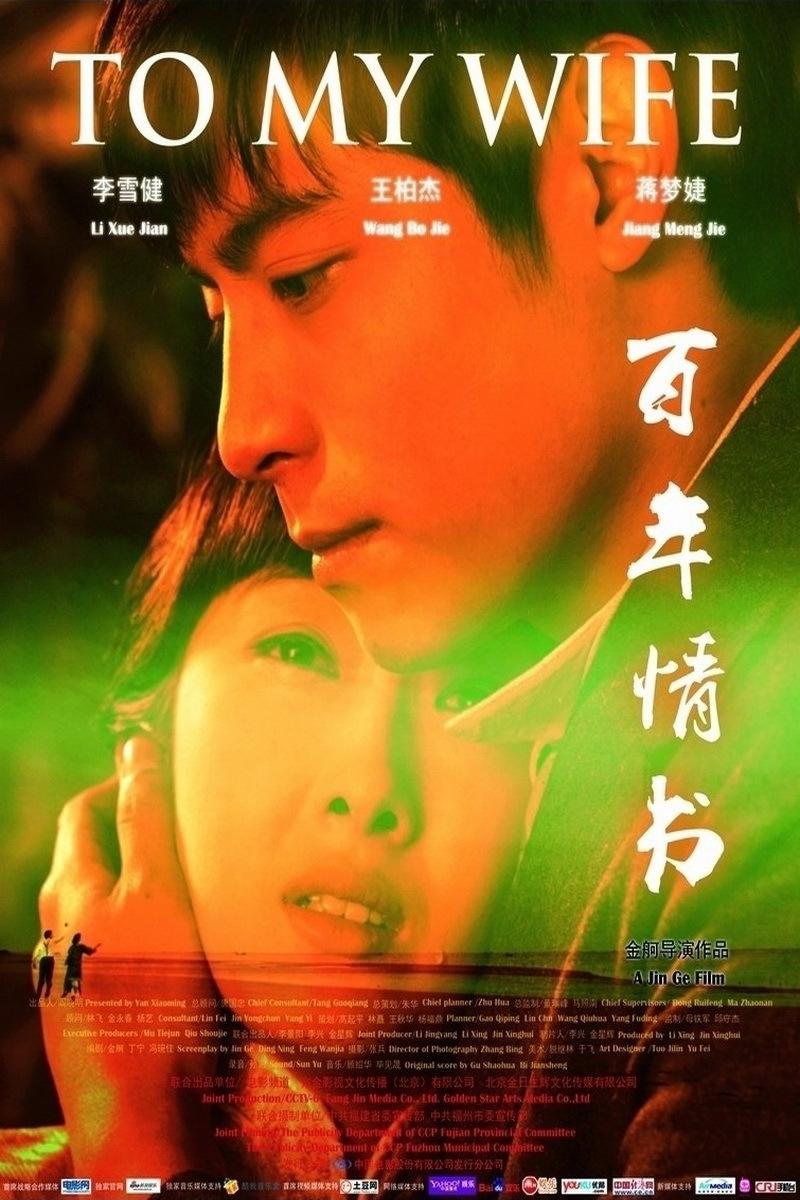

In 1942, Henan Province was devastated by one of the most tragic famines in modern Chinese history, resulting in the deaths of at least three million men, women and children. Although the primary cause of the famine was a severe drought, it was exacerbated by locusts, windstorms, earthquakes, epidemic disease and the corruption of the ruling Kuomintang government.
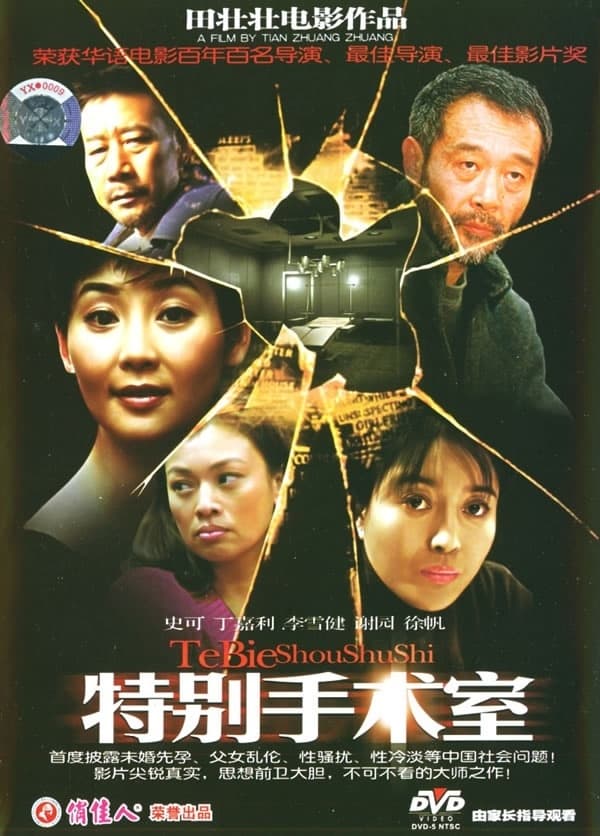
After getting an abortion at a local clinic, unwed Beijing TV anchor Lu Yun decides to focus her next special report on women's reproductive issues, working at that clinic to research her topic.
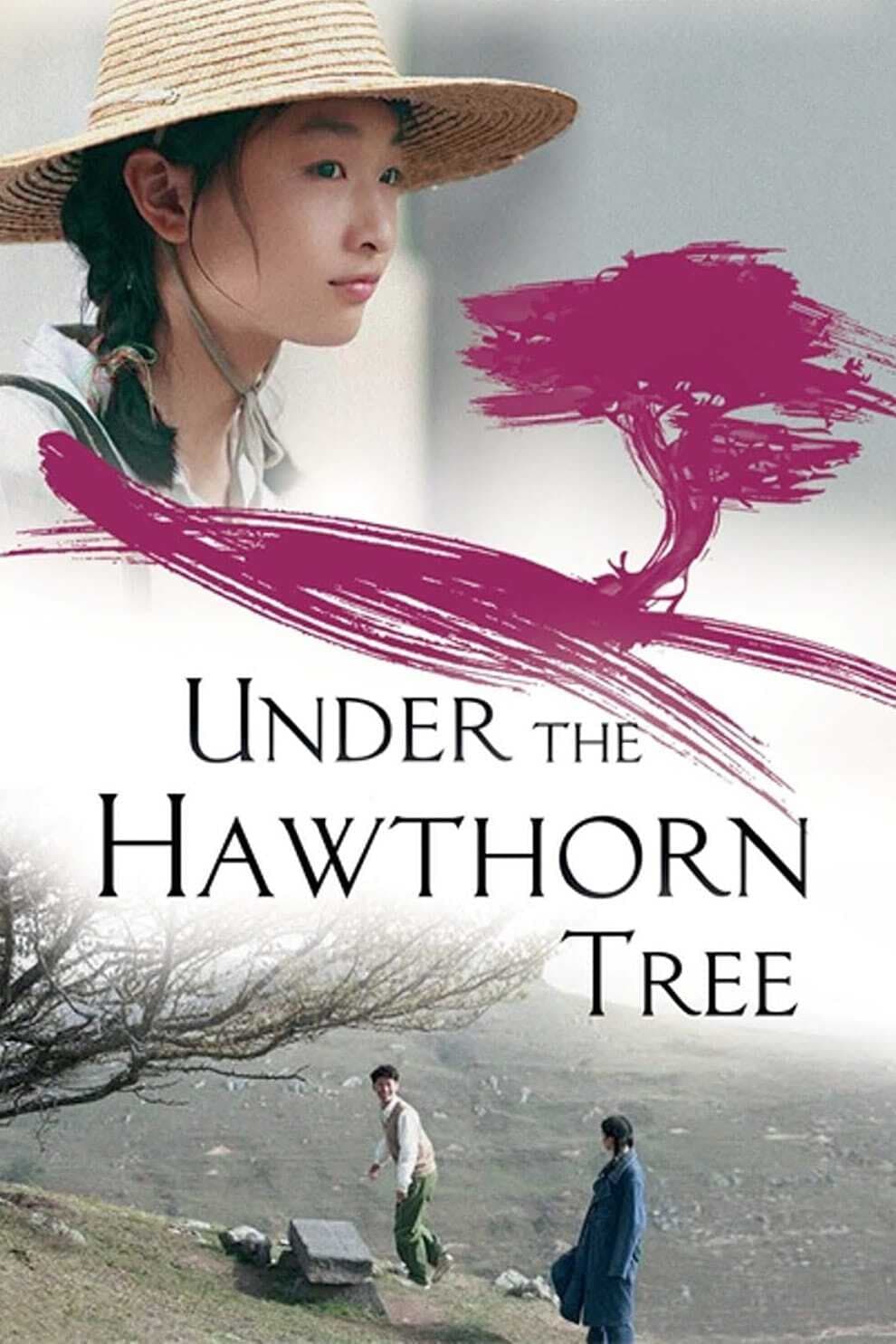
The daughter of a right-winger, schoolgirl Jing Qiu is sent to the countryside for reeducation, and tasked to help write a textbook. There she meets Lao San, a young soldier with a bright future ahead. Despite the class divide and parental disapproval, romance blooms against turbulent times.
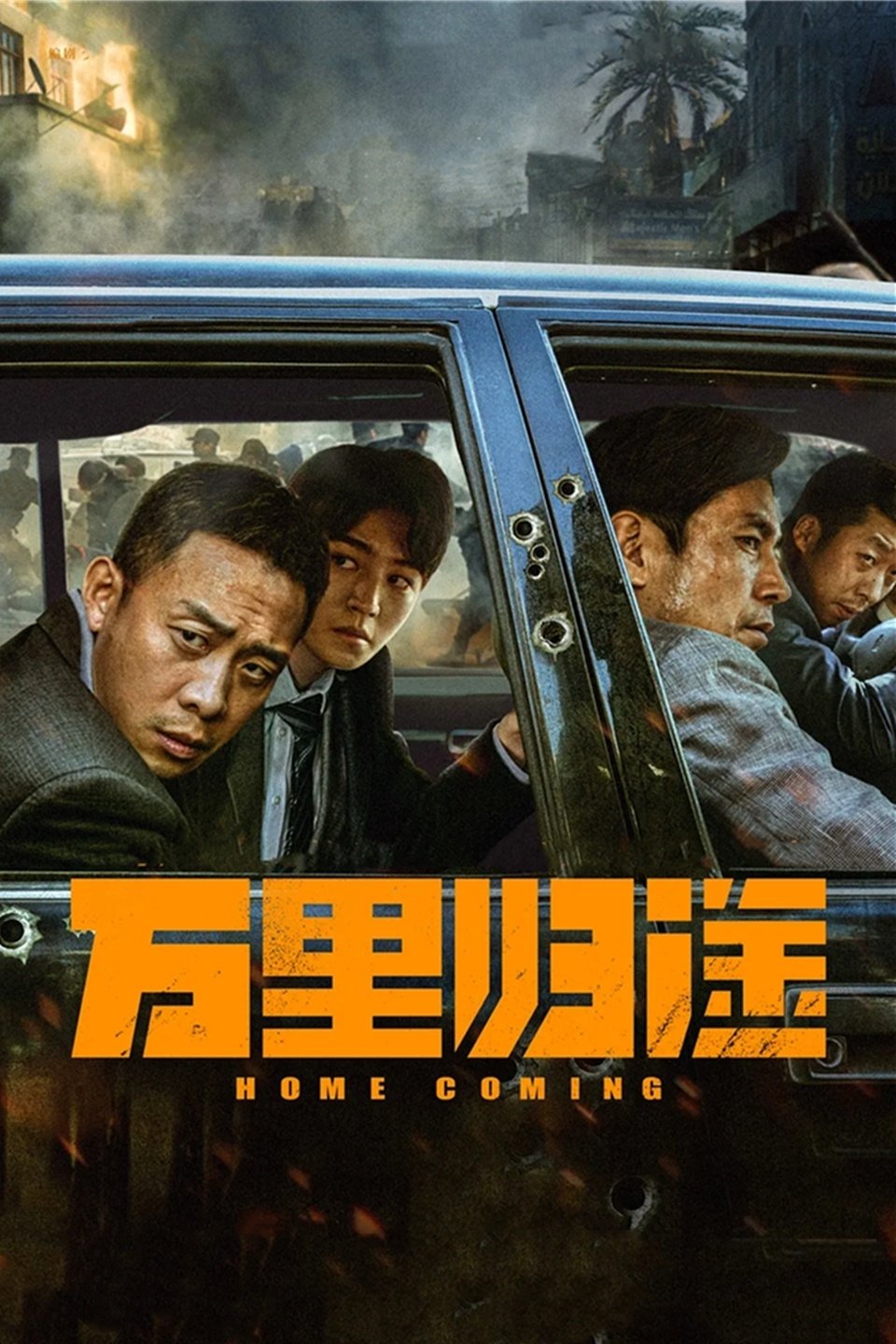
Two members of the Chinese Ministry of Foreign Affairs are tasked with the evacuation of Chinese citizens when war breaks out in Numia, North Africa.
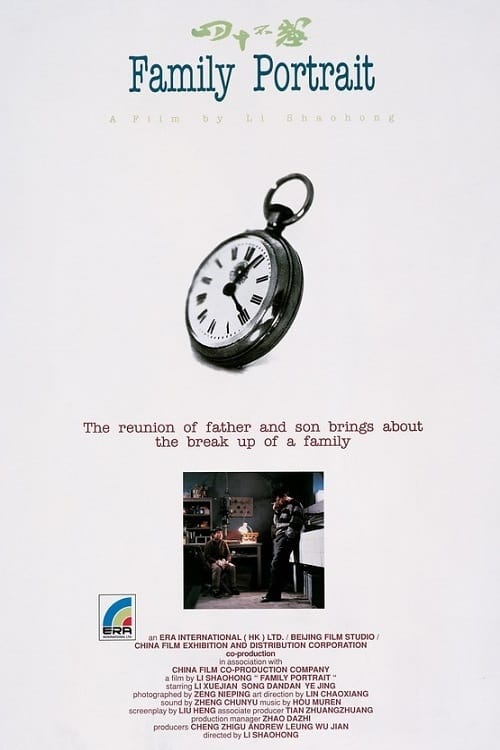
After laying bare backward village mentalities in Bloody Morning, Li Shaohong turns her attention to China’s urban middle class. Cao is a photographer, married to an opera singer and with an infant son, caught in the usual professional morass of political compromise. His life starts to fall apart when he learns that his ex-wife also bore him a son some months after their divorce – and when the boy turns up looking for his father. Nothing wildly dramatic, just believable people in believable situations. If the ending seems a touch forced, this is nevertheless a sign that ‘Fifth Generation’ cinema is changing and coming to terms with up-to-date realities.
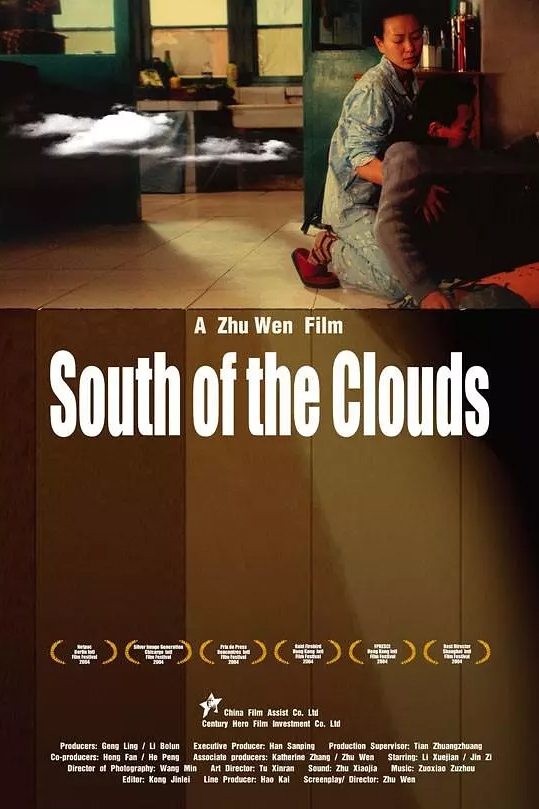
Xu Daqin, a retired Chinese factory worker, returns to the remote Yunnan province, where he hopes to reconcile himself with the life and opportunity he passed up in this place 40 years ago.
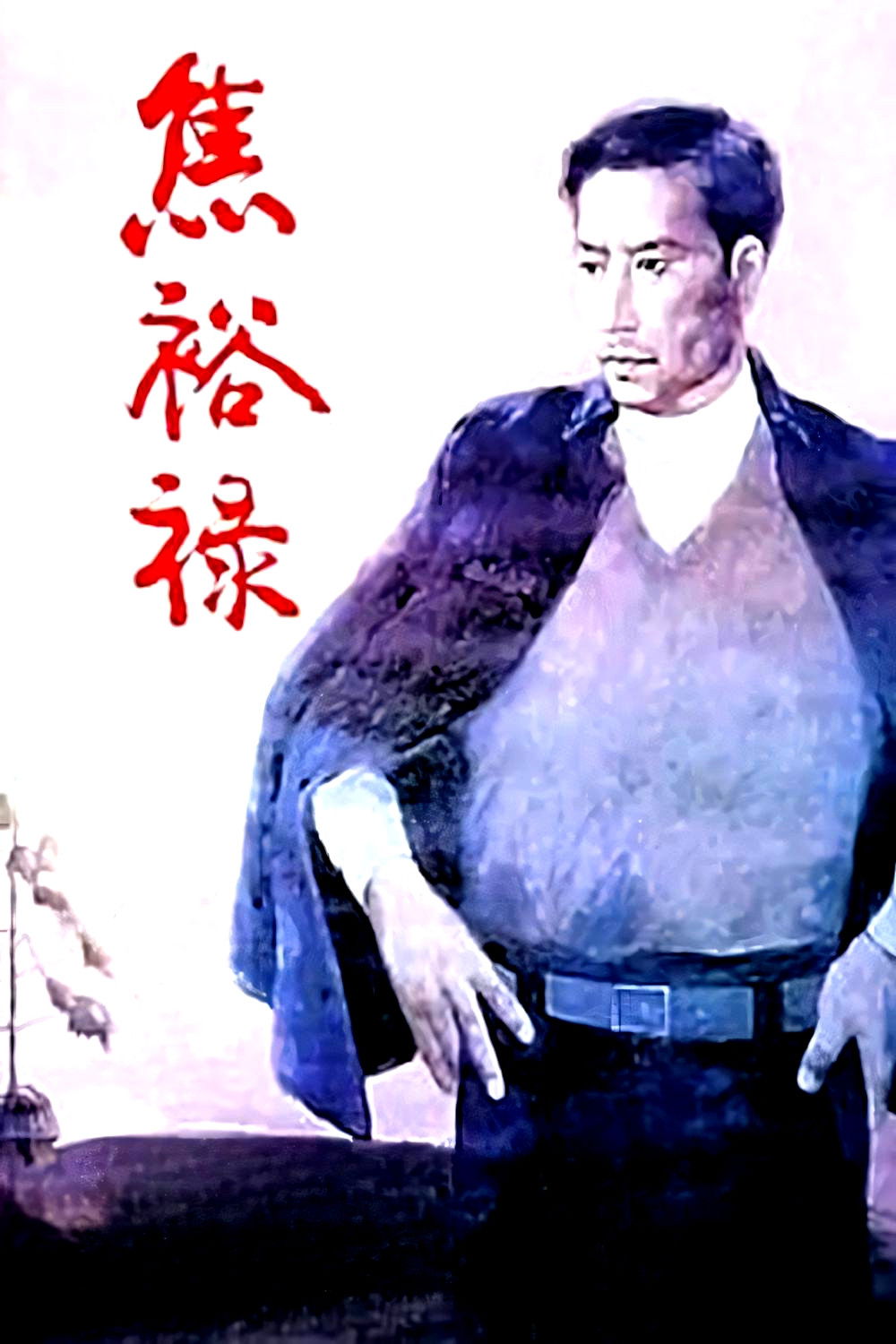
Directed by Jixing Wang.
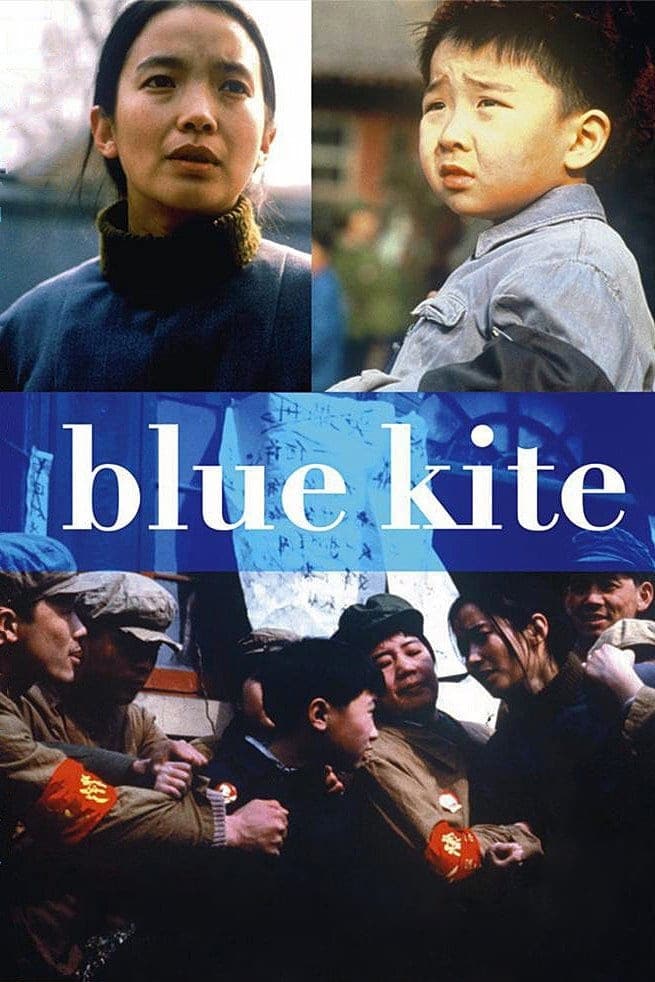
A young man recalls his childhood growing up in a poor alley in Beijing during the 1950s and 1960s.
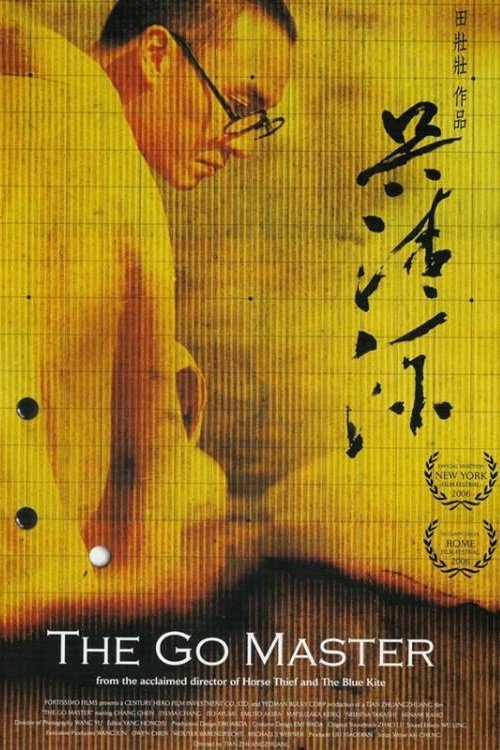
The life of Go master Wu Qingyuan from his meteoric rise as a child prodigy to fame and fortune as a revolutionary strategic thinker, as well as the tumultuous conflicts between his homeland of China and his adopted nation of Japan.
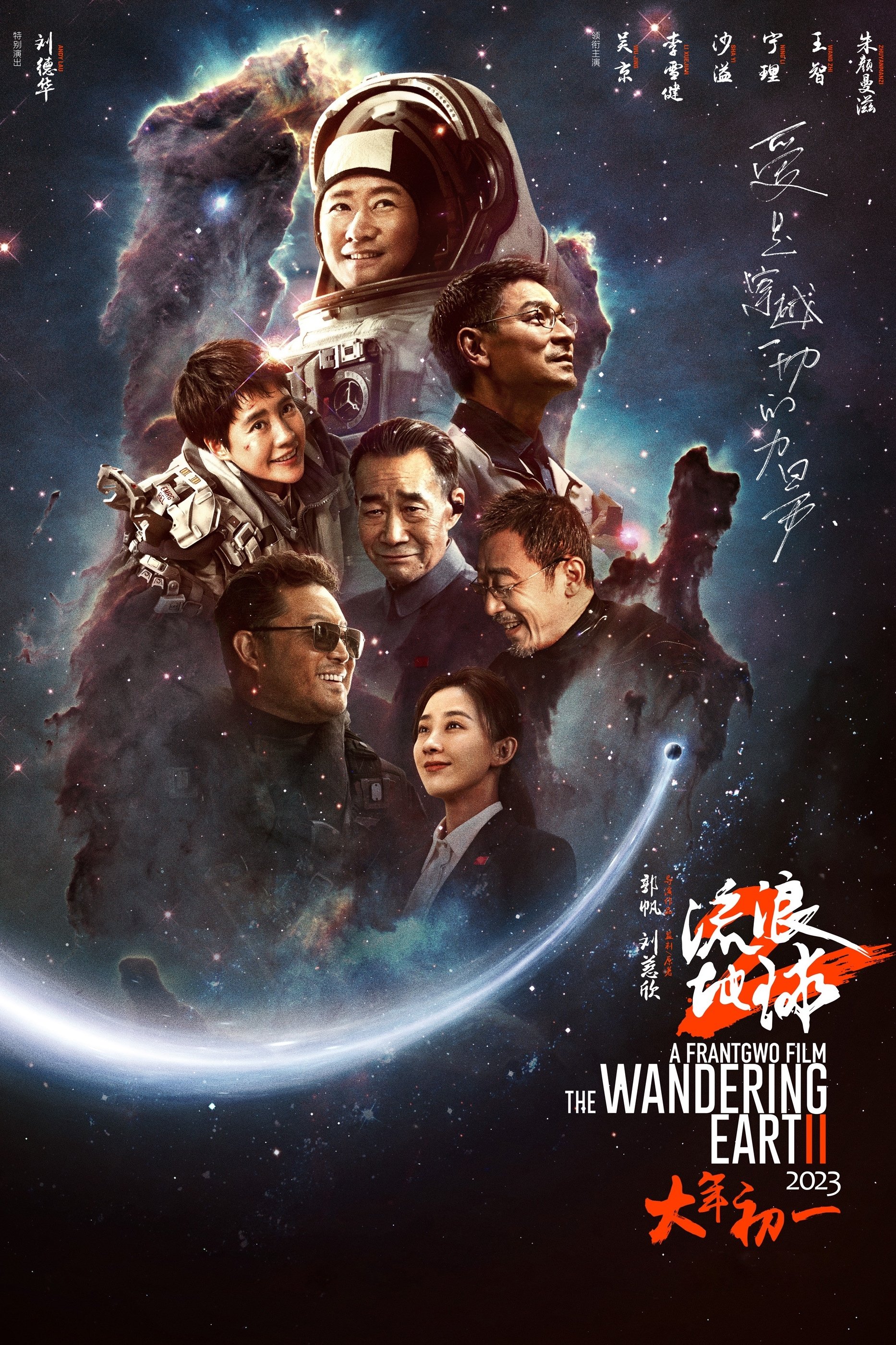
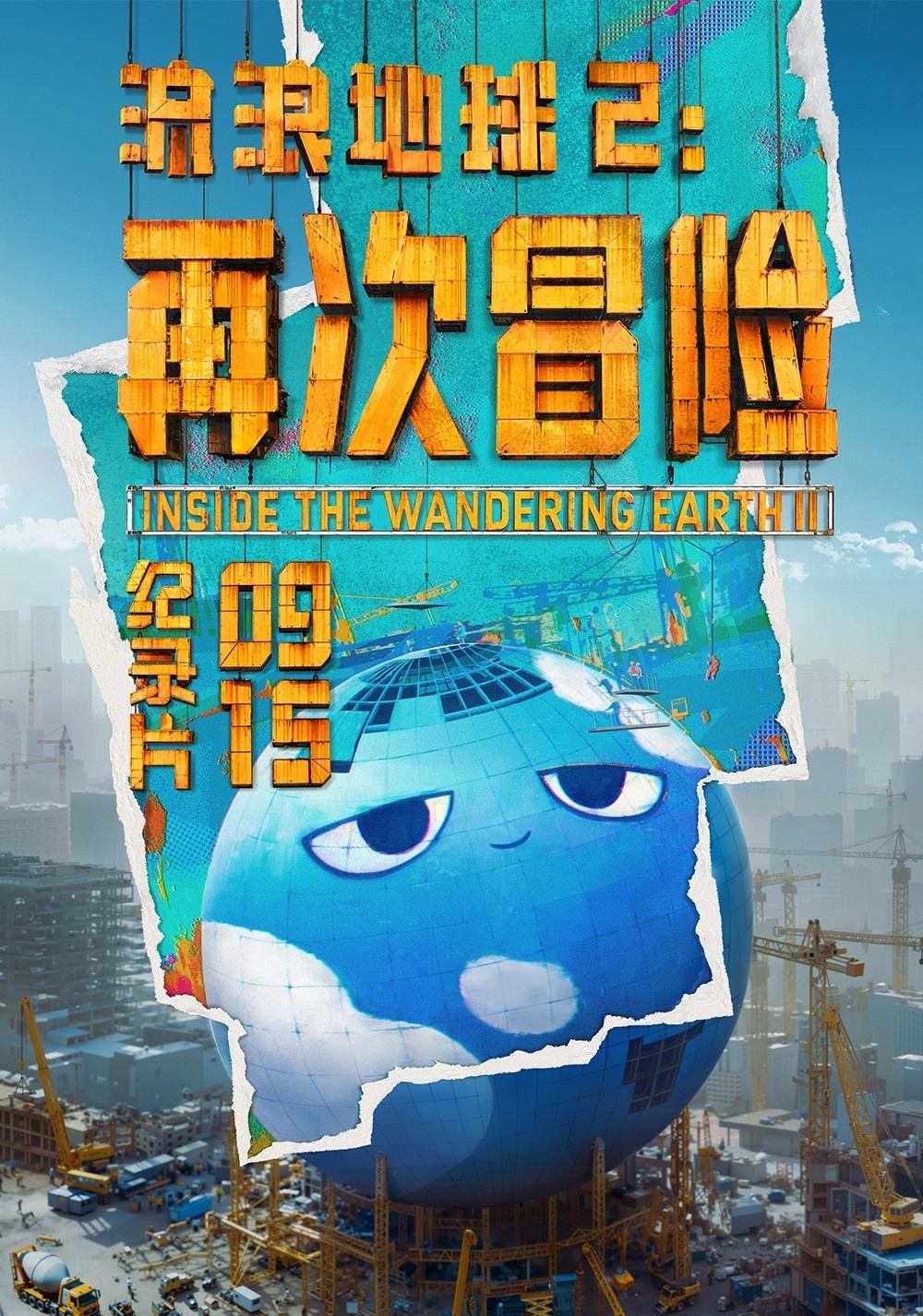
Humans built huge engines on the surface of the earth to find a new home. But the road to the universe is perilous. In order to save earth, young people once again have to step forward to start a race against time for life and death.

A spurned lover seeks a rich man for revenge. A random onlooker — who witnessed the public assault committed by the rich man against the lover — seeks for monetary compensation for his smashed computer.
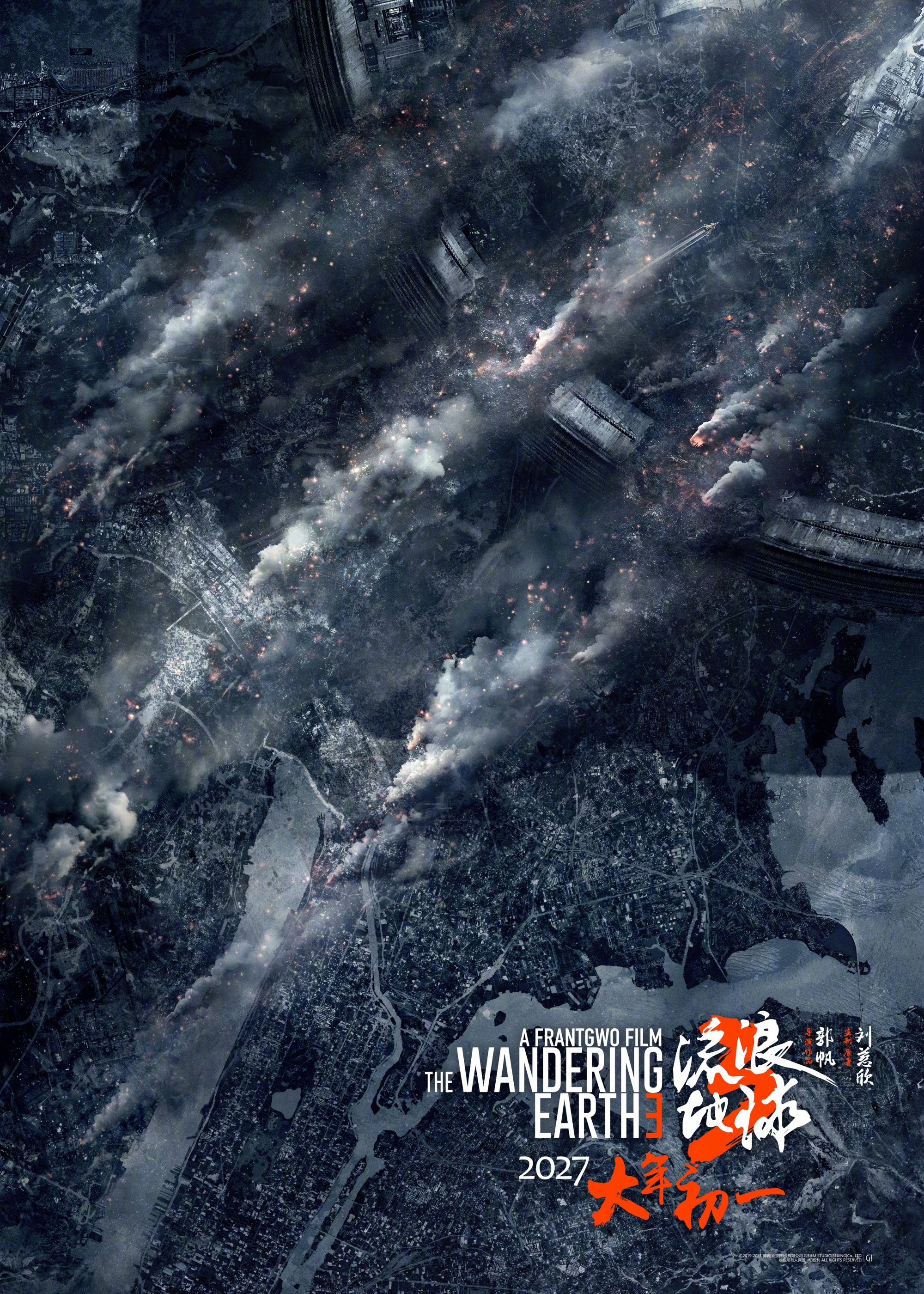
The sun is about to be destroyed, and humans have built huge thrusters on the surface of the earth to find a new home. However, the road to the universe is full of dangers. In order to save the earth, young people from the wandering earth era stepped forward for the third time and started a life-and-death battle against time.
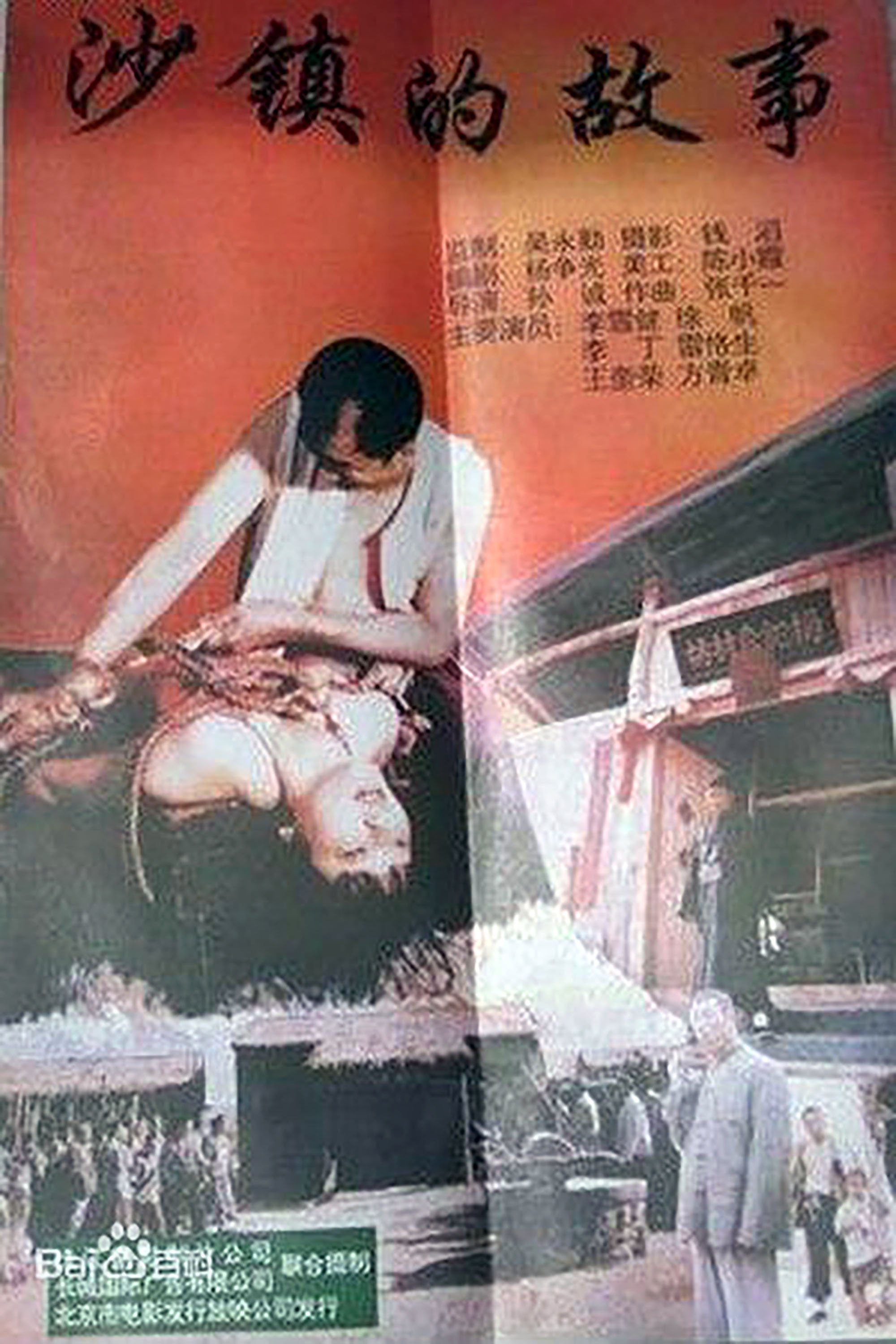

A monk leaves his monastery and ventures out into the real world for the first time in his life, and ends up in an adventure with a kung-fu master who is guarding a special artifact.

A chronicle of the events that led to the founding of the Chinese Communist Party.
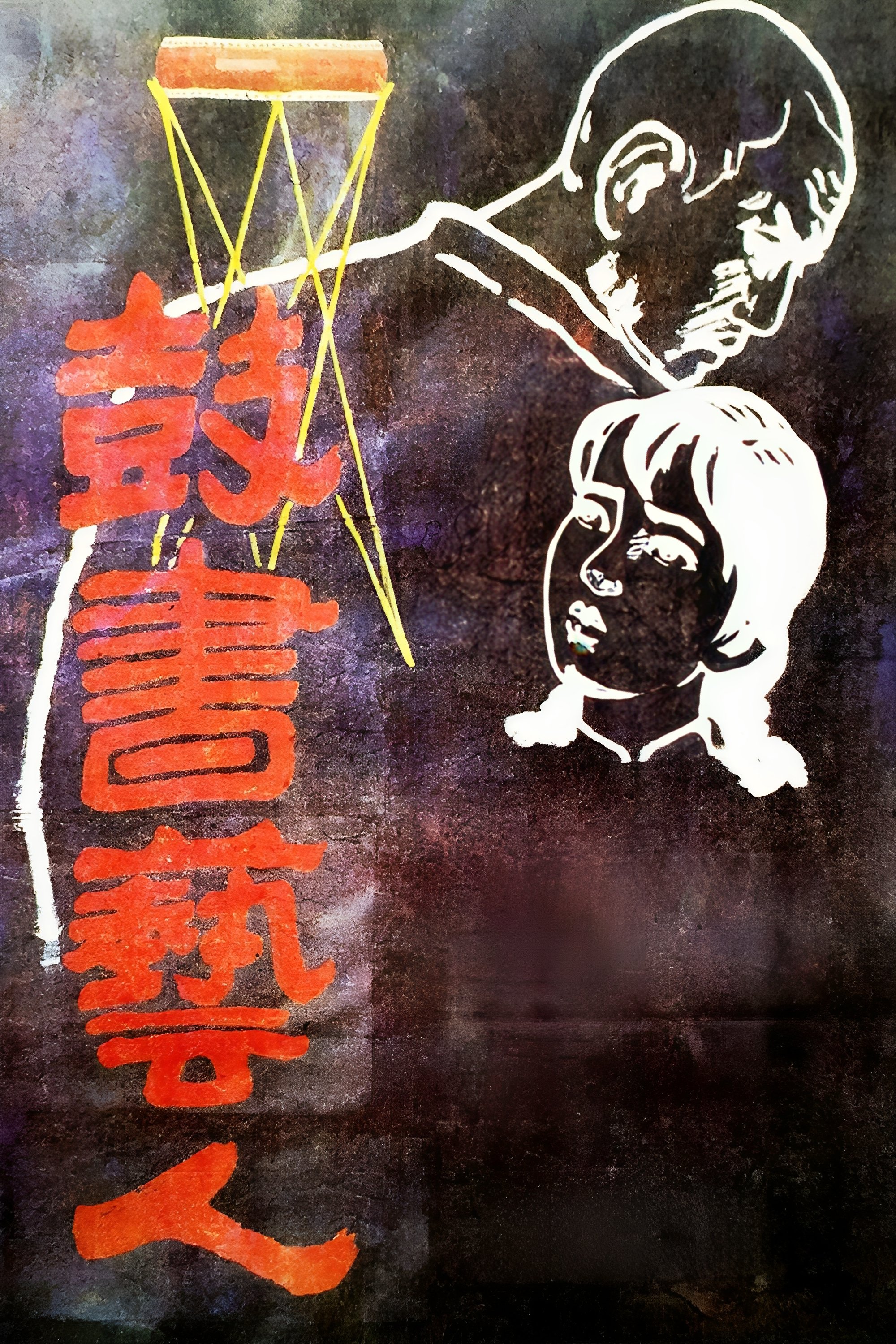
Based on Lao She’s novel, a story about a street player set in the wartime Chongqing.
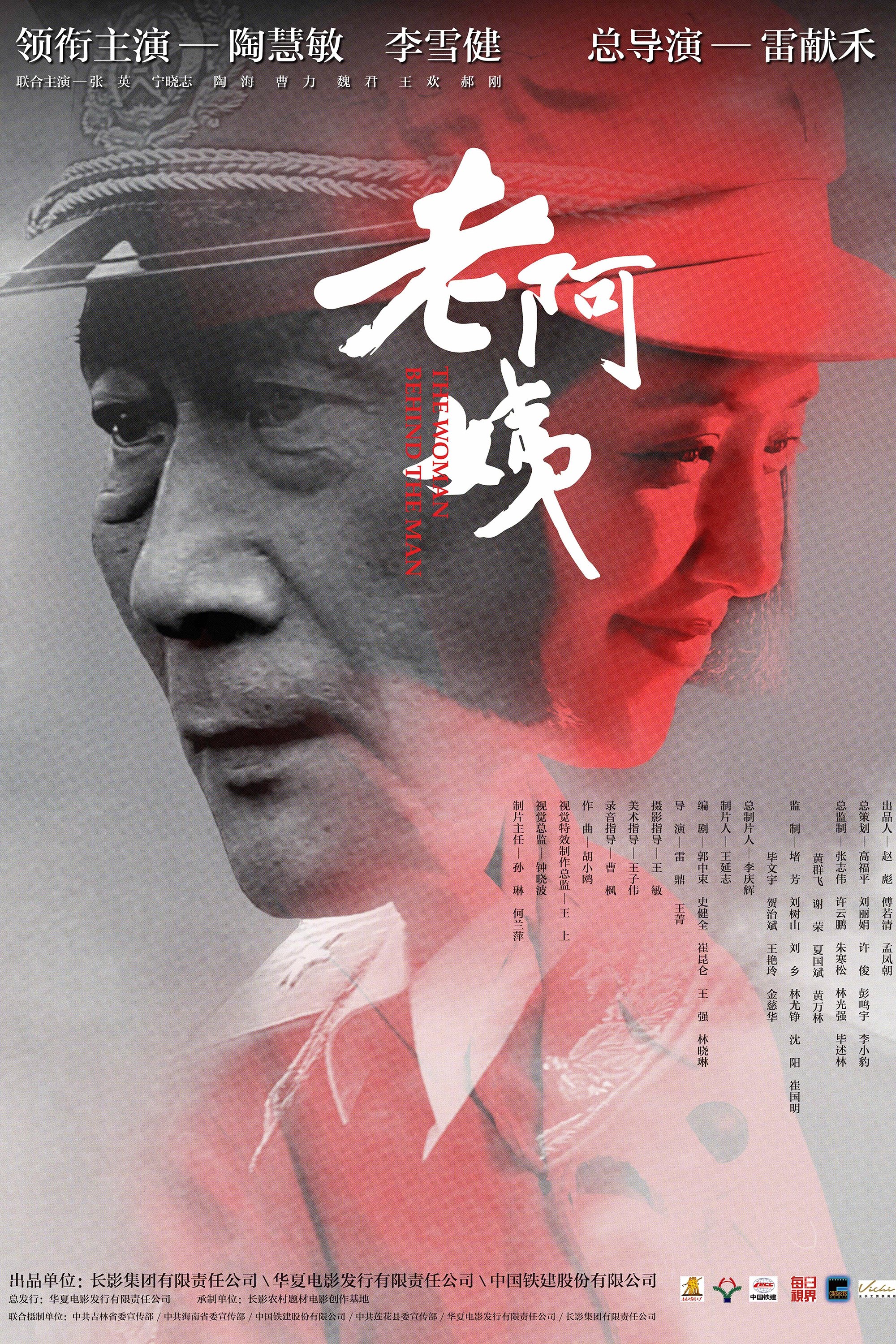
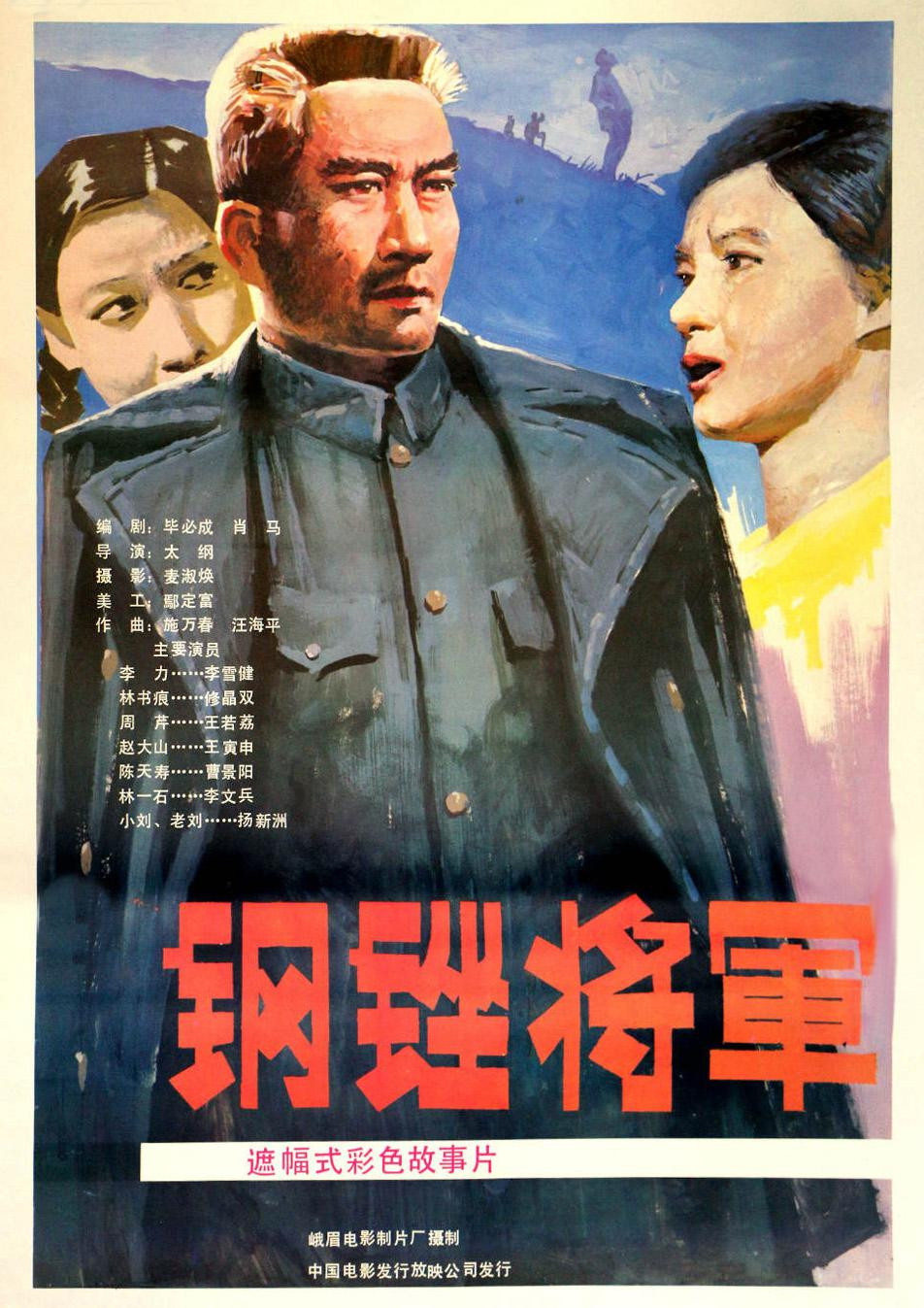
The year is 1957. An army general's wife gives up the conveniences of an urban existence to follow her husband, Gan Zuchang, to his native place-an impoverished village in East China's Jiangxi province. The couple begin life afresh there as farmers and aid the impoverished villagers.
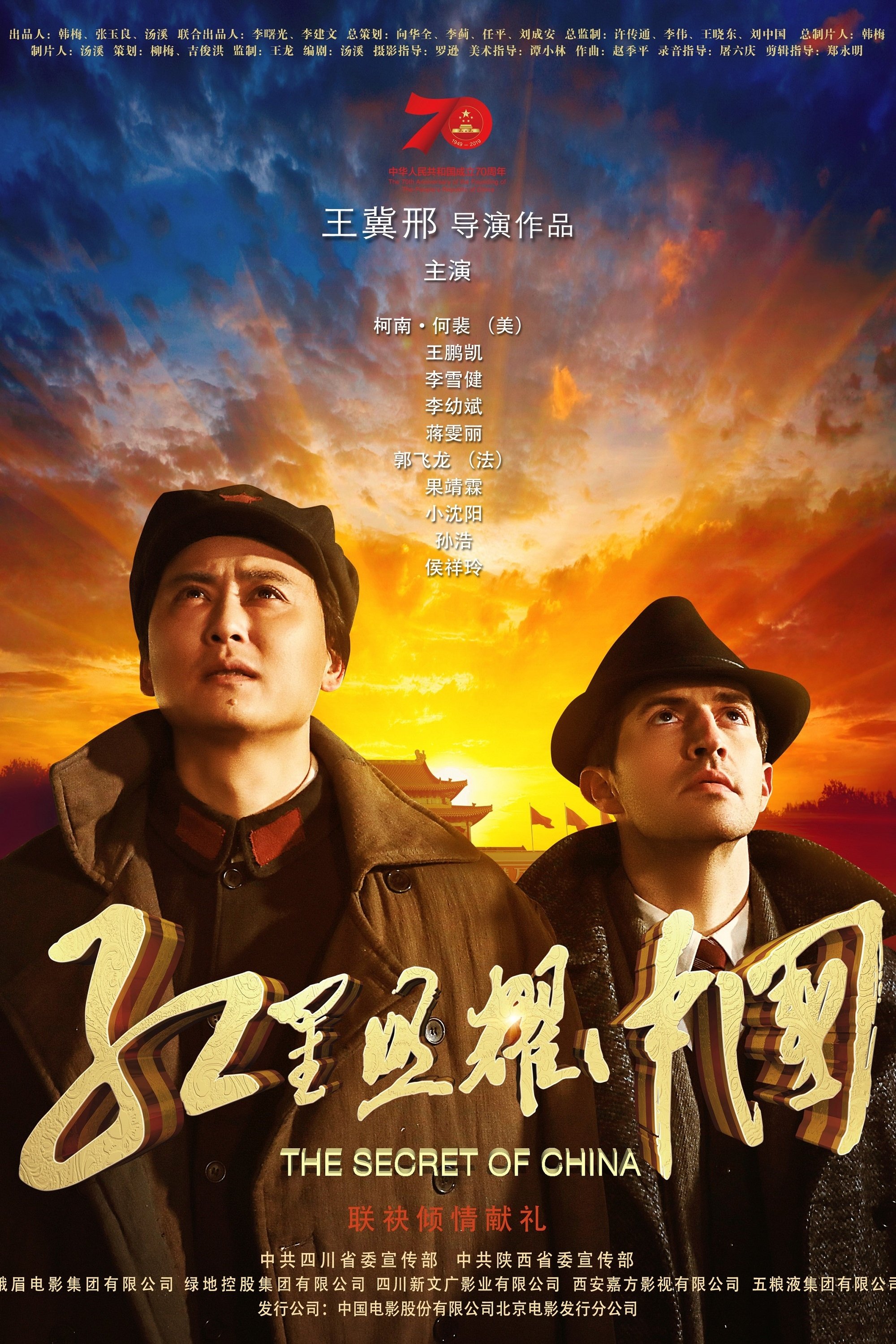
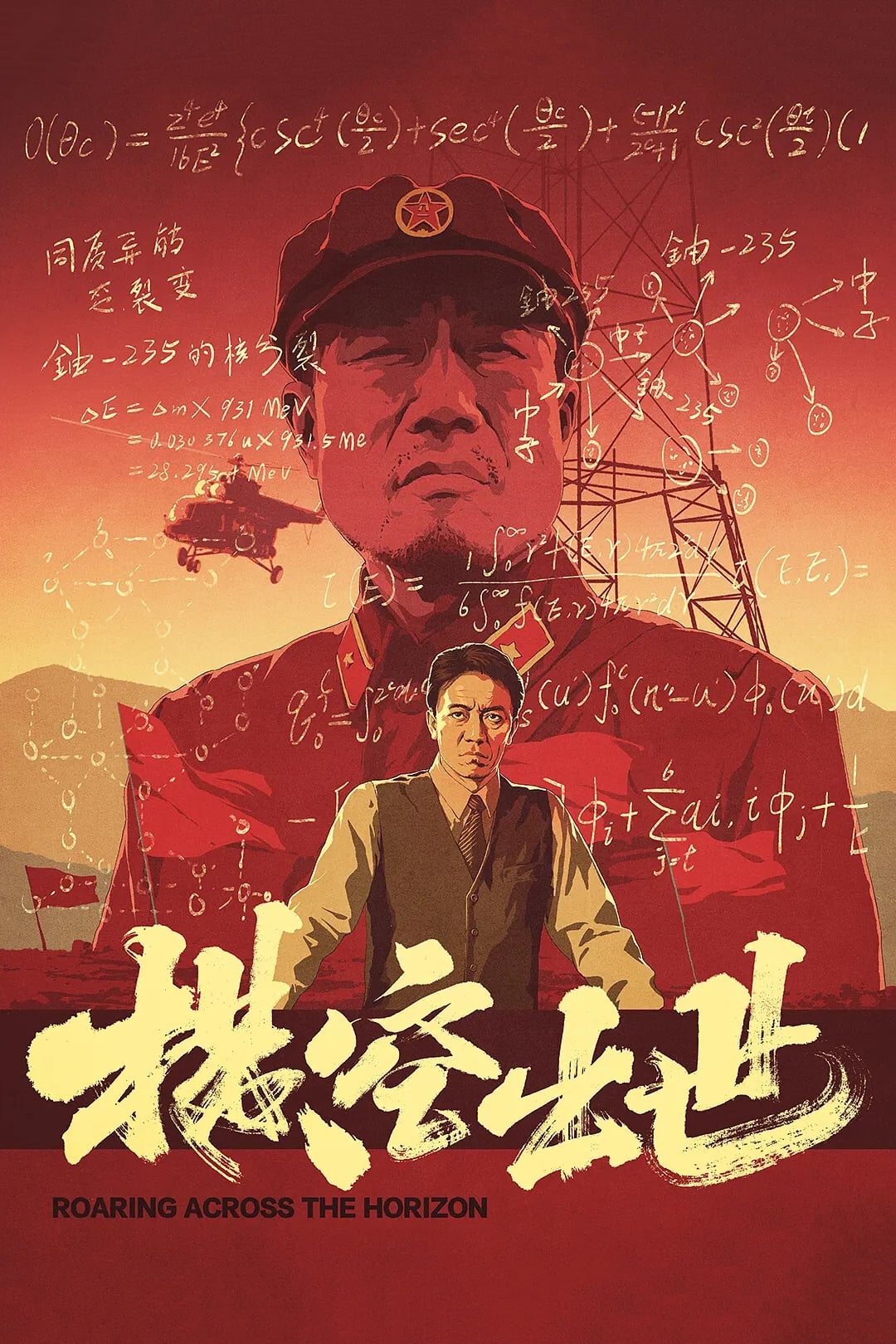
After the Korean War, General Feng Shi leads a heroic army into the Gobi Desert on a mission from the Central Committee. At the same time, scientist Lu Guangda returns from the U.S. and says goodbye to his wife. As talented individuals from scientific institutions join the effort, they face harsh conditions—scarce resources, outdated technology, and frequent natural disasters—but work together toward a common goal.
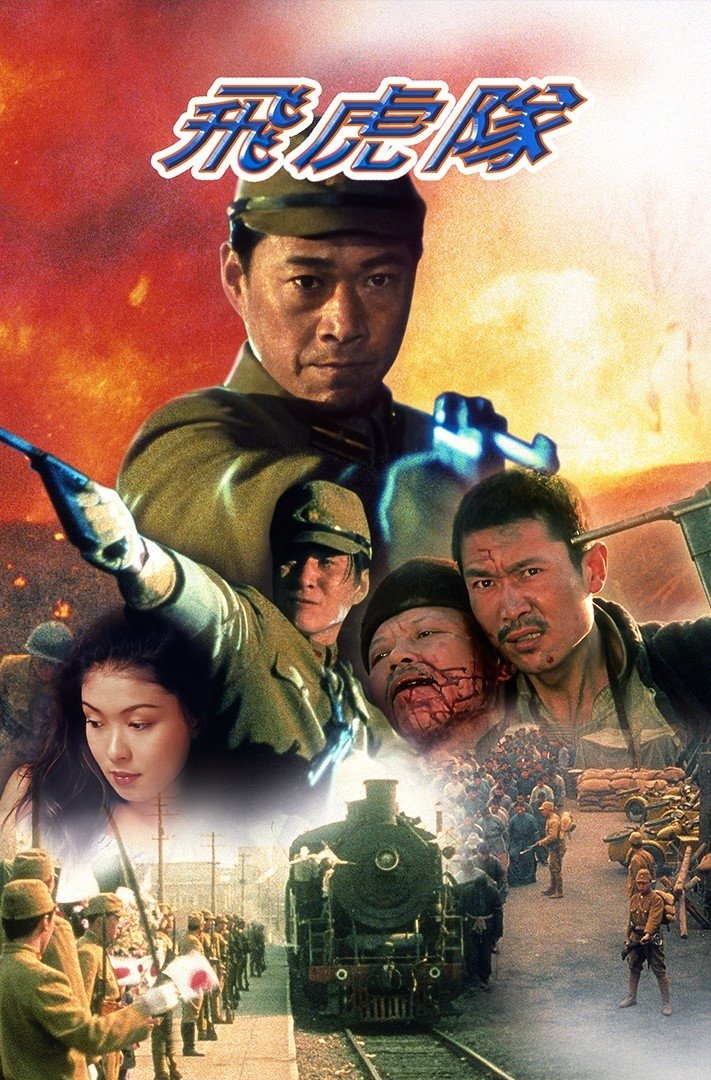
Before the breakout of the Sino-Japanese War, Hong, Wang, and Peng were best friends. Hong and Wang secretly joined the local guerrillas after the Japanese began invading China. Hong ran a small business and Wang worked as a courier for a Japanese trading firm, hiding their true identities in order to collect intelligence on the Japanese for the Eight Route Army, and established a railway guerrilla unit. Wang soon found out that the trading firm he was working for was indeed an intelligence unit of the Japanese. They infiltrated the Japanese special forces and eliminated many Japanese. Suspicions arise from the Japanese as to the real identity of the individuals suspected of being part of the railway guerrilla forces, so called Flying Tigers unit, so the Japanese began to form a counter-spying operation and other under-handed means by recruiting Chinese traitors to uncover and eliminate them all.
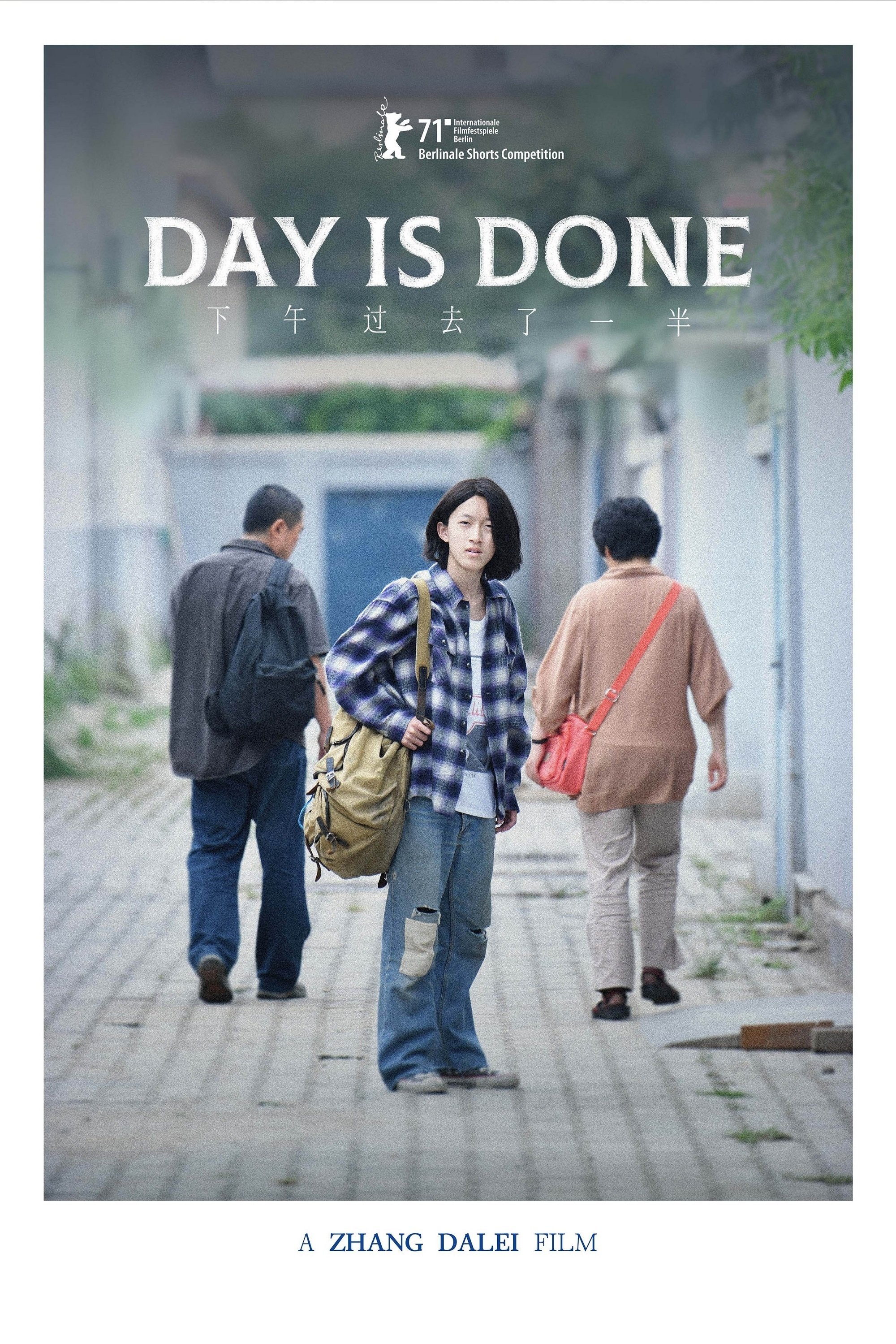
A family lunch in China. The grandfather asks his grandson, who is about to leave to study in Russia, to show him his film and pour him some more brandy. The melancholy feeling of farewell hangs in the air.
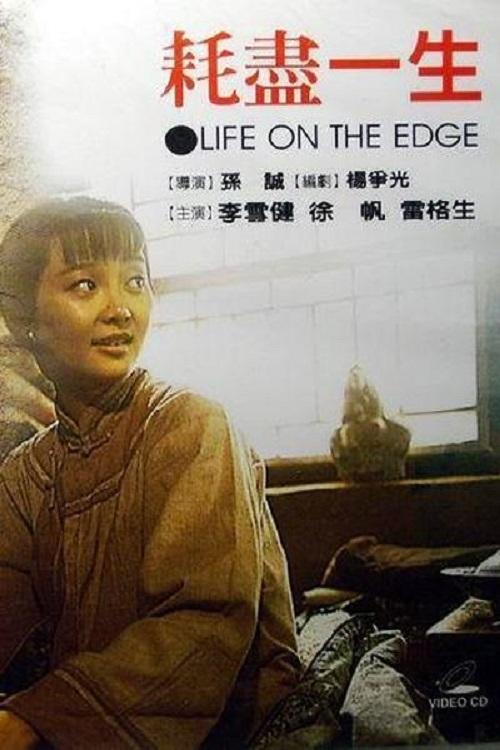
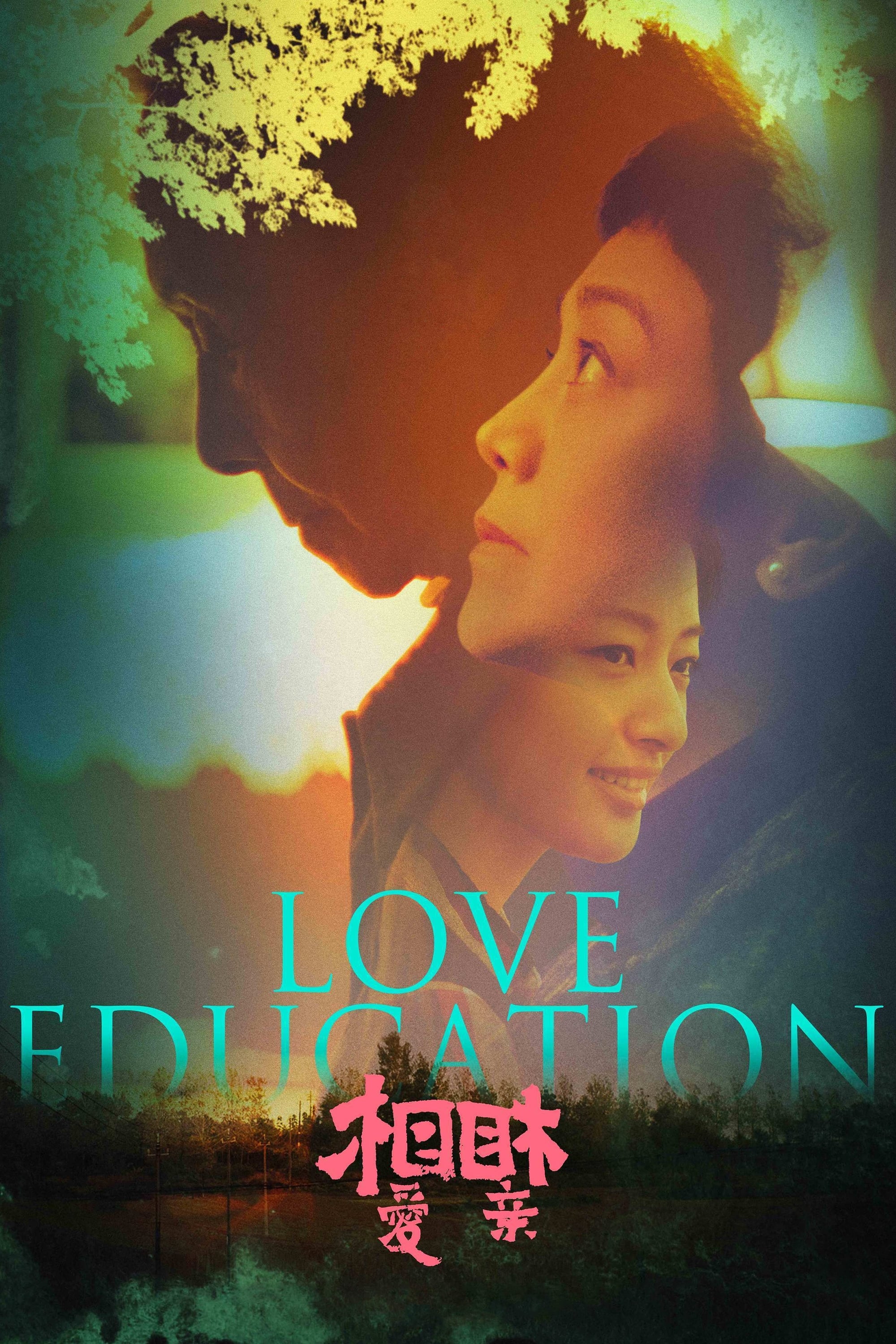
When Huiying hears that her mother's dying wish is to be buried next to her husband, she discovers that his remains are in the countryside and cared for by his first wife. A conflict ensues, and Huiying's daughter, an intrepid reporter, breaks the story as the three women search for proof of love.
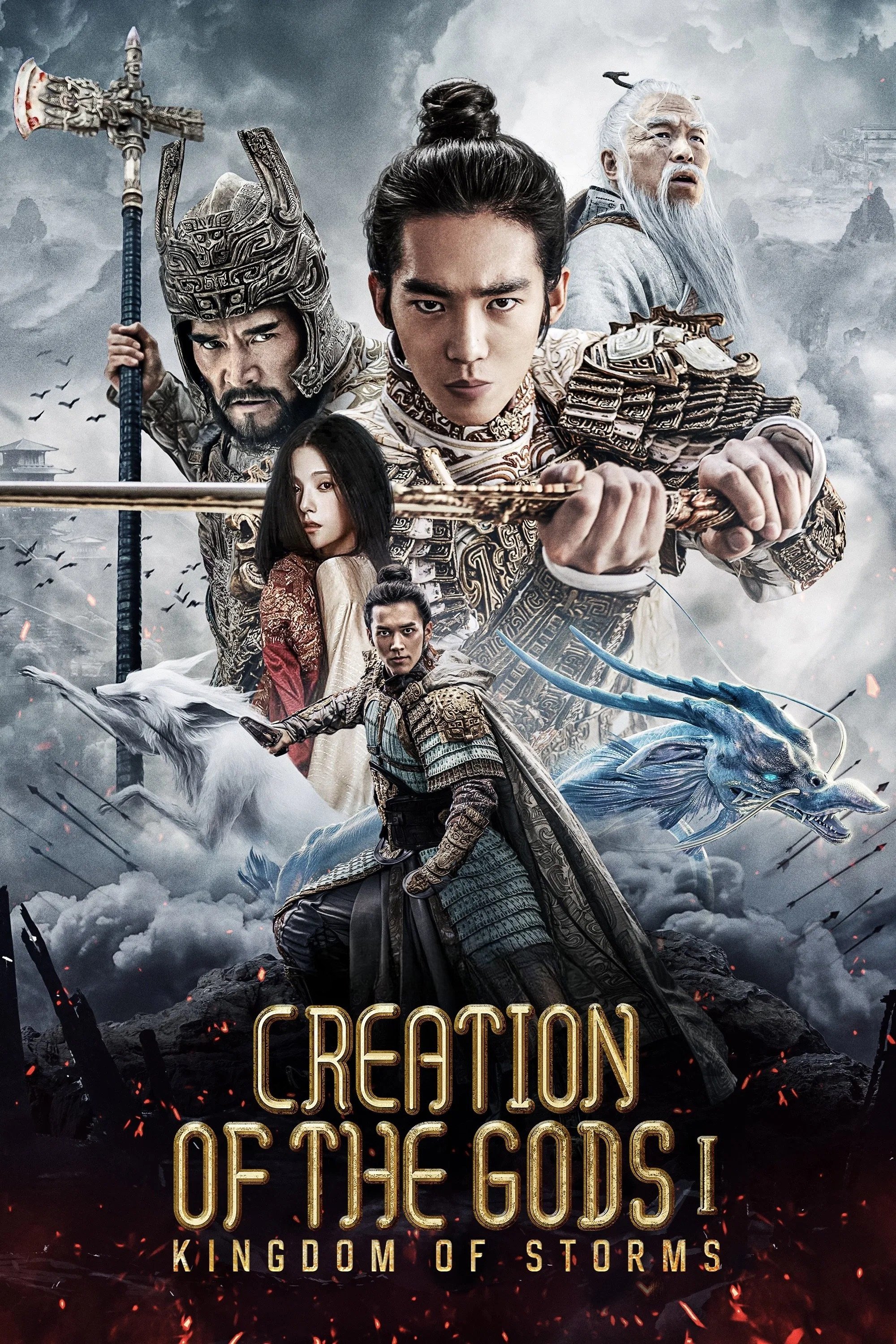
Based on the most well-known classical fantasy novel of China, Fengshenyanyi, the trilogy is a magnificent eastern high fantasy epic that recreates the prolonged mythical wars between humans, immortals and monsters, which happened more than three thousand years ago.