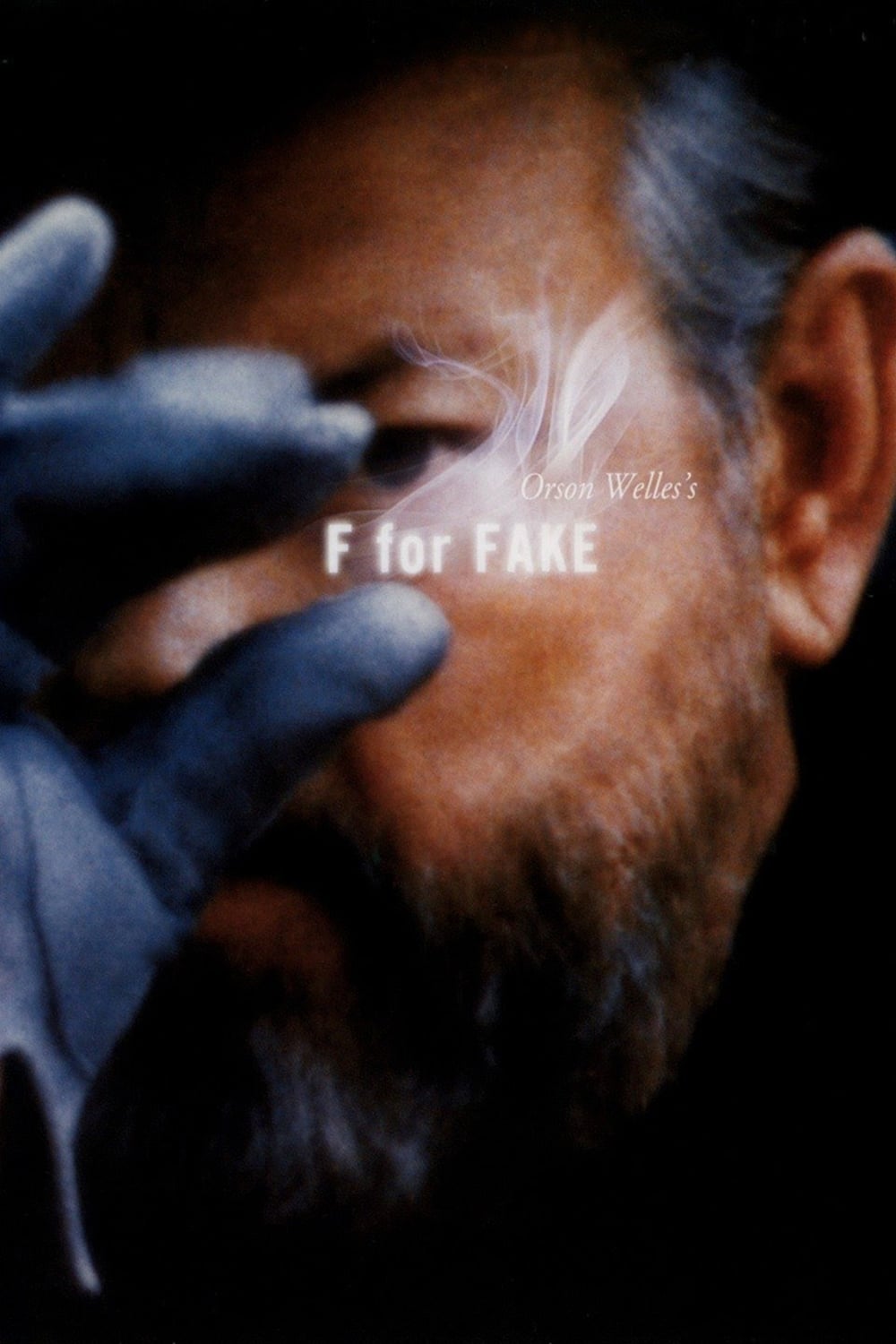
Documents the lives of infamous fakers Elmyr de Hory and Clifford Irving. De Hory, who later committed suicide to avoid more prison time, made his name by selling forged works of art by painters like Picasso and Matisse. Irving was infamous for writing a fake autobiography of Howard Hughes. Welles moves between documentary and fiction as he examines the fundamental elements of fraud and the people who commit fraud at the expense of others.
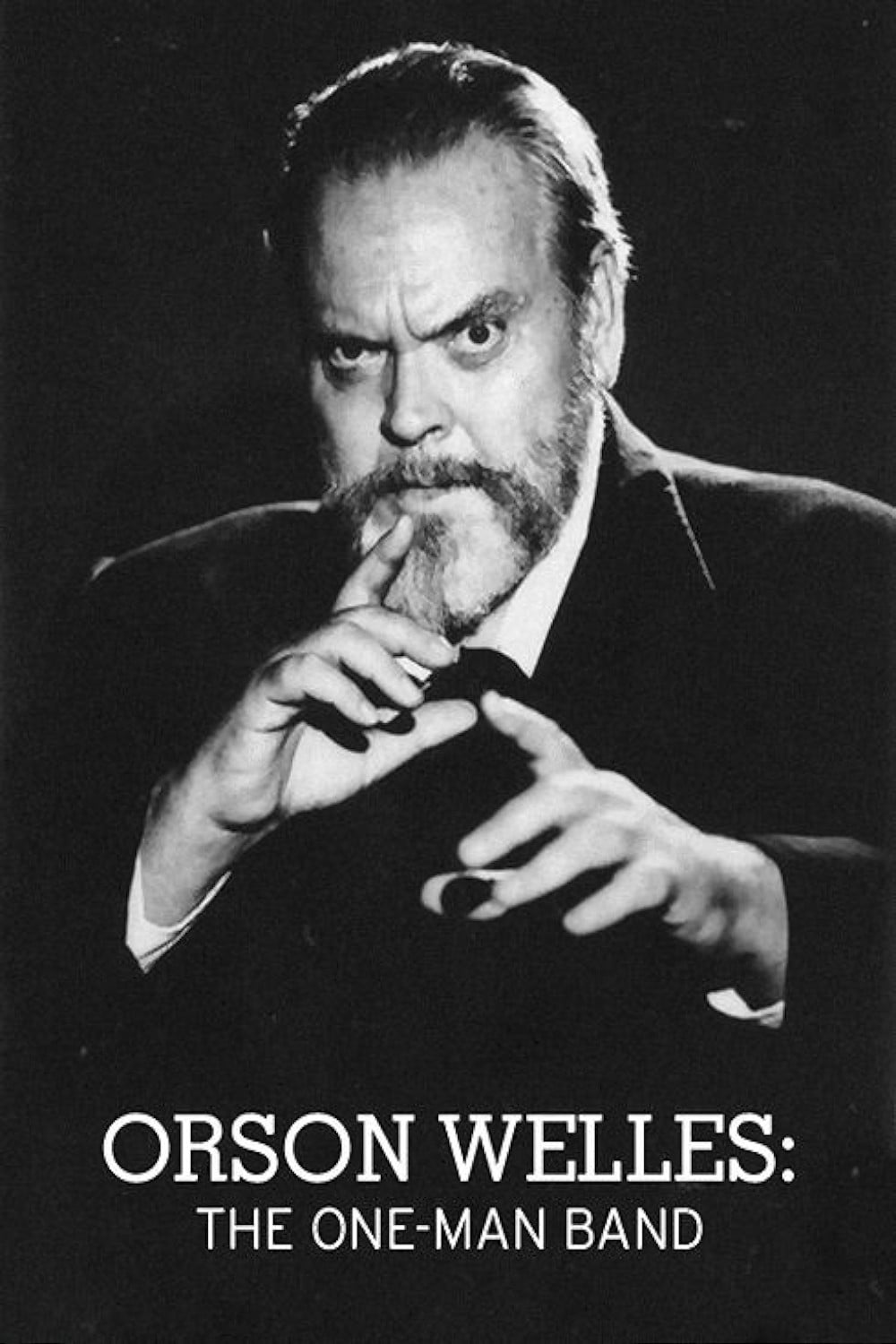
Orson Welles' archives of unfinished/never released movies and the last years of his life from the perspective of Oja Kodar (life and artistic partner of Orson Welles in his last years).

Suspicious husband follows his wife and her male boss on their business trip.
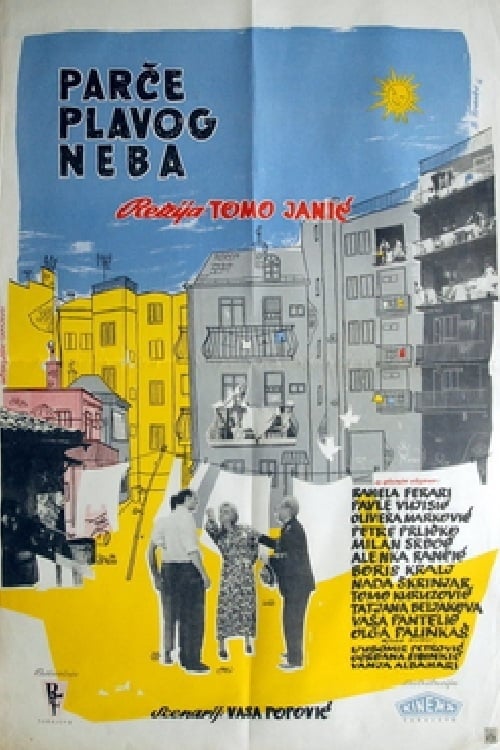
A story about several people who share the same yard within their block, and a piece of blue sky above 'em.
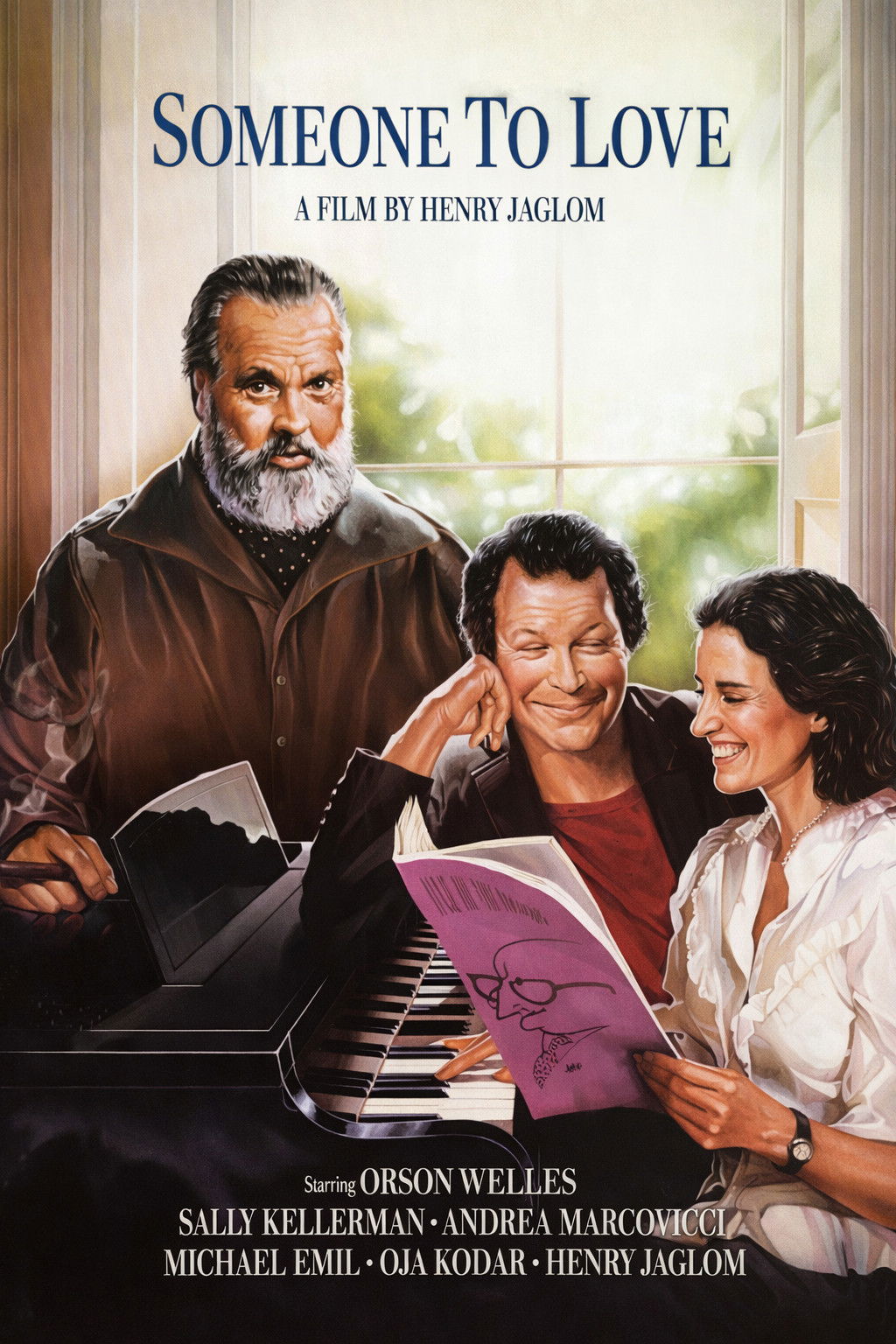
A Hollywood film director assembles a group of friends and strangers for a social gathering on Valentines Day in a deserted movie theater where he interviews each one on their opinions on love and loneliness.
The Dreamers (1985) is a posthumous short film assembled by Oja Kodar from unfinished footage directed by Orson Welles in 1982. Edited after Welles’s death, the film derives from fragmentary material intended for an uncompleted adaptation of stories by Isak Dinesen. The 1985 version represents an editorial assembly rather than a completed work authored by Welles, presenting selected footage in a reconstructed form for archival circulation. (Note: This is a posthumous editorial reconstruction. The original 1982 project exists separately as an unfinished Welles work and was never completed or released by him.)
At a media-swamped party to celebrate his seventieth birthday and screen his avant-garde film-in-progress, a legendary but jaded Hollywood director is faced both with voracious fans and unsettling questions about what became of his lead actor.
An unfinished feature film directed by Orson Welles and based on Charles Williams’s Dead Calm (1963), filmed between 1966 and 1969 off the Yugoslav coast. Starring Welles, Jeanne Moreau, and Laurence Harvey, the project follows a newlywed couple whose yacht voyage becomes a psychological thriller after encountering a drifting vessel. The film remains incomplete, with missing scenes, unfinished sound, and surviving only in workprint form.
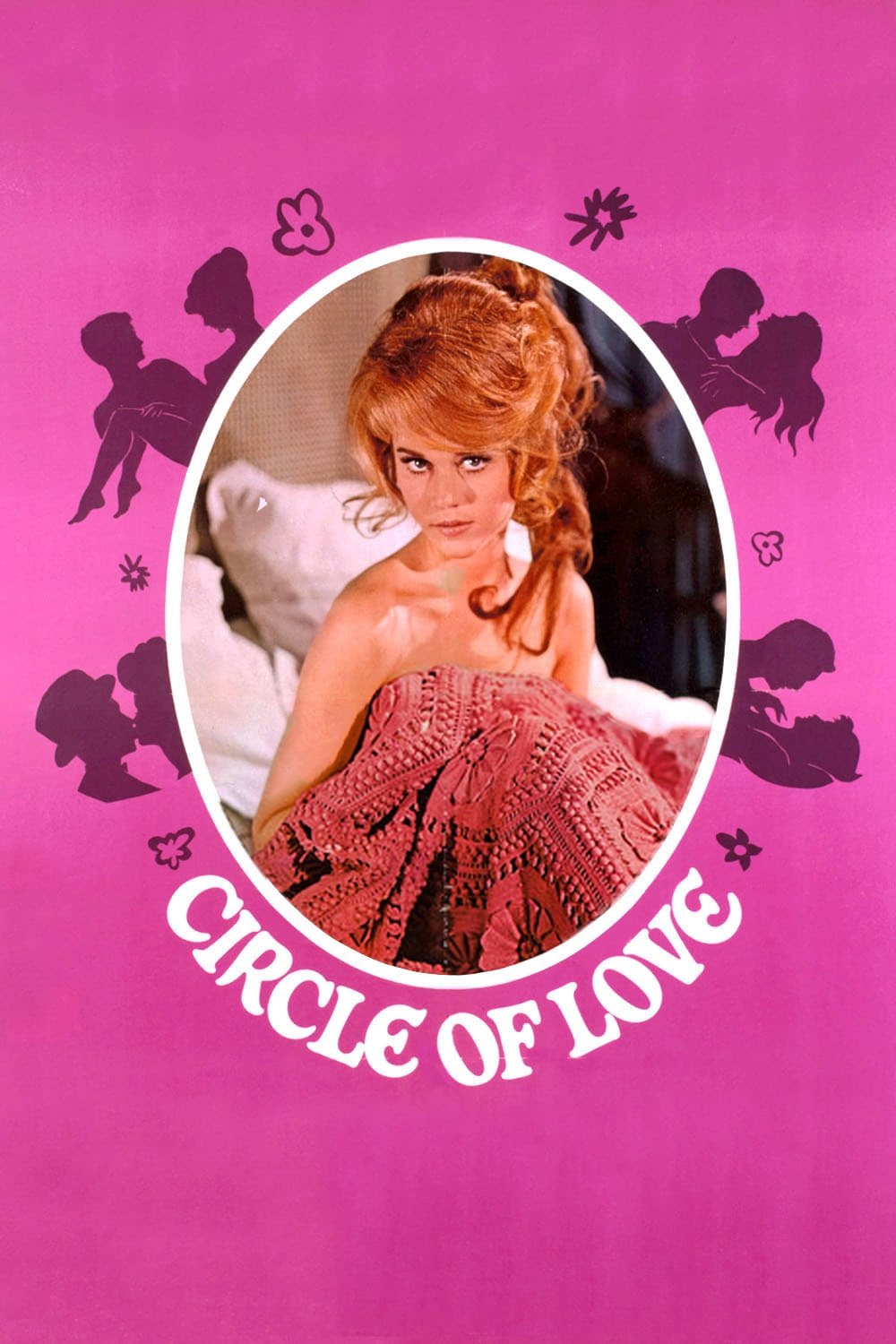
In a chain reaction of romantic adventures, various people play musical beds in a remake of Max Ophul's "La Ronde."
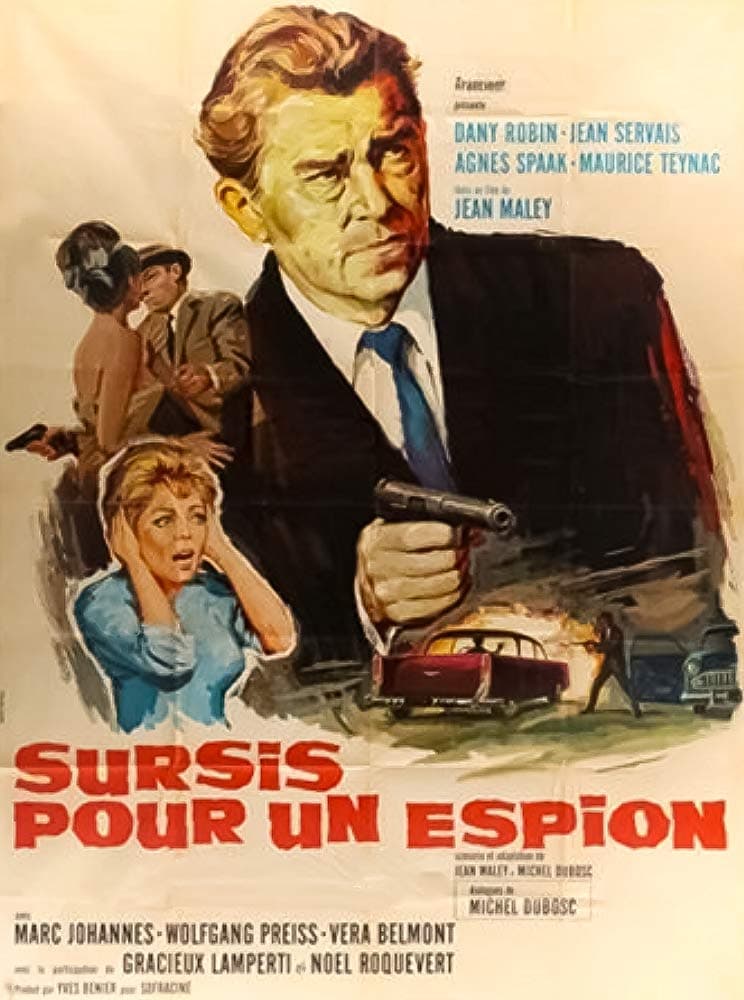
The murder of a bandit gives a policeman the opportunity to unmask the activities of a spy.
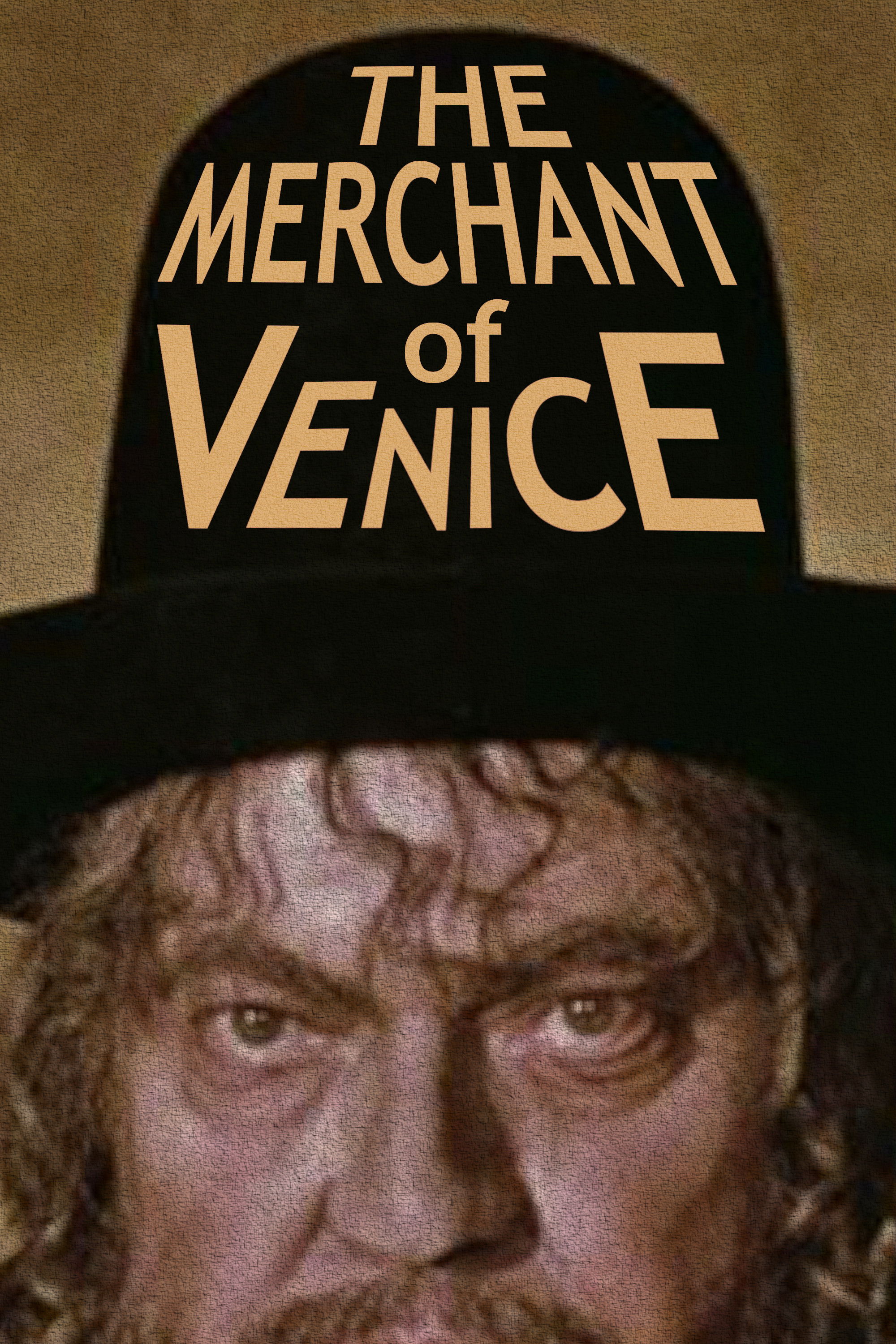
An unreleased 1969 made-for-TV short adaptation of Shakespeare’s The Merchant of Venice, produced, directed by, and starring Orson Welles. Originally part of the abandoned CBS special Orson’s Bag, the completed film later became partially lost due to missing workprints and sound elements, surviving only in fragmentary form until a reconstructed restoration premiered in 2015.
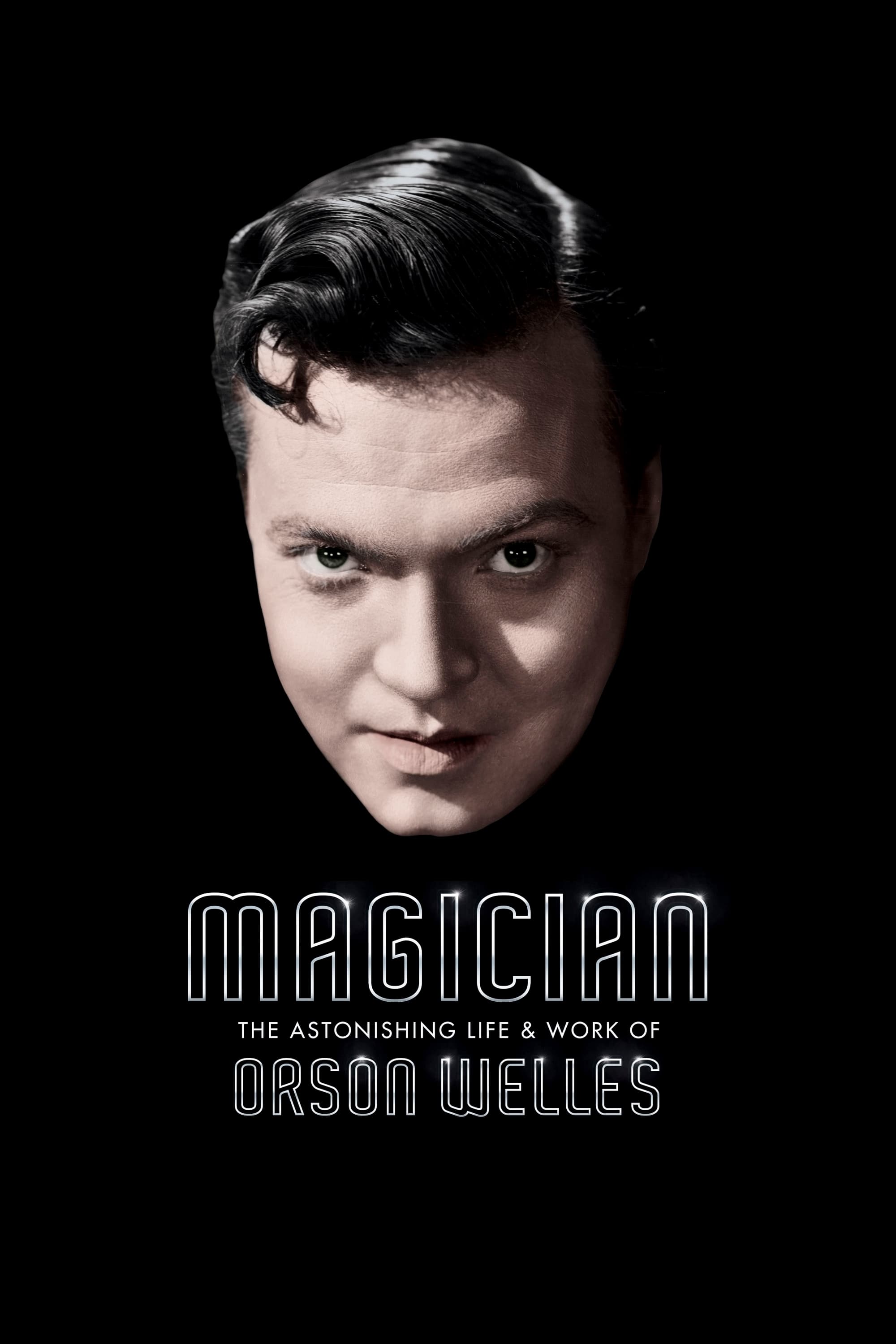
The extraordinary life of Orson Welles (1915-85), an enigma of Hollywood, an irreducible independent creator: a musical prodigy, an excellent painter, a master of theater and radio, a modern Shakespeare, a magician who was always searching for a new trick to surprise his audience, a romantic and legendary figure who lived only for cinema.
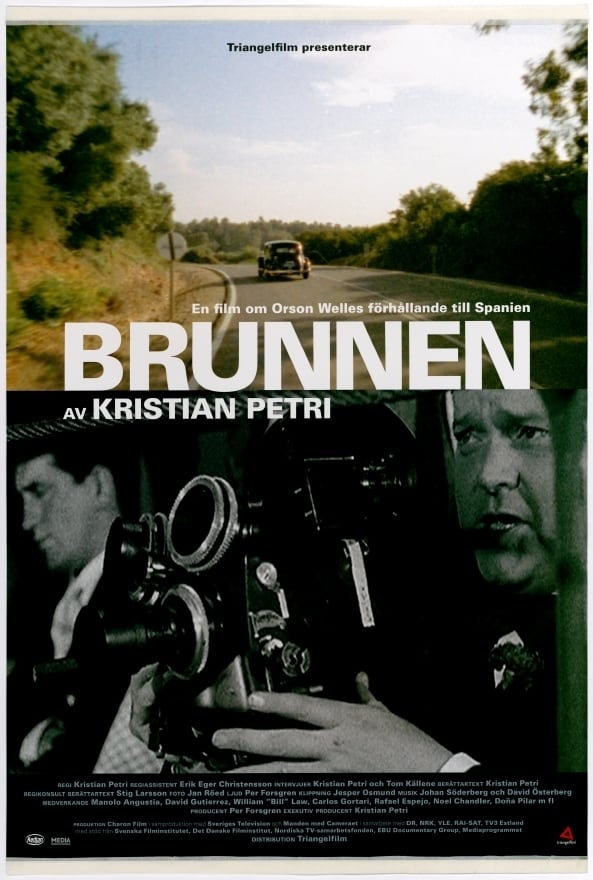
Tracing Orson Welles time in Spain.

A posthumous 1992 reconstruction of Orson Welles’s long-unfinished Don Quixote project, edited by Jesús Franco from footage shot between 1957 and 1972, following Don Quixote and Sancho Panza as they wander modern Spain in pursuit of chivalric ideals. (Note: This version represents a later editorial assembly, not a film completed by Welles.)
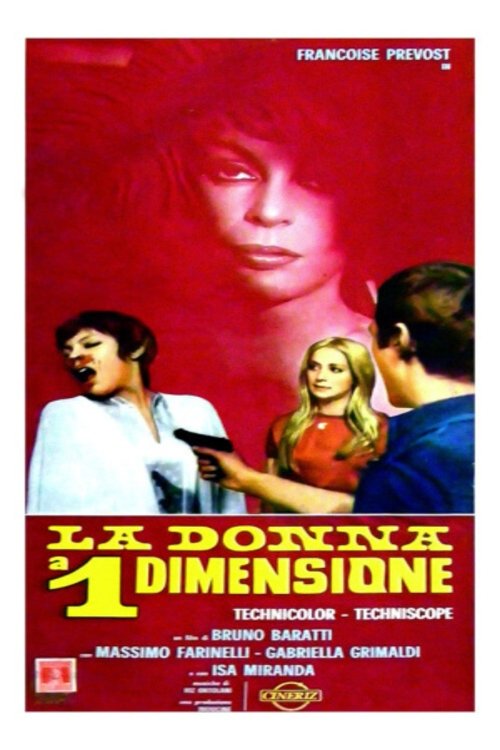
Paola, still young and married to a rich industrialist, seeks an outlet to the uselessness of her life by coming into contact with the young activists of the student movement, meetings she attends. Paula tries to convert even her teenage children Afdera and Prando, to the ideas of the movement, who end up accepting the mother's convictions and agree to participate in an action of sabotage against a large factory. But when they discover that the factory to be sabotaged is precisely that of the father, they renounce the mission, disappointing the mother.

As his life comes to its end, famous Hollywood director Orson Welles puts it all on the line at the chance for renewed success with the film The Other Side of the Wind.
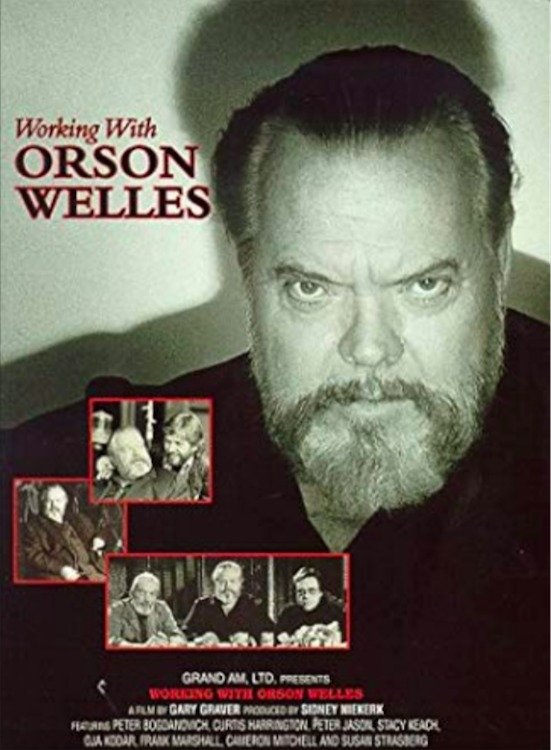
"Working with Orson Welles" is a low-budget production put together by Gary Graver, who worked as a cameraman for Welles in the last 15 years of his life.
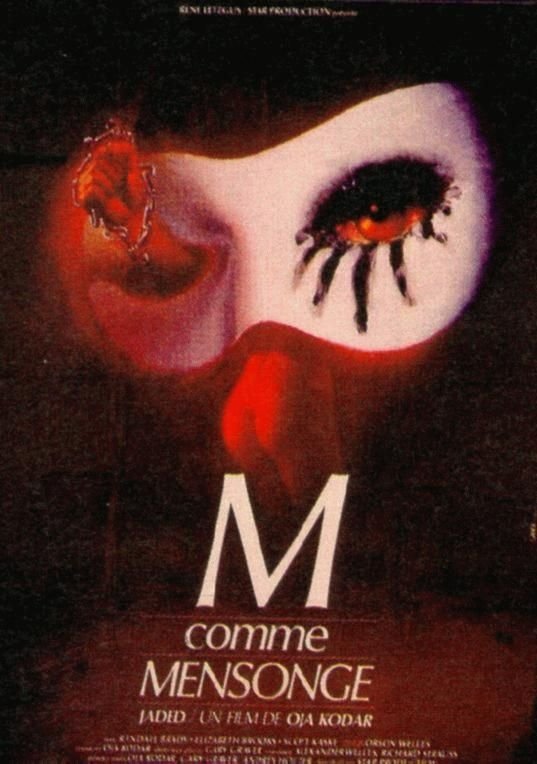
After getting beat up by her husband, a woman leaves home and seeks refuge at her cousin's place, surrounded by a strange assortment of people, including an equally abused transsexual.
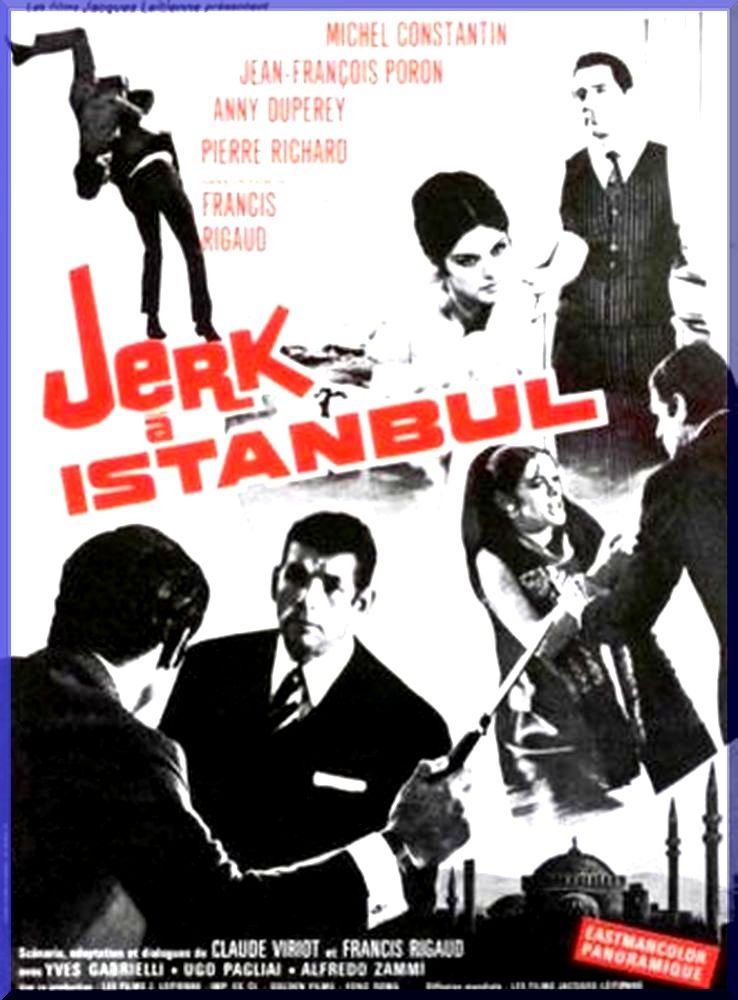
Vincent And Gregoire have just won a lot a money. The latter wants the whole pile and flies away to Turkey where he meets a compatriot, Appoline, and her boss Samos.
When Orson Welles went into self-imposed exile in Europe, he first found stardom with The Third Man and then immersed himself in challenging films, television, theatre and bullfighting. Simon Callow trails the complex actor-director.
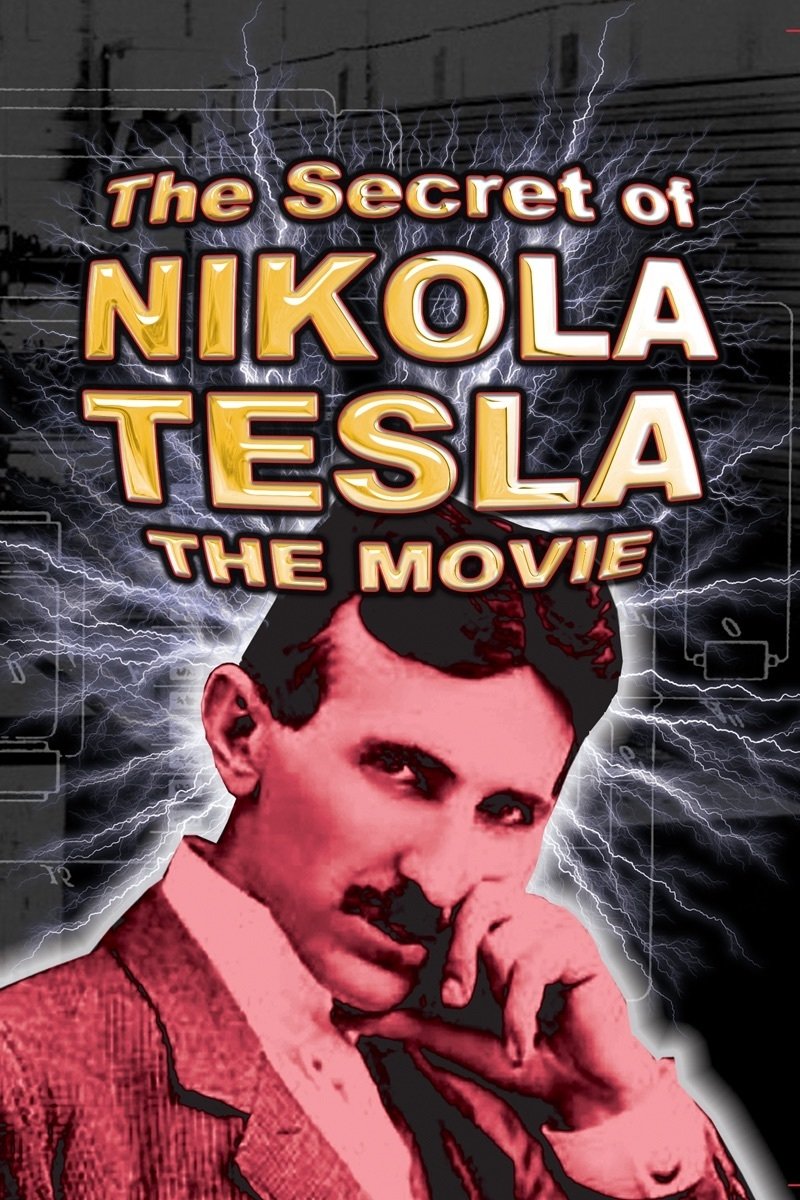
Life and times of Nikola Tesla, famous scientist whose inventions were stolen, but whose greatest contribution to mankind remain a mystery to this day.
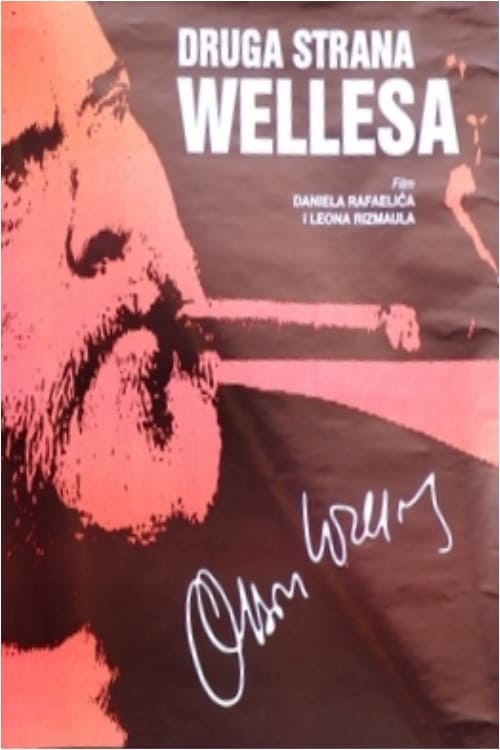
Film The Other Side of Welles portrays the life, work and intellectual heritage of Orson Welles in Yugoslavian federal unit "Socialist Republic of Croatia". Through the period of 25 years, he appeared as actor in several co productions made in Croatia (David and Goliath, Tartars, Austerlitz) - acted in few Yugoslavian film (Battle of Neretva, The Secret of Nicola Tesla) and directed two of his own film: The Trial and The Deep. As a Hollywood maverick, in Croatia he often found his shelter. Through the never before seen archive materials and the interviews with the people who worked with him, directors of this film, in the 90th anniversary of his birth and 20th of his passing, reveal the other side of Orson Welles
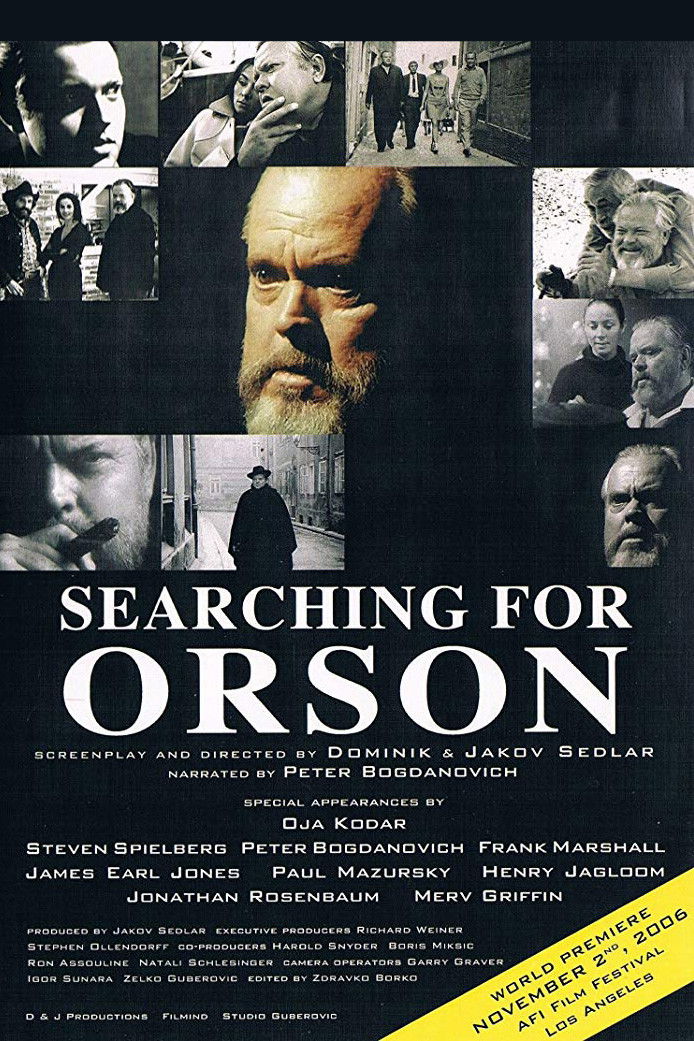
Narrated by Peter Bogdanovich, this biography of Orson Welles includes the emotional memoirs of actress Oja Kodar and interviews with Steven Spielberg, James Earl Jones, Jonathan Rosenbaum, Frank Marshall, Paul Mazursky, Henry Jaglom, Gary Graver, and Merv Griffin; it's re-release is even more profound since Welles' unfinished film, The Other Side of the Wind, was completed and released.
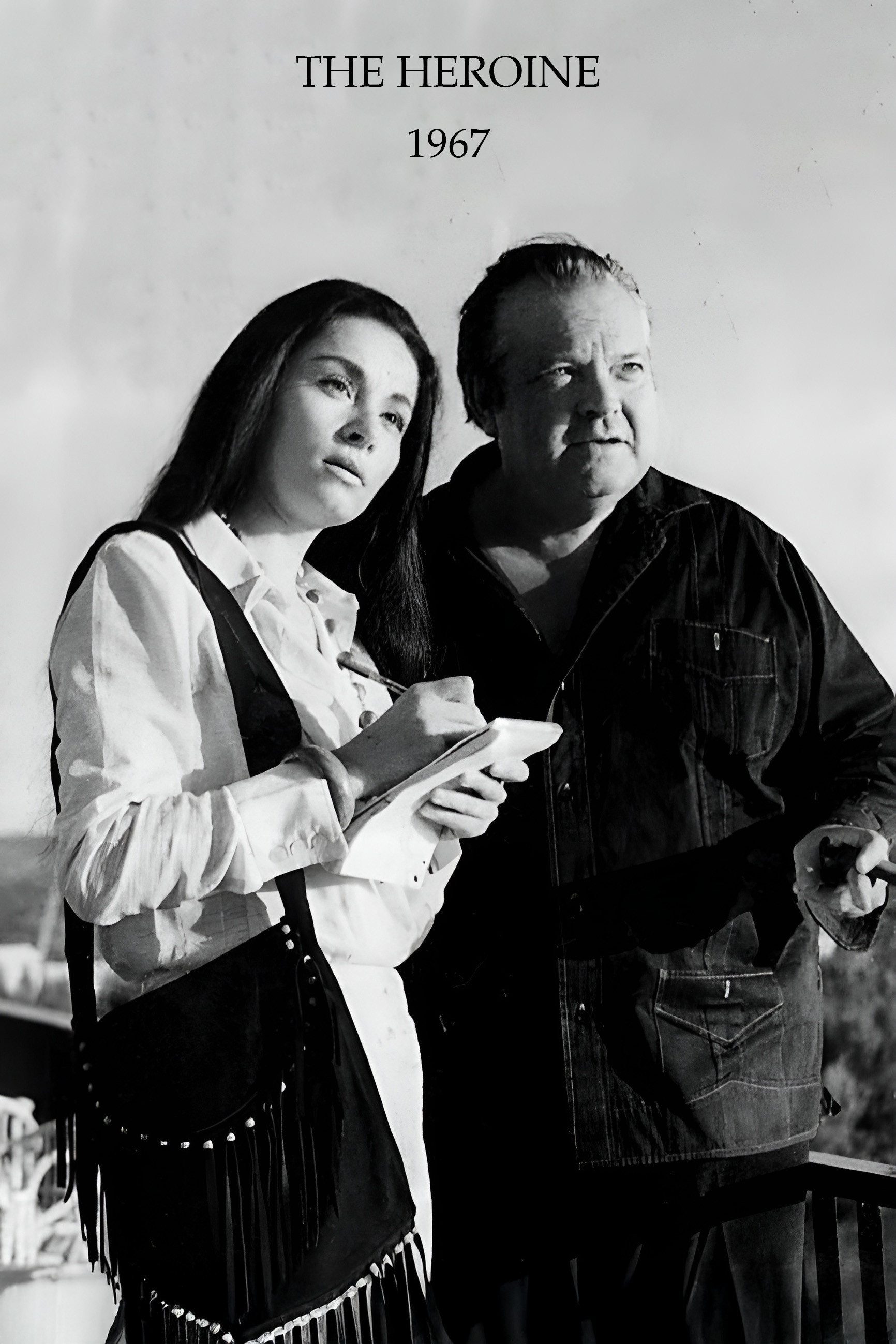
The Heroine (1967) was an unfinished and now-lost one-hour adaptation of an Isak Dinesen (Winter’s Tales, 1942) story, directed by Orson Welles. Conceived as part of a proposed anthology with The Immortal Story, the project was abandoned after a single day of filming in Budapest, and no surviving footage is known to exist.
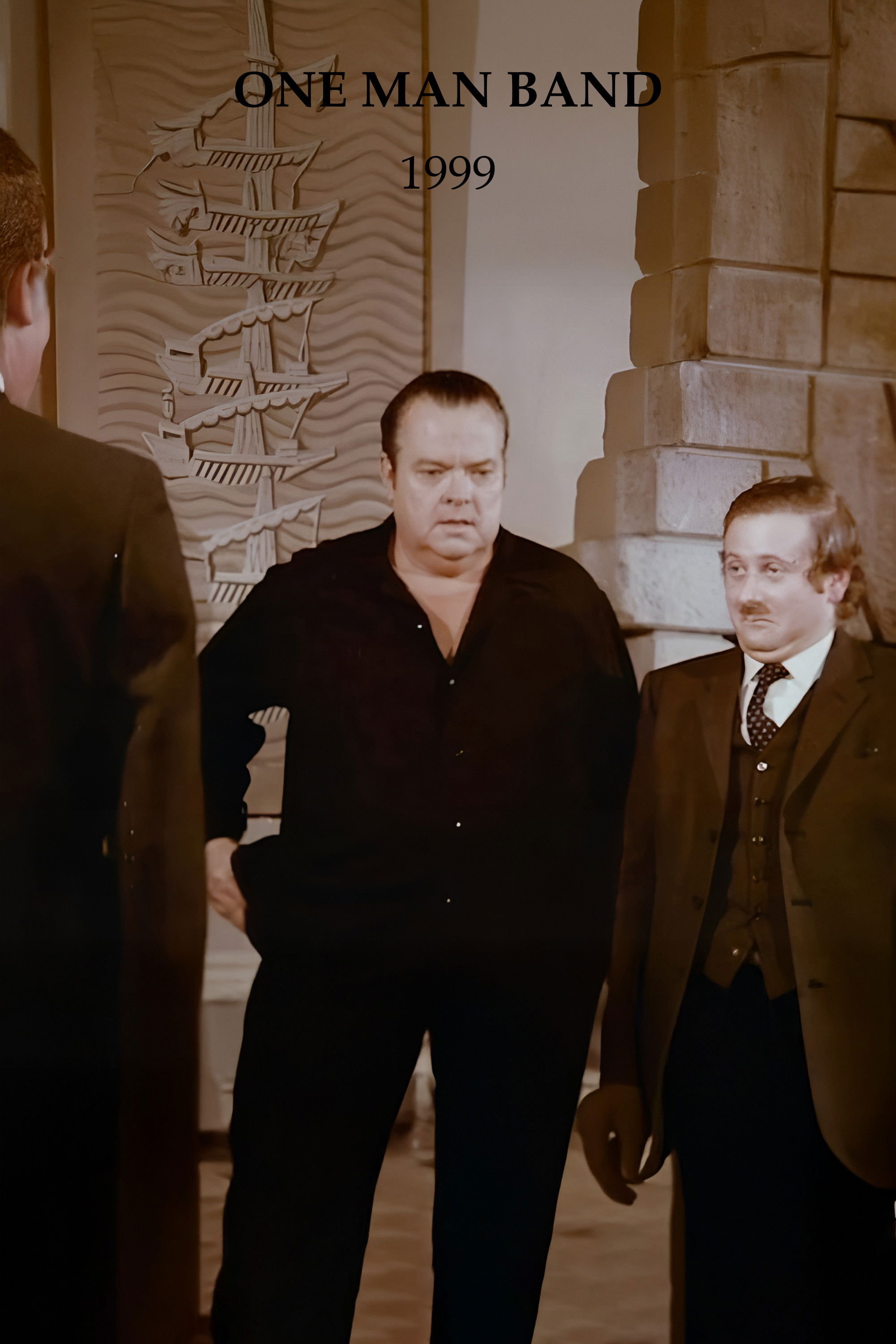
One Man Band (1999) is a posthumous archival reconstruction created by the Munich Film Museum from unfinished footage shot by Orson Welles between 1968 and 1971. The film assembles five comic vignettes—Churchill, Swinging London, Four Clubmen, Stately Homes, and Tailors—originally produced for Welles’s abandoned television project Orson’s Bag. Edited into a 29-minute composite short for festival exhibition, the film represents a curatorial reconstruction rather than a completed work authored or released by Welles. (Note: This is a posthumous archival assembly. The original unfinished project exists separately under the working titles London / Swinging London and was never completed or released by Orson Welles.)