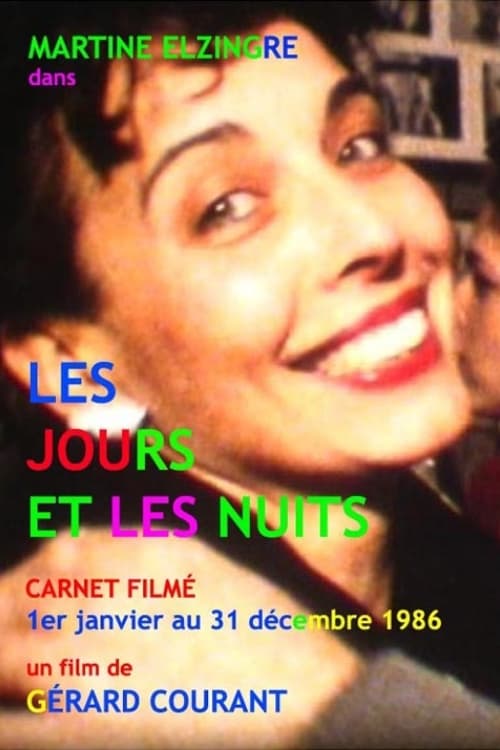
I give a methodical account of my film work: the creation of new series (Lire, Trio, Avec Mariola), the shooting of a new feature film (Amours décolorées which will take ten years to edit) with Mariola San Martin.
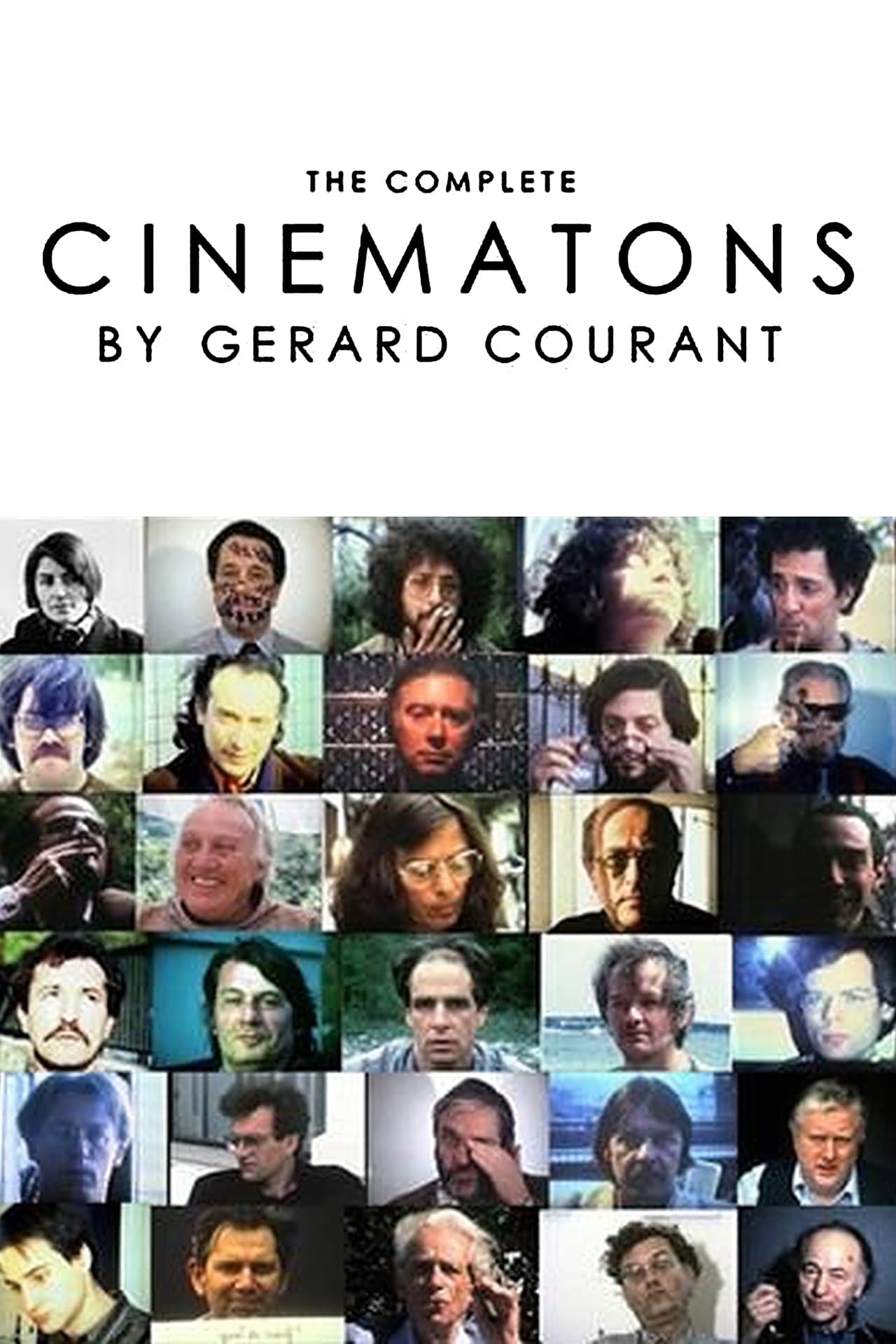
Cinématon is a 156-hour long experimental film by French director Gérard Courant. It was the longest film ever released until 2011. Composed over 36 years from 1978 until 2006, it consists of a series of over 2,821 silent vignettes (cinématons), each 3 minutes and 25 seconds long, of various celebrities, artists, journalists and friends of the director, each doing whatever they want for the allotted time. Subjects of the film include directors Barbet Schroeder, Nagisa Oshima, Volker Schlöndorff, Ken Loach, Benjamin Cuq, Youssef Chahine, Wim Wenders, Joseph Losey, Jean-Luc Godard, Samuel Fuller and Terry Gilliam, chess grandmaster Joël Lautier, and actors Roberto Benigni, Stéphane Audran, Julie Delpy and Lesley Chatterley. Gilliam is featured eating a 100-franc note, while Fuller smokes a cigar. Courant's favourite subject was a 7-month-old baby. The film was screened in its then-entirety in Avignon in November 2009 and was screened in Redondo Beach, CA on April 9, 2010.
The song composed by the author modulates the phases of the film and constitutes, in its entirety, the specific form of a call.
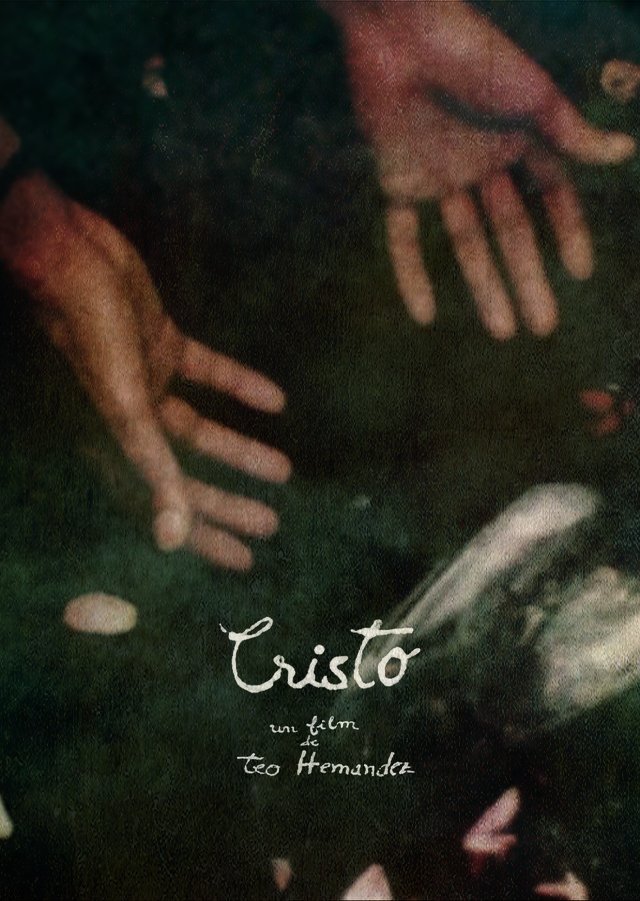
All of history, that of Christ or any other, permeates the world, leaves its mark, modifying and informing history, and all that the human reproduces and creates. The best way for historical interpretation or literary adaptation is to move as far as possible from literal interpretation. That is, it is a contemporary and personal interpretation. The story of Christ is an archetypal story. It has modified and informed a morality and a vision of the human being in the West, it must be taken for what it is and what it has become: matter.
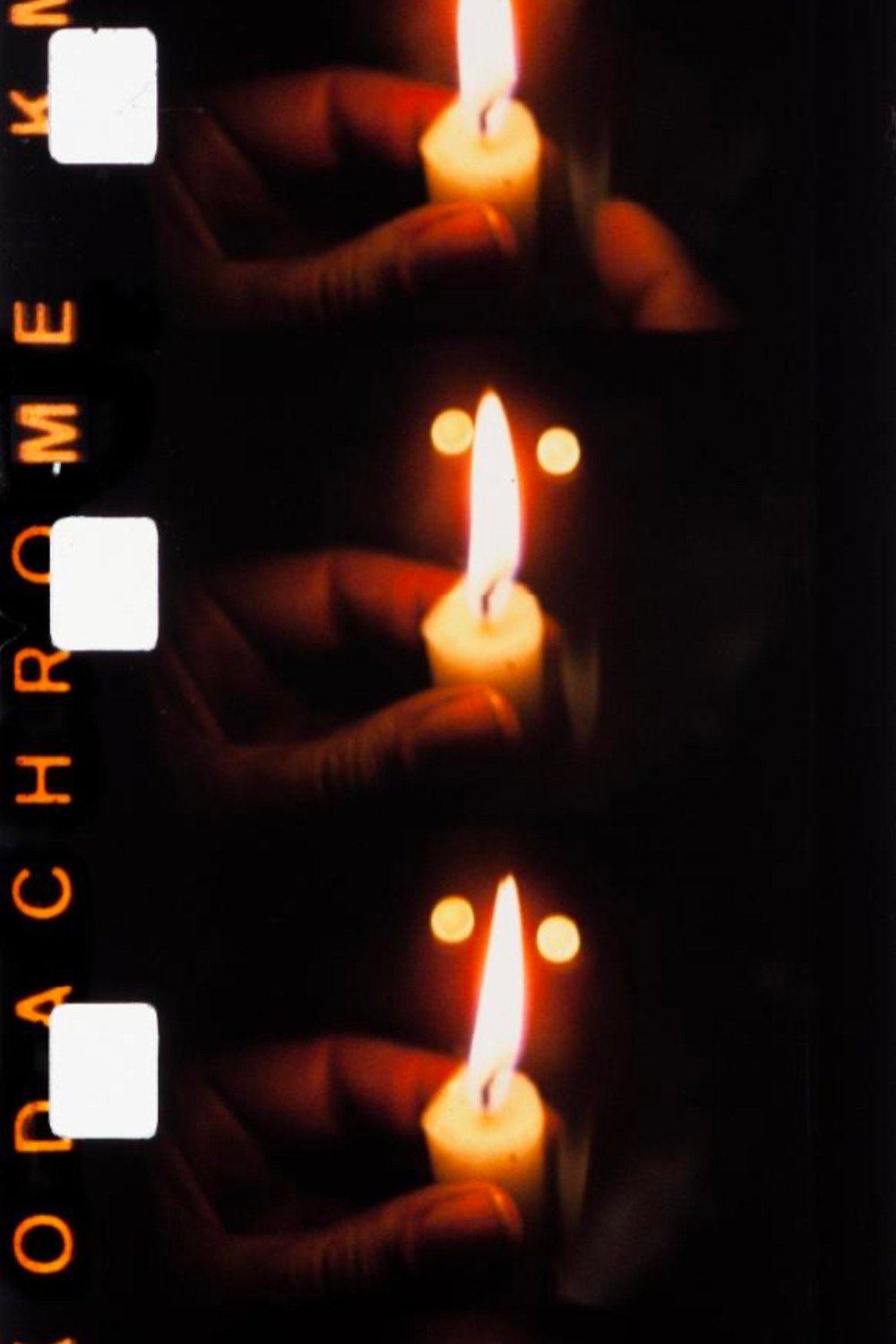
Winter 1978-1979: In his signature style, Hernández films hearty meals, long afternoons and candlelit dalliances inside his residence on rue des Entrepôts.
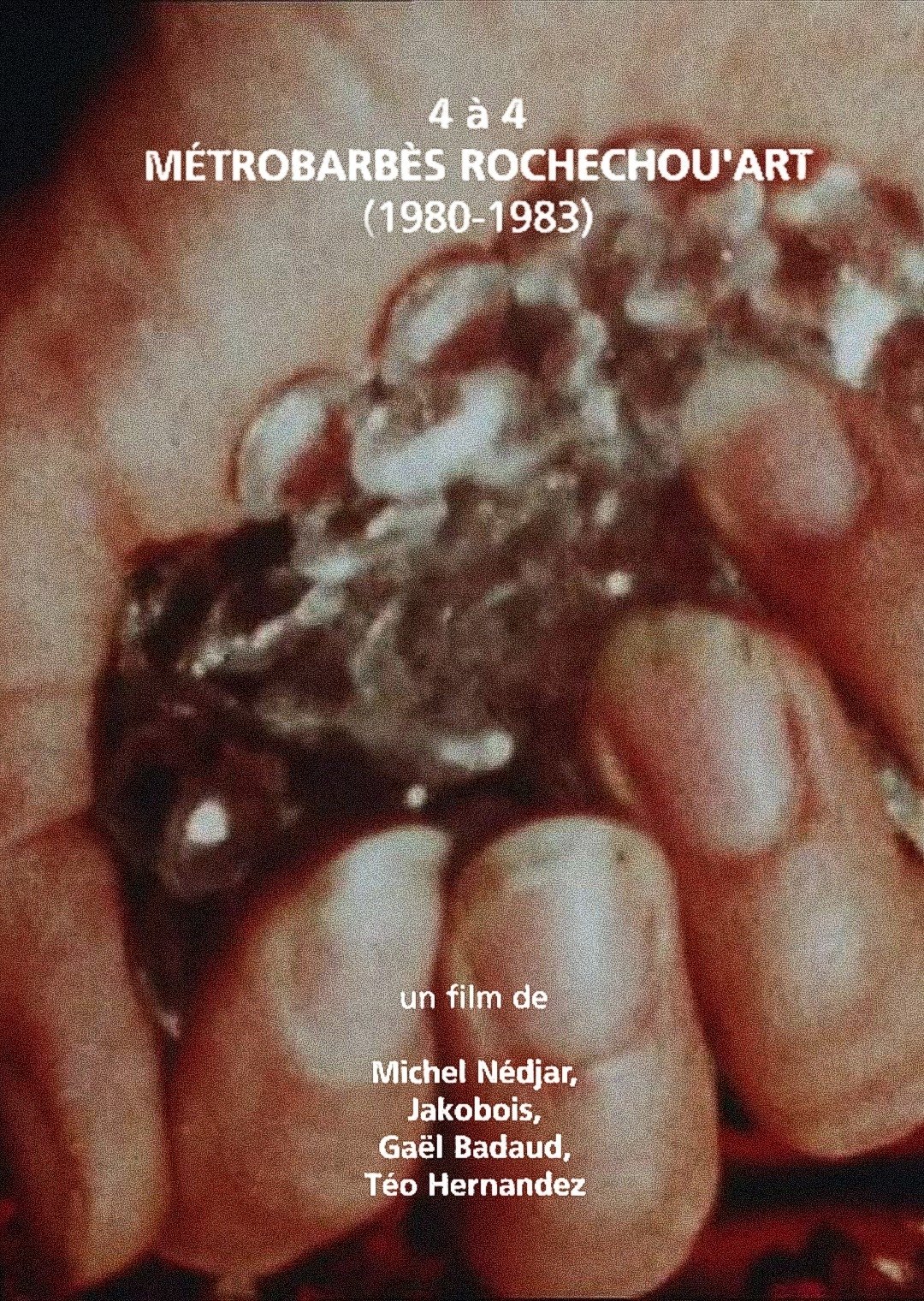
In the early '80s, this collective of artists invented a style of cinema made in 4 hands, where each of the protagonists is also a filmmaker.
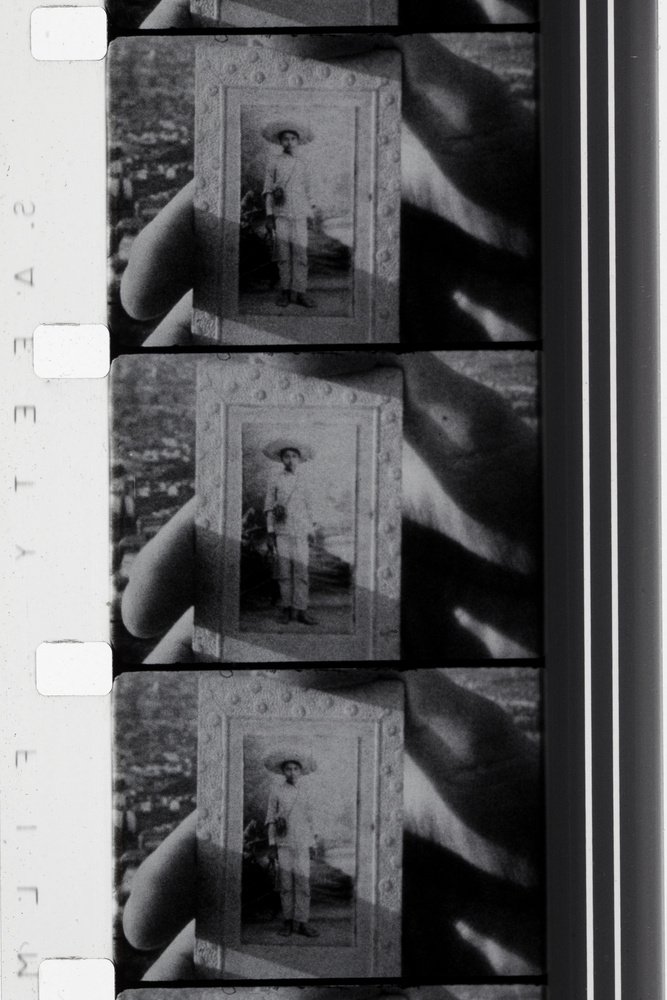
An autobiographical black-and-white short in which Teo Hernández portrays his Purépecha father by holding backlit old photographs atop the Montparnasse Tower while reading a manifesto of sorts on his filmmaking.

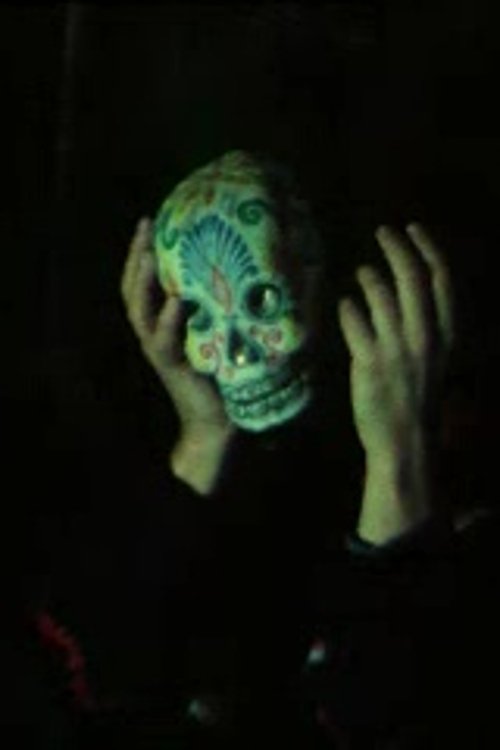
The construction of the film outlines the successive steps of a path that, as we move forward, reveals the different stages of its presentation: the moon, the rose, the child, the candle and the skull are linked in a unique picture that gives its internal meaning. Elements connected by the route of the film to lead to the final image: one in which the meaning becomes external.
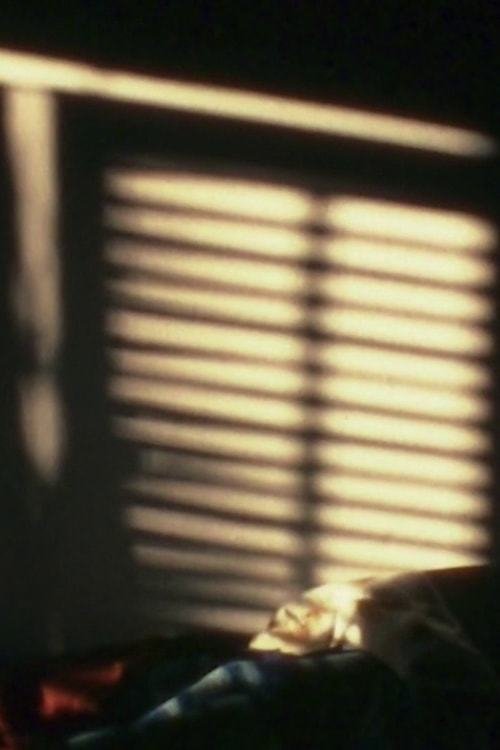
Eyes and ears travel discontinuously through everyday life and the sub-worlds of the city and the body. A fragmented and subjective day-to-day chronicle that outlines a recurring obsession for registering even the most ordinary things, where the least poetic aspects of life, that is to say, the most somber ones, become the eye’s filter.
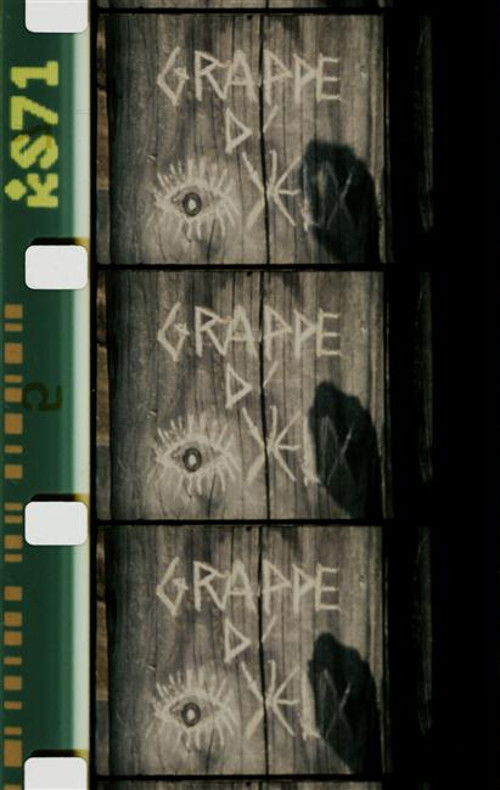
Through the use of portraits, shadow play and reflections, this series of exercises with and from body language compose a "four-handed" look against the notion of authorship: a vindication of the community content (repressed?) in every image.
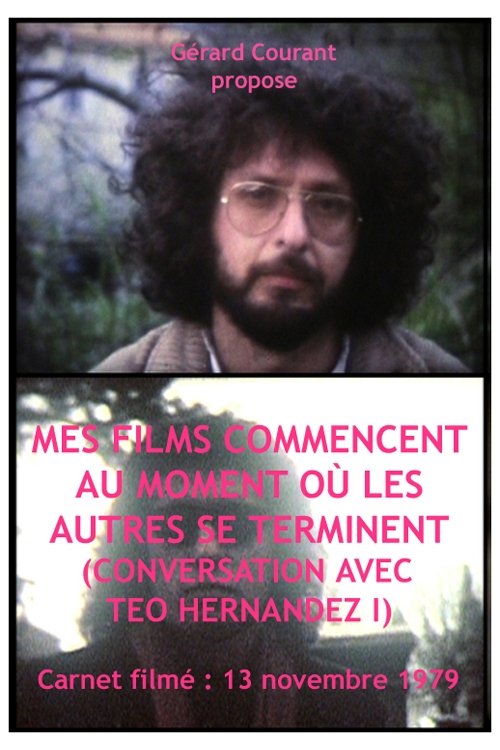
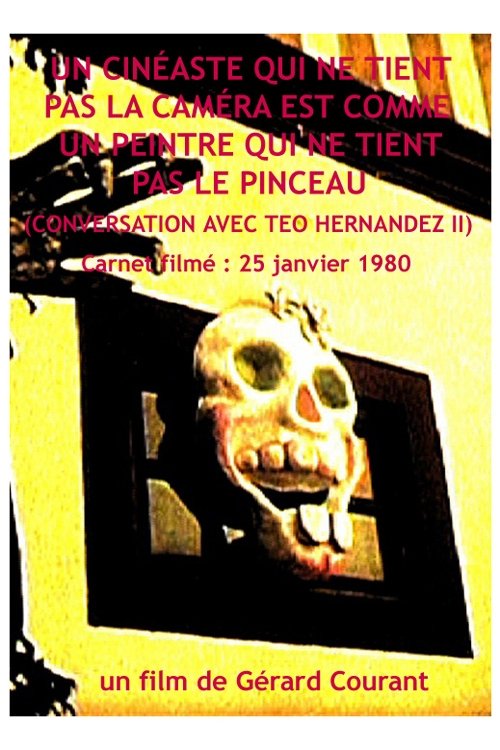
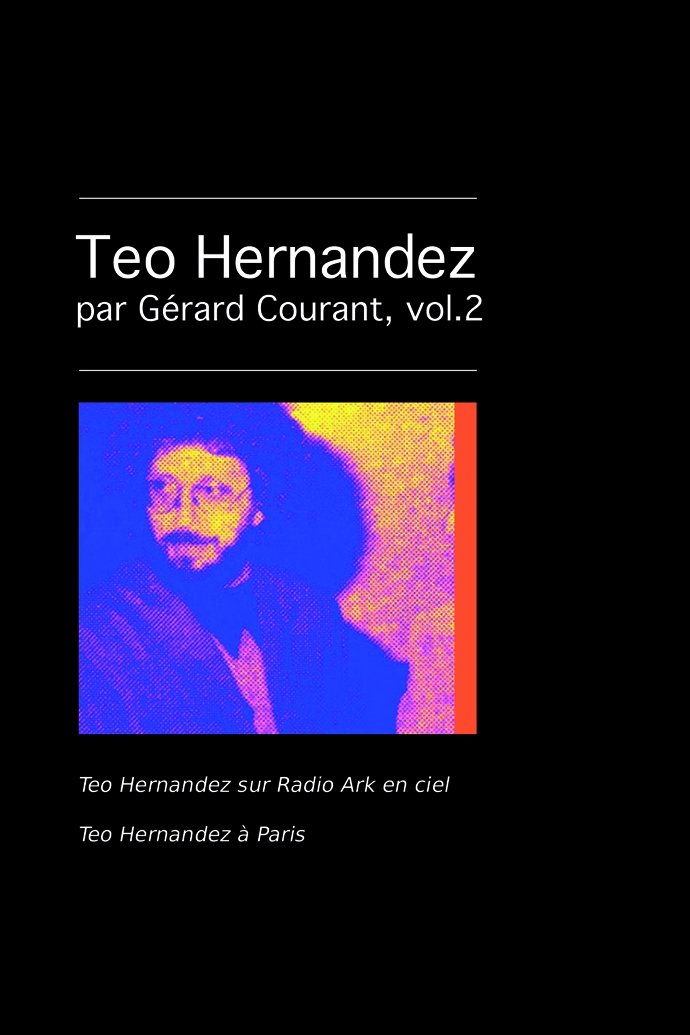
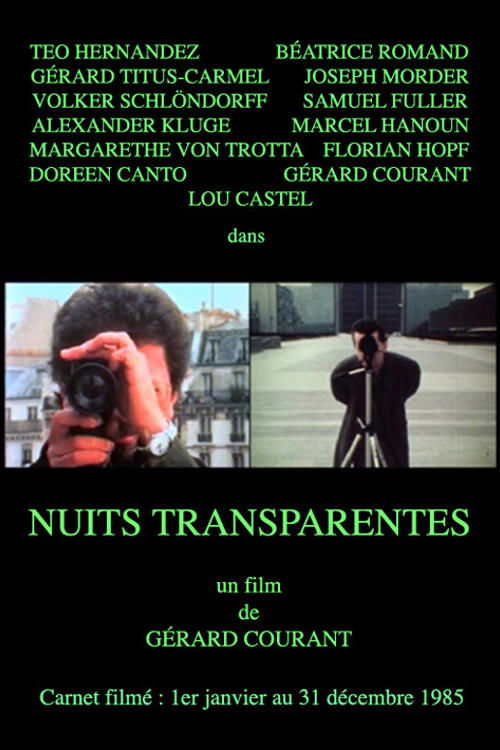
Strolling through France (Roanne, Nice and Carcassonne) with some excursions abroad (Munich, Montreal, New York).
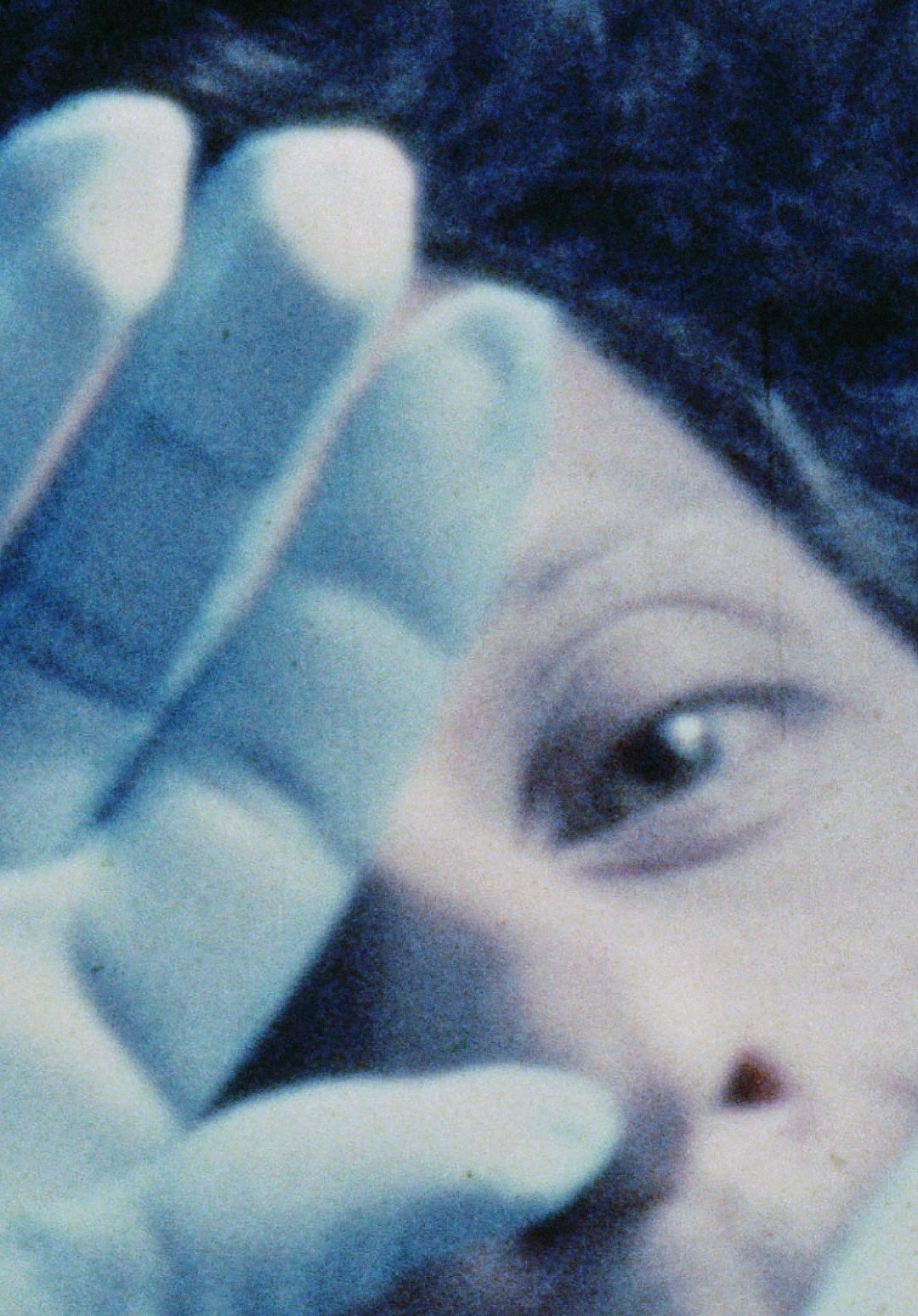
Exploration of bodies. Point, counterpoint. A black glove goes in search of a red glove.
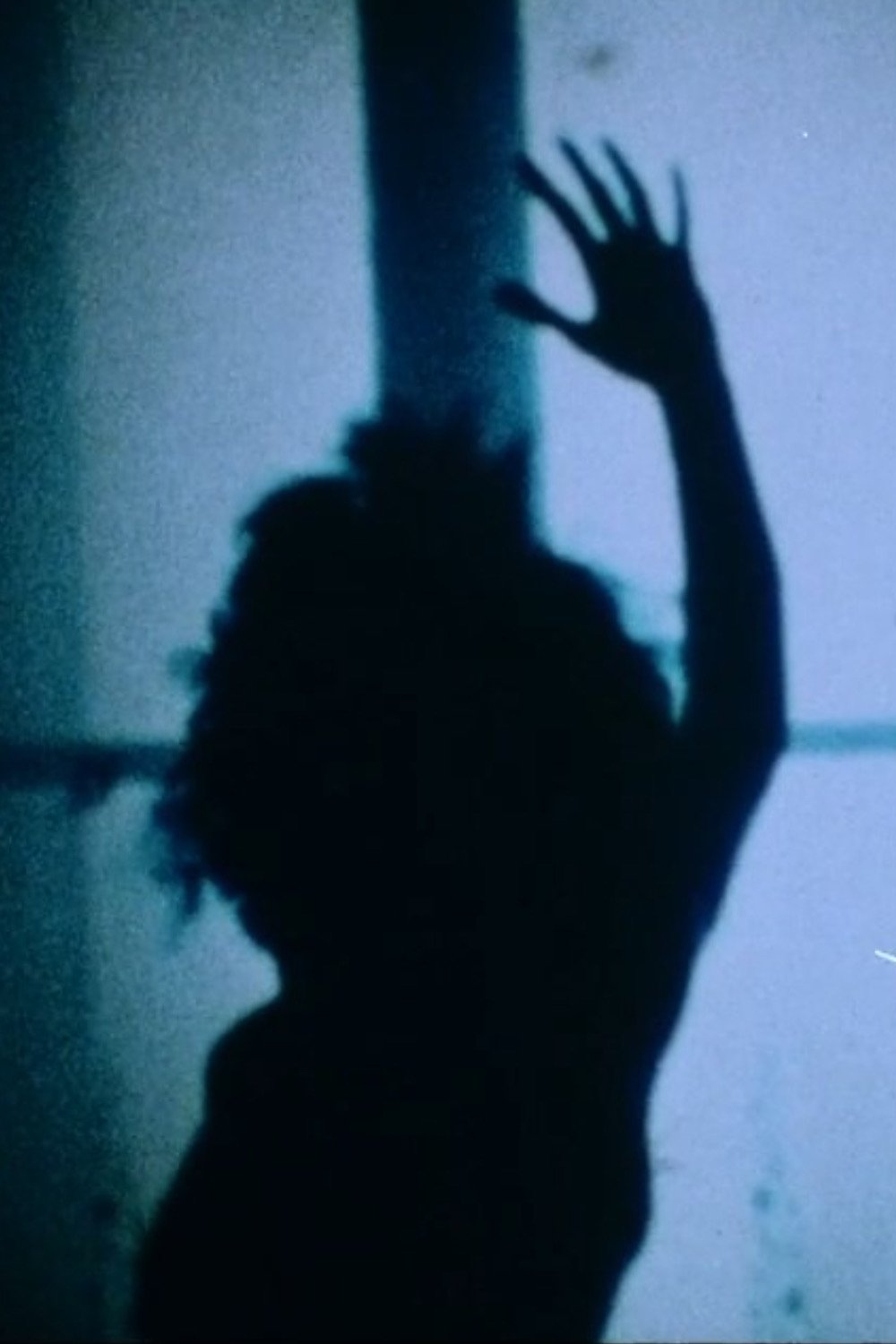
An autobiographical film that orchestrates the fragments of Michel Nedjar's life, to compose an architecture. The family films shot by his father, pieces of Michel's first films shot in the Balearic Islands and in Athens, contemporary images with Teo Hernandez, to stolen dialogues between his mother and and his aunt, recorded without their knowledge. The author is the spider, at the center of a device that allows him to survive: he has woven the threads of his own web and is now in control of his personal situation.
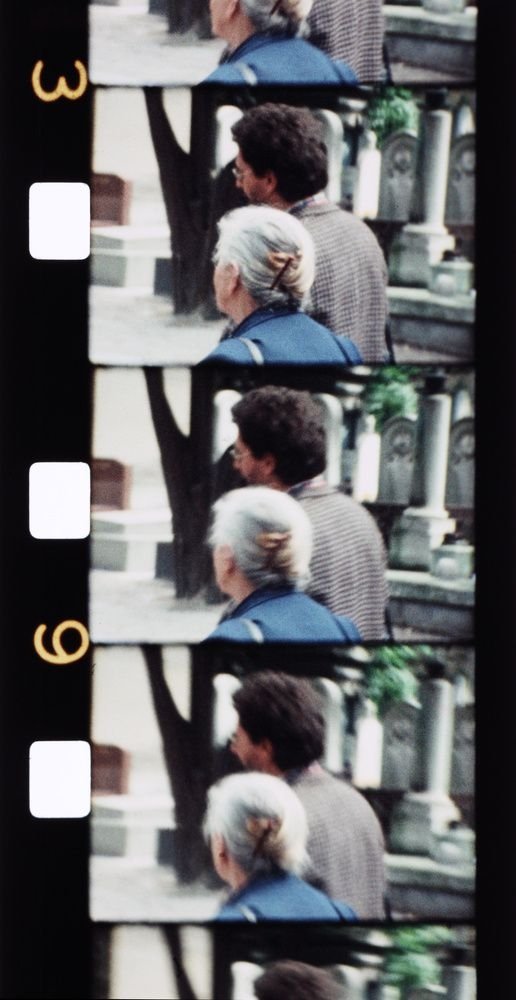
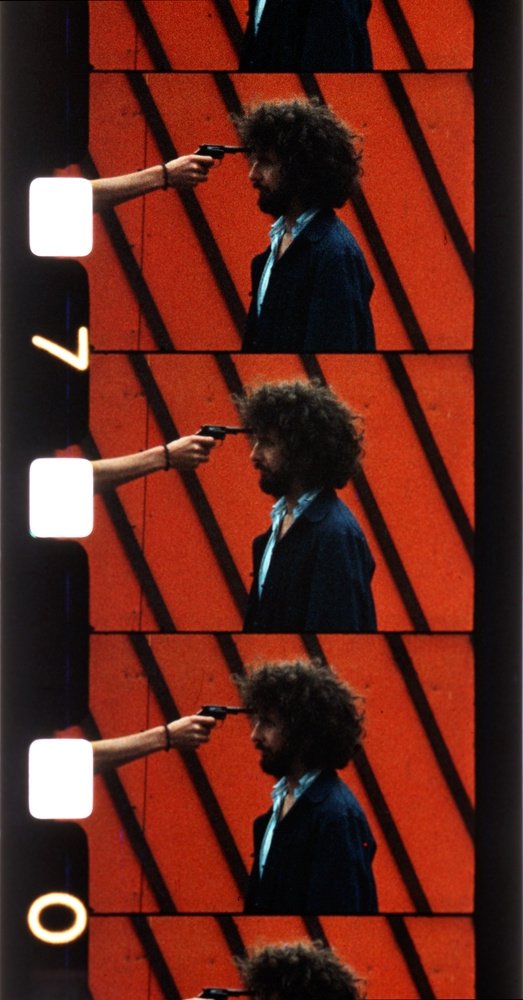
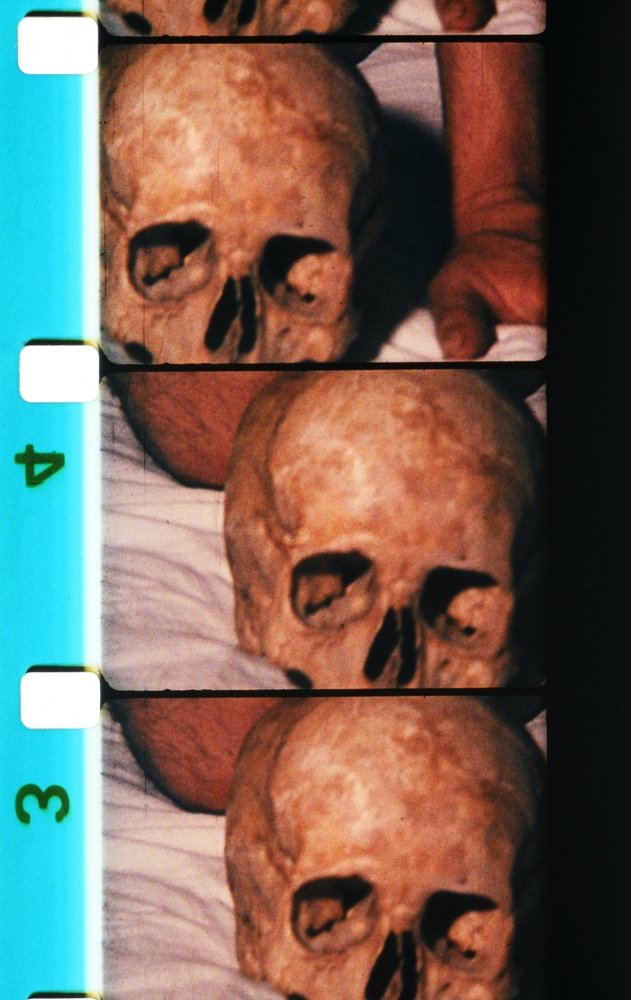
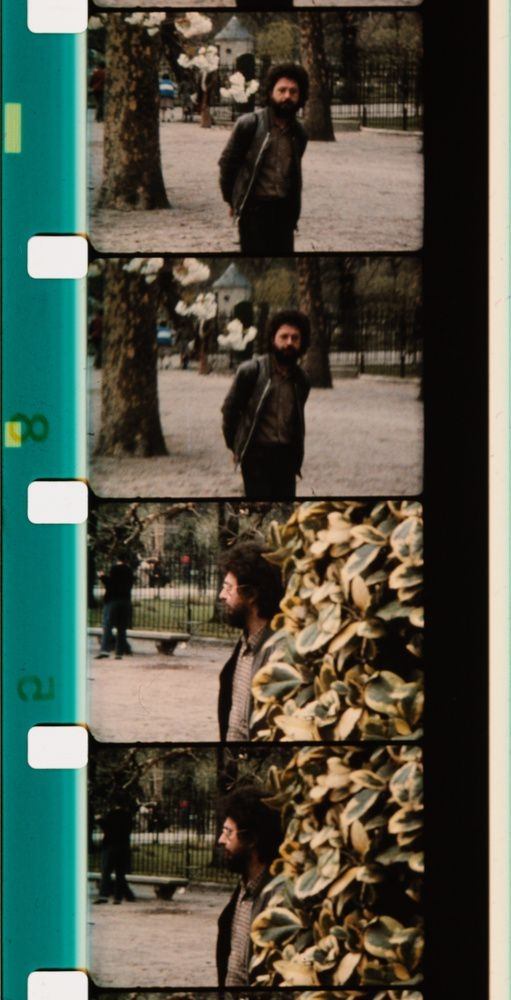
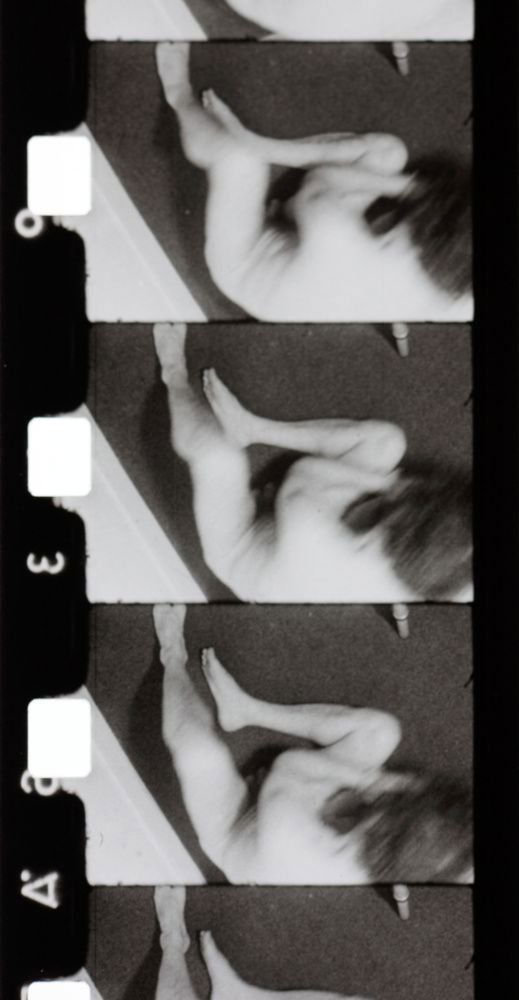
"ANGLE, with its brief black and white shots, almost always plunging and oblique, of naked bodies or parts of bodies, is a film of rupture. Punctuations of black primers break up the filmic continuity, isolating snapshots or brief furtive movements: the body rolling over itself, colliding with the other or falling (these terrible falls, as sharp as a fainting spell, like that of the hero of The Andalusian Dog, whose hand, as he falls, brushes for a moment against the naked back of a beautiful, insensitive woman, and which is, it seems to me, the most striking representation of the link between passion in love and death that can be given). Often these movements are repeated and the actors seem to be the descendants of Muybridge's bonshommes lost in a white room. At the end - this is the longest shot in the film - in a corner of the room, one of the two actors remains crouched, hiding his eyes in his hands. Then the corner reappears, empty."
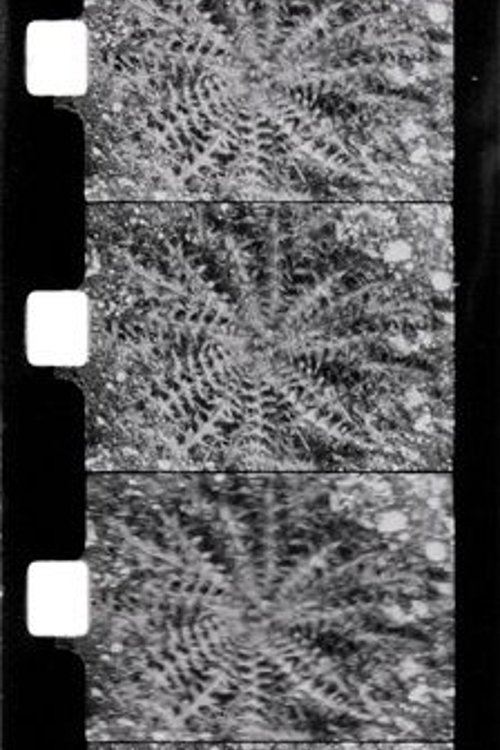
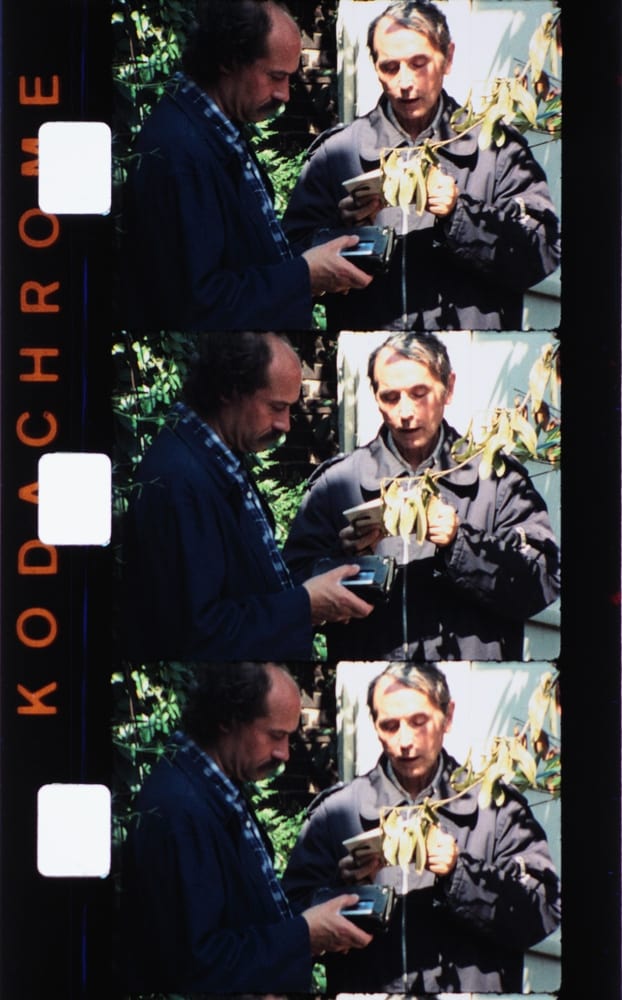
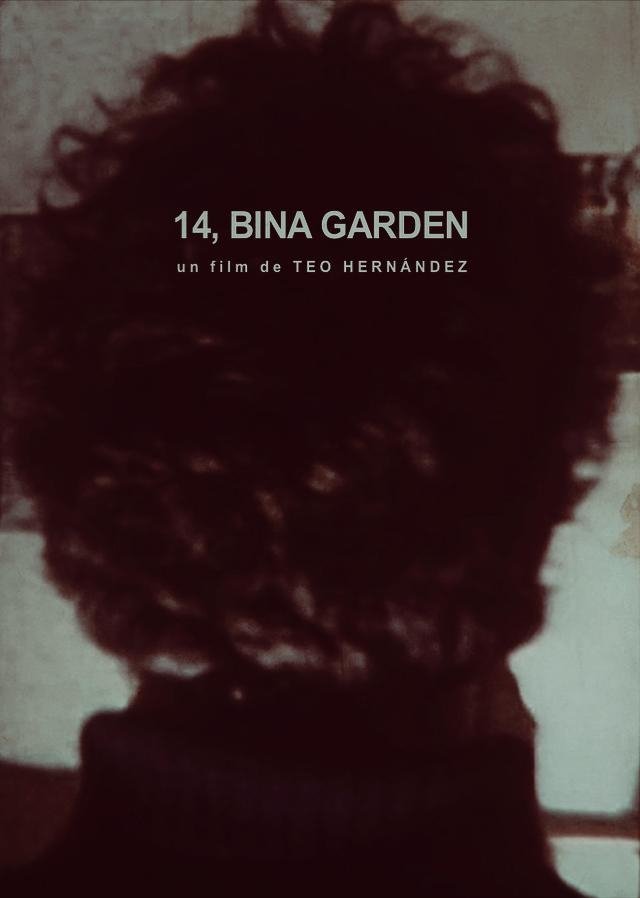
"In 1968, during a stay in London, I could finally achieved my first film: 14, BINA GARDEN. A camera wanders into the decor of a room ..."
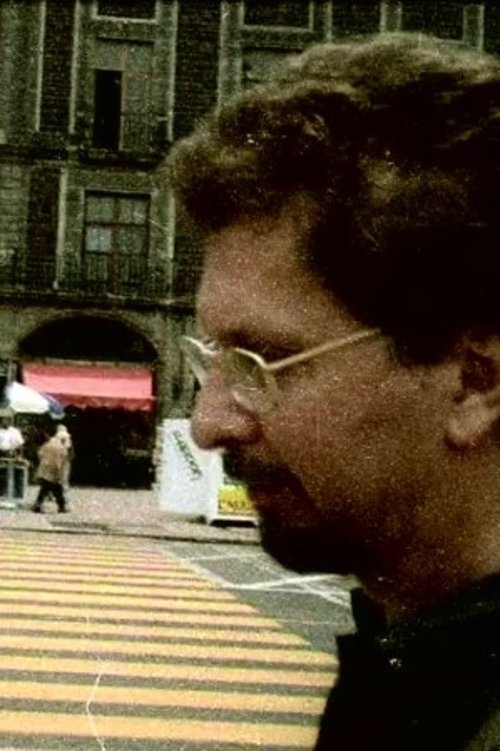

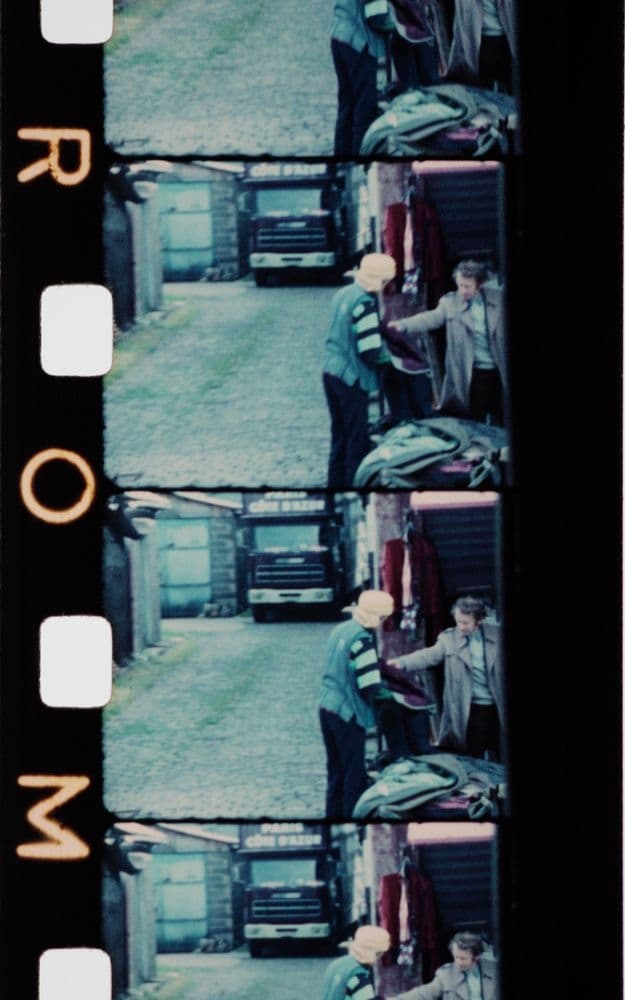
Reel 2 of Gérard Courant's on-going Cinematon series.
Outtakes from the movie
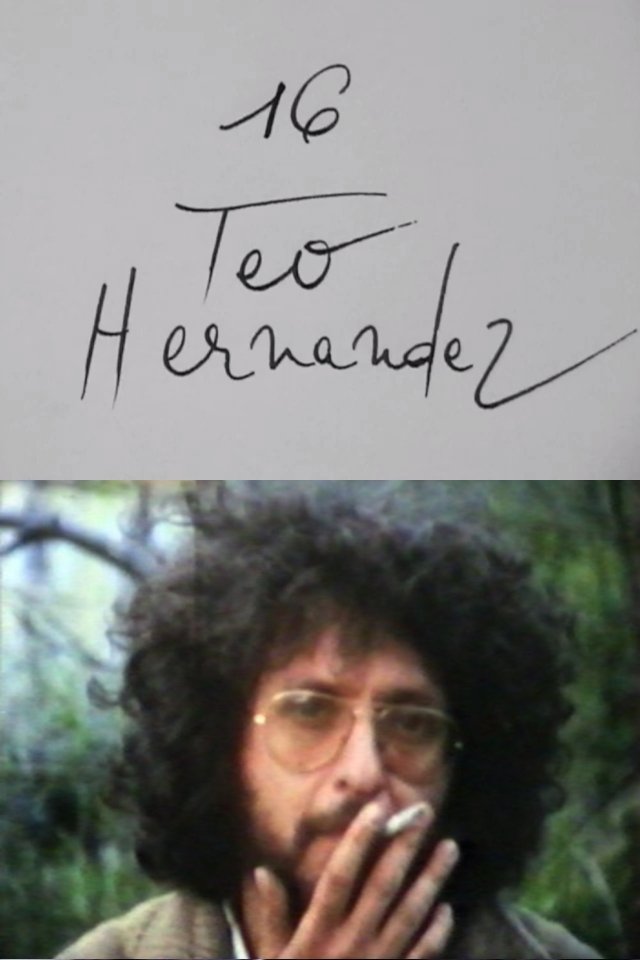
Joseph Morder's fifth journal film shot from July to December of 1980.
A group of disillusioned American expatriate writers live a dissolute, hedonistic lifestyle in 1920's France and Spain.