
The adventures of a modern day descendant of a famed Edo era thief are the basis for this short supernatural comedy romp.

In the city of Yokosuka, Kinta and his lover Haruko, both involved with yakuza, brave the post-occupation period with a goal to be together.
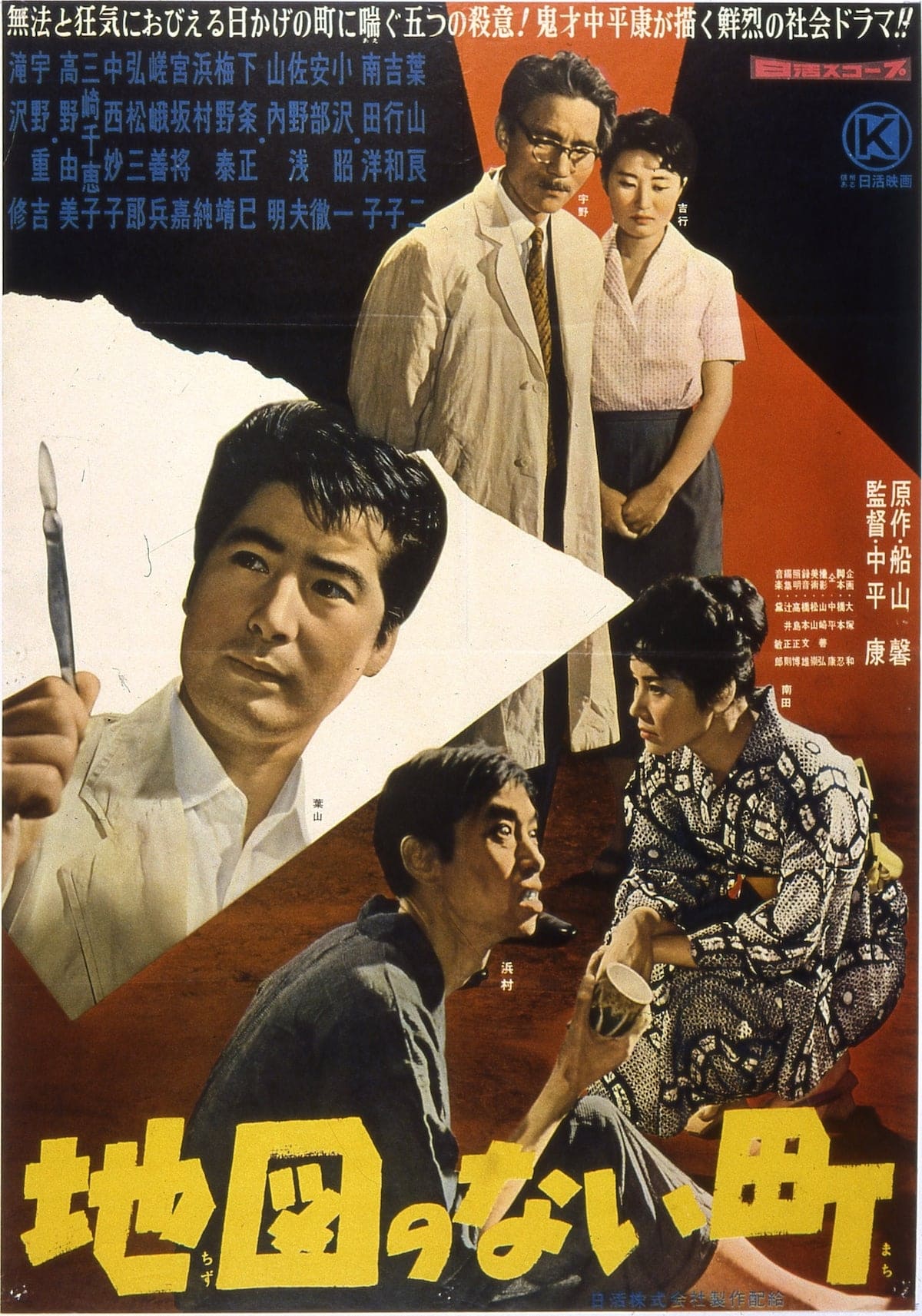
A young doctor falls into a despair of developments. He plans to revenge the disgrace inflicted upon his sister, whose engagement was broken as a result.
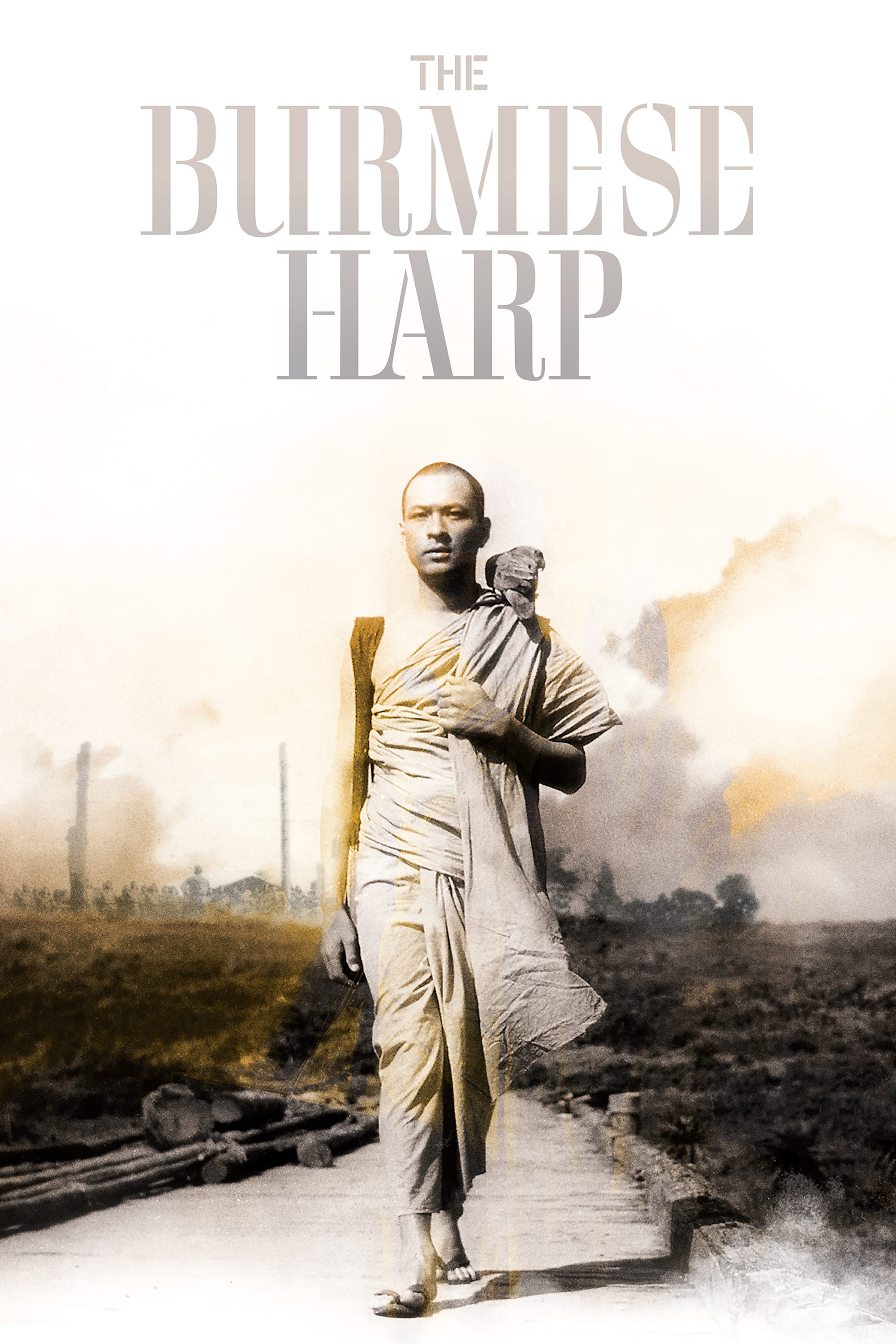
In Burma during the closing days of WWII, a Japanese soldier separated from his unit disguises himself as a Buddhist monk to escape imprisonment as a POW.
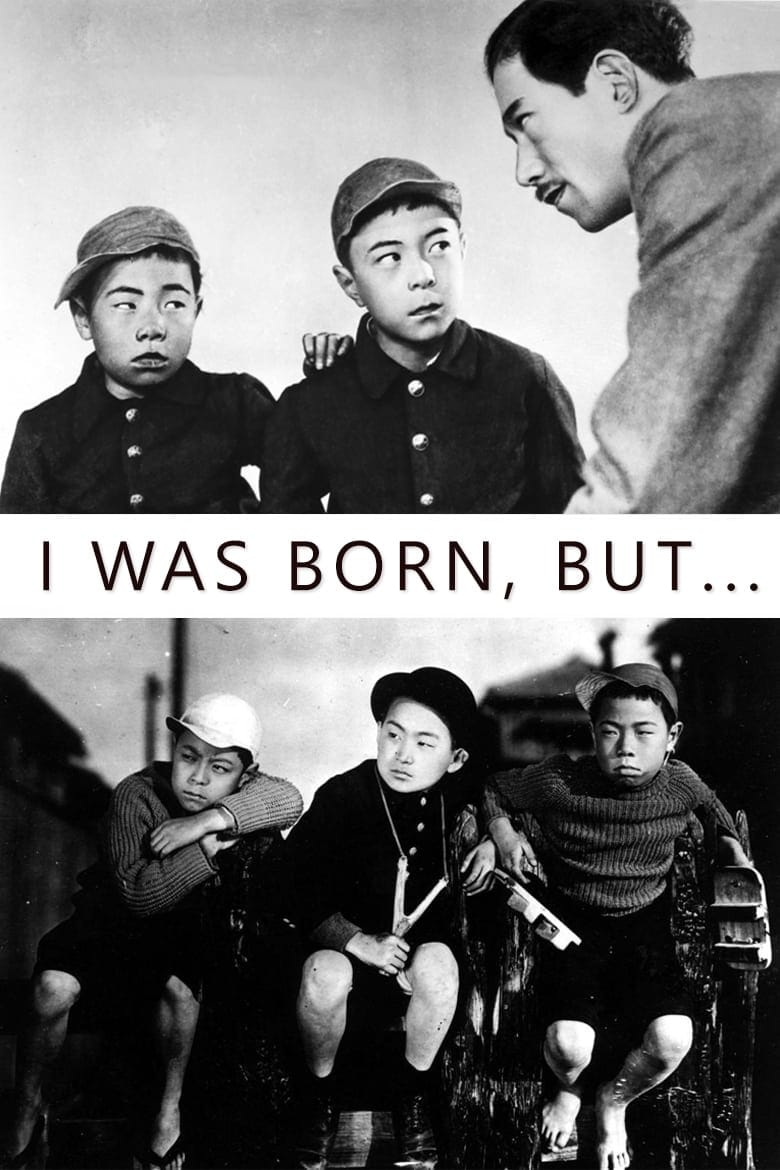
Brothers Keiji and Ryoichi move to a new neighborhood in the Tokyo suburbs after their father, an office clerk, is promoted. The boys join the local gang as lowly new kids and emerge as natural leaders after defeating a bully. While visiting the home of their father's boss, the brothers witness the ridicule their father endures to please his superior. Angry and embarrassed, the boys find their naive ideas about power being challenged.
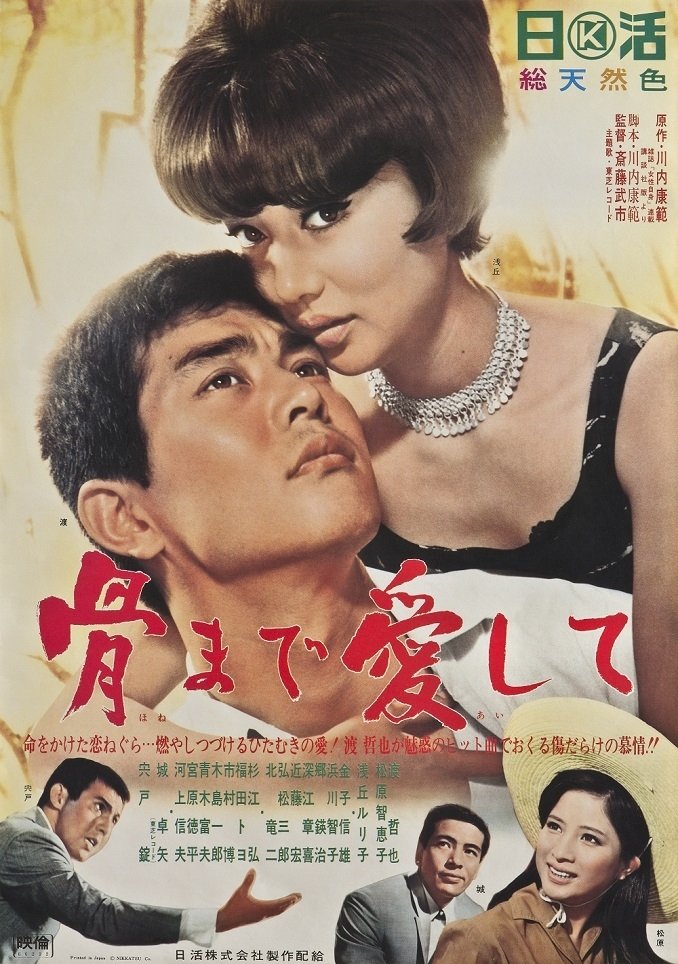
A deep mist envelops the port city of Yokohama. The scent of crime is everywhere. As an executive member of a drug trafficking syndicate, Kano is pretty high up in the food chain, but "status" bears no value to him. All he cares for is Ayako, the boss' mistress. After one last job, they intend to run off together to Hong Kong, but their plans are hindered when an uninvited yakuza stirs up a vicious shootout. In the midst of it all, Ayako is kidnapped.
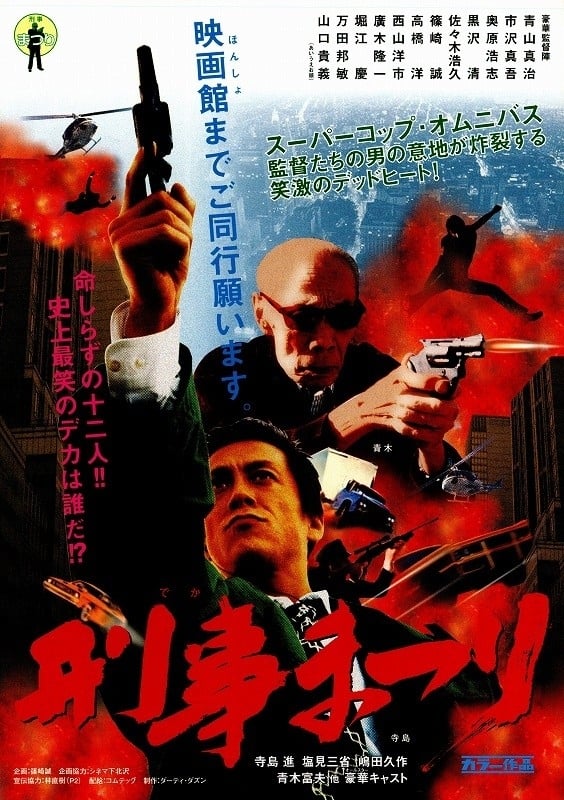
12-part omnibus made under the rules: "the main character is a detective" "at least one gag per minute" "the length must not exceed 10 minutes"
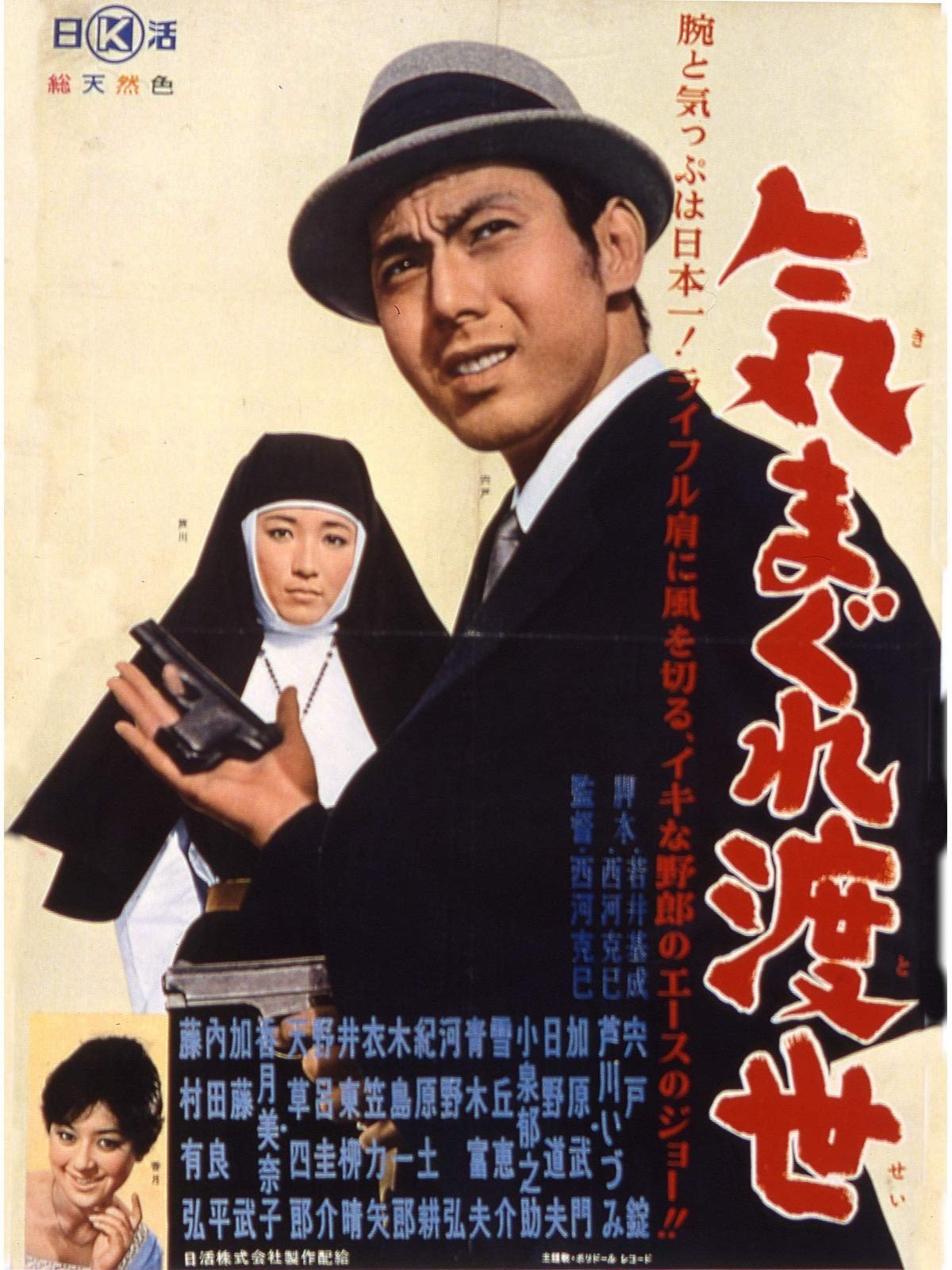
1962 Japanese movie
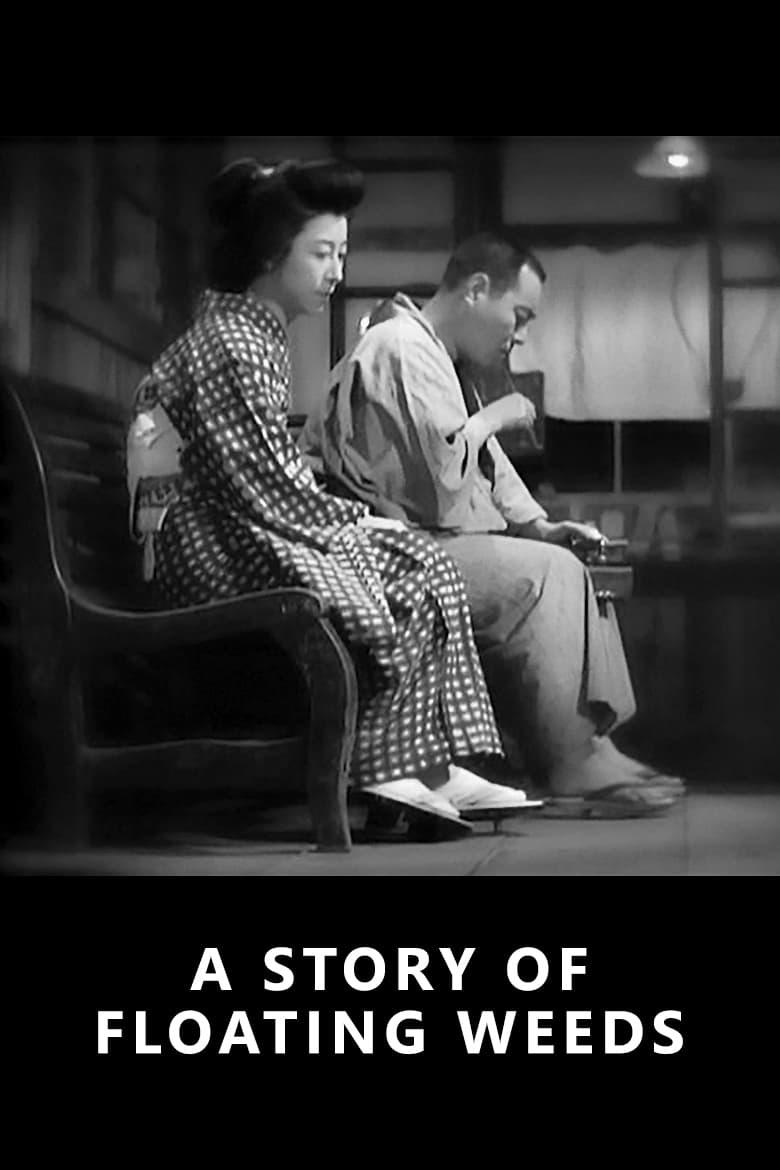
An aging actor returns to a small town with his troupe and reunites with his former lover and illegitimate son, a scenario that enrages his current mistress and results in heartbreak for all.
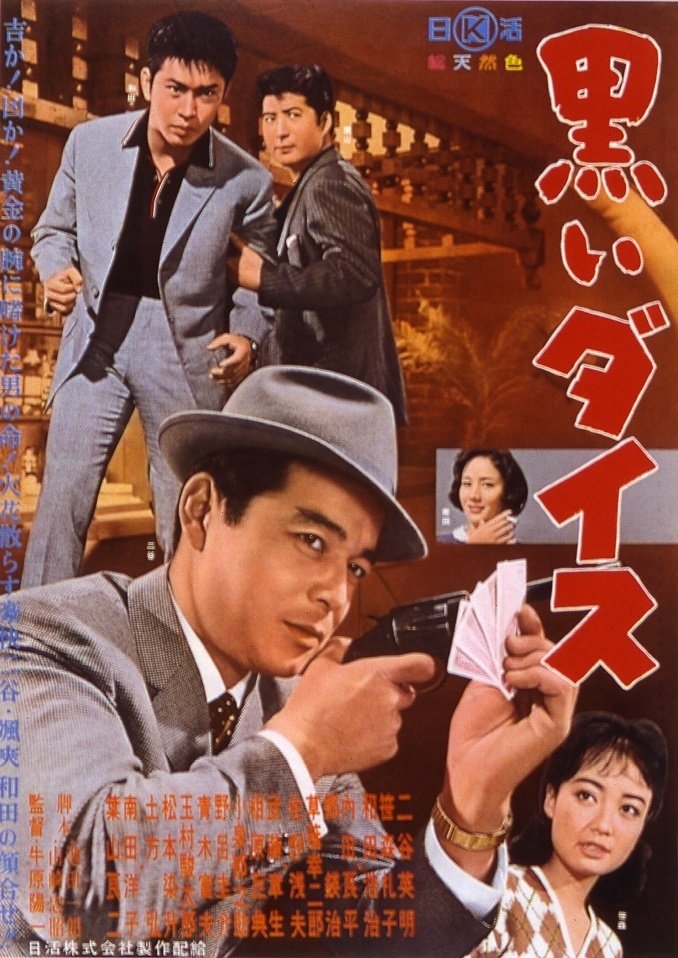
1962 Japanese movie
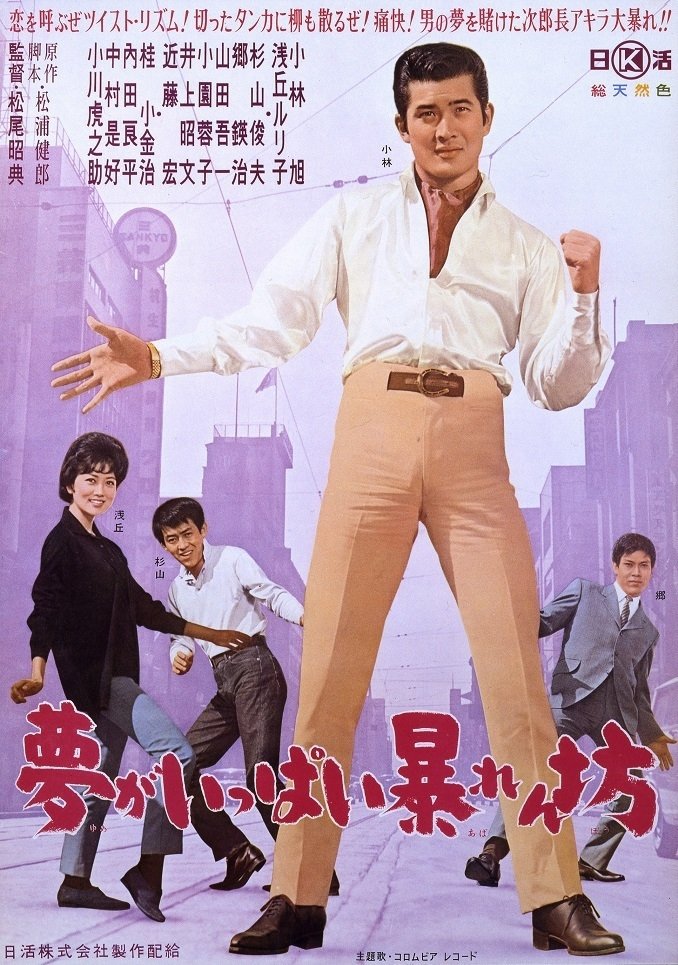
1962 Japanese movie
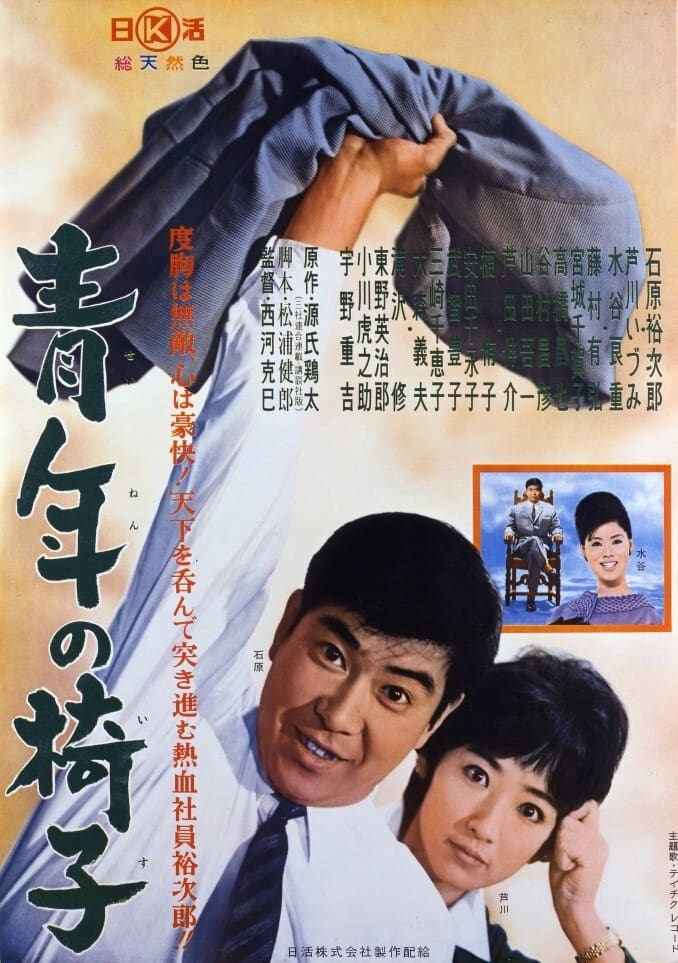
1962 Japanese movie
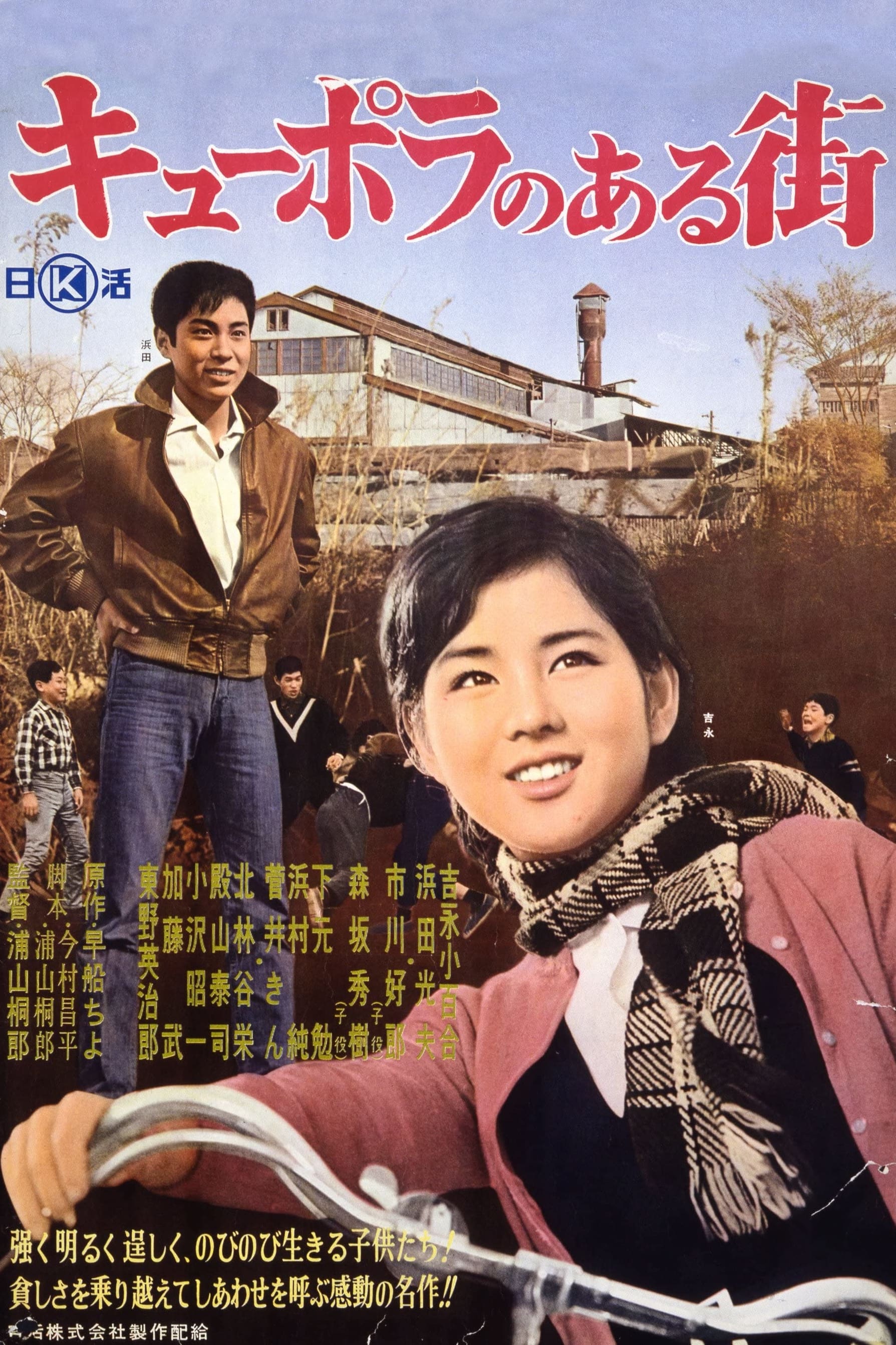
Set in Kawaguchi in the early 60s, this simple story chronicles the lives of foundry families and one girl's dreams of higher education.
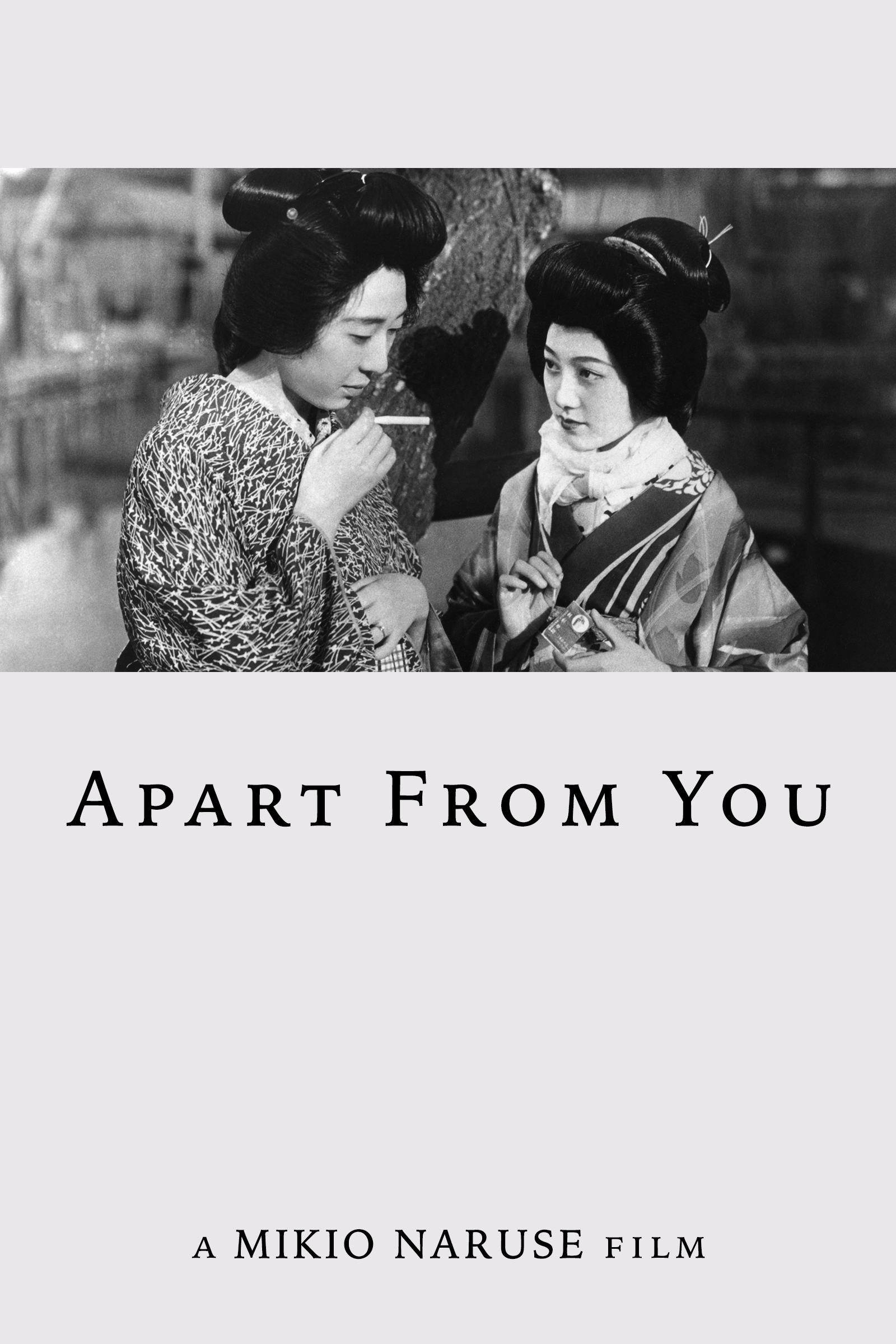
An aging geisha, whose angry teenage son is ashamed of her profession, works alongside a young geisha, resentful of her family for forcing her into a life of ignominy.
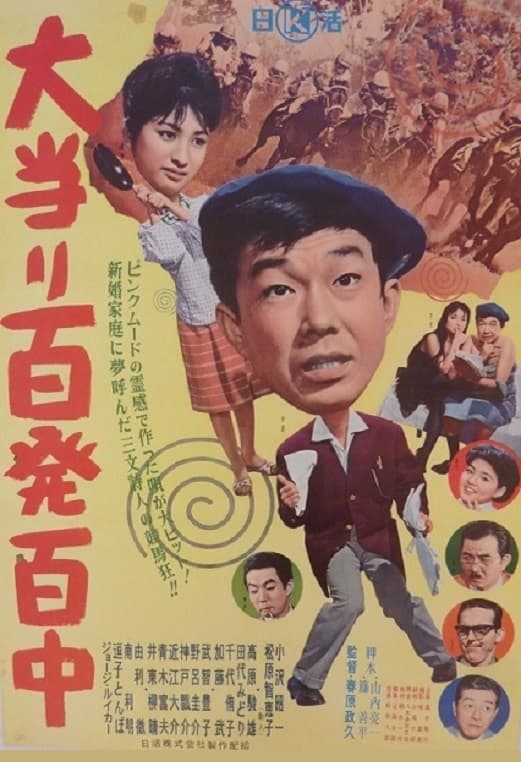
1961 Japanese movie
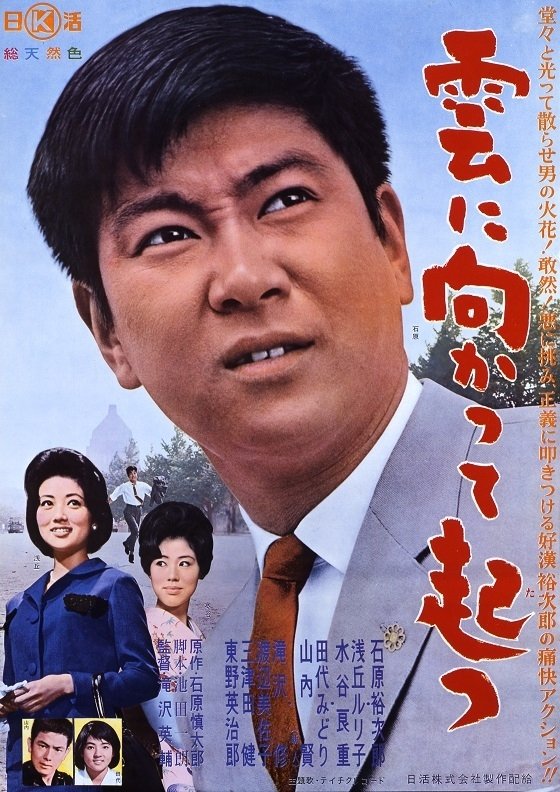
A rookie newspaper journalist, Takema Sakaki, has a strong sense of justice. In the Diet Building he gets acquainted with a library worker, Reiko Nakafuji. Reiko's father was a member of the Diet who was assassinated six years ago. Through Reiko, Takema joins Tsūkai-kai, a group of young people who respect her late father's political ideas. With the assistance of Tsukai-kai, Takema eventually uncovers the political scandal related to postwar compensation which led to the murder of Reiko's father.
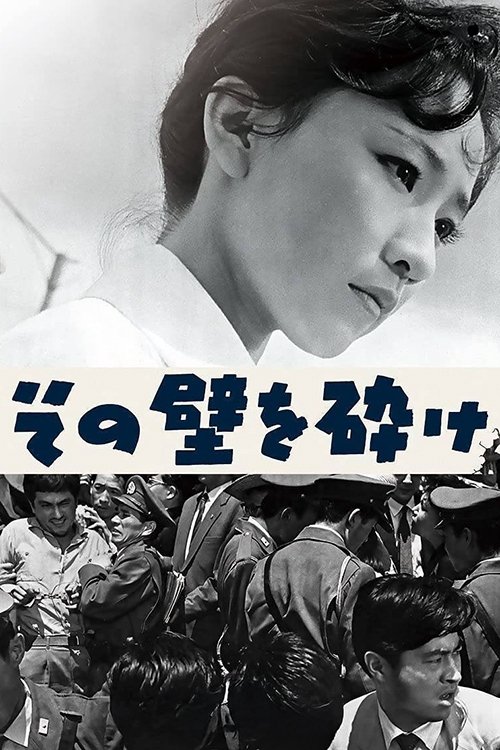
A man is wrongfully accused of murder.
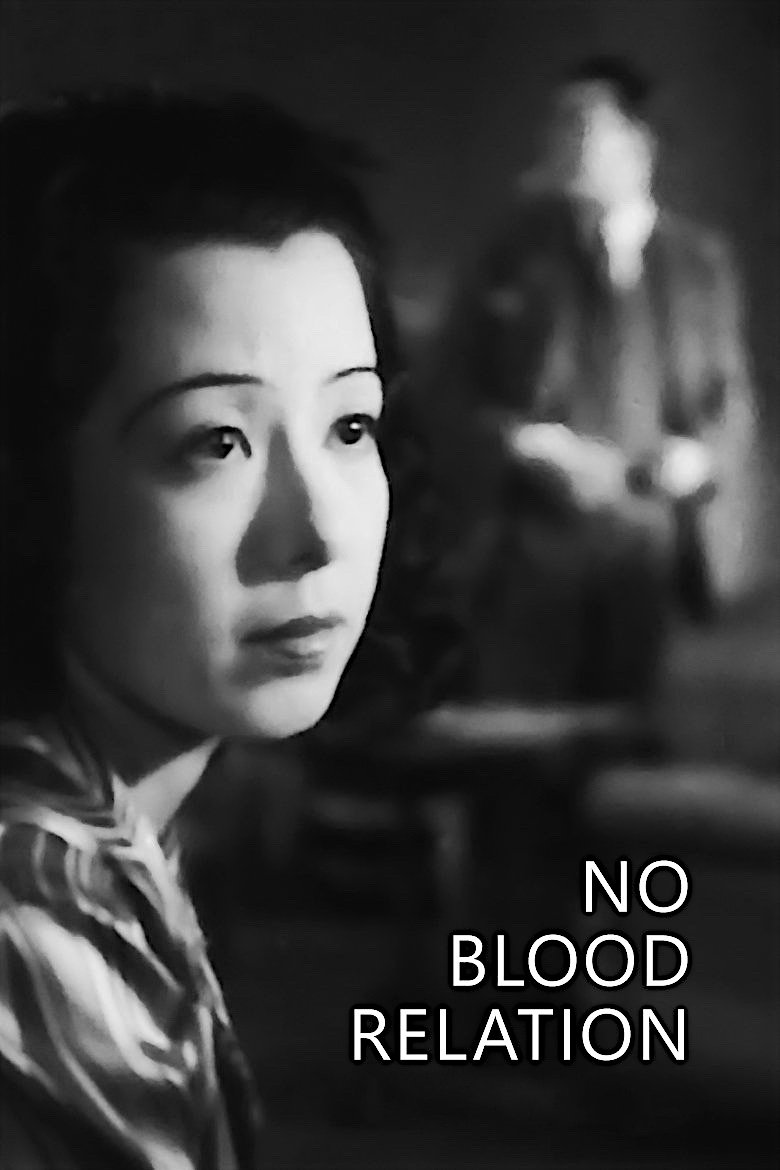
An actress returns to Tokyo after a successful stint in Hollywood to reclaim—with the help of her gangster brother—the daughter she abandoned years before.
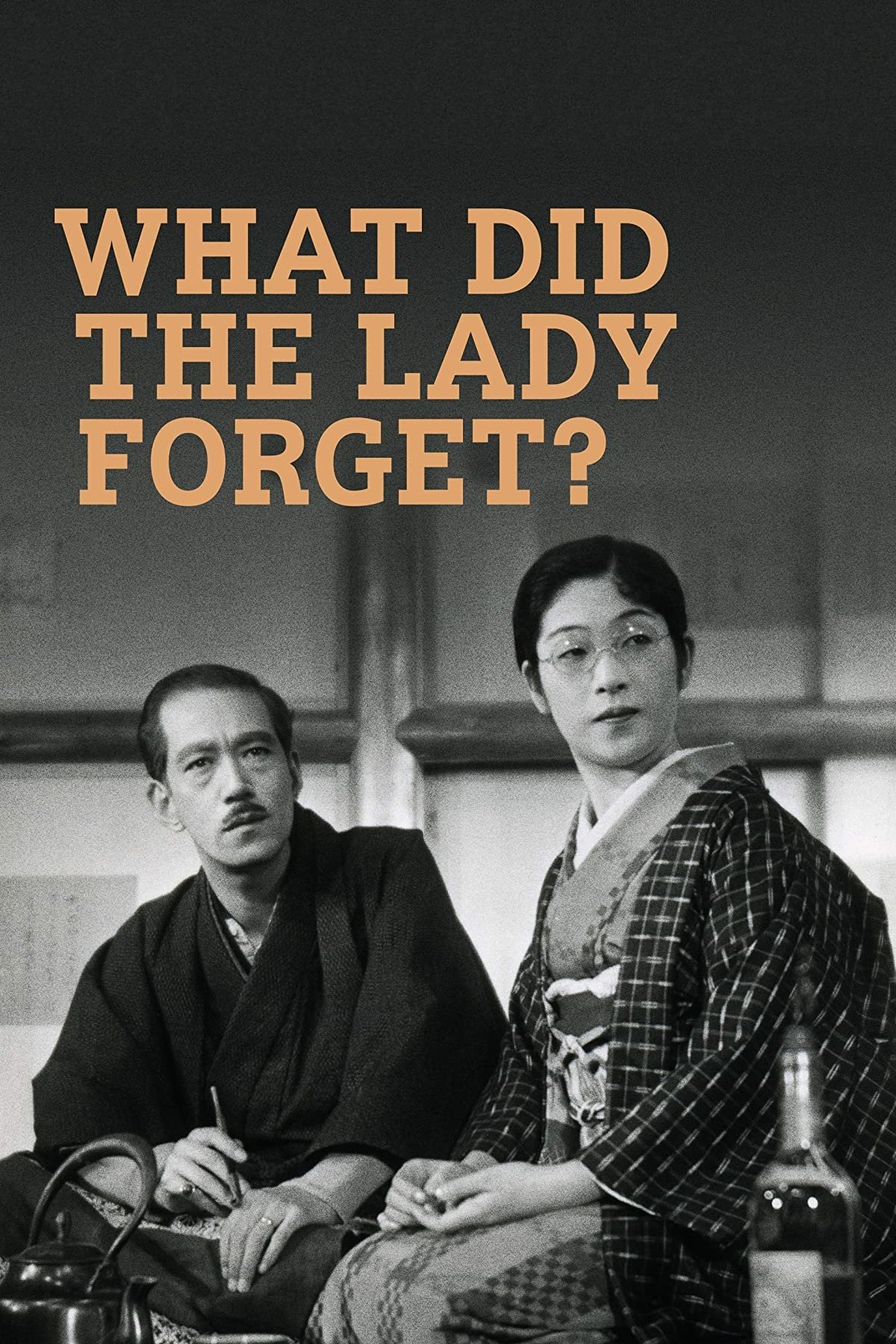
A professor, Komiya, and his bossy wife, Tokiko, are to look after Setsuko, their high-spirited niece from Osaka. Despite being a minor, Setsuko is a liberated woman who does whatever she wants, including smoking. She even convinces Koyima to take her to a geisha house. When she gets rather tipsy, the professor calls Okada, one of his students, to take her home. The wife becomes suspicious of Setsuko when she sees Okada bringing her home.
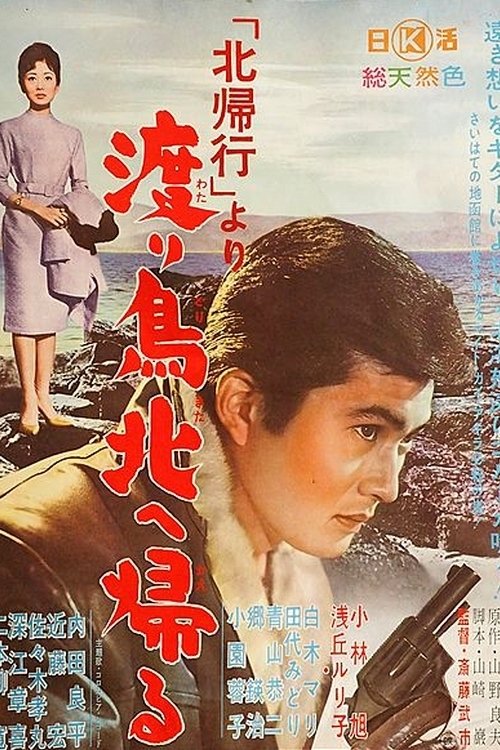
In the nine part Wataridori series (1959-1962), Kobayashi played a wanderer on Japan’s back roads with most of the accoutrements of a Western hero, from a horse to fringes, guitar and even a trusty bullwhip.
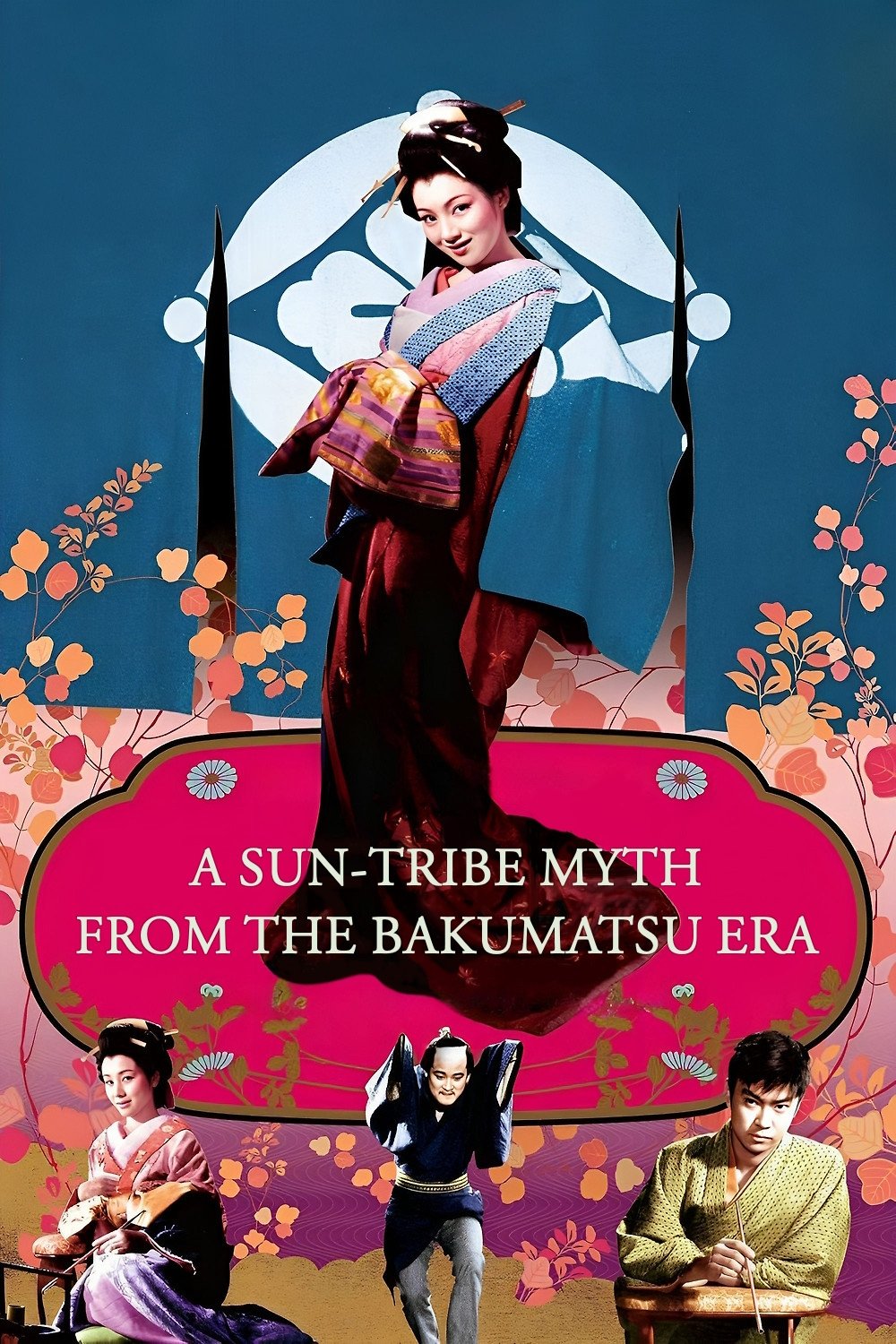
Saheji, a man-about-town, gets stuck at a high-class brothel when he can’t pay the bill. He makes the best of his situation by performing various tasks amidst the tumult of the end of the shogunate—but always by making sure to get a “commission” for his troubles.
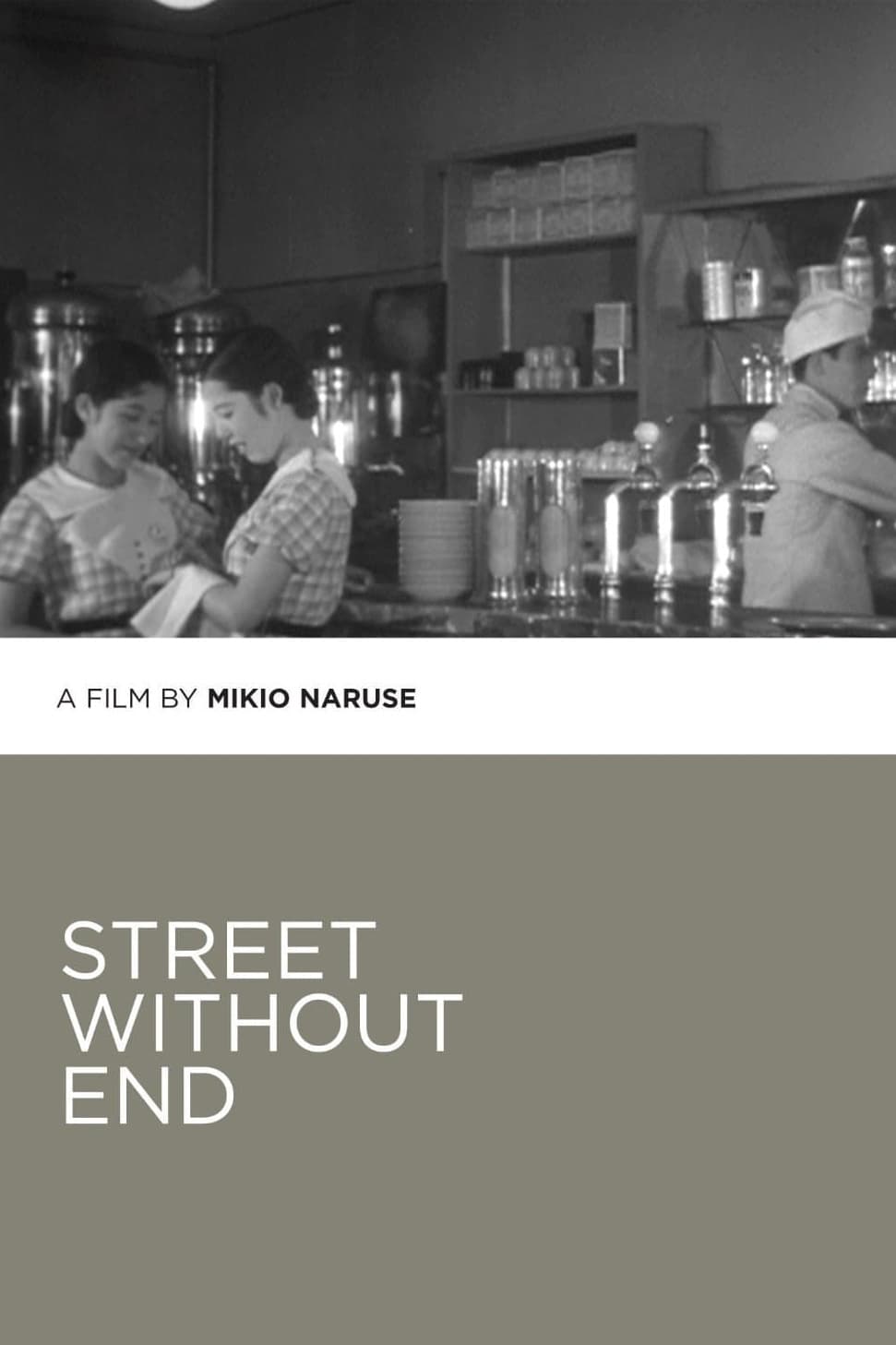
Mikio Naruse’s final silent film is a gloriously rich portrait of a waitress, Sugiko, whose life, despite a host of male admirers and even some intrigued movie talent scouts, ends up taking a suffocatingly domestic turn after a wealthy businessman accidentally hits her with his car.
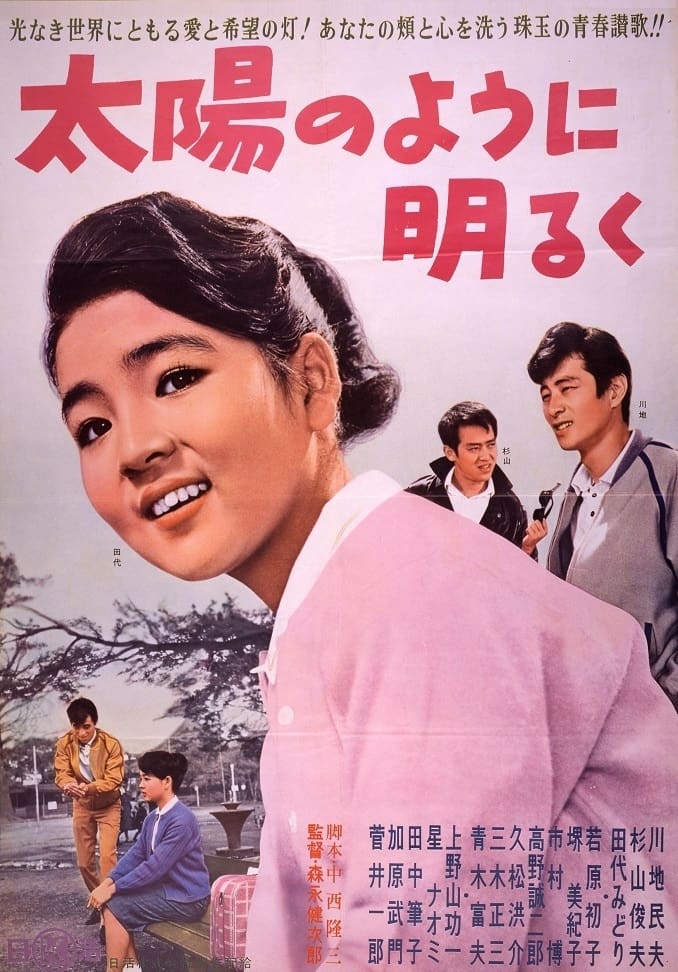
1962 Japanese movie
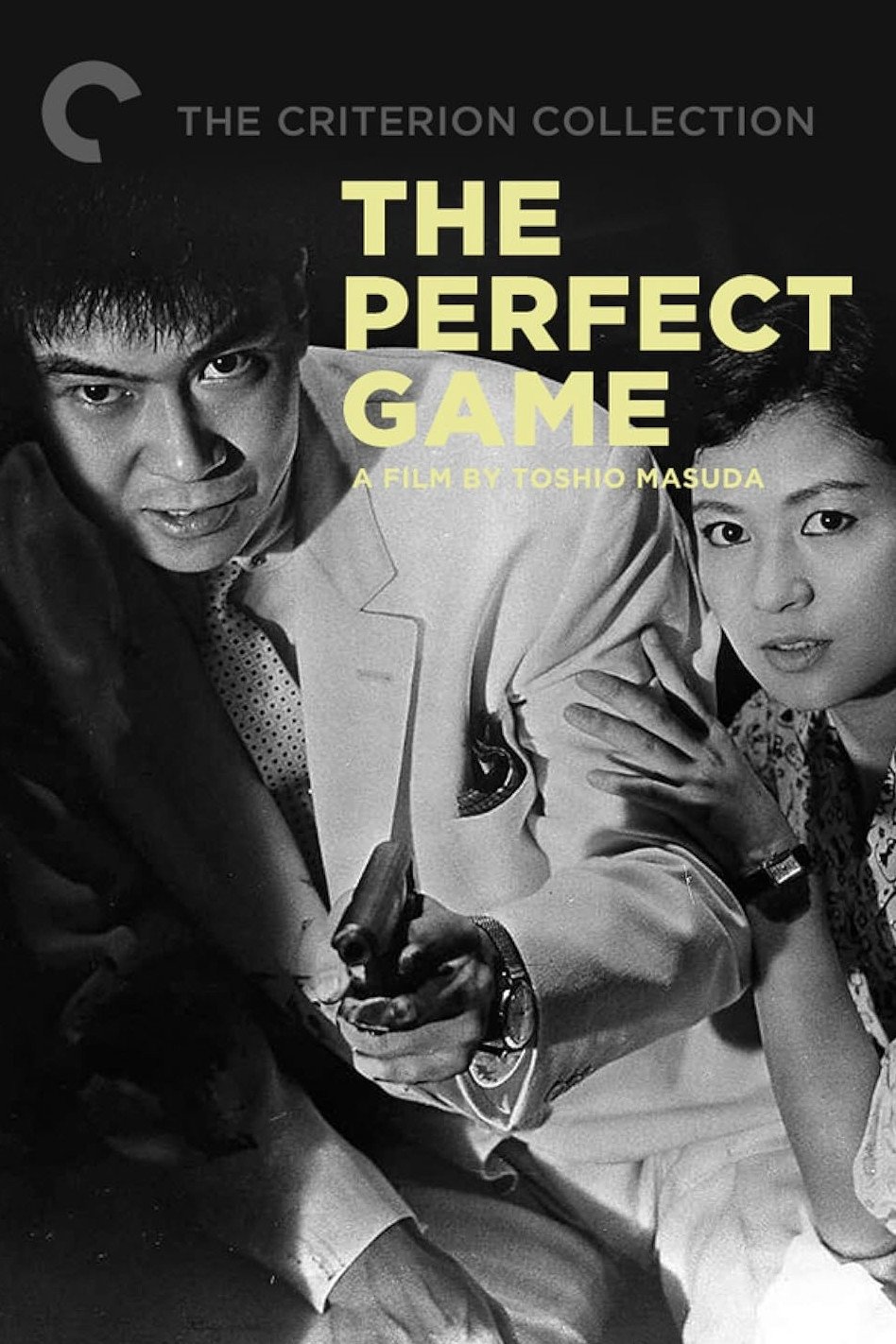
College students come up with a scam to rob a gambling house. When it comes time to collect, the money isn't there, leading the young men into even more serious crime.
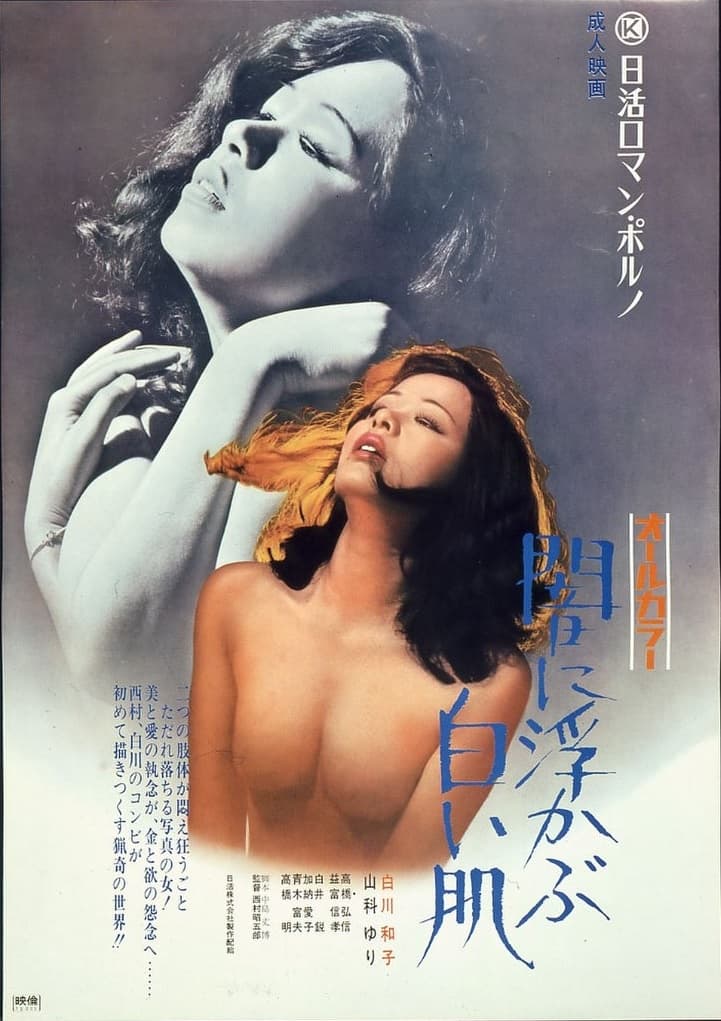
A blind woman suspects that something isn’t right about the reappeared wife of her brother after she was missing for 6 months. Soon things take a sinister turn.
In Depression-era Tokyo, a struggling middle-aged single father with a young son comes across a homeless young lady and convinces a bar owner to take her in.
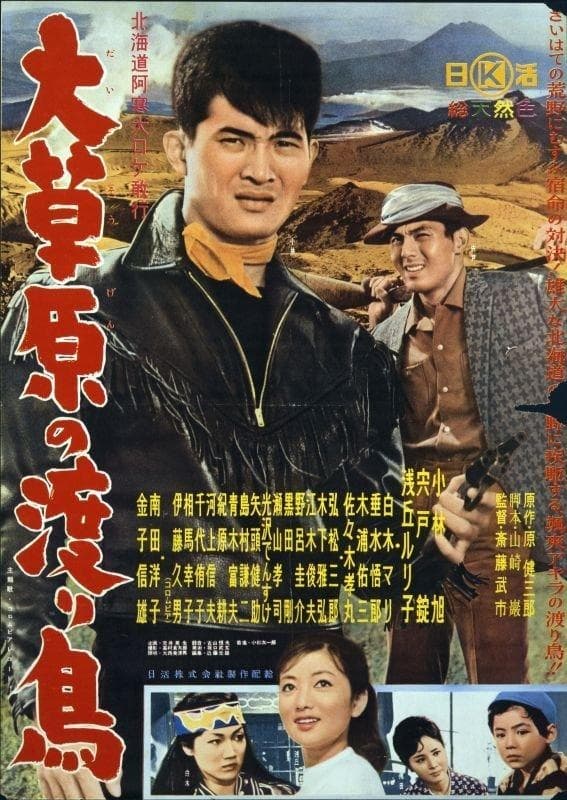
In this fifth episode of the "Wataridori" series, Taki Shinji (Kobayashi Akira) drifts north to Hokkaido, where he helps protect an Ainu village from unscrupulous land developers.

A group of rank-and-file soldiers are jailed for crimes against humanity, themselves victims of a nation refusing to bear its burdens as a whole.
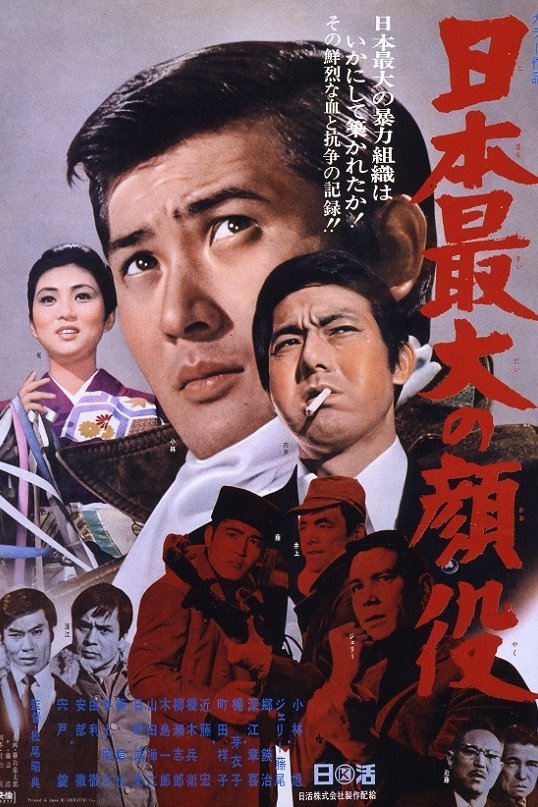
A man who became the third boss faces off against delinquent foreigners and villains vying to rule the underworld in order to develop the port city.
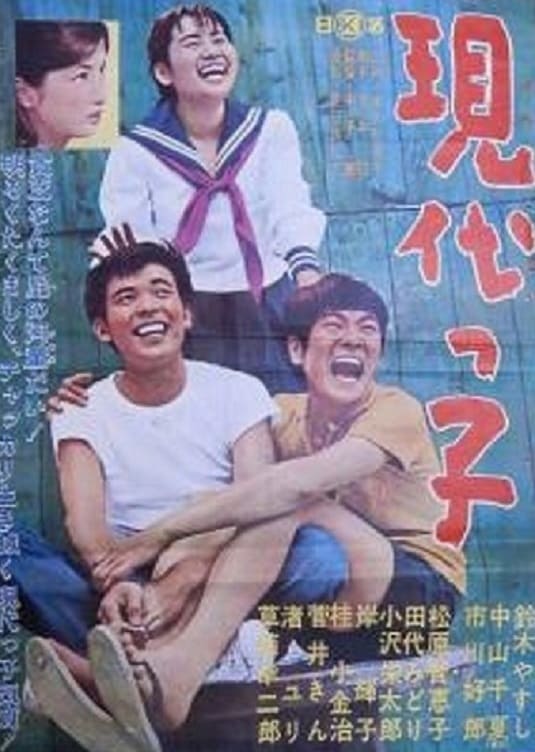
After their father dies, his children try to get by on a house boat.
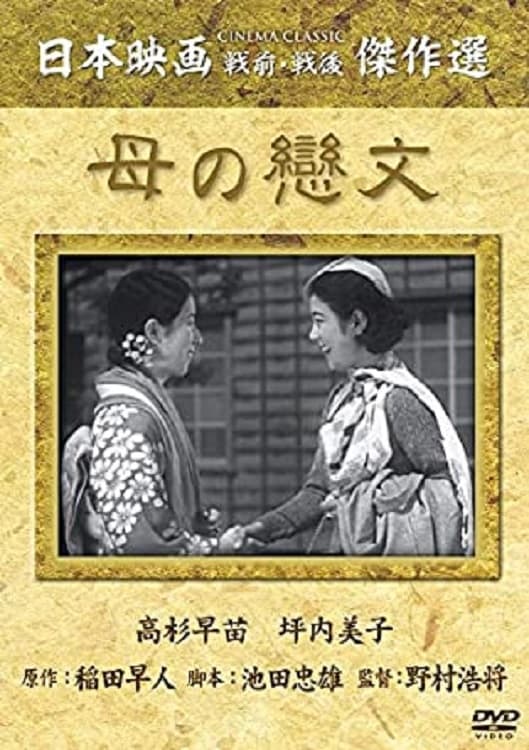
Domestic comedy involving a strong wife and a "henpecked" husband taking place in a family-run judo school.
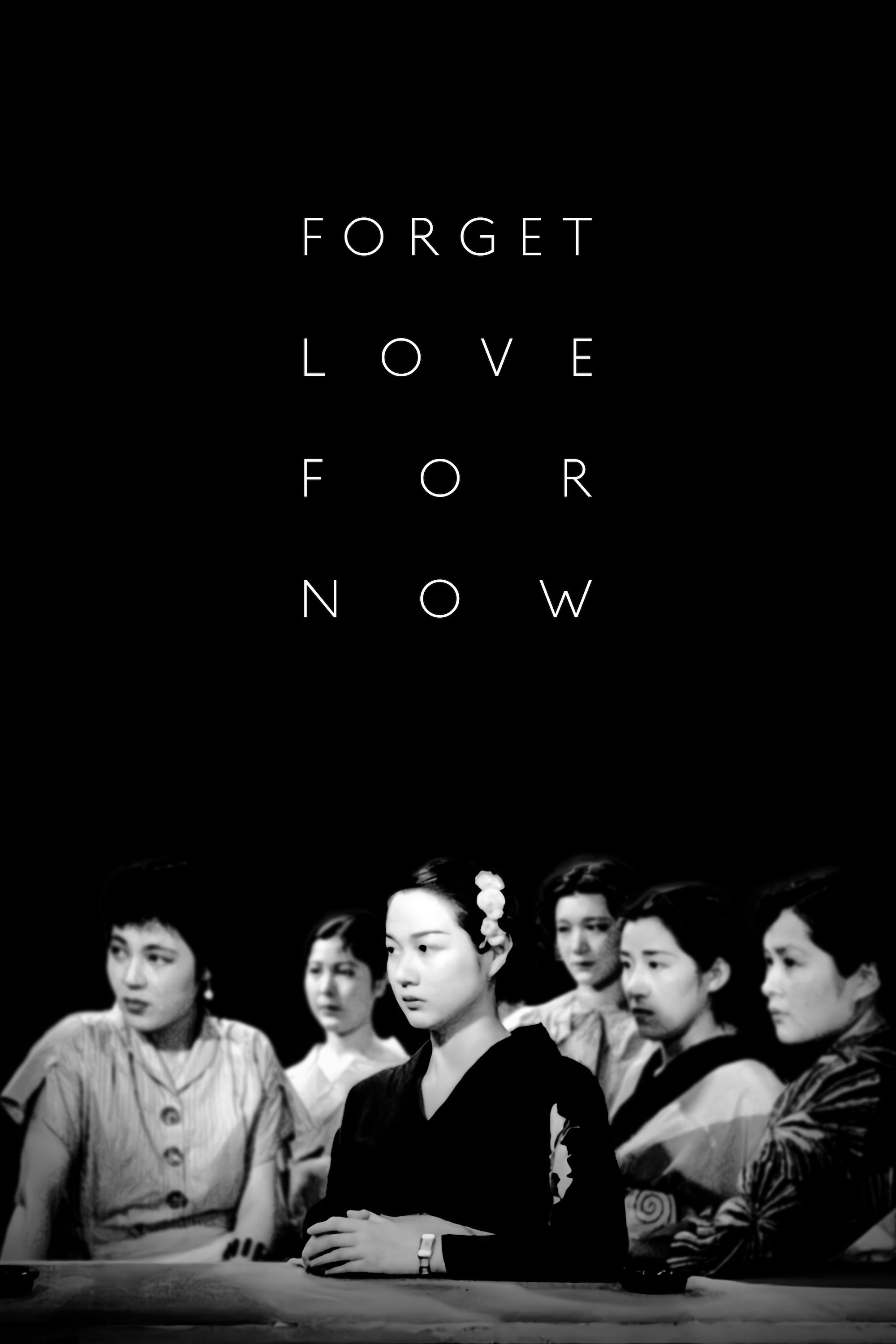
Yuki is a young, single mother supporting herself and her son, Haru, with a job as a bar hostess.
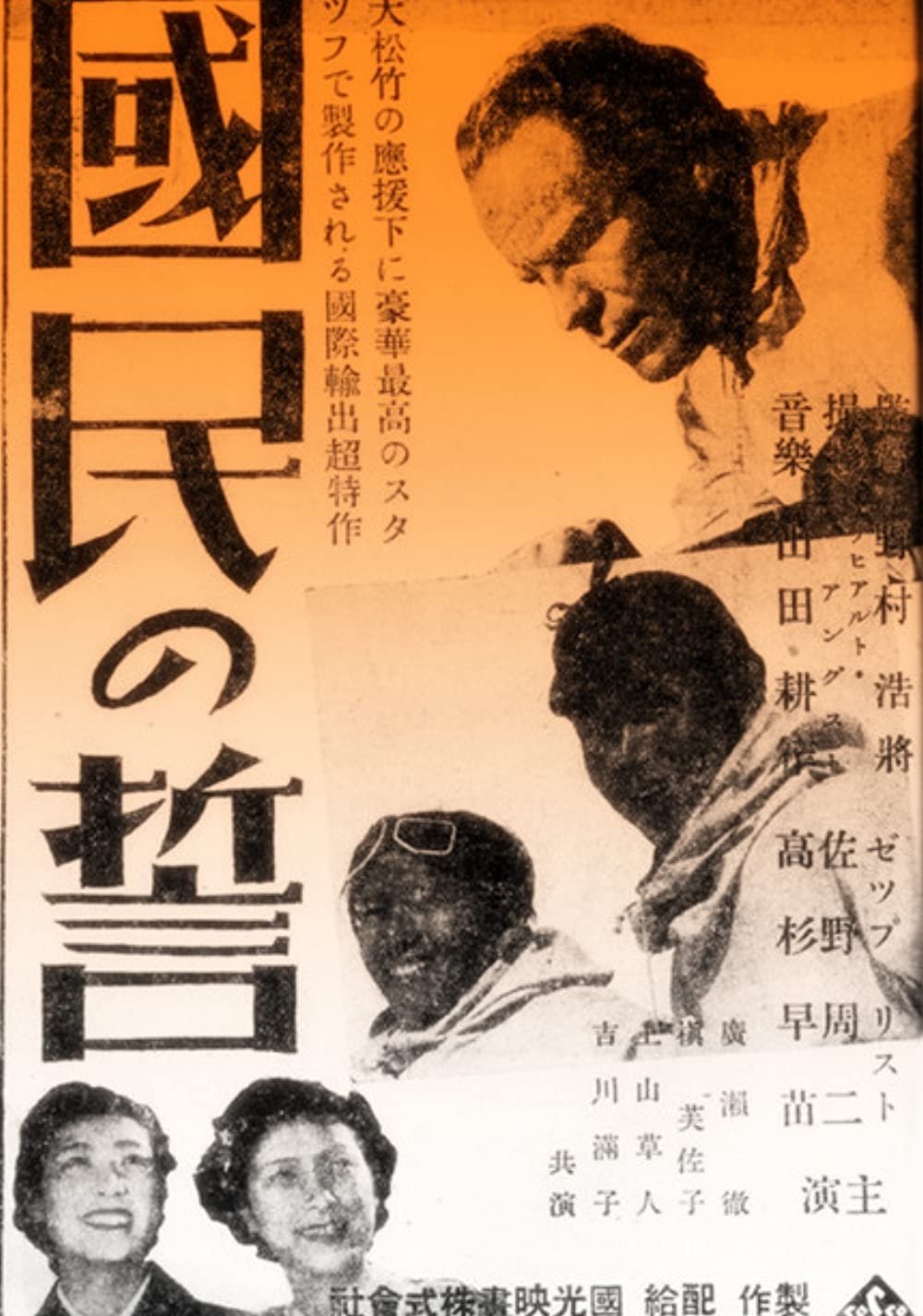
This film was mainly shot in the Japanese skiing resort Hokkaido in 1937-38 and was intended to create support for the coming winter olympics of 1940 in Japan which however were cancelled because of the Japanese-Chinese war. A Japanese production, it was nevertheless made with German involvement in the form of skiing champion Sepp Rist and celebrated cinematographer Richard Angst (who also contributed to the script). Both had regularly worked with the inventor of the mountain film genre, Dr. Arnold Fanck, who had helmed the German-Japanese co-production "Die Tochter des Samurai", also shot by Angst, the year before. Angst apparently stayed in Japan until mid-1939 when he returned to Germany, carrying this film with him. Angst submitted it to the German censors later that year, but for reasons unknown to me it took three more years before the film was finally shown in Germany under the name "Das heilige Ziel" (The Holy Aim). (Karargara)
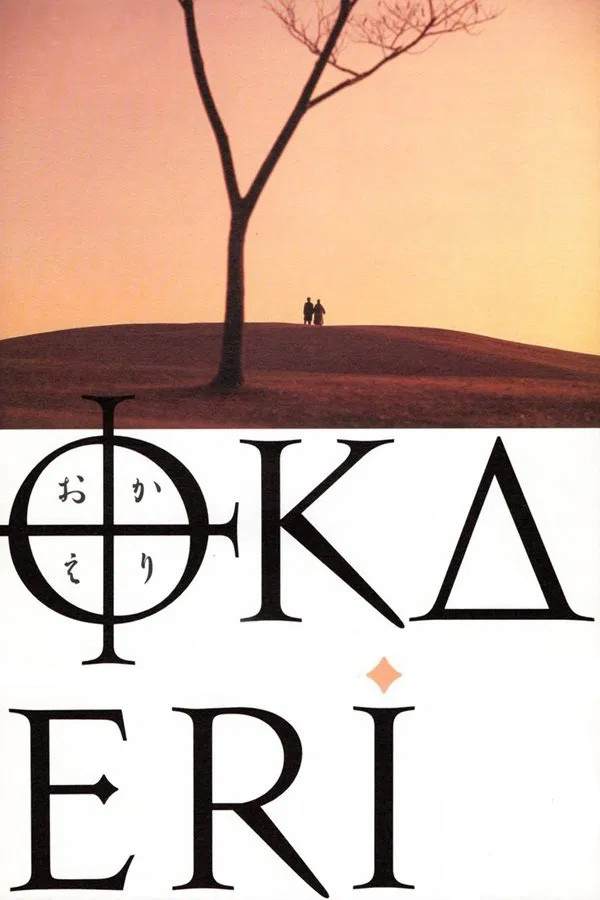
Yuriko, once a concert pianist, now practices home-making while husband Takashi stays out late with co-workers, leaving her to decay into severe mental illness.
Three WWII veterans, reunited by family circumstances, quickly find their life savings threatened by a private corporation; they band together to fight back.
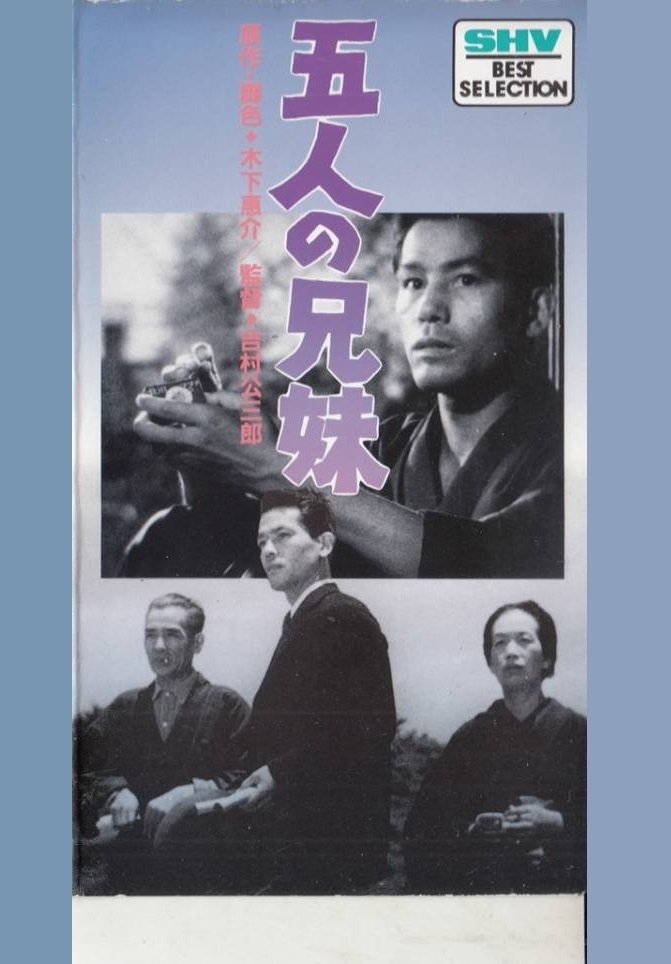
A businessman runs afoul of the law and commits suicide, leaving behind a wife and five children. The eldest son takes the family to Tokyo and labors to restore its name and fortune
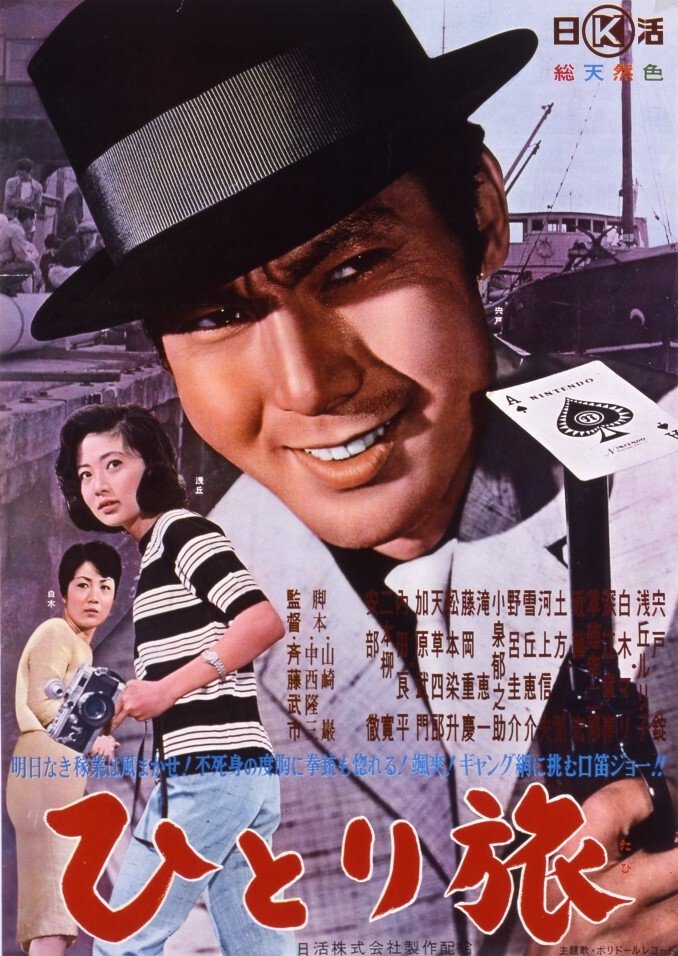
12th in the Joe of Aces series.
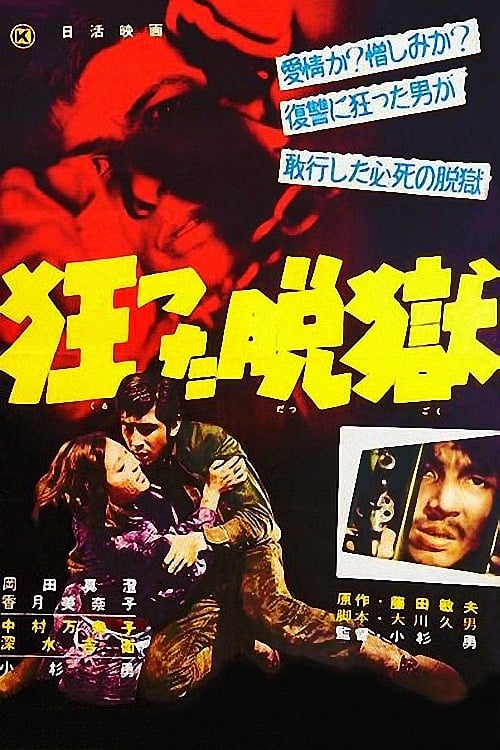
A prisoner escapes from prison to find the real criminal.
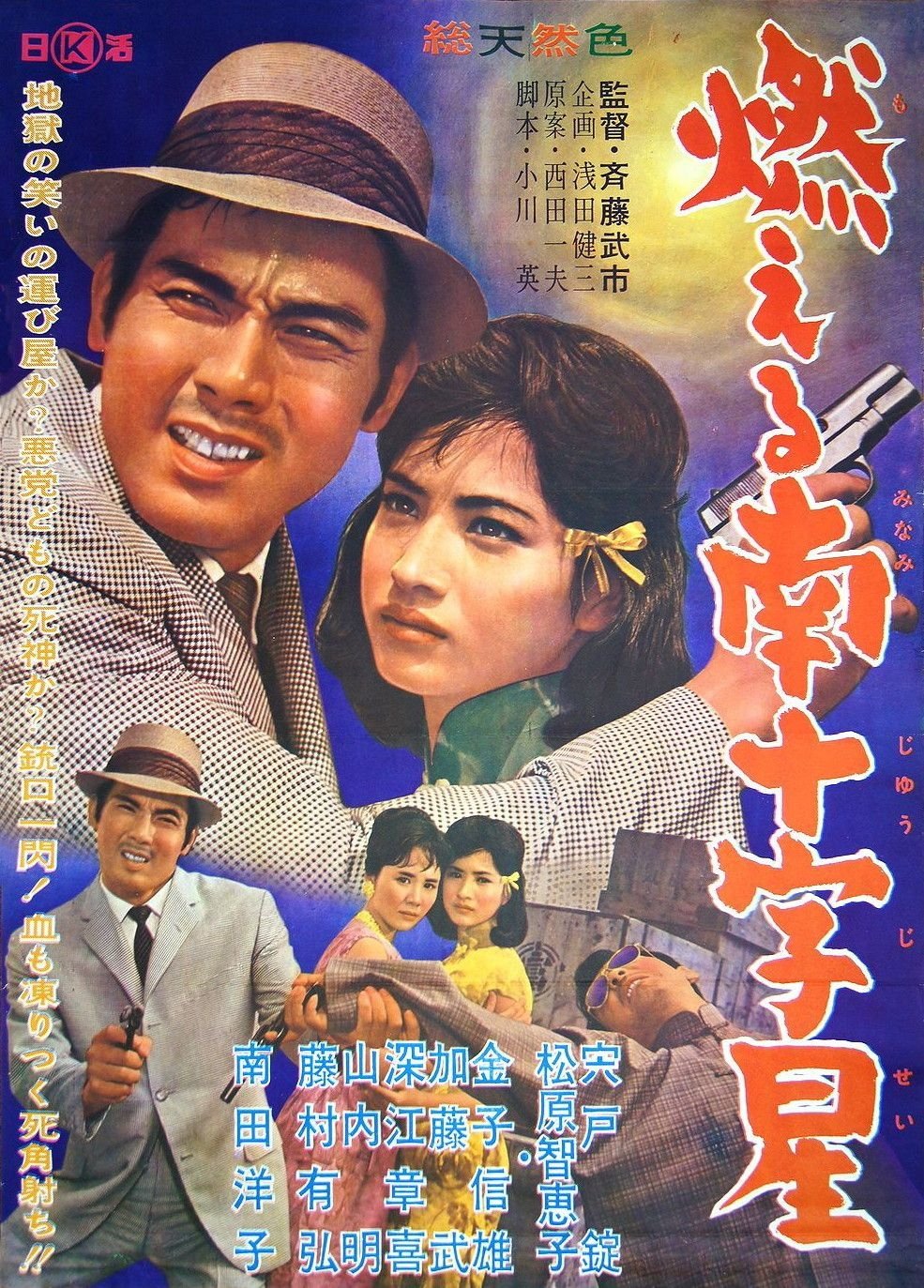
1962 Japanese movie

A kidnapped boy proves to be more than his abductor can handle.
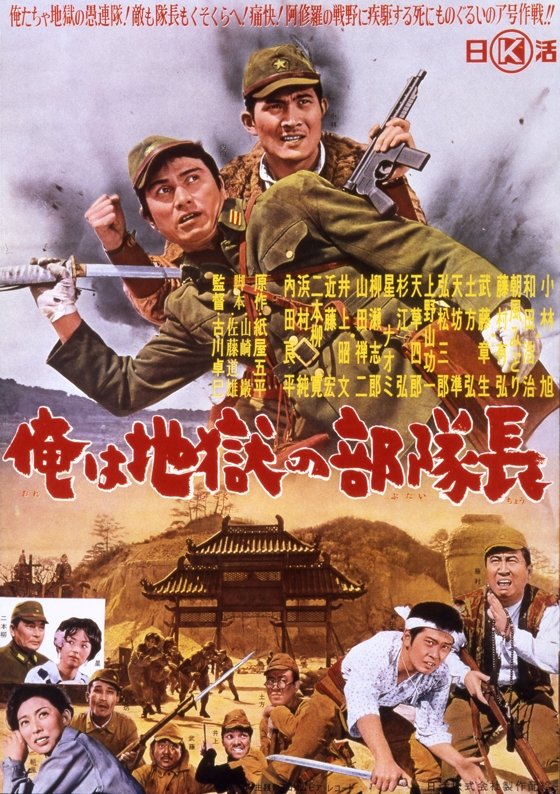
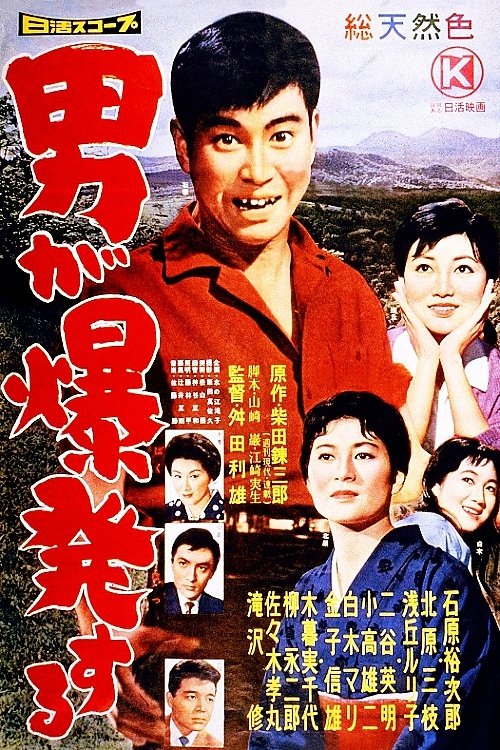
Kensaku Muro and his father manage a farm in Sakudaira at the foot of the Yatsugatake Mountains. One day Kensuke saves a suicidal woman, Fukiko Uzu, who jumps into a waterfall. Having injured his eyes in the process, he is brought to Tokyo for medical treatment. In Tokyo, Kensaku visits his mother Kaneko who left her son years ago. She now owns an exclusive club and has a son, Isao, with the president of Kobe Concern. Isao plots to steal Kensuke's farm as part of a land development scheme with Fukiko's husband. Without knowing they are blood related, their conflict over the farm intensifies.
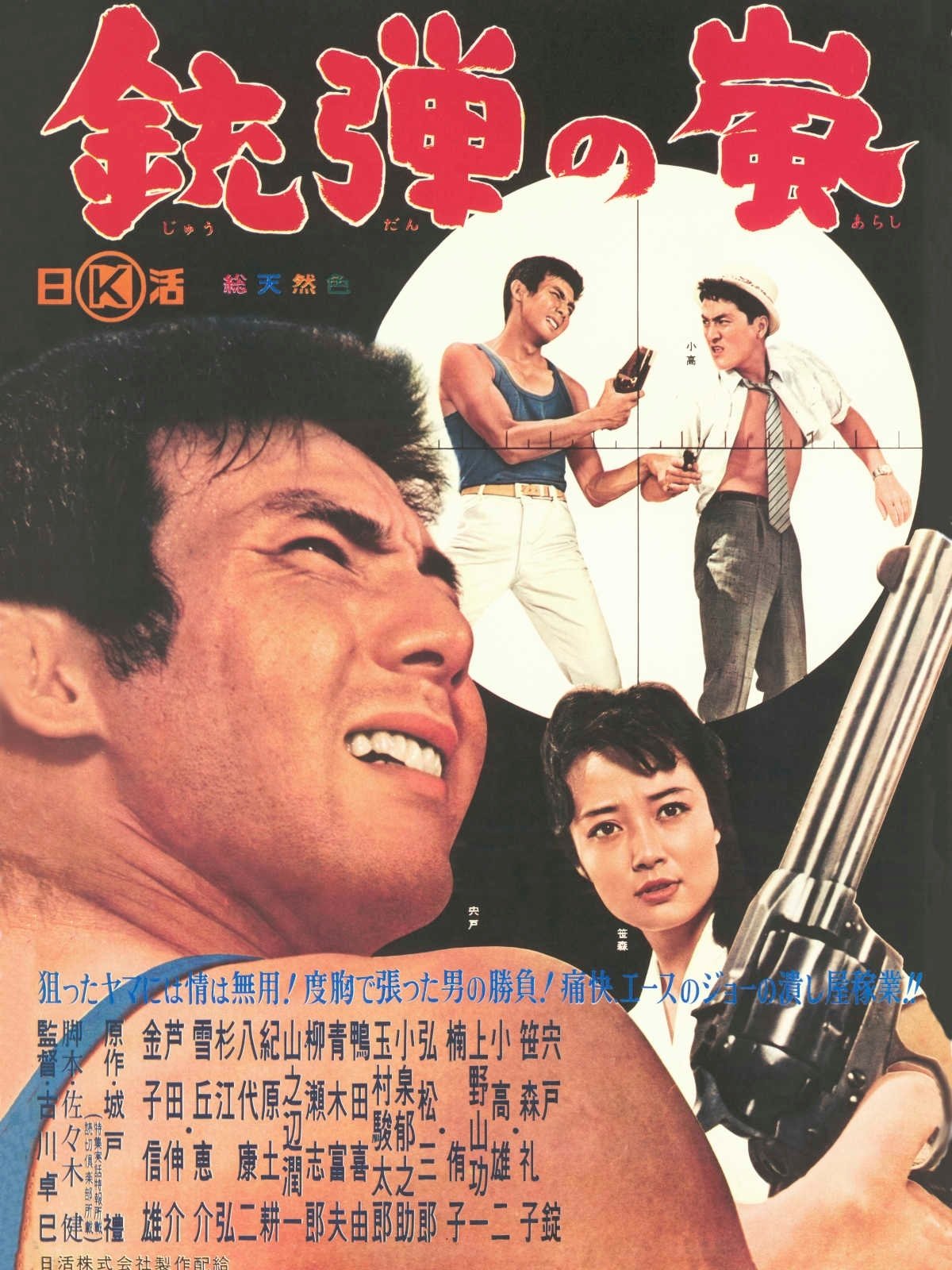
1962 Japanese movie
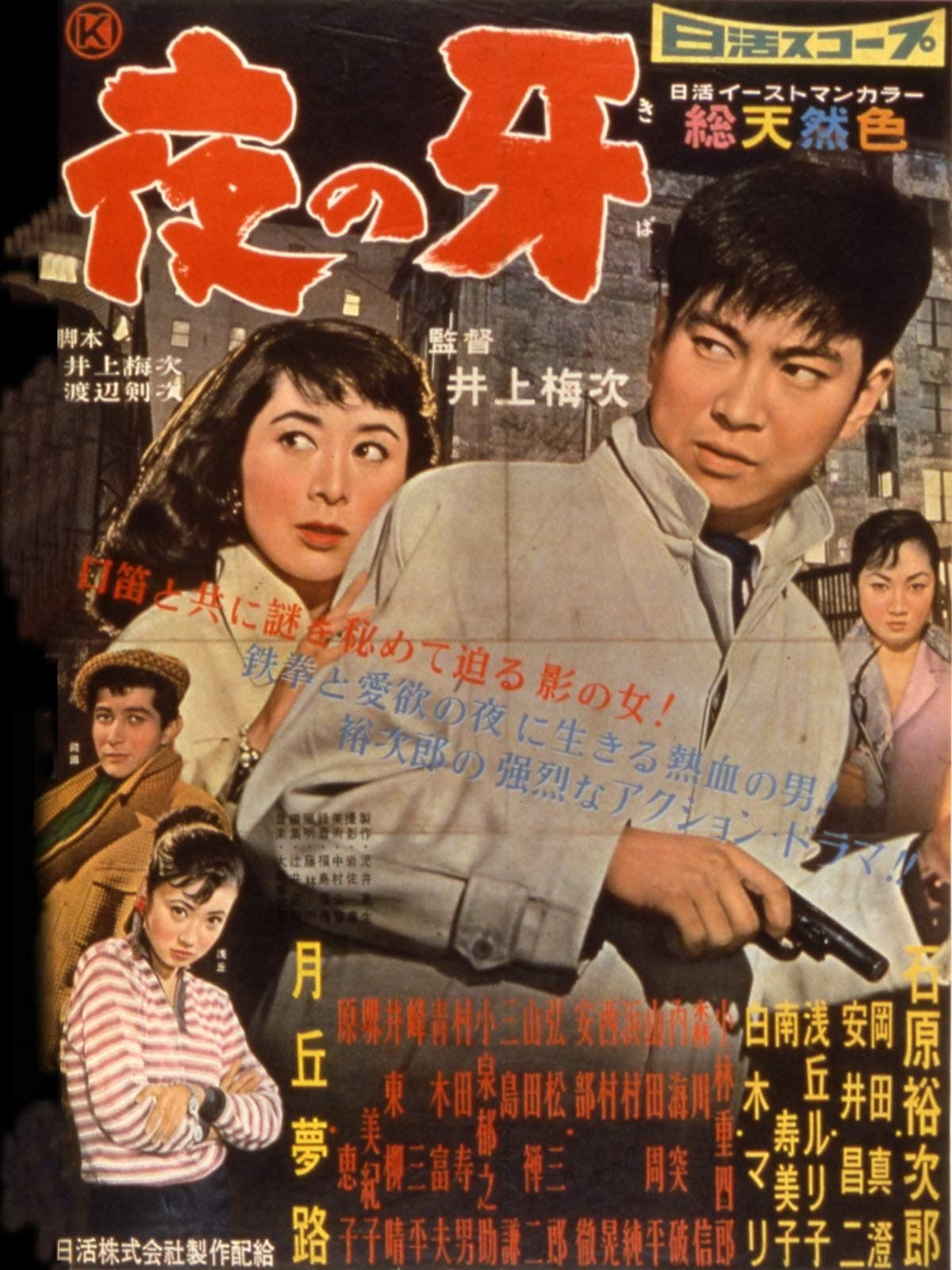
A young doctor discovers that the city hall of records has a record of his death. He and some friends try to seek out the person who reported it, and uncover a shady group of criminals with a sinister plot.
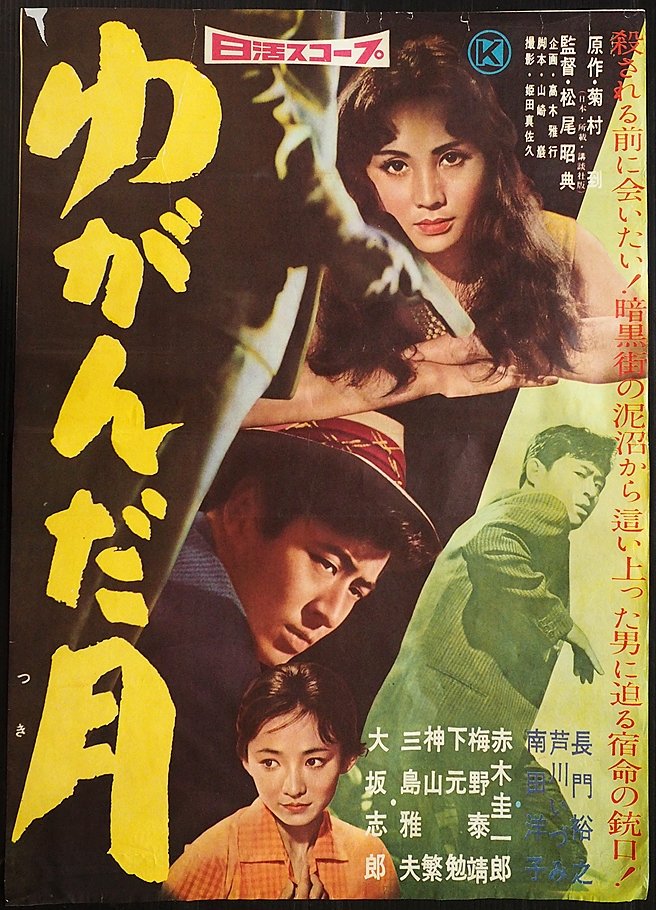
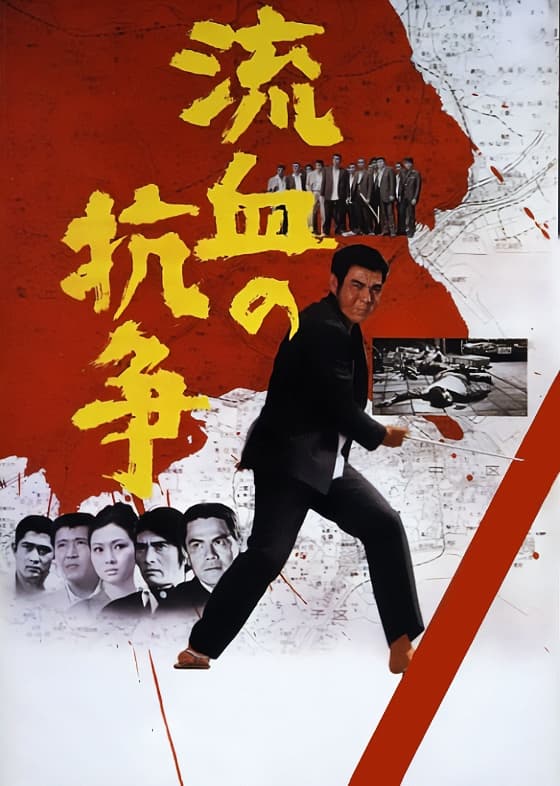
The Akiba and Shimura crime families run the streets of “K City”. With the construction of new buildings and new factories underway, the city has sprouted into a boomtown and business is good. Two of the most infamous mobs of Tokyo want a piece of the pie. As out-of-town yakuza flood the city overnight, the crime boss of the Akiba family, Tezuka (Joe Shishido), is released from prison after a five year sentence. He does not like the "change" he sees.
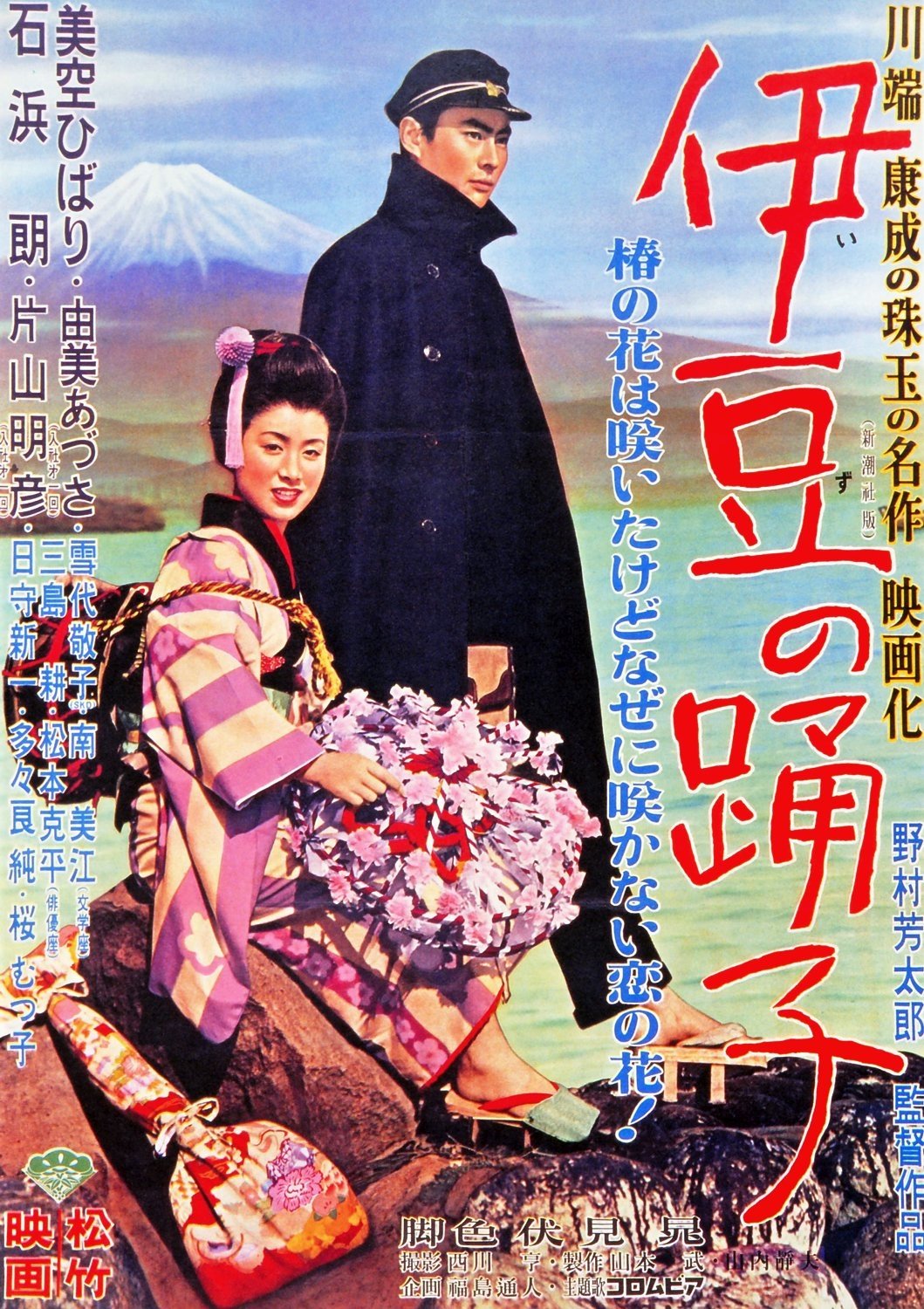
A dancer girl in a touring company met a high school boy in a port town. The story is about their first love that is very touching and sorrowful. An adaptation of the Kawabata Yasunari short story.
Directed by Mikio Naruse. It is presumed to be lost.
Silent comedic short by Mikio Naruse
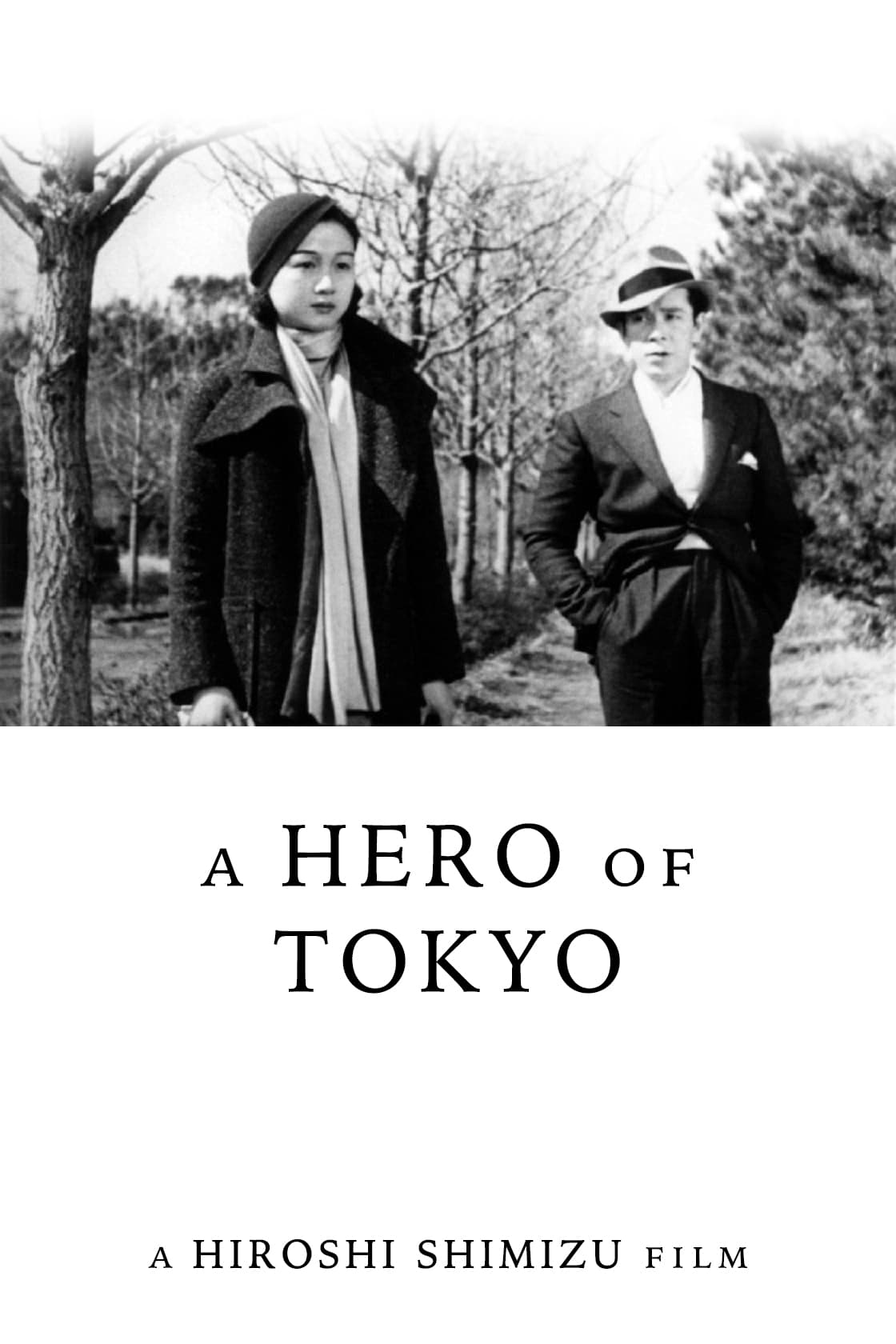
The story focuses on the widower Nemoto, ostensibly a businessman, who has one son, Kanichi, the hero of the title. Nemoto remarries; his new wife is a widow with a son and daughter of her own. However, Nemoto’s business turns out to be out a shady scam, and he disappears, leaving his wife to raise the three children alone. In order to support the family, she is obliged to become a bar hostess. She conceals this shameful employment from the children, but the truth comes out years later, after her daughter is rejected by her husband’s family when they investigate her background.

After the plans of a group of college students to cheat on their final exams goes awry, they're left to reassess their lives and educations and get back on track.
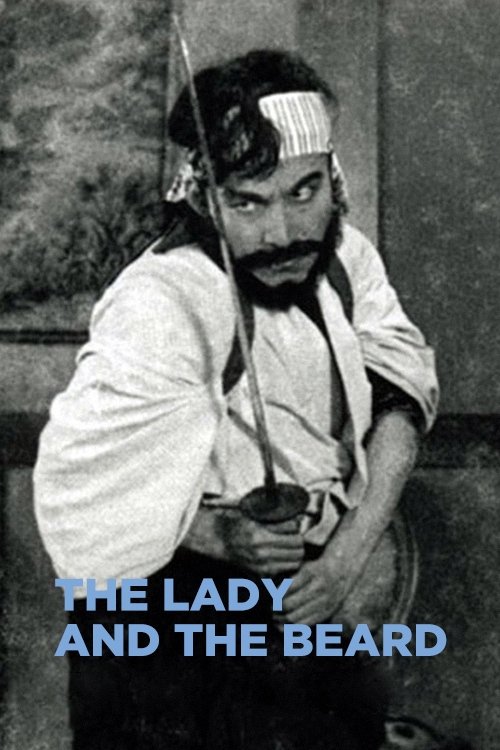
Graduate Okajima finds his old-fashioned beard makes life difficult in a comedy exploring the tension between tradition and modernity.
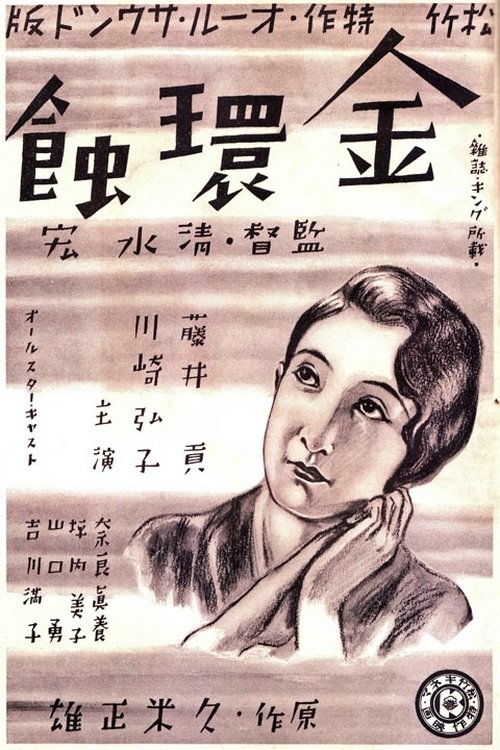
The story is centered around the devastating experiences of two villagers, Osaki Shuichi, and his cousin, Nishimiura Kinue, when they leave their hometown for the metropolis of Tokyo. They are in love with each other, but Kinue is expected to marry the lawyer Kanda Seiji. In consequence, Shukichi leaves for Tokyo, where he becomes tutor to the son of the rich Iwaki family. The heartbroken Kinue also makes her way to the capital, where she becomes a bar hostess.
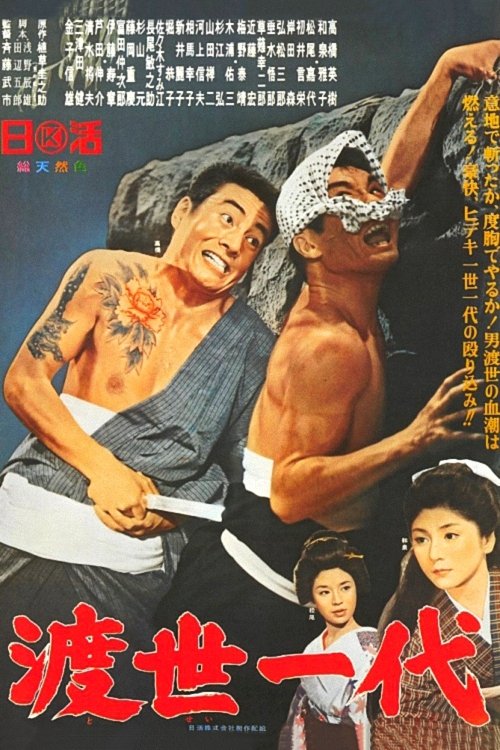
In the middle of the era, Taisho, a big boss in Asakusa Iizuka, was severely questioned by the police about the source of funds for the Daido Federation, to which he belonged. The creditor, Izo, visited the local police station daily, worried about the safety of his boss, and himself came to the attention of the police. Izo embarks on a journey to escape, but in the meantime, the new rising yakuza Dojima plans to kill Iizuka...
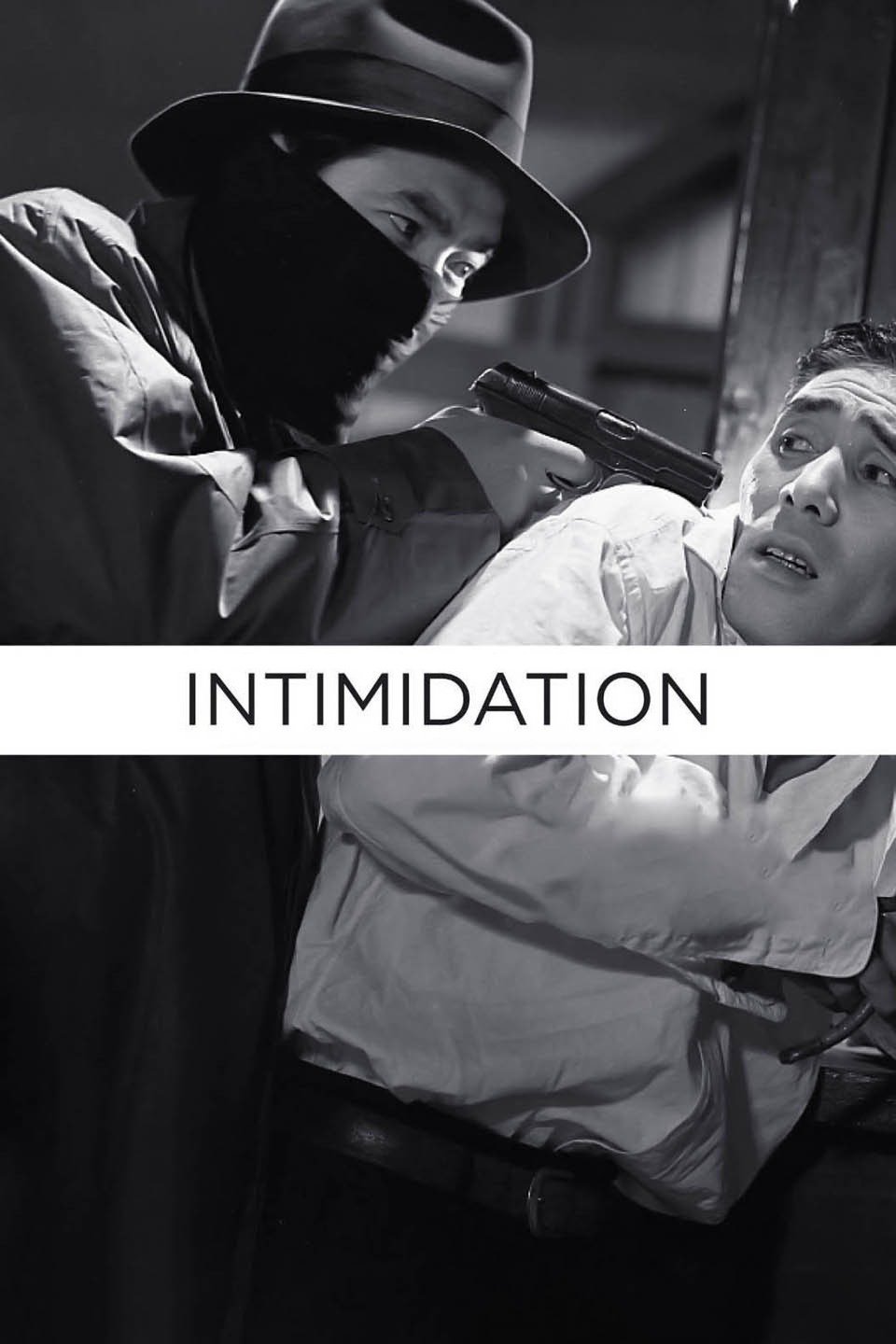
Koreyoshi Kurahara's ingeniously plotted, pocket-size noir concerns the intertwined fates of a desperate bank manager, blackmailed for book-cooking, and his resentful but timid underling, passed over for a promotion. The marvelously moody Intimidation is an elegantly stripped-down and carefully paced crime drama.

Raucous small-time thief Kenji falls in love with sweet and simple Yazue, but when she finds out what kind of guy he really is, she leaves him until he proves to be honest. Kenji soon finds it's not so easy to get rid of one's past.
Kato's splendid mustache is an obstacle when it comes to finding a job. However, he gets a job as a security guard at a construction site. The president of the construction company tries to grow a mustache like Kato's and, failing, orders Kato to shave off his. Considered a lost film.
Directed by Mikio Naruse. It is presumed to be lost.
After losing their parents, Eiichi and his sister Kikue are taken in by their aunt and uncle. Kikue is sent to Tokyo to work as a servant. Left alone, Eiichi wants a model airplane that a friend at school has, but finds found solace in reading the model-making instructions in a magazine that his sister sent him. One day, Eiichi gets into a fight and falls into a river, contracting pneumonia. Presumed to be a lost film.
A newlywed couple faces tension when the wife, after her husband leaves for work, becomes completely unmotivated to handle household chores and goes back to sleep. Her neglect of daily duties starts to strain their marriage, and the couple is on the brink of divorce. However, a close friend of the husband, determined to save their relationship, introduces a hypnotist to uncover something.
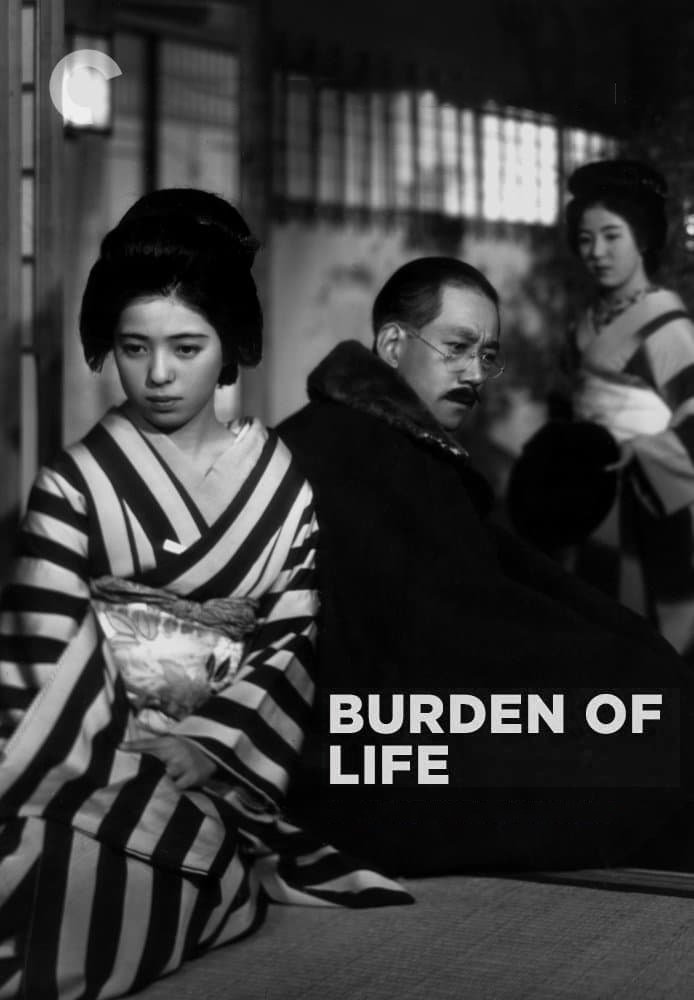
A middle-aged father has just married off his third daughter, but still has his nine year old son to raise whom he resents as he was unwanted.
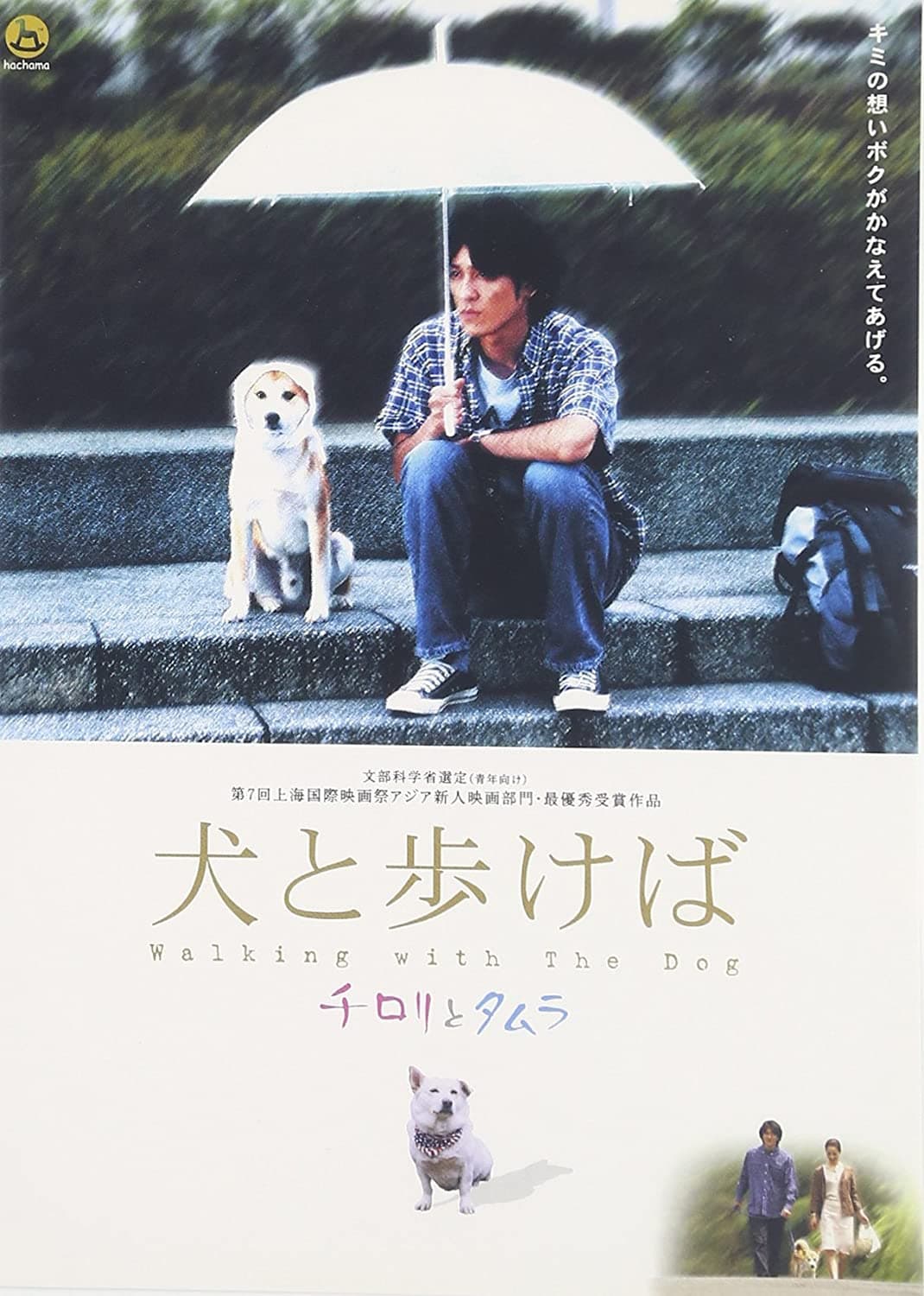
Dumped by a bored pet owner, a mixed-breed mutt ends up with three time loser Yasuyuki, who's loveless, homeless and jobless. Yasuyuki finds solace in the dog, whom he calls Tamura, and uses it to mend fences with his ex, who's distracted by her mother's debilitating illness. A trip to a hospital reveals Tamura's ability to comfort dying patients, leading to dog and master attending the real-life Japanese Therapy Dogs training school.
Japanese comedy film.
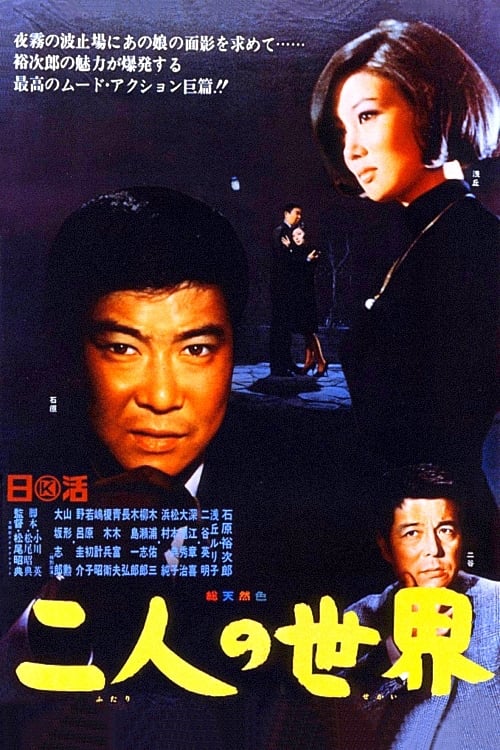
On a passenger ship to Japan, the journalist Kawase encounters a man who claims to be a Filipino, but Kawase believes he is a murder suspect who fled Japan fifteen years ago, Hojo Shuichi. To throw Kawase off, the man talks a female passenger, Reiko, into acting as if she was his long-time friend. When the man - who is, in fact, Hojo - secretly leaves the ship, Reiko, who has fallen for him, joins up with Kawase to go looking for him. Meanwhile, Hojo, who has returned to Japan to find the true murderer before the 15-year statute of limiitations on murder expires, tracks down the man whom he believes ordered the murder he was accused of.
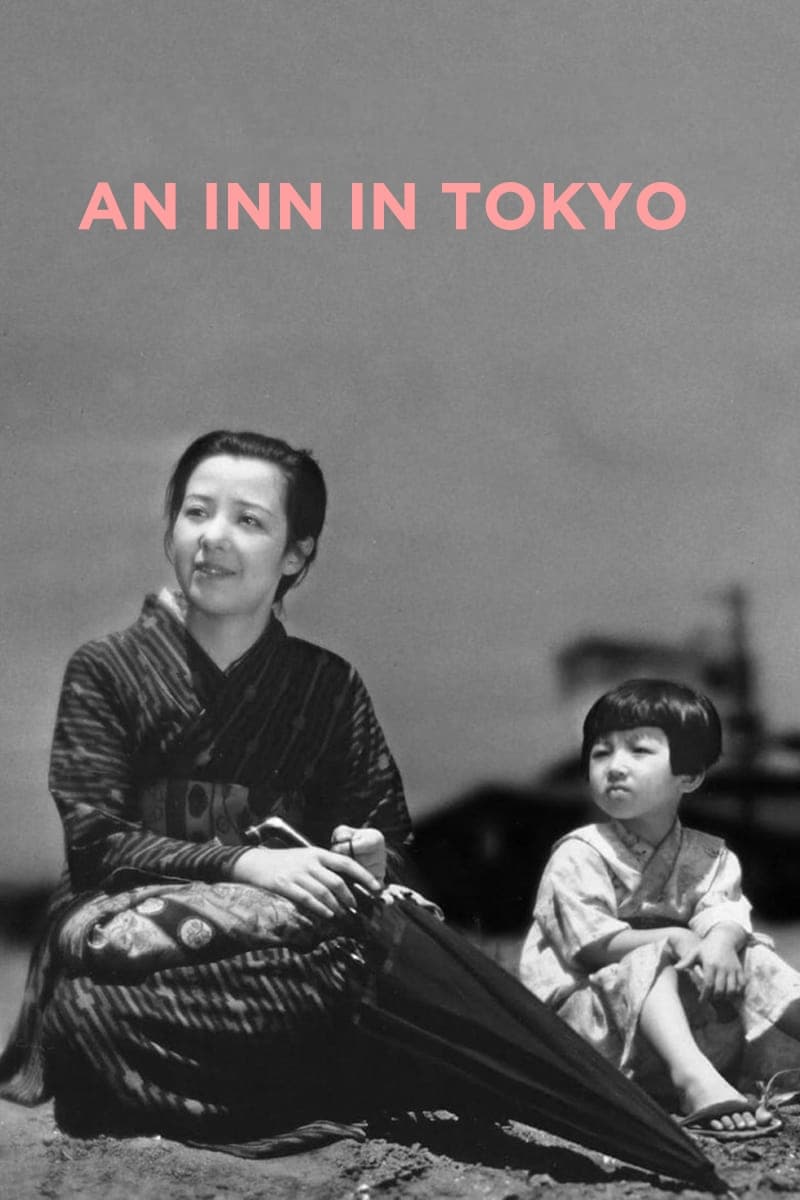
An unemployed Japanese man and his two sons wander the industrial flatlands of Depression-era Tokyo, until he chances upon an old friend and befriends a woman and her daughter, who are in a similar predicament.

A professional hunter, Tetsuya, returns from Alaska to find that his hometown had become a lawless slum. He is shocked to learn that his younger sister had committed suicide after being raped by unknown men. One day, he rescues a girl from being attacked by some gang, and discovers that the same gang had driven his sister to death. Using his lethal hunting skills, Tetsuya begins to take revenge…
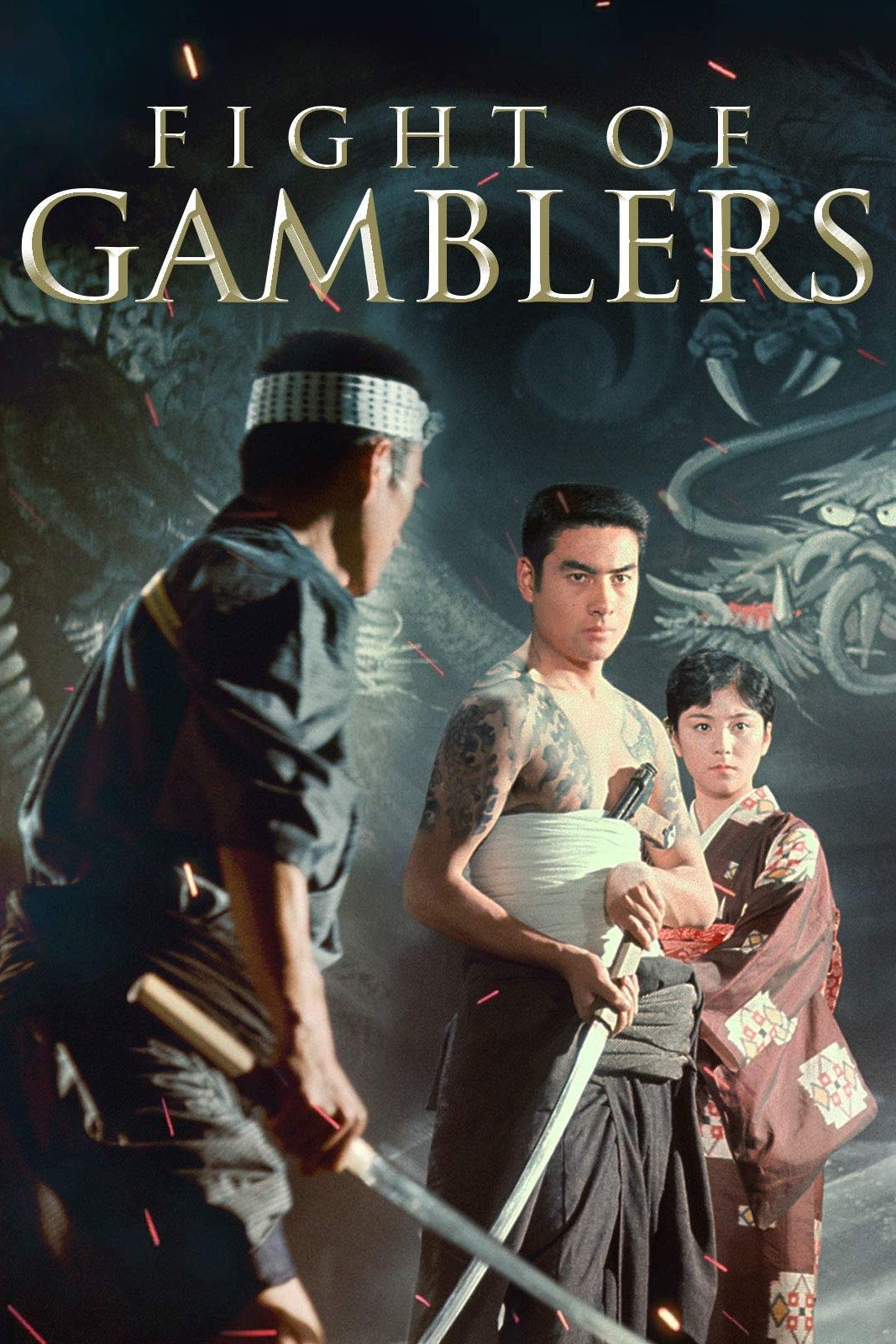
Ryuji Oshima, a gambler, kills Saiga in self-defense, and considering himself unfit to lead men, secludes himself in a temple to atone for his misdeeds. At home, when his mother, the boss of a construction gang, bids for and gets the job of building the Town Hall, other gangs set out to disrupt her business and try to kill her.

A young man with a strong sense of justice is torn between two girls: the flighty Taneko and the serious Suzuko. With wisdom, courage and honor in a Japanese spirit of manliness he wins the day.
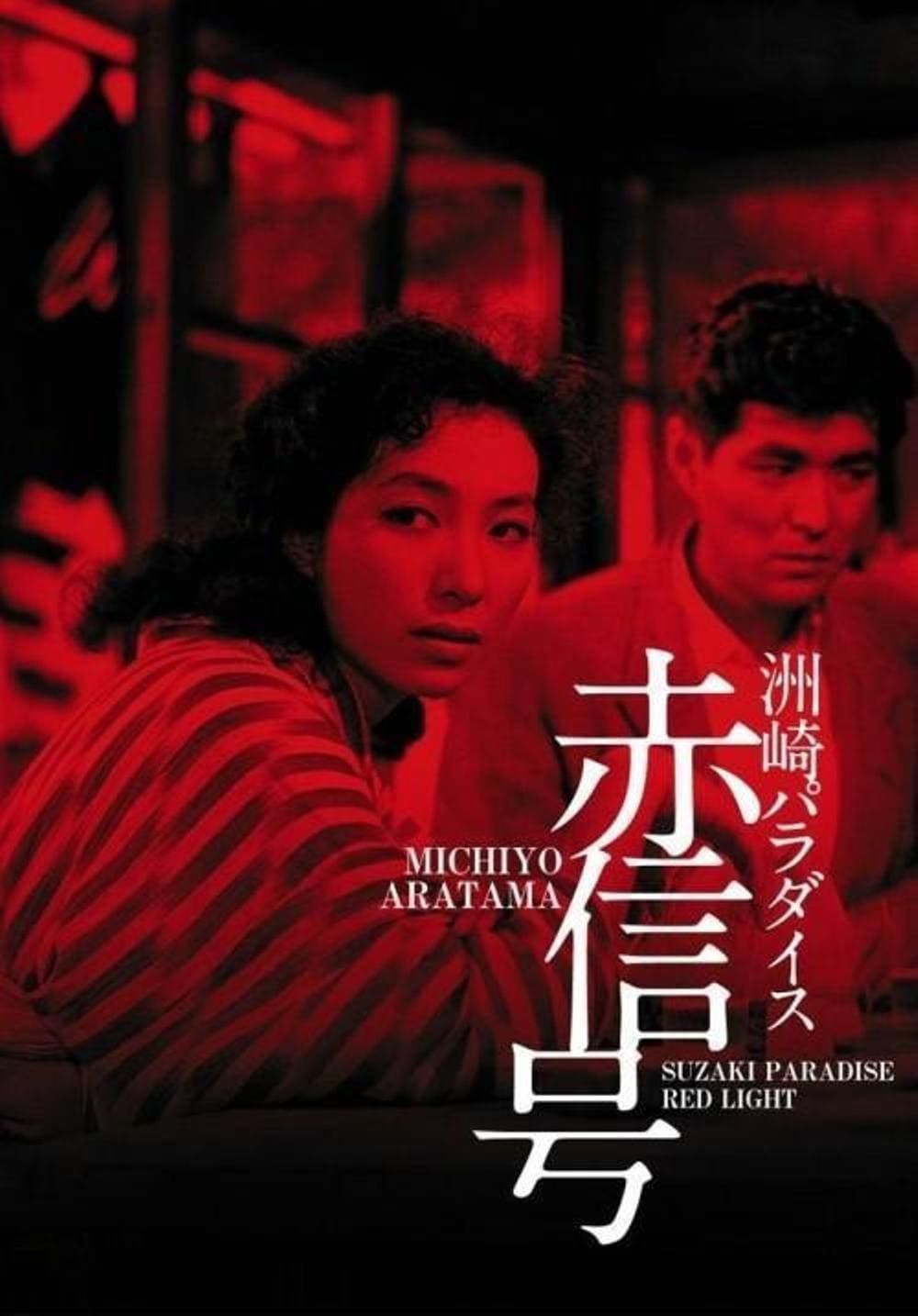
A jobless young couple, Yoshigi and Tsutue, wind up at the outskirts of the Suzaki red-light district in Tokyo. Tsutue talks her way into a job pouring sake for male customers at a small bar run by a sympathetic older woman, while Yoshigi is shunted off into a nearby noodle shop, where he gets a job delivering noodles. Tsutue charms and runs off with one of her clients. Yoshigi, ignoring the attentions of a sweet co-worker, pursues Tsutue.
A Japanese film
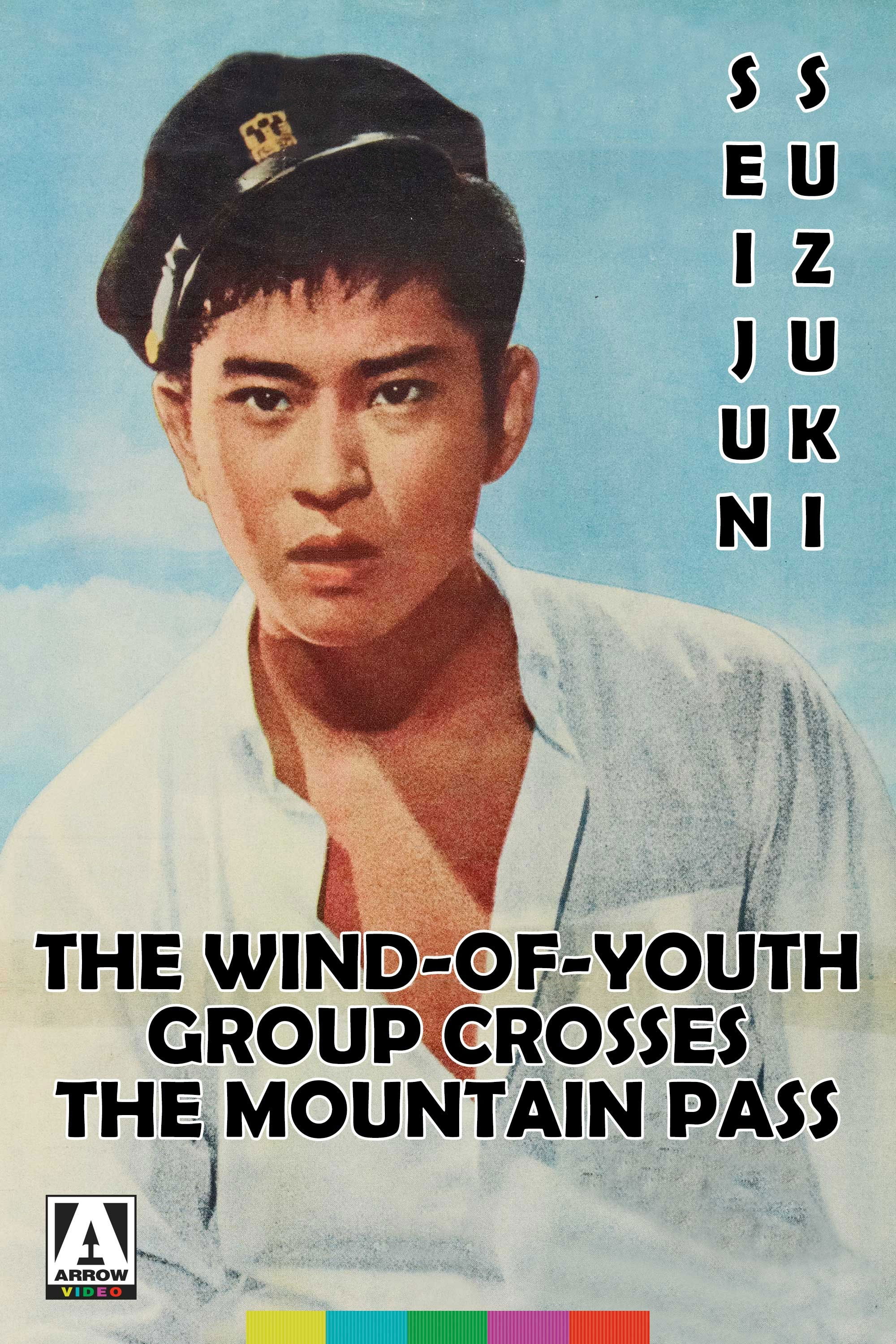
On summer vacation, university student Shintaro gets involved with a magic troupe as they travel from festival to festival.
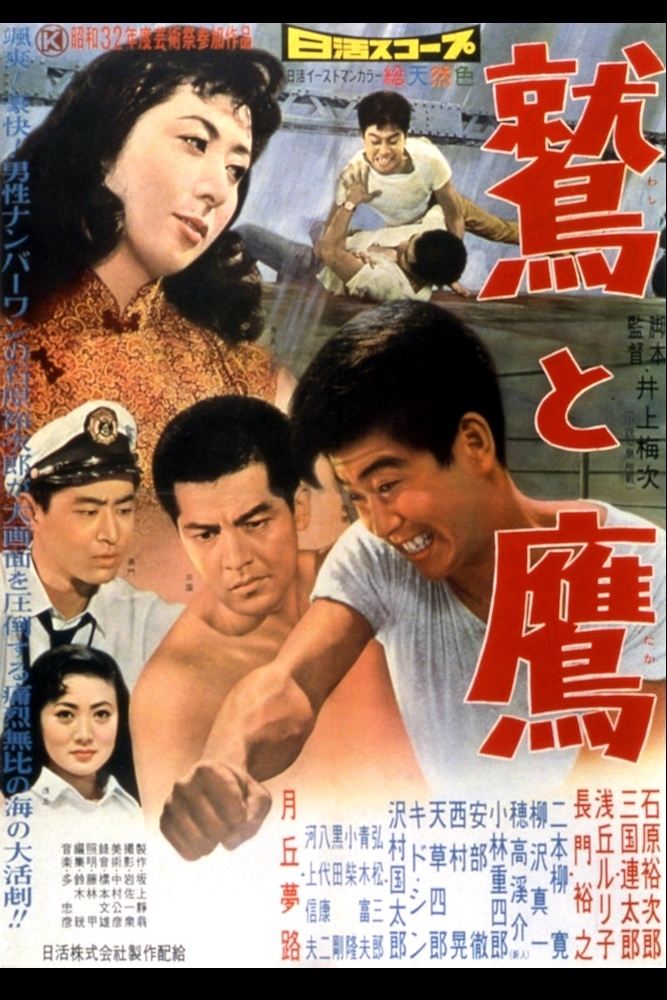
In a warehouse area at night, a drunk chief engineer is stabbed to death by someone who whistles. After the break of dawn, two seamen join the crew of a rusty cargo ship Kaiyo Maru. One is a troublemaker with bad attitudes, Senkichi Nomura, who pursues an enemy in order to take revenge for his father's death. The other is Keizo Sasaki, a buff, eagle-eyed man on board for a certain mission.
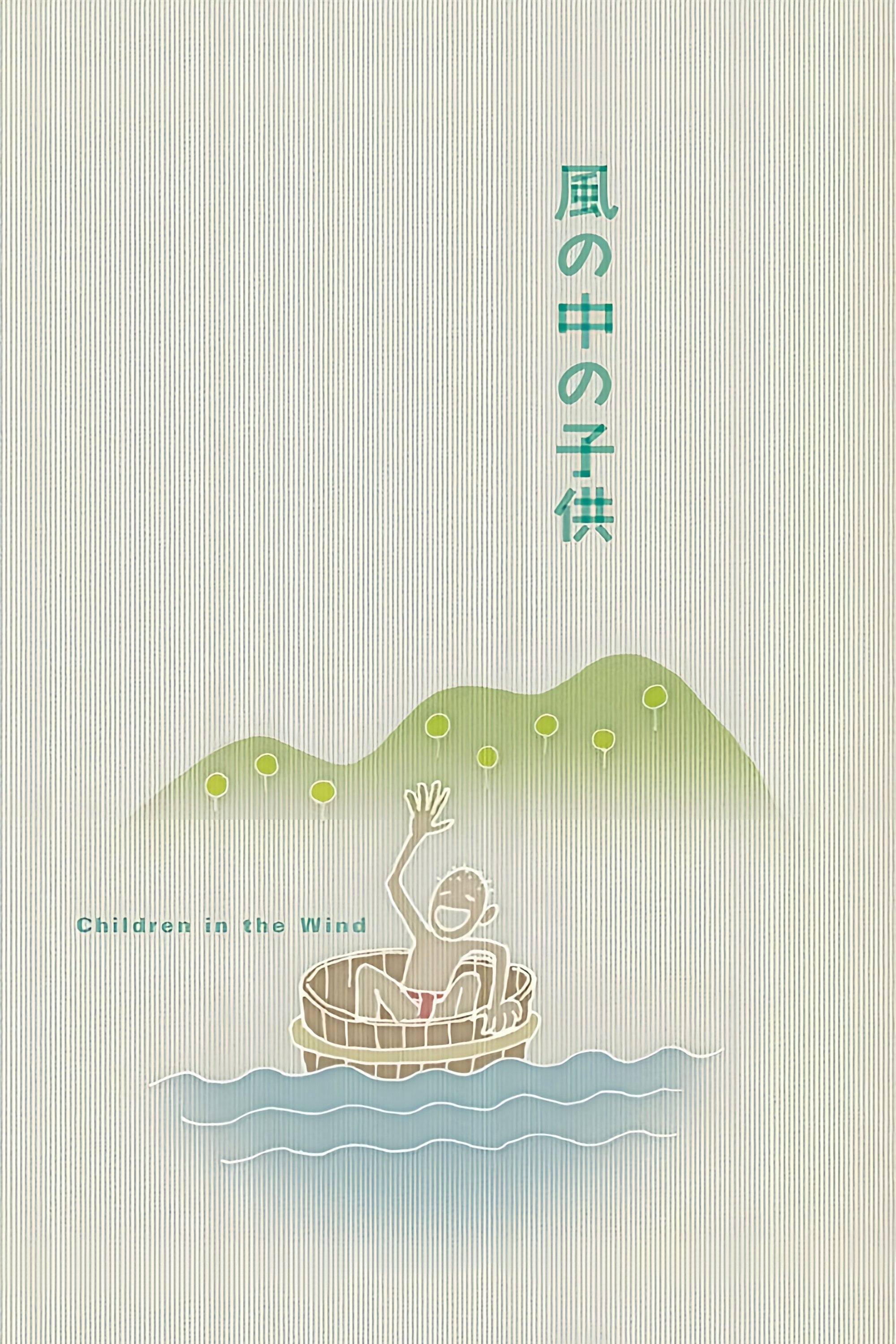
On vacation's eve, a boy is sent to the countryside to live with his uncle after his father is imprisoned and accused of embezzlement.
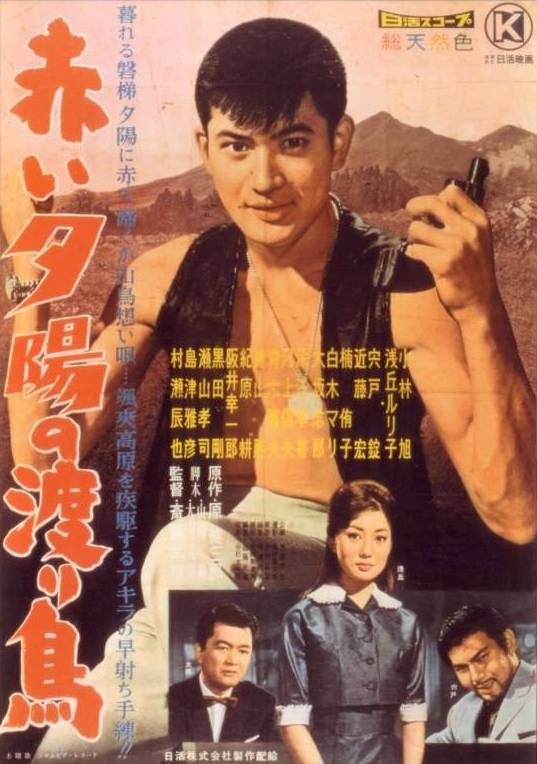
The young rambler, Shinji Taki, with his guitar arrives a hot spa town at the foot of Mount Aizu Bandai. Of course he solves the problems in the town while encountering the sinister rival, Masa "the pistol guy".
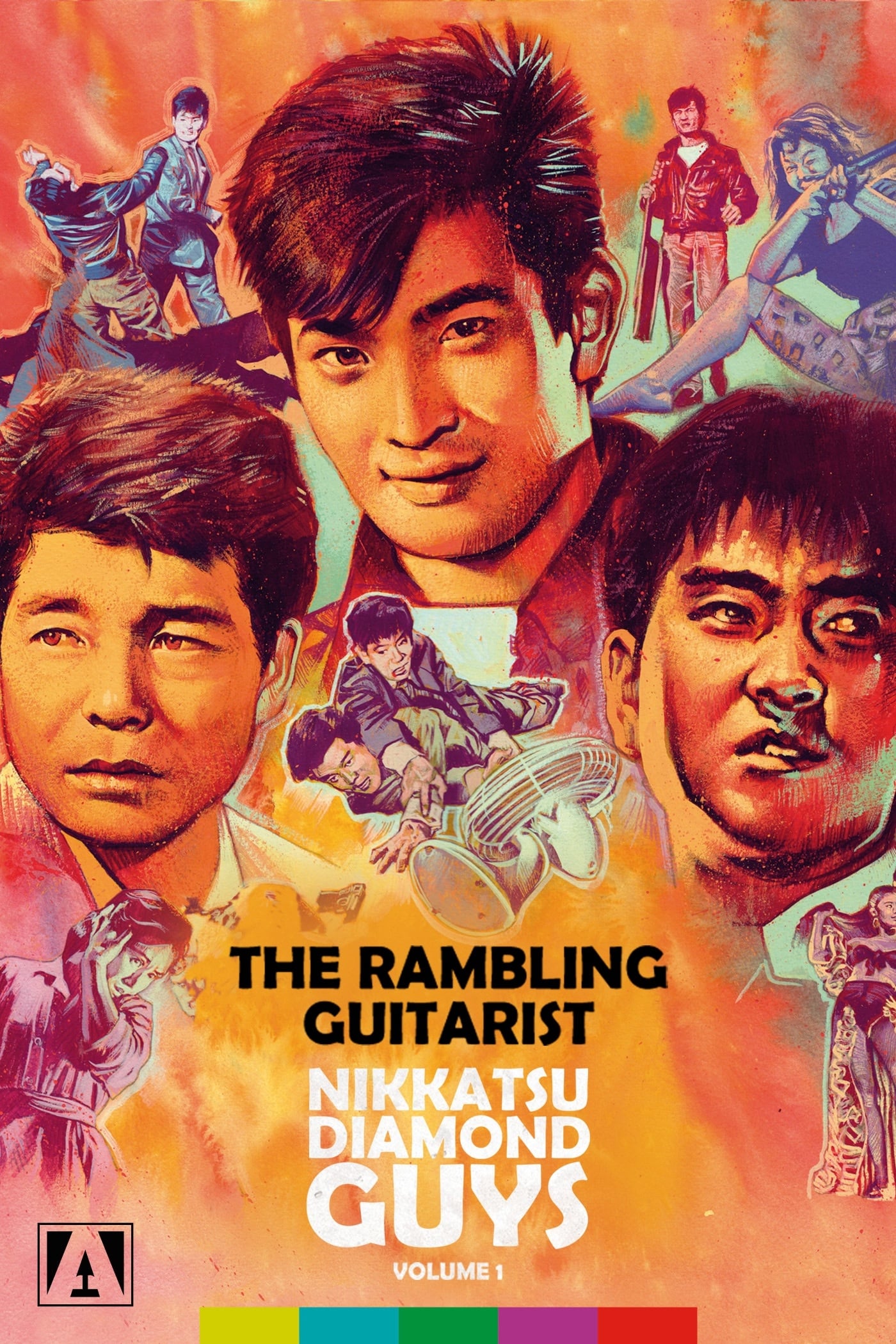
Arriving in the town of Hakodate, a wandering musician, Shinji Taki, is soon recruited by the local gang as a hired hand. However, with the arrival of a sinister gunman, Taki's mysterious past catches up with him.
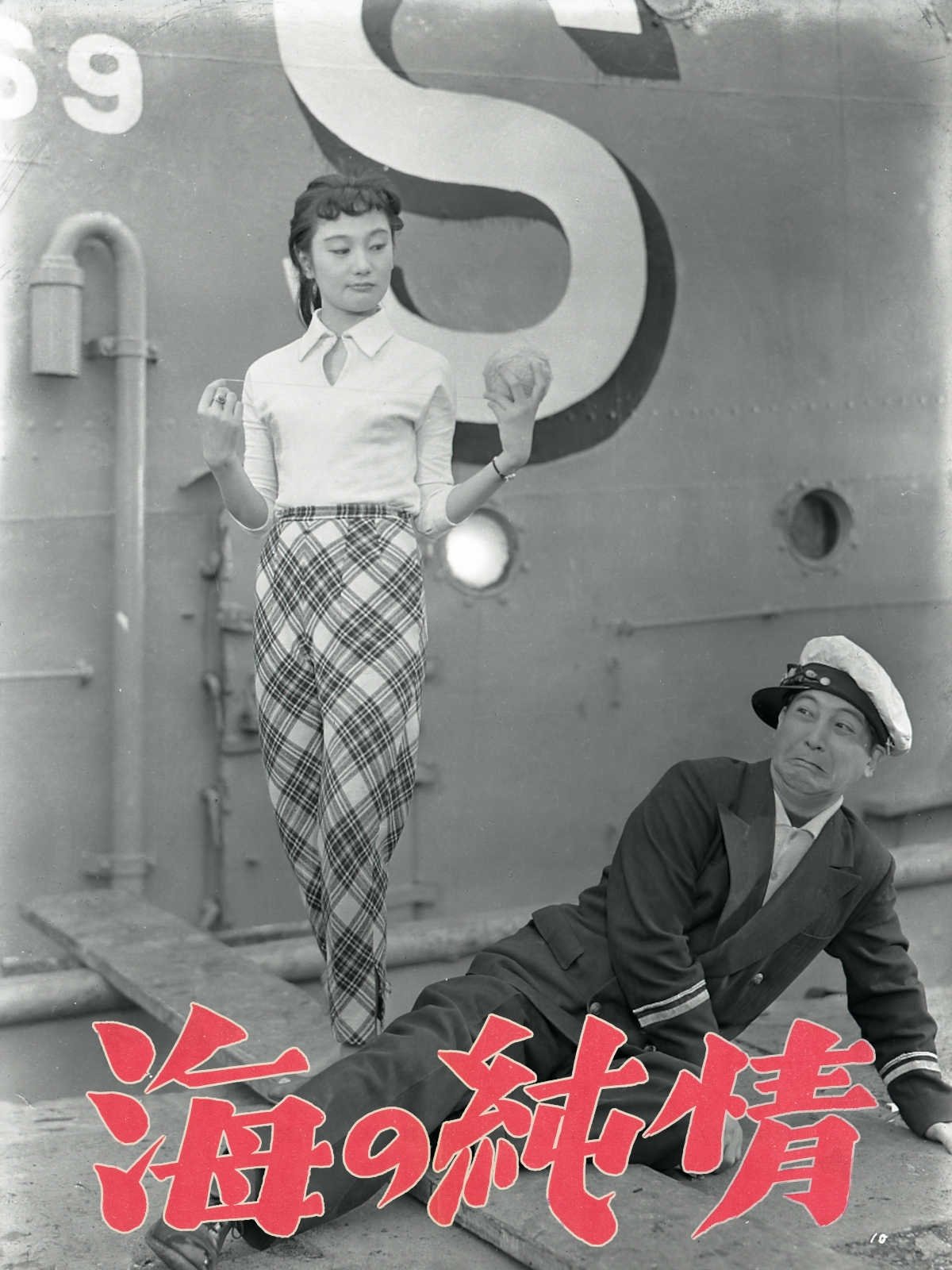
A romantic adventure tale about a young guy working on a whale-hunting vessel and his love for a childhood sweetheart.

In the nine part Wataridori series (1959-1962), Kobayashi played a wanderer on Japan’s back roads with most of the accoutrements of a Western hero, from a horse to fringes, guitar and even a trusty bullwhip.

The neglected common-law wife of a Japanese librarian is repeatedly harassed by a young man with a heart condition who seduces her with the prospect of a better life.
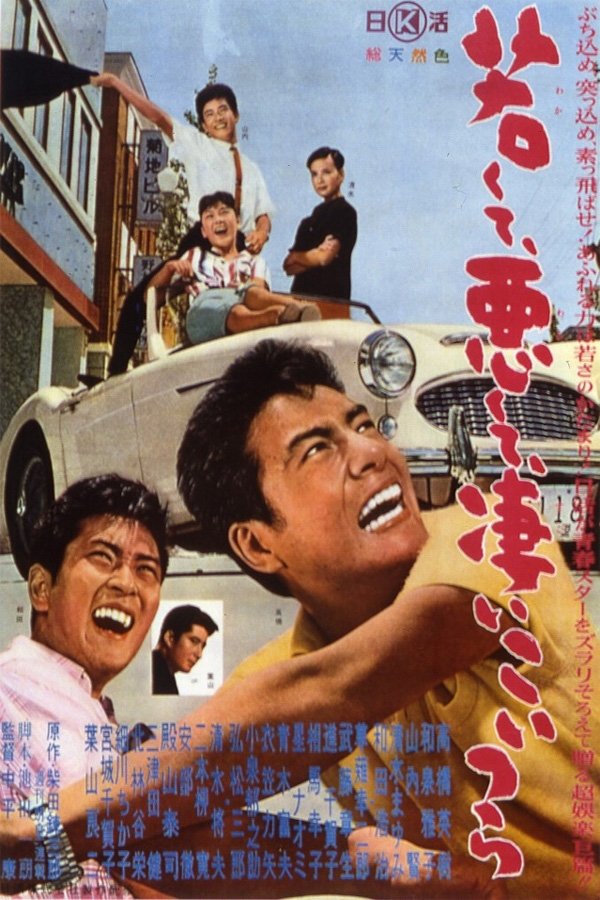
Not too long ago, Soichiro was considered one of the most powerful men in business. But his business had failed, his granddaughter had committed suicide. There was nothing in his life anymore that he could look forward to. Sochiro was ready to put an to it end to all. As he drives down the Usui Pass, headed toward his summer house in Karuizawa, a girl in red heels, wearing nothing else but a coat jumps in front of the car.
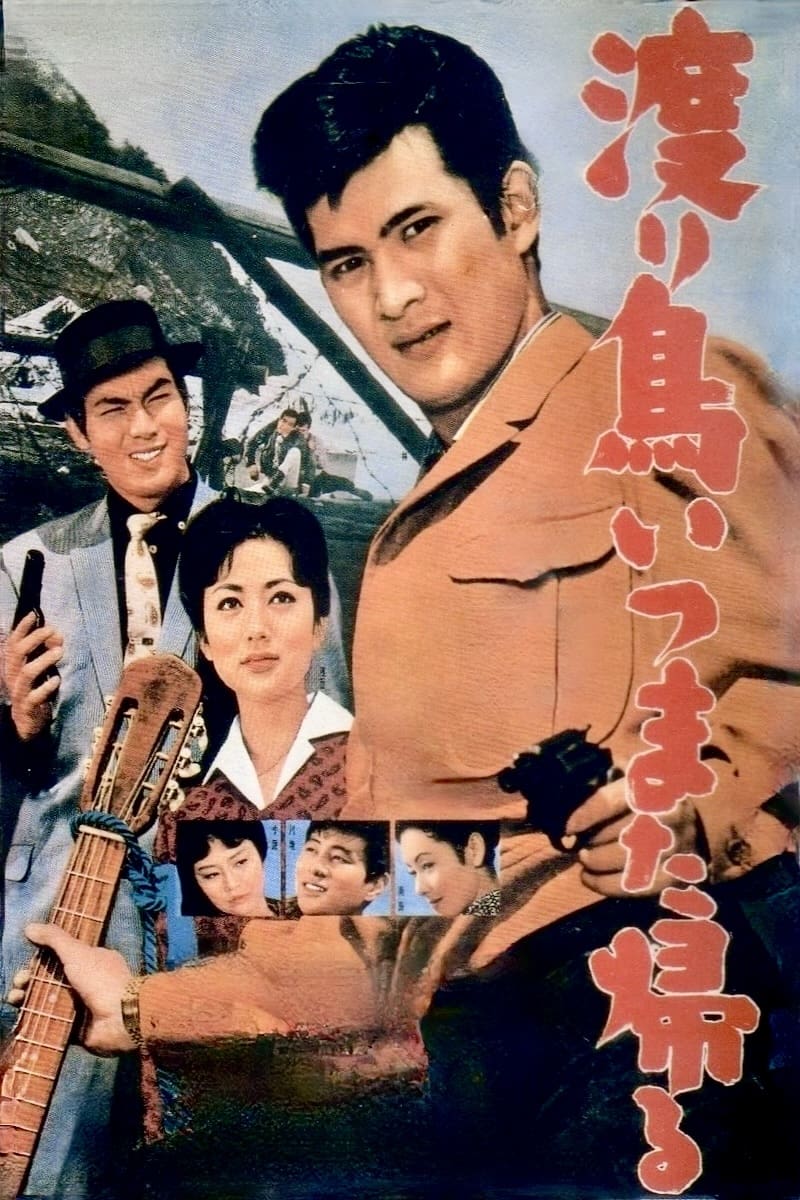
The 3rd film of the famous "Wataridori" (The Rambler) series from Nikkatsu. The young rambler, Shinji Taki (Akira Kobayashi), with his guitar arrives in Sadogashima Island, Niigata, Japan. Of course, Shinji meets yet another beautiful girl named Noriko, who closely resembles the famous actress Ruriko Asaoka again. Of course, Noriko is in trouble. Of course, Shinji's yet another skilled rival named "Tetsu, the Gunman" comes to Sado shortly. Of course, the villain tries to kill Shinji and Tetsu. Of course, Shinji solves the problem and leaves Sado suddenly.
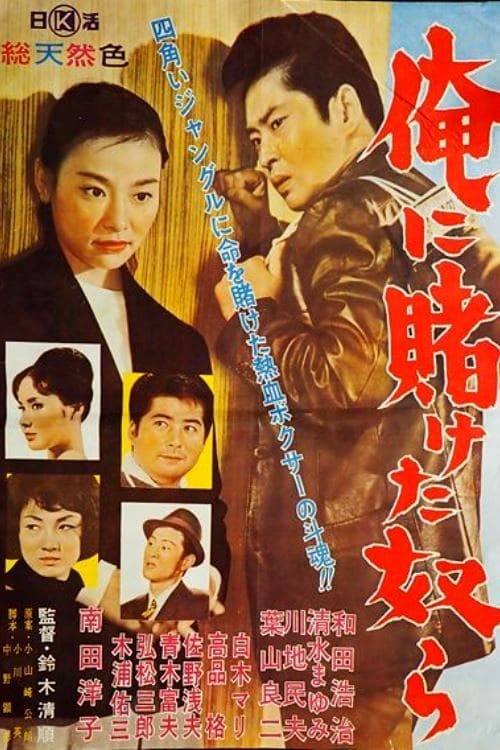
An unofficial sequel to Million Dollar Match (1961) which also starred Koji Wada as a young energetic boxer. This story deals more with betting action surrounding a boxing match, concentrating mostly on the high-powered Yakuza gambling dens.
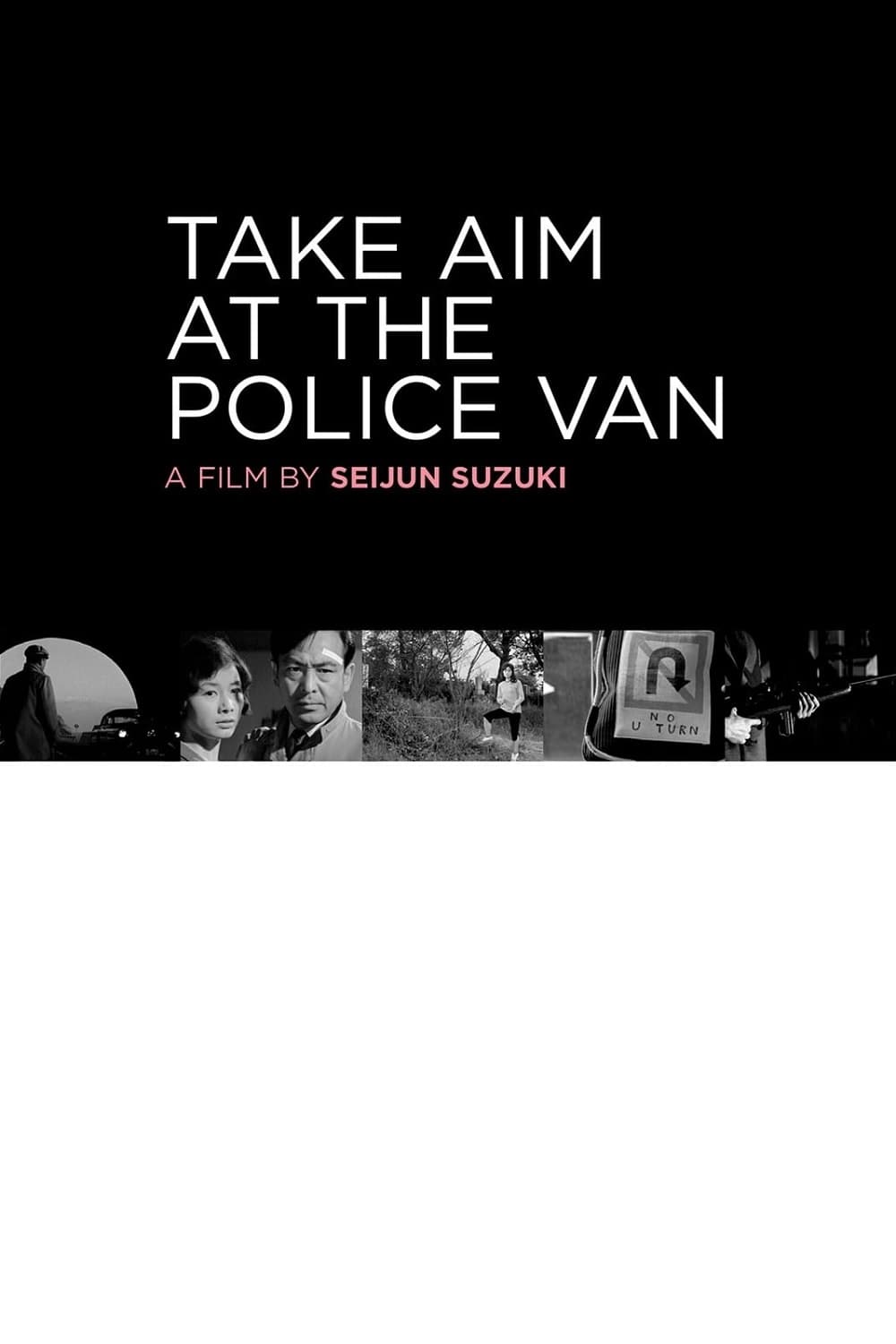
A sniper kills two prisoners in a police van, and the driver sets out to find the killer.
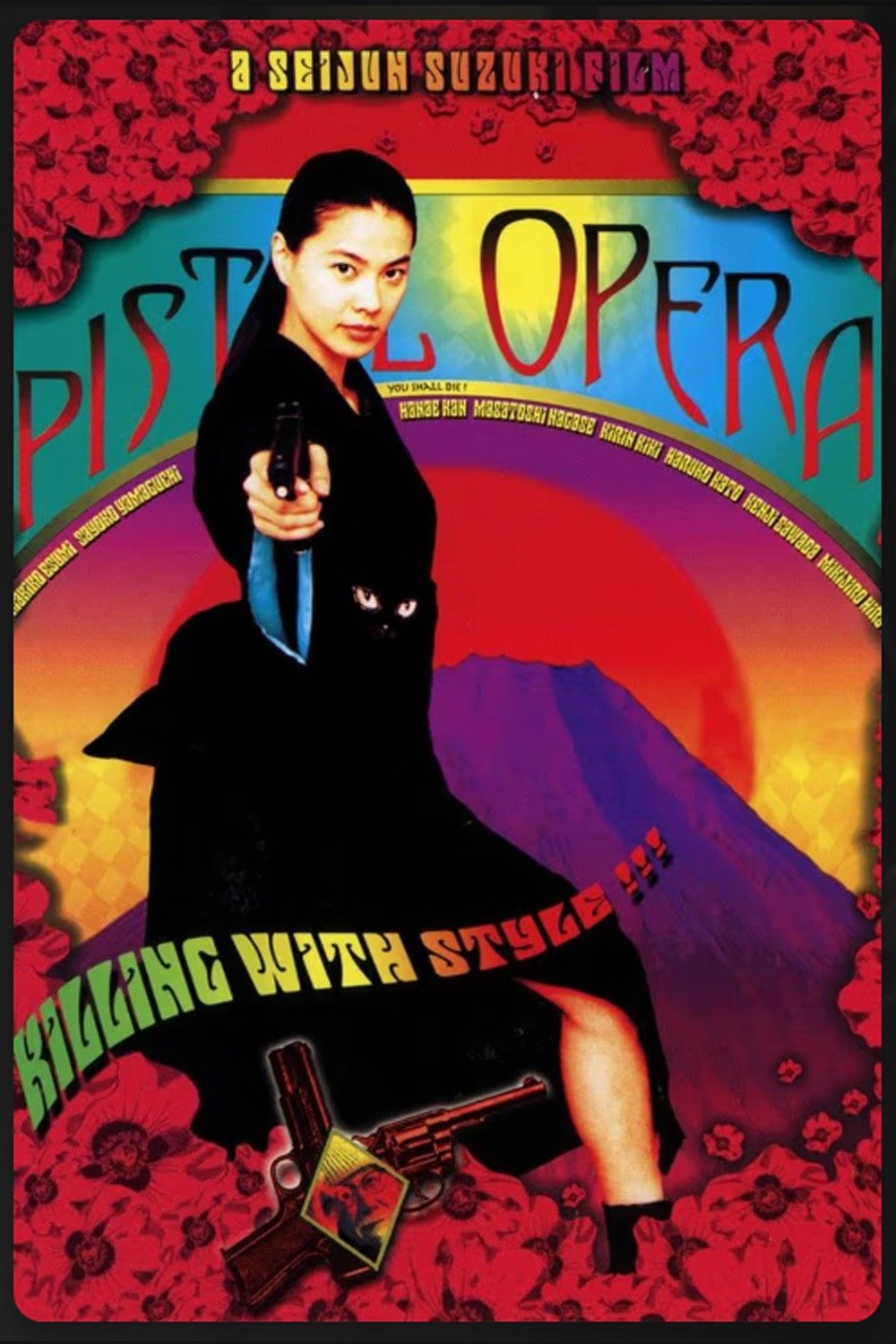
An assassin fends off numerous attacks from her comrades, who are trying to move up in rank by killing off the competition.

When a mysterious stranger muscles into two rival yakuza gangs, Tokyo's underworld explodes with violence.
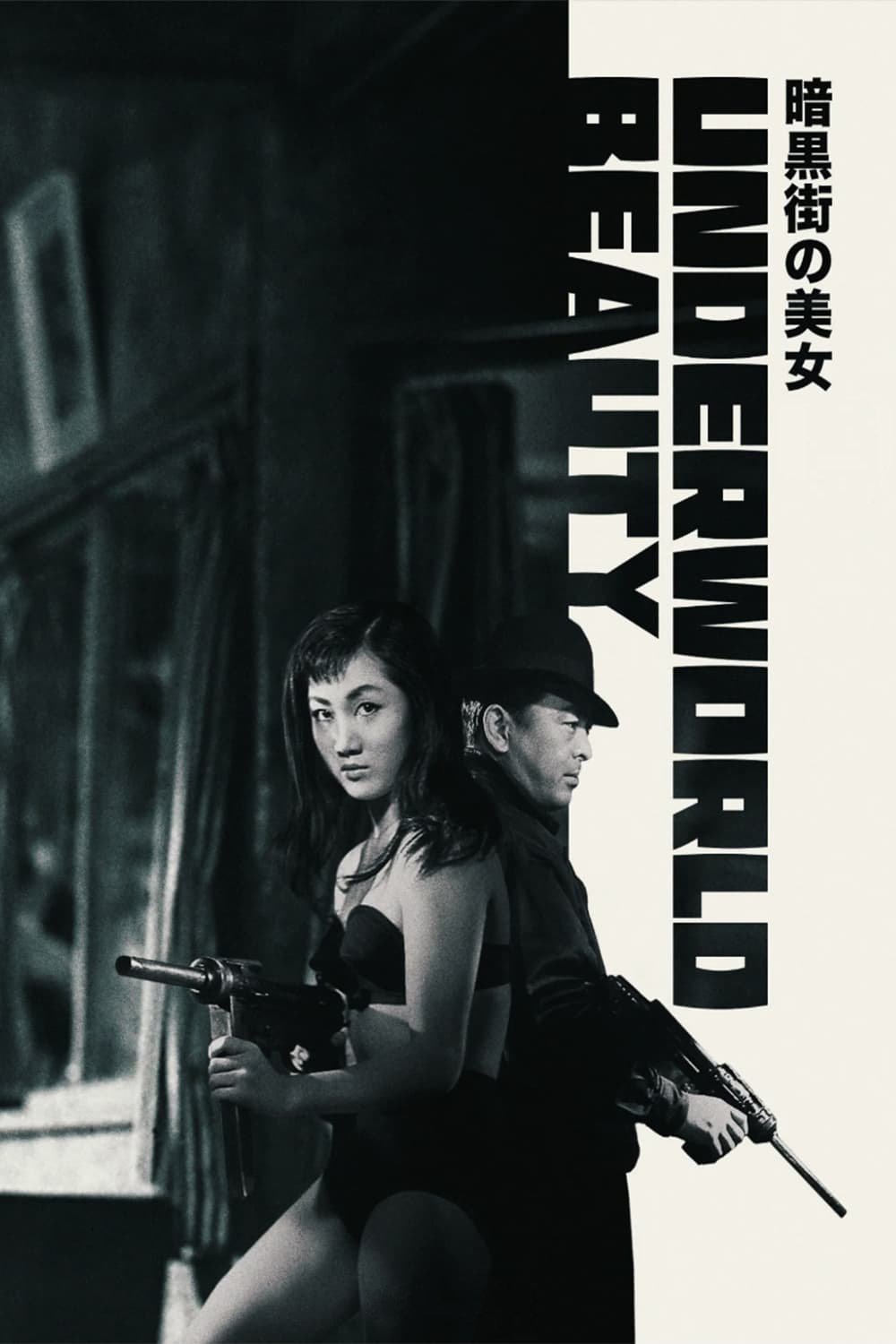
The moment he's released from prison, the honorable gangster Miyamoto recovers the stolen diamonds he had stashed before getting pinched. When he returns to his haunt to make good by friend who took a bullet for him, he is diverted by the greedy boss Oyane and his insatiable taste for Miyamoto's precious stones.
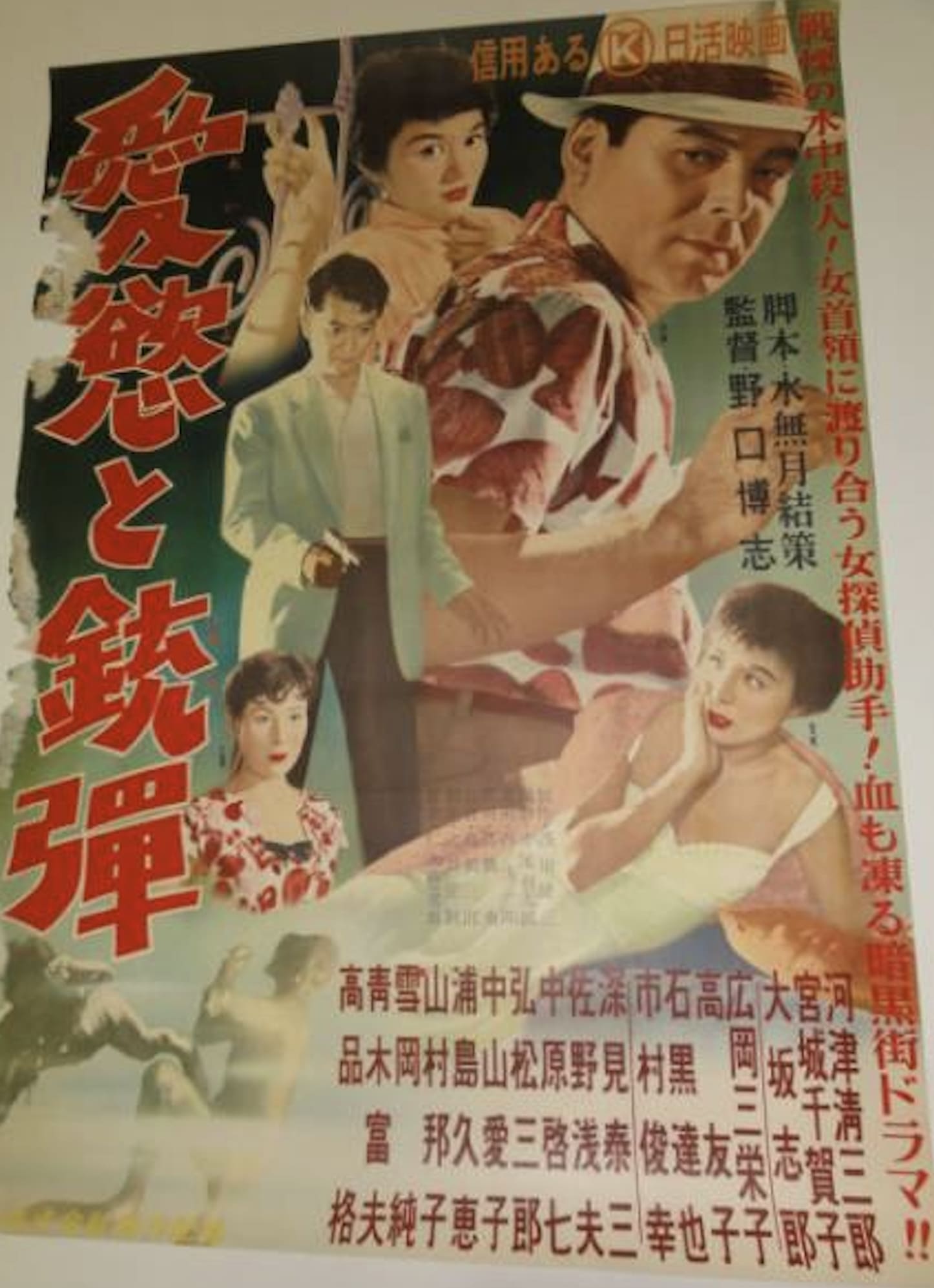
Private Detective Ippei Shizuno faces off against a serial killer and a wealthy woman's society who runs an illegal gun trade.
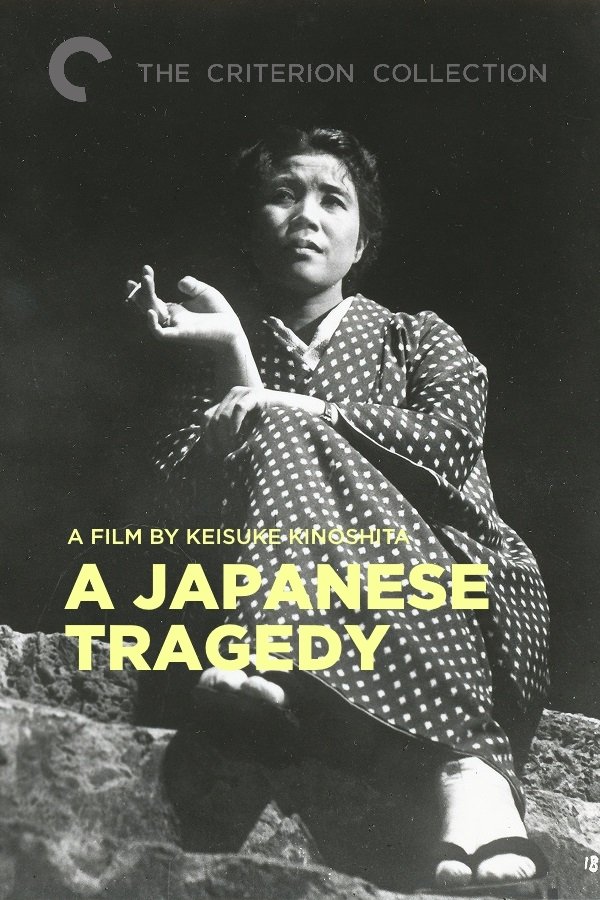
At the close of the war in Japan, a widowed mother makes every possible sacrifice to bring up her ungrateful son and daughter who are unimpressed with their poor standard of living at home. They gradually reject her in search of the material comforts that working as a maid cannot provide. The mother's despair becomes interminable.
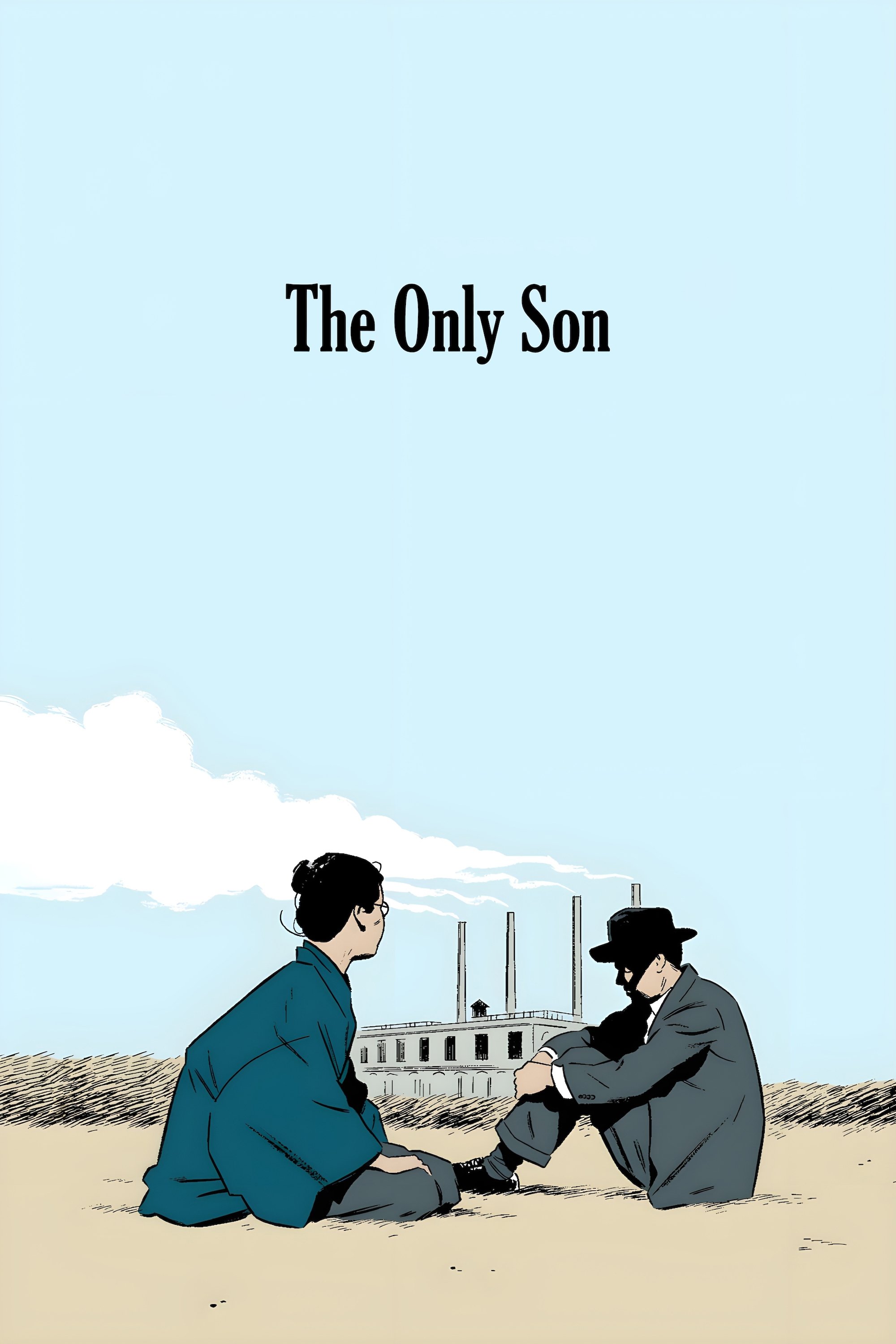
A rural widow sends her only son to Tokyo to receive a better education. Years later, she visits him and finds he has become a night school teacher struggling to support his wife and son.
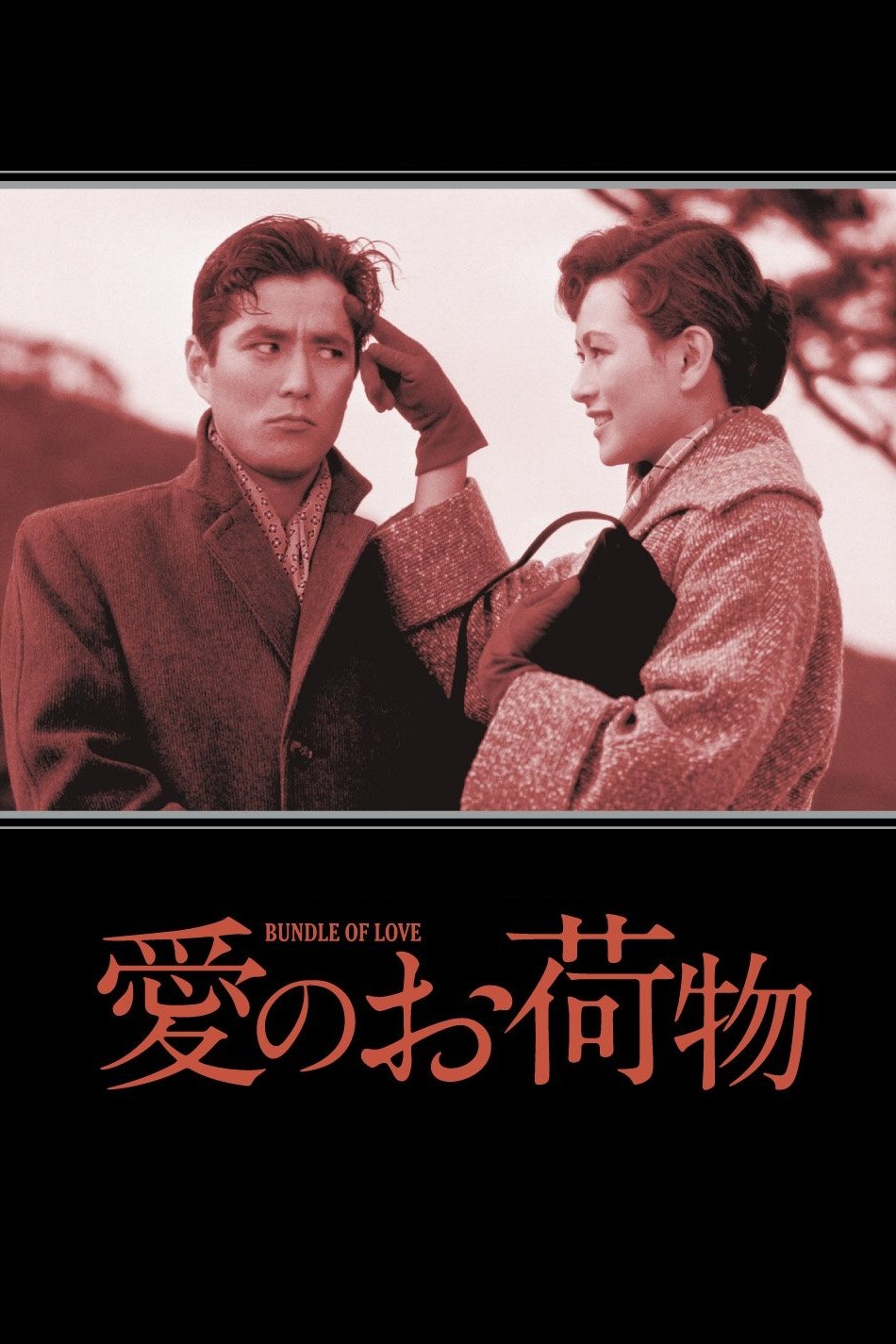
The female members of the family of the Minister of Health and Welfare, who has just proposed a program of birth control, become pregnant one after the other. - Nikkatsu
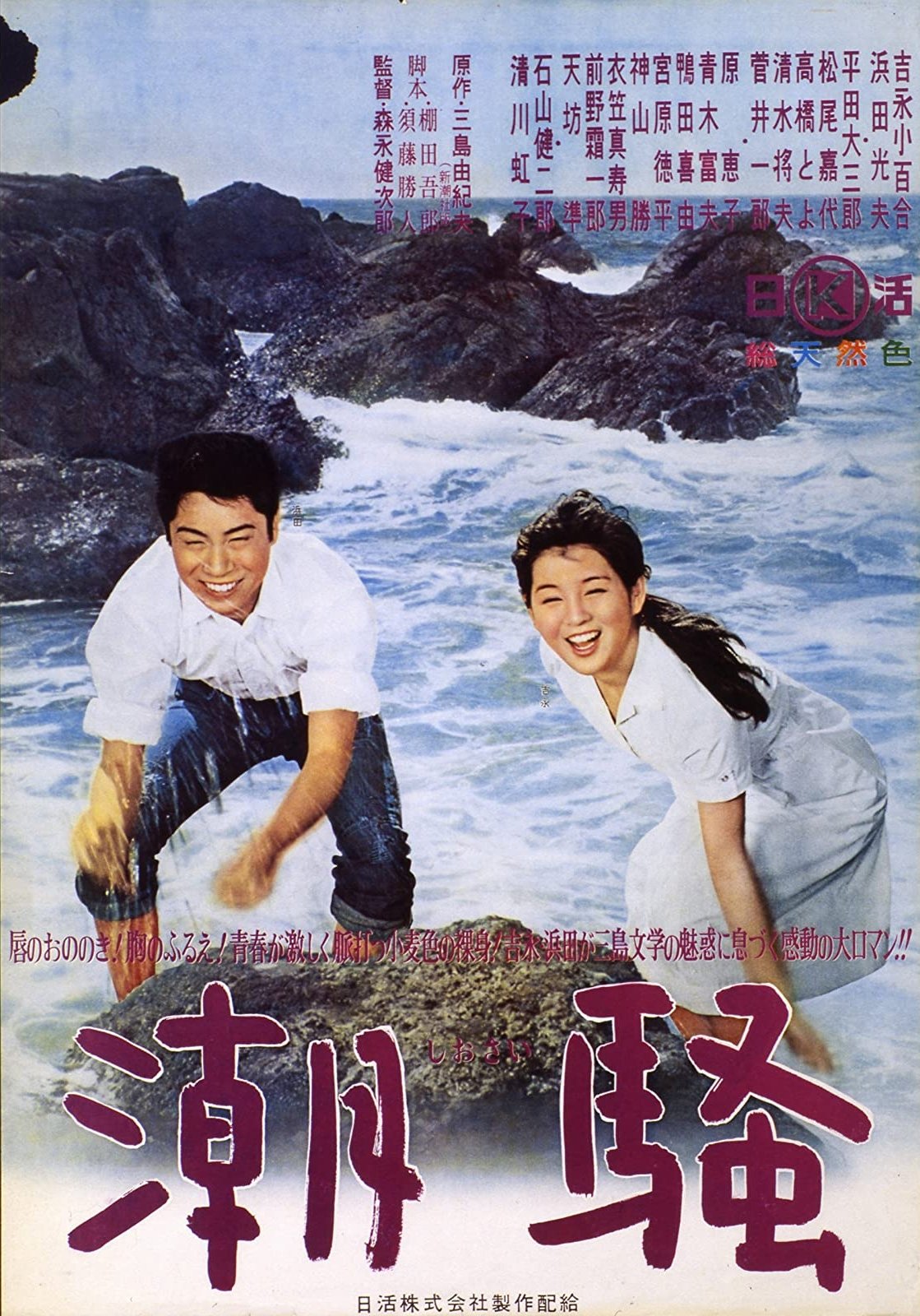
On a small island, inhabited by only fourteen hundred people, a young fisherman's son, Shinji falls in love with Hatsue, the daughter of the richest and most difficult man on the island. Despite their differences in class, they begin to meet and rumors spread of them having an illicit affair. Soon after, Shinji jumps into a stormy sea to help a ship in distress. The vessel turns out to be owned by Hatsue's arrogant father, who now becomes an understanding and sympathetic parent and allows the two lovers to marry.

A former boxer gets involved with a club hostess trying to escape the clutches of her gangster employer.
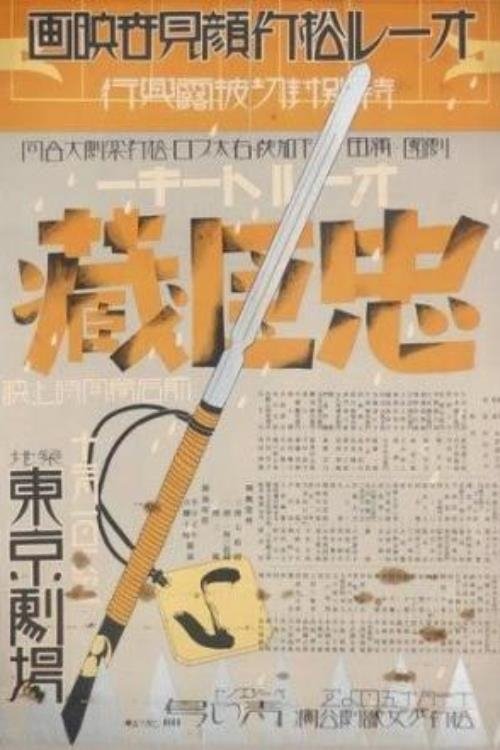
This 1932 adaptation is the earliest sound version of the ever-popular and much-filmed Chushingura story of the loyal 47 retainers who avenged their feudal lord after he was obliged to commit hara-kiri due to the machinations of a villainous courtier. As the first sound version of the classic narrative, the film was something of an event, and employed a stellar cast, who give a roster of memorable performances. Director Teinosuke Kinugasa was primarily a specialist in jidai-geki (period films), such as the internationally celebrated Gate of Hell (Jigokumon, 1953), and although he is now most famous as the maker of the avant-garde silent films A Page of Madness (Kurutta ichipeji, 1926) and Crossroads (Jujiro, 1928), Chushingura is in fact more typical of his output than those experimental works. The film ranked third in that year’s Kinema Junpo critics’ poll, and Joseph Anderson and Donald Richie noted that 'not only the sound but the quick cutting was admired by many critics.
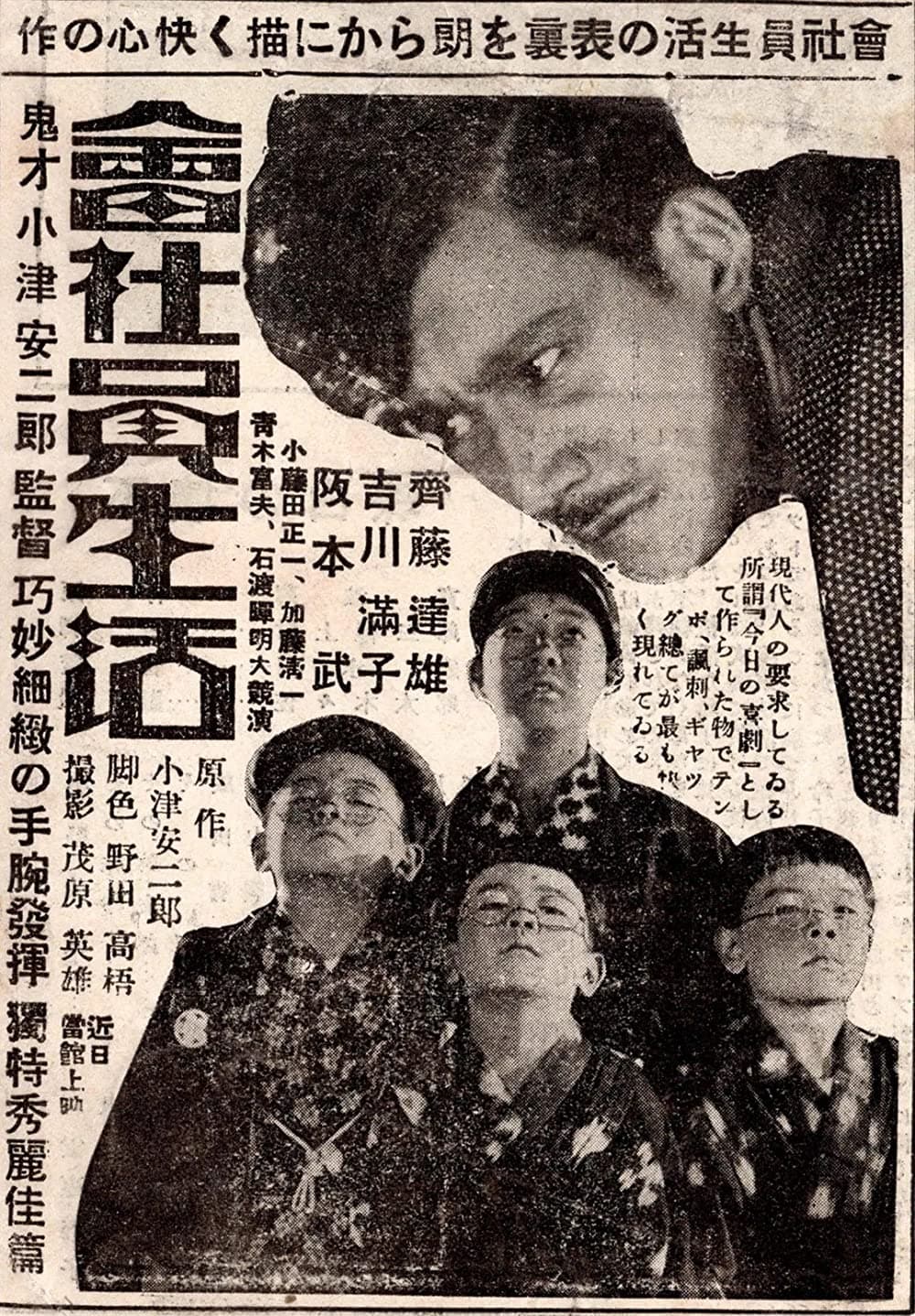
When Tsukamoto is made redundant he cannot bring himself to tell his wife. Instead he investigates other employment opportunities. Considered to be a lost film.
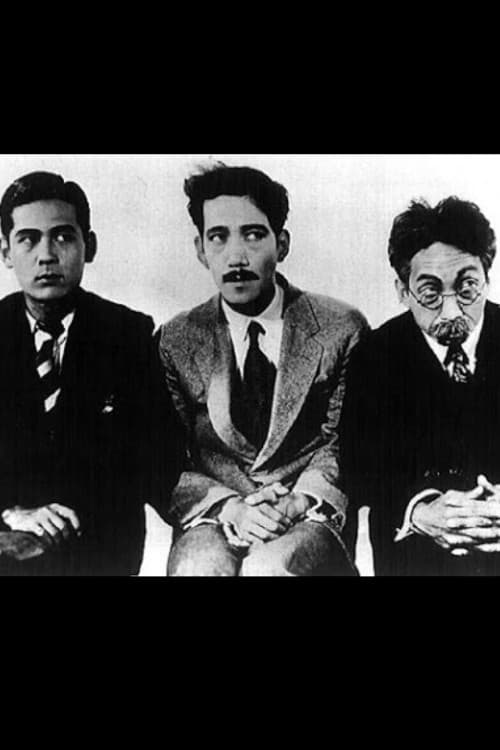
A salaryman finds some money in the street and gets a reward for returning it to its rightful owner. However his colleagues immediately start borrowing money and selling him things he doesn't need, much to his wife's annoyance. Considered to be a lost film.
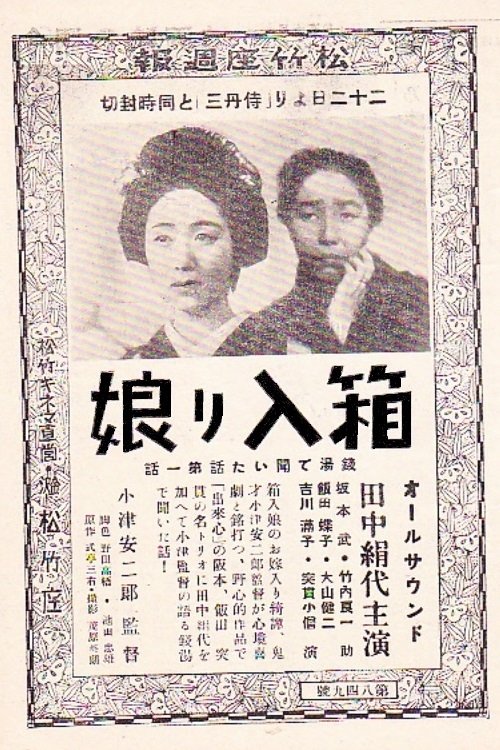
In a back alley of the Shitamachi district of Tokyo, Kihachi bears witness to a series of romantic complications involving the inhabitants of the neighborhood. Considered to be a lost film.
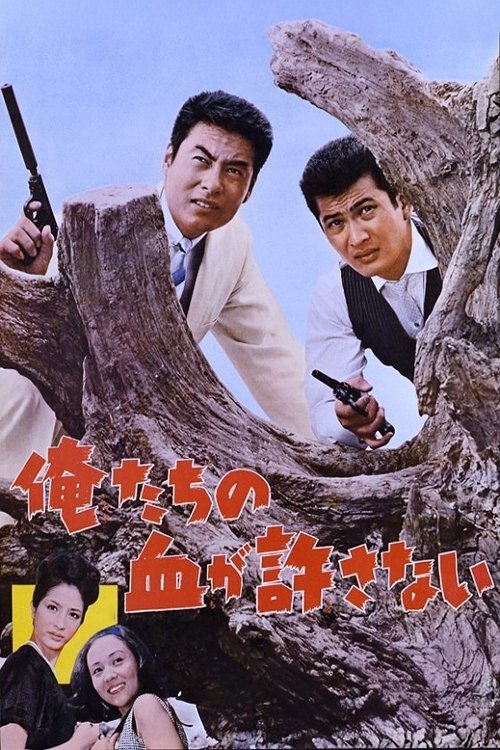
Two brothers seek revenge on the yakuza responsible for the death of their father.
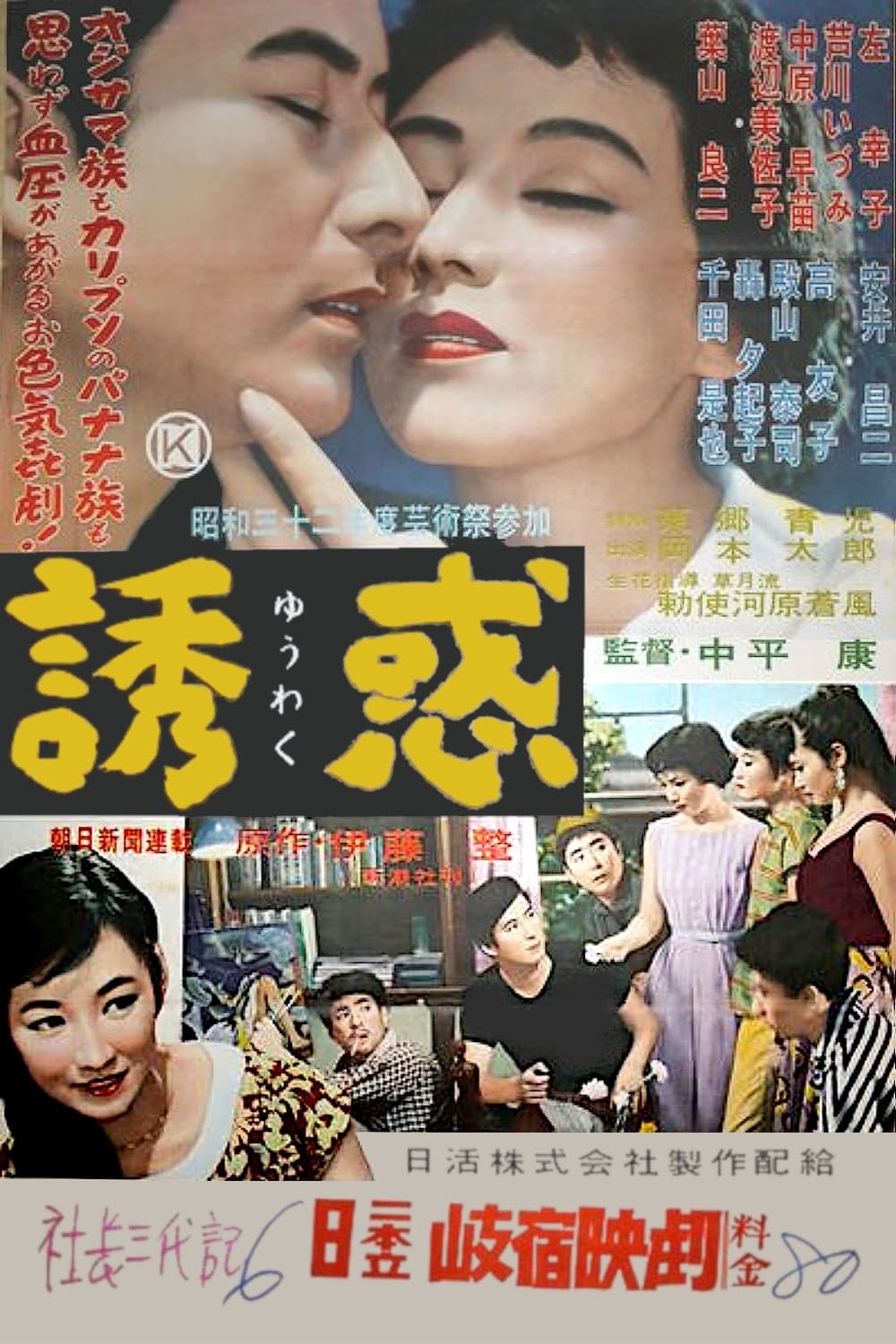
Shokichi, the owner of the clothing store, lives with his daughter Hideko and plans to open an art gallery. One day, Hideko led a handsome art student, Shohei and a poor painter, Sohei. Sohei’s painting was praised by a great printer at the completion ceremony of the art gallery. Since he became successful as a painter, but he looked quite indifferent. Around the same time, Shohei’s sister brought Sohei’s pictures to the gallery and Shokichi noticed that she was a daughter of his first love.
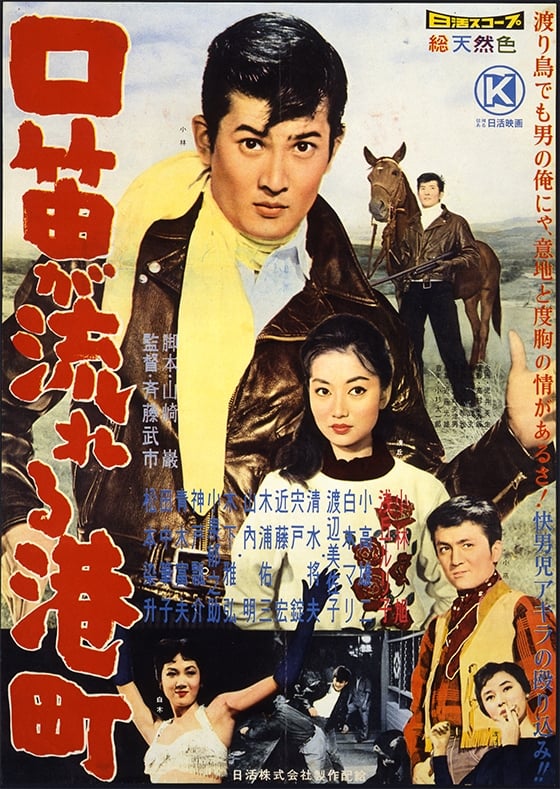
Rambler Shinji arrives in town armed with nothing but a guitar. With assistance from an old gun-for-hire friend, he sets about to stop the mob from turning an honest ranch into a gambling resort.
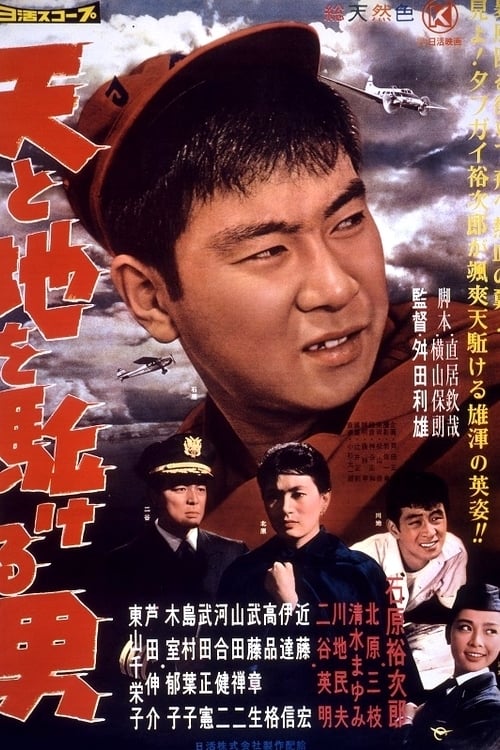
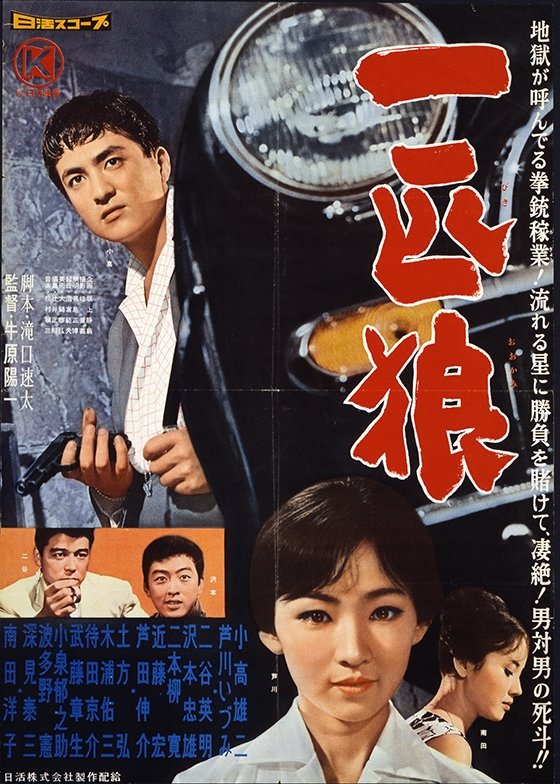

During college military training exercises, the bond between two friends and athletic rivals is tested when one of them becomes involved with a woman who may be a prostitute.
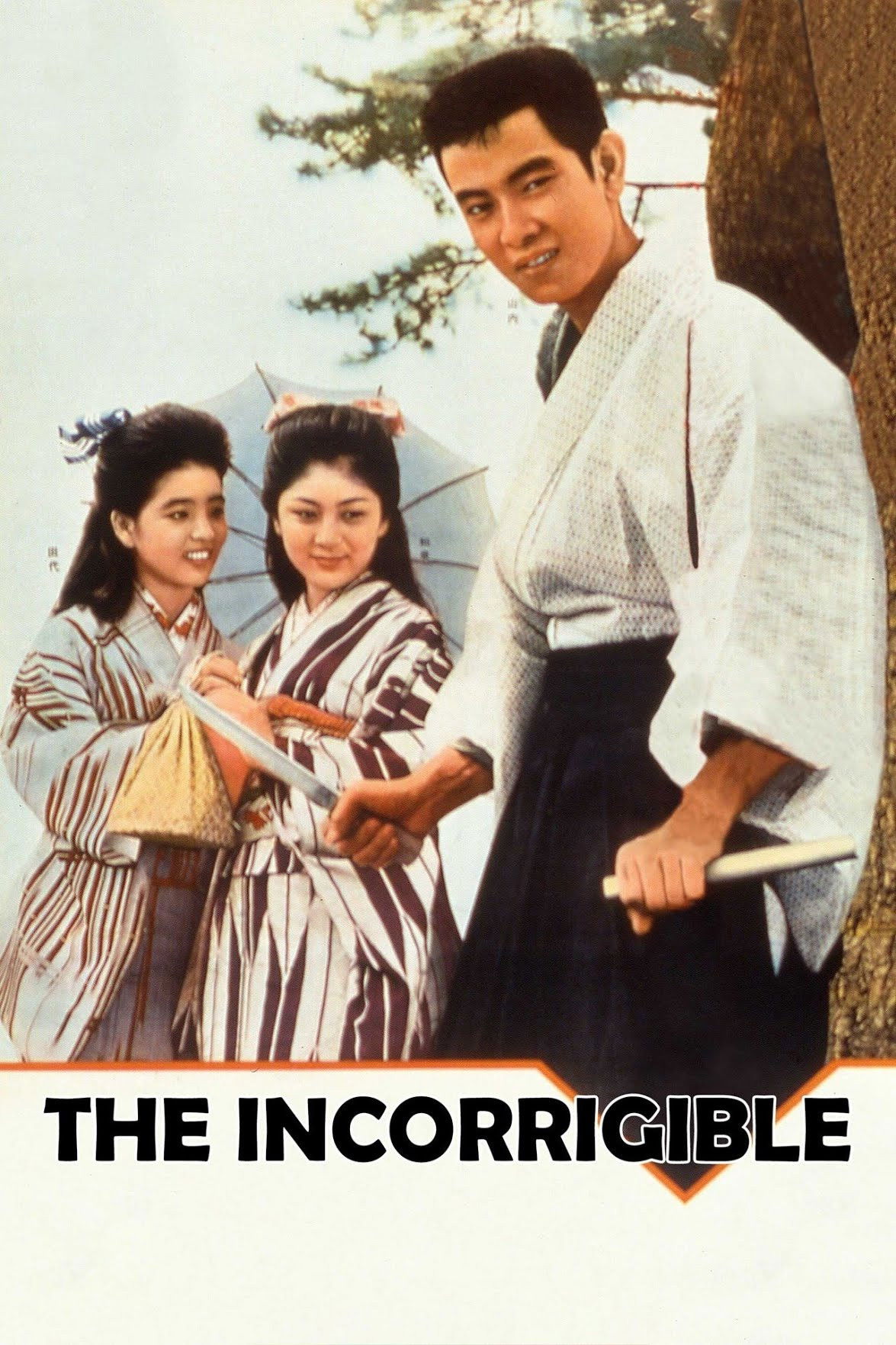
Based on the loosely autobiographical novel of the same name by Toko Kon. Ken Yamanouchi stars as Togo Konno, the titular bastard.
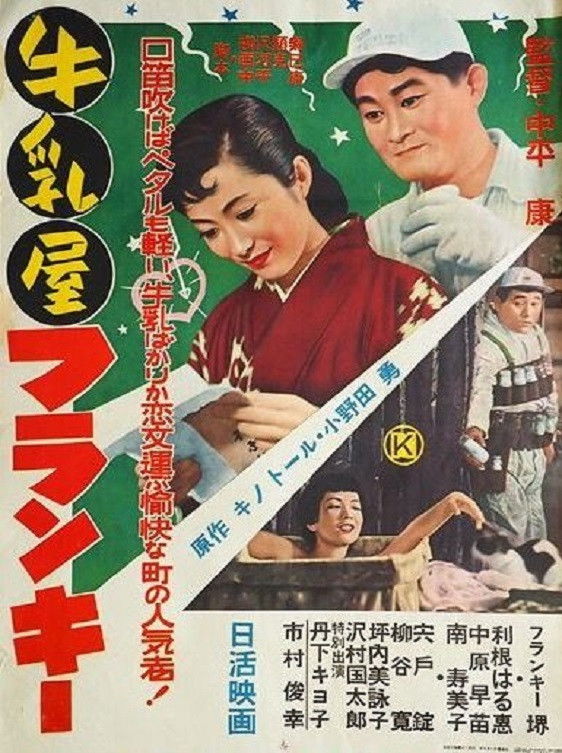
Roppeita is big in size, clumsy and full of energy. When his grandfather orders him to move out to Tokyo to save a sinking milk delivery business a distant relative of his runs, he encounters the most strangest of clientele.
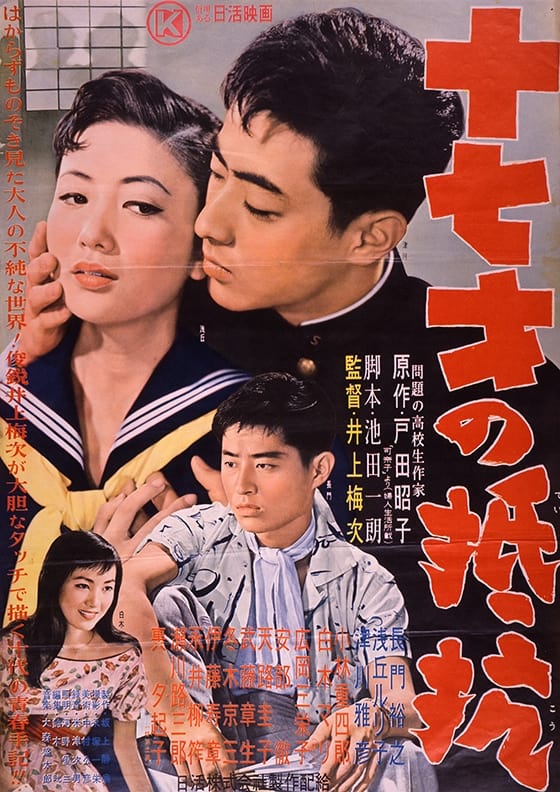
Kanako is an intelligent and beautiful girl in her third year of high school, but there was a dark shadow. Raised by her father, Jusaburo, who is the owner of the Matsukawa troupe, she grew up without knowing the love of her mother. She has been on stage since she was a child, but oneday she cried and complained to her father, and she stopped going to school. In a mock exams, Kanako overtook her classmate Tetsuji to take the lead. That evening, Kanako went to the Yasue Theater in the neighboring town with Eikichi, and saw the affair of her stepmother, Yumi, who should have been resting due to her illness. The man ran away in a hurry, and Yumi confessed that Kanako's mother, Miyako, had also run away for the same reason...
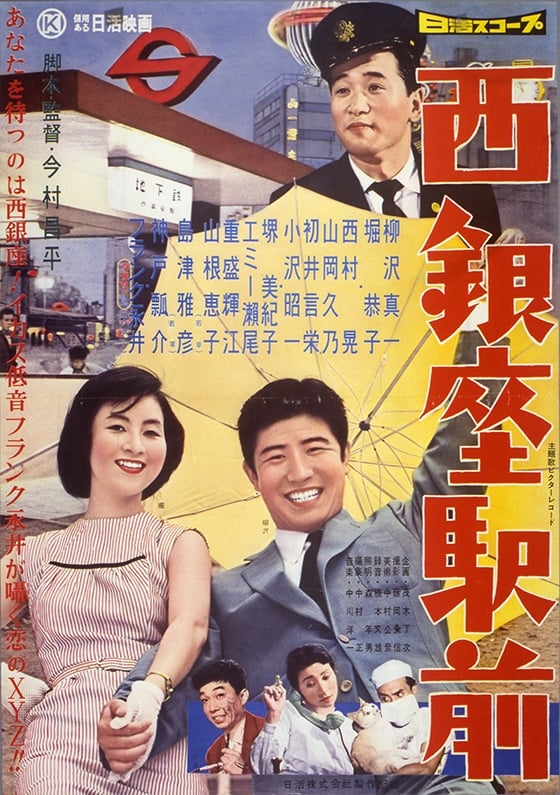
This short comedy concerns the extramarital affair of a drugstore owner. It is based on a popular song by the star of the film, Frank Nagai.
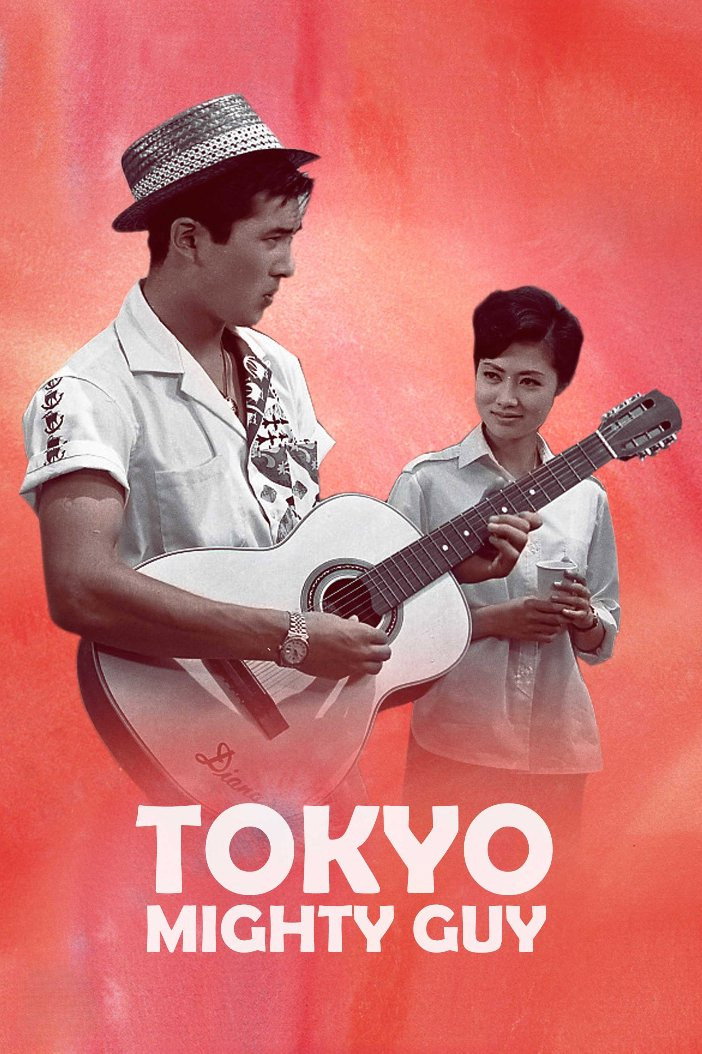
Mega star Akira Kobayashi stars as Jiro in the rambunctious tale of a chef who opens a restaurant in the busy Ginza district. His culinary skills and dashing good looks bring in the women as well as unwanted trouble, while an explosive political scandal builds around his girlfriend’s business...
If you throw this child away
Period film from 1934.
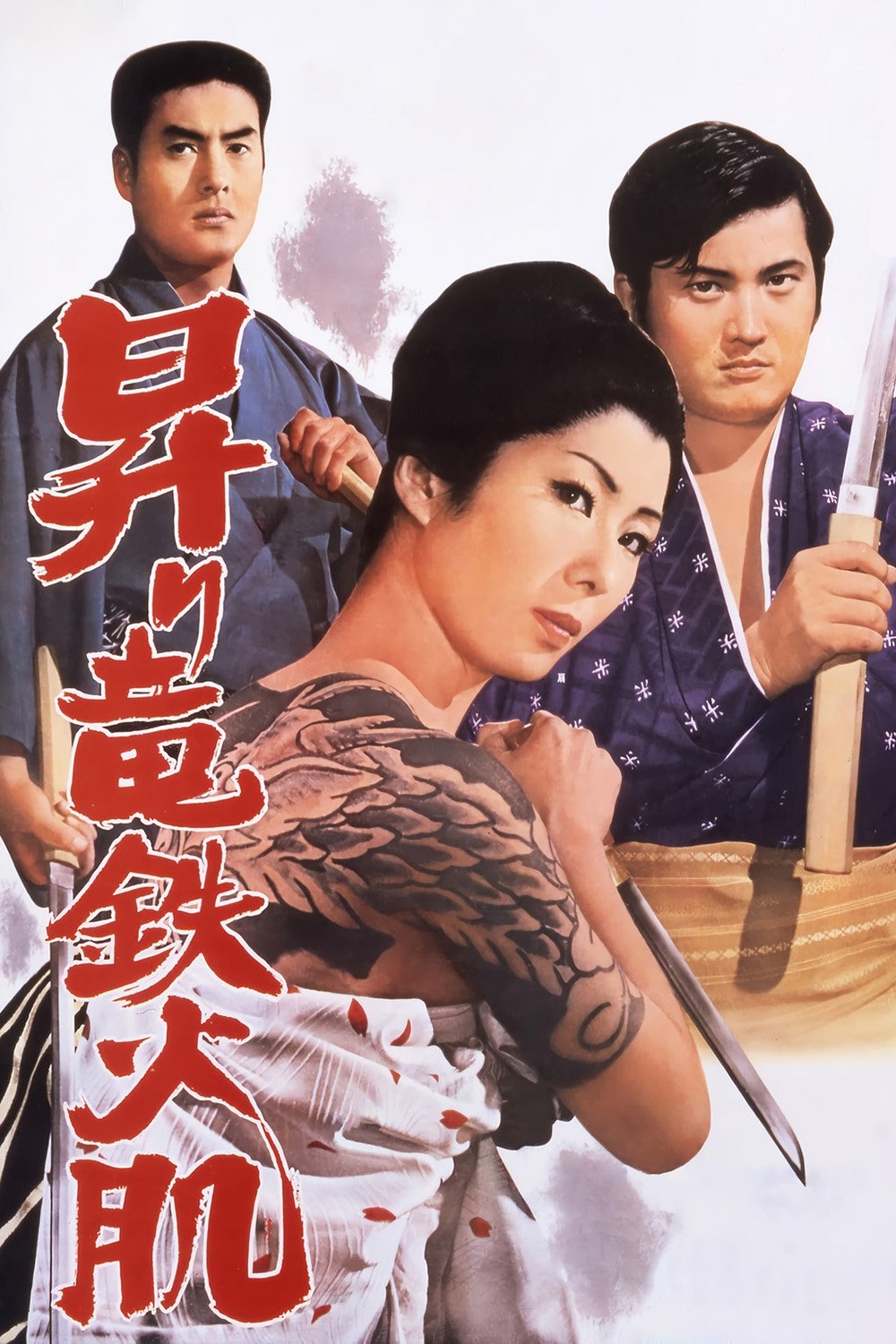
Japanese crime film
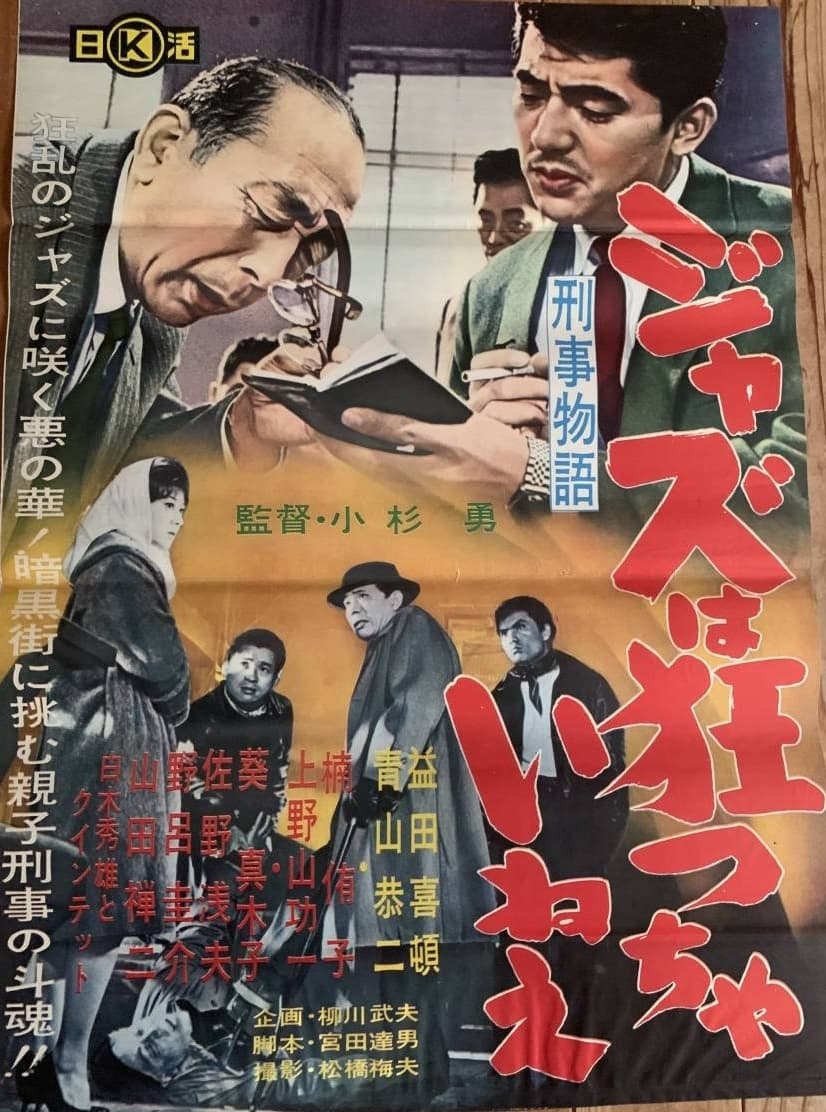
1961 Japanese movie
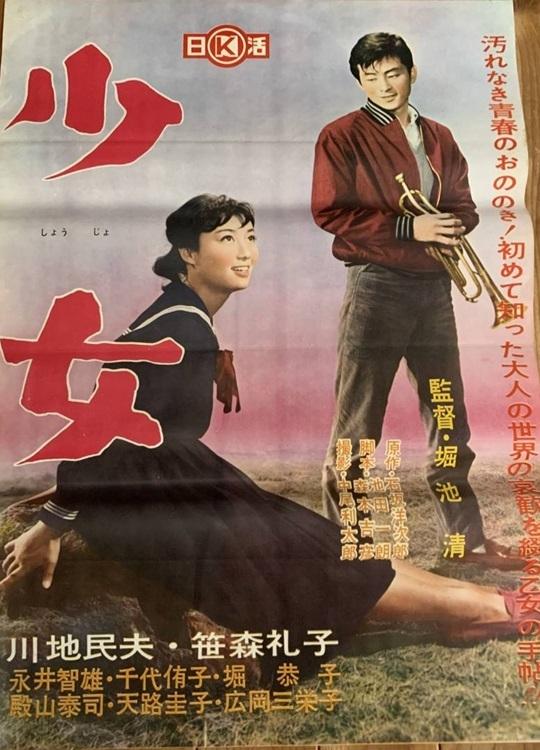
1961 Japanese movie
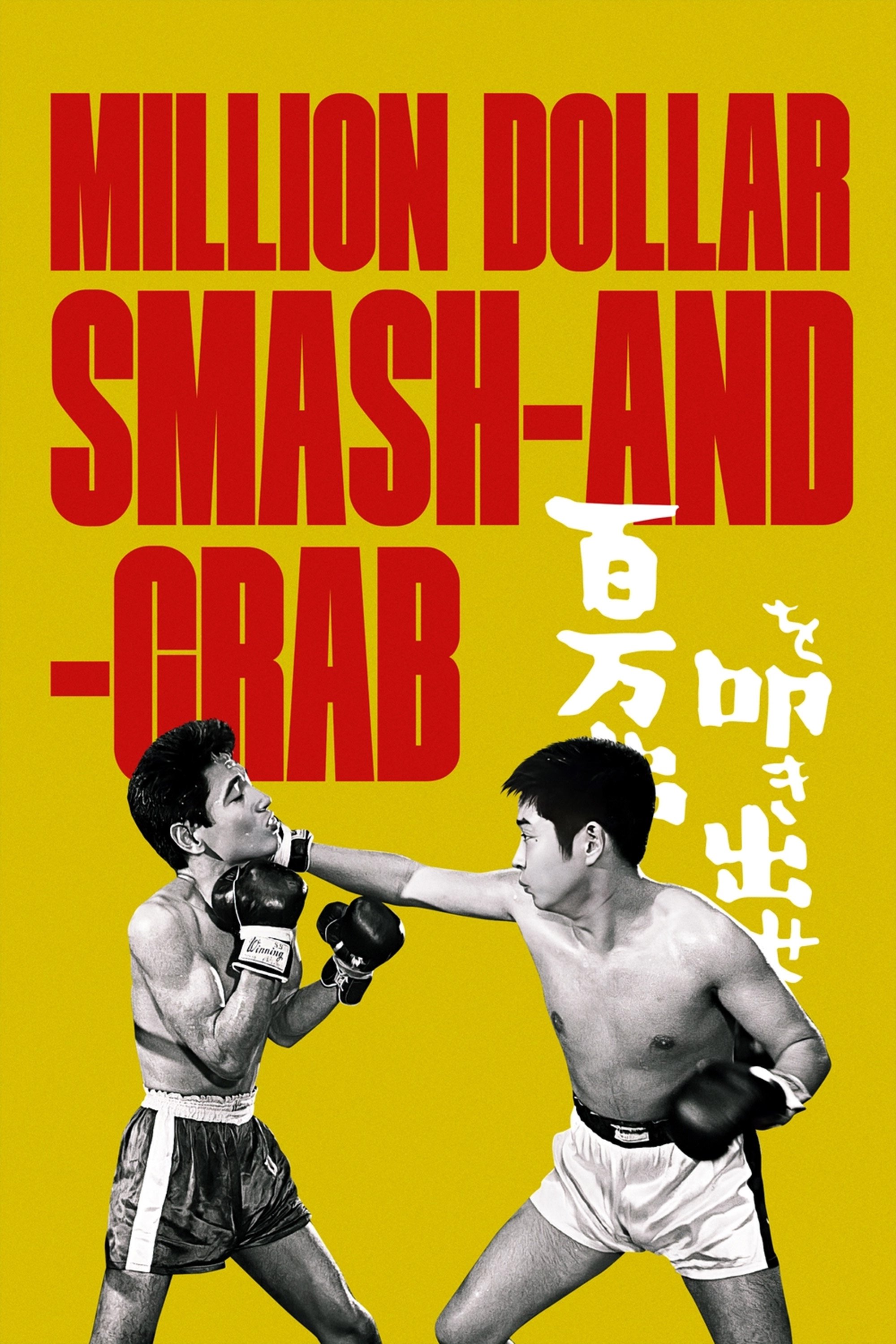
A boxing melodrama. Two friends become boxers and begin training for the championship. These two boys eventually face each other in the ring.

1965 Nikkatsu youth film.
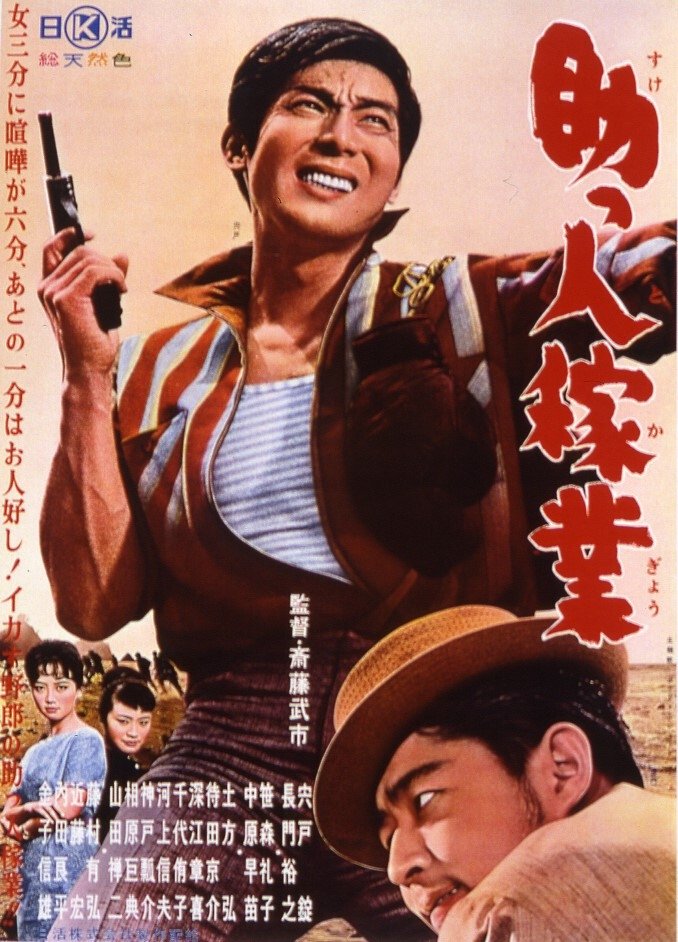
Against the bosses of the underworld that dominate Yokohama, Kobe, and Hong Kong, ace Joe, who plays an invincible gunman, shows off his transcendent gunplay! The third installment of the business series.
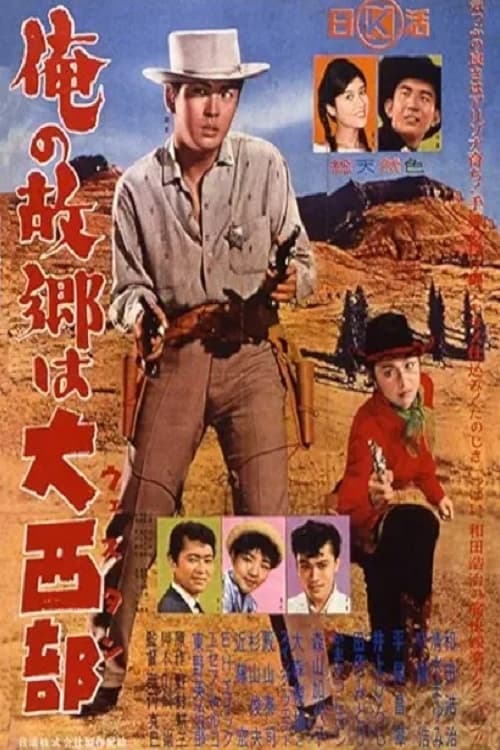
George Mihara was ordered by his grandfather Tom to go to Japan. The purpose was to deliver a $100,000 check to Matsuyama, a Japanese soldier who had helped Tom around the time of World War I, and to perform some act of kindness in Japan using $300 pocket money. This was to test whether George was a suitable boy to inherit Tom's YES Ranch.
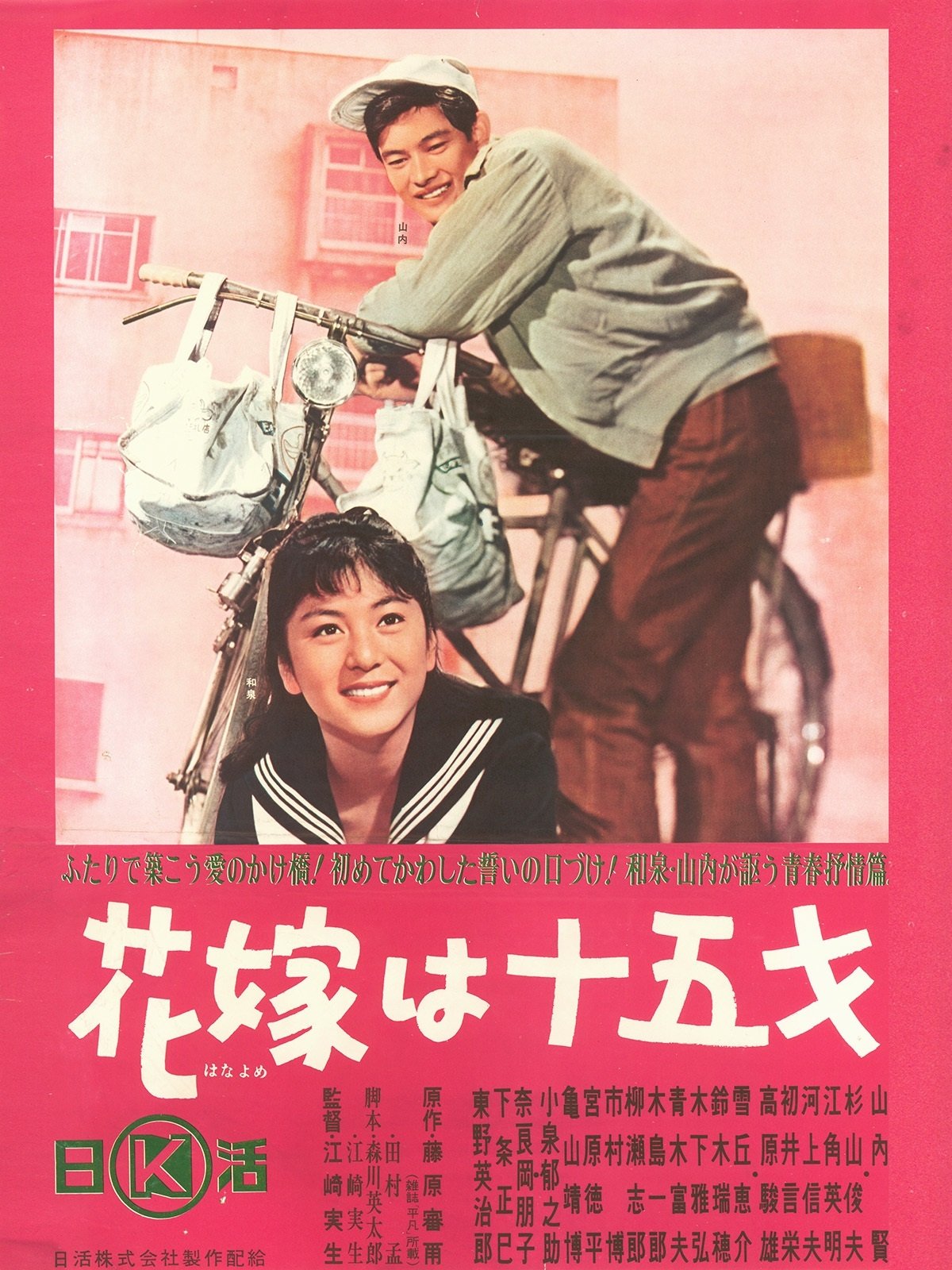
Hanayome wa Jūgo-sai, directed by Mio Ezaki and distributed by Nikkatsu, stars Masako Izumi and Ken Yamauchi. The high-key pink background and casual photographic portrait embody Nikkatsu’s 1960s youth-film aesthetic. Clean, hopeful, and pop-oriented. The large white title, handwritten for a softer impression, injects playful energy that contrasts with the strict vertical text blocks. As Japan’s youth culture blossomed after the 1964 Tokyo Olympics, posters like this captured the spirit of romance and rebellion marketed to teenage audiences. The vivid color palette and carefree composition signal a stylistic shift from postwar black-and-white melodrama to the vibrant optimism of modern Technicolor cinema.
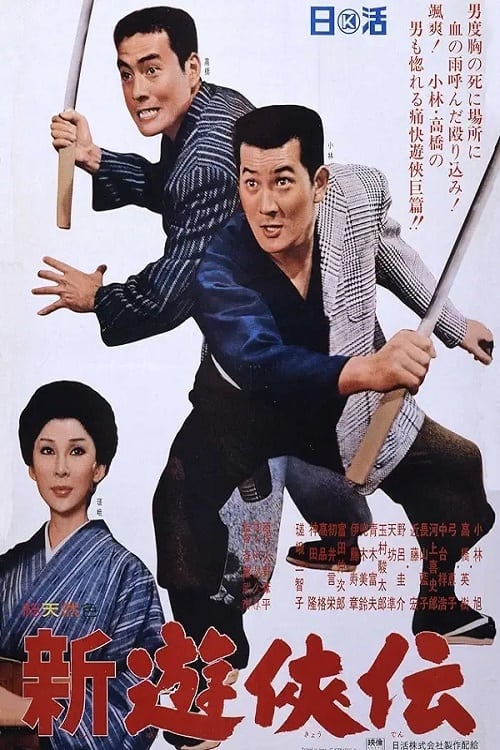
In this town, Kagosuke and Ryukichi of the Okamoto family, who are deeply committed to the yakuza way, are straightforward and justice-loving hot-blooded men. However, their slight clumsiness is a flaw, but they are extremely strong in fights, and there's no one who can match them. They are head over heels for Osen-san. They are both desperately unwilling to yield even if the other is a brother.
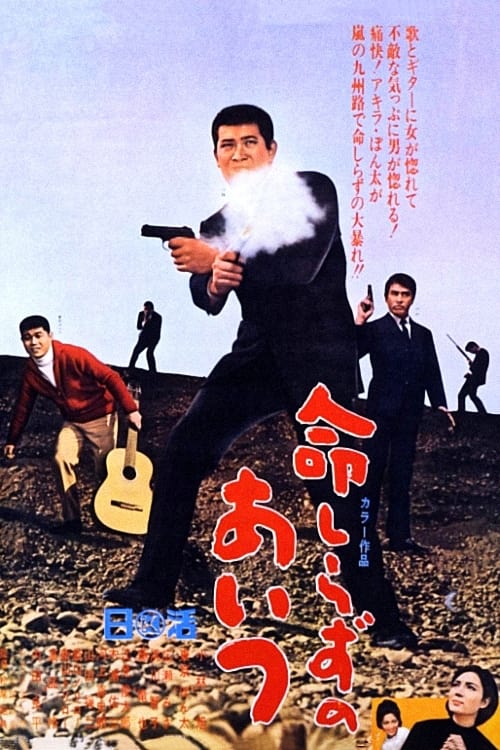
Kosuke Suzuki returns to Hakata's hometown after learning that his best friend Takehara has disappeared. Kosuke is persistently hindered by Hasebe from Omura Sangyo. Kosuke's partner Kumagoro investigates and finds out that Hasebe, who killed the head of the Muraoka clan, made Takehara disappear in order to keep him silent. The third film in the series.
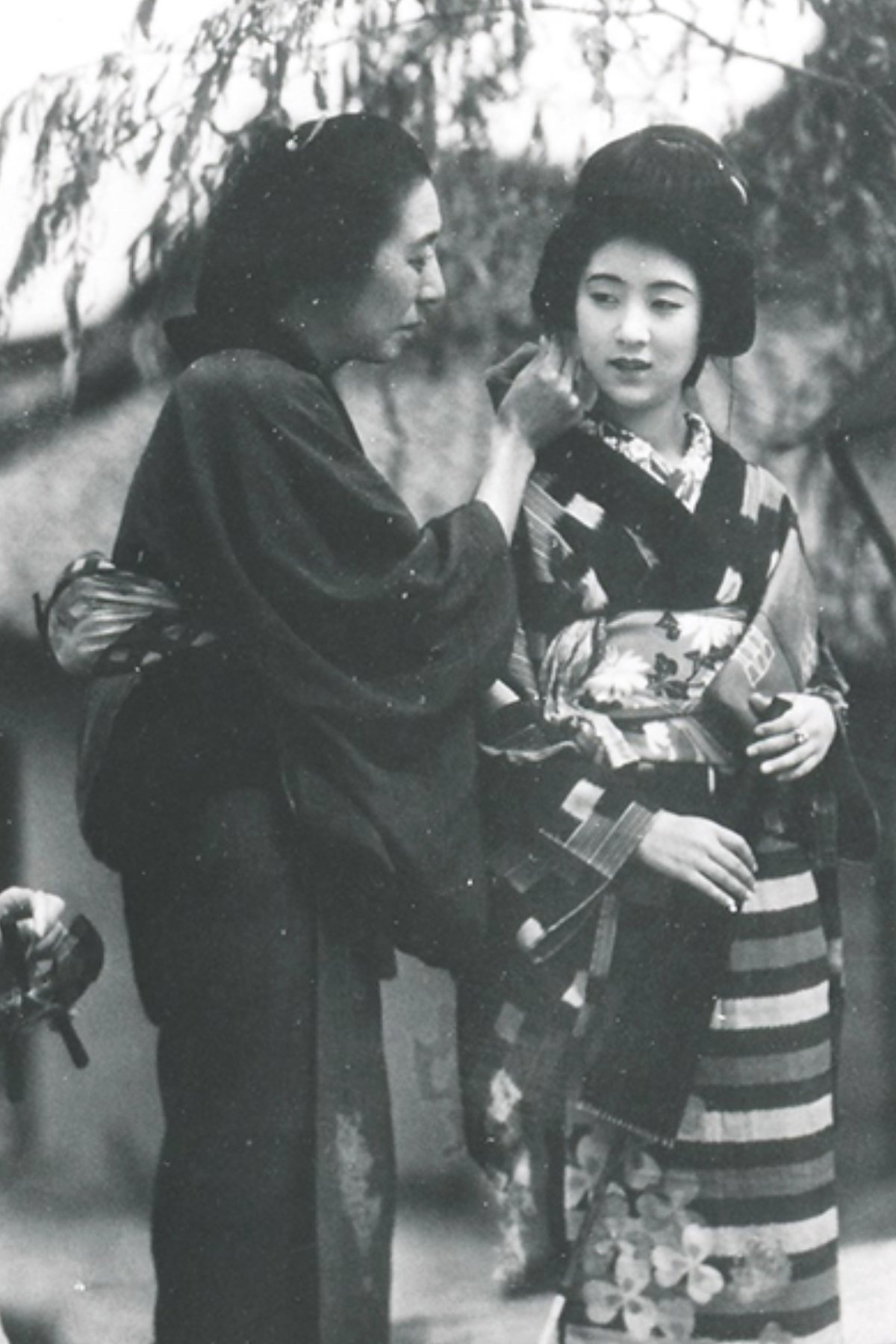
Japanese silent film from 1930. Directed by Heinosuke Gosho, the film marked a new stage in the artistry of Kinuyo Tanaka, earning acclaim strong enough to greatly expand her following as a leading actress.
Tsukamoto and Omitsu are close friends, but one day, Tsukamoto becomes fascinated by Ayako, whom he meets at the home of Miyajima.
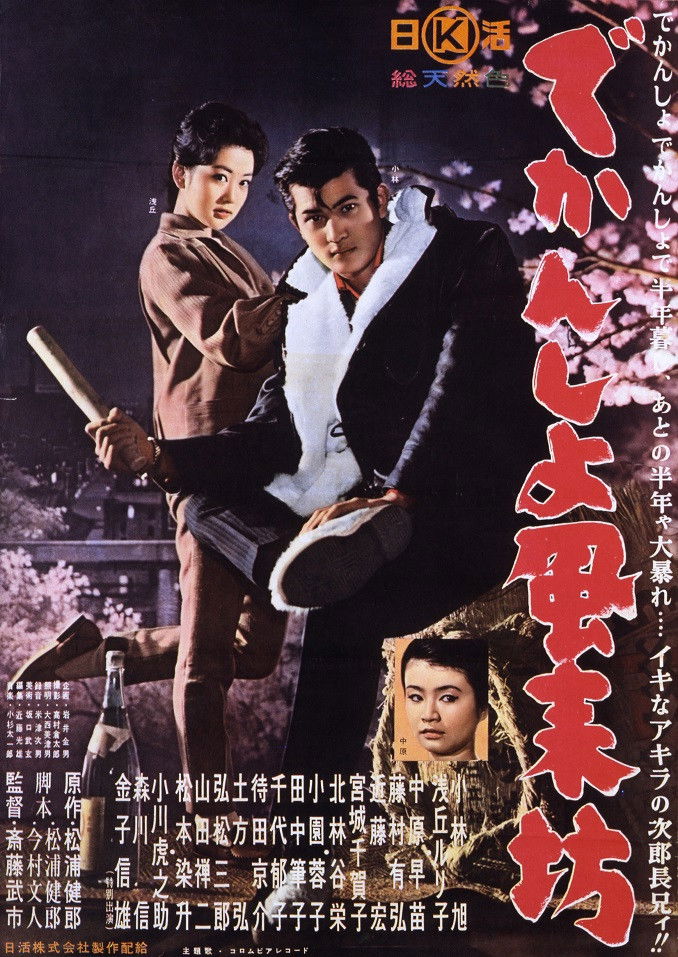
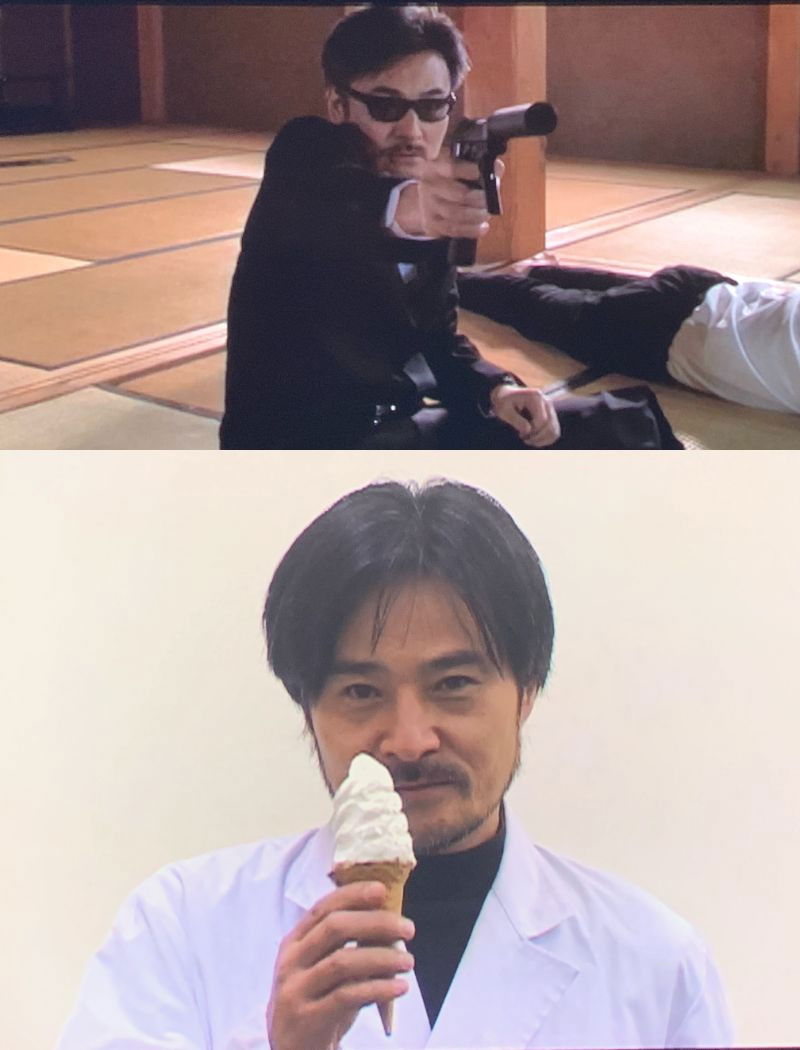
In this compact, off-kilter vignette, a lone researcher conducts a small-scale “experiment” whose procedures slide quietly from the scientific to the absurd. Confined to a minimal setting, his deadpan actions and seemingly methodical gestures generate a cool, understated comedic tension. Kiyoshi Kurosawa appears as the white-coated experimenter, and his impassive presence anchors the short’s blend of observational humor and controlled unpredictability.
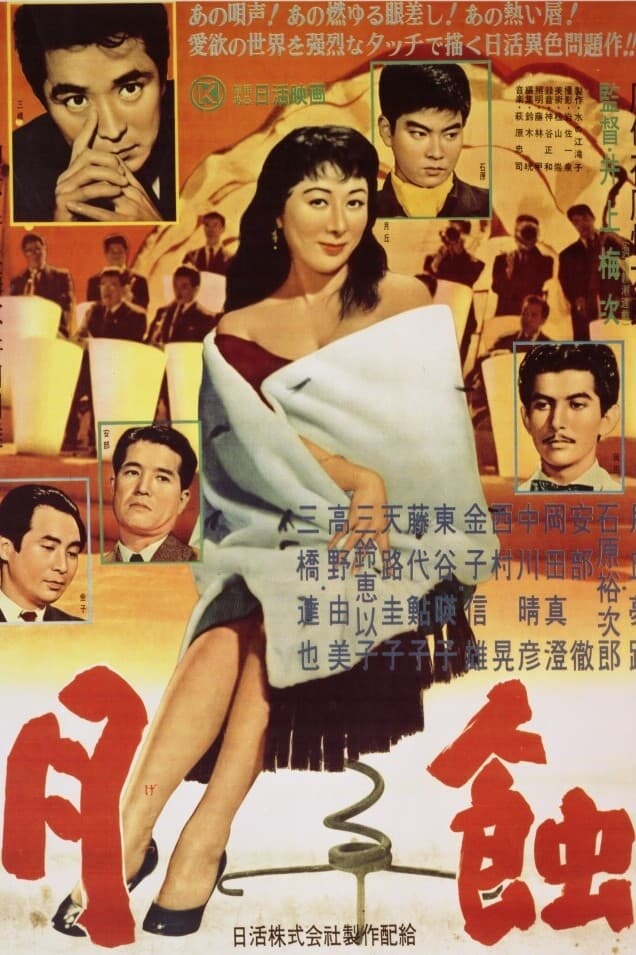
A unique and controversial film directed by Umeji Inoue, based on the original story by Shintaro Ishihara, which depicts the image of a group of young people in the agony of mistrust, love and hate with a powerful touch.

A wandering tough biker girl aids a female delinquent gang in their battles against an all-male Seiyu group over a fixed boxing match.
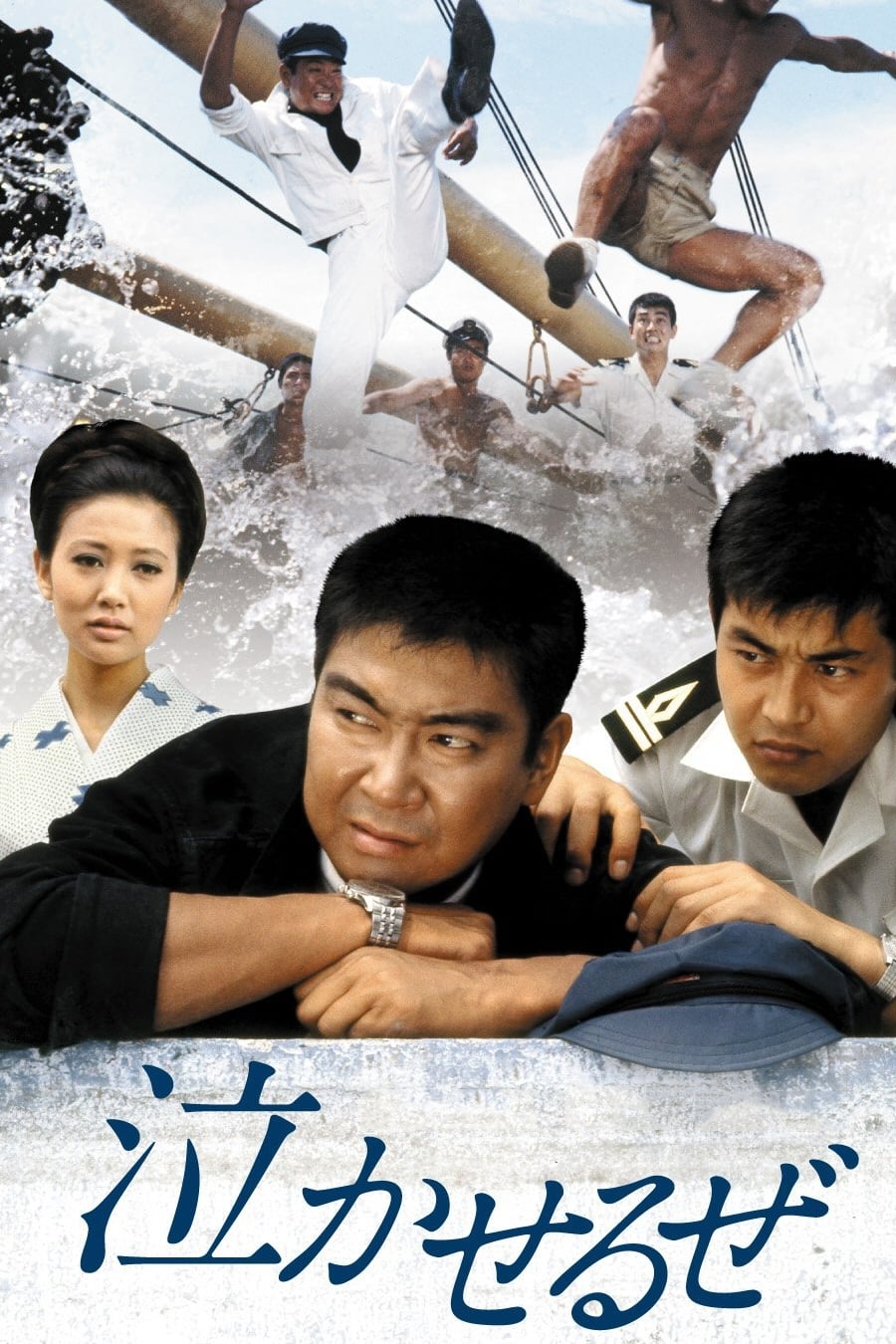
Hiroshi is the second officer on board the Hakuromaru. Lead by his captain, he heads out to town to recruit new crew members for their next voyage. Hiroshi is baffled when his captain approaches the Daigo-Kuroshiomaru crew, a notorious group nicknamed "the hoodlums of the sea". Their offer is greeted with scoffs and quickly turned down.
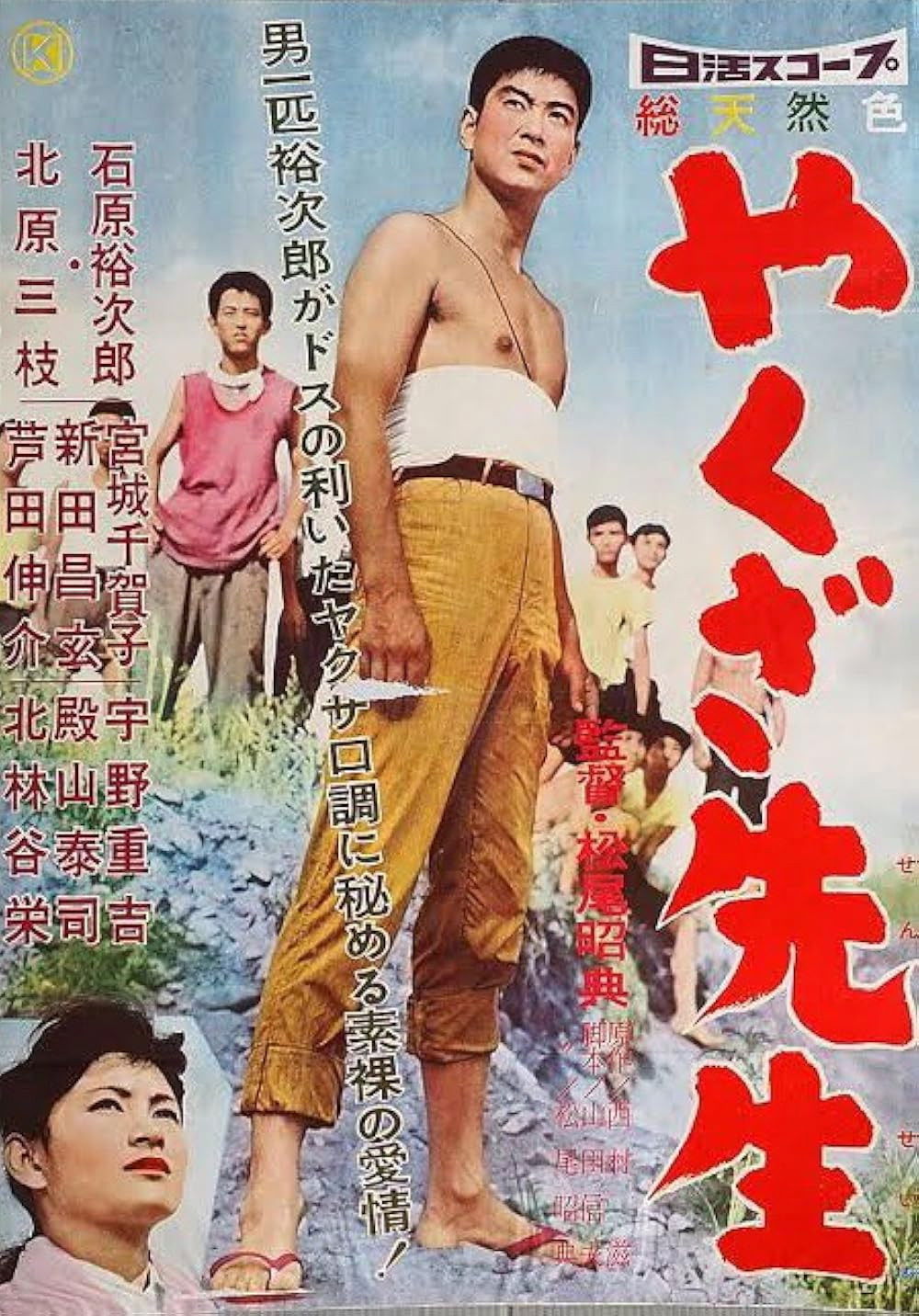
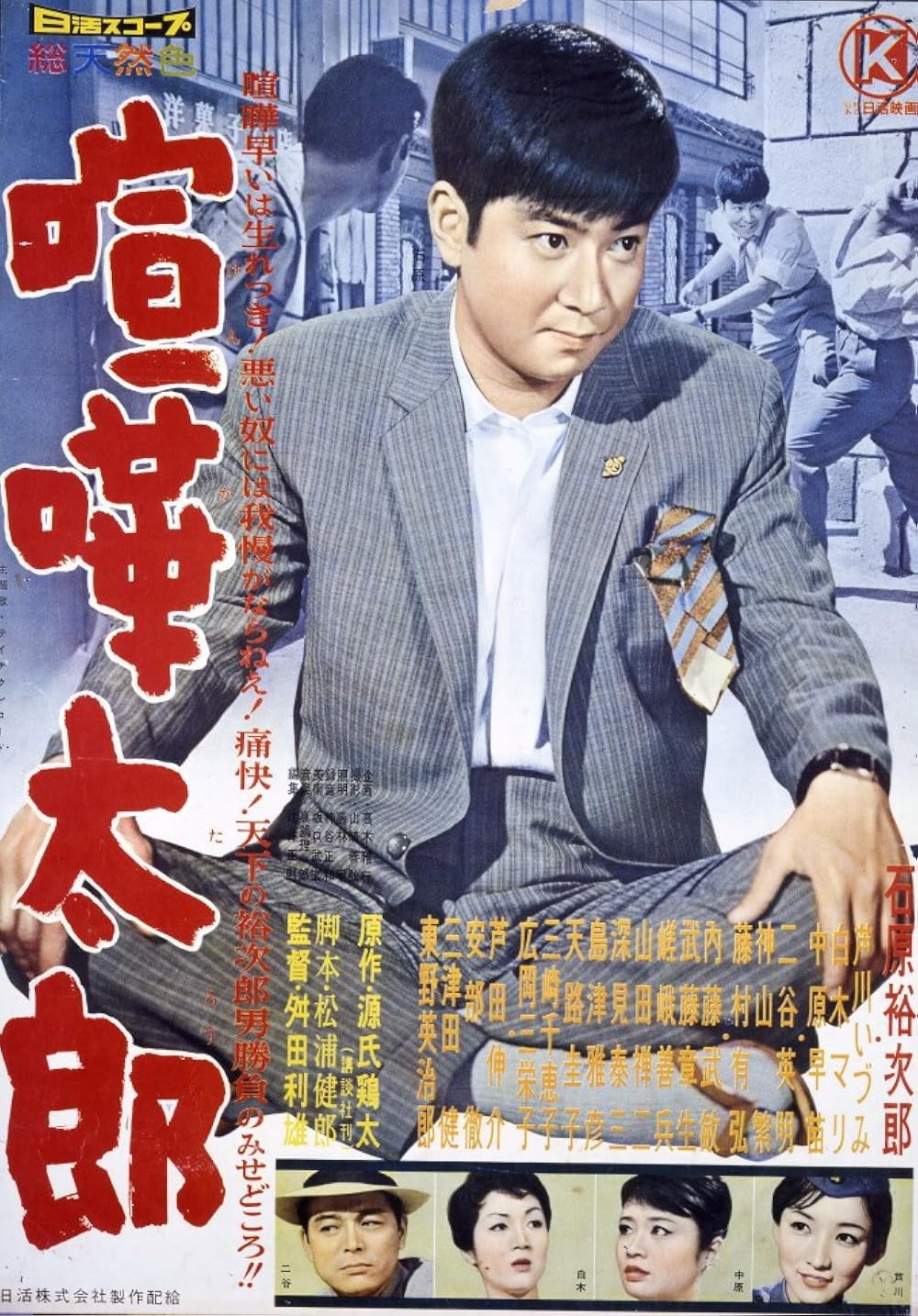
Taro Uno, nicknamed "Fighting Taro," has joined Hyakusho Trading Company, which is currently busy with bidding for Southeast Asian reparations supplies. This is because their competitor, Toyo Bussan, is considered a strong contender. One day, Taro comes to the rescue of Toyo Bussan's president, Iwashita, and his illegitimate son, Kenji, who are being harassed by a local gangster named Kankichi.