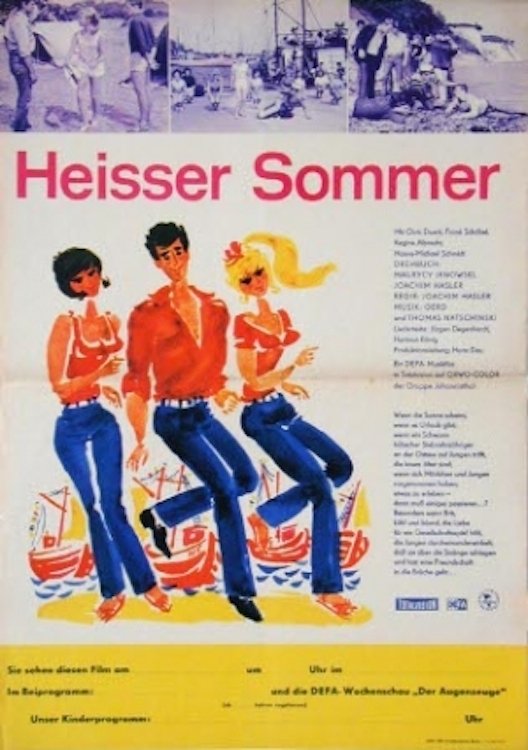
In this East German teen musical, a group of girls are planning to take their summer vacation together on the Baltic coast. When a loud and obnoxious group of boys intrudes on their holiday, the girls are horrified to learn that the boys have the same vacations plans as them. The two groups quarrel with each other and compete over a number of things, but gradually an attraction starts to form.

„White mouse“ Fritz controls the traffic on Dresden’s Körner Square. Helene, who crosses the junction on her motor scooter every day, has taken a shine to Fritz a long while ago. Although Fritz yields right-of-way to her remarkably often, the two have not spoken to each other. In order to finally get to know him better, Helene deliberately performs a traffic violation. Her plan is working: She is ordered to take road safety education lessons from Fritz and they get closer. New problems arise in the shape of Mrs. Messmer who must pay a monetary fine. She feels discriminated against by Fritz and complains about him to his supervisor.

Ewald Honig can't break his bad habit. Hardly has he crossed over into the GDR when the strapping, well-built man in his late fifties once again starts courting ladies with fraudulent intentions. His daughter Ina, burdened with the same genes, specializes in married men in their prime. Two criminologists are on the Honigs' trail, but they soon have enough to handle just dealing with each other. Meanwhile, Honig and his daughter have left their wayward path of their own accord.
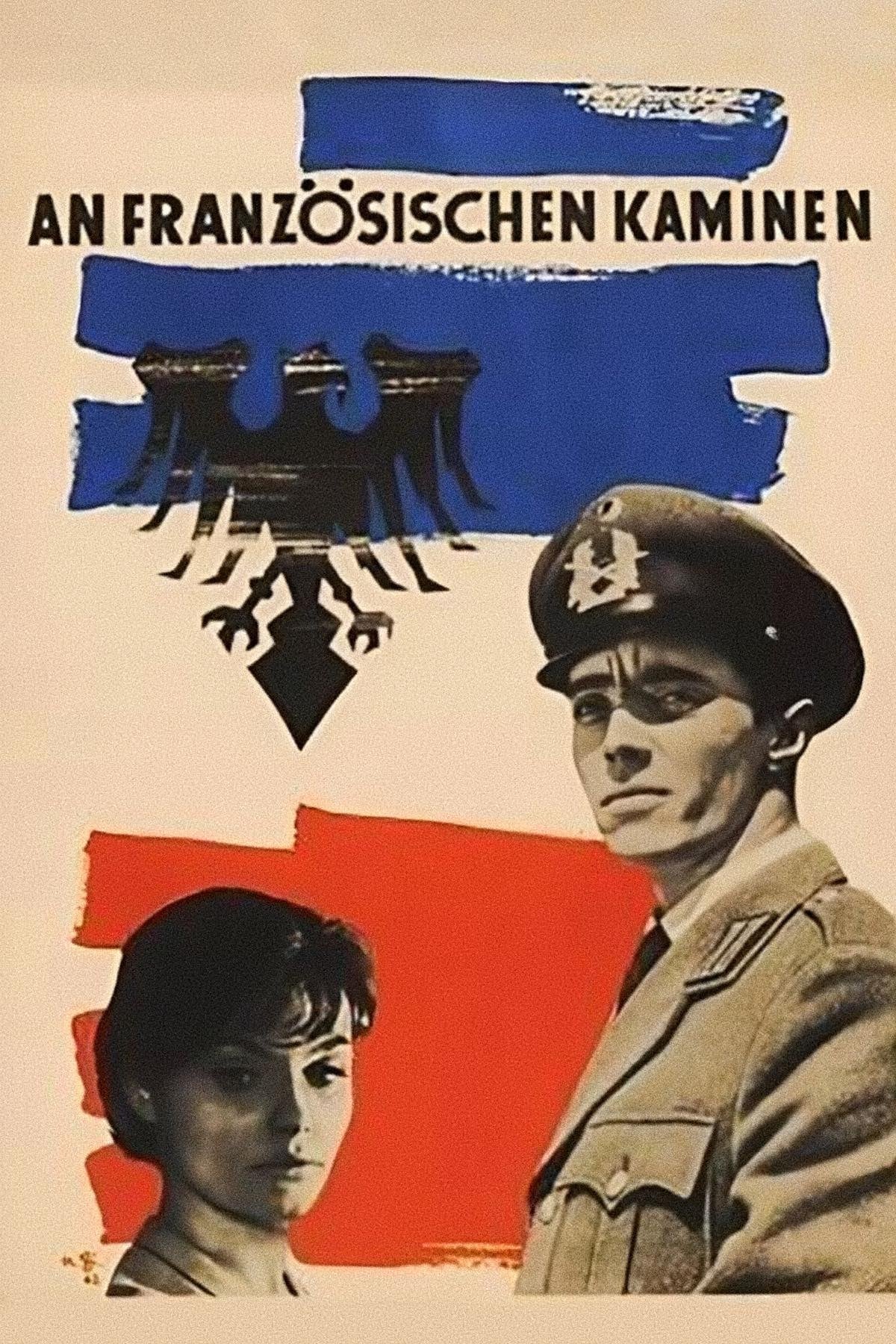
Bundeswehr soldier Klaus’ regiment is stationed in France, to take part in NATO maneuvers. The soldiers are ordered to be kind to the populace, since the West German High Command wishes the French to forget the atrocities that were committed during the Second World War. Klaus falls in love with Jeanne, the daughter of the local mayor. He discovers that his commanders intend to demolish the ruins of a local church, in which civilians were murdered by the German occupation forces at 1944. A local journalist who researches the event discovers that West German General Rucker ordered the massacre, but he is mysteriously murdered. Klaus defies his commanding officer Siebert, who instructs him to steal the documents indicting Rucker, and hands the evidence over to Jeanne.

A humorous and satirical comedy, which places a man from the year 2222 one day in the (then) present day life in GDR, East Germany under Communist regime. Using a crystal for mind reading he uncovers some improprieties and moral weaknesses in the "Beautiful future" professed by VEB ("Volkseigener Betrieb" – "State Owned Holdings").

A fairy-tale about a beautiful but very haughty princess Anna who cruelly mocks each of her suitors. Finally she is forced by the king to marry a beggar. The poor life, hard work and love teach the princess a lesson and turn her into a loving and kind person.
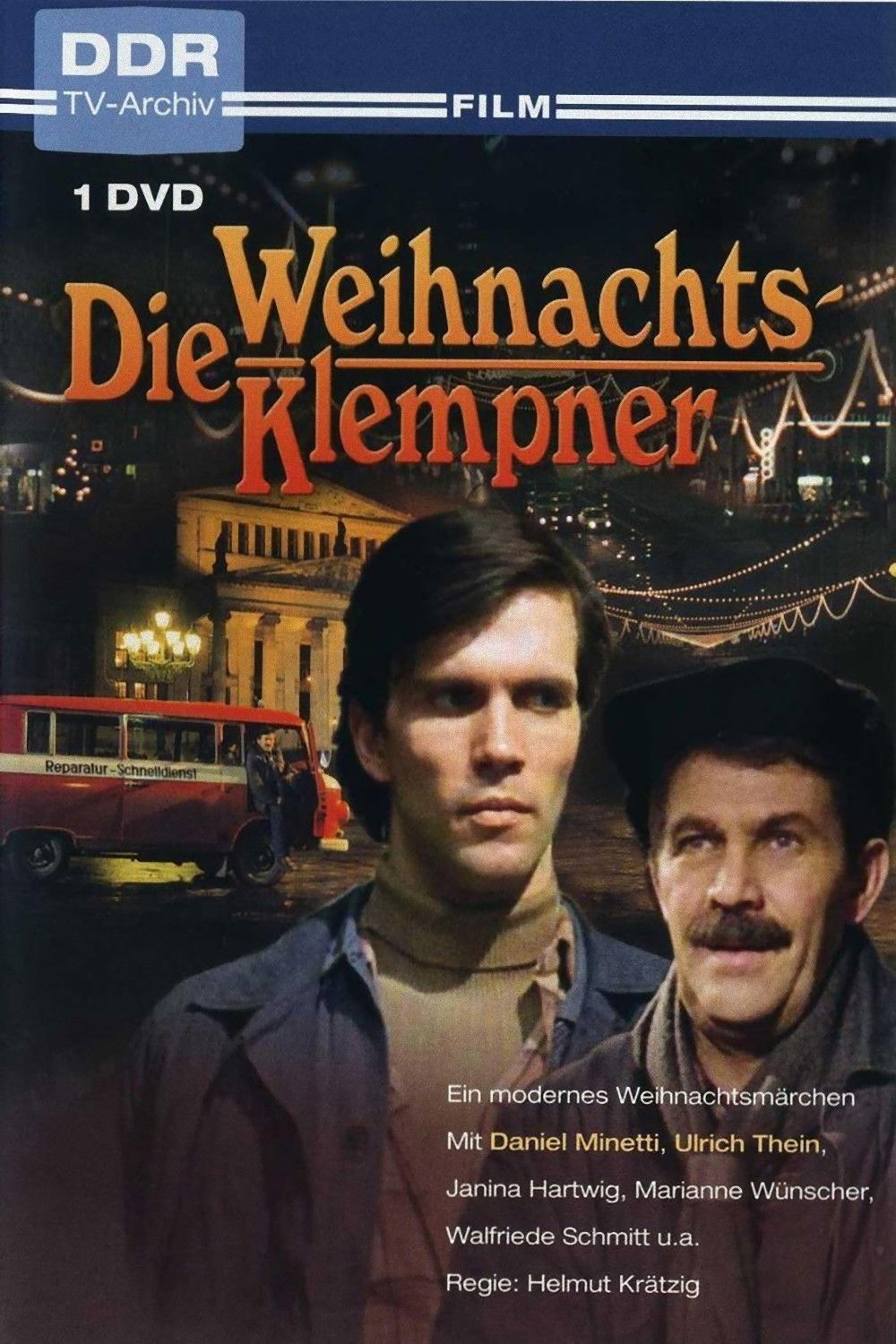
Plumber Martin and his younger colleague Frank are on call on Christmas Eve of all days. Frank's girlfriend Regina, who is expecting her first baby at any moment, is anything but thrilled. But it doesn't help, duty is duty. One emergency call follows another, but this evening it's not just broken water pipes that are waiting for the two plumbers...
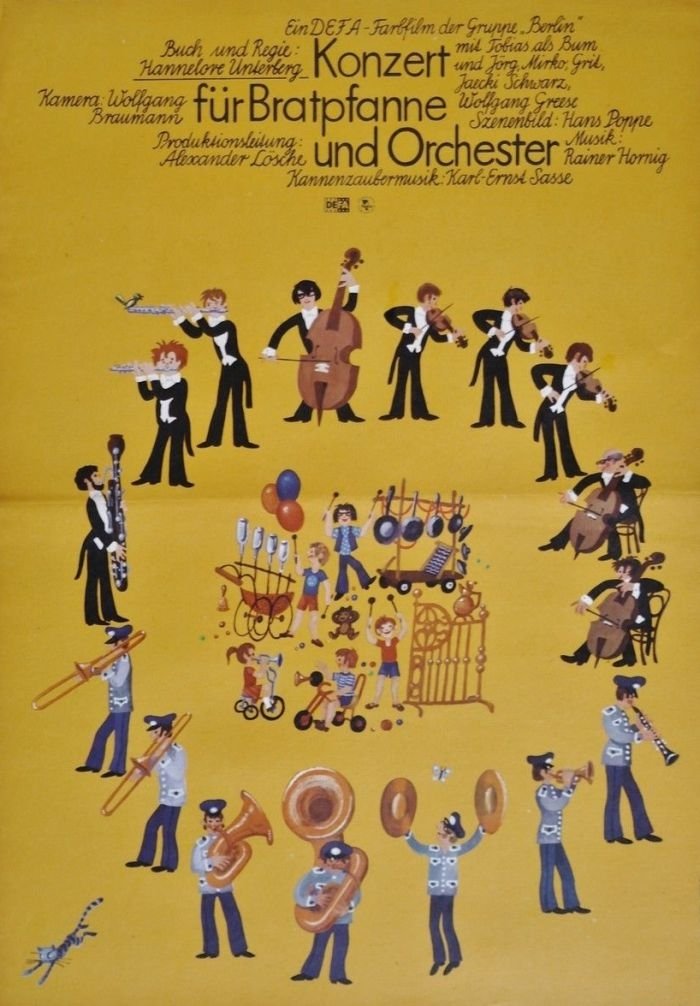
For the "Festival of good ideas" that is to take place in their residential quarter the musically enthusiastic young Bum wants to rehearse a music show along with his friends. With pans, cans, hooters and other junk they make music. Some adults get angry about that. Others like the second-hand dealer Dohlenei and Mr. Kling from the symphony orchestra help the children to make their fantastic idea come true.
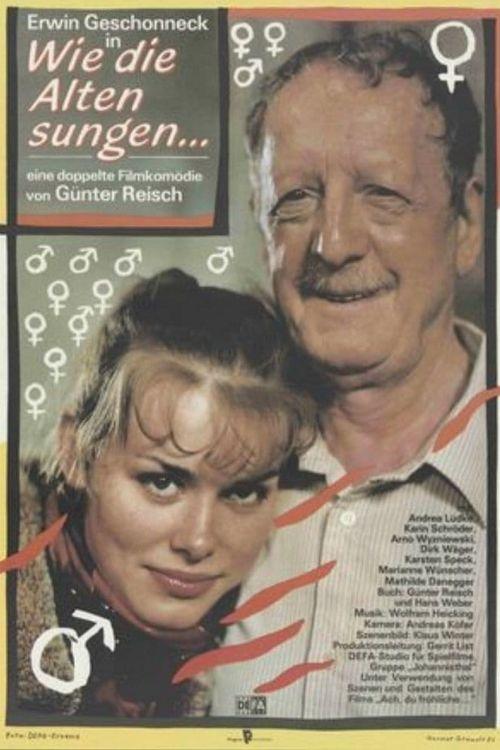
Grandpa Lörke is preparing for a contemplative, quiet Christmas Eve. But nothing comes of it, because his daughter Anne informs him that his 17-year-old granddaughter has disappeared.
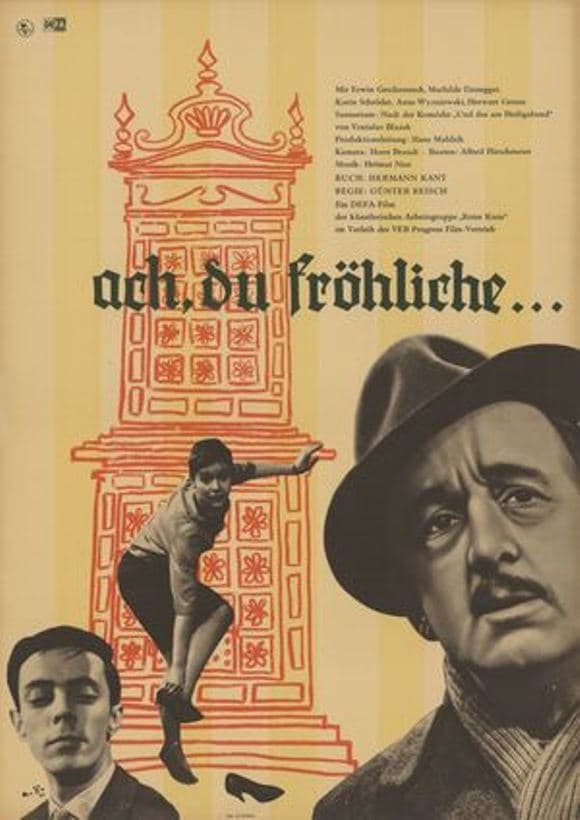
It was supposed to be a cozy Christmas evening with the family. Labor Director Walter Lörke was particularly looking forward to it. But then his daughter Anne surprised him with her future son-in-law Thomas Ostermann. And that's not all: Lörke is to become a grandfather. This doesn't suit him at all, especially as the young man clearly shows his critical attitude towards the state whose ideals Lörke has fought for all his life. An argument ensues - on Christmas Eve. Lörke leaves the apartment in a rage. But he is driven by unrest: He wants to know what kind of person his future son-in-law is and why he has such a negative attitude towards the state. It turns out that Thomas has had bitter experiences with the opportunistic attitudes of many adults and that, although he was the best student in his class, he was not admitted to university because of his critical opinions.

In the forests of the Ore Mountains, on the border with Bohemia, a gang of smugglers is up to mischief. Anyone who dares to oppose them is murdered in cold blood. The locals are paralyzed by fear of the ominous bush ghost that is said to be behind it all. Then a stranger turns up at the remote forester's lodge and begins investigating a murder that took place twenty years ago. Having become wealthy in the Alaskan gold fields, Arndt is now looking for the woman he once loved and whose perjury landed him in prison. The forester and the weaver Eduard Hauser help him with his investigations. But Hauser himself soon becomes the victim of a sinister intrigue. Fritz Seidelmann, an unscrupulous profiteer who is after Hauser's fiancée Angelika, lures him into a trap. Hauser is arrested as an alleged bush ghost. For the time being, Arndt can do nothing for him ...
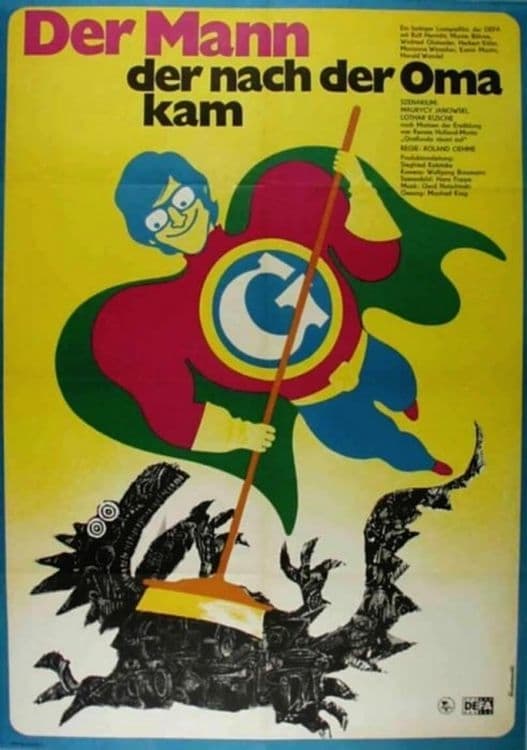
Günter and Gudrun Piesold are very busy with their careers as a TV comedian and an actress, so Grandma takes care of household chores and childcare. But when Grandma remarries, the Piesolds are faced with chaos at home and a burning question: Who will take care of the household?
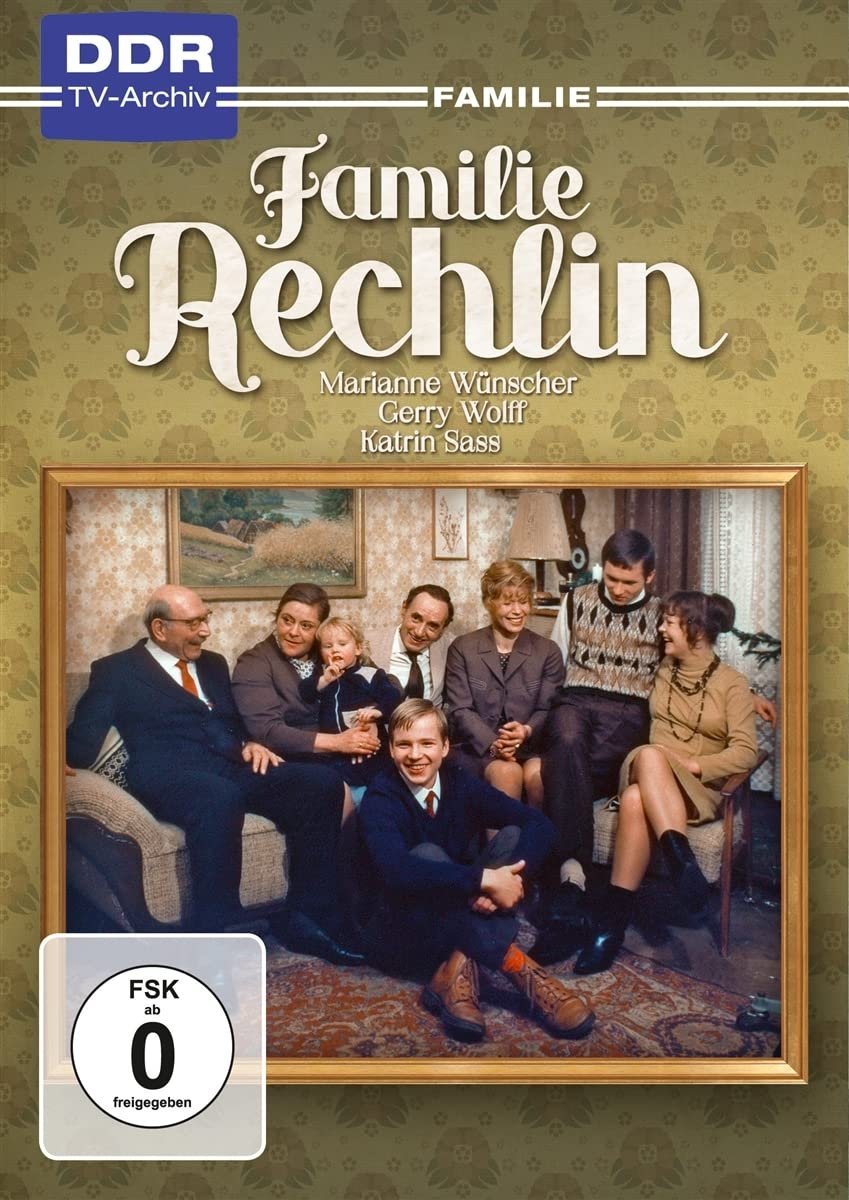
Berlin in the 60s. The construction of the Berlin Wall not only divides the city, but also separates the Rechlin family. While mother Ingelore lives with husband Hannes and the youngest son in the eastern part of the city, the young, married daughter Beate lives in West Berlin. Even when she gives birth to the first grandson, the newly baked grandma Ingelore cannot visit her. Travel permits are only issued one year later. But the formerly so tight family bond is burdened by the long separation. Son Bernd also avoids the rest of the family, as his new girlfriend has just been released from prison because of attempted "republic escape". And so Mother Ingelore almost has to watch her family shatter.

The Prince of Guastalla falls in love with the young citizen Emilia Galotti, who is soon to marry Count Appiani. In order to win Emilia, the prince tries to send the count on an "honorable" journey on his behalf with the help of his chamberlain Marinelli. However, after the Count refuses this offer, Marinelli decides to have the wedding carriage robbed on his own initiative in order to have Emilia abducted to the Prince's nearby pleasure palace. But he has not thought of the prince's mistress, Countess Orsina, and Emilia's shaken father Odoardo, both of whom soon arrive at the castle, one to meet the prince, the other to look after his daughter...

A Saturday evening dance in the village pub is interrupted when the barn of local farmer Paul Gäbler catches on fire. The farmer himself is soon found – hanged. Sawmill owner Züllich claims that Gäbler committed suicide because he was forced to join an agricultural production cooperative, but others are convinced Gäbler was murdered. Officers Schneider and Anders must navigate their way through a complex maze of personal and political motivations in order to reconstruct the crime.

In 1955, Michael Vierkant, a Jew who had emigrated during the Nazi era, returns from abroad to the Federal Republic of Germany to obtain the conviction of Korn, the former informer responsible for the murder of his sister. Korn is back in office; Michael's efforts remain unsuccessful. There is a direct confrontation between the two, and Michael shoots Korn in self-defense. He flees and is hidden by the young, reclusive artist Marie Jäger, but is then caught by the police and charged with premeditated murder. The case is taken out of the hands of the criminal investigation department by the Office for the Protection of the Constitution, which constructs an act of political revenge on behalf of the communists. Michael manages to escape from prison. Marie and her friends organize a press conference at which Michael reveals the connections. The trial is postponed.
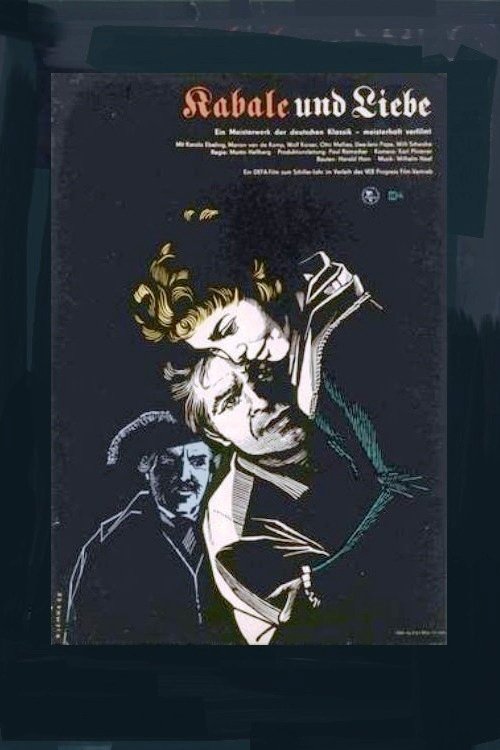
Ferdinand is an army major and son of President von Walter, while Luise Miller is the daughter of a middle-class musician. They fall in love with each other, but both their fathers urge them to end the affair.
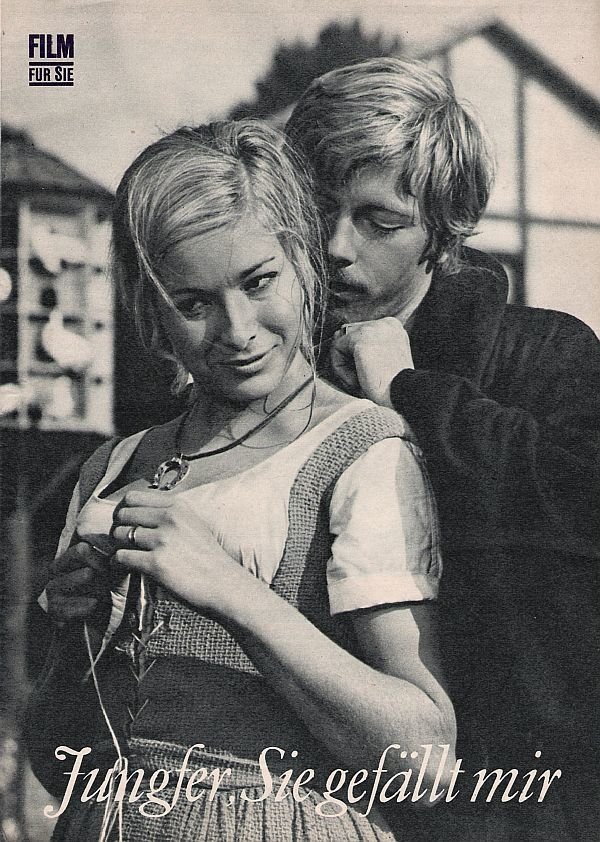
A Saxon village in 1792: While the Prussians go against France, the haymaking takes place in the village and the resolute Marthe catches her daughter Ev with the village blacksmith Ruprecht in the hay.

The story of a young, idealistic doctor and his on-the-job training as a rookie surgeon. Dr. Heiner Sommer moves to a small town in the GDR where he will complete his training under the senior physician, also named Dr. Sommer.

Mostly fictional episodes in the life of famous german social-critical painter Heinrich Zille.

This episodic comedy explores love in all its varieties.

A wild story set in eighteenth-century Prussia. Alexander can do everything that a real devil of a fellow must be able to do: ride, shoot, love and devise clever plots. As a result, he is able to climb the ladder from herder to chamber master, where he makes a fool of the feudal lords.
Berlin in the golden 20s. Like no other, the singer and cabaret artist Claire Waldoff found the right words for what the so-called “little people“ thought and felt. Her heartfelt songs with heart and snout triggered storms of enthusiasm and made Claire Waldoff famous. Kurt Tucholsky gave her the nickname "Sparrow of Berlin". With the beginning of the 1930s and the Nazi regime in Germany, the popularity of the Berlin original declined.
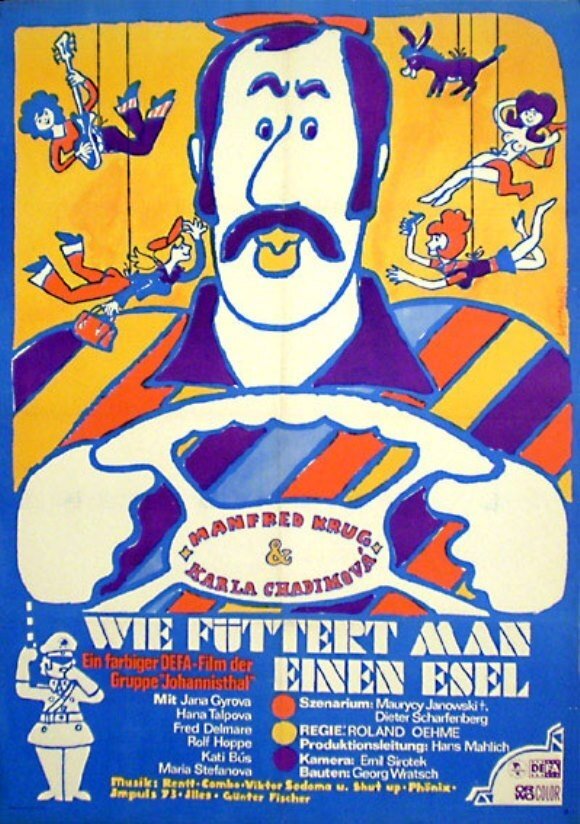
Due to his profession, Fred, an easy-going and charming long-haul truck-driver, sees a lot of the world. Along his routes he enjoys the company of a lot of girlfriends who sweeten his spare time. One day, he suffers an accident in Prague which puts his co-driver Orje out of action. The beautiful Hungarian Jana persuades him to make her his new co-driver and does her utmost to take care of the stressful job. The more time the uneven couple spends on the road together, the more Jana feels attracted to Fred.

The puppet boy Turli, who was only recently been carved from wood by the toymaker Kasimir, suddenly springs to life. Turli has nothing but nonsense on his mind and wreaks chaos everywhere he goes, although he is actually supposed to attend school.
Florian is the son an army general and very proud of him. When his father has to attend the annual 1st of May demonstration, Florian grabs his teddy bear and tries to follow his father.

After a fierce argument Steffi Zinn′s husband leaves the joint flat and stays away from home over night. The next morning, his wife Steffi has disappeared and is reported as a missing person. Captain Lohm takes over the case and at first looks for signs of a murder, but to no avail. Then, Steffi′s body is found in a lake. After her funeral, a stranger who had attended Steffi′s funeral for a short time is also found dead in a lake, and the connection between the two cases becomes apparent.
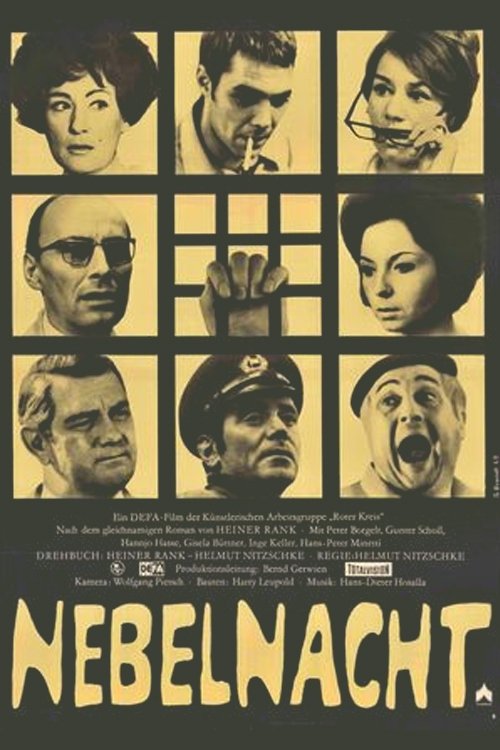
When a motorcyclist dies in an accident, lieutenant Kreutzer and his colleague Arnold receive the order to investigate the backgrounds of this mysterious case. Although the leads point to murder, head physician Dr. Nikolai, the driver of the car involved in the accident, maintains his innocence and even has an alibi. With a lot of arduous detail work, Kreutzer follows all leads and evidence. Both Nikolai’s colleagues and his son act suspiciously. Eventually, Kreutzer convicts the criminal who secretly used the physician’s car for his criminal dealings.

Laboratory technician Jutta and factory worker Peter have been a couple since the summer and are enjoying their time together. One day, Jutta realizes that she might be pregnant. The doctor doesn't want to make a preliminary diagnosis until Monday - and today is Friday. The weekend is a tough test for Jutta. How should she decide - for or against the child, should she get married, should she have an abortion? The encounters with Peter, her parents, her friend with the twins and her colleagues don't make it any easier. In the end, Jutta and Peter have to decide on their own.

Johann Gottfried Schadow is only in his early twenties when he is put in charge of the royal sculptor's workshop in Prussia's capital Berlin. He is supported in this position above all by the fair ladies.

From Martin Anderson Nexo's novel comes this loved story of a Swedish boy and his elderly father trying to make a better life for themselves in Denmark. A bleak future quickly becomes apparent when the two find employment on a farm full of misery.
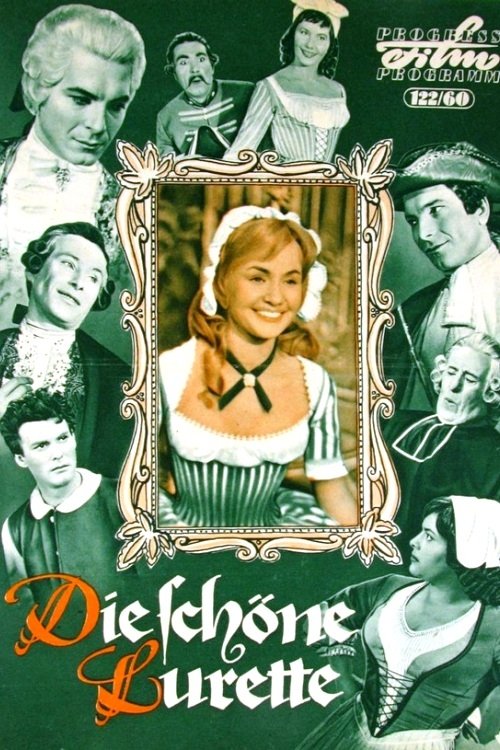
The beautiful and charming laundress Lurette is a well sought-after young woman in Ludwig XV’s Paris. Her heart is already taken, however, and she makes elaborate plans during Carnival to obtain the man she truly loves, the carpenter Campistrel. During her plans to make Campistrel jealous and recognize his love for her, she meets the Duke of Marly, who plans to make her his mistress. The unsuspecting Lurette finds herself caught in a love triangle, and her peer, Marcelline, must save the beautiful Lurette from these scandalous schemes.
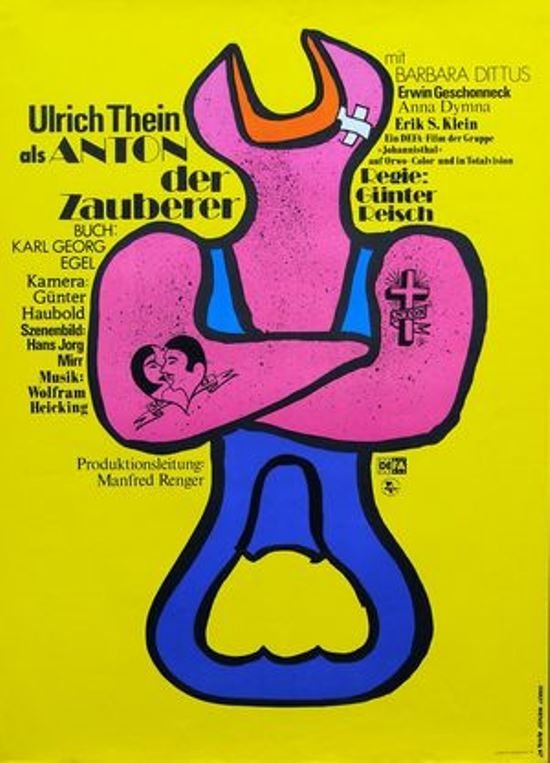
A flamboyant comedy about love, work and money—revealing that the "planned" economy produced some unconventional entrepreneurial methods.

Casanova spends his last years of life as a librarian of Count Waldstein at Dux Castle. He takes farewell to love, from life - grown old, from the happiness and favor of women abandoned. Lonely, intrigues and attacks, he writes his memoirs that later became world famous. As an ageing connoisseur, he takes up a delicate relationship with the laundry Sophie, who becomes a girlfriend, interested listener and critical conversation partner...

A story about a young boy nicknamed Moses who lives in Germany Democratic Republic.
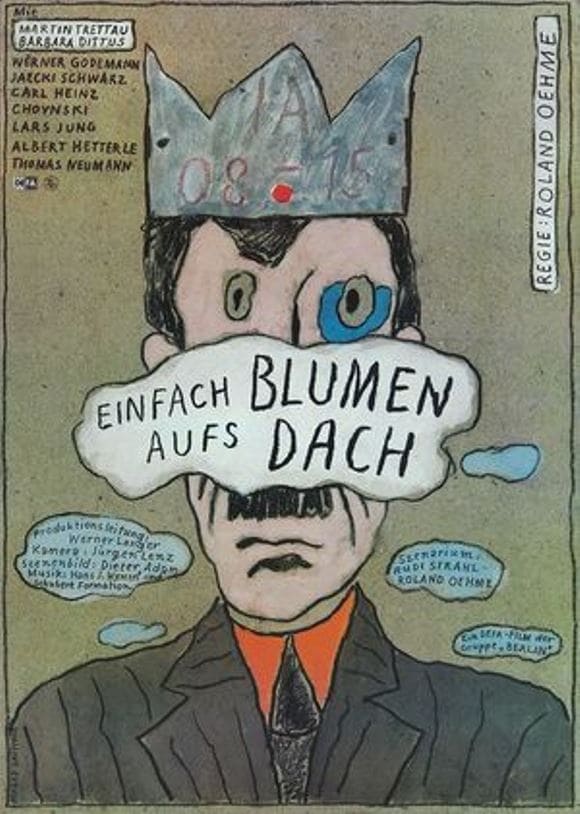
Mechanic Hannes Blaschke and his wife Maxi, who works as a bus driver, have just become happy parents of twins. Now they have a serious transportation problem: Their Trabant is far too small for the grown family that furthermore includes two sons and a dog. Thanks to the support of a state secretary and of his brigade, Hannes acquires a Tschaika – a limousine that is normally restricted to representational purposes – for a small price. Whereas Maxi views the state carriage only as a useful means of transportation, Hannes enjoys the unusual pre-emption he is receiving for the spectacular car. Hannes, who normally is just a humble guy, starts to grate his colleagues with his new affectations. Thus, they teach him an effective lesson: They decorate the state carriage with flowers and thus bring Hannes back down to earth in a humorous way.

In the nineteenth century, seventeen year old Effi Briest is married to the older Baron von Instetten and moves into a house that she believes has a ghost.

The widowed registrar Robert Zimmermann reconciles divorcing couples and finds happiness in love once again.

This film musical is a romantic comedy of mistaken identities set at the 10th World Festival in Berlin. Alexej from Moscow meets and is attracted to Mascha, right before he leaves for Berlin. Mascha also travels to Berlin to perform with her cultural ensemble. While there, she boards with the Krüger family, whose son Hans is attracted to her.

Dr. Gerd Thiessen, an experienced veterinarian, takes up a new job at a publicly owned manor. His research colleagues are less than thrilled about his ideas and modification proposals. Thus, the pretty and confident veterinarian Sabine Ladenbach becomes his only ally and soon they fall in love with each other. When Thiessen’s wife Eva notices that her husband is growing away from her, she starts to fight for him. Eventually, Thiessen realizes that Eva is the woman of his life, both privately and professionally. At the same time, he figures out that he needs the support of his team to achieve success in his field.
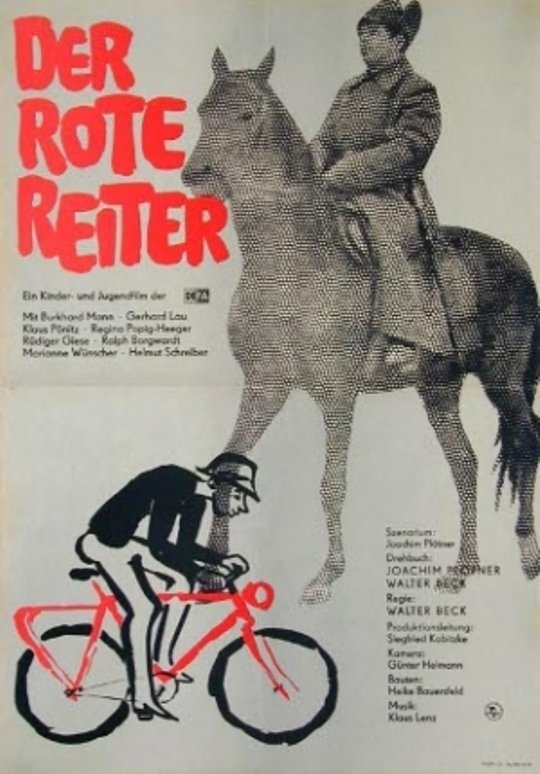
In 1920, Michael, the son of a German laboring man, decides to travel to Russia. As "red horseman" he wants to support the socialist revolution and fight for the welfare of the working class. The journey towards the east turns out to be both a big adventure and a severe ethical test for the young man. He has to escape the German Armed Forces and ends up at a traveling circus where he falls in love with Fanny, a dressage rider. He overcomes the temptation to stay with her at the circus and - after briefly joining a gang of teenage thieves - he eventually boards a ship heading east. Aboard the ship he finds out that the seamen are transporting weapons for the hostile members of the White Army.
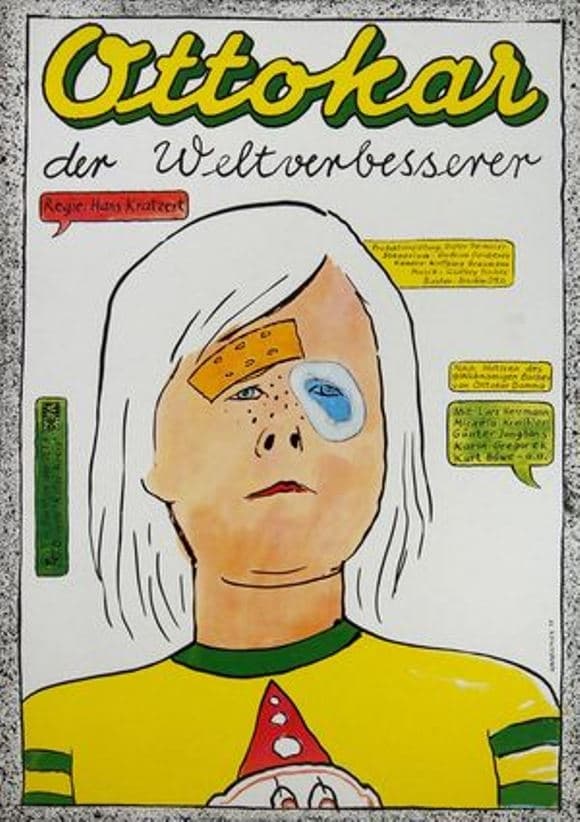
A funny story about fifth grader Ottokar who is always ready to fight for justice.

A film gala featuring a colorfully mixed program of musical numbers, along with the most popular artists of the GDR music, film and television scenes. The majority of the show is comprised of music performances, which are visually altered or transformed. Cabaret-style written contributions and one acts round out the program. Before each performance, the artists involved are seen in an everyday situation in their life.
Berlin, end of the 1920s. Young factory workers Hete and Paul are expecting a child. When first Paul and then Hete become unemployed, the two look for ways to terminate the pregnancy. Hete goes to a doctor, but he refuses to give her the necessary document for the abortion. As a result, Hete and Paul want to carry out the abortion themselves, using a stolen instrument. Fearing for Hete, Paul aborts the attempt. So Hete turns to an illegal abortionist, who sends the feverish girl away with a bottle of cyanide, which is supposed to help in small doses. Hete goes to her mother, who takes care of her and also gives her the cyanide drops. But Hete exceeds the dose.
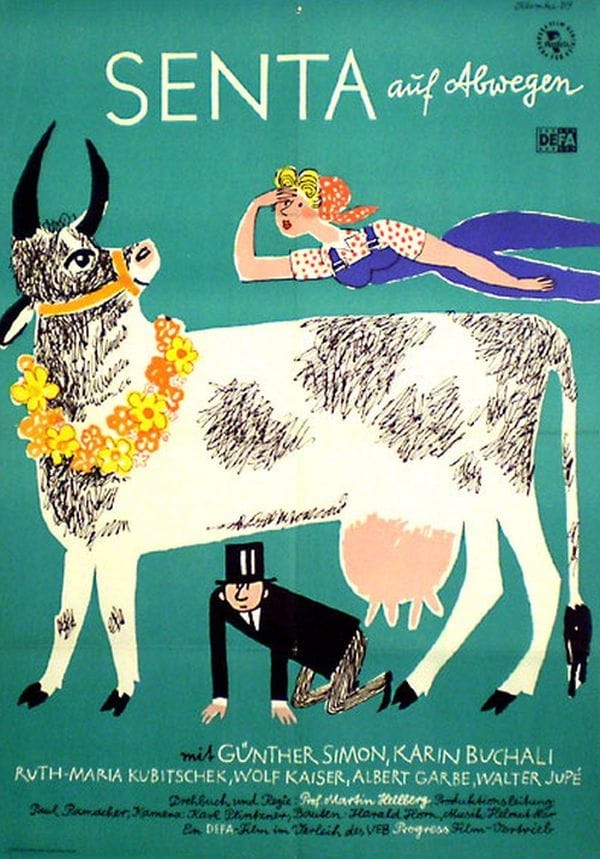
The magnificent cow Senta has escaped from an LPG. Matuschek, a single farmer, joins the search. However, the valuable animal is not found and is believed to have strayed across the border into Poland. Meanwhile, Senta is in Matuschek's barn. His maid Mathilde and neighbor Dattelmann have captured her and brought her there. Matuschek conceals a letter to Poland because of the supposedly border-crossing cow and is embarrassed when the cattle farmer Franze Flohr discovers the cow in his barn. Nevertheless, Matuschek and Franze become a couple who also become closer to the LPG.
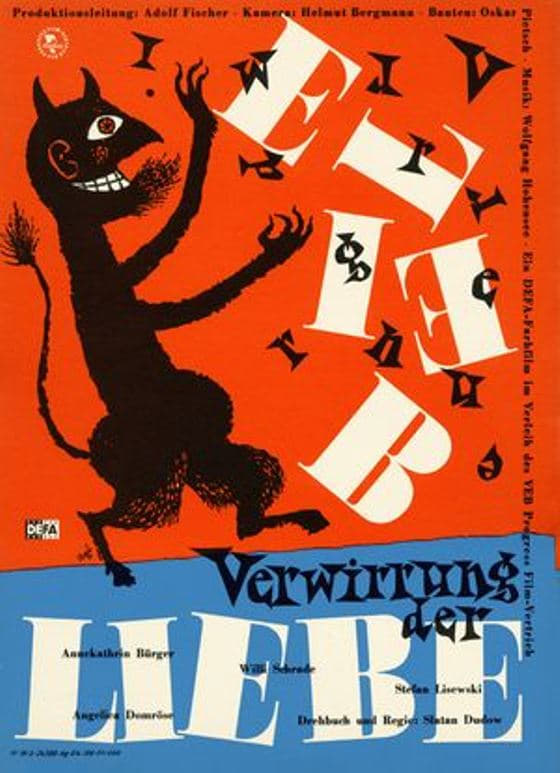
The film tells the love story of two young couples. According to their social ranks, construction worker Edy is dating employee Siegi, while medical student Dieter is dating art school student Sonja. Rather unintentionally, they exchange partners. During a carnival ball, Dieter makes out with Siegi because he falls for her her fresh and happy girlish manner. Sonja coolly observes this game and sees this intermezzo as a test for their relationship. While Siegi and Dieter vacation at the sea, Sonja falls in love with Edy. Now the die seems to be cast for new constellations. But when both couples stand in front of the registrar’s office, they finally come to their senses.
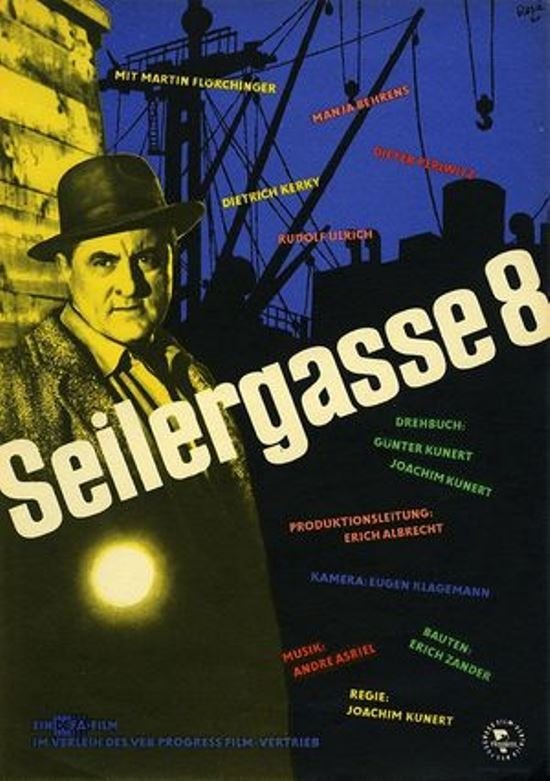
The young lady Lisa Gau probably took her own life at Seilergasse 8 in Rostock, at least that's what it looks like. Captain Schirding, who has been assigned to the case, sees things differently. Together with forensic scientist Kurt Lisowski, he investigates the case and soon discovers that Lisa was poisoned and is shocked when all the evidence points to his...
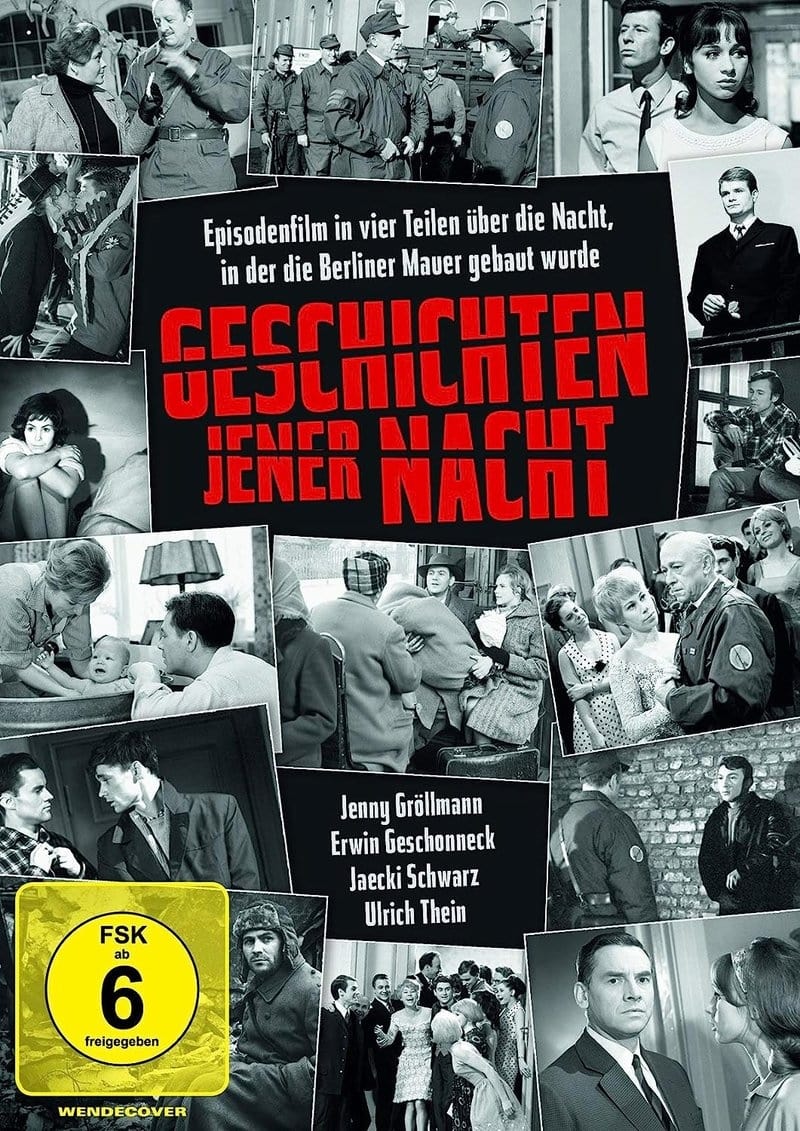
Four directors - four styles - four episodes, all relating the events of a single night which has entered the history books: August 12-13, 1961. There are thousands of complex narratives connected with the frontier drawn through the middle of Berlin, and each episode relates the story of a difficult decision made on that night...

The construction of five houses for a workers' housing cooperative has been delayed due to a shortage of workers. It is winter and it is foreseeable that the houses will be completed in the fall at the latest. However, this takes too long for the young electrician Gustav. He is frustrated and wants to finally live within his own four walls. So far, he and his wife Christl, a sales clerk, have been subletting from his parents-in-law. One day, he receives a visit from his Aunt Minne, who informs him that he has inherited an apartment building worth 12,000 marks from his deceased Aunt Erna. He rejoices, as a house is even better than an apartment and he no longer needs to be a member of the building cooperative. The house turns out to be a dilapidated old building with no furniture and no water or electricity. Christl refuses to move into the building and begs Gustav to turn down the inheritance.
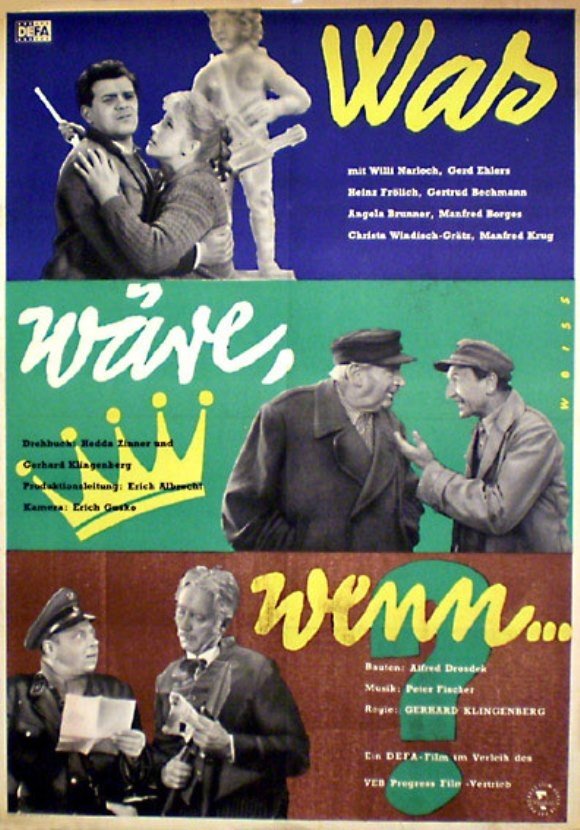
In the late 1950s, the collectivization of agriculture is in full swing in the East German village of Willshagen on the German-German border. Those in charge have to face many obstacles, especially from a large-scale farmer who is unwilling to join the co-op. All of a sudden, mysterious men in a fancy car appear in the village and show an interest in the rundown manor house. Gossip spreads quickly, and some villagers think there will be a re-parceling of properties and a land swap with West Germany. They assume everything will go back to how it used to be and even expect the count to return to his manor. In preparation, the situation in the village escalates at a fevered pitch.
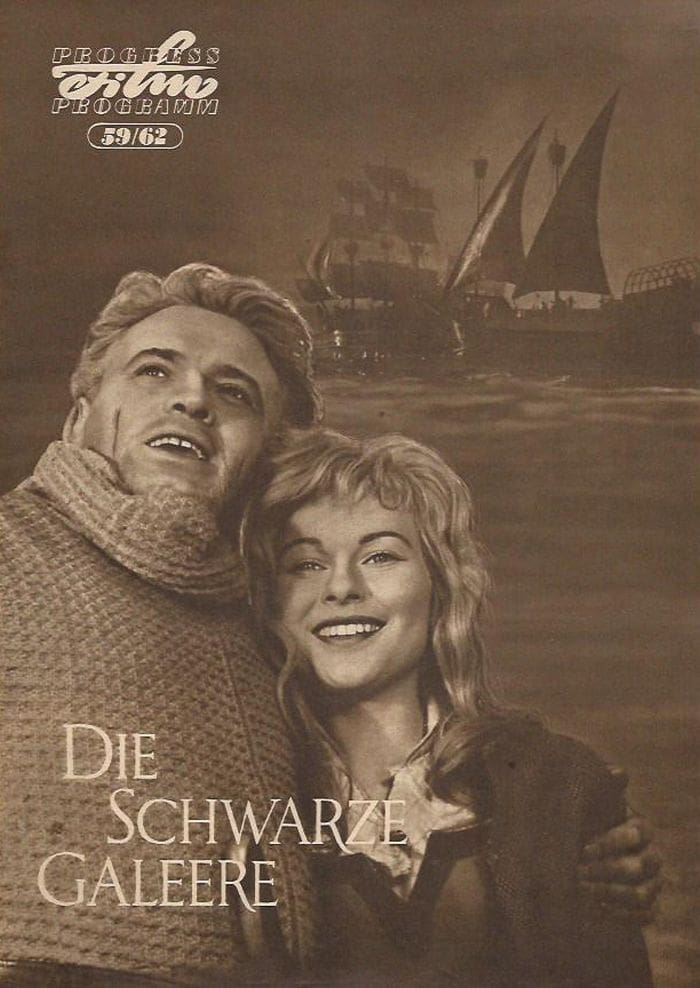
Antwerp at the end of the 16th century. For the second time, the city falls into the hands of the plundering and murdering Spaniards. Jan and Myga are just ten years old. While Myga's father tries to come to terms with the Spaniards, Jan leaves the occupied country with his father. When Jan has grown into a young man, he joins the Geusen and is entrusted with the best ship as helmsman, the "Black Galley". He survives numerous battles and dangers, but one day he is captured by the Spanish. He frees not only himself but also his beloved Myga from the hands of the enemy. In 1609, the Spaniards are forced to finally recognize the independence of the northern provinces.
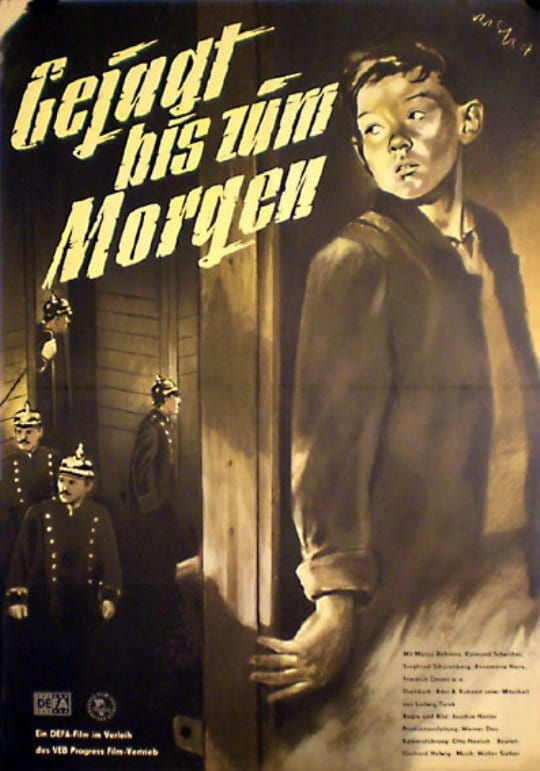
Drama about an impoverished family, a widowed mother and her two sons, trying to get by.
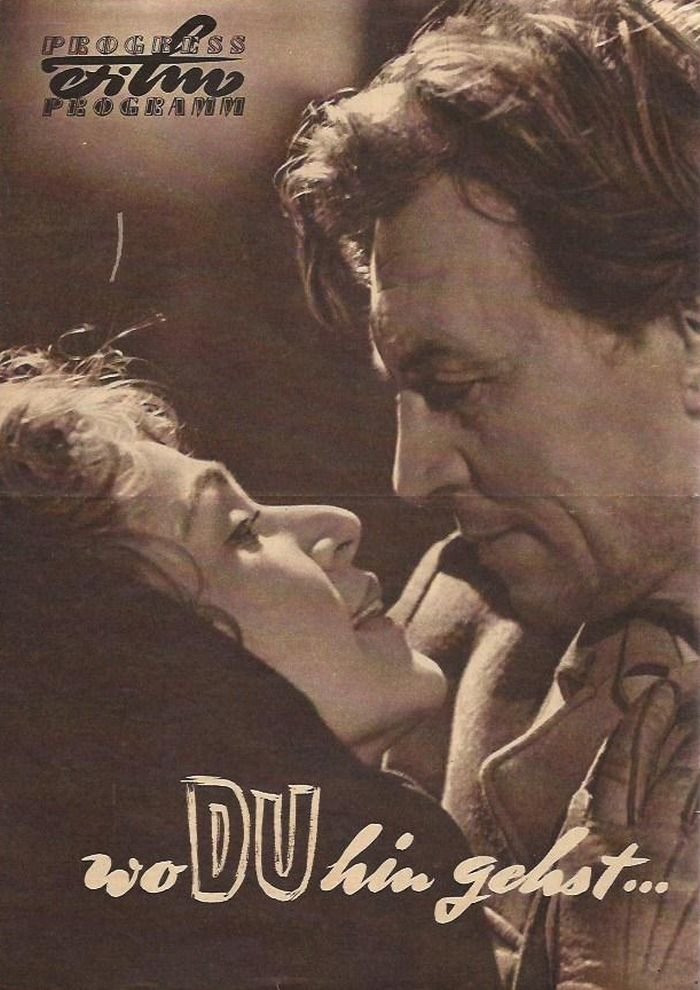
Berlin, 1936. Athletes and visitors from all over the world have come to the city to take part in the Olympic Games. Anti-Fascists use the opportunity to tell the foreign guests about the situation in Germany by distributing leaflets. Being cornered by the Gestapo, the wounded resistance fighter Jakob manages to go into hiding with the help of the Swiss doctor Thea. They fall in love with each other and when Jakob joins the International Brigades in Spain to fight against Franco, Thea follows him and becomes a dedicated fighter against Fascism. The enduring battle, however, keeps preventing them from becoming a real couple.
A child abduction story ordered by a non-custodial uncle with the background of the East/West-German separation.

At the end of the 1950s, the production of optics in the German Democratic Republic has reached top quality and instigates interest in the West. When national demand rises strongly and at the same time the export to South America heavily decreases, the Volkspolizei - the GDR police force - starts to look into the case. Two seemingly unrelated cases are the starting point for the investigation by second lieutenant Schellenberg of the department for optics racketeering: An old woman who was arrested in the Berlin city railway for trying to smuggle a pair of binoculars to West Berlin, and a dead person in an area of allotments who was involved in obscure dealings with optical devices.

Detlev, a single insurance clerk in his 30s, is kept dependent by his loving and caring mother and loses his girlfriend Karin as a result. Grief and an alcoholic chance acquaintance prompt him to place an ad for marriage. Detlev gets caught up in a whirlwind of friendships and love affairs: with the caring widow Karin; the well-to-do hair salon owner Ute Schöbel; the cultural editor Norma Goldbach, the photo reporter Kerstin and the student Andrea Binz. Detlev, who initially proves himself as a friend and advisor, but also as a lover, becomes increasingly self-confident. He is also successful in his work and finally emancipates himself from his mother. Although he loses "his" women in a turbulent odyssey, Detlev has transformed himself from a mama's boy into a thoroughly acceptable man.

Shortly before his retirement, Gustav Wanzka wants to return to his beloved profession as a teacher after years of working as a district school inspector. As soon as he arrives at the station, he meets the boy Norbert Kniep, his future pupil, who clearly surprises him with his questions. He wants to encourage the pupil, who is considered uncomfortable to the teachers but is very gifted in mathematics. With his highly personal views on educational goals, Wanzka stands in stark contrast to his teaching staff. Any innovations and even positive conflicts are nipped in the bud, and thus the pupils are ultimately educated to mediocrity.
In spring 1957 Budapest, former lovers Sándor and Mónika reunite after 16 years at a street‐corner café. Their conversation flashes back to 1941, when Hungary joined WWII under Horthy and eight fresh teacher‐graduates, including Sándor and Mónika, vowed lifelong solidarity. War and shifting politics fracture their bond and force each to choose a path through turbulent decades. The drama echoes the 1956 uprising: participants seeking reform are branded “counter‐revolutionaries,” denounced by steadfast communists like László, who scorns defectors such as Béla for “dishonouring socialism and the people.”
A film about the experiences of a cab driver who drives a young, heavily pregnant woman who has collapsed in a store to hospital. The encounters during the subsequent search for the future father so that he can take the expectant mother's things to the hospital are shown. The GDR leadership argued that the film should be banned.

Rome at the time of the persecution of Christians: Androclus, a poor tailor, frees a lion in the forest from terrible pain caused by a thorn in his paw. The two meet again by chance when the devout Christian is about to be thrown to wild animals in the arena. The lion spares him with gratitude, but the real danger for Androklus comes from another direction.
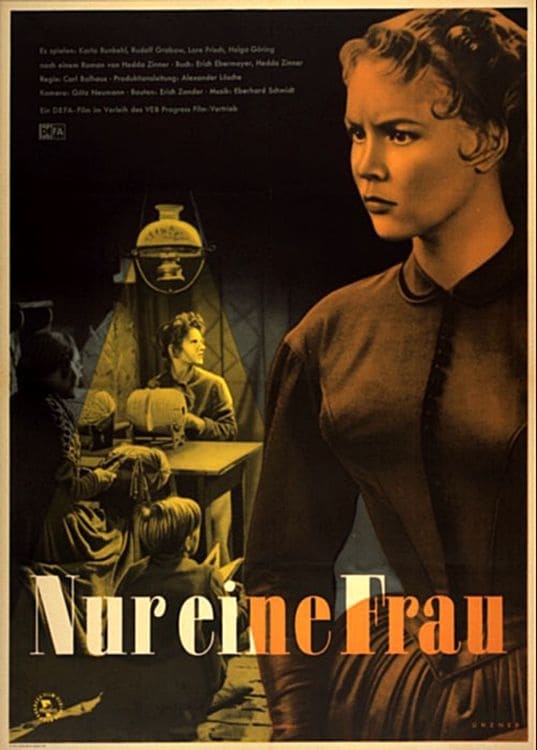
The film tells the life story of Louise Otto Peters, who in the middle of the XIX century in Germany for the first time raised a voice of protest against the unfair treatment of women and their labor. She created the first "women's newspaper" in Germany. The daughter of a famous lawyer, Louise could have easily arranged her life by marrying the wealthy Baron Rodern. But she chose a different purpose in life - to fight for equal rights for women. Through her articles and public speeches, she won the authority and respect of ordinary people.
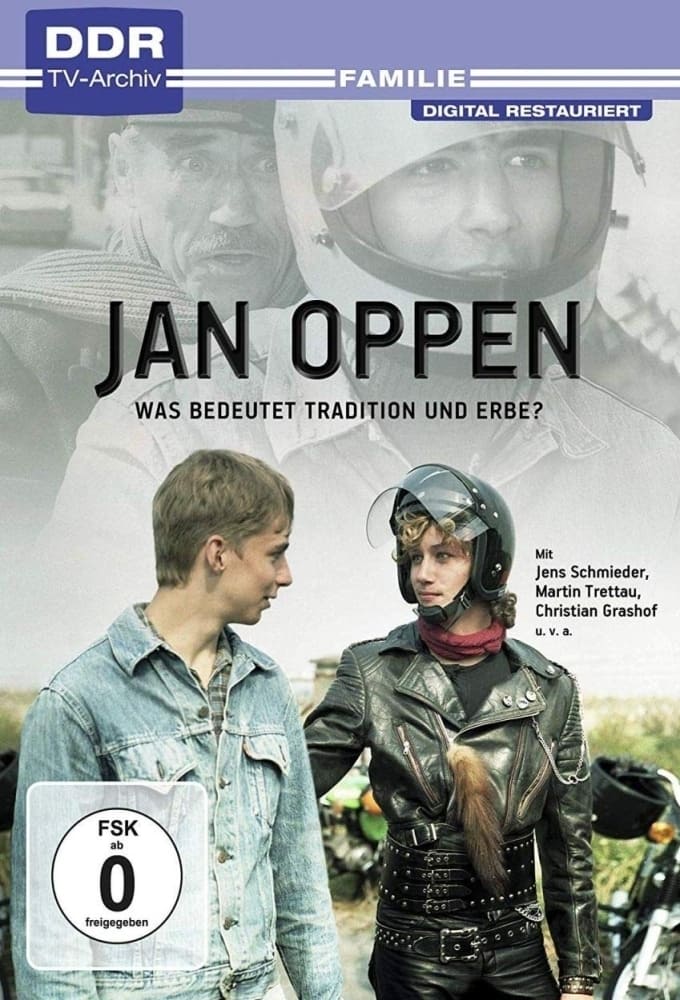
The Oppen family has lived in Berlin, Griesener Straße, for generations. The first names of the family members are also repeated, so the grandson Jan has the same first name as his grandfather. The Oppens' husbands have maintained a tradition up to now: they were or are all carpenters. But the latter does not yet fall on fertile ground with 16-year-old Jan, whose passion is the moped, his "machine". Of course, he is a newcomer among the motorcycle fans around the black Jonny, but he loves to be in their company to experience adventures, and of course he wants to be able to "keep up" with them. Jan has already developed a strategy for how he can do this.
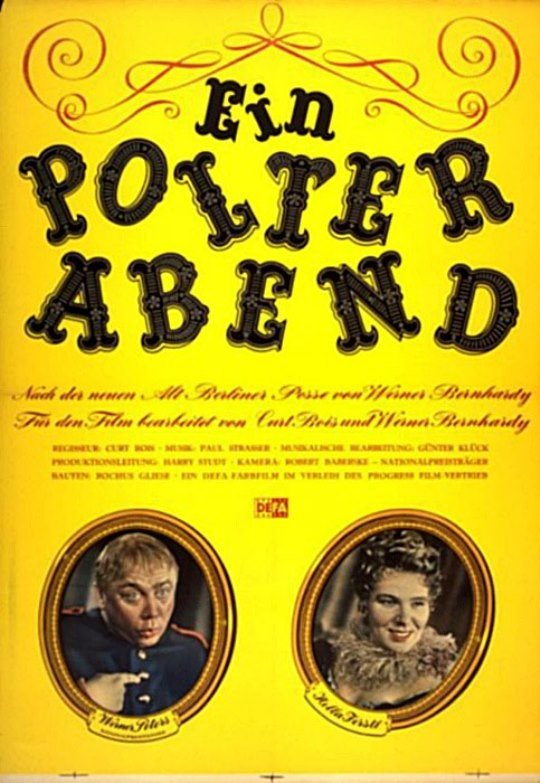
Berlin 1849: The democrat Adolf Glasbrenner, known as Brennglas, publishes the political satire magazine "Phosphor" on a shoestring budget. He plans to marry his lover, the actress Adele Peroni. But the plan comes to a standstill when Adele is to make a guest appearance at the reactionary Royal Prussian Playhouse. A democratic journalist marrying a court actress? Impossible! Together with his friend Pulecke, Brennglas tries to disrupt Adele's performance with a bachelor party...