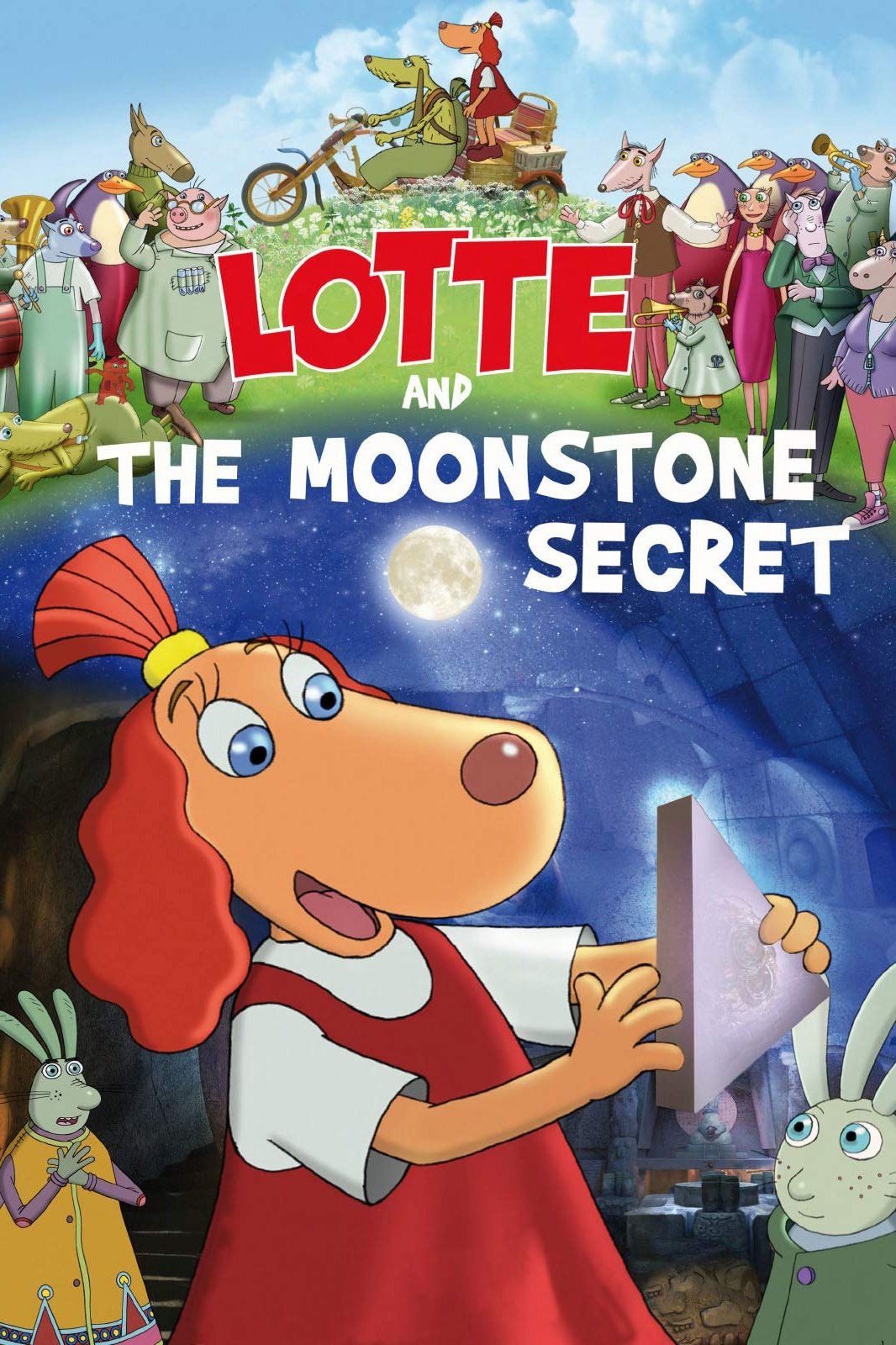
Plucky young Lotte embarks on an adventure with her uncle Klaus to solve the mystery of three stones that a pair of hooded figures are attempting to retrieve.
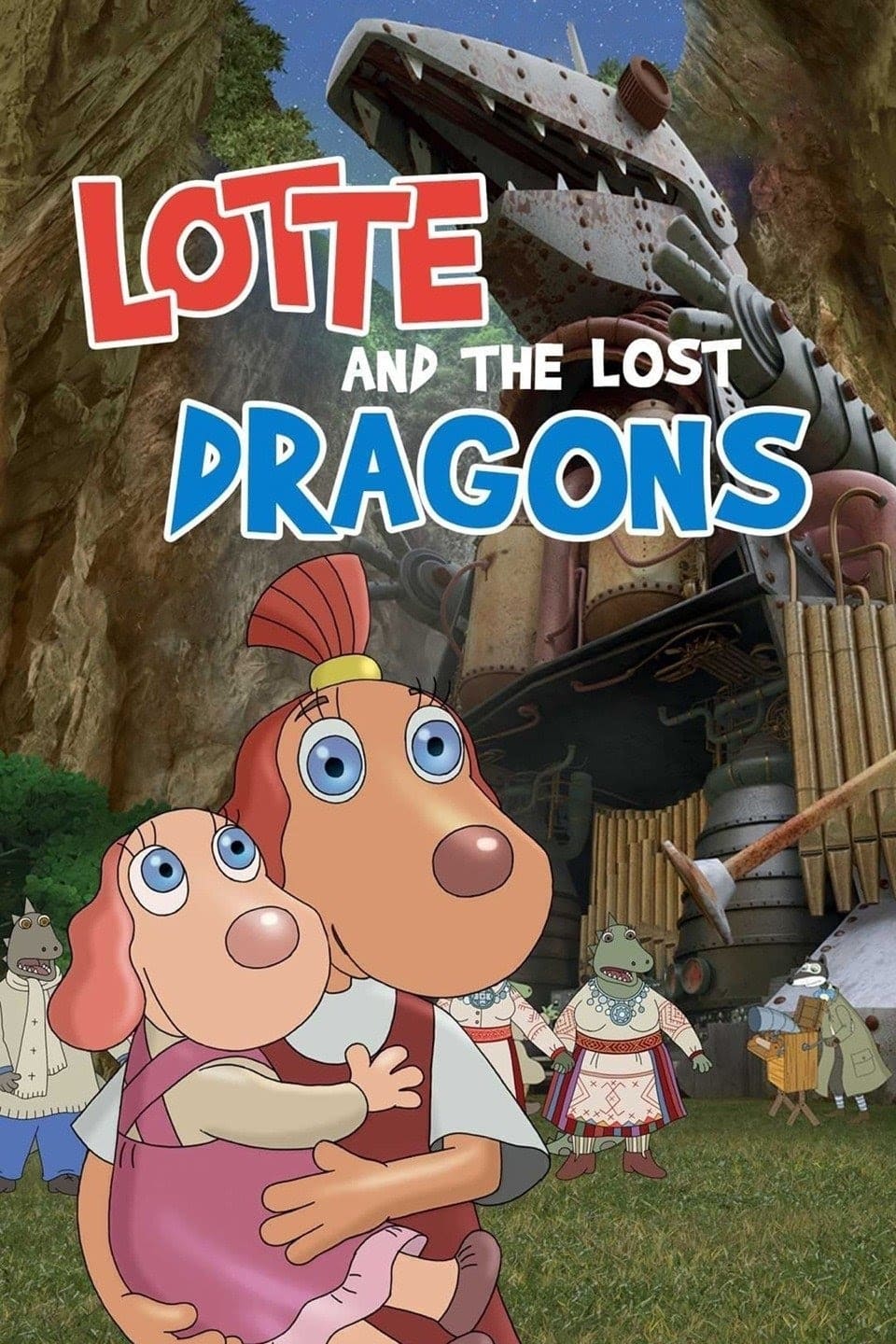
Lotte gets a little sister named Roosi. Two scientists Karl and Viktor come to Gadgetville, they are taking part in a big folk song collecting competition. Whoever succeeds in recording the folk song of the world’s oldest animal species, wins the competition’s grand prize. Lotte and Roosi decide to help the scientists. Exciting and unexpected adventures await the sisters.
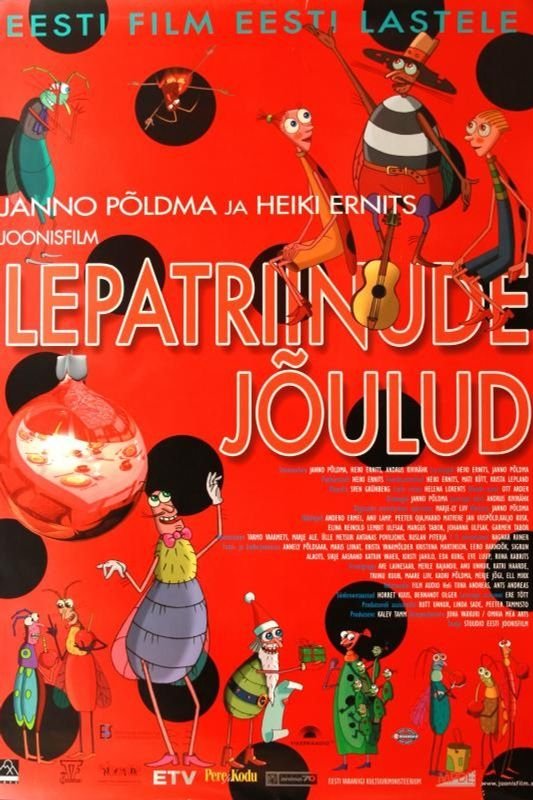
Two young ladybirds Tim and Mia are unexpectedly taken into a human family’s house together with a Christmas tree on Christmas Eve. Tim and Mia set about seeking the way back to the forest.
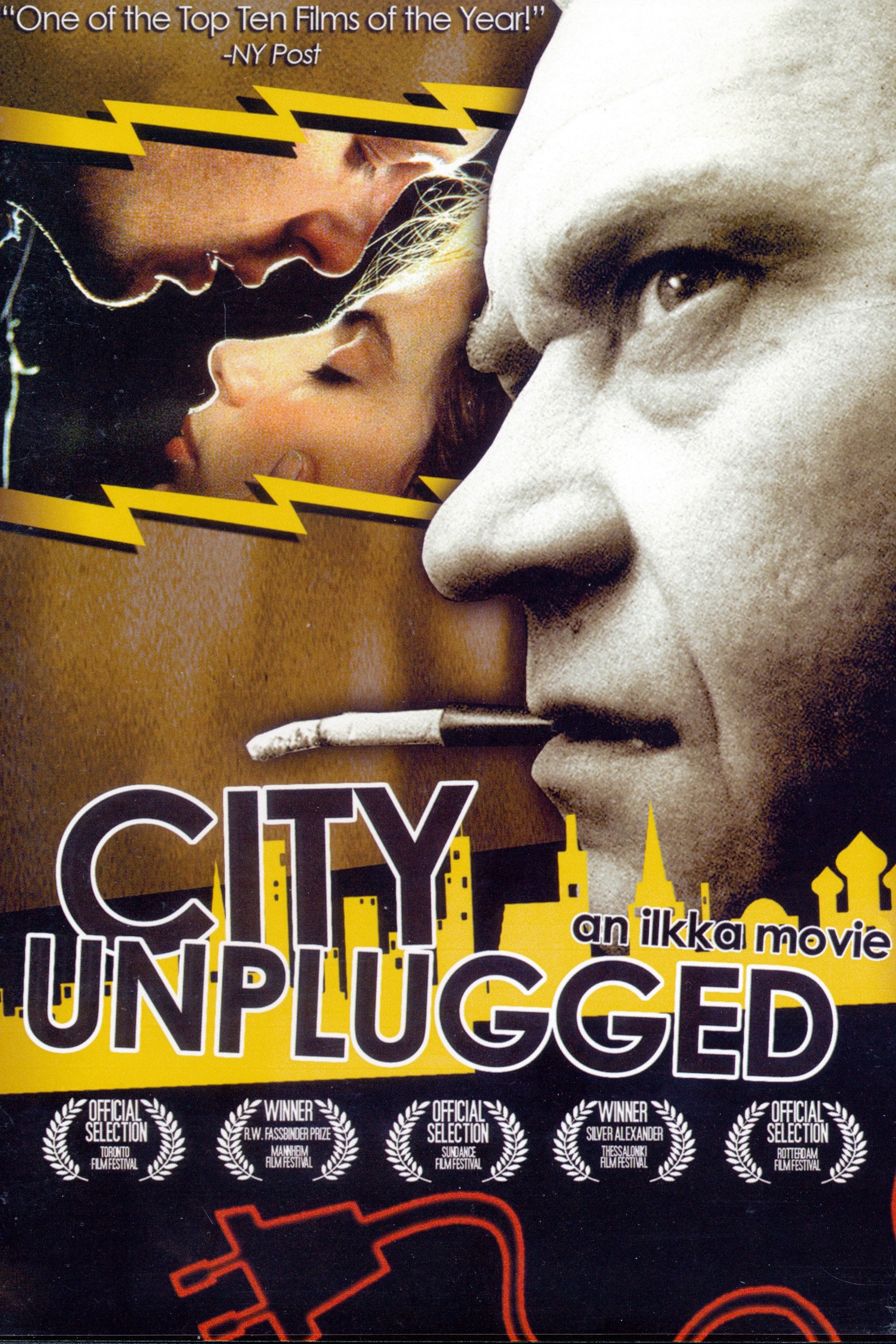
In August, 1991, Estonia reclaims its independence from the USSR and brings to its national bank nearly $1 billion in gold bullion hidden in Paris for 50 years. Russian mobsters have a bold plan to hijack the gold after shutting down the capital's power at midnight
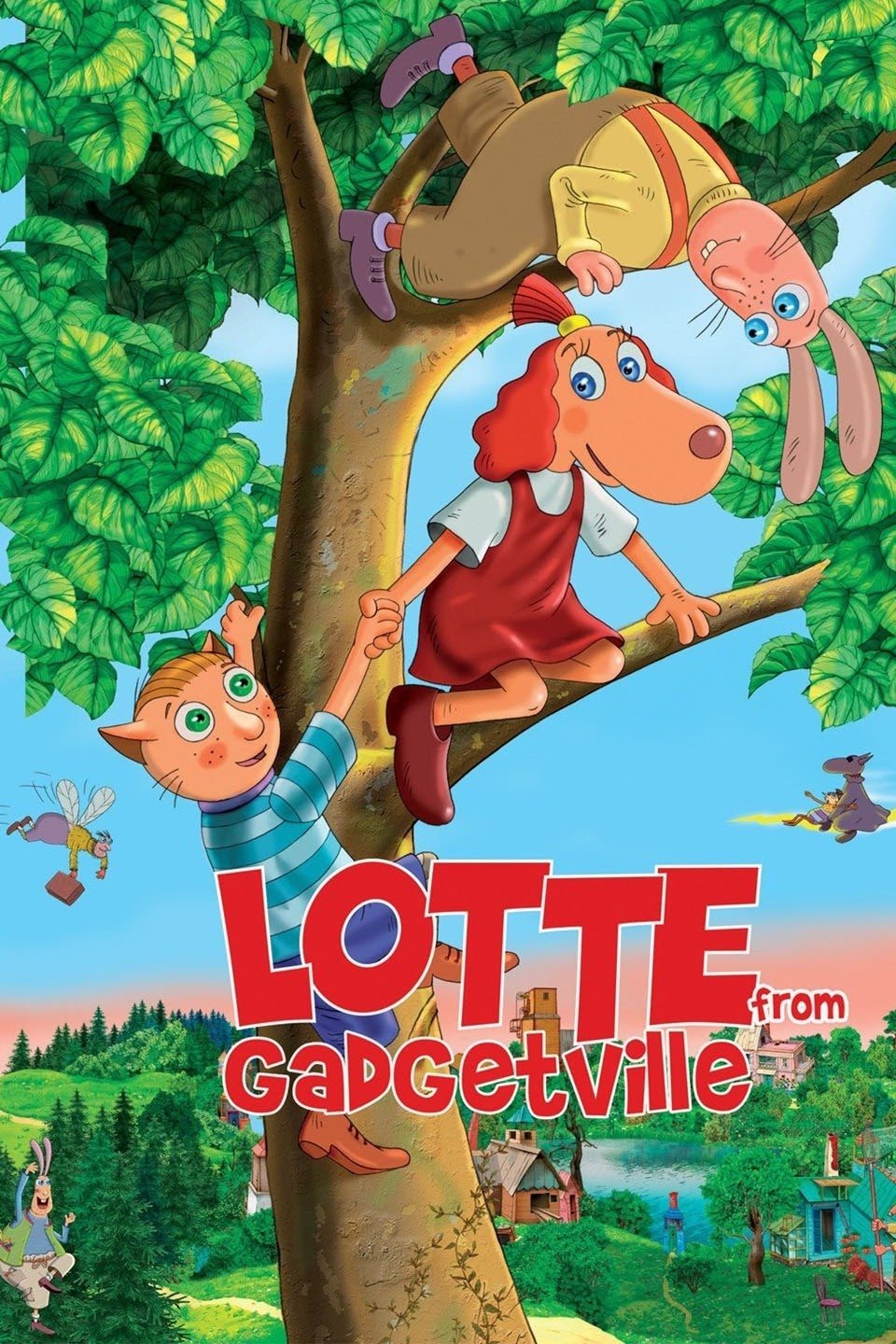
Somewhere in Europe by a great sea stands a small village, where inventing all manner of domestic gadgets is held in great esteem. Every year the villagers organize an annual competition of new inventions. One of the best inventors in the village is Oskar, Lotte's father. His primary rival is Adalbert, whose wife also partakes in the competition. On the eve of the next competition, Lotte and her friend Bruno find a book soaked in the sea, from which Susumu, a gardener from distant Japan, climbs out. Susumu teaches the villagers some judo throws before a big judo competition, which the latter will eagerly use to facilitate their daily lives.

“Landscape with Many Moons“ is a drama about a middle-aged man who lives a seemingly ordinary life with his wife and children. The truth is, however, that their relationship has reached a dead end but they prefer the illusory decorations of living together to the free fall into emptiness. The man gallivants around between his previous and current relationships without knowing exactly what to do with them. Living on the edge starts to overburden his nervous system and as a result, actual reality and dream-like reality blend together and it becomes ever harder to distinguish between what is real and what is not.
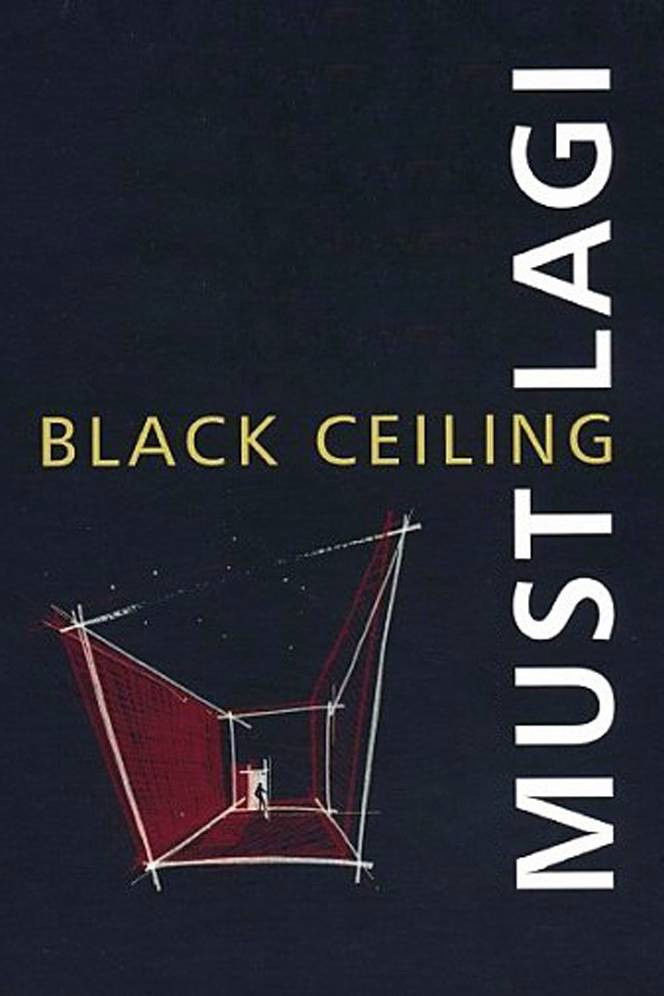
Seven leading animation artists chose one poem from each Estonian poet according to their own taste and illustrated it with a two- to three-minute cartoon. Leading actors of the Estonian theater and cinema, as well as the authors of the poems themselves, took part in the dubbing.