
After returning from a concentration camp, Susanne finds a traumatized ex-soldier living in her apartment in bombed out Berlin. Together the two try to move past their experiences during WWII.
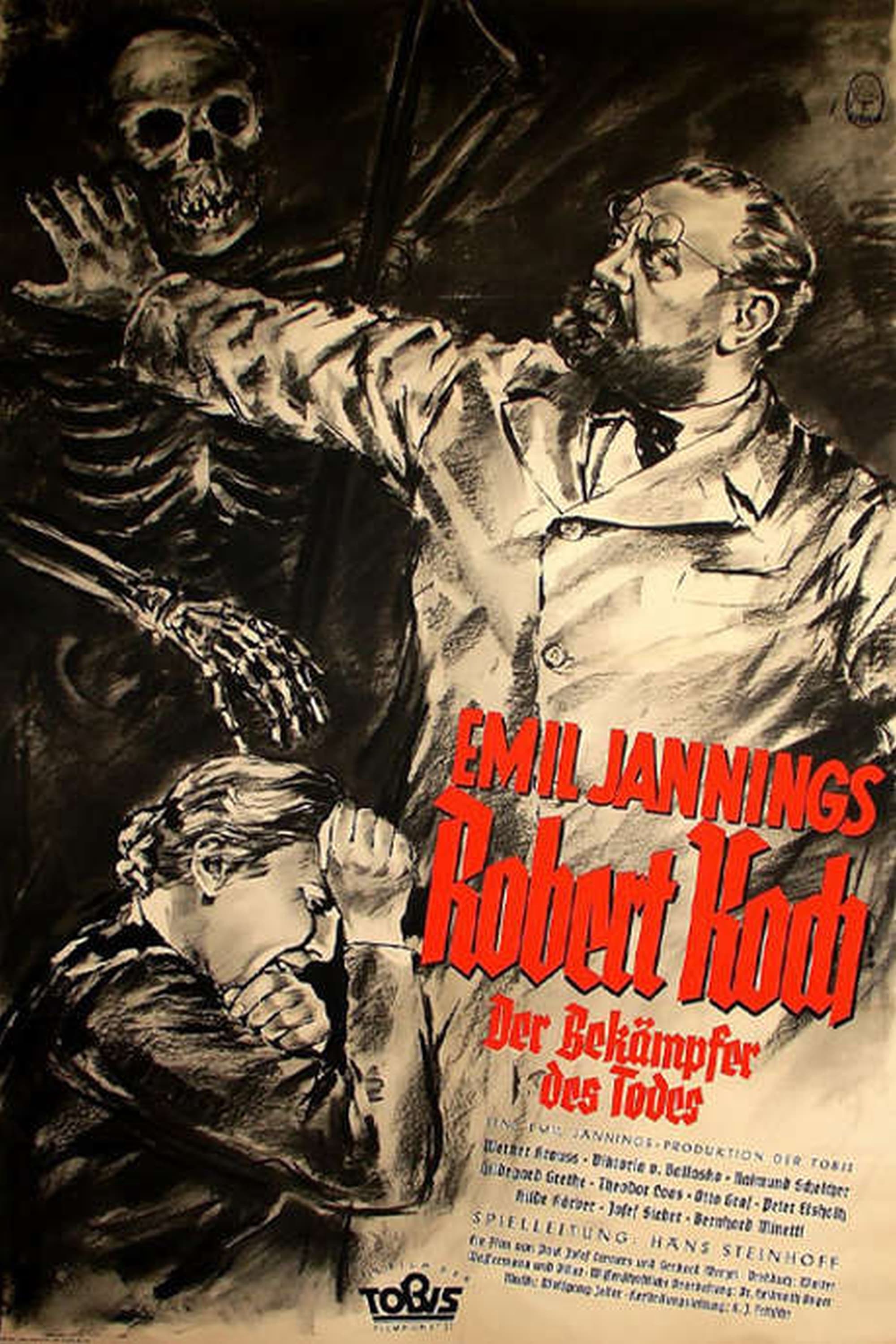
Country Dr. Robert Koch is desperate: a tuberculosis epidemic is decimating the children in his district and no one is able to do anything about it. Every fourth child is already sick and the parents must helplessly watch as their young ones die. Now Koch is undertaking to find the cause of the tuberculosis --- something he has already been working on for years --- which has been causing this plague of illness. His work is made more difficult by envy; for example, that of his teacher, who was wounded defending his honor. But his greatest obstacle is the famous Berliner scientist and Reichstag deputy, Privy Councilor Rudolf Virchow: He is extraordinarily skeptical of Koch's theory, that the cause for tuberculosis is a bacteria.

A biographical film of Otto von Bismarck, the Prime Minister of Prussia, and how he and his policies - including aggressive war - helped to unite Germany.
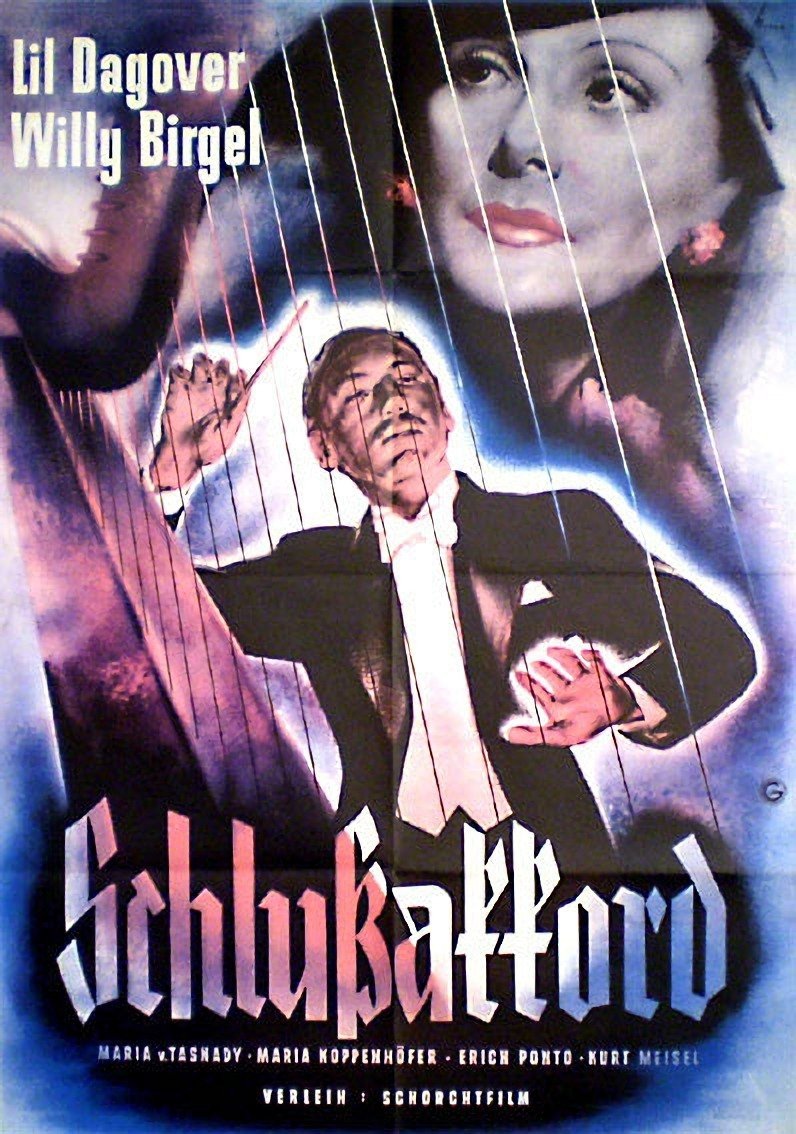
After her husband dies, a German woman who gave up her infant for adoption to emigrate to America returns to Germany, discovering that her child is being raised by a married orchestra conductor.
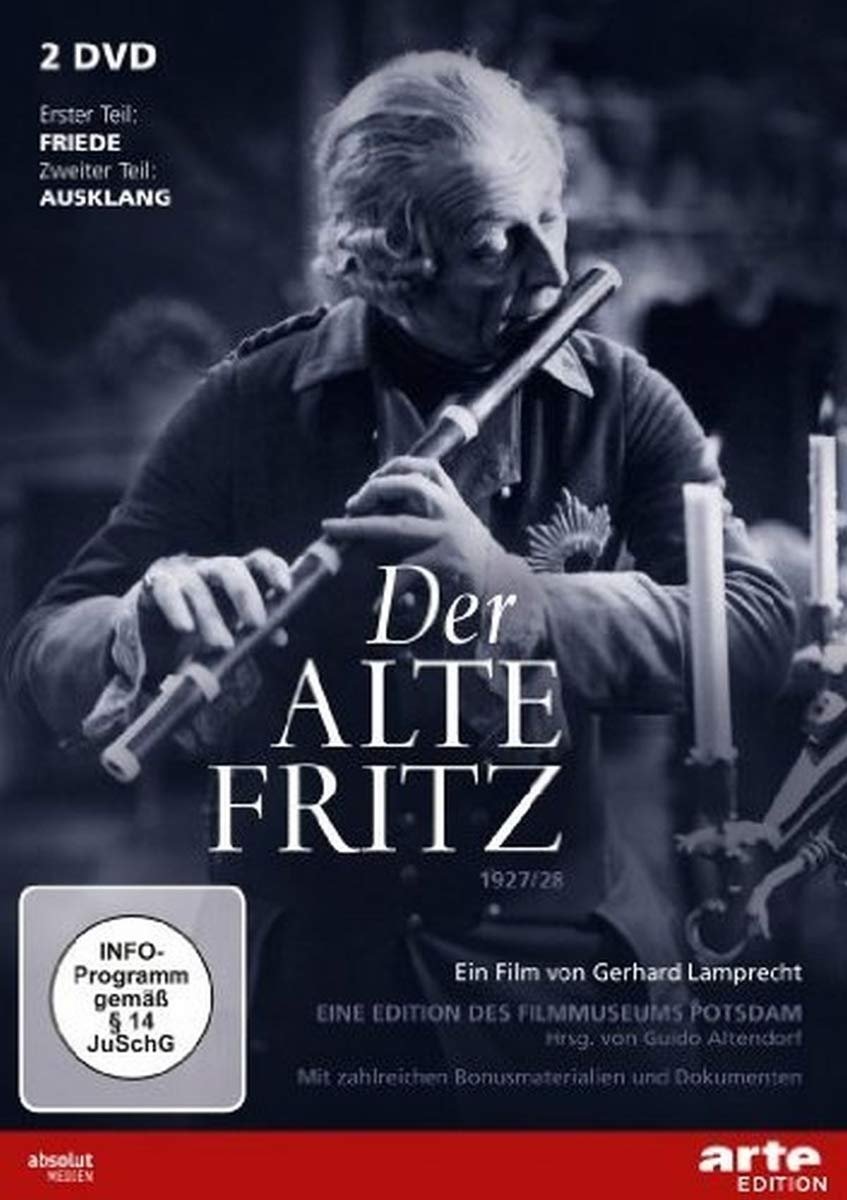
Silent epic on the final years of Frederick II.

They meet on the plane from Dakar to Casablanca: the well-known American defense lawyer Vandegrift, his daughter Jessie and the arrested Peter Roland, who allegedly kidnapped and murdered the famous film child Binnie Casilla in Stockford in 1928. Vandegrift, convinced of Roland's innocence, decides to represent the man at his upcoming sensational trial. But just as public opinion is increasingly questioning Roland's guilt, he testifies under pressure from prosecutor Adams. Now only Binnie herself can save the young man, but the search for her has so far been in vain...

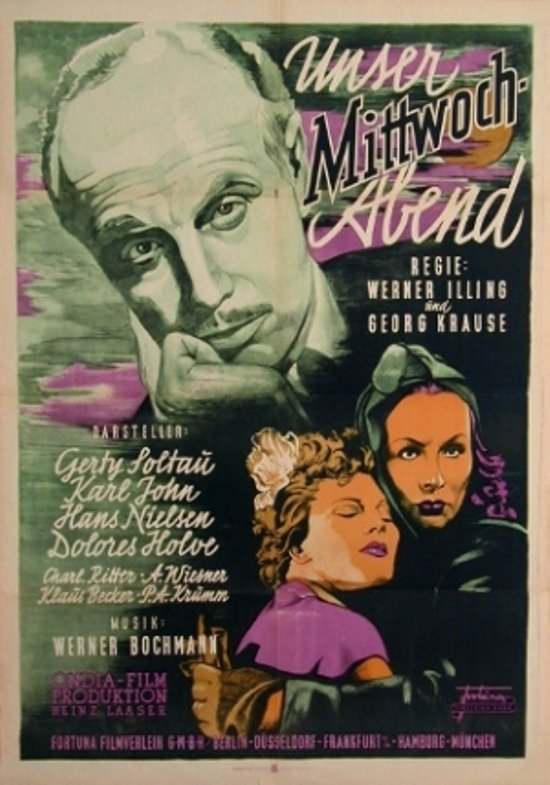
Berlin, early post-war period. Several friends meet every Wednesday evening to escape the gray monotony of the city and their lives. They are a diverse group of characters with very different destinies. There is, for example, young Grita, who is gradually beginning to separate from her husband Georg because he is becoming increasingly addicted to gambling. She finds new love with the engineer Erik. But the young refugee girl Henny has also fallen in love with the handsome engineer.
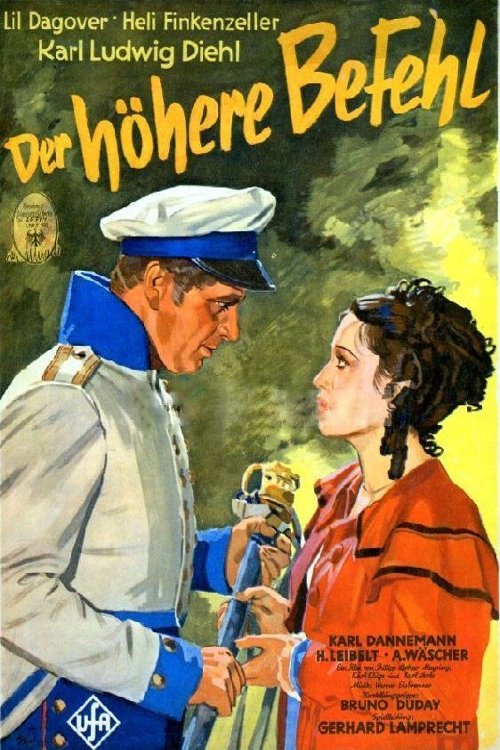
A Prussian commander disobeys orders and goes to find a British envoy who can negotiate a pact with Austria to help fight off Napoleon in 1806.
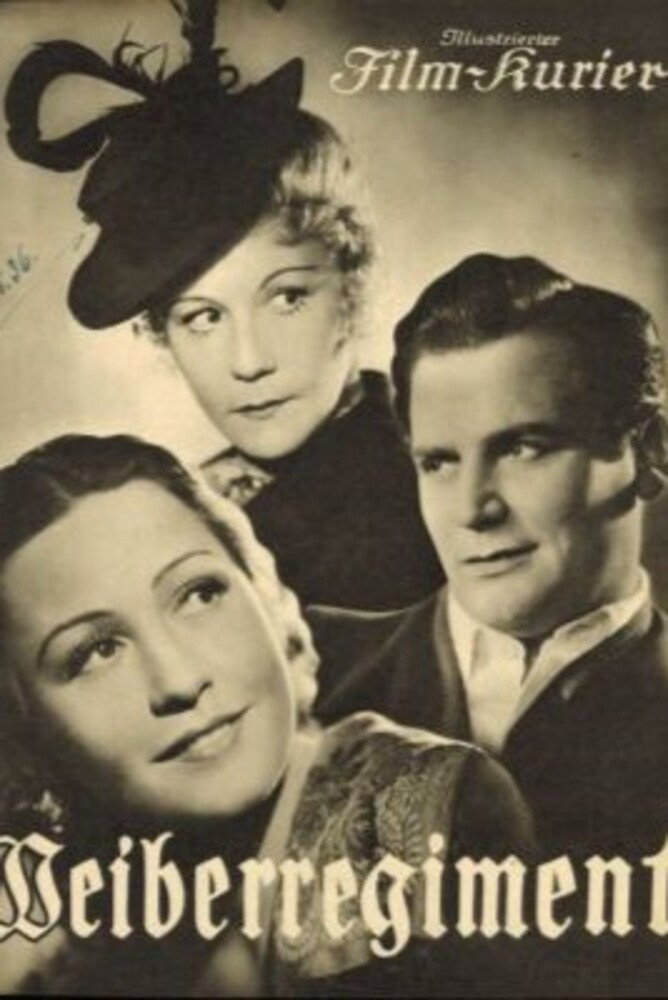
In Bavaria's snowy mountains, a battle of the sexes develops over the Rosl family brewery which a conniving relative sets up for staffing entirely by women. The moral is, as with reproduction, society needs both genders to get the job done.
Peter Kolle, a low-level clerk, and his wife Sabine have a happy marriage, but Peter lacks the necessary funds. Therefore, he secretly works on his invention at a friend's house at night. When his wife finds out, she angrily leaves their apartment and travels to Berlin to see her brother Alphons, to whom Peter had promised at their wedding that he would give up on the invention and to whom he had therefore given all the paperwork. Soon, they both long for each other again: Sabine travels home, Peter to Berlin. And eventually, they meet.
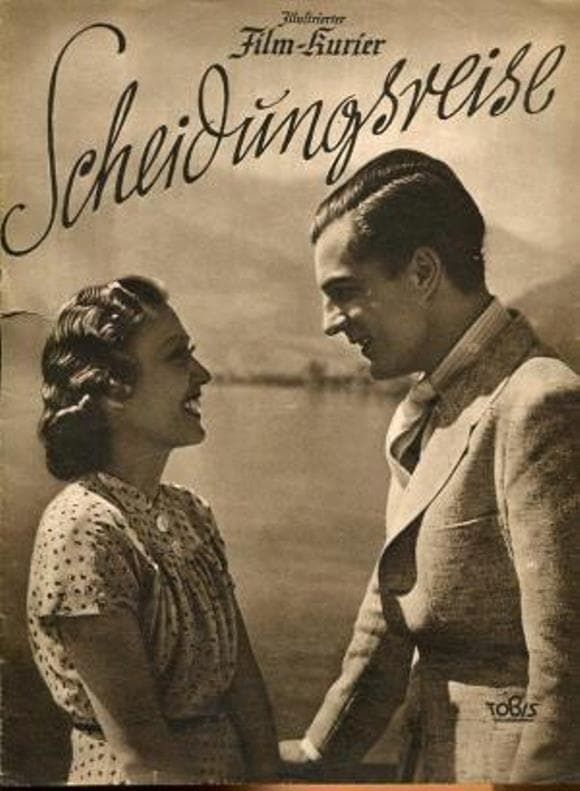
On their wedding night, the very night Dr. Delius and his wife Marianne had been so eagerly anticipating, a heated argument erupted between the newlyweds. Marianne's loyal dachshund took its protective instincts a little too seriously, constantly thwarting every attempt Delius made to get closer. This led to a fierce debate, culminating in the couple's immediate decision to file for divorce.
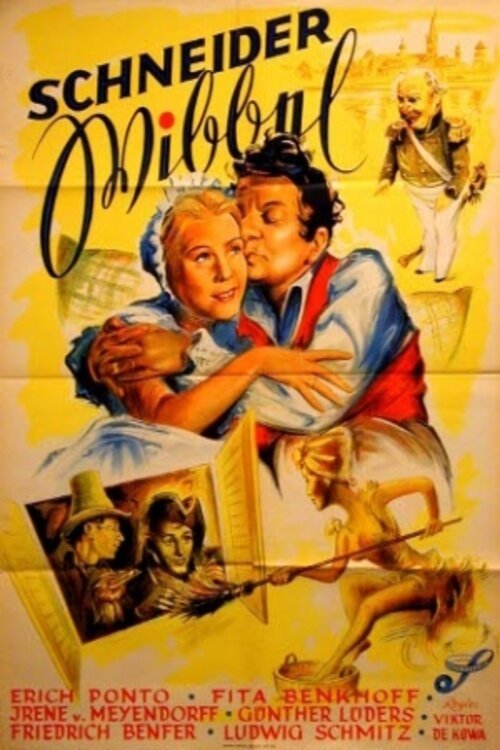
During the Napoleonic occupation of the German states in 1812, a tailor by the name of Anton Wibbel is sentenced to sit in jail for insulting the Emperor. The tailor manages to get out of this by paying off a friend to go to prison in his place. But then, the "phony" prisoner suddenly dies in his cell and everyone now thinks Wibbel is dead.