
Luisa works as a couples therapist and has a loveless relationship with her husband Richard, but at the same time she is having an affair with Richard's boss Leopold. As everything slowly threatens to get out of hand, she wakes up one morning to find a second Luisa next to her, who looks just like her but, unlike the original, is somewhat naive and completely relaxed. Luisa christens her doppelganger Ann. At first, everything seems perfect, because while Ann lives out her needs and stays with Richard, Luisa can finally spend more time with Leopold. But as Richard slowly takes a liking to Ann, Luisa realizes that she is not happy with the new situation either. A serious conflict begins to brew between the two halves of her personality...

300 years of a remarkable musical instrument. Crafted by the Italian master Bussotti (Cecchi) in 1681, the red violin has traveled through Austria, England, China, and Canada, leaving both beauty and tragedy in its wake. In Montreal, Samuel L Jackson plays an appraiser going over its complex history.
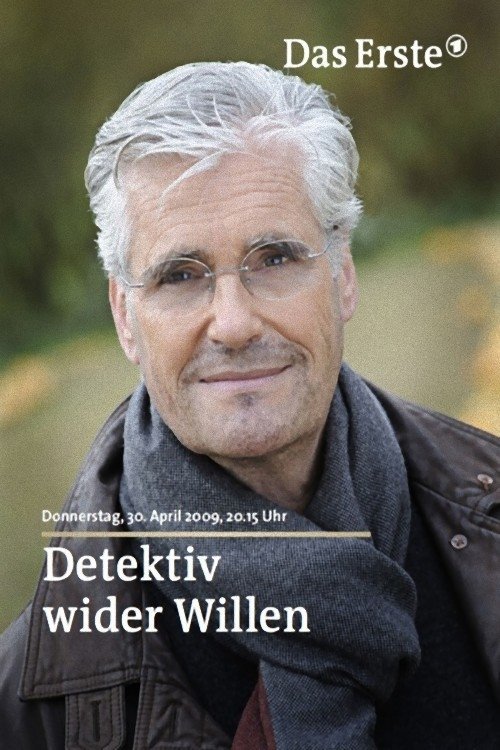
After a stroke of fate, star lawyer Mark Degen completely turns his life around. The workaholic, who only took on lucrative cases, becomes a courageous lawyer with social commitment. When his daughter, public prosecutor Ricarda, loses her first case against a corrupt hospital doctor in which the key witness and evidence have obviously been tampered with, Mark suddenly finds himself in a new line of work: as a "detective against his will", he embarks on a search for clues to help Ricarda. The investigation not only brings movement to the deadlocked criminal case, but also to the difficult relationship between father and daughter.
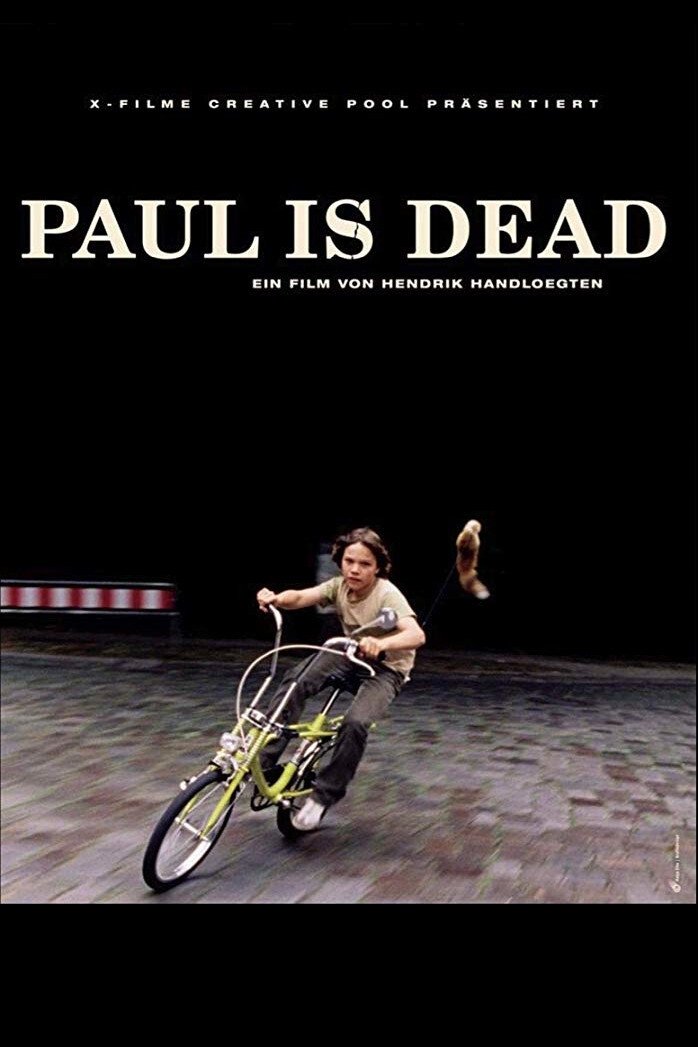
A youth discovers Paul McCartney died and the public had never been informed of this fact.

Franz is by far the smallest in the class, has blond ringlets and gets a high-pitched squeaky voice when he gets upset. Luckily, two best friends help: Gabi and Eberhard. When Franz discovers Hank Haberer's "10 rules for a real man" for himself one day, turbulence is inevitable and the friendship of the three gets into trouble.
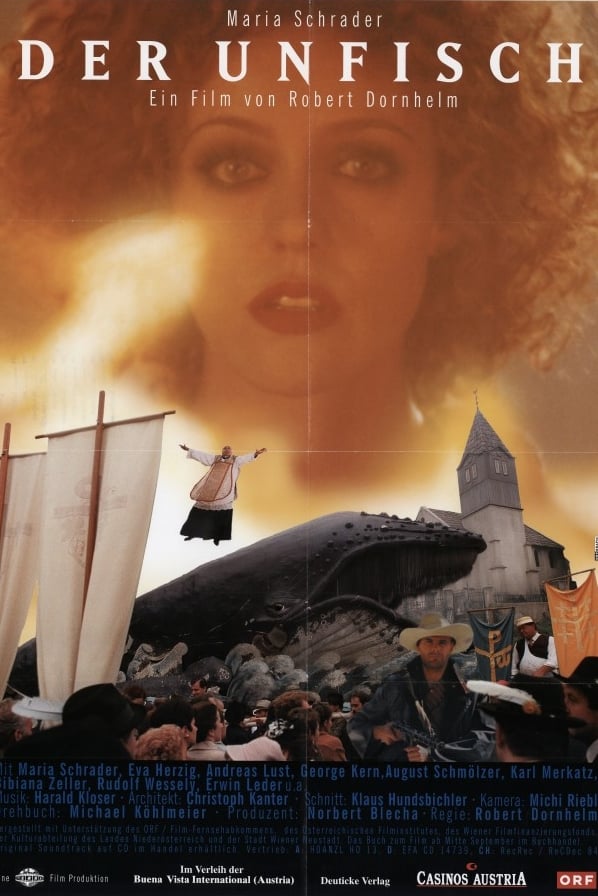
Sophie "inherits" her uncle's preserved whale and finds out that whoever sleeps in the whale's belly with her will be granted one wish, causing chaos and hatred in the village.
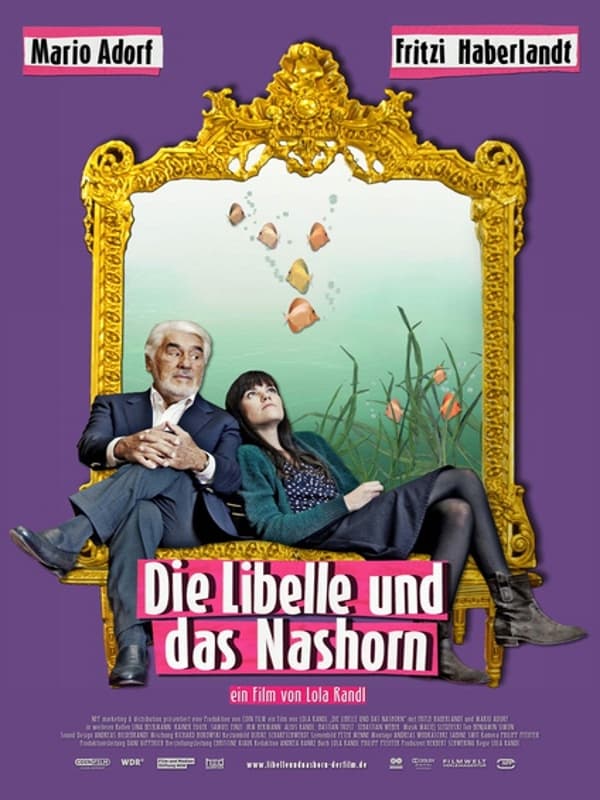
Ada Hänselmann presents her debut novel. However, the numerous guests are only interested in the 82-year-old legendary actor Nino Winter and his autobiography. The two meet again in the evening at the hotel bar. Ada involves Nino in a game - he is supposed to play a detective and shadow her. After a tour of the city, the games continue: Both are to answer any five of the other's questions honestly. Nino is skeptical, but eventually there are hundreds of questions, big and small, casual and existential, about life, love, fame, transience: what would Nino look like as a woman, what was nature thinking when it created the family, what does love sound like, what does death mean? Ada and Nino become allies of the night. They have to jump over their own shadows and a magical closeness develops between them. It is an encounter that neither of them will ever forget...
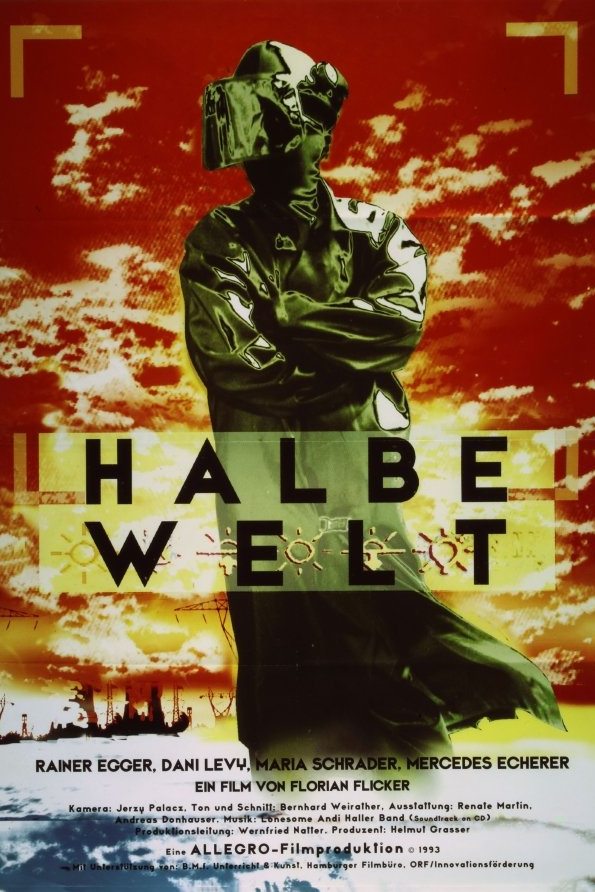
The sun blazes down from the sky with destructive power; exposing oneself to its light means death. People have transposed everyday existence to the night. In the metropolis of HALF WORLD a culture based on various languages and lifeforms has grown rampant. Everyone is looking for a way to survive.
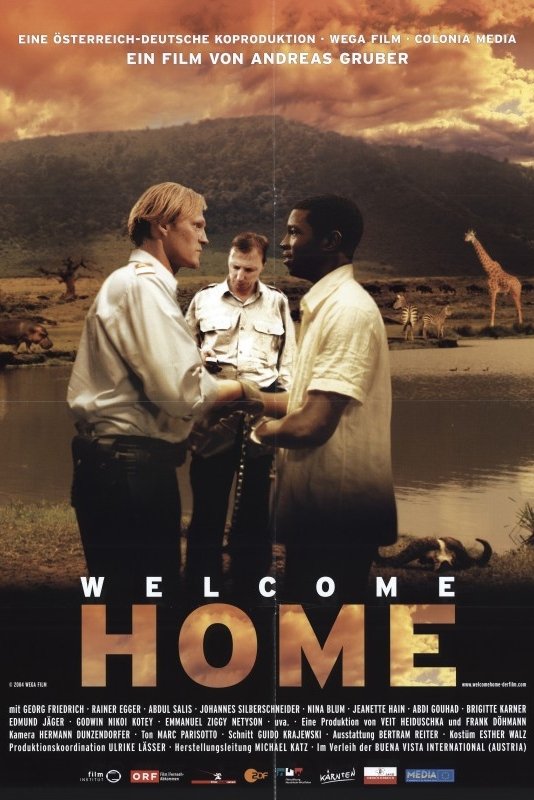
Another one of those stories we hear almost every day: refugees are picked up on Austria's border after a dramatic chase. And then nothing more is heard of them. The problem is apparently resolved in the usual way, through incarceration and deportation. But it's different this time: the story continues in Ghana, where everything is suddenly turned upside down.

Three friends from Floridsdorf – separated by 40 years and with lives that couldn't be more different – meet on an evening that will change their future destinies forever.
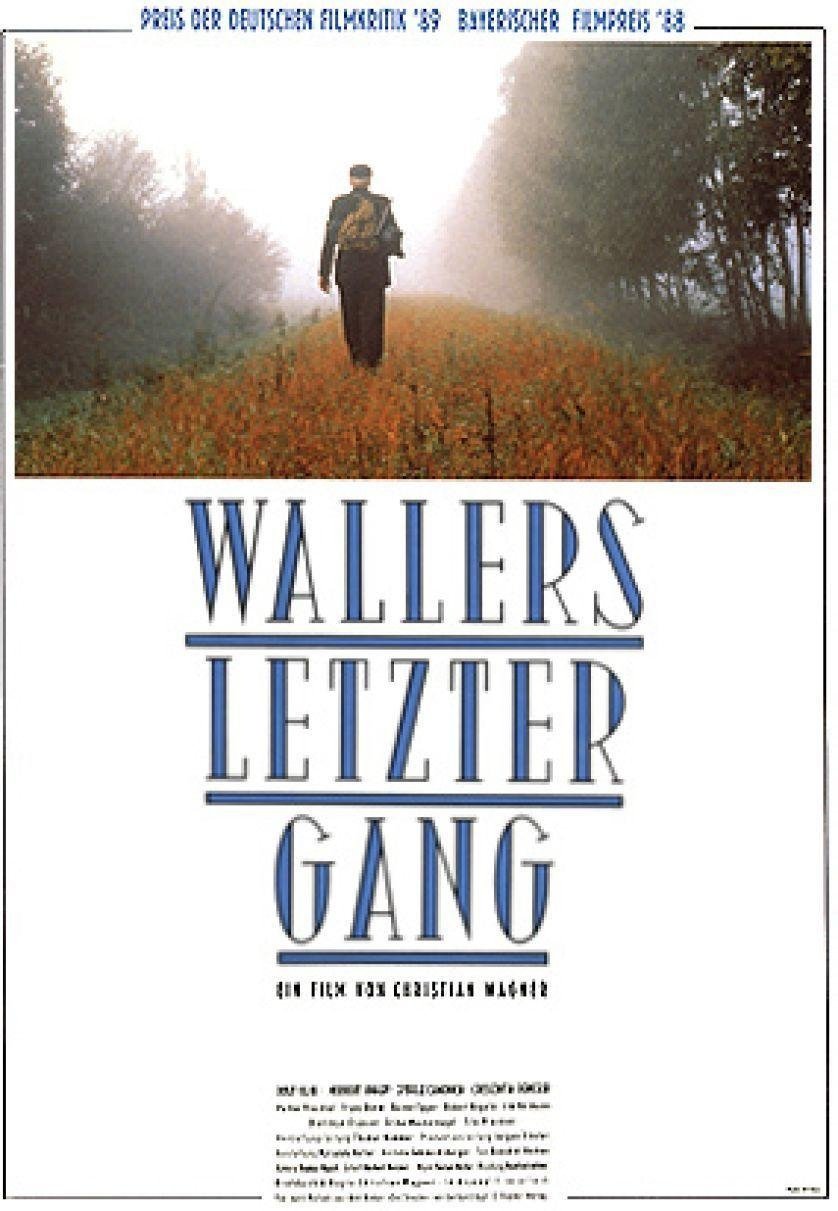
For many years the old Waller worked as a railwayman. After Waller is informed that "his" track will be closed down and that he will be retired, he walks the route for one last time and starts to remember his life along the way: Beginning in his childhood in the 1920s, he commemorates the death of his great love as well as he recalls the legal battle with his illegitimate daughter.

It is Mr Karpf's birthday and he waits by the phone, but nobody calls. He concludes that there must therefore be something wrong with the phone.
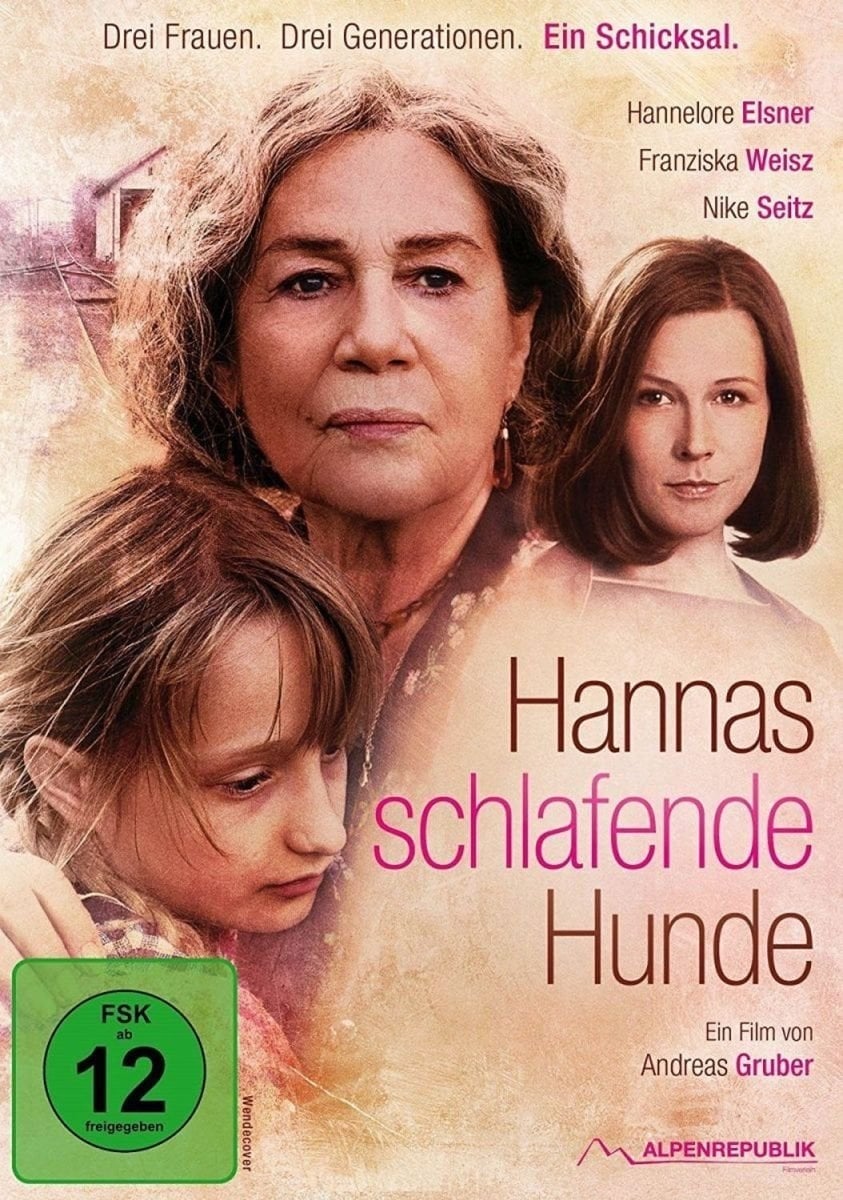
When Johanna's blind grandmother Ruth tells her the secret about their Jewish past, the “sleeping dogs” of the family history awake.
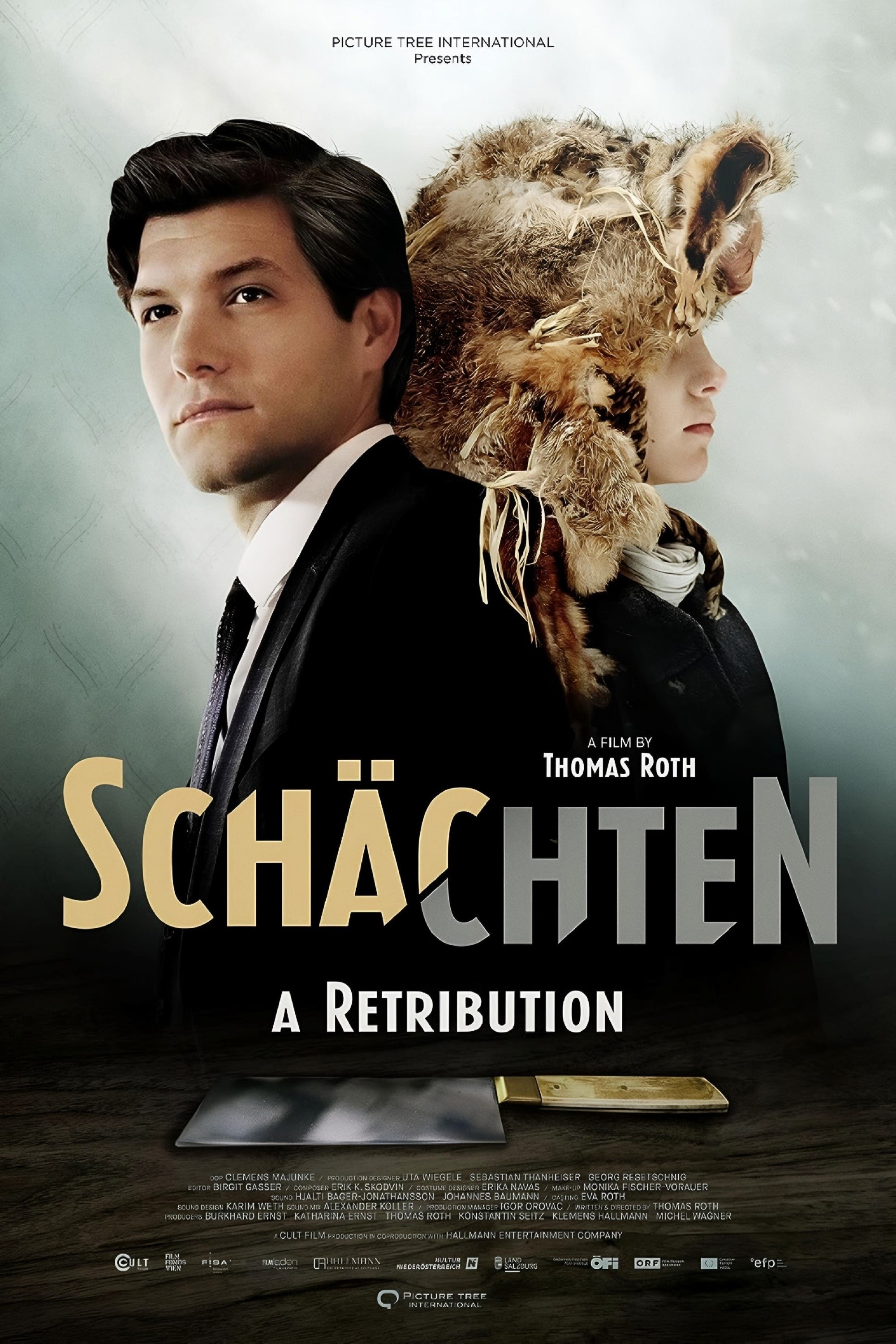
In the late 1960s, when the young Jewish businessman’s son Victor Dessauer fails to secure just punishment for the Nazi concentration camp commandant who tortured his parents, he resolves to take the law into his own hands.
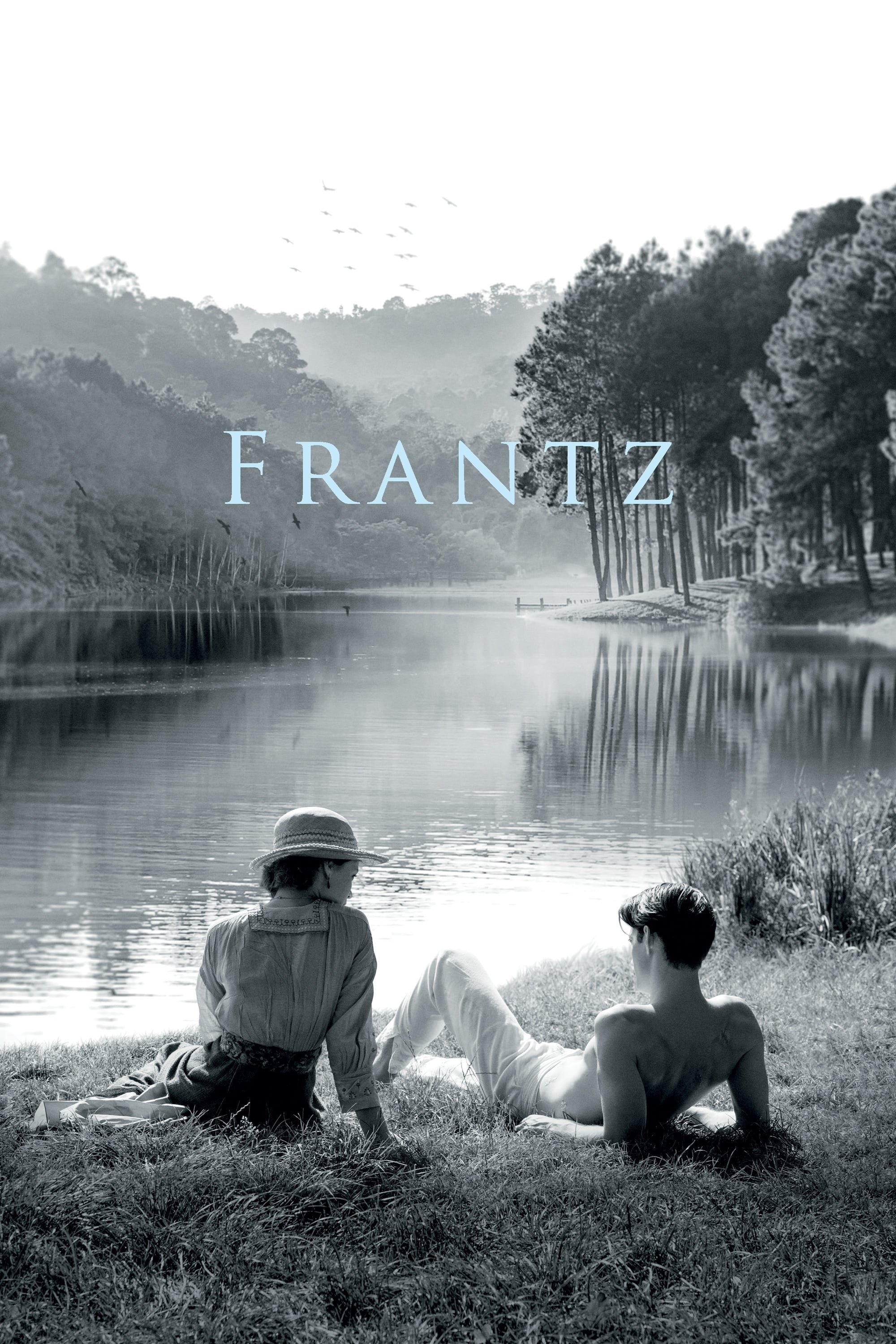
In the aftermath of WWI, a young German who grieves the death of her fiancé in France meets a mysterious French man who visits the fiance’s grave to lay flowers.
Two apartments are joined together, the demolition of a wall transfers two small flats into a big one. Seven young people move in and share the living quarters. They all have definite ideas about life and living together and want to make them come true. But they don´t really know what they want. Everyday life causes problems and when a merry-go-round of changing relationships among the young people begins to run quicker and quicker, the constant moving from one room to the other ands before the eyes of the astonished house superintendent with the setting up again of the wall which separated the two walls.
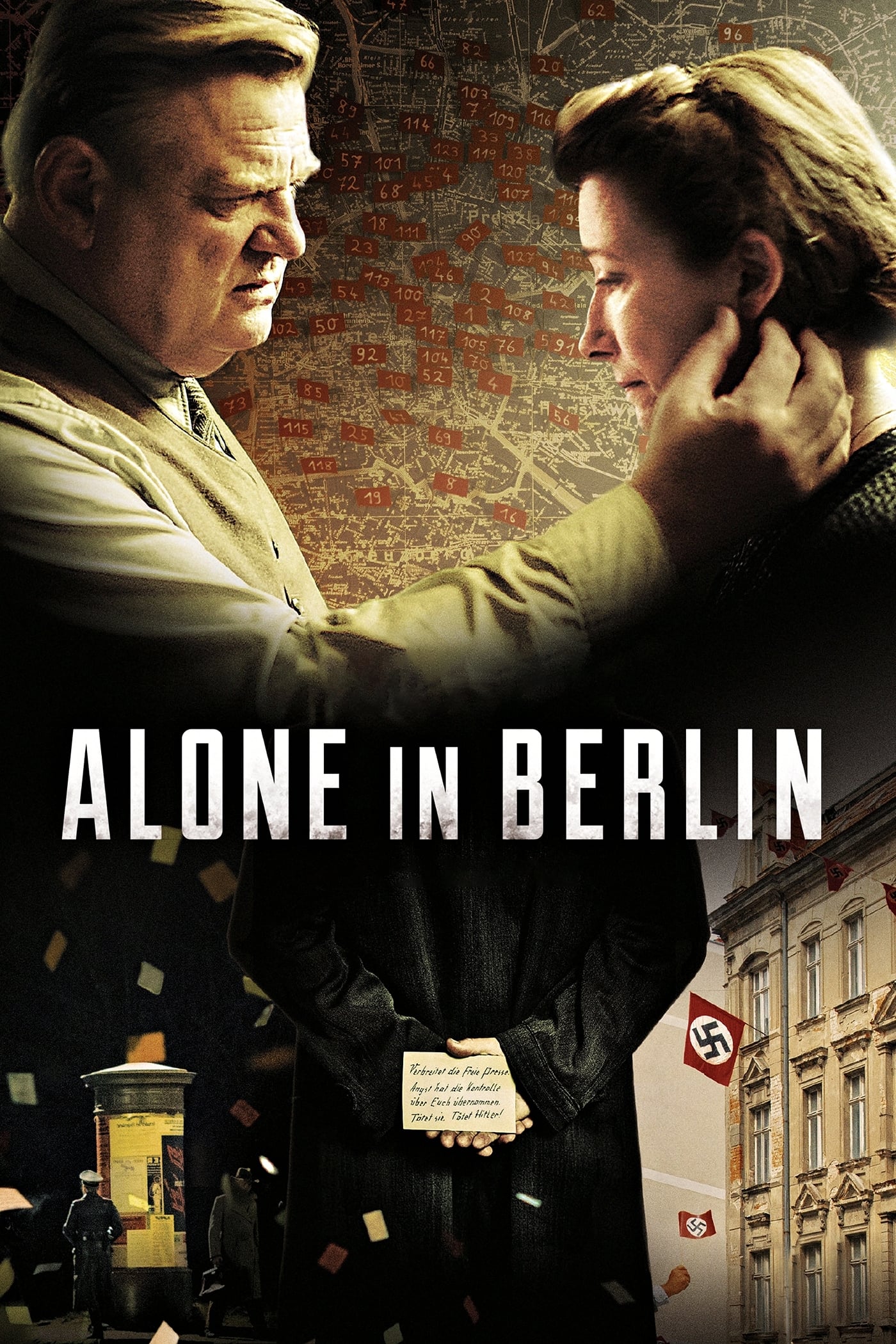
Berlin in June of 1940. While Nazi propaganda celebrates the regime’s victory over France, a kitchen-cum-living room in Prenzlauer Berg is filled with grief. Anna and Otto Quangel’s son has been killed at the front. This working class couple had long believed in the ‘Führer’ and followed him willingly, but now they realise that his promises are nothing but lies and deceit. They begin writing postcards as a form of resistance and in a bid to raise awareness: Stop the war machine! Kill Hitler! Putting their lives at risk, they distribute these cards in the entrances of tenement buildings and in stairwells. But the SS and the Gestapo are soon onto them, and even their neighbours pose a threat.
The reality the conscientious objector Roman is confrontend with at an old-age home is something he has previously been spared: suffering, frailty, death. He has to take care of "General" Kulat, an old Wehrmacht officer, a fanatic militarist. Their confrontation becomes war.
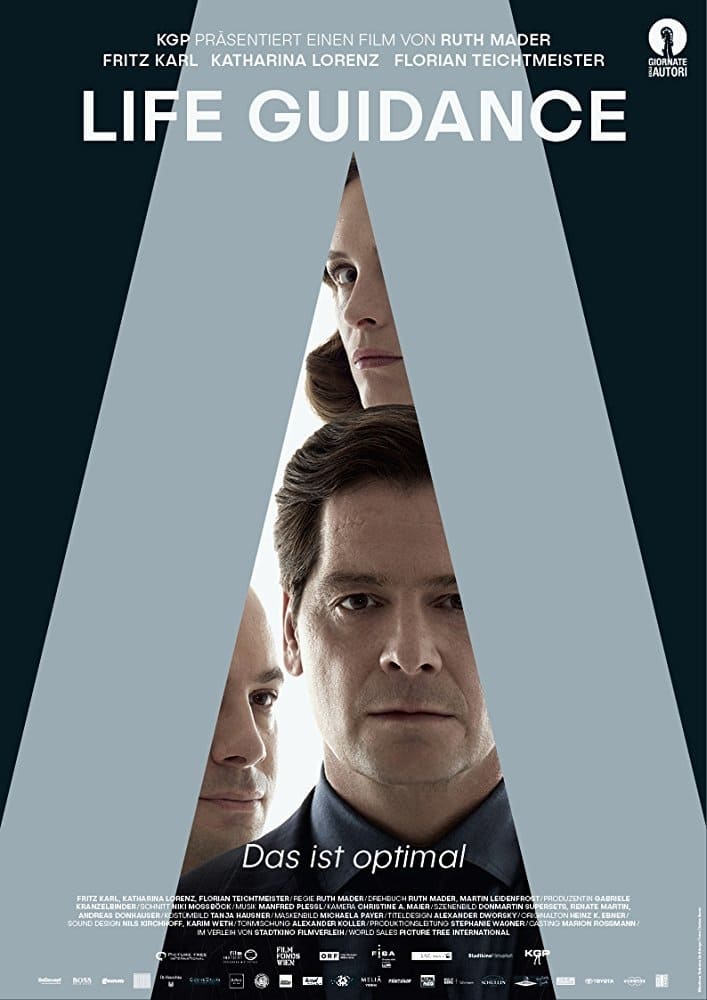
The film is set in the near future, in a world of perfect capitalism. Society is sustained by a class of top achievers; meanwhile, so-called minimum recipients live under sedation in Fortresses of Sleep. The great majority of top achievers view themselves as happy. An outsourced agency has been established for the rest: Life Guidance is charged with turning these individuals into optimal people as well. Alexander has internalized the system but one wrong word to his child triggers Life Guidance. He starts to rebel and encounters the horror of the system in all its brightness and affability.

The story of a Polish mother who is exploited as a cheap worker in Austria, and of an Austrian realtor, who fits the typical cliché of a stubborn, sexually frustrated and ugly midlife man.

Delving deep into the soul of one of Austria’s most infamous real-life convicts, Jack is a fascinating, unprejudiced look at the path to redemption and the obstacles that bar the way.
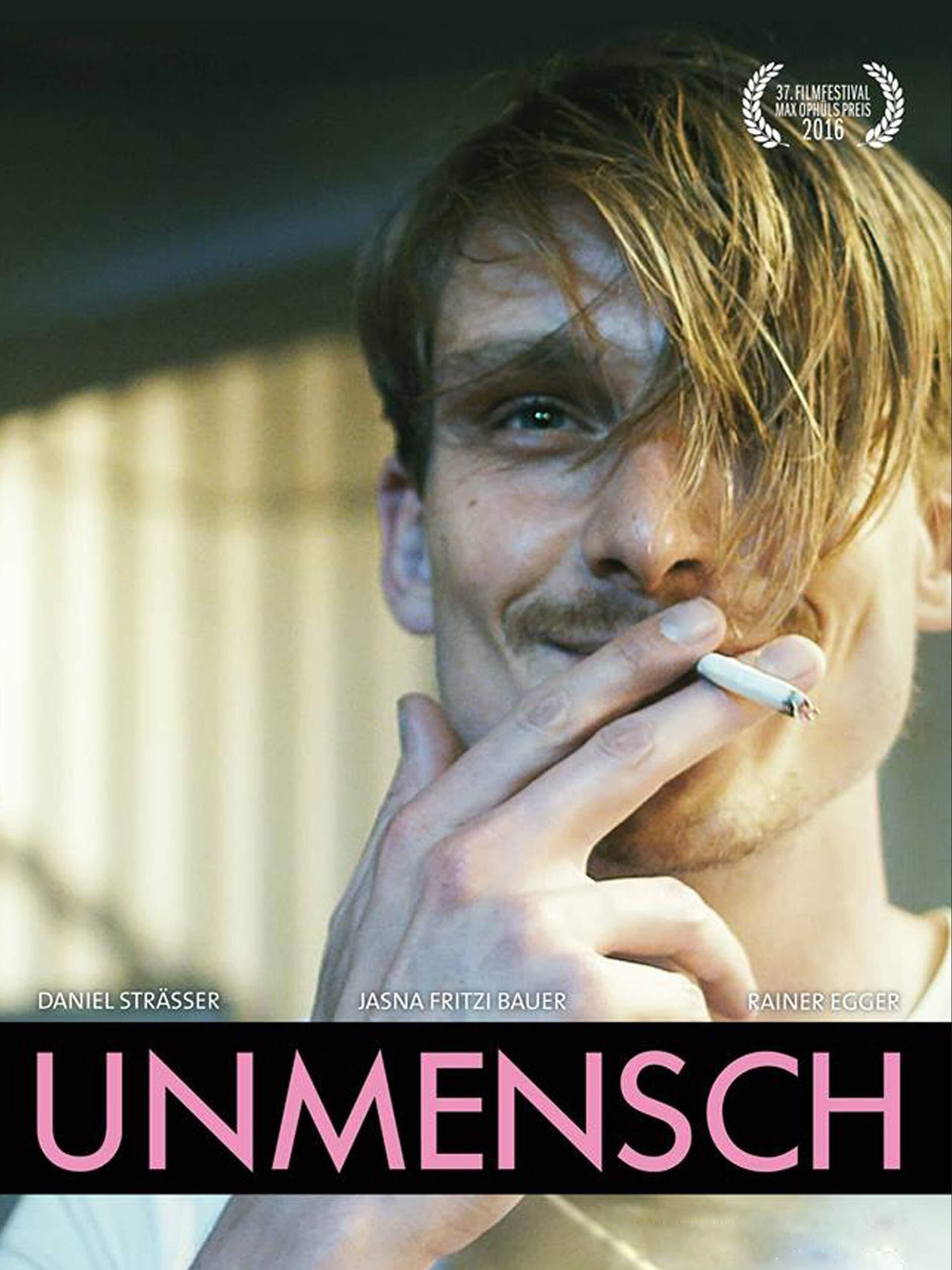
"I'm not a bad person, really. I buy fair trade vegetables and hate HC Strache." Excerpt from the play Jasper is rehearsing with his theater group. The young actor is inspired and wants to increase the energy of the text by bringing a gun on stage. The director finds this neither bold nor fresh, but simply stupid. Together with his fellow actress Dany, Jasper wants to convince a real person outside in the real world. Whoever cries at the end will be celebrated.
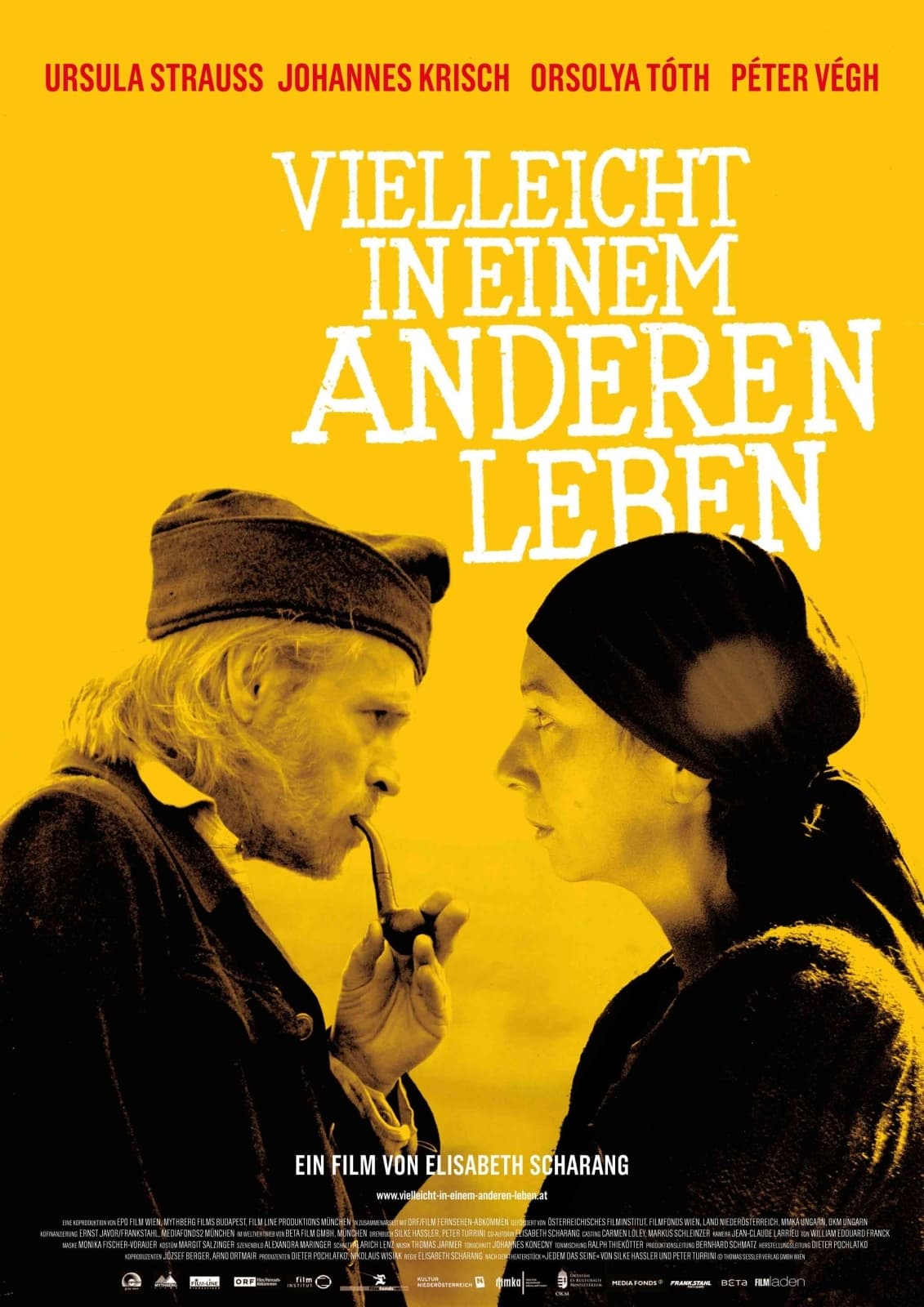
In April 1945, as Jewish prisoners on a death march from Hungary reach an abandoned barn near an Austrian village, their SS guards vanish, leaving them starving, freezing and helpless while villagers remain divided over their fate. Desperate for food and hope, a former Budapest opera singer among them devises a plan: with fellow inmates and willing villagers, they stage Johann Strauss’s “Wiener Blut” in the barn to earn the means to survive.
The psychological inner life of a child that has experienced sexual violence. This film essay symbolically tells of violence and the dynamics of hurting in the language of an inoccent child.
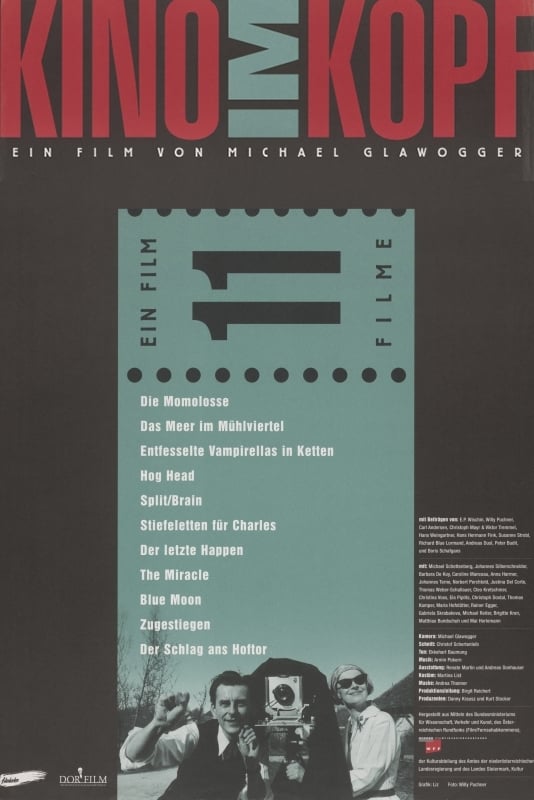
Ever had an idea for a film? Ever actually visualised this film in your mind? Or even sketched out scenes and camera angles? Plenty of film buffs have. Michael Glawogger invited 12 people to talk about their ideas for a film and then shot short fragments for them. The result is a crime-story-erotic-lyrical-experimental-vampire-fantasy-horror-soap-opera-splatter-trash-road-movie-melodrama posing as a documentary!
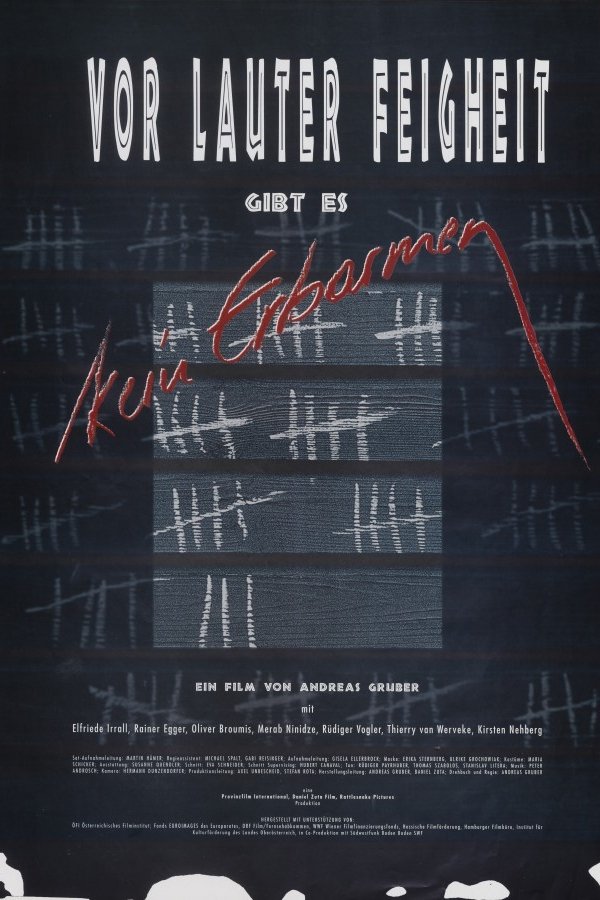
This film is based on the actual events referred to as the "Mühlviertler Hasenjagd" (Hare-hunt in the Mühlviertel) which occurred in February 1945 around the Mauthausen concentration camp. 500 Soviet officers form death block 20 attempt to escape, but only 150 of them actually succeed. Following the tally-ho of the SS, a barbaric manhunt begins. Only very few fugitives survive. With a lot of good luck, the two young officers Michail and Nikolai reach the Karner family's farm. Frau Karner persuades her husband to hide the two escapees.

Antonia is stuck in her everyday life. She oversleeps, procrastinates and searches the internet for a happy life. Spontaneously, she decides to give structure to her existence and asks her fling for a steady relationship.

Felix, a young projectionist, daydreams himself out of the loneliness of his projection booth and into a fantastic universe in which the characters in the films become his own. His dreams, wishes and reality become one in the fuzzy reflection on the projection window. A surreal play by Peter Patzak.
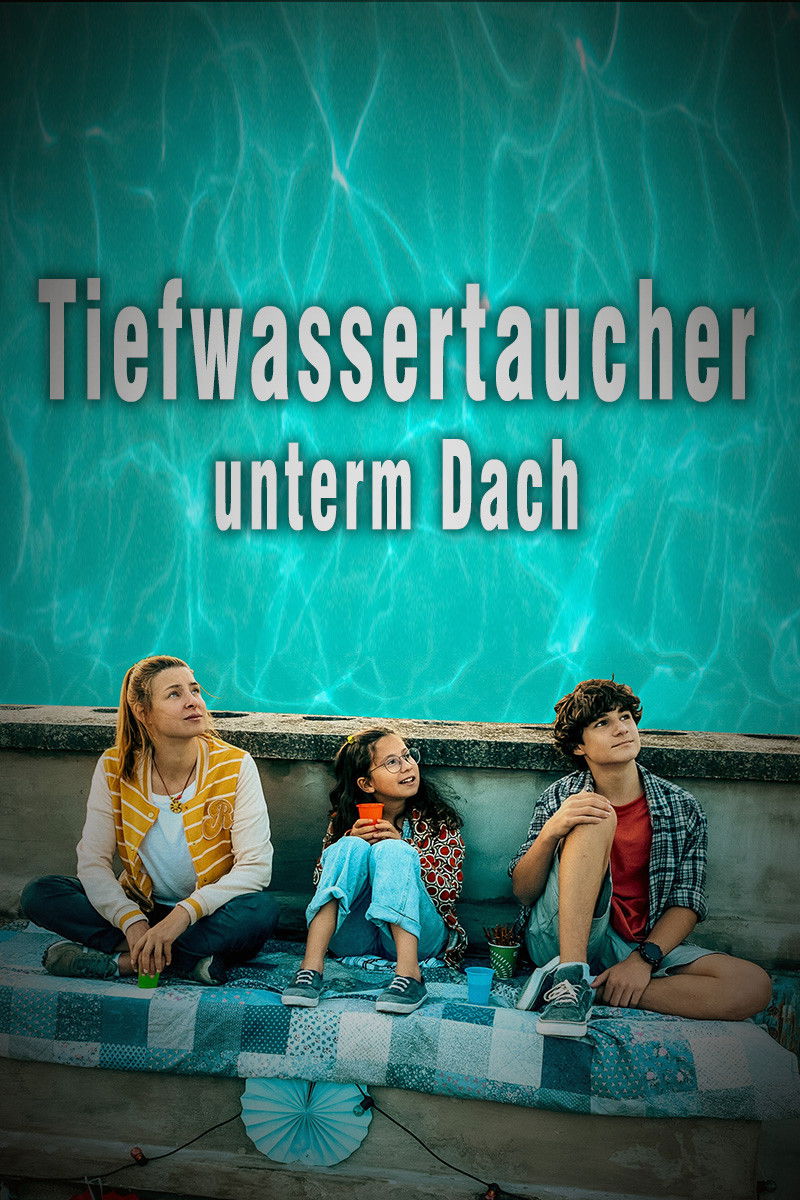
Annie Breuer, a single mother in her mid-thirties, lives with her two children, Lena and Tino, on the top floor of an old apartment building in Vienna's suburbs. She sometimes doubts whether she can handle life's diverse challenges and challenges. She has better days and worse; sometimes a dark shadow hangs over her mind and the entire world—at least, that's how Annie feels.

In the second part of the successful children's book adaptation, Franz, Gabi and Eberhard go on a turbulent hunt for criminals during the summer holidays – and uncover a completely different secret in the process.
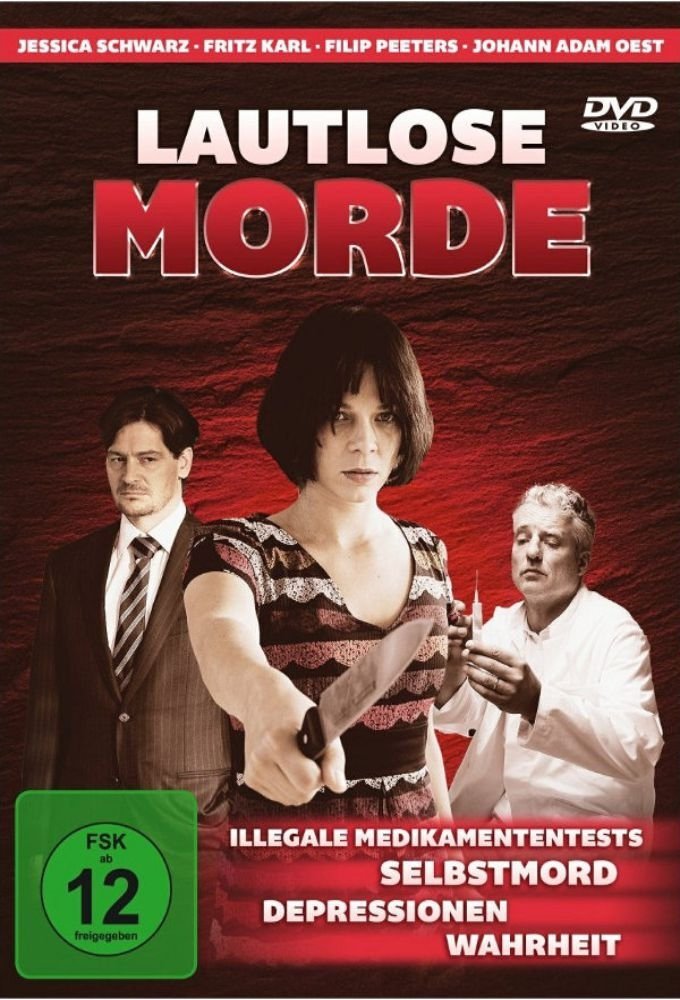
A woman admitted in a mental health centre in order to overcome the death of her son decides to finish with her life. Her situation worries her husband and also her roomate, who is admitted in the centre although being in perfect mental situation.

The trio of friends around Inken, Vicky and Lena are confronted with their first sexual experiences and pure emotional chaos.

Karli likes to pose as a battle-hardened army veteran, but in reality he is a vending machine cracker. Marie, once the beauty queen of Mingkofen, has little to expect from life since the death of her well-to-do husband. When their paths cross, two damaged existences meet who are more alike than they initially believe. In a world full of mistrust and lies, Karli and Marie slowly grow closer - like two shy hedgehogs who first have to endure a turbulent journey to realize that they can only move forward together.