A road trip across five countries to explore the social and political movements as well as the mainstream media's misperception of South America while interviewing seven of its elected presidents.
A Venezuelan government official is sent to Switzerland to work on a project, strangely descending into sickness as unsettling events unfold back home.
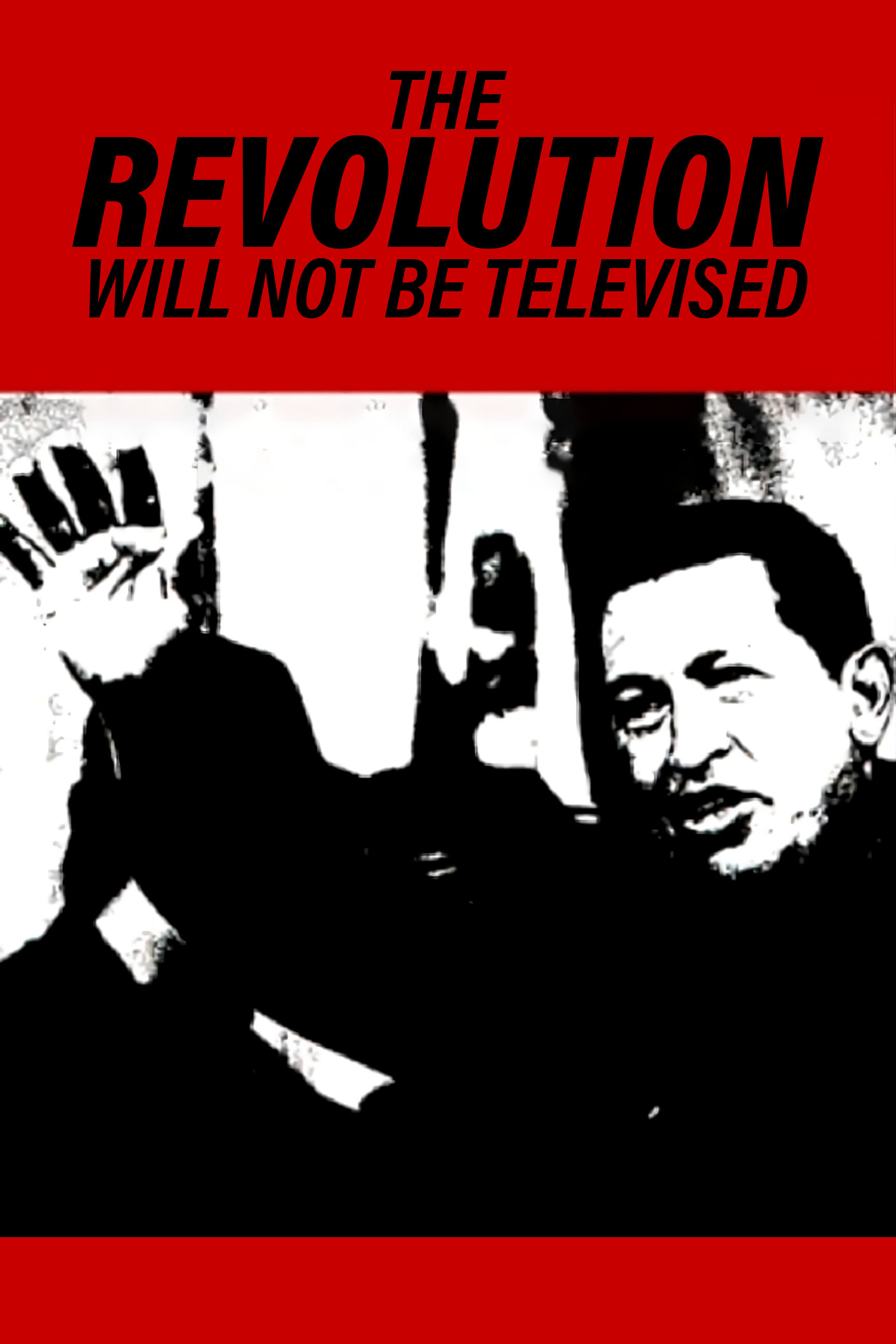
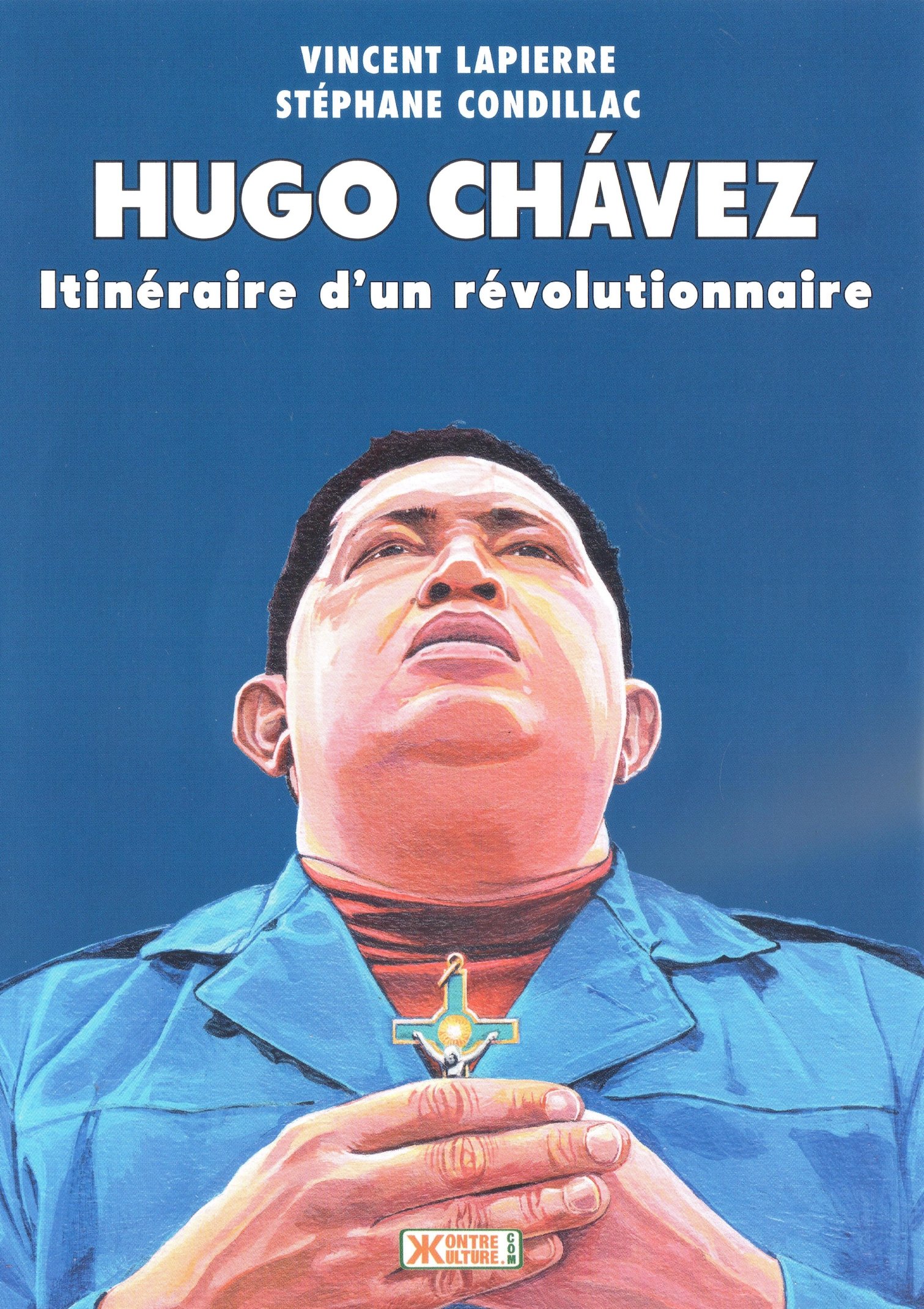
Hugo Chavez was a colourful, unpredictable folk hero who was beloved by his nation’s working class. He was elected president of Venezuela in 1998, and proved to be a tough, quixotic opponent to the power structure that wanted to depose him. When he was forcibly removed from office on 11 April 2002, two independent filmmakers were inside the presidential palace.
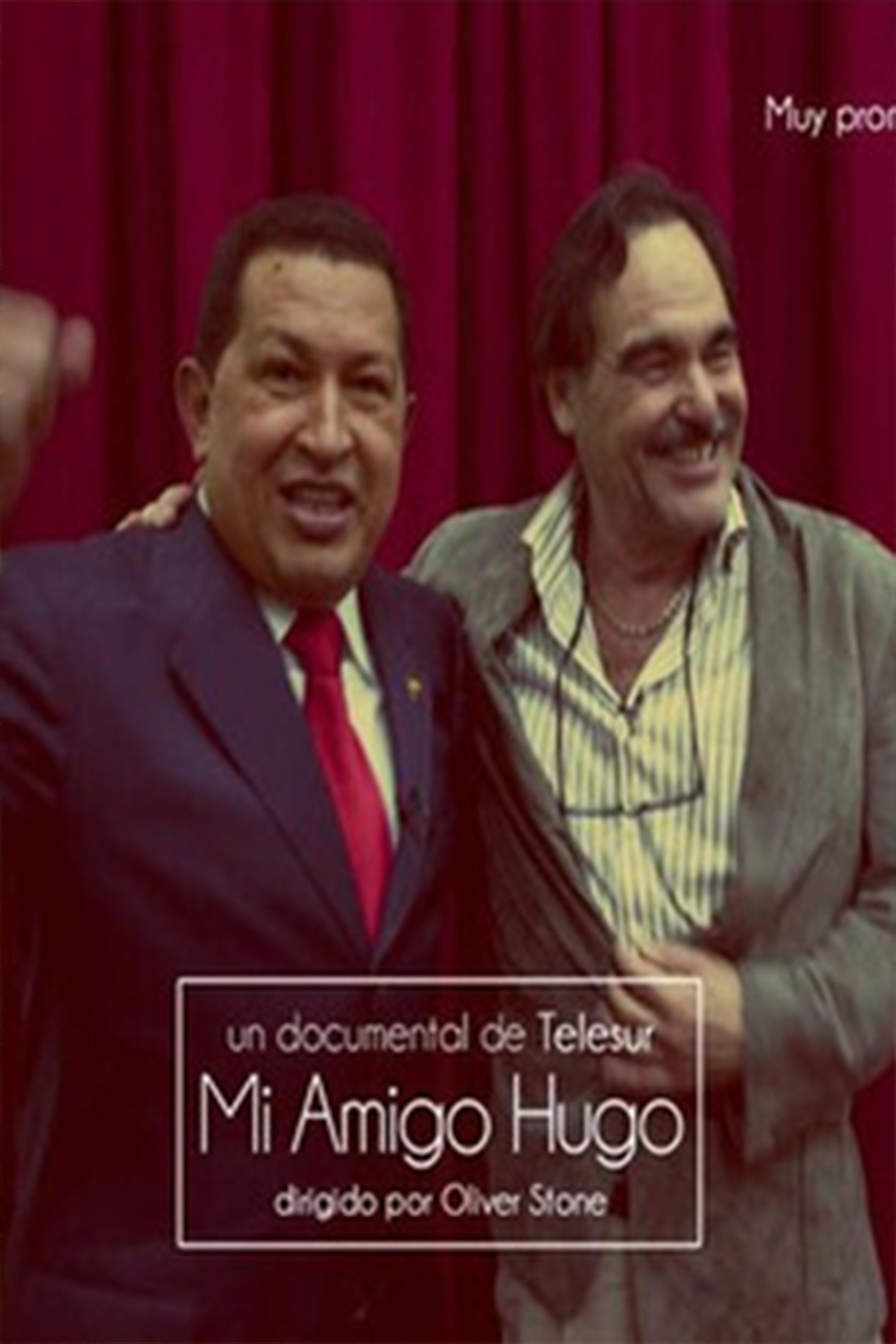
Oliver Stone presents a tribute to a friend one year after his death, the friend in question was the Venezuelan leader, Hugo Chávez. The documentary covers the time Stone and Chávez spent while making "South of the Border", when they developed a close relationship; and the testimonies from South America leaders and people close to Chávez to talk about their views on the man and the politician and share some personal stories they had with him.
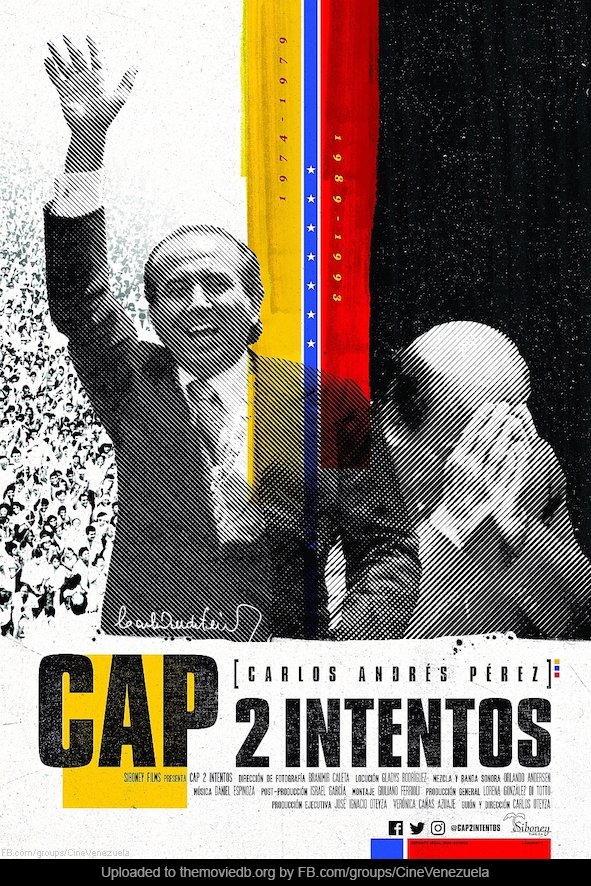
A full on examination of the two presidential terms of Carlos Andres Perez in which he led the venezuelan fates: 1974-1979 and 1989-1993, known respectively as "La Gran Venezuela" and "El Gran Viraje". Two models of government that, separated by ten years, were very different but produced a change in the history of the country.
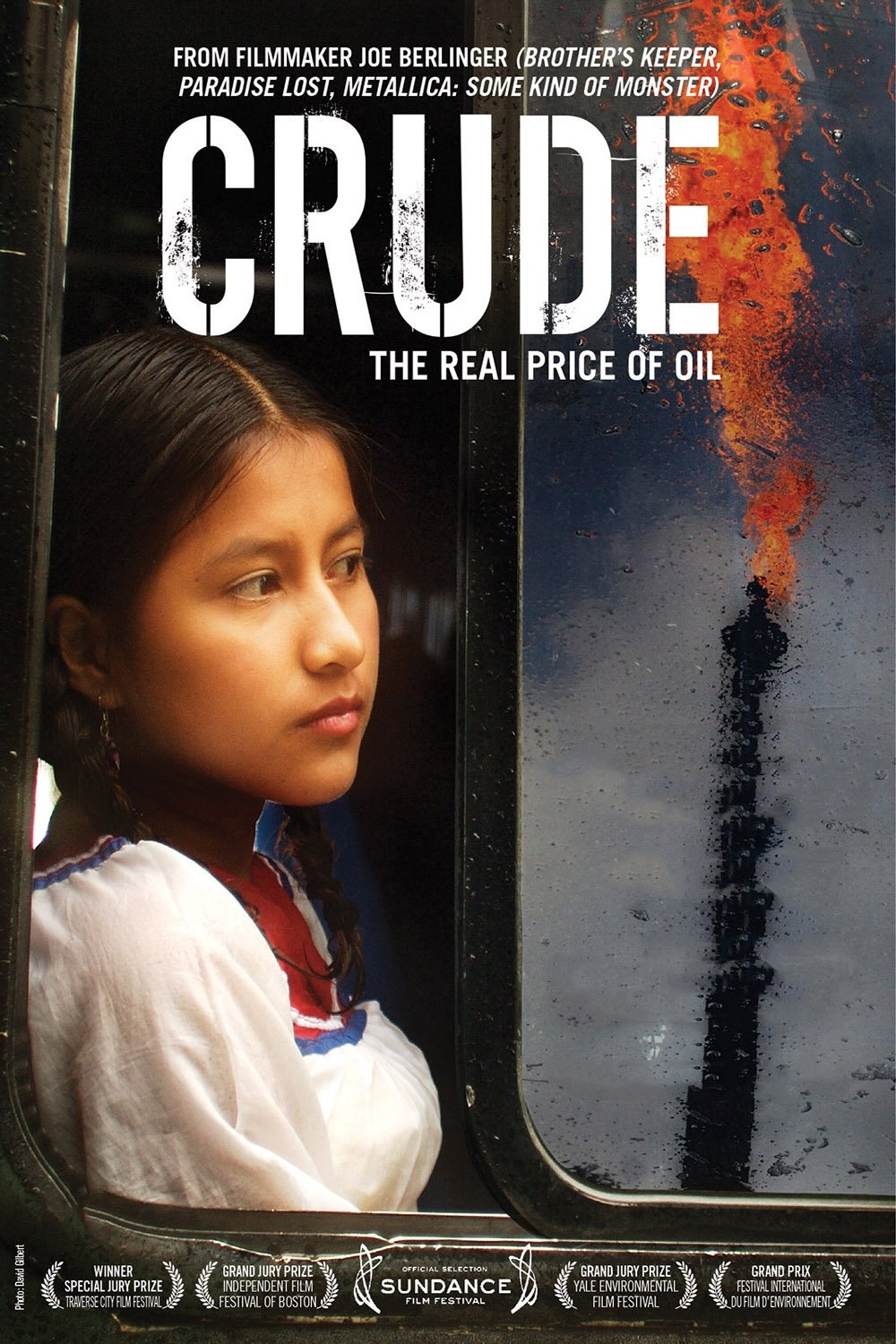
The story of lawsuit by tens of thousands of Ecuadorans against Chevron over contamination of the Ecuadorean Amazon.
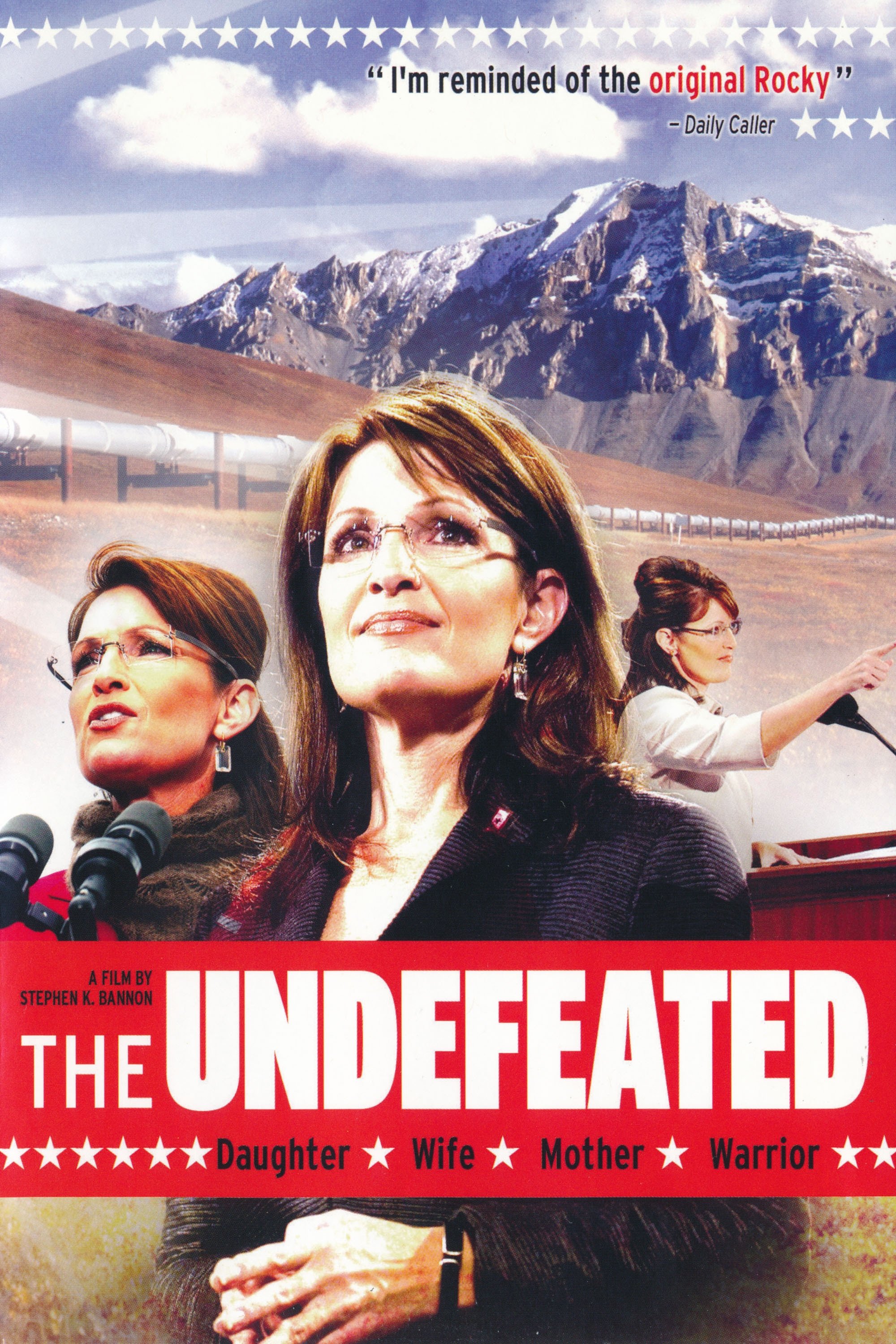
A documentary that chronicles Sarah Palin's pre-political life; her tenure as Governor of Alaska, and her time spent as John McCain's running mate.
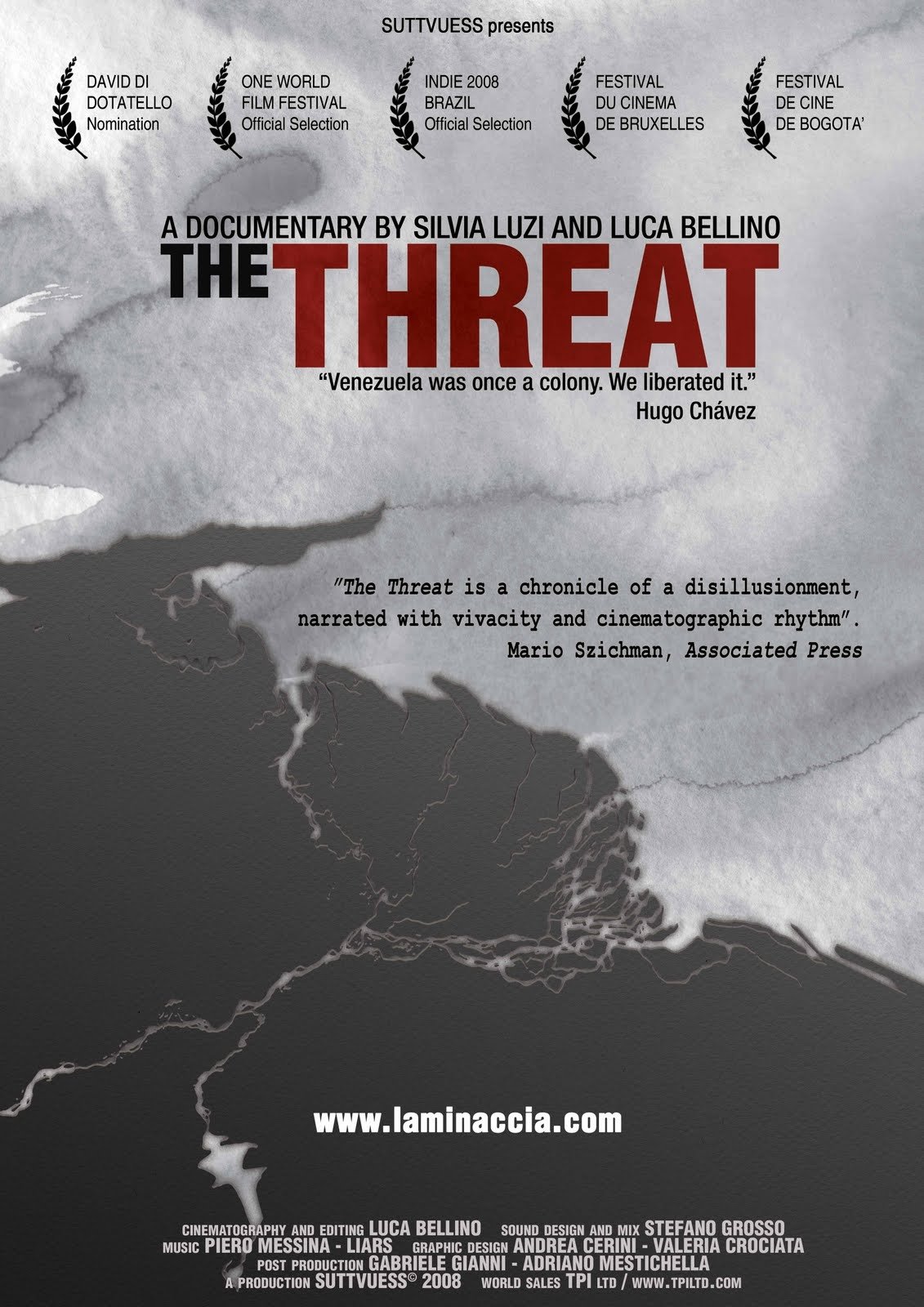
A trip with President Chavez over the largest oil reserve in the world, situated beneath the Orinoco river, becomes the occasion in which to enter into the lives of Venezuelans, nine years after the beginning of the Bolivarian revolution.Venezuela en route to socialism: is this still possible in our post-ideological times?
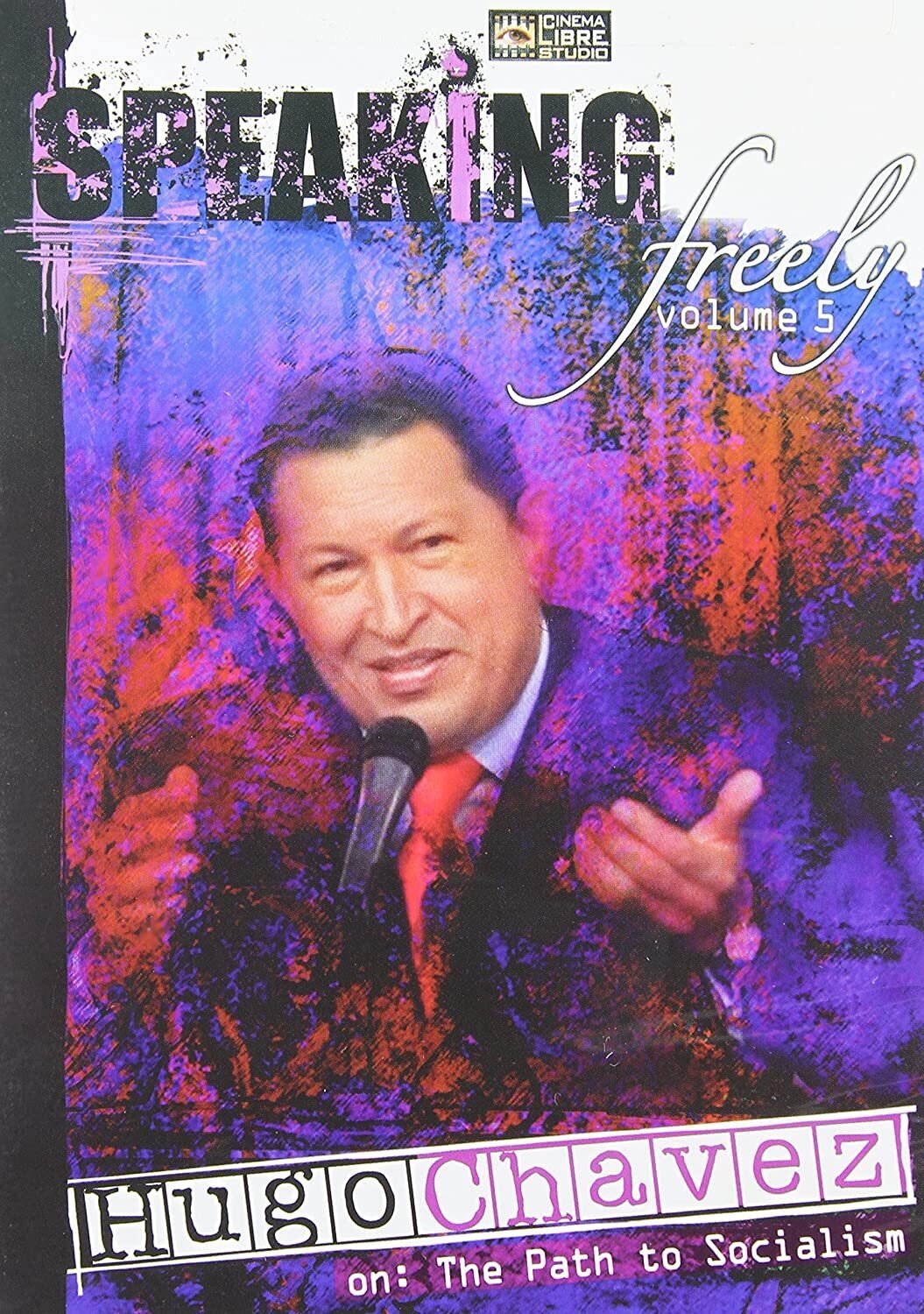
In this special volume of the series, Venezuelan President Hugo Chavez speaks to members of the international press corps about the advantages of socialism over capitalism and explains why true democracy cannot exist under the latter. Noting that the American empire's practice of privatization, foreign intervention, and violence is not conducive to a humanistic society, Chavez instead offers that the healthiest government is one in which all of its citizens play a role in its construction and development-that the ultimate voice is the voice of the people and that Venezuela will always be committed to maintaining that ideal. Taped on location in Caracas, this briefing is one that will never be shown on American network news and one that should be viewed by anyone who is intrigued by this controversial world leader.
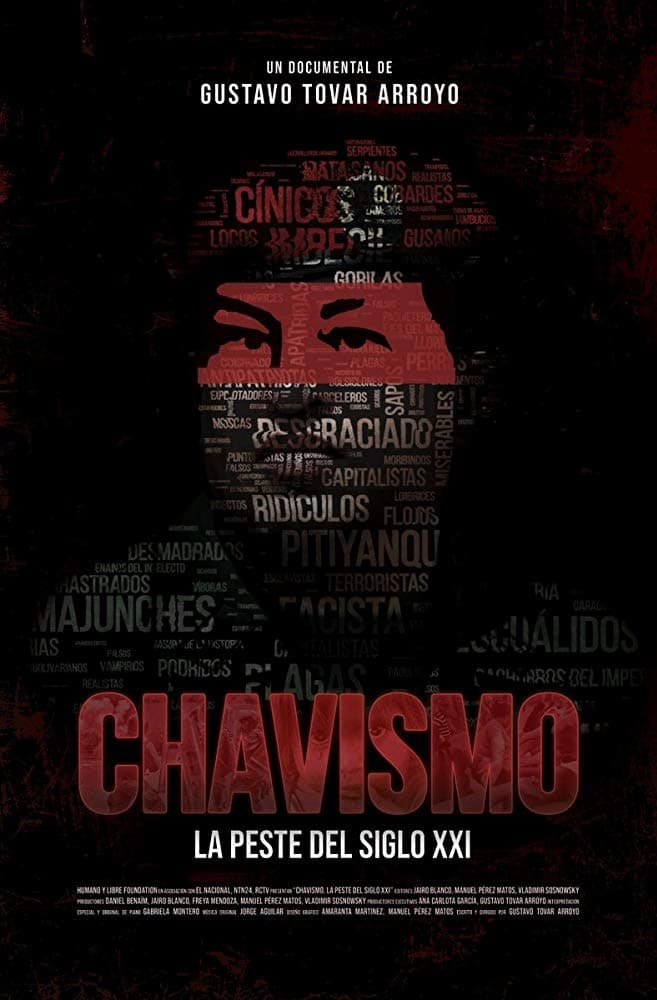
An analysis of the causes, social, political, and economic that caused the rise of Hugo Chávez as president of Venezuela; his abuse of power and the response of civil society, including the student movement; his political fall as well as the secrecy that surrounded his illness and the succession of Nicolás Maduro.
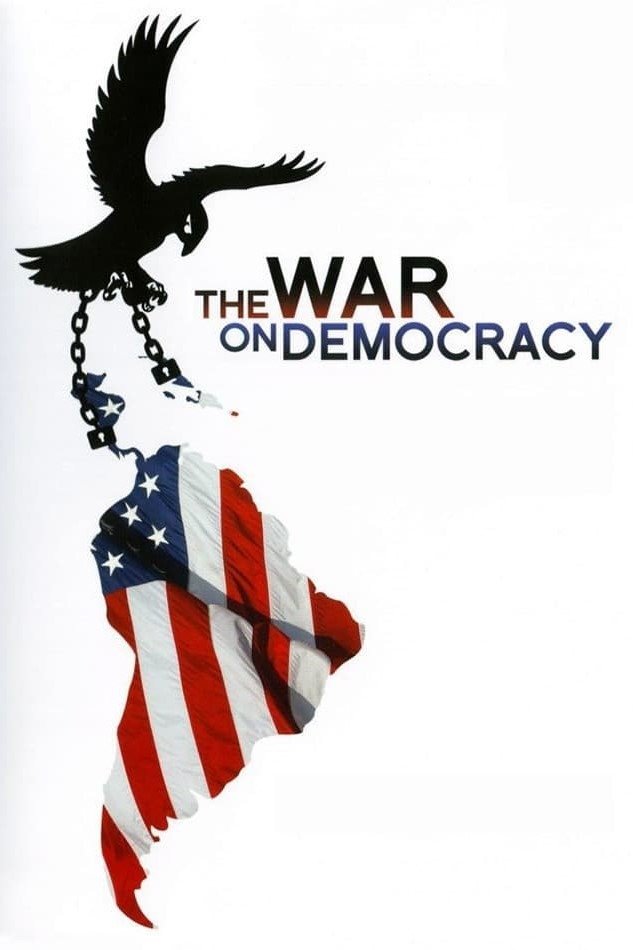
Set both in Latin America and the United States, the film explores the historic and current relationship of Washington with countries such as Venezuela, Bolivia and Chile. Pilger says that the film "...tells a universal story... analysing and revealing, through vivid testimony, the story of great power behind its venerable myths. It allows us to understand the true nature of the so-called "war on terror". According to Pilger, the film’s message is that the greed and power of empire is not invincible and that people power is always the "seed beneath the snow".
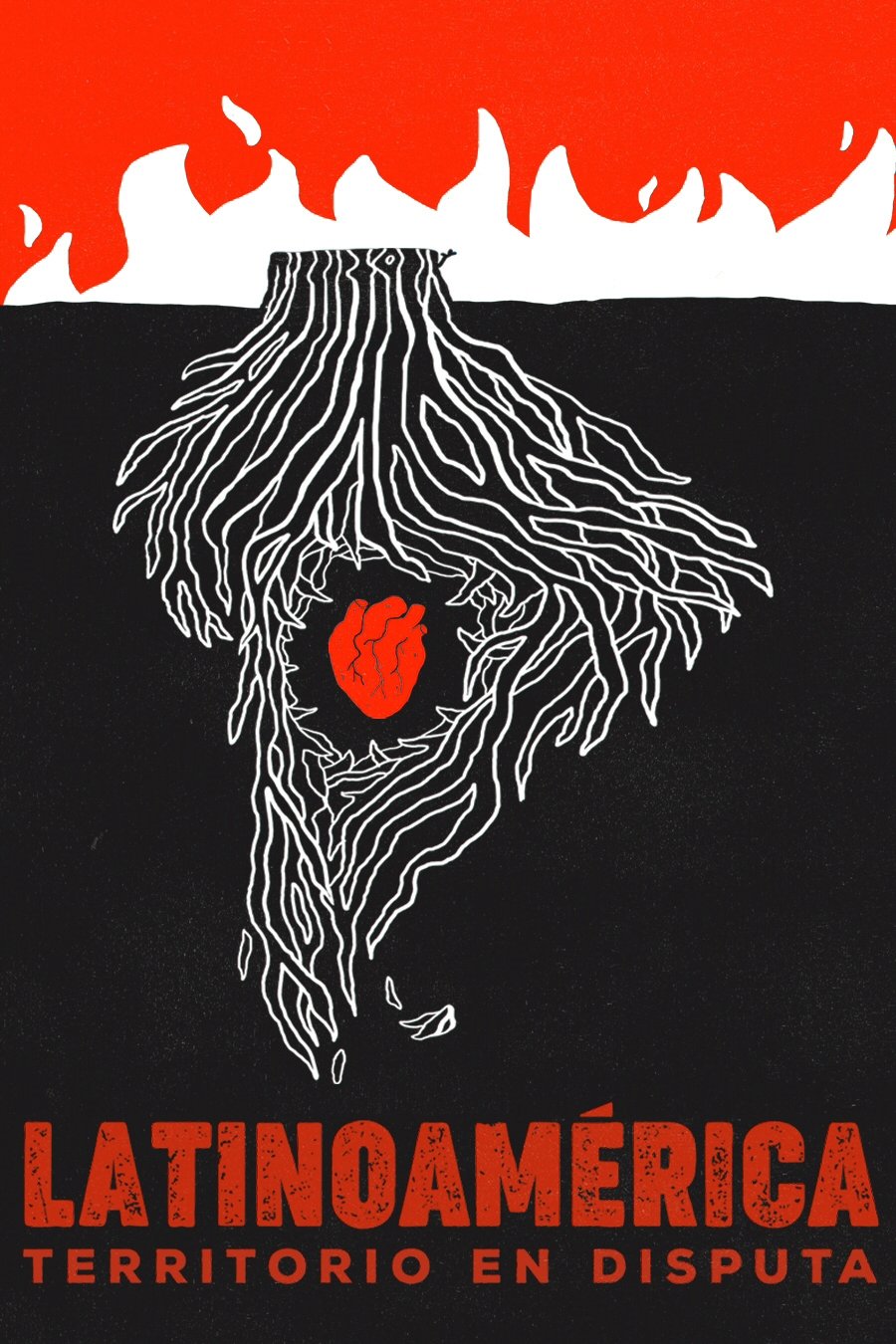
Documantary film on the dispute for the hegemony of the Latin American continent between conservative forces and popular movements.
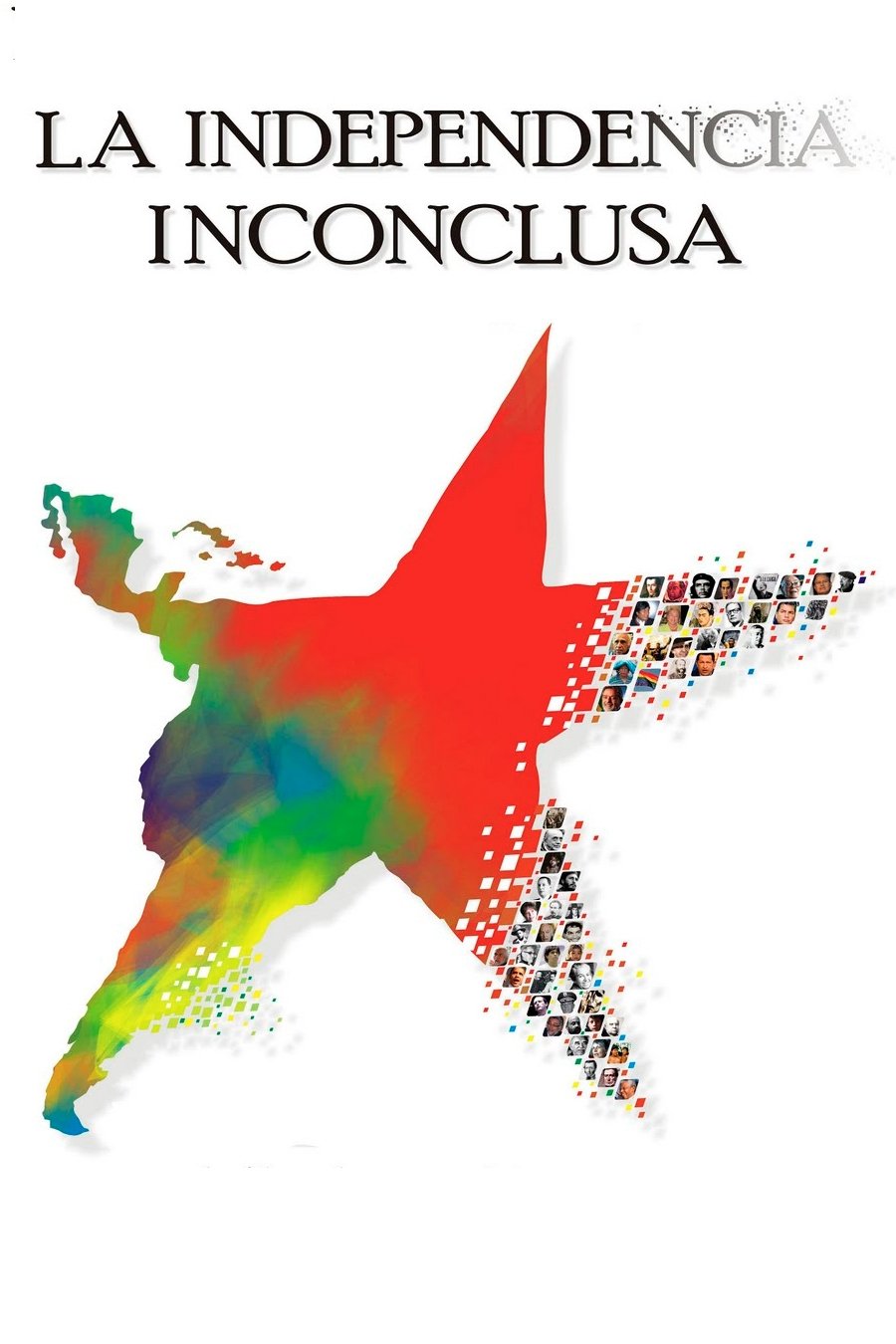
Documentary about the independence and history of Latin America.

Liliana, a mother of 5 kids, living in terrible condition in a Caracas's "favela", is hoping to get a new flat from President Chavez in order to change her life. August 2007, Venezuelan's President Chavez convokes a referendum in order to change the constitution and get absolute power. Carlos, a local Party Activists tries to convince Liliana to vote for the new constitution. Liliana is promised that she'll get a flat if she votes for Chavez. Hugo Rey is a journey into the totalitarian mechanism employed by Chavez to perpetuate his power.