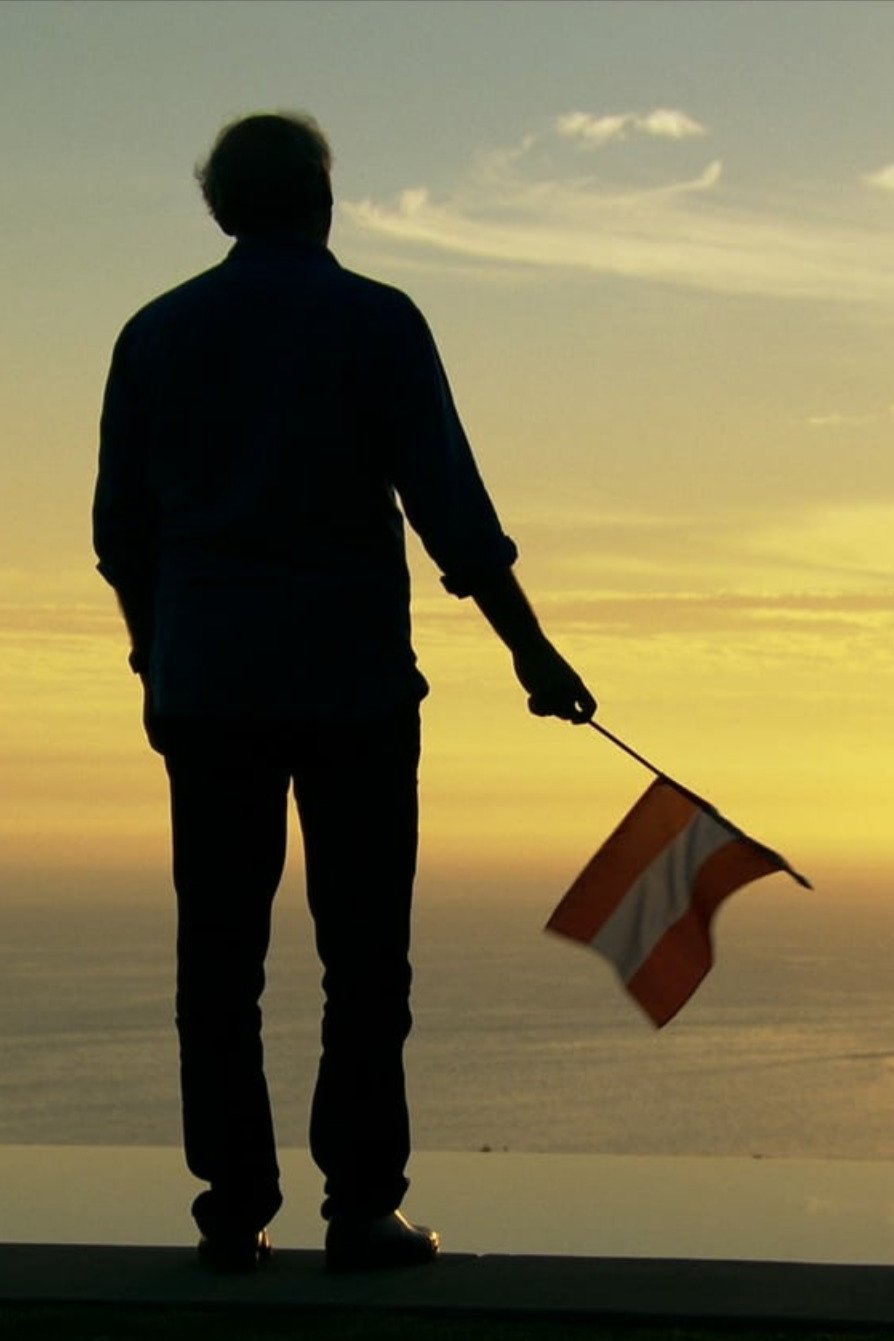
60 years of the Austrian State Treaty (1955 - 2015). Robert Dornhelm and Gabriele Flossmann search for the current state of the "Austrian soul" in the Second Republic, our free and neutral Austria.
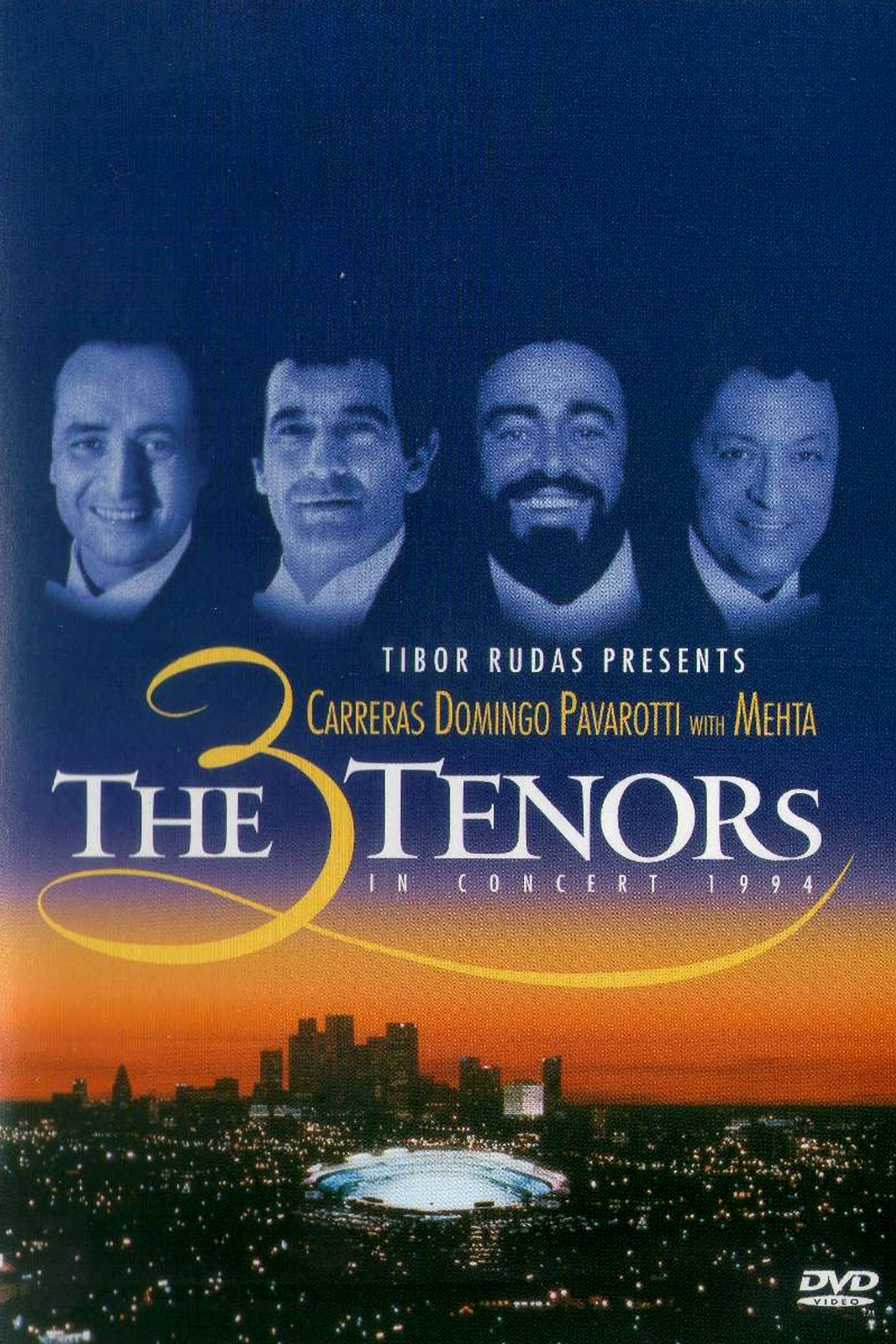
It's not opera; it's not a pop concert; it's not Broadway. It's all of these and none of them. Once you accept the fact that this sequel to the original blockbuster concert recording is less about music and more about entertainment and the power of musical personalities, you can appreciate what you're hearing as an event--phenomenal and bizarre, momentous and frivolous. This is an occasion to celebrate the voices and egos of three huge superstars, and to have fun listening as Luciano Pavarotti, Placido Domingo, and Jose Carreras interact, bouncing lines off each other and playing to the overwhelmingly enthusiastic audience.
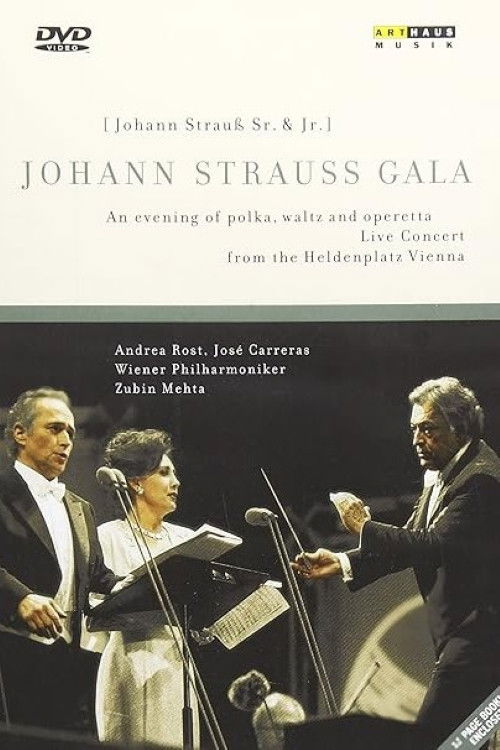
Johann Strauss Gala - An Evening of Polka, Waltz, and Operetta
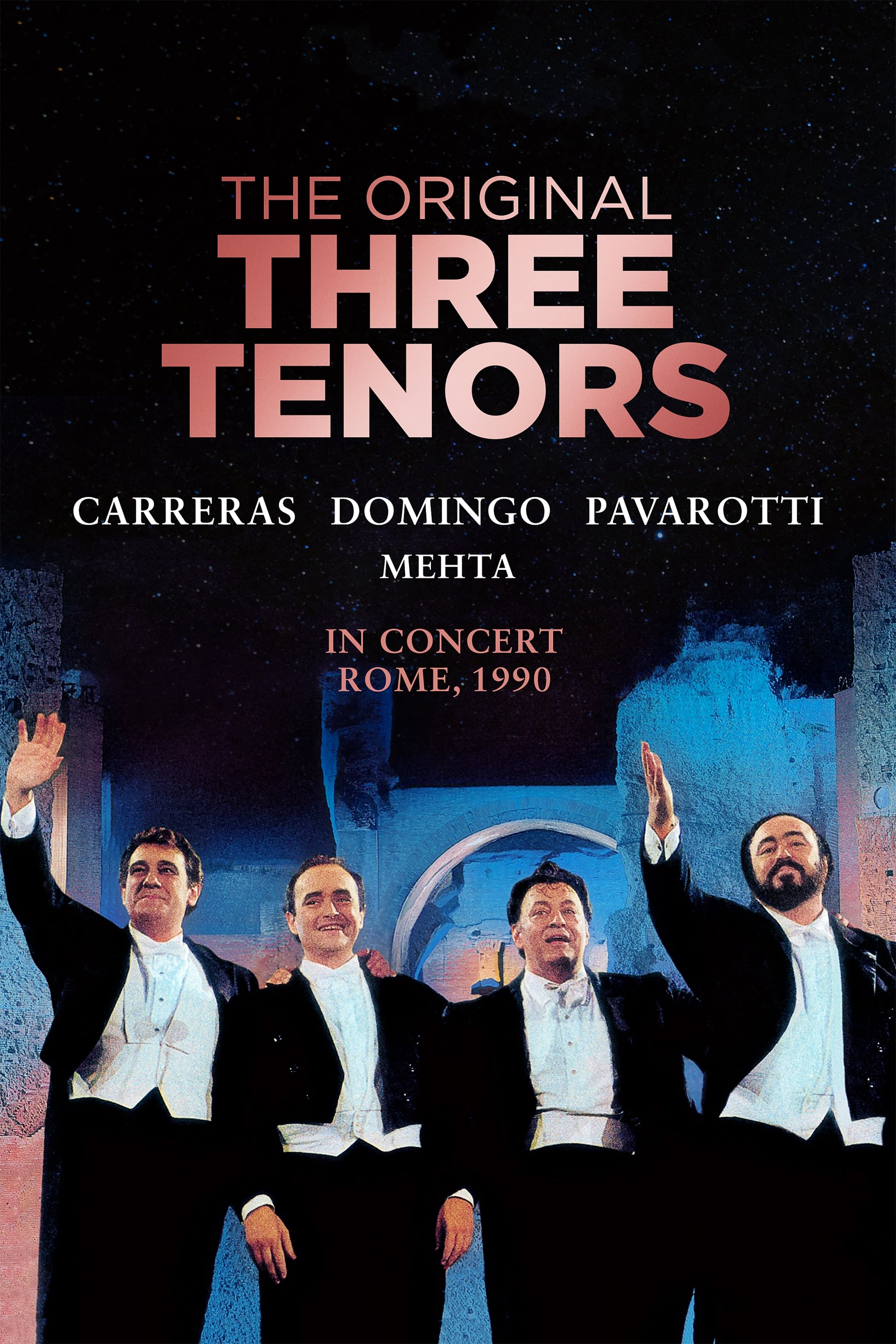
The Three Tenors is a name given to the Spanish singers Plácido Domingo and José Carreras and the Italian singer Luciano Pavarotti who sang in concert under this banner during the 1990s and early 2000s. This is the first collaboration of the trio, with a performance at the ancient Baths of Caracalla, in Rome, Italy, on July 7, 1990 – the eve of the 1990 FIFA World Cup Final. Zubin Mehta conducted the orchestra of Maggio Musicale Fiorentino and the orchestra of Teatro dell'Opera di Roma.
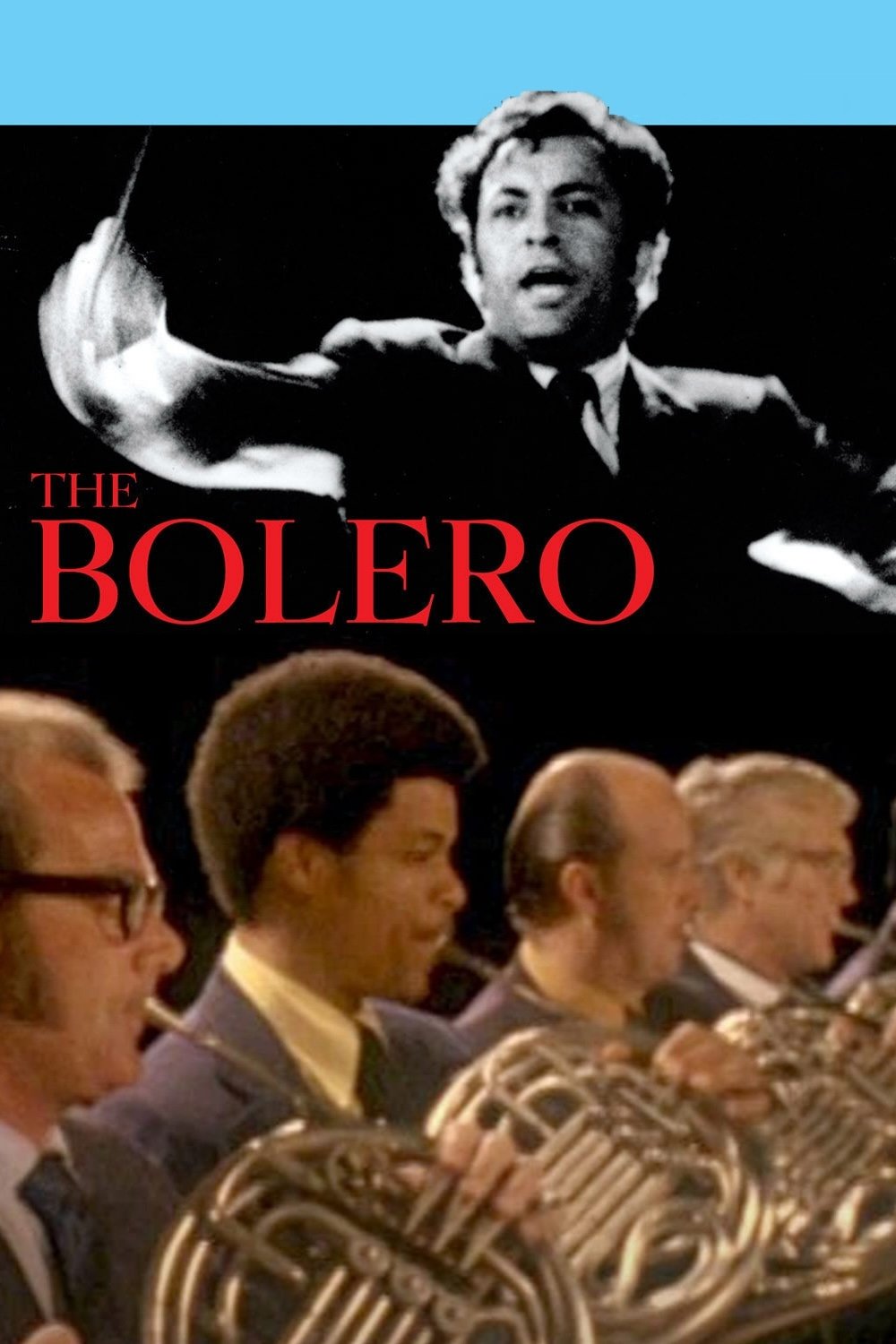
The first part of this Academy Award-winning short consists of a behind-the-scenes look at the Los Angeles Philharmonic Orchestra as it prepares to perform Ravel's "Bolero." Individual musicians offer their thoughts as workers set up chairs and music stands; there are also comments by conductor Zubin Mehta and scenes of Mehta and the orchestra rehearsing. The rest of the film features a complete performance of "Bolero" with striking images of the orchestra as the music relentlessly approaches its climax.
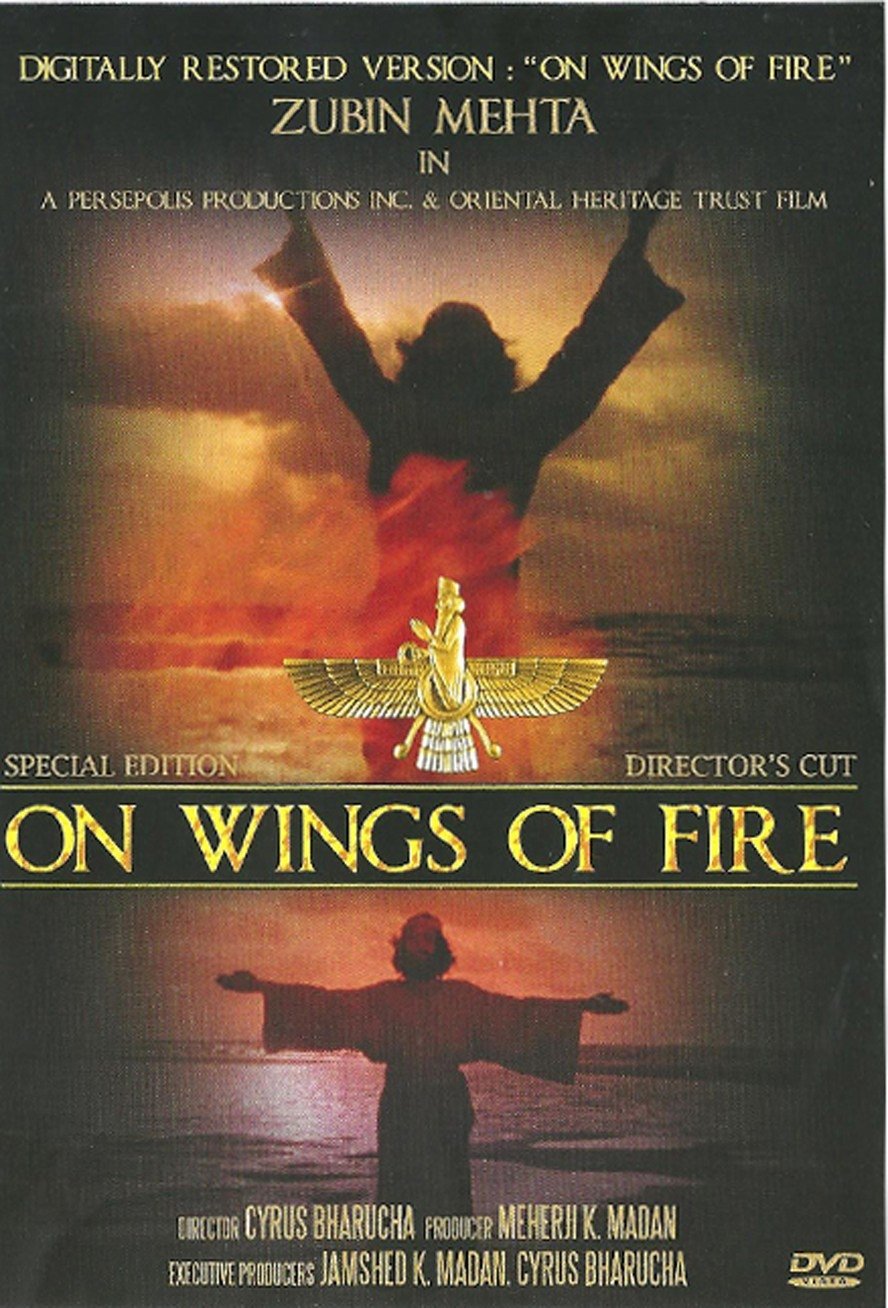
Maestro Zubin Mehta introduces the history of Zoroastrianism and prophet Zarathushtra in an epic that covers 3500 years of the Zoroastrians, Parsees of India.

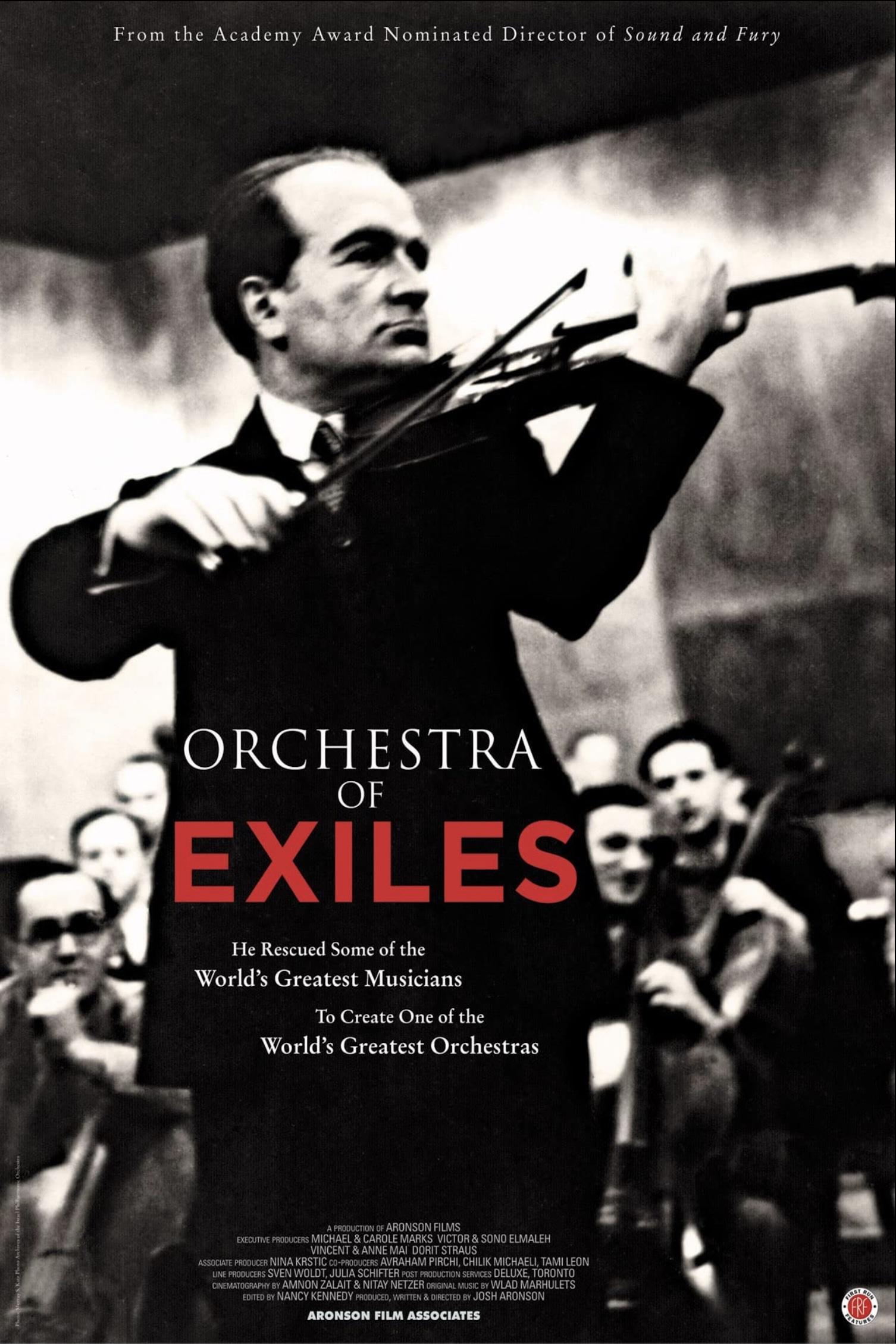
The suspenseful chronicle of how the prodigious Polish violinist Bronislaw Huberman helped save Europe’s premiere Jewish musicians from obliteration by the Nazis during World War II. In three years, he transformed from a world renowned violinist to a humanitarian racing against time.
Bolero is played every 15 minutes in the world. This film tries to answer how this famous melody inspired and influenced the world pop-culture? It explores the complexity and the richness of a piece so simple in appearance: the emotions it triggers, vertigo it creates, the words it inspires.
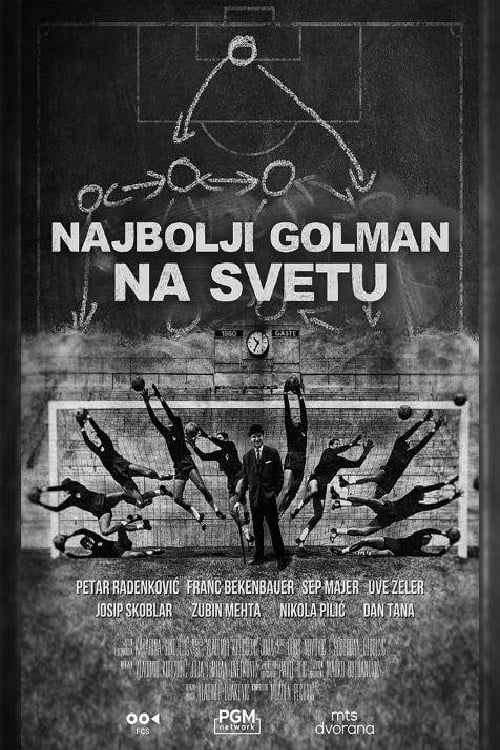
Incredible story of Petar Radenkovic. From Belgrade to Munich, from cheap hotel rooms to a Bundesliga superstar. Millions of copies of his song were sold. The story of a man of whom Germany was proud and Yugoslavia wouldn't speak a word.
Documentary about the state of the conducting world in the 1990s. Broadcast as part of the BBC OMNIBUS strand of documentaries.
The world famous conductor reminisces about his life in a wide ranging discussion about his varied and successful career.
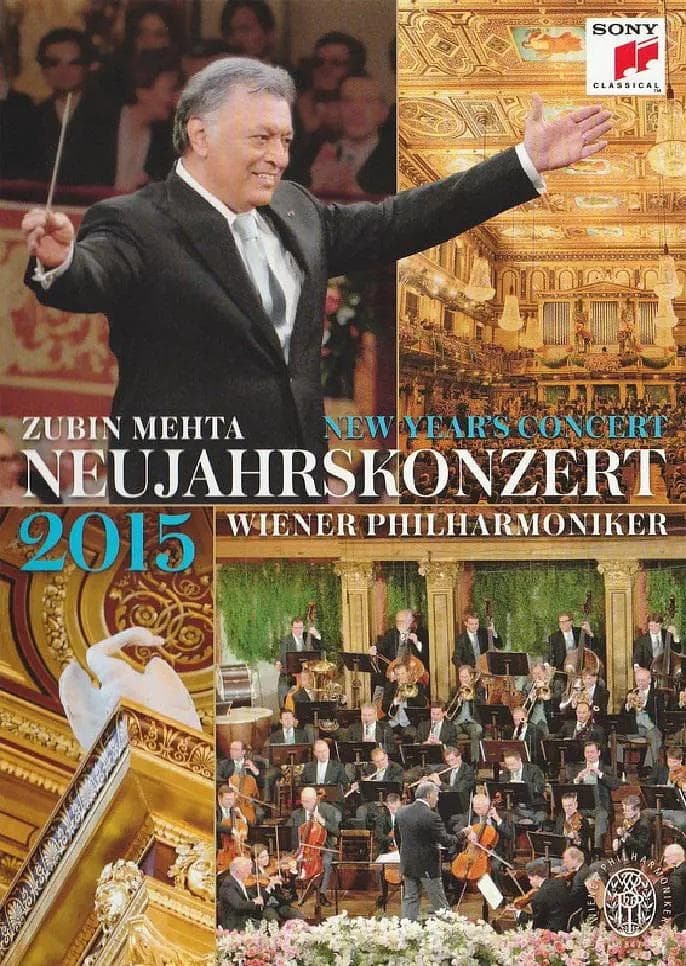
The 2015 edition of the Vienna Philharmonic New Year's Concert saw Zubin Mehta back on the podium after an eight year absence. Mehta has mellowed a bit in that time, and the program seems to reflect that. The orchestra plays with its usual style and finesse, though the fireworks are kept to a minimum. There's a lot of beautiful legato playing to be had here, which is enjoyable to hear when so many ensembles feel the need to punch and pull at music these days. In a word, "tradition" is on display, and that's a good thing.
Christopher Nupen's record of the concert given by five young musicians in the new Queen Elizabeth Hall at London's South Bank, in 1969. The Trout is an exuberant explosion of youthful enjoyment in music: first from Schubert himself, who wrote his famous Trout quintet when he was 22 years old, and then from five young artists of the highest rank. They pick up the spirit of Schubert's music magnificently, both in preparation and rehearsal, and in their 1969 performance of the work, which has become one of the most remembered ever given. Includes personal introductions by Christopher Nupen and Jacqueline du Pré and features the legendary 1969 performance of The Trout with Daniel Barenboim, Itzhak Perlman, Jacqueline du Pré, Pinchas Zukerman and Zubin Mehta.
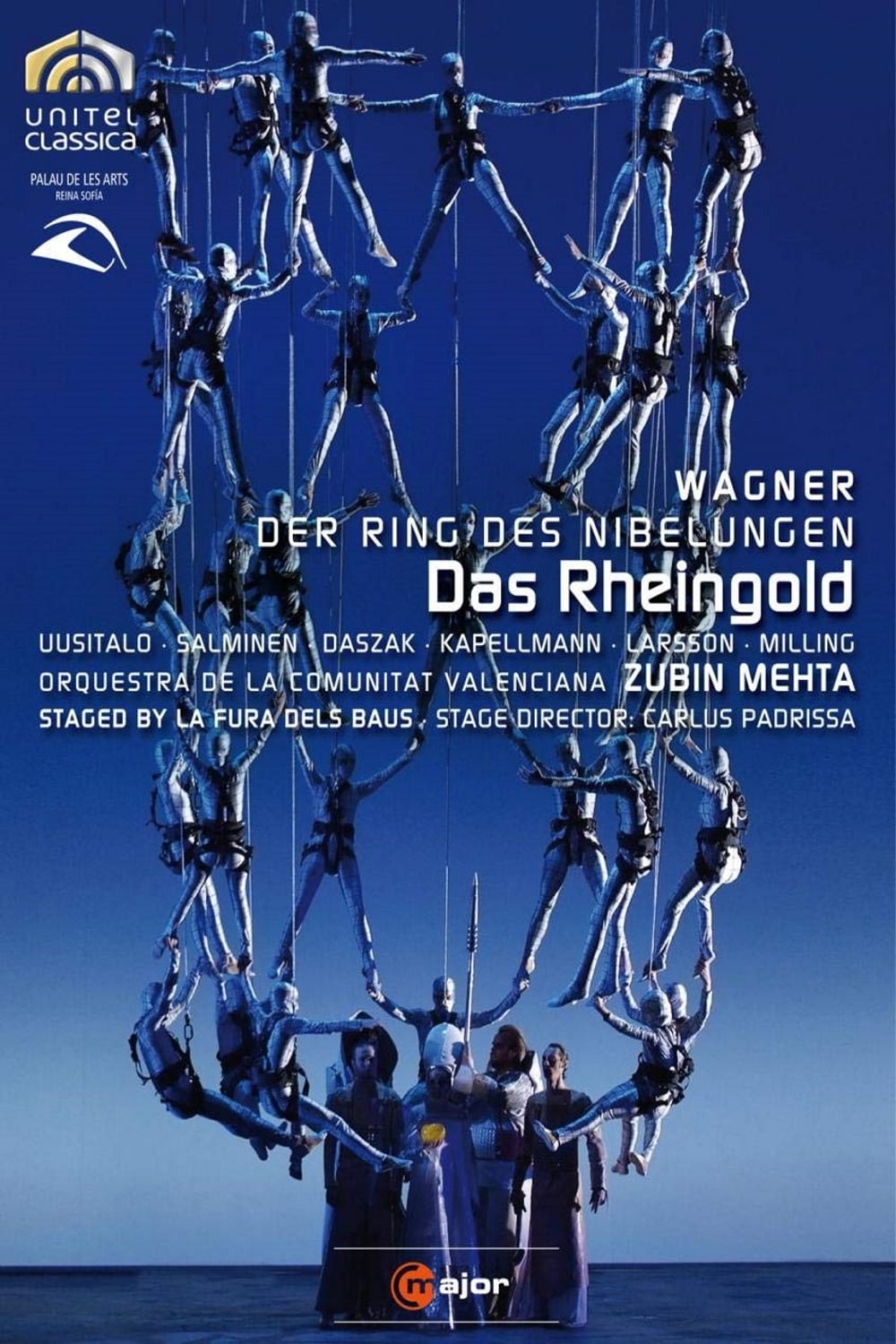
In the words of the prestigious German weekly 'Die Zeit,' the stage production of Wagner's 'Rheingold' and 'Walküre' by La Fura dels Baus 'quite possibly shows us the path that musical theater will be taking in the future.' There's no doubt about it: the Catalan city of Valencia is setting new accents in 21st-century opera not only with its spectacular new theater designed by Santiago Calatrava, but also with its visually transfixing production of Wagner's 'Ring' staged by Carlus Padrissa and his theater group La Fura dels Baus.
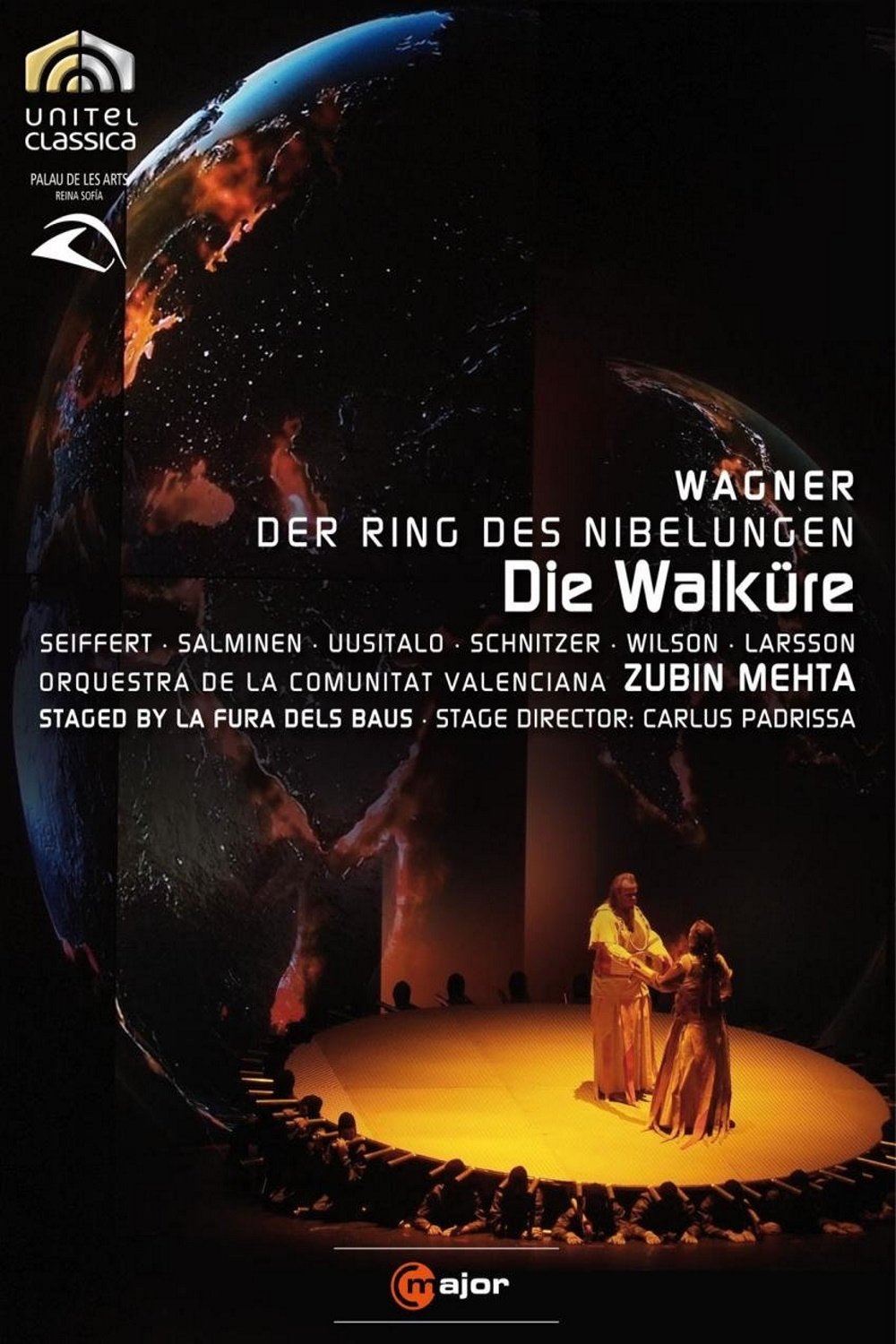
It has been a long time since the events of Das Rheingold. Wotan has fathered nine Valkyries, warrior women who bring dead heroes to Valhalla (the castle of the Gods). Richard Wagner's dream of a Gesamkuntswerk becomes reality through La Fura dels Baus' visual fantasy and blending of video technology, lighting and props (often formed of human beings): Their 30 computer projections and organic structures built of athletic performers that recall Cirque du Soleil are predestined for Wagner's visionary expressive world.
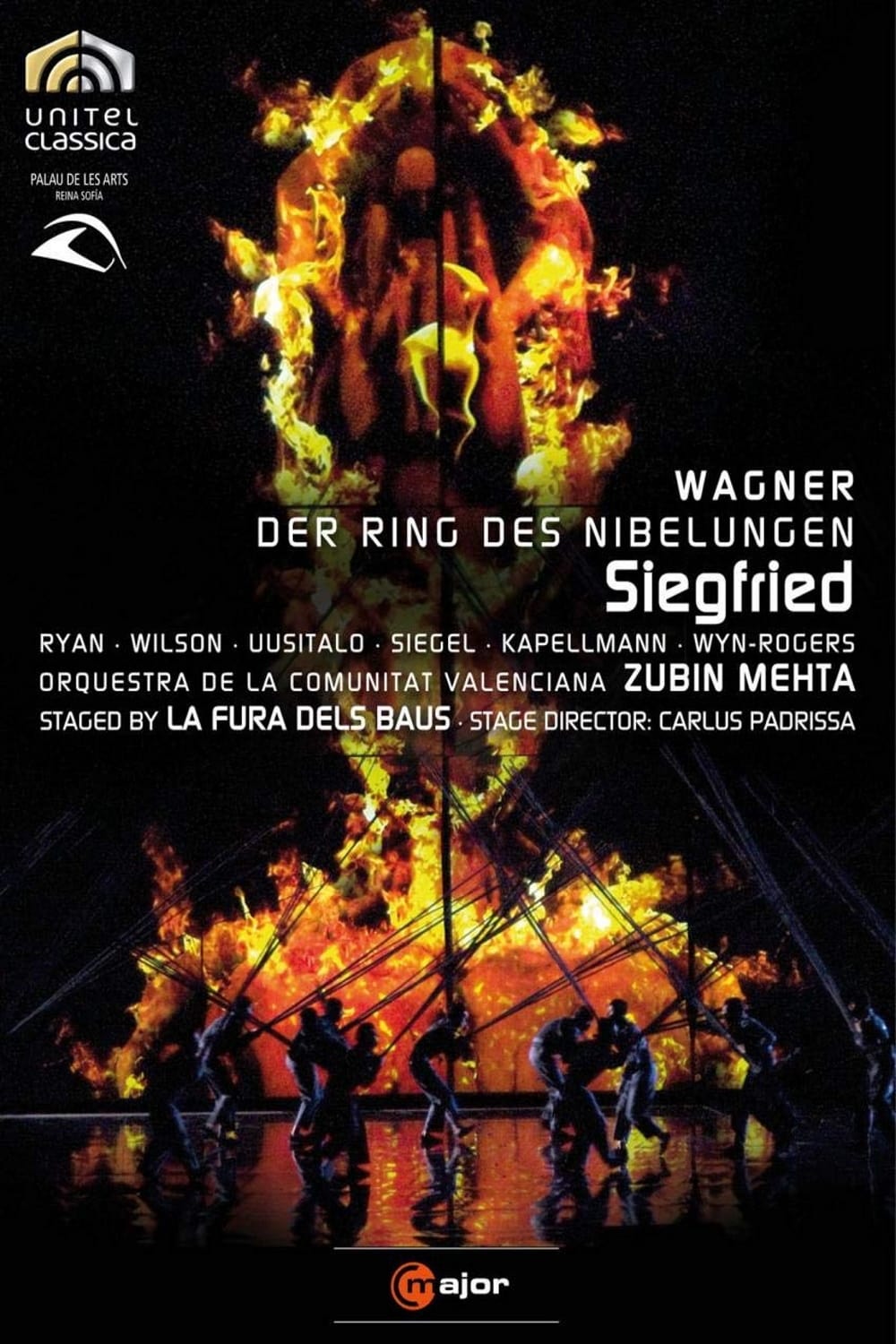
Richard Wagner's dream of a Gesamkuntswerk becomes reality through La Fura dels Baus' visual fantasy and blending of video technology, lighting and props (often formed of human beings): Their 30 computer projections and organic structures built of athletic performers that recall Cirque du Soleil are predestined for Wagner's visionary expressive world.
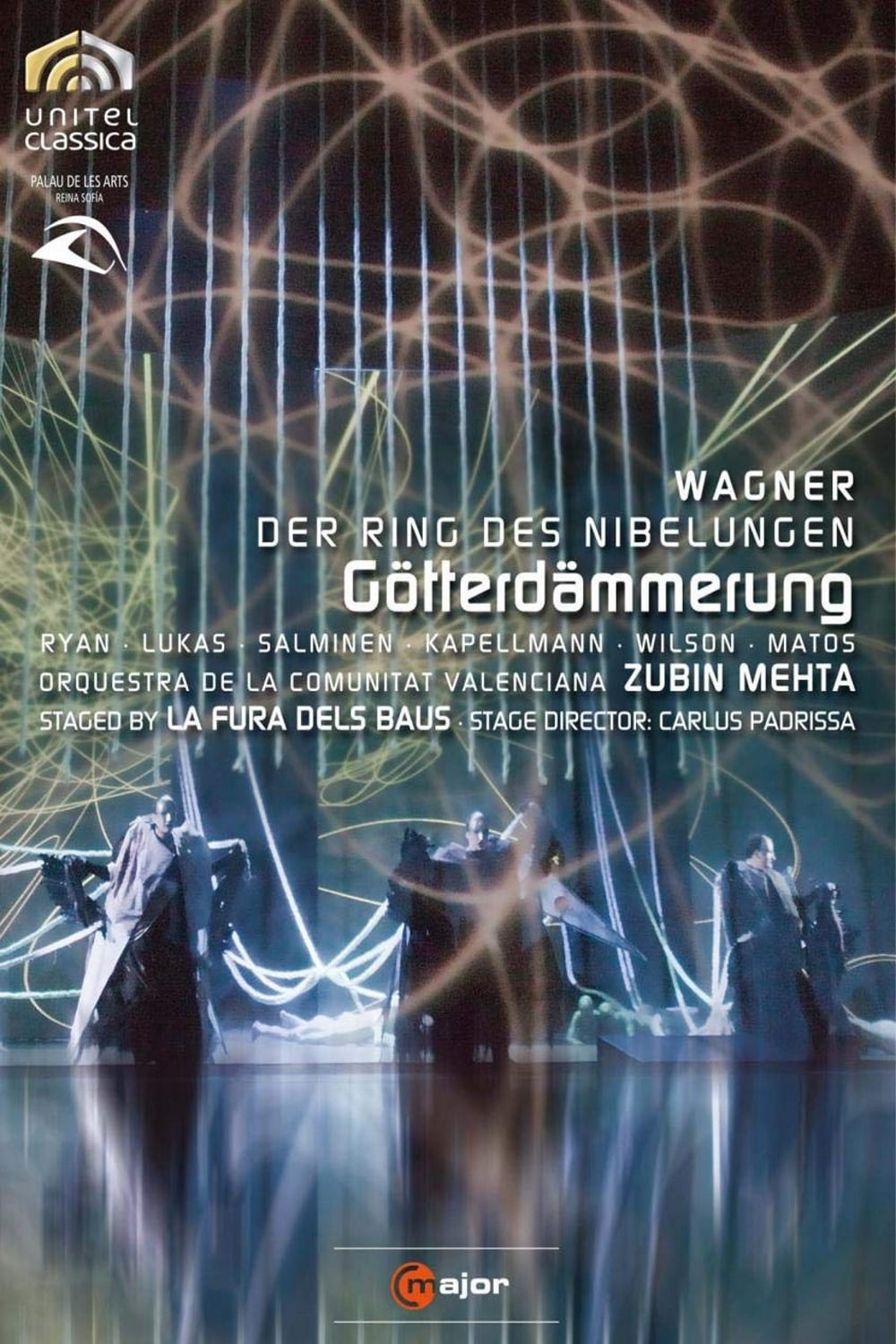
Richard Wagner's dream of a Gesamkuntswerk becomes reality through La Fura dels Baus' visual fantasy and blending of video technology, lighting and props (often formed of human beings): Their 30 computer projections and organic structures built of athletic performers that recall Cirque du Soleil are predestined for Wagner's visionary expressive world.
The struggles of the world’s Jewish people over the course of several centuries are expressed and explored through the music they inspired in this documentary from the BBC and Opus Arte. We Want the Light brings together harrowing tales from Holocaust survivors with performances of music by such legendary composers as Mahler, Bach, Mendelssohn, and Brahms. Interviews with: Alice Sommer Herz, Jacques Stroumsa, Evgeny Kissin, Vladimir Ashkenazy, Zubin Mehta, Itzhak Perlman, Pinchas Zukerman, Toby Perlman, Michael Haas, Elyakim Ha’etzni, Norman Lebrecht, Margaret Brearley, Paul Lawrence Rose, Daniel Barenboim, Yirmiyahu Yovel, Uri Toeplitz & Anita Lasker-Wallfisch. Featuring: Gürzenich-Orchester Köln, Cologne Cathedral Children’s Choir & Cologne Opera Chorus.
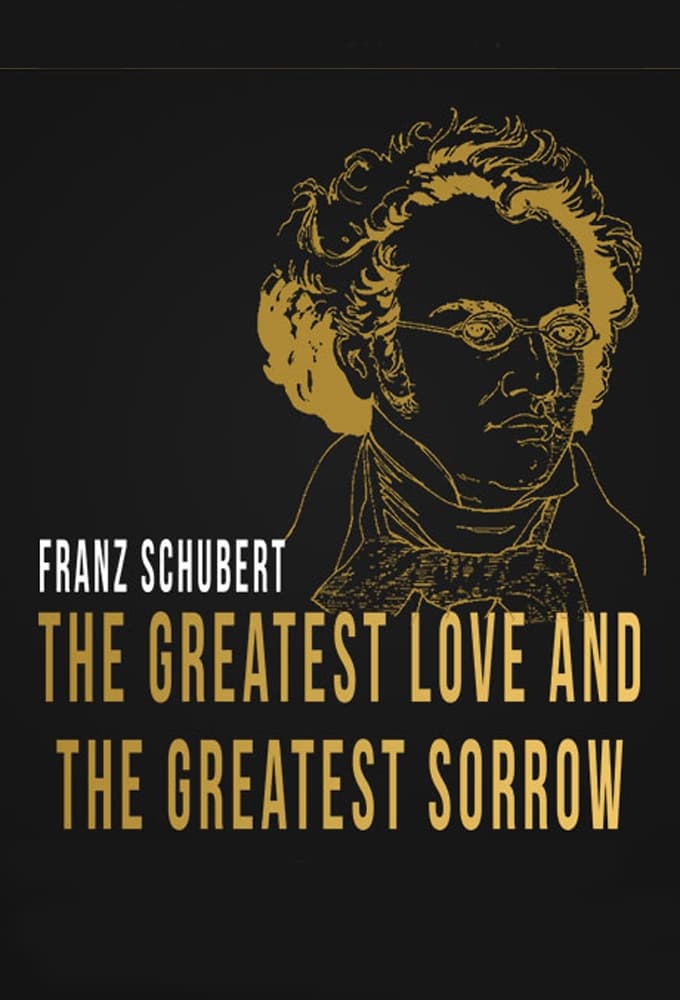
The Greatest Love and the Greatest Sorrow is a film which sets out to bring the viewer closer, not to the details of Schubert's life, but to the spirit of what he was trying to express with what he called his creative gift and with which he tried "to brighten the world". The film begins with the funeral of Beethoven, at which Schubert was a torch-bearer, His story is told almost entirely in music written in the twenty months that remained to him after that date, together with quotations from Schubert's letters, diaries and the words that he chose to set in some of his songs. Includes personal introductions by Christopher Nupen and Jacqueline du Pré and features the legendary 1969 performance of The Trout with Daniel Barenboim, Itzhak Perlman, Jacqueline du Pré, Pinchas Zukerman and Zubin Mehta.

Vivaldi, Mozart, and Beethoven serve up an evening of glittering virtuosity and transcendent melody in this unusual, all-concerto program. Filmed at Tel Aviv’s Mann Auditorium in July 2015. Zubin Mehta leads the Israel Philharmonic Orchestra as they accompany three very different 18th-century concertos performed respectively by trumpeters Ram Oren and Yigal Meltzer, clarinettist Ron Selka, and pianist Khatia Buniatishvili. Set-List: Antonio Vivaldi, Concerto for 2 Trumpets in C Major, RV 537 / Wolfgang Amadeus Mozart, Clarinet Concerto in A Major, K. 622 / Ludwig van Beethoven, Piano Concerto No. 1 in C Major, Op. 15.
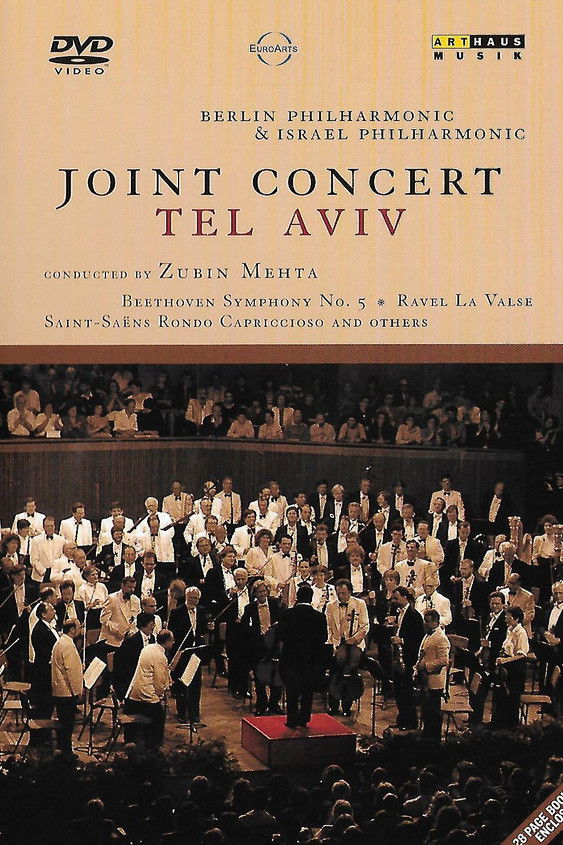
Some concerts are important simply as occasions: The “Joint Concert Tel Aviv” was a celebration of reconciliation, a performance shared by the Berlin Philharmonic Orchestra and the Israel Philharmonic Orchestra that would have been inconceivable a few years earlier. Zubin Mehta takes a massive band consisting of both orchestras through performances of Ben Haim’s fascinating “Psalm”, Ravel’s “La Valse” and Beethoven’s “Fifth Symphony”.
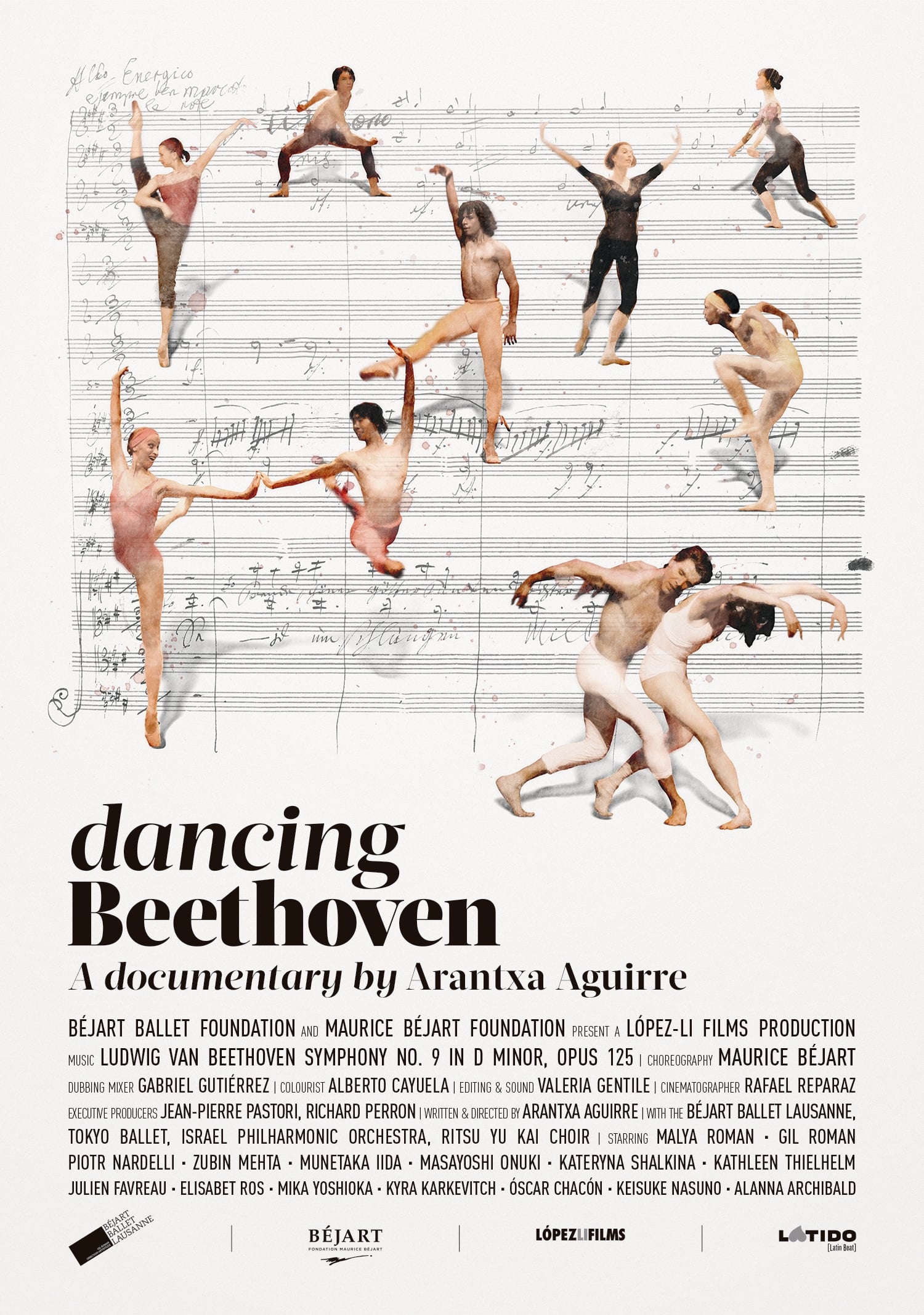
A journey through the preparation and hardworking process of ballet dancers and musicians for a unique spectacle in Tokio that Béjart choreographed with the Ninth symphony of Beethoven. Béjart ballet dances with Tokio ballet and the Philharmonic Orchestra of Israel. A marvellous combination of dancers movements and expression of different feelings along the four movements of the symphony with absolute elegance and strength.
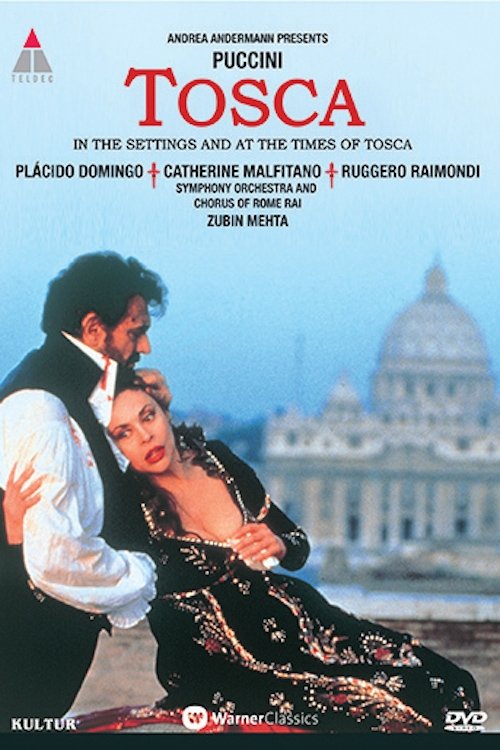
This live version of Puccini s superbly dramatic opera was recorded in Rome in the exact locations and at the precise times of day as Puccini had written into his score. The action opens in Rome's beautiful 16th-century church of Sant Andrea della Valle, where Cavaradossi (Plácido Domingo) is innocently painting, moves to the Farnese Palace where Tosca (Catherine Malfitano) dramatically stabs the lustful Scarpia (Ruggero Raimondi), and finally to the battlements of the Castle Sant Angelo at dawn the following day where Cavaradossi is cruelly killed, and Tosca takes her own life.

With family and friends present, Daniel Barenboim celebrates his seventieth birthday in the company of Zubin Mehta, and the Staatskapelle Berlin. He starts with Beethoven's Piano Concerto in C minor (No. 3) and ends with Tchaikovsky's Piano No. 1 with an Eliot Carter short atonal piece sandwiched between. Both the Beethoven and Tchaikovsky are exquisitely and passionately performed by Barenboim as he commands the piano and dazzles the audience. The structural composition of each comes alive; especially in the 2nd movement of the Tchaikovsky Concerto when the beautiful Claudia Stein opens with a sad flute introduction repeated by the piano. One marvels at the nuance of the Russian composition played an Argentine Israeli with a German orchestra conducted by a man born in Bombay. Mehta in his marvelous laconic way might be seen as the onlooker but the generous Barenboim does not allow it. He brings in Mehta and makes him part of it at all times.
André Heller is staging "Der Rosenkavalier" (his first opera production) at the Berlin State Opera. The story of a young nobleman caught between two women in Maria Theresa's Vienna is full of bold twists and fantastic entanglements. And as if made for an imaginative realization with all the means of modern theater. André Heller can rely on a first-class ensemble... André Heller is a chansonnier, actor, circus founder, vaudeville maker and stager of spectacles in which a variety of genres are combined with exuberant fantasy. In Berlin, Heller follows in the footsteps of Max Reinhardt, who ruled the Berlin stages at the beginning of the 20th century and revolutionized the theater with a multitude of innovations. Reinhardt also staged the world premiere of "Der Rosenkavalier" in 1911. It will be interesting to see how today's multimedia genius deals with the legacy of the great theater genius of yesteryear.

Shot over a two-year period observing Abbado: a) Rossini, Overture to 'll Barbiere di Siviglia' b) Schubert, Symphony no. 2 B-Major, D. 125 c) Arnold Schonberg, Kammersinfonie no. 1 E-Major op. 9 (Filmed in Venice, Gran Teatro La Fenice, in February 1995, Chamber Orchestra of Europe). a) Richard Strauss, Elektra (Deborah Polaski, Karita Mattila, Marjana Lipovsek, Ferrucio Furlanetto) b) Beethoven, Symphony no 6 F-Major, op. 68, 'Pastorale' (Filmed in the Festspielhaus Salzburg on the occasion of the Easter Festival, April 1995, Berlin Philharmonic). a) Beethoven, Concerto for piano and orchestra no. 3 C-MINOR, OP. 37 (Maria Joao Pires) b) Bruckner, Symphony no. 9 D-Minor (Filmed in Paris, Cite de la Musique, in August 1995, Gustav Mahler Youth Orchestra).
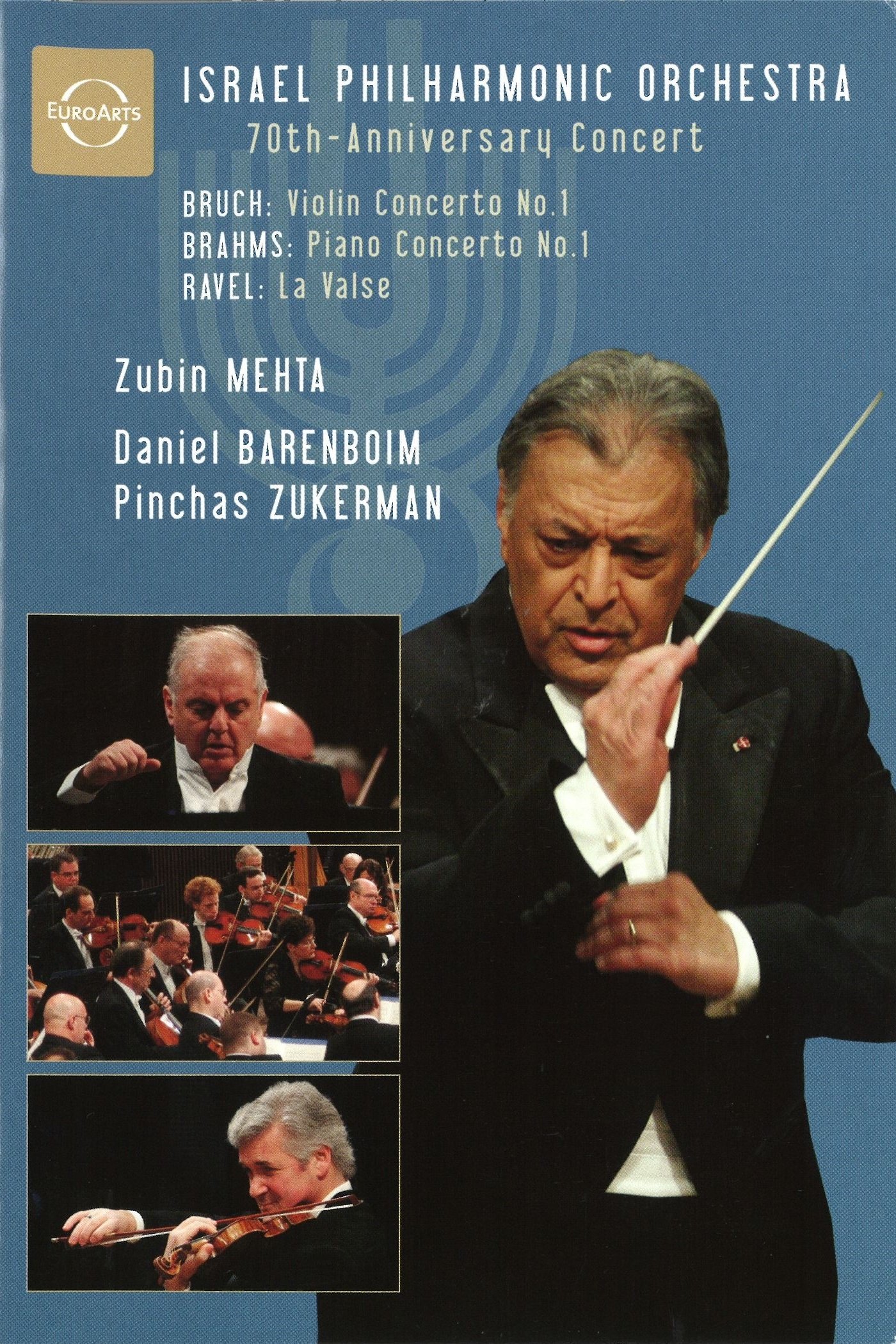
Recorded live at the Frederic R. Mann Auditorium, Tel Aviv, 26 December 2006
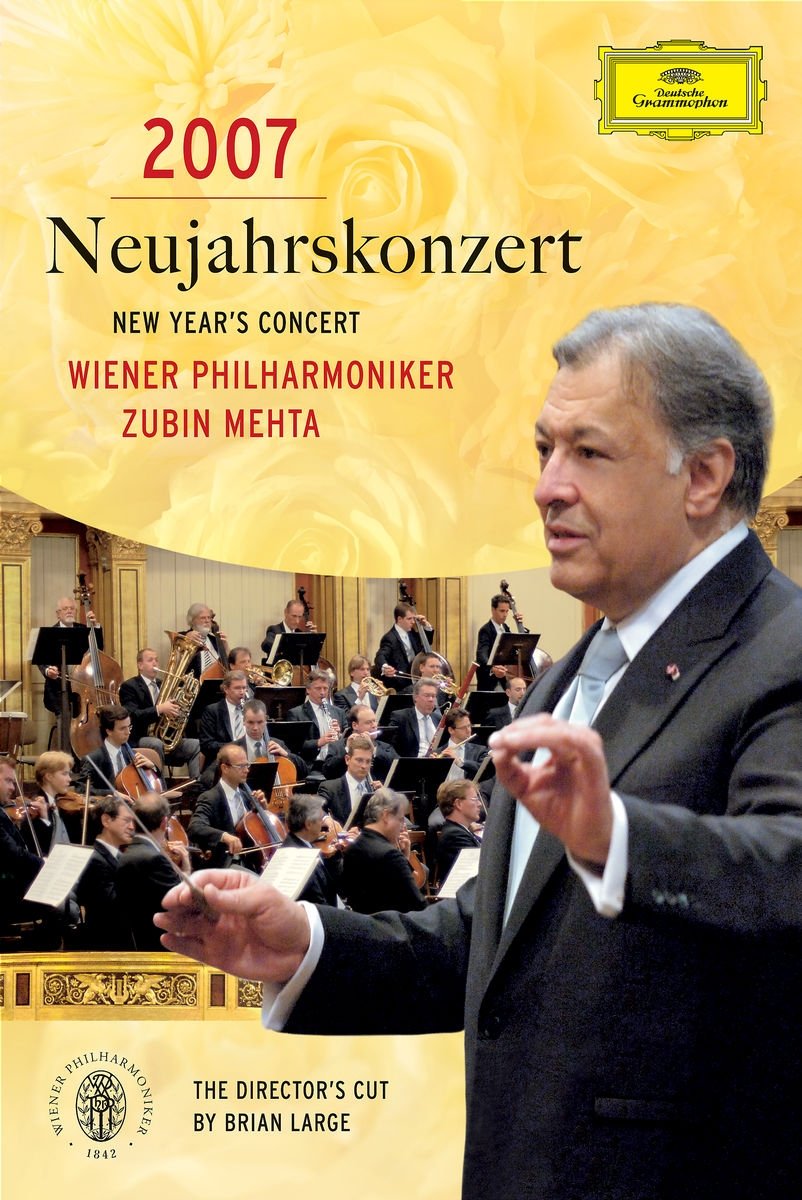
Metha performs his 4th New Year's Concert with the Vienna Philharmonic. Included are works by Johann Strauss II, Josef Strass, Joseph Hellmesberger, Johann Strauss I, and Eduard Strauss.
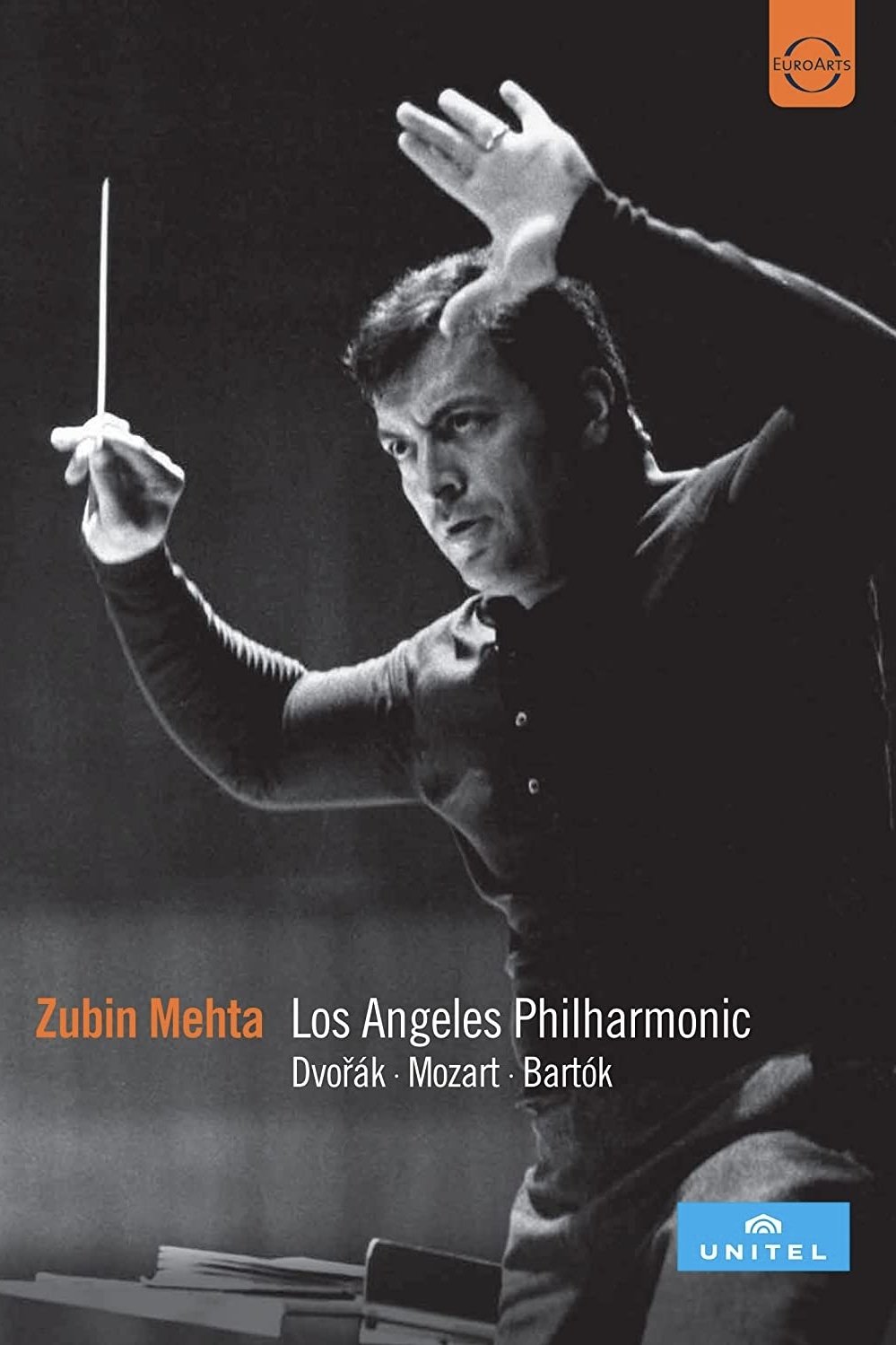
Recorded live at the Dorothy Chandler Pavilion in 1977, this film showcases the Los Angeles Philharmonic performing Mozart's Bassoon Concerto in B-flat Major, featuring David Breidenthal on bassoon, with Zubin Mehta conducting. Highlighting the great strides the Philharmonic made under Mehta's direction, this program also includes performances of Bartók's Concerto for Orchestra, Dvorák's Symphony no. 8 in G Major and more.
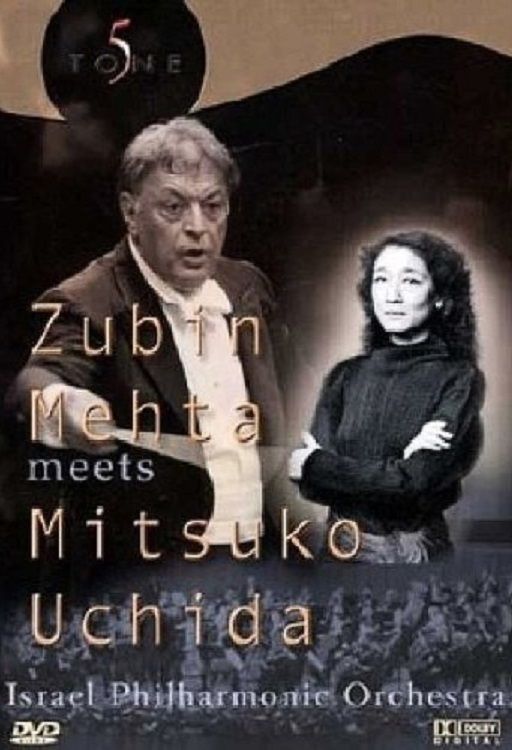
Soloists Mitsuko Uchida on the piano, Zinovi Kaplan on the violin and Dudu Carmel on the oboe interpret the music of Bach ("Concerto for Violin and Oboe"), Beethoven ("Piano Concerto No. 4"), Stravinsky ("Pulcinella") and Schubert ("Rosamunde Overture"). They play under the able baton of maestro Zubin Mehta conducting the Israel Philharmonic Orchestra. Special features include artist bios and a documentary about the life of Johann Sebastian Bach.
Featuring never-before-seen footage, concert performances and intimate interviews, filmmaker Ron Howard examines the life and career of famed opera tenor Luciano Pavarotti.
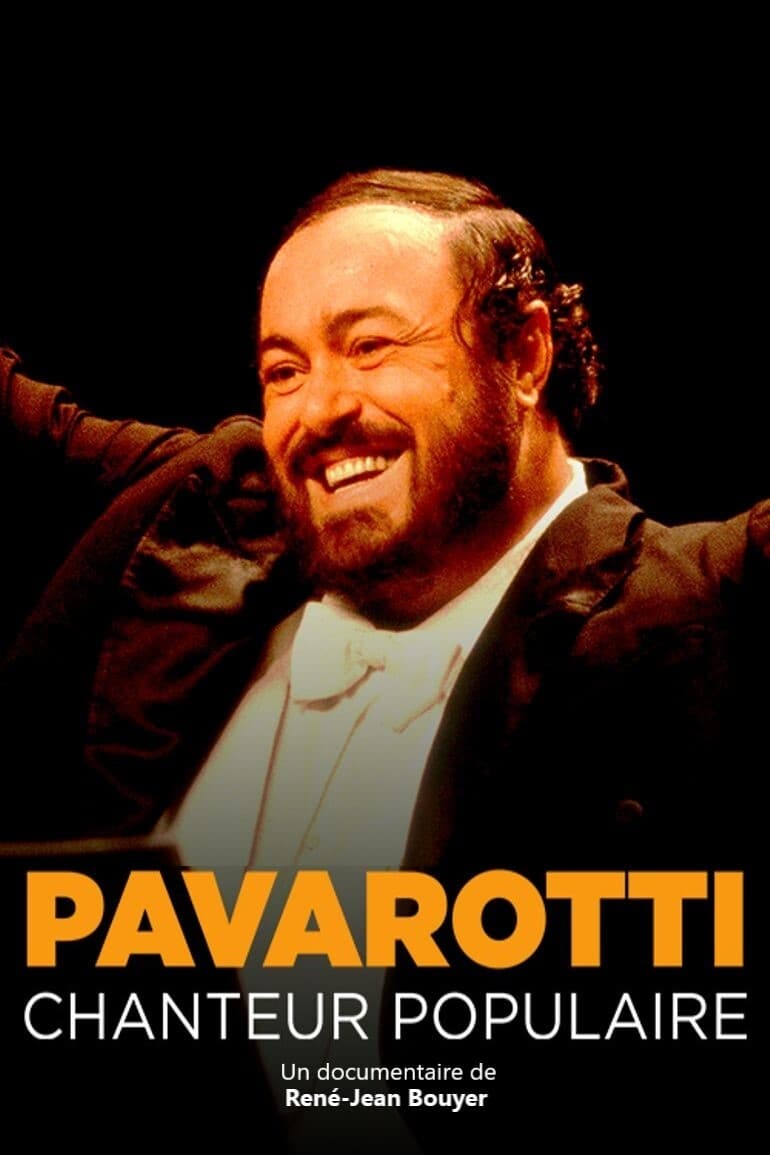
Although he is unanimously credited with having democratised opera, making it accessible to the greatest number, focus is rarely put on the strategy he devised and implemented in order to carry out his actions, nor what his actions reveal of the man and artist, and of the resulting metamorphosis from opera singer to pop artist. Through this angle, this film sets out to pay tribute to the man who summed up his credo, obsession and life’s work, in the following way: “They led the public to believe that classical music belonged to a restricted elite. I was the way to prove to the world that was wrong.
When chaos reigns, while barbaric and fanatical rulers, both ecclesiastical and secular, systematically burn entire libraries, book hunters, secret heroes of history, travel the world saving and copying texts, threatened by the madness of censors, with the noble purpose of preventing the ultimate loss of human knowledge.
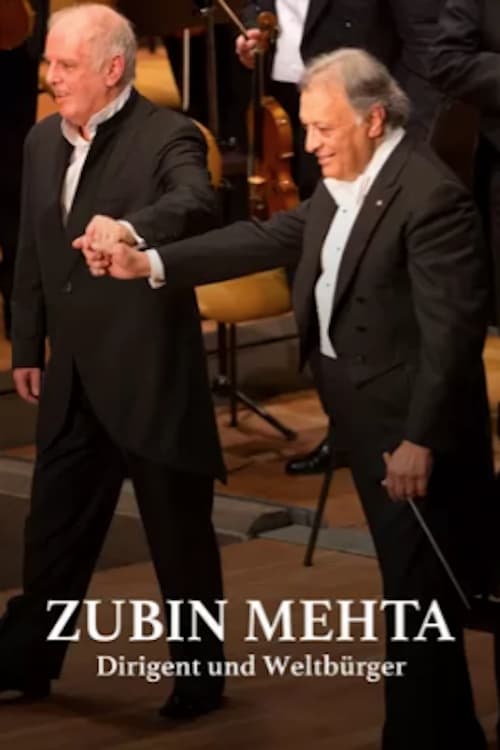
Zubin Mehta is one of the most charismatic conductors of our time. A citizen of the world with many facets: Indian culture and Parsi spirituality, North American lifestyle and European musical tradition. The portrait accompanies Zubin Mehta to current places of activity and important stages of his life. [arte.de]
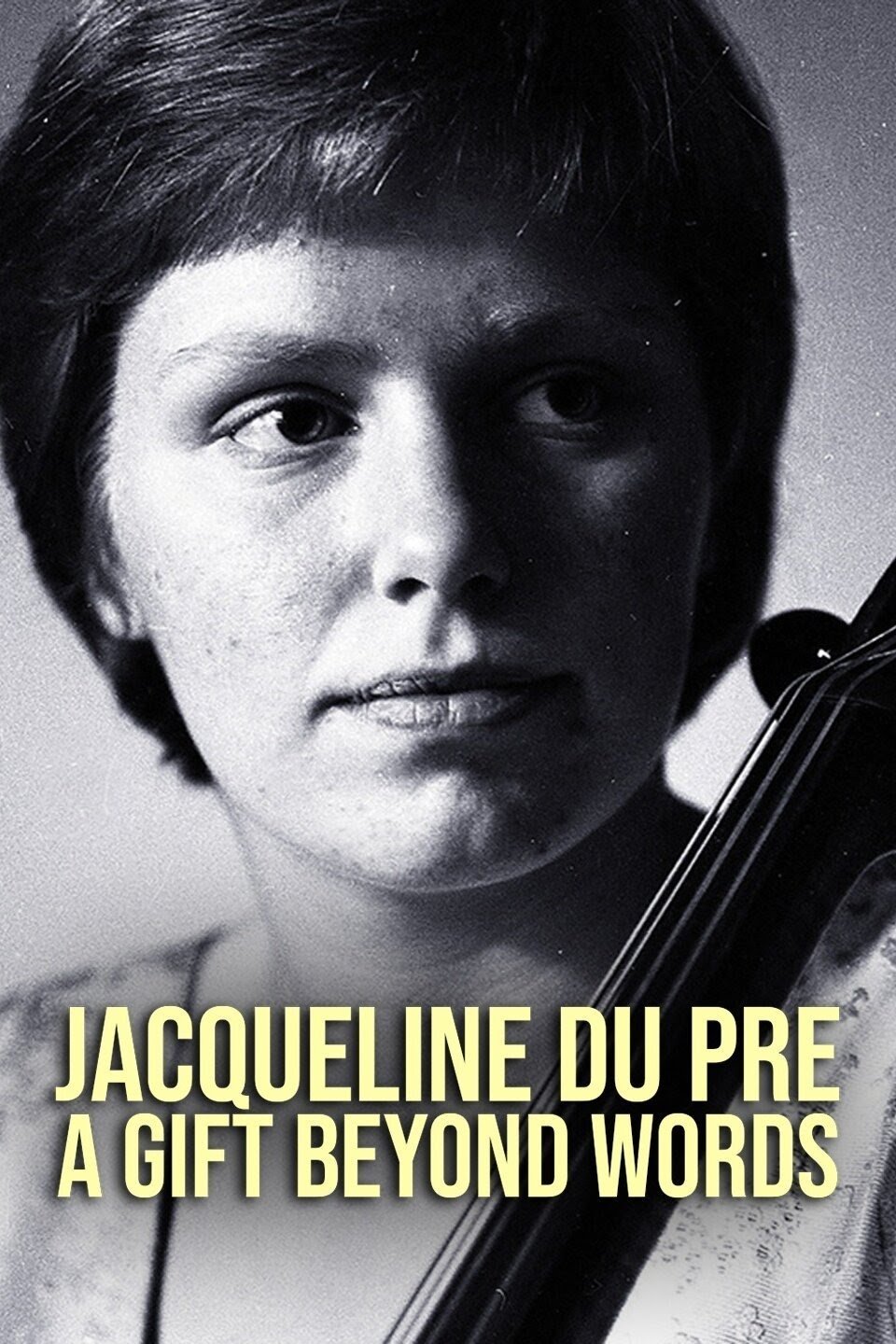
A tribute to Jacqueline du Pré to mark the thirtieth anniversary of her death thirty years ago, on 19 October 1987. The film contains archive footage shot during Jacqueline du Pré’s lifetime which captures some glorious and professionally filmed live performances. It also remembers both her personality and her music through the memories and tributes of her closest friends and colleagues.
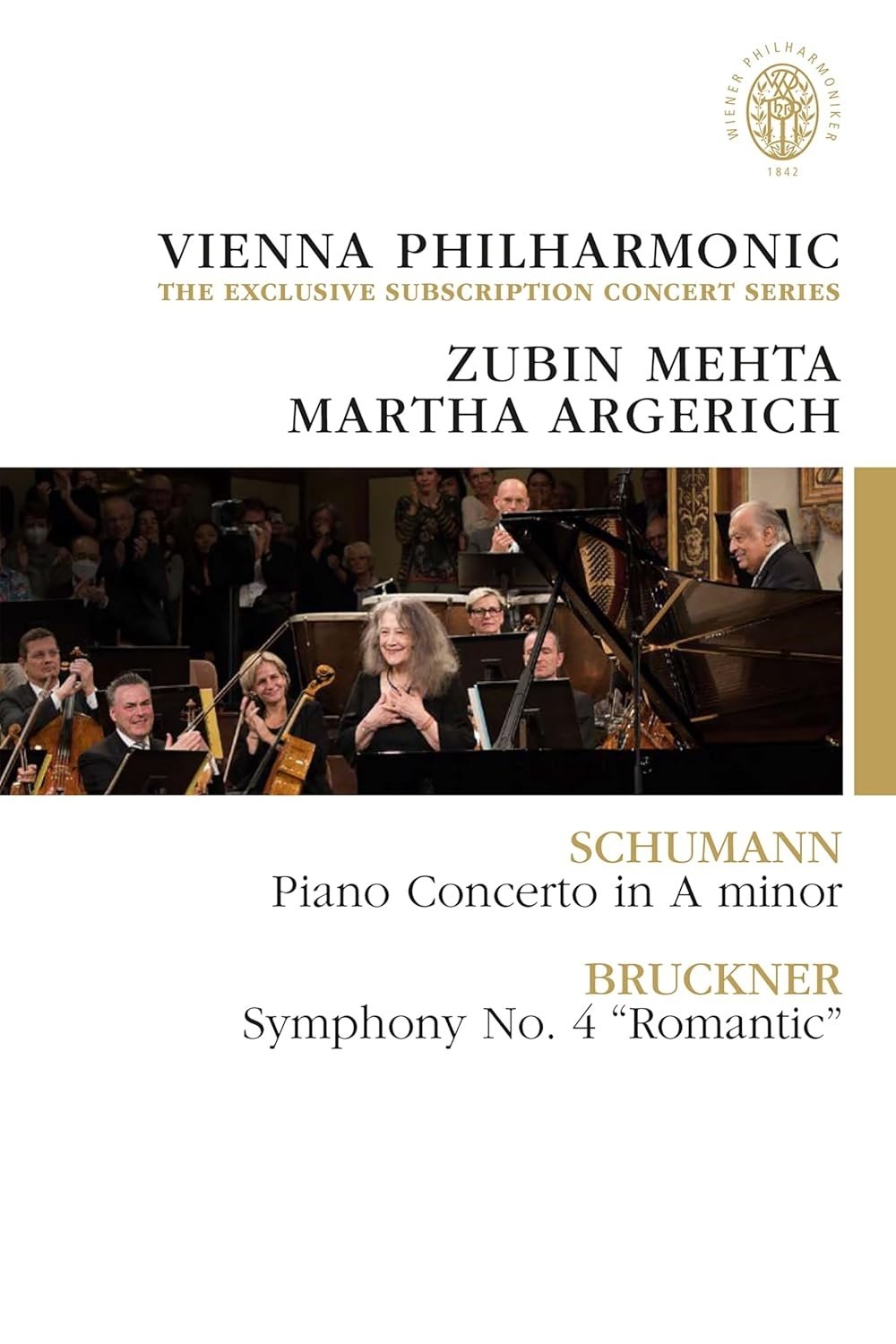
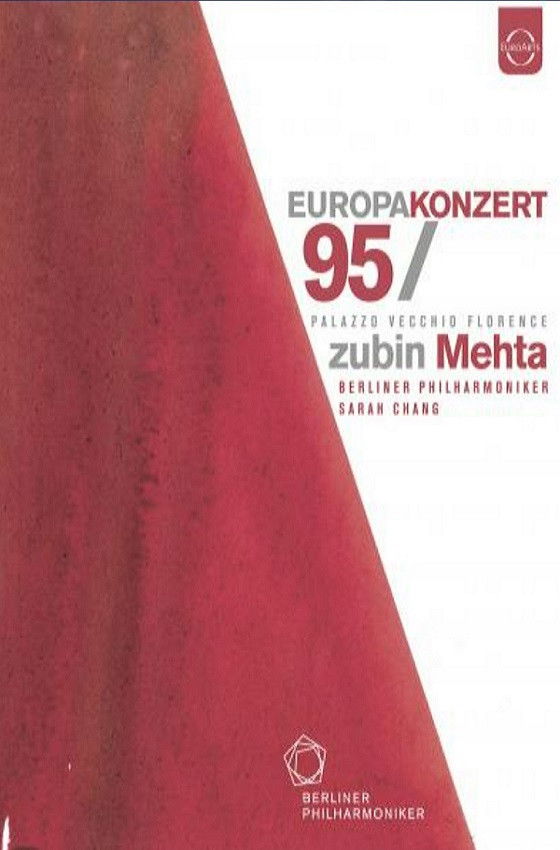
Beethoven: Fidelio Overture Paganini: Violin Concerto No. 1 Blacher: Variations on a Theme by Paganini Stravinsky: Petrushka Dvorak: Slavonic Dance No. 8
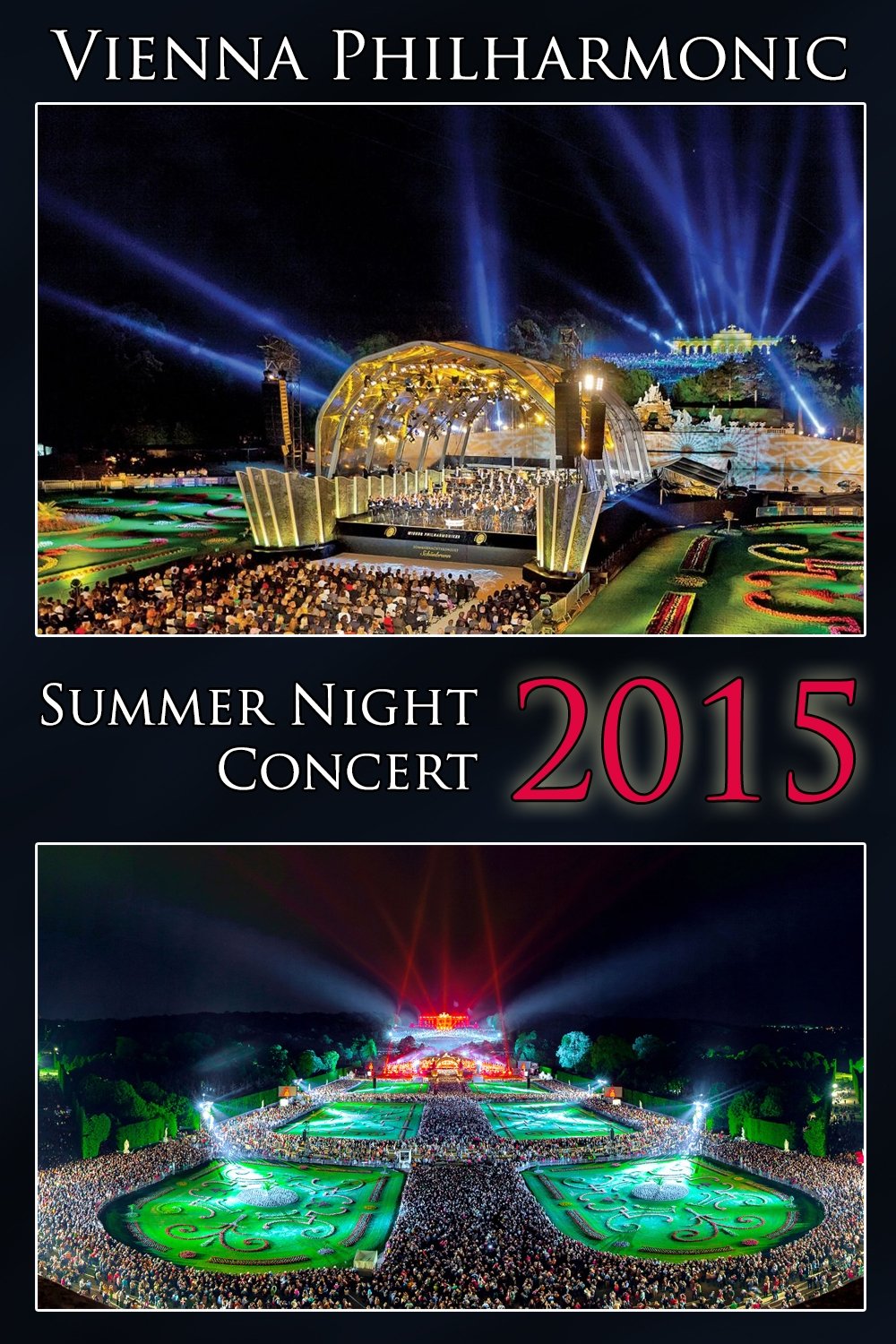
On Christmas Eve viewers of ERT1 have the opportunity to watch at 10 pm, the concert of the Vienna Philharmonic Orchestra, sto Concerto Midsummer Night's Schonbrunn 2015, in the unique atmosphere of the gardens of the summer palace of Schonbrunn in Vienna, with background famous Gloriette. Ti Vienna Philharmonic conducted by Zubin Mehta. By adopting this concert in a public place and free entry, the Philharmonic Orchestra of Vienna aims to make classical music accessible to a wide range of listeners / viewers. The summer concert at Schonbrunn, which is a production of the Austrian State Radio and Television broadcast every year live or pre-recorded in over 80 countries worldwide. The palace of Schonbrunn, with its Baroque gardens, a UNESCO World Heritage of UNESCO, but at the same time is the most important tourist attraction of Vienna. The old park only opens once a year, on the occasion of this concert.
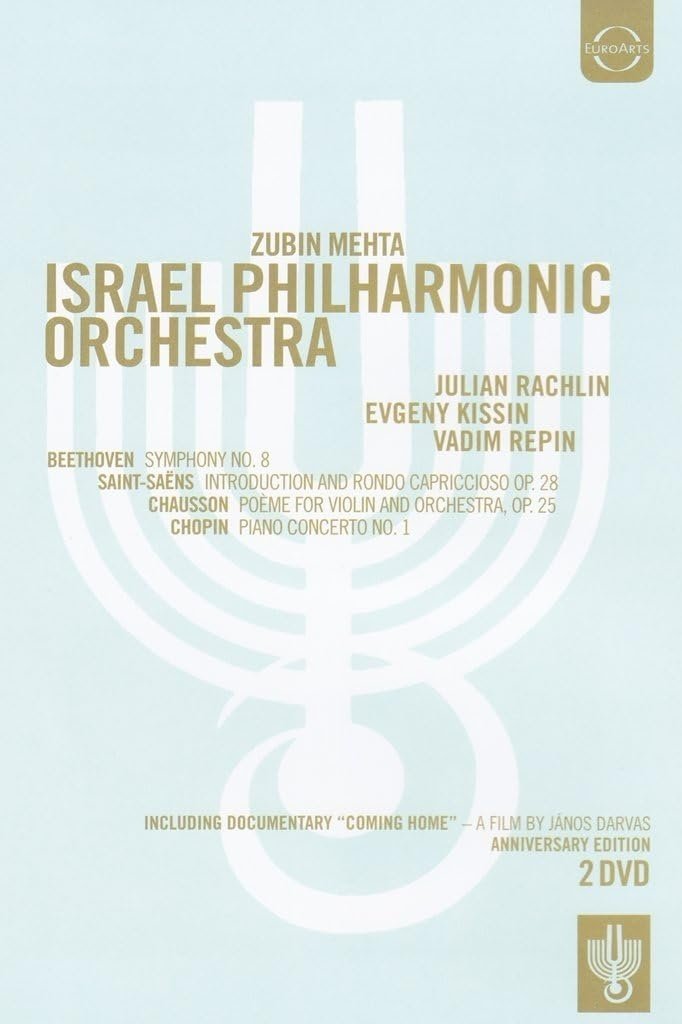
Zubin Mehta is one of the great conductors of our time. Born in Bombay in 1936, Mehta has lived in Florence for many years. There, as musical director of the Teatro del Maggio Musicale Fiorentino, he has found his own stage. The film looks back on the conductor's life and is also a vivid reflection of his artistic present.
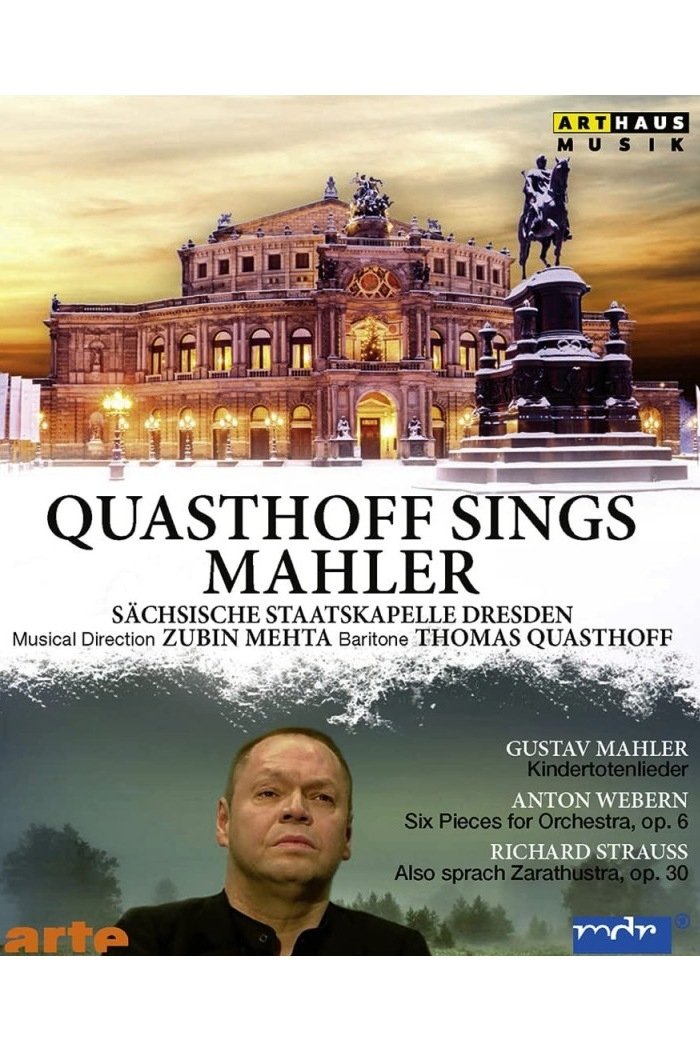
Quasthoff sings Mahler (Staatskapelle Dresden, 2010)
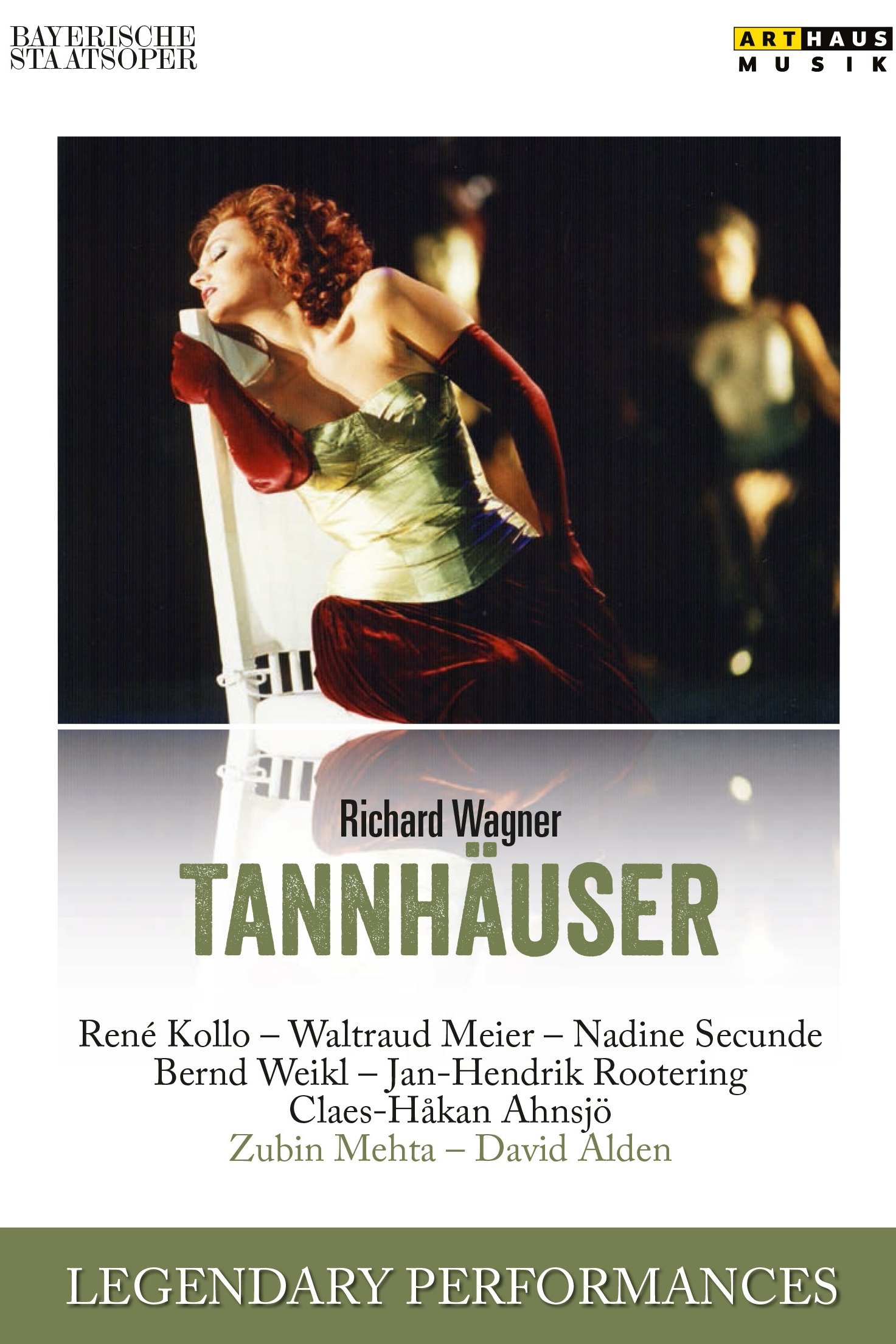
David Alden's production of Wagner's grand romantic opera was recorded at the National Theatre in Munich, with Bayerische Staatsoper, in September 1994. Shot over three days by leading opera director Brian Large, this recording benefits from the ideal technical conditions made possible by a closed session. Alden, one of the most iconoclastic interpreters of classical opera, stirs up the visionary, erotic, and archetypal elements in Wagner's work. The cold, forbidding aspect of the stylized and predominantly monochrome sets and costumes by Roni Toren and Buki Shiff manifests the strait-jacket of tradition from which Tannhäuser seeks to free himself in this powerful opera.
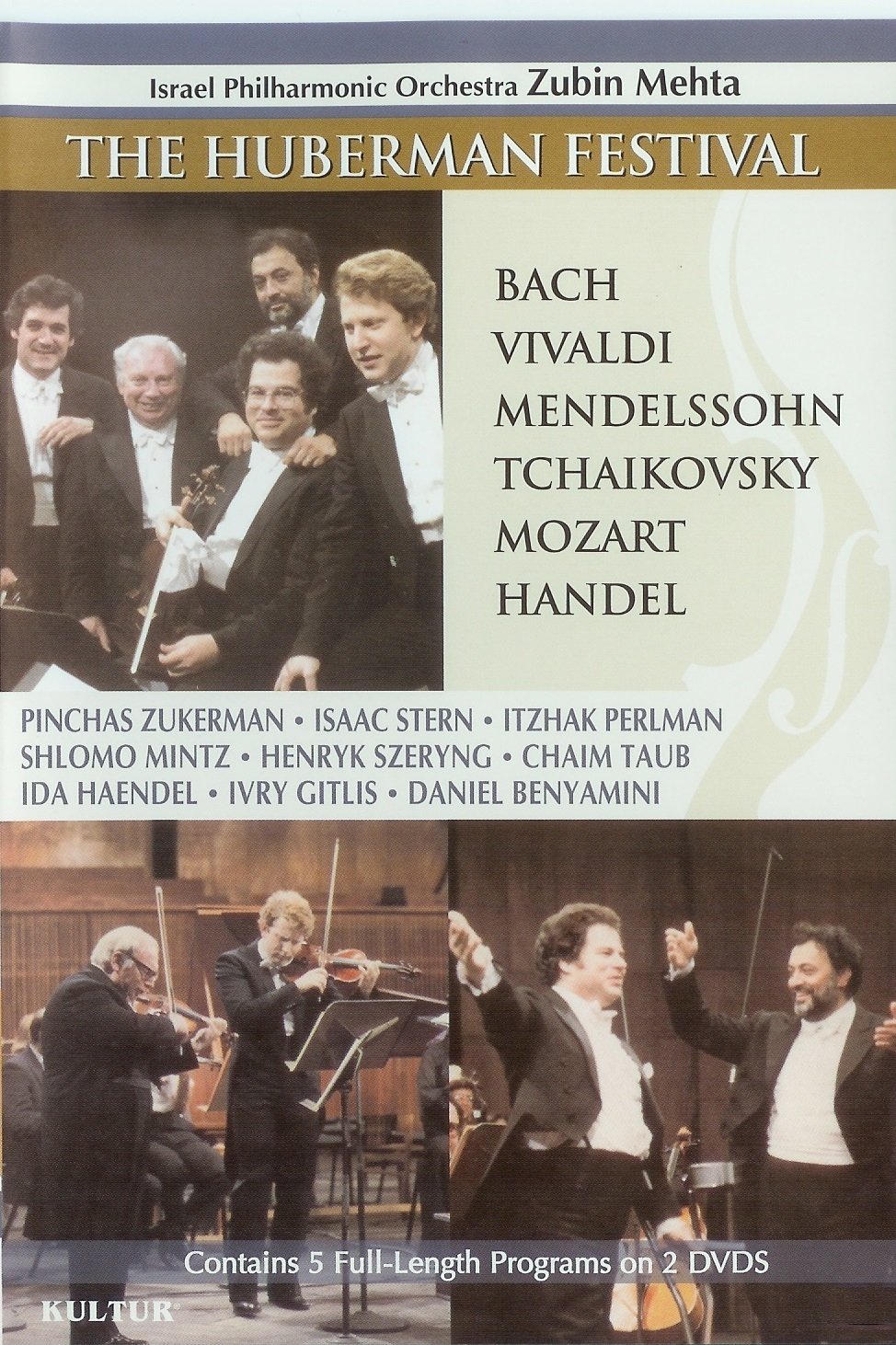
Pinchas Zuckerman, Isaac Stern, Itzhak Perlman, Zubin Mehta, Israel Philharmonic
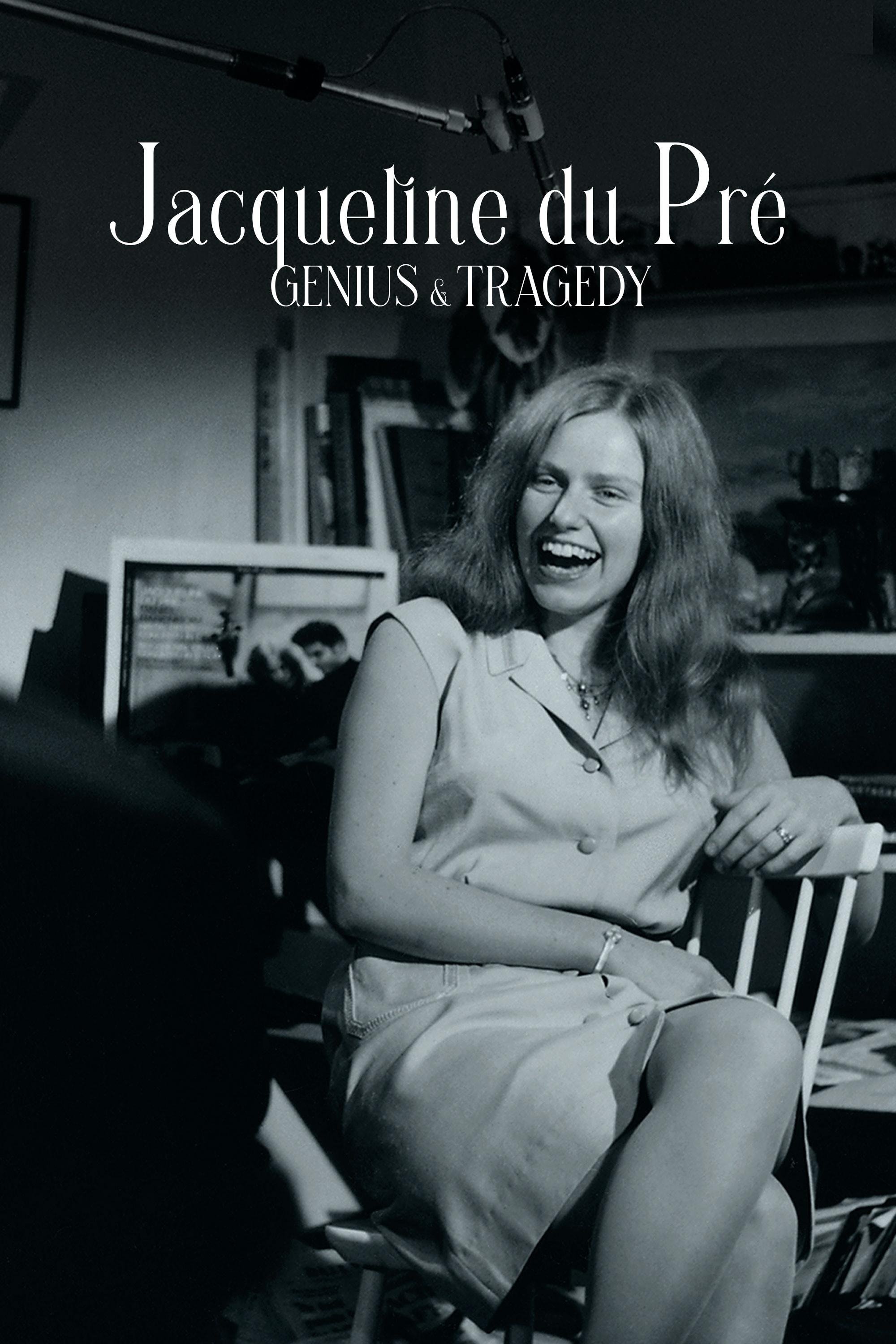
Yo-Yo Ma narrates a documentary about the remarkable cellist Jacqueline du Pré, whose life and career were cut short by multiple sclerosis.
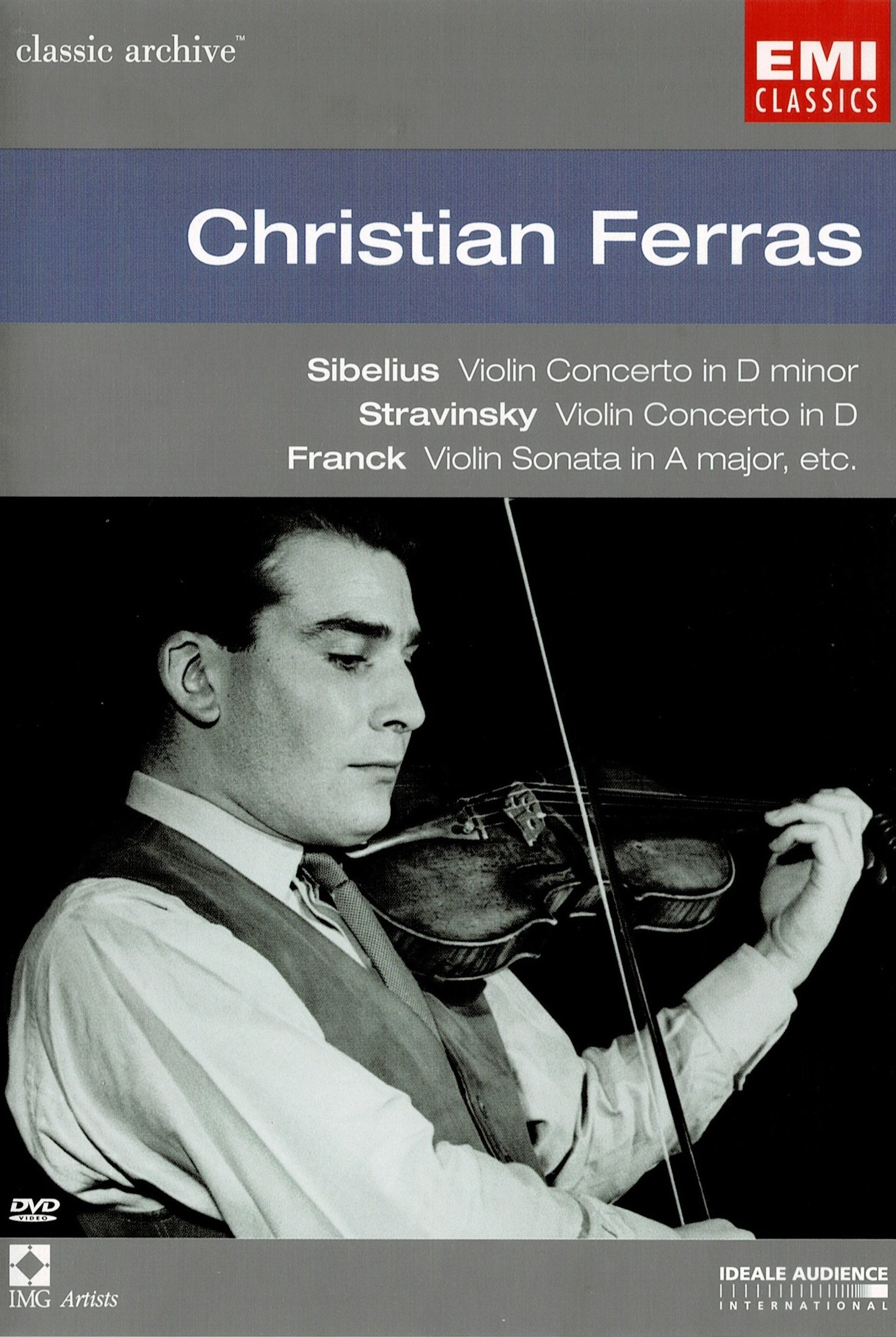
Featuring Sibelius Concerto for Violin and Orchestra in D minor, Op 47. Orchestre National de la RTF, Zubin Mehta. Stravinsky Concerto for Violin and Orchestra in D, Orchesttre Philharmonique de l'Ortf, Jean Fournet conducting. Franck Sonata for violin and Piano in A major. Bach Partita for Solo Violin No. 3 in E major. Stravinsky Chanson Russe, Faure Berceuse Op. 16.
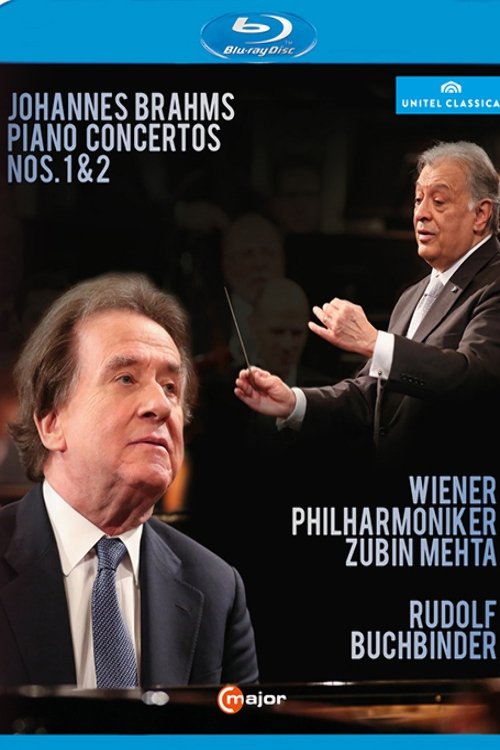
"It is not every day that Brahms sounds so perfect as this," enthused the Kurier newspaper, describing Buchbinder’s performance with the Vienna Philharmonic. The “phenomenal piano virtuoso” plays the First and Second Piano Concertos of Johannes Brahms in the Golden Hall of the Vienna Musikverein with Maestro Zubin Mehta, who has long been intensively associated both with the orchestra and with soloist Rudolf Buchbinder.
Inaugural concert of the new Auditorium of the MMF Theater, conducted by Zubin Mehta, MMF Choir and Orchestra. Program: Giacomo Puccini - Messa di Gloria for soloists, choir, and orchestra, Choir Master Lorenzo Fratini, Freddie De Tommaso tenor, Mattia Olivieri baritone; Ludwig van Beethoven - Symphony No. 7.
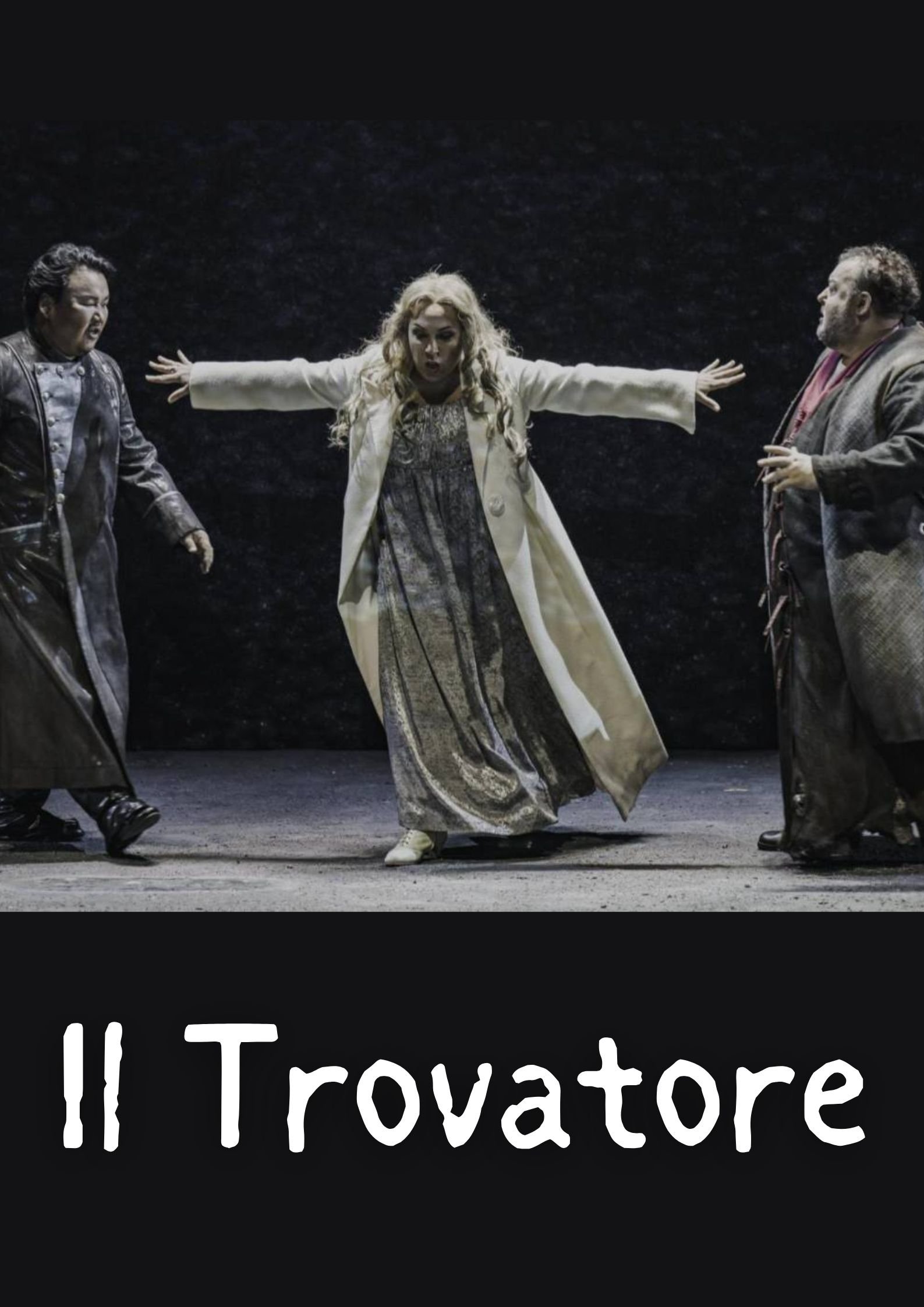
Azucena’s eternal vengeance comes back to set the stage ablaze in the timeless drama of Verdi’s Il trovatore, staged specially for the 2022 Maggio Musicale Fiorentino Autumn Festival and conducted by the great Zubin Mehta!
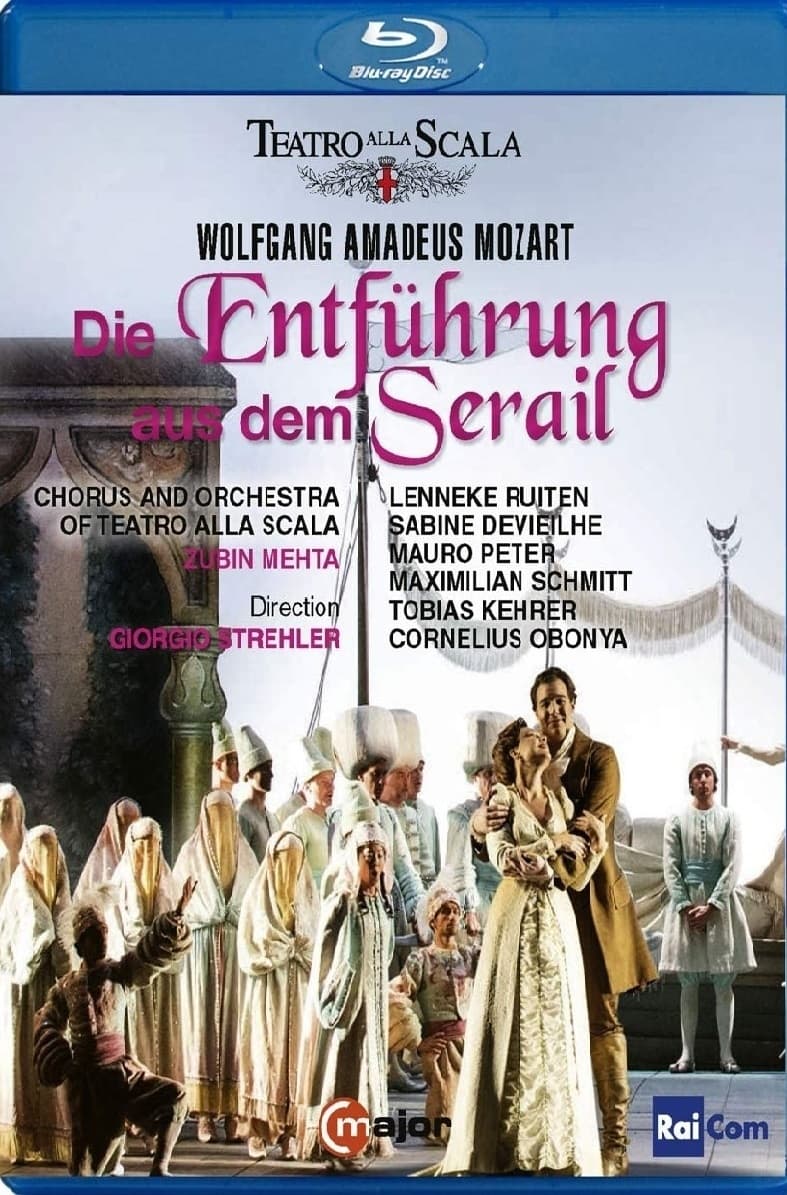
A Mozart opera at La Scala in Milan.

Recorded at Bayerische Staatsoper on March 3-9, 2016.
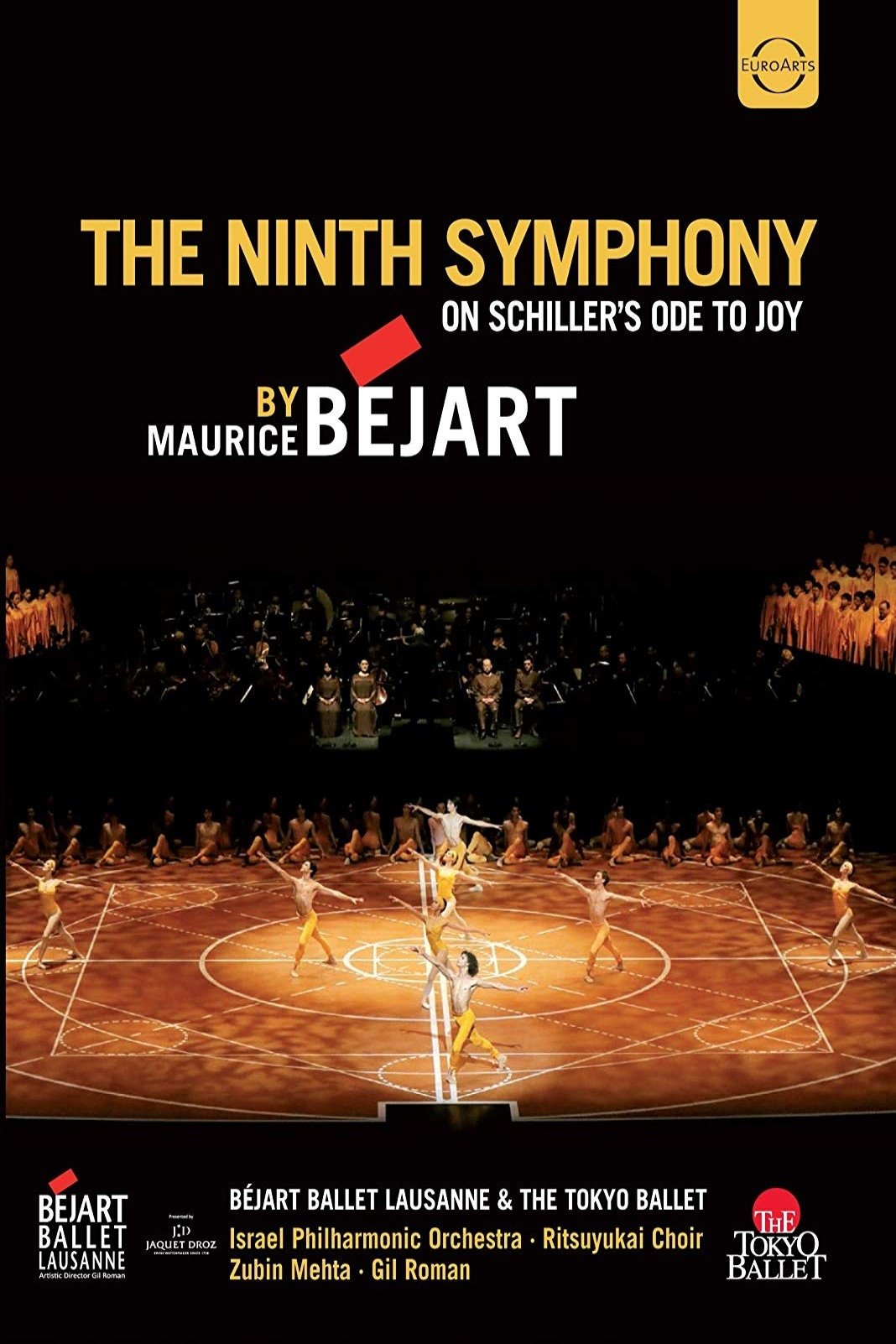
The first-ever recording on film of Maurice Béjart's Ninth Symphony! Fifty years after its premiere, the Tokyo Ballet and Béjart Ballet Lausanne present Maurice Béjart’s groundbreaking choreography to Beethoven’s Symphony No. 9 in Tokyo's NHK Hall. With nearly 200 artists on one stage, Beethoven’s score was performed by the Ritsuyu-kai Choir, the soloists Kristin Lewis, Mihoko Fujimura, Kei Fukui, and Alexander Vinogradov, and the Israel Philharmonic Orchestra conducted by Zubin Mehta.
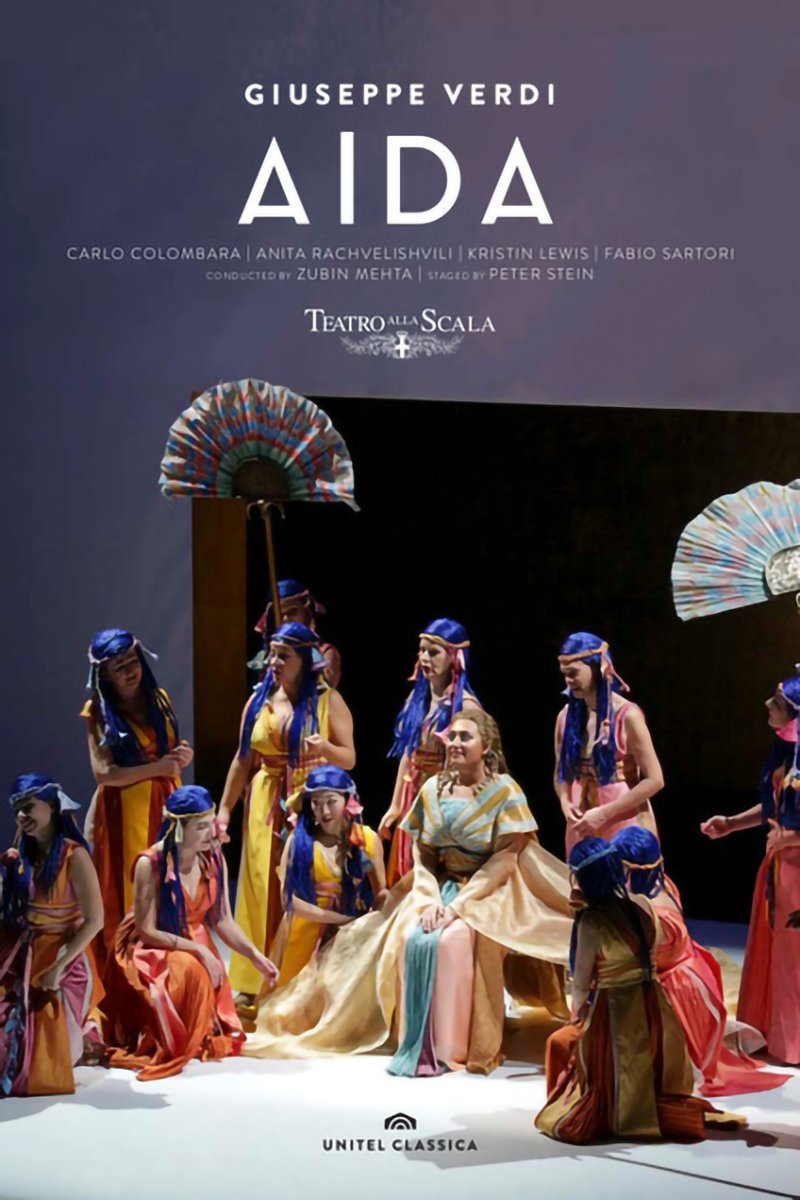
Any performance of Giuseppe Verdi’s Aida at La Scala, Milan, is guaranteed to be an experience – but, when it’s a new production, it becomes a major event, especially given the theatre’s notoriously critical audience. Legendary stage director Peter Stein succeeds in delivering a lucid production acclaimed in equal measure by the press and public: “a perfect coup de théâtre” (Giornale della musica). A “stellar cast” (La Stampa) contributes to the production’s success under the musical direction of Verdi specialist Zubin Mehta, who leads the orchestra in a “gorgeously colourful performance”, while “the entire ensemble is brilliant in its portrayal of the characters” (Die Presse).
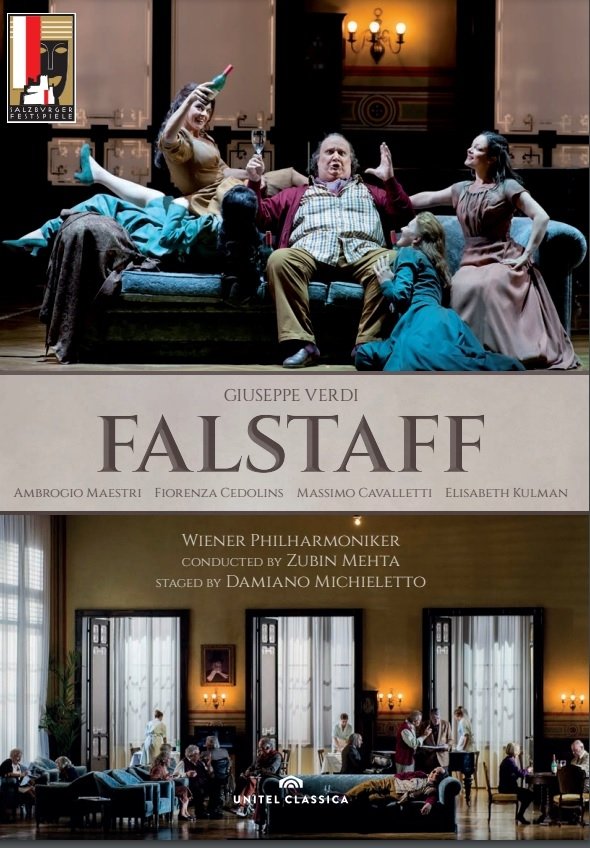
This 2013 Salzburg Festival performance of Falstaff, Giuseppe Verdis late masterwork and crowning achievement, features conductor Zubin Mehta and the Vienna Philharmonic. The staging thought up by Italian director Damiano Michieletto moves the action from a fictitious London to that special care home, the Casa Verdi, a place rich in memories of great days past and impressions of a real-time present. Ambrogio Maestri seems a tailor-made Falstaff. His physique is just right for the part, as are his powerful voice, flair for drama and feeling for the Verdi style. (New York Times)
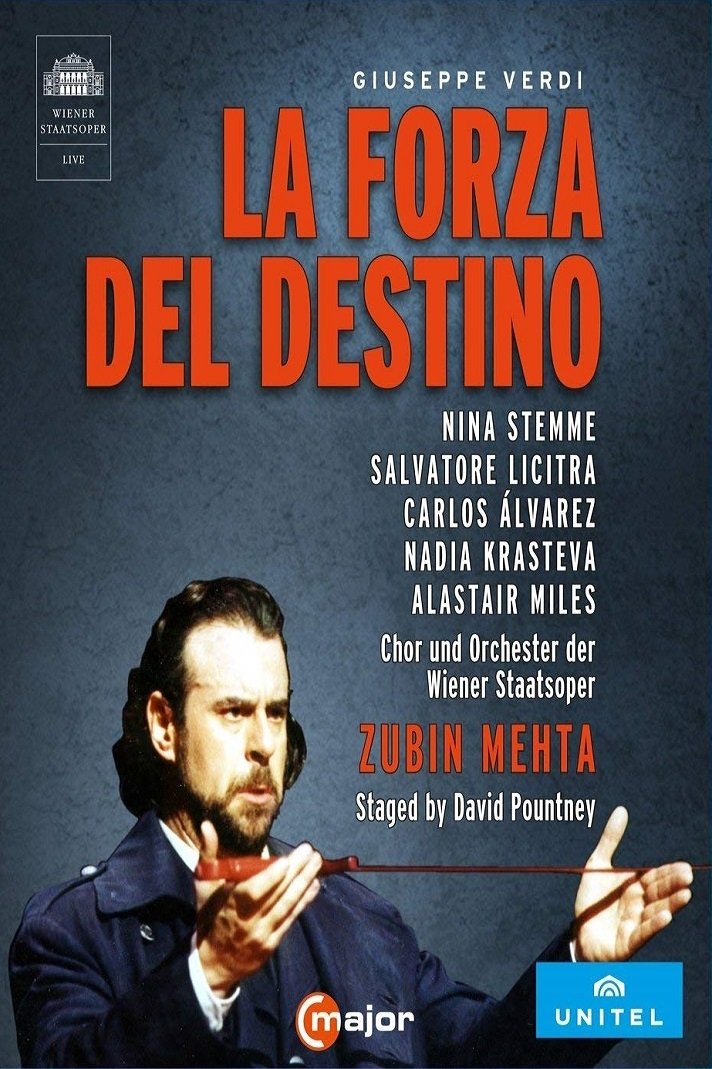
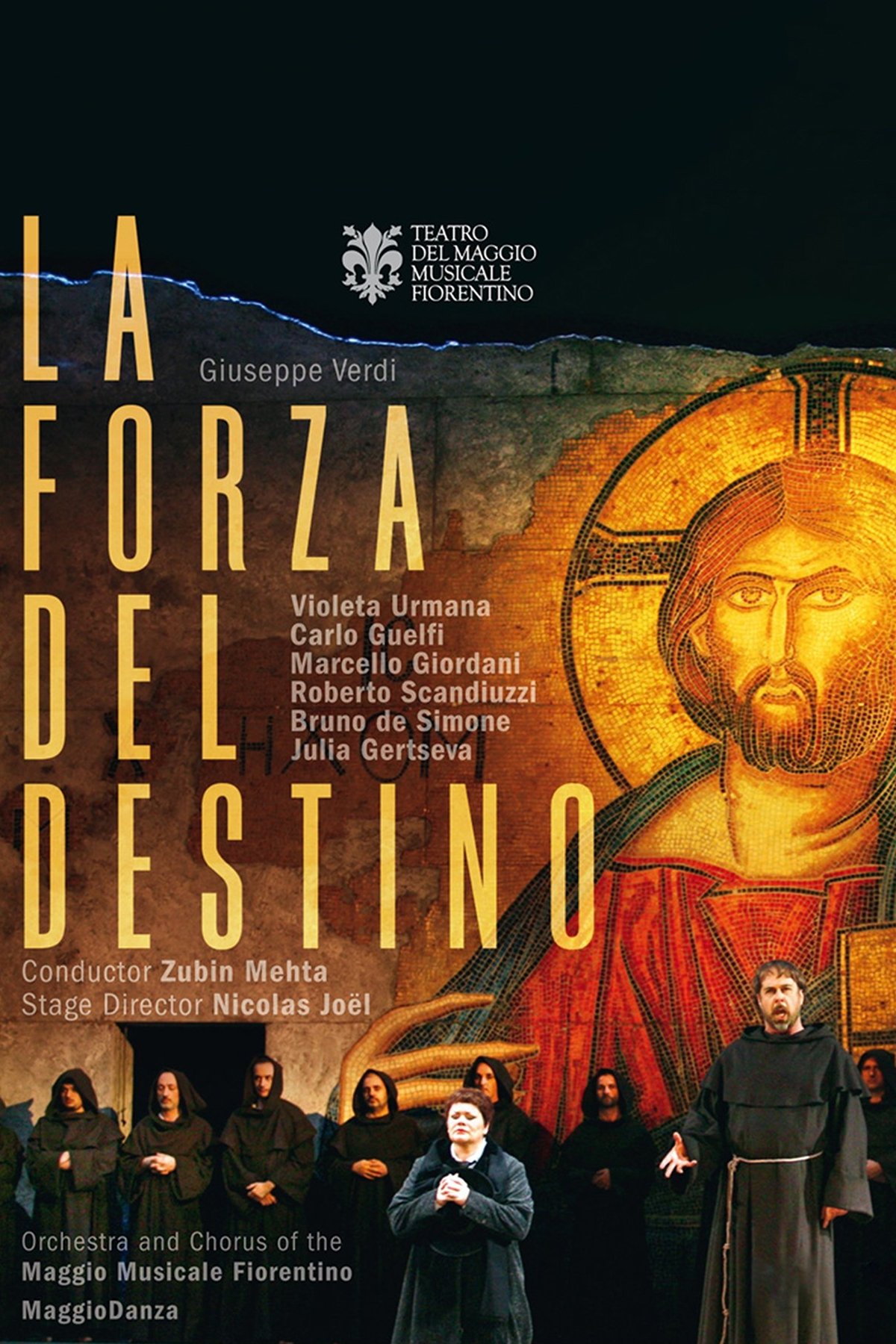
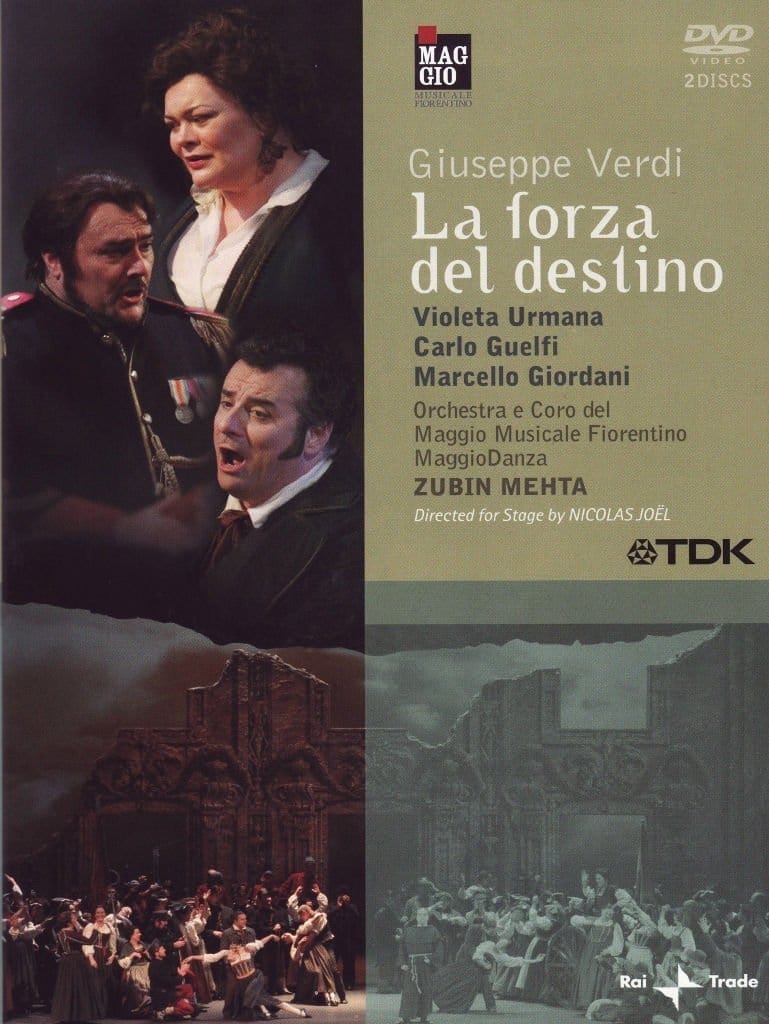
The cast is a dream team wrote the Financial Times after the premiere of this production of Verdis La forza del destino at the Wiener Staatsoper. Topping the list is Nina Stemme, who gives a full-blooded portrayal of Leonora. Passionate forceful readings are also provided by Salvatore Licitra as Alvaro and Carlos Álvarez as Don Carlo. Zubin Mehta leads Staatsoper Orchestra with agility, subtleness and relaxed mastery, and right from the start David Poutney establishes an atmosphere of entrapment by fate. With the aid of a bizarre, unforgettable stage construction, the acclaimed director finds an ideal setting to illustrate the merciless powers of chance and destiny.
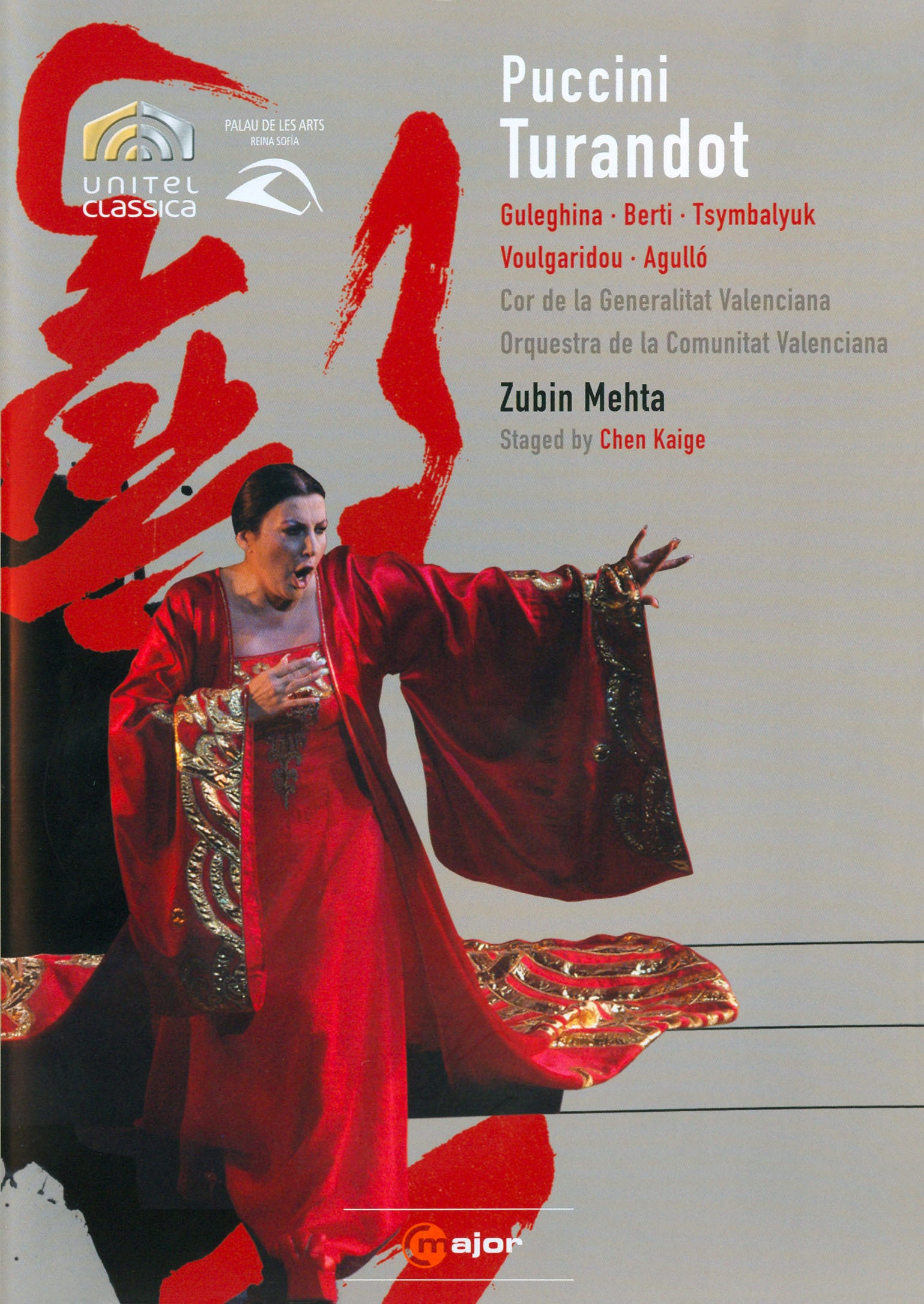
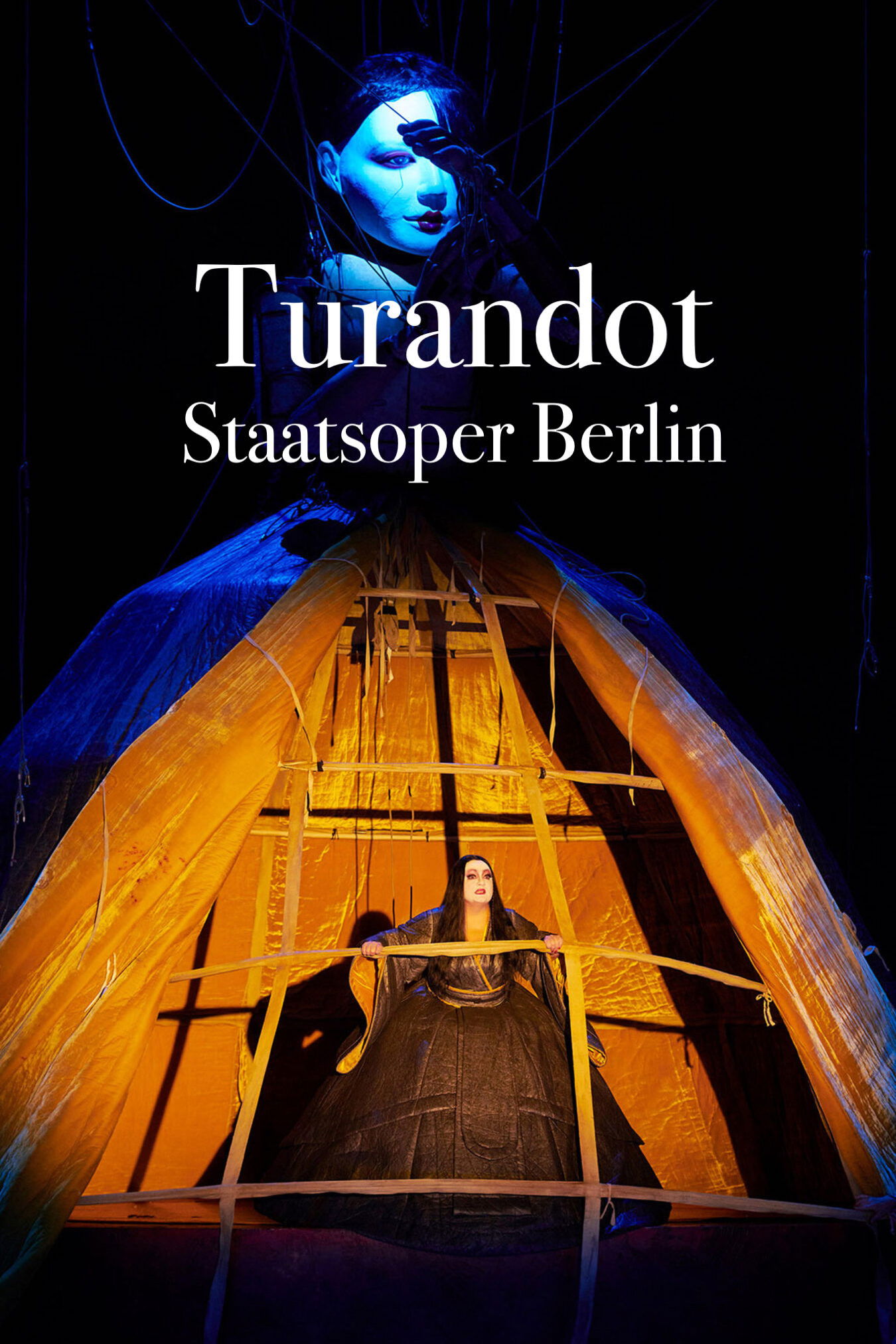
Internationally acclaimed Chinese film-maker Chen Kaige delivers an opulent staging of the fairy-tale story of Chinese Princess Turandot, who will only marry a prince capable of solving her riddles. With sumptuous costumes and palace sets designed in China, Kaige's production adds a compellingly authentic accent to Puccini's exotic orchestral palette. Zubin Metha and his brilliant Orquestra de la Comunitet Valenciana offer "genuine foreworks of sound" (Wiener Zeitung), Maria Guleghina triumphs as Turandot. Recorded in 2008 at the Palau de les Arts in Valencia. Zubin Mehta (conductor).
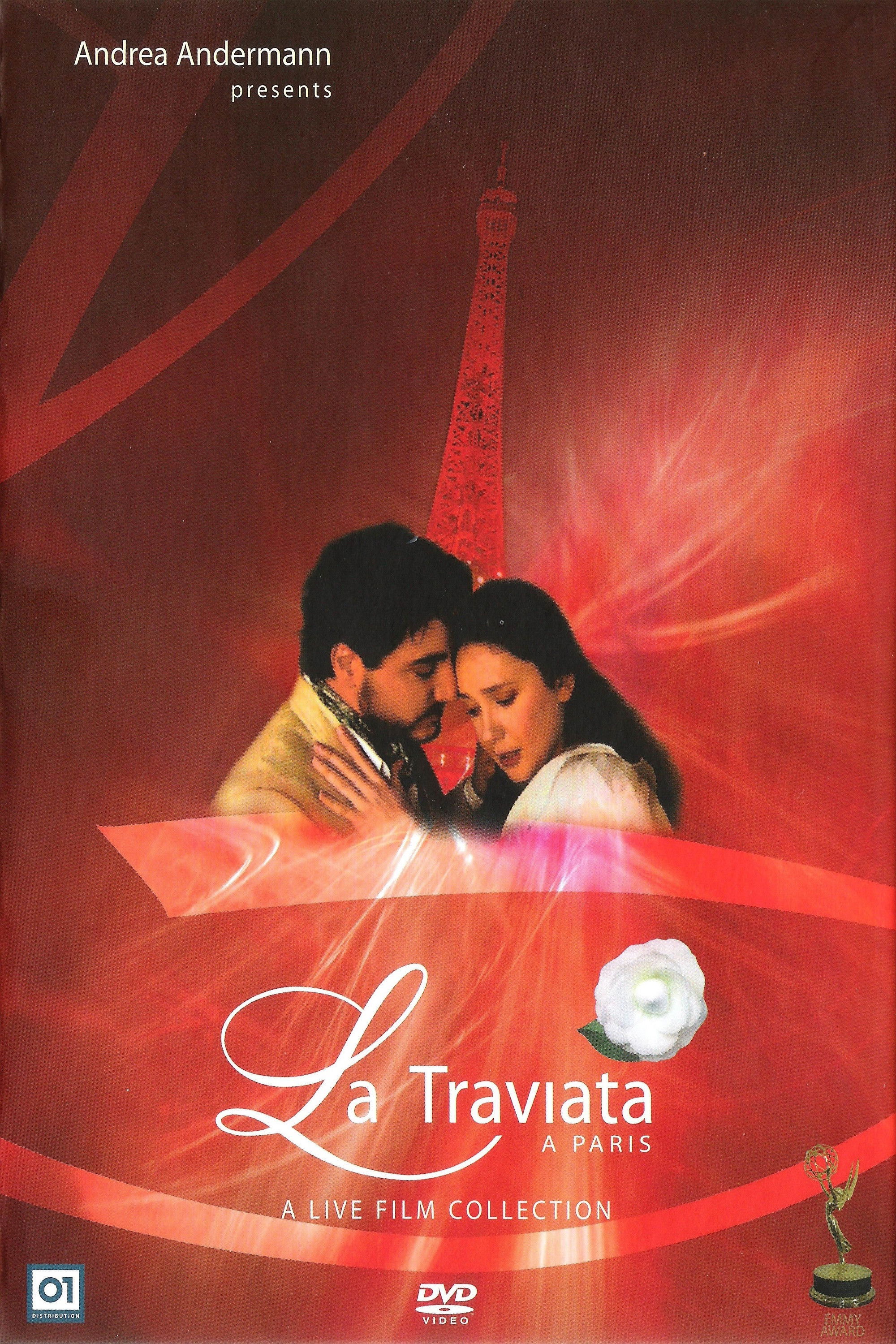
La traviata in Paris is a film-opera of Giuseppe Verdi's La traviata filmed live on television and worldwide, directed by Giuseppe Patroni Griffi, conceived and produced by Andrea Andermann in 2000. A Traviata that takes place live, with a television reporter who, amid the events of the day that took place in France on June 3, 2000, connects live to the scene of the action but at the time exactly a century earlier, in the Paris of June 3, 1900 (the setting of the opera is thus postdated from the original, which was conceived for the 1850s).
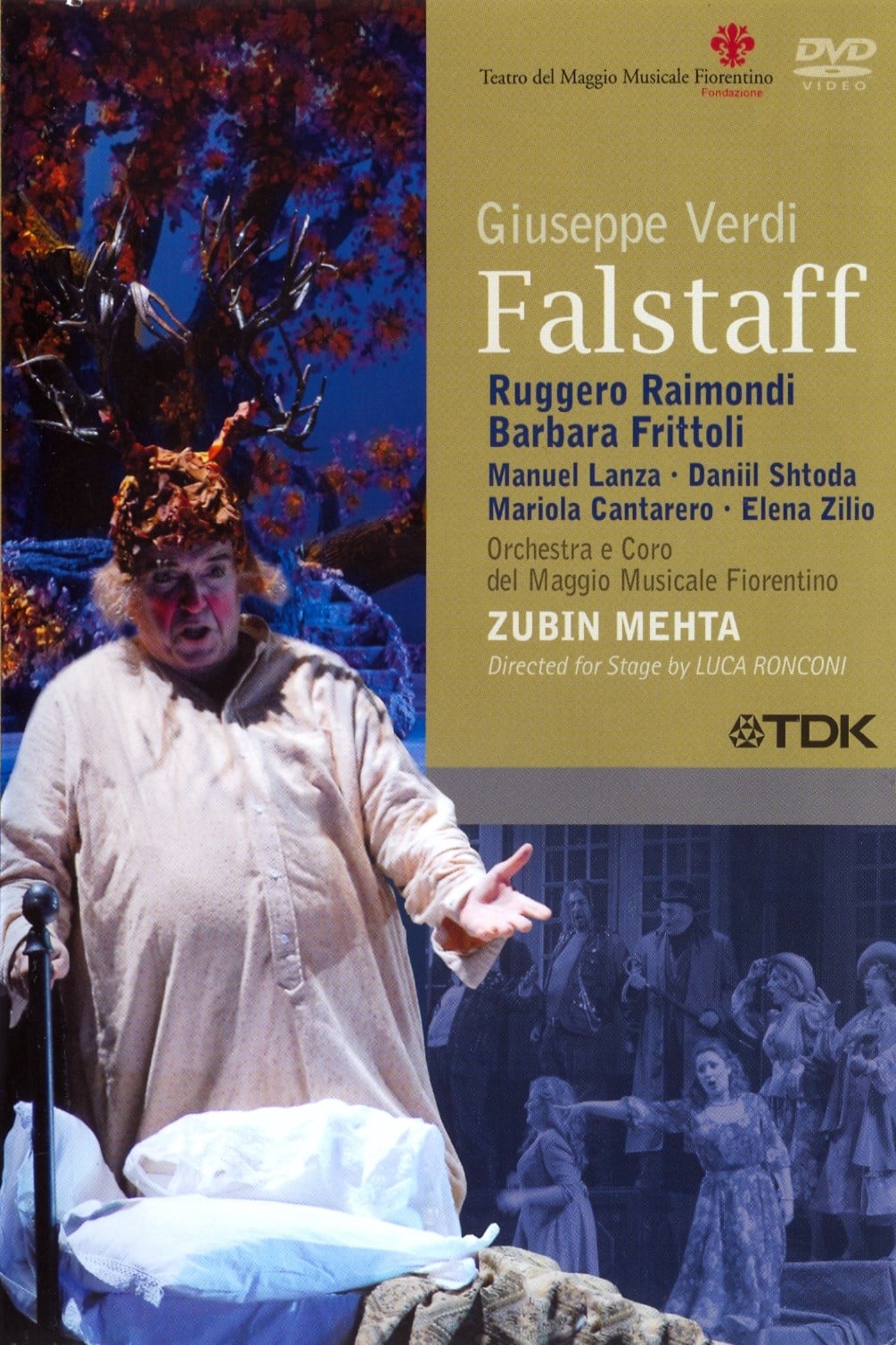
Ruggero Raimondi and Barbara Frittoli star in this 2006 production of the Verdi opera with Zubin Mehta conducting the Maggio Musicale Fiorentino. Giuseppe Verdi's last opera is given new life in this production by Luca Ronconi. Utilizing the sights and social conditions of modern Britain, this version of Shakespeare's THE MERRY WIVES OF WINDSOR keeps the comedy accessible while still featuring all the elements that have made this opera a perennial favorite.
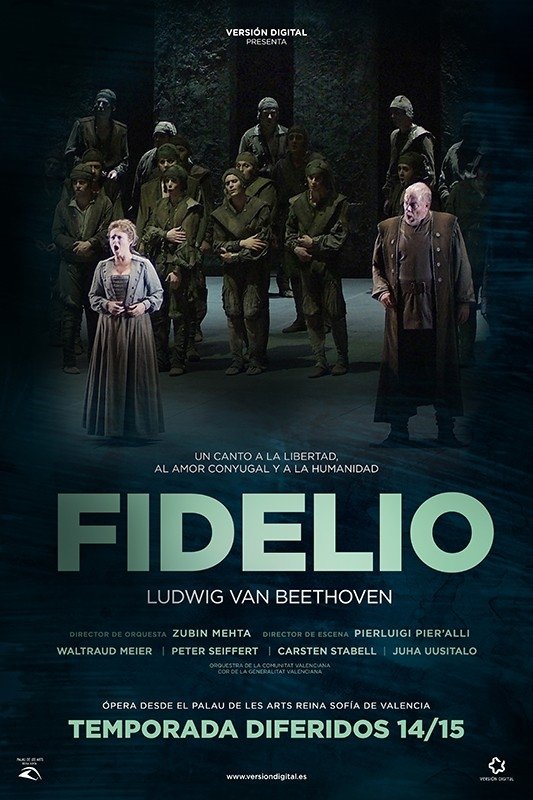
Two years prior to the opening scene, the nobleman Florestan has exposed or attempted to expose certain crimes of the nobleman Pizarro. In revenge, Pizarro has secretly imprisoned Florestan in the prison over which Pizarro is governor. The jailer of the prison, Rocco, has a daughter, Marzelline, and a servant (or assistant), Jaquino. Florestan's wife, Leonore, came to Rocco's door dressed as a boy seeking employment, and Rocco hired her. On orders, Rocco has been giving Florestan diminishing rations until he is nearly starved to death. Place: A Spanish state prison, a few miles from Seville Time: Late 18th century

Singspiel in three acts by Wolfgang Amadeus Mozart. The German libretto is by Gottlieb Stephanie, based on Christoph Friedrich Bretzner's Belmont und Constanze, oder Die Entführung aus dem Serail. The plot concerns the attempt of the hero Belmonte, assisted by his servant Pedrillo, to rescue his beloved Konstanze from the seraglio of Pasha Selim. The work premiered on 16 July 1782 at the Vienna Burgtheater, with the composer conducting.
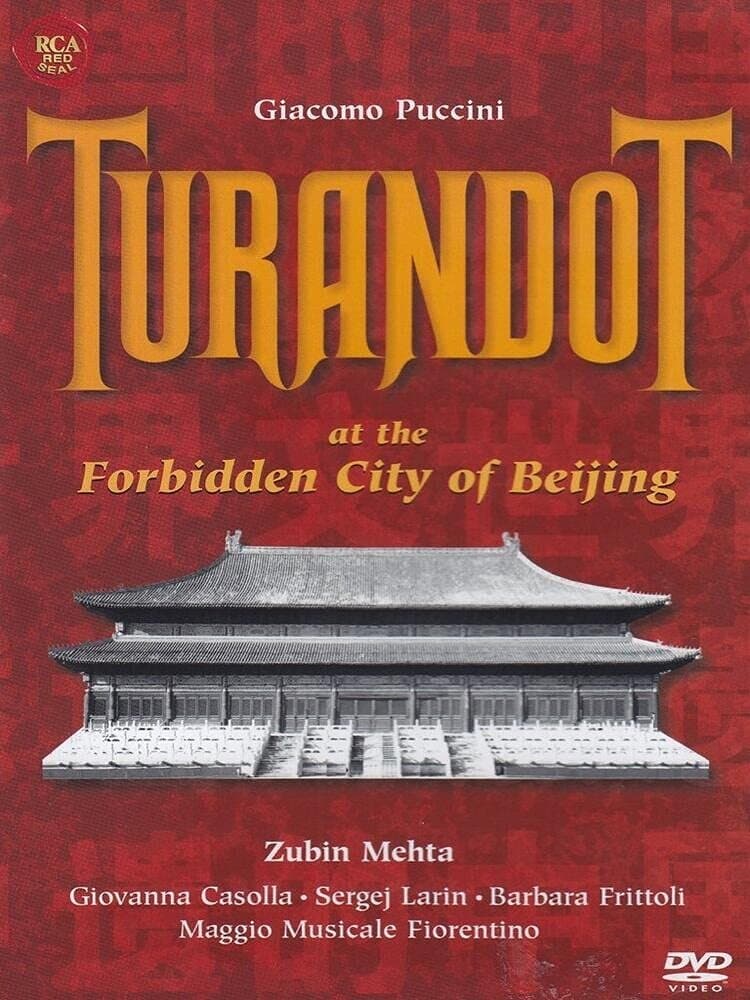
Turandot at the Forbidden City is a 1998 live production of Puccini's opera Turandot directed by Zhang Yimou. The opera was performed by Giovanna Casolla, Audrey Stottler, and Sharon Sweet alternating as Princess Turandot; Kristján Jóhannsson, Sergej Larin and Lando Bartolini as Calàf; and Barbara Frittoli, Angela-Maria Blasi and Barbara Hendricks as Liù, with Zubin Mehta conducting the Maggio Musicale Fiorentino.
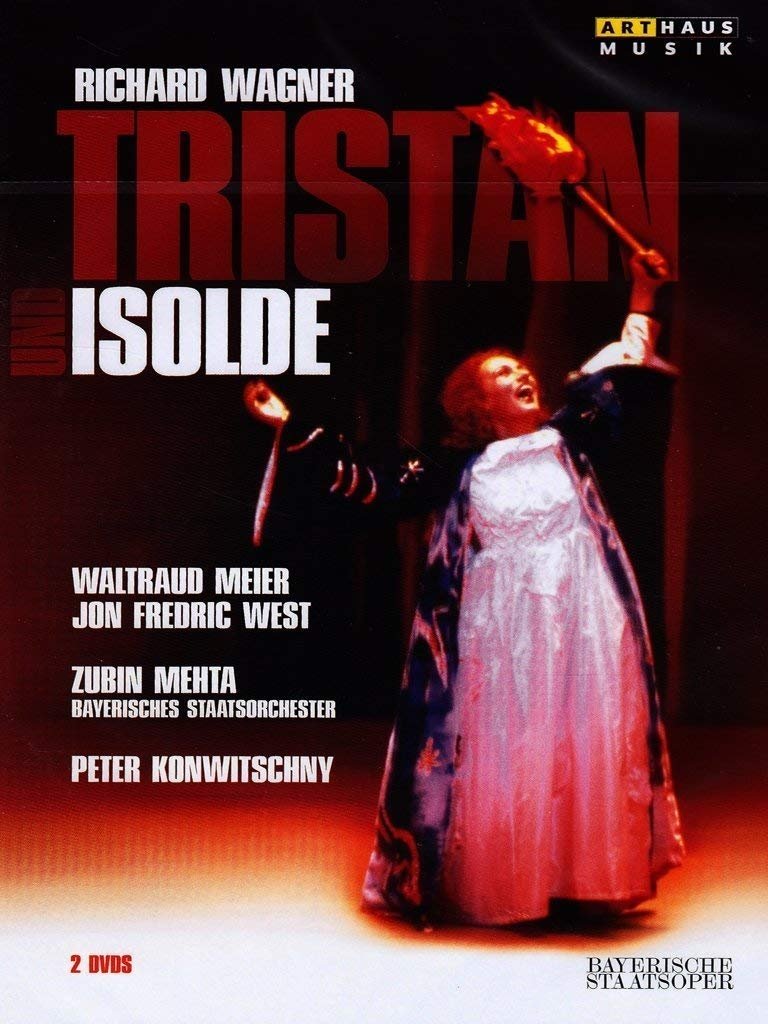
Peter Konwitschny's new production on the première stage in Munich gives it a new, optimistic interpretation. At the opening of the Munich Opera Festival 1998, Tristan und Isolde was staged in what is now the ninth new production at the Bavarian State Opera since its world première. Director Peter Konwitschny worked together with stage and costume designer Johannes Leiacker a team already well known in Munich for its much-respected Parsifal. Zubin Mehta conducted, shortly before being called to be General Music Director at the Bavarian State Opera. The title parts were interpreted by the American tenor Jon Frederic West, widely known for his Wagner-roles and Waltraud Meier, one of the greatest Isoldes of our time.

Bizet's masterwork, Carmen, directed for stage by the Spanish actress Núria Espert. Royal Opera House in Covent Garden in 1989.
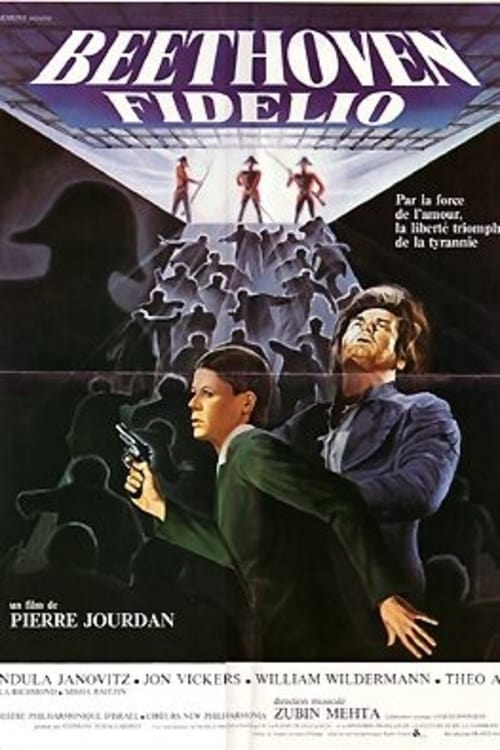
Leonore disguises herself as a man, "Fidelio," to infiltrate a prison and rescue her husband, Florestan, unjustly imprisoned by the tyrant Pizarro. Gaining the trust of the jailer, Rocco, and his daughter, Marzelline—who unknowingly falls for Fidelio—Leonore’s courage is tested when Pizarro orders Florestan’s execution. In a climactic moment, she reveals her identity and saves Florestan just as the king’s minister arrives, restoring justice. The opera celebrates themes of love, sacrifice, and freedom.
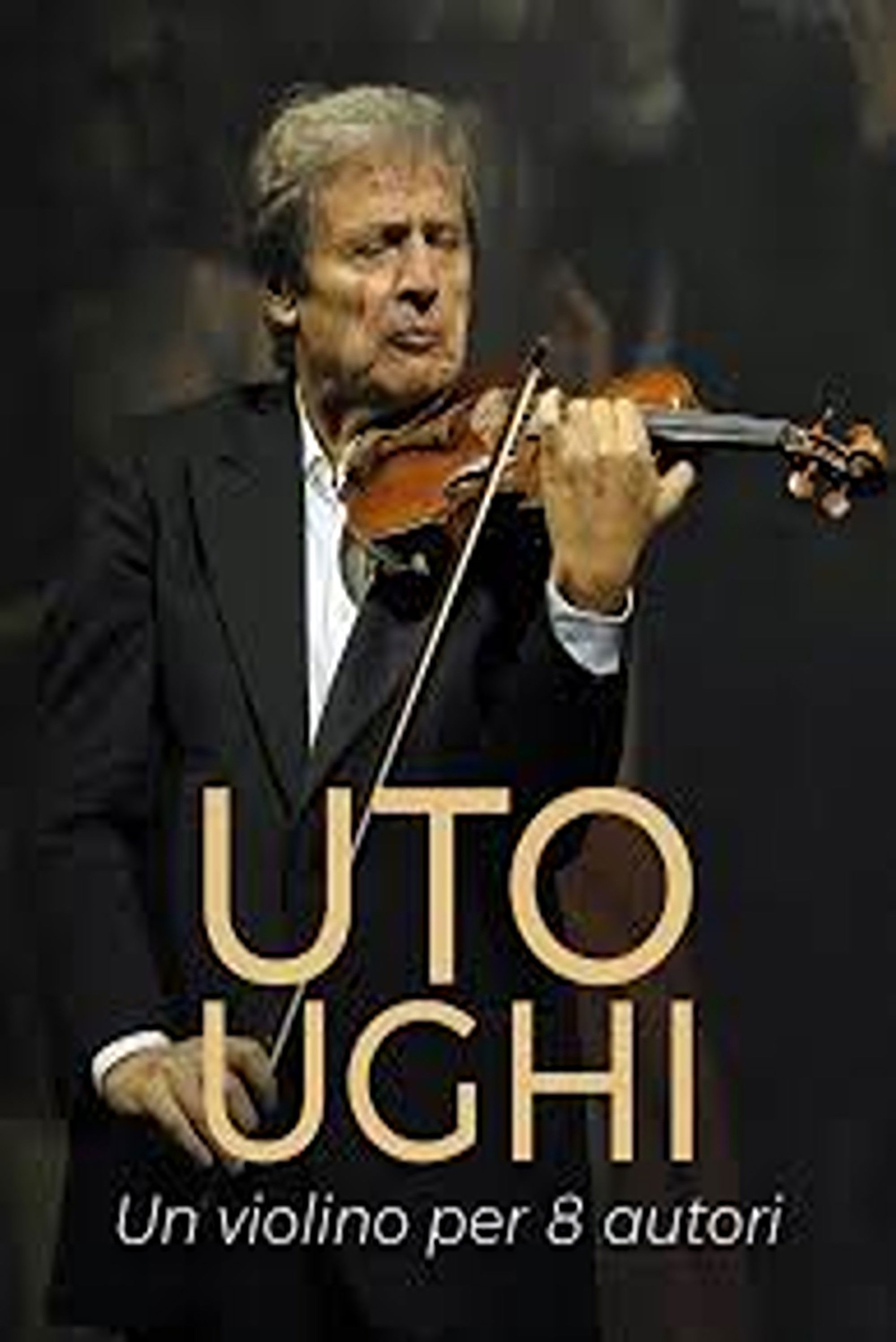
Uto Ughi recounts Ludwig van Beethoven, performing: Romance in F major for violin and orchestra, Op. 50, with I Filarmonici di Roma; the Kreutzer Sonata with R. Buchbinder; Sonata Op. 24 in F major with T. Vasary; Concerto in D major for violin and orchestra, Op. 61, with the MMF Orchestra and Maestro Mehta.
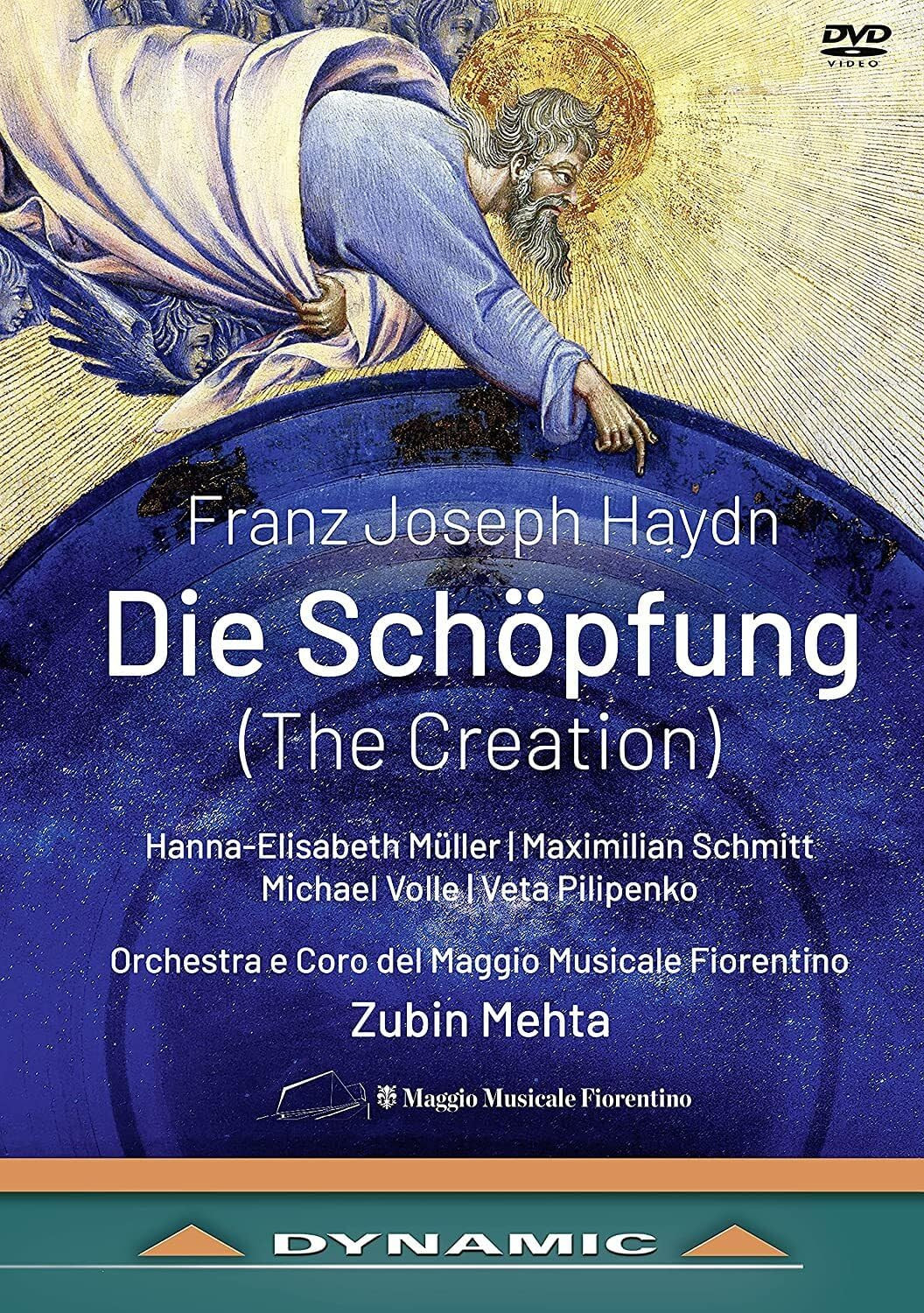
Inspired by hearing performances of Handel's oratorios during his visits to London, Haydn composed Die Schöpfung ('The Creation') in 1798. Through a series of accompanied recitatives, arias, duets and choruses, the music depicts the creation of the universe and the carefree existence of Adam and Eve. Haydn drew on the full complement of his symphonic and vocal prowess which reach peaks of almost operatic intensity. With rich harmonies and sonic magnificence in abundance, Die Schöpfung represents the apex of the Viennese oratorio tradition.
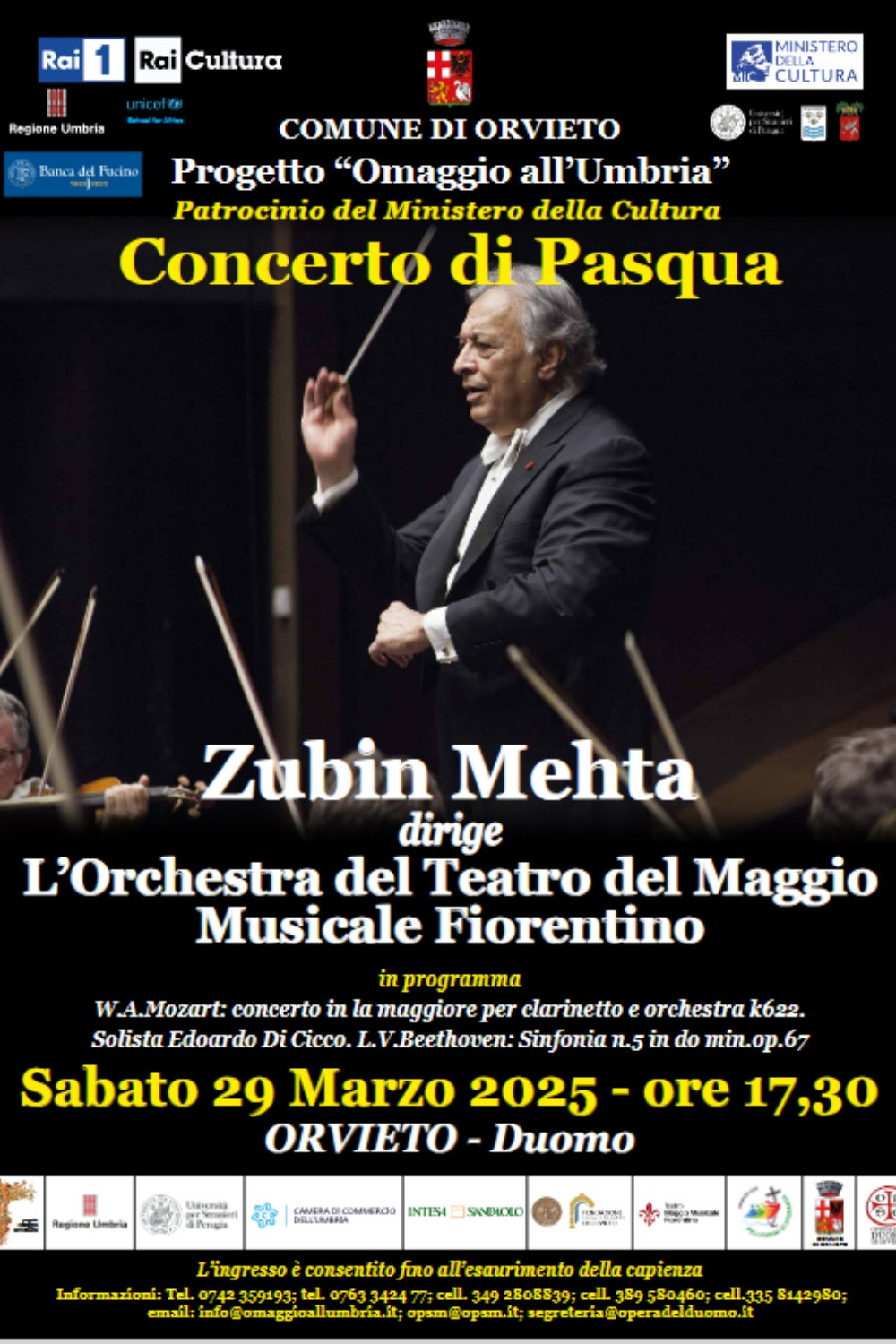
The traditional Easter Concert from Orvieto Cathedral. The concert will feature the Orchestra del Maggio Musicale Fiorentino, conducted by Maestro Zubin Mehta. The programme includes: Wolfgang Amadeus Mozart, Concerto in A major for clarinet and orchestra, K. 622; Ludwig van Beethoven, Symphony No. 5 in C minor, Op. 67.
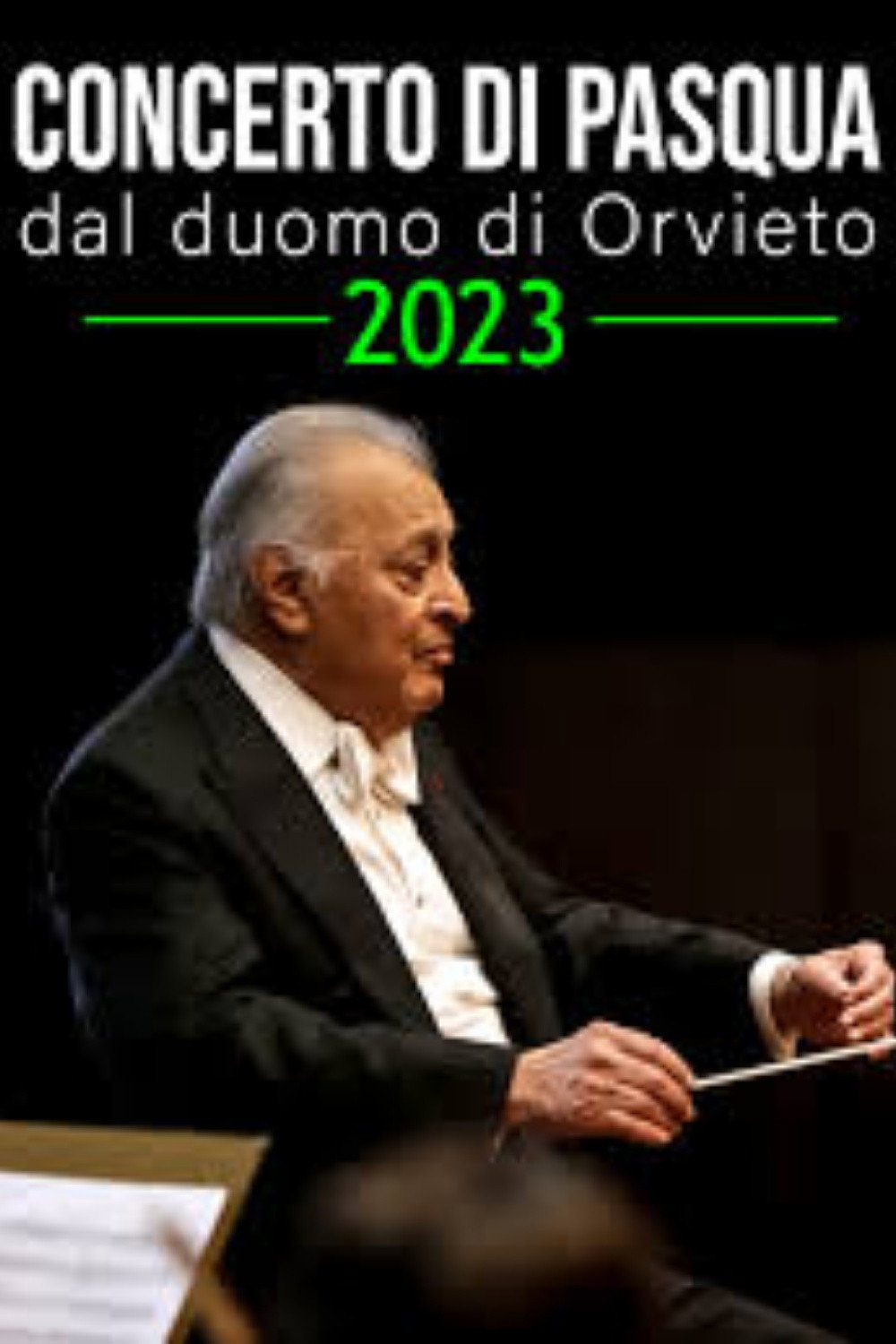
From Orvieto Cathedral, the traditional Easter Concert conducted by Maestro Zubin Mehta with the Orchestra and Choir of the Teatro del Maggio Musicale Fiorentino. The programme features the famous Symphony No. 4, known as the ‘Romantic’, and Anton Bruckner’s Te Deum for soloists, choir and orchestra.
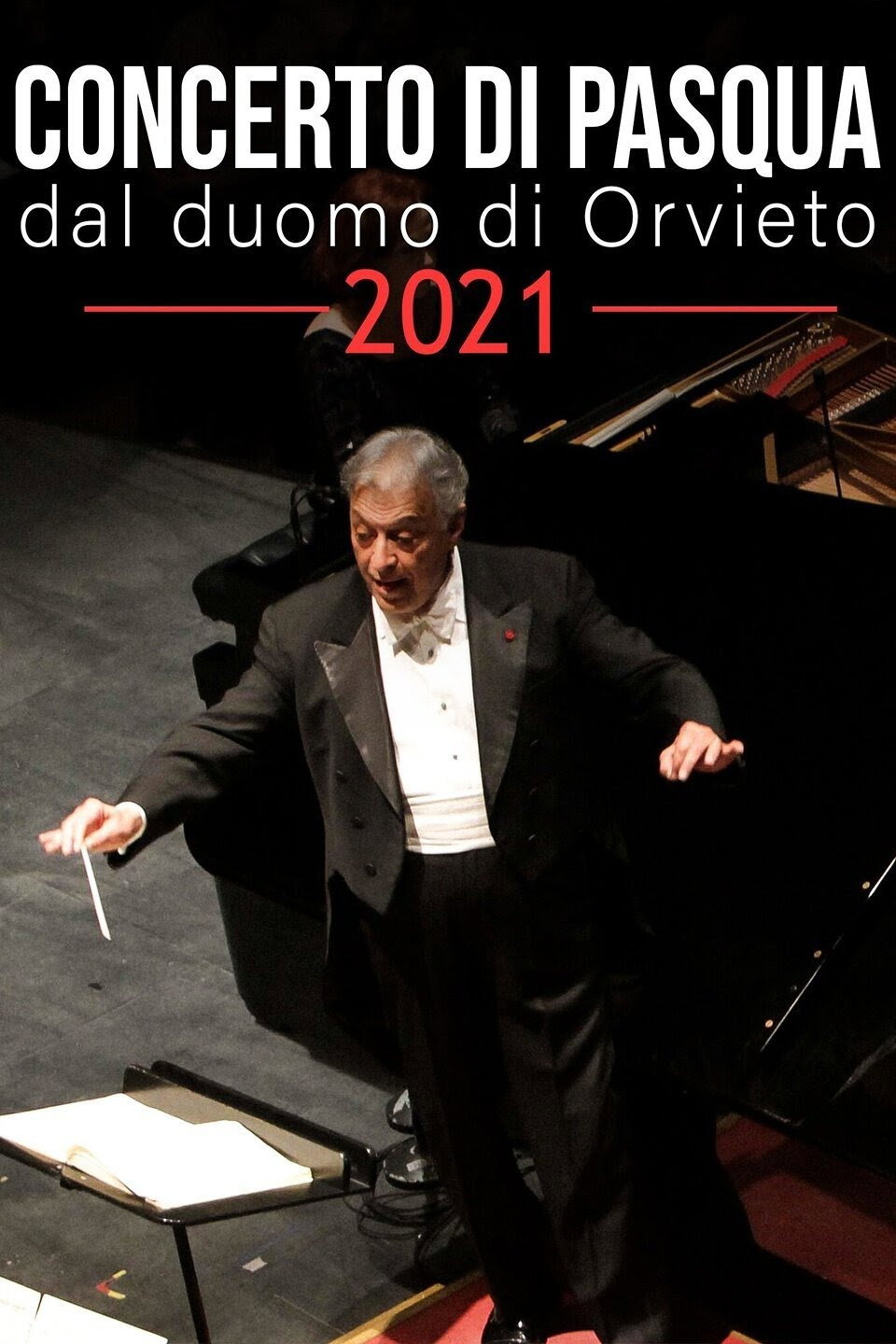
From Orvieto Cathedral, the Orchestra and Choir of the Maggio Musicale Fiorentino conducted by Zubin Mehta, featuring Eva Mei (soprano), Francesca Cucuzza (mezzo-soprano), Valentino Buzza (tenor) and Emiliano Cordaro (bass). Choirmaster: Lorenzo Fratini. Mozart’s Symphony No. 40, K. 550, Coronation Mass, K. 137, and Ave Verum Corpus, K. 618.
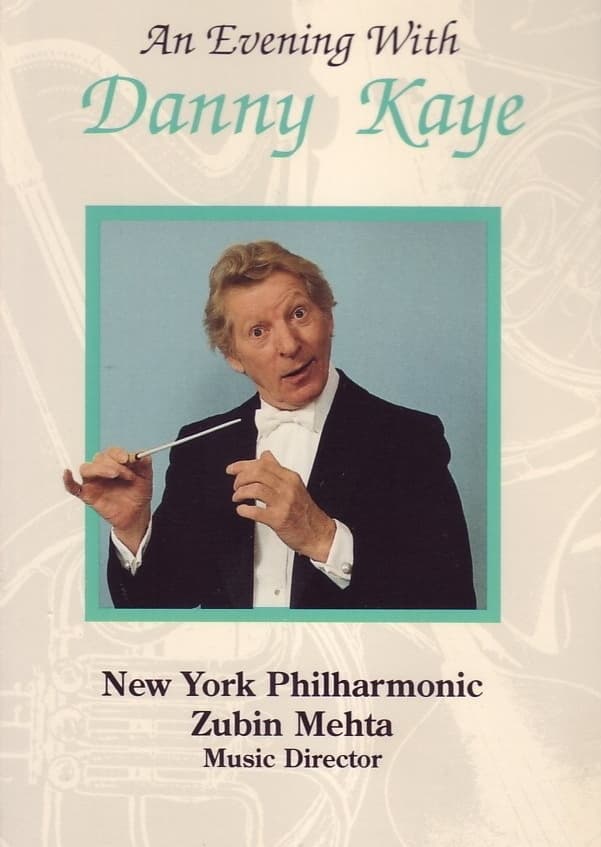
A night of classical music,conducted by famous comedian actor Danny Kaye,is something for the whole family to watch. Danny puts his talents to use while conducting and makes it very special for people of all ages.