Freed Polish soldiers are trapped in a small town in Germany during the last days of World War II. After a doctor's daughter is raped by a concentration camp worker, the Poles allow her and her father to stay in the house that is their temporary quarters. While waiting to be repatriated, the war-weary group is forced to fight some German soldiers who invade the town. The war brings out conflicting emotions of the Poles who find themselves trapped in the house and once again under fire from the enemy.
Witek runs after a train. Three variations follow on how such a seemingly banal incident could influence the rest of Witek's life.

A young Polish filmmaker sets out to find out what happened to Mateusz Birkut, a bricklayer who became a propaganda hero in the 1950s but later fell out of favor and disappeared.
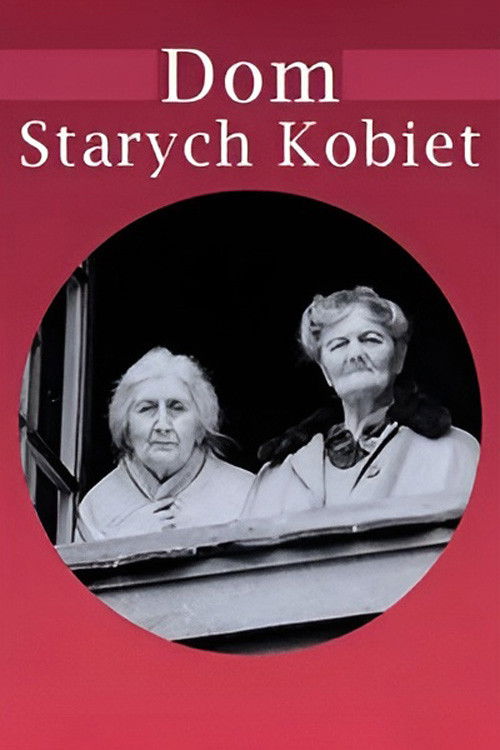
A documentary portrait of elderly women living in a Kraków nursing home, observing daily rituals, illness, and waiting, shaped by recurring symbolic images of time and decline.
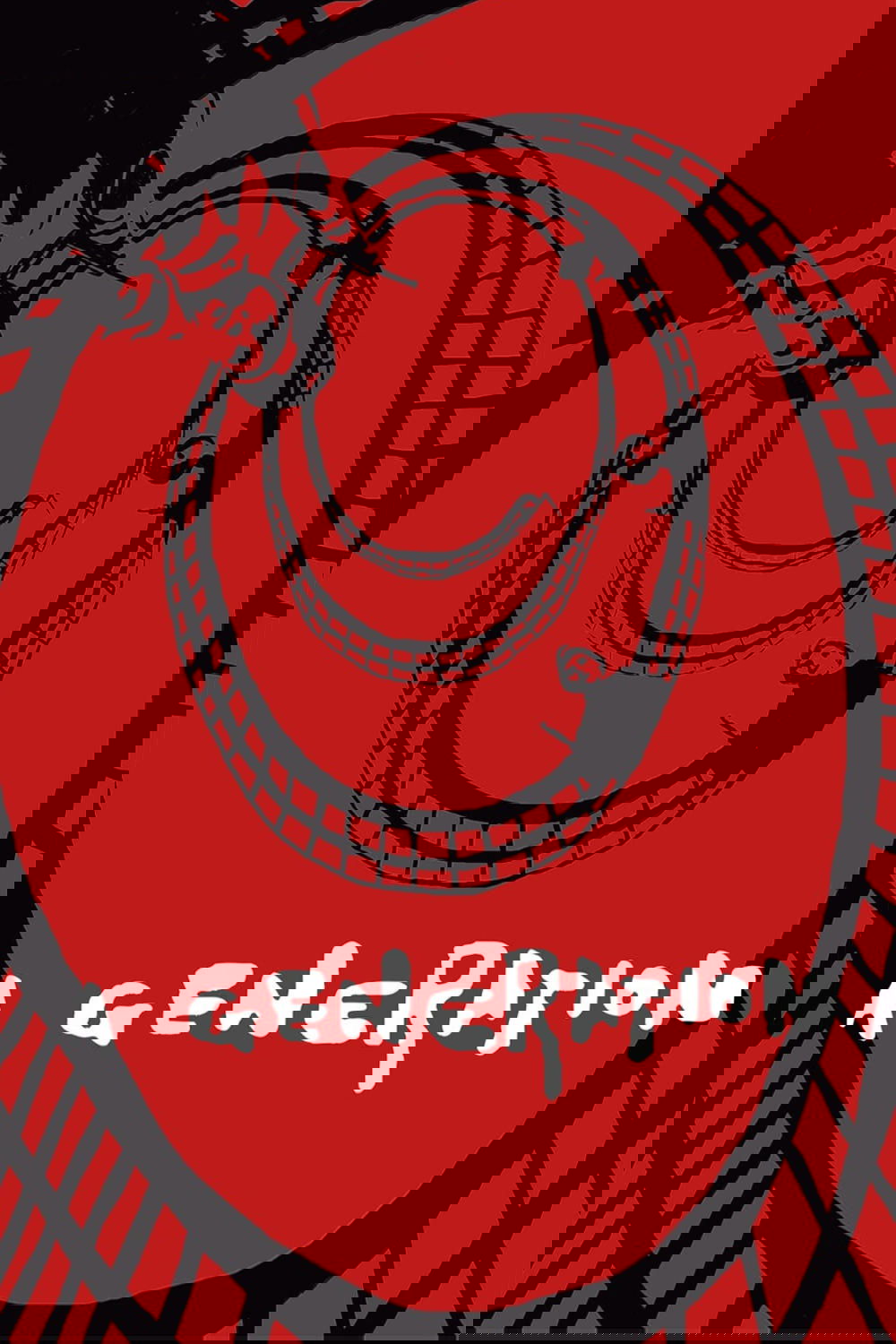
Stach is a wayward teen living in squalor on the outskirts of Nazi-occupied Warsaw. Guided by an avuncular Communist organizer, he is introduced to the underground resistance—and to the beautiful Dorota. Soon he is engaged in dangerous efforts to fight oppression and indignity, maturing as he assumes responsibility for others’ lives. A coming-of-age story of survival and shattering loss, A Generation delivers a brutal portrait of the human cost of war.
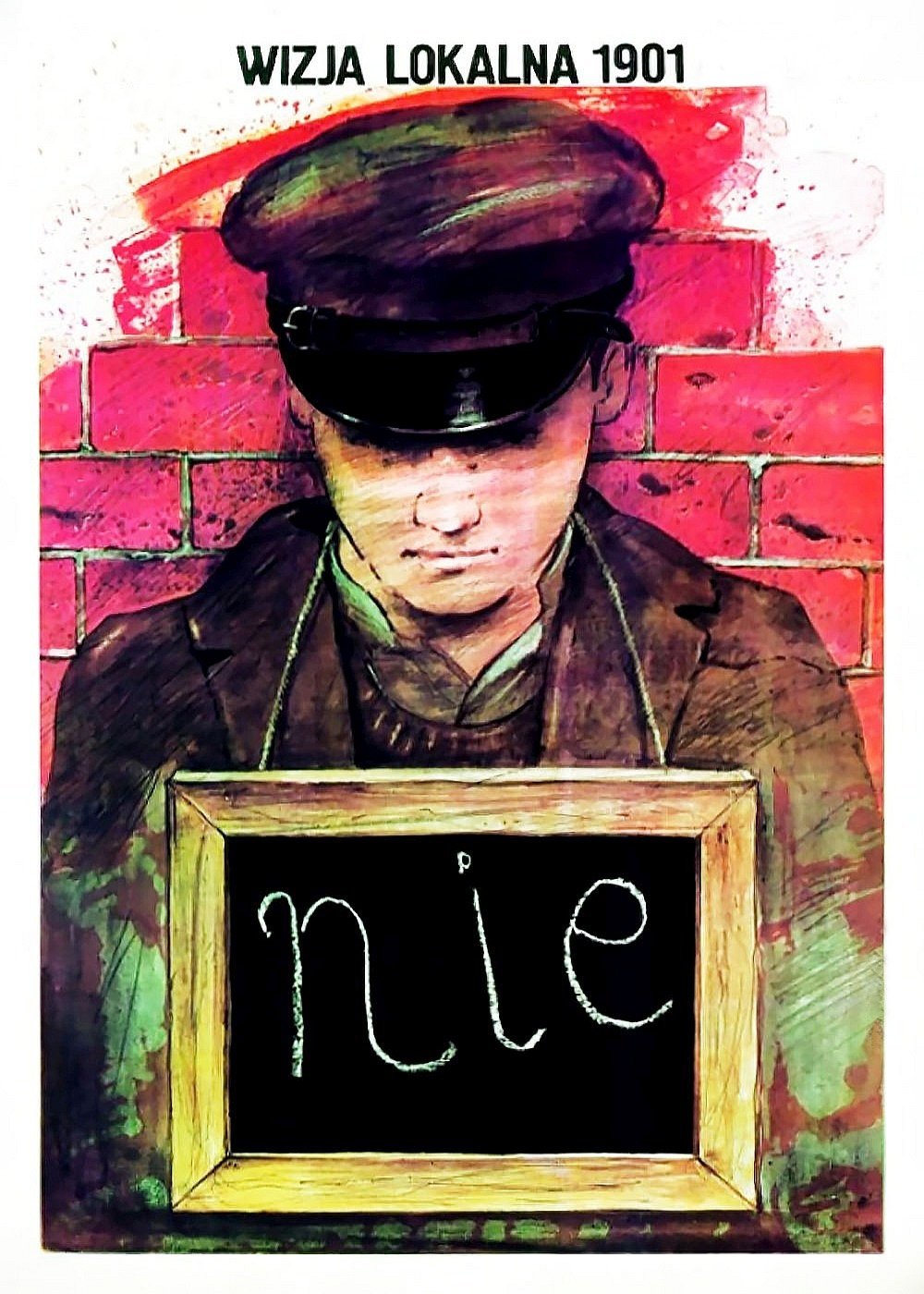
More documentary in its approach than dramatized history, this is a compelling story about a 1901 children's strike in Wrzesnia near the Polish border with Prussia. Poland was partitioned at this time, and a rigidly patriotic Prussian teacher in Wrzesnia follows the dictates of the Germans in parliament and insists that the children be taught their religion classes in German. When the children refuse to take part in the classes, they are supported by the local priest, but that does not save them from being beaten. They are also kept after school and tormented in other ways as well. Newspapers, parents, and the nation as a whole get involved, transforming a simple children's strike into a national incident.
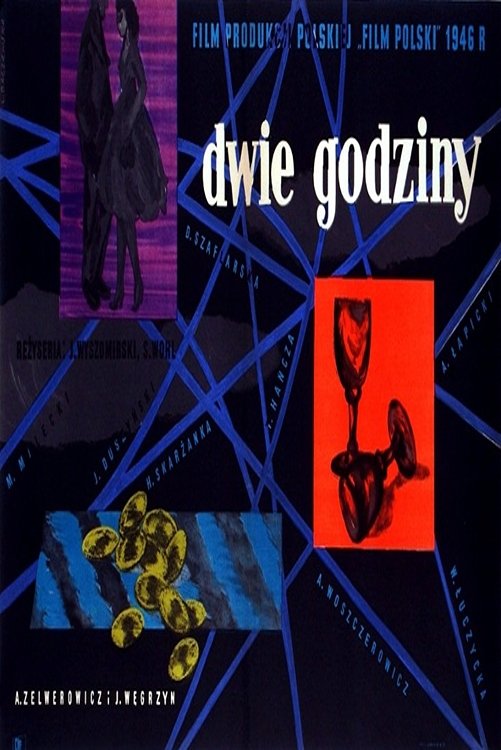
Follows the lives of people shortly after World War 2 as they try to adjust to their new lives. Completed in 1946, it was banned from release by the communist government of Poland until 1957 in edited form.

Set in the occupied Warsaw, the film tells the story of the mission carried out by the student underground resistance group to execute the hated SS General Franz Kutchera.

A moral story about two people who have completely different attitudes to life and people. The duel of the heroes ends tragically.
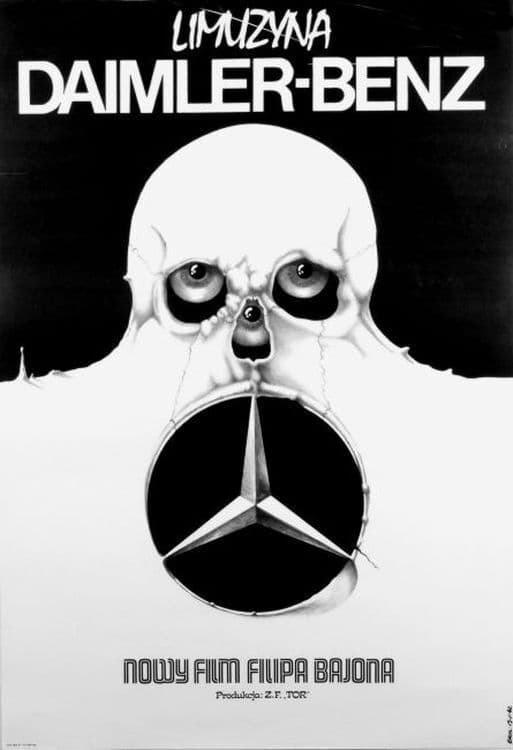
Two brothers living in 1939 Poland decide on a whim to steal the limousine of a German consul. The seemingly small act of youthful rebellion will have massive ramifications on the two, each dealing with the aftermath in their own way - one resorts to art, the other to direct political action.
After returning to Poland, the painter Aleksander Gierymski encounters a lack of understanding of his works.
Three women, ex-prisoners of a Nazi death camp, decide to live together after the war.

A dream-like meditation on post-industrial life in Communist Poland.
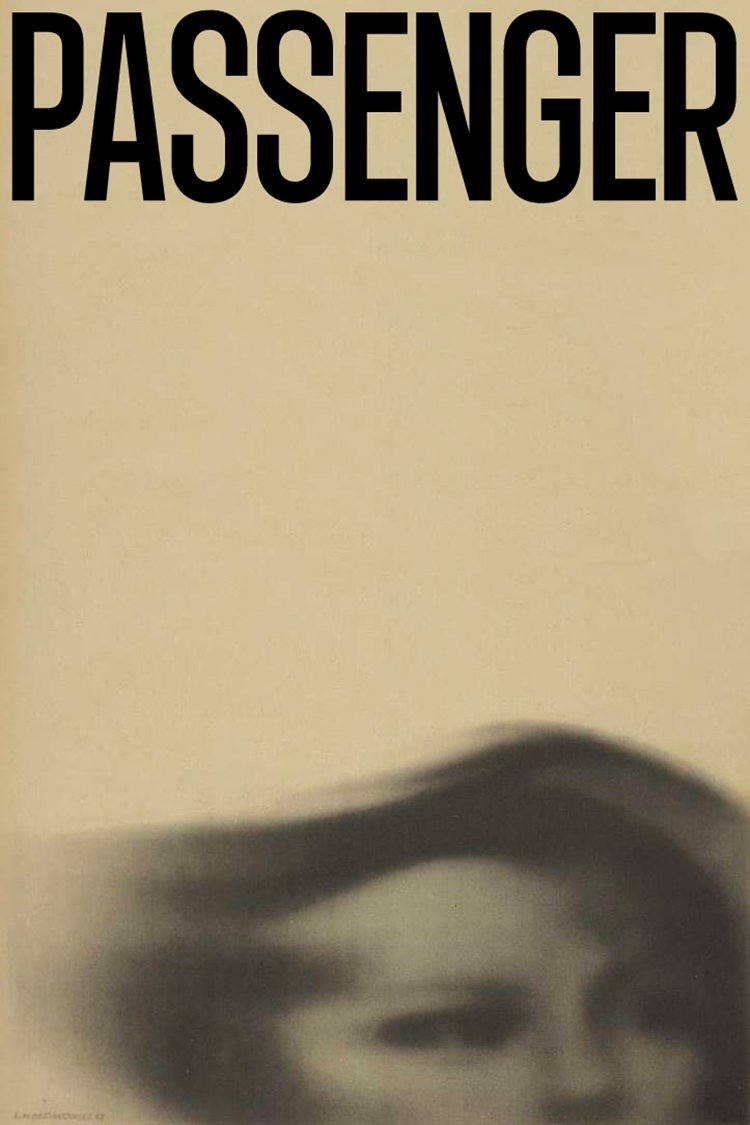
A German woman on a ship returning to Europe notices a face of another woman which brings recollections from the past. She tells her husband that she had been an overseer in Auschwitz during the war, but she has actually saved a woman's life.
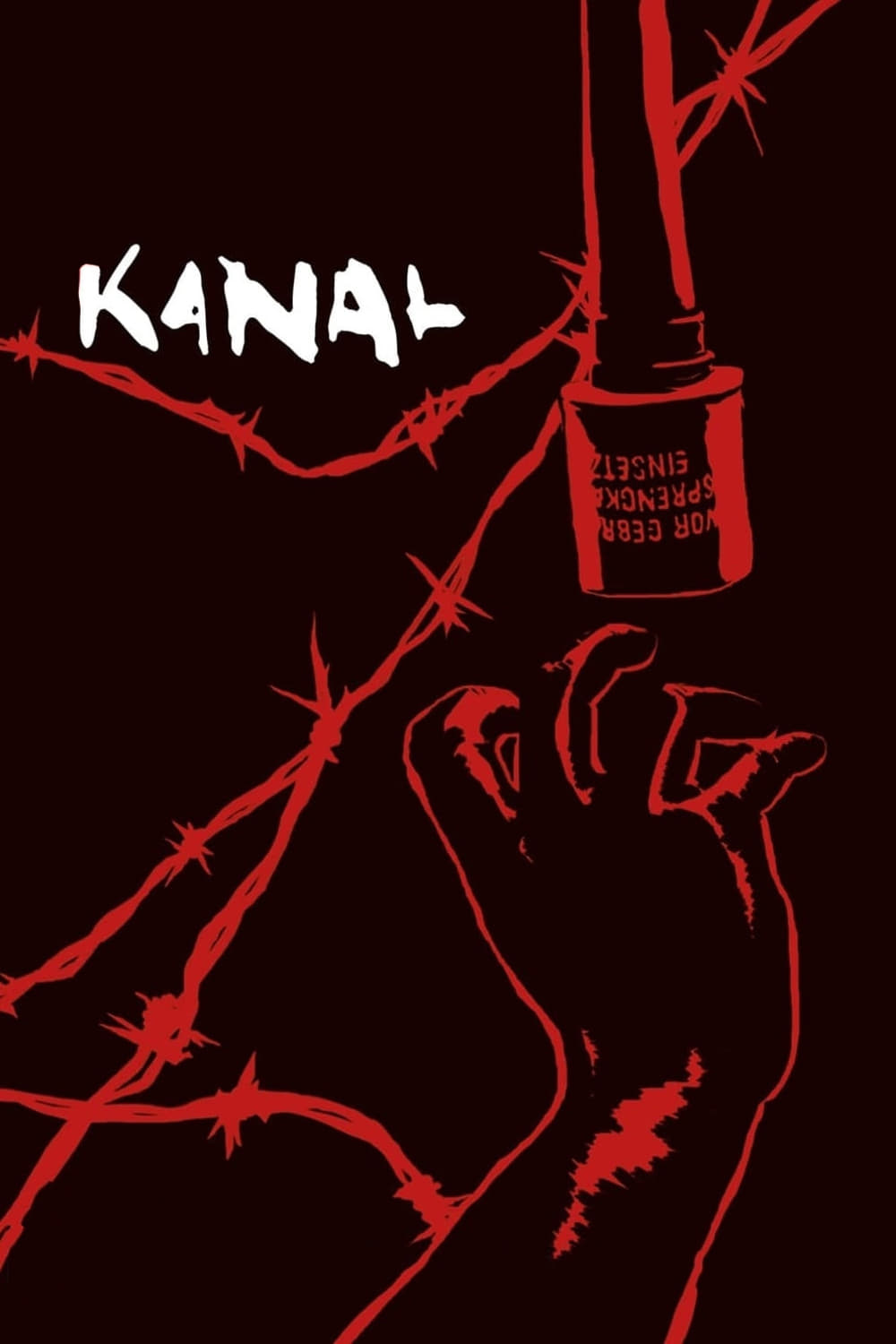
In the last few days of the Warsaw Uprising during World War II, a modest group of Resistance members remains. The band must take refuge in the sewers under the orders of leader Zadra, but it's only a matter of time before they will have to emerge. However, when they try, they are met only with intense hostility from the Nazis. Despite their attempts stay resolute through immense mental strain, it becomes increasingly apparent that they may be doomed.
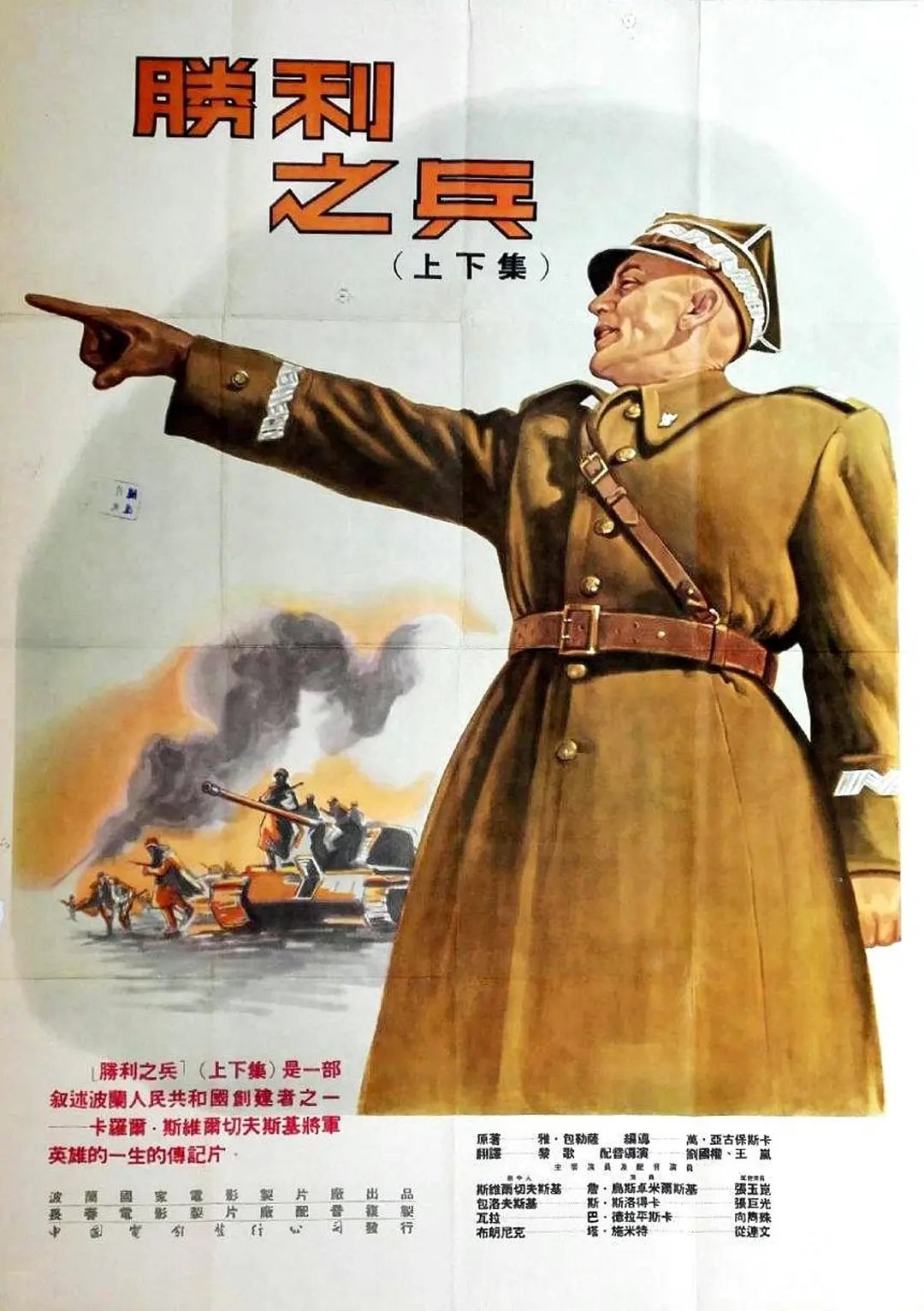
Two-part biopic about General Karol Świerczewski, living embodiment of the party line, and the group of party members from his hometown fighting the fascist forces towards the socialist state of affairs.
A small-time racketeer Stefek evades mob bosses by passing himself off as a mentally unstable cleptomaniac and laying low in an asylum. The racketeer and his closest devotee escape from the asylum and find work at the opera. Stefek becomes stage-doorman and soon discovers that the opera doubles as a brothel.
The reunion of a group of former medical students results in a flood of bitter memories.
A peasant’s son rises through the ranks of post-war Polish society like none of his ancestors ever could. Moving to the city, he becomes part of a new socialist order. But in leaving his rural roots behind, does he also abandon his soul?
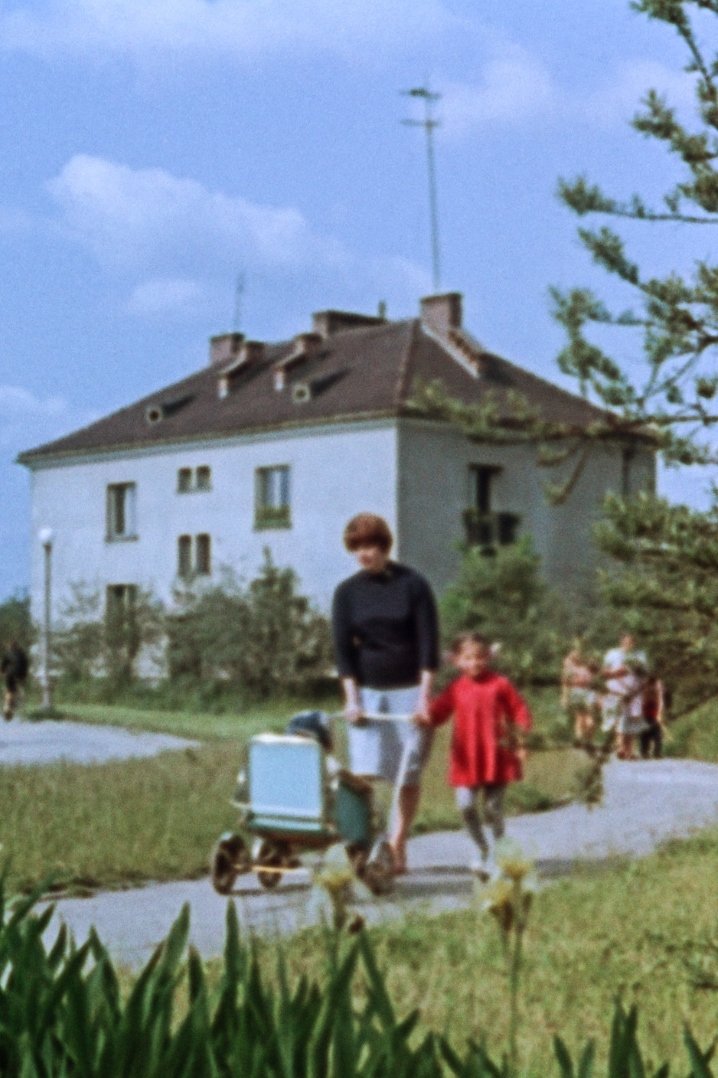
On the 10th anniversary of Nowa Huta, documentary filmmakers go back to the beginnings of the town's construction and the conglomerate, using archival footage from the Polish Film Chronicle. The city is born to the rhythm of seven days of creation, and the jubilee is celebrated by children - its peers and former builders.
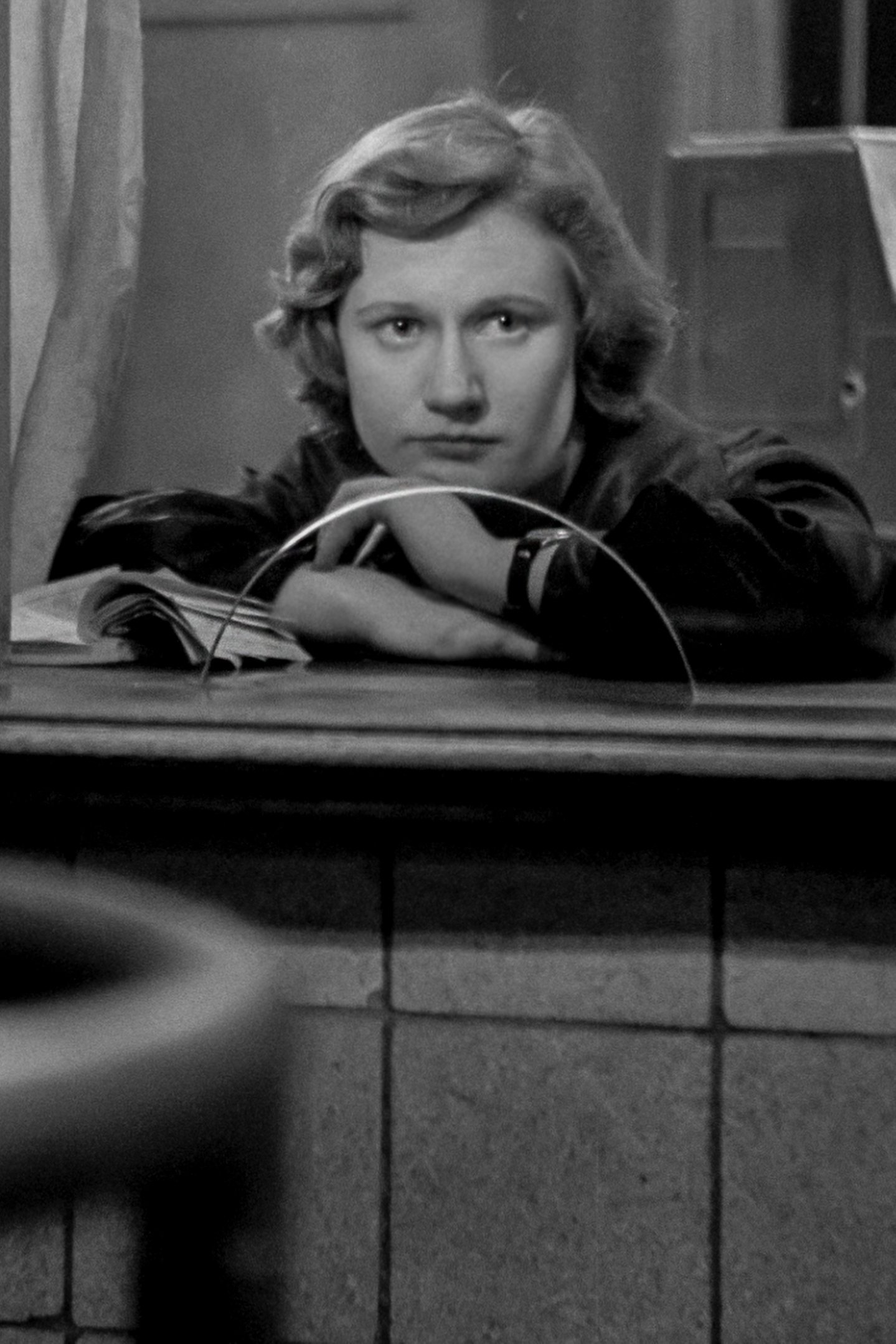
Warsaw Central Station, 1958. A place of greetings and farewells, an intersection of people from different parts of Poland and Europe. A girl waits in vain, she goes away. Soon the station would belong to the past too.
Zenon Ziembiewicz, a young, budding journalist, comes to his parents' manor house for a vacation. Here he enters into an affair with the lovely Justyna Bogutówna, the daughter of a cook. When the canicule comes to an end, Zenon packs his bags and leaves for Paris to study. Returning after a year with a doctorate in political science, he makes a fast and glamorous career. He becomes the editor-in-chief of the local newspaper and, soon after, mayor of the city. He also marries Elzbieta Biecka, but still does not break up with Justyna.
Officers of the 5th Horse Rifle Regiment of the 1st Armored Division go to Brussels, where they meet Joachim Lelewel. To verify the story, the press officer of the division goes to Brussels.
A documentary devoted to the paintings of Nikifor Krynicki, who was a representative of primitivism.
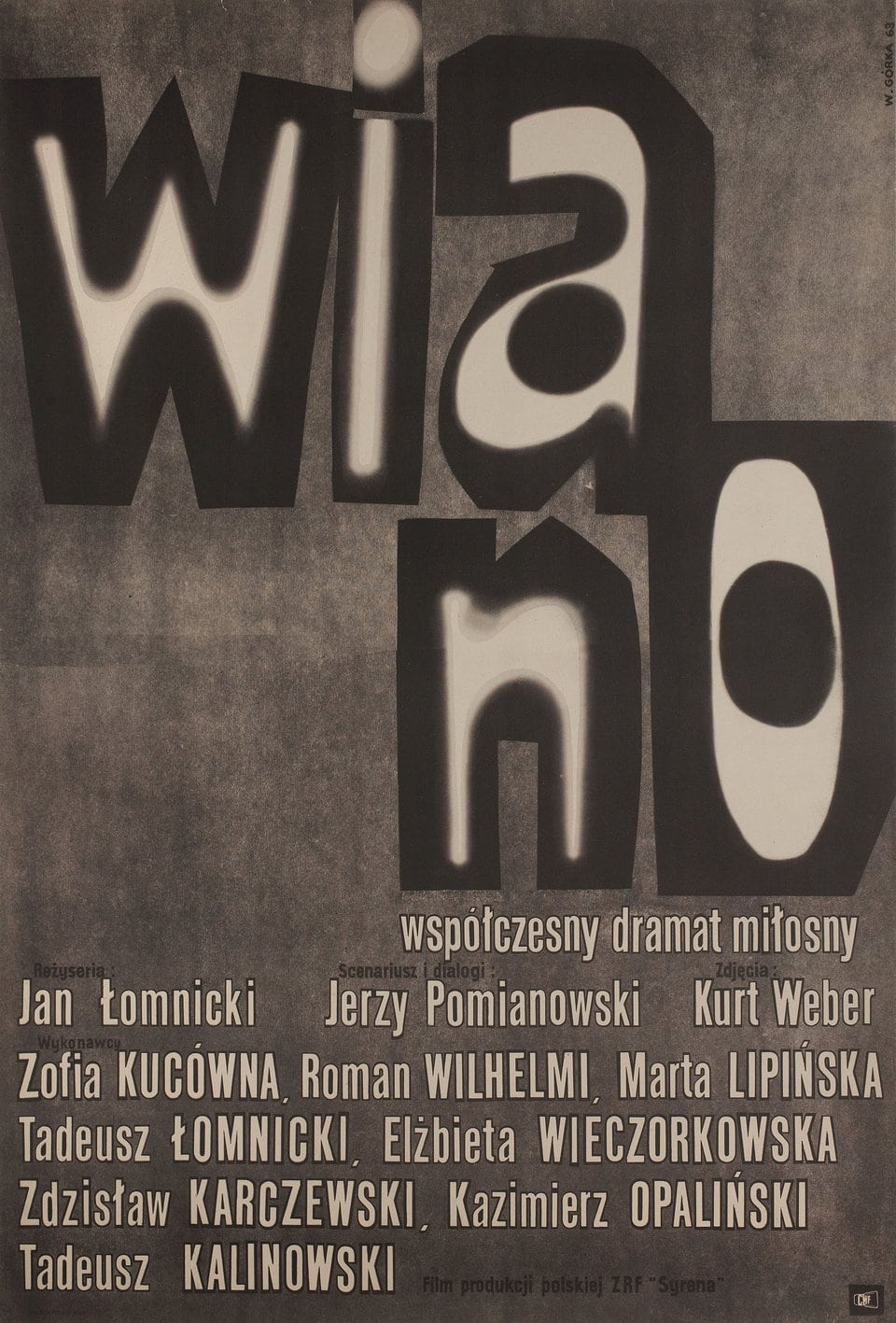
A peasant girl is abandoned by her fiancé after she has talked her father into giving her his land as a dowry.
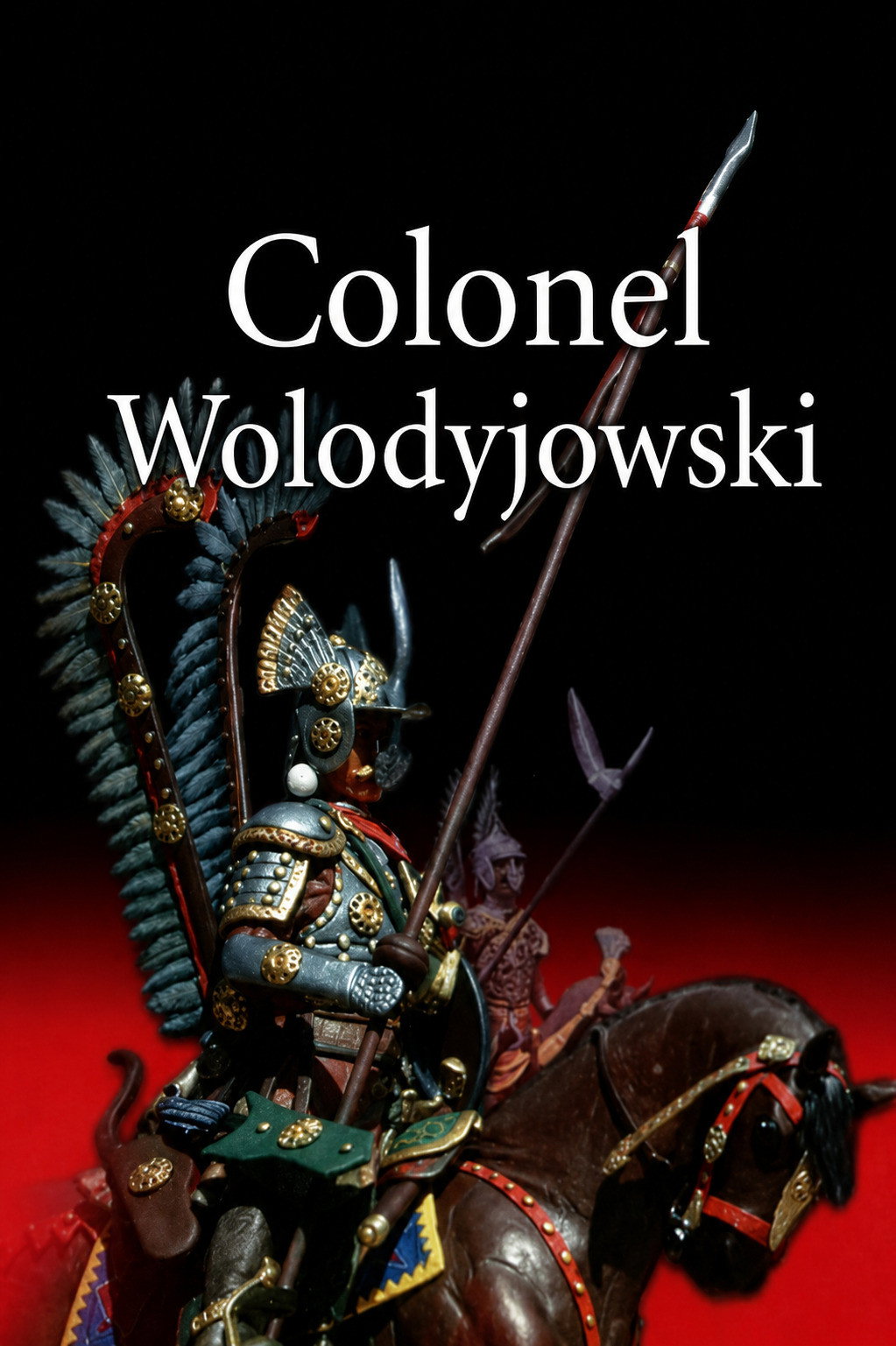
In 1668 Polish colonel Michał Wołodyjowski, who recently retired to a monastery, is recalled to active duty and takes charge of Poland's eastern frontier defenses against invading Tatar hordes and Ottoman armies.
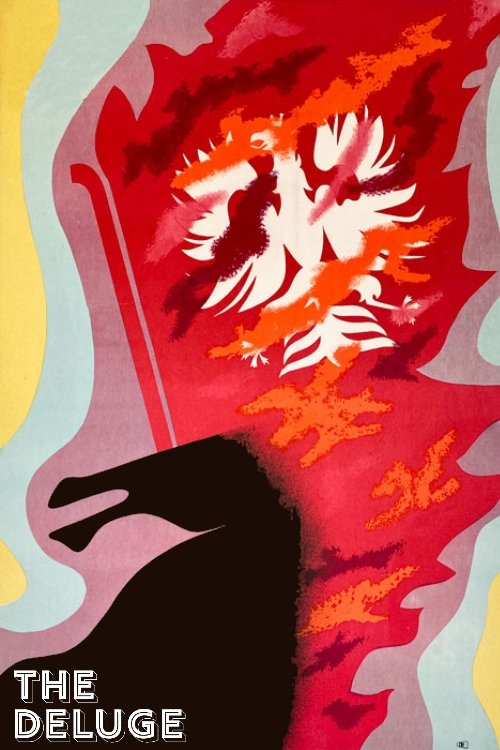
During the Swedish invasion of Poland, the brave warrior Andrzej Kmicic, considered a traitor to the nation, fights for a country, redemption and love across the 17th-century Polish territories.
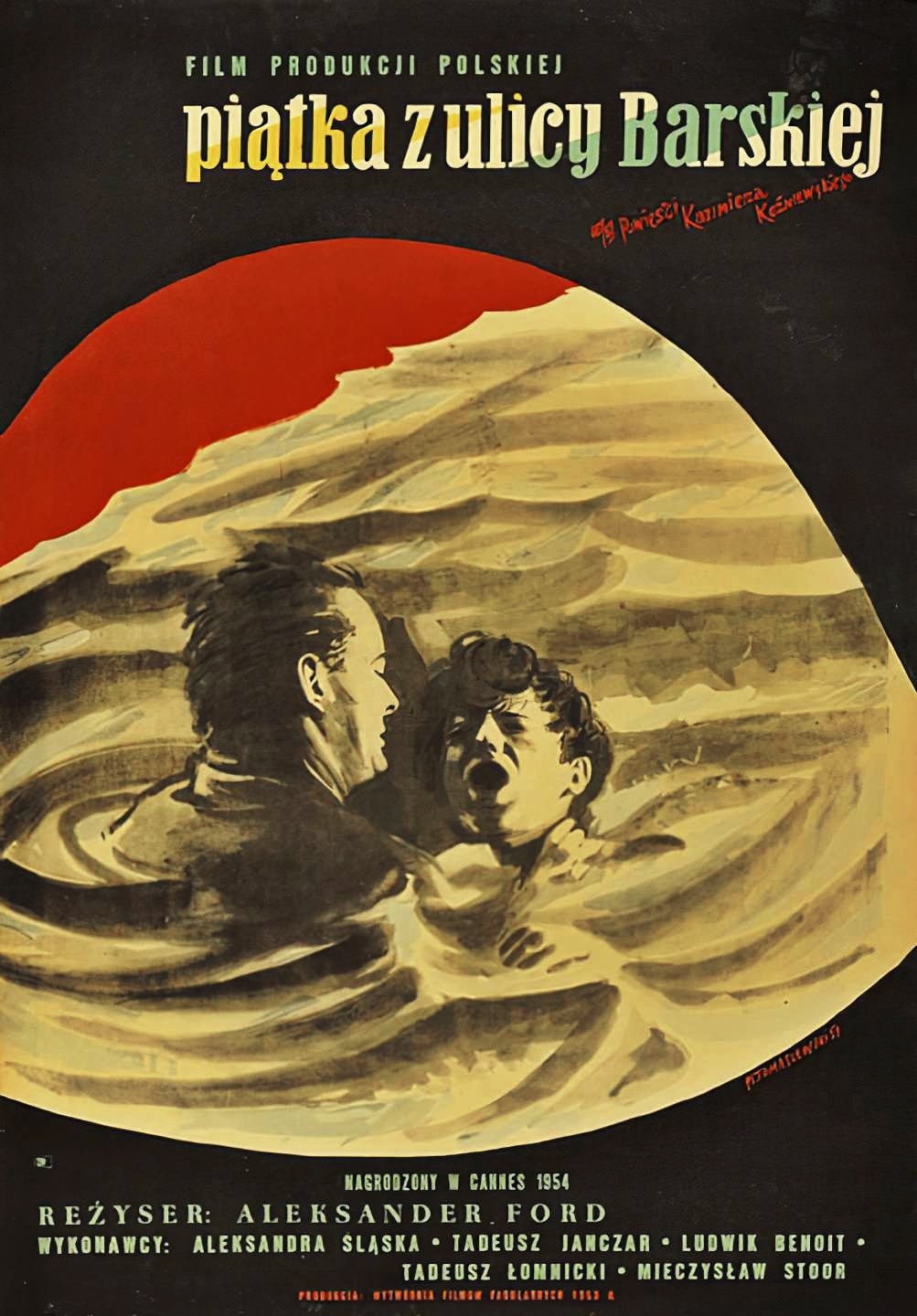
In war-ravaged Warsaw, five juvenile delinquents are given probation for stealing, to rehabilitate themselves, but remain under the influence of their profiteer-boss.
A small village during the period of agricultural reforms in 1945. The two protagonists, a terminally ill count and his housemaster, engage in a private game that consists of artificially maintaining the social hierarchy which reigned here for centuries.
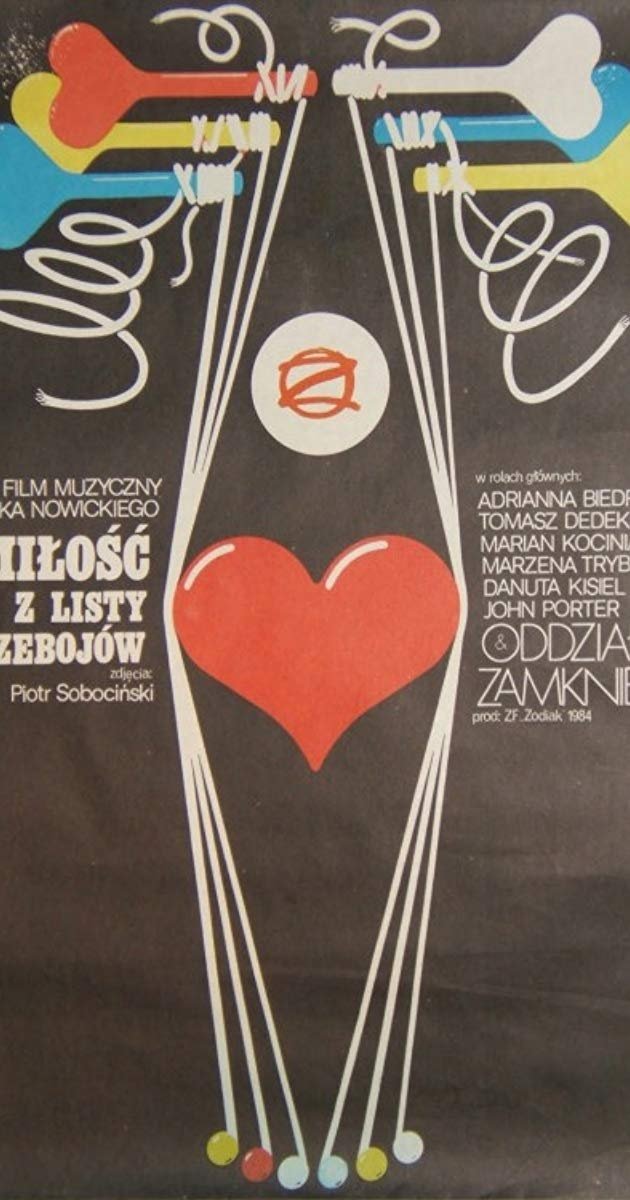
Peter and Eliza are vacationing in the Mazury region. After an argument with her boyfriend, the girl leaves him and goes away. Meanwhile, Eliza's father Jul, a sculptor, organizes a reunion of former members of the student theater in which he performed years ago.
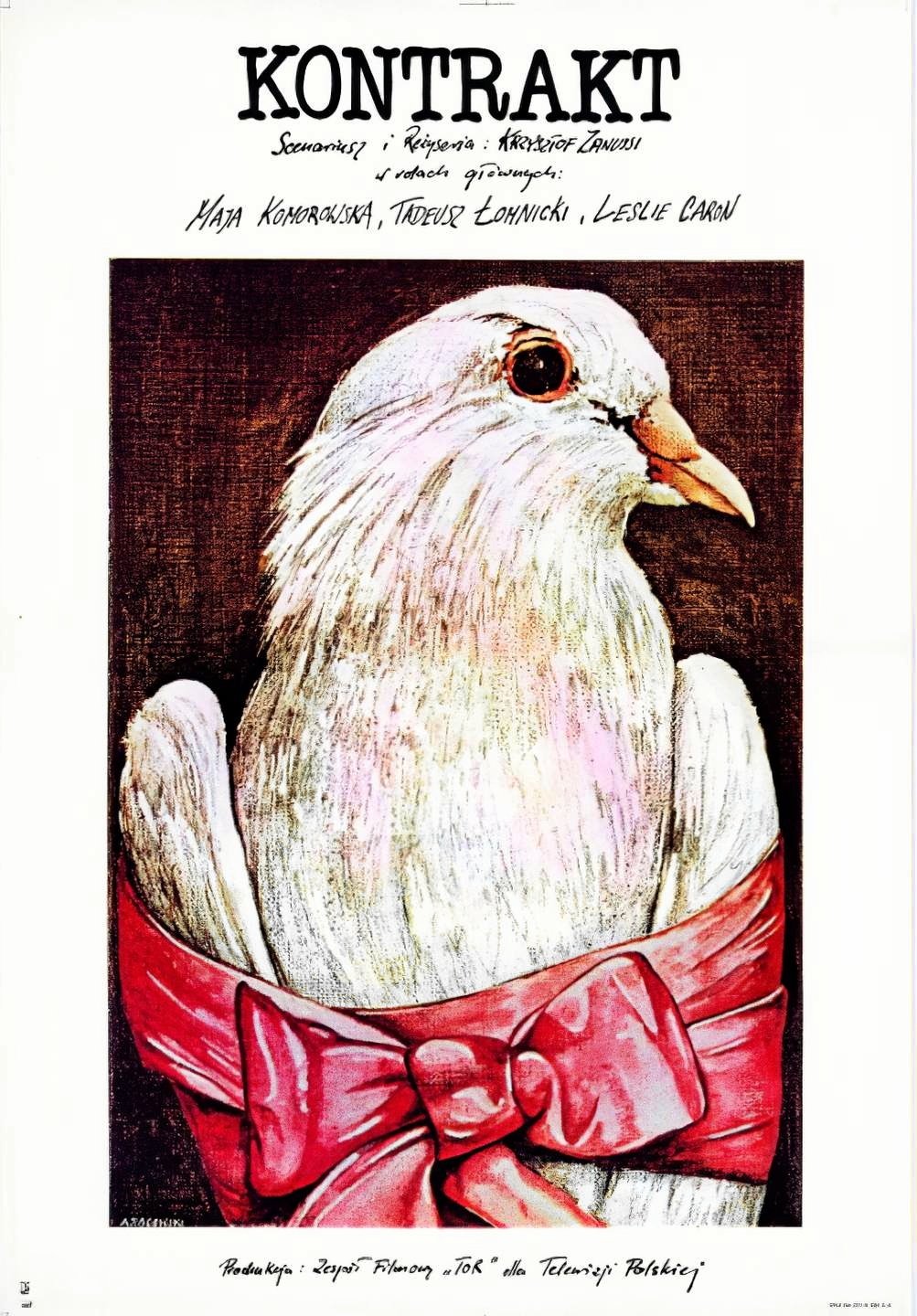
Bearing traces of the old Anton Chekhov play The Wedding, The Contract is set during an "arranged" ceremony. The bride and groom barely know each other, but this matters not at all to their tradition-bound families. At the last minute, the bride balks. Only slightly nonplused, the groom's father, a status-seeking doctor, decides to go ahead with the expensive reception anyway. Polish director Krzysz Zanussi uses this scenario to stick it to capitalist corruption, and to society's destruction of the individual spirit. Leslie Caron, the one recognizable member of the cast, is outstanding as a wealthy, over-the-hill ballerina who happens to be a kleptomaniac.

Zofia, a professor of ethics, is visited by Elżbieta, an American researching the fate of Jews who survived World War II. A daytime classroom conversation turns into a night of confrontation, and Zofia is forced to answer for a decision she made decades ago that directly affected the course of Elżbieta’s life.
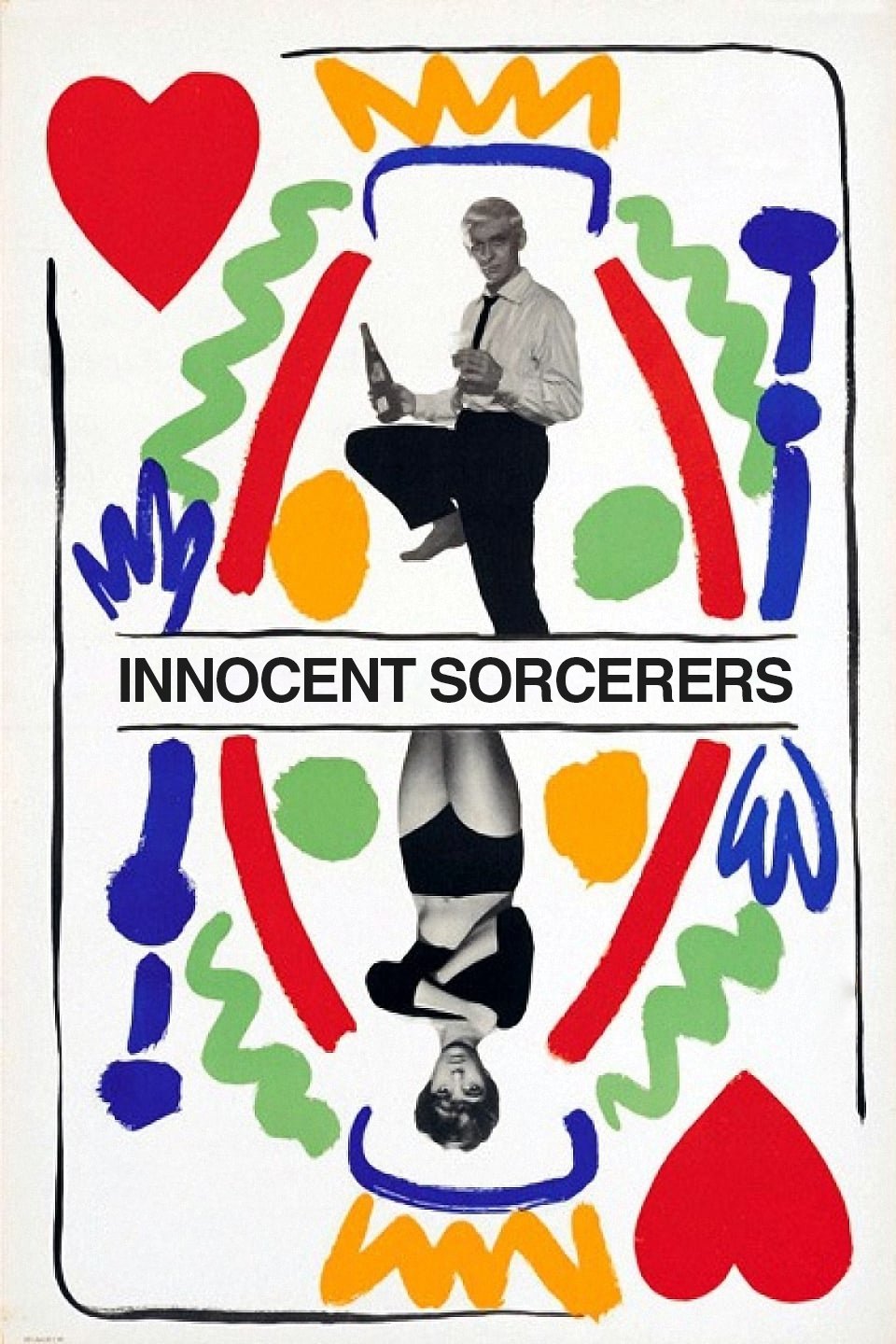
A young doctor is tired of being sought by women. One night he meets a young girl who all but forces herself into his room where they talk of morals and love.
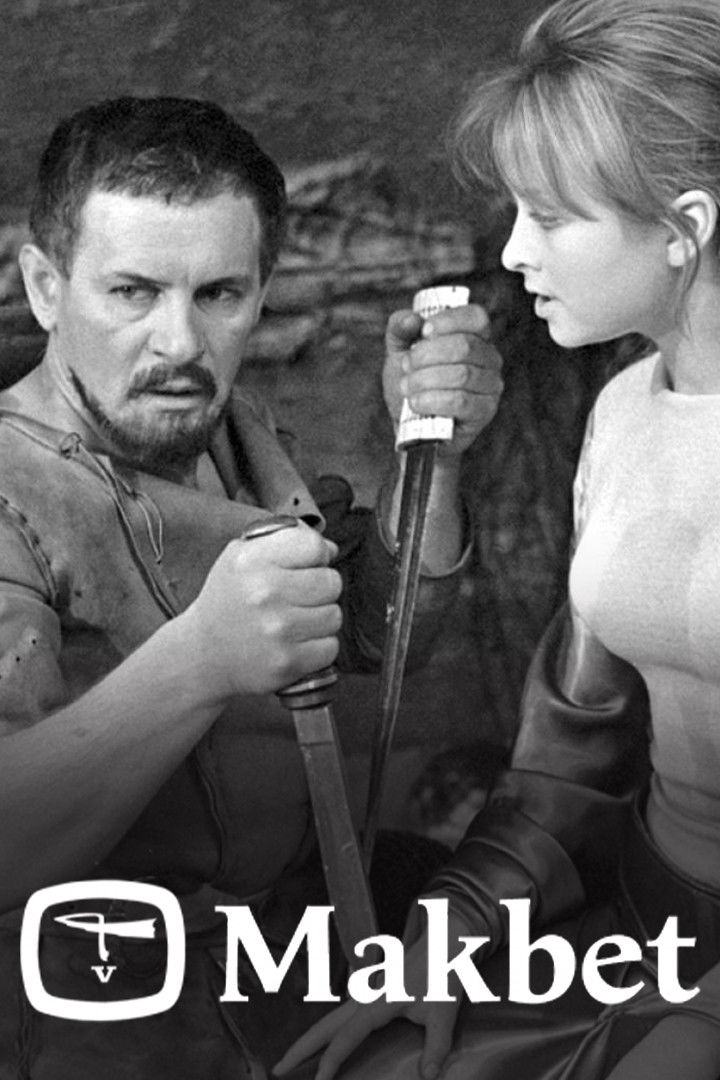
A staging of William Shakespeare's tragedy, directed in 1969 by Andrzej Wajda. The roles of Macbeth and Lady Macbeth are played by Tadeusz Łomnicki and Magda Zawadzka - actors who at that time gained popularity in the series "Pan Wołodyjowski". This perverse use of the artists' images by the director was intended to serve an interpretation of the tragedy that emphasizes Shakespeare's question: where does evil in man come from?

Lieutenant Mosura fights the groups of the Ukrainian Insurgent Army. Suddenly, he manages to capture and eliminate its commander. Several years passed. The lieutenant is accused of collaborating with the insurgents, because he took part in several terrorist operations in order to gain their trust.
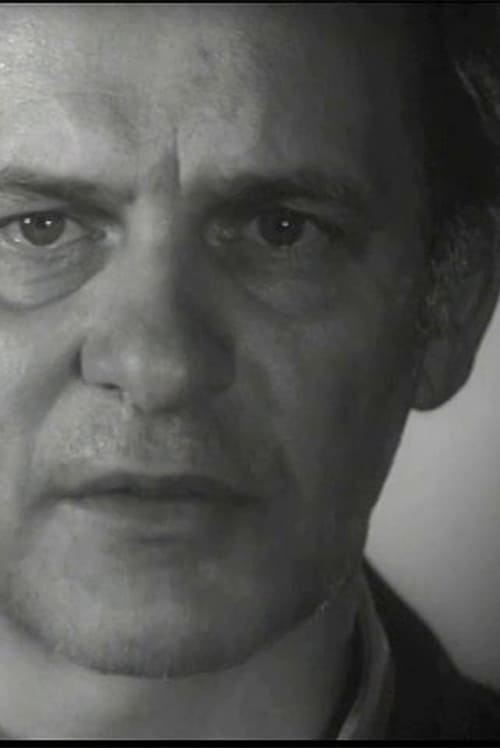
A television short by director and actor Stanisław Latałło.
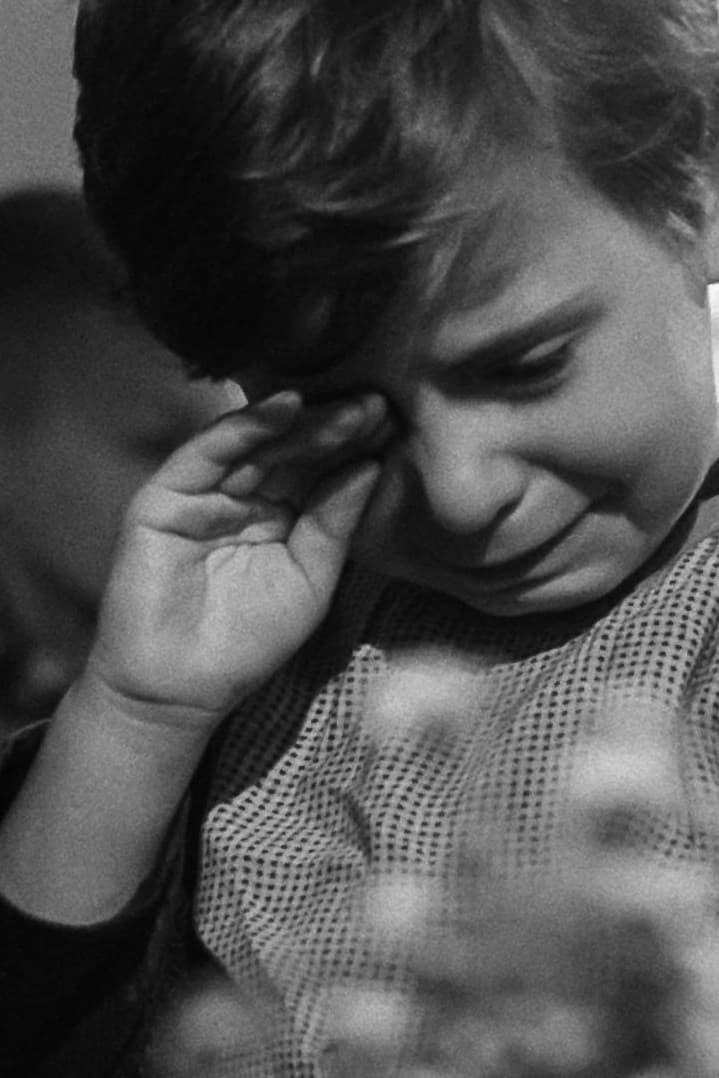
The first documentary realized by Danuta Halladin after her studies announces one of the main themes of her future films: children and childhood. Alone in the World is a story about orphanages.

A reportage created by a well-known duo of documentary filmmakers - Jerzy Hoffman and Edward Skórzewski. The men and their Polish Film Chronicle crew went to Armenia. Breathtaking, mountainous landscapes and historic cities remembering the first centuries of our era – it makes us aware of the importance of the area.
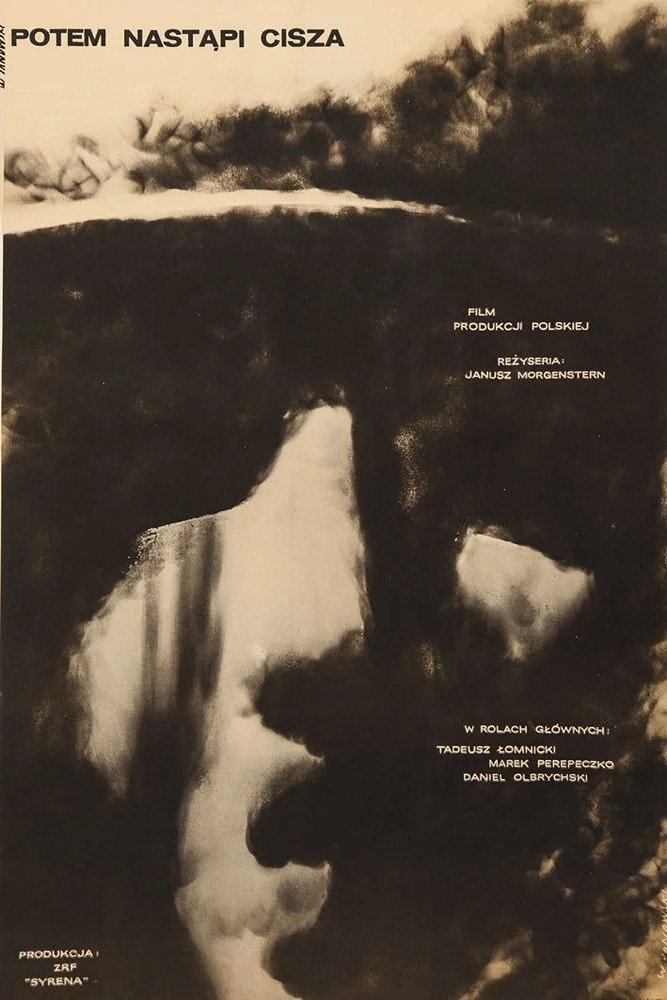
Two Polish Army soldiers, both from different political backgrounds clash while fighting the Germans.
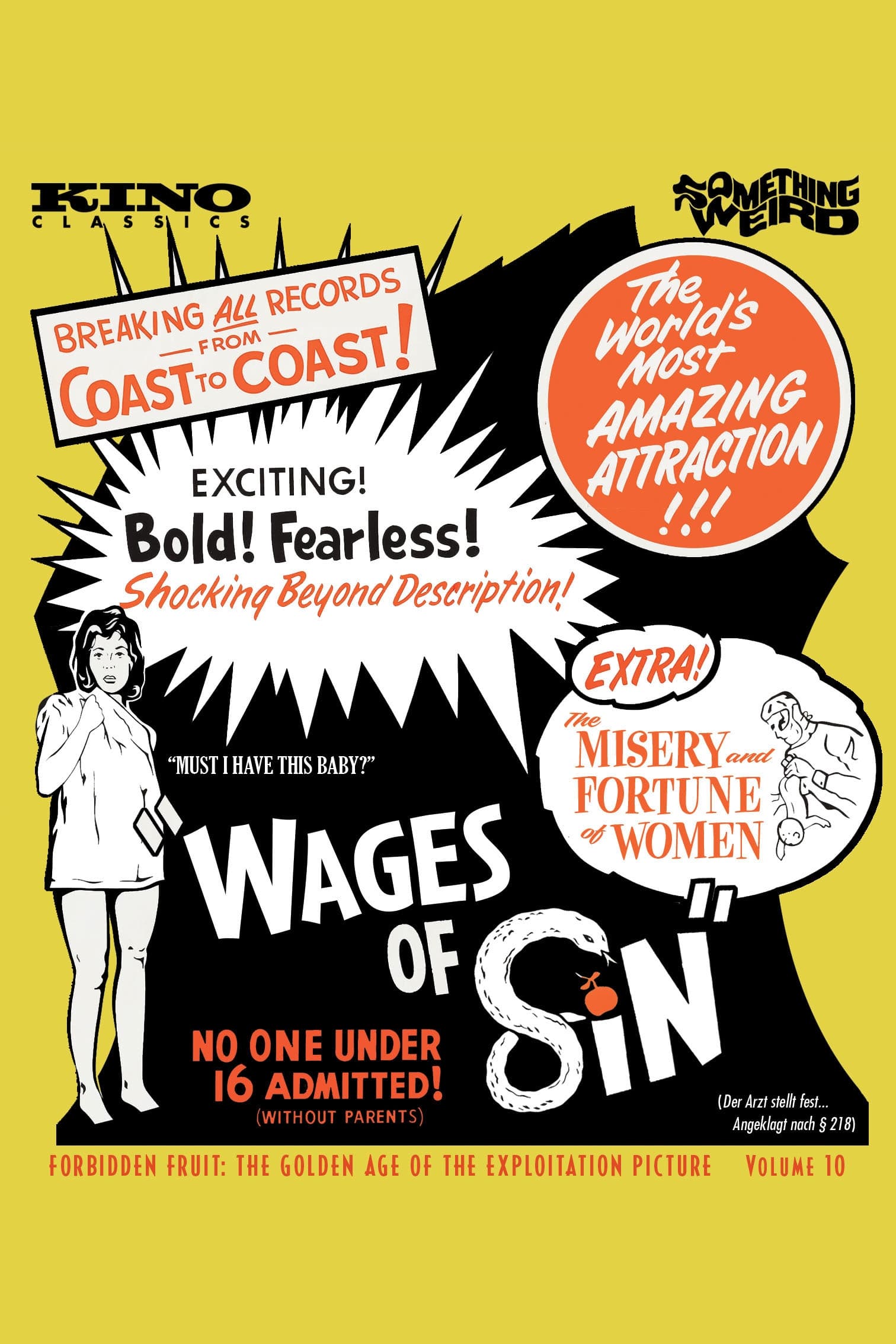
A serious Swiss melodrama/documentary about abortion, marketed as a sexy exploitation movie in the US. The film contains real medical footage.
When a renowned Berlin architect pays a visit to his birthplace, a Polish village which was part of Germany before World War II, he's suddenly compelled to discover the truth about his past.
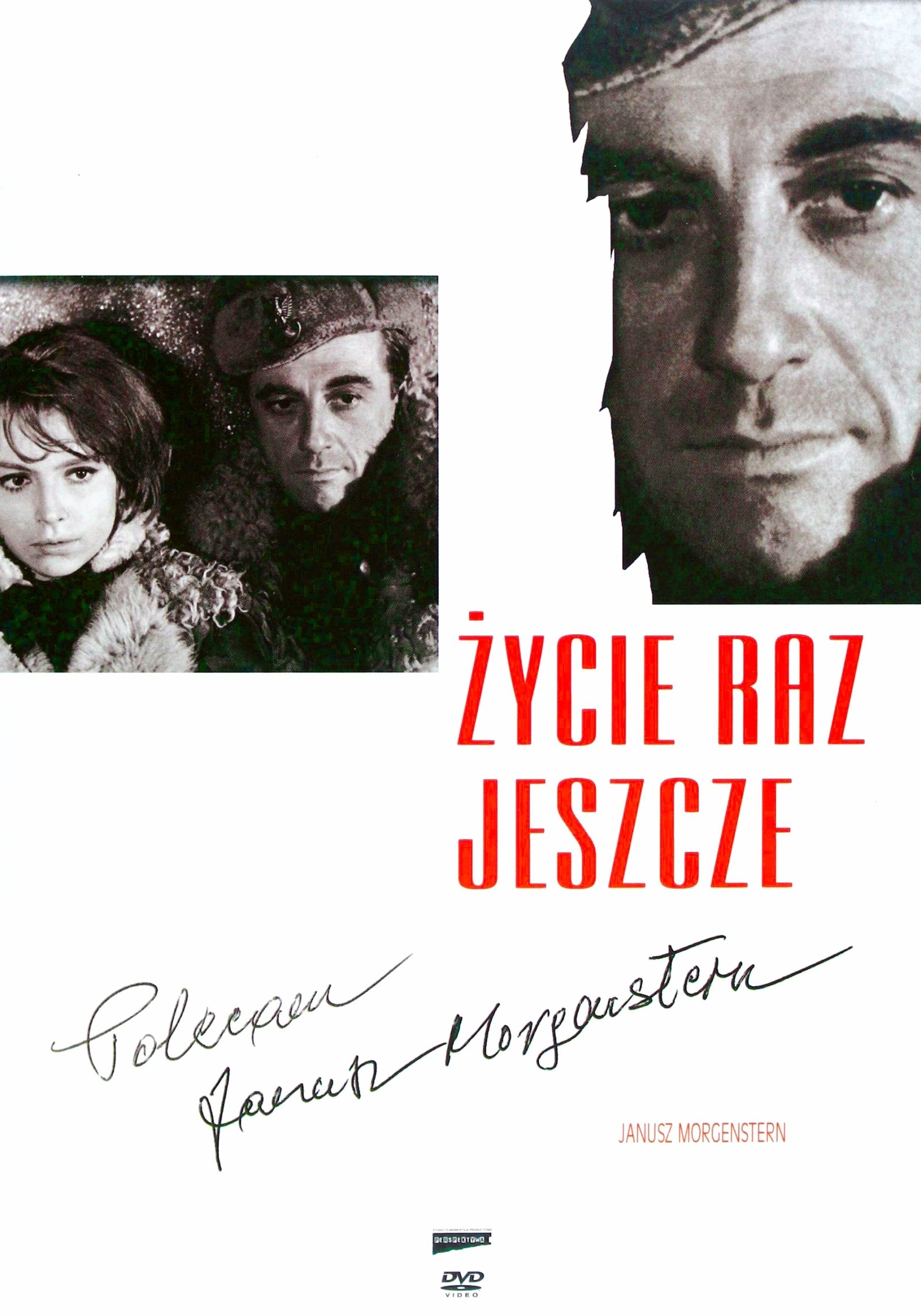
Three idealists - a communist secretary, a former RAF pilot and a female political activist - need to face the hardships and accusations of postwar Stalinist years before being finally rehabilitated.
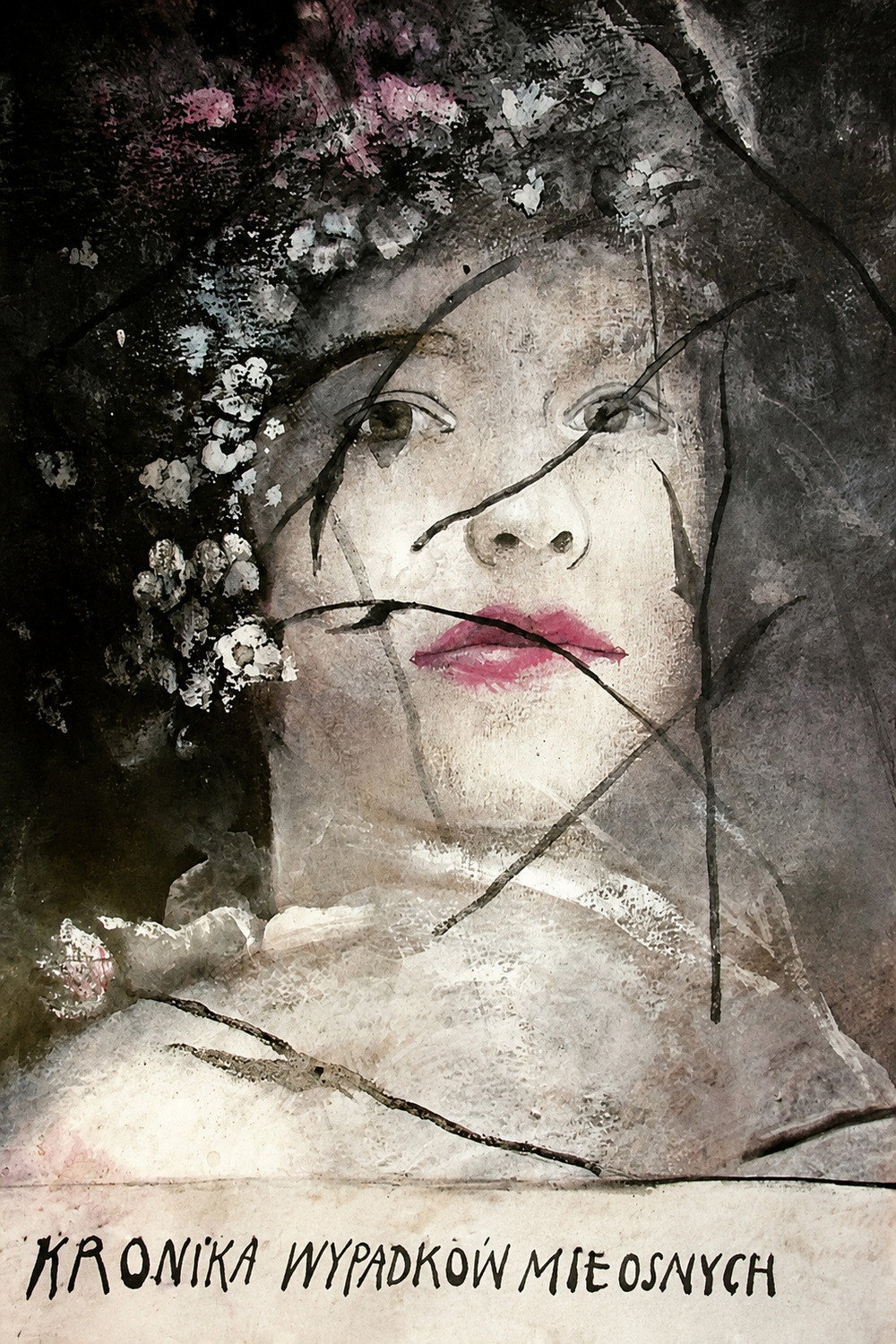
Set in the summer months preceding the September 1939 outbreak of World War II in Polish part of Lithuania. A young highschool lad, Witek, is hoping to pass the entrance exams to the university. His love interest is Alina, his high-school colleague.
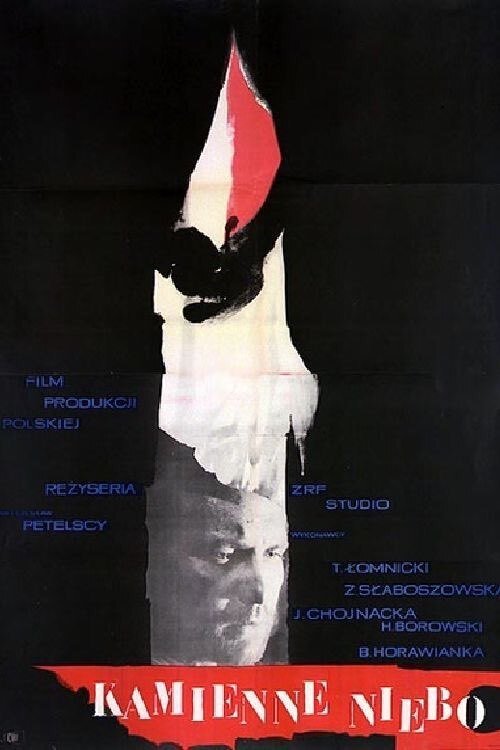
The Warsaw Uprising. Five people hiding in a basement under an apartment complex get buried by the rubble when it's bombed by the Germans. With no way of escape, the people gradually descend into madness.
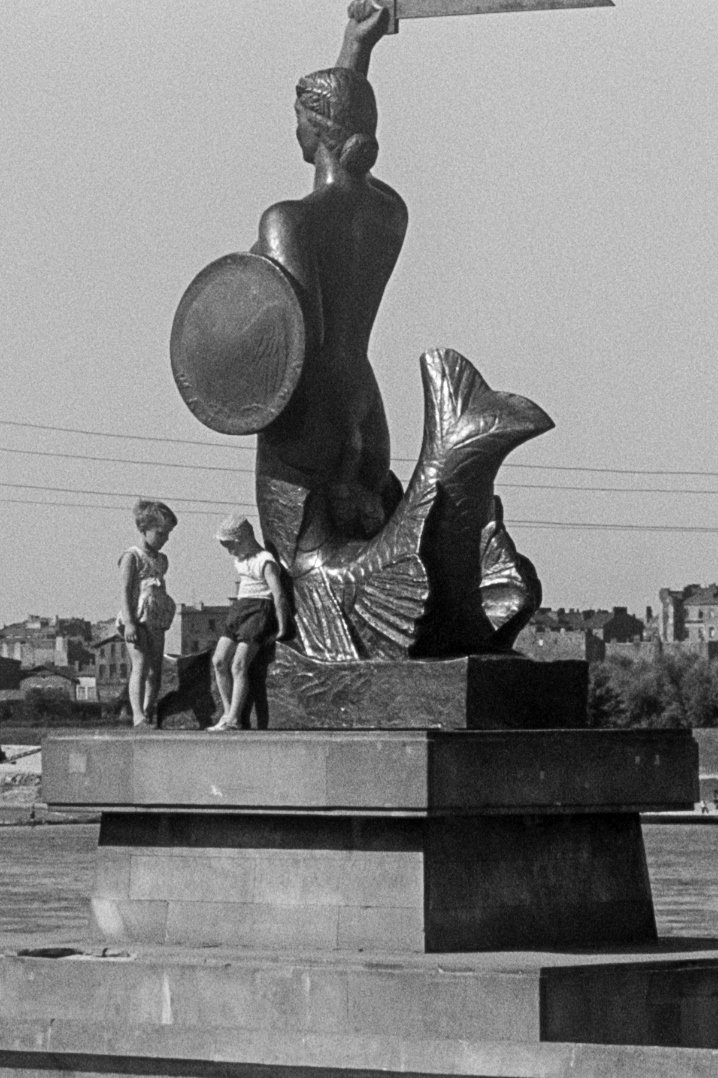
A documentary depicting the Warsaw district of Powiśle where time has stopped. One of several films made by Kazimierz Karabasz included in the "black series" of Polish documentaries. Featuring a commentary typical for documentaries of the second half of the 1950s, it is distinguished by penetrating observation and lyricism.
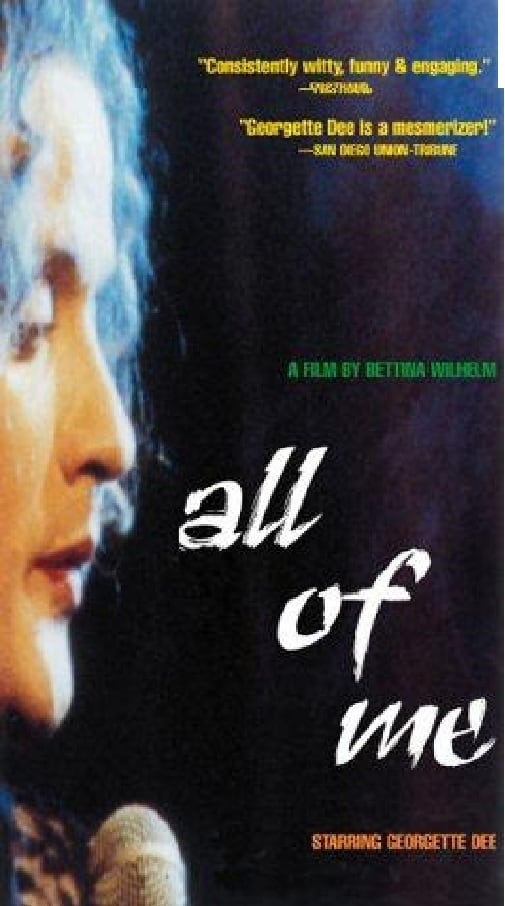
Orlanda is a person between male and female. Their profession is diseuse, a performer who entertains with songs and speeches in the German tradition of the 20's and 30's. To escape from loneliness, as well as to play with taboos, Orlanda decides to marry their friend Elizabeth. On a concert tour in Warsaw, which also serves as a honeymoon, both the newlyweds fall in love with a young Polish man.
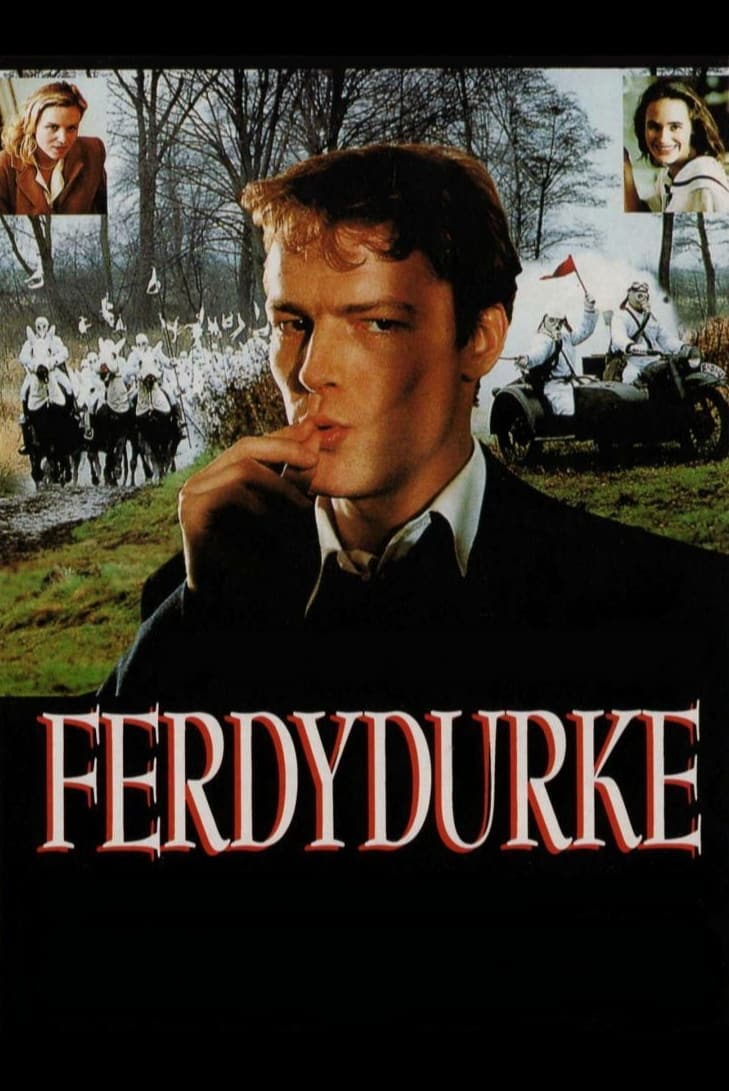
A young writer in 1939 Warsaw faces the conflict of acting his age or relapsing into childhood during the brink of World War II. Based on the famous novel Ferdydurke by Witold Gombrowicz.
In the rugged mountain gorges and ravines of southeastern Poland, a new boss and his wife become a catalyst for violence.
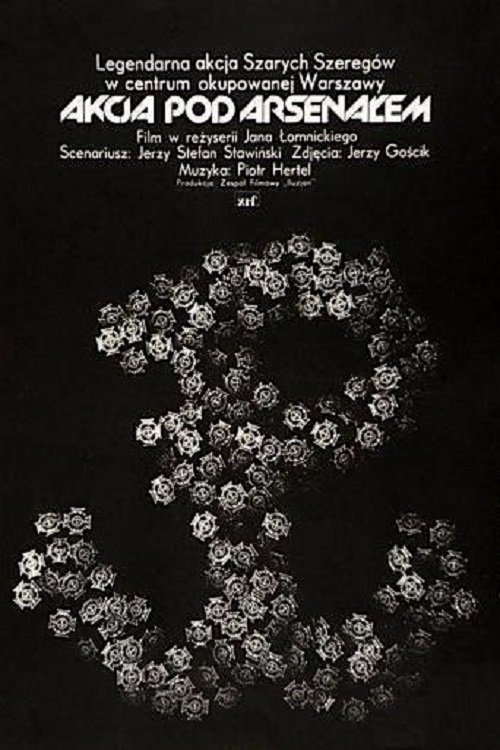
In Nazi-occupied Warsaw, teenage scouts Alek, Rudy, and Zośka risk their lives pulling down a swastika and hoisting the Polish flag atop the German “Zachęta” cultural center and then blowing up a mobile propaganda cinema.
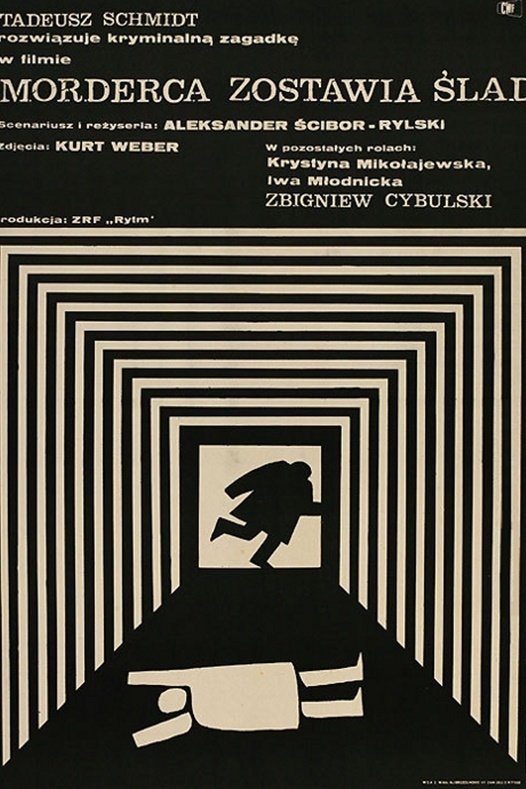
In the last days of WW2, Polish military looks for the murderer of prosecutor responsible for storing Gestapo files.

A bank robbery conducted by Polish Underground members goes awry and the brother-in-law of the group's leader, Paweł gets arrested. Now Paweł must choose between helping his loved ones and staying loyal to the underground.
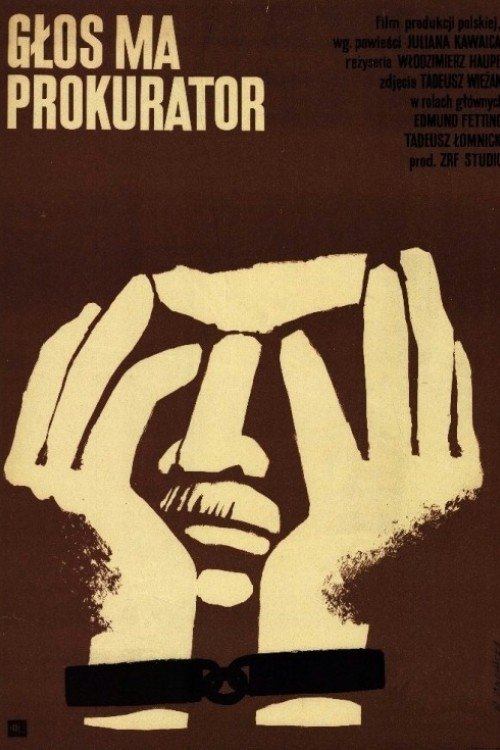
A prosecutor takes on the case of a peasant accused of murder.
A documentary depicting life in Targówek, a deprived and crime-affected district of postwar Warsaw, where reconstruction and cultural development projects have failed to materialize.
The feature film debut of director Marek Koterski. Thirty-year-old Adaś Miauczyński visits his parents, which ends with his nervous breakdown.
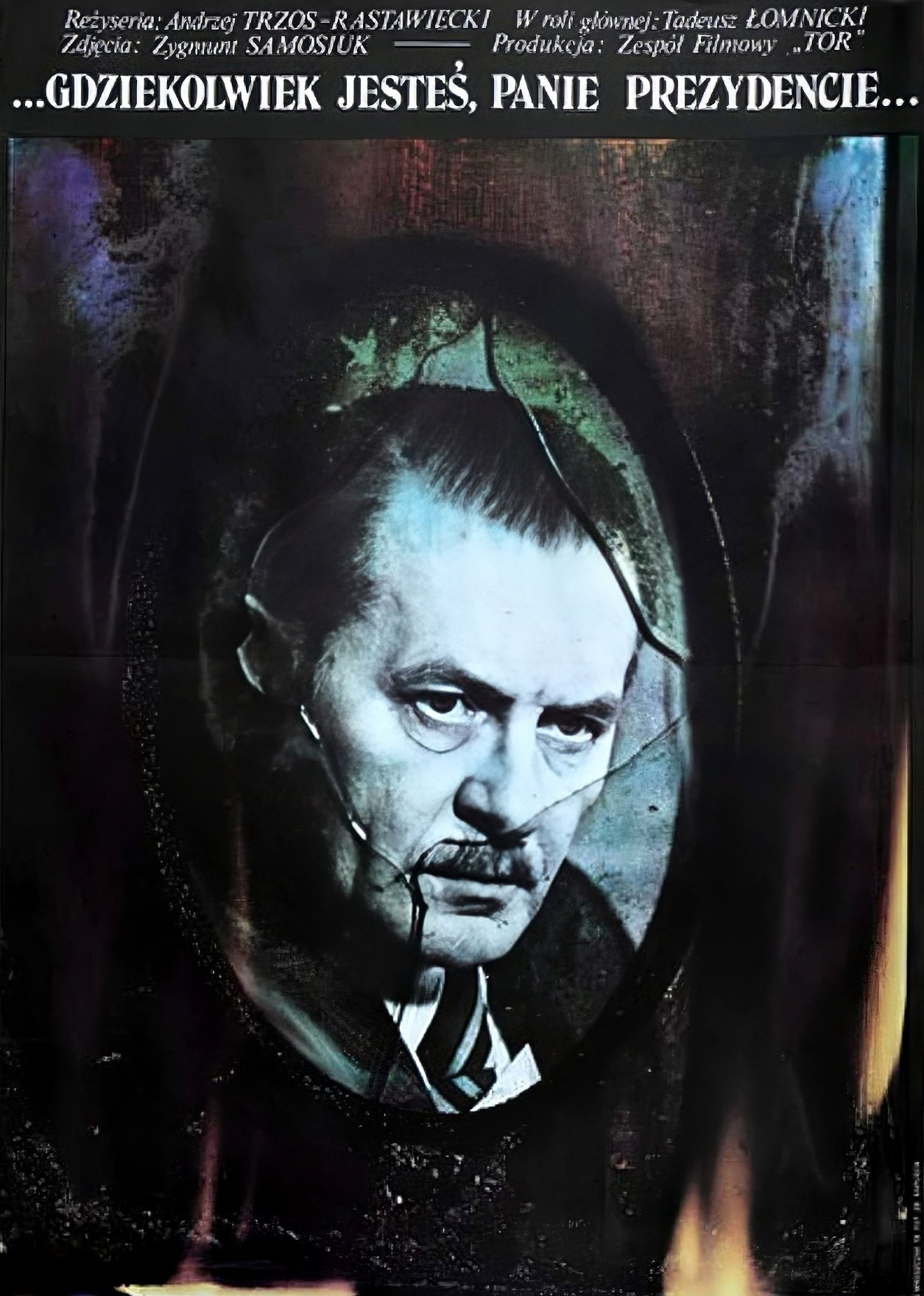
Stefan Starzyński, the mayor of Warsaw, organizes life in the capital in September 1939 and lift the inhabitants' spirits via radio announcements. After the surrender, he does not use his last chance to escape.
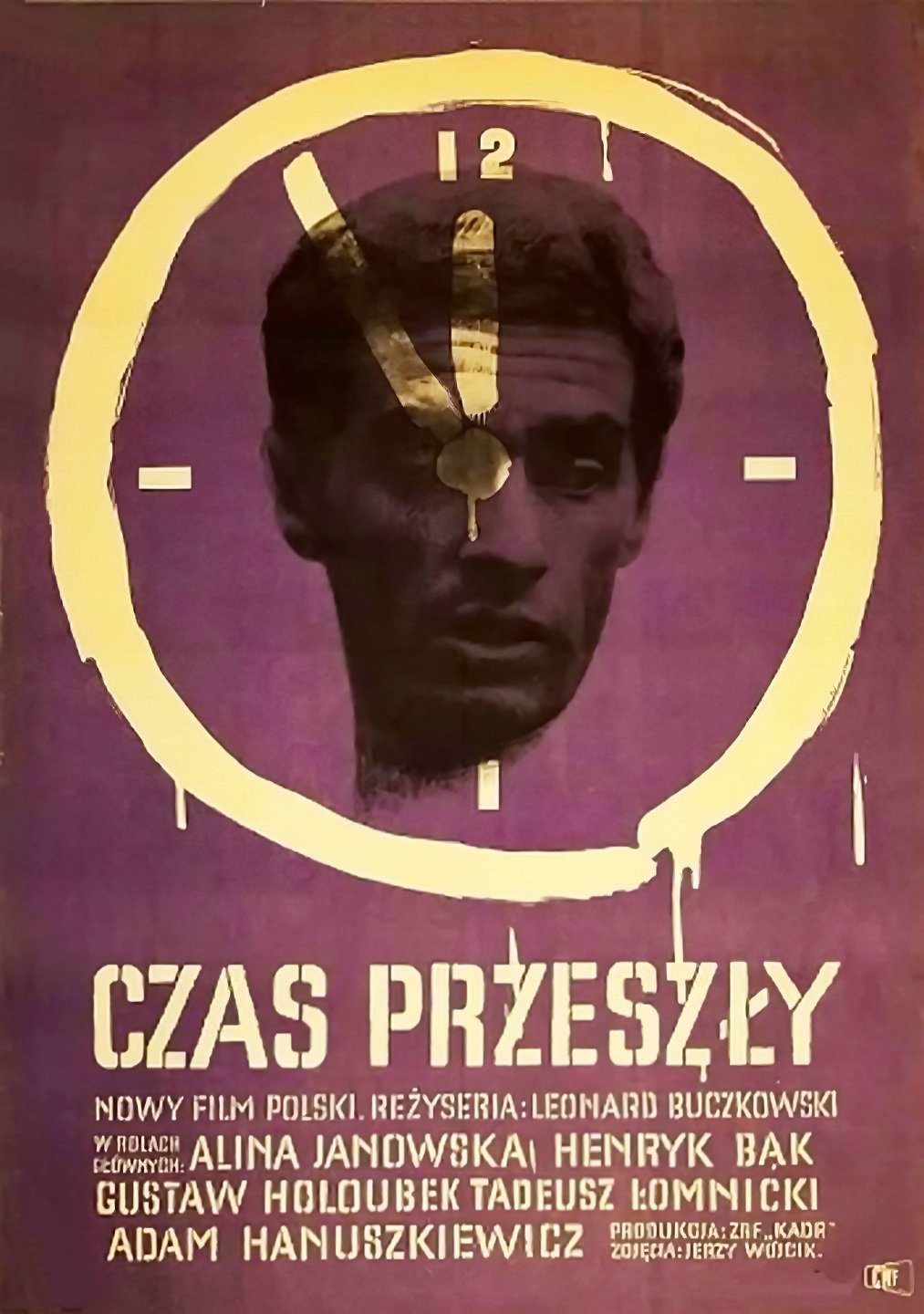
Fram is in a German POW camp where brutal, cold-hearted Gestapo officers like Weber or Von Steinhagen terrorize and execute their Polish prisoners. One day Fram sees a way to escape the camp and he takes it, heading out to find his fellow resistance fighters.
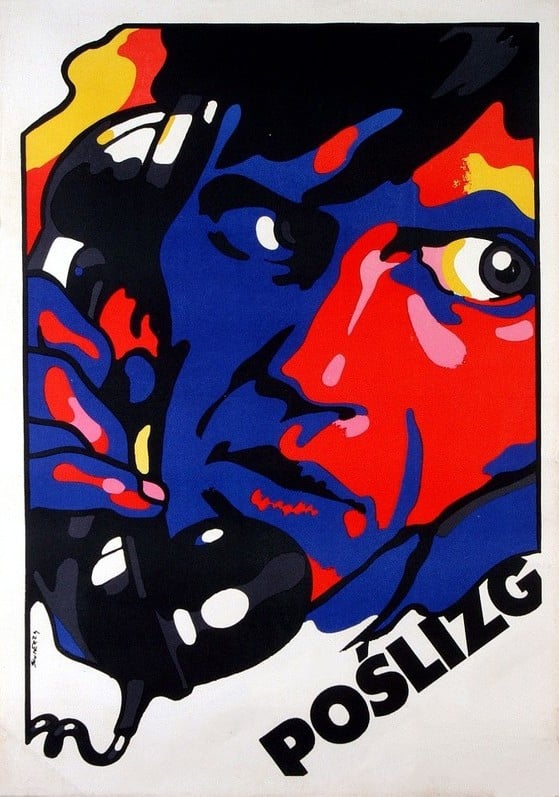
A young man strikes up an ill-fated romance with a married woman.

Zbigniew Cybulski and Sonja Ziemann play lovers struggling to find happiness and privacy in overcrowded Warsaw. The movie shows an honest picture of life in a war-damaged city, contrasting the characters' difficulties with their dreams of a better life. It was banned in Poland in 1958 and would not be seen anywhere until its European release one year later.
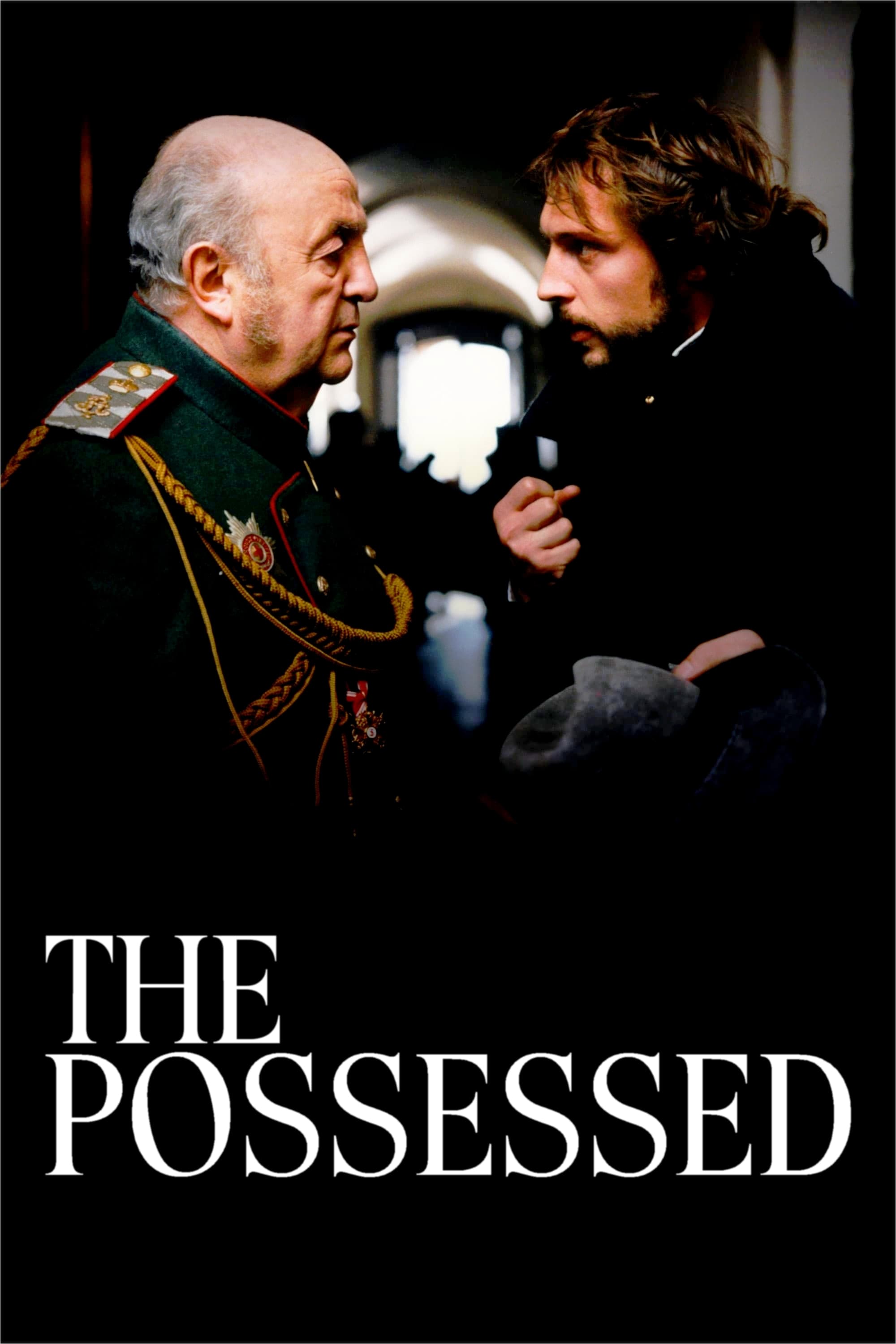
Russia, 1870. A group of young anarchist revolutionaries set out to overthrow the Czarist regime through violence. Their attacks create a climate of psychosis and mutual distrust among the population, but in reality, both revolutionaries and repressors are being manipulated by a diabolical individual.
On the eve of the Day of the Dead, among mysterious old rituals of the Vilnius region, ghosts of the past and present start to appear.
A social drama that depicts a conflict between a young factory collective and a sympathetic but backward old specialist.
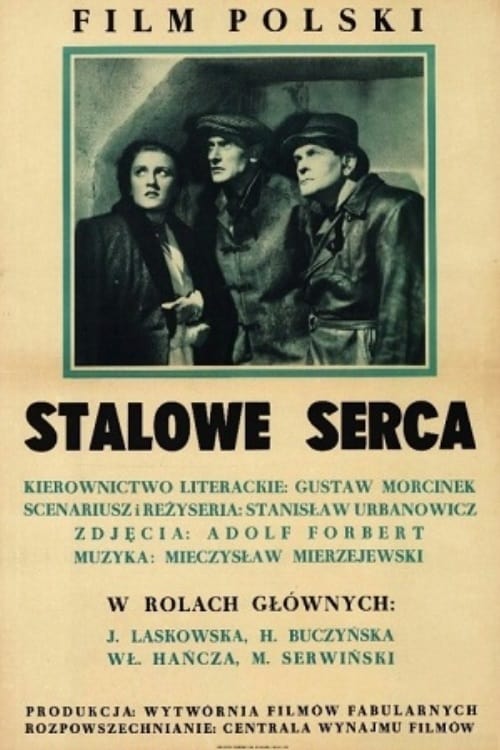
In occupied Silesia, resistance is organizing. In close contact with the miners and led by an engineer, a group of partisans prepare the sabotage of the steel combine. The going will be tough as the place is closely guarded by the Nazis. But despite a denunciation from a traitor and several violent deaths, they get going and the operation is a success. But the Red Army is approaching and now the coal production must not be sabotaged anymore. On the contrary, the partisans must prevent the Germans from destroying the steel mill and the coal mine...
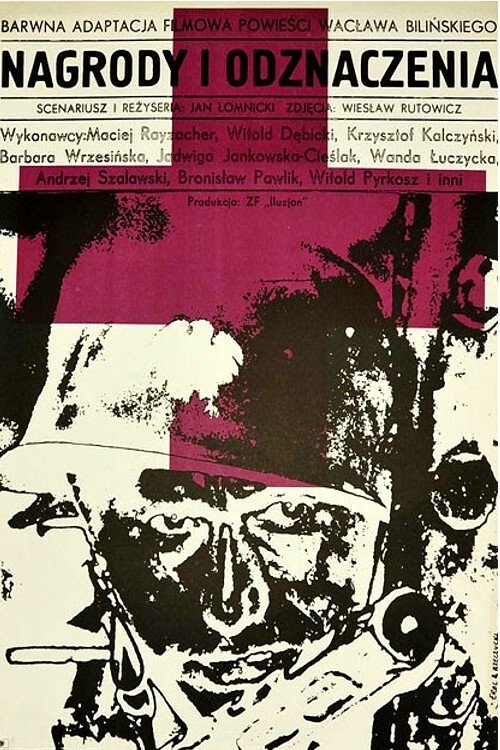
A wartime drama set in a 1944 military hospital where wounded officers and staff from opposing political camps confront ideological conflict and moral uncertainty.
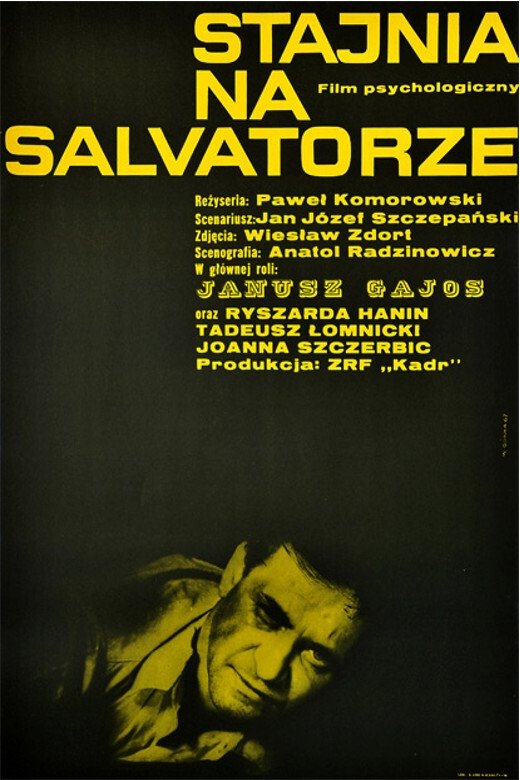
WWII. Zyga, one of the Resistance soldiers in Kraków is arrested by Gestapo. Soon later the Germans make a number of other arrests and Zyga is accused of being an informer.
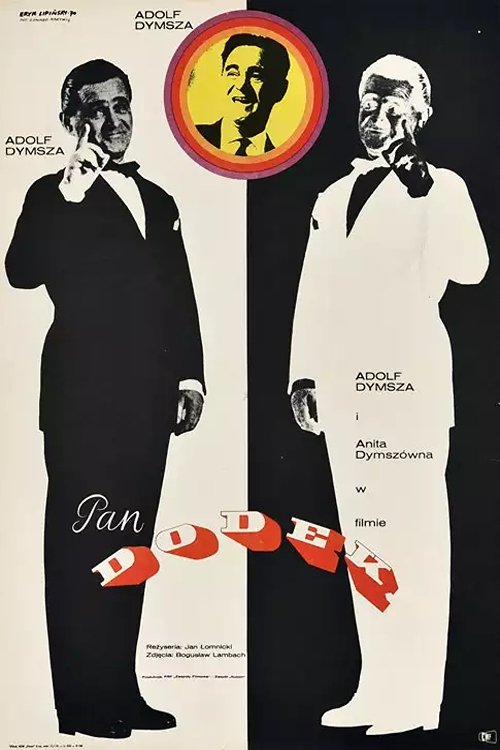
A cinematic ode to actor Adolf Dymsza, one of the biggest stars of pre-war Polish cinema. The film combines footage from Dymsza's new movies and contextualises in the frame story of Mr. Dodek, a retired actor who recounts his past exploits while trying to earn an allotment for a plot of land.
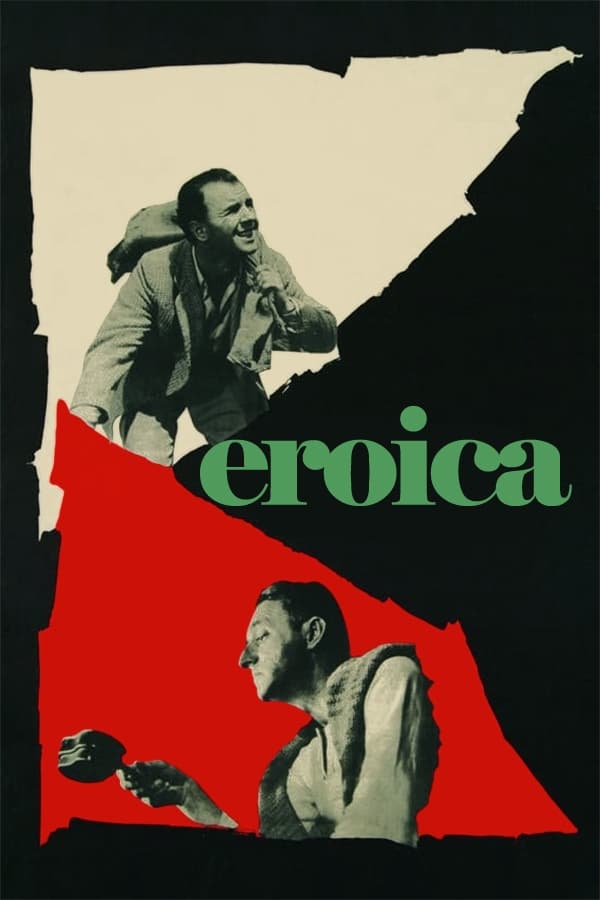
Tells two tales set during WWII: A seemingly feckless and selfish man finally takes up arms in the national struggle against the Nazis. Set in a POW camp, Polish inmates cling to their hopes for an eventual escape, encouraged by the legendary escape of one of their own.
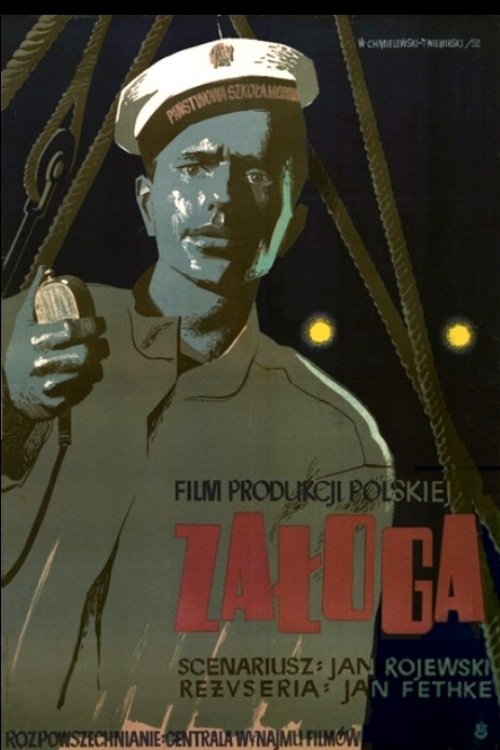
Antek is an inexperienced seaman favored by his teachers. On his first trip to the sea he learns the hardships of the work and almost causes a tragedy.
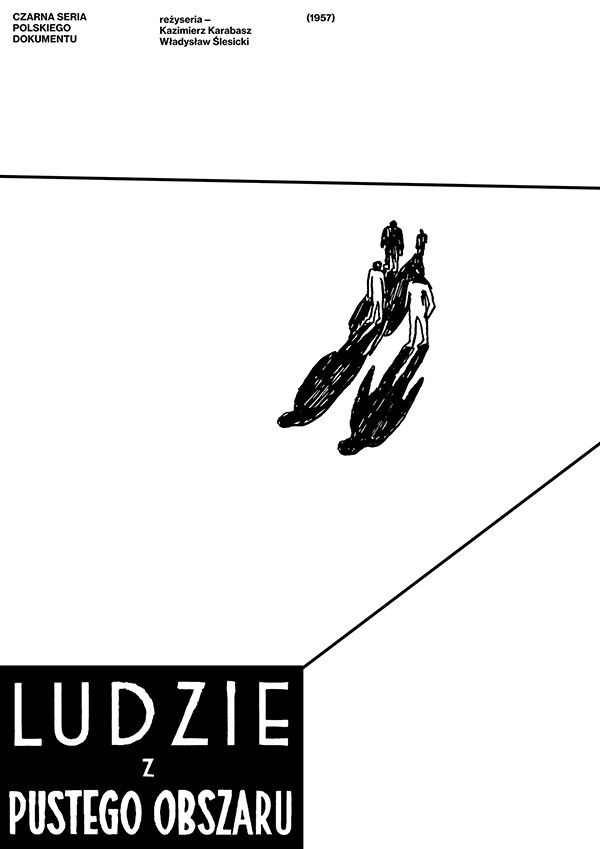
The film belongs to the so-called Black Polish documentary series about a group of young people from the Praga district. The authors' intention was to draw attention to the problems inherent in society.