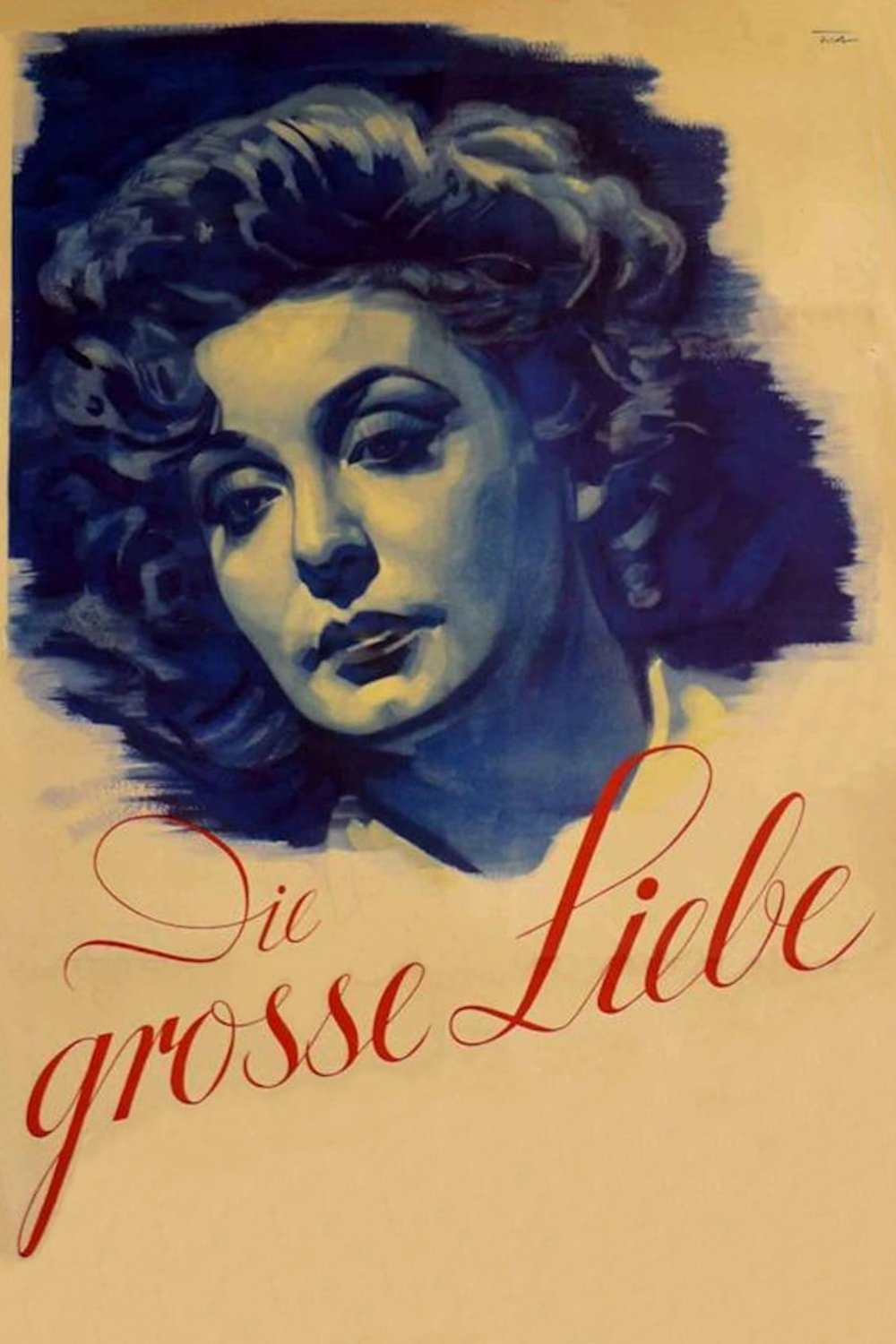
The attractive Oberleutnant Paul Wendlandt is stationed in North Africa as a fighter pilot. While in Berlin to deliver a report he is given a day's leave, and on the stage of the cabaret theatre "Skala" sees the popular Danish singer Hanna Holberg. For Paul it is love at first sight. When Hanna visits friends after the end of the performance, he follows her, and speaks to her in the U-Bahn. After the party in her friends' flat, he accompanies her home and chance throws them further together when an air raid warning forces them to take cover in the air raid shelter. Hanna reciprocates Paul's feelings, but after a night spent together Paul has to return immediately to the front. There now follows a whole series of misunderstandings, and one missed opportunity after another. While Hanna waits in vain for some sign of life from Paul, he is flying on missions in North Africa. When he tries to visit her in her Berlin flat, she is giving a Christmas concert in Paris.

In postwar Vienna, Austria, Holly Martins, a writer of pulp Westerns, arrives penniless as a guest of his childhood chum Harry Lime, only to learn he has died. Martins develops a conspiracy theory after learning of a "third man" present at the time of Harry's death, running into interference from British officer Major Calloway, and falling head-over-heels for Harry's grief-stricken lover, Anna.
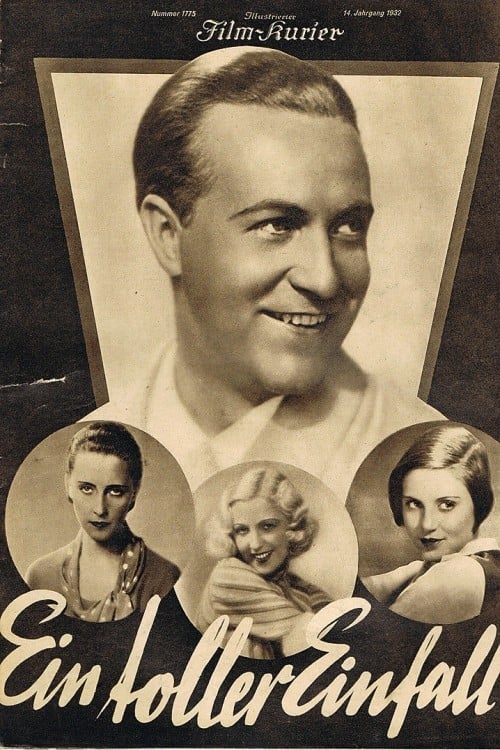
A series of stupid coincidences causes the young Munich painter Paul to convert his uncle's castle into a hotel for four weeks. But he can't complain: business is good and he has plenty of guests. For exmple, there's Theo Muller with his revue troupe. For reasons of "sound", Muller calls himself "Miller", which, of course, causes more confusion. His daughter, the beautiful Evelyn, is confused with Mabel Miller, who has come to the hotel on a mission for her filthy rich father ... namely, to estimate the worth of the castle.

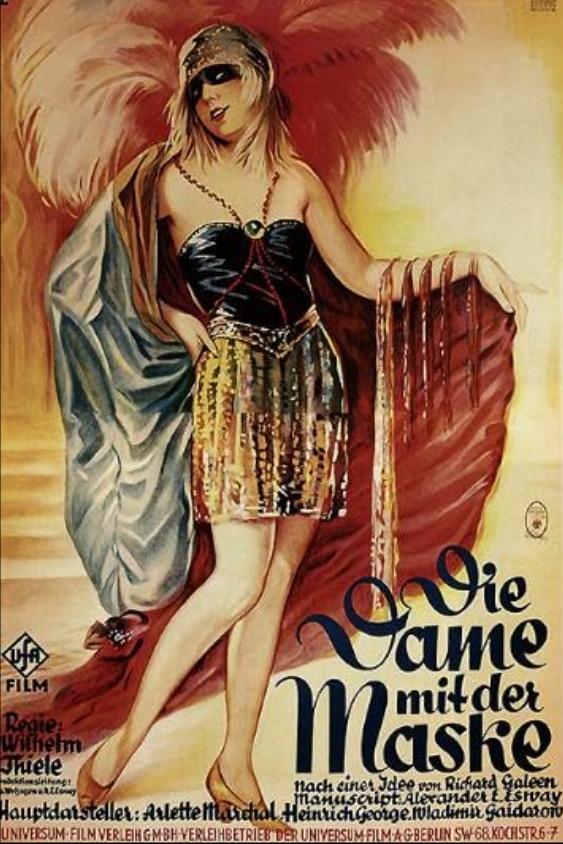
A young noble feels that inflation does not stop at the nobility when she becomes impoverished overnight. As an actress, she struggles and is finally hired by a revue theater through the agency of a Russian emigrant.
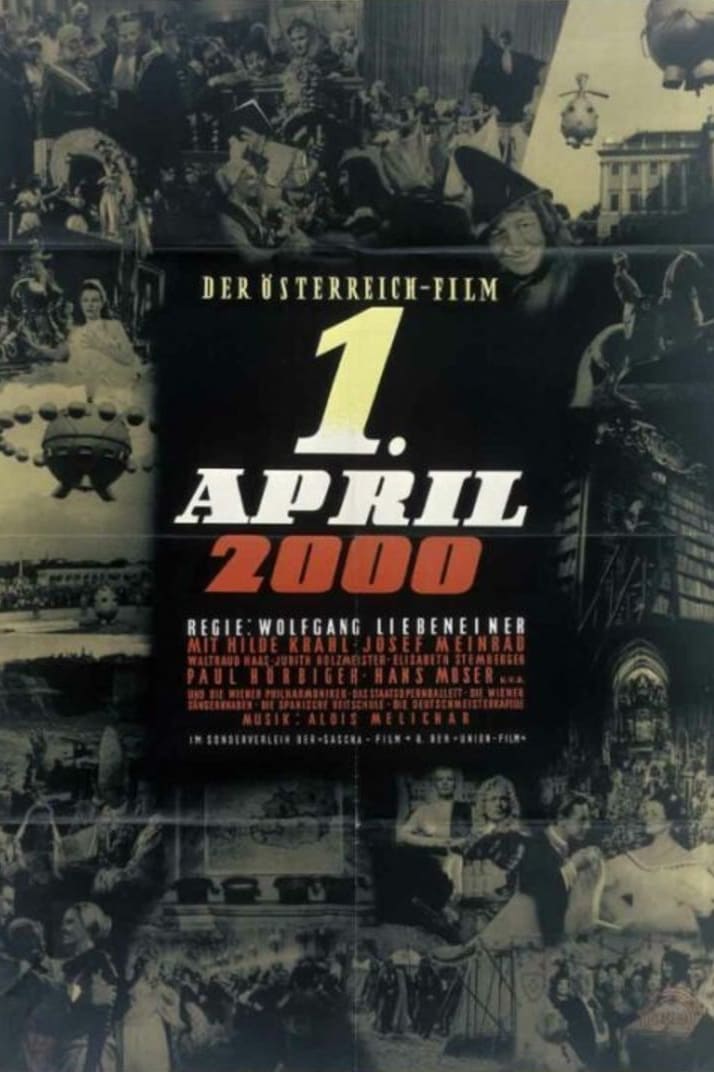
It is the year 2000 and the World Global Union is in charge, although other countries are allowed to elect their own government leaders, as long as they support the Union. When Austria's newly-elected president, played by Josef Meinrad, makes his inauguration speech he declares Austria independence and issues an edict ending Austria's financial support for the Global Union.
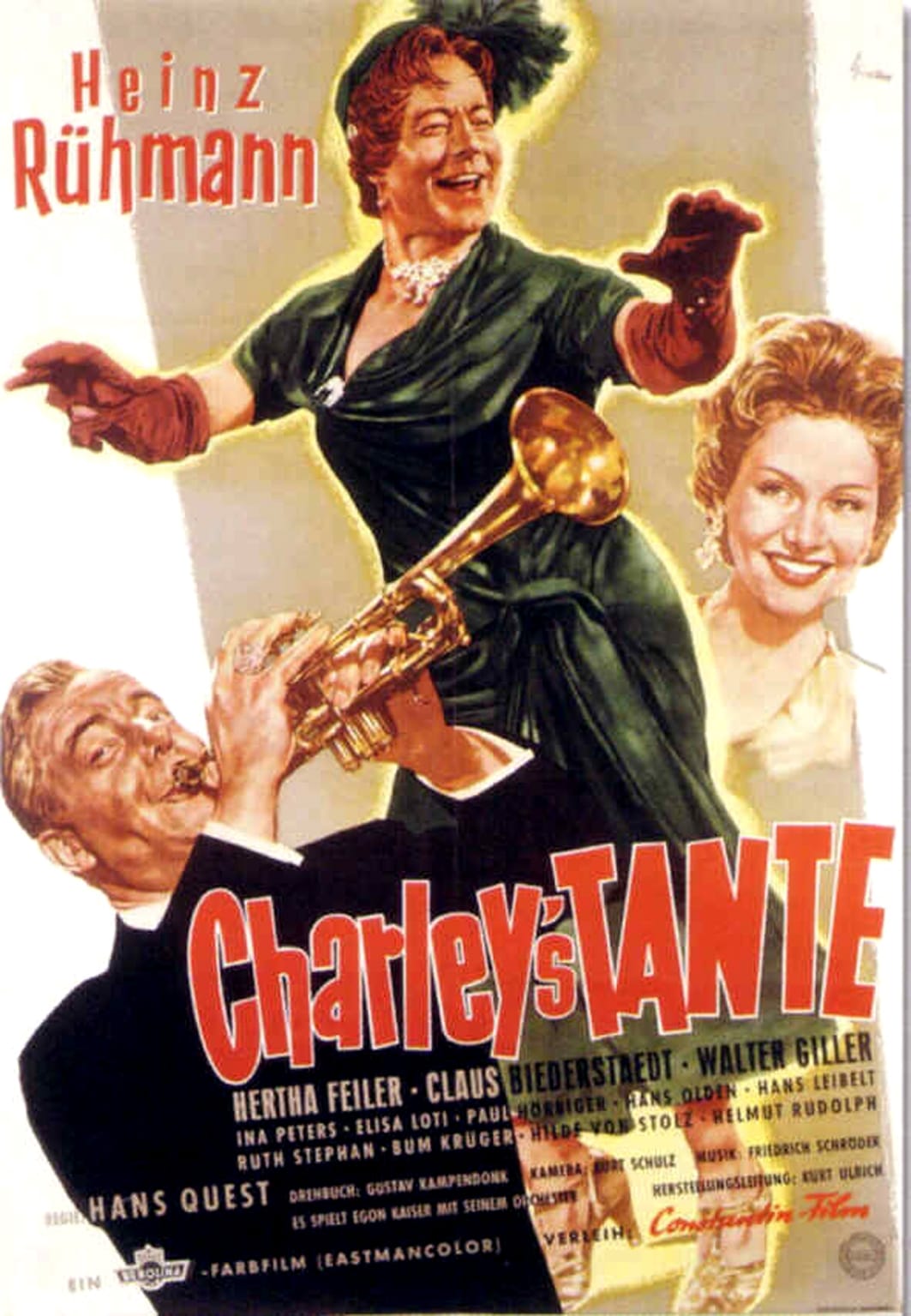
Otto Dernburg is forced by circumstances to dress up as a middle-aged woman.
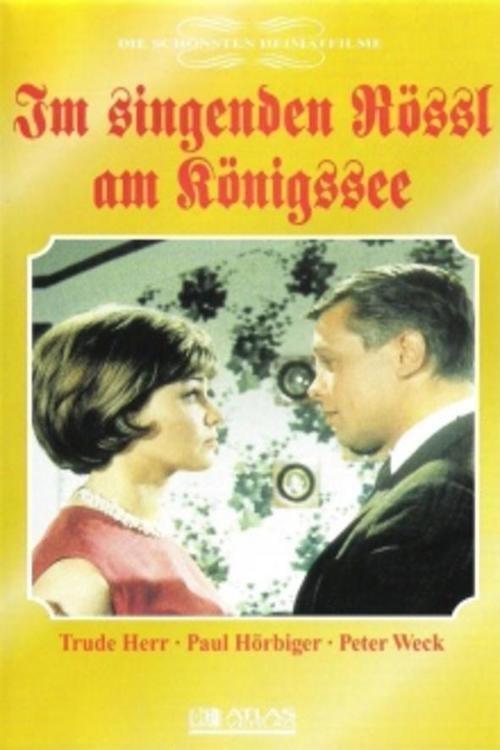
Things are hectic at the "Black and White Horse Inn" on Lake Königssee. Cordula, the young owner of the long-established family business, has just learned that her father, who died five years ago, included a clause in his will: If she fails to find a husband in the hospitality industry, she must hand the "horse" over to her greedy uncle Simon. He, in turn, had hidden the will in order to present it to Cordula now, just before the deadline. She has two weeks to fulfill her father's wishes. While she has an ideal candidate in her charming head waiter, Franz, the much-loved man is completely unaware that his boss has secretly been in love with him for a long time. Instead, Franz believes he has found the woman of his life in the pretty hotel management student Monika.
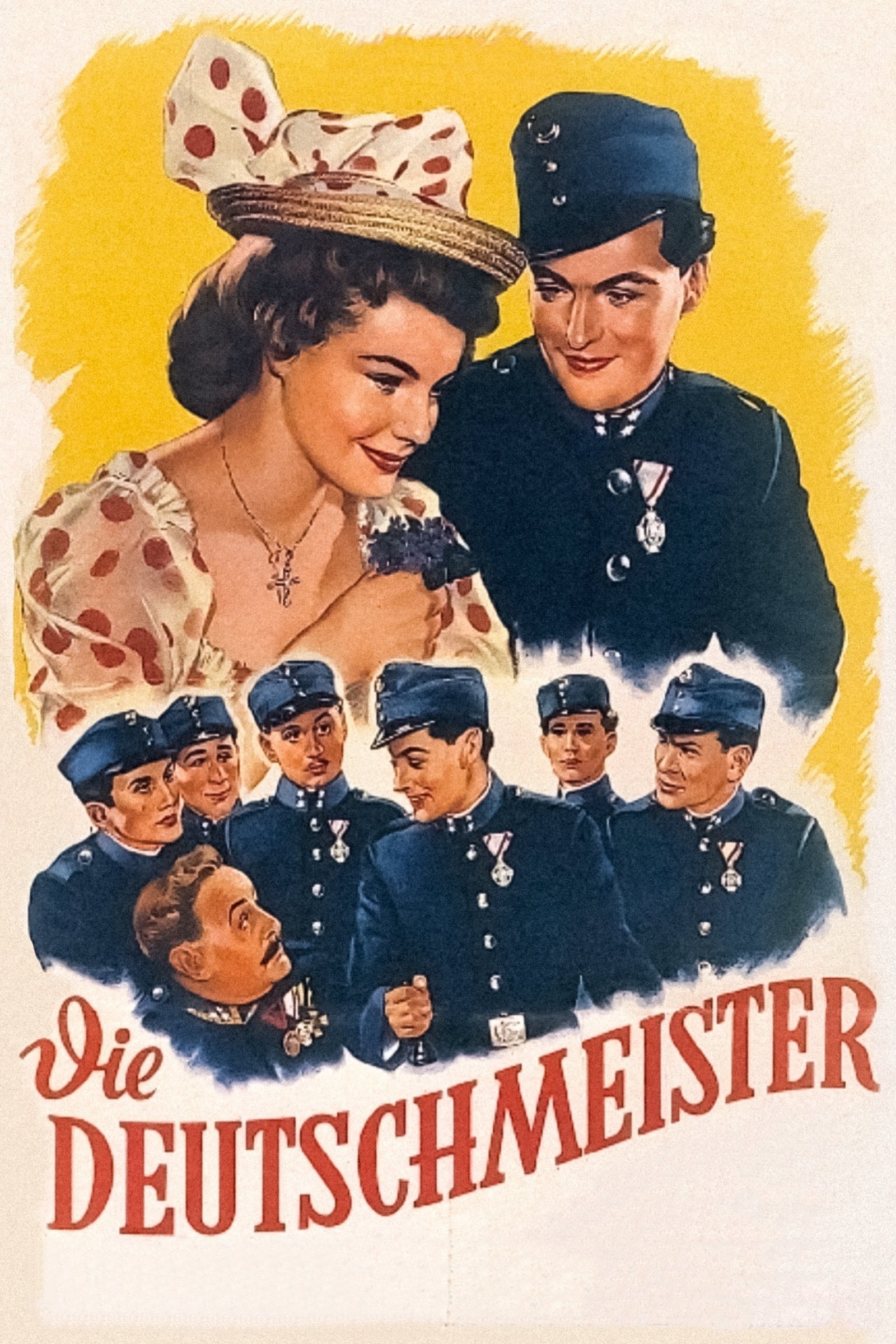
Young Stanzi who is visiting Vienna helps a young corporal and musician to become famous for his marching song "Die Deutschmeister".

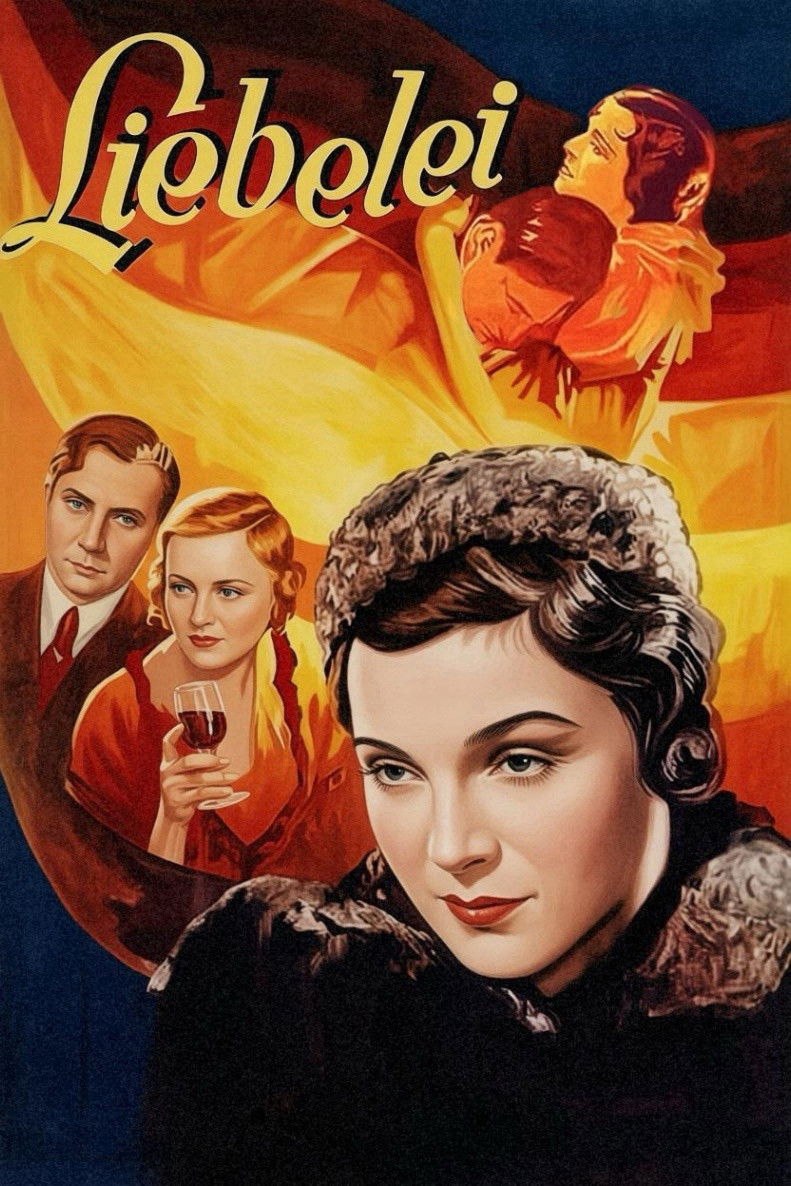
Vienna in the beginning of the twentieth century. Cavalry Lieutenant Fritz Lobheimer is about to end his affair with Baroness Eggerdorff when he meets the young Christine, the daughter of an opera violinist. Baron Eggerdorff however soon hears of his past misfortune...

Vickie, short for Victoria, is crowned Queen of England and as such needs to learn the responsibilities of her new post.
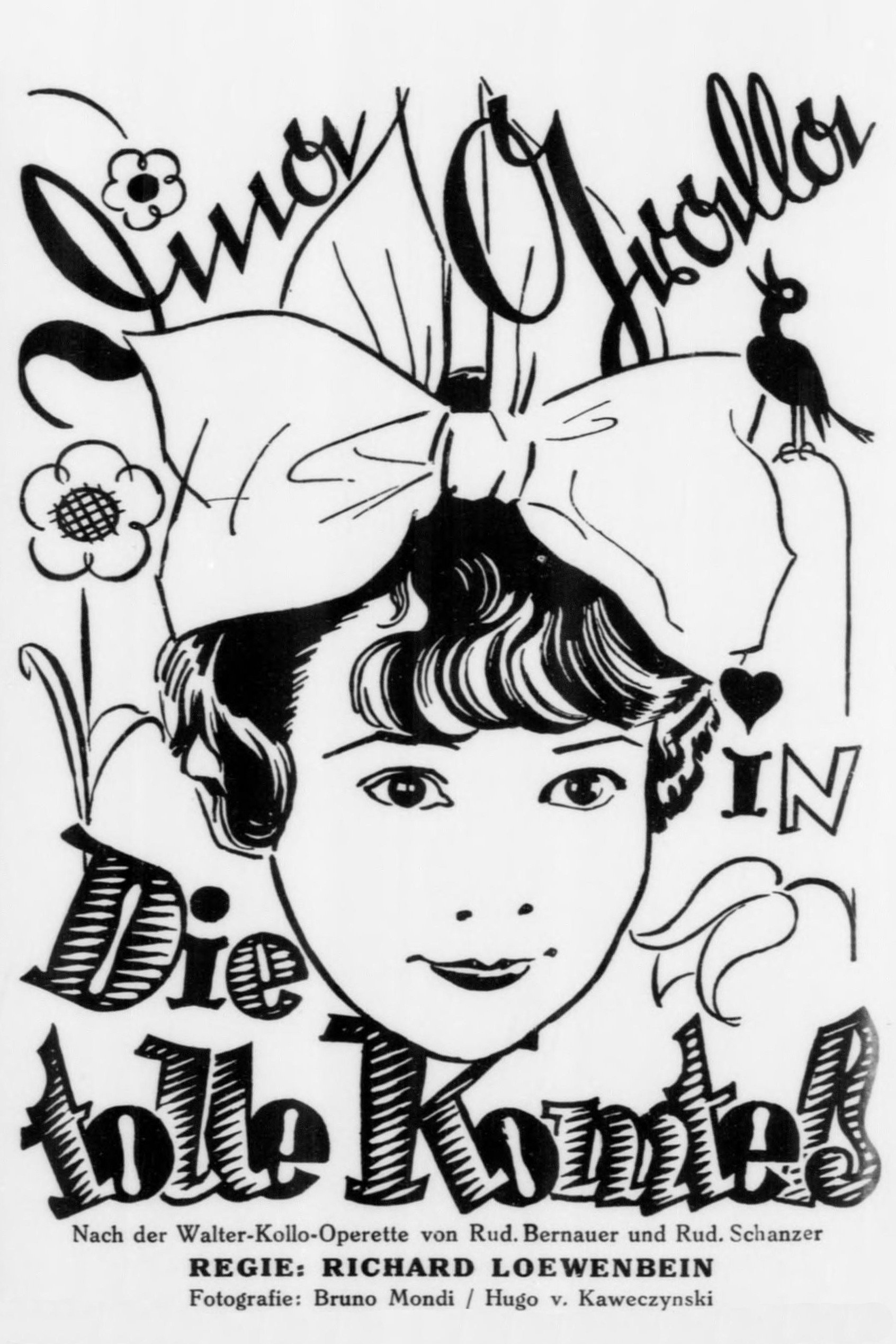
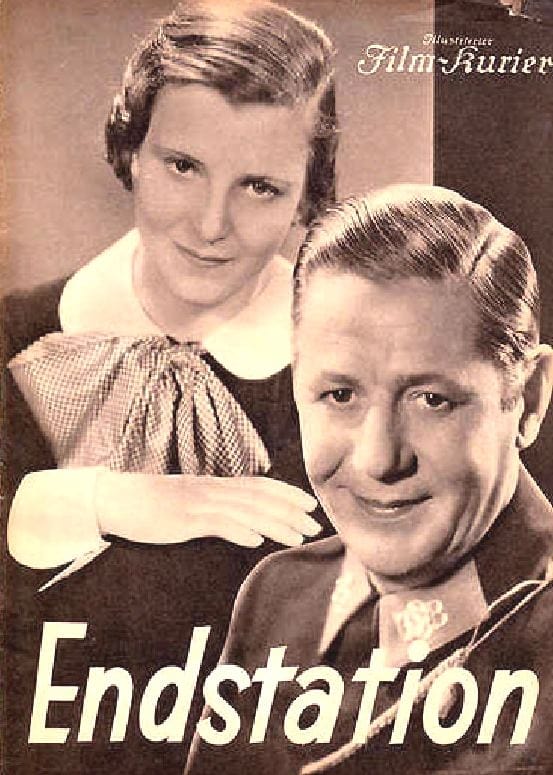
Endstation offers the American viewer tantalizing glimpses of busy, bustling mid-1930s Vienna. Otherwise, this minor yarn of an amorous streetcar conductor is strictly formula material. The film benefits from the star power of Paul Horbiger, resplendently garbed in an elaborate conductor's uniform. Also worth noting is the performance of Maria Andergest as the woebegone hatmaker whose fate is inextricably linked with hero Horbiger. Incidentally though the direction is credited with one E. W. Emo, Paul Horbiger actually called most of the shots on Endstation.

Absurd mistakes arise when the passengers of a burnt down sanitarium are quartered at a hotel. -Humble-tumultuous comedy with situation joke and proven comedians.
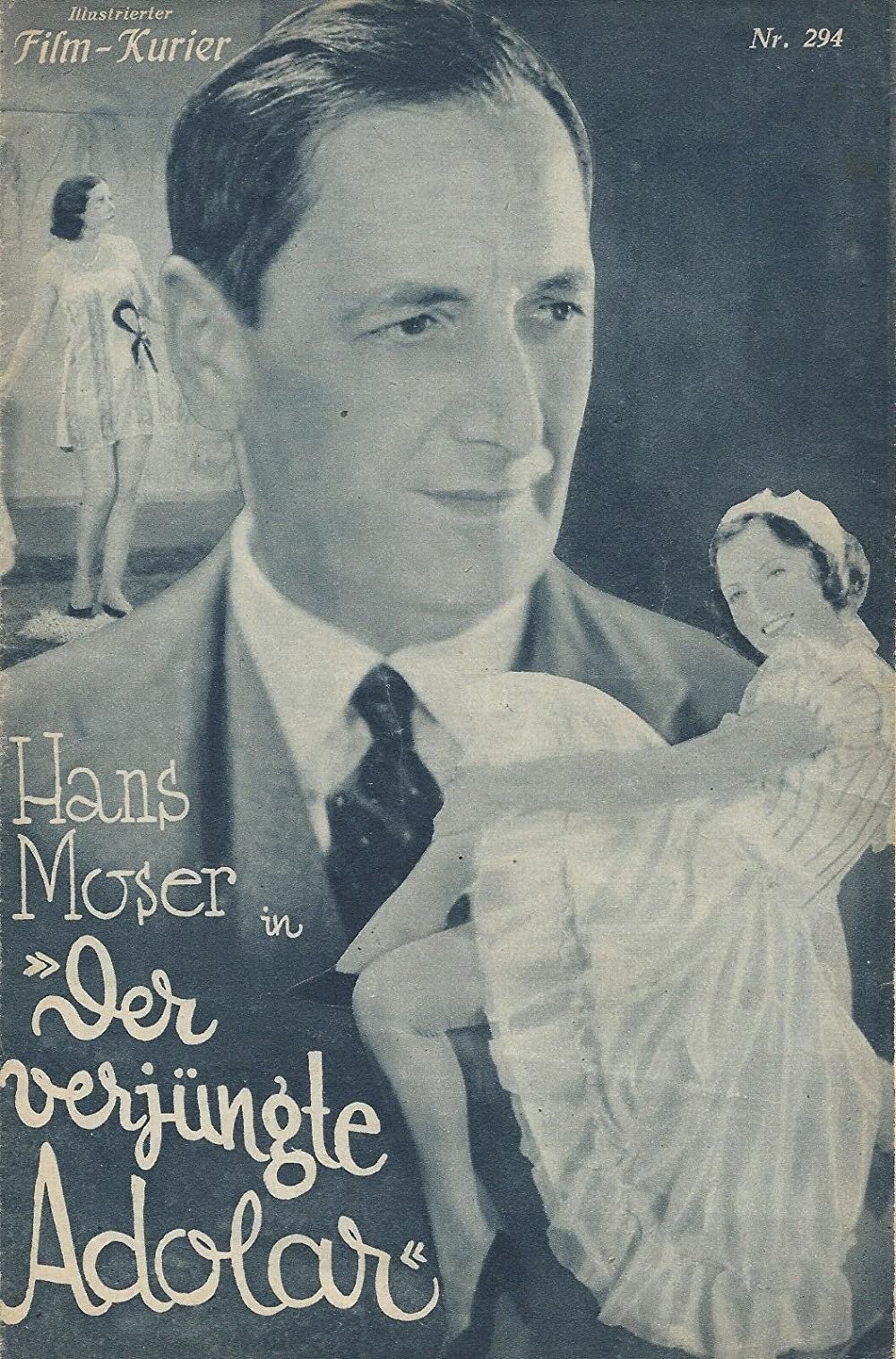
This Hungarian musical comedy (English title: Spring Parade) was produced by Joseph Pasternak, who later remade the picture in Hollywood as a Deanna Durbin vehicle. The original 1934 version stars Franciska Gaal as a Hungarian serving girl who heads to Vienna to visit a relative. Stopping over at an outdoor carnival, Gaal is told by a fortune teller that she will enjoy a happy marriage with a handsome and wealthy stranger. Later on, she finds herself at a fancy dress ball, where a good-looking aristocrat, assuming that our heroine is a countess masquerading as a peasant, falls in love with her. Delighted that the fortune-teller's prophecy seems to be coming true, Gaal finds herself in a dilemma when she falls in love with poverty-stricken soldier Wolf Albach Retty. But things turn out OK when Retty, the regimental drummer, composes a hit song which brings him fame and fortune, thereby neatly fulfilling that prophecy.
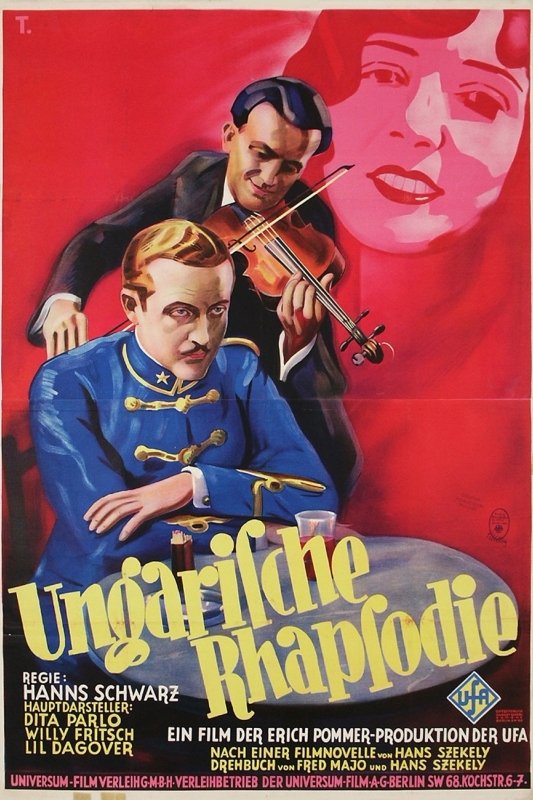
On the plains of Hungary, Franz, a Hussard lieutenant, broods about his future; Born into an aristocratic family, his father drank away the family fortune and marriage seems an unlikely prospect. Impoverished Franz's love for effervescent and upright country girl Marika coincides with the tragic tale of lovelorn violinist Josef, all but ignored by royal beauty Camilla.
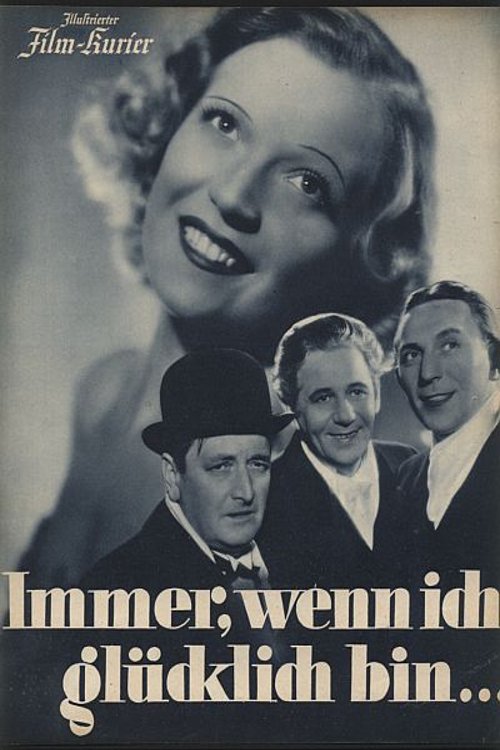
The big revue star Marietta falls in love and gives up the stage career. The theatre stands before the bankruptcy. Only when her husband has convinced himself that she will remain loyal to him, Marietta may go on working. Revue film according to pattern: a lot of music, sturdy situation comic and popular stars.
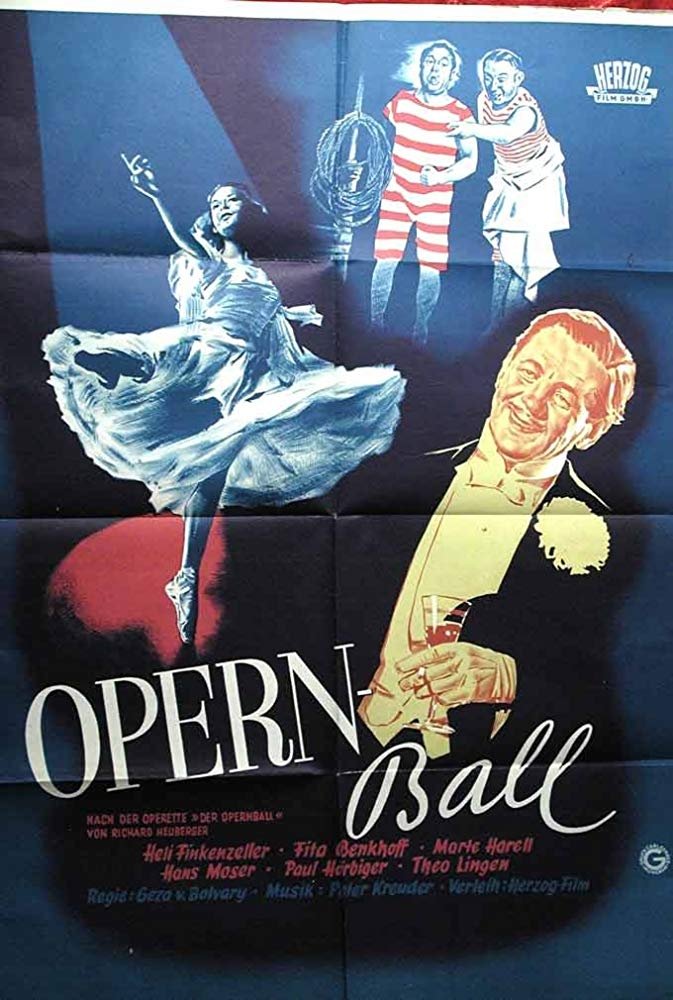
After the operetta of the same name of Richard Heuberger in 1890-1914 all kinds of situation comic from happy-go-lucky Vienna of the turn of the century, the time of the first cars and the absurd bath costumes: Husbands in the Chambre Separee, her little dizziness and mistake plays, the tumultuous whirl of a grand ball... - A high-spirited comedy at considerable entertainment level.

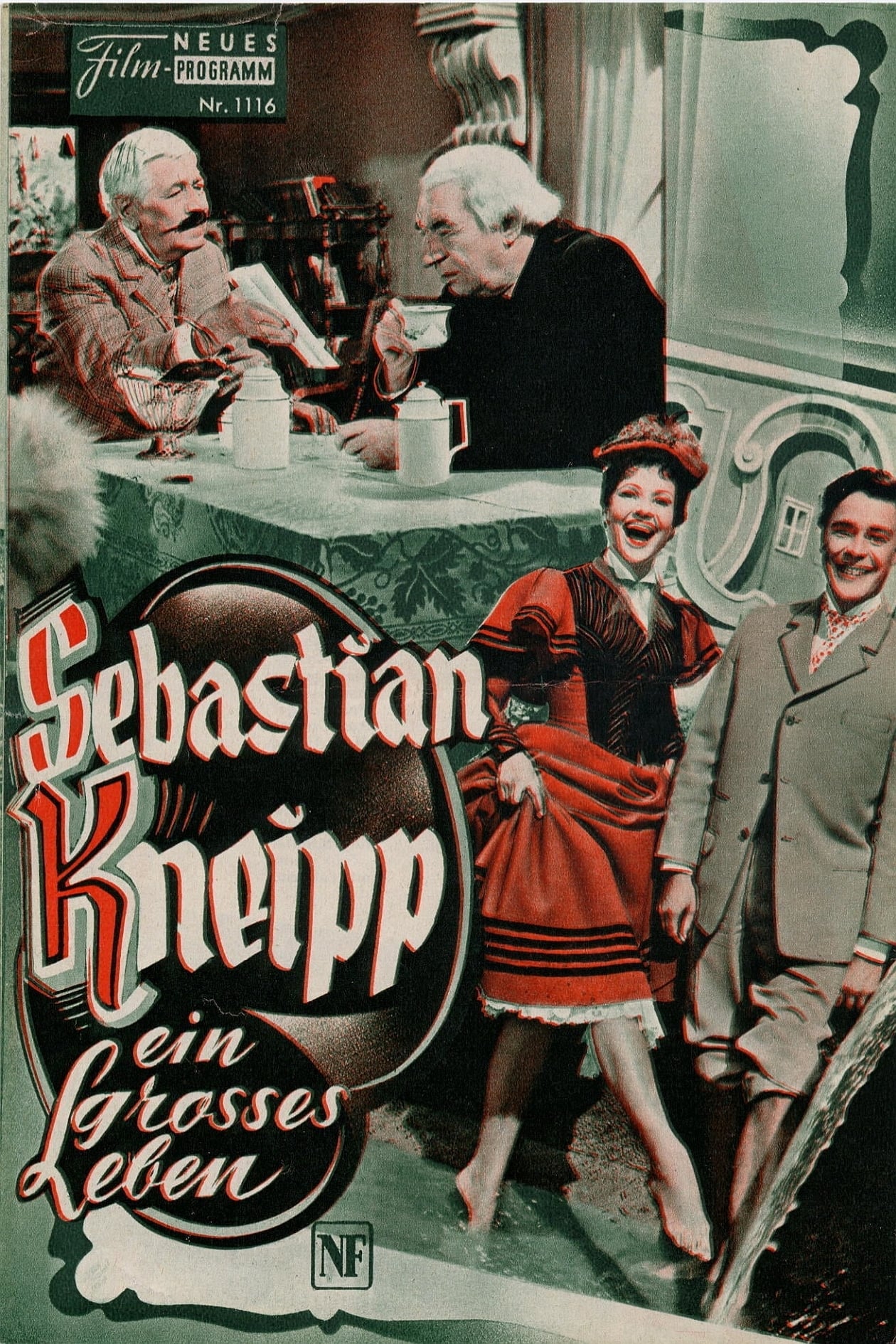
Memorable moments from the life of the Catholic priest and naturopath from Wörishofen (1821-1897). The film depicts the successes of his hydrotherapy methods, his hostility from conventional medicine, and his rehabilitation by Pope Leo XIII.
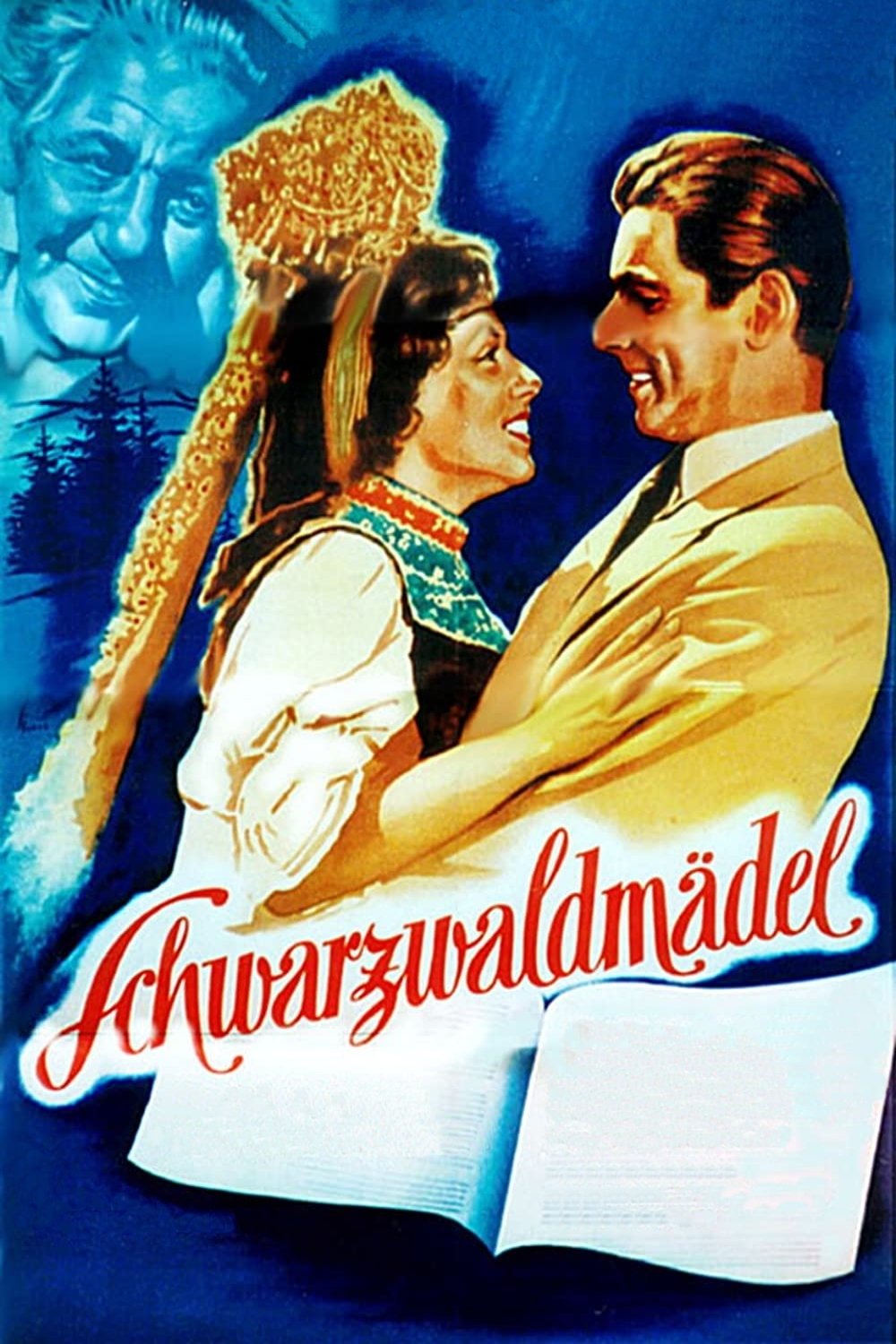
The painter Hans Hauser falls head over heels in love with the "Black Forest girl" Bärbele Riederle. He travels to her home village and soon the two realize that they are made for each other.
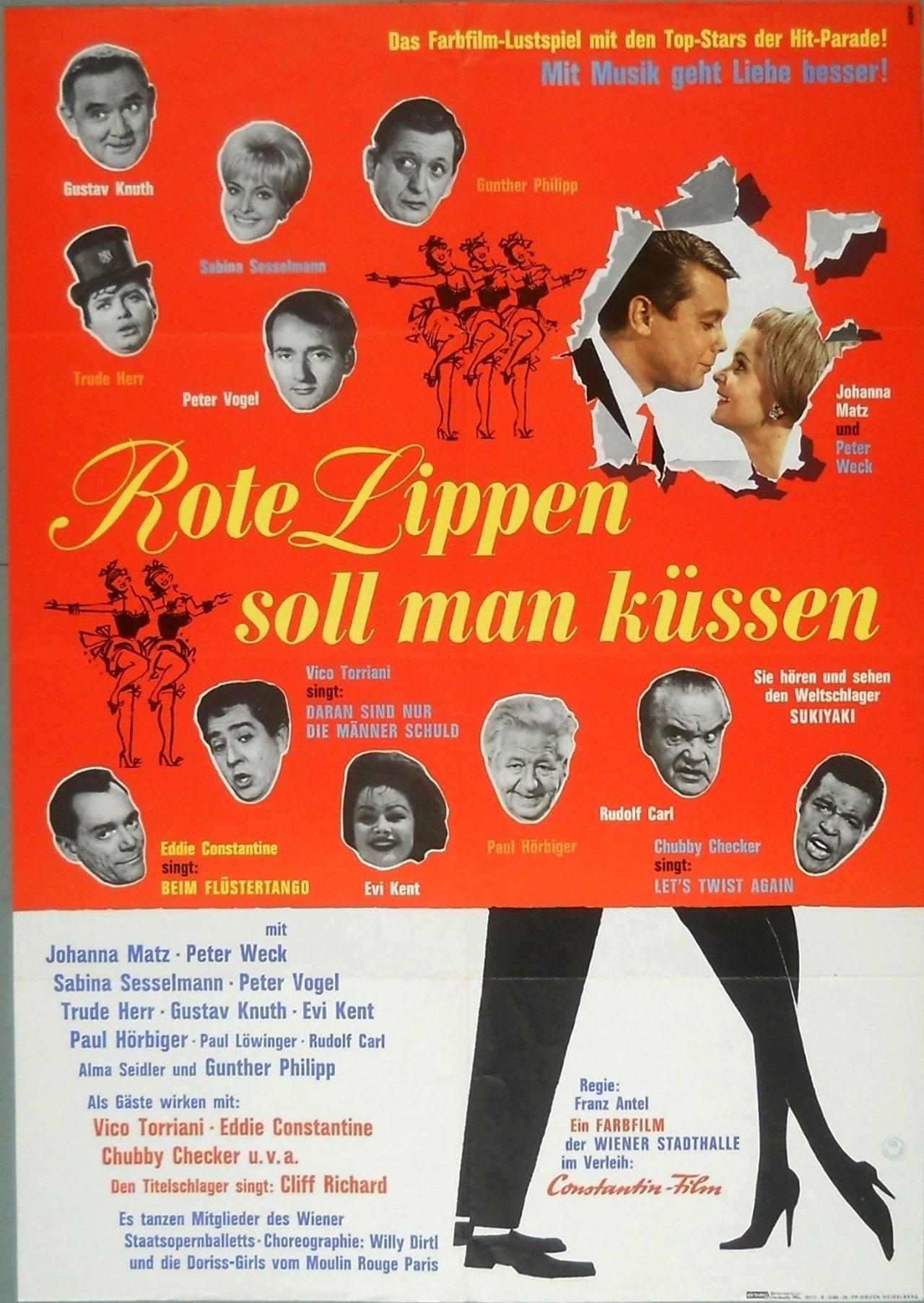
Evelyn, the daughter of American travel agent John P. Hoover and great-grandniece of the famous Viennese dancer Fanny Elßler, is herself a professional dancer. However, unbeknownst to her, her wealthy father is bribing critics and audiences—some with free tickets, others with money. When Evelyn overhears a conversation about her supposedly mediocre talent, she discovers her father's manipulation. She then escapes to Vienna with a tour group organized by her father's company. She hopes to pursue a career as a dancer there—like her famous relative once did.

Vienna, 1957: Head waiters Gustav (Paul Hörbiger) and Franz (Hans Moser) are working for the stinted Cafétier Panigl and are close friiends despite of their different characters. Franz is happily married and a good family father, Gustav, a relaxed charmer, is living a calm single life. Overnight both of them become jobless, because Panigl decided to sell his Café which was not successful anymore. Right in this moment, Franz' brother is sending 20.000 Dollar from USA. Money, he once peculated and now wants to pay back.. Gustav and Franz are buying half of the Café for each from the unexpected money. One half they develop as the modern Musicbox-Espresso «Pinguin», the other half as a traditional old style Vienna Café . Misunderstandings between guests and generations are inevitable and stretch the long term friendship of the two waiters.
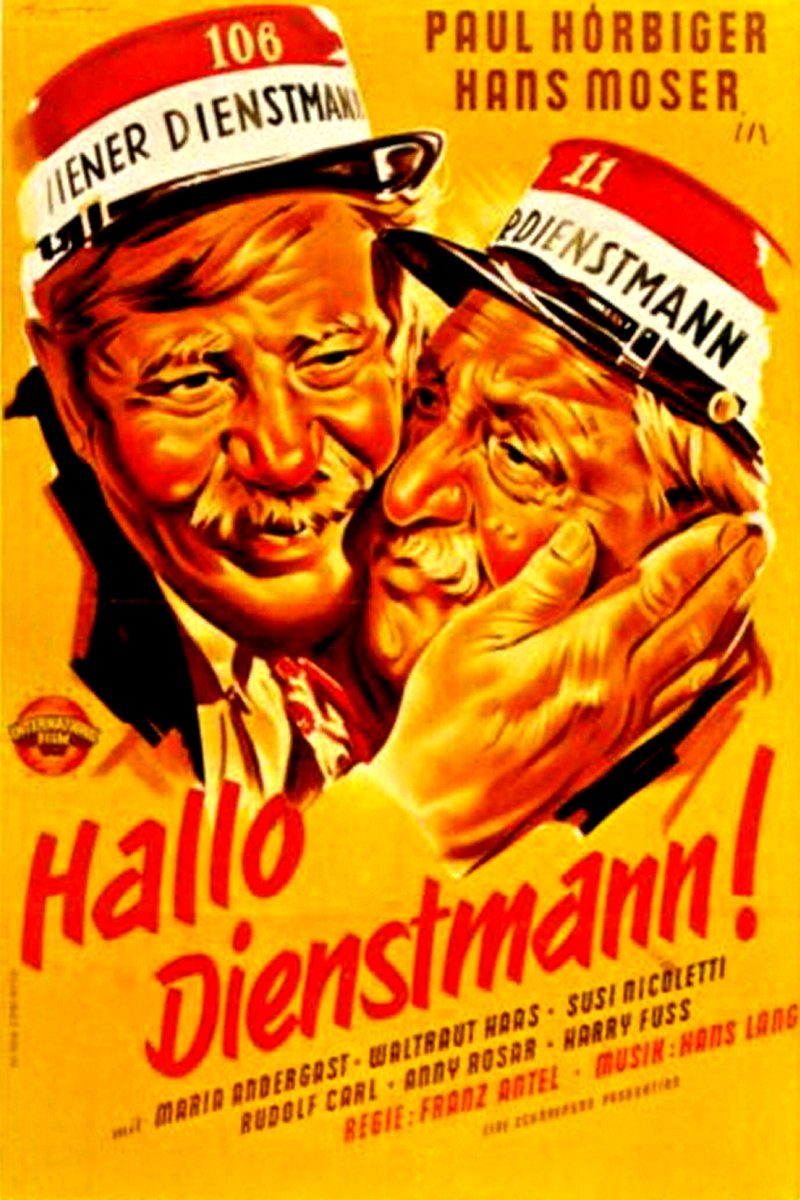
Vienna, 1951. Ferdinand Godai is a professor of operetta at the Academy. Disguised as a porter for a costume party, he ends up in a drunken mood at the South Station. There he meets Anton Lischka, a genuine Viennese porter with a fiery temper, who asks him for his collegial help. Ferdinand falls in love with the sweet Gabi, who turns out to be a new colleague at the Academy. A series of adverse circumstances force him to continue his complicated double life as a fake porter and a genuine professor. Lischka, who becomes increasingly annoyed by his "colleague's" clumsiness, is also drawn into the confusion. Only Gabi sees through the deception and even contributes to its escalation in order to teach her beloved professor-porter a lesson in womanizing.
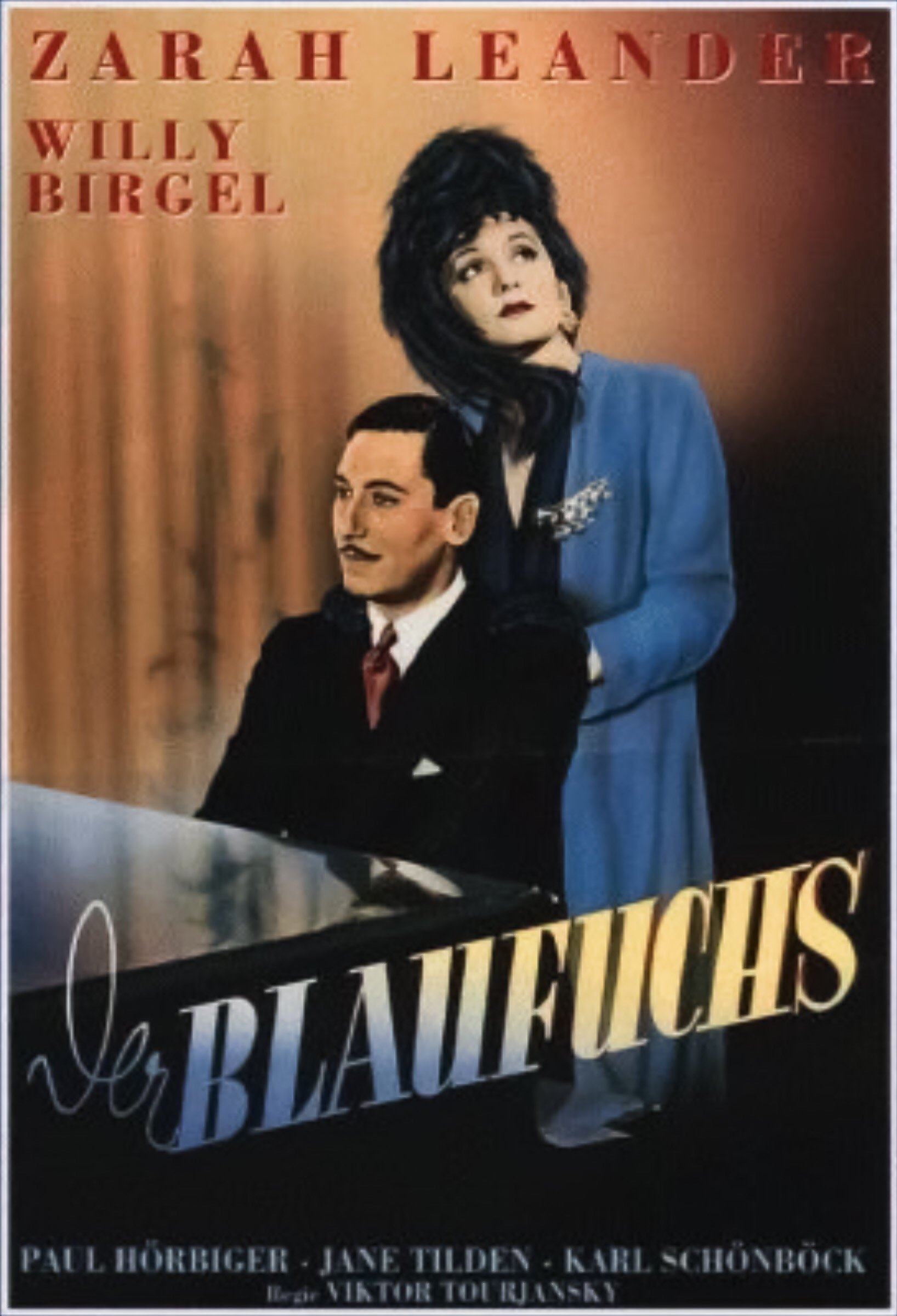
Ilona, the bored wife of an easily distracted professor, falls in love with his friend Tibor, a world-traveler and ladykiller. Although she pursues him, he declines to take advantage of the situation, because she's married to his best friend. Only after her husband shows an interest in a co-worker is it possible for a happy ending to take place for the two new couples.
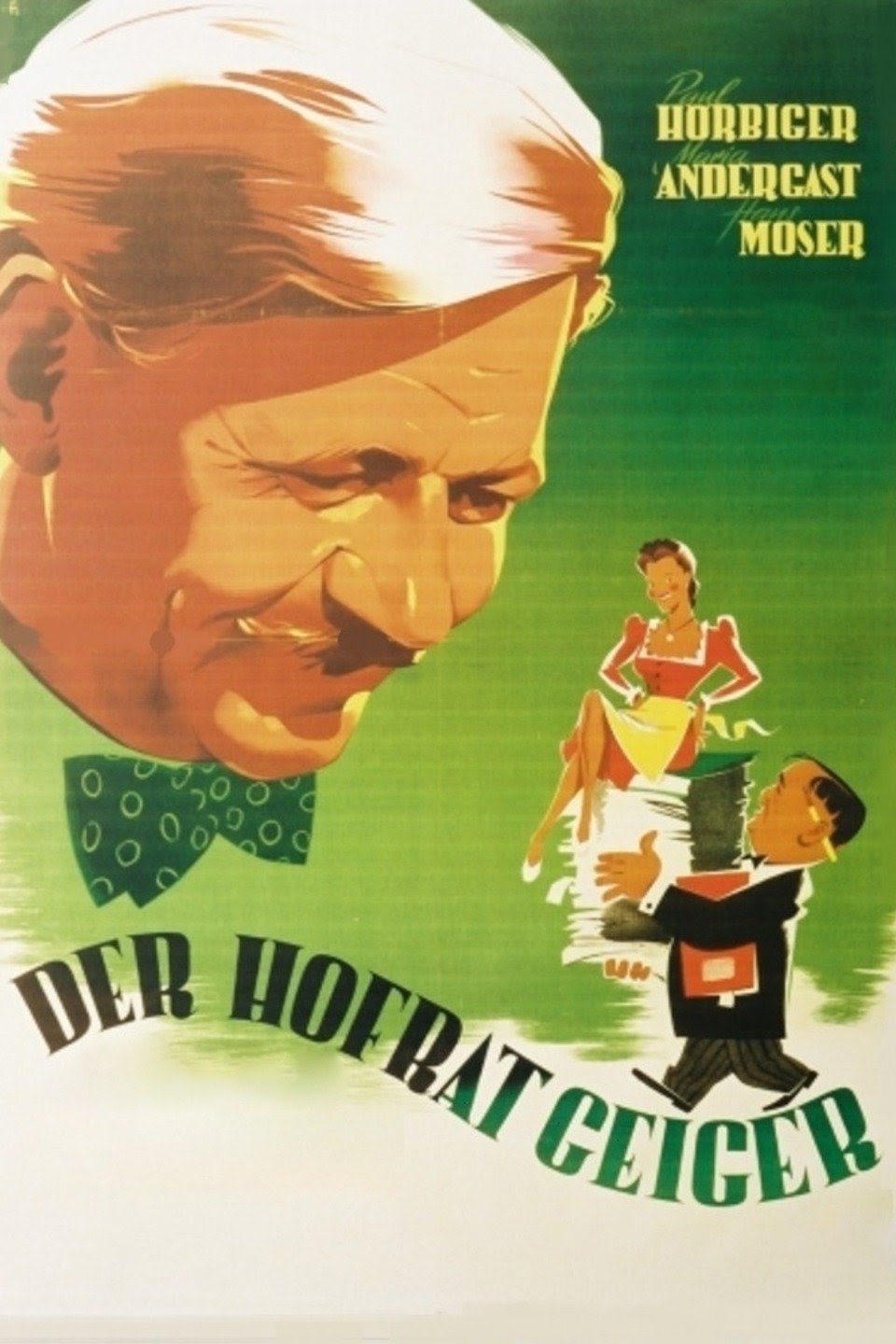
Retired Hofrat Geiger discovers by chance that he has an illegitimate daughter. He goes to visit her, but is turned away, even though she is in financial difficulties (her inn is very run-down and has no customers). To obtain Austrian citizenship, she marries the Hofrat—planned only on paper—but he is responsible for processing her naturalization and delays it to ensure she stays close to him. At the same time, behind her back, he ensures that her inn is renovated.
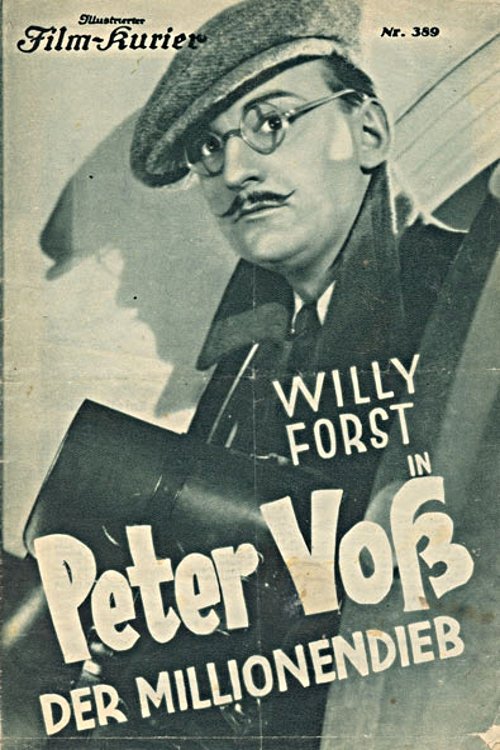
When the wealthy Mr. Pitt decides to withdraw a sum in the millions, the Schilling & Co. bank faces ruin. To save it, the authorized signatory Peter Voß stages a break-in in which two million marks are allegedly stolen.
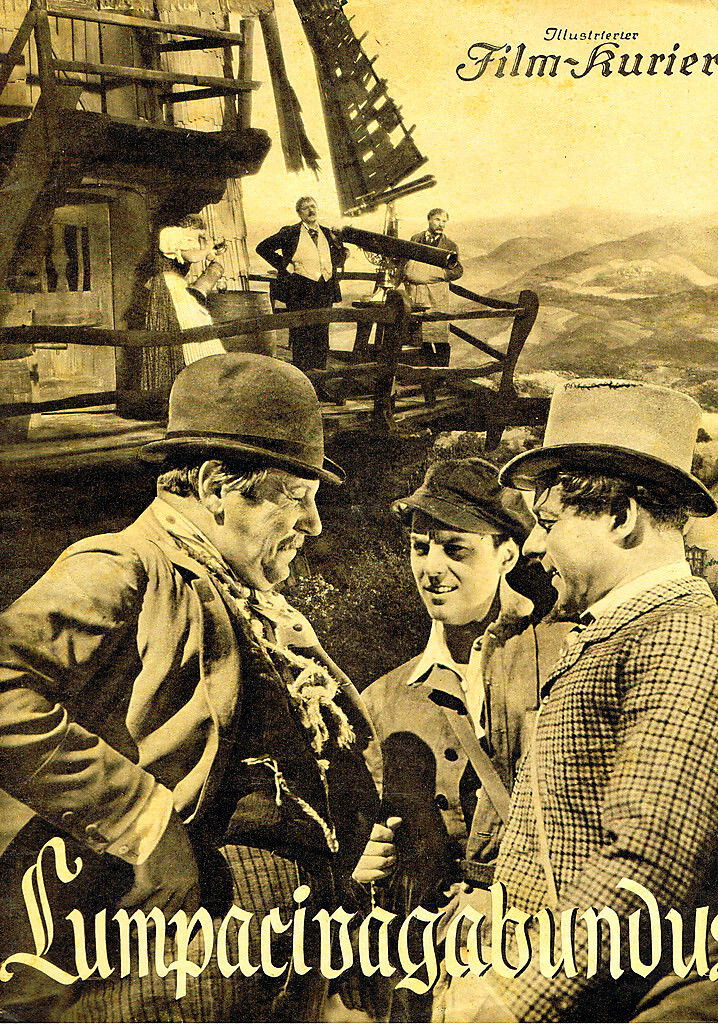
The fairies Fortuna and Amorosa make a bet with the devil, in the form of the evil spirit Lumpacivagabundus. They don't believe he will succeed in winning humanity over. To prove his skills, they choose three journeymen: the shoemaker Knierim, the tailor Zwirn, and the carpenter Leim. If Lumpacivagabundus succeeds in leading even one of the three journeymen astray, he will have won his bet. The devil manipulates a lottery in which the three journeymen win a fortune...
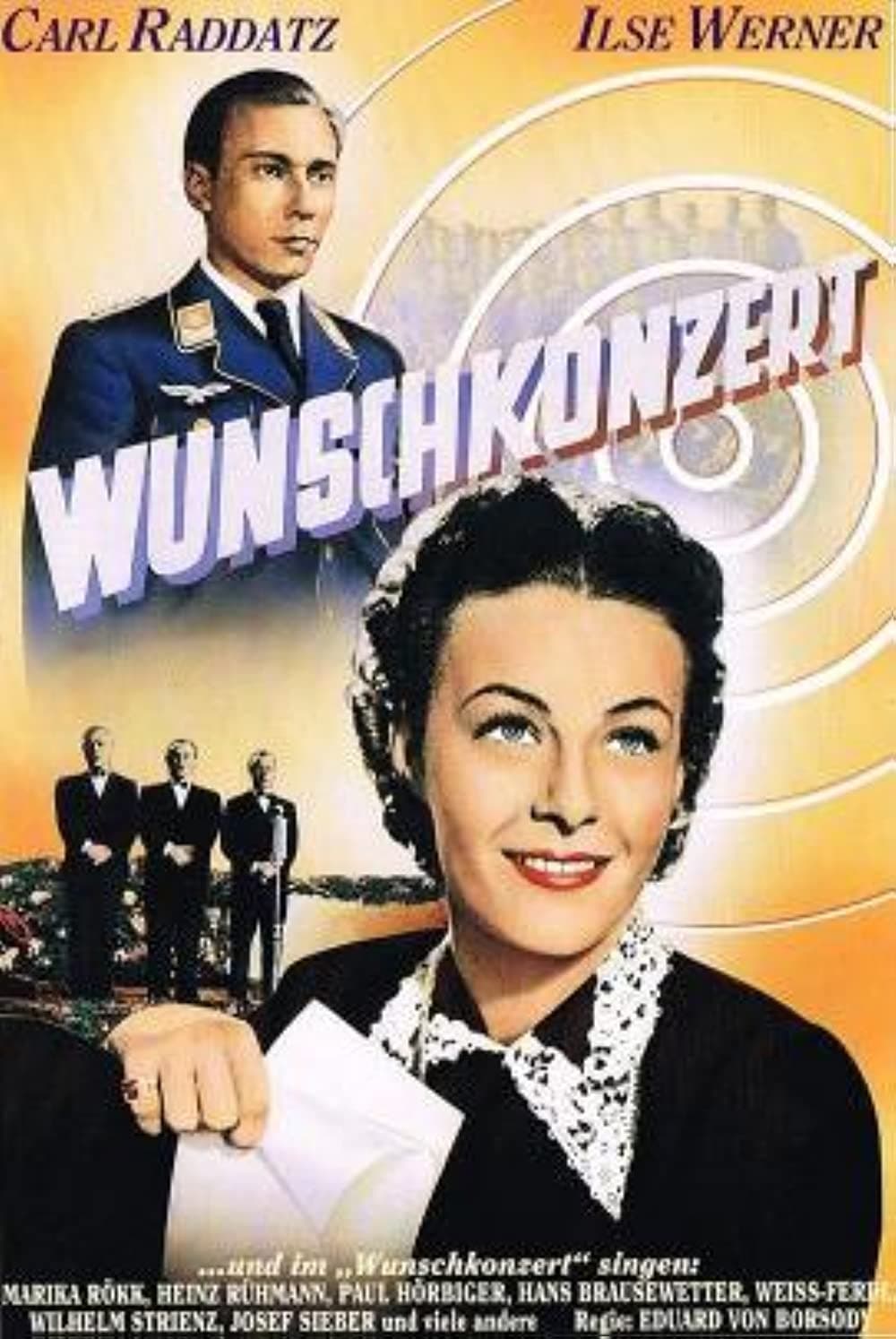
The young, attractive Inge Wagner becomes acquainted with Herbert Koch during the Berlin Olympics, his flight officer insignia having first caught her eye. Sparks fly immediately between the two and they soon decide to marry. But Herbert is called off on a secret mission in Spain.
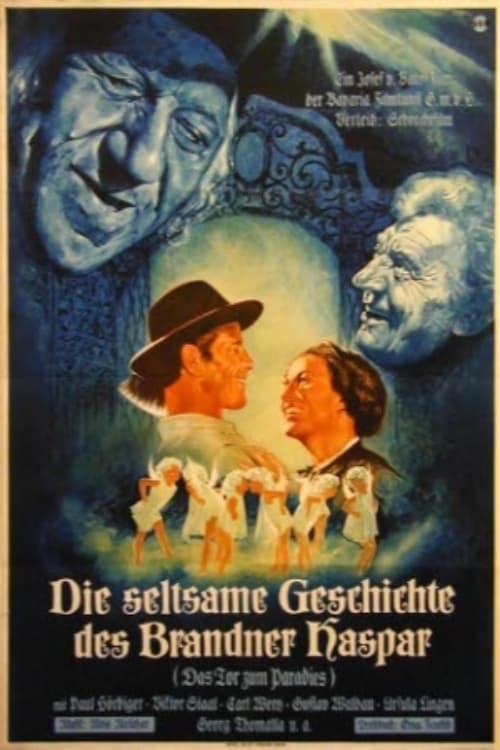
Brandner Kaspar does not want to die, there is still so much to do and experience on earth. When death appears and wants to get him, Kaspar plays with him for his life - and wins.
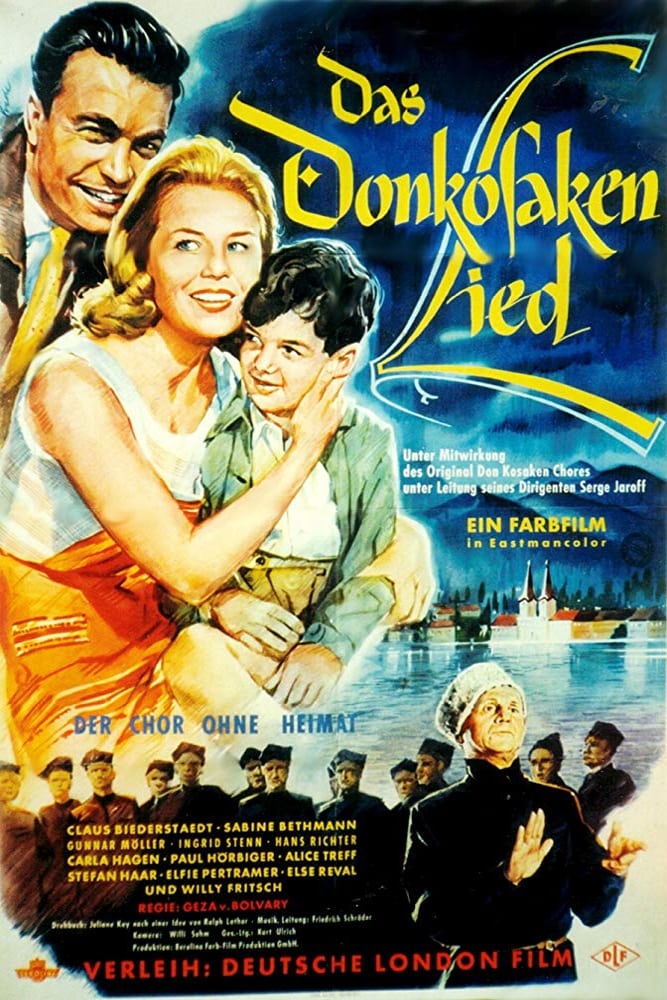
After the death of his Russian mother, nine-year-old orphan Peter lives with Professor Hartmann and his daughter Helga, who cares for him like a mother. Peter is very musical. He especially loves the melancholy songs of the Don Cossack Choir, which remind him of his mother. Because the boy has suffered from a severe heart defect since birth, his doctor, Dr. Stark, has forbidden him any excitement, including music. When one day the Don Cossack Choir's tour bus breaks down near Peter's house with engine trouble, the little boy meets the conductor Serge Jaroff and his famous singers in person.
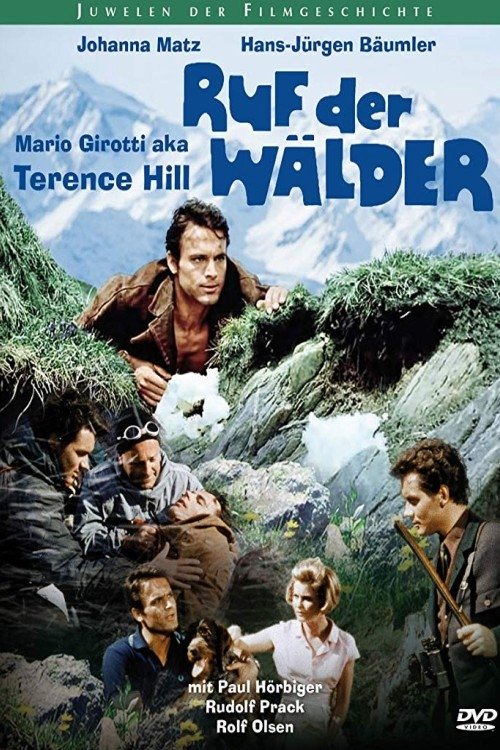
A young Italian worker is always having problems with his coworkers because he doesn't understand their language. His only friend is a dog that came up to him. After his coworkers kick the dog, he becomes angry and beats up the bully. He is then summoned to his boss, who wants to fire him. Standing beside him, however, is a man who wants to take him to Austria to work. There, he meets a beautiful woman and falls in love with her, but he isn't the only one. Someone else has a crush on the woman, and so a conflict erupts that escalates to a head-on.
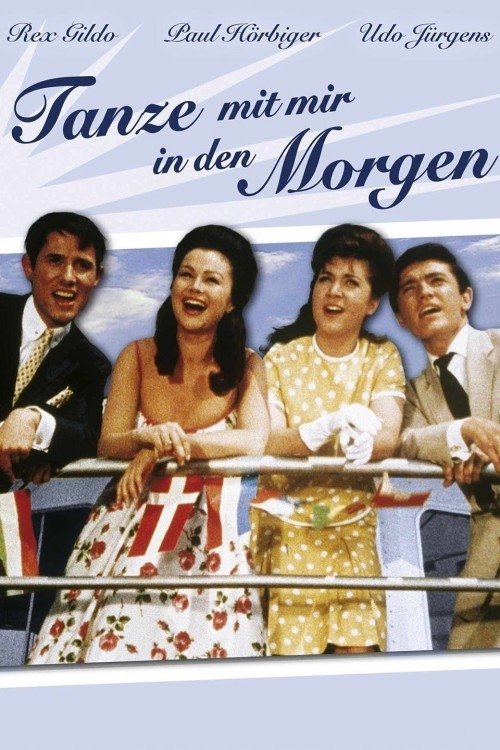
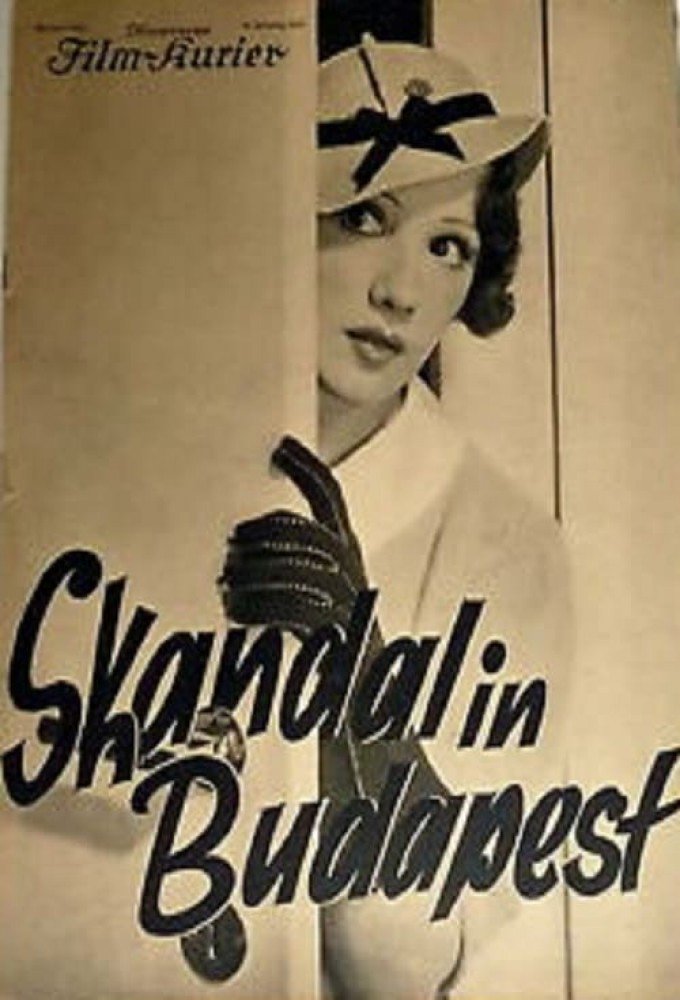
Eva goes to Budapest to visit her friend Tini's wedding but as soon as she arrives, the husband-to-be breaks up with Tini. When Eva decides to take things into her own hand and follows him to the Hotel Atlantik.
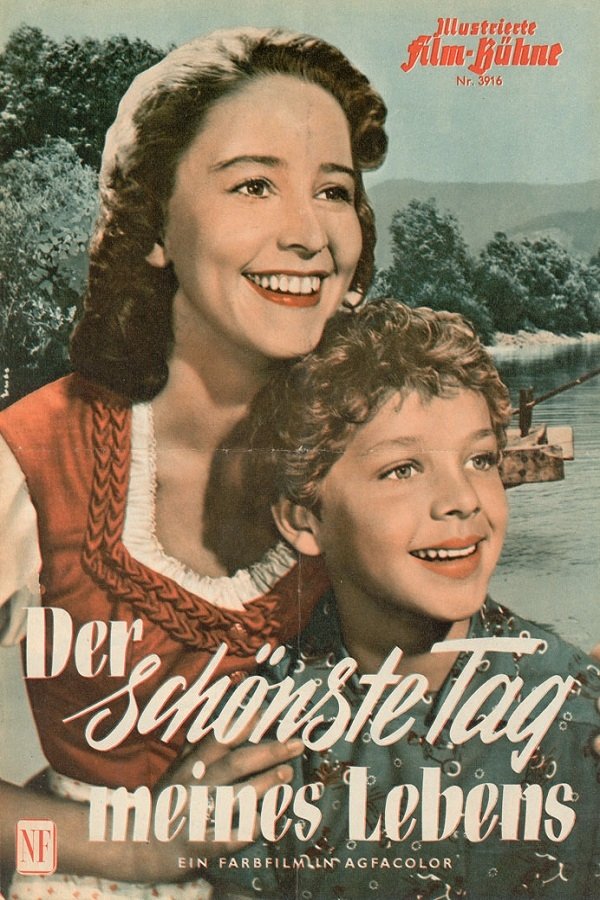
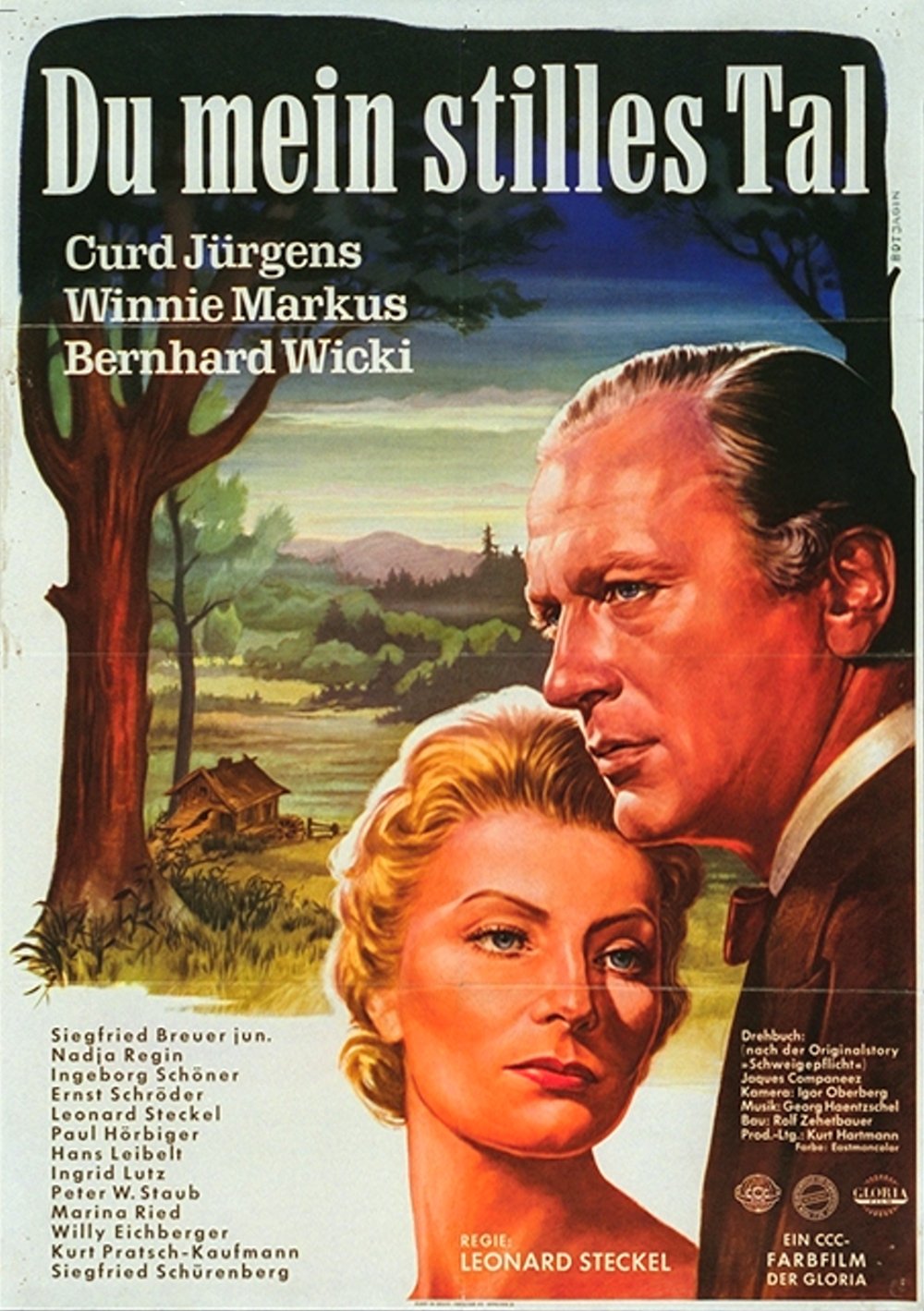
Elisabeth, wife of a landowner, has kept from her husband for twenty years that their daughter is not his. Rather, she is the result of an affair with a musician she was dating shortly before their marriage. Now this man, by now a famous concert pianist, enters her life again. Elisabeth resists the temptation to sink once again into the arms of her romantic lover. Since she loves her husband, she stays with him and continues to keep her secret...

Rival window cleaners Willy I and Willy 2 befriend Jou-Jou, an aspiring dancer, who has been tricked out of money by a con-man posing as an American movie mogul, and together they turn an old railway carriage into a "Villa Hollywood" for her.
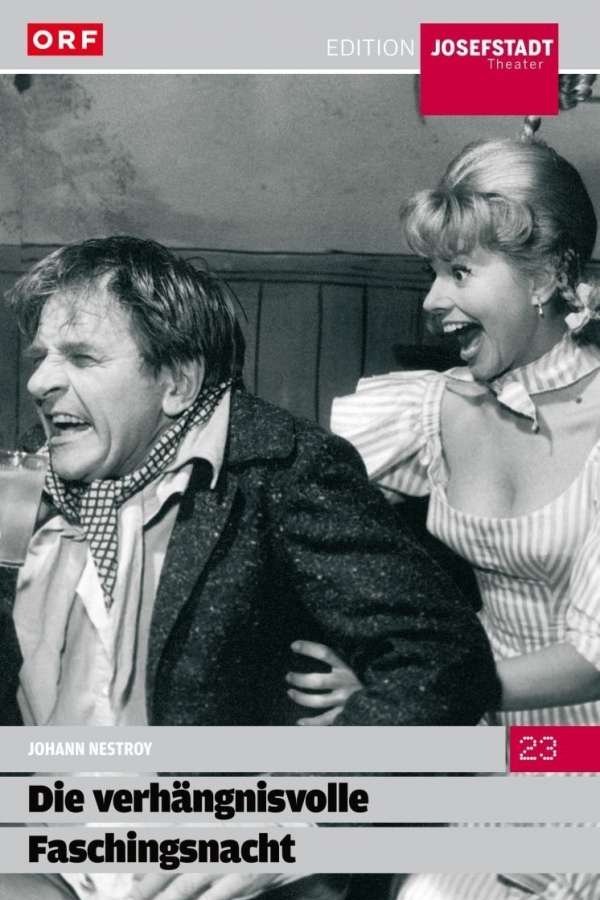
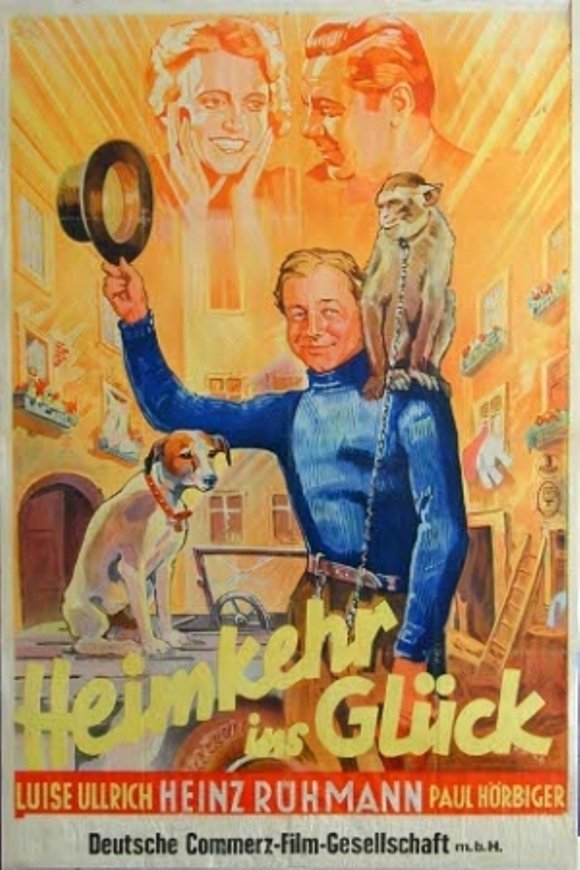
After a burn-out Karl spends time in his home region, the Black Forest. His car gets lost and is picked up by penniless magician Amadori who enjoys posing as wealthy entrepreneur Karl while Karl reunites with the love of his youth, Liesl.
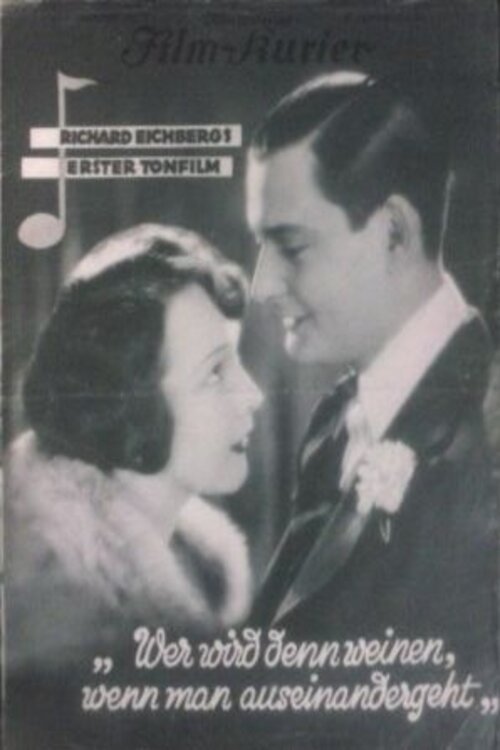
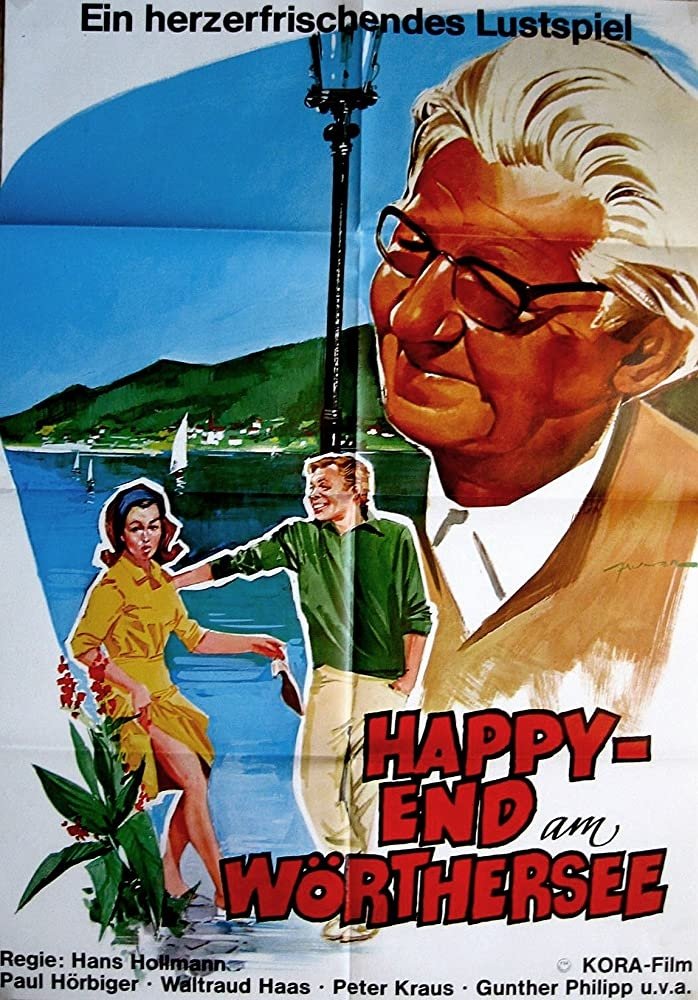
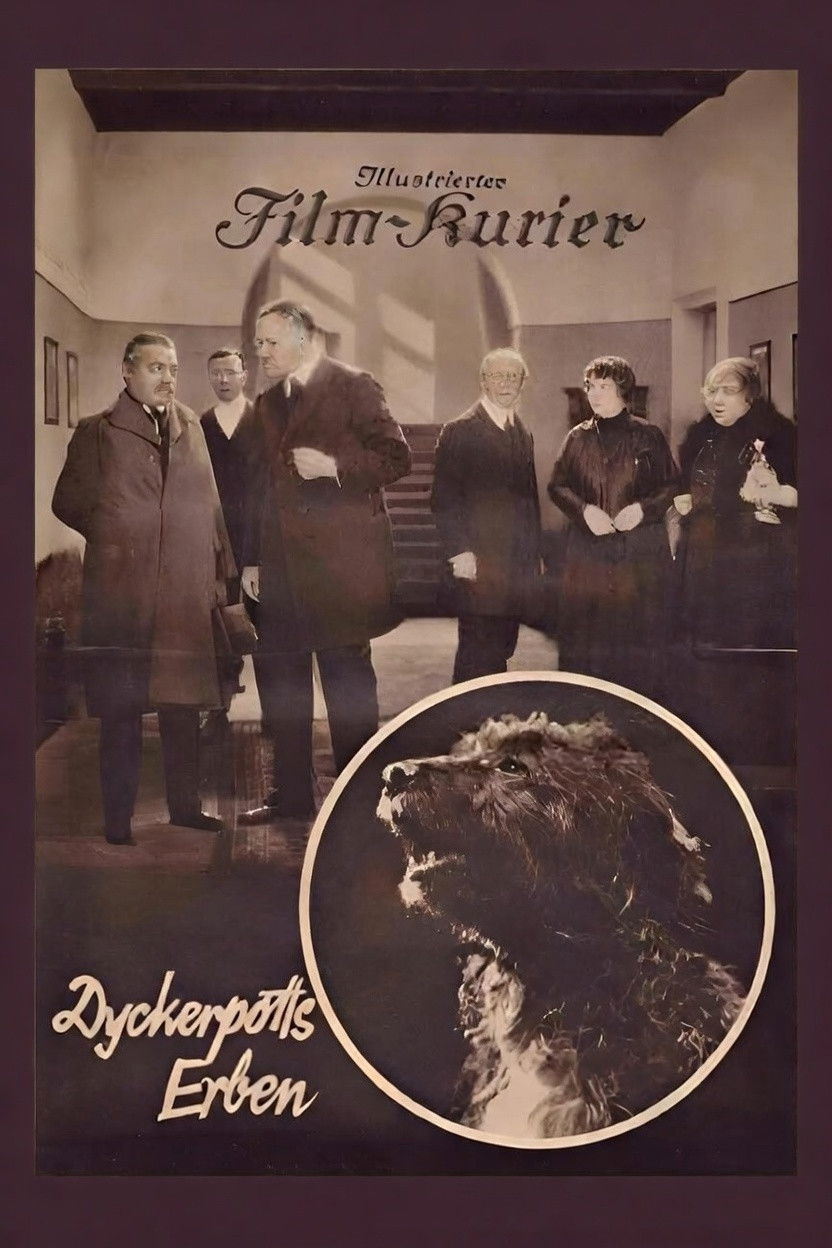
According to the last will of a deceased millionaire, her brother Severin Petermann and her two nephews Walther von Peterjahn and Johannes Petermann should only be entitled to inherit if they spend a summer together under one roof in an Austrian villa.

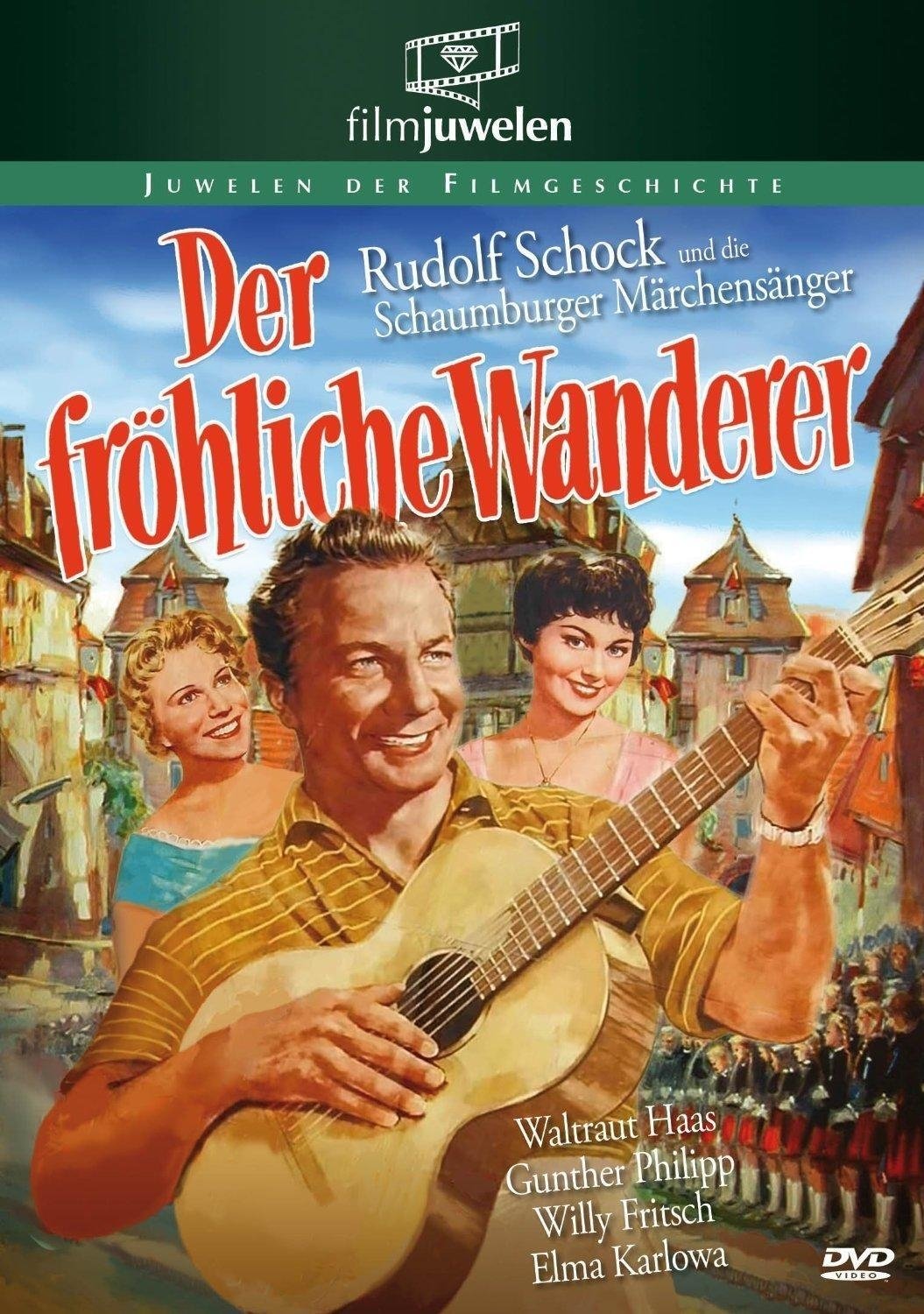
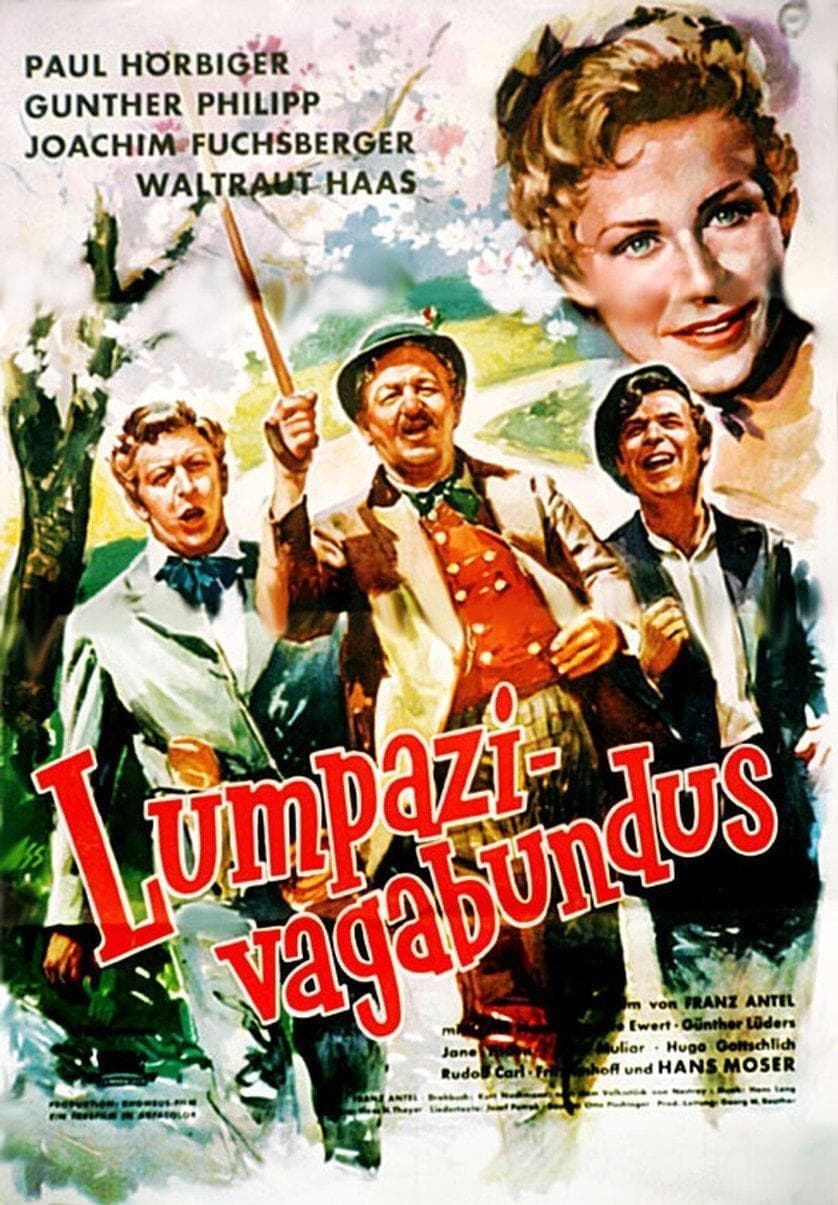
The fairy Fortuna and the ghost Lumpazivagabundus argue about whether money determines whether people act for good or for evil. So they make a bet – and shortly thereafter, the three less-than-virtuous journeymen Knieriem, Zwirn, and Leim are able to celebrate a large lottery win.

Postwoman Christel is engaged to detective Horst. When the dashing star trumpeter Mecky arrives in town, her love begins to waver. Christel must make a decision at the big postal parade.
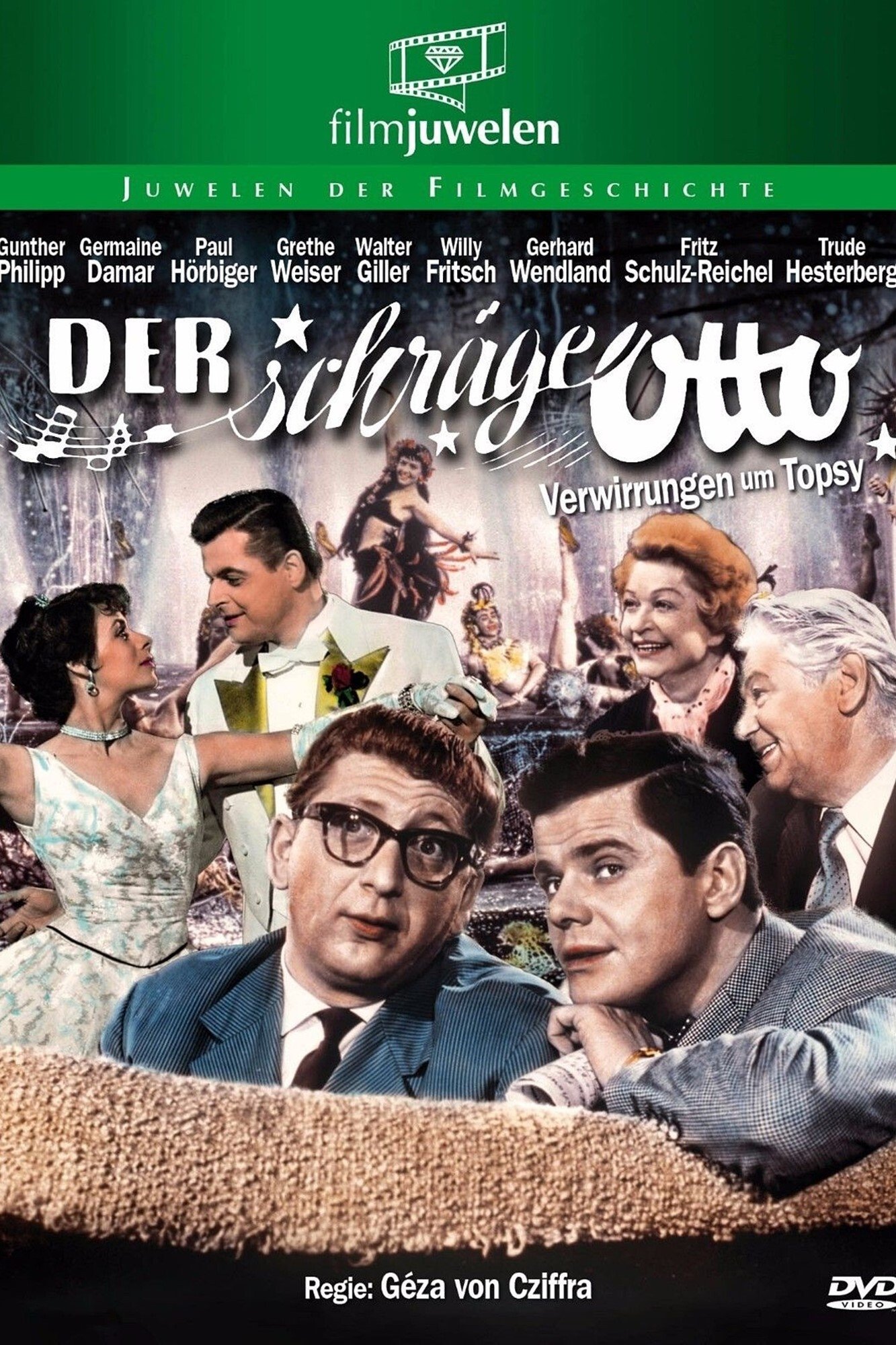
A wannabe revue dancer meets a man she thinks is the revue's impresario, and mistaken identities lead to laughs.
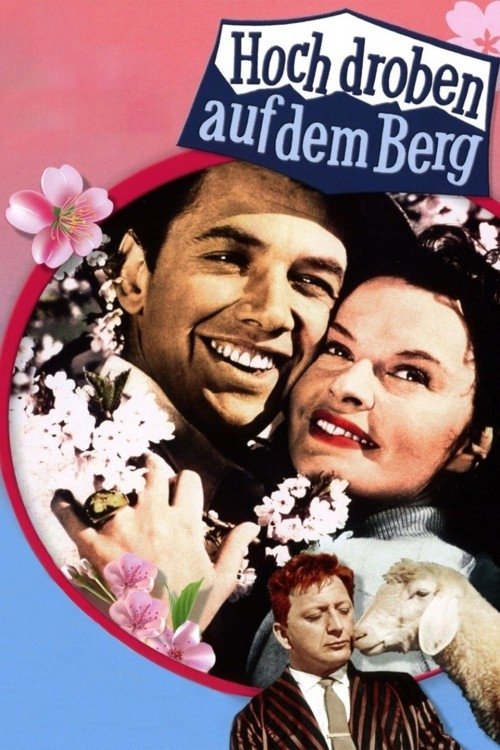
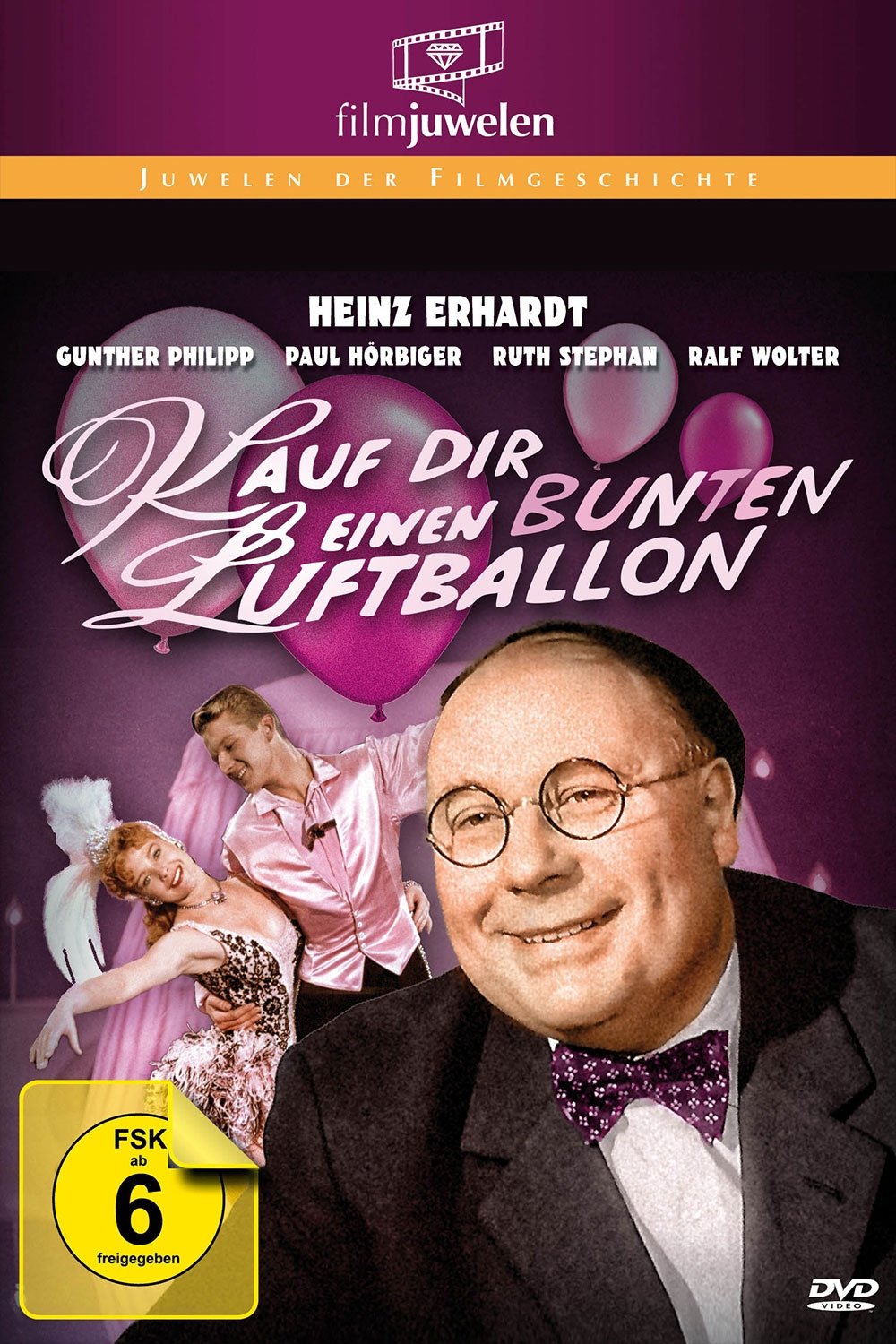
Hermann König, owner of an ice palace, wants to make his niece Inge a star. Inge, on the other hand, has a completely different dream - the theater stage. The talented girl then falls head over heels in love with ice hockey player Hans Haller, who also happens to work at the Palace Theater. A game of mistaken identity full of hurdles takes its course...
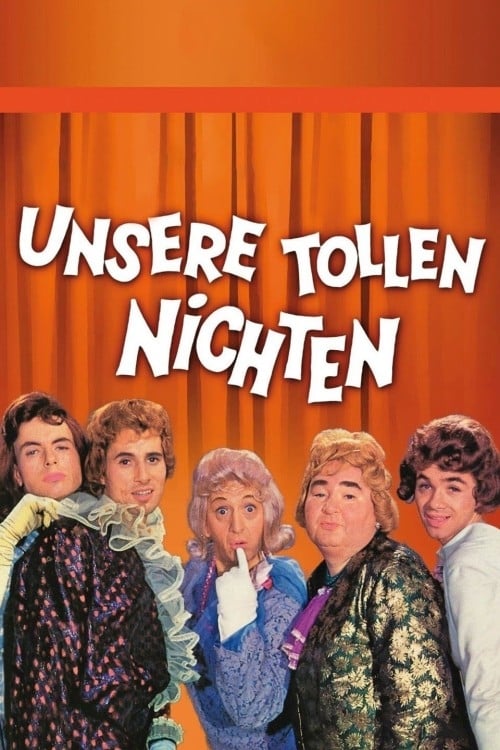
Out of necessity, Gunther Philipp and his male colleagues put on women's clothes again and cause a commotion in the noble ski resort of Davos as the Jolly Sisters. Their girlfriends don't take kindly to this and counterattack in men's costumes.
A long time-span of Austrian history (from the late 19th century to the years after world war II) is reflected in the ups and downs of a family of piano-makers in Vienna.
The quarrel between the waltz king Joseph Lanner and his still unknown violinist Johann Strauss. It comes to a break. Strauss is engaged in London and has his first successes there. Thanks to the initially unfortunate intervention of Lanner's daughter, a reconciliation is finally achieved.
A meek tailor named Nickolaus decides to form a band of robbers to proof his manliness. Unfortunately he soon draws the attention of an actual gang-leader, Der Rote Rollo.

Nicky and Vicky, two librettists who also happen to be brothers, are presently in collaboration with composer Toni. All too aware of Toni's amorous escapades, Nicky and Vicky try to keep the existence of their pretty sister Hedi a secret. Suffering from an acute case of writers' block (he has yet to find an inspiration for his next production), Toni throws a huge party, which is boycotted by his friends and associates so that he'll keep his mind on his work.
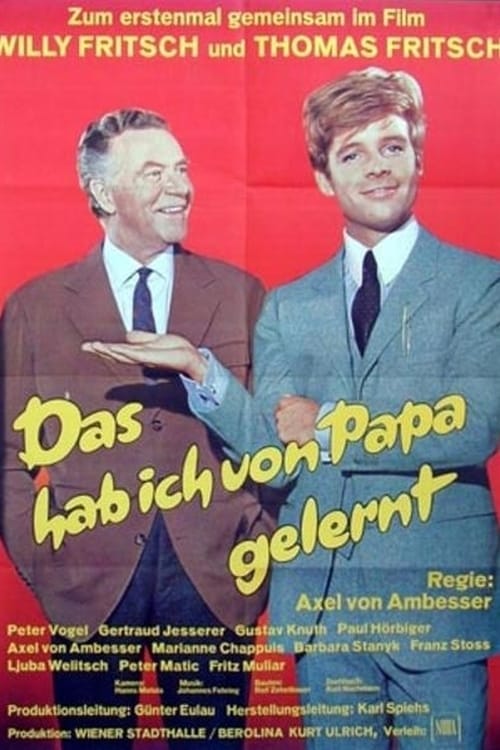
Clemens Andermann, once a celebrated stage and film star, now an equally successful industrialist, is firmly convinced that his son Andreas is studying chemistry in the idyllic university town of Freylangen. But he is completely mistaken. In reality, his offspring has secretly been hired by theater director Löwe to play Romeo. He would also love to play the role to his stage Juliet, the charming guest star Monika Holl. Then the telegram announcing his father's visit hits like a bombshell. Together with his friend Oskar, Andreas tries to keep the deception going by impersonating his father's doppelganger – an undertaking that initially descends into utter chaos and ultimately leads to a happy ending.

Composer Franz Schubert becomes involved with a family with three daughters, falling in love with the two blonds, first one, then the other; but will he notice the quiet brunet third daughter, who has fallen madly in love with him?
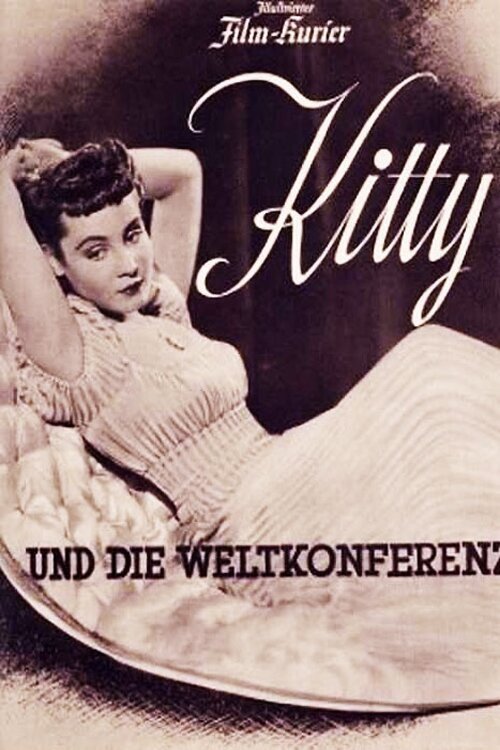
The setting is Lugano (Switzerland), where an apparently very important world conference takes place. The film tells the story of the young Kitty (Hannelore Schroth), who works as a manicurist at the Eden Hotel, and who in the course of events gets to know both a young journalist (Christian Gollong) and the English minister of economics (Fritz Odemar). A lot of wild mix-ups, comic situations, a love story and occasional singing ensue, and in the end most of the VIPs have gained their share of laughter… There’s also a great performance by Paul Hörbiger as the hotel porter. For a 1939 film made in Germany, “Kitty” is remarkably irreverent and satirical about politics.
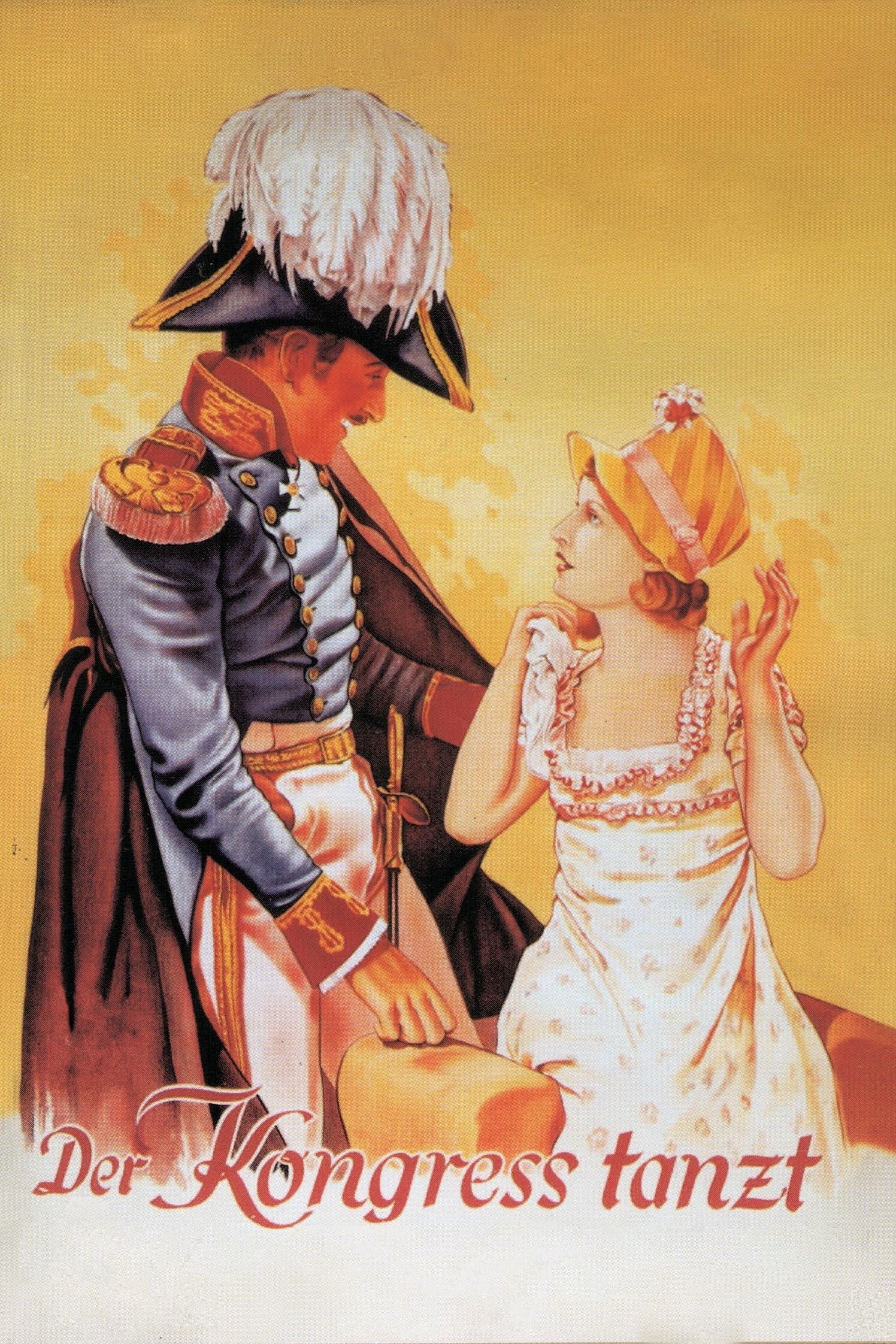
An Austrian prince hatches a plan to keep his rival, the Russian czar, busy by keeping him surrounded by beautiful women and away from the negotiating table. The Czar, however, has his own plan—he hires a man who is his exact double to impersonate him and confuse the Austrians by appearing to be everywhere at once. In addition, both the Czar and his double fall for the same woman.
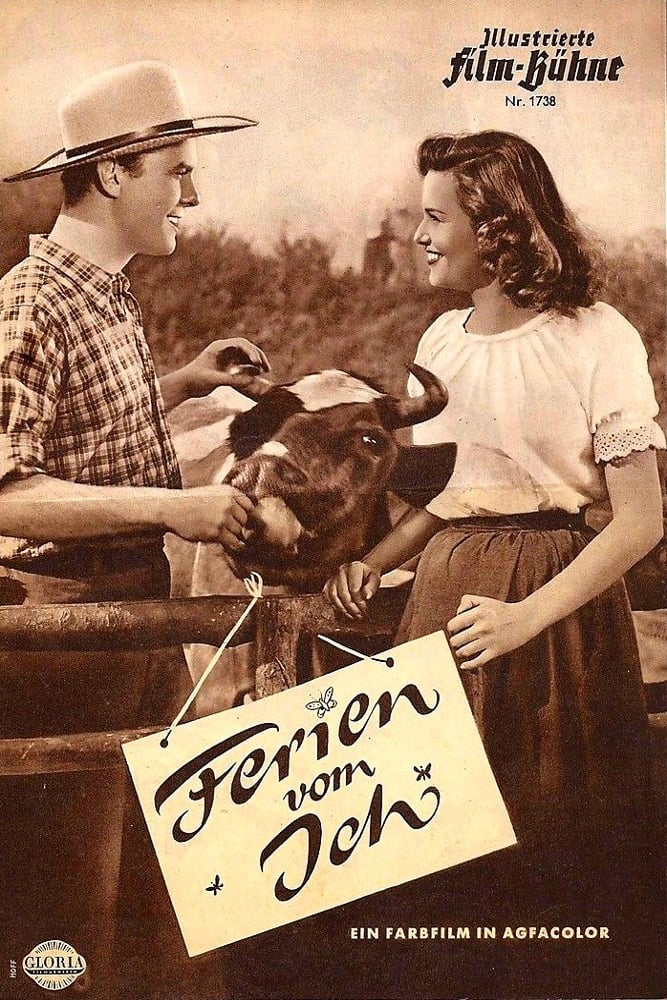
Ship's doctor Dr. Schumacher dreams of a sanatorium where one can truly escape from all one's obligations.
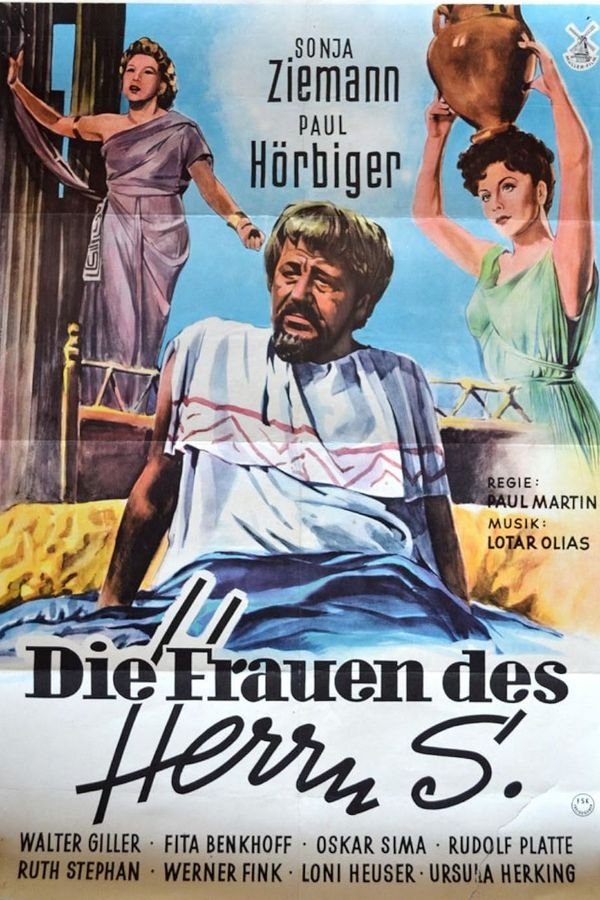
The action is relocated to occupied Athens after the Peloponnesian War (404 BC), where Mr. S. (= Socrates, played by Paul Hörbiger) proposes double marriage for men to the Athenian parliament and the four occupying powers for hidden personal reasons. Outwardly, he is concerned with providing for the many war widows. His deeper intention is to free the beautiful slave Euritrite as a concubine alongside the quarrelsome Xanthippe. The four occupying powers of the Macedonians (= US Americans), Persians (= Russians), Cretans (= English) and Corinthians (= French) are gently teased. On Socrates' advice, the law is adopted with an anonymous dissenting vote so that everyone at home can claim that it was him. Socrates can marry Euritrite. Xanthippe, however, favors the mutual infatuation of Euritrite and Socrates' student Plato (who had already invented Platonic love out of sheer desperation), and the other women also know how to spoil their husbands' pleasure in the new law.
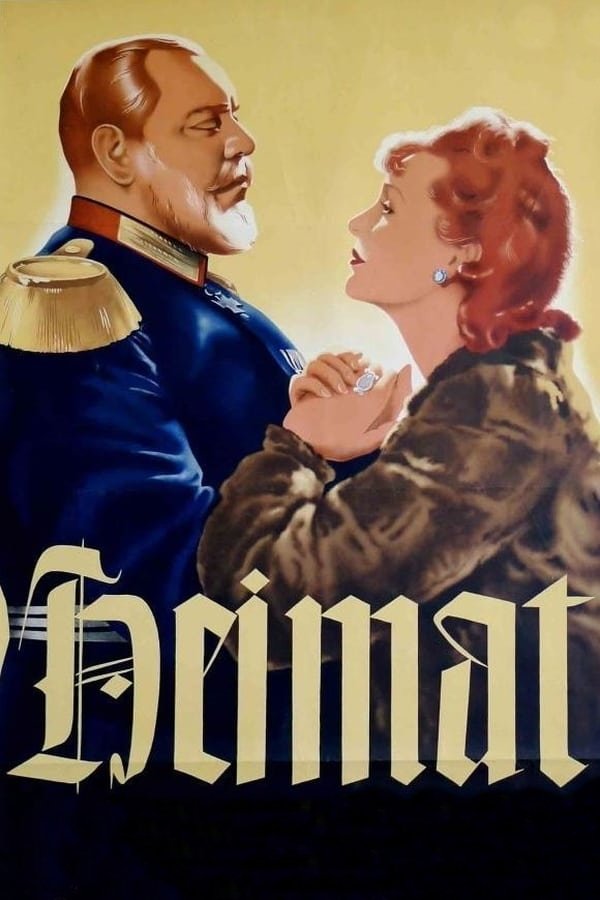
In 1885, famous New York Metropolitan Opera singer Maddalena dall' Orto is scheduled to perform at a festival in the German residence of Ilmingen. It soon becomes obvious that she is non other than Magda von Schwartze, who left the town eight years ago against her father's wishes to become a singer.
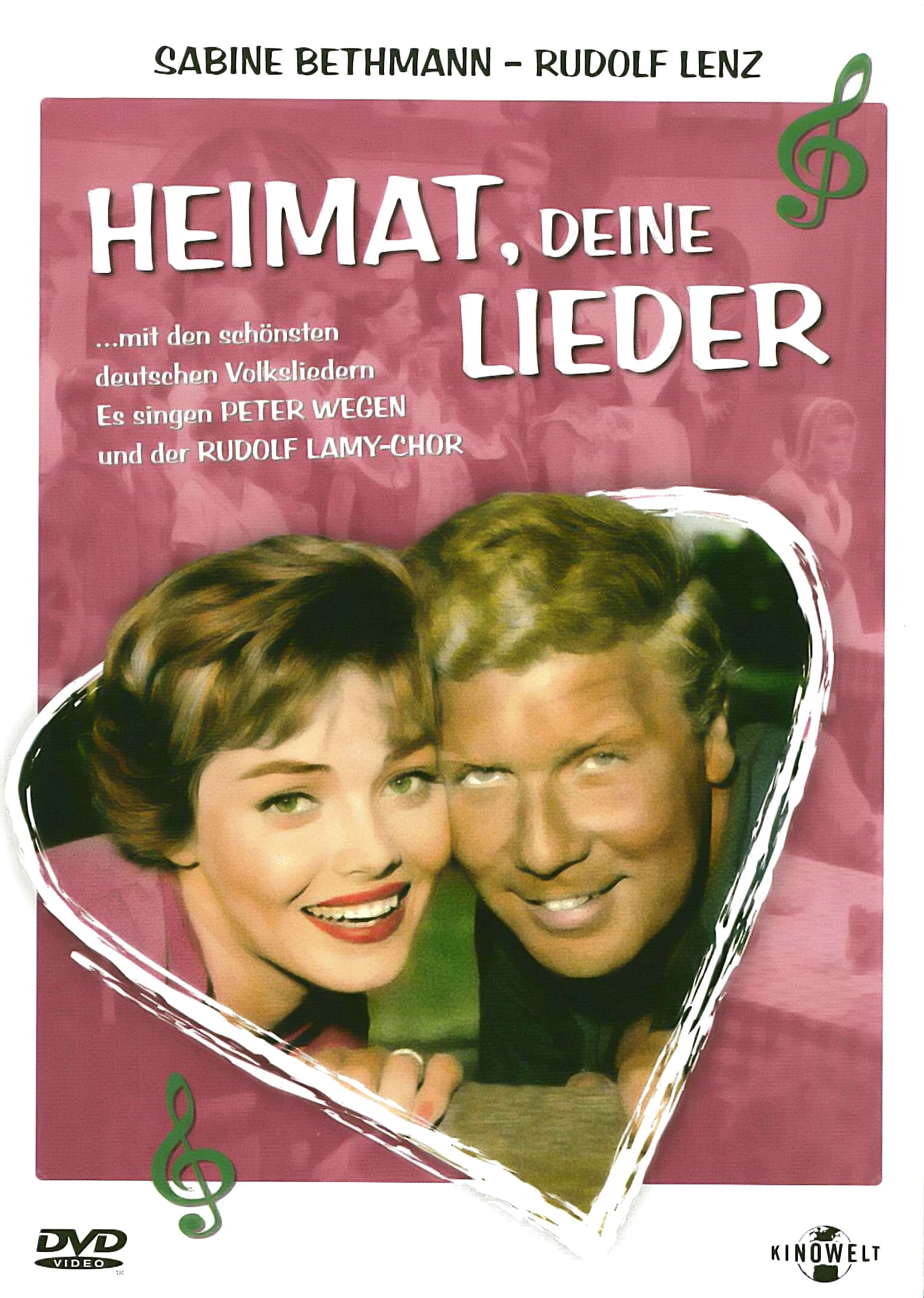
Eva Wiegand cares for nine immigrant children in an SOS Children's Village. One day, she is walking with her charges through the blooming Lüneburg Heide when a white sports car speeds toward the small group, driven by the wealthy idler Paul. Paul is fascinated by Eva. But as the two grow closer that evening at the village pub, Paul's fiancée Beate bursts in.

Hotel tycoon Paulsen re-meets an old flame who mistakes him for a waiter. Paulsen's daughter Toni likes hotelier Reno and accepts to work for him as a waitress and chambermaid because she wants to be loved for herself, not her money.
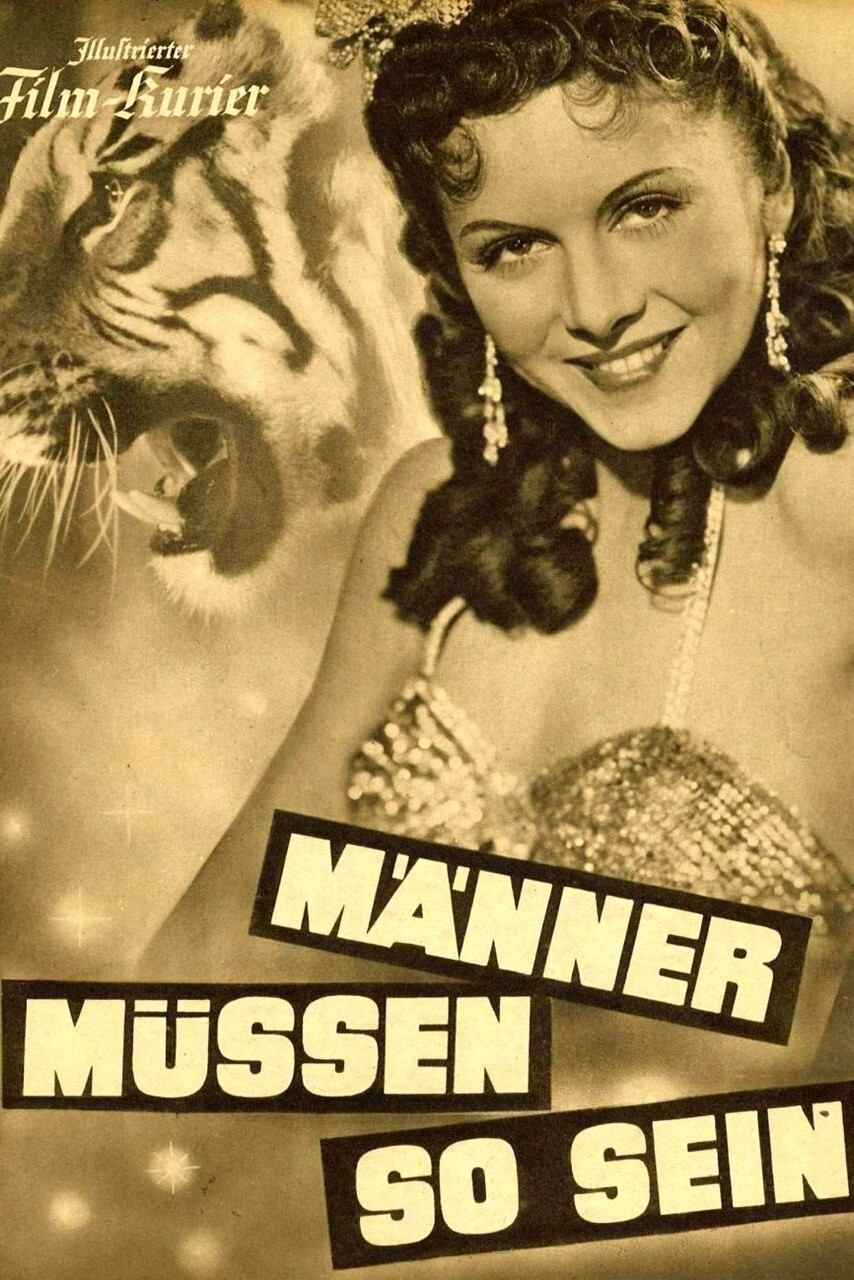
Young Beatrice has trained as a dancer against her father's wishes. At the circus, she meets the famous tamer Ruda and falls in love with him. But the next day, Ruda disappears with the circus. Beatrice gets a new engagement with another circus and makes a career as a dancer among live tigers.
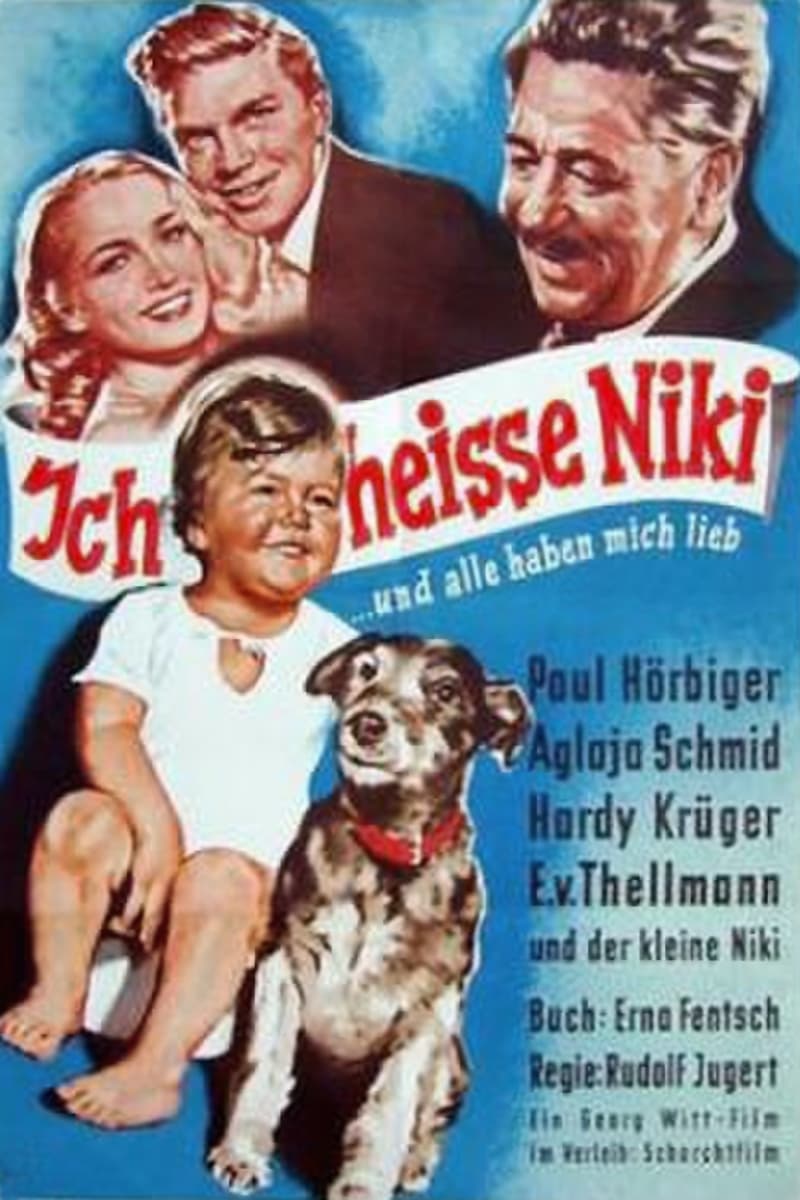
Winnie is desperate and doesn't know what to do next. She is about to marry her lover Paul, who has returned from war captivity. Both want to emigrate to America short after marriage. But the young woman has an illegitimate one-and-a-half-year-old son, whom she has kept secret from her fiancé. The short-tempered Paul would never understand that. When she is on her way to the orphanage, the grumpy senior civil servant Hieronymus Spitz and his little dog Tobby get into her train compartment. After a short observation, Winnie is certain that the misantrope actually has a good heart, because he lovingly takes care of his dog. Without further ado she leaves little Niki with the tax accountant and disappears from the train. Only a note with a request remains. The overwhelmed old gentleman initially wants to get rid of the child, but then takes it home and takes care of it together with his housekeeper. Both take the bundle of joy to their hearts. But then everything turns out differently.
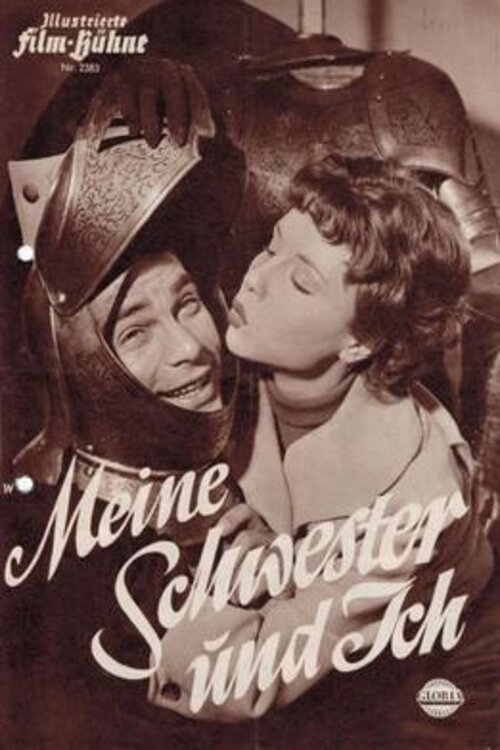
After an accident, Princess Maria Christine ends up stranded in Rothenburg, where she falls in love with engineer Rudi Becker, but pretends to be a shoe saleswoman. Misunderstandings, mix-ups and intrigues lead to turmoil surrounding her planned wedding to the King of Slovenia.
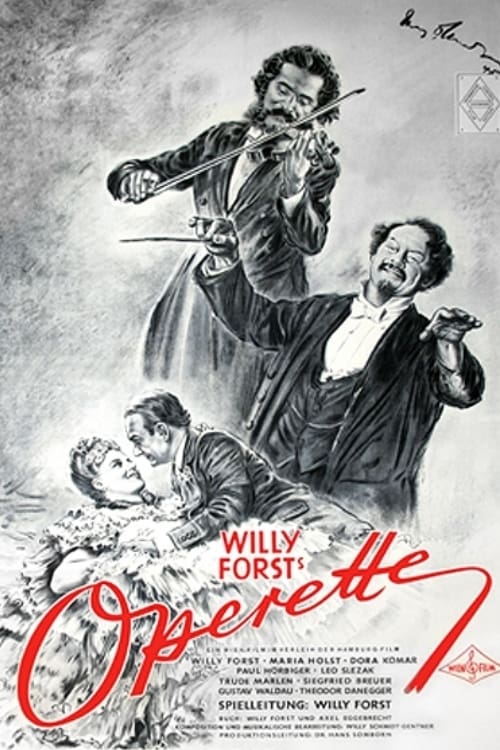
A musician is offered a job in Vienna as stage director, but his disagreements with the aristocratic opera manager end in abrupt firing in spite of a mutual attraction. He's quickly engaged by another theatre and becomes famous for his lavish stage productions and fine acting, which begins their golden age with Suppé and Strauss.
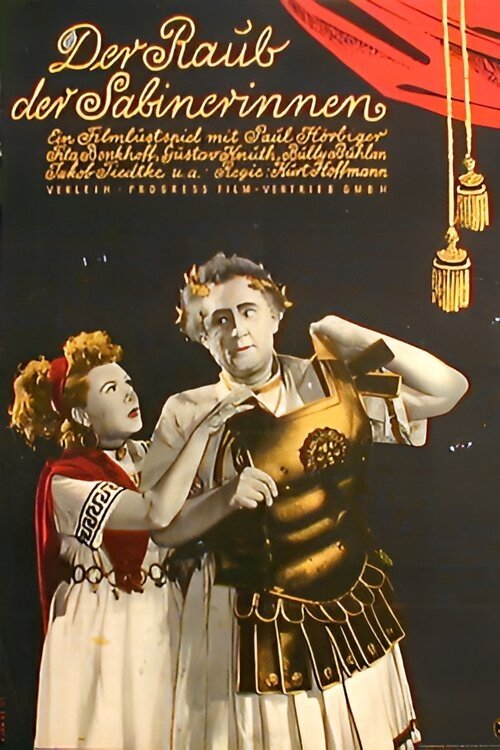
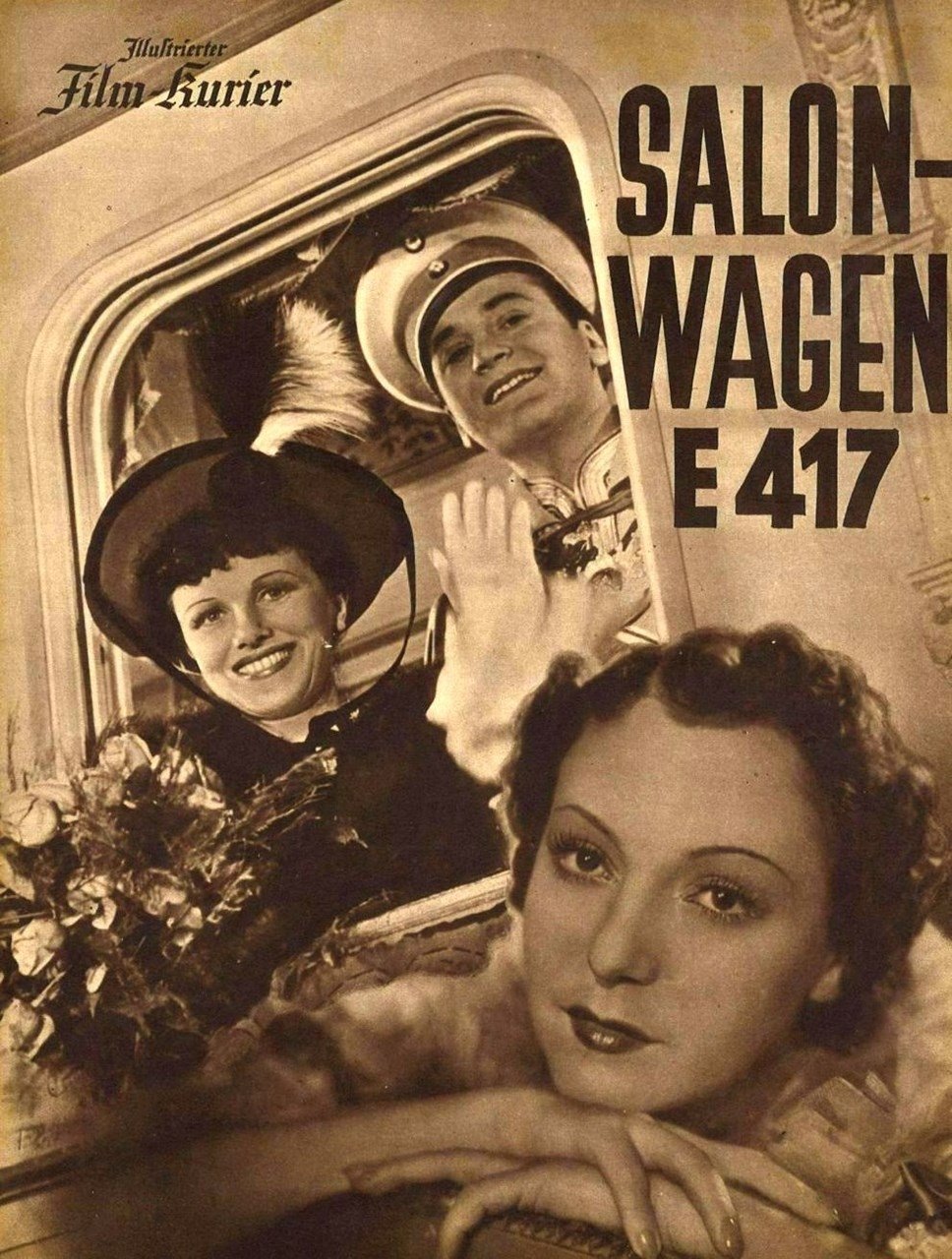
In a transport museum, the items on display begin to tell their stories. Most interesting is the history of the Pullman car. In the beginning, it served as transport for a princely family; then became the headquarters car for the military high command; and then, most adventurous of all, it ended up with a circus. Converted to a bar, it finally had its day and was supposed to serve as a placard carrier. Luckily, the museum saved it from this sad fate.
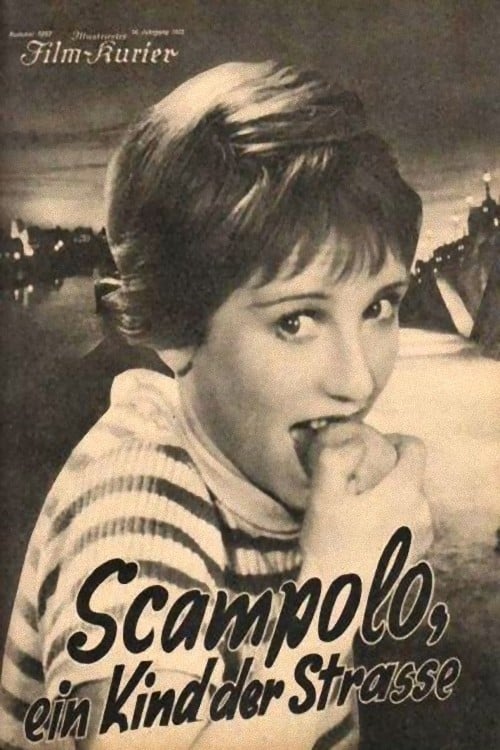
The street urchin Scampolo (which means, "A Nothing"), who sleeps at night in a telephone booth and earns a little money running errands for a laundry, falls in love with a despondent, out-of-work bank manager in Depression-torn Germany, and thereby becomes a woman in the eyes of other men.

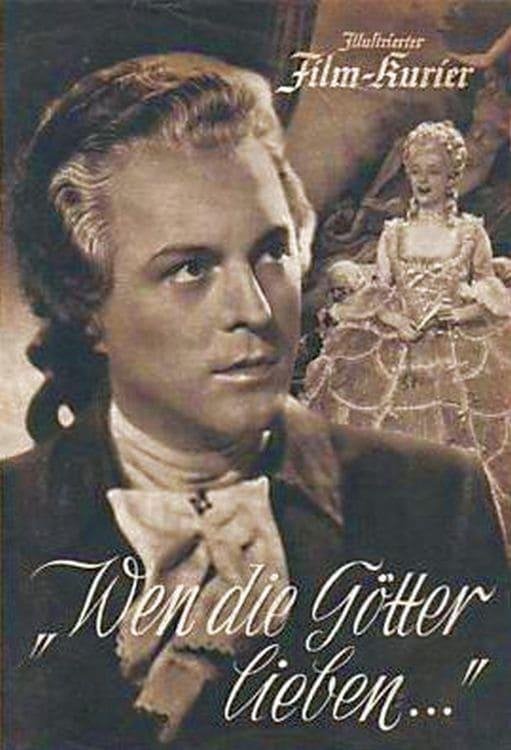
In the first of Hartl's two Mozart biographies, Hans Holt plays the robust and dashing composer who, in keeping with the spirit of the film's time of origin, sets out into the world like a soldier of art after his falling out with the Salzburg authorities. Instead of conquering lands, he conquers the hearts of young ladies, like one of his most famous creations.
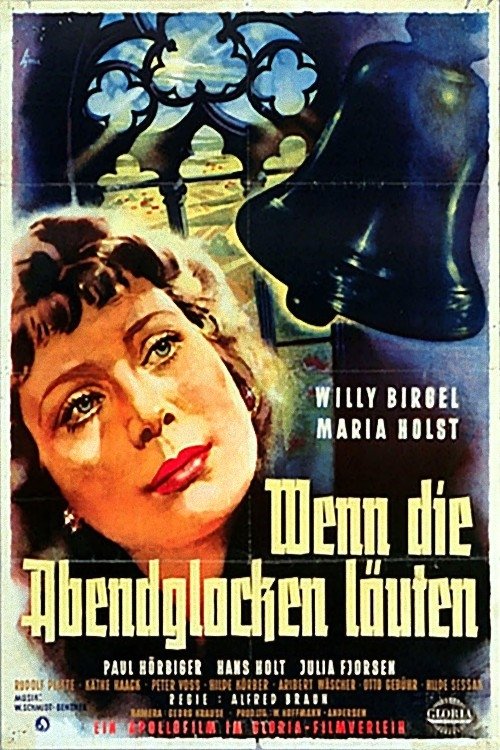
A woman marries a rich landowner, by request of her parents, instead of her lover who's child she's expecting. After a couple of years, the father of the child returns.
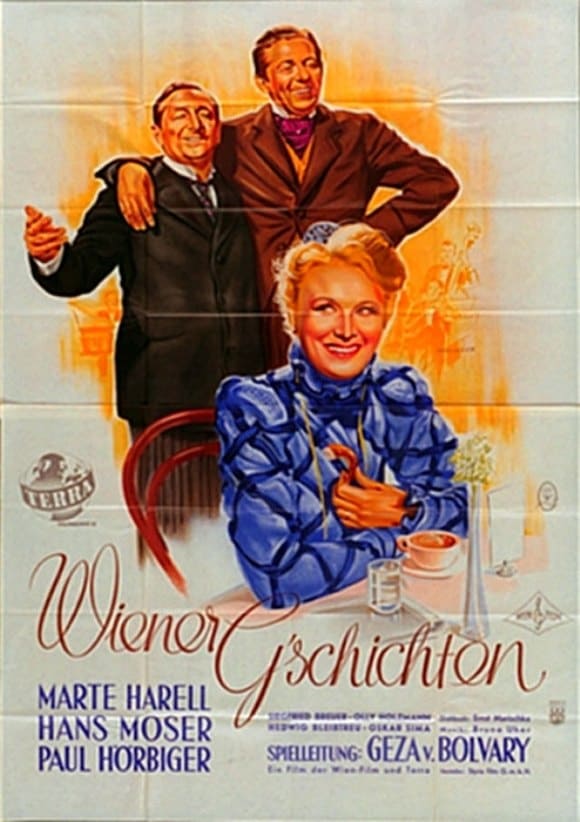
A nostalgic story about life in and around a classic Vienna coffee house. The film is set in Imperial Vienna at the beginning of the twentieth century.
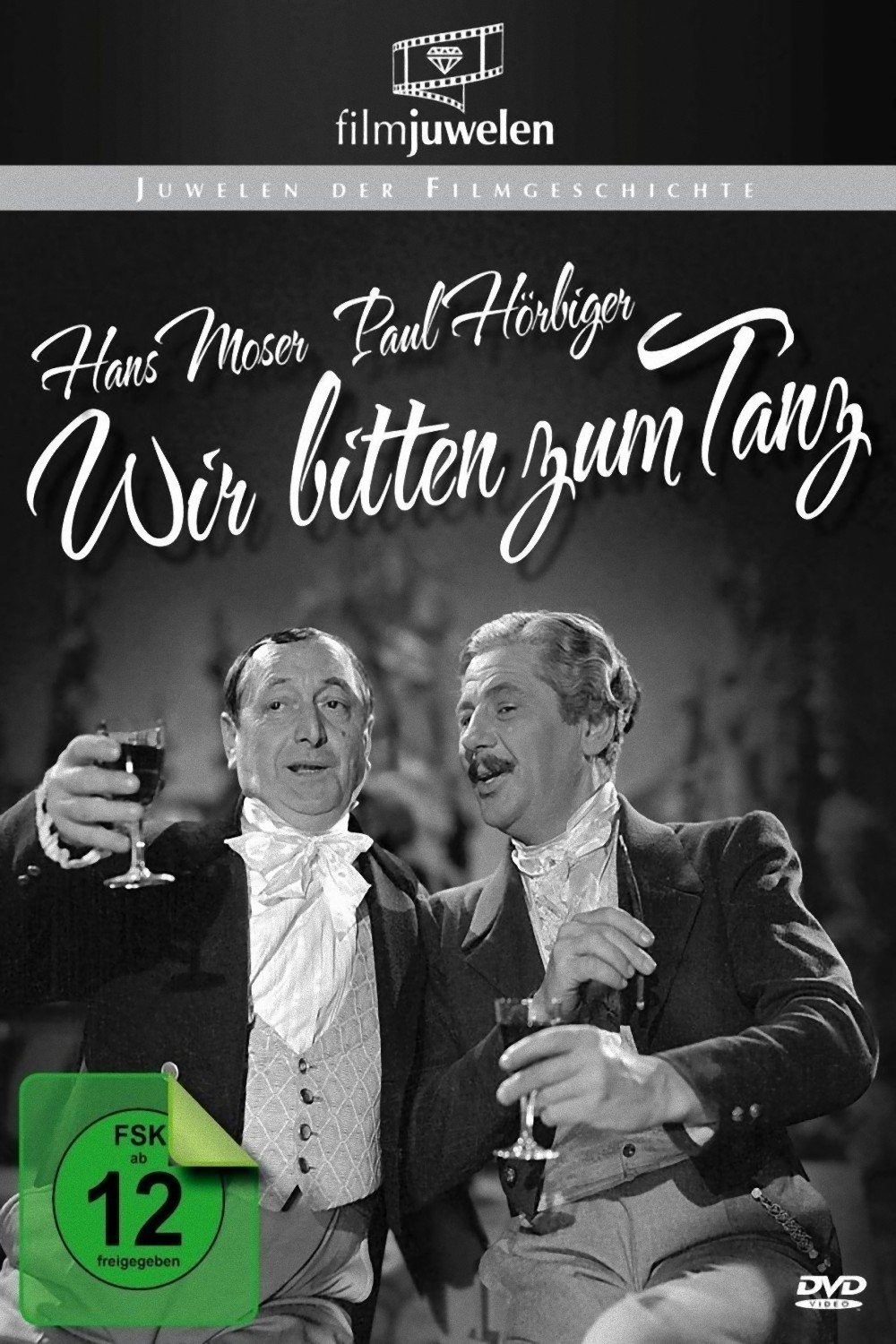
Vienna around 1900. Karl Hofeneder, owner of a dance school, puts great importance on teaching his students not only the right steps but also good behavior. Twenty years ago, the bachelor lost the love of his life to his friend and competitor Georges Roublée. The two have been enemies ever since. Hofeneder is annoyed when he finds out that Roublée wants to open a second dance school locally.
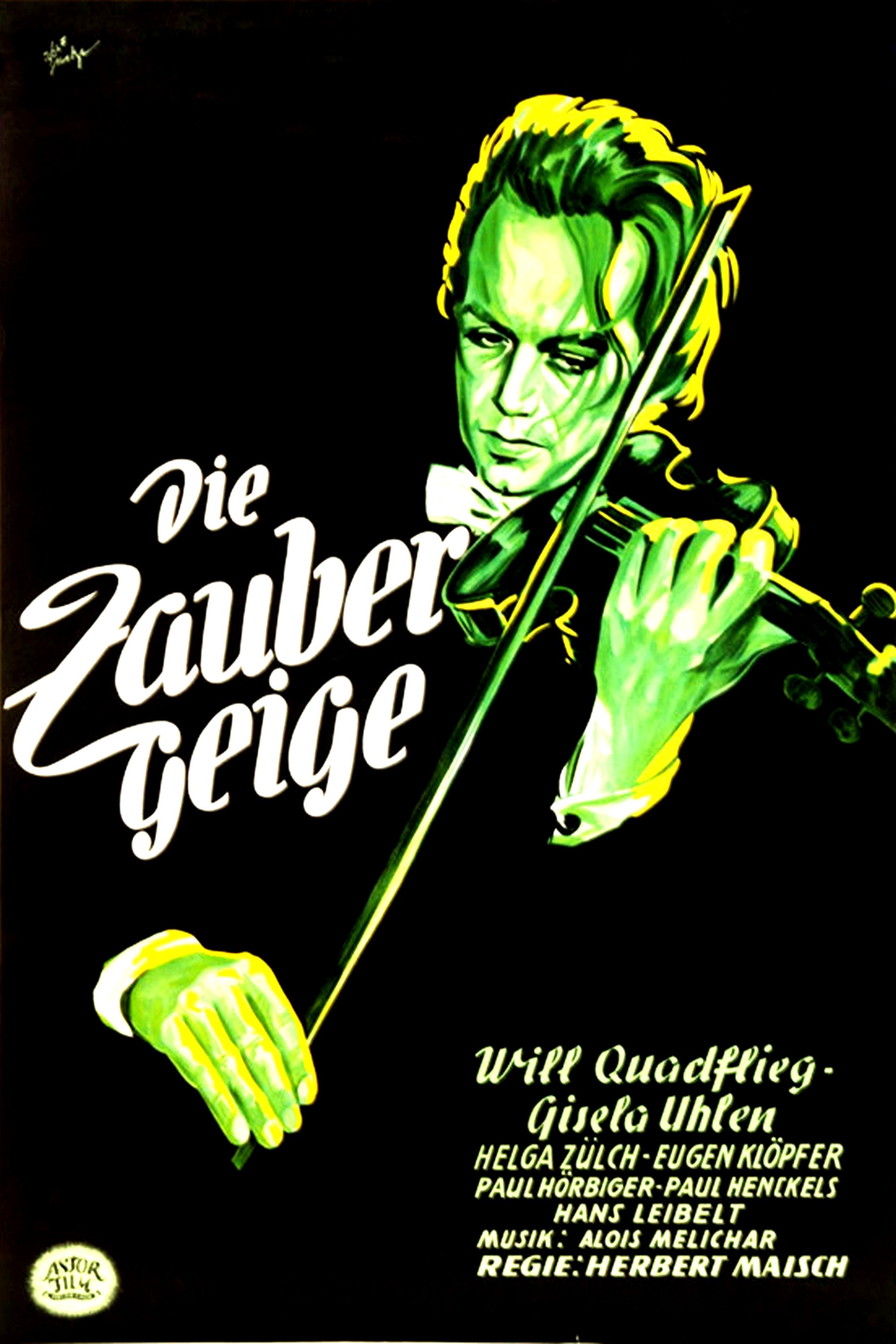
Around 1850, a young violin virtuoso steals a Stradivarius from the museum of a southern German royal residence in order to play for a famous master. By chance, he is able to demonstrate his skills to the sovereign at a court concert.
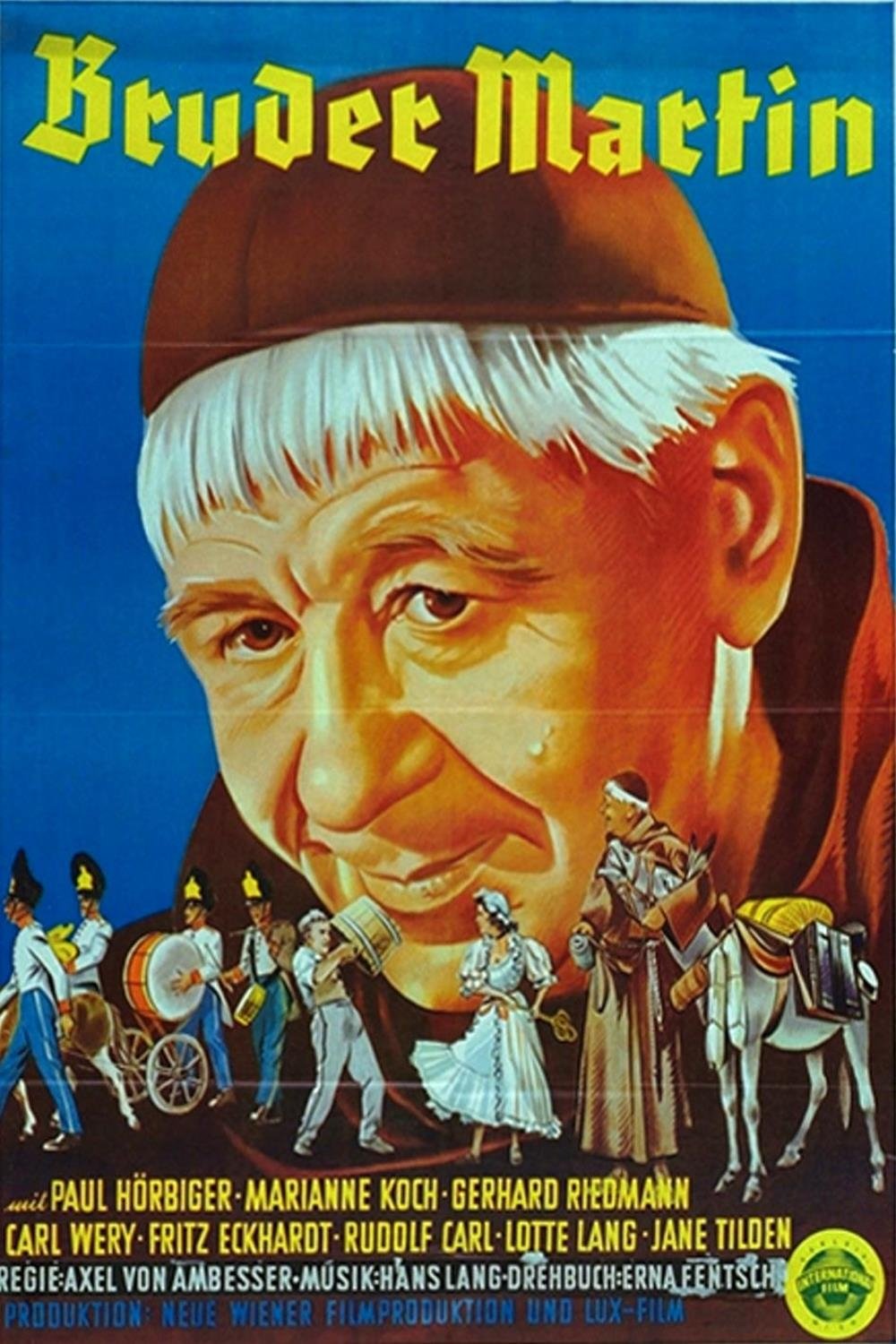
Brother Martin is a creative, unusual, and understanding member of the order. He loves using unusual methods to raise money for the poor. But not everyone likes this. Finally, his opponents manage to have him placed under house arrest, but that's precisely when everyone needs his help. He tries to escape in order to offer advice and support to little Lena, the pretty Rosl, and the tailor Würmerl. But escaping isn't so easy, as he's trying to make two marriages and mend one...
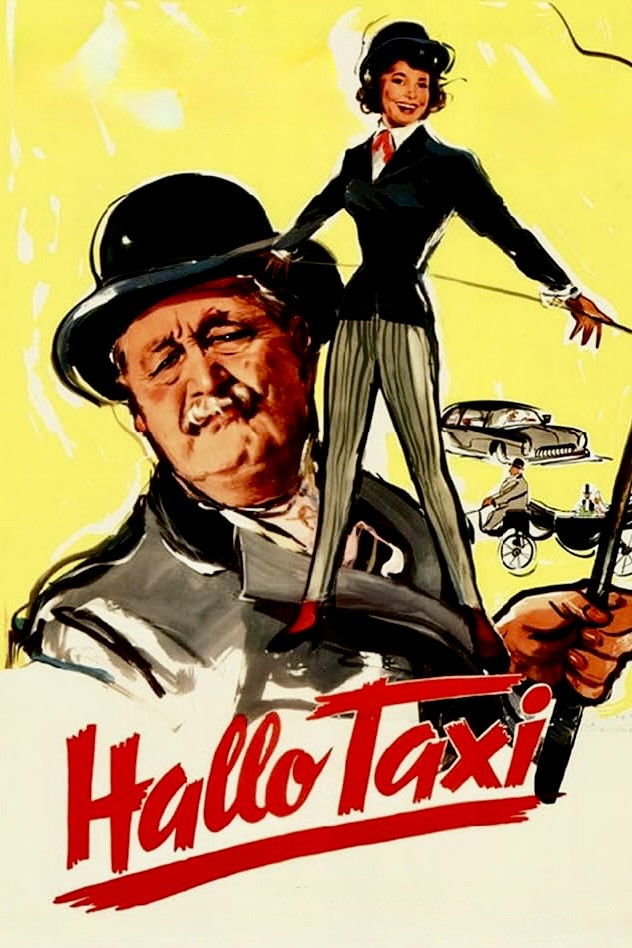
Leopold and Franz are coach drivers and best friends. Their relationship gets strained when Franz decides to modernize by buying a taxi cab. Leopold, grumpy keeper of tradition, is not pleased.
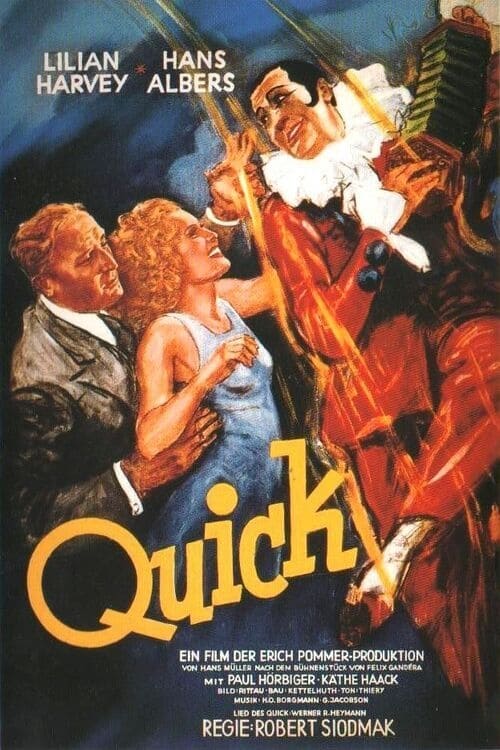
Lilian Harvey plays Eva, a young girl taking some time in a health spa and spending her evenings in the town's vaudeville theatre enamoured by a heavily made-up clown called Quick. Quick takes a shine to her and tries to woo her without make-up and masquerading as the theatre's manager. Unable to resolve her feelings for Quick and the theatre manager, Eva is angered when she finally learns that they are one and the same.
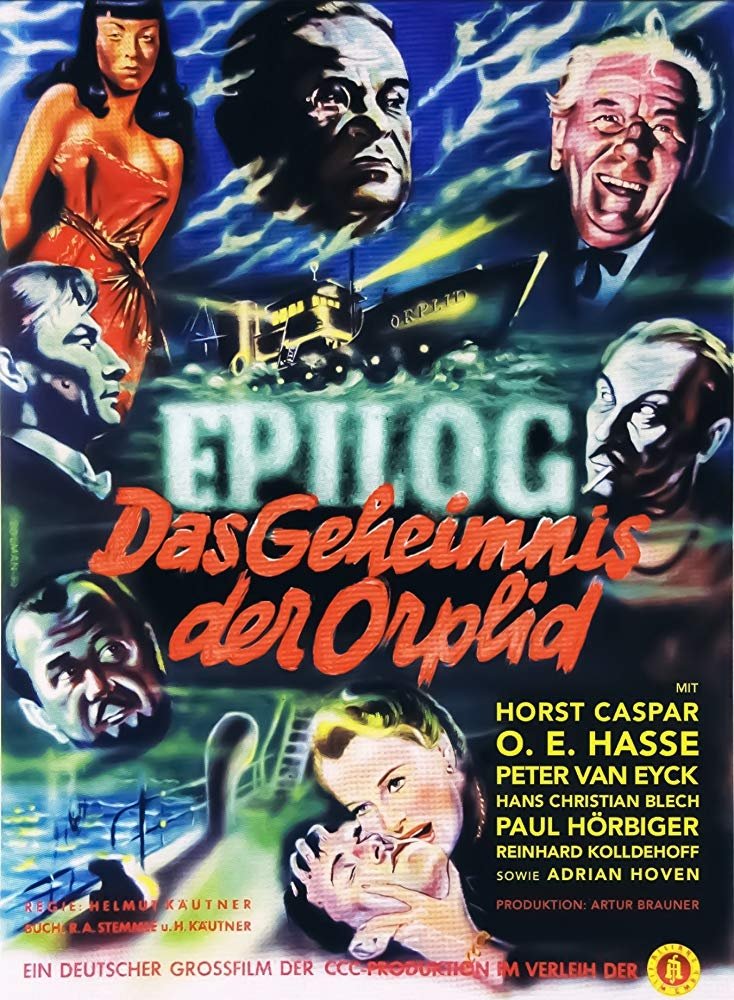
The reporter Peter Zabel stumbles upon the sinking of the luxury yacht Orplid in Hamburg on August 14, 1949. The ship went down with a wedding party run by artists on a pleasure trip from Hamburg to Scotland . In spite of good weather and no technical problems. Out of personal curiosity, Zabel starts researching. Could the sinking of Orplid have political reasons? A German political thriller and film noir inspired by Carol Reed's "The Third Man".

Prevented from wedding a postman's daughter (her father prefers she marry a farmer) a Tyrol schoolteacher succeeds instead in having an opera of his acceptance in Vienna. But this isn't the happiness he wanted, he becomes a hobo.
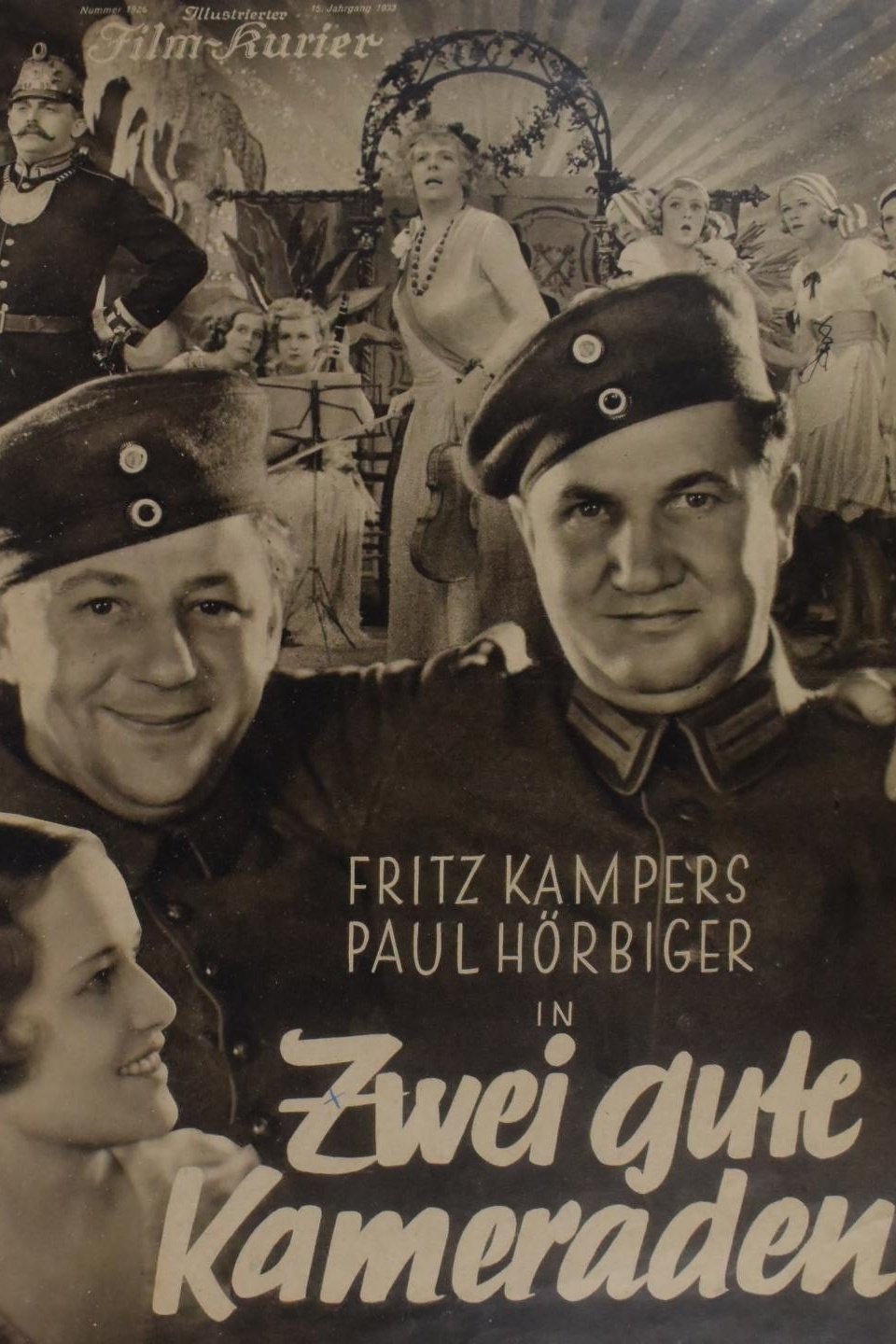
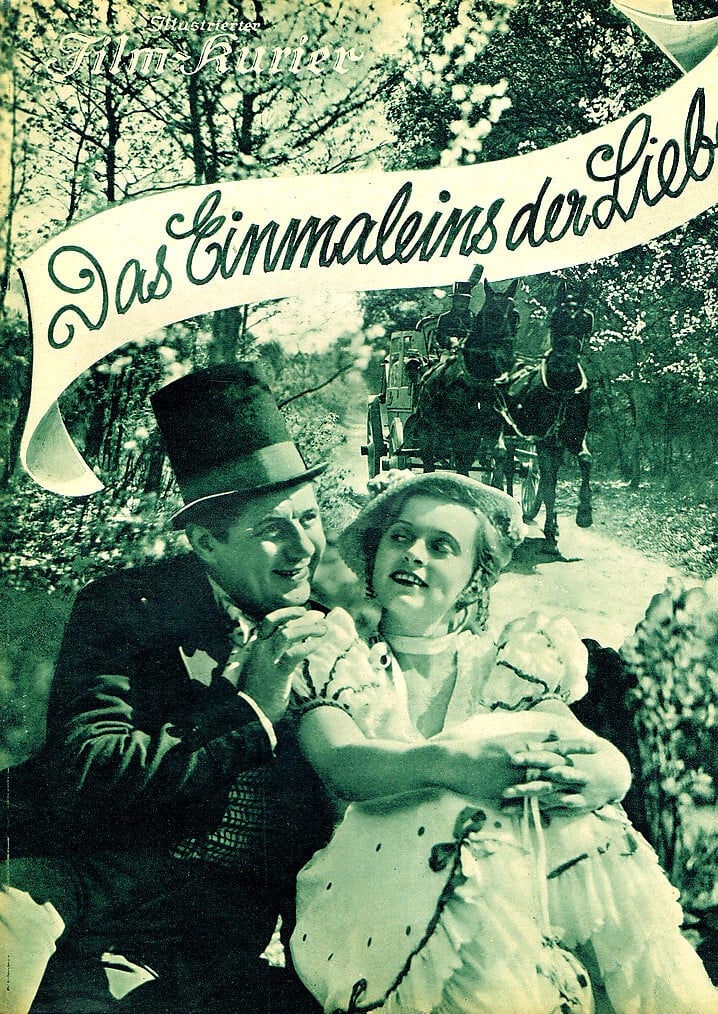
Identities are changed in the Austrian countryside. A simple woman does this to test the affections of a store manager, he too changes character several times and there are other locals who do this as well.
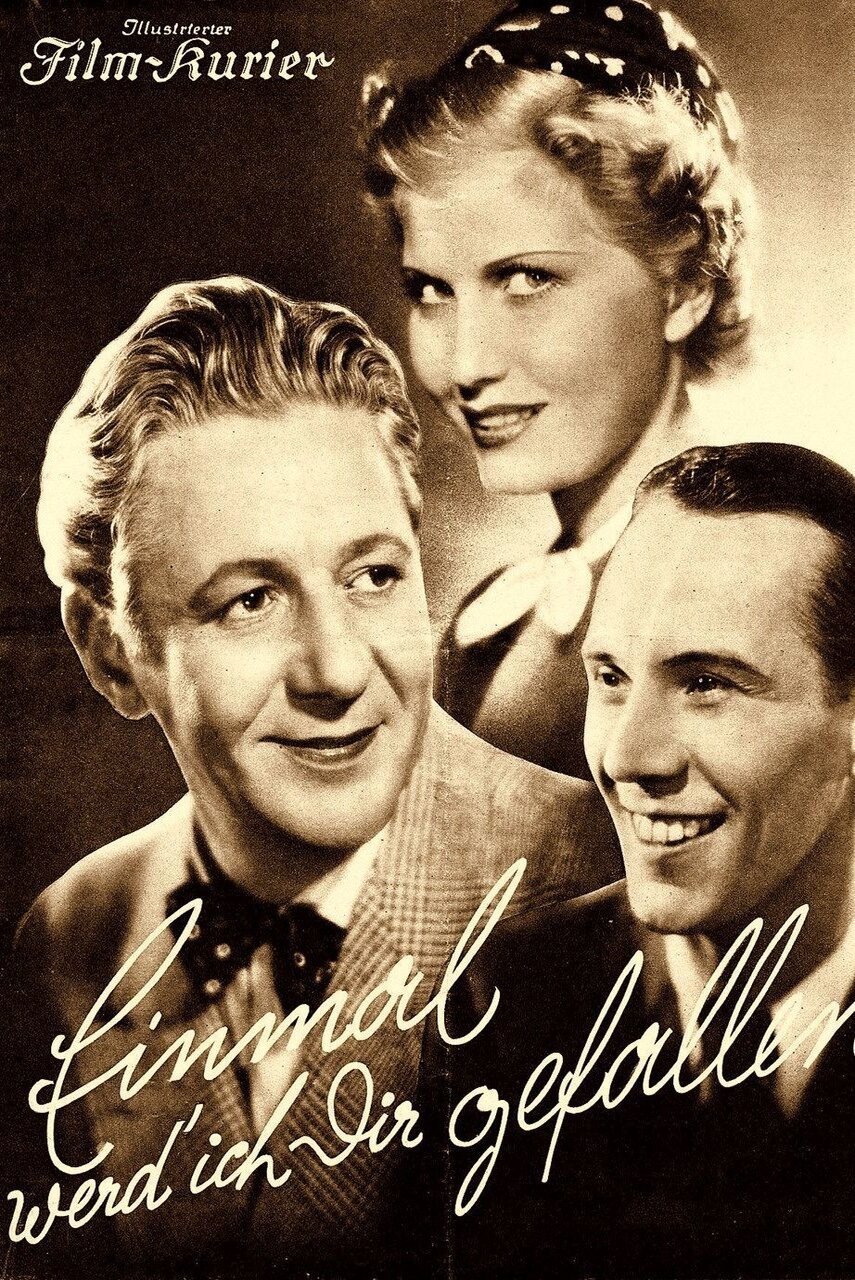
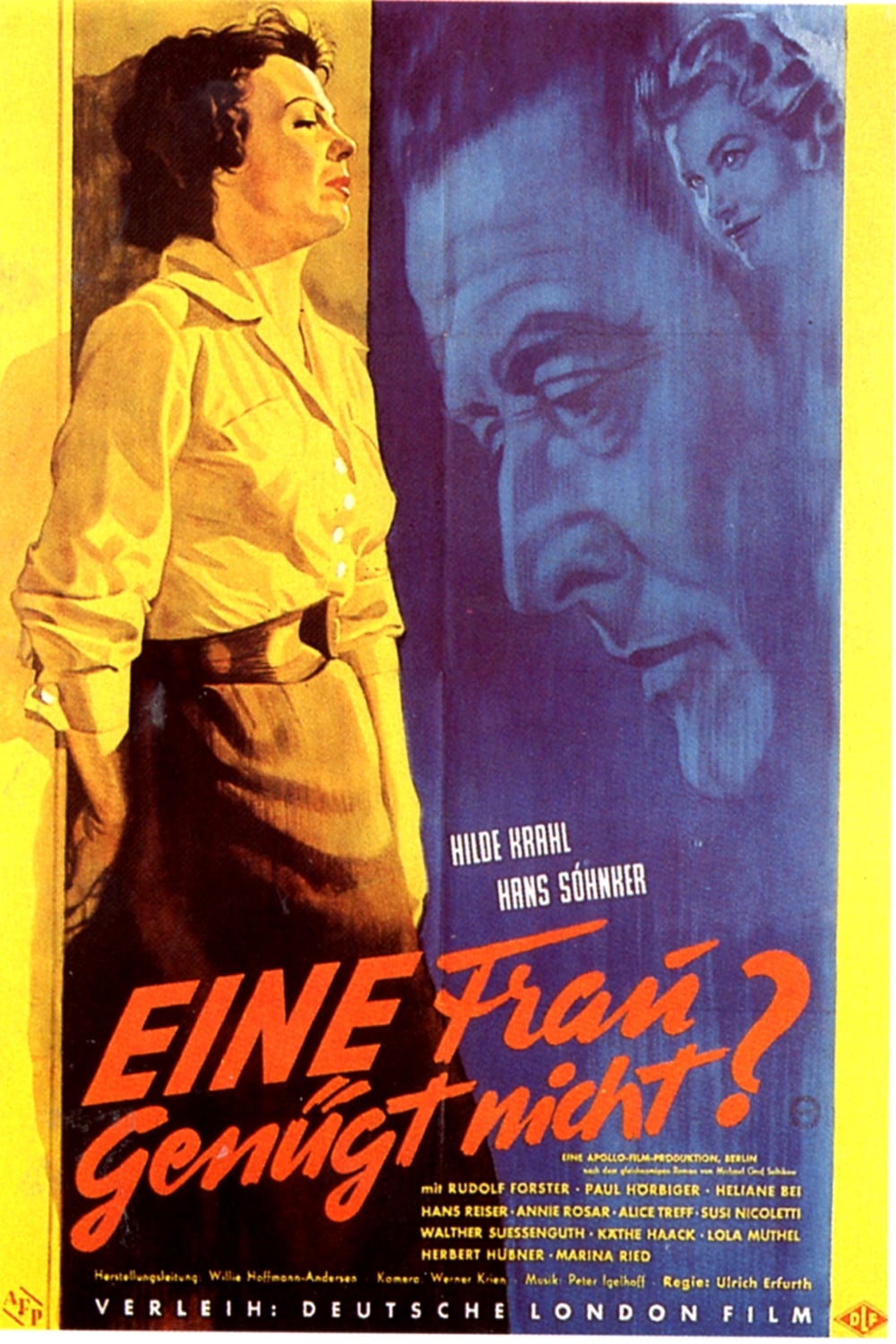
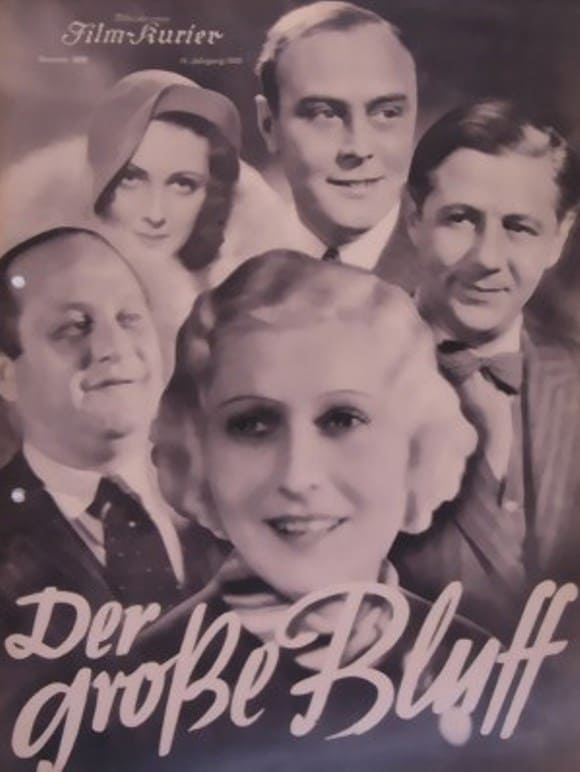
During a spectacular break-in at the villa of film star Marion Milner, the jewel thieves fortunately only manage to get their hands on imitations of the valuable jewelry. The police suspect the notorious master thief Silver-Jim, whom they have long been after. The commotion surrounding the break-in comes in quite handy for film producer Otto Pitt, who is currently shooting a crime film, as he hopes it will generate some free publicity for his project.
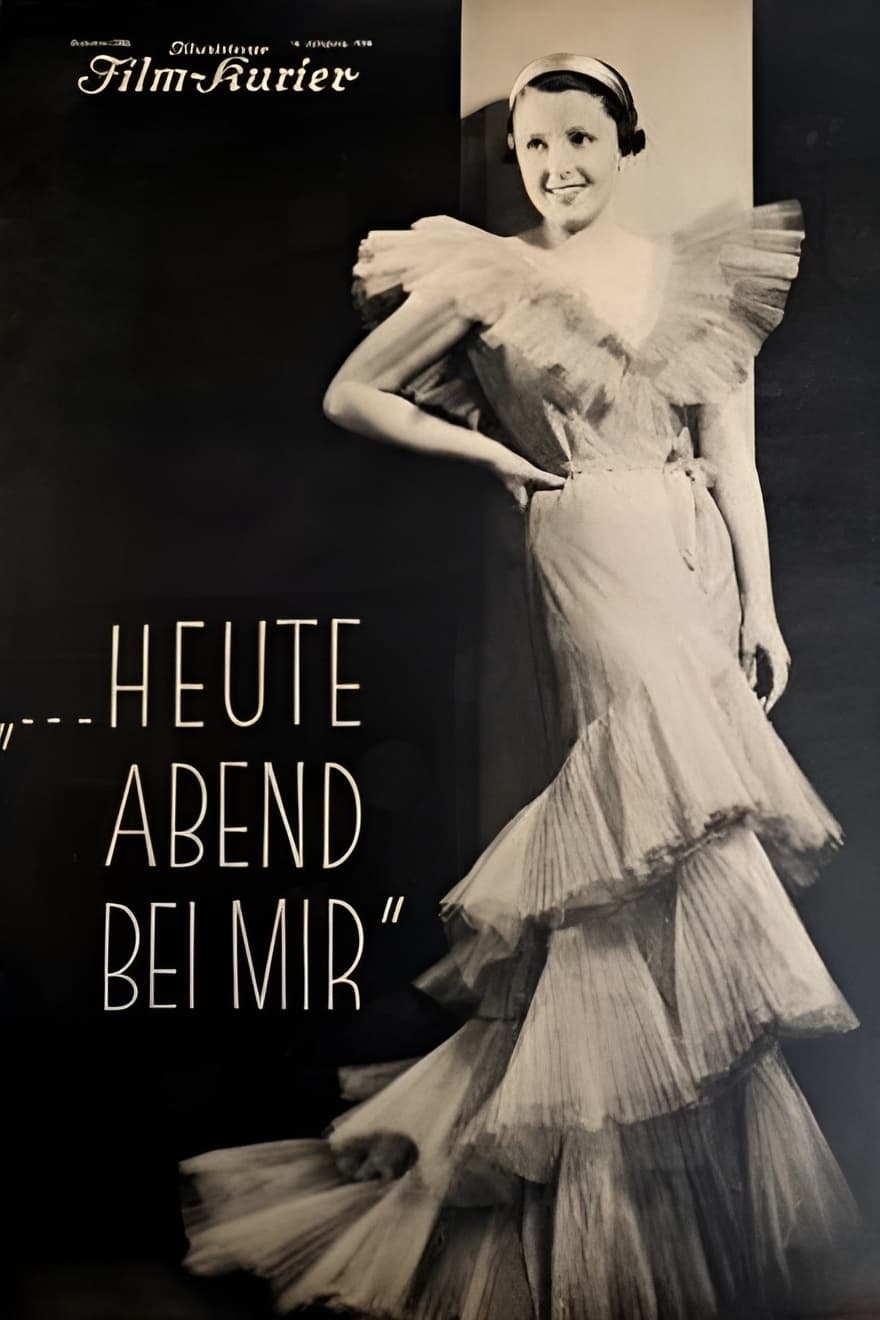
A very naive Viennese vinyl records saleswoman falls in love with a well-mannered young man. Due to a combination of circumstances, she was involved in the endless series of accidents, intrigues and piquant situations perfectly emphasized by the morals of those times, a subtle satire on the bourgeoisie and an atmosphere of innocent romance.
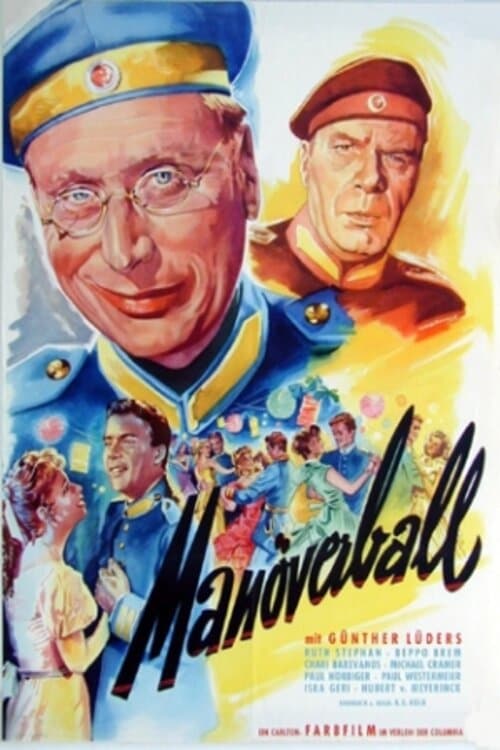
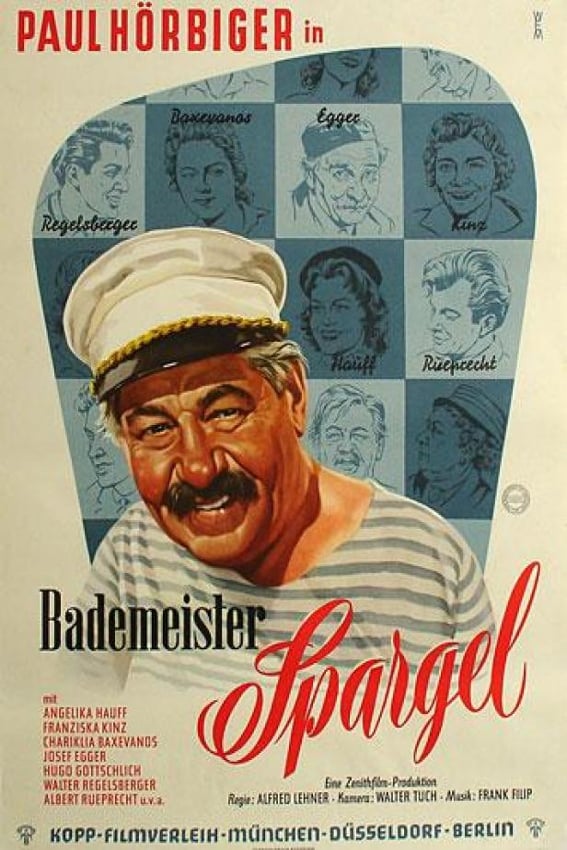
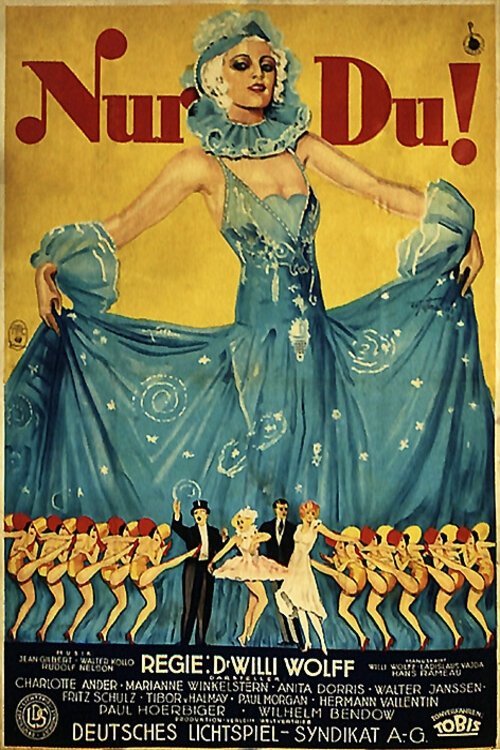
Only You is a 1930 musical by Hermann Feiner and Willi Wolff starring Fritz Schulz and Walter Janssen.
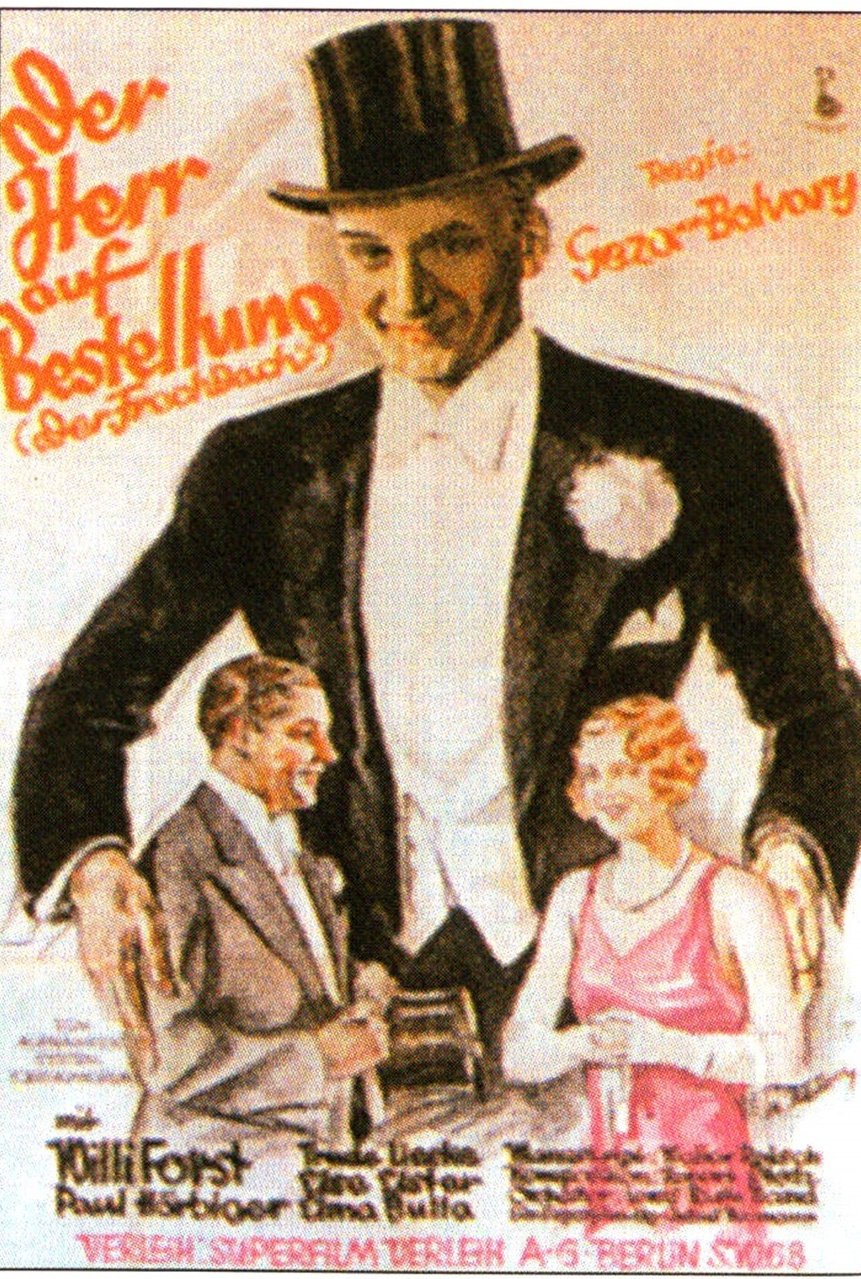
This 'musical burlesque' tells about a stylish young gentleman who works as a so-called 'Festredner', a person who makes speeches at important events like marriages etc. for people who don't feel able to do it themselves. Willi lends his voice to a speech-impaired professor, but the baroness who falls in love with Hörbiger only does so because of Willi's voice, and this leads to all sorts of complications…
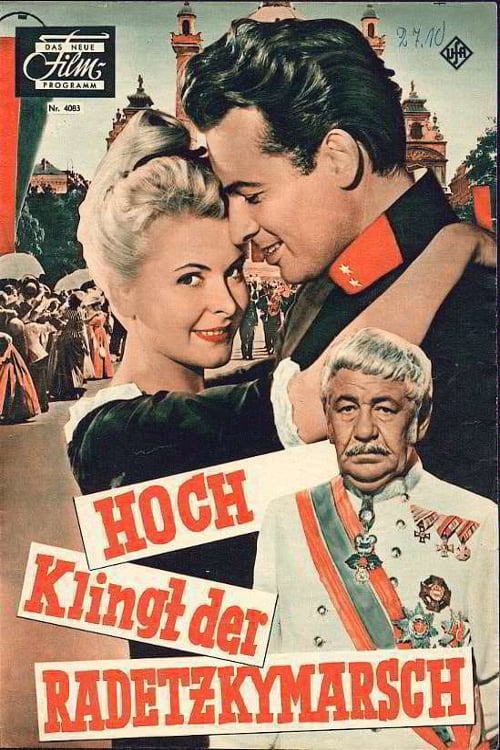
In the Vienna of the Biedermeier era, the young Carl makes a delicate wager with two officers: If he does not succeed in presenting a new romantic adventure by the next day, he has to treat the soldiers to ten bottles of sparkling wine. Albeit he tries in vain to seduce the pretty maid Franzi, Carl brags about his alleged conquest the next day in his favourite pub. When the senior lieutenant Stephan, who is head over heels in love with Franzi, hears about Carl’s putative success, he writes, out of his lovelornness, a catchy song about the carefree maids of Vienna. The song becomes the talk of the town — but the Viennese maids are so disgruntled about the earworm that they go on strike in protest at the grand Radetzky ball…
After a shady art collector is murdered, adept Dr. Sebastian Ott uncovers a massive organised fraud with fake paintings. His twin brother Ludwig is responsible, kidnaps him and locks him away in his house. He uses Otto's ID and 'replaces' him...
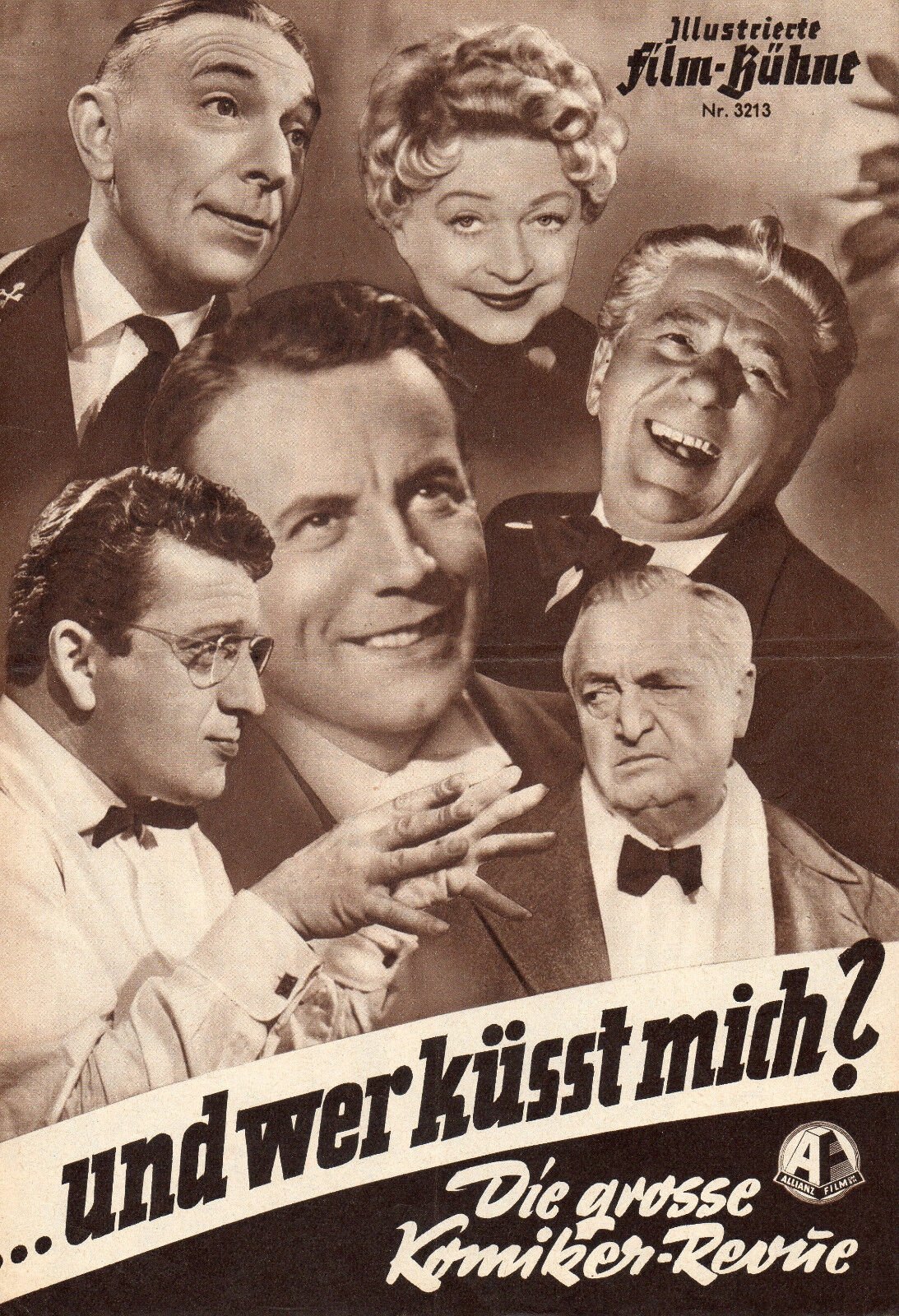
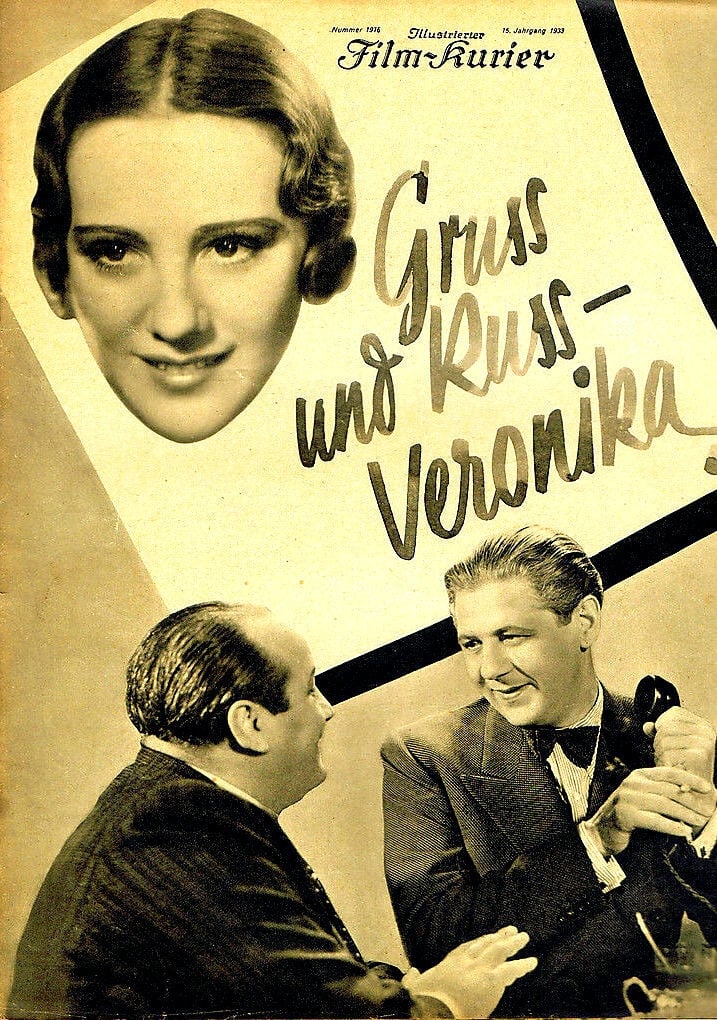
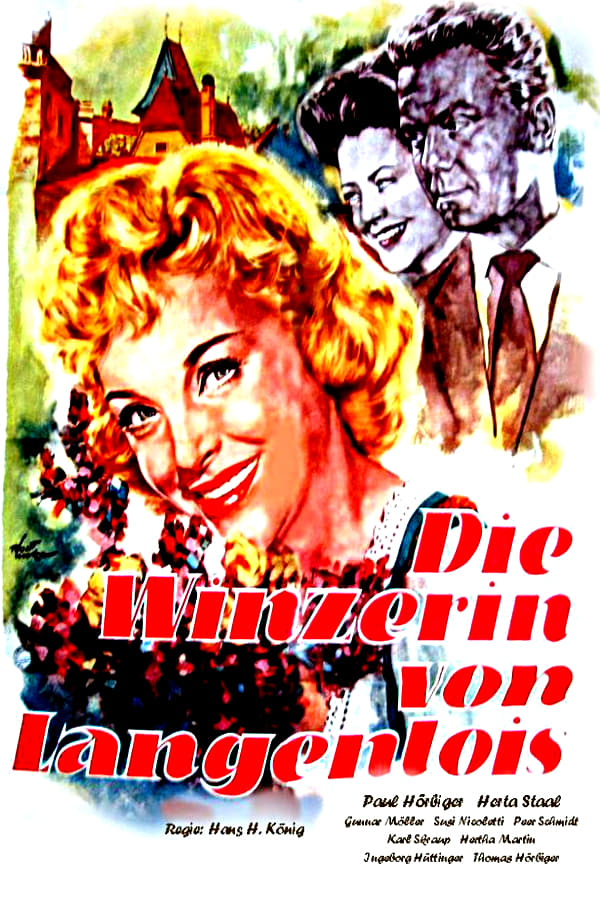
Veronika, employed in a flower shop, has the habit of leaving flowers with a note -"Gruss und Kuss, Veronika (greetings and a kiss, Veronika)" to a special client she has fancied about. But he has the habit of sending flowers to an array of women. This puts her into action to prevent it, causing misunderstandings that will later have to be solved -somehow.

The film is based on a true story, concerning a series of robberies on the highways of Germany. At the time of the actual events, there was a controversy over whether or not highway patrolmen should be given permission to use firearms against perpetrators.
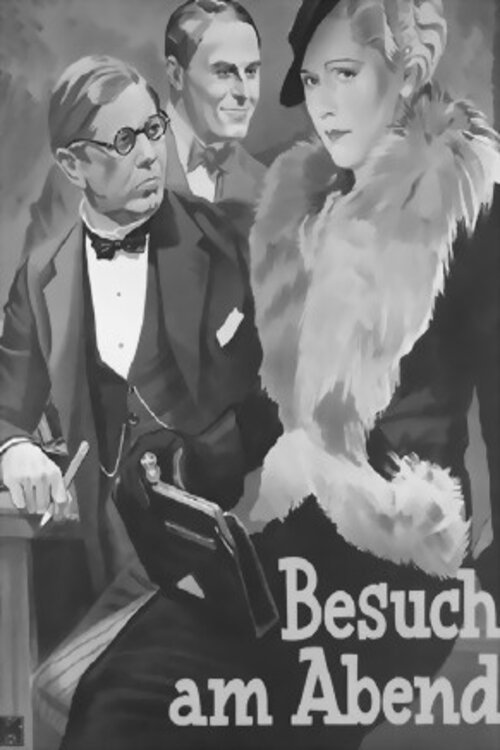
A finicky old bachelor falls head over heels for an attractive young woman he meets.
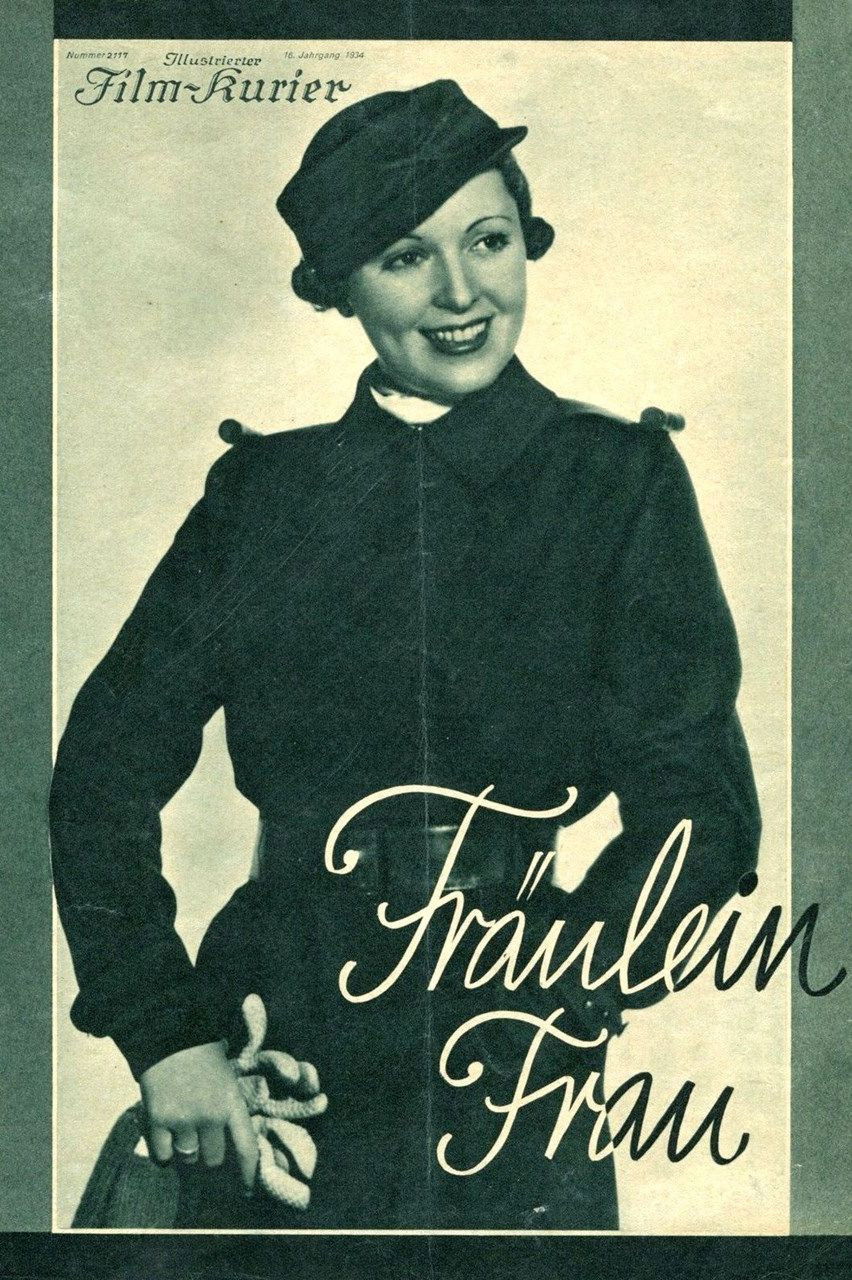
On their honeymoon in St. Moritz,a new husband who is much older than his young bride is driven to despair when he thinks she prefers to spend her time with a younger man there, an actor.
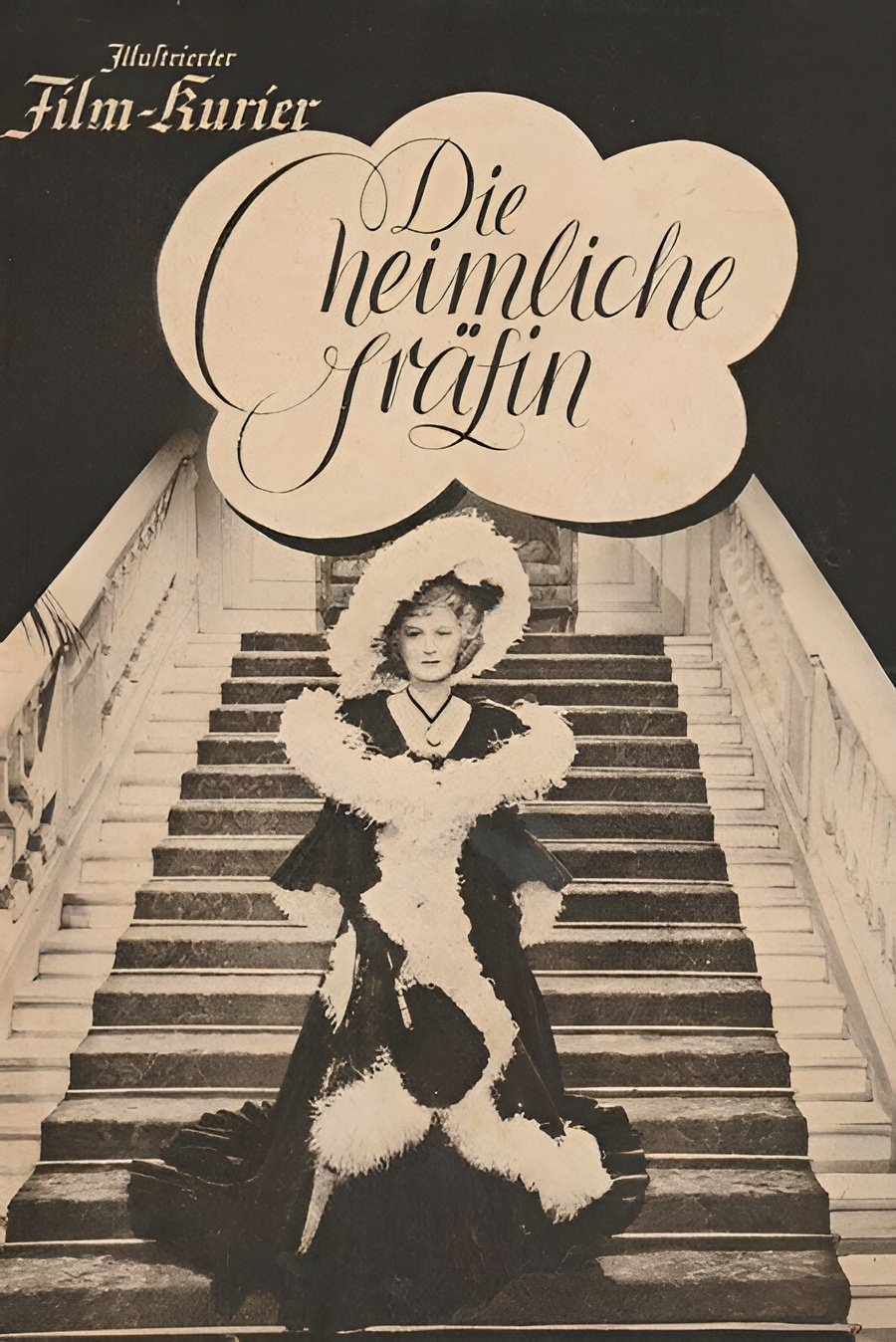
A comedy of confusion in aristocratic Vienna at the turn of the 19th into the 20th Century: The young Bohemian Countess Antschi Dorival trades places with her friend Martina, because she wants to become an actress and applies as such at the city theatre under a false name. And so, Martina attends the Vienna Opera Ball, posing as the countess. Because of their striking similarity to one another, Martina is confused with the impostor Sonja Lubomirska, who shortly before stole a necklace belonging to the wife of Archduke Johann Sylvester.
Movie adaptation of the Leoncavalo's famous opera. A troupe of traveling actors is being welcomed by villagers in Calabria in the summer of 1866.


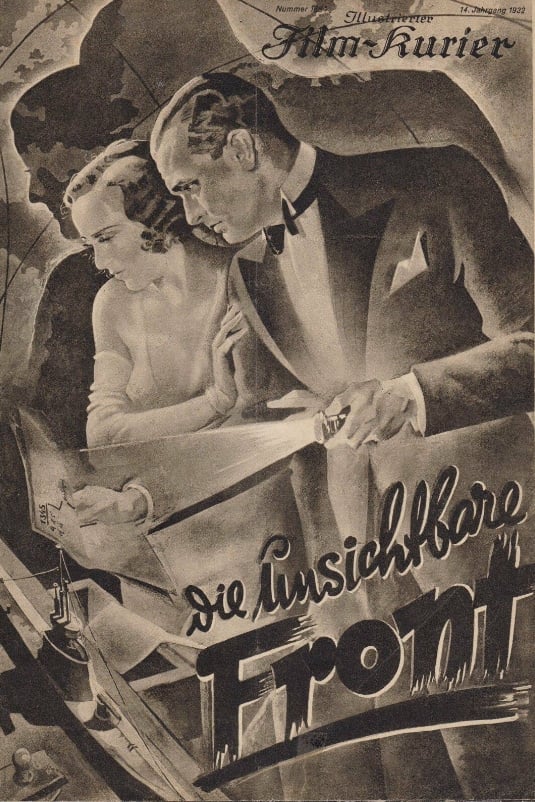
During World War I, Ellen Lange runs away from boarding school to her brother Rolf in Kiel. Rolf, a vice-helmsman, tries to send her back, but she goes to Berlin and finds a job at a music store through “Aunt Jenny.” Her boss sends her to Copenhagen with a false passport to deliver a violin containing stolen papers. In Copenhagen, she meets Erik Larsen, a German secret service agent, and joins the service to atone for her mistake.


Grock must return to the scene once more. Half-movie, half-documentary, this film memorably records Grock's showmanship.

Musical comedy about a famous opera star in Vienna.

In the made-up country of Alanien, King Alexander I has been overthrown while abroad. Now, he's in Vienna with his daughter, the city of his fondest memories since studying there as a boy. It doesn't take long for the charm of Vienna to work its magic on the former king: he quickly comes to terms with the new situation and is able to enjoy the Austrian capital sans all the ceremony and trappings which would otherwise accompany him on a state visit. The princess is content with preparing herself for a career as a pianist concert, while the former king takes a job as a chauffeur in the embassy of the country he once ruled. The revolutionaries are shocked; and his days in Vienna are numbered.
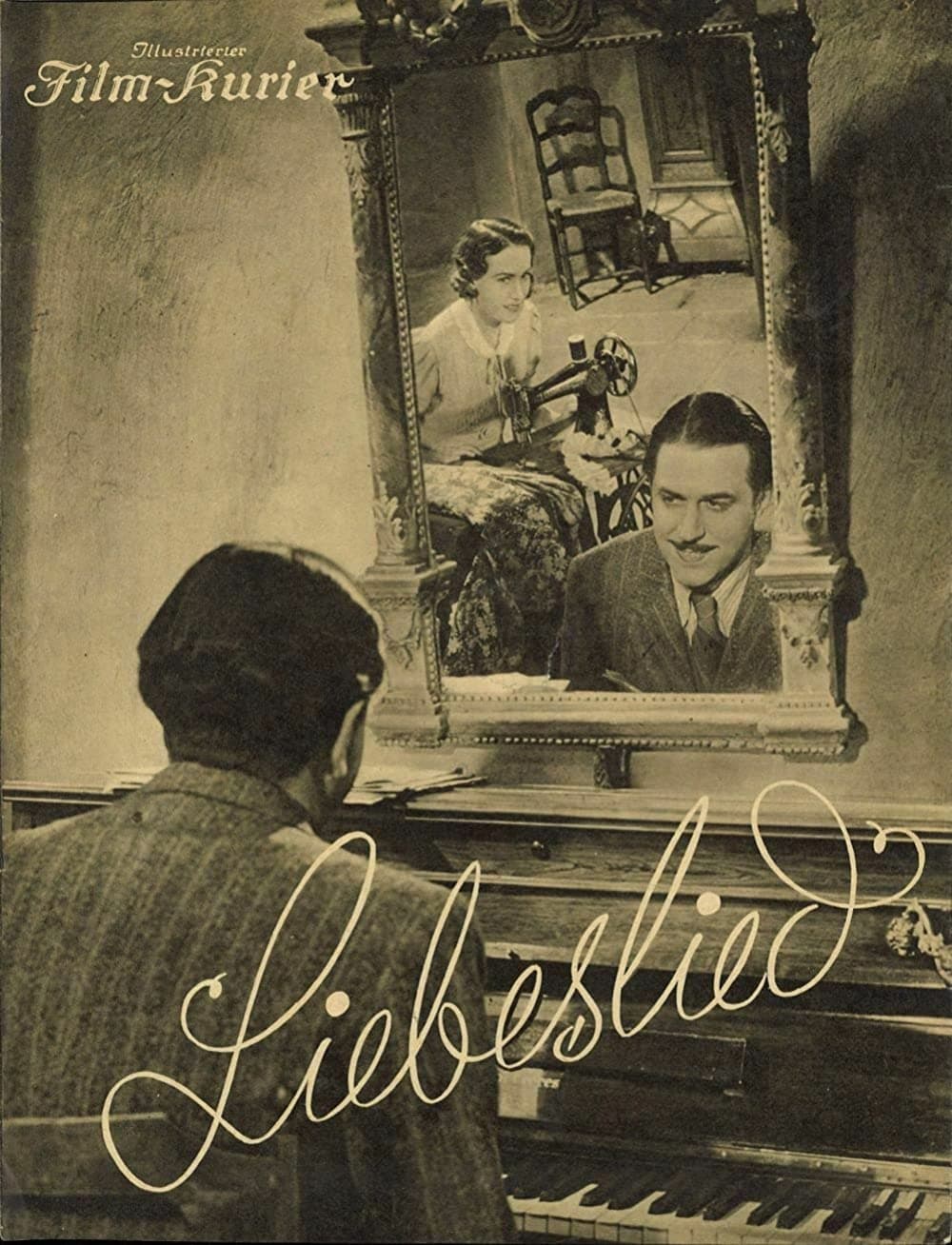
An opera tenor replaces a humble performer in a honky tonk show and wins the heart of the soprano.
Gunther and Elizabeth have felt bonded to each other since their childhood. When Gunther finishes up his engineer studies, he finds a position at a large concern, which is, however, located in another city. Elizabeth lets him withdraw, although she is pregnant; she trusts him. With the passing of time, his love for her recedes ever further into the background; especially as he’s getting closer and closer to Gina, the daughter of the boss.
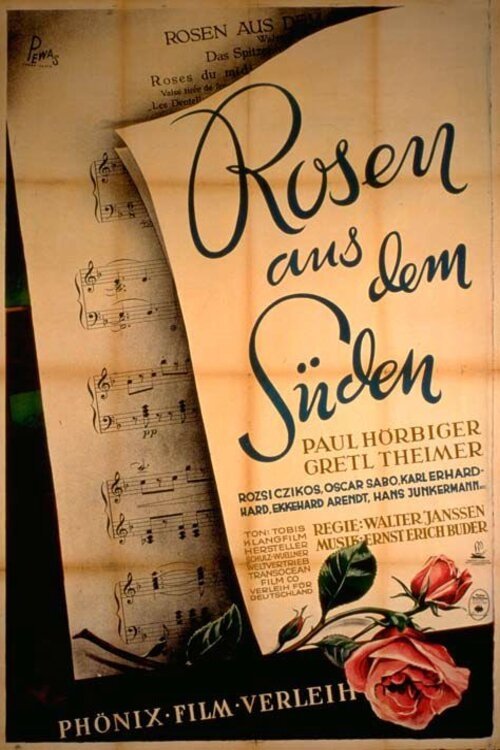
Johann Strauss helps the business of a Viennese wine merchant and his daughter by showing up to conduct the orchestra at a party.
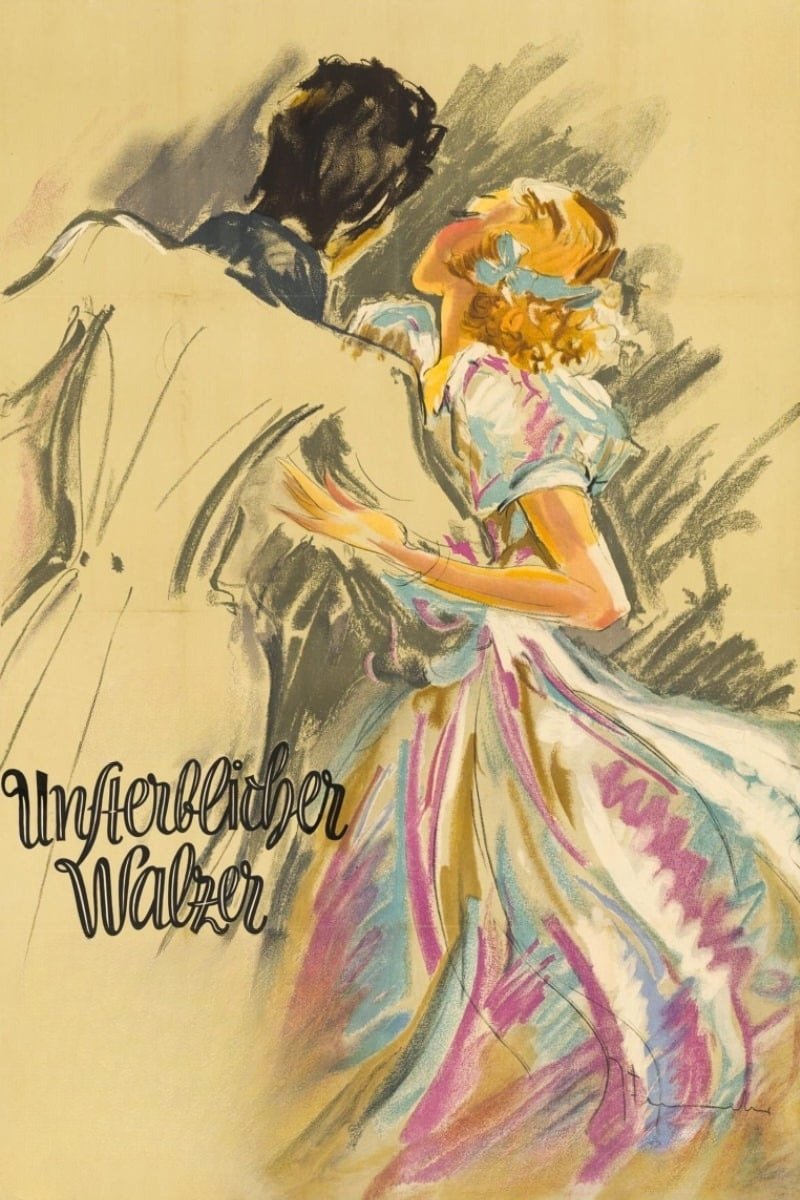
Johann Strauss firmly established himself as the leader of a dance orchestra in Vienna in the 1840s. His sons Johann junior and Josef have clearly inherited their father's talent. Nevertheless, father Johann is strictly opposed to both of them training as composers.
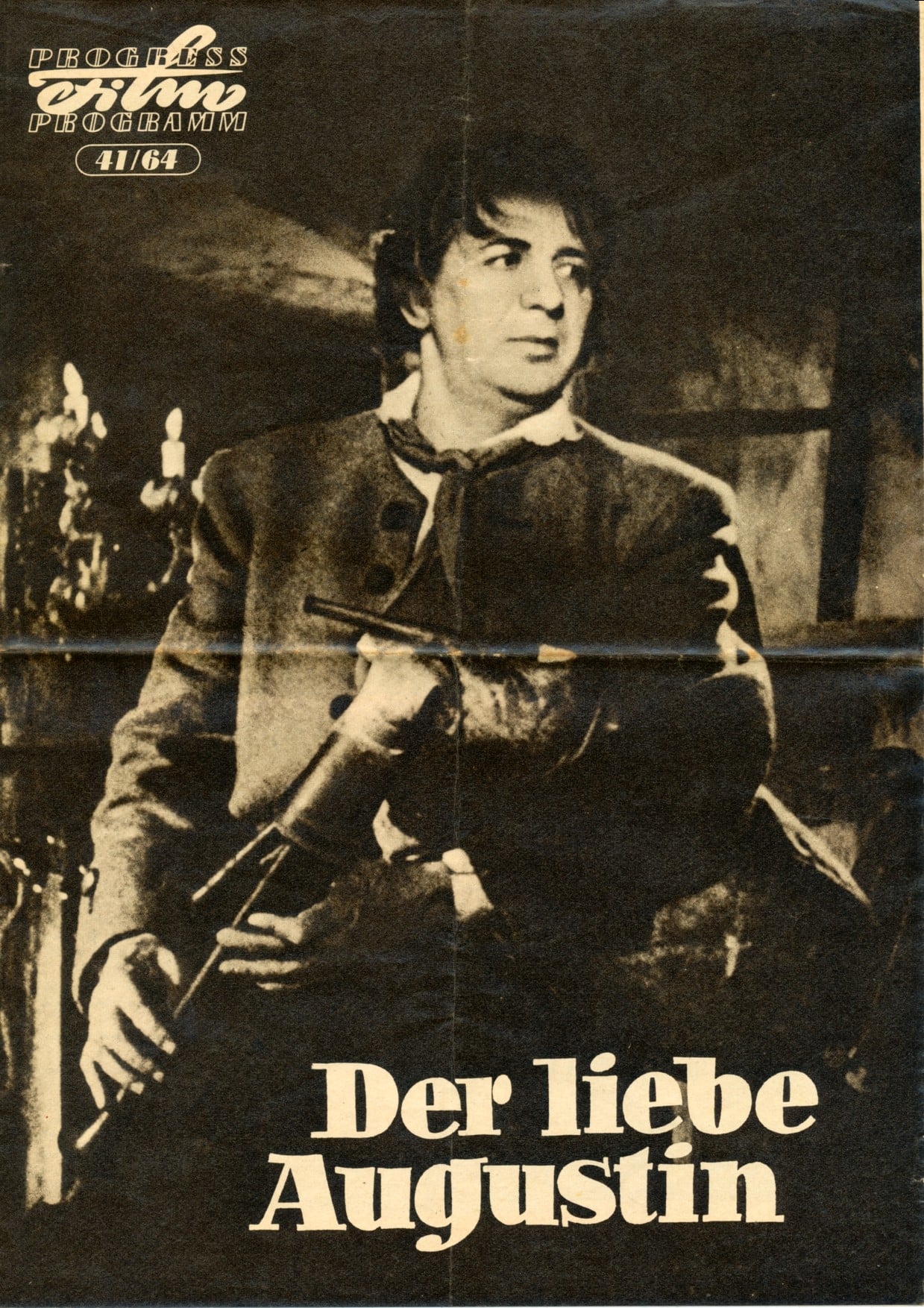
Vienna, sometime around 1680: Augustin makes fun of Leopold I mistress and in doing so, stirs up the passions of the people against the luxury-enjoying rulers, who neglect their people. He is arrested and sent to prison. When the plague breaks out, he manages to get out of prison, but accidentally ends up in a mass grave for victims of the plague
A young Viennese actor is having much success on the stage; but intrigue and confusion in his love life are making his life a living Hell.
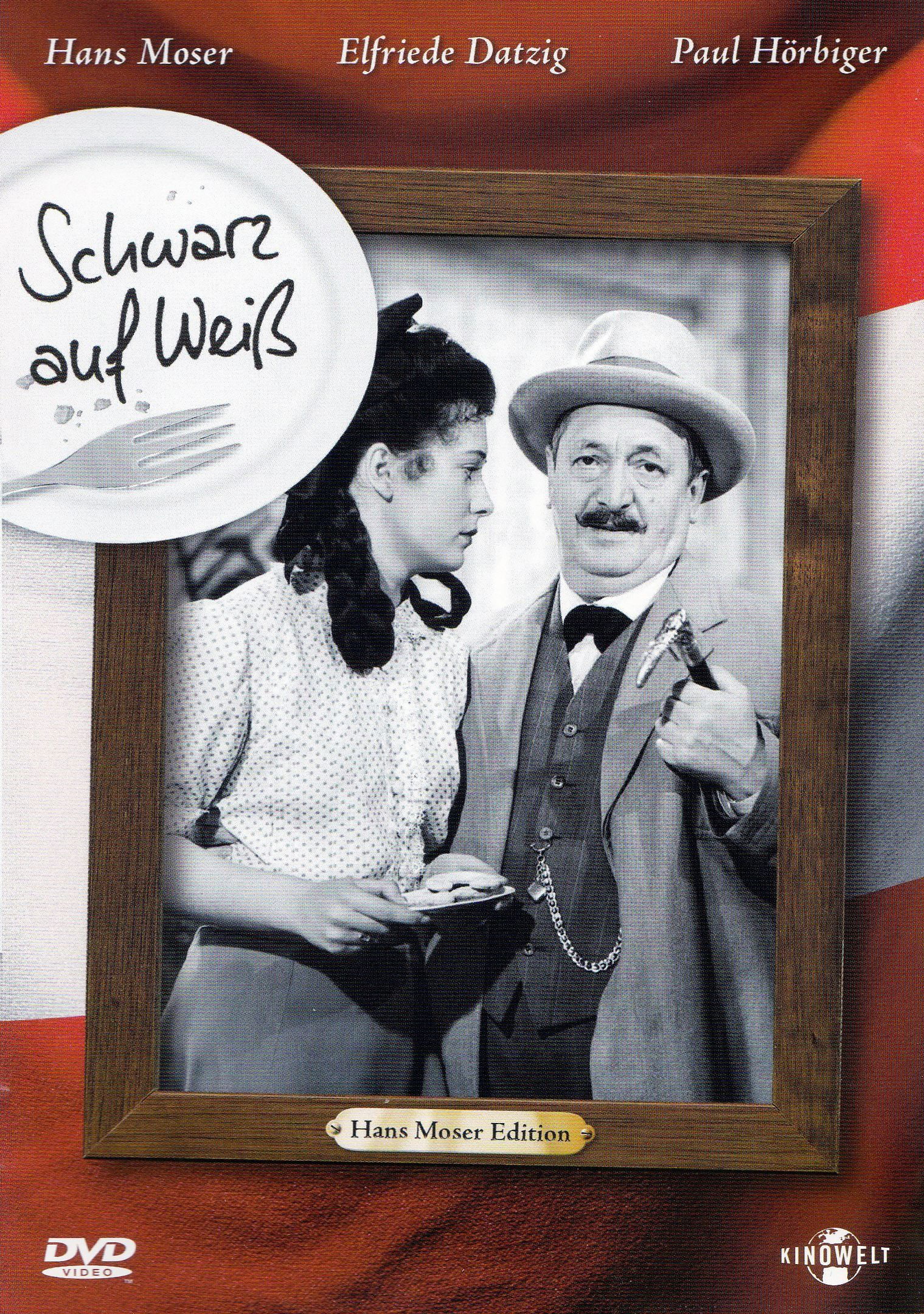
Vienna, around 1900. The master baker Streussler’s most ardent wish is to see his daughter Nelly as a student at the university. With the help of his famous “streusel cake” he succeeds in luring all kinds of helpers for this endeavor into his house. But Nelly has entirely different plans: she is in love with the chimney sweep Heinz, the son of a neighbor, with whom Papa Streussler has been fighting for years. So it’s no wonder then, that the grump confectioner is doing everything he can to break up the relationship.
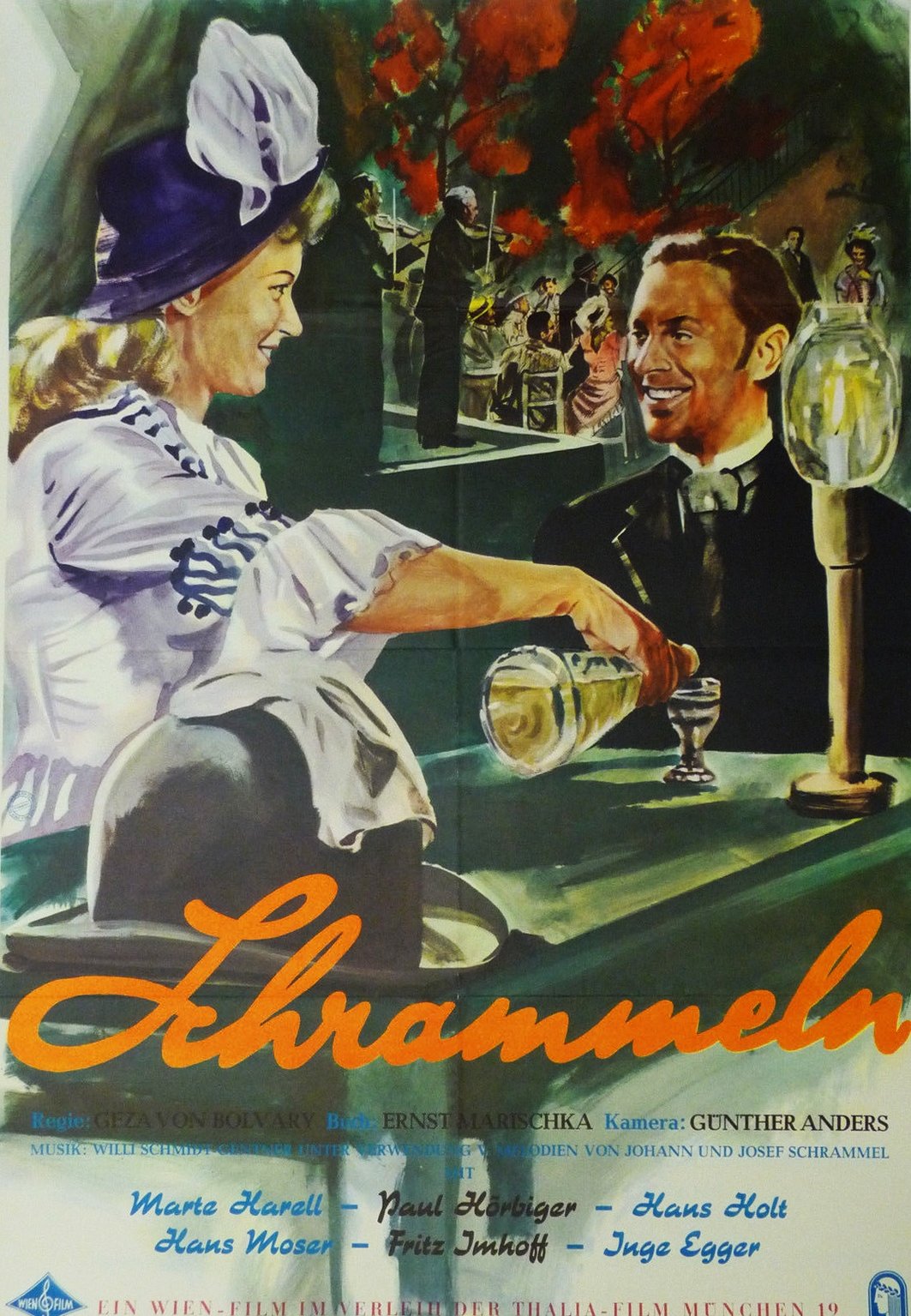
Without his brother's knowledge, Joseph Schrammel popularizes his songs in Vienna. When Johann learns of this, a dispute breaks out between the siblings and their two fellow musicians, which can only be resolved with the help of the singer Fiakermilli. The reconciled quartet then performs under the name "Die Schrammeln" and becomes famous. But another dispute is already looming.
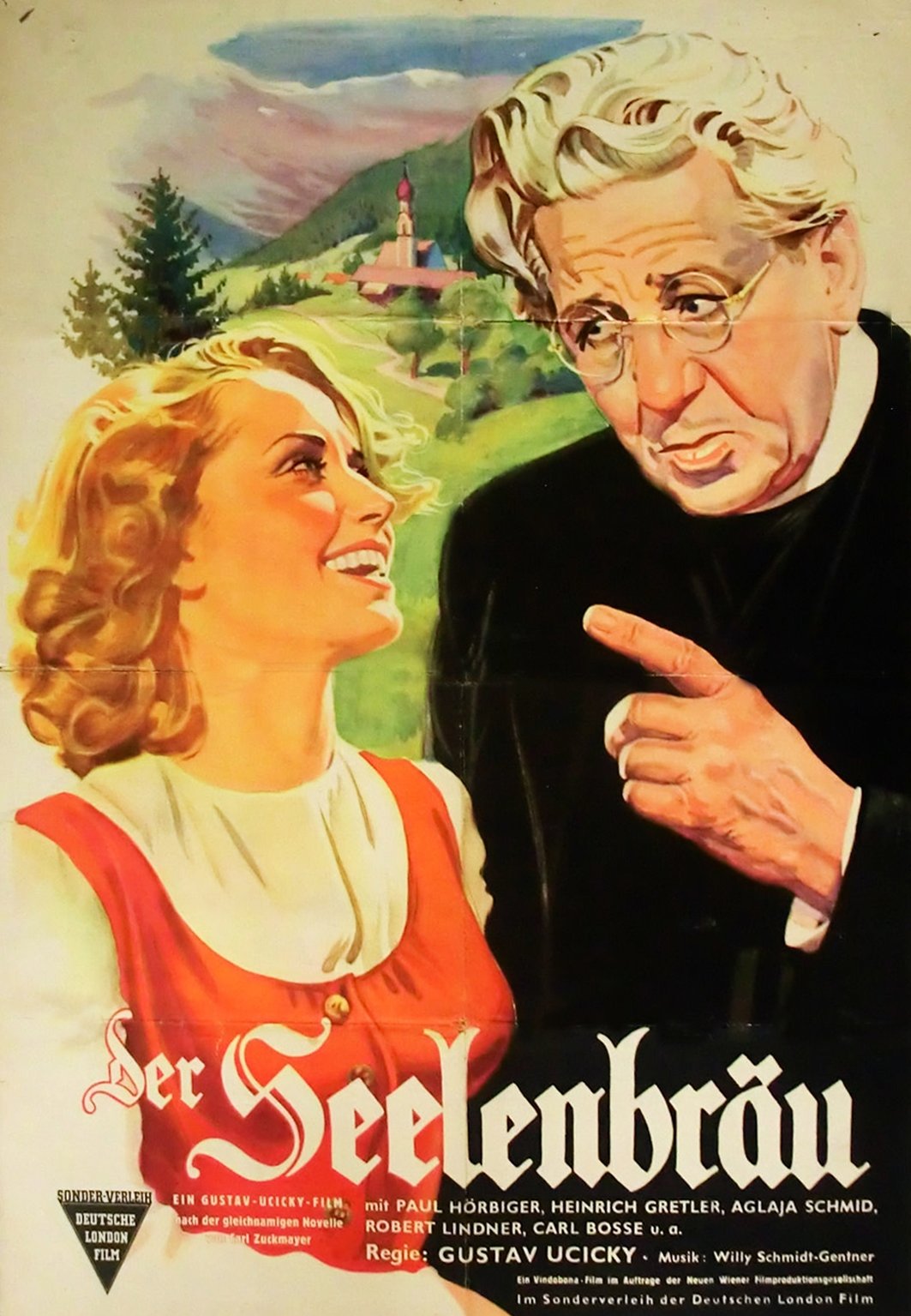
In Alt-Köstendorf in the Salzburg region, the dean, known as Seelenbräu, and the brewer Hochleithner, known in the village as Leibesbräu, are fighting for supremacy. As their nicknames suggest, Leibesbräu is primarily concerned with the physical well-being of the villagers, while Seelenbräu cares deeply about the faith of his congregation. This leads to repeated clashes between the two men, who could perhaps be described as stubborn. When Hochleitner's niece Clementine leaves the convent and wants to stay at home, a new dispute flares up between Seelenbräu and Leibesbräu.
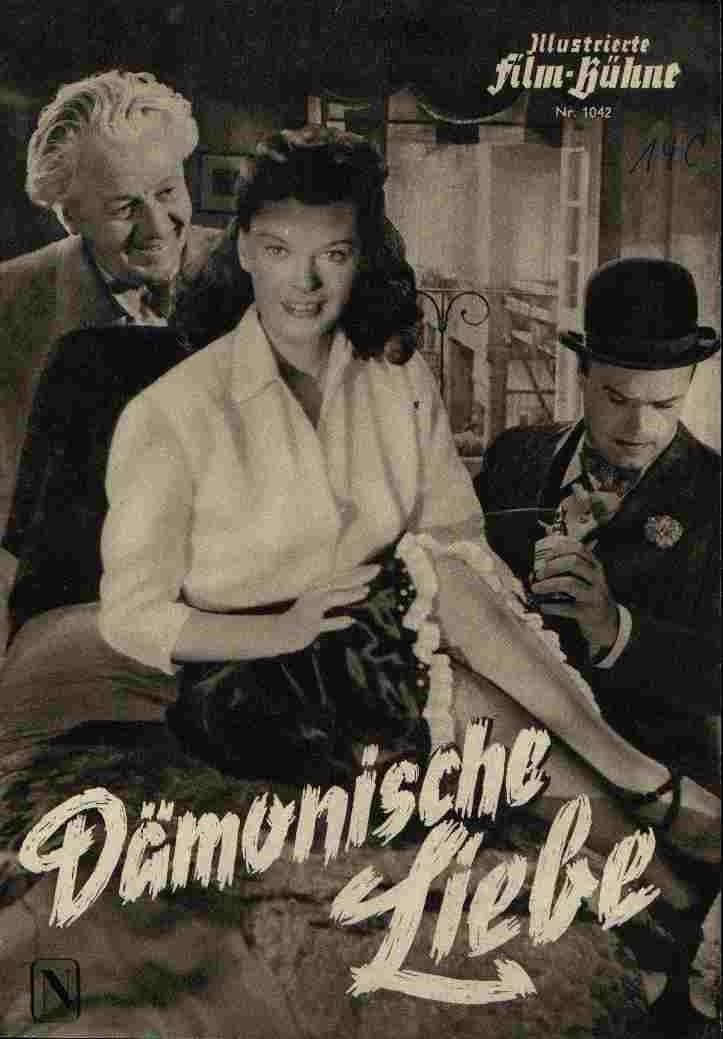
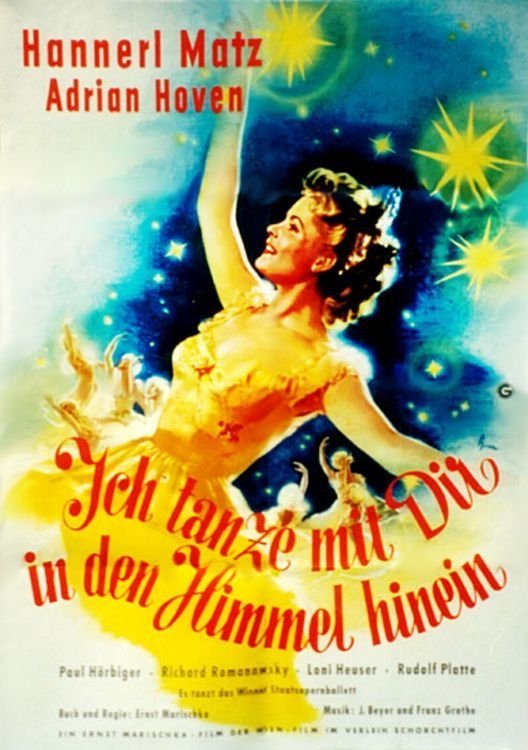
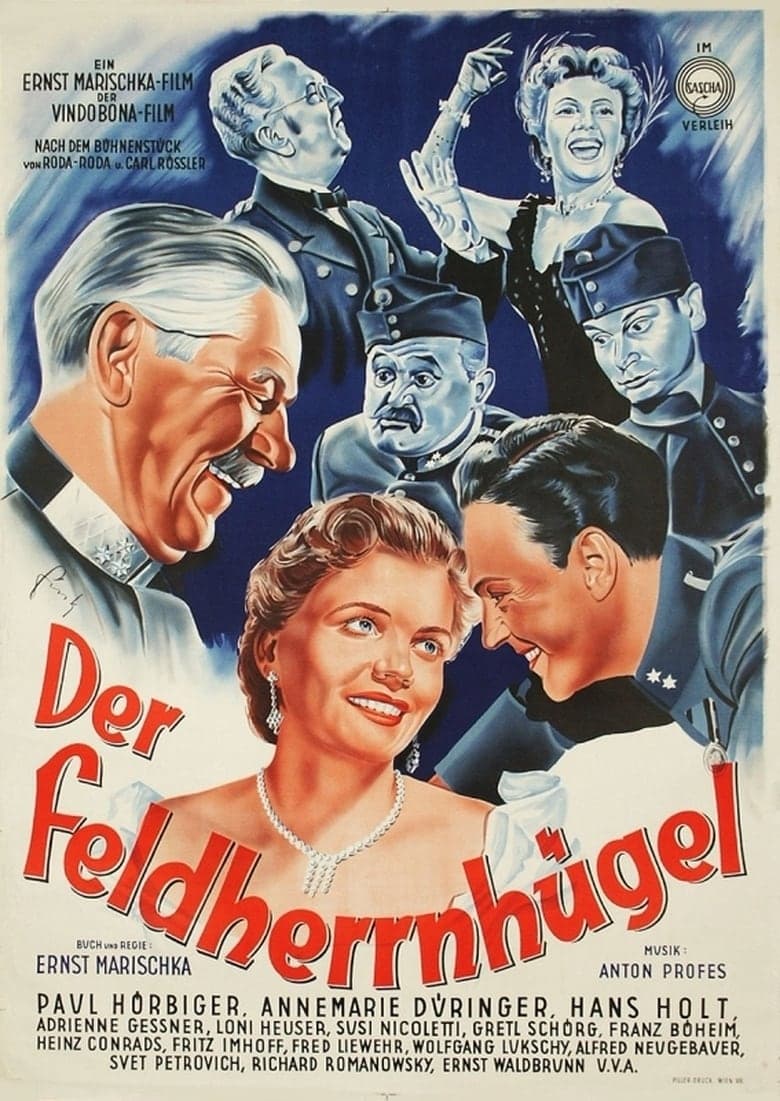
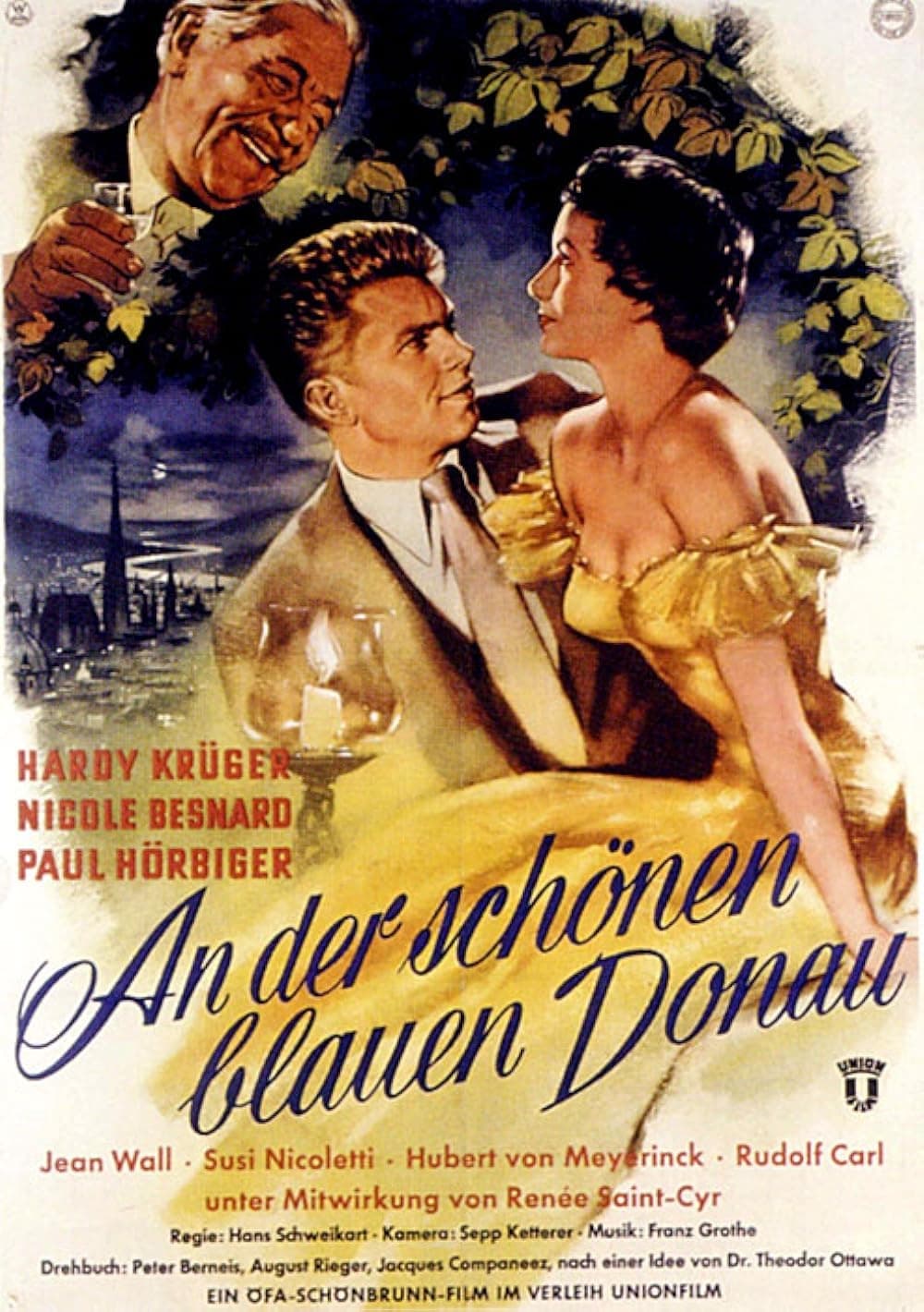
A young king and a princess are engaged to be married but have never met. Both are reluctant to take part in an arranged marriage but they meet in Vienna and fall in love.
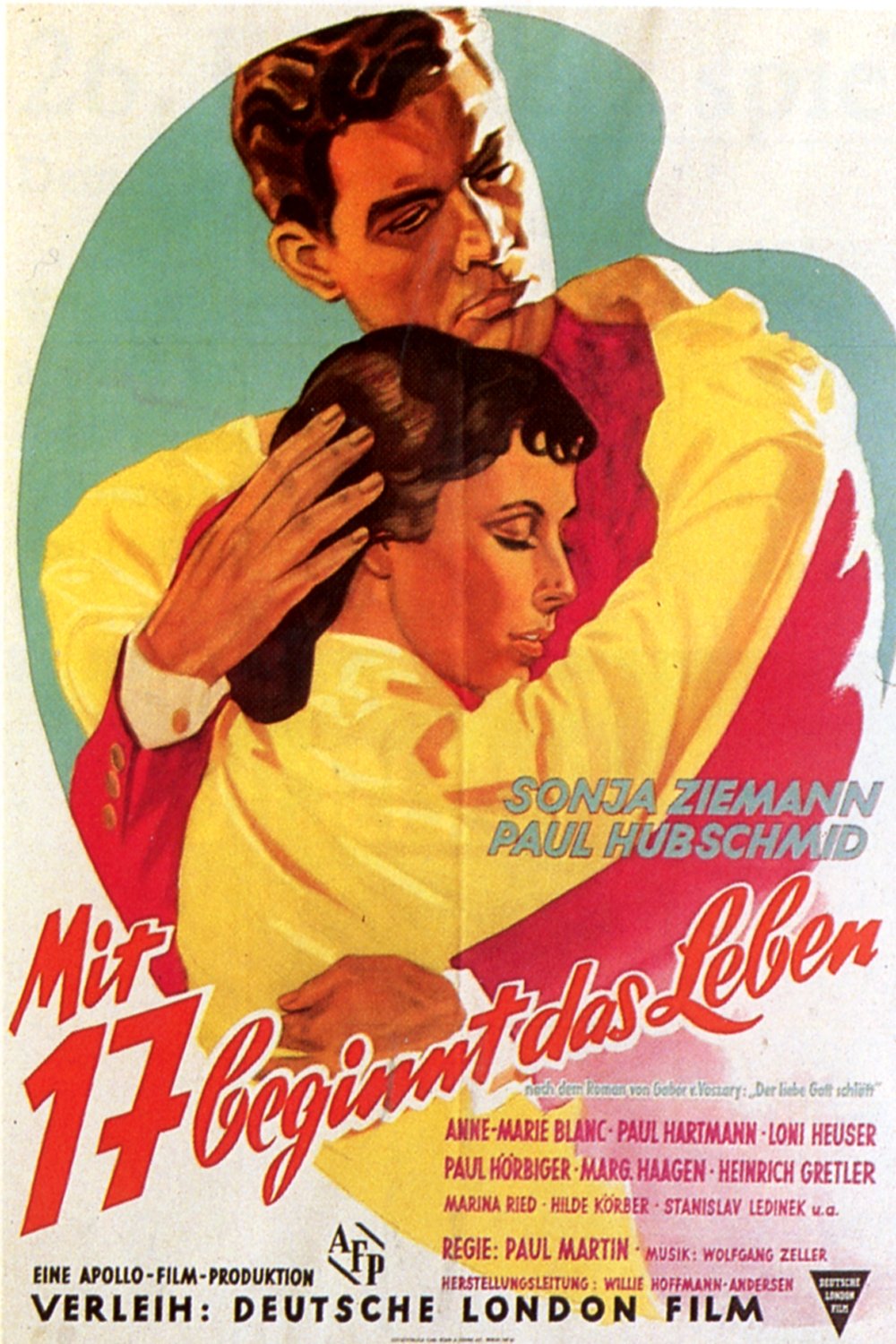

Matthias Scheichelroither is a poor but always cheerful, or rather, jolly farmer. He has grand plans for his son Heini, nicknamed "Heinerle": He intends for him to one day become a trained academic, a doctor. To achieve this, the old man scrims and saves to give Heinerle a perfect education. But Heini has other plans: Instead of focusing on his studies, he is drawn to music. With the help of Vivian Harrison, a wealthy American woman who is in love with him, he finally manages to organize his first concert as a composer.
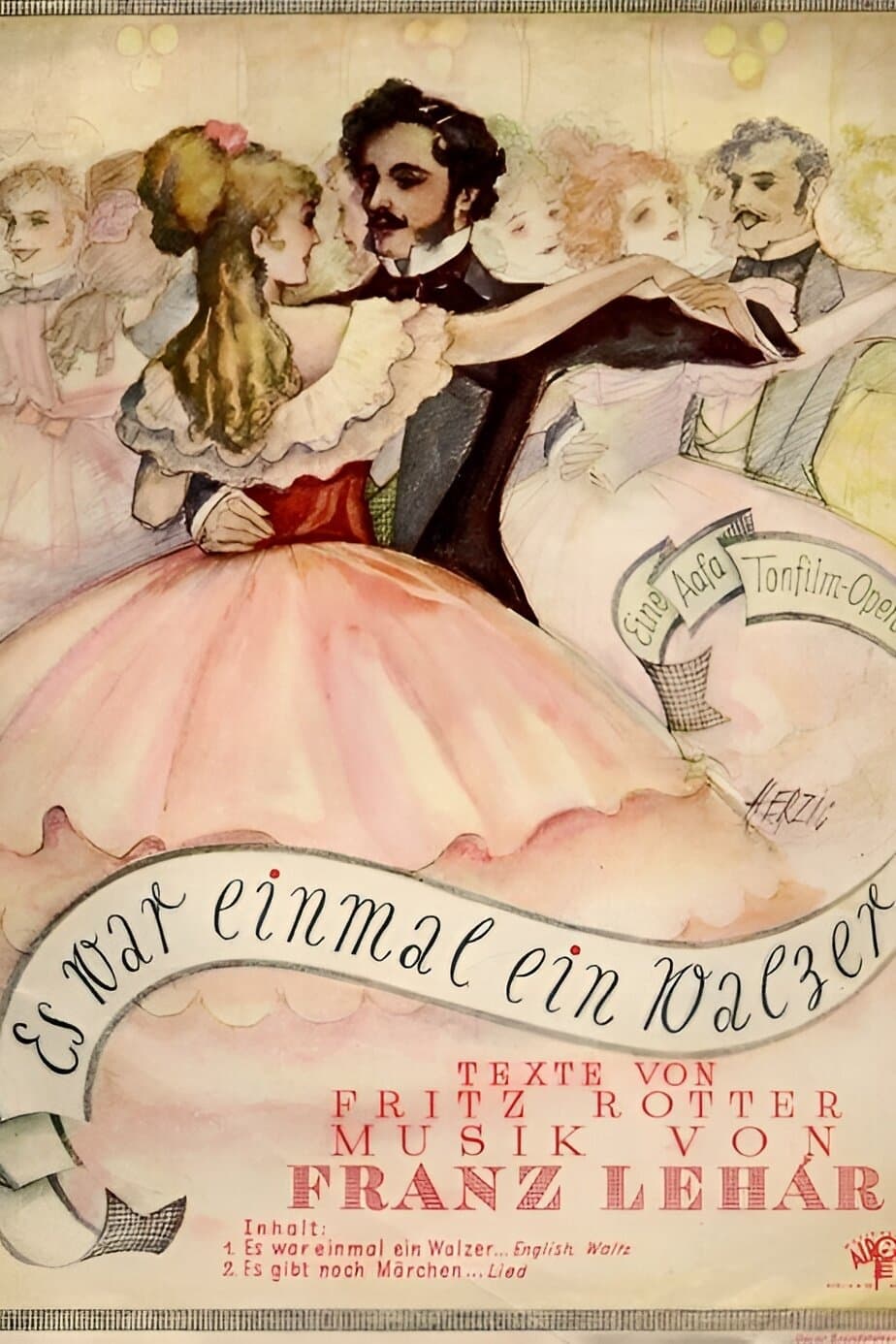
Banker Rudi Moebius and his counselor arrive in Wien for an arranged marriage which should solve their financial problems. Only they don't know, but Lucie Weidling is broken too, and in love with Gustl, a musician without the courage to elope. Meanwhile Rudi meets Steffi and falls in love not even knowing her name. He and Lucie become good friends and decide to help each other.
A celebration of strong Prussian leadership during the reign of Frederick the Great.
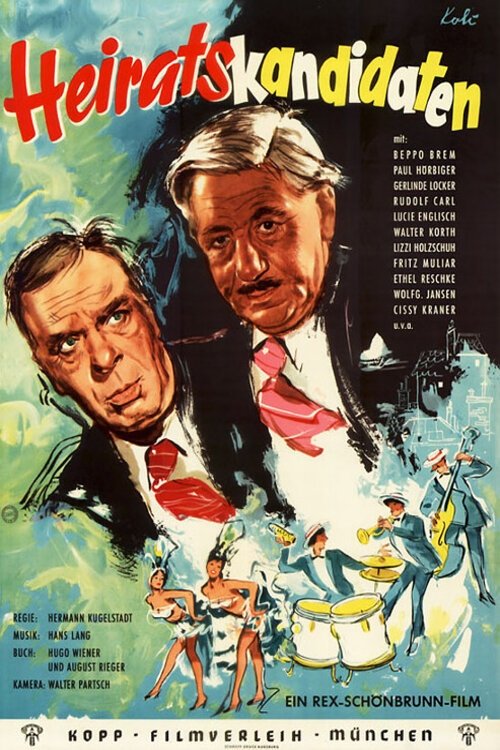
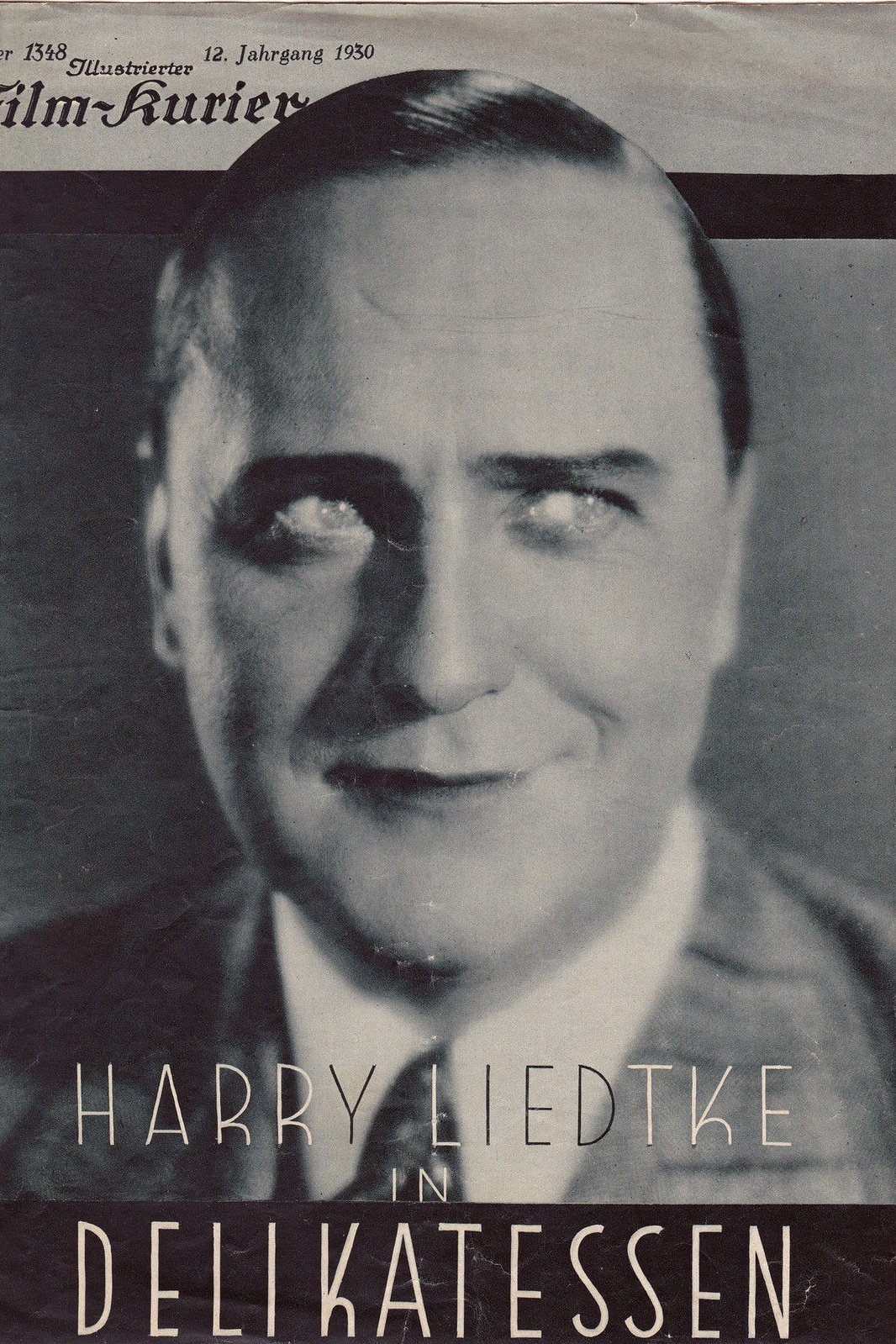
Friends Franz and Bela work in a deli belonging to Mr. Wallis. Franz is the manager and Bela a salesclerk. Both get to know the lovely Lilo. But while Bela is rebuffed, the charming womanizer Franz is more successful. After a boisterous celebration in the deli, Mr. Wallis tells Franz to get lost and hires Lilo as a new salesperson. Franz and Bela take a job at Mr. Markow's deli across the street and a serious competition begins between the two delis for survival.
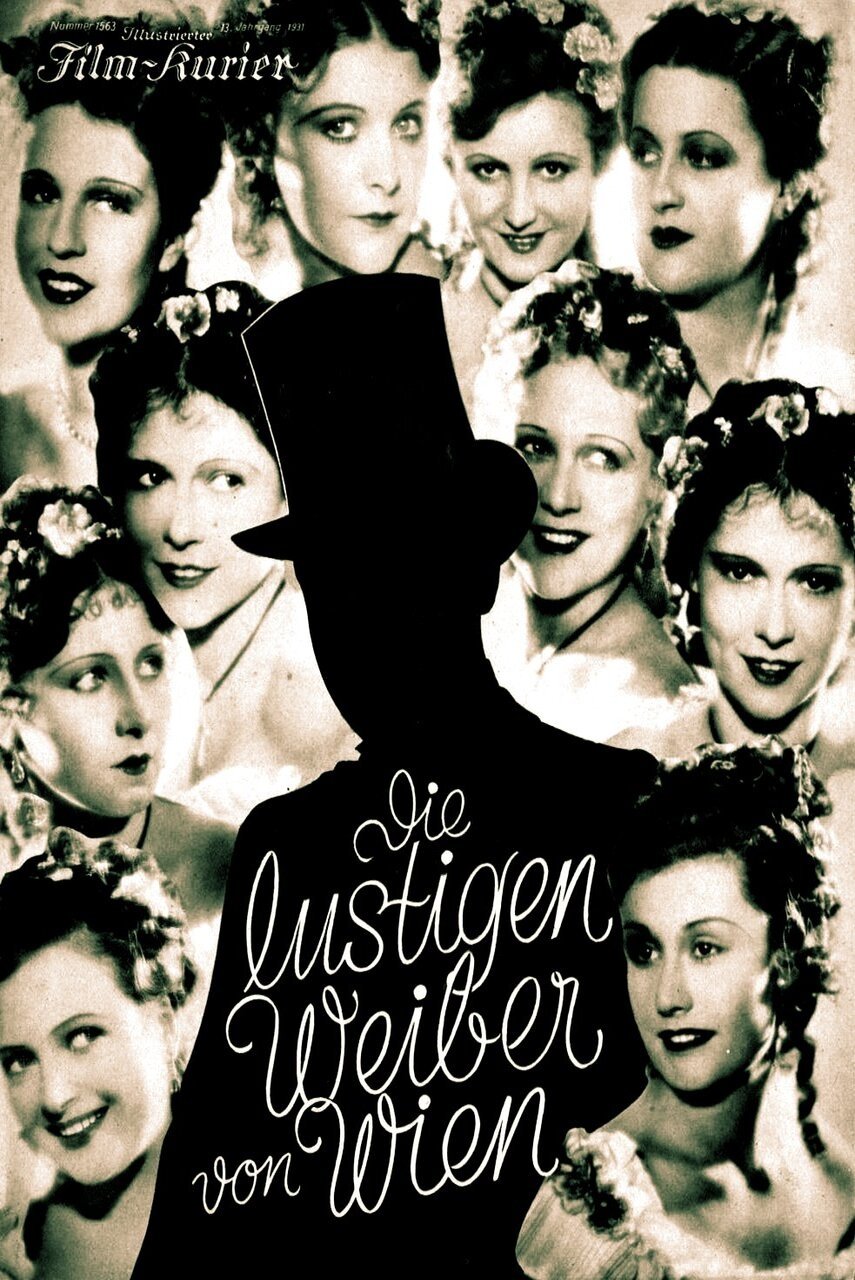
A dance teacher helps his ten well-bred student sisters when they leave home as a protest against their father's intended wedding. They form a café group called Die lustigen Weiber aus Wien (The merry Viennese girls).
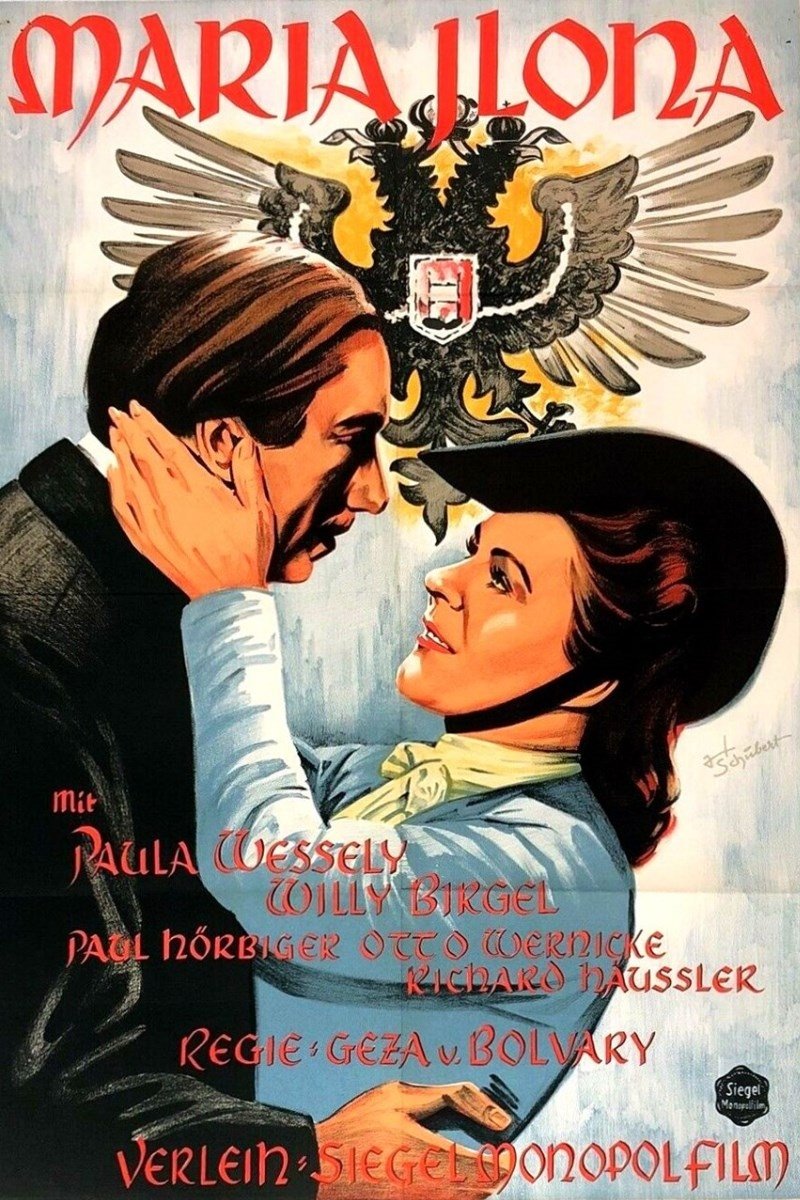
In 1848, the freedom-loving Hungarian people, led by Ludwig Kossuth, rose up against the hated rule of the Austrian Habsburg dynasty. In its expansionist policy, the Austrian monarchy had long relied on Hungarian feudal lords who betrayed the interests of their people. The anger of the rebels was directed against the Austrian oppressors and their Hungarian supporters. Against the backdrop of these historical events, the personal fate of the Hungarian patriot Maria Ilona is shown.
Herzensfreud-Herzensleid (literally translates to "Heartfelt Joy - Heartbreak"), the 1940 Hubert Marischka German family relationship romantic comedy starring Magda Schneider, Paul Horbiger (later, he appeared in "The Third Man"!), Olly Holzmann, Lucie Englisch, and Walter Muller. It appears this movie was never released in the U.S.

A melodrama about a self-sacrificing mother who, after her husband is struck by lightning, has to raise her three sons and one daughter alone. She buys a small laundry in Vienna and does everything she can to give her children a good life. When one of her employees becomes pregnant by one of her sons, she demands that the two marry. Another son has to leave home after an argument. The third son goes blind. For him, the mother makes her greatest sacrifice: she donates her cornea. Finally, she reconciles with the son who left home and, as a grandmother, can look back on a difficult but fulfilling life.

Remake of the 1931 film The Man in Search of His Murderer.
After high school the lover's Ursula and Gerhard paths part: she stays in the small town, while he attends university in Hamburg to become a composer. While she remains faithful to their love, he forgets more and more about her when he becomes successful as song writer for the famous singer Dahl. Disappointed, Ursula turns to Gerhard's former friend Peter.
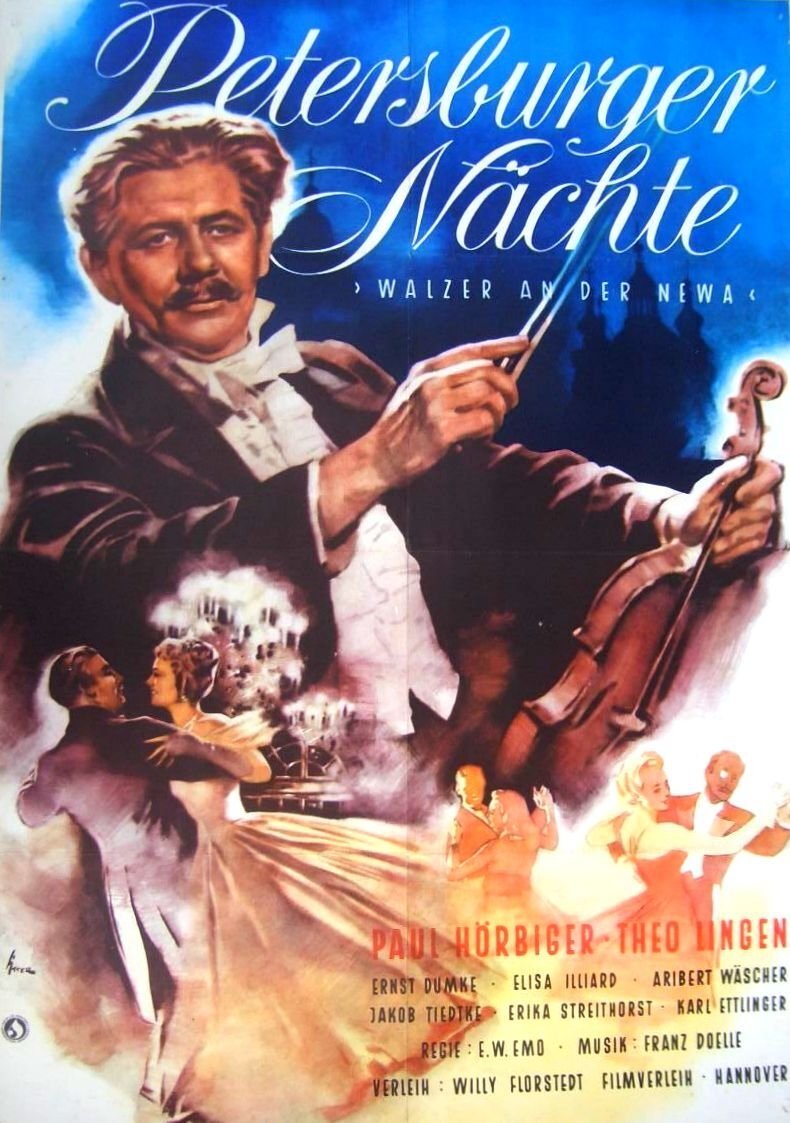
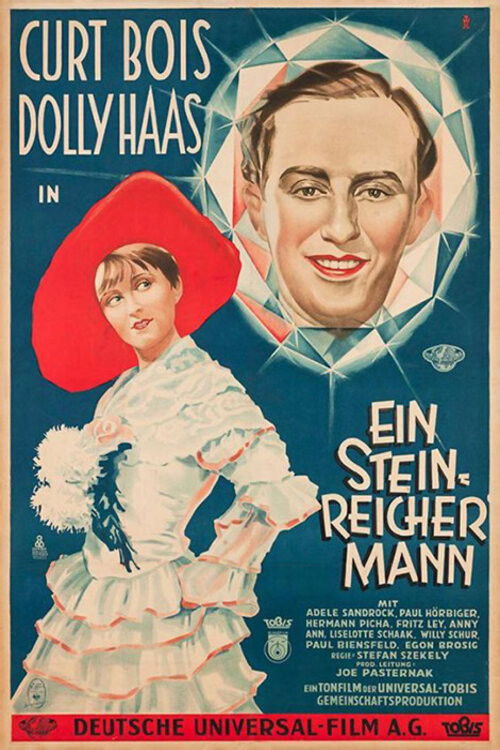
A man swallows a diamond - and suddenly all people around him change their attitude towards him.
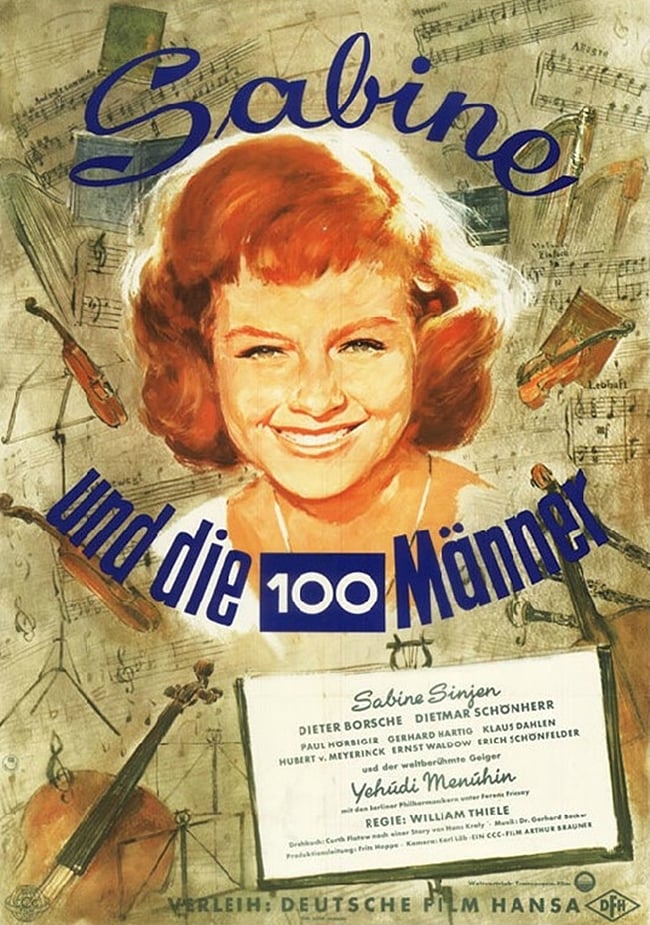
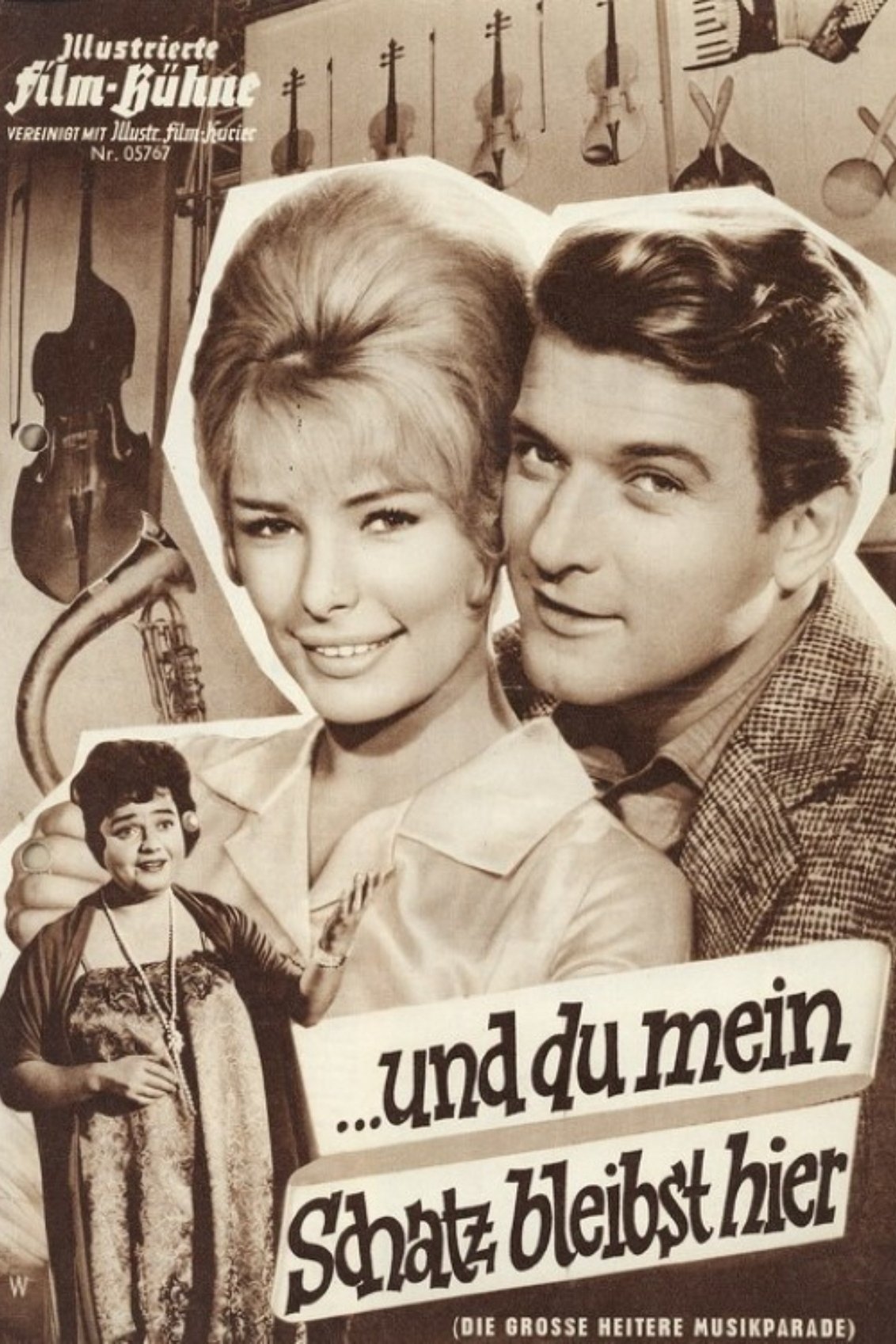
Instead of attending seminars and lectures at the University of World Trade, Peter Baumann prefers to work exclusively in the student orchestra. With his friends Hans, Tommy, Udo, Gus and Max, he tries so far in vain to get a recording contract or at least an audition in the Wiener Stadthalle.
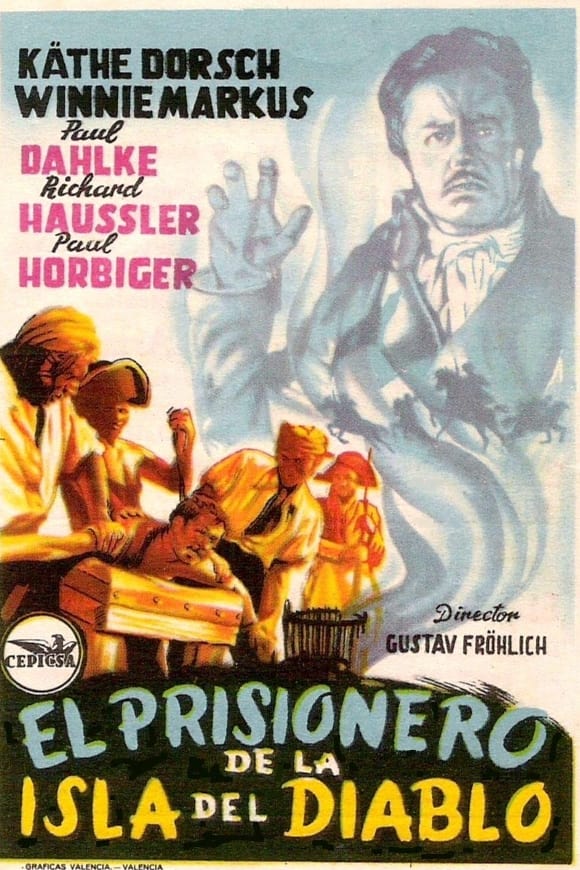
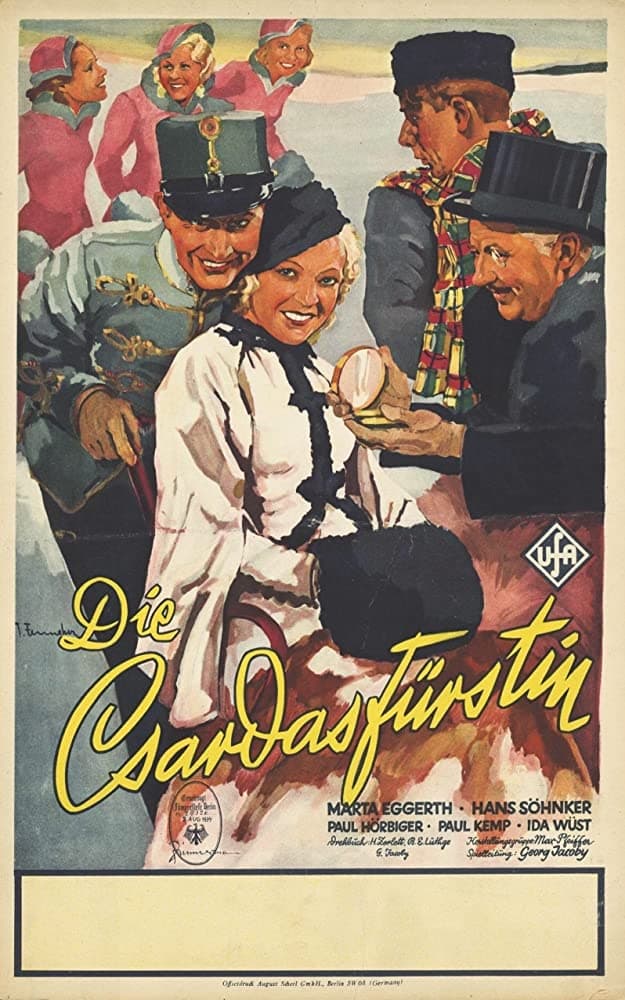
Sylva Varescu is an operetta singer performing Kálmán's Die Czardasfürstin through Europe with great success. Before going to Vienna she meets handsome Prinz Weylerstein and they fall in love. Offered a contract for America, she doubts until she finds out that he is already engaged to a countess.
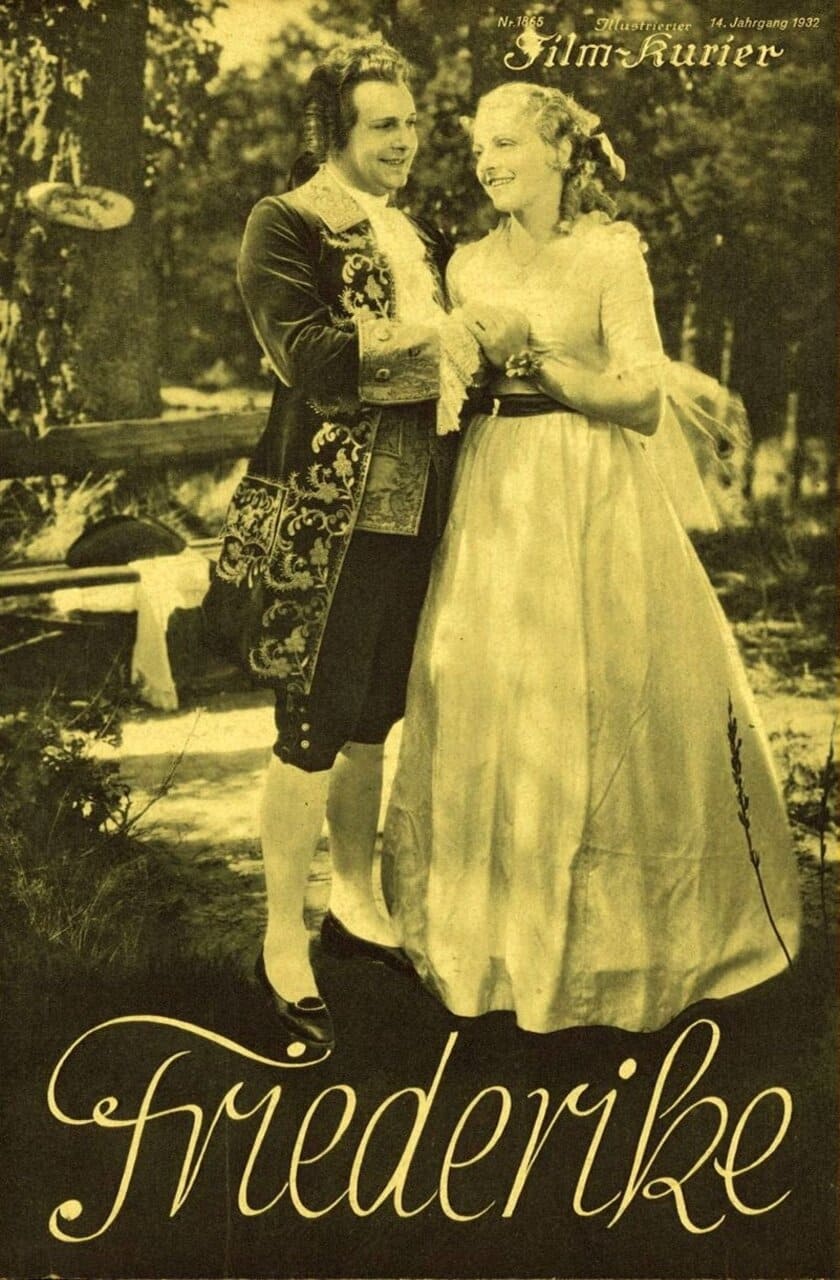
Based on Franz Lehar's operetta, about the first woman whom the great German writer Goethe fell in love with.
A town's business begins to suffer, when a military outfit is confined to quarters for three weeks because they have been harassing the local women.
A love story based in Munich in 1852: An Austrian officer belonging to the nobility has the mission of ensuring the young Kaiser Franz Joseph doesn’t endanger his future marriage to Princess Elisabeth by his acquaintanceship with the daughters of a coffee-house owner.
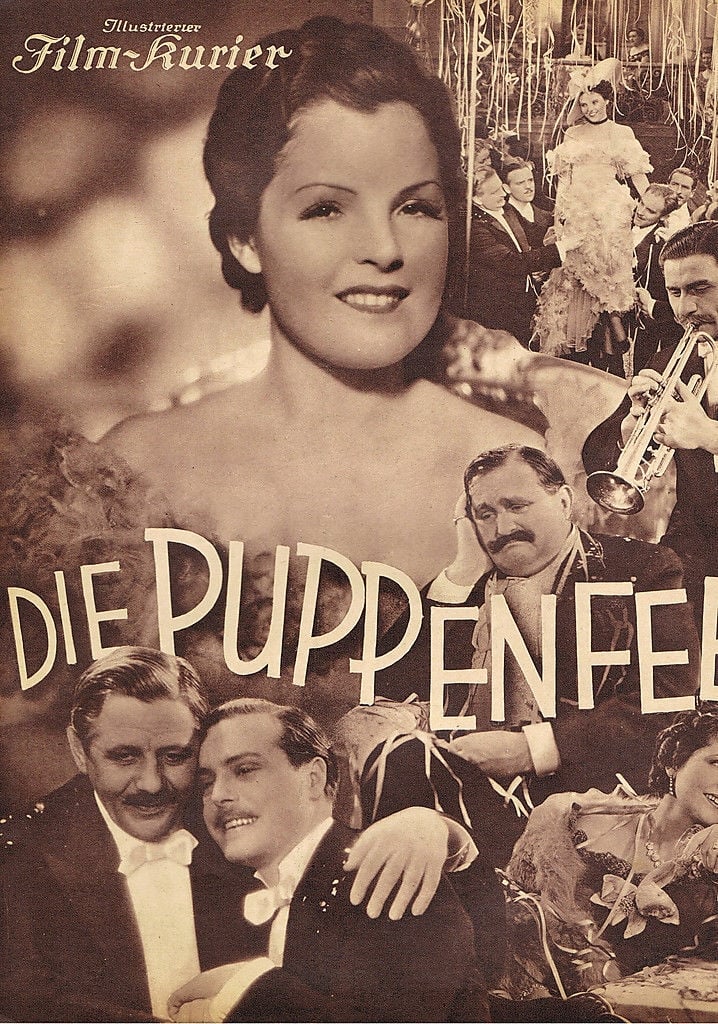
A girl from a noble family falls in love with a boy in financial difficulties.

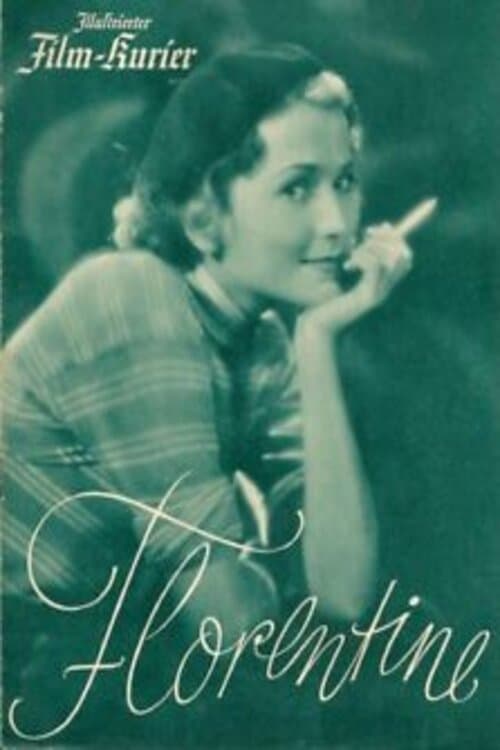
Two members of a traveling troupe are reduced to the status of hoboes. They pretend to be a famous composer and his colleague, to improve their prospects.

A doctor needs to educate and civilize a young woman before he can marry her.
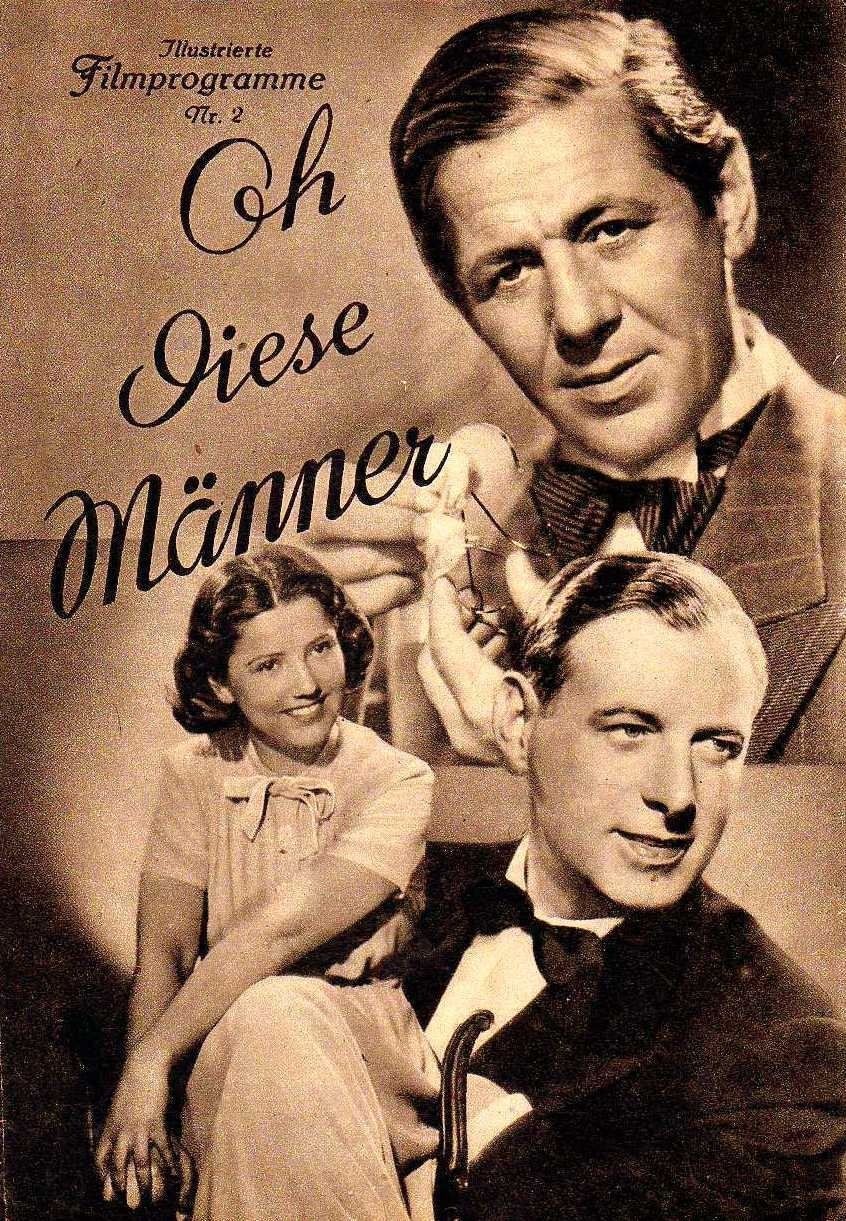
Eberhard gets into a brawl with Dr. Spindler not knowing that he just slapped his boss. To avoid the embarrassment Eberhard asks his friend Frank to substitute for him in the meeting with Dr. Spindler. Which accelerates the ensuing chaos.
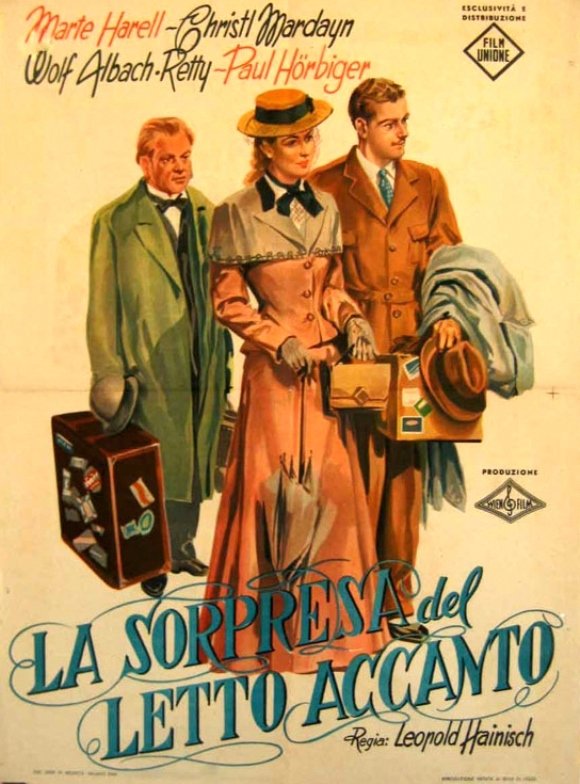
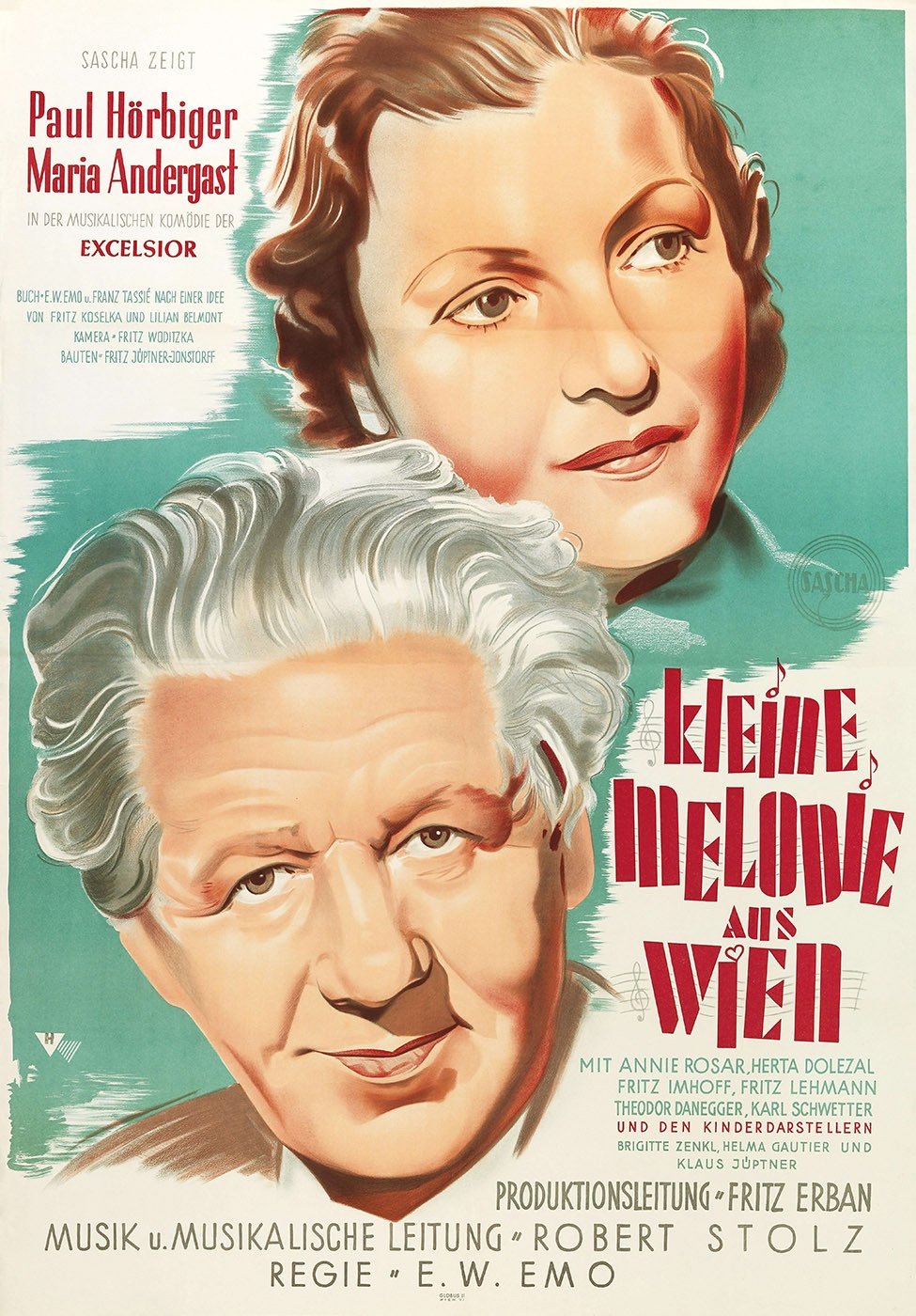
Vienna shortly after World War II. A music professor, in whose house a young widow with three children is quartered by the housing office, changes under the influence of the charming lady.
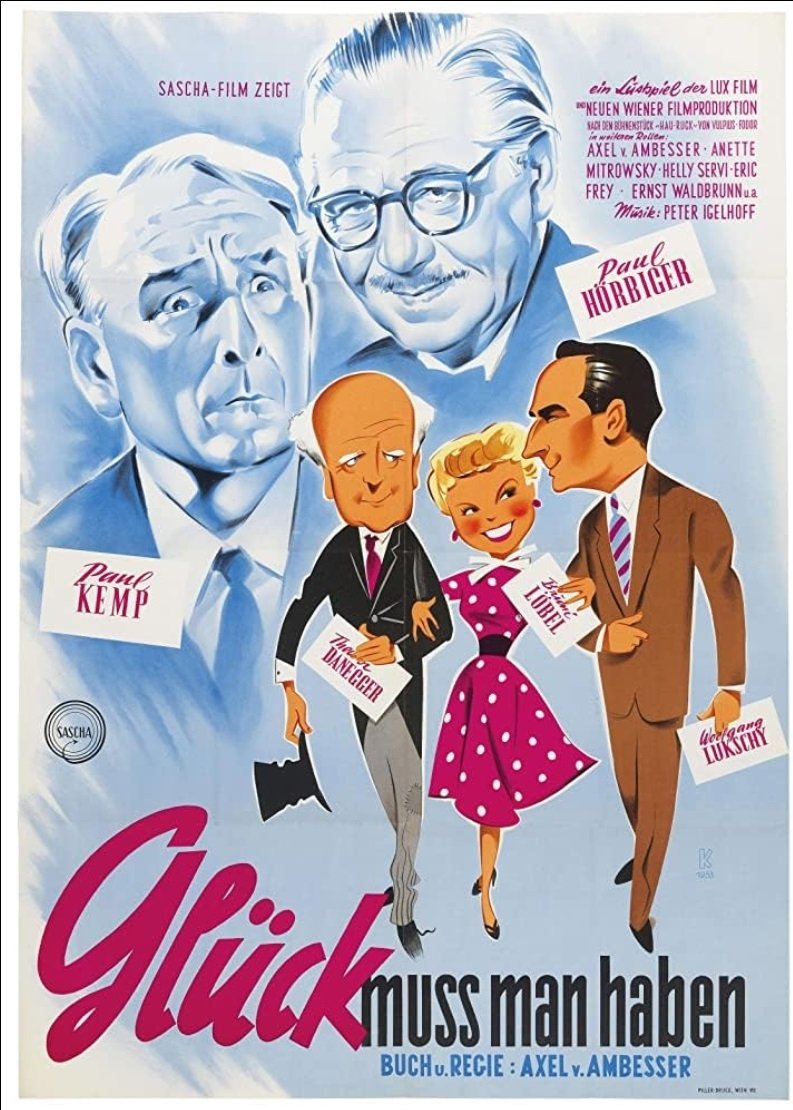
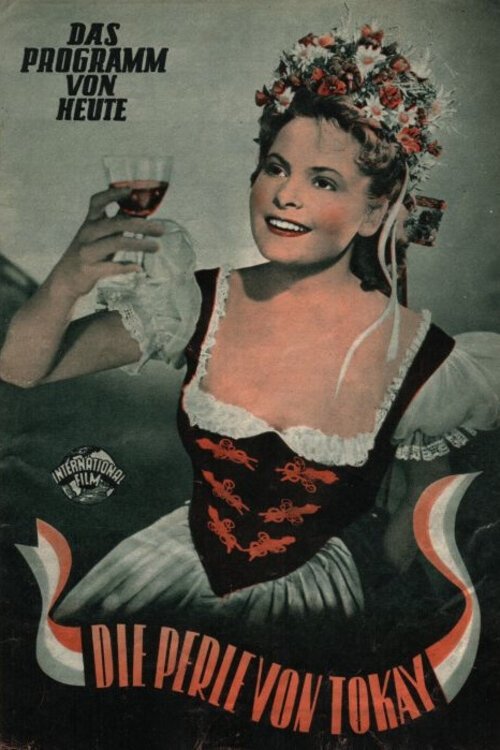
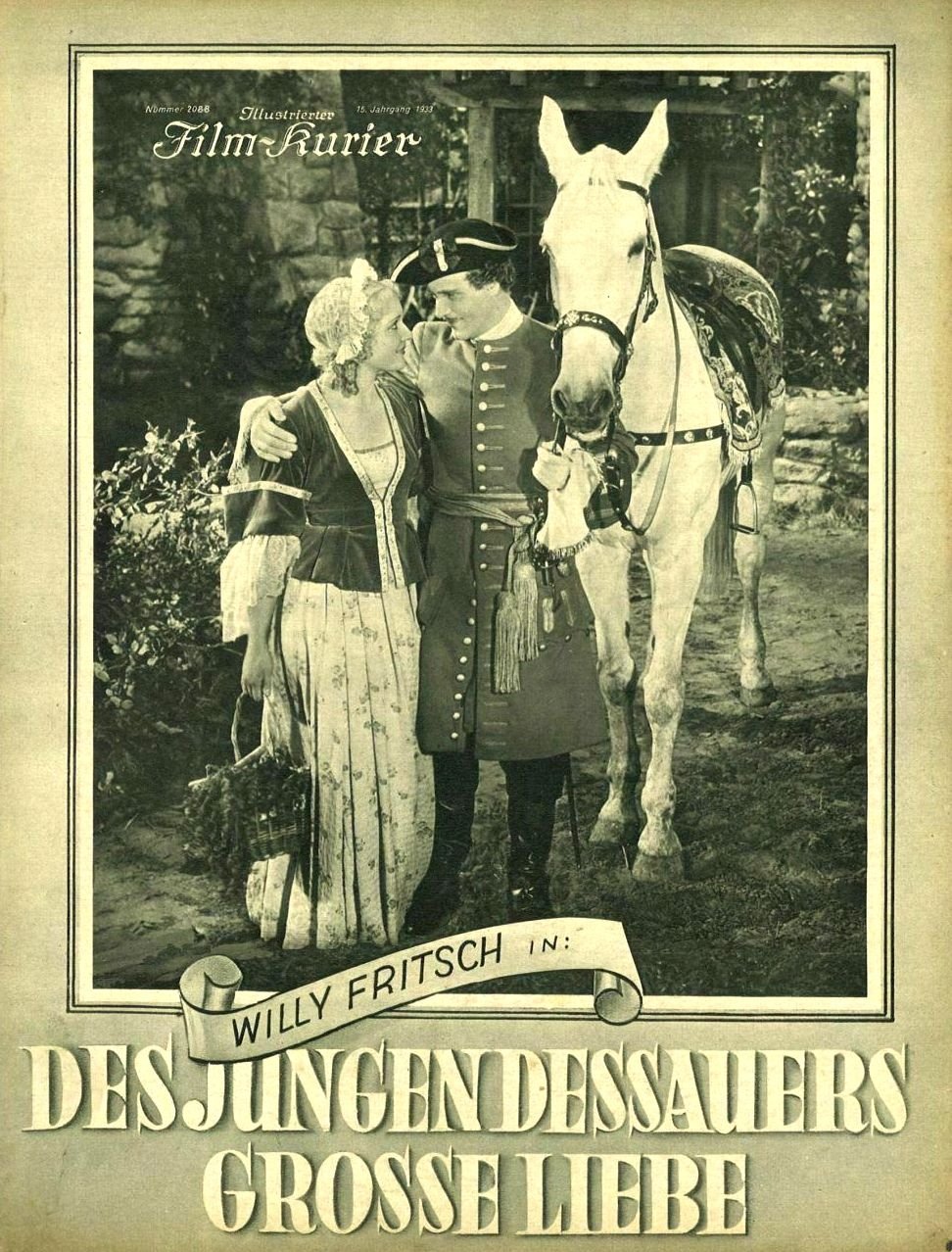
Period romance set in Bismarck's Second Empire about a nobleman who wants to marry the daughter of a lowly pharmacist.
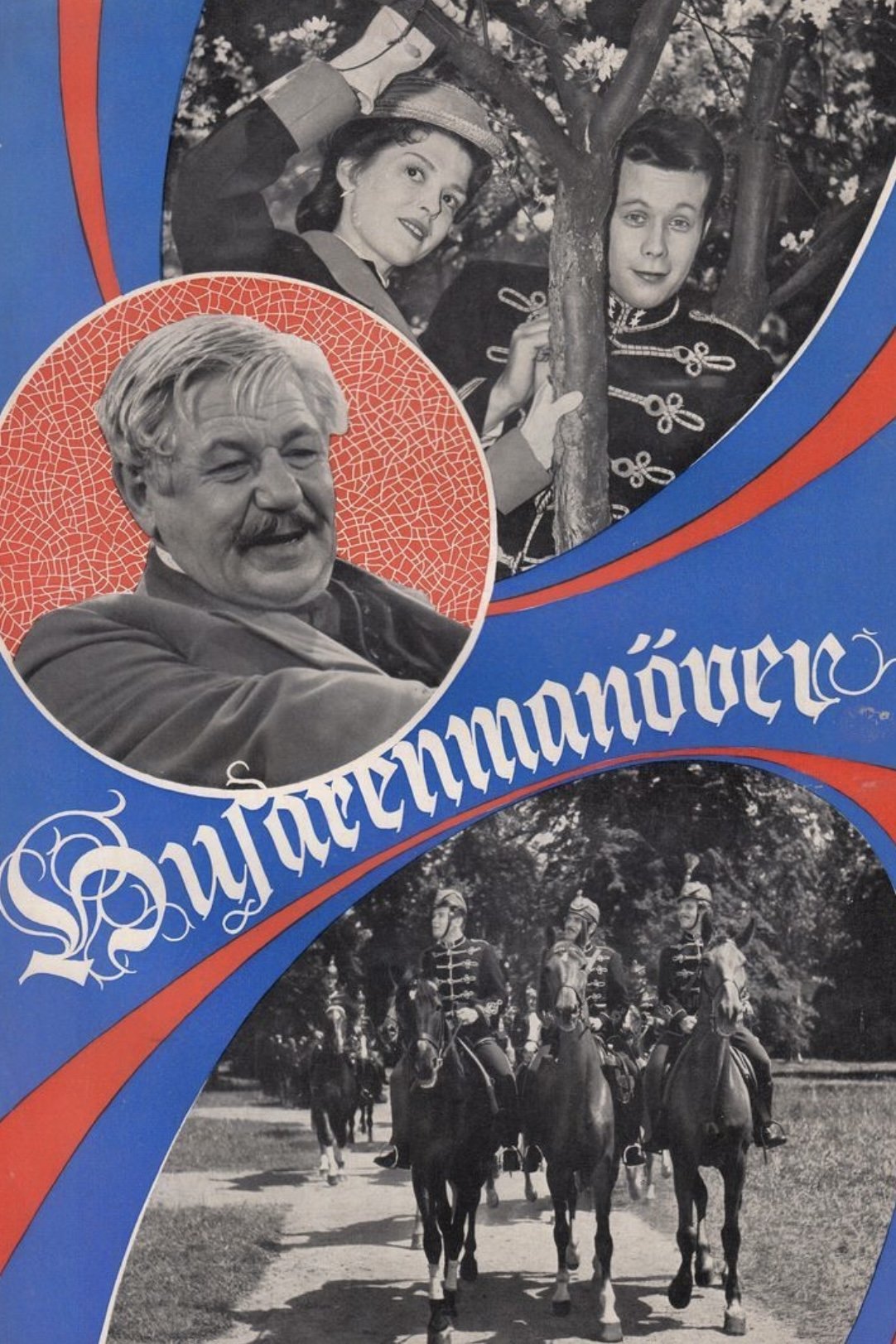
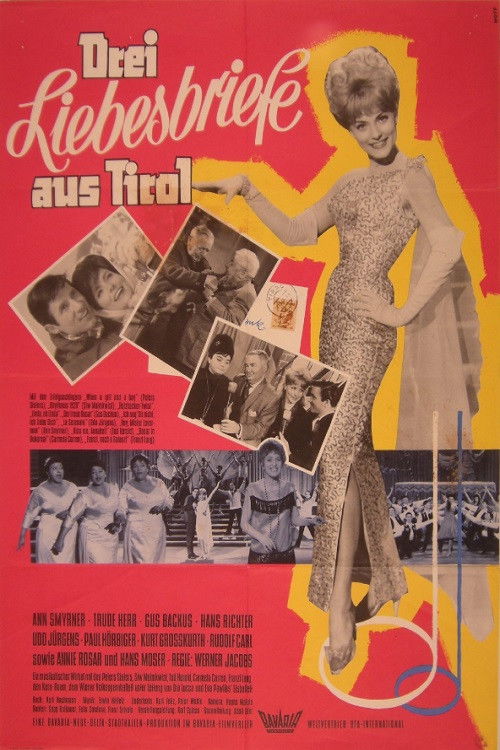
Martin Hinterkirchner, dissatisfied with his position, sends the hits he has secretly composed to a manager. One of them would be ideal for the famous singer Linda Borg, but her manager refuses. Unfortunately, Martin now blames Linda and has nothing good to say about her - in contrast to his grandfather Leopold, who met Linda at a dog show. When Martin stands in for his untalented friend Peter as a singer at a hit song competition and mistakenly believes he has failed, he returns to his Tyrolean home village of Himmelberg. Peter, on the other hand, accepts a contract even though he cannot sing the required duet with Linda Borg and looks for excuses. Linda travels to Tyrol in a bad mood because she has received love letters from there. She has no idea that Martin's grandfather Leopold is the secret sender who wants to get her to sing Martin's hits.
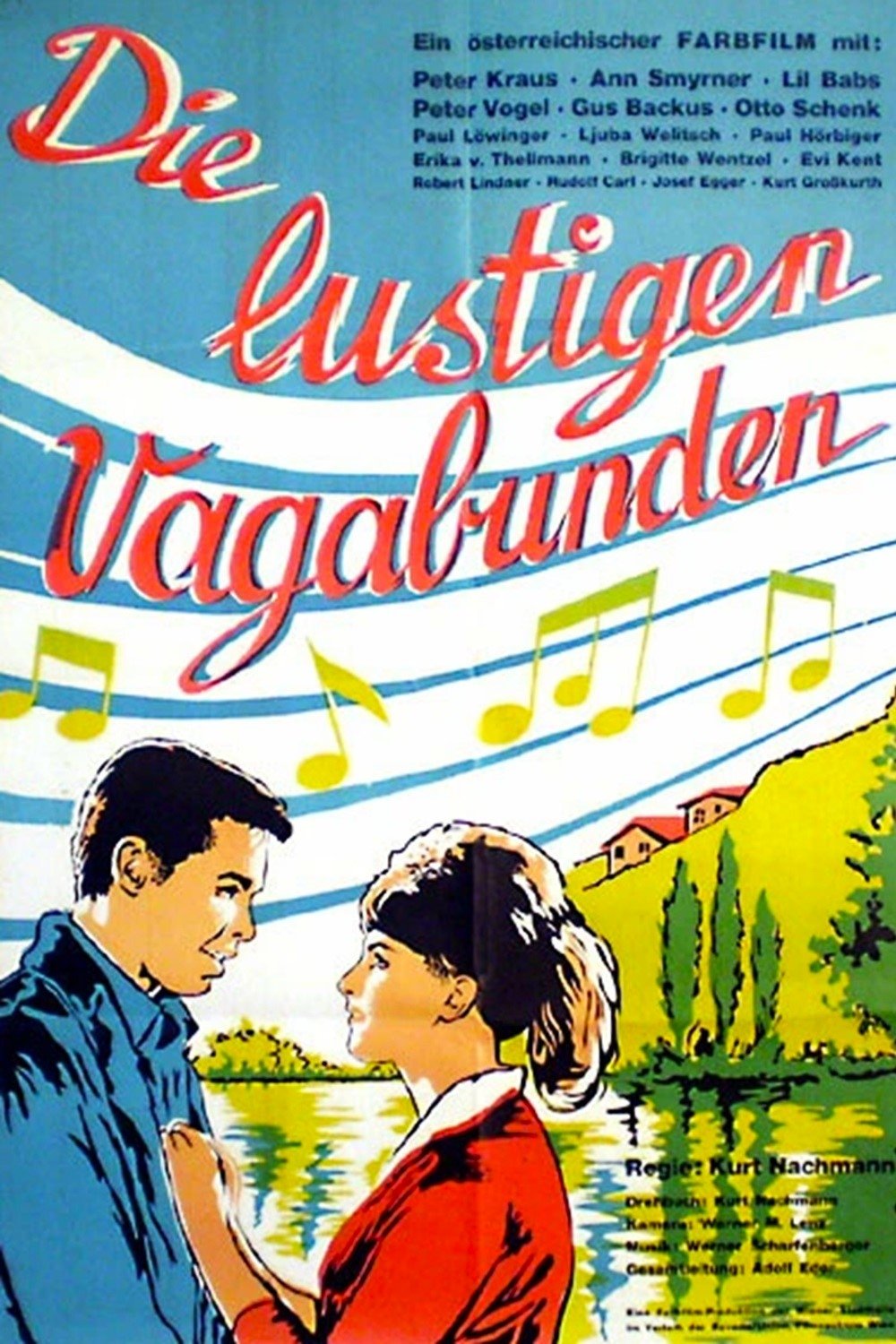
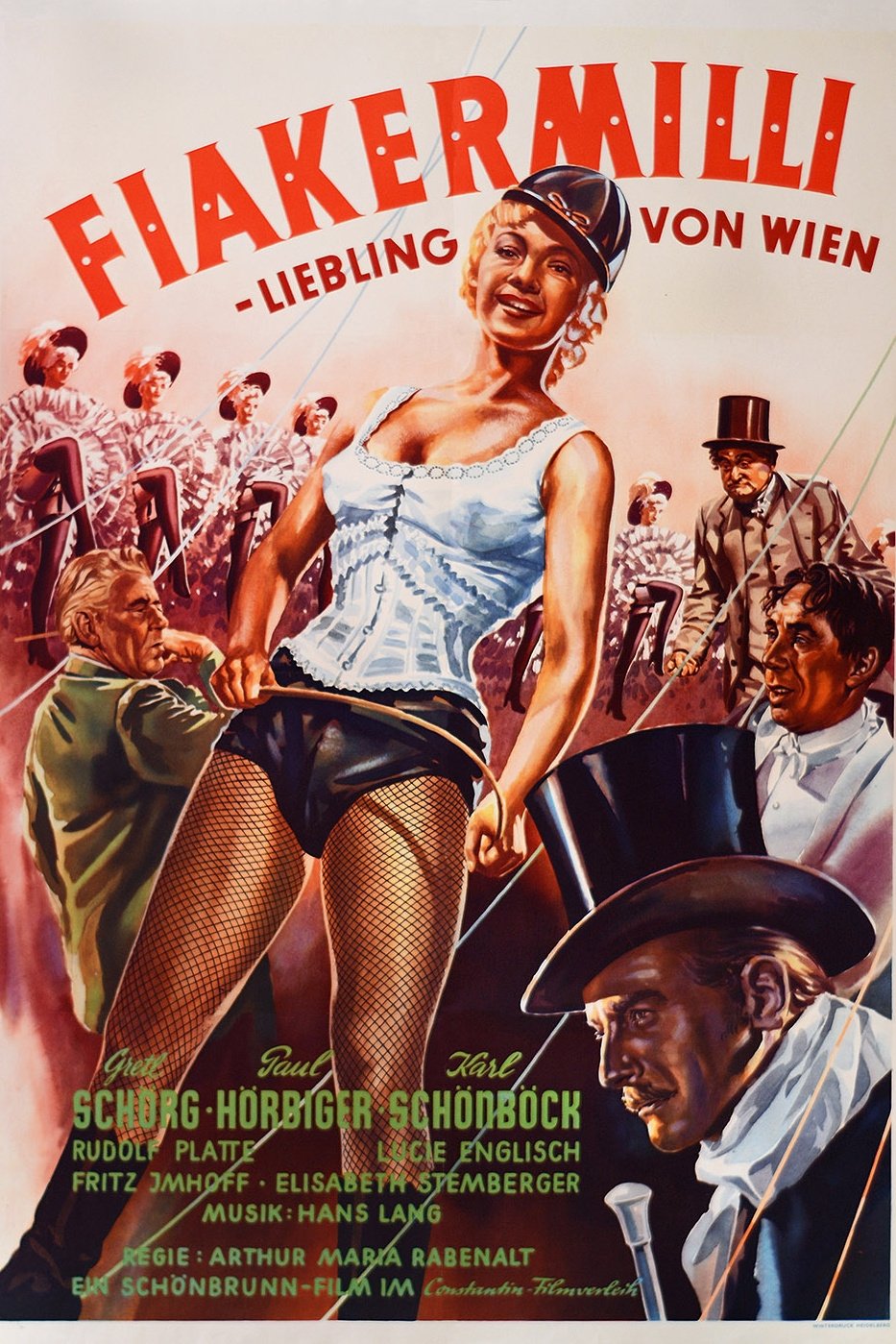
An incredibly popular stage performer unknowingly falls madly in love with the lone critic that savaged her performance in the press.

Ferdinand Strödl is the regular coachman for the distinguished Max Jolander, who is constantly on the lookout for romantic adventures. Jolander regularly has Strödl drive him to his rendezvous, during which the coachman witnesses the suffering of many a jilted girl. At such times, Strödl acts as a fatherly friend to Jolander when the consequences of his escapades take on tragic proportions.
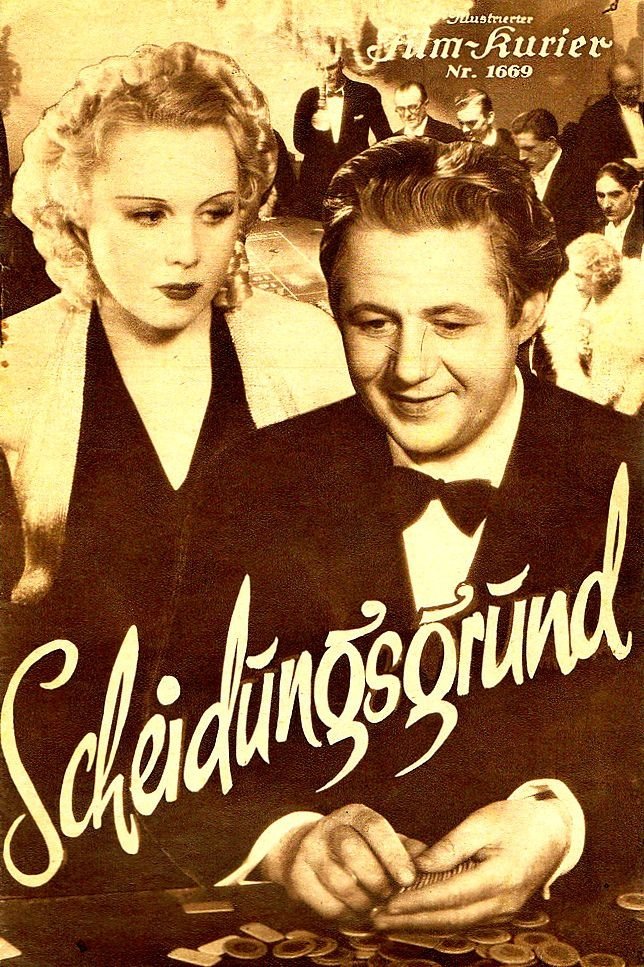
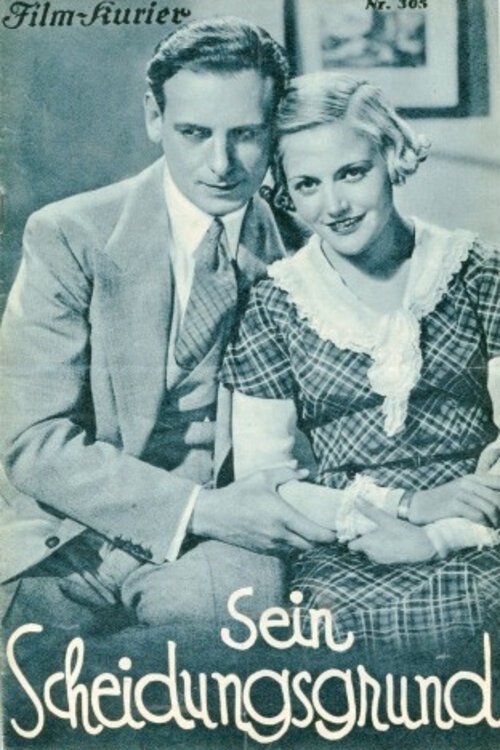
The lawyer, Dr. Werkmann, is seeking a legal separation for Mr. Bernhof, who claims his wife is an incorrigible gambler. In reality, it is he who is the weakling; and while he dearly loves his wife, he's going through her fortune like there's no tomorrow. His wife, however, loves him dearly, too, in spite of his faults and doesn't want the marriage to end. Dr. Werkmann proposes something at a family meeting, which just might save the marriage after all.
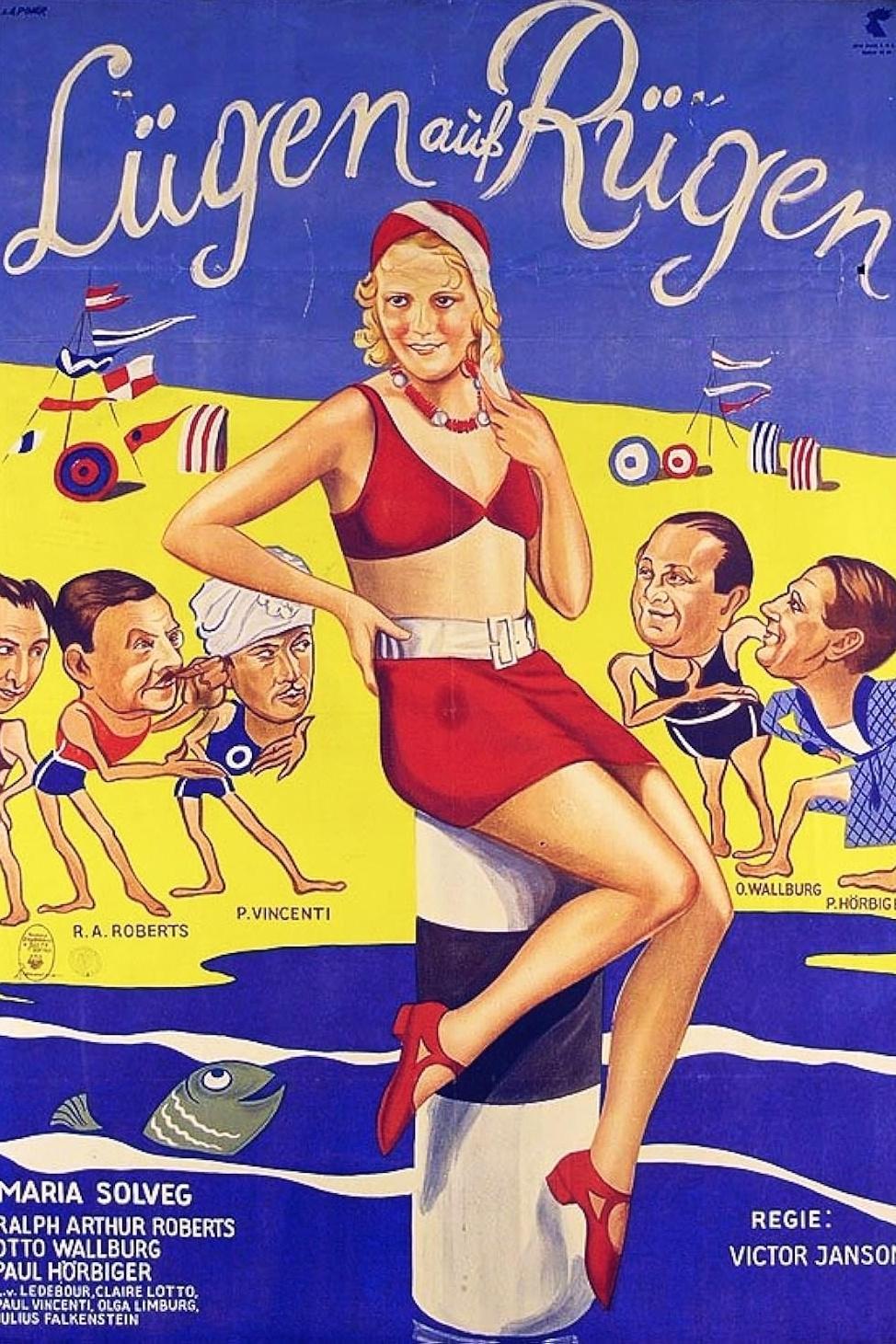
A country girl, mistaken for the niece of an American millionaire, wins the prize in a toothpaste contest, a trip to the Baltic seashore.
The great Franz Liszt helps a struggling, unworldly piano tutor advance to a position in Munich, and ward off a villainous foreign competitor for his lady love.

The beautician Angela Bell, a well-off middle-aged lady, and the respected fashion doctor Prof. Christian Hollmann would like to get married, but there is a catch: Hollmann is still married to his somewhat annoying wife Margot. Angela, however, has to get married as soon as possible because as a foreigner she will lose her work permit if she does not become a German citizen soon. The couple then come up with the idea of marrying Angela to the German bachelor Jonny Pitter, a writer - a sham marriage with no dishonorable consequences, of course. What neither Angela nor Prof. Hollmann suspect is that Jonny has been in love with Angela for some time
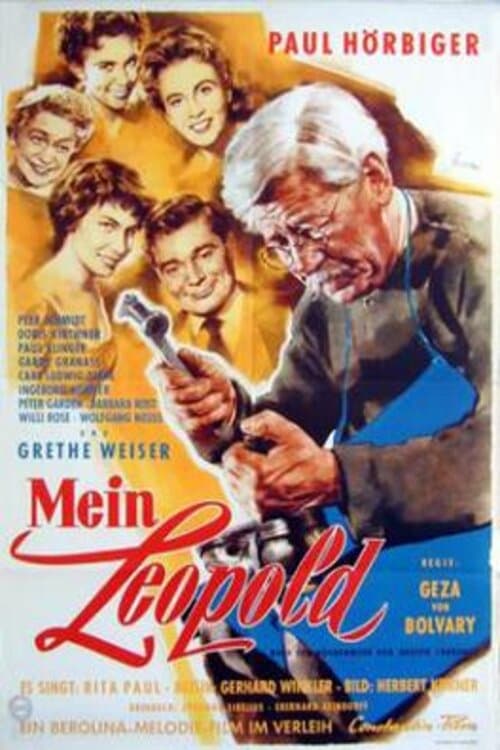
In unconditional fatherly love, an old shoemaker clings to his son, a spoiled good-for-nothing. After the Filius has ruined the respected shoe shop, he gets further and further down the wrong path without opening his father's eyes.
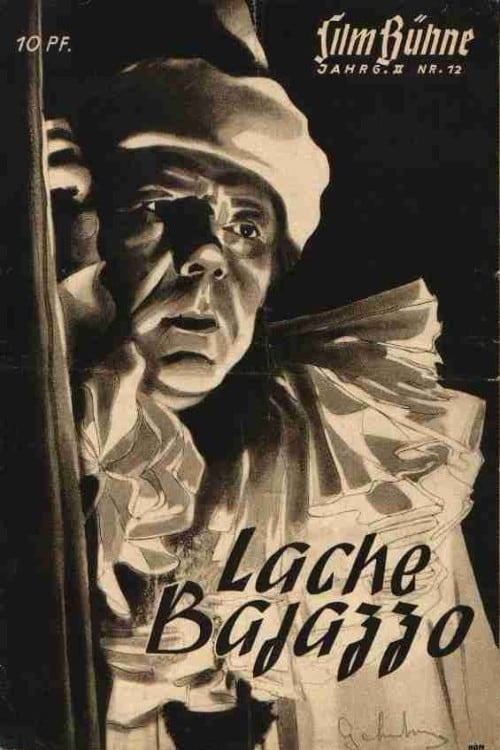
A dramatization of the melodramatic story that inspired the popular opera, Pagliacci.German language version of a film simultaneously shot in an Italian version.
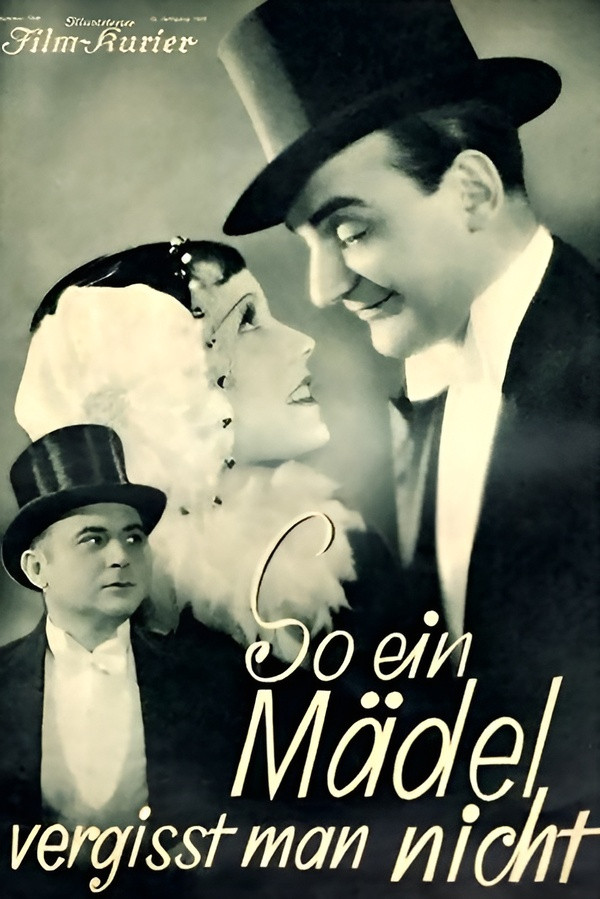
A GIRL YOU DON'T FORGET can be thought of as a backstage musical that treats the whole world as backstage. Melodies seem to be buzzing through the air, available to anyone in the right state of mind. Willi Forst always is, and he is also an actor who can transform any space into a stage. Fritz Kortner, one of the defining personalities of the German theatre scene of the 1920s, makes the most of his star’s talent in an intricately constructed romantic comedy that believes in the truth of artifice. Forst plays Paul Hartwig, a wannabe actor who is reduced to selling books in the cold streets of Berlin. While pursuing his big break, he meets Lisa Brandes (Dolly Haas), another victim of the global financial crisis who has just learned a new trick: cheating horny old men out of their money by selling promises she does not intend to keep. Dedicated theatre man Paul decides to win her over by putting on an act, but a misplaced slap leads to unintended consequences. - Lukas Foerster
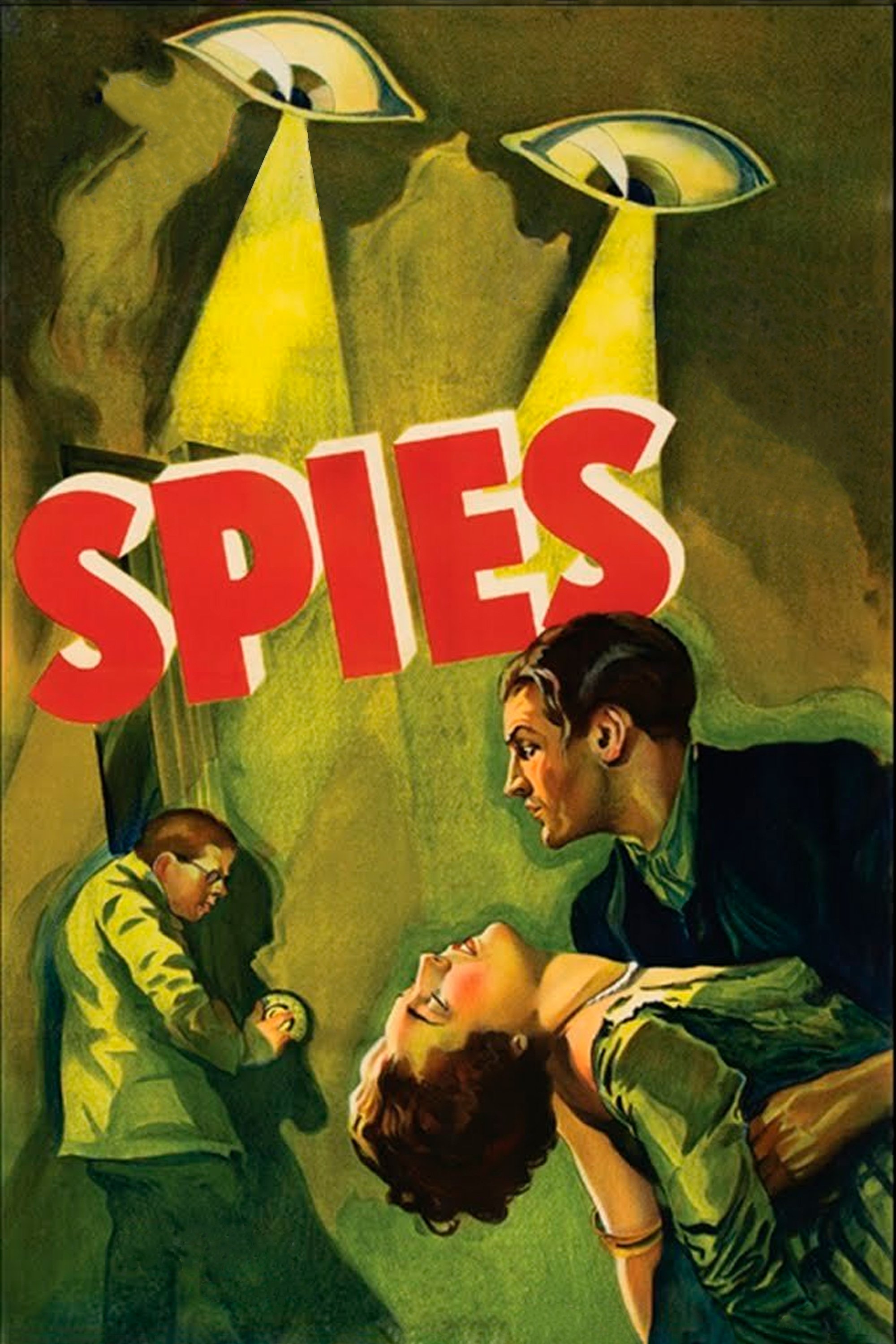
The mastermind behind a ubiquitous spy operation learns of a dangerous romance between a Russian lady in his employ and a dashing agent from the government's secret service.
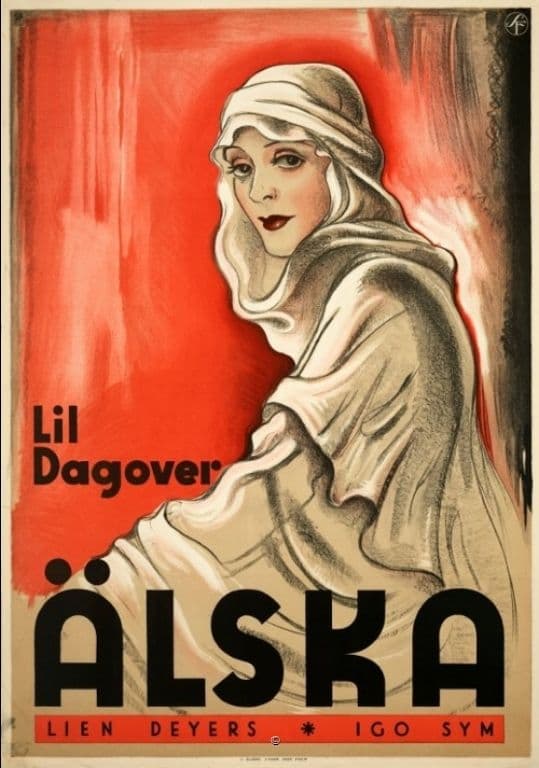
A romantic drama about a relationship between people of different social classes. The young baron, who is in love with a record shop saleswoman, is sent by his family on a diplomatic mission to Budapest, where he loses his heart to a beautiful noblewoman. His remorseful, hasty return to Vienna brings tragedy.
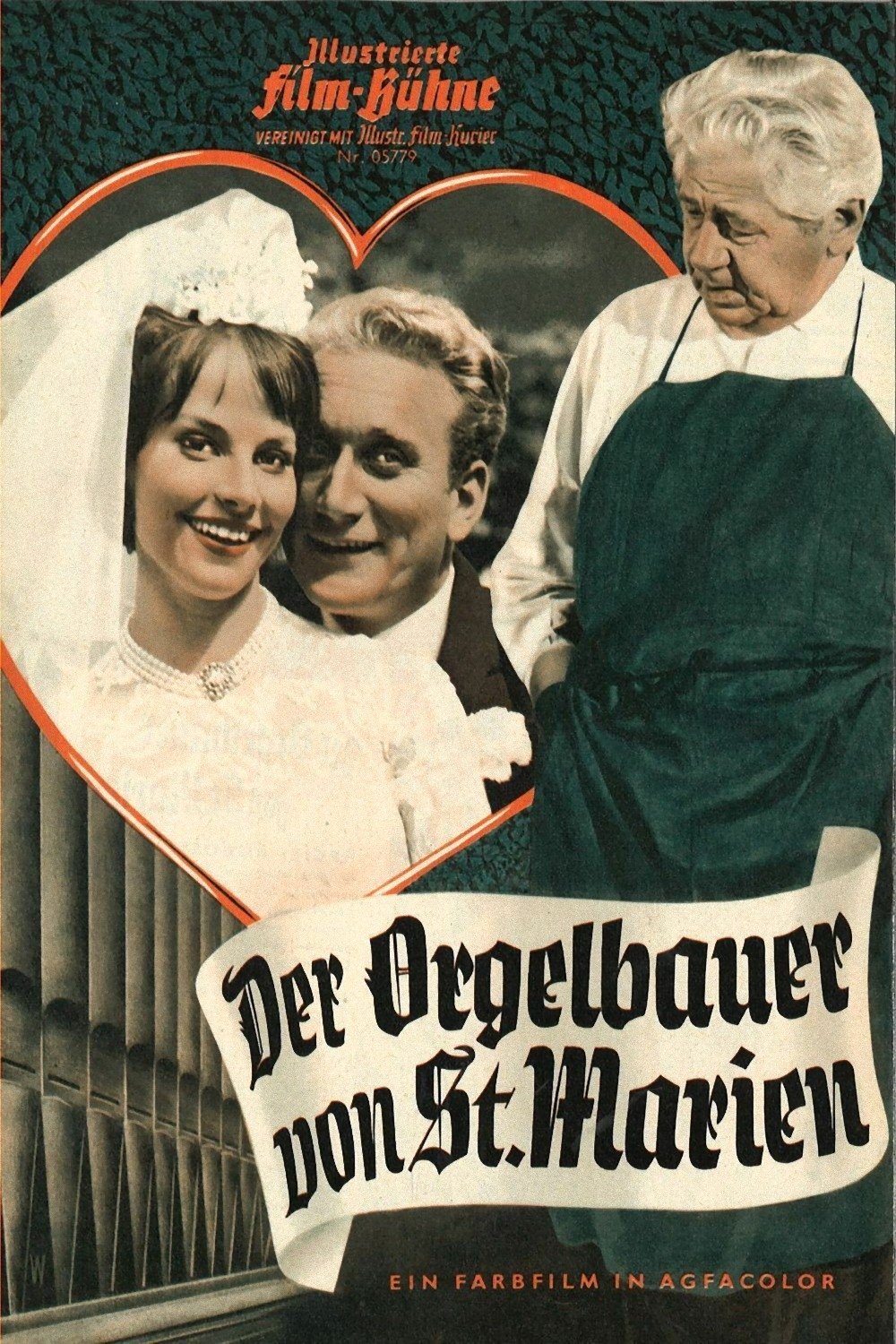
While on vacation, the young, Benedictine monk Markus runs into temptation in the form of his childhood sweetheart, Linda. Linda, the daughter of Baron Danning, is about to marry the rich manufacturer’s son, Walter Bertram, to save the Danning family estate from the Baron’s debtors. But her encounter with Markus is creating doubts about the sincerity of her love for Walter. So she keeps pushing back their wedding, using as a pretext the demand, that she’ll only marry when the now-silent church organ in the village once more plays. But the organ builder Franz is in a dispute with his twin brother Joseph and has no time to fix the disused organ.
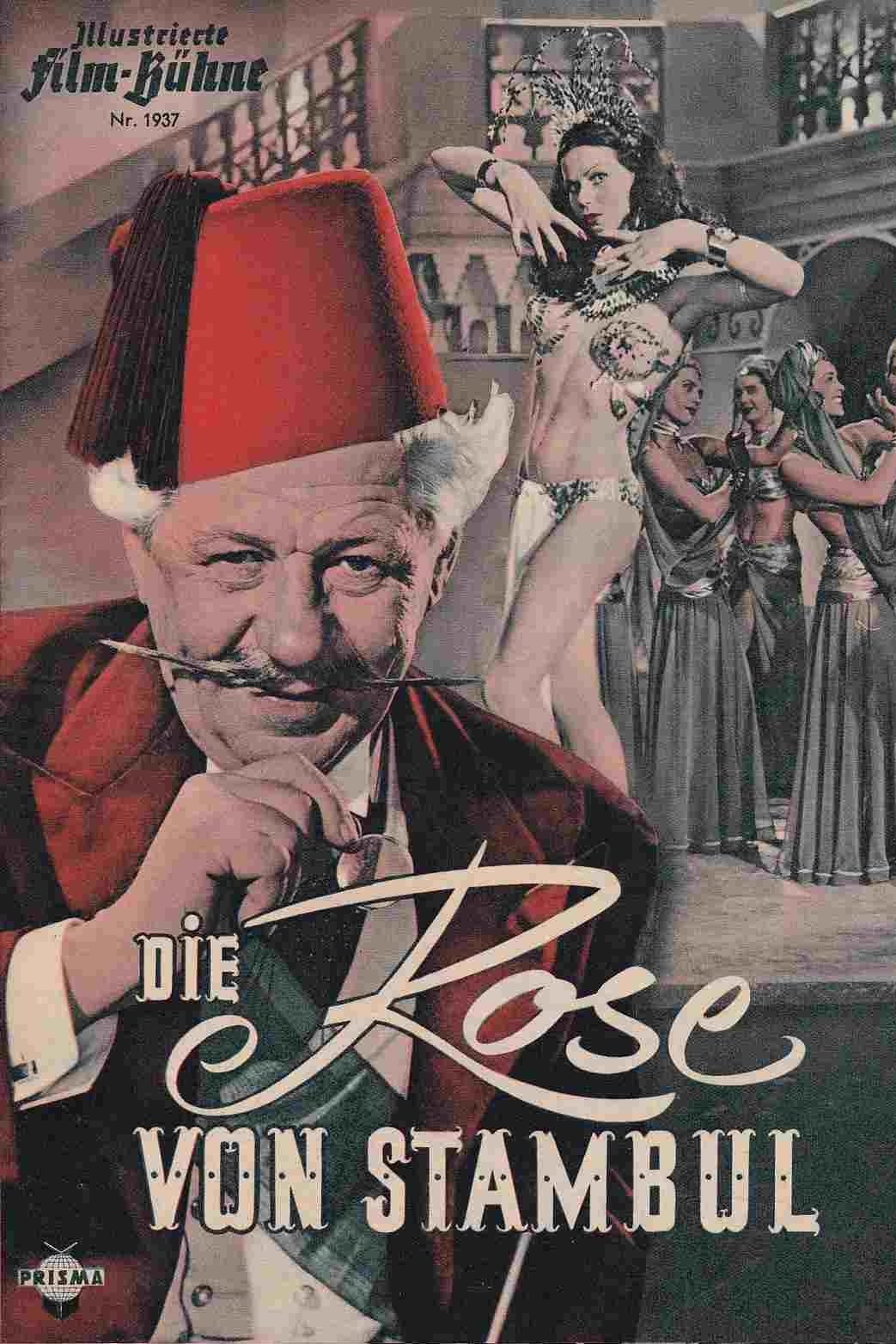
An opera company tries to get an engagement.
An Austrian singer and an oriental prince who loves singing, fall in love in Vienna, get married and go to his country. She discovers how different the role for women is there, and he fights the old tradition refusing to marry a princess.
An industrial plant gets into difficulties. The factory owner then decides to sell the company and makes all the employees redundant. How do the dismissed employees deal with the new situation?

A wholesome youth returns from Canada to the Fatherland, to rescue his father's business from a crooked accountant and a scheming lawyer.
The head of a fashion school spots a girl on television with exactly the angelic face he needs for one of his pictures. He has no idea that she's his student.
A sailor falls for a music hall performer with marital problems, after having been at sea a long 12 years, only to learn the distressing news that she is his own sister.
Determined Gerda Weber travels to the big city and locates at a girl's pension. She soon finds job as a secretary in a big business thanks to her optimism and wits, and ends dating her boss after mistaking him for a companion. They share an evening of music and dancing, after which she discovers who he really is.
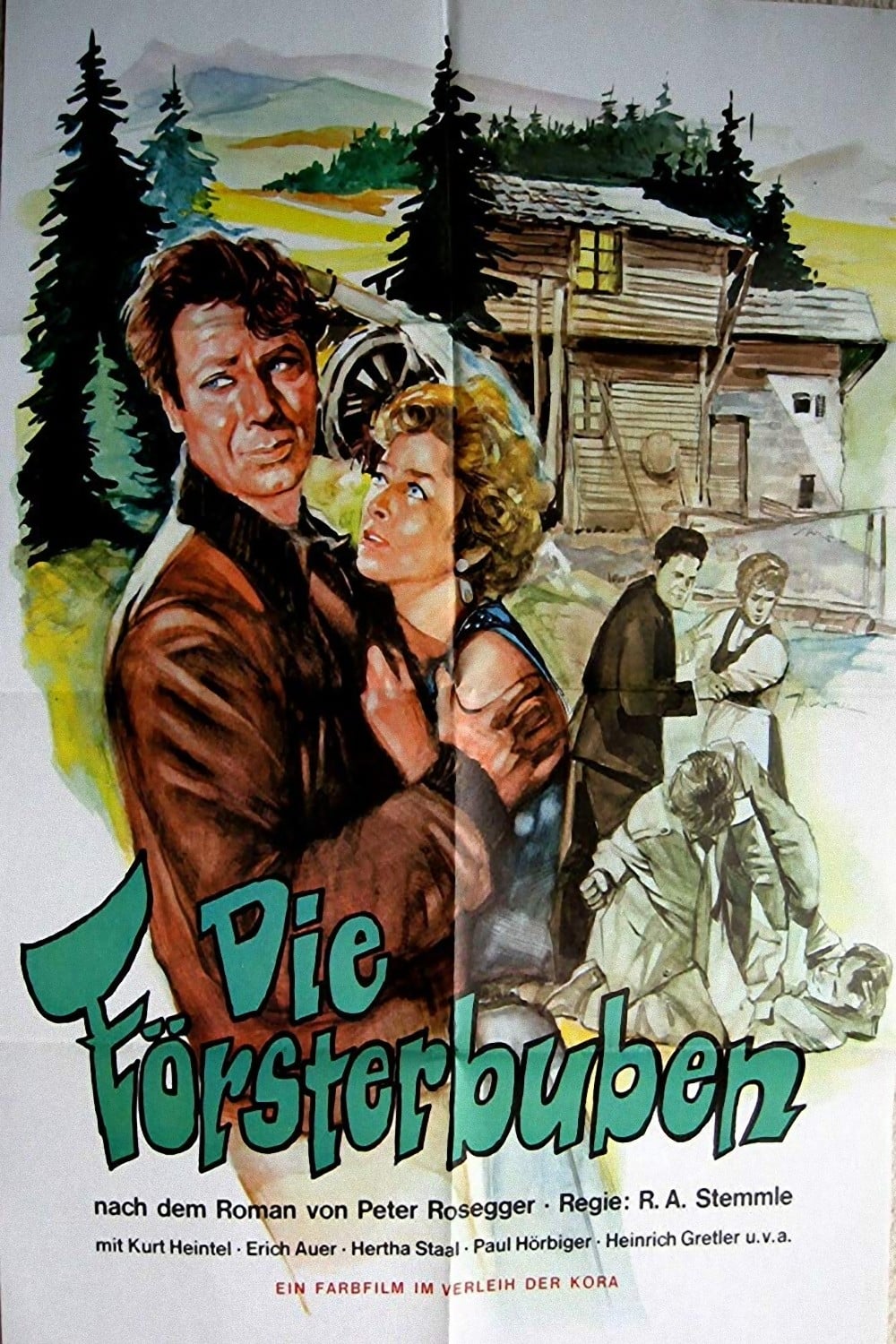
When seminarian Martin Rufmann arrives in St. Eustachen, idyllically located in the Carinthian mountains, the local choral society is celebrating a joyous festival. Martin is the youngest son of the widowed head forester Thomas Rufmann. Martin's older brother Friedolin has inherited his father's love of hunting and is one of the best hunters in the area. He is also engaged to the pretty innkeeper's daughter Helene Schwarzaug. At the feast, Friedolin and his cronies drink heavily to the black liquor of the charcoal burner Krauthaas. Friedolin and the townspeople Günther have a loud argument in front of everyone. When Günther is found murdered a short time later, suspicion immediately falls on Friedolin. To save his brother, Martin accuses himself of the crime. The two brothers are arrested. The real culprit soon turns himself in, but in the meantime Thomas Rufmann has disappeared without a trace.
A Hapsburg archduke in the 1880s gives up his title, changes his name, marries a Viennese actress, and then disappears with her on a South American ocean voyage.
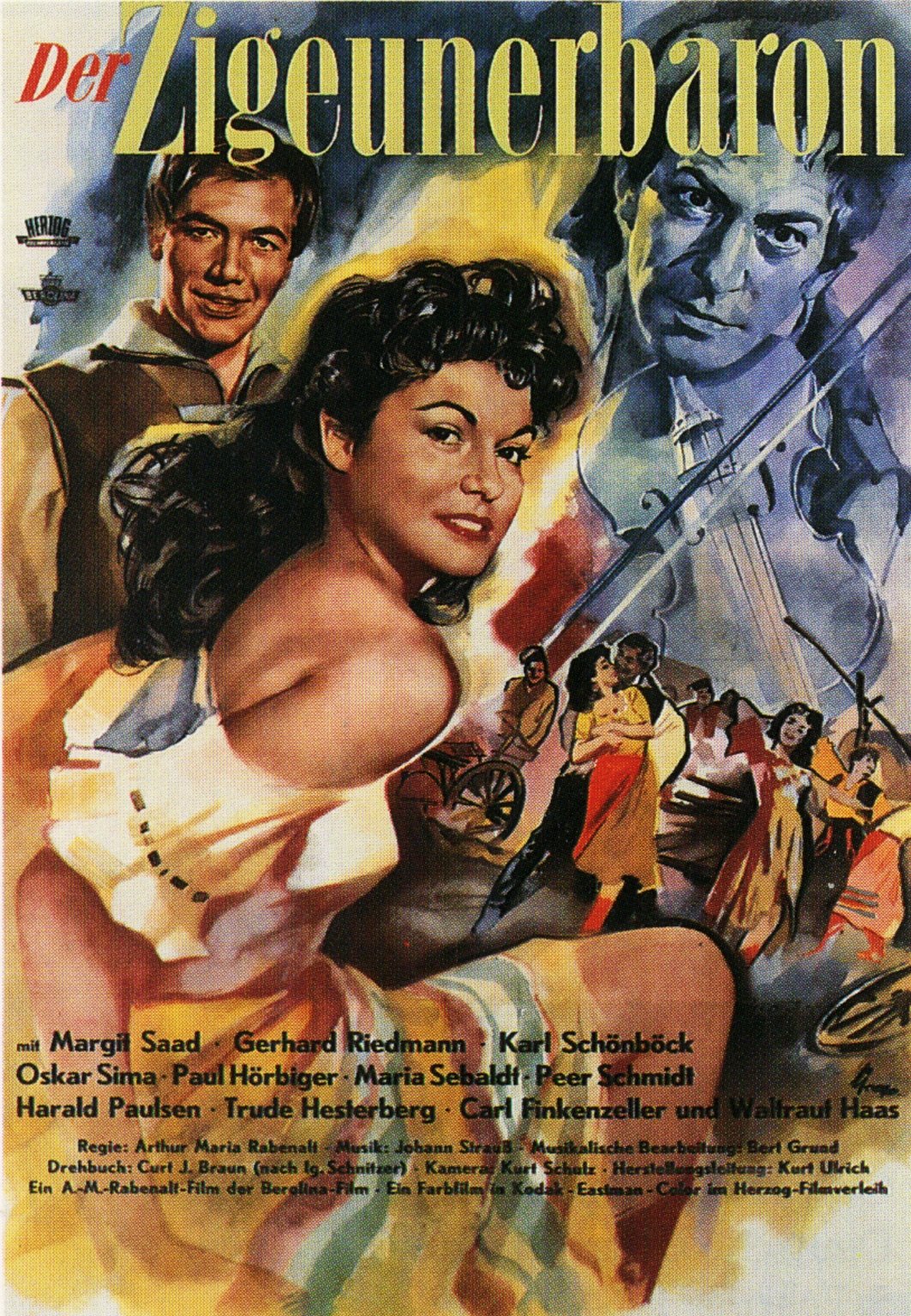

The permanent lack of money is giving Kibis a real headache. The rent has been overdue for seven months and now he is threatened with eviction. Then one day he comes across the brochure "How to become rich and happy"...

Notorious jewel thief Roger "Tiger" Brown sneaks into the trust of diamond dealer Thomas Morland. Not only does Morland's jewels appeal to him, but also his fiancée, Lady Edith Trent. But when Morland acquires the largest diamond in the world in Amsterdam, Brown decides against Edith and for the diamond, takes it and runs away.
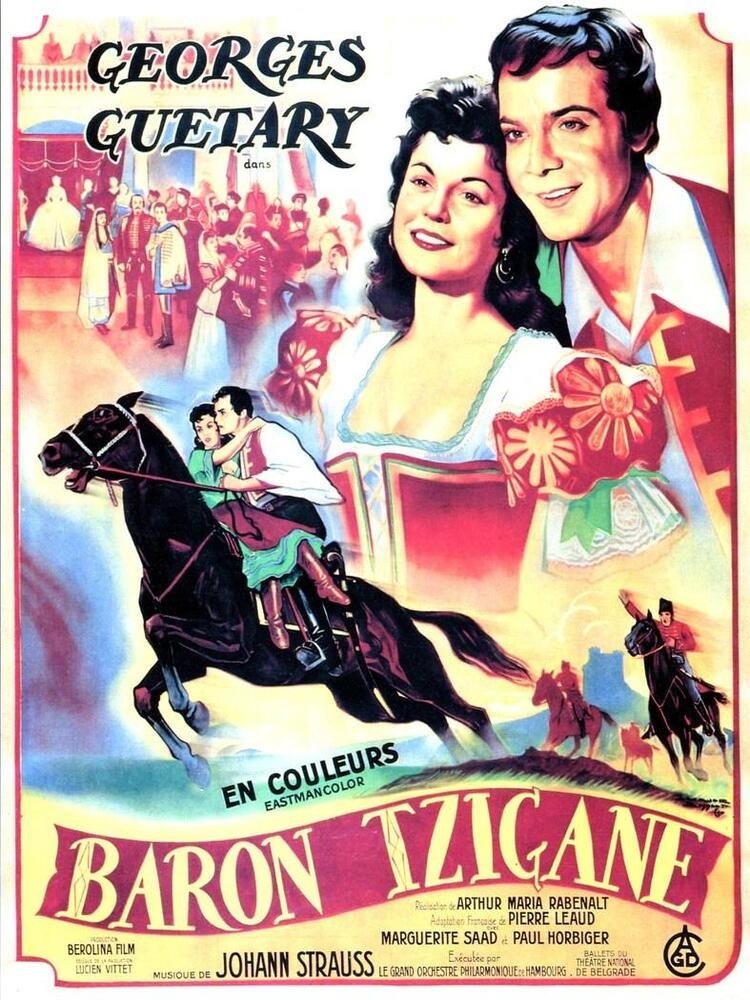
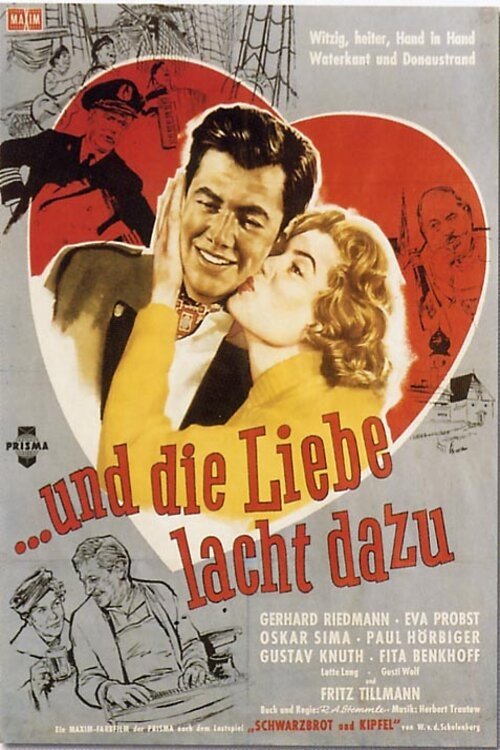
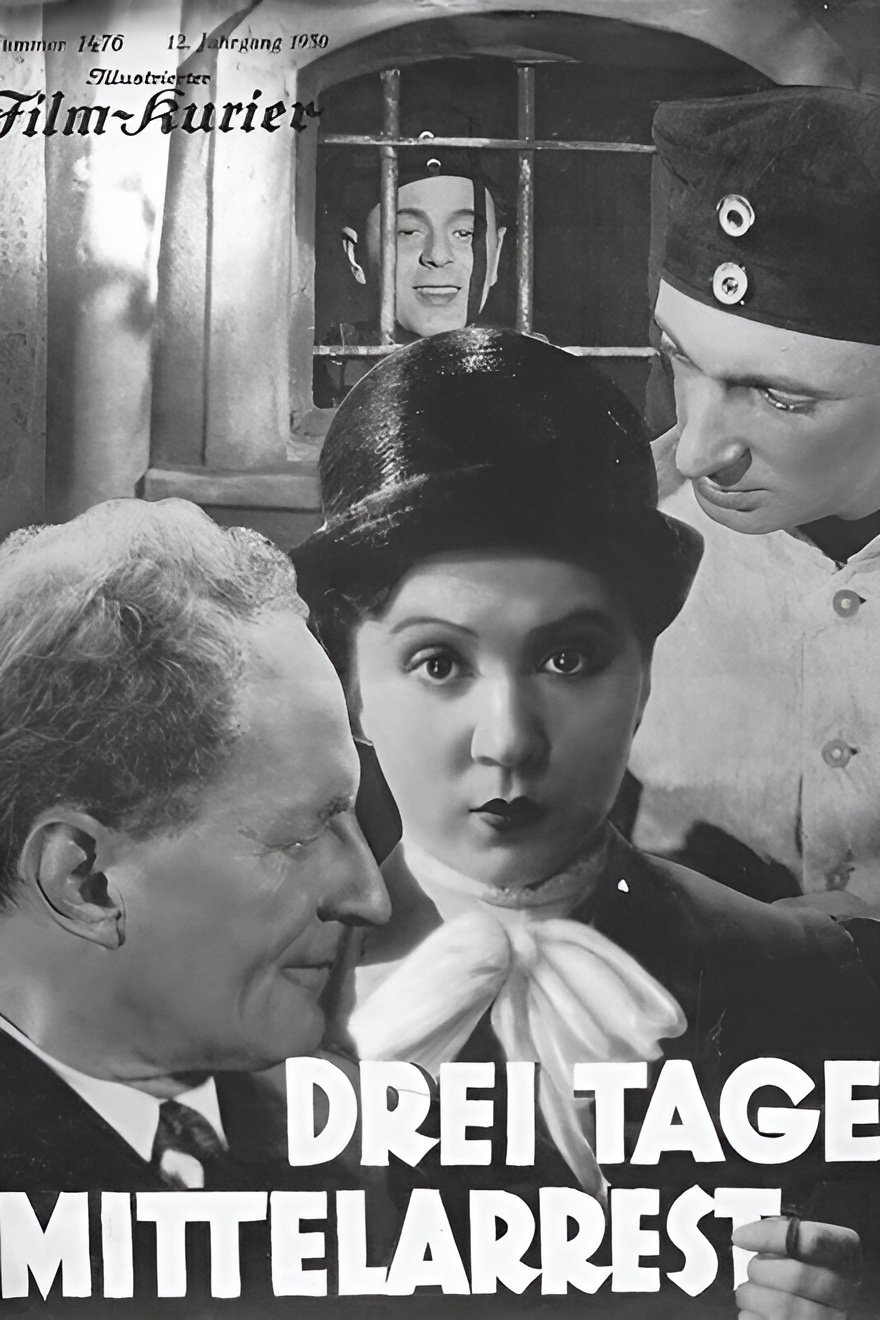
When an attractive maid in a garrison town becomes pregnant, she reveals that one of three soldiers stationed there who had been chasing after her, is responsible.
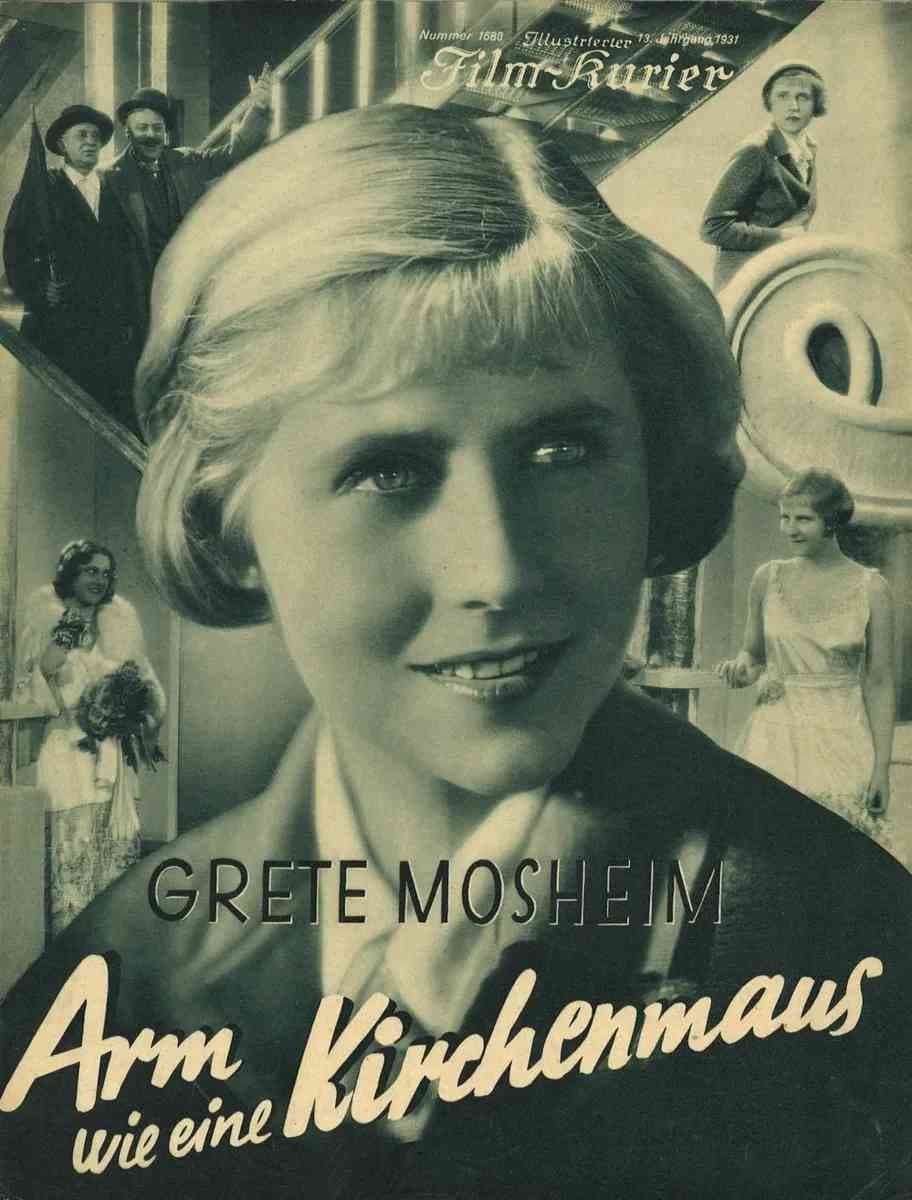
Comedy about an ambitious woman who starts working at a bank.
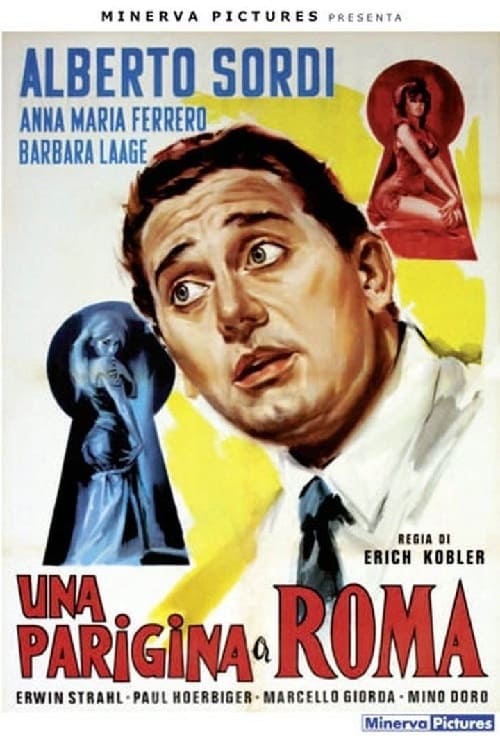
The story follows Riccardo, an Austrian pianist studying in Rome and engaged to local woman Fiorella, who has a brief encounter with French tourist Germaine, igniting a love triangle involving misunderstandings, a false arrest, and romantic schemes. Starring Barbara Laage as Germaine, Alberto Sordi as Alberto, Anna Maria Ferrero as Fiorella, and Erwin Strahl as Riccardo, the film blends humor with lighthearted drama set against the backdrop of Rome's iconic landmarks. Paul Hörbiger plays Professor Roth, serving as a stern mentor to the protagonist Riccardo and delivering comic relief via his rigid academic counsel amid the story's chaotic love triangle.
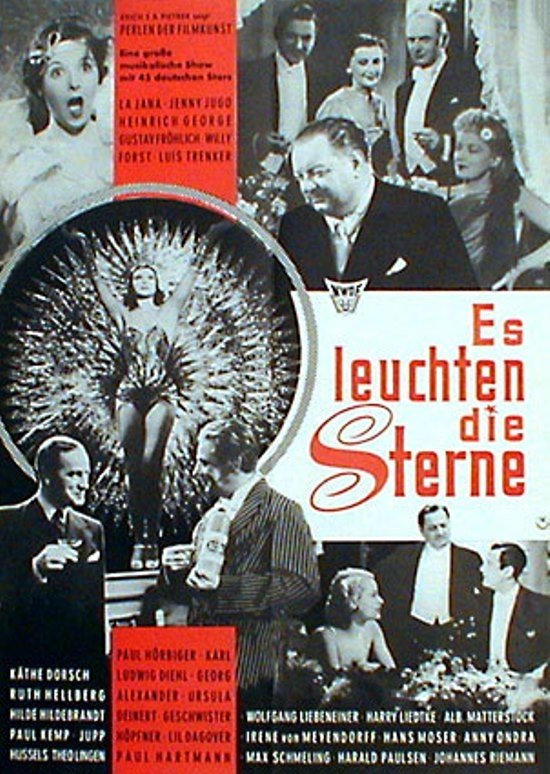
German all-star musical from 1938 that was a big commercial success.
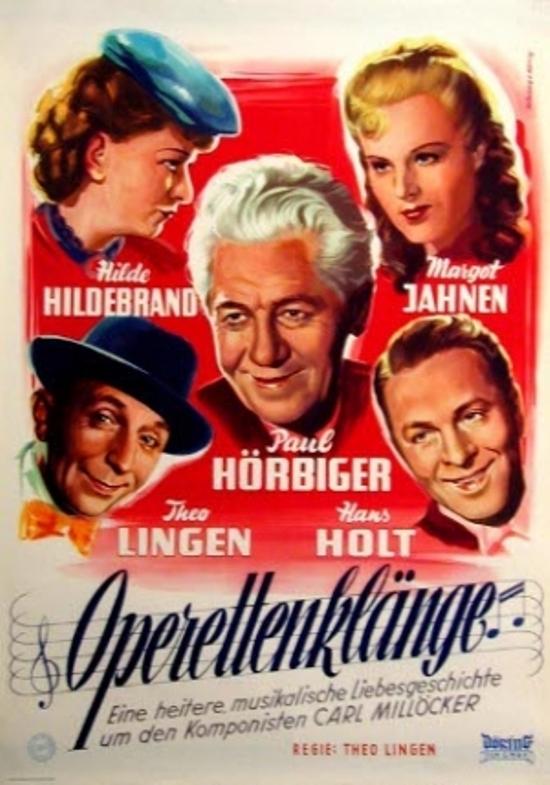
Famous composer Millöcker saves lovesick clerk Ferdinand from killing himself and helps him impress and get close to Henriette, the rich heiress the boy adores. But one day Ferdinand overhears Millöcker confessing his own love to the girl.
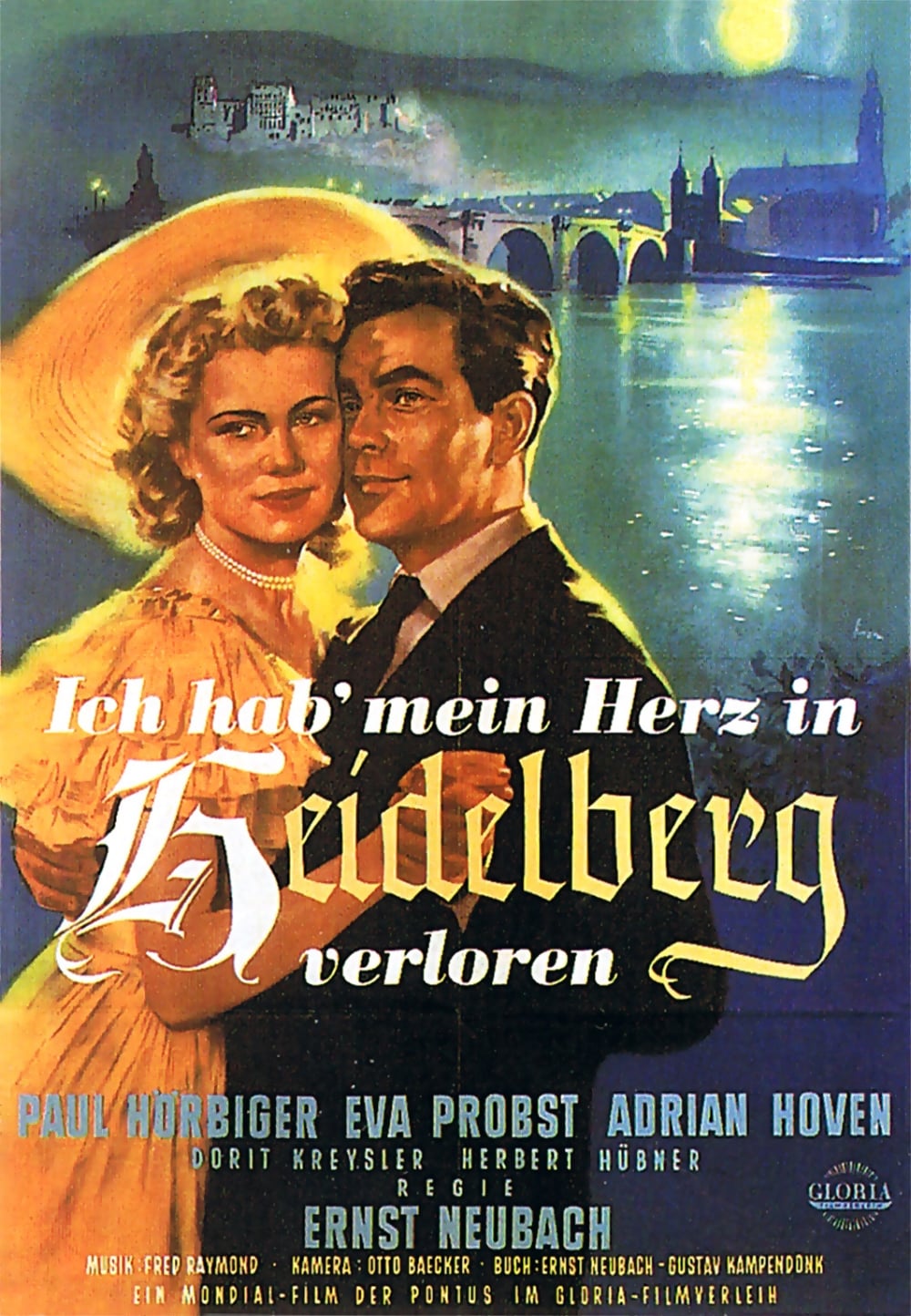
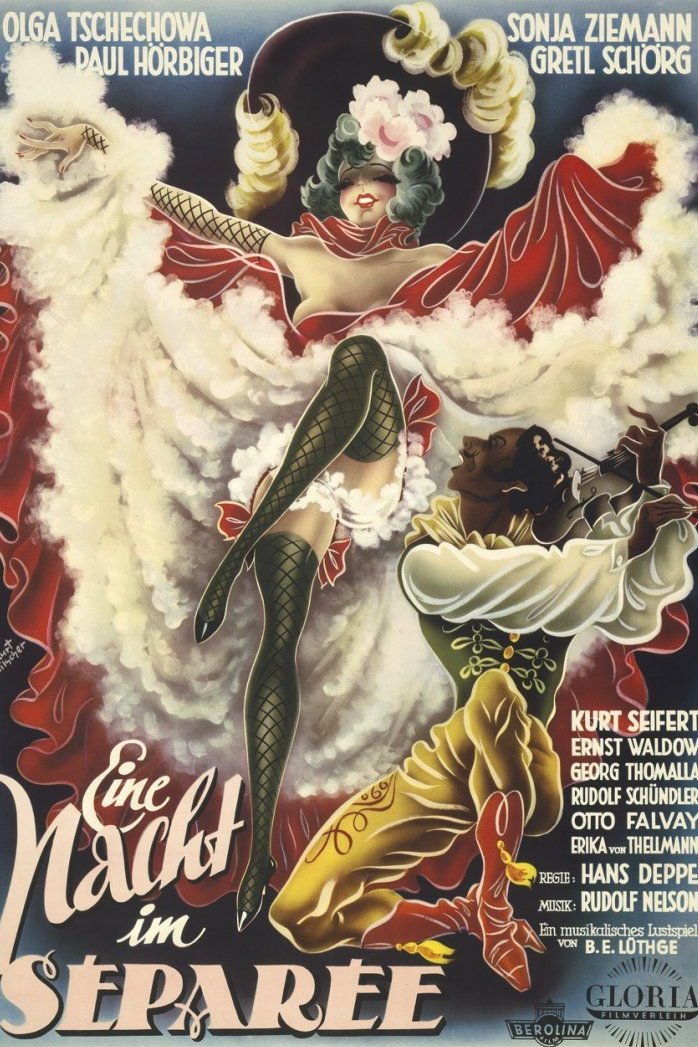
a silent movie by Robert Wiene
Ever since Rappelkopf was once deceived by a con man, he has become the epitome of a suspicious, stubborn misanthrope and a family nuisance. His wife and daughter, as well as his servants, suffer from his bad moods, accusations, and insinuations. The kind, alpine mountain spirit Astragalus, the King of the Alps, wants to rescue the grumpy man from his constant discontent and misanthropy. He promises to remedy his situation and makes Rappelkopf an offer he cannot refuse: he is to become his alter ego, to slip into another, better form. In the guise of his brother-in-law, the tyrant is to visit his family to convince himself of their loyalty and love. The King of the Alps, in turn, wants to appear as Rappelkopf, the living mirror of the true family despot, in order to morally purify him through self-knowledge.
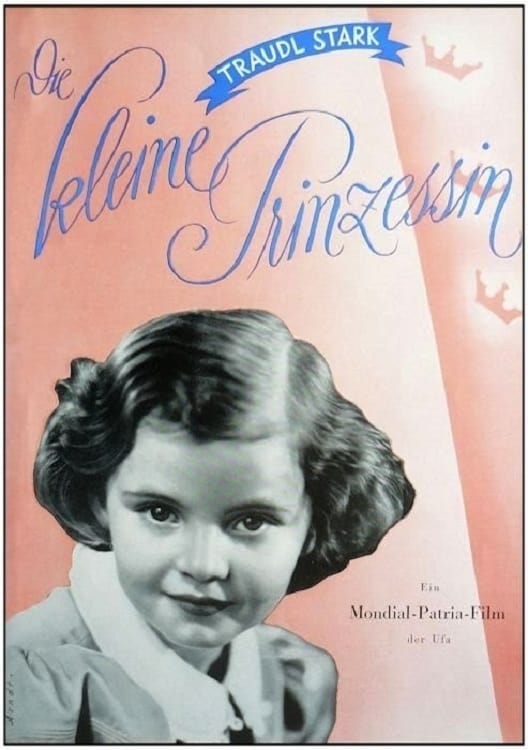
A UFA feature film about the little Princess Sissi, later Elisabeth of Austria—the legendary and beloved Queen of the Habsburgs to this day.
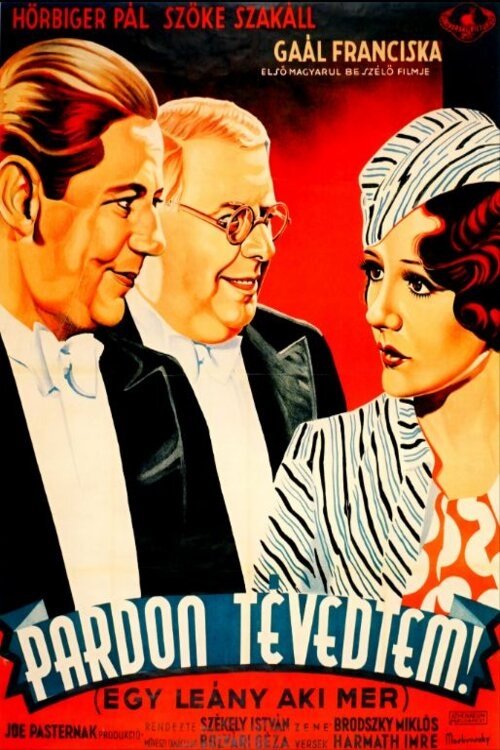
Éva Balogh travels to Pest to attend her friend's wedding, but the wedding is cancelled because the groom backs out at the last minute (for the third time). Éva mistakenly blames Paul Murray, the world-famous pianist, for the broken marriage promise. The pianist, who changes his girlfriends frequently, mistakes the temperamental, snappy jazz girl for one of his forgotten old flames. By the time the truth comes out, Eve and Murray are in love, and another slap - now undoubtedly for Murray - can't keep them apart.
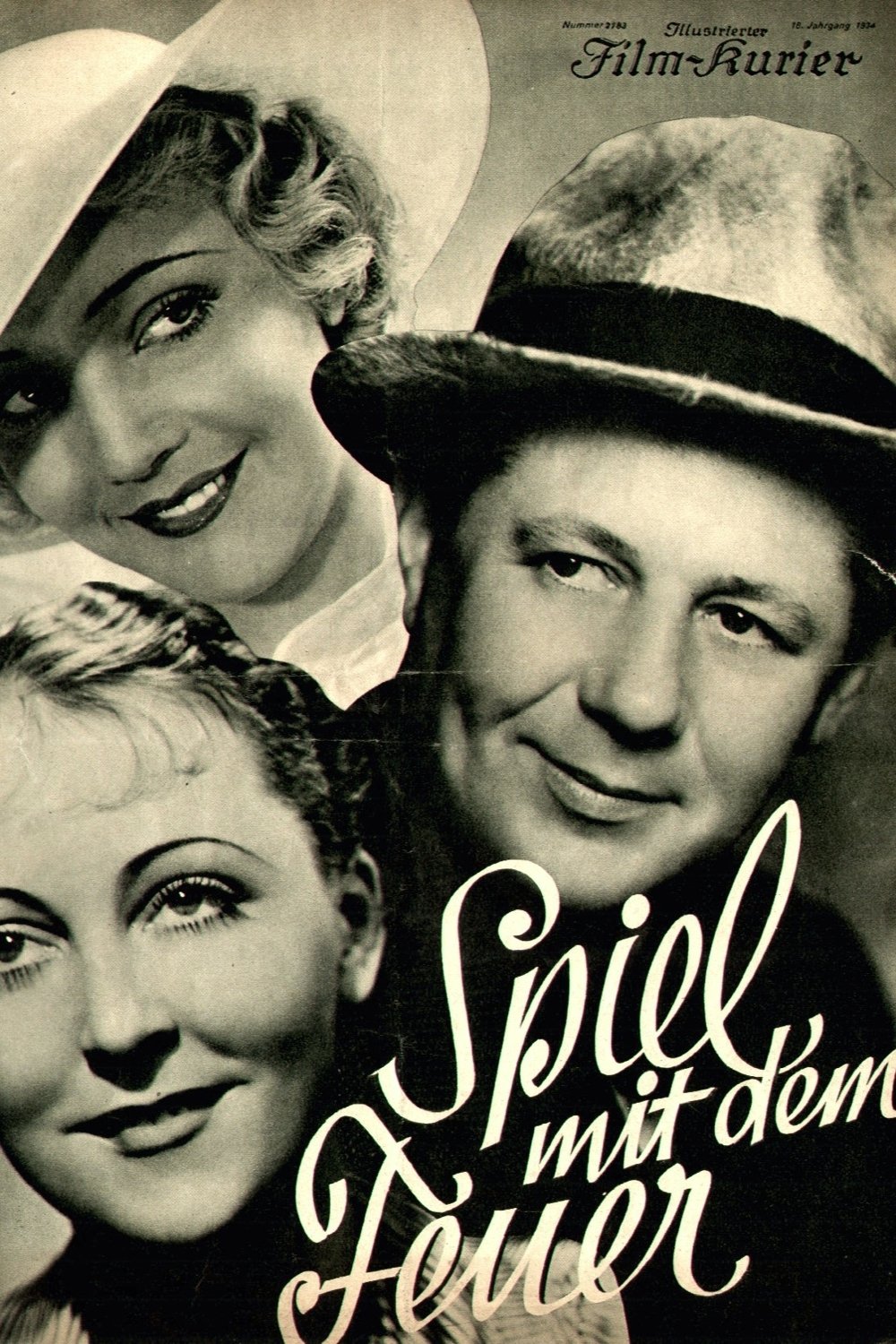
A smart wife cures her husband of his infatuation with a beautiful singer.
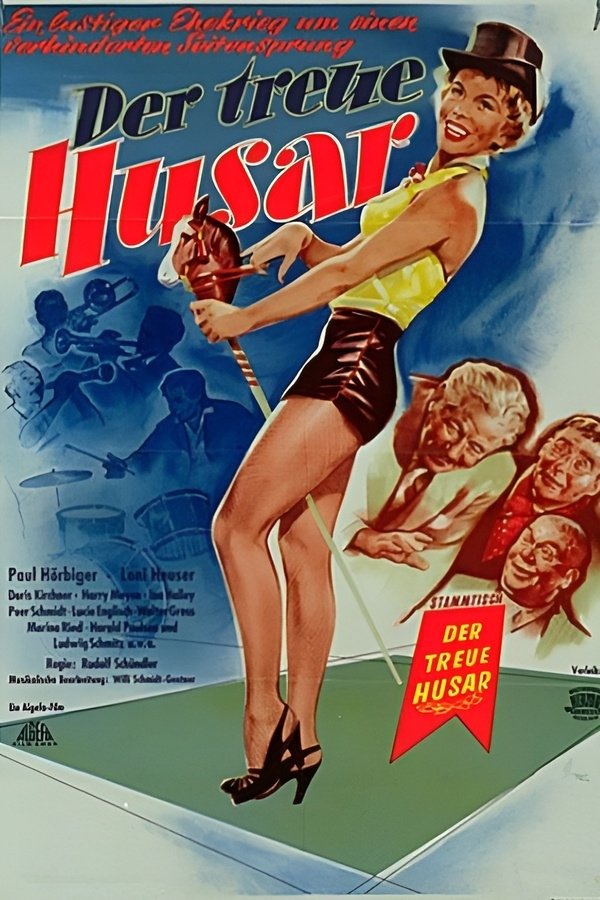
When Eberhard Wacker's marriage is made fun of at the regulars' table "Der treue Husar", he wants to prove to his drinking brothers who wears the pants in the Wacker house. Out of the marriage yoke, into the fun, meaning the big carnival ball that takes place next week. And there is one ironclad condition: the women stay at home. But the merry fellows have made their calculations without the fair wives. And so it goes: "Once upon a time there was a faithful hussar who loved his girl for a whole year. A whole year and much more, the love never ended.
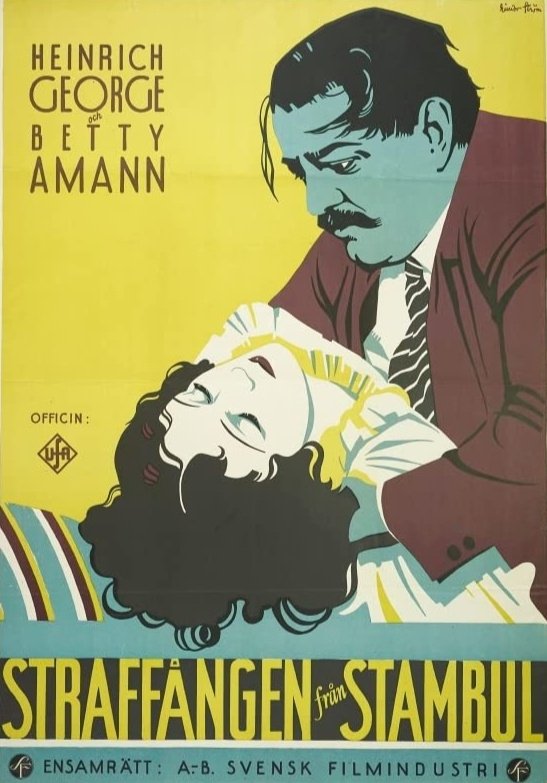
Zezi, on being released from prison for smuggling, is ordered to leave the country. His incarceration has not lessened his craving for female society, but he finds his mistress false. A young girl, trying to sell vacuum-cleaners, calls at his home. Half-starved, she collapses. The blackleg’s heart is touched, and he befriends her. Gratitude on her side develops to love. Though she takes the place of the false one, she urges the man to marry her. This he does, though he has a wife, from whom he is separated.

Starring Betty Amann in her most famous leading role, Joe May's Asphalt is a luxuriously produced German Expressionist classic where tragic liaisons and fatal encounters are shaped alongside the constant roar of Berlin traffic.
An emancipated Princess, who has just returned home to her court in the Balkans from England, goes in disguise to a servants’ bal and falls in love with an alleged caterer, who turns out next day to be a lieutenant of the guard. Without letting on to her masquerade, she makes sure he climbs the ranks quickly. At the same time, she tries to thwart her engagement to an unpopular prince.
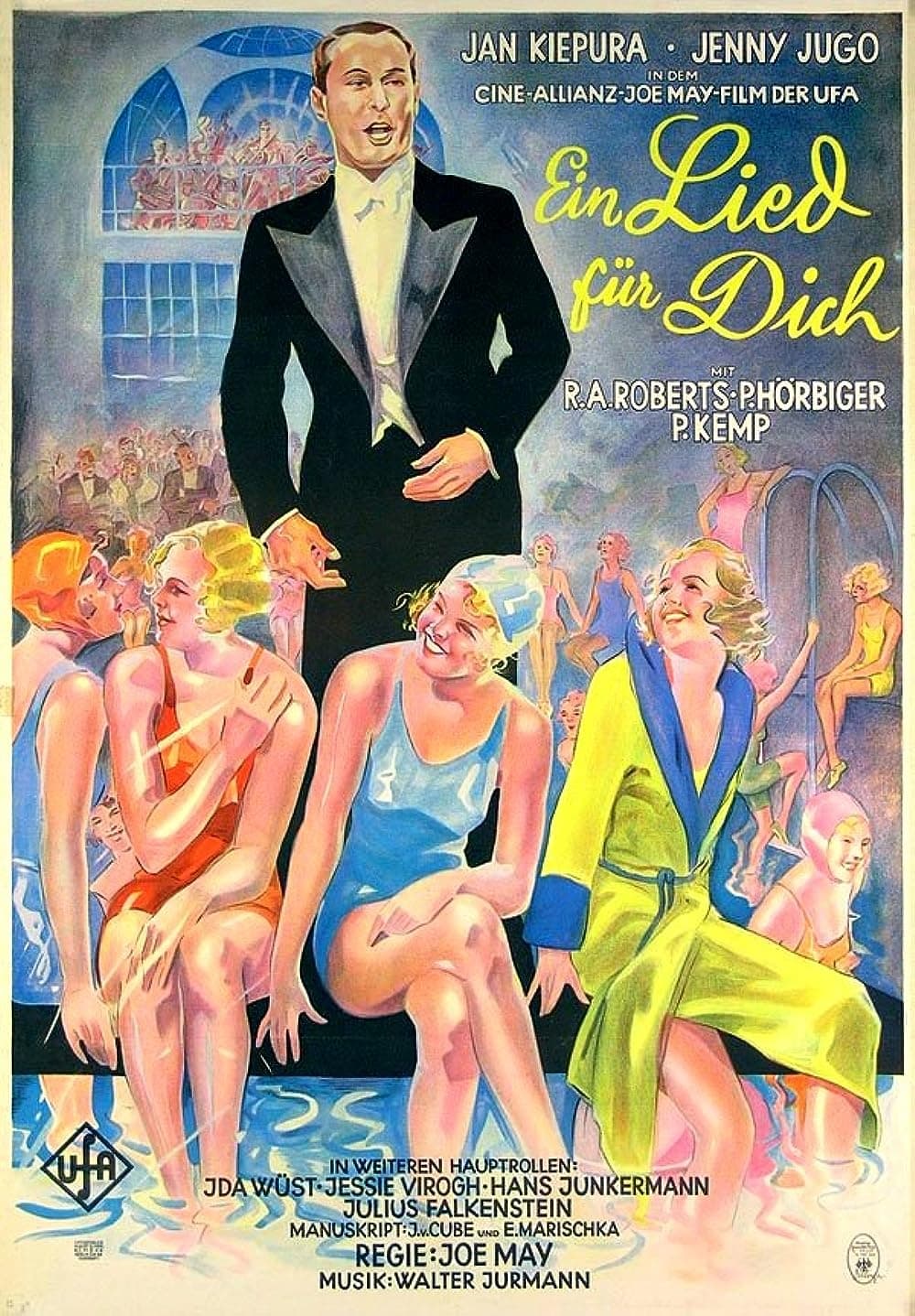
During a concert tour, famous tenor Riccardo Gatti meets Lixie at an Aida rehearsal and takes her for a ballet dancer. She is in fact trying to get a position for her boyfriend, so she accepts Gatti's date for supper. When she runs away he publishes a newspaper ad offering to give a concert anywhere she chooses if she shows up. She chooses a swimming pool hoping to discourage him, but he accepts.
When Ilona visits her married friend Otti, she is just delighted to discover that the man she likes is not other than Otti's brother-in-law, Paul. As he is in need of a maid, she disguises herself as such to try to enamour him.

Released from prison after 20 years, Canio finds his daughter adopted by a wealthy family and about to marry. When he meets Leoncavallo, the composer is moved to create one of history's greatest operas.
The daughter of an American millionaire falls in love with a Hungarian hussar officer during a visit to the Austrian Empire.
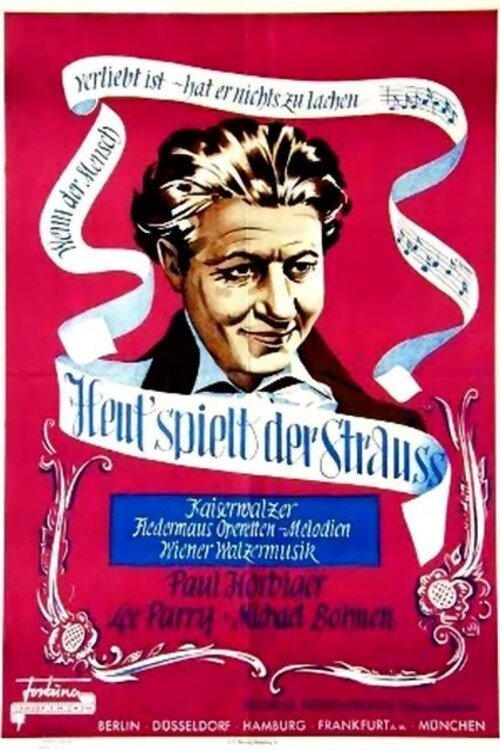
Viennese Waltz or Johann Strauss, Royal and Imperial Court Musician is a 1932 German historical musical film directed by Conrad Wiene and starring Michael Bohnen, Lee Parry and Paul Hörbiger.
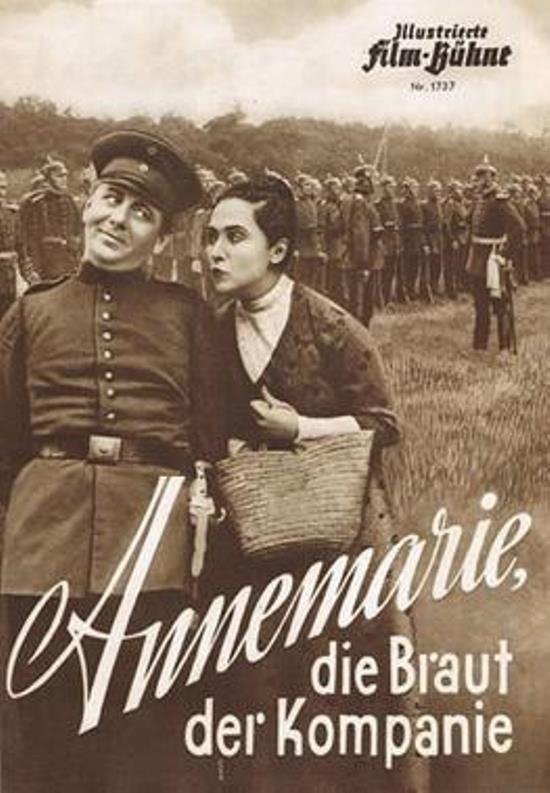
A military comedy in which Annemarie is the center of attention.
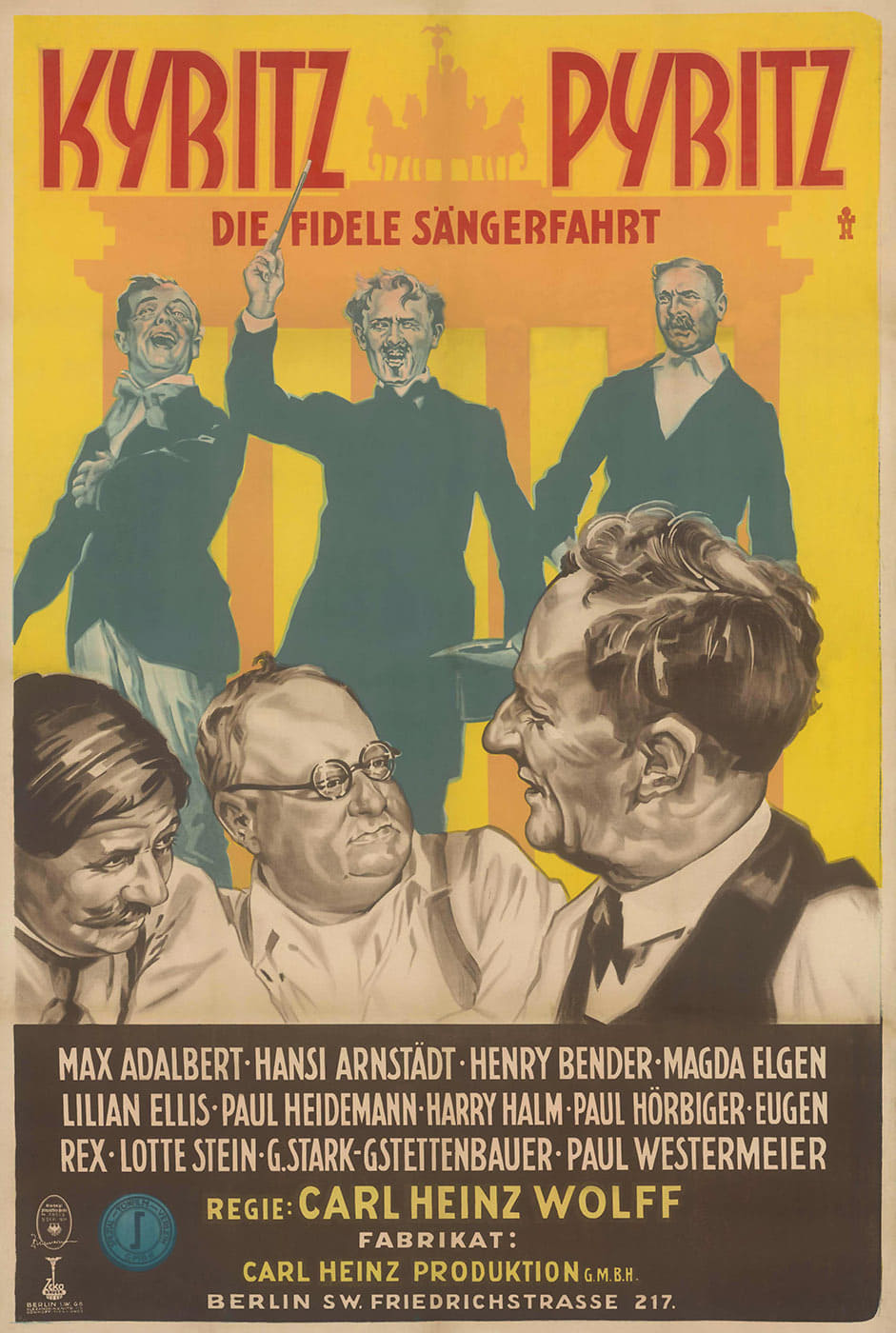
Errant Husbands (German: Kyritz - Pyritz) is a 1931 German comedy film directed by Carl Heinz Wolff and starring Max Adalbert, Hansi Arnstaedt and Henry Bender.
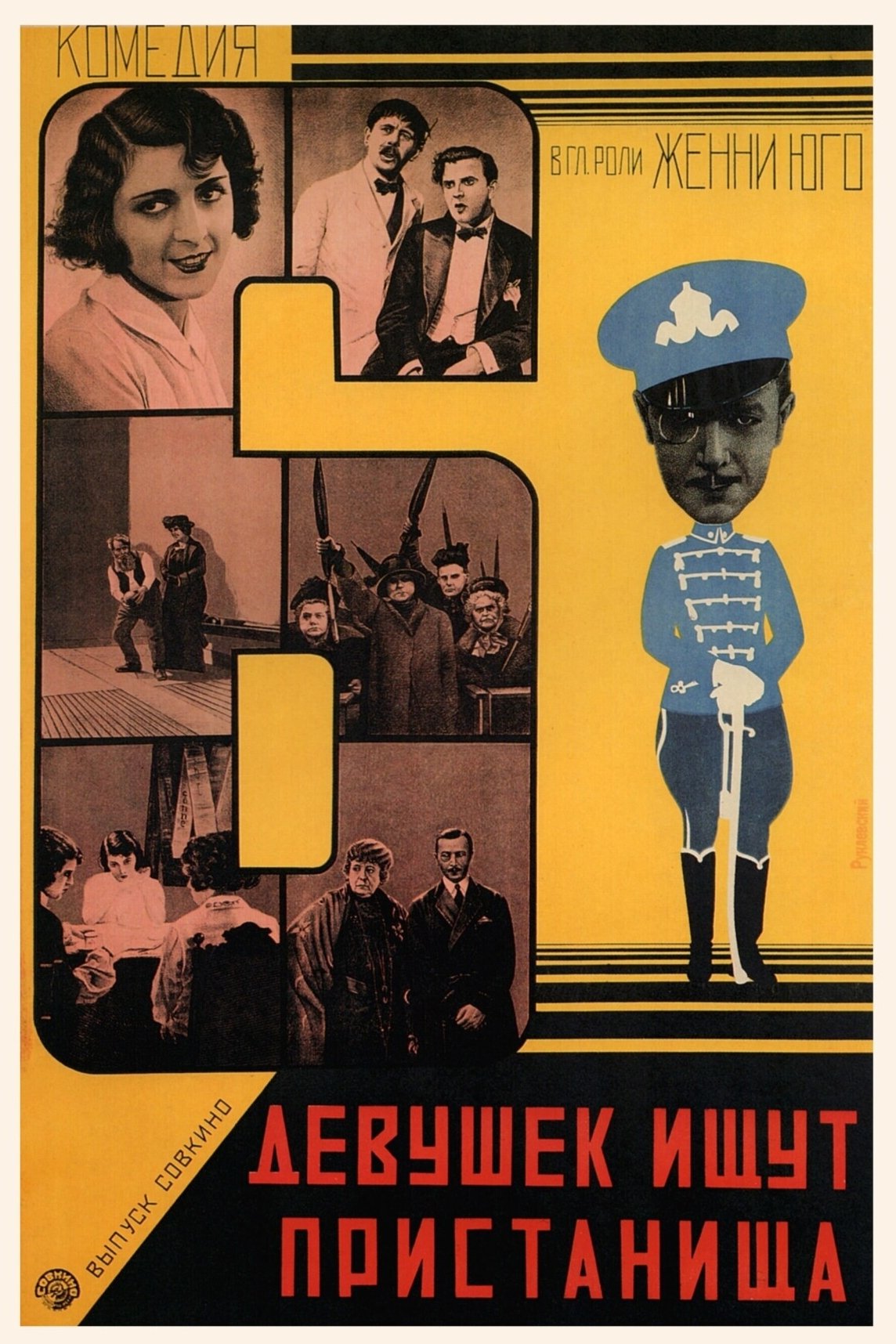
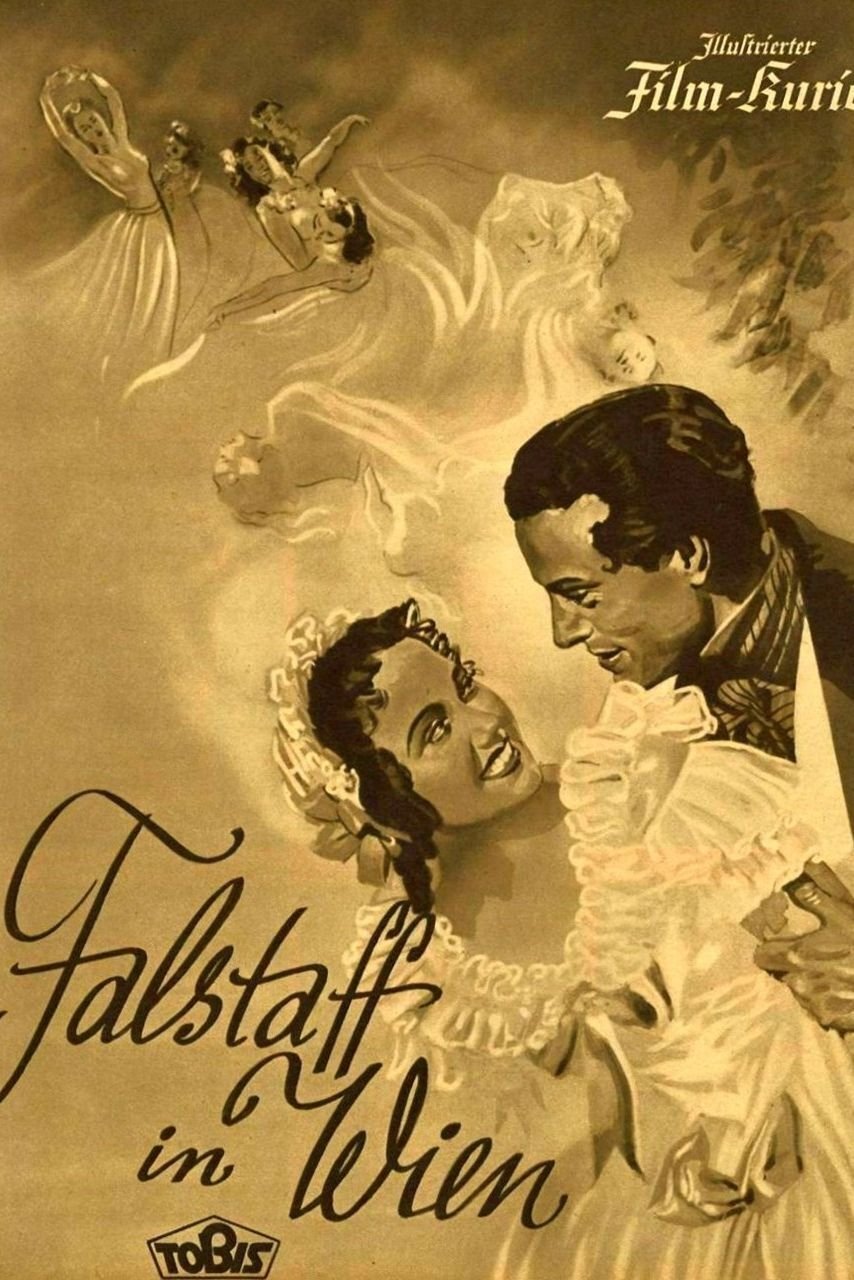
"Gems" - Embedded in a frame story, the film shows excerpts from 18 entertainment films of the time, among others, "The Gypsy Baron", "The Three Codonas", "La Habanera", "Viennese Blood", "Sophienlund", and "Mask in Blue".

After committing a murder for his lover, Gloria, the famous painter Jack is forced to go underground. In the harbor district, he saves the poor Malaysian girl Song in front of two intrusive sailors. She loves him for it, and together Song and Jack appear in the tingle dungeon of the port, he as a knife artist, she as a dancer.
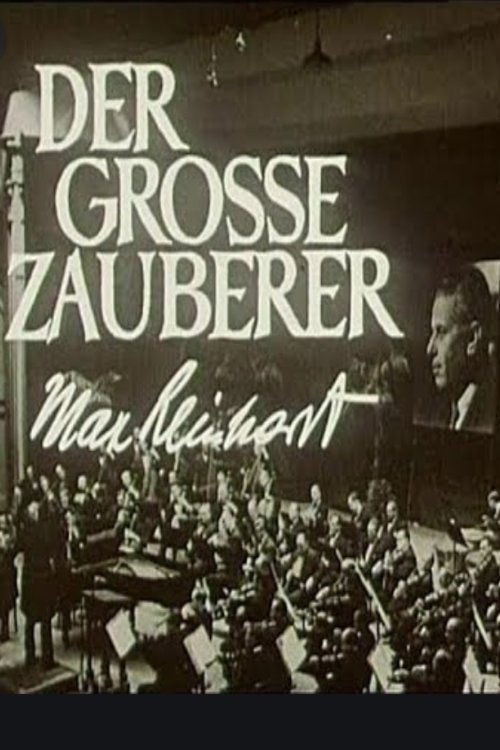
"The Great Magician" - Max Reinhardt (1873-1943) was an Austrian theater and film director, director, theater producer and theater founder. With his Jedermann production on August 22, 1920, he founded the Salzburg Festival.
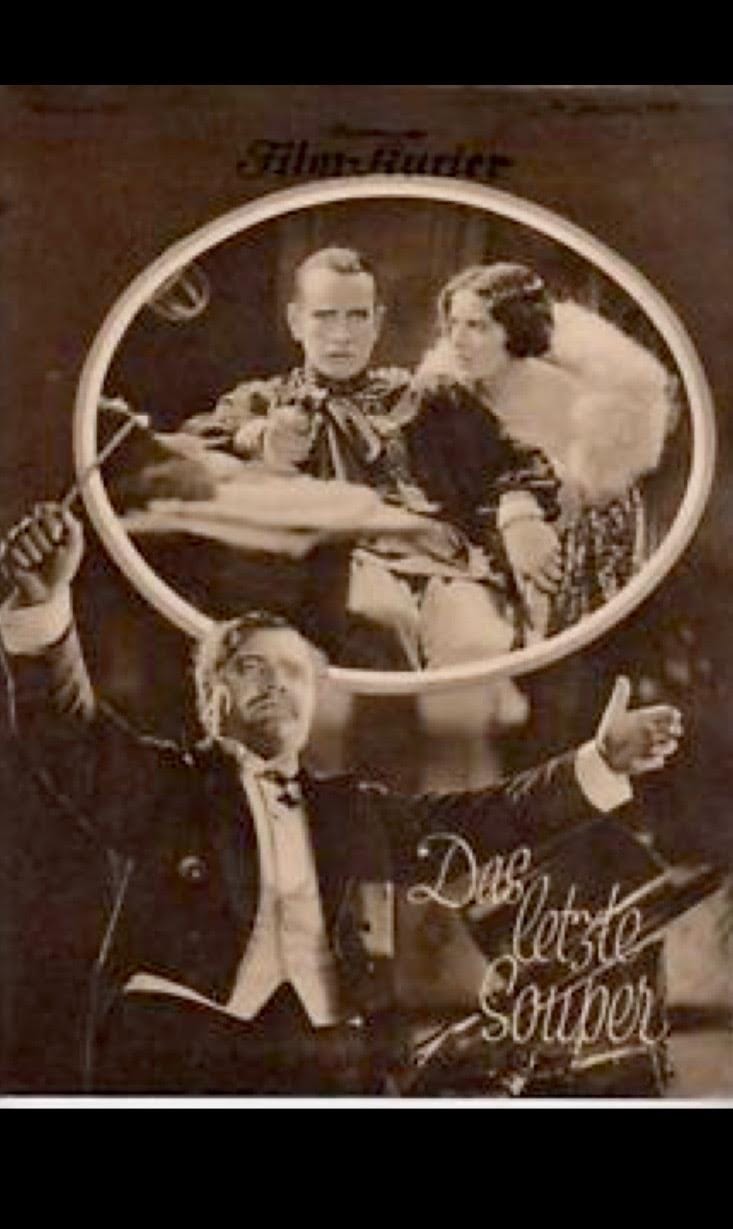
The impressive cast is headed by the great Heinrich George as Boris Stroganoff, an opera composer and conductor who’s also a notorious lothario. Albani is ballet dancer Viola Suroff, who’s put her career aside to look after her partner Maxim Sadi, a baritone with unspecified health issues that have kept him off stage. Stroganoff sets his sights on Viola and offers her a job in the corps de ballet for his new opera The Boyar, which she accepts provided Maxim is also hired. However, dancer Margot (called Myrra in the French version) maintains a seething passion for Stroganoff, as does Countess Geschow (called Countess Ziska on this print), both of whom are resentful when watching his interactions with Viola. Jealousies run high on opening night between all the characters and Stroganoff is shot mid-performance, but who is the killer: Maxim, Margot, or Geschow?I