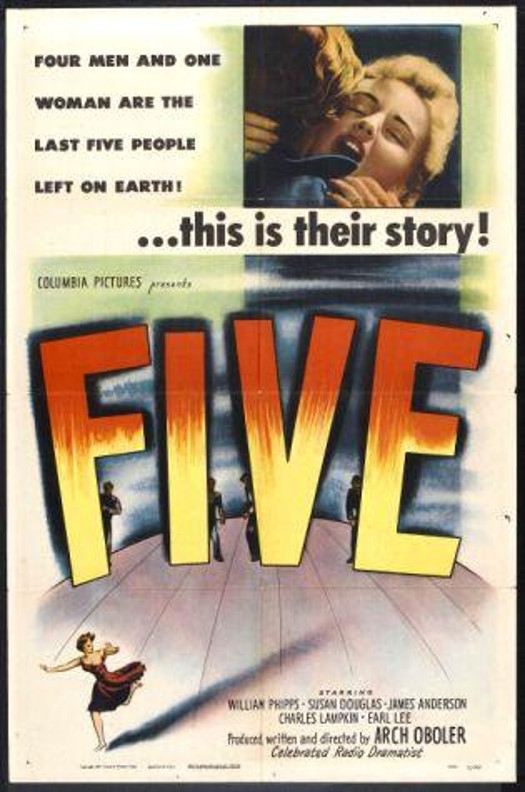
The film's storyline involves five survivors, one woman and four men, of an atomic bomb disaster. The five come together at a remote, isolated hillside house, where they try to figure out how to survive.
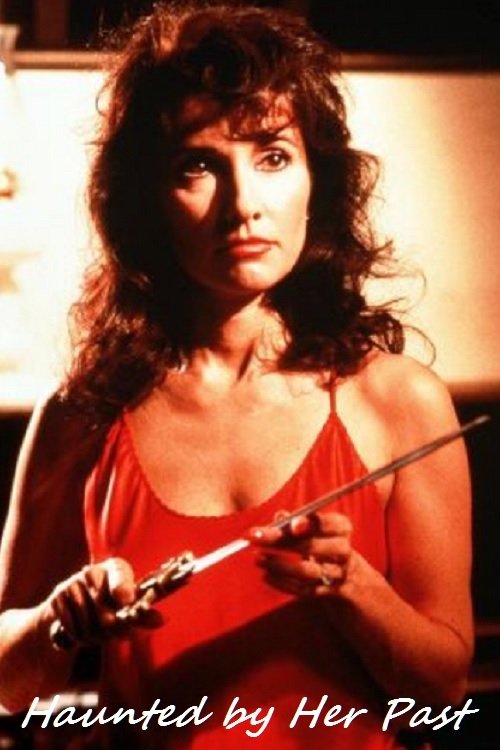
While staying at an inn in a colonial-recreation village for her anniversary, a young woman becomes possessed by her murderous ancestor through an antique mirror and compelled to murder her husband.
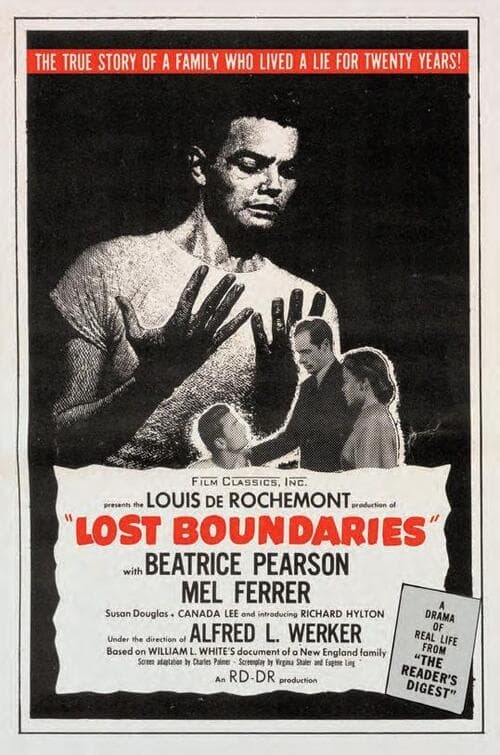
A light-skinned African-American family are "passing" in an all-white New England town. When the truth comes out, the more prejudiced neighbors demand their expulsion from the community.
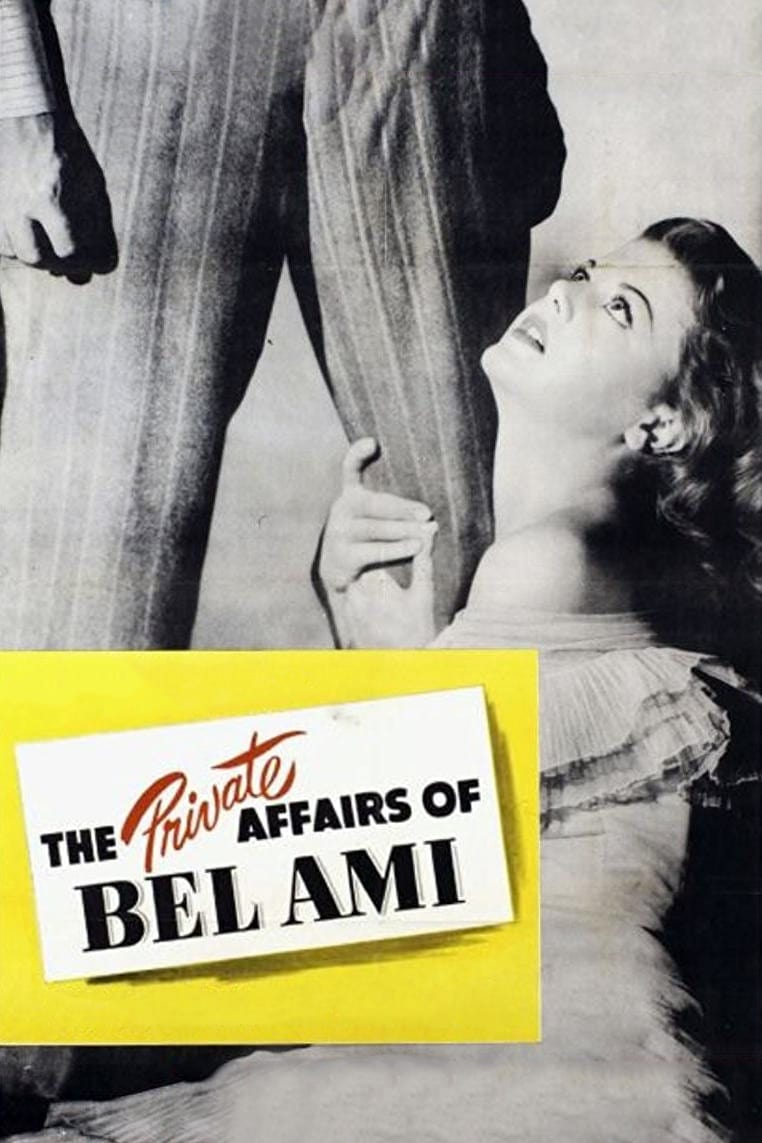
A self-serving journalist uses influential women in late-1800s Paris and denies the one who truly loves him.
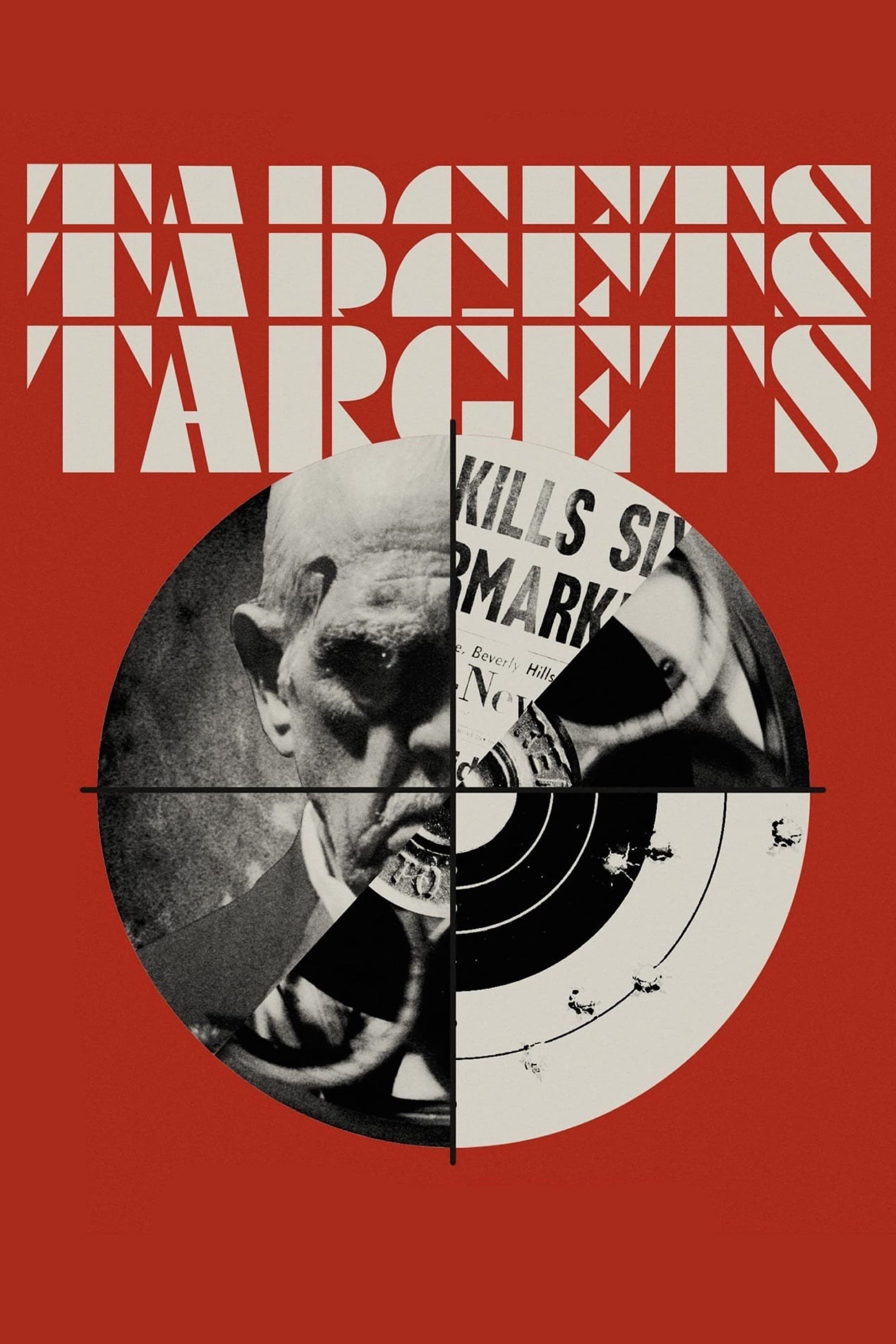
An aging horror-movie icon's fate intersects with that of a seemingly ordinary young man on a psychotic shooting spree around Los Angeles.
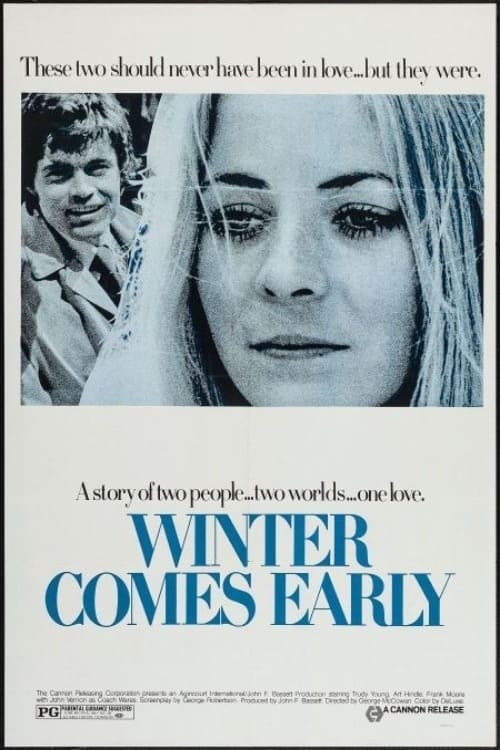
A love story involving a Canadian professional hockey player and a hippie folk singer. Their union is tumultuous, as both try to come to terms with their differences in careers and lifestyles. Several National Hockey League players also appear in the film.
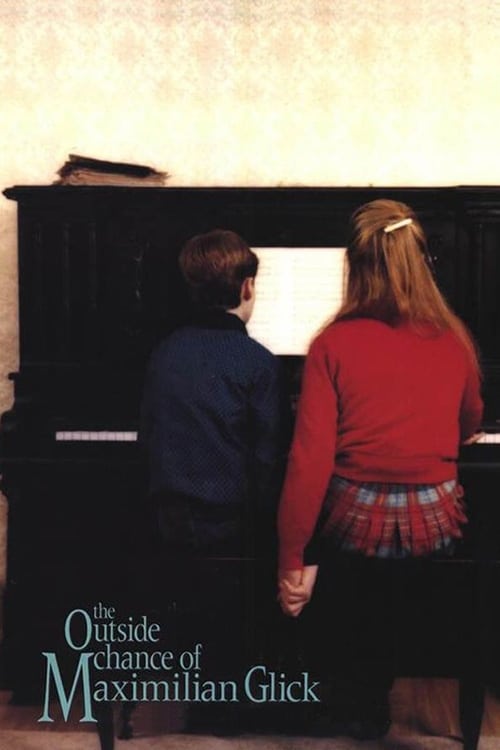
The early 1960s: In preparation for his Bar Mitzvah, a Jewish boy, Max Glick (Noam Zylberman) from a small Manitoba community with an overbearing family tries to navigate his coming-of-age with his family's condescension and bigotry using his sarcastic, Jewish humour. The town's rabbi dies, and a sub-plot develops in which Max's father (Aaron Schwartz) and grandfather (Jan Rubes)-both synagogue leaders-are saddled with a traditional Hassidic rabbi who sticks out like a sore thumb among the otherwise assimilated Jewish community. To make matters more difficult, Max likes a Catholic girl (14 year old Fairuza Baulk in just her third film), whom he later competes with in a piano competition. The quirky, fun-loving rabbi tries to help him with his problems, yet harbours a secret ambition of his own. Filmed in Winnipeg and rural Beausejour, Manitoba, Canada.
A woman tries to protect her family from supernatural forces who are trying to take control.

Joe wants a different future than one as a petty hoodlum and when he attempts to rob an aspiring dancer Noli, he glimpses the possibilities. He imagines purchasing a briefcase as a start but his crime partner is reluctant to let him go.
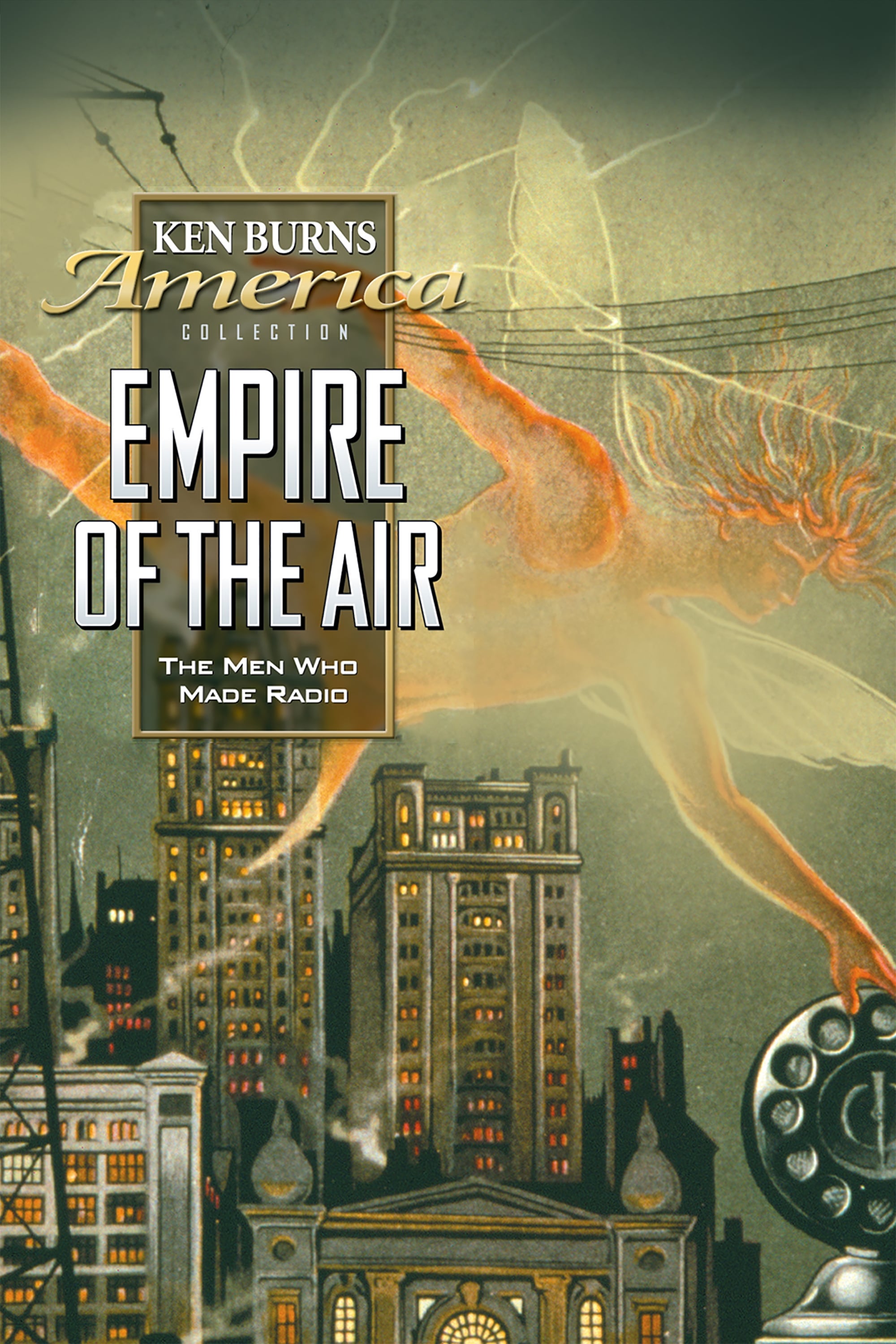
For 50 years radio dominated the airwaves and the American consciousness as the first “mass medium.” In Empire of the Air: The Men Who Made Radio, Ken Burns examines the lives of three extraordinary men who shared the primary responsibility for this invention and its early success, and whose genius, friendship, rivalry and enmity interacted in tragic ways. This is the story of Lee de Forest, a clergyman’s flamboyant son, who invented the audion tube; Edwin Howard Armstrong, a brilliant, withdrawn inventor who pioneered FM technology; and David Sarnoff, a hard-driving Russian immigrant who created the most powerful communications company on earth.
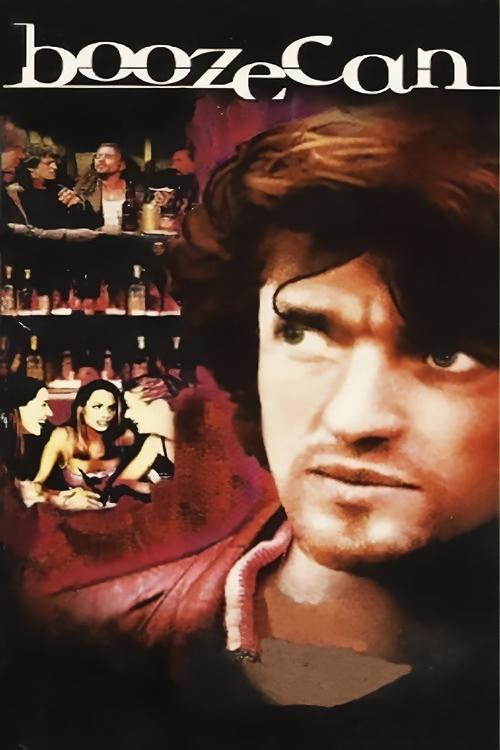
The owner of an after-hours bar dreams of opening a legitimate establishment.