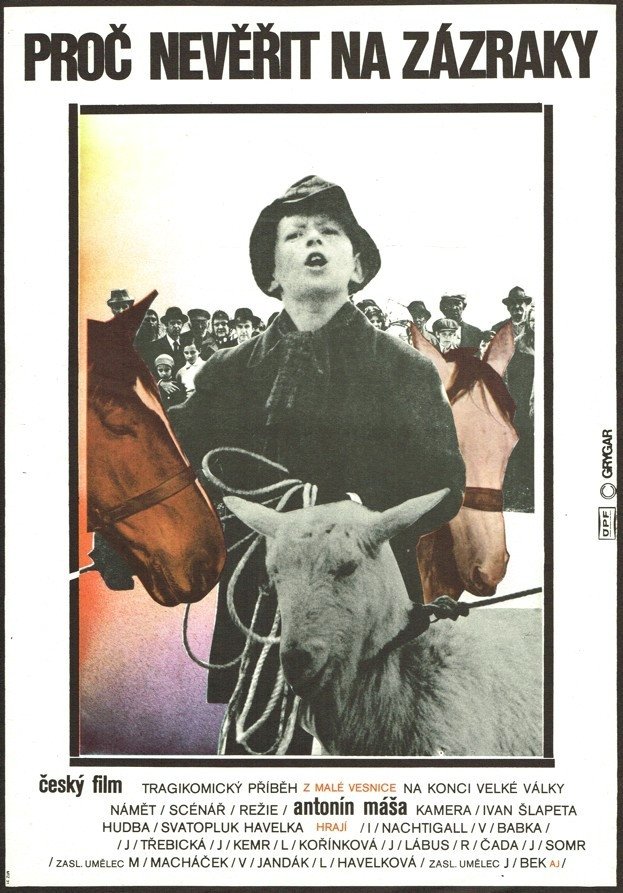
Wartime events from a child's perspective were a popular theme during the previous regime - here it is a twelve-year-old village boy who experiences dangerous situations with retreating Nazi troops in picturesque South Bohemia... Any attempt to achieve a more believable depiction is destroyed by the staging's grandeur, and in the end the result is an awkward piece, suitable at most for celebrating the relevant national holidays. A longer copy with a tragic ending is stored in the NFA. Milda is shot unnoticed by an SS major.
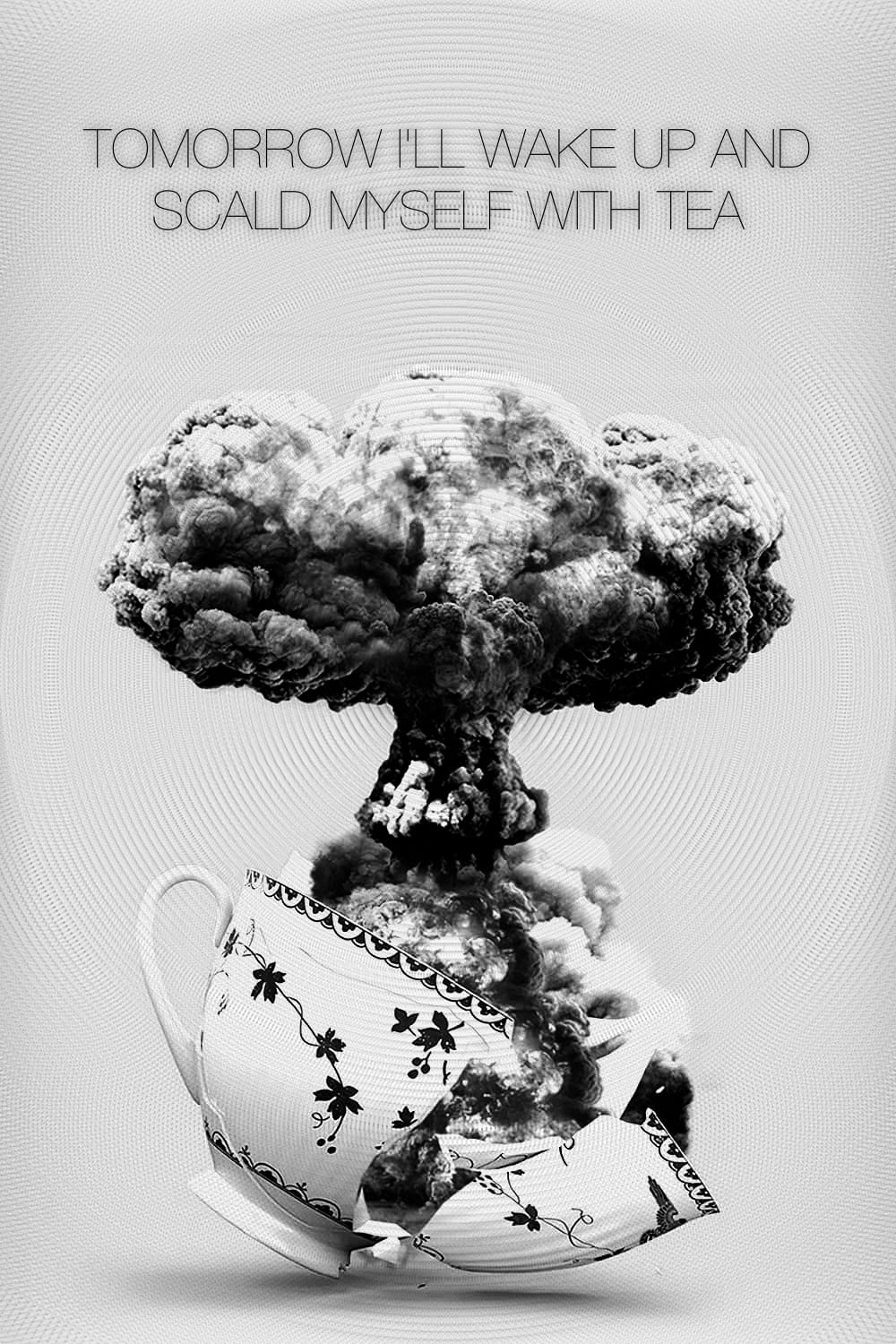
Former Nazi Klaus Abard survives to the 1990s by taking anti-ageing pills. He plans to use a time travel trip to return to Germany in 1944 and present Hitler with a hydrogen bomb, so that he can win the war. Unfortunately the pilot, woman-chasing Karel Bures, dies on the morning of the trip and his earnest twin brother Jan impersonates him, without knowing about the plot.

A smaller town has its own newspaper. The editor, Stanek, works there and is concerned with status and a comfortable life. His teenage son has his own problems and doesn't understand his father's attitude. Conventional morality without real critical passion.
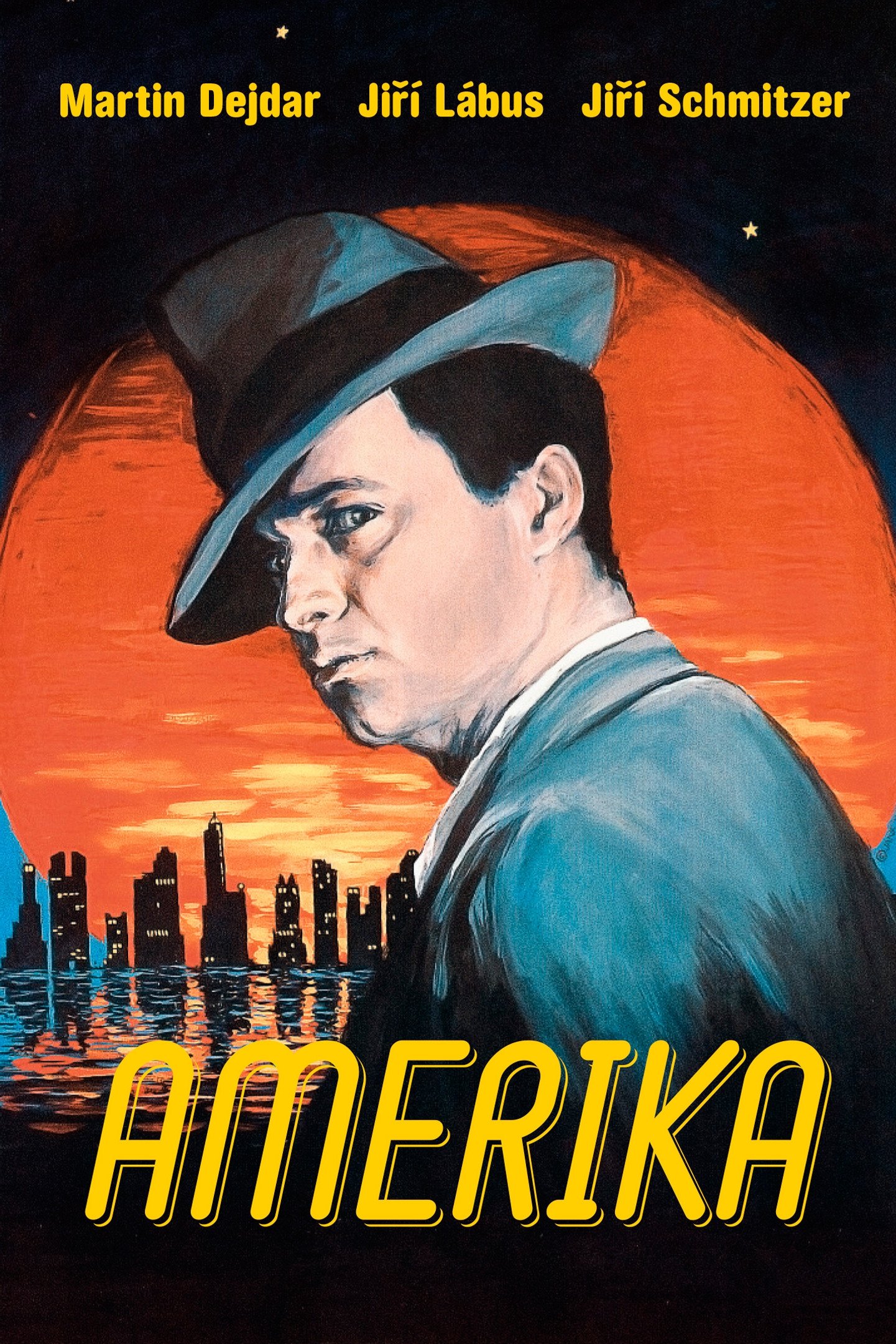
Vladimír Michálek chose an unconventional adaptation of Franz Kafka's novel for his feature debut. Artistically reminiscent of the classic films of Karel Zeman, the director reinterpreted this dark story of a man vainly seeking a place in a rigidly ordered society by changing the desperate conclusion into a happy end. The film provided Czech comedian Jirí Lábus with a new kind of role: that of the despotic uncle of a main hero Karel Rossman (Martin Dejdar).
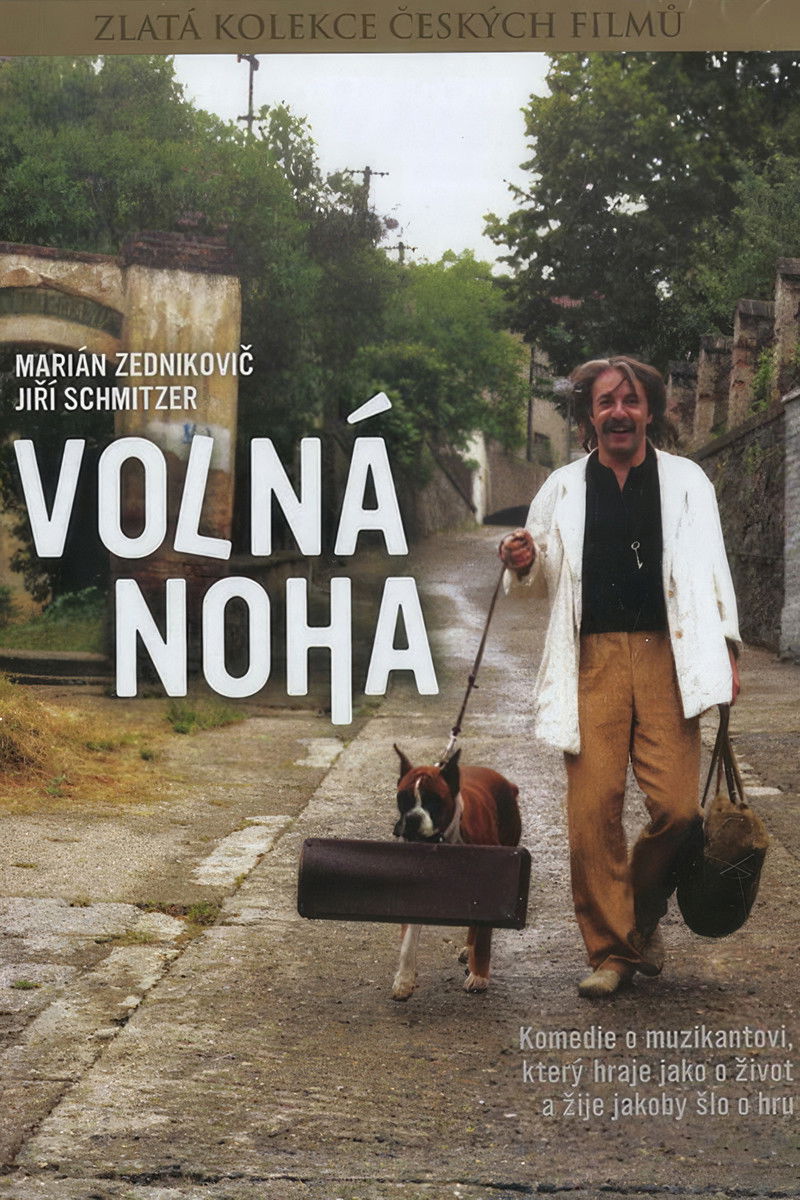
Jazz musician and trumpeter Beno is originally Slovak, but has been living in Prague for a long time. As a true bohemian, he does not recognize any limitations in his personal or artistic life. He is devoted to jazz with body and soul and despises any form of pop music. That is why he rejects the lucrative offers of his girlfriend, the successful singer Gábina. He also successfully faces the pressure of his much younger girlfriend-to-be and her defiant mother. Beno often has to pay for his tricks, but he accepts this with open eyes. Beno is ably supported by his friend, saxophonist Emil, known as Rampouch.
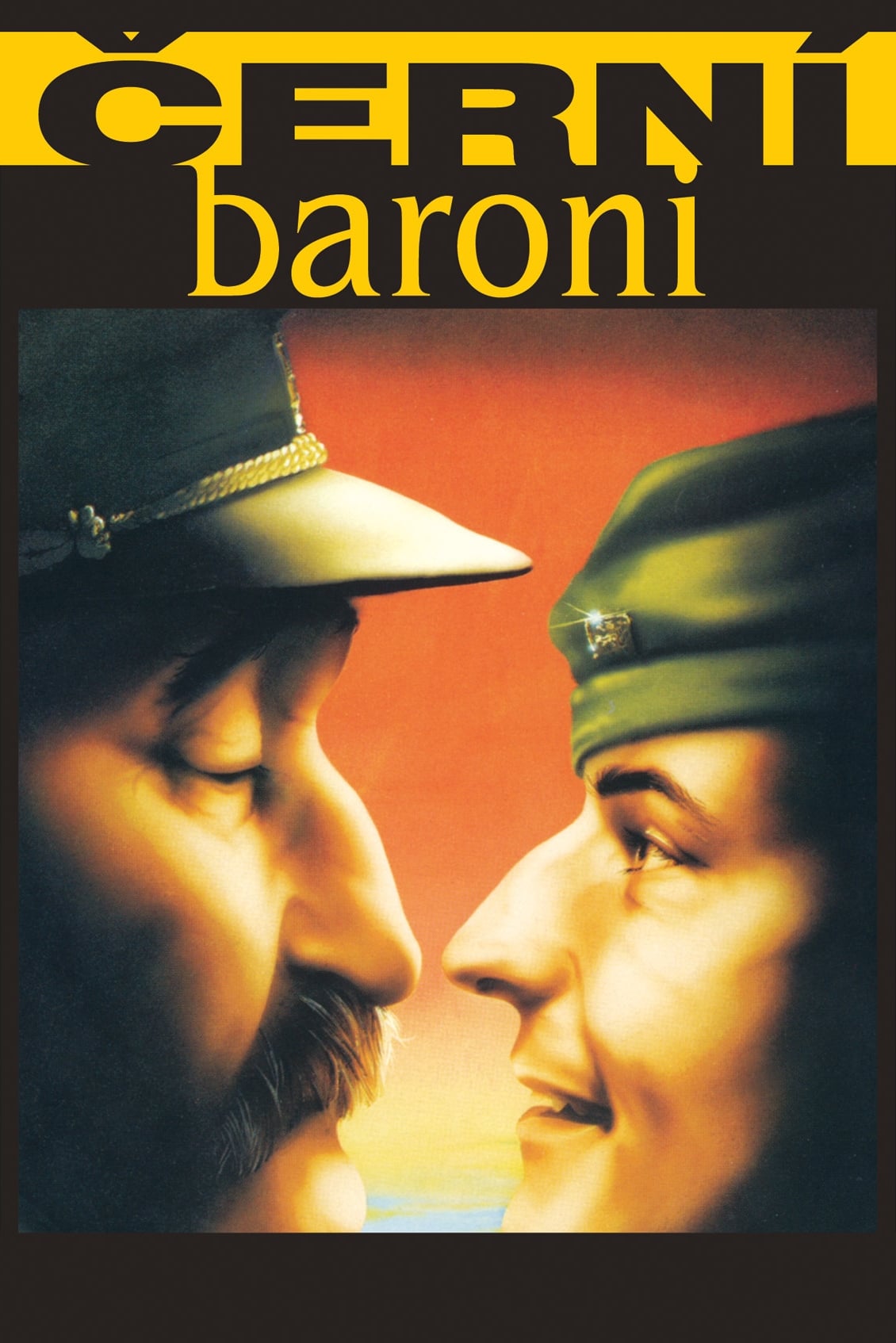
Life of Czechoslovak soldiers in a military unit for the so called "politically unreliable" - the Technical auxiliary battalions, aka "the black barons". Although it might seem like a political satire and it's mostly funny, it shows the reality and the absurdity of military service under the communist regime. Based on a novel by Miloslav Svandrlik.
The main character, a forty-year-old doctor, tries to cope with situations that life throws at her as a successful dentist, but a less successful mother, lover, and ex-wife. The heroine's relationship with her daughter, lover, mother, and ex-husband is portrayed very convincingly and without the slightest idealization, reflecting the ambiguity and controversy of the contemporary female condition. Although the author accumulates in his novel and television script almost all the paradoxes of today's self-employed woman in the heroine, nevertheless (or precisely because of this) her story reflects the experience of most contemporary women. Especially those who place high demands on themselves and others, which, however, can rarely be met one hundred percent. And if it turns out that we owe the greatest debt to our own daughter, then it is no surprise that everything starts to change completely...
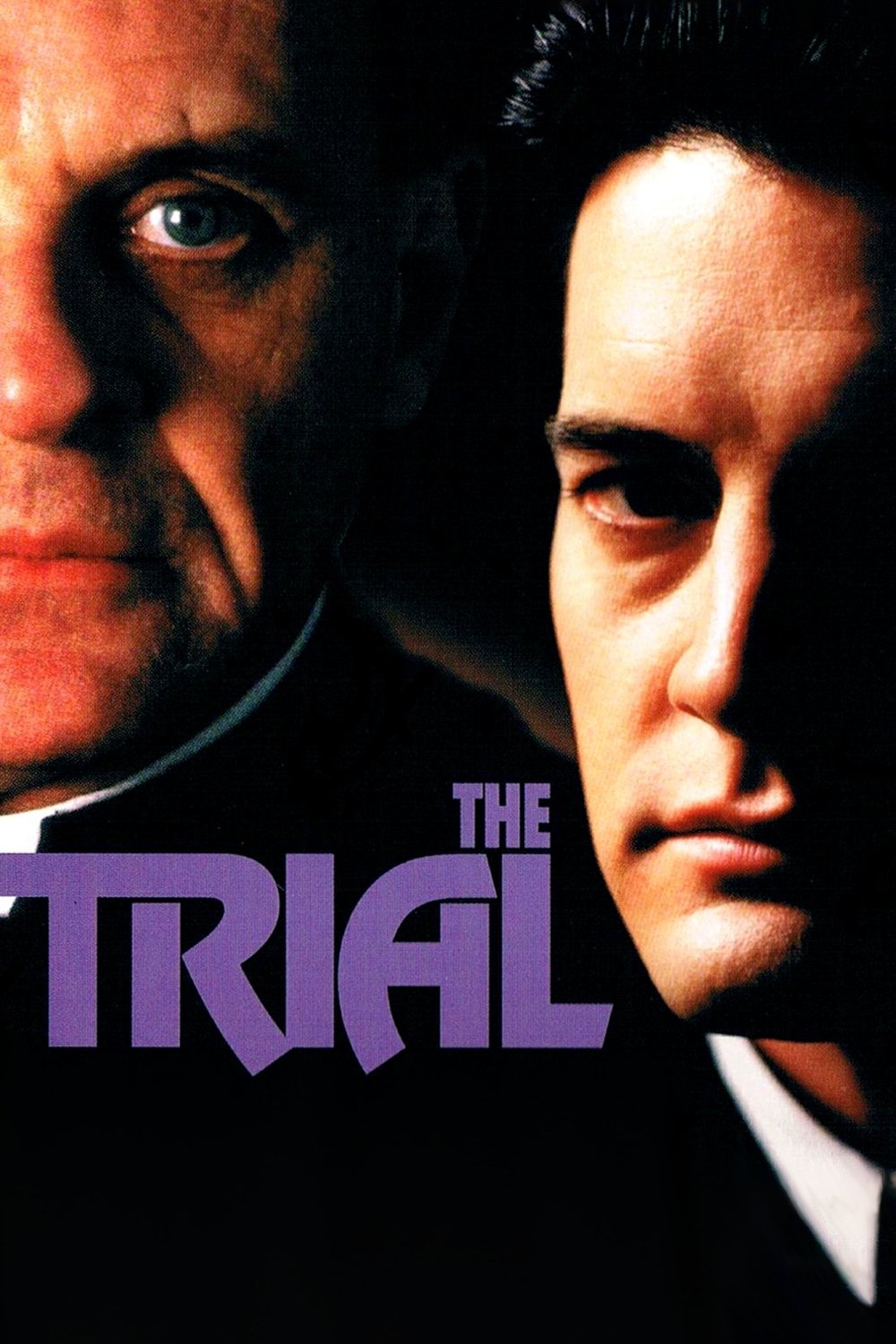
Joseph K. awakes one morning, to find two strange men in his room, telling him he has been arrested. Joseph is not told what he is charged with, and despite being "arrested," is allowed to remain free and go to work. But despite the strange nature of his arrest, Joseph soon learns that his trial, however odd, is very real, and tries desperately to spare himself from the court's judgement.
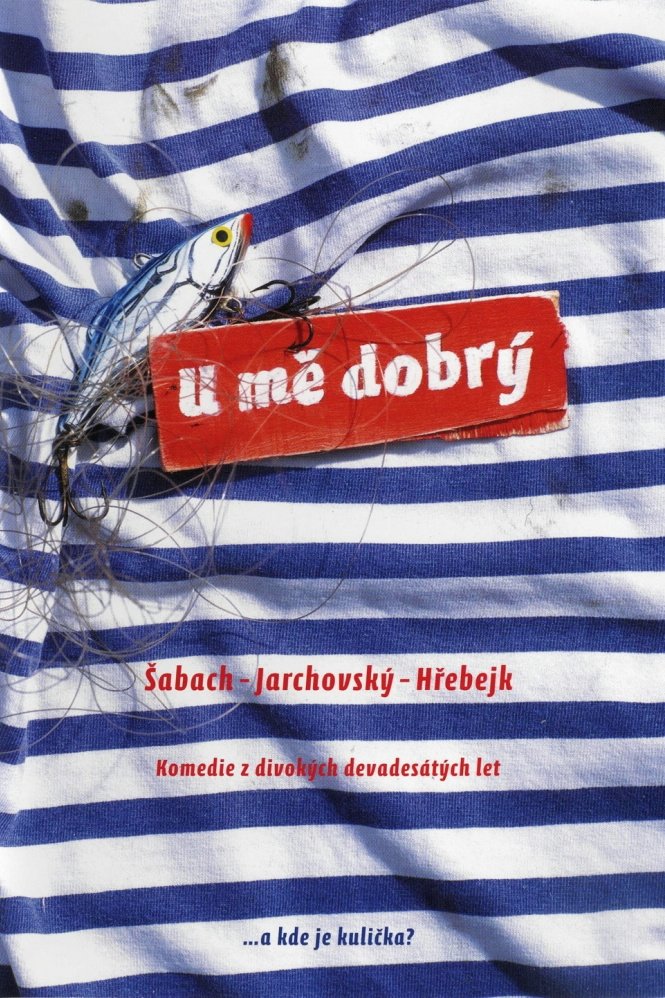
This Hrebejk’s comedy is set in Prague, four years after the democratic “Velvet revolution” of 1989. This was an era of sudden freedom, transition and confusion. Most people got carried away, quickly abandoning the old values and uncritically accepting the new. Some people just took a break…
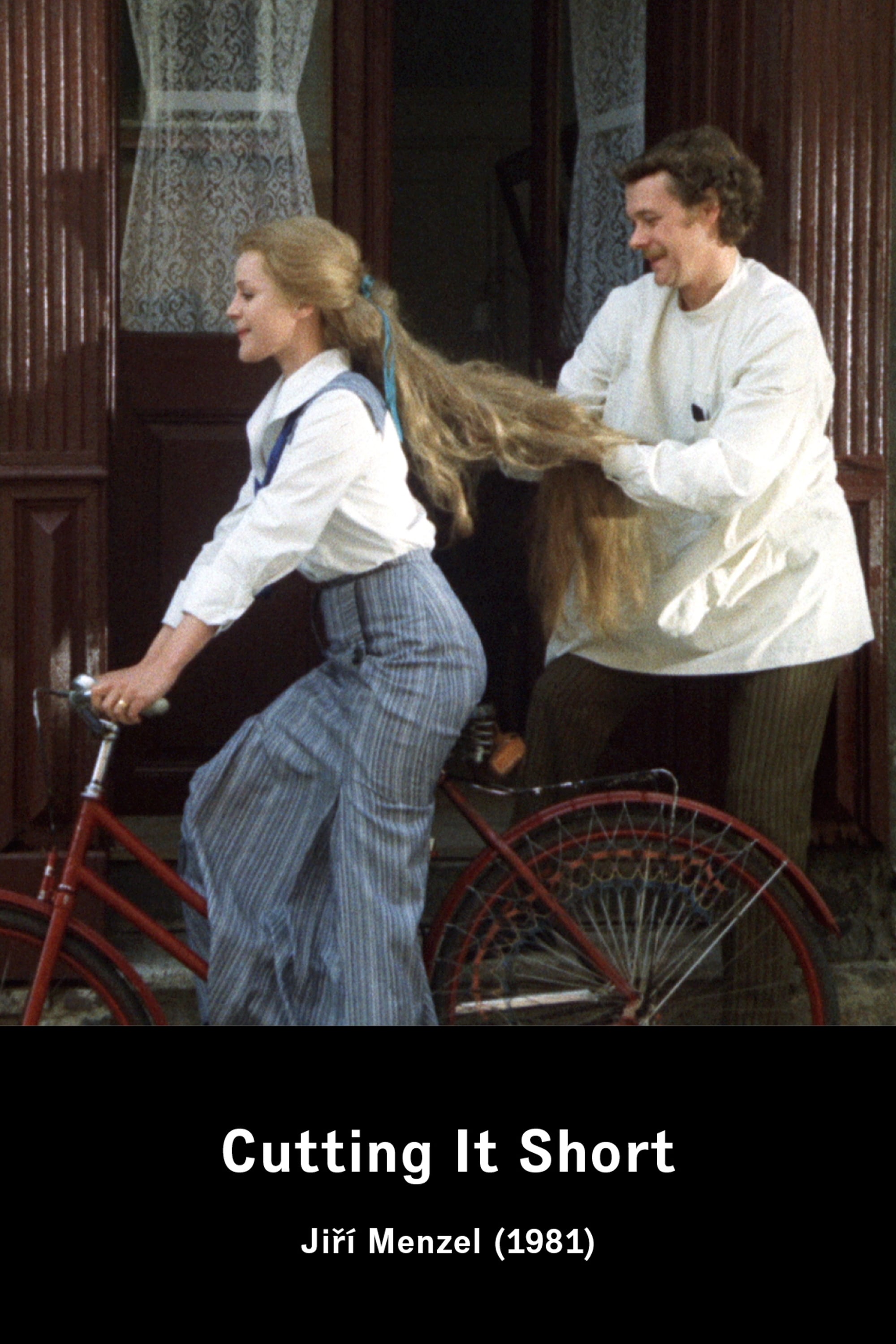
Francin, manager of a small-town brewery, has a charming wife whose abundant blonde locks are an adornment to the town. Maryska looks ethereal but loves meat and beer, while Francin is an ascetic. The strict members of the brewery board of directors come to audit the accounts, but are diverted from concentrating on Francin's detailed reports by Maryska, who has organized a pig-killing feast and is ably assisting the butcher. When she invites the old curmudgeons on the board to enjoy the fresh pork, they are too happy to agree. Francin doesn't know whether he is going to get a permanent contract. To make things worse his brother Pepin - eccentric, noisy and garrulous - turns up on an indefinite visit.
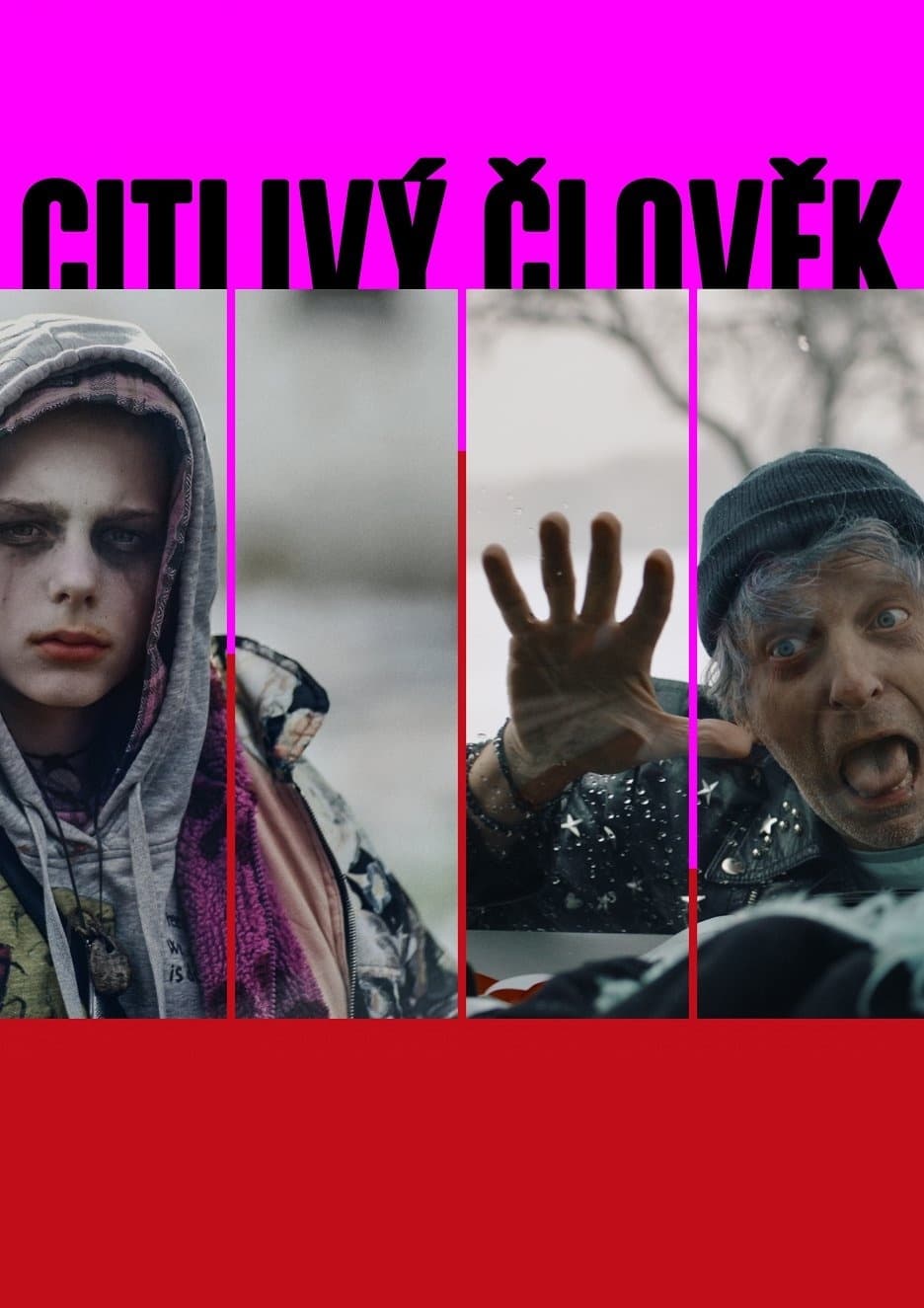
This darkly grotesque drama unfolds on multiple paths. The tangible one, now cruel, now crazy, along which the nomadic actor "Dad Mour", his wife "Mum" and two sons try to return home, but also the imaginary one, even more, tortuous and dusty, on which the often impressive mental youth (or immaturity, a scrooge might say) is welded with life circumstances forcing the protagonist to wise up. An anxious and exuberant cinematic faerie about love, the fear of loneliness and the gaze of sons fixed on their fathers.

This comedy is about one average family. The father works as master in the factory and his son is studying on high school. One day father must start to visit the evening school. It's the same school as his son visiting. The lives both students are connecting together. The son must teach the math and physics his own father. The father getting to know, that the life of the students is not simple as he supposed.
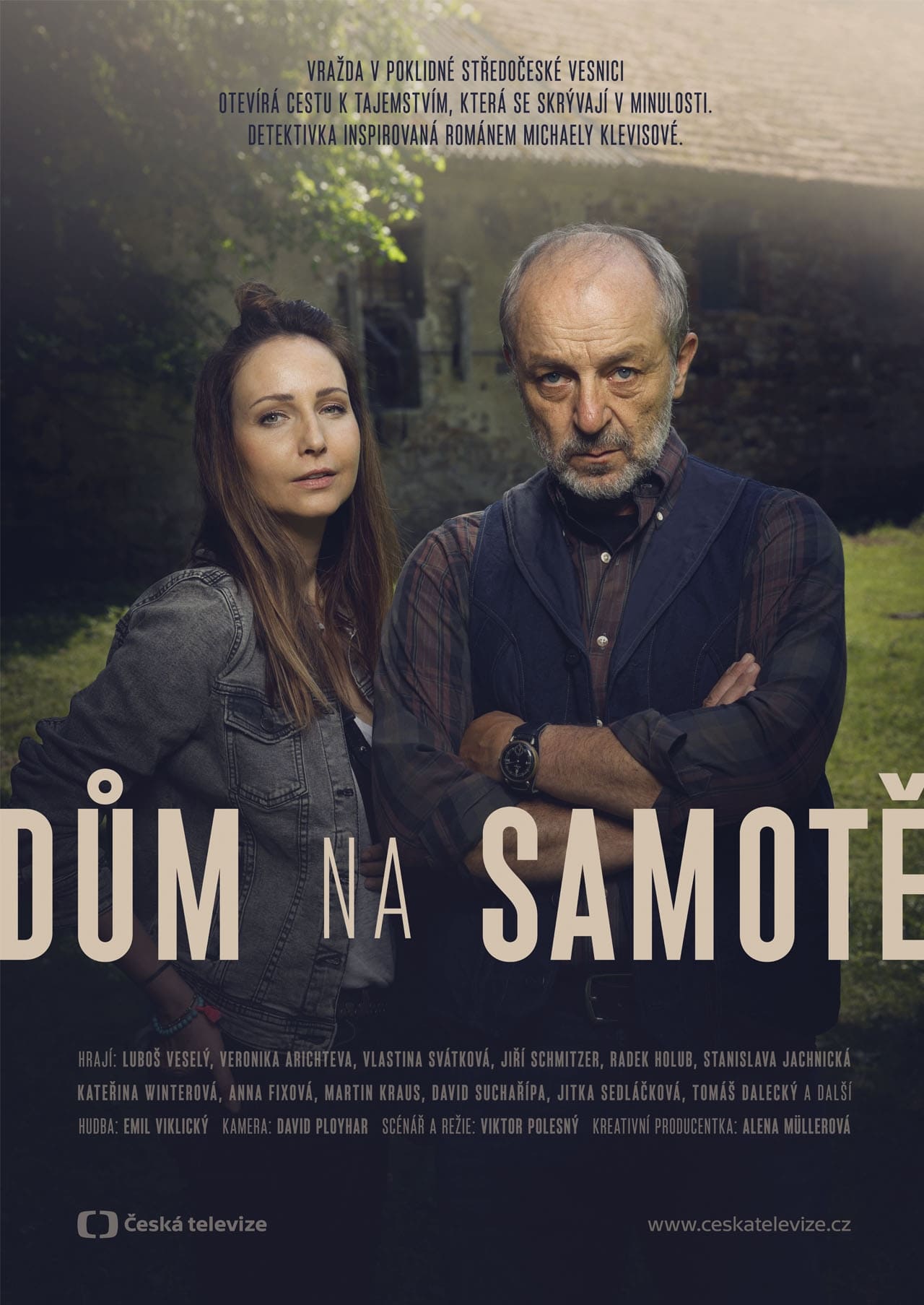
The search for a perverted serial killer opens the door to a dark past. Where do the clues from the rapist's strange handwriting lead?

Marcela can't bear Jarda any longer, so she threatens divorce and takes the kids to her mom's, whose husband is a creep. While Marcela is there, Jarda is jailed, because he is part of a gang steeling cars and they get caught in the act. Benes, the urbane man whose car got stolen by Jarda and his gang, befriends Marcela. Soon she feels drawn to Benes and all of a sudden she must make up her mind: Jarda is still sexually attractive to her, but Benes offers security, and her own body and mind may not pull at the same strand.
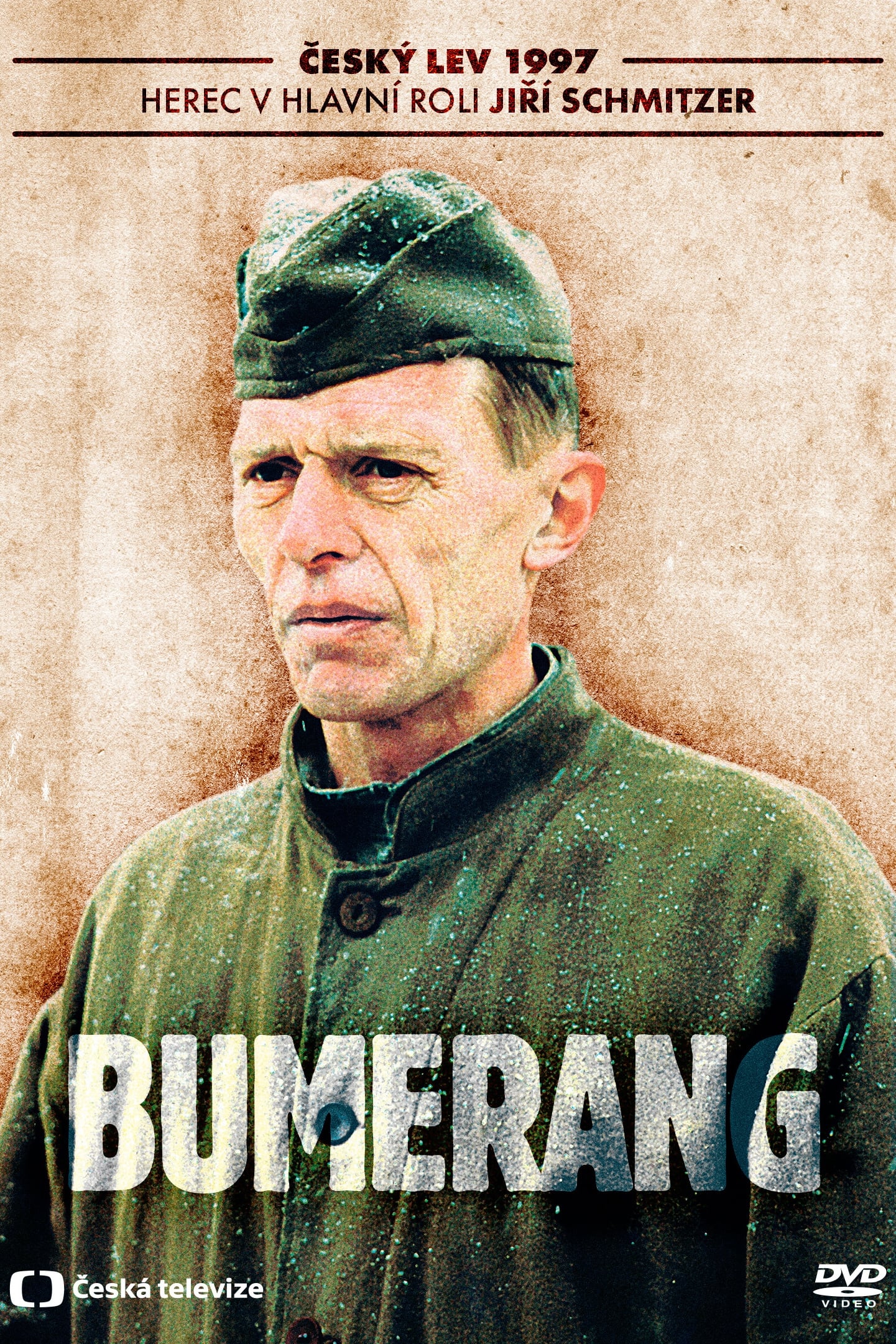
The story, written by former George Stransky former political prisoners and today's chairman Pen Club is situated to 50 years and uranium camp of political prisoners in Pribram, where after the fall of the Stalinist cult comes at the end of 1958 as a prisoner of the former Chief of Main Administration of correctional facilities Colonel Good. Former chief topic of coexistence, "a guard" and political prisoners in the Bolshevik camp served timeless makers to reflect on the possibility (or impossibility) of forgiveness and a sense of justice. The film, unfortunately, below expectations - mainly because of its rarity and lack syžetovou arching dramatic arc of the story, including natural gradation. Nice camera and vice versa are cast, formed literally myriad of top Czech actors. A representative of one of the main roles - Jiri Schmitzer in 1997 was awarded the Czech Lion.
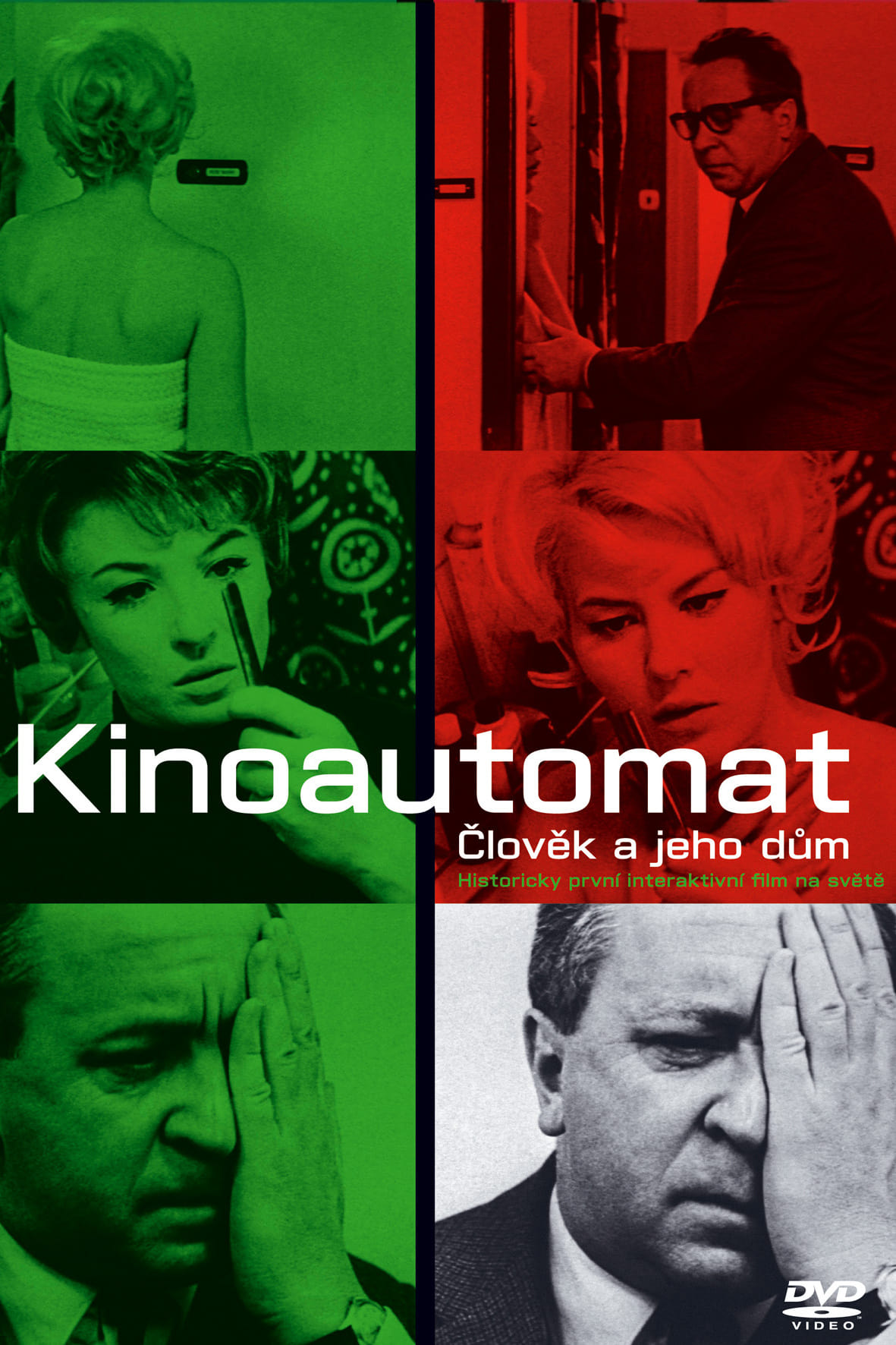
Kinoautomat was the world's first interactive movie, conceived by Radúz Činčera for the Czechoslovak Pavilion at Expo '67 in Montreal. At nine points during the film the action stops, and a moderator appears on stage to ask the audience to choose between two scenes; following an audience vote, the chosen scene is played.

Honza Marak has long since abandoned a career in IT and has bought a cottage on the outskirts of a small village, where he’s settled in with his wife Marketa, daughter Anyna and son Sayen. He works in the woods as a forest labourer repairing roads and enclosures, cutting wood to sell and assisting the foresters. Marketa earns a living as a masseuse and alternative healer, making use of various mind-altering plants and mushrooms, which leads to conflict with the old inhabitants and eventually with drug enforcement. Daughter Anyna attends a distant school where her grades deteriorate as she wanders the woods learning from nature rather than from her textbooks.

The film is essentially a feature-length commercial for an exhibition to mark the 40th anniversary of the nationalisation of the Czechoslovak film industry, to be held at the Prague U Hybernu venue. The protagonists of the piece are comedians Oldrich Kaiser and Jirí Lábus, who are set to accept an award from Japanese television representatives at the exhibition. At the same time, five gangsters plot to seize a revolutionary invention devised by professor Suzuki - a super holograph, which enables any figure from television to be transported in the flesh into the real world, and vice-versa.
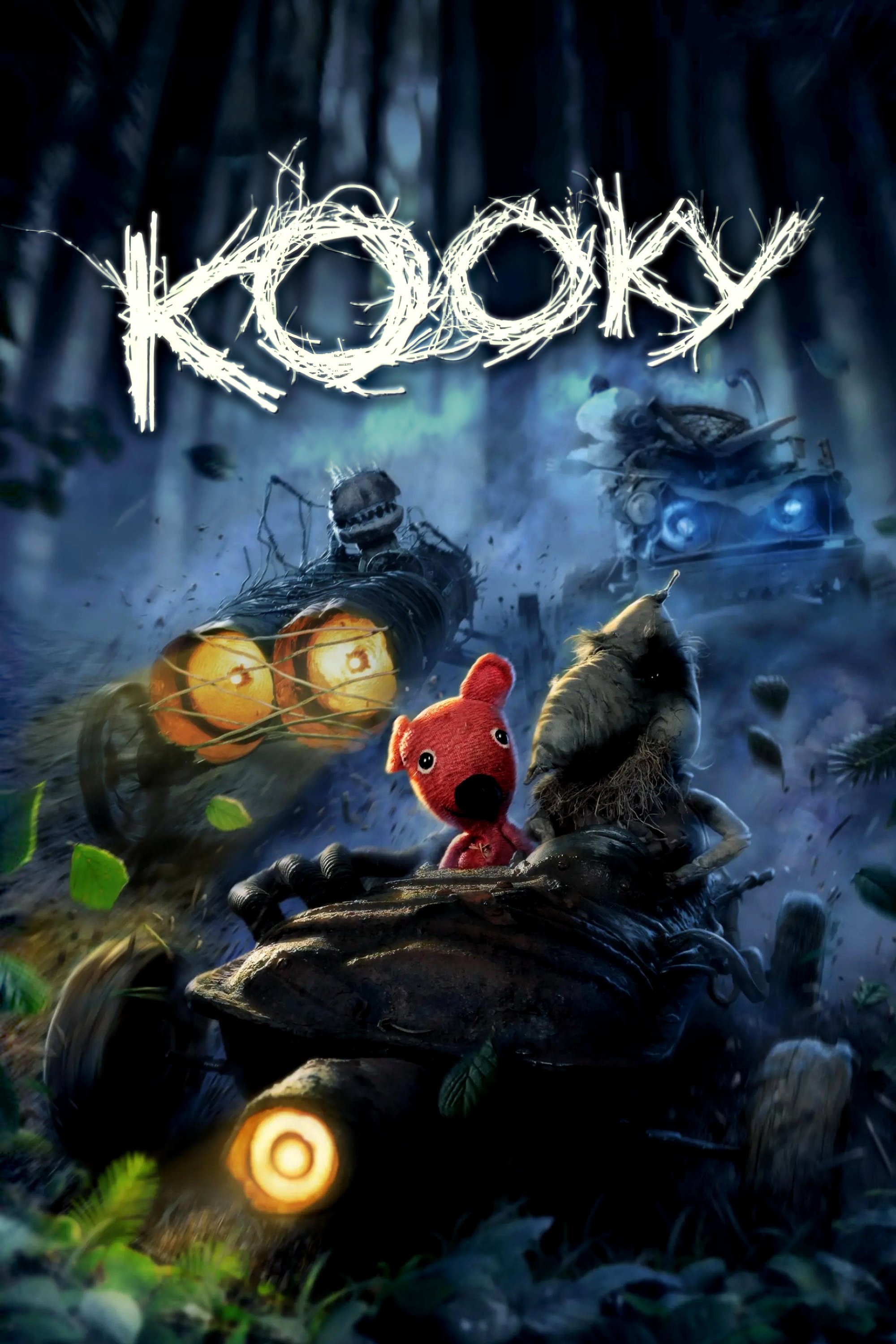
Young Ondra has asthma and so his parents throw away his favourite toy: a musty old stuffed bear named Kooky. That night Ondra dreams that Kooky is determined to find his way back home from the dump. In the boy's fantasy, the bear gets lost in a forest occupied by strange animals and remarkable beings that he never heard of while living on the toy shelf in Ondra's room. And of course even in this small imaginary world, true good exists as does real evil, which Kooky must face up to in order to become a real hero.
The popular folk singer Jaro Zárubecký, a former waiter, follows the motto "A man is not what he is, but what people think of him", and that is how he is raising his son. He lives only for him. Even though he feels successful, he still tries to equal those "above" him out of a certain feeling of inferiority and wants to bring his son to that level. He learns that Paul is in a group of boys who, for lack of other interests and out of recession, let off gas so that whoever shuts him up will become a "coward". Zárubecký is willing to protect his son even at the cost of losing his job and his life partner...
Those who take too long to choose their life partner usually take too long - so goes the old saying. Even a long indecisive girl, who is looking in vain for someone who would fully impress her, is convinced of its truth...
In the story of two generations searching for a fixed point in their lives, the film offers a reflection on the possibilities of escaping the reality of place, time and human responsibility. In a narrative between fiction and documentary, the past and the present are intertwined, and events both lived and written. The film takes advantage of the atmosphere of Ústí nad Labem and the unique possibilities of the Drama Studio of that time. It is linked to the theatre by the actor Jiří Schmitzer, who was a member of the ensemble for ten years, as well as the actress Jitka Prosperi and Miroslav Bambušek, who was a guest director and author there. However, the actors who also appeared on the stage of the Drama Studio were Čerčil's representative - former stage technician Zdeněk Novák, former wardrobe mistress Petra Poláková and inspector Ester Hocke.
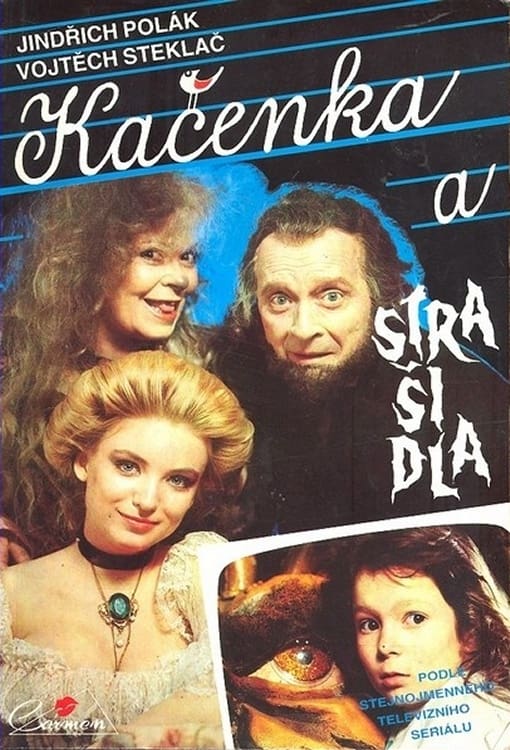
Jindrich Polák's modern fairy tale comedy tells the story of a girl who unexpectedly inherits a fairground amusement - a haunted house from Vienna's Prater fun park. With the help of a magic timepiece she is able to bring three of the ghosts to life.
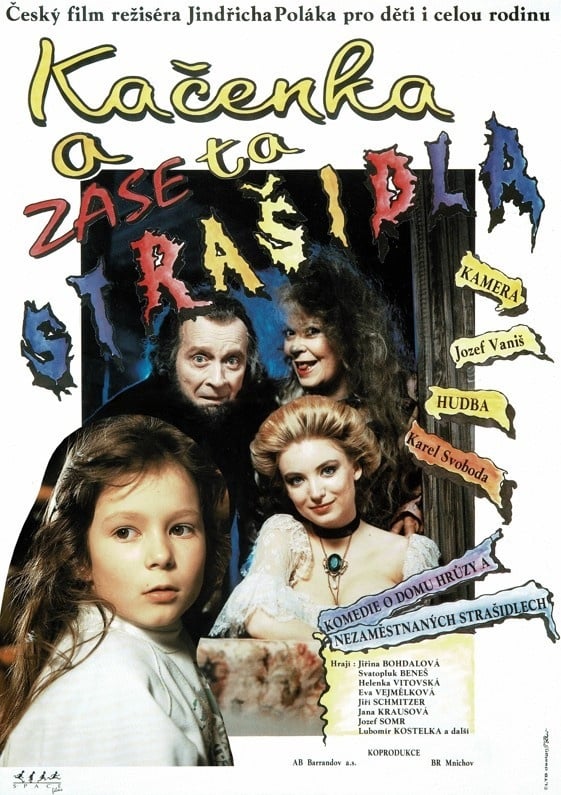
This time, the eight-year-old girl must fight to keep her parents from turning the House of Horrors, which she received as a gift from her grandfather, the Viennese Czech Swoboda, into a family villa. Helping her are her old friends, with the help of a magical clockwork mannequin, the witch Bertha, the charming Elvira and Dr Caligari. She arranges for notary Weber to come from Vienna to check that the terms of the gift agreement have been kept and that the attraction is fit for purpose...
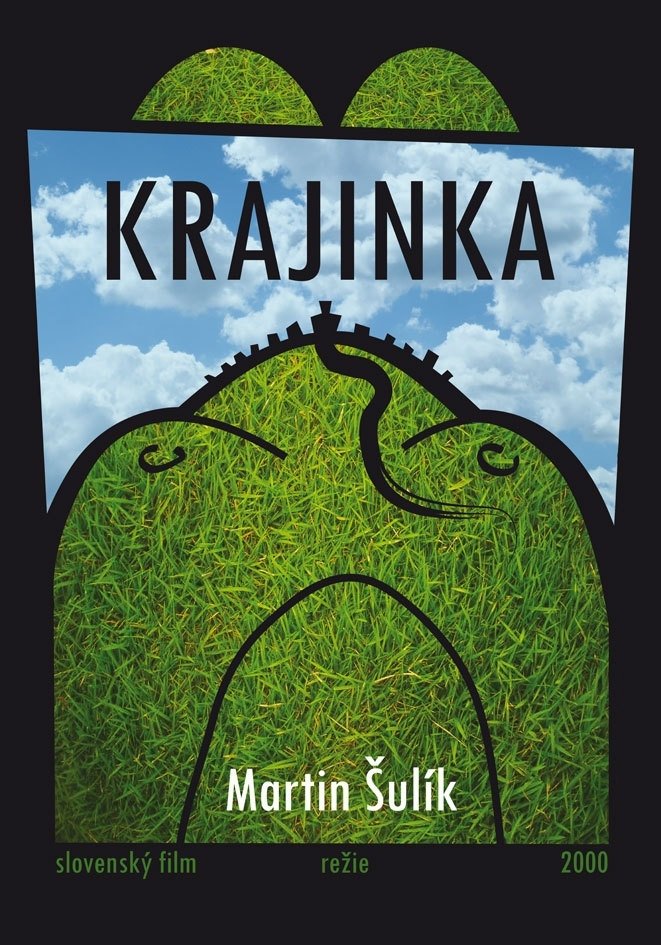
Ten short unrelated stories that move chronologically through Slovakia's twentieth-century history as seen from the perspective of life in small towns and villages.
Two itinerant performers in a timeless, unnamed land rescue an abandoned infant. As they care for the child, they clash with the realm’s all-powerful, primitive militia. This tragicomedy follows their bond, the absurdity of authority, and the longing for belonging against a surreal, beastly backdrop.
Based on a Jack London story, this is another attempt at a Western spectacle - after the short story triptych The Canyon of Gold - about a teenage boy who, after his father's death, lives in a gold-mining town. He even witnesses a cruel fight between two cowboys over a supposed treasure.
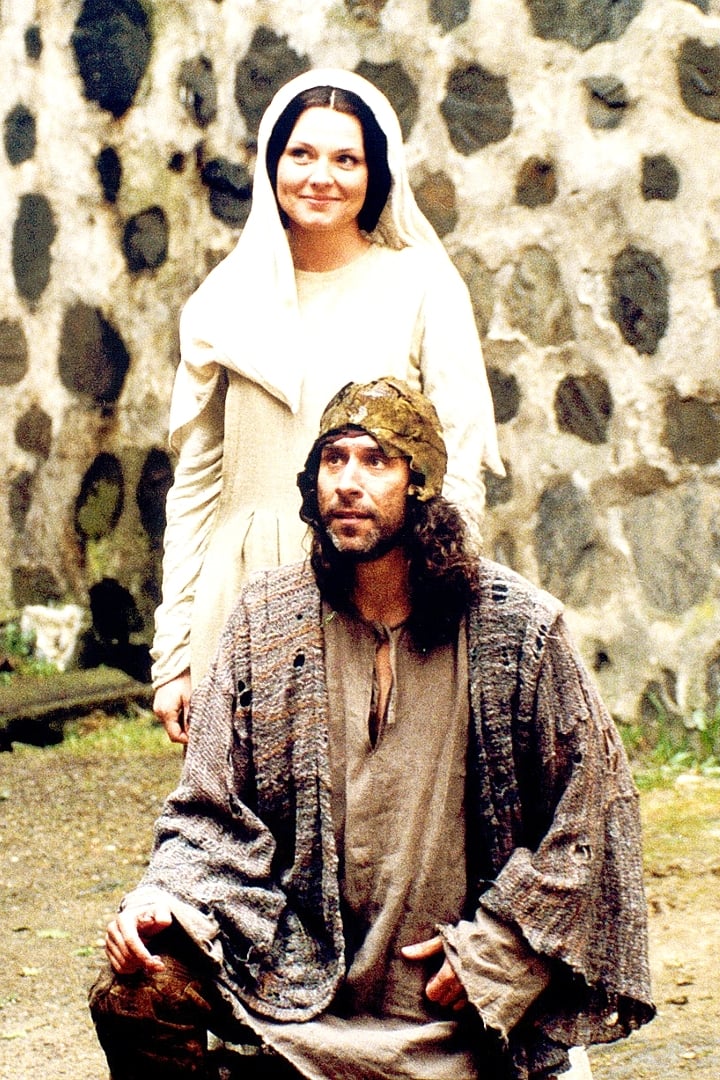
This fairy tale, based on an old French legend, takes place in the Middle Ages at the court of King Pepin. The king wants to marry and, on the advice of Duke Akilon, decides to court the Hungarian princess Bertha. Although the princess has a physical flaw—her feet are too large—Pepin does not care much about that. He remembers how he was friends with Bertha as a little boy and even then admired her bravery. Duke Akilon therefore sets off for Hungary to ask for Princess Bertha's hand in marriage for his king. However, he has his own plan and has no idea what will thwart it.
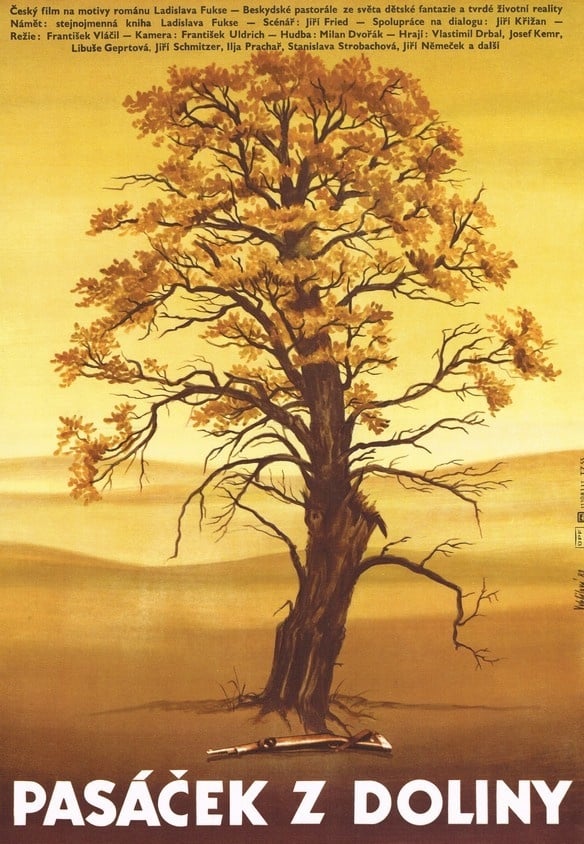
In 1947 by the Beskid mountains, the traces of war still linger, destroyed tanks dispersed throughout the farmland creating an eerie backdrop. This film follows a ten-year-old boy and the strange visions he encounters, his world of fantasy exacerbated with ample time, space, and a lack of companionship or guidance. We see the adults that influence and dominate his life, for better or for worse. Surreal and packed with an excellent study of human emotions and motivations compounded by their rural, isolated vacuum of a town, this is a timeless and severely underrated film from a brilliant Czech director.
Children join folklore groups at an early age, but their relationship to them is formed only gradually, there are more than enough external stimuli that affect them. However, the prospect of performing abroad changes their relationship to folk songs and dances and disrupts their previously strong friendships. Although the film deals with child protagonists and is also aimed at a child audience, it can undoubtedly appeal to adults as well, as it tackles issues affecting parents.
This two-part television film tells the story of family ups and downs and the relationships between parents and their adult daughter, whose views on life, dreams, and plans differ greatly.
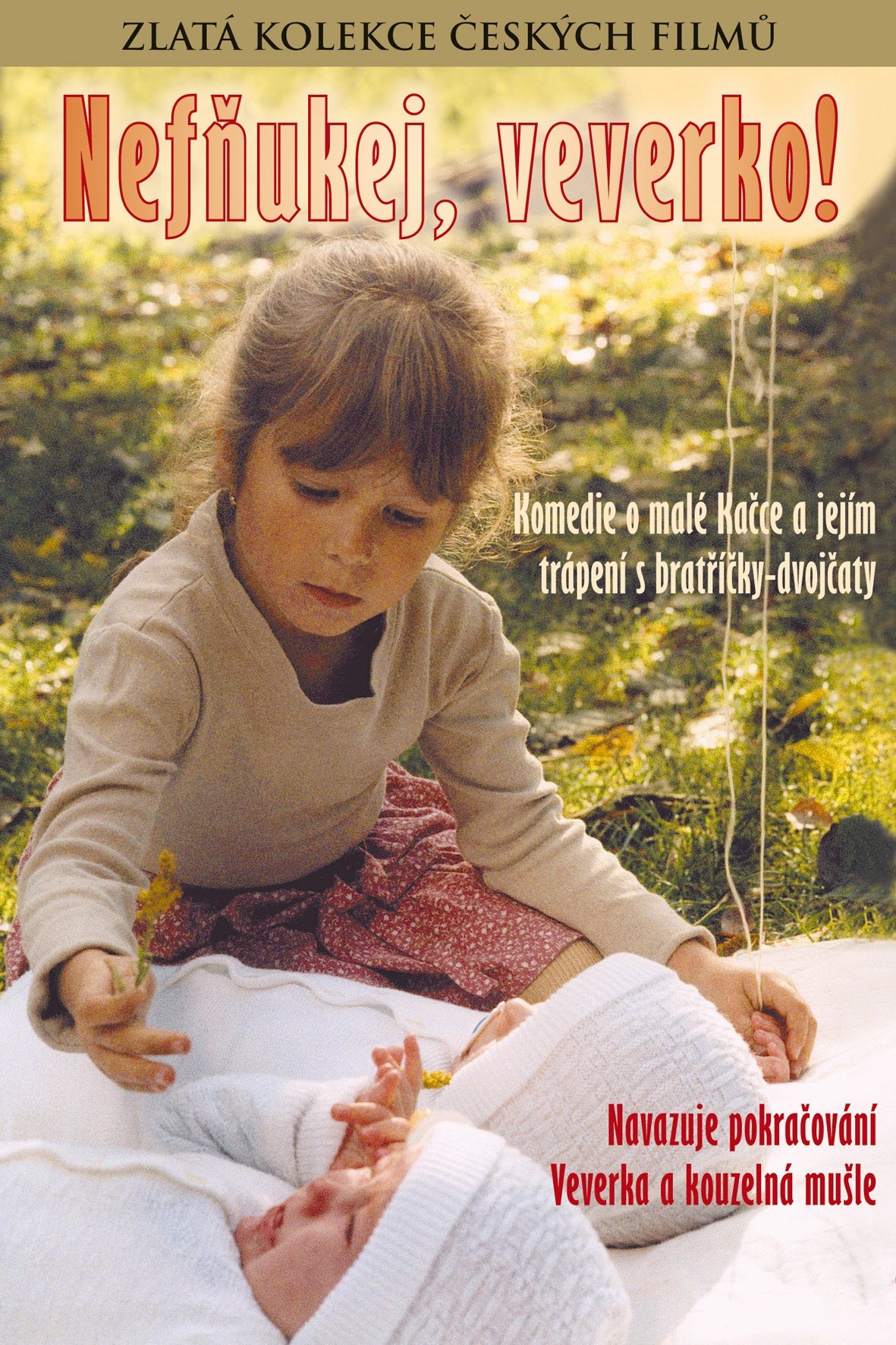
The main character of the story, which is a sensitive probe into the soul of a little girl, is five-year-old Kačka Znamínková, who lives with her parents in a picturesque village in the foothills. And because she has a very vivid imagination, she becomes not only a princess with a golden star on her forehead, but also a princess on a pea or a crocodile hunter. Together with her parents, she is expecting a new sibling to be born any day, but she will only be happy if it is a little sister. She doesn't even want to hear about a little brother. But in the end, instead of the expected little sister, she gets two brothers, so...
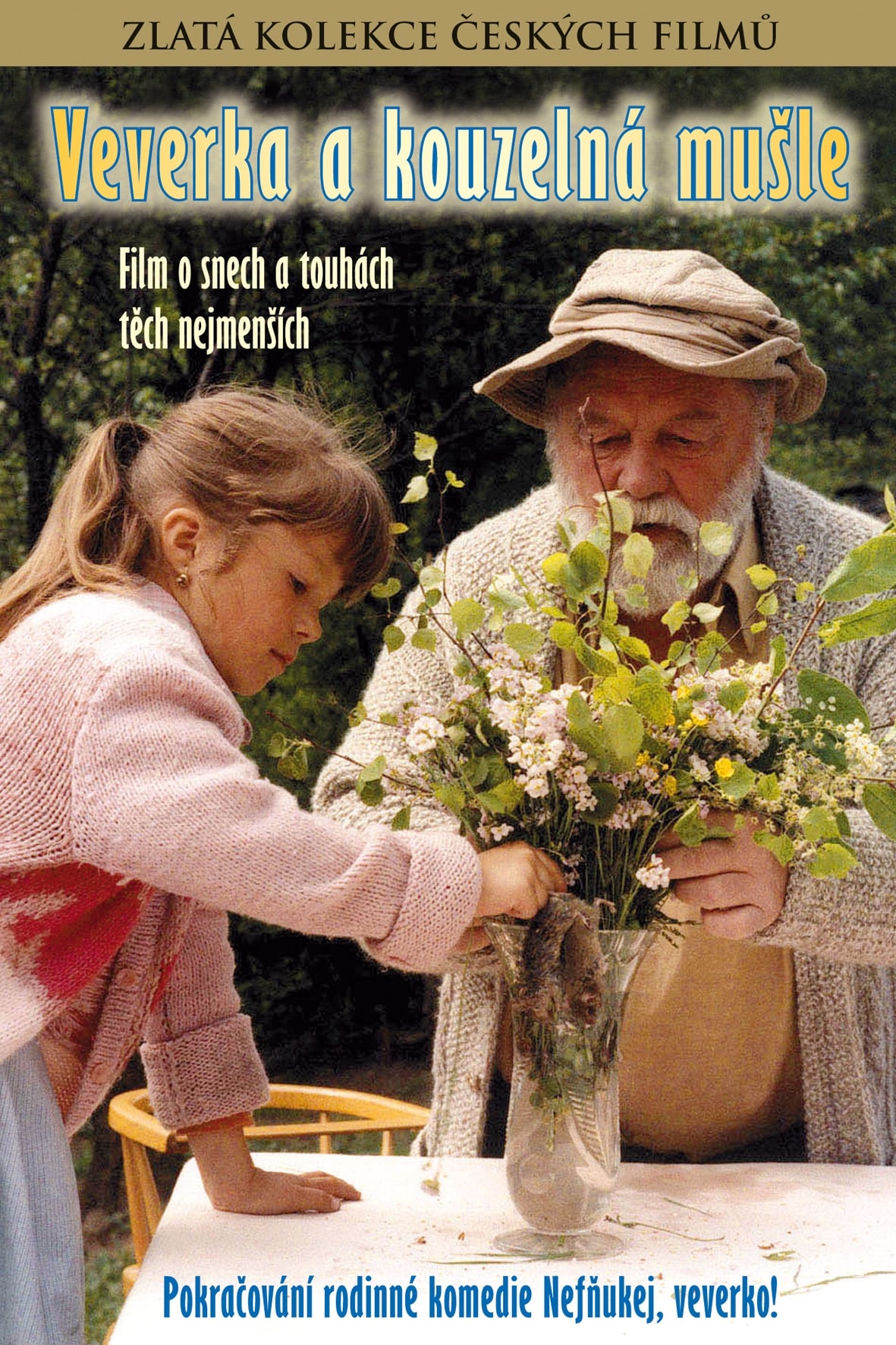
A story about childhood - real and the dreams. After finding a magic shell young Kačenka uses it to model her family life on the sea shore.
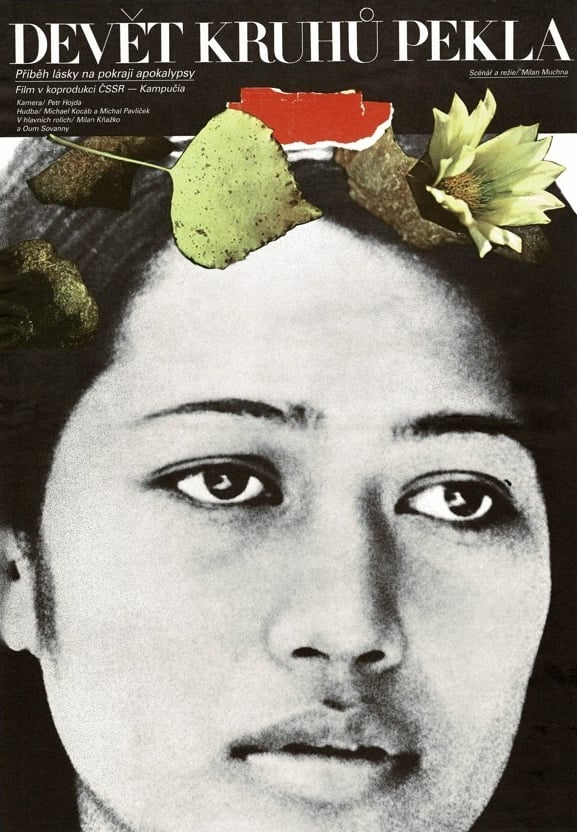
As the Khmer Rouge carves a path of death throughout the land, a Czech doctor falls in love with a Cambodian woman. Their relationship, though sorely strained by the war's horrors, produces a child. The doctor is separated from his family once Pol Pot assumes control.
A TV film about self-discovery in a brick factory. Young Josef Hanousek initially subordinates everything to his desire to earn as much money as possible at any cost, but love begins to radically change his values. About young people in a manufacturing environment during the normalization era.
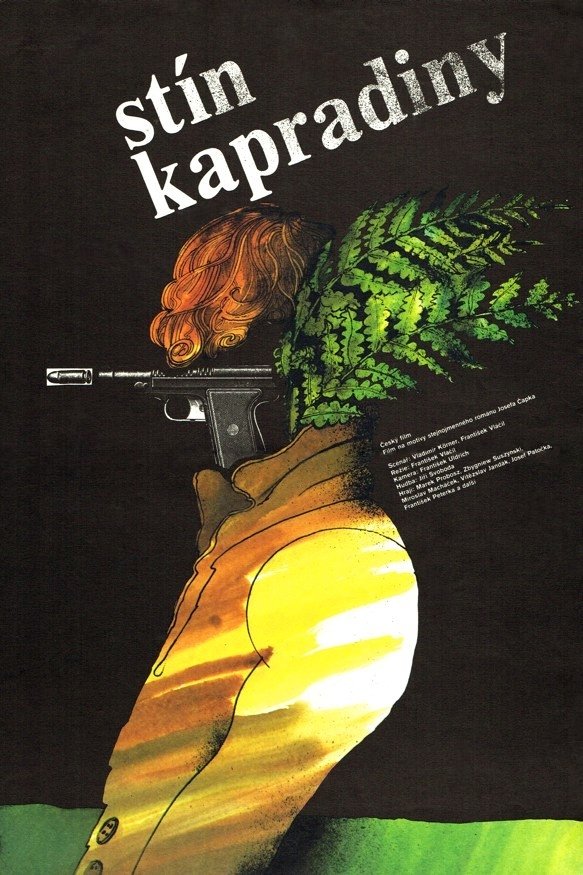
Based on the only extensive prose work by the surrealist painter Josef Capek, Shades of Fern most resembles the philosophical fairy tales and fables of Josef’s older brother, the legendary Czech novelist and playwright Karel Capek. Two young poachers, more boys than men, kill a gamekeeper when they are caught illegally hunting. Panicked, they retreat into a forest that grows steadily more forbidding and deadly as their fear for the future—and guilt over their action—mounts. Loosely based on hundreds of oral folk tales and legends that haunt the woods of Czechoslovakia, Vlácil’s contemporary updating artistically underscores the relationship between man and nature, crime and punishment, isolation and society, and guilt and memory.

A communist journalist from Prague is sent to Ravensbruck concentration camp.
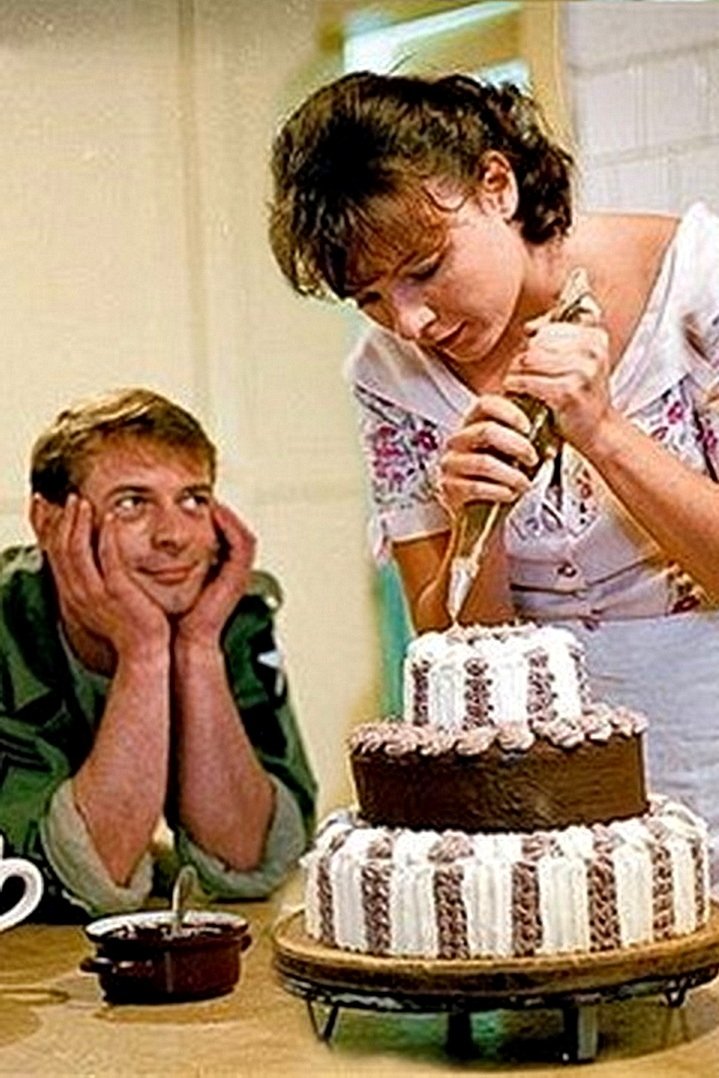
A dramatic love story, taking place in the final days of the Second World War when the American Army liberated the Pilsen region of West Bohemia. Anne lives with her mother, husband and stepchildren at a solitary country farm. But her life is not what she would wish it to be. She had previously lived with her aunt in London, and the only reason why she returned to Czechoslovakia was to look after the orphaned children of her sister. She married their father, but the rural environment is alien to her, and neither does she get on very well with her husband. A group of American soldiers arrives at the farm, having strayed away from their designated route of advance. To their great surprise, they are welcomed by a young woman who speaks fluent English, and invite her to go with them to Pilsen as an interpreter. Anne long hesitates, well aware that she attracts the affection of one of the soldiers, and herself becomes fond of him, too. She feels that the trip to Pilsen could mean an ....

A short story film depicting the three different faces of crime. In the short story "The Weekend", Karas kills a woman he raped some time ago in order to silence her. However, he accidentally kills another woman. In "Hostages", a drug addict, Chaban, terrorizes the hospital's operating team, but the disciplined doctors handle the difficult situation. In "The Pickpocket", the thief Benda wants to return to his trade immediately after his release, but his attempt ends tragically.

The movie's main storyline follows the life of Otík, a young man, in a tight-knit village community. The sweet-tempered Otík works as an assistant truck driver with Mr. Pávek, his older colleague and practical-minded neighbor. Pávek's family takes care of Otík, whose parents are dead. However, the two coworkers become at odds over Otík's inability to perform even the simplest tasks. Pávek demands that Otík be transferred to assist another driver, who happens to be a choleric and suspicious man named Turek (Turk in Czech). Rather than work with Turek, Otík decides to accept an offer of employment in Prague, but finds he does not fit in to the city life. After discovering that the transfer of Otík to Prague was a trick by a crooked politician to get a deal on Otík's large inherited house, Pávek agrees to give Otík a second chance and retrieves him from the city to resume their work together.
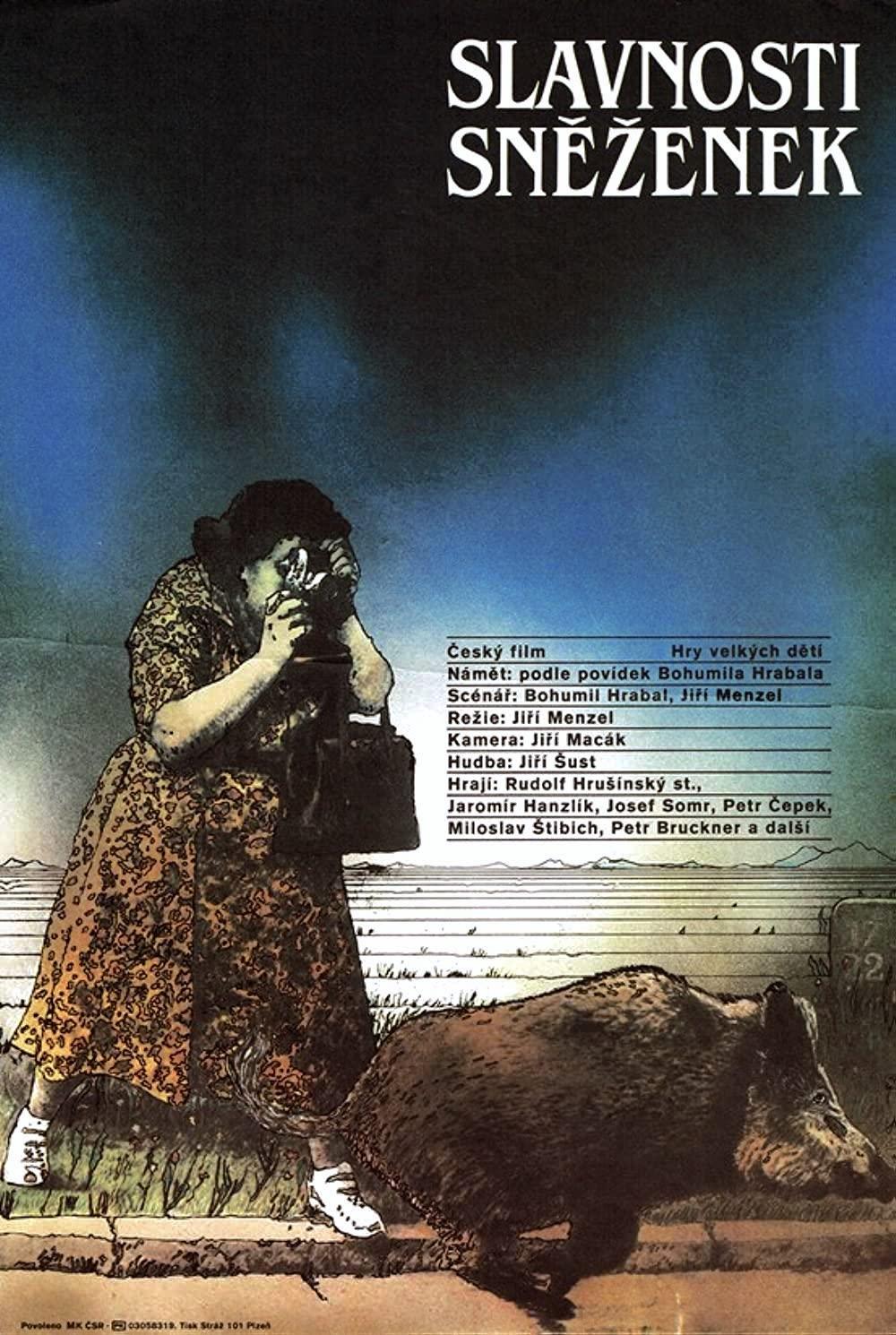
This movie is based on texts of Bohumil Hrabal, world-known Czech prosaic. It's a story (in a form of a mosaic of short episodes and pictures) about the sadness and happiness of inhabitants of Kersko (Kersko is a small woody area full of cottages and roods). These people are both simple and sensitive, they have their own pleasures (e.g. Leli is a collector of cheap, but inutile things) and the greatest delight of all of them is a hunting. Crude poetics of amateur hunting is screened by dreamy pictures of this area. Menzel mixes sentimental lyricism and rough (but not vulgar!) humor and the outcome is the never-ending landscape of continuous life in the proximate nearness of nature. The performances of actors are brilliant. Both Rudolf Hrusinsky as a Franz and Jaromír Hanzlik as a Leli have nonrecurring charm bottomed on a pain and inebriation. Only the music is not perfect: Jiri Sust usually assembled his film music from his older works and in this movie there is many quotations.
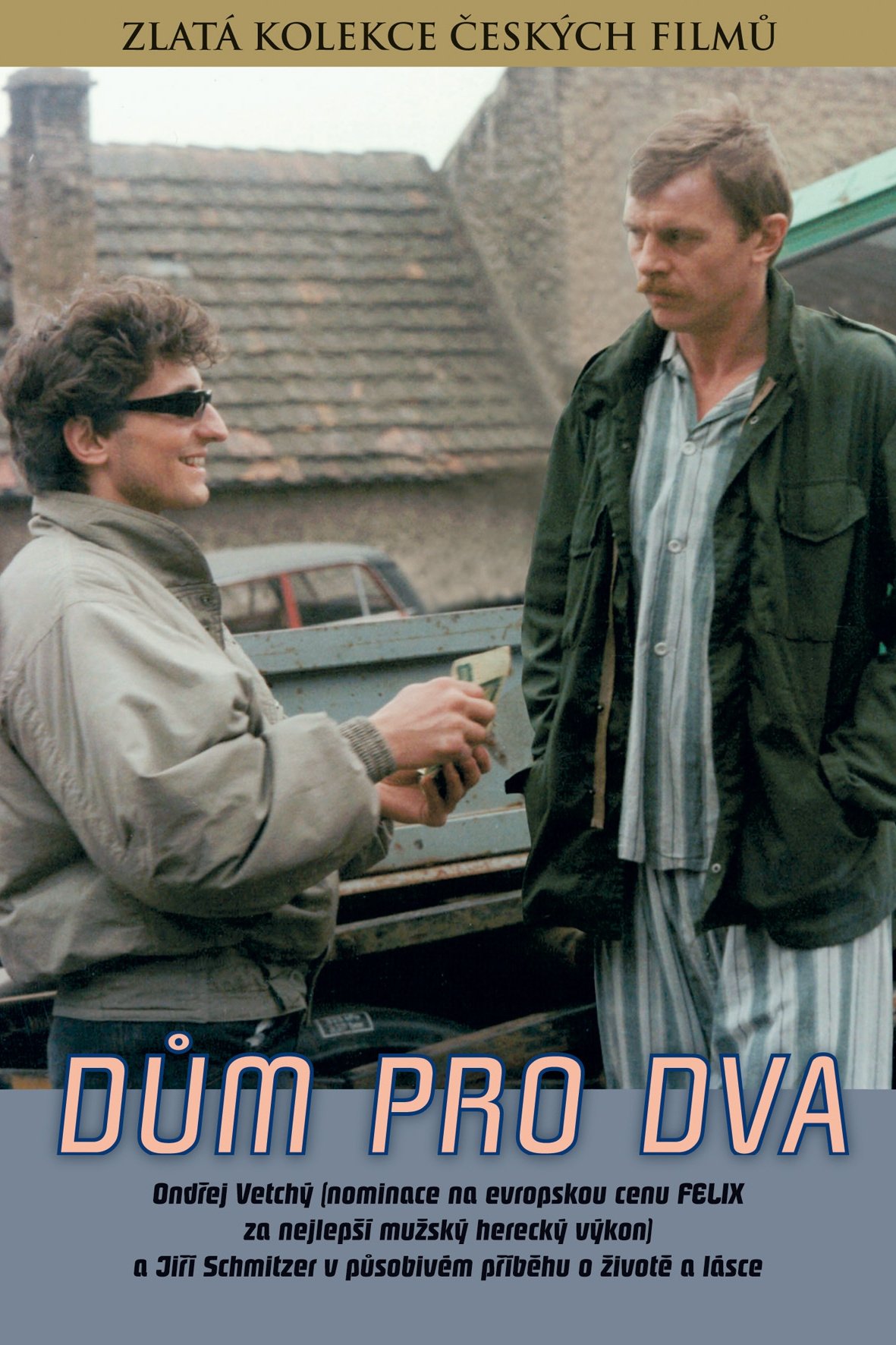
Two brothers live with their mother in an old house on the outskirts of town. They both work in a printing house. Elder Bóža is a quiet, responsible person with views determined by the Christian faith. Dan is a dude who revels in pub fun. Only after the tragic death of a person, he begins to understand that something is missing in his life.
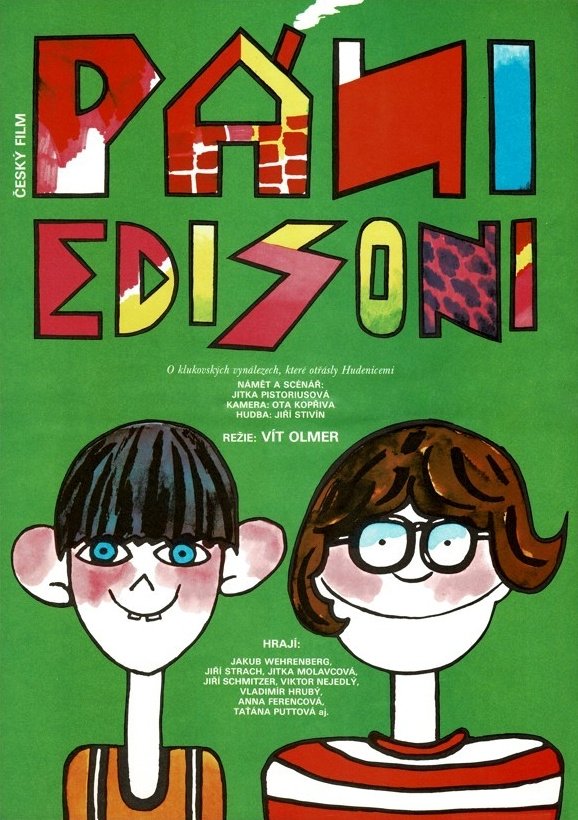
Children's film about a young boy who moves from the city to the country. At first he finds it difficult to make friends, until others discovers his gift with electronics.

In a small Czech town, mother dependent Robert, his attractive girlfriend Simona, histrionic Tomas and extremely reserved History freak Funes, all dissatisfied with their lives, are members of the same string Quartet. As they rehearse for their next concert, they will get into a circle of eccentric situations and misunderstandings.
The story of royal twins and their different personalities. Is the person who thinks primarily of themselves happy, or can we only find true happiness in helping others? And can we think of those who are not right in front of our eyes? Petr Janiš explores these and other questions of selfishness and altruism in his original fairy tale based on the story of the royal twins Amélie and Jan. Prince Jan is endowed with magical powers; any wish he makes comes true. His sister, Princess Amélie, makes sure that his wishes are wise. It seems that nothing can threaten the happiness of the royal family and the whole country, but then the king's selfish and cruel brother enters their previously clear and problem-free life...
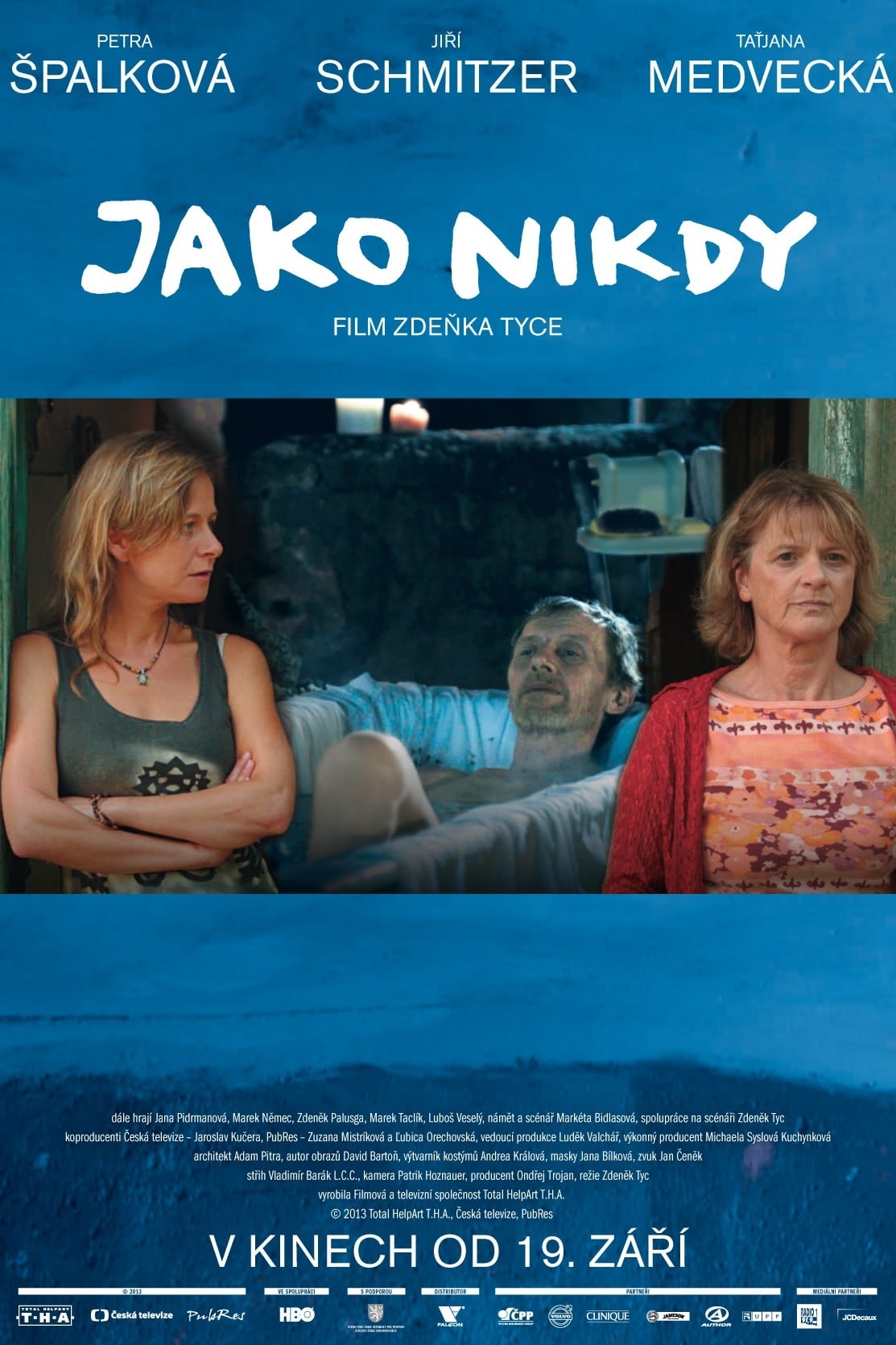
The end of summer in the film also means the end of life. Vladimír Holas dies. Who is Vladimír Holas? Painter, sculptor and teacher of district importance. He painted many beautiful pictures - but not as great as he wished. He wasn't in the party, he wasn't in the Union of Artists, he didn't sell out to the past regime. The house in the beautiful countryside is his last refuge, death is inevitable and he doesn't want to die in an estranged hospital. He wants to crouch standing up, the way he lived.
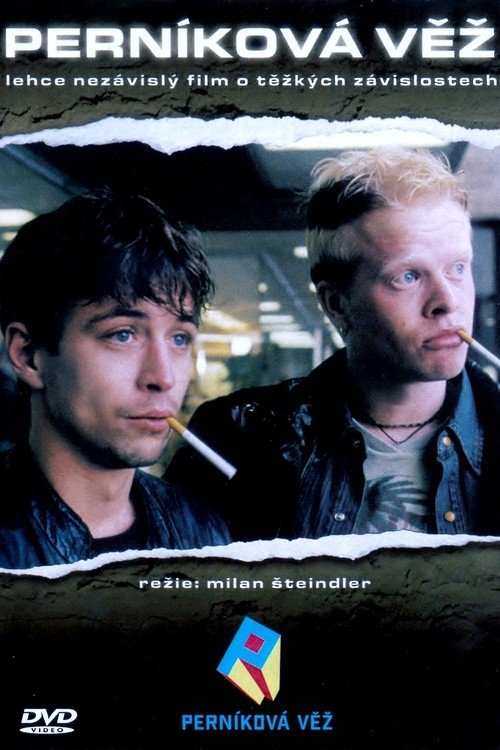
Jakub, a young, small time drug dealer, wakes up to find the police storming the apartment building while his parents are both away on holiday. After flushing all of his "secret stashes" in the toilet, he finds out they are actually there to investigate the death of the girl upstairs, a close childhood friend of his and the family. He slowly retraces the past week that she has been lying dead in her flat and remembers that he asked her to "receive a package" unbeknownst to her from his drug dealer, Pexeso.
In this episode of the crime miniseries, Jan Kanyza, playing Major Bohuslav, investigates three murders that initially appear to be unrelated... Captain Mazancová rejoins the investigation team. The dead man, found in his apartment, was Hes, a blind drug dealer who once caused the death of a young girl. Her mother, Mrs. Arnoštová, is currently serving a prison sentence for taking revenge on him and causing his blindness. The second corpse is discovered by detectives literally in pieces, with parts of the body wrapped in plastic found in the river and elsewhere, and it takes a long time to identify the dead man.

Seven seemingly unconnected fairy tales - glued together only by folklore, mood, color and light - make up this Czech collection of visual poetry. The original piece of literature, written by Karel Jaromír Erben in 1853, contained twelve tales.
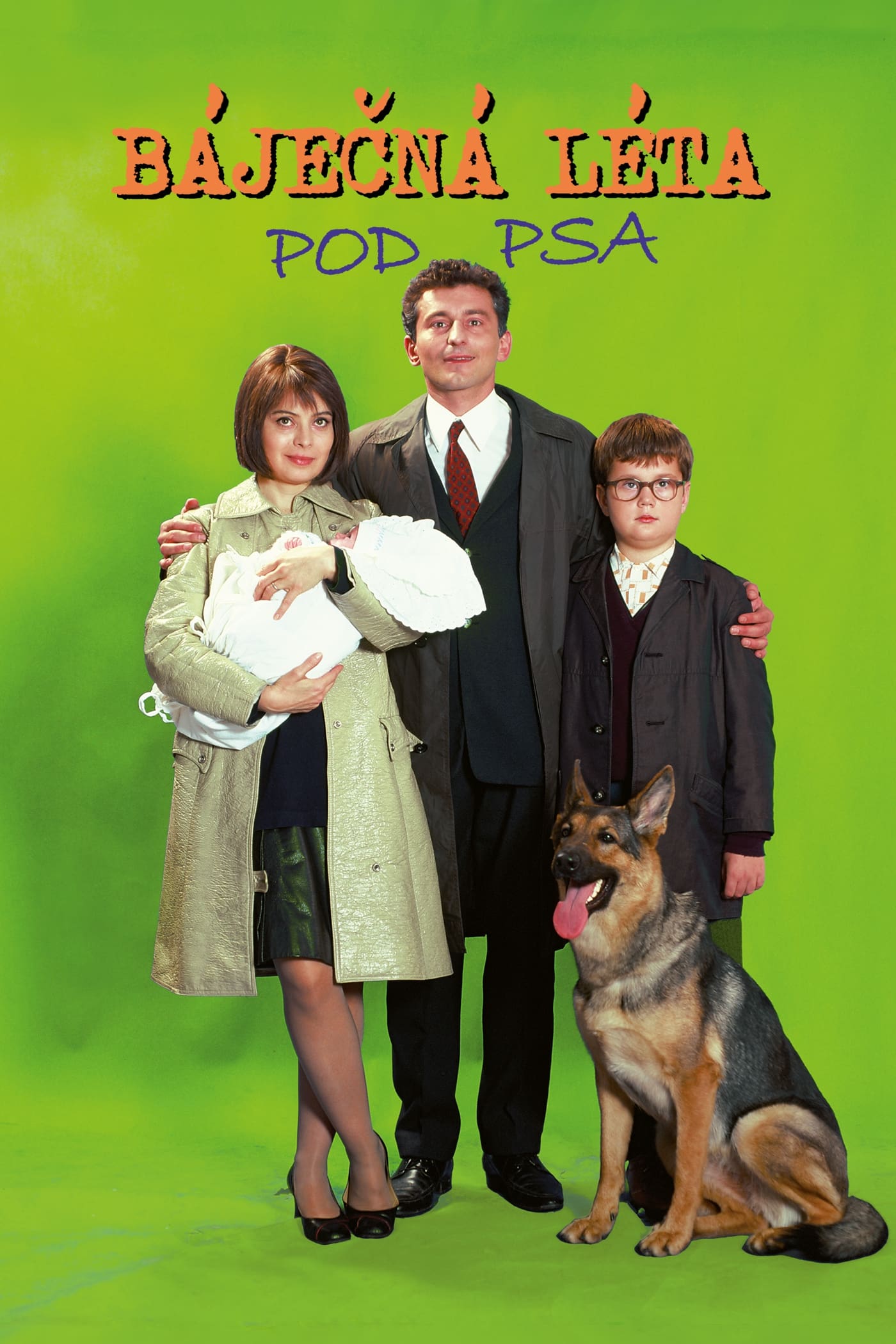
Capturing the dark humor of Czech author Michal Viewegh's chronicle of life after the Velvet Revolution, this black comedy chronicles three decades in the life of a small Czech family. While the original novel centered on the protagonist Kvido from his conception through his adulthood, first time director Petr Nikolaev and screenwriter Jan Novak changed the focus to his parents Milena, an extremely self-effacing lawyer who acts on stage in her spare time, and Ales, a rather aimless government worker who tends to drift wherever the wind takes him. The lives of Ales and Milena change dramatically following the Russian invasion of Prague in 1968.
The true story of a little boy who was taken from his grandmother's care during the war by a court decision at the request of his father and his upbringing was entrusted to the German authorities. Upbringing means Germanization. The methods used here did not even remotely resemble their noble name. Inhuman treatment and psychological and physical suffering also affected Mirko.
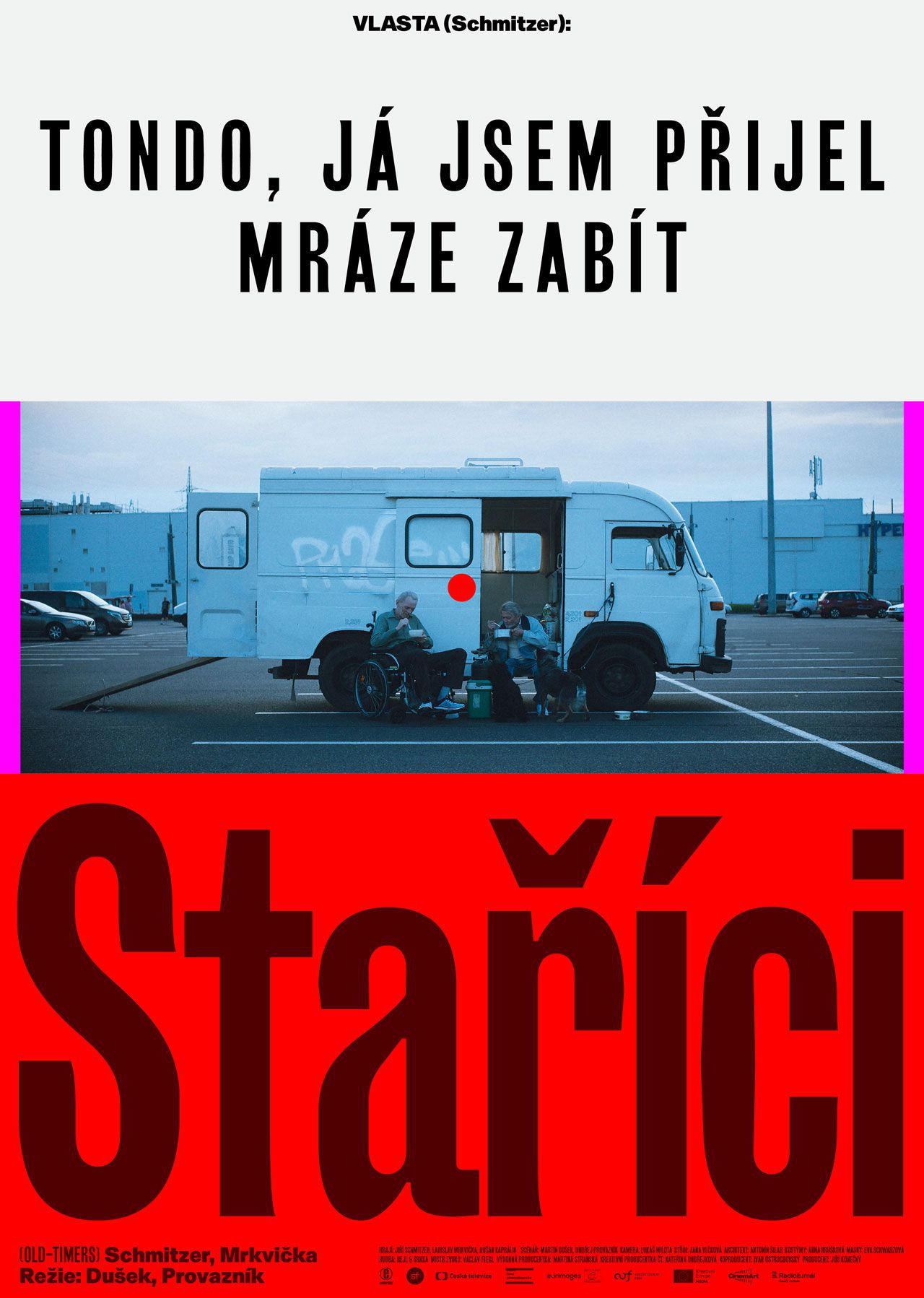
Vlasta and Tonda don't have much longer to live but they do have one more important task ahead of them - to find and kill the communist prosecutor who sent them to prison in the 1950s. An unusual road movie about two former political prisoners who fight for justice despite every obstacle.
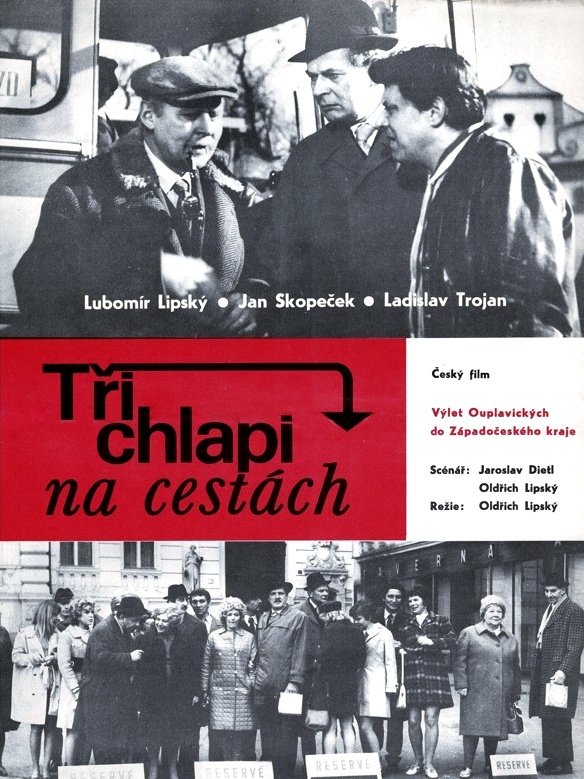
Three Men Travelling is billed as a loosely related sequel to Tri chlapi v chalupe (1963), sending our country protagonists set out from their family nests in the village of Ouplavice into the big wide world. Grandpa Potucek, (Lubomír Lipský) and his son Václav (Jan Skopecek) take part in the cooperative's excursion to spa town Karlovy Vary, a Pilsen brewery and some agricultural enterprises in western Bohemia. During the course of a series of misunderstandings and merrymaking, grandfather Potucek decides he will not let problems with sick calves unsettle him, and that he will persevere in his role as the leader of the cooperative.
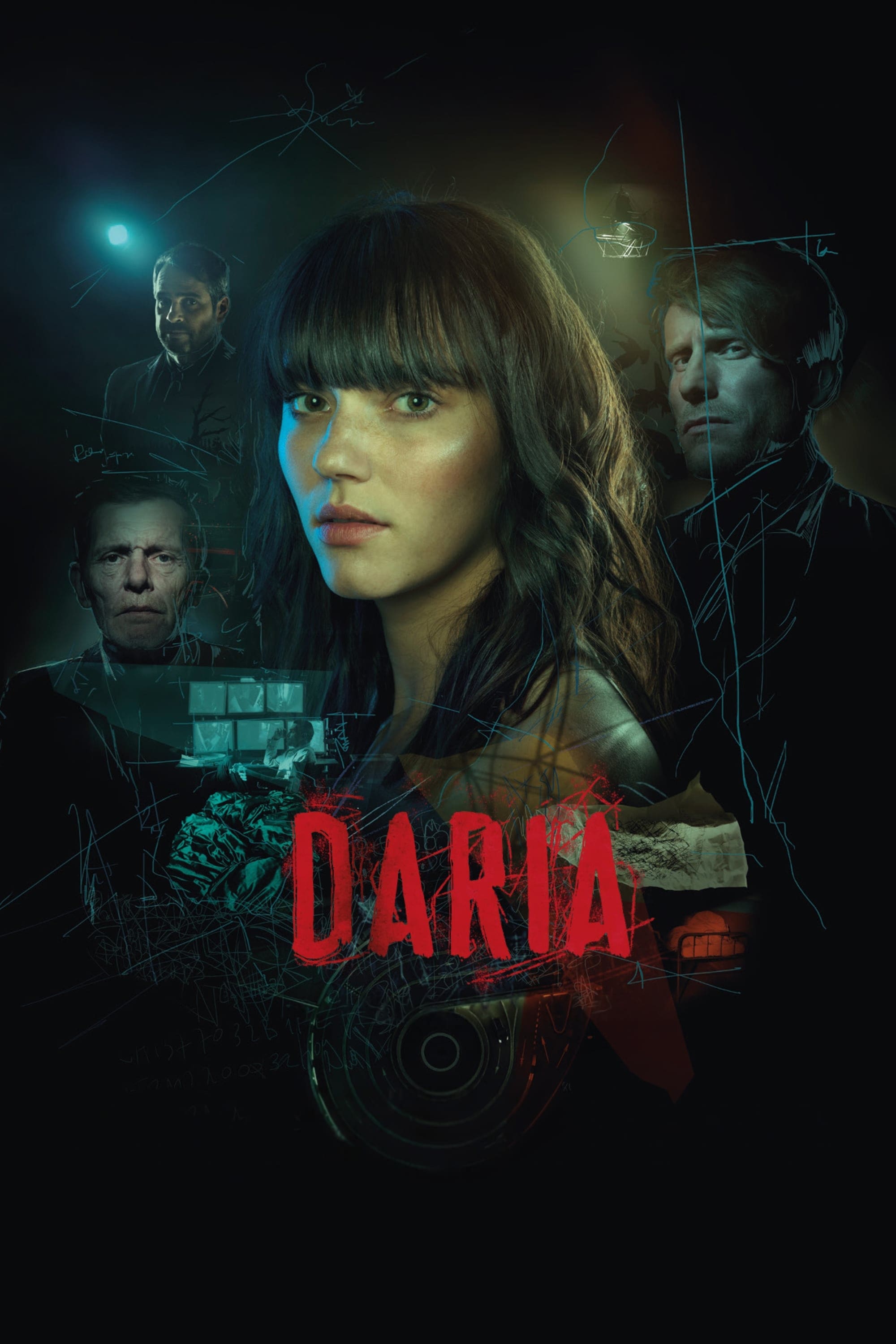
When Daria disappears after their first date, Marek finds her in a psychiatric hospital. Everything might be part of a disturbing game played by powerful pharmaceutical companies, though the truth may be more frightening than either of them realize.
A poor couple waits in vain for a child. The desperate man asks hell itself for help, and the devils grant his wish. Nine months later, the couple gives birth to a son named Nesyta. When he grows up, he sets out into the world. He is not afraid of work and offers help wherever he can, but he discourages everyone with his insatiability. Eventually, he enters the service of the devil himself...
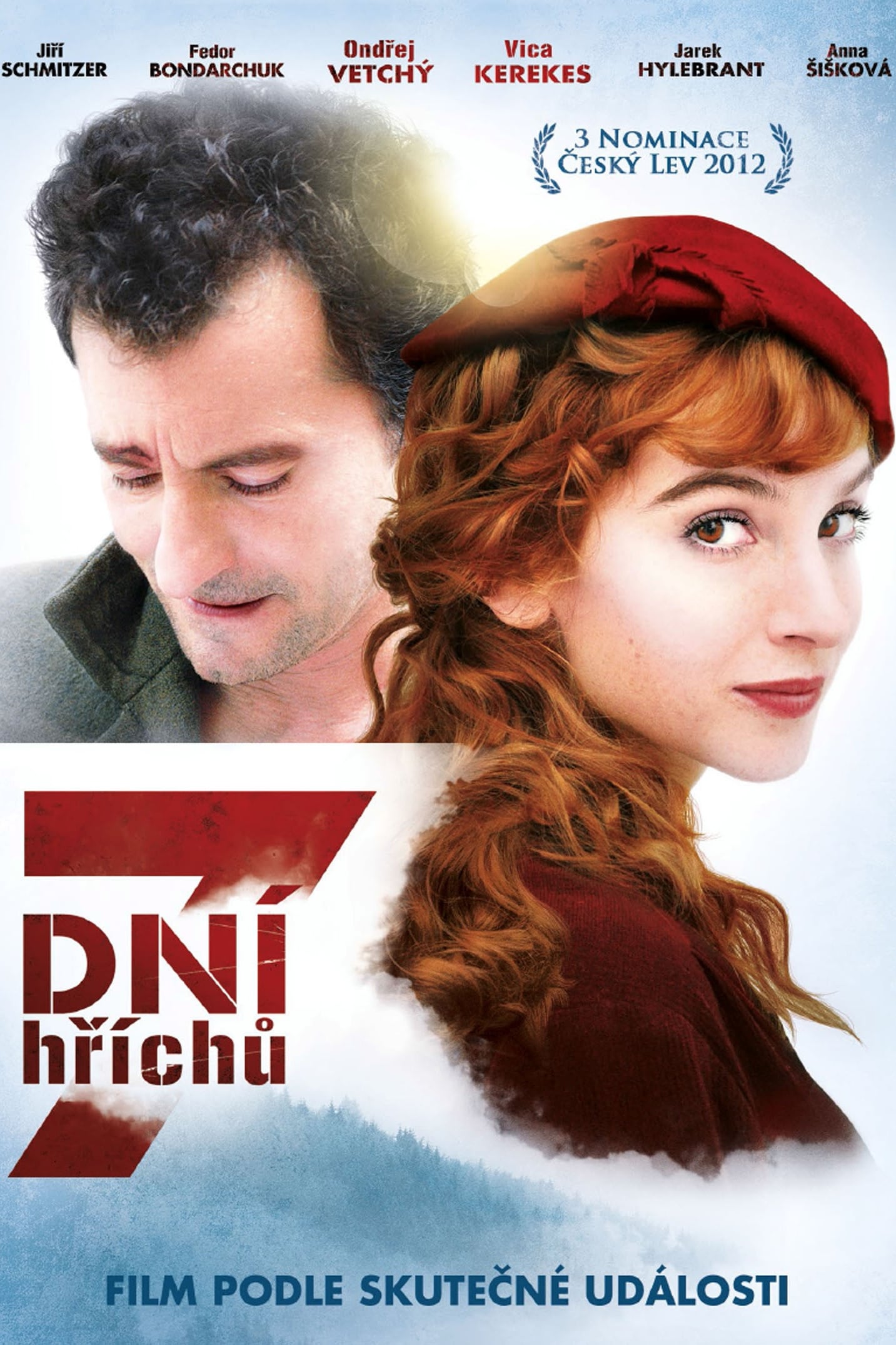
This story actually happened in the region around the city of Sumperk in Jeseniky Mountains in May 1945. The disappearance of Agnes, the German wife of a Czech forester Jan Olsan is a dark mystery. She is the only one who knows who and for what reason is looking for her. It's the end of the war, times are bad and the Czechs are coming back from the inland to the frontier. The guards are forming and soldiers are coming. Fate brings together the outlaw Jan and his German brother-in-law Jurgen who has just returned from the eastern front line. Both men are looking for exactly the same woman and that is Agnes. But Agnes escaped; she is running away through the deep woods followed by the most powerful man of the county. Running away for what she had witnessed. The fatality of the relationship between Agnes and Jan can only be learned in the mountains on this thorny journey.

The television adventure film, based on Verne's novel of the same name, Twenty Thousand Leagues Under the Sea, tells the adventures of three shipwrecked prisoners aboard the legendary submarine Nautilus.
A fairy tale about what happens when a princess who only knows how to say yes meets a boy who says no to everything. But it is also about parental love, forgiveness, and overcoming one's own limitations.
Silly Augustine, wife of silly August, who performs in the circus, and mother of Guggo, Gugga and Guggilein, dreams of one day being able to perform as a clown in the circus. Instead, she has to run the exhausting household. Her suggestion to share the job, the housework and the children is met with incomprehension and scorn from her husband. When silly August suffers from a toothache and misses his performance, Augustine seizes her chance, steps in and promptly masters the task with flying colors. From then on, father and mother share the housework and circus duties, as silly August immediately realizes that he has underestimated his wife.
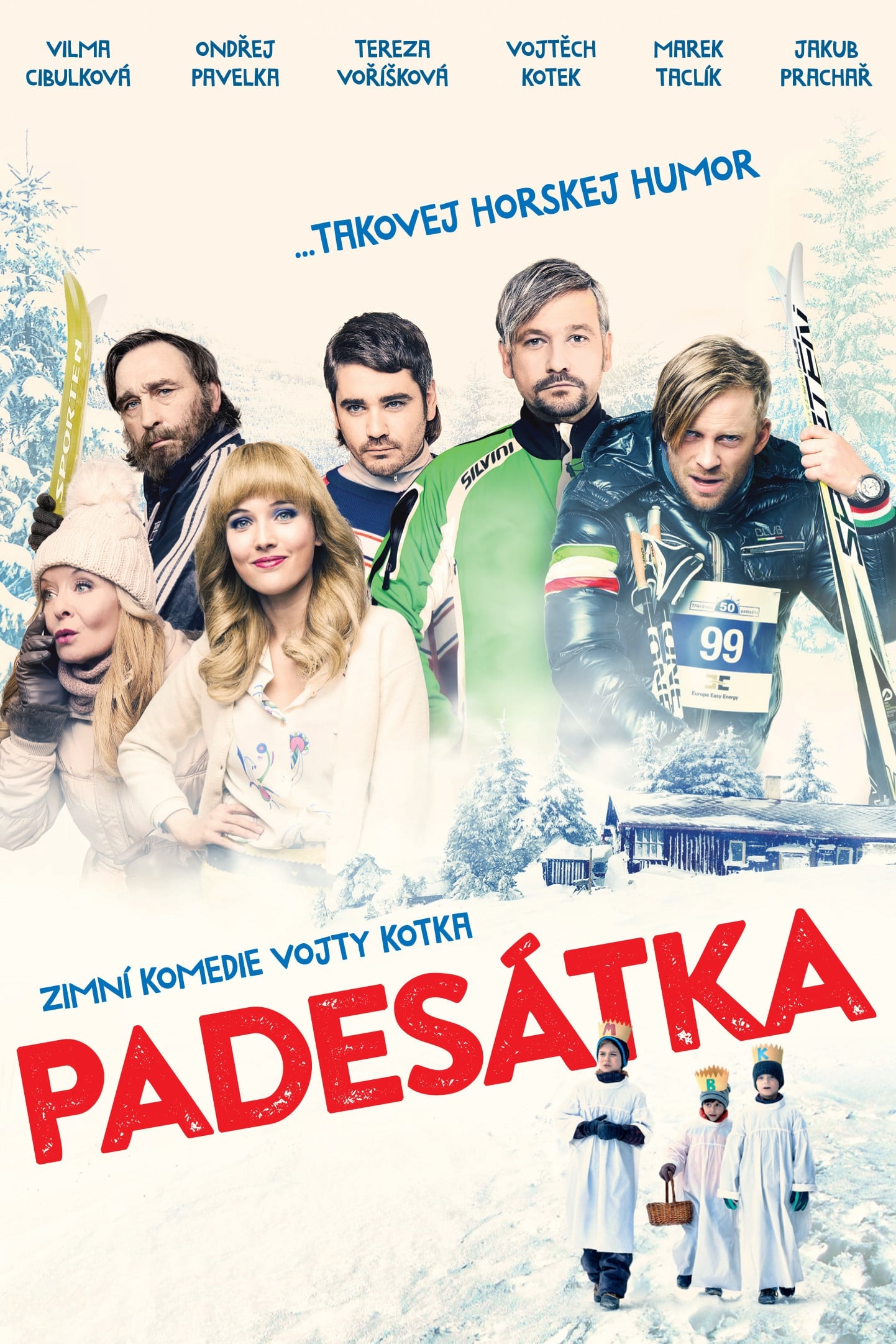
What happens in the mountains, stay in the mountains. Giant Mountains are truly the spice of local highlanders who live here, whether any season. Skier with one leg, the legendary womanizer adorned with infertility, the bartender with a penchant for divination... And Pavka, the oldest living member of a traditional cross-country Bulán family.
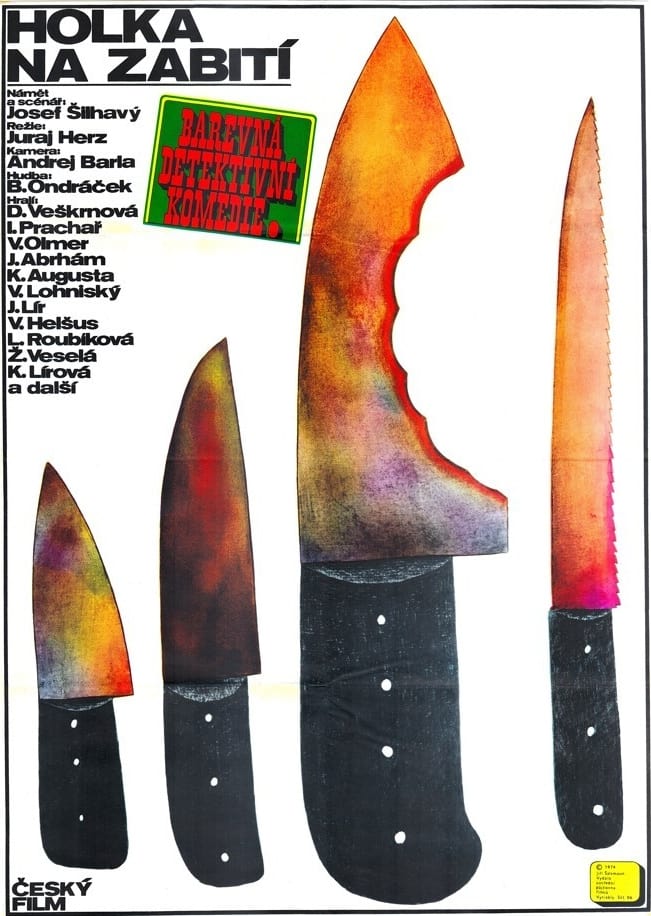
The waitress Gita from the hotel "Bobí vrch" approaches her lover who has not left his wife yet and gives him an ultimatum: if he does not do all according to her wish, she will announce to the police his machinations with foreign currency.
Elementary school student Jožka has a great love – horses. He is looking forward to turning this love into a profession. However, he is atoning for his father's criminal activities, he is not accepted into his dream school focused on horse breeding due to a bad report and has to be content with learning to be a tractor driver. However, he continues to do his best for horses, he trains the racehorse Palisander, who has never won. His outsider fate is similar to his. However, Jožka wins everything there is to win despite various ups and downs – he stands up to bullying in the youth home, an arrogant tutor, human weaklings, manages to study well even at a school that he doesn't enjoy and does sports. He also gains the respect of his classmates. Real jockeys also star in the film. It also features the birth and death of a horse. The scene where Jožka's father saves a horse from a burning truck is dramatic. The scenes with carrier pigeons are touching.
Thuringia, around the turn of the century: Eva Hermsdorf takes up a position as governess at the court of Count Rudolph von Plessen. A deep affection quickly develops between the two, but a secret makes their love impossible: Rudolph is said to have killed a friend of his former lover Liliane. But Eva suspects an intrigue behind this accusation and secretly travels to Leipzig as Liliane's servant to shed light on the matter. When she finds out the truth about Rudolph's alleged murder, she finds herself in mortal danger. Only Rudolph can save her from the hands of Liliane and her cruel husband Henri.


After World War II, fighter pilot Antonín Maděra returns from England to his native village in the Ore Mountains to forget the hardships and horrors of war and to "live, work, and love his neighbors," as he himself says. But Svatý Štěpán, which his family had to leave in 1939, is no longer the same place it used to be. However, even in his wildest dreams, he could not have imagined what really awaited him there.
Three short stories about the people and folk around the shaft.
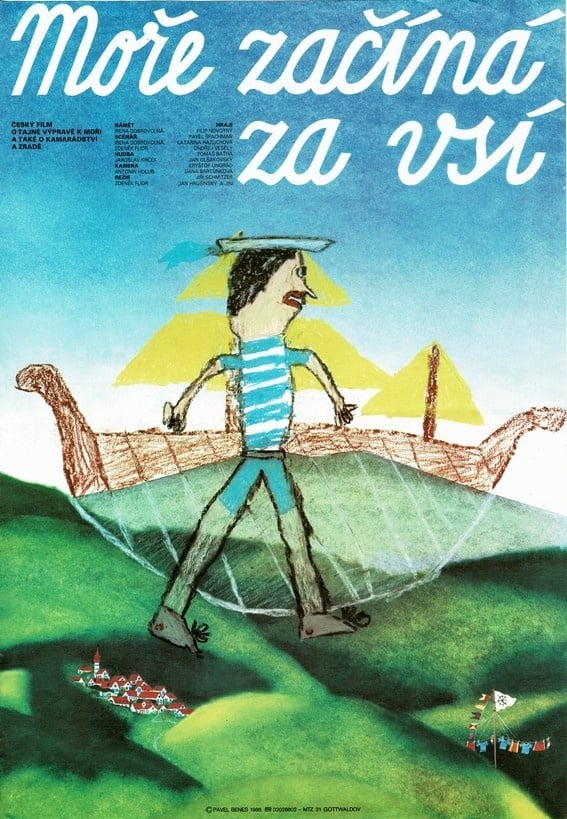
A funny adventures of a group of children who plan to leave their village in go for the sea trip.
College student Marta decides to seal her relationship with Zdeněk with a secret wedding. All that remains is to announce this fact to both parents. The bride's parents are a very interesting couple - the strict mother, a teacher, is a big stickler for order, the father, whom the tender half affectionately calls "daddy", doesn't bother with anything and spends his time composing poems. The groom's parents are currently most concerned with how to get their daughter Marcela married in the most favorable way possible, whose idol in life is the singer Jiří Korn.
A film about various forms of drugs – American cinema, rock music, and heroin. Together with the protagonist, we experience the bohemian life of young filmmakers, shocking erotic experiences, and the first drastic attempts with drugs. From the initial cool experiment with drugs, we then go through hell and purgatory. A good friend can help with the return, but so can the will to start over, to forgive those who (perhaps) wronged him, to realize that I am mainly to blame for everything...
The countess celebrates her sixtieth birthday at the moment when she is about to leave her castle. The new workers' government wants to mercilessly destroy the nobility. But because Elizabeth Anna Marie, Countess of Lansdorf and Scheinberg, and later domestic worker Lansdorfová, realizes that "one must keep one's customs and promises, even if they are ridiculous and pointless," she wants to carry out a foolish plan to celebrate her 70th birthday at the family estate, despite the regime and her opponents in the city...
A balladic fairy tale about the underground kingdom of goblins, based on Irish fairy tales. When darkness and rainy clouds gathering low in the sky increase, when October turns into November, everyone in Ireland celebrates Halloween. The eve of All Saints' Day is a time when children run around outside in picturesque masks, adults raise their mugs by the light of flickering torches in hollowed-out turnips, and the world of goblins comes to life underground. It is the only day when these creatures, no bigger than a grown mouse, can enter the human world, and also when mortals can enter their realm. And so Paddy, a young innkeeper generally considered a fool and a child, finds himself in the Moss Hall through a magical well and, in his kindness and desire for love, breaks the laws of the underworld.