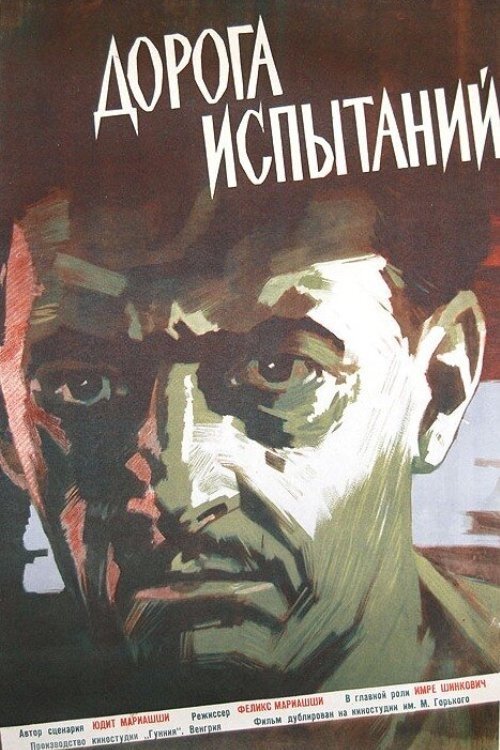
Vetró János, the lorry driver, is an alcoholic. His marriage is in pieces, his wife has a lover. Their son suffers an accident. The next day his wife moves out. In his desperation, Vetró drinks even more, and leaves his work as well.
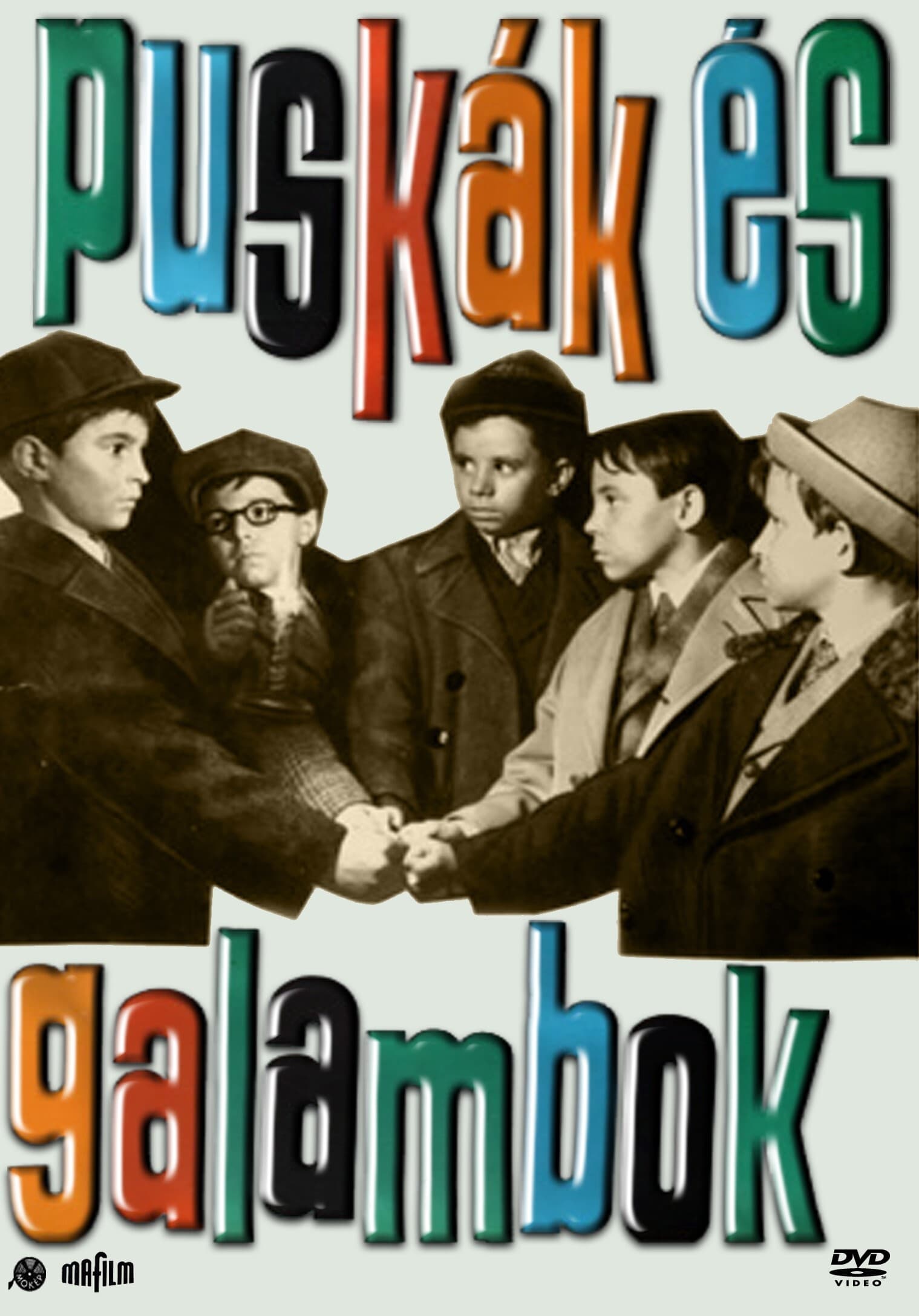
1920 in a mining town in the country-side. The team of children led by Ferkó Boda fish guns and a flag of Red soldiers out of the local lake.
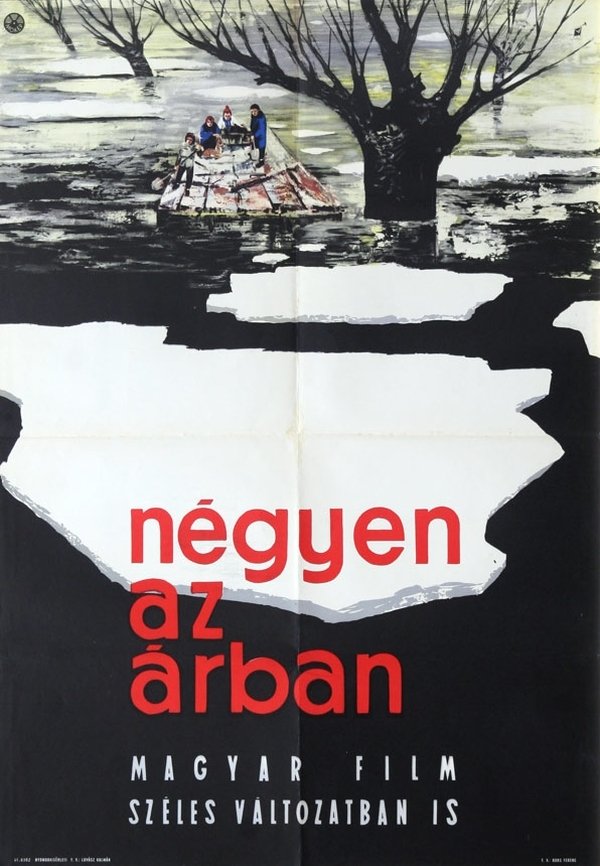
December 1956. The region by the Tisza is evacuated because of a threatening flooding. Laci, Karcsi and Péter leave their home on the lorry
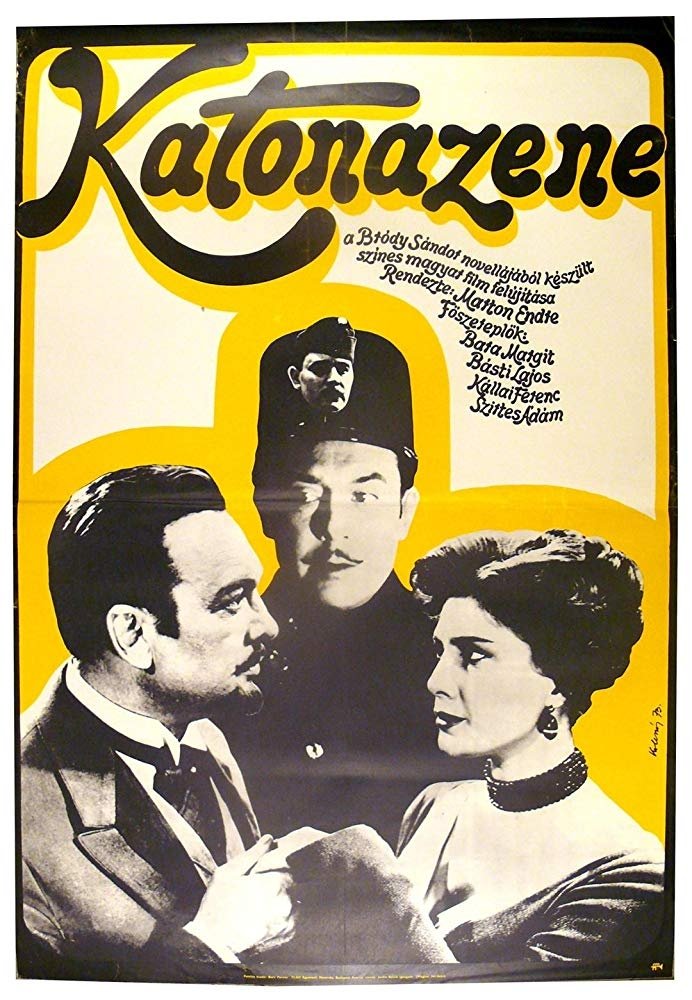
Merry soldiers arrive in the sleepy Transdanubian town. The cynical woman-hunter, Ferdinándy, learns to know doctor Barlay's beautiful wife at a carnival. She lives a happy married life, and the attentions of the lieutenant are all in vain.
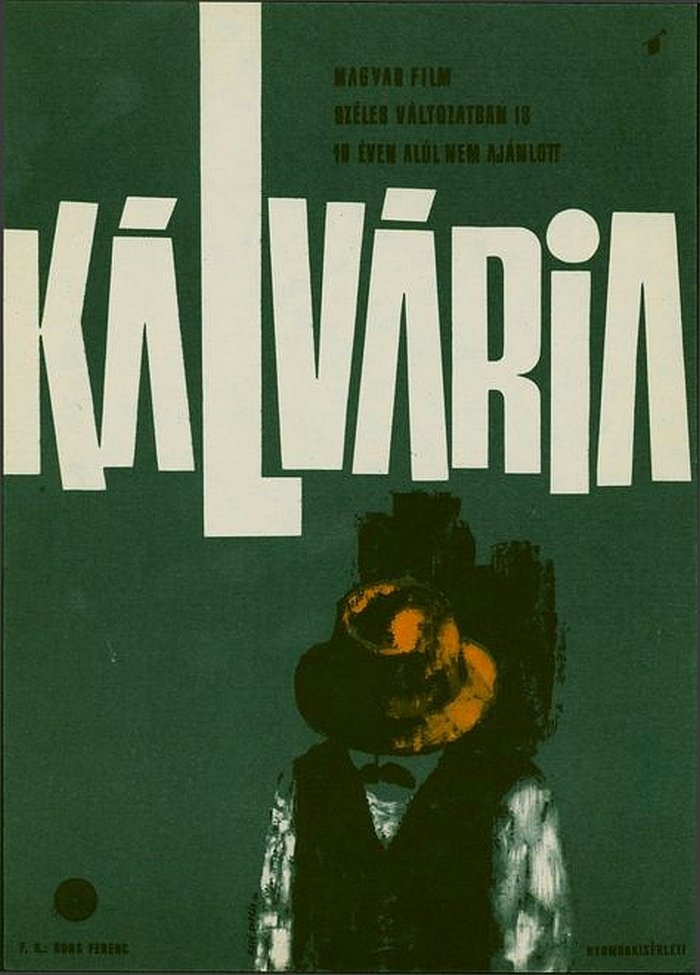
Following his wedding, Feri left the co-operative and is now working on the land of his father-in-law. Tóth is extremely wilful and thrifty, working from early morning to late night, pushing his family as well.
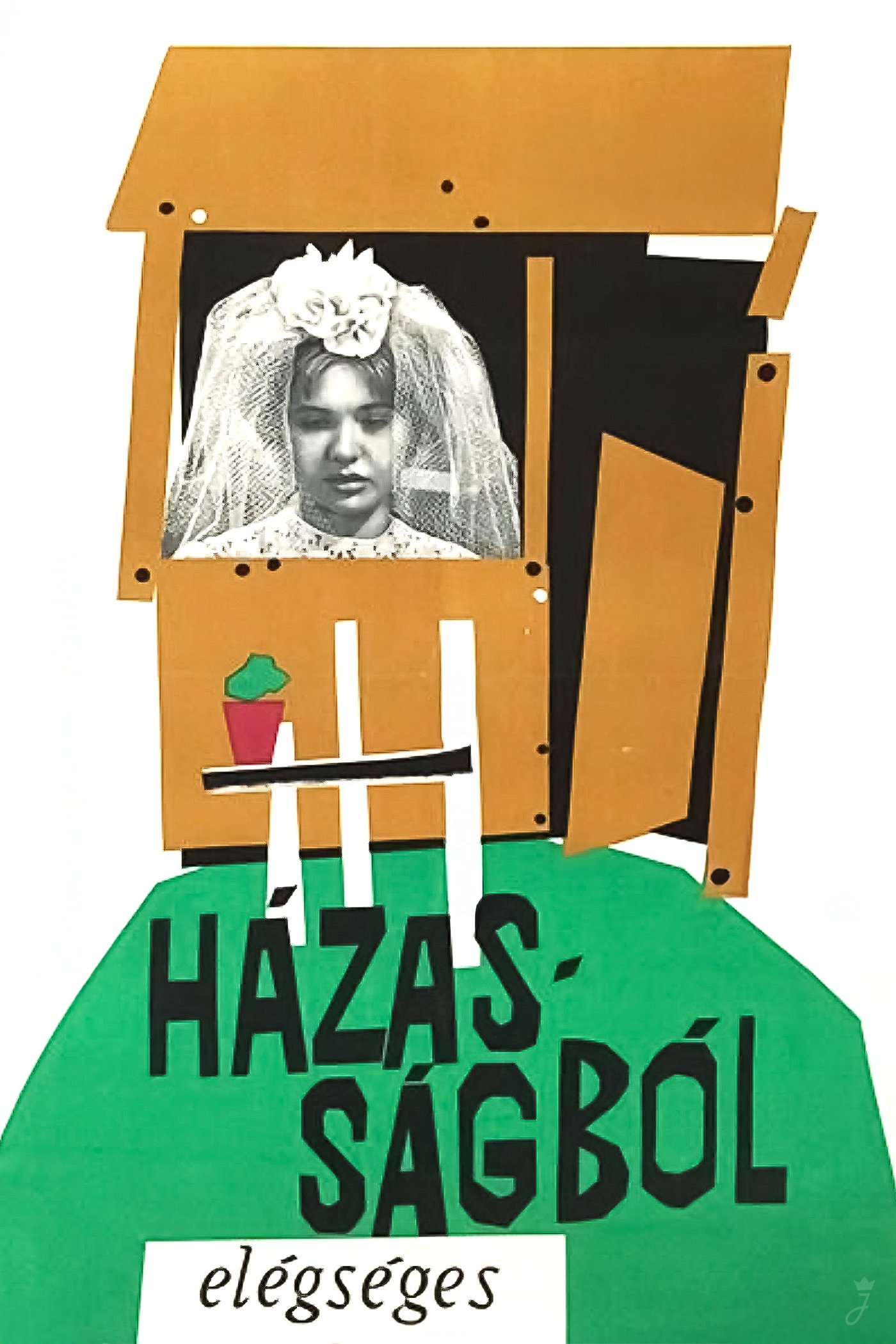
Blondie and Árpi love each other very much. She is a hairdresser, he is a confectioner. Blondie's parents are divorced and she lives with her grandmother. Árpi loves her parents, but has long been angry with her brother-in-law, whom she knows to be keeping a mistress. Pista turns the parents against Árpi, and after a quarrel, the boy decides to leave home. Then he has an even better idea: marry Blondie. She is just as much of a hebrensch, so she insists on marriage. It's summer, and the Árpi's move to their summer cottage on the top of the hill. But they are unprepared for independence, and so they have a series of conflicts. They quarrel badly, and Blondie moves back home. To Arpi's surprise, her father persuades her to make up with him. Blondie sulks at first, but her lover overcomes her resentment. They try again, together.
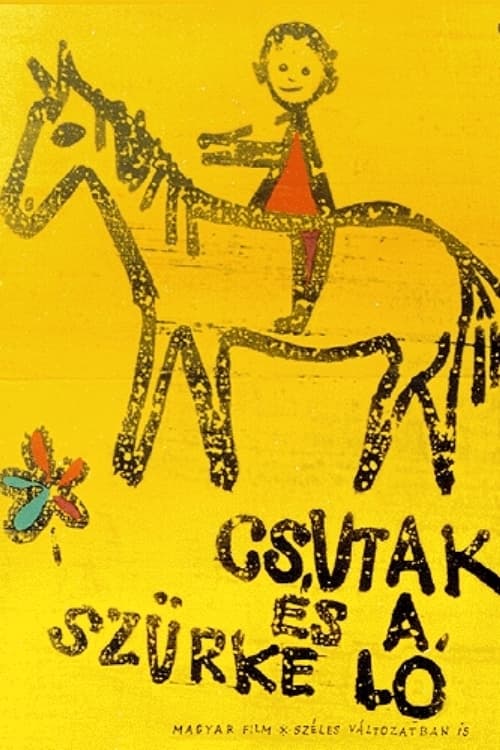
Csutak is just a pain in the neck, the little boy is even excluded from play by his mates. Vacation is spent lonely until one day he sneaks the woman haulier's old, shabby horse, a creature that would be better off in a slaughterhouse, out with himself. Possessing the animal is the key to the children's gang. They all try to find a place for the horse.
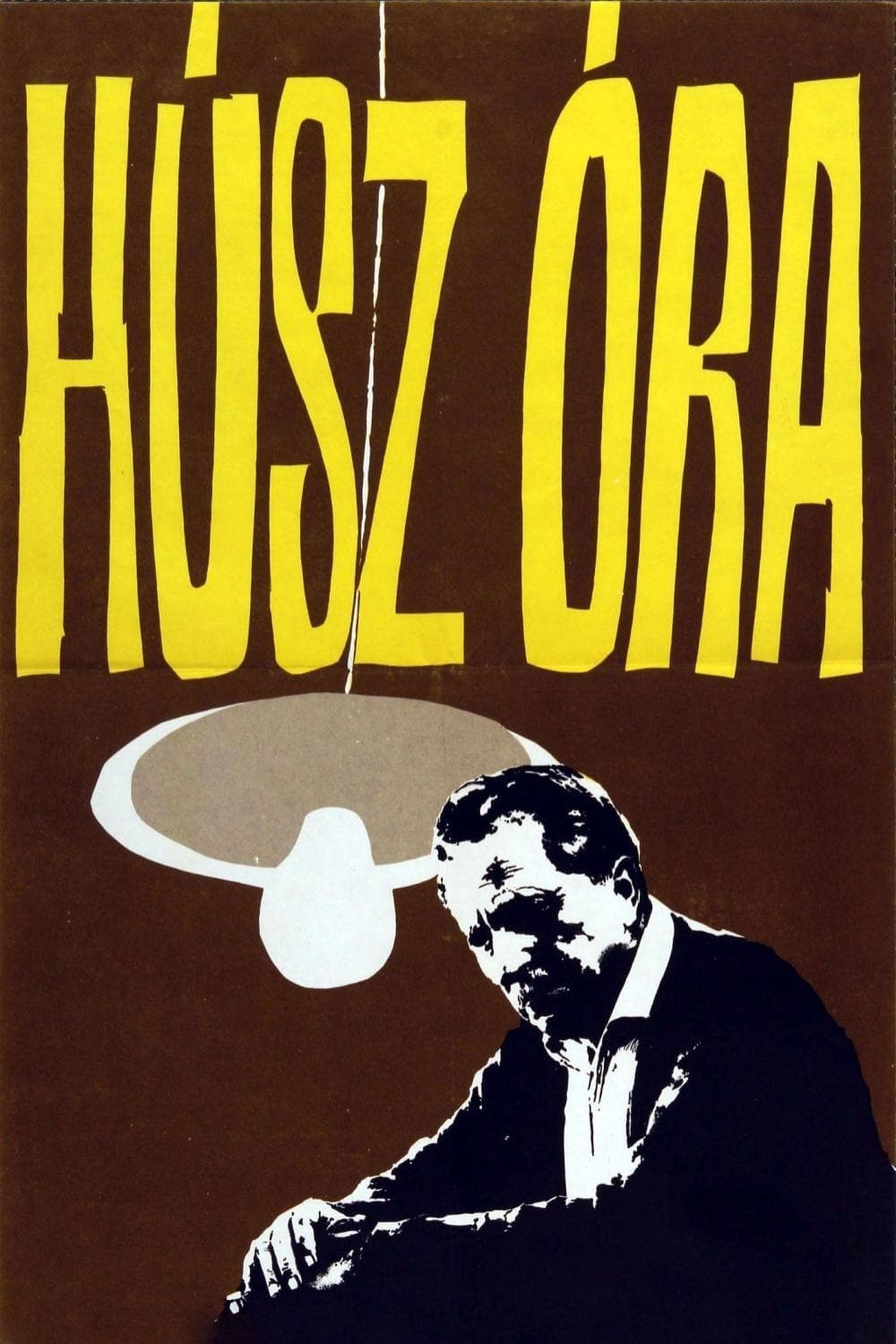
A crusading newspaper reporter covers the Soviet invasion of Hungary in 1956. Initially critical of the communists, the feature later espouses the virtues of the social changes implemented since the invasion. The title refers to the period of time the reporter spent interviewing witnesses to the invasion.

The film, depicting life in the tenement houses of Angyalföld in the thirties joins the neorealist currents of Hungarian film. Ambrus Pista, the good humoured, attractive tram conductor is loved by women for his excellent job as well. With his lover, the street-walker Terus they spy upon the neighbour as he beats his wife in jealousy.
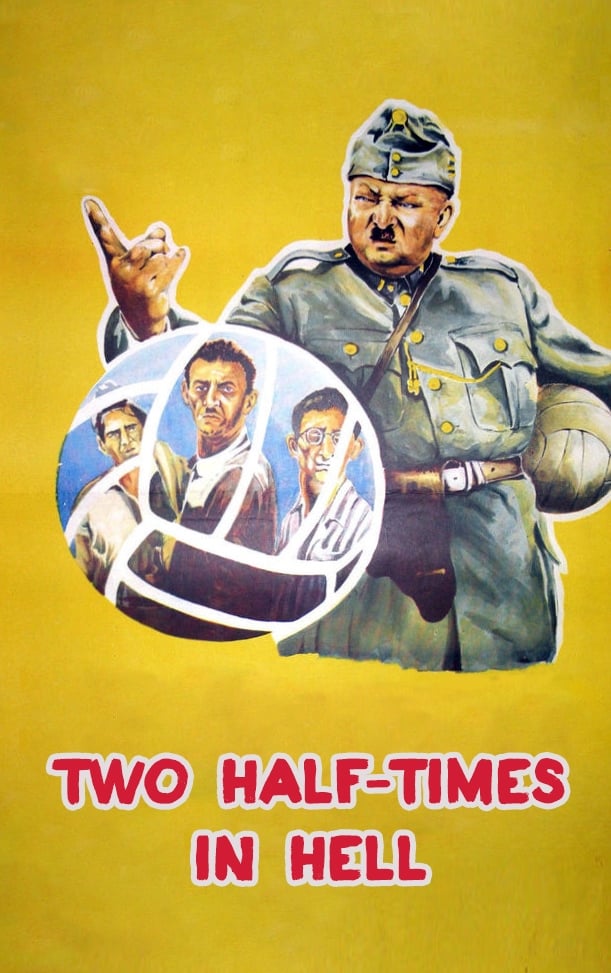
To celebrate Hitler's birthday, a soccer match is organised between the Germans and a group of Hungarian political prisoners, one of whom is a famous pre-war football star.
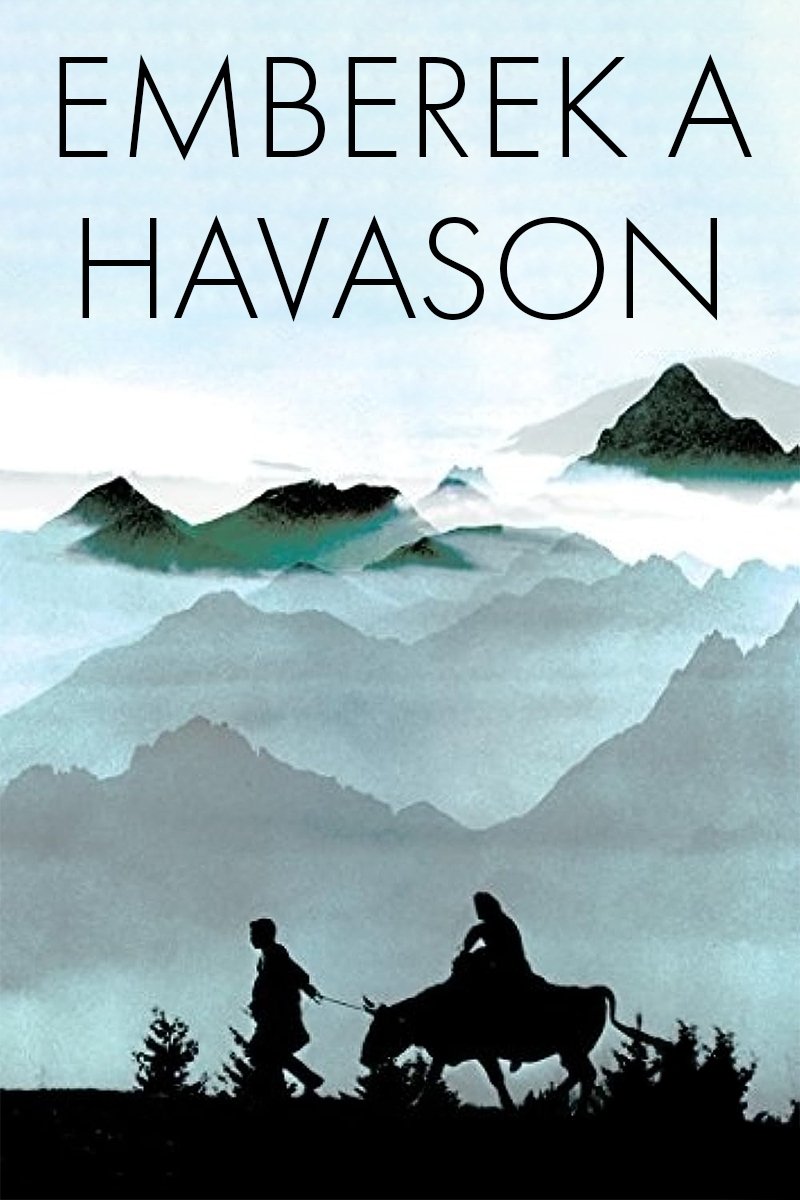
A simple, religious Hungarian woodcutter lives with his wife and boy child with a small community of squatters among the peaceful mountains of Transylvania until a lumber company claims their land and forces them all to become company workers or else leave the land. This 1942 Hungarian film takes a detailed and unflinching look at the hardships of mountain living, and the realistic approach proved influential to the Neorealist movement in Italian cinema. Hungarian master director Istvan Szots won the Biennale Cup at the Venice Film Festival for his auspicious debut, but the film was banned by the Nazis as "too Catholic" and not publicly exhibited until after World War II.

Cabinet crisis threatens in Futbólia, due to a series of lost matches. The head of state charges admiral Duca with the task, as a last chance, to get hold of the football star of the Hungarian team presently playing in Switzerland.
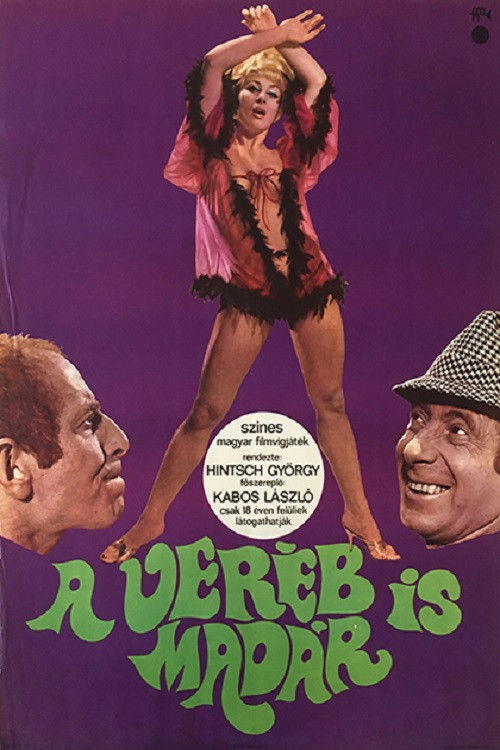
A comedy about two twin brothers - Sándor, who emigrated and became a rich man, and Zoltán, who stayed in Hungary and lives the life of an average working-class man. When Sándor visits his twin brother, they are constantly mistaken for each other, and when Zoltán sees how differently people treat Sándor because of his money and his foreign citizenship, he begins to like being mistaken for him - until he realizes that this means he will lose his girlfriend Szöszi...
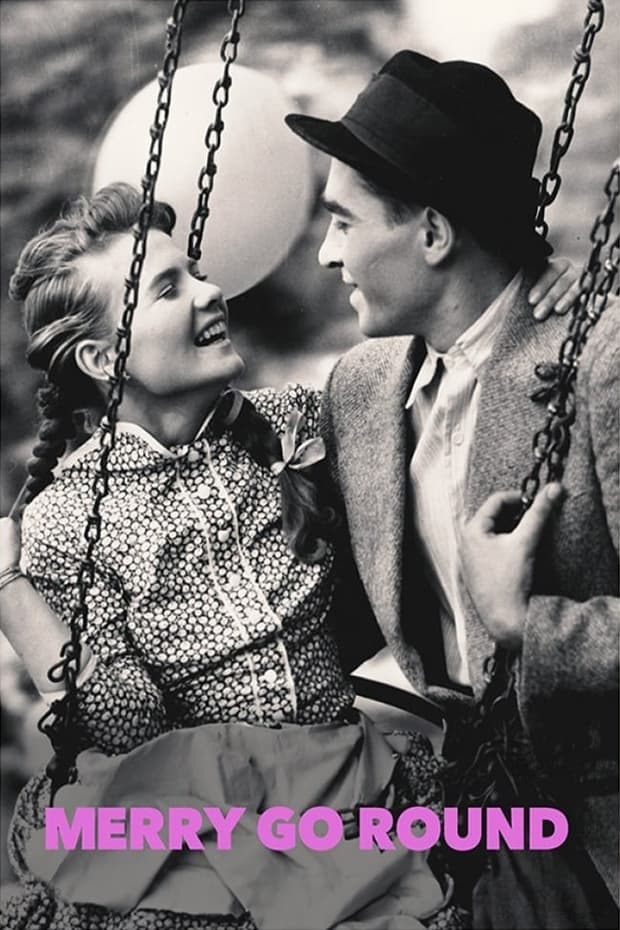
In a rural scenery in the throes of difficult changes lives a humble but promising young farmer girl called Mari Pataki. Her father forbids her from seeing the man she loves. The father, above all preoccupied by work on the fields and prospective wealth, decides to give his daughter in marriage to an old but rich man with whom he does business. Land marries land, he says. This seems to be the unyielding rule of the Hungarian peasantry. But the young lover is ready to stand up to any challenge to keep Maris love.
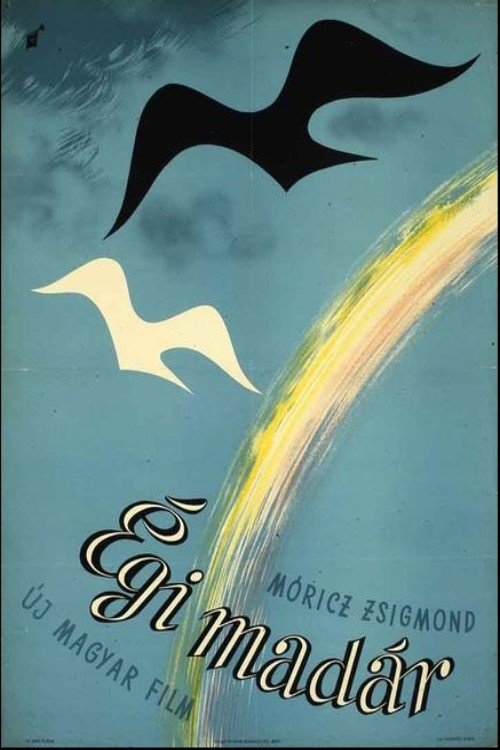
Panni, coming from a landless family of ten and Miska have loved each other for a long time. The pretty Panni, however, has another suitor as well: Komáromi, the big farmer. The two men fight from time to time, but then, during the time Miska is serving his military duty, Panni marries Komáromi to end the tremendous squalor of her family.
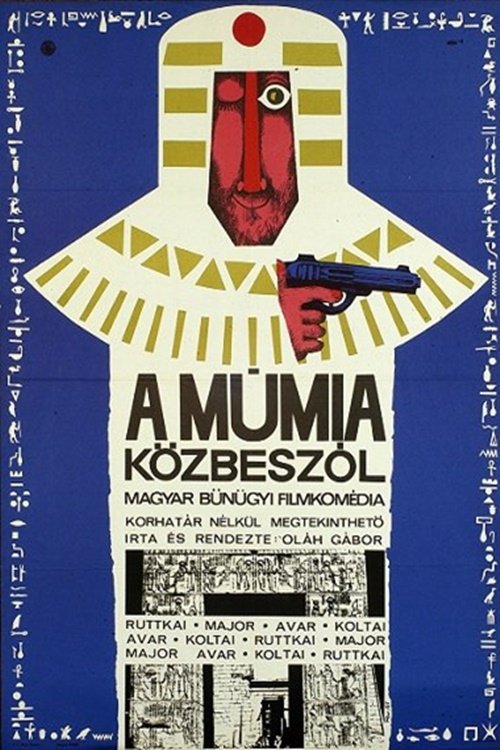
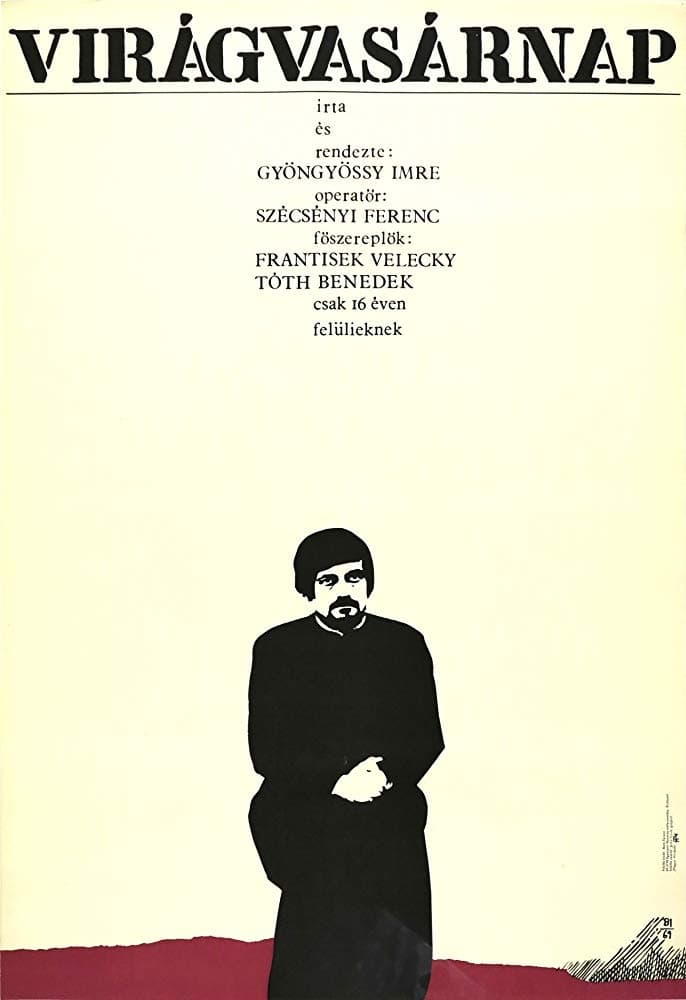
Epic recalling the early days of the Republic of the councils.
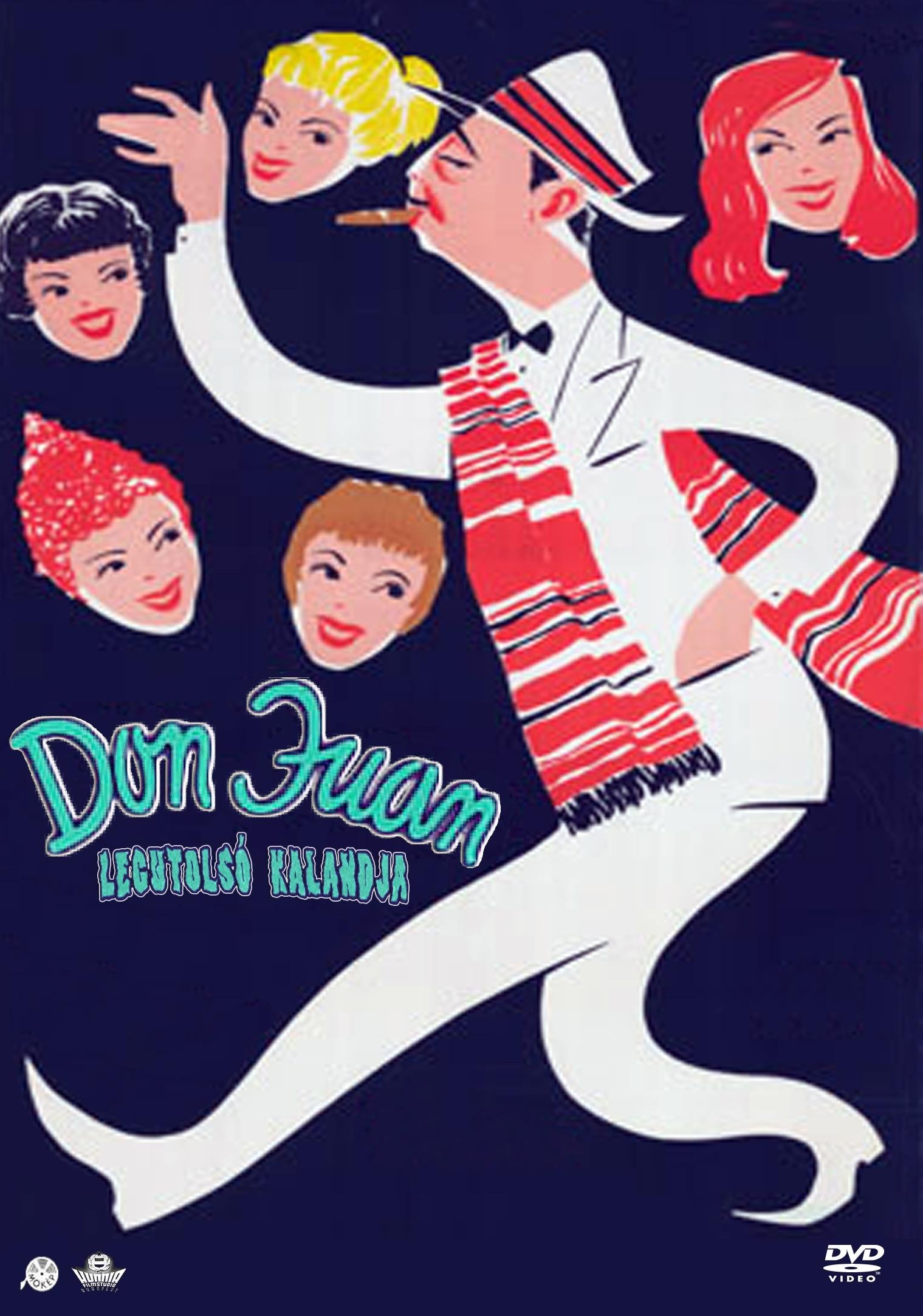
Don Juan, the seducer, is cursed by the governor of Seville: he can only live until a woman rejects him. Thanks to this curse, Don Juan has been living in bliss for 400 years when he arrives in Budapest. Of course, in the new city he chooses a new girl to conquer, Kata Lukacs. The experienced heartthrob used all tricks and tricks, but it seems that none of this has an effect on Kata.
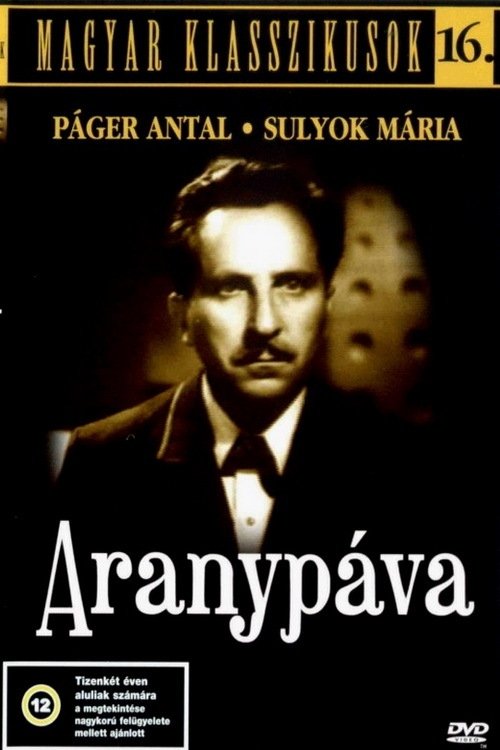
Bálint Zeke, the honest old miller of the village, leaves his water-mill to Anna, his only daughter, while the will also provides for the mill to be managed by Forintos Mátyás, a young miller, whom he has been raising since he was very young and treats as his own son. The two young people seem to "like each other anyway", and their marriage would make the old man happy.

A young peasant boy stands up to tyranny, aided by his trusting friend- a goose.
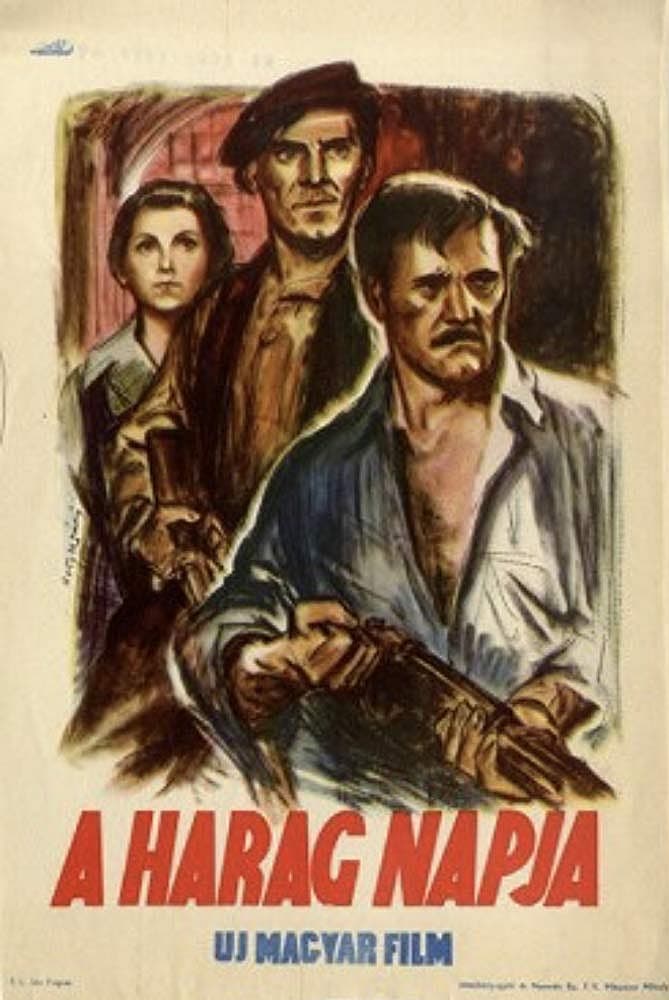
In May 1919 in a small rural town beside Salgótarján the local high society wants to get the power back with the leadership of dr. Máriáss, exploiting the outside attack launched against the Republic of Councils.
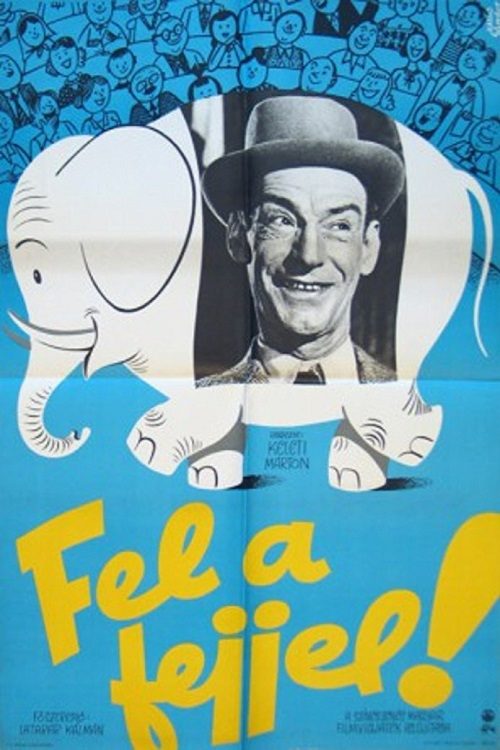
On the Spring of 1945 the Jackson circus is heading towards the border with the clown Peti and Aida, the elephant. They have to play for the Hungarian Fascists, while Peti is hiding the Jew Annuska and Sanyika.
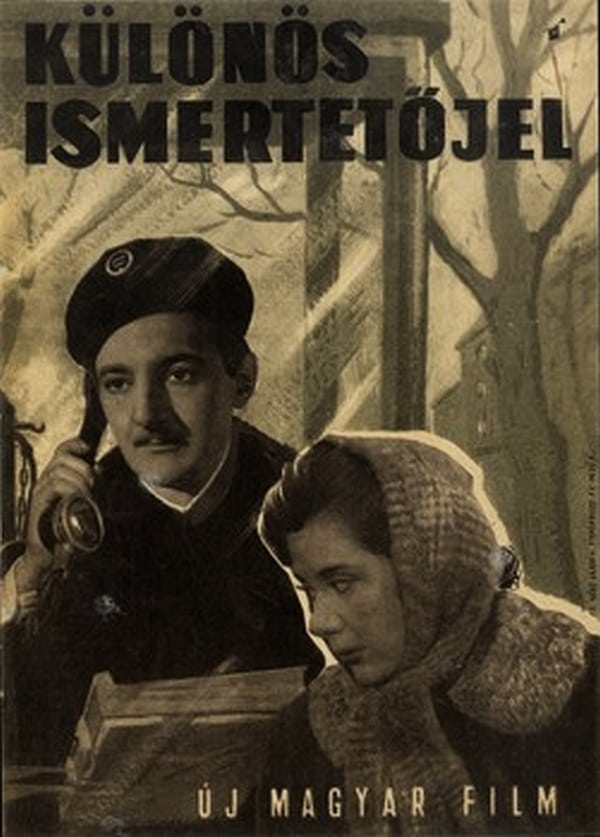
Imre, secretary of the illegal communist party arrives in Budapest secretly in 1942, in order to start the newspaper of the party in the fight against war. Not even his own mother can see him.
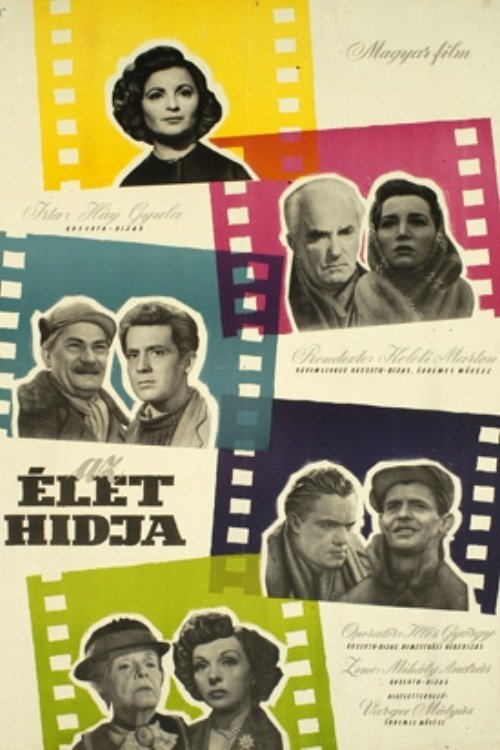
The war is over, but the Bodog family is starving. Varg's neighbor takes Mihai Bodog with him to do restoration work. They are well paid for this work and Mihai can finally please his wife Erji and their young son. When the workers are later hired to build a bridge, Bodog, a specialist bridge builder, cannot resist the challenge and is hired. But this time the workers are delayed in paying their wages, so their family is once again in need. Erji is forced to look for work...
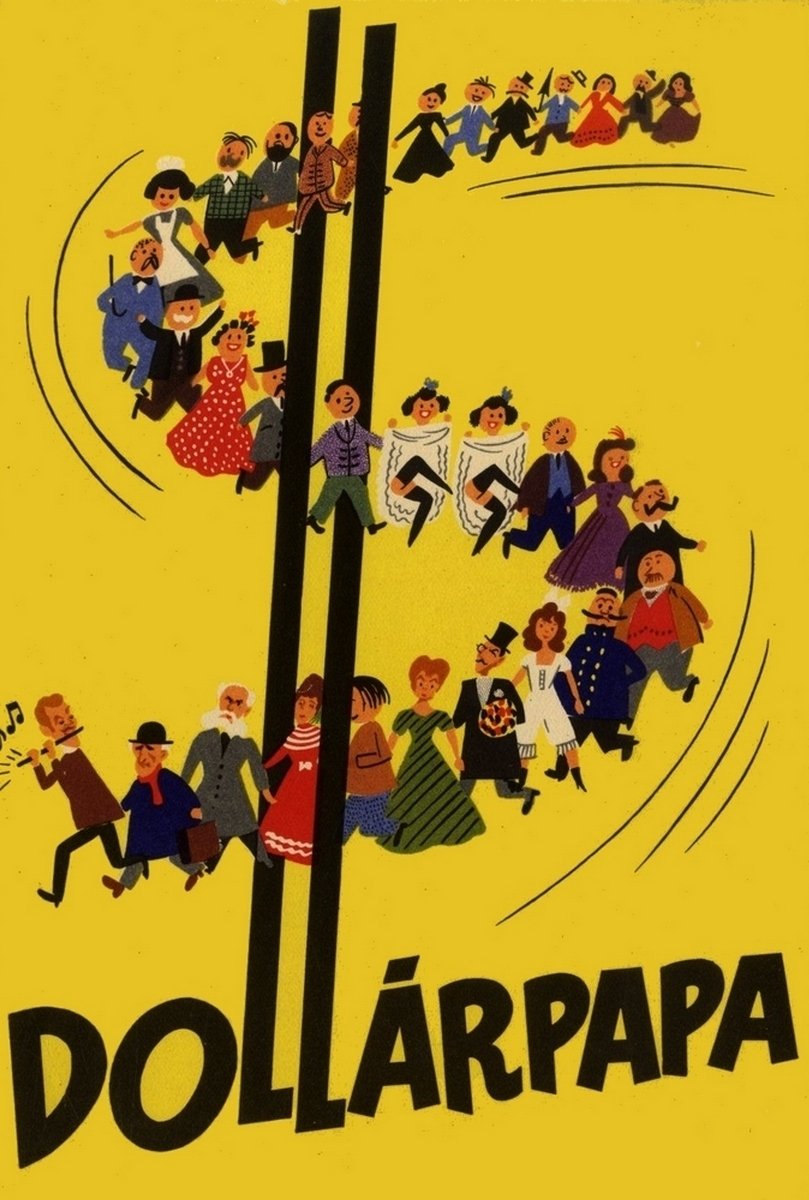
A heavily indebted schoolteacher raising two marriageable daughters is buoyed by rumors that his long-lost uncle in America is a millionaire, until the uncle’s unexpected arrival in poverty sparks a rush of creditors, patrons and fortune-seekers. Ambitious lawyer Jenő Szekeres orchestrates the deception so that the family, the town and himself profit from the false fortune, and even when the truth comes out, everyone, including Szekeres, now eyeing a political career, chooses to uphold the lie.
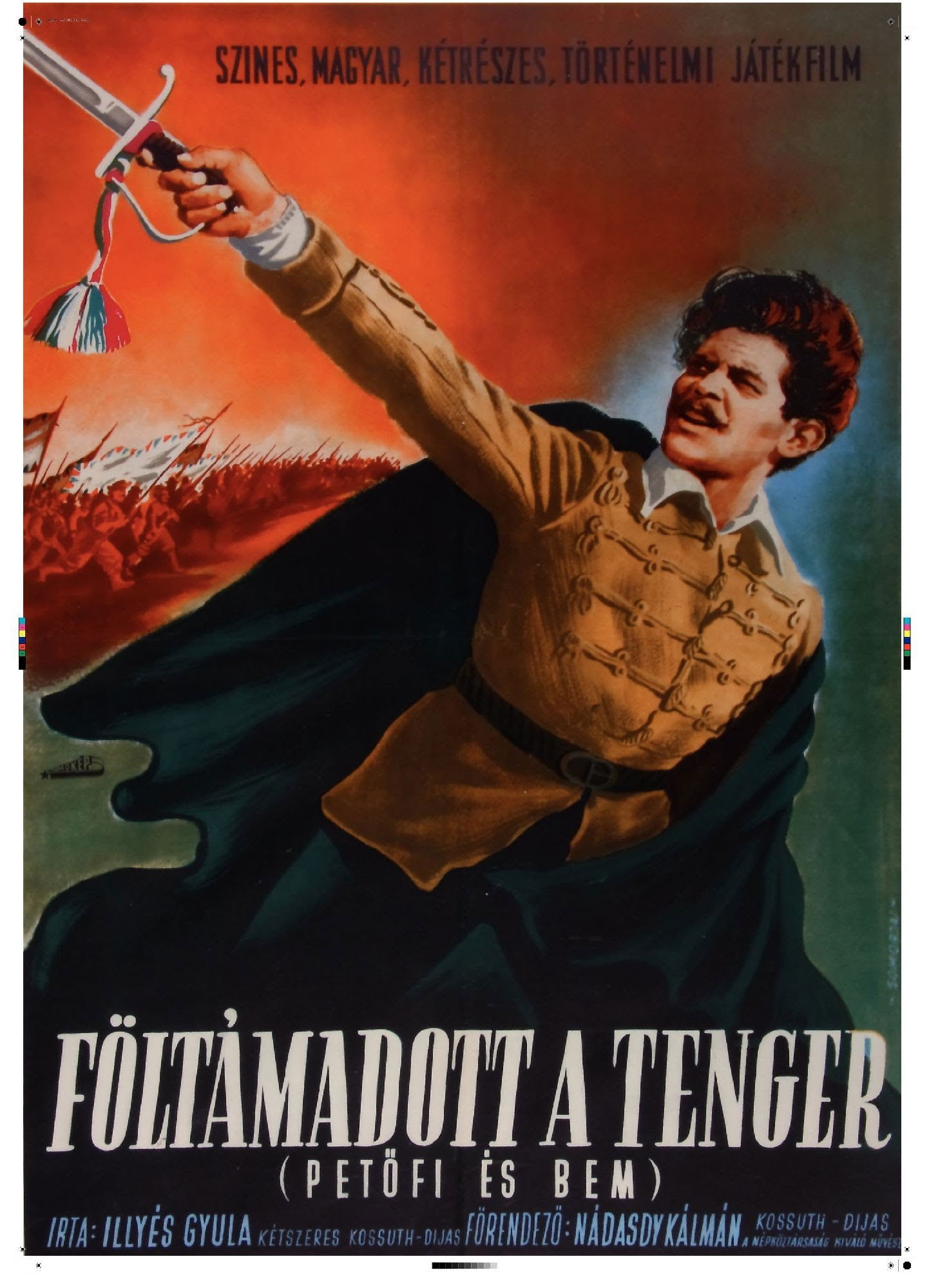
March 15, 1848; the revolution breaks out in the town of Pest. Yet at café Pilvax, in among he revolutionary youth, there is the informer of the imperial court as well. Hearing the news of the attack led by Jellasics, the inhabitants of the villages pour into the national army, and Hajdú Gyurka also escapes from his landlord. Petőfi is there at the camp of the revolutionaries, raising them to enthusiasm with his poetry.
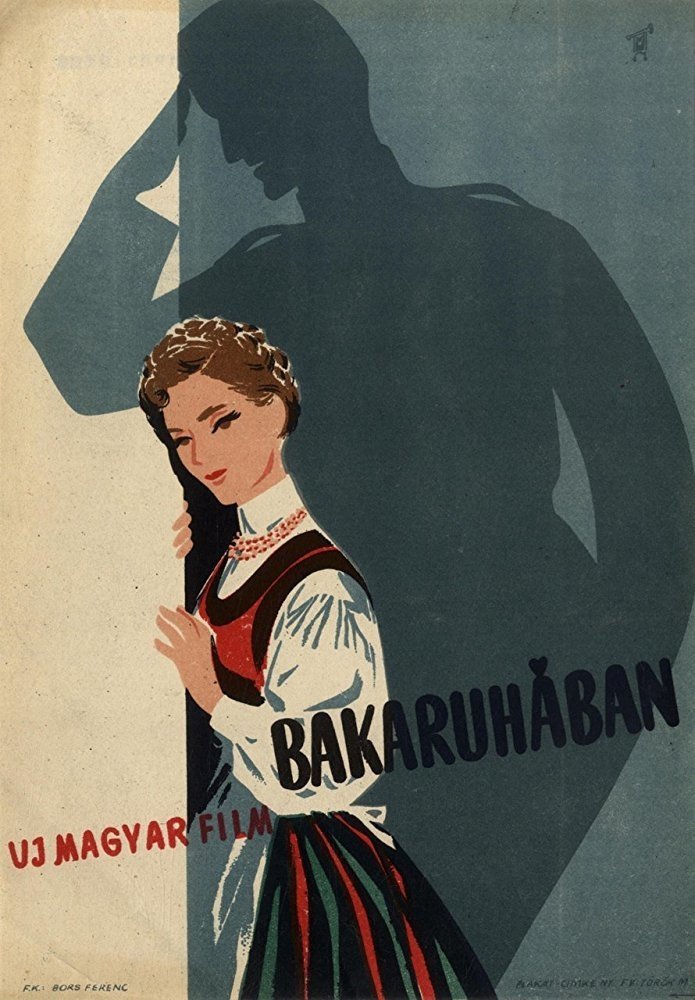
The poetic love story depicting everyday life from a micro-psychological aspect takes place in the 1910s. Sándor, editor of the local paper, serves as a foot soldier on Sundays, but spends weekdays playing billiard and courting women. One Sunday afternoon - in soldier's uniform - he meets Vilma, the beautiful maid, whose honesty and chastity turns the adventure to love.
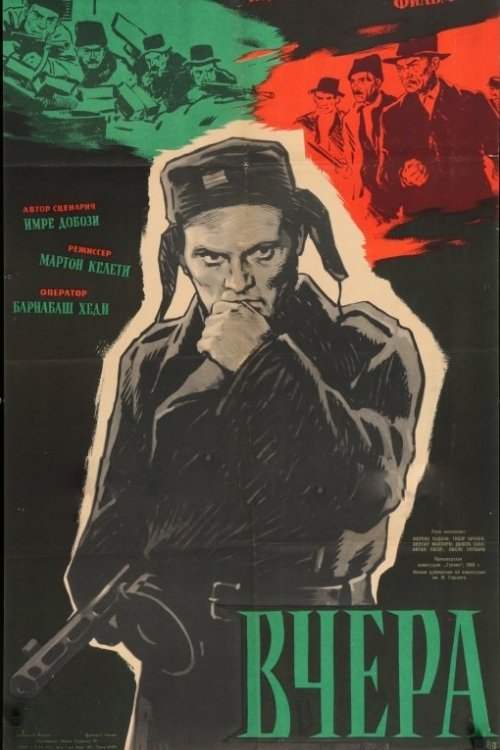
October, 1956. Colonel lieutenant Szabó sends a platoon with the mission of calming the people demonstrating in the town. The platoon is lined up under the command of Lieutenant Csendes and the soldiers aim at the demonstrators. Szusza Kis changes sides, and Csendes is unable to shoot at his childhood mate. They withdraw.
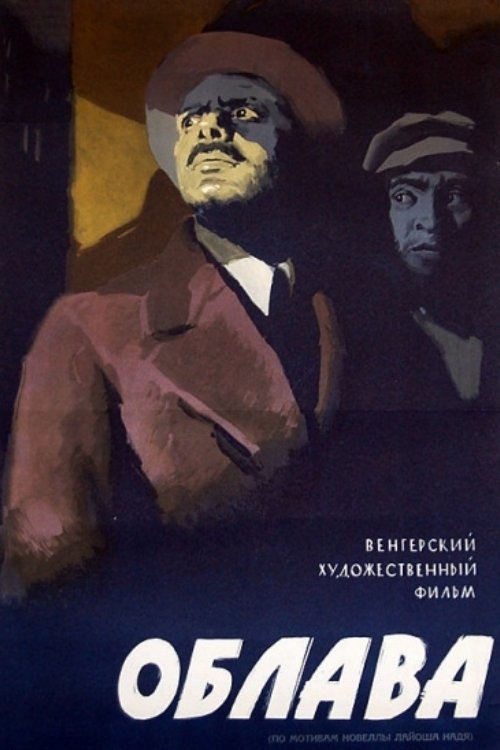
1932, Budapest. Gere János, an unemployed worker searching for employment in the capital, is organised into the secret police after a raid. Summary justice is declared, and the police wants to find an illegal communist press at any price. Gere, wandering about in the dark city, joins a man, helping him to carry his luggage. Slowly, Gere learns that his companion is a Communist and his task is to keep the press machine hidden from the police.
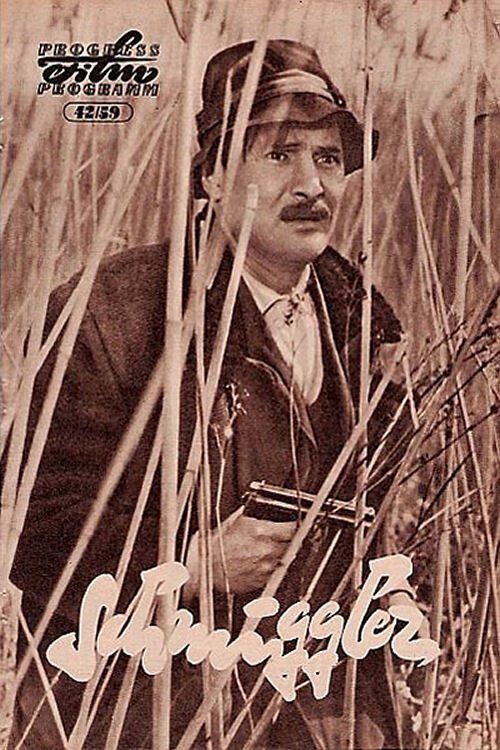
In the thirties, the poor living by the Romanian-Hungarian border were forced to smuggle if they wanted to survive. Mihály, a Hungarian peasant, kills a border guard while fleeing. He is fed up with smuggling and wants to put an end to it, yet he needs money to get a job, so he embarks on another turn.
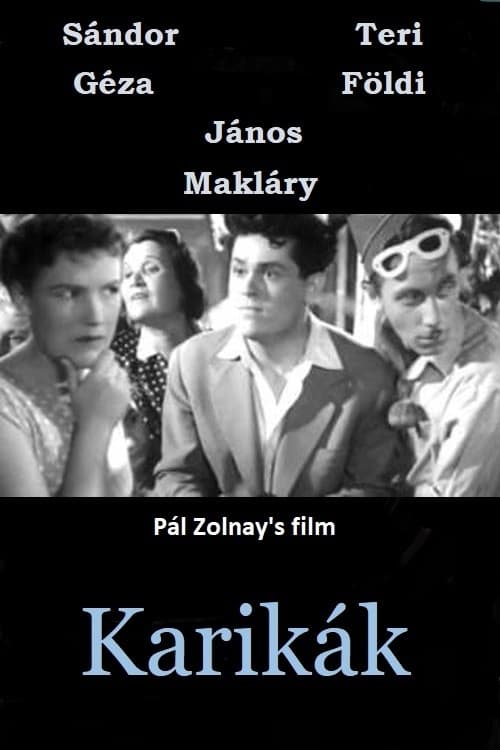
The movie is based on a short story by V. Kataev. A young tractor driver Duri loves Dorka, the daughter of the owner of a ring-throwing attraction. The girl's father is against the marriage. Durie makes a cunning plan: he starts practicing ring throwing. At the opening of the attraction, Durie takes part in the ring toss and wins prize after prize, which he immediately hands out to the people around him. Dorka's father allows Dury to marry Dorka to save his business from ruin.
Based on the novel of the same name by Lajos Meszterházy about the escape from prison of two communists sentenced to death. The movie is set in 1921, two years after the defeat of the Hungarian Soviet Republic.
The spring of 1919. Karikás Frigyes reorganises brigade 39 at the Tisza. His most devoted soldiers are Korbély János and his followers, who remain faithful to the political commissioner under all circumstances.
A Hungarian doctor, Dr. Hajnal, who always considered himself out of politics, falls in love with the Soviet intelligence agent, the radio operator Alba, operating in the occupied Wehrmacht of Hungary. By accident, the radio operator is hiding in the doctor’s house. Hainal is drawn into a life-threatening confrontation with the Germans. A difficult question arises before him: to remain neutral when people die around and Alba is threatened with death, or to remain an honest person — to make his personal choice and take part in this struggle.
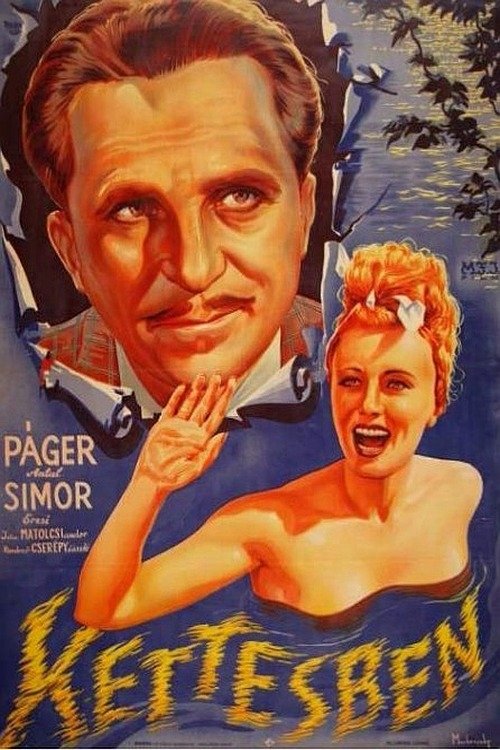
Szilárd, the wealthy and well-to-do manager, disgusted by the social life and the constant attacks of women, decides to spend a few days of vacation in the deserted archipelago of the Danube branch of Győr. He wants no people, no culture, no civilisation. But an accidental motorbike accident brings the unconscious Zsuzsanna to the island...
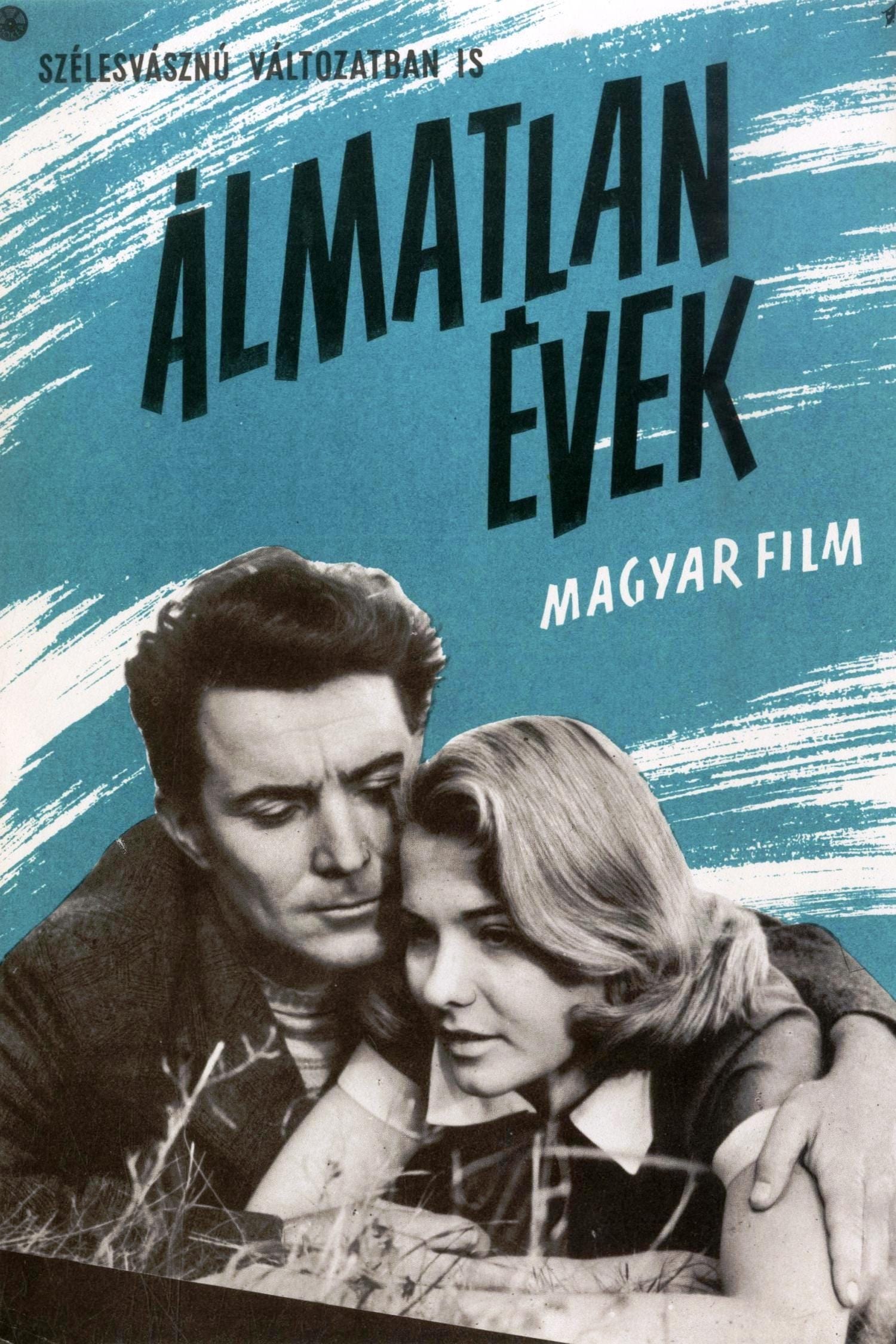
The "sleepless years" in this propaganda piece by director Felix Marlassy occur on Csepel Island, an island south of Budapest that is home to an armaments factory. The factory workers are shown being exploited by imperialists, capitalists gone berserk, and fascists, more or less in that exact chronological sequence. The heavy-handed approach does much to undercut the belief that when socialism finally takes over, the lives of the workers are brought up to a human level. In this instance, audiences might prefer a more nuanced and subtle statement, no matter what the message.

Two girls run away from a small village. Gyöngyi comes from an aristocratic family and her father throws her out of the house when he discovers she has gotten pregnant out of wedlock. She finds herself wandering the streets of Budapest and earns money playing the violin in a restaurant. Vica is an orphaned peasant; she is afraid of her stepfather and moves to the city where she gets a job on a construction site. Gyöngyi and Vica meet on the streets of Budapest, move in together and turn their lives around.