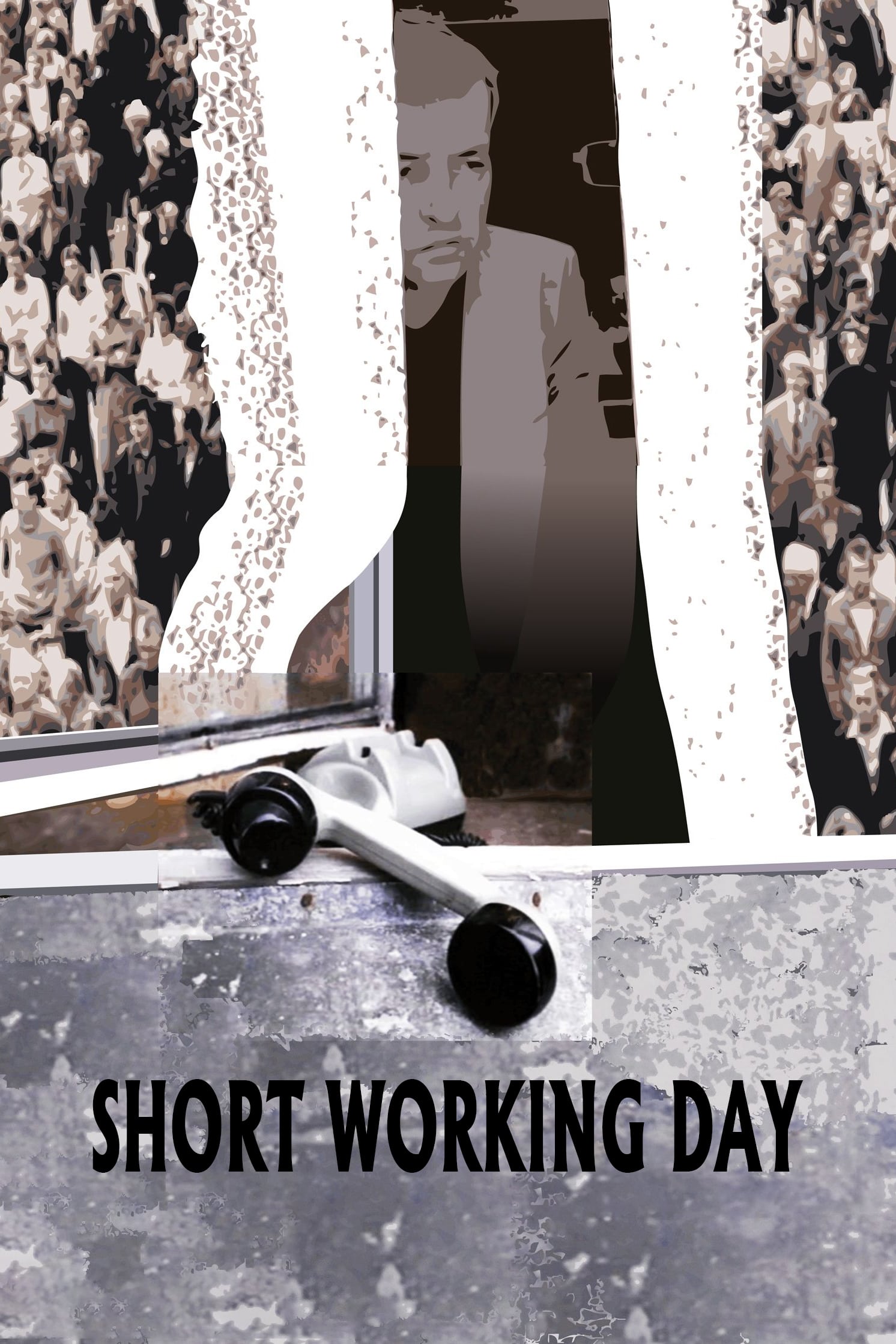
A dramatisation of the workers' protests in June 1976 in Radom, seen from the perspective of the local Secretary of the Polish United Workers' Party.

Set during the insurgency of 1863, the story focuses on a tragic romance between a poor gentlewoman and a rebel noble. After a bloody battle a unit of insurgents have been wiped out and only one survived, but badly wounded. He eventually finds shelter and care from a landsteward's daughter, hiding in a burned-out manor with an old servant.

Agnieszka and Marcin's love is blooming, just like Kasia and professor Wolanski. Grandma Solska only dreams of the wedding of her only grandchild - However, his former lover, Bozenka, stands in the way of the happiness of young Zawada. Mrs. Wolanska decides to radically change her life and disappears in mysterious circumstances. Peace of Piotr and Marlenka is disturbed by the unexpected visit of his mother from overseas – And some very compromising photos trigger an avalanche of events. The real end of the world is underway.
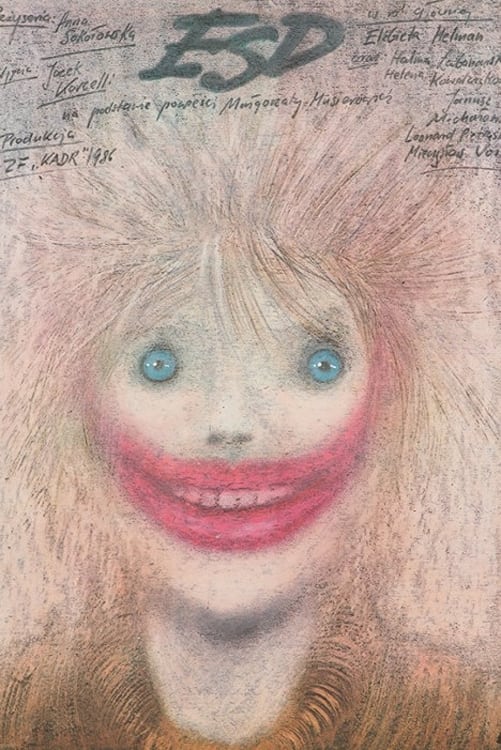
The Borejko family has four daughters - Gabriela, Ida, Natalia and Patricia. Most concern causes the red-haired Ida, whose unusual ideas often end badly, though the girl has the best intentions. Her father, who works at the university as a classical philologist, gives her the idea to found a group called ESD. They want to try out the theory that you are more successful if you send out more positive signals to the environment. Soon this theory will be put to the test. Ida's mother has to go to the hospital and the entire burden of household chores falls on the children.

A young PhD student is trying to get 34 dogs for his research.
The story of a sold football match and a conflict between a father - a football referee and his son.
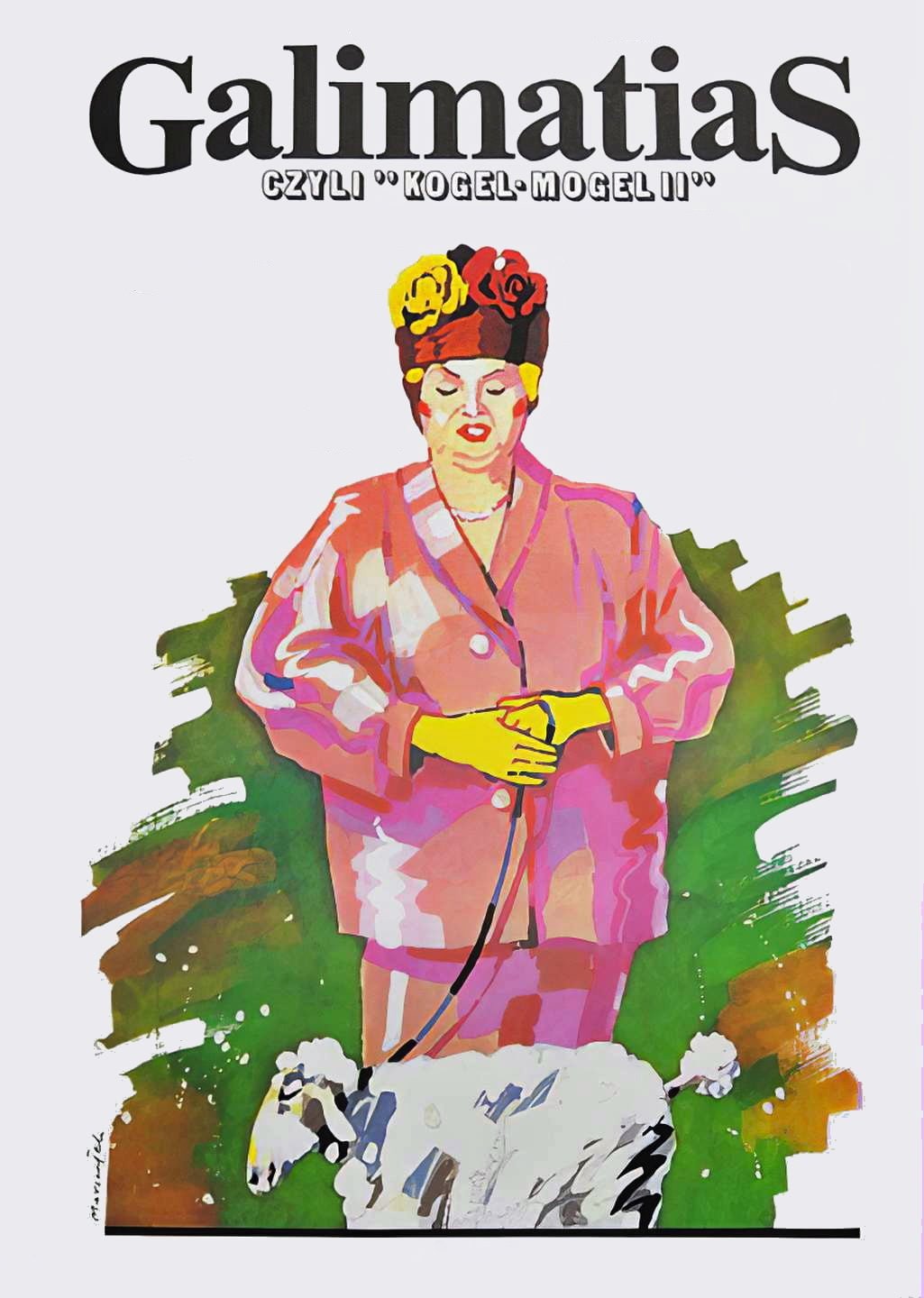
Kasia and Pawel, having got married, live in the village of Brzozki, 10 kilometres from Grabow. Kasia wants to return to her pedagogical studies, so she does not want to have children yet. Pawel announces that he wants to break away from the traditional village farm and focus on specialised sheep breeding, which causes a family argument. Kasia's parents anxiously await the birth of their grandchildren. Things get even more complicated when the Wolanskis arrive in Grabow. They offer to help Kasia go back to university, but in return Kasia has to look after little Piotr as the docent is leaving for London where he has received a month-long study grant.
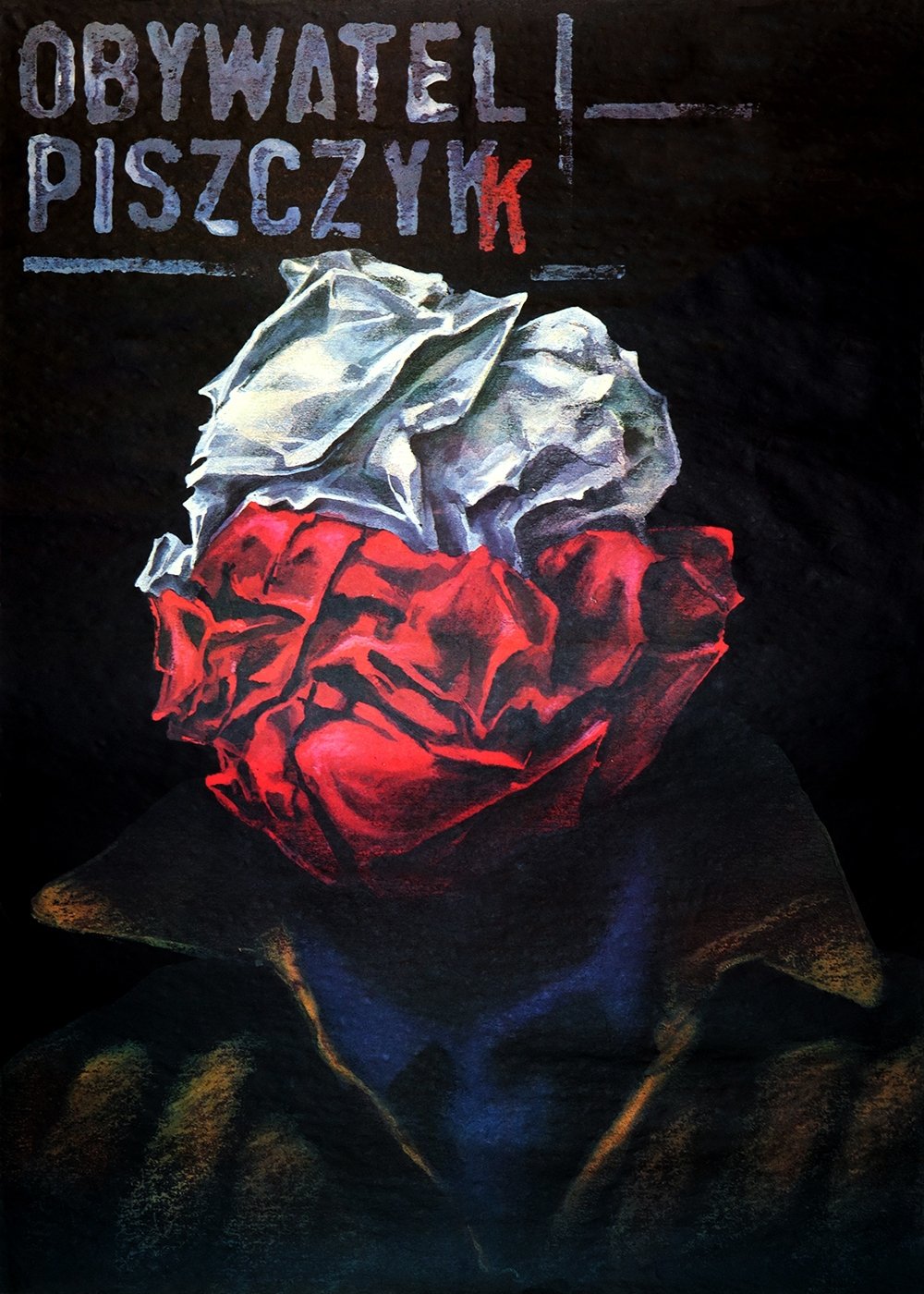
This film is a sequel to Munk's Zezowate Szczescie and it's much the same, only more so. The film begins in a cinema, where the last scenes of Zezowate Szczescie are being shown. Born unlucky, a victim of the errors and distortions of Stalinism, he is released in 1956. He meets a politically feverish woman, her influential parents, and finally becomes the father of her child. But bad luck, or perhaps an unlucky era, will not let him forget.

Laguna was once a great soccer player whose career was interrupted by an injury. He spent years climbing the ranks to become an international referee. He sees the prevailing arrangements, manipulations, and bribery around him. Now desperate, he decides to stage an extraordinary culmination of his career: he wants to create a so-called "miracle Sunday" by "printing" the final round of games - taking substantial bribes from the interested clubs and manipulating the matches so that the results align in the order he set up.
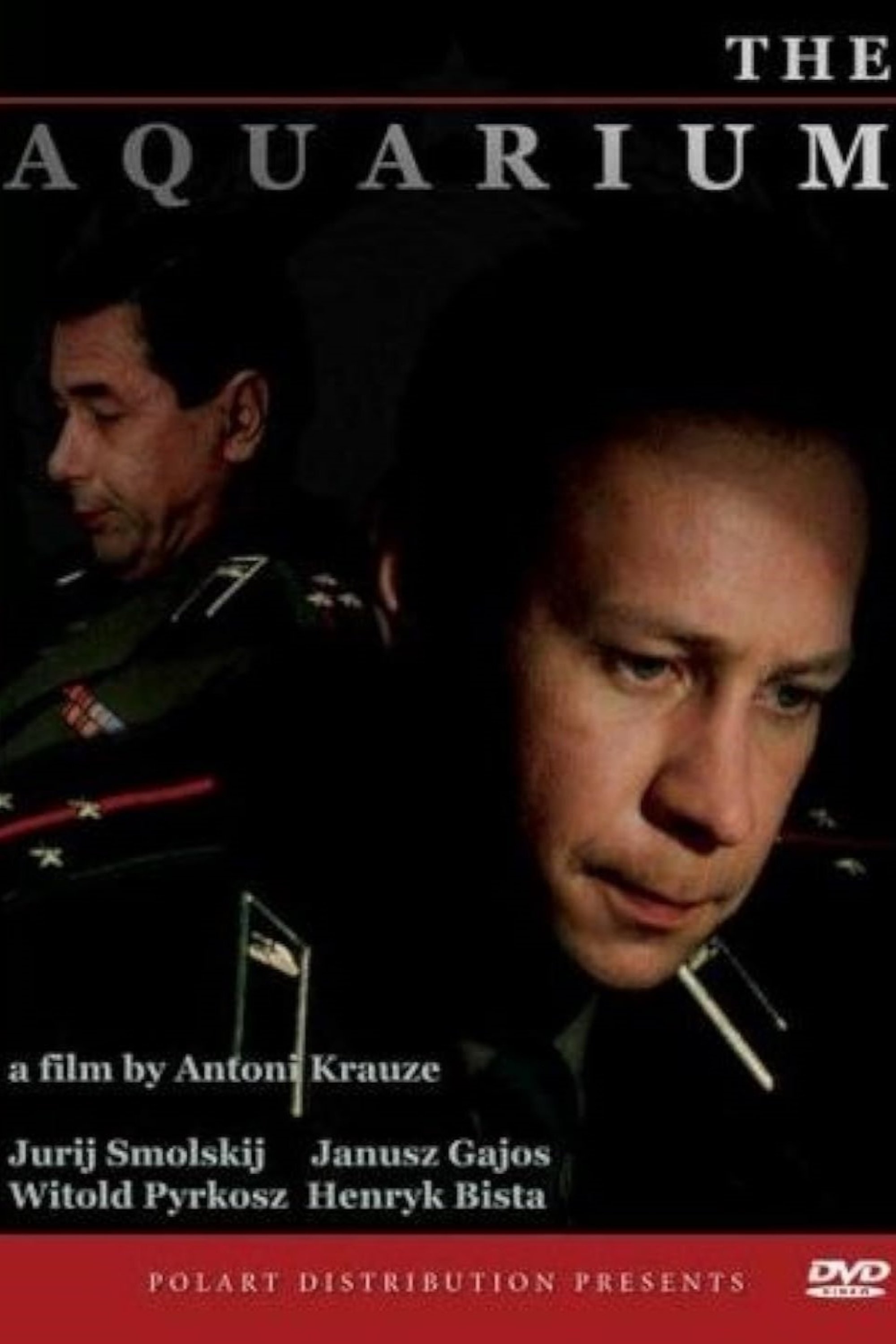
Film based on the book of Viktor Suvorov, a former Soviet military intelligence officer. The story of the strange friendship between the two GRU officers. That relationship began in the Soviet military range where daring young officer Witek action drew the attention of Colonel Kravcov. With the protection of Colonel Witek gets to the interview. Price to be paid for this "favor" is the total loyalty to his patron.
Warsaw elites meet at a ball in Baron Neman's palace, where they discuss the political situation in Poland.

The biography of world famous Polish composer Fryderyk Chopin.
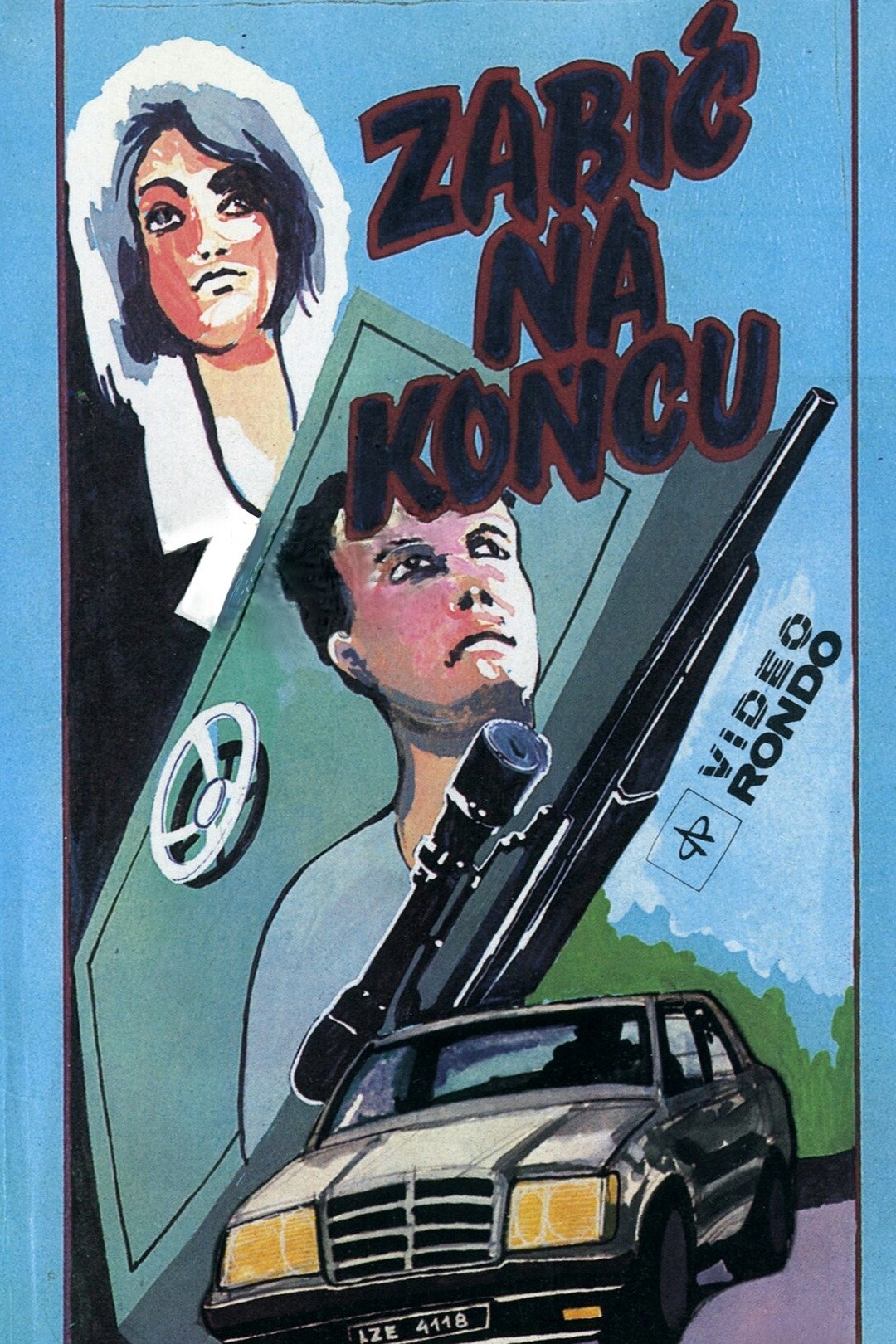
Two workers, bored with their current situation, decide to rob a famous movie director.
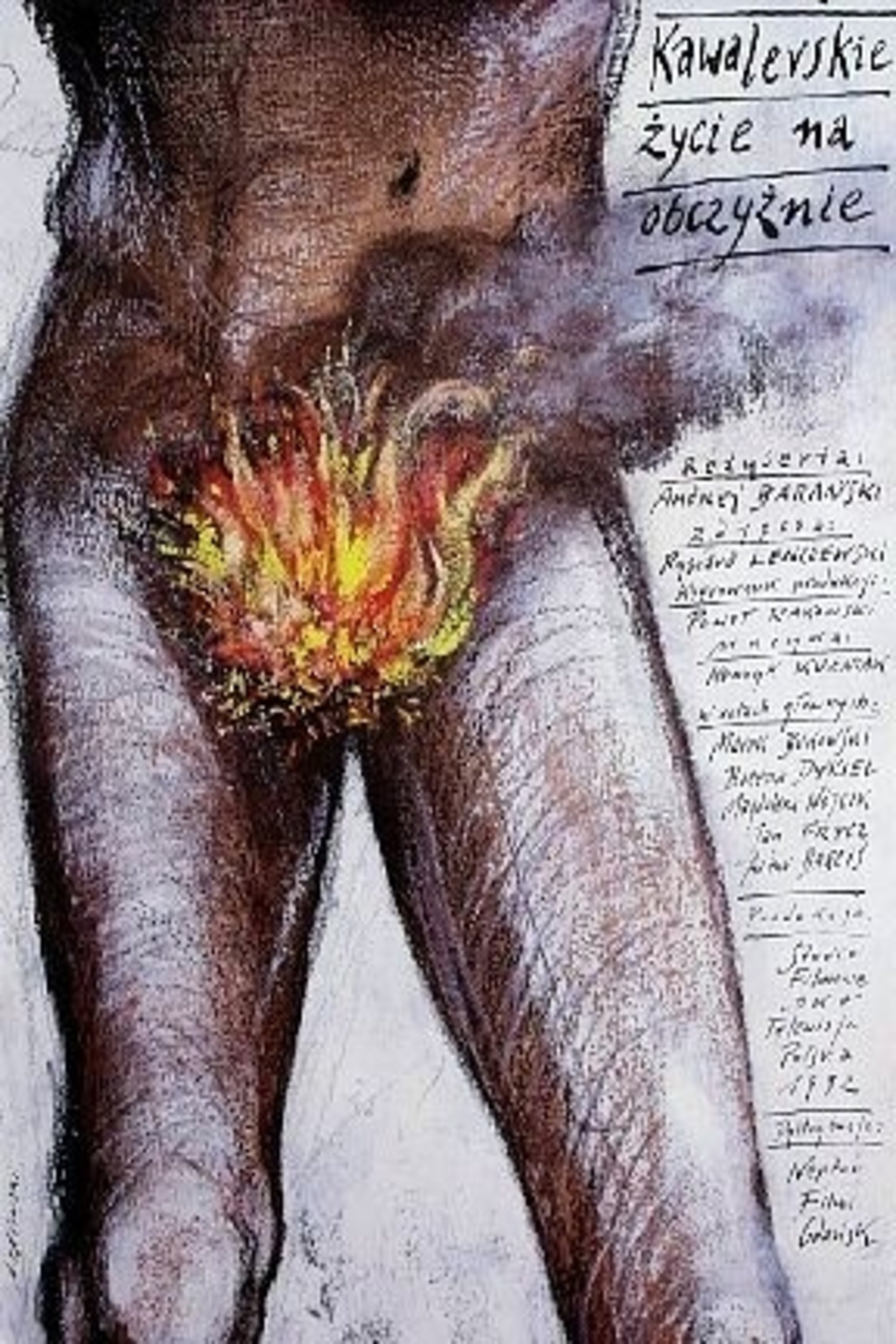
The action is set in the early 20th century. The film is made up of six sequences. In the first, Michal, young man who came from Poland to Germany, enrolls in a course on how to behave in social situations and on etiquette. However when he tries to approach girls using the rules which he's been taught... he only makes a fool of himself. Then, he goes to work for a man who owns a carousel and who loves to chase other women. In the next sequence, Michal meets the divorced landlady, Mrs. Luther, and goes through a whole lot of erotic experiences. When he escapes exhausted from his landlady, he starts working in a mine and visits brothels on a regular basis. He looks on women in a totally cynical manner. However, his persistent wandering must finally result in a true love.
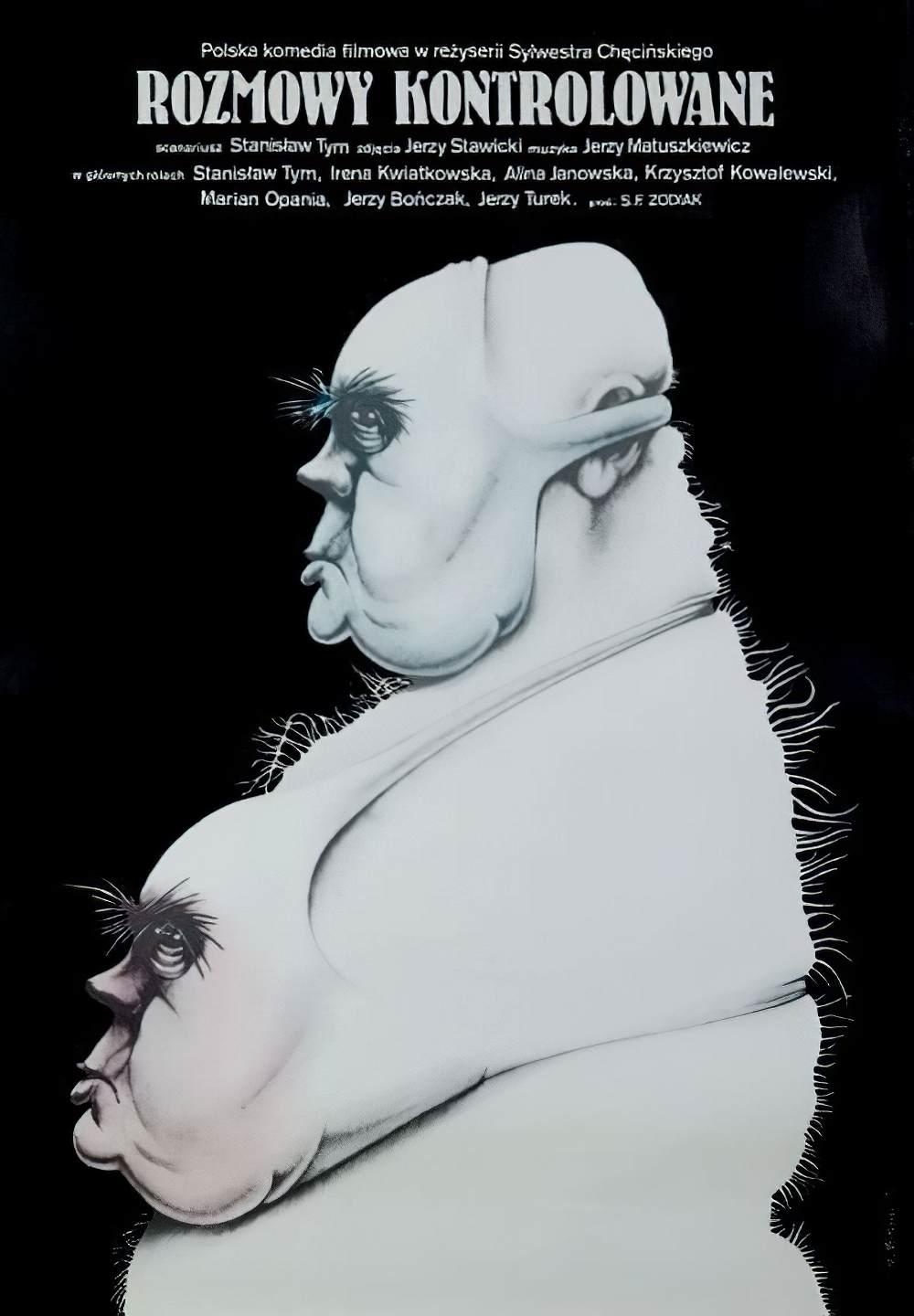
Ryszard Ochódzki receives a special assignment for UB - infiltrating the "Solidarity" party branch in Suwałki. His arriving there coincides with the imposition of martial law on Poland.

A psychological portrait of Ewa, a young Polish theatre actress searching for her own way in life. She plays a minor role in Jasieński's 'The Ball of Mannequins', a complete opposite of her real personality, while aspires to star as Cordelia in Shakespeare's 'King Lear'. Ewa lives on her own, occasionally visiting a famous old actress to talk about theatre, taking care of a poor neighbor, and fights her sophisticated mother rejecting the truth about her beloved father, who died an alcoholic.
The story of famous Hungarian doctor Ignaz Semmelweis.
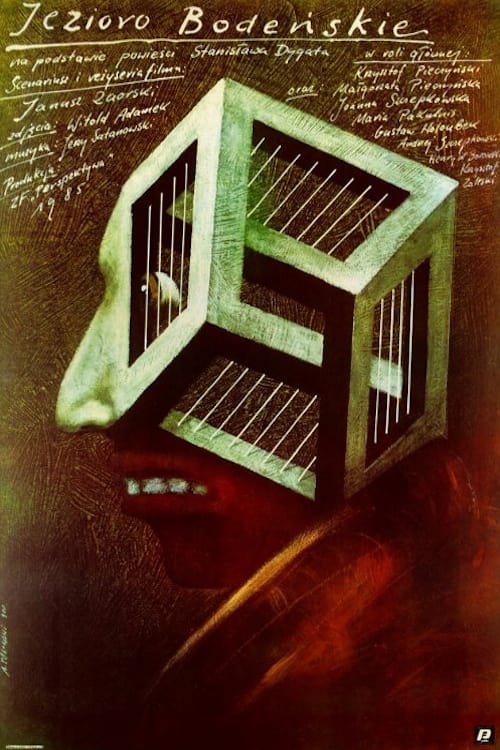
A Pole who spent time in an internment camp during the war on the Swiss-German border, visits the site many years later and recalls these days. He meets with other Poles confined in the same camp, including several women, in whose he had romantic interests.
A story about the fate of post-war Polish villages. Szymon Pietruszka's life is dominated by Michał, his older brother, who left for the city before the war. There, he became involved in the leftist movement. He returned to his home village after the war in a dignitary's car. Soon, however, he left again, only to reappear a few years later—this time penniless, mired in apathy, betrayed by his ideals. The only person who guesses Michał's secret is Szymon, who is also unable to break down the wall separating him from his brother.

In the winter of 1943 two young Jews, Alek and Fryda, escape, via sewer tunnels, from the atrocities underway in Warsaw ghetto. Alek, entrusted with undeveloped photos of the horrors within, makes his way to a supposedly safe apartment only to find it occupied by Germans. Another tenant, a pole Stephania, abruptly offers to shelter him in her spacious apartment. She comforts him and they make love that very night. Stefania is uncommonly generous and willing to jeopardize her own safety by hiding a Jew. She even goes to a nearby church and rescues Fryda. But Fryda is ungrateful and proceeds to sabotage the trio's safety in insidious ways.

An actor returns to Poland after 12 very unsuccessful years in the United States only to find himself entangled in a noirish situation reminiscent of California in the 1940s.
The film is a continuation of the 1984 film I died to live. Leopold Wójcik, faking his own death, returns to the underground. Unlike the previous part, the fate of the heroes is a fiction - a variant of events that could have taken place. The film had a sequel: Born for the Third Time (1989).
Two writers comment on the situation of Poland in the period of political transformation.
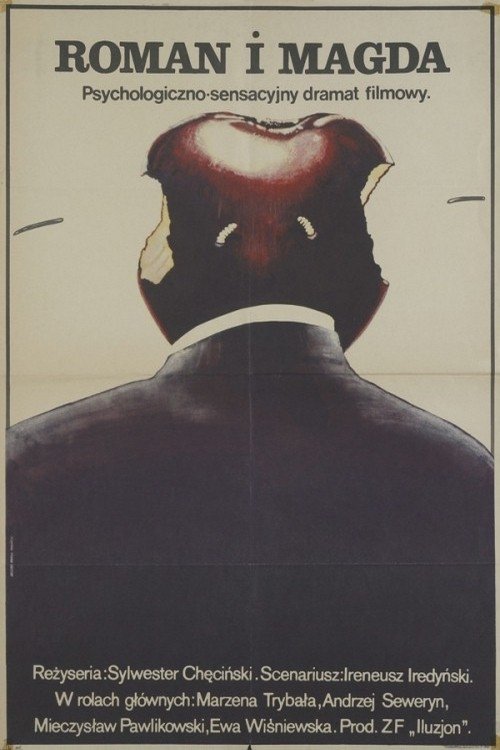
A moral action drama showing a crisis and breakup of a married couple from the perspective of the both spouses, Roman and Magda. Through flashbacks the film reveals a shocking study of the disintegration of the relationship between two adult people and their gradual dehumanization.

Early 90's. The political and economic landscape of Poland, Russia and Germany is changing. Both good and bad sides of freedom are revealed. The mafia is becoming more and more bold, operating without obstacles across borders. One of the more lucrative "businesses" is the trade in luxury cars, stolen in Germany and transferred to Russia by Russia.
Ewa and Stefan Hauser, with their children Monika and Wolf, live an average middle-class life in East Berlin in 1969. Under Stasi blackmail, Stefan is coerced into cooperation, prompting the family’s escape attempt to West Berlin. The plan fails: the couple is imprisoned for four years, the children adopted by separate families. After early release and permission to relocate west, the Hausers spend decades fruitlessly searching for their lost children, only to be reunited twenty years later amid Europe’s political upheavals.
A Jewish woman escaping from a transport helps a family poisoned by carbon monoxide. The young host decides to hide the girl.
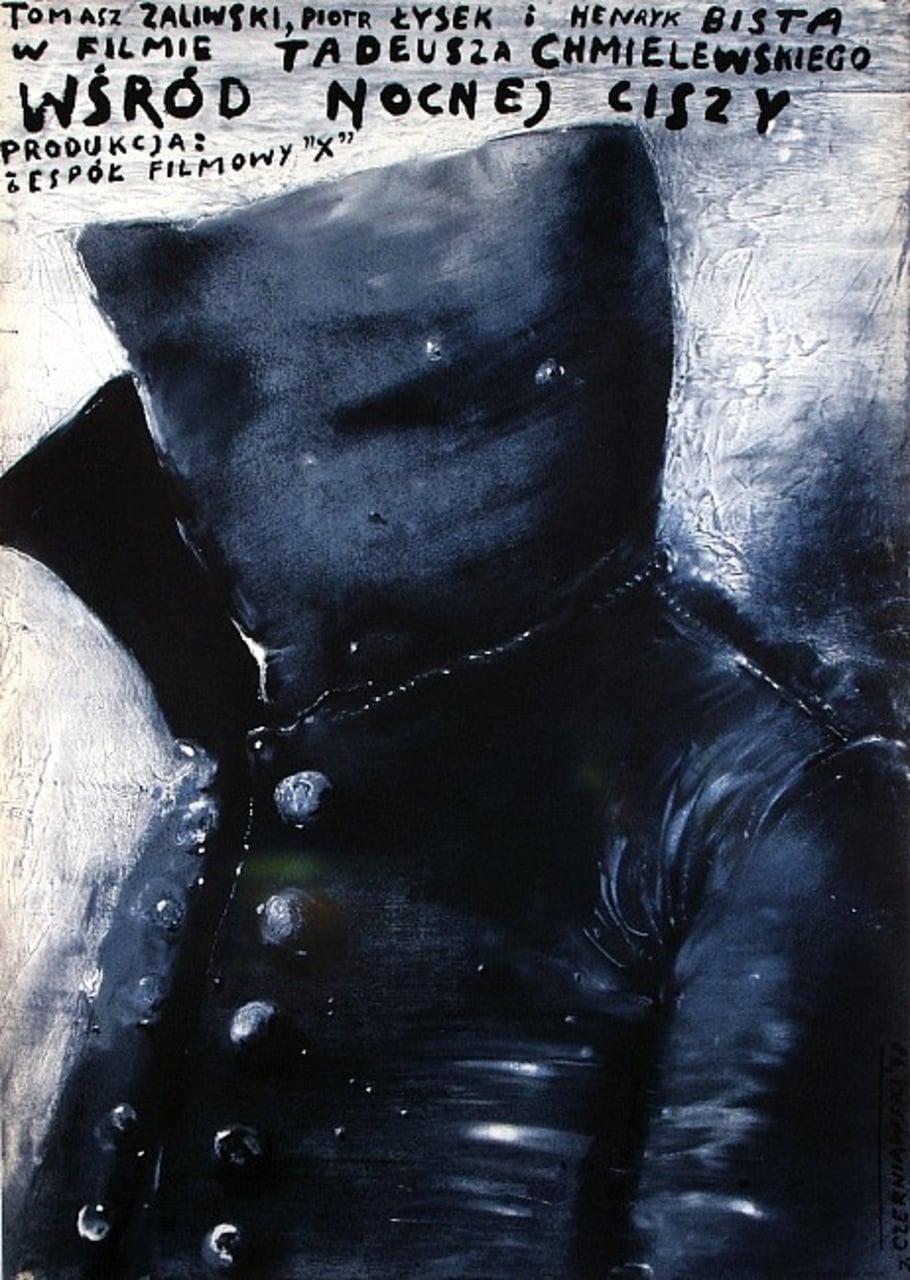
A psychological detective story about a police hunt for the murderer of young boys. The police comissioner ends up tracing the clues to his own home, where he has an adolescent son he has not been able to communicate with.

An ironic look at a climber who decides to do anything to get a job he thinks will launch him into a better career.

The story begins in March of 1968, the days of students protests. A hot- headed student protests the Dean's decision to expell a fellow student on fake accusation charges, upon which he drops out of university rather than make a compromise. He loses everything in the process: his girlfriend, housing privileges - he becomes a coal deliverer. On the job he witnesses an accident that causes death of a fellow worker. He decides to write a story, which is good and a publishing house wants to print it, but only after some corrections are made. He refuses again and the story is not printed. Finally, a story is commercialized and made into a succesful film and brings fame to the original author.
Spring of 1968, Warsaw. The fight for influence between top level Communist officials is the background to a developing love story between a young couple who are engaged in student protests. Both the young couple and their parents will pay a high price for their decisions, and their Jewish roots, which up until now seemed to have no meaning, but which will soon determine their fates.

This is psychological drama by Tomasz Zygadlo begins as a straightforward story. Jan is the host of a nightly talk show in which he counsels people who call in with their problems. He is dedicated to helping these lonely souls but becomes increasingly disturbed when his co-workers and supervisors at the radio station do not appreciate his program; they seem unable to grasp the importance of what he is doing. Aside from that, Jan's private life is frayed around the edges. His wife is a heavy drinker and his mistress has no comprehension about who he is or what he is doing. Jan's frustration over this lack of recognition builds to an explosive level, threatening to upset the balance of his daily life.
Christmas is coming. Little Ania dreams of a doll she saw in a shop window.

A man, after having abandoned his family to live in a monastery, goes back into the world after 17 years.
South Korean Kim lives alone in Warsaw, Poland, where he teaches taekwondo. His wife and daughter live in Berlin, just six hours away by train, but he's been traveling around Europe for 10 years and hesitates to even send a birthday card to his daughter. One day, he finds the bag of a woman, Yola (Eva Gabriluk), who has been pickpocketed, and the two become close. Another chance encounter with a delinquent young man, Mihau (Pavogiu Bourcik), brings them together, and they become an important part of Kim's life. Through Yola, Kim reconnects with lost feelings of love, and the always-flirtatious and unruly Mihau reminds him of his own restless youth...
The story of the pied piper, the German legend of the rat catcher of Hameln, retold as a punk invasion of a Polish small town.
After killing her husband, the beautiful but cunning Lulu evades justice with the help of the people that are in love with her. A Polish teleplay of Frank Wederkind's play that adapts the second part of the story.
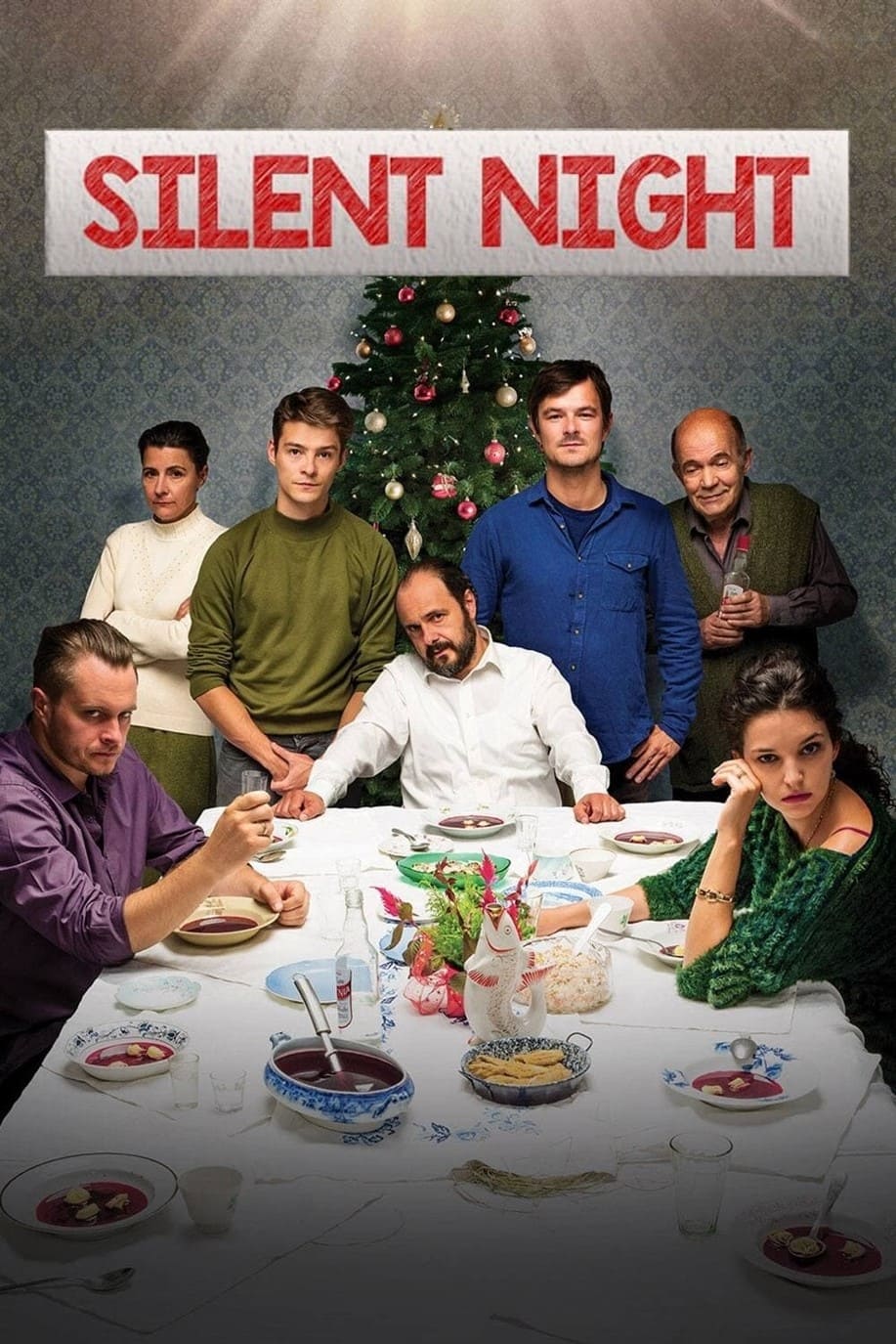
Adam unexpectedly visits his family house at Christmas after a few years of working abroad. No family member knows about his secret plans and the real reasons of his visit.
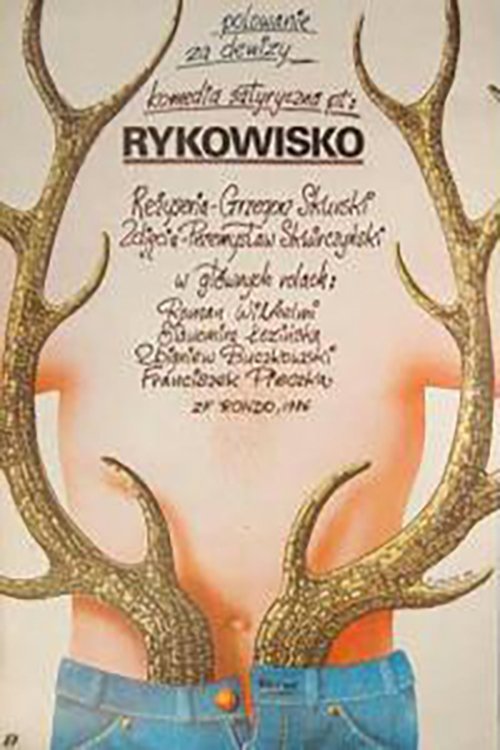
The 1970s. Senator Caposta, an American of Polish descent, is due to arrive for trade negotiations. A condition of his arrival is to obtain permission to shoot a magnificent deer. The hunt is to be led by Wiktor Szalaj from the Kosy forester's lodge.

Kasia still lives in the village of Brzozki and fights off her unwanted suitor Staszek. Unexpectedly, her son Marcin returns to Poland and immediately runs into trouble. The boy has an idea for an unusual business. At this time, a crisis breaks out in Warsaw in the Wolanski family, Wolanska publishes a controversial book, her husband and daughter Agnieszka - rebel and run away from home. They first decide to visit Piotr, who today leads a comfortable life with his wife Marlena. Then they set off into the unknown, and this trip will become legendary again.
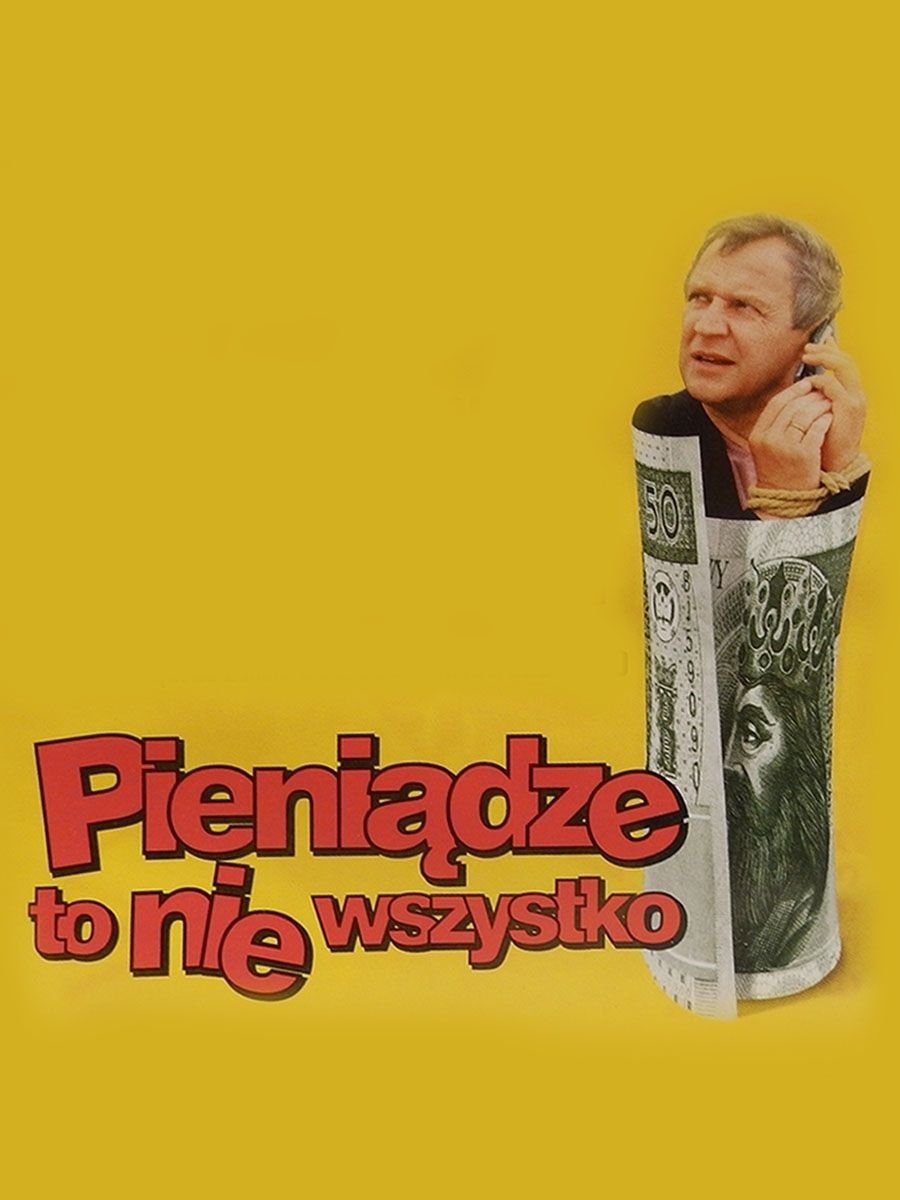
The protagonist of the film is a 50-year-old businessman, Tomasz Adamczyk, who wants to give up running his winery business and devote himself to his lifelong passion for philosophy. This idea does not appeal to his business partner. On top of all this, Tomasz has an accident and is taken hostage by enthusiasts of the wine he produces.

Raised in Warsaw's Praga, Mirka graduated from the prestigious faculty of law. It would seem that her profession would even be detracted from the honor of a family with cunning roots. The girl's grandfather and father pride themselves on stays in numerous prisons. However, Mirka's legal knowledge can be very useful in the fight to save the old tenement house. As a result of a suspicious transaction, the tenement house where Mirka has been living since childhood is to be demolished. All the leads lead to the law firm "Łopian i Pokrzywa", which is just looking for a new lawyer - a man. In order to help the inhabitants of the family tenement house, Mirka must engage in a daring hoax. She is helped by her uncle Bogumił, a makeup artist and a representative of a sexual minority. Thanks to him, a beautiful girl will turn into a handsome young man and hire him in a suspicious office.
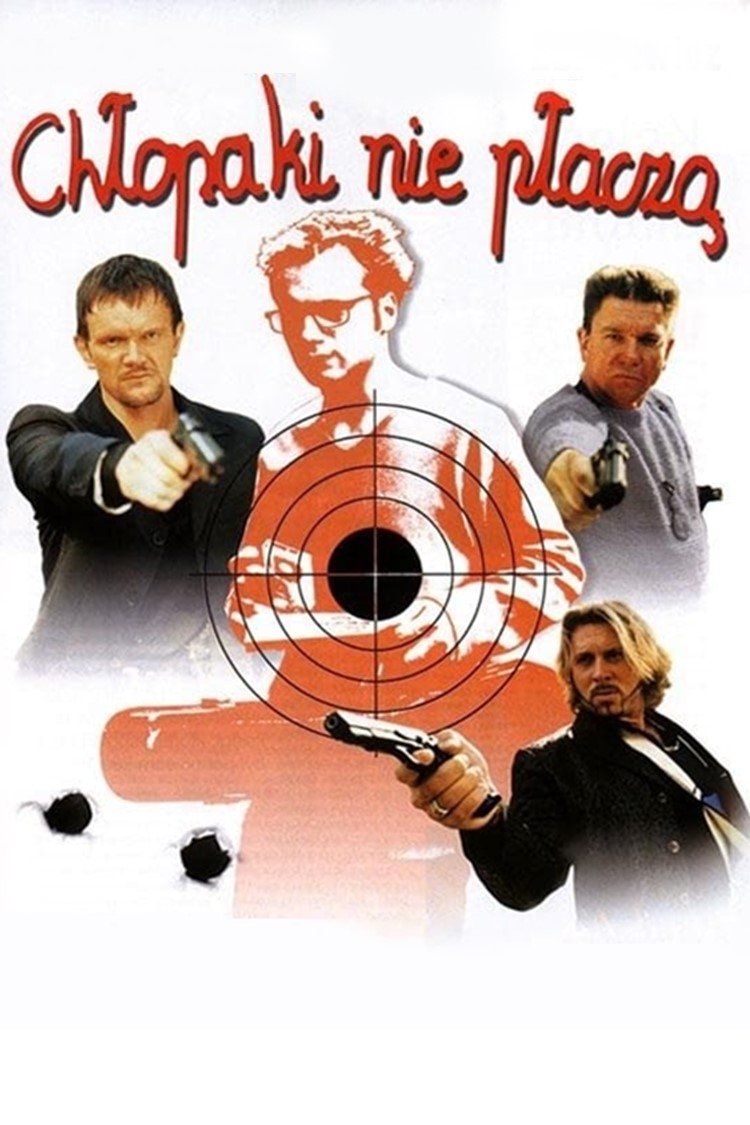
A young aspiring violinist unwittingly becomes involved with a criminal gang.
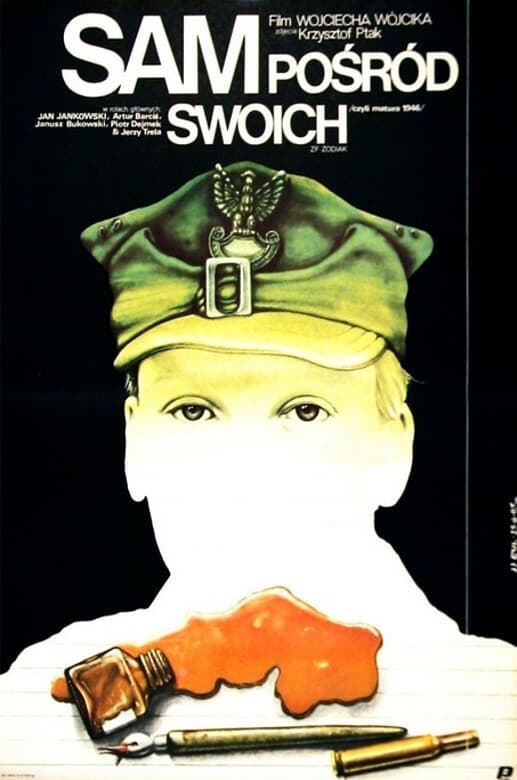
The year 1946 - a young officer between service, love, school...
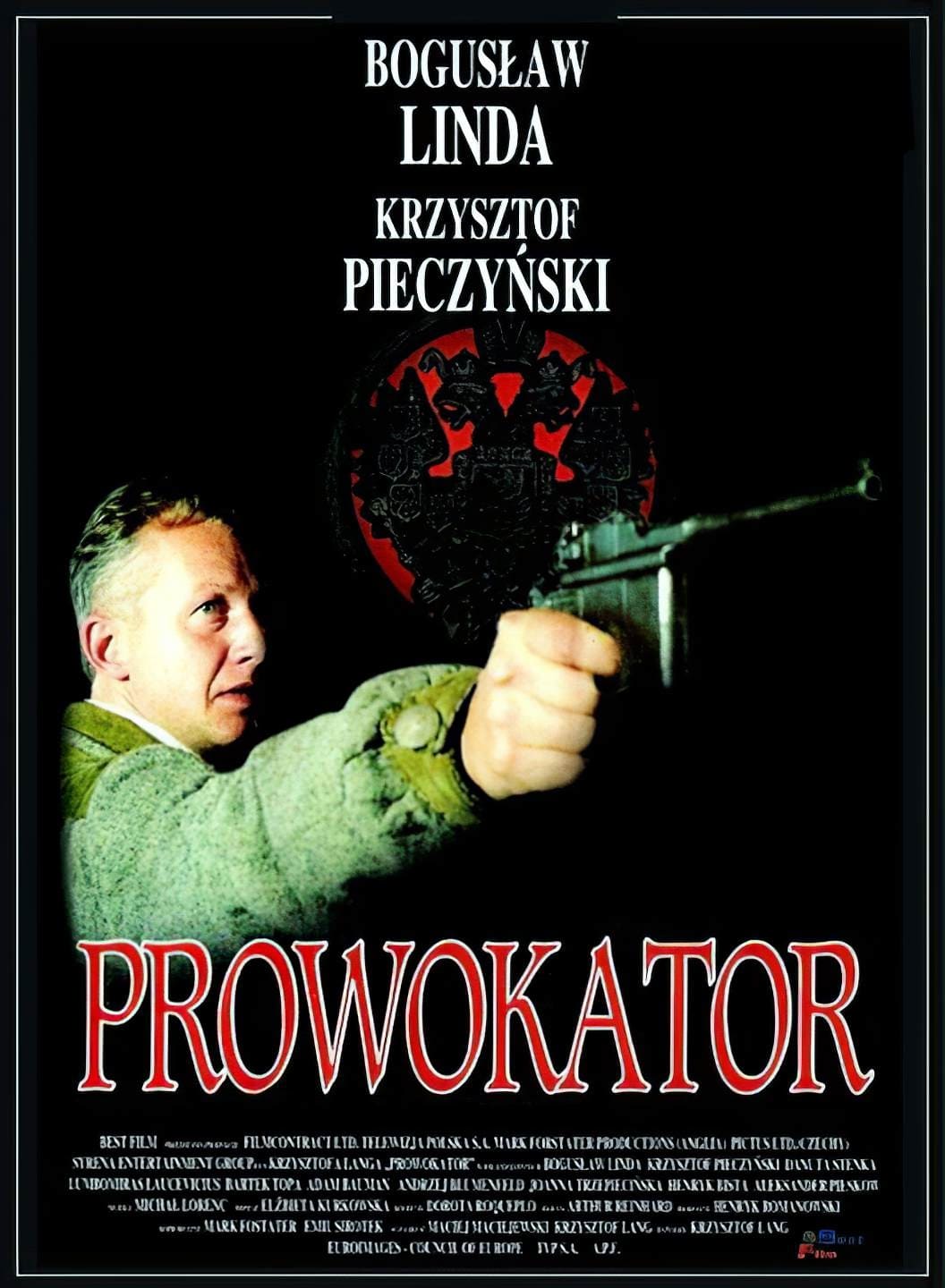
Warsaw, 1909. Arthur Herling makes an assassination attempt on a Russian police official and his family. During the action, the officer's daughter is killed and his wife is maimed. The wounded militant is arrested. Tormented by remorse, Herling agrees to cooperate with the tsarist authorities as a provocateur. Into his cell comes Adam Tanski, suspected of having contacts with the wanted conspirator Andrzej Woyda. One day, while being transported in a prison ambulance, Herling kills the guards. Accompanying him, Adam urges him to escape to the mountains.

Two broken, police, destruction of property by arson with an explosive charge, stealing a car. Not bad for one night! Such is the balance of Alex's eighteenth birthday - the main hero of the film.
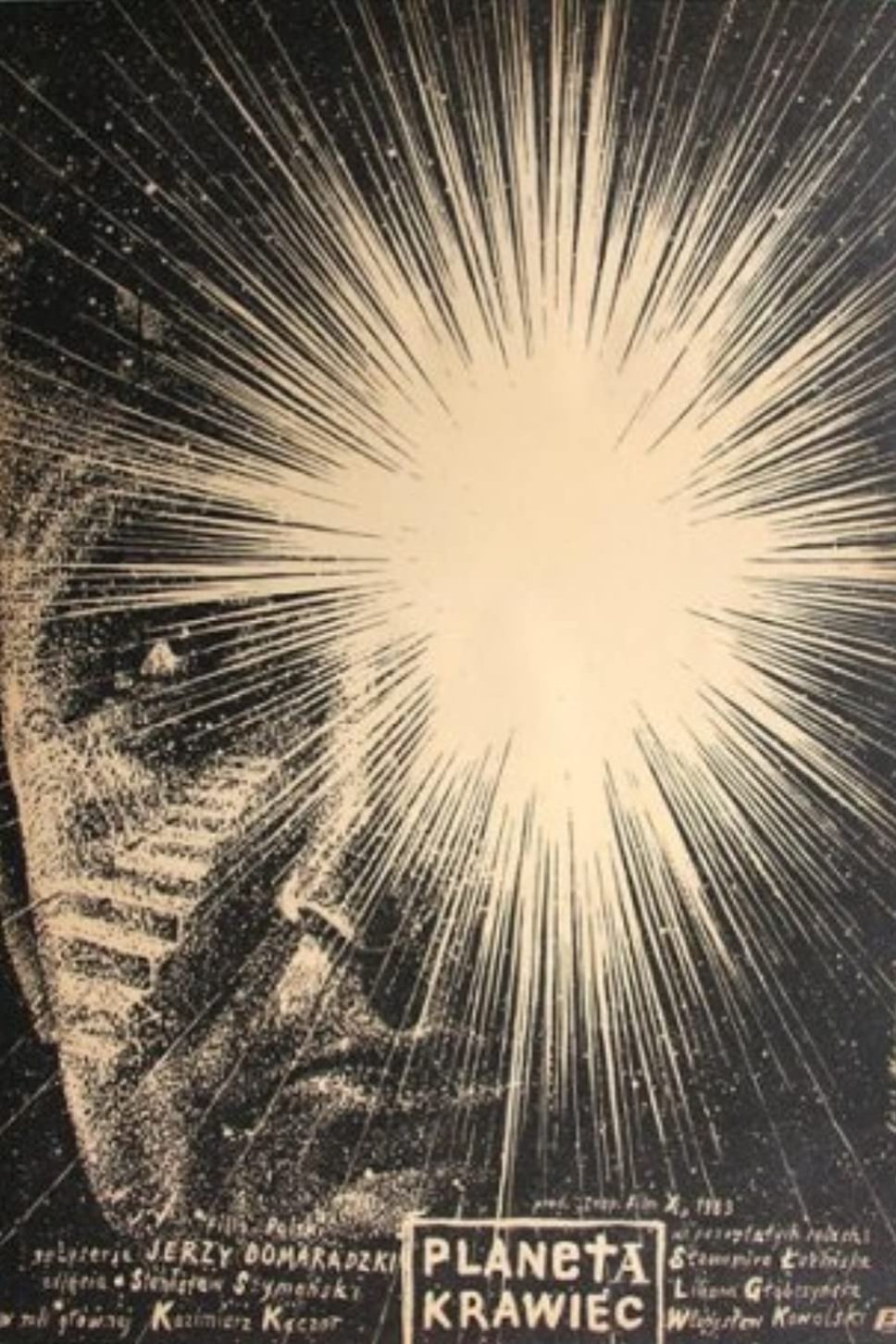
In the 50's a tailor drinking with his friends has an attack that requires an emegency treatment in the hospital. He has damaged kidneys. Given a second lease on life the tailor thinks that while in a coma he has communicated with the distant stars. He gives up tailoring and turns to the stars. He engages his friends in a village to build an observatory. He becomes recognized and for a time being even the authorities back him up. But then comes bitter awakening: his wife can't take his obsessions anymore and leaves him. The town council calls upon him to close his work as the first Sputnik goes into space. Then he is invited to an astronomical convention, He becomes the sensation of the conference, not however, as a amateur astronomer, but by guessing the clothing measurements of the delegates. Back home he realizes that his dream may be over, but he cannot help gazing at the sky. Written by Polish Cinema Database
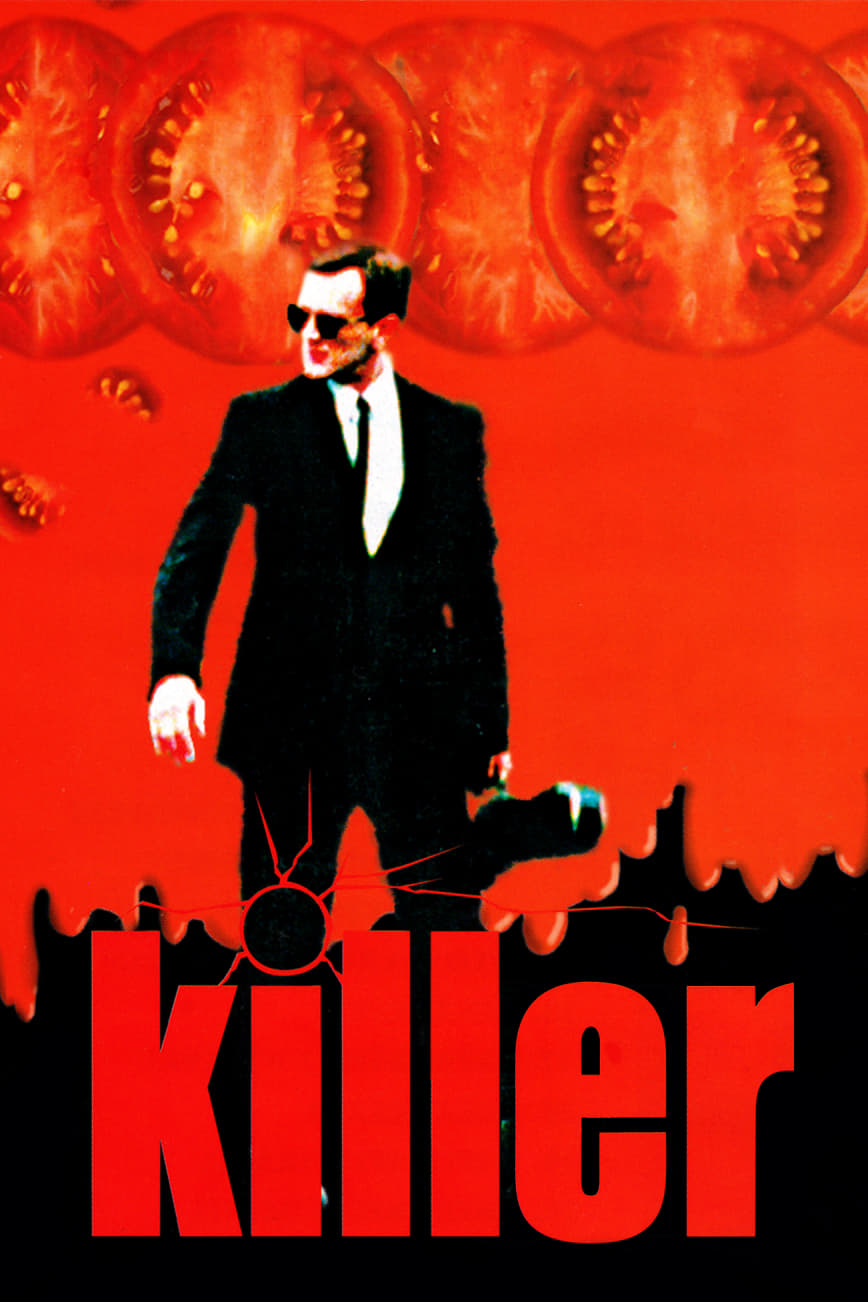
An innocent cab driver is mistaken for a contract killer and imprisoned. Soon, he is sprung by a mob boss who needs a "killer" for a few more jobs.
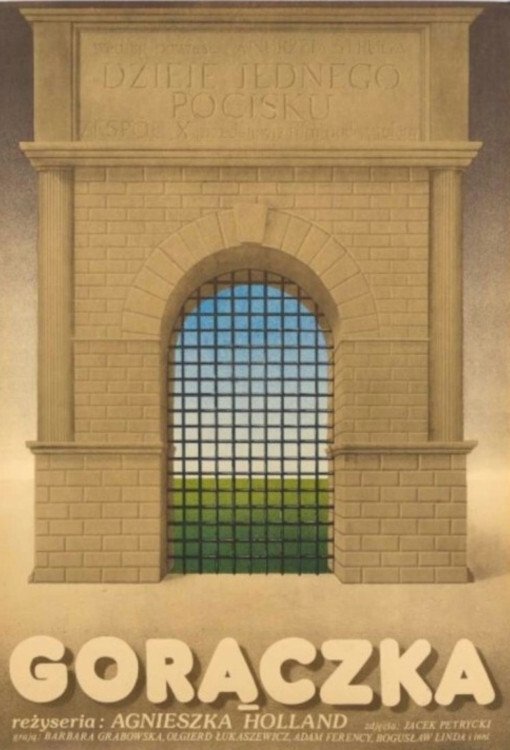
The film is set in 1905, in a time of feverish revolutionary underground activity in Poland partitioned between three neighbours. All the characters are committed anarchists. The bomb maker puts an invention together to place it at the disposal of young inexperienced terrorists fighting against Tsarist oppression. The story follows the passing of this bomb from anarchist to anarchist as several attempts are made on the life of Tsarist governor general, until, at the end, it is effectively and harmlessly defused by a bomb expert. The presence of the bomb has a destroying effect on all of the Polish revolutionaries, they either die or breakdown.
A well-regarded engineer in a big enterprise is hounded by trumped up attacks on his integrity when he delves too deeply into how bonuses are handled by the management. He gets into an argument with the guard, is arrested and subsequently fired. An old friend, a journalist, tries to sort things out but the victim's stubbornness and past problems with his wife lead to lossess by both.
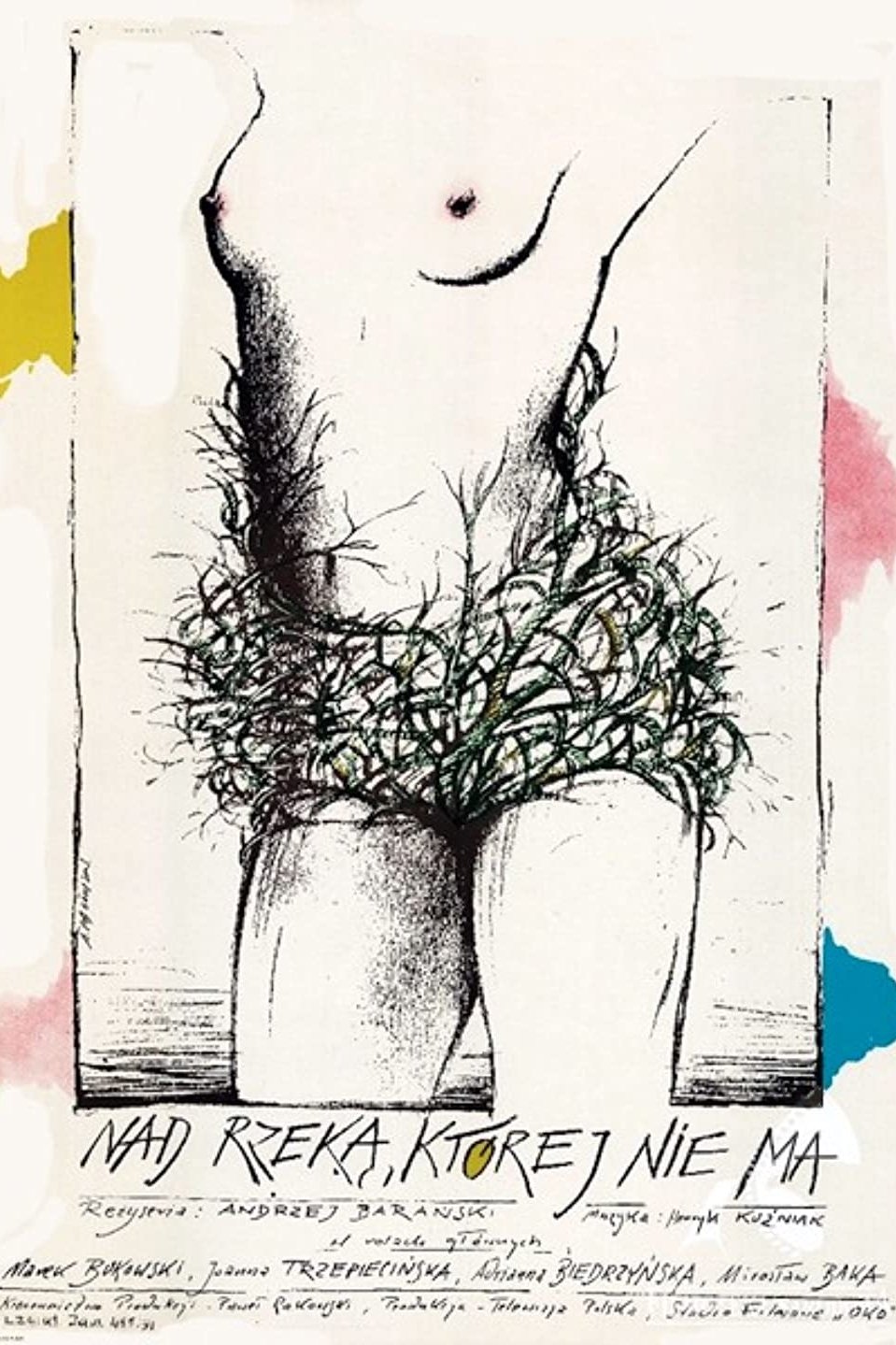
Early 1960s. Four friends, Admiral, Ataman, Pasha and Chief, walk the streets of the town all day or sit at the train station, wallowing in their dreams. Everything changes when the Admiral meets Marta, a student on an internship. The boy begins to prefer the company of the girl over that of his colleagues. This becomes the cause of misunderstandings between friends. Soon, however, Marta leaves.
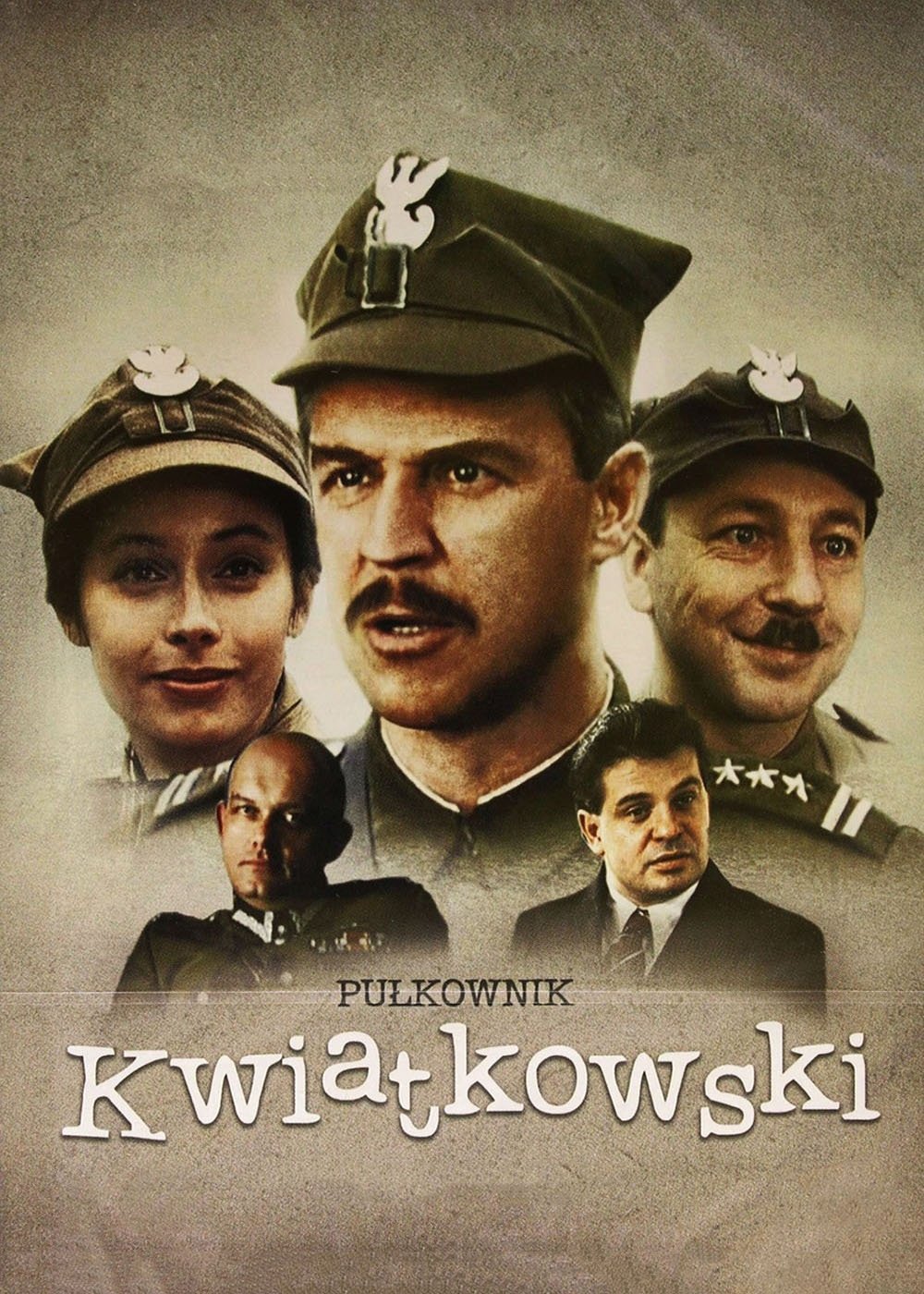
Military doctor Kwiatkowski, serving in a barracks hospital on the Western Territories, is rewarded with a week’s leave after successfully operating on Colonel Kiziora of the UB. He and his friend steal a truck bound for Warsaw, where among the ruins of his former home he meets his prewar neighbor Krysia, instantly falls in love, and, after a brawl with a Russian officer at a dance in the surviving “Polonia” hotel, pretends to be a high-ranking UB colonel to save face.

Pressured by his superiors to disgrace public intellectual Warczewski, a professor and respected writer whom they believe to be a "camouflaged Zionist," rough security-services colonel Rozek enlists his sexy but naive girlfriend, Kamila, to insinuate herself into the distinguished older man's life and report on his every move. Not particularly interested in serving communism but eager to please her domineering lover, Kamila accepts the mission, reporting under the code name "Little Rose." As quick scenes contrast Kamila's crude pleasures with Rozek and her more refined experiences with Warczewski, it becomes clear that the more time the unschooled young woman spends with the professor, the more she comes to have true feelings for him.
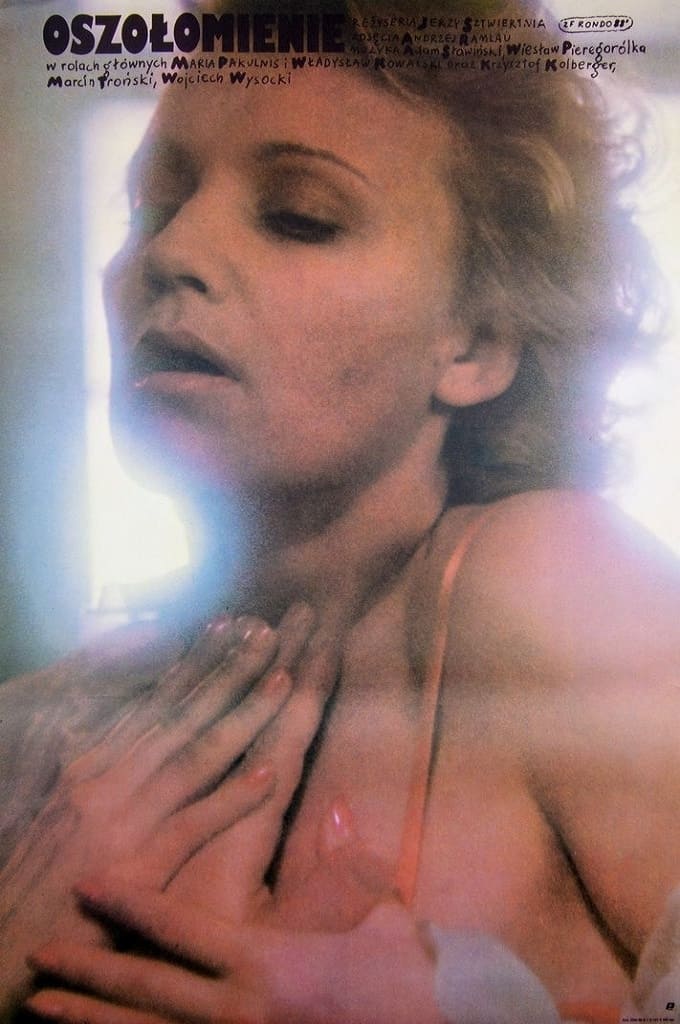
An actor is married to a dancer whose drug addiction drives them to desperation when World War II breaks out.
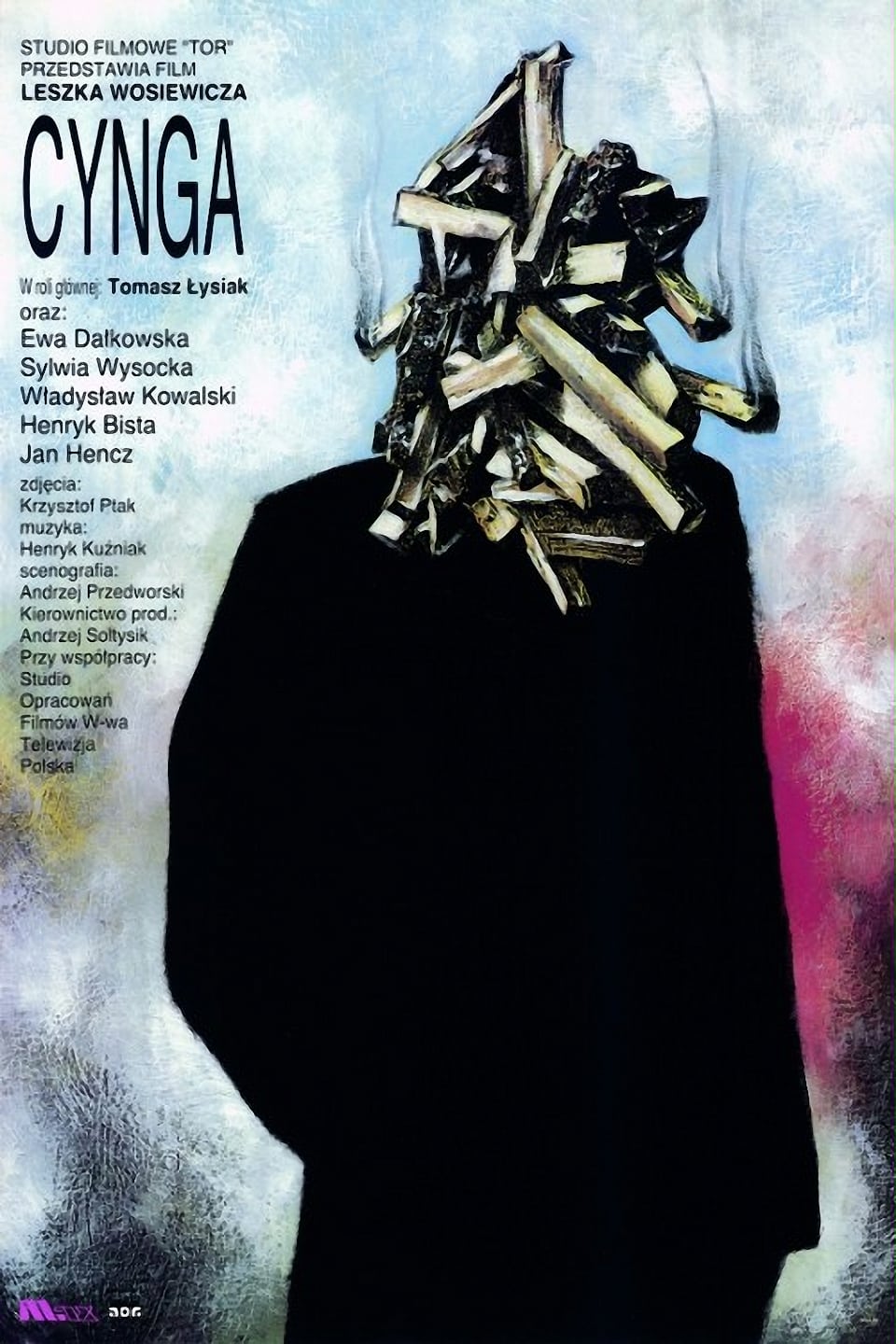
A young Varsovian runs away from the Nazi’s attack on the East. He falls into the hands of the NKVD. Suspected of espionage, he ends up in a camp in Siberia. He will spend the war in a psychiatric hospital.
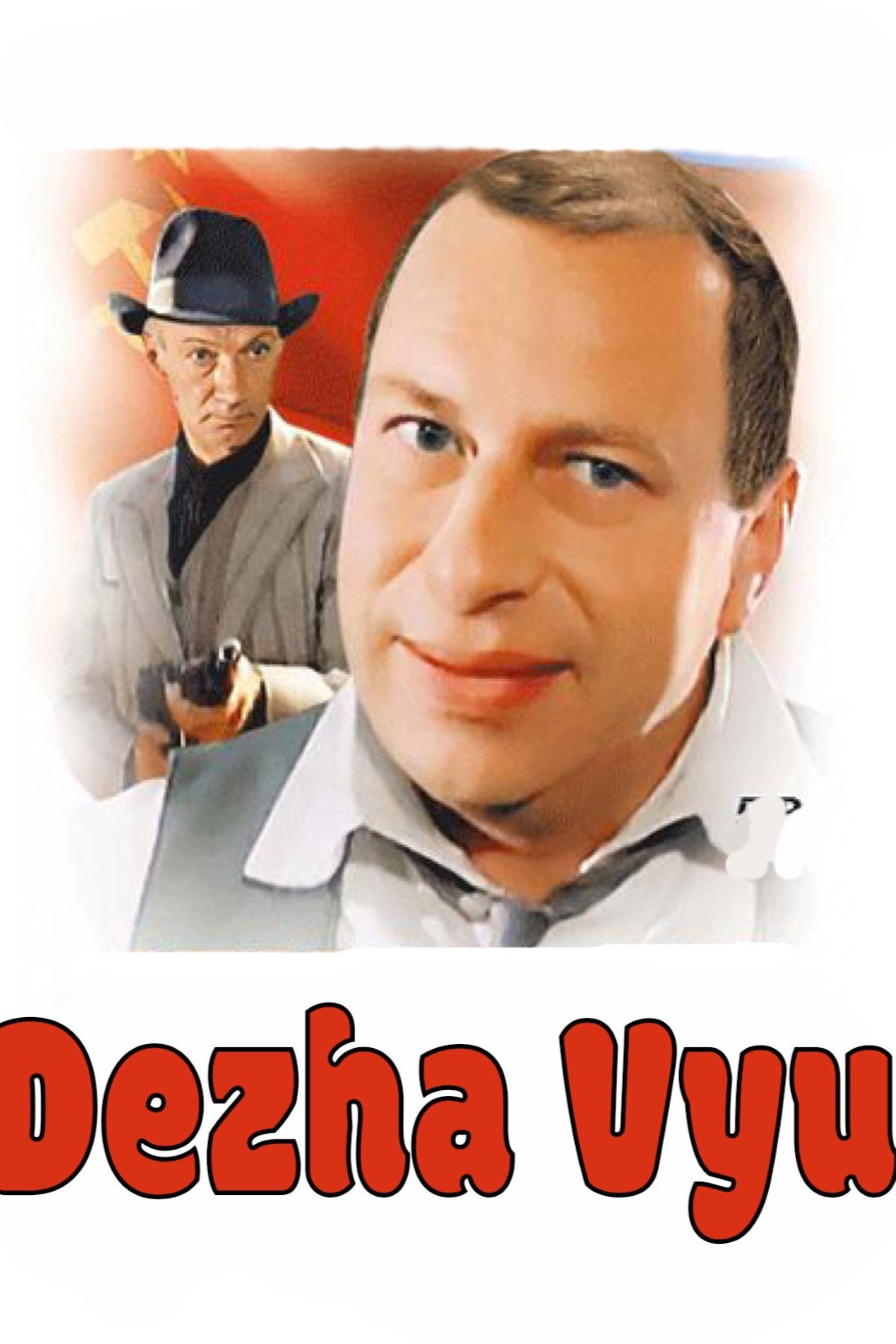
The Prohibition years. Chicago bootleggers suffer losses due to their betrayal by one Mick Nich - Mikita Nichiporuk. The mob decides to execute the traitor, who escaped to Odesa, USSR, and organized his own bootleg business there. The hitman, Pollack, arrives in Odesa, and realizes how hard it is to make the hit here, as compared to a civilized country like USA.
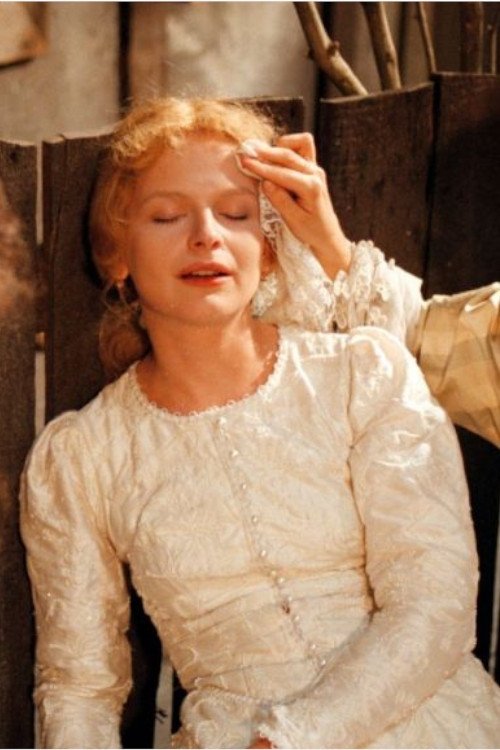
In a Polish-Jewish village, pious student Chanan, captivated by Kabbalah, falls in love with Leah, the rabbi’s daughter, but is forbidden to wed her and dies invoking the Ineffable Name - returning as a dybbuk (possessing spirit) at her wedding. Only after a mystical “trial” reveals a centuries-old vow binding their souls does the revered Rabbi Azriel exorcise the dybbuk, freeing both Leah and the restless spirit.