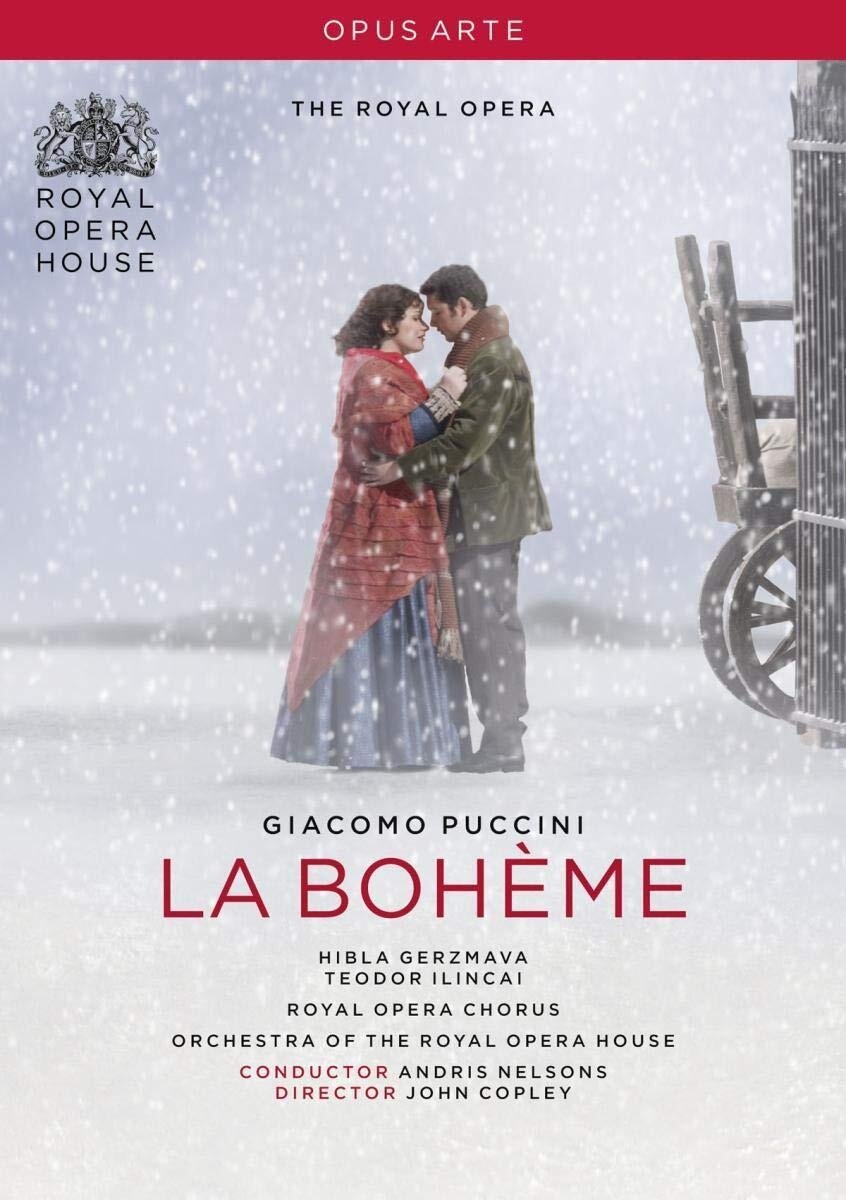
John Copley's enduring production of one of the most famously melodious and popular of all operas is a classic of the Royal Opera repertory. With historically accurate designs by Julia Trevelyan Oman and an excellent cast headed by Hibla Gerzmava and Teodor Ilincai, this 2009 revival, in which conductor Andris Nelsons makes a distinguished Royal Opera House debut, does full justice to Puccini's masterpiece. Recorded 2009.
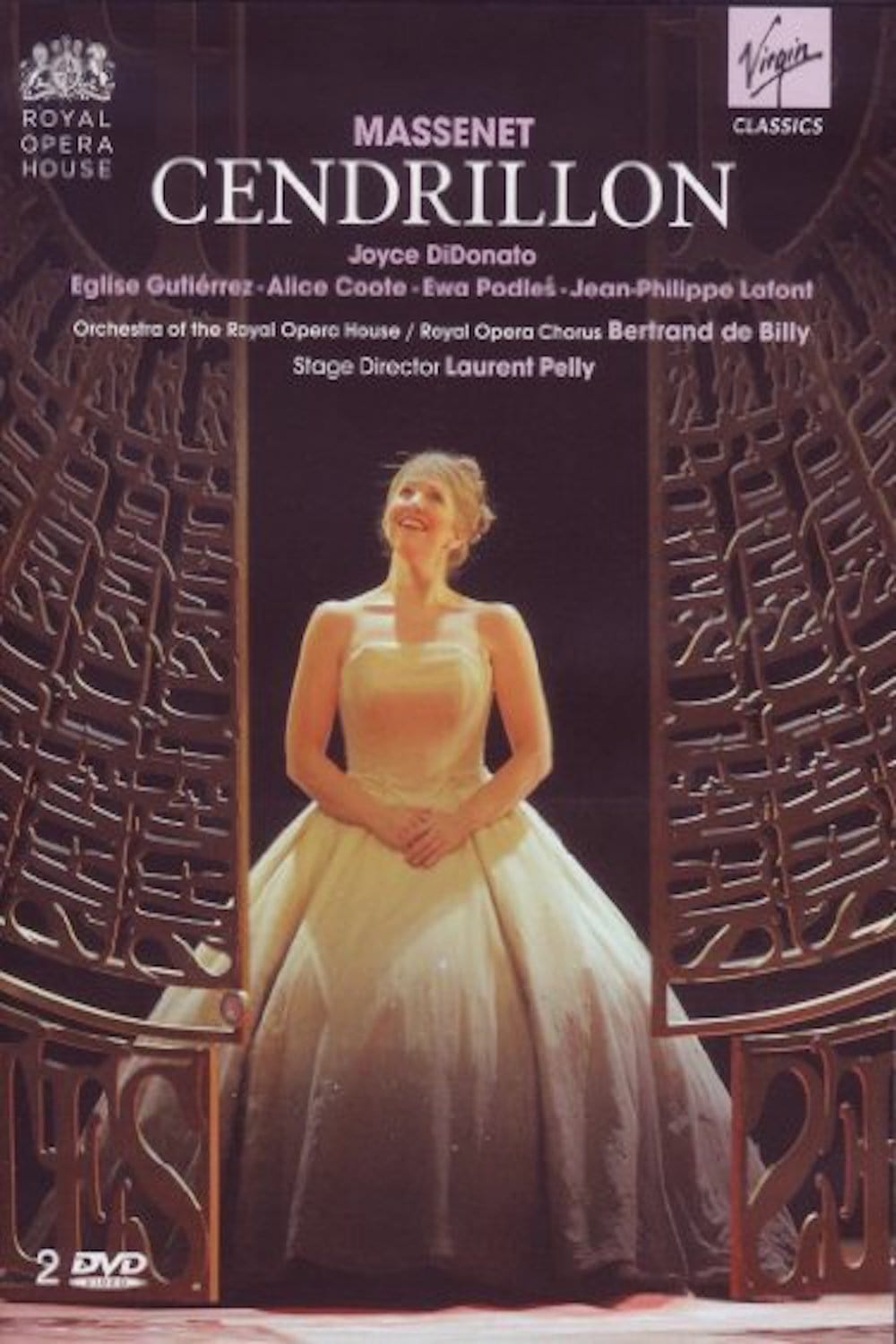
Massenet composed his opera about Cenerentola nearly 80 years after Rossini did his. And if you are looking for the outburst of the non-stop hilarity and the musical jokes of Rossini, you won't find it here. Also, while the Cendrillon was highly successful and popular in its time, it does not reach up to the artistic and musical levels offered by Massenet's other operas, like Manon, or Thais or Werther. Nevertheless, this is a delightful opera and it is well presented by The Royal Opera. Laurent Pelly created a ingenious setting with movable walls which are covered [in French] with the story of Cinderella, and which open and close book-like.
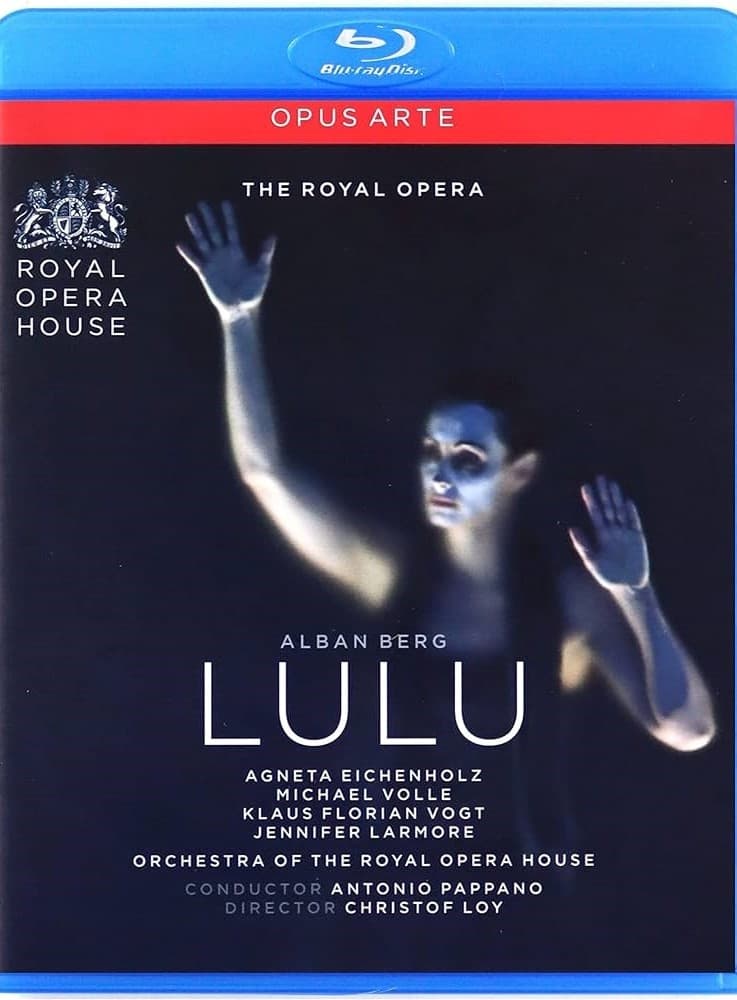
New peoduction, 2009. Filmed by the Royal Opera House in co-production with Opus Arte, June 13/17.
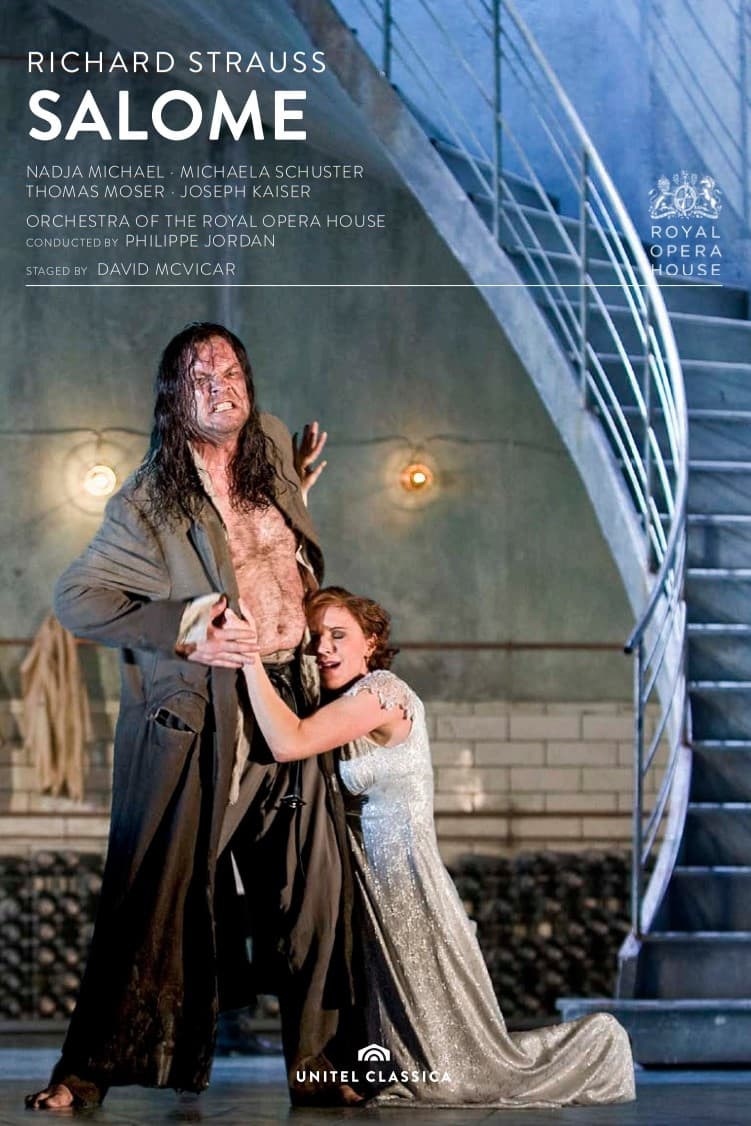
David McVicar’s powerful Royal Opera House 2008 production of Strauss's opera – based on a play by Oscar Wilde – takes the controversial and disturbing film 120 Days of Sodom as its visual reference. The action is set in a debauched palace, which has suggestions of Nazi Germany. Strauss’s ravishing and voluptuous score adds to the sexual alchemy that is conjured by an international cast led by Nadja Michael in the title role.
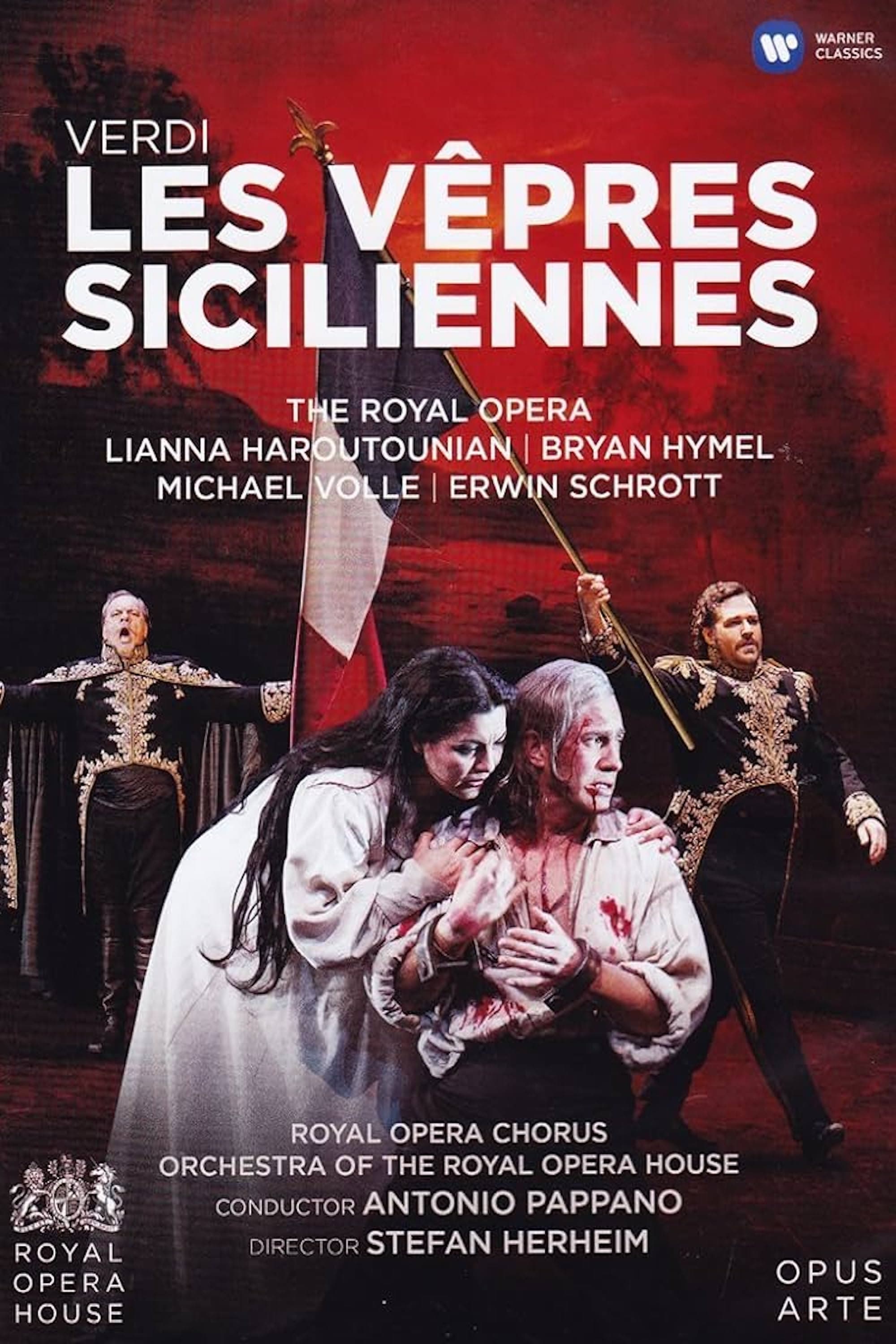
The French have occupied Sicily, and Hélène is held hostage by Montfort, the French governor, who has had her brother executed. She turns to the partisan Jean Procida and the rebellious patriot Henri in her bid for vengeance. Les Vêpres siciliennes is one of Verdi’s lesser-known mature operas, but was vital to his development as a composer. It was created for the Paris Opéra in 1855, providing Verdi with an opportunity to embrace the elaborate style and traditions of French grand opera. First seen at the Royal Opera House in 2013, this staging of Verdi's rarely-performed opera Les Vêpres siciliennes – directed by Stefan Herheim and conducted by The Royal Opera’s Music Director, Verdi specialist Sir Antonio Pappano – went on to win the prestigious Olivier Award for Best New Opera Production.
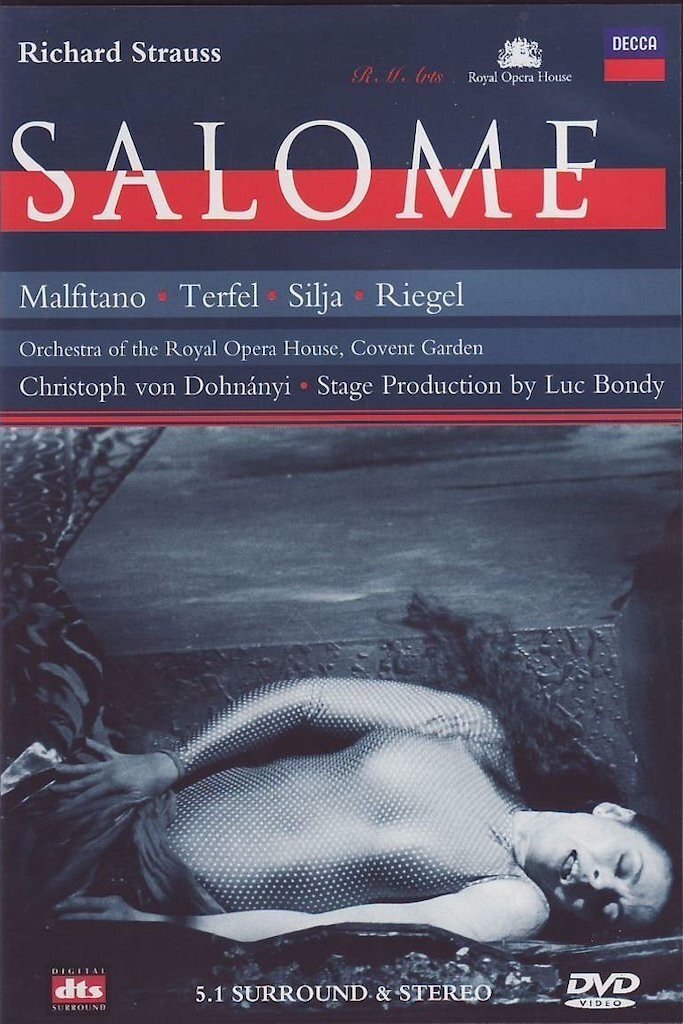
Richard Strauss's opera, from the Royal Opera House, Covent Garden.
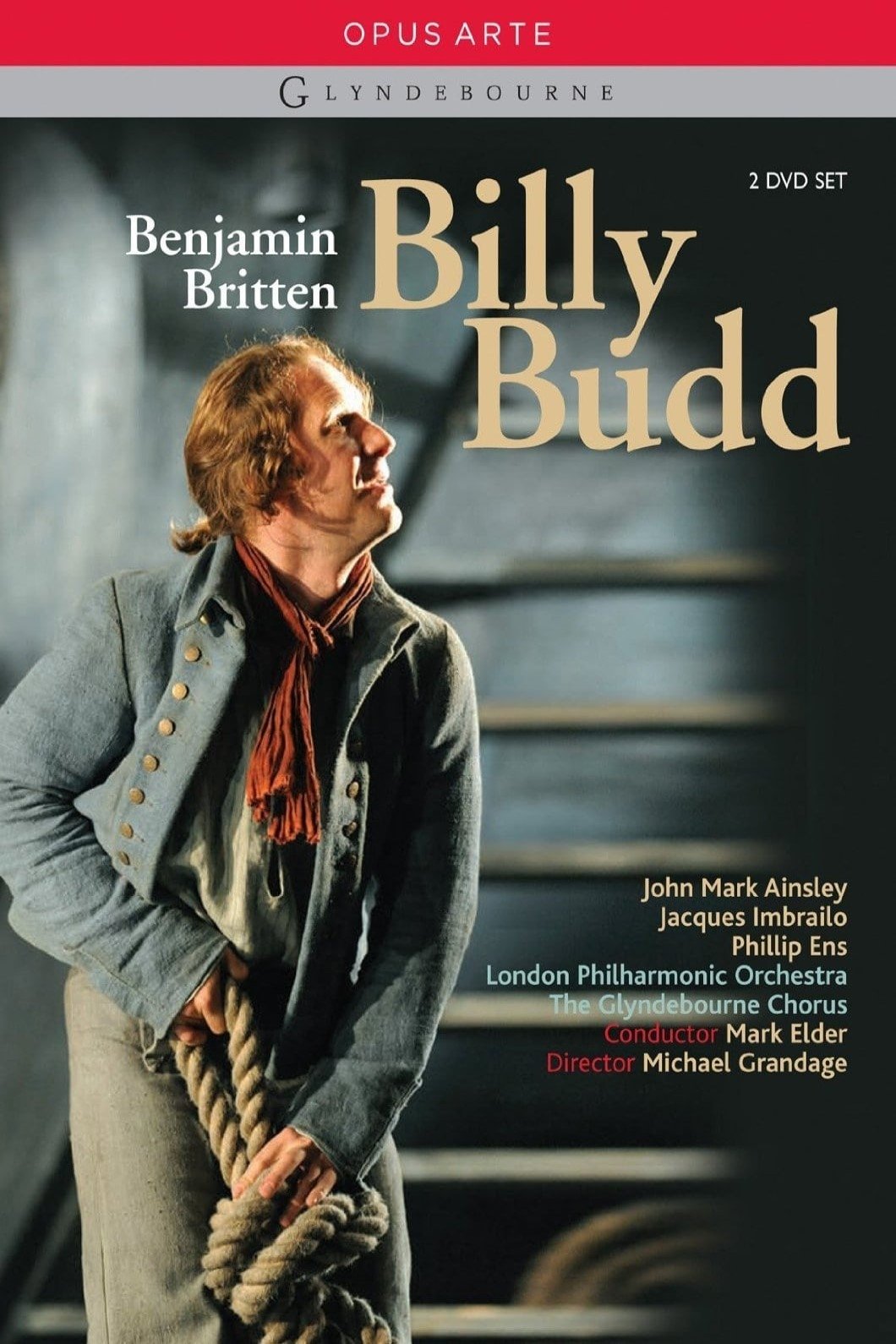
Captain Vere, an old man, is haunted by a moment in his life when he was tested and found wanting. Based on Herman Melville's novella of naval life in the late 18th Century, Benjamin Britten's 'Billy Budd' is a gripping reflection on good and evil, innocence and corruption.

The star singers in this revival of the 2006 production were Angela Gheorghiu, Jonas Kaufmann and Bryn Terfel; the Royal Opera Chorus and the Orchestra of the Royal Opera House were under the baton of Antonio Pappano, the Music Director of the Royal Opera House. The pageantry of church ritual, the darkness of a brooding study with its hidden torture chamber and the false optimism of the light of a Roman dawn - all throw into relief the love of the beautiful diva Tosca, the idealism of her lover Cavaradossi and the deadly, destructive obsession of the malevolent Chief of Police, Scarpia. Drama, passion and fabulous music.
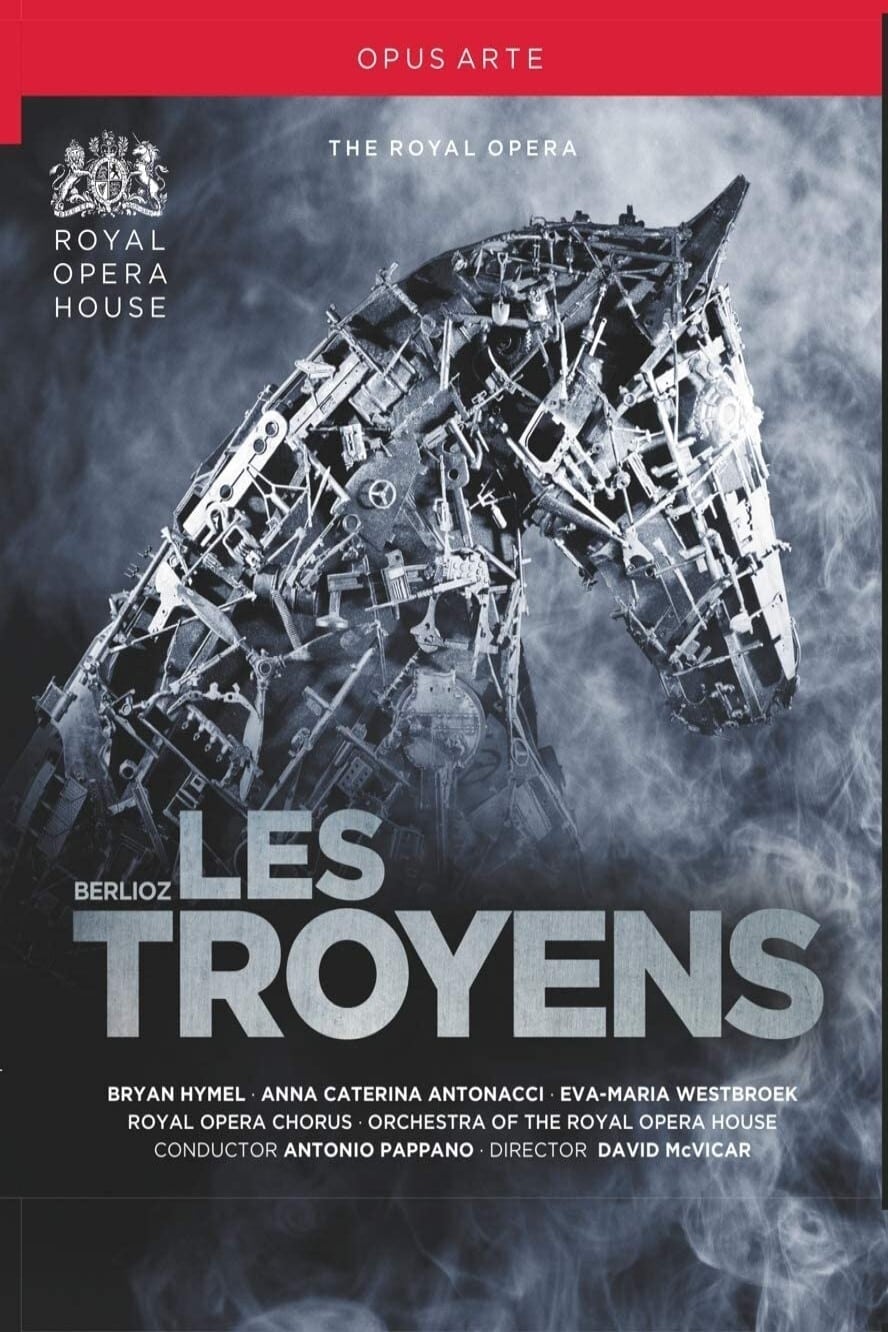
After the destruction of Troy, the Trojan warrior Énée sets out on a journey to found a new dynasty. He meets Didon, Queen of Carthage, and falls in love. But will Énée's love for Didon prove stronger than his sense of duty? LES TROYENS ('The Trojans') is a tour de force of music that ranges from fiery military marches to intense choruses, passionate soliloquies – such as those of the prophetess Cassandre – and the lyrical love duets of Didon and Énée. It is Hector Berlioz's largest work and he wrote the libretto himself, drawing upon his intimate knowledge of Virgil's Aeneid. To the composer's disappointment, LES TROYENS was only performed once in full during his lifetime and was often presented in shortened form during the 20th century. The Royal Opera's production provides a rare chance to see this epic work in its entirety. David McVicar's staging is on an enormous scale, assembling one of the largest casts ever seen at Covent Garden.
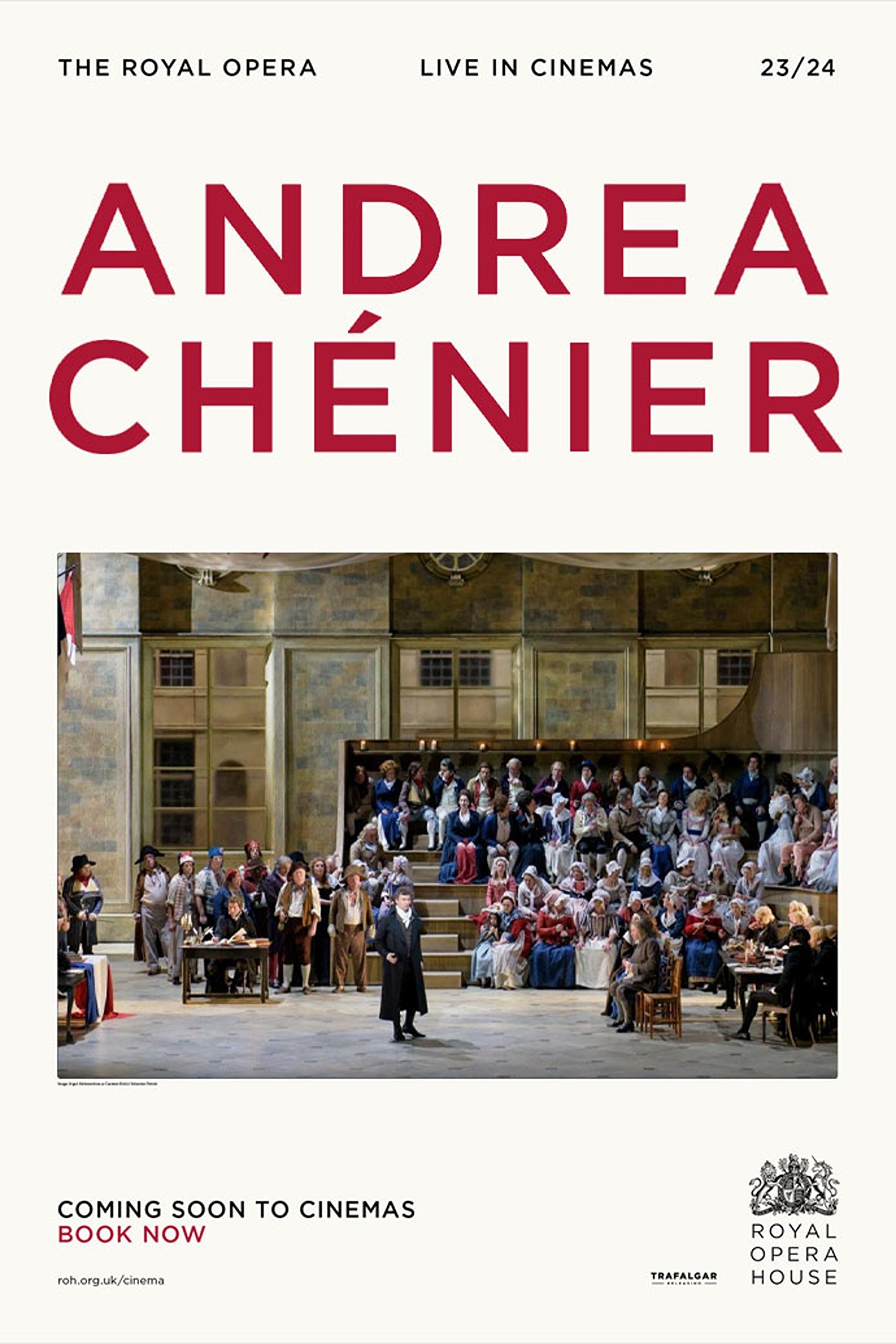
At a glittering party in 18th-century Paris, the poet Andréa Chenier delivers an impassioned denunciation of Louis XVI. Five years later, the Revolution has given way to the Terror, transforming the power balance between Chénier, his beloved Maddalena, and Gérard, the man who could destroy him...
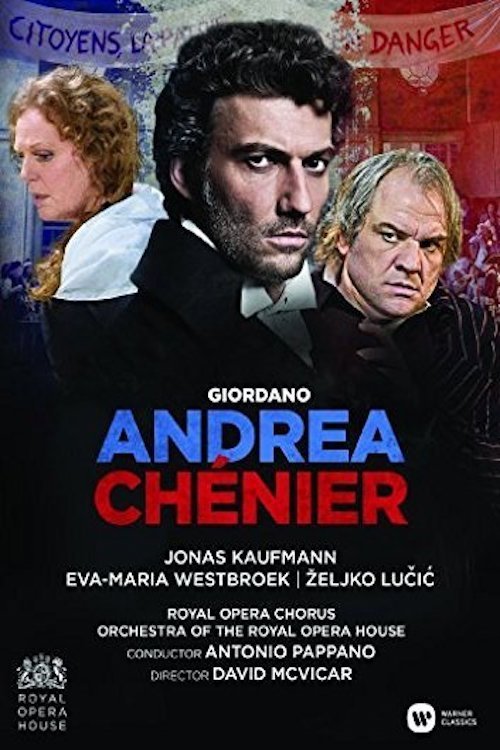
“Kaufmann is performing the title role for the first time, and it’s hard to imagine him bettered. His striking looks make him very much the Romantic and romanticised outsider of Giordano’s vision. His voice, with its dark, liquid tone, soars through the music with refined ease and intensity: all those grand declarations of passion, whether political or erotic, hit home with terrific immediacy.” – The Guardian Presented in its Covent Garden premiere in January 2015, this staging – directed by David McVicar and conducted by the Royal Opera’s Music Director, Sir Antonio Pappano – shows a bloody tricolour daubed with the words “Even Plato banned poets from his Republic” – written by Robespierre on the death warrant of the historical Chénier, a poet and journalist sent to the guillotine in 1794 for criticising France’s post-revolutionary government.
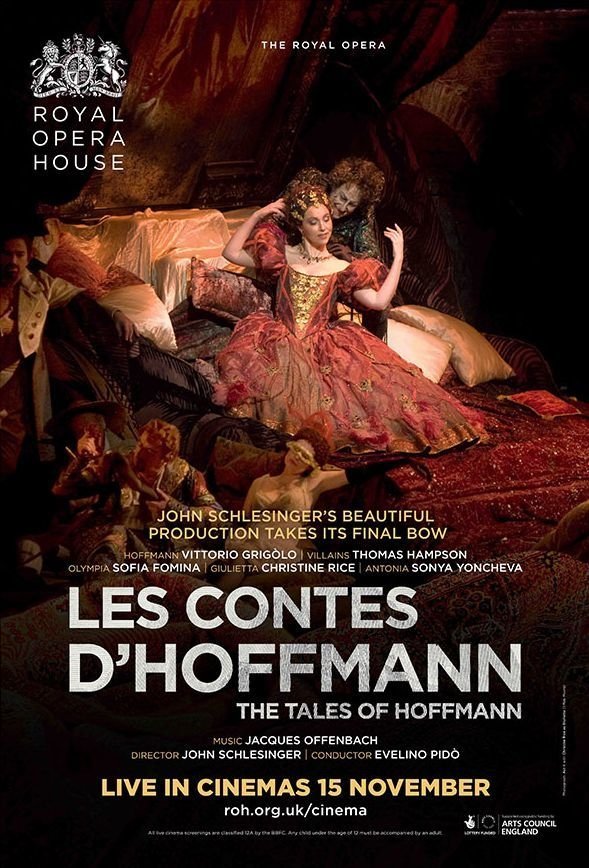
The great storyteller Hoffmann is losing himself to drink. His rival in love, Councillor Lindorf, claims that Hoffmann knows nothing of the heart, and so goads Hoffmann into telling the tales of his three great loves – each destroyed by a villain who bears an uncanny resemblance to Lindorf… First Hoffmann tells of his infatuation for the mechanical doll, Olympia – who is destroyed by the inventor Coppélius. Next comes the courtesan Giulietta, who throws over his adoration in favour of jewels from the magician Dappertutto. Finally, the gentle Antonia is forced to sing to her death by the wicked Doctor Miracle. His stories finished, Hoffmann rouses from his drunken stupor to find Lindorf has made off with Stella, Hoffmann’s latest love – but the Muse compels him to transform his heartache into art.
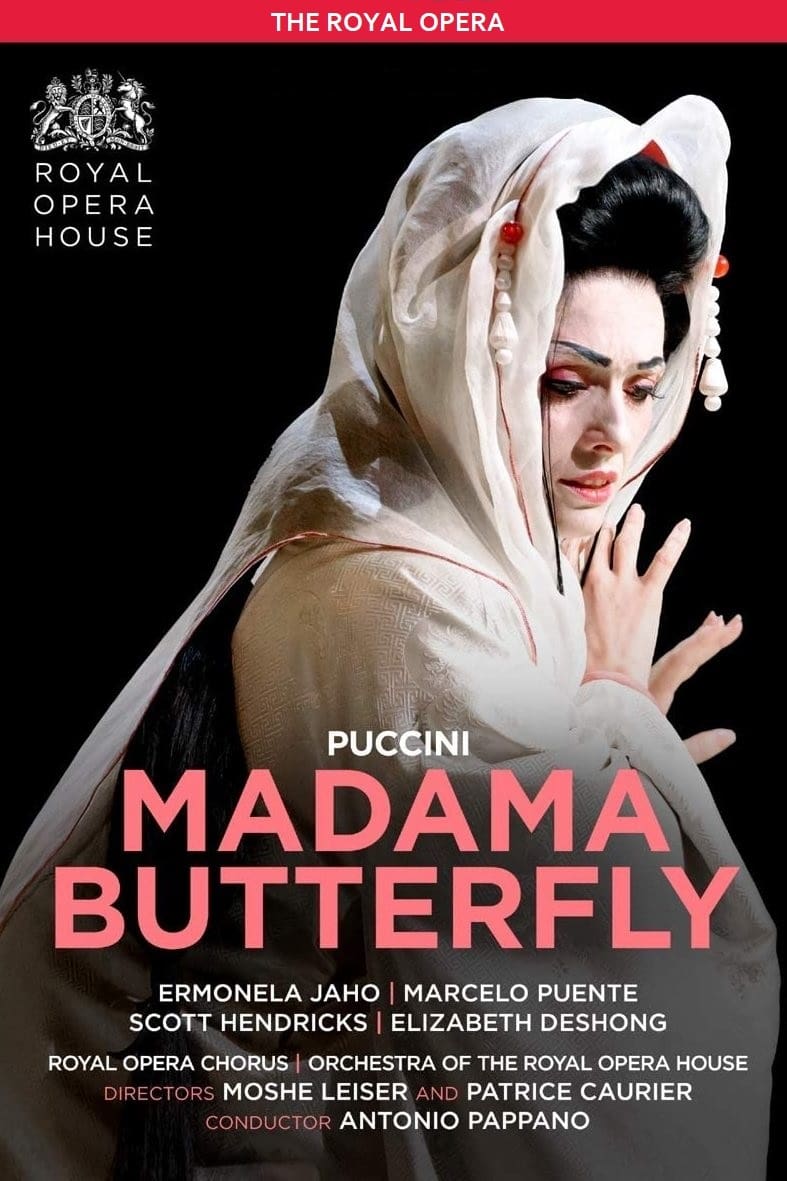
Cio-Cio-San, the young Japanese bride of dashing American officer Lieutenant Pinkerton, finds her romantic idyll shattered when he deserts her shortly after their marriage. She lives in hope that one day he will return. Three years later, Cio-Cio-San and her little son see Pinkerton’s ship in the harbour. She excitedly expects his visit – but Pinkerton and his American wife Kate have come only to take the boy away, to raise him in America. Cio-Cio-San bids her son farewell and then takes her own life.
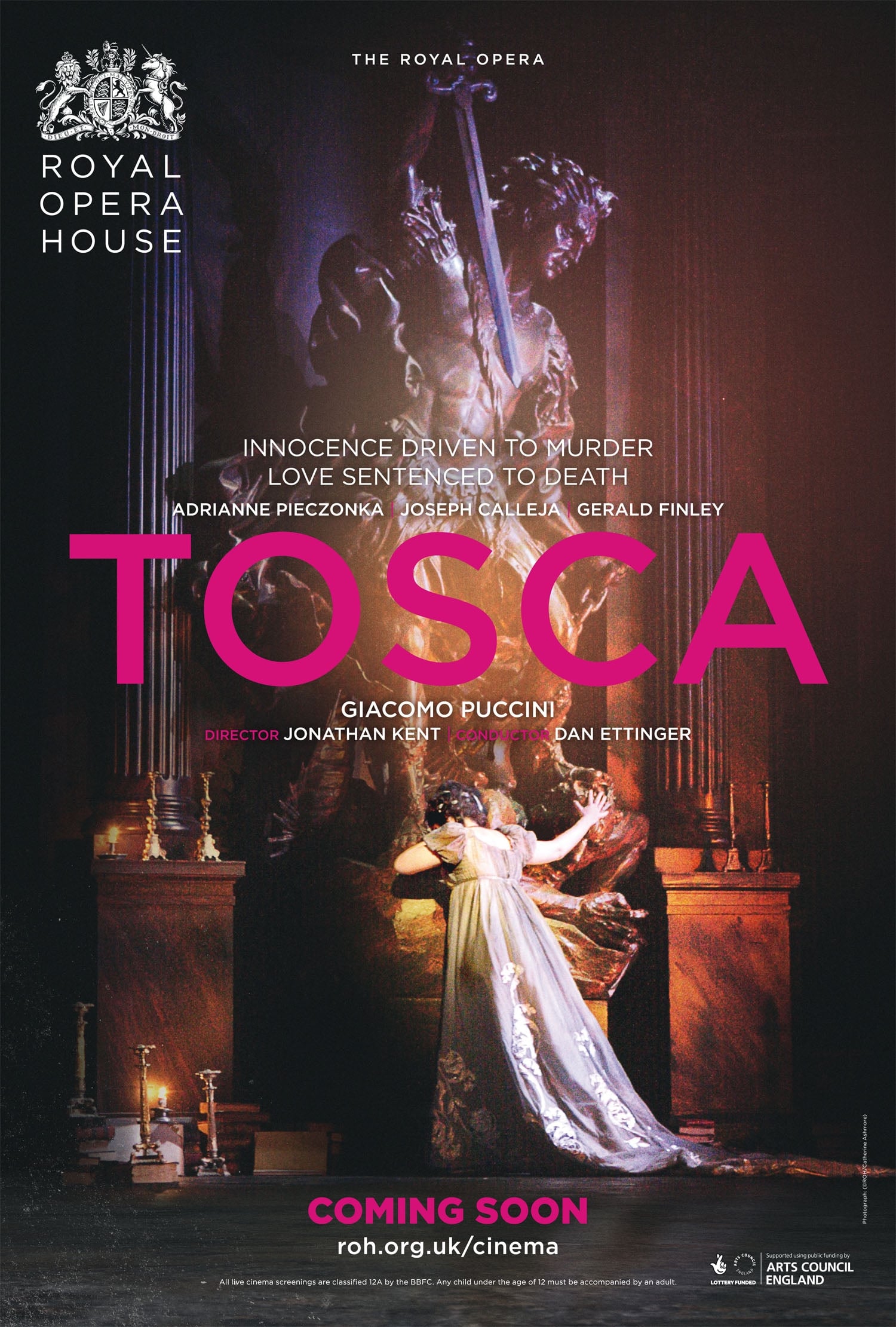
The painter Mario Cavaradossi helps a fugitive escape – and so attracts the attention of Scarpia, the sadistic Chief of Police. Scarpia captures Cavaradossi and has him tortured within earshot of his lover, the singer Tosca. Scarpia sentences Cavaradossi to death – but promises Tosca that her lover can be saved if she gives herself to Scarpia. Tosca consents but as soon as the order has been given kills Scarpia. Scarpia’s menace continues even in death: betrayed by a double-cross, Cavaradossi dies and Tosca leaps to her death.
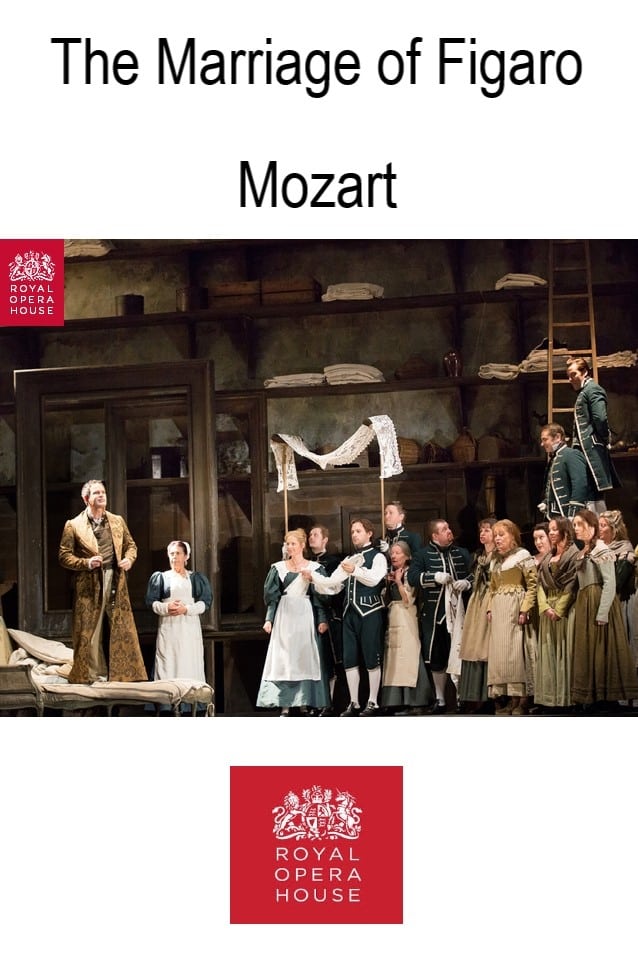
A count has designs on his personal valet's fiancée and is determined to stop their wedding taking place. Meanwhile, the countess tries to regain her husband's love by any means necessary. Mozart's great comic opera is a tale of intrigue, misunderstanding and forgiveness. Christian Gerhaher plays the clever Figaro and Simon Keenlyside his aristocratic master in this revival of David McVicar's much-loved production at the Royal Opera House.
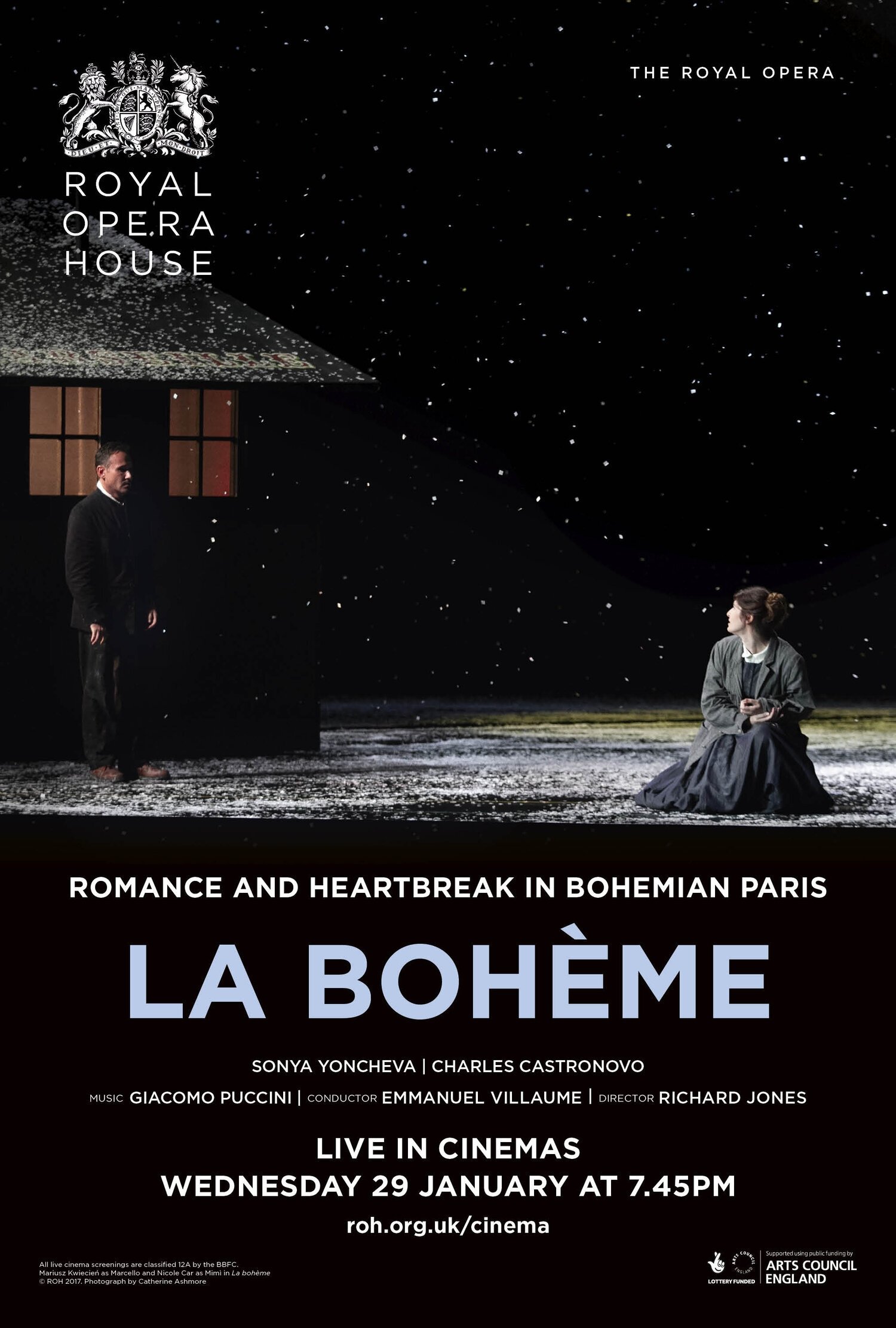
Puccini’s passionate opera is conducted by Antonio Pappano and stars a superb young cast including Nicole Car, Michael Fabiano and Mariusz Kwiecień, in a new production by Richard Jones.
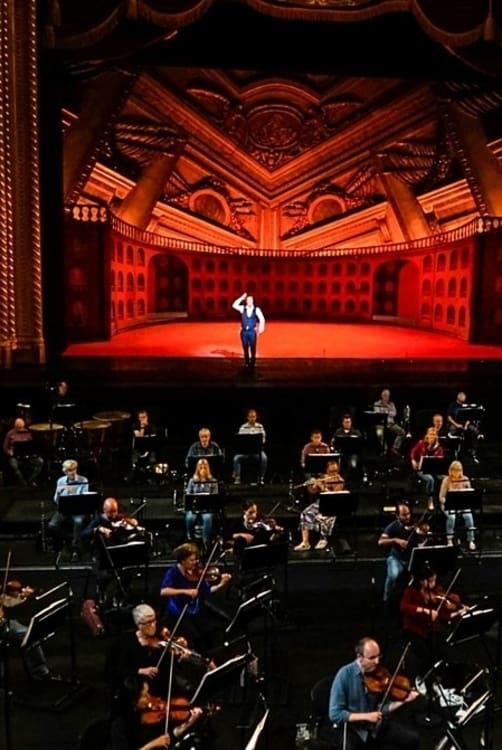
Antonio Pappano conducts a stellar cast of singers in favourite arias, duets and choruses from operas by Rossini, Donizetti and Puccini, along with the thrilling finale of Bizet’s Carmen. Italian baritone Vito Priante offers haircuts as the Barber of Seville, and Lisette Oropesa dazzles with her flawless soprano coloratura before being joined by American tenor Charles Castronovo for some heartwarming comedy in Donizetti’s The Elixir of Love. Mezzo-soprano Aigul Akhmetshina starts out as Cinderella celebrating her good fortune and then magically transforms into femme fatale Carmen for the tragic finale of Bizet’s great opera. The drama increases with Kristine Opolais singing the role of doomed diva Tosca, with Canadian baritone Gerald Finley joining her for the searing Te Deum from Puccini’s masterpiece. The chorus and orchestra of the Royal Opera House are arrayed throughout the stalls of the fabulous auditorium at Covent Garden to maintain social distancing. Presented by Katie Derham.
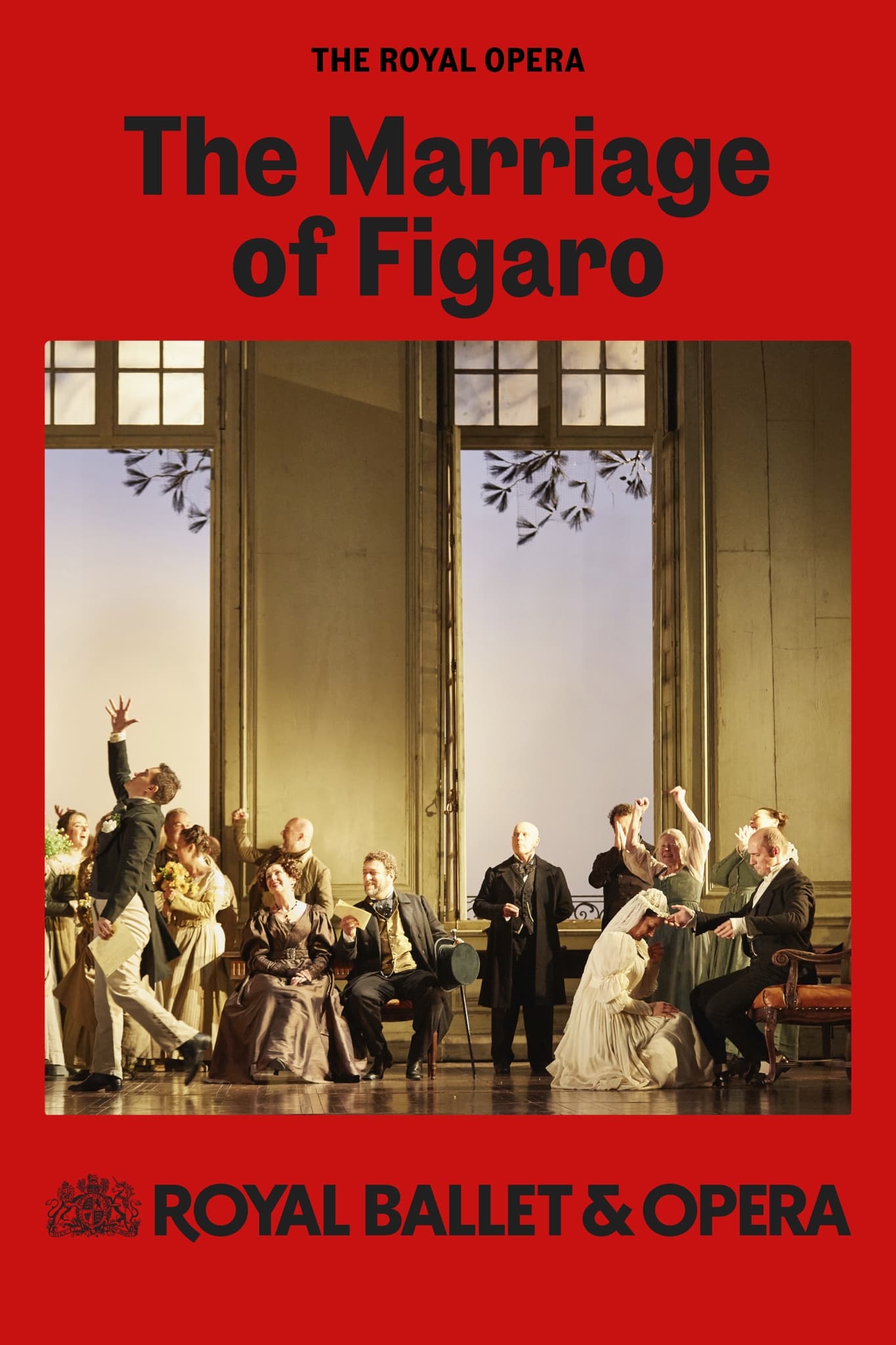
Count Almaviva lives with his Countess on their estate near Seville. The Count has his eye on his wife’s maid Susanna, who is betrothed to the Count’s servant, Figaro. Much to Figaro’s dismay, the Count plans to seduce Susanna on wedding night. Meanwhile, Cherubino, the Count’s young page, is infatuated with the Countess, but has just been dismissed after being discovered with Barbarina, the gardener Antonio’s daughter.
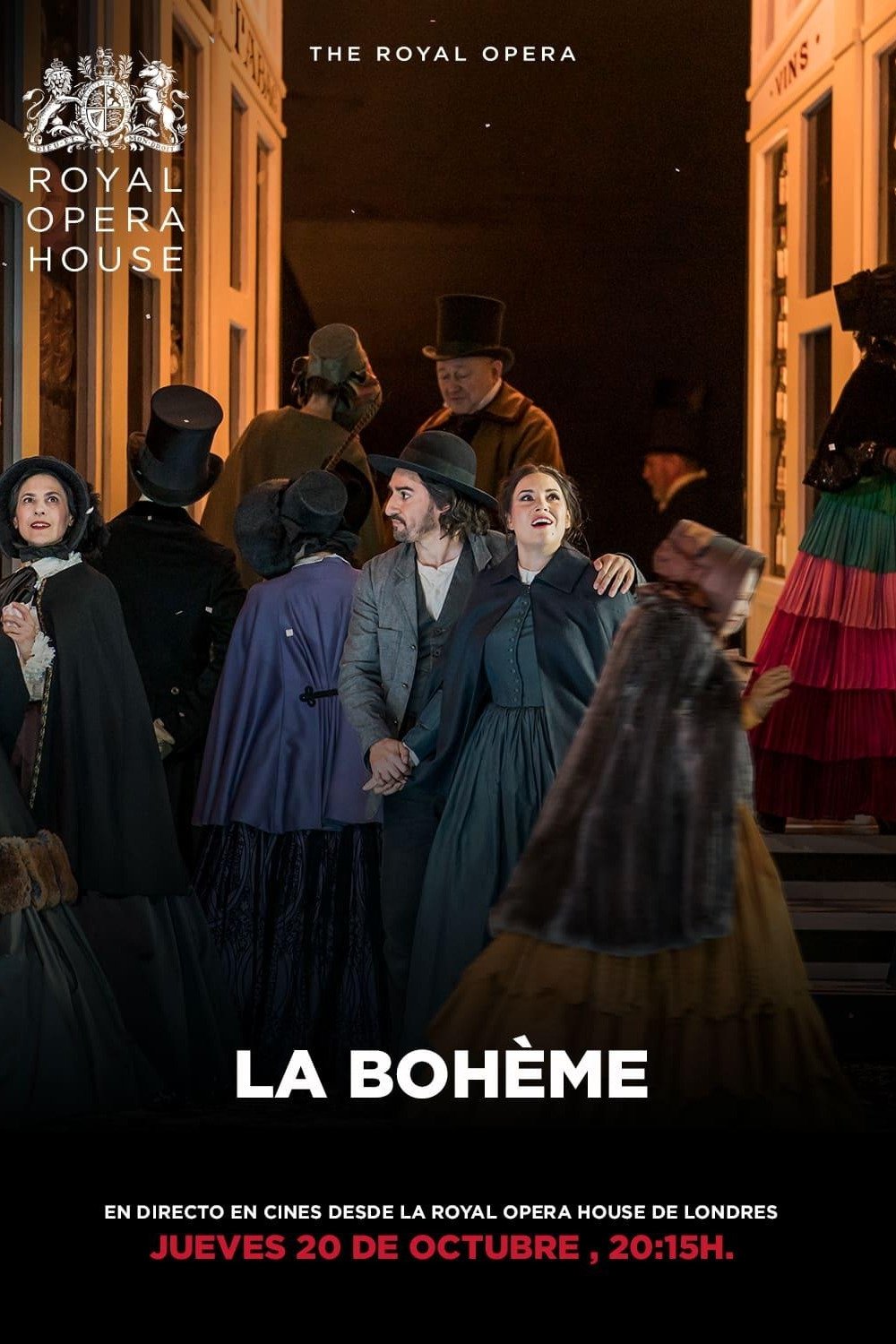
Paris, 1900. Penniless writer Rodolfo believes that art is all he needs – until he meets Mimì, the lonely seamstress who lives upstairs. So begins a timeless love story that blooms, fades, and rekindles with the passing seasons. But while the couple’s friends, Marcello and Musetta passionately row and make up, a force greater than love threatens to overtake Rodolfo and Mimì. Richard Jones’s production evokes the vivid contrasts of fin de siècle Paris, from Bohemian apartments to glittering arcades, while Kevin John Edusei, Evelino Pidò and Paul Wynne Griffiths conduct an array of dazzling performers
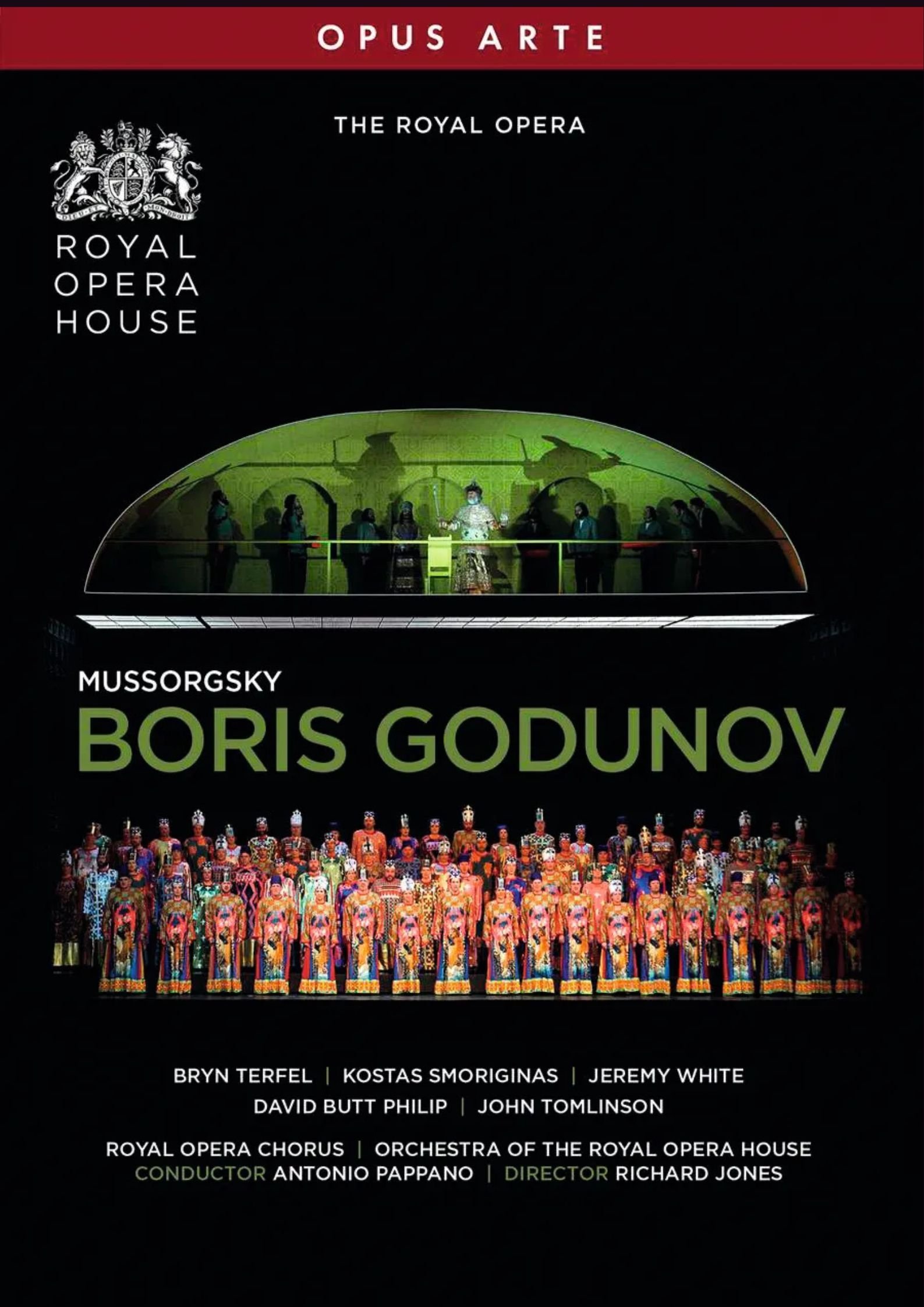
Mussorgsky was inspired to compose his masterpiece Boris Godunov after reading Pushkin’s Shakespeare-inspired play of the same name. It features one of the most dramatically rewarding bass-baritone roles: a noble ruler who loves his children and his people, but whose thirst for power has led him to commit a terrible crime. Bryn Terfel is “a powerful new Boris” (The Observer) in Richard Jones’ new production of the original 1869 score. Antonio Pappano conducts an outstanding cast that also includes John Graham-Hall as the crafty Prince Shuisky and John Tomlinson as the vagabond monk Varlaam.
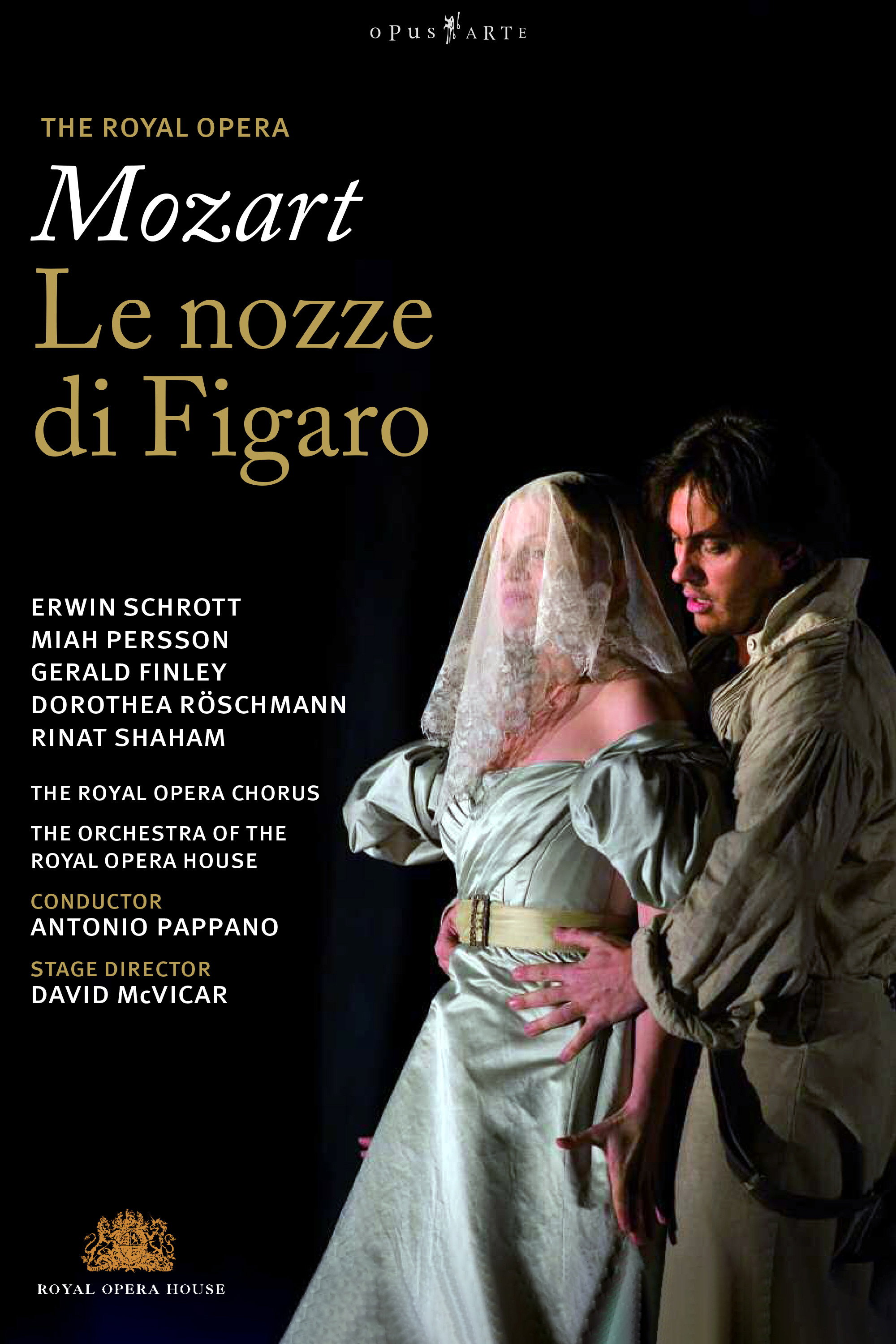
David McVicar's spellbinding production of LE NOZZE DI FIGARO is set in 1830s post-revolution France, where the inexorable unravelling of an old order has produced acute feelings of loss. In the relationship between Finley's suave, dashingly self-absorbed Count and Röschmann's passionately dignified Countess, which lies at the tragic heart of the opera, the sexy ease between a feisty Figaro (Erwin Schrott) and a sassy Susanna (Miah Persson) is starkly absent, the tenacious spark between Marcellina (Graciela Araya) and Bartolo (Jonathan Veira) suggesting what might be rekindled. The production is superbly complemented by the beauty of Paule Constable's lighting and Tanya McCallin's evocative sets. Antonio Pappano conducts (and accompanies the recitatives) with invigorating wit and emotional depth.
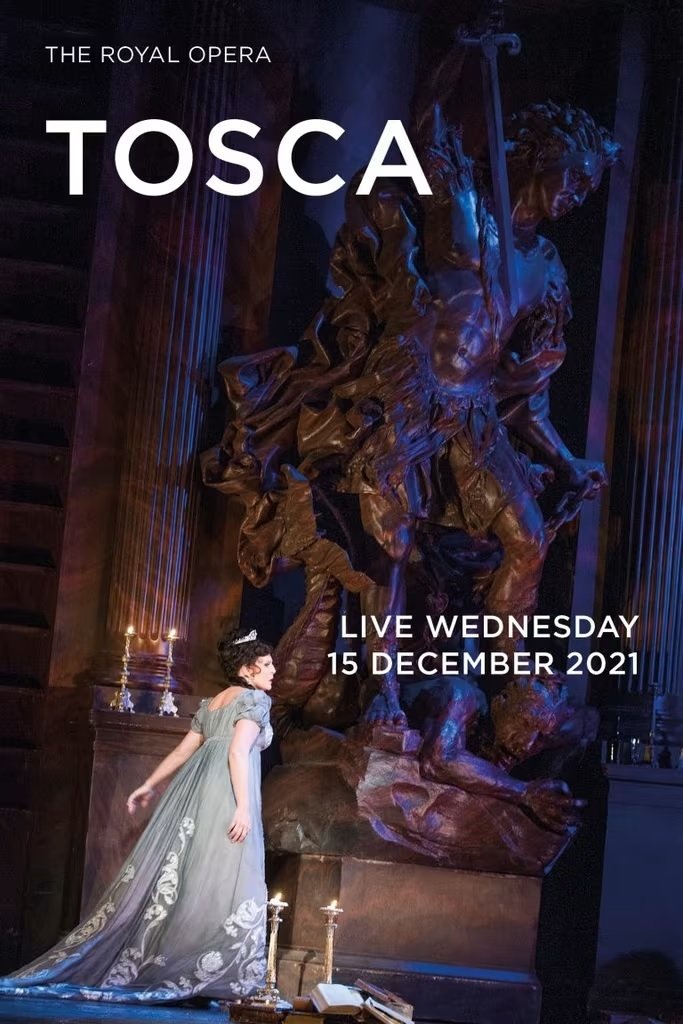
Rome in 1800 is in political chaos. Cesare Angelotti, a former consul of the short-lived Roman Republic, has escaped imprisonment, and seeks refuge in the church of Sant'Andrea della Valle. The painter and republican sympathizer Mario Cavaradossi promises to hide him at his country villa. Baron Scarpia, Rome's tyrannical Chief of Police, suspects that Cavaradossi has helped Angelotti to escape. He persuades the painter's lover, opera singer Floria Tosca, whom he himself desires, that Cavaradossi has betrayed her. She leaves to confront Cavaradossi at his villa and Scarpia orders his men to follow her, in the hope they'll find Angelotti. Scarpia arrests Cavaradossi, and tortures him in Tosca's presence until she reveals Angelotti's hiding place. Scarpia subsequently condemns Cavaradossi to death. Alone with Tosca, Scarpia tells her that he will save Cavaradossi - but only if Tosca spends the night with him. Will Tosca yield to the man she hates to save the man she loves?
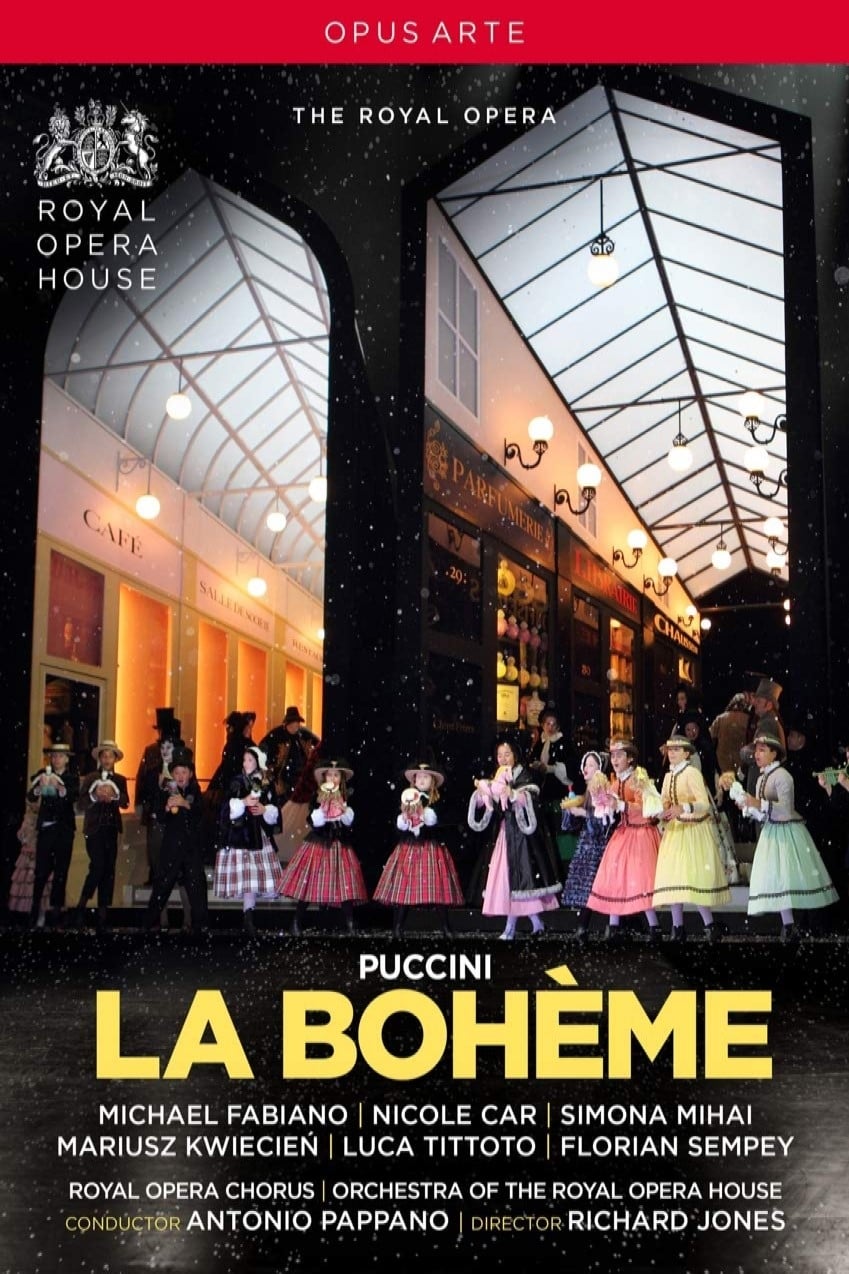
A penniless poet, a young seamstress, and a lost key: Puccinis passionate opera tells the story of a captivating romance set against the background of 19th-century Paris. The luscious score, with its soaring melodies and rich orchestration, brings to life the relationships between Rodolfo, Mimì and their friends, the painter Marcello and fiery Musetta. Acclaimed director Richard Jones stages a fresh and intelligent new production of one of the worlds most popular operas, conducted by The Royal Operas Music Director, Antonio Pappano.