
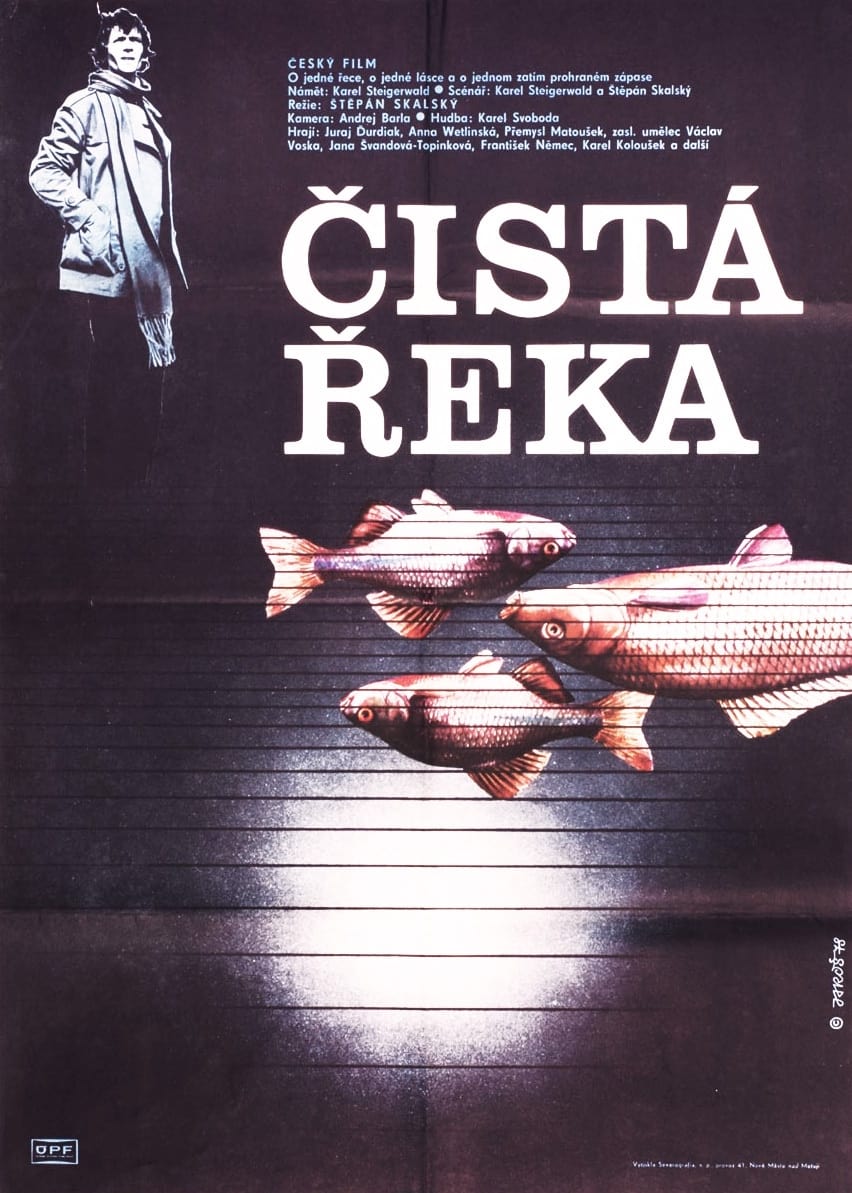
A film about a young sanitation worker who tries to prevent the pollution of a river, but pays the price...
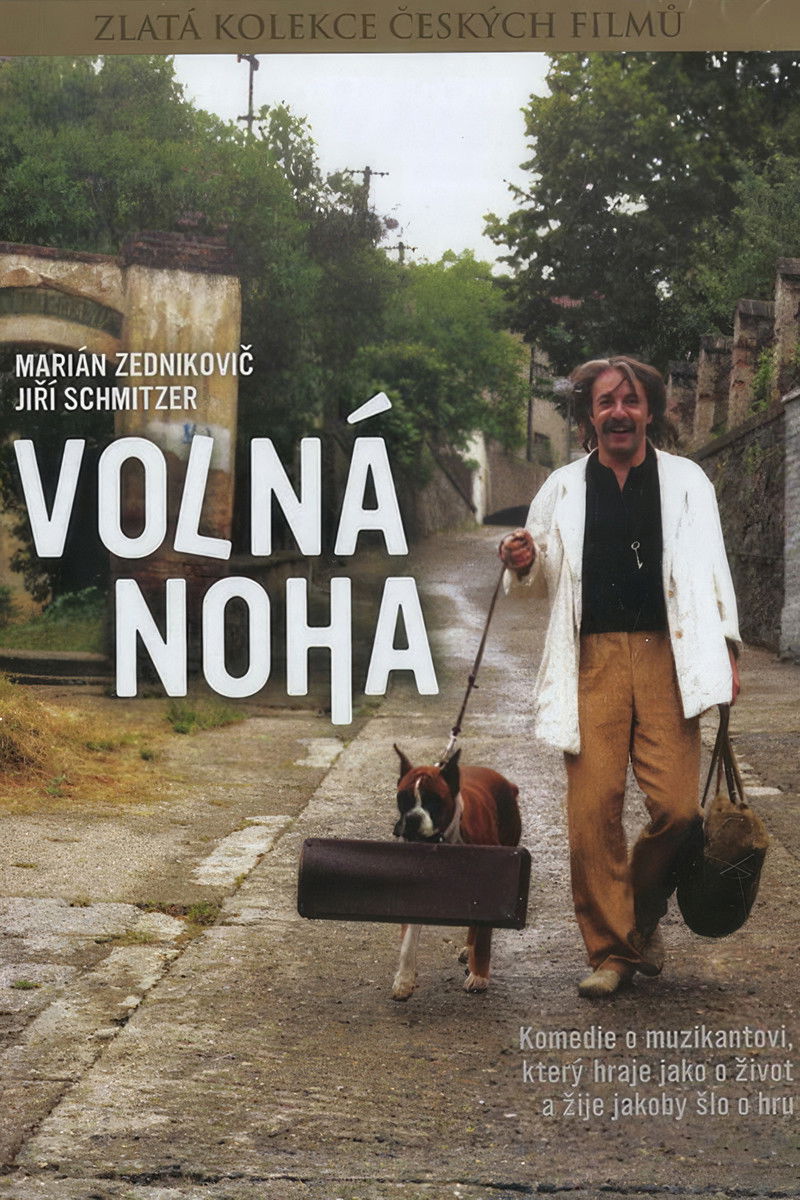
Jazz musician and trumpeter Beno is originally Slovak, but has been living in Prague for a long time. As a true bohemian, he does not recognize any limitations in his personal or artistic life. He is devoted to jazz with body and soul and despises any form of pop music. That is why he rejects the lucrative offers of his girlfriend, the successful singer Gábina. He also successfully faces the pressure of his much younger girlfriend-to-be and her defiant mother. Beno often has to pay for his tricks, but he accepts this with open eyes. Beno is ably supported by his friend, saxophonist Emil, known as Rampouch.

Seven seemingly unconnected fairy tales - glued together only by folklore, mood, color and light - make up this Czech collection of visual poetry. The original piece of literature, written by Karel Jaromír Erben in 1853, contained twelve tales.
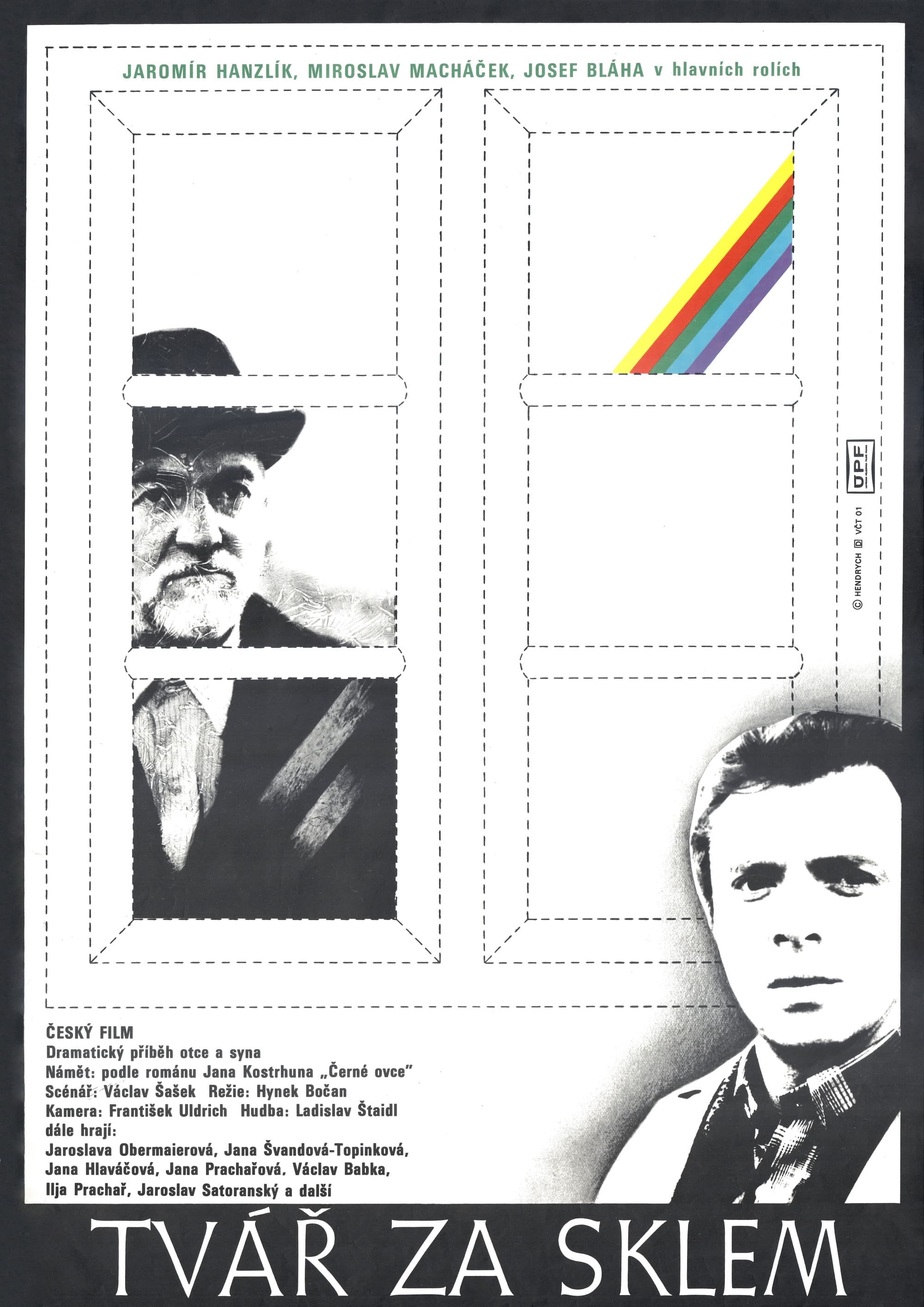
Alienation between the closest relatives is always a serious disorder of family judgment. Father and son not only do not see each other, but one does not even recognize the other when they meet by chance. No wonder, since the father has been in prison for a long time and his son was raised by a former family friend after his mother's death...
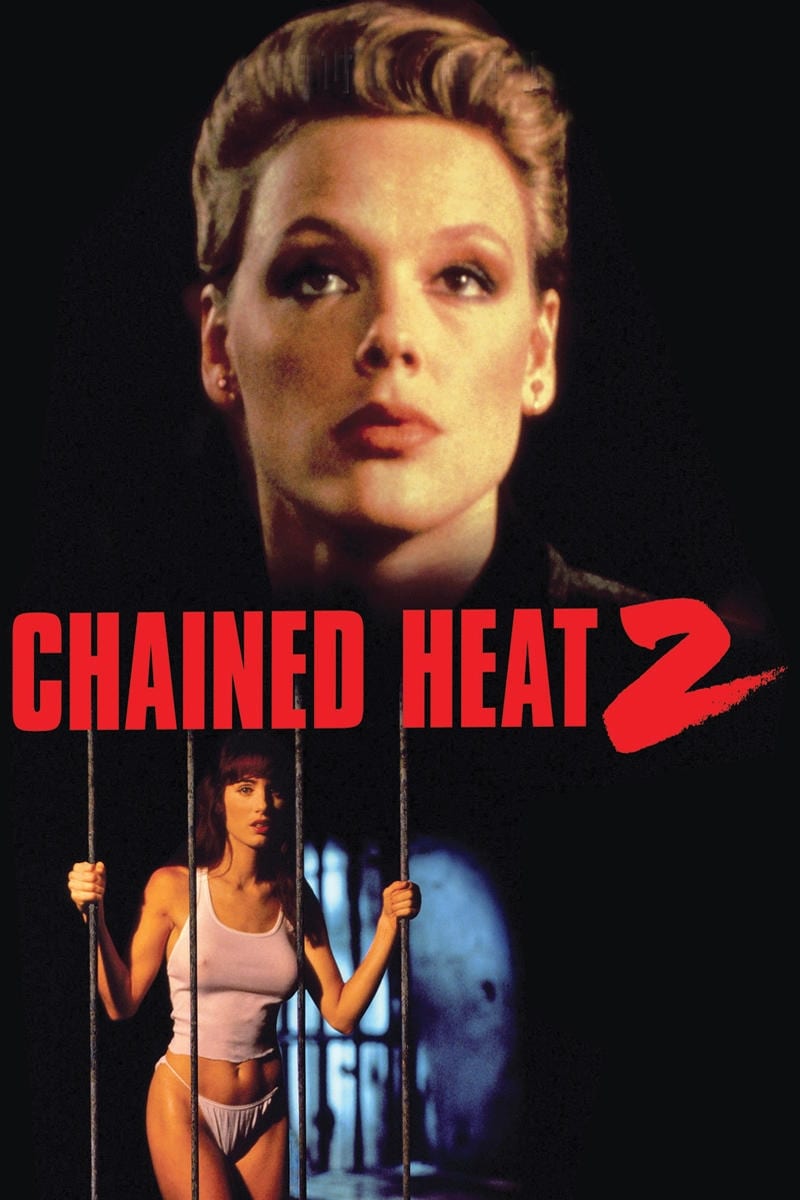
An American tourist lands in a Slavic prison run by a twisted woman and the U.S. ambassador.
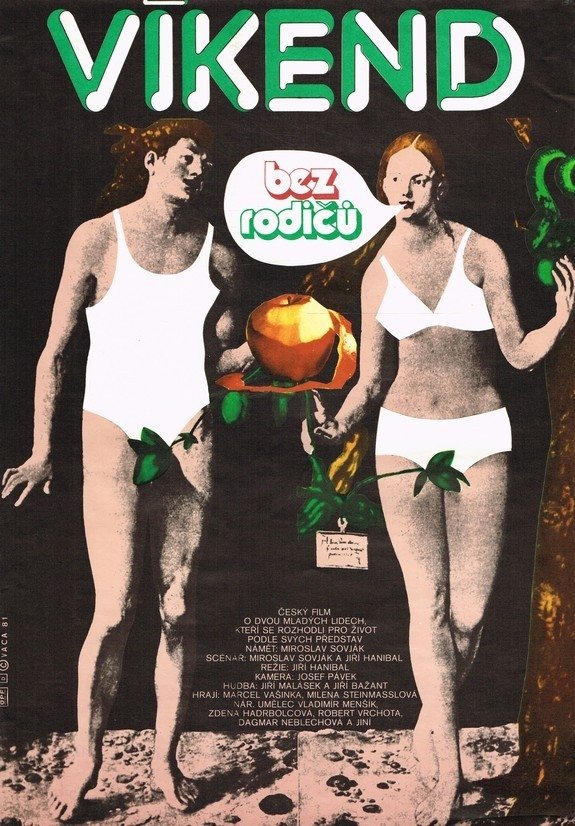
Even great love does not necessarily overcome a difference of morals - although the young hero is very much in love, he still rejects the comfortable and easy existence he could lead thanks to the family of his future father-in-law. A tediously moralistic comedy, it picks up with all seriousness the morality of a socialist man who has broken forever with petty bourgeois ideas. It is therefore too contrived, nor does it succeed in elevating the tawdry story in any way. A comedy about life's little and big compromises.
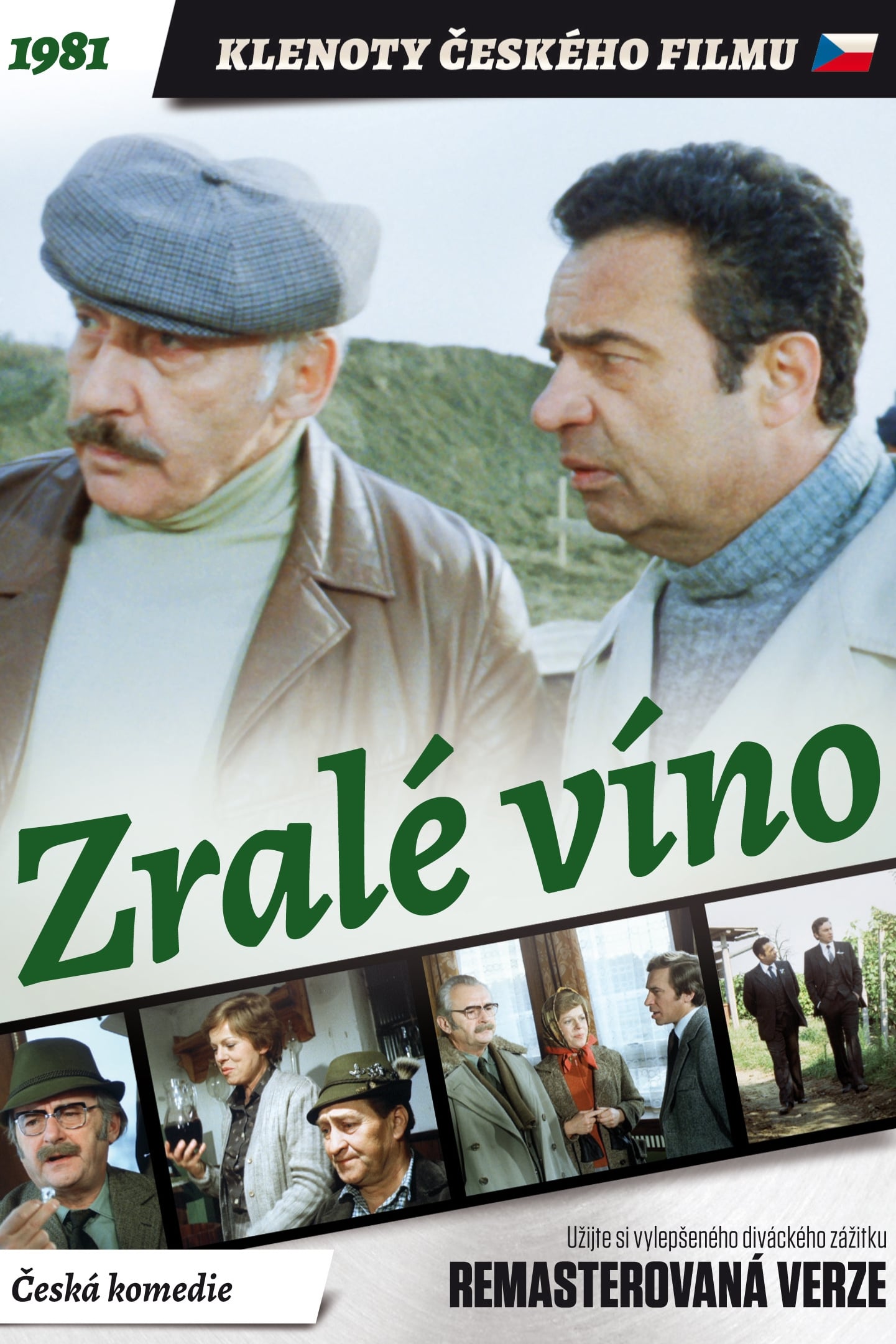
A loose sequel to the 1976 comedy Stormy Wine. The screenwriters and the director recreate on screen a number of characters from the South Moravian town of Pálavice, characterised by their different attitudes and approaches to work and private life. A number of serious issues touching on the times emerge around the story of the con man. The fundamental dispute between the vice-chairman Janák and the chairman of the merged cooperatives ing. Urban, as well as the satirical theme of illegal machinations and bribes, are undoubtedly of general validity.
A young man from a poor proletarian family successfully graduates from university, meets a girl who grew up in an orphanage - and surprises his surroundings, greedy relatives and a friend from a rich bourgeois family, by refusing any benefits. He regularly visits his parents to help them build their house, trying to act honestly at all times.
In the spring of 1945, the last war clashes took place on the Czech-Moravian border. However, amidst the heavy gunfire, colourful boyhood adventures also take place. The main characters, however, are oblivious to the dangers lurking around them and bravely enter situations in which even adults would hesitate.
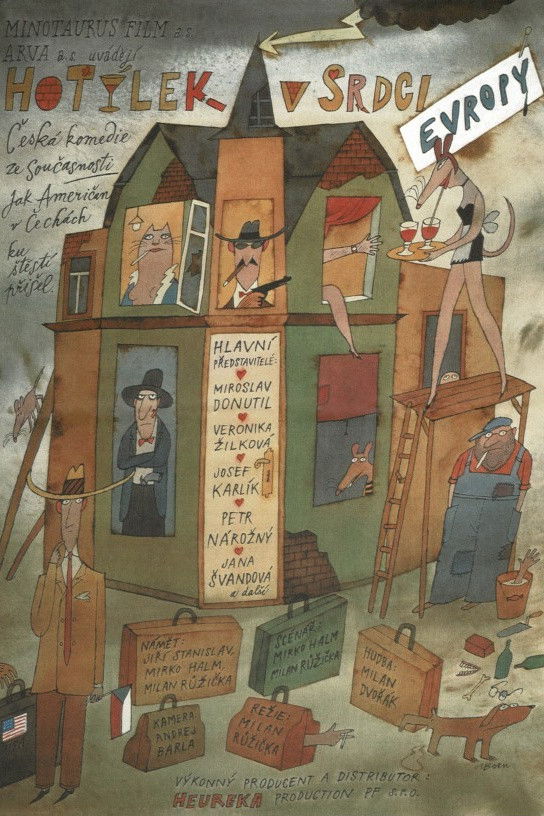
This comedy starring Miroslav Donutil tells the story of an American of Czech origin who returns to his homeland in the 1990s. At his parents' request, he is supposed to take over the family hotel in Prague and find a Czech bride. However, he has no idea what he will have to endure in the atmosphere of the 1990s, what condition he will find the property in, or what tragicomic situations he will have to go through before someone deprives him of his property. But in the end, he finds a girl who, unbeknownst to her, comes from the same background as him.
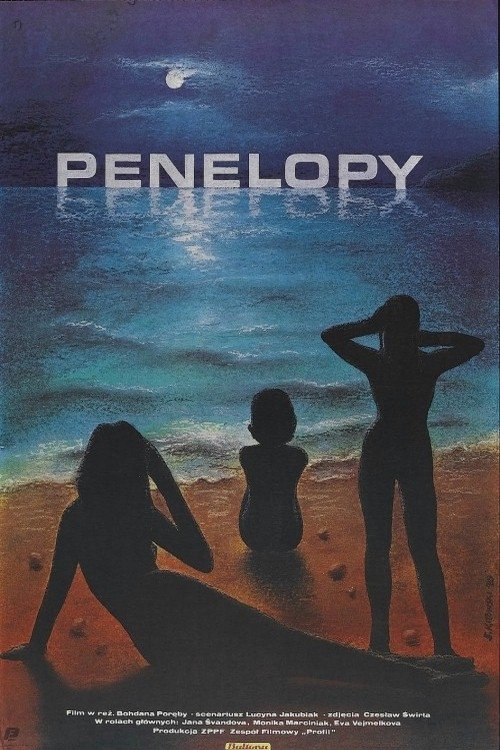
Beata, Bożena and Magdalena are waiting for their husbands-seamen in the Tri-City.

An ironic look at a climber who decides to do anything to get a job he thinks will launch him into a better career.

This Czechoslovakian children’s film takes place during the last days of the Austro-Hungarian empire. The young son of a horse trainer loves nothing more than riding his horse, until he is stricken by polio…
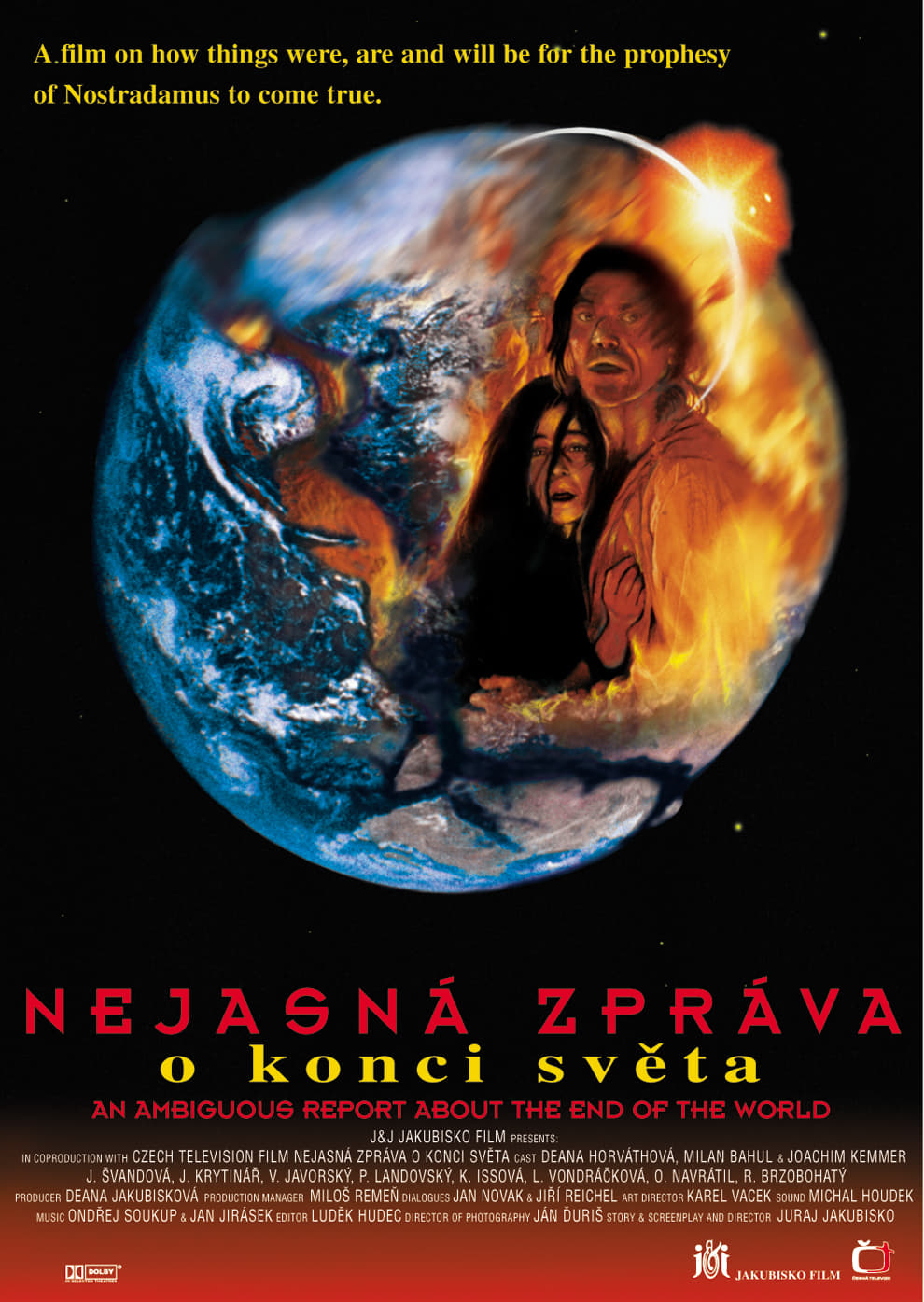
Set over a two-decade period in a tiny Central European village, this drama not only chronicles a couple's tragic star-crossed love, it also serves as a metaphor for the tragedy of lost traditions. After opening in the snowy wilds as two people spectacularly die, the story jumps back 20 years as young Verona prepares to marry. Unfortunately, voracious wolves descend upon the ceremony and all but Verona and her courageous 10-year-old brother-in-law Goran, who saves her, perish. That day, Verona gives birth to Veronika and promptly betroths her daughter to the heroic Goran. A decade passes and on Veronika's 10th birthday, her engagement to Goran is formally announced at a big party. Festivities halt when a troupe of female circus performers and their sly employer Madina show up. Veronika soon finds herself more interested in Madina's young son Michal than she is in the adult Goran. Meanwhile, the worldly Madina attempts to adjust to life in an old-fashioned village.
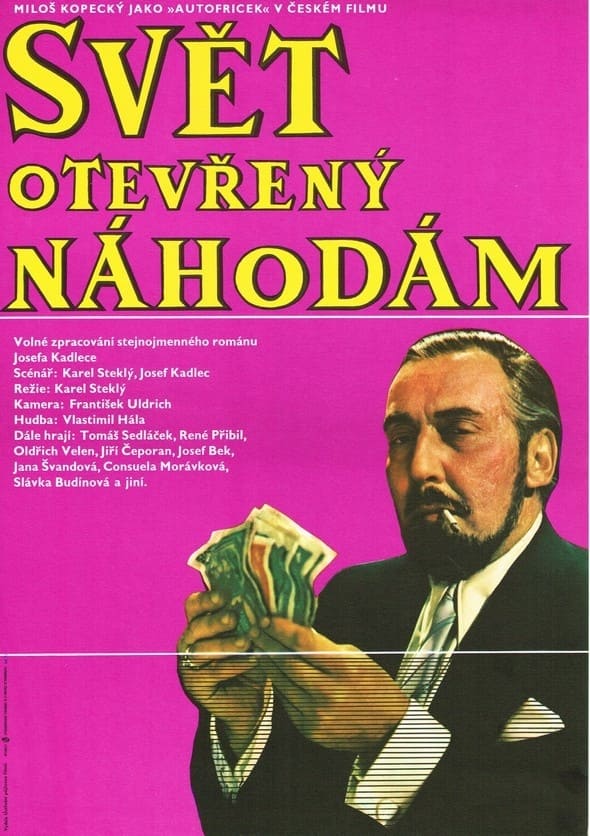
An unemployed young man in the second half of the 1930s, he tries various ways of making a living and, under the influence of a group of communist youth, eventually goes to Spain as an inter-brigadista...

An overburdened working mother temporarily leaves her family and rents a spare room from a taxi driver she just met to sort out her chaotic life.
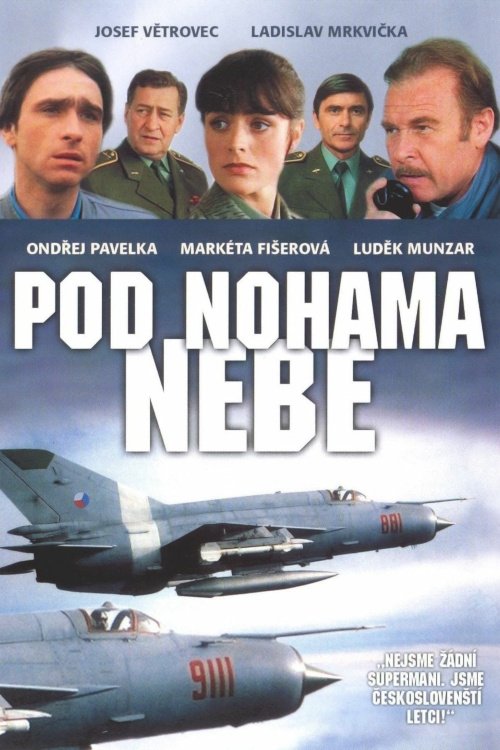
Olda Raška, a novice pilot, is going through an emotional crisis that will greatly affect his professional abilities. Only thanks to the understanding of his superiors will he realise his shortcomings and overcome the crisis. While he begins his life's journey, the experienced pilot Lieutenant Colonel Lošťák has to quit flying for health reasons. The film is very skillfully crafted and attractive for its time, mainly due to the unique aerial shots and behind-the-scenes sequences from the airport.
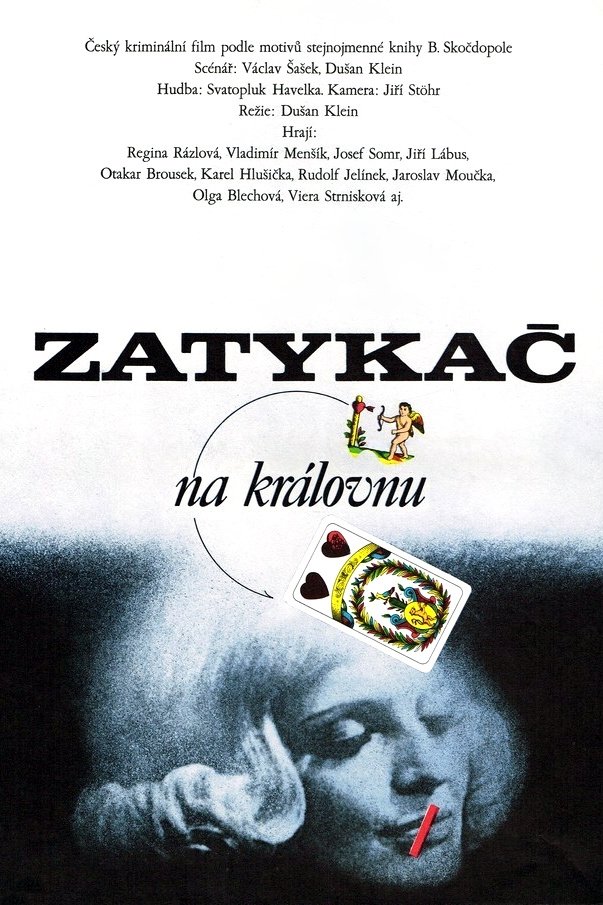
Captain Záruba investigates after an anonymous tip flags the seemingly extravagant lifestyle of Chemotex technician Dagmar Králová. Summoned to discuss the matter, Králová’s quarrel with engineer Vaněček, who secretly runs a suburban bootleg alcohol factory, triggers panic among the illicit network led by hotelier Černý. When Králová is found dead near the site of a murdered hitchhiker, autopsy reveals a different killer, launching parallel murder investigations. Forensic teams uncover the clandestine distillery, and gradually piece together motives and perpetrators behind both deaths.
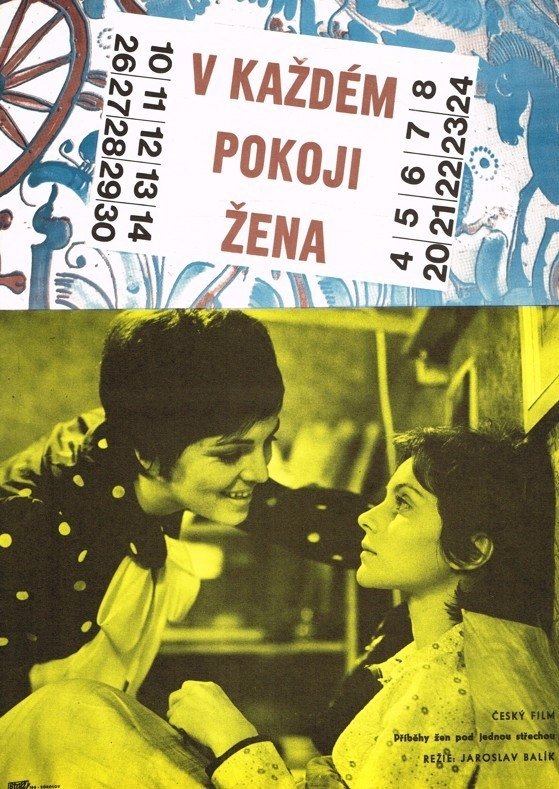
The plethora of heroines living in the makeshift former Women's Homes share one feature - they mostly feel lonely. Some of them got used to this state and resigned, others still believe in a happier future...
Children's games will affect the lives of two young women years later.
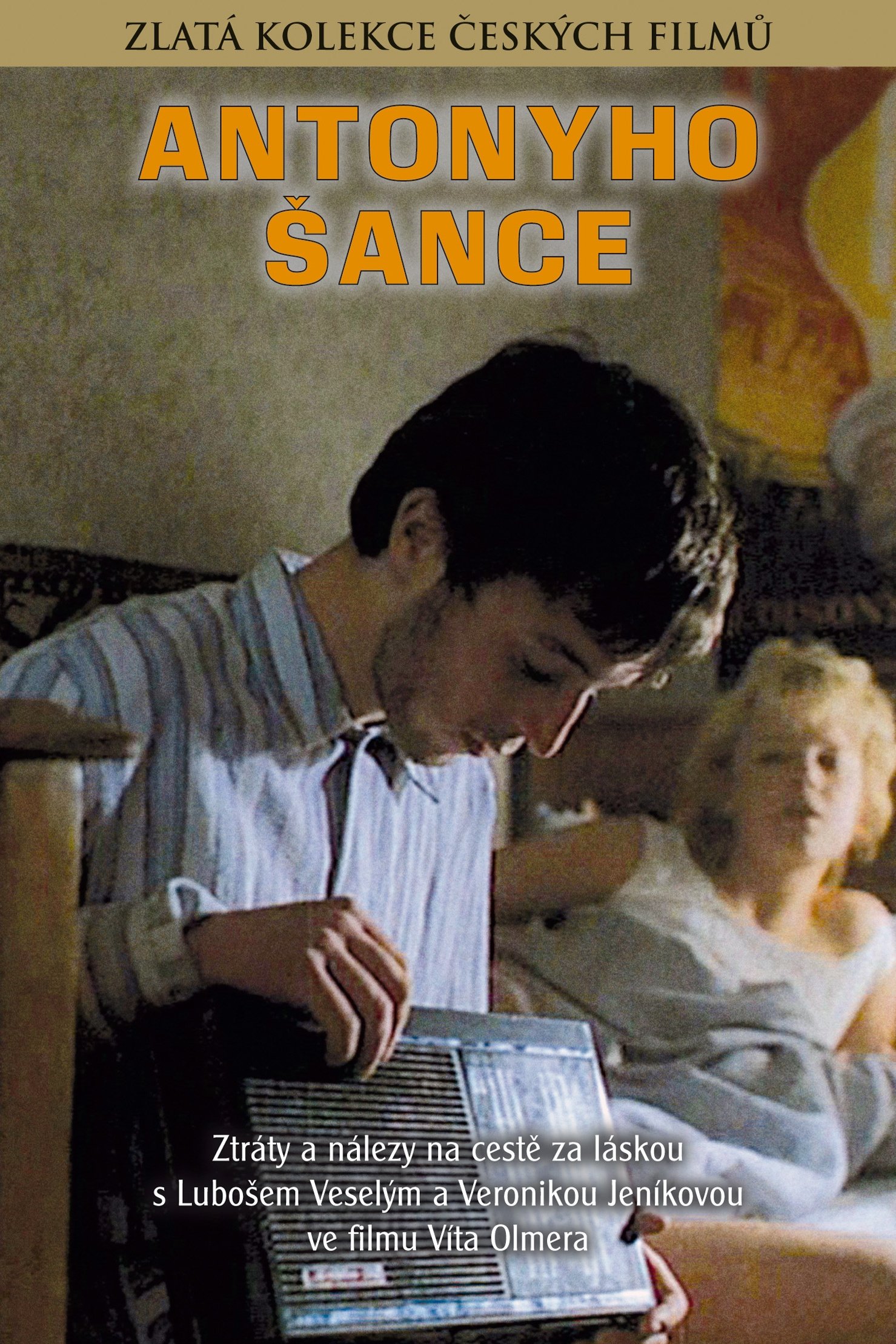
Antony is obsessed with the idea of a happy family life, but his young daughter has to be cared for by the parents of his wife, who died in a car accident. Unfortunately, Martha, whom Antony has somewhat recklessly married, has a fundamentally different vision of her future than he does.
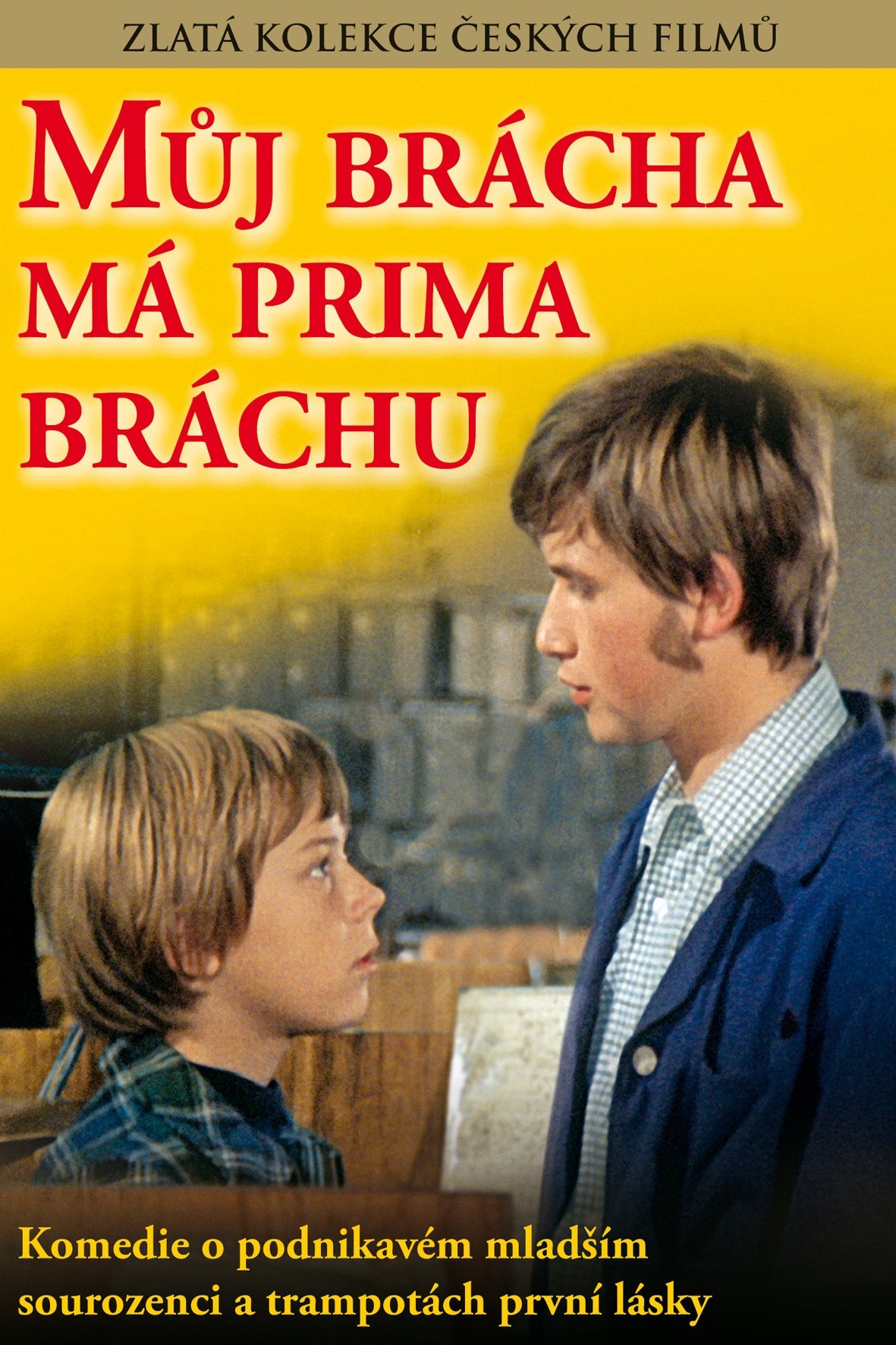
Honza Pavelka (Jan Hrusínský) wins the junior motorbike speed races. His thirteen-year-old brother Martin (Roman Cada), his assistant and biggest fan, answers the questions of his schoolfriend Pavlína in a superior tone. Student Zuzana (Libuse Safránková), who gave her scarf to Honza to wear around his neck for the races as a talisman is Honza's girlfriend. He met her when he came to her parent's home to repair the TV set. Honza declines an invitation to celebration with his friends. He goes off with Zuzana instead, but she refuses his intimate advances. The offended young man, who is about to serve his two years in the army, tries to blackmail her emotionally and the couple breaks up. Martin tries various schemes to bring them together again.
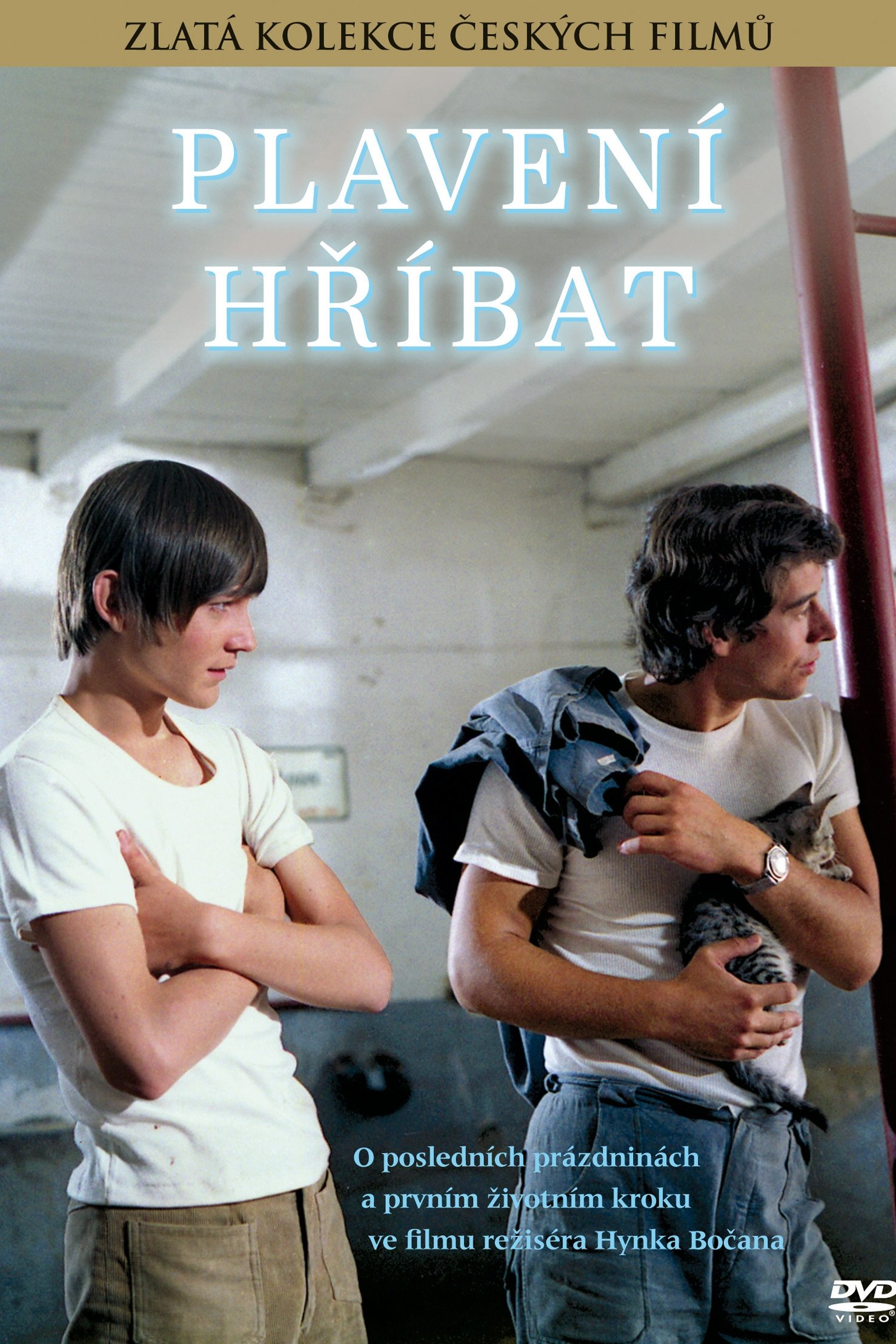
The holidays of Vince Adamek, a student of the agricultural school in his native village in South Moravia, are purely working. He likes his job as a zootechnician so much that he seems to turn down an assistant position at the university...
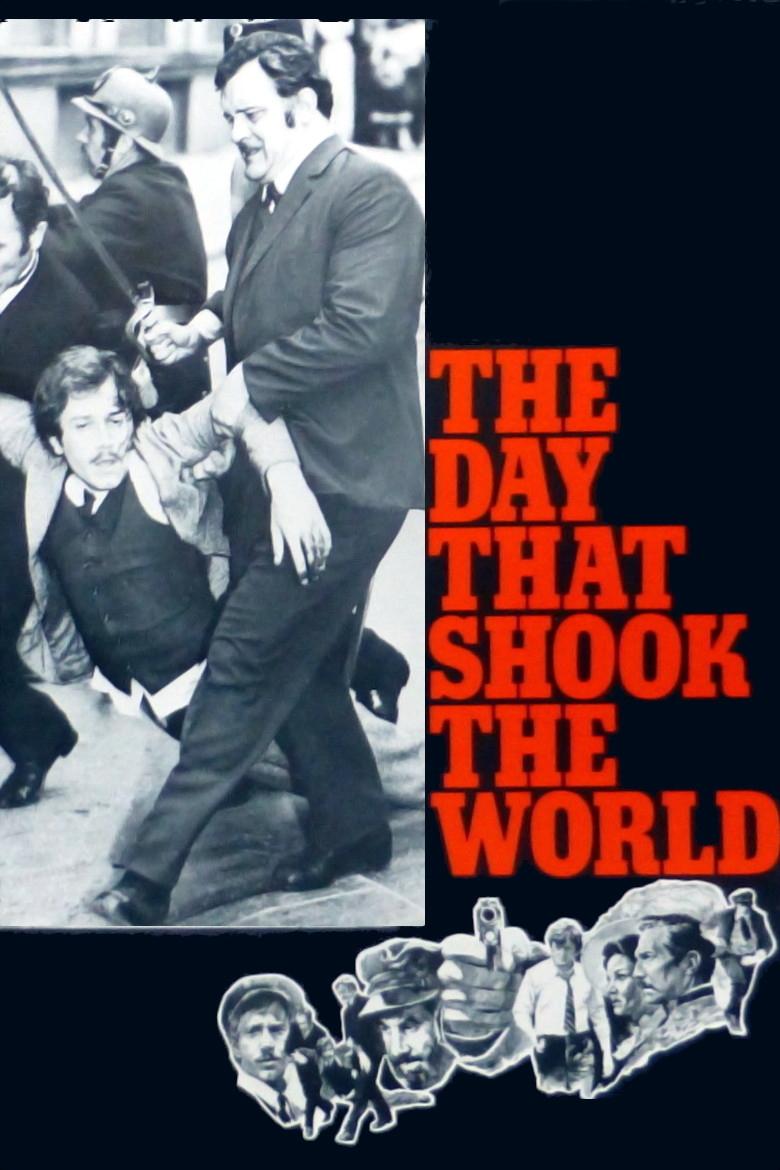
An historical depiction of the events preceding the political murder of Archduke Franz Ferdinand, would-be emperor of the Austro-Hungarian throne, in Sarajevo on June 28th, 1914.
A dangerous maniac is on the loose in the city, targeting women... The last episode of the free Slovak crime series depicts the fight between law enforcement officers and a maniac who threatens women. An unknown young man cuts several girls with a razor on the street. The victims only remember that the perpetrator was wearing a hat with a pompom, like many men wear. There are also many suspects. The investigator of the case, Captain Hroncová, is in a difficult situation, especially after another crime occurs. This is the murder of her classmate, whom the perpetrator even warned about his intention by phone. The captain, risking her life to uncover the murderer and, with the help of her colleagues, eliminate him...
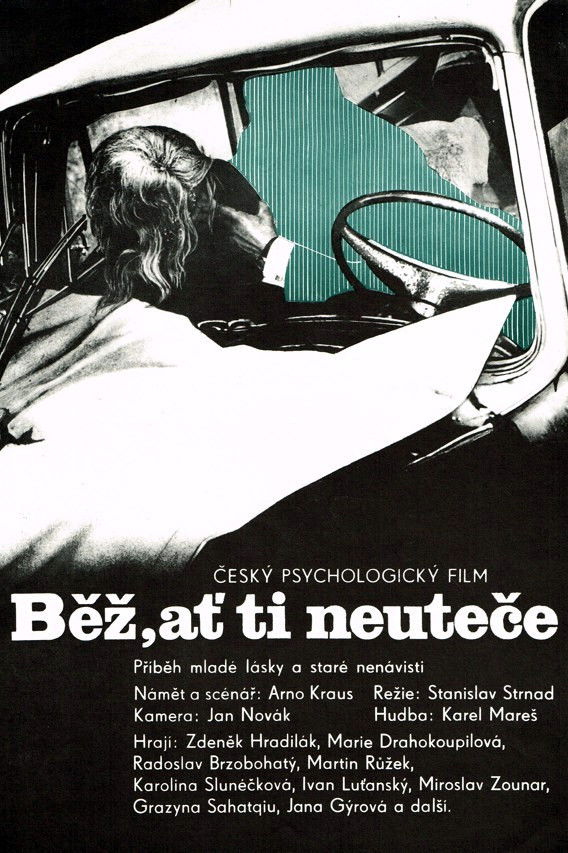
The film from 1976, a film that is exemplary in its devotion to the canons of normalised cinema, is the work of director Stanislav Strnad. He brought to life the script of an unusual author - the secretary of the SČDU, Arno Kraus - in this psychological drama. The protagonist of the story also has his cadre materials in order according to the requirements of the time - he is a worker director Kabát, who besides problems at the workplace also copes successfully with difficulties in his private life - a break-up with his wife.
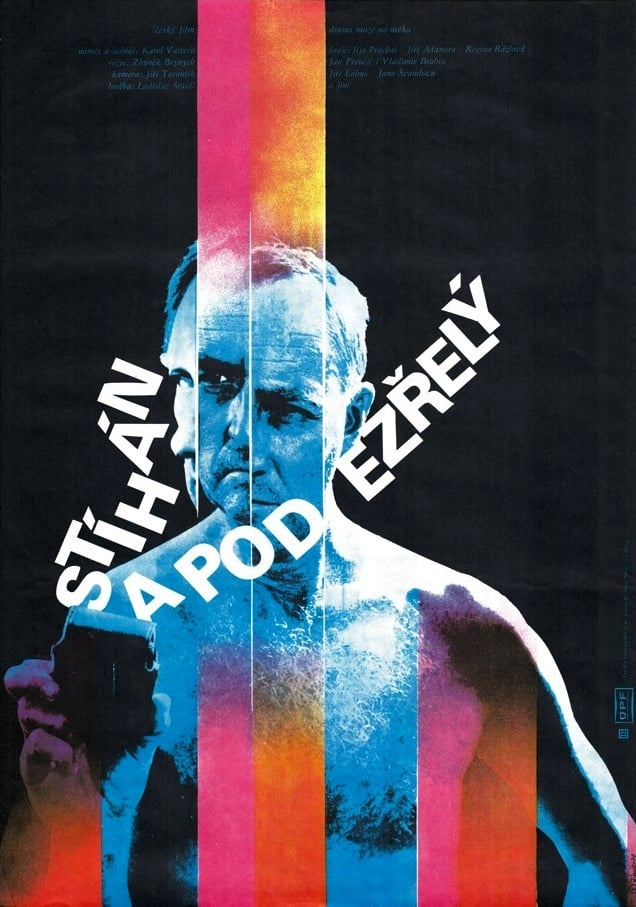
Late at night Eva Trojanová returns home to an agitated husband; three days later, her body is found with bruises on her neck. Her spouse, missing after a business trip, becomes the prime suspect and flees to northern Bohemia. When investigators learn he is innocent, Captain Hart continues pursuing him, not as a criminal but as a desperate man whose plight may endanger himself or draw him into conflict with the law.
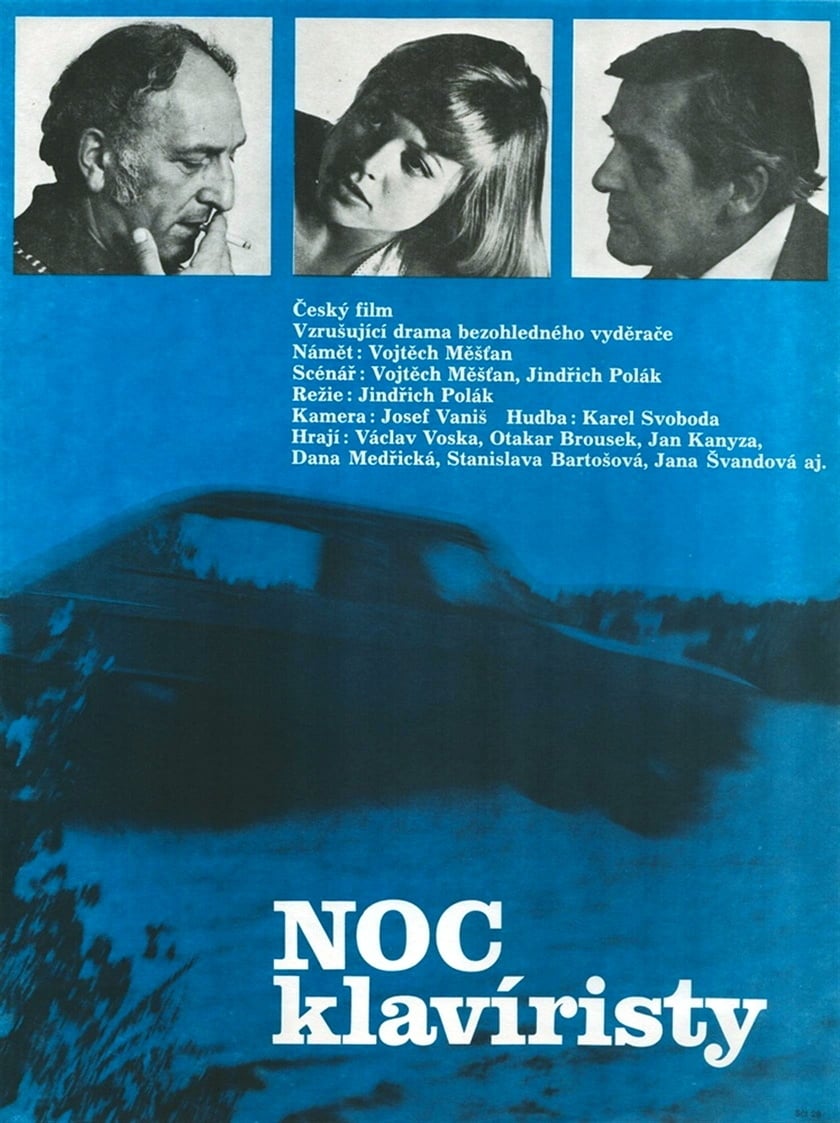
The problematic protagonist is the head designer of a housing association who wants to make a profit at any cost. His unwitting opponent is a bar pianist who accidentally witnesses the murder of a young man and sets out to investigate on his own. An old-world and somewhat comical figure, he poignantly interferes with the cops' work, only to find that he is the one who is credited with catching the perpetrator...

The town is waking up. The bus driver Josef Král is saying goodbye to his wife Vera who is in a state of advanced pregnancy. At the rolling mill, the master craftsman Mares is preparing for retirement, which is now only two days away. Elderly Simon who grows and sells vegetables at the market has problems with his wife. Their little home has to give way to a new development but the wife Simonka refuses to move out. The chairman of the workers' council has troubles with the miner Adam, who has started drinking. He doesn't know that Adam is getting divorced and fears he may lose his young son to his wife.
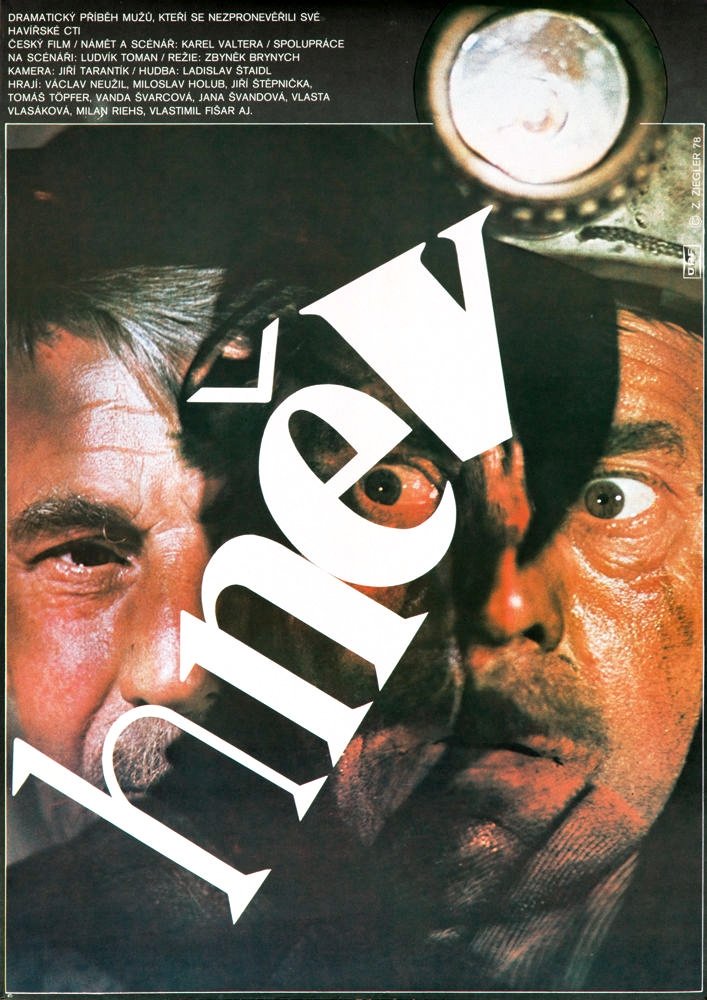
Sunday in September 1977, a celebration of the Miners Day. The old Hepnar is sitting at the cemetery and is recalling events from ten years ago. That time the representative of the ministry Barvír announced at the miners meeting that mining in the mines would decrease. He reasoned this decision by the fact the deposits of coal are almost used up. The boss of the mine and most of the miners protested. Barvír did not take their critical objections into account. He announced at the communist district meeting the closure of the business as the mine according to new economic principles did not prosper.
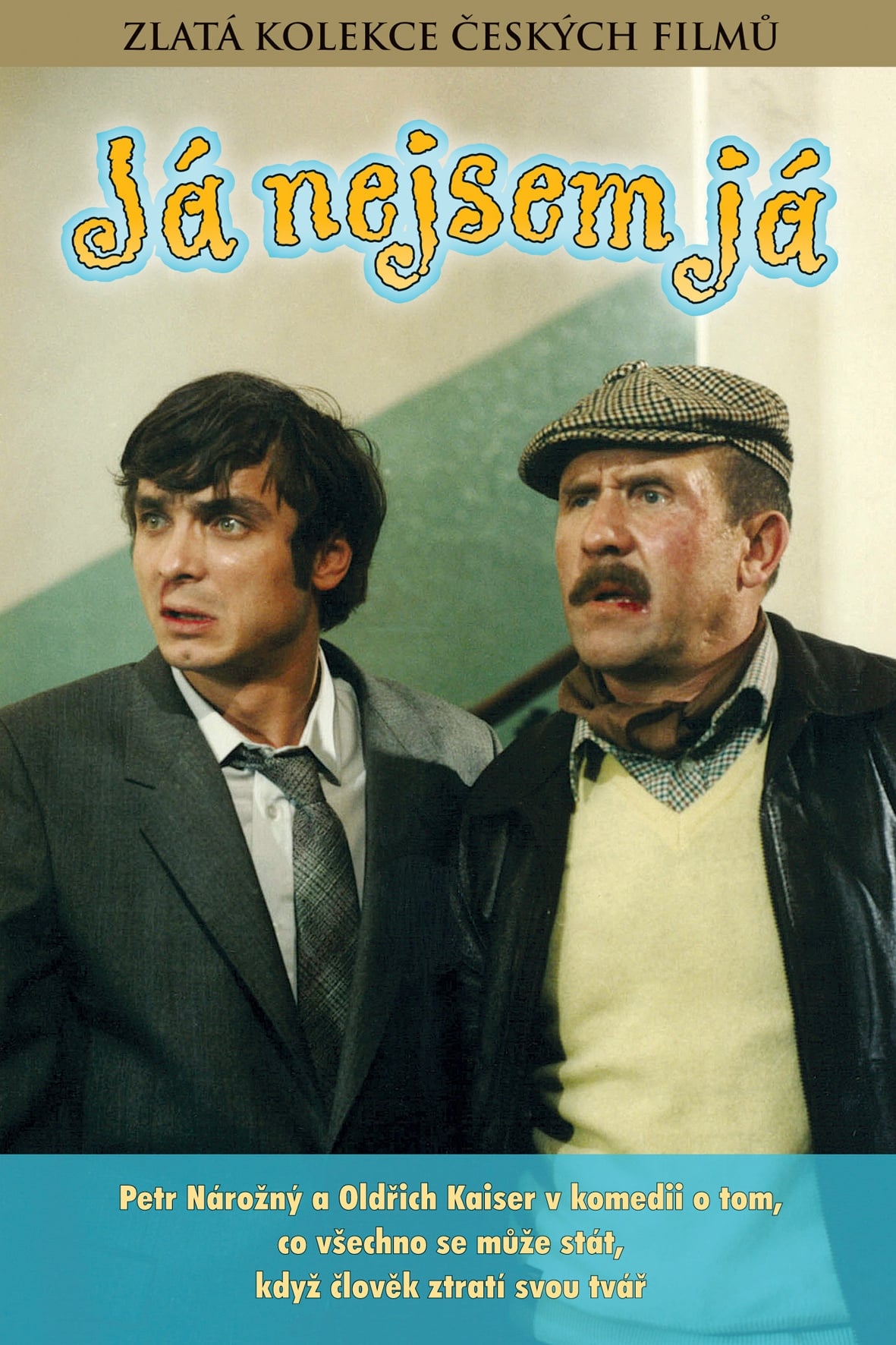
The two heroes of the film's story - the decent but dry engineer Zárub and the marriage swindler Majer - are granted this wish by the mysterious forces of the moon. The two men change their appearance, which, however, contrasts sharply with their unchanged characters and voices. The incomprehensible swap naturally becomes the source of many comic plots and situations.
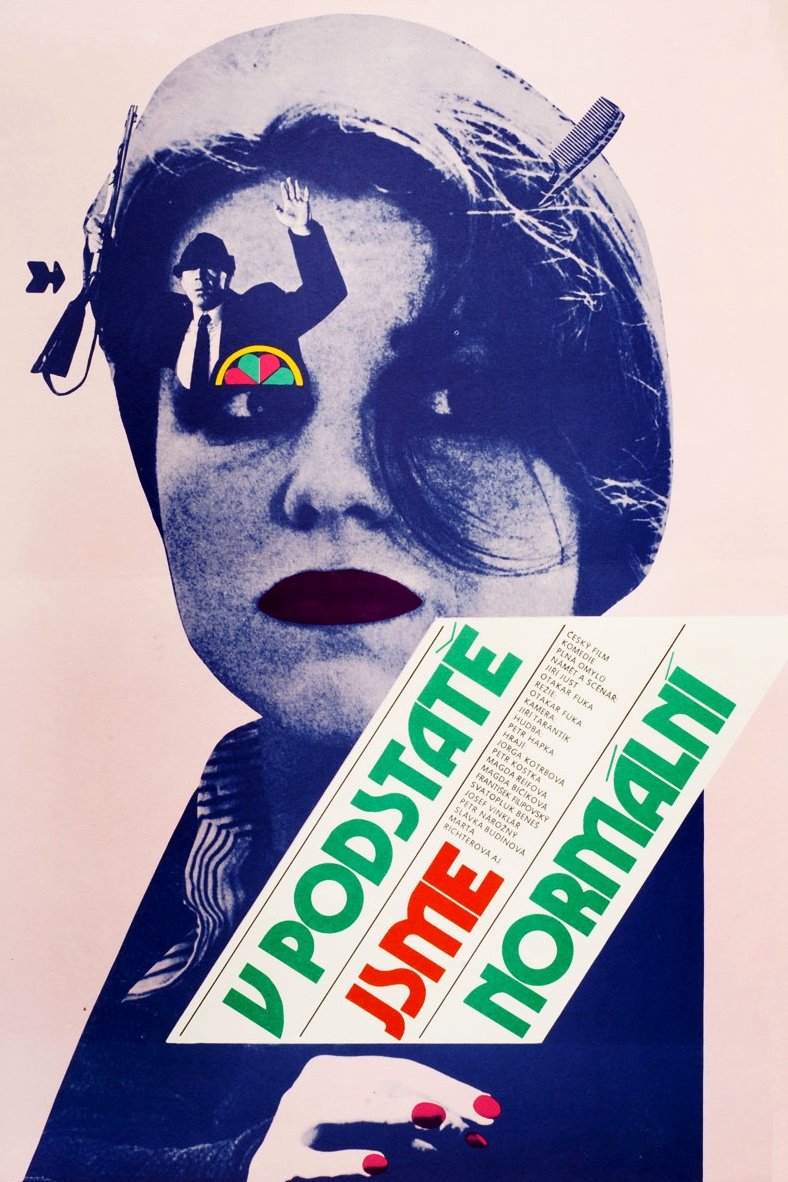
The film follows Karel Novák, who is appointed as the head of a research institute's new department. His ambitious wife, Eva, sees this as an opportunity for social advancement. She quits her job, turns their apartment into a hair salon, and begins networking with influential people. However, her efforts entangle Karel in a web of shady business dealings, including a dubious connection with a foreign company, Djungarden. As misunderstandings and comedic mishaps unfold, Karel finds himself in trouble with the police, while Eva struggles to maintain control over their chaotic rise in society.
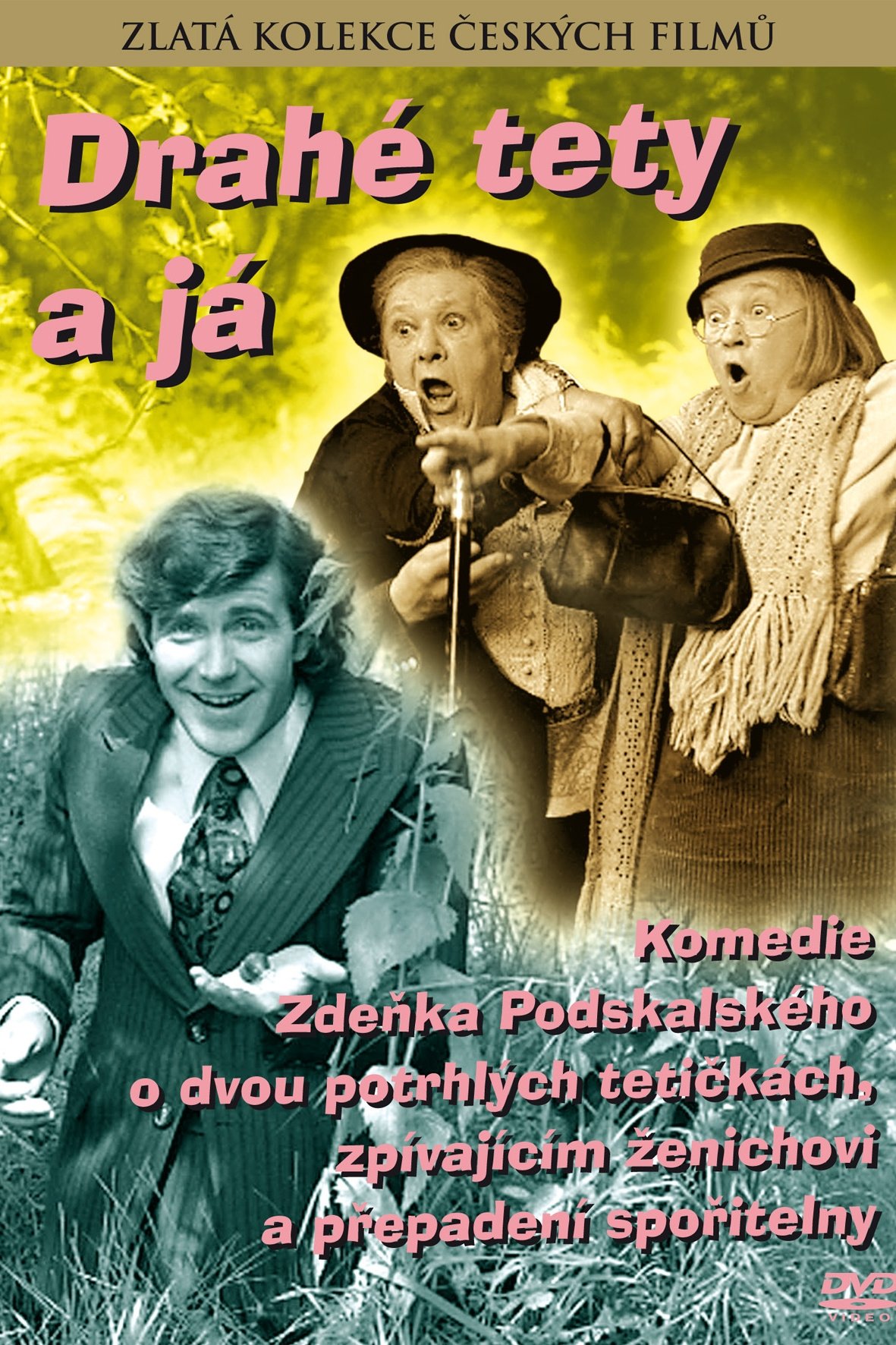
Two kind but foolish sisters live together in their villa in a small town in South Bohemia. Fany (Natasa Gollová) has never married and Andelka (Eva Svobodová) is a widow. In the morning, the two sisters go into town. They need to buy fuel oil, put money in the bank and give plums to the teller. In the meantime an smallish orange Skoda MB car parks at their house, with Hermínka (Iva Janzurová), the old ladies' niece, and her fiancé Michal (Jirí Hrzán) in it. Michal has forgotten to bring flowers and has to go into town to fetch them. At the bank, Fany wants to deposit money but the minute the teller opens the safe, a thief arrives. He knocks the teller and Fany unconscious and runs away with the money. When Fany comes to her senses again, she sees Michal and accuses him of being the thief.
Centurion Kubát, of Czech origin, is staying in the camp of the Habsburg army, which is suppressing the Great French Revolution in France. He is staying in a house where a girl named Francoise lives. The eager Lieutenant Hauser reports to the centurion that he has caught two Habsburg soldiers with a French prisoner. Hauser suspects that the centurion's servant Tomáš is involved in the matter. He must severely punish Tomáš for his absence on the critical evening, but promises to pay him out of the army. He learns that he will receive a medal, invites the officers to dinner, and there announces to the colonel that he wants to request discharge from the army...
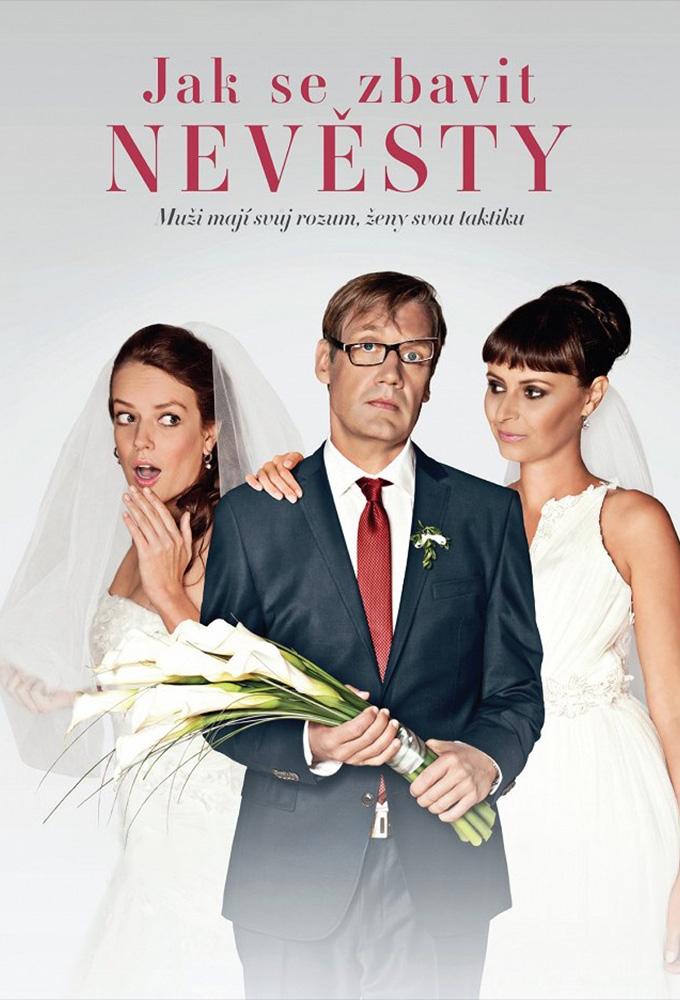
Eva, a driven pastry-shop owner and single mother with a meddlesome but well-meaning mother, is thrown for a loop when her ex-husband Janá, whom she still gets along with perfectly, announces he’s fallen in love again and plans to marry the talented pianist Linda. Determined not to let her daughter’s father’s wedding proceed, Eva and her indomitable mother set off on a road trip to sabotage it.
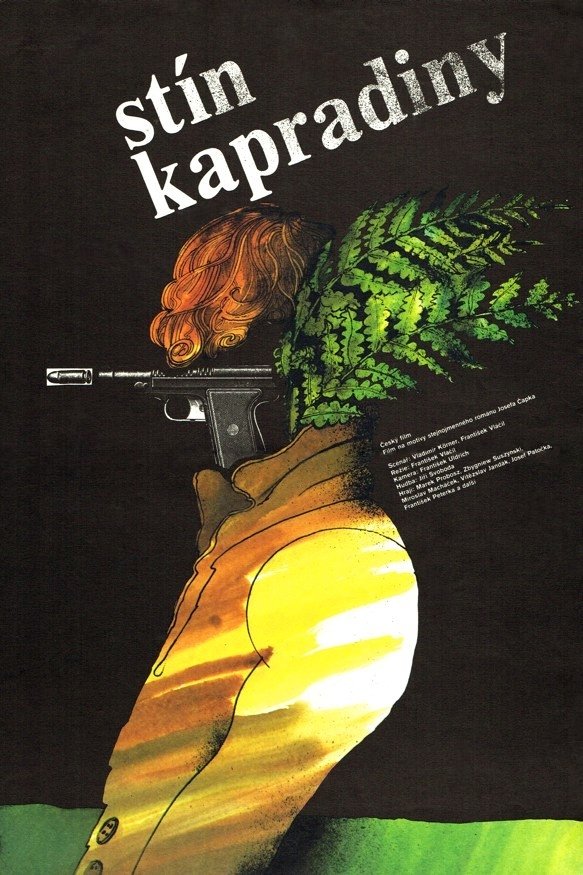
Based on the only extensive prose work by the surrealist painter Josef Capek, Shades of Fern most resembles the philosophical fairy tales and fables of Josef’s older brother, the legendary Czech novelist and playwright Karel Capek. Two young poachers, more boys than men, kill a gamekeeper when they are caught illegally hunting. Panicked, they retreat into a forest that grows steadily more forbidding and deadly as their fear for the future—and guilt over their action—mounts. Loosely based on hundreds of oral folk tales and legends that haunt the woods of Czechoslovakia, Vlácil’s contemporary updating artistically underscores the relationship between man and nature, crime and punishment, isolation and society, and guilt and memory.
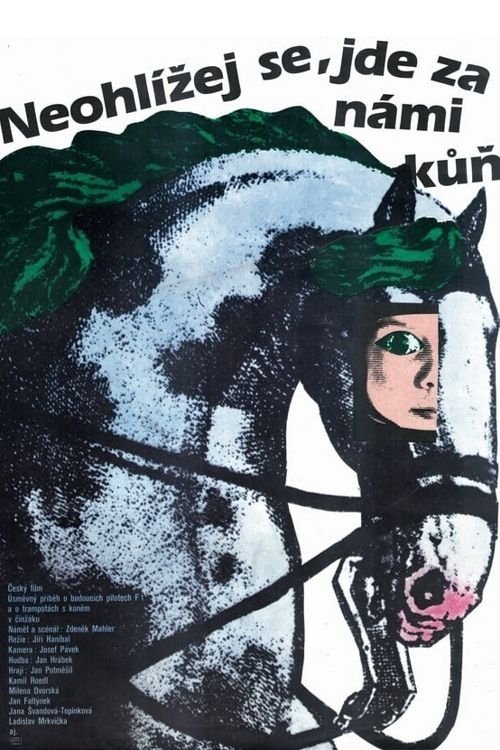
Postwoman Mrs Skorepa, her husband the ambulance driver Mr Skorepa and their eleven-year-old twins Petr and Pavel live in Prague in Malá Strana (Lesser Town), one of the Prague's historical and oldest quarters. The boys are crazy about cars and everything linked to them. They don't share their father's love of classical music. On the other hand, they are crazy about the newly announced scrap yard competition for paper collection. The lottery tickets awarded for every ten kilograms of old paper collected could win them a go-kart.
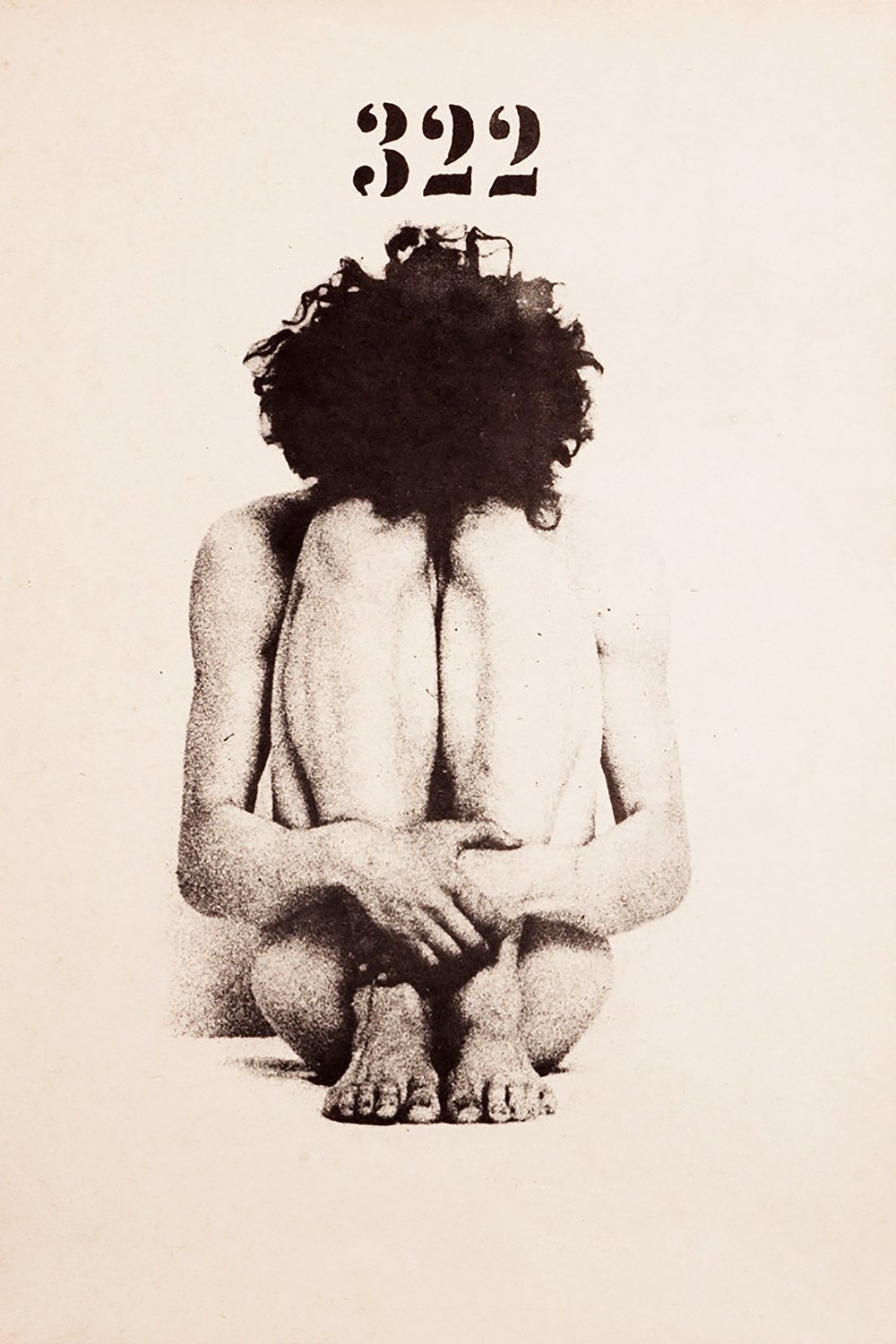
A story of a man threatened by a fatal illness evaluating his life (the number 322 in the film title stands for the diagnosis of one kind of cancer). He understands his illness as a form of punishment for his cruel deeds in the 1950s. In the face of reality and his efforts to cleanse himself he hits a barrier of indifference, lack of interest, and individual and collective selfishness. He has to find his own reconciliation with his illness and his past and present life.
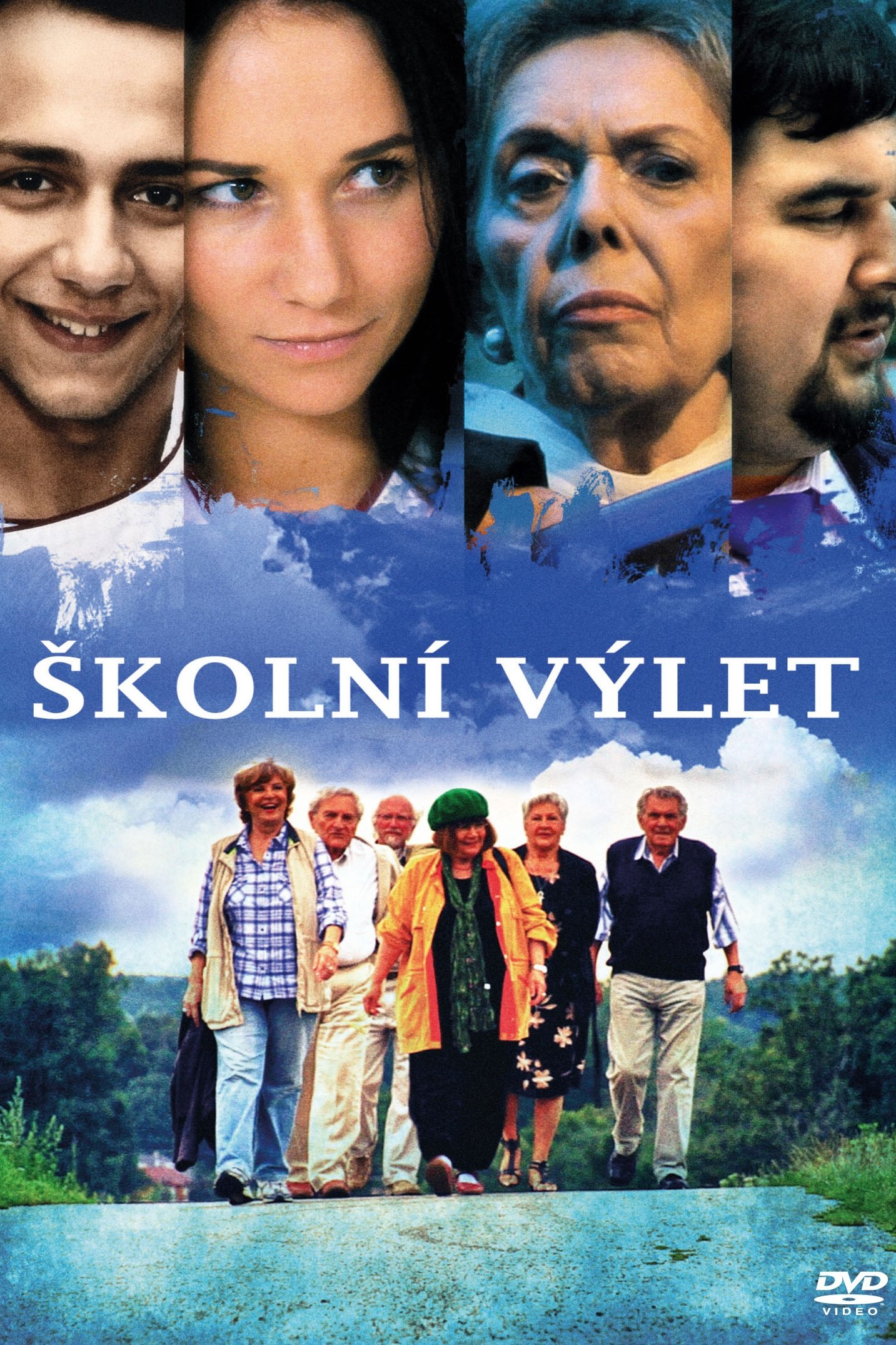
A group of classmates is invited to stay at a spa. However, they experience many twists and turns, funny situations, but also personal dramas. At the same time, we follow the story of a young thief who gets a job as a cook at a luxury spa hotel and experiences his first great love when he falls for a beautiful maid.
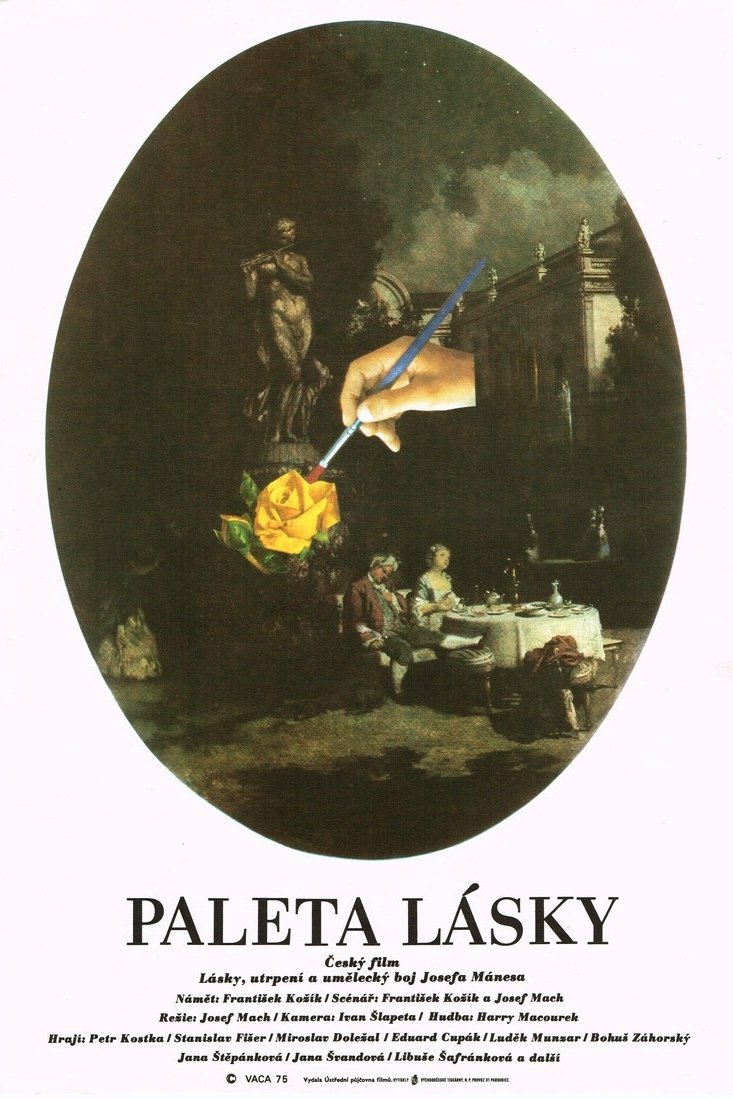
The years of Mánes' studies at art schools and on the period when the mature and distinctive artist was already promoting his concept of a new decoration of the Old Town Clock.
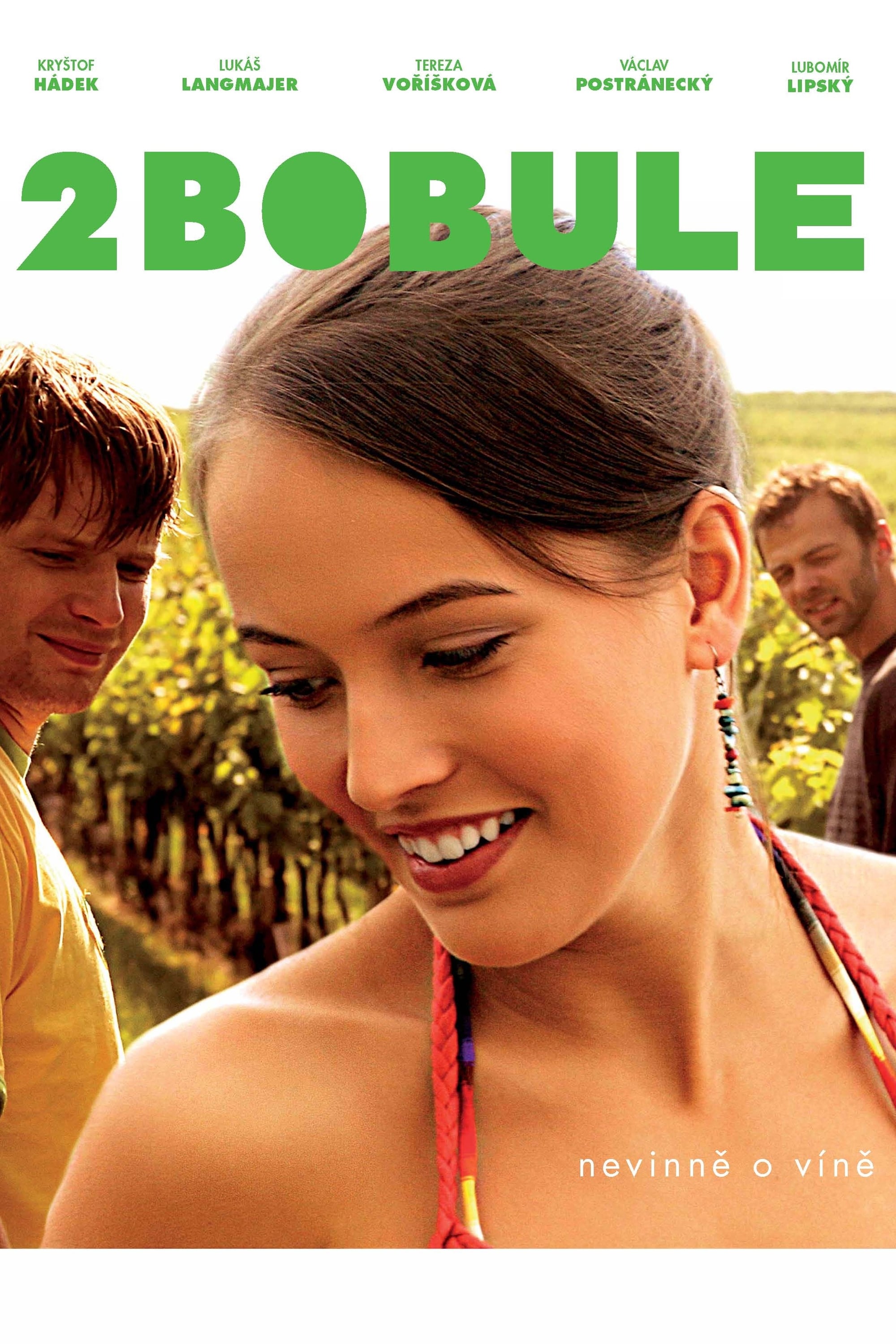
The film follows Marie, Jirka and their wealthy parents, as well as murderer Jiří Tichý. The film takes place mostly in southern Moravia.

Who is this confident man who, with unusual elegance and surprising professionalism, began working at the reception desks of the highest government and party leaders one day? Where did he come from, what are his tasks, and who entrusted him with them? These questions will be pondered in the film by members of the secret services, important and insignificant minions of the powerful, who are convinced that they know every link in the ingeniously opaque chain of relationships and competences of a centrally controlled state. Before the surprising revelation of the mysterious master of ceremonies living a double life, he manages to pull off one last stunt: a monstrous hoax whose consequences can only be tragic.
The fairy tale "Beauty and the Beast" has been adapted countless times. For example, as a ballet or as a famous French film. The writer F. Hrubín retold it for children, and a television story about the brave Rozárka and the cursed king was also created based on his original work.
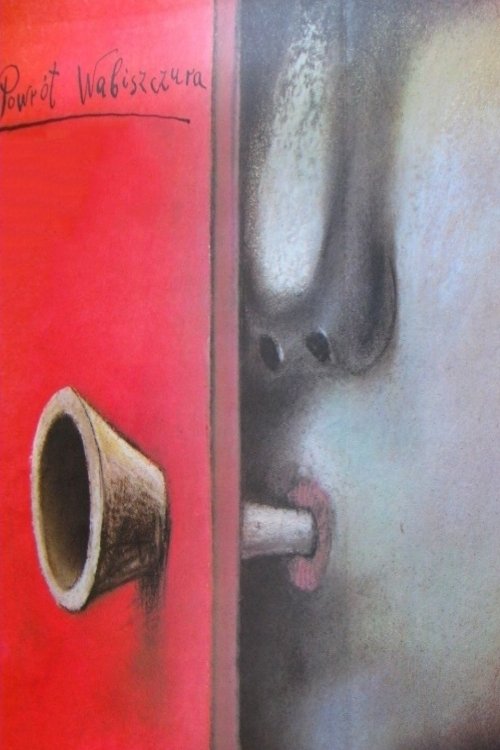
The story of the pied piper, the German legend of the rat catcher of Hameln, retold as a punk invasion of a Polish small town.
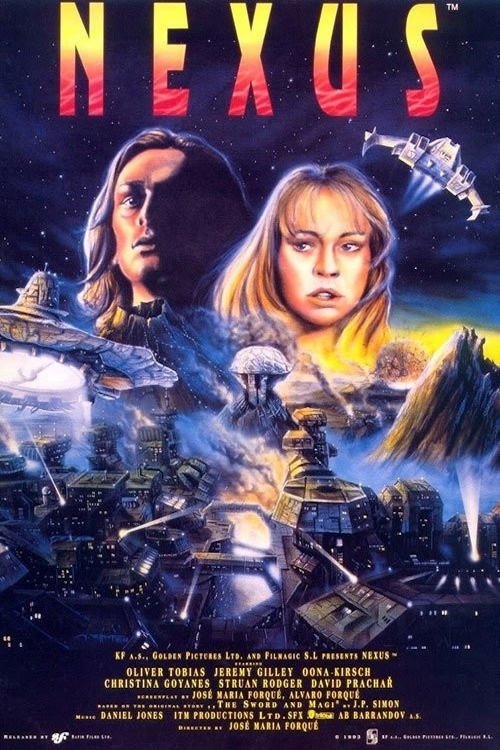
This international co-production, shot at Barrandov Studios with international cast including Czech actors is an attempt to create a sci-fi fantasy in the tradition of Star Wars and Star Trek. Sometime in the distant future, several earthlings turn up on a strange planet ruled over by a despotic ruler with magic powers. A young earth-man initiates a successful uprising.
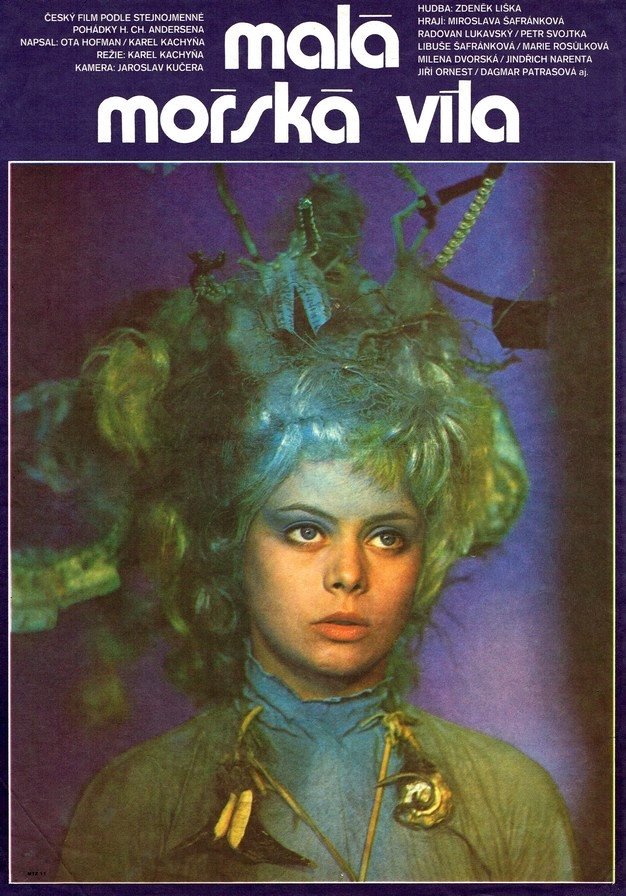
The little mermaid rescues a prince from drowning and falls in love with him. To be with him, she makes a deal with the evil sorceress: her beautiful voice against a life on land. It seems to work at first, the prince is enchanted with her lovely appearance. But the memory of a foreign princess still haunts him: The one who found him on the beach where the mermaid had left him, and whom he (of course) believes to be his saviour. To resolve this mistake is too much for the mute little mermaid, and not even her father, king of all seas, can help her in the impending catastrophe.
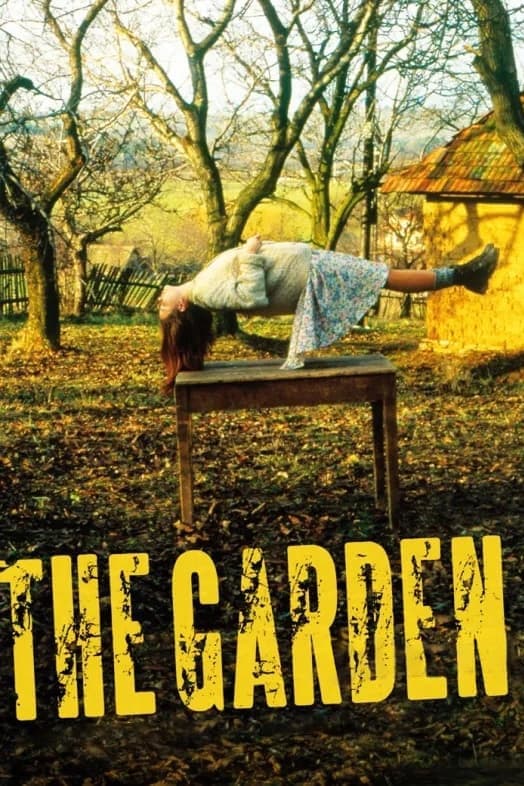
Jakub's life arrived at a dead-end. He leaves his job, and gets into conflict with his father. The trouble just grows by his relation with a married woman. Breaking out, Jakub realizes the pleasures of the countryside in the old garden of his grandfather. He finds true love with an angel, and encounters various exciting moments of his new free life. Strange visitors arrive, and he wont get back to town anymore.

The lavish musical brings to life the legendary Egyptian queen through an original score by Michal David and evocative book and lyrics by Zdeněk Borovec, Lucie Stropnická, and Lou Fanánek Hagen.
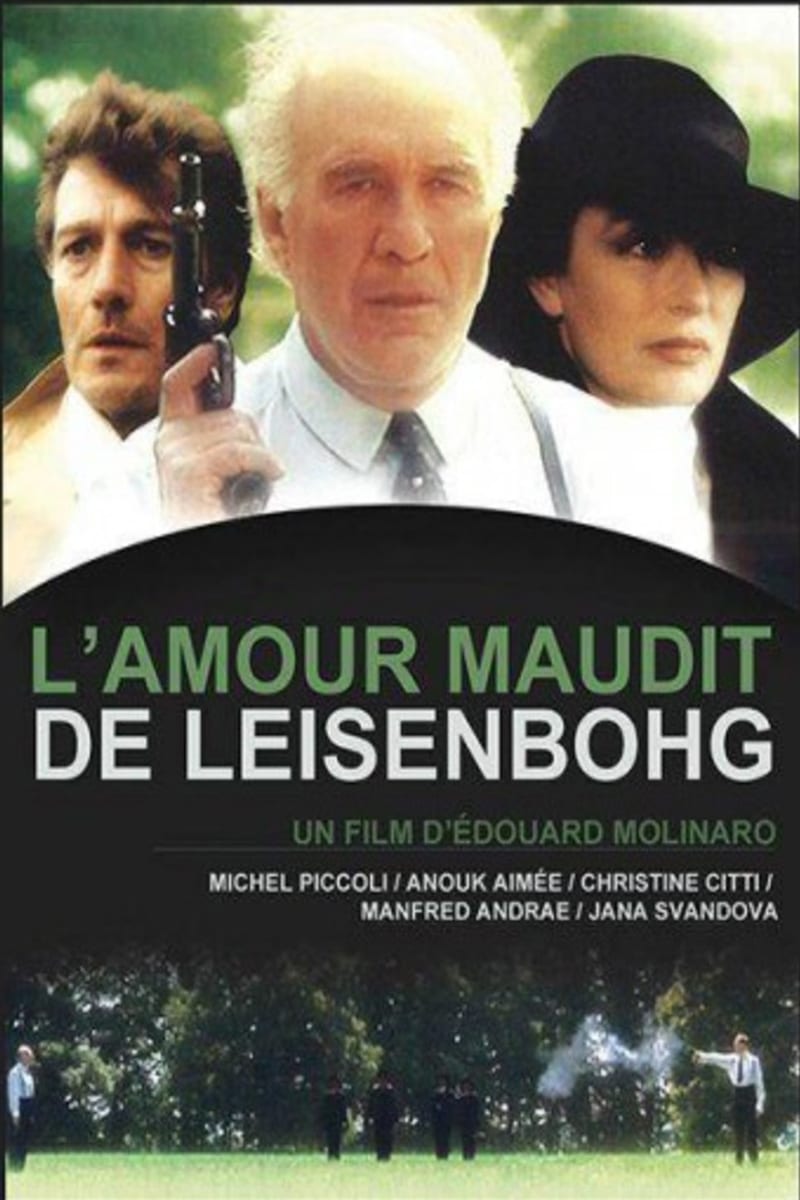
The 35-year-old ministry official Baron Leisenbohg had the stage career ten years ago as the cast of the "Queen of the Night", opera that promoted singer Klare Hell. Klare shows no gratitude however.
TV play adapted from humorous novel by Kingsley Amis (1954).
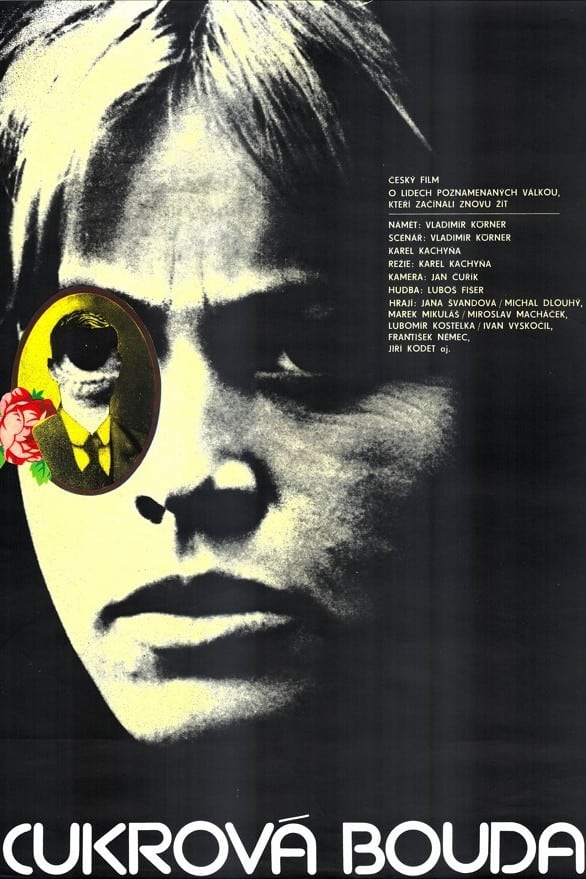
In the final days of the Second World War in 1945 Frantisek Pribyl is killed during a shoot-out with the Germans. After the funeral, the widow (Jana Svandová) and her two young sons Martin and Ondra move to her deceased husband's native village at the foot of the Kralický Snezník mountains. Life in the borderlands is far from easy for the lonely woman. The village is almost deserted, food supplies are delayed; the Werwolf (Nazi guerrilla squads) are hiding in the mountains, and shooting is heard from time to time. The elder son Ondra (Michal Dlouhý) is helping out his mother and at the same time absorbing intense new experiences. He meets an old Czech resident Skurek (Lubomír Kostelka), German women working in the forest, soldiers from the engineering units removing the mines, and a young first lieutenant. At night he dreams about his dead father whom he loved very much. This is why he runs away from home when he finds out that the lieutenant is courting his mother.
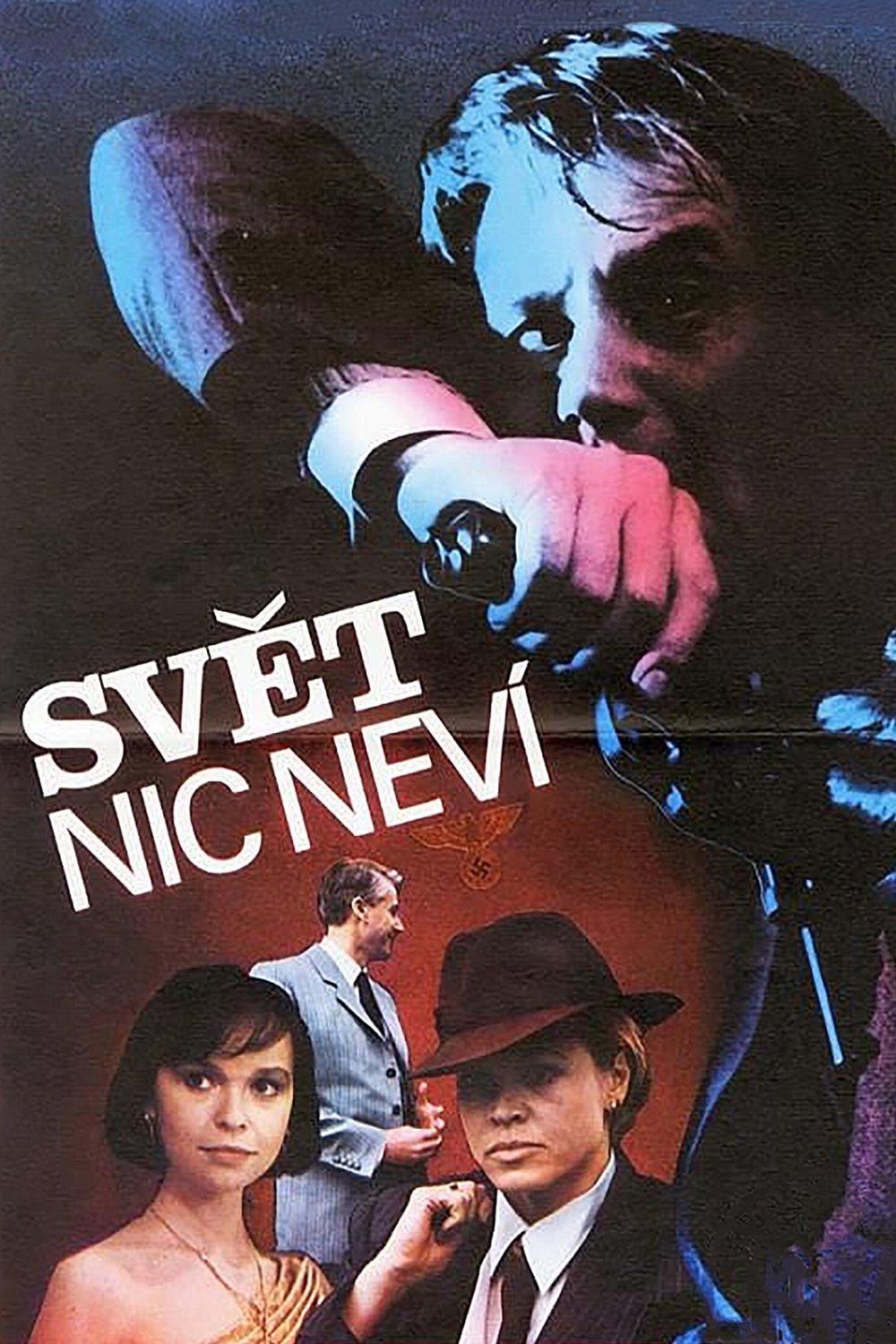
The story takes place in the Czech-German border region in 1938. The hero Tomás Jakl marries but the marriage is not very lucky and falls apart. His German friend forced him to enter the Nazi party.

35-year-old Eliska has a wedding and is waiting for her big moment. Instead of his "yes", the groom says "no" and runs away from the altar. Fortunately, overwhelmed Eliska has a great friend with a clear recipe for what needs to be done. She herself alternates boys as socks and therefore immediately bases her profile on a dating site. She doesn't like it very much, but she is middle-aged, she's single and she's afraid the train won't miss her. And she wants to take life more firmly in her hands. She therefore throws herself into a blind date and tries to find new love between a series of catastrophic meetings. At the same time, she has to move quickly and the only option is to live with her half-brother, a weirdo who grows bees on the roof and who does not want her at home.

Garibaldus lives in the family inherited castle, but with the finances he has problems. To solve their financial problems, he wants to marry his son to a rich girl.
The true story of a little boy who was taken from his grandmother's care during the war by a court decision at the request of his father and his upbringing was entrusted to the German authorities. Upbringing means Germanization. The methods used here did not even remotely resemble their noble name. Inhuman treatment and psychological and physical suffering also affected Mirko.
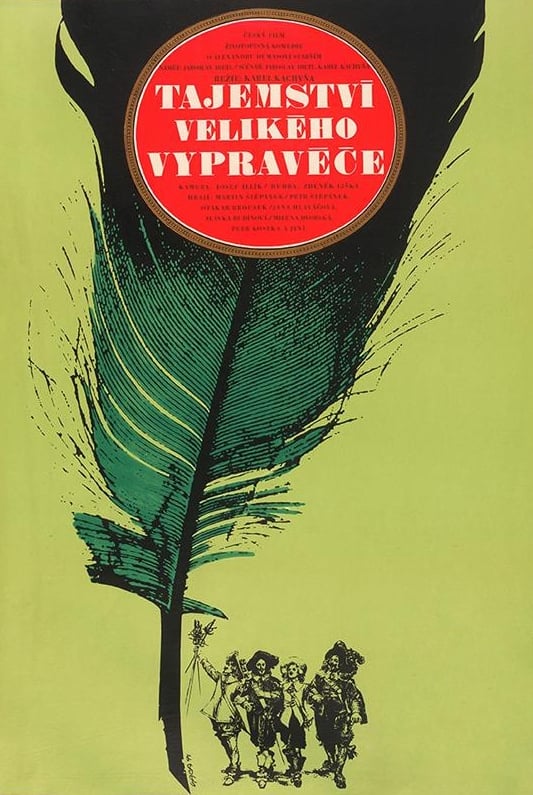
The life of the famous French writer Alexander Dumas the Elder. Screenwriter Jaroslav Dietl did not hide his admiration for this literary giant, and in addition to the screenplay he also wrote a three-part TV play about Dumas (starring Vladimír Menšík). In Kachyn's film, Dumas played the father and son of the Štěpánková brothers, and it was a very difficult and difficult task for these young actors.
A thrilling detective story based on a short story by writer Hana Prošková takes place shortly after the war in a castle, where a group of students work part-time to re-register the archive. During long evenings, they sit together and invent a fictional character, the "Ghost", who mysteriously moves around the castle and disturbs its peace. But the recession becomes an opportunity for someone to carry out their evil intentions. Fiction becomes materialized and the danger begins to become cruelly real...
The true story of a group of Czechoslovak citizens who are building a paper industry in Alto Catumbela, Angola, as part of economic development aid. Based on a true story, the film describes the raid on the settlement, the kidnapping by UNITA gunmen, the hardships of the devastating march and the mental and physical exhaustion resulting from the situation.
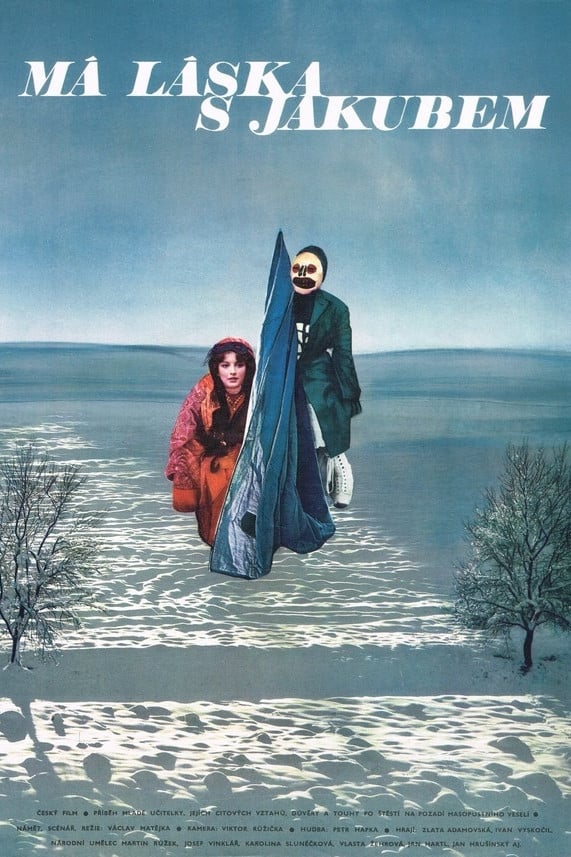
A budding teacher comes from Prague to the South Bohemian district town where her fiancé Jakub, a young promising engineer at the local paper mill, lives. Petra is getting to know her new colleagues at school and the children in her new class, and is practicing hard with the Komenium music group, whose members she has known since her studies. She also gets to know Jakub's colleagues and the director of the paper mill, to whose position Jakub would like to be appointed after his retirement. It is this desire for a high position that leads Jakub to behave and act in a way that Petra cannot approve of.
Krista Bendová's original television comedy set in a village setting, Revenge, directed by Ján Roháč, is the story of the secretary of the Local National Committee and his energetic octogenarian grandmother, who is actually hiding behind everything that happens in the village of Bumbaľany. The immense comedic talent of Nadi Hejná contributed significantly to the audience's appeal of this great comedy.
Jindra is a carefree young man, always surrounded by a bevy of girls. He has two small siblings, whom he has to take care of when his parents go abroad. But his little brother misses him, so Jindra tries to find a replacement for his mother. Unfortunately, he is unable to choose a girl from the crowd who would cheer his brother up. Finally, Jindra's manager Marie Mašková offers her help...
A pair of criminals, an escaped prisoner and a young thief, are about to make a joint, obviously illegal, escape across the border. They escape for a long time, even managing to infiltrate Polish territory. They head for the coast, from where they intend to transport themselves to Sweden. But the Polish security authorities are vigilant.
It is the summer of 1945. A party of young people are enjoying the beginning of a new life to the full. For them this is the year one. One of them, law student Pavel, is more attracted to film than to law. With his eight-millimeter camera, he films everything that catches his attention. One day he captures an interesting face on film, a girl with an air of mystery. Pavel visits the girl, whose name is Helena, and meets hers and her elder energetic sister Olga. From Olga, he learns that the girls have spent the years of German occupation in a concentration camp and cannot forget the horrors they have lived through.
The bachelor's thesis tells an original story about how children have great imaginations and their playfulness can cause all sorts of fun things to happen. Three little girls would like to become postwomen, so they use old love letters written by the father of one of them, a local teacher, to her mother when he was in the army. They deliver this "mail" to their neighbors in the village. They have no idea what a stir the letters will cause...
A young poet and dreamer, poor as a church mouse, discovers that he is to inherit a vast fortune from his very wealthy, dying uncle. However, there is one catch to the inheritance - the property can only be obtained on the condition that the young man marries a virgin on the day of his uncle's funeral.
A Czech film about love and marital crisis as a work injury.
A directors autobiography about his debut during the rise of socialism.
In the fifites the 10 year old boy Honza lives with his single mother in Prague. The mother is a dedicated communist in the beginning but she changes her mind when a show trial is held. She speaks about her dissatisfaction with the government and is immediately arrested. Honza is given to another family.
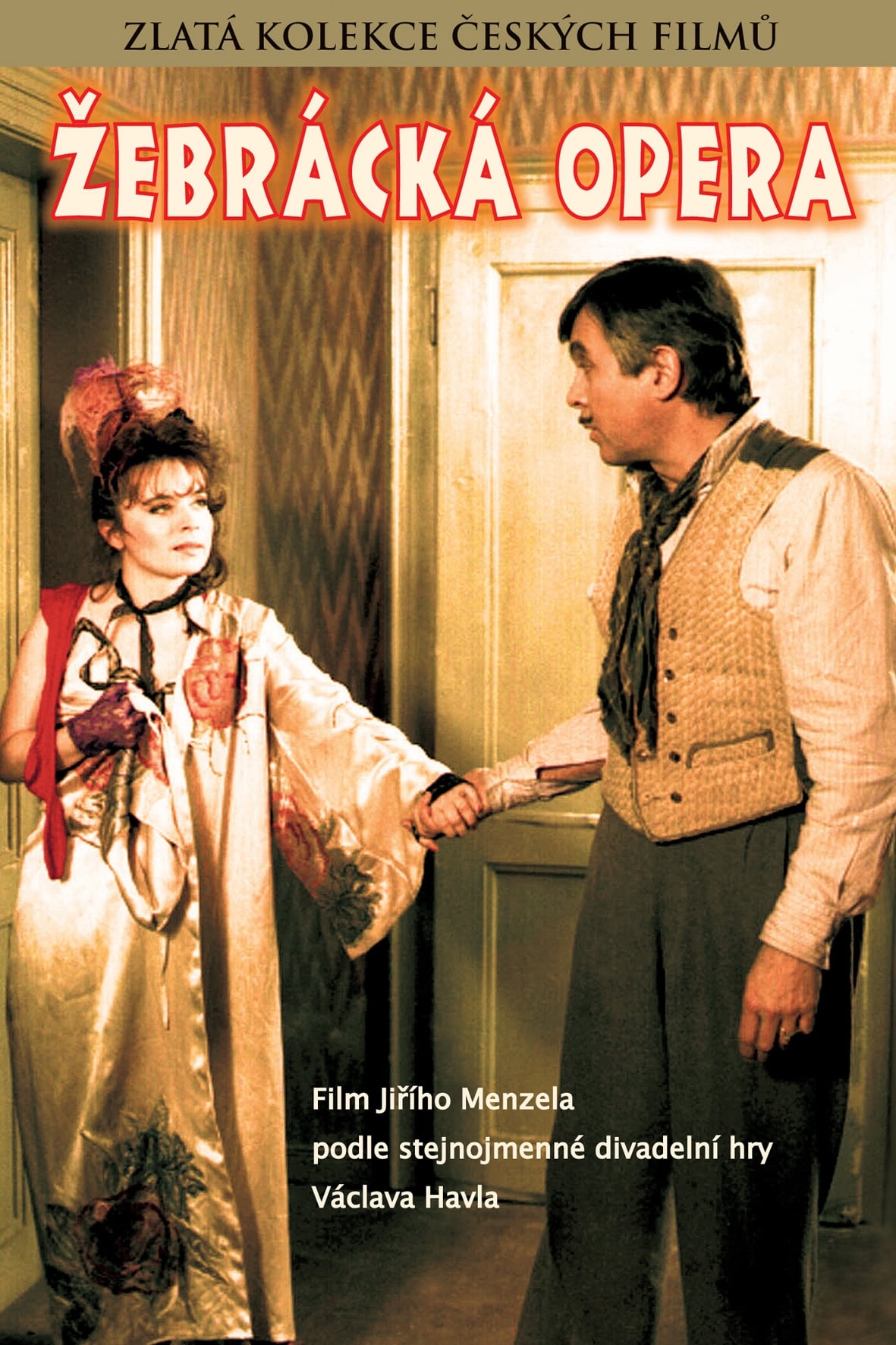
Unlike any other opera, the so-called Beggar's Opera is not just one composition, but a lineage of adapted compositions, beginning with the original hugely successful 1728 political satire written by Englishman John Gay. Composers and writers have penned variations on it ever since. The most famous of these was A Threepenny Opera by Bertholt Brecht and Kurt Weill. Some things these compositions share in common is their setting among the poor and criminal classes, and the roguish character Macheath. This production is based on an adaptation of Gay's original by Vaclav Havel the freedom-fighter, writer and philosopher who became the first (and only) president of the united post-communist country of Czechoslovakia, and it retains many traces of its theatrical origins. Film reviewers were not too tolerant of what they called "slavish adherence" to the noted Czech writer's stage production, but theater, philosophy and history buffs may feel otherwise.
College student Marta decides to seal her relationship with Zdeněk with a secret wedding. All that remains is to announce this fact to both parents. The bride's parents are a very interesting couple - the strict mother, a teacher, is a big stickler for order, the father, whom the tender half affectionately calls "daddy", doesn't bother with anything and spends his time composing poems. The groom's parents are currently most concerned with how to get their daughter Marcela married in the most favorable way possible, whose idol in life is the singer Jiří Korn.
The short story film based on the book of the same name by Karel Pecka depicts the atmosphere of the Lesser Town in the 1980s.
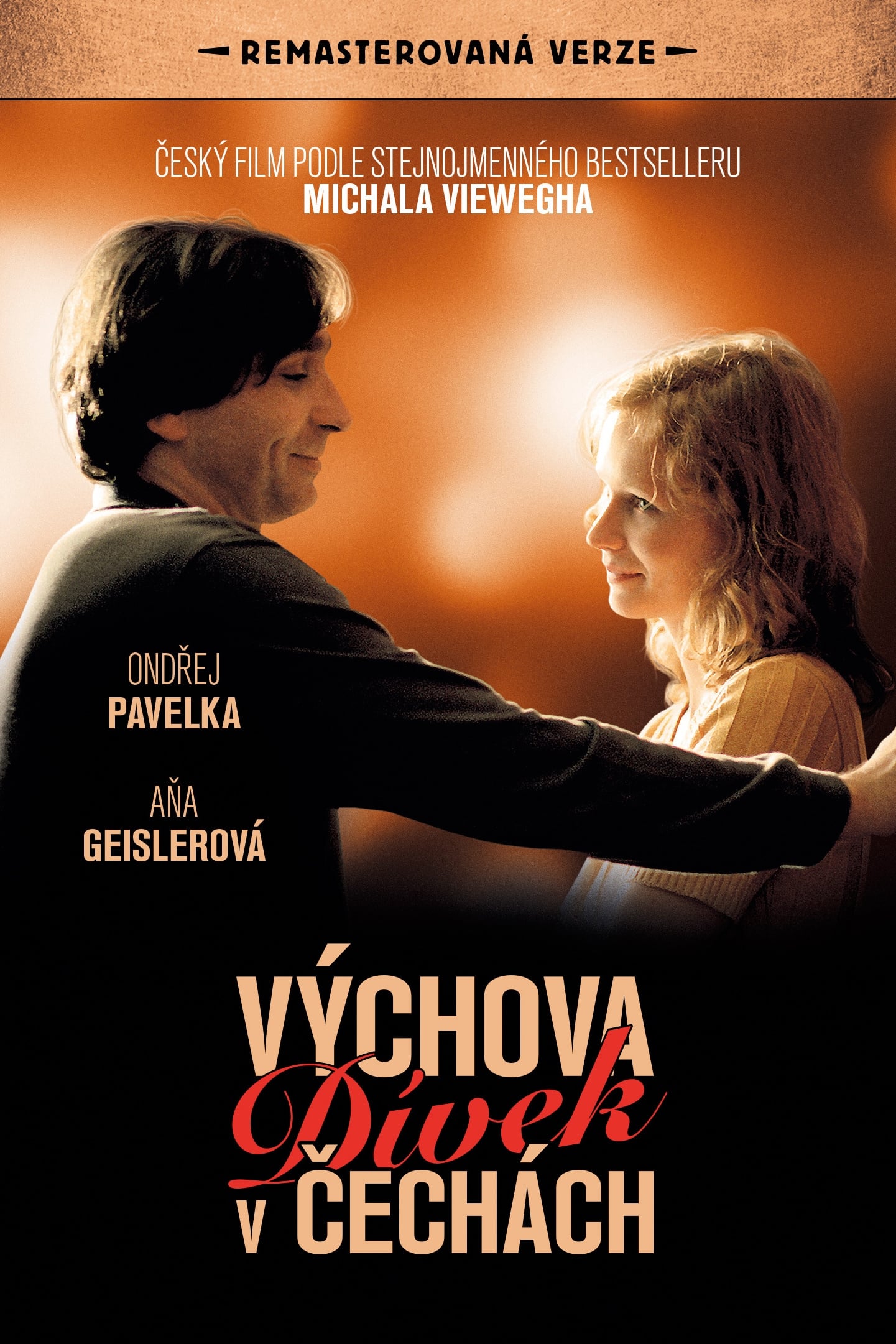
The film adaptation of the novel of the same by Michal Viewegh. The hero of the novel is a primary school teacher with a successful writing career ahead of him who accepts well-paid employment from an entrepreneur who entrusts him with the task of making his unusual daughter "see sense".