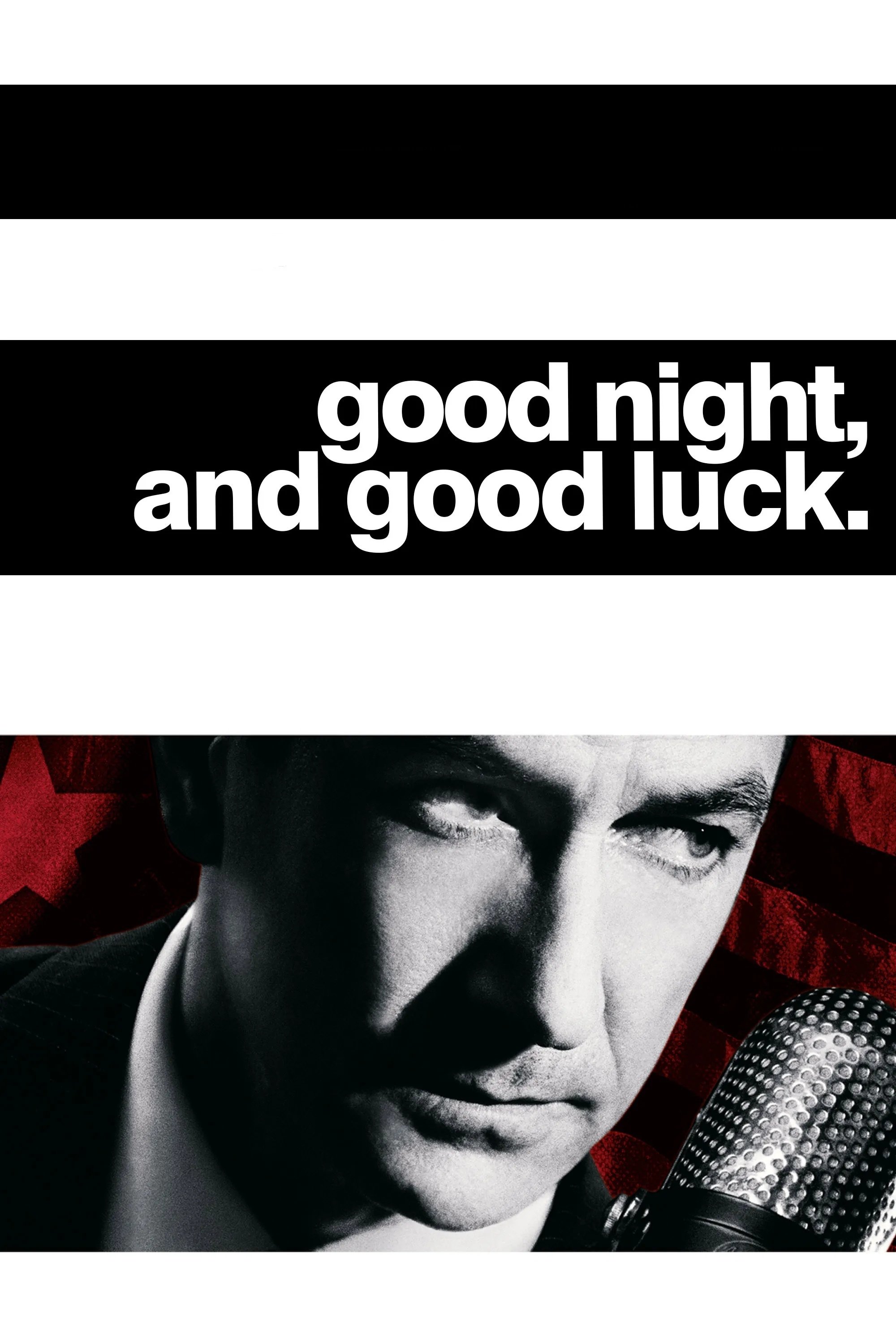
The story of journalist Edward R. Murrow's stand against Senator Joseph McCarthy's anti-communist witch-hunts in the early 1950s.
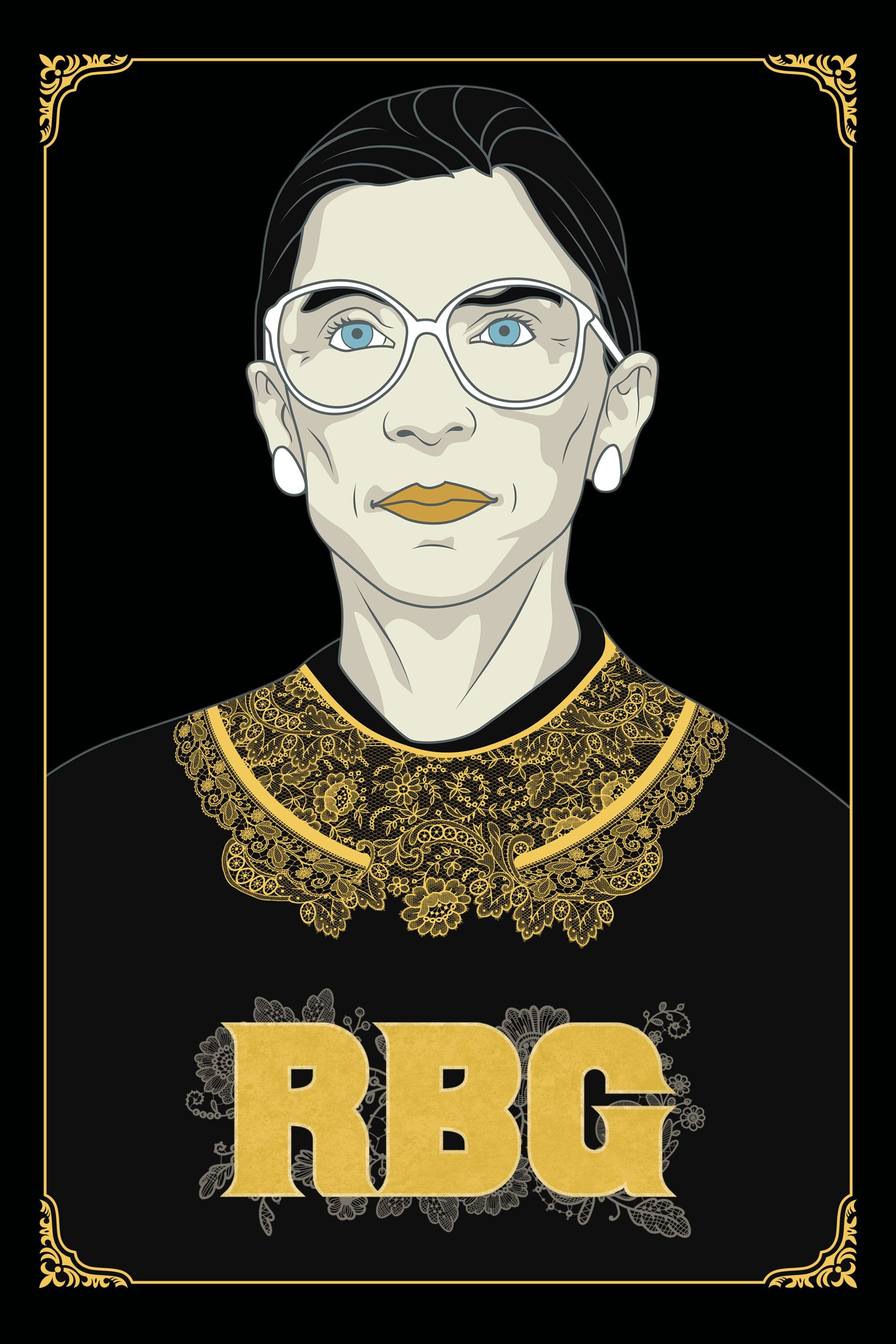
Justice Ruth Bader Ginsburg now 84, and still inspired by the lawyers who defended free speech during the Red Scare, Ginsburg refuses to relinquish her passionate duty, steadily fighting for equal rights for all citizens under the law. Through intimate interviews and unprecedented access to Ginsburg’s life outside the court, RBG tells the electric story of Ginsburg’s consuming love affairs with both the Constitution and her beloved husband Marty—and of a life’s work that led her to become an icon of justice in the highest court in the land.
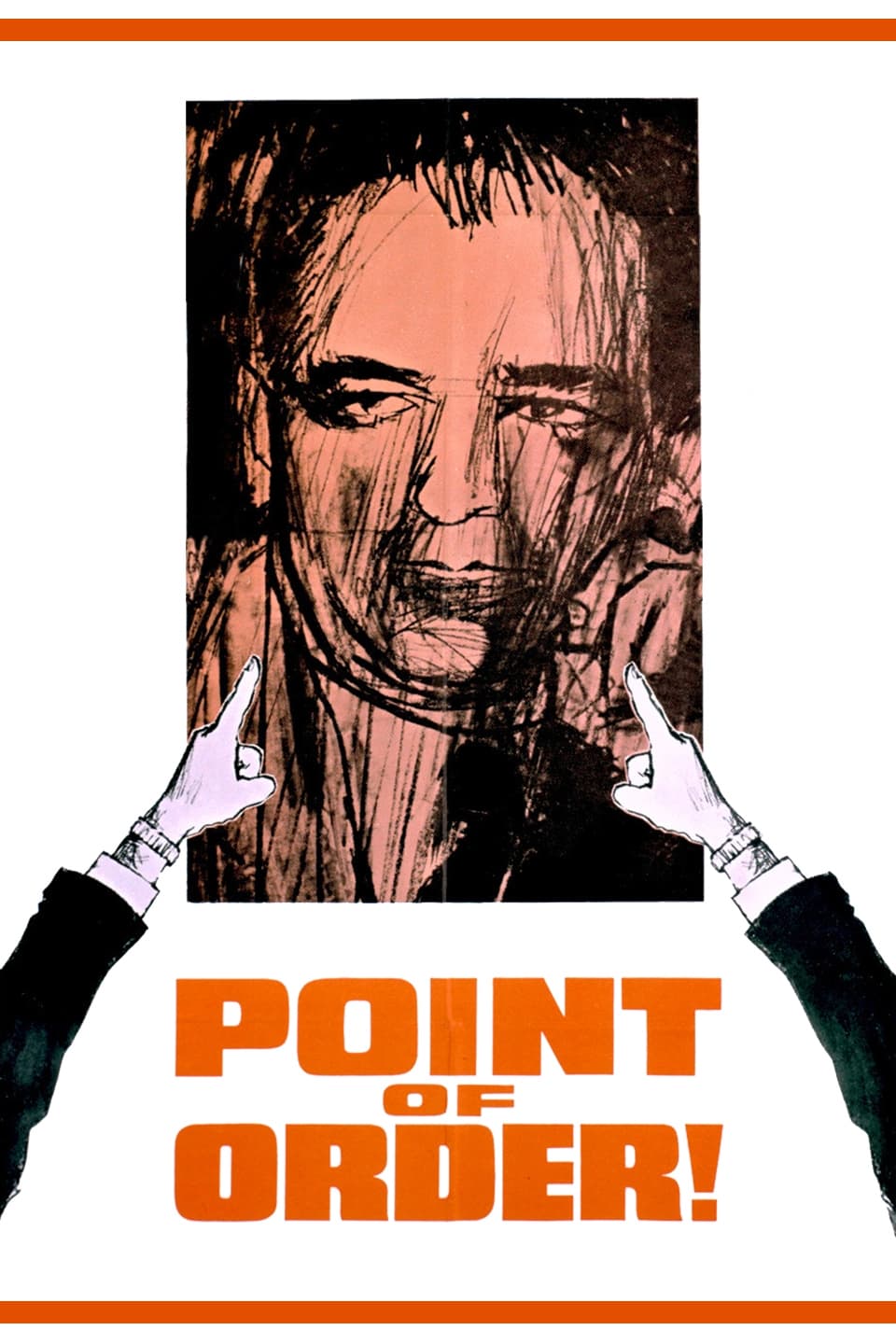
Point of Order is compiled from TV footage of the 1954 Army-McCarthy hearings, in which the Army accused Senator McCarthy of improperly pressuring the Army for special privileges for Private David Schine, formerly of McCarthy's investigative staff. McCarthy accused the Army of holding Schine hostage to keep him from searching for Communists in the Army. These hearings resulted in McCarthy's eventual censure for conduct unbecoming a senator.
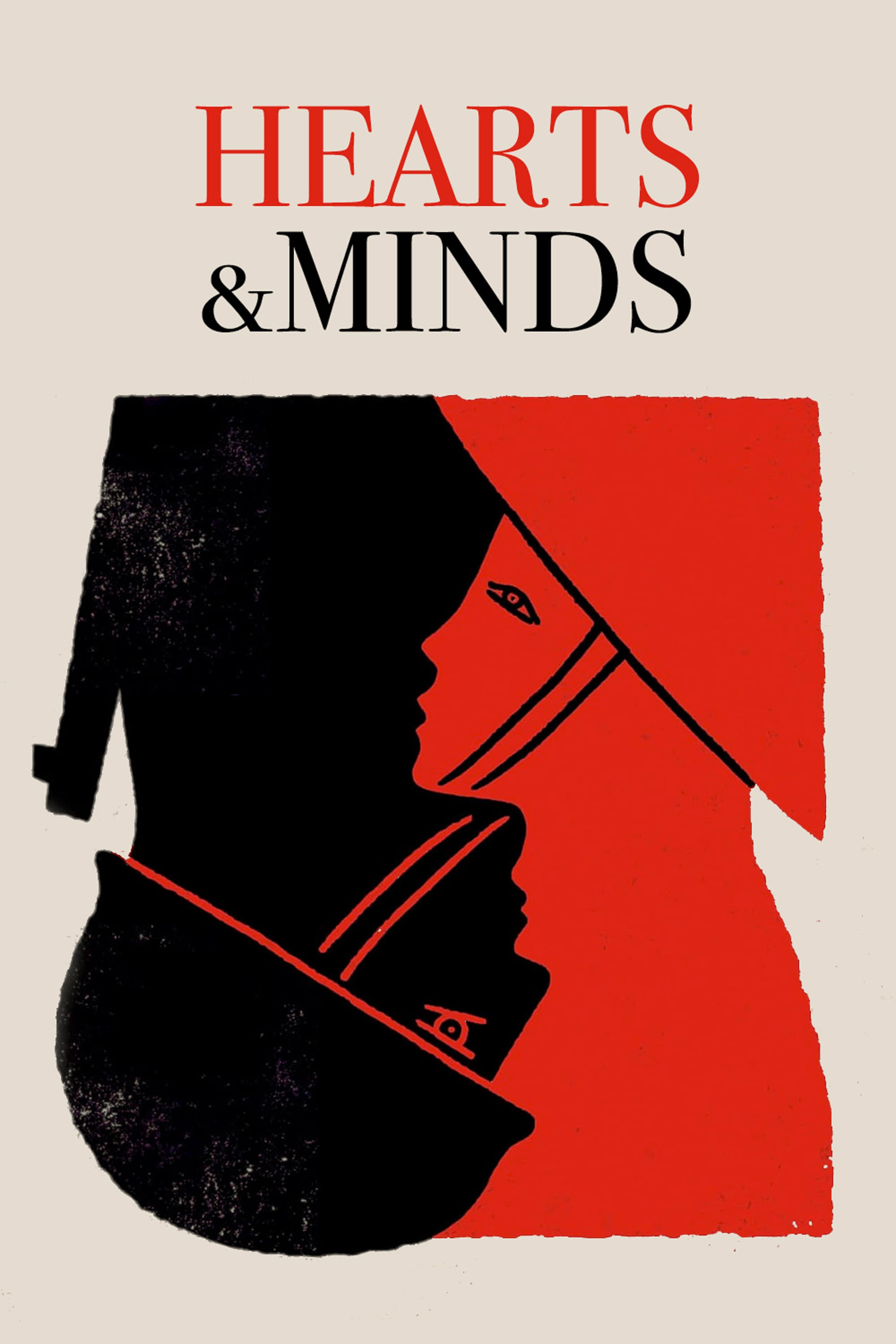
Many times during his presidency, Lyndon B. Johnson said that ultimate victory in the Vietnam War depended upon the U.S. military winning the "hearts and minds" of the Vietnamese people. Filmmaker Peter Davis uses Johnson's phrase in an ironic context in this anti-war documentary, filmed and released while the Vietnam War was still under way, juxtaposing interviews with military figures like U.S. Army Chief of Staff William C. Westmoreland with shocking scenes of violence and brutality.
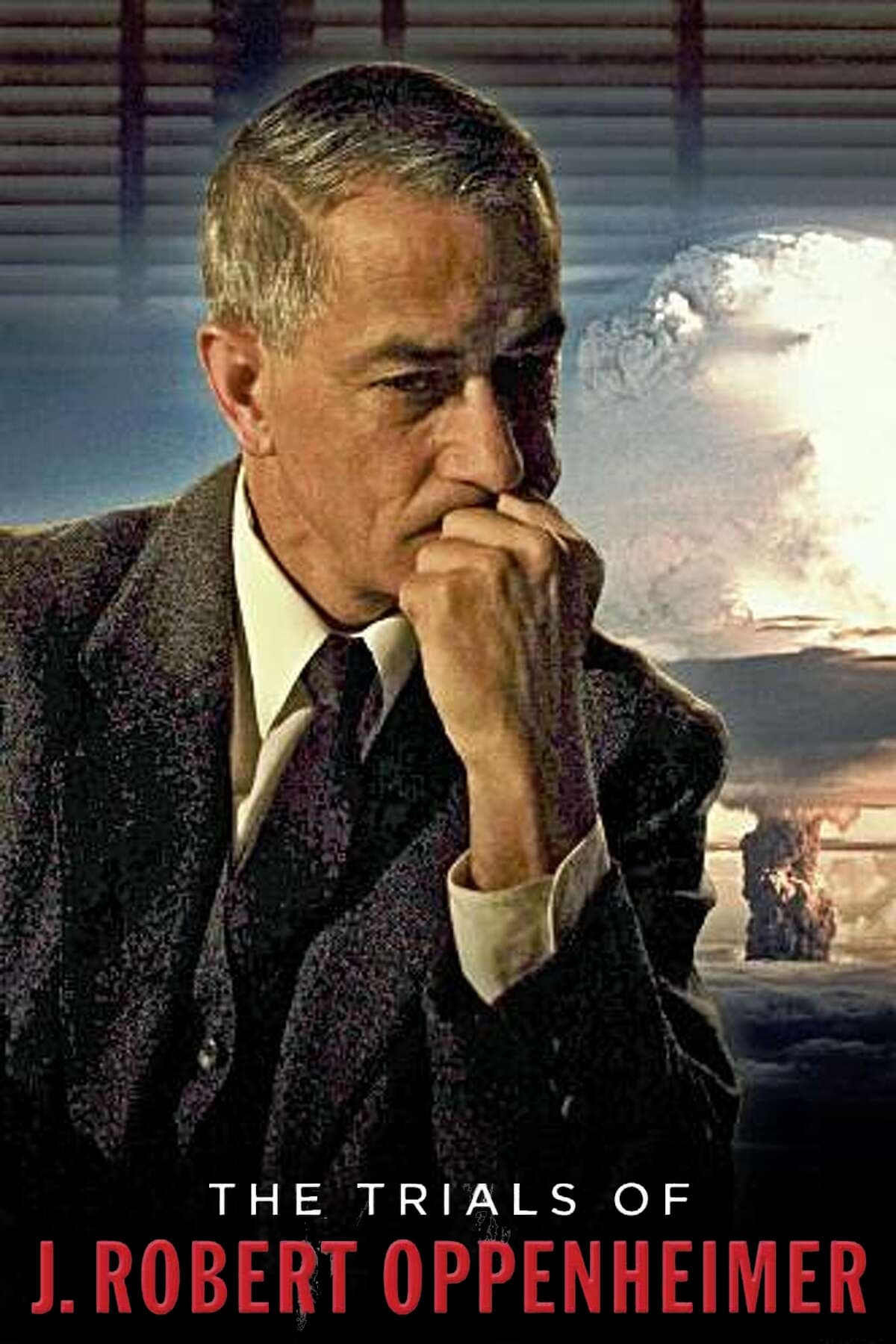
J. Robert Oppenheimer was a national hero, the brilliant scientist who during WWII led the scientific team that created the atomic bomb. But after the bomb brought the war to an end, in spite of his renown and his enormous achievement, America turned on him - humiliated and cast him aside. The question the film asks is, "Why?"
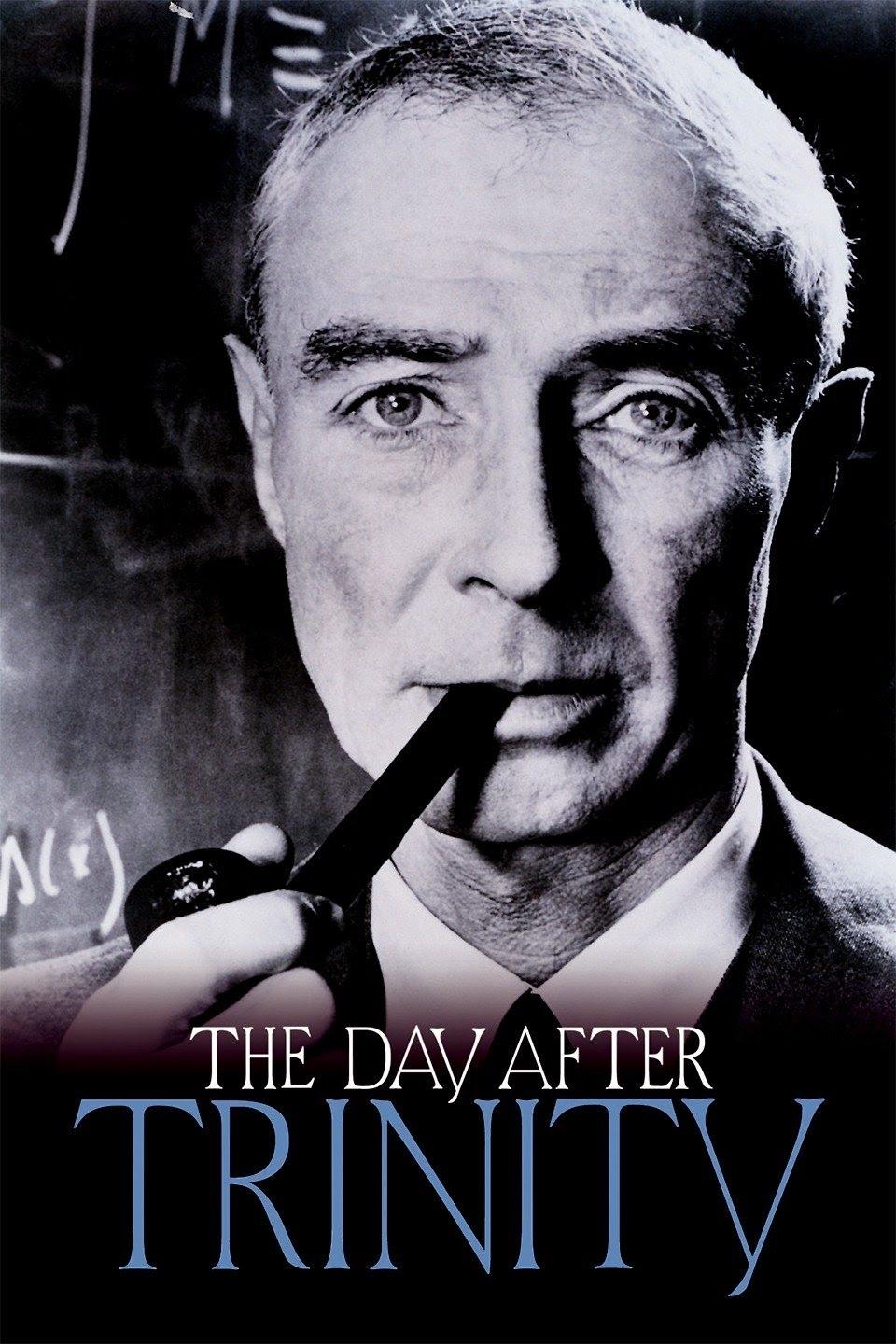
Through interviews with Manhattan Project scientists and newly declassified archival footage, this documentary examines the life of physicist J. Robert Oppenheimer and his leadership of the Manhattan Project. The film traces the development and testing of the first atomic bomb and follows Oppenheimer’s later opposition to nuclear proliferation during the early years of the Cold War.
A look at the War on Terror and the threat it's causing to our civil liberties and political discourse. Academy Award nominee James Cromwell presents Janek Ambros' directorial debut. The feature doc tackles the War on Terror's impact on civil liberties and the strange coalition it's creating between the progressive left and libertarian right. The doc examines the NSA, drones, the war on journalism and other encroachments on civil liberties started by the Bush era and expanded by the Democratic establishment.
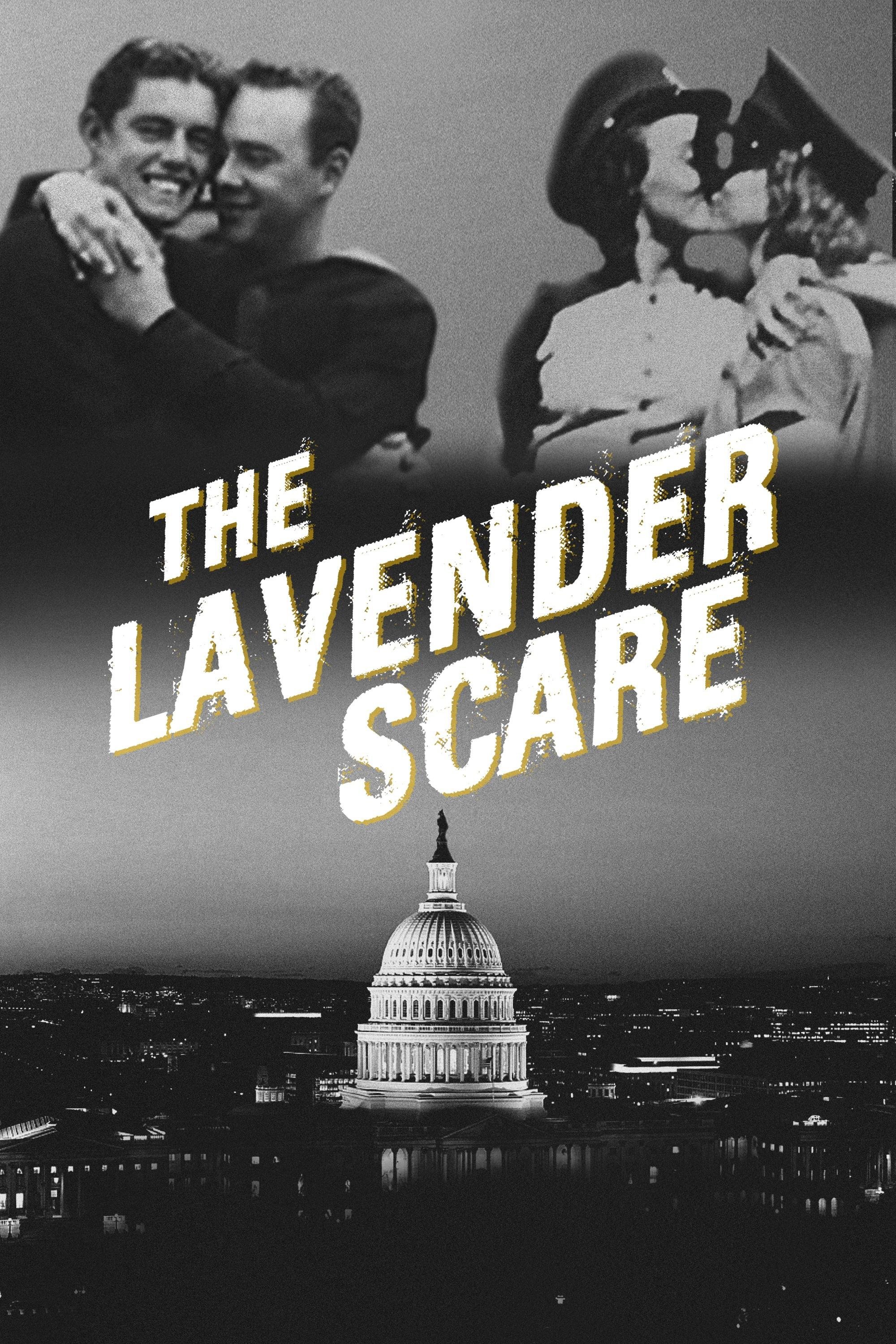
At the height of the Cold War, President Eisenhower deems homosexuals to be security risks. A vicious witch hunt ensues, ruining thousands of American lives.
Professor Valentin Zorin, political observer of the USSR State Television and Radio Broadcasting, talks about Joseph McCarthy, an American politician, a senator from Wisconsin, who held an extremely anti-communist position, who advocated an intensification of the Cold War with the USSR. The name of McCarthy is associated with a reactionary trend in the political life of the United States of the early 1950s, dubbed "McCarthyism" and consisted in the persecution of people only suspected of sympathizing with communism and not committing any crimes.

Documentary of the U.S. Senator Joseph McCarthy, who rose to prominence in the early 1950s by trumpeting allegations of a vast conspiracy by alleged Communist agents whom he claimed had infiltrated the U.S. government, media, film industry, labor unions and other organizations.
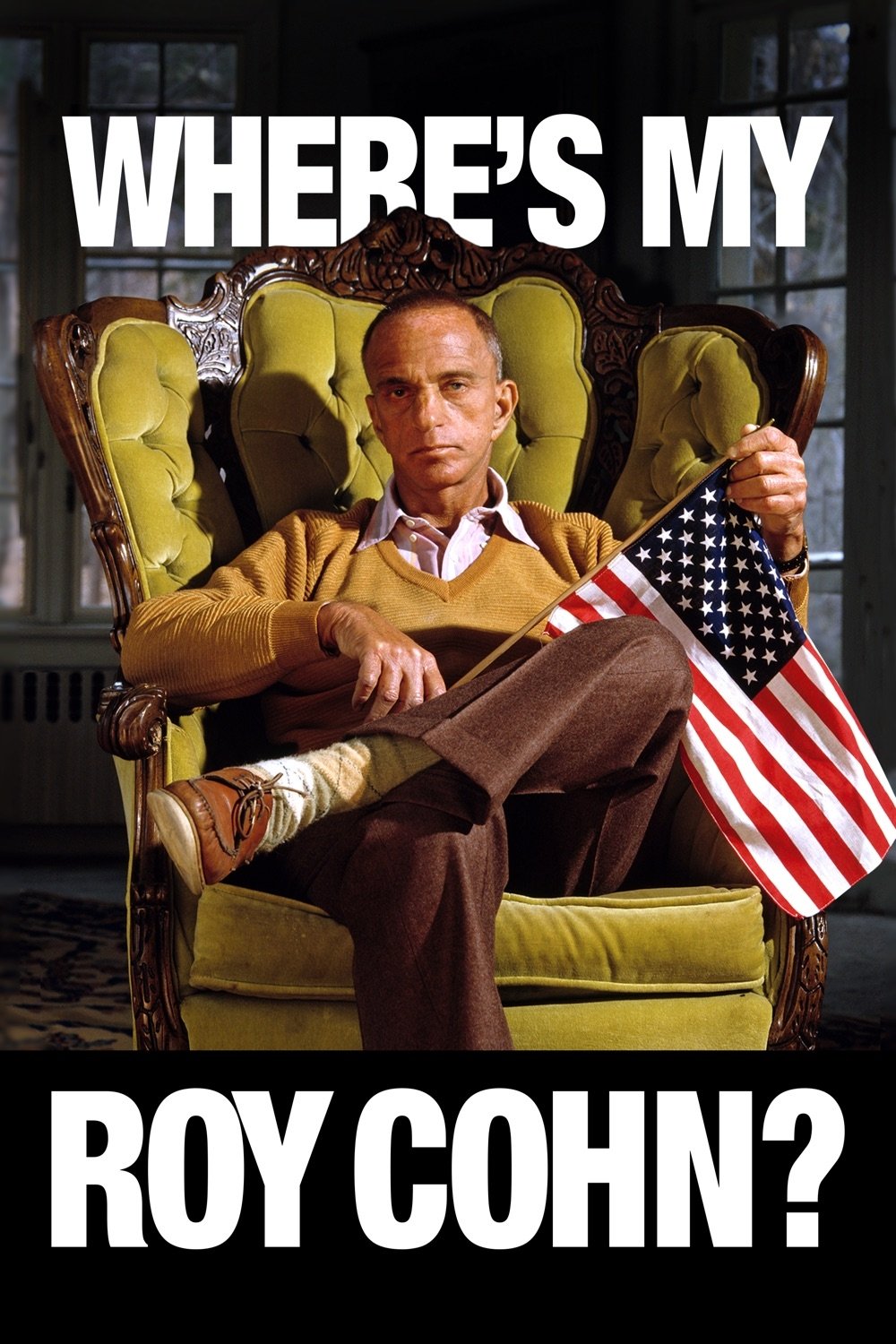
Roy Cohn personified the dark arts of American politics, turning empty vessels into dangerous demagogues - from Joseph McCarthy to his final project, Donald J. Trump. This thriller-like exposé connects the dots, revealing how a deeply troubled master manipulator shaped our current American nightmare.
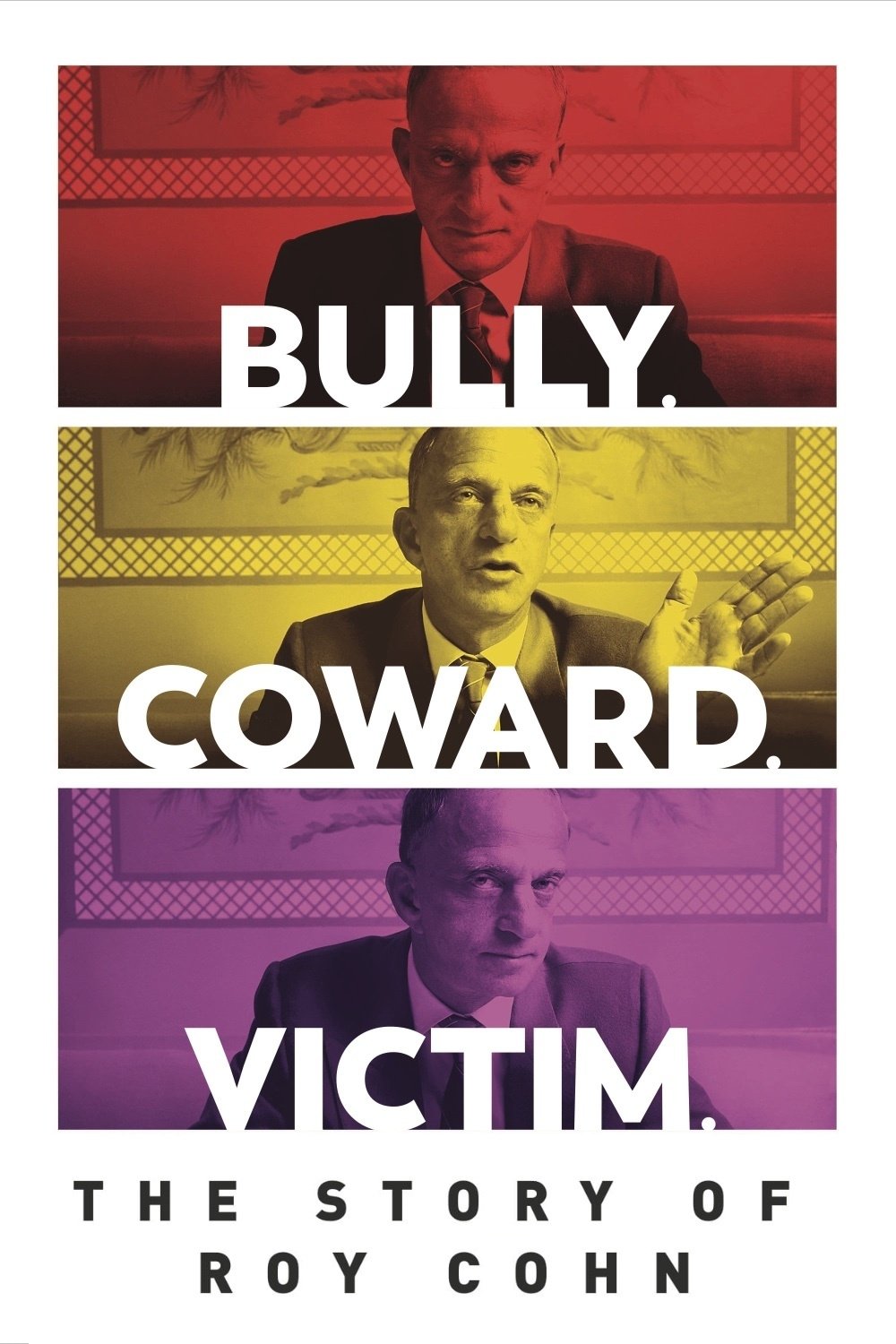
Legendary and controversial attorney Roy Cohn was a power broker in the rough and tumble world of New York City business and politics. Senator Joseph R. McCarthy’s top counsel during investigations into Communist activities in the 1950s, Cohn is also known for being Donald Trump’s former personal lawyer, fixer and mentor.
Writer, journalist, Pulitzer Prize-winning historian and presidential biographer John Meacham offers his timely and invaluable insights into the country’s current political and historical moment by examining its past. Based on his 2018 bestseller of the same name.
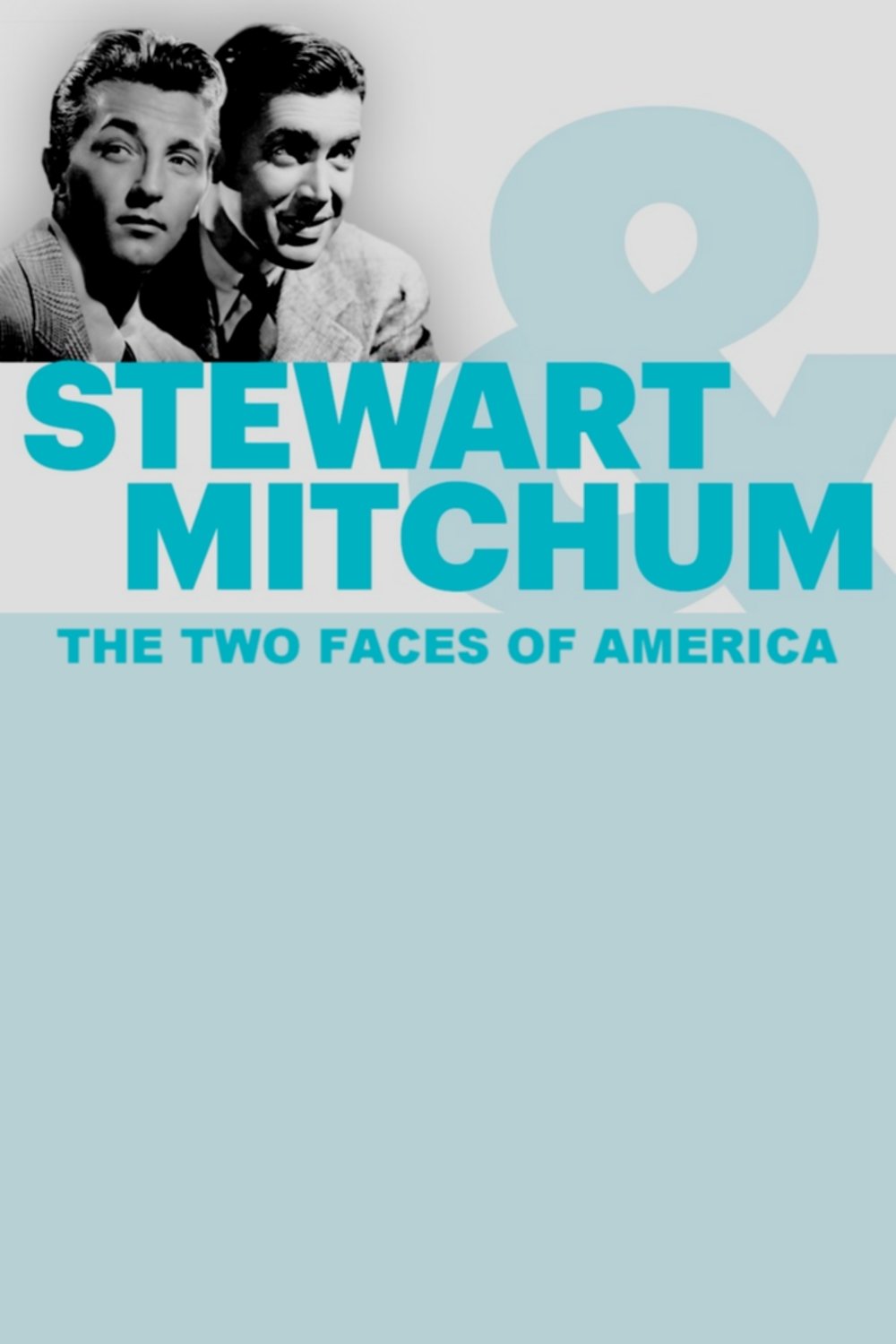
With his naïve air, his rangy and reassuring silhouette, James Stewart symbolizes success, someone who everybody wants to look like. Behind his legendary nonchalance, Robert Mitchum is the figure of the bad boy, the kind-hearted hooligan who anyone would like to have for accomplice. What is the legacy left by these two big myths of the Hollywood cinema and in which way they fed the American dream?
Justice Ruth Bader Ginsburg now 84, and still inspired by the lawyers who defended free speech during the Red Scare, Ginsburg refuses to relinquish her passionate duty, steadily fighting for equal rights for all citizens under the law. Through intimate interviews and unprecedented access to Ginsburg’s life outside the court, RBG tells the electric story of Ginsburg’s consuming love affairs with both the Constitution and her beloved husband Marty—and of a life’s work that led her to become an icon of justice in the highest court in the land.

Filmmaker Rory Kennedy interviews her mother, Ethel Kennedy, who discusses family, marriage and politics.
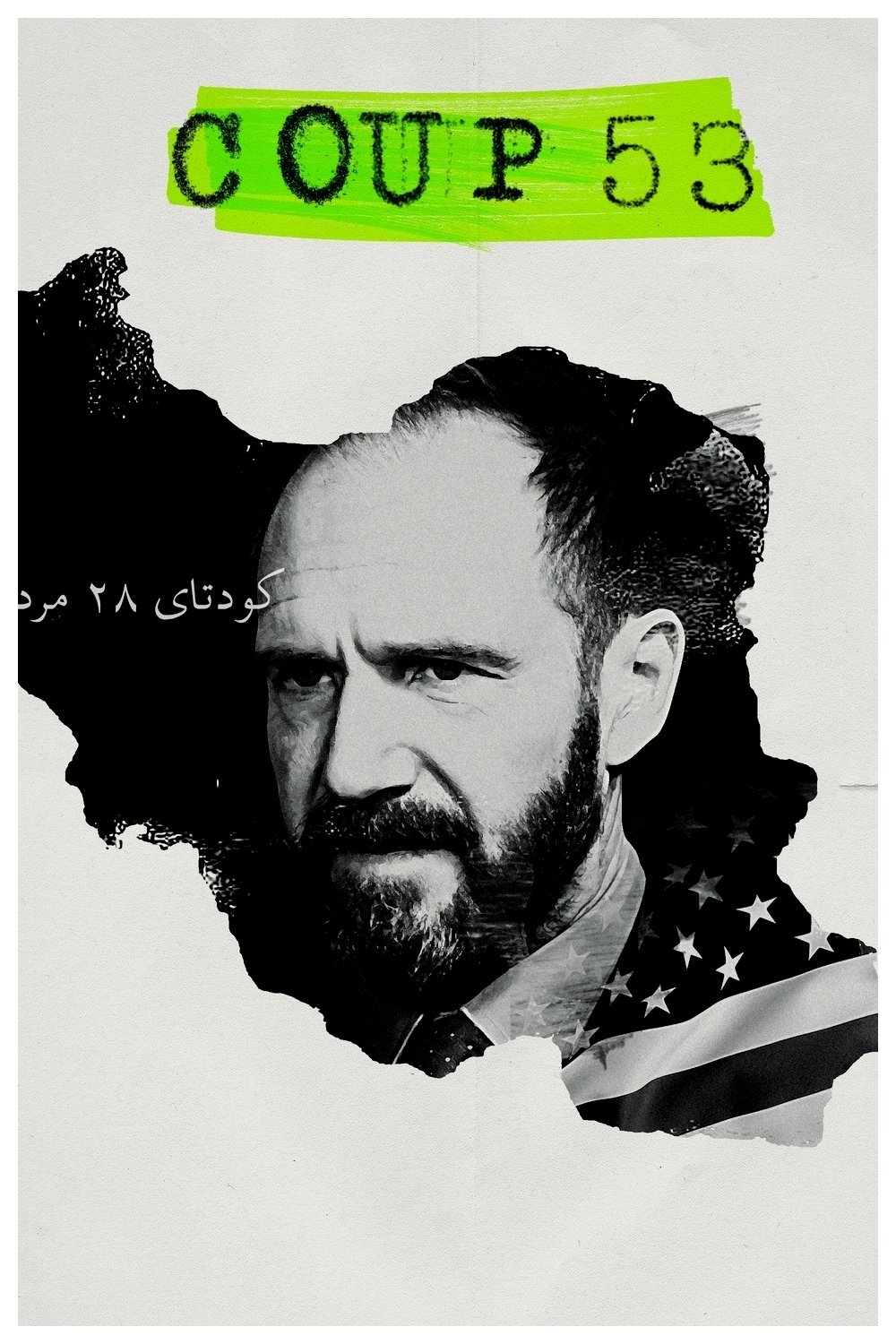
Tehran, Iran, August 19, 1953. A group of Iranian conspirators who, with the approval of the deposed tyrant Mohammad Reza Pahlavi, have conspired with agents of the British MI6 and the US CIA, manage to put an end to the democratic government led by Mohammad Mosaddegh, a dramatic event that will begin the tragic era of coups d'état that, orchestrated by the CIA, will take place, over the following decades, in dozens of countries around the world.
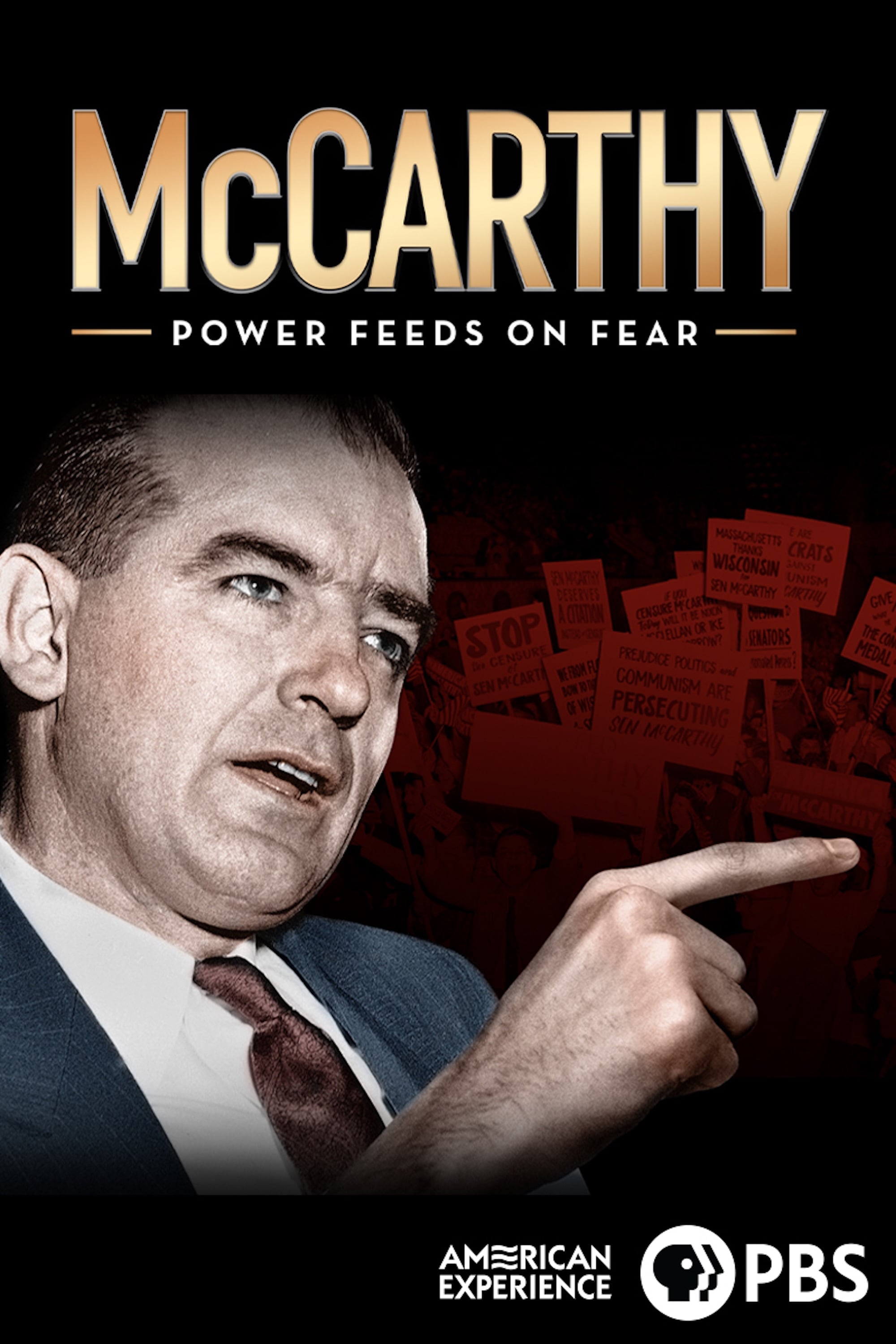
"McCarthy" chronicles the rise and fall of Joseph McCarthy, the Wisconsin senator who came to power after a stunning victory in an election no one thought he could win. Once in office, he declared that there was a vast conspiracy threatening America — emanating not from a rival superpower, but from within. Free of restraint or oversight, he conducted a crusade against those he accused of being enemies of the state, a chilling campaign marked by groundless accusations, bullying intimidation, grandiose showmanship and cruel victimization. With lawyer Roy Cohn at his side, he belittled critics, spinning a web of lies and distortions while spreading fear and confusion. After years in the headlines, he was brought down by his own excesses and overreach. But his name lives on linked to the modern-day witch hunt we call “McCarthyism.”
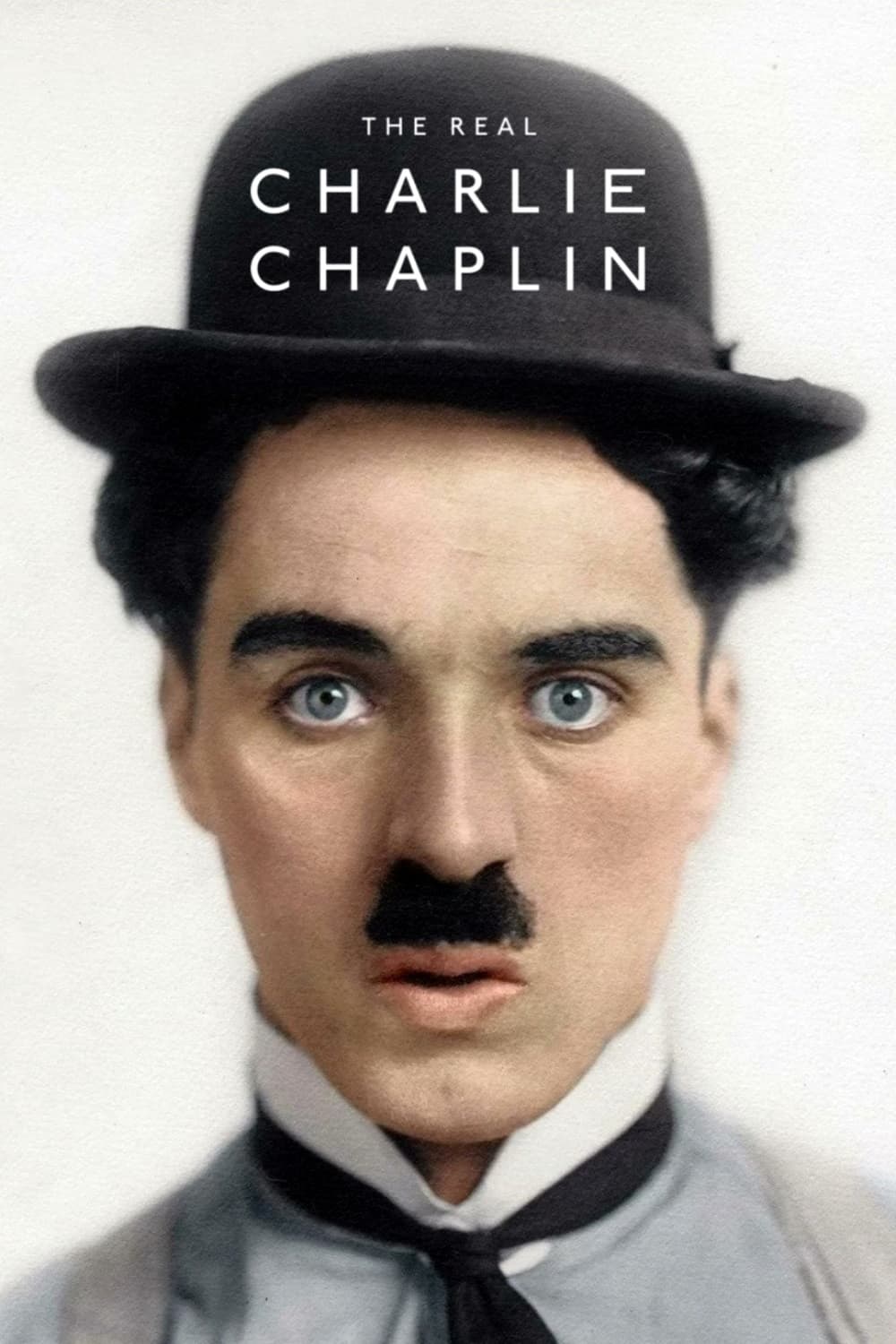
A look at the life and work of Charlie Chaplin in his own words featuring an in-depth interview he gave to Life magazine in 1966.
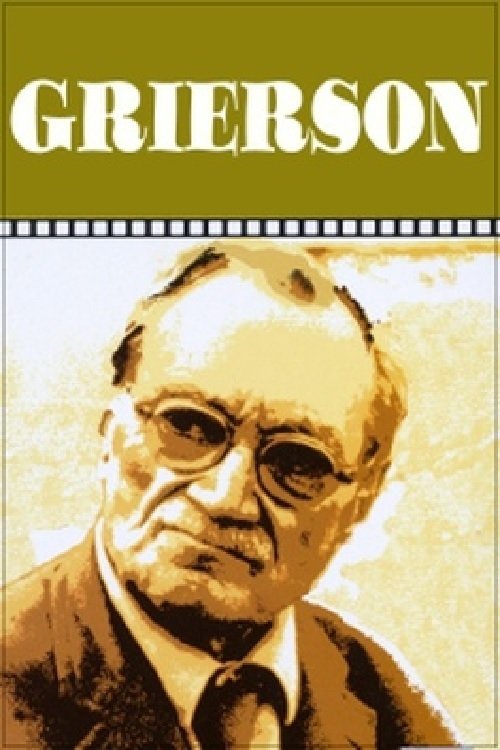
A portrait of John Grierson, the first Canadian Government Film Commissioner and founder of the National Film Board in 1939. Interweaving archival footage, interviews with people who knew him and footage of Grierson himself, this film is a sensitive and informative portrait of a dynamic man of vision. Grierson believed that the filmmaker had a social responsibility, and that film could help a society realize democratic ideals. His absolute faith in the value of capturing the drama of everyday life was to influence generations of filmmakers all over the world. In fact, he coined the term 'documentary film'.
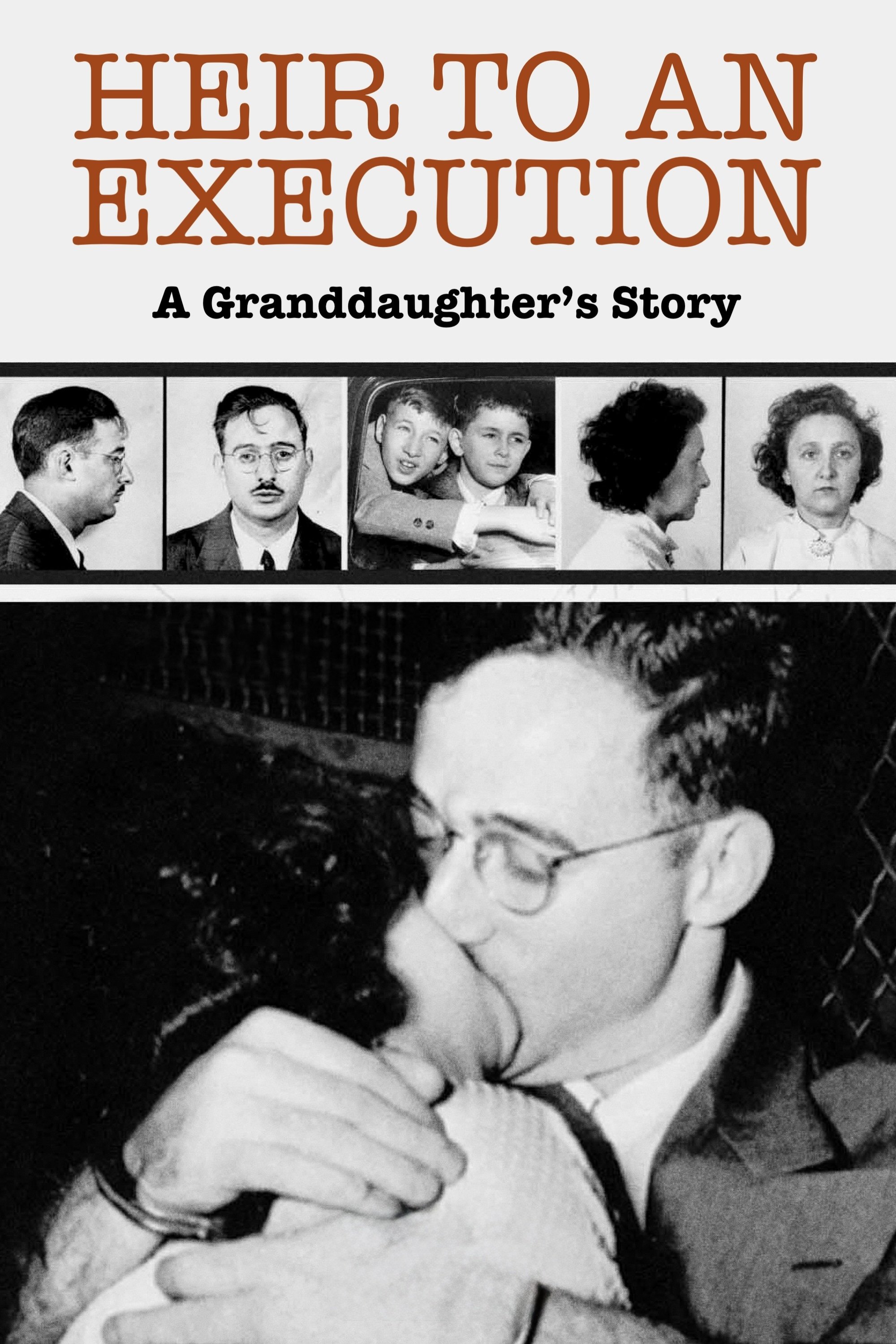
When Julius and Ethel Rosenberg were put to death in 1953 for selling atomic secrets to the USSR, their two children were orphaned after every family member refused to take them in. Documentarian Ivy Meeropol, raised to believe in her grandparents' innocence, begins investigating what actually happened, interviewing family members and friends. With declassified papers indicating Julius was participating in espionage in some capacity, Ivy tries to understand the beliefs that drove the couple.