1982, Poland. A translator loses her husband and becomes a victim of her own sorrow. She looks to sex, to her son, to law, and to hypnotism when she has nothing else in this time of martial law when Solidarity was banned.

A young Polish filmmaker sets out to find out what happened to Mateusz Birkut, a bricklayer who became a propaganda hero in the 1950s but later fell out of favor and disappeared.
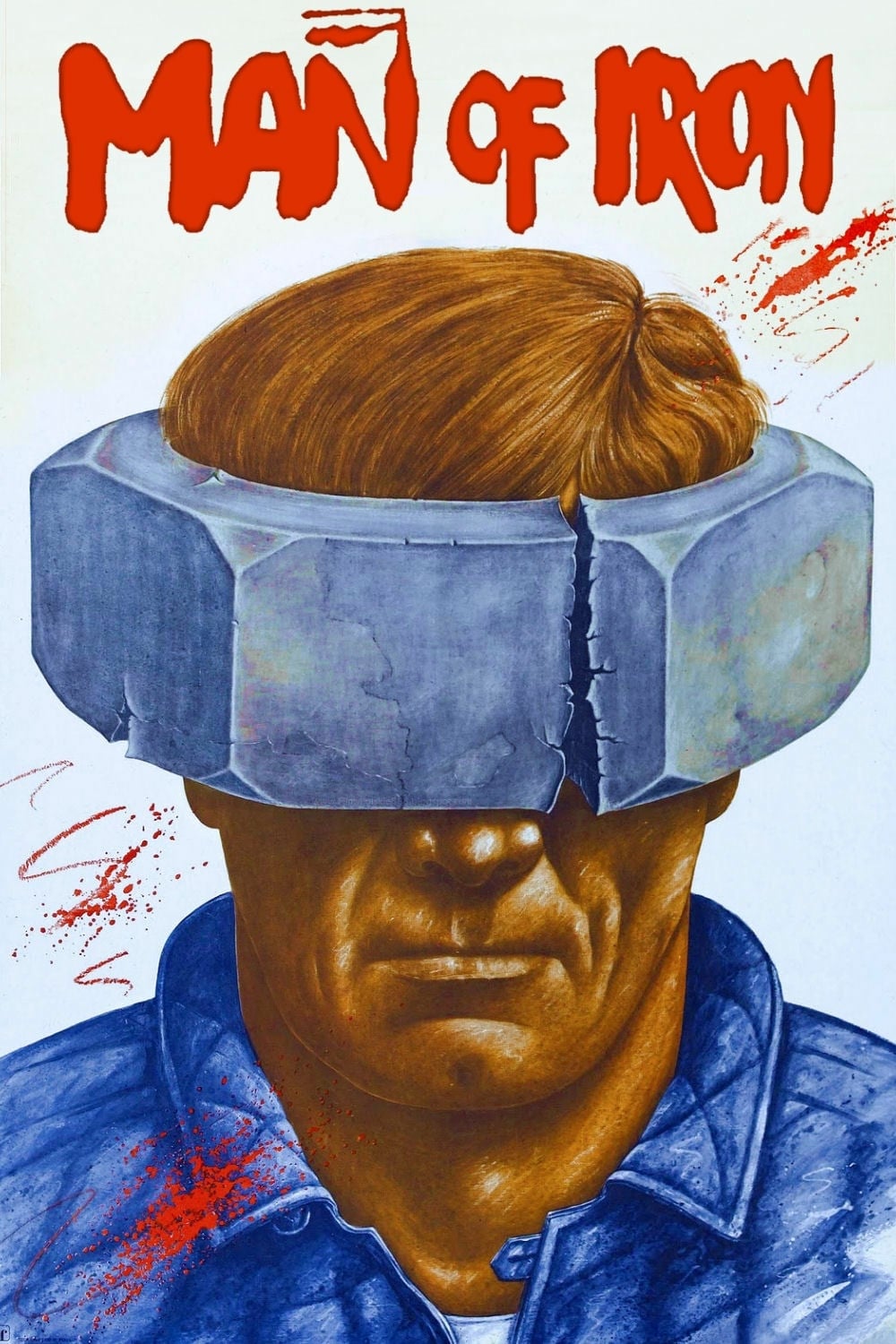
In Warsaw in 1980, the Communist Party sends disgruntled radio reporter Winkel to Gdańsk to dig up dirt on the shipyard strikers - particularly on Maciek Tomczyk, an independent labour union leader whose father was killed in the December 1970 protests. Posing as sympathetic, Winkel interviews the people surrounding Tomczyk, including his detained wife, Agnieszka.
An old man appears in Samuel's inn and seek revenge on the owner.
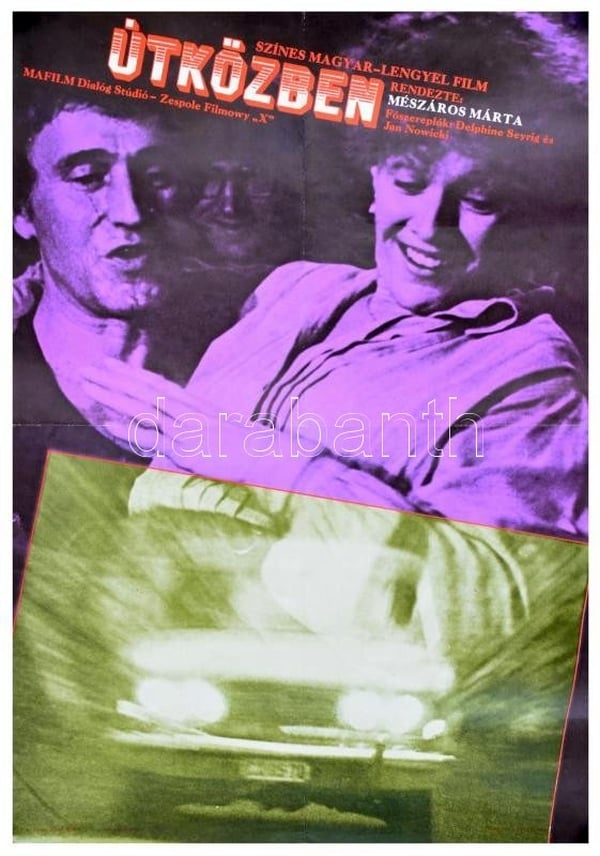
Barbara is a forty-year-old woman of Polish origin living in Budapest. She is a biologist, a wife and a mother. The death of her woman friend opens her eyes to the fact that she is lonely, unable to find her place.
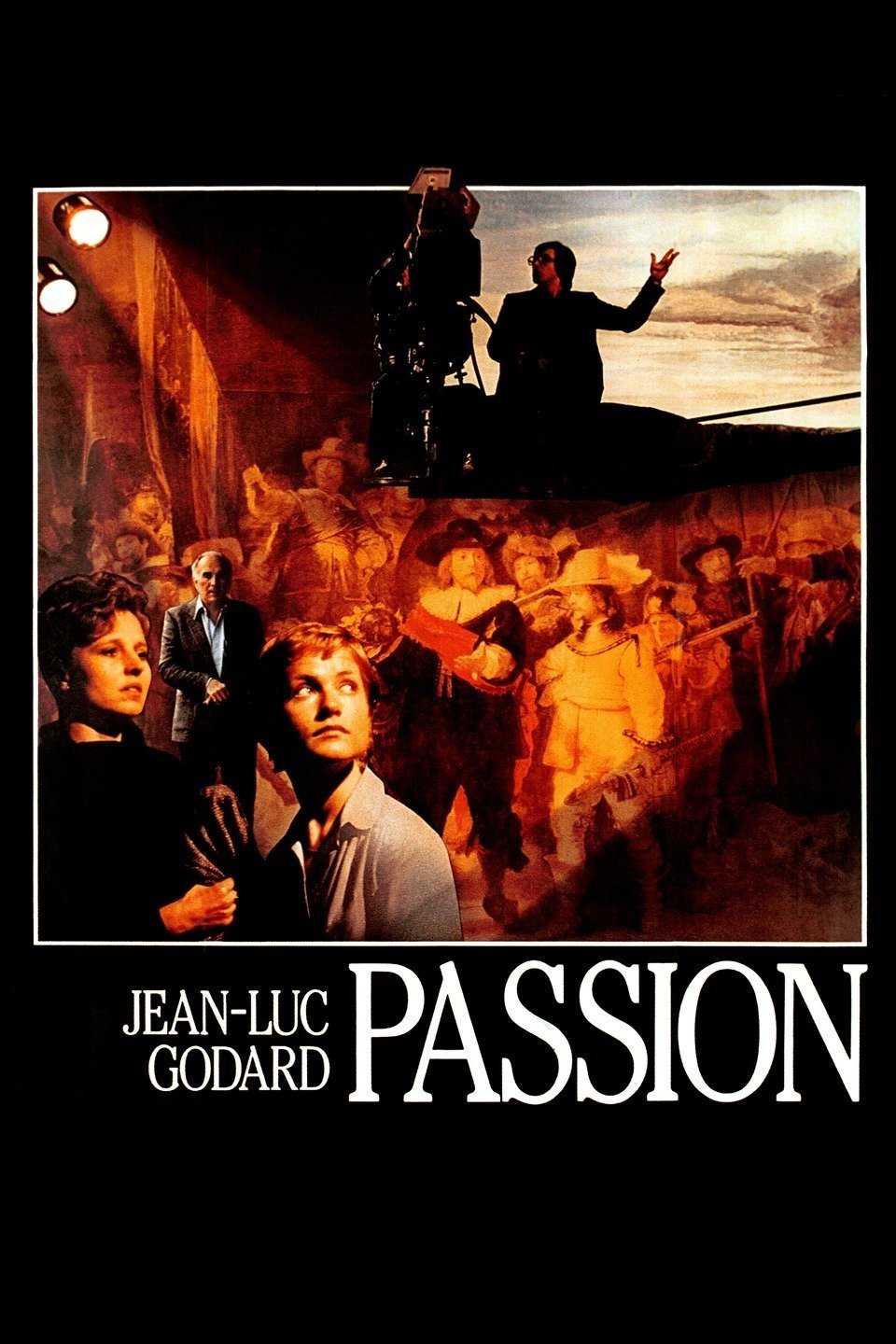
While shooting a film, the director becomes interested in the unfolding struggle of a young factory worker that has been laid off by a boss who did not like her union activities.

The film was inspired by one of the most important documentaries shot by Krzysztof Kieślowski, Talking Heads (1980). The director asked his interlocutors seemingly simple questions, such as “Who are you?” and “What do you want?”.
When an equally lonely young rehabilitator appears in the life of widowed Zdzislaw Beksinski, it will be the beginning of a friendship that will give both of them hope.
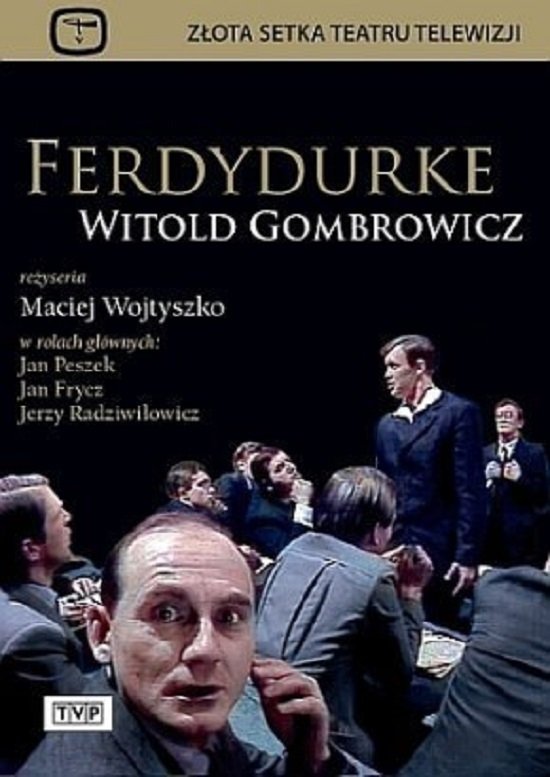
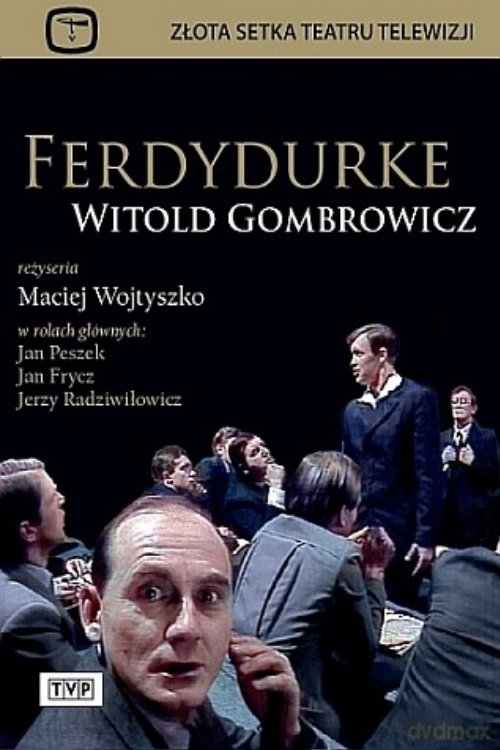
Based on Witold Gombrowicz's novel of the same name, the film follows Prince Ferdinand's comical and existential escapades as he confronts societal pressures and absurdity in his quest for self-discovery.
A docu-fiction movie portraying the Polish Brethren religious group over the years.
Three vignettes showing a marriage crisis and a subsequent divorce.
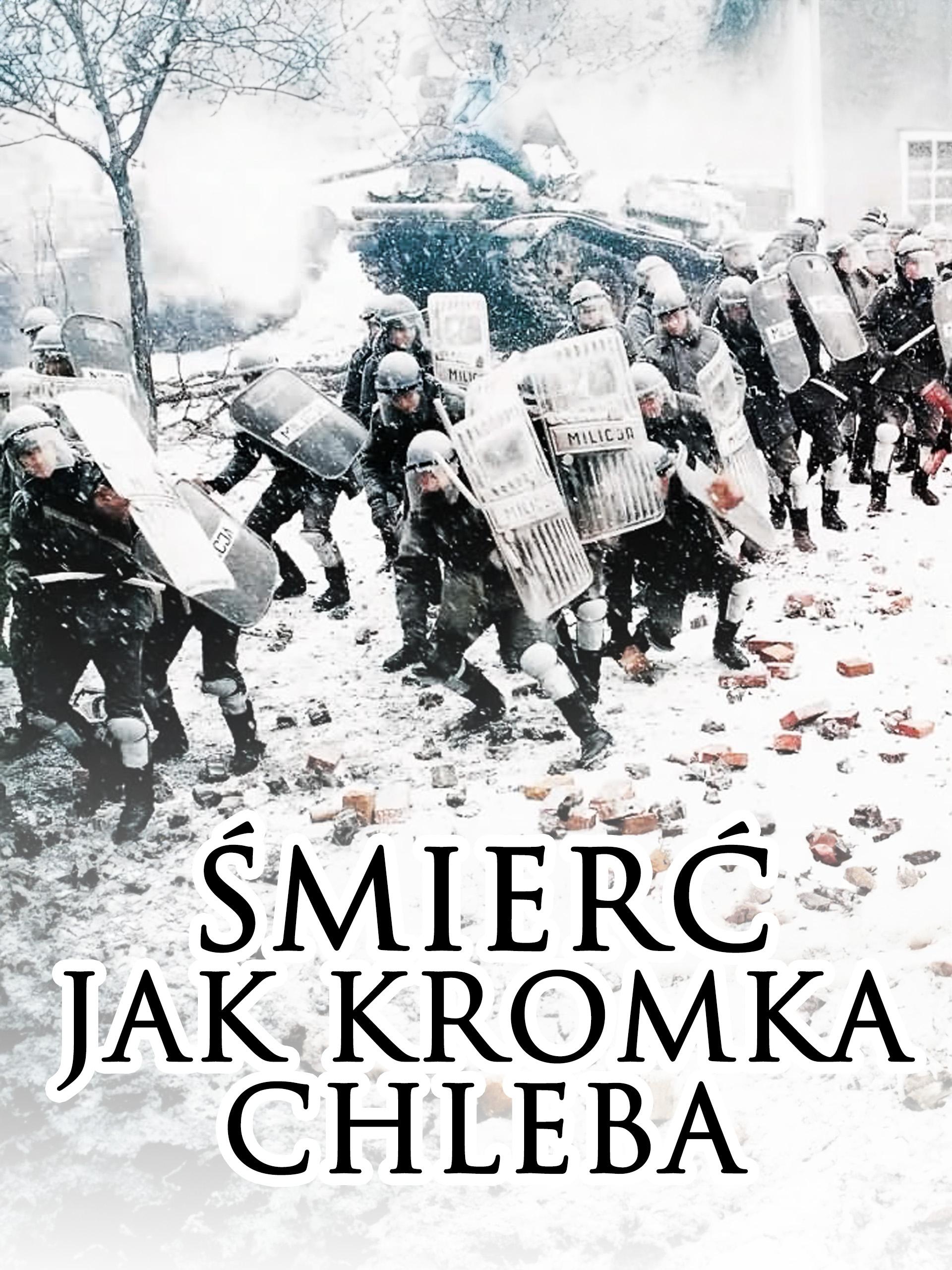
Katowice, the night of December 12-13, 1981. Military units occupy strategic points in the city. A group of Zomovniks, smashing union security, drags the chairman of the Company Commission of the NSZZ Solidarity in the Wujek mine out of his apartment. The news quickly spreads to the miners. Initially surprised, they soon react with spontaneous protest. On December 14, a strike breaks out at the plant. The miners demand the lifting of martial law and the release of the chairman. When negotiations fail, the army, ZOMO and militia storm the mine.
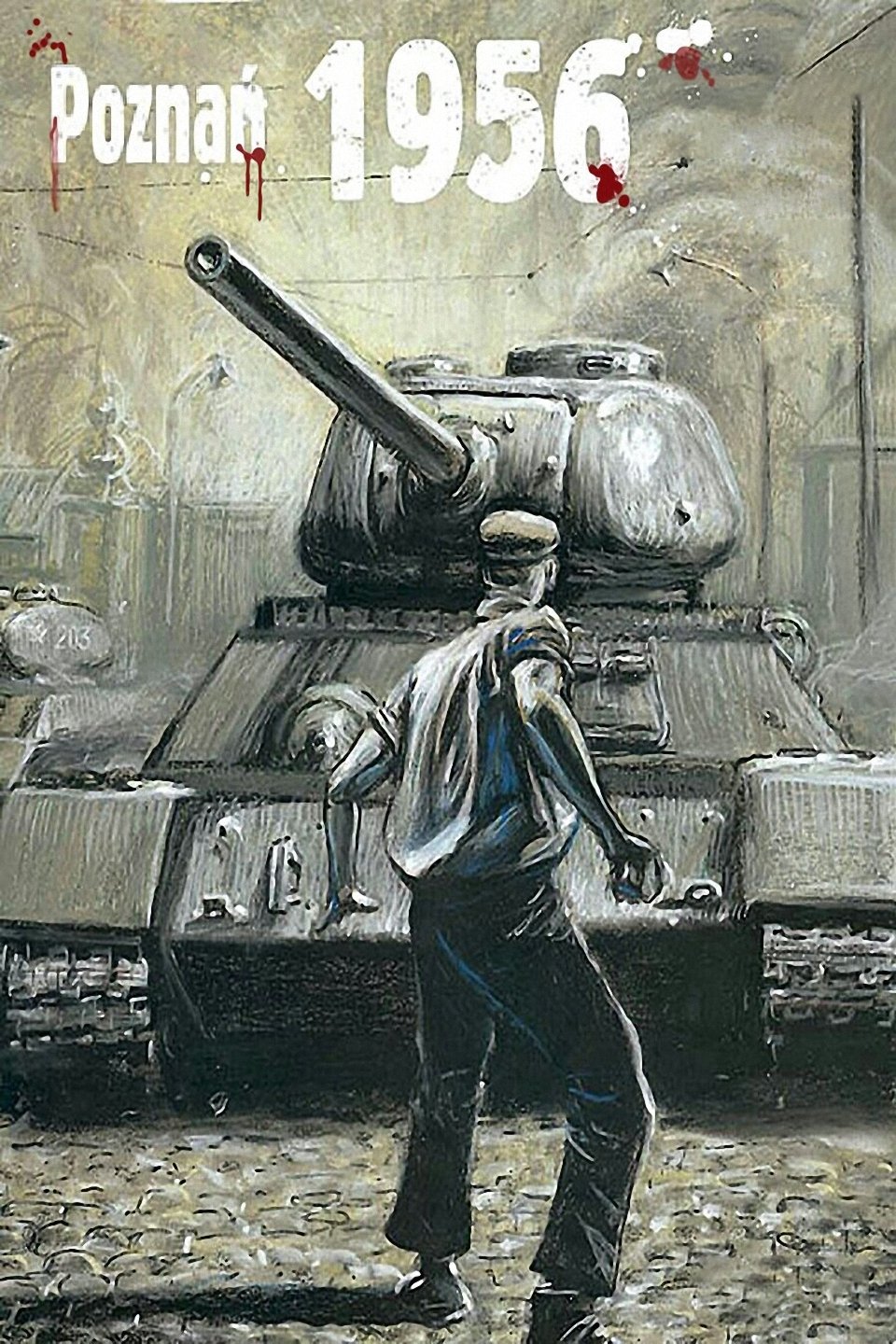
The film depicts the momentous and tragic history of the Poznan uprising of 1956. The memory of the director, who was a nine-year-old boy at the time, is the only canvass of the script. The main characters of the black-and-white film are two boys aged ten and twelve. From their perspective, the viewer follows the development of events. From the depths of the gates, through the rails of fences and cluttered backyards, through the eyes of the children we watch the street riots. The film, without action in the literal sense of the word, was made using a reportage technique that perfectly captures the spontaneity of the Poznan uprising. Among other things, the author of the picture depicts the adventures of a young worker Zenek, who becomes the unwitting leader of the protest, and five professors, who by chance find themselves in the very center of events.
Julien is a clockmaker with destructive impulses who decides to blackmail Madame X, a rich, attractive woman who traffics in stolen antiques. What he doesn’t know is that she has an even more dangerous secret that leads him to Marie, with whom he had fallen in love a year earlier.
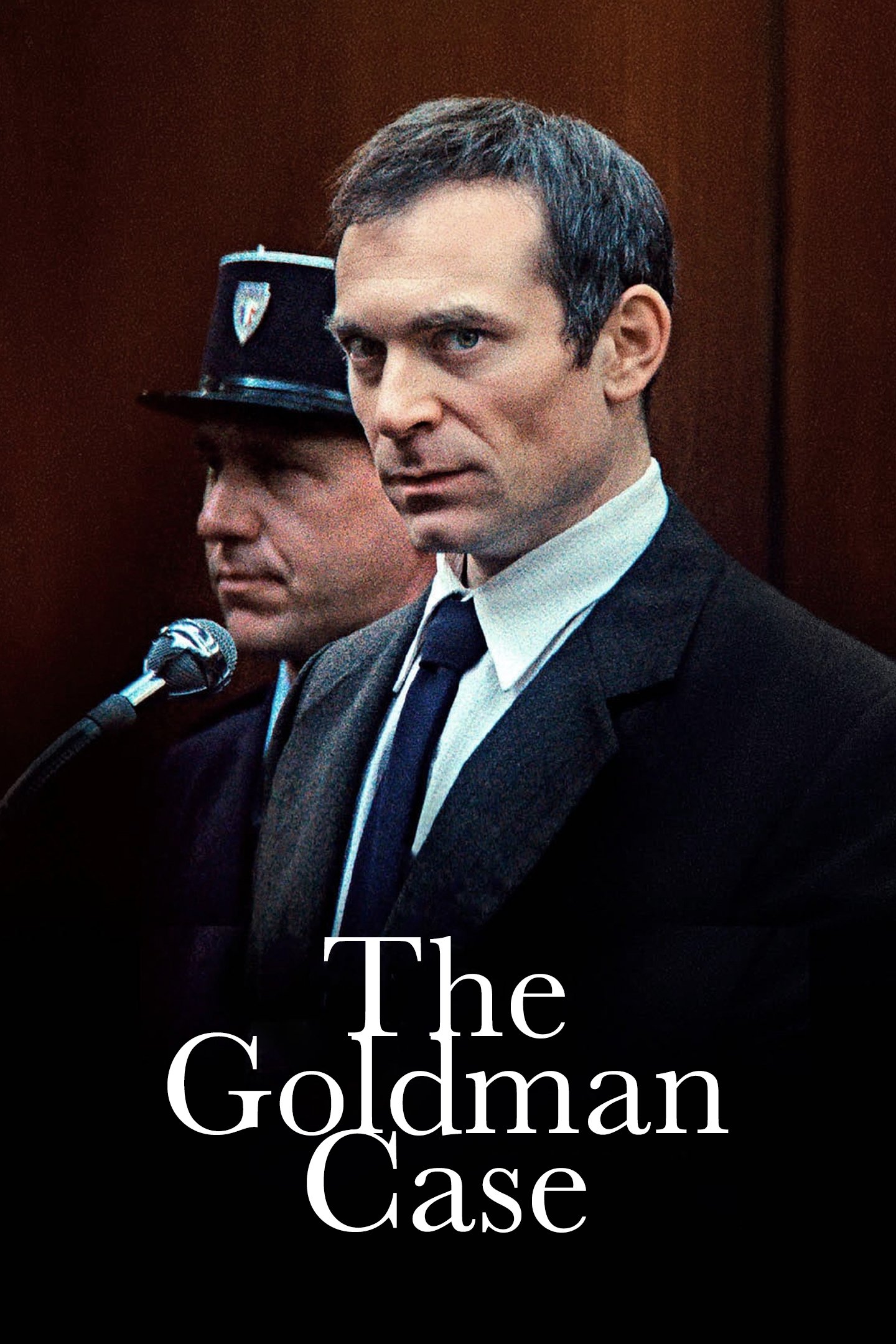
A second trial begins in November 1975 against French left-wing revolutionary Pierre Goldman, accused of several armed robberies and the death of two chemists.
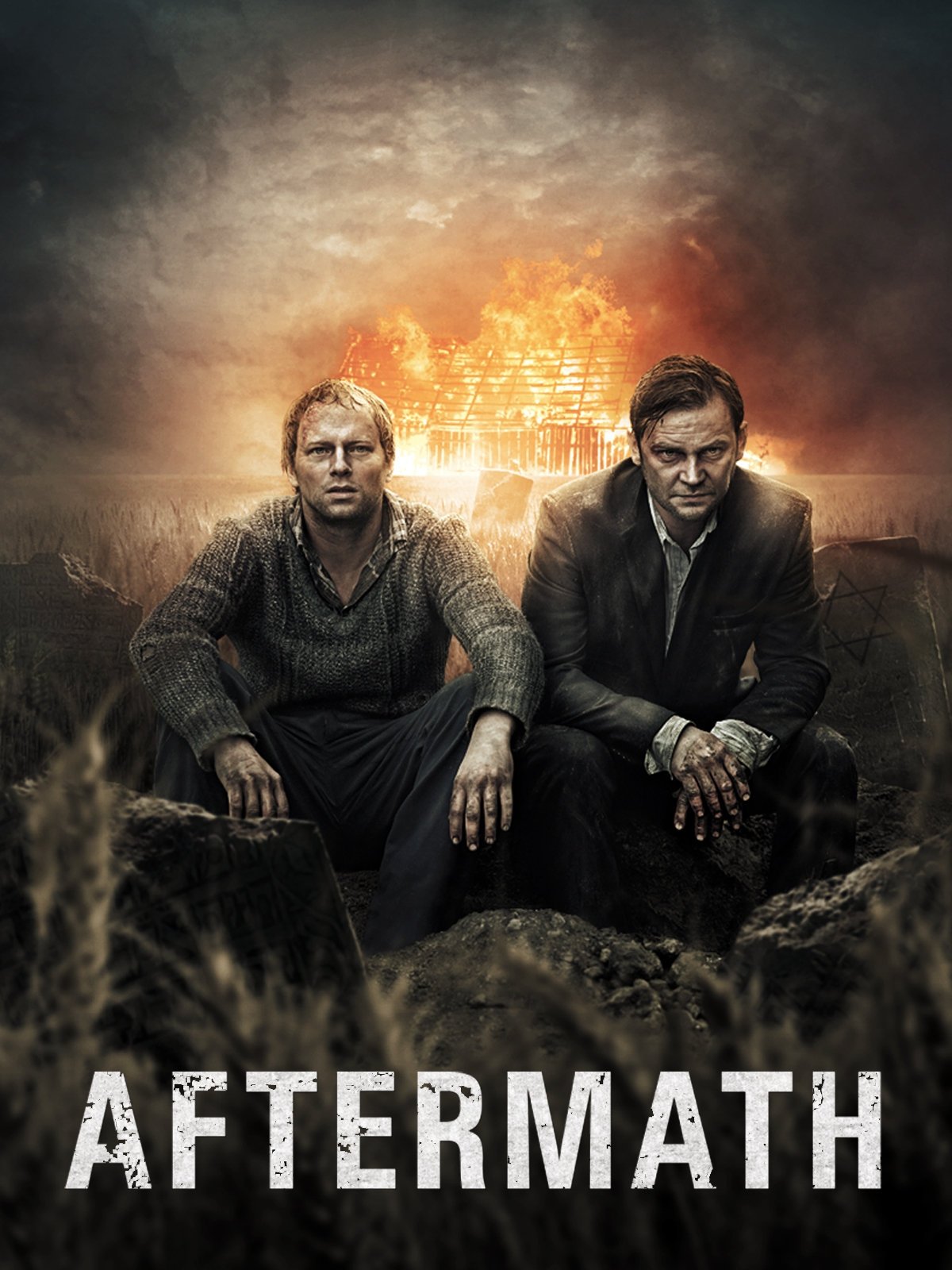
Two brothers are trying to find out the truth from years ago. The whole town is against them.
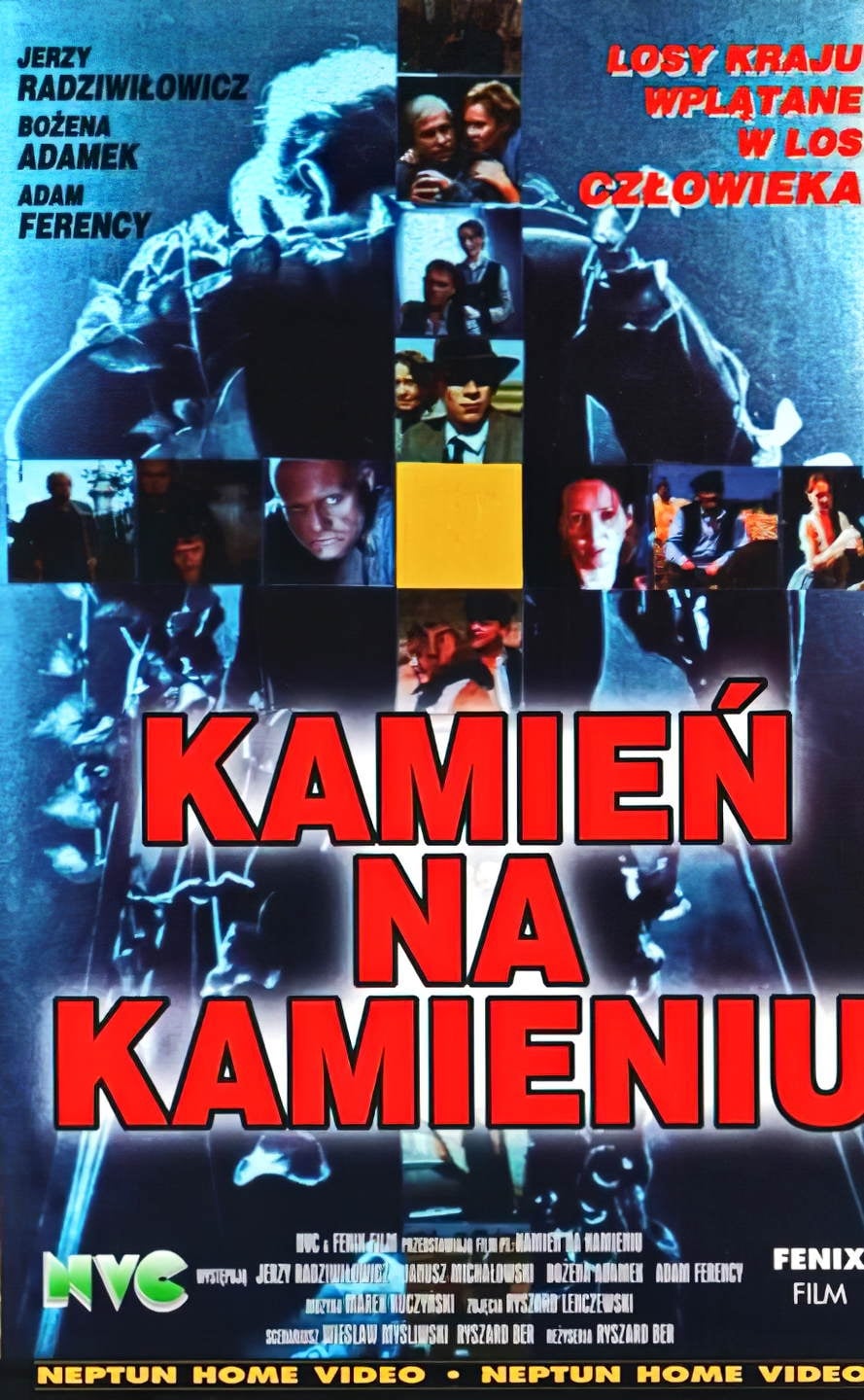
A story about the fate of post-war Polish villages. Szymon Pietruszka's life is dominated by Michał, his older brother, who left for the city before the war. There, he became involved in the leftist movement. He returned to his home village after the war in a dignitary's car. Soon, however, he left again, only to reappear a few years later—this time penniless, mired in apathy, betrayed by his ideals. The only person who guesses Michał's secret is Szymon, who is also unable to break down the wall separating him from his brother.

An expressionist biography of Edith Stein, who converted from the Jewish faith to the Catholic one and became a Carmelite sister. She would die in a German concentration camp.
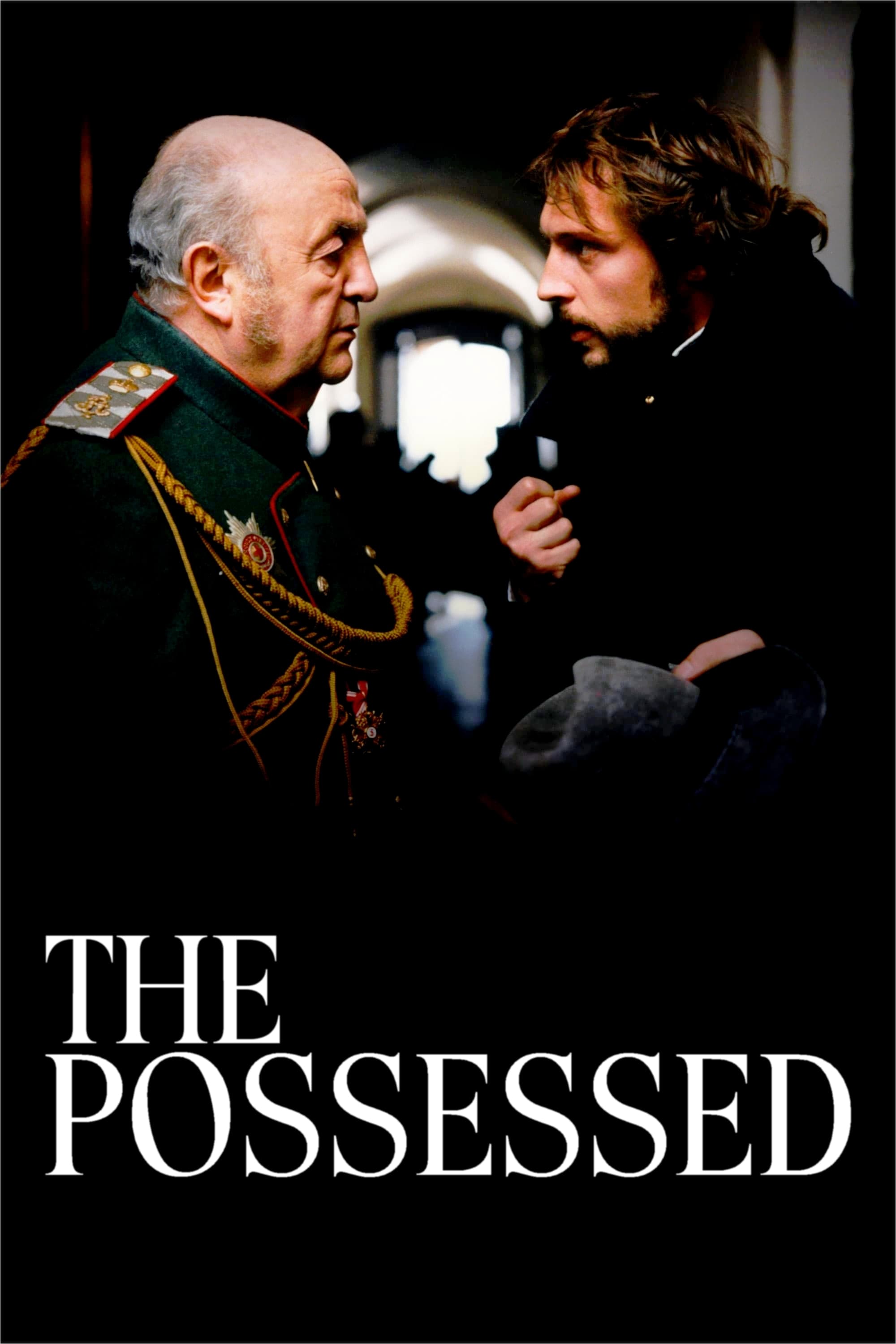
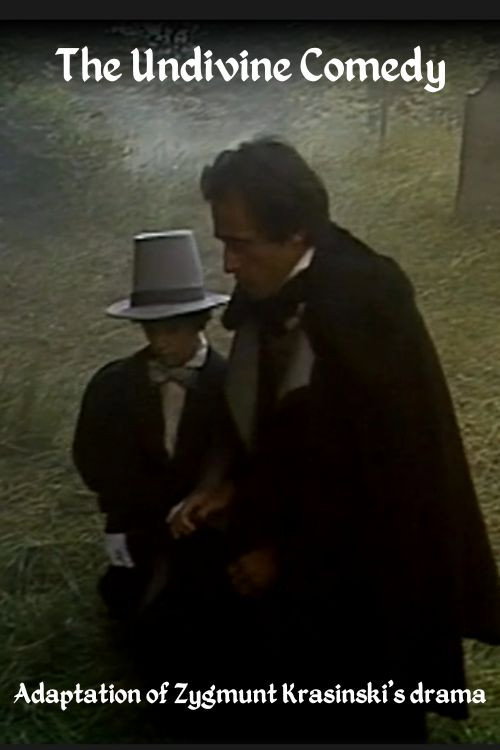
Russia, 1870. A group of young anarchist revolutionaries set out to overthrow the Czarist regime through violence. Their attacks create a climate of psychosis and mutual distrust among the population, but in reality, both revolutionaries and repressors are being manipulated by a diabolical individual.

In Russia, in 1907, a rich lenient husband of a loose unfaithful woman is brutally murdered. She and her two lovers are suspects, but what about the stranger she met just before the murder? With no friends left, she and the stranger bond.
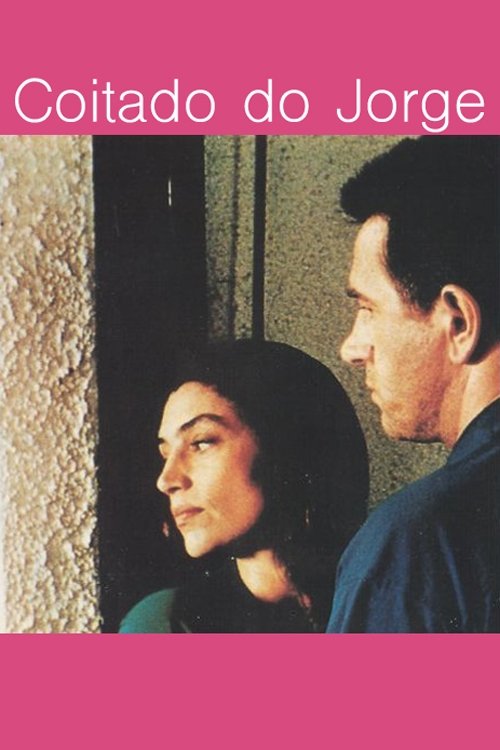
One night Jorge will meet with a Japanese industrialist, who will allow him to abandon his teaching position and resume his chemical work. However, when he gets home he finds a person there.
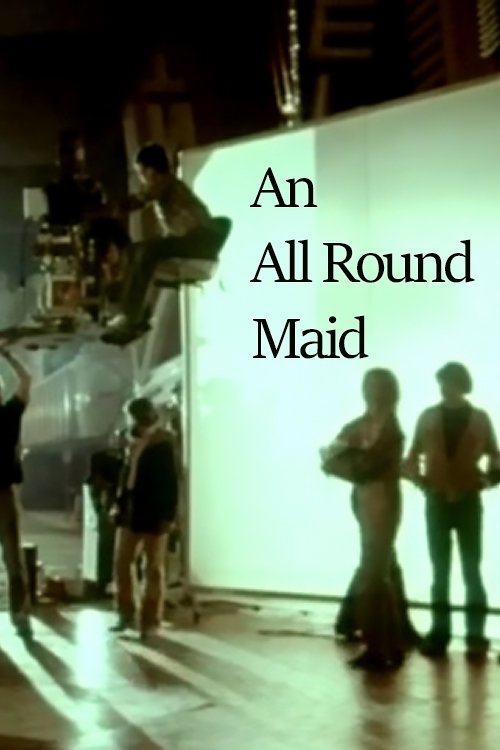
A video derived from footage Godard kept from his 1981 visit to Francis Ford Coppola's Zoetrope Studios at the time he was making Passion.
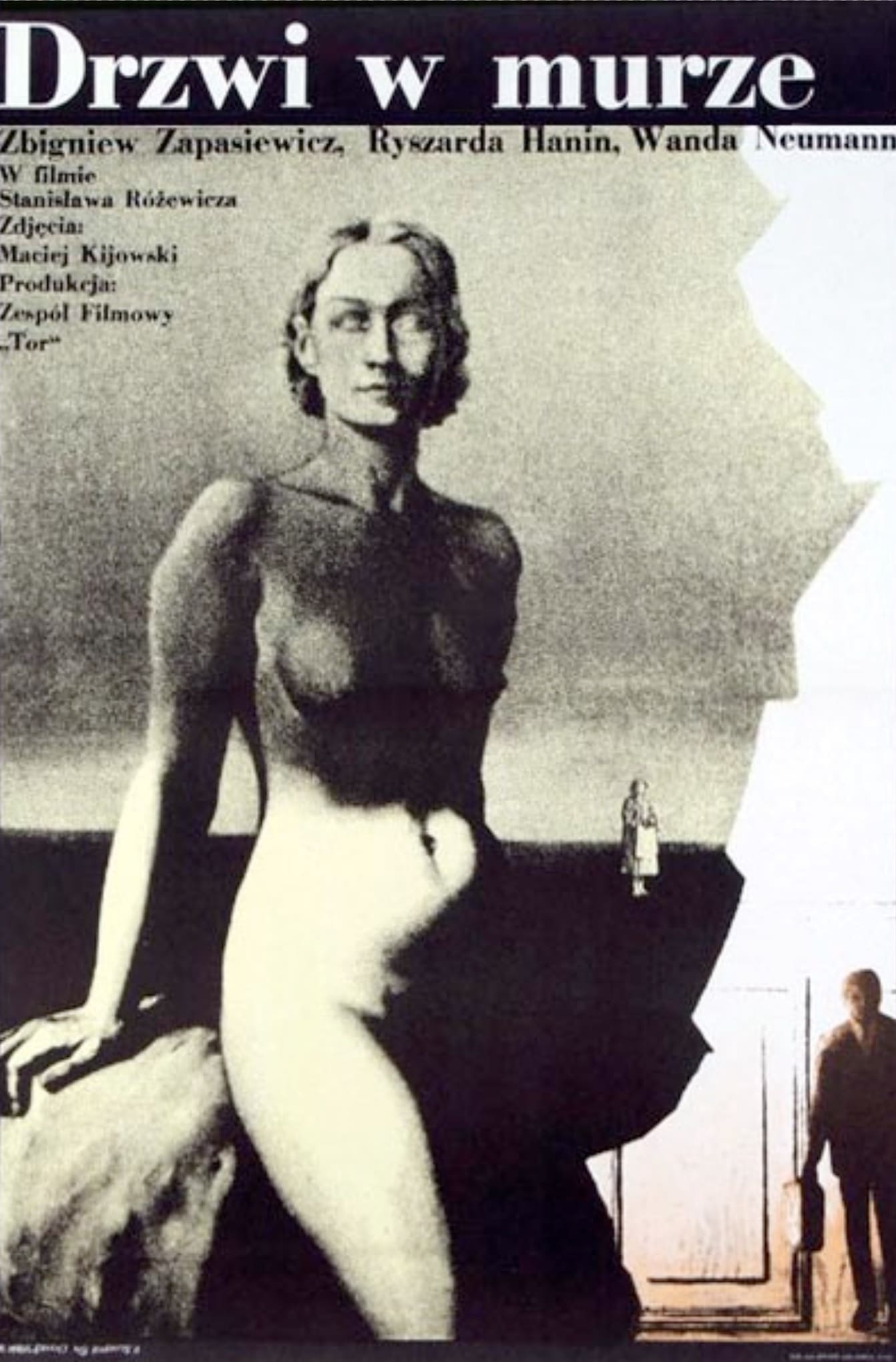
Accomplished playwright supervises the stage rehearsals for his new play away from home. He rents a room at a private house, which is owned by mother and daughter. Wiktor gets entangled in the two women's bizarre relationship.
A drama set in the year 1516 in Tuscany. Niccolo Machiavelli, stripped of office, remains in exile awaiting his return to favor by the new duke. When this moment finally arrives, Machiavelli discovers himself to be the victim of a plot hatched by the duke.
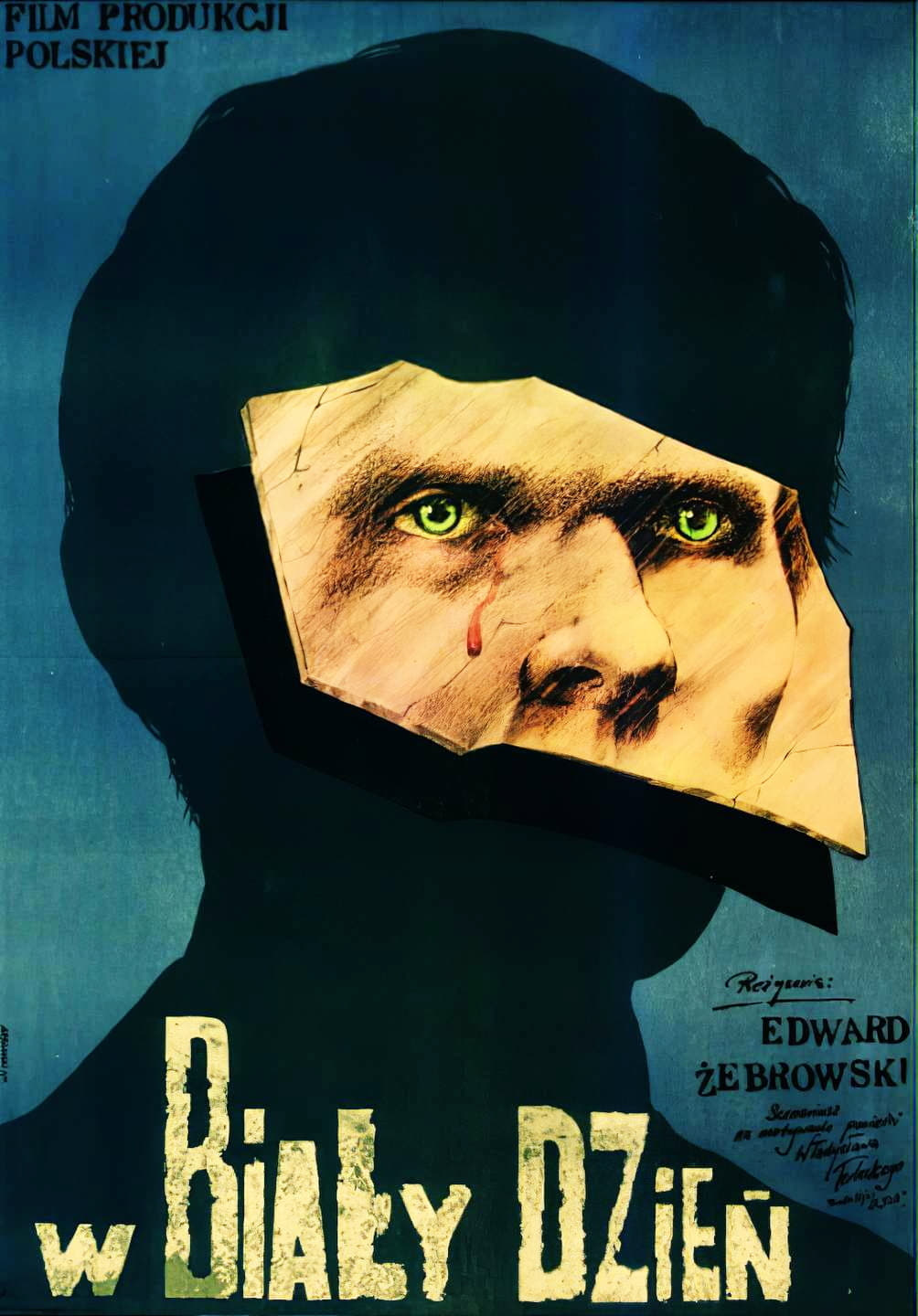
Set in 1905. The story focuses on a young and inexperienced man in a revolutionary execution squad. He does his killing job out of idealism, and for the love of a woman. The young student murders a Russian spy and is afterwards arrested by the police. Much to his surprise he is released after a session with the traitor-judge, hinting at some leaks in the organisation. Student reports his suspicions back to the organisation, but in response is given a new hit mission.
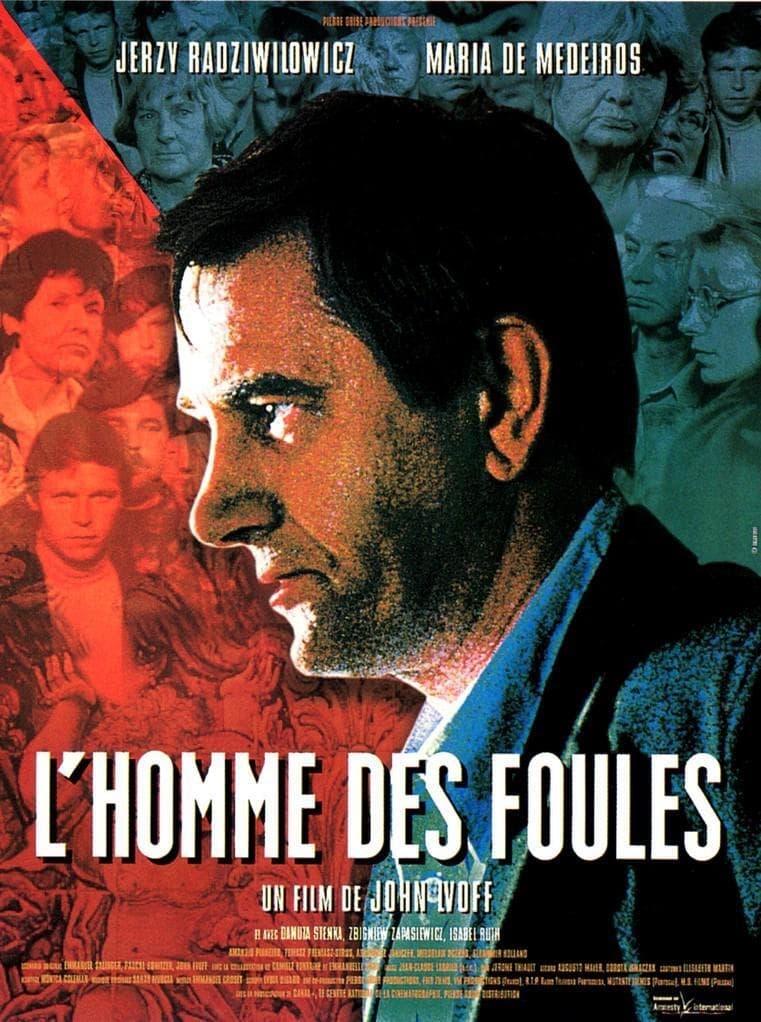
Pawel Markowicz suffers from Stendhal syndrome and it is to Dr.Giordano that he tells his secret.
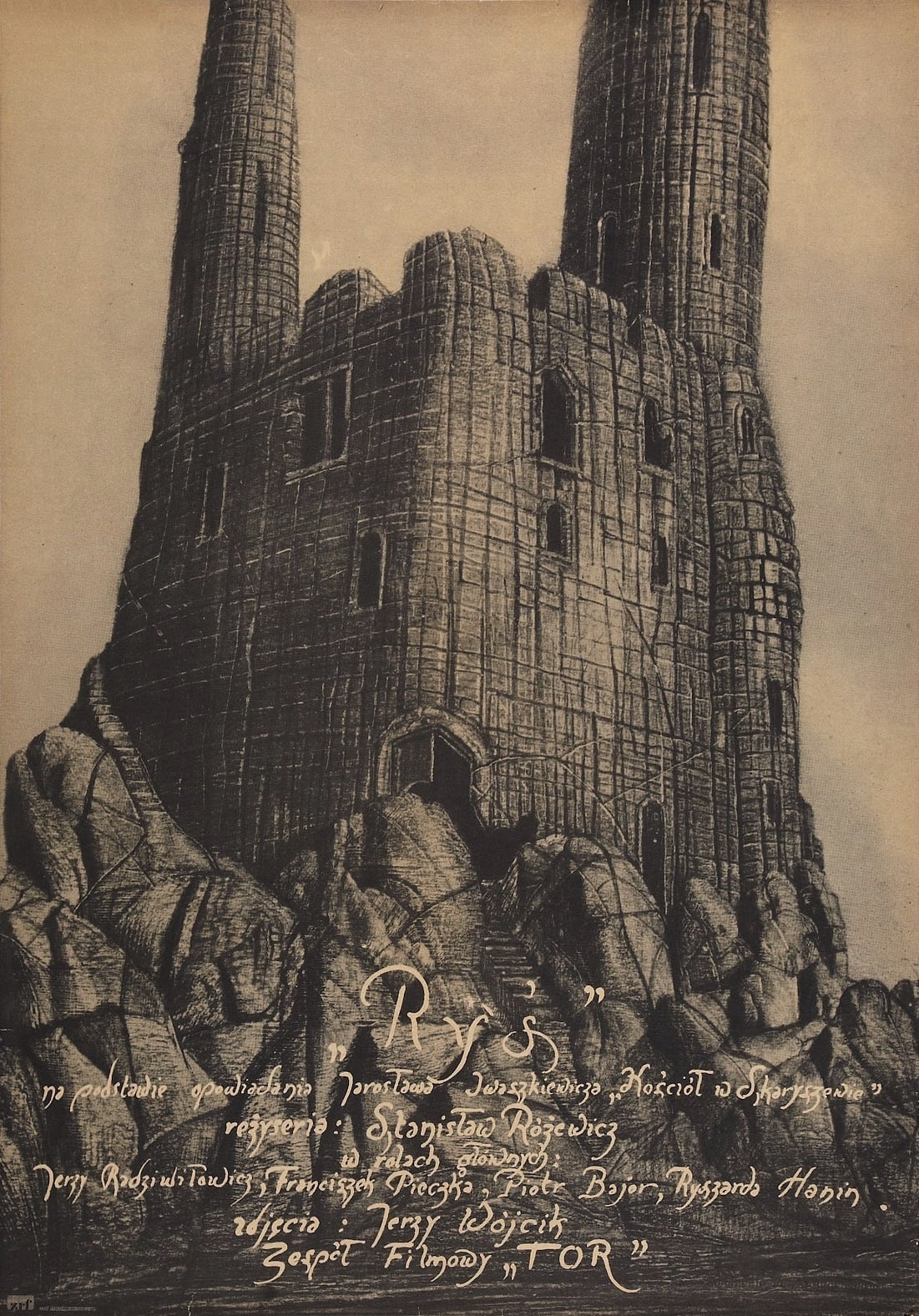
Set during the German occupation of Poland during WWII. A priest in a small village meets a revolutionary who is on an assignment to kill a supposed Nazi collaborator.
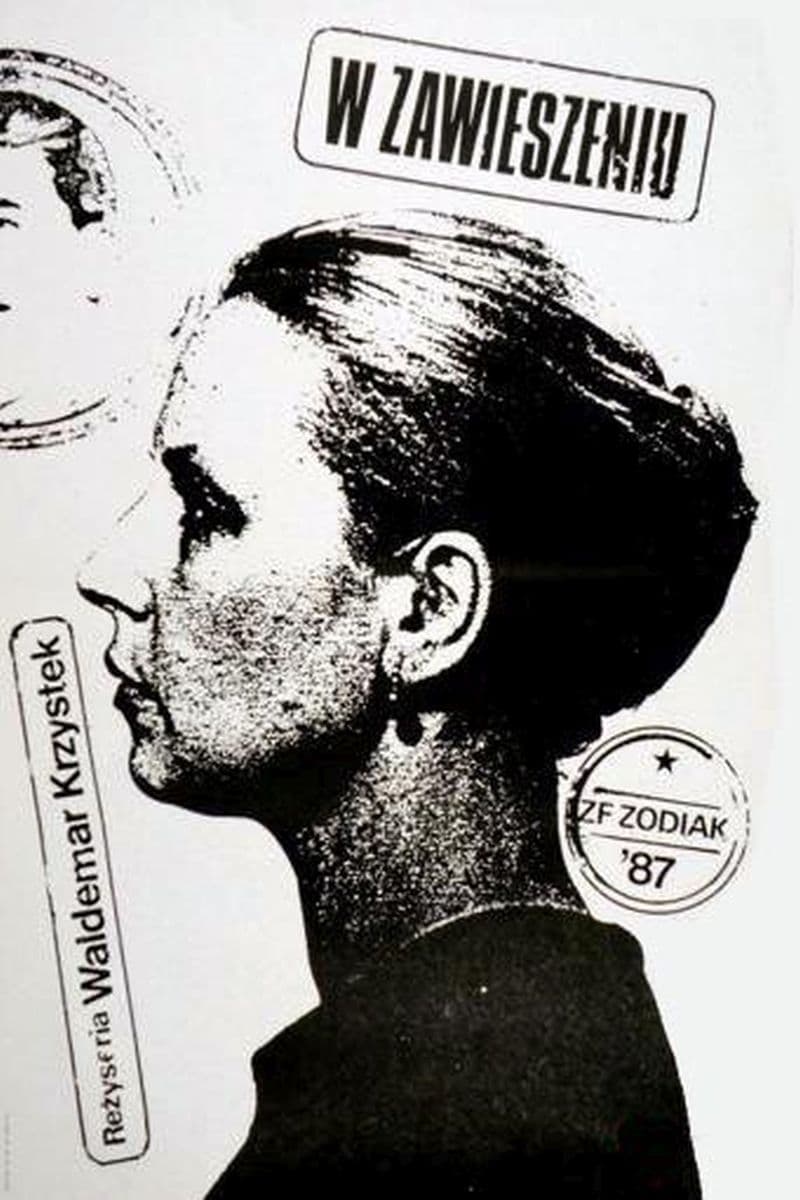
Anna, a nurse, meets her wartime lover Marcel in 1951. Learning that he has been sentenced to death for his role in the Home Army, she hides him in her cellar for five years. She gets pregnant with his child and has the baby out of the wedlock. Despite the hardships and gossip she holds much better than he. In 1956 when the political climate changes, he resurfaces and is arrested, but then acquitted by the court.
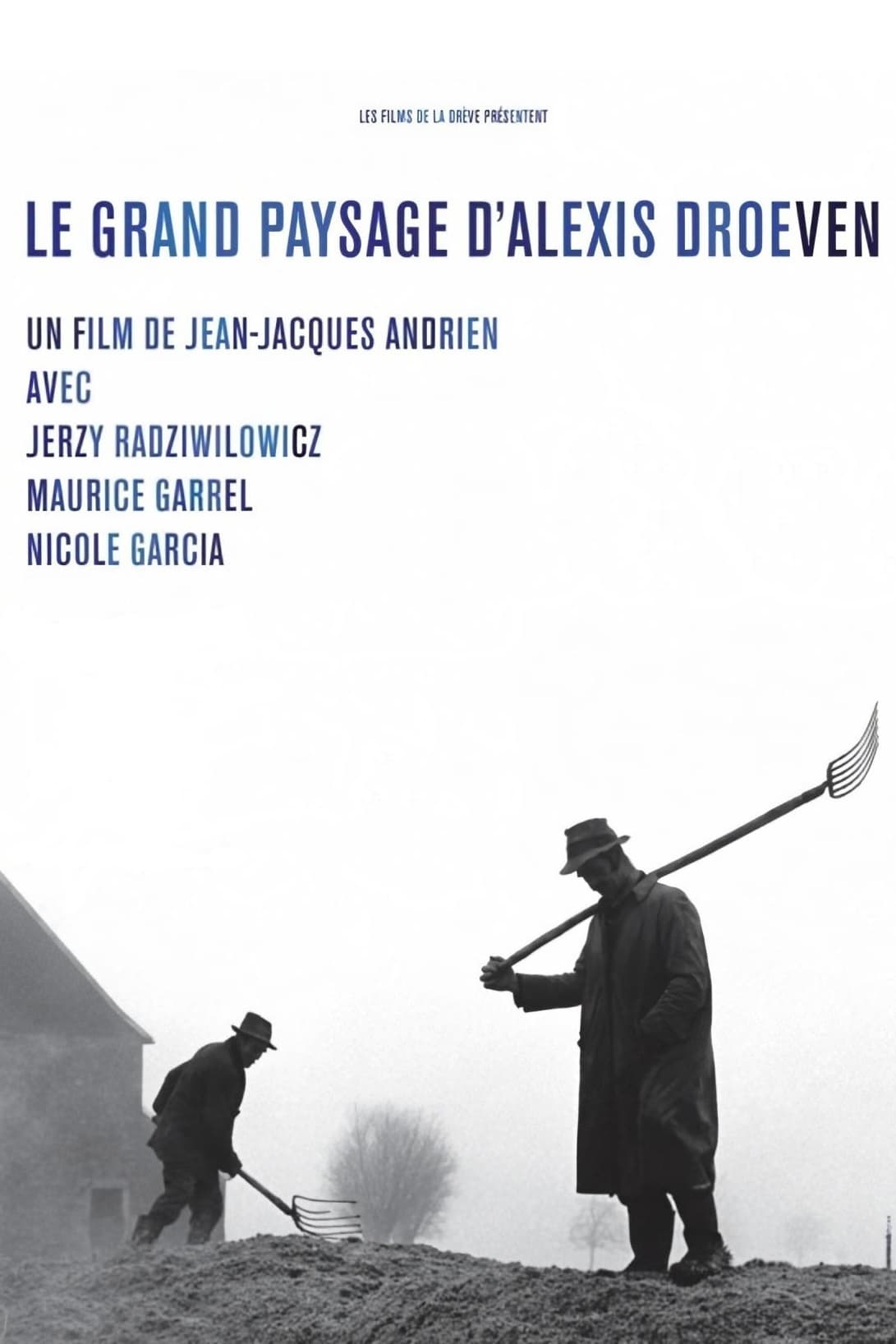
When his father dies a young man has the choice to continue the farmwork of his old man who suffered because of the hard labour and all the regulations.
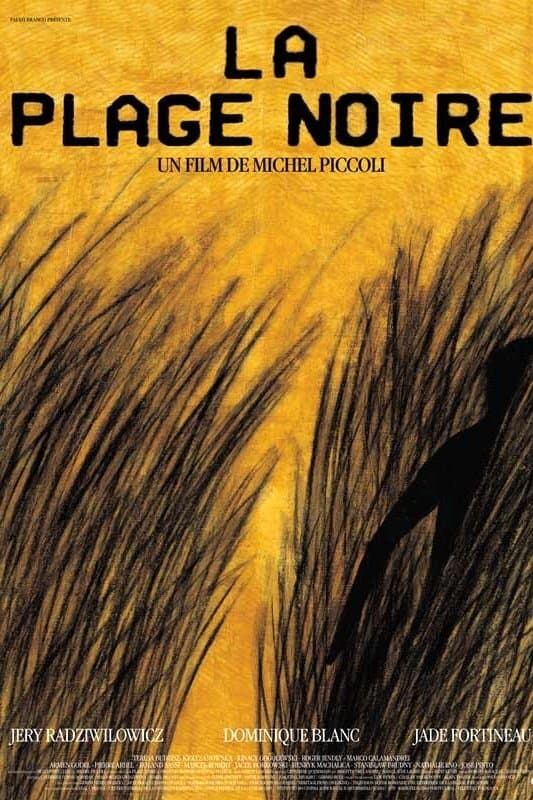
An exhausted militant wants to take a break from the incessant frenzy surrounding him. His country’s dictatorship is on its last legs and chaos reigns. His wife Sylvie leaves their country for France. She writes about the new democracy struggling to be born back home. His daughter Joyce must hide out in the deserted childhood home in the solitude and infinity of the Black Beach. Several adversaries – the militia of a hazy regime in his native land and the Paris police – wage a strange game of chess in which he is the pawn. Threats abound and he’s haunted by his past, his fears, dead friends. He has three allies: his wife, his daughter, and an old girlfriend from his fighting days.

In the midst of WW I, a doctor and a lawyer team up to turn a ramshackle old mountain chateau into a sanatorium/health spa that caters to the afflicted from most every stratum of European society, most of whom show up with false hope in their hearts and plenty of equally false identities. Even the proprietors have a few deceptions, chief among them is the part of the resort where they provide shelter for dying and horribly maimed soldiers. Still the atmosphere of this high-class convalescent home is that of great gentility that thinly disguises the seaminess of the guests' secret activities. Though much of the film is a quirky comedy, tragedy comes creeping in when people begin dying of unnatural causes, and not even the pure mountain air can save the owners and the residents.
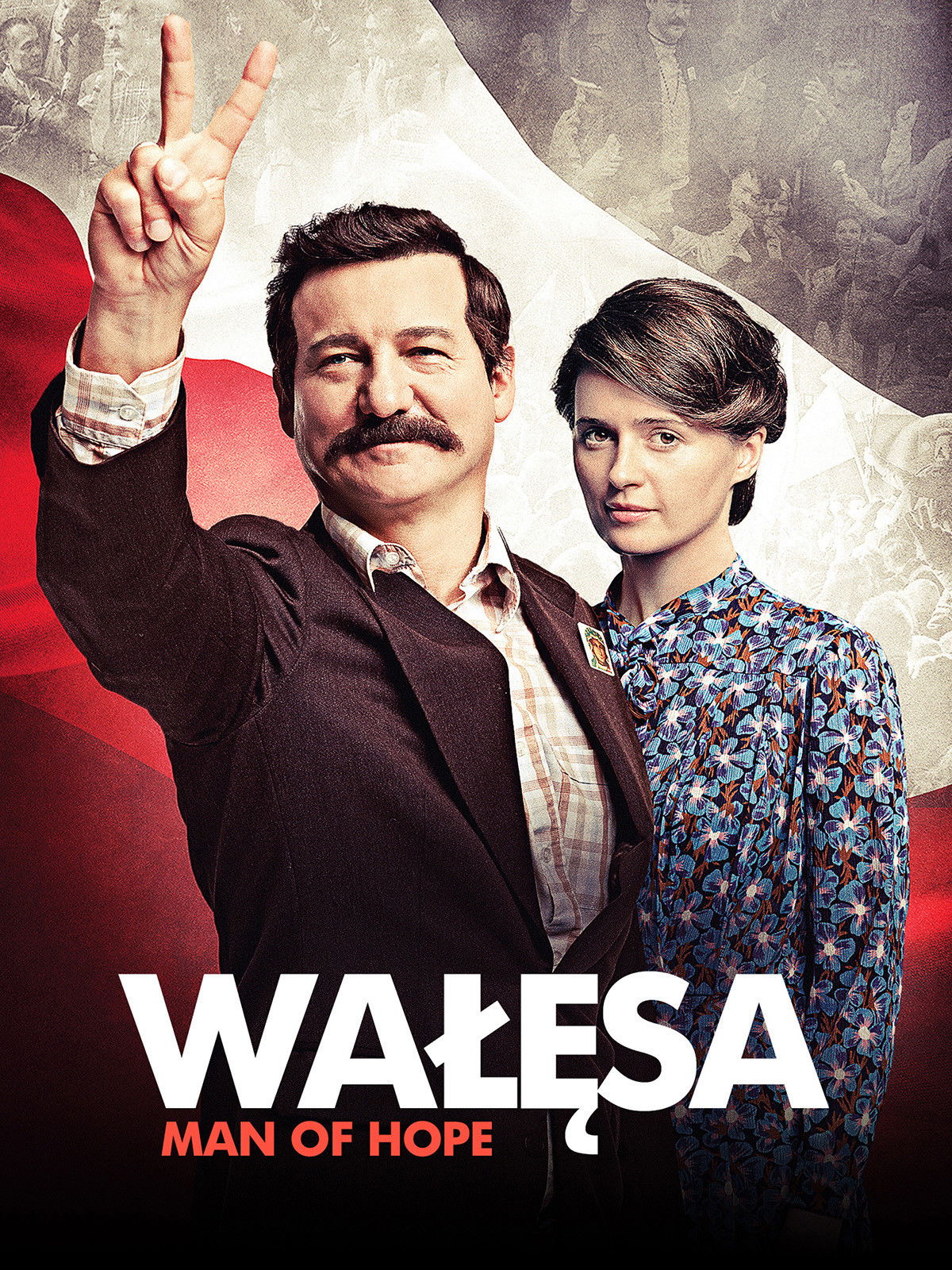
How was it possible that a single man influenced contemporary world so significantly? This film is an attempt to capture the phenomenon of a common man’s metamorphosis into a charismatic leader — an attempt to see how a Gdansk shipyard electrician fighting for workers’ rights awakened a hidden desire for freedom in millions of people.
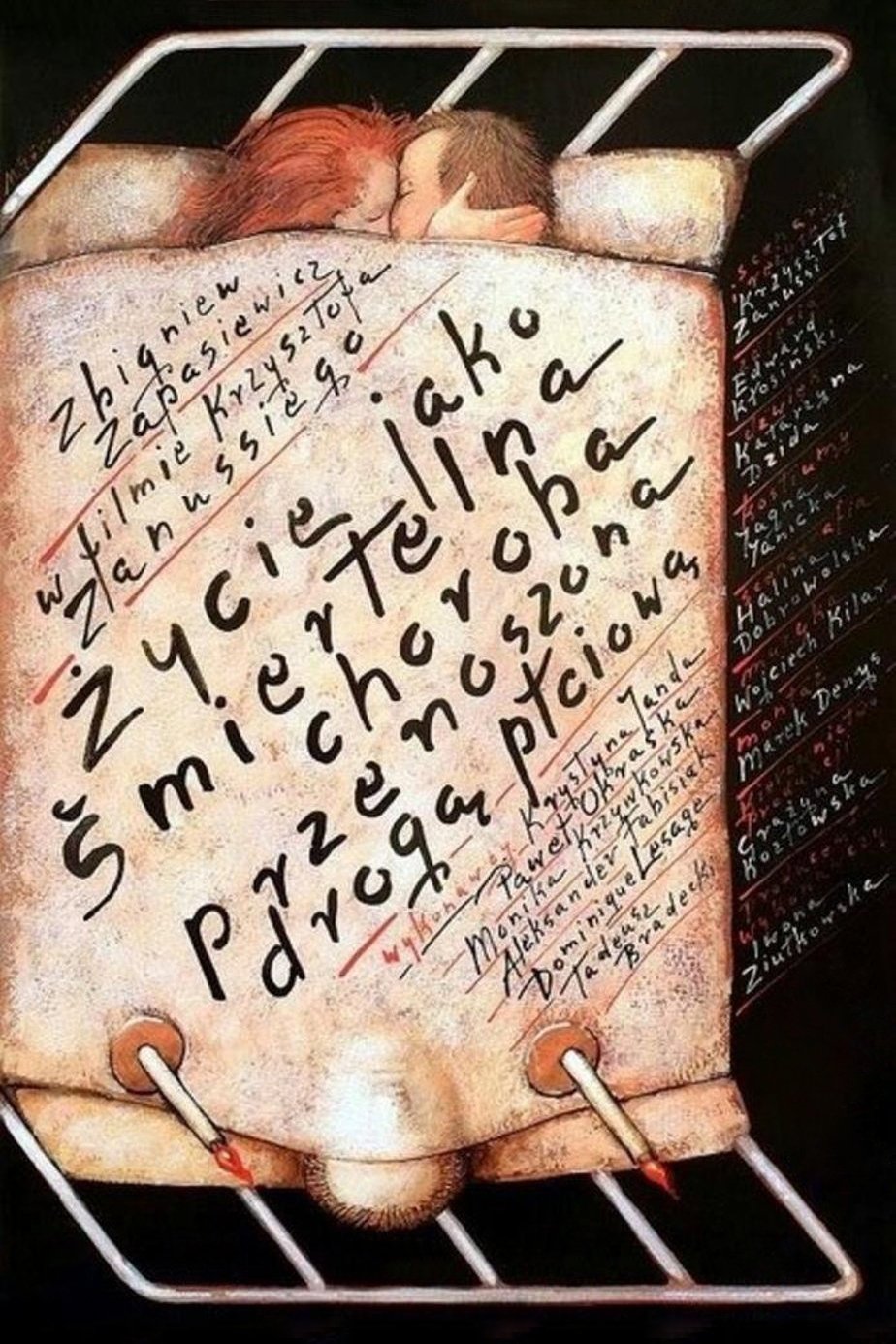
Tomasz, a doctor, and atheist, is diagnosed with cancer. His ex-wife offers him the money for treatment in Paris, but his lung cancer is past the operating stage. Facing imminent death, he questions the beliefs he has held all his life and starts experimenting with both his own life and those of others.
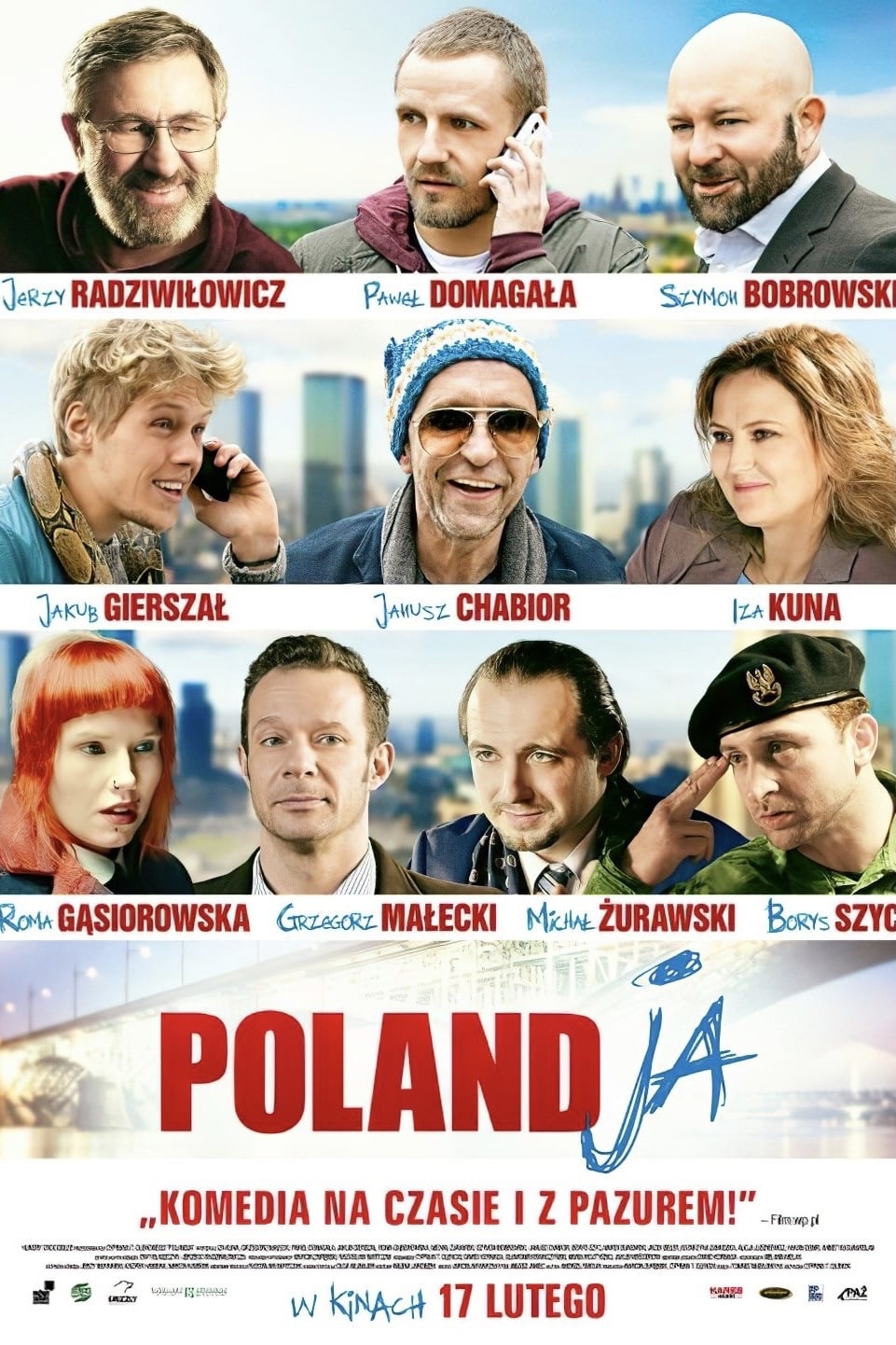
In just 24 chaotic hours, the characters stumble through a series of wildly untimely misadventures that turn their lives upside down.
Nastya Sablina is turning sixteen, and, filled with emotion, she begins to reflect on "the most important day of her life."
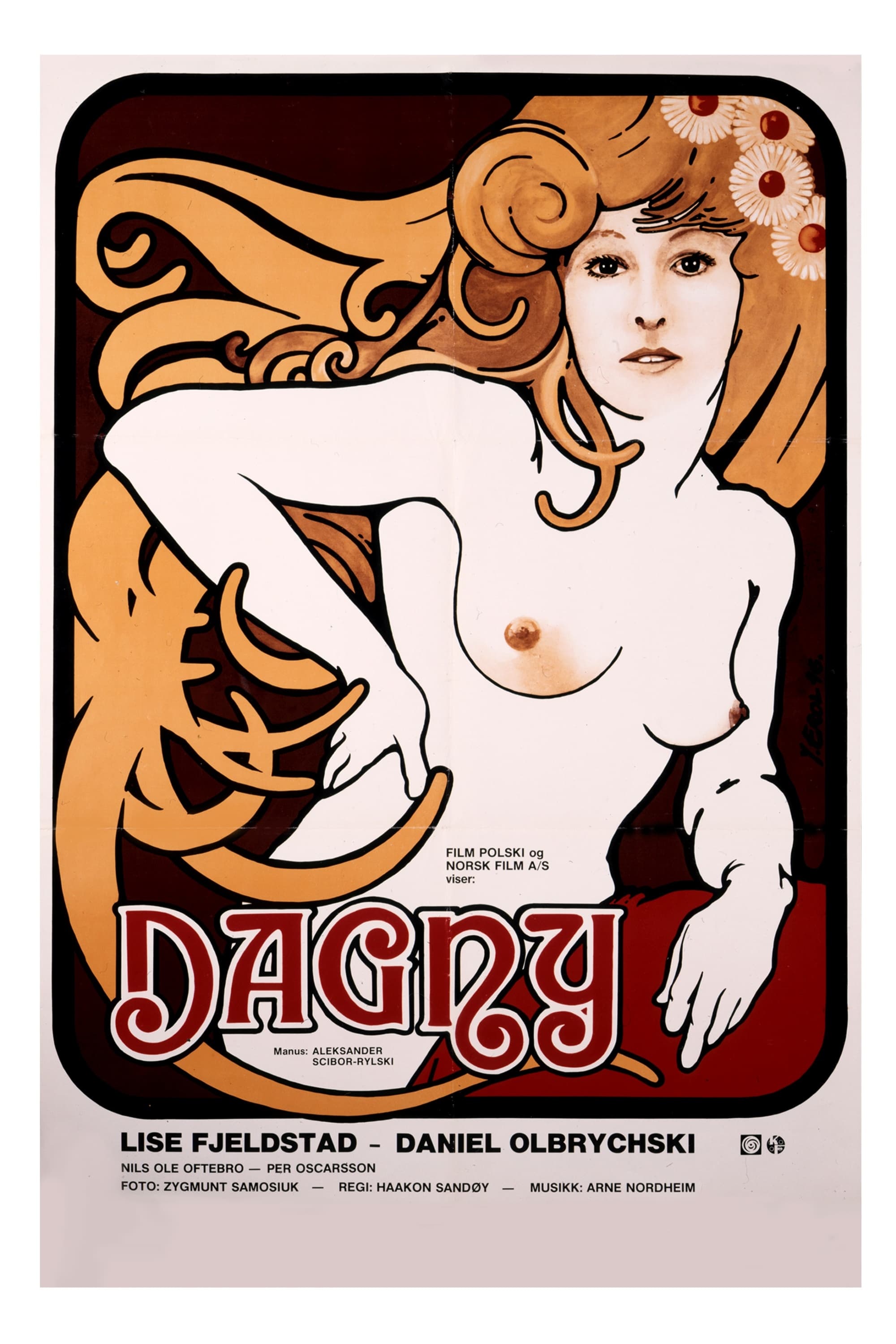
Dagny Juell was the doctors daughter who left Kongsvinger for Berlin to study music, and became famous painter Edvard Munchs mistress and model. Than she ran into August Strindberg. They had a brief affair but after a couple of weeks Dagny left him for Stanisław Przybyszewski.
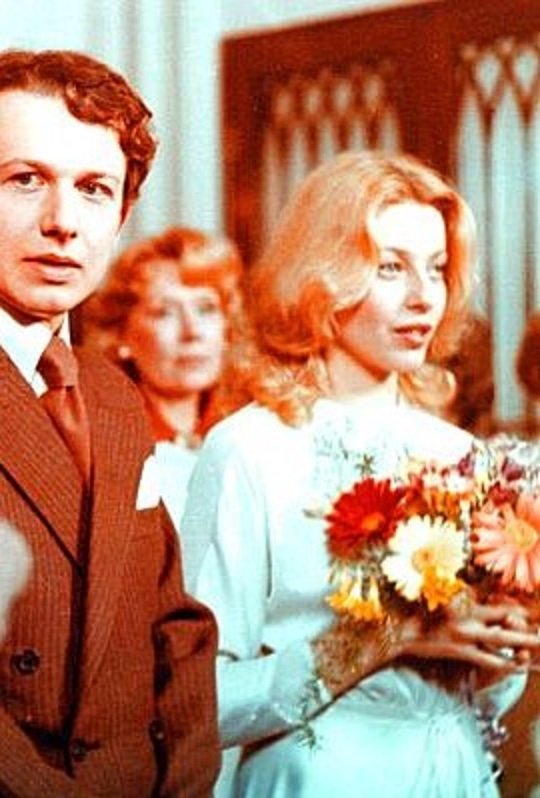
In 1974 a group of students declares what they plan to be in 1980, and the series follows their lives during those six years.

In 1979, a revolution in Iran. In 1980, a revolution in Poland. The fall of the Shah, the “King of Kings,” in Iran. Mass strikes and the foundation of Solidarność (Solidarity) in Poland. What was in the minds of the young women and men who fomented revolution in their own country? What did they think when their revolution was quelled, or – as in Iran – an authoritarian regime was instituted under the name of an “Islamic Republic”?
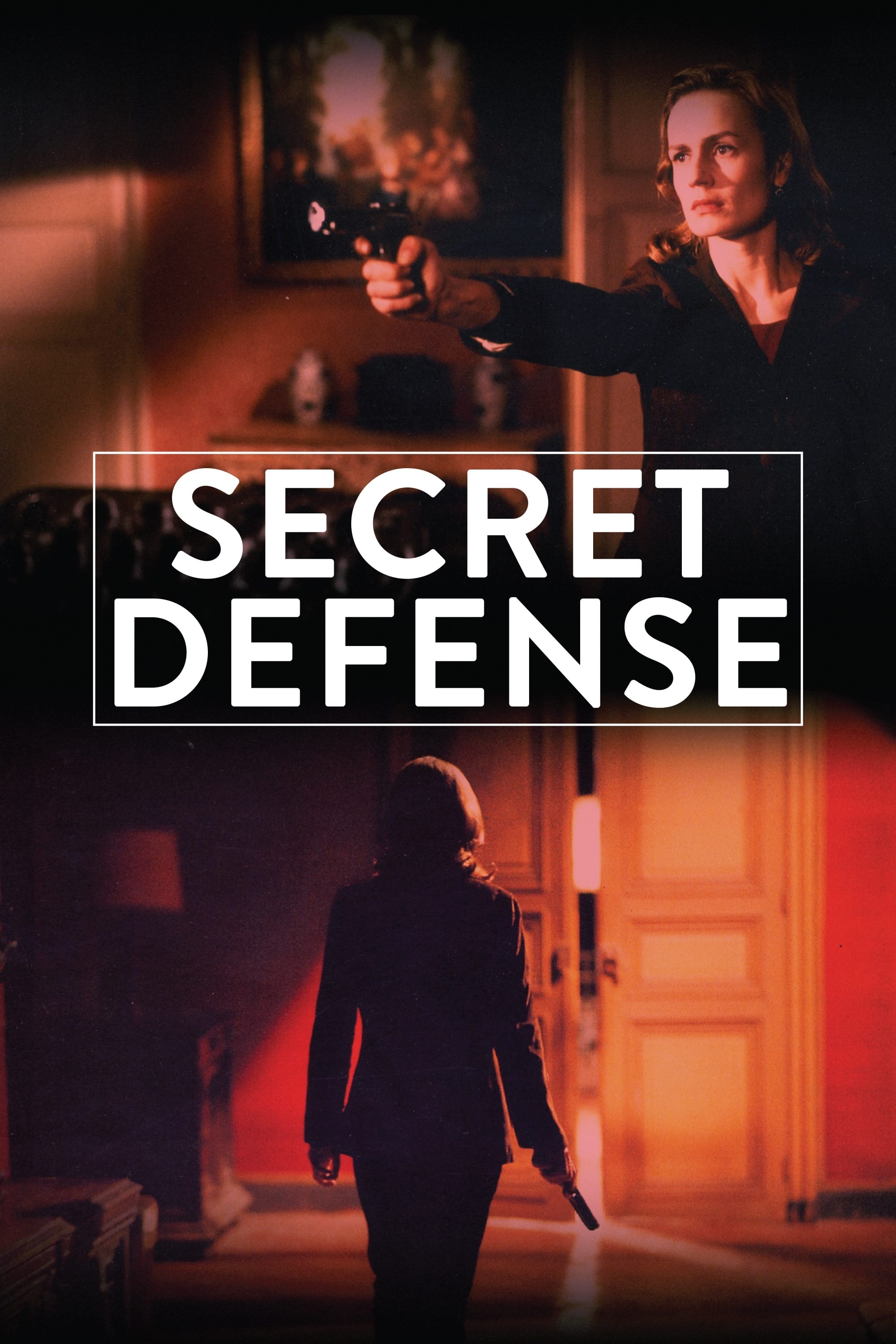
After biologist Sylvie discovers her brother Paul trying to steal a gun from her lab, he explains that he wishes to avenge the death of their father whom he suspects died at the hands of his business partner.

This is not a love story though it is full of love. It is not a comedy though the characters often say funny things. It is not a detective story even though the hero is trying to solve a murder. It is not a nature drama though it shows the splendid colours and customs of the countryside. It is not a musical though Lubica expresses her longing in a passionate dance. Nor is it a film about ghosts though a ghost does ask the hero for a favour. A few draughts of Strawberry Wine are enough to take us into a magical world in the true centre of Europe, where love, crime and penitence are just as much a part of life as the changing of the seasons, the migration of birds or the flowing of a mountain stream.
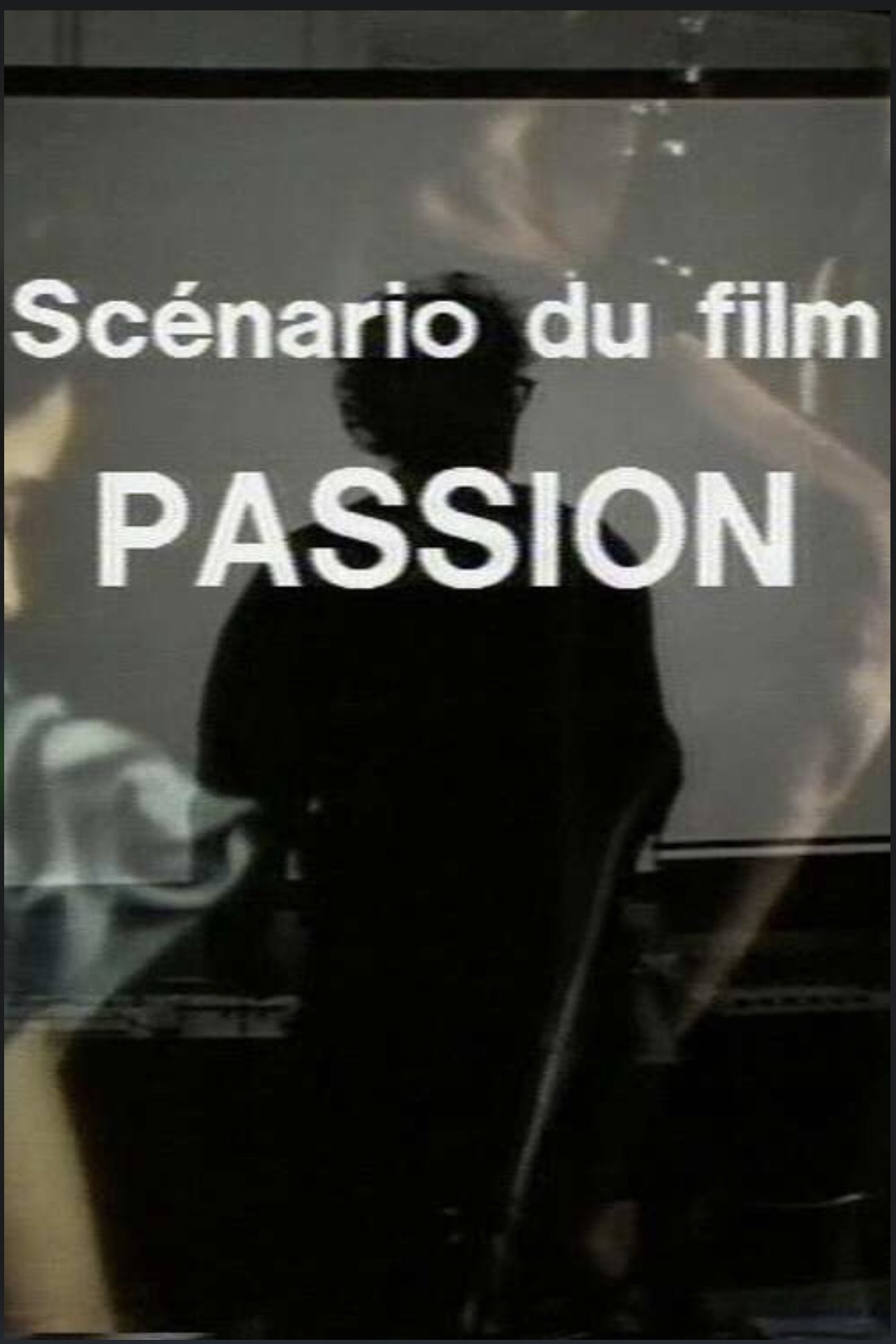
Godard constructs a lyrical study of the cinematic and creative process by deconstructing the story of his 1982 film Passion. “I didn’t want to write the script,” he states, “I wanted to see it.” Positioning himself in a video editing suite in front of a white film screen that evokes for him the “famous blank page of Mallarmé,” Godard uses video as a sketchbook with which to reconceive the film. The result is a philosophical, often humorous rumination on the desire and labor that inform the conceptual and image making process of the cinema.

A famous Polish journalist presents a problem for the powers-that-be when he displays his full political skill and knowledge on a television show featuring questions and answers on a world conference by a panel of journalists. His enemies take away his privileges when he is away. The shock of being "unwanted" parallels a deeper disappointment in his private life: his wife has an affair with a jealous young rival, and after 15 years of marriage and two daughters wants a divorce. She offers no explanations as he tries to untie these problems himself. All the moves he makes are the wrong ones. He takes on drinking heavily with students eager to attend his seminar after discovering the class has been canceled. The journalist, once suave and commanding, is reduced to silence.
The house of a family of five is to be demolished due to the expansion of the city. The residents who are waiting to move are surprised by the progressive paralysis of their son.
A 2005 novella film created to commemorate the 25th anniversary of the Solidarity movement. It consists of 13 10-minute shorts. There are various forms: mini-feature, music video, documentary, animation, interview.
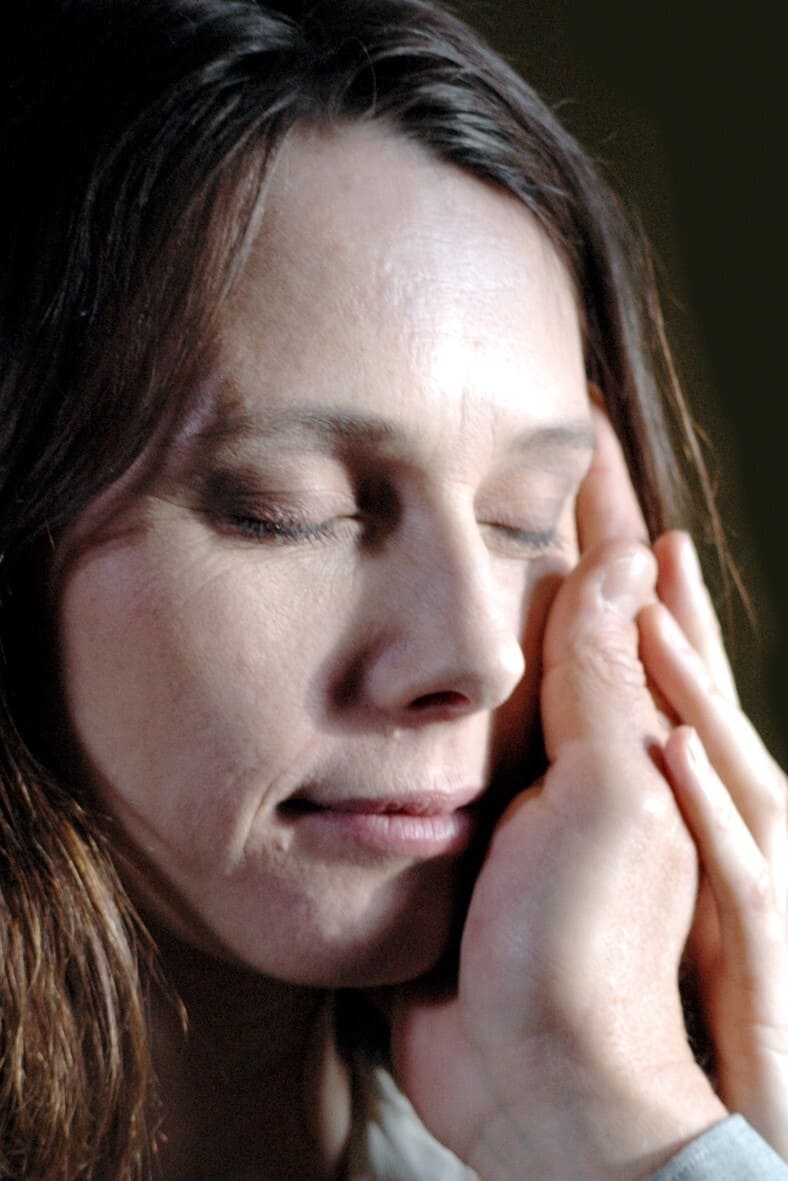
Andrea works as a healer. One evening, he decides to quit, but the next night, he meets a long-lost friend who asks him to help him forget the one he loved, who is no longer with him.
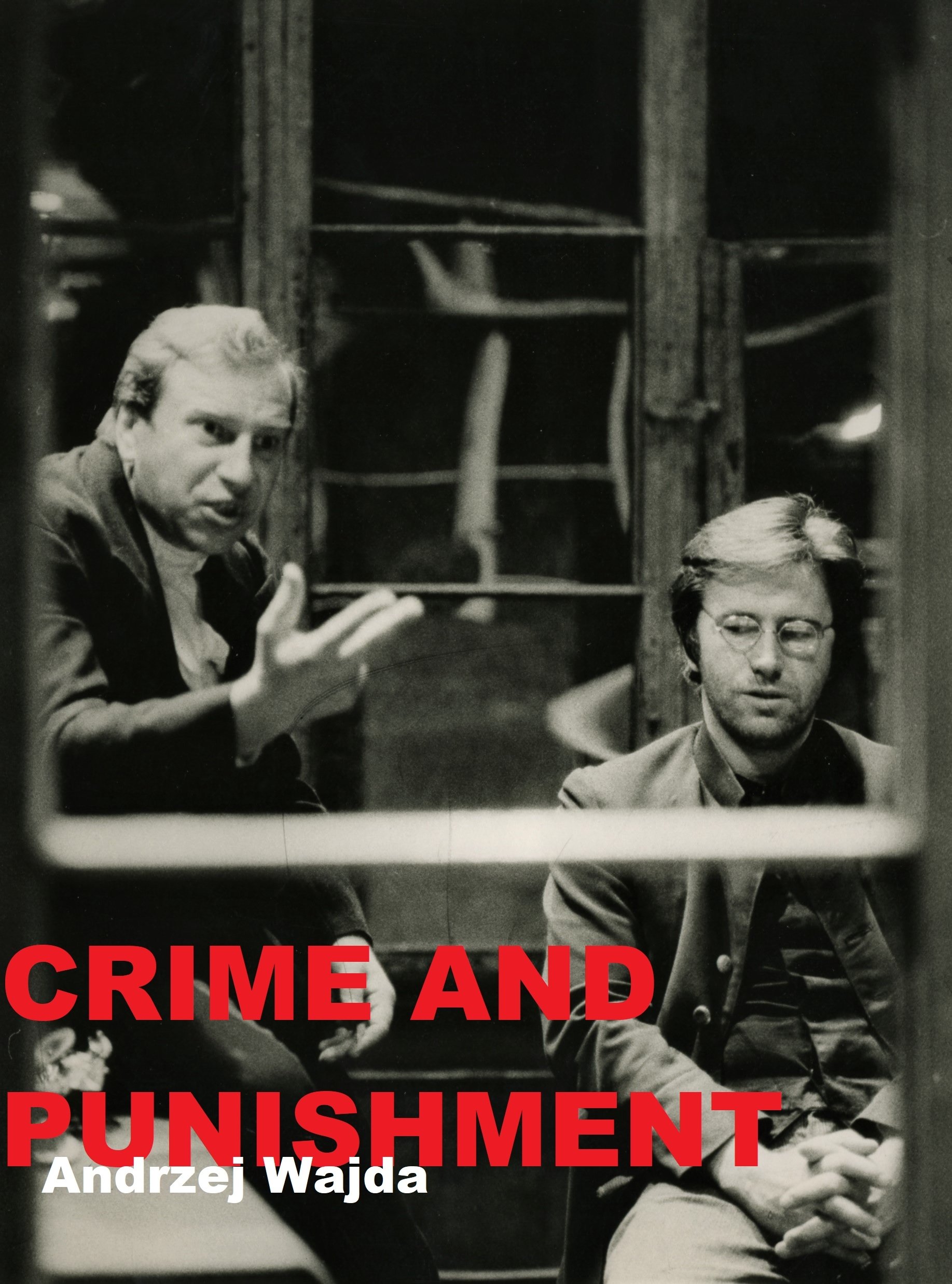
Former student Raskolnikov is pushed to murder when struggling to pay the rent on his apartment. When the murder is being investigated by the police, Raskolnikov struggles between trying to hide his guilt and the pressure to confess.
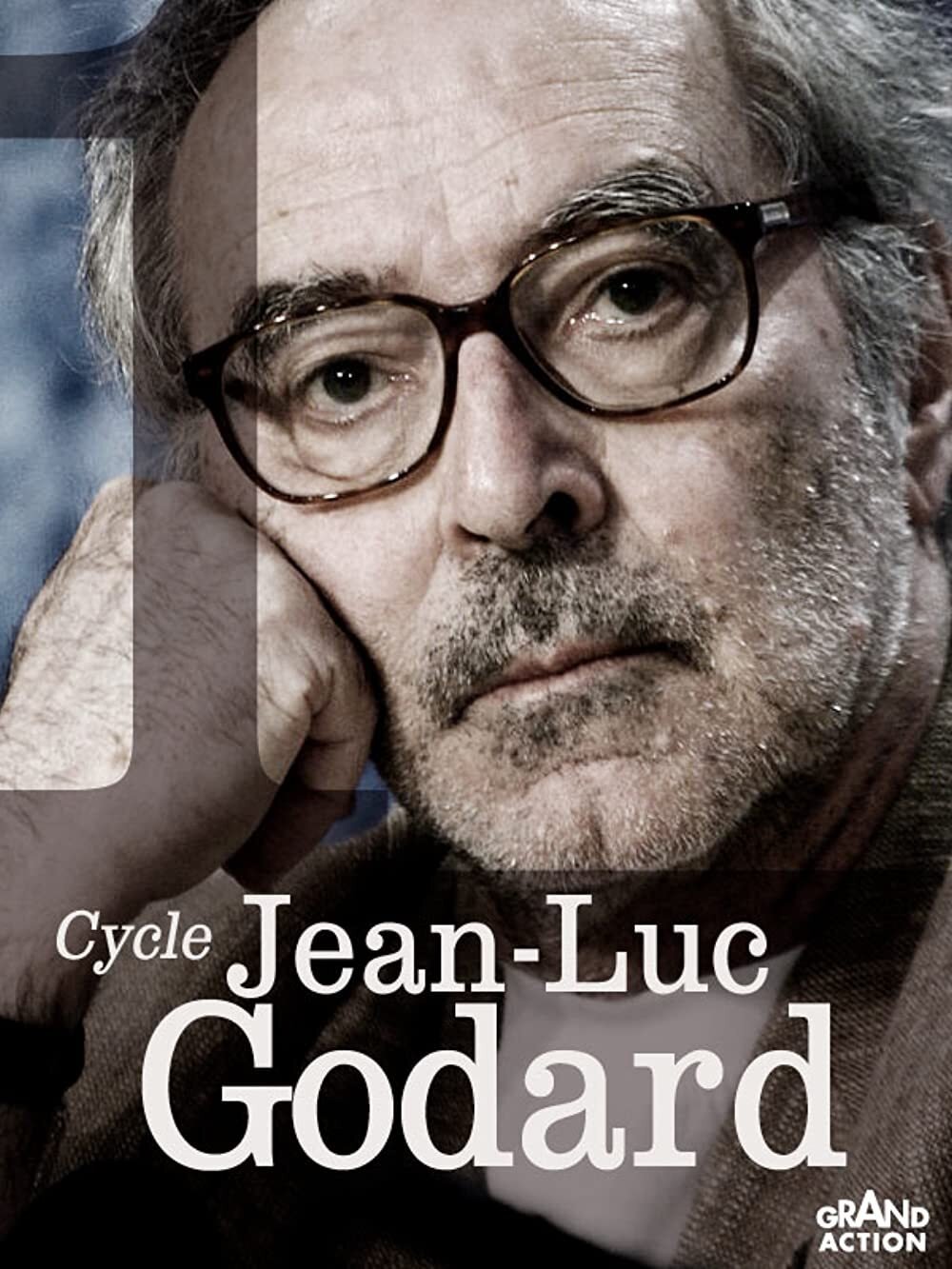
Notes on the movie Passion