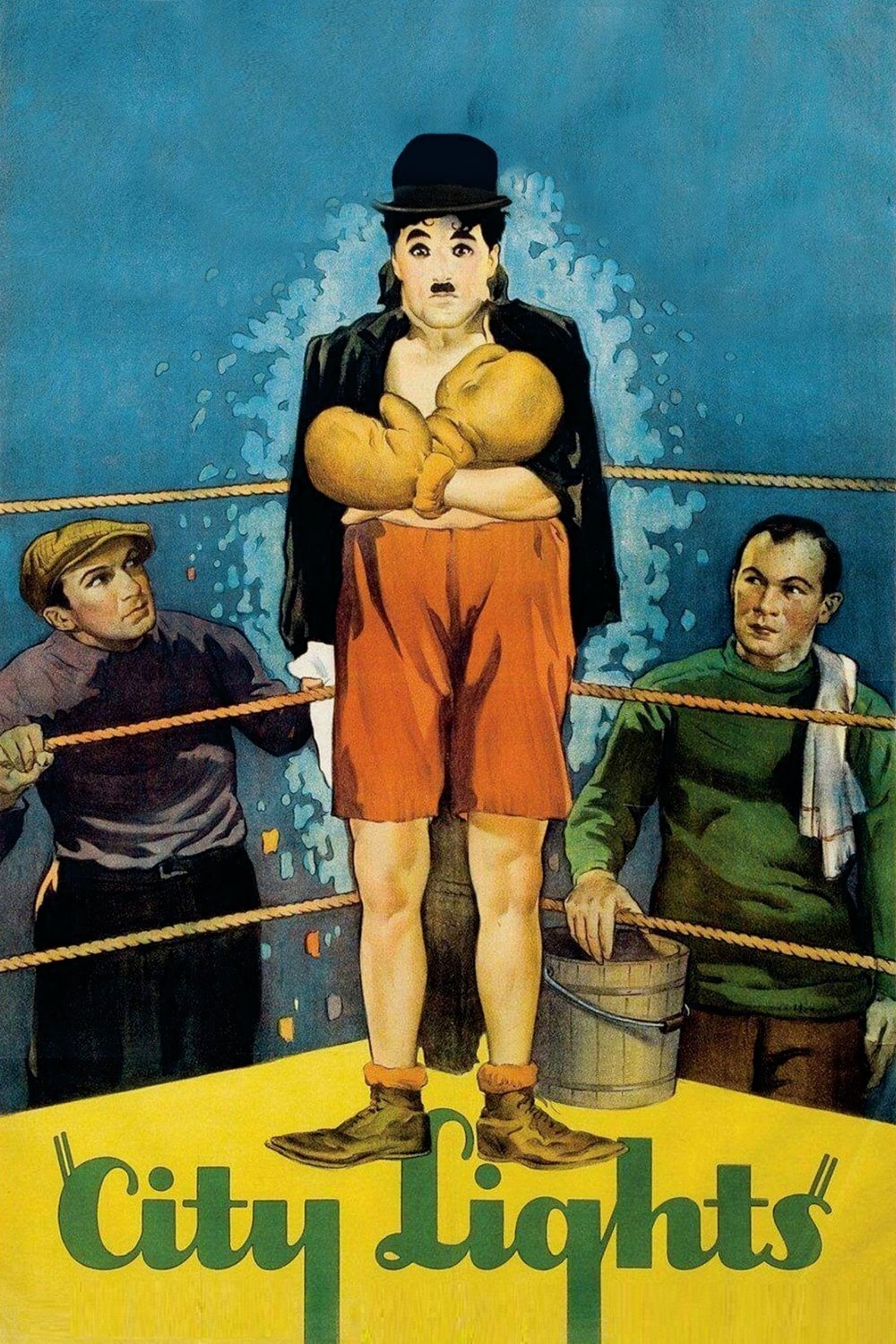
A tramp falls in love with a beautiful blind flower girl. His on-and-off friendship with a wealthy man allows him to be the girl's benefactor and suitor.
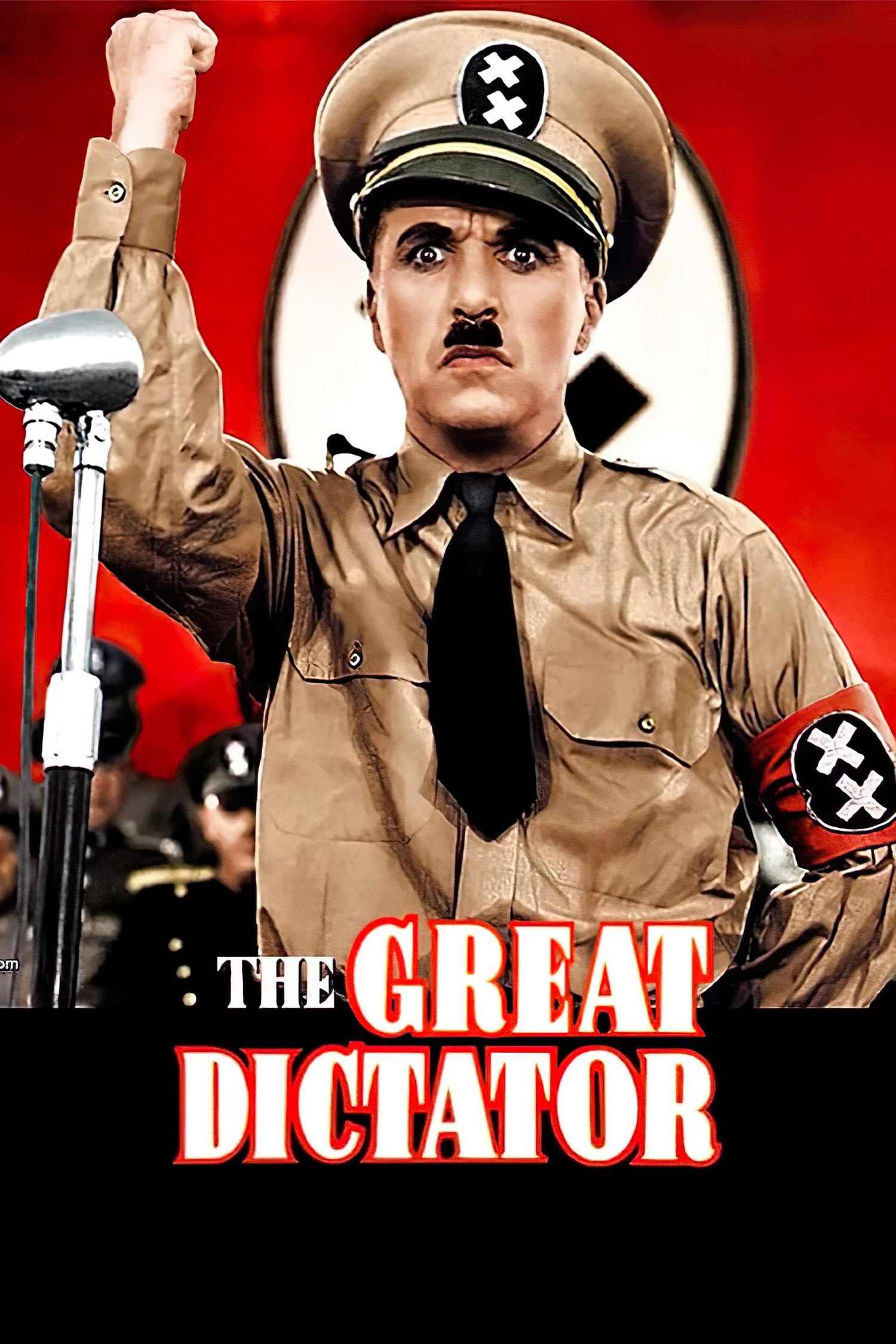
Dictator Adenoid Hynkel tries to expand his empire while a poor Jewish barber tries to avoid persecution from Hynkel's regime.
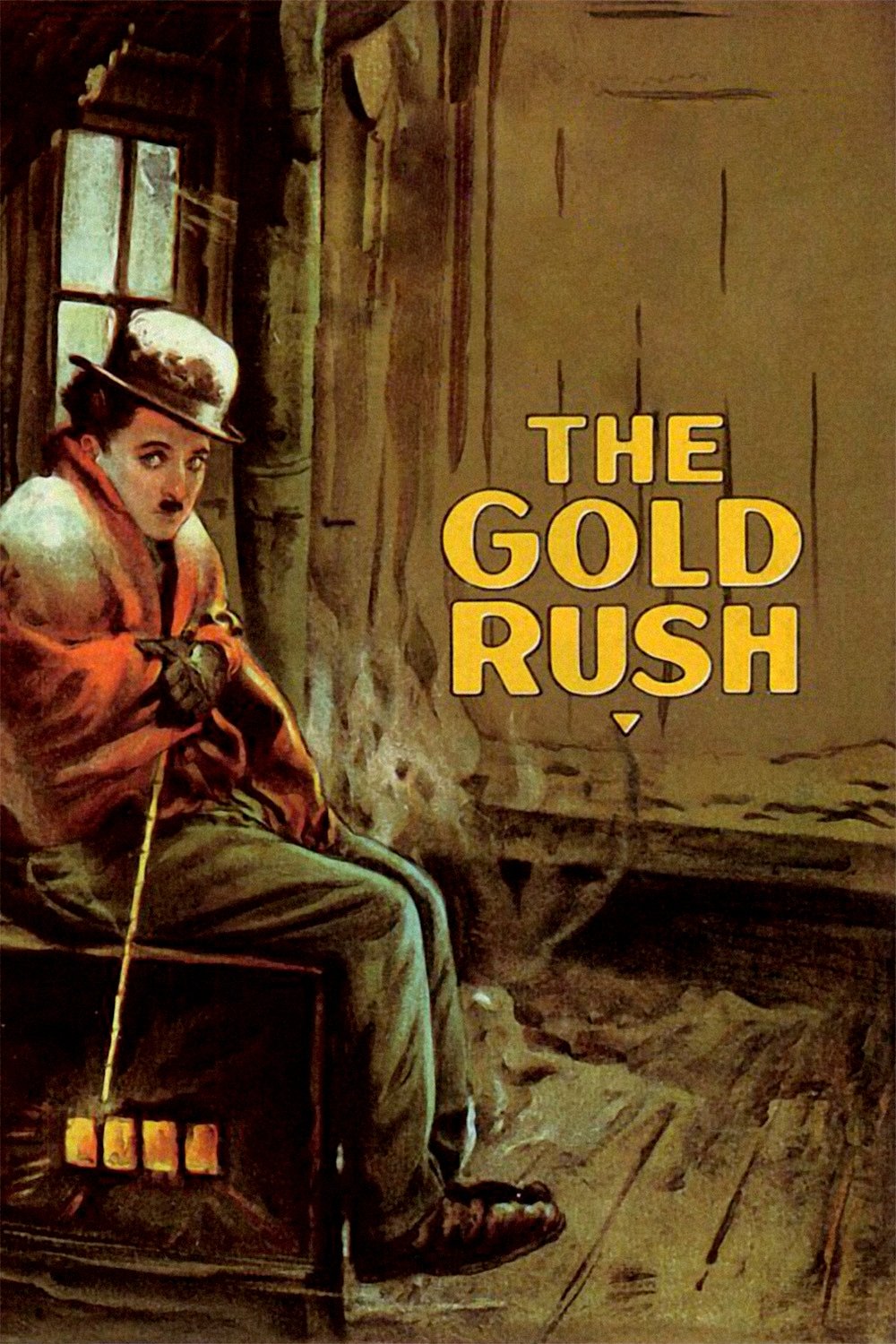
A gold prospector in Alaska struggles to survive the elements and win the heart of a dance hall girl.
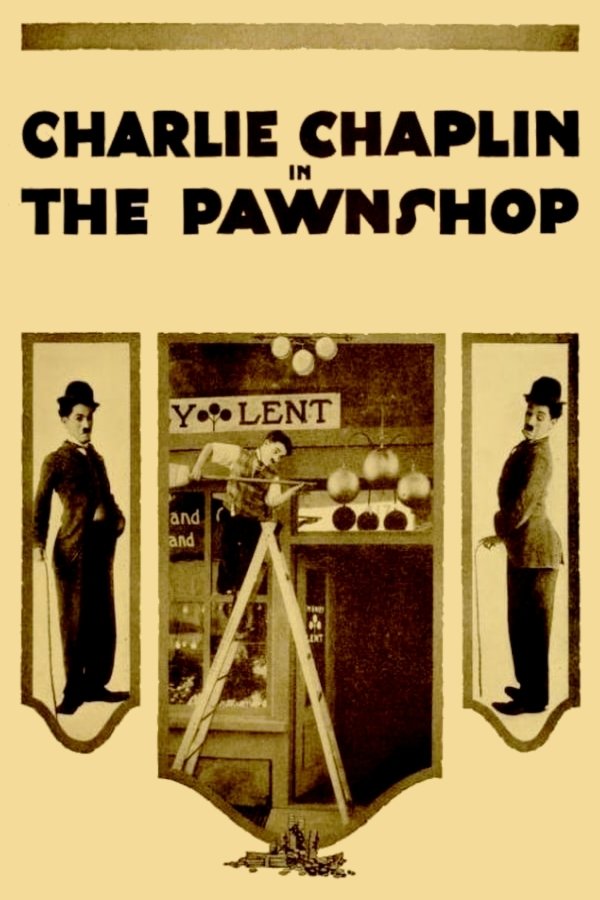
A pawnbroker's assistant deals with his grumpy boss, his annoying co-worker and some eccentric customers as he flirts with the pawnbroker's daughter, until a perfidious crook with bad intentions arrives at the pawnshop.
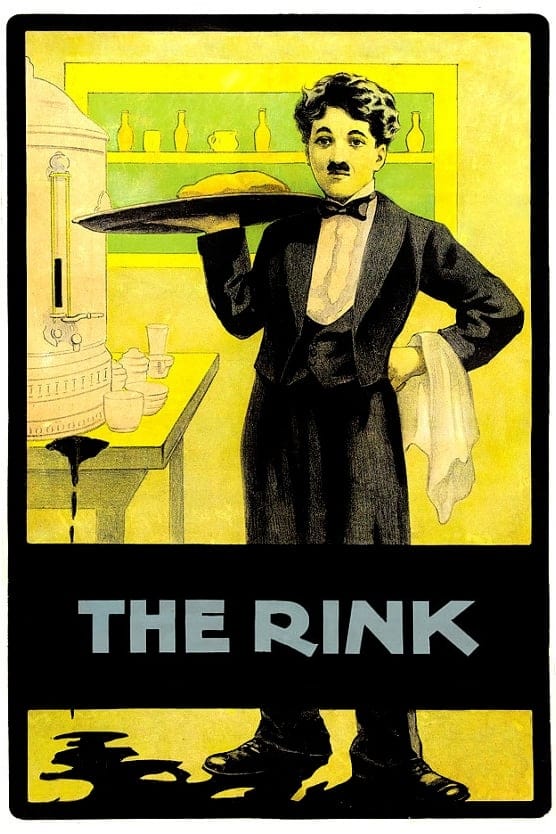
After amusements working in a restaurant, a waiter uses his lunch break to go roller skating.
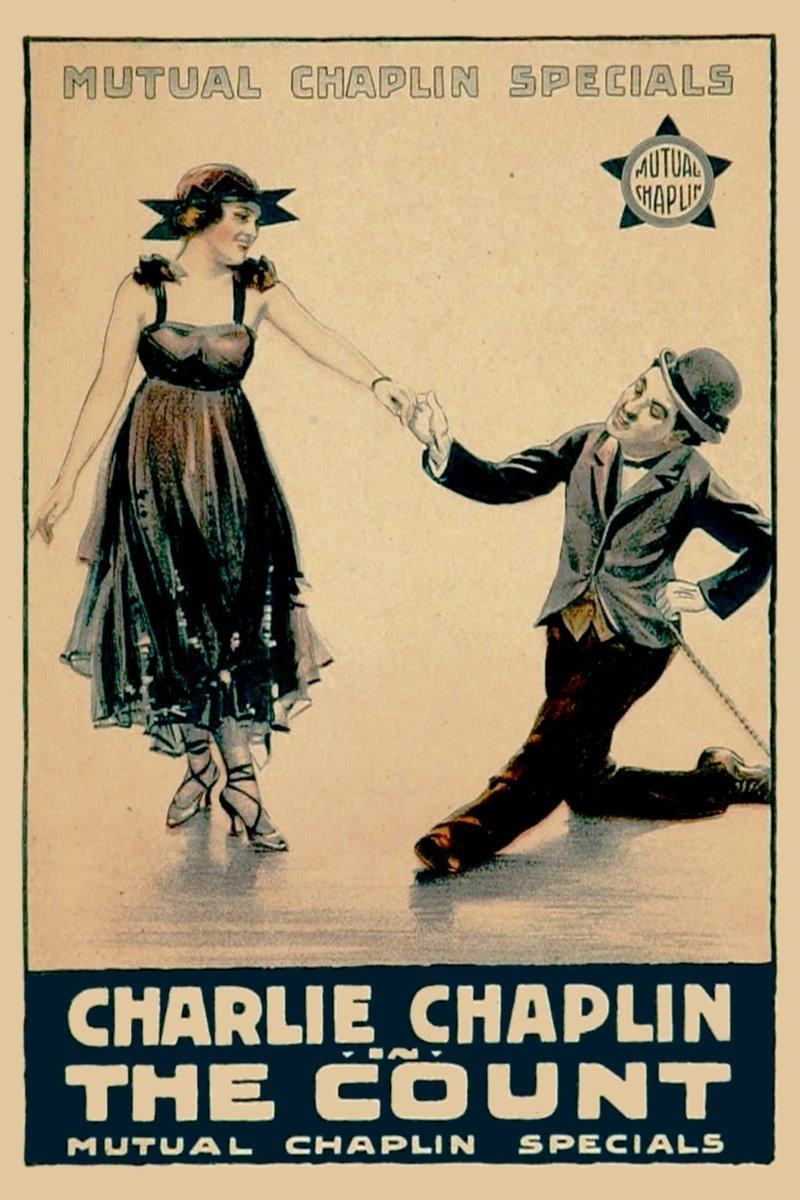
A tailor's apprentice burns Count Broko's clothes while ironing them and the tailor fires him. Later, the tailor discovers a note explaining that the count cannot attend a dance party, so he dresses as such to take his place; but the apprentice has also gone to the mansion where the party is celebrated and bumps into the tailor in disguise…
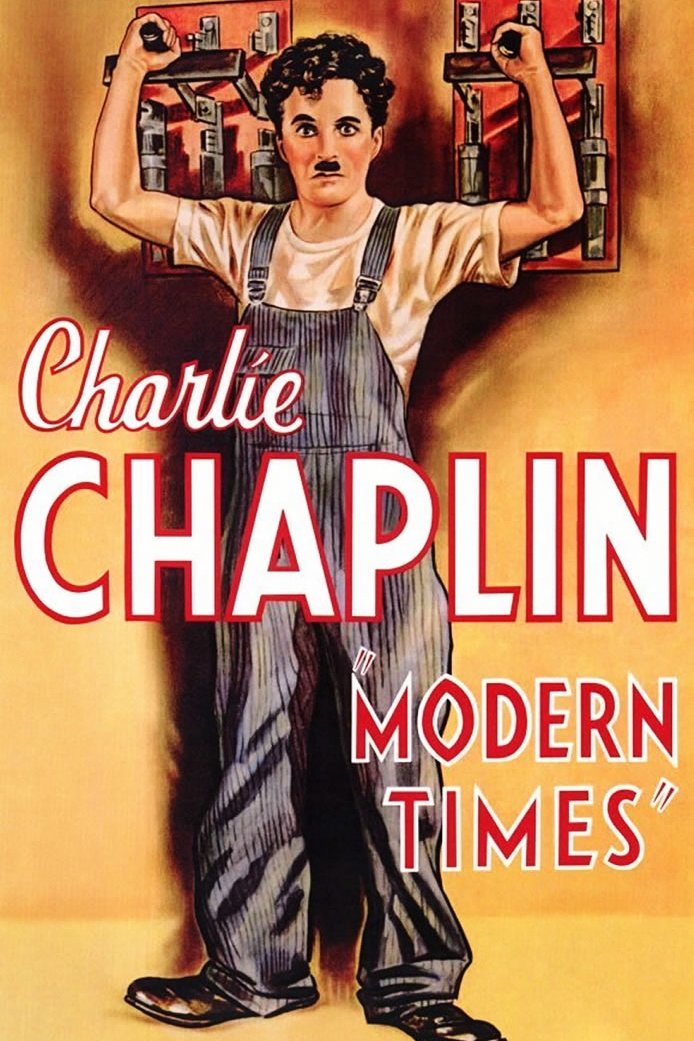
A bumbling tramp desires to build a home with a young woman, yet is thwarted time and time again by his lack of experience and habit of being in the wrong place at the wrong time..

A tramp cares for a boy after he's abandoned as a newborn by his mother. Later the mother has a change of heart and aches to be reunited with her son.
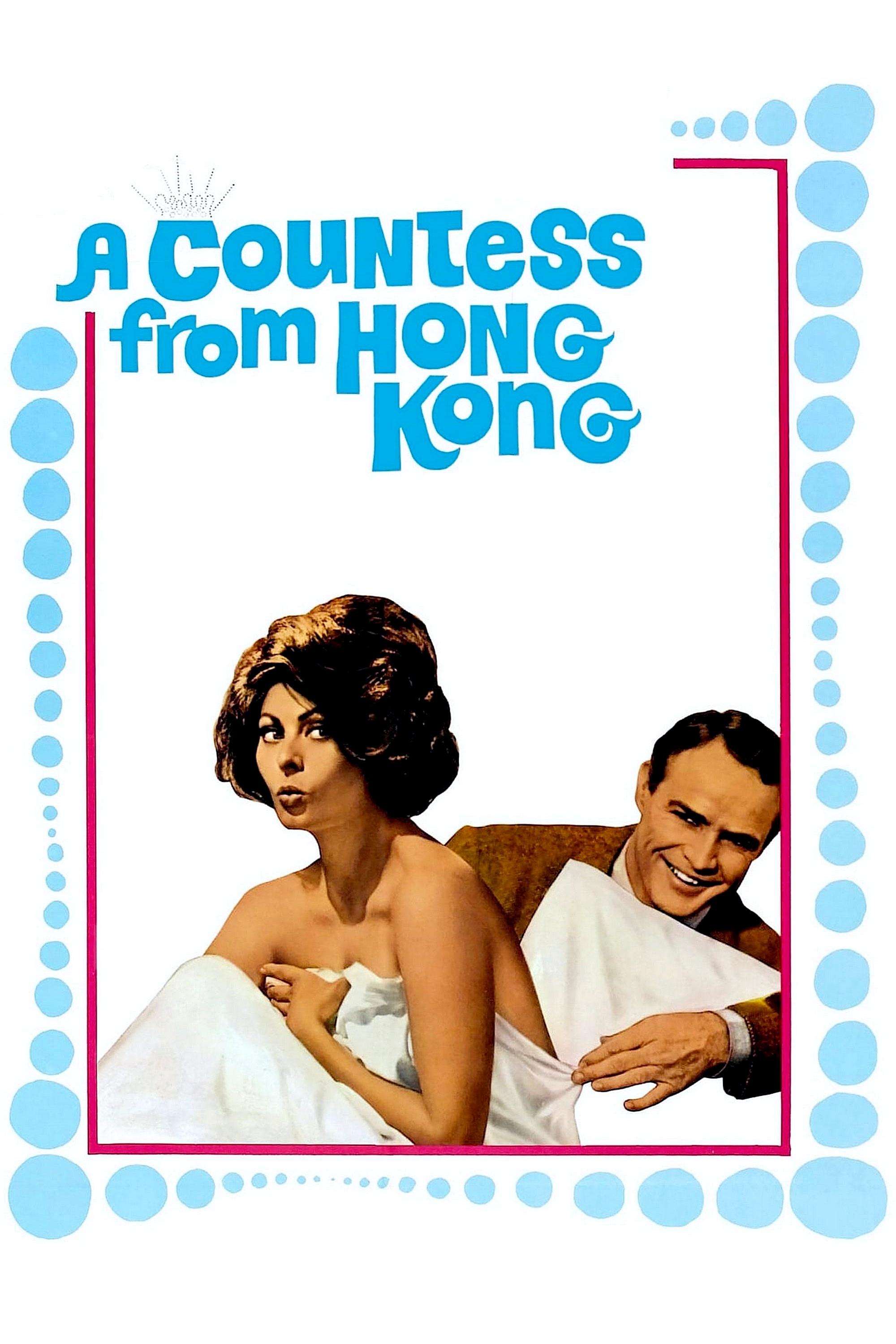
A Russian countess stows away in the stateroom of a married U.S. diplomat bound for New York.
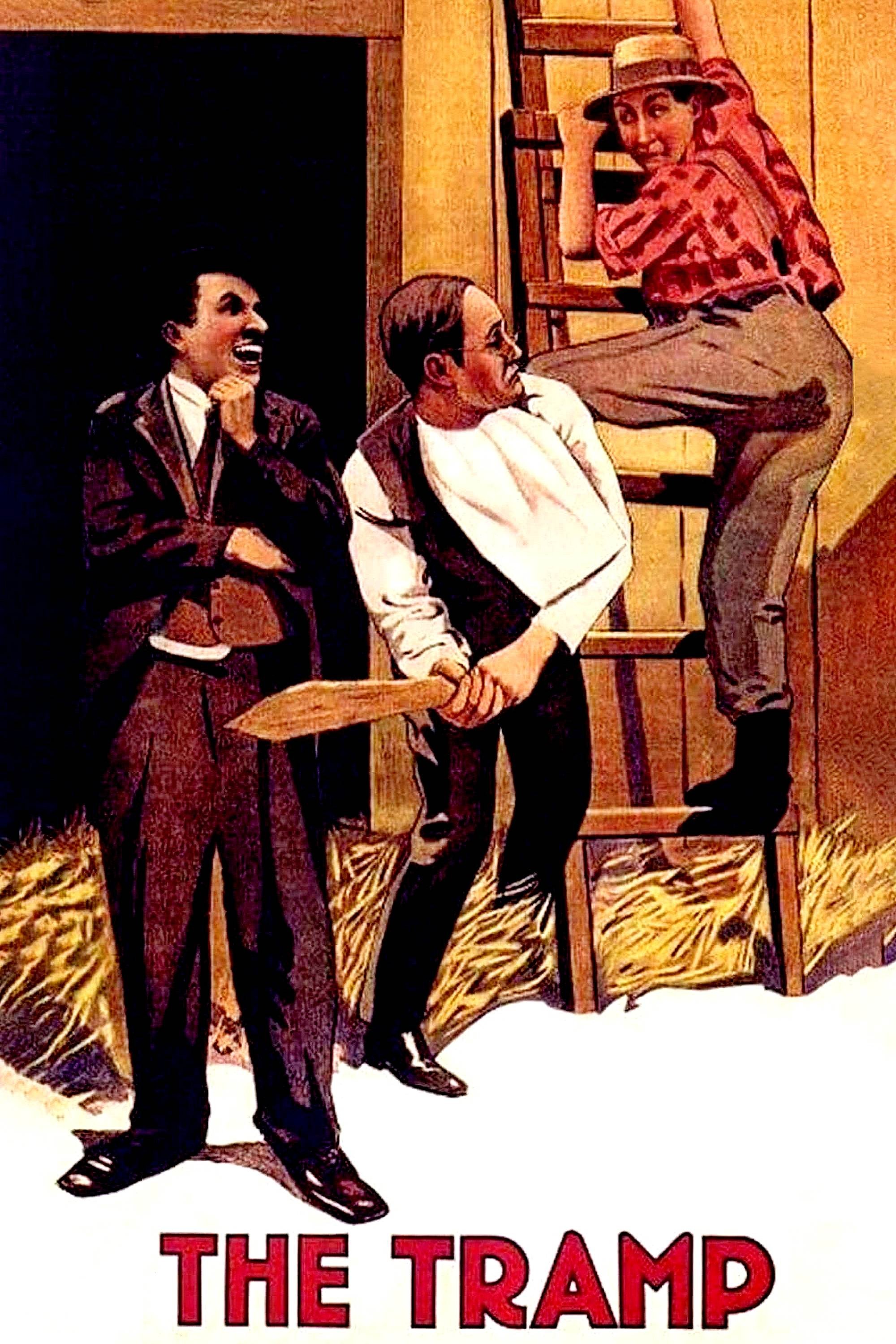
The Little Fellow finds the girl of his dreams and work on a family farm. He helps defend the farm against criminals, and all seems well, until he discovers the girl of his dreams already has someone in her life. Unwilling to be a problem in their lives, he takes to the road, though he is seen skipping and swinging his cane as if happy to be back on the road where he knows he belongs.
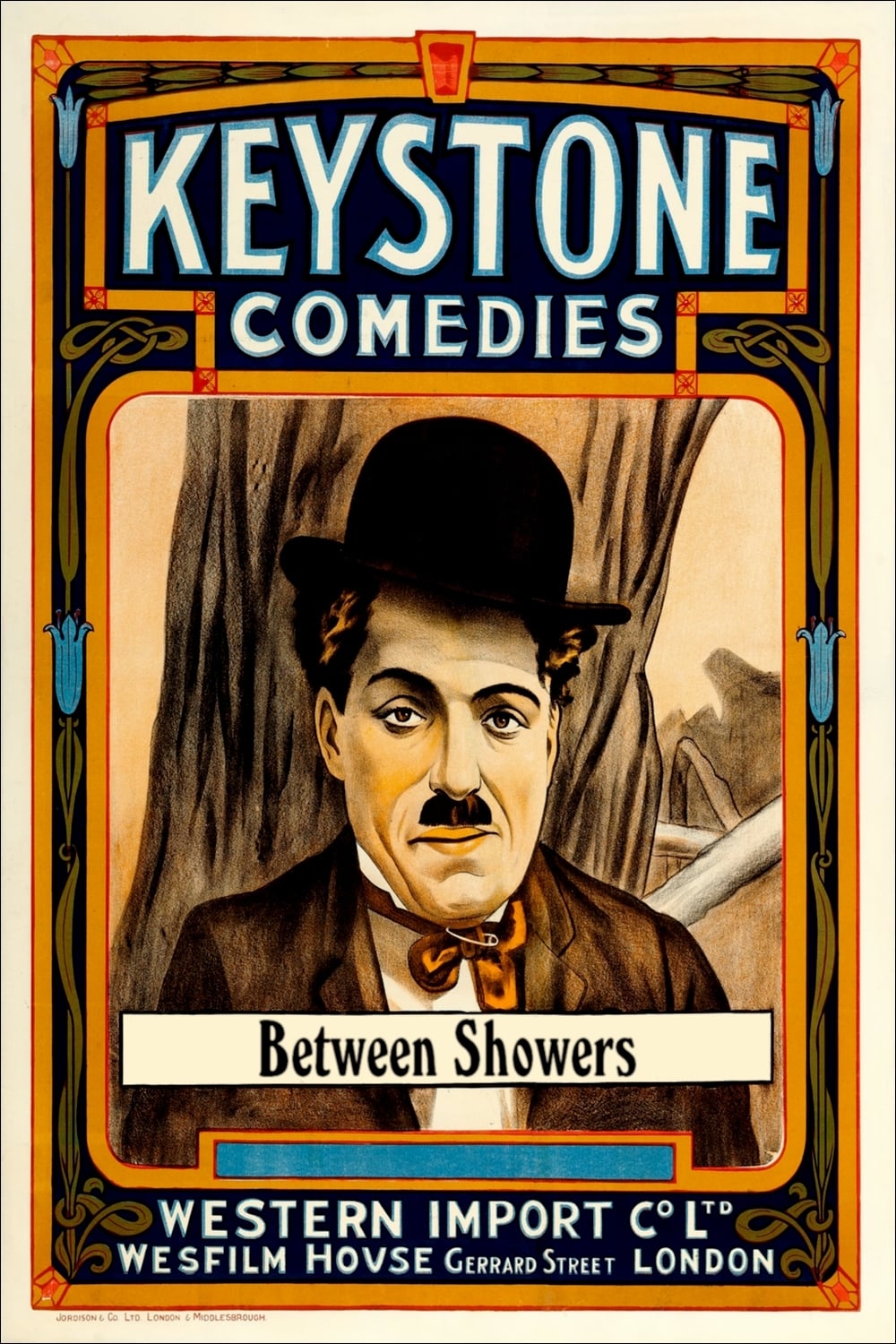
Mr. Snookie steals an umbrella and then, while trying to help a woman to cross a puddle, the Tramp appears and intervenes.

This early Chaplin film has him playing a character quite different from the Tramp for which he would become famous. He is a rich, upper-class gentleman whose romance is endangered when his girlfriend oversees him being embraced by a maid. Chaplin's romantic interest in this film, Minta Durfee, was the wife of fellow Keystone actor, Roscoe "Fatty" Arbuckle.
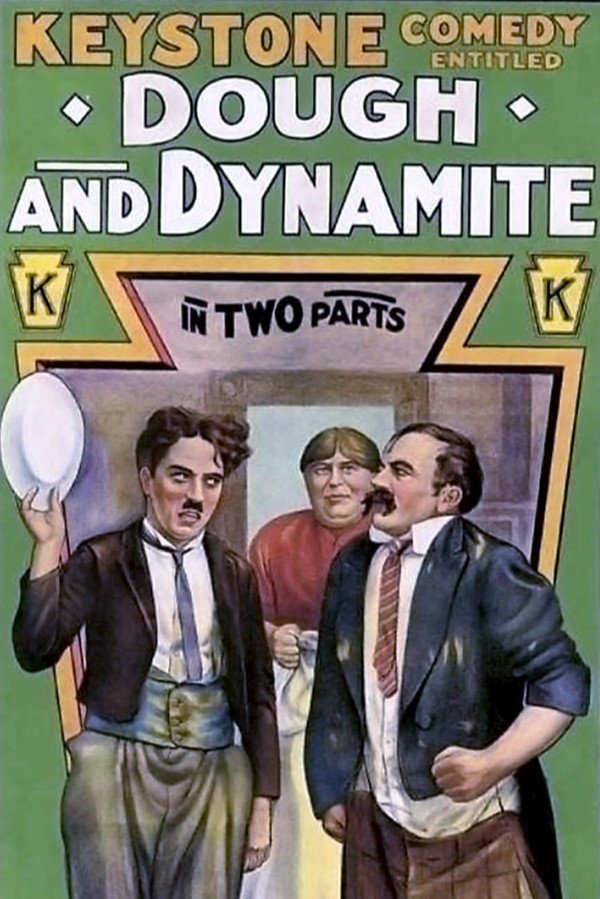
Pierre and Jacques are working as waiters at a restaurant where the cooks go on strike. When the two are forced to work as bakers, the striking cooks put dynamite in the dough, with explosive results.
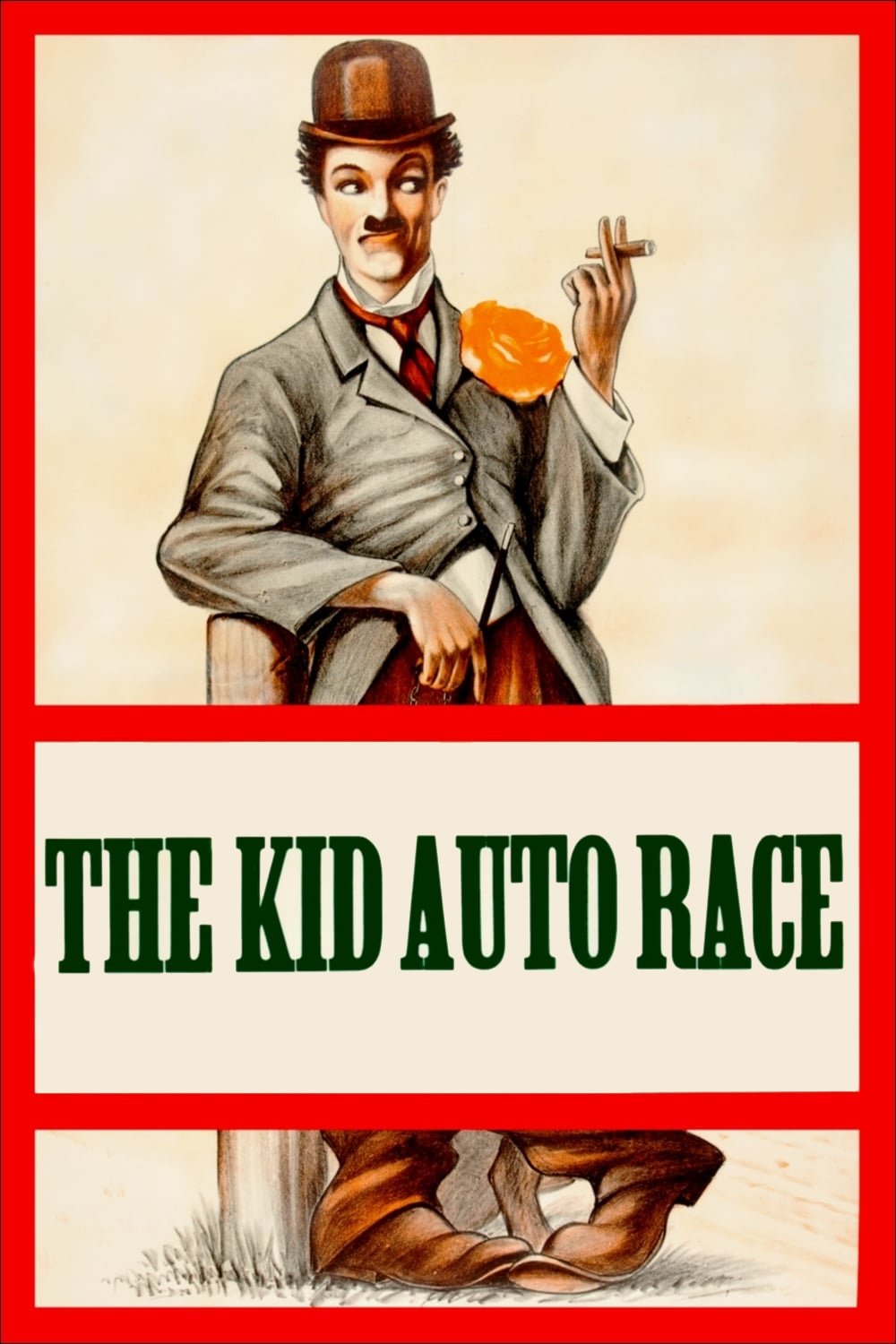
The Tramp interferes with the celebration of several kid auto races in Venice, California (Junior Vanderbilt Cup Race, January 10 and 11, 1914), standing himself in the way of the cameraman who is filming the event.
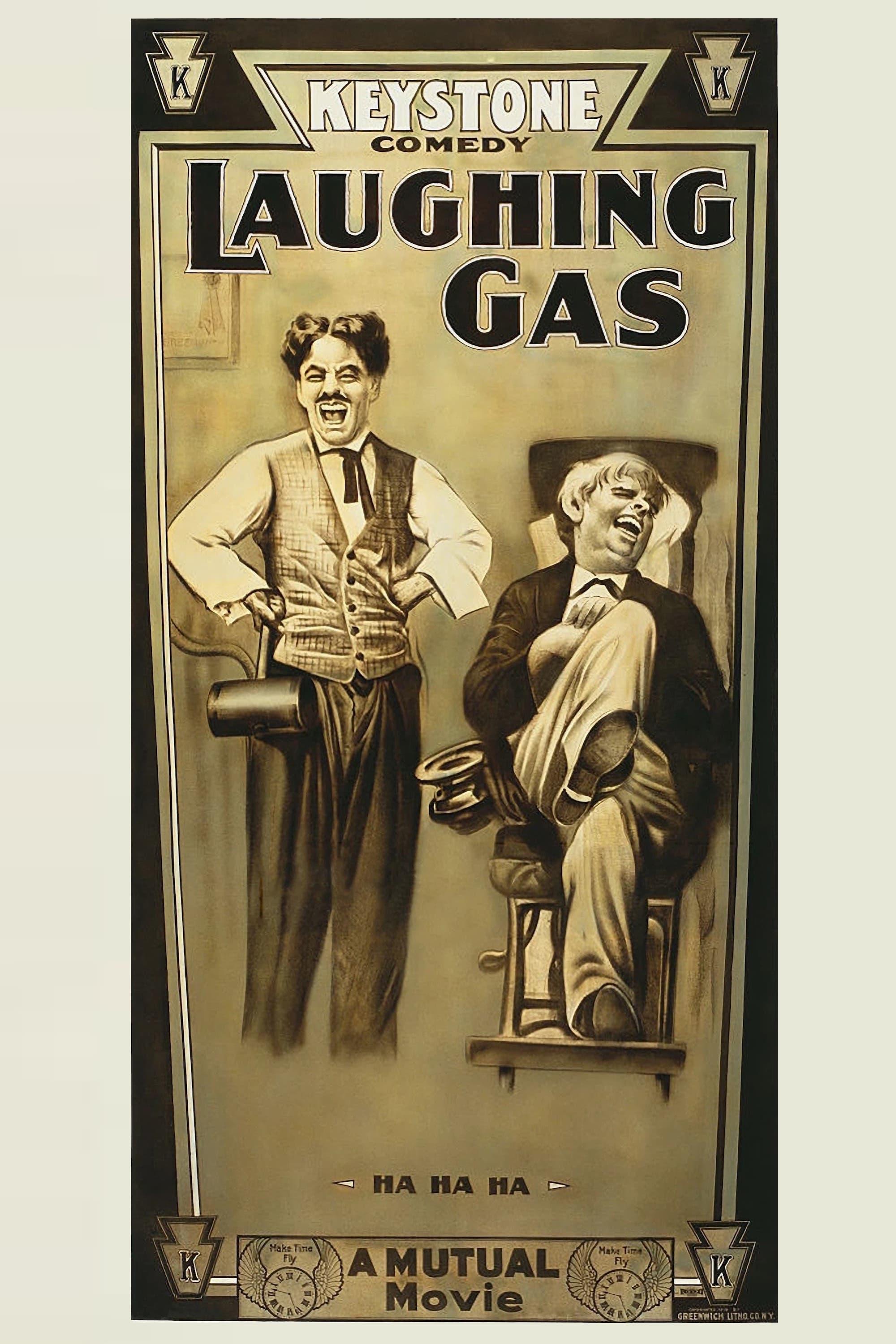
Although only a dental assistant, Charlie pretends to be the dentist. After receiving too much anesthesia, a patient can't stop laughing, so Charlie knocks him out with a club.
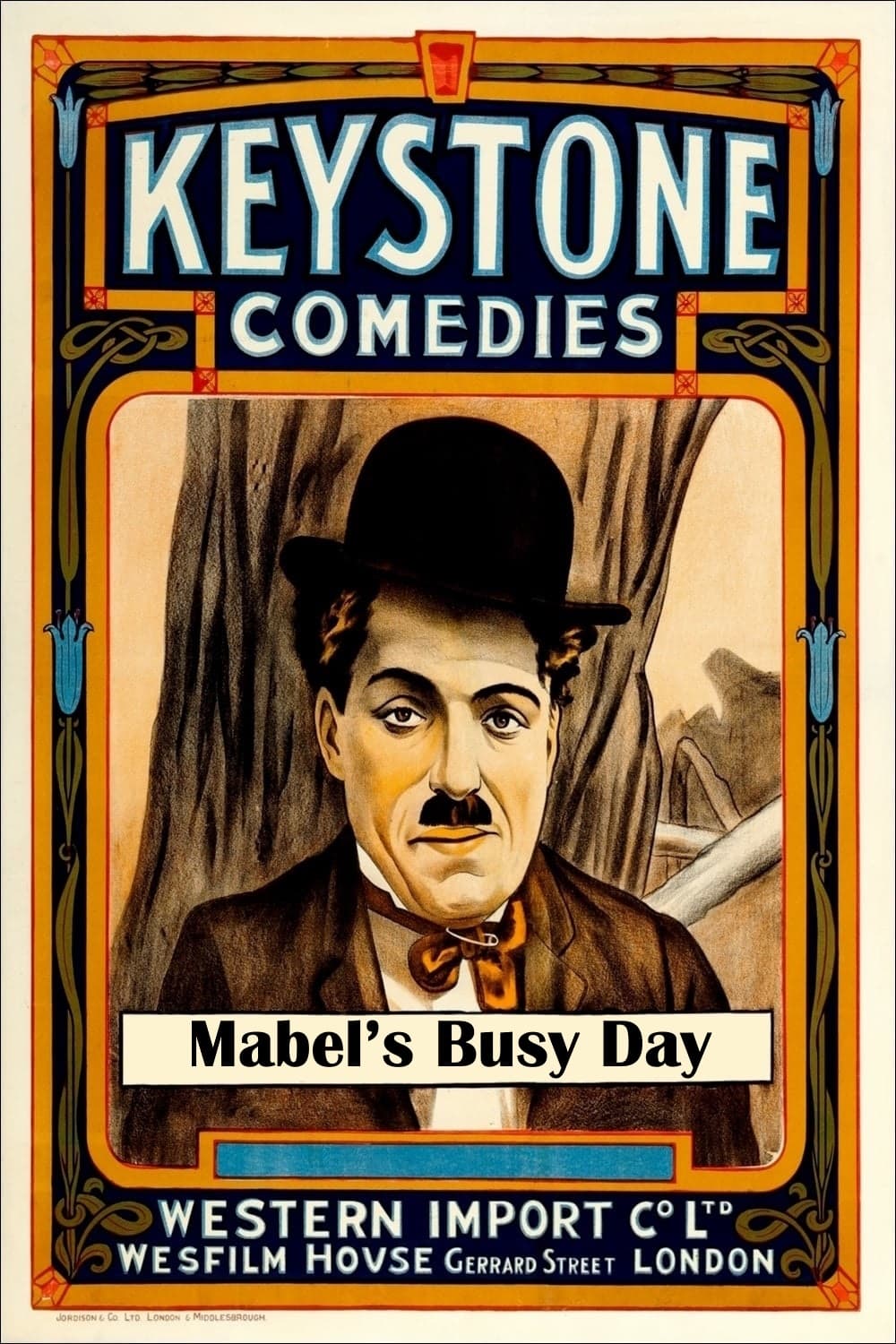
Mabel tries to sell hot dogs at a car race, but isn't doing a very good job at it. She sets down the box of hot dogs and leaves them for a moment. Charlie finds them and gives them away to the hungry spectators at the track as Mabel frantically tries to find her lost box of hot dogs. Mabel finds out that Charlie has stolen them and sends the police after him. Chaos ensues.
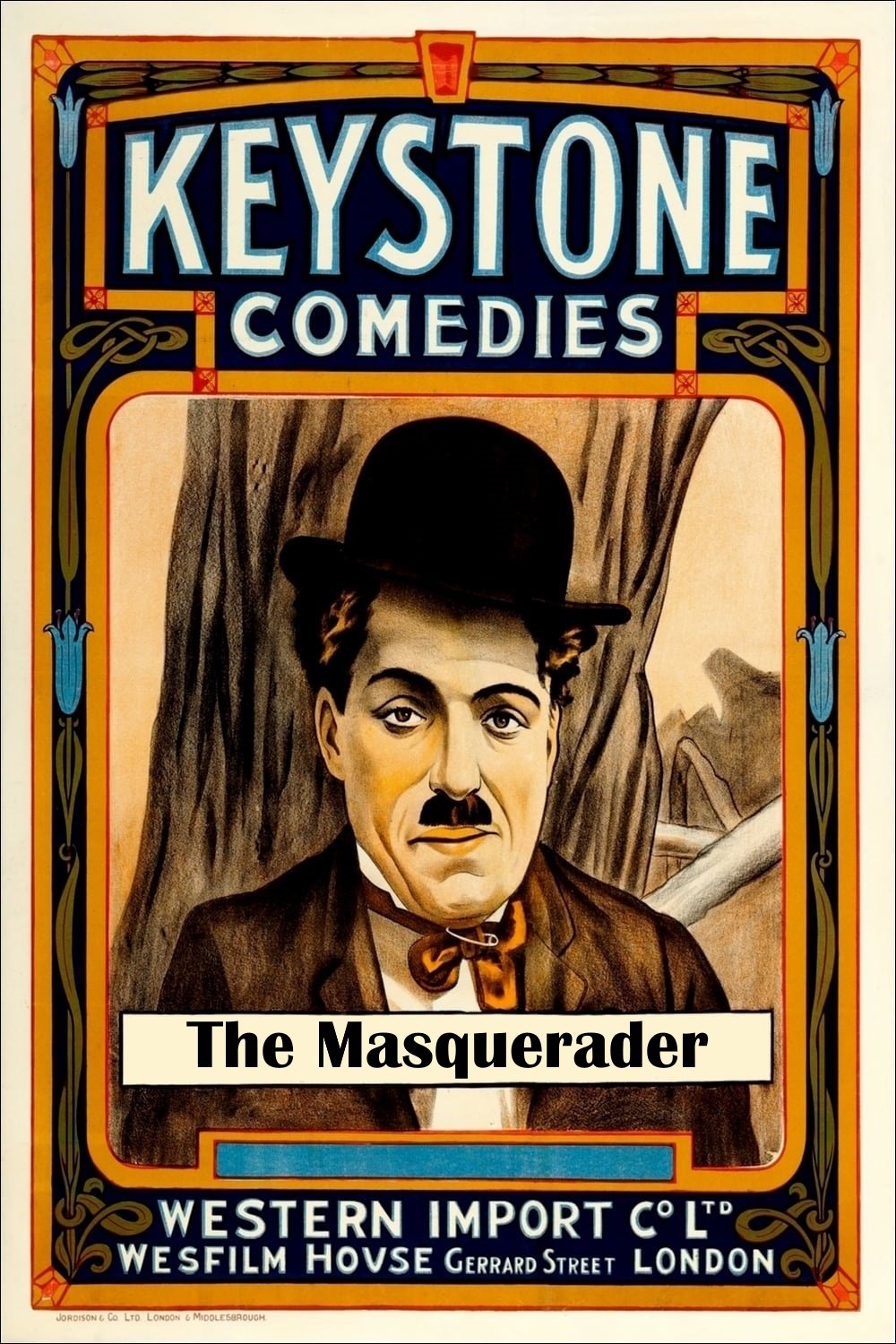
Charlie plays an actor who bungles several scenes and is kicked out. He returns convincingly dressed as a lady and charms the director, but Charlie never makes it into the film.
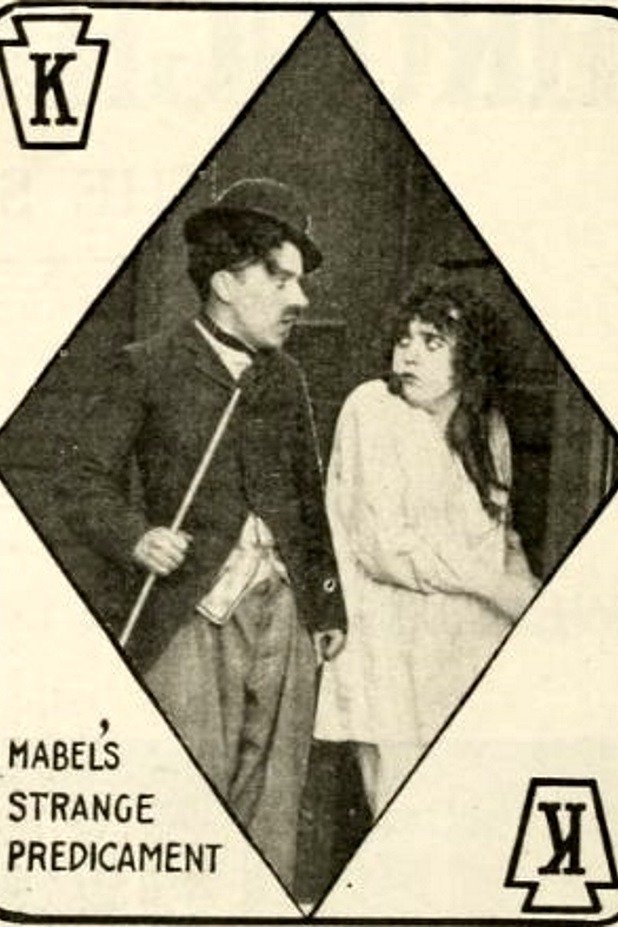
A tramp gets drunk in a hotel lobby and, upstairs, causes some misunderstandings between Mabel, two hotel guests across the hall from her room, and Mabel's visiting sweetheart.
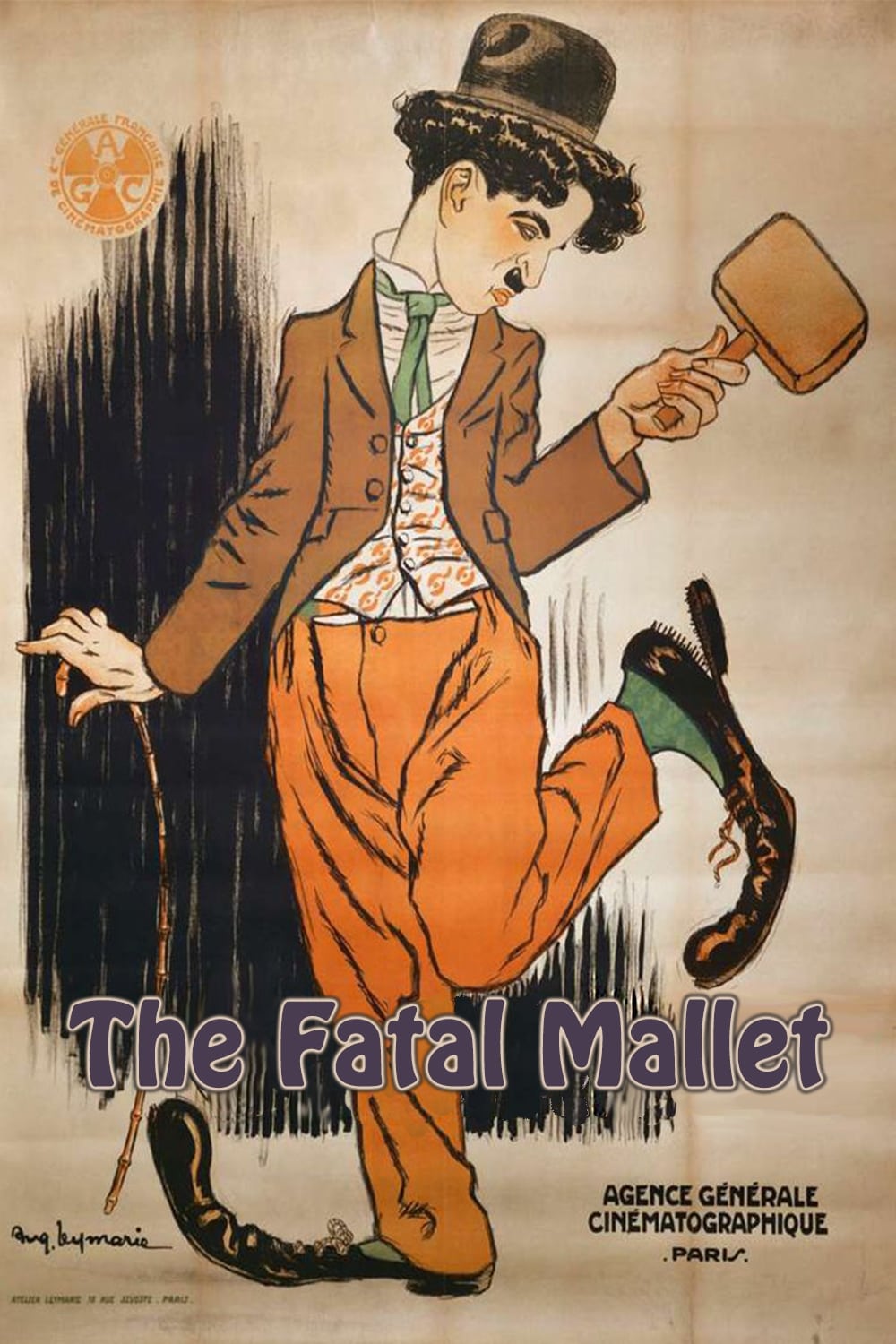
Three men compete for the attentions of a pretty girl. One of them, a little tramp, plays dirty.
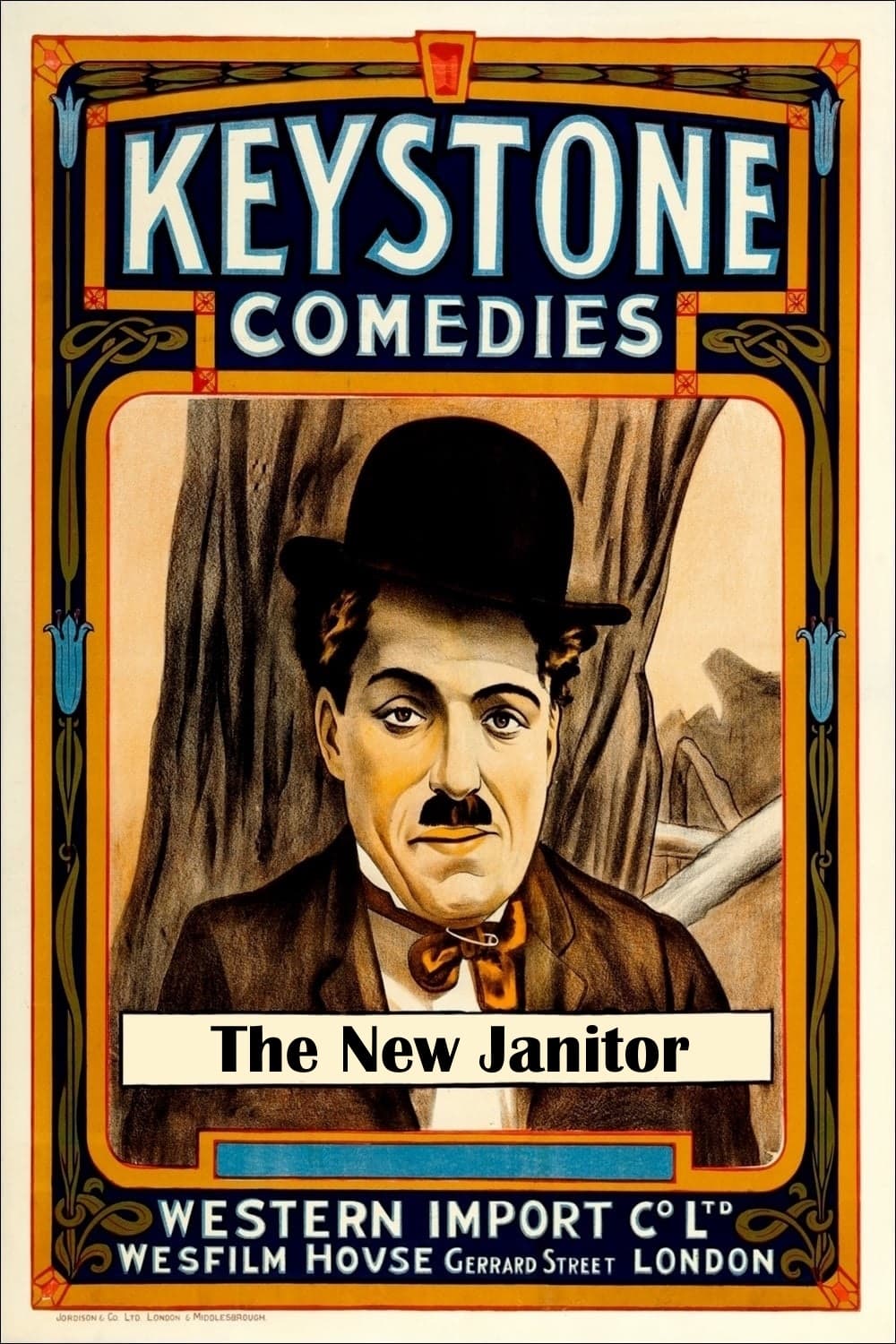
The hero, a janitor played by Chaplin, is fired from work for accidentally knocking his bucket of water out the window and onto his boss the chief banker (Tandy). Meanwhile, one of the junior managers (Dillon) is being threatened with exposure by his bookie for gambling debts unpaid. Thus the manager decides to steal from the company.
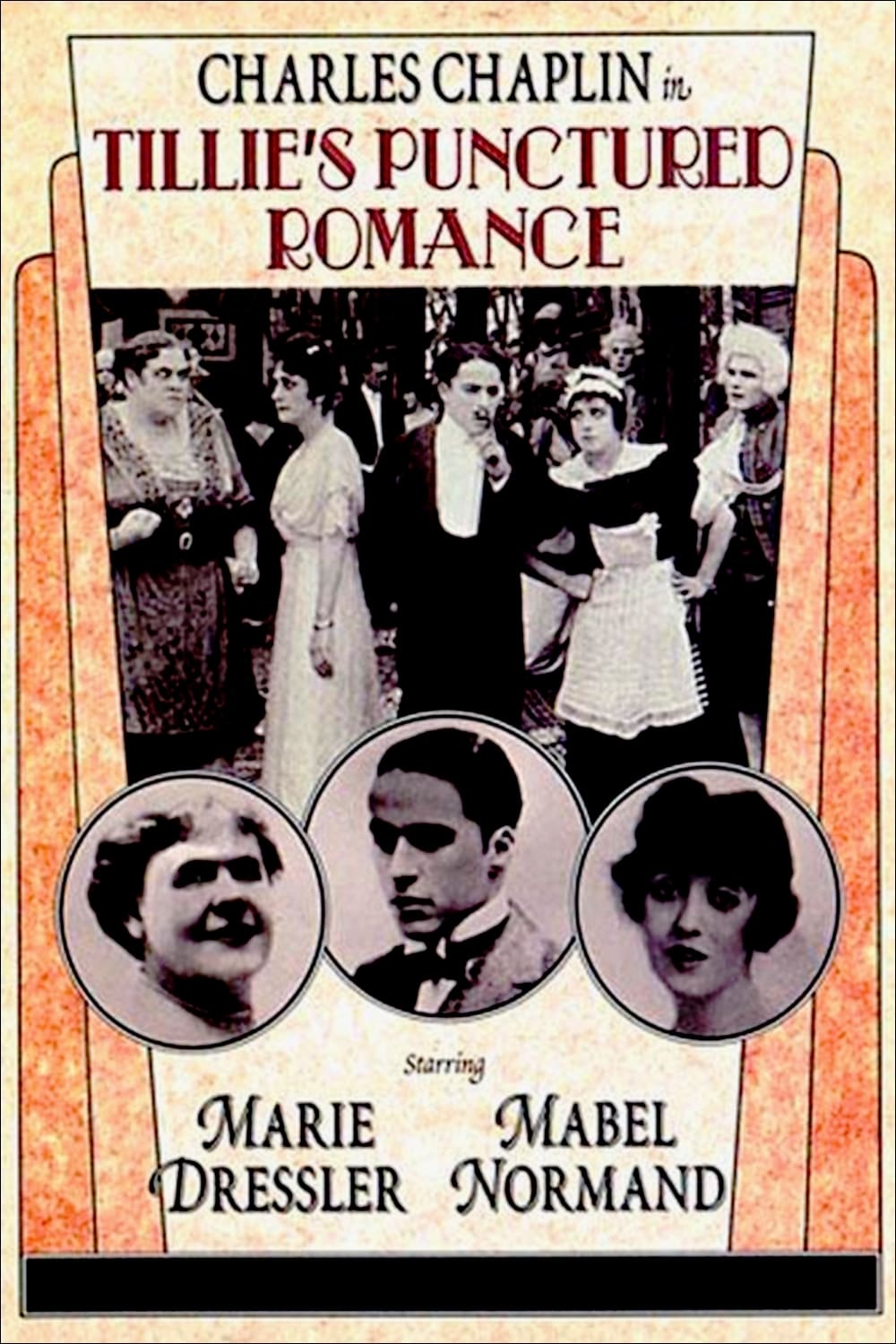
A womanizing city man meets Tillie in the country. When he sees that her father has a very large bankroll for his workers, he persuades her to elope with him.
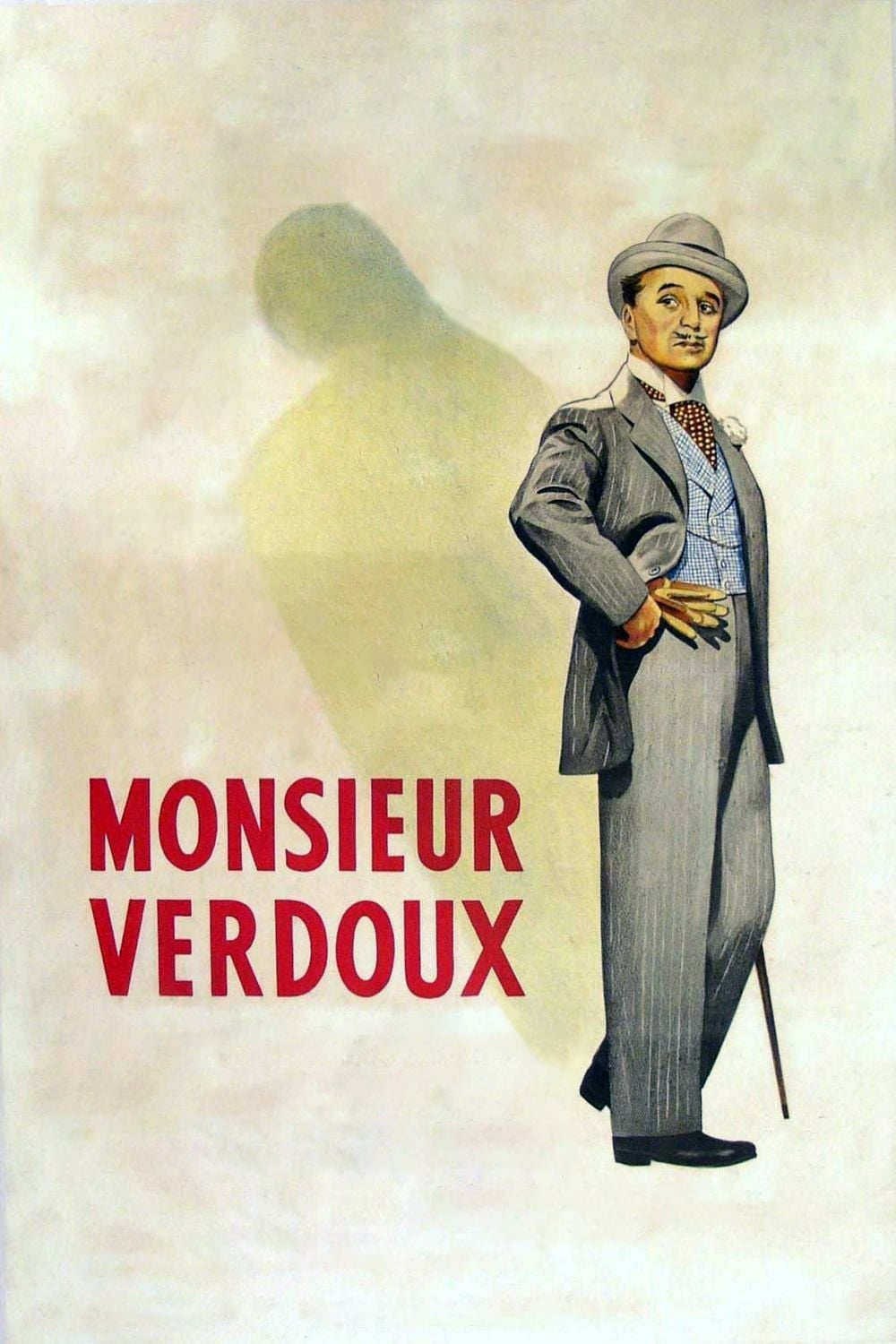
The film is about an unemployed banker, Henri Verdoux, and his sociopathic methods of attaining income. While being both loyal and competent in his work, Verdoux has been laid-off. To make money for his wife and child, he marries wealthy widows and then murders them. His crime spree eventually works against him when two particular widows break his normal routine.
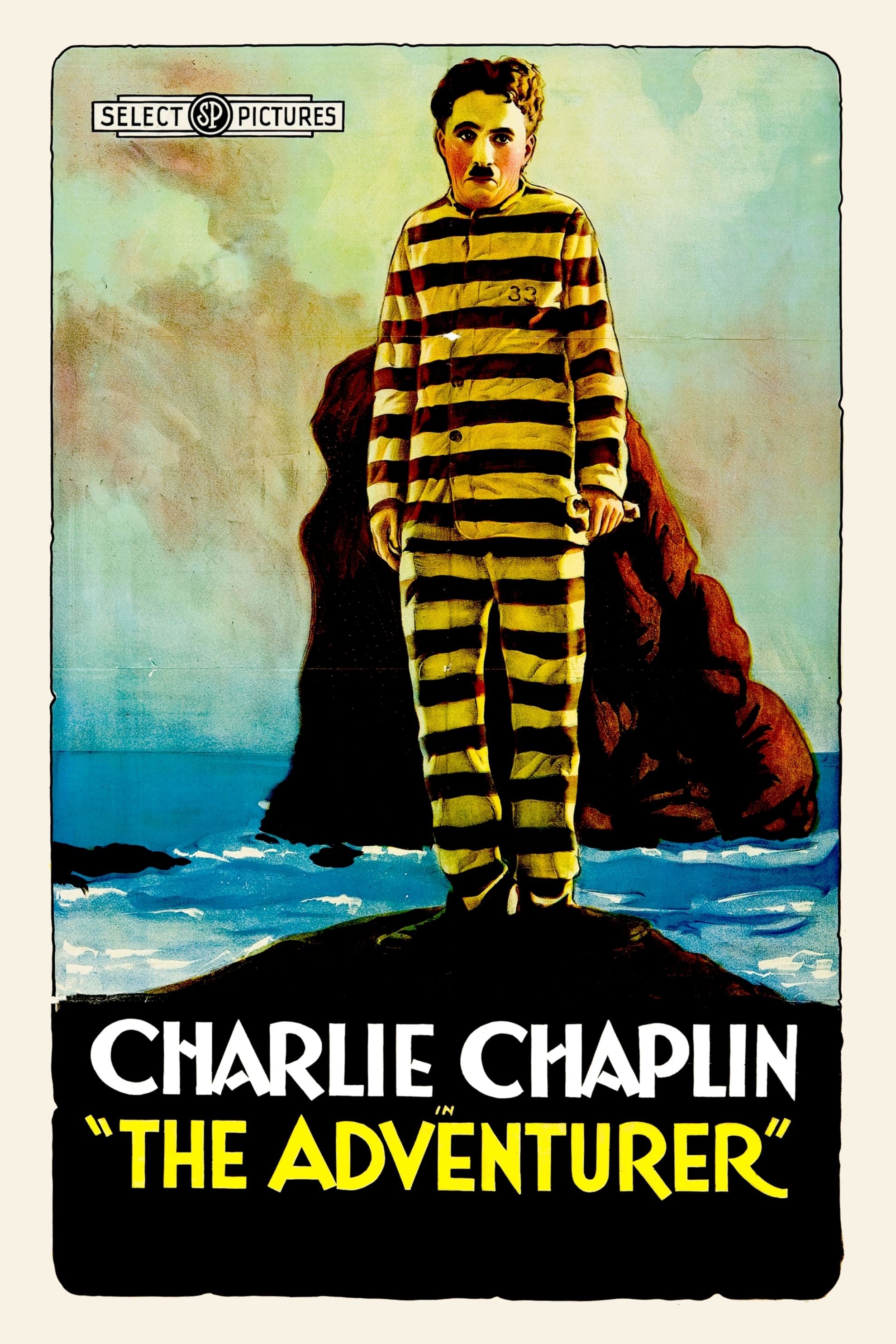
The daring convict no. 23, known as The Eel, escapes from prison and, after mocking his inept persecutors, saves the lives of three people in peril: a beautiful girl, her mother and an annoying suitor, only to get exhausted and almost drowned. Once he regains his strength at Judge Brown's home, he participates on an upper-class social party where he competes with the suitor for the favors of the charming Miss Brown. But prison guards are still after him…
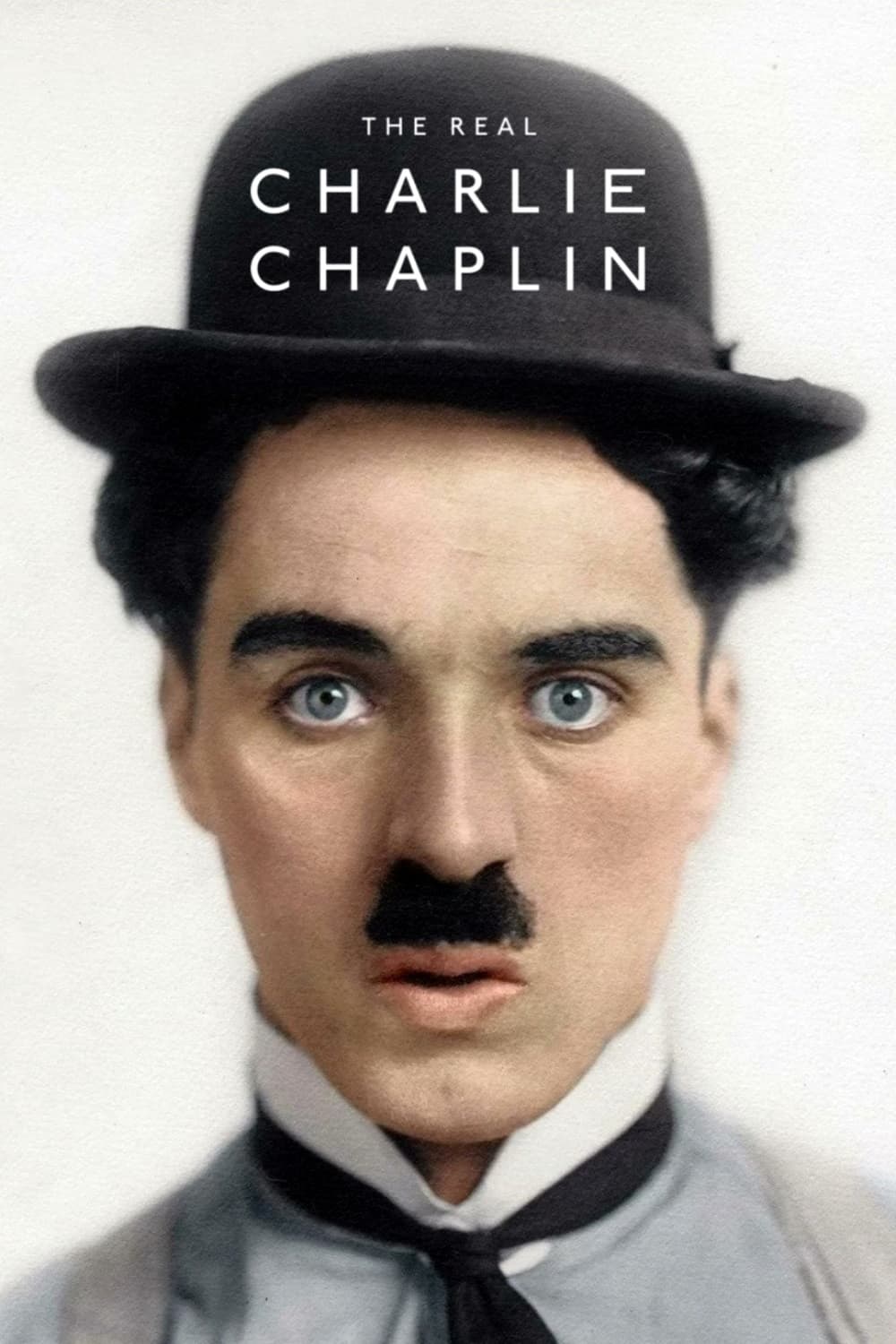
A look at the life and work of Charlie Chaplin in his own words featuring an in-depth interview he gave to Life magazine in 1966.

Charlie is a clumsy waiter in a cheap cabaret, suffering the strict orders from his boss. He meets a pretty girl in the park and tries to impress her by pretending to be an ambassador. Unfortunately she has a jealous fiancé.
"A Woman of Paris" (1923) was the first film Chaplin made for United Artists Film Corporation, which he founded with his friends Mary Pickford, Douglas Fairbanks and D. W. Griffith. Chaplin had long considered making a dramatic feature. For the first time, he decided to direct. Actress and filmmaker Liv Ullmann analyses the film. She talks about the acting, the originality of the characterizations, as well as the "feminine" viewpoint Chaplin adopted for the first time in his films.
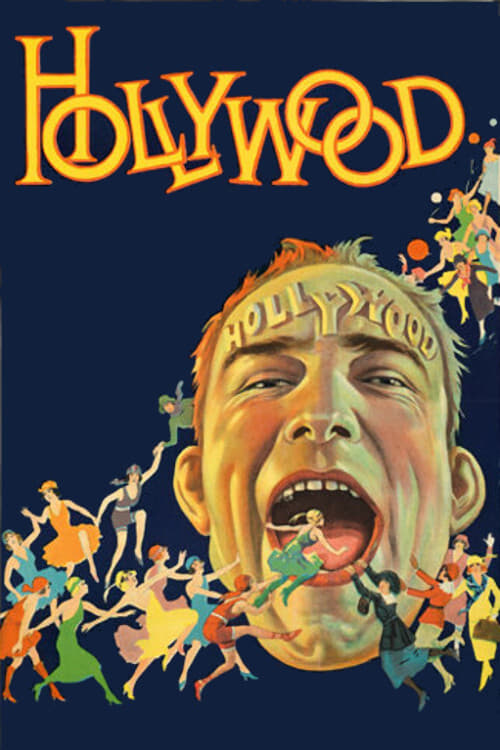
Angela comes to Hollywood with only two things: Her dream to become a movie star, and Grandpa. She leaves an Aunt, a brother, Grandma, and her longtime boyfriend back in Centerville. Despite seeing major movie stars around every corner, and knocking on every casting office door in town, at the end of her first day she is still unemployed. To her horror, when she arrives back at their hotel, she finds that Grandpa has been cast in a movie by William DeMille and quickly becomes a star during the ensuing weeks. Her family, worried that Angela and Grandpa are getting into trouble, come to Hollywood to drag them back home. In short order Aunt, Grandma, brother, boyfriend and even the parrot become superstars, but Angela is still unemployed...

With a maddening sensuality, the unforgettable actress of the film "A Special Day" embodies the golden age of Italian cinema. From the suburbs of Naples to Hollywood, this biographical documentary looks back at the flamboyant career and destiny of Sophia Loren.

Glenn Ford narrates this hilarious look back at the greatest comedians in movie history.
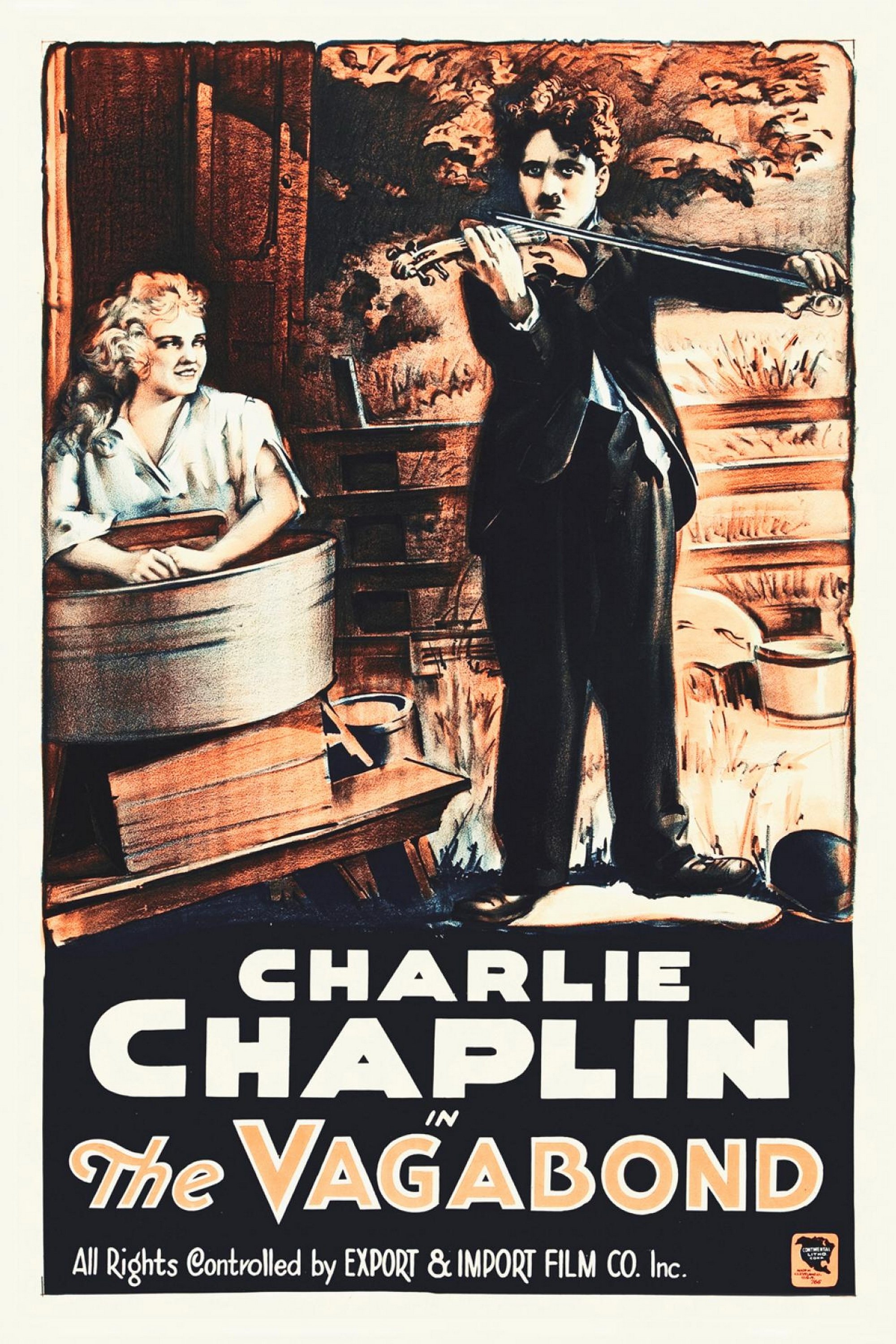
A tramp tries to earn money by playing the violin, but he’s soon facing off against the jealous competition.
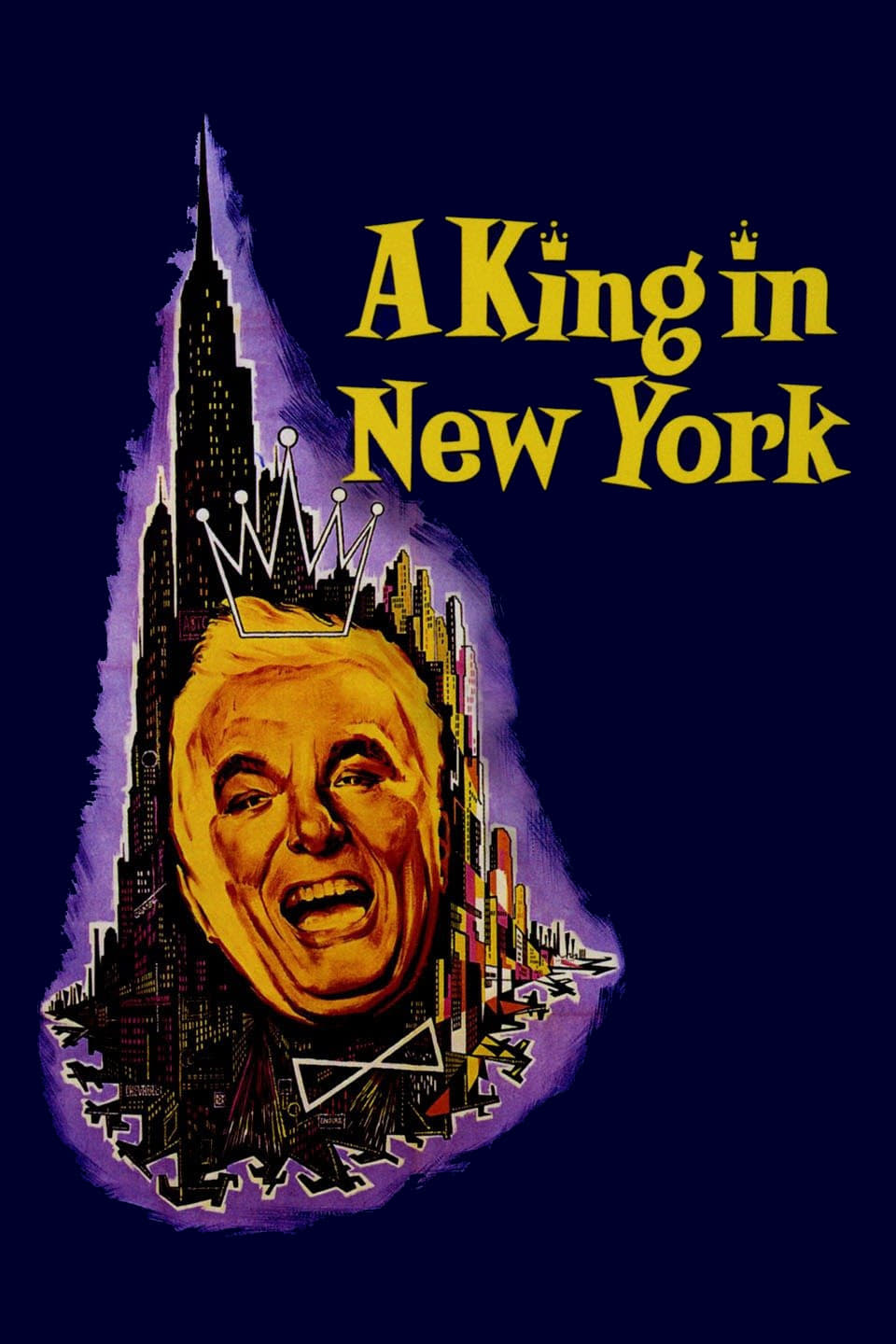
A recently-deposed "Estrovian" monarch seeks shelter in New York City, where he becomes an accidental television celebrity. Later, he's wrongly accused of being a Communist and gets caught up in subsequent HUAC hearings.
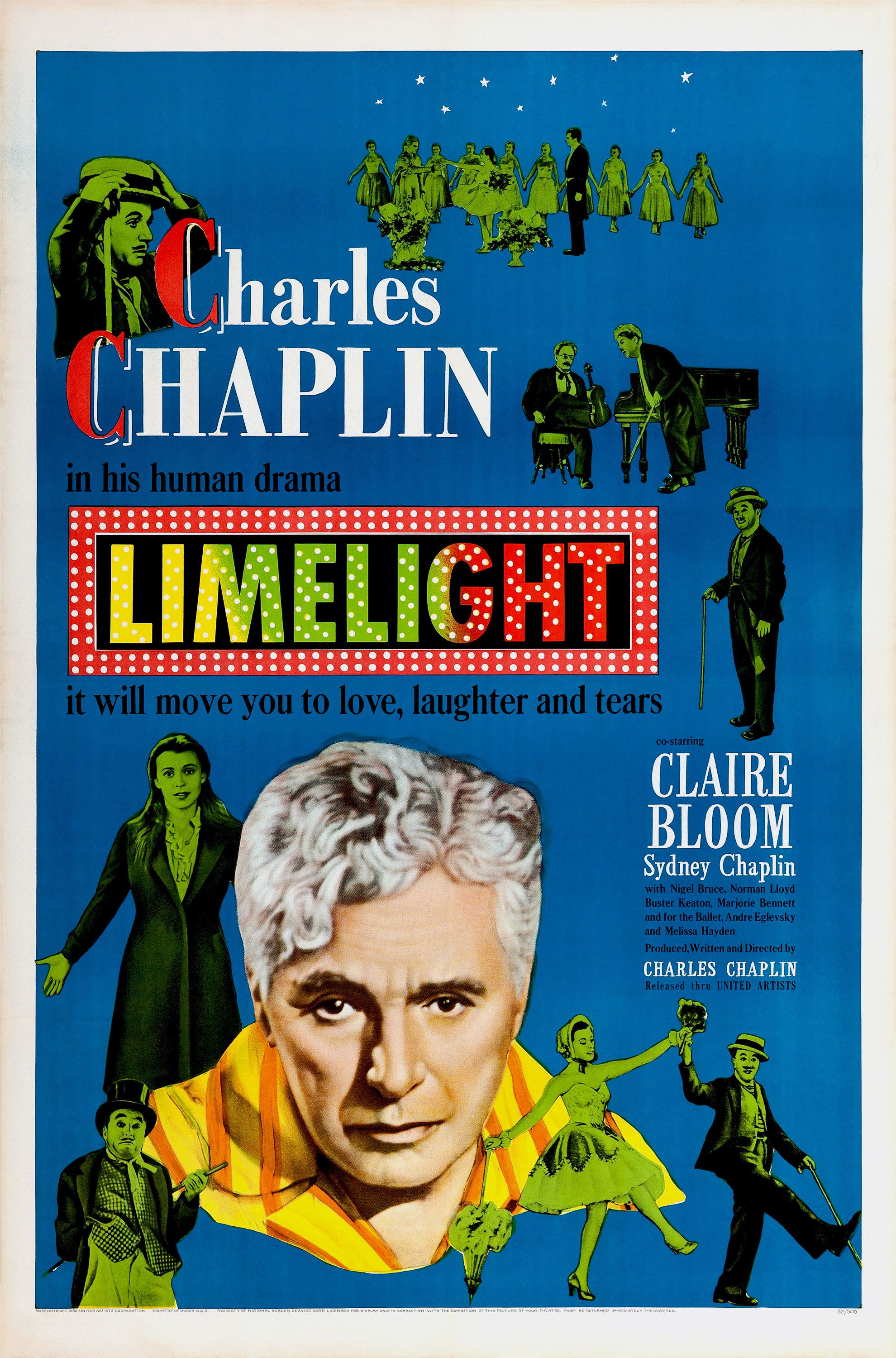
A fading music hall comedian tries to help a despondent ballet dancer learn to walk and to again feel confident about life.
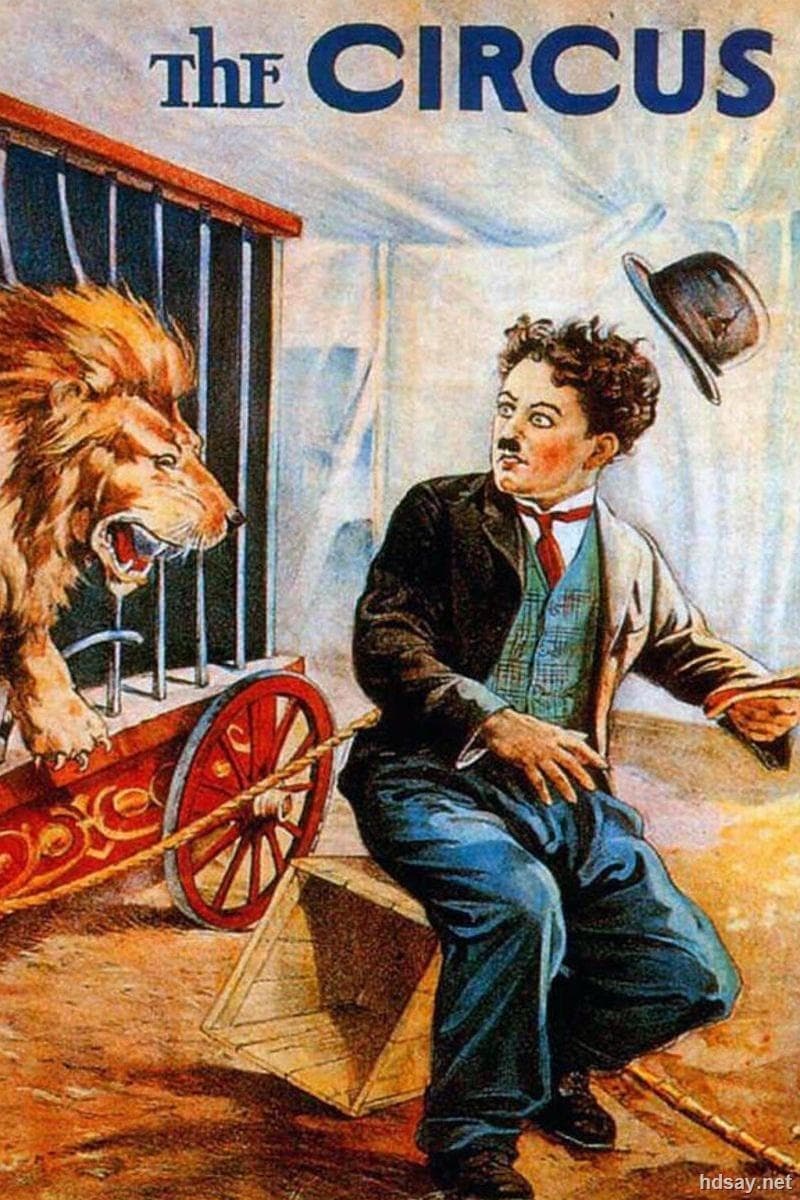
Charlie, a wandering tramp, becomes a circus handyman - soon the star of the show - and falls in love with the circus owner's stepdaughter.
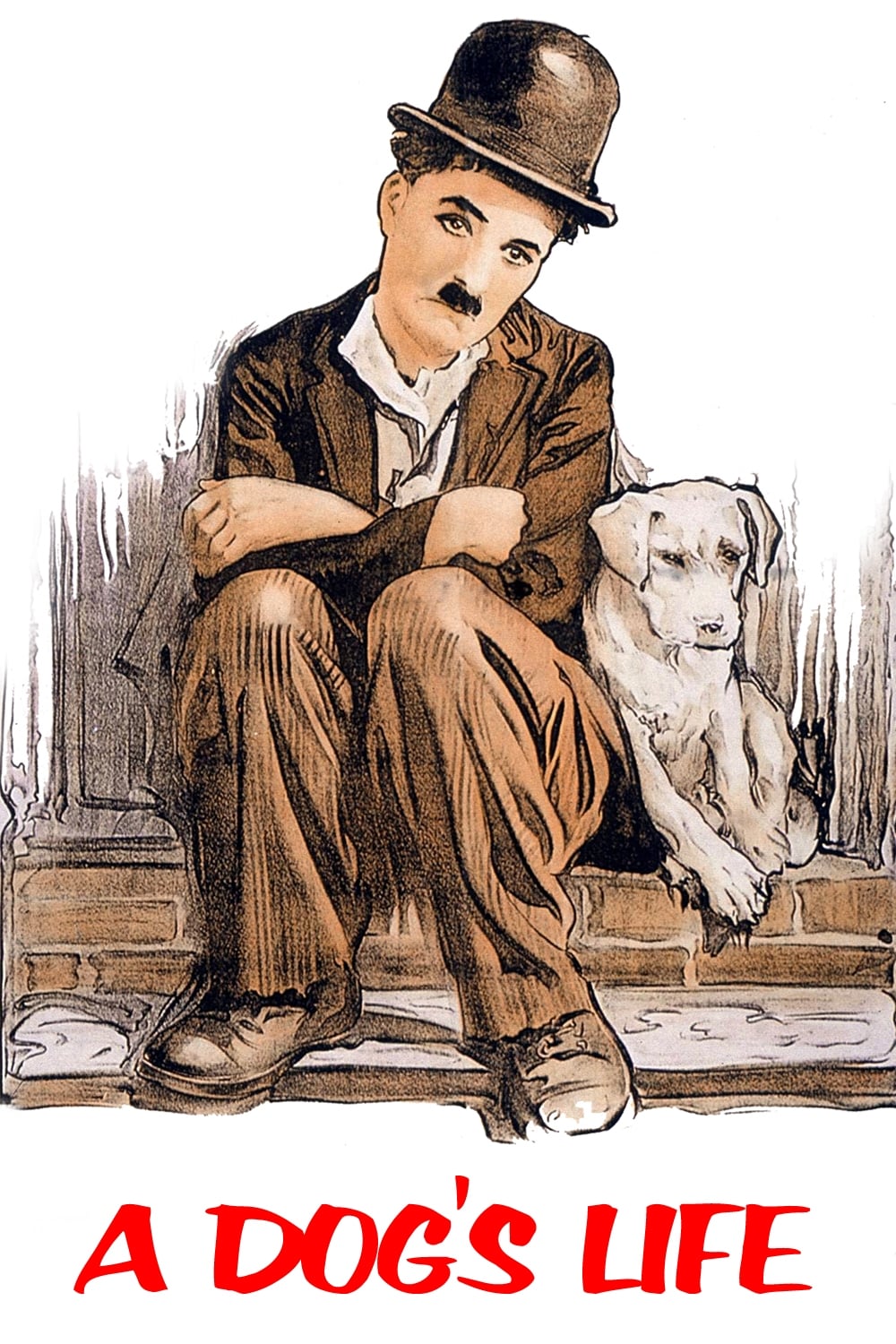
The Tramp and his dog companion struggle to survive in the inner city.
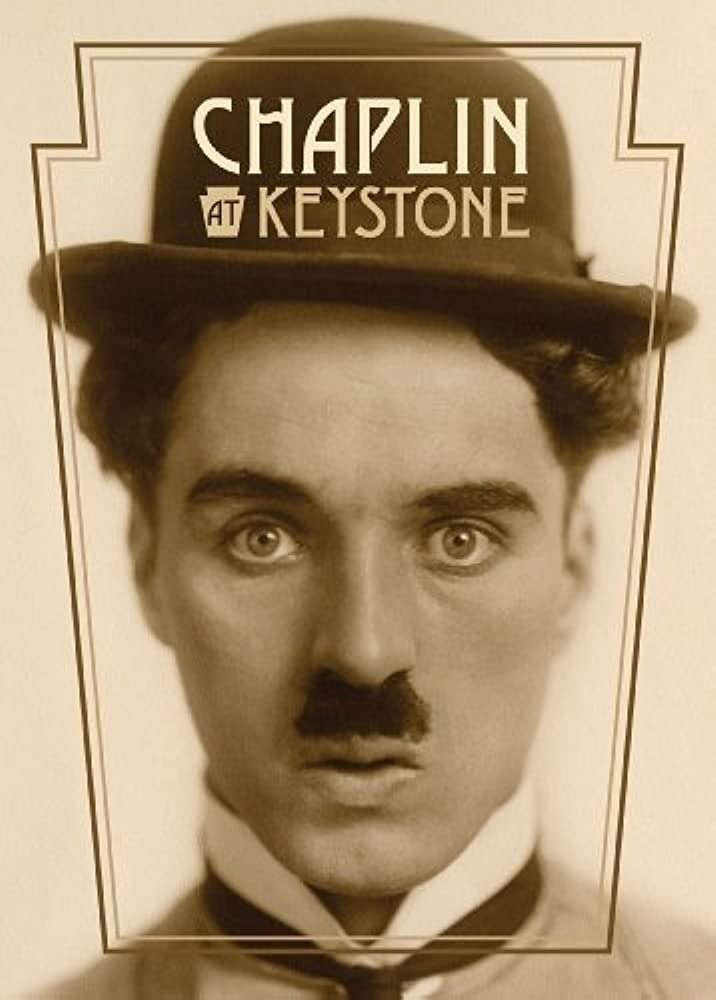
Charles Chaplin came to Mack Sennett’s Keystone Studios late in 1913 as a little-known British vaudevillian, and after a year, had not only established his Tramp character, learned to write and direct his own films, and also achieved public recognition as a star comedian. Although Keystone did not publicize its performers by name, standees of Chaplin's likeness outside theaters sufficed to attract audiences. Some of the films, especially TILLIE’S PUNCTURED ROMANCE (1914), remained in theatrical distribution for decades.
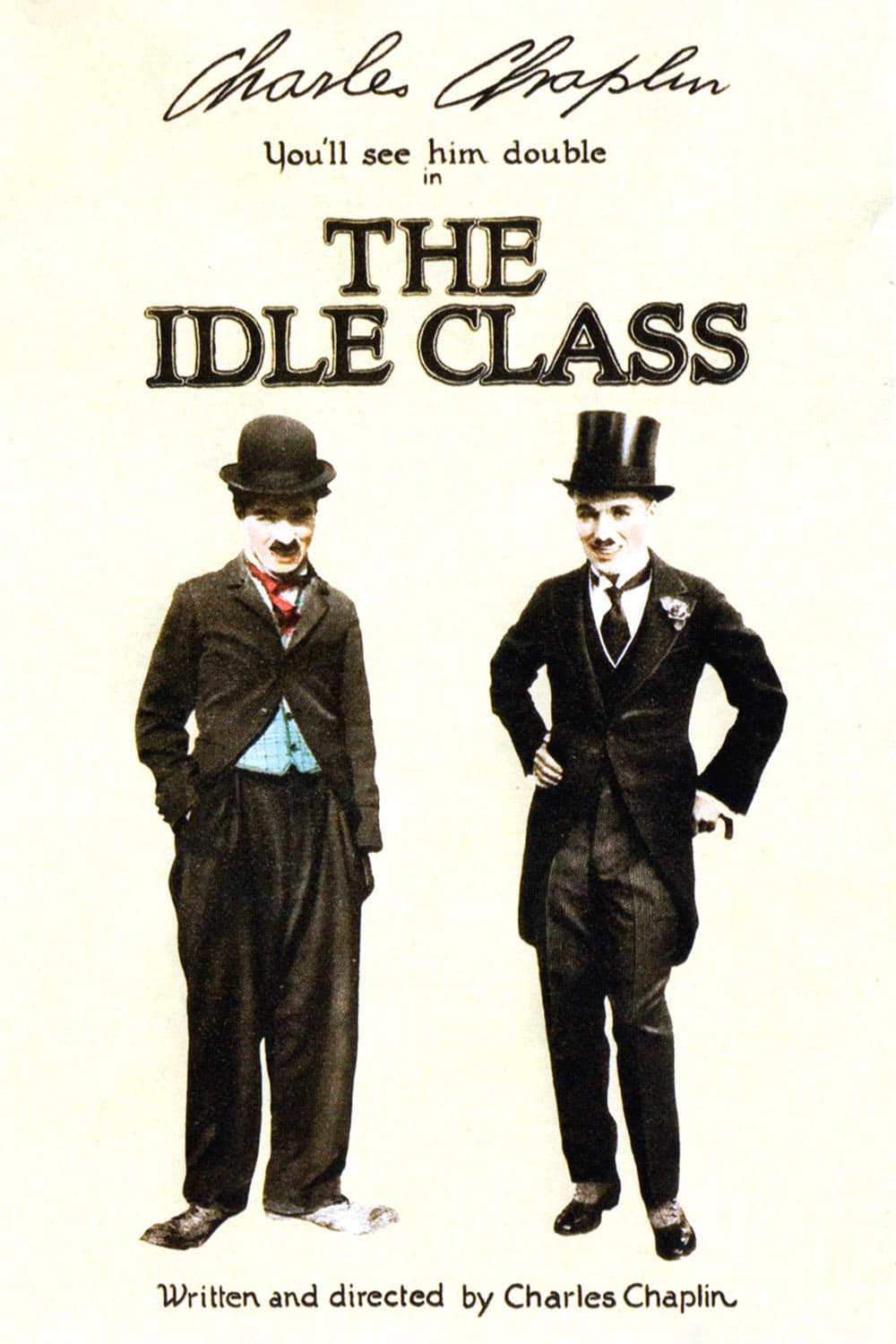
At an upper class golf resort, a tramp discovers he's the lookalike of a rich man with a beautiful, unhappy wife.
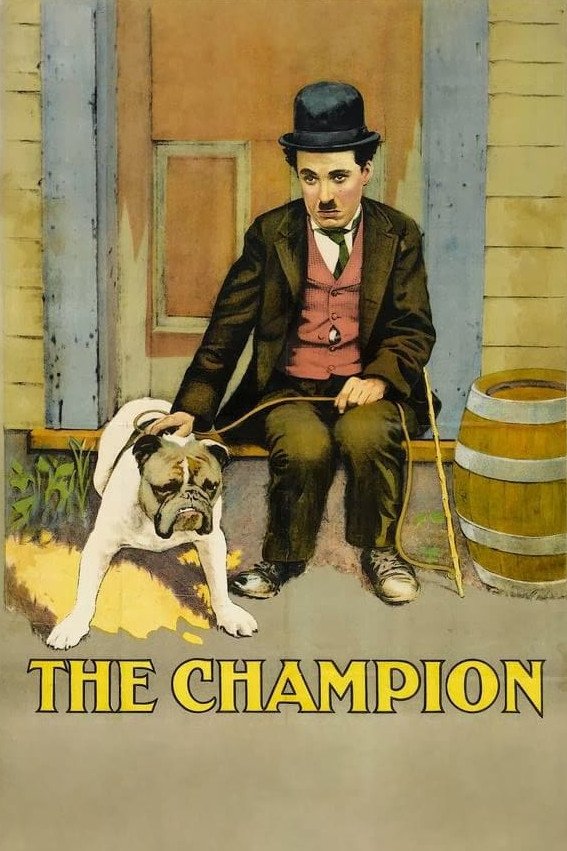
Walking along with his bulldog, Charlie finds a "good luck" horseshoe just as he passes a training camp advertising for a boxing partner "who can take a beating." After watching others lose, Charlie puts the horseshoe in his glove and wins. The trainer prepares Charlie to fight the world champion. A gambler wants Charlie to throw the fight. He and the trainer's daughter fall in love.
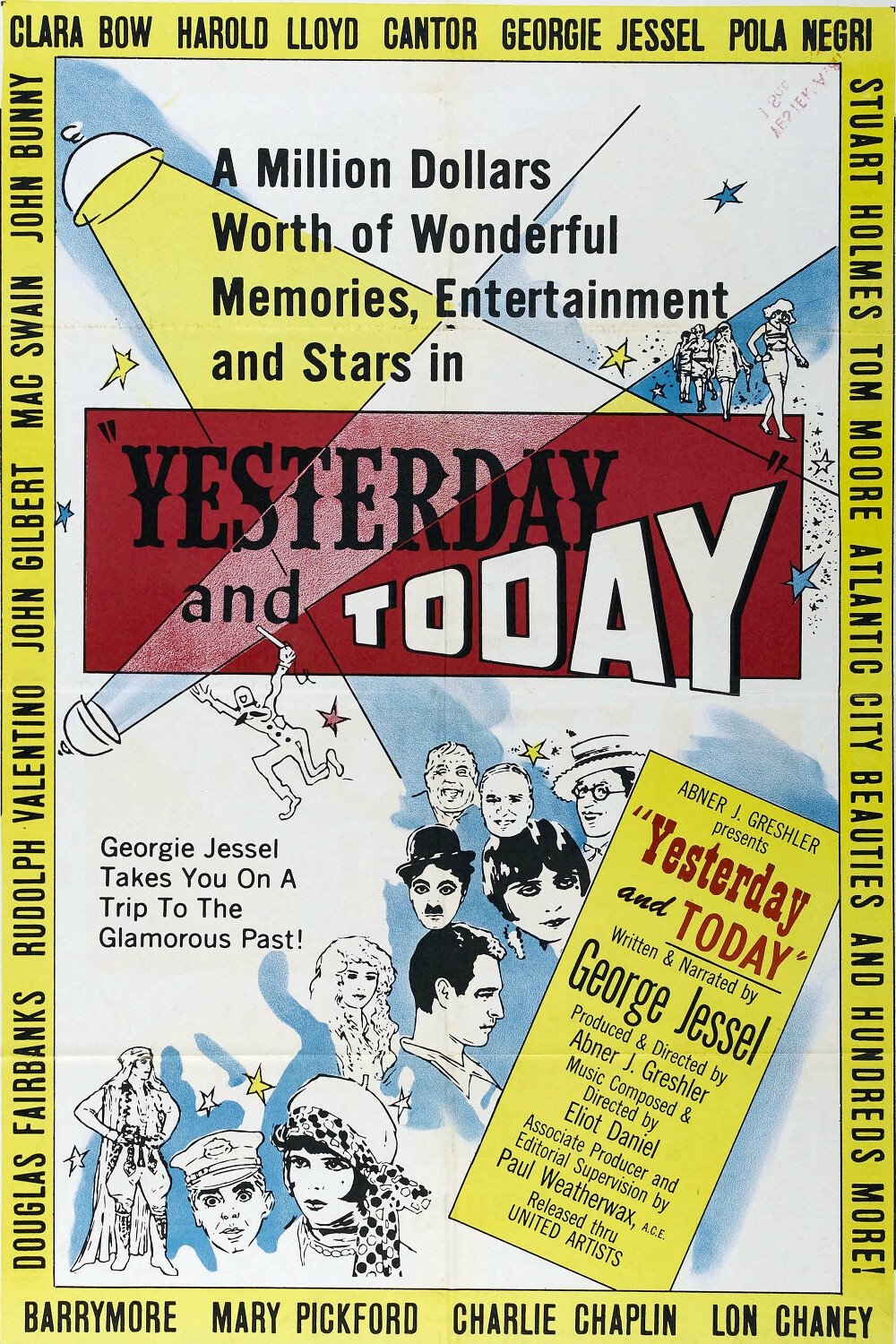
A compilation of early-day silent films that serves as a glimpse back to the formative days of the movie industry as a salute to Hollywood's Golden Year, so proclaimed by the Hollywood Chamber of Commerce as 1953.
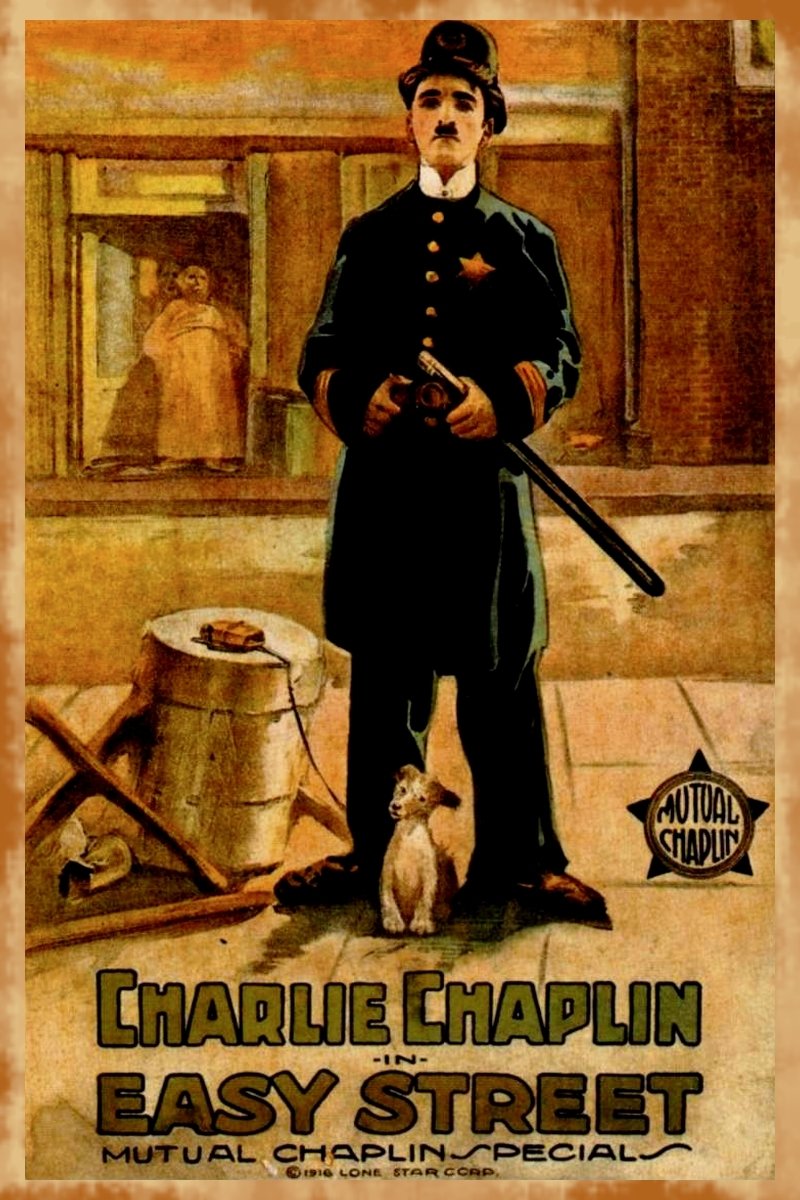
A derelict, huddled under the steps of a missionary church, feels enlightened by the sermon of a passionate preacher and infatuated by the beauty of the congregation's pianist, in such a way that he tries to improve his life of poverty by becoming a policeman. His first assignment will be to patrol along Easy Street, the turf of a vicious bully and his criminal gang.
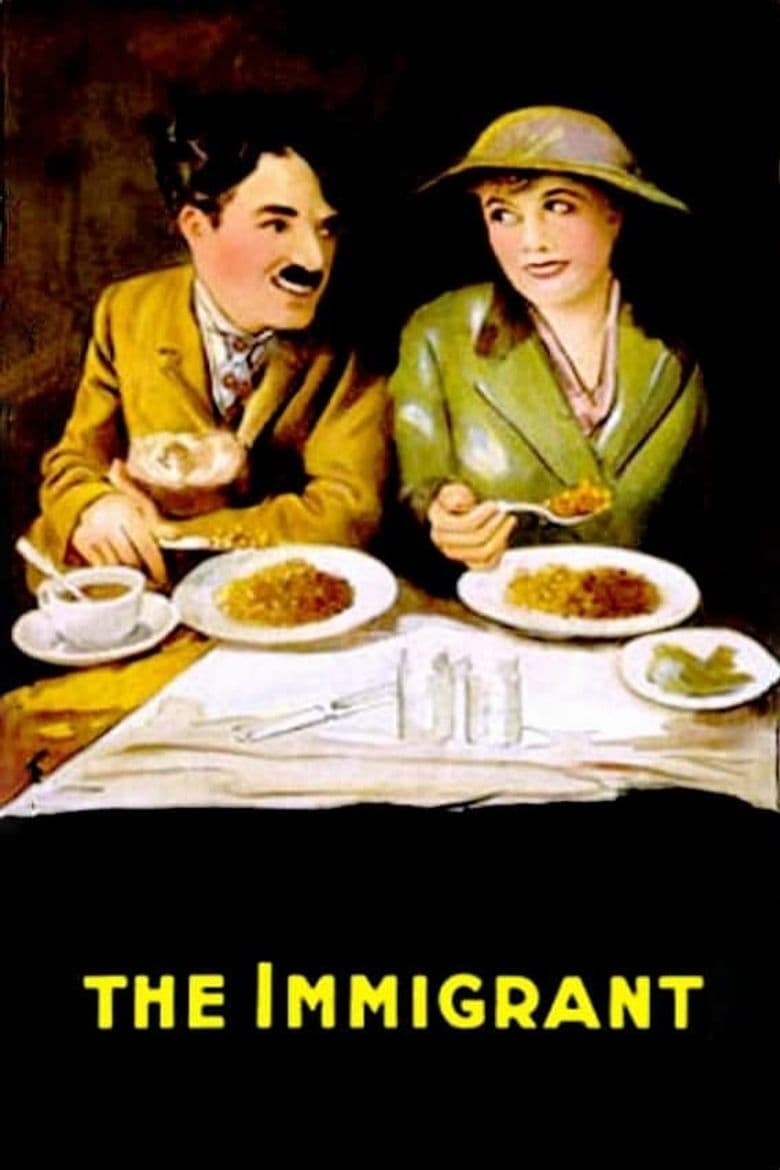
A European immigrant endures a challenging voyage only to get into trouble as soon as he arrives in New York.
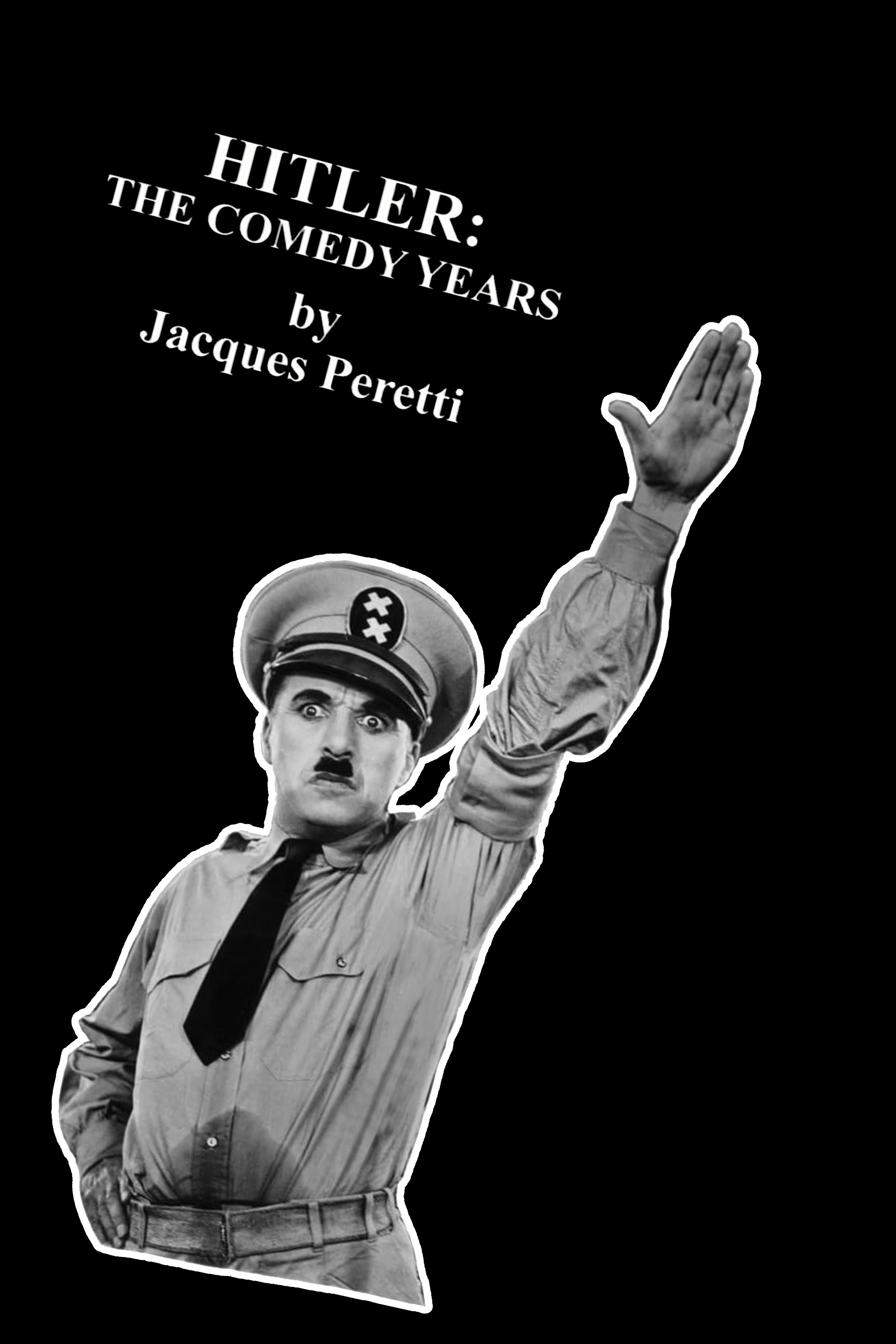
A documentary about the portrayal of Adolf Hitler in popular culture.
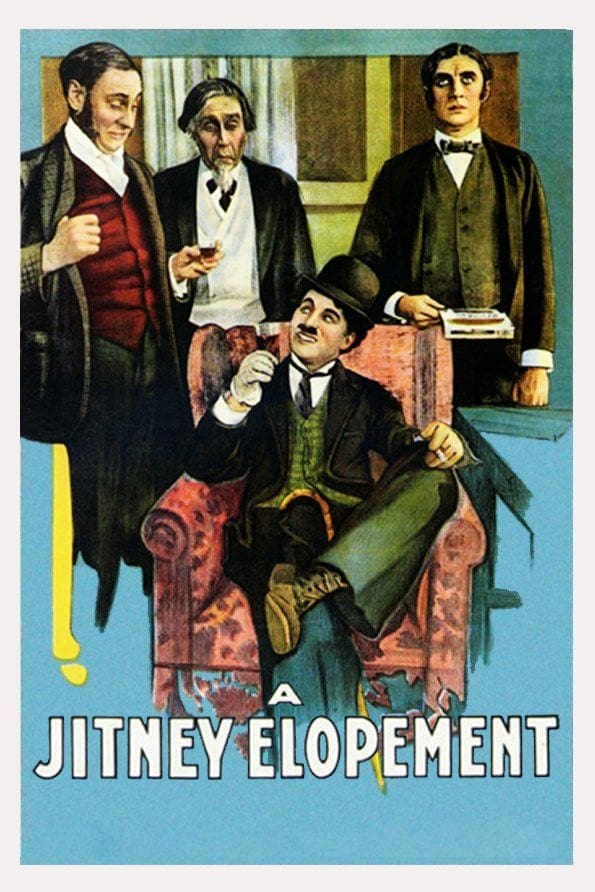
Edna's father wants her to marry wealthy Count He-Ha. Charlie, Edna's true love, impersonates the Count at dinner, but the real Count shows up and Charlie is thrown out. Later on Charlie and Edna are chased by her father, The Count, and three policeman. The pursuers drive off a pier.
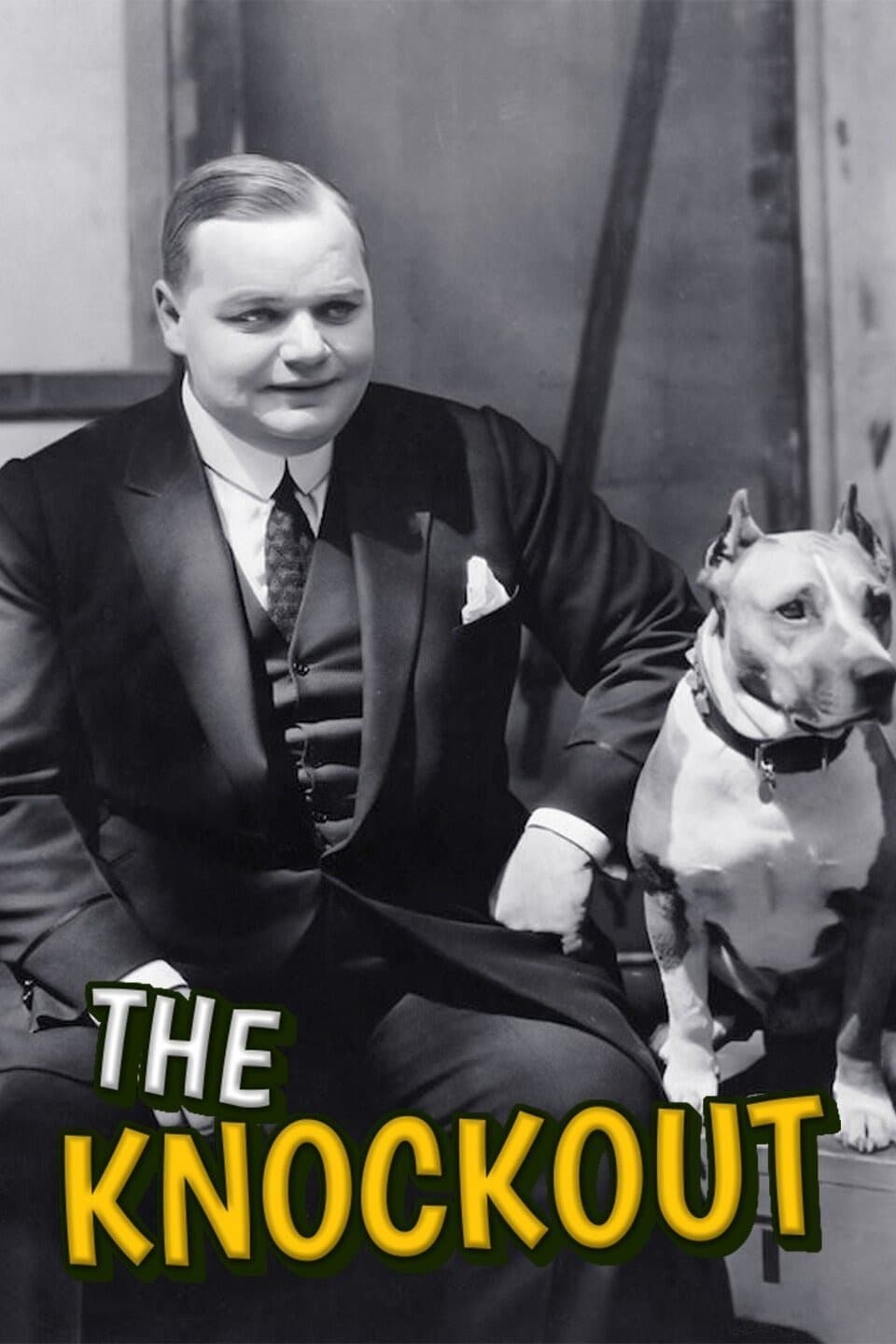
To show his girl how brave he is, Pug challenges the champion to a fight. Charlie referees, trying to avoid contact with the two monsters.
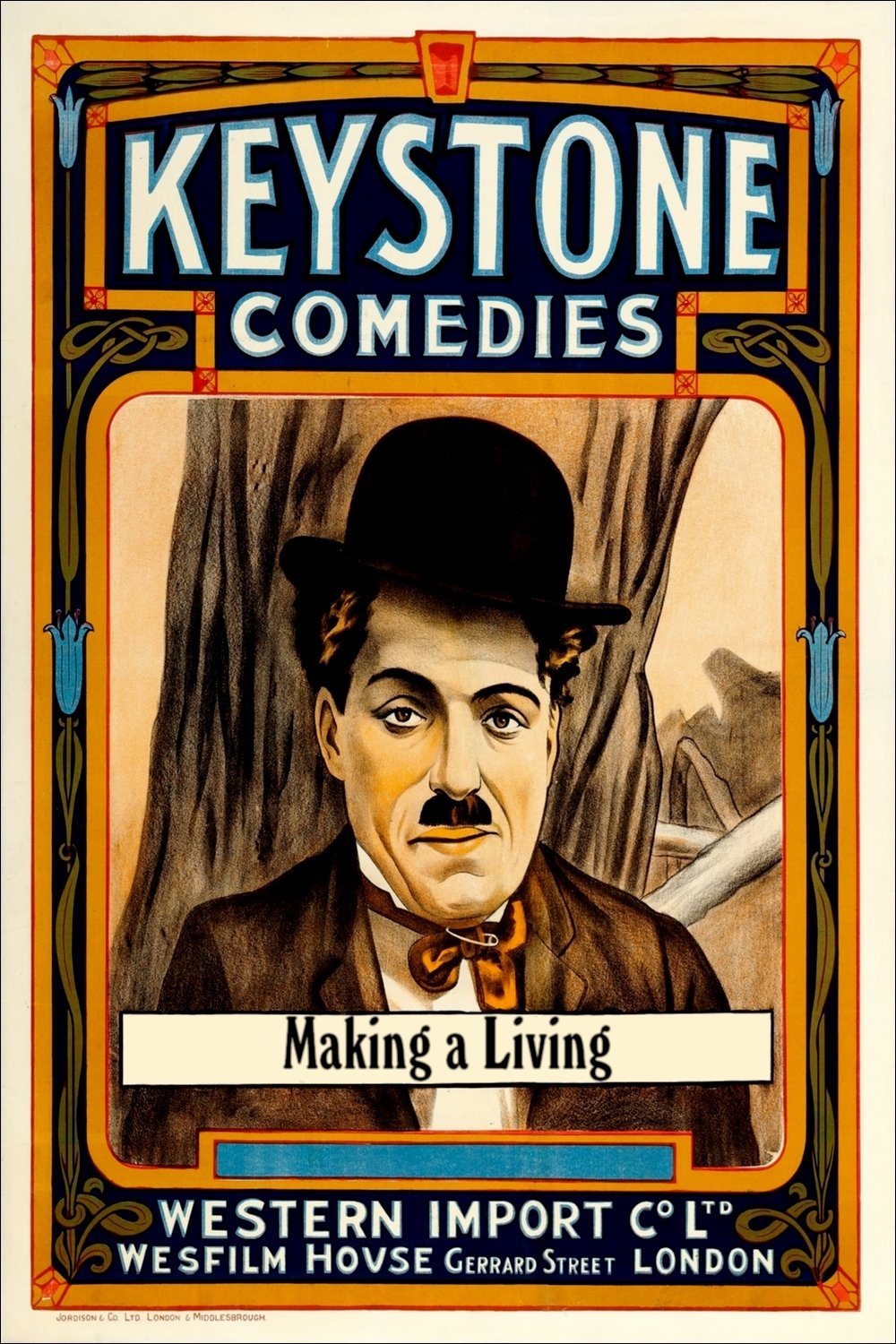
A swindler scams a newspaper reporter-photographer and then, not realizing where the man is employed, applies for a job at his newspaper.
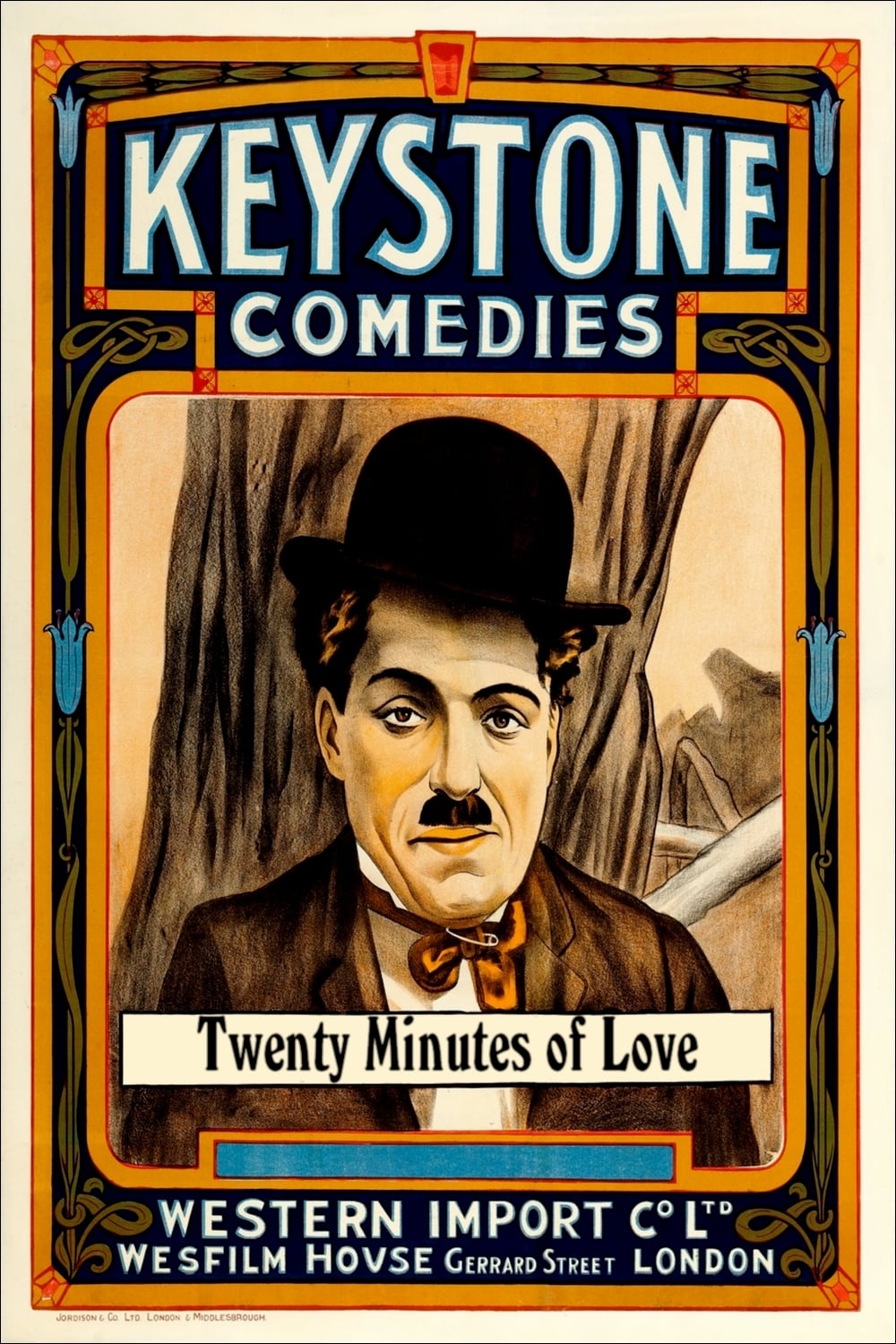
Charlie is hanging around in the park, finding problems with a jealous suitor, a man who thinks that Charlie has robbed him a watch, a policeman and even a little boy, all because our friend can't stop snooping.
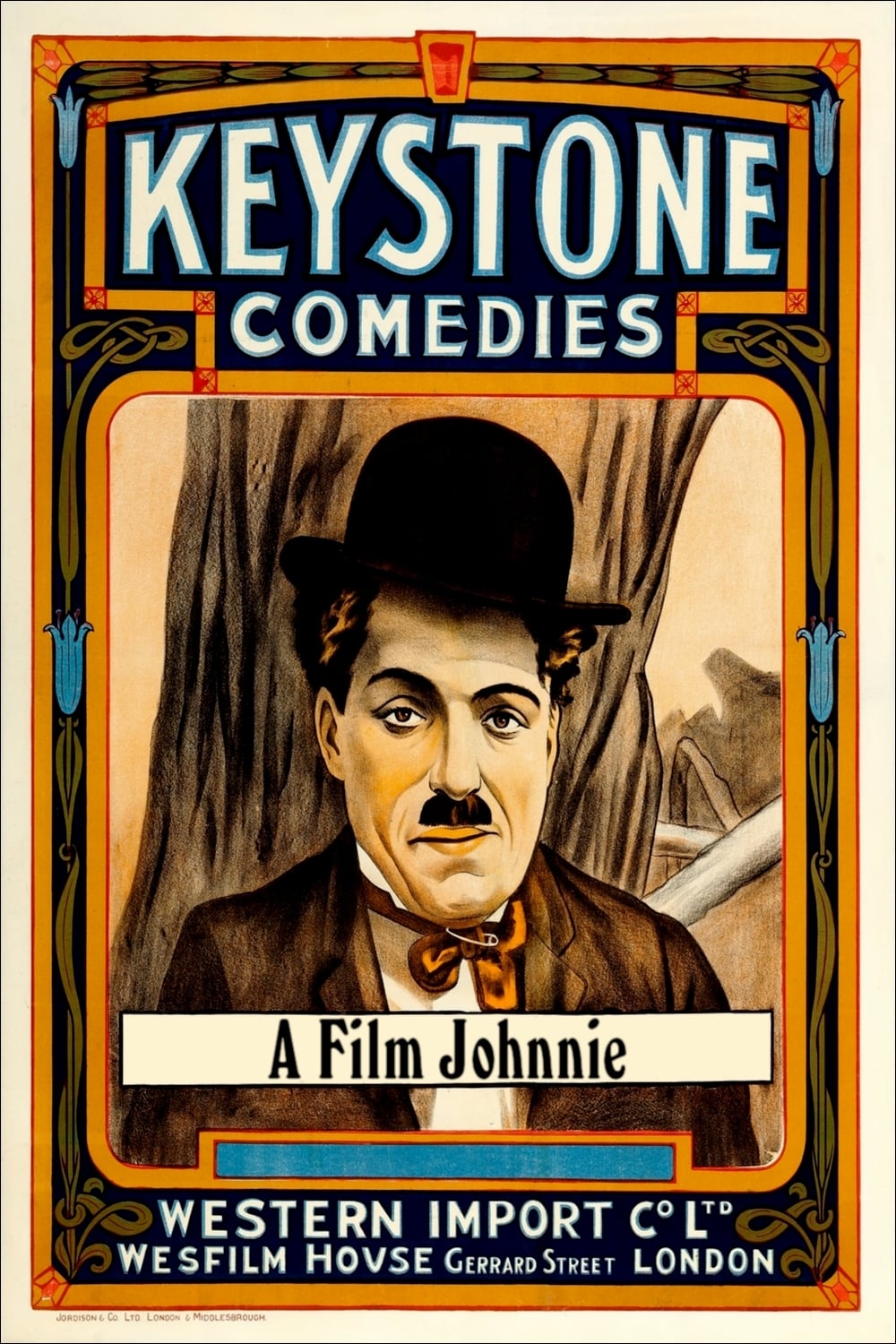
The Tramp, a film Johnnie (someone who loiters near theaters or studios to meet stars or get a job), attempts to meet his favorite movie actress at the Keystone Studio, but does not win friends there.
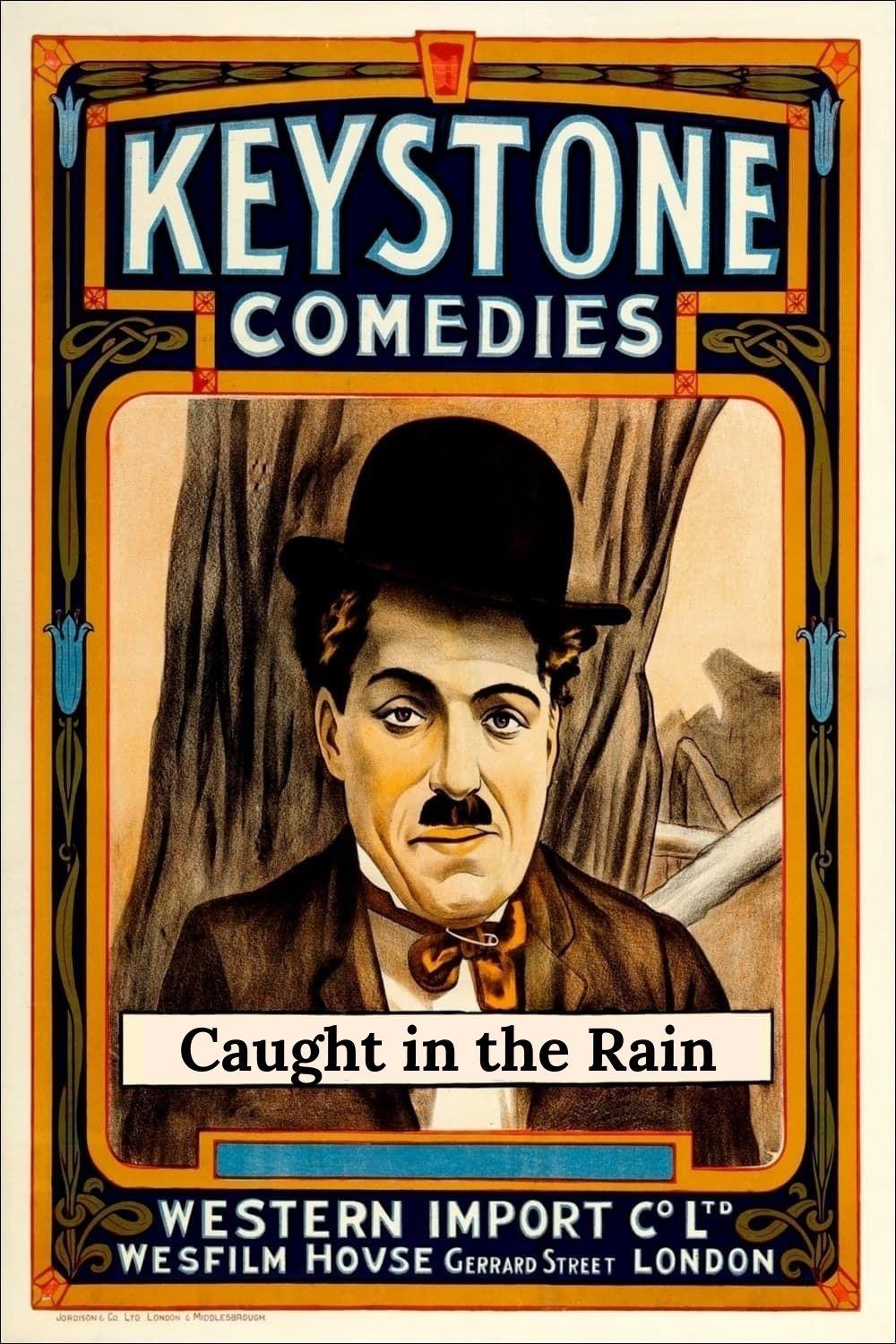
When a married couple become separated in the park, a tramp sits with the lady and is beat up when her husband rejoins her. He takes a room in their hotel, and chaos ensues.
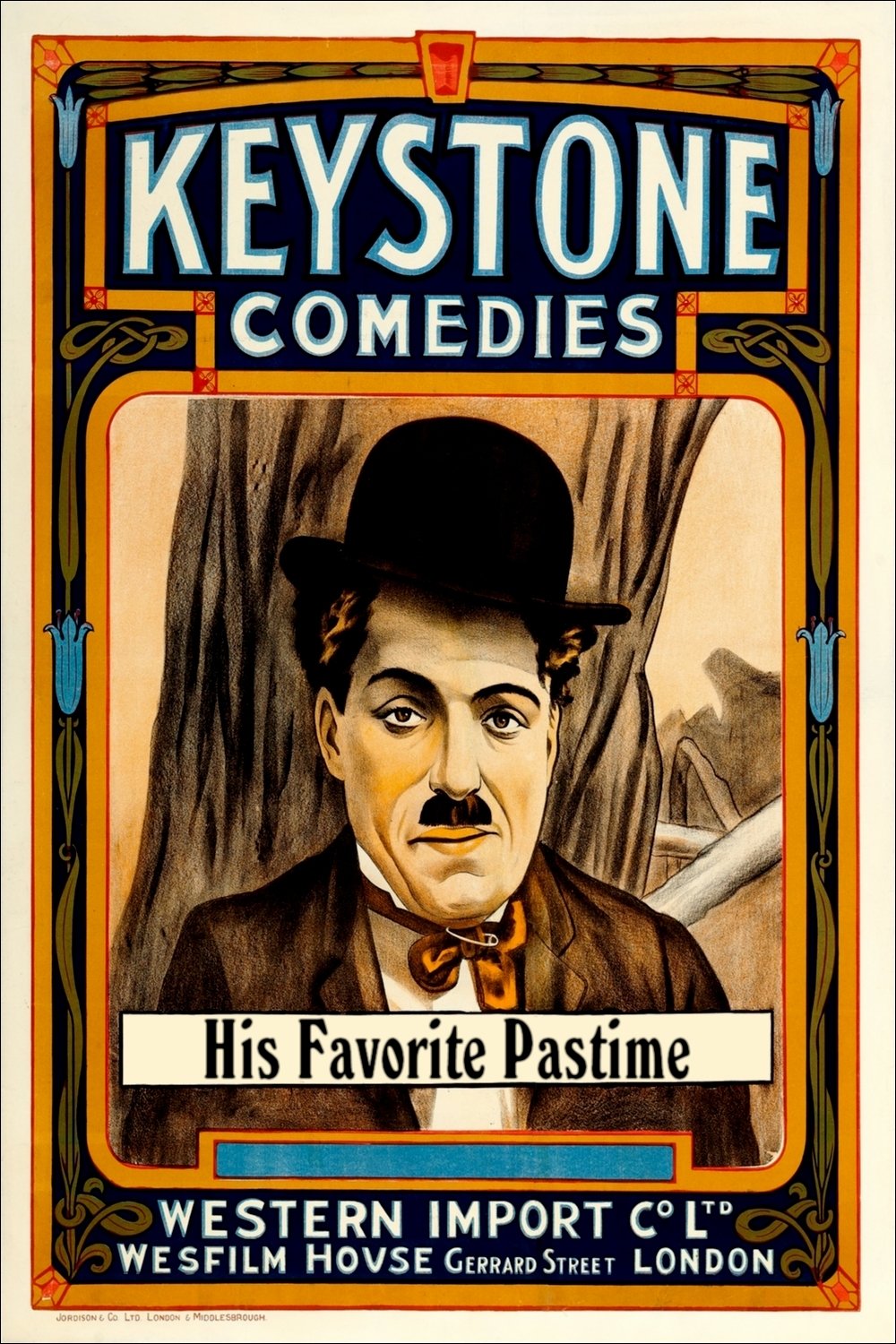
A very plastered fella follows a pretty woman home, and proceeds to make a nuisance of himself.
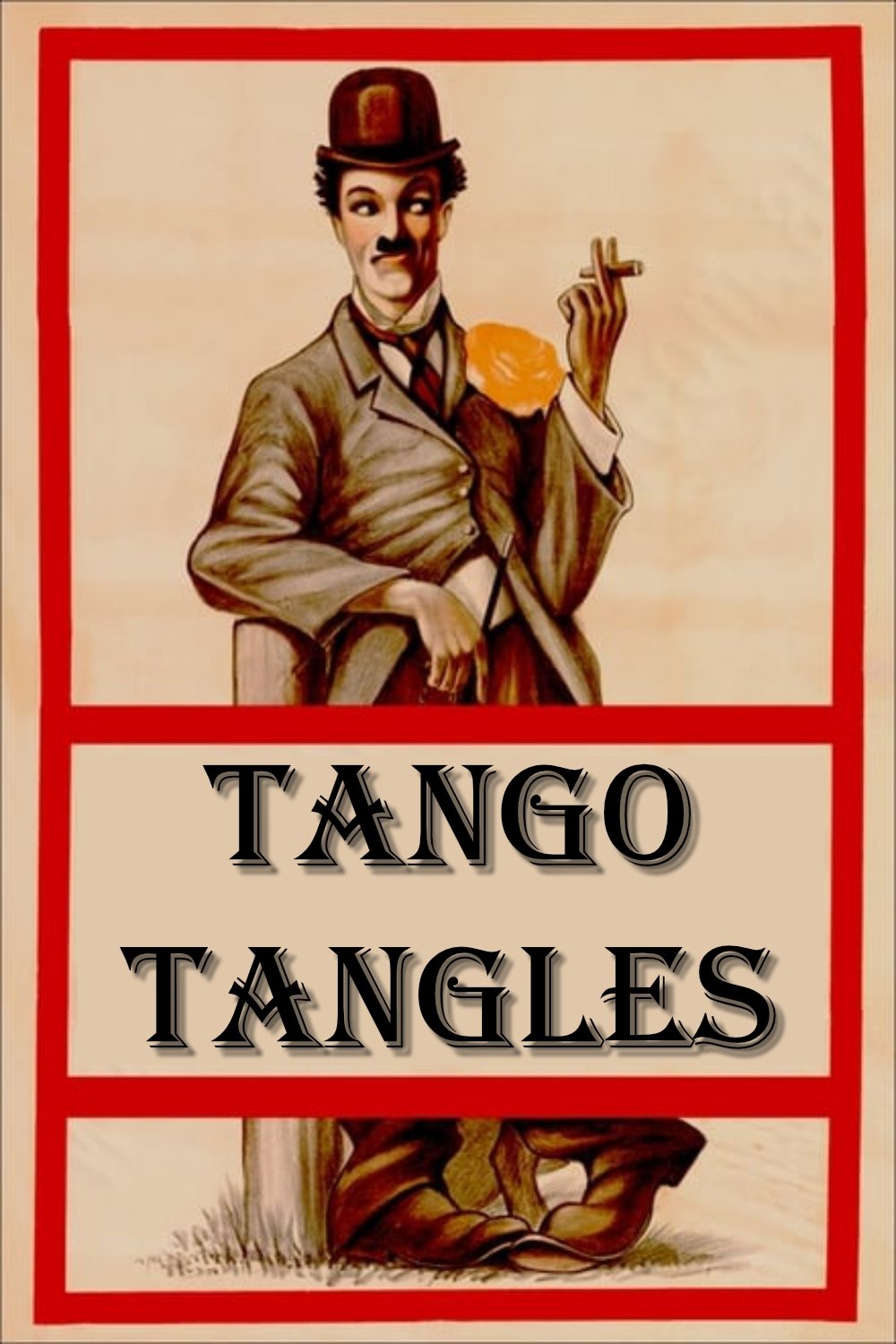
In a dance hall, two members of the orchestra and a tipsy dancer fight over the hat check girl.
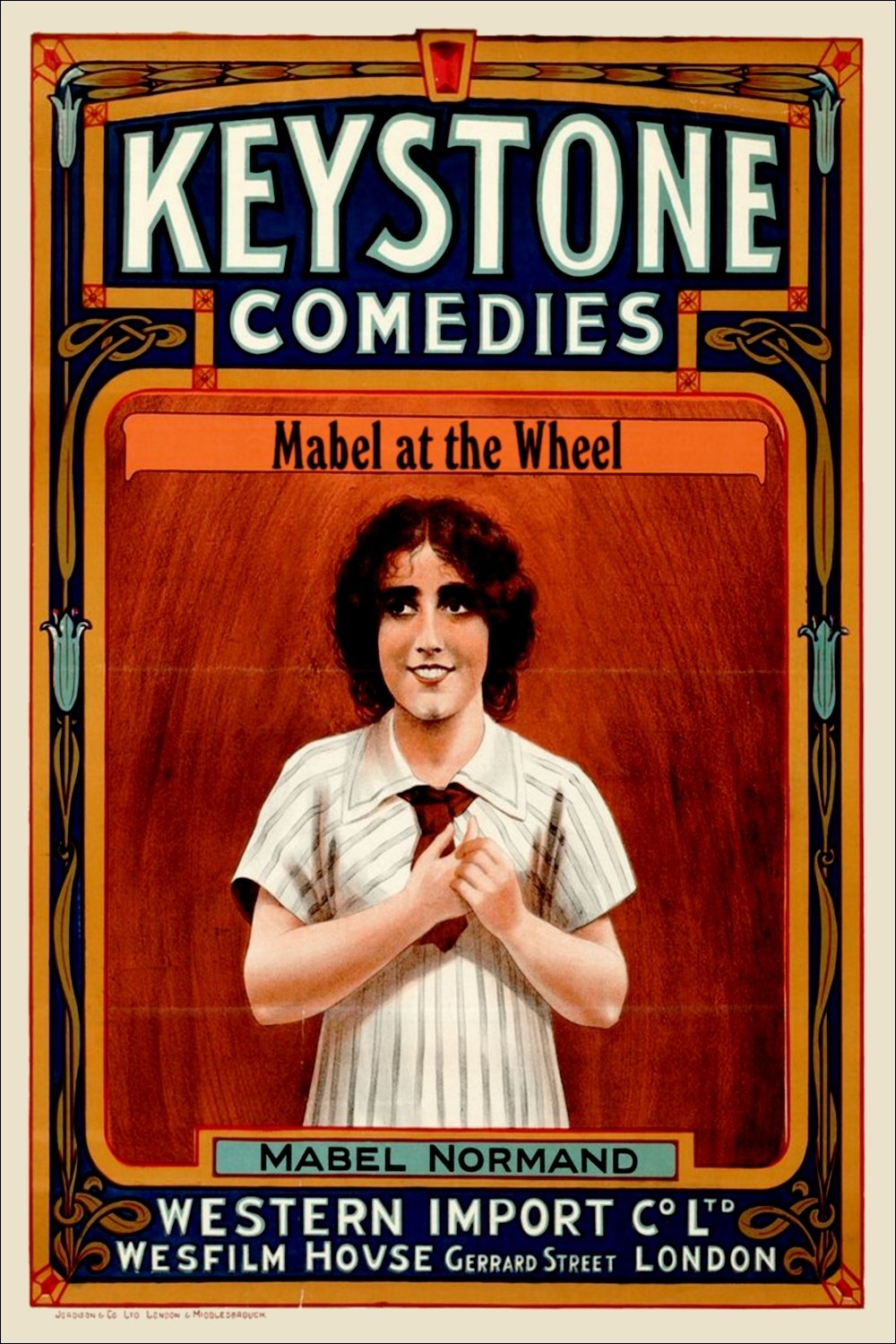
A villain, competing with his rival's race car, kidnaps the rival before the race. Mabel decides to take the wheel in his place.
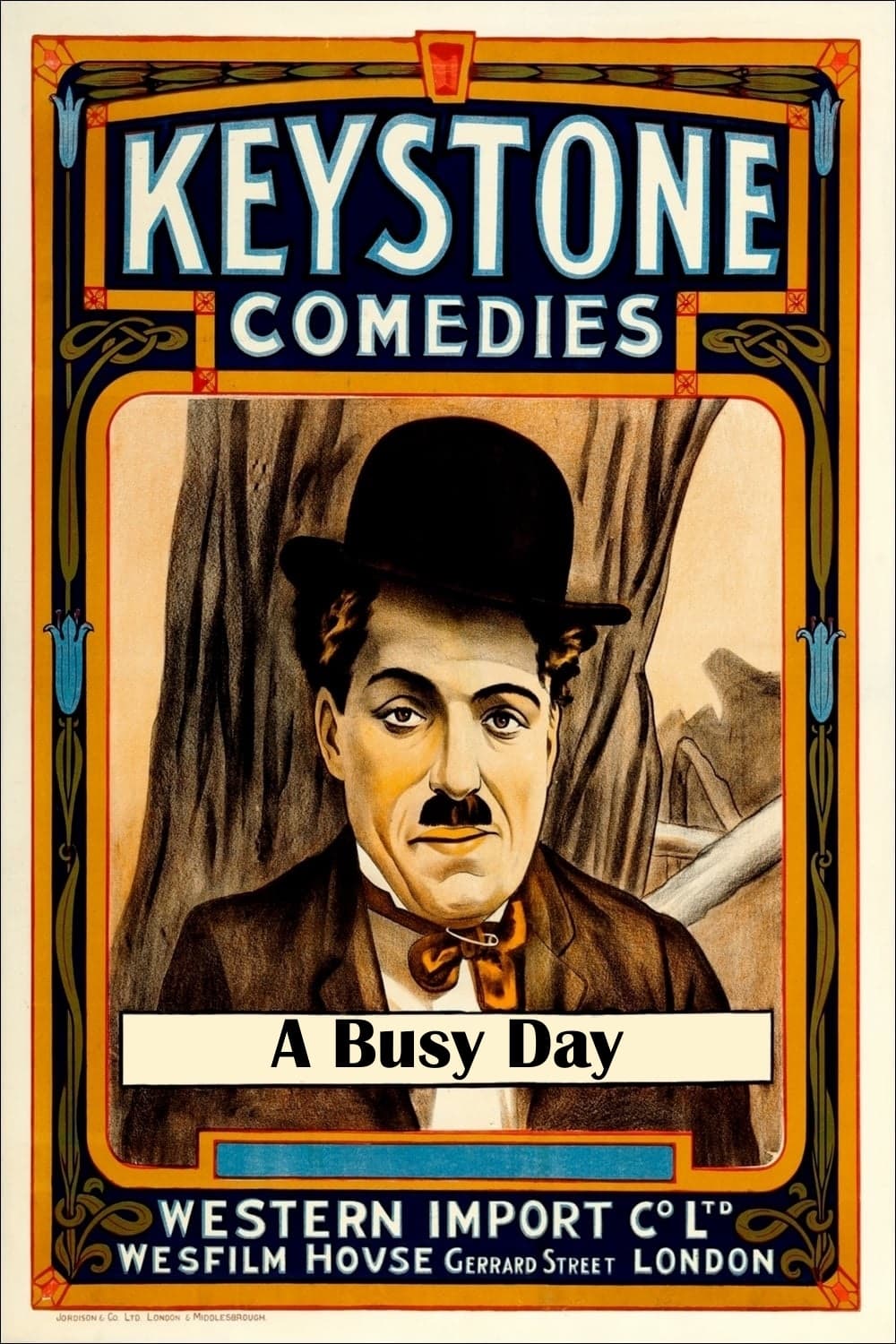
A jealous wife is chasing her unfaithful husband during a parade, after he starts to flirt with a pretty woman.
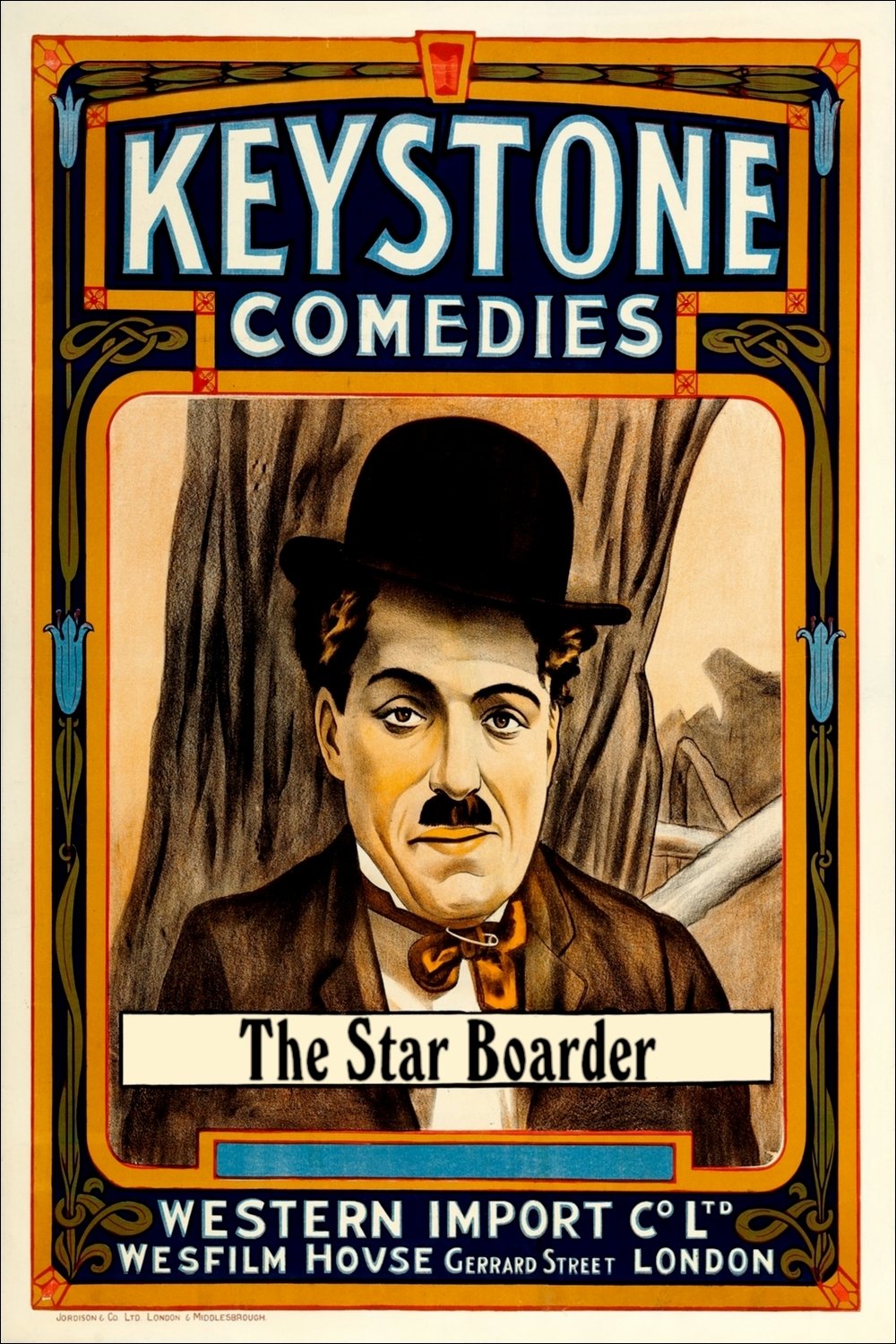
A fun-loving little boy's magic lantern show exposes some indiscreet moments between his landlady mother and her star boarder.
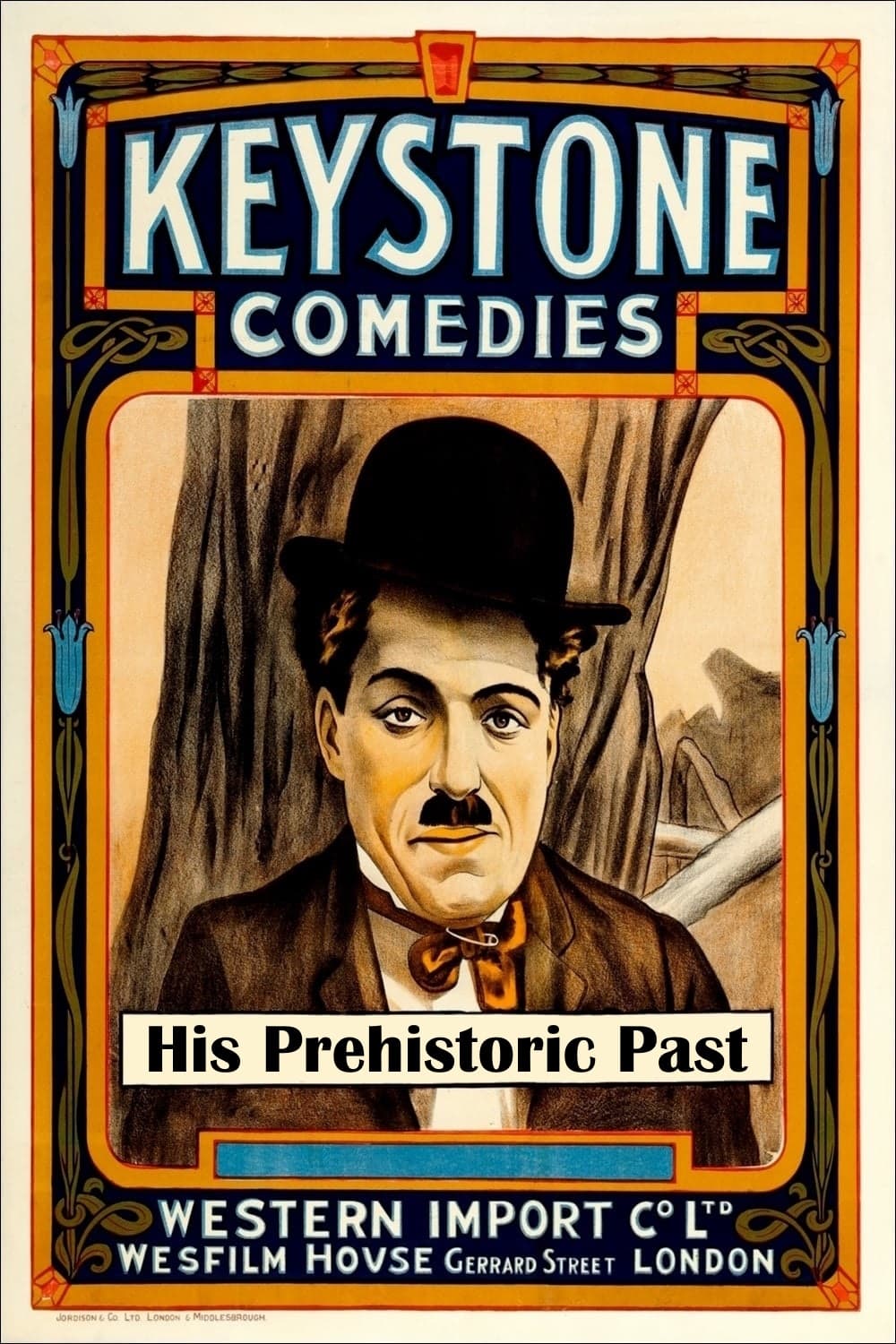
Set mostly in the Stone Age, a prehistoric king, with a harem of wives, rules a beach. Charlie arrives and falls for the king's favorite wife. In the end, it turns out to have been a dream; Charlie was asleep in the park.

Charlie and a rival vie for the favor of their landlady.
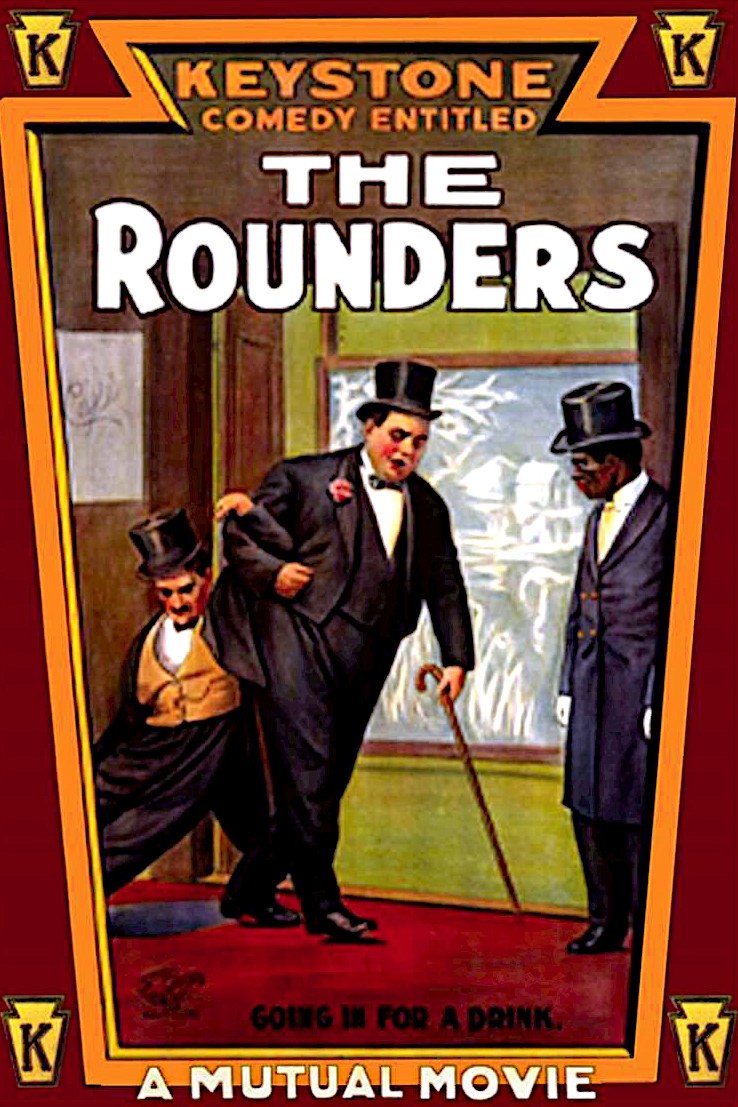
Two drunks fight with their wives and then go out and get even drunker.

After a visit to a pub, Charlie and Ben cause a ruckus at a posh restaurant. Charlie later finds himself in a compromising position at a hotel with the head waiter's wife.

Charlie takes care of a man in a wheelchair.
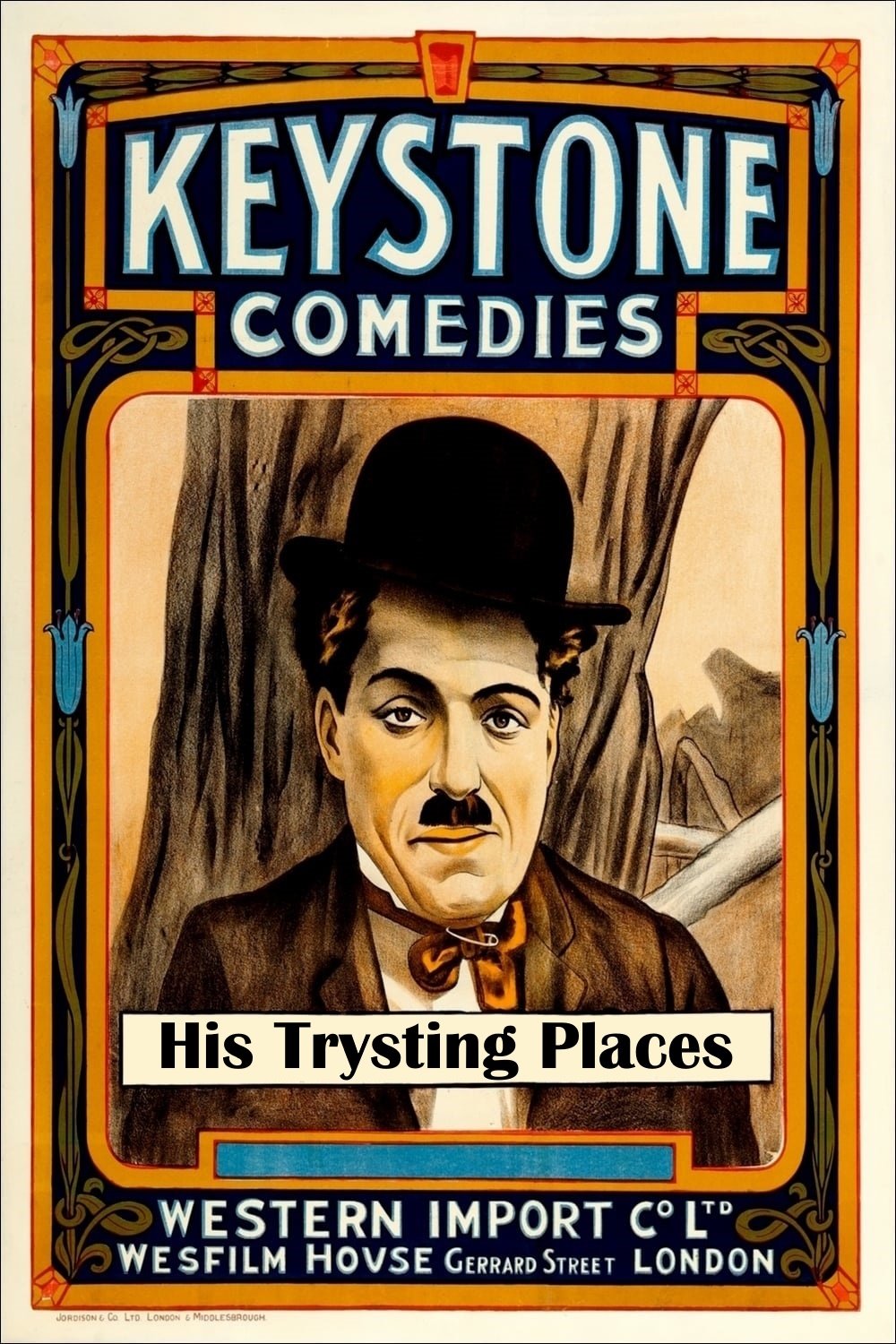
On his way to a restaurant, Ambrose, a happily married man, obliges to mail a letter for a woman in the apartment lobby. Unbeknownst to him, the letter is about a rendezvous with her own lover at their "trysting place". Elsewhere, after some domestic frustration, Charlie runs an errand to buy a baby bottle before stopping at the same restaurant. After a confrontation there, they both inadvertently leave with each other's coats. Later, their wives independently discover what appears to be incriminating evidence of extramarital affairs from the pockets of the swapped garments. It all comes to a head when all four of them find themselves at the "trysting place" in the park.
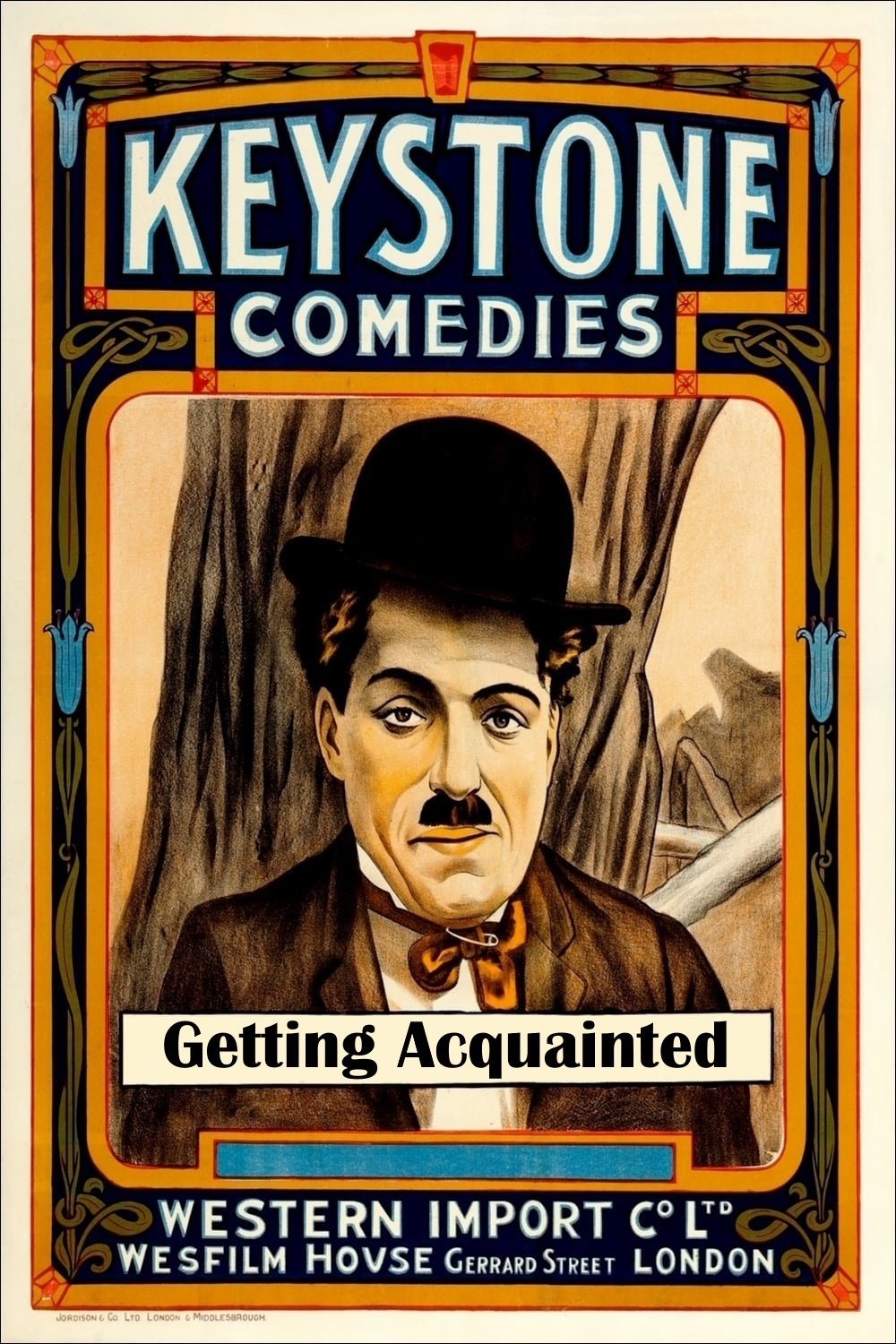
Charlie and his wife are in the park when he encounters Ambrose and his wife. Each man is attracted to and shows unwanted attention to the other man's wife. A policeman becomes involved.

It is windy at a bathing resort. After fighting with one of the two husbands, Charlie approaches Edna while the two husbands themselves fight over ice cream. Driven away by her husband, Charlie turns to the other's wife.
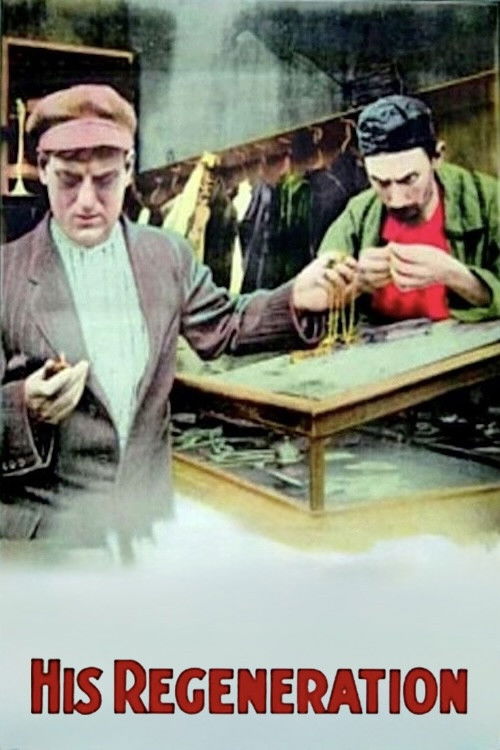
A rough criminal gets a second chance at life thanks to a kindly (and wealthy) lady saloon patron. But he hasn't gone straight yet, as he and a partner attempt to rob the home of a rich homeowner-- whose wife is asleep in the next room.
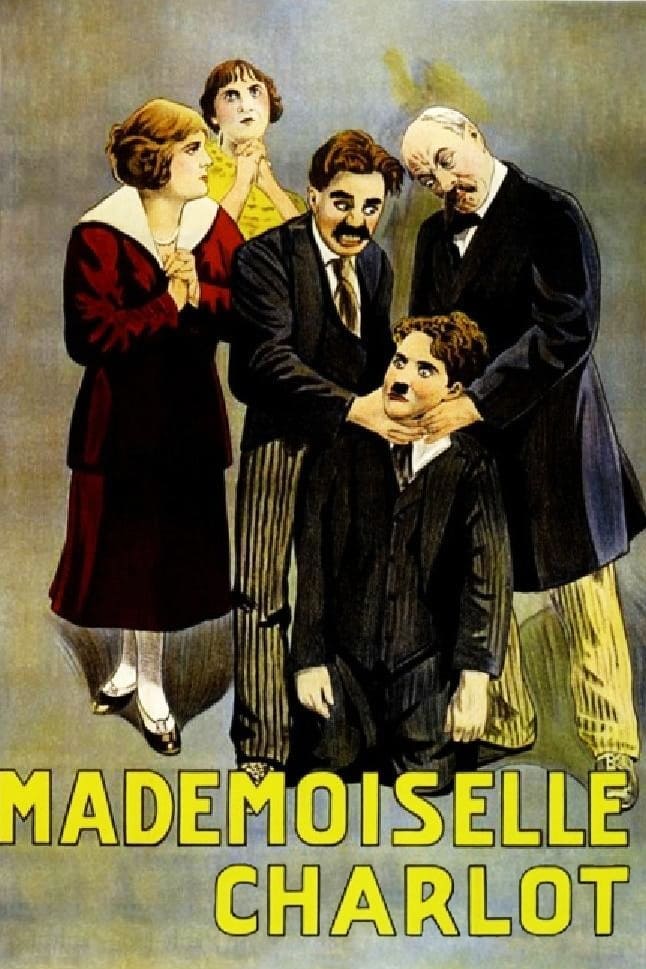
Mother, father and daughter go to the park. The women doze off on a bench while the father plays a hide-and-seek game with a girl, blindfolded. Charlie leads him into a lake. Both dozing ladies on the bench fall for Charlie and invite him for dinner. The father returns home with a friend. Charlie rushes upstairs and dresses like a woman, shaving his mustache. Both men fall for Charlie.
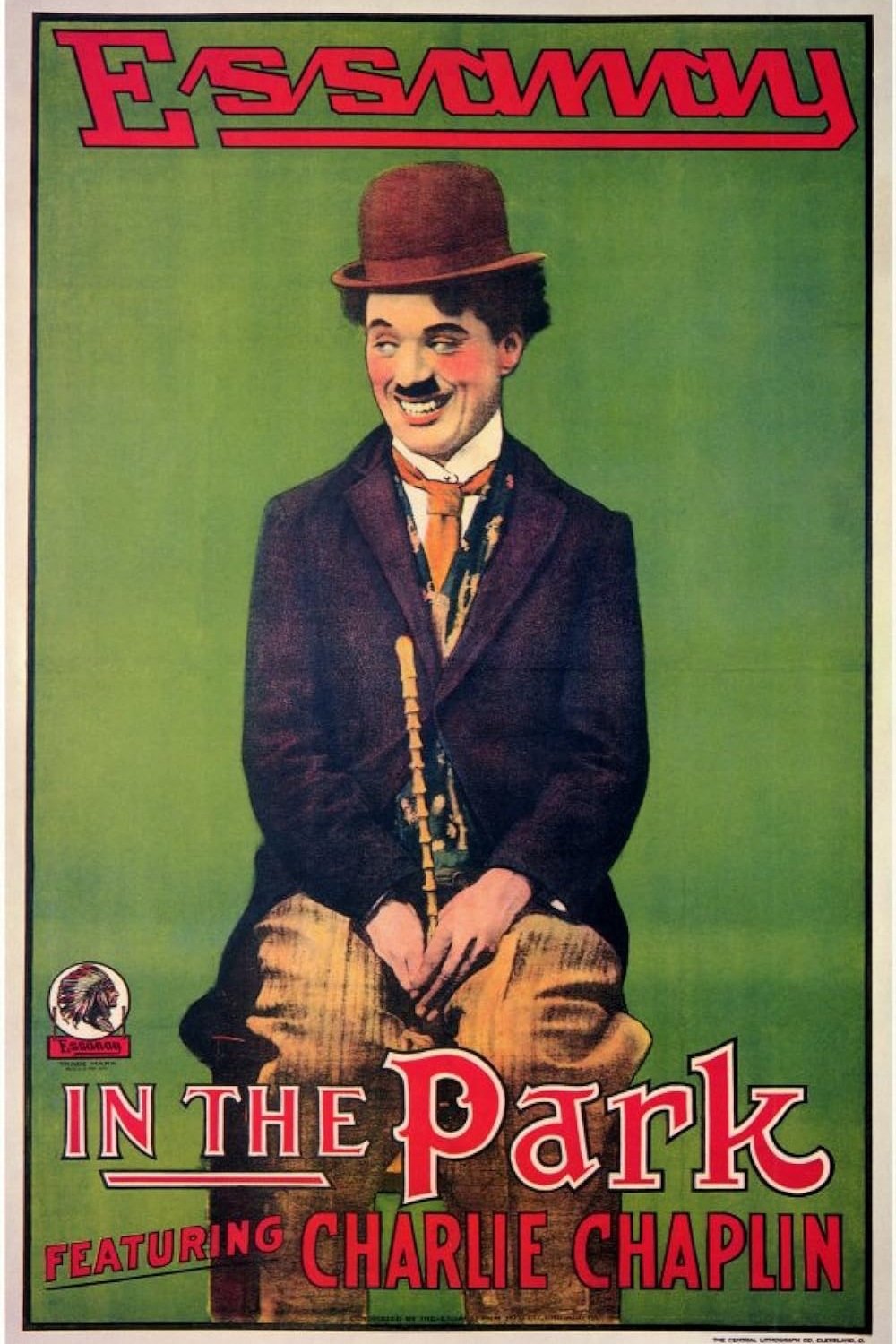
A tramp steals a girl's handbag, but when he tries to pick Charlie's pocket loses his cigarettes and matches. He rescues a hot dog man from a thug, but takes a few with his walking stick. When the thief tries to take some of Charlie's sausages, Charlie gets the handbag. The handbag makes its way from person to person to its owner, who is angry with her boyfriend who didn't protect her in the first place. The boyfriend decides to throw himself in the lake in despair, so Charlie helps him out.
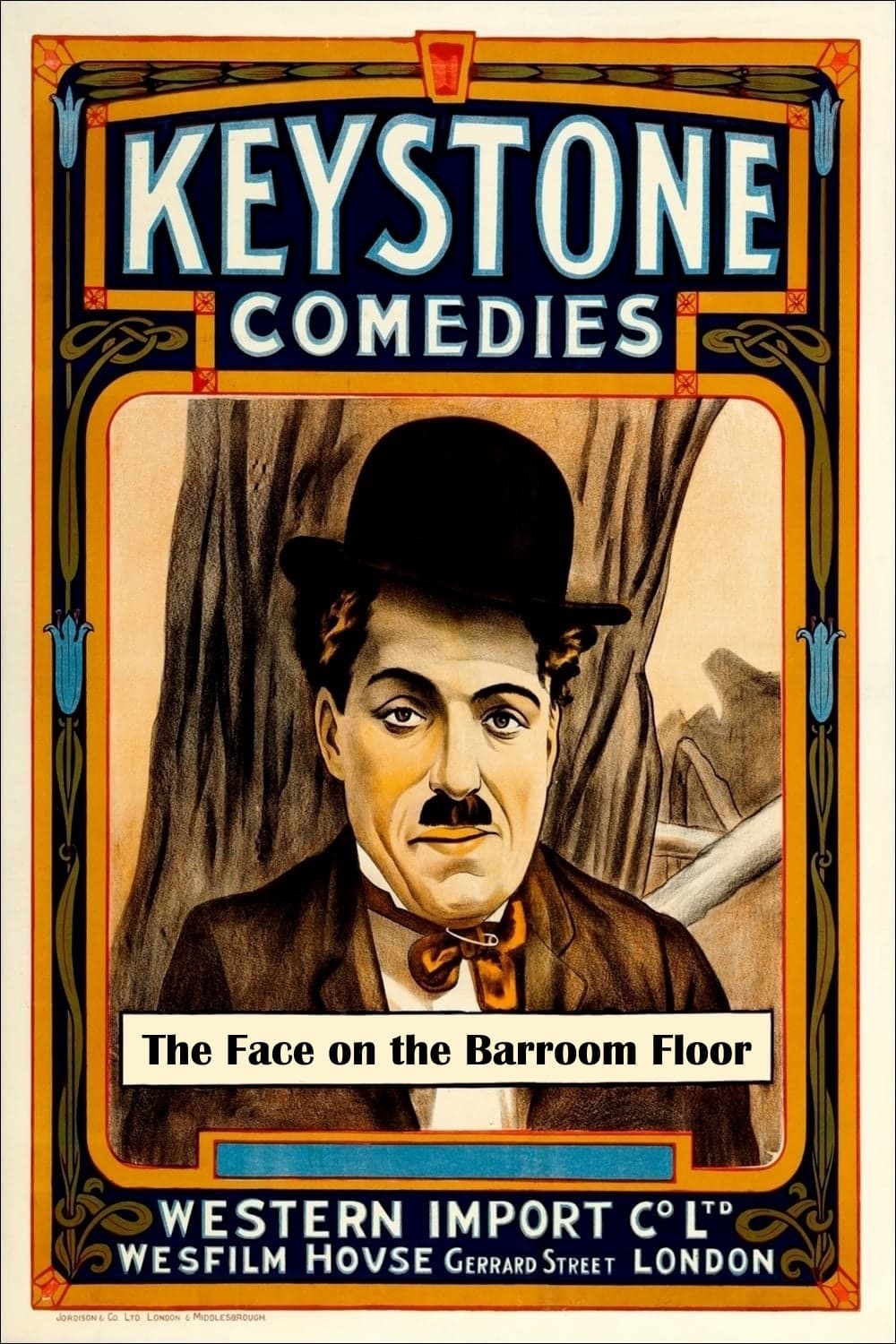
A painter turned tramp (Chaplin), devastated by losing the woman he was courting as a wealthy man, finds himself drunk and getting drunker by the minute with some sailors at a bar until he's literally falling down. He keeps futilely trying to draw the woman's picture on the floor with a piece of chalk until he finally passes out cold (or perhaps dies, as in the poem) at the end of the film.
Mabel and her beau go to an auto race and are joined by Charlie and his friend. As Charlie's friend is attempting to enter the raceway through a hole, the friend gets stuck and a policeman shows up.
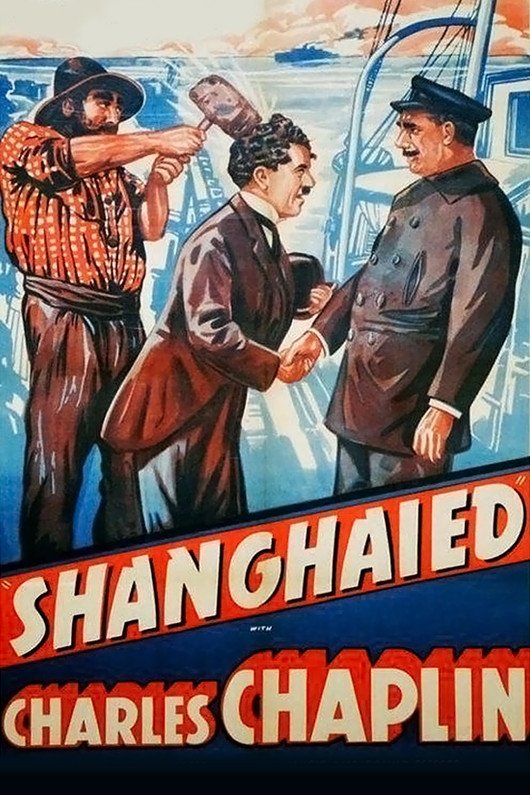
A shipowner intends to scuttle his ship on its last voyage to get the insurance money. Charlie, a tramp in love with the owner's daughter, is grabbed by the captain and promises to help him shanghai some seamen. The daughter stows away to follow Charlie. Charlie assists in the galley and attempts to serve food during a gale.
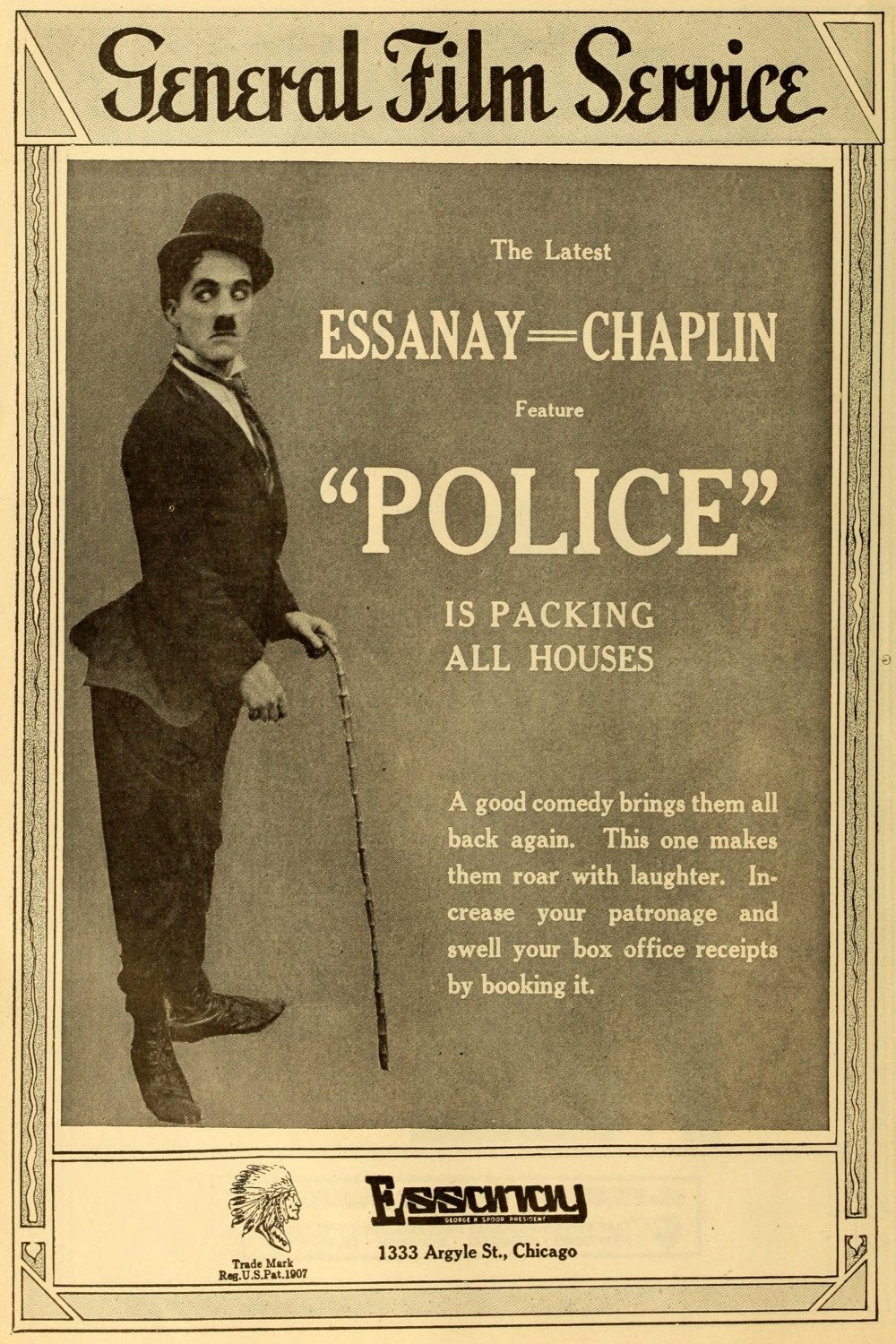
Charlie is released from prison and immediately swindled by a fake parson. A fellow ex-convict convinces Charlie to help burglarize a house.
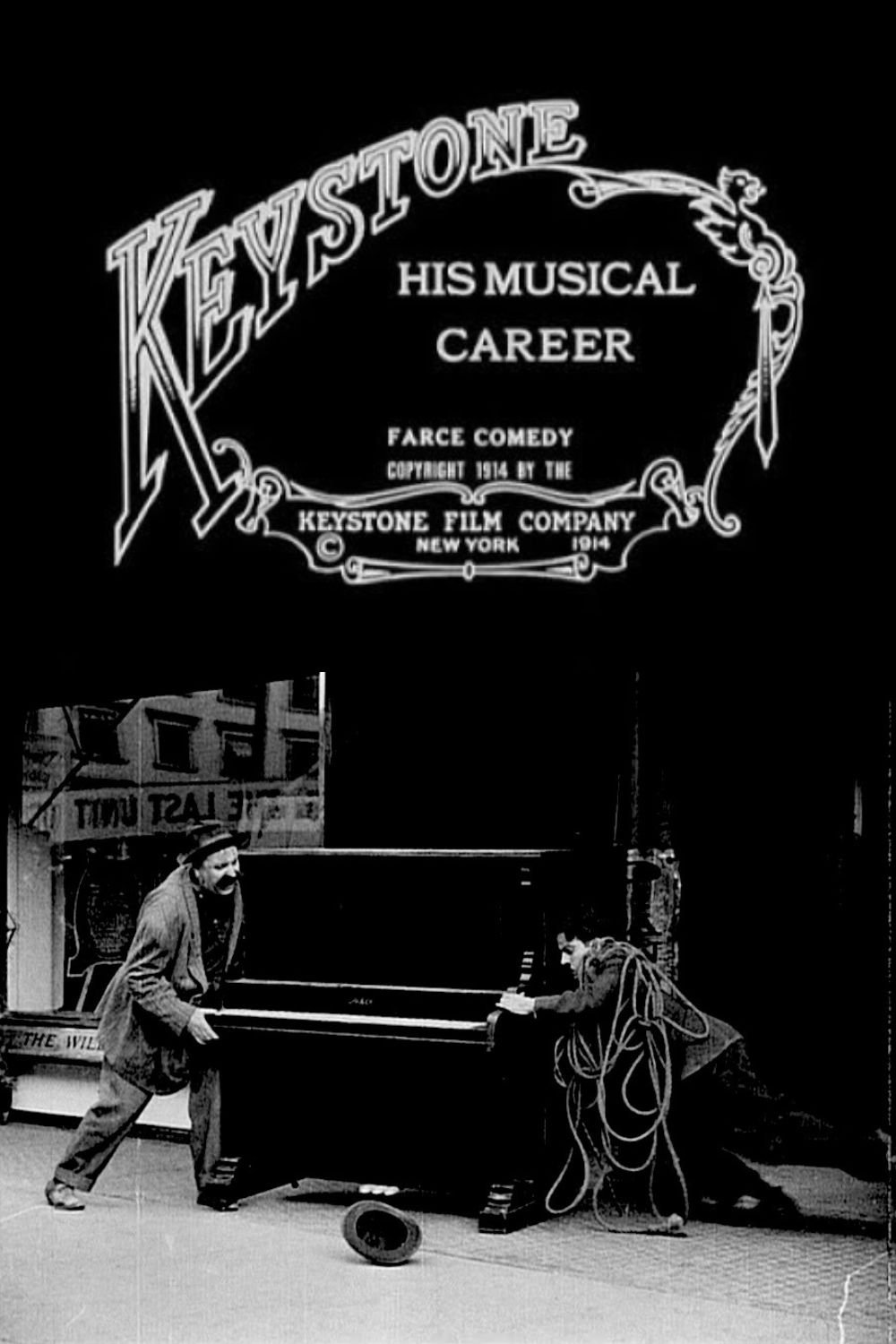
Charlie and his partner are to deliver a piano to 666 Prospect St. and repossess one from 999 Prospect St.
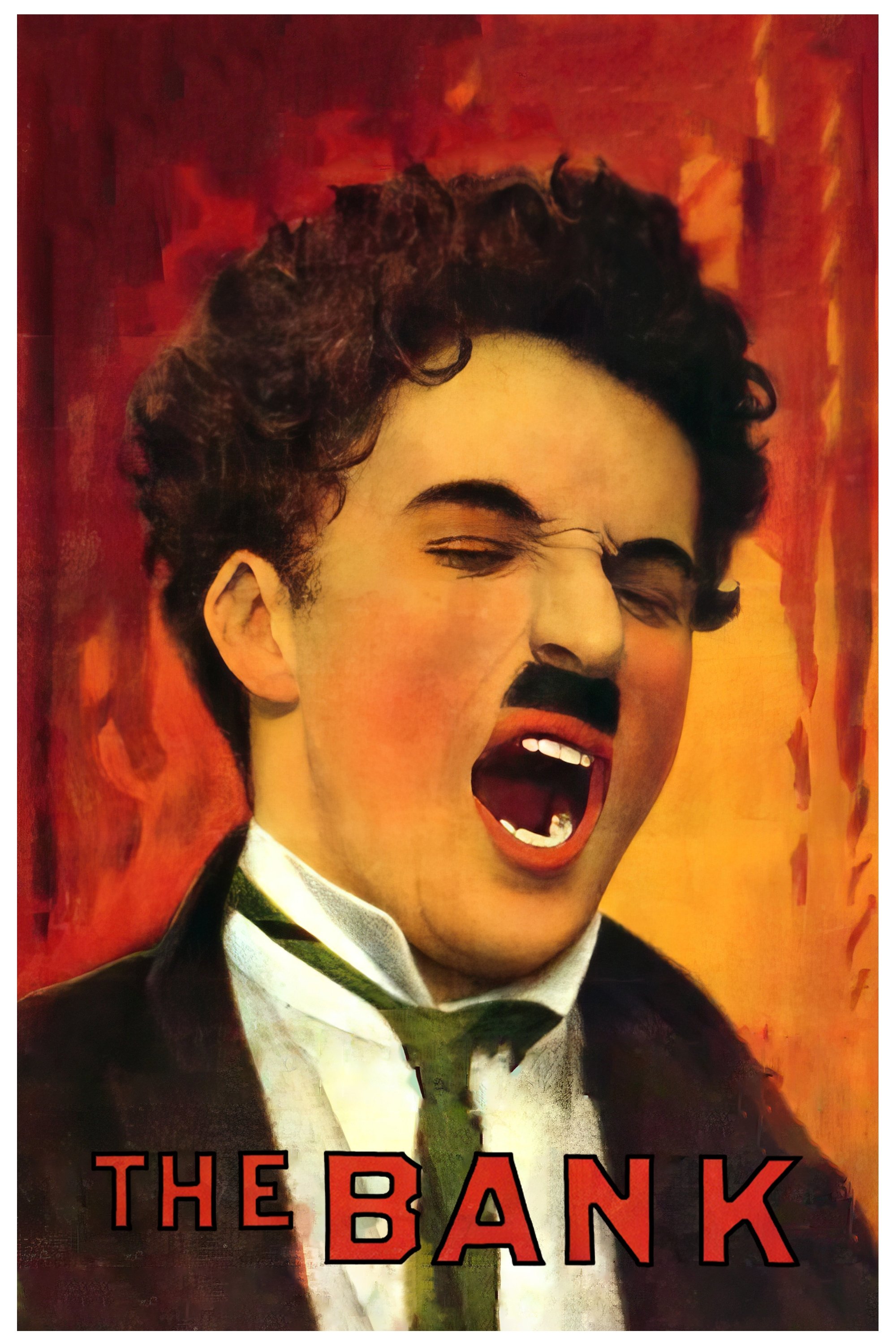
A janitor at a bank is in love with a secretary and dreams that she has fallen in love with him too.
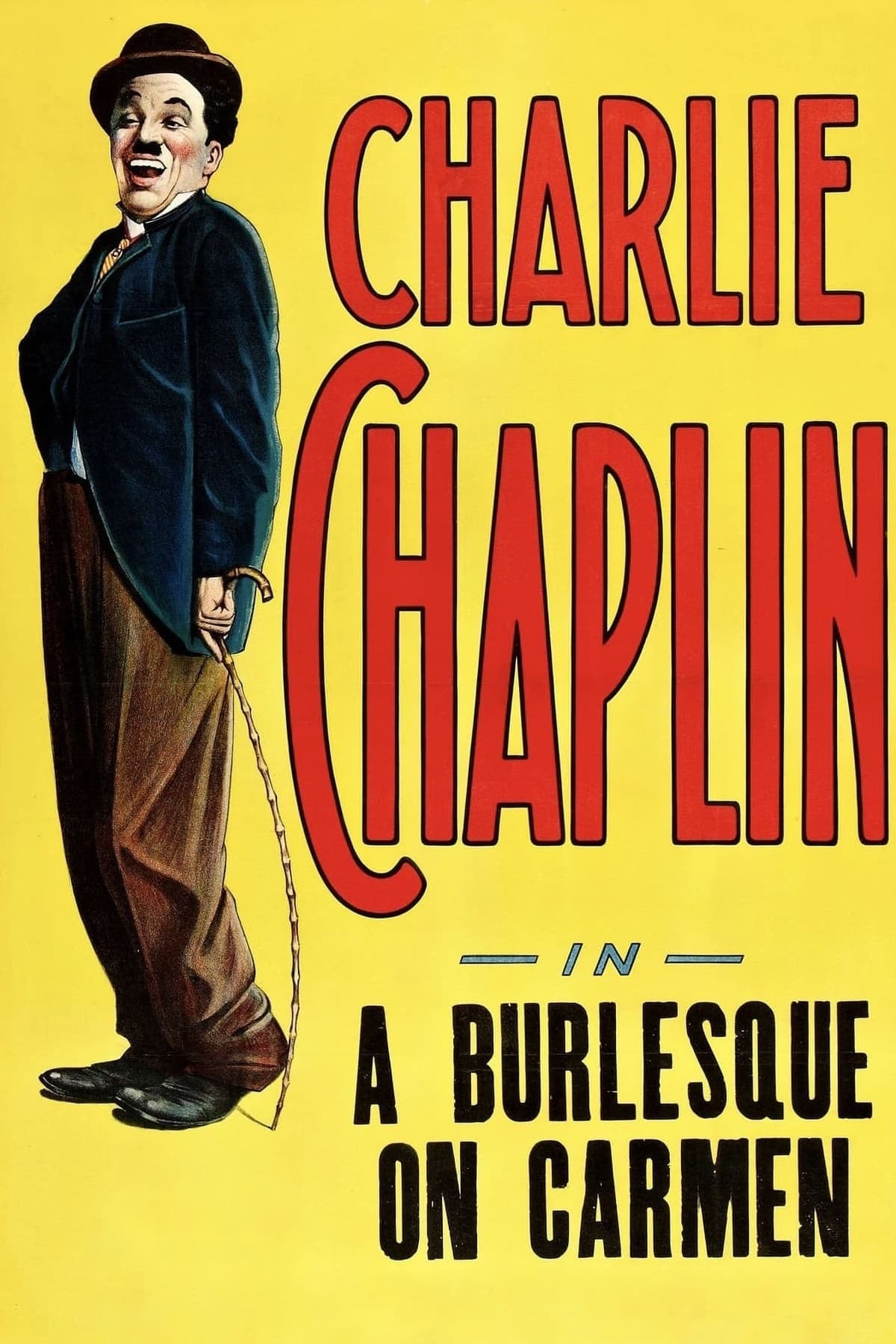
A gypsy seductress is sent to sway a goofy officer to allow a smuggling run.
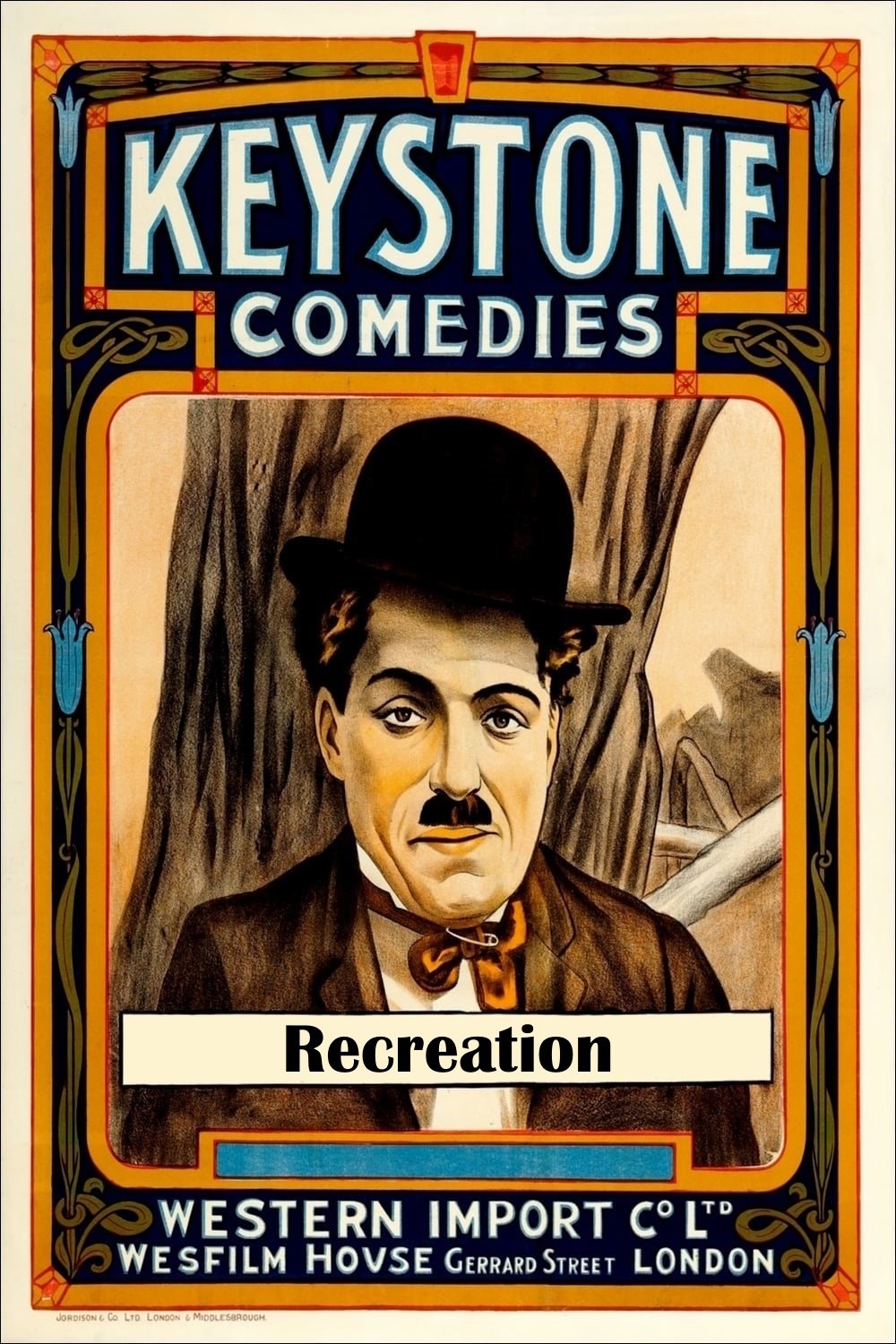
Charlie begins to woo a woman on a bench, only to have her seaman boyfriend object. After a brick fight between the two men that eventually involves two police officers, all five people end up in the local pond to cool off.

Charlie and his boss have difficulties just getting to the house they are going to wallpaper. The householder is angry because he can't get breakfast and his wife is screaming at the maid as they arrive. The kitchen gas stove explodes, and Charlie offers to fix it. The wife's secret lover arrives and is passed off as the workers' supervisor, but the husband doesn't buy this and fires shots. The stove explodes violently, destroying the house.

Mabel goes home after being humiliated by a masher whom her husband won't fight. The husband goes off to a bar and gets drunk.
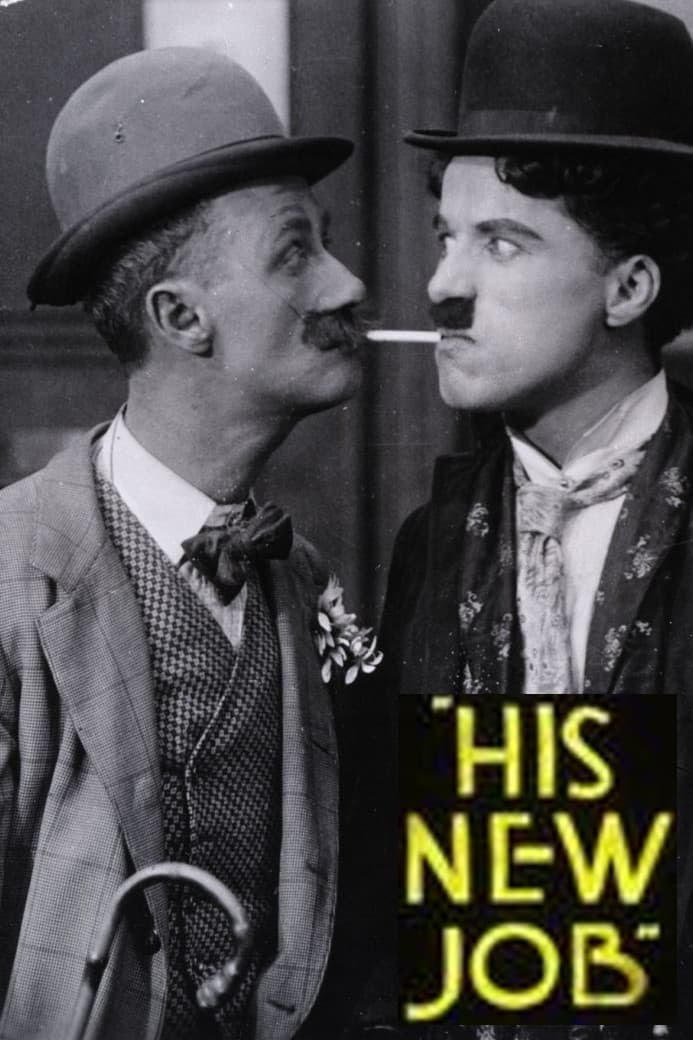
When one of the actors on a movie set doesn't show up, Charlie gets his chance to be on camera and replaces the actor. While waiting, he plays in a dice game and gets on many people's nerves. When he finally gets to act, he ruins his scene, accidentally destroys the set, and tears the skirt of the star of the movie.
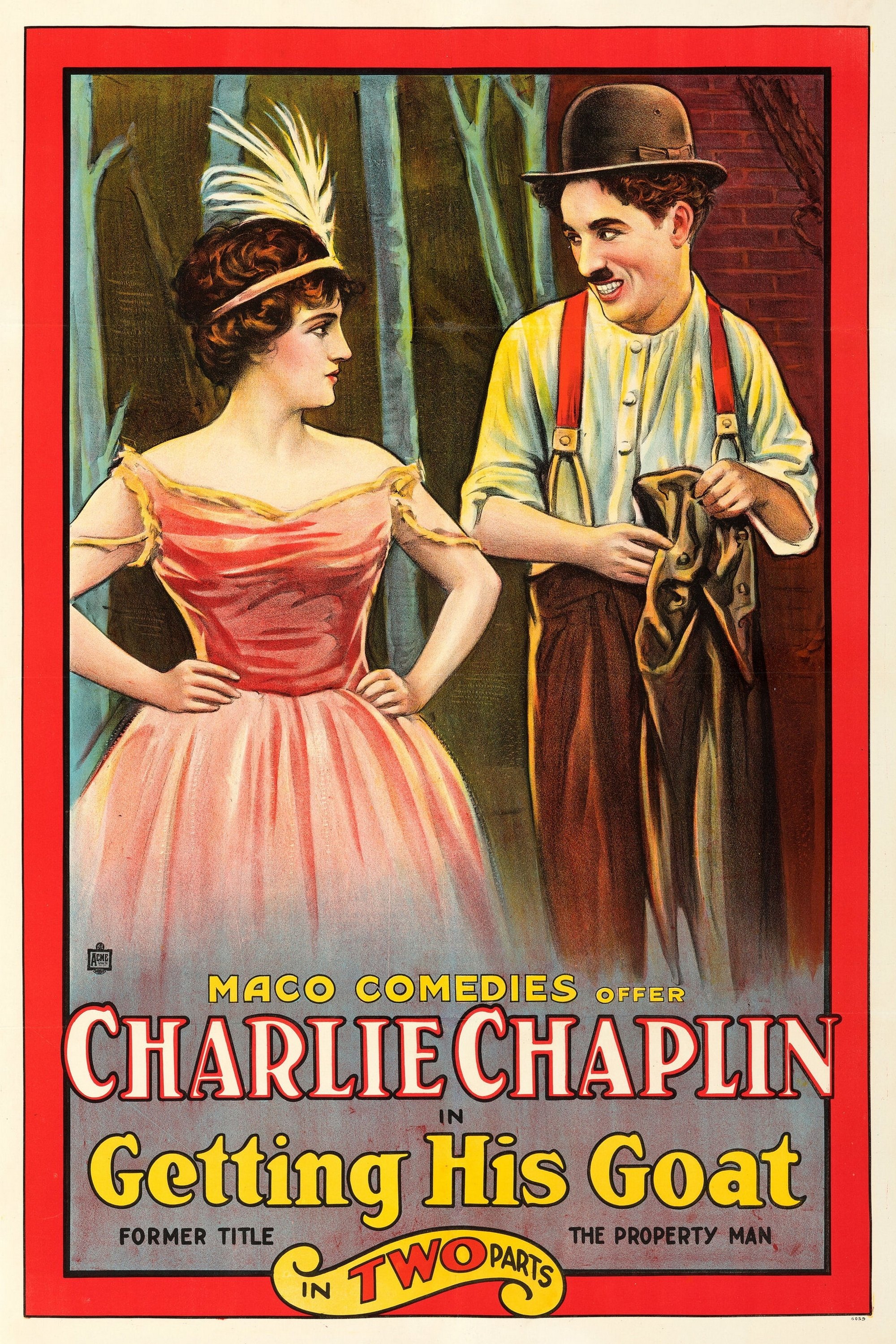
Charlie is in charge of stage props and has trouble with actors' luggage and conflicts over who gets the star's dressing room. Once all that is resolved the next issue is getting everyone on stage with the correct backdrop.
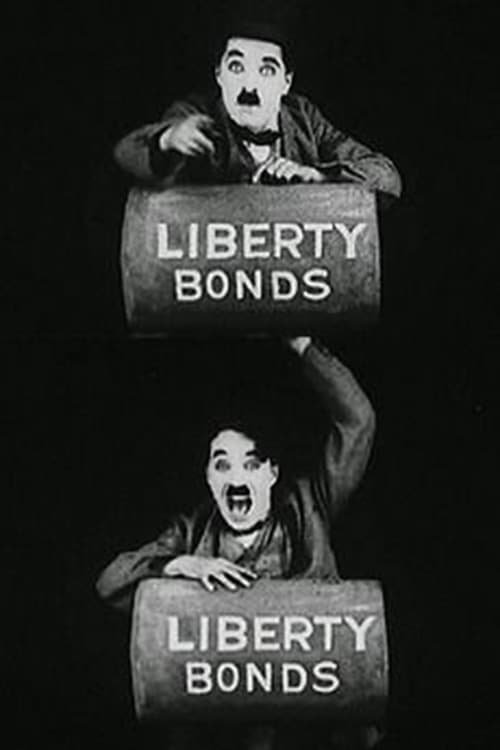
A propaganda film created by Charlie Chaplin at his own expense for the Liberty Load Committee to help sell U.S. Liberty Bonds during World War I. The story is a series of sketches humorously illustrating various bonds like the bond of friendship and of marriage and, most important, the Liberty Bond, to K.O. the Kaiser which Charlie does literally.
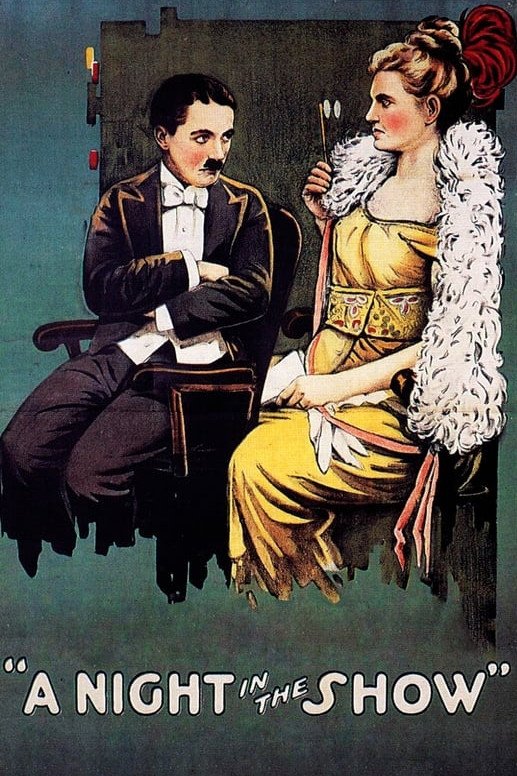
Mr. Pest tries several theatre seats before winding up in front in a fight with the conductor. He is thrown out. In the lobby he pushes a fat lady into a fountain and returns to sit down by Edna. Mr. Rowdy, in the gallery, pours beer down on Mr. Pest and Edna. He attacks patrons, a harem dancer, the singers Dot and Dash, and a fire-eater.
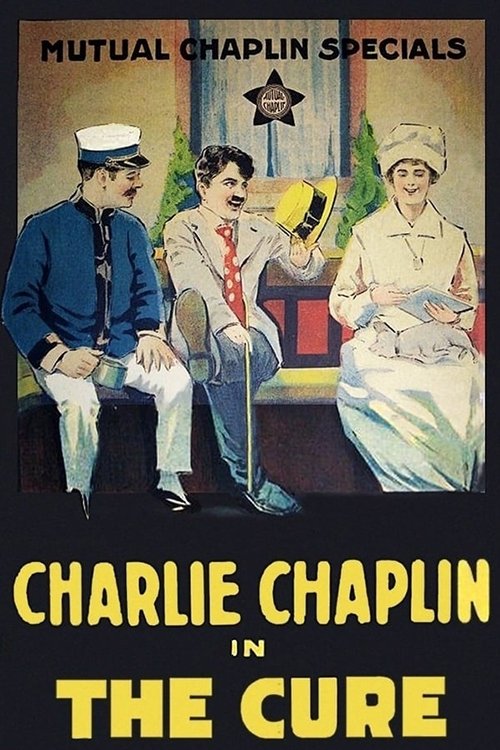
An alcoholic checks into a health spa and his antics promptly throw the establishment into chaos.

An impecunious customer creates chaos in a department store while the manager and his assistant plot to steal the money kept in the establishment's safe.
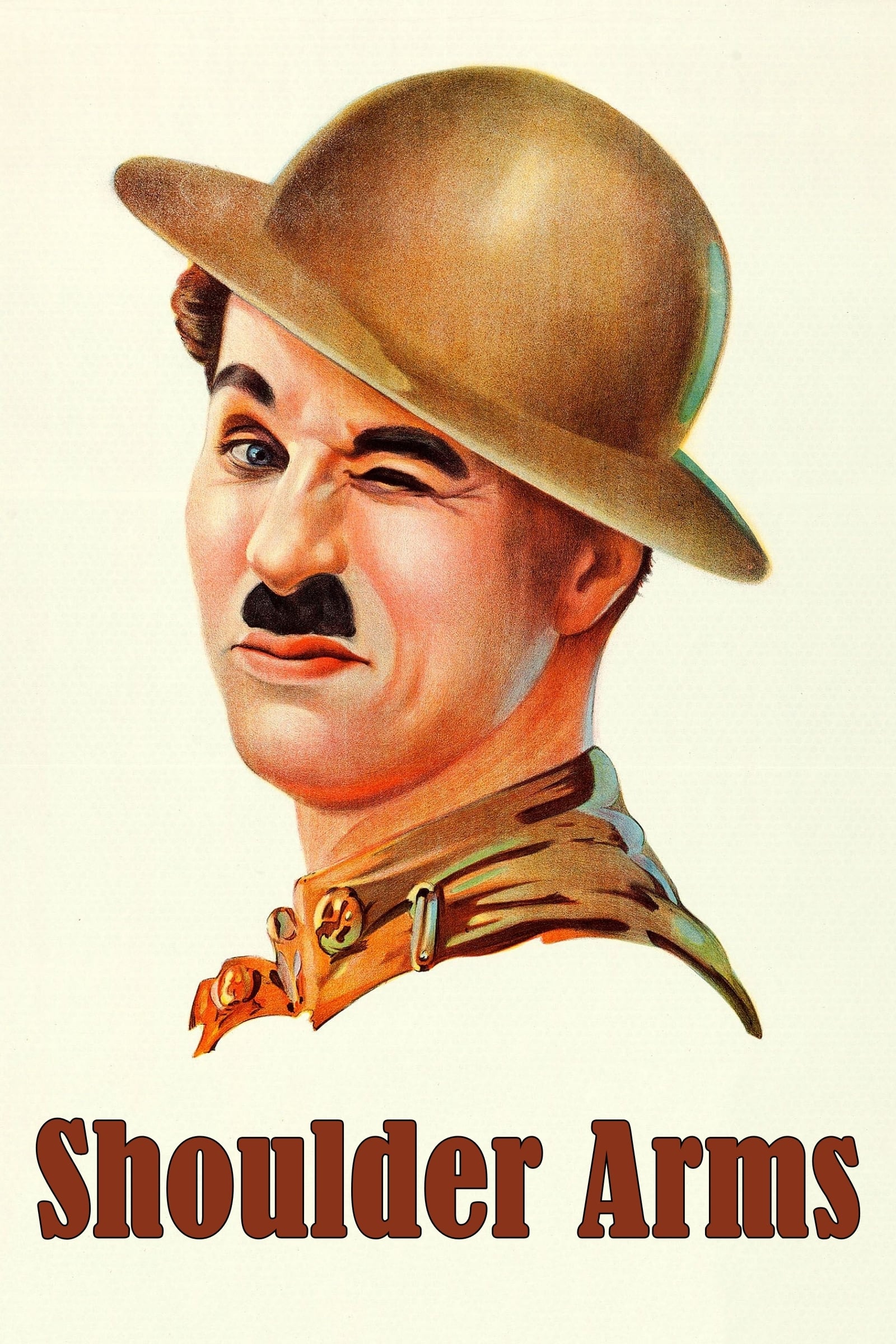
An American doughboy, stationed in France during the Great War, goes on a daring mission behind enemy lines and becomes a hero.
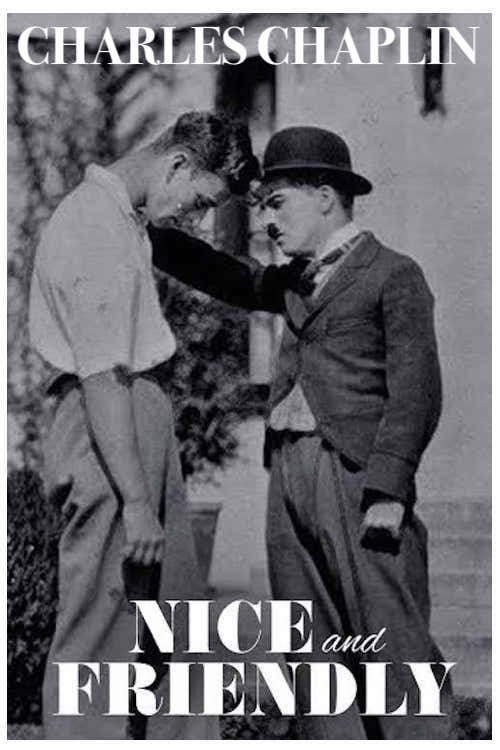
This short was made as a wedding present for Lord and Lady Mountbatten. In it, Lady Mountbatten has a valuable pearl necklace, which a very large number of crooks wants to steal.
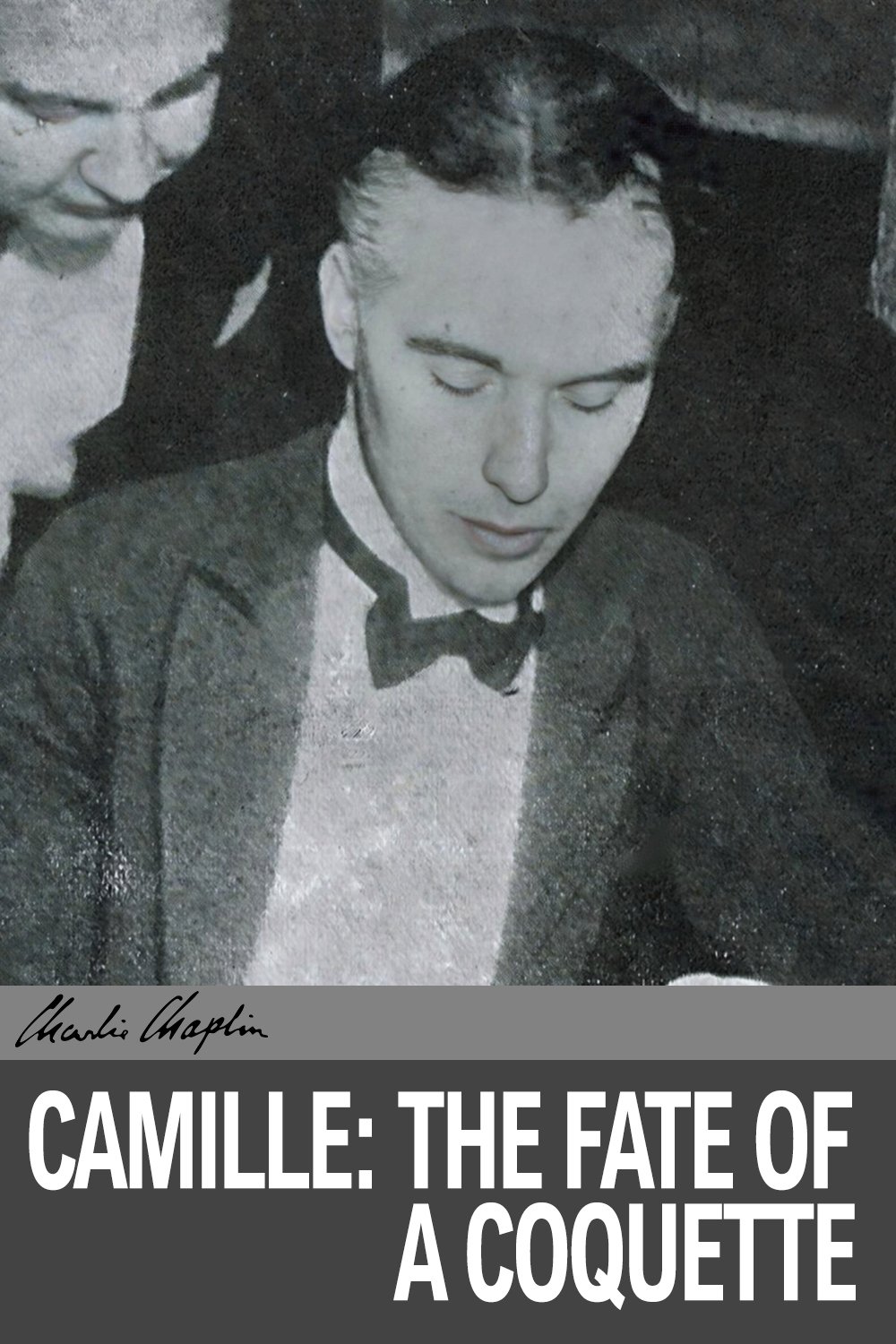
A home movie version of the Dumas play. A young woman becomes a courtesan and tragedy befalls her. Appearances are made by many socialites of 1920s Paris and New York.
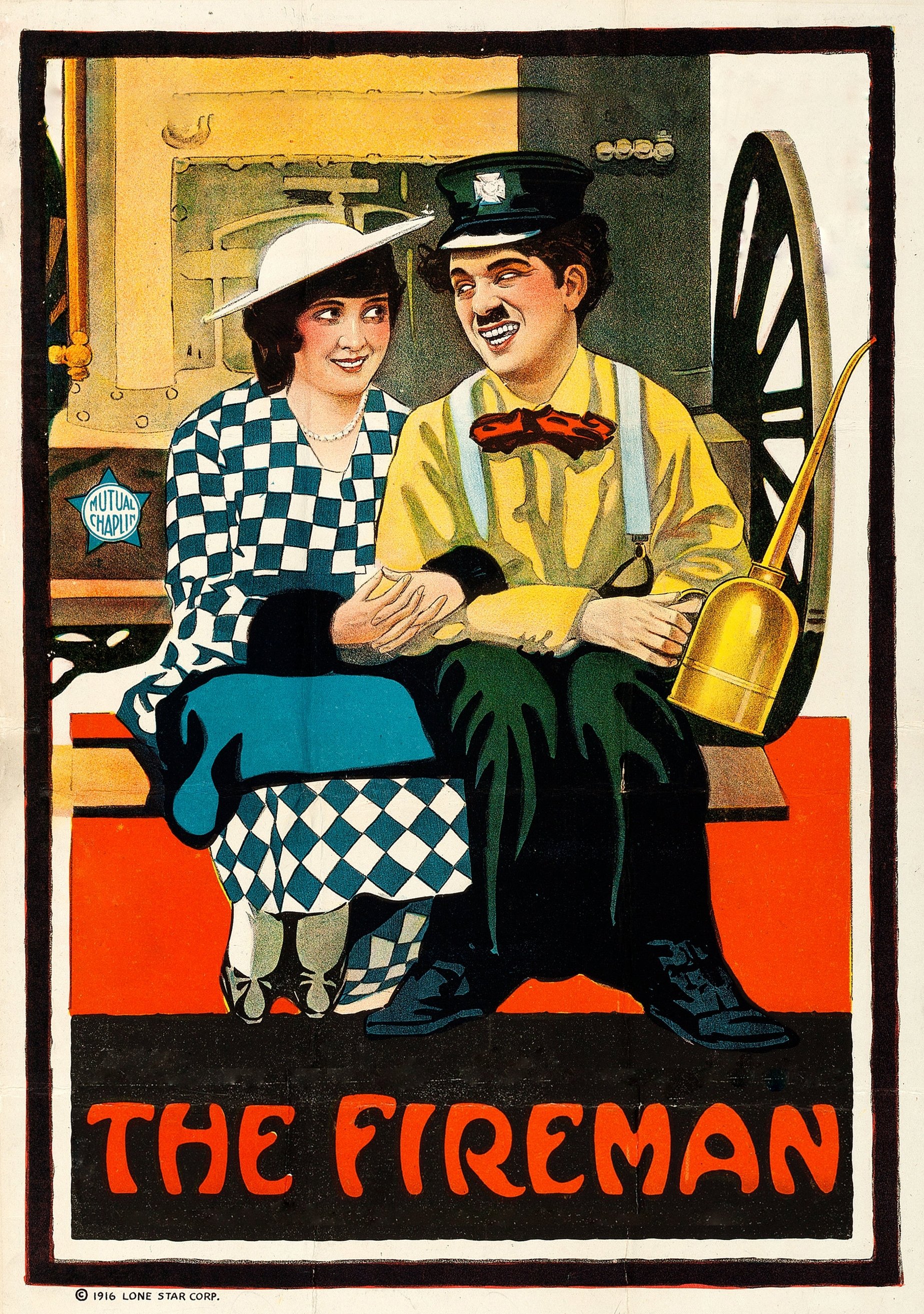
Firefighter Charlie Chaplin is tricked into letting a house burn by an owner who wants to collect on the insurance.
A father takes his family for an outing, which turns out to be a ridiculous trial.
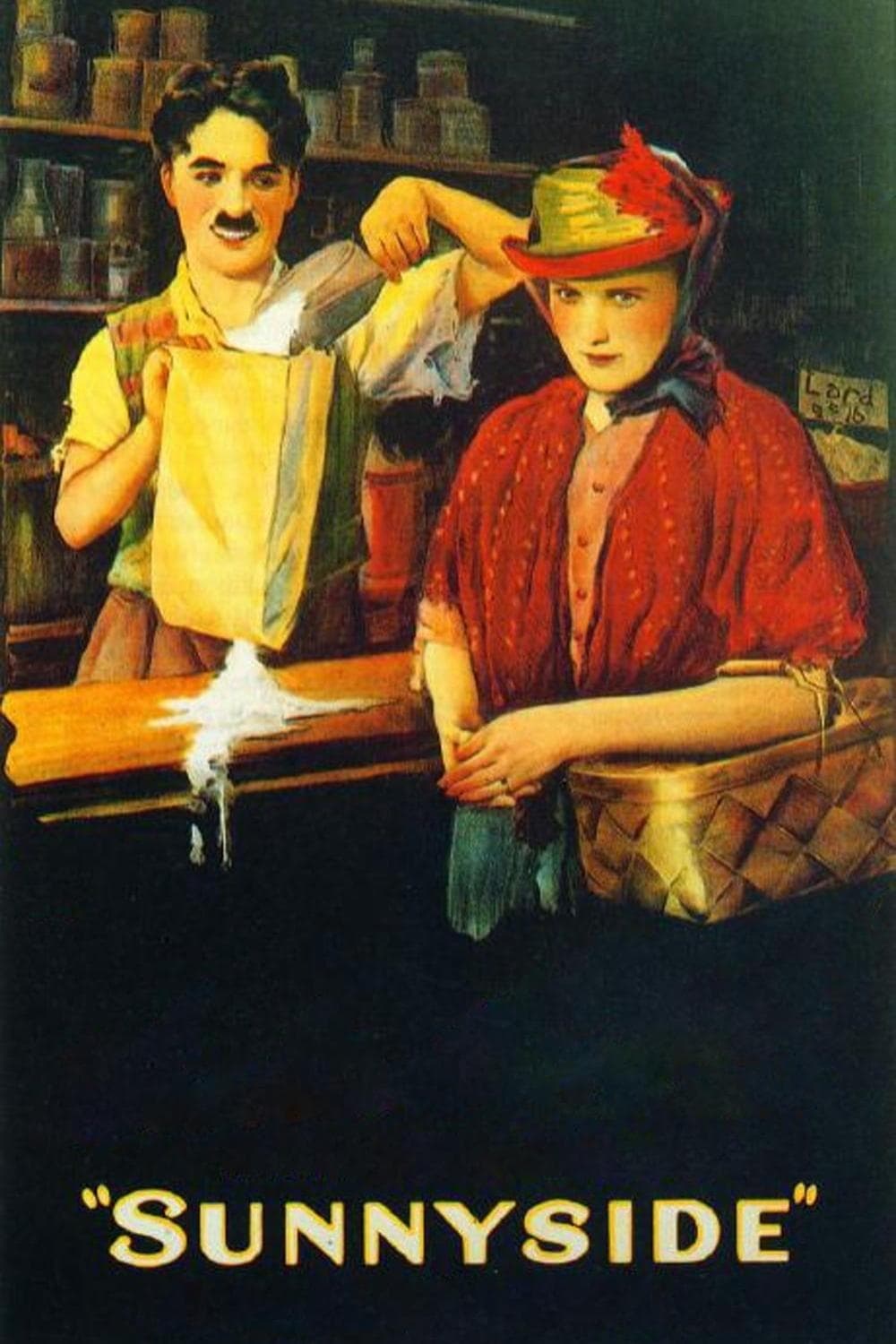
An overworked farmhand who works also at the adjacent hotel dreams of marrying the village belle.
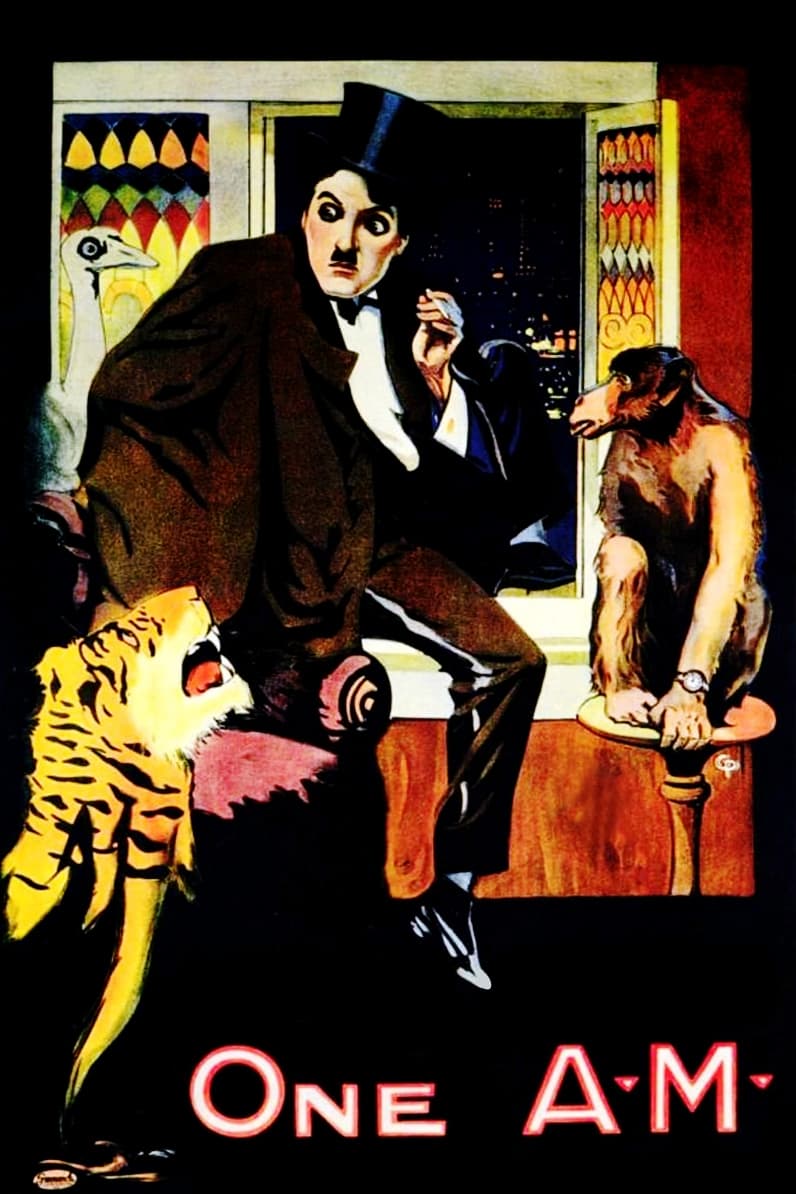
A drunken homeowner has a difficult time getting about in his home after arriving home late at night.

During the troubled shooting of several movies, David, the prop man's assistant, meets an aspiring actress who tries to find work in the studio. Things get messy when the stagehands decide to go on strike.
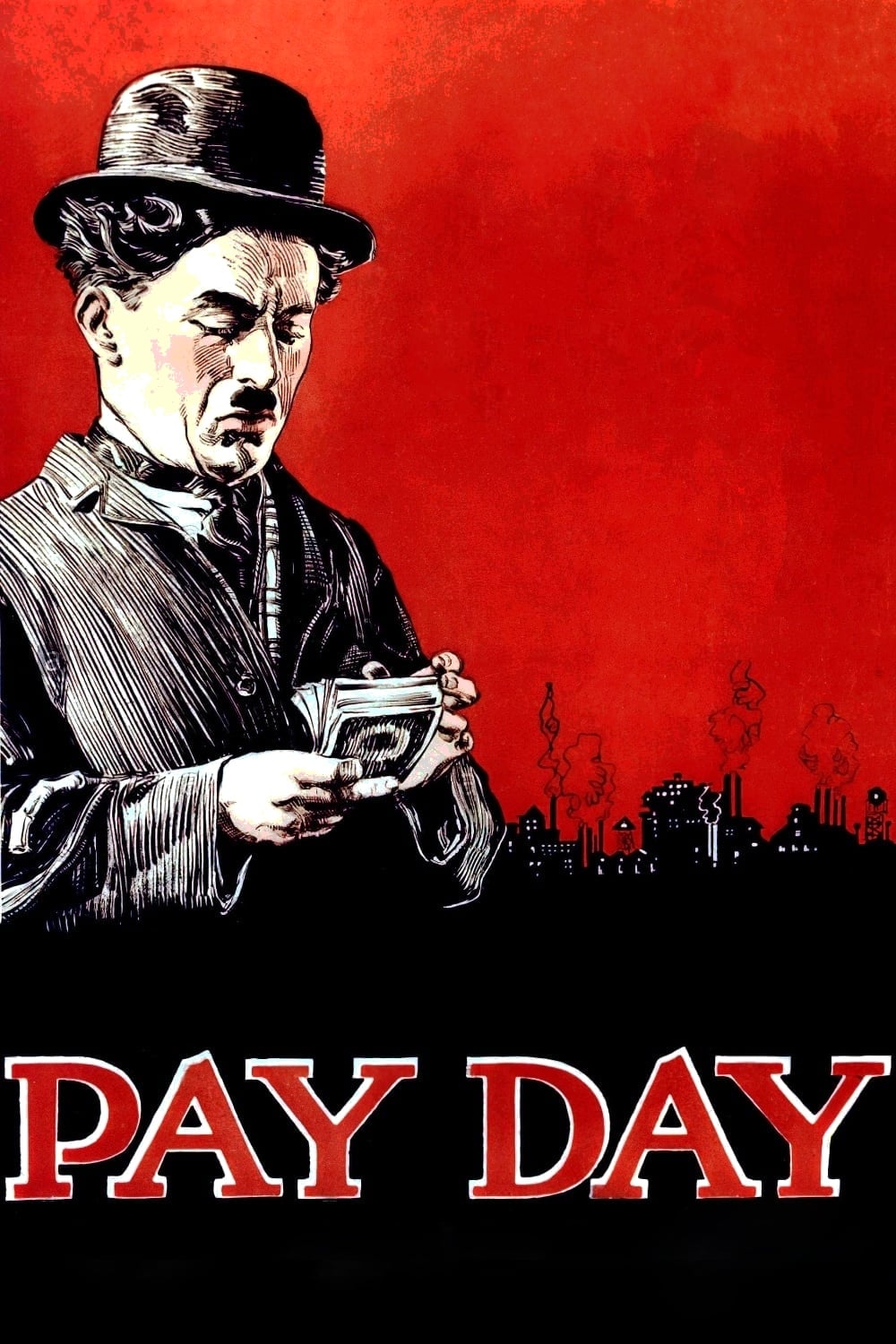
A bricklayer and his wife clash over his end-of-the-week partying.
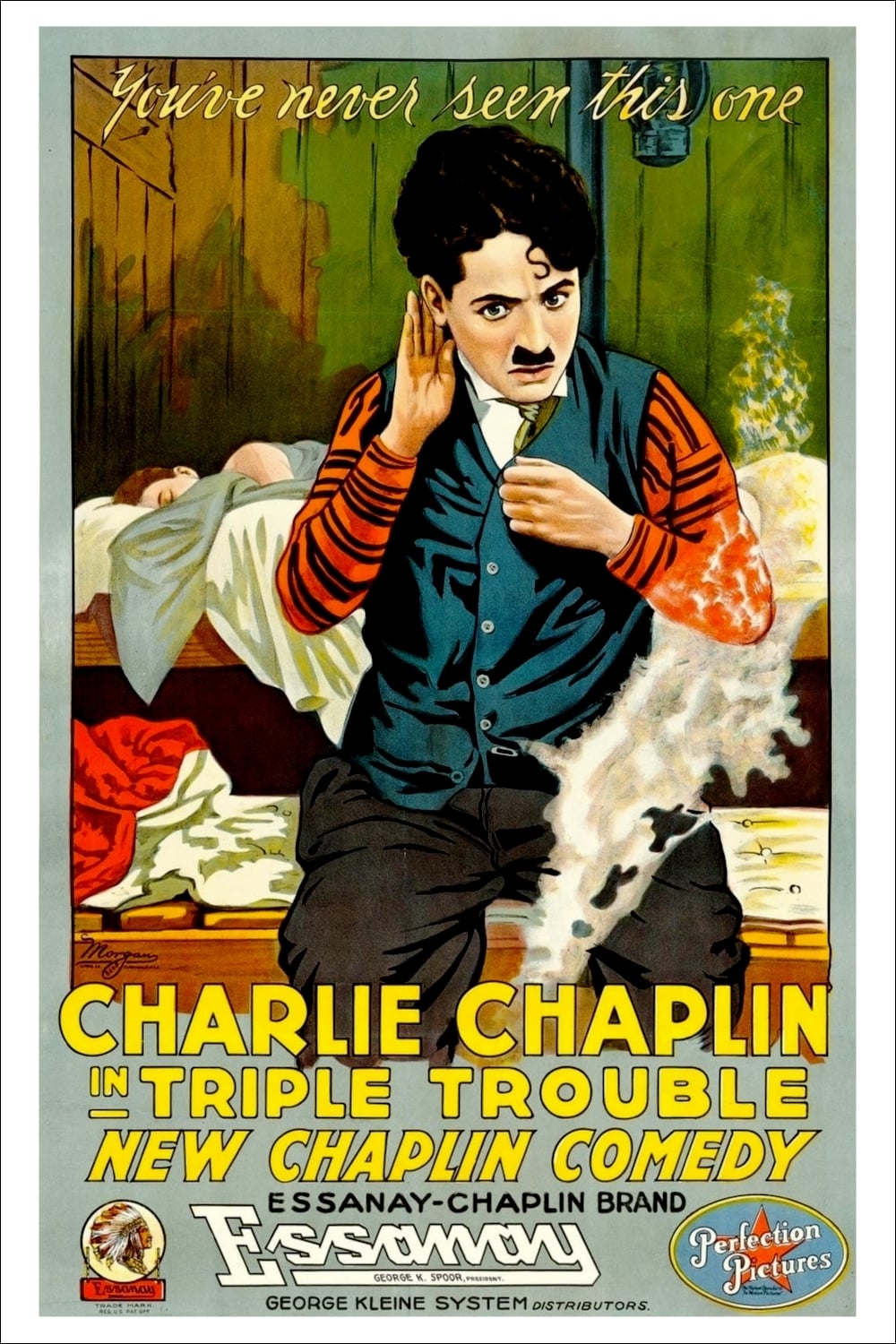
As Colonel Nutt is experimenting with explosives, a new janitor is joining his household. The inept janitor proceeds to make life difficult for the rest of staff.
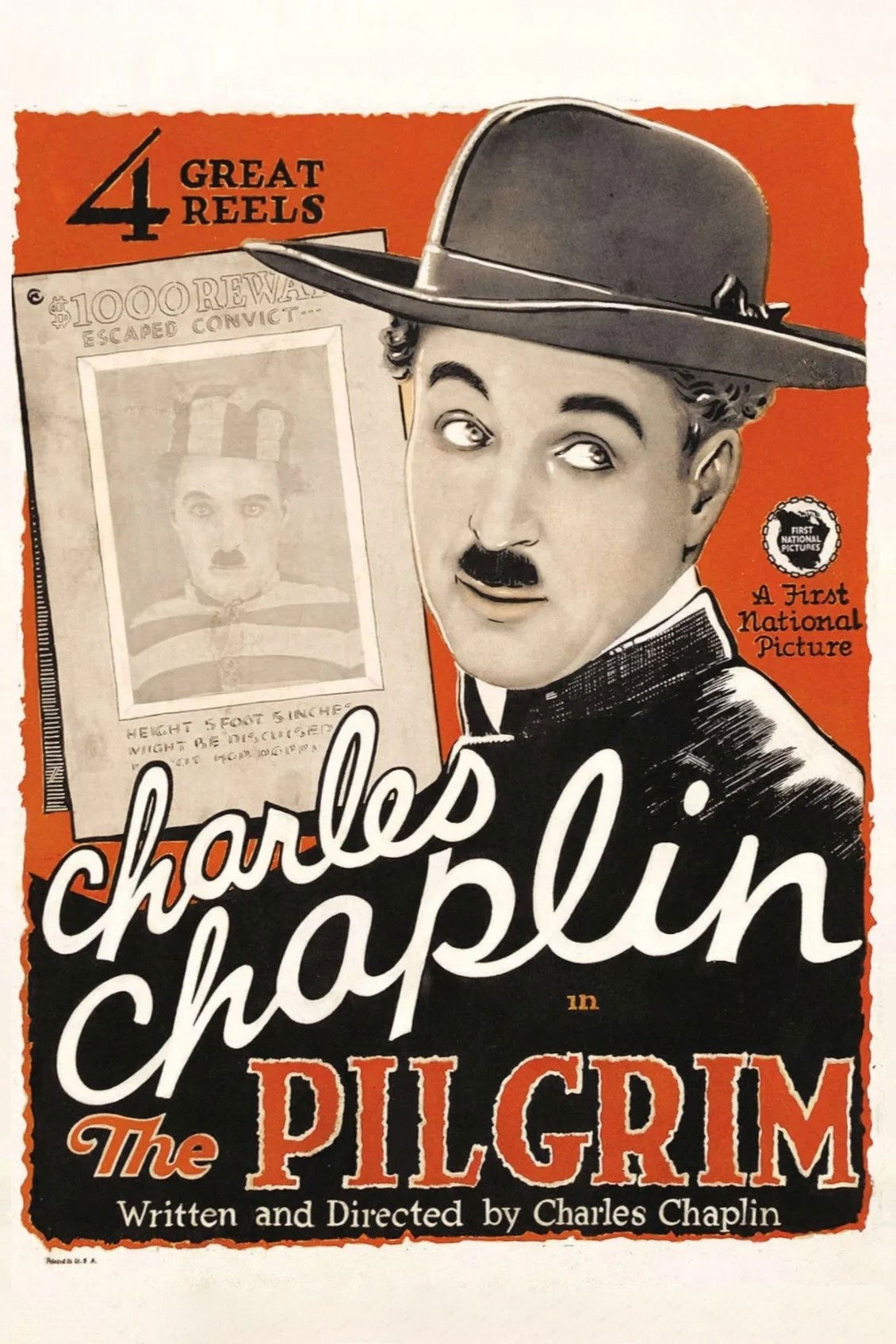
The Tramp is an escaped convict who is mistaken as a pastor in a small town church.
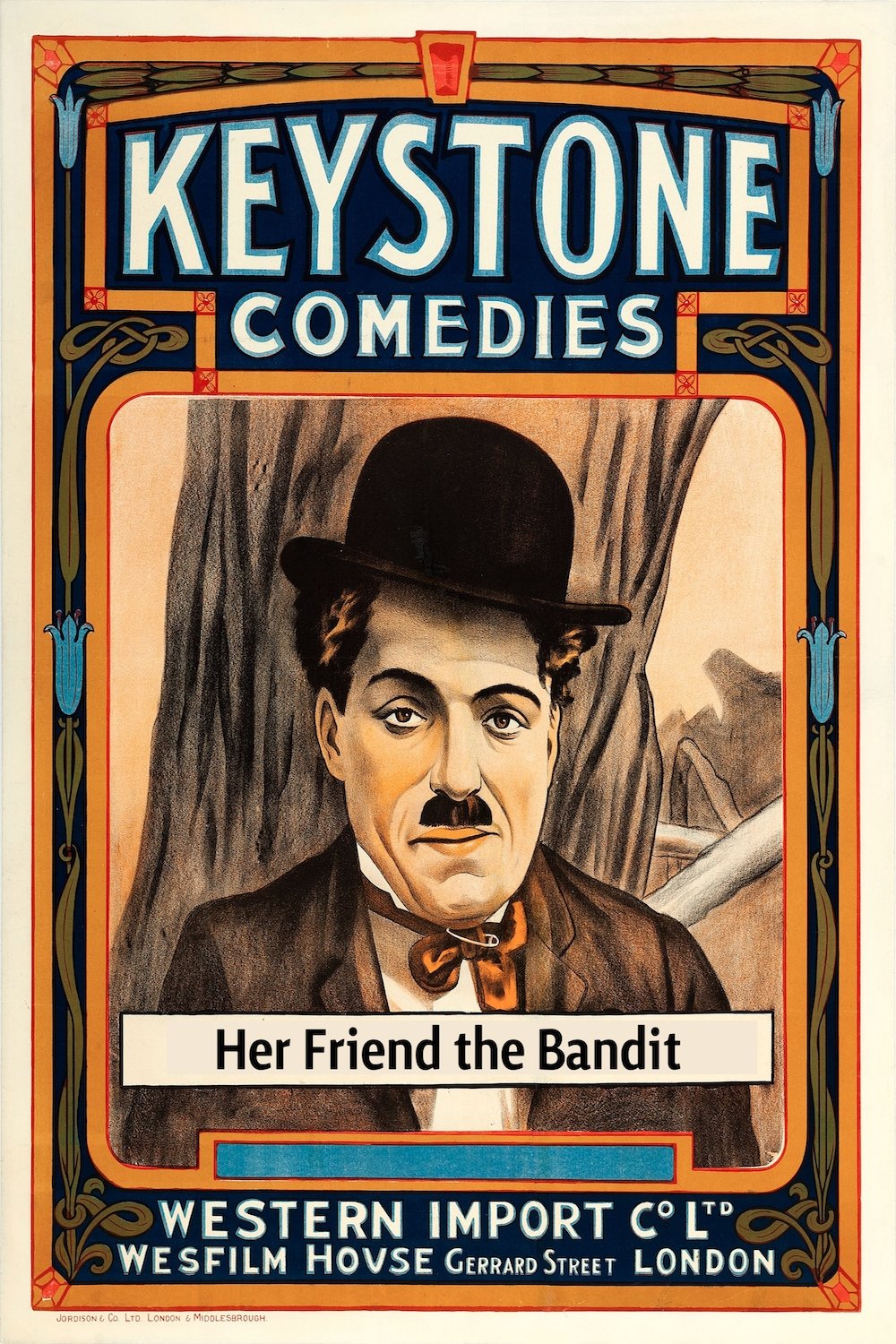
A comedy made by Keystone Studios starring Charlie Chaplin and Mabel Normand, both of whom co-directed the movie. This is Chaplin's only lost film as no copy is known to exist.
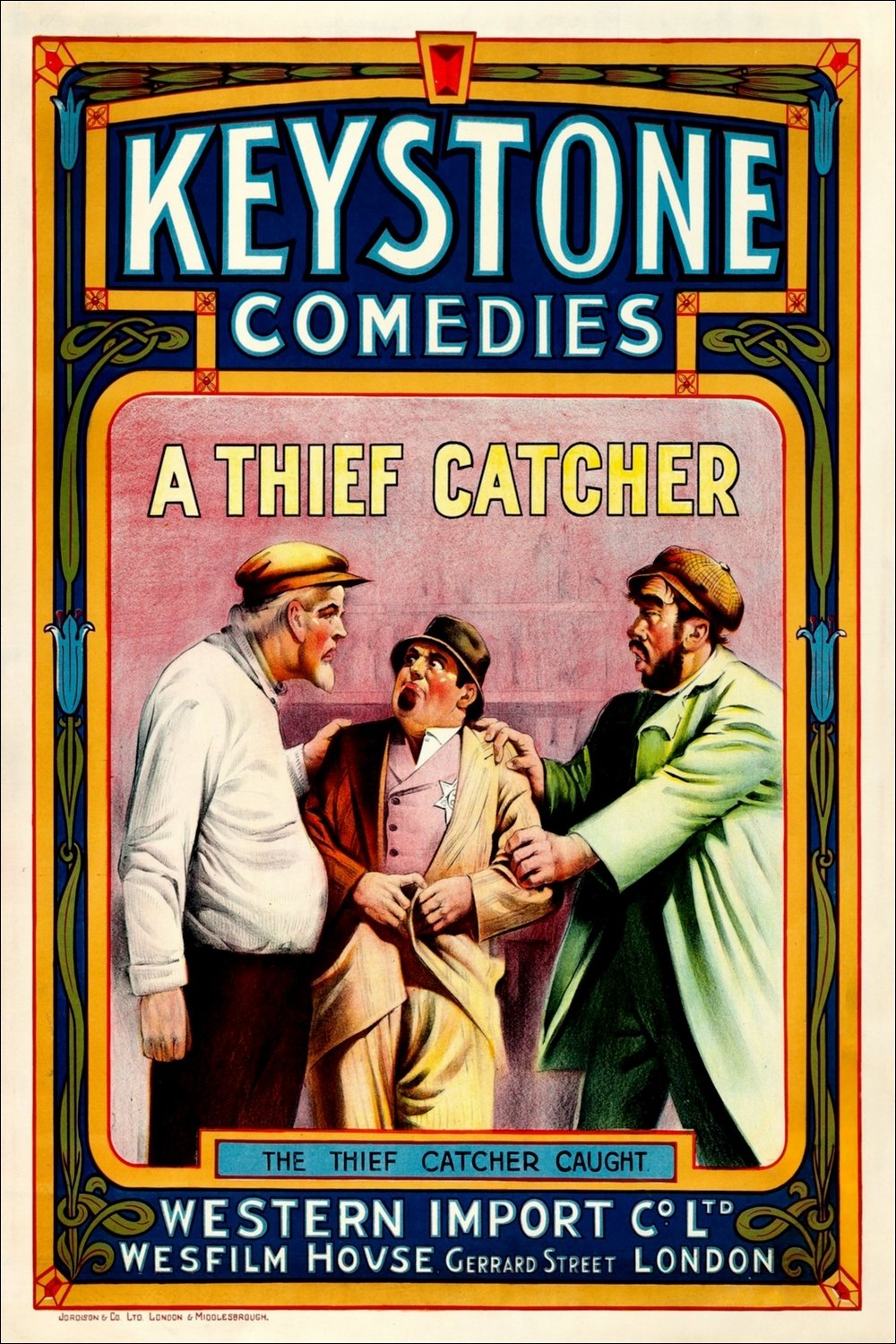
Two criminals chase a plainclothes policeman who, while taking out his dog, witnesses their crime.
A video essay on Charlie Chaplin's film "Limelight" (1952).
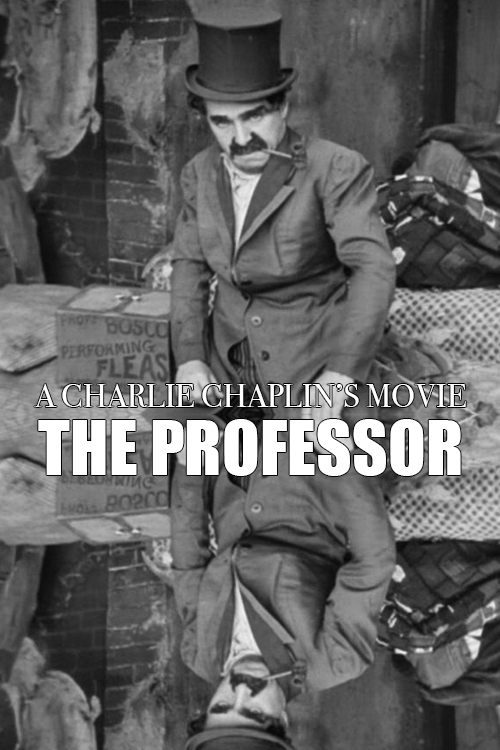
Professor Bosco, a poor flea trainer, rents a bed in a flophouse. Before going to bed, he rallies his troops and once he has made sure his beloved fleas are settled for the night, the professor prepares to sleep the sleep of the just man. Unfortunately he accidentally knocks the box off his bed and the fleas have the time of their lives pestering Bosco's neighbors. To get the escapees back in their box again, the trainer resorts to... his whip! All is back to normal one more time. But not for long, as a stray dog enters the flophouse and very unwisely opens the box, thus creating new havoc.
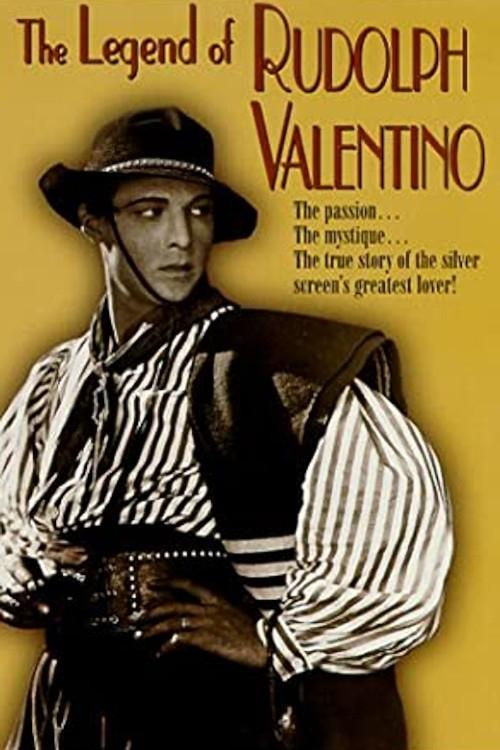
A documentary of Hollywood's first great Latin Lover, the contradictions in his personal life, and his premature death.

In April 1918, a disease of unknown origin swept across the five continents. In 18 months, millions of lives that had not been taken by the war were swept away by a virus that would cause the worst pandemic in history: the Spanish flu.

A film where anything can happen - the hero and the heroine changes their faces, age, look, names, and so on. The only same thing: The love between man and woman... in an archetypical love story cut from 500 classics from all around the world.

Documentary filmmaker Védrès' first semi-fictional feature was released in France in 1949 as La Vie Commence Demain. The film made it to the U.S. in 1952 as Life Begins Tomorrow. Made in cooperation with UNESCO, the film speculates on the future of mankind after the advent of Atomic Energy. Many prominent French artists and intellects contribute to the narration: Jean-Pierre Aumont plays The Man of Today, Andre Labarthe is the Man of Tomorrow, and Jean-Paul Sartre, Daniel Agache, Jean Rostand, Le Corbusier, Pablo Picasso and Andre Gide are respectively seen as "The Existentialist," "The Psychiatrist,' "The Biologist," "The Architect," "The Artist" and "The Author". Film clips of hospitals, schoolrooms, scientific laboratories, and even nightclubs are woven into Védrès' fascinating tapestry.

A compilation featuring comedic stars of the silent era including Fatty Arbuckle, Charles Chaplin, Buster Keaton, Charley Chase, and Laurel and Hardy.
A film about the life and work of the master comedy filmmaker, Charles Chaplin.
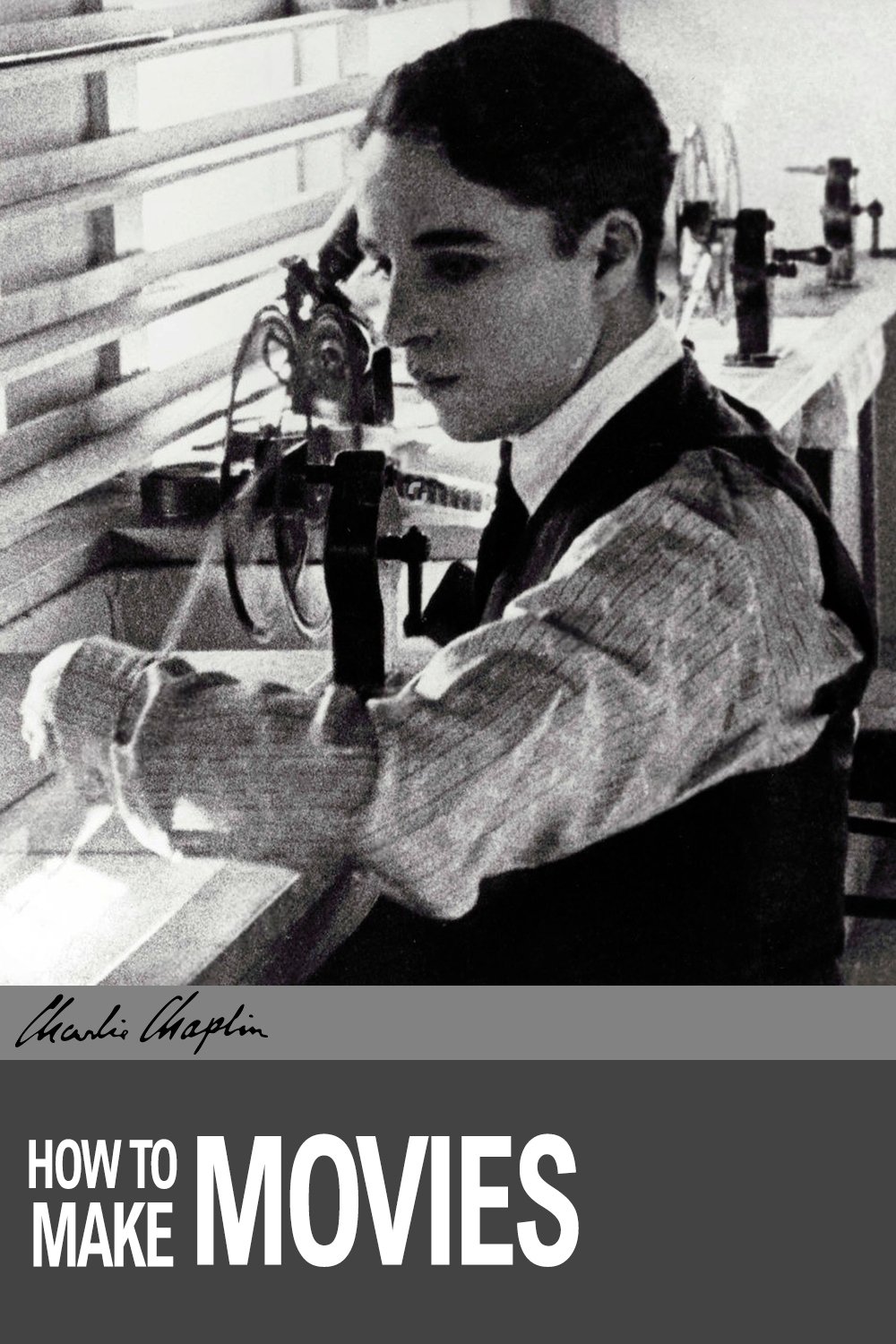
This film was never released for the general public. It was hidden in Chaplin's private vaults for forty years until he included some parts of it in his compilation 'The Chaplin Revue' in 1959.
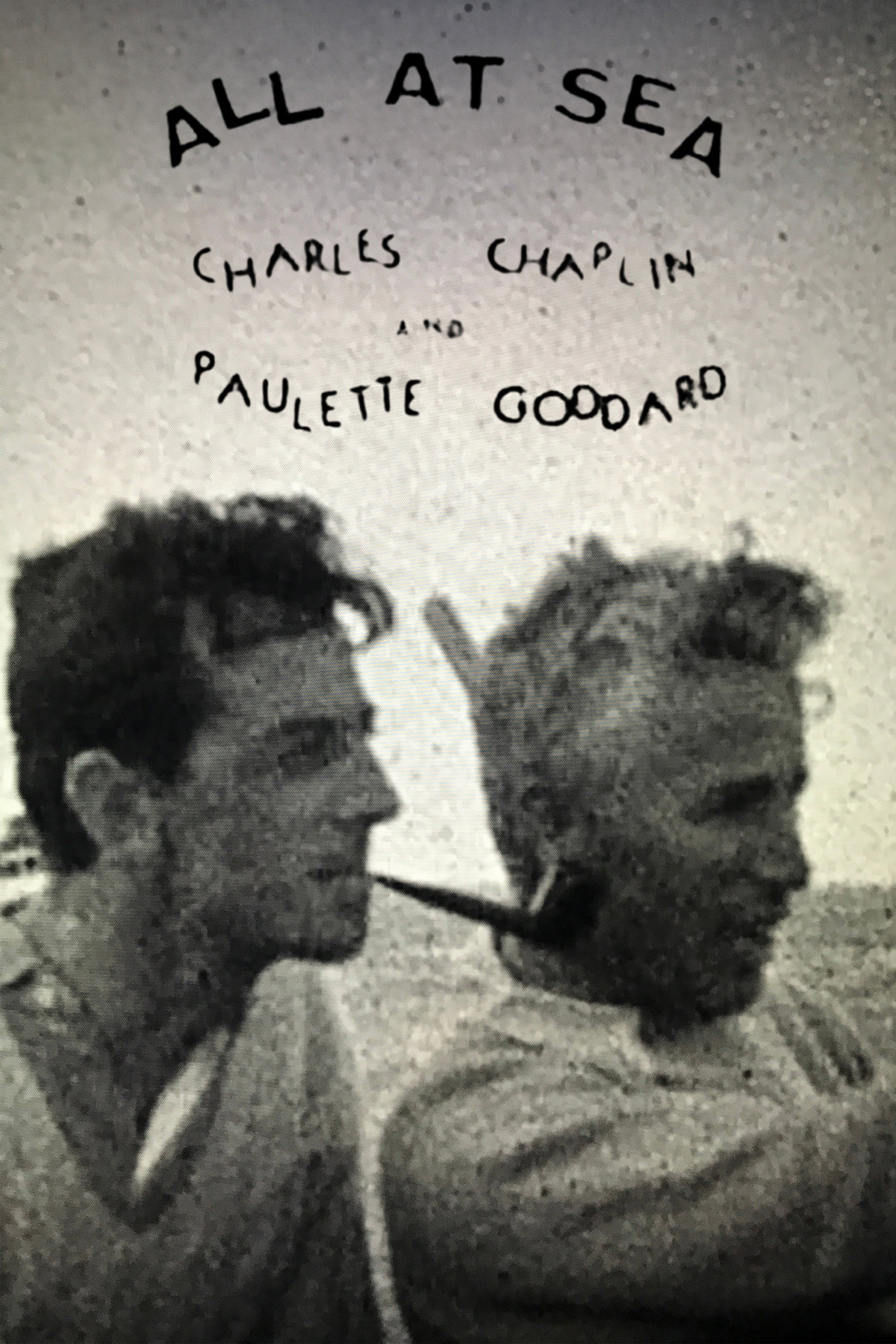
"All at Sea" is a short documentary of Cooke, Charlie Chaplin and Paulette Goddard all on Chaplin's yacht on an afternoon sail.
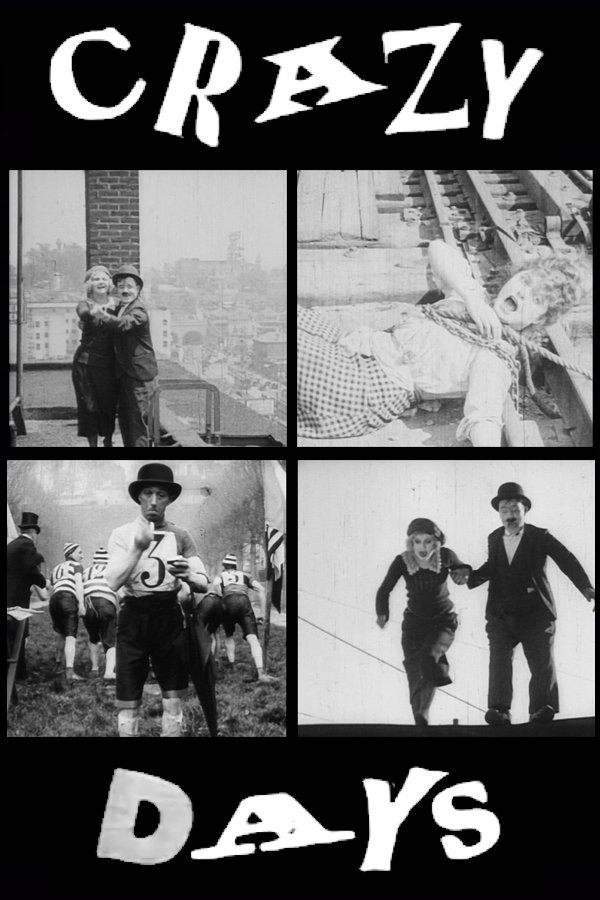
Narrator Hughie Green tells "jokes" over clips of old silent films. Including greats such as Fatty Arbuckle, Buster Keaton, Charlie Chaplin, the Keystone Cops and more.
First National gala celebrity banquet with stars.

Out-takes (mostly from Warner Bros.), promotional shorts, movie premieres, public service pleas, wardrobe tests, documentary material, and archival footage make up this star-studded voyeuristic look at the Golden age of Hollywood during the 30s, 40, and 50.
A keen chronicle of the unlikely rise to power of Adolf Hitler (1889-1945) and a dissection of the Third Reich (1933-1945), but also an analysis of mass psychology and how the desperate crowd can be deceived and shepherded to the slaughterhouse.
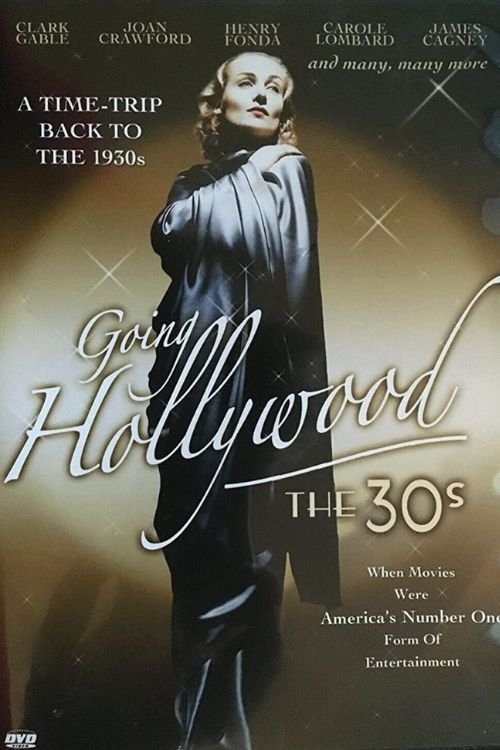
Robert Preston hosts this documentary that shows what people of the 1930s were watching as they were battling the Depression as well as eventually getting ready for another World War.
HBO (in association with the American Film Institute) presents this 1997 anthology, narrated by Liev Schreiber, which looks at sports in cinema from the earliest silent films until the nineties. Watch not for dramatic scenes but for the glimpse of historical figures shown both cinematic and athletic- in this tribute to the merging of sports and Hollywood.
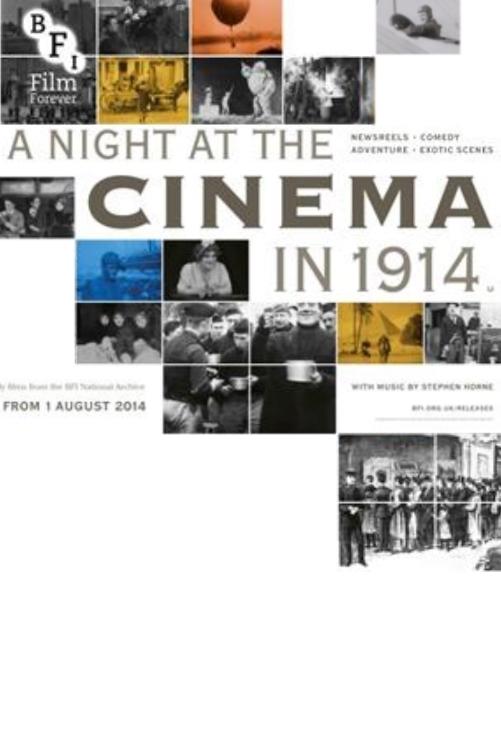
Cinema a century ago was a new, exciting and highly democratic form of entertainment. Picture houses nationwide offered a sociable, lively environment in which to relax and escape from the daily grind. With feature films still rare, the programme was an entertaining, ever-changing roster of short items with live musical accompaniment. 100 years on, this special compilation from the BFI National Archive recreates the glorious miscellany of comedies, dramas, travelogues and newsreels which would have constituted a typical night out in 1914. Our selection includes a comic short about a face-pulling competition, a sensational episode of The Perils of Pauline, scenes of Allied troops celebrating Christmas at the Front, and an early sighting of one of cinema’s greatest icons.
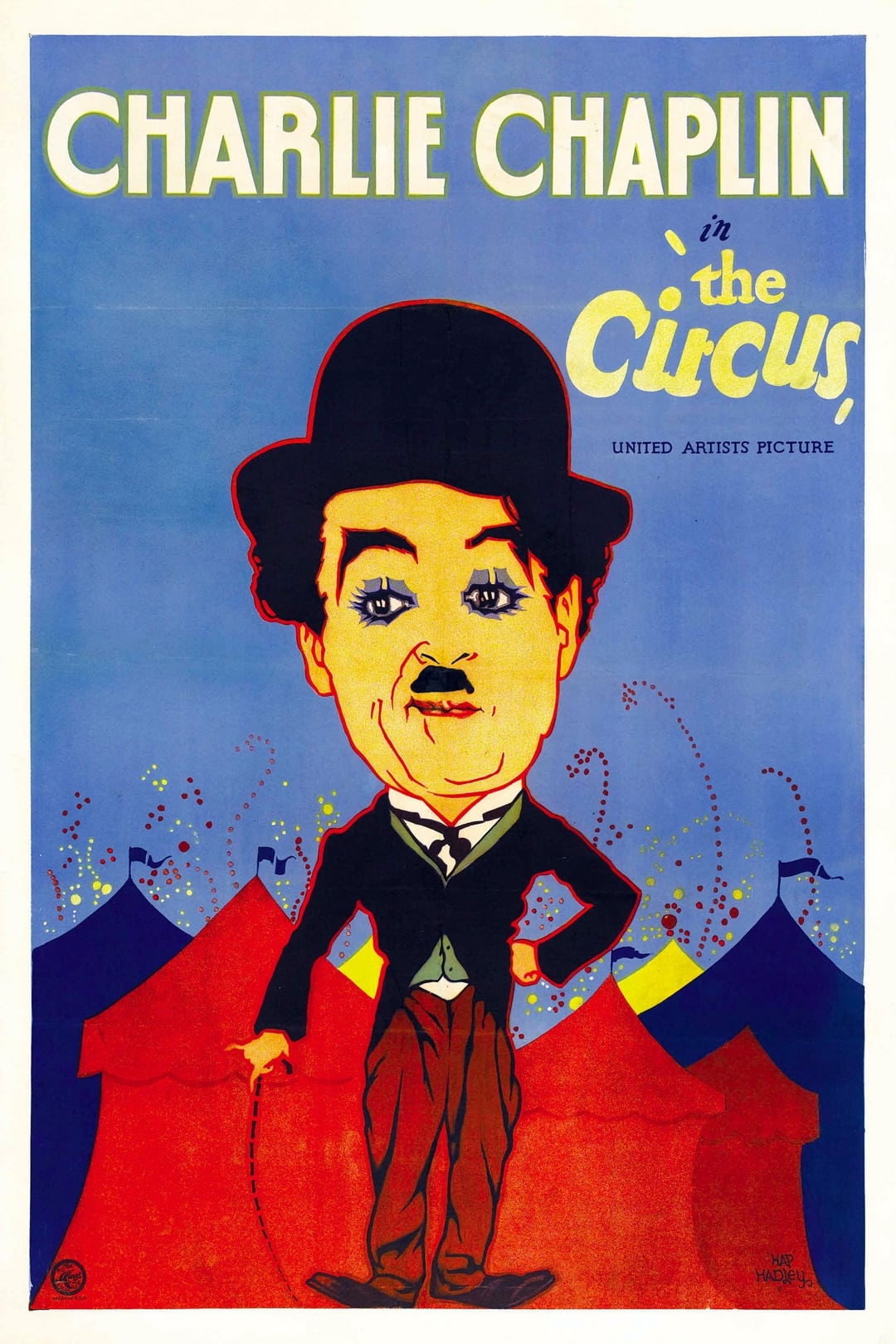
Footage from the premiere of Charlie Chaplin's 1928 film 'The Circus'.
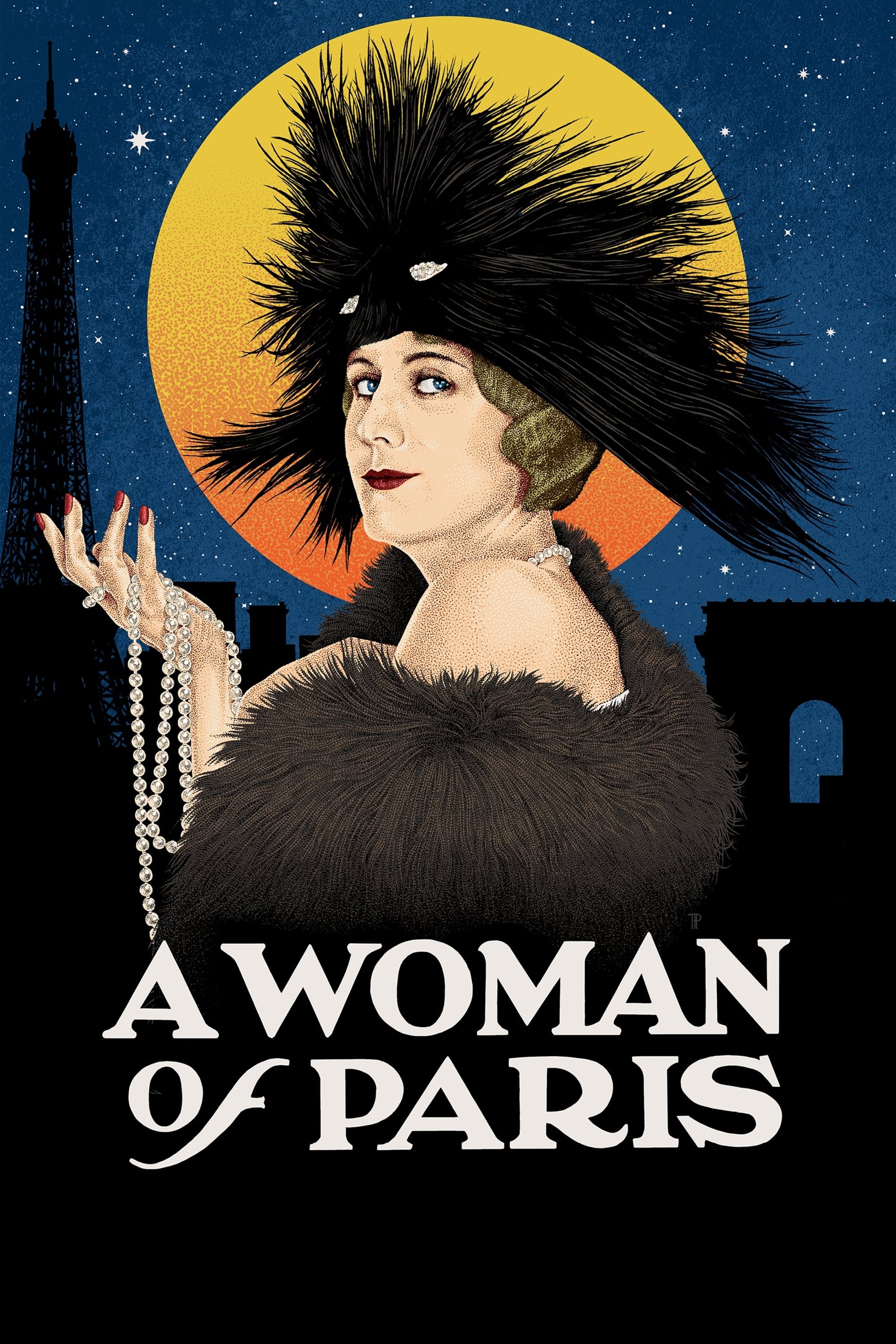
When Marie St. Clair believes she has been jilted by her artist fiance Jean, she decides to leave for Paris on her own. After spending a year in the city as a mistress of the wealthy Pierre Revel, she is reunited with Jean by chance. This leaves her with the choice between a glamorous life in Paris, and the true love she left behind.
African filmmaker Idrissa Ouedraogo (YAABA) discusses the influence that Charlie Chaplin has been on his work, along with archival footage of interviews with several of Chaplin's co-stars.
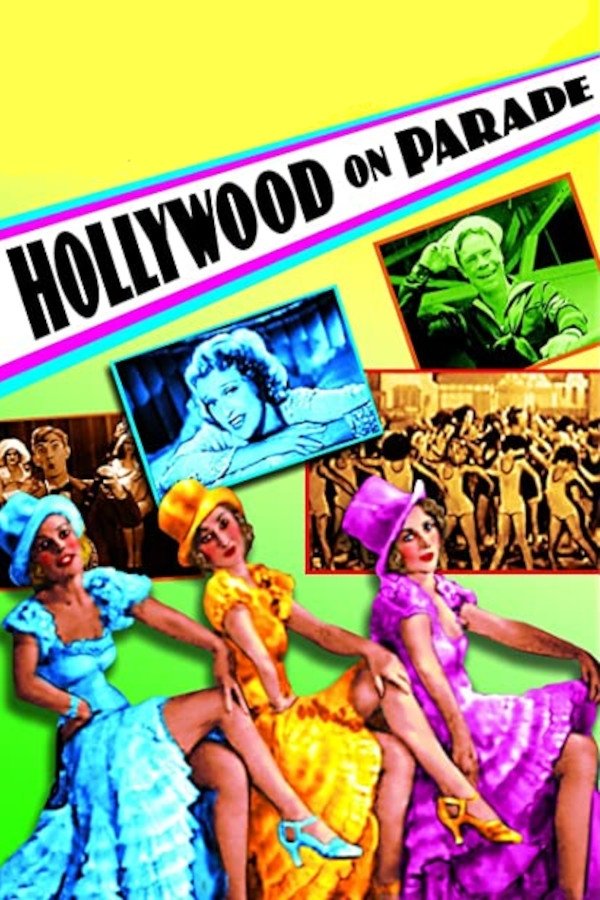
Comedian Lloyd Hamilton escorts a group of beauty contest winners to various Hollywood night spots.
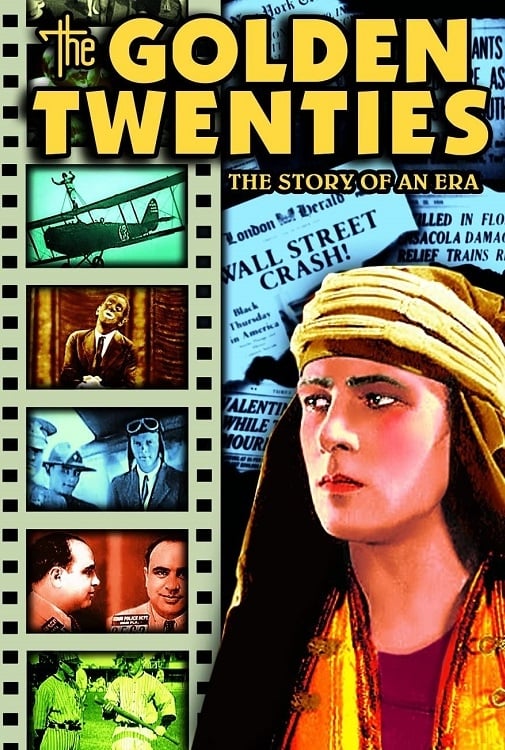
Feature-length compilation of 1920s newsreel footage, with commentary about news, sports, lifestyles, and historical figures.

Film historians, and survivors from the nearly 30-year struggle to bring sound to motion pictures take the audience from the early failed attempts by scientists and inventors, to the triumph of the talkies.
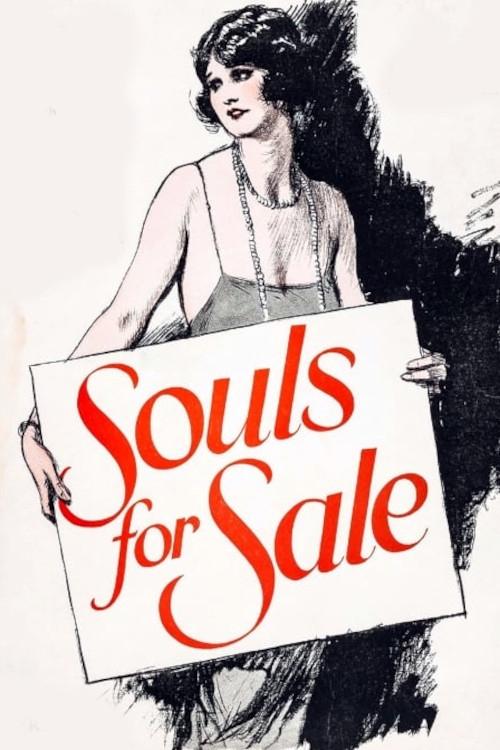
A young woman hits Hollywood, determined to become a star.
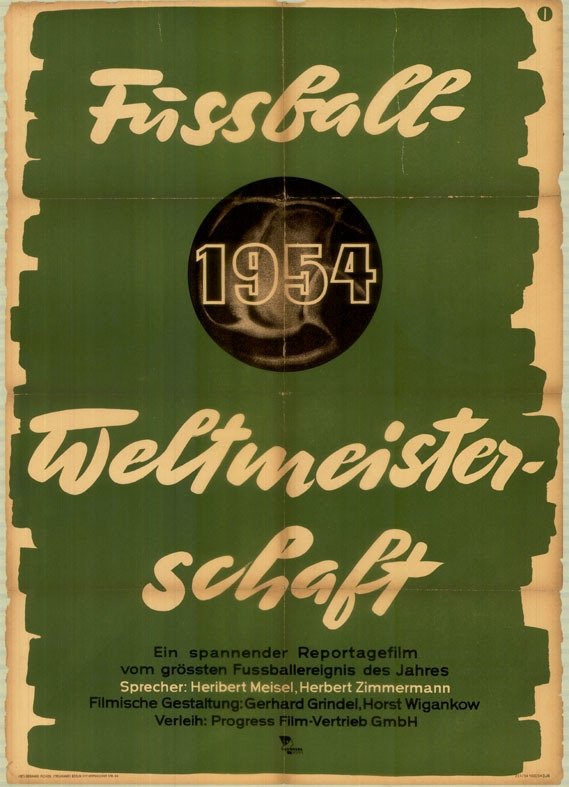
At the 1954 FIFA World Cup in Switzerland, we see the red-hot favourites Hungary, led by the legendary Ferenc Puskás eventually beaten by West Germany 3-2 in a classic final.
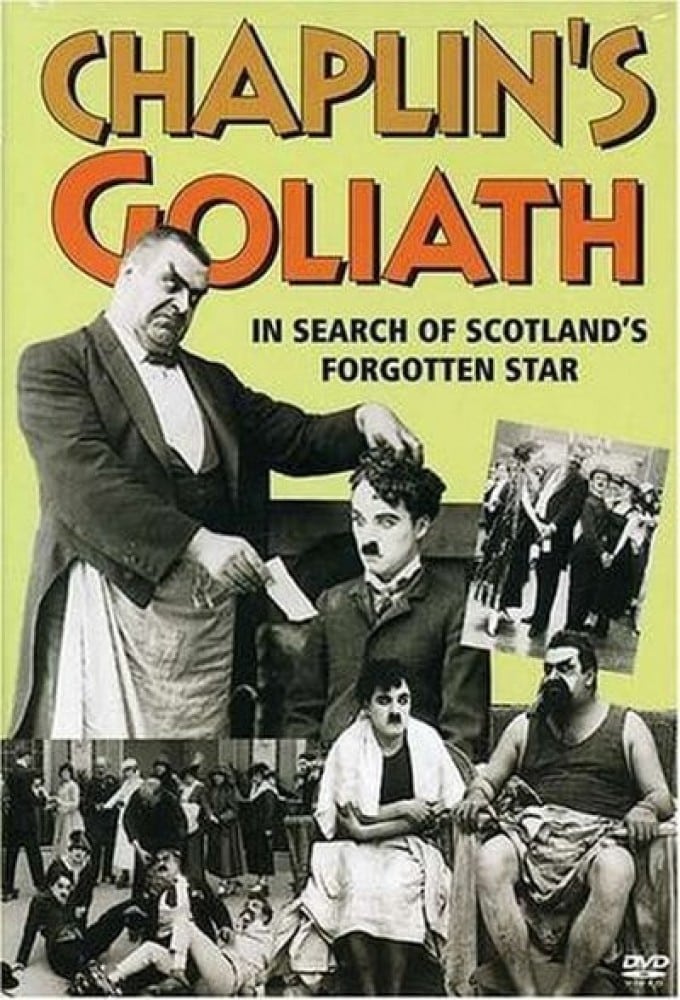
A film about the tall actor who was most famous for playing the quintessential villain for Charlie Chaplin's Tramp character.
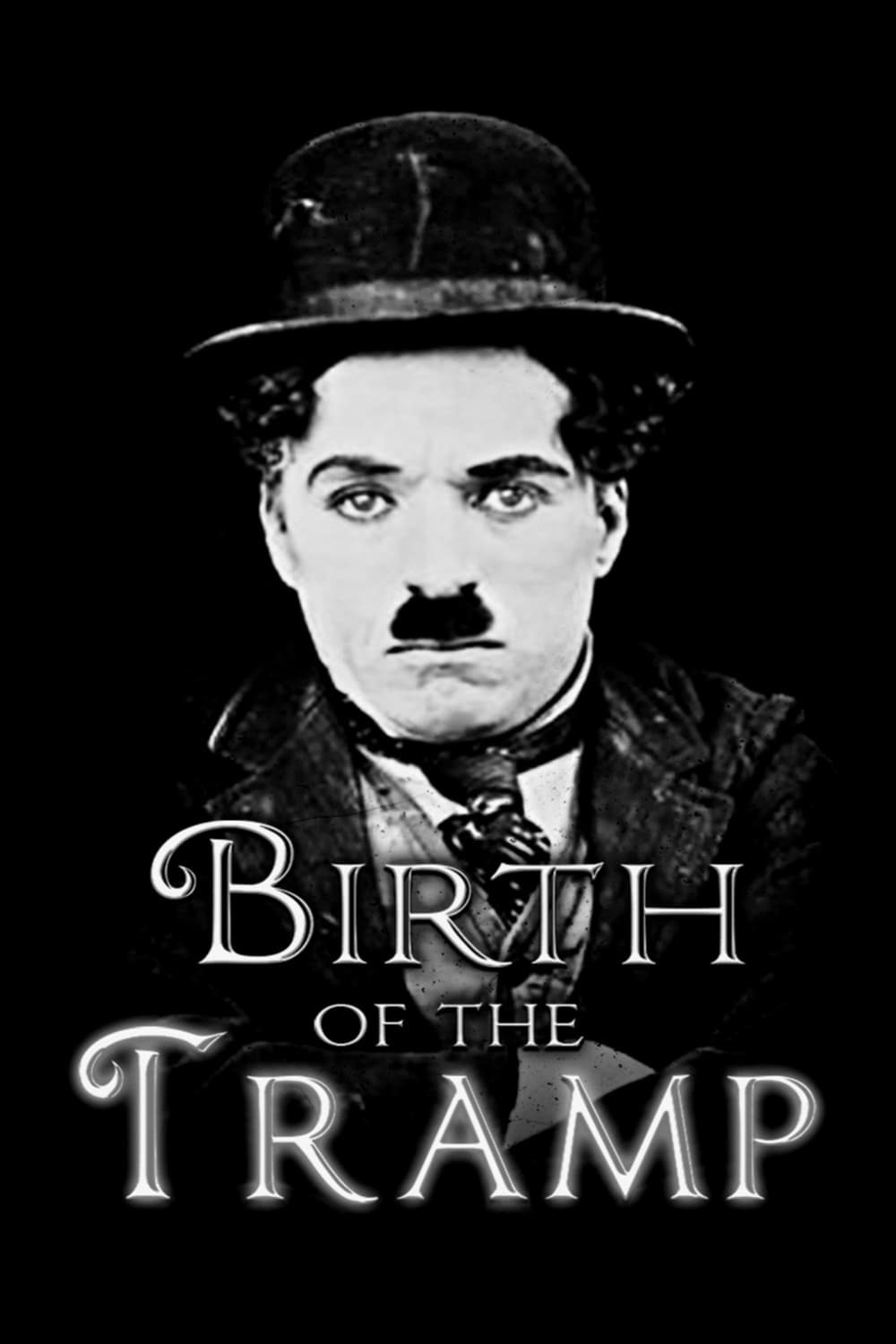
A look back at Charlie Chaplin's early life and career, from his rough childhood and music hall success in England to his early Hollywood days and the development of his enormously popular character, the Little Tramp, also called Charlot.
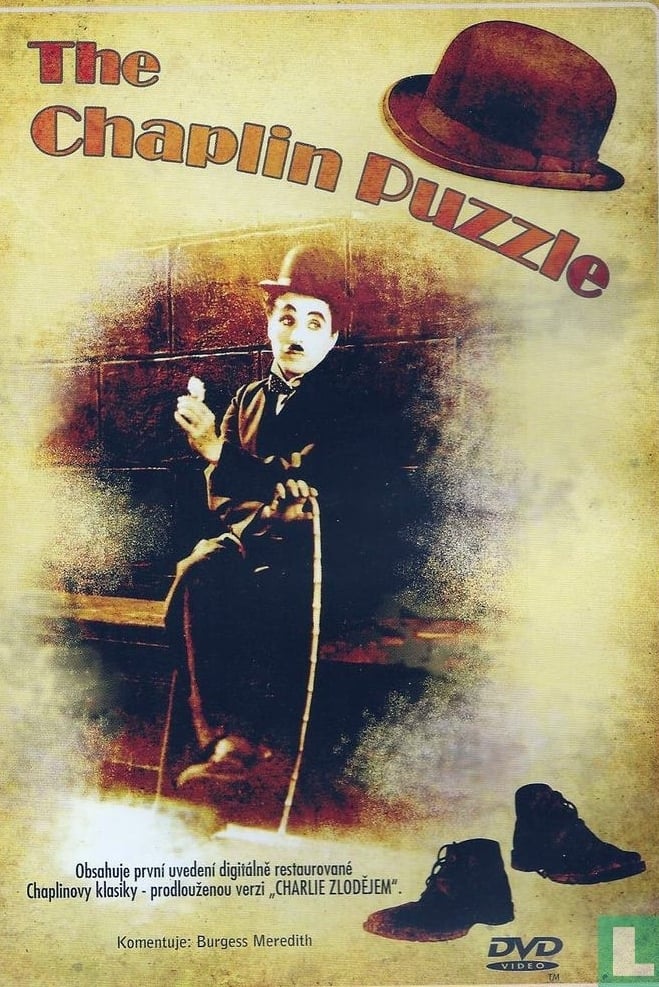
This rare two part documentary focuses on Charlie Chaplin's development at Keystone and Essanay. It concludes with a director's cut of the film Police (1916). The series is narrated by none other than Burgess Meredith.
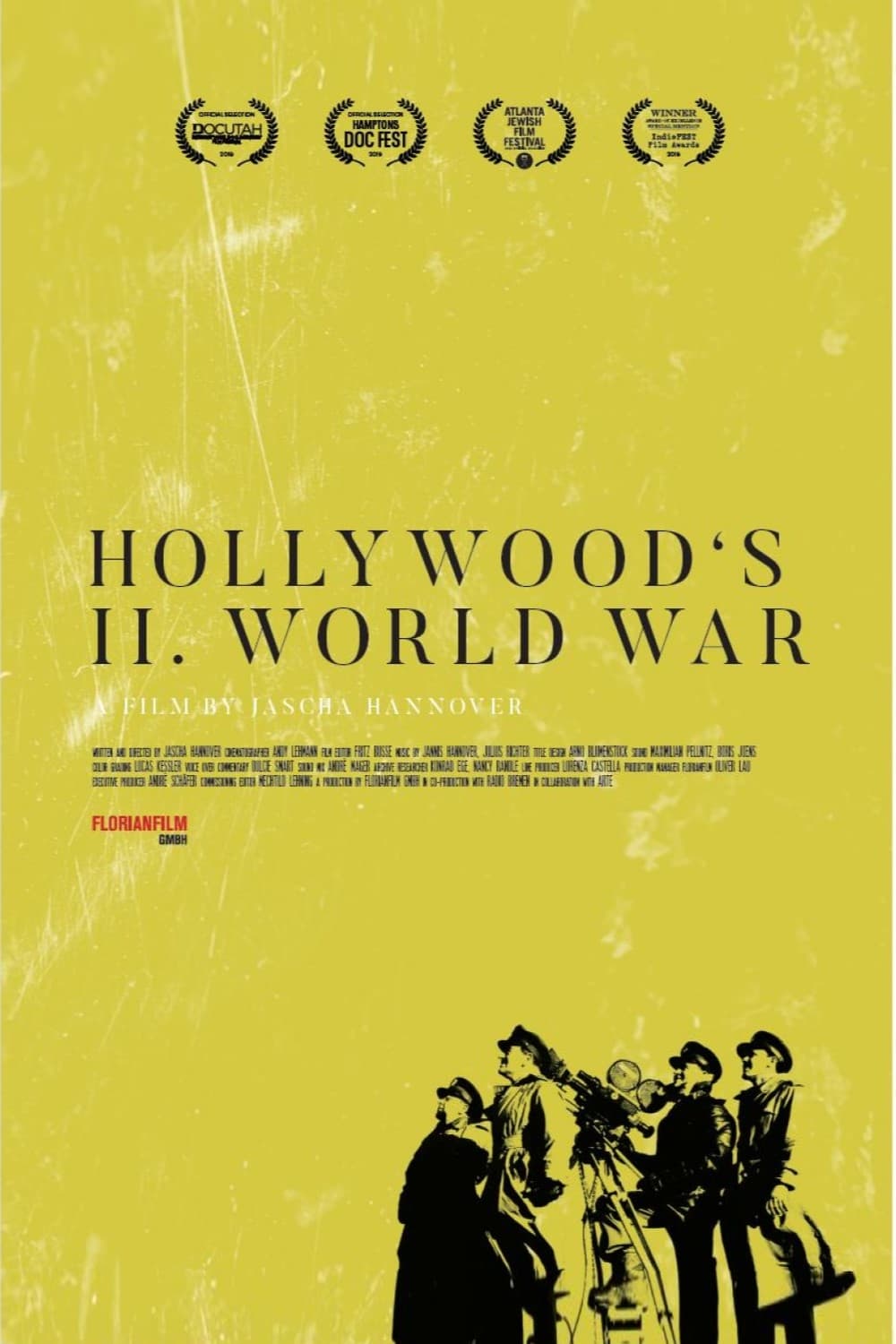
For the USA, World War 2 was an all-out war - to mobilize the masses, the US government launched a huge propaganda campaign and cinema, the medium of the masses, was quite simply their most important weapon. Government authorities monitored the production of feature films and the military itself produced documentaries aimed at rallying the American people to support the troops. This film tells the story of four Hollywood directors of European origin, who returned to the "Old World" during the Second World War to make propaganda documentaries for the US Army at the front: William Wyler from Alsace, Frank Capra from Italy, Anatole Litvak from Ukraine and - in post-war Germany - Billy Wilder from Austria.
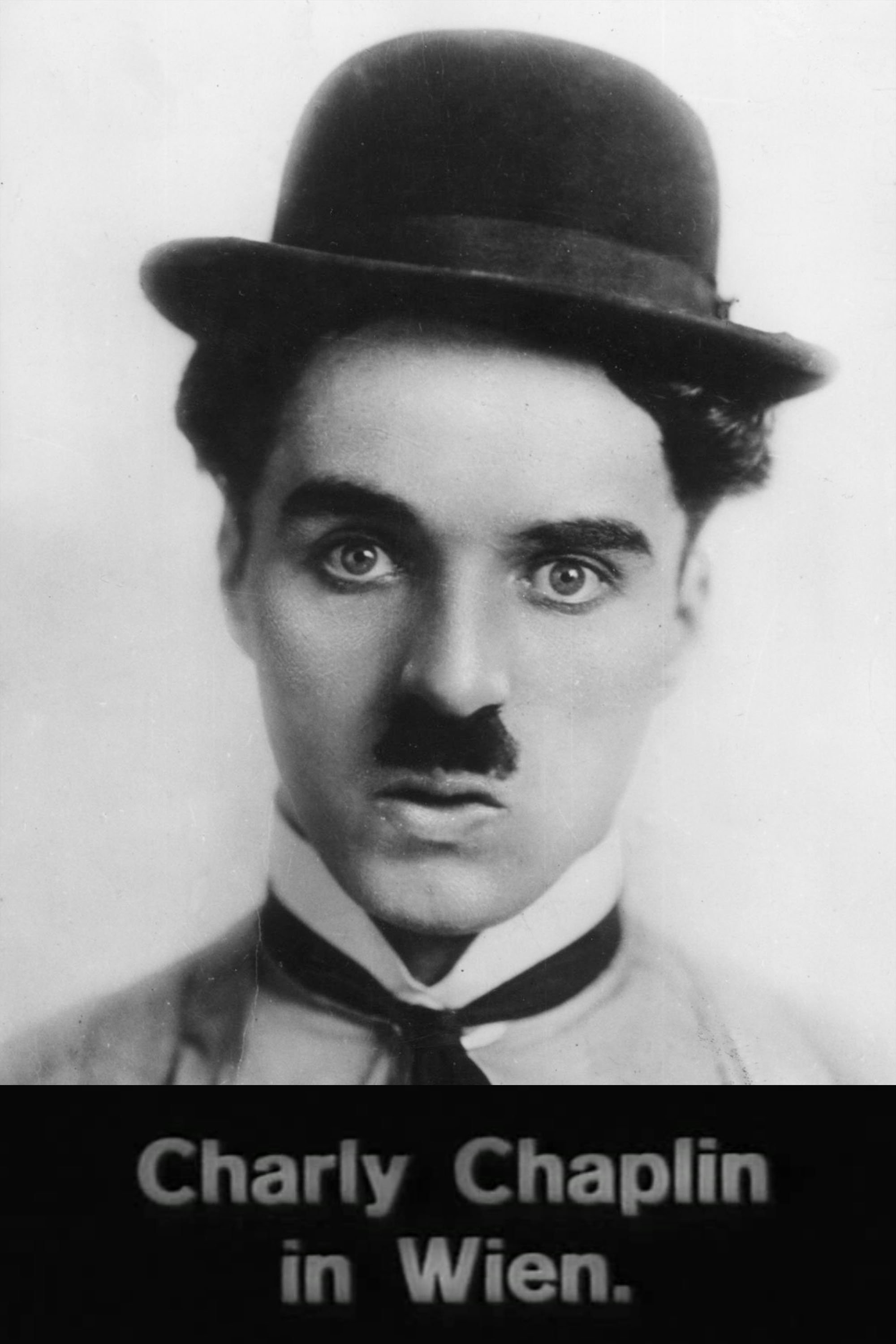
Newsreel footage of Charles Chaplin on his promotional tour of Europe.
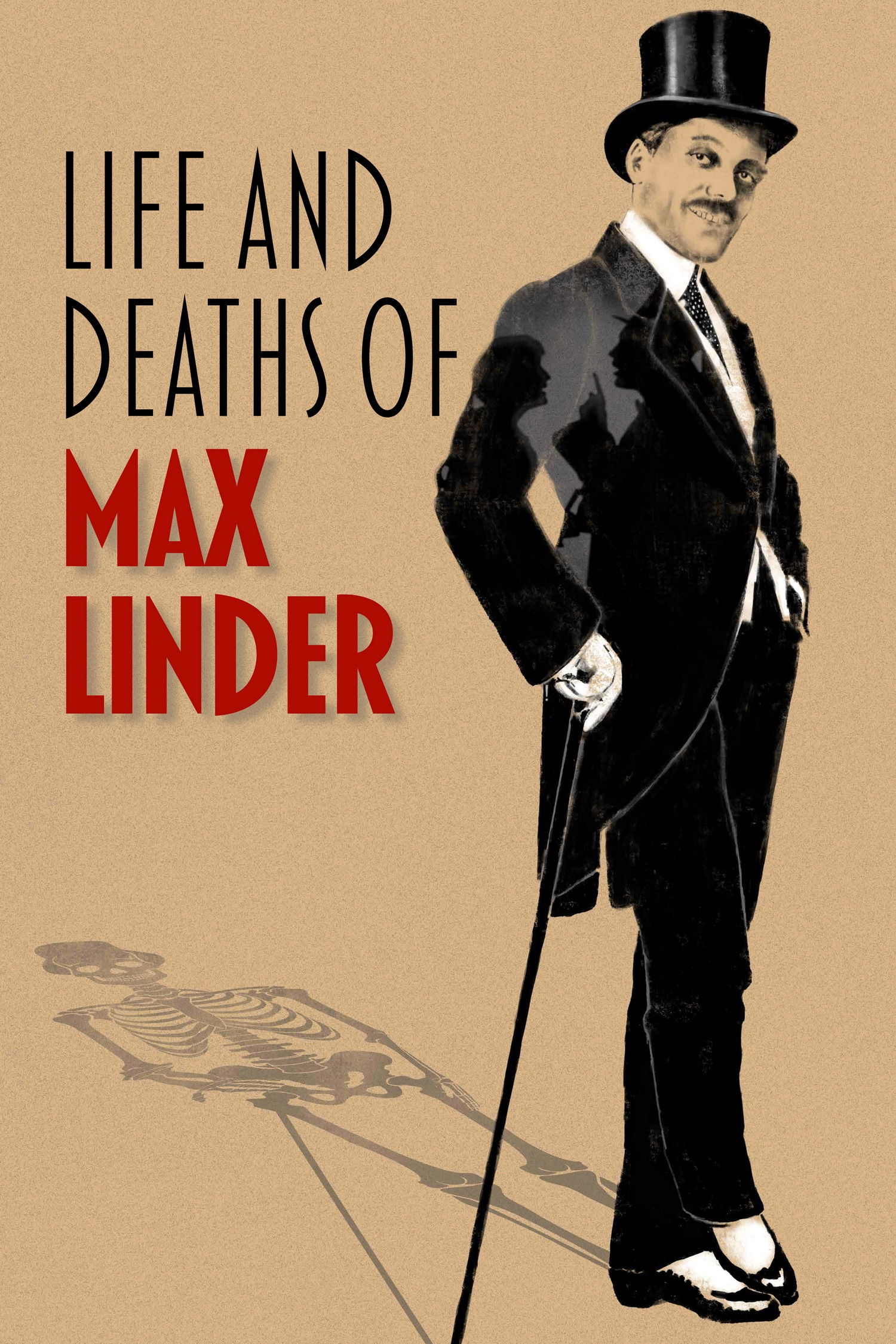
An exploration of the dazzling rise and mysterious downfall of French actor and filmmaker Max Linder (1883-1925), the world’s first international film star and mentor to British actor and filmmaker Charlie Chaplin.
A short documentary in the Chaplin Today series about Chaplin's "Monsieur Verdoux." Includes an interview with Claude Chabrol, whose 1963 film "Landru" concerns the same serial killer that inspired Chaplin's film.
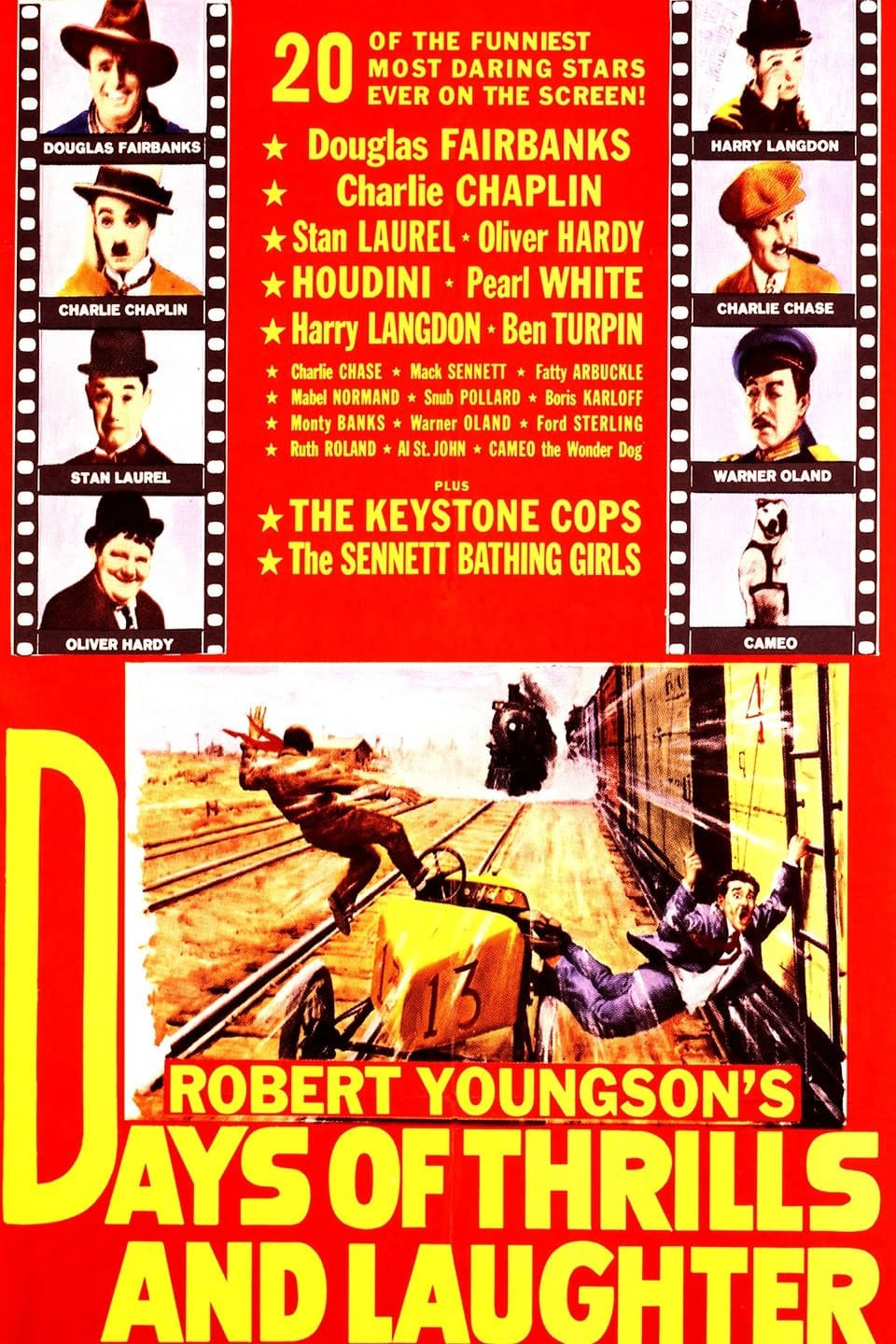
An appreciative, uncritical look at silent film comedies and thrillers from early in the century through the 1920s.
A short documentary about the making of Chaplin's "Limelight."
A short documentary about the making of "The Great Dictator."
An examination of Charles Chaplin's final starring film.
Award-winning filmmakers Jean-Pierre and Luc Dardenne profess their love for the classic "Modern Times." The directors expose their views on the many aspects of the film, Chaplin's brilliancy and they also provide interesting details about the making of Chaplin's masterpiece.
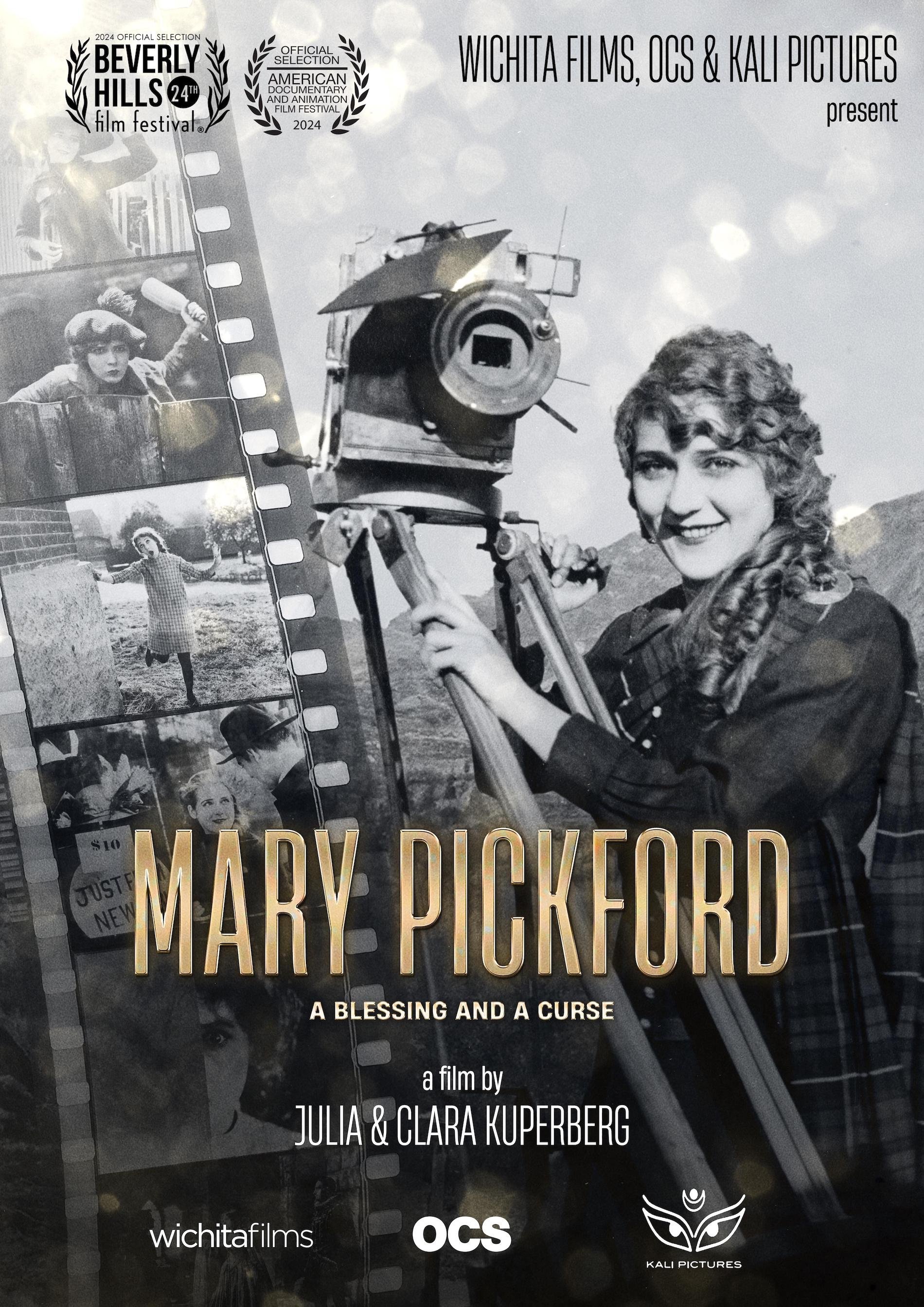
Mary Pickford's name remains inseparable from the legend of American cinema. She invented the star system at the beginning of the 20th century, and was the biggest star ever known, not just in Hollywood, but worldwide, at a time when actors didn't even have their names on movie posters. She was more than a pioneer, she was a jack-of-all-trades: world-famous star, producer and formidable businesswoman, screenwriter and director in the shadows, studio boss, Mary Pickford alone embodied the entire legend of cinema and the advent of women in that particular era.
Four Chaplin shorts from 1916: Behind the Screen, The Count, The Fireman, and The Vagabond, presented with music and sound effects.
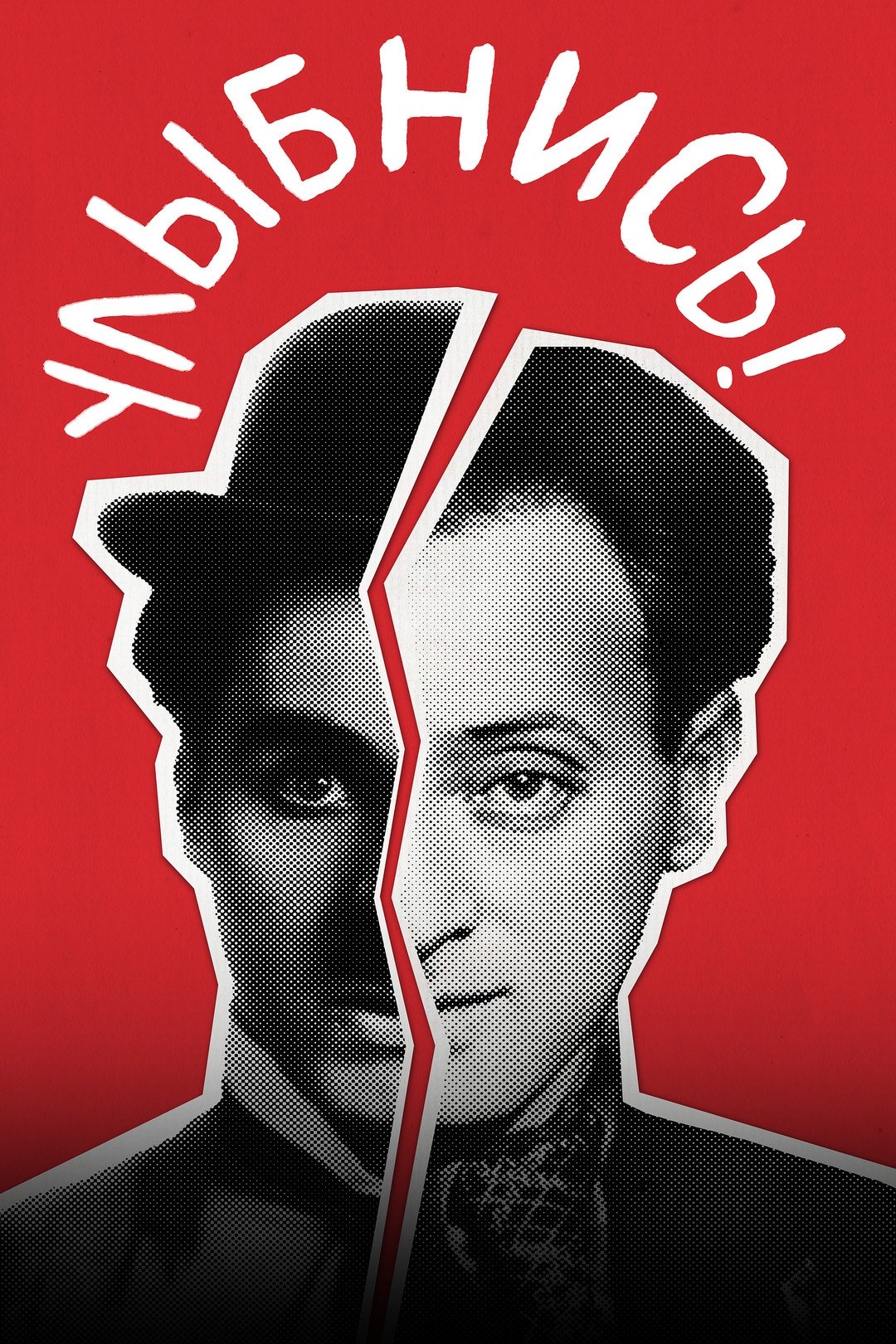
A docudrama presenting the events which explain how and why Charles Spencer Chaplin made alterations to his original ending of the famous movie “Modern Times” following his encounter with the Soviet director Fridrikh Ermler.
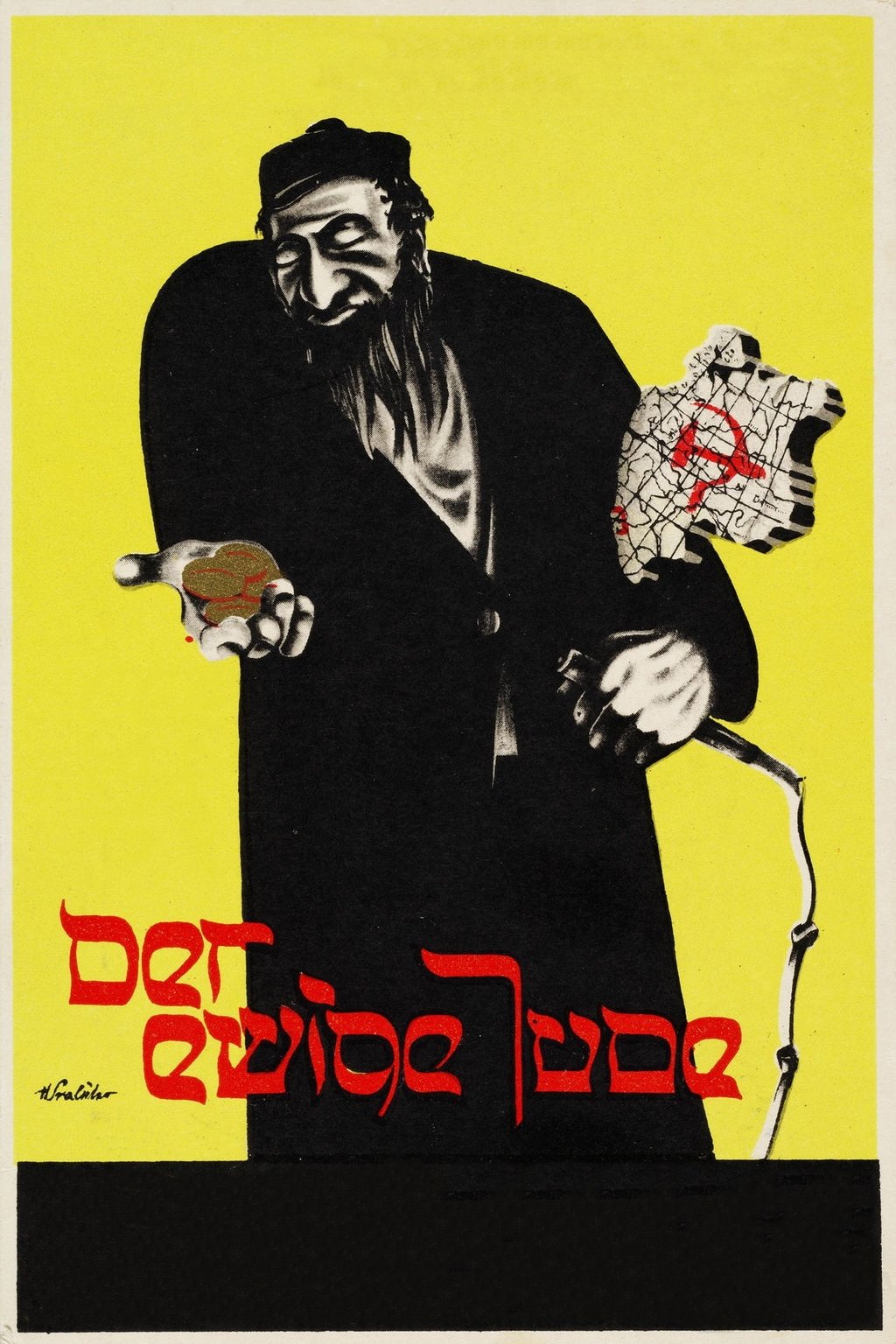
A Nazi propaganda film made to promote anti-Semitism among the German people. Newly-shot footage of Jewish neighborhoods in recently-conquered Poland is combined with preexisting film clips and stills to defame the religion and advance Hitler's slurs that its adherents were plotting to undermine European civilization.
In 1928, as the talkies threw the film industry and film language into turmoil, Chaplin decided that his Tramp character would not be heard. City Lights would not be a talking picture, but it would have a soundtrack. Chaplin personally composed a musical score and sound effects for the picture. With Peter Lord, the famous co-creator of Chicken Run and Wallace & Gromit, we see how Chaplin became the king of slapstick comedy and the superstar of the movies.
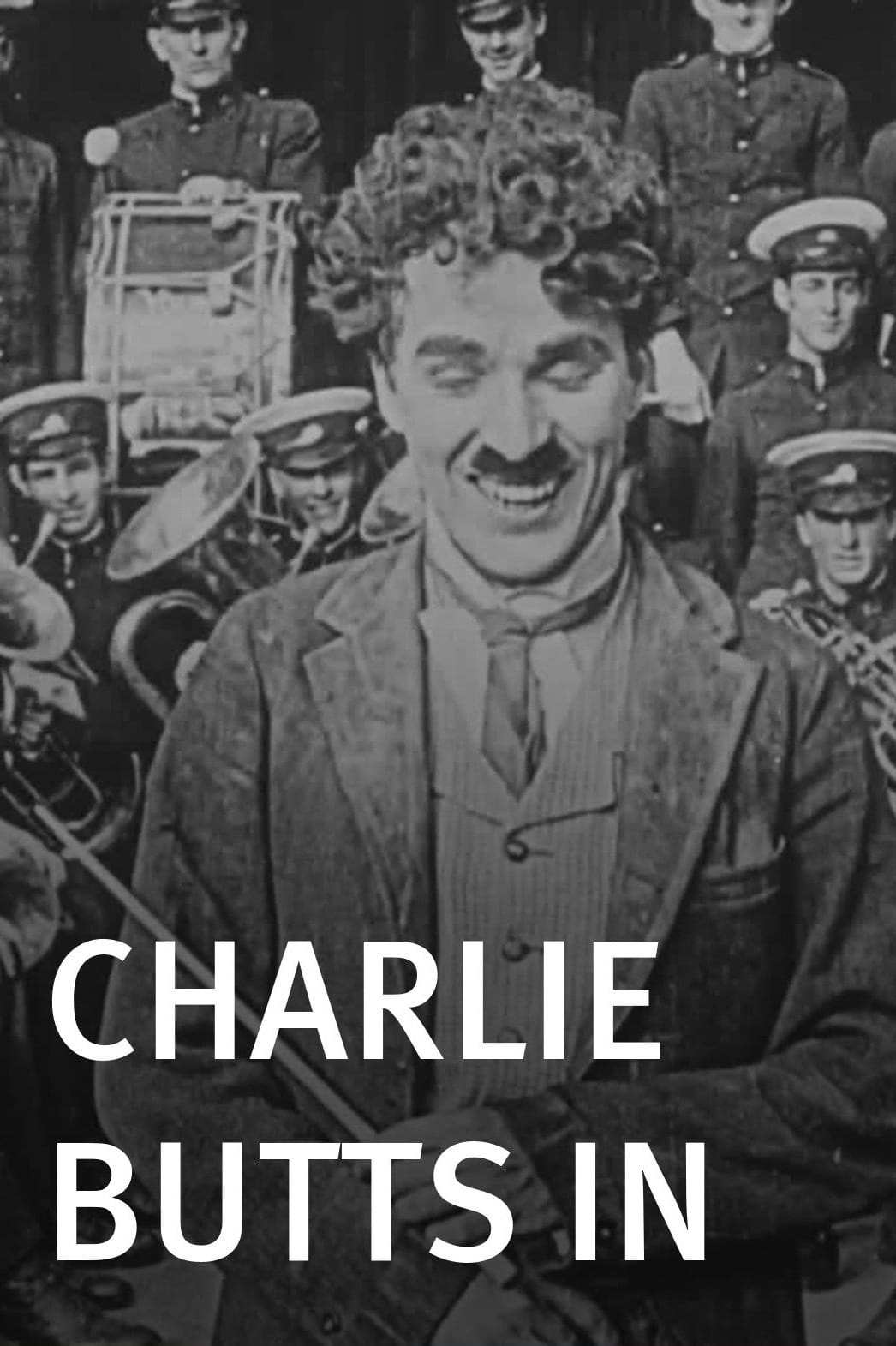
A tramp heads home drunk on a Saturday night, finding it hard to make it to his room. When he finally does, he cannot make it to his bed.
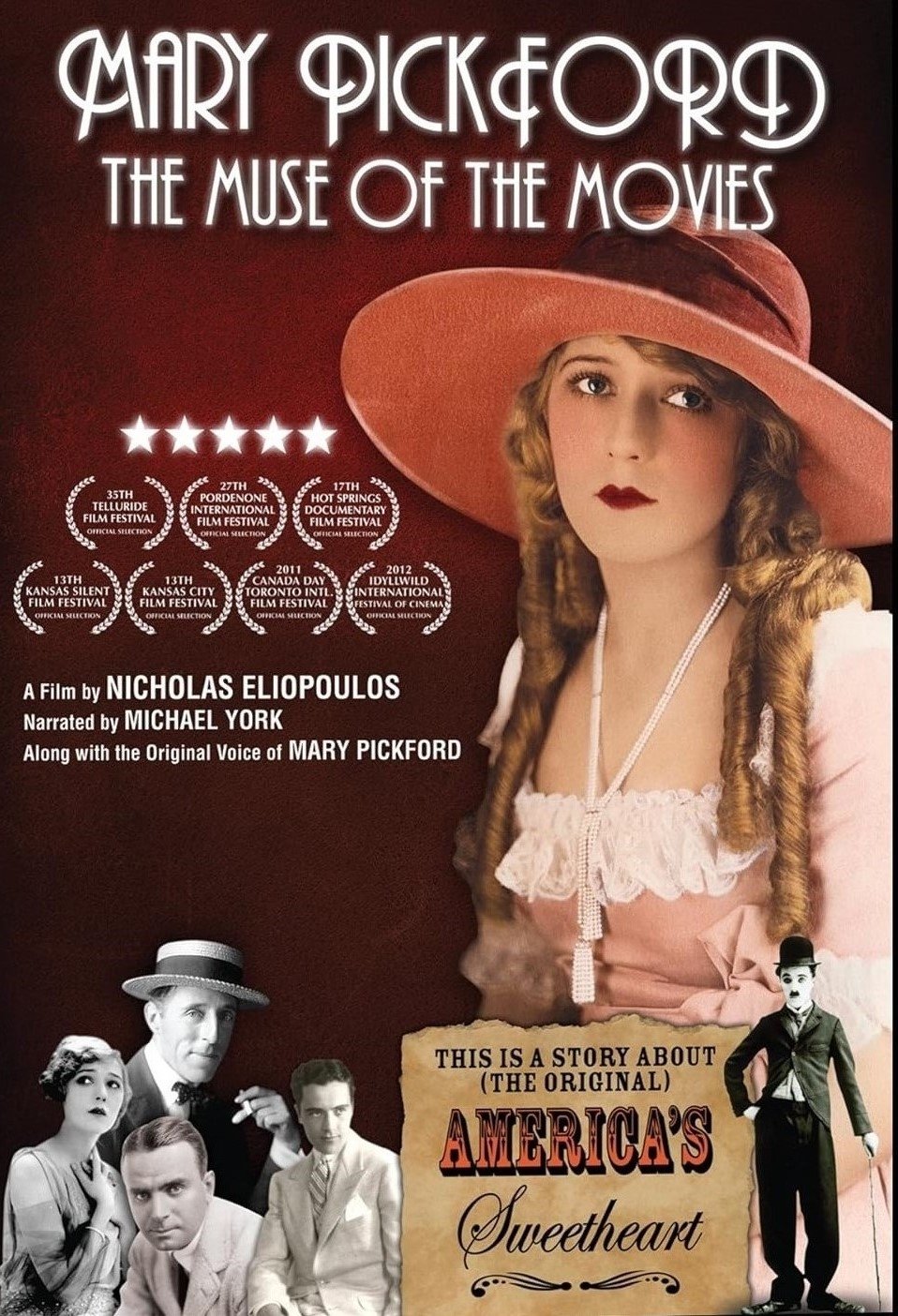
This documentary traces the life and work of the legendary "America's Sweetheart" Mary Pickford, silent film star, movie pioneer and keen businesswoman. Pickford's life also parallels an even larger story, telling of the birth of the cinema itself.
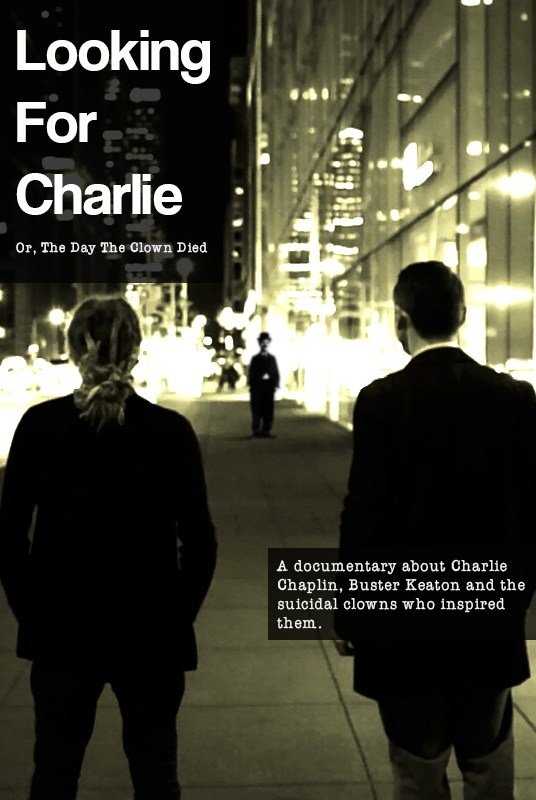
A documentary which explores the lives and tragic deaths of Marceline Orbes and Francis "Slivers" Oakley, the suicidal clowns who inspired Charlie Chaplin and Buster Keaton.
Joel Grey dresses up as Charlie Chaplin to tell the story of his movie career, and show many of his clips.
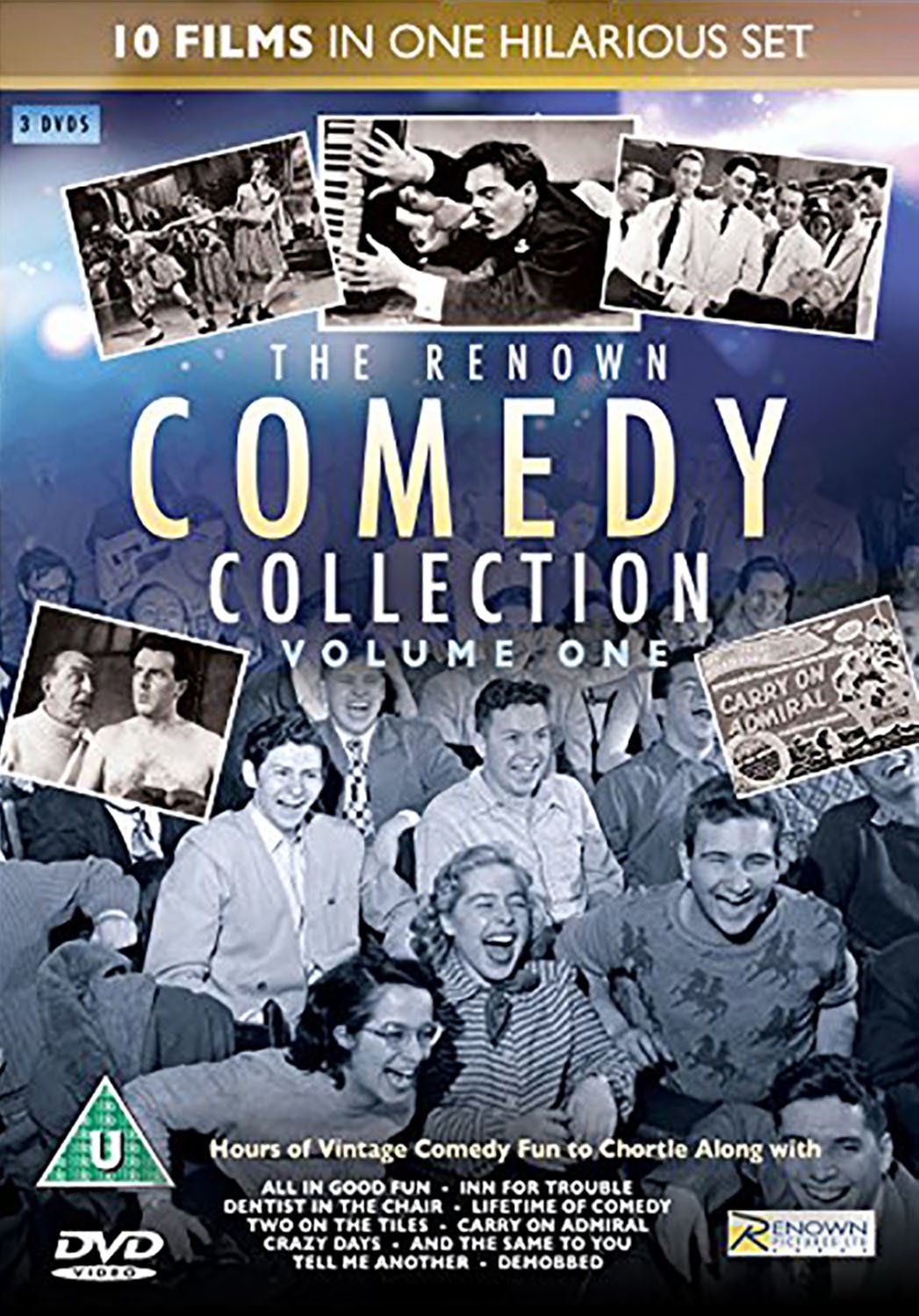
Bob Monkhouse introduces the golden age of slapstick comedy.
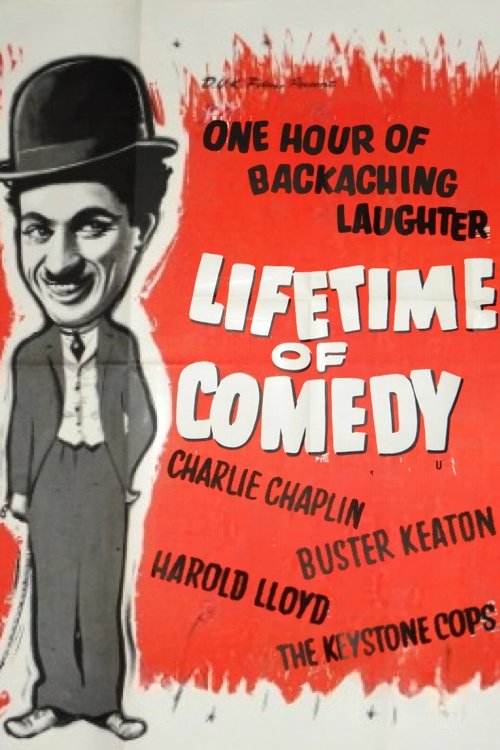
Compilation of comedy sketches from the comedy kings Buster Keaton, Charlie Chaplin, Danny Kaye & Bing Crosby.
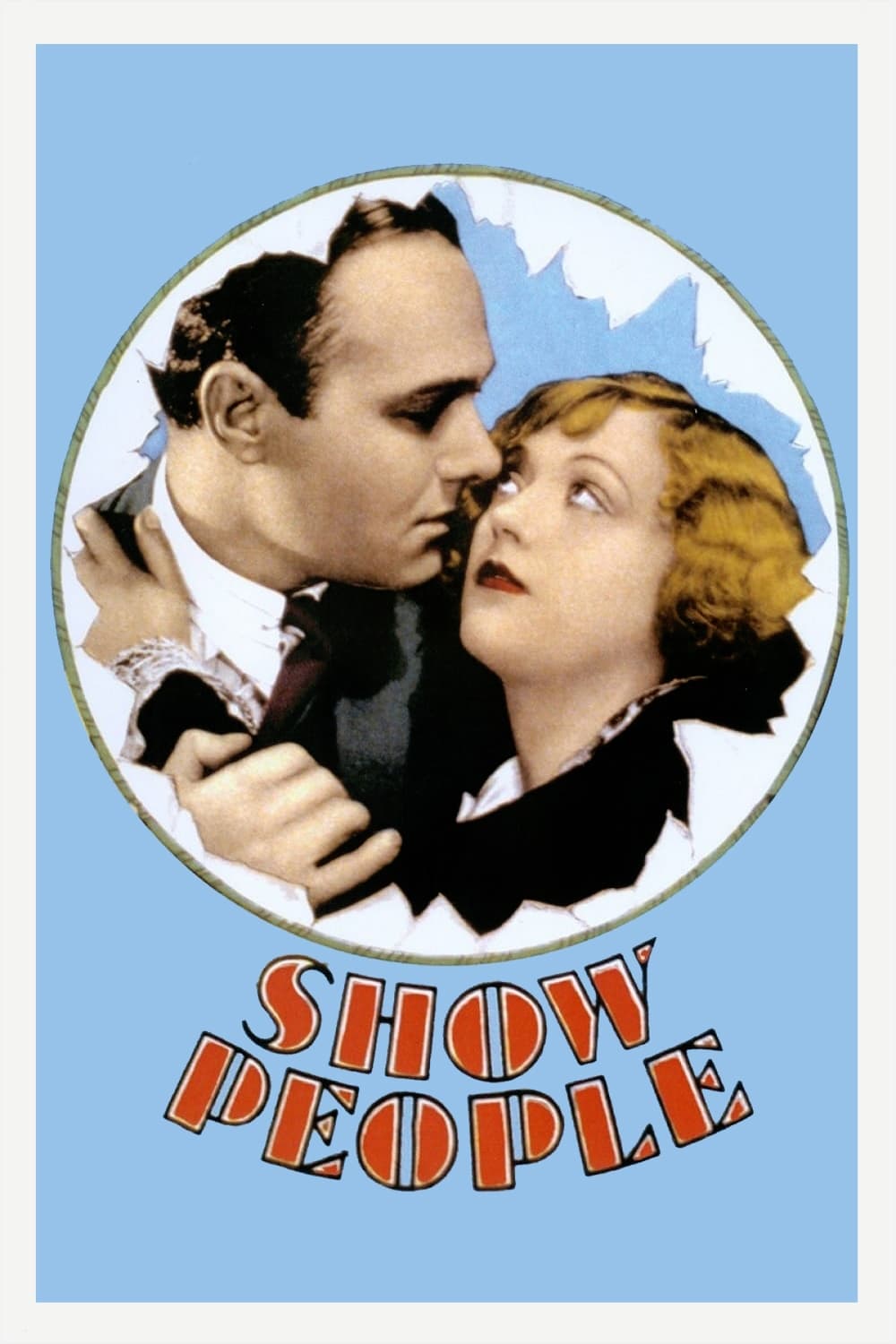
Hollywood hopeful Peggy Pepper arrives at a major studio, from Georgia, to become a great dramatic star. Things don't go entirely according to plan.
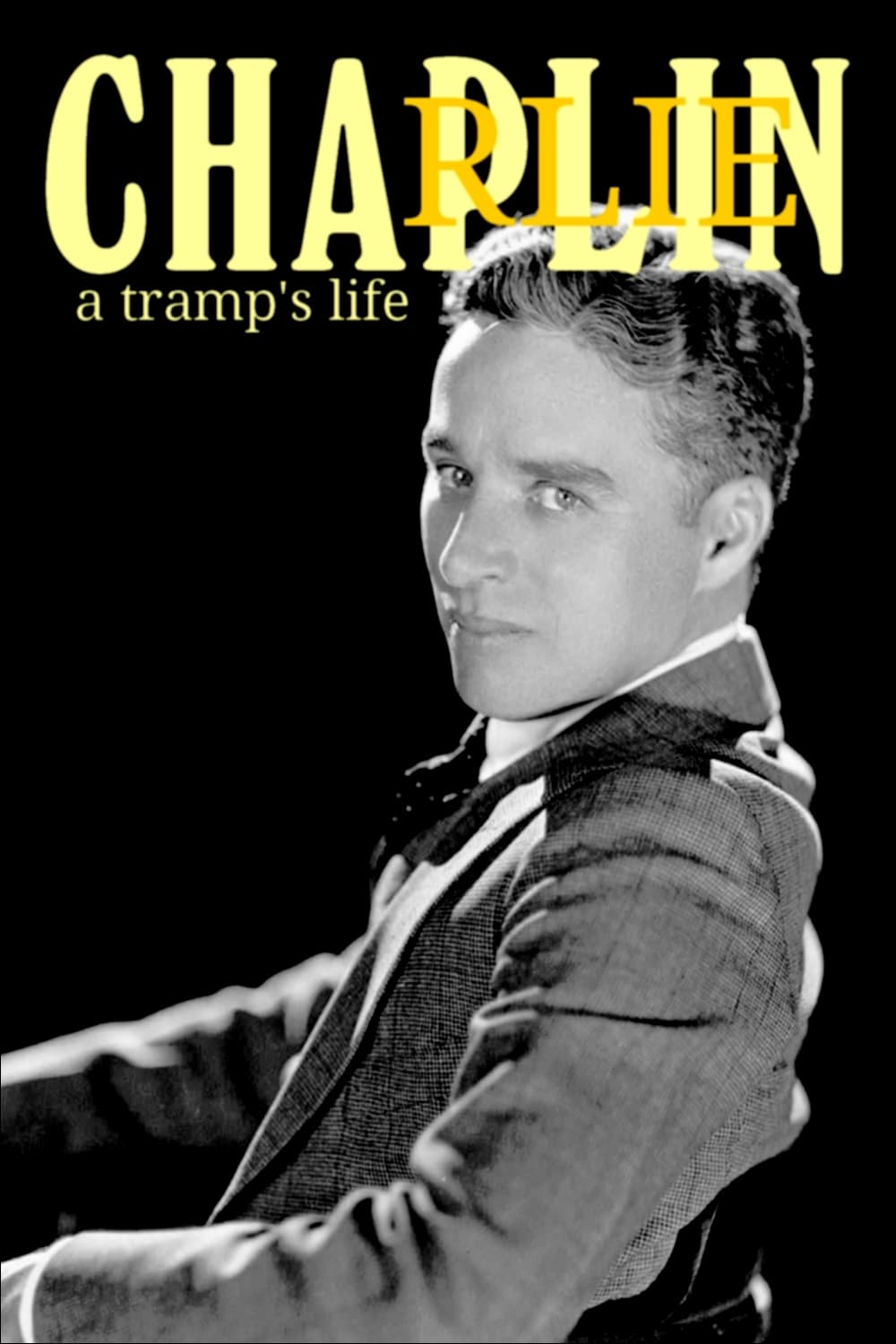
A biographical documentary about the great British actor and director Charlie Chaplin (1889-1977), from rags to riches, from the slums of London to glory.
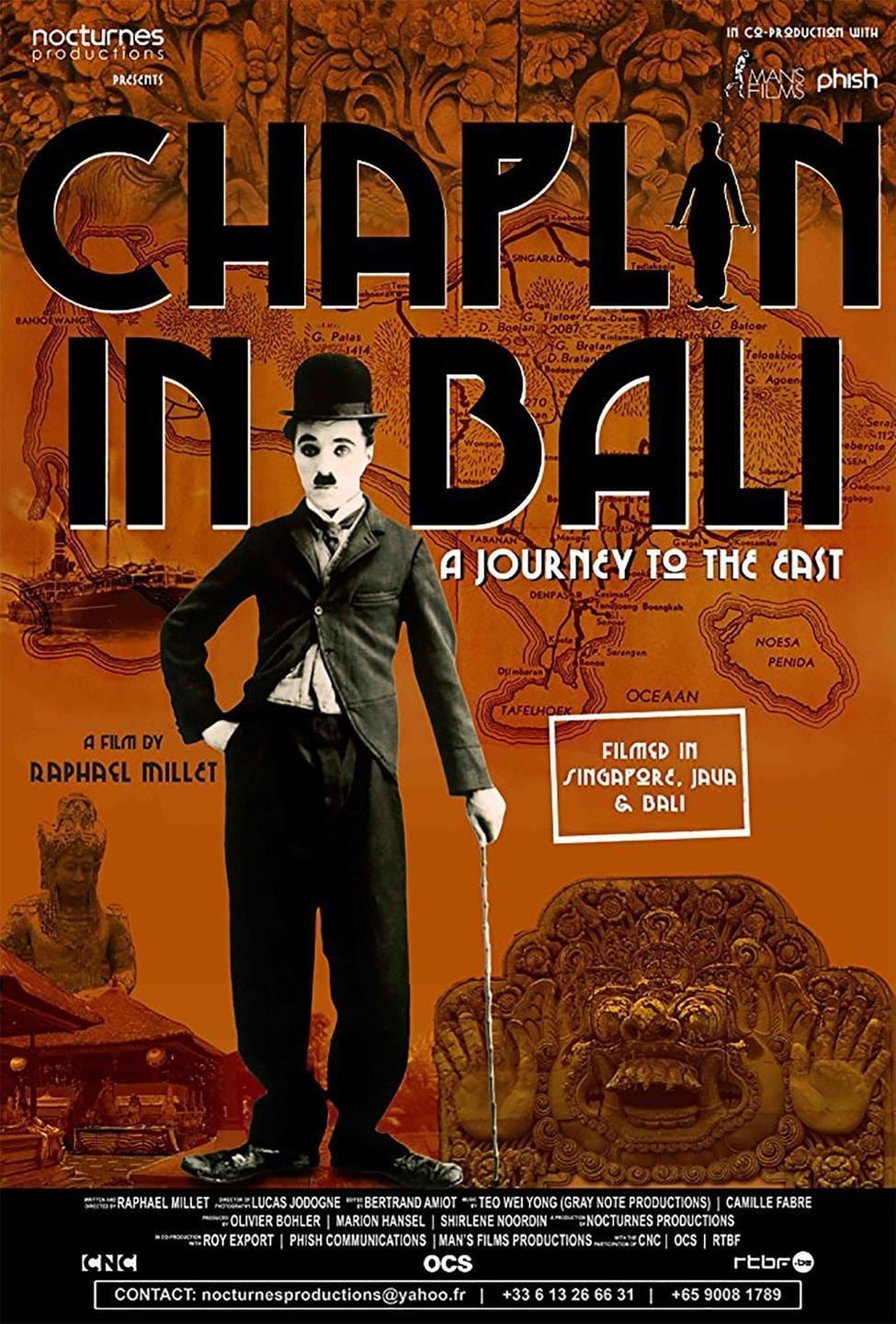
In 1932, Chaplin, in full midlife crisis, escapes to Bali in search of himself to find the artistic rejuvenation and inspiration to do his difficult transition to sound film.
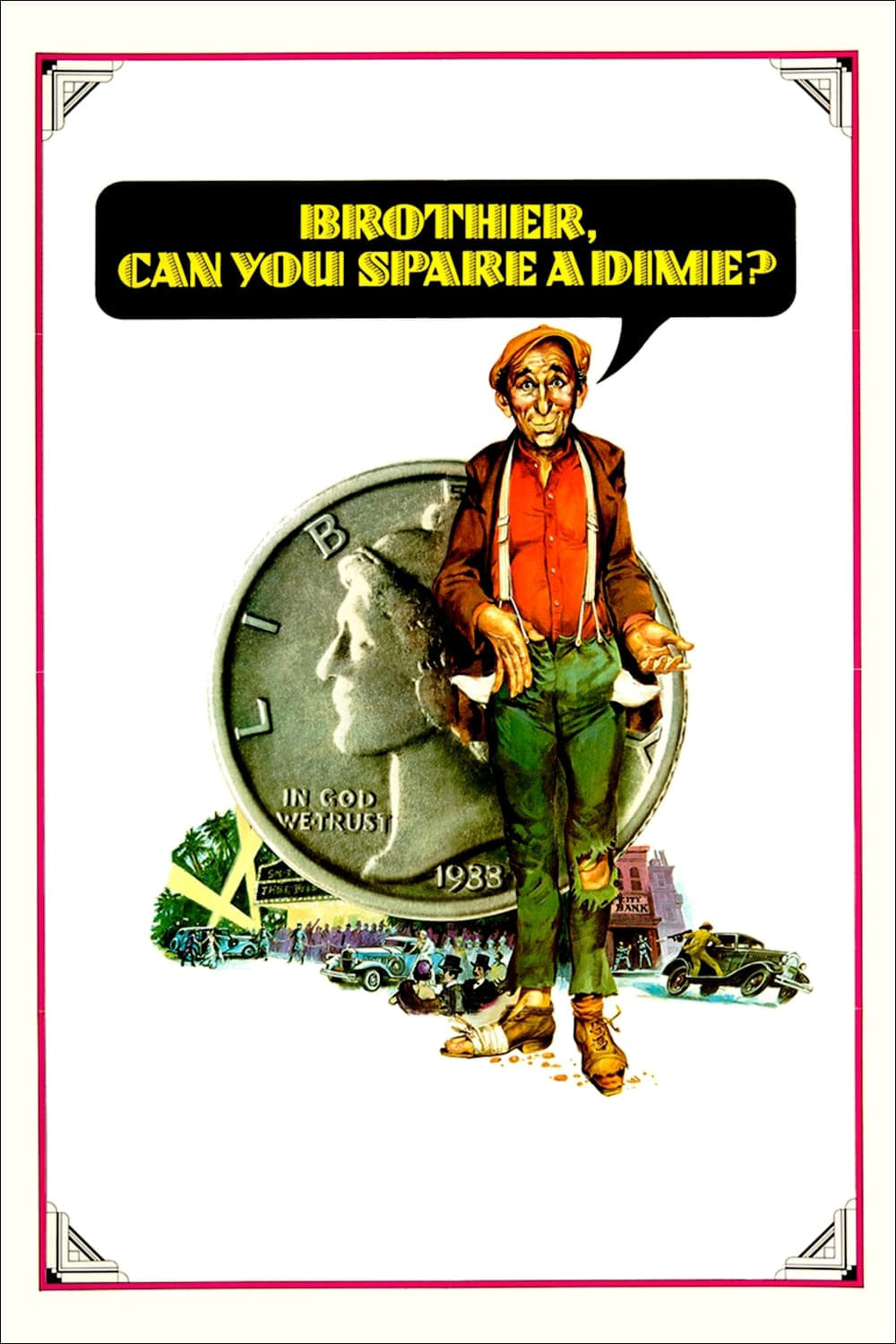
Period music, film clips and newsreel footage combined into a visual exploration of the American entertainment industry during the Great Depression.
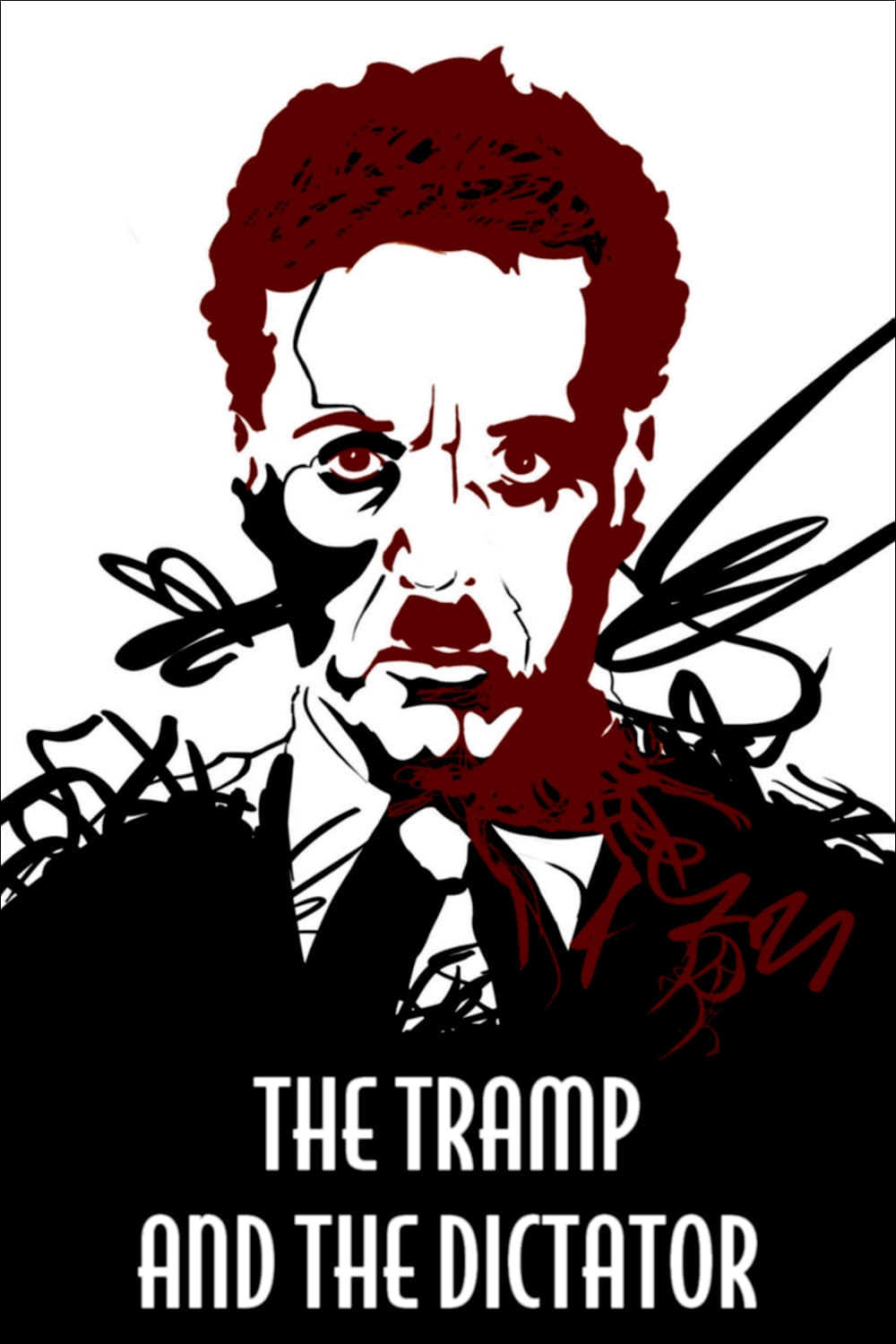
A look at the parallel lives of Charlie Chaplin and Adolf Hitler and how they crossed with the creation of the film “The Great Dictator,” released in 1940.
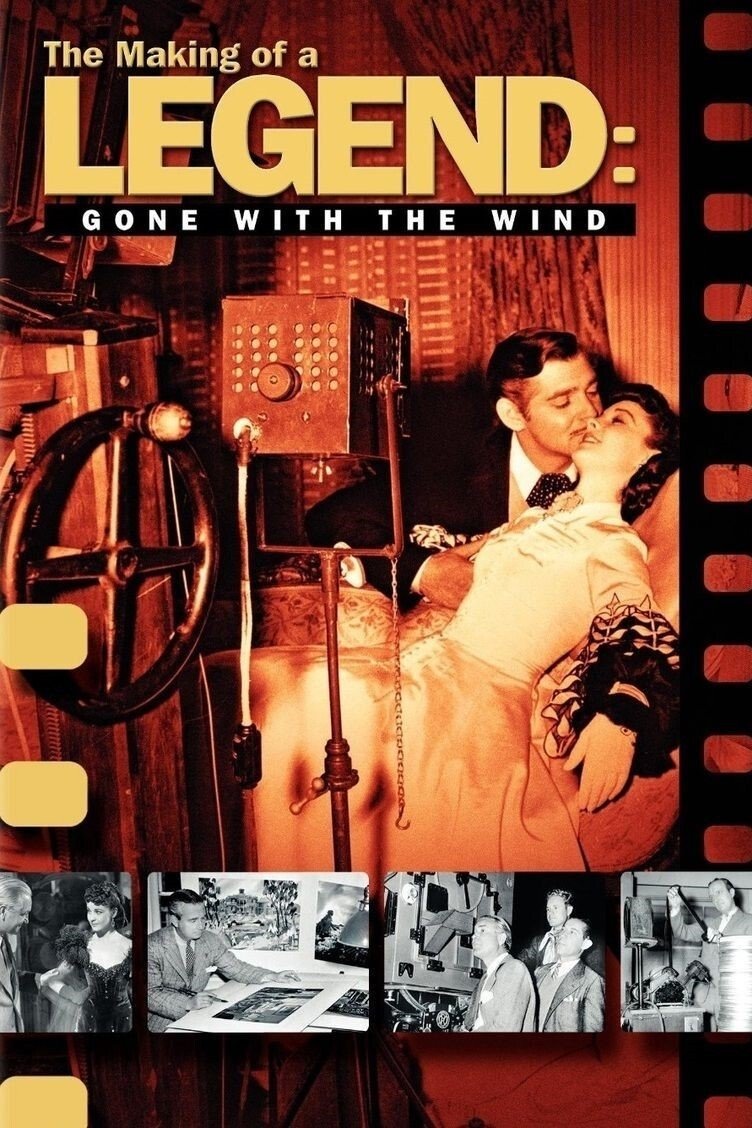
This documentary revisits the making of Gone with the Wind via archival footage, screen tests, insightful interviews and rare film footage.
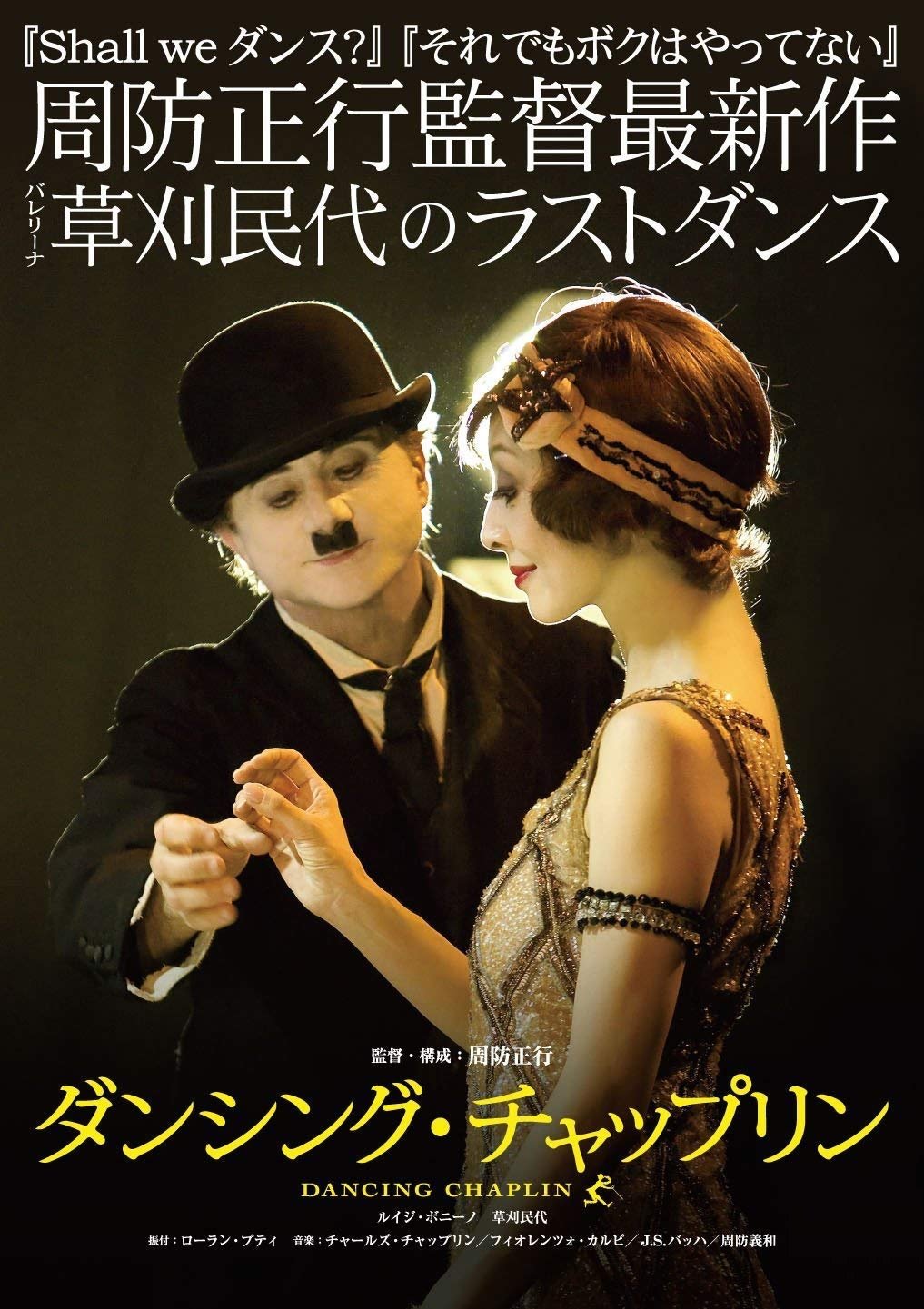
The celebrated French choreographer Roland Petit had always had his eye on a film presentation of his ballet "Chaplin Dances", which premiered in 1991 and has been touring the world since, and he assigned this project to his trusted friend, Masayuki Suo, pioneer of the current revival of Japanese cinema. Drawing upon a wealth of worldwide ballet talent, Petit's ballet and Chaplin's films, Suo reinvented the work and has given it a new lease of life. The resulting piece is not simply a filmed record of the ballet but a union of the two media that reflects the meeting of the great talents of Chaplin, Petit and Suo
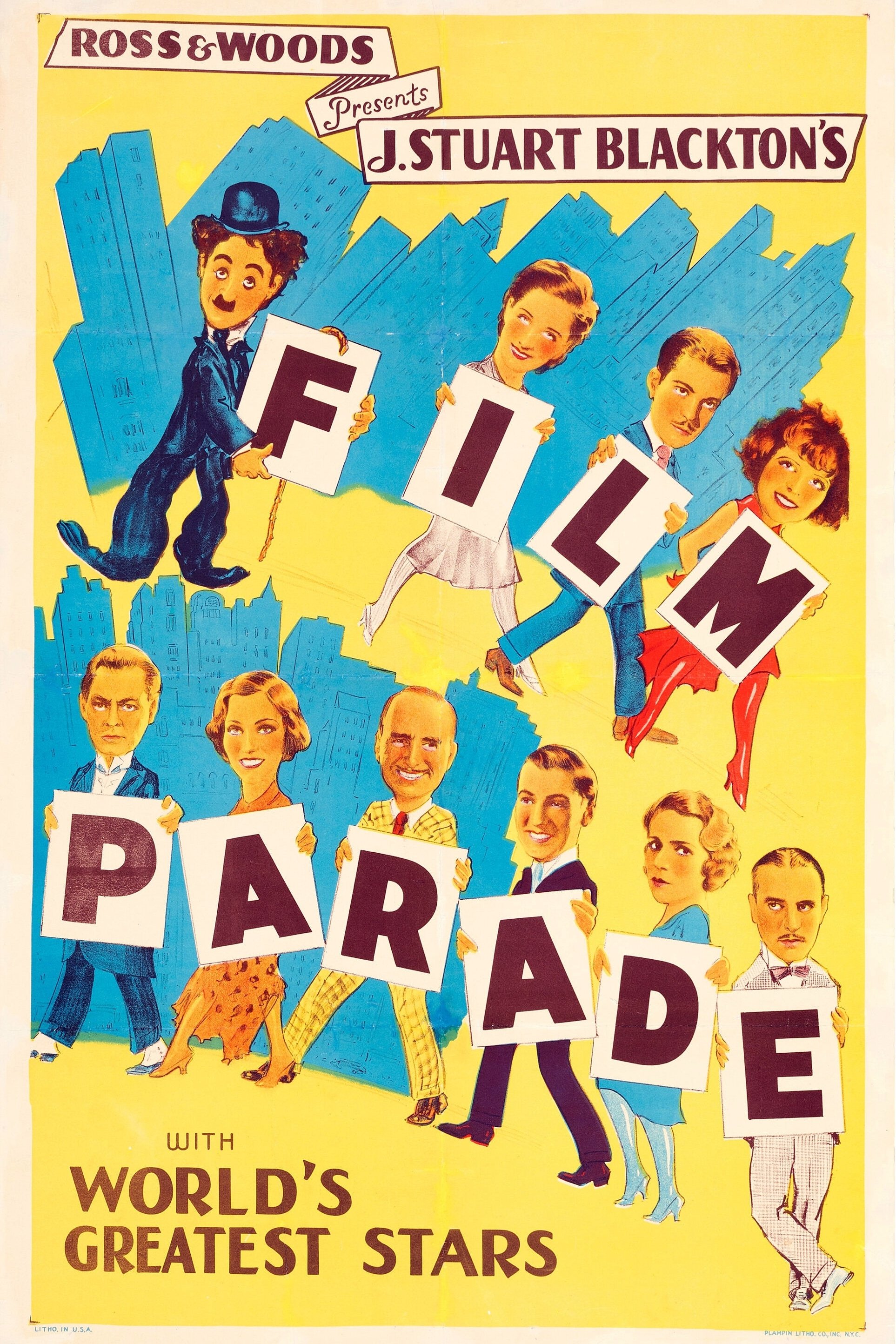
Pioneer filmmaker J. Stuart Blackton was intrigued by the idea of a film about the history of the movies as early as 1915. He finally released a 52-minute feature called The Film Parade that was shown in New York and favorably reviewed by "Variety" in 1933. He continued tinkering with the film for the rest of the decade, and later filmmakers and distributors used Blackton's footage for stock or to produce their own variously titled and truncated versions. -UCLA Film & Television Archive
Warner Bros. uses the movies to prepare the US for war and keep up morale on the home front during World War II.
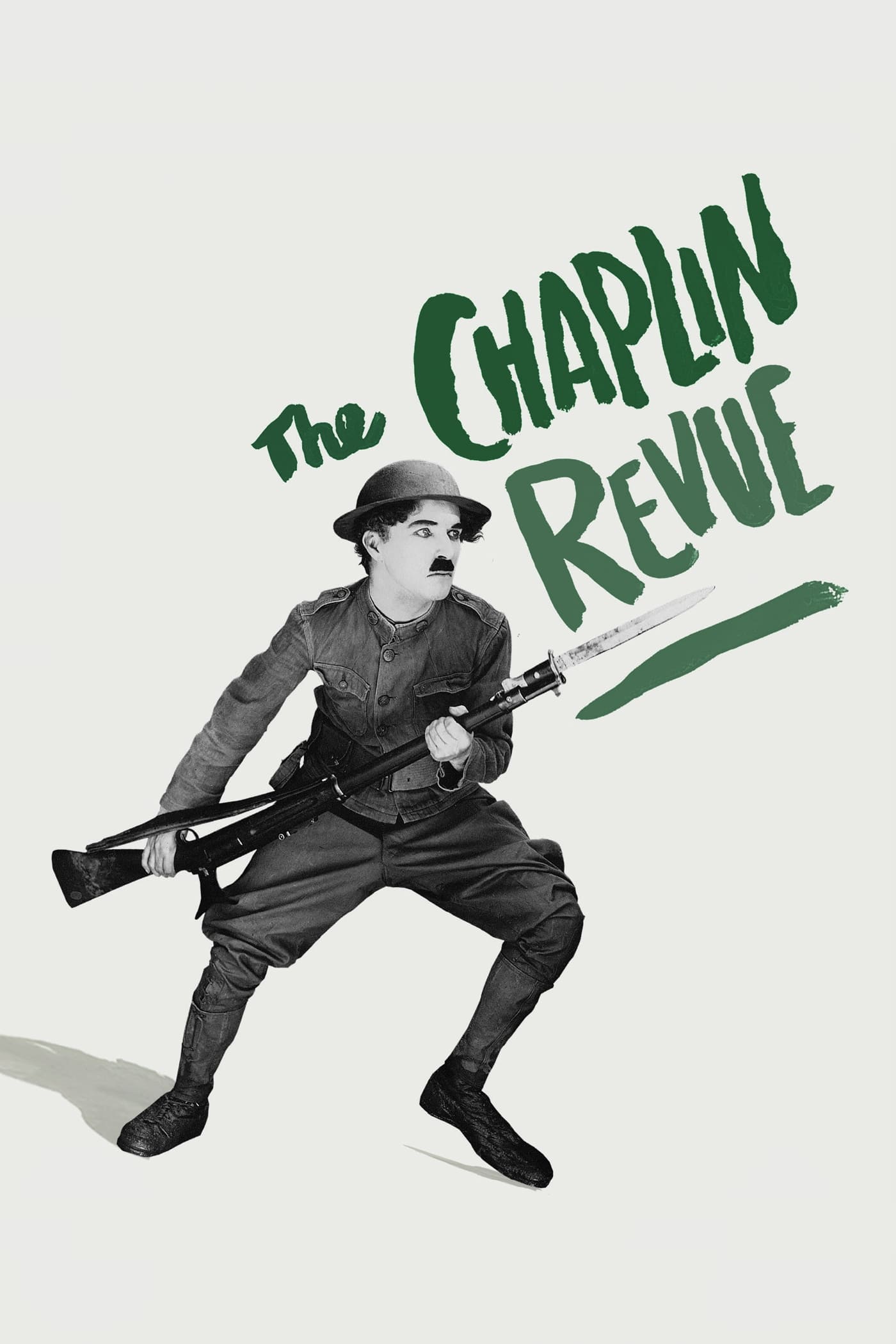
Three Chaplin silent comedies "A Dog's Life", "Shoulder Arms", and "The Pilgrim" are strung together to form a single feature length film. Chaplin provides new music, narration, and a small amount of new connecting material. "Shoulder Arms" is now described as taking place in a time before "the atom bomb".
The careers of D.W. Griffith, Mary Pickford, Douglas Fairbanks, and Charlie Chaplin are chronicled culminating in the formation of United Artists and 1919.
A documentary on the life and career of silent film star Mabel Normand.
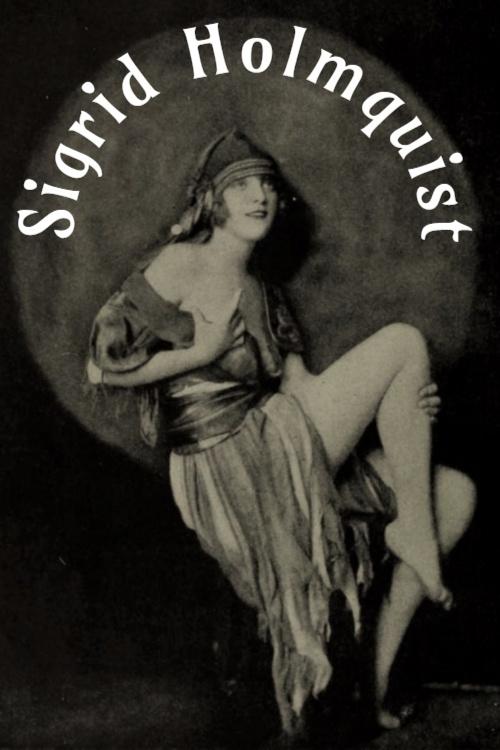
The story of Swedish silent film actress Sigrid Holmquist's life (1899-1970), by using the silent film medium. It consists of already existing film clips from the 1910s and 20s. Sigrid is played by eight different stars from her era, and she also plays herself. Sigrid Holmquist was born in Borås, Sweden and her stubborn spirit led her to become a movie star in Scandinavia and Hollywood before retiring from the movies in 1926. An experimental film project.
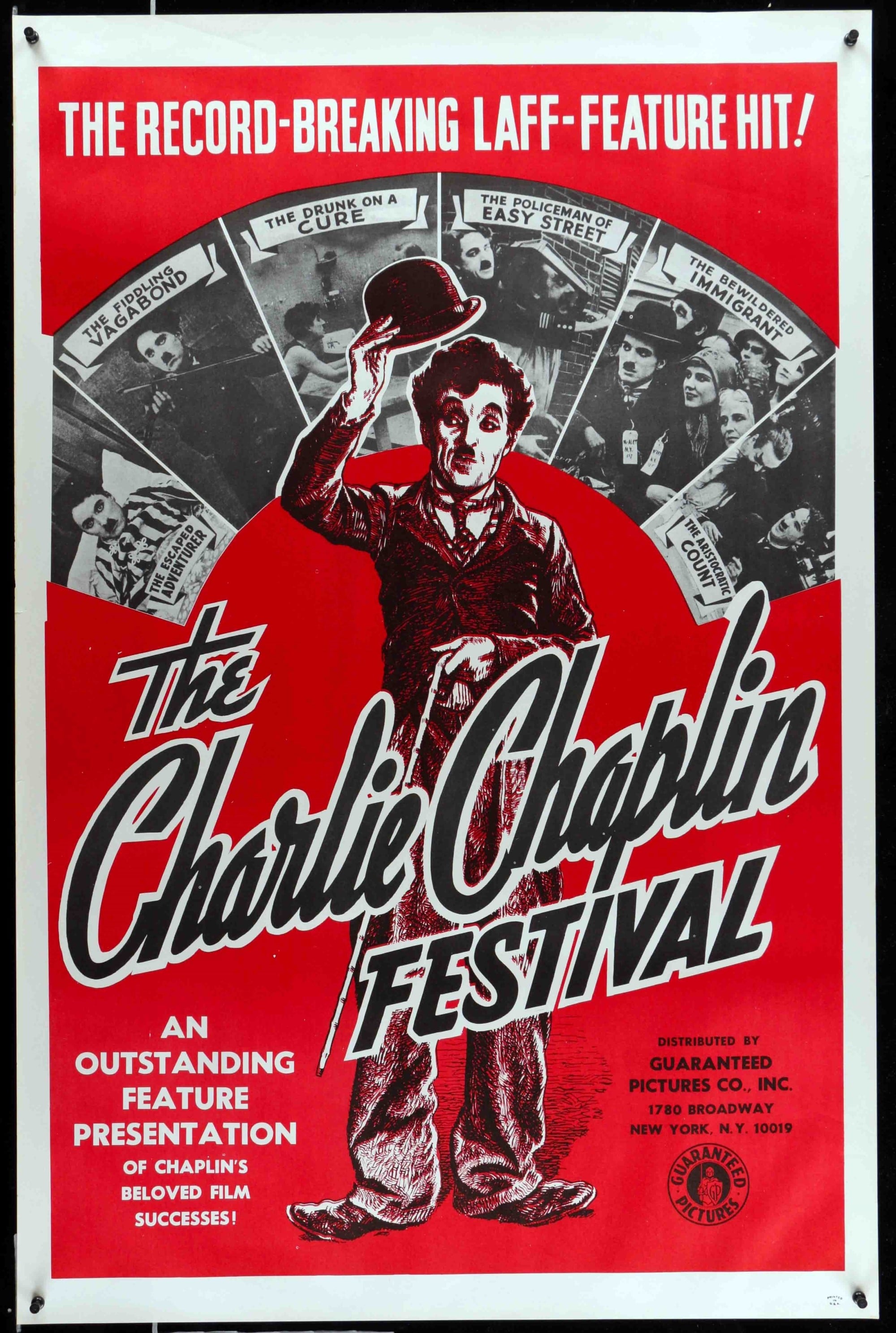
Four Chaplin shorts from 1917: The Immigrant, The Adventurer, The Cure, and Easy Street, presented with music and sound effects.

A new look at the public and private life of one of the most important statesmen in the history of Europe: Winston Churchill (1874-1965), soldier, politician, writer, painter, leader of his country in the darkest hours, winner of the Nobel Prize in Literature, a myth, a giant of the 20th century.
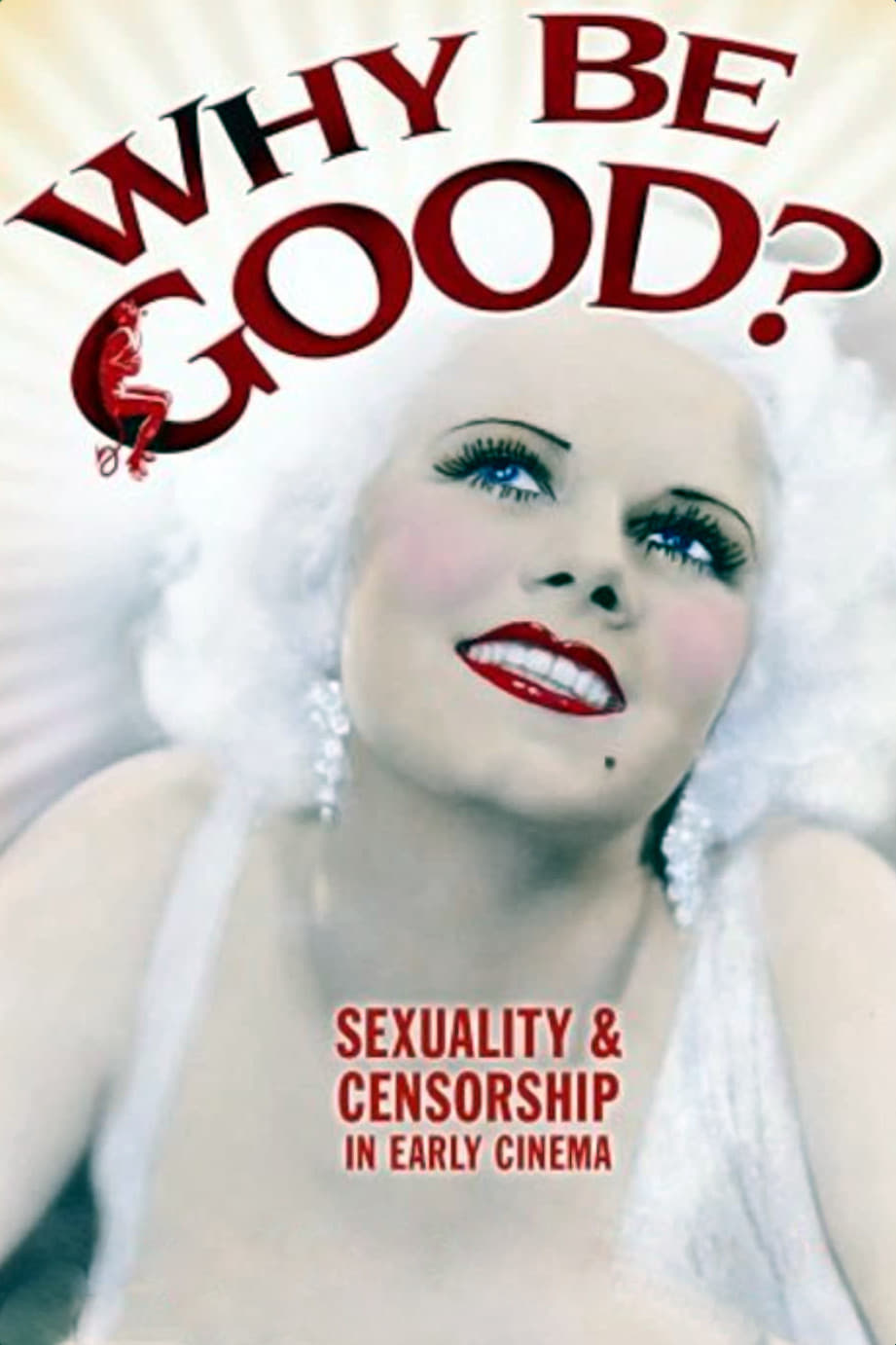
Before the G, PG and R ratings system there was the Production Code, and before that there was, well, nothing. This eye-opening documentary examines the rampant sexuality of early Hollywood through movie clips and reminiscences by stars of the era. Gloria Swanson, Mary Pickford, Marlene Dietrich and others relate tales of the artistic freedom that led to the draconian Production Code, which governed content from 1934 to 1968. Diane Lane narrates.
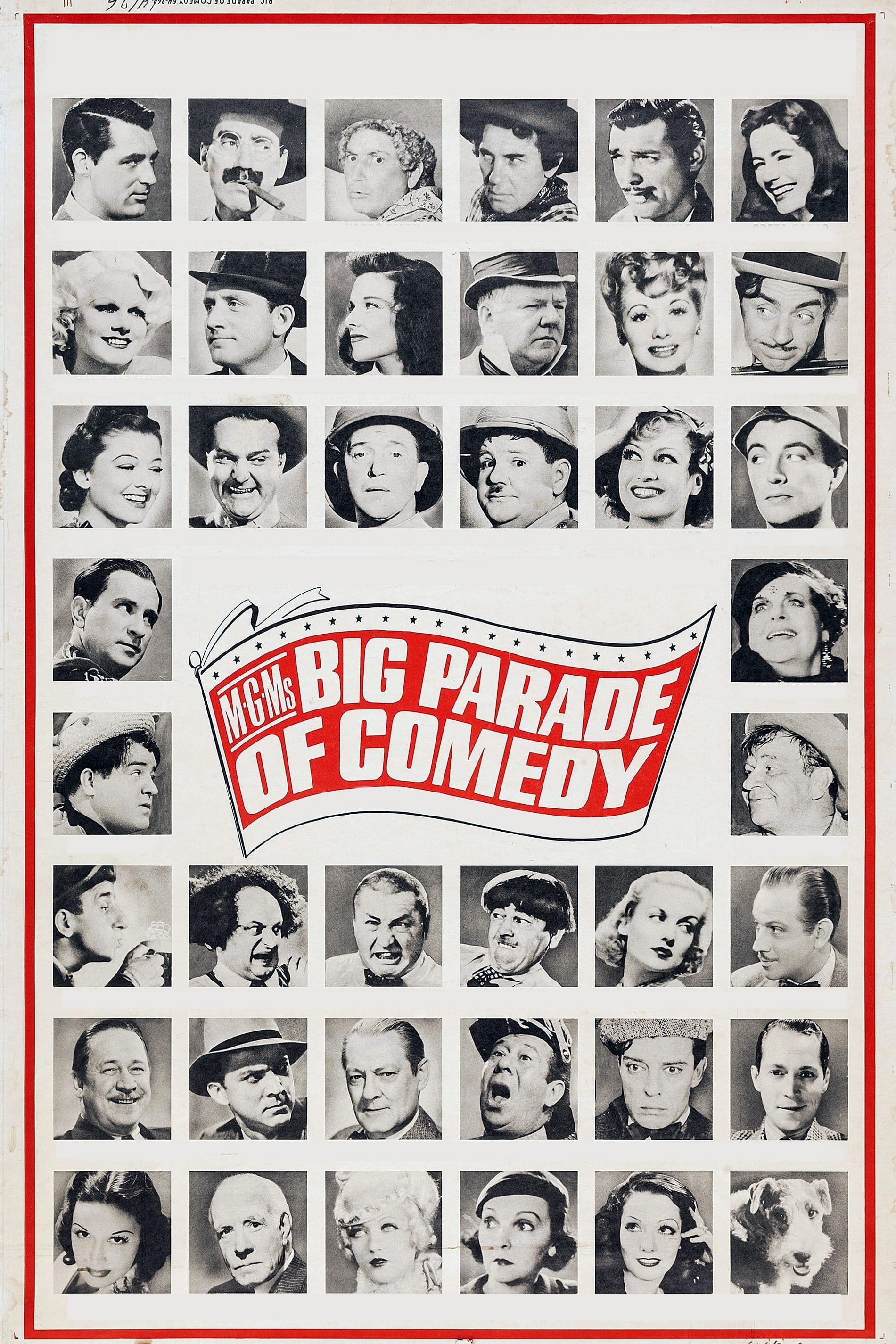
Film clips highlight the funniest scenes and brightest comic stars in MGM's history.
How can the masses be controlled? Apparently, the American publicist Edward L. Bernays (1891-1995), a pioneer in the field of propaganda and public relations, knew the answer to such a key question. The amazing story of the master of manipulation and the creation of the engineering of consent; a frightening true story about advertising, lies and charlatans.
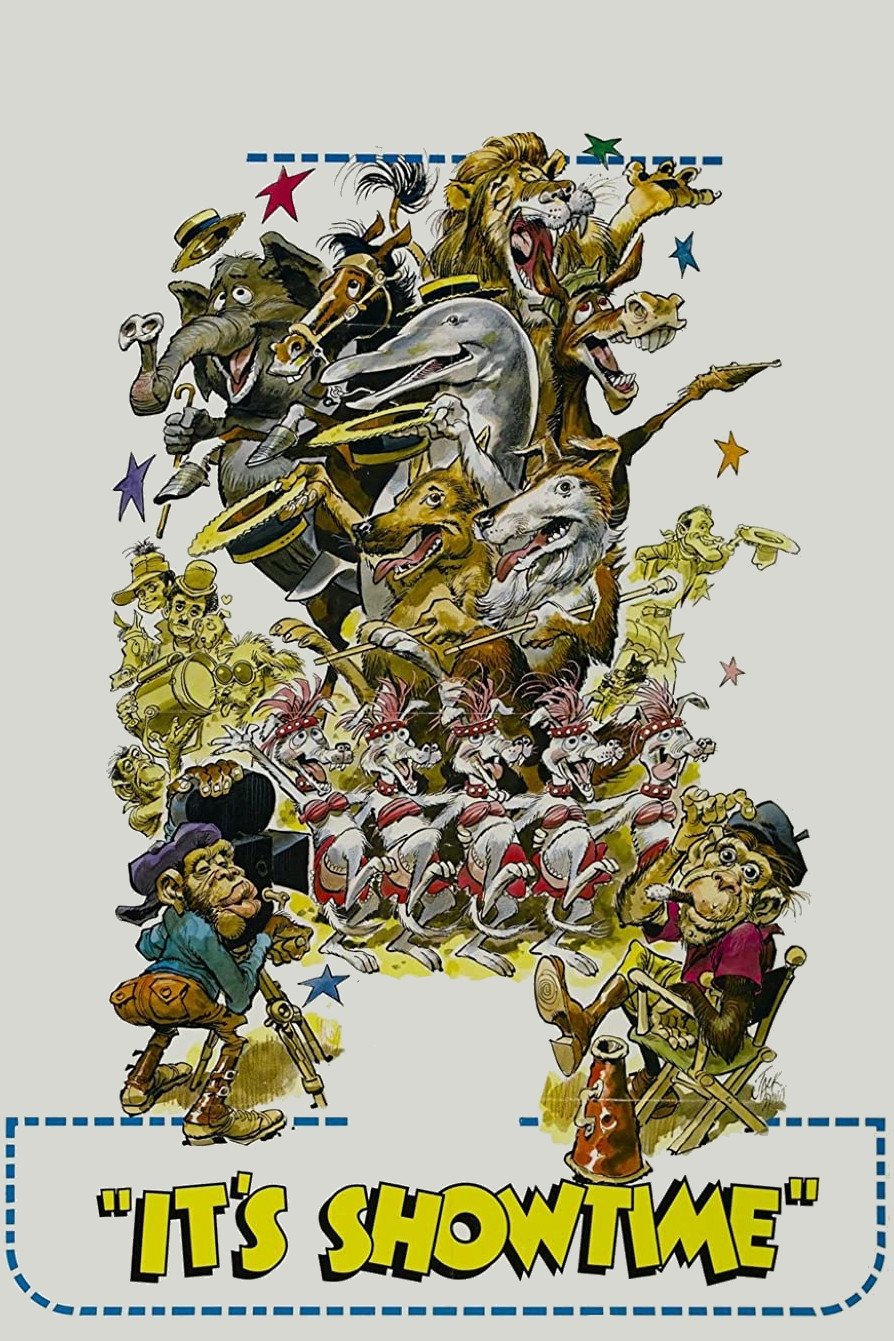
A collection of film clips profiling animal actors.
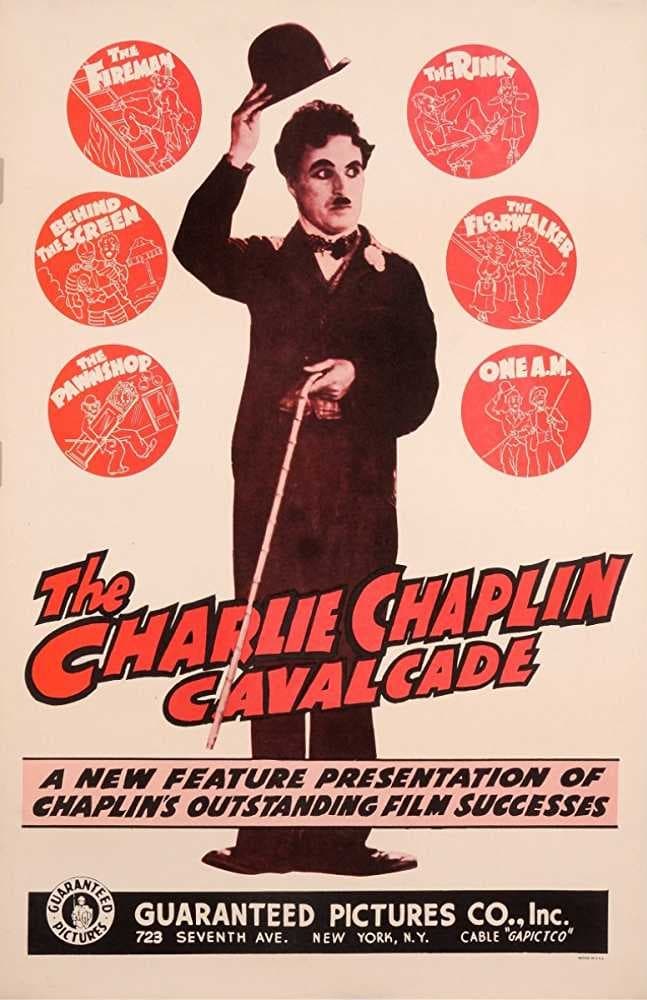
Four Chaplin shorts from 1916: One A.M., The Rink, The Pawnshop, and The Floorwalker, presented with music and sound effects.
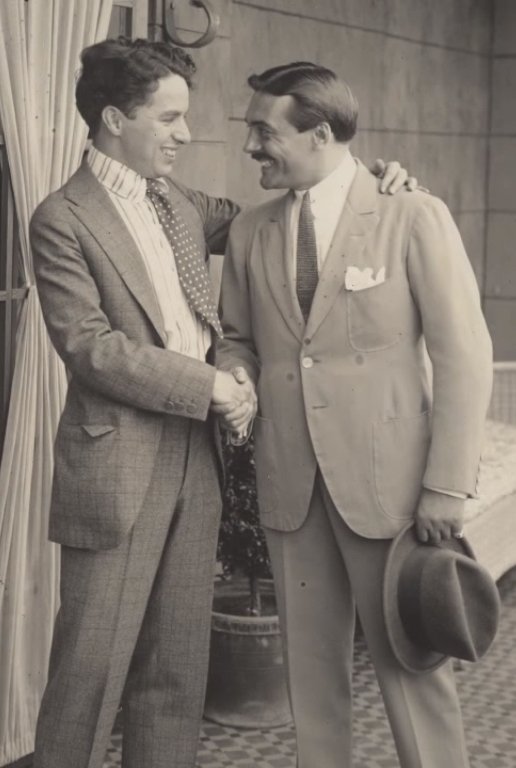
Renowned French comedian and filmmaker Max Linder visits Charlie Chaplin in 1917.
This documentary is featured on the two-disc Chaplin Collection DVD for "The Kid" (1921), released in 2004.
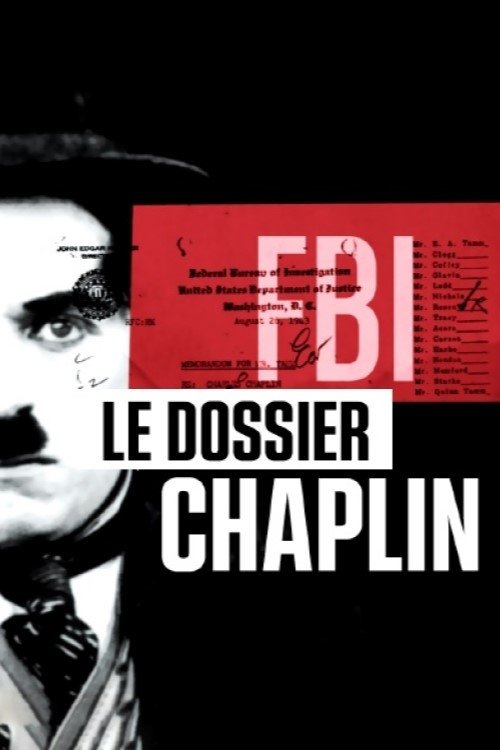
How FBI followed Charles Chaplin for 50 years. Hoover was convinced that Chaplin is a communist or communist supporter.
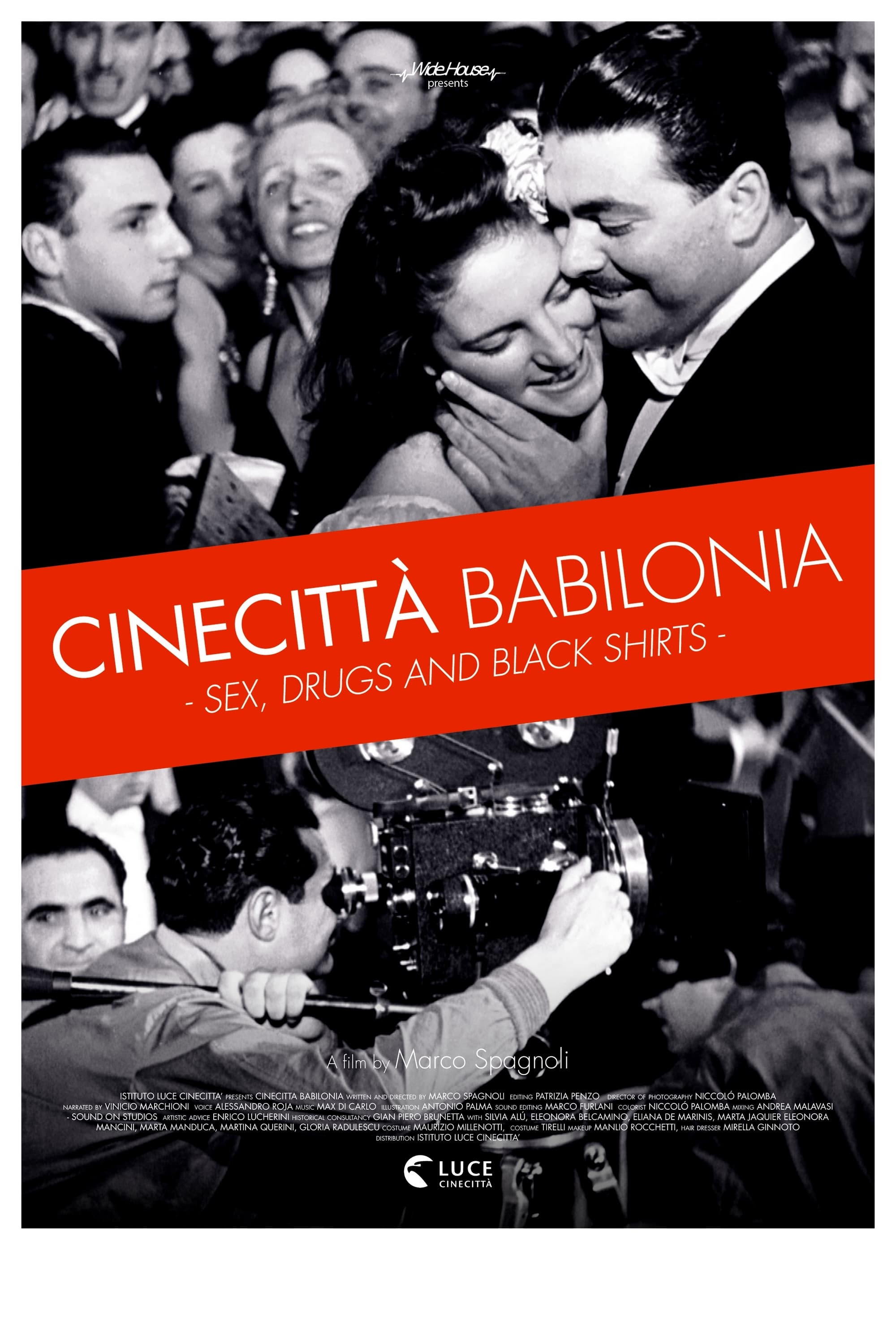
The story of Italian cinema under Fascism, a sophisticated film industry built around the founding of the Cinecittà studios and the successful birth of a domestic star system, populated by very peculiar artists among whom stood out several beautiful, magnetic, special actresses; a dark story of war, drugs, sex, censorship and tragedy.

Charlie Chaplin and Buster Keaton were two incredibly talented artists who enjoyed enormous worldwide success at a very young age. The two giants of the golden age of silent cinema were perceived to be constantly competing with each other for the crown of the king of laughter.
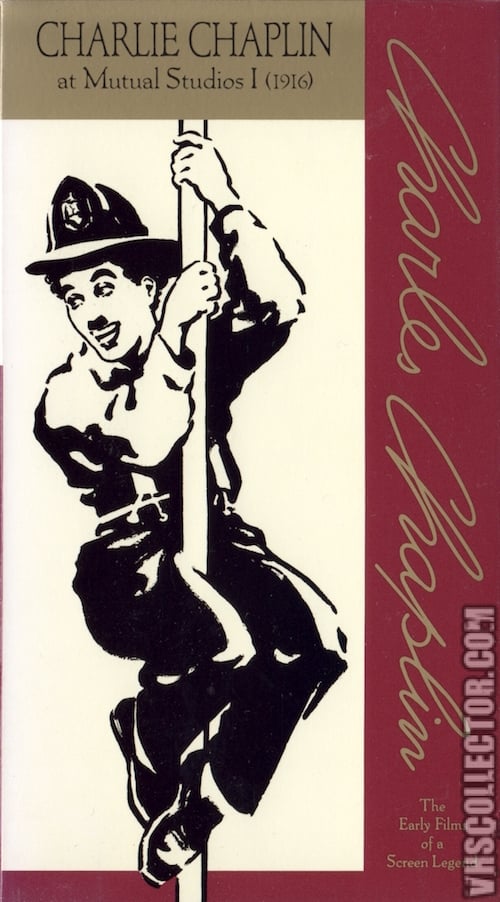
Includes: "The Count" (1916), "The Vagabond" (1916), The Fireman" (1916), "Behind the Screen" (1916).
On September 12, 1973, Charlie Chaplin was present at the Cinémathèque française for the inauguration of a retrospective in his honor.

A documentary about child actors, since the beginning of motion pictures (narrated by Roddy McDowell).
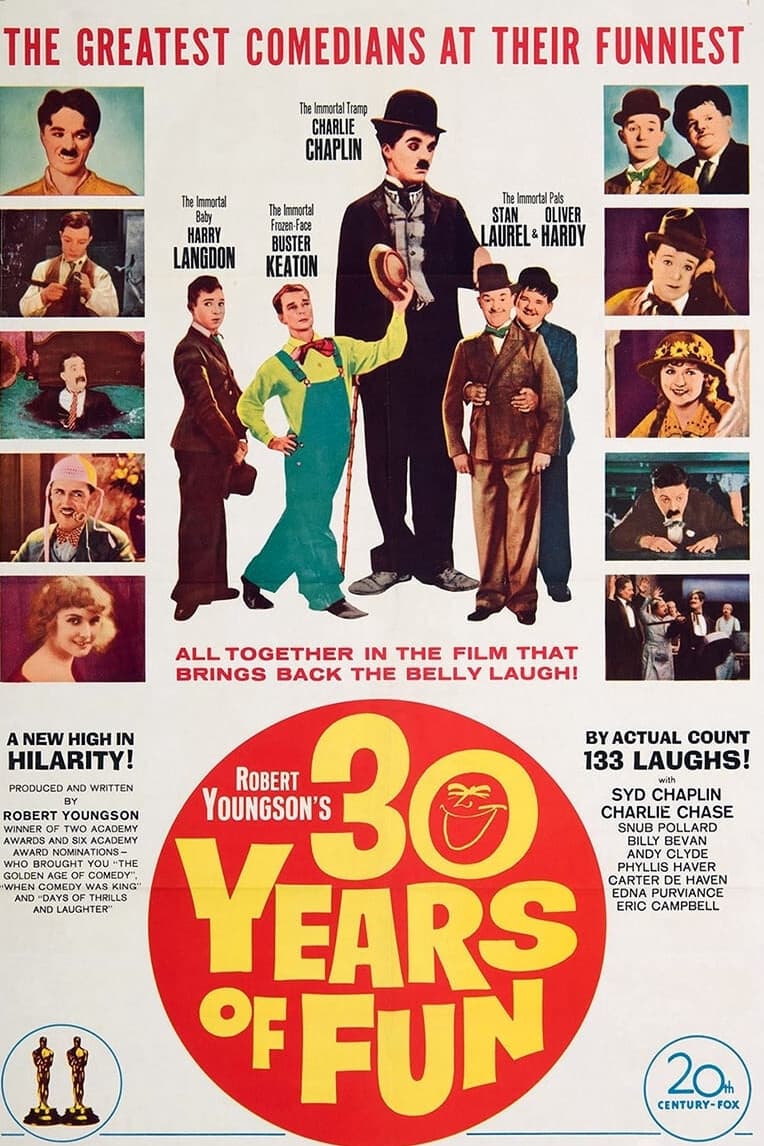
Three decades of fun packed into one convenient package with this compilation of classic black-and-white comedy clips featuring Charlie Chaplin, Buster Keaton and Laurel and Hardy.
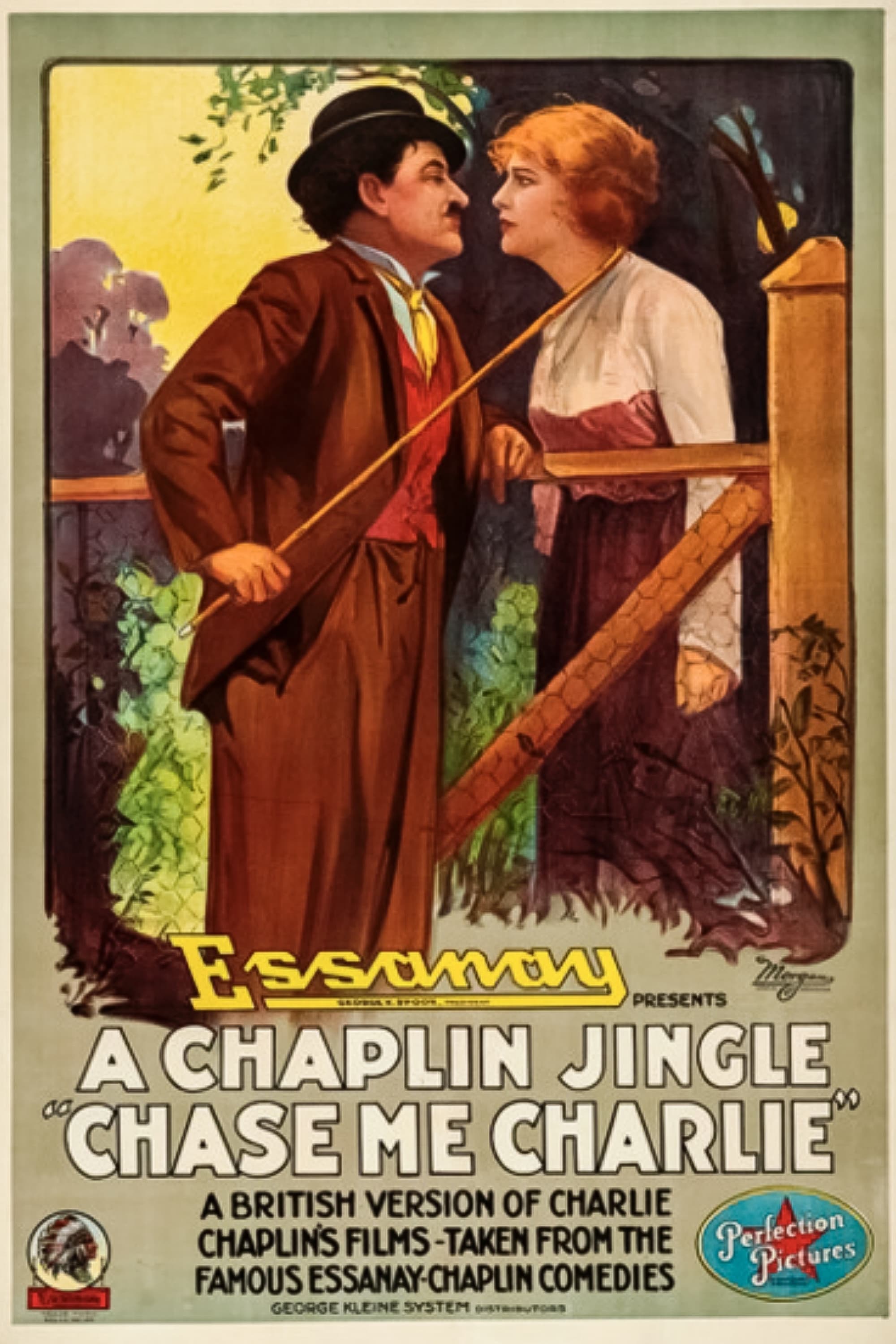
Chase Me Charlie was an anthology consisting of excerpts from several of Chaplin's short films made for the Essanay Company, including The Tramp, Shanghaied, In the Park and The Bank. The 1918 film-- fourteen years later-- was re released, this time with music and narration. The score was written by Elias Breeskin and the narration was spoken by Teddy Bergman who later changed his name to Alan Reed
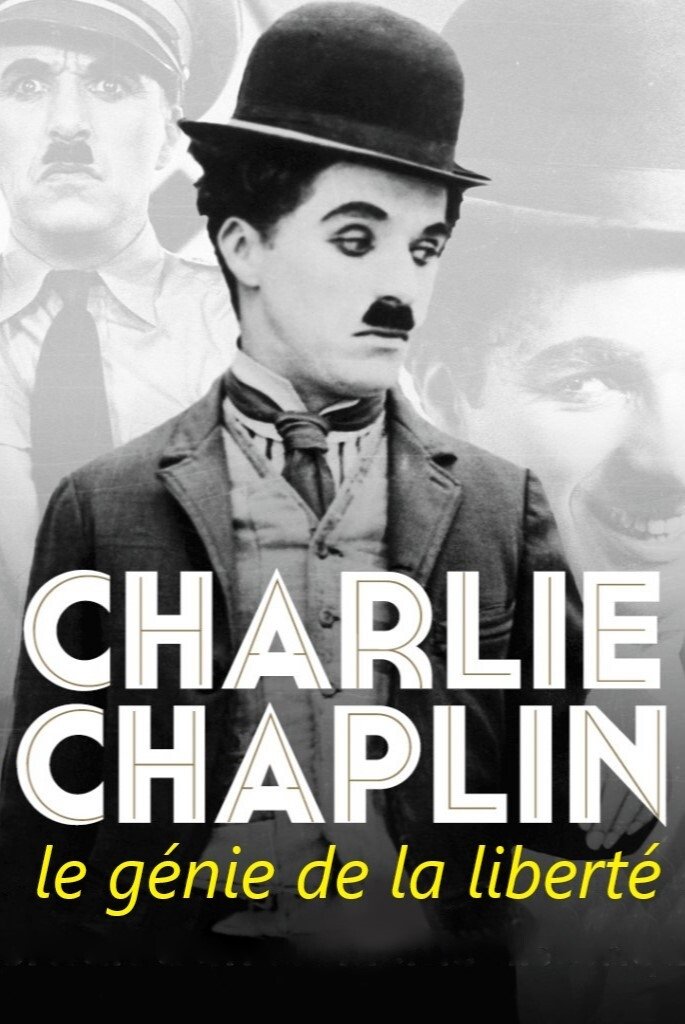
The whole world knows him. Burlesque comedy genius, popular actor, author, director, producer, composer, choreographer, Charlie Chaplin (1889-1977) used his talent to serve an ideal of justice and freedom. But his best scenario was his own destiny, a story written into the political and artistic history of the 20th century.
Zepped is a 1916 propaganda comedy short film about a German Zeppelin attack on London during the First World War. Charlie Chaplin appears in the film, although it is unlikely he himself was involved in the production. Making use of stop-motion animation, Zepped uses possibly previously unknown outtakes of three or four earlier Chaplin films: His New Profession (1914), A Jitney Elopement (1915) and The Tramp (1915), and according to Bonhams, By the Sea (1915). Two copies are known: one was unknowingly purchased by a collector who bought an old film reel tin on eBay for £3.20 (about $5) in September 2009 and found the nitrate film inside. He put it up for auction in June 2011 but the sole bid did not reach the £100,000 ($160,000) reserve price. The second copy was found in a tin of assorted items bought from a secondhand shop in Sheffield in July 2011.
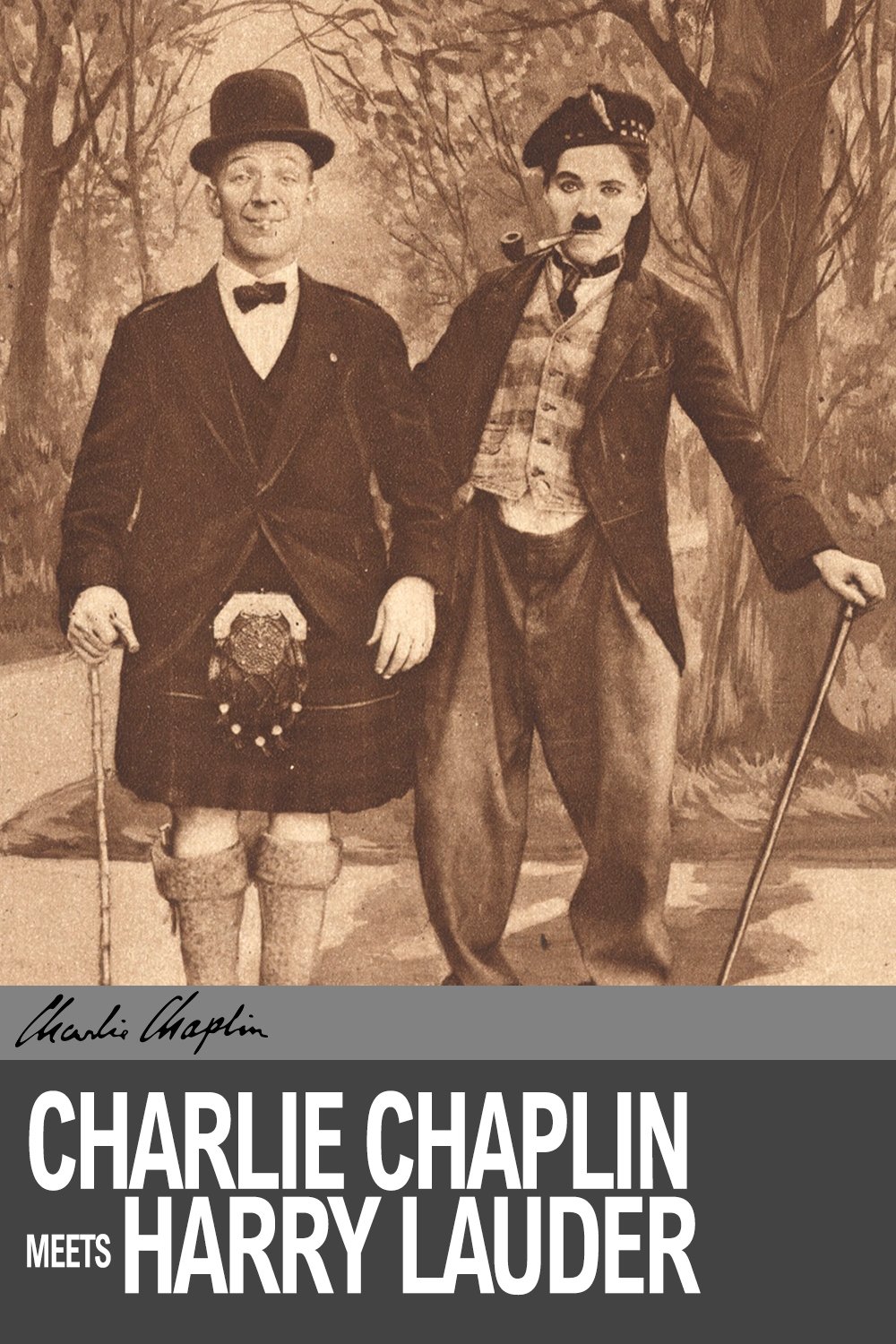
Filmed at the Chaplin Studios, Los Angeles on January 22, 1917 -- this footage was intended as a promotional film to help raise funds for the "British War Loan Bond Appeal Drive" (in addition, Lauder established the Harry Lauder Million Pound Fund for wounded soldiers and sailors in September 1917). The film was never completed or released at the time.
A documentary about some of the comedians of the silent era featuring clips from their films and biographical information.
German documentary about Hollywood
Documentary about the early career of Charlie Chaplin.
In this visual essay, Charles Chaplin biographer Jeffrey Vance, author of "Chaplin: Genius of the Cinema", draws upon a wealth of photography as well as a wide range of interviews (Paulette Goddard, Sydney Chaplin, Chuck Jones, Leni Riefenstahl, Mel Brooks, Joan Collins et al.) to examine the production history of "The Great Dictator", the film's importance as a satire, and legacy.

Documentary taking a look at the career of Jackie Coogan who was considered the first child star.
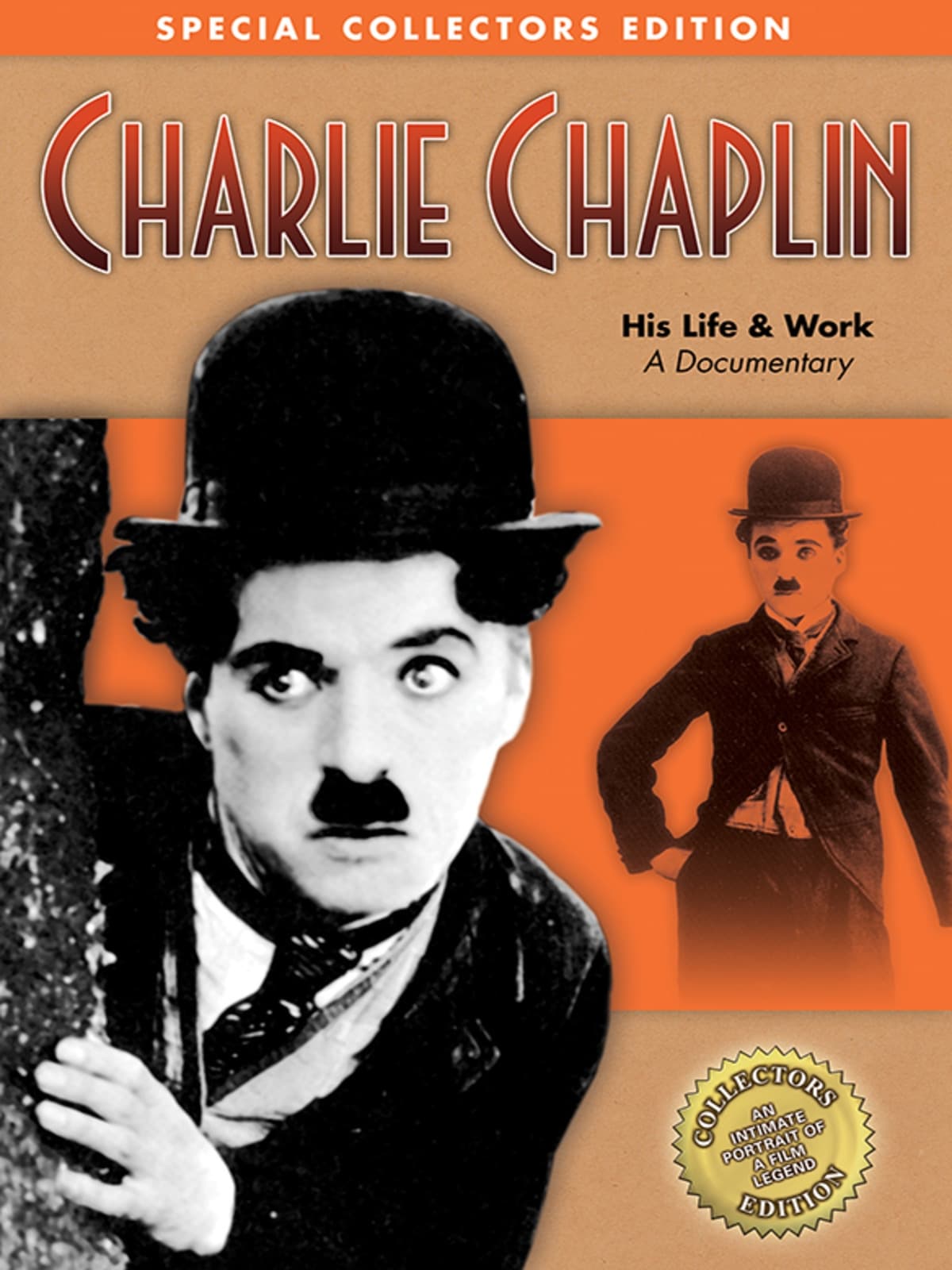
Charlie Chaplin's rise to fame in the pioneering days of the film industry is one of the most dramatic rags to riches stories ever told. Follow his success in detail with clips from his movies providing a backdrop to this ‚'Intimate Biography'.

This film is a kind of anthology about Vienna, from the invention of film to the present day. The aim is to break down the usual clichéd "image of Vienna" such as that found in the traditional "Vienna Film" by juxtaposing documentary footage, newly shot material and subjective sequences created by various artists. Individual, self-contained sections of the film gain new meaning within the context of historical material. Familiar sites appear estranged when edited together with historical scenes. Other scenes appear like a persiflage or satirical. The film does not incorporate any commentary whatsoever. It is a collage of diverse materials aimed at conveying a distanced image of Vienna to the viewer
British comedian Tommy Handley makes funny commentary on speeded up and shortened version of Triple trouble (1918)
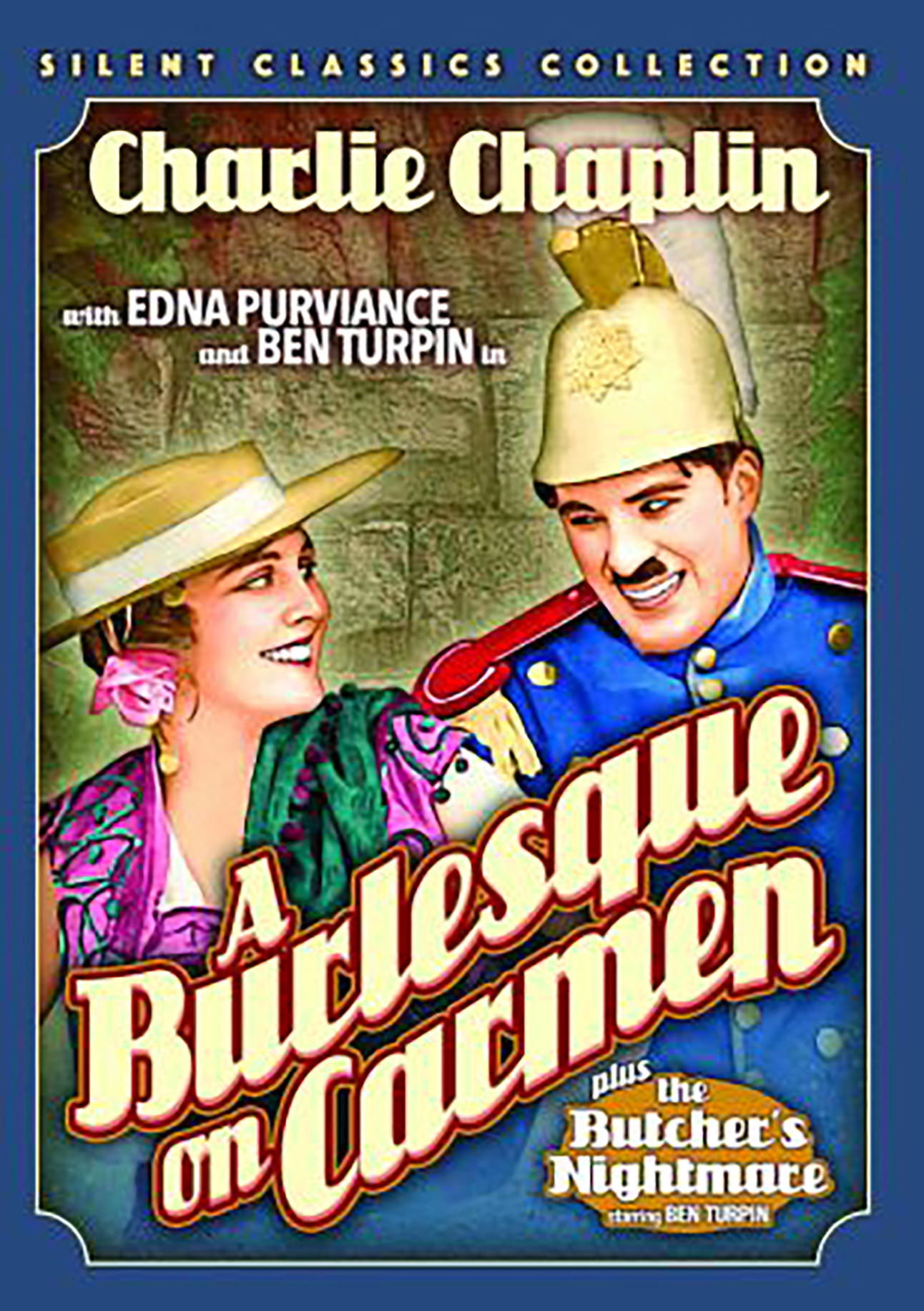
Peter Sellers makes funny voice narration over the Chaplin film A Burlesque on Carmen (1915).
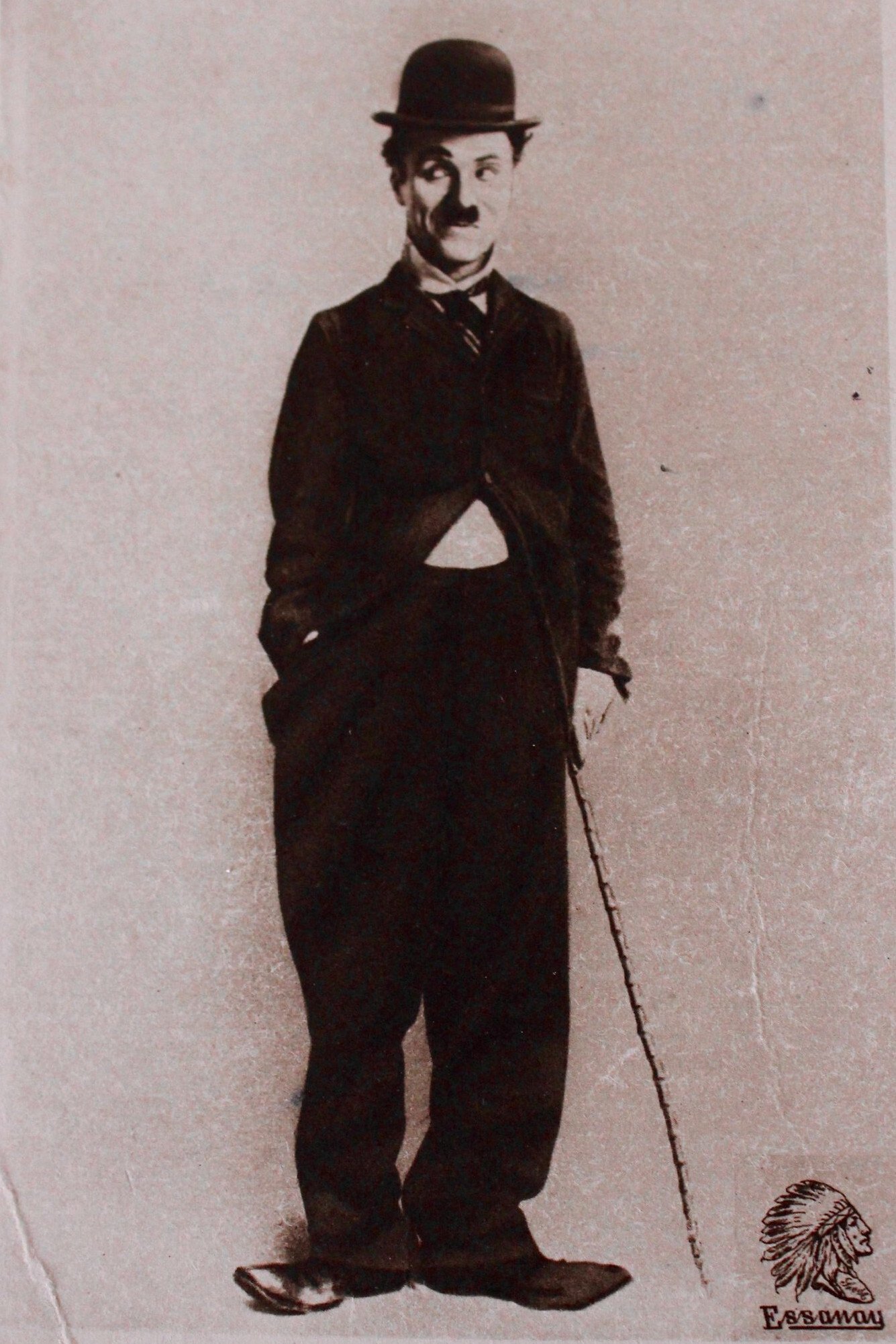
Short documentary about Chaplin's year at Essanay. Clips from Chaplin films but also from other Essanay films.
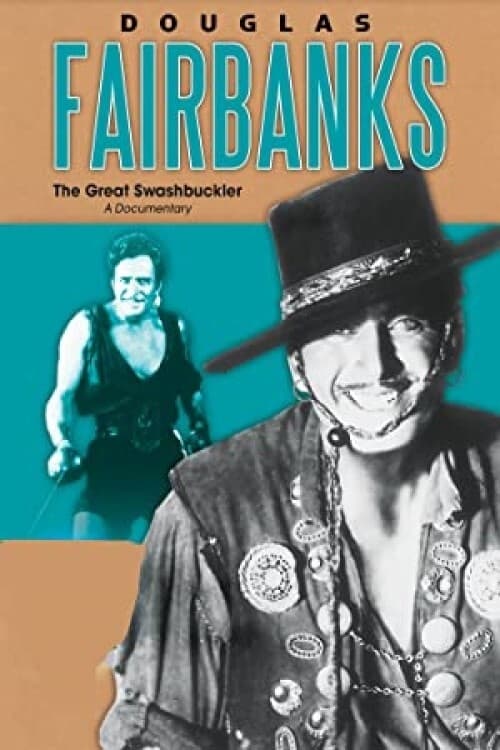
Douglas Fairbanks, the screen's great swashbuckler, charmed millions with his energetic athleticism, his boyishly handsome good looks, and his sparkling charisma. Whether it was fighting off tyrannical land-owners in "The Mark of Zorro," slashing the king's guards in "The Three Musketeers," sliding down sails in "The Black Pirate," springing in leaps and bounds in "Robin Hood," or riding a winged horse across the night sky in "The Thief of Bagdad," Douglas Fairbanks was in his element as an action hero of grandiose costume dramas. But behind all of his achievements on the screen, there was another side to Douglas Fairbanks and this unique biography will reveal some of that man behind the mask. So swing into action and swashbuckle your way through this documentary. This is one adventure worth telling.
This documentary is featured on the Warner Bros. Chaplin Collection DVD for "The Circus," released in 2004.

This documentary traces the relationship of Buñuel with American culture and Hollywood. The program proposes a chronological journey through the Aragonese filmmaker stays in the U.S., the characters he met, the films he made and he could never do. The program also includes new material-unpublished until 2012 - the Aragonese director filmed in the U.S. in the early 1940s and where he can be seen playing one of their children or enjoying a short holiday in a cottage.
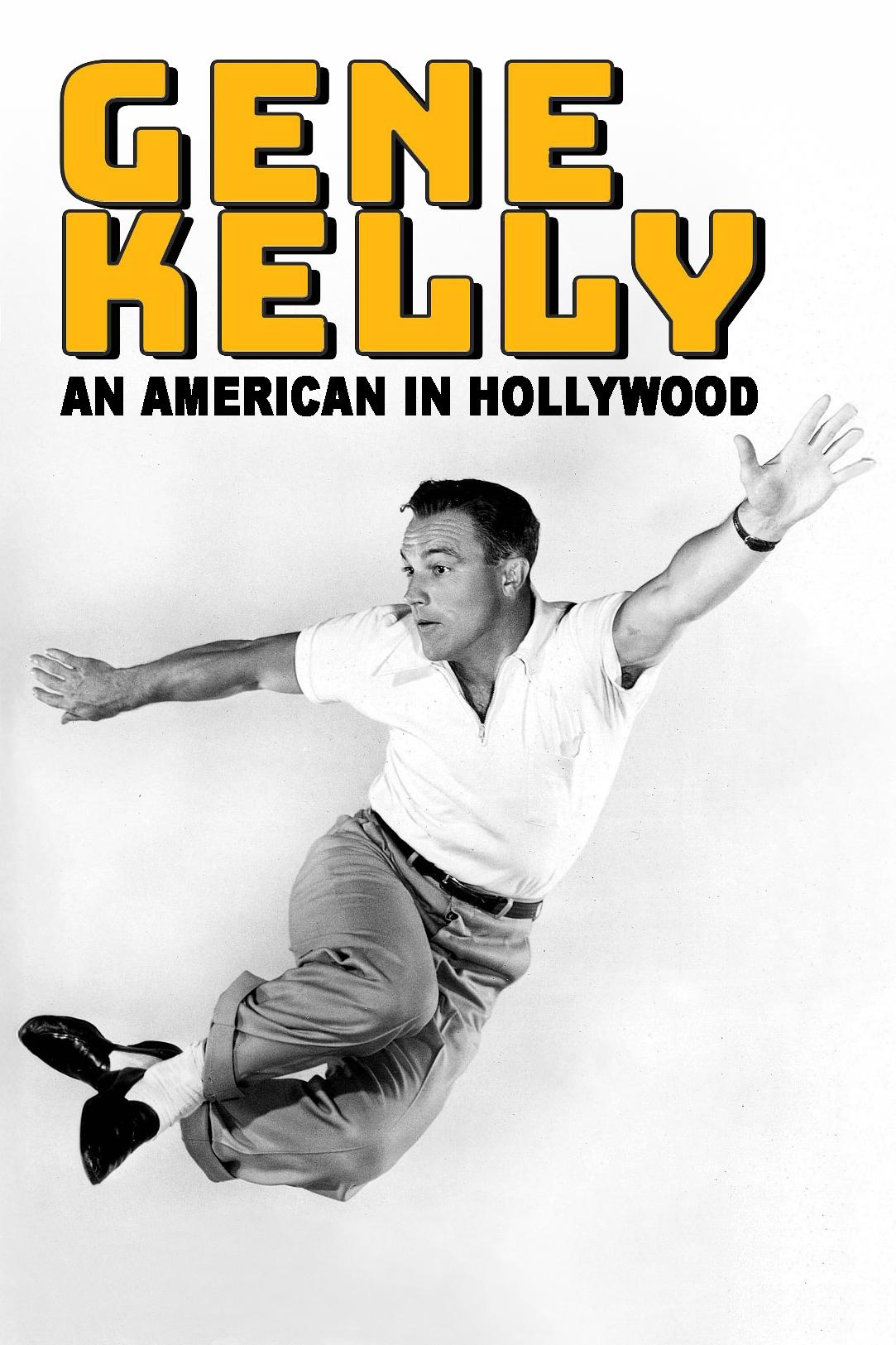
Gene Kelly is a legend of the heyday of the Hollywood musical. His name stands for masterpieces such as "Singin' in the Rain" and "An American in Paris". As a singer, dancer, actor, choreographer and director, he was a true all-round artist who revolutionized the world of dance in particular. Kelly, who loved to experiment, explored new forms of dance expression and helped a whole generation of young talents to fame. From his beginnings in cabarets and on Broadway to his recognition as a choreographer and director, the documentary shows how the good-looking star with a charming smile expanded the boundaries of dance expression: He danced in the open air in the streets of New York, with a cartoon character or his own reflection. But this dazzling entertainer image should not obscure the fact that Kelly, as a staunch supporter of the American civil rights movement, also saw dancing as a political statement.
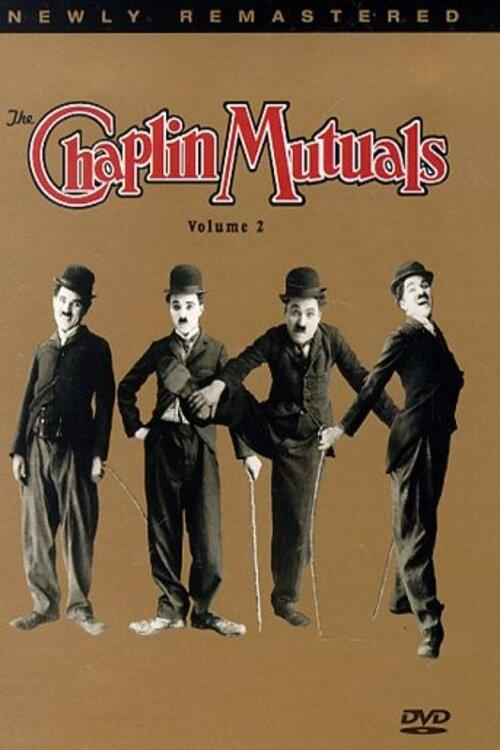
Features four films made for the Mutual Film Company: The Count, The Vagabond, The Fireman, and Behind the Screen. Includes new digital stereo scores by Michael Mortilla.
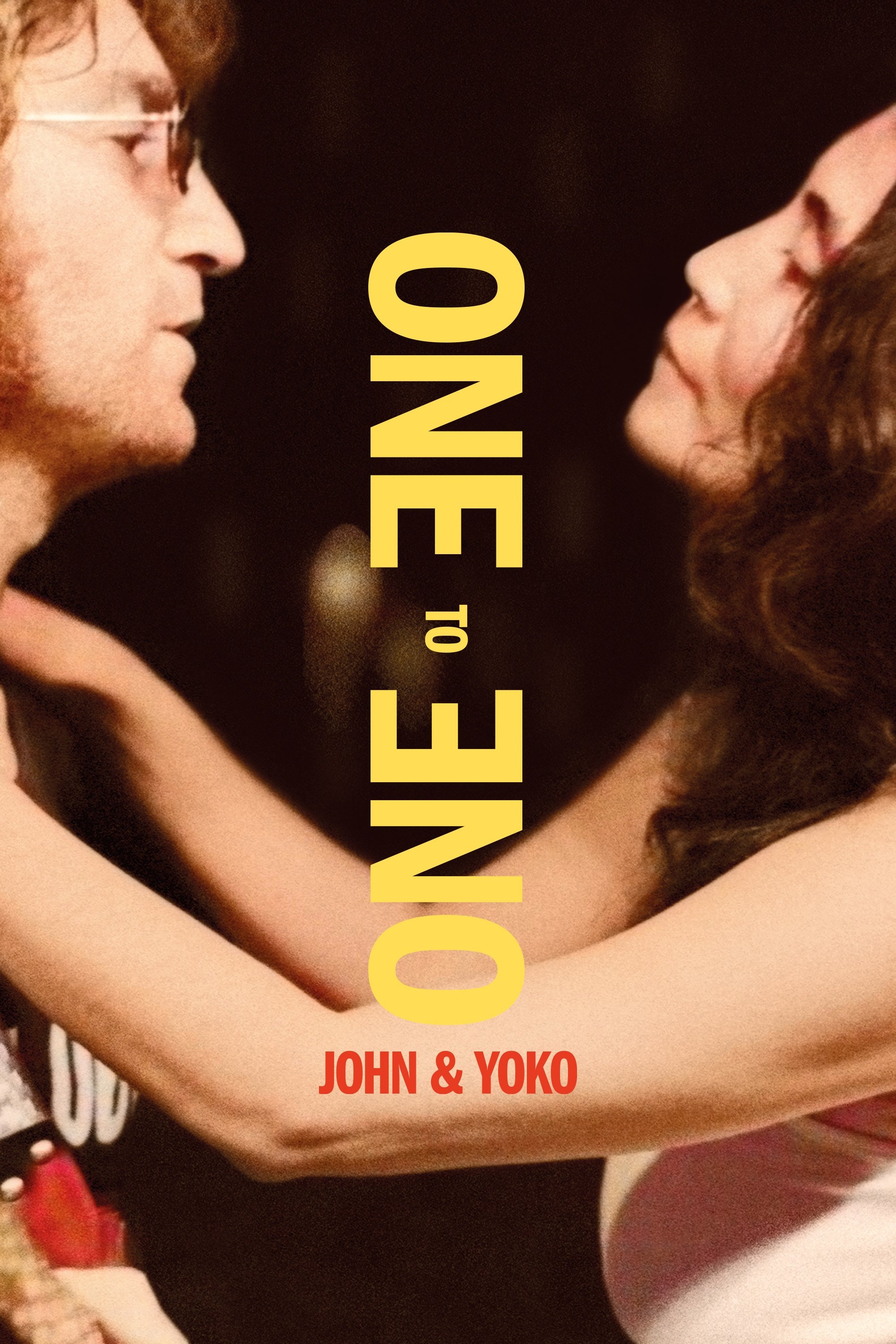
An exploration of the seminal and transformative 18 months that one of music’s most famous couples — John Lennon and Yoko Ono — spent living in Greenwich Village, New York City, in the early 1970s.
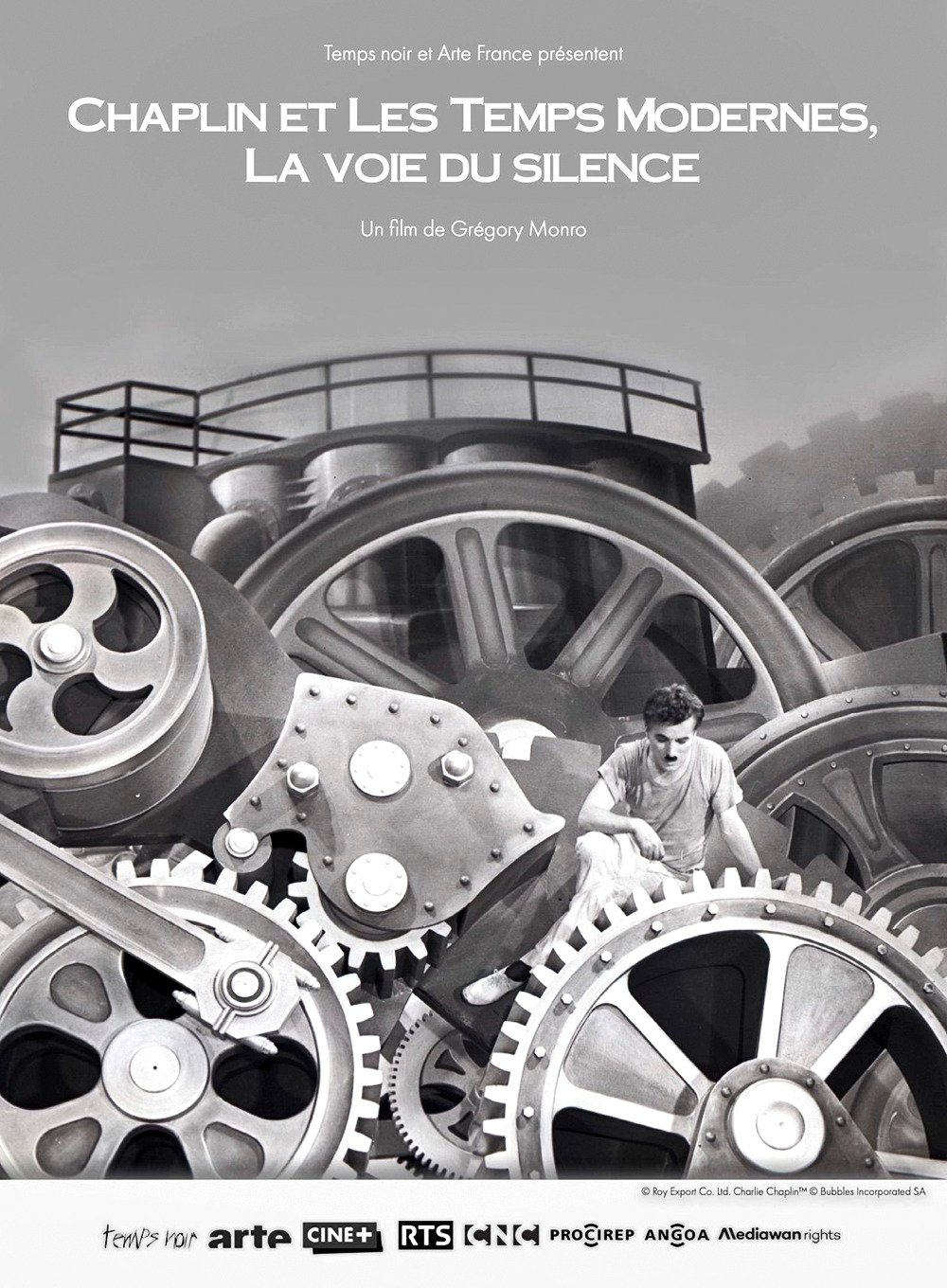
In 1936, the sound film had already been around for a decade. Nevertheless, Charlie Chaplin (1889-1977) made another silent film, "Modern Times", which only used sound effects as a dramaturgical device. Speaking is reserved for the apparatus alone. The film became a monument in the history of cinema for this very reason.
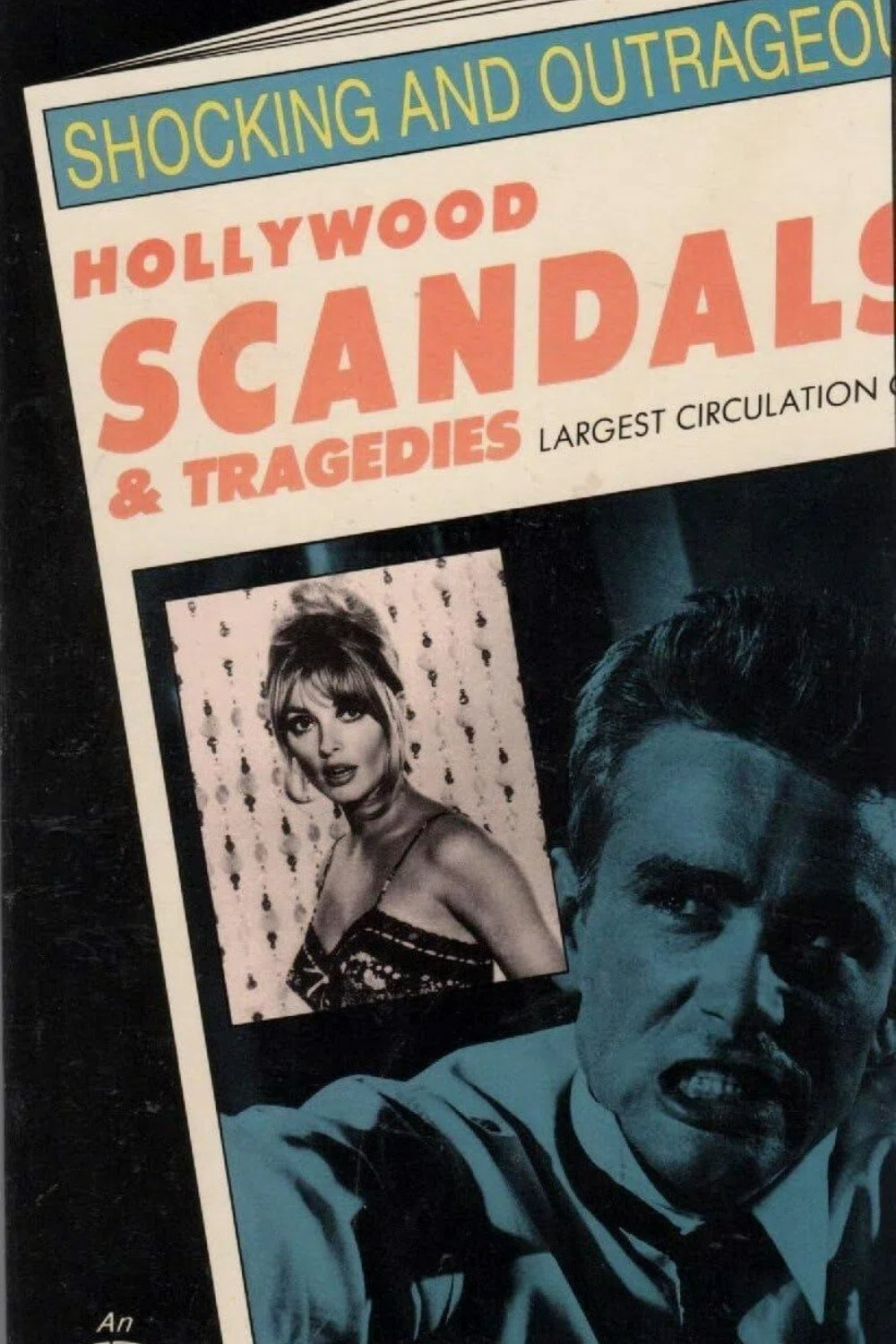
Famous Hollywood Scandals and Tragedies
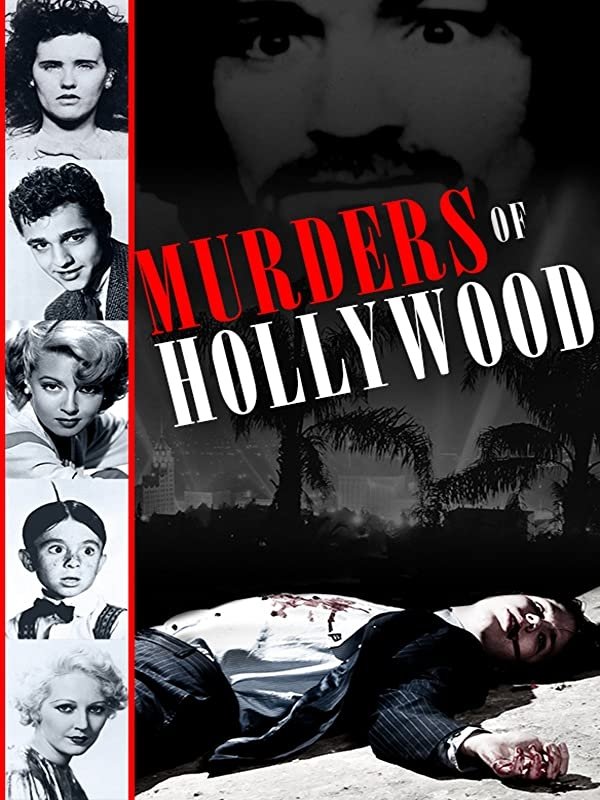
Sensational and shocking stories from Hollywood are not always fiction. Beyond anything a screenwriter could imagine, and with cast of famous stars and celebrities, this documentary goes behind the scenes to explore the real-life stories of murders in Hollywood. From the silent era to the present day, out-of-control passions, burning hatreds, and the driving greed for gain have pushed many of the rich and famous over the edge into violence - to commit bloody murder or end up as the victims of murder.
In this 2010 visual essay, Chaplin historian Jeffrey Vance, author of “Chaplin: Genius of the Cinema,” draws from a wealth of production photography to discuss the making of MODERN TIMES.
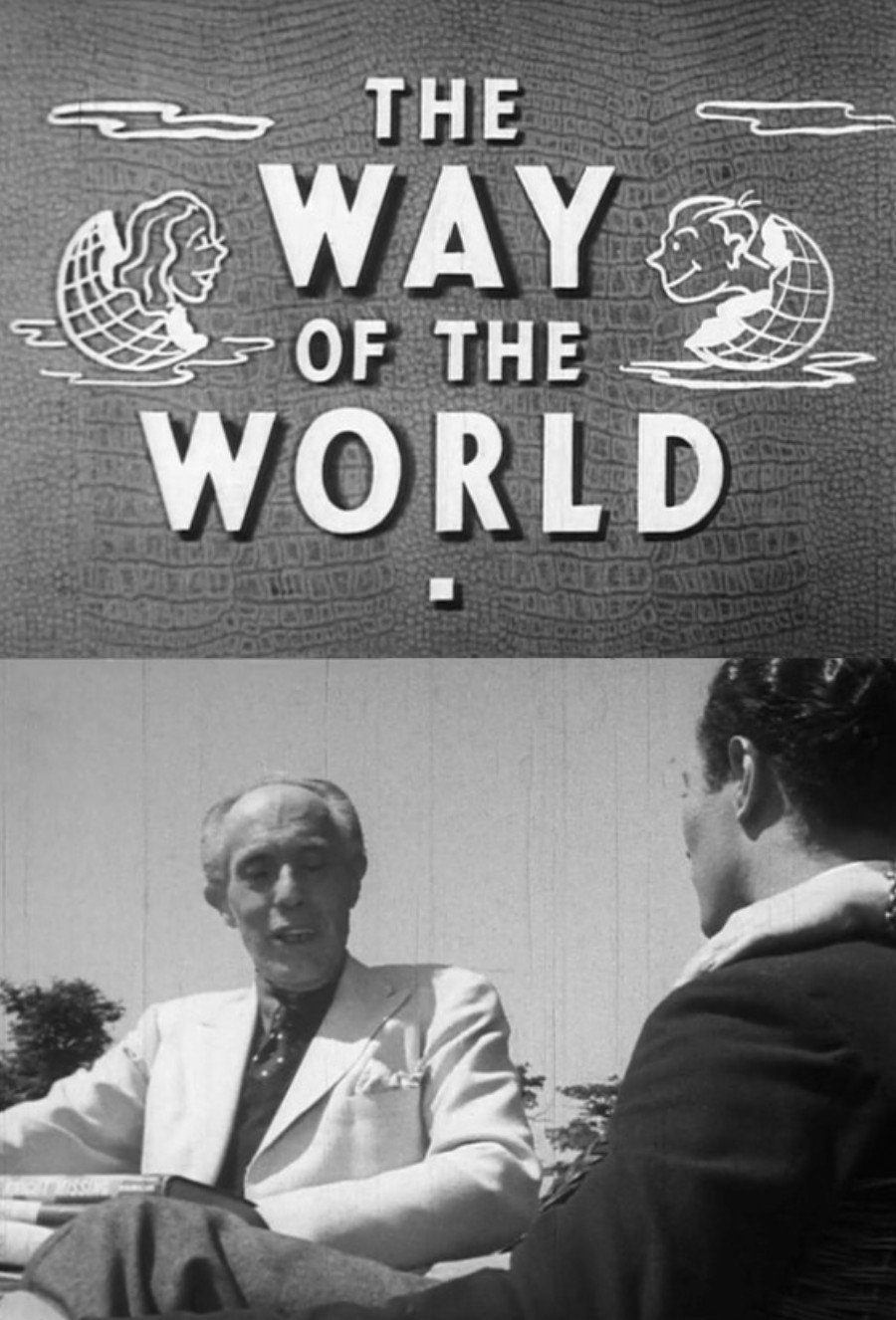
A long-retired director of early silent films recalls his exciting career as a filmmaker.
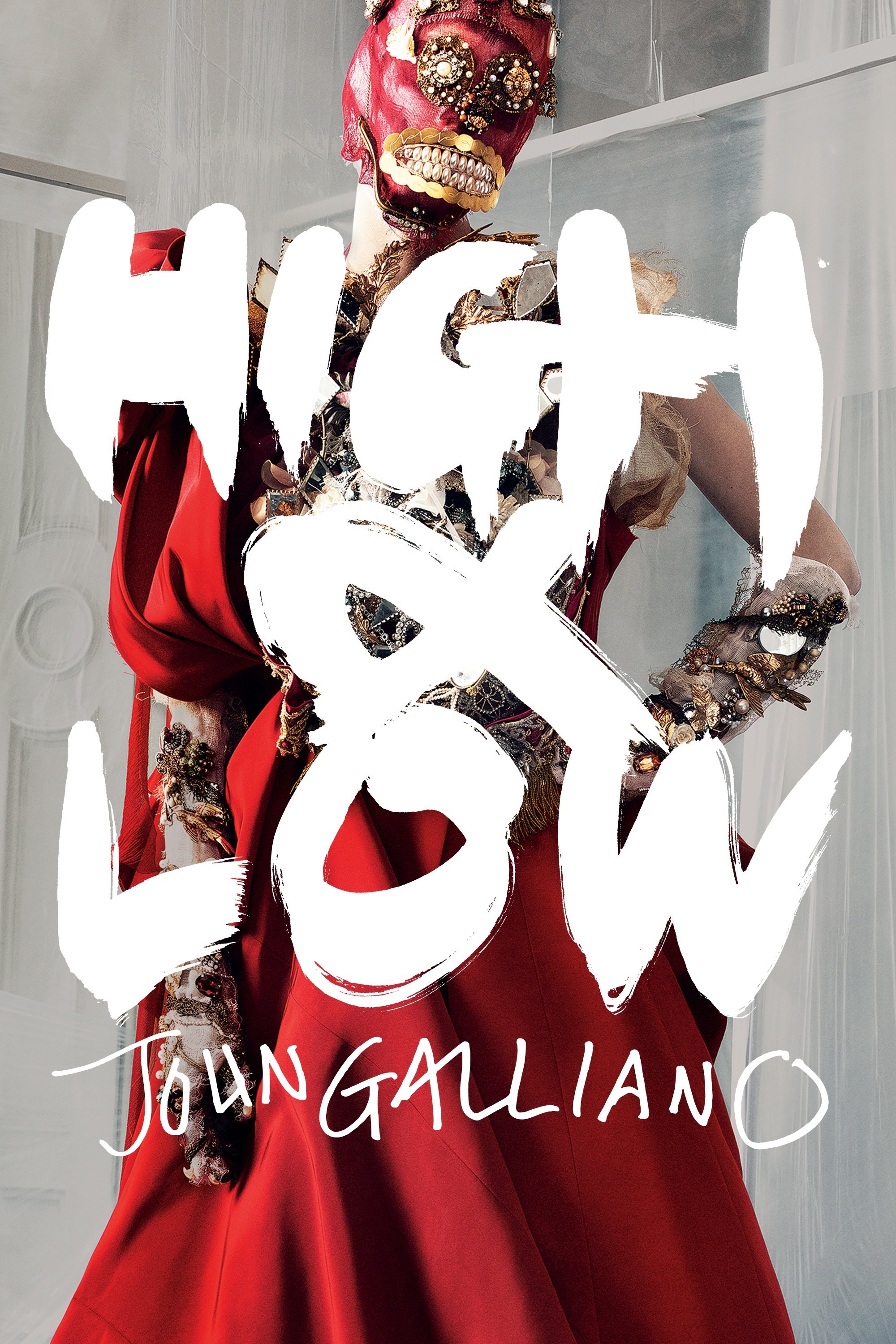
Fashion designer John Galliano was widely recognized as one of the most successful names in 1990s and 2000s couture, until his career abruptly ended when he was caught on camera in 2011 hurling antisemitic and racist insults at bystanders in Paris.

Those who knew iconic funnyman John Candy best share his story, in their own words, through never-before-seen archival footage, imagery, and interviews.
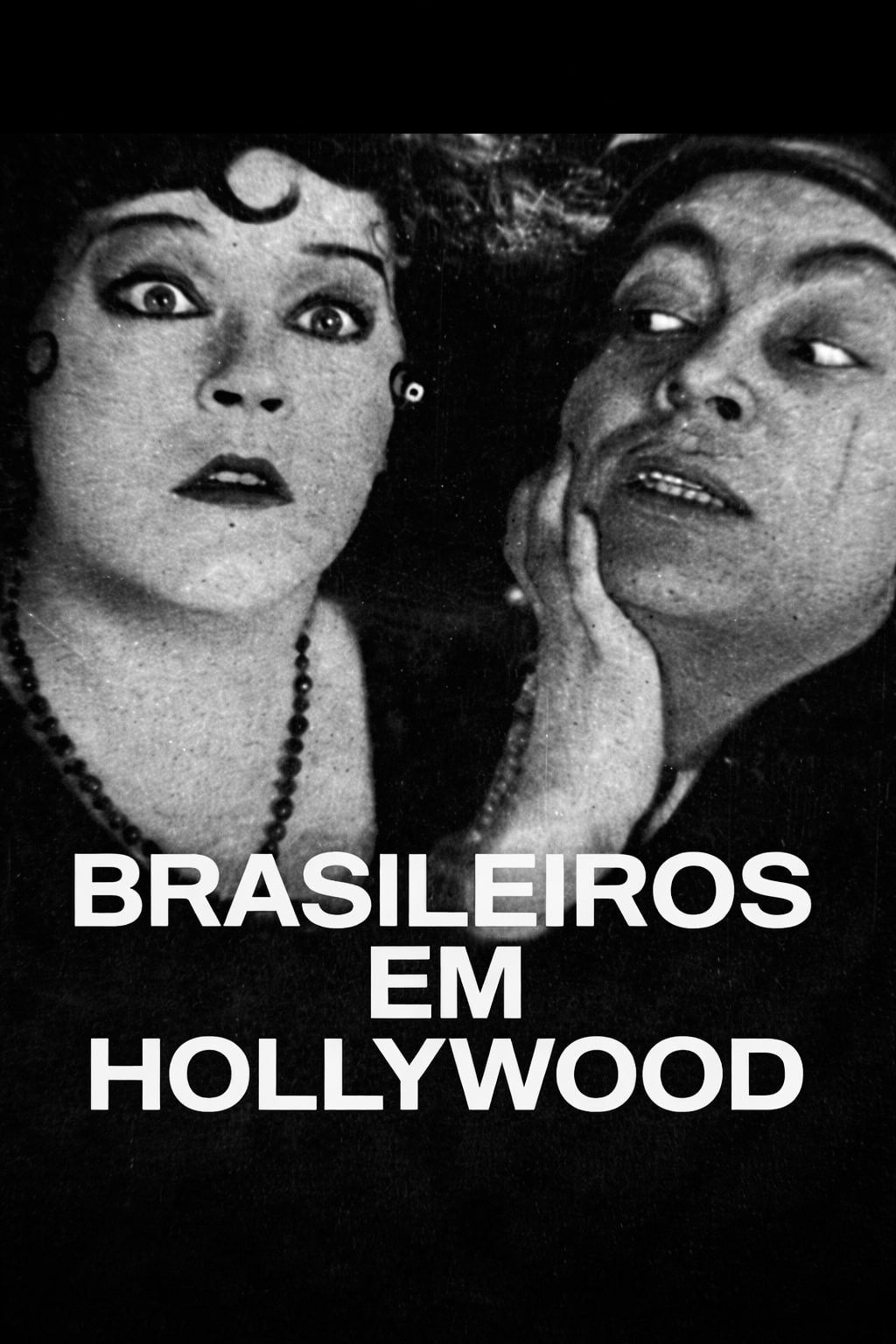
Brazilian documentary film directed by Salvyano Cavalcanti de Paiva that showcases the evolution of Brazilian artists in the American film industry between the late 1920s and 1950s. Using archive footage, it highlights the contributions of figures like Carmen Miranda.
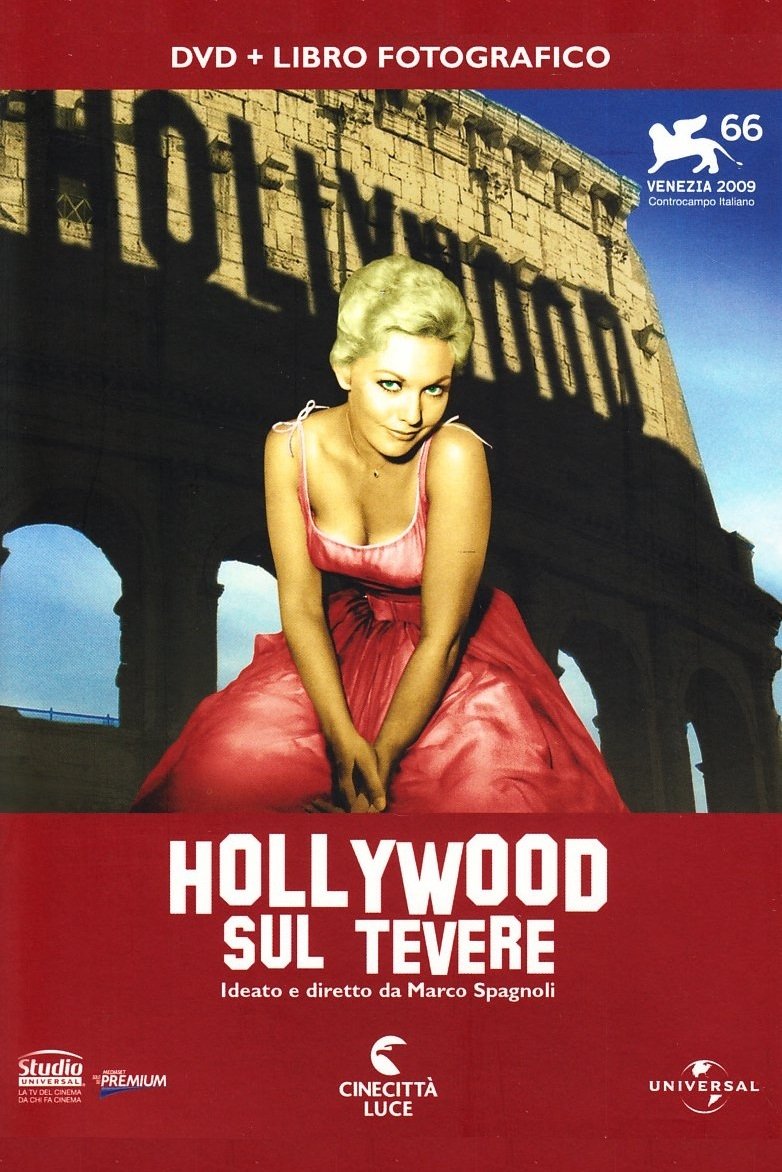
Biggest Hollywood stars in Italy from 1950 to 1970 through Cinecittà Luce's archives.
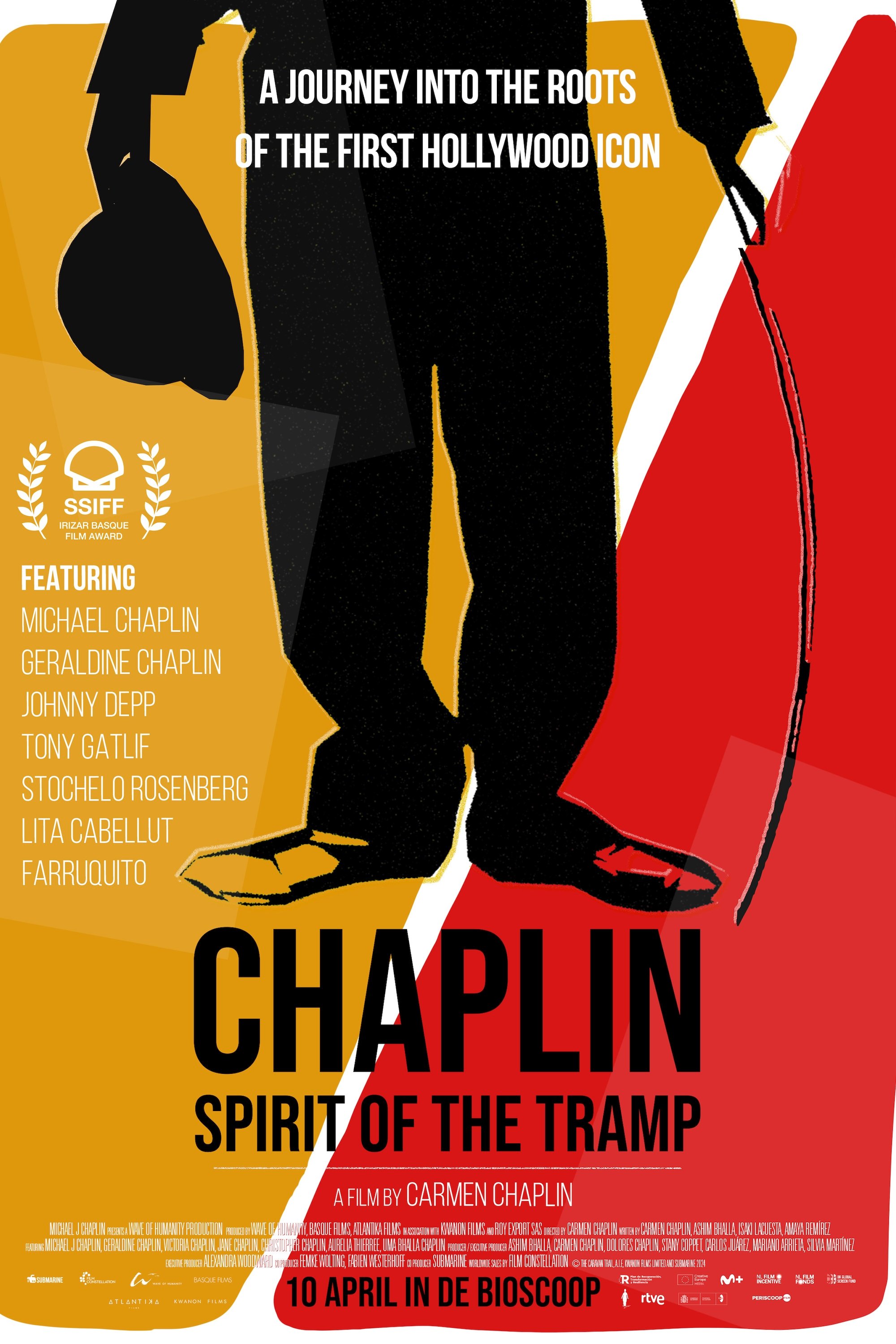
A revealing exploration of Chaplin’s Romani heritage constructed from intimate interviews, film extracts, home movies and contributions from renowned contemporary Romani artists.
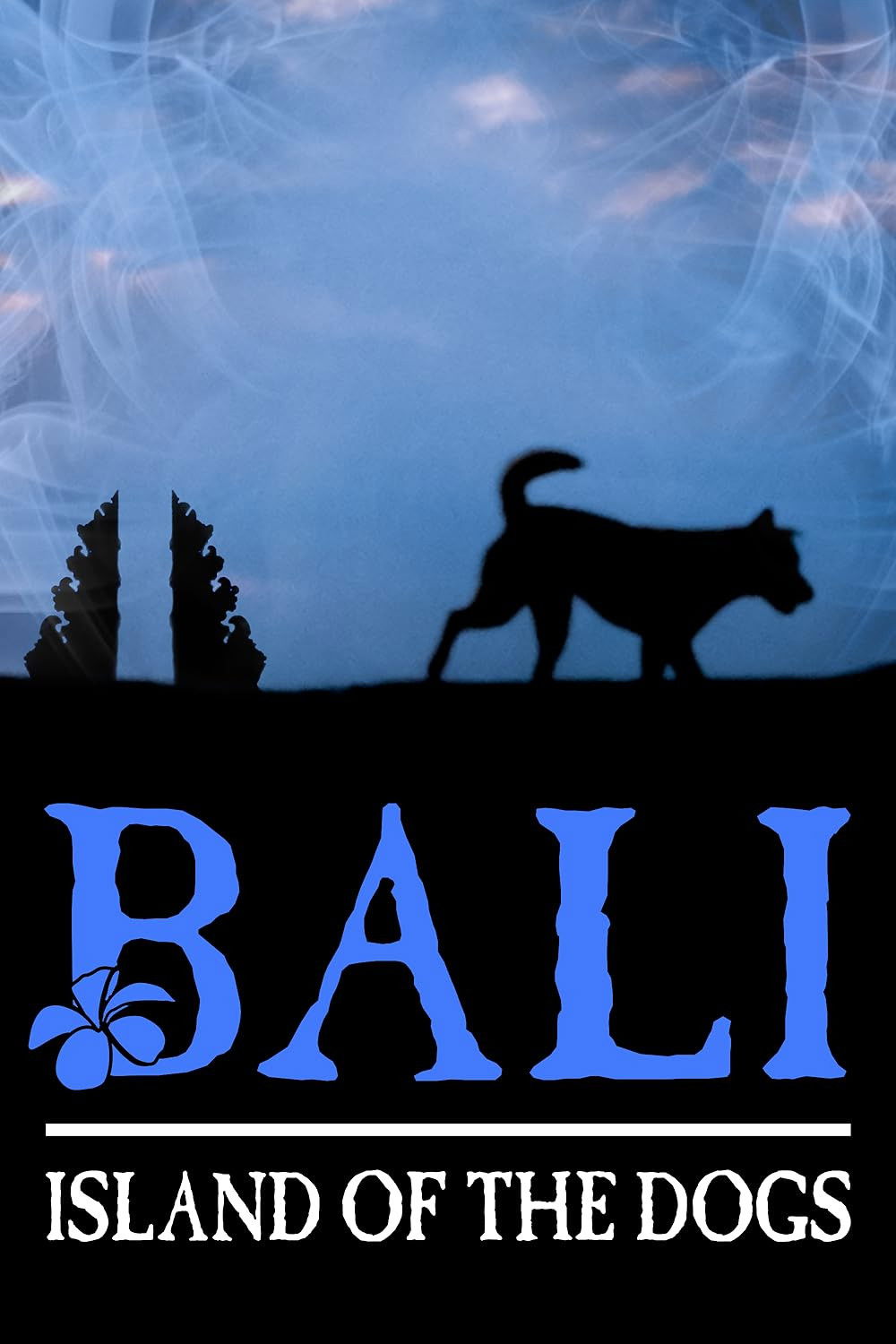
A film about the semi-feral dogs of Bali, and our changing attitudes towards conquering nature and bending her to our will.
Slapstick experts host this look at the life and films of Charley Chase with rare film clips and photos.
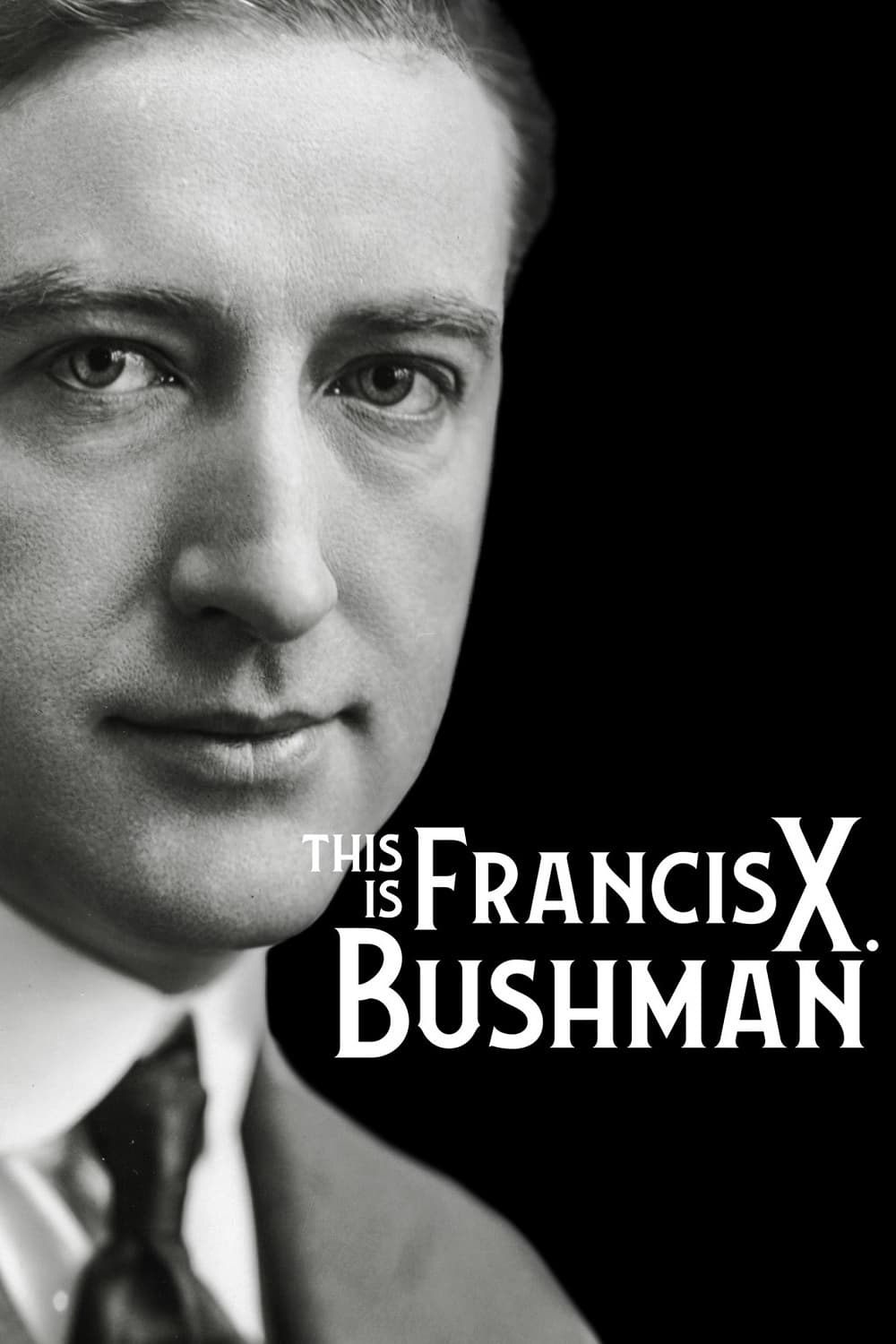
Documentary about the life of silent film star Francis X. Bushman
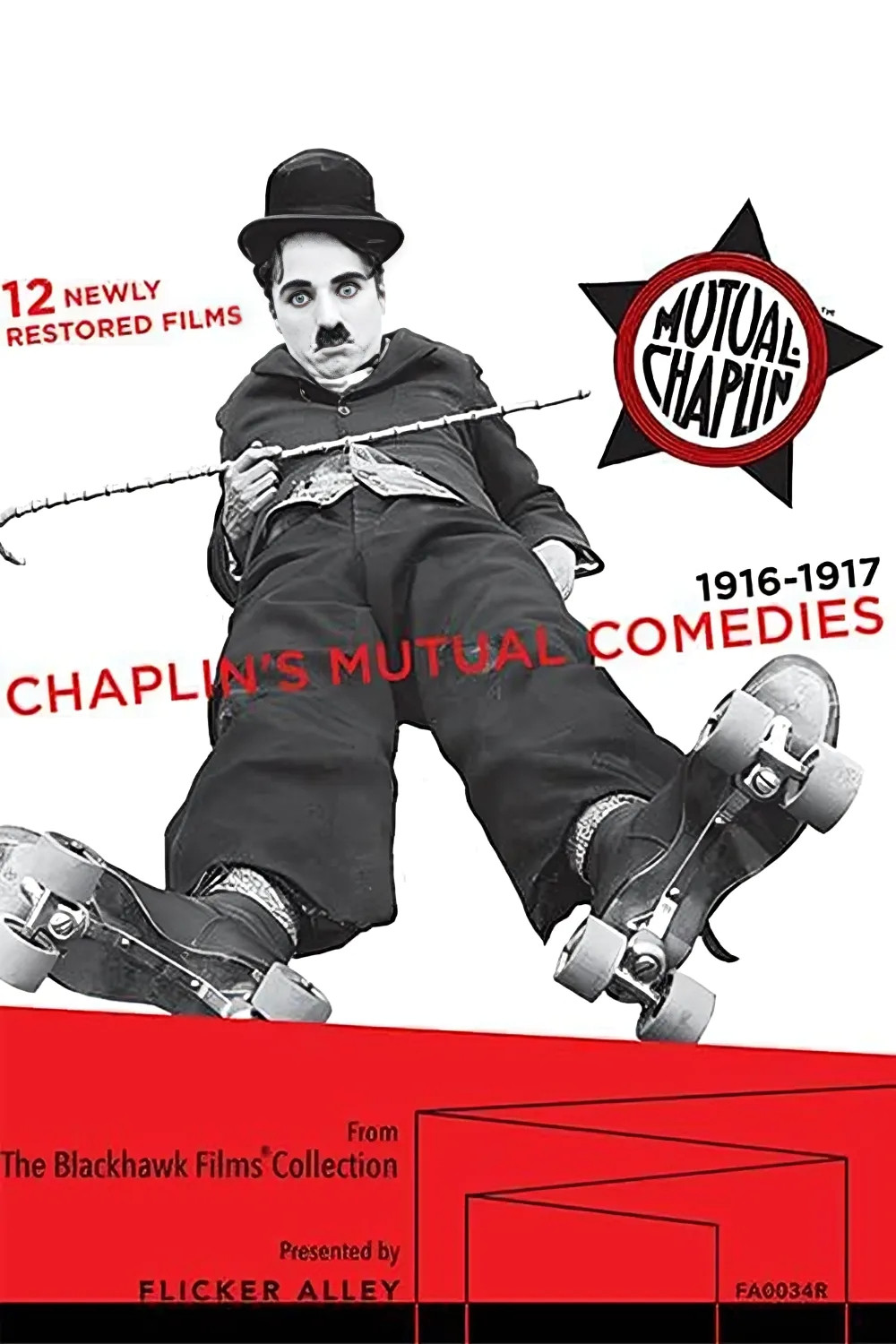
Chaplin's Mutual Comedies, a 5-disc Blu-ray/DVD box set. The collection features 12 newly restored films (The Floorwalker, The Fireman, The Vagabond, One A.M., The Count, The Pawnshop, Behind the Screen, The Rink, Easy Street, The Cure, The Immigrant, and The Adventurer), all scanned under the aegis of Association Chaplin at a resolution of 2,000 lines from original 35 mm prints gathered from archives all over the world, then digitally assembled and restored, a collaborative effort of Lobster Films in Paris and L'Immagine Ritrovata in Bologna, Italy. Each film offers the option of either improvised piano accompaniment or a full orchestral score. Among the many well-known composers and musicians featured are Eric Beheim, Neil Brand, Timothy Brock, Antonio Coppola, Carl Davis, Stephen Horne, Robert Israel, the Mont Alto Motion Picture Orchestra, Maud Nelissen, Donald Sosin, and Gabriel Thibaudeau.
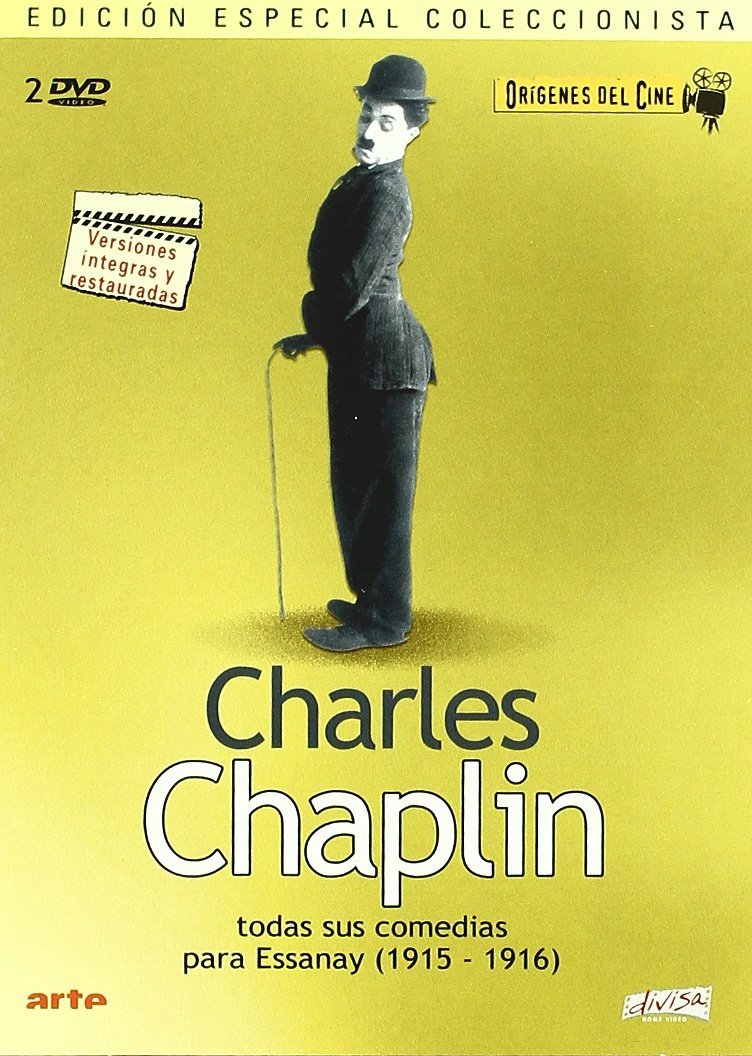
Restoration compilation of shorts done by Charlie Chaplin under Essaney studios including His New Job, A Night Out, The Champion, In The Park, A Jitney Elopement, The Tramp, By The Sea, His Generation, Work,
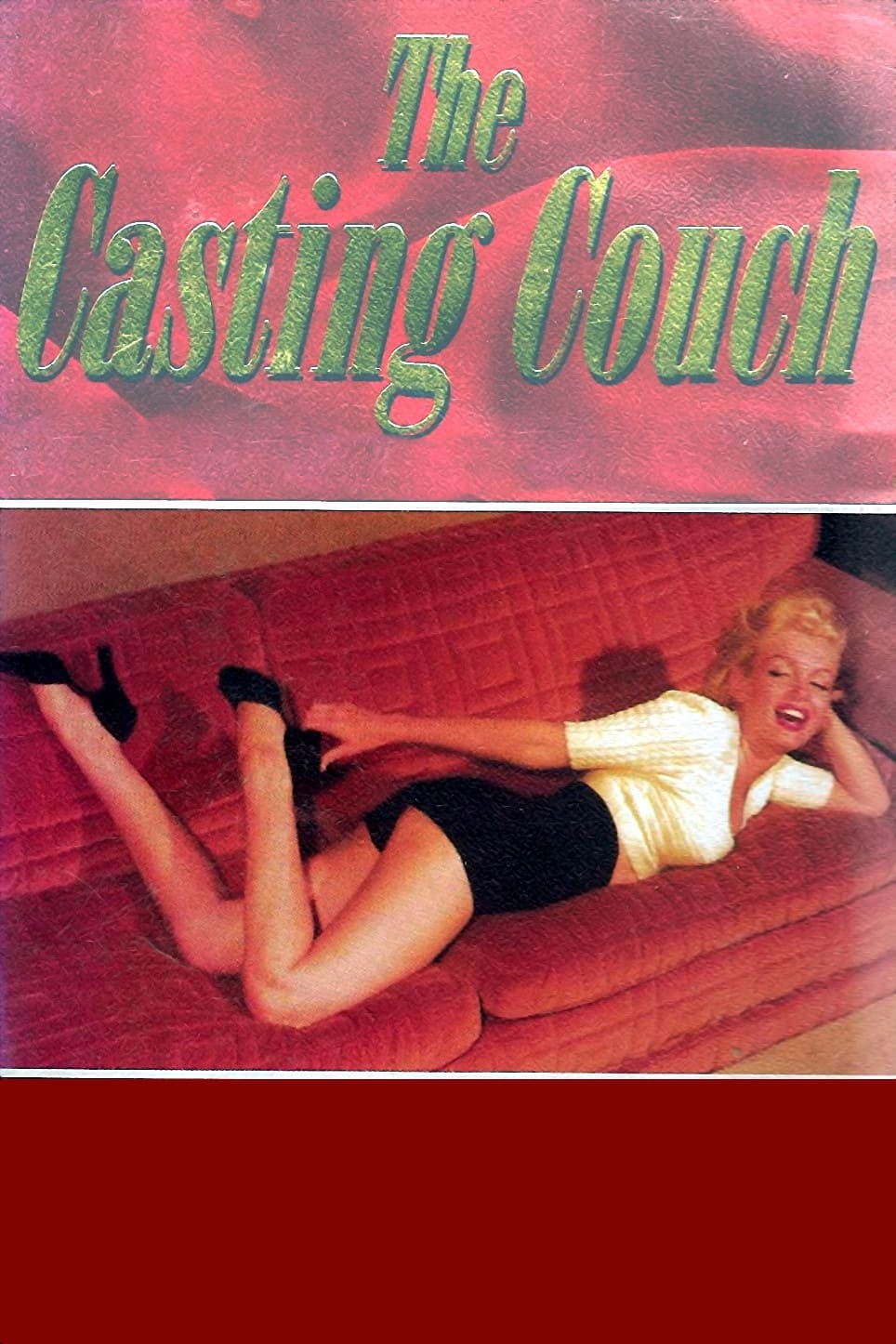
An unprecedented anthology of never-before-told true stories by and about some of Hollywood's most interesting stars, legends, and wannabes, and takes readers inside Hollywood's inner sanctum to show how casting decisions are made, who makes them, and who has the final word.
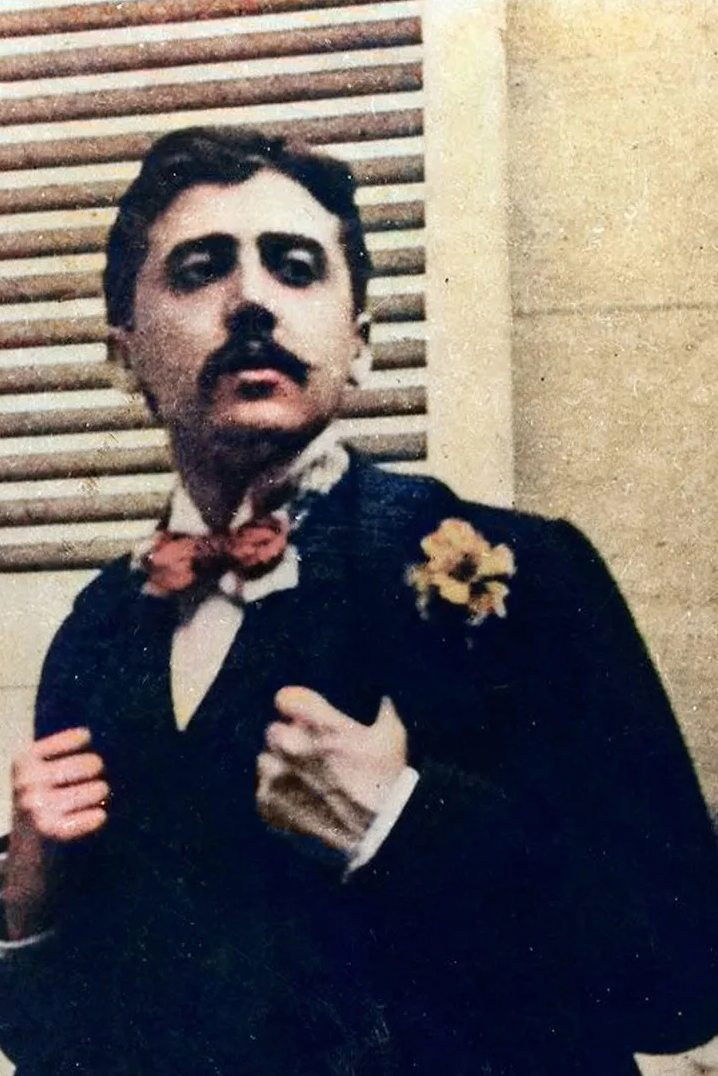
"Proust Palimpsesto: Pastiches e Misturas" (2026) is a Brazilian experimental documentary and film essay directed by Carlos Adriano. The film, which explores the impossibility of filming Marcel Proust's "In Search of Time That Flew", is presented as a collage of archival images and theories.
Long before FW Murnau's head went for a little walk without his body, the most celebrated cinematic corpse-napping was the theft of Charlie Chaplin's remains from his Swiss grave.
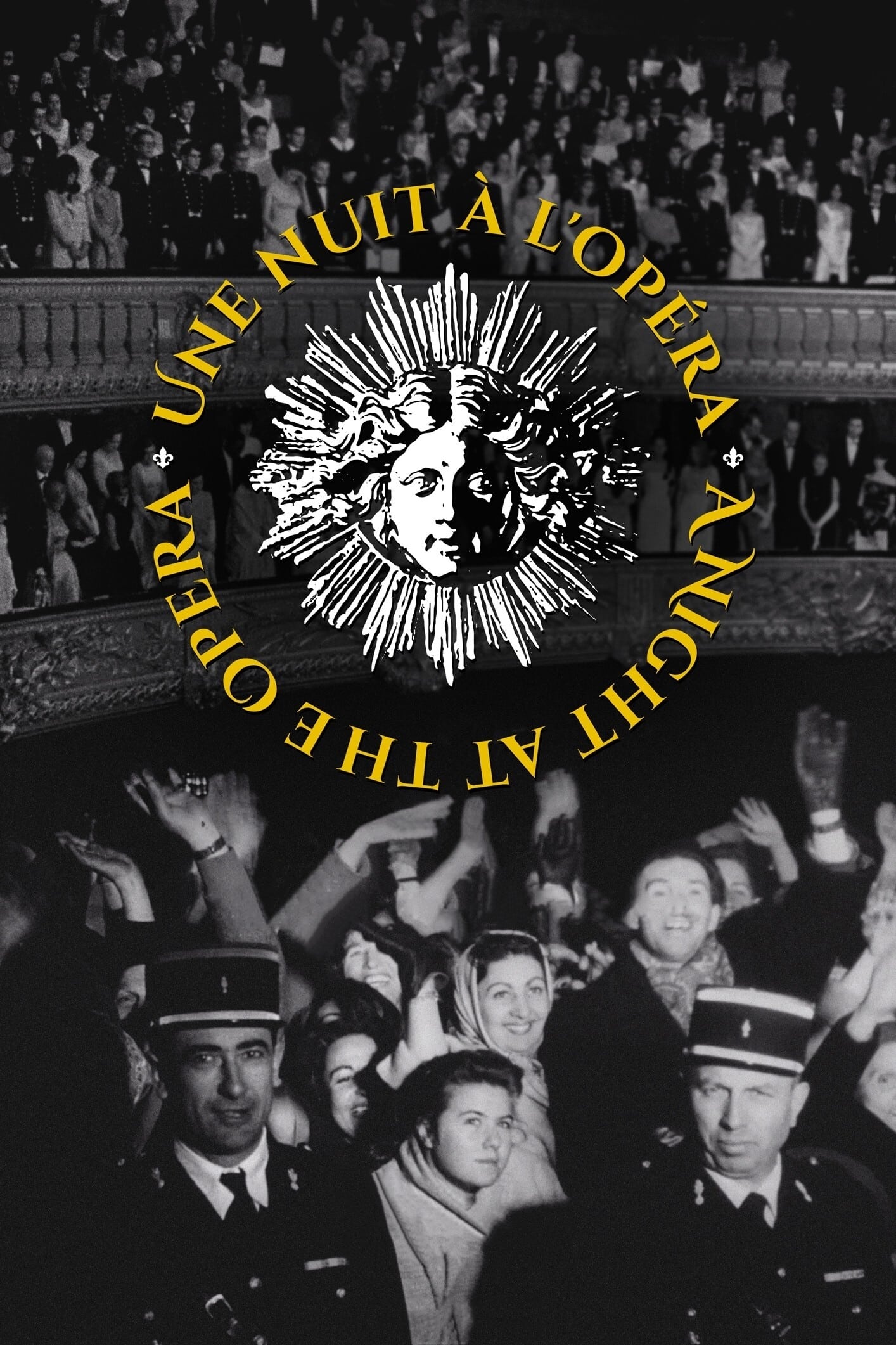
A documentary view of the galas of Paris’s Palais Garnier in the 1950s and ’60s.
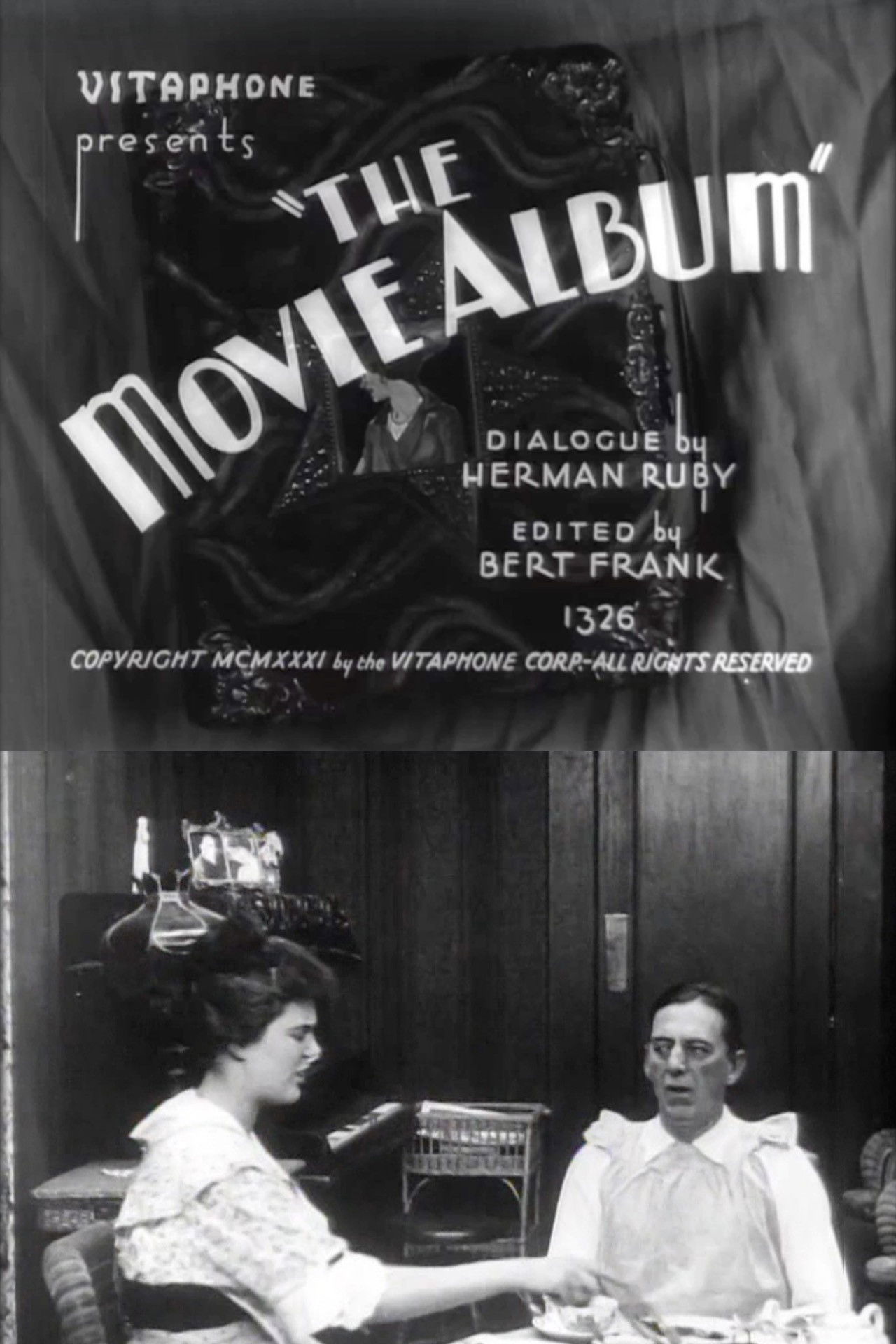
This short features clips from silent films (mostly unidentified) of the 1910's, accompanied by humorous commentary. Highlighted are early appearances of stars still recognized today (e.g., Lionel Barrymore, Norma Shearer), as well as stars whose careers did not extend to the sound era (e.g., John Bunny, Edith Storey).

SHREK'S THRILLING TALES is the ultimate Halloween DVD compilation for your family. Shrek's Thrilling Tales review Featuring the scariest, ugliest, and funniest characters from DreamWorks Animation's successful SHREK and MONSTERS VS. ALIENS franchises. DVD includes 'The Pig who Cried (Were)Wolf' and 'The Ghost of Lord Farquaad' from the Shrek movies, and 'Night of the Living Carrots' from Monsters vs. Aliens, featuring B.O.B.