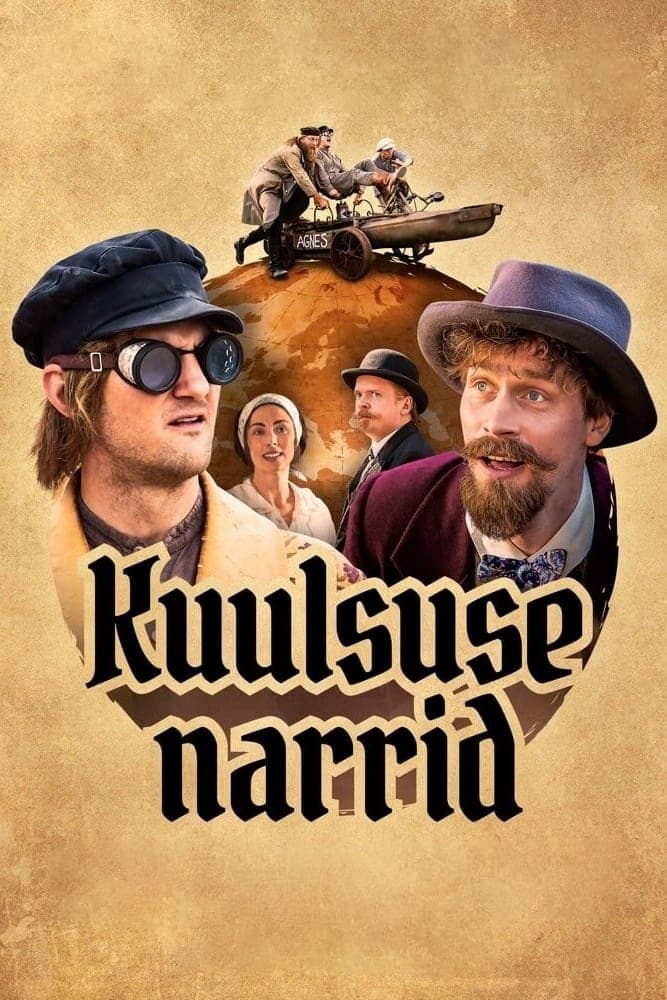
The feature film based on Eduard Bornhöhe's story takes the viewer to the early days of the 20th century, when Estonia was still part of the tsarist Russia. Pride in one's nation was emerging and the desire to give something eternal to one's people at any cost - be it a miracle machine flying in the air or valuable literature written in the language of the country. Unfortunately, it was not that easy and sometimes there was lack of talent.
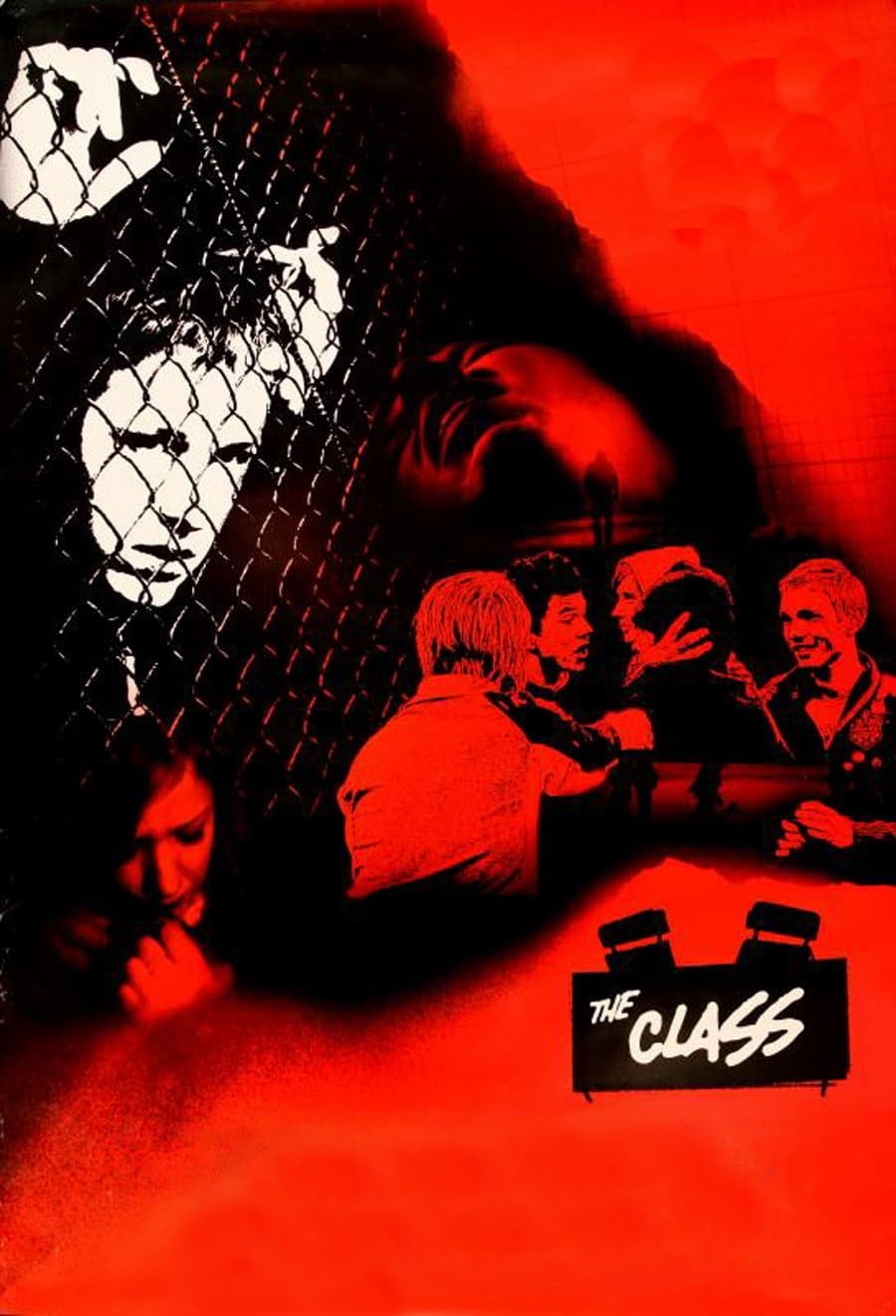
An average guy of an Estonian high-school decides to defend his bullied classmate. This starts a war between him and the informal leader of the class.
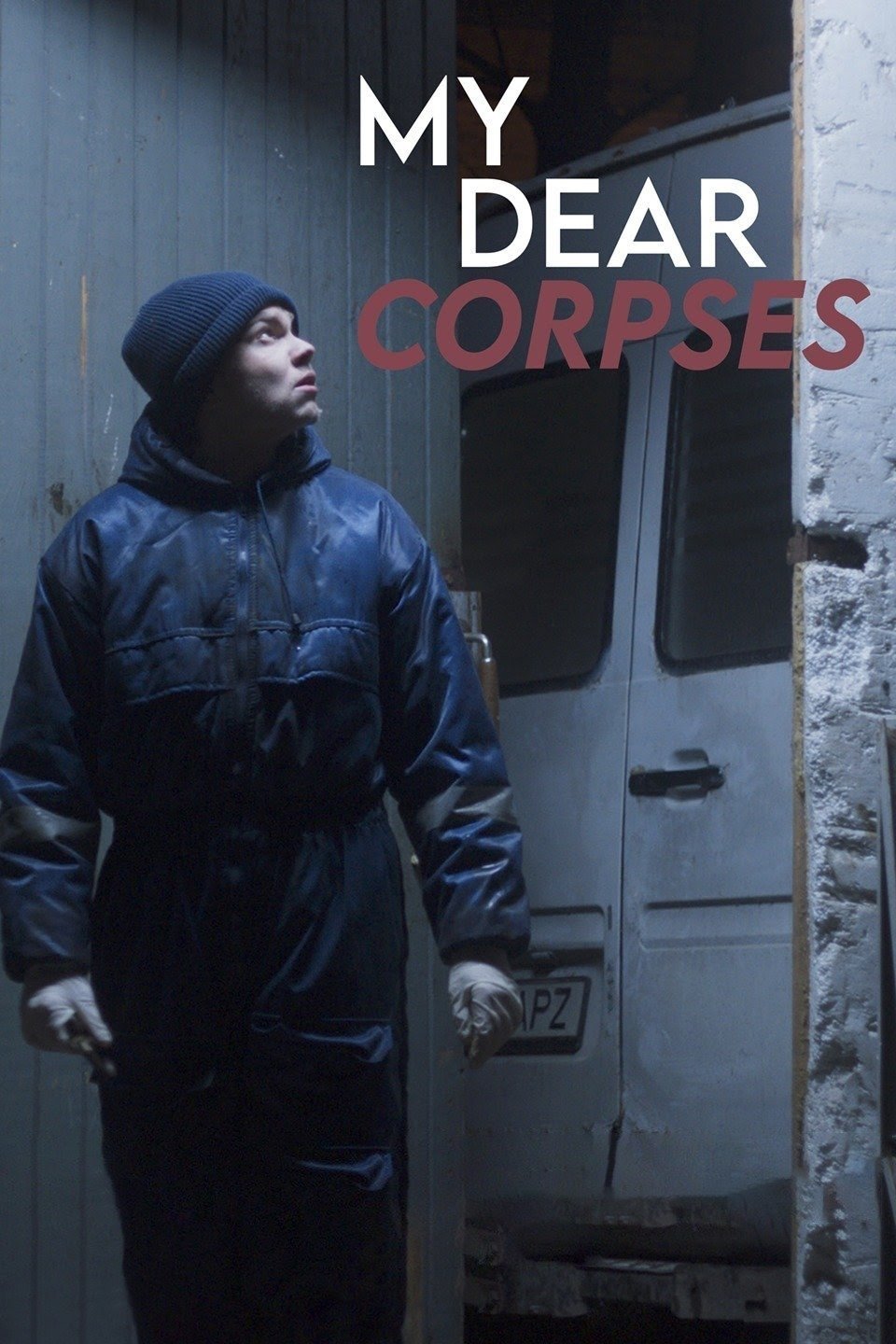
Unexpectedly evicted from his house, Erki faces a rather difficult task to take care of his lonely mother. He’s forced to agree to become a corpse carrier.
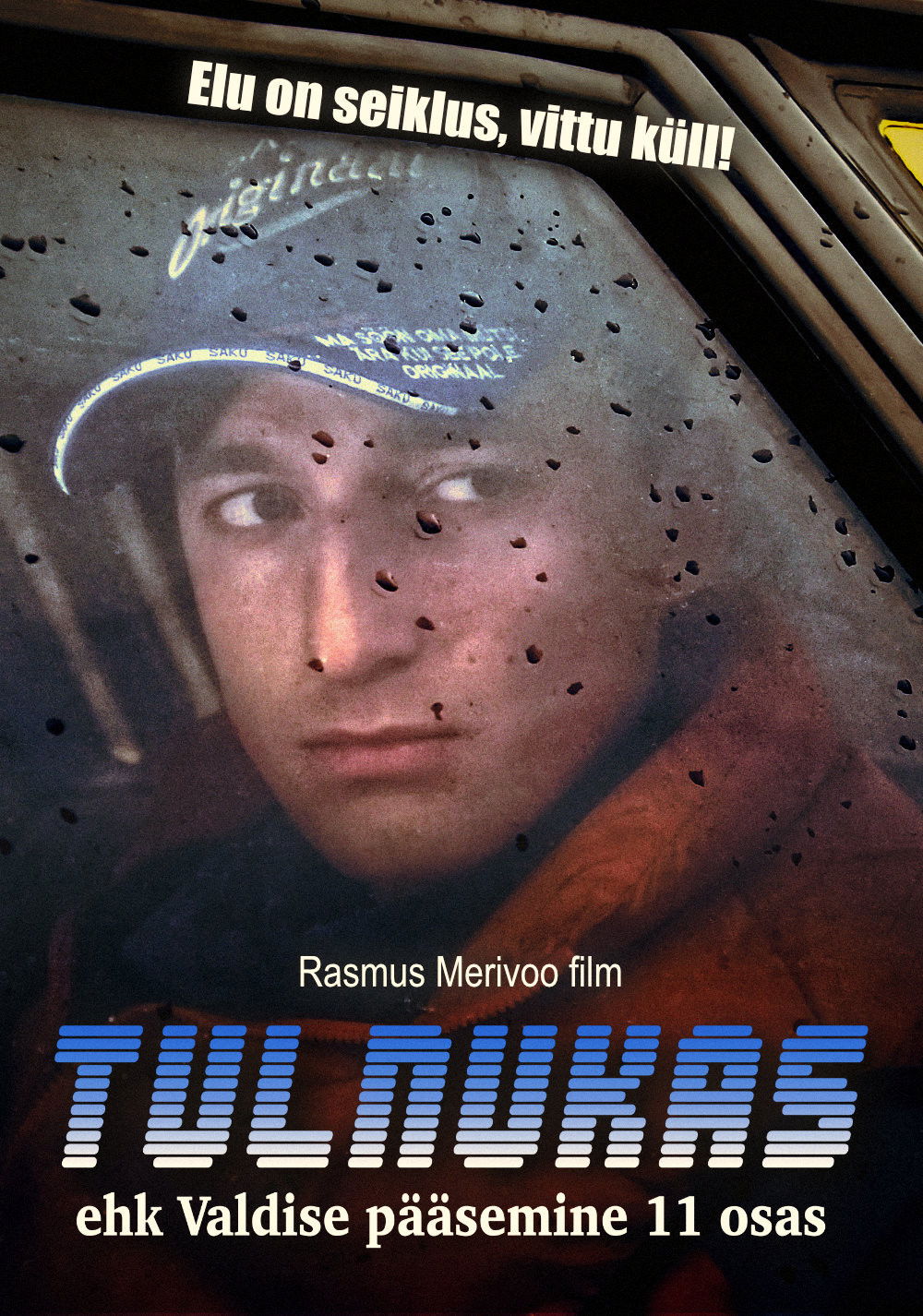
After being whacked on the head with a shovel, Valdis no longer shows interest in the things that used to make his life worthwhile: alcohol, techno, cars and fights. His friends desperately try to help him regain his memory, but nothing works.

Valdis returns after 20 years, his memory restored, but his hometown transformed. Despite the changes, his friends Märt and Ott guide him through rediscovering life's joys.
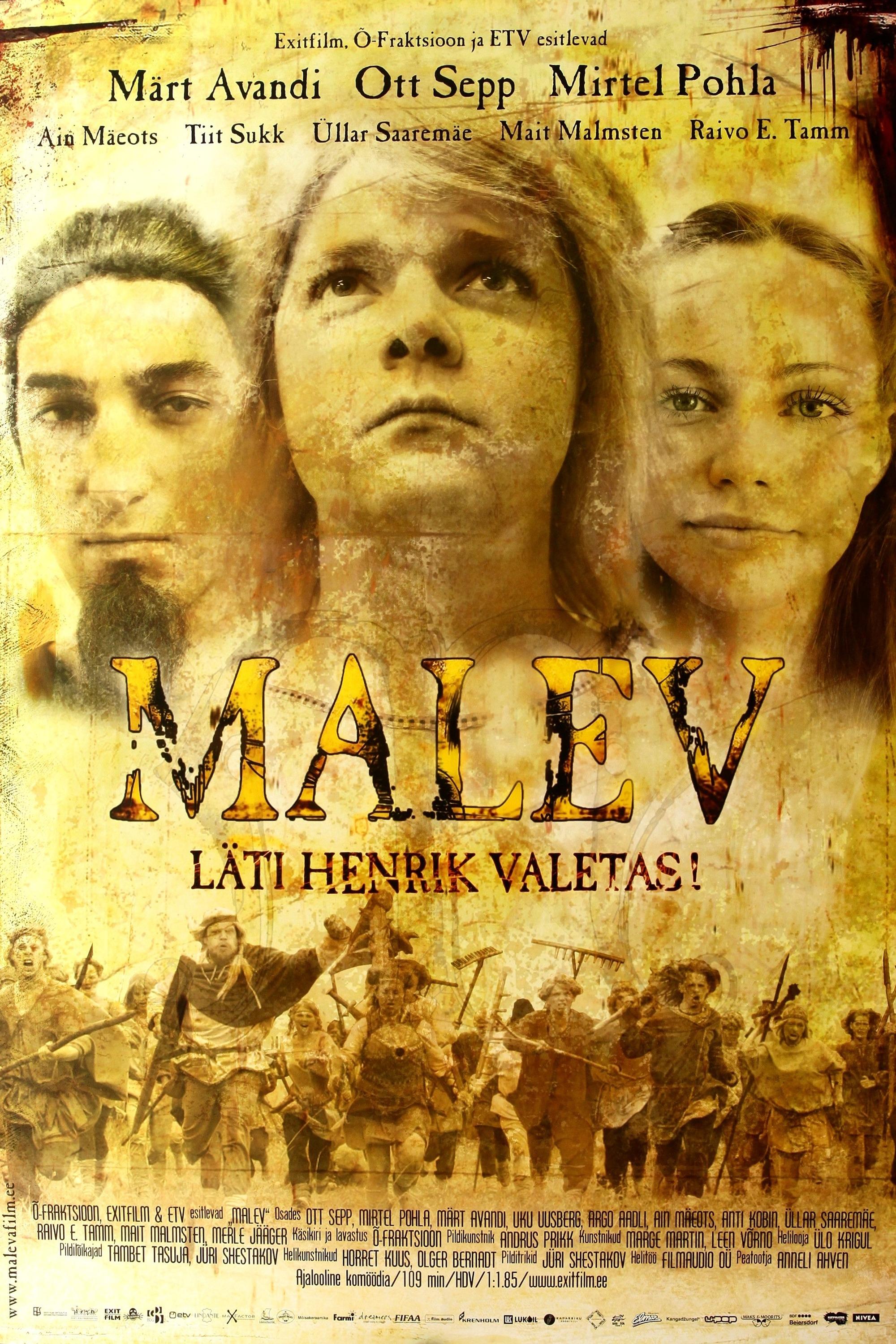
Year 1208. The first Eastward enlargement of Europe is under way. Brutal forces of the Teutonic Order are steadily marching on. In their path live a simple and peaceful people, whose main pastimes include cultivating the earth, singing and, if possible, doing both at the same time. They are the Estonians. Ignorant in the ways of war, they find an unlikely leader in a young boy with Catholic upbringing. In their fight for freedom, the Estonians encounter numerous obstacles, including the Germans, French, Russians and, worst of all, the Latvians. Will they succeed in defeating their enemies or will they experience a cultural awakening?