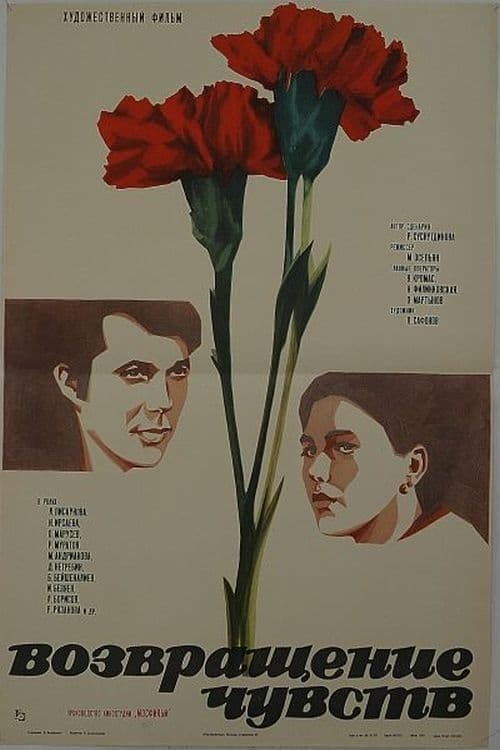
An immature couple spends their vacation in their homeland, a Tatar village. She's a doctor. He probably works in the field of rocket engineering. Encounters with the forgotten past and loved ones help to restore the lost sincerity and warmth of feelings of both of them.
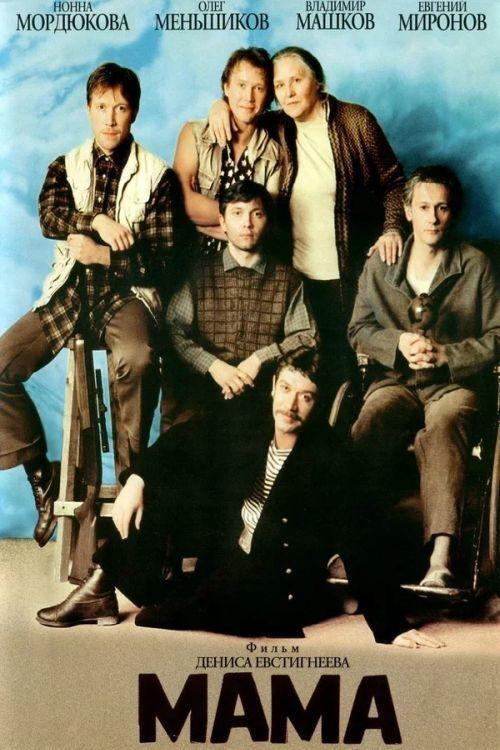
After Polina, a mother of six, loses her husband, who went to jail for stealing charcoal and was killed when he tried to escape, she stays behind without any support. To be able to survive, Polina and her family start a folk group. But soon she understands that her children deserve a better fate, and she takes the desperate decision to steal a plane and go abroad... Fifteen years later, Polina is released from prison and finds out that fate has scattered her children all over the country: one is in the army, another is a miner in the Donbass, and the oldest, Lyonchik, who used to be in a mental institution, now pretends to be insane. Polina gathers all of her sons to free their older brother from the psychiatric hospital...
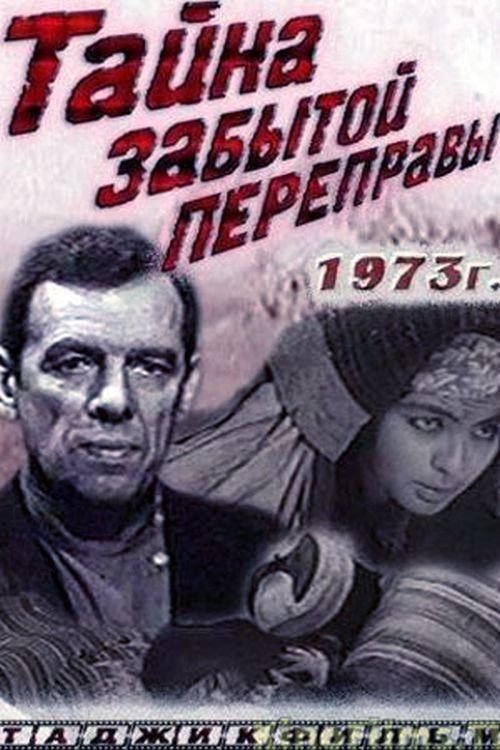
In the besieged town of Khojent, famine begins. The leaders of the revolutionary committee, Kozyrev, Sattar, and Alim, with the help of the chief mullah of the mosque, Abdulrahman-khan, win over the local residents, defeat a group of bandits, and bring back bread to the starving people.

Feature made for Kyrgyz television by Melis Ubukeyev (White Mountains).

A young man Danesh learns of ancient relics, including a ruby that once a year can help find treasure in the Canyon of Scorpio. As the old man holding the knowledge passes away, Danesh receives the ruby and a map, setting out for an adventure full of mystery and danger, friend and foe, set under the dazzling southern sun.
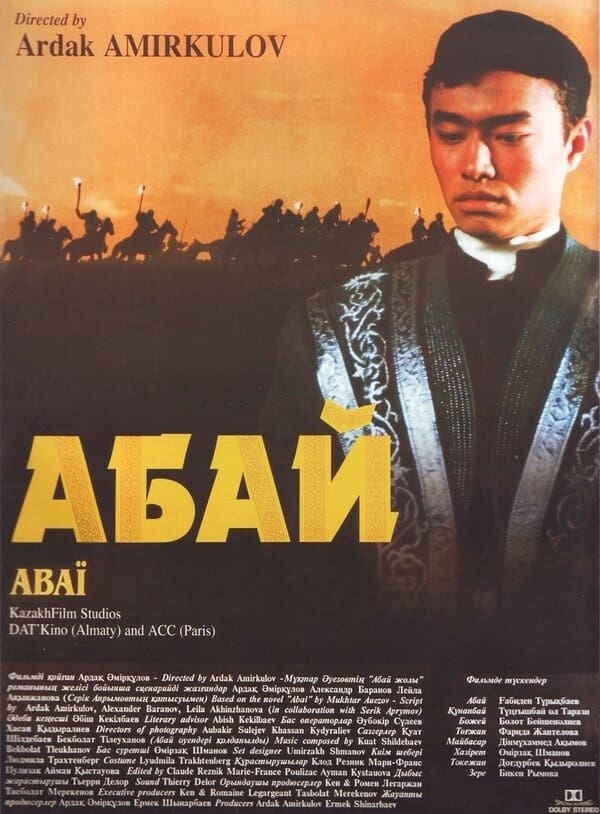
An epic drama about the life, love and creativity of the Kazakh poet Abai (1845-1904), an educator, thinker and politician of the 19th century.
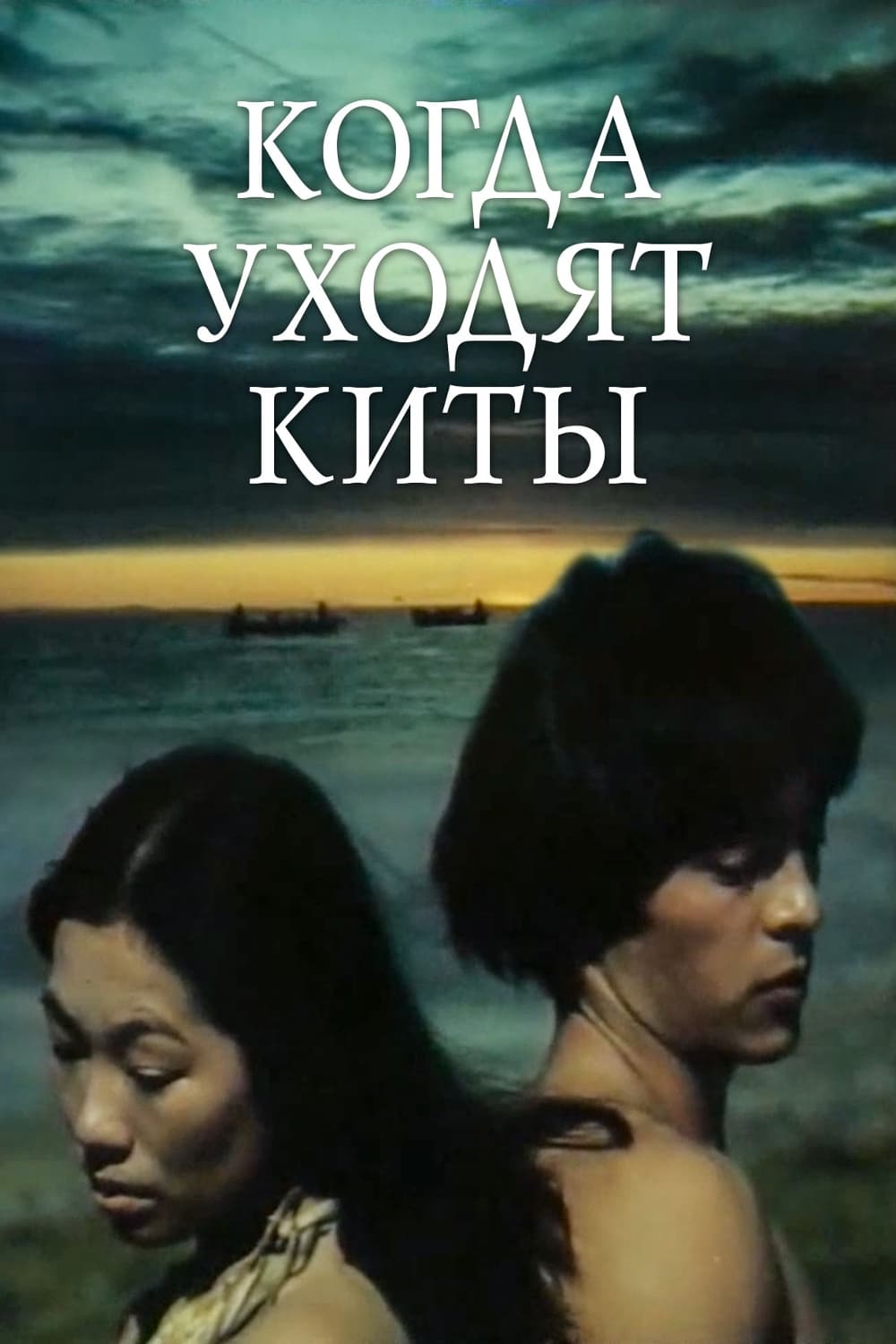
Poetic tale of love between of the hunter Gilgil and his beautiful wife Tintin, told through the Chukchi myth imagery.
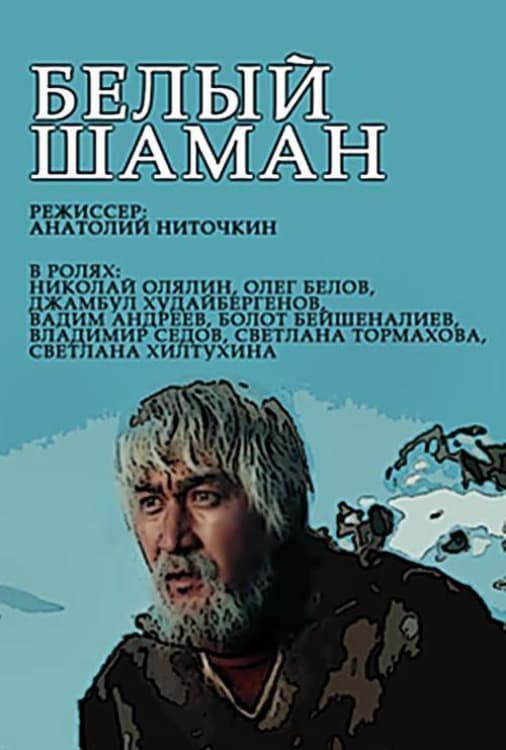
The action takes place in the 1930s and 1940s in Chukotka. With the establishment of Soviet power, changes are coming to the camp. The main character — hunter Poygin — does not realize the significance of what is happening immediately. There is a series of events: a collision with a Black shaman who tried to take away a beloved woman from a hunter, a meeting with the head of the cultural base Medvedev, etc. Poygin observes the events that ultimately determine his life position. He becomes chairman of the first collective farm in Chukotka.
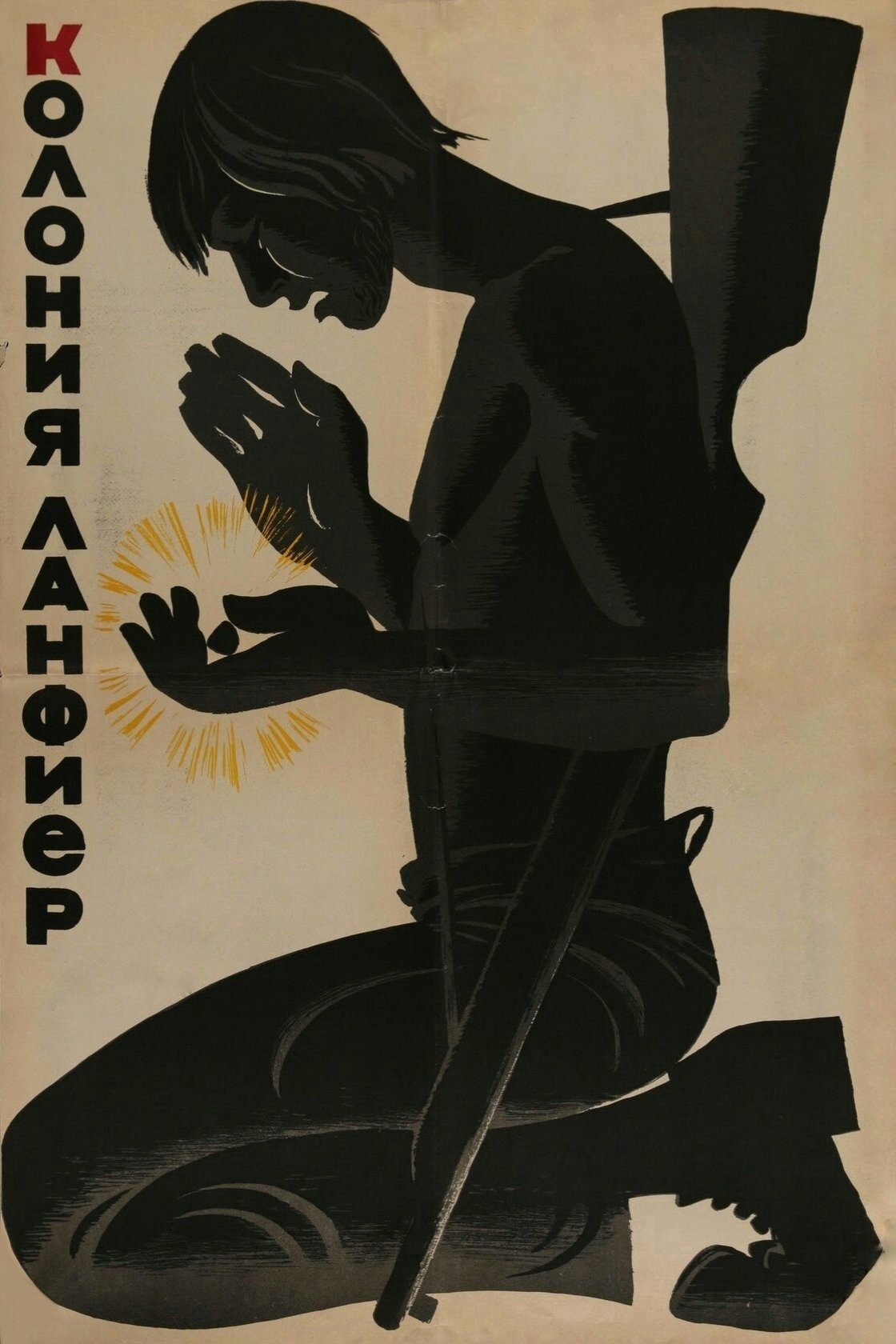
Horn tries to forget the insult caused to his beloved and builds a hut on an island inhabited by a small colony recently founded by the now drunken adventurer Lanfier. Having built the house and restored peace, Horn doesn't know whether to encourage the interest of local beauty Esther... His Majesty Random unexpectedly confronts the hero with a choice: forget the past and start anew, or return and take revenge on the guilty party for his humiliation - which will he choose?
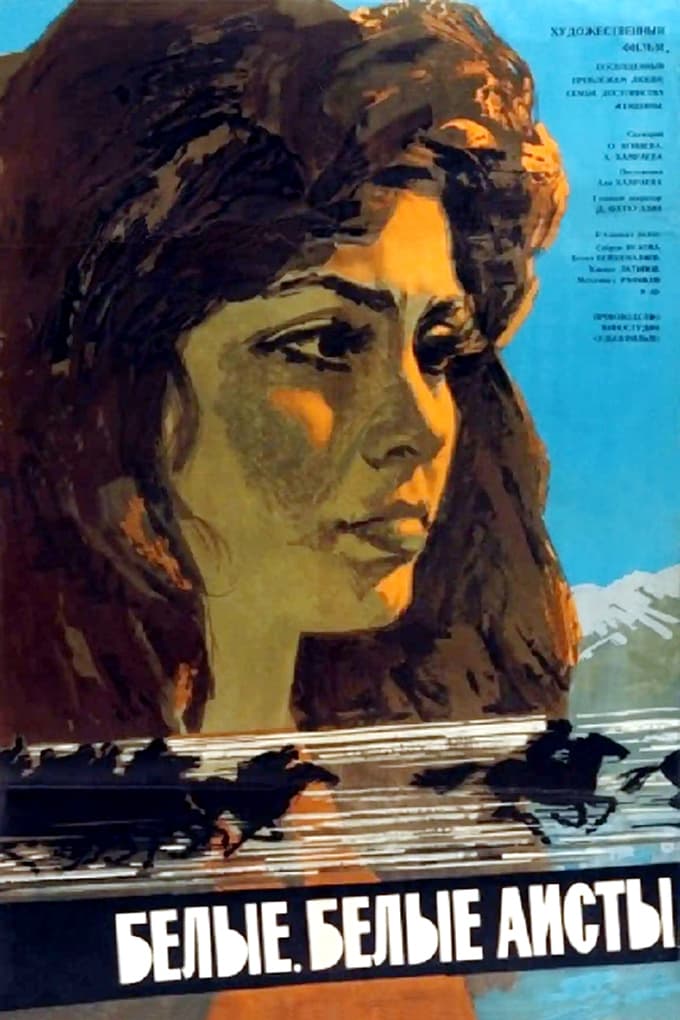
Set in the rural village of White Storks, the story tackles the taboo subject of an extramarital affair. Strong-willed Malika, married but childless, is openly consorting with another man with whom she shares a seemingly tender bond.
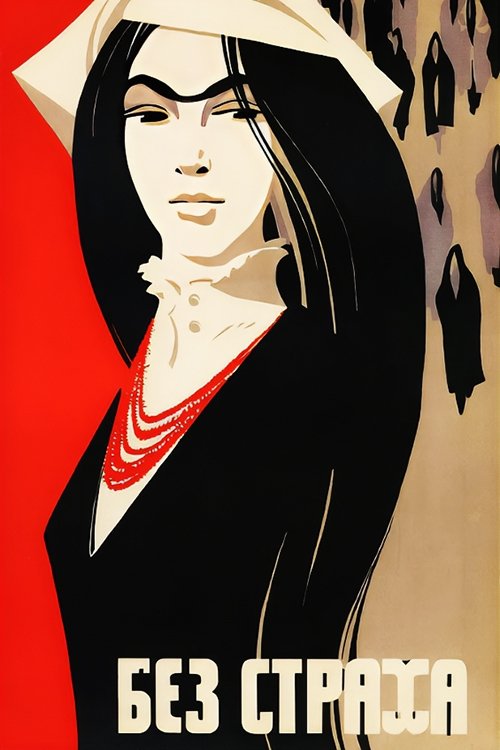
A Bolshevik army officer and Uzbek who has been nursed back to health by a young Uzbek woman to whom he is now married, gains responsibility for the local village in 1929. He is urged by comrades in Tashkent to have the local women drop their chadors and veils but he is also told that he should not force this on anyone. His wife declines to take off her veil, so a 14 year old girl steps forward to set the example, over the objections of the local Muslim clergy and most of the village men. After the girl is killed, and the commissar is shot, his wife takes him to the hills to nurse him back to health once again. She begs her husband to leave the village. Instead when he decides to return, she is pressured by her father to continue to wear the veil.
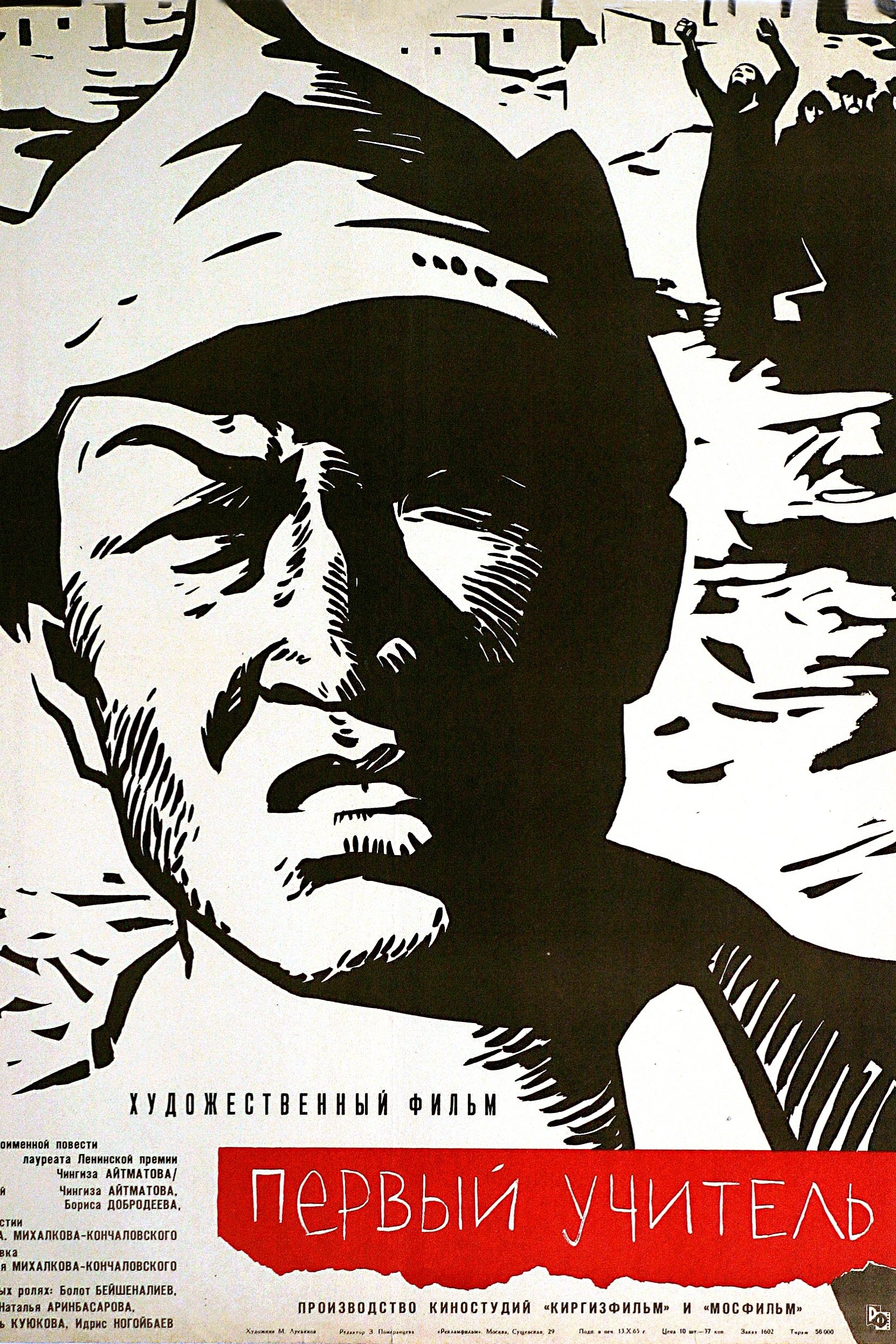
Dyuishen is assigned to the mountainous Kirghiz region of Central Asia by the Young Communist League after he is discharged from the Red Army. It is 1923 and the Civil war has ended. The former soldier becomes a teacher, bringing the Leninist doctrine to the remote Moslem area where elders did not allow children to go to school. He falls in love with one of his students, but the young woman is sold by her father to a wealthy chieftain. When the school is burned down, the majestic poplar trees that are a source of local pride are cut down to rebuild the new structure.
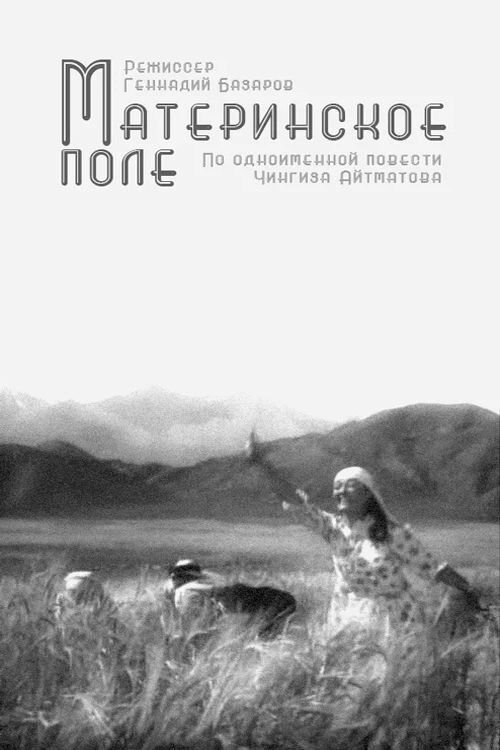
In a remote Kyrgyz village, a mother navigates daily life as her family is drawn into the upheaval of World War II. Left behind to tend the land and hold her household together, she clings to hope amid growing uncertainty. As seasons pass, the quiet weight of absence and memory shapes her world. A deeply personal story of endurance, Mother’s Field captures the emotional cost of war from the perspective of those who wait.
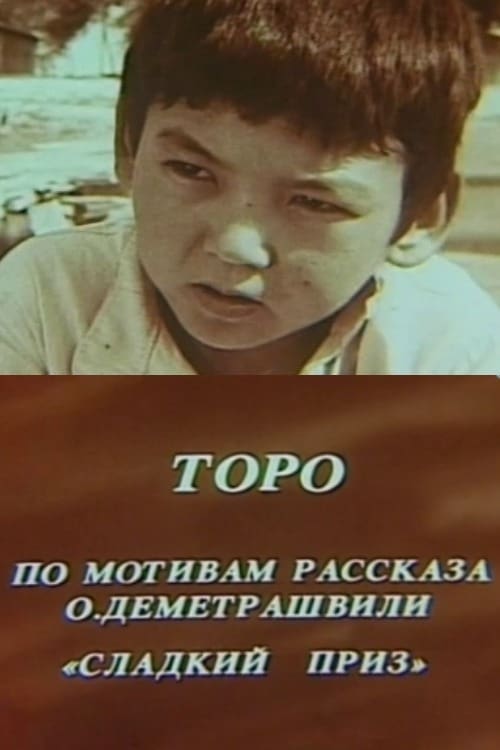
The film shows children from a village who play football for money
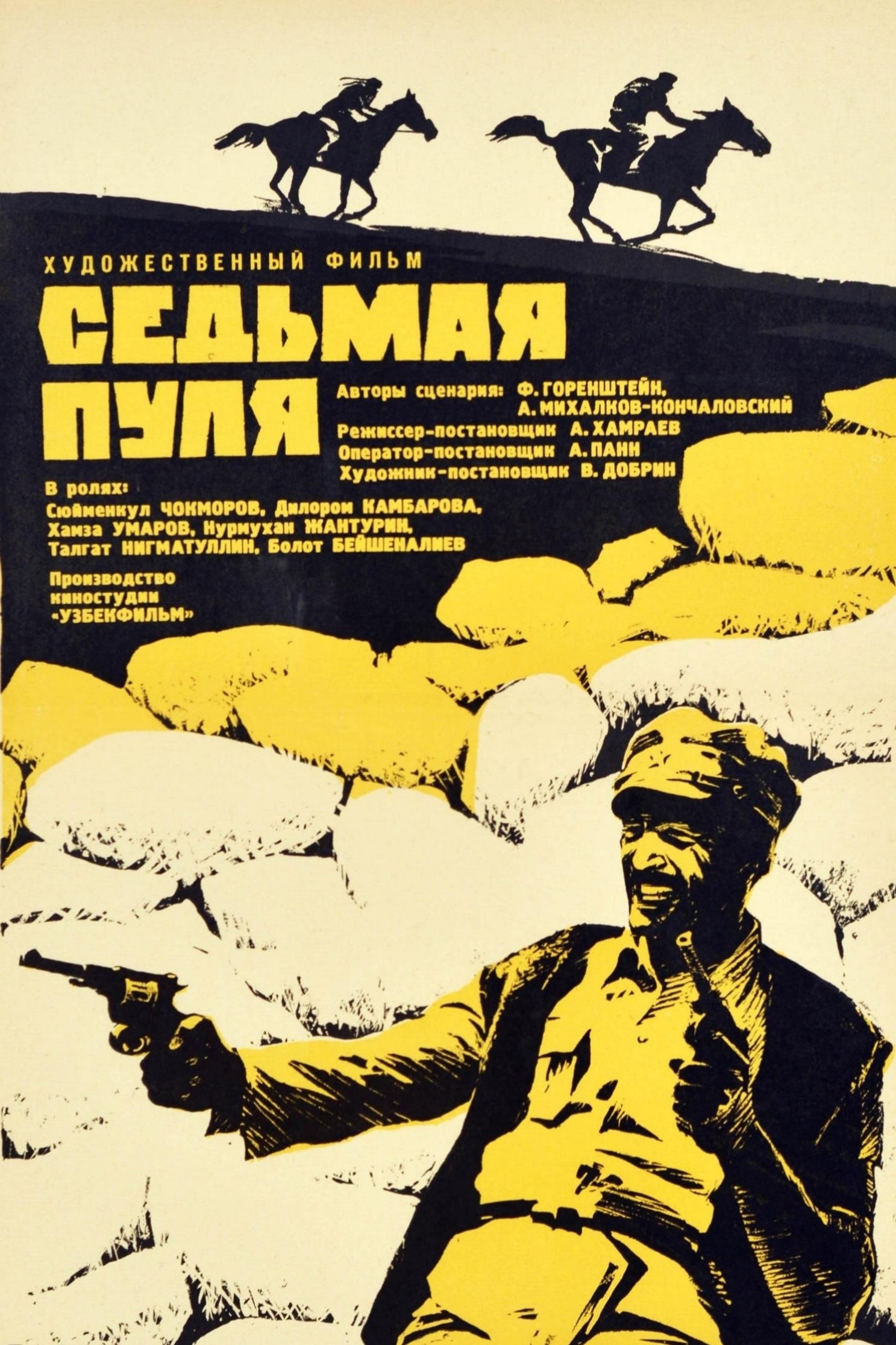
Despite the restoration of Soviet power in the area, Basmachis continue to arrive from across the border, bringing death and destruction to peaceful villages. One of the bands of rebels is led by Khairulla who is pitted against the militsiya (local militia) leader Maxumov. At first it seems hopeless for Maxumov as the rebels capture most of his men, winning them over to his side. He has only one strategy left; to give himself up, and try to explain to the people that Khairulla has deceived them, turning the soldiers back to revolution. Later in pursuit of his enemy, he chases Khairulla across a river. He has only one bullet left -- the seventh, and he must not miss his target!
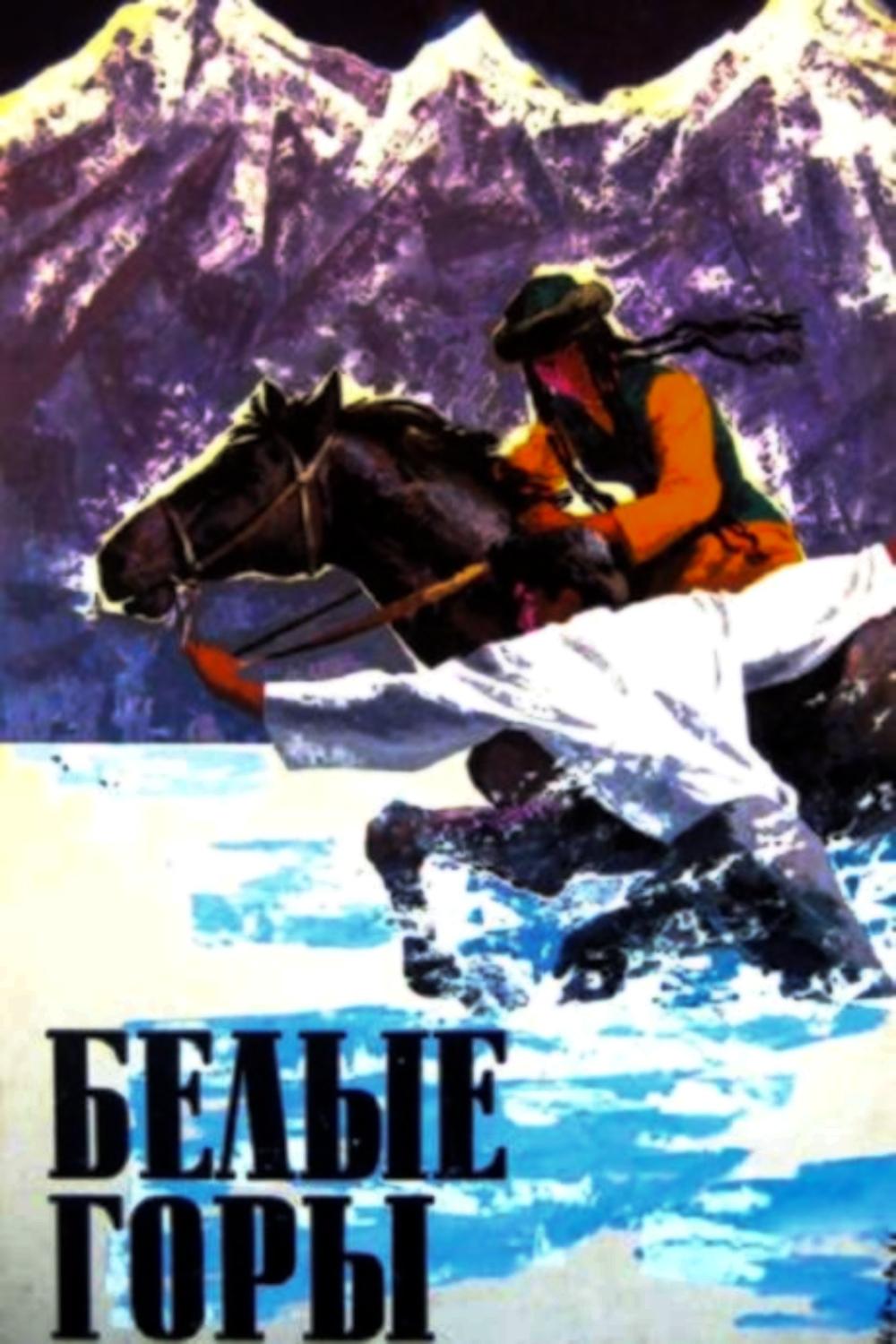
Mukash is chased by officials, learns of the devastation of war from a blind woman and helps her daughter to freedom beyond the river crossing, he, having to choose a tragic solution.
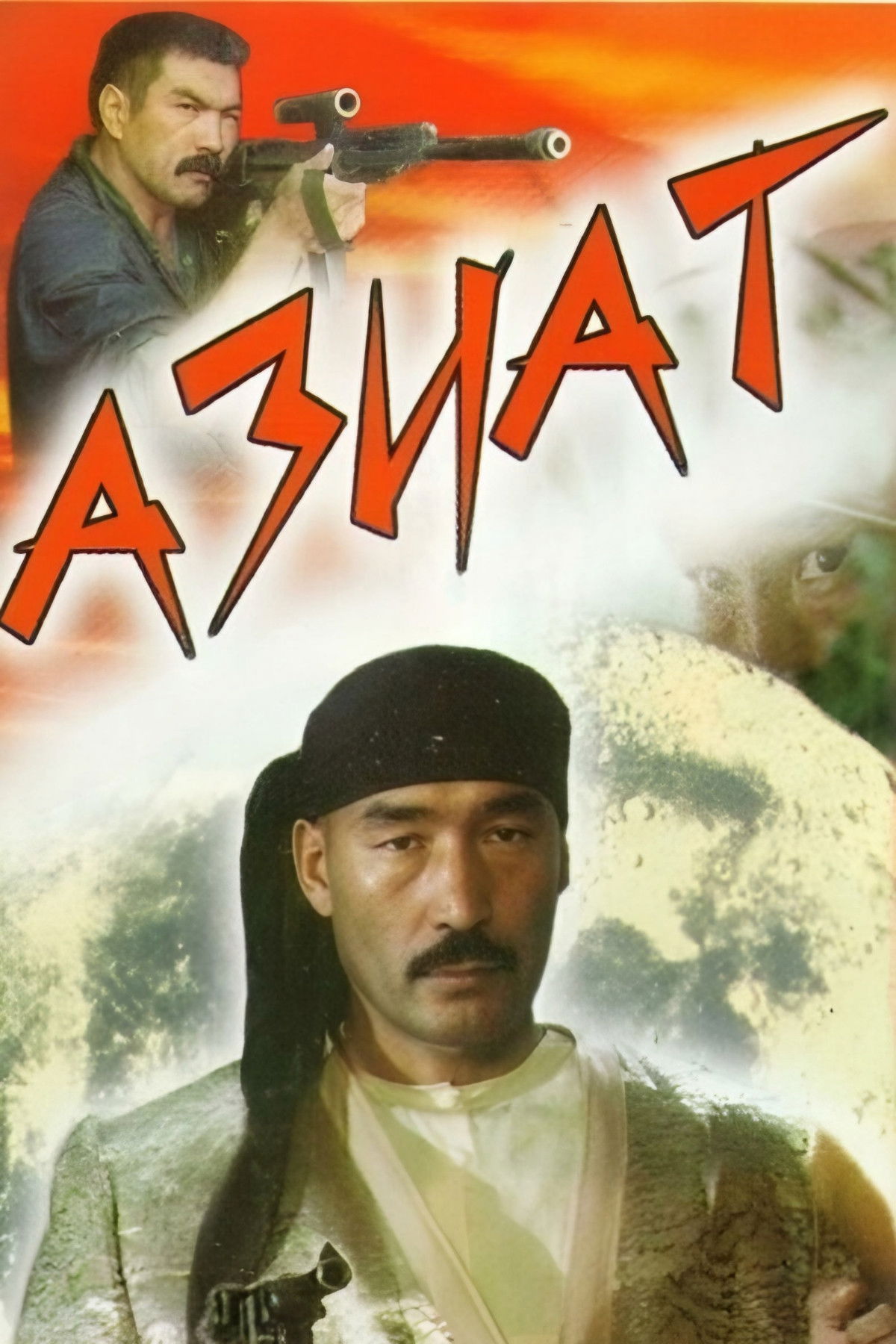
The mafia killed the parents, wife and children of Rashid, who went through the hell of the Afghan war. Having lost his most precious possession and miraculously survived, Asian becomes the sworn enemy of the thugs who control the arms and drug trade.
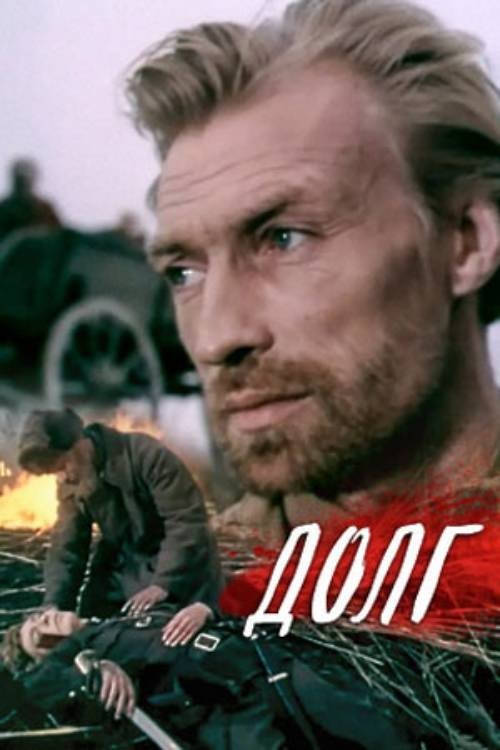
Commissar Selivanov and several Red Army soldiers manage to escape from captivity. They are being pursued by the White Guards and Basmachi, led by a colonel who was released on parole by Selivanov.
In 1919, Hungarian Communists aid the Bolsheviks' defeat of Czarists, the Whites. Near the Volga, a monastery and a field hospital are held by one side and then the other.
1920s. A schooner manned by foreign pirates reaches the coast of Northern Ocean near Russian Eastern Siberian Community that cheaply buys expensive furs and gold from locals.
XIII century. Prince Daniel of Galicia returned from the Horde, where he graciously have allowed to rule in Galicia in exchange for recognition his submission to Khan. But he can not accept the humiliation. He begins to prepare for war with the hordes of Batu, who conquered many Russian principalities. The Hungarian king, Lithuanians and Poles promised to support Daniel, but Pope Innocent IV refuses to lend a hand. Daniel's army is compelled to reflect the invasion of nomads herself.
This film is based on the classic novel of the same name by writer Ivan Franko, one of the most famous figures of Ukrainian literature. It is set during the 1200s and the invasion of the medieval Ukrainian-Russian state of Rus' by Chengis Khan's Golden Horde. Due to its having been produced during the Soviet era, the story's aspect of class-conflict between the "heroic" peasantry and the "decadent" noble particularly emphasized here.
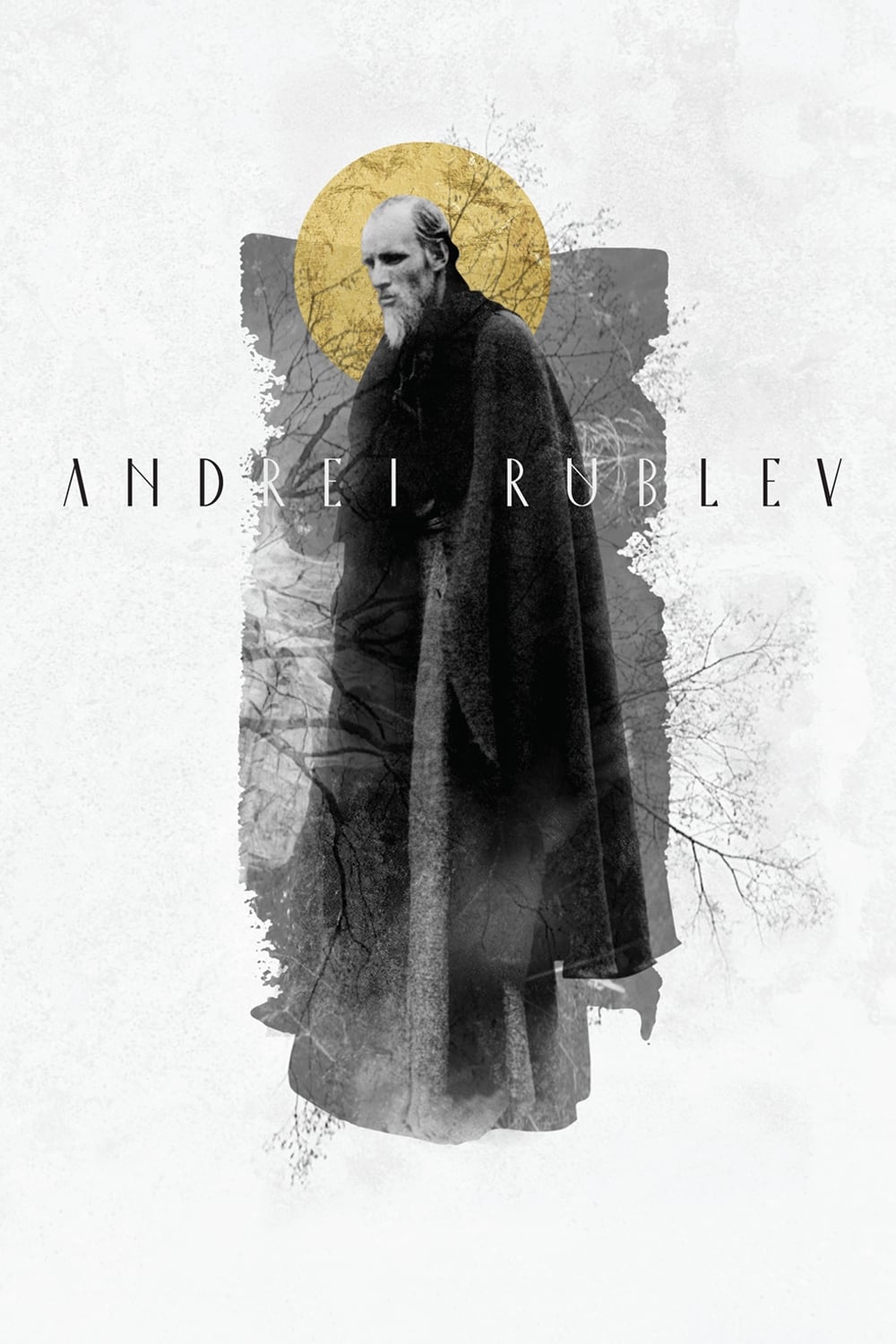
An expansive Russian drama, this film focuses on the life of revered religious icon painter Andrei Rublev. Drifting from place to place in a tumultuous era, the peace-seeking monk eventually gains a reputation for his art. But after Rublev witnesses a brutal battle and unintentionally becomes involved, he takes a vow of silence and spends time away from his work. As he begins to ease his troubled soul, he takes steps towards becoming a painter once again.

In a remote Kyrgyz village, Dzhamilya follows her parents' orders when she marries a man without loving him. Then World War II breaks out and her new husband has to leave the village. While being alone, Dzhamiliya meets the returning soldier Daniyar and falls in love with him instead. Years later, their young friend Seid reminisces about the couple.
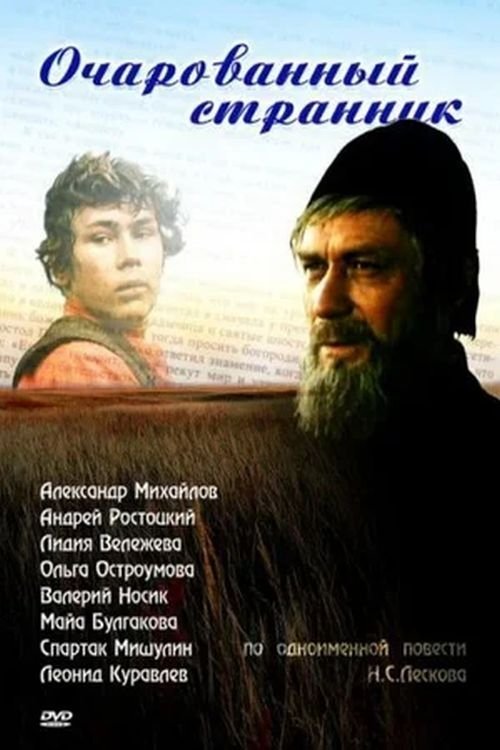
Aboard a steamship, a priest tells his fellow passengers his life story, which he admits is the story of a great sinner.
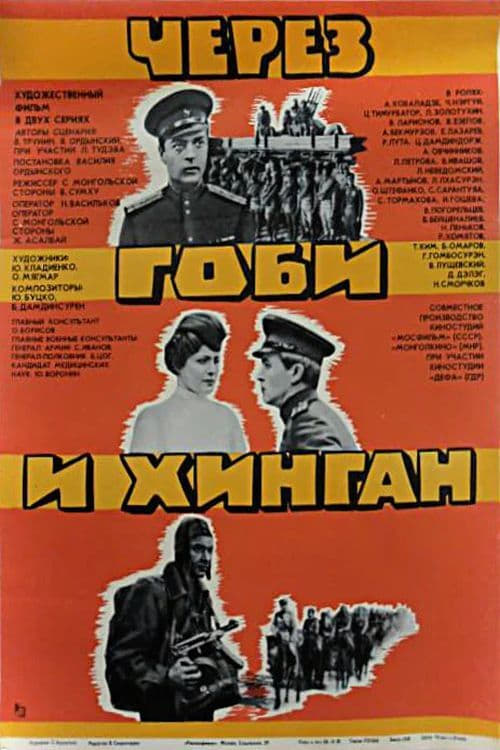
About the events of the final stage of the Second World War — the defeat by Soviet and Mongolian troops of the selected Kwantung army. Bacteriological weapons were created in the laboratory of Japanese General Ishii Shiro. Experiments were conducted on prisoners of war and political prisoners. Epidemiologist Dmitry Sokolov was assigned to solve the mystery of this laboratory. At the cost of his own life, he completed the task. The march of Soviet and Mongolian formations through the Gobi sands and the Khingan spurs was not only a brilliant military operation, but also a warning of the use of bacteriological weapons by Japan.
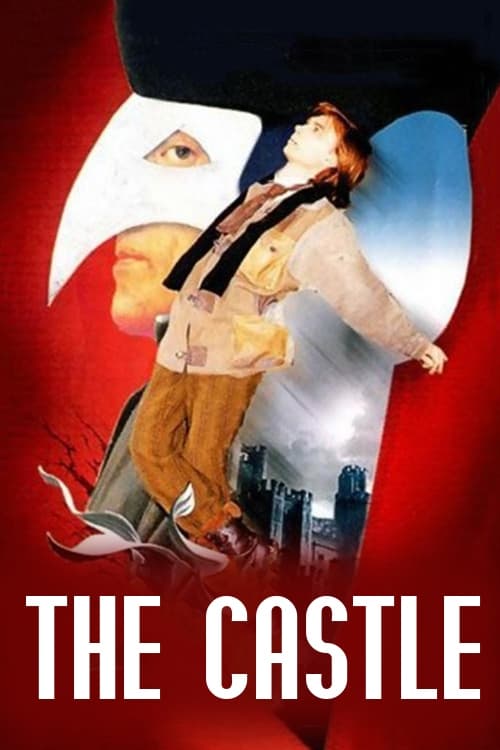
Closely based on Franz Kafka's book "Das Schloß", the movie shares the same action on a land surveyor who is called to a village to do a job that no one seems to have ordered. Once there, he takes up the struggle against bureaucracy emanating from the castle.
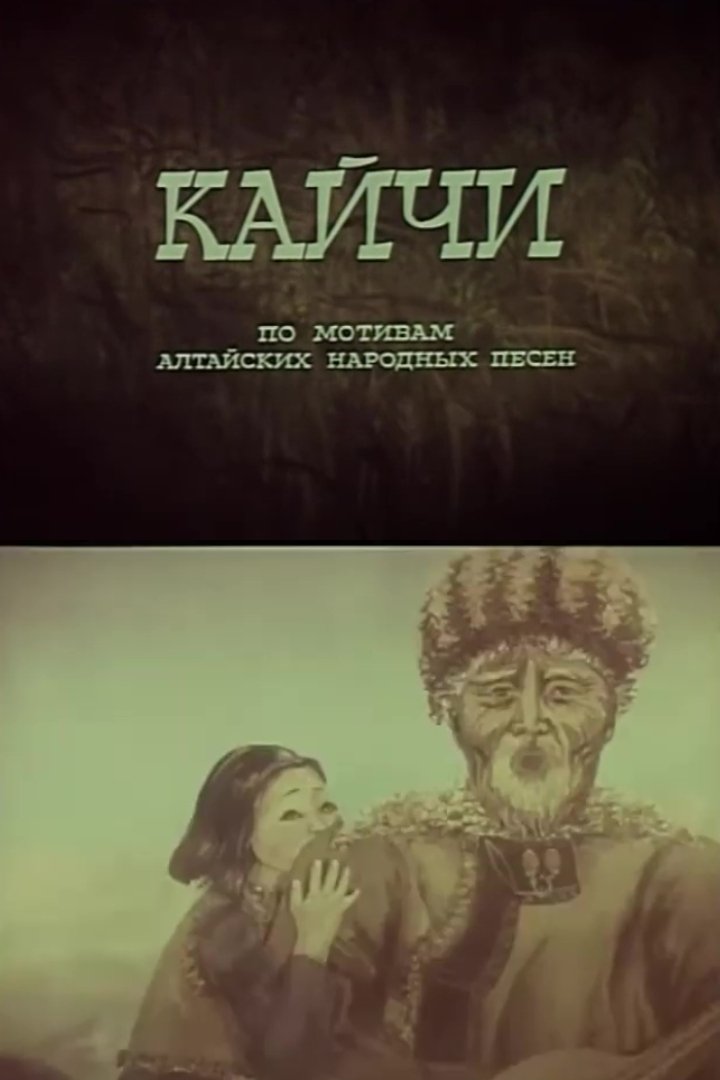
Kaichi is the name of the storyteller of Altai folk kyuis, which praise the beauty and strength of the inhabitants of Gorny Altai, who carefully preserve their cultural heritage. A poetic story about the beauty of the nature of Gorny Altai and its people.
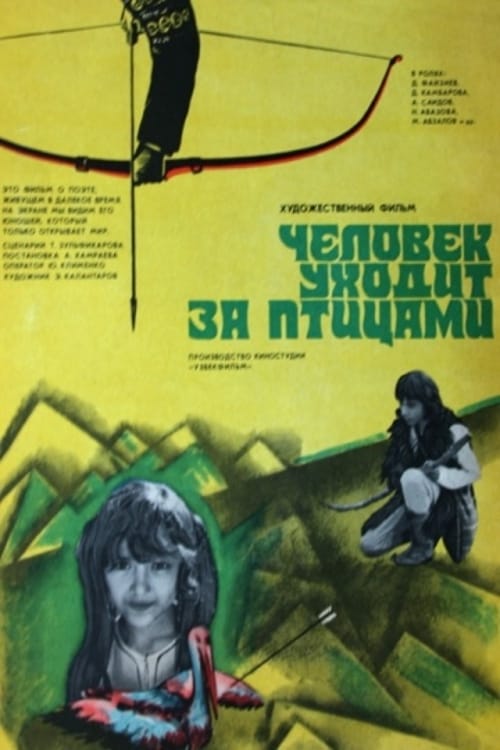
Man Follows Birds is a coming-of-age story of a young Uzbek poet surrounded by violence. Farouk is fascinated by trees and Khamraev films him with a lot of melancholy and tenderness. Cast apart because he’s poor and his father’s drunk, Farouk is not happy in his village. When his father dies, he decides to go in the mountains with his best friends. Looking for nature at its purest, the two teenage boys have to deal with the cruelty of violent barbarians. Their trip will also make them meet a lost orphan girl and a wise beggar.
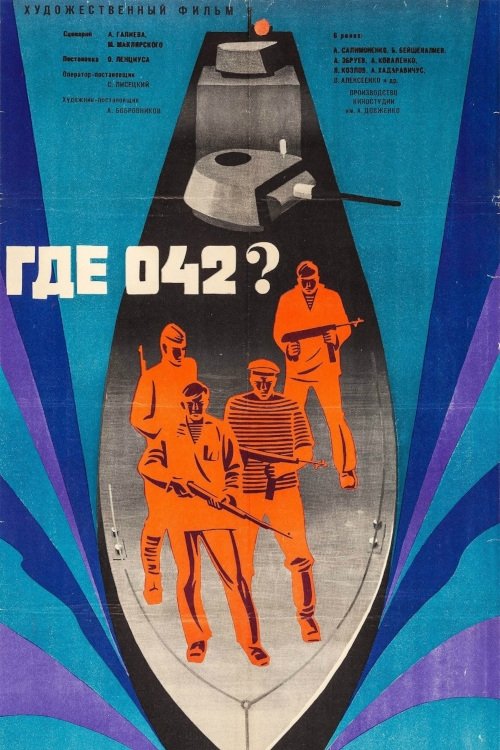
Sailor Garkush and minder Nomokonov after the death of the whole team remain on the armored boat N042 together. Fulfilling the order of the command, they blow up the bridge, but find themselves behind enemy lines. In different ways, an infantryman Soloukhin, director of the bank Kozubenko, circus artist Elton and felon Donchak, who escaped from prison, get on an armored boat. Different in character and inclinations, they did not come together right away. Over time, they were united by a common hatred of the enemy, and in the battles with the Nazis their courage, resourcefulness, selflessness were forged ...
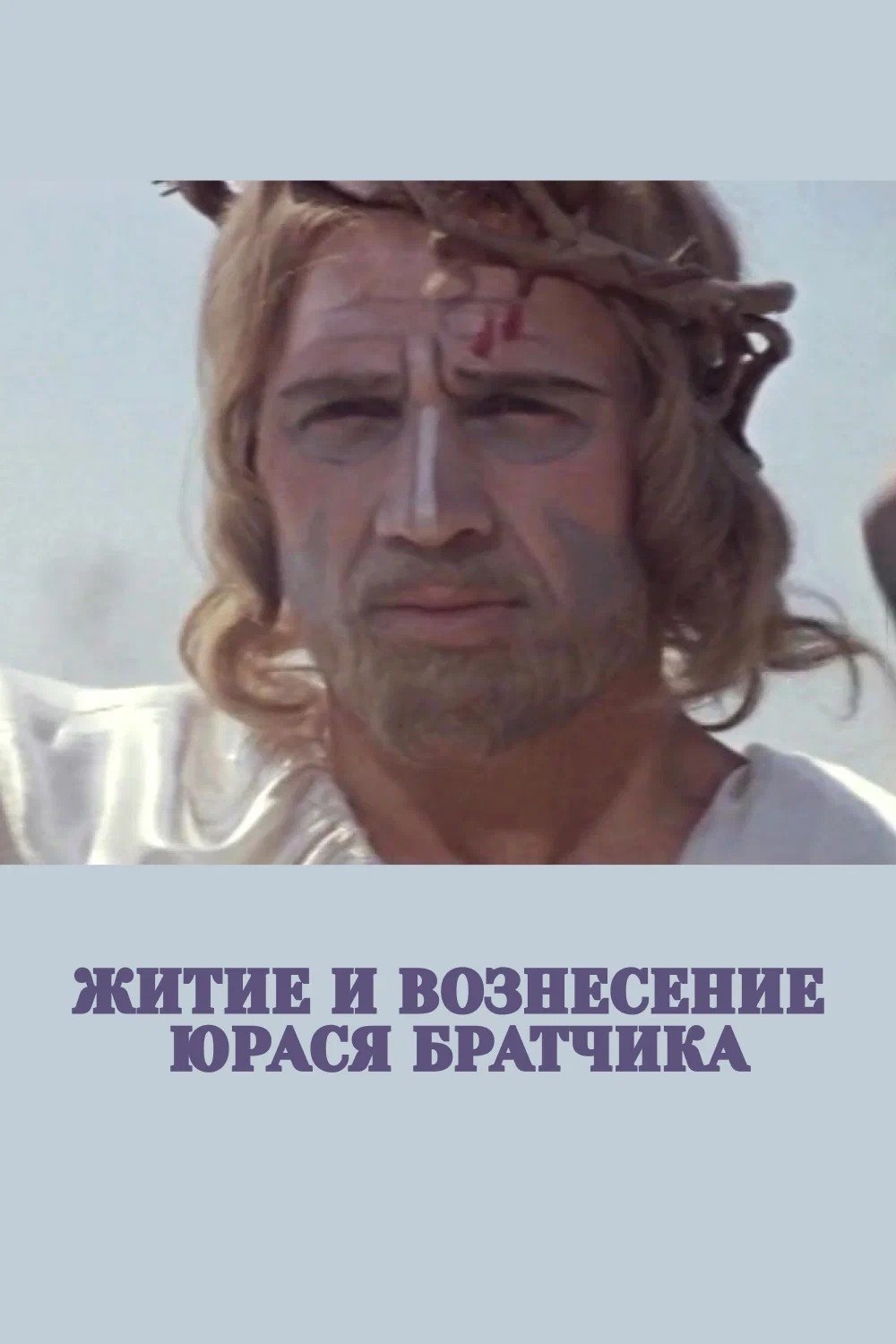
In ancient times of famine and Tatar raids, the satirist Yuras Bratchik appears to the people in the guise of Christ, and the people believe in a miracle. The cunning monk Bosyatsky decides to use this event. Arrested by order of the Cardinal, Yuras and his friends - "apostles", disguised and dressed in appropriate clothes, are brought to the people. The hungry people begin to beg for bread, and Yuras leads the crowd to the bins of the rich. Having escaped from the Cardinal, Yuras and his friends take refuge in a convent. With the help of the people they defeat both the attacking Tatars and the Cardinal's army.
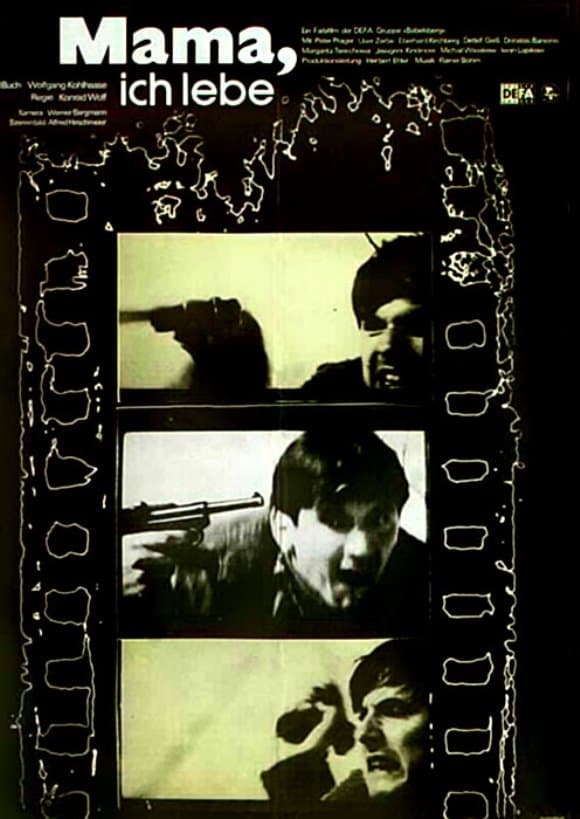
In a Russian POW camp, four Germans determined to end WWII agree to pose as Red Army soldiers. Are they patriots or traitors, heroes or opportunists? Although they go to the frontlines, their new Russian comrades are initially unsure whether to trust them. Three of them then accept a mission behind German lines, but they are unprepared to fire upon their countrymen and it ends up costing the life of a Russian soldier. In the meantime, the fourth man has fallen in love with Russian radio operator Svetlana. After being criticized by the other Russians, he too agrees to participate in the mission..
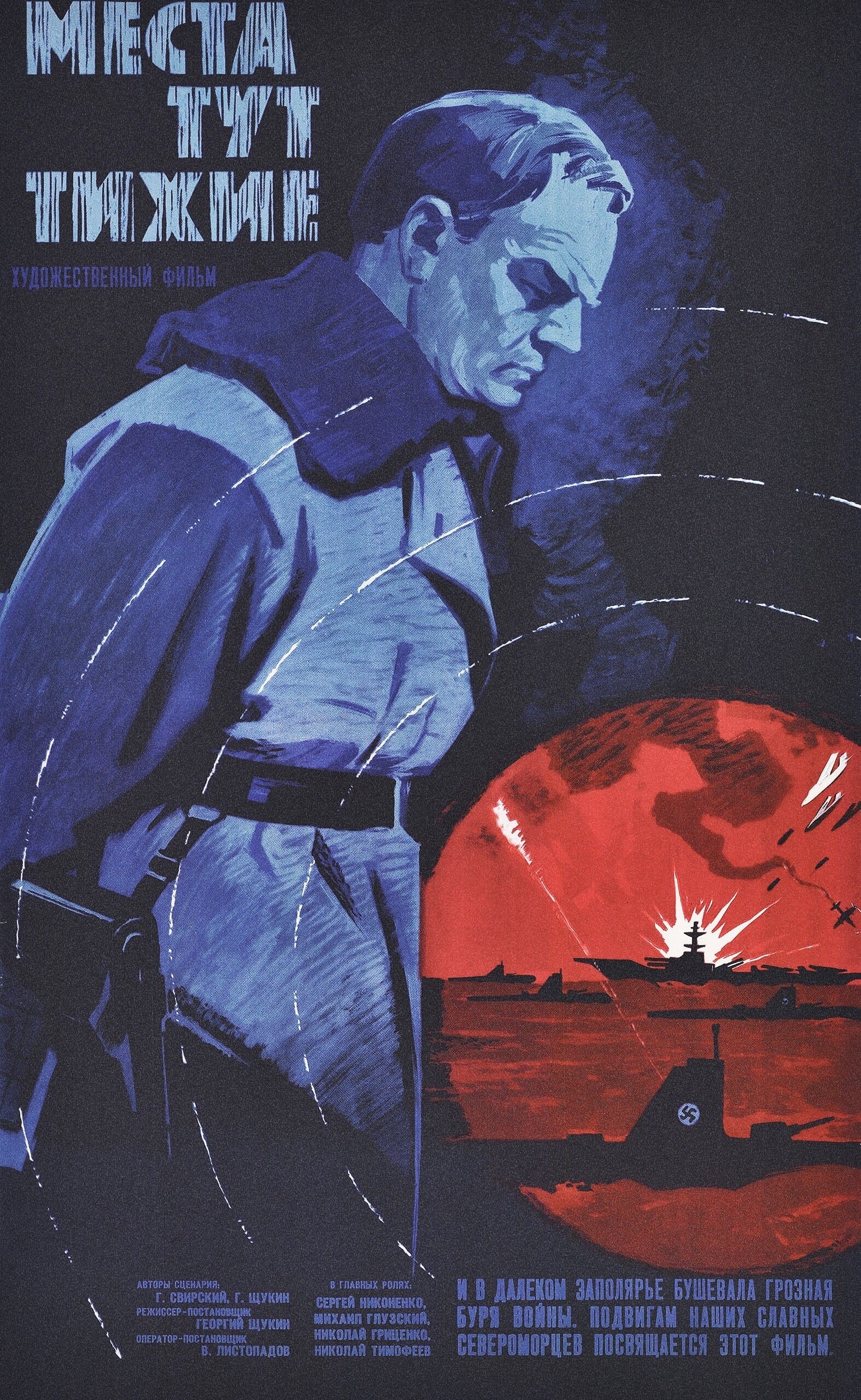
Based on the novel of the same name by Grigory Svirsky. 1942 year. The Great Patriotic War. The navigator Bratnov was shot down during the war, was captured, fled, returned to his people, was demoted and sent to serve in the construction battalion. His old front-line comrade Major Kabarov accidentally met him and took him to his unit. Kabanov, knowing about the lack of experienced navigators, is seeking to transfer Bratnov to his air force in the Northern Fleet, in the Arctic, to a tiny rocky island — "to the ends of the world."
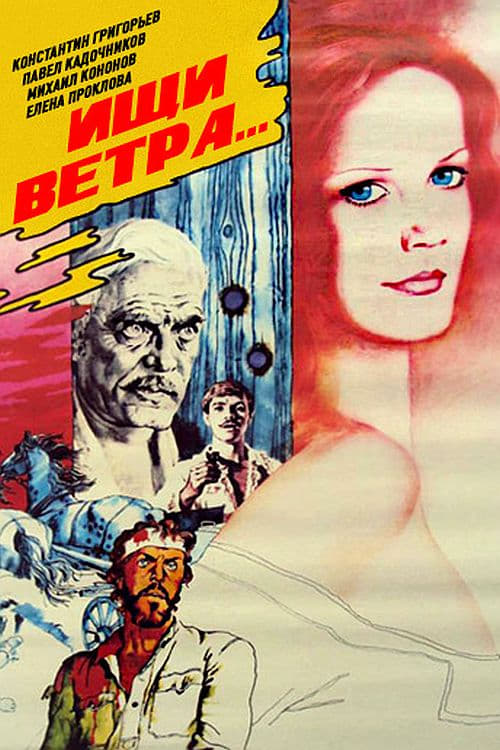
A family of a private stud-farm head takes cover from a Civil War in a forsaken estate in Urals steppe. Once an old family friend Victor, lieutenant of White Guard, shows up in the estate and claims that he wants to come out of action and live according to the laws of God. The old man marries his daughter and Victor, but that is the end of peace in this house, taking into account that the white Cossacks are getting nearer
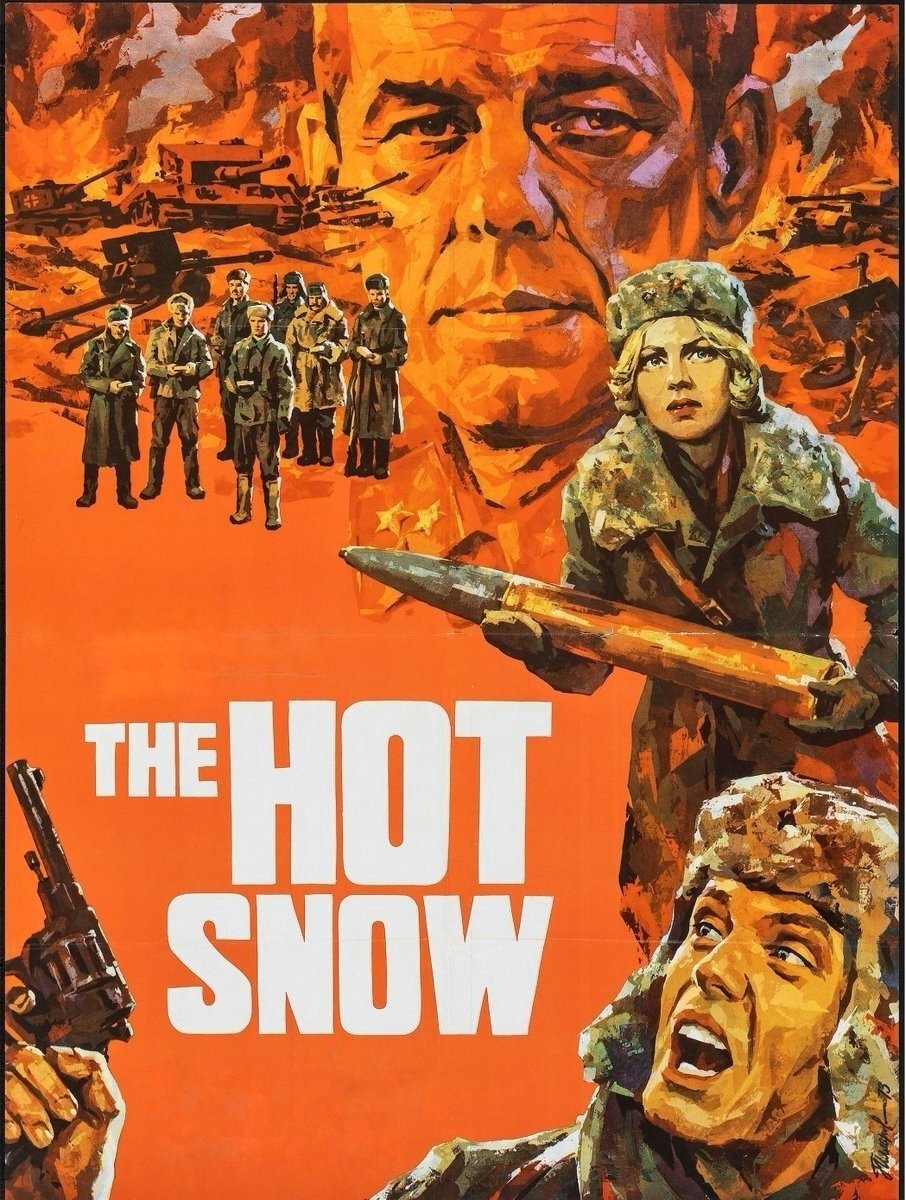
In November, 1942, near the Volga, Stanlingrad is under siege of Commander Friederich Paulus and his 330,000 men. The Russian high command unleashes an operation to protect the Mishkova River to avoid that about four hundred tanks join Paulus' army. The Soviet artillery soldiers protect their position with their lives in a bloodshed with few survivors.
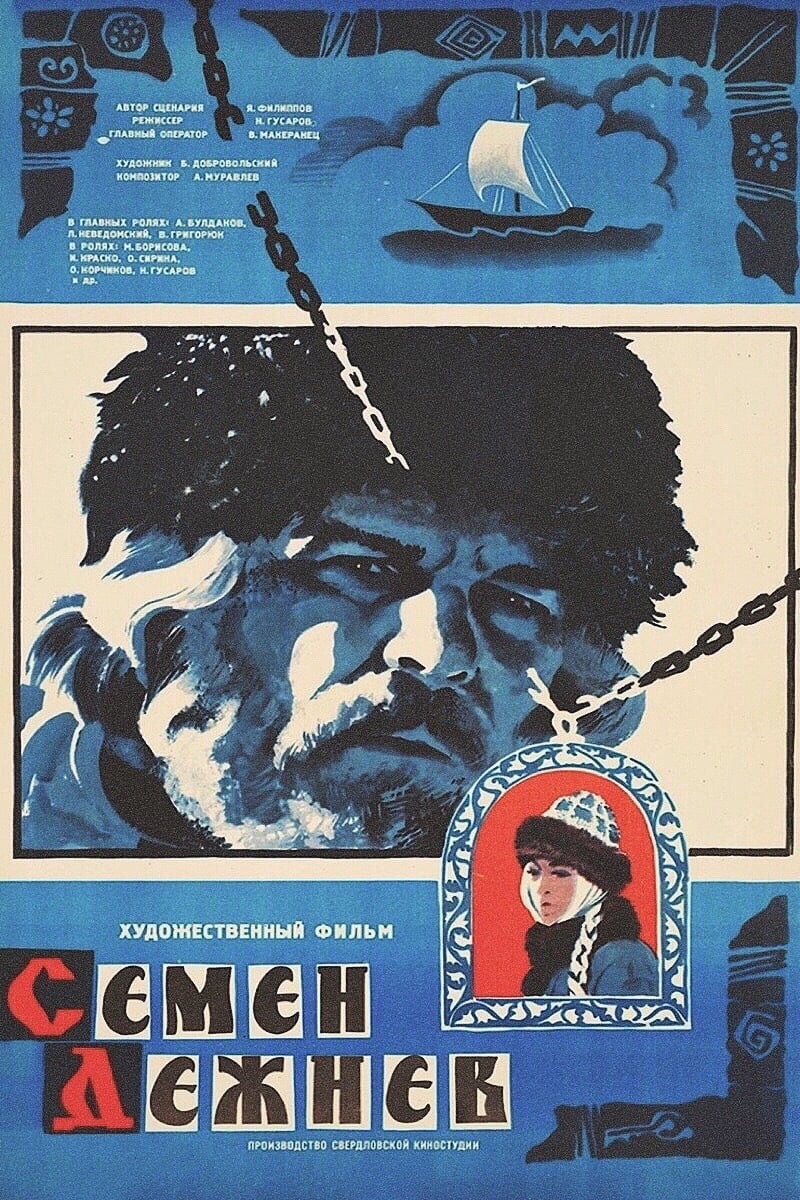
Veliky Ustyug at the beginning of the 17th century. Semyon Dezhnyov falls in love with the daughter of a rich merchant — Avdotya, but the groom is poor. The girl's father sets a condition: Dezhnyov must go to Siberia and get rich — only then will he receive consent to marry. Dezhnyov agrees and leaves for Siberia. Although he passes the test, he does not return to Avdotya. He finds a strait "from a warm sea to a cold one": from the mouth of the Kolyma he swims to the Pacific Ocean and opens the strait between the continents.
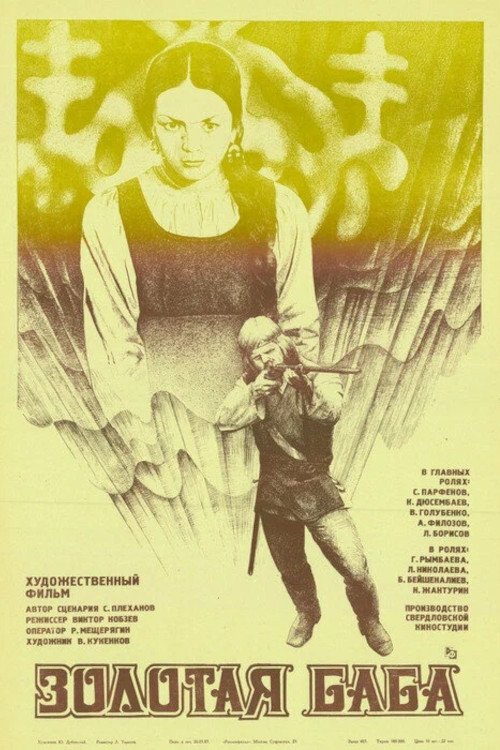
1734. In the north of the Urals, in the impenetrable forests of Orthodox Russia, one of its small nationalities lives — the Voguls, who have preserved the rituals and customs of their ancestors. Like any nation, the Voguls have their own history, traditions and gods, the main one of which is the golden goddess, the patroness of the Voguls. Once upon a time, many centuries ago, she stood on the top of a mountain, and anyone could come and ask for her help.
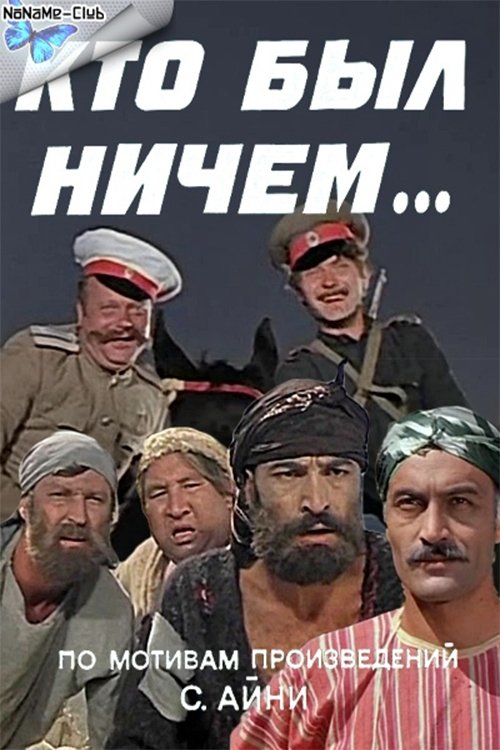
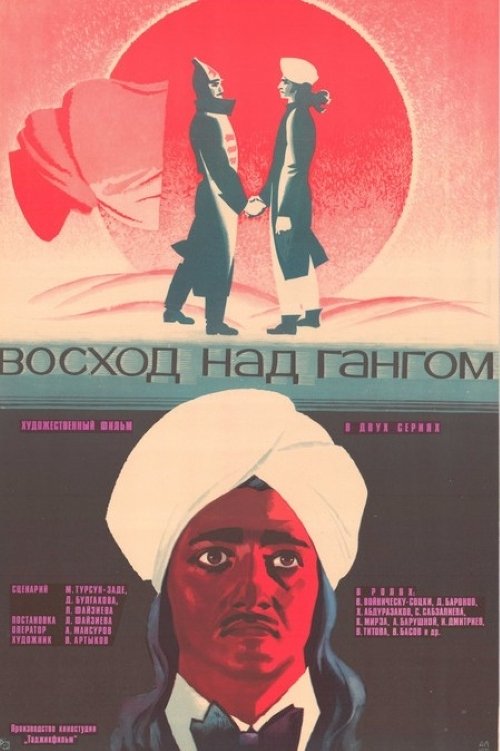
Two-part epic about the establishment of Soviet power in Tajikistan based on the works of S. Aini.
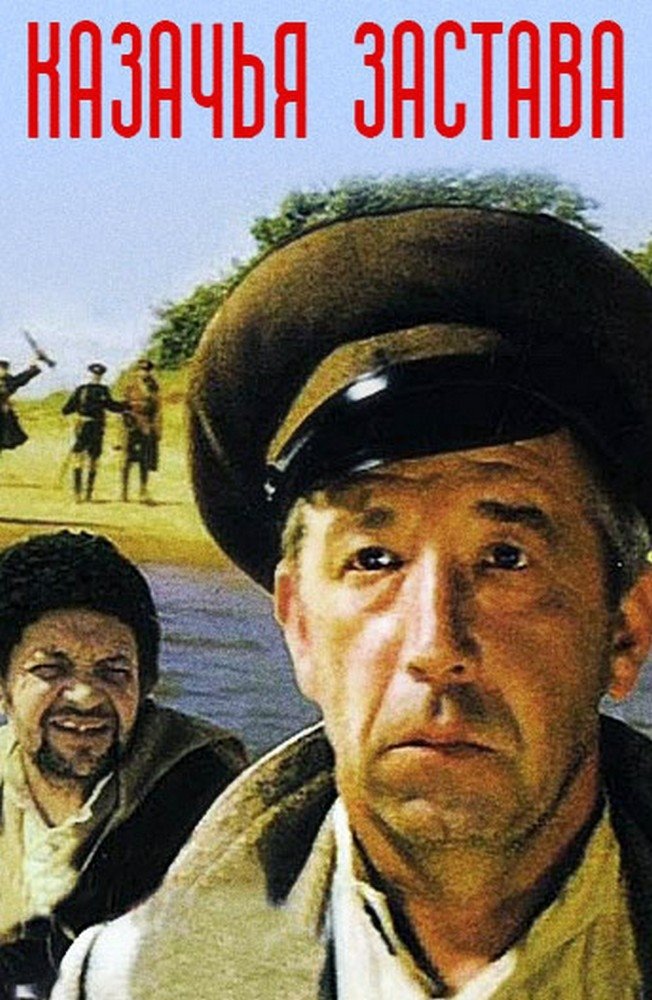
Follows the adventures of the Amur Cossack Alexei Butov. As he went to the front in the First World War, so it went.
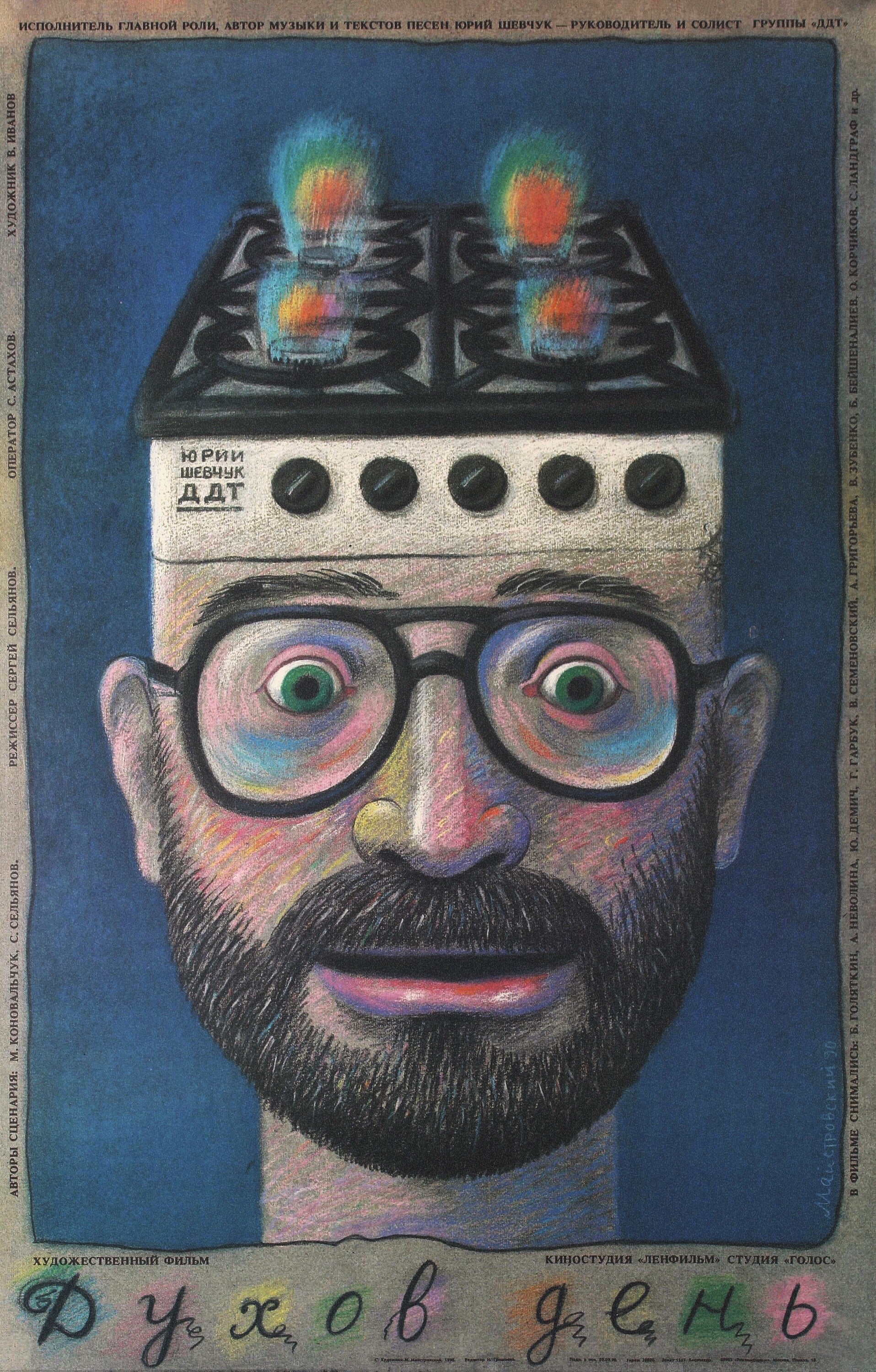
Ivan Khristoforov discovers the strange property of foreseeing explosions. Trying to understand the reason and meaning of this unusual ability, he turns to family history. The attention of the secret public service doesn't bode well for Khristoforov. The imaginary journey of the hero in his past, bearing the imprint of a children's worldview, and the present, at times just like a dream.
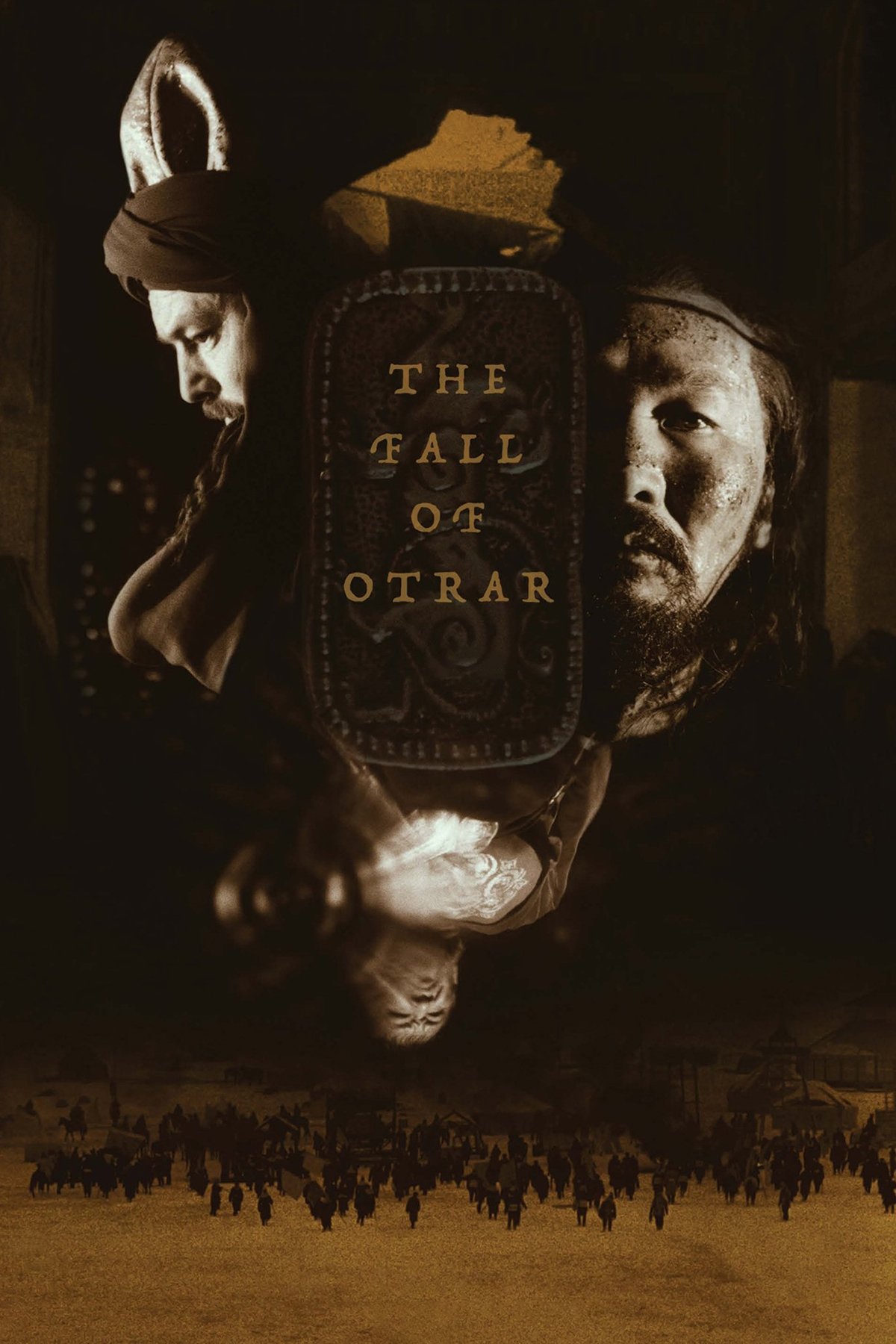
A staggering historical epic about the intrigue and turmoil of the East Asian civilization of Otrar, before its systematic destruction at the hands of Genghis Khan.
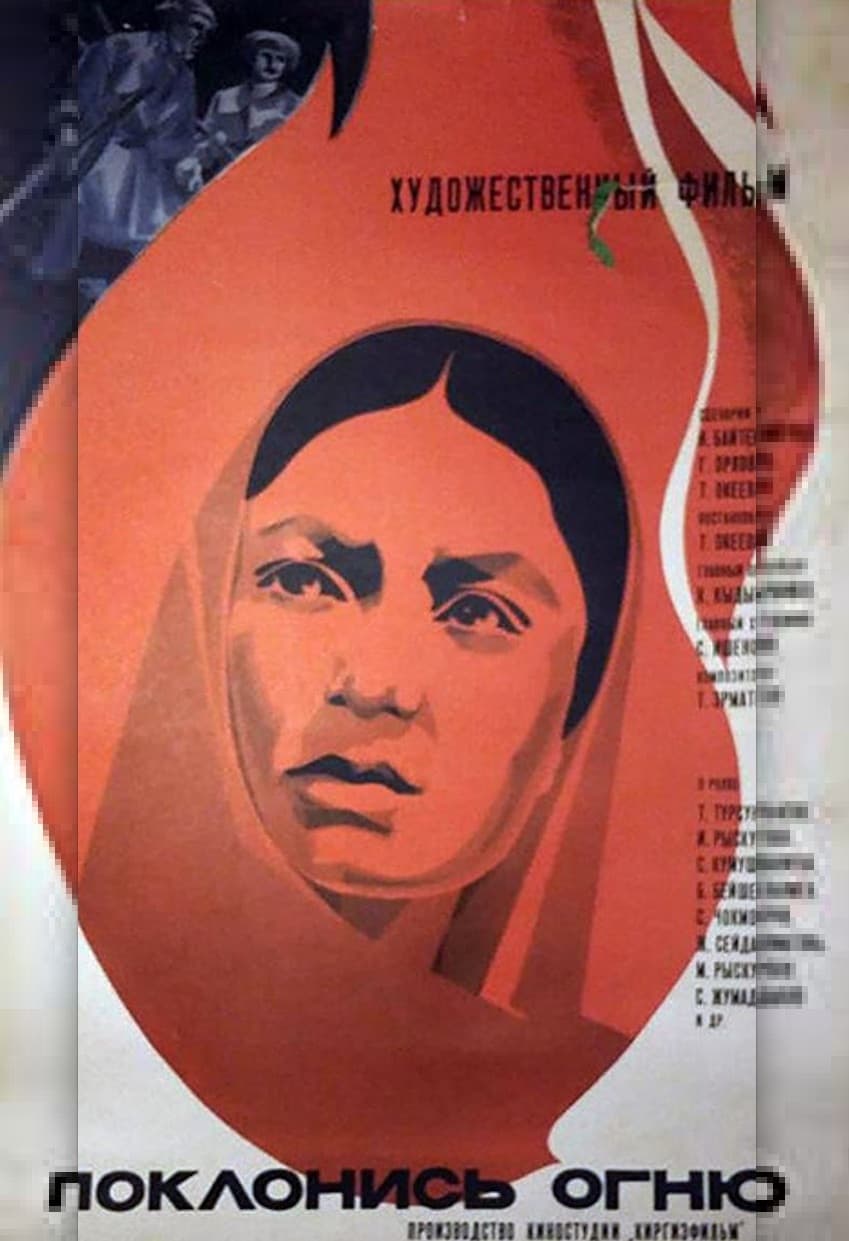
Kyrgyzstan, the 1920s. In a remote mountain village, against the will of the local elites and in defiance of centuries-old traditions, a woman—Urkuya Salieva—is elected chair of the agricultural cooperative. Salieva is determined to build a new life with an uncompromising resolve against anyone who would obstruct the poor, a stance unusual for a woman.
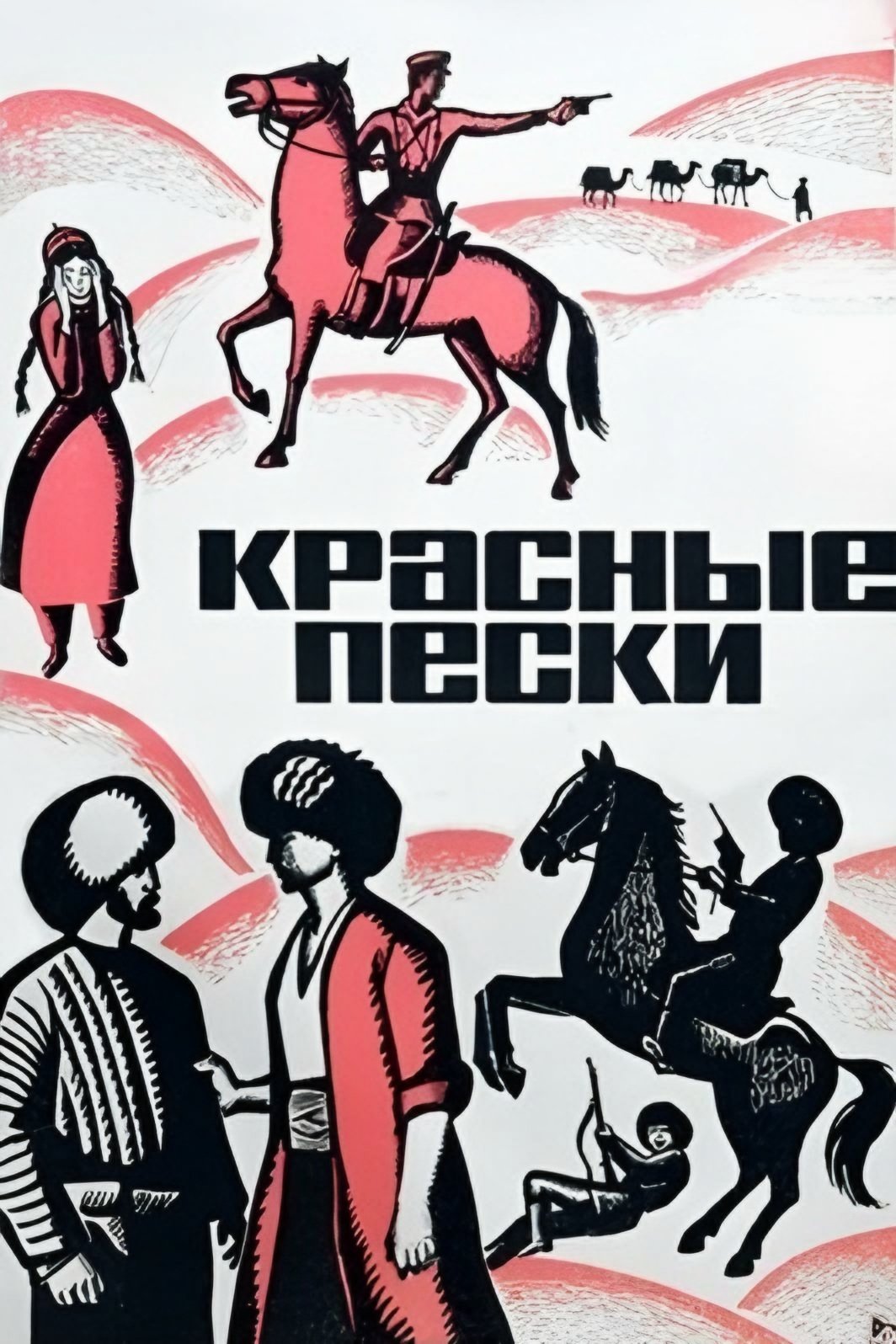
The red commander Mirsharapov was sent to fight the Basmachi gang in Khiva. After the fighting, Junaidkhan's gangs are defeated.

About the family of the old man Achila-Buva, about his children and grandchildren living in an Uzbek village, about an old plane tree covering the saplings with its branches.
Film adaptation of the Kyrgyz folk legend of Raimaly-aga, based on Chingiz Aitmatov's interpretation from his “The Day Lasts More Than a Hundred Years.”
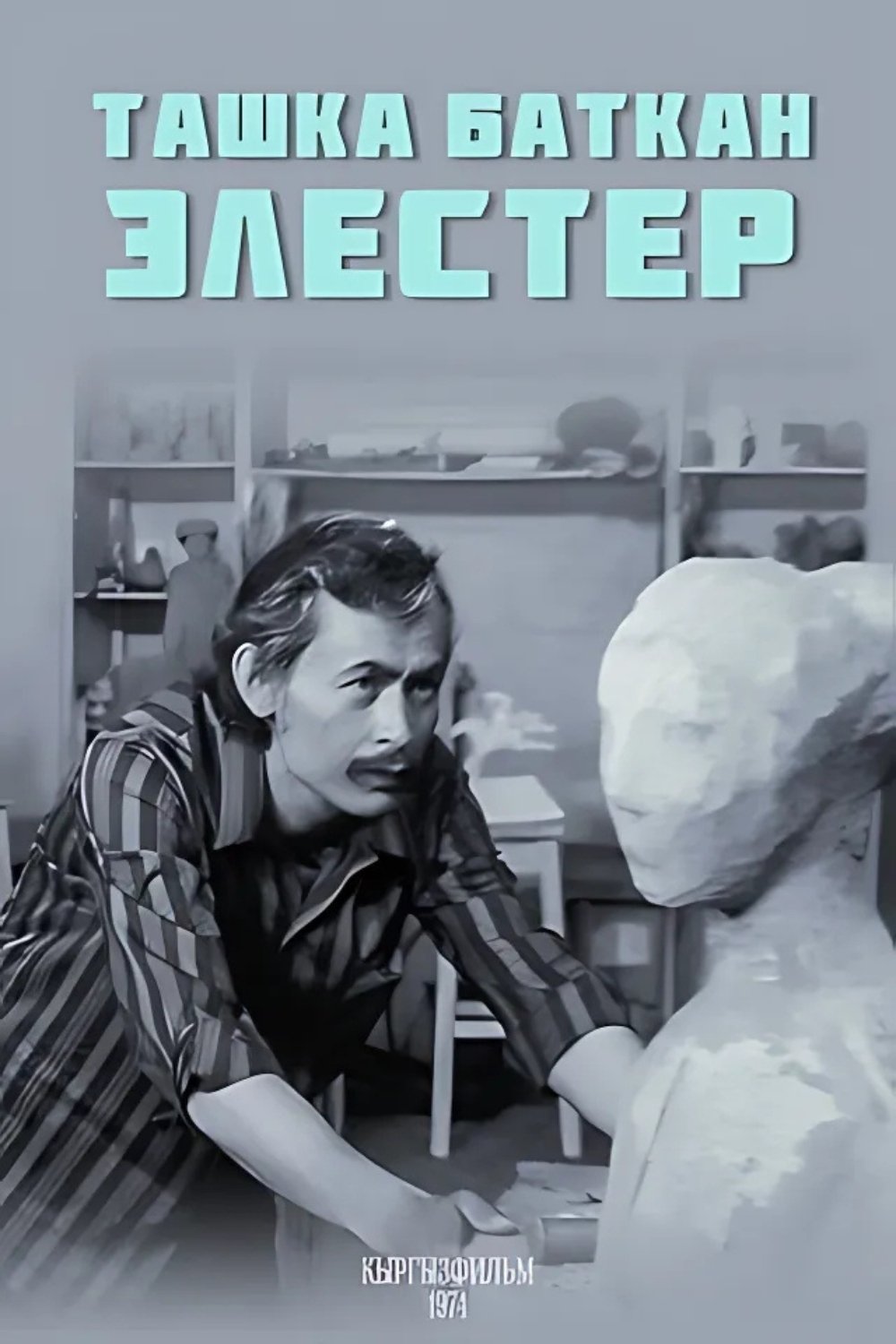
The journey of sculptor Akzholtoy begins with a somber telegram: Esengeldi, a close family friend, has passed away. Returning to his village with his mother to honor the memory of Esengeldi, Akzholtoy finds himself enveloped by the echoes of his own distant childhood.
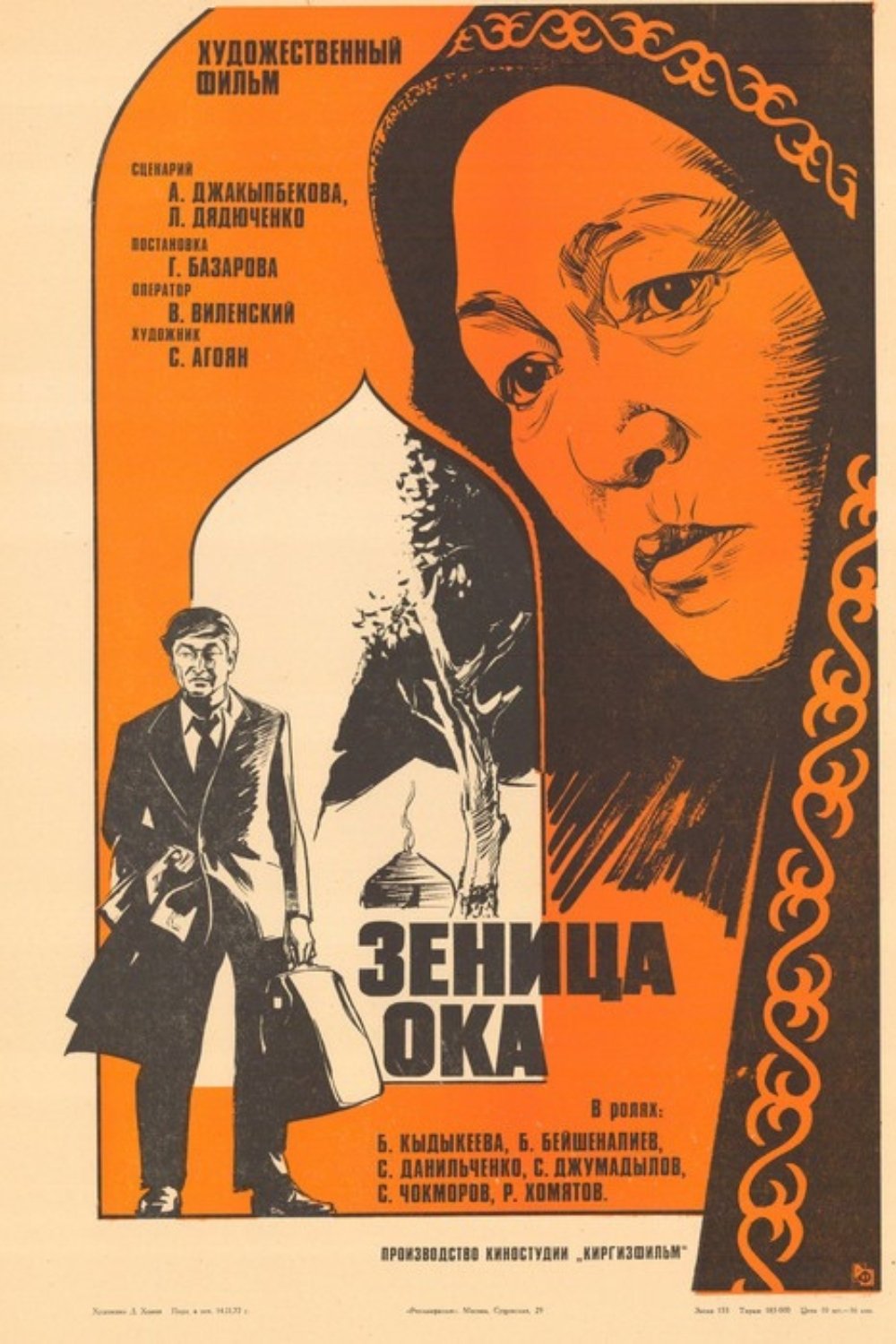
The death of their exceptional father shakes the Shatmanov family to its core, forcing them to reflect on the past and future. Erkin, who has built a life in Moscow, faces criticism from relatives who see him as having betrayed his roots. Yet his love and work keep him tied to the city. This film delves into the inner struggles of a modern man torn between duty and belonging.
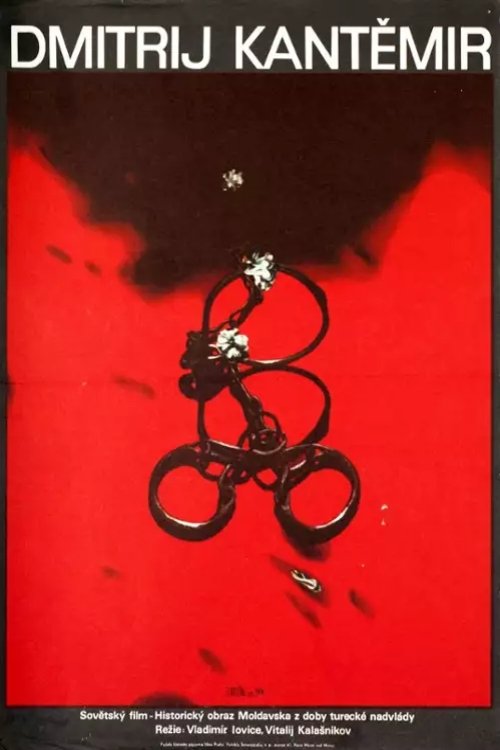
The film is about the life of Dmitry Cantemir and the Moldovan people from November 1710 to July 1711. Turkish troops are preparing for war with Russia. The Sultan entrusted him with the throne of Moldavia. Cantemir secretly established ties with Peter I and concluded a military-political agreement with him, according to which Russia took Moldova under its protectorate, pledged to help expel the Turks and restore the former borders of the Moldovan state.
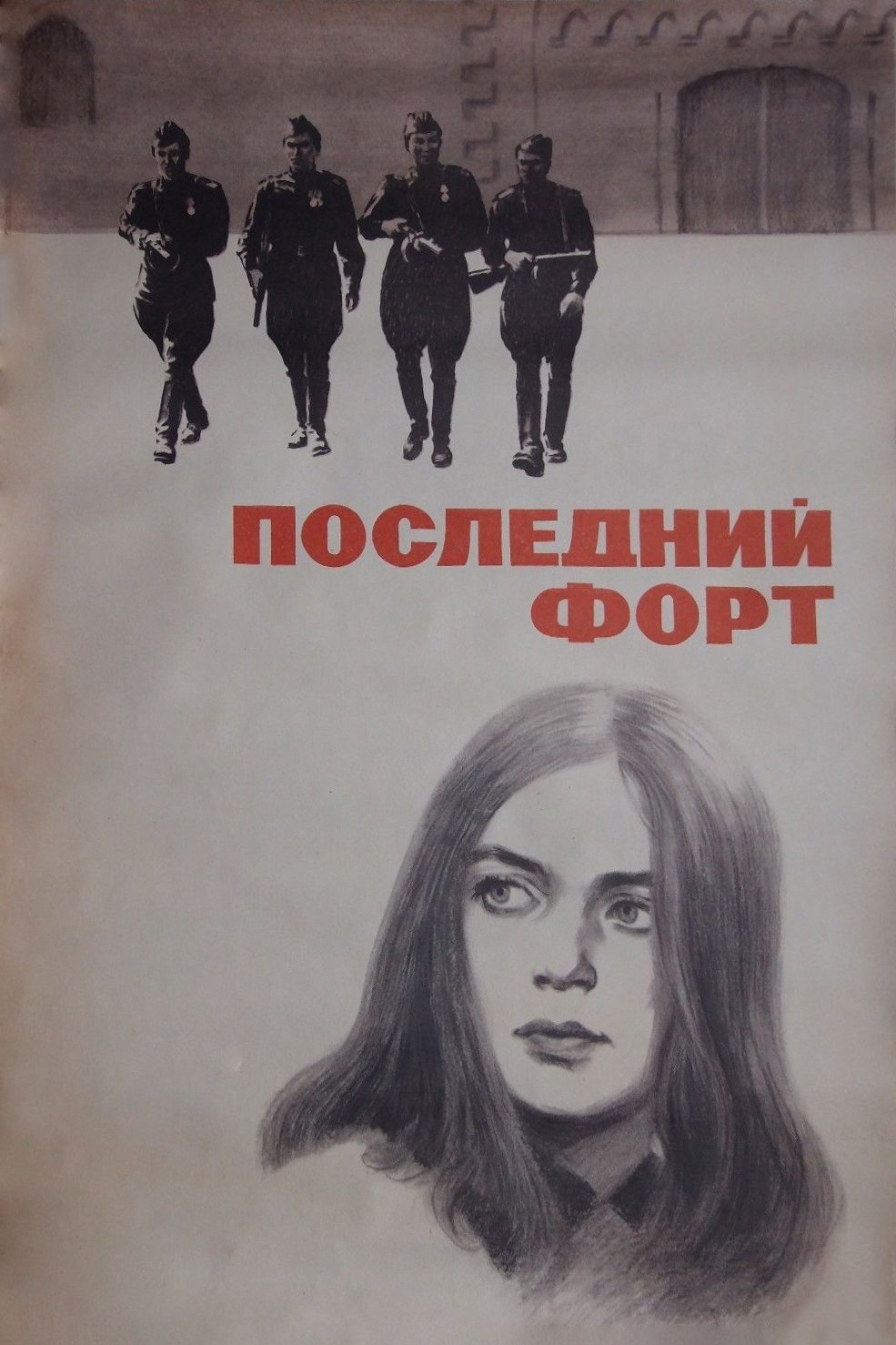
Four soldiers of different nationalities serve in small garrison on the territory of post-war Germany.
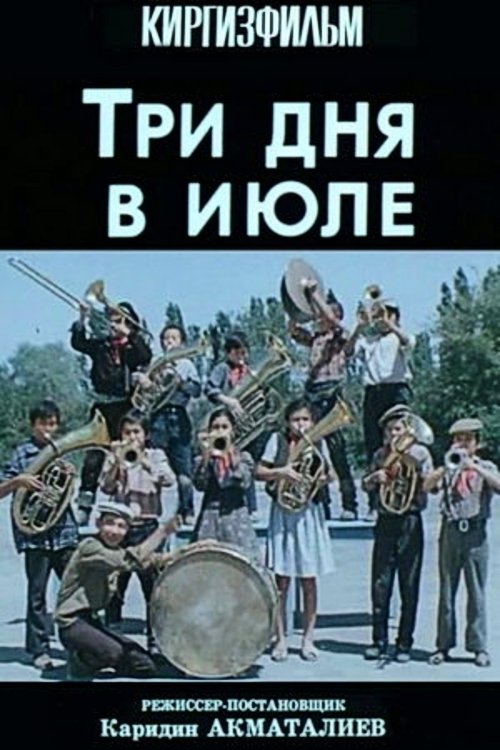
Although they used to be a couple, time has changed everything for Alym and Salima. Seeing how happy she is without him, Alym realizes he might be a failure.
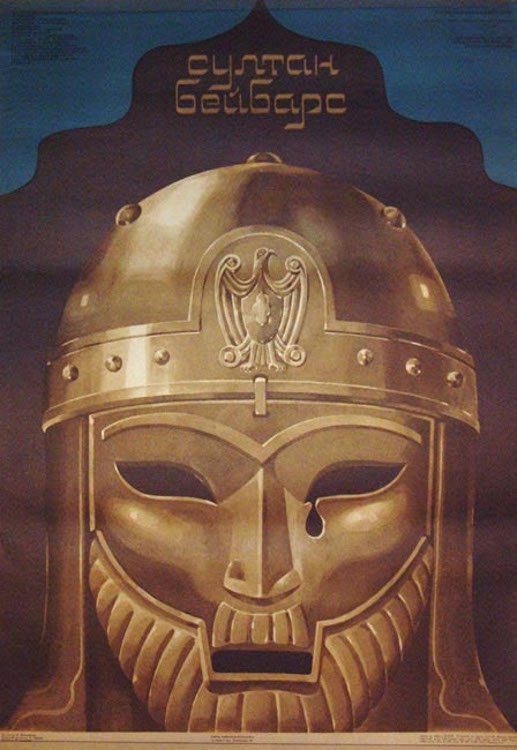
The second part of a historical film dilogy based on the story “Emshan” by Maurice Simashko. XIII century. Equal to God, Sultan Beybars — the ruler of Egypt, who has the largest fleet in the Mediterranean, crushed the Crusader troops and countless hordes of Genghis Khan's descendant – recalls the life path he passed before ascending to the throne of the ruler.
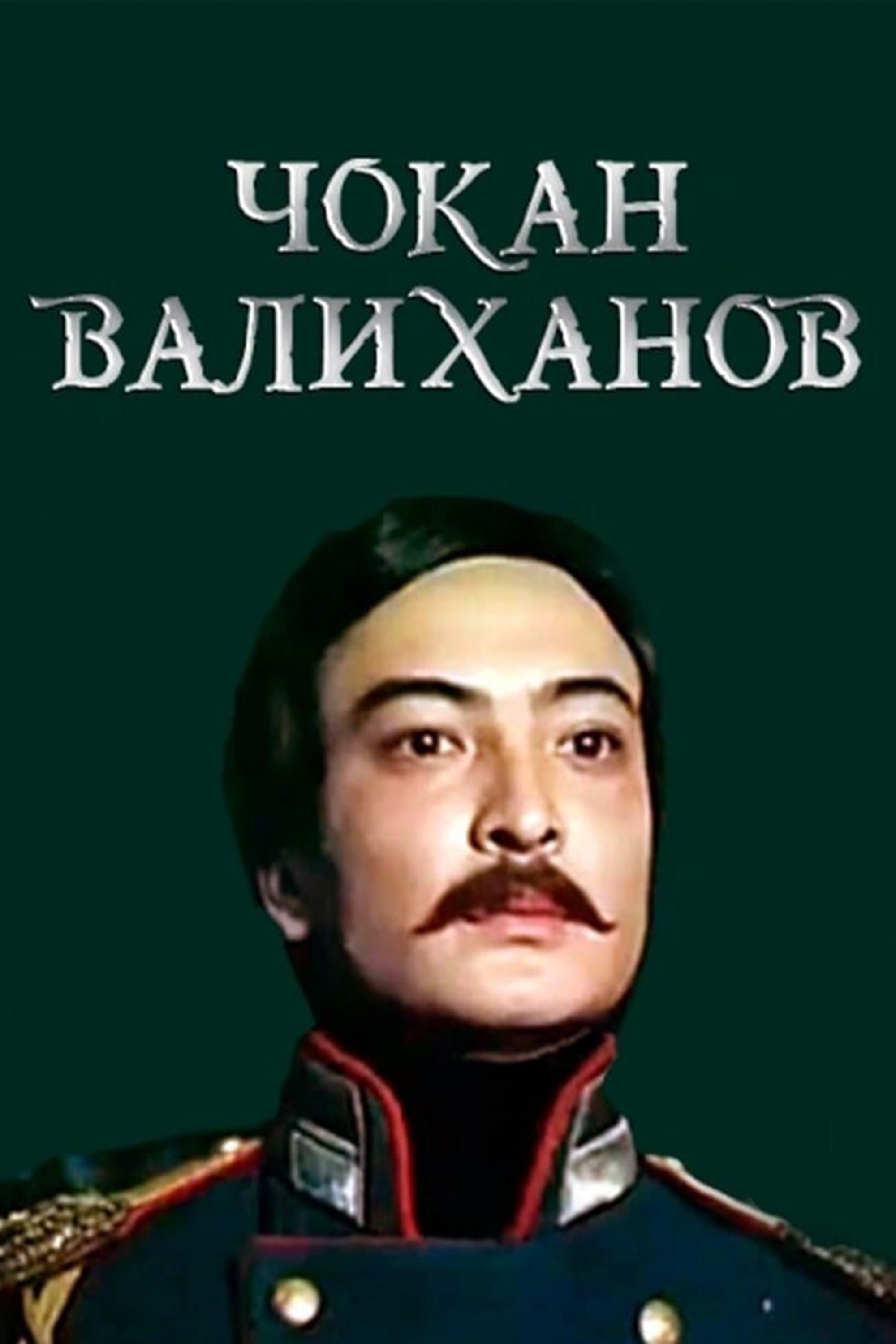
A television film about a famous scientist, traveler, and educator of the 19th century. About the life and work of Shokan Valikhanov— the first Kazakh scholar-educator, historian, ethnographer, and folklorist.