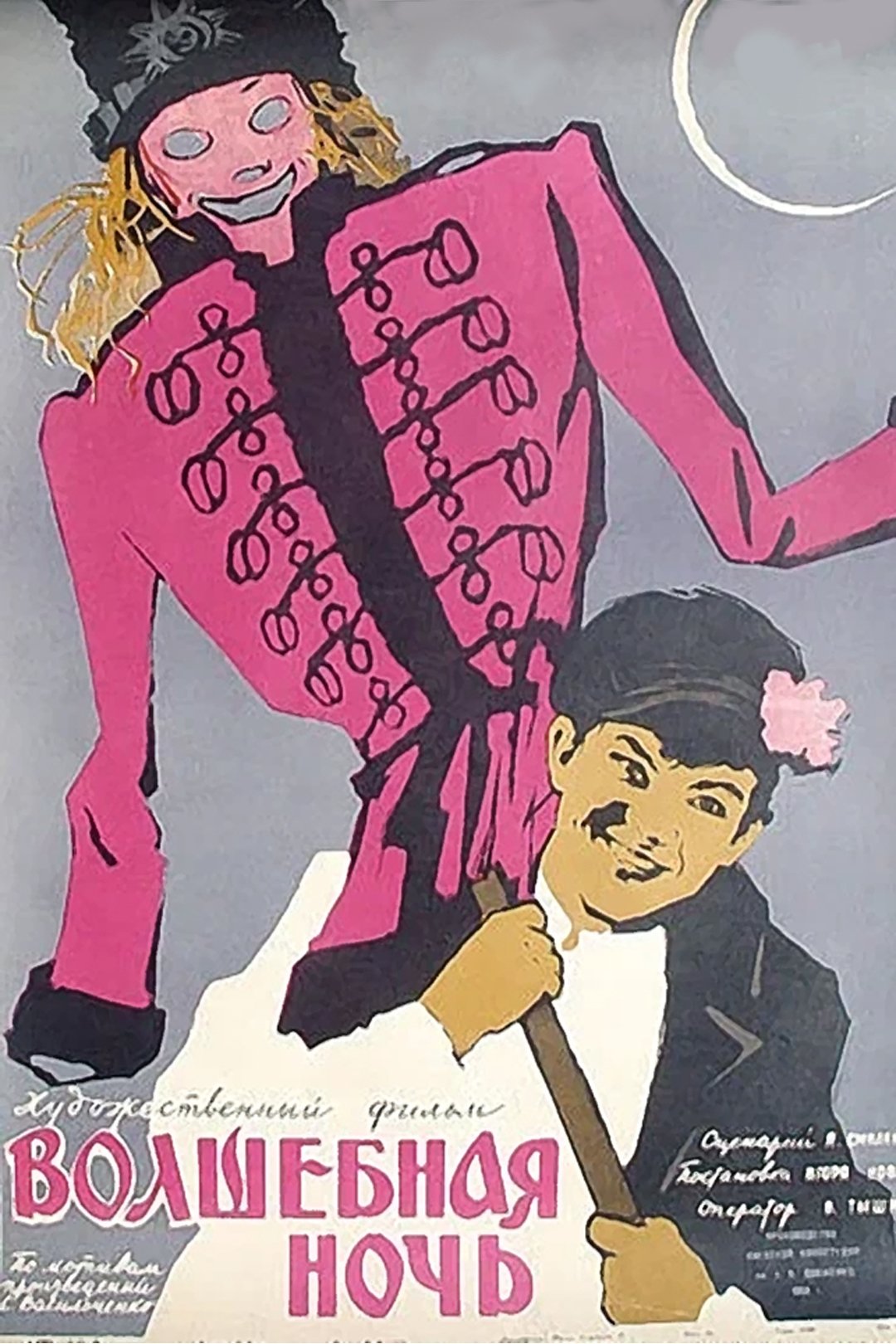
It was a long time ago, when there was still a bondhold in Ukraine. Life was hard for the common people then... But in the evenings, the village boys with the girls went out into the sleeping streets, and a song began to sound, and the vechornytsi rushed through the village, cheerful, mischievous.
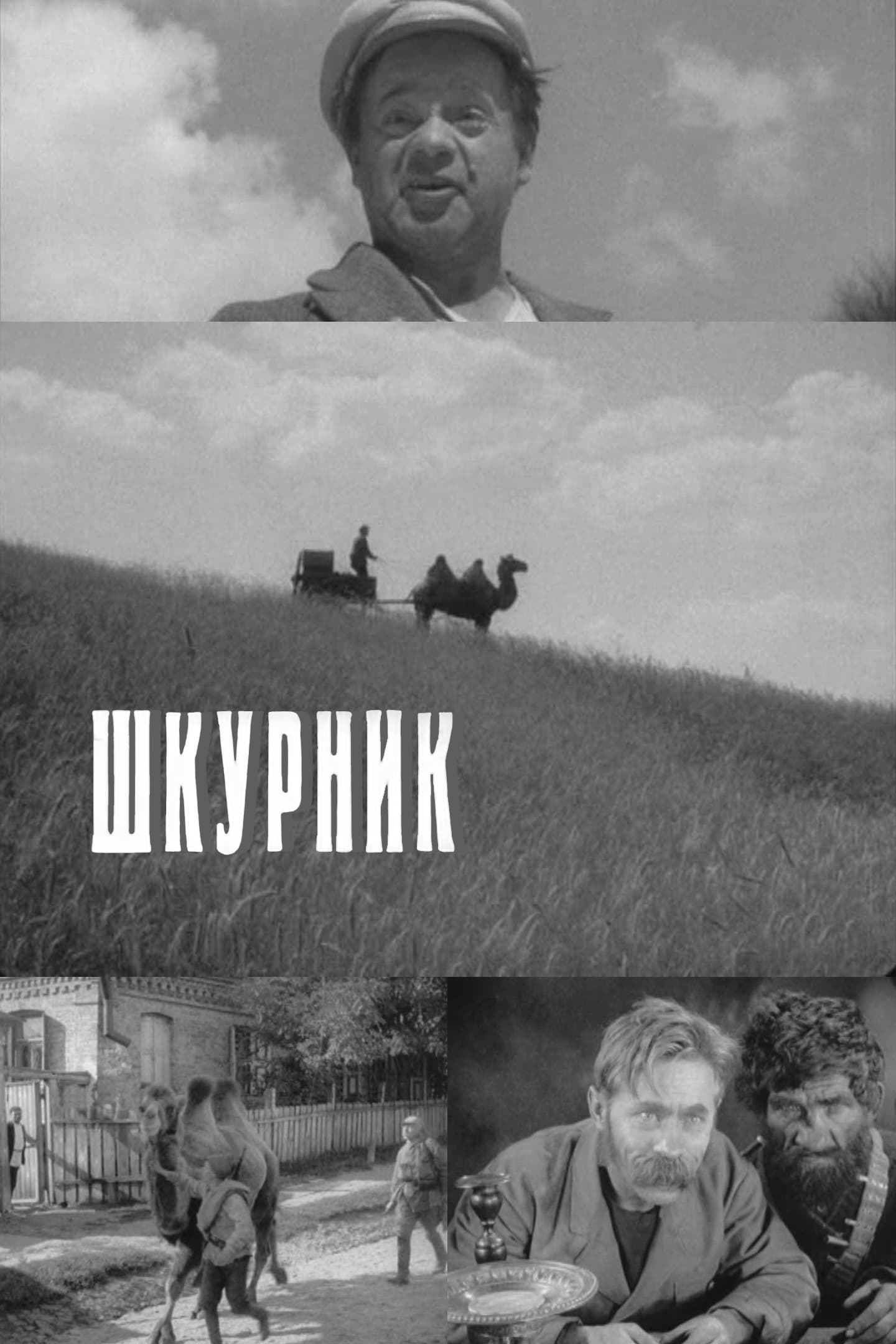
The film takes place in Ukraine during the Civil War. Apolon Shmyguiev is loyal to all regimes and capable of benefiting from any situation. By chance, the man becomes camel's herder and travels on it over Ukraine.

The Soviet embassy in England sends two couriers with diplomatic mail to Leningrad. The inspector of security police, White, and a group of policemen attack the Soviet diplomatic couriers at night. The documents get to an English trackman, who gives them to his son, a sailor in Portsmouth.

Freedom-loving Mykola Dzheria goes away from the village because of poverty and villainage. He leaves his senior parents, his young wife Nemydora and escapes to the sugar-mill. His friend dies because of slave work. Mykola goes to the Dniester reed beds. Working with other escapees, Mykola falls in love with the daughter of the cooperative leader. The girl also likes the handsome guy. However, their fate is decided by the landlord’s servants; they set the reed beds on fire, shackle Mykola and take him to Verbivka. The film was released on 01 April 1927 in Kyiv and on 24 May 1928 in Moscow. The film is lost.
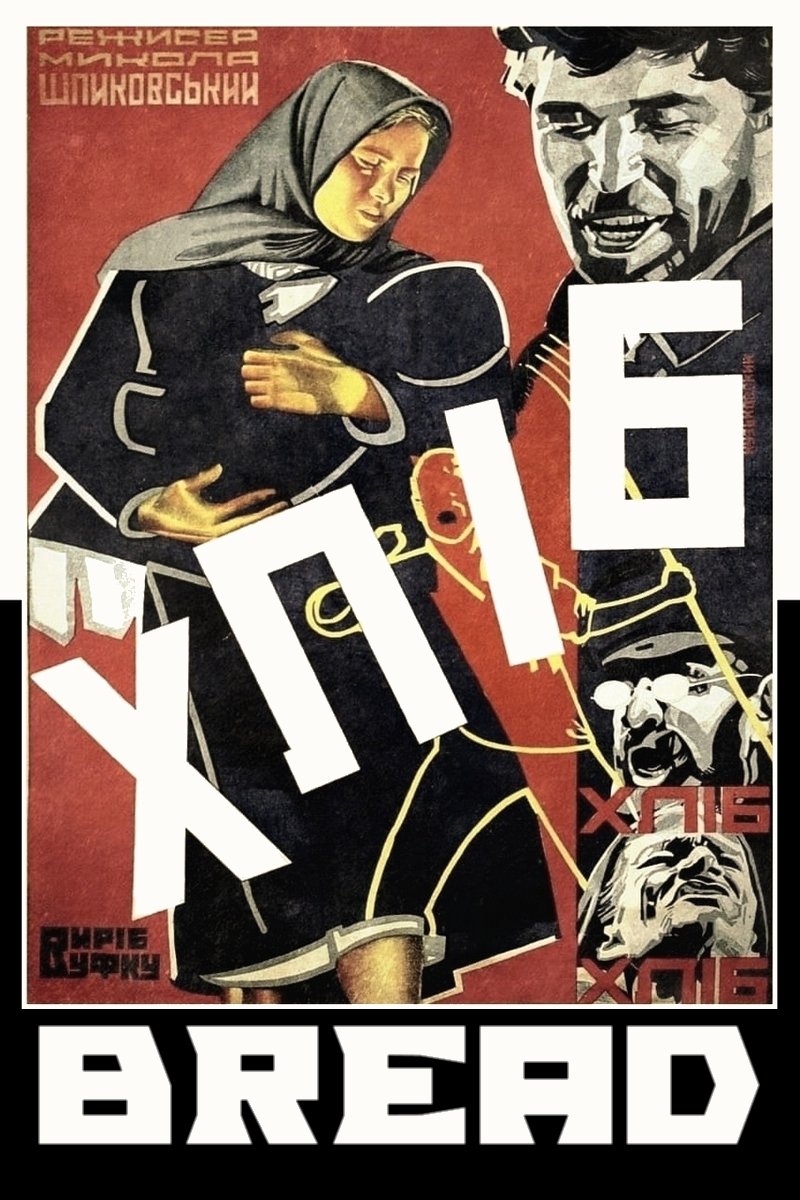
An ideologically committed Red Army soldier returns home from the war and takes up a new struggle with the aim of collectivizing the land of a wealthy peasant.

Adaptation of Mykhailo Kotsiubynskyi's novel “Fata Morgana“, film debut of Ada Rogovtseva. 1905. The peasant Marko Hrusha returns to his native village and leads a struggle against the landlords for land. He is arrested but later released. After his release, his struggle becomes even stronger...
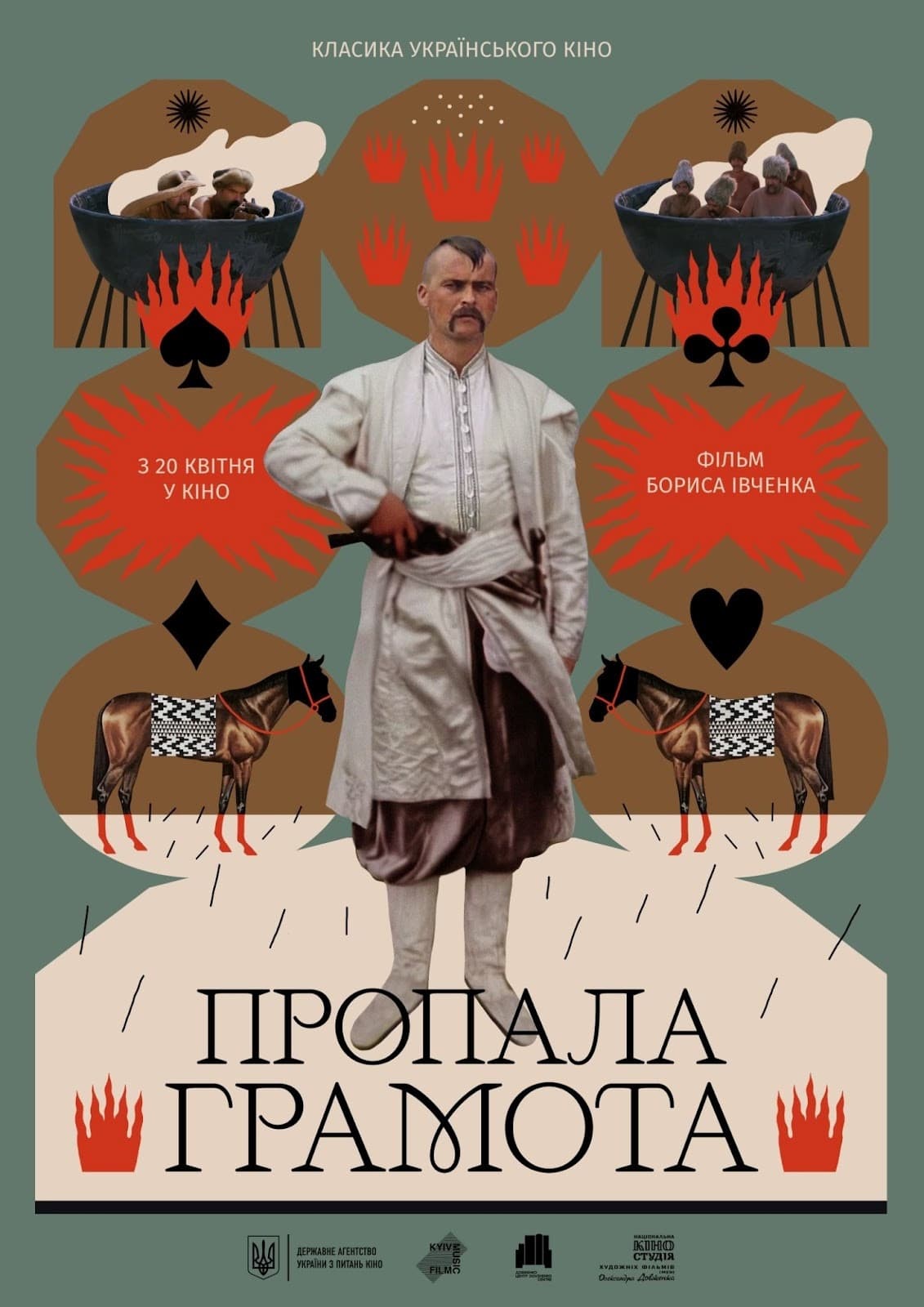
Folk comedy that tells the adventures of Ukrainian cossacks Vasyl and Andriy as they set out on a long journey to deliver a letter from their leader to the Russian empress in St. Petersburg.
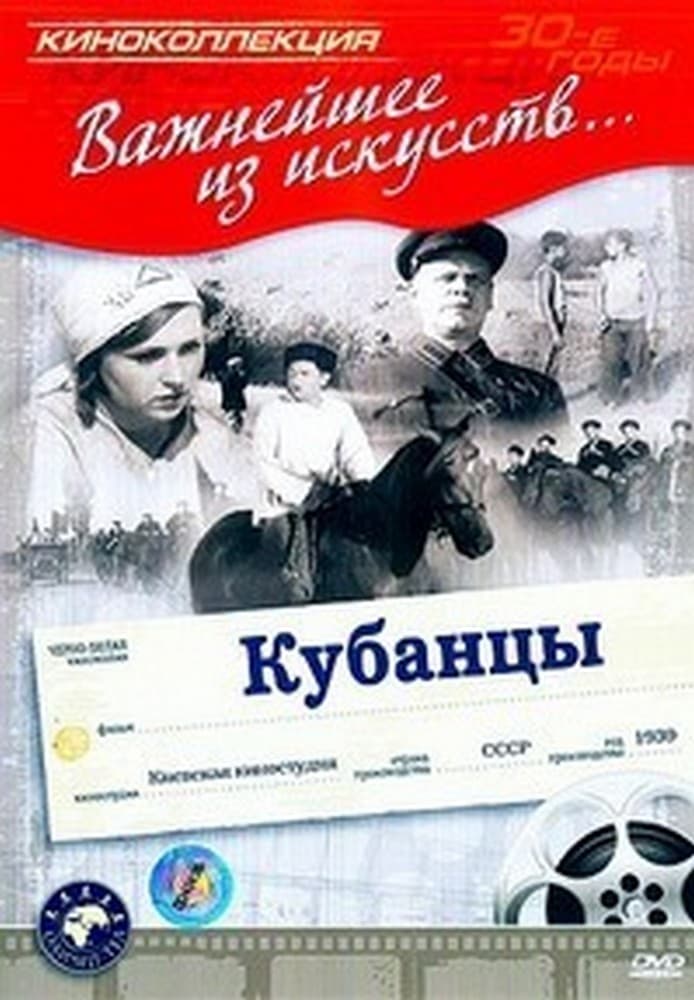
From the life of one of the leading Kuban horse breeding collective farms. Veterinarian Mitrich, a disguised enemy who follows all the instructions of yesaul Soroka, sets about the main task - to destroy the entire collective farm herd. But the criminals will be detained on time, and in the autumn the collective farm will see off young Cossacks to the Red Army.
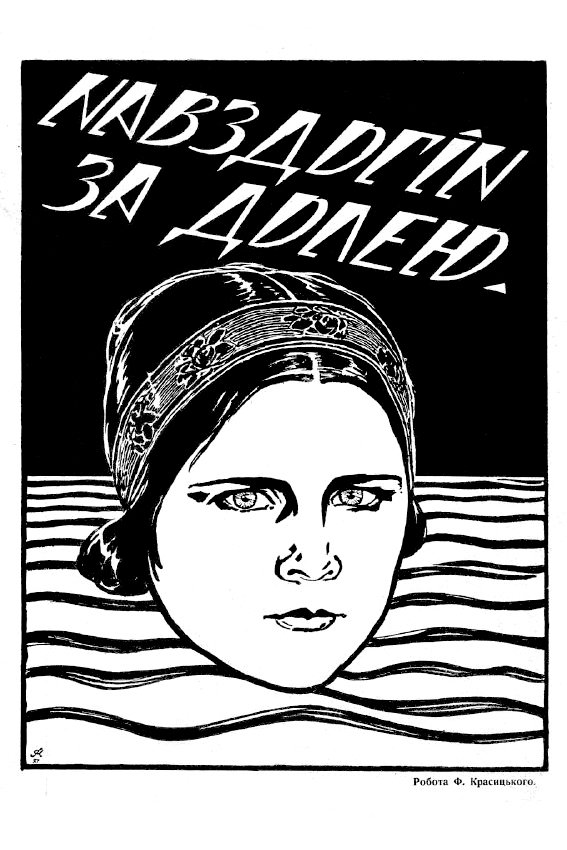
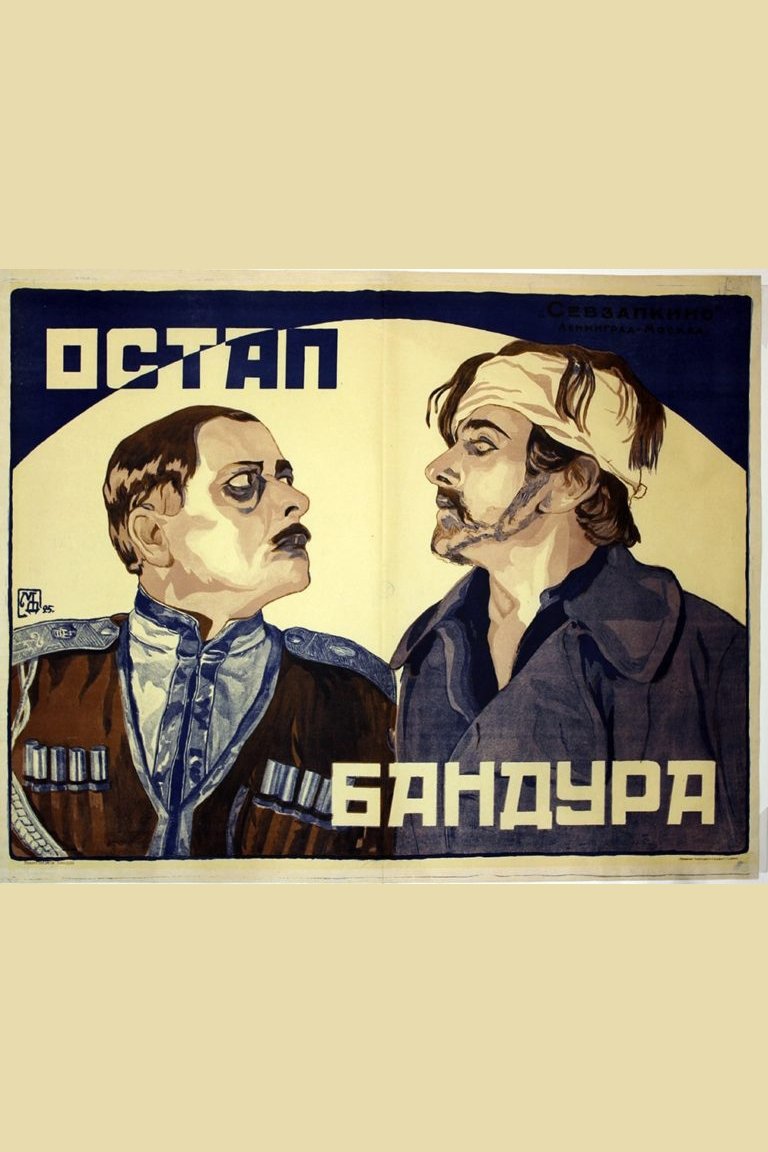
Ostap Mandryka, a serf who has provoked the bar's anger by his behavior, flees from imminent reprisals to Bulgaria, where he is wounded while crossing the border. Together with other fugitives he wanders in foreign lands and finally returns to Russia. The movie has not been preserved.
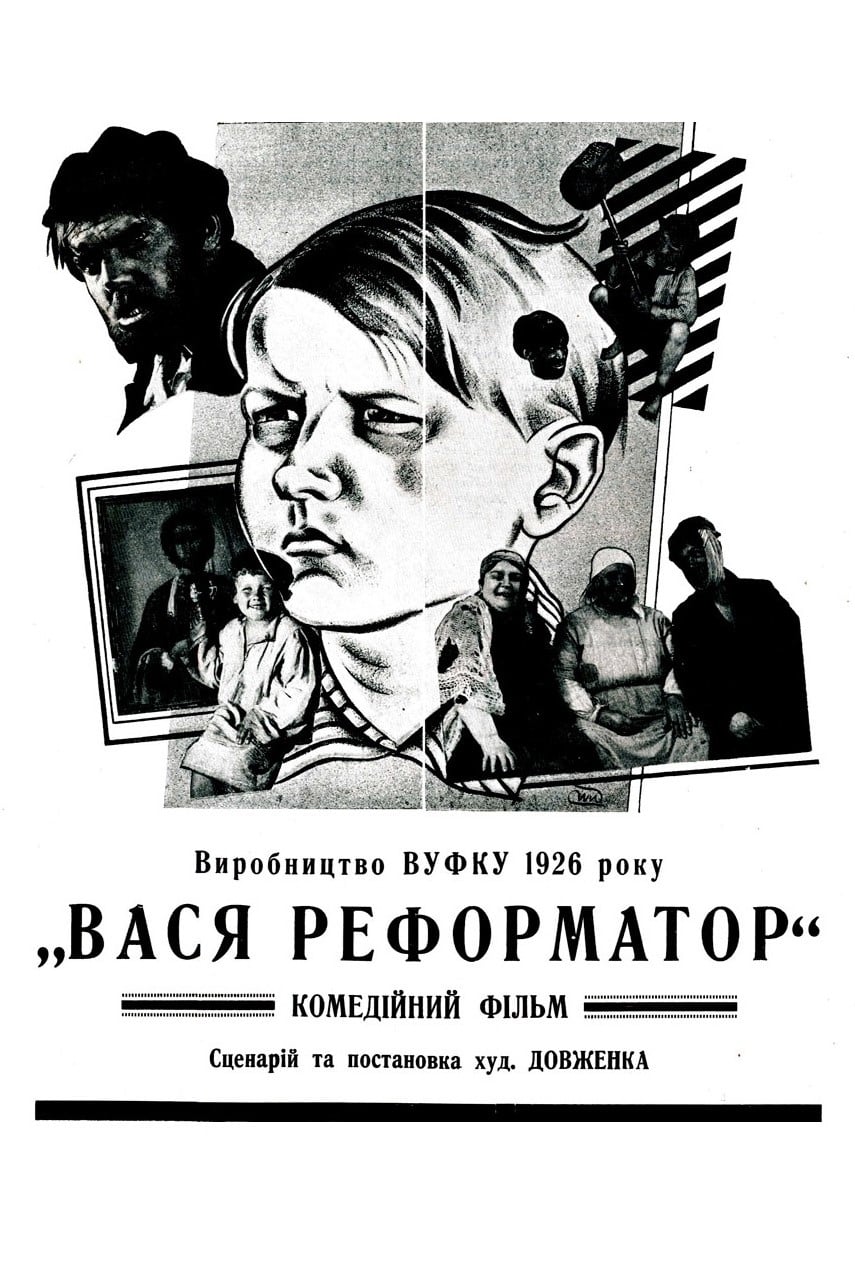
Lost film directed by Oleksandr Dovzhenko (his first film) and Favst Lopatynskyi. It is a satire of the NEP period. Vasia, the son of a factory’s worker, is attracted by the romance of adventures. And he goes to look for them. He saves a drowning drunkard who tries to beat him. Vasia escapes from him in a vehicle parked on the shore. However, the vehicle belongs to a superintendent who, when he does not find it, stages its theft. Meanwhile, Vasia exposes priests in the church. As a result, the church is turned into a cinema, and the priest becomes a cinema technician. And finally, Vasia’s last deed is catching a criminal at home and denouncing him to the militia.
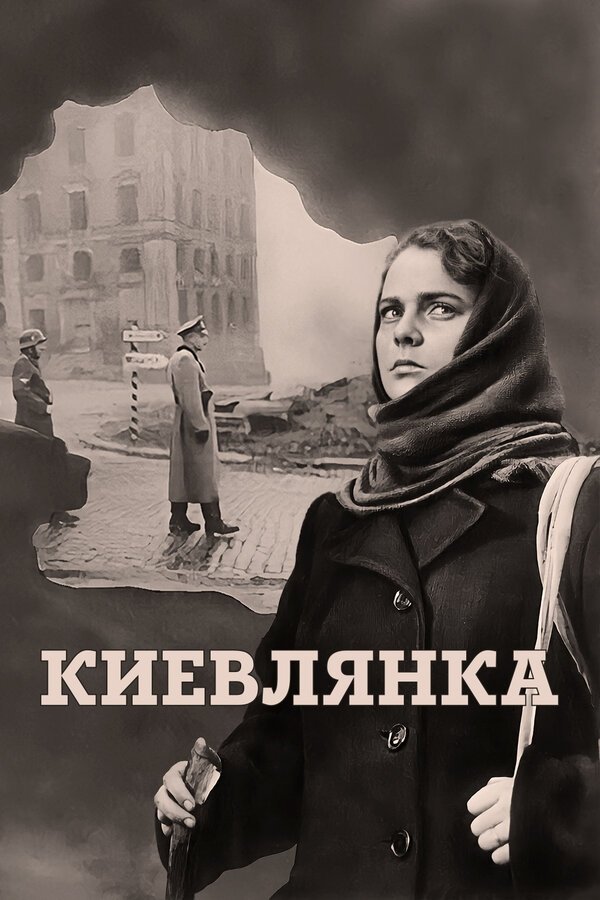
The story of the growing up of the orphan Gali between the Revolution and the Great Patriotic War. Large-scale historical drama with Nina Ivanova.
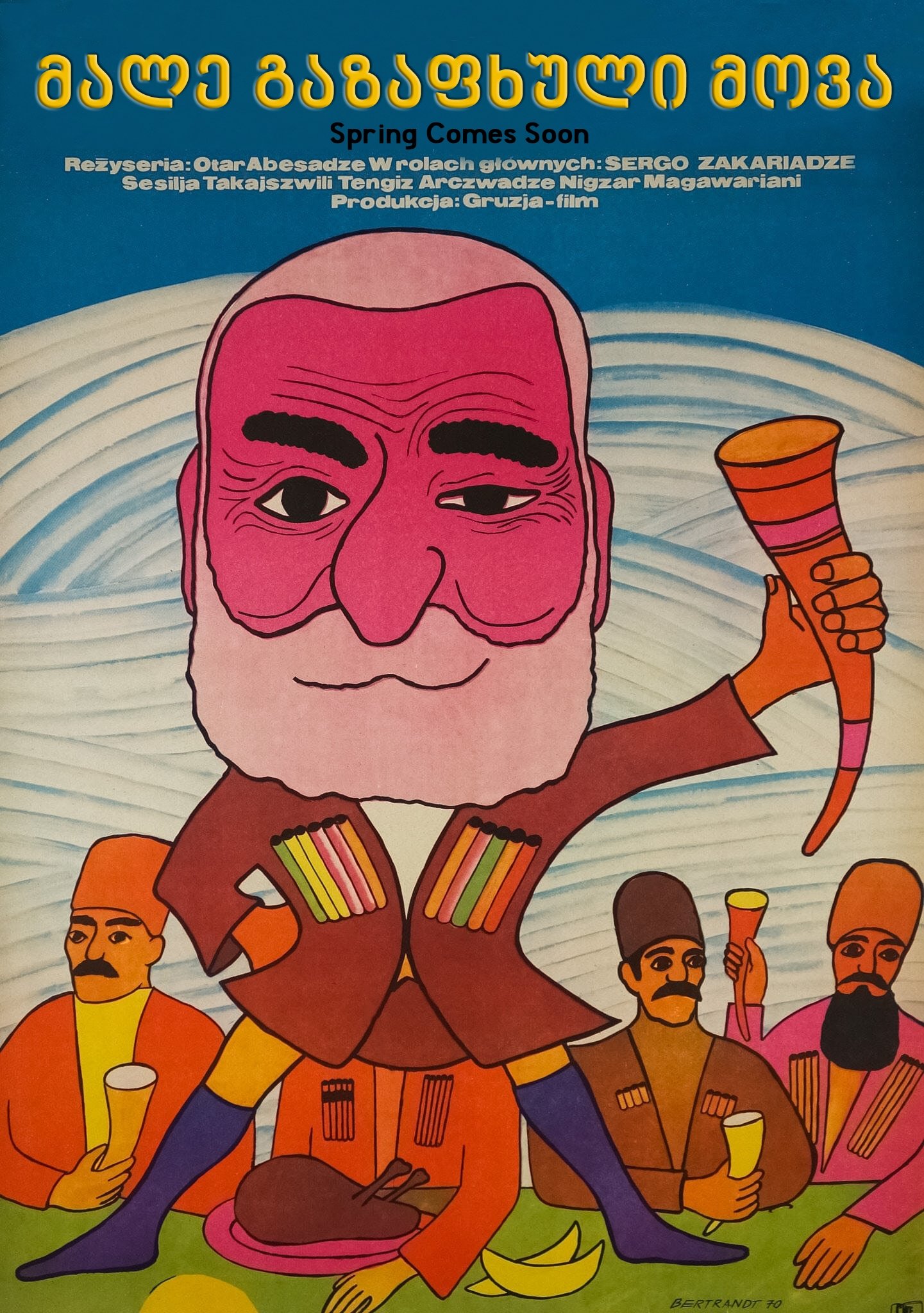
The old peasant Minago Iremadze and his wife miss their children who live in the city. The older brother married a city girl, the younger studies there. Minago decides to bring them back home. He goes to the city and tells everything to his sons. The brothers understand their dad well but cannot abandon the city life.
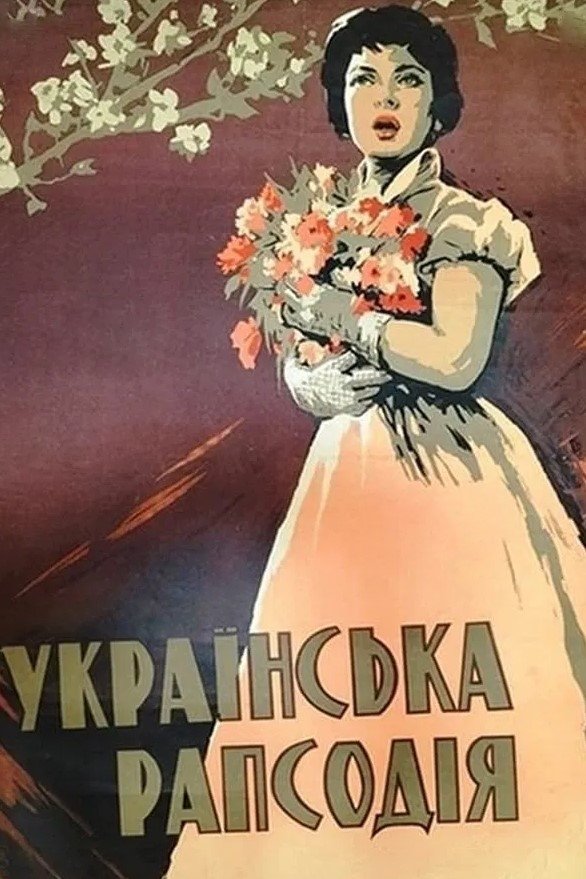
World War II separates lovers Oksana and Anton. The young man is taken prisoner by the Germans, while his beloved abandons her studies at the conservatory to become a frontline nurse. Despite all the hardships, their paths cross again.
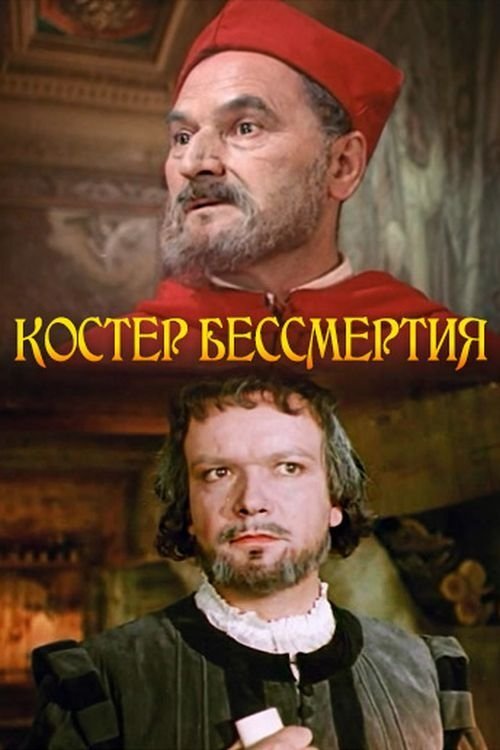
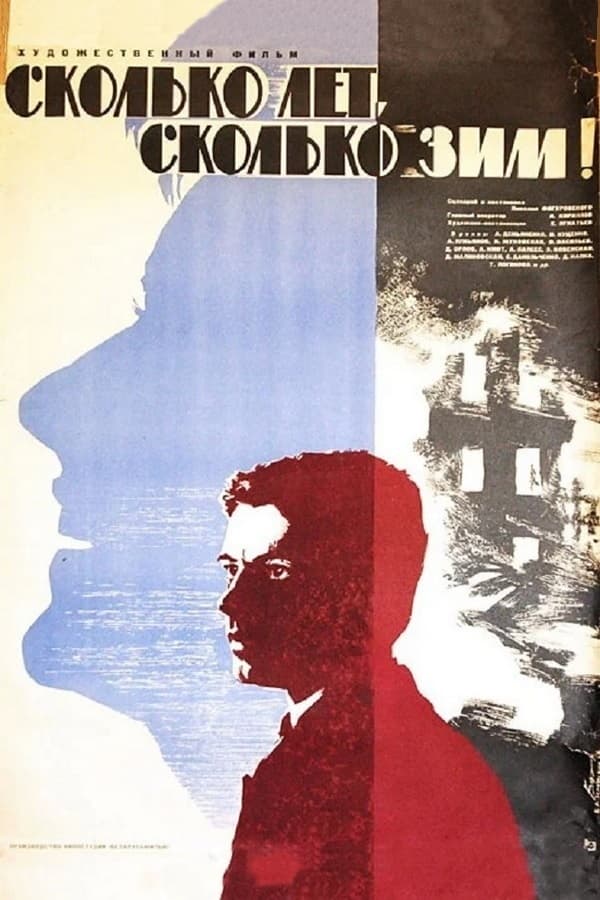
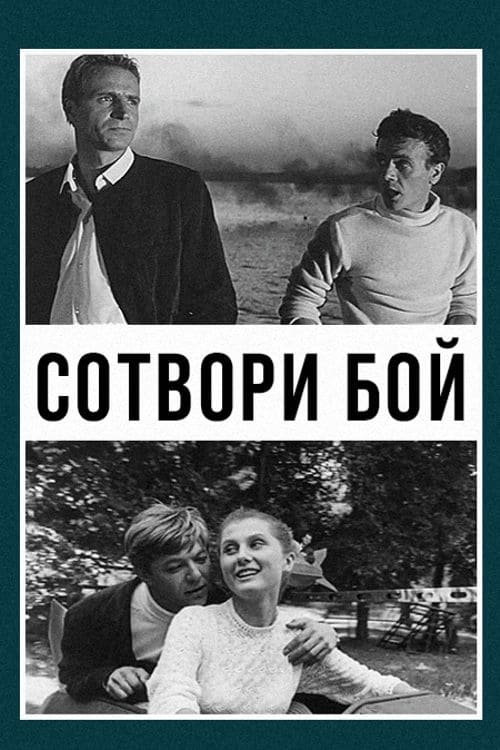
A story about a relations between two friends who compete both in life and on the fencing track.
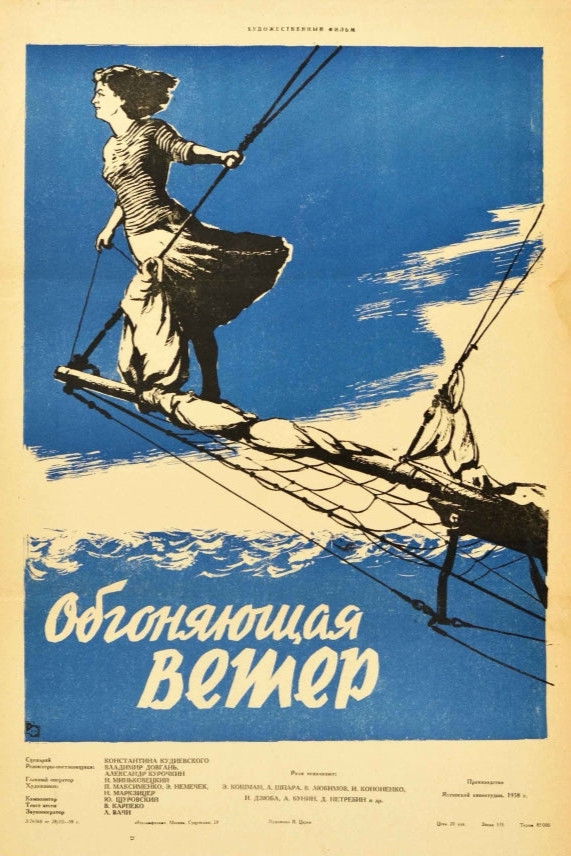
About the harsh and courageous work of fishermen, about love for the sea.
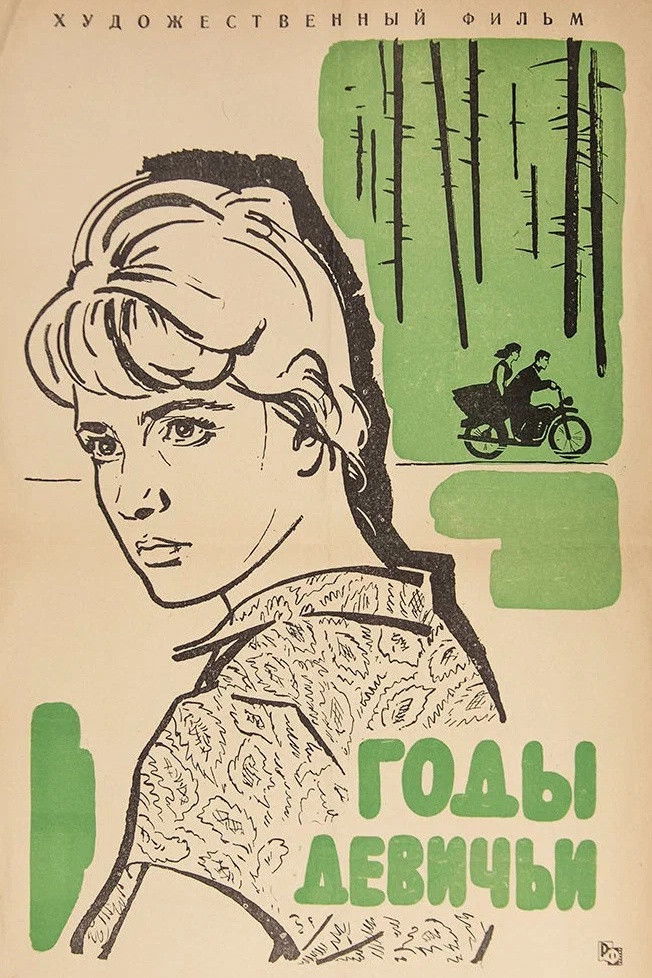
A modest girl, Nastya, who recently came to one of the largest silk factories in Ukraine, fell in love with the foreman and motorcycle racer Gnat Kolyada. After leaving the beautiful Hannah, Gnat proposes to Nastya — and soon the brigade celebrates the wedding. After the birth of their son, the young family begins to experience the first difficulties: Nastya finds it difficult to cope with school, work and household, and Gnat finds solace with Hannah. But the brigade is on Nastya's side. And so, when Gnat leaves the family to sort out his own feelings, the funny Antoska settles into their apartment...

The young girl made a mistake. As a result, she has son from a soldier, who immediately broke up with her. She gives away her child to a wealthy family, but years later realizes that the child is the most valuable thing in her life. To be with him, poor woman applies for a job to this family.

Natka, who dreams of becoming a captain, is sent to pioneer work. She takes her first assignment very seriously - and receives a trip to Crimea. In Artek, Natka is asked to replace a sick pioneer leader. The girl agrees. Soon, during the construction of a water pipeline, a dam breaks and a struggle for water begins. Engineer Ganin, who came on vacation with his little son Alka, also joins this fight. In the ruins of the old fortress, Vladik and Tolik find dynamite. To track down their enemies, the guys hide explosives and swear not to reveal their “military secrets”...
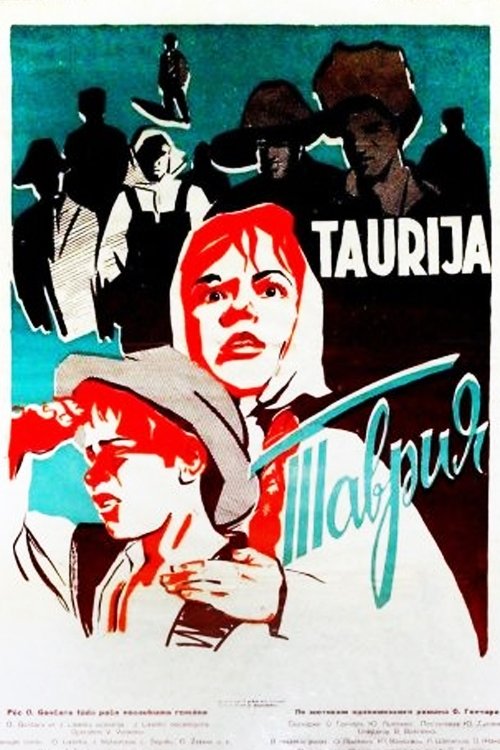
1914, Imperial Russia. A group of Ukrainian peasants searching for a better life in the Taurida steppe end up working at the landholding of the aristocratic Falz-Fein family. Friends Vustya and Hanna are courted by a revolutionary and the landowner's son, both rising their hopes and dreams.
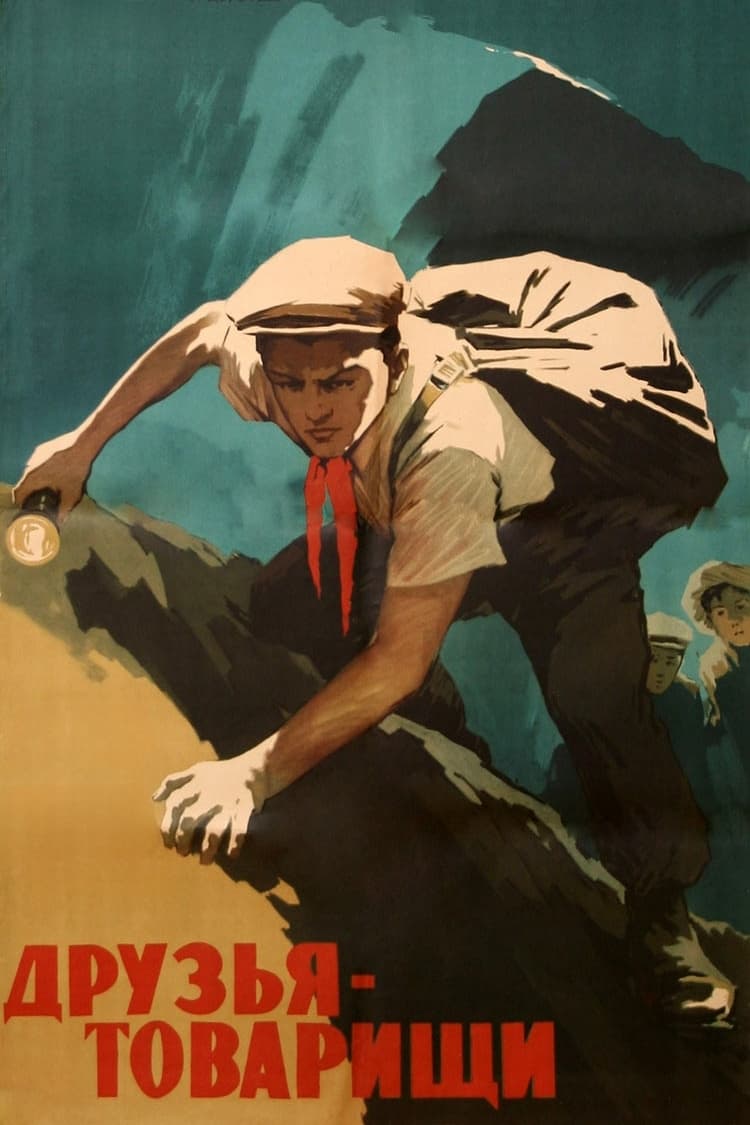
Sixth-graders Oleg, Vasya and Vitya go with their pioneer detachment on a hike across the Crimea.
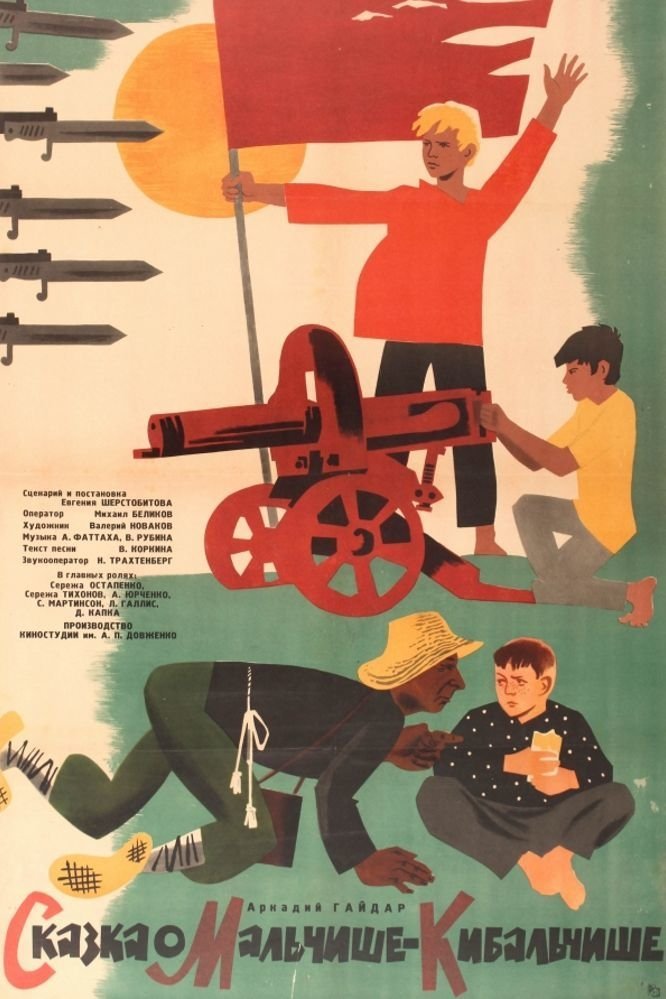
The story is about a brave boy who never takes off his hat.
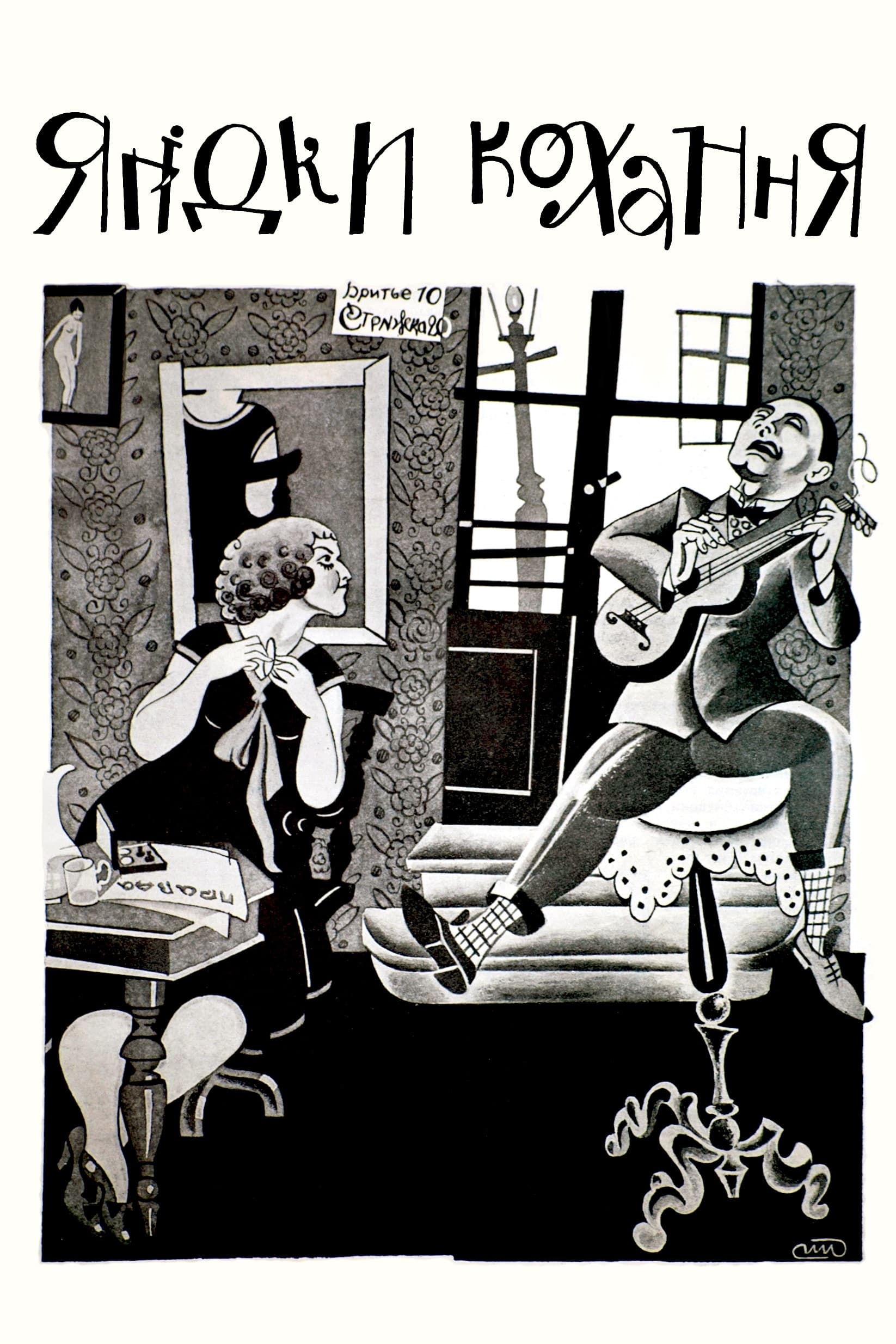
Jean, the hairdresser, is flabbergasted: what is that baby his girlfriend Lisa has put in his arms out of the blue? The fruit of love? Out of the question. From that moment on, the reluctant father has but one thought in his head: he must get rid of the cumbersome 'article'. And, take his word for it, all the ways are good.
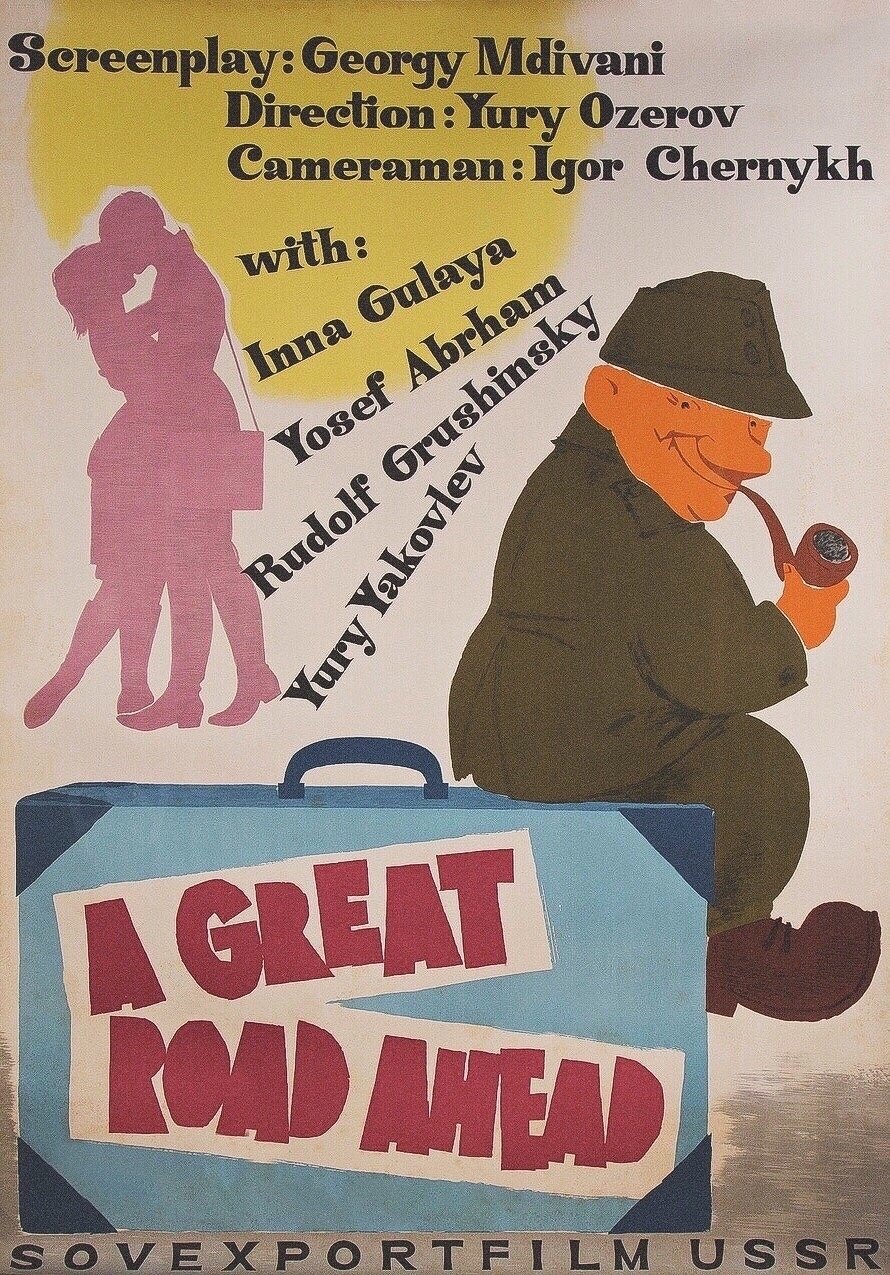
About the great Czech satirist Jaroslav Hašek, who was captured by the Russians during the First World War. Not wanting to fight for the interests of the Austro-Hungarian monarchy, Hašek enters the Red Army and, as a commissar of the international brigade, goes the military way from Samara to Irkutsk.
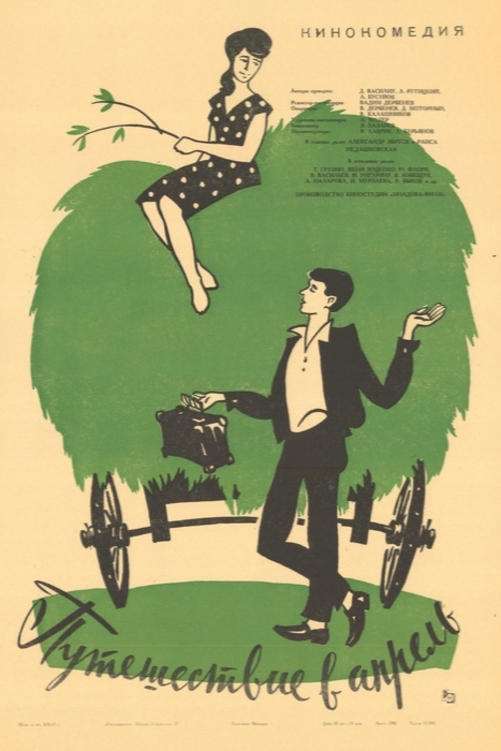
A journalism student Kostik is travelling, by river steamer, to the place of his internship in the village of Lower Lazureny, but by mistake he goes ashore at Upper Lazureny. While Kostika is trying to get out of the village and get to his destination, wonderful adventures happen.
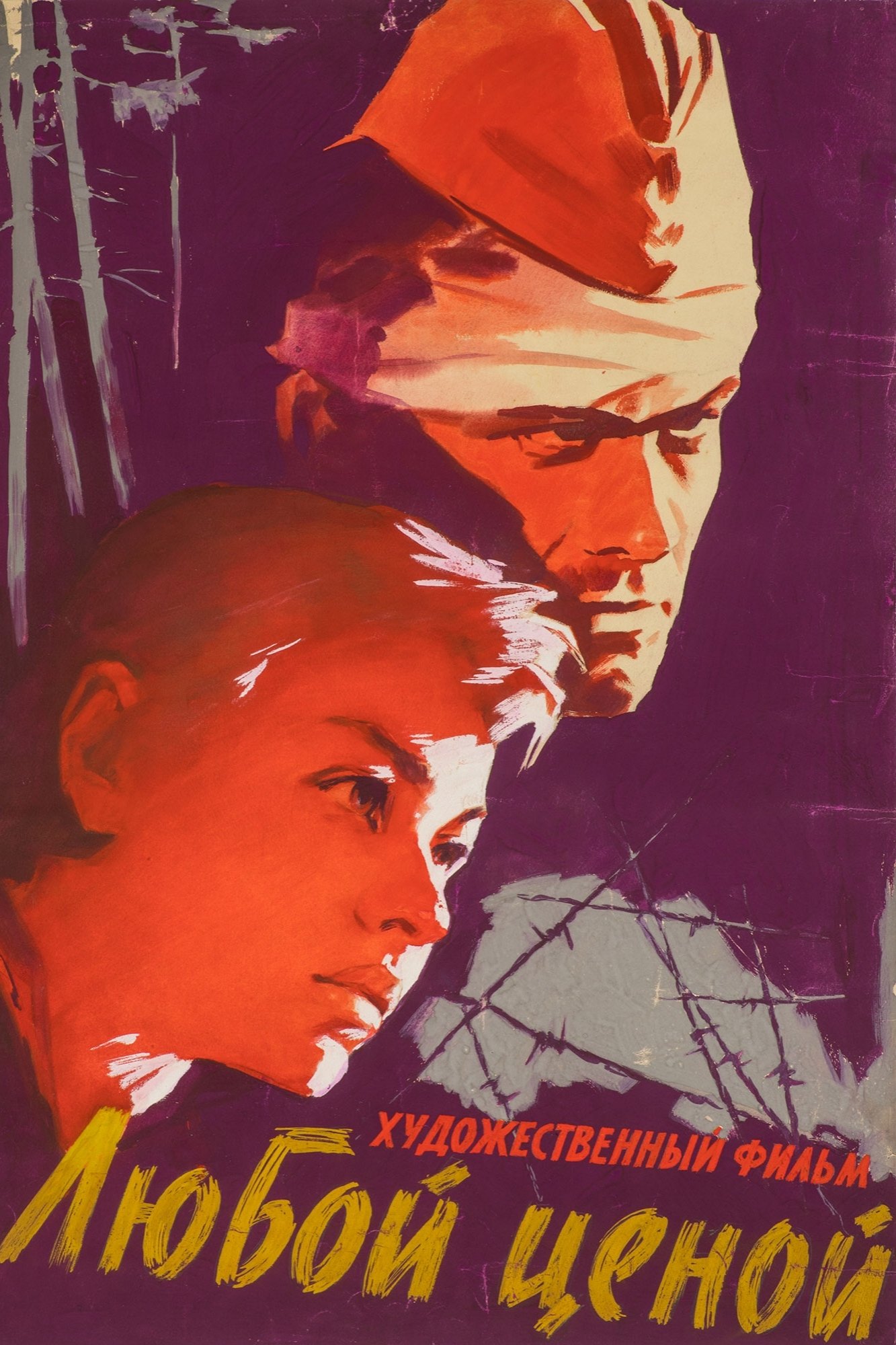
A story of the adventures of two young boys during WWII.

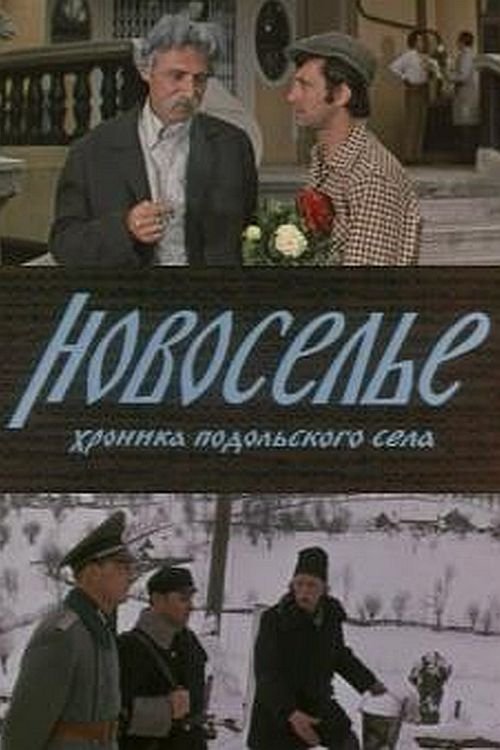
The story of the life of the Podolsk village and what the inhabitants of the village had to go through during the years of Soviet power. Through the fate of the heroes, the film tells about the events of collectivization in the village, where for centuries, everyone used to work only on his own farm, about the war years, when many quiet people showed miracles of heroism, and universal favorites became nazi puppets.
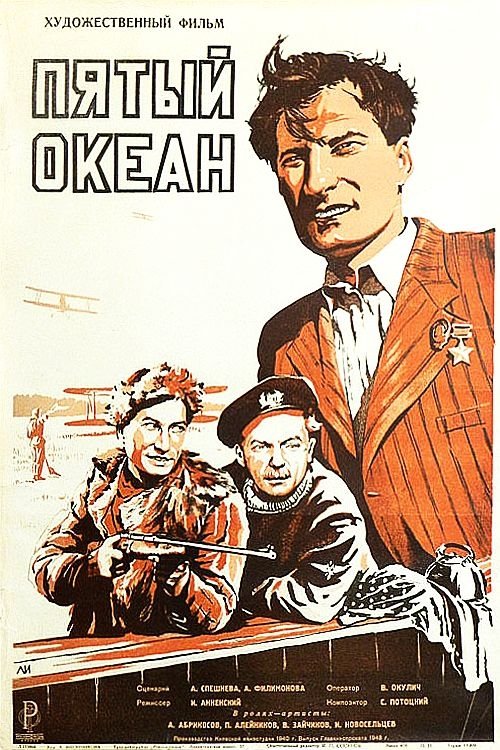
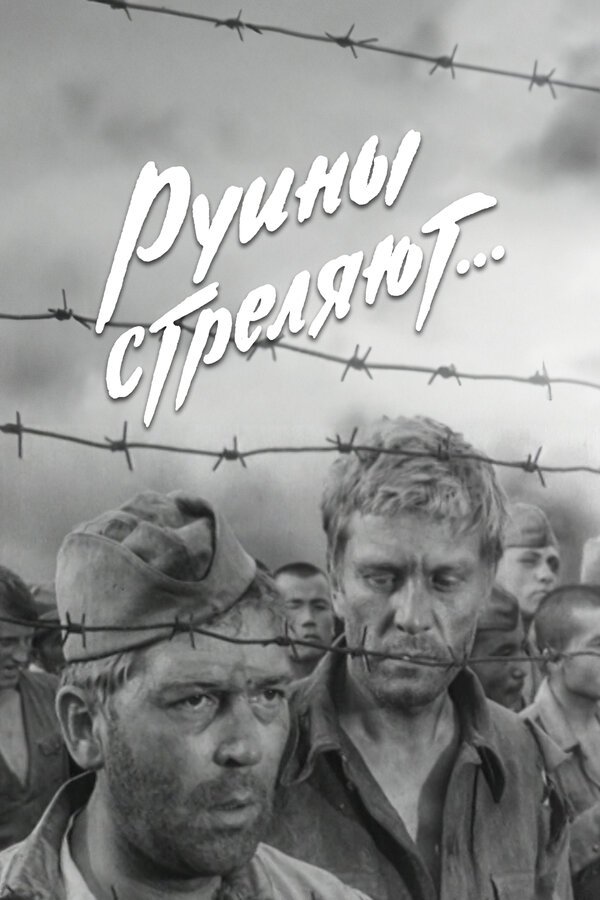
The plot centers on the people who began to form underground groups from the very first days of the occupation of Minsk: oil engineer Isa Kazinets, soldier Ivan Kabushkin, student journalist Vladimir Omelianuk, medical professor Yevgeny Klumov, party and Soviet worker Sergey Blagorazumov, and others. Their main weapon was their hatred of the occupiers. Soon, the underground fighters managed to establish contact with the partisans, and they began to plan joint operations.
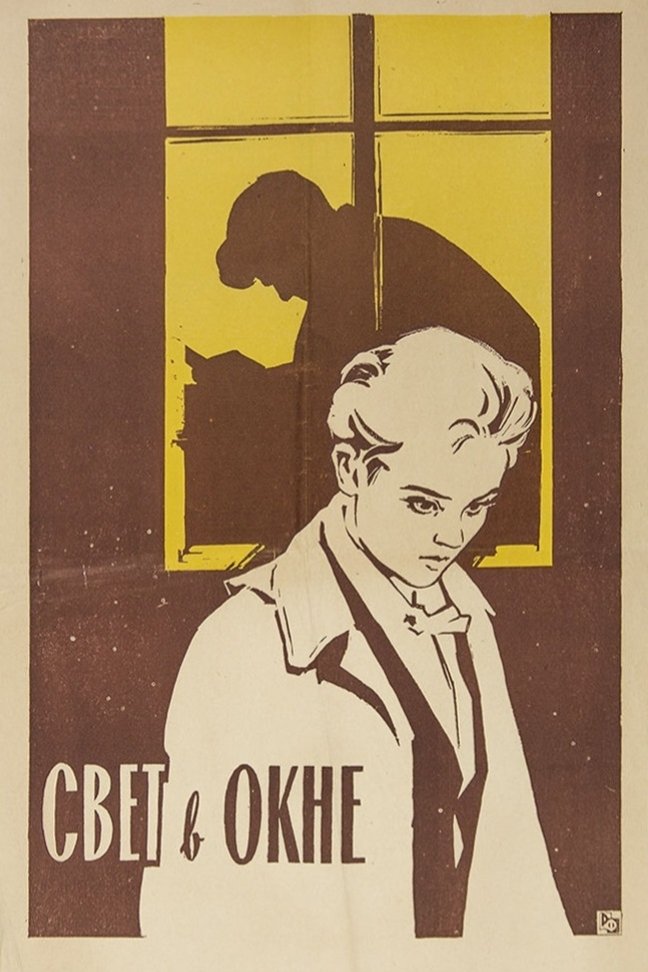
The team of diesel locomotive builders is struggling to increase output. More efficient welding methods are needed, but all the efforts of Andrei Kostrov and his comrades to design a new welding machine are in vain. On this ground in the brigade disagreements arise. A group of skeptics persuades Andrei to abandon the fruitless search and go to work at the former site. Among the doubters is Kostrov's wife Taisia.
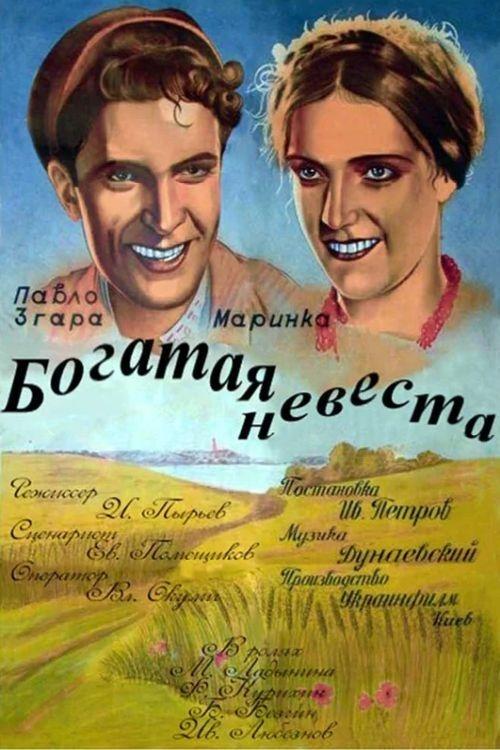
A comedy about the happy life of Ukrainian collective farmers. Harvesting in one of the Ukrainian collective farms. The tractor driver Pavlo and the best collective farmer Marinka work perfectly. They love each other. I like not only Paul. The official and adventurer Kovynko has long been yearning for the Marinka and building all sorts of intrigues to the Komsomol members.

Propaganda film on the participation of Komsomol members in the restoration of the coal industry of Donbas.
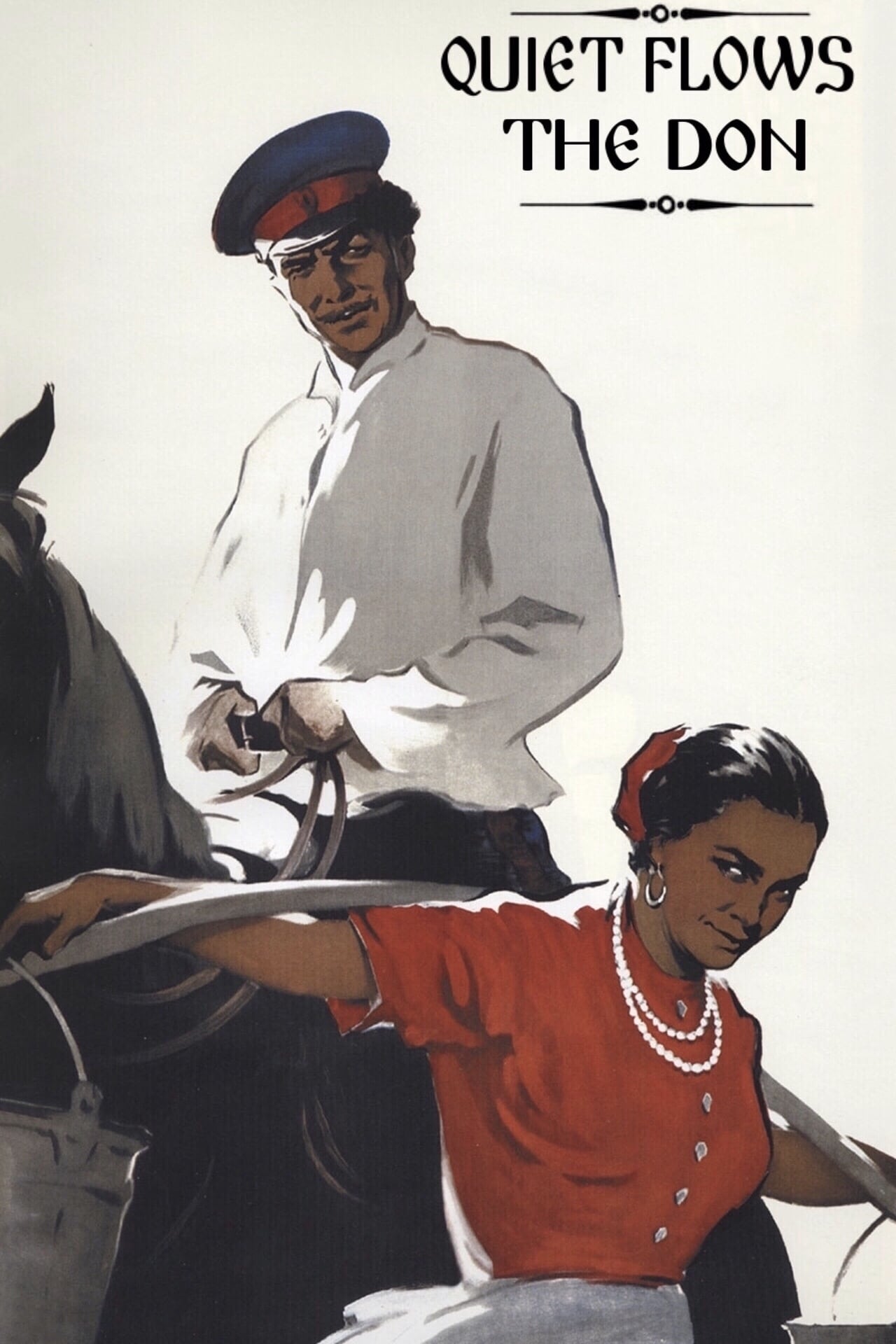
Based on the novel of the same name by Mikhail Sholokhov, about the fate of people broken by the First World War, the October Revolution of 1917 and the Civil War in Russia (1917-1922), about the collapse of the foundations and ideals of the Don Cossacks of Russia at the beginning of the XX century, about the personal tragedy of the protagonist — Grigoriy Melekhov.
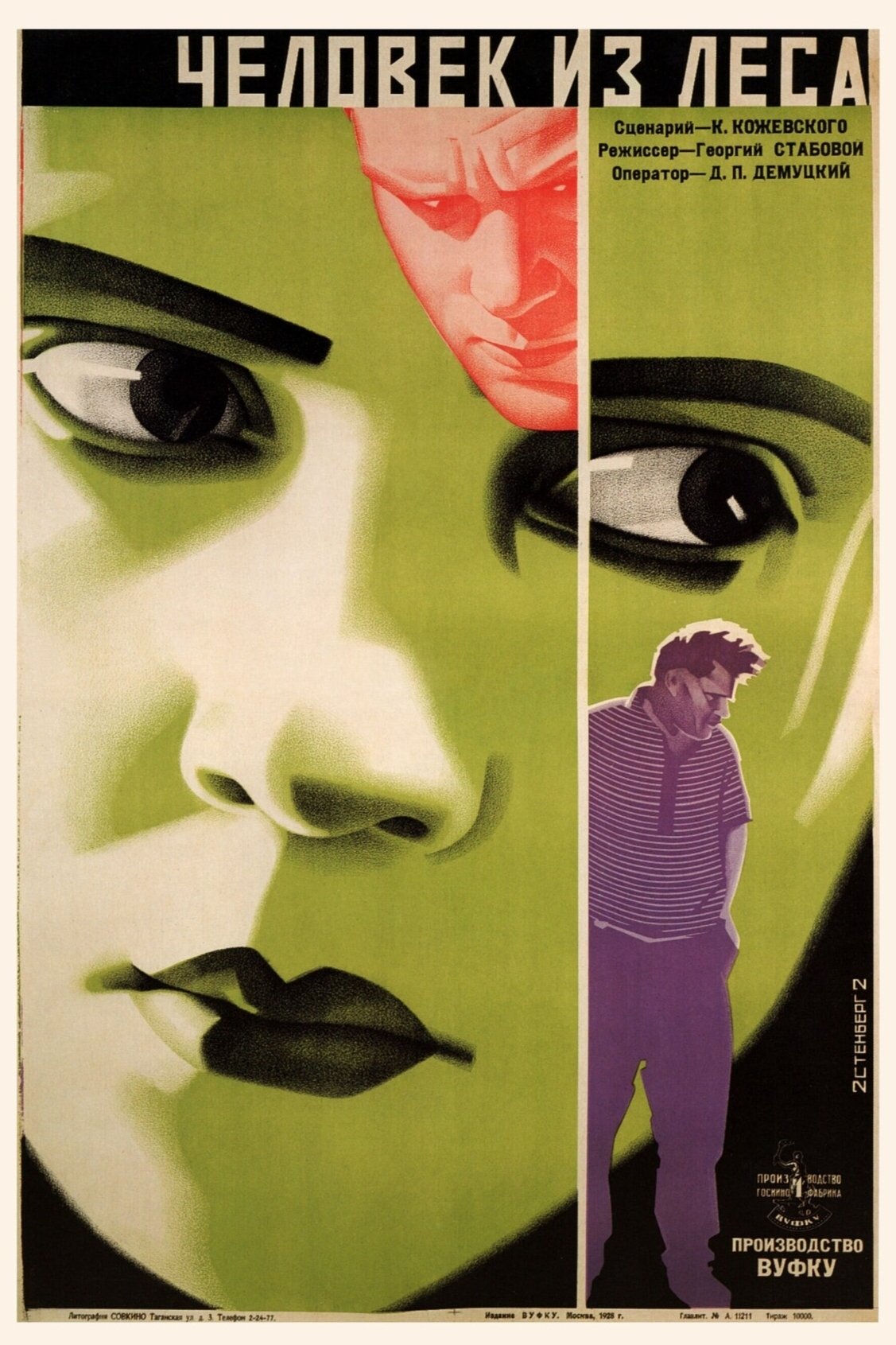
The first years of industrialisation. Disguised as a hunter, an ex-White officer Poloz, who is connected to the international intelligence, is hiding in the forest where the construction of a new power station has begun. An intern making photos of the buildings suddenly notices Poloz. Frightened to be exposed, Poloz kills the guy and makes a cut in the base of the scaffolding of the main building of the power station. In face of a failure, counting on his ex-wife Katia’s help, Poloz kidnaps a 10-year-old boy. Hrai, an engineer and the father of the kidnapped boy, finds Poloz’s hiding place in the forest, and his assistant Varrava shoots the White officer at that very moment when he tries to explode the main building of the power station. The film is lost.
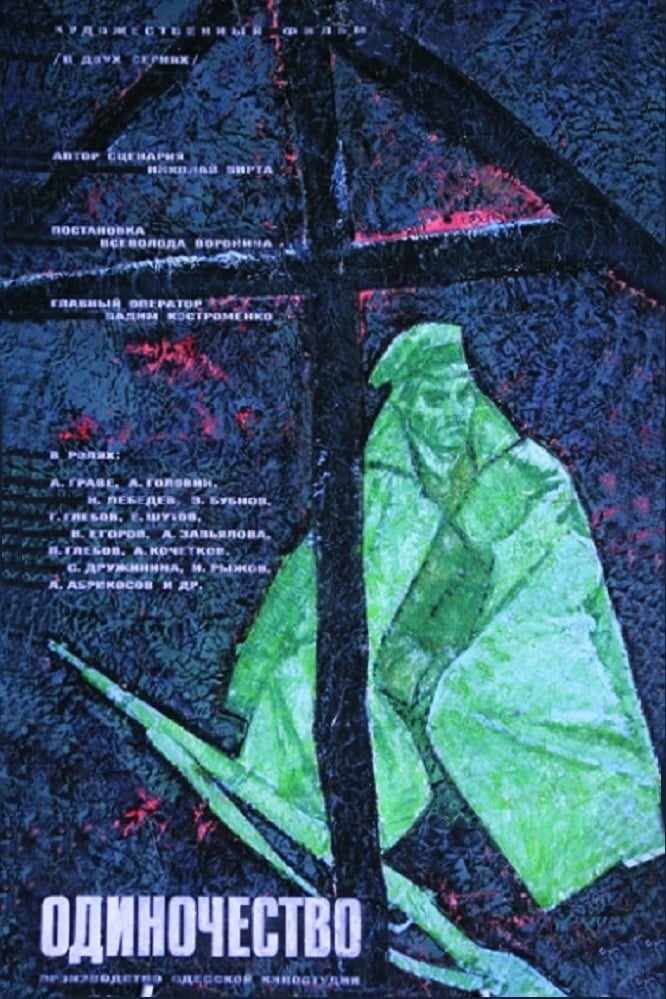
Soviet propaganda film on the struggle against counter-revolution in Tambov region in the first years of Soviet power.

This literary adaptation was one of only two films made during World War II on the subject of the Civil War following the Bolshevik Revolution, as attention by filmmakers and viewers shifted away from past history and toward the current conflict.
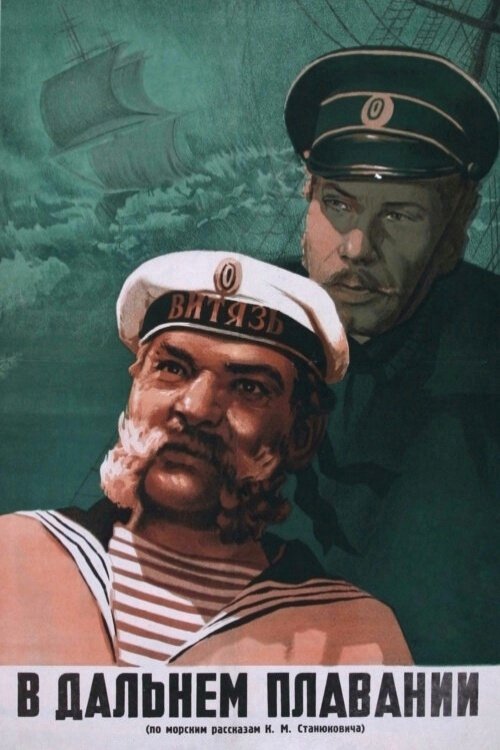
The Vityaz sailing corvette, whose team has to endure severe trials, goes on a flight. Relations between the sailors and the stupid and soulless baron von Berg replacing the senior officer did not develop. By his behavior, he causes the hatred of the whole crew, which develops into a riot when he gives the order to drown the darling of the whole team - a little puppy. All this, as well as a storm in the Pacific Ocean and other dangerous adventures, rally people even more and make them even stronger and more courageous.
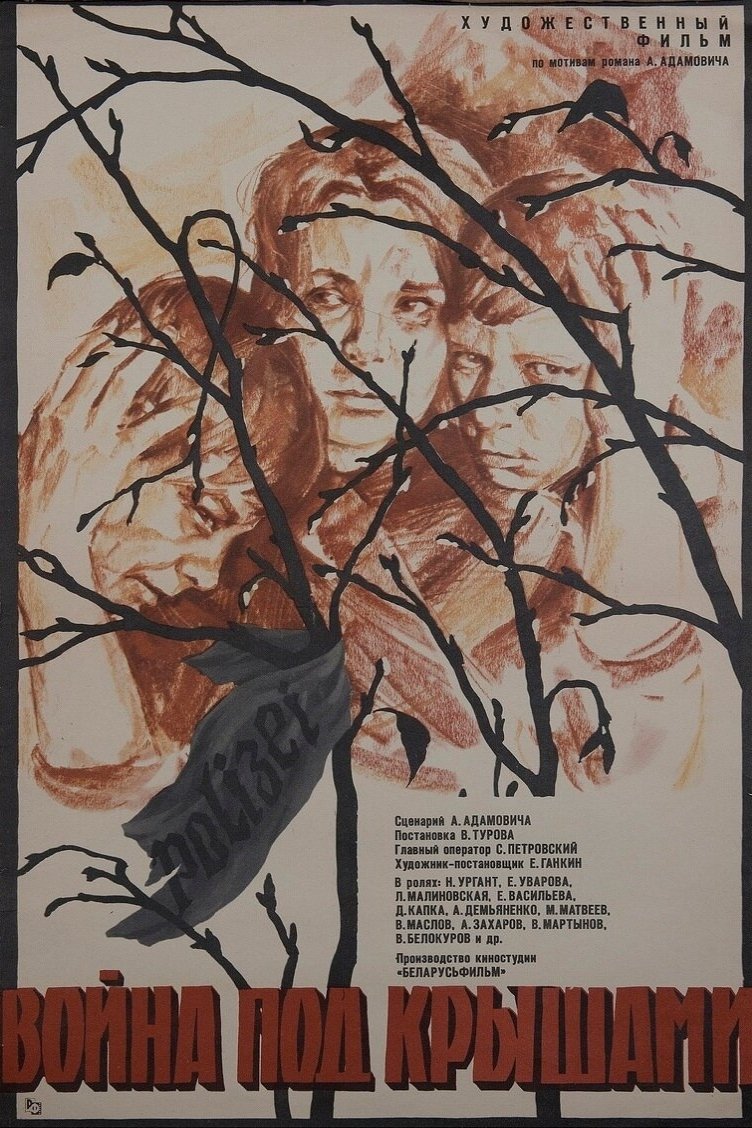

The film takes place during the Great Patriotic War. Tolya and Aleksey, the sons of Anna Korzun, became partisans and fought against the invaders in the BSSR.
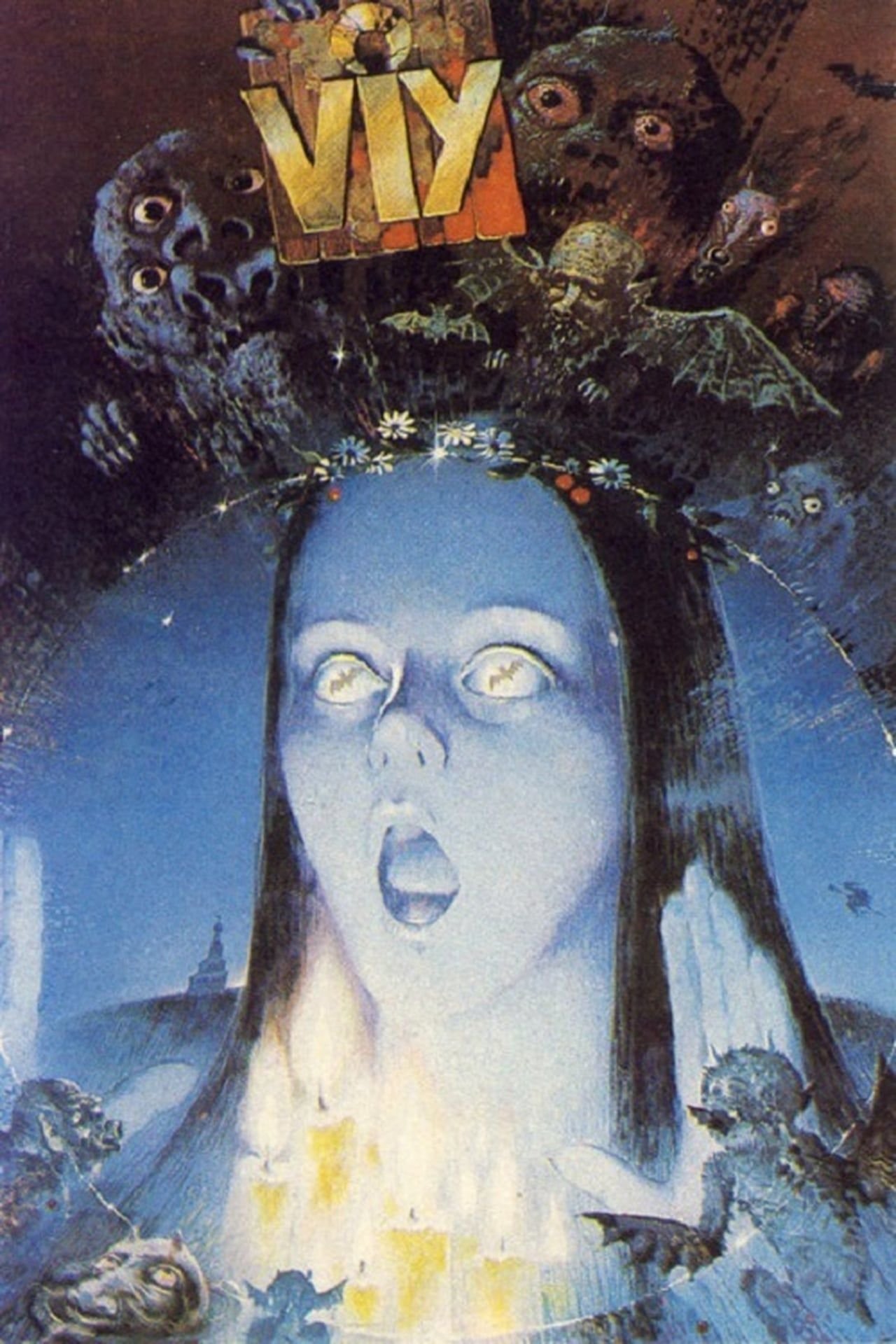
A seminary student on monastery holiday kills an old witch in a remote village. The hag then transforms into a beautiful young woman whose dying wish is for him to watch over her wake for three nights. With terrors occurring and his faith waning, he reads prayers on the overnight watch and tries to survive the supernatural encounters.
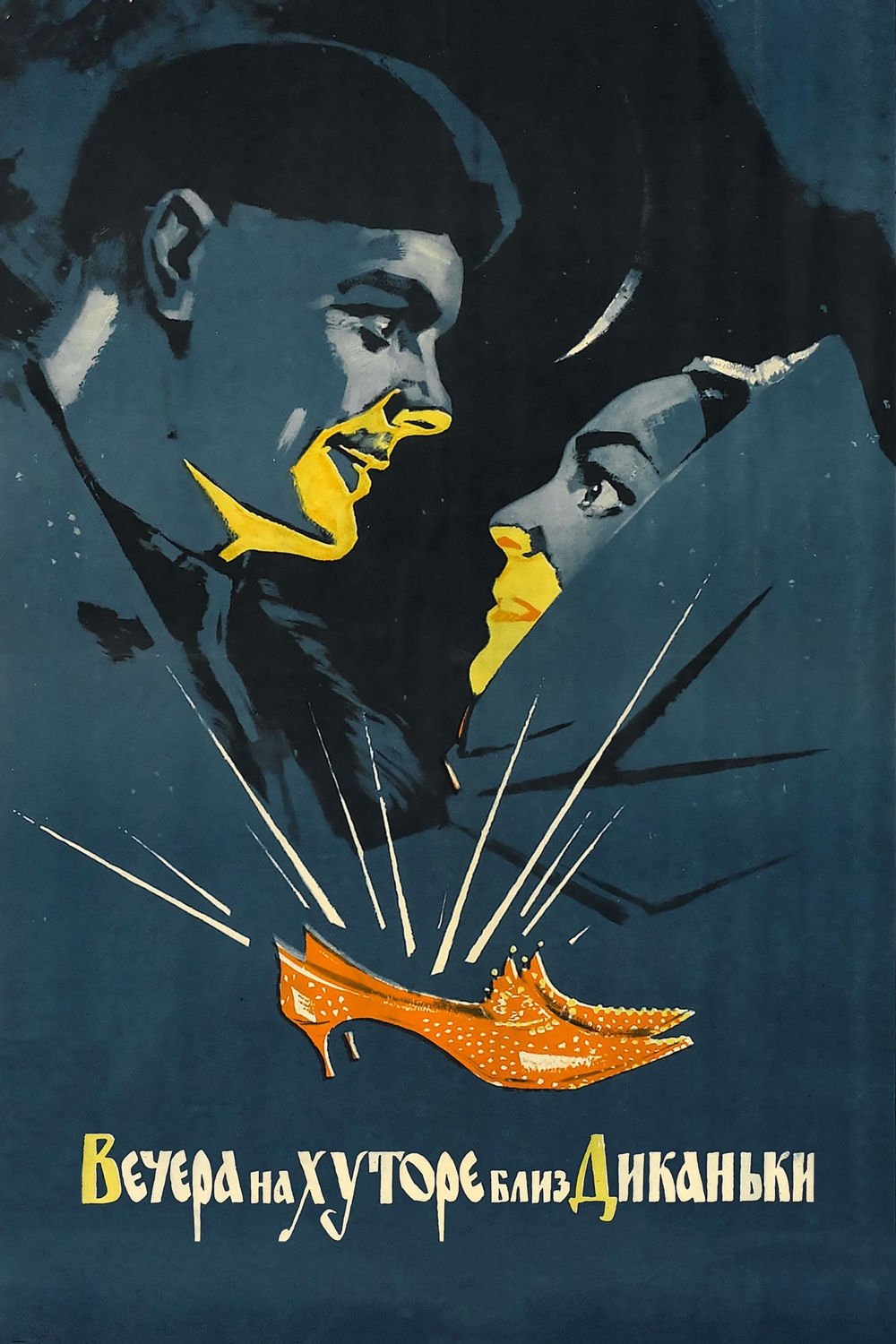
The story that happened on the farm near Dikanka on the night before Christmas, when the village blacksmith Vakula, having saddled the Devil, brought to his beloved Oksana, the daughter of a rich Cossack Chub, queen's "сherevichki"(the little women shoes) from the capital — St. Petersburg.
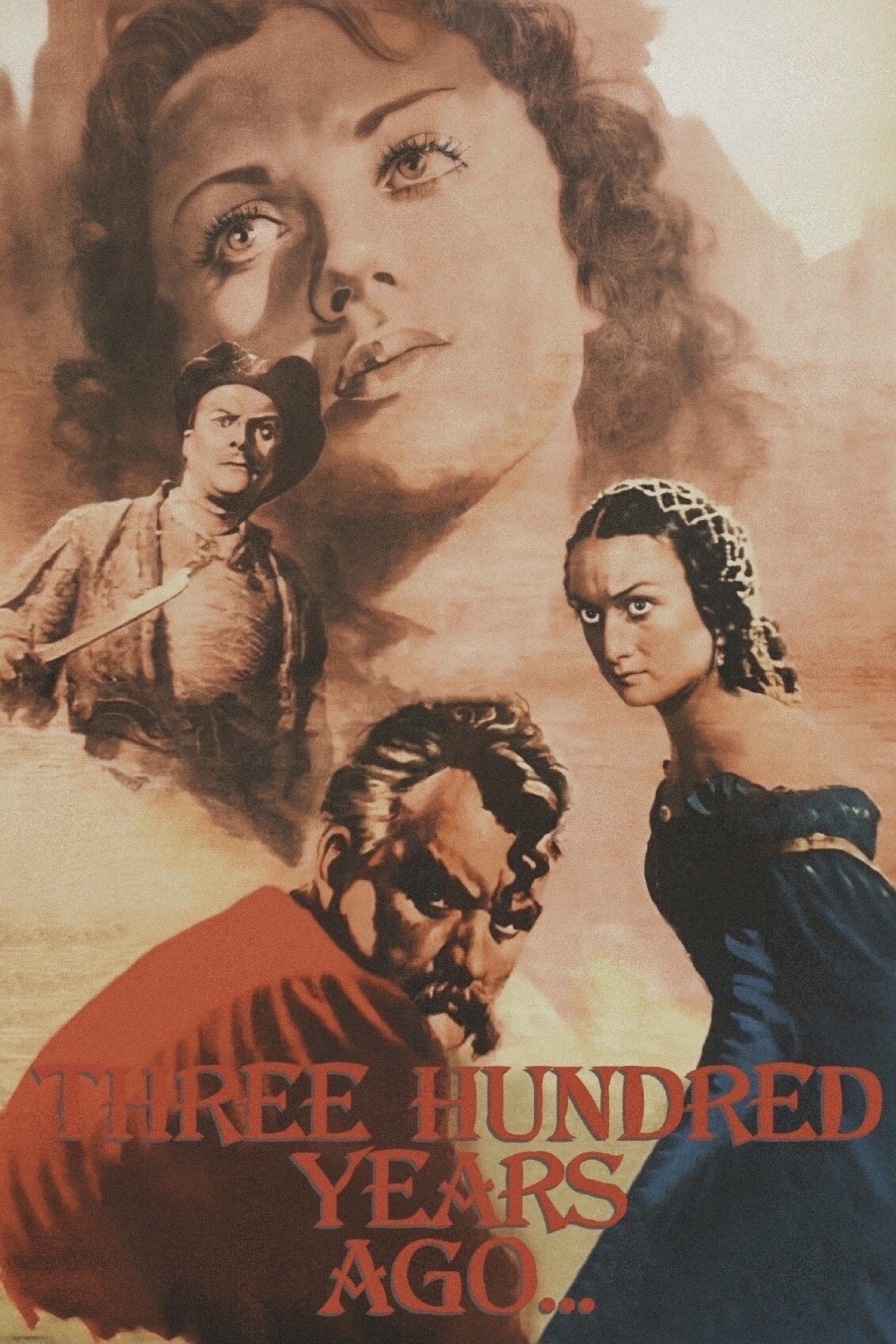
In the middle of the 17th century, Ukrainian peasants and Cossacks rose up to fight against the Polish gentry rule. About the events of the National Liberation War in Ukraine under the leadership of Bohdan Khmelnitsky, who with a firm hand led the insurgent masses to an alliance with Russia.
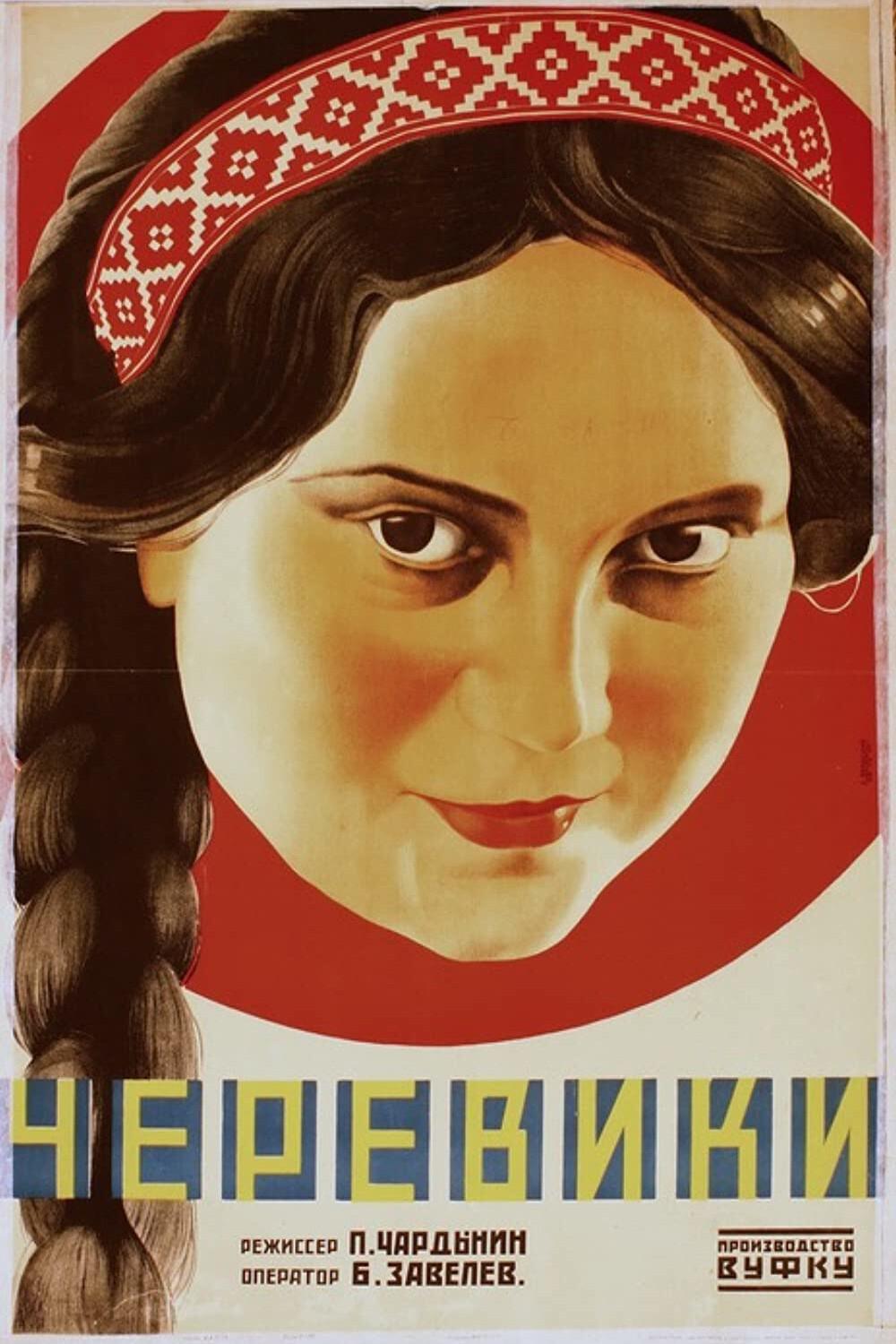
To justify the fantastic adventures of the blacksmith Vakula, the authors of the film “simplify” Gogol’s plot: Vakula, having drunk too much at Patsiuk’s place, falls asleep. And he sees this dream where the devil takes him to the palace of Catherine II in Saint-Petersburg; and there Vakula takes off the little shoes of the Russian empress to give them to his fiancée Oksana. And, really, drunk Vakula takes off the shoes while sleeping… but from Patsiuk. Later, when Vakula unwraps the package with the “royal slippers” in front of Oksana, he finds only Patsiuk’s dirty shoes there.
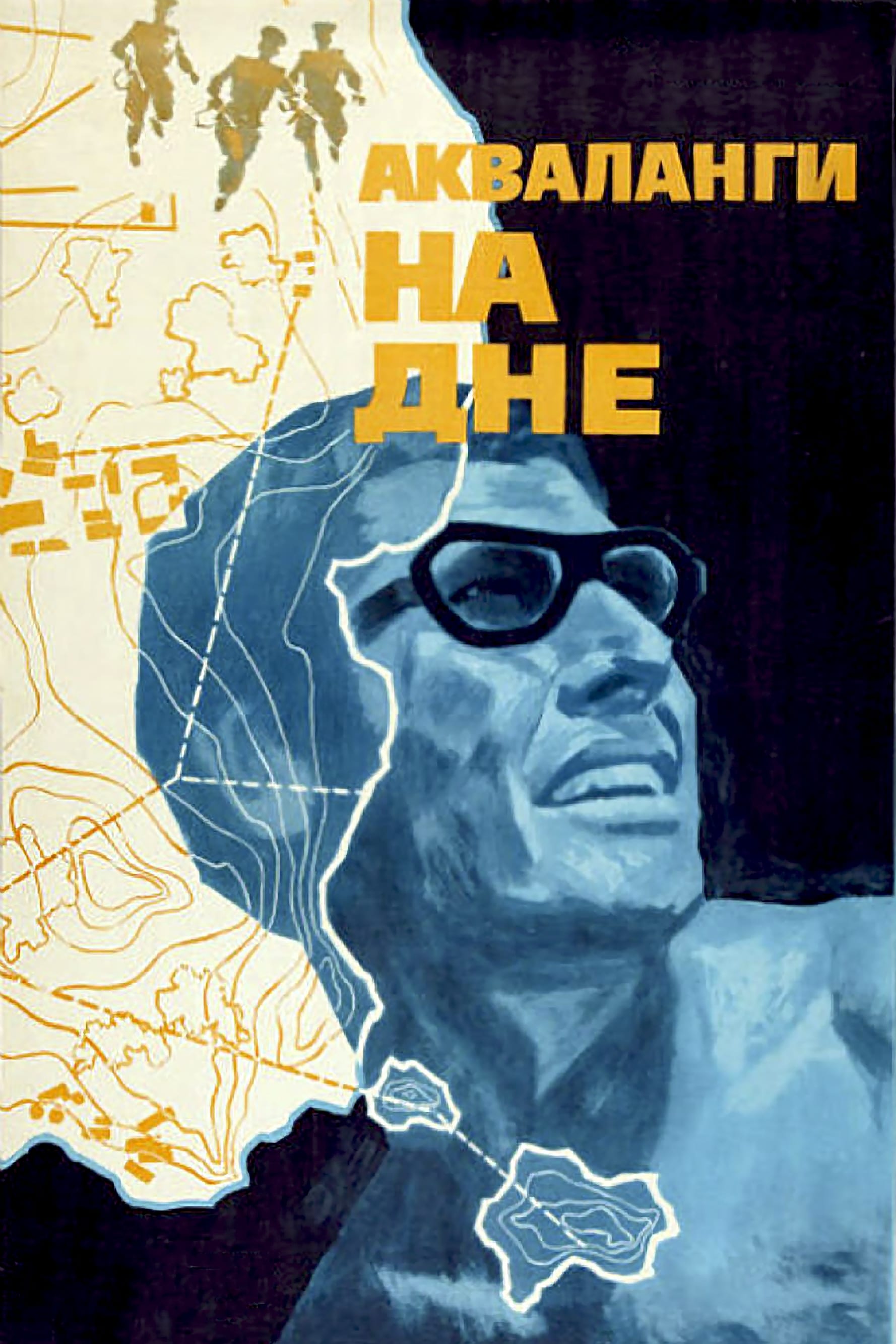
Romka Marchenko, a young kid who is participating in movie shooting tries to stop international spy.
In the dead of night, four officials are playing screwball. The originality of their game lies in the fact that each card of the deck is a photo of an official, their colleague.…
Ukrainian Soviet film about the fate of a young Ukrainian peasant who became a participant in the revolutionary struggle.
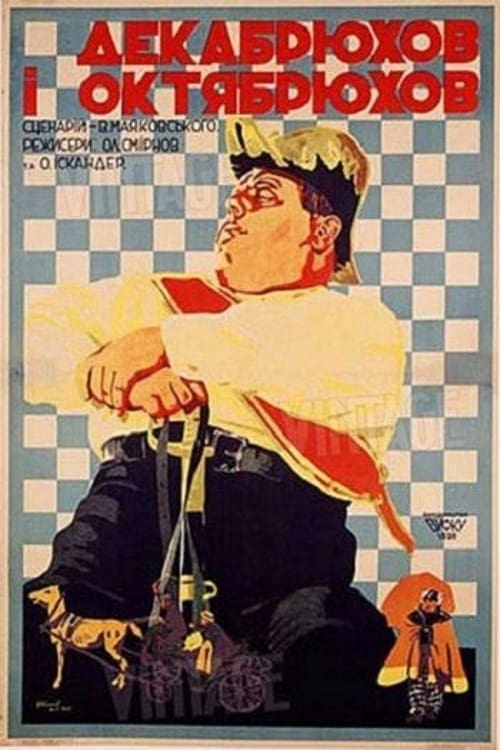
The bourgeois wedding of Dekabryukhova is interrupted by the machine-gun fire of revolution. He flees abroad, leaving his wife. Oktyabryukhov stays and adapts to the new life. At the end of the picture there is an attempt at universal reconciliation and the poet's tormenting theme "three-way love". Dekabryuhov returns to his homeland. His wife is already married to Oktyabryukhov. Having learned about it, Dekabryukhov tries to leave, but the newlyweds force him to stay.
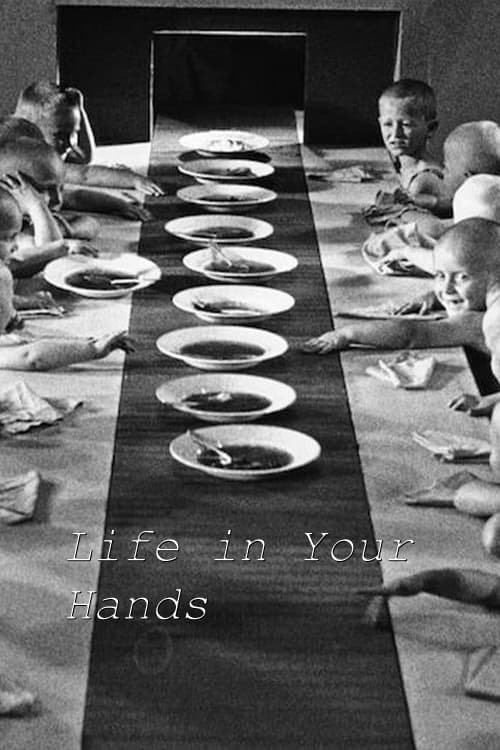
The cursed legacy for the young state are drunkards and truants, who have not yet rebuilt their lives in the new social conditions. But life is changing: the inhabitants of the commune dormitory, a huge, cubist-style house, “orderly” run in the morning for exercise, eat in the canteen, which resembles a factory conveyor belt.
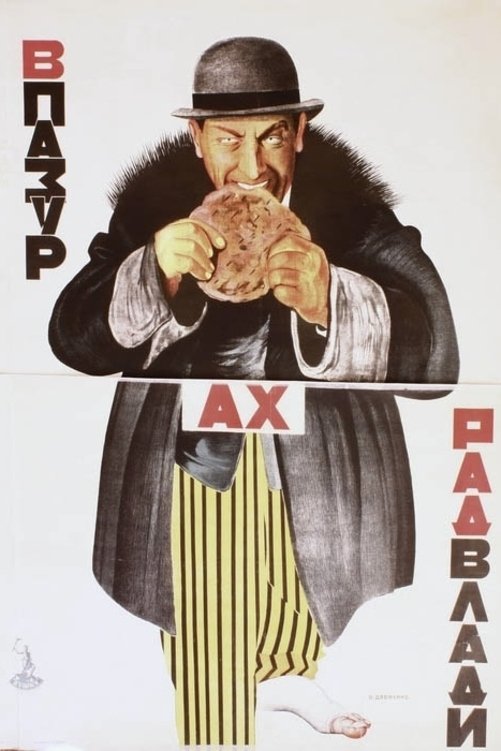
Day in and day out, factory worker Wolfer enjoys his luxurious life. But one day he wakes up after another night of drinking and is horrified to learn that the October Revolution has taken place. It took away the manufacturer's luxurious life. Wolfer's mansion, jewelry, and excess clothes were requisitioned. In the end, the manufacturer has to sweep the streets. He flees to Paris, where he finds a job in a circus with great difficulty.
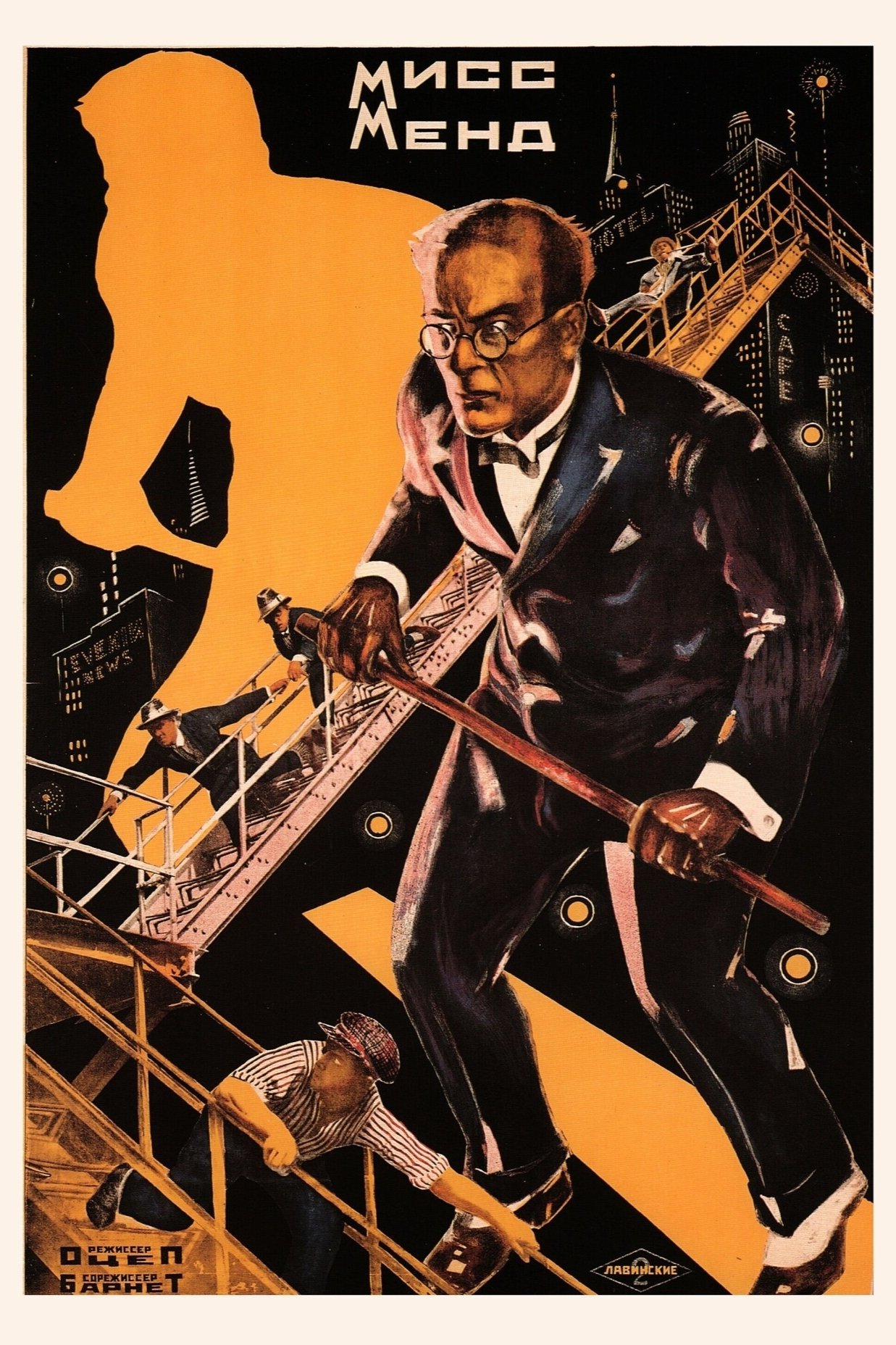
Three reporters and an office girl are trying to stop a bacteriological strike by some powerful western business leaders against the USSR.
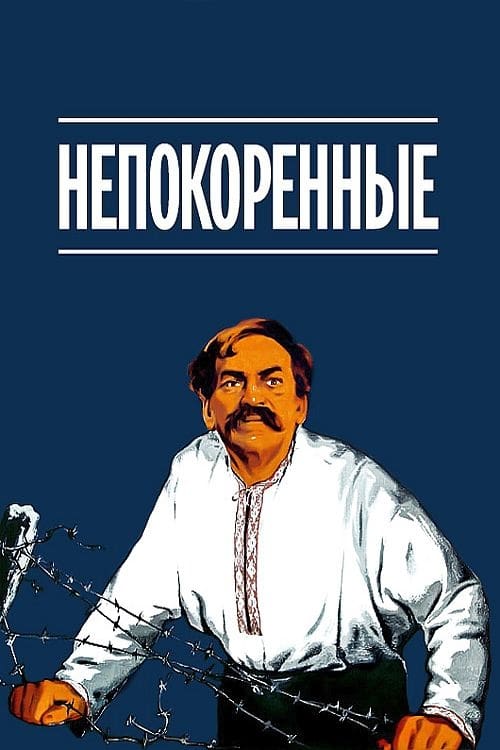
Russian filmmaker Mark Donskoi, of "The Gorky Trilogy" fame, was responsible for the postwar Soviet drama The Taras Family (originally Nepokorenniye, and also released as Unvanquished and Unconquered). A semi-sequel to Donskoi's Raduga (1944), the story is set in Nazi-occupied Kiev. The drama focusses on the travails of a typical Soviet family and on the efforts by the Germans to force the reopening of a local munitions factory. The film is at its most grimly effective in a long sequence wherein the Nazis conduct a search for Jewish escapees, culminating in a horribly graphic re-creation of the slaughter of the Jews at Babi Yar. While Donskoi was critically lambasted for his cinematic "sloppyiness" during this sequence (hand-held camera, rapid cuts etc.), it can now be seen that he was attempting a realistic, documentarylike interpretation of this infamous Nazi atrocity.
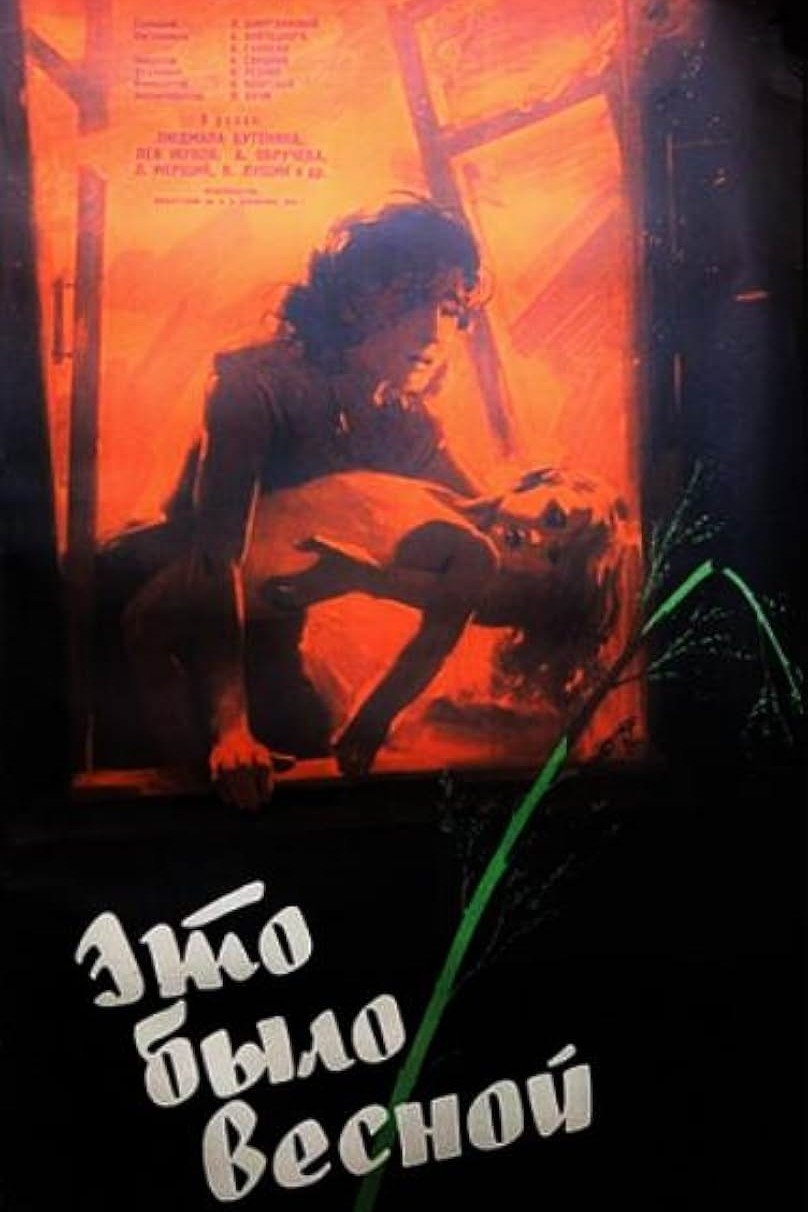
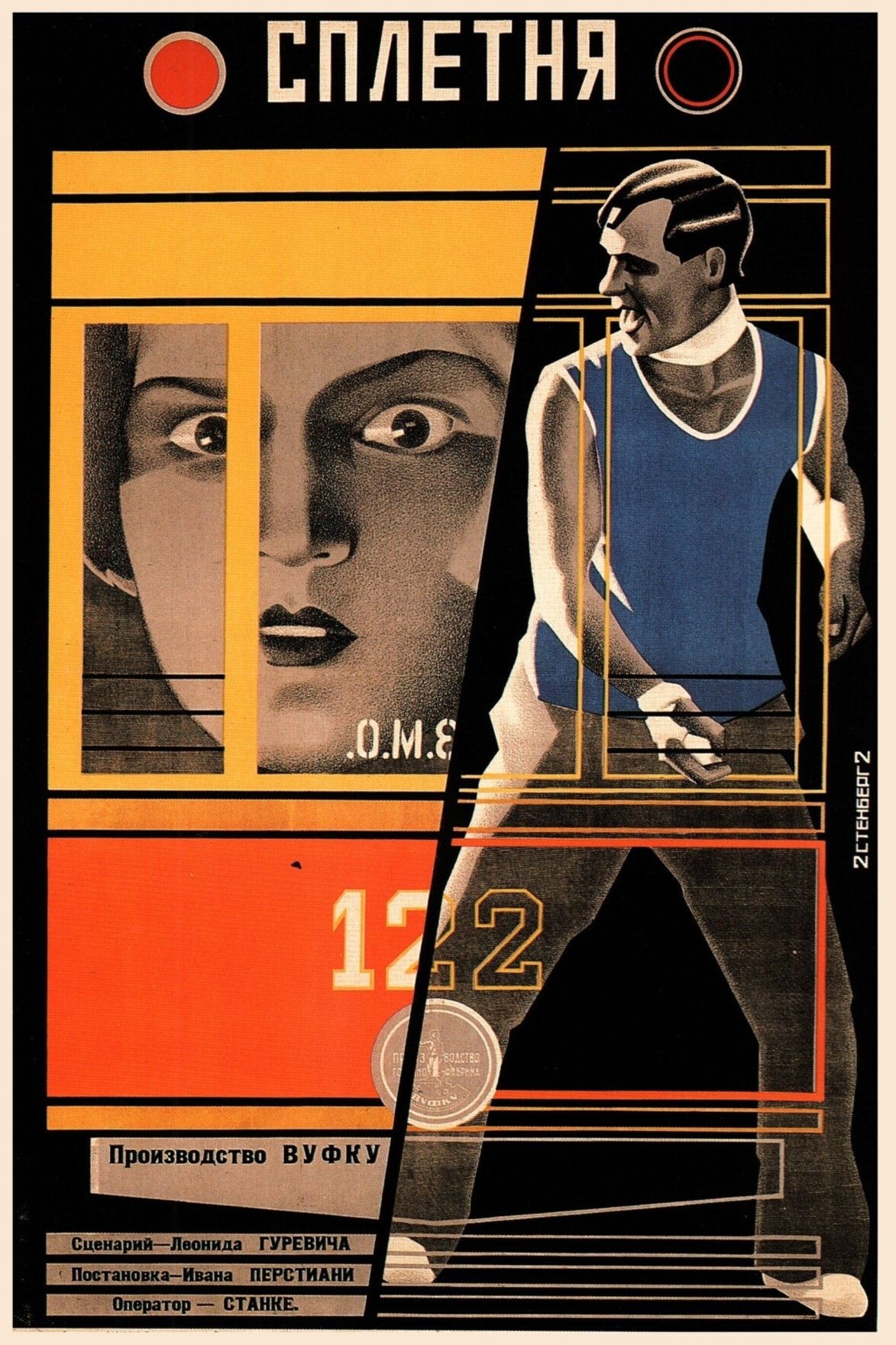
Lost movie.
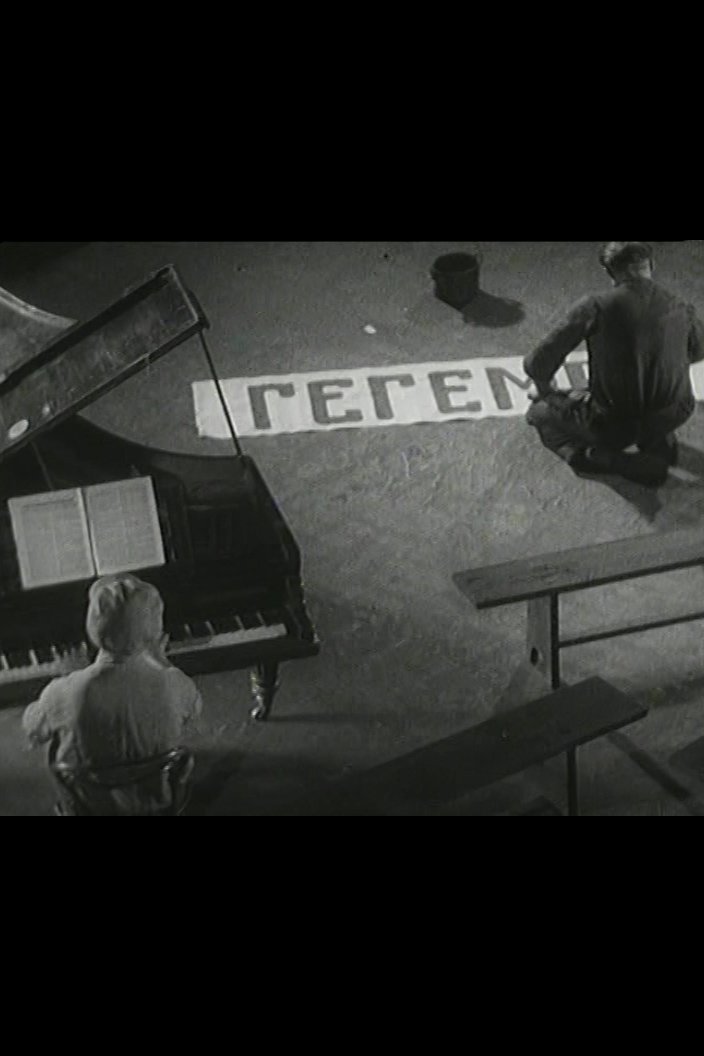
A propaganda piece. On the way home to his wife, a man meets a colleague. Fascinated by the stories about the plant, he decides to get off the train and help the company overcome all extreme situations, prevent the plant from stopping and overfulfill the plan. On January 29, 1931, the Zhovten cinema in Kyiv was first opened with this film.
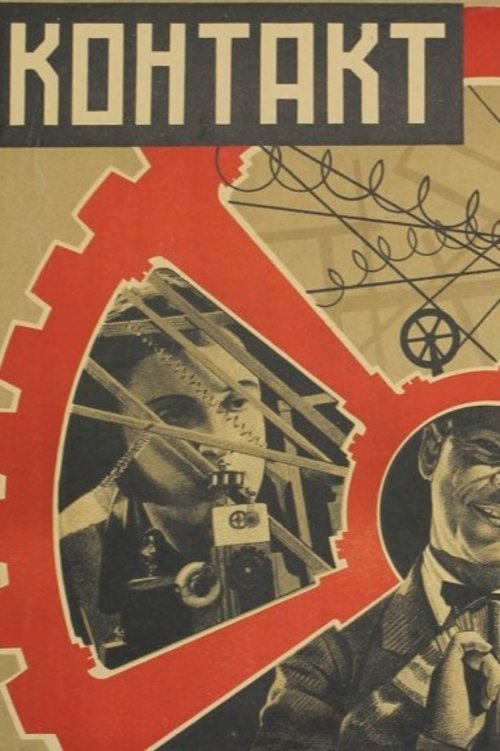
The film is about the industrial relations between the old and young generations of workers. The old master Korzhov hides his professional knowledge from the youth. This provokes criticism from the young worker Pavel. The relationship deteriorates after Korzhov's daughter secretly marries Pavel...