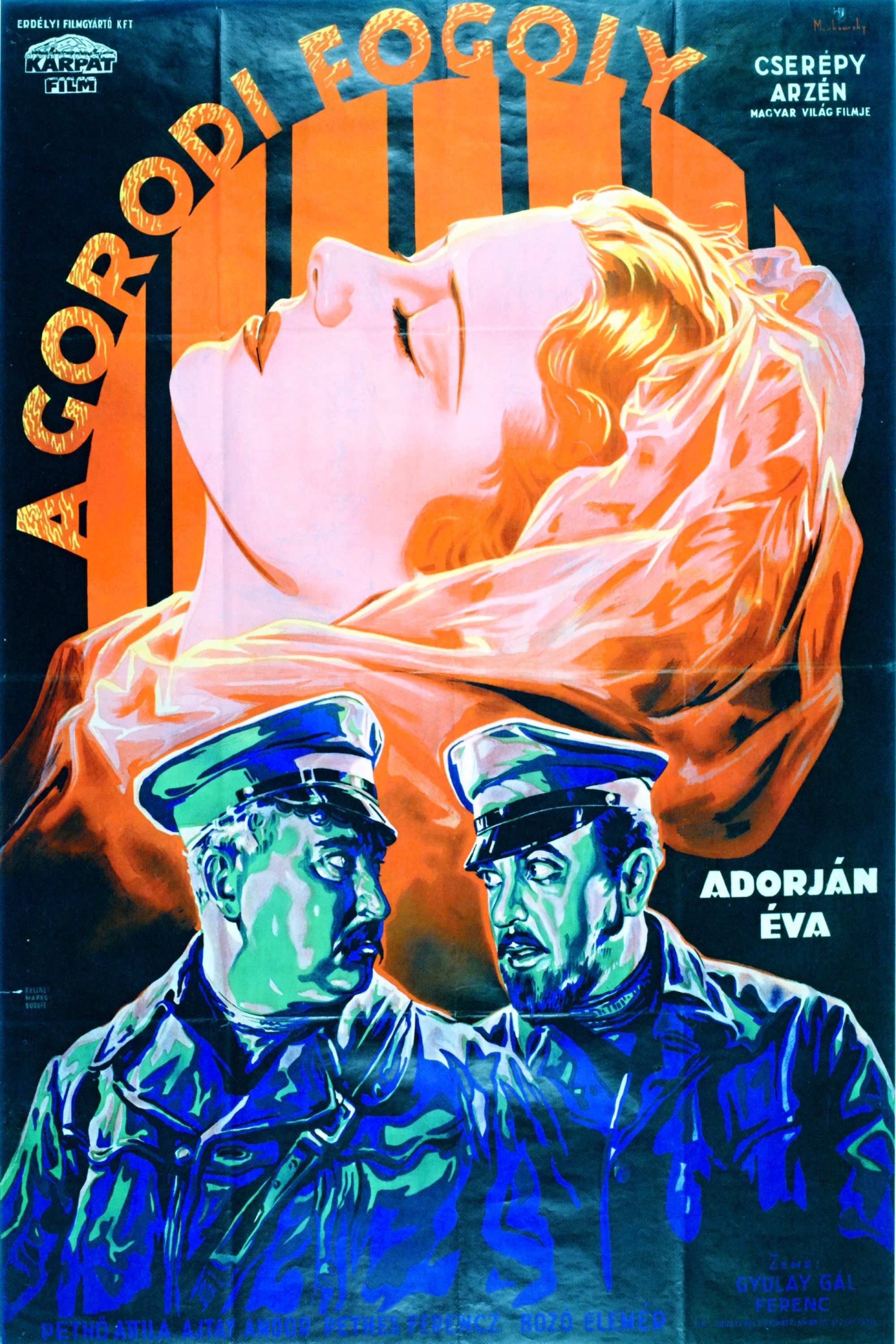
The film takes place in Russia during the World War I. Three Hungarian POWs are on the run from their Russian captives. One of them gets shot down. Lieutenant Balogh and Miska, his servant, are brought before Szergej Dragow. The Russian offers to take them on to serve him. Balogh says yes, only to attempt to escape later.
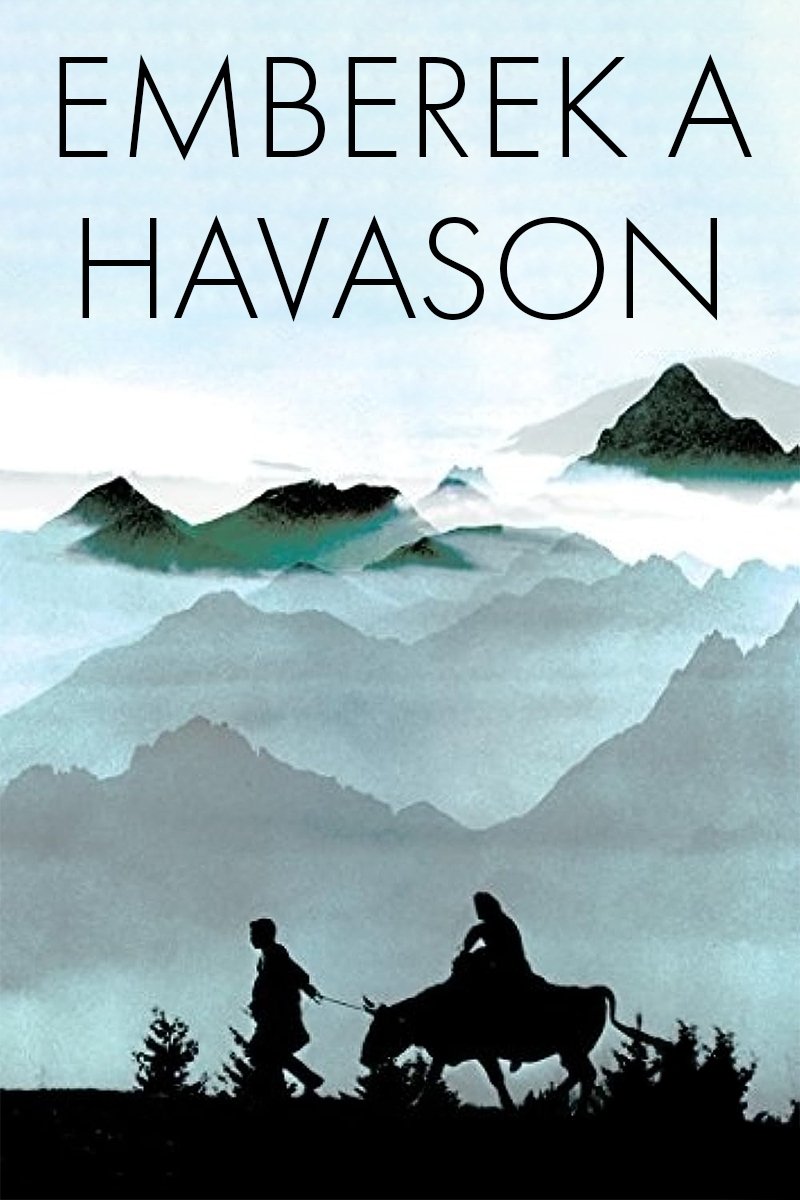
A simple, religious Hungarian woodcutter lives with his wife and boy child with a small community of squatters among the peaceful mountains of Transylvania until a lumber company claims their land and forces them all to become company workers or else leave the land. This 1942 Hungarian film takes a detailed and unflinching look at the hardships of mountain living, and the realistic approach proved influential to the Neorealist movement in Italian cinema. Hungarian master director Istvan Szots won the Biennale Cup at the Venice Film Festival for his auspicious debut, but the film was banned by the Nazis as "too Catholic" and not publicly exhibited until after World War II.
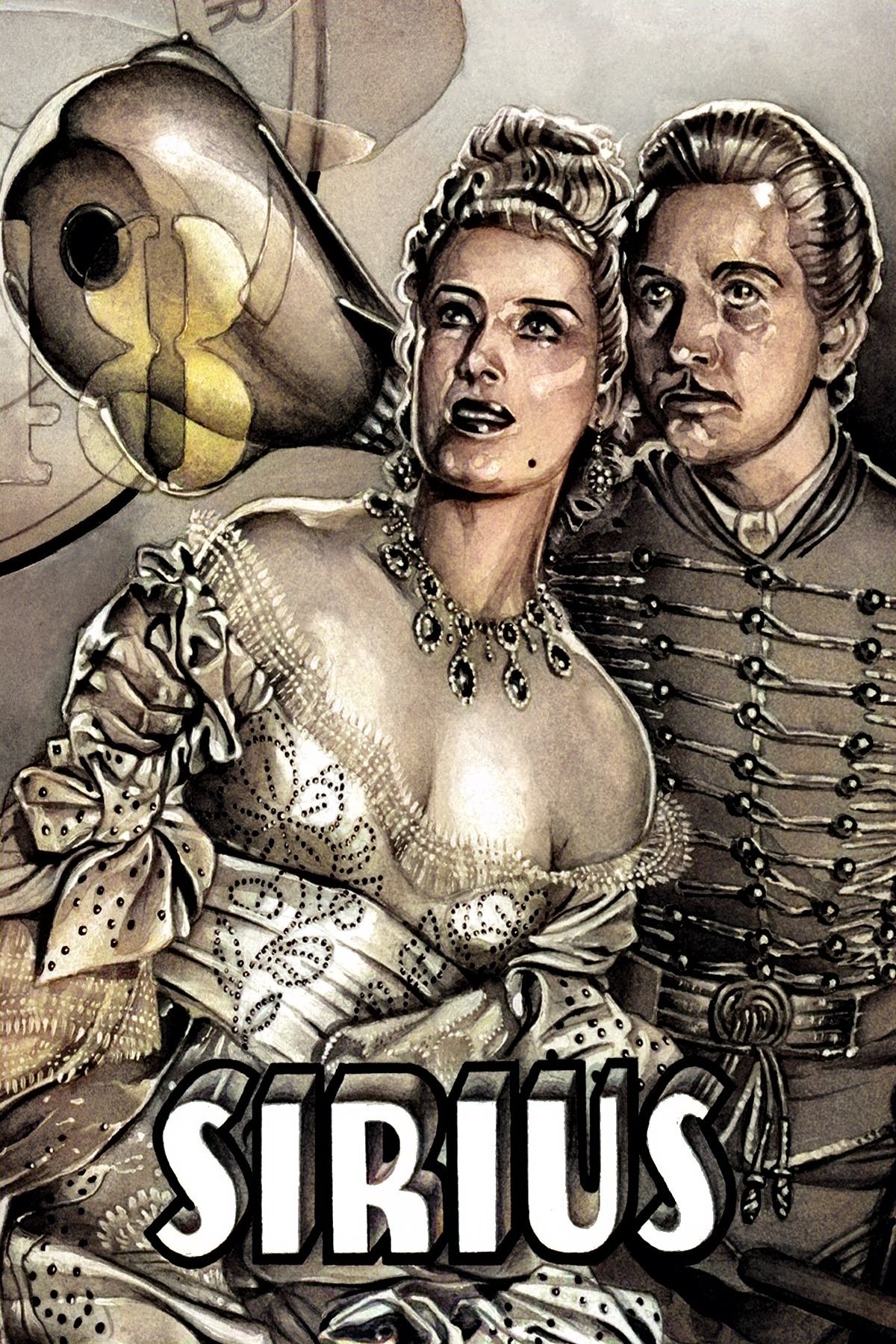
Tibor Ákos, an intrepid and dreamy Hungarian count, embarks on an incredible adventure when he accepts the inconceivable challenge set by the eccentric Professor Sirius, who has invented a peculiar machine.
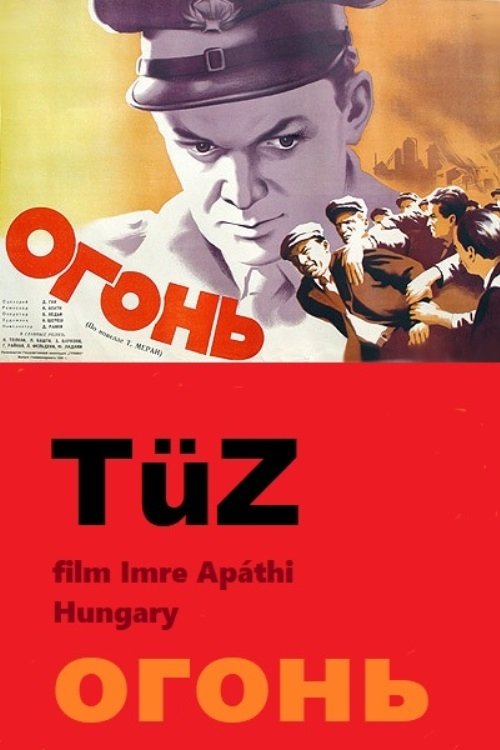
The first Hungarian spy film ripped the mask off those ministerial officials who, having sold out to foreign agents, sabotaged the rebuilding of Hungarian factories and plants destroyed by the war. In the film, spies and saboteurs with wallets full of dollars and pistols in their hands set fire to Hungarian factories. The former ruling class was reluctant to give up its place in life and had to be fought to the death.
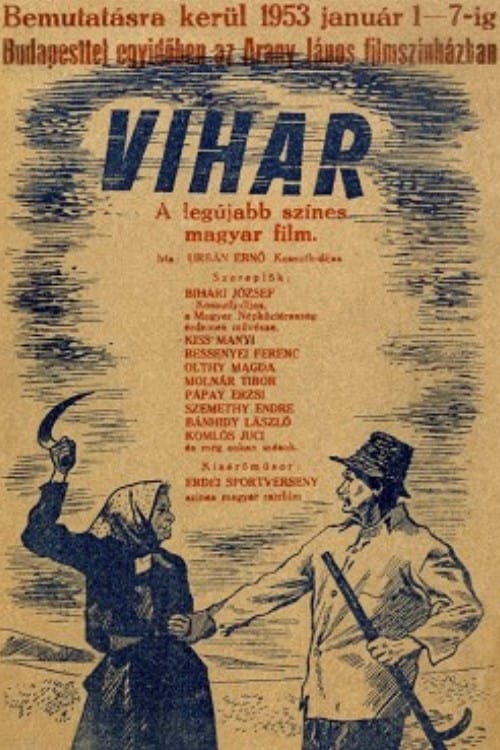
Vörös Hajnal (Red Dawn), a co-operative is the venue of skylarking, while the storm destroys the wheat which is to be harvested soon. Árendás, a middle-peasant, voices severe accusations against members of the co-operative: out of negligence, they failed to keep the ditches clean. It is always the soft option they seem to favour, while the necessity of properly taking care of the farmlands is long-forgotten. Members of the co-operative and the village people are deeply divided.
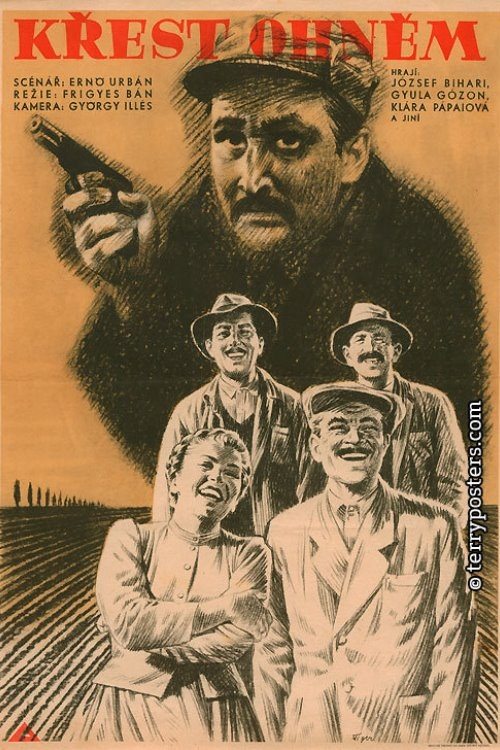
This propaganda film from the early years of socialist transformation in Hungary depicts kulak sabotage in production cooperatives. The prosperous peasant Ignatz Hato, one of the best farmers in the village, joins the Two Octobers cooperative, and soon all the small peasants follow him. The village rich, led by Lili Sohar, watching the great expansion of the cooperative, try to break up the cooperators with each other. Sohar's attempt bears fruit and Hato leaves the cooperative. Next, Lili Sohar tries to convince Ignatz Hato that she is planning to create a rival team of new rich people and urges him to join her. Ignatz refuses and does not give in to the blackmail. Lili's lover, a former gendarme, shoots party secretary Bozhine. At the wounded Božine's bedside, Ignác admits his mistake and asks to be accepted back into the cooperative. Sándor, the president of the cooperative, realizes that the collective should not prevent those who want to work honestly from joining.

A young peasant boy stands up to tyranny, aided by his trusting friend- a goose.

Marci is drafted from a typical block building in the 6th district in Pest. He says good-bye to Juli living in the same house, with whom they are both very much fond of each other, but neither of them makes a confession. Juli works in a factory, and with her friend Gizus she goes out in the evening for dancing and drinking. After a year, Marci comes back for holiday, he is full of love.
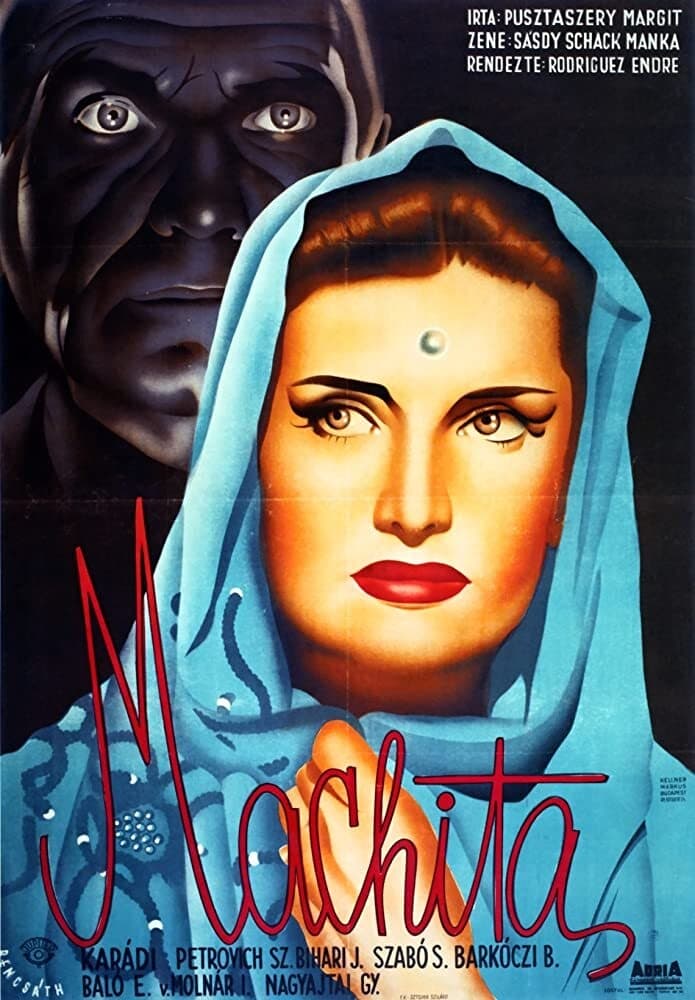
A female spy goes to Budapest to steal the plans of an anti-aircraft gun.
