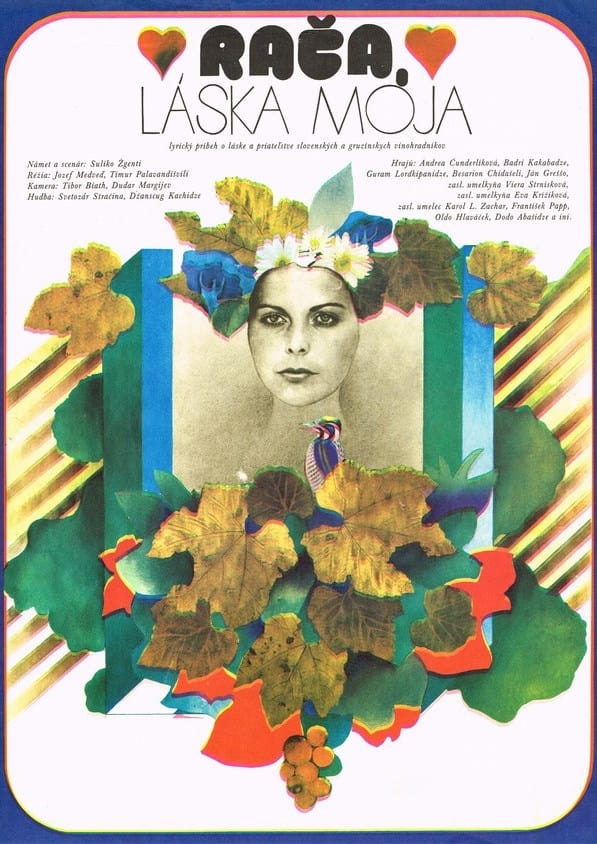
Visiting Slovakian Racha to get antiquated with Slovakian wine-making techniques, Rachvelian from Georgia, Zauri, falls in love with Slovak Darina. Consequentially, when Darina visits Georgia, Zauri does his best to make her also love him.

Legend has it: once upon a time, in a tribe ruled by a wise vladyka, there lived two young men, Rastislav and Ctirad. Both of them loved the daughter of the vladyk, Milica. And she loved Rastislav. So the old vladyka decided to give her in marriage to the one of them who would bring him the skin of a white deer, which would guarantee him eternal youth. And so the young men set out to hunt. And indeed, they soon succeed in catching the deer, but it is protected by a miraculous falcon, which Ctirad slaughters. Only the falcon is actually Kovlad himself, the lord of the Copper Mountain, which hides immense treasures within itself. Because his leg is injured, he cannot return to his kingdom. Rastislav will help him, however, even at the cost of Ctibor returning to the tribe before he does and bidding for Milica's hand. Of course, Kovlad will repay him for his help with a gift of immense value. She gives him a steel sword that will make him the most valiant warrior.
This two-part production follows the lives of three generations of women from the Jablonczay family at the turn of the 19th and 20th centuries. The first part begins in 1882 and focuses on the two older generations. The eldest, Maria (Emília Vášáryová), lives in a dead relationship with her husband Kálmán (Milan Kněžko). She is the mother of a son and three daughters, each of whom tries to cope with her despotic nature in different ways. In the second part, the youngest, third generation of characters enters the scene. Lenka (Zuzana Vačková) is first educated in a convent with the kind approach of the mother superior (Magda Vášáryová) and slowly gets to know the real world outside the convent and her strict family environment. The play is based on the novel by Hungarian prose writer Magda Szabó, originally titled "An Old-Fashioned Story," in which the author describes the family life of her own ancestors.
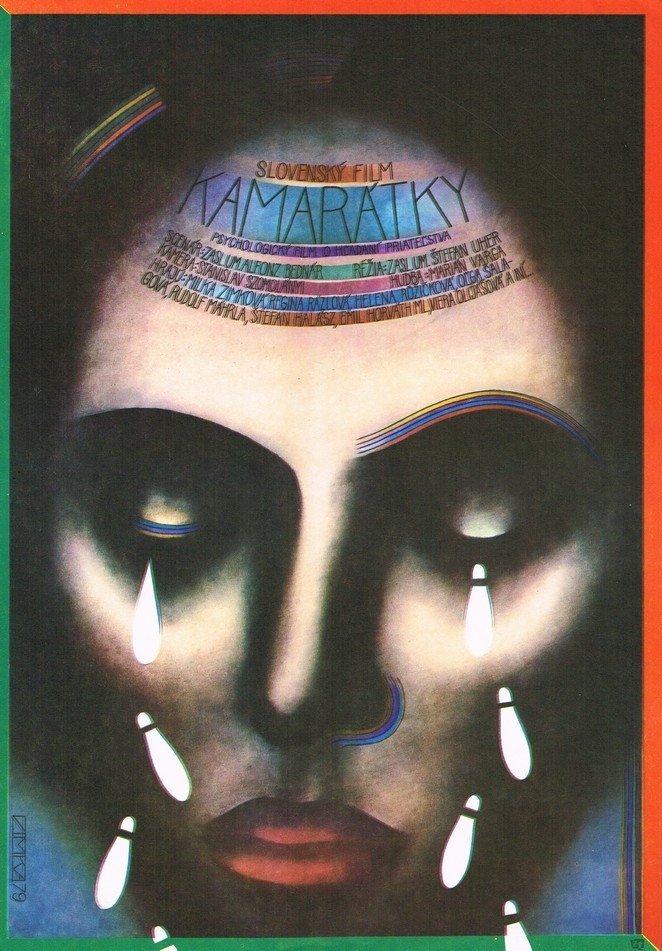
A psychological film about a young woman, mother of two, who is abandoned by her husband for her lover. The woman desperately seeks understanding and help from her two best friends. But they have neither the will nor the time to share her problems.
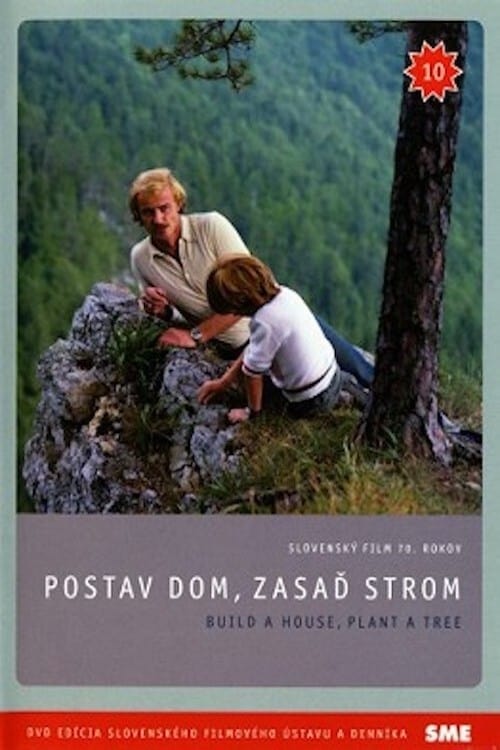
Juraj Jakubisko's first feature film after a forced nine-year-long break is a story about an unconventional man, Jozef Matúš. He arrives to a small village in eastern Slovakia to settle down and start a family. He is ready to subordinate everything to his goal. It all starts with stealing building material and ends with him disregarding those close to him to a point where his ambitions are turning against him. Build a House, Plant a Tree is a viewer-friendly film with a plot resembling a western, including several attractive action sequences.
On one side stands an evil sorcerer, on the other a good Old Man. Between them, the unhappy Janek struggles for his happiness, Princess Alina for her love, and the unhappy king searches for self-respect. The miraculous stone that Janek has received from the Old Man can bring happiness, wealth, success, but only for Janek himself. With the help of the stone, he wins for himself a princess from the hands of a cruel sorcerer. Janek finally has his love, but the Wizard takes revenge and takes the land's water. The young man's happiness is too lonely, the people of the land are facing misery and suffering. What will Janek do?
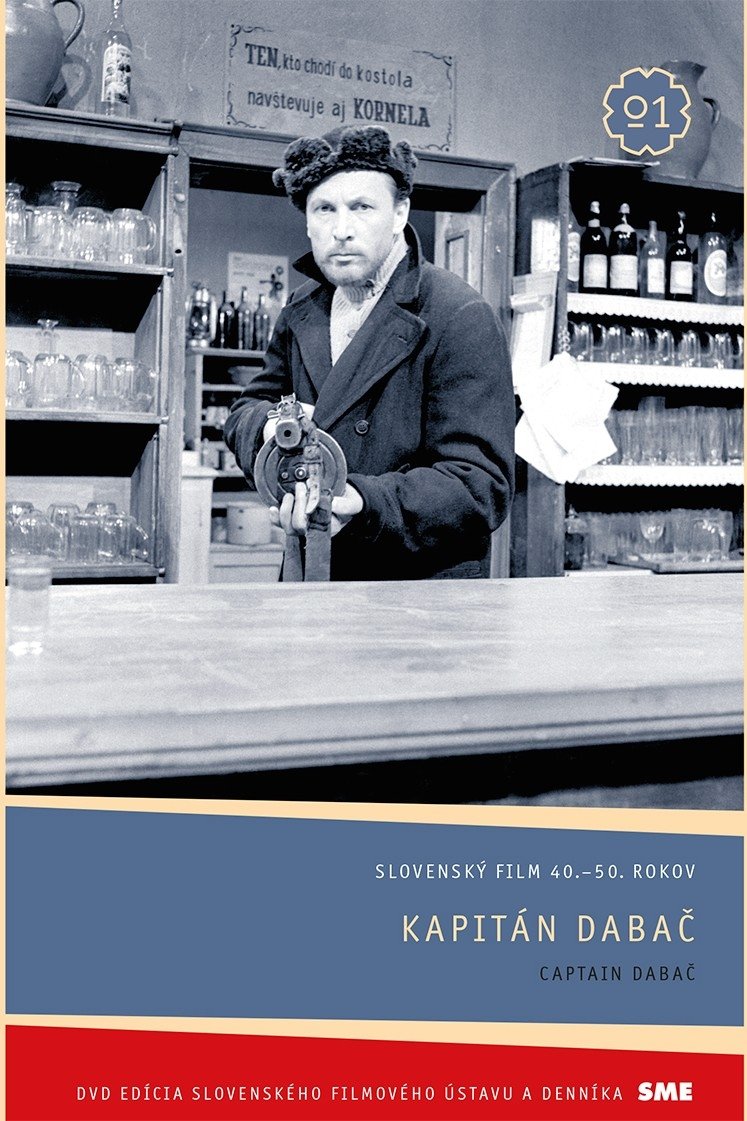
The drama of a young Slovak army officer who gradually realises the horrors of fascism during the fighting in Ukraine. On his return to Slovakia, he joins the SNP. However, he cannot overcome his loner attitude or his doubts about the meaning of partisan activity.
A drama from the period of village collectivisation in 1947-1948, it depicts the life of former beggars who, after the war and land reform, acquire land and dream of becoming wealthy landlords. New social conditions, the onset of collectivisation, but also the great drought bring with them unwelcome changes.
The television film based on the novel of the same name by Ladislav Mňaček draws on the period of World War II and the Slovak National Uprising. The film's story is composed of two intertwining time lines. In the images of the present that frame the entire narrative, the young partisan Voloďa - a hero with autobiographical features - recovers from a serious injury. In feverish reminiscences and in conversations with his nurse Eliška, he recapitulates the eventful events of his time in the partisan group in the village of Ploština, which the partisans abandoned under the pressure of events and left to the mercy of the German commando. Voloďa is haunted by visions of the burning Ploština, remorse and responsibility for the tragedy. In feverish reminiscences, he relives the meetings of the partisan detachment with the German commando. Memories of the mysterious Jewish girl Marta, a partisan liaison with whom Pavol had a passionate love affair, also return to him.
The beautiful, bright and intelligent, but perfectly mischievous Marquise de Mertuil and her charming and equally depraved and ruthless friend, the master of seduction Vicomte de Valmont play a cynical game full of intrigue. The marquise is willing to devote one night full of passion to the viscount. However, on the condition that the viscount first deflowers the innocent Cecile de Volanges, who is to marry her former lover. In the end, they themselves become victims of their own dangerous game.
The TV dramatization of PO Hviezdoslav's epic tells of a time when the feudal system as a social force begins to disappear. Its only salvation is to merge with the people. Ežo is a supporter of this idea.
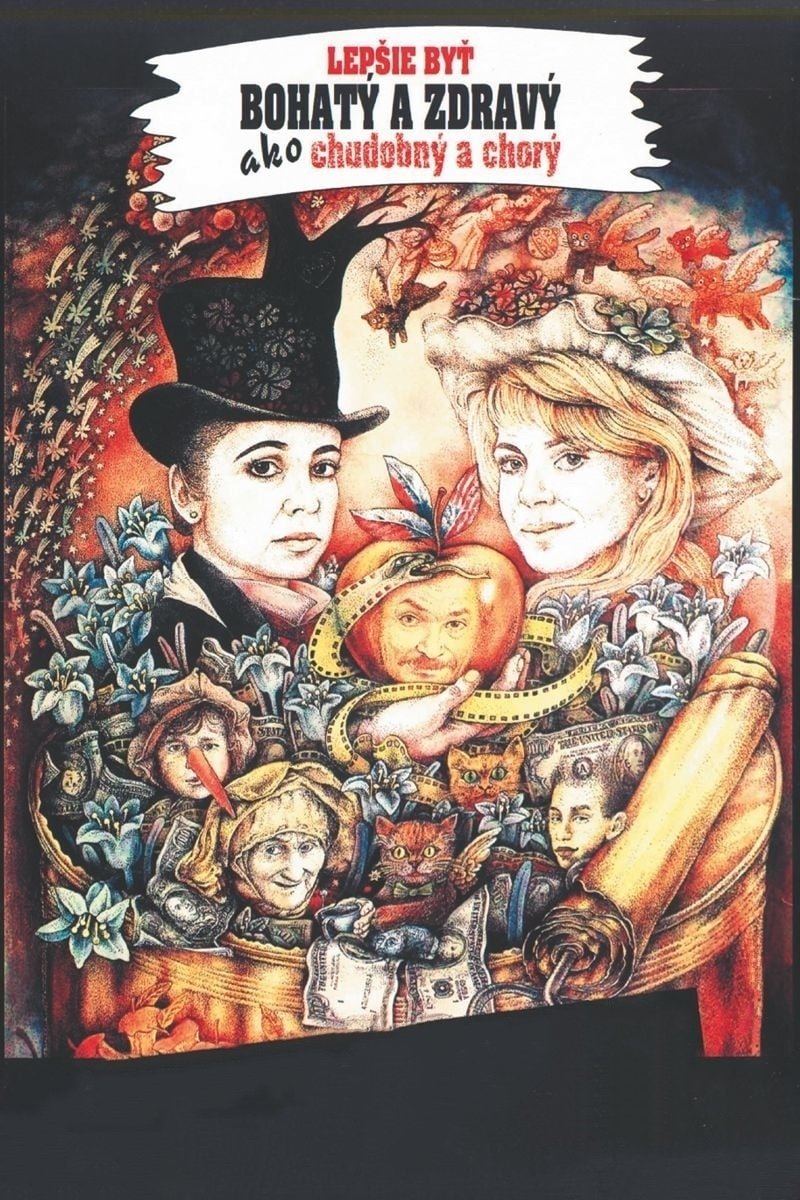
A satiric tragi-comedy about two women and their lover Robert who is an emigrant that keeps coming back. This film shows chaotic post-communist Europe after the fall of totalitarianism. Two opposite characters, women, meet during the Velvet Revolution in November 1989. Intellectual dissident Nona and a Communist secret police boss’ mistress Ester. They meet at an anti-regime demonstration and become friends. They don’t want anything to do with politics, both want to get married and have kids, but also get rich. Crazy plans and risky attempts to realize their shared dreams land them in many sticky situations in the post-revolution chaos. Too much money gets in the way of the power of friendship.
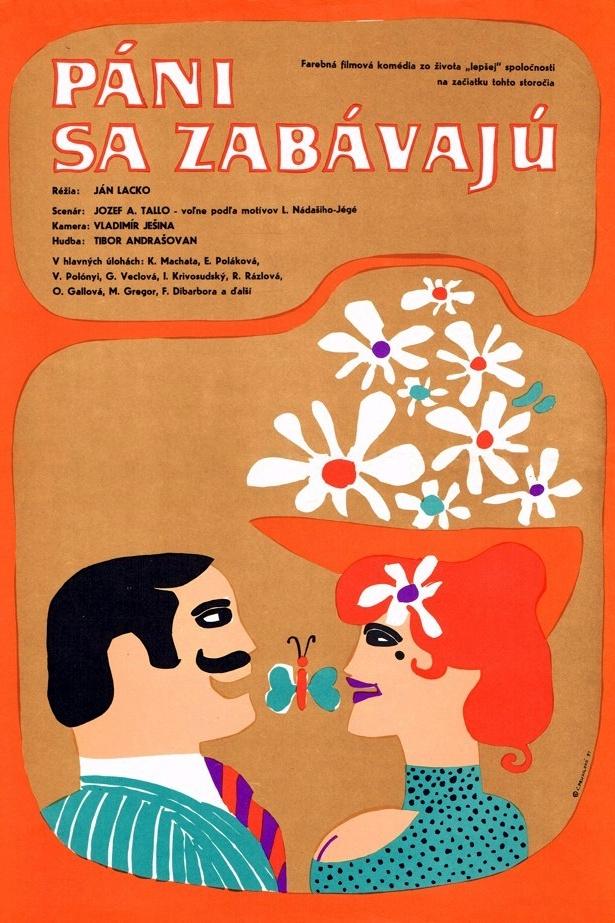
The story of a rural landowner and his struggle with "friends" who try to deprive him of his advantageous position and beautiful wife.
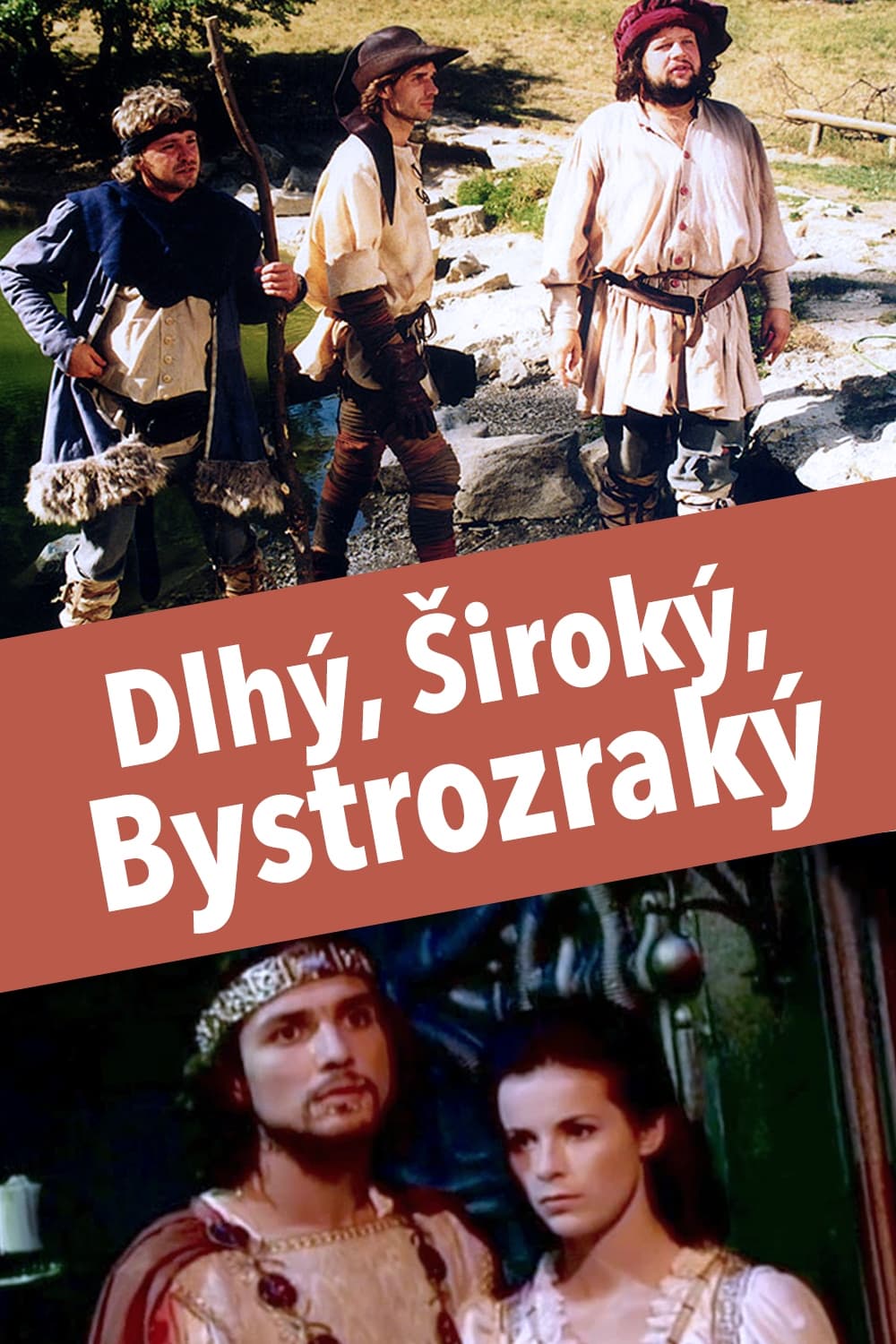
When magic and malice combine to gain power, bad times can come to the land - and that's exactly what happened in the kingdom our story takes you to. An evil sorcerer decides to kidnap Princess Kvetusha, and out of his desire to control everything, he is aided in his quest by his sister. The young prince decides to set Quetusha, his bride, free. In order to do so, he must not only overcome many hardships along the way, but also accomplish almost impossible tasks at the wizard's castle. He succeeds only thanks to the help of three friends: the Long One, who, when stretched, can reach perhaps to the stars; the Wide One, who, when stretched, can hold more than all the barrels in the world; and the Bright One, who, even blindfolded, can see more and better than the others in broad daylight. They free the princess, punish the evil, and go out into the world to help more. Who knows, maybe these - or other - friends will one day help you too.
Slovakian villagers towards the end of WW II are despairing as German troops fall back to their village.
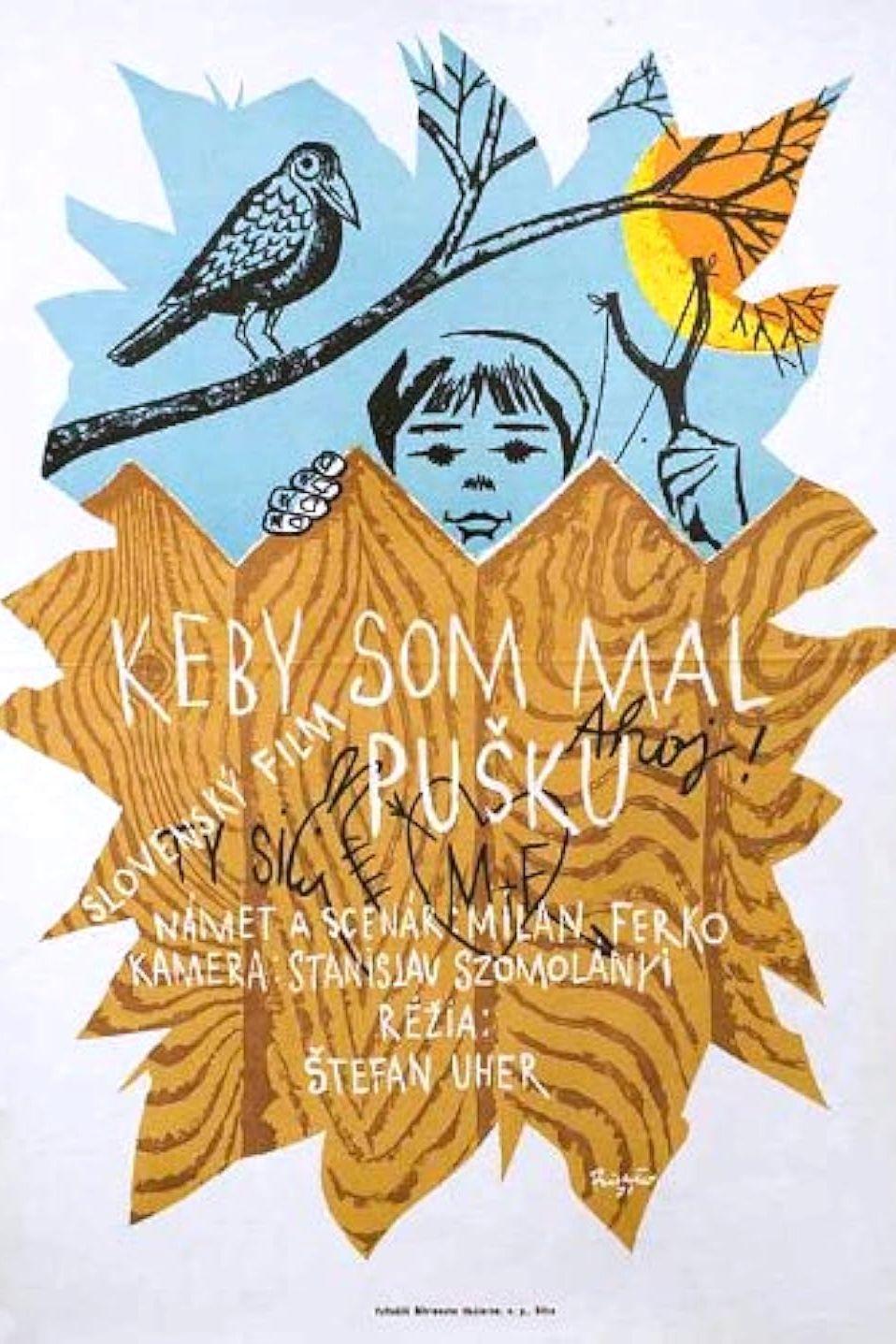
Vlado, an intelligent boy living in a small village, has fantasies that take him away from his humdrum life. But as the Nazi occupation begins to encroach on the townsfolk his fantasies and reality begin to merge.
A father/son get-together trying, in their inept way, to do some repair work to their home that they have out in the country.
A dramatic love story in the front line.
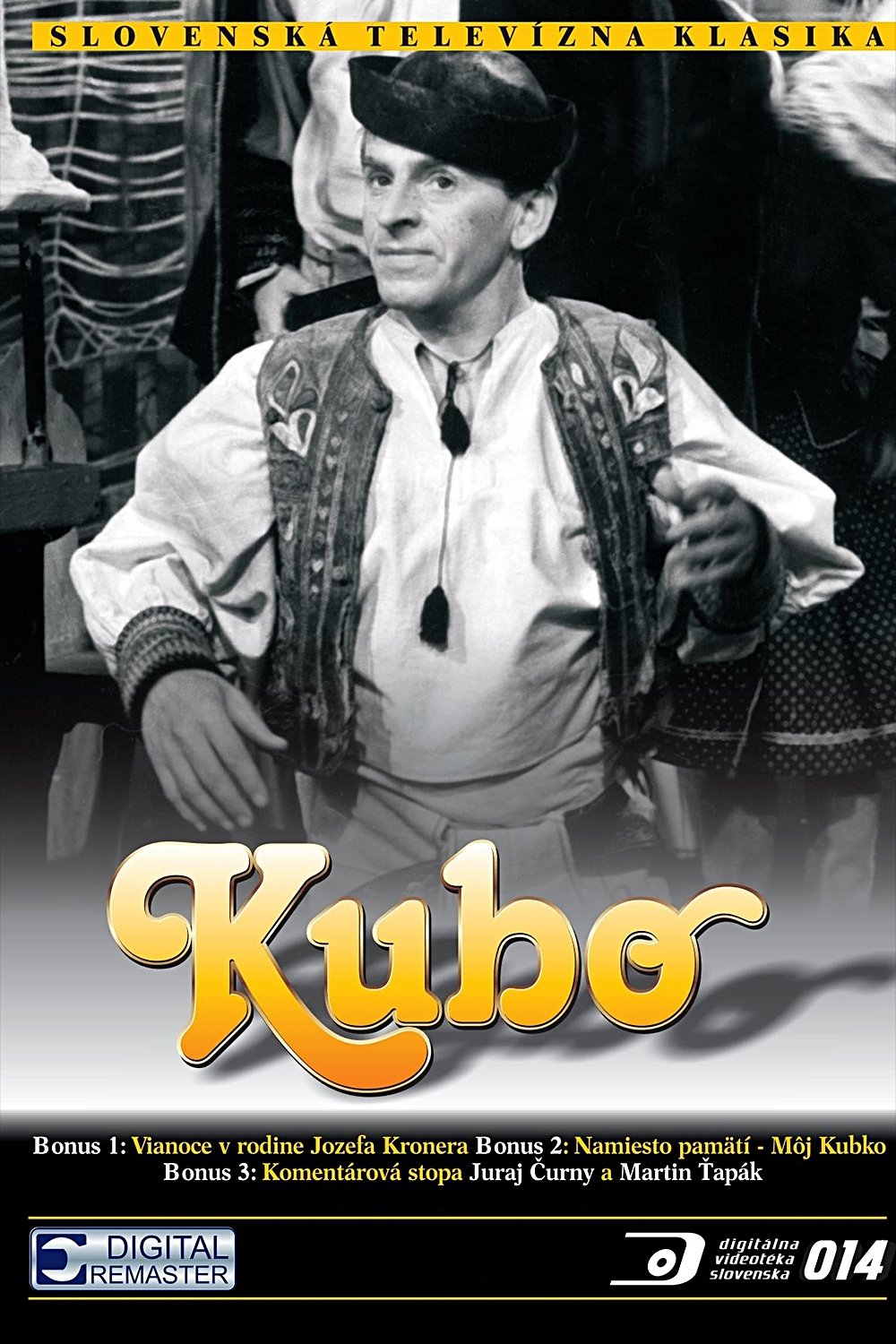
Charming country girl Anička Košáriková and the handsome Paľo share a tender, mutual affection, until Anička’s recently widowed mother forbids the match. Paľo is the son of the former steward who once fell on hard times while serving the Košárik family, and his family’s ruined reputation casts a shadow over their budding romance.

This film is one of the most popular pictures of Slovak cinema and relates the story about the legendary folk hero and brigand Juro Jánošík [1688-1713] and the social situation in Slovakia of the late 17th and early 18th centuries. The first part talks about Jánošík's childhood, studies and return to his native village. In the second part Jánošík leaves for the hills, where he organizes his band of brigands and starts an anti-feudal resistance. The film concludes with Jánošík's execution.
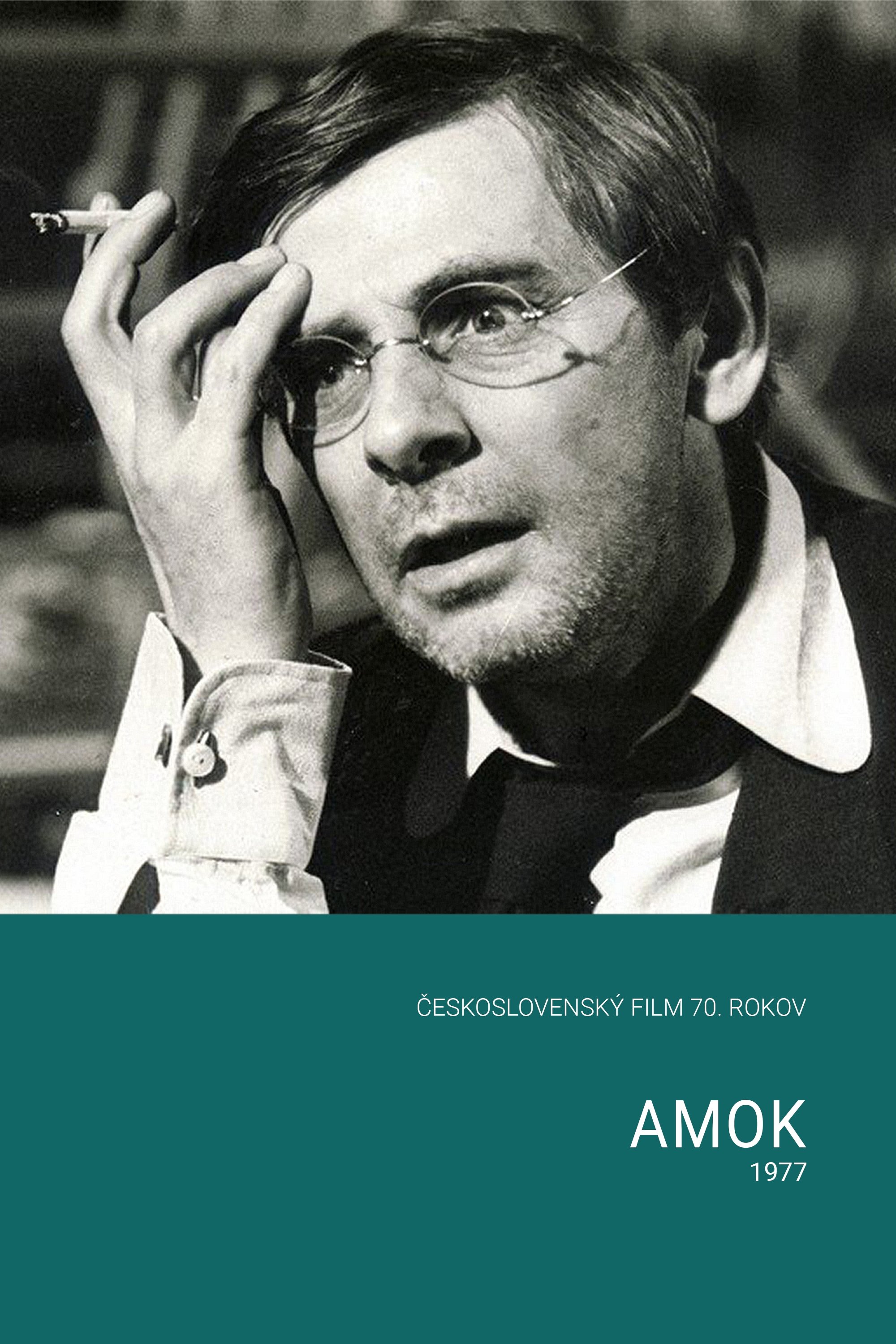
Trajja's tricksters like to have fun at other people's expense and they always manage to make some crown along the way. They are even so clever that they can outwit even bandits and deprive them of their treasure. However, they neglect their wives and so they decide to lead their successful husbands around by the nose.
The film is based on the memoirs of partisan commander Peter Kružliak. Lieutenant Peter Kubiš is ordered to move with his unit to the mountains after the fall of Banská Bystrica, where he is to receive further orders. No one is waiting, on the contrary, civilian refugees from Banská Bystrica are also entrusted to his protection. In addition, the headquarters sends him to "take care" of captured German soldiers. A serious dispute arises over whether to liquidate the prisoners or not. The final decision must be made and enforced by Lieutenant Kubiš - he refuses to carry out the sentence without a decision from a field court. Kubiš sends the captured Germans - hostages to Banská Bystrica to guarantee the safe return of the civilian population to the city.
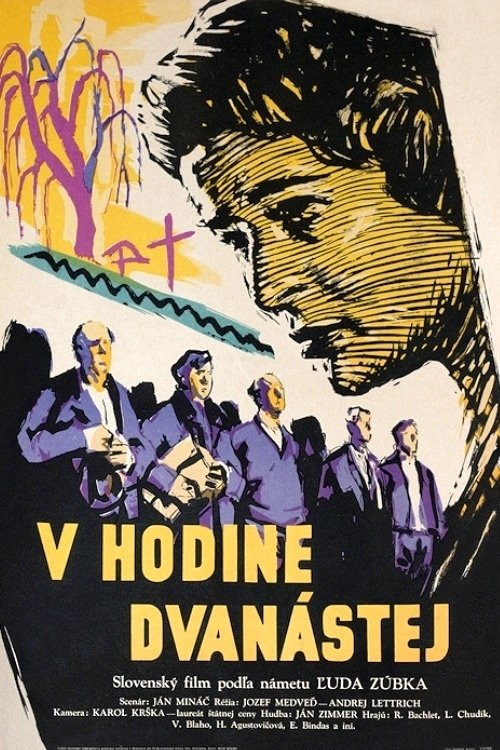
Nazi soldiers committed atrocities even when sober – and if they got drunk, they did even worse. The inhabitants of a Slovak village during the national uprising learn this when they have to accept an arrogant Hitlerite guard. When two soldiers go missing, the unit commander threatens to have five hostages executed for each of them as a warning. And he refuses to change his order, even when it turns out that drunkenness is to blame for the unfortunate incident. But the villagers get justifiably angry and take up arms.
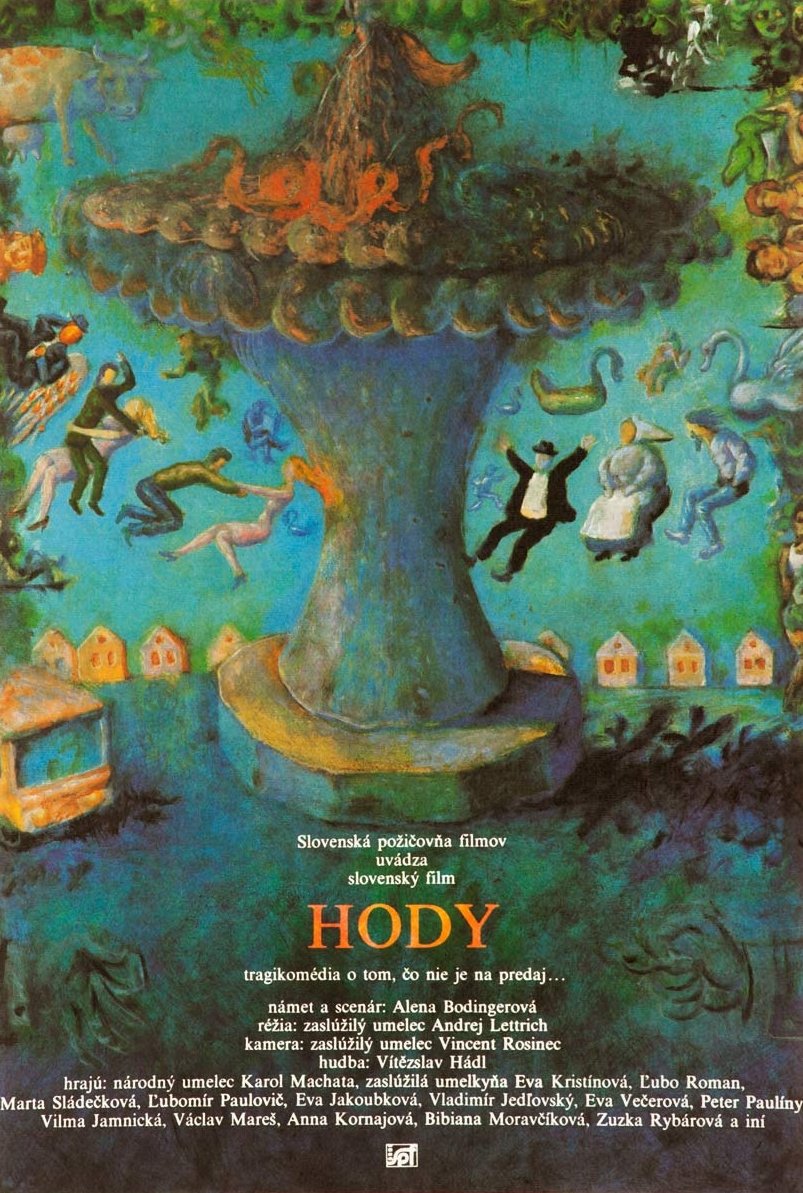
One of the annual gatherings of the Nádašskov family turns into a confrontation between different attitudes to life and generational views. The son-in-law tries to convince every member of the large family of the advantages of selling the old family home.
Slovak movie is based on the novel by the prominent representative of Slovak prose František Hečka, who was in 1952 awarded the State Prize. The novel and the movie successfully capture the development of Slovak village after the liberation in 1945. The narrative is centred around the characters of the old Púplava, who after the liberation begins to organise a new village life, and his struggle for the construction of settlements Mrzáčky, burnt by the fascists. It is centred around the conflict, greatly reflecting the situation of the countryside at this time: the conflict between the rural poor and the rural rich. In the movie, a rich personal and emotional life of other heroes pulsate besides the main storyline. The movie ends with the final defeat of the reactionary forces by Communists in February 1948, taking over all power in the state of workers and peasants. - "The Wooden Village" is released in celebration of the 7th anniversary of the Communist February Victory.
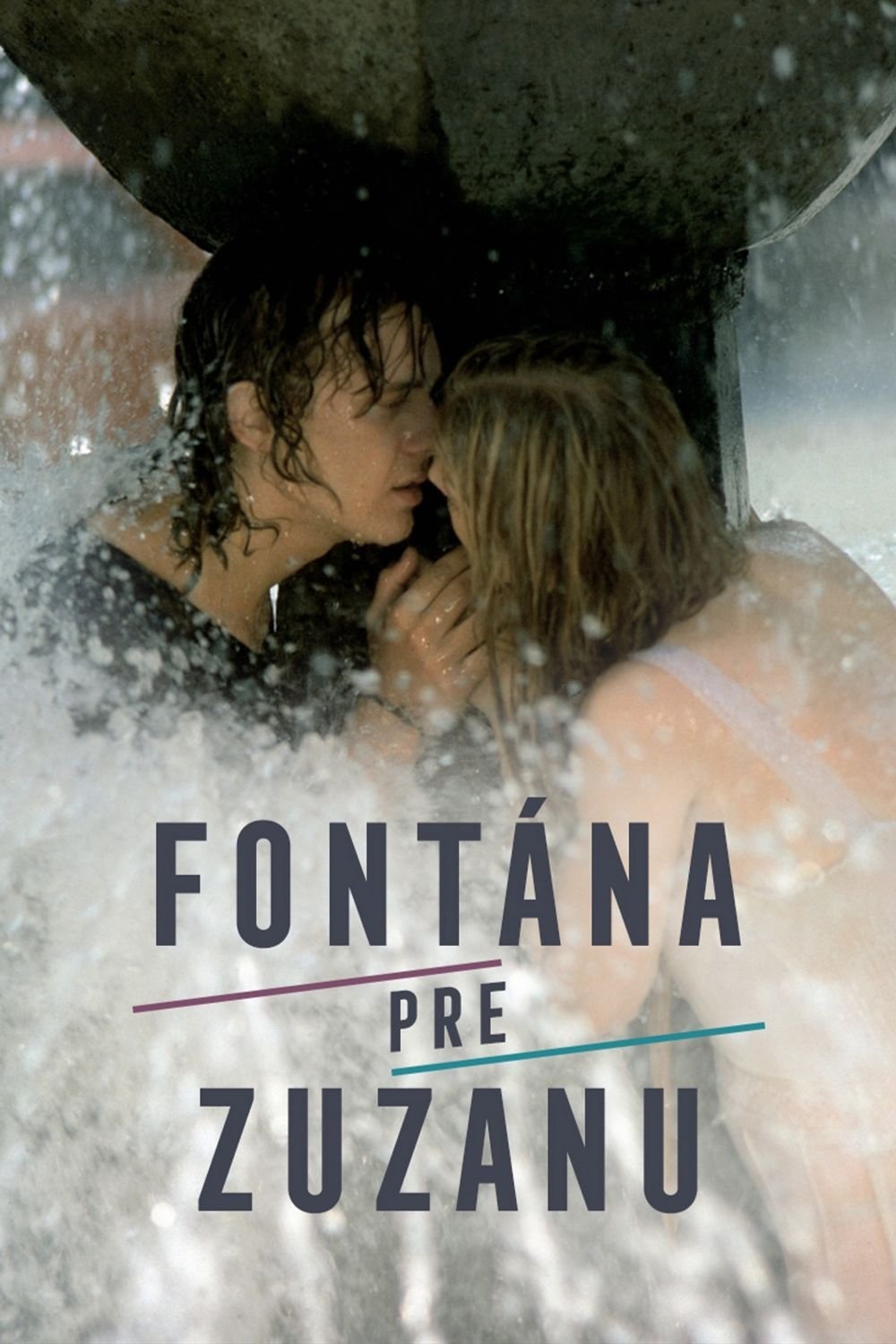
A story about the life and troubles of young people living in the city. The teenagers have to face real life, make their first major decisions, and learn that romance sometimes brings disappointment.
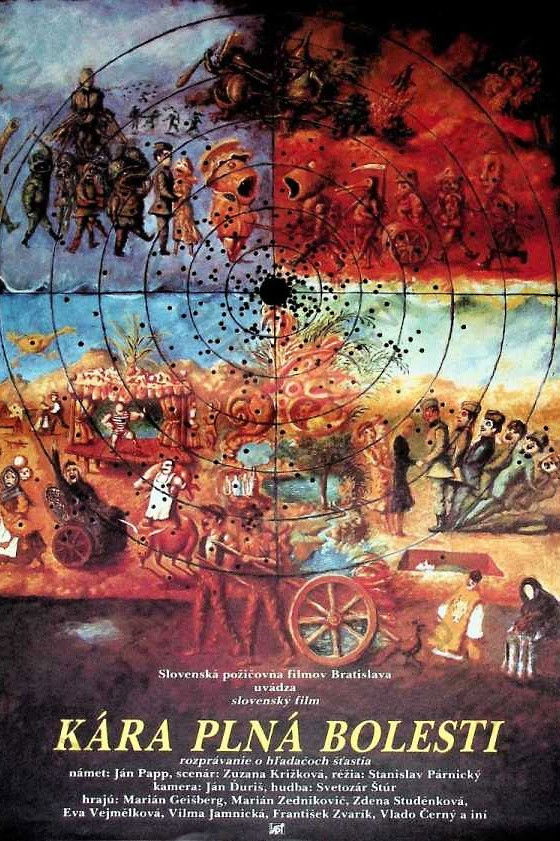
War takes its cruel toll, which everyone must pay. It hits a small Slovak village especially hard, where the struggle for a bare life becomes a test of human character. For two impoverished friends, Jakub and Maja, struggling through poverty is more than difficult. Jakub delivers sour milk from somewhere on his cart to the entire village and lives in a dilapidated house with his sister Tereza, whose caregiver and guide through life is the experienced woman Mara, who provides herself with money from seduced soldiers. Maja, on the other hand, is a foundling and homeless man who does whatever he can to survive the next day. The only consolation for the two inseparable friends are the circulating tales of a kind of promised land, where there is no poverty or hunger, and where they could both go. Only this vision, this idea alone keeps the two of them and the rest of the village on their feet, and gives them hope for a better tomorrow.
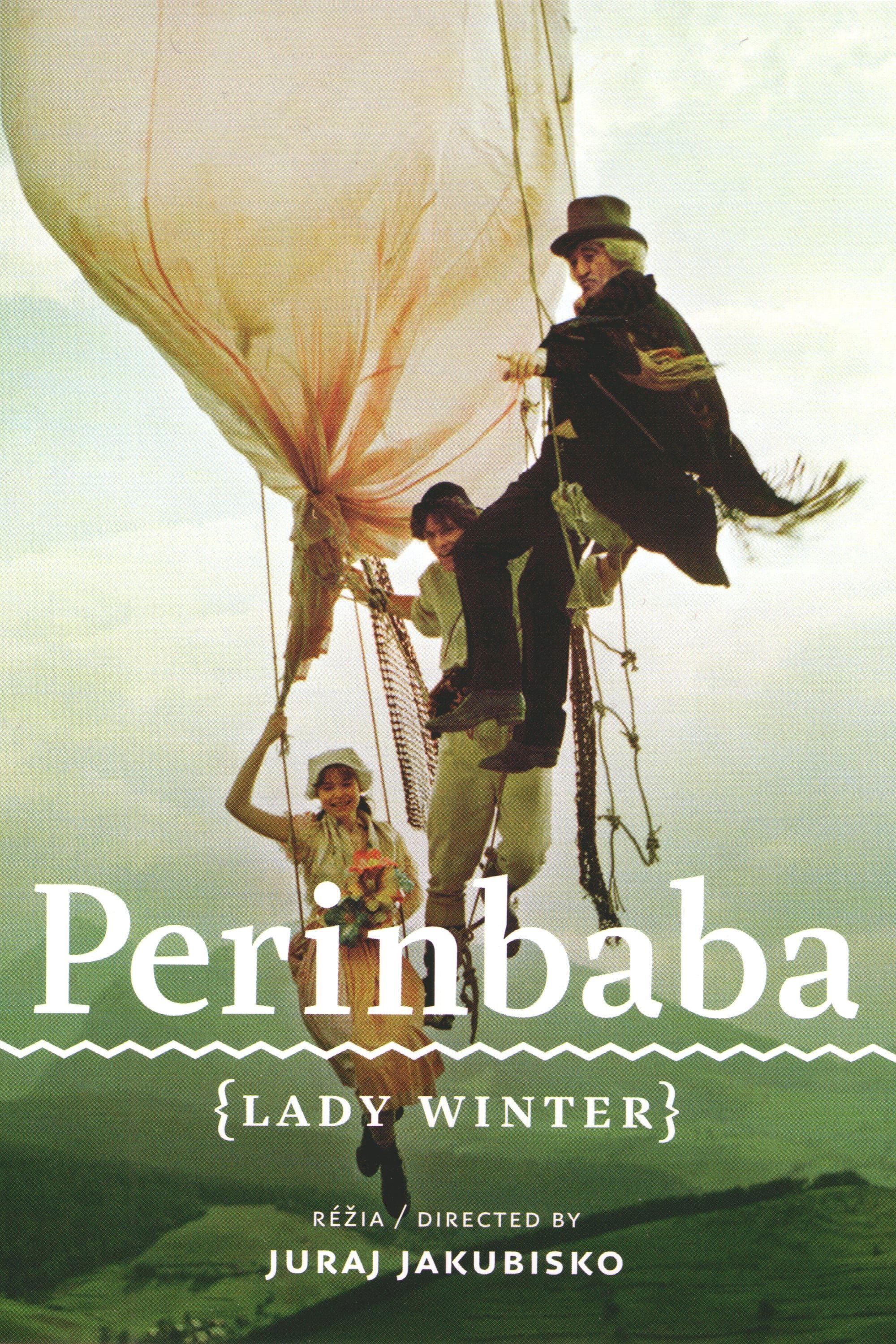
A fairy-tale about an old lady who takes care of snow and Jakub who does not fear death. It reflects the idea of people's longing for happiness, love and understanding, their effort to overcome troubles and win over death. It criticizes greed and evil desires.
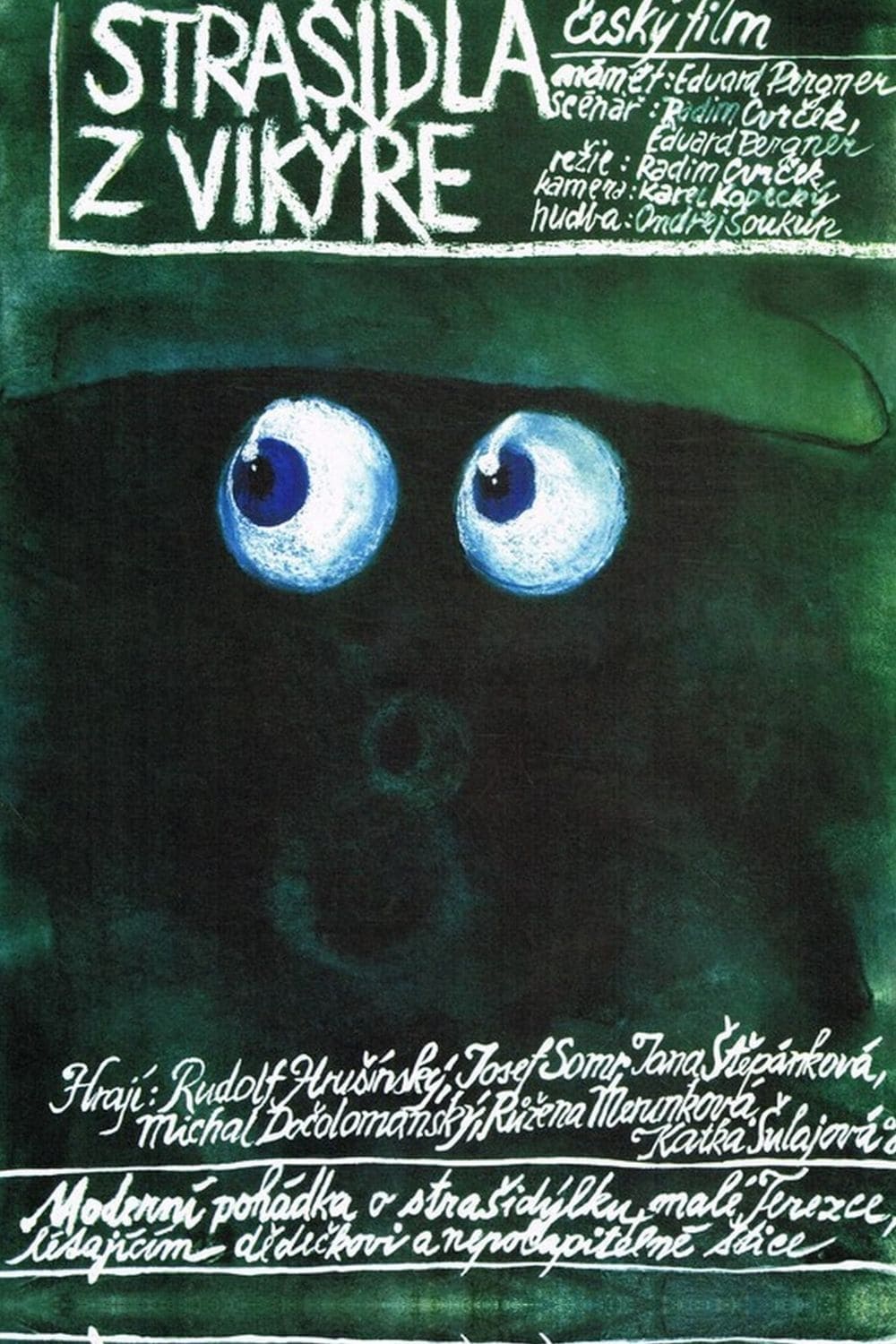
A tale about a young girl whose grandfather has built a garden of horrors.
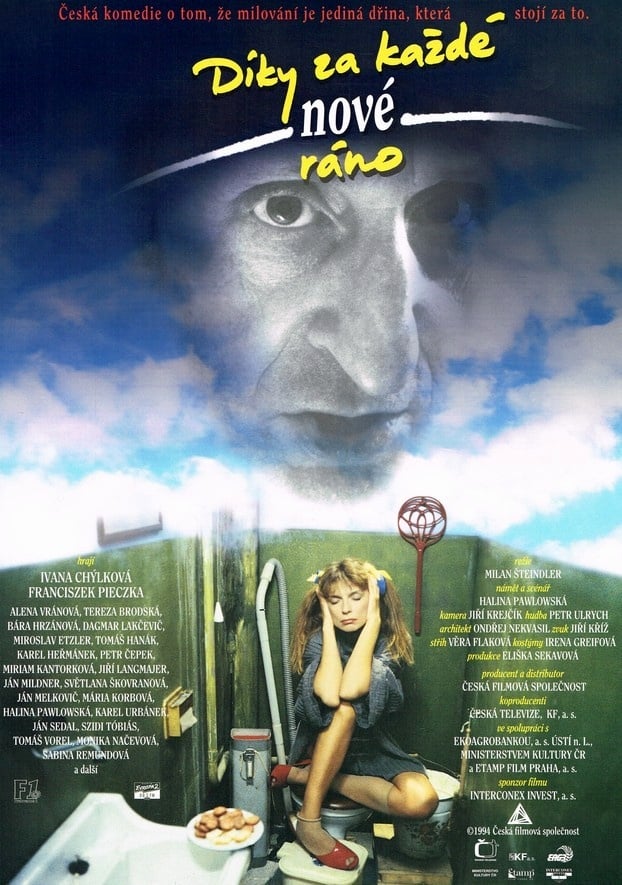
This film is about life of a family, which lived in Prague since since 1968 to 1980. Father of the family comes from Ukraine and so every year someone from Ukraine to visit this family and to buy something more better than is in Ukraine. As the times go by, the friens of family live in Austria. And now for change the family visit "a better life" in west Europe and they found out how it is to be something second-rate.
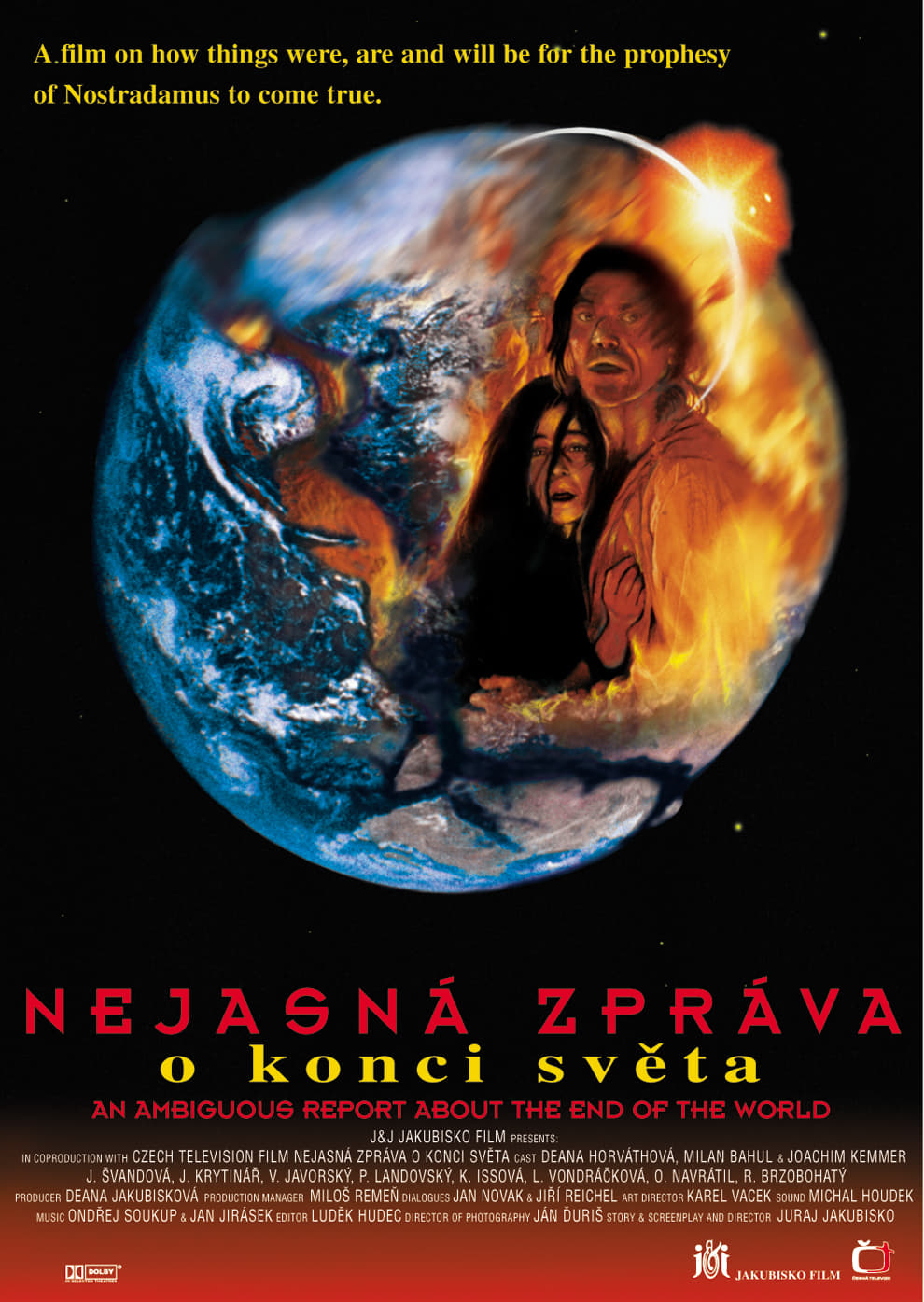
Set over a two-decade period in a tiny Central European village, this drama not only chronicles a couple's tragic star-crossed love, it also serves as a metaphor for the tragedy of lost traditions. After opening in the snowy wilds as two people spectacularly die, the story jumps back 20 years as young Verona prepares to marry. Unfortunately, voracious wolves descend upon the ceremony and all but Verona and her courageous 10-year-old brother-in-law Goran, who saves her, perish. That day, Verona gives birth to Veronika and promptly betroths her daughter to the heroic Goran. A decade passes and on Veronika's 10th birthday, her engagement to Goran is formally announced at a big party. Festivities halt when a troupe of female circus performers and their sly employer Madina show up. Veronika soon finds herself more interested in Madina's young son Michal than she is in the adult Goran. Meanwhile, the worldly Madina attempts to adjust to life in an old-fashioned village.
Uncle Von Pressburg's mysterious will changes the whole course of the household, where the servant Alfred takes care of the children Christine and Oliver. The children are threatened with boarding school, but in his will, the uncle decides that the children will be cared for by guardians and, in order to give them something to live on, he offers them the opportunity to set up the world's first ghost rental company. The children make friends with the ghosts, unlike their overbearing siblings who can't get along with anyone on good terms. To make matters worse, two world-famous thieves break into the basement.