
A Dutch pilot with a real passion for flying risks everything to keep his plane in the air.
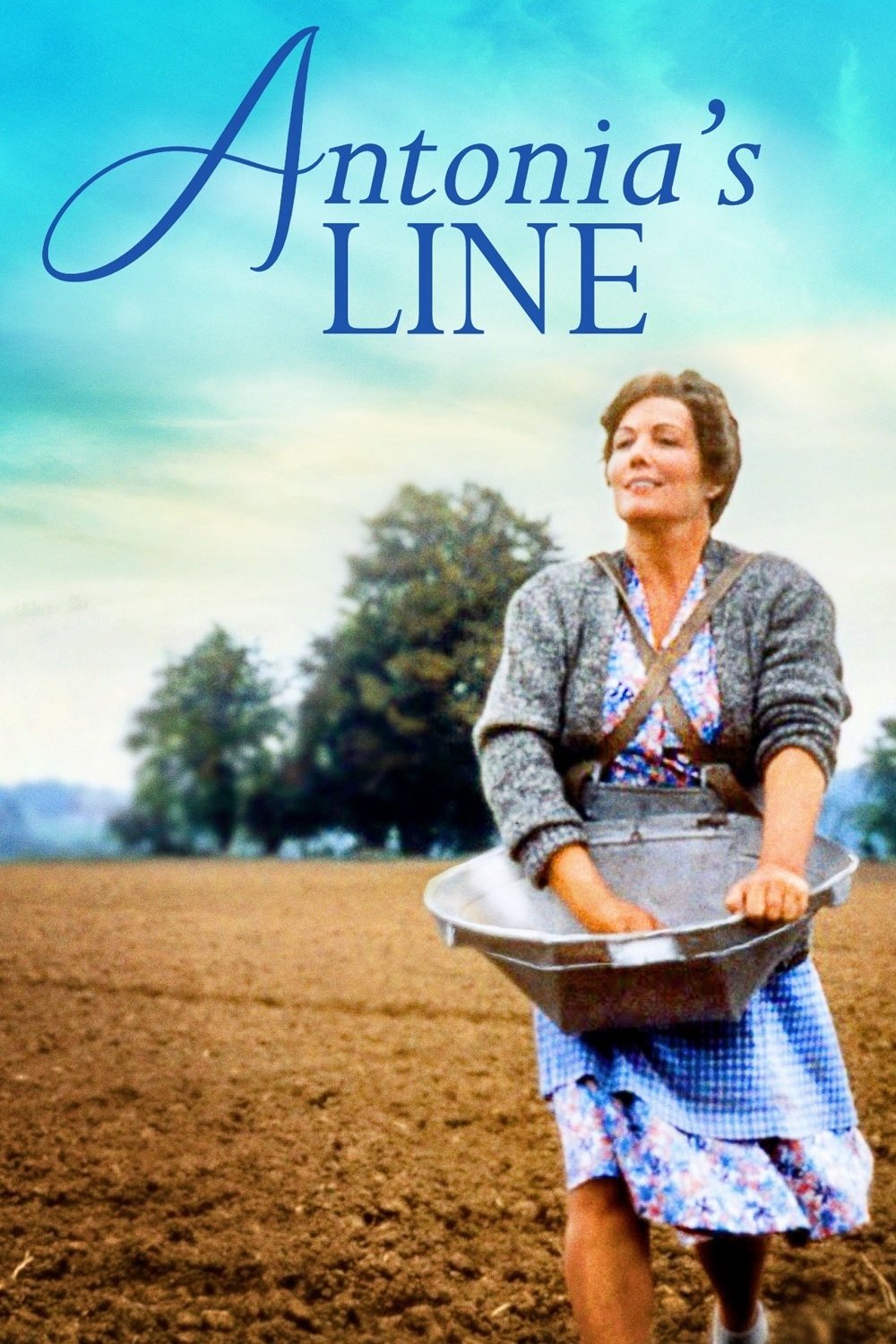
After World War II, Antonia and her daughter, Danielle, go back to their Dutch hometown, where Antonia's late mother has bestowed a small farm upon her. There, Antonia settles down and joins a tightly-knit but unusual community. Those around her include quirky friend Crooked Finger, would-be suitor Bas and, eventually for Antonia, a granddaughter and great-granddaughter who help create a strong family of empowered women.

Pauline is a 'little girl of 66 years old'. She is mentally retarded and been cared after by her sister Martha. When Martha dies, her two younger sisters, Paulette and Cecile have to make a decision on the best place for Pauline to be looked after. Neither of them is ready to take care of her. Paulette has a shop to look after and Cecile has her Albert. But according to Martha's last will, her fortune will only be divided in three equal parts if one of the sisters looks after Pauline. If they decide to take her to an institution, Pauline will be the only heir.
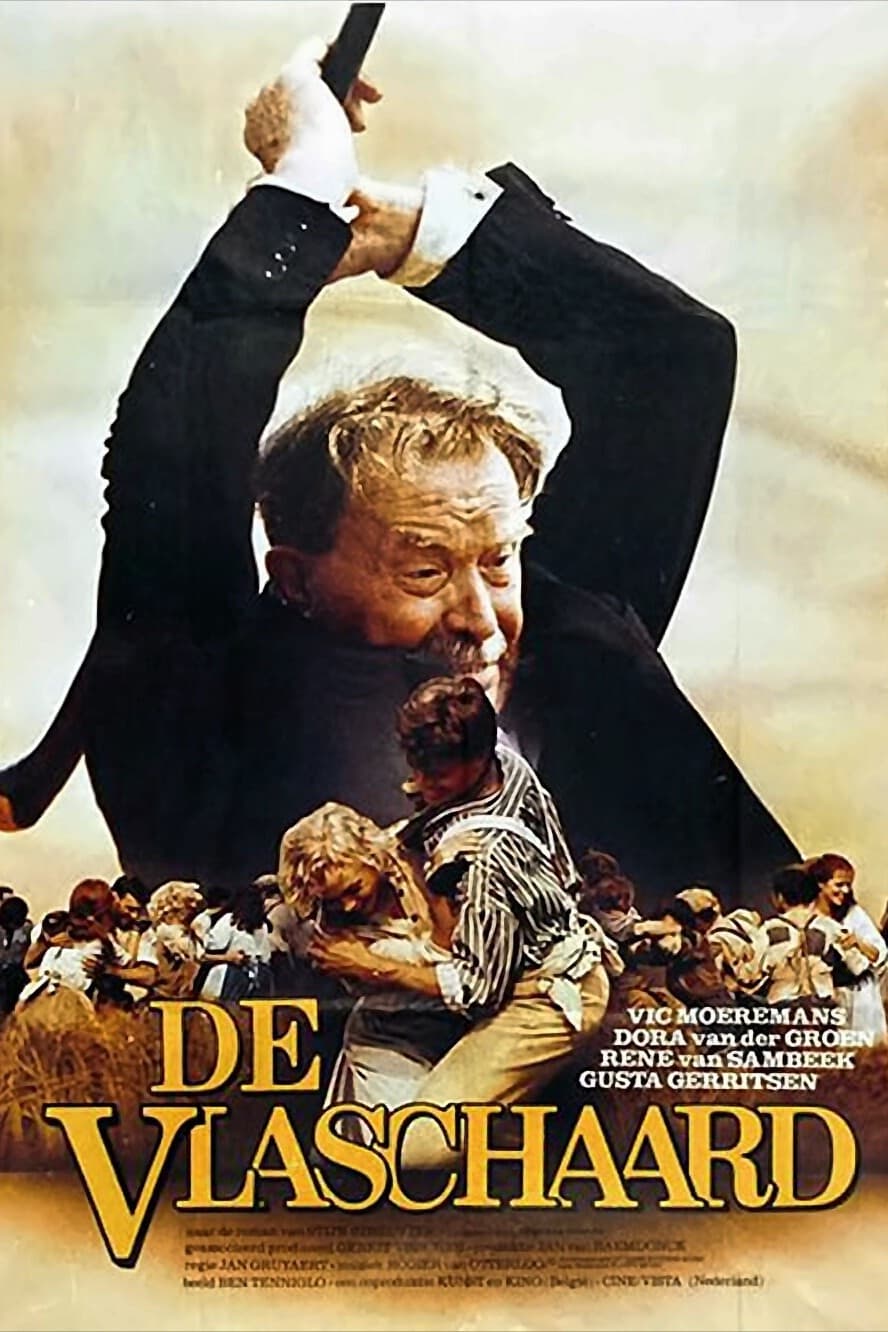
In a part of Flanders where flax is the main crop, farmer Vermeulen rules his estate like an 'old school' patriarch, stern and authoritarian, nobody else's word is ever taken seriously, just scolded fools, he rather risks being wrong then considering any advice. His marriage is based on a grim understanding: the wife Barbele accepts his heartless manner with everyone, even their studious, smart, healthy, studly son and heir Louis, but his two silly sisters are spoiled with a pointless fancy nunnery boarding school education fit for the upper classes. Farm-life is hard enough, laboring without machines or reliable weather, but this year the stubborn master made it even worse by picking the riskier, badly drained field and sowing later then his neighbors, even when luck turns he'll fetch a lower price for it. Poor practically perfect Louis is granted neither praise, respect nor any pleasure, however hard and well he slaves, obedient like the hired farmhands although well-read. Even ...
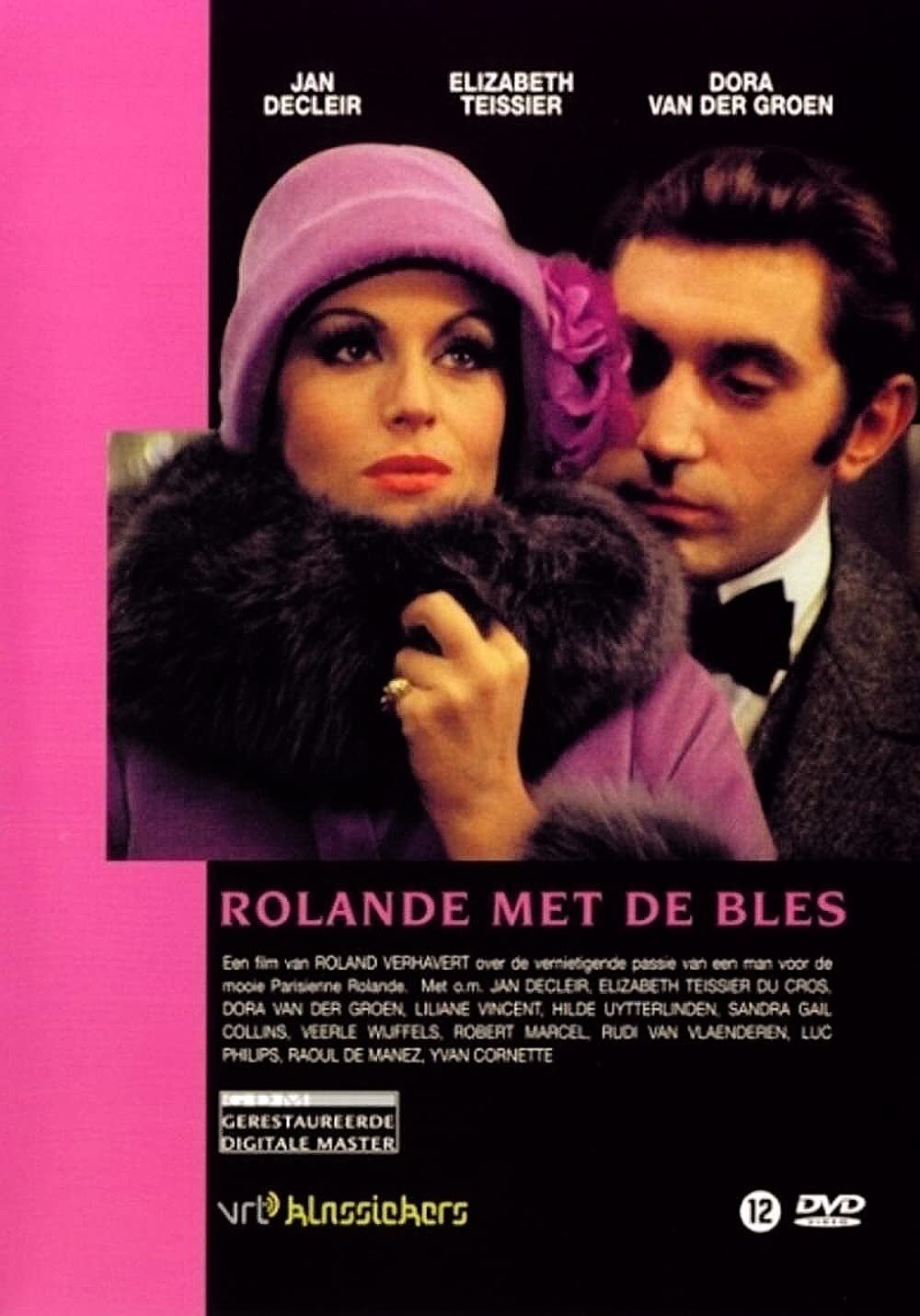
After World War I, widower Renier has returned to his estate Horlebecq. His sole diversion is his correspondence with the Parisian Rolande, who he met during the war. Even though his family is pressuring him into marrying his sister-in-law Emily, Renier stays obsessed with Rolande and even visits her in Paris. She manages to persuade him to invest large sums of money into the "Academie de Beauté" in Paris. His reckless investments and breaking off his engagement with Emily leads to unbearable tensions at Horlebecq...
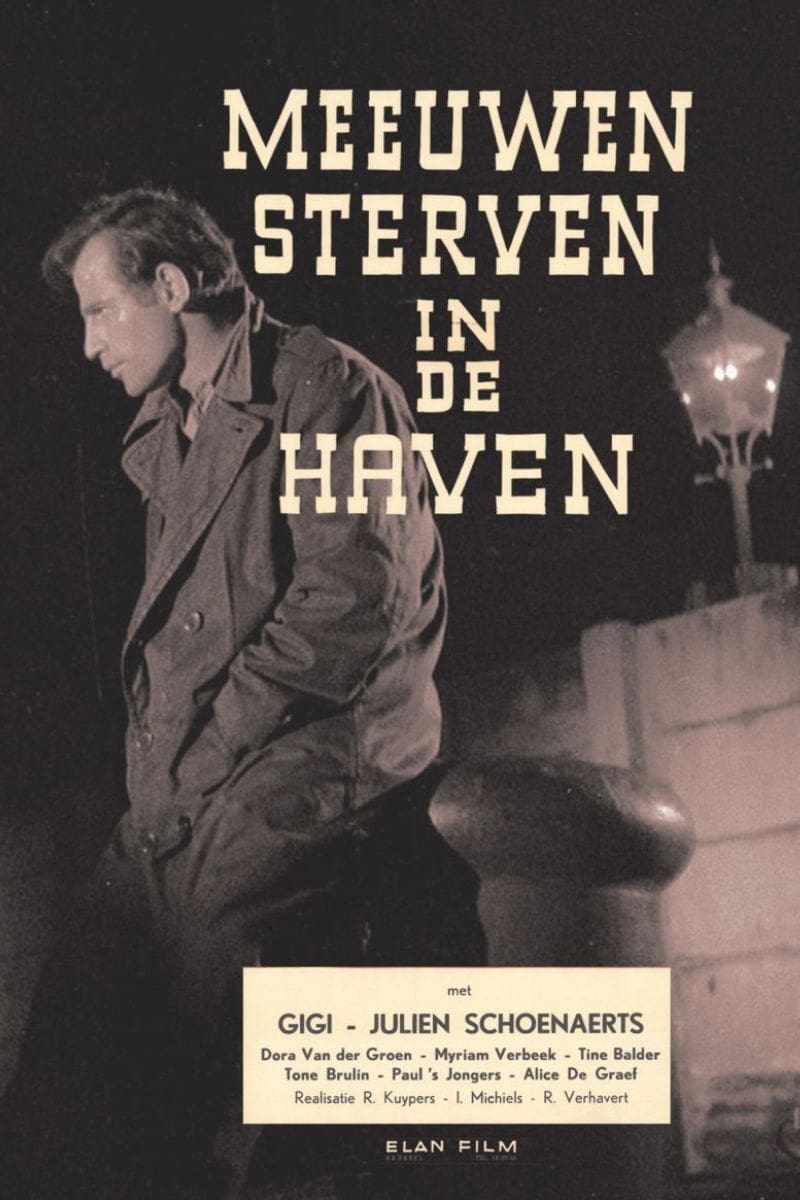
A pessimistic urban drama, with a musical score by Jack Sels and Max Damasse, charts in strongly expressionistically lit black-and-white images the wanderings of a tormented man through the cosmopolitan port city of Antwerp. The only people to show him understanding are an orphan and two disillusioned women.

A young sailor finds himself trapped in the labyrinthine mansion of his occultist uncle, along with a number of eccentric and mysterious relatives who all seem to be harboring a dark secret.

A family film, based on a well-known Dutch story from the Middle Ages. Mariken tells the compelling and poetic story of spirited young girl named Mariken. The orphan Mariken lives in a secluded forest with an eccentric old hermit. One day, she decides to leave her surroundings and sets off for town to buy a new goat. On her adventurous journey into the 'real' world, she finds out about the good and bad sides of people.
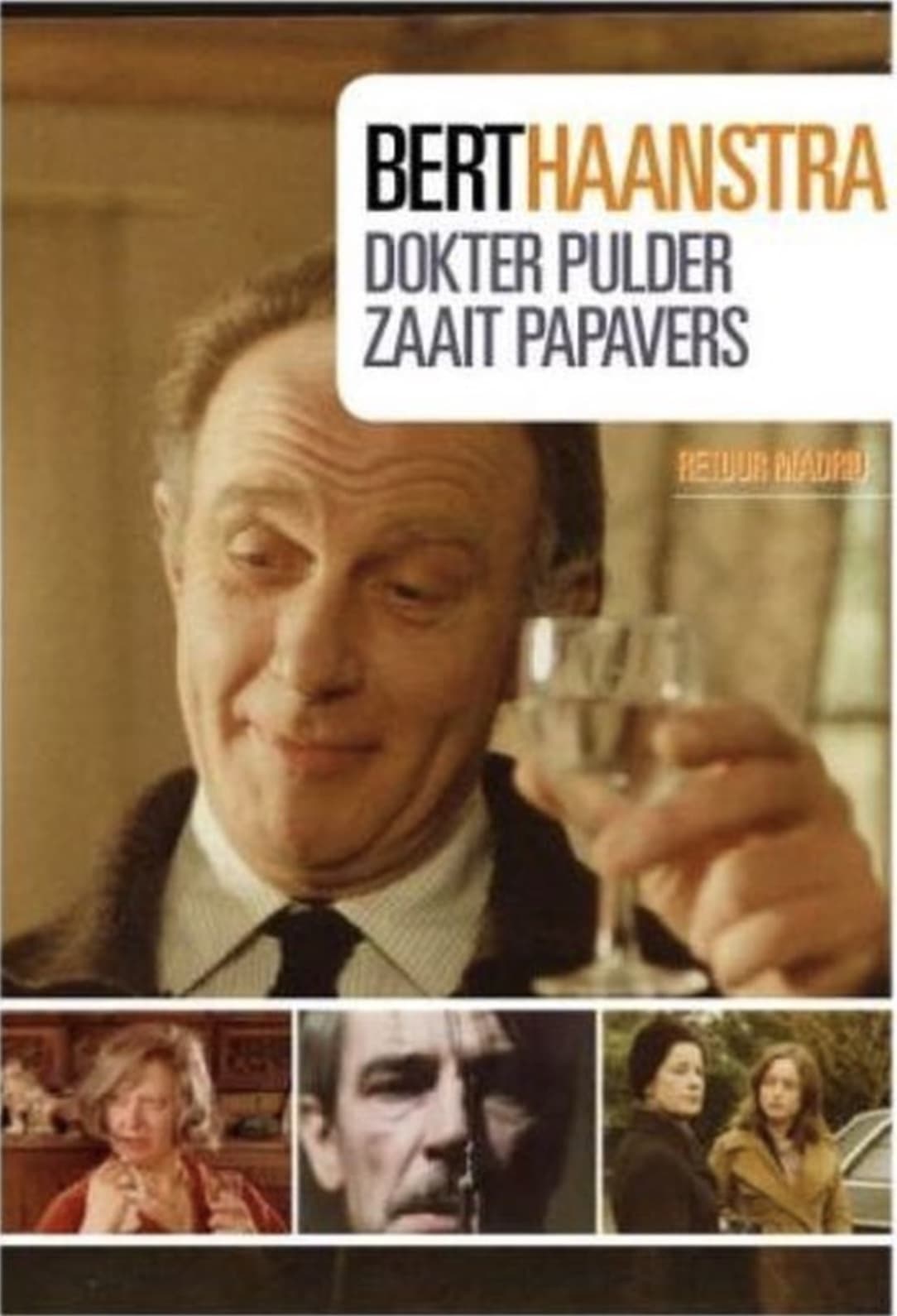
A small town doctor gets a visit from a former study-friend. He doesn't know this former surgeon has become a junkie that wants to steal his morphine.
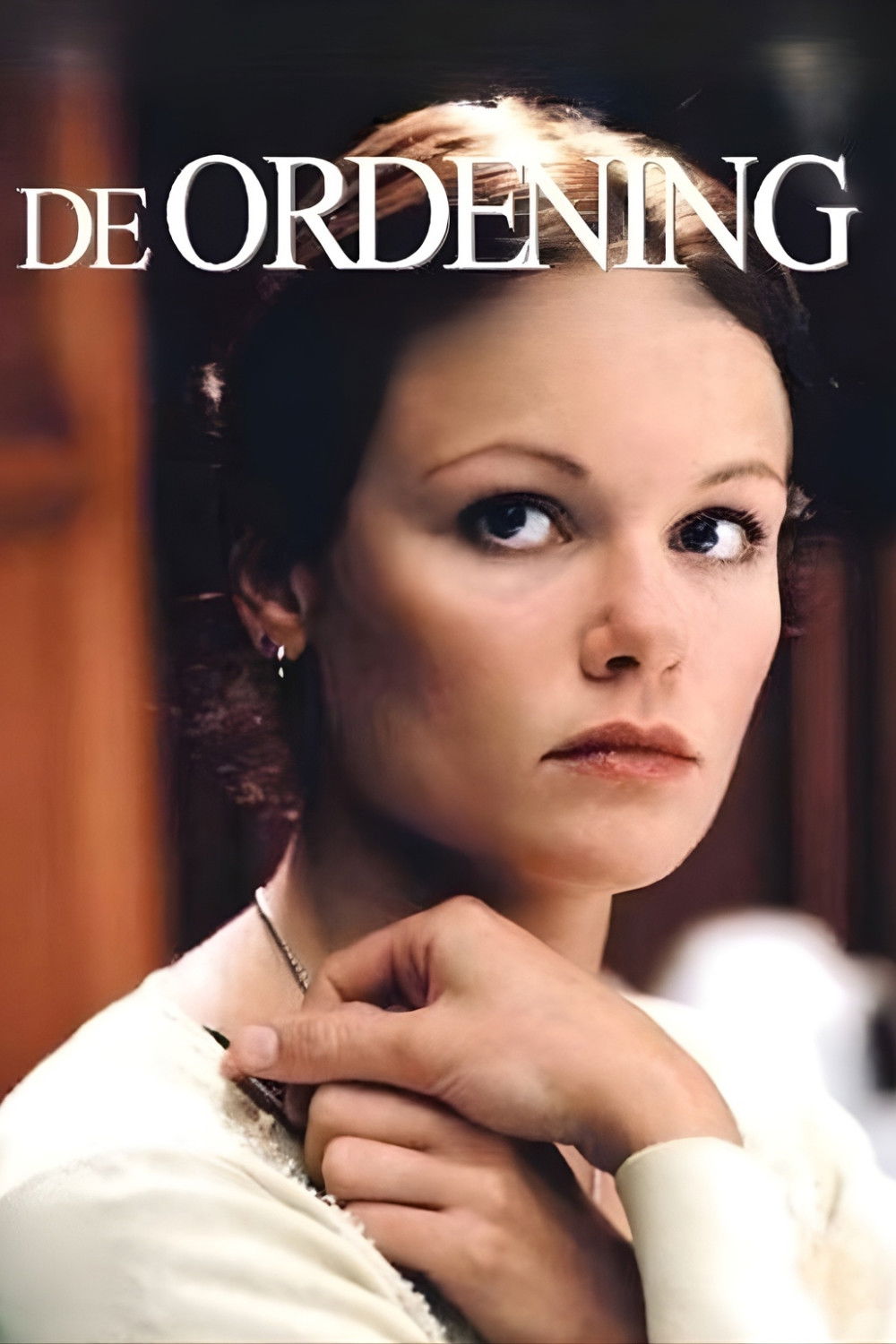
Journalist Stella discovers the secrets of the Lotte de Heus Verolmen, the widow of the Dutch nazi-collaborator party NSB-frontman Ewald de Heus Verolmen.
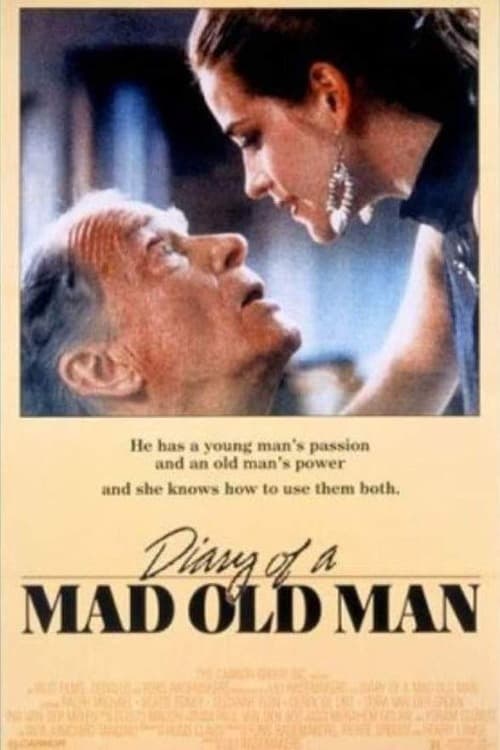
In this erotic drama, Marcel fantasizes about being with his daughter-in-law Simone after the death of his wife. The woman pretends to be surprised over his attention but does nothing to discourage his advances. He promises to build her a swimming pool in order to further his fantasies. The story is taken from the novel by Junichiro Tamizaki.

Based on three stories by R.J. Peskens.
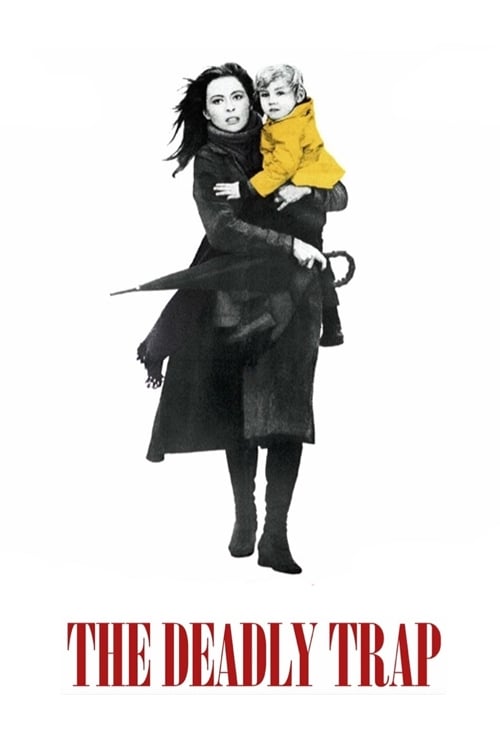
An industrial espionage group calls on a retired spy living with his wife and children in Paris.
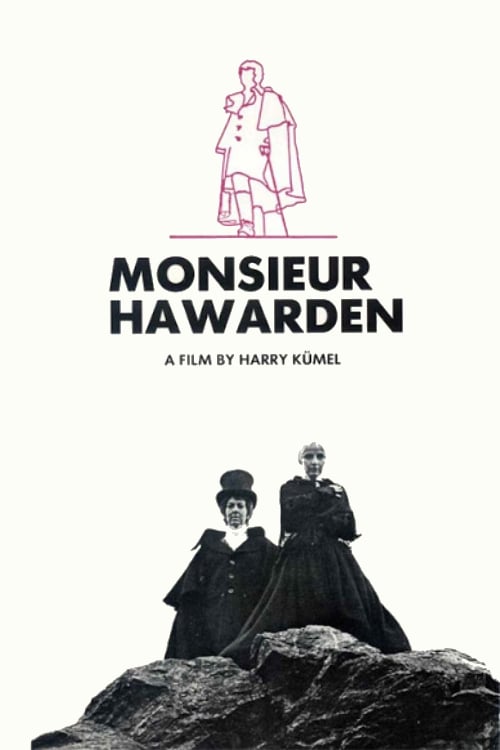
A woman disguises herself as a man to avoid prosecution for murdering her lover fifteen years ago. She is the last living member of a wealthy Vienna family, and has spent the years after the murder traveling Europe with her female servant. Her travels provide her with an anonymous cloak that allows her freedom of movement but little peace of mind. Nearing middle age, the guilt and weariness of an empty life has her contemplating suicide as the only way out of her dilemma.

The Inquisition is in full swing in 16th century Flanders. Wanted for his dissident writings, the alchemist doctor Zeno has been wandering Europe under an assumed name for twenty years. But he remains a non-conformist. He returns to his native Bruges, where he thinks he has been forgotten. In this silent labyrinth where the faces of the past resurface, he rediscovers his identity and thus signs his death warrant.
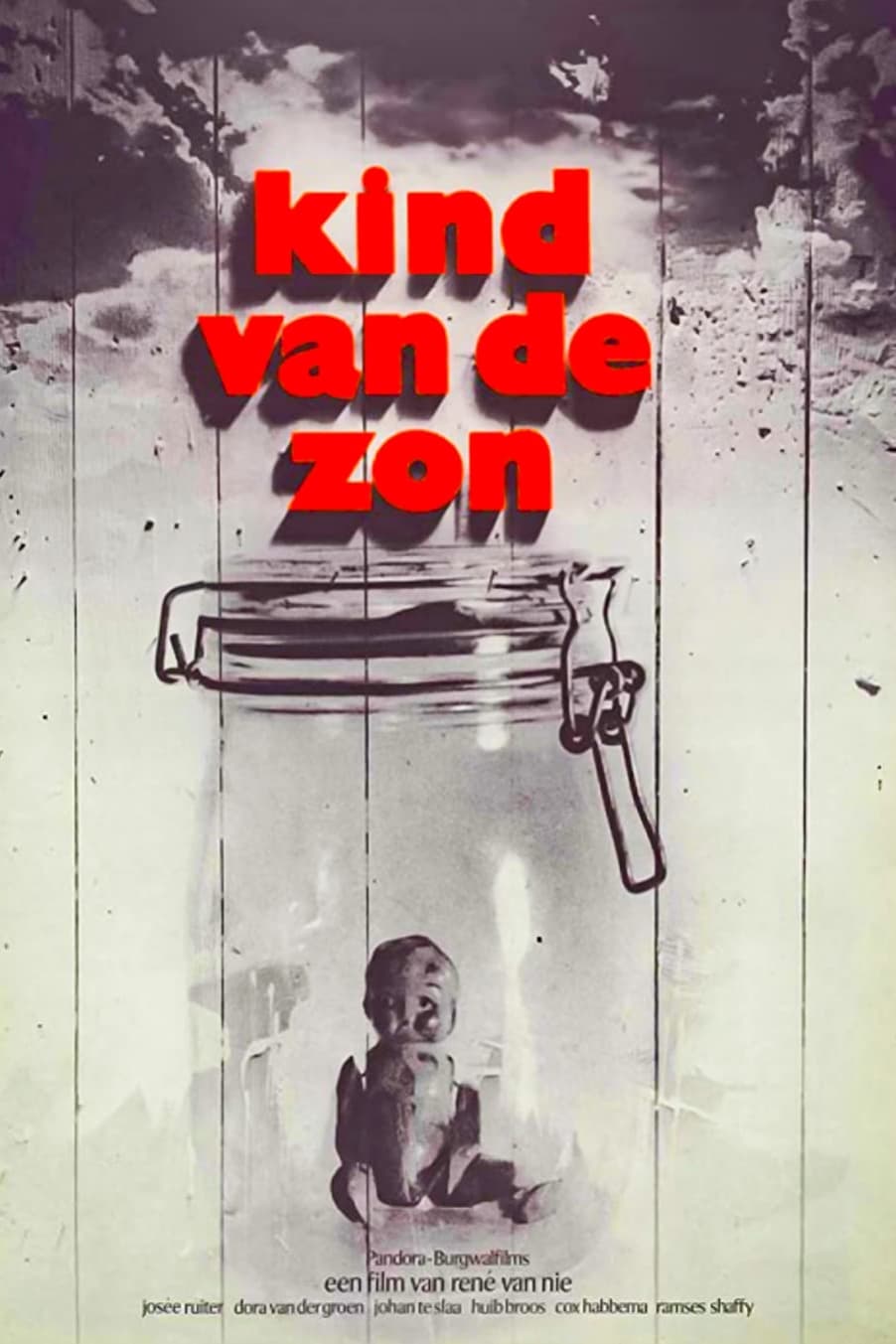
The story of a young woman with mental problems told in a non-chronological fashion.

A rainy evening in the harbor of Antwerp. A man named Laarmans is on his way home even though he doesn't want to. Three lost Eastern sailors are looking for a woman named Maria Van Dam and ask Laermans to show them the way. He decides to help them find this mysterious woman.

A building contractor and his spouse are driven apart by financial worries. Tony is an energetic personality well on in his 30s, presuming upon having everything under control. He's married to Nora, and they have two kids. Tony frequents tough assertiveness training sessions, owing to which he boosts up his self-confidence and considers himself to be the never-failing businessman and the perfect husband. As a result of his excessive investments and his haughty attitude, his company gets under a heavy cloud. When bankruptcy has become inevitable, his problems also affect family life. He starts taking his problems out on his wife who seems to be able to cope with the new situation more easily. She makes him see how vulnerable he really is.
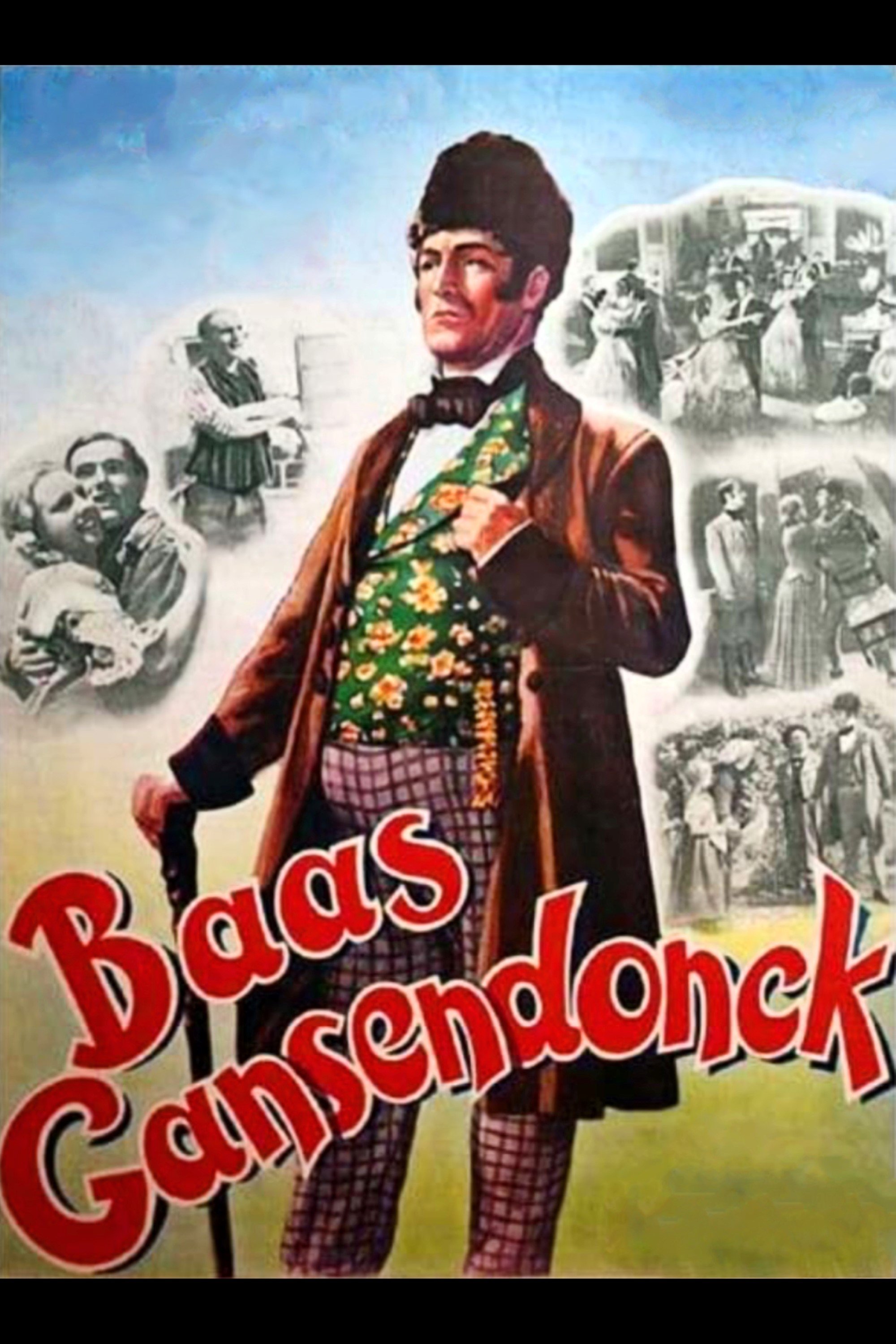
Around 1850 Baas Gansendonck who has an inn looks down on the farmers. He wants his daughter Lisa to marry the baron of the village. But she is in love with Karel, the son of a simple brewer.

The deeply socially engaged documentary filmmaker Frans Buyens had long dreamed of making the transition to fiction filmmaking. The experimental Ieder van Ons was a first attempt in that direction. In essence, it was an inquiry film shot in a cinéma vérité style about appearance and reality in social commitment. With Ieder van Ons, Buyens wanted to jolt the viewer’s conscience and make them aware of the duty to face the truth and to act accordingly. To achieve this, he combined a fictional plot with documentary scenes. On the one hand, the film contains acted sequences about the awakening conscience of a ruthless political figure; on the other hand, Buyens himself appears before the camera to introduce several actors, their characters, and the situations in which they are about to become involved.

In the course of four seasons we follow the process as Maurits mourns the death of his mother. His intensely sad father, a restorer of paintings, is not able to offer him any solace. Maurits denies his mother's death and withdraws to the flood plains of the river. There he meets Moniek. During their journey of discovery through the plains, their tender friendship turns into love. But Maurits anger and sorrow sometimes turn to extreme emotions and that frightens Moniek. A dead dog takes them over the top and Moniek never wants to see him again.
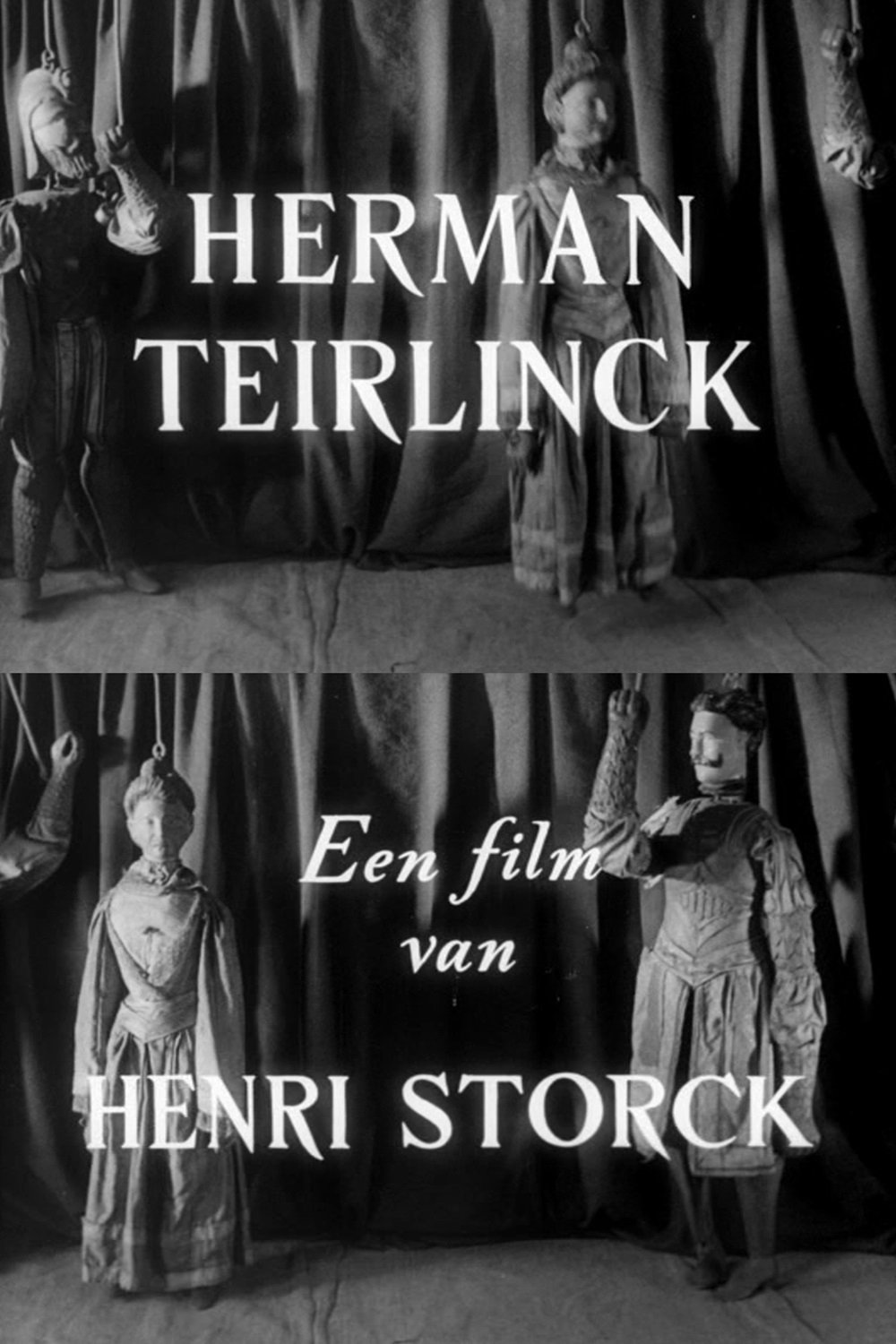
A portrait of the belgian writer Herman Teirlinck by Henri Storck.
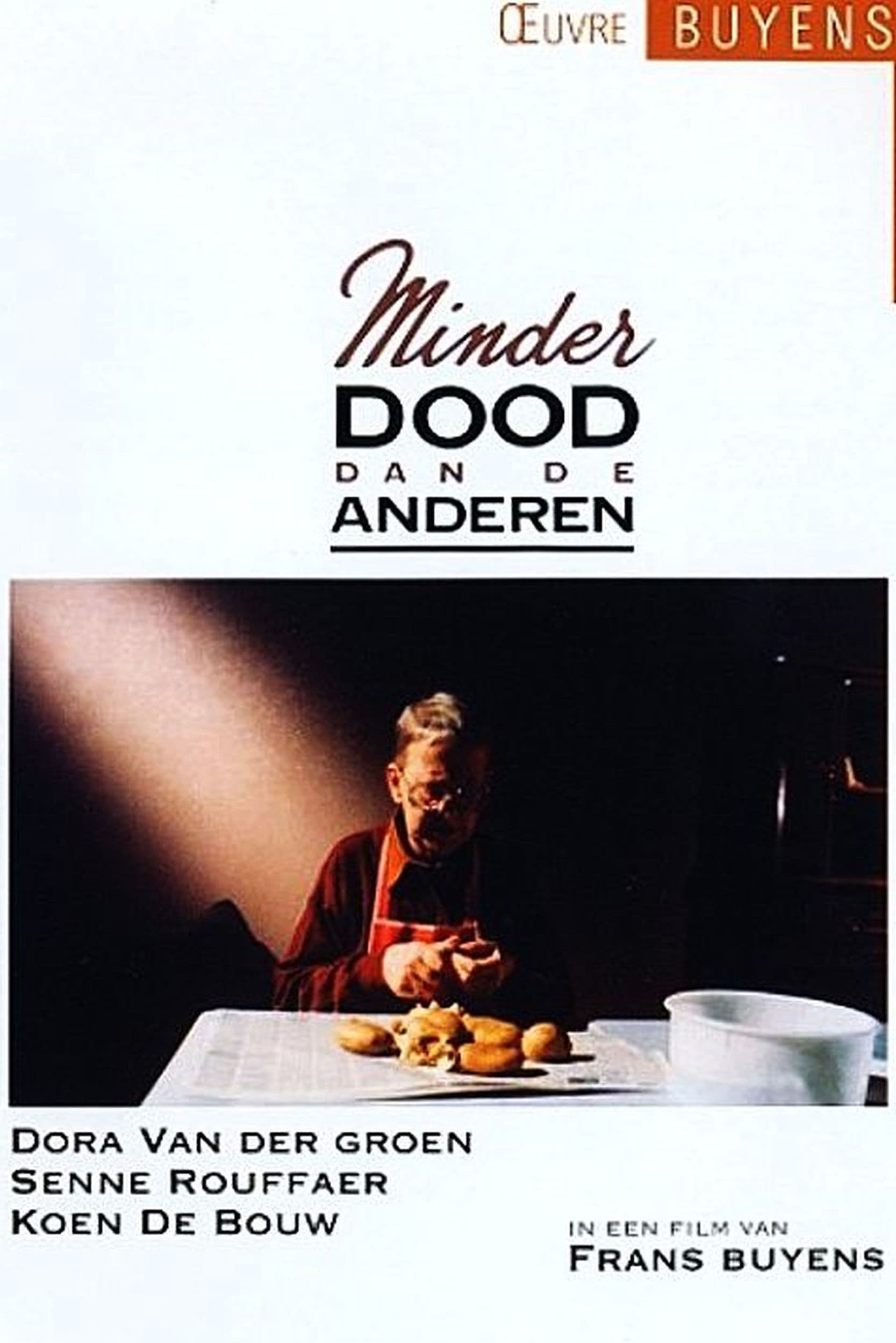
Frans Buyens's moving and inventive film is based on his own autobiographical novel, which deals in the most sensitive terms possible with the subject of euthanasia.
Cyriel has died. Leonie and a few relatives are standing in the hospital room around the bed on which the bodie lies. At Cyriel's death, there won't be no more tears from Leonie, but rather one simple and pleasant memory that expresses Cyriel's unspoken love for her.
This documentary tells the story of an 80-year-old woman who has "...nothing else to do but to sit and think."
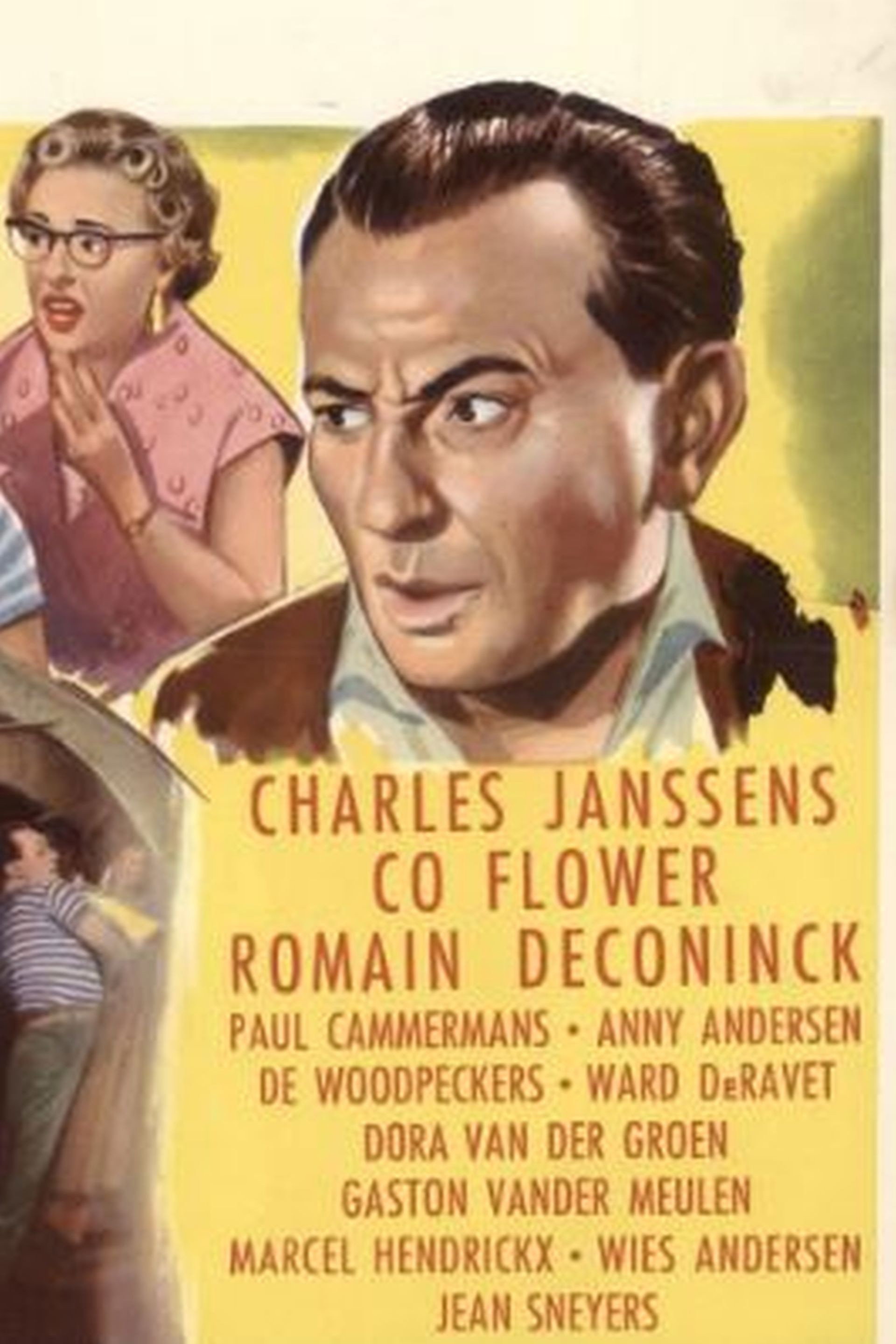
Five rather frivolous musicians seize the opportunity to perform on a cruise in the Mediterranean. Alas: they are under contract to engage a female singer - and they fear to fall in love with her, which would endanger their friendship.
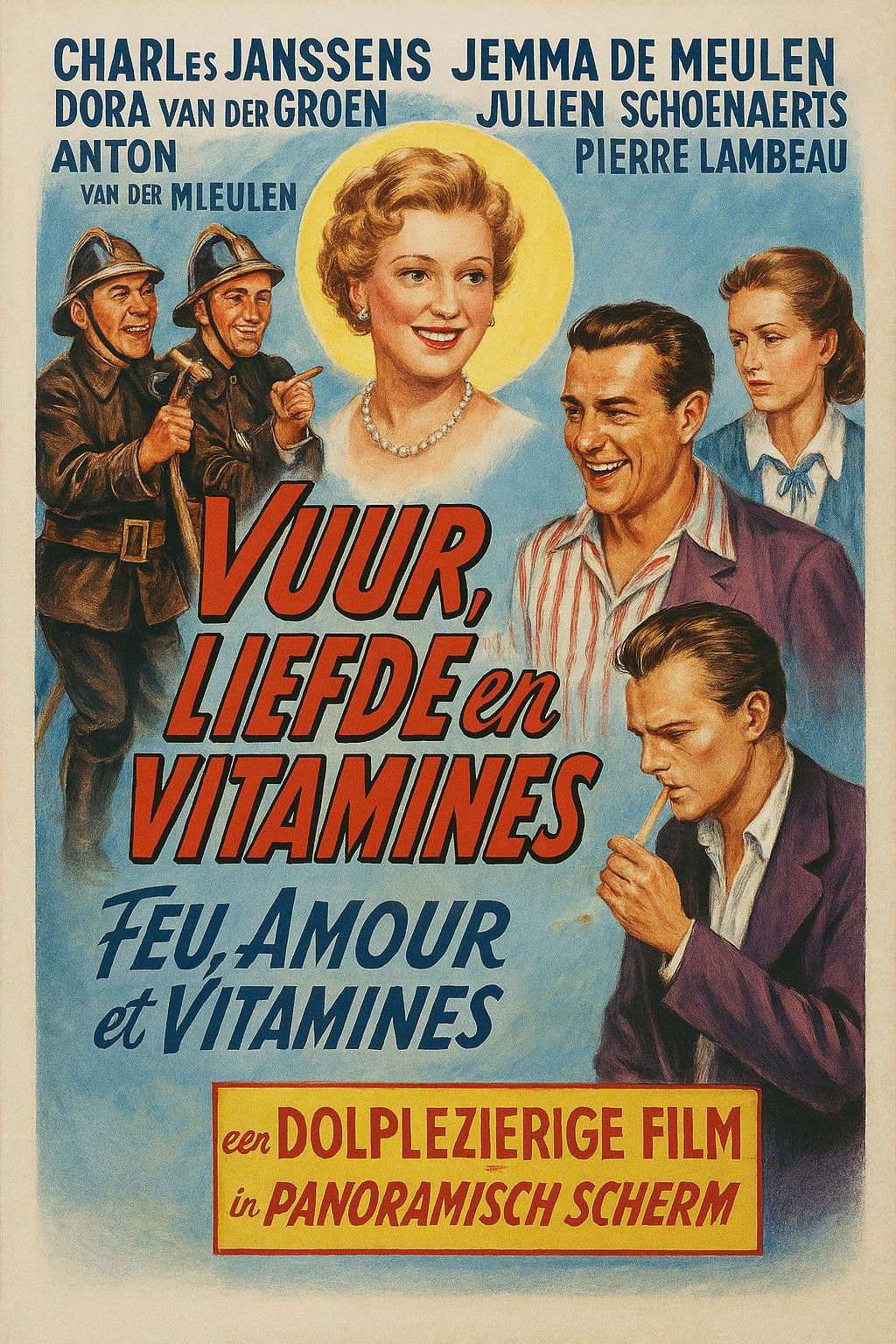
The film follows the occasionally slapstick misadventures of Sergeant Sestig, a fire brigade sergeant and widower, with his attractive daughter Martje by his side. At one point, three women attempt to woo him as a husband, but after a whirlwind of panic-filled complications, Sestig decides, with quiet resolve, to remain a dedicated firefighter—and a widower..
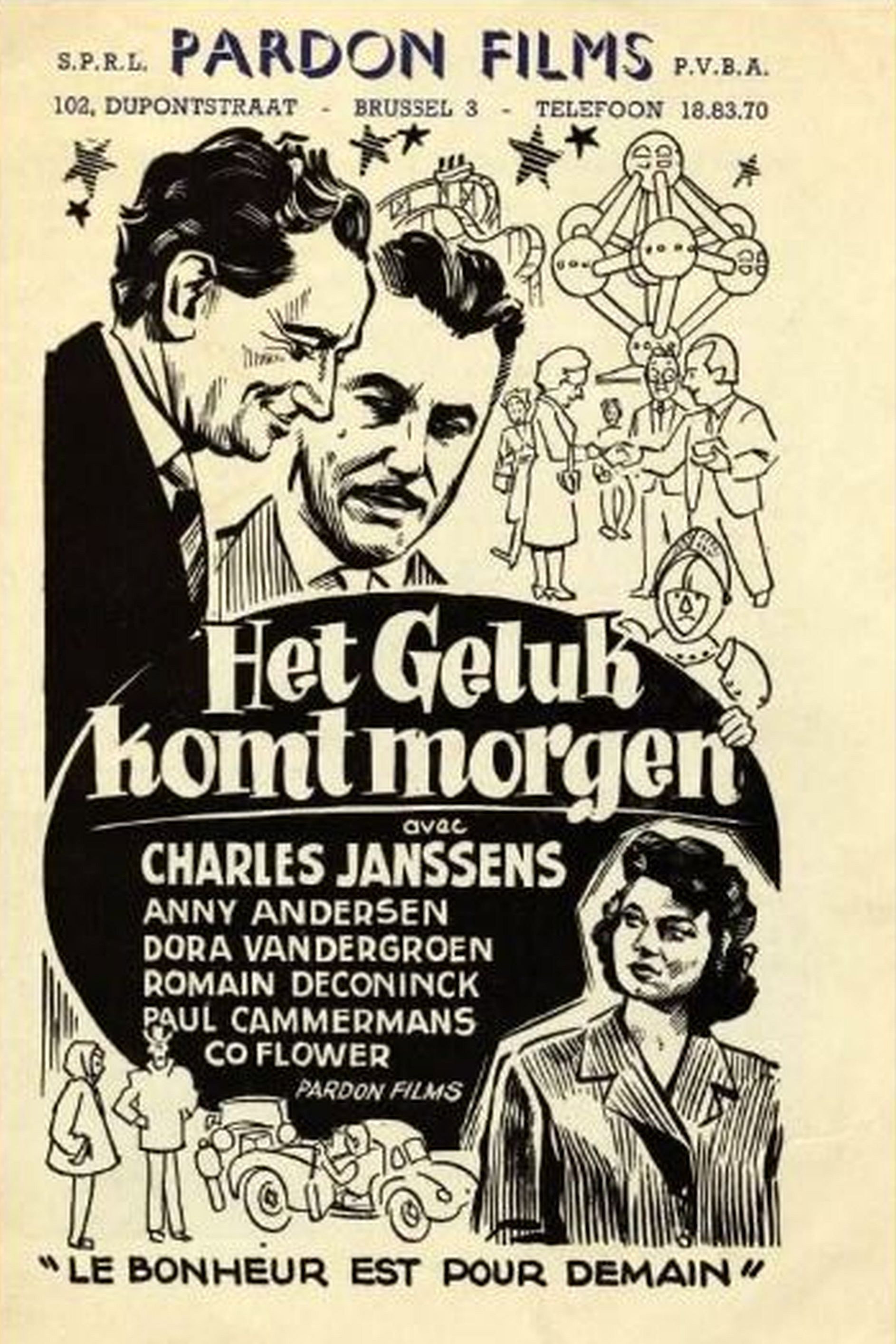
Each year Thomas goes an a pilgrimage but he has more difficulty to complete it, but then he is offered a footbath that appears to contain a miracle drug. Wouldn't this make a huge seller during Expo 58 in Brussels... .
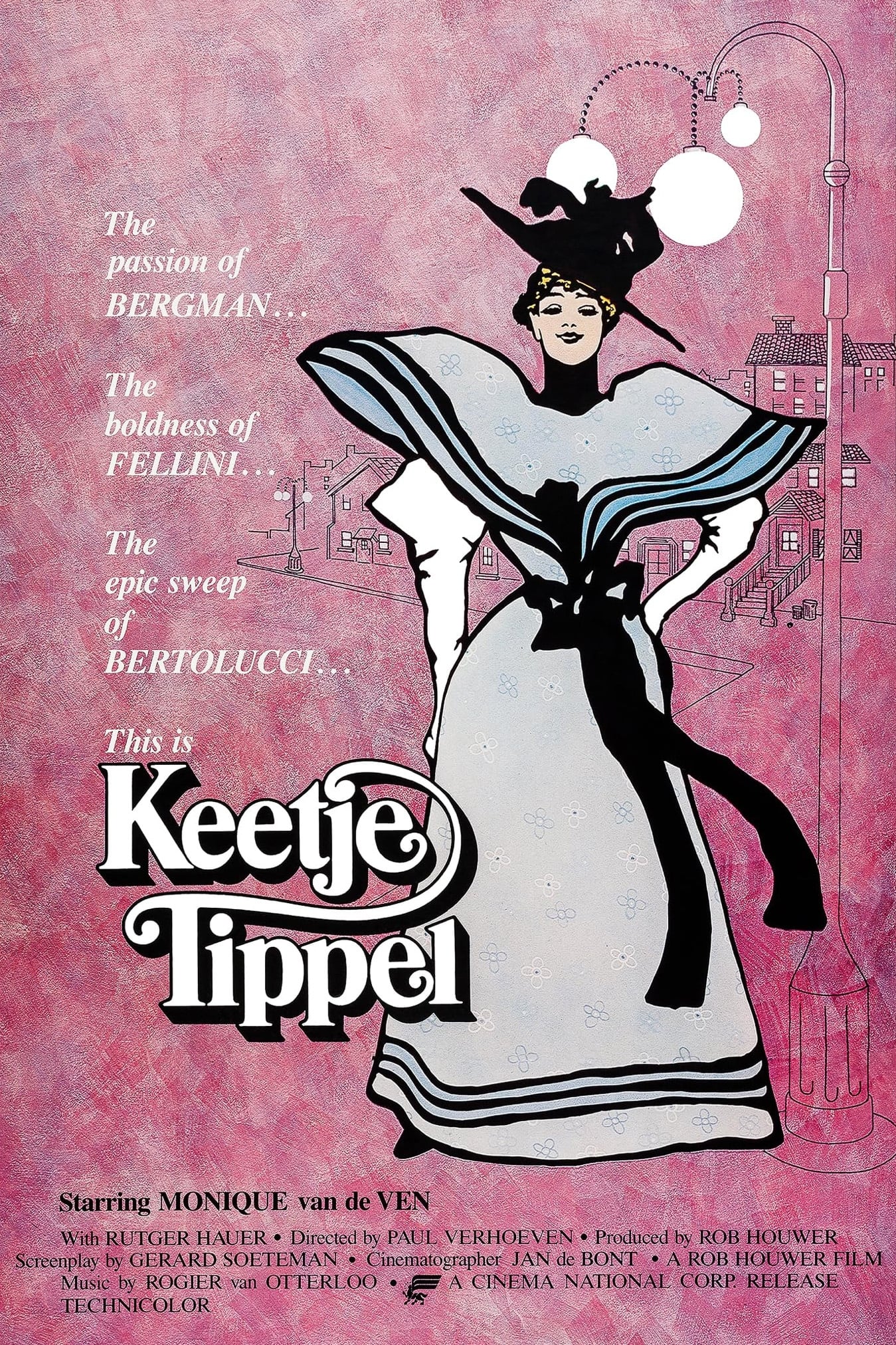
In the late 19th-century, the Tippel family moves to rural Stavoren in search of greener pastures. However, their dreams are quickly shattered, as teenage Katie is terrorized by a male-dominated society who only see her as an object. Her situation worsens when, following her father's sacking and her elder sister's descent into alcoholism, her mother decides that, rather than starving, Katie becomes a prostitute.
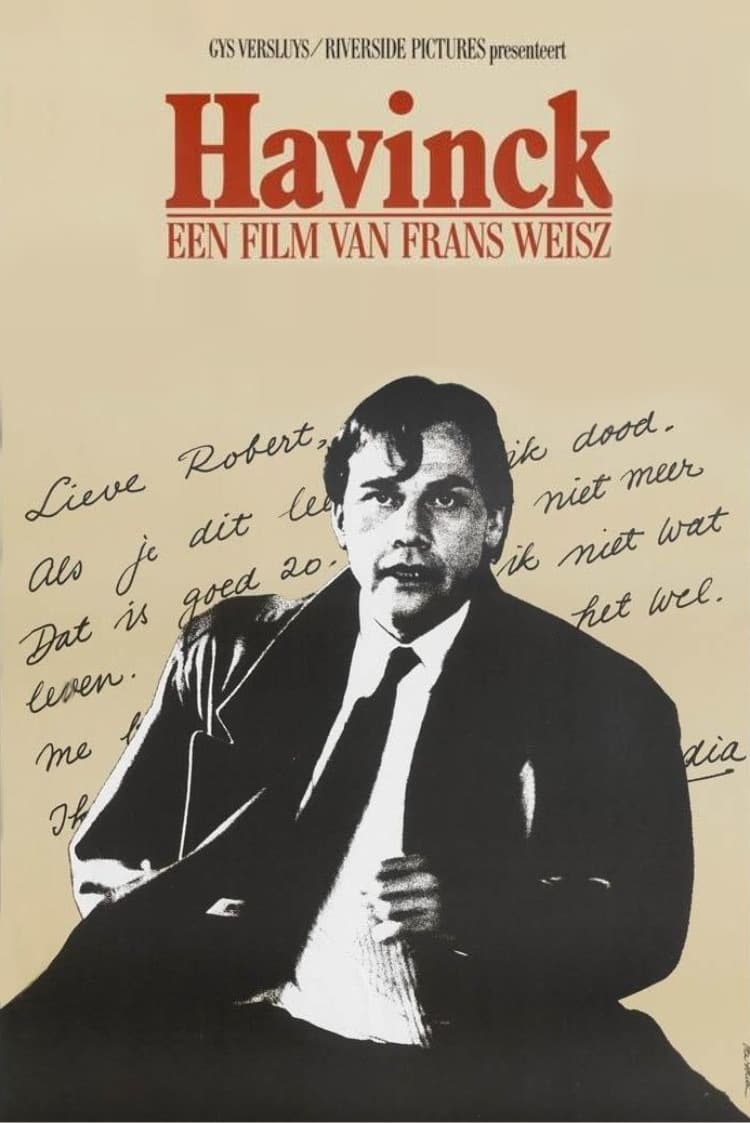
When his wife Lydia commits suicide, succesful attorney Robert Havinck is freed from his unhappy marriage. Unfortunately, it turns out she took a complete stranger along with her, and a feeling of guilt and curiosity about her motives lead Havinck to team up with his fifteen-year old daughter to explore Lydia's final days.

In 1913, a young woman starts work as a maid in a seedy Parisian boarding house full of eccentrics. When she falls in love with one of the guests, she must choose between her son and her new romance.
This historical costume drama is a mini-series on the life of Flemish first-rate Baroque painter Pieter Pauwel Rubens (1577-1640), whose artistic success throughout Europe not only made him a fortune allowing him to stock his Antwerp residence ('Rubenshuis' in Dutch) and a castle at Elewijt, in the countryside nearer Brussels, with numerous fashionable treasures, but also became an ennobled diplomat for the Spanish Hapsburg rulers of the Southern Low Countries (now Belgium), who often traveled, for painting commissions and/or diplomatic missions, to and worked in Italy, France, Spain, all Catholic powers, as well as protestant England and the United Provinces (mainly Holland), also allowing him to meet other prominent contemporaries such as artists. It further covers his marriages to Isabella Brandt and Hélène Fourment.

It's about a girl, S., who is dangling between Brussels and New York, boys and girls, love and hate, life and death. She has a mother, a father, a boyfriend and a girlfriend, but none of them are any good to her.
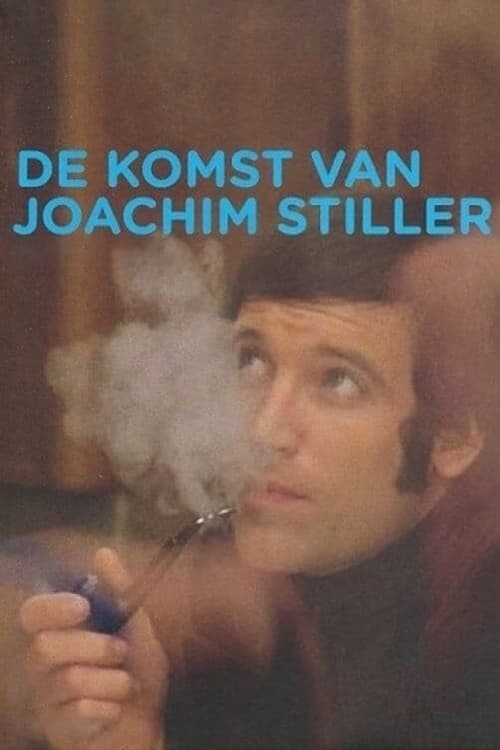
An Antwerp journalist finds his daily life increasingly disrupted by unexplained phenomena, such as an authentic letter from 1919 that refers to an event taking place at a much later date. Because these disturbances are consistently linked to the name “Joachim Stiller,” the journalist becomes obsessed with it. The resolution, which is closely tied to his traumatic experiences from the Second World War, takes place with a psychiatrist—and later at an abandoned railway station in an Antwerp suburb. Interwoven with this is a subplot about an Antwerp art dealer who believes he can become rich through a new form of painting. To achieve this, he takes a mentally disabled artist hostage. The narrative also follows various romantic entanglements involving the journalist, which ultimately lead to his happy experience of fatherhood.

Willem is furious when a journalist makes fun of him because he acts hysterical in court during the Agusta scandal. He decides to kidnap the man and find out everything about him, but he discovers more than he bargained for.
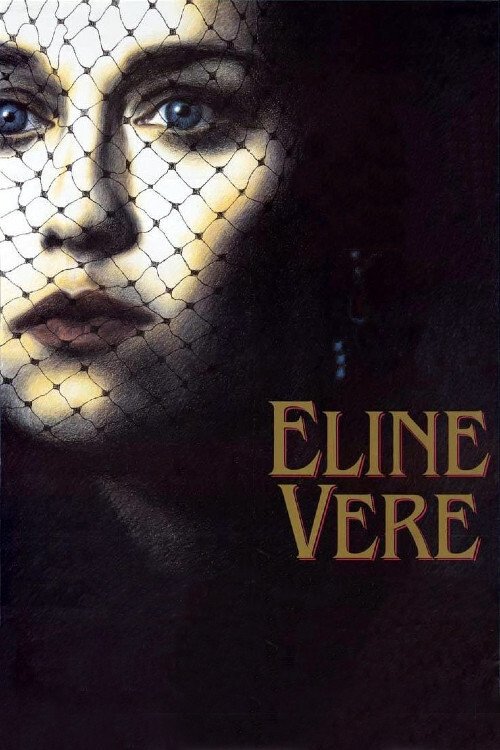
This melodramatic film follows Eline Vere, as she attempts to break free from the confines of her narrow existence in The Hague through three tumultuous and ultimately disastrous courtships. Adaptation of Louis Couperus' novel Eline Vere.
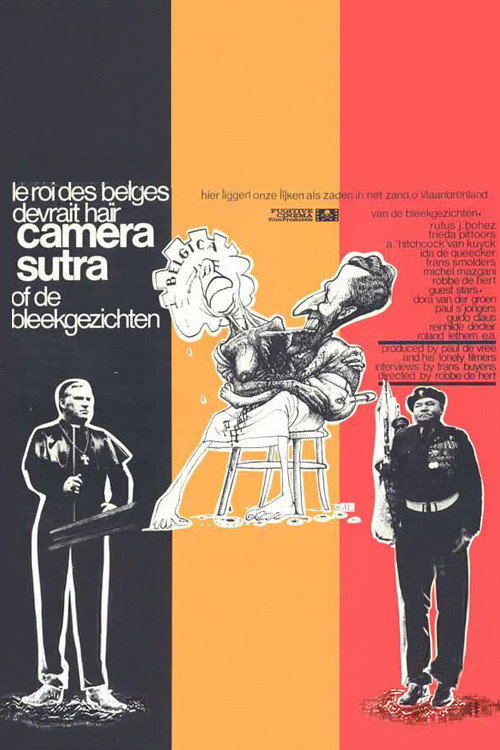
The Herts Camera Sutra or The Palefaces (1973) is a militant and visually fragmented critique of Belgian bourgeois society, blending documentary collage with semi-autobiographical fiction. De Hert attacks the distractions of nationalism, religion, and popular culture while exposing capitalism, social injustice, and postcolonial exploitation. The film’s second half shifts to a disillusioned group of rebellious youths, revealing the uncertainty and emotional paralysis behind revolutionary ideals. Both politically fierce and deeply self-questioning, the film captures the tension between radical ambition and powerlessness.