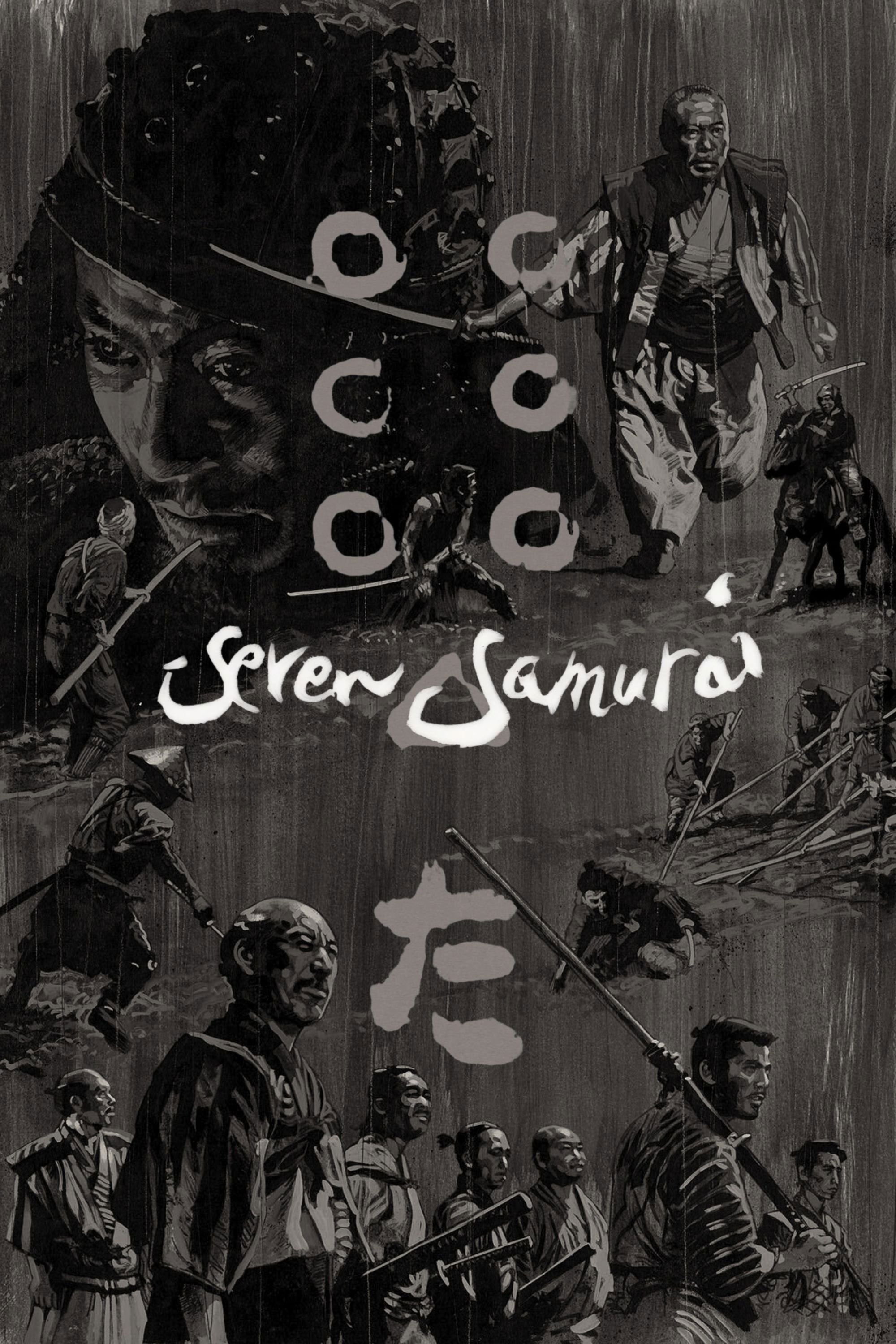
A samurai answers a village's request for protection after he falls on hard times. The town needs protection from bandits, so the samurai gathers six others to help him teach the people how to defend themselves, and the villagers provide the soldiers with food.
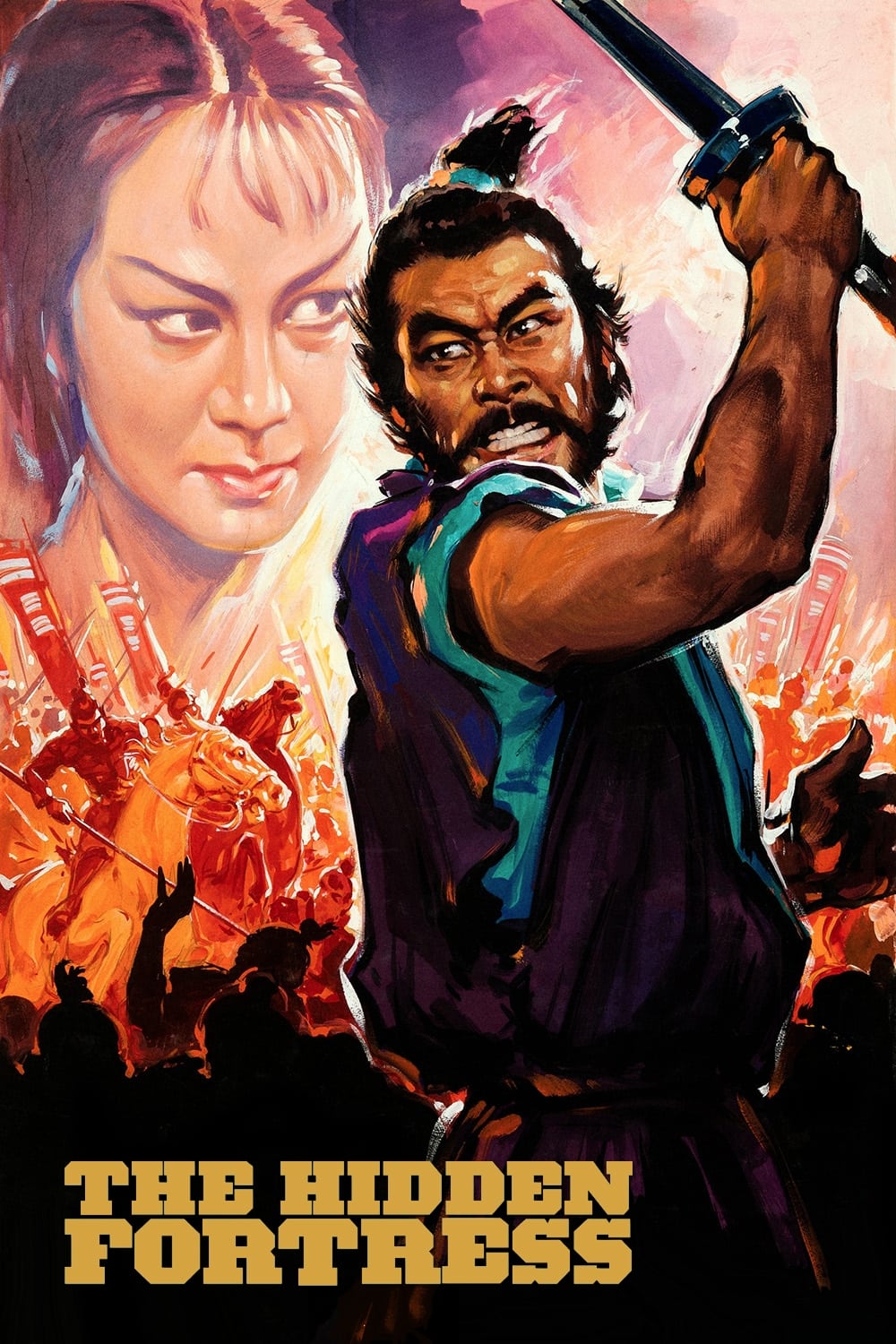
In feudal Japan, during a bloody war between clans, two cowardly and greedy peasants, soldiers of a defeated army, stumble upon a mysterious man who guides them to a fortress hidden in the mountains.
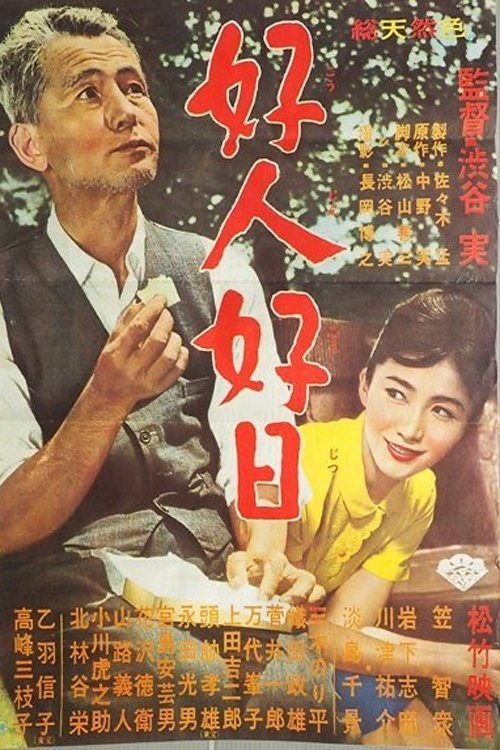
The university professor Ozeki Hitoshi (Ryu Chishu) is regarded as an eccentric by people in his surroundings. When his daughter Tokiko is asked to marry a colleague, she and her mother are overjoyed, but Hitoshi is not satisfied with the situation.
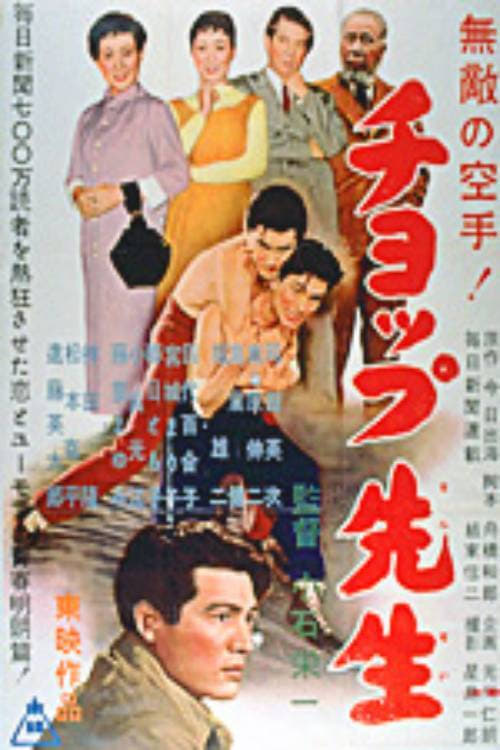
Junpei Kihara, a young president of the University's wrestling club, is nicknamed "Mr. Chop". One day, on the way back from visiting the hospital after being thrown by Nobuyoshi Shinohara during practice and injured, he met Asako, the sister of Arisawa's mother, Katsuko. When they entering a coffee shop run by Asako's best friend Hisako, Hisako misunderstood them as lovers...
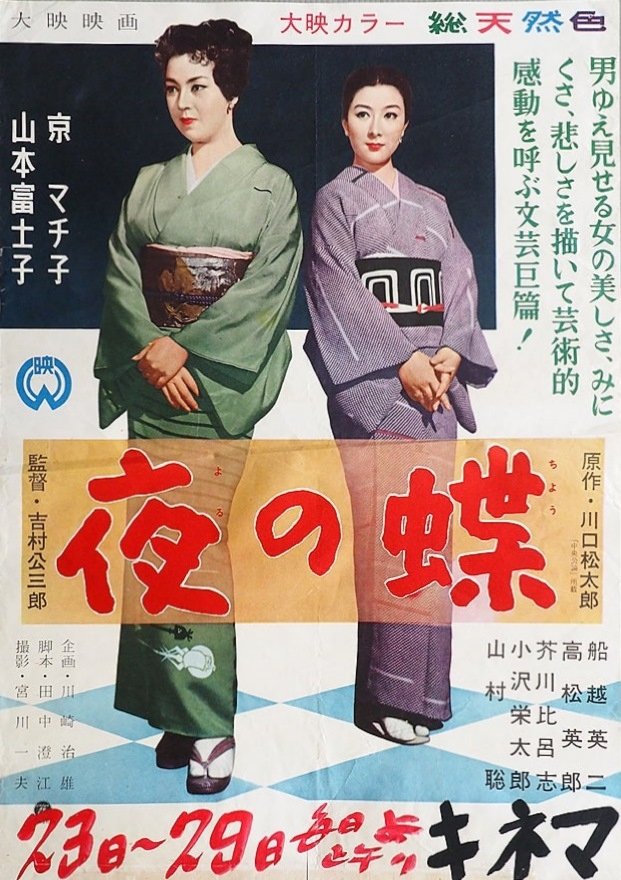
A traditional bar mistress in Kyoto clashes with her Tokyo rival.

Early film directed by Kenji Misumi.
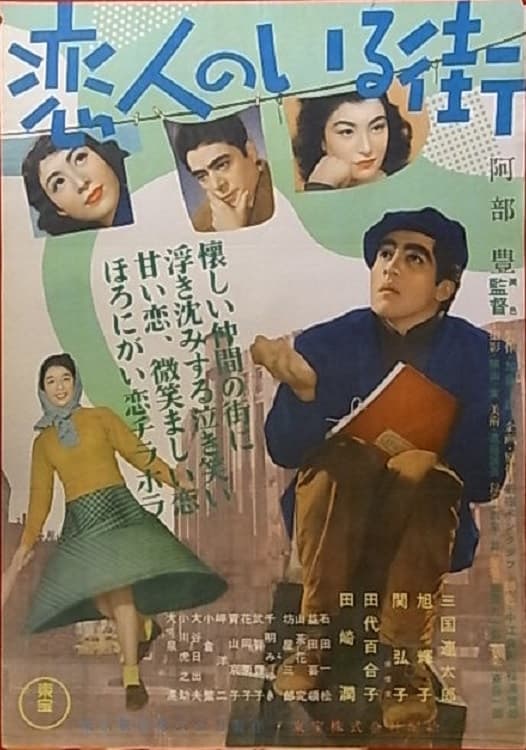
Mr. Baku, a sandwich man, was familiar to his neighbors because he was a natural friend of Ryotaro Yanaka. Yoshie, the sign girl of the coffee shop, is the lover of Douta Kuraishi, the manager of Cabaret Orion.
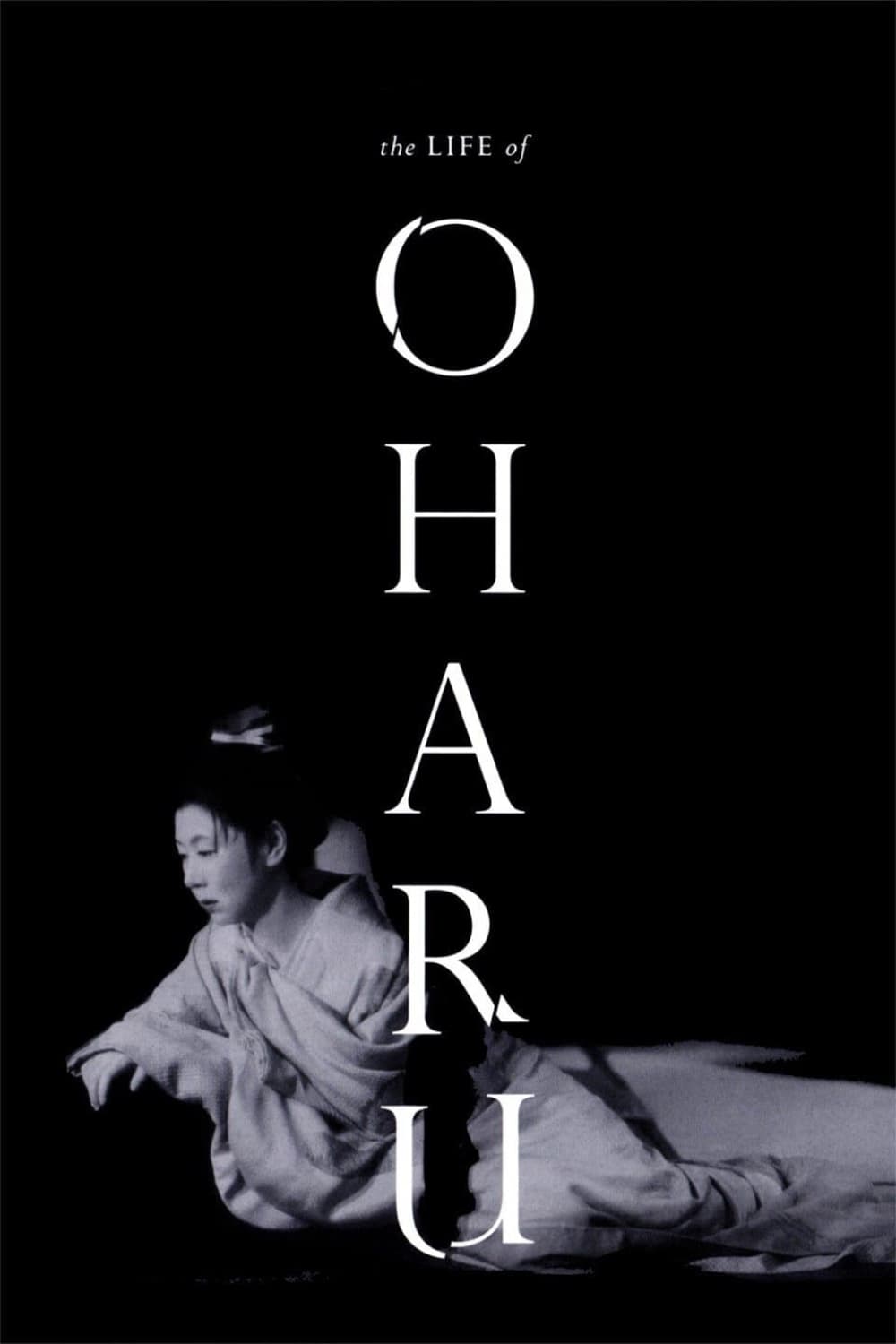
During the Edo Period, a noblewoman's banishment for her love affair with a lowly page signals the beginning of her inexorable fall.
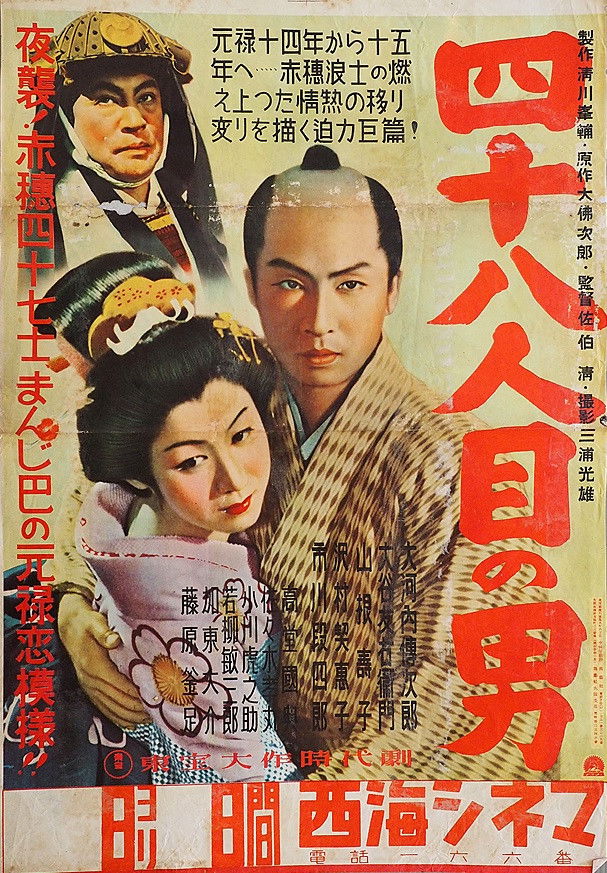
Jidai-geki by Kiyoshi Saeki
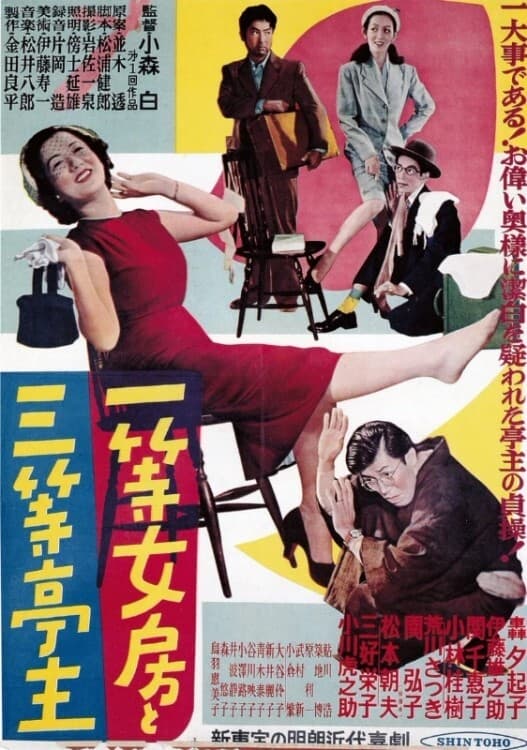
Natsuko Kayama, an authority in the beauty industry and once known as Miss Tokyo, is a first-class wife. Her husband, Senkichi, on the contrary, is a good-natured man and slow-witted. They are rarely seen together, and others often criticize them for being too boring and uninteresting.
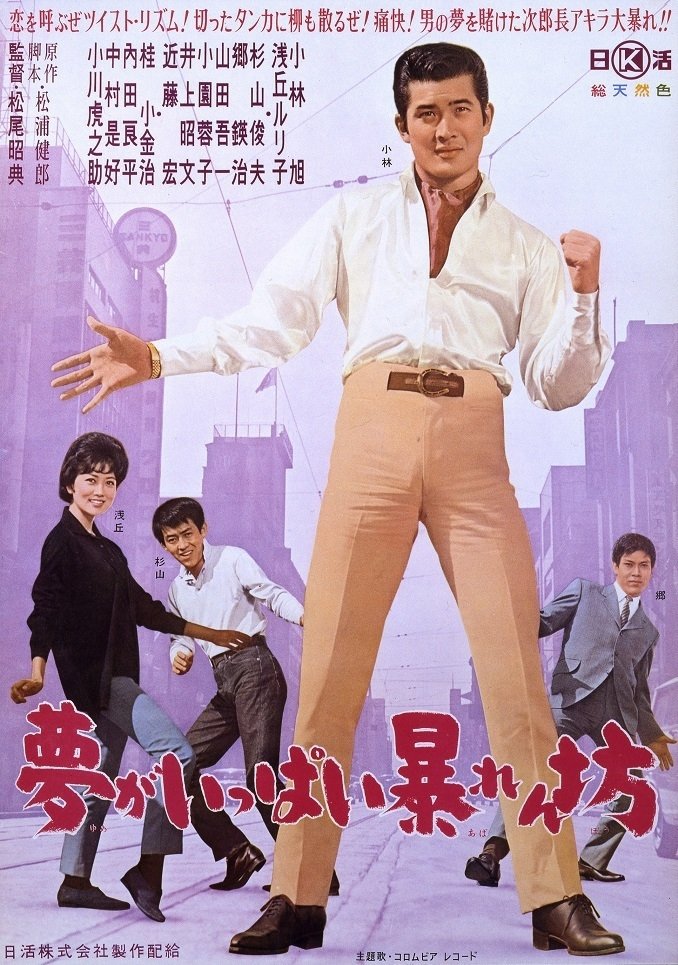
1962 Japanese movie
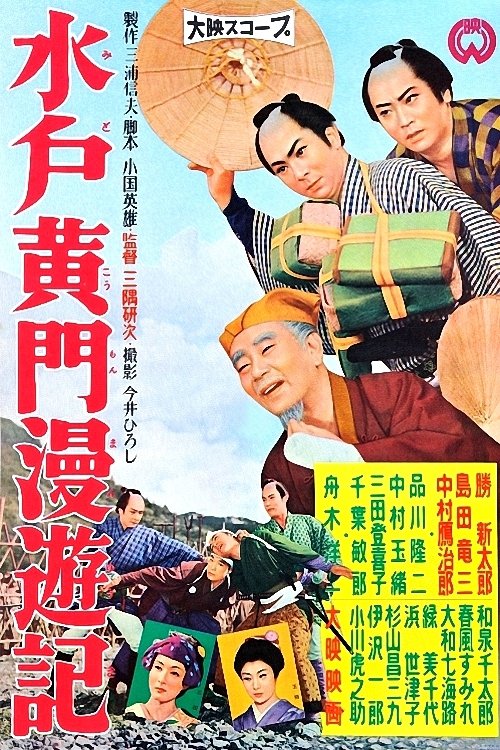
Lord Mito Mitsukuni, the vice-shogun of the whole country, left the family estate and went on a trip to various provinces with his students Sukesaburo Sasaki and Kakunoshin Atsumi. At an inn in Sunagawa, Mitsukuni exposed and punished an evil judge who had fallen in love with a townsman's wife. However, on the night he stayed at Nihonmatsu Castle, Mitsukuni found out that this incident was a performance organized especially for him…
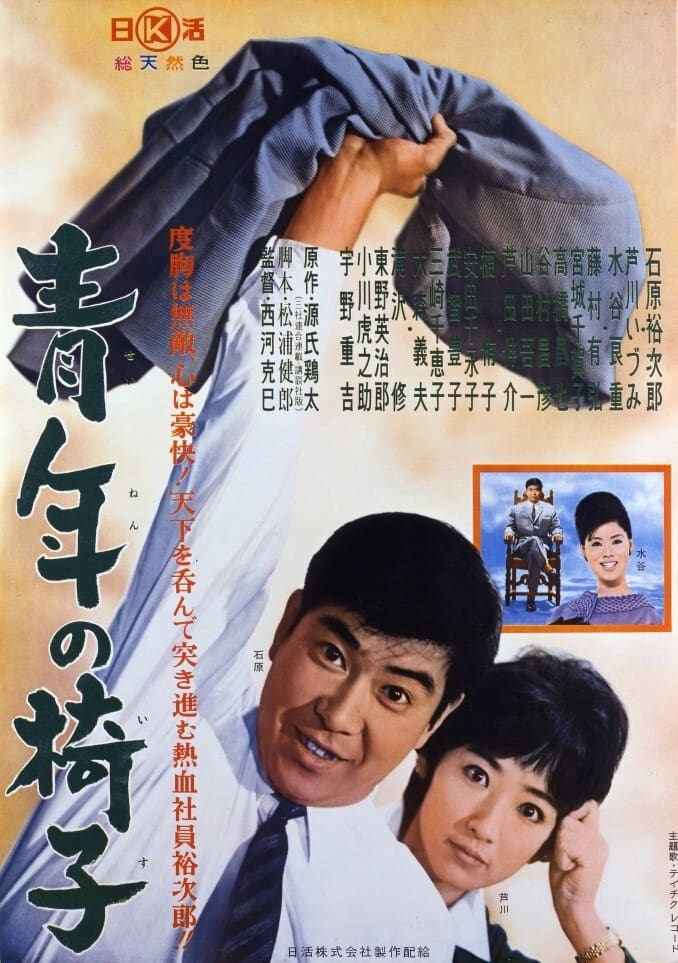
1962 Japanese movie
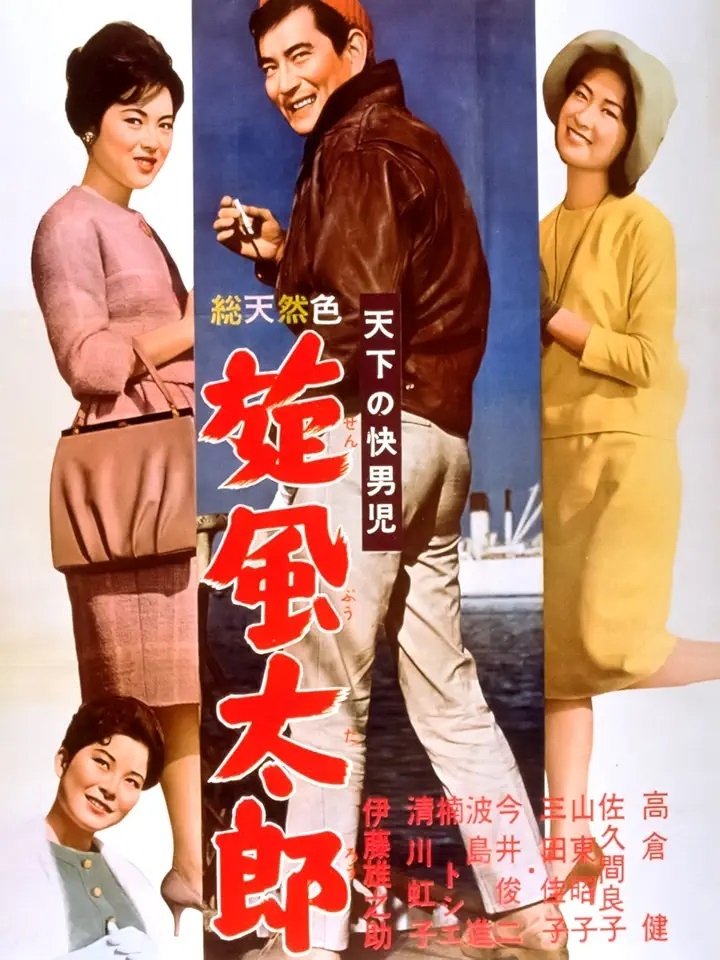
The third film in the Taro series, following "The World's Most Noble Guy: Taro's Eternity" and "The World's Most Noble Guy: Taro's Rush." Taro, who had painstakingly graduated from the University of Merchant Marine after six years, was on his way to work for Saikai Kaiun on a tourist ship on the Beppu route. He was in a euphoric mood, teasing a young lady playing golf on the deck, and helping the geisha Umeka who was being harassed by a drunkard, with his natural sense of justice, as the ship arrived at Beppu Port.
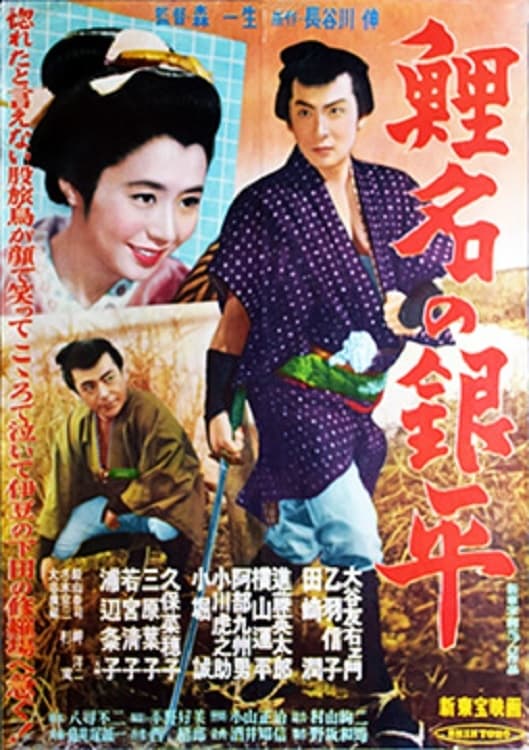
1954 Japanese movie
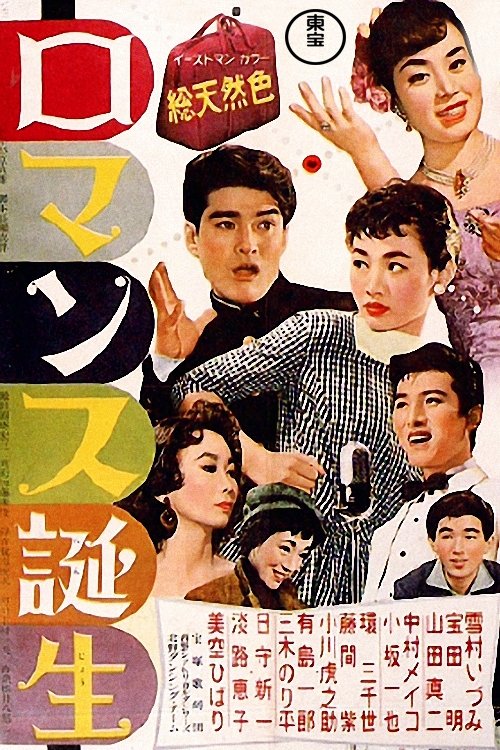
The cabaret «Romance», run by Masami Daisaku's father, is experiencing financial difficulties, and Masami is betting on changes and asks singer Hibari Misora to perform. Musical youth comedy with young actors, passion, funny songs and laughter. Hibari Misora appears as herself.
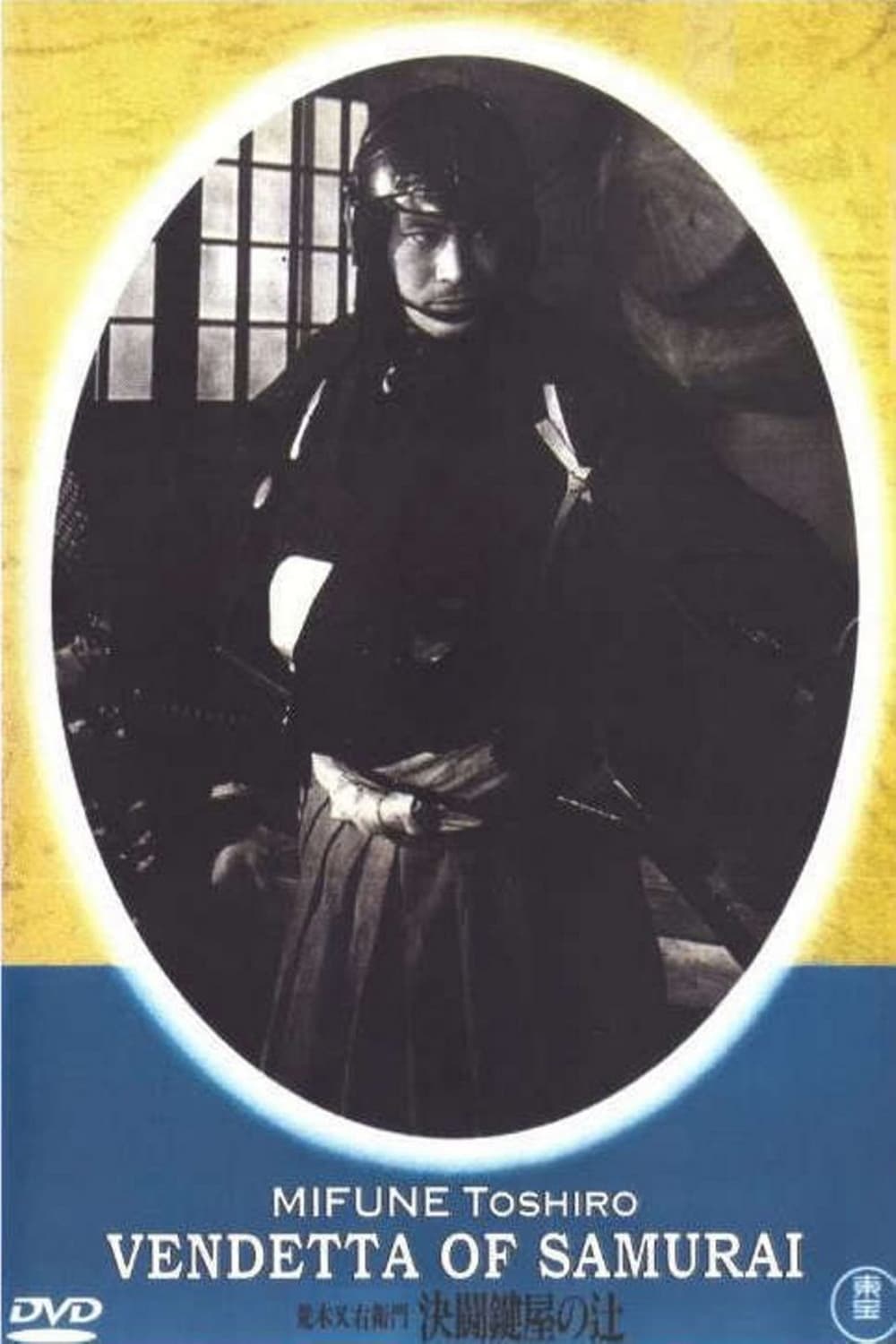
Mataemon Araki, a renowned swordsman, helps a young man find vengeance.
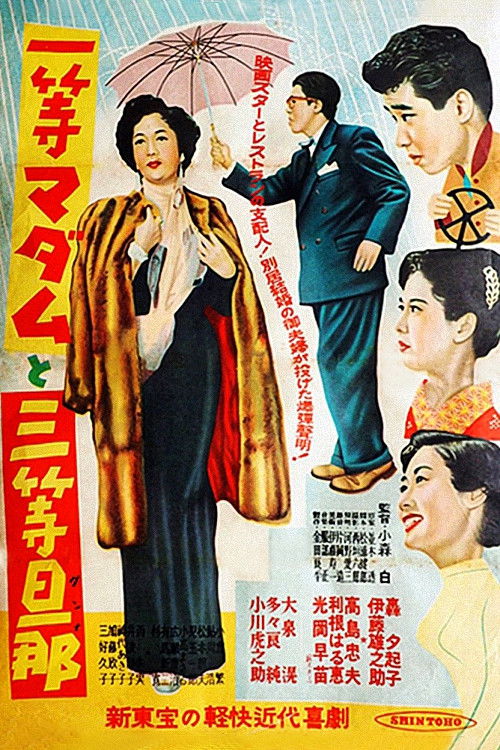
Domestic comedy produced by Shin Toho Studios directed by Komori Kiyoshi and starring Todoroki Yukiko and Ito Yunosuke.
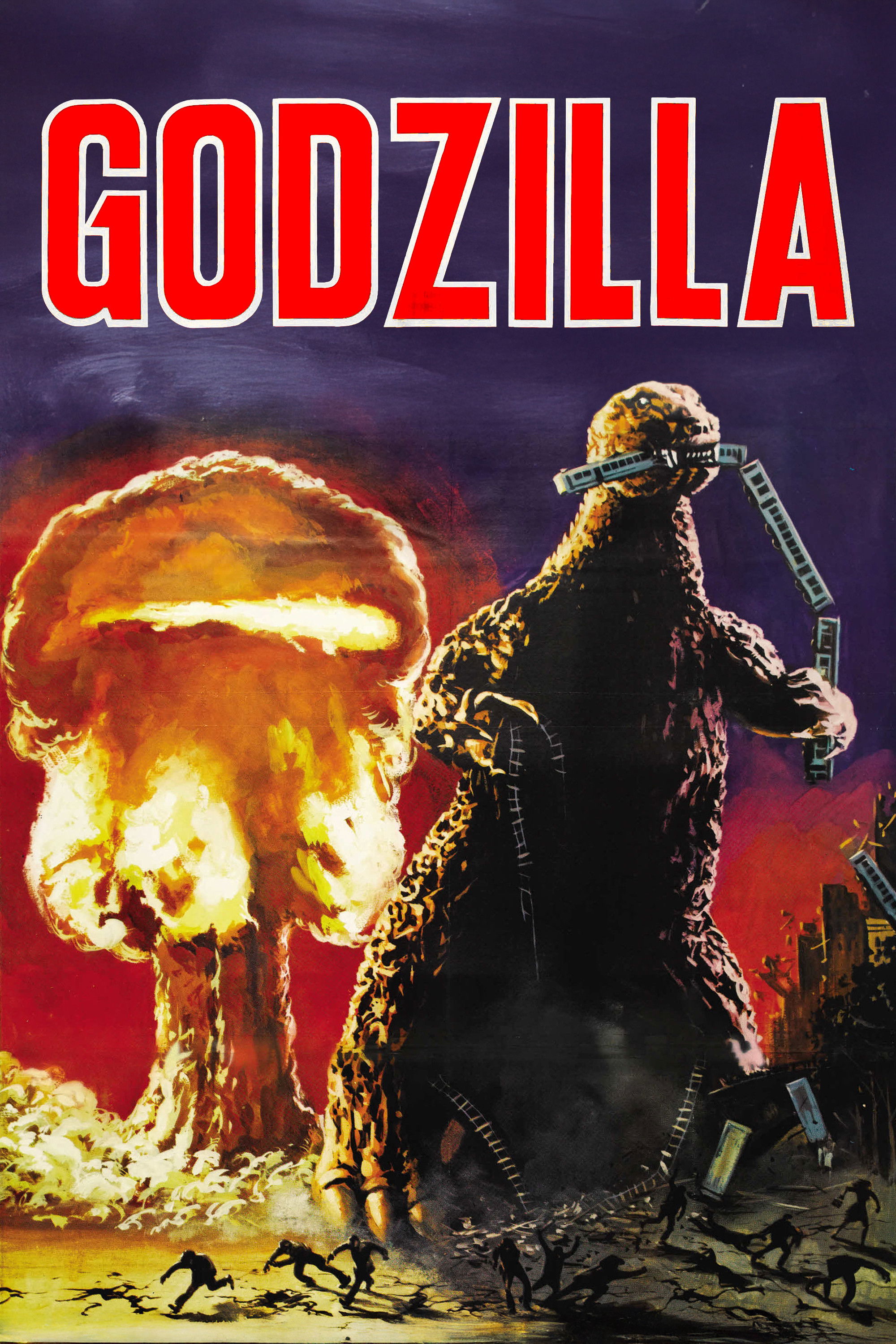
A re-edited Italian-language dubbed version of the original Godzilla, using as a basis the U.S. version, "Godzilla, King of the Monsters!" (1956), plus WWII newsreel footage and clips from other science fiction films. The re-edited film was then colorized via a process called "Spectrorama 70" consisting of applying various colored gels to the black and white footage. The film's opening and ending also features new music composed by musicians Fabio Frizzi, Franco Bixio, and Vince Tempera (under the pseudonym Magnetic System).
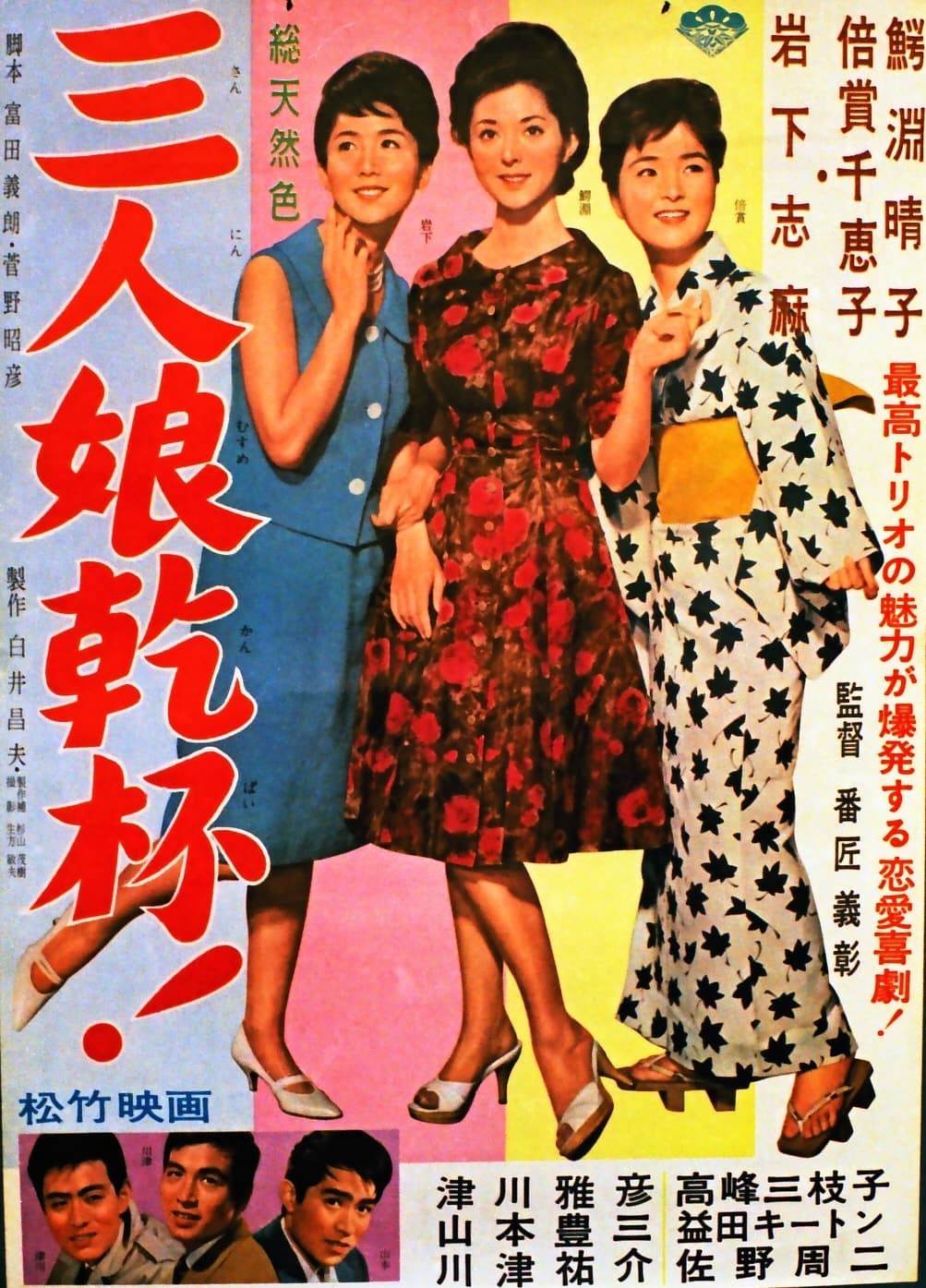
1962 Japanese movie
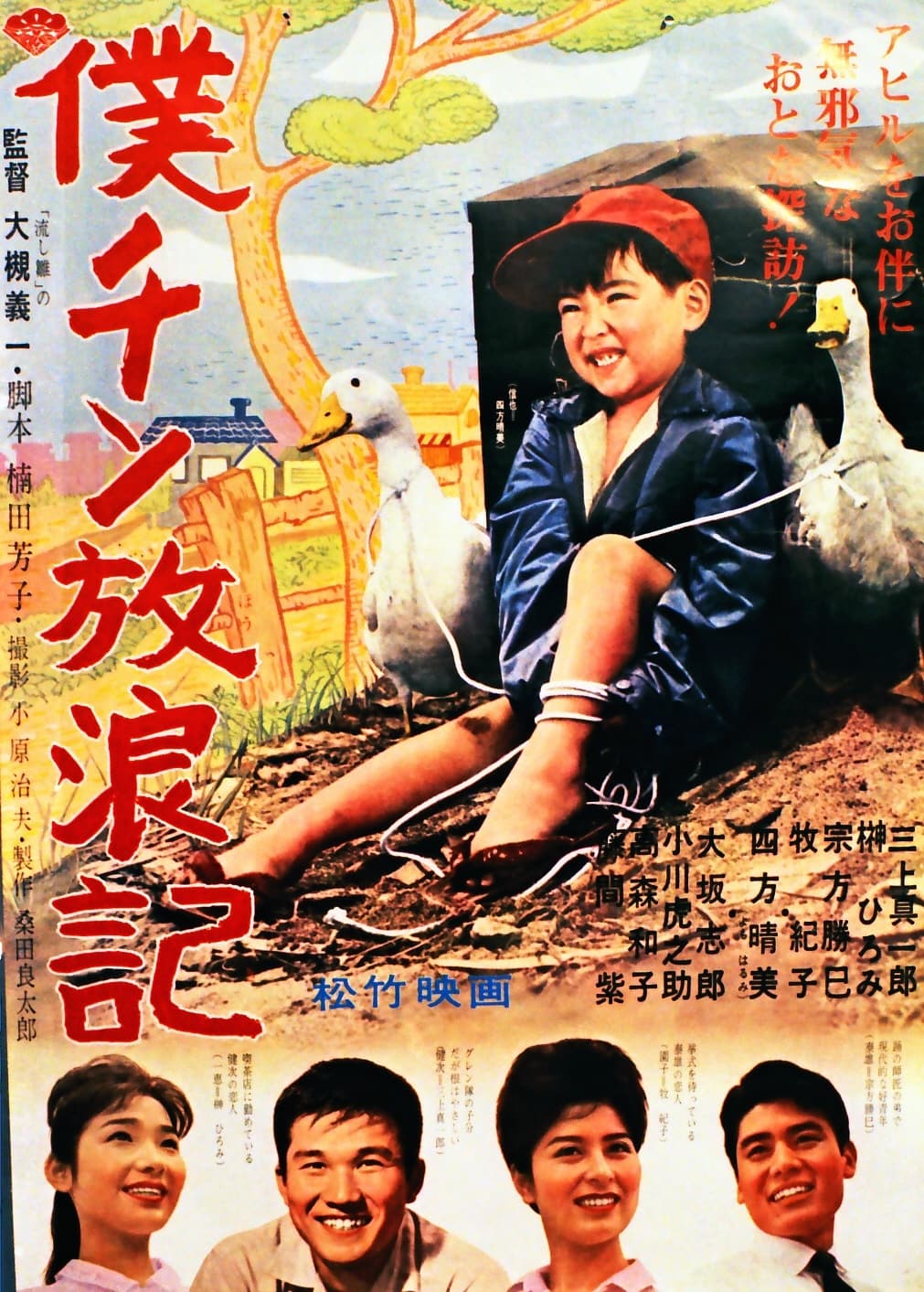
1962 Japanese movie
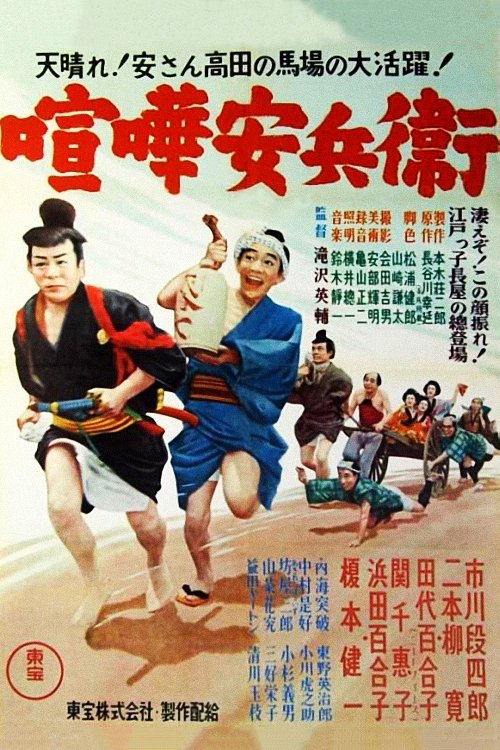
Yasube Nakayama left the clan and lives in Edo. One day, Yasubei visits his uncle Rokuroemon Kanno to borrow money from a moneylender in the amount of 13 ryo in order to save Oteru, the daughter of a merchant. However, the next day, Rokuroemon was killed in a fight by the Murakami brothers. Yasubei rushed to the scene, took revenge and became the husband of Miya, the daughter of Horibe Yahei.
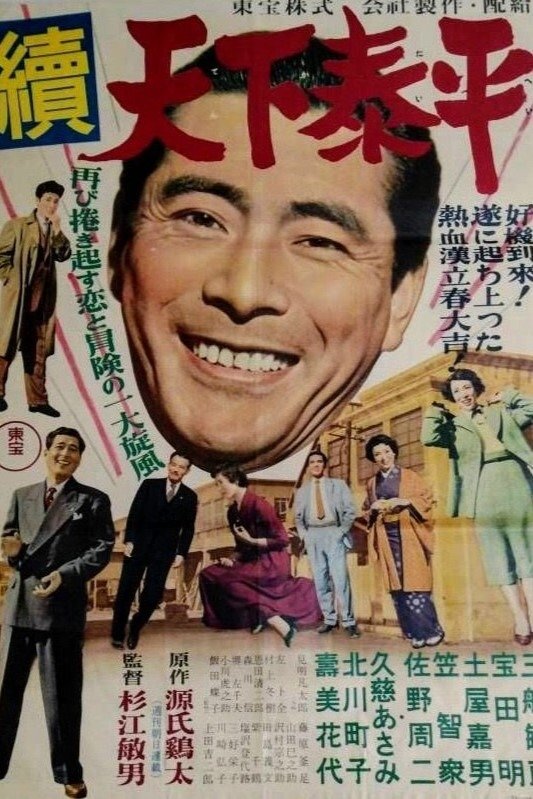
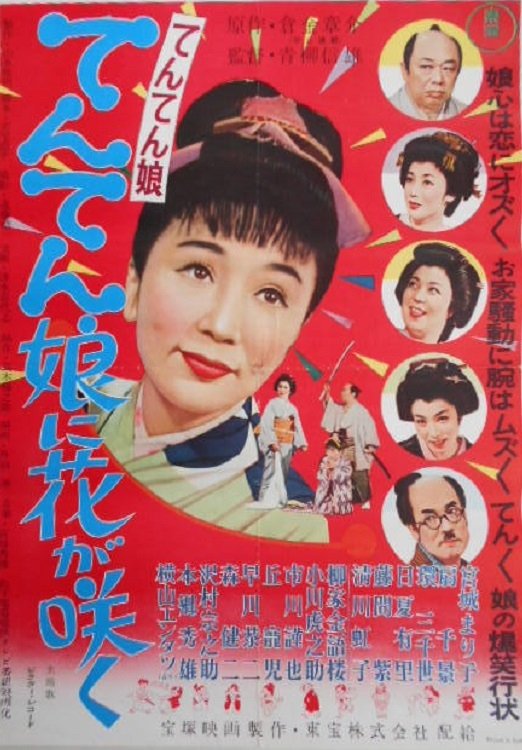
Based on the comic by Shosuke Kurakane. Shown in two parts.
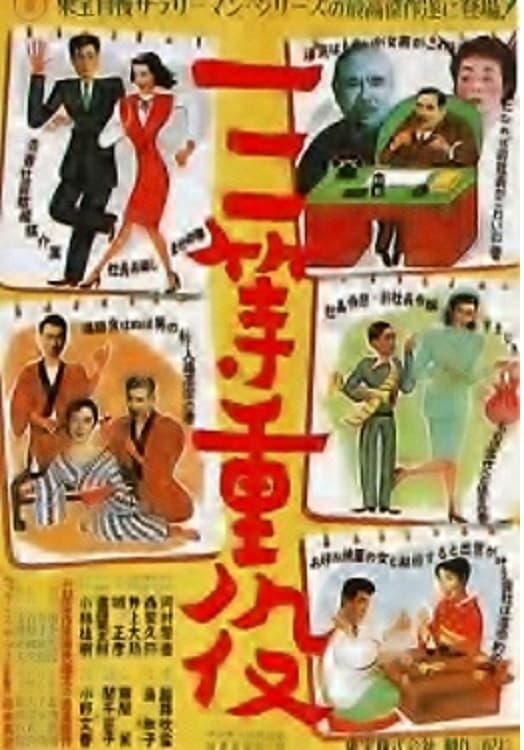
1950s Japanese comedy.
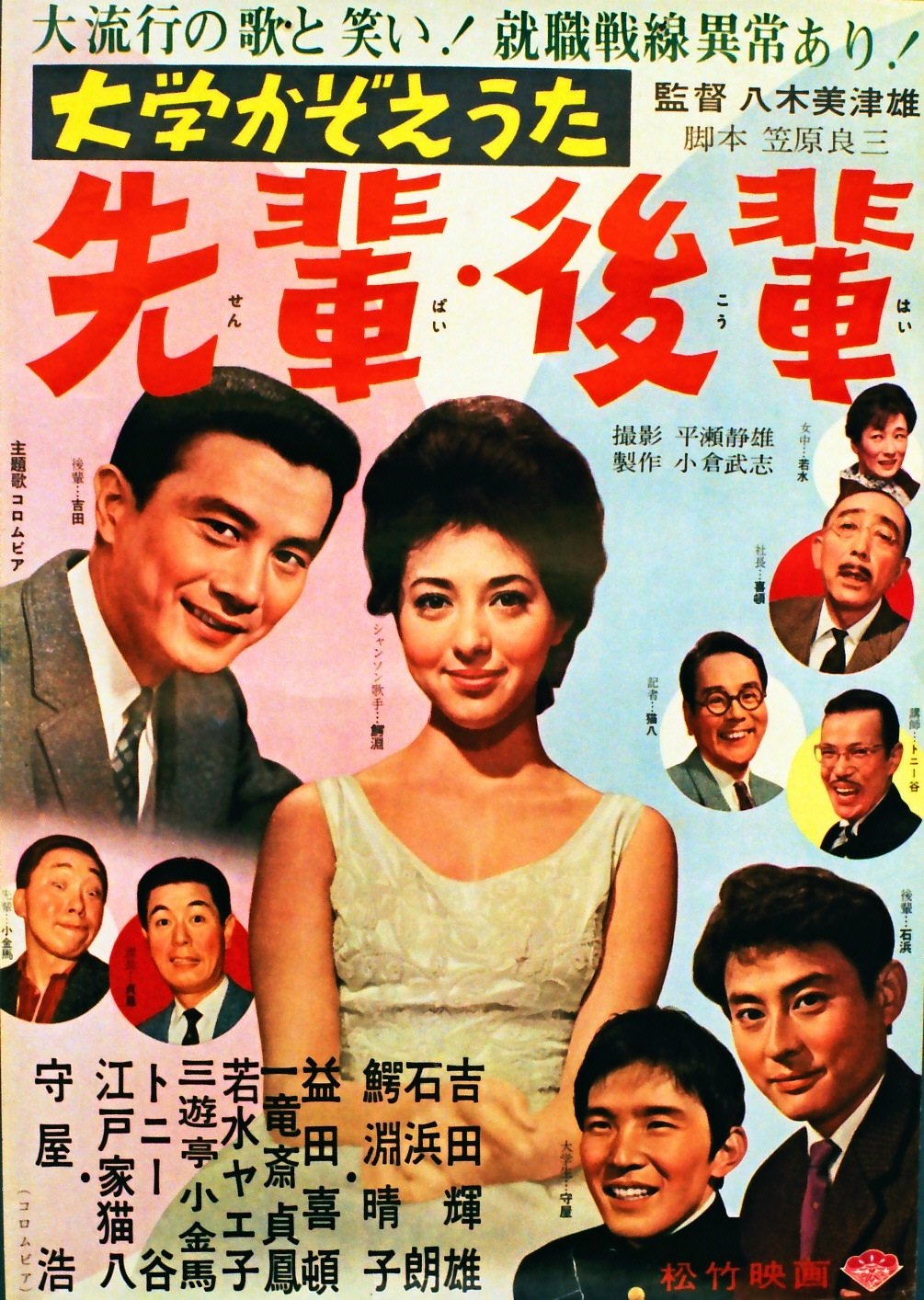
1962 Japanese movie
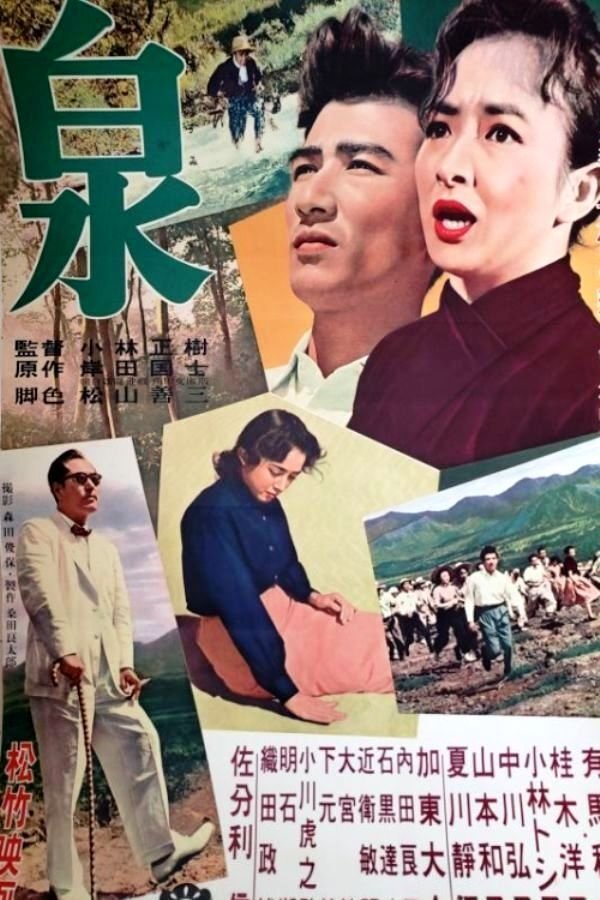
A botanist woos the secretary of an industrialist whose company threatens the local water supply.
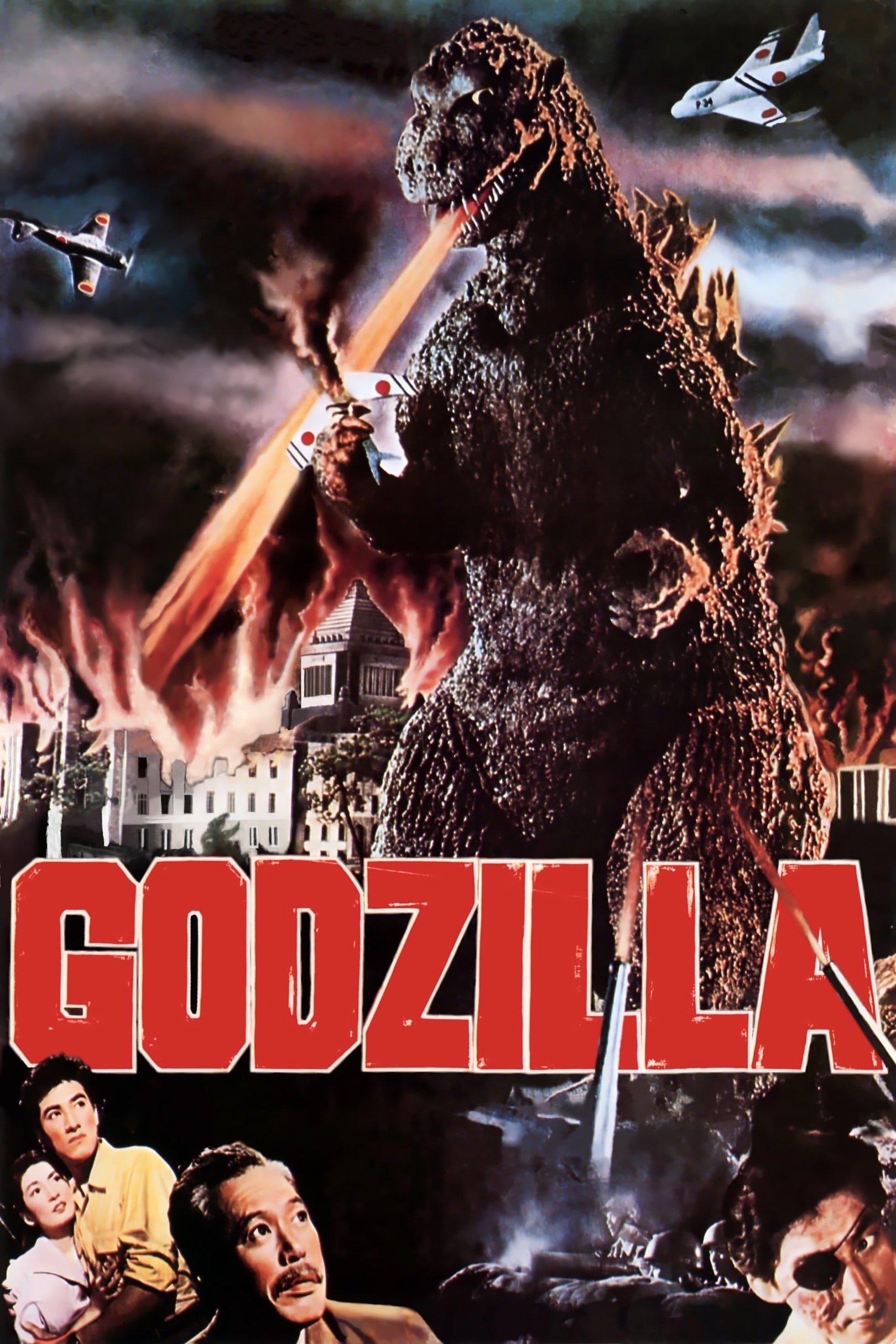
Japan is thrown into a panic after several ships are sunk near Odo Island. An expedition to the island led by Dr. Kyohei Yamane soon discover something far more devastating than imagined in the form of a 50 meter tall monster whom the natives call Gojira. Now the monster begins a rampage that threatens to destroy not only Japan, but the rest of the world as well.
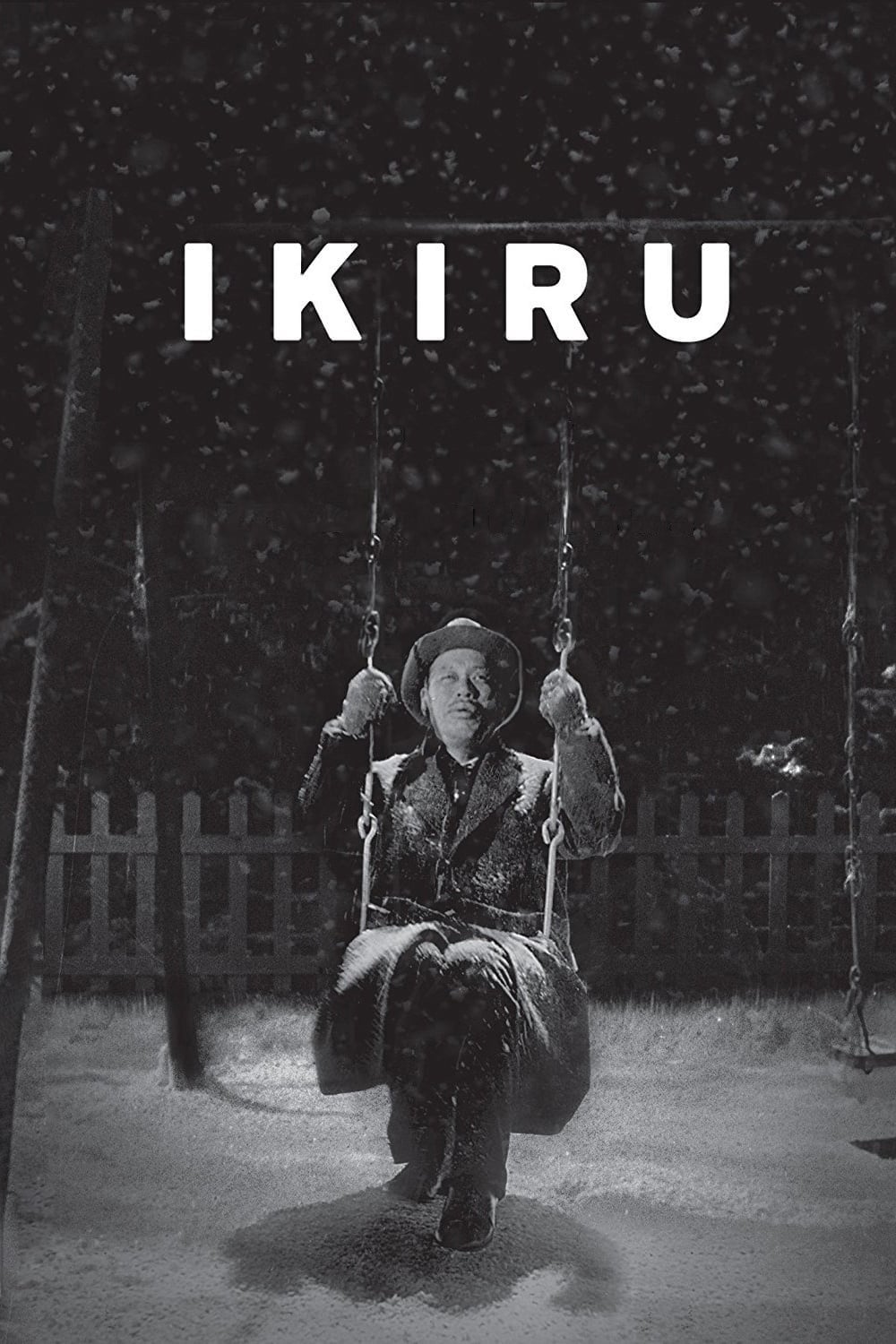
Kanji Watanabe is a middle-aged man who has worked in the same monotonous bureaucratic position for decades. Learning he has cancer, he starts to look for the meaning of his life.

An aging foundry patriarch, gripped by terror of nuclear annihilation, tries to uproot his family to Brazil. When they petition to have him declared incompetent, a family-court counselor witnesses his obsession slide into ruin—and asks whether ignoring the atomic threat is any saner.
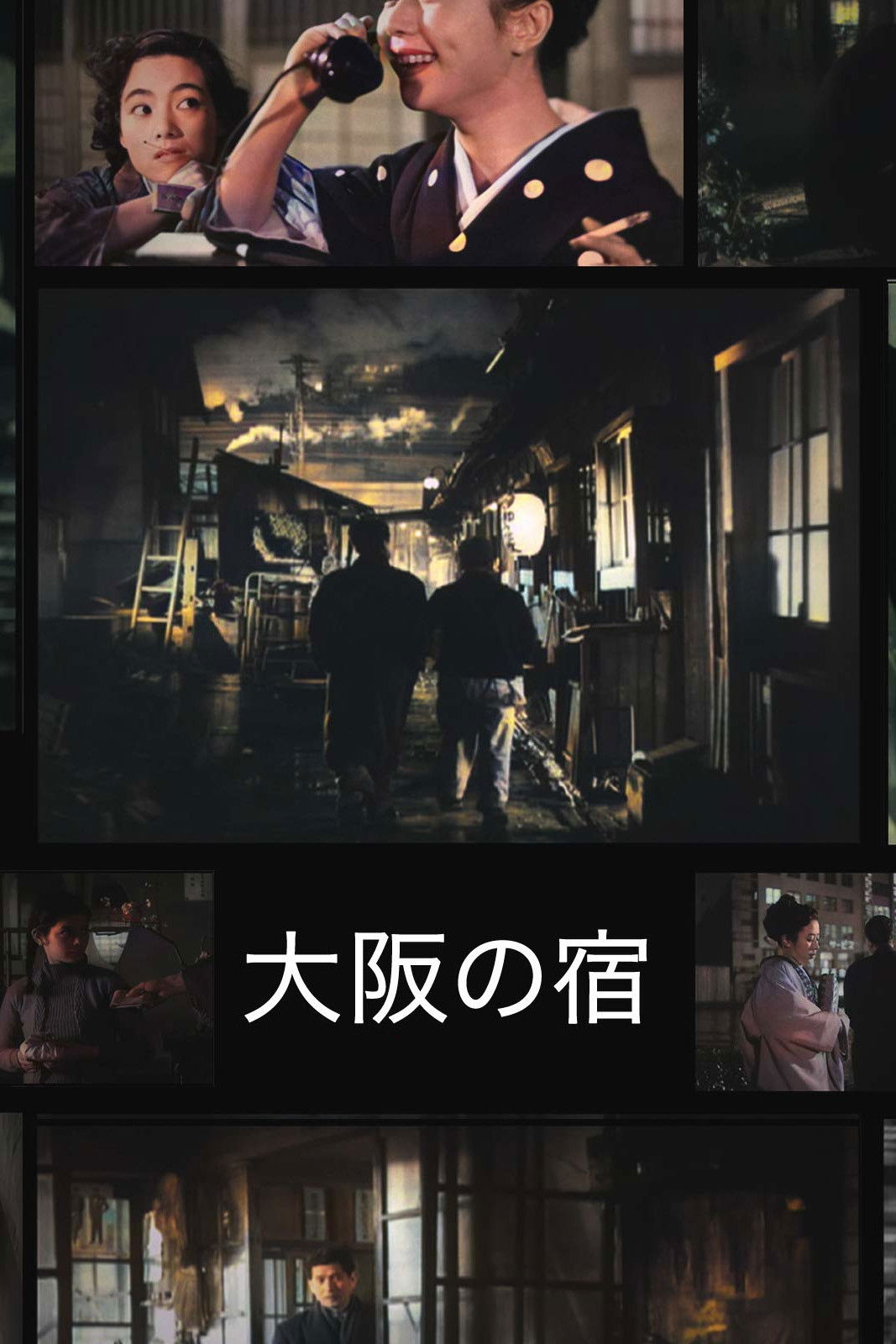
Follows the story of an insurance company executive from Tokyo, Mr. Mito, who is demoted to the Osaka office. He takes a room at a small inn and tries to rebuild his life.
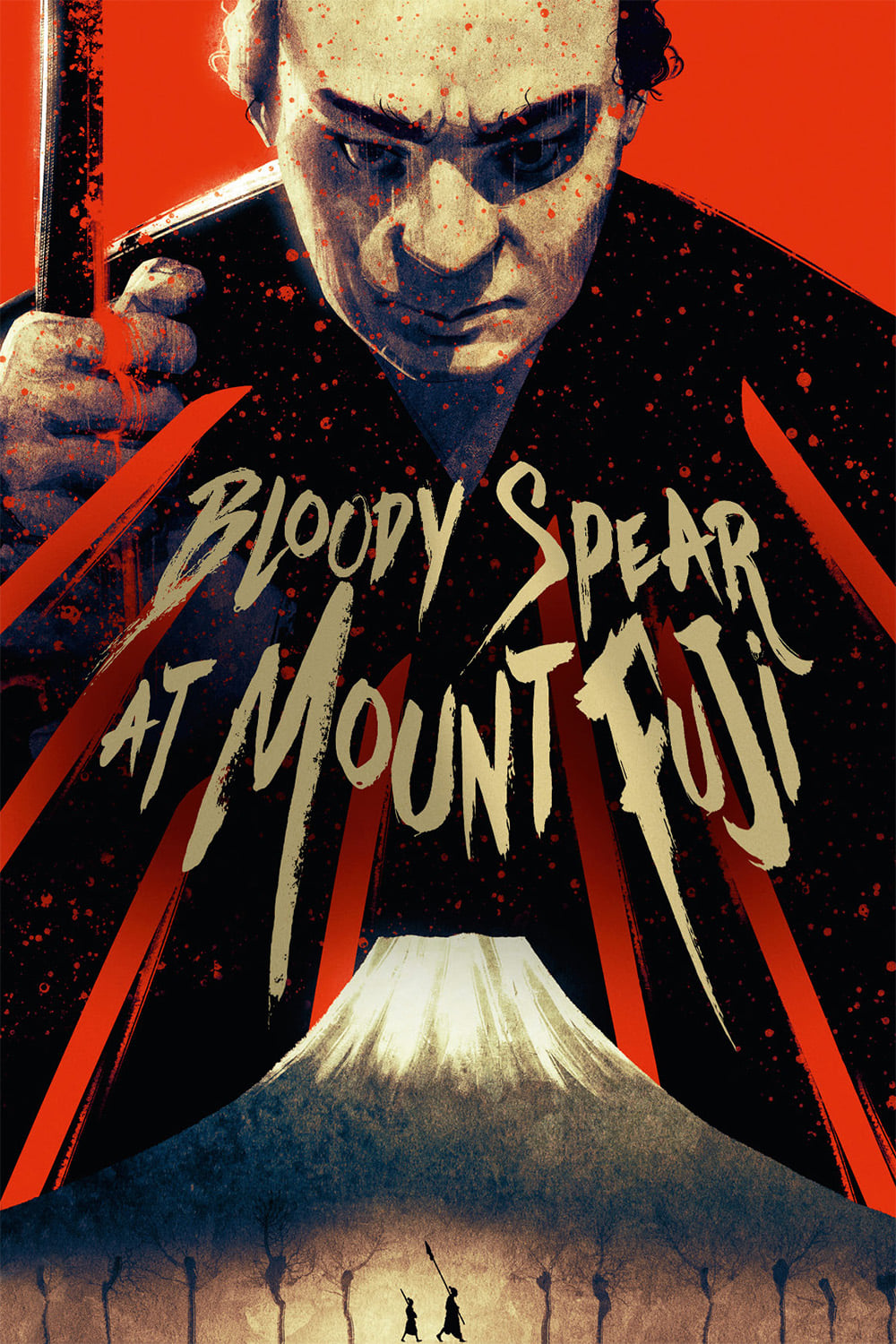
Tragicomic road movie set during the Edo period. It follows a samurai, his two servants – including spear-carrier Genpachi – and the various people they meet on their journey, including a policeman in pursuit of a thief, a young child and a woman who is to be sold into prostitution.
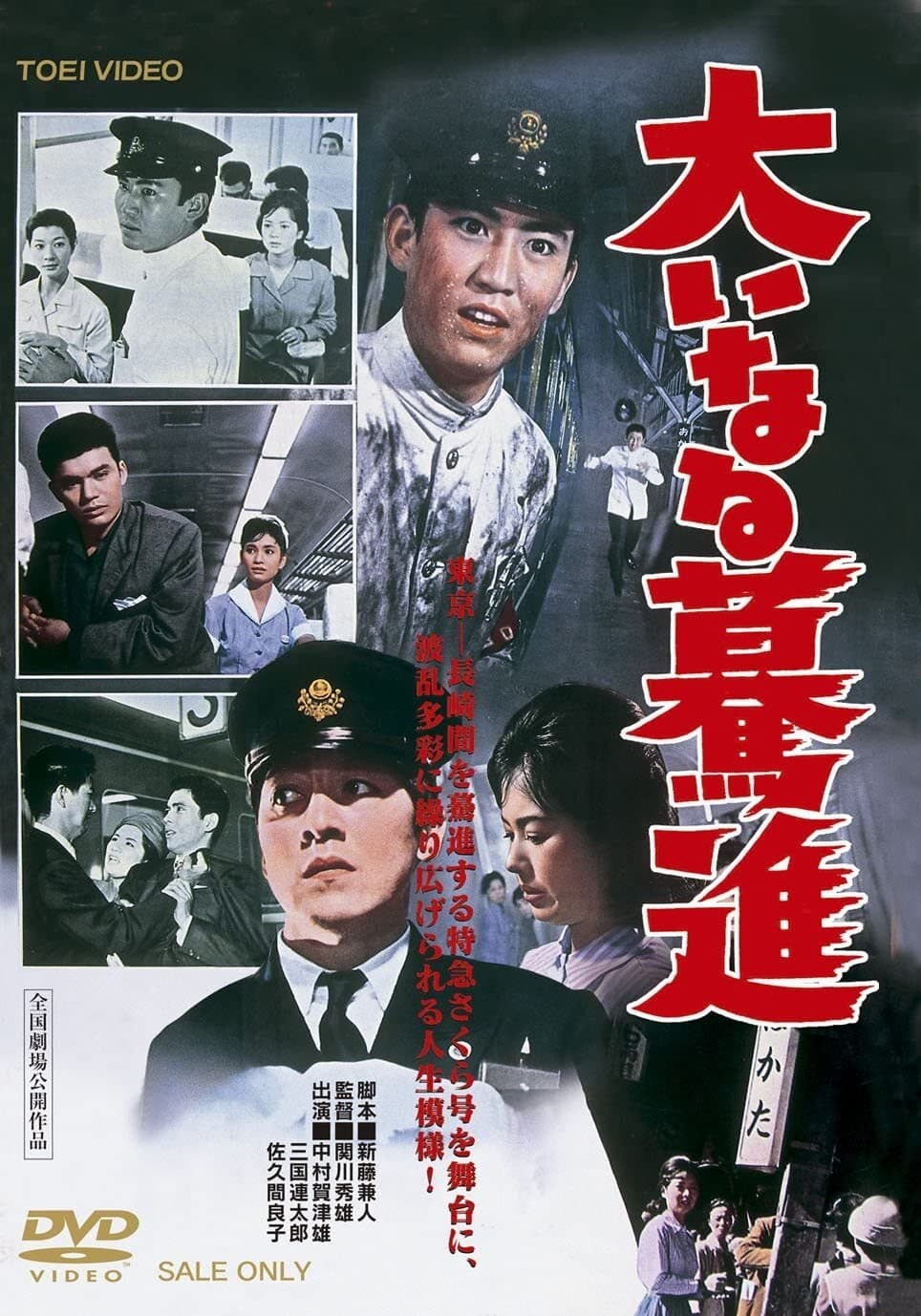
A human drama of crew and passengers on a special express train named “Sakura” from Tokyo to Nagasaki...
Early pinku.
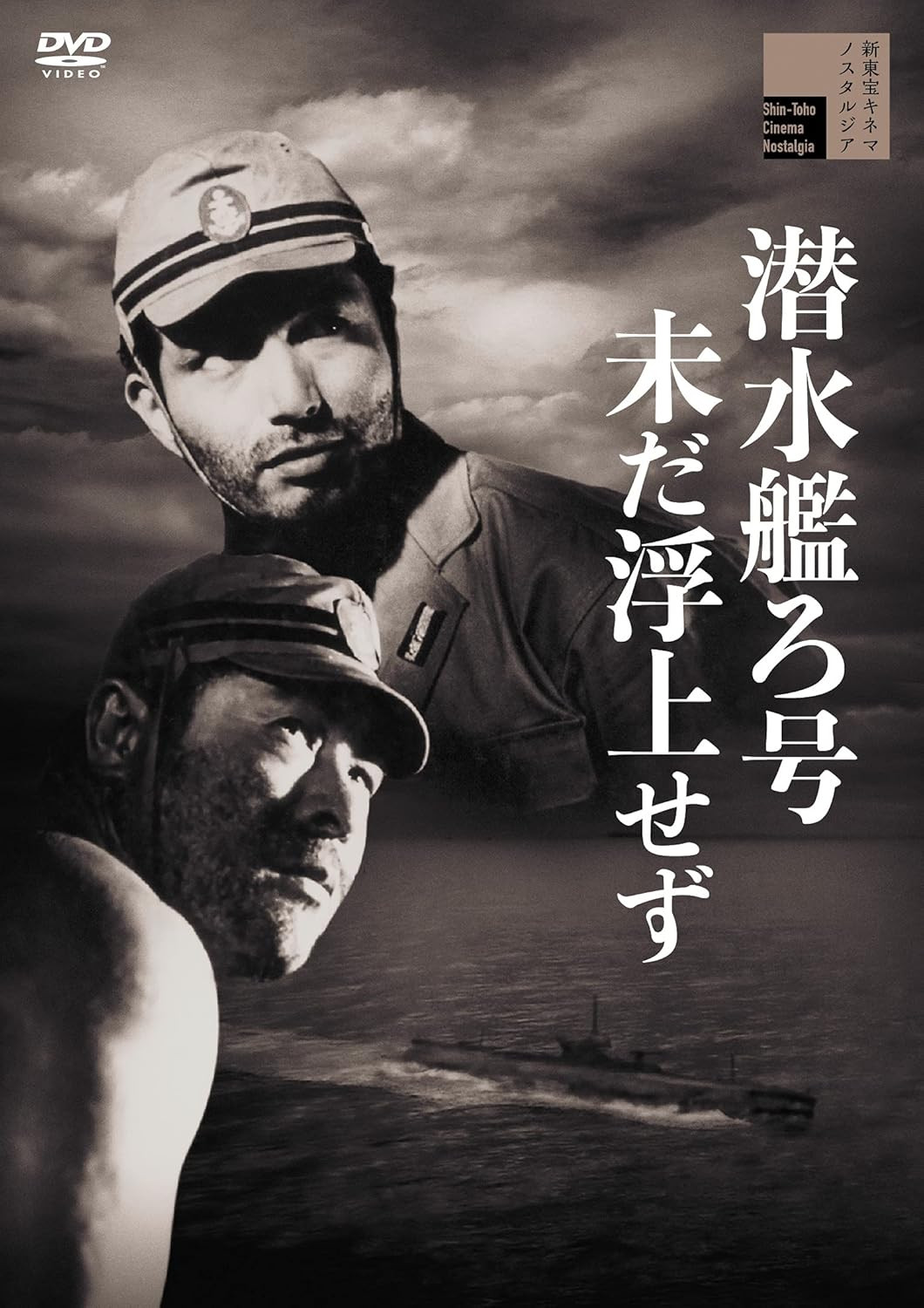
Japanese war film.
Japanese comedy film.
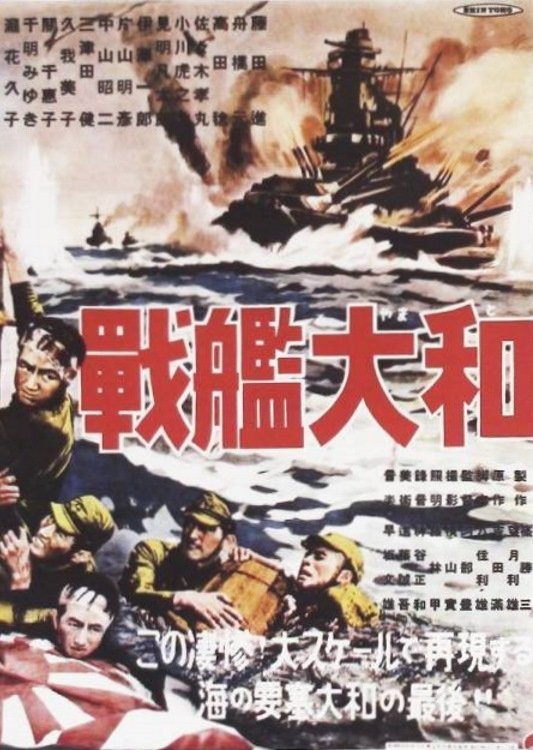
The film is about the Yamato's suicide mission to Okinawa in March 1945 to defend the homeland threatened by U.S. bombers. Adapted from Mitsuru Yoshida's 1952 book "Requiem for the Battleship Yamato".
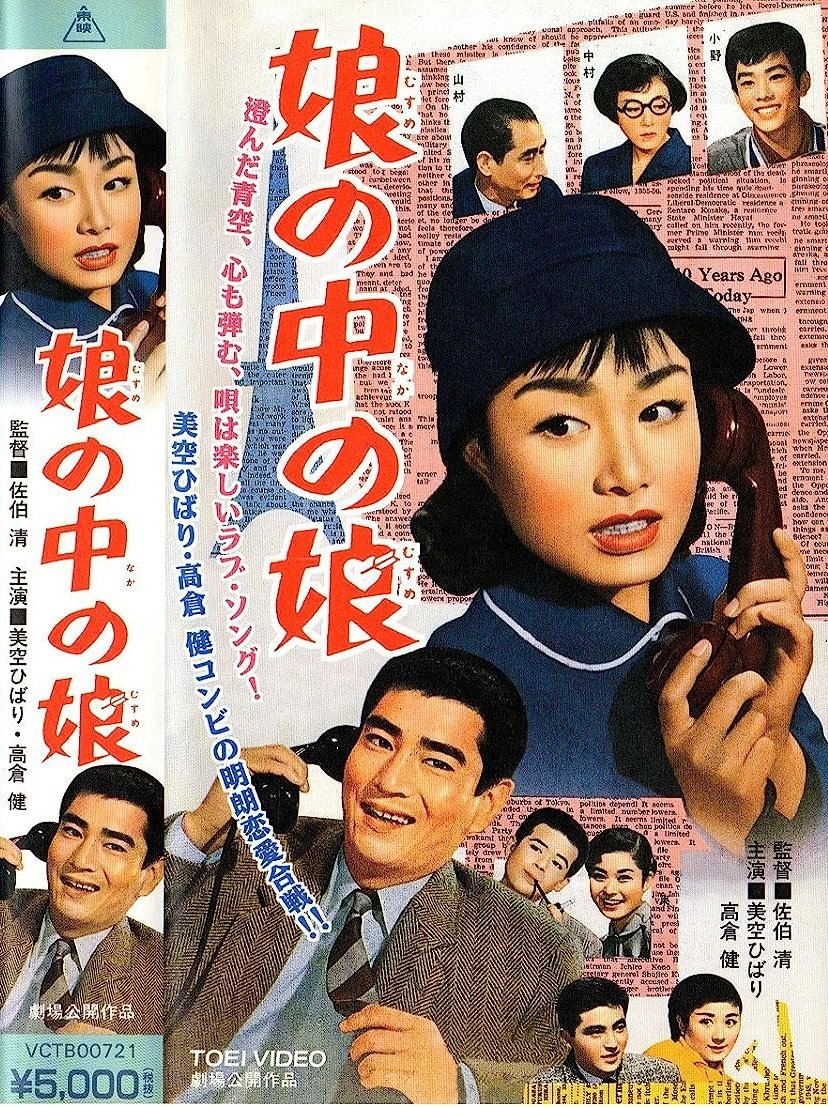
Yoshiko finds new life and love interests when she takes a new job as an office worker.
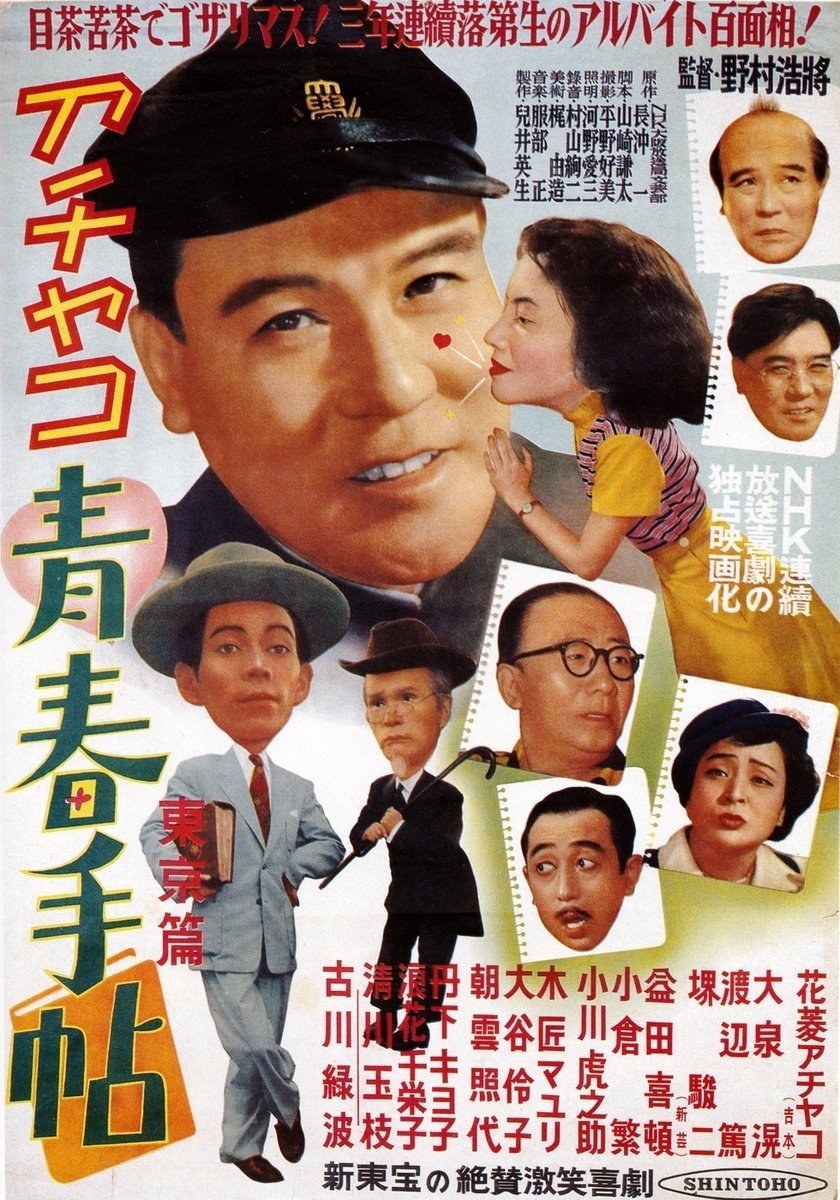
Japanese comedy film.
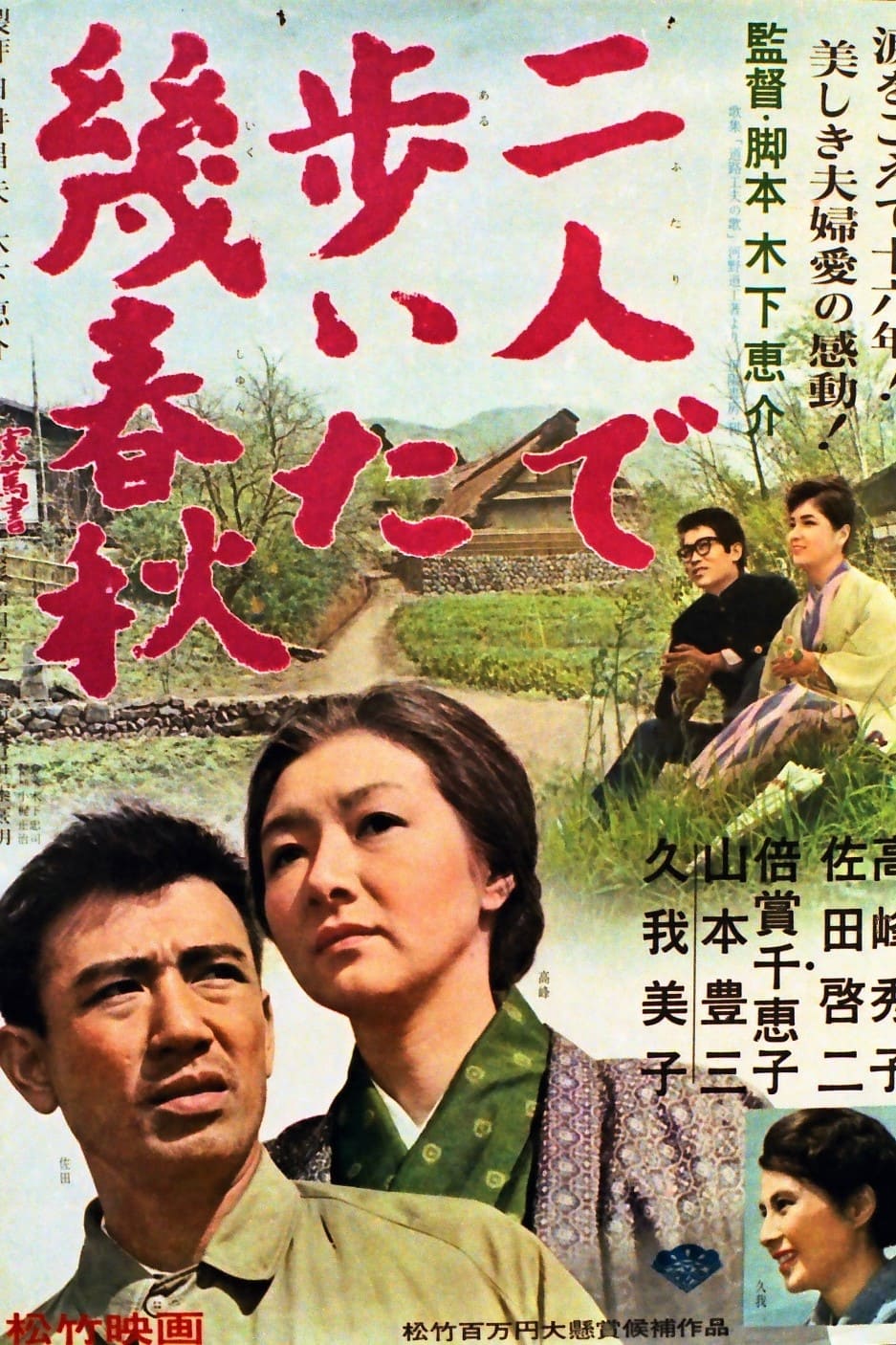
A demobilized soldier becomes a day laborer with a road construction gang, and his wife goes to work to bolster their income. Their modest dream is to see their son grow and to be happy as a family.
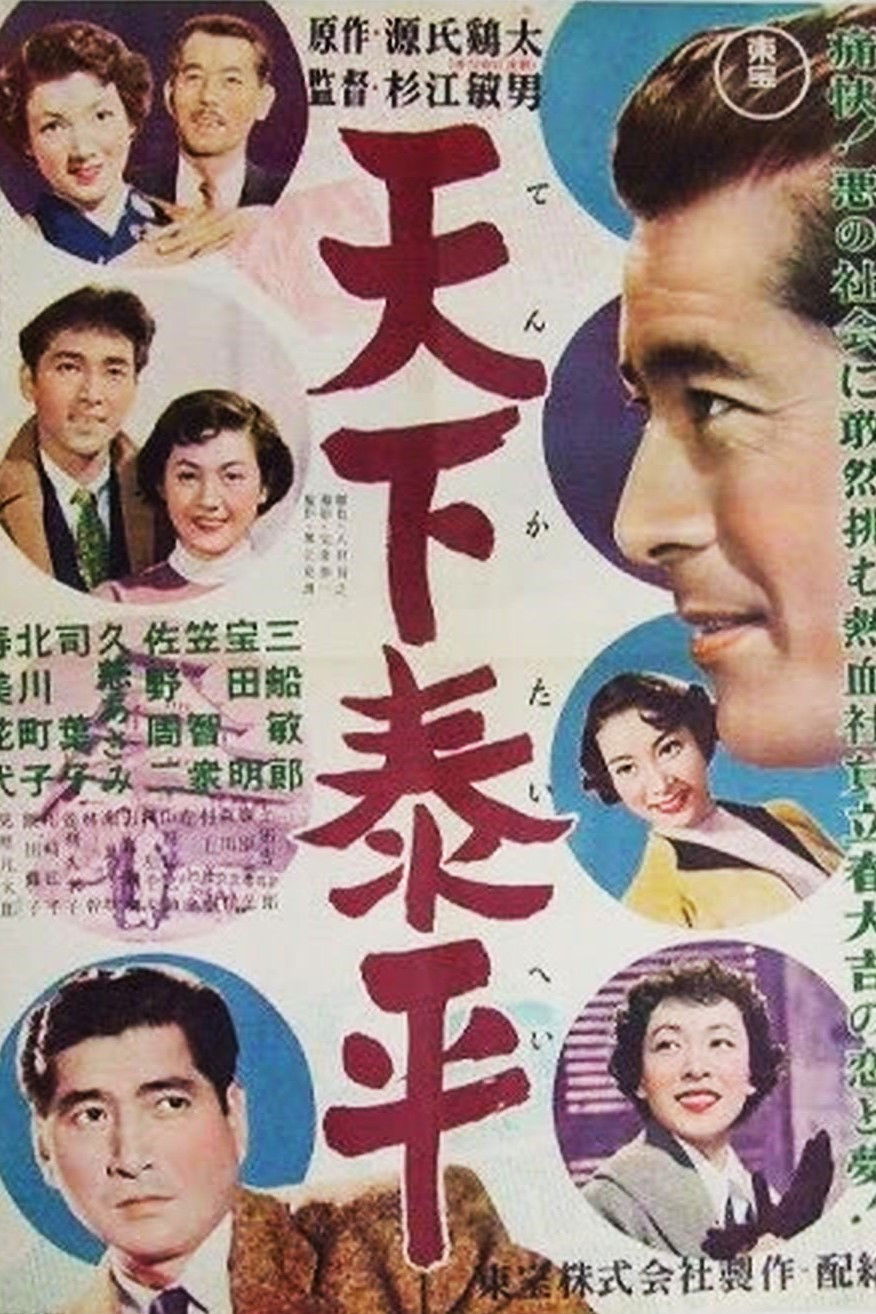
Japanese drama film.
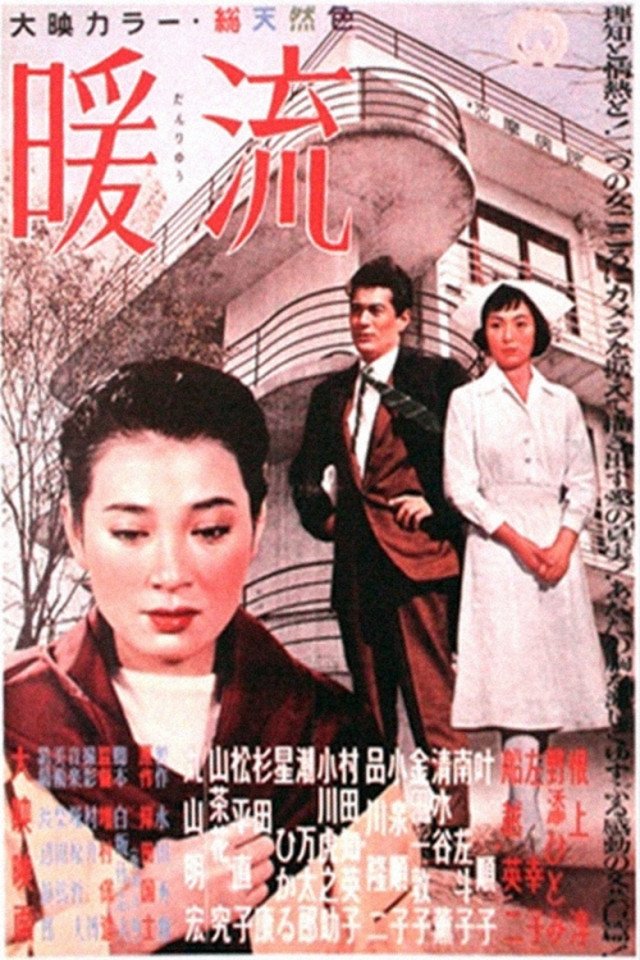
The story revolves around a young man appointed to rescue a troubled hospital who must choose between two women, a dedicated nurse or a spoiled rich girl.
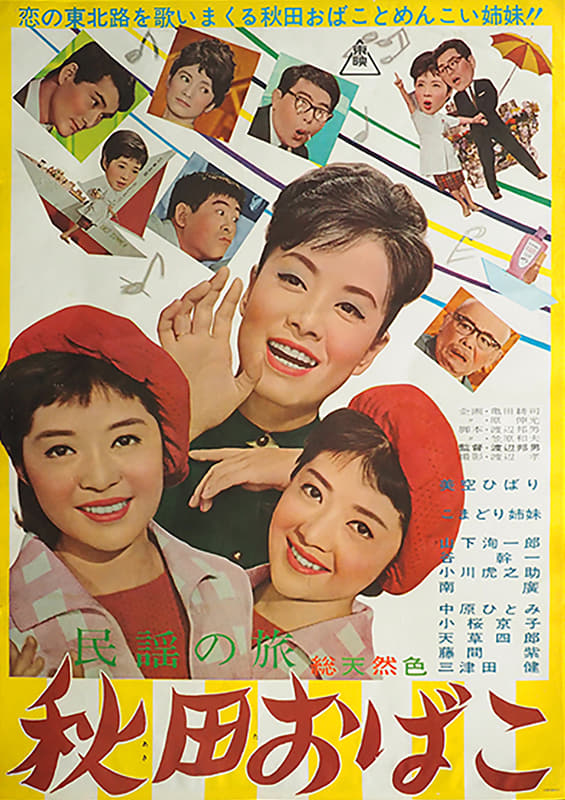
A cosmetics saleswoman falls for a rival executive.
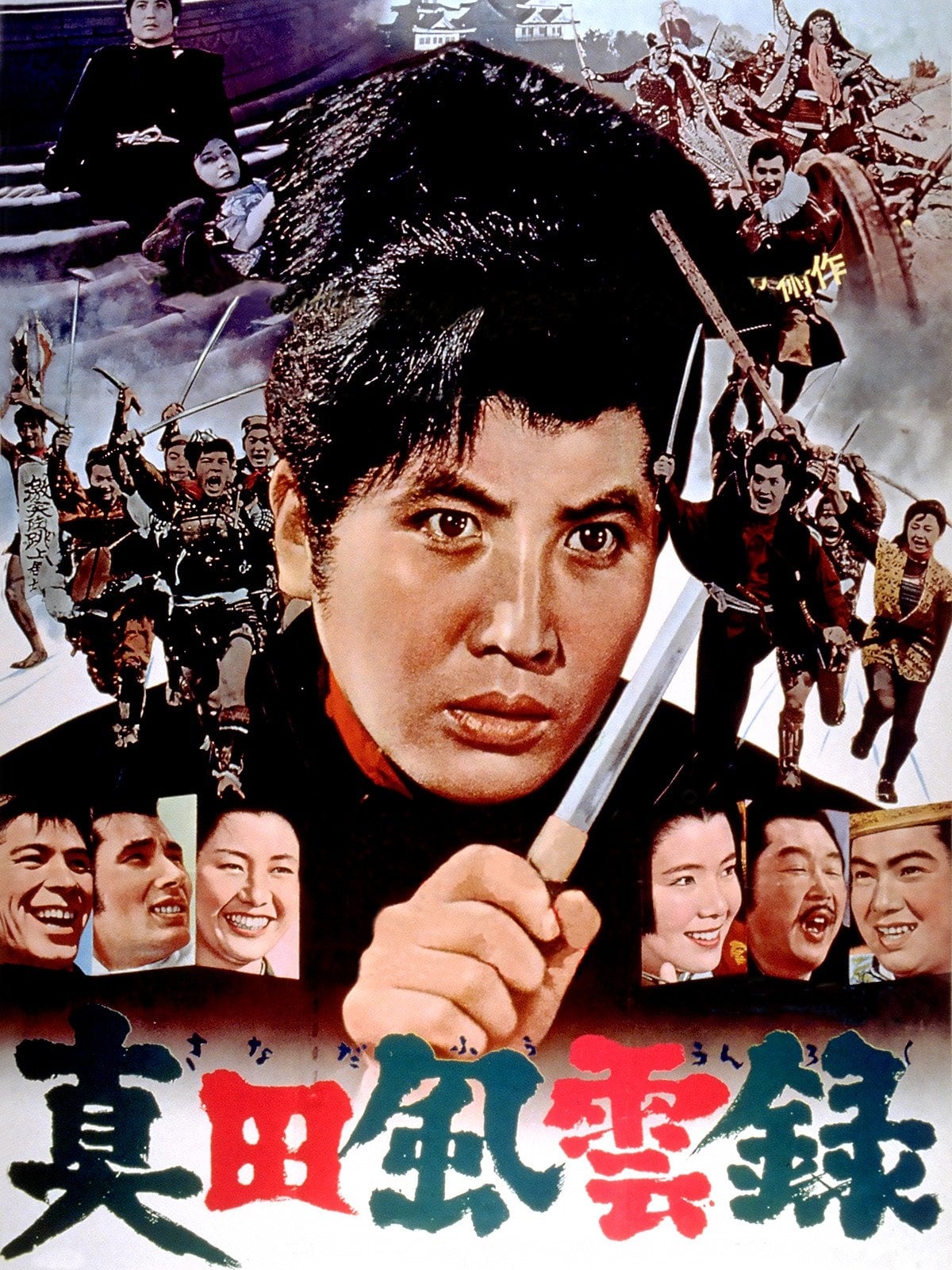
Osaka in the early 1600s, aftermath of the historical Battle of Sekigahara; a group of orphan children are wandering through the battlefield scavenging for armour when they encounter a young boy named Sasuke with magical powers he says came from a meteor that crashed onto the Earth…
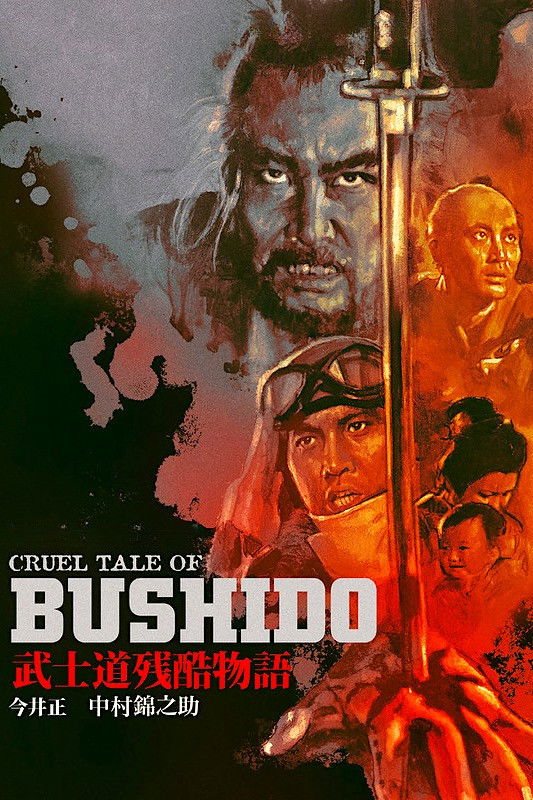
After a salary-man's fiancée attempts suicide, he recounts his gruesome family history which saw generations of his ancestors suffer and sacrifice themselves for the sake of their cruel lords.
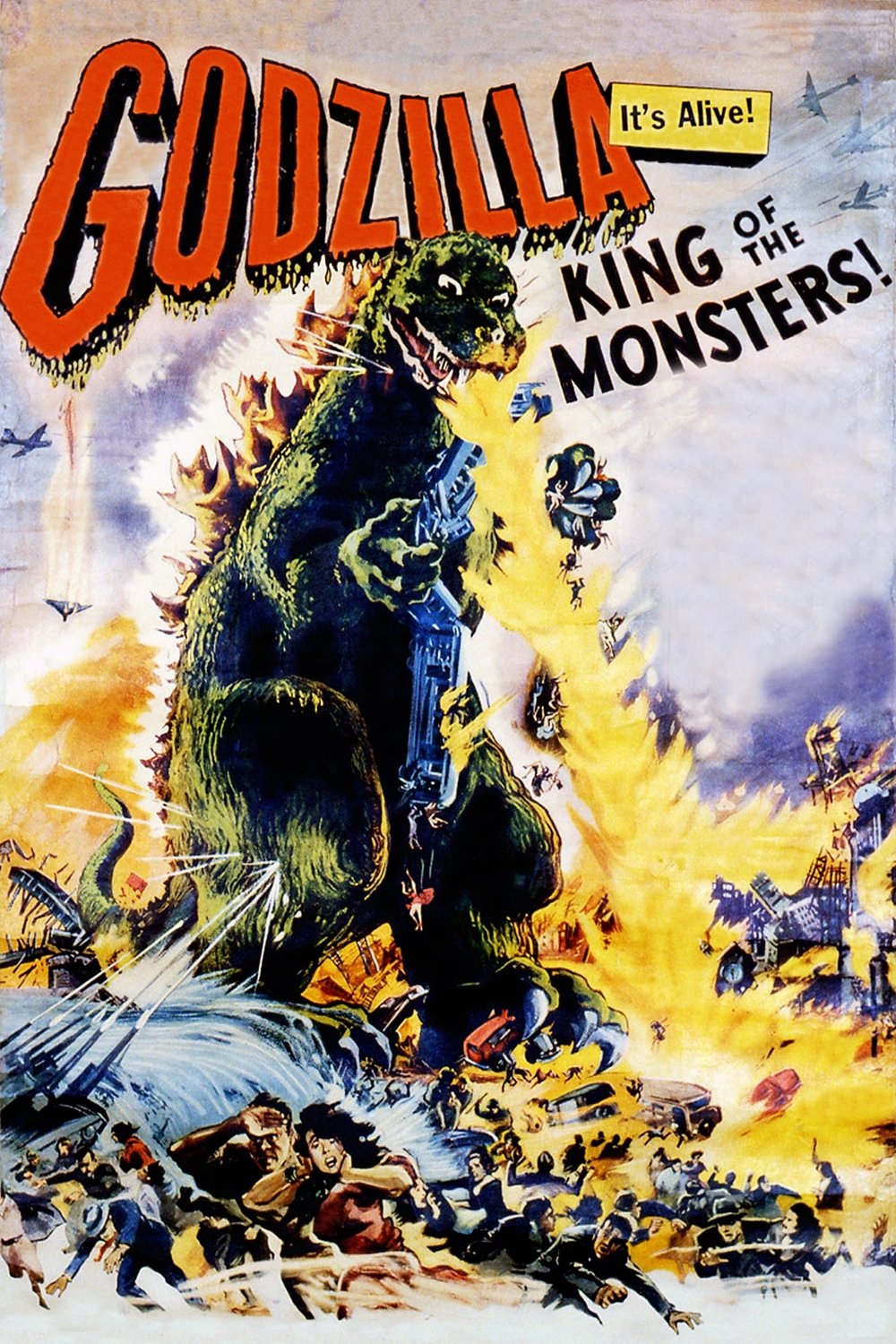
During an assignment, foreign correspondent Steve Martin spends a layover in Tokyo and is caught amid the rampage of an unstoppable prehistoric monster the Japanese call 'Godzilla'. The only hope for both Japan and the world lies on a secret weapon, which may prove more destructive than the monster itself.
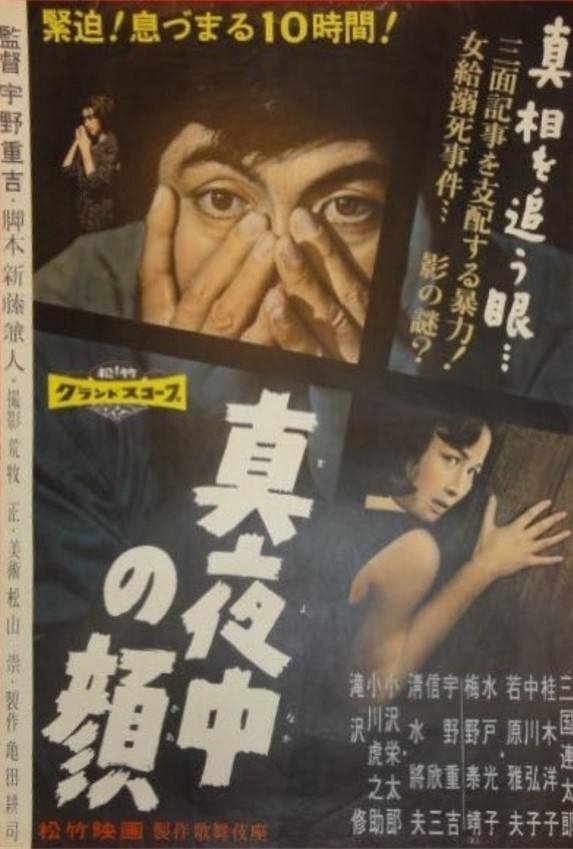
Japanese suspense film.
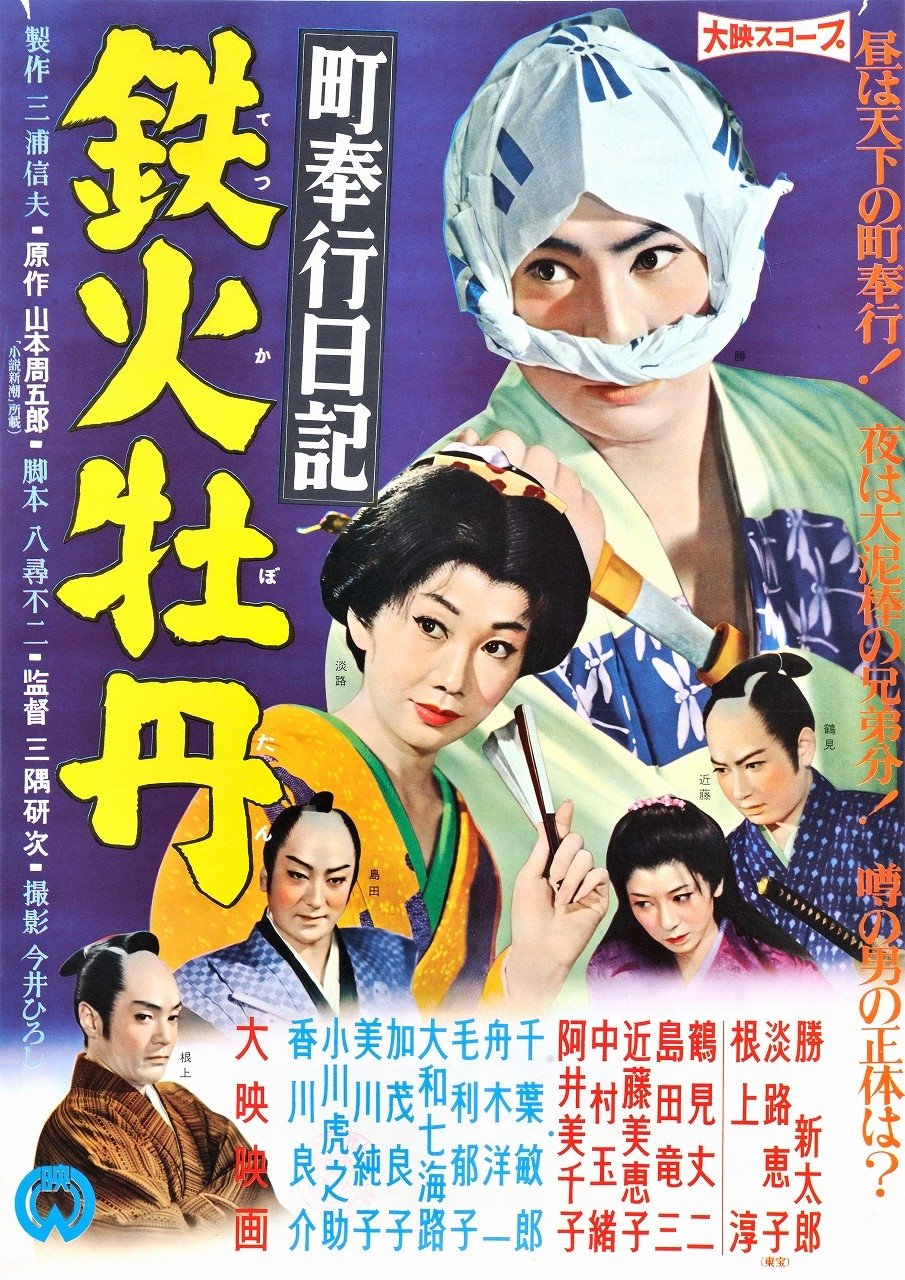
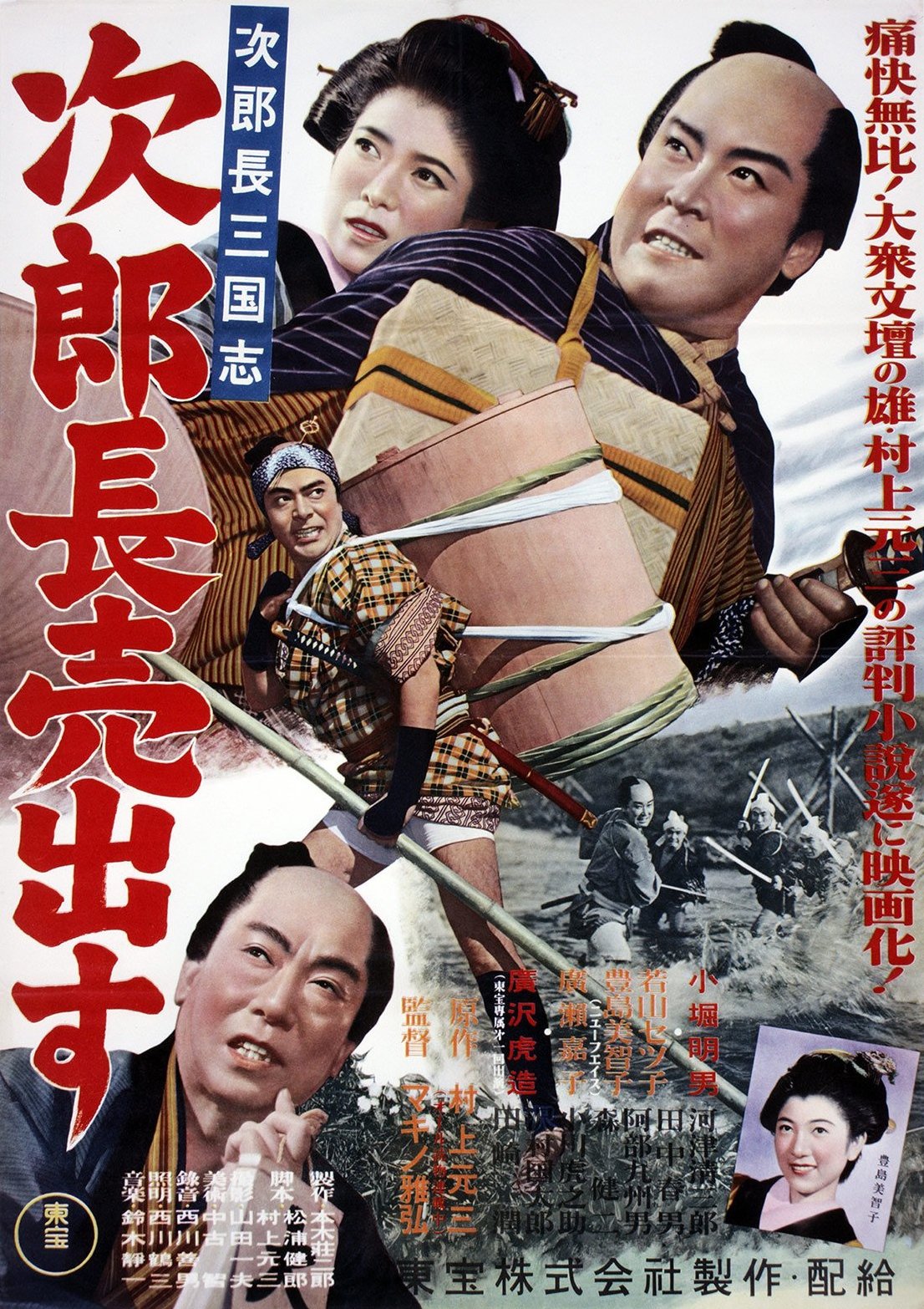
The rise of the famed gambler.
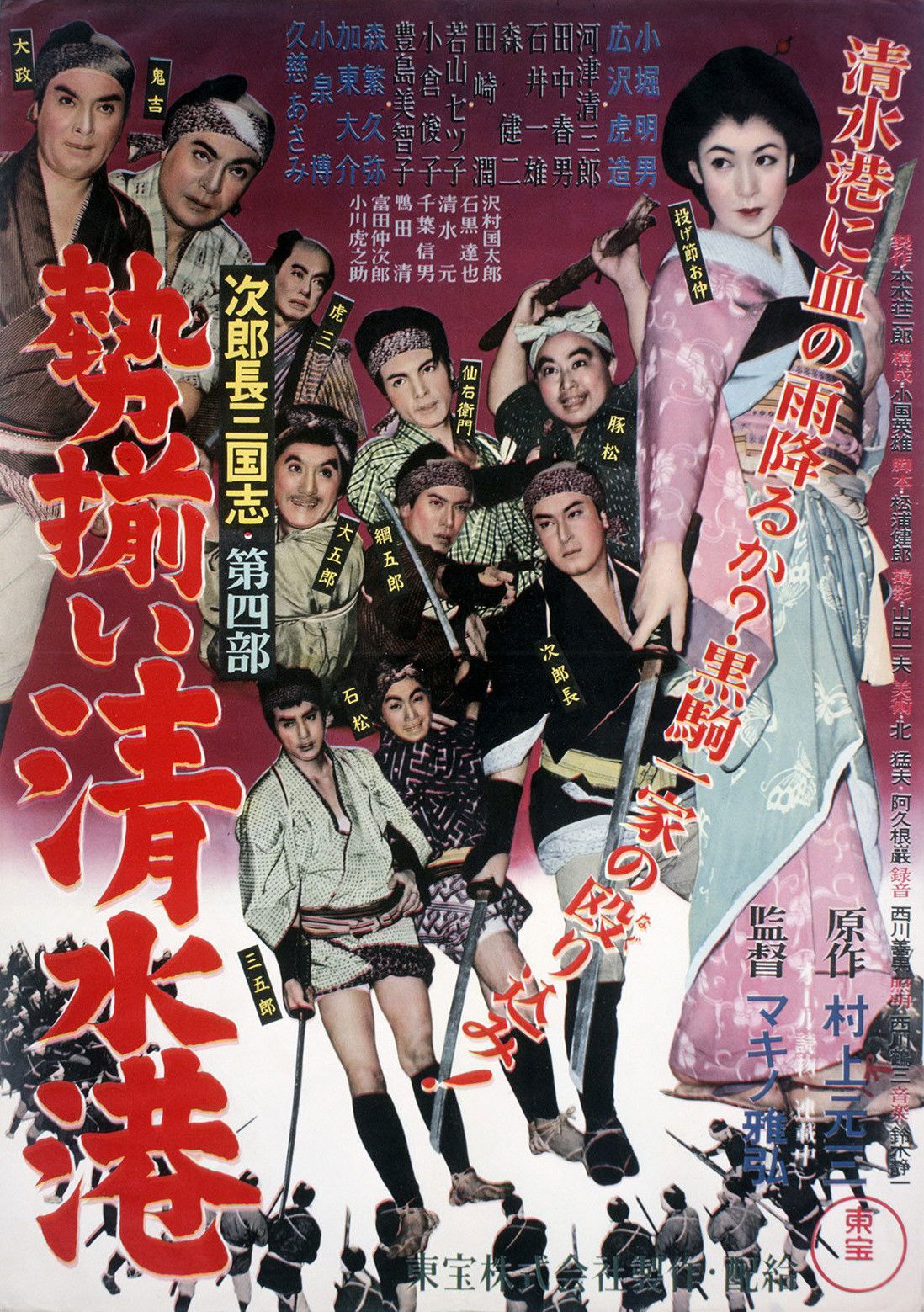

Jirocho the gambler hits the road.
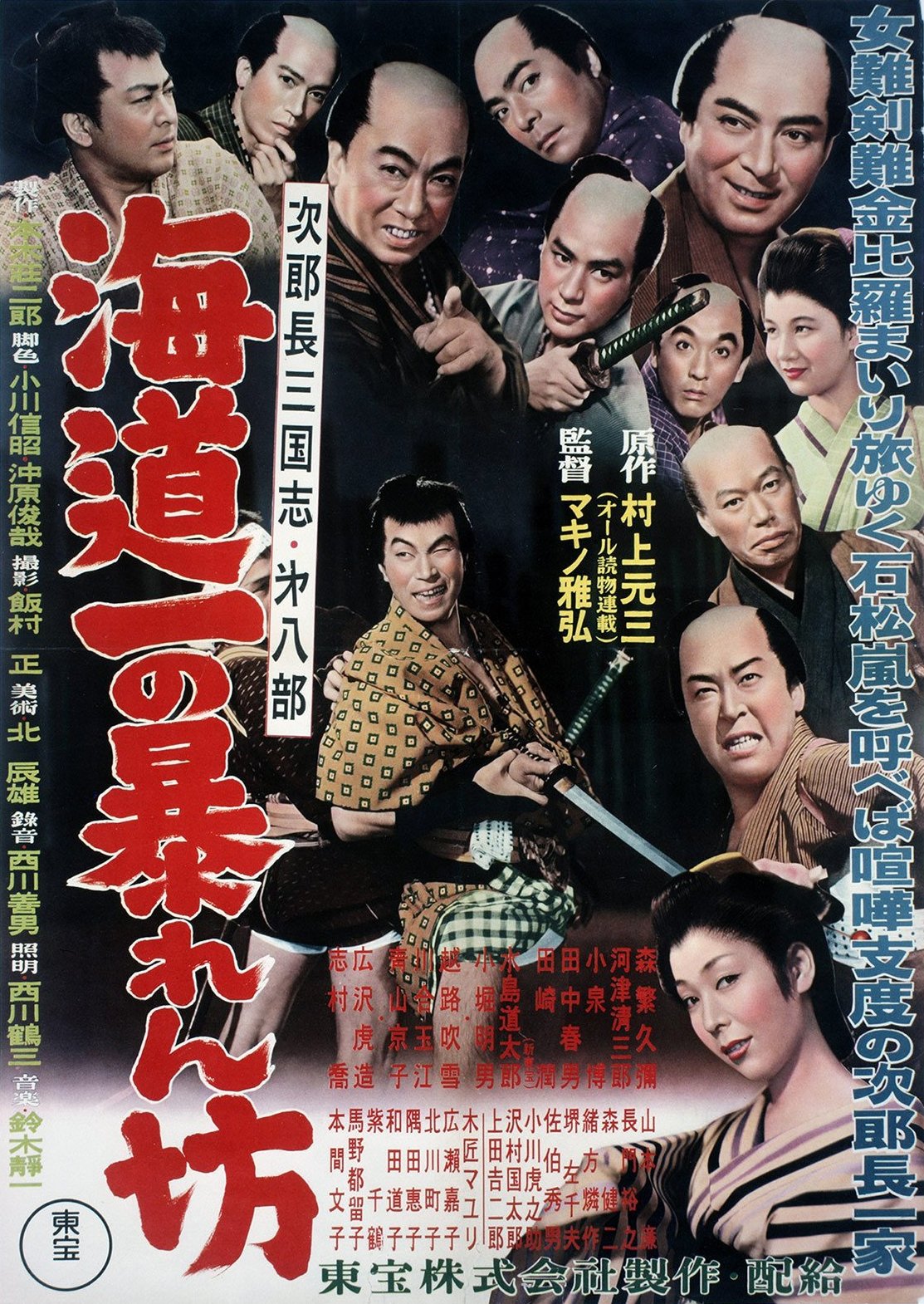
A legendary gangster raises himself out of a small town and gathers followers on his rise to power.
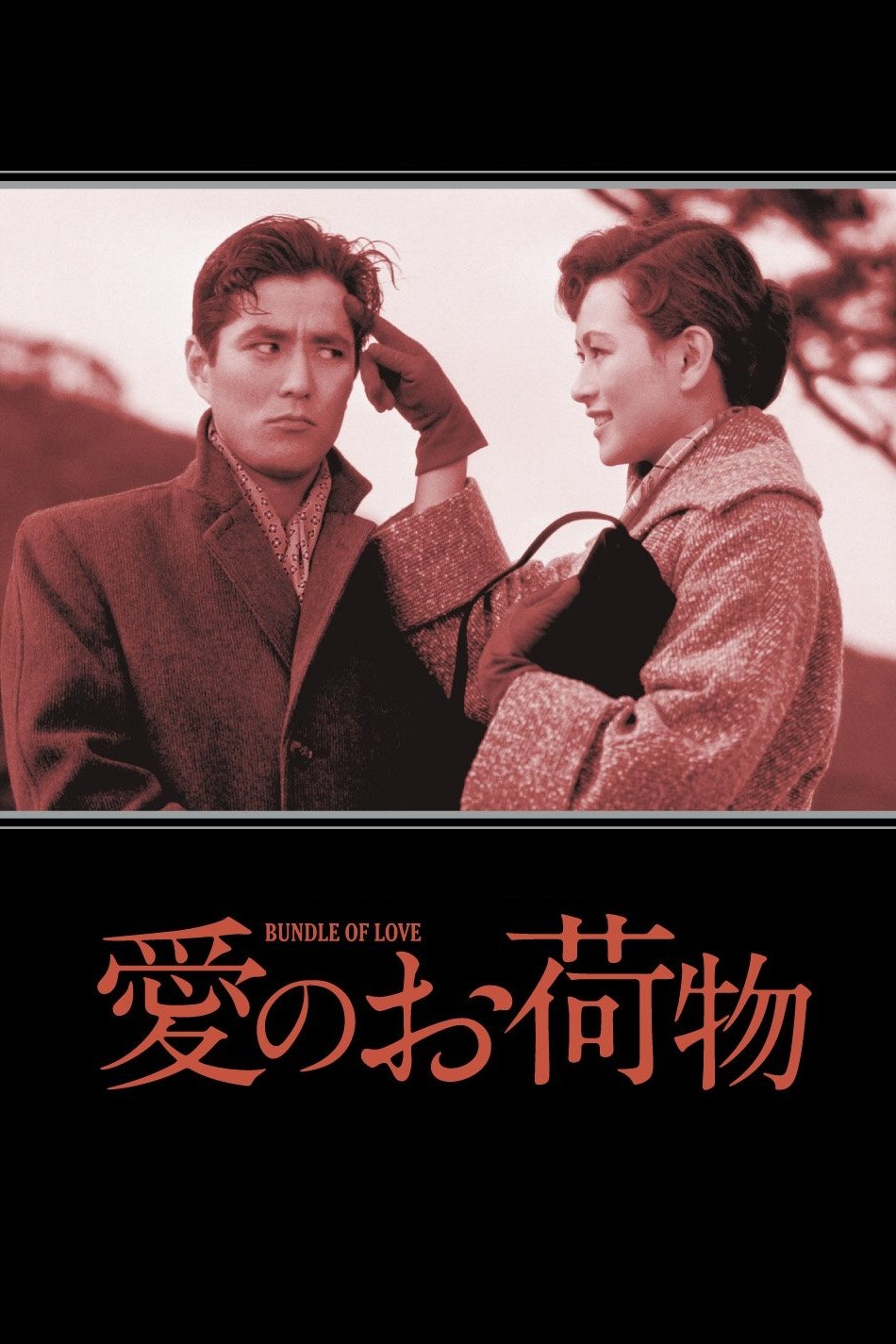
The female members of the family of the Minister of Health and Welfare, who has just proposed a program of birth control, become pregnant one after the other. - Nikkatsu
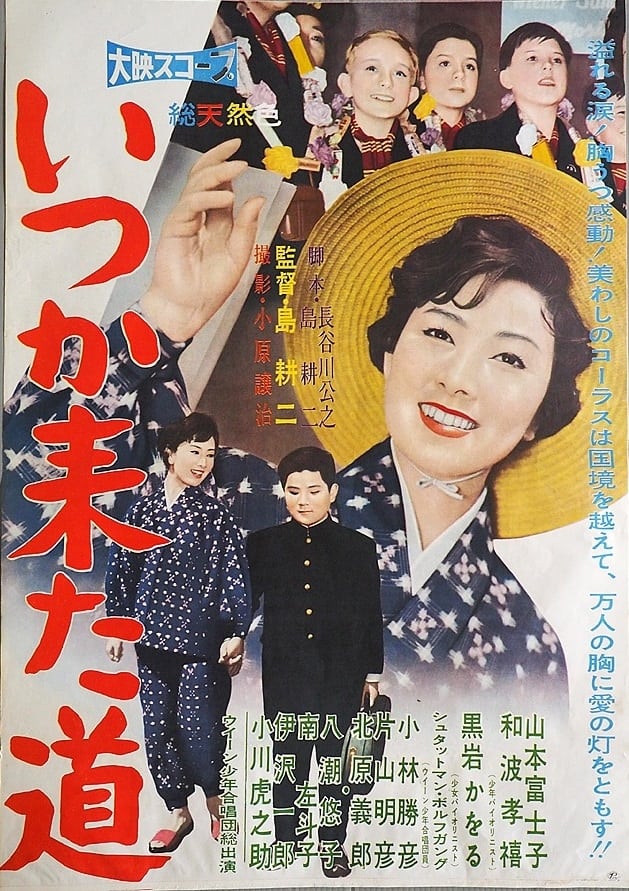
The tragic fate of Minoru Ikeda, a talented blind boy whose only joy was playing the violin.
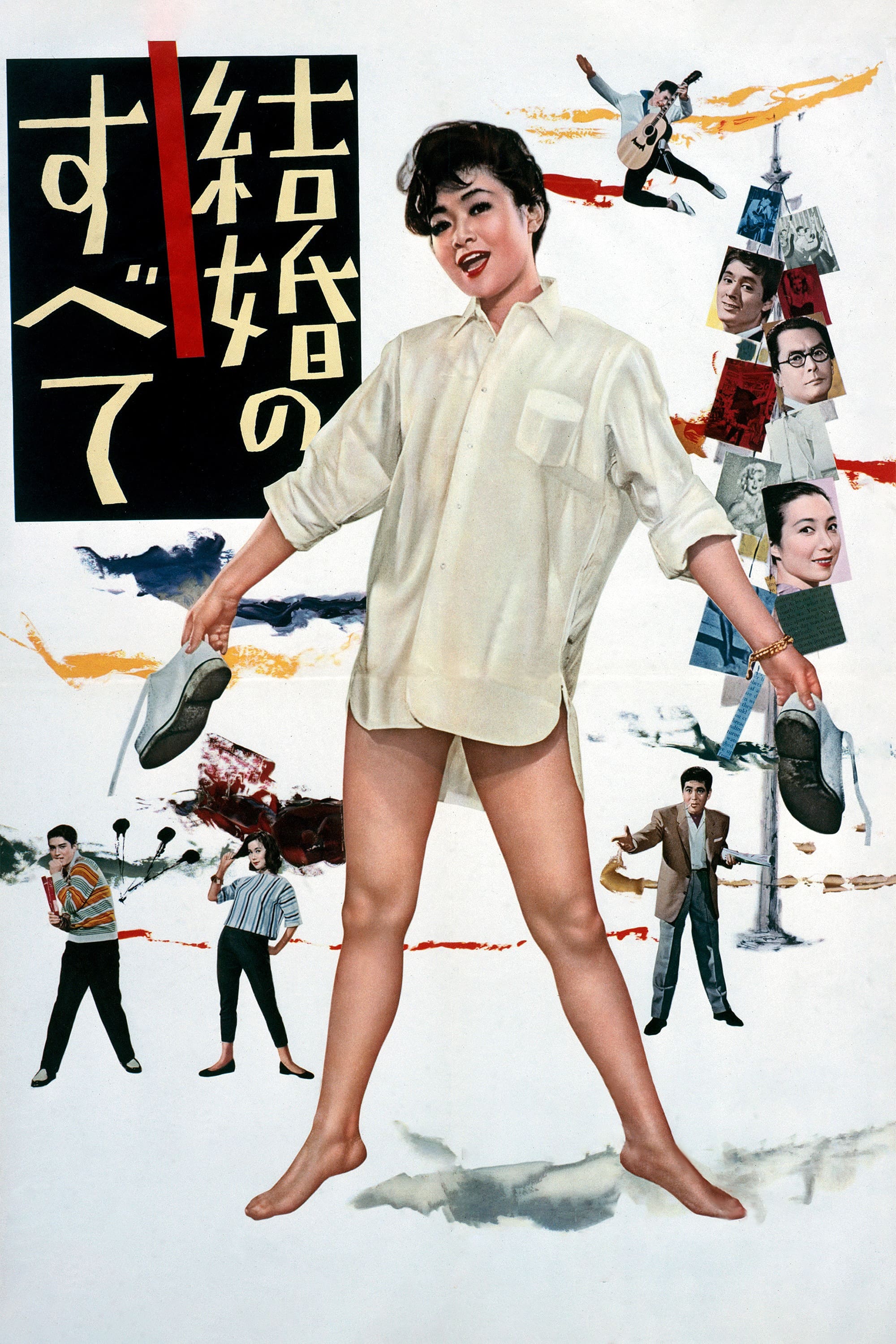
Ultra-perky model likes single freedom but feels ryosai kenbo ("good wife, wise mother") pressure, exemplified by her bored-to-tears sister.
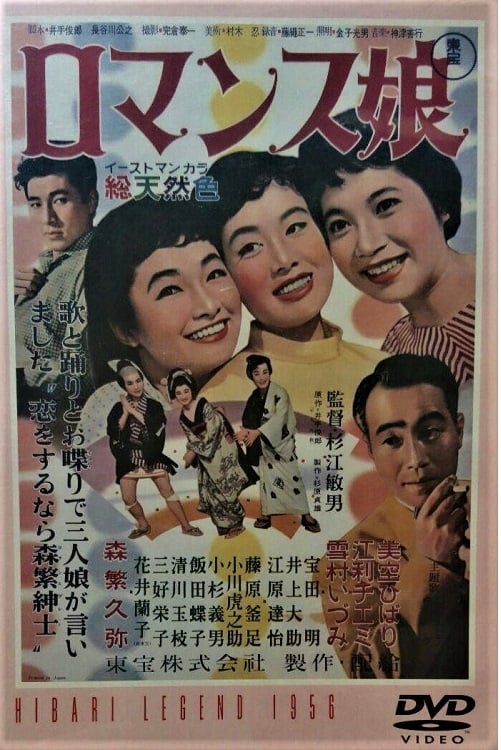
The Great White Tiger Platoon was part of the Aizu clan's last ditch efforts to stop the advance of Imperial troops after the fall of the Tokugawa Shogunate. Meant to be a reserve unit as it was made of the young, 16-17 year old sons of Aizu samurai. Their story is one of the great tragedies of the Boshin War (1868-1869) as they were called into action. Getting cut off from the main body of their platoon, a group of 20 from the 2nd squad retreated to Iimori Hill, where they looked down upon fires surrounding Aizu Castle and thinking that the castle has fallen and all is lost, they choose to die as samurai by committing seppuku. A superb rendition of this true story that shows the true honor of the samurai.
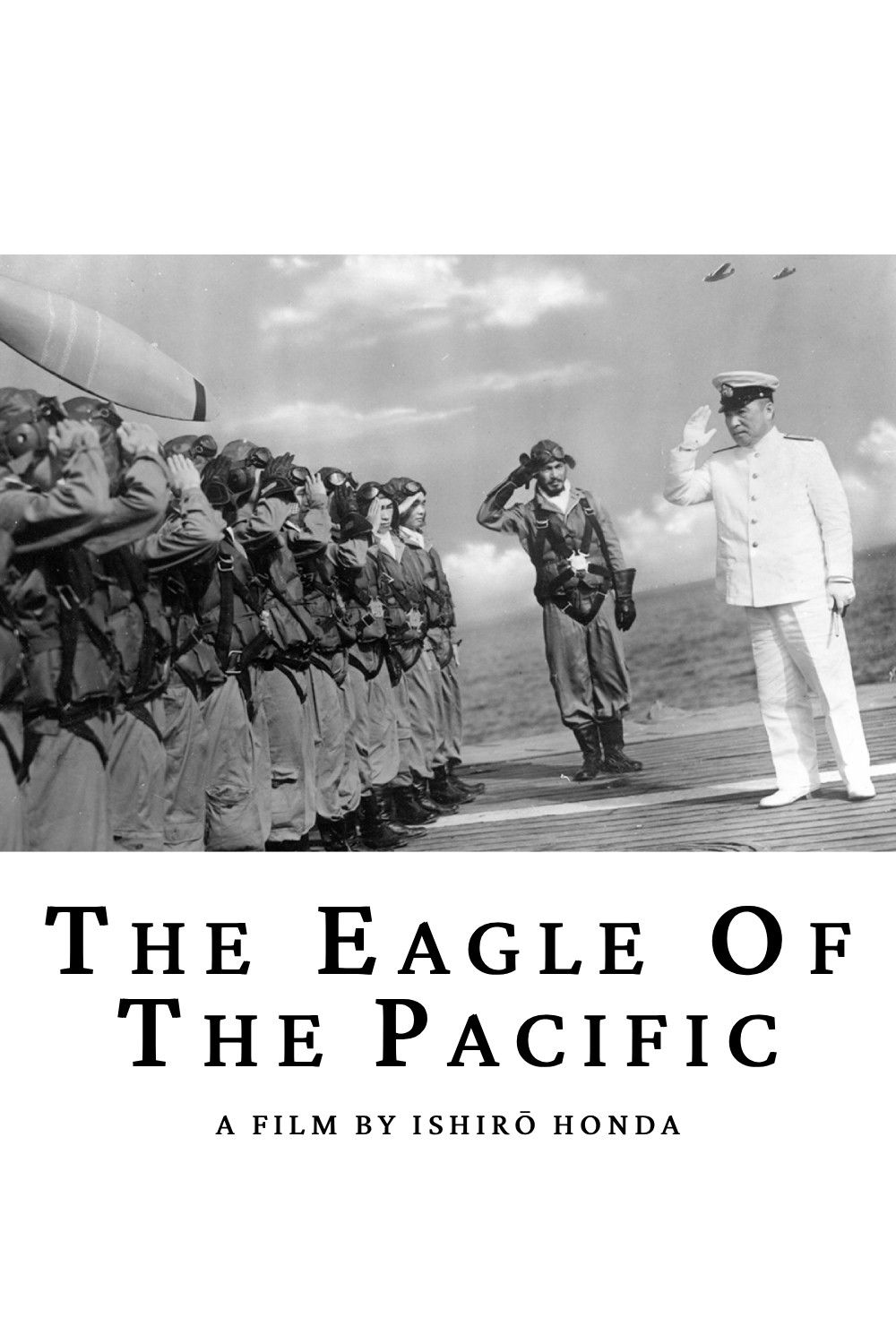
Admiral Isoroku Yamamoto, a brilliant tactician, is a loyal subject of the emperor, despite his grave misgivings about leading Japan's navy into war with the United States. He opposes the attack on Pearl Harbor, but, overruled, he leads his forces to the best of his ability.
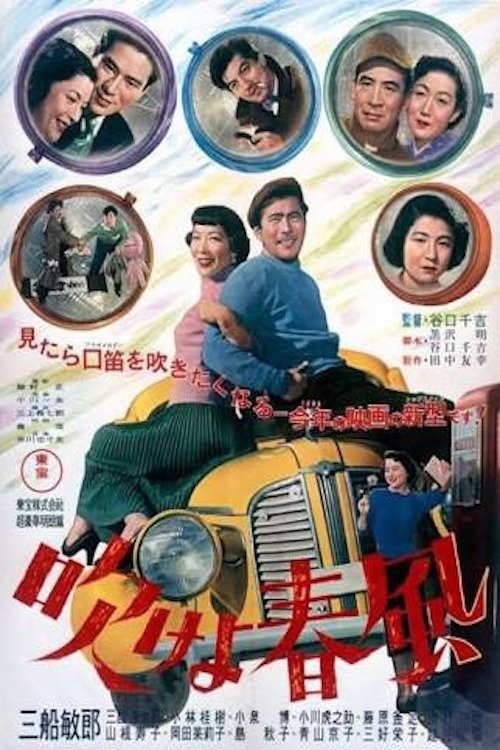
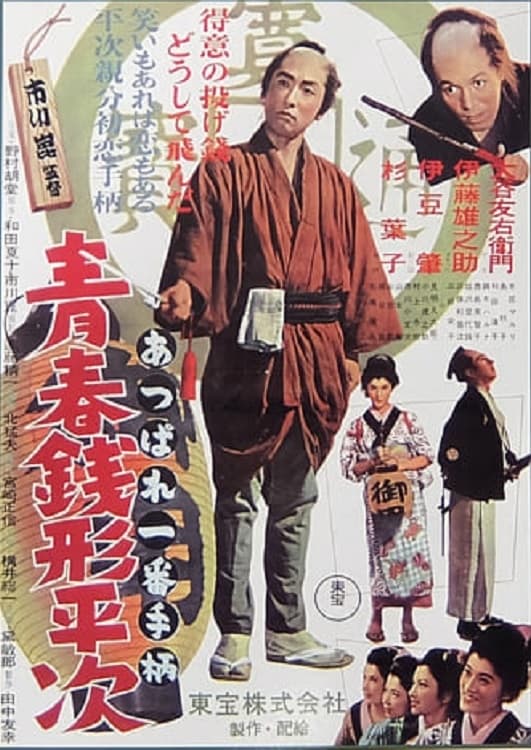
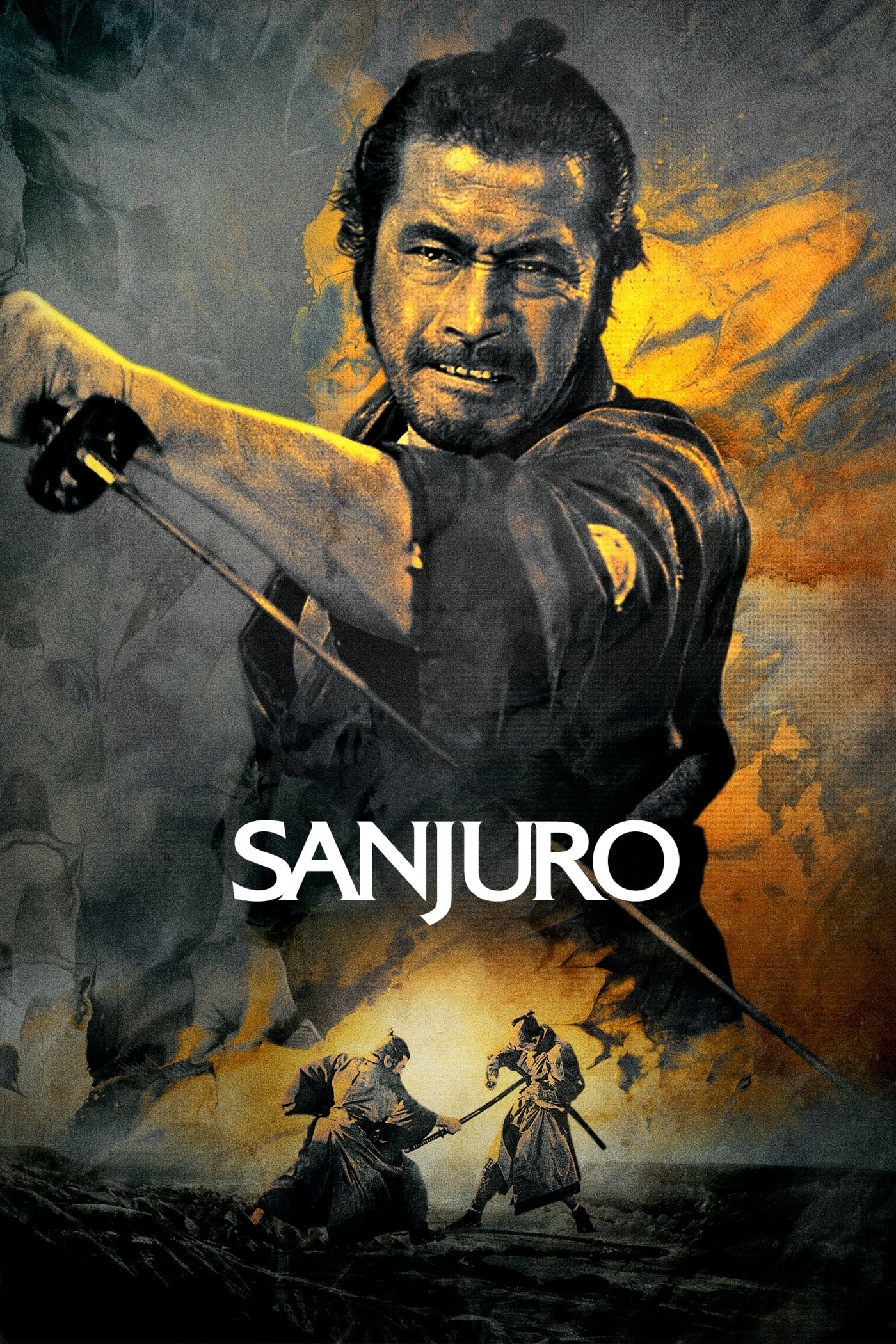
In this companion piece and sequel to "Yojimbo," jaded samurai Sanjuro helps an idealistic group of young warriors weed out their clan's evil influences, and in the process turns their image of a proper samurai on its ear.
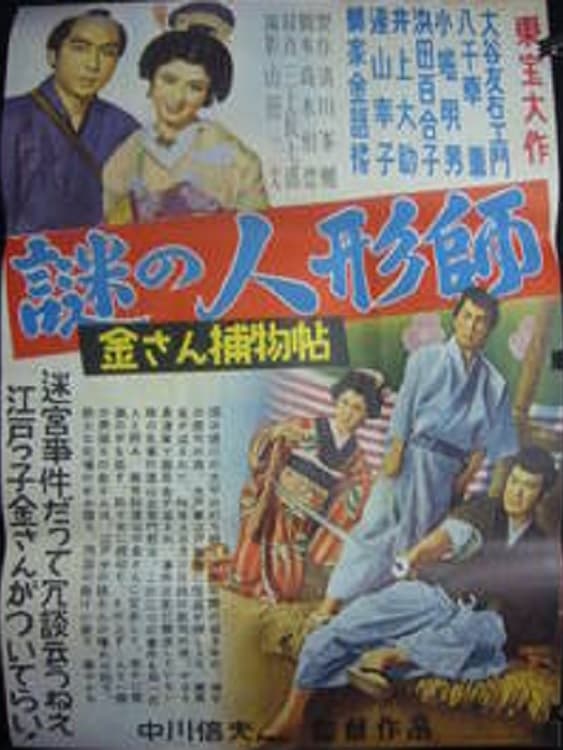
1953 jidaigeki directed by Nobuo Nakagawa of Jigoku and Ghost of Yotsuya fame.
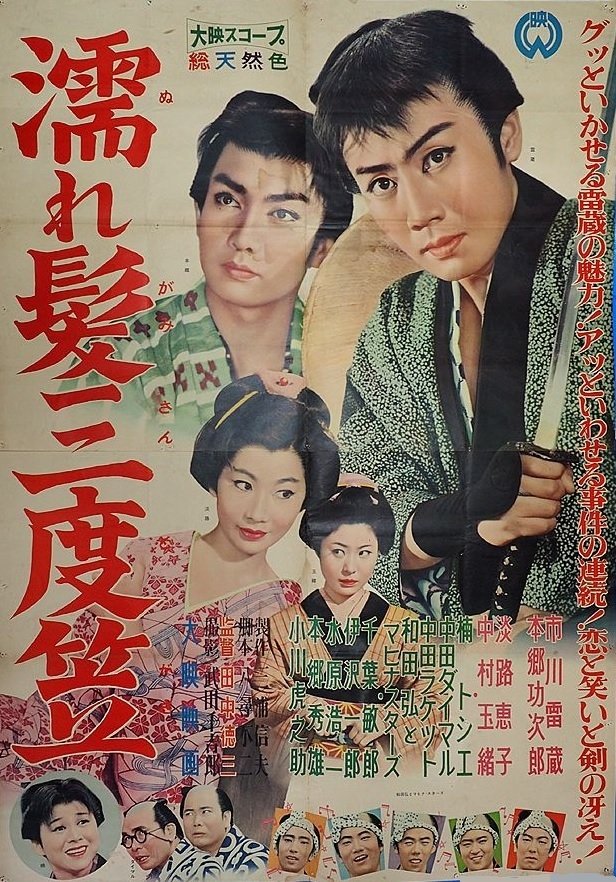
Fate begins to smile upon young Chonosuke Tokugawa, son of eleventh Tokugawa Shogun, after some twenty years of life as a dependent at his step-brother's castle, when the ruler of the Takatori Clan suddenly dies leaving no heir and despite the protest from Minister Horio, it is decided that young Chonosuke is to succeed as ruler of the clan. Horio determines to murder Chonosuke on his way to Edo so that his own grandchild may rule the Takatori Clan. "Odd" Han, a travelling gambler happens to stop at the inn where Chonosuke's party is staying in secret. The assassins come to attack Chonosuke on the riverbank where he is viewing the fireworks alone but are driven off by Han. Now Chonosuke travels with Han disguised as a gambler during which he begins to learn the hardships of the peasants and is struck with the contrast between the life of a feudal and those whose labour provides his luxurious living.
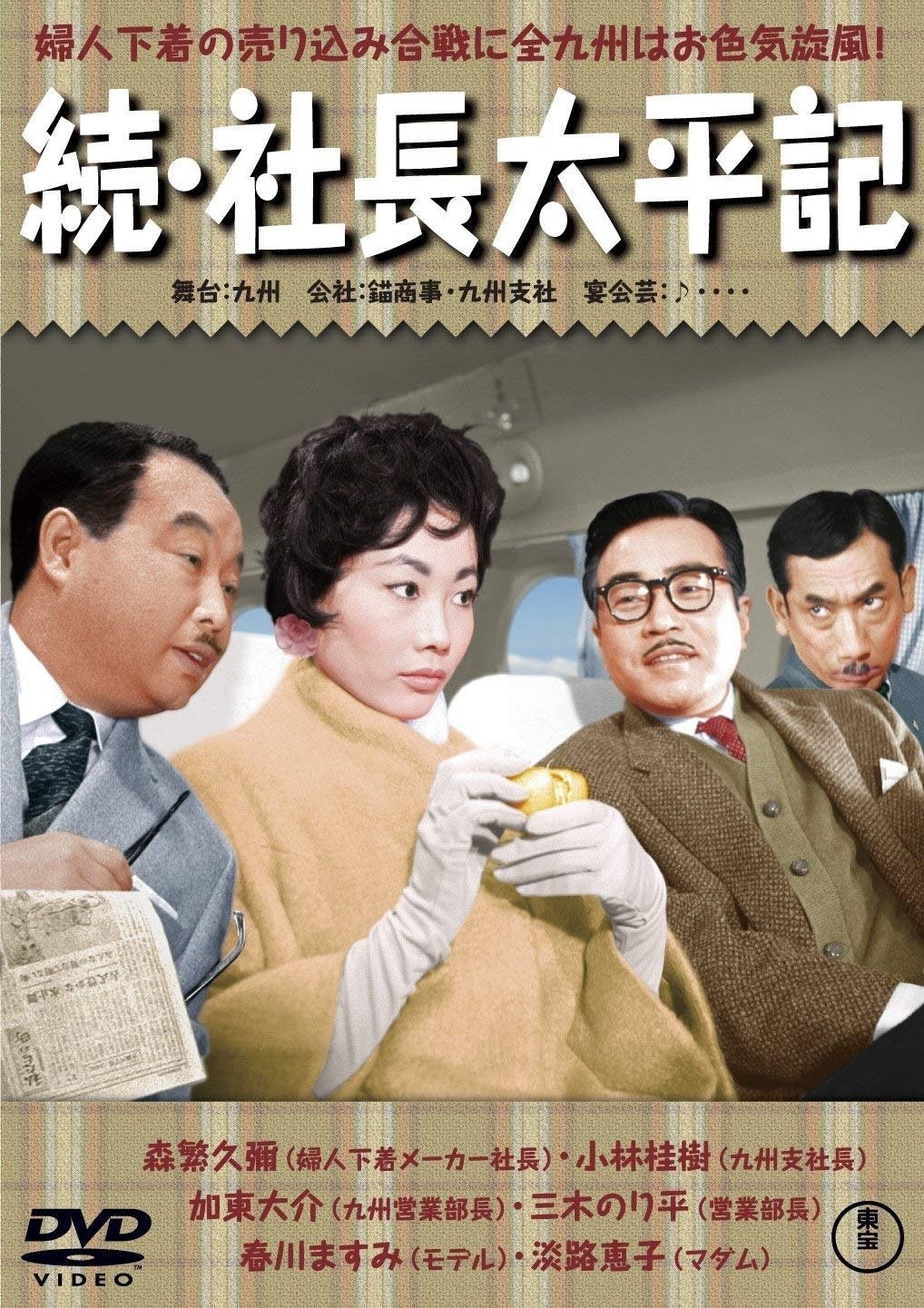
7th film in the President series and the first entry in color.
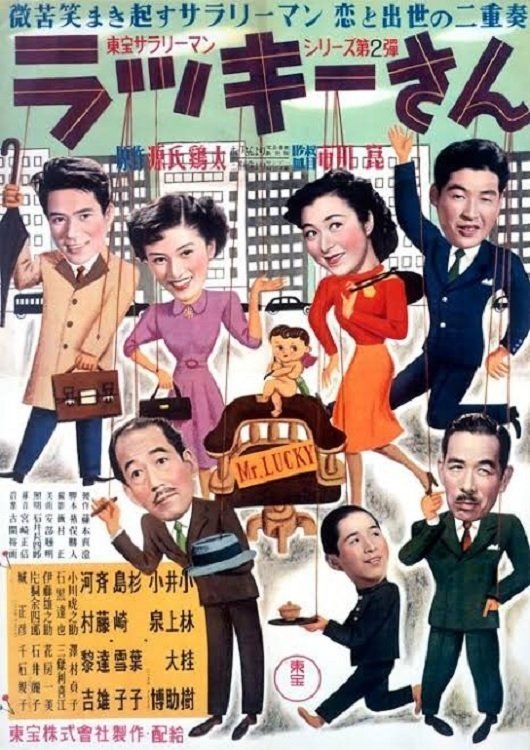
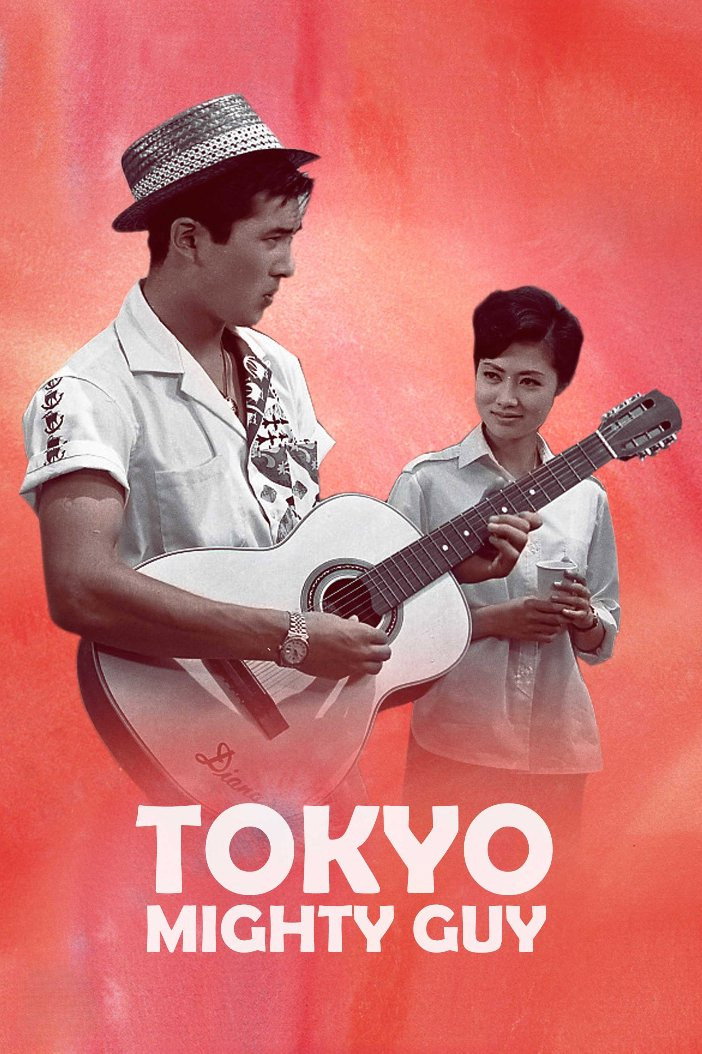
Mega star Akira Kobayashi stars as Jiro in the rambunctious tale of a chef who opens a restaurant in the busy Ginza district. His culinary skills and dashing good looks bring in the women as well as unwanted trouble, while an explosive political scandal builds around his girlfriend’s business...
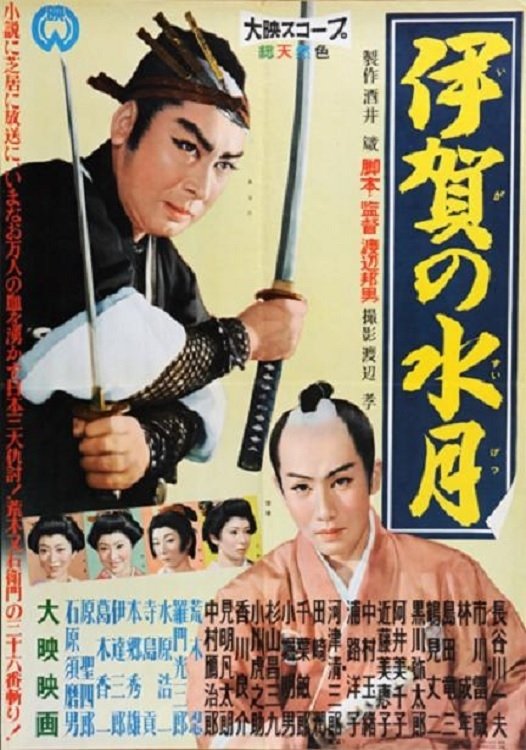

Following the tragic death of his father, a young boy's family trains his horse to compete in the local derby.
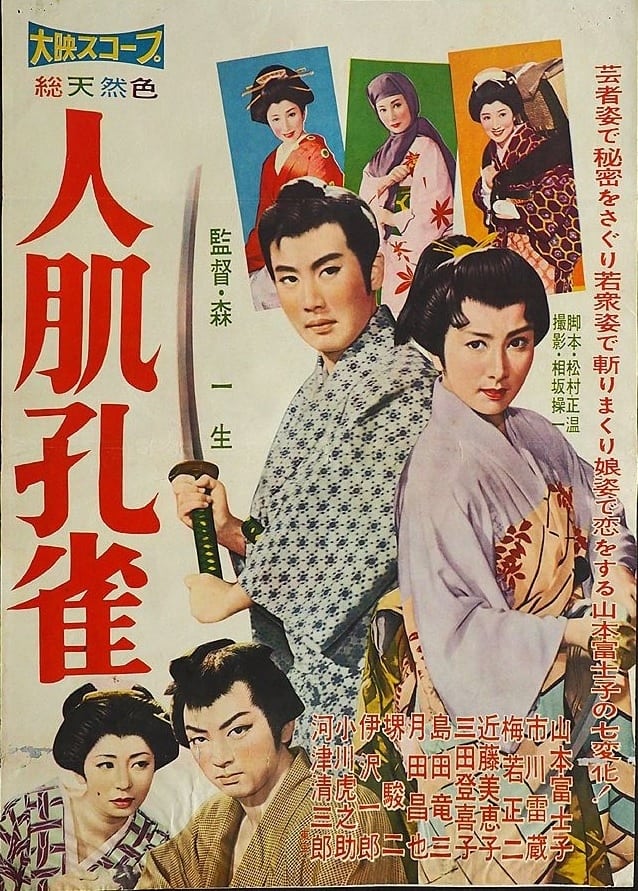
A beautiful girl who seeks revenge, disguises herself by dressing up in men's clothes, geisha, etc. A young swordsman helps her uncover the plot and take revenge.
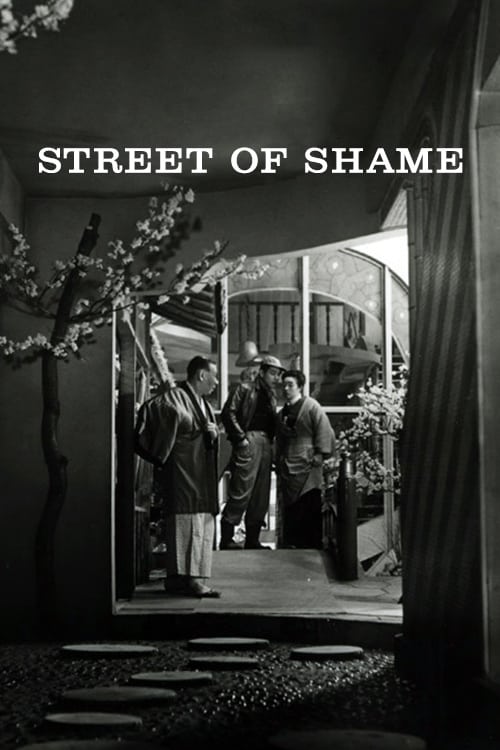
Follows five sex workers employed at a Japanese brothel while the nation debates the passage of an anti-prostitution law.
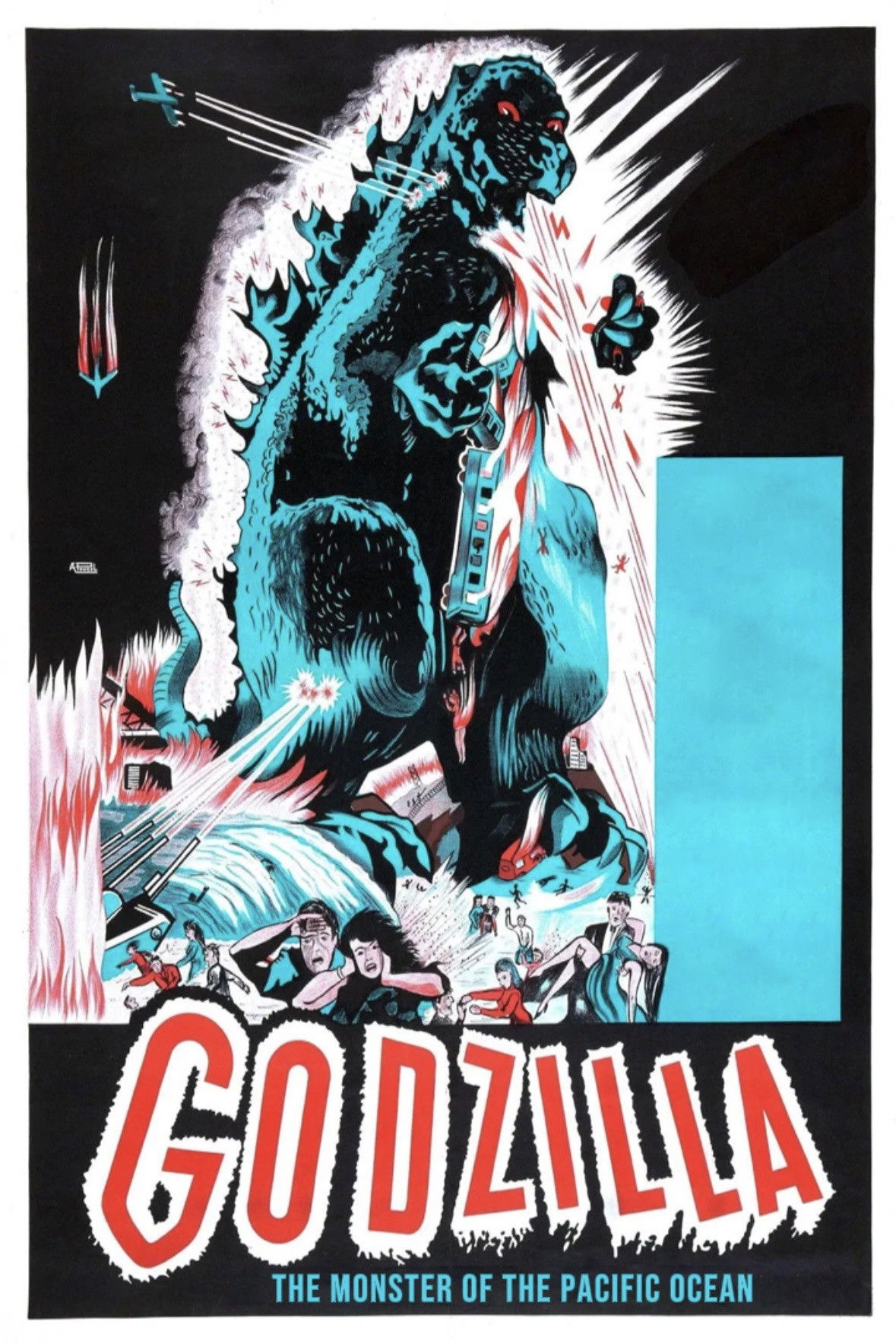
Obscure French version of the original Godzilla. The film combines elements of the original Toho version and the American King of the Monsters! in a unique assemblage exclusive to the Francophone market. Released by Les Films du Verseau.
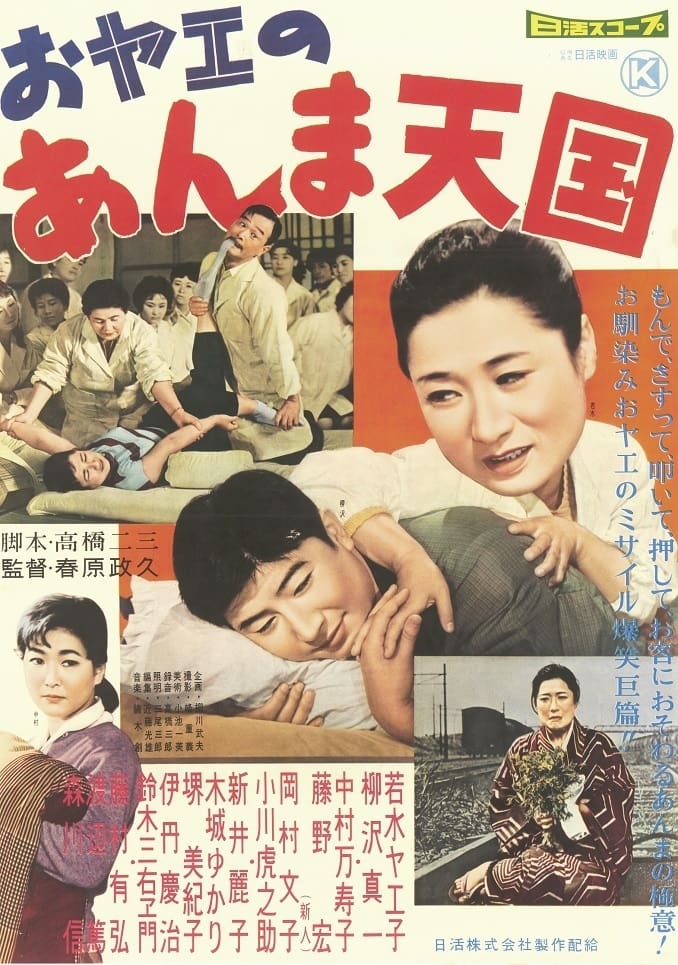
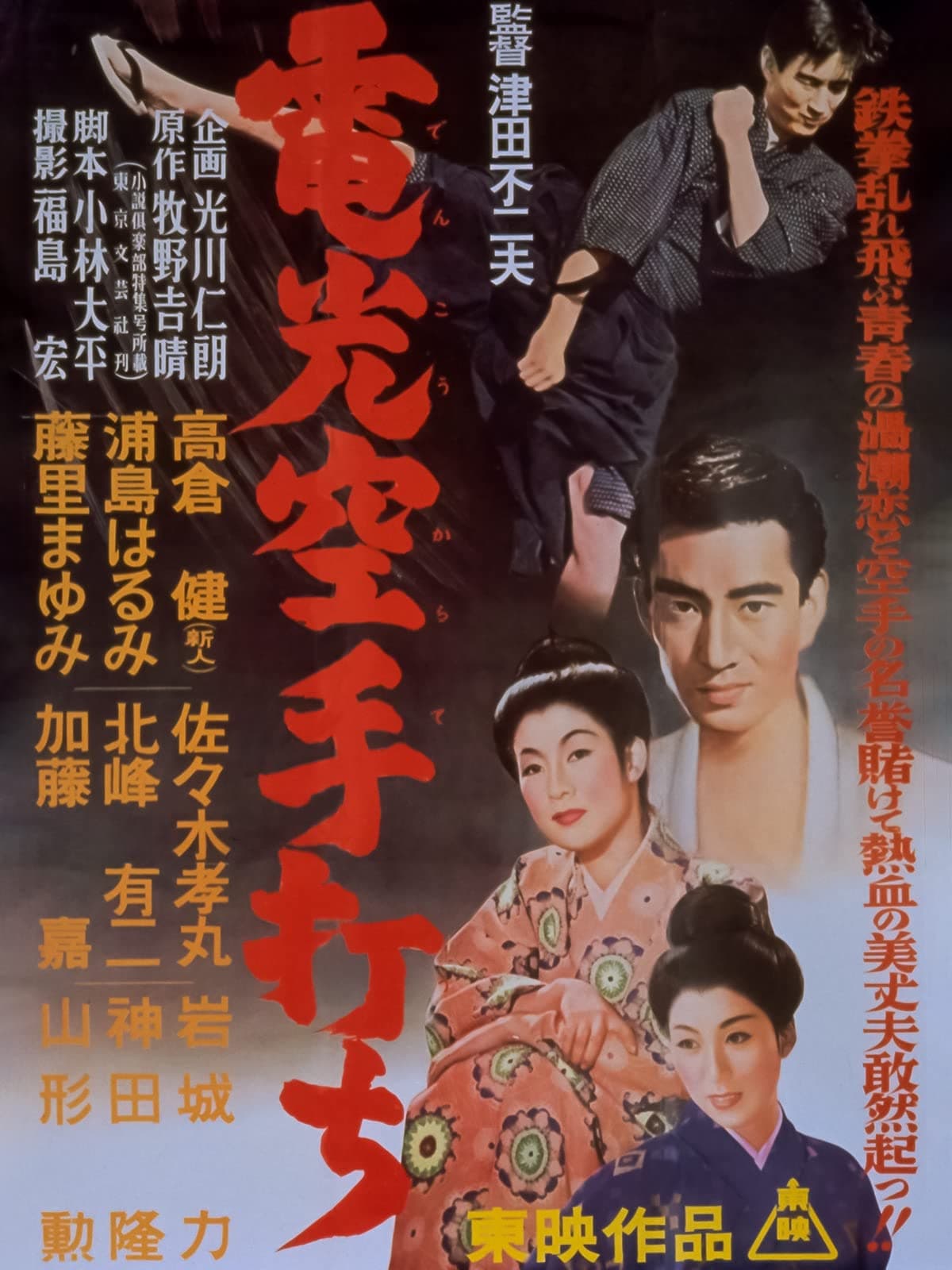
Ken Takakura's screen debut, following his admission into Toei ranks via the studio's annual New Faces program, came surprisingly enough in this pair of Okinawa karate films. The two-parter was released on Jan. 29, 1956 as two thirds of a triple feature. Both halves run just under one hour. The fighting is actually pretty good for the time, and it's fun to see Takakura as an impatient, bearded karate rascal.
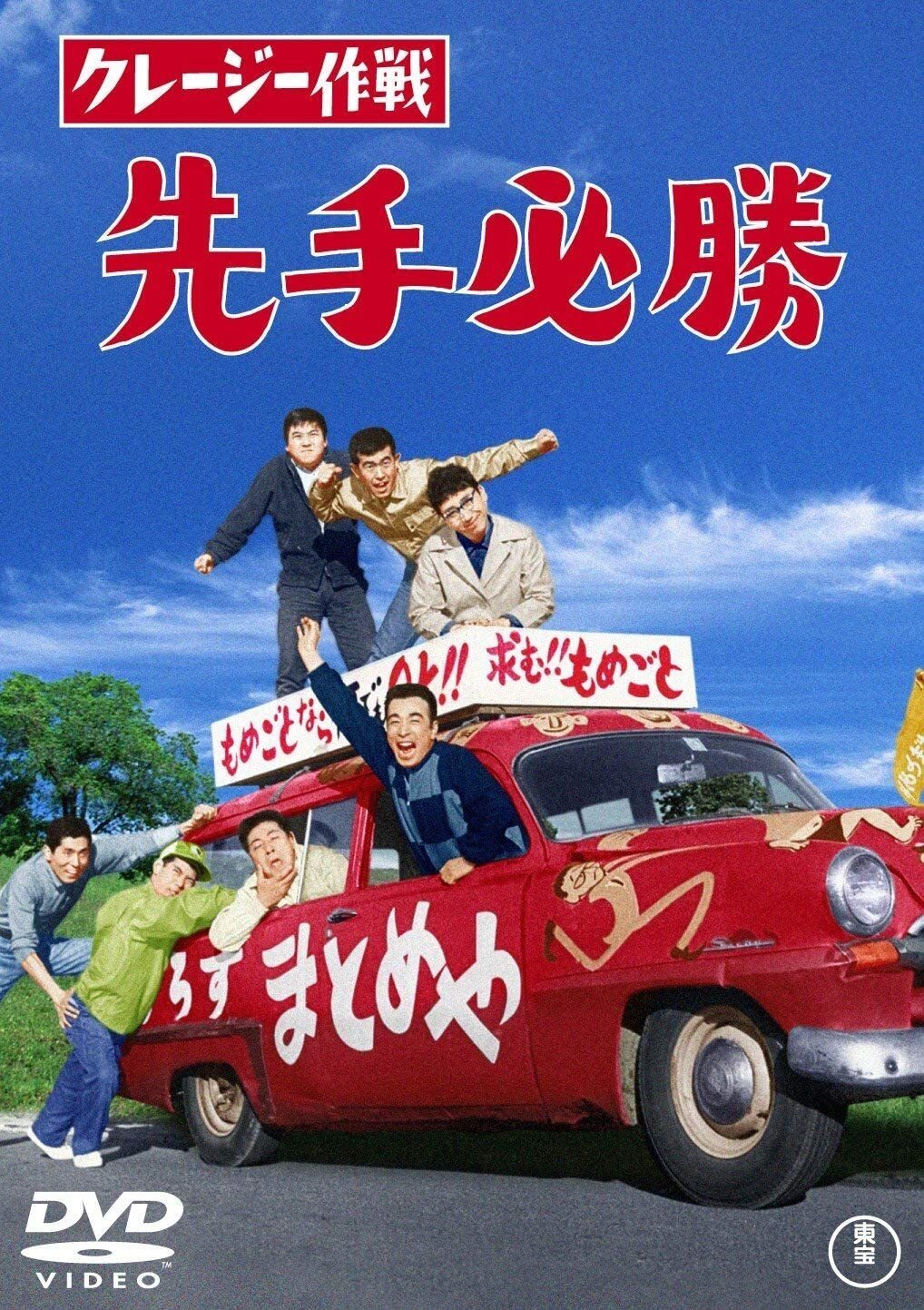
After being fired from his company, Hitoshi Ueda opens a arbitration company. Experts from various fields gather around him and with their natural vitality, they solve one dispute after another. But as it turns out, their next dispute will be at a global scale.
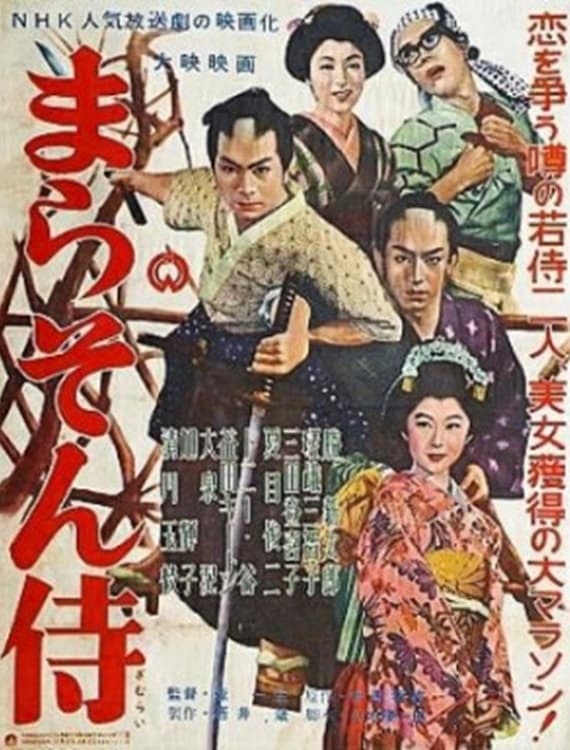
The TV drama of Ima Harube was adapted by Yagi Ryuichiro ("Komuso Henge"), directed by Mori Issei ("I Am Fujikichirou"), and cinematographed by Honda Shozo ("The Return of the Ghost"). The main cast includes Katsu Shintaro ("Flower of the Wandering Bird"), Saga Michiko and Mita Tokiko ("Matashirou's Fighting Journey")
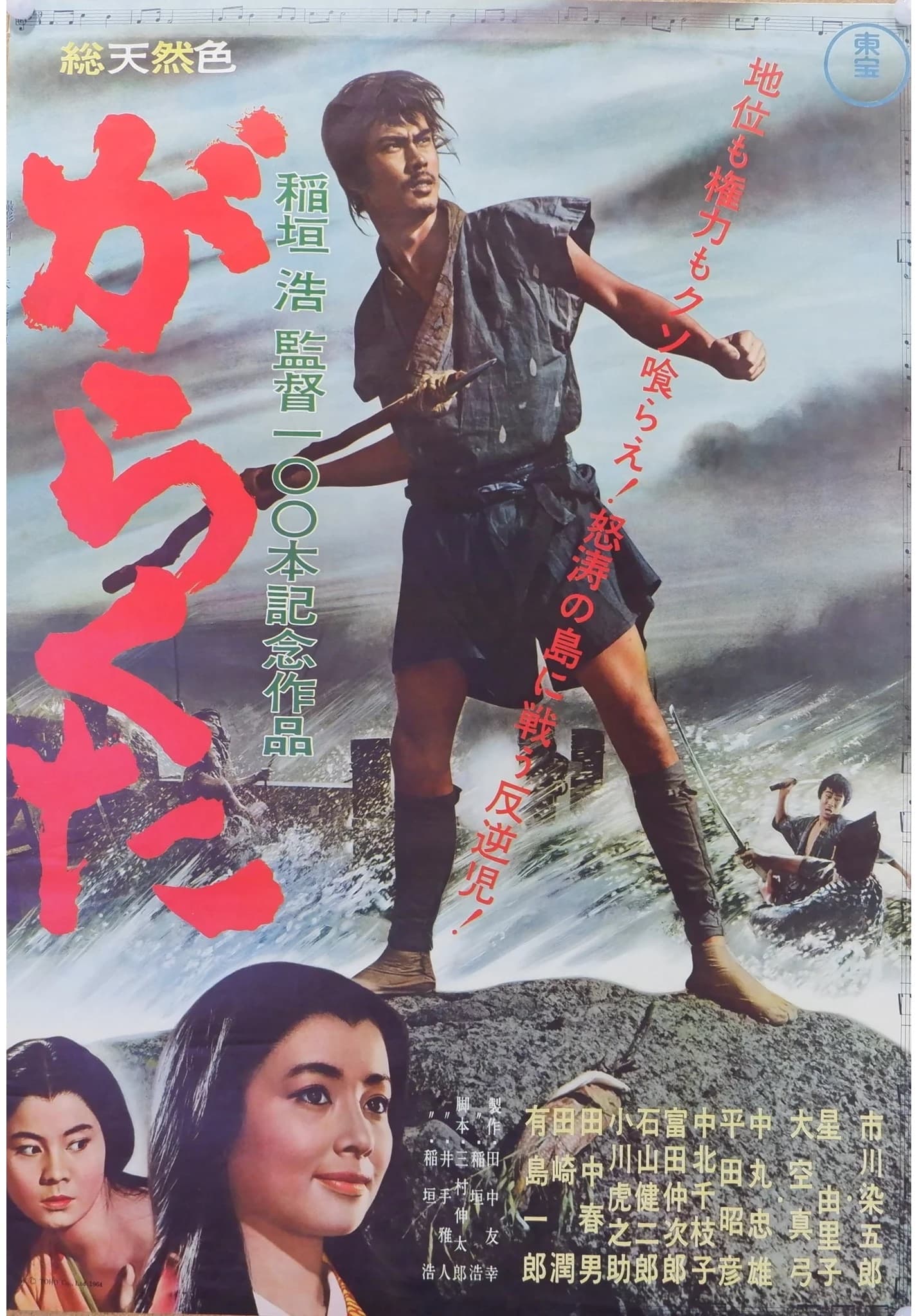
1964 Japanese movie
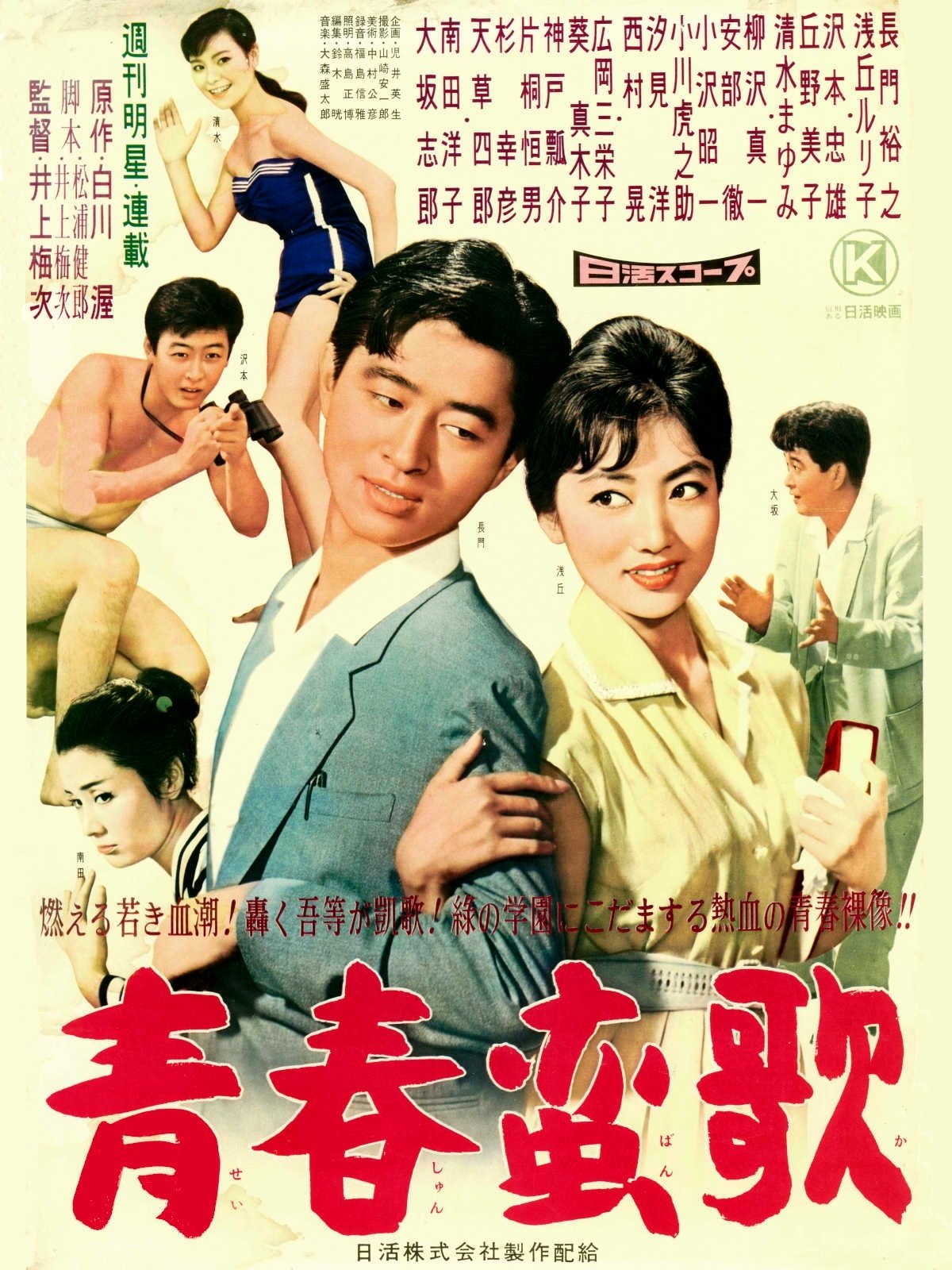
A fresh graduate from a university in Tokyo takes a job as an English teacher at a prestigious high school in Kobe. However, shortly after arriving, he is pranked by four students.
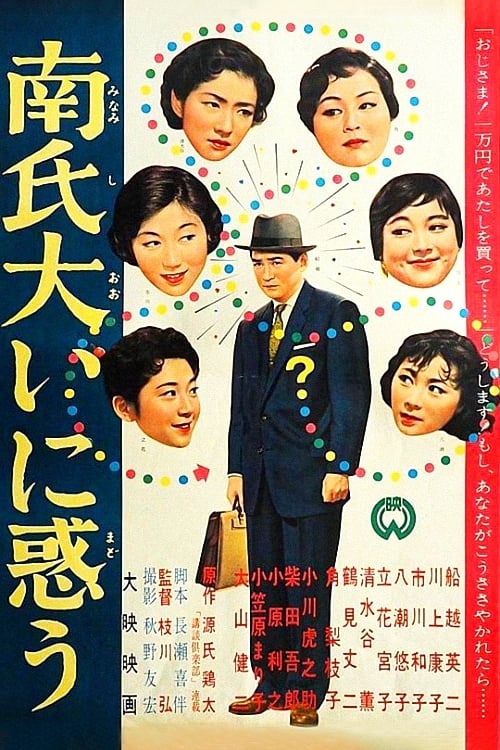
Directed by Edagawa Hiroshi, this film stars Funakoshi Eiji and Kawakami Yasuko.
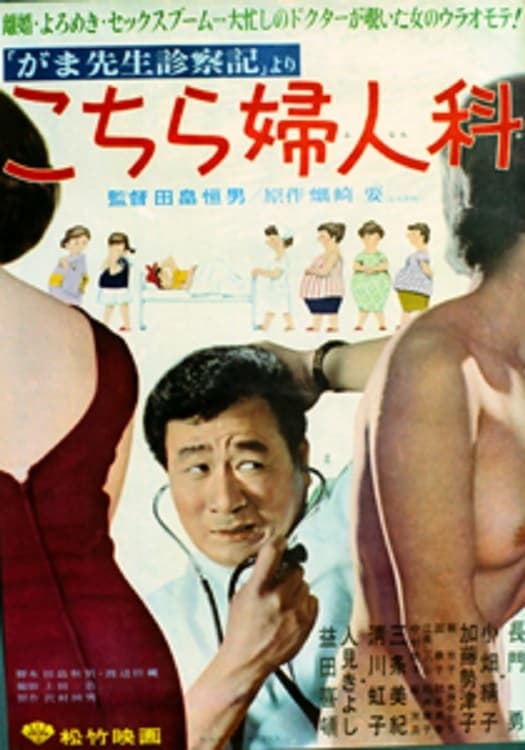
Life of a bachelor gynecologist in a hospital for women.
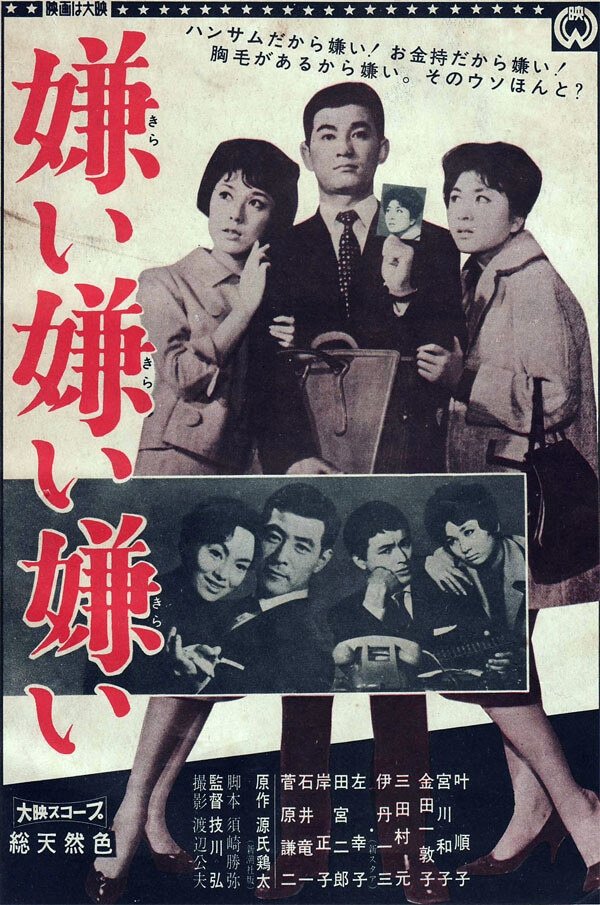
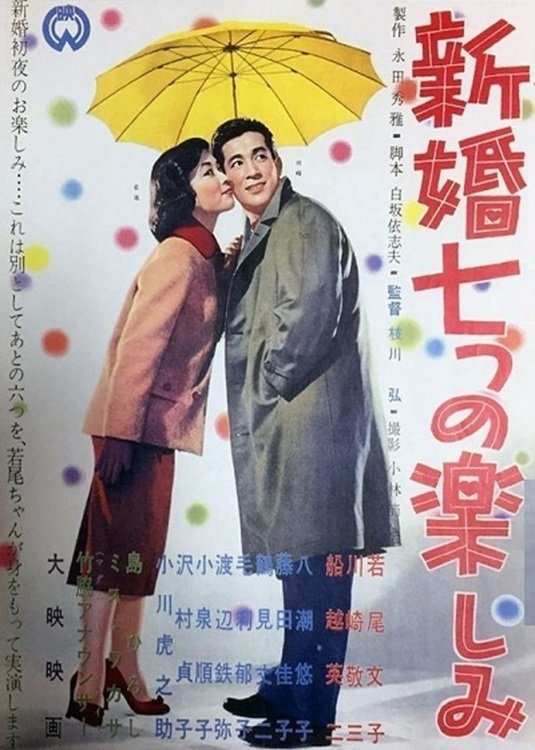
1958 Japanese movie
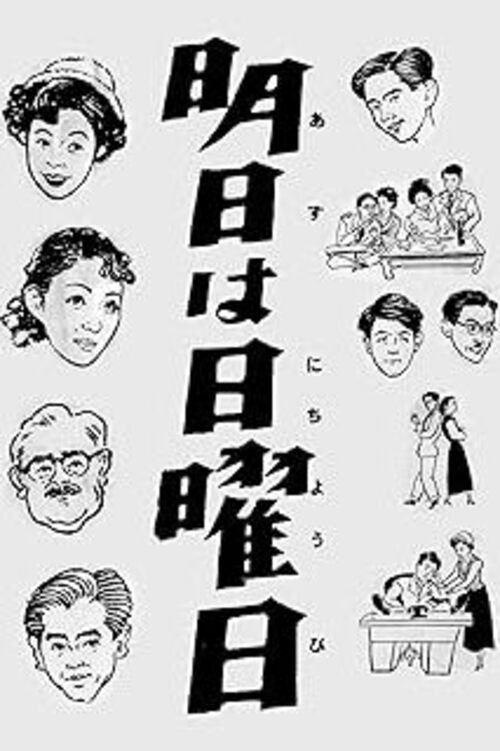
A comedy movie for salaryman.
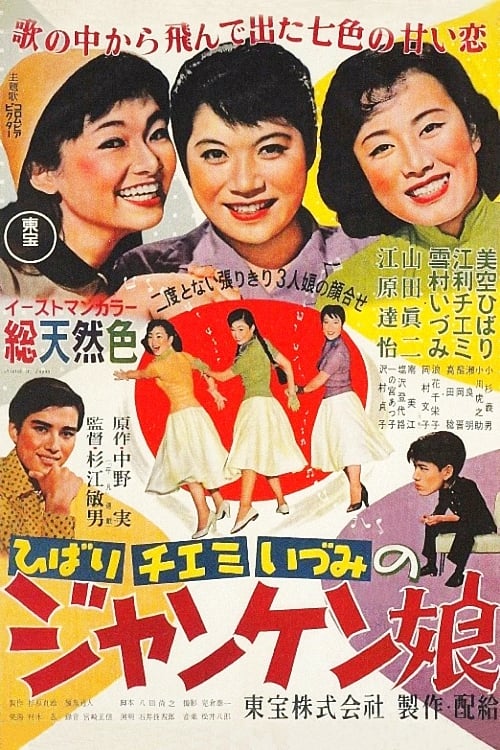
Two high school girls, Ruri and Yumi, go to Kyoto on a school trip, here they get acquainted with Hinagiku, there are many adventures ahead of the three of them. A musical starring 3 Japanese pop music and TV stars.
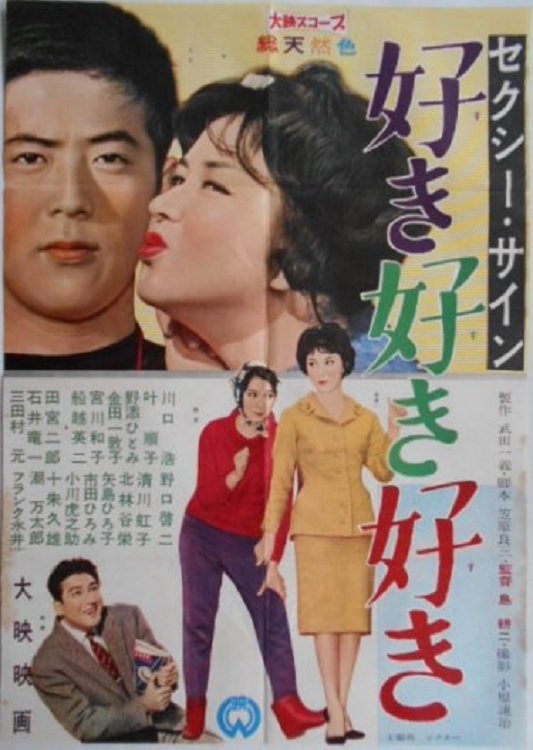
Yamazaki Ryotaro is an Olympics' athlete and an asset. He accepts two jobs and responsibilities that are thrust upon him. One involves a a painting and an advertising poster. The other is about coaching the hockey team. Simultaneously, however, he is head over heels for three gals, one is a hairdresser, one is a fashion model and of course the third is part of the cheering squad for the hockey team.
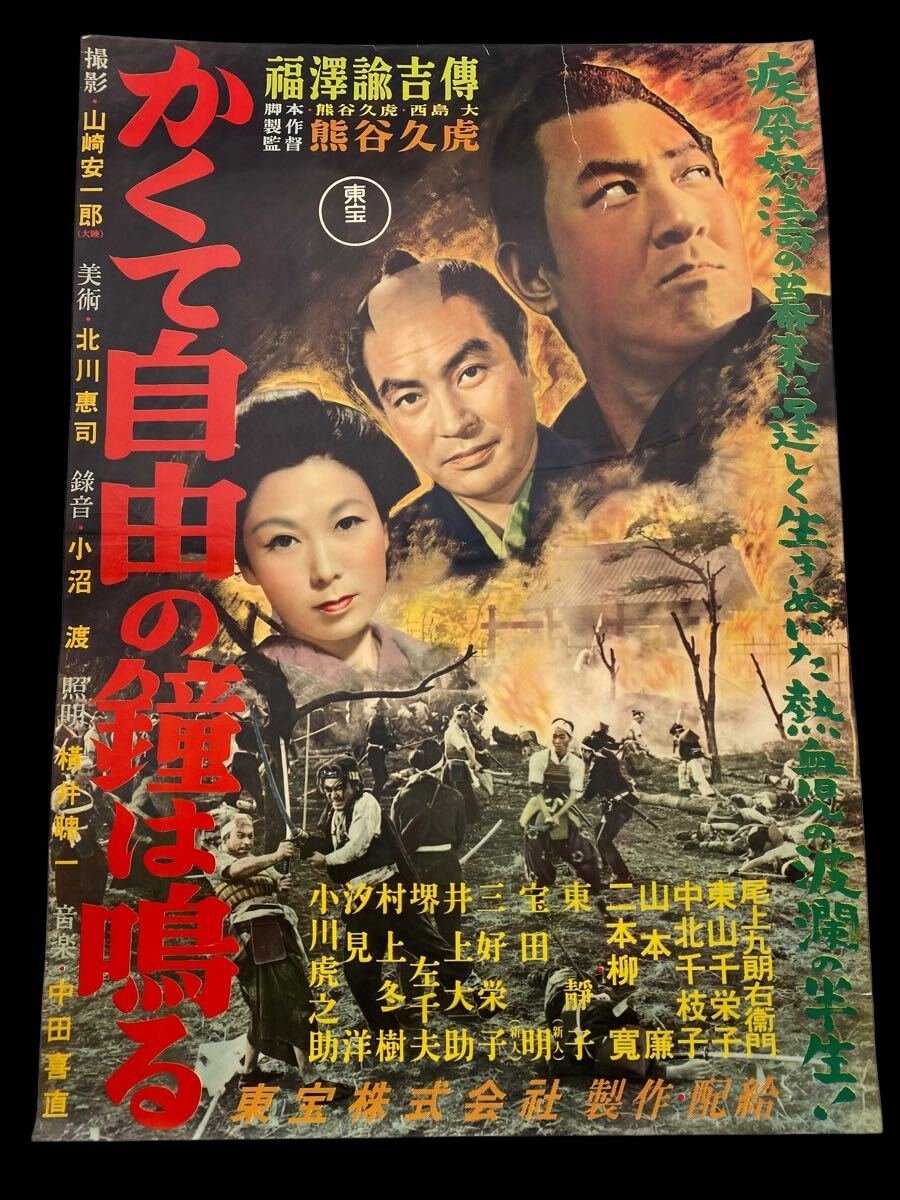
Set during Japan's Bakumatsu period, the film follows Fukuzawa Yukichi, a poor samurai's son who defies societal norms to study Dutch and English. Despite facing opposition from his family and nationalist factions, he founds Keio University, becoming a key figure in Japan's modernization amid political turmoil.
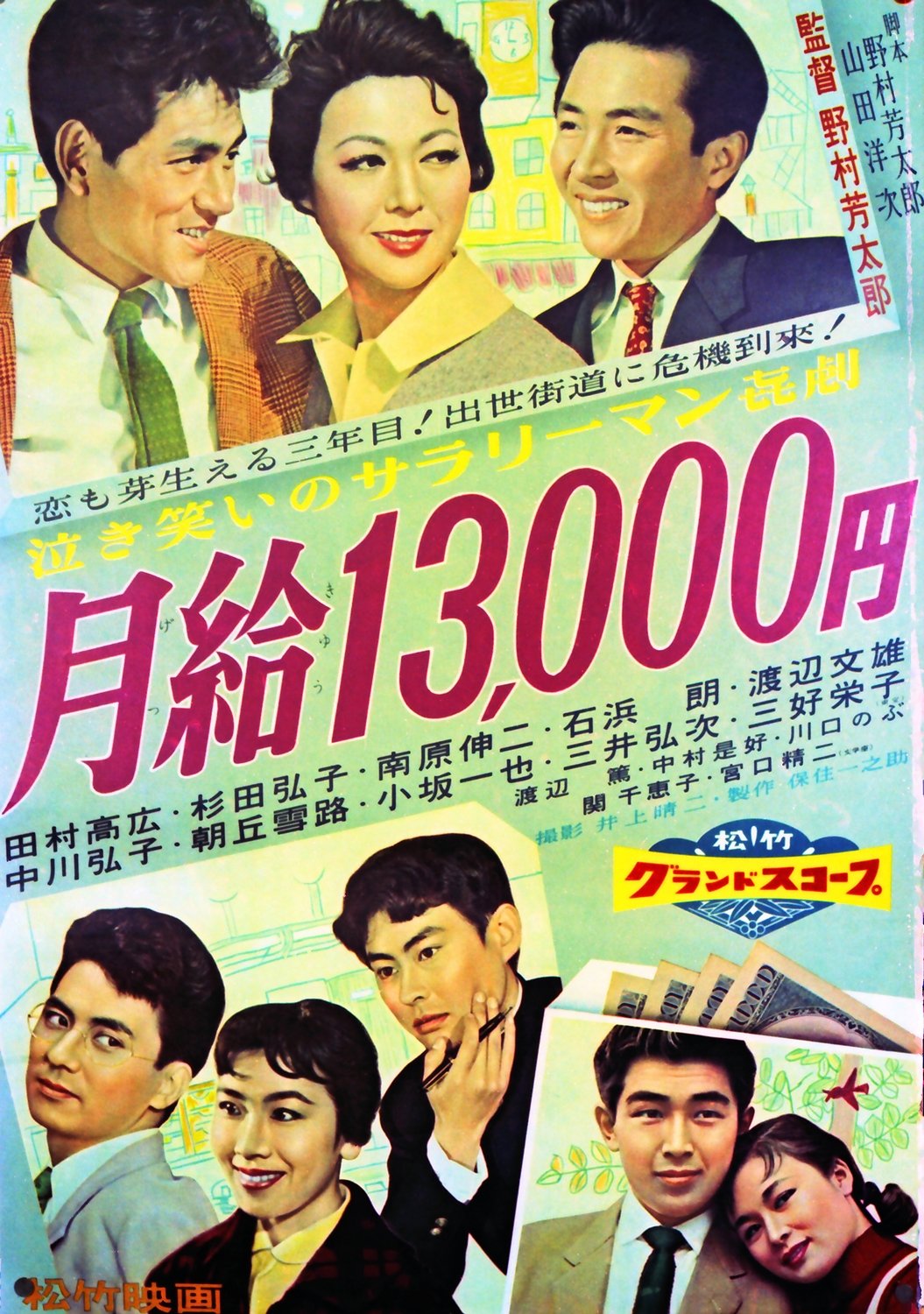
Set in a rubber company in Tokyo, this comedy depicts the sorrows of salarymen in a humorous way, centering on the commotion caused by the passionate salaryman Goro Mutsu, who is transferred from Kyushu.
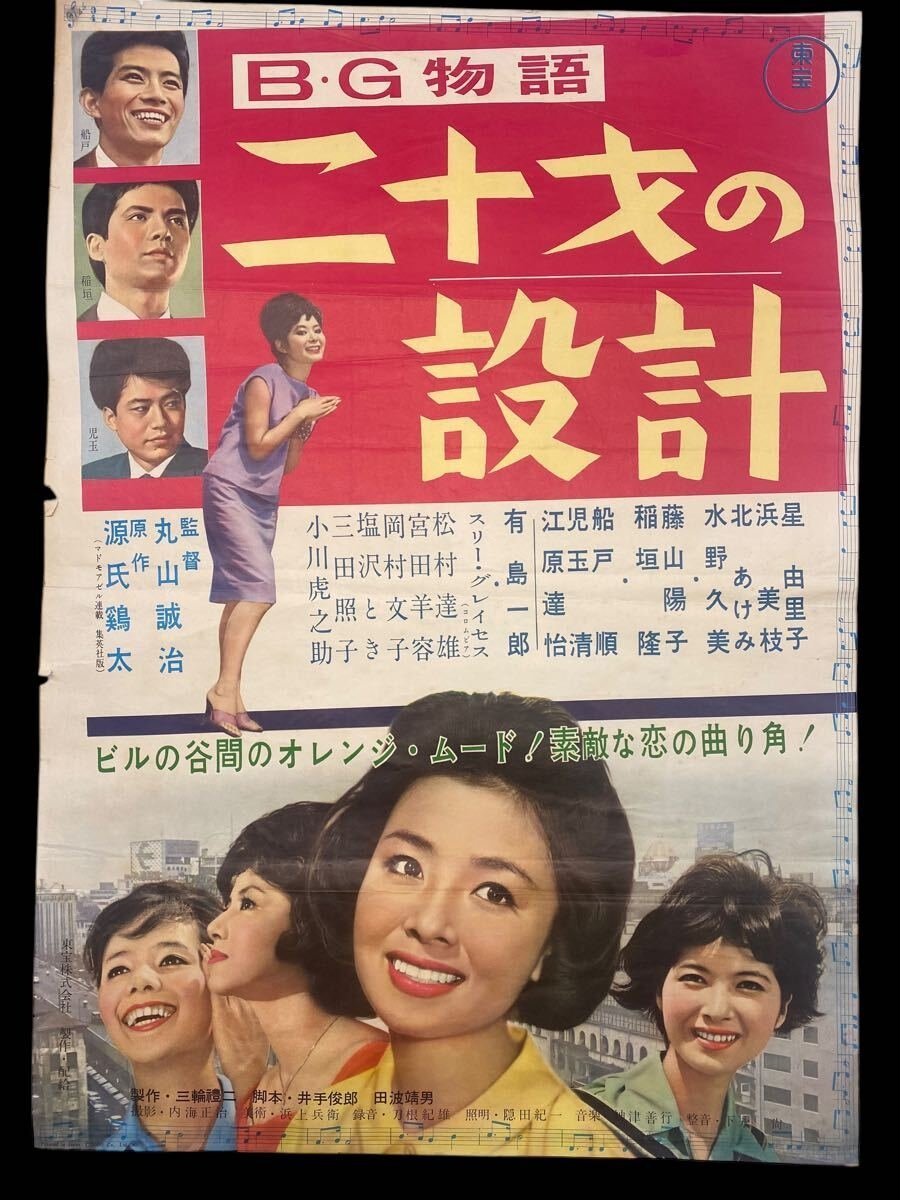
Ayako Kurimura, a new B.G. at Nitto Electric, becomes the object of affection for both her brother's colleague Kazuo Fukami and the flirtatious executive’s son, Hiroshi Tsuzawa. As office romances and corporate ambitions collide, relationships shift: heartbreak leads to new connections, old flames reemerge, and Hiroshi is ultimately disowned. Ayako helps him reunite with former lover Yoko, sending them off to Osaka while those around her find new beginnings.
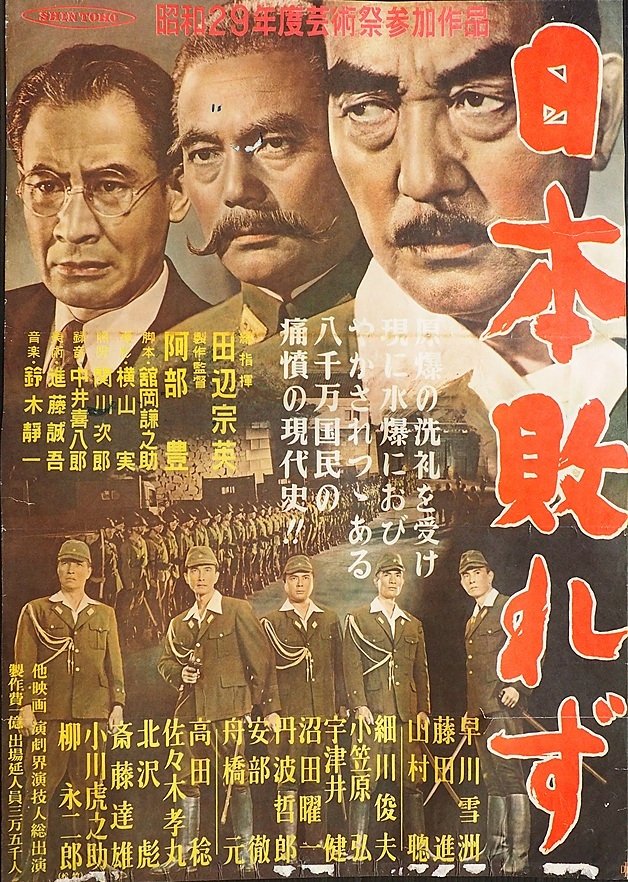
In May 1945, Japan's defeat was imminent after the attacks on Saipan, Iwo Jima, and the Philippines, and Tokyo was reduced to a sea of fire by another massive air raid. However, within the Ministry of the Army, there were still officers who were enthusiastic about a decisive battle on the mainland. Eventually, the Okinawa garrison was annihilated, and the US military was approaching the mainland, but on July 27th, the Potsdam Conference between the US, Britain, and the Soviet Union broadcast the Triple Joint Declaration, which set out the final terms of surrender for Japan.
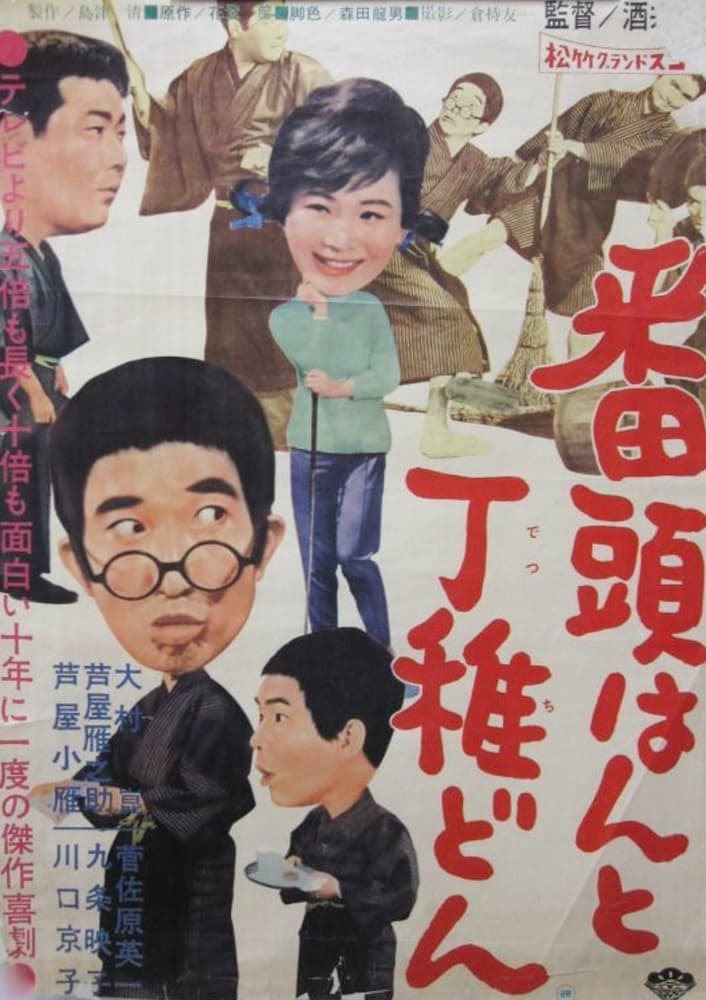
1960 Japanese movie
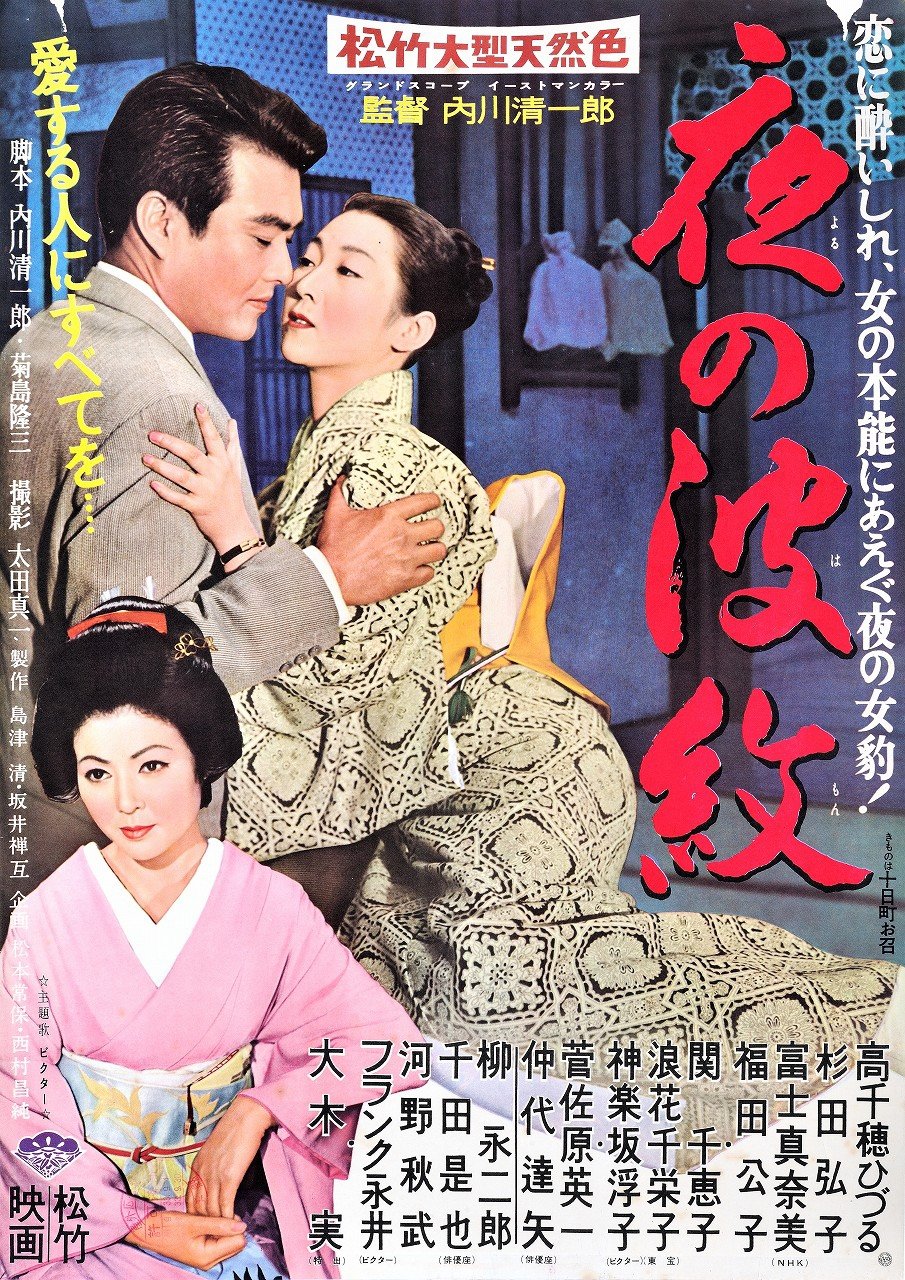
The story follows Keiko, a dancer in the "Maiko Odori" theater in Kyoto, who tries to climb the social ladder in a world driven by money and self-interest. She becomes involved with wealthy men to pursue her ambitions but faces betrayal, exploitation, and is even accused of embezzlement. As she struggles to survive, her close friend dies from a heart condition, and her plan to marry a rich man fails. In the end, Keiko realizes the harshness of reality and decides to keep dancing despite the sorrow.
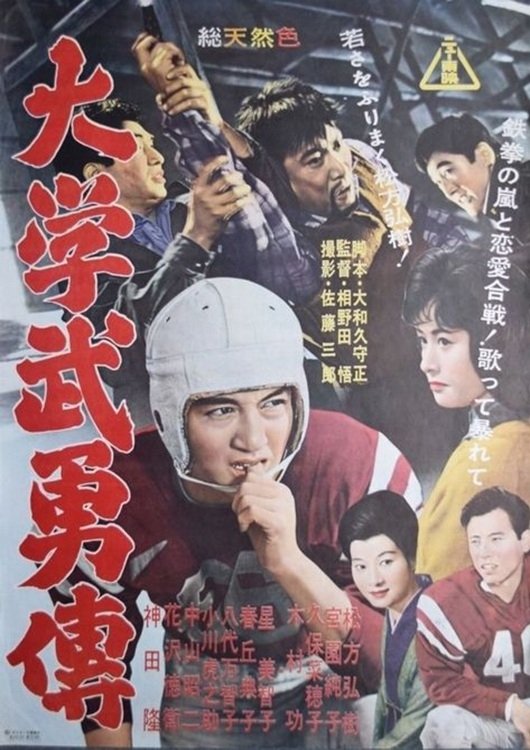
1961 Japanese movie
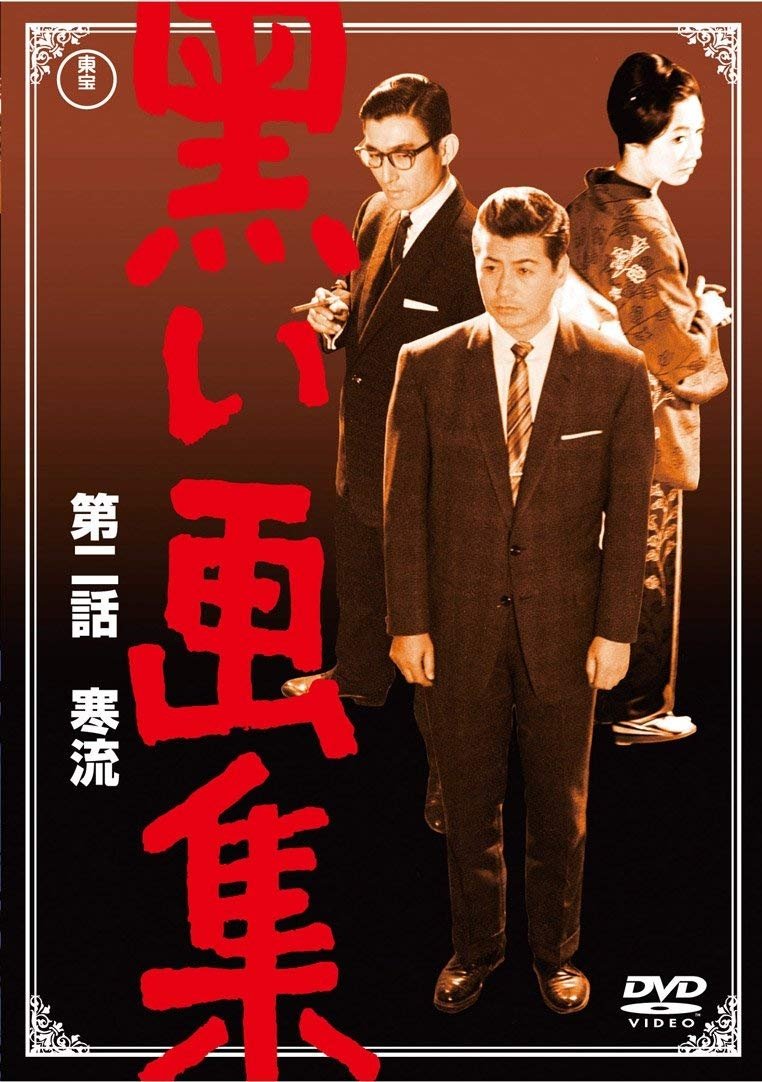
Drama about two college friends, now working for the same banking firm, torn apart by jealousy over their inequitable positions and love lives.
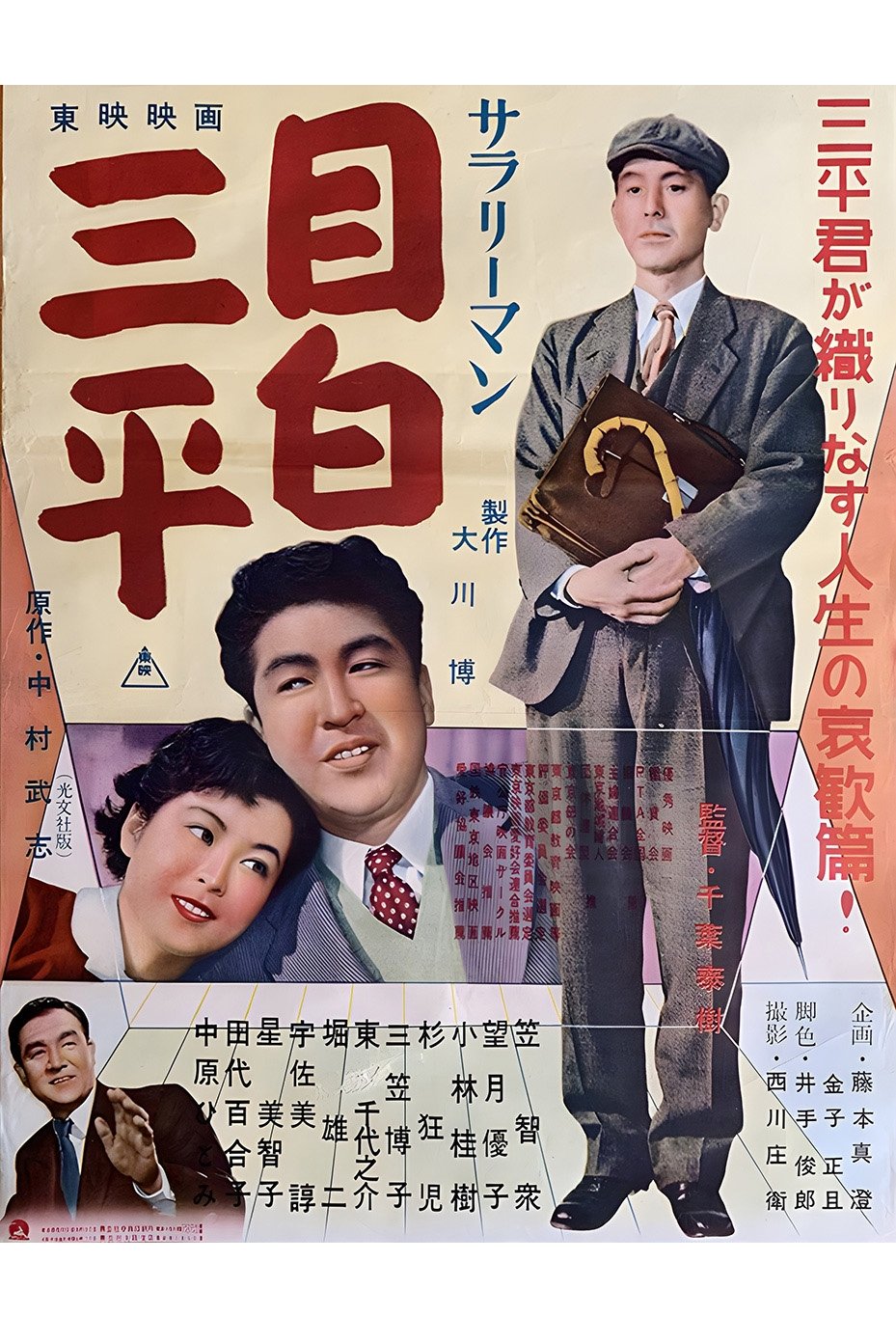
A masterpiece of life sketches overflowing with heartwarming affection and laughter that portrays the modern common people with humor and pathos, focusing on the daily life of Sanpei Mejiro, a salaryman for over twenty years who finds a little happiness in life in his poor but joyful home.
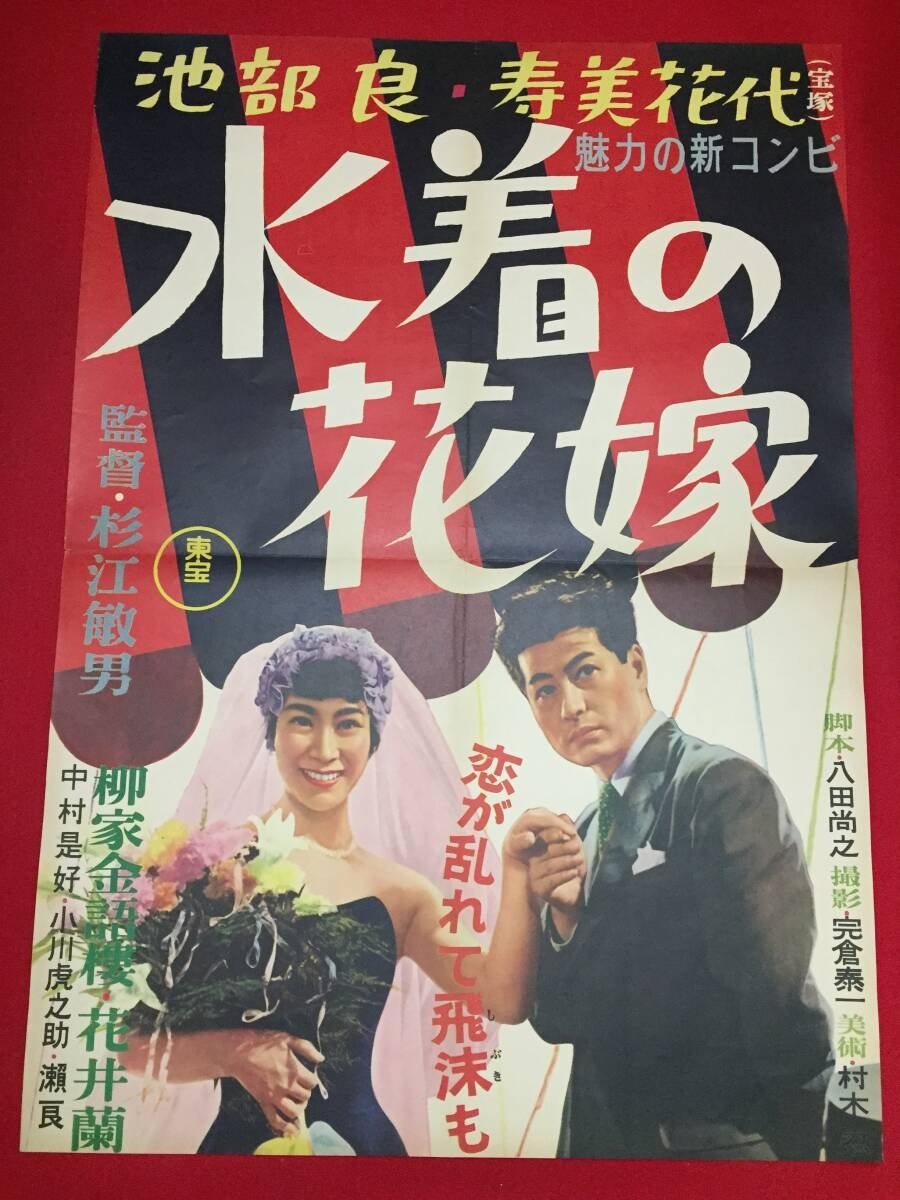
Katsuko, daughter of a prestigious inn owner, is urged into an arranged marriage with Keisuke, the nephew of a powerful businessman. She refuses, believing she already loves a man she once briefly met on a train. Unbeknownst to her, that man is Keisuke himself. A mix-up with photos leads to misunderstandings, but on the eve of his departure for America, the truth comes to light, and the two reunite just in time.
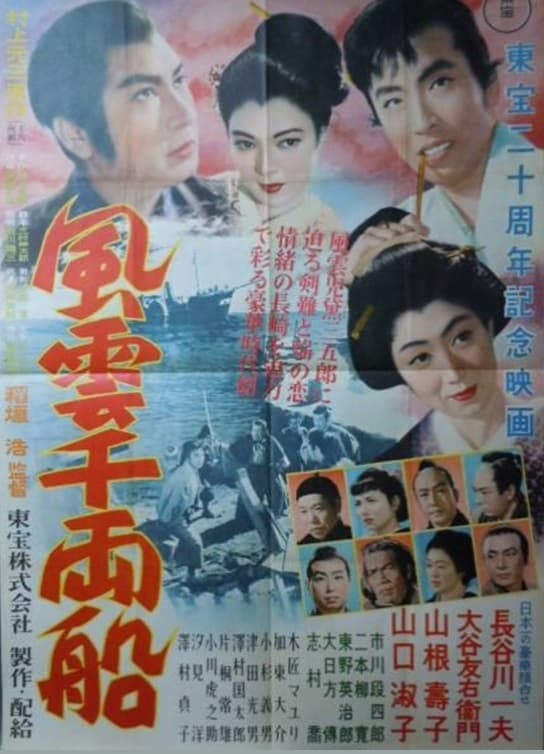
1952 Japanese movie
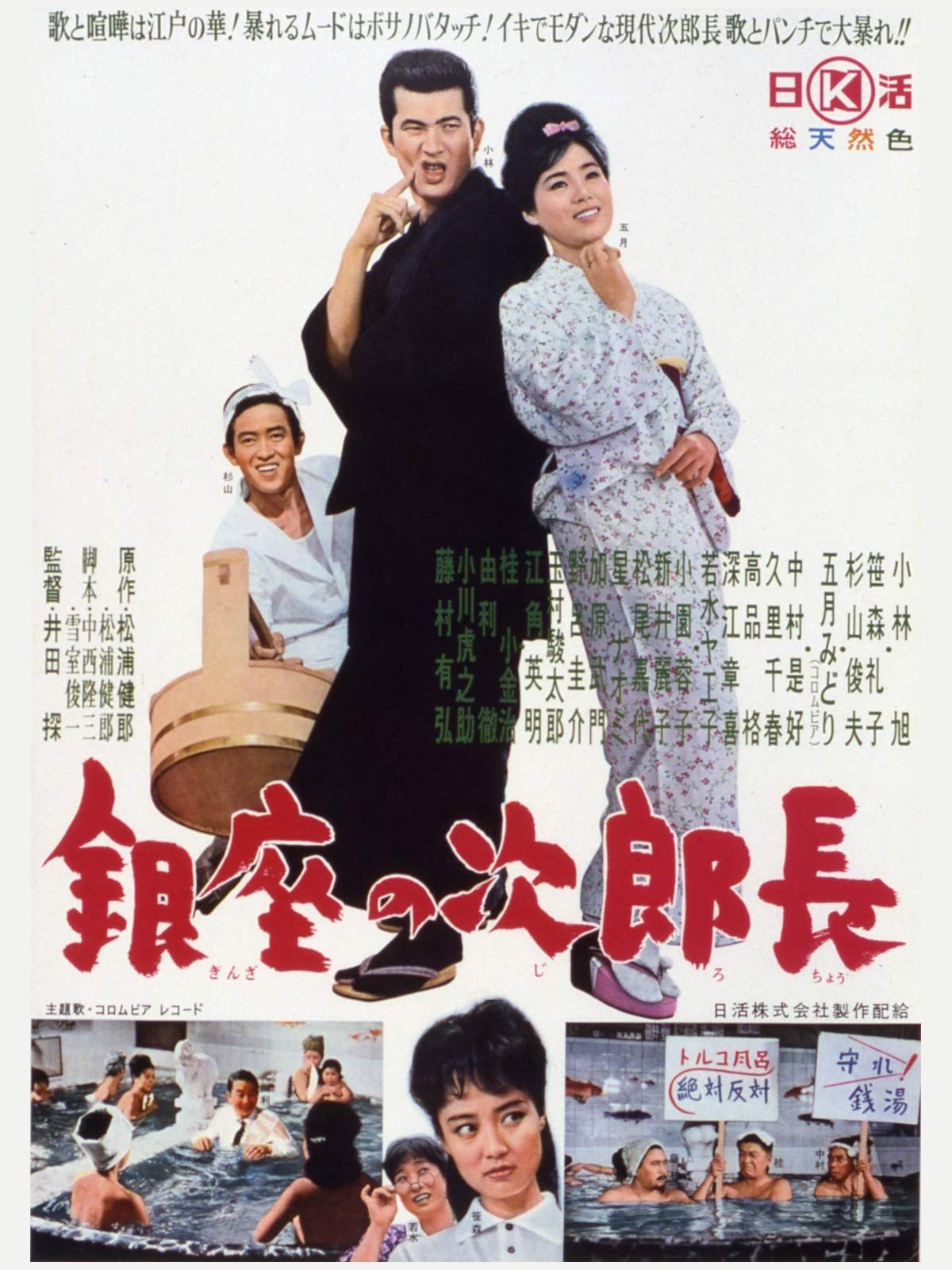
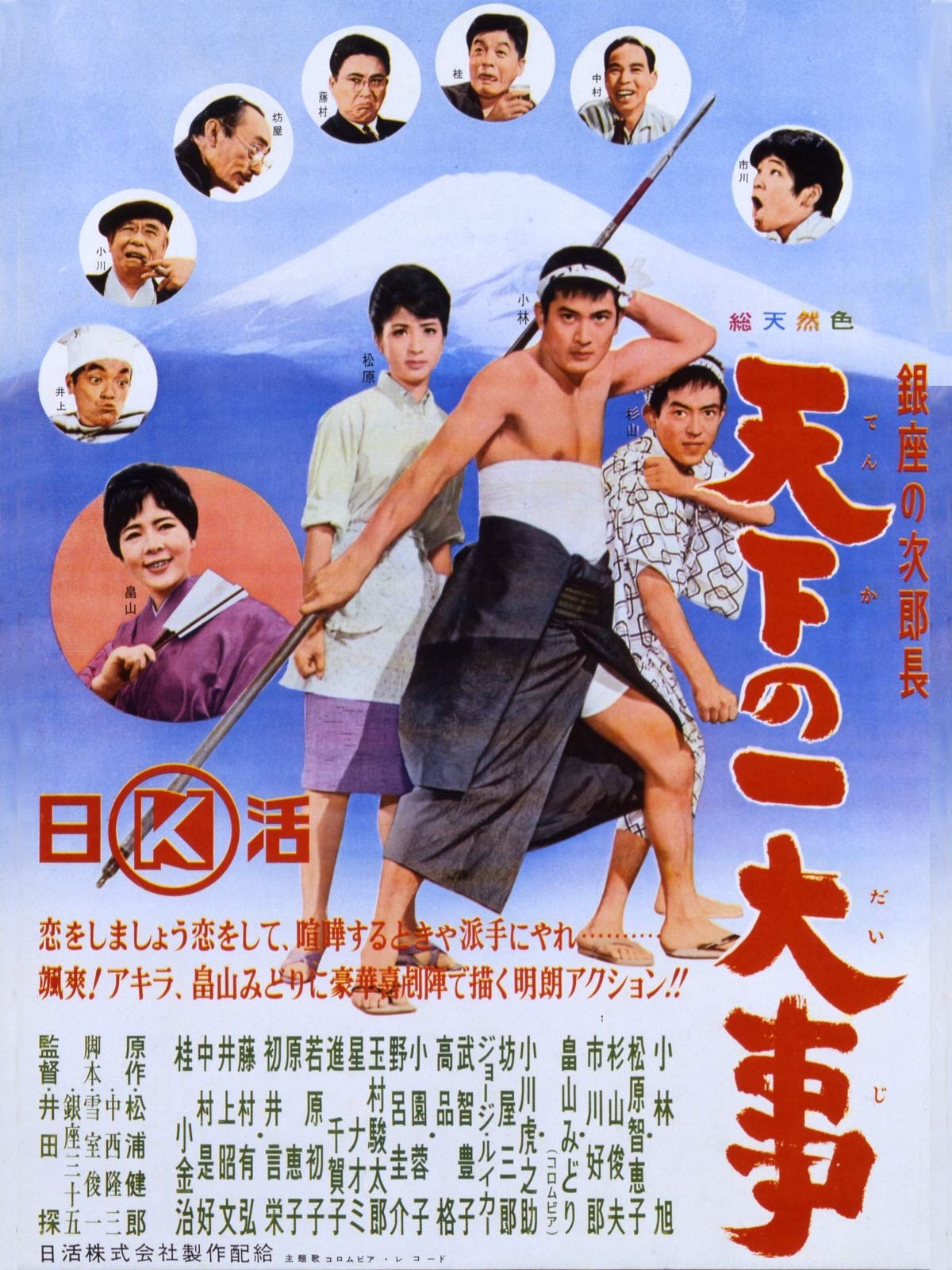

1961 Japanese movie
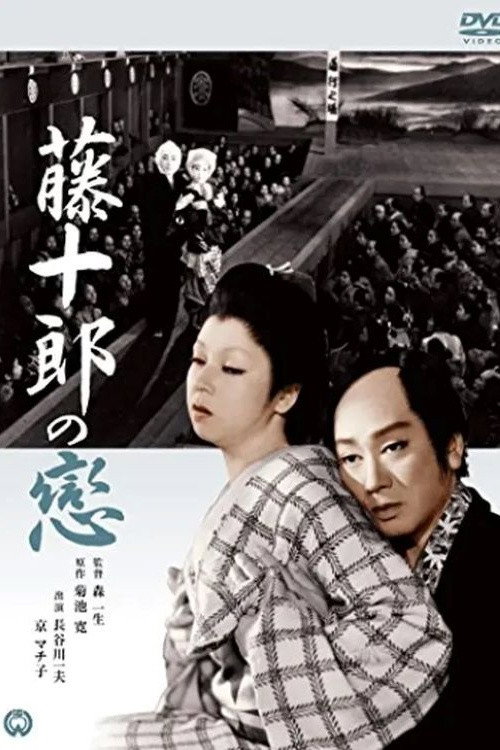
When the hidden longing of Okaji, proprietress of a traditional restaurant, for the celebrated actor Tōjūrō Sakata finally comes to light, a shocking incident unfolds.