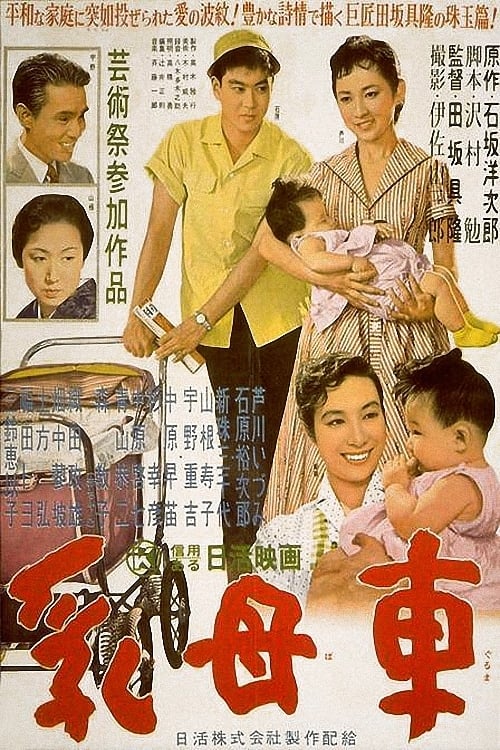
Upon discovering that her father has a mistress, a young girl befriends the "other woman" and her child. Realizing that her half-sister is doomed to being regarded as an outcast, the heroine sets about to spiritually legitimize the girl.
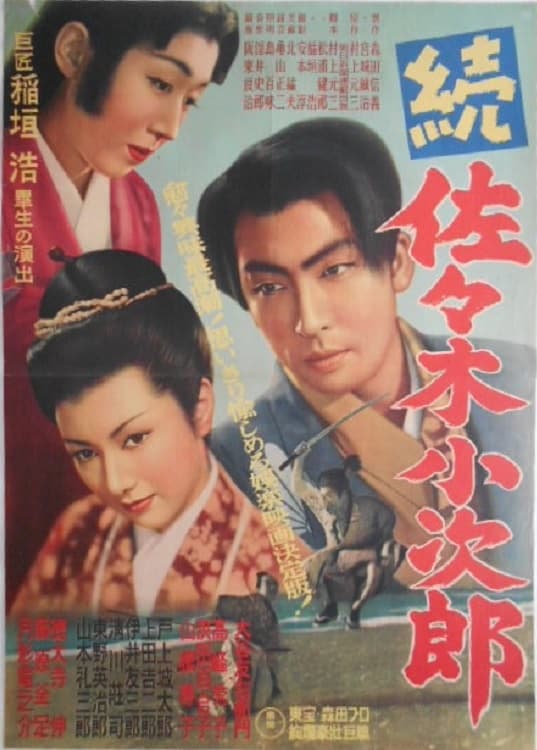
1951 Japanese movie
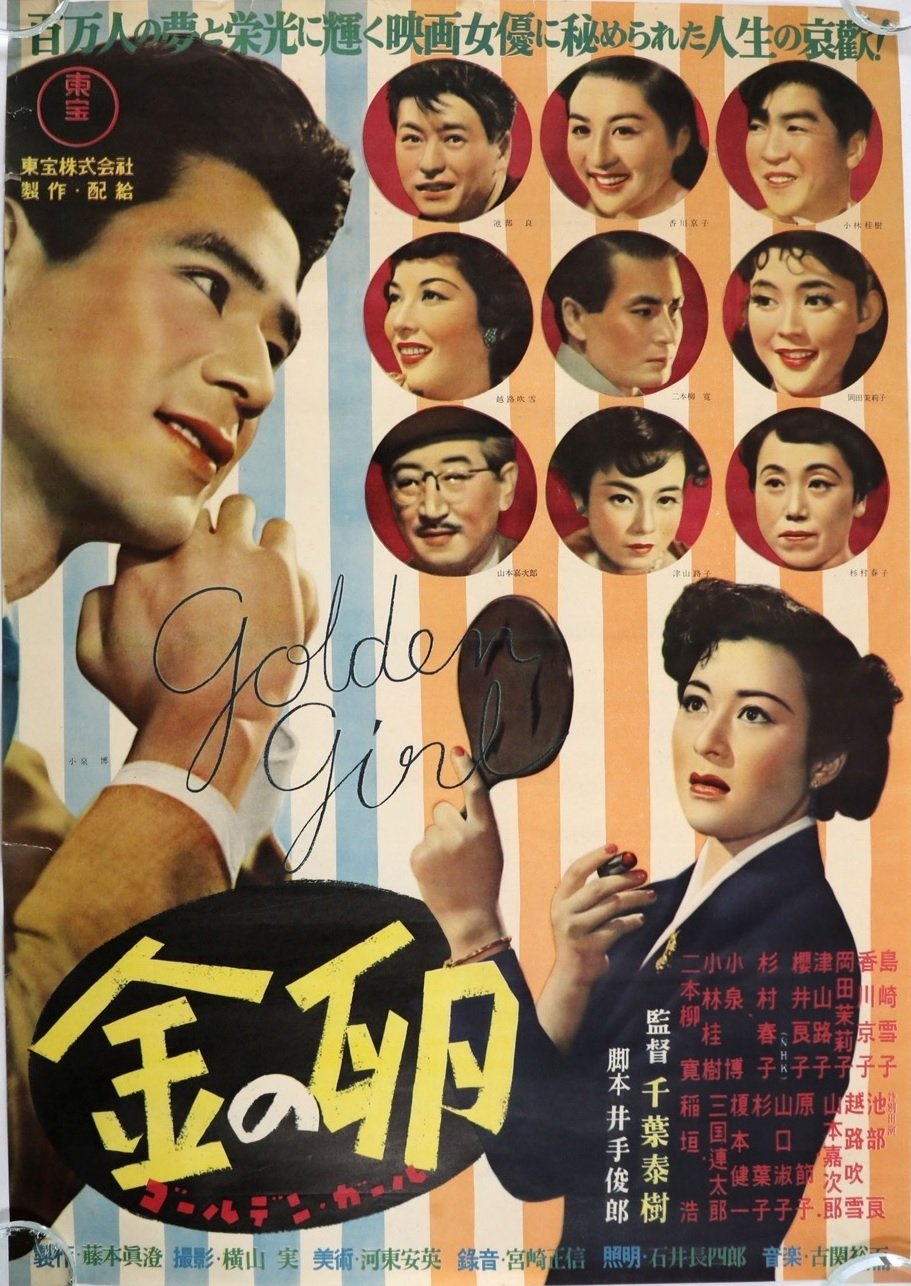
Once an average and seemingly ordinary Tokyo girl, she suddenly finds herself as a TV star owing to her discovery by a casting company, which noticed photographs that her cousin had sent. When another actress falls ill she is given the role instead. Her first film is a success propelling the young actress to popularity, her own fans, money and a house. While everything looks dandy from the outside not all is well within the family however.
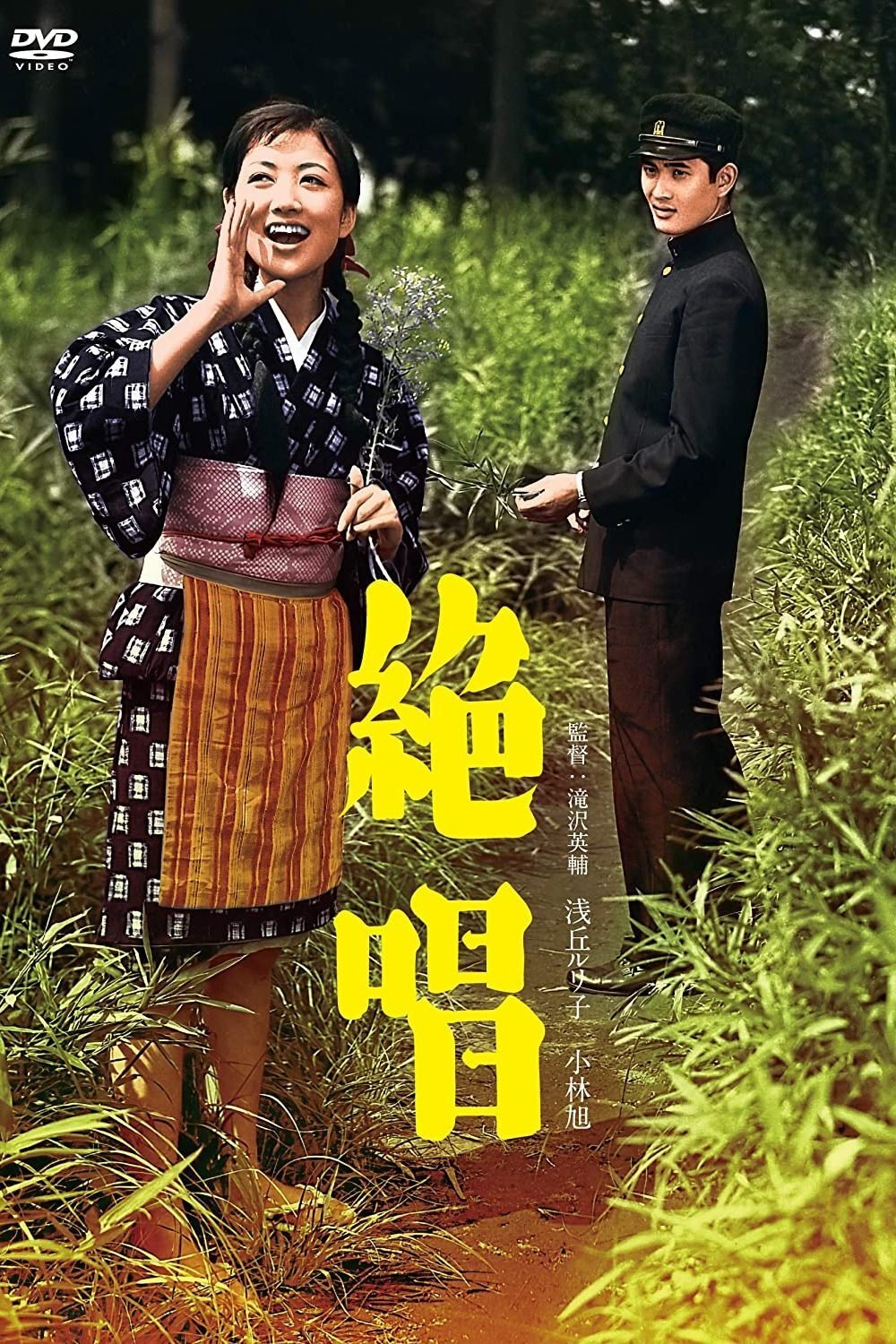
The story of the tender love between Junki, the son of a wealthy landowner, and Kayuki, the daughter of a forester, who decided to unite their destinies against their parents' wishes. Neither war nor years of separation could kill this love. It was only cut short by Kayuki's tragic death.

Michiko Asakura was married to the eldest son of the Sakuma family, an unsealed family in Shinshu, but died from her husband and returned to her parents' house in Tokyo with her five-year-old daughter Yoshiko.
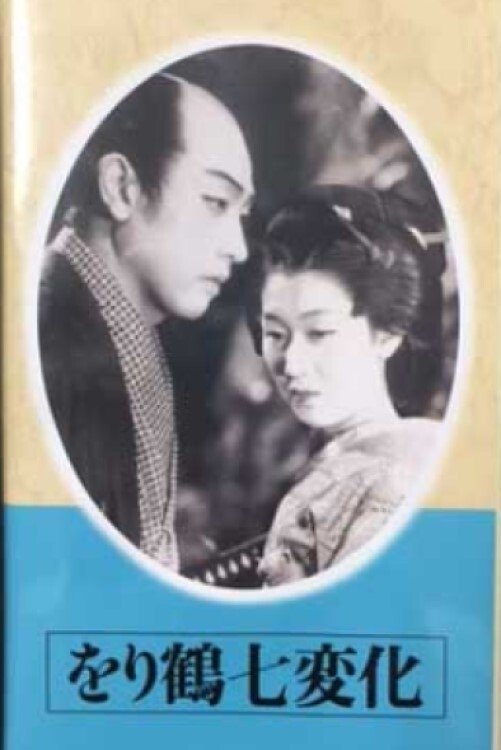
The story is based on the serial novel by Tsunoda Kikuo.
The story is based on the serial novel by Tsunoda Kikuo.
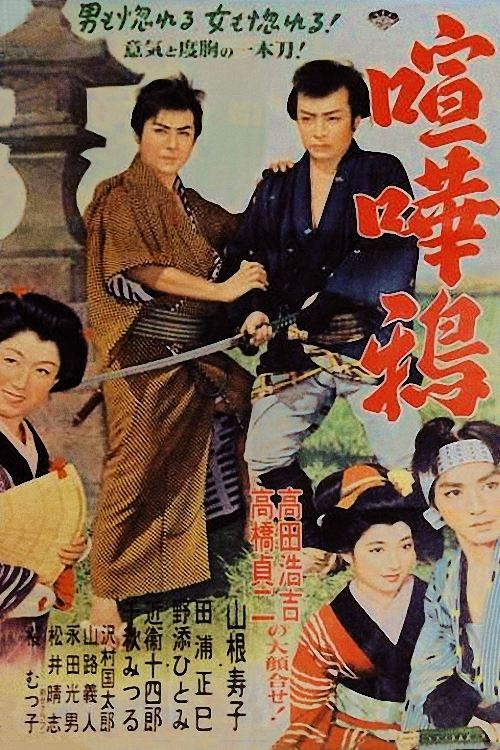
Historical drama about two samurai who fight over everything yet unite together to fight an evil lord.
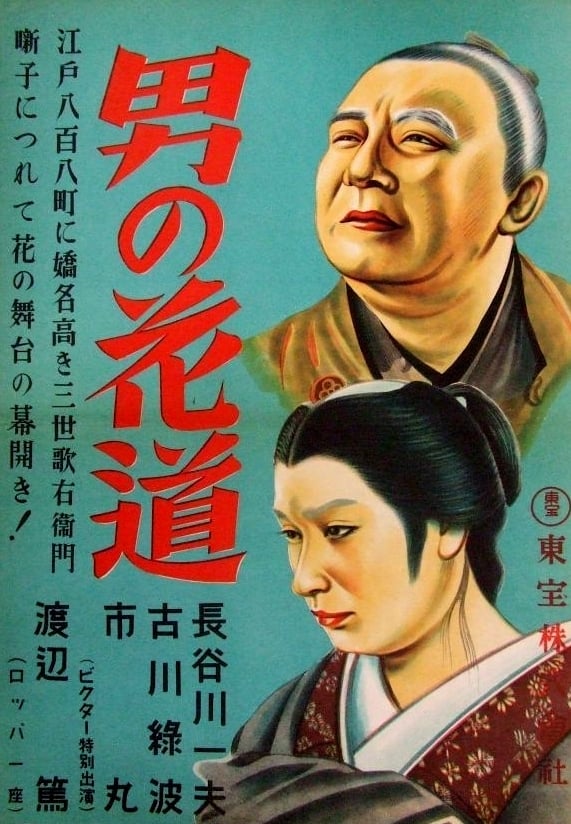
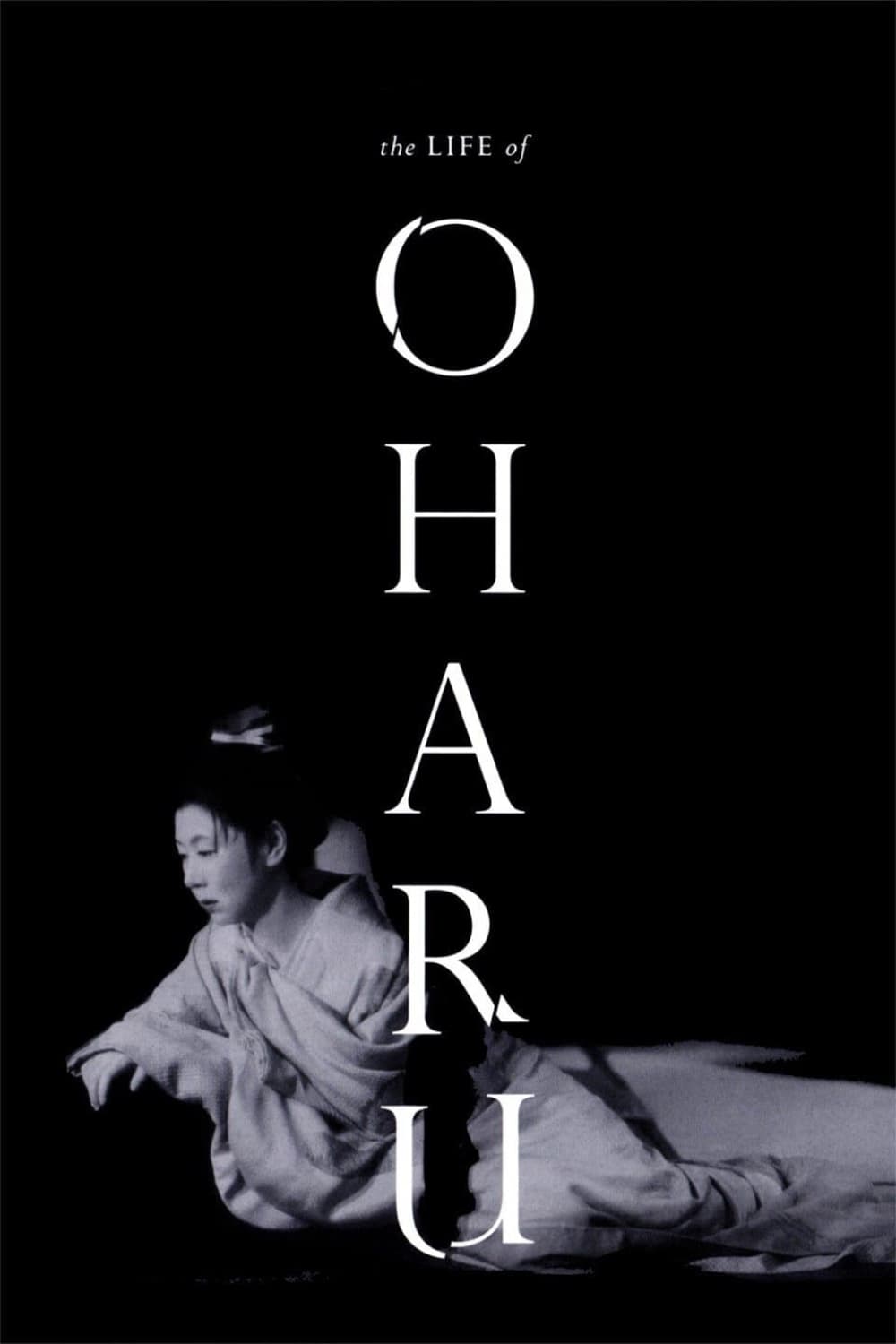
During the Edo Period, a noblewoman's banishment for her love affair with a lowly page signals the beginning of her inexorable fall.
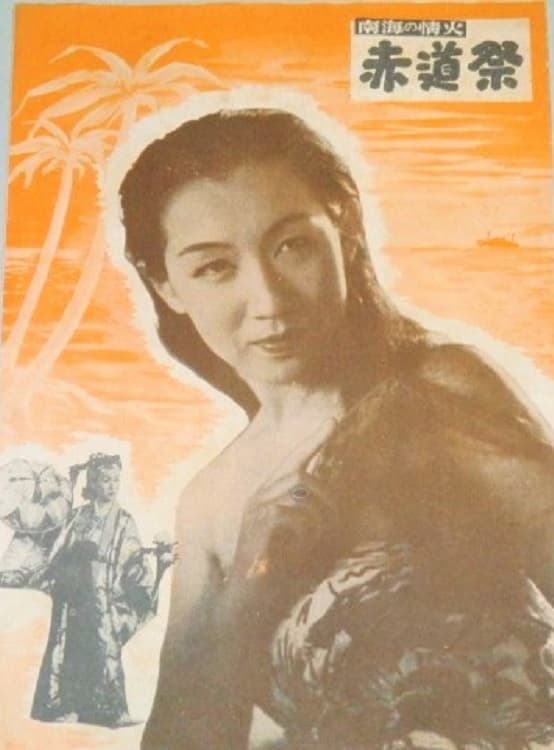
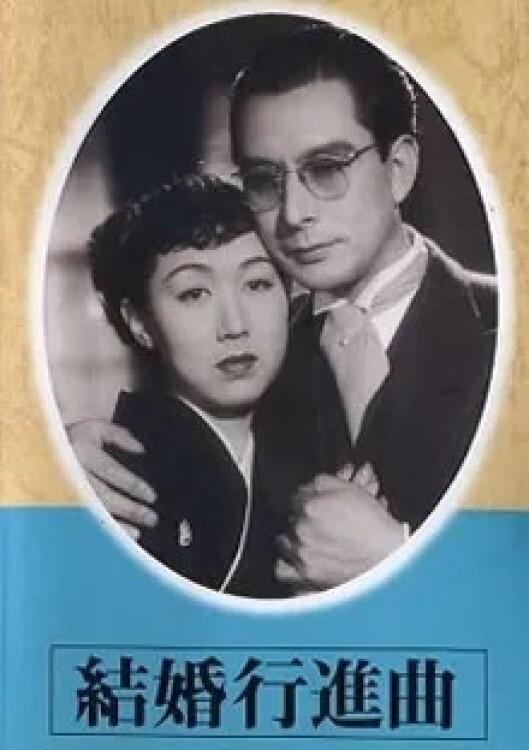
Melodrama by Kon Ichikawa
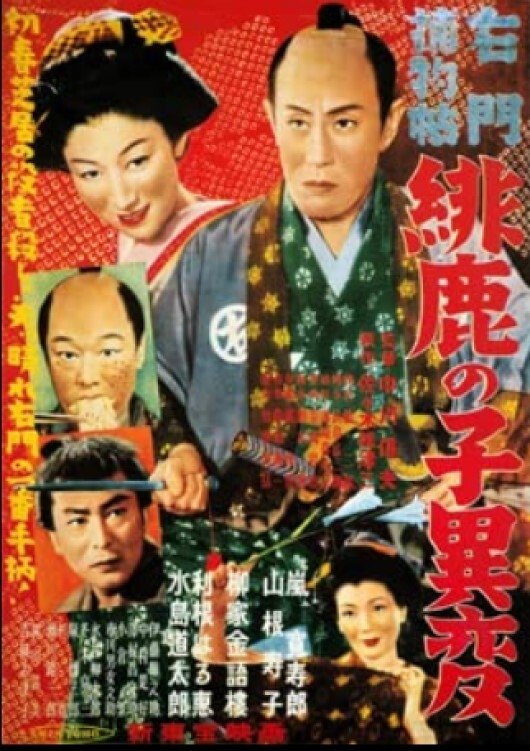
Period film about the legendary detective Umon
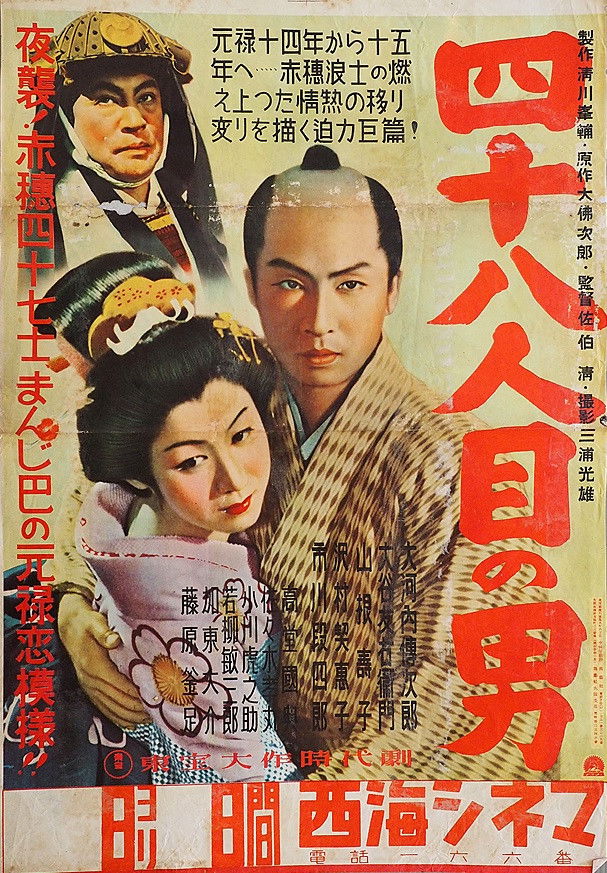
Jidai-geki by Kiyoshi Saeki
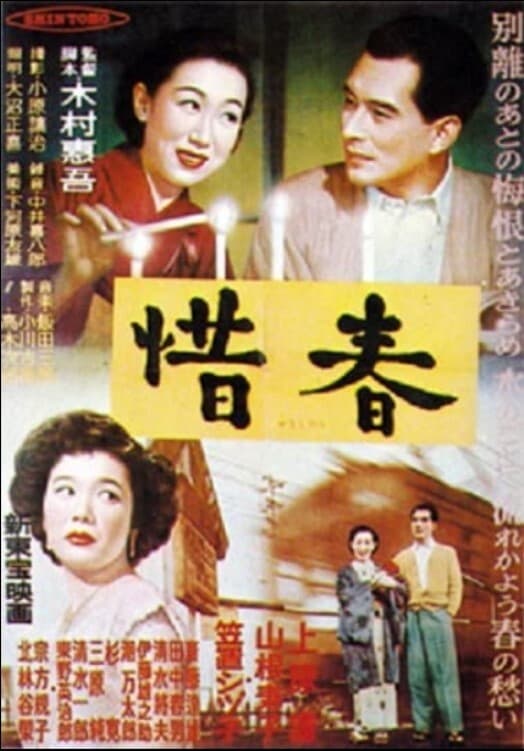
Bittersweet shomin-geki drama by Keigo Kimura

1944 war movie
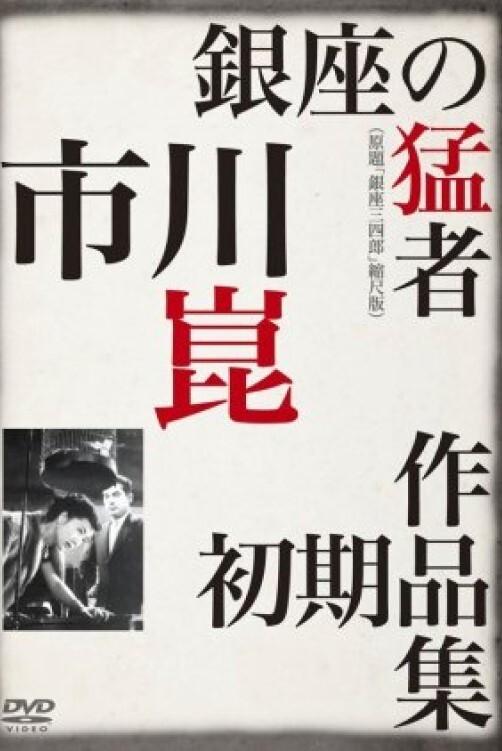
An early film by Kon Ichikawa
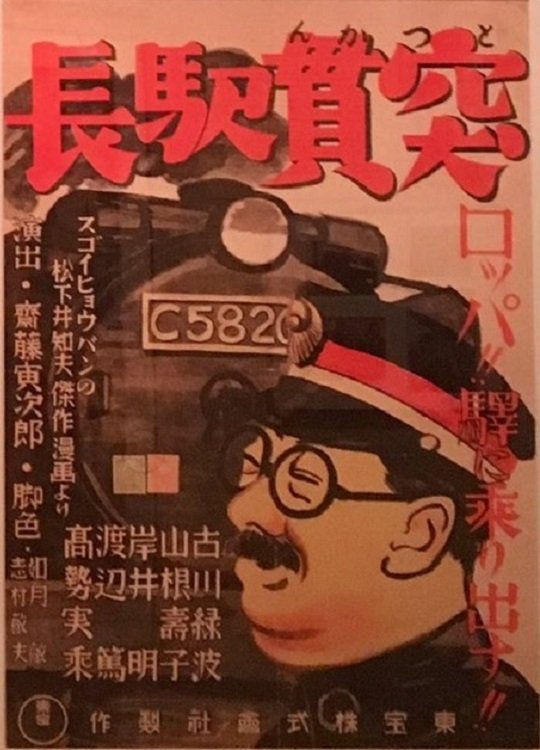
Based on the comic by Ichio Matsushita
1942 adaptation of Izumi Kyoka's novel.
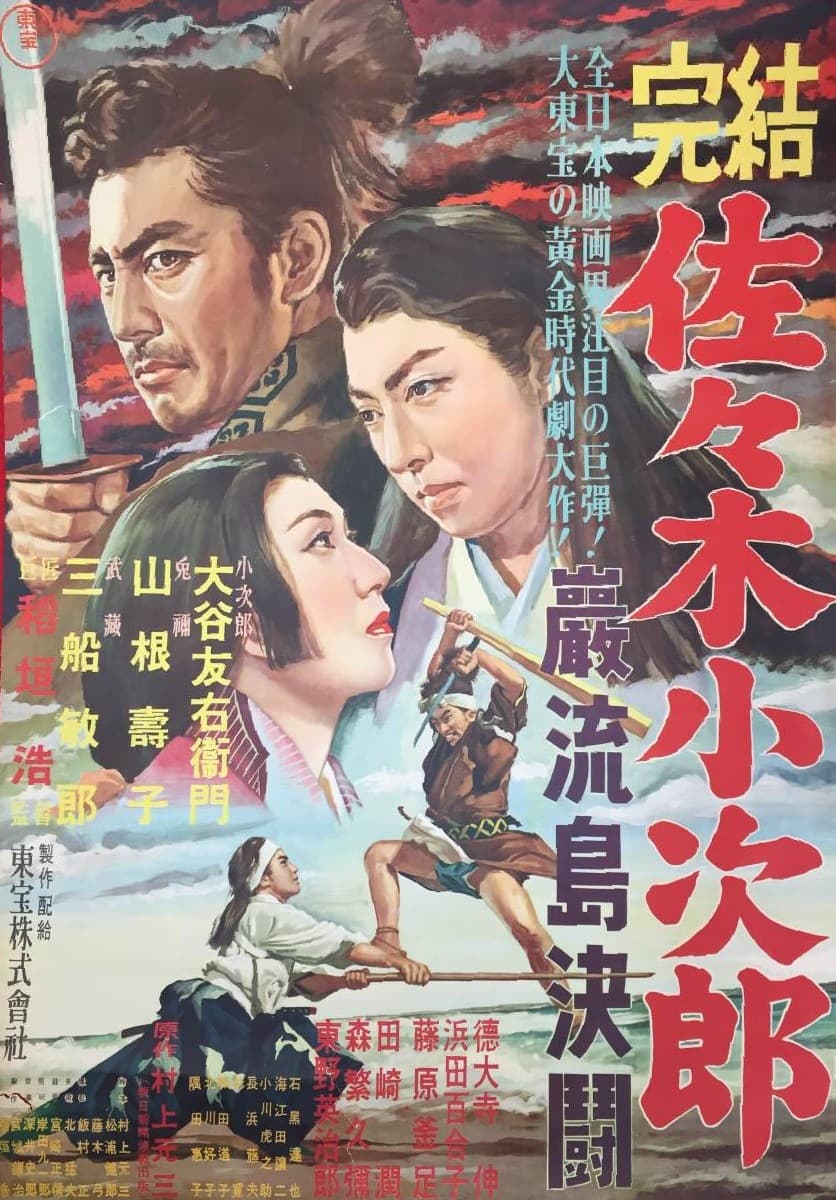
Director Hiroshi Inagaki's early version of the life and death of famed swordsman Sasaki Kojiro. Otani Tomoemon gives a brilliant performance as Sasaki Kojiro, who rises from humble beginnings to national fame, and a young Toshiro Mifune appears as the legendary master swordsman Miyamoto Musashi for the first time and essentially sets the standard for future portrayals.This masterpiece is based on the original story as written by noted author Murakami Genzo and is far superior to any other versions. Following Kojiro from his earliest days through his fateful meeting with Musashi, this movie is filled with exciting and dramatic moments culminating in the best version of the final duel ever seen on film.
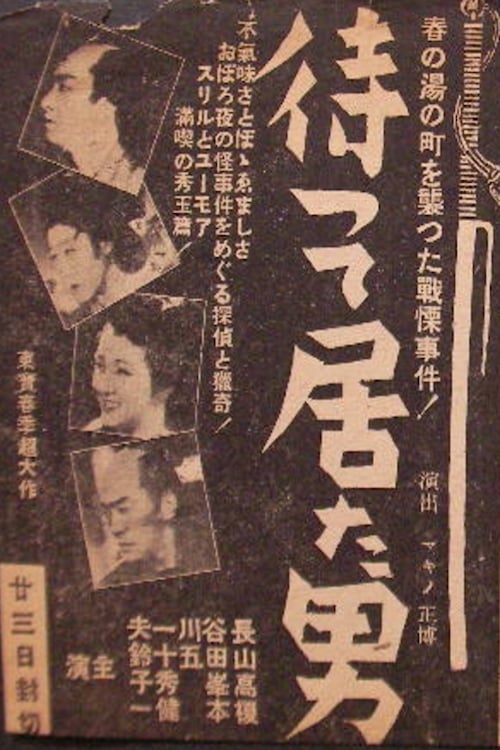
A bizarre murder at a hot springs resort threatens to disrupt an Edo detective's (Hasegawa) vacation. When his hot-blooded wife (Yamada) starts snooping around, however, he finds himself reluctantly drawn in to the case.
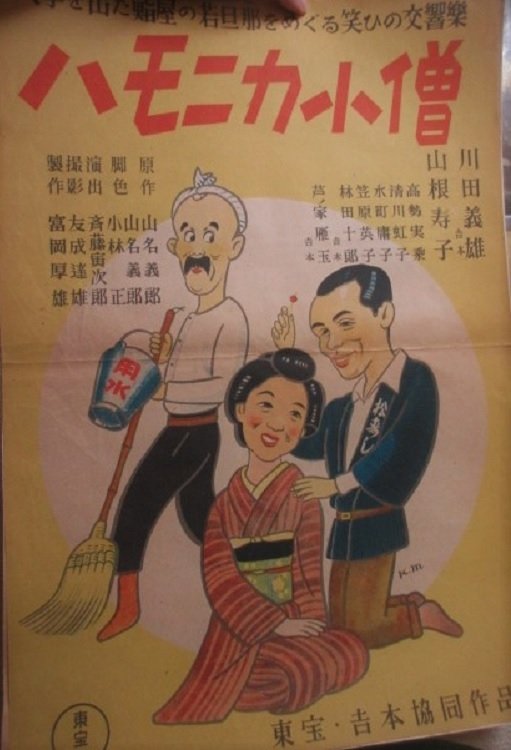
The only son of a sushi chef hates sushi and decides to leave home to search for a job and make his own way.
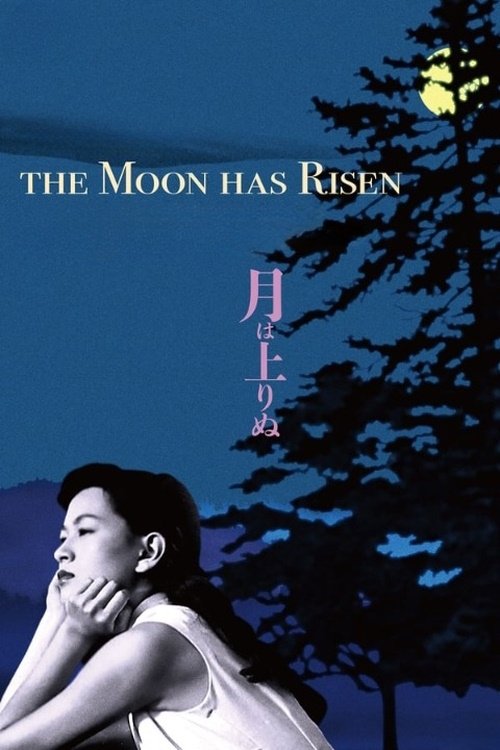
Mokichi is the widowed father of three daughters, with whom he lives on the premises of a temple since the war. All three daughters become involved in some sort of complicated relationships.
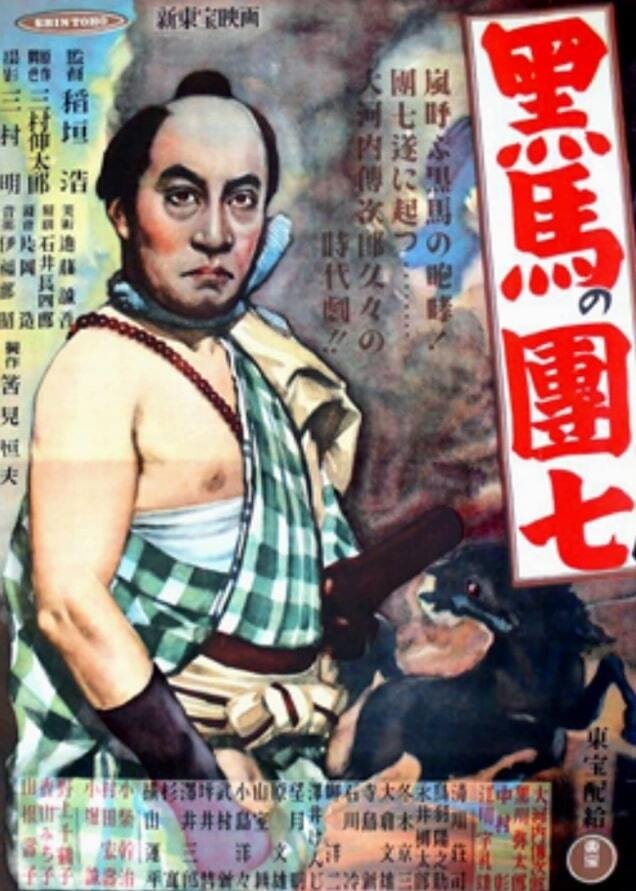
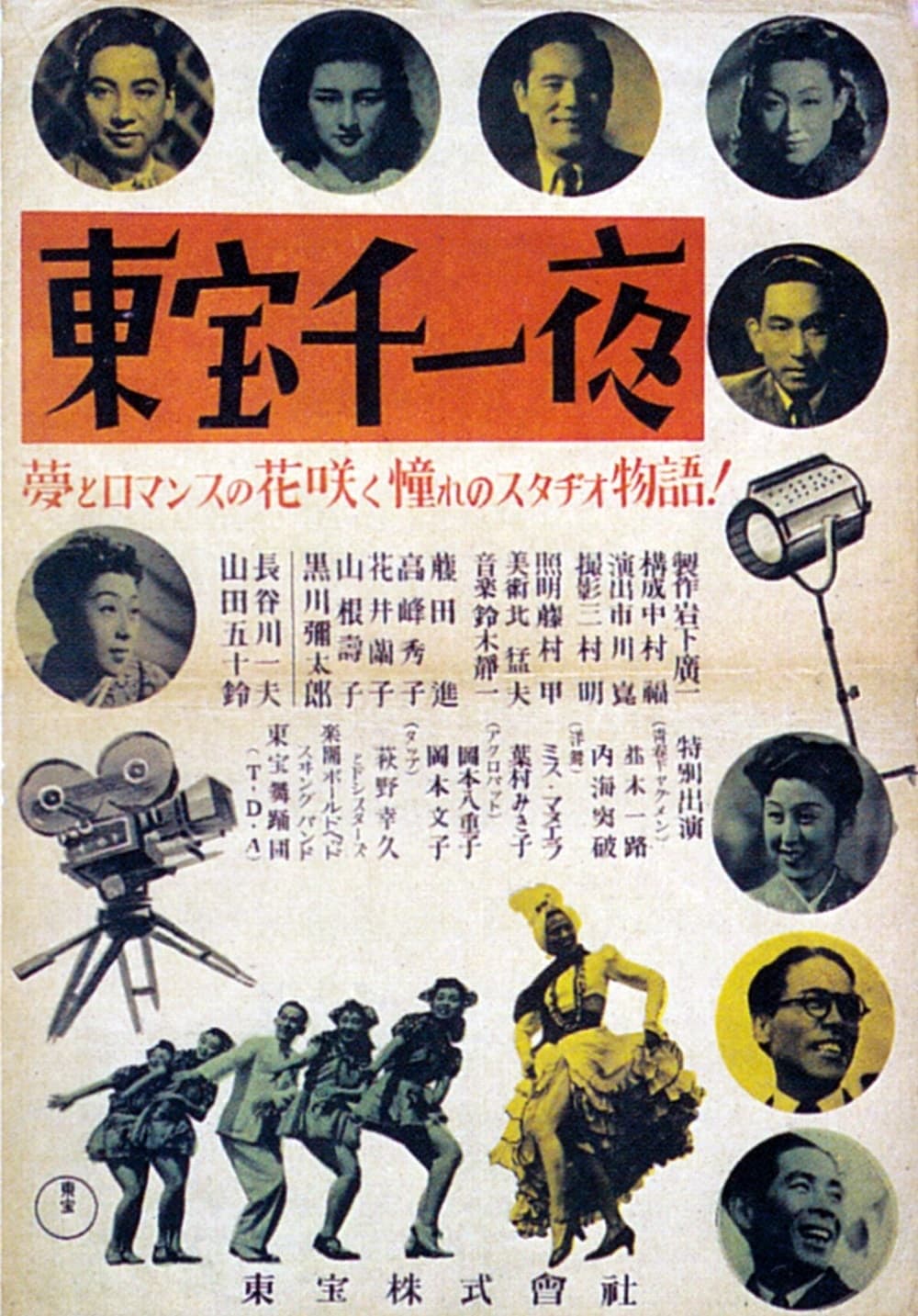
The debut film of Shin Toho Productions
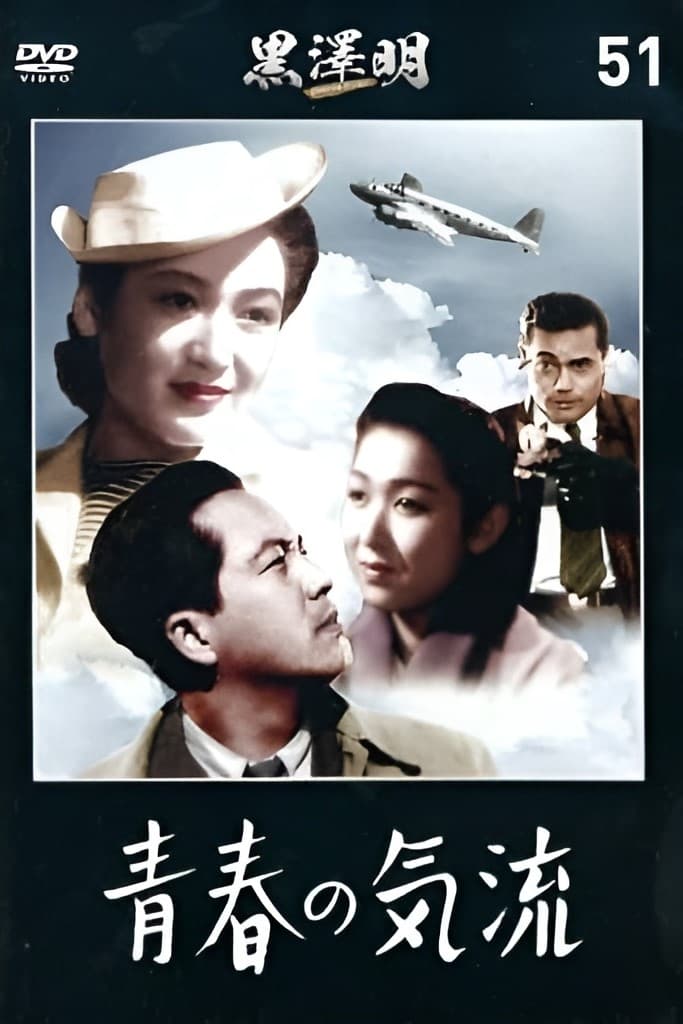
It was supposed to be about a love story, but it was and was not. An aircraft mechanic working for the government is matched by his boss with the latter man's daughter (Setsuko Hara) who is both beautiful and aggressive. Yet, he picks a woman who is less assertive as his bride.
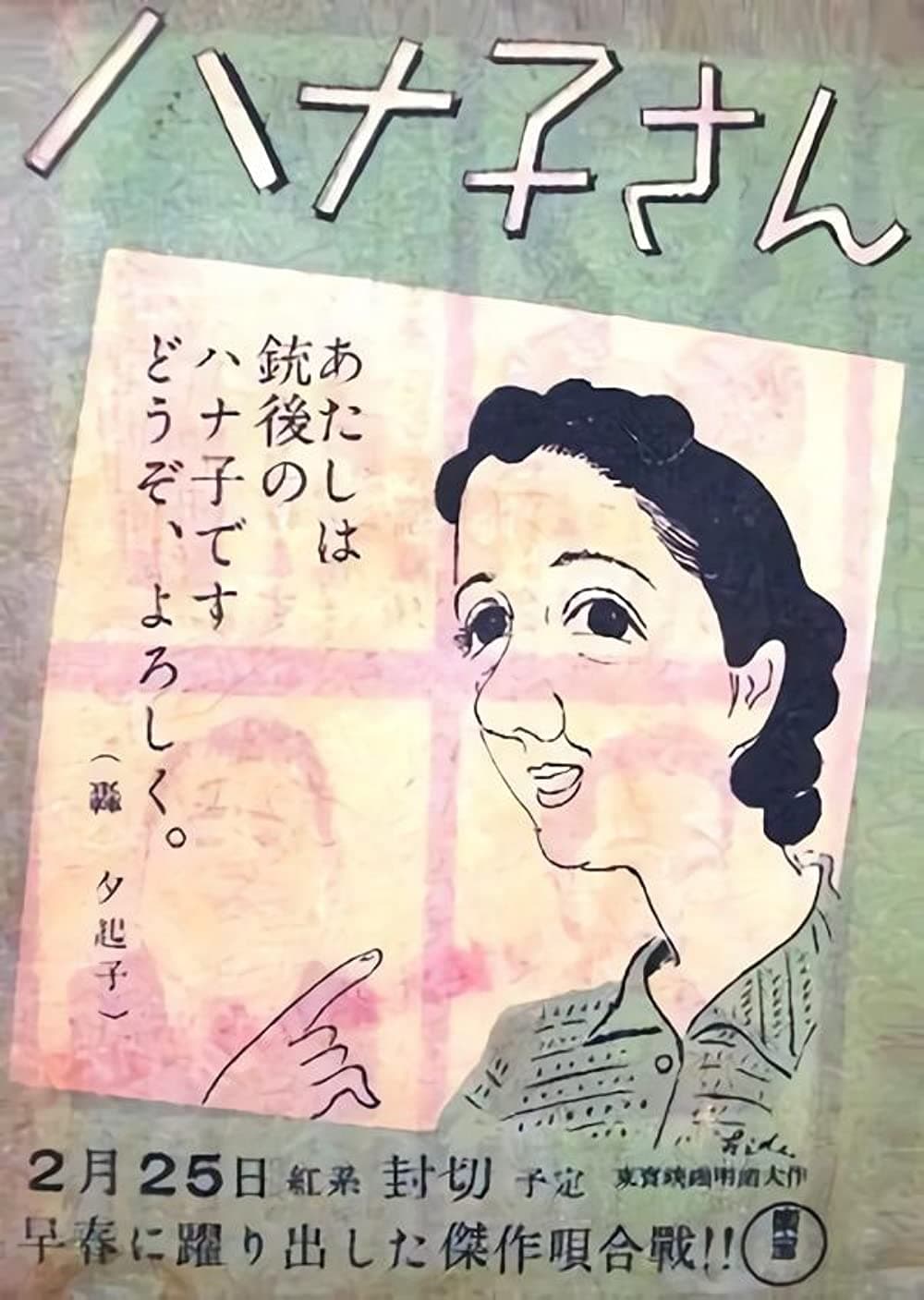
Hanakosan (1943, TOHO, MAKINO Masahiro), a thoroughly light and joyful musical comedy, influenced by Busby Berkeley films, against the national policy under the wartime, was made into a film from comic serials by SUGIURA Yukio published in a magazine.
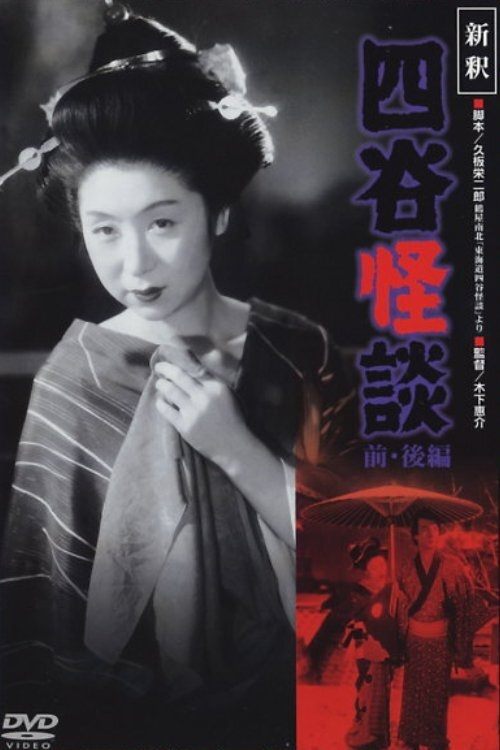
Part 2 starts where the first film ended, with Iemon disposing of the bodies of his wife and Kohei, marrying upward, and being blackmailed by the evil Naosuke.
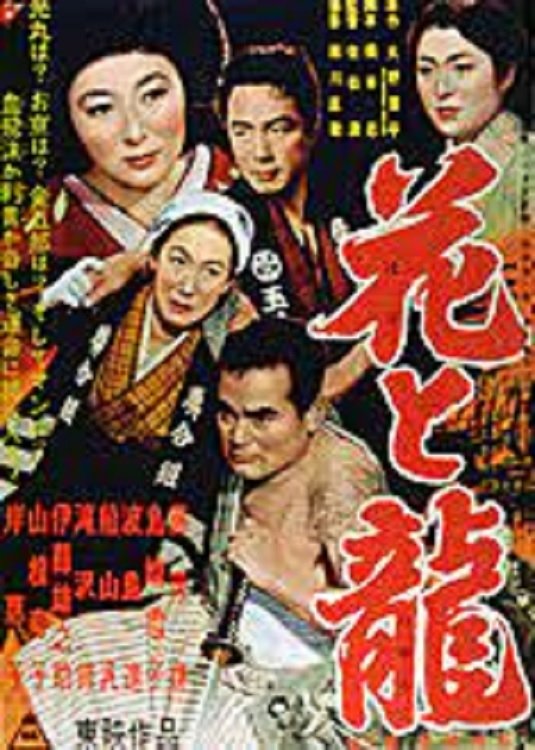
Dai-ni-bu: Aijô ruten: Kiyoshi Saeki directed movie
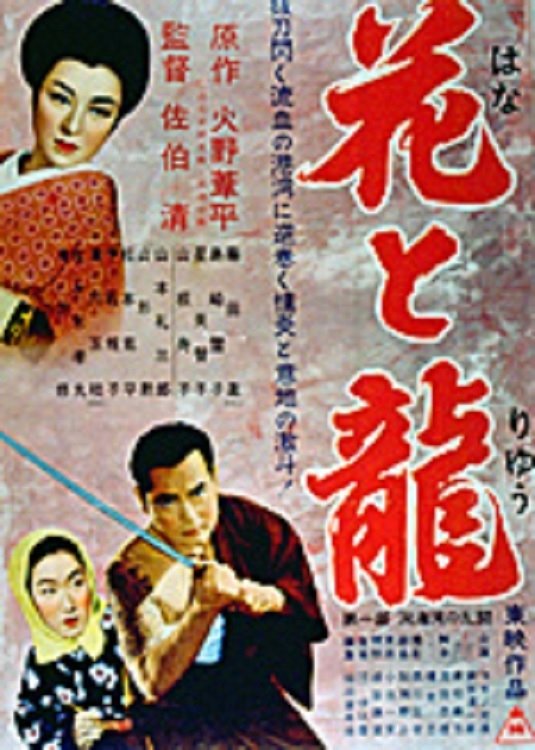
Dai-ichi-bu: Dôkai-wan no rantô - Kiyoshi Saeki directed movie.
1945 Japanese movie
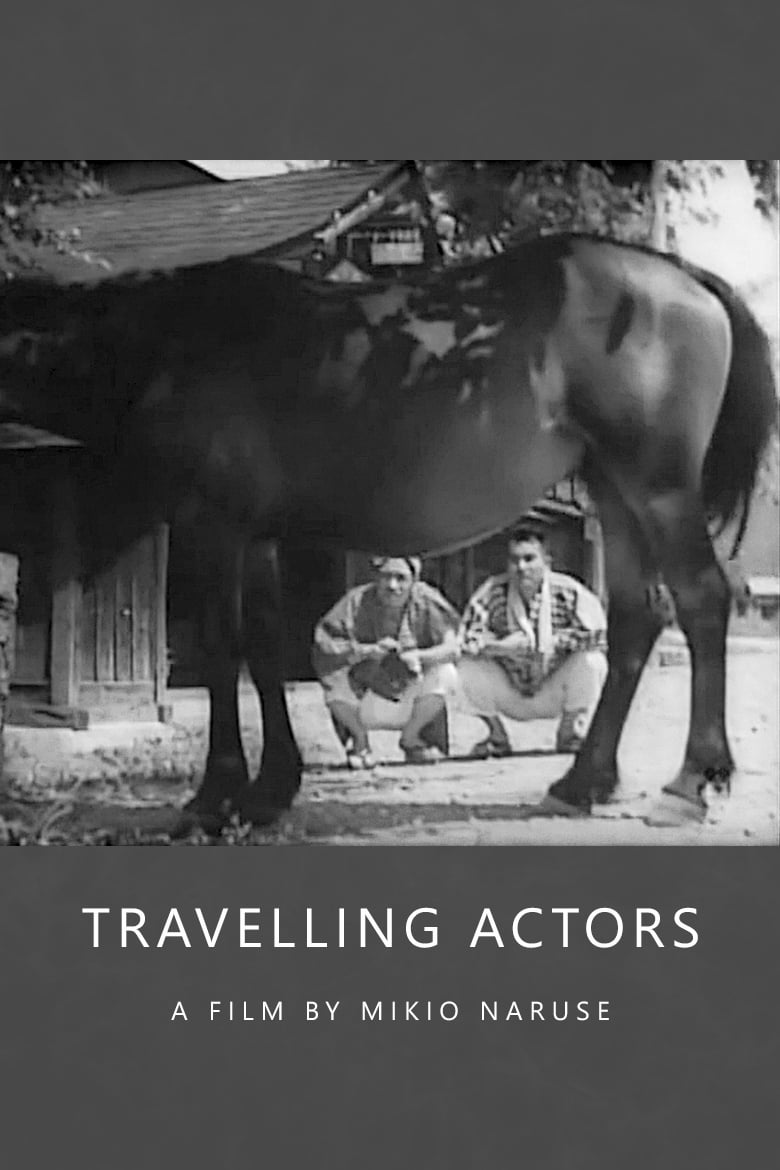
This film depicts a troupe of wandering kabuki players traveling through rural Japan.
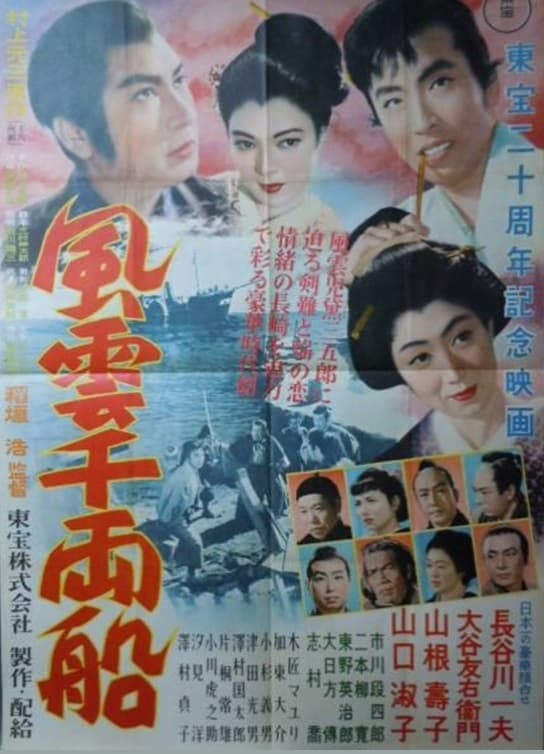
1952 Japanese movie
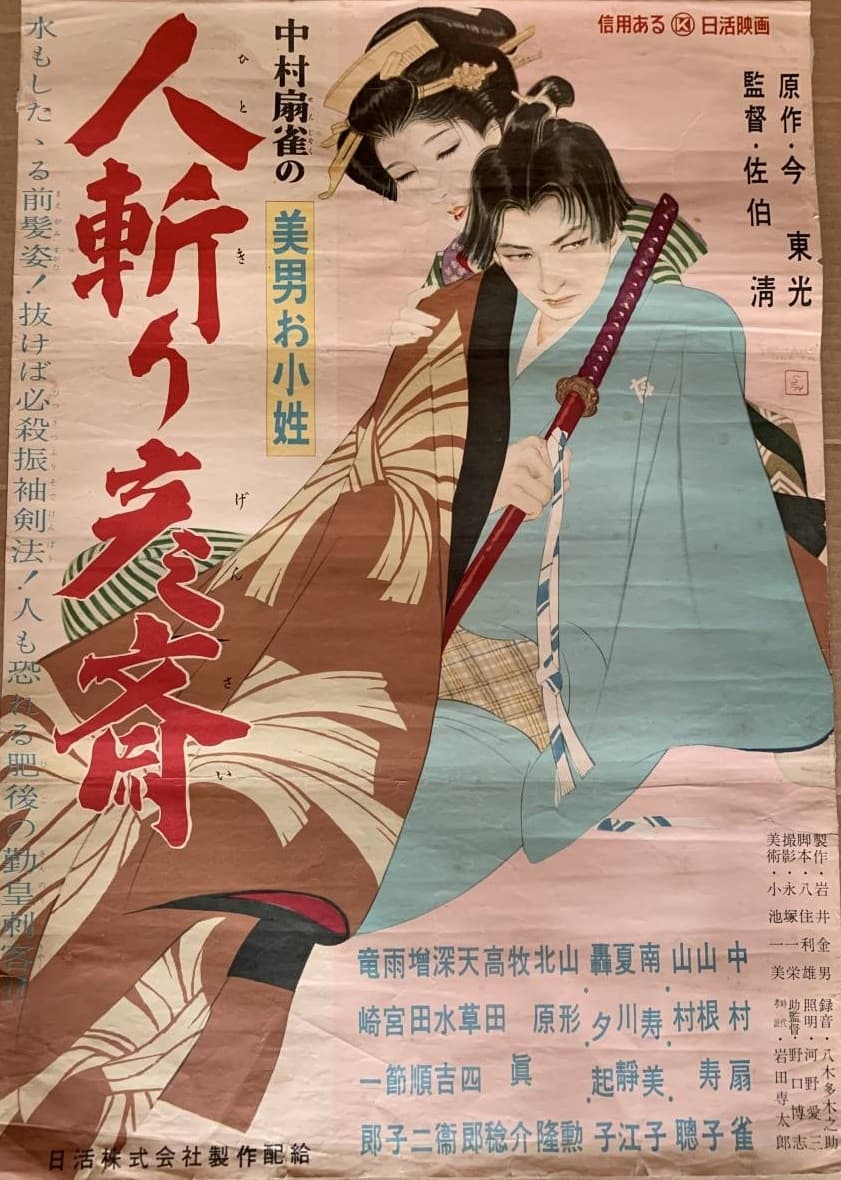
1956 Japanese film, originally released in three parts.
Japanese film released to commemorate the 7th anniversary of Shintoho's founding.
Japanese mystery thriller.
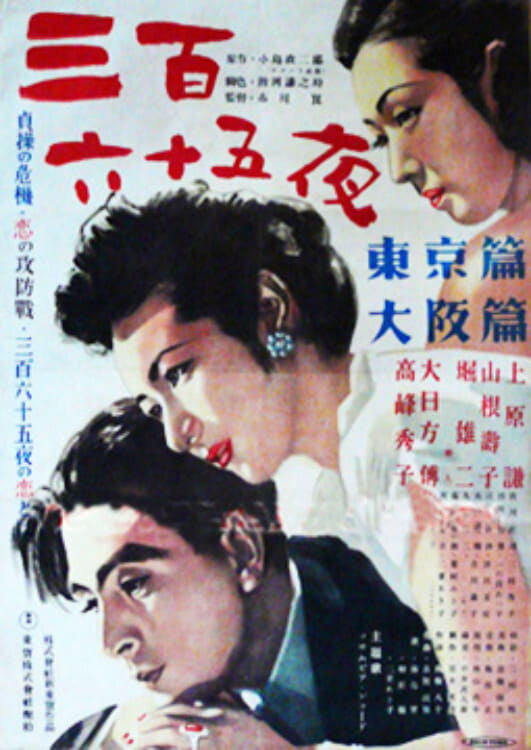
A young man rents an apartment in Tokyo and discover it was built by his father. He falls in love with the daughter of the mistress of the house and decides to marry her. Only to discover that his father is is in debt and wants him to marry Ranko so that she may help his company by granting 1.5 million yen. Teruko decides to borrow money from a greedy bar owner who lends her money on certain conditions and photographs her without her consent. A love traingle forms between Koroku, Ranko, and Teruko. Things complicate when Koroku marries Teruko and Tsugawa threatens them for the money causing many twists and turns.
Government-sponsored film set during the Pacific War, depicting the lives of people working as stevedores.
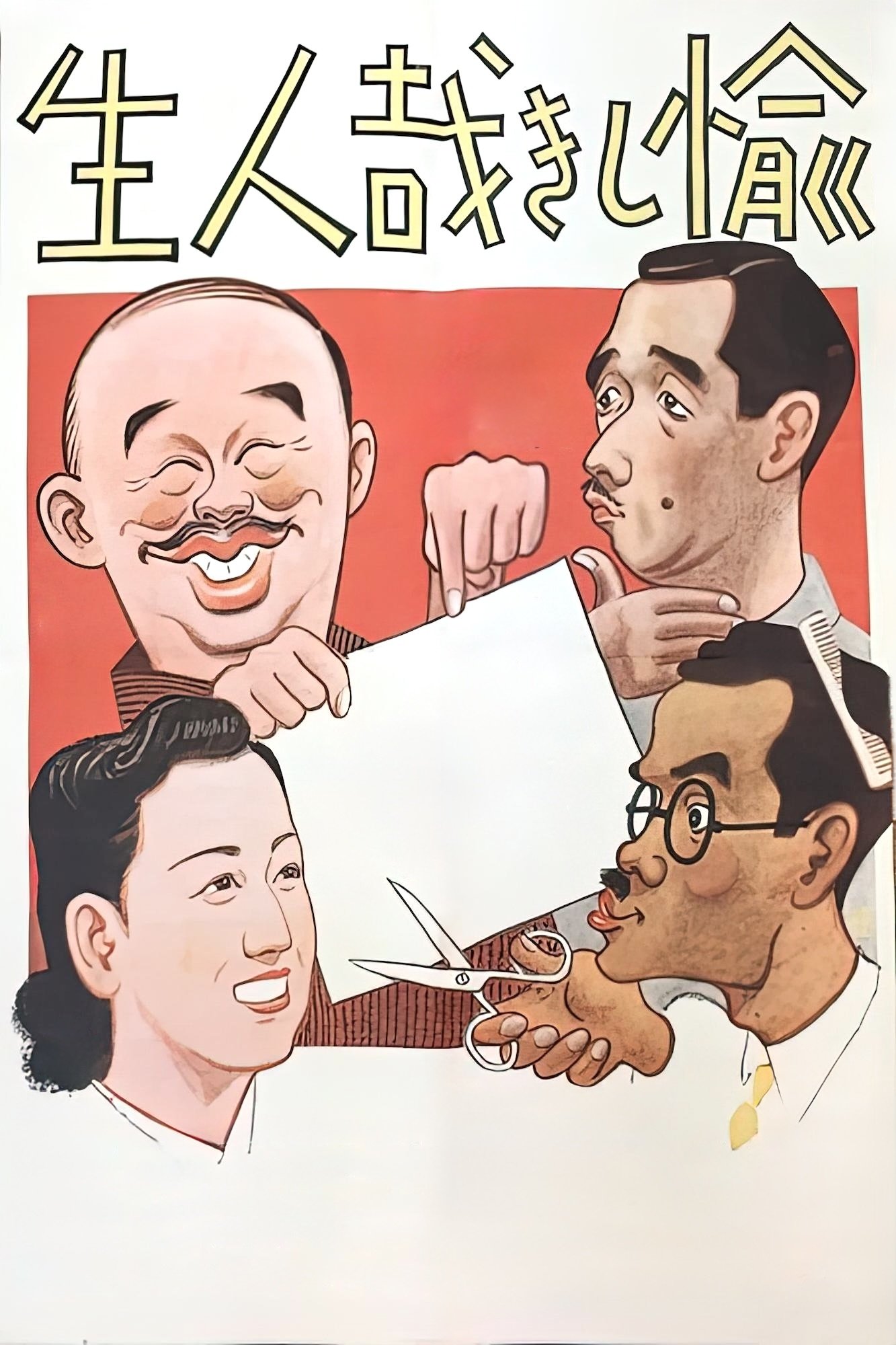
A small community in wartime Japan learn how to make do with less.
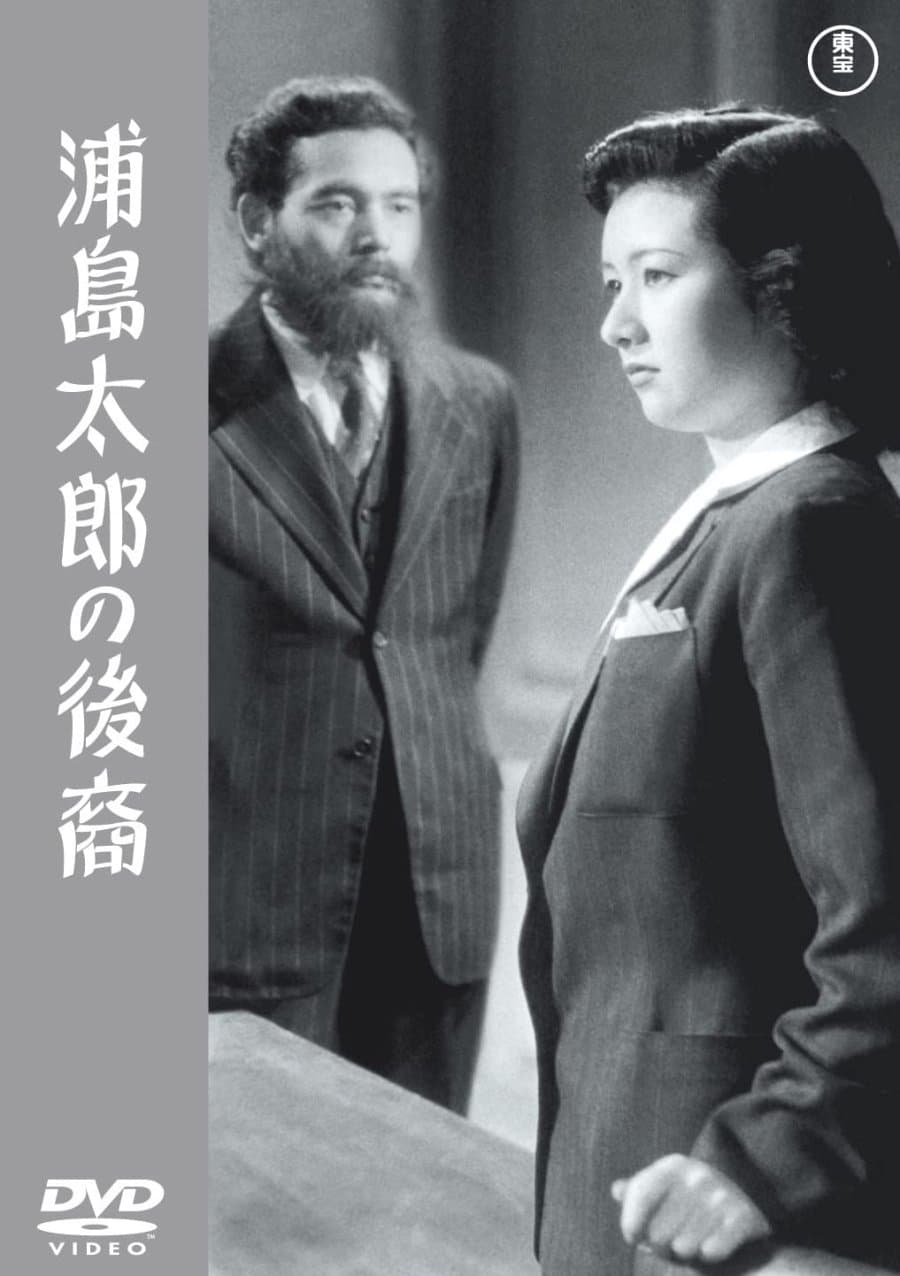
Reputedly based on Frank Capra’s 1939 film Mr. Smith Goes to Washington, A Descendant of Tarô Urashima is about a repatriated soldier who becomes populist politician in the Japanese Happiness Party.
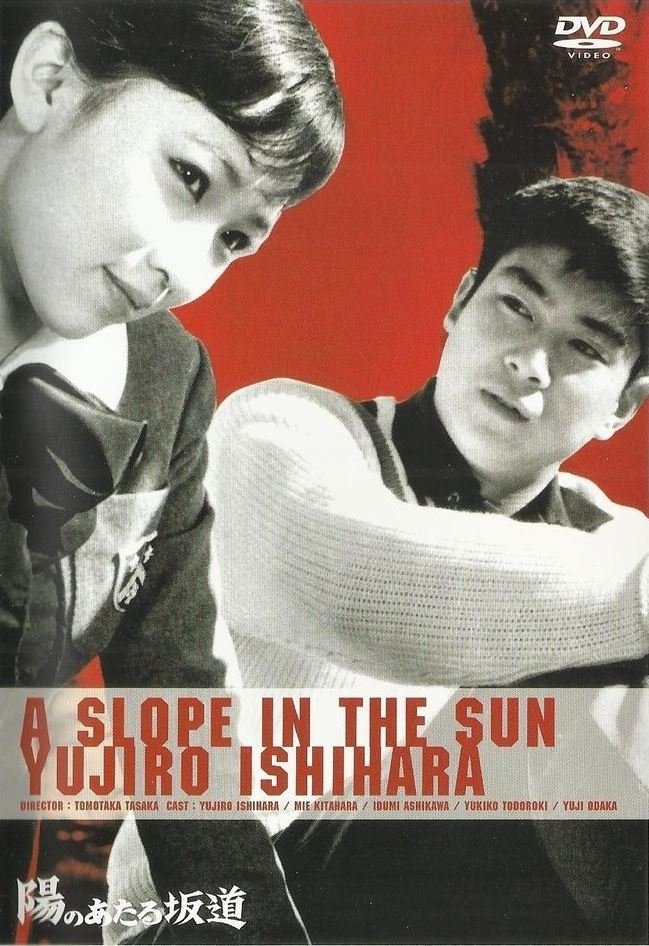
The young Takako Kuramoto has come to Tokyo to study and starts working for the rich Tashiro family as tutor of the daughter, Kumiko, while she receives attention from her two older brothers, Yukichi and Shinji. Meanwhile, the exact parentage of Shinji comes to light.
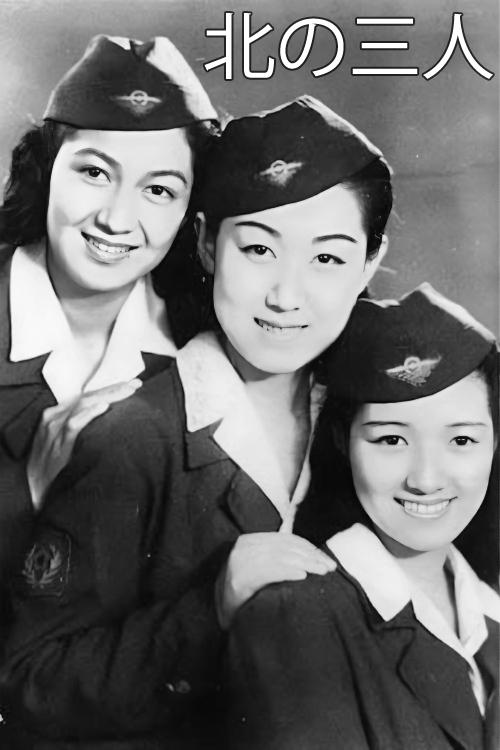
The story of an airport and its air traffic control crew in a remote and northern Japanese town. Three of the air traffic controllers are female with one of them working with her dead fiancé's sister. The engaged man had gone to war and never returned.
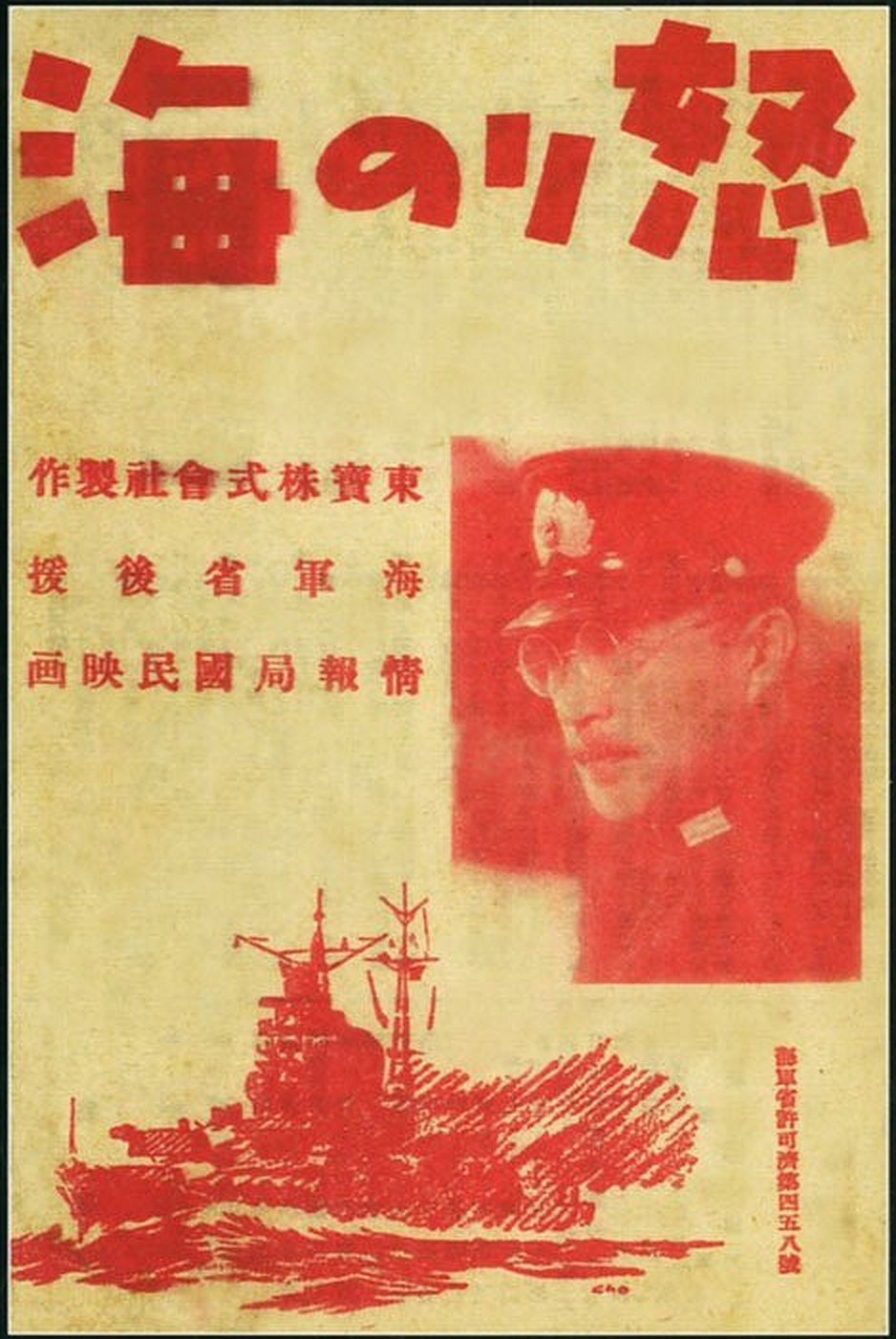
It is 1921 and a town has a newspaper which prints urgent bulletins as required. The Washington-based CITES treaty, in which Japan participates, puts a limit on the number of warships any country can possess. As a result, Japan has to decommission a ship to its makers' disappointment. An institute of technology's laboratory designs a new ship. Due to less ships, sailors have to retire and are also disappointed. The laboratory's manager and an admiral are visiting a patient at a hospital and meet coincidentally. The former has a daughter who worries about her father's workload. She asks him to accompany her to a concert. Father has little time, but is convinced for her sake. He is inspired for a ship's design at the performance. The film is inspired by the life of Jo Hiraga.
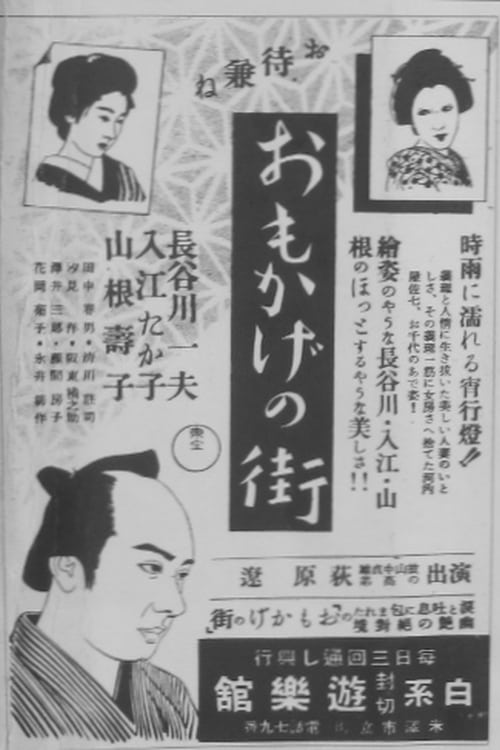
A 1942 film.
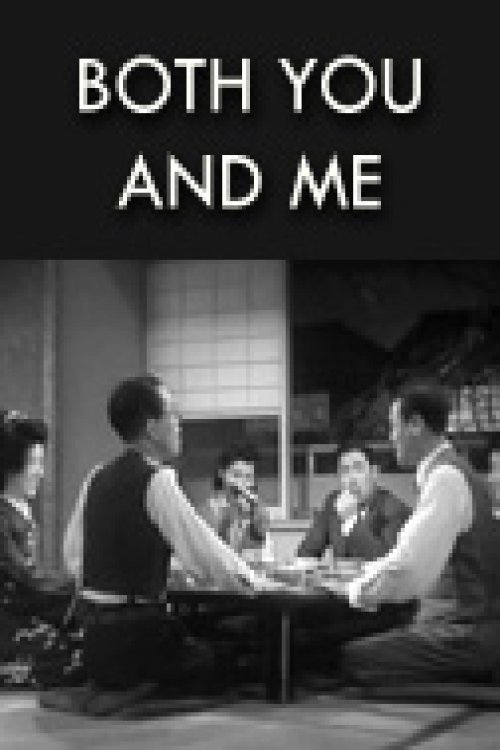
A comedy about two salarymen who routinely degrade themselves for their boss.
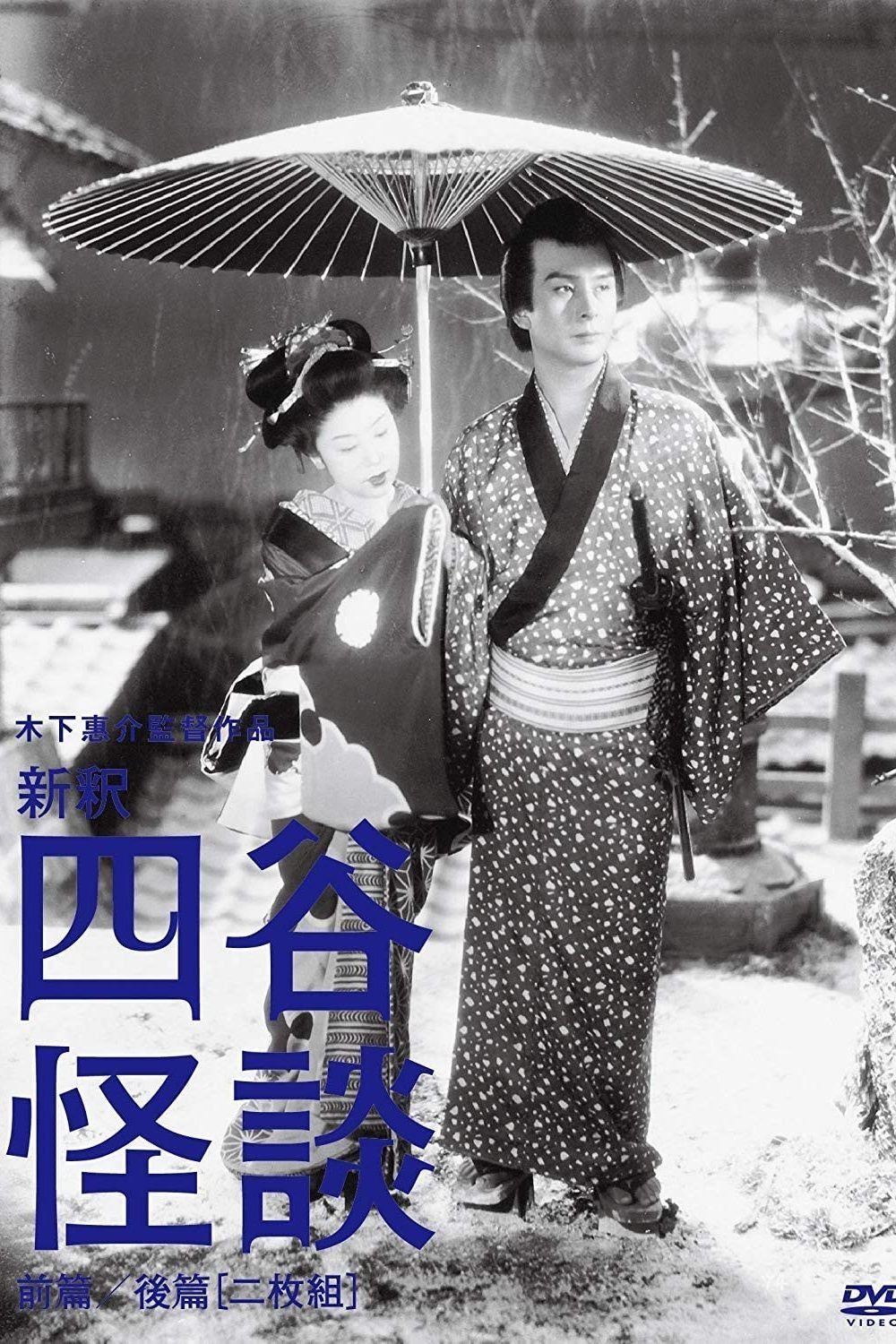
Iemon Tamiya is an impoverished masterless samurai who craves a better life, which he cannot have because of his marriage to Oiwa, who is completely devoted to her husband.
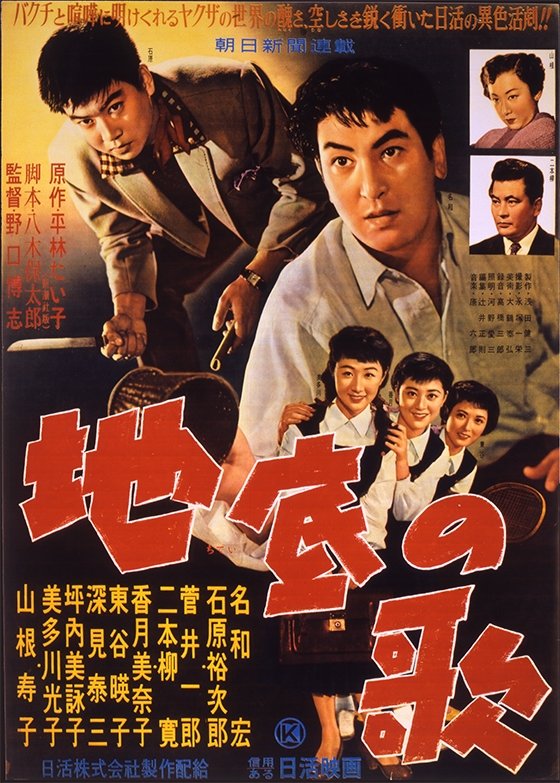
A conflict between two yakuza families in Tokyo, the Izus and the Yoshidas, has recently broken out. When an Izu underling starts a fight with a Yoshida man, Fuyu, the Izu family sends Tsuruta, a senior member of the clan, to make a personal apology to Fuyu. Tsuruta discovers that the woman he is in love with is Fuyu's sister, Tatsuko. Tsuruta ends up gambling with a swindler, who is in fact Tatsuko's husband. (The general plot of the film was re-used for Seijun Suzuki's Kanto Wanderer).
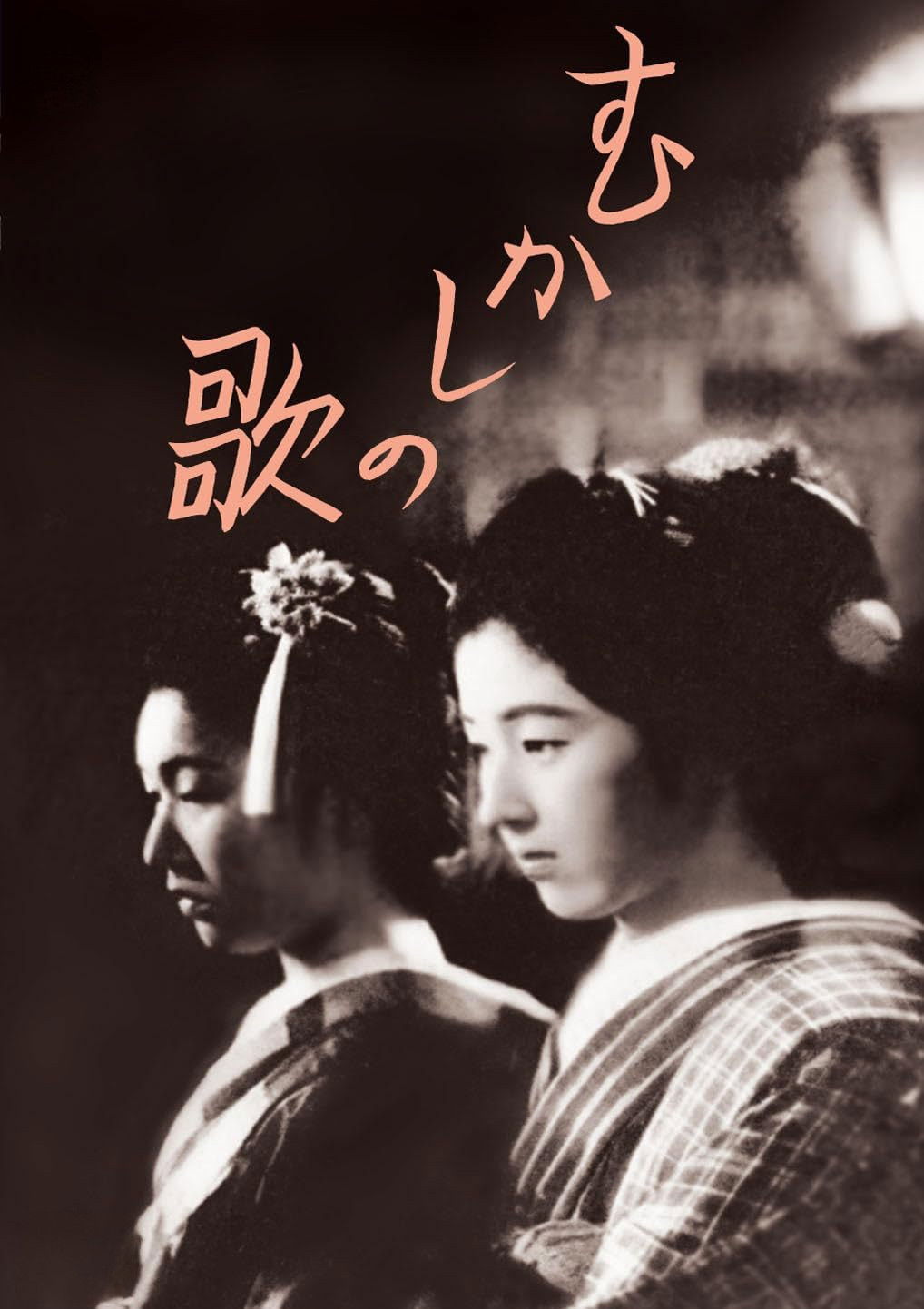
Set against the 1877 Satsuma Rebellion, two Osaka families navigate the radical social shifts of the early Meiji Era. As the merchant class ascends to economic prominence, the former samurai class faces a steady decline in status and traditional structure.
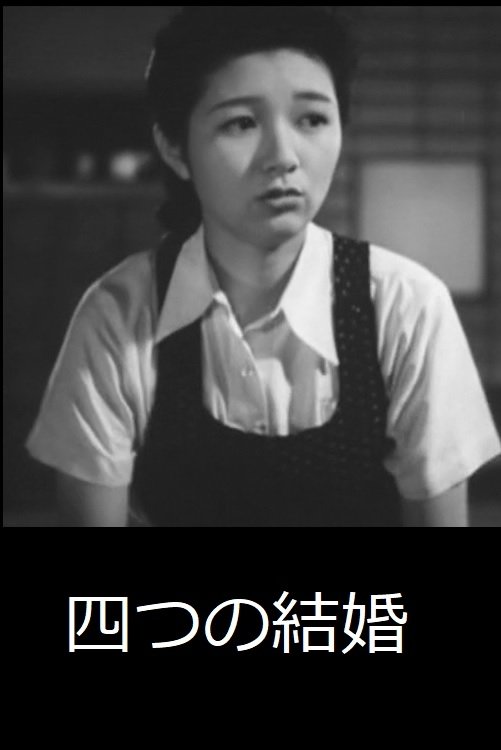
Based on a short story by Dazai Osamu, produced under the national film law. The film's hero falls in love with the youngest daughter of a family he is visiting to arrange an engagement for his friend who has been drafted to fight in the war.
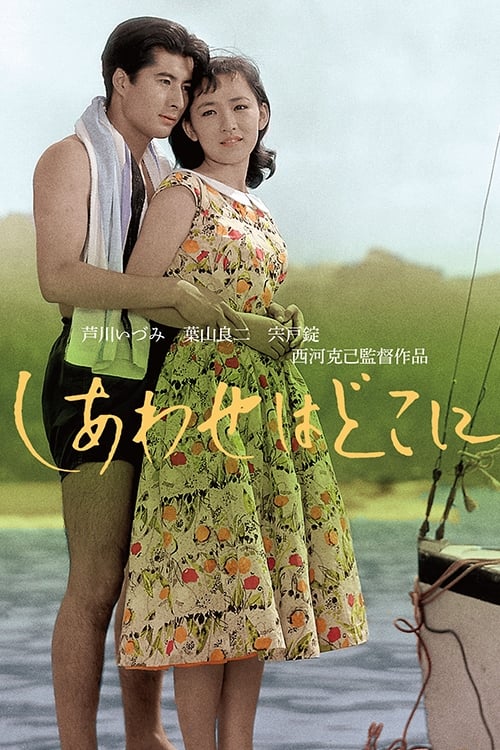
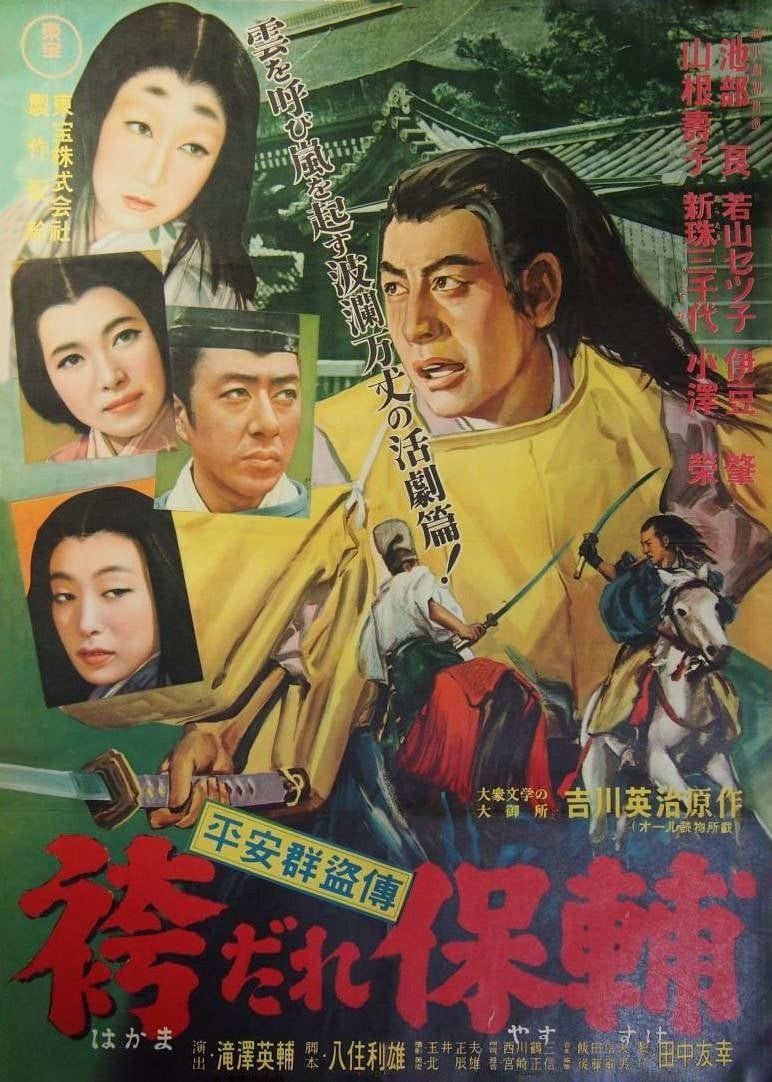
A young lord joins gang of Robin-esque robbers.
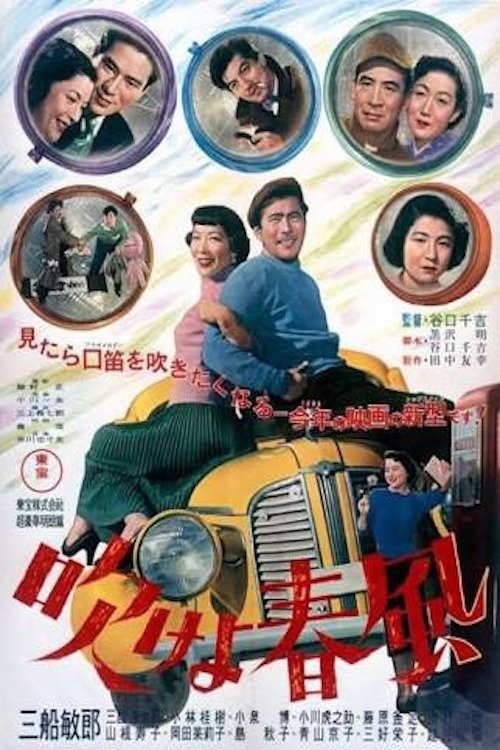
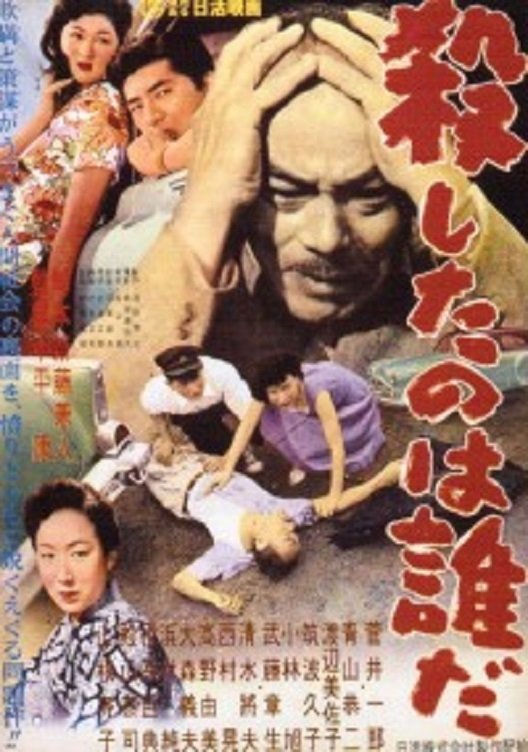
Film about a car dealer who gets into financial trouble.
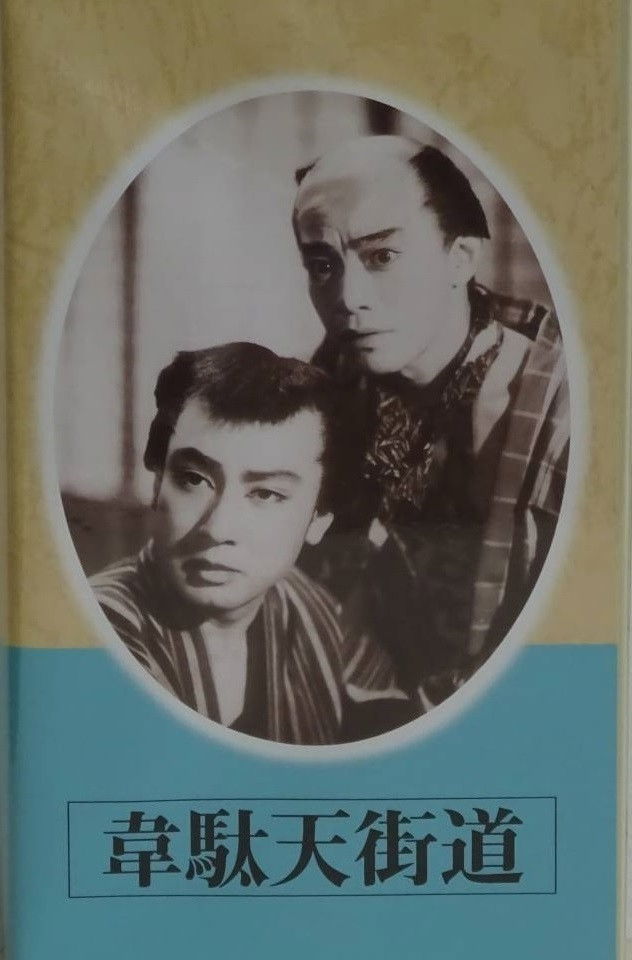
Song of the White Orchid was a co-production of Toho and Mantetsu, the railway that served the colonial region of Manchuria, and the first film in the Kazuo Hasegawa/Shirley Yamaguchi (Ri Koran) “Continental Trilogy.” Handsome Hasegawa (representing Japan) runs up against an impertinent Yamaguchi (representing the continent); not surprisingly, in the course of the film the woman comes around and realizes the benevolent intentions of the Japanese. In Song of the White Orchid Yamaguchi leaves Hasegawa, who plays an expatriate working for the railway, because of a misunderstanding. She joins a communist guerilla group plotting to blow up the Manchurian railway. Learning of the subterfuge that led to the misunderstanding, she renews her faith in Hasegawa—and by extension Japan—and tries to undermine the plot.
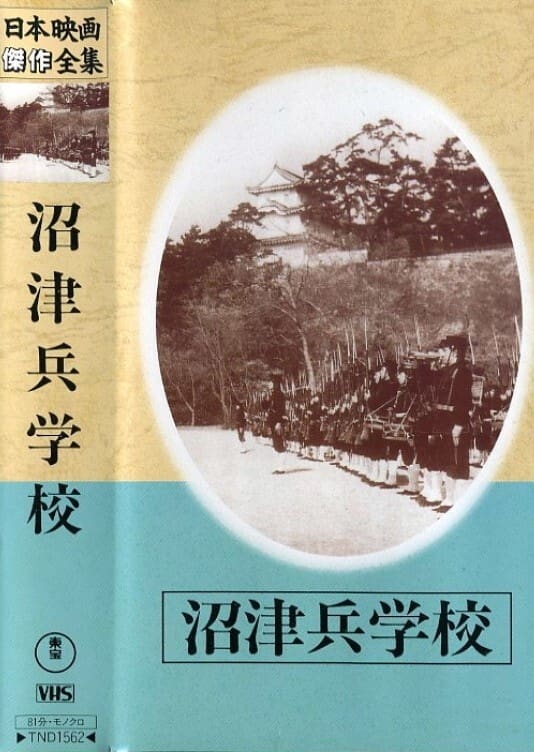
Japanese war movie
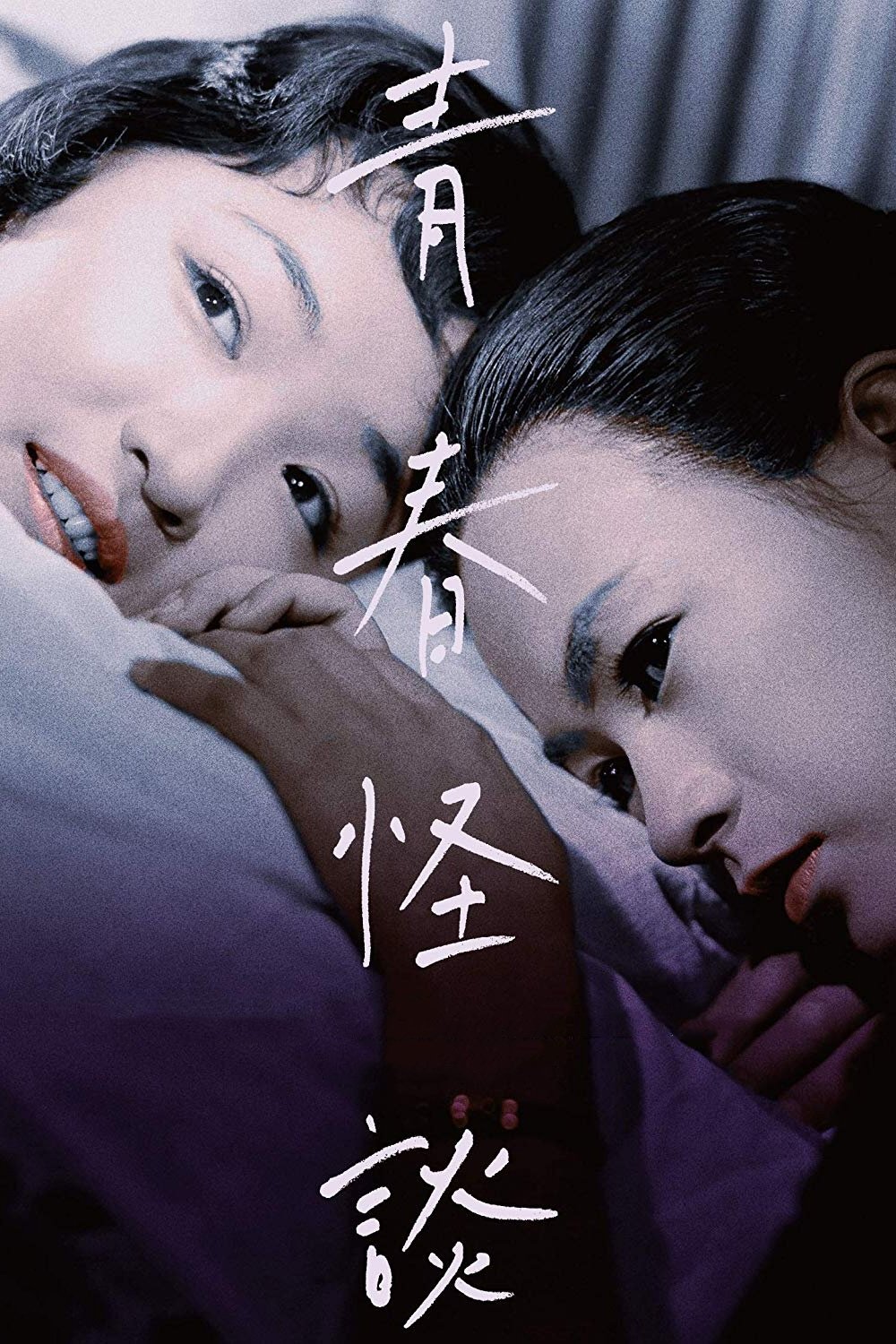
A melodrama of the ups and downs of youth, based on Bunroku Shishi’s popular novel. Chiharu, a ballerina, and Shinichi, a thorough rationalist and childhood friend. A woman named Tomi Funakoshi appears in front of the two, who are thinking of getting married someday.
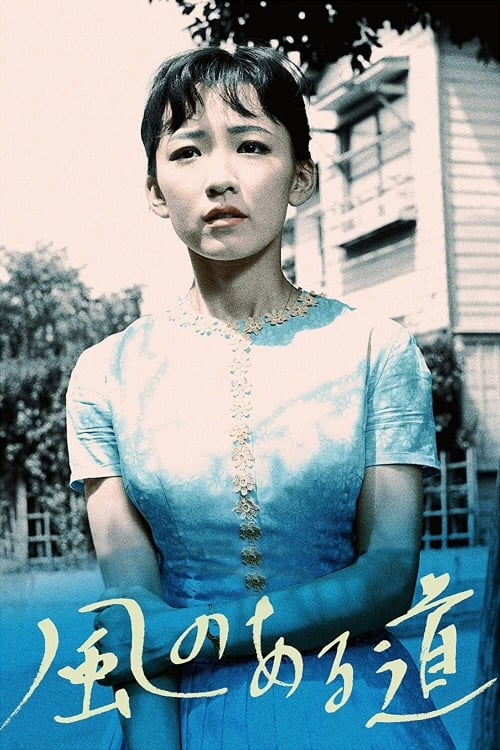
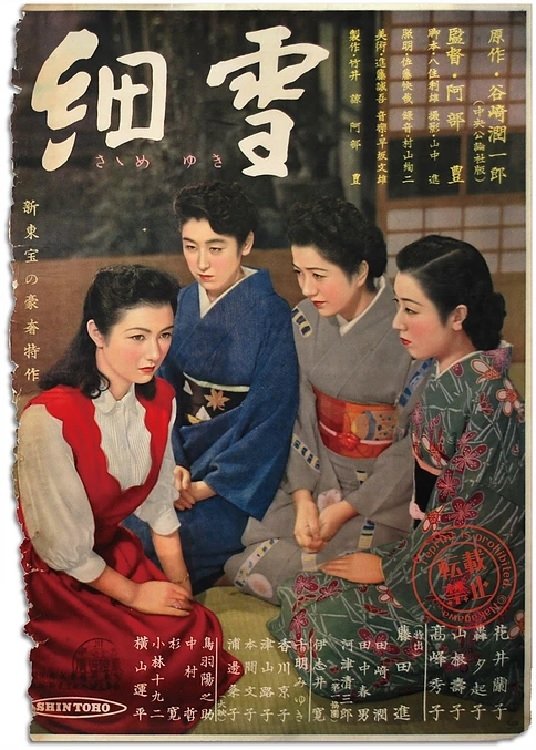
Adapted from the original work by the literary giant Yasunari Kawabata. Through the lives of three sisters each following their own path, the film offers a richly poetic exploration of what constitutes happiness for women.
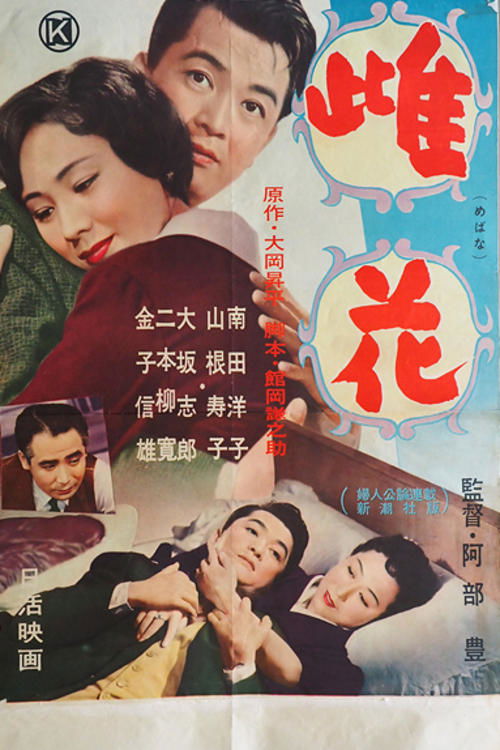
A unique literary work that describes the end of a married woman who rebelled against her husband's adultery and became addicted to her own sexuality.
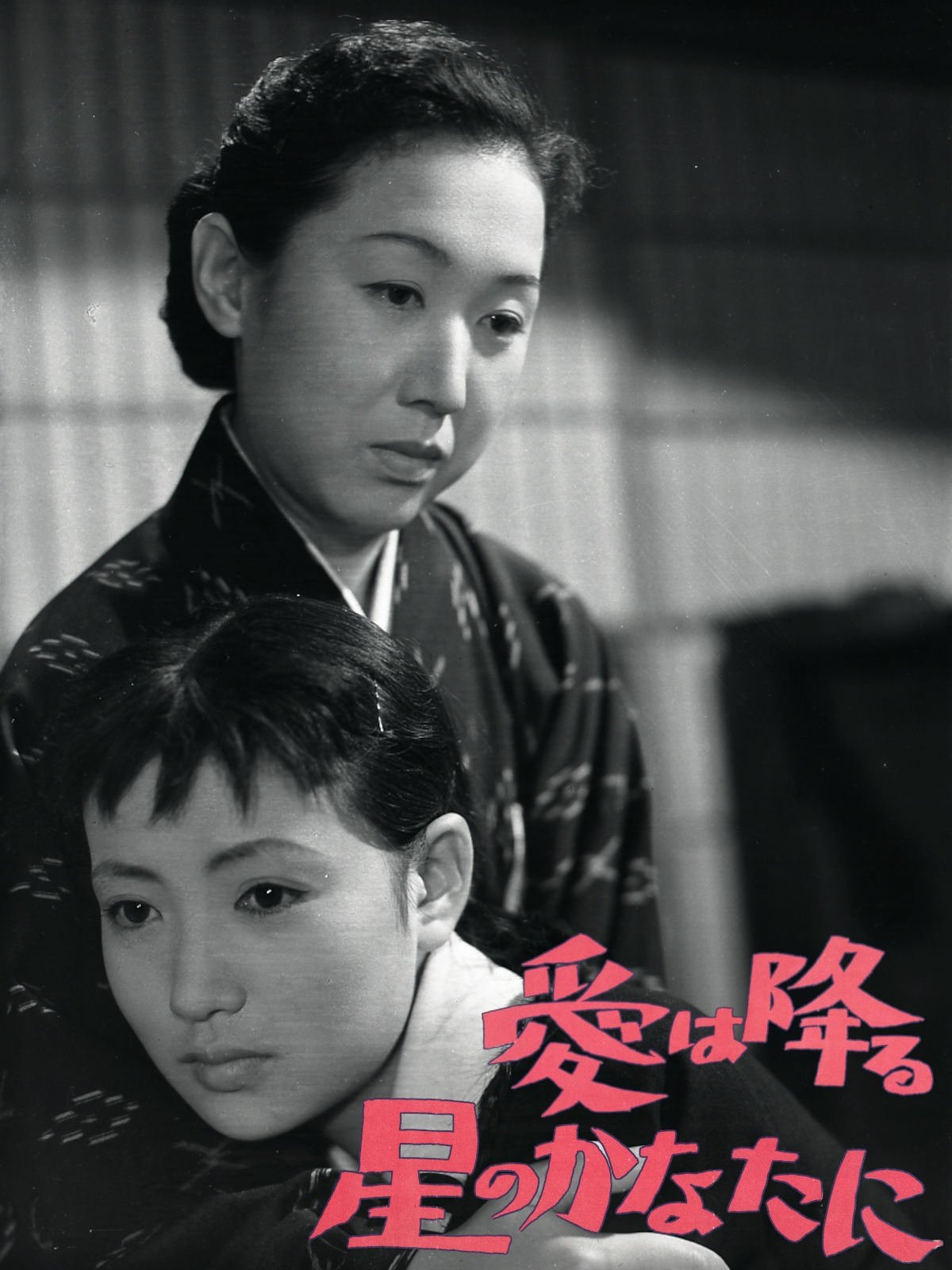
Based on the collection of letters by Ozaki Hidemi, who was implicated in the Sorge spy incident, the film depicts the bond between a husband and wife who remain loyal to their love despite being called traitors, Ozaki (played by Sakazaki in the film) is played by Mori Masayuki, and the daughter is played by 16-year-old Asaoka Ruriko with fresh freshness.
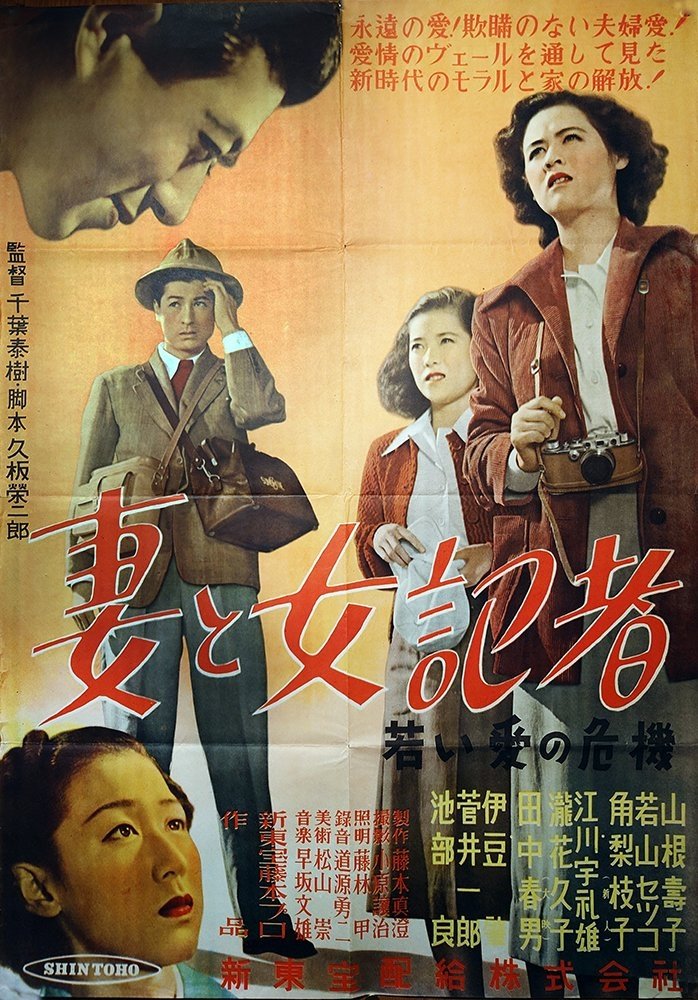
Even a peaceful married life has its dissatisfactions. Then a female reporter appears, and love takes a complicated turn!
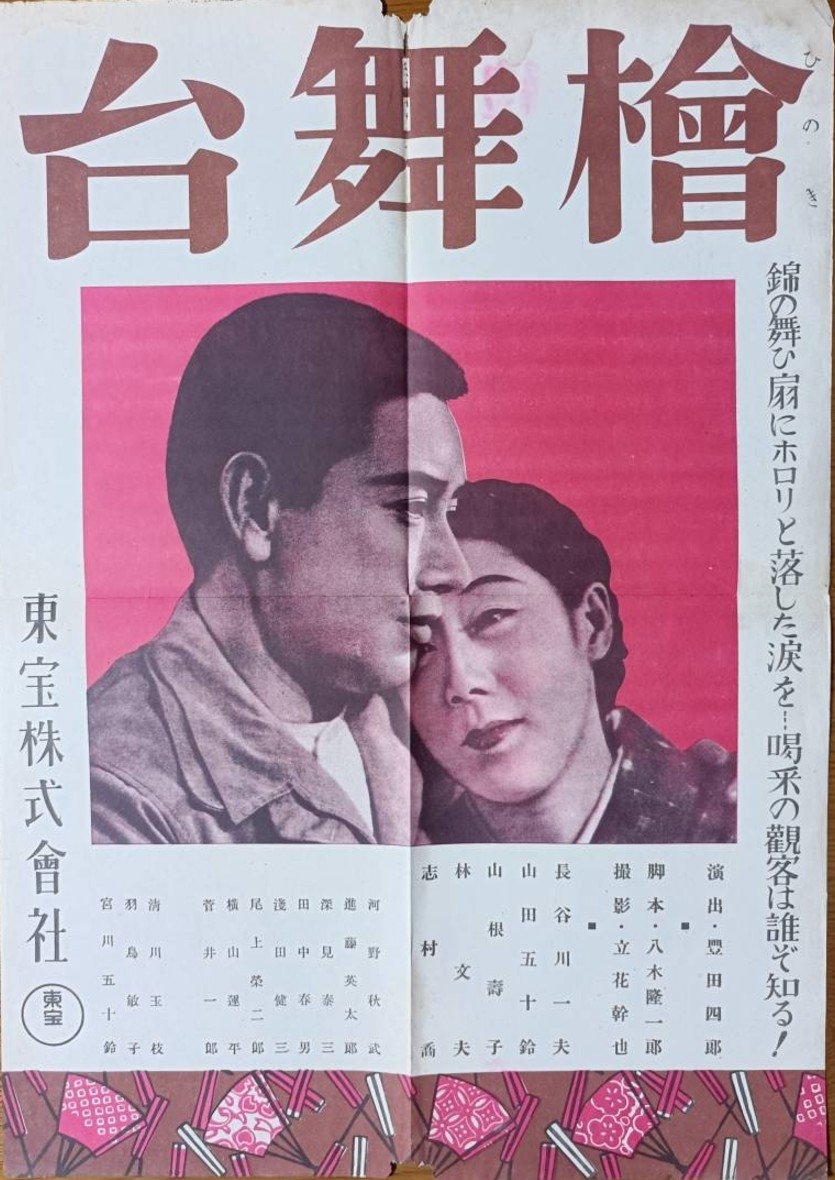
The story is set in a rural village, where the village mayor gives a speech at the local community center as a theater troupe visits the village for the first time in several years.
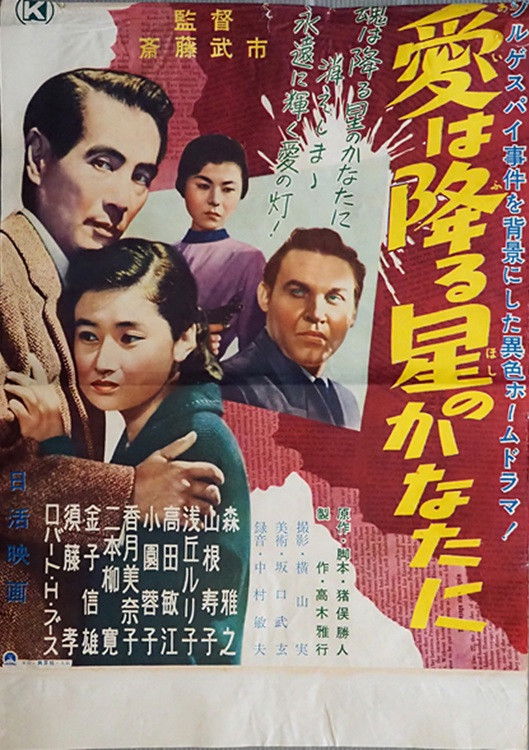
Film by Buichi Saitô
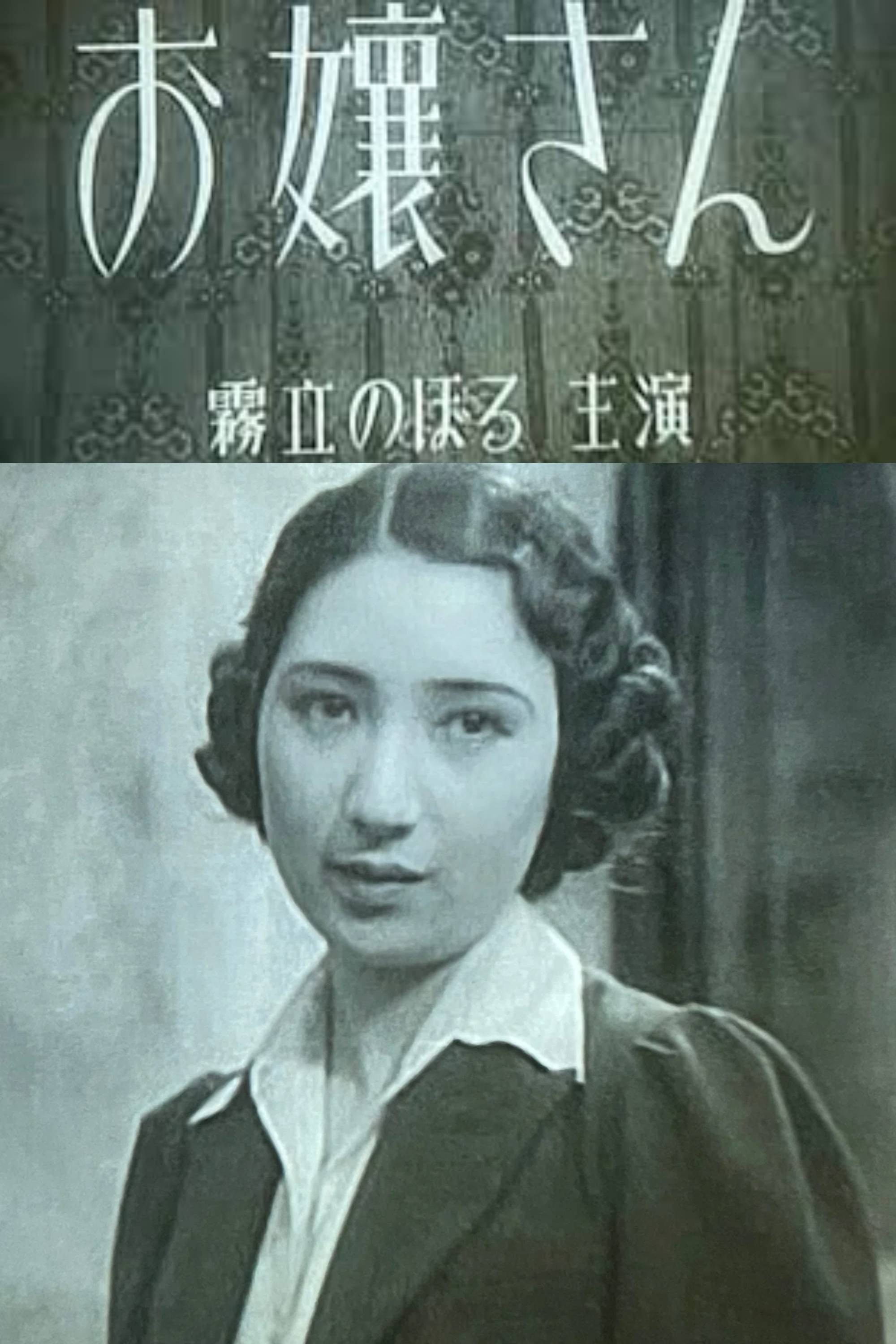
The story deas with the experiences of an exceptionally strong-willed, middle class Tokyo "ojōsan" who comes to teach in a middle school in the countryside.
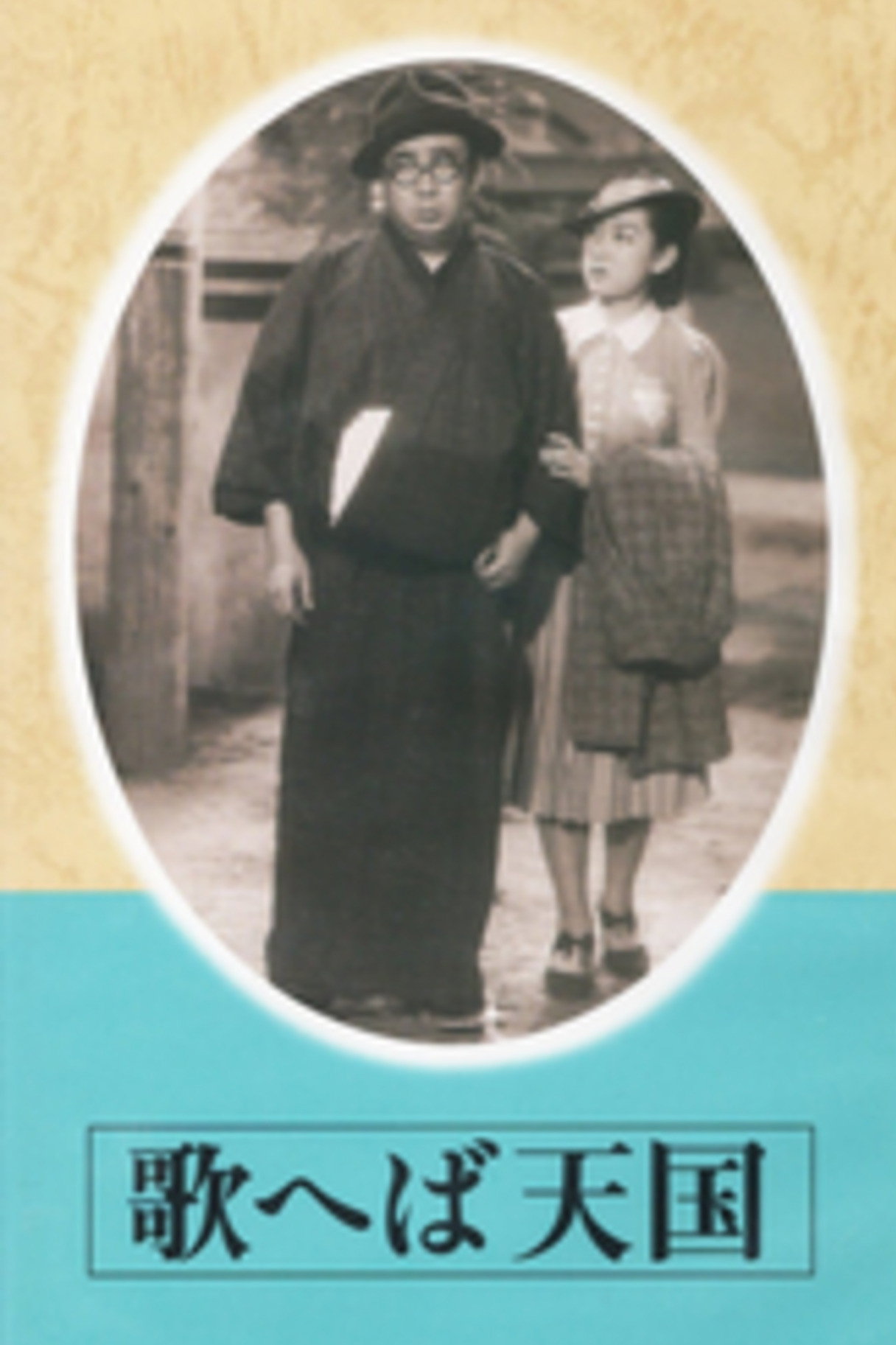
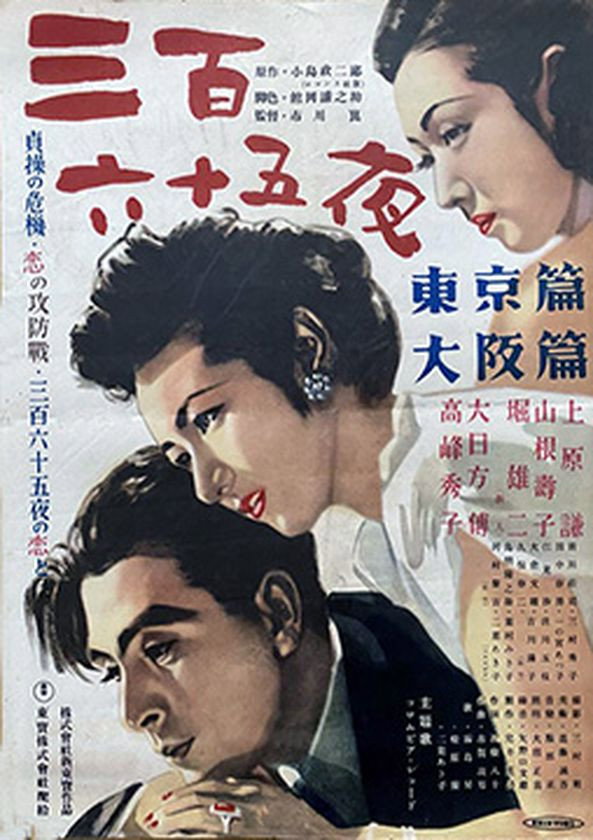
Film by Kon Ichikawa
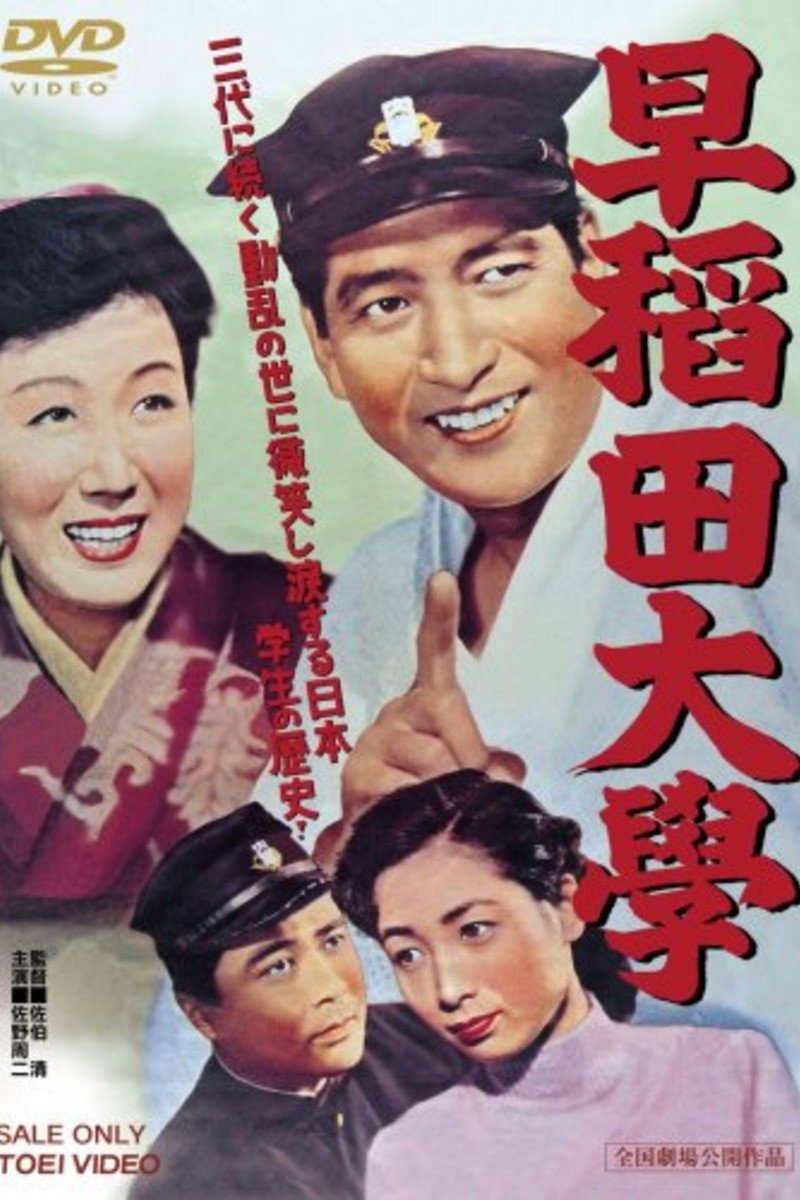
In the 15th year of the Meiji era (1882), Ōkuma Shigenobu, expelled from the Council of State by the Satsuma-Chōshō clique, poured his personal fortune into establishing the Tokyo Professional School in a tea field in Waseda Village. With seven professors, including Takada Sanae and Tsubouchi Yūzō, and eighty-seven students, government interference extended even to finances; Ono Azusa, who tirelessly worked to secure funding, died from overwork.

A young woman (Kuga), recuperating at a sanitarium in Karuizawa, falls in love with a young student (Ishihama) but returns to Tokyo to be with her father (Yamamura).