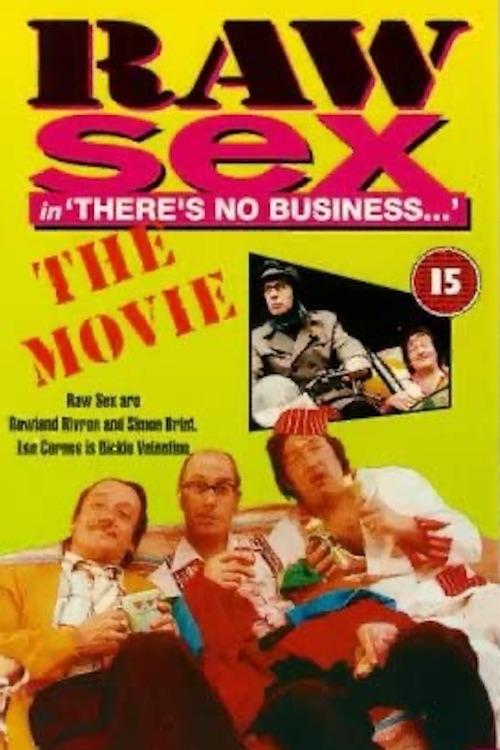
There's No Business... is a 1994 British partially improvised comedy film directed by Kevin Molony and produced by Claudia Lloyd for Prospect Pictures. It stars Raw Sex (Simon Brint and Rowland Rivron) as Ken Bishop and his stepson Duane, and Lee Cornes as their musical agent Dickie Valentino, in their attempt to remake a track by Ken's old band, 'The Nice Twelve' for a TV advert for 'Pinkies', a brand of kitchen gloves made by Mort Clayton (Mac McDonald). Alexander Armstrong (Tim) and Sam Graham (Fergus) work for the fictional advertising agency Sprote and Sprote. The film takes its name from the 1954 film There's No Business Like Show Business which itself borrowed the 1946 song of the same name by Irving Berlin, written for the musical Annie Get Your Gun.

Fed up with working hard just to scrape by, Christine Painter comes up with a bold plan to become the madam of a brothel and earn her financial freedom: she opens a house of spanking to fabulous reviews.
A hoodlum is turned into a celebrity when he steals a cab and subsequent events are blown out of proportion by the media.
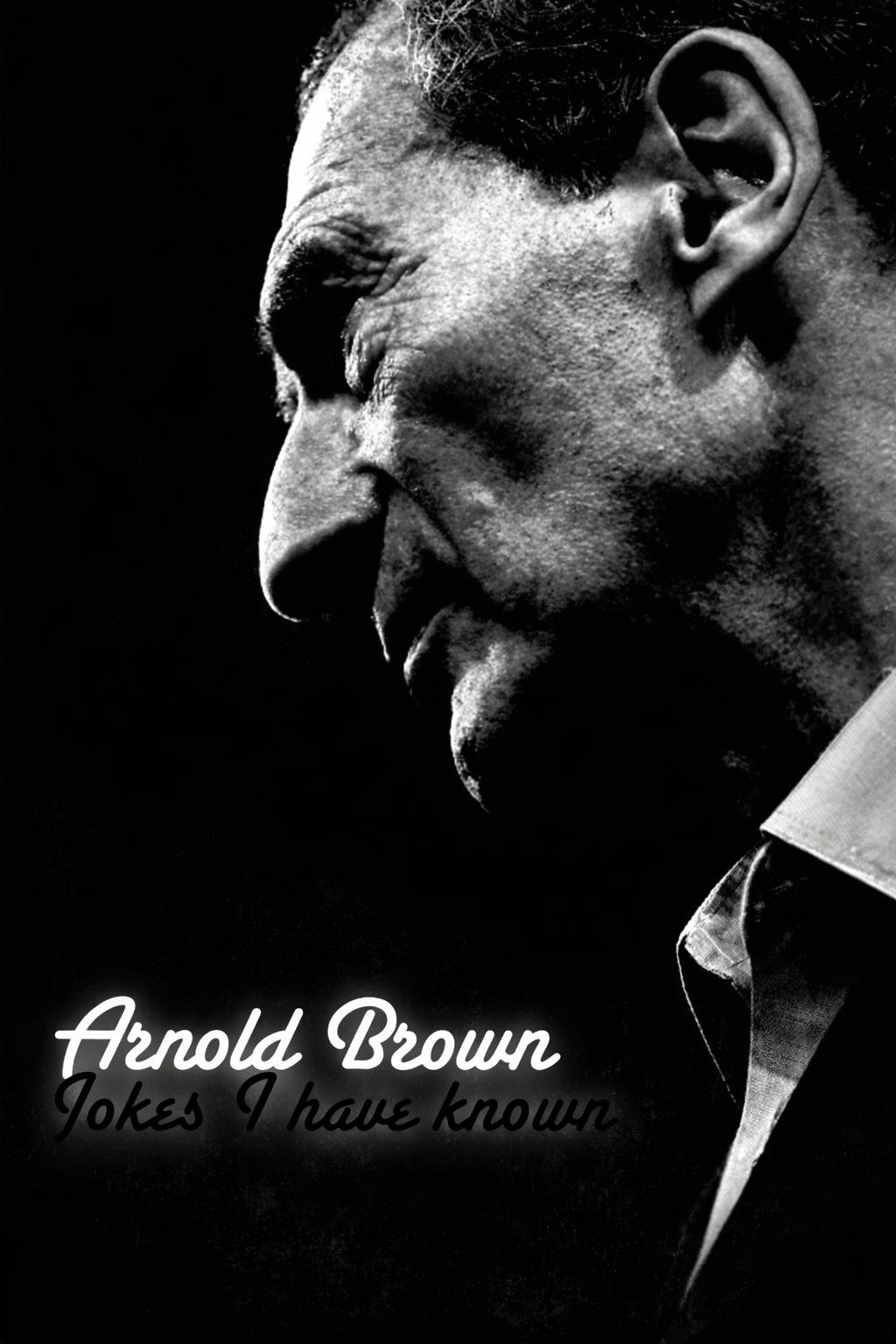
This DVD captures him in an intimate, idiosyncratic performance at Cardiff's Chapter Arts Centre. The show is interspersed with extracts of an interview with Arnold waxing lyrical on his long, unique career and in the process, revealing some of his comedy secrets. The DVD also includes a hilarious after-show chat with fellow-comedian Norman Lovett, together with a half-hour programme from Cable Access TV in New York profiling ourselves at Go Faster Stripe.

A tongue-in-cheek "behind the scenes" look at the Comic Strip comedy club in the early 1980s, which gave rise to 'The Comic Strip Presents'

Mockumentary set on the day of the 2014 Scottish Independence referendum and designed to capture a snap shot of a nation on the brink of both triumph and disaster.
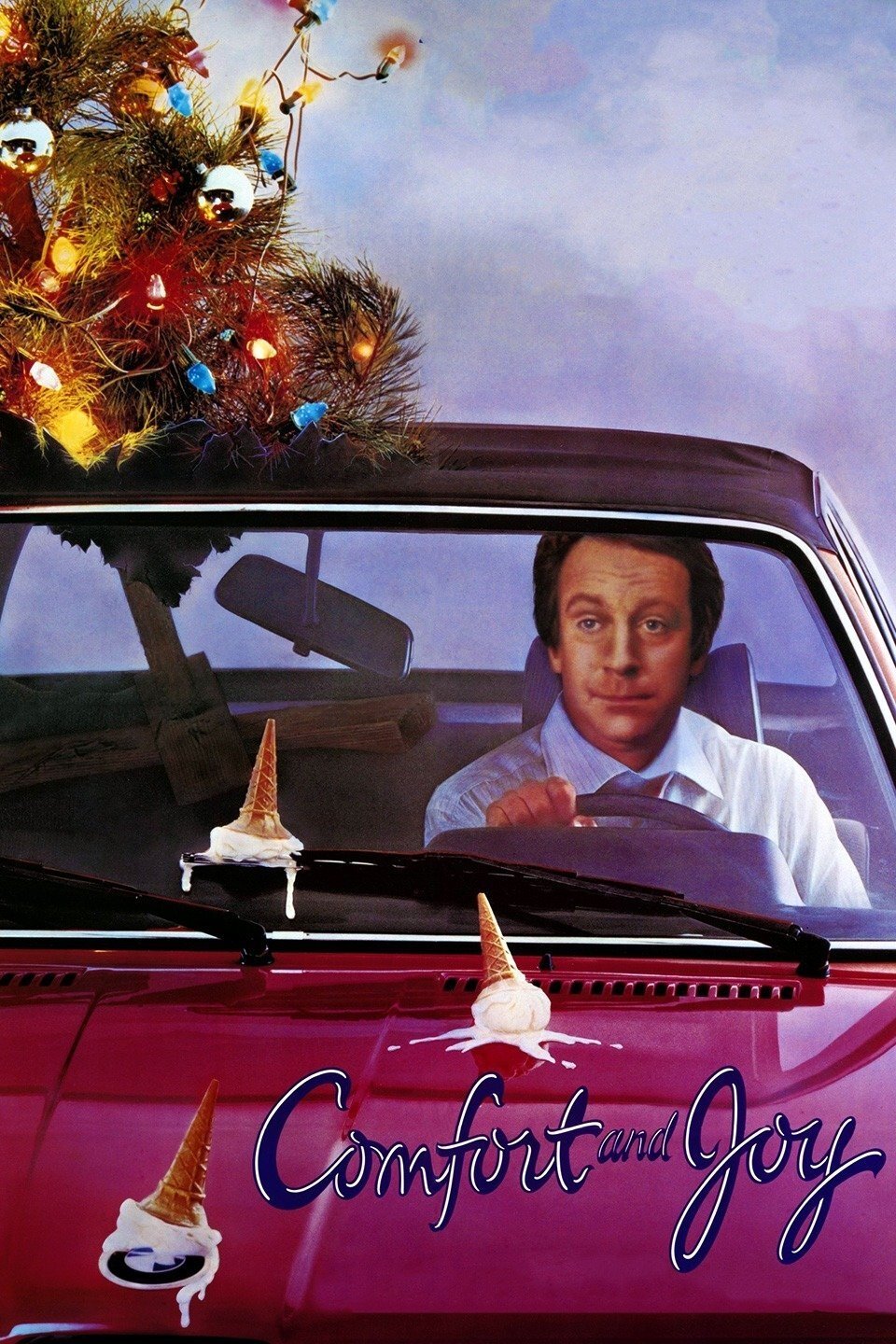
Radio host Alan 'Dickie' Bird witnesses how an icecream van is attacked and destroyed by angry competitors. This leads him into the struggle between two Italian families over the icecream market of Glasgow.
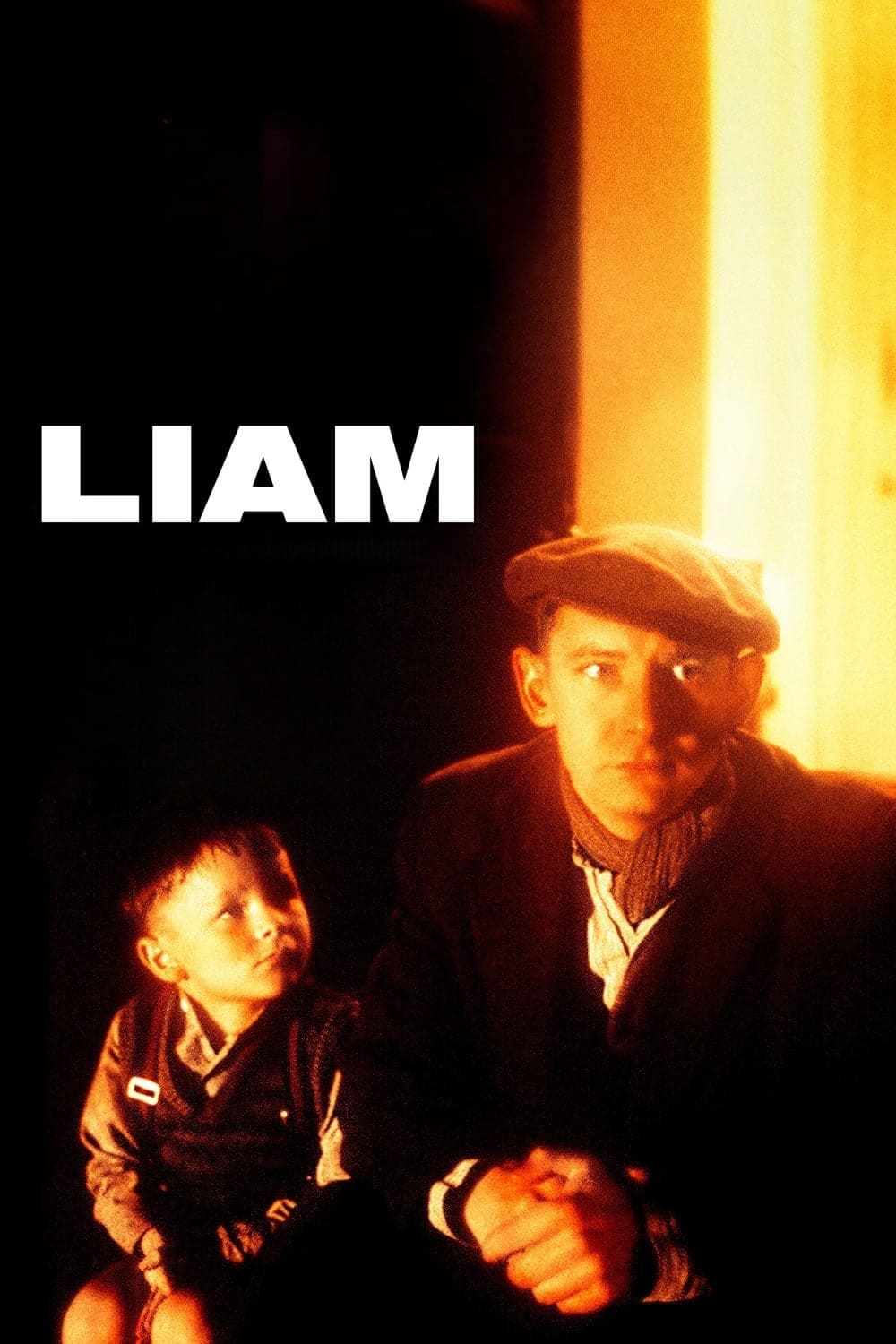
A morality tale of xenophobia, religious prejudice, mob violence, poverty, and their effect on two children in Liverpool during the Depression. When a shipyard closes, Liam and Teresa's dad loses his job. Liam, who's about 8, making his first Holy Communion, gets a regular dose of fire and brimstone at church. Teresa, about 13, has a job as a maid to the Jewish family that owns the closed shipyard. The lady of that house is having an affair, and Teresa becomes an accomplice. Liam stutters terribly, especially when troubled. Dad comes under the sway of the Fascists, who blame cheap Irish labor and Jewish owners. A Molotov cocktail brings things to a head.
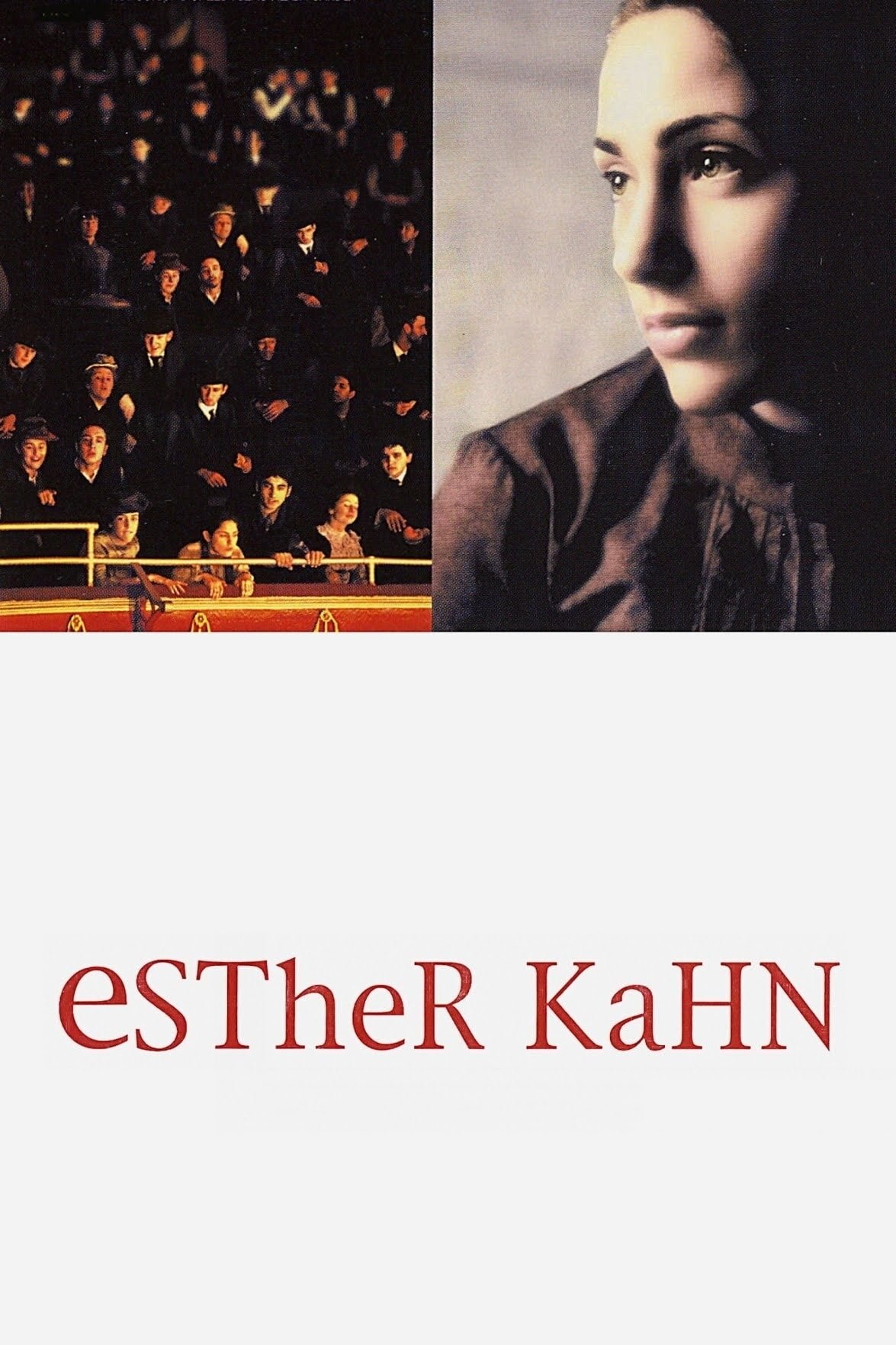
A Jewish girl in 19th century London dreams of becoming a stage actress.
The film revolves a supposedly pivotal moment in Brown's life – his decision to quit accountancy in 1950s Glasgow for comedy after the death of his uncle Harry, a regular character in his routines 'who began with socialism, drifted into Buddhism and ended up with rheumatism'.