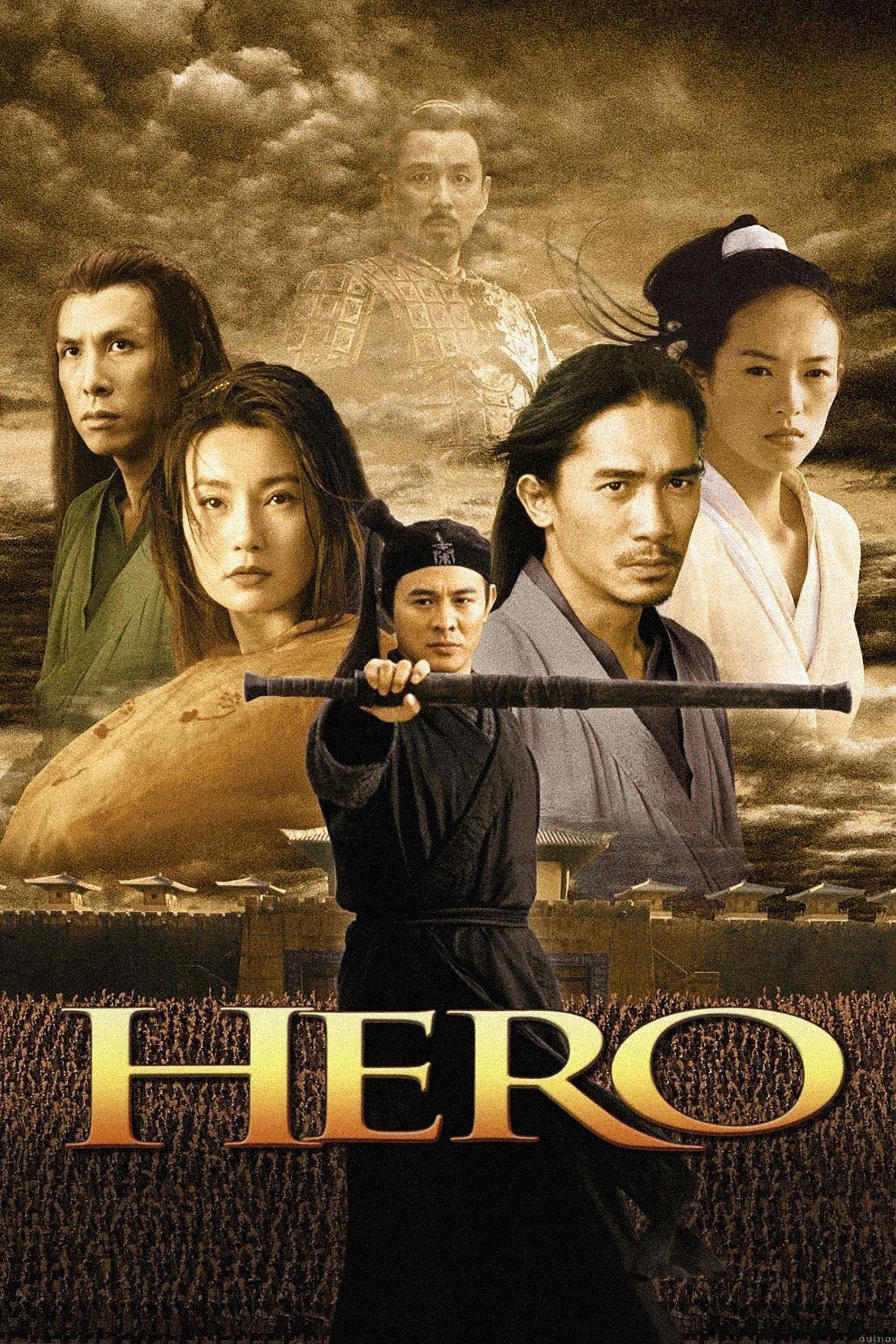
During China's Warring States period, a district prefect arrives at the palace of Qin Shi Huang, claiming to have killed the three assassins who had made an attempt on the king's life three years ago.
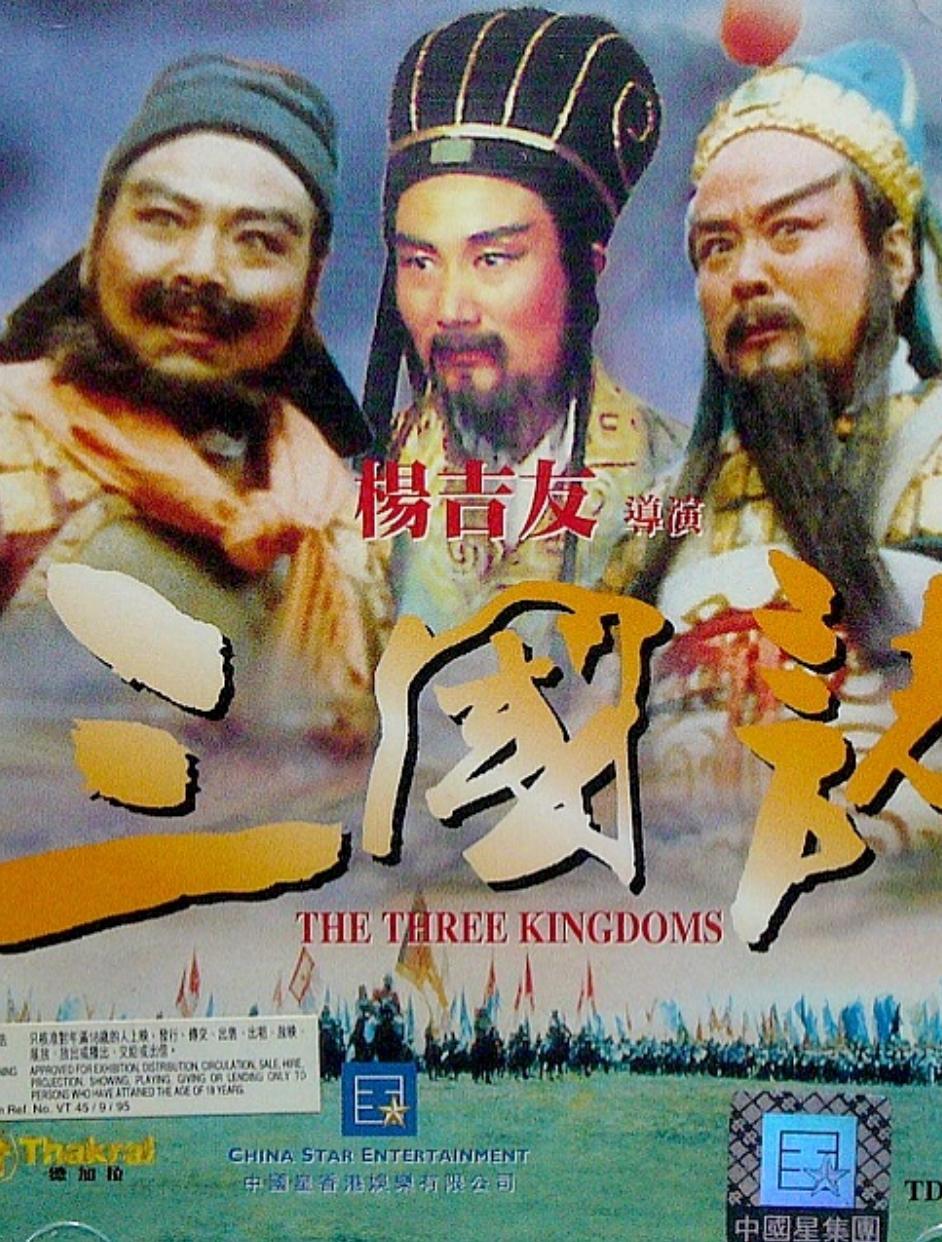
The Three Kingdoms (simplified Chinese: 三国; traditional Chinese: 三國; pinyin: Sān Guó) from 220 to 280 AD was the tripartite division of China among the dynastic states of Cao Wei, Shu Han, and Eastern Wu. The Three Kingdoms period was preceded by the Eastern Han dynasty and was followed by the Western Jin dynasty. The short-lived state of Yan on the Liaodong Peninsula, which lasted from 237 to 238, is sometimes considered as a "4th kingdom".
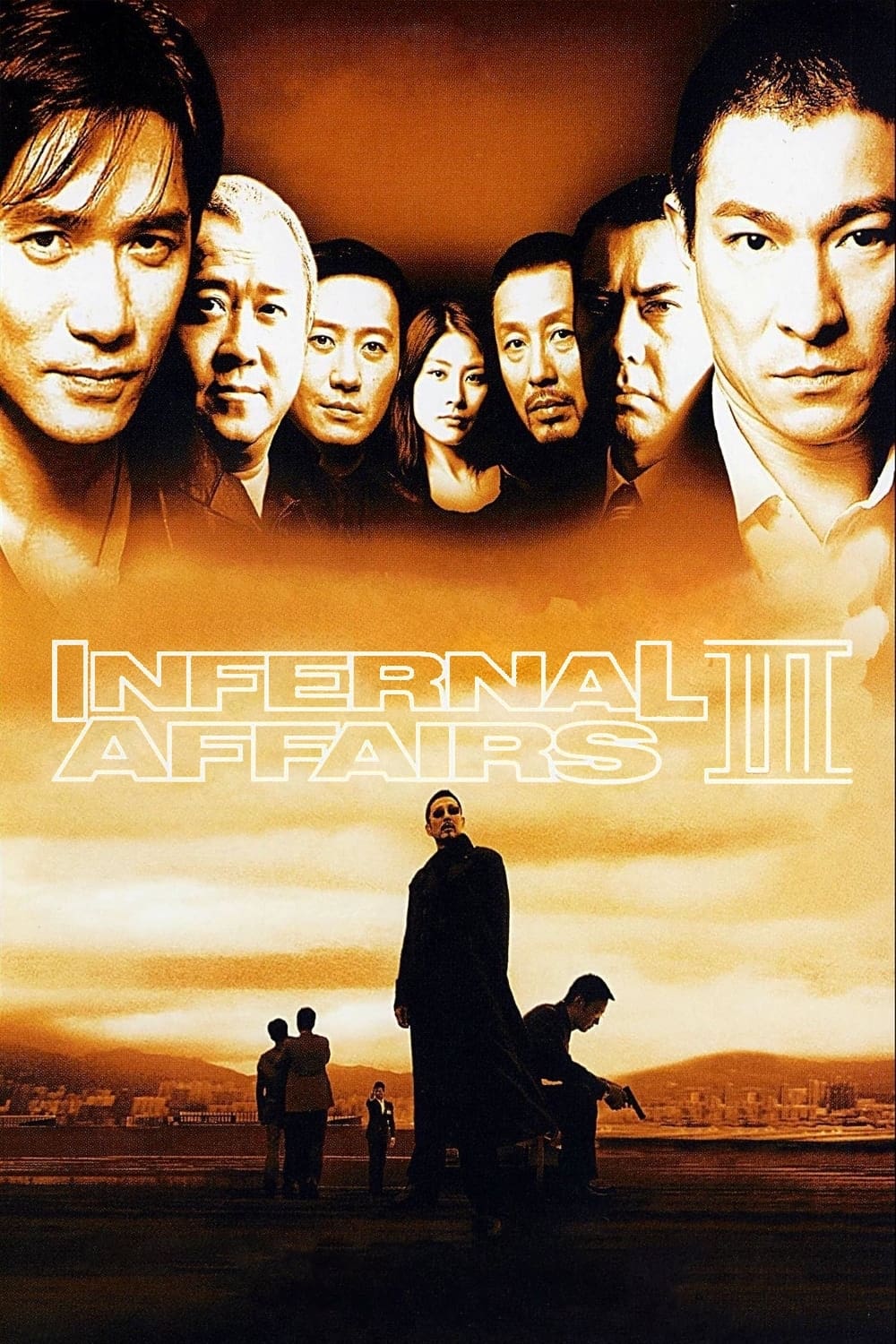
Triad gangster turned corrupt cop Lau Kin-ming goes to dangerous lengths to avoid detection.
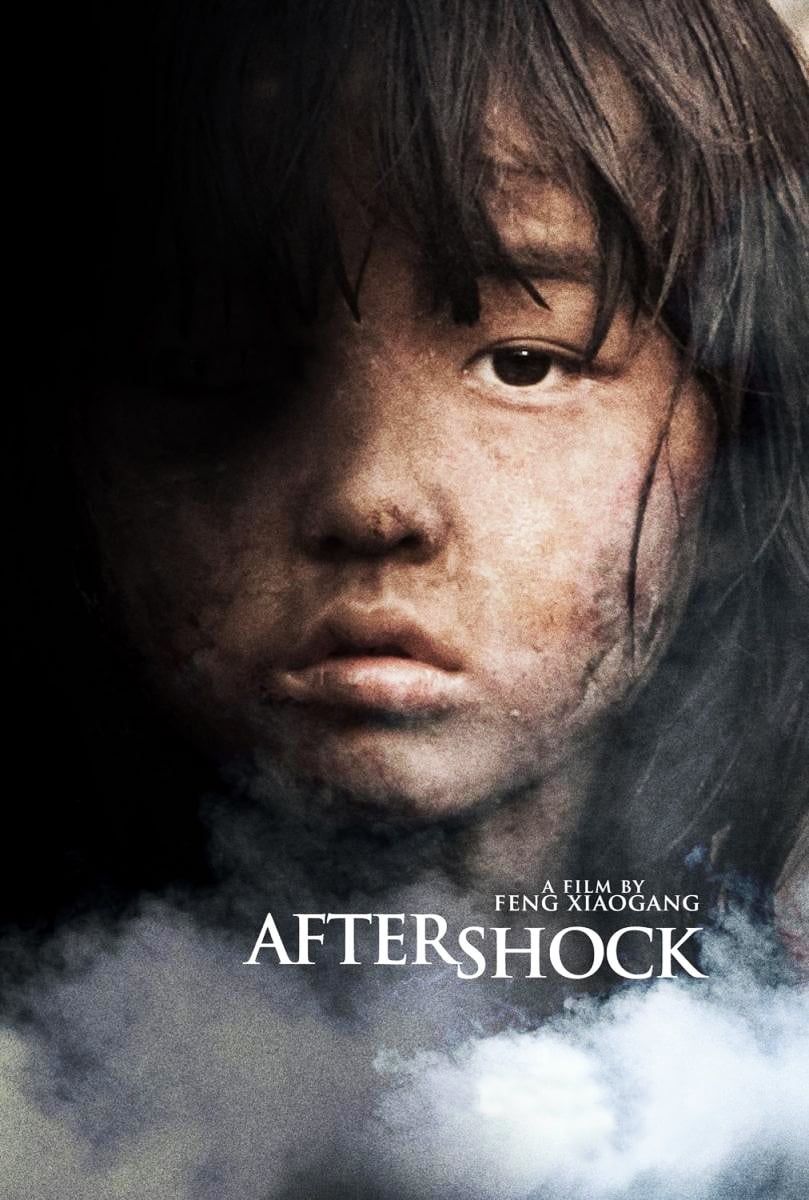
Tangshan, 1976. Two seven-year-old twins are buried under the rubble of the deadliest earthquake of the 20th century. The rescue team explains to their mother that freeing either child will almost certainly result in the death of the other. Forced to make the most difficult decision of her life, she finally chooses to save her son. Though left behind as dead, the little girl miraculously survives, unbeknownst to her brother and mother.
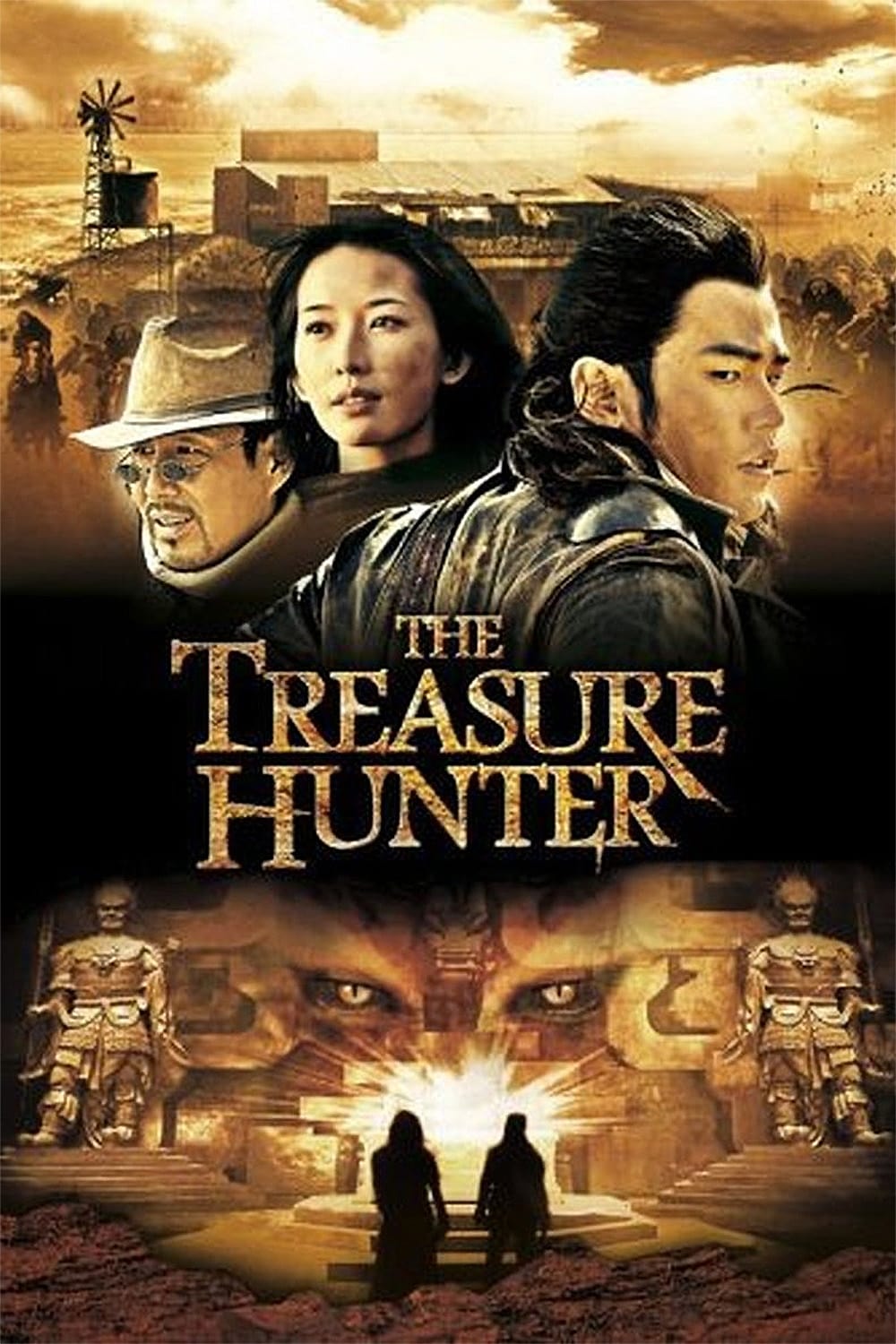
In the northwest desert where countless prosperous dynasties have flourished and fallen, there is rumor of a treasure of unbelievable riches buried among it. A group of mysterious guardians have been guarding the map to the location of the treasure until a fierce rivalry erupted. A notorious international crime group, The Company hunted down the map keeper and before they managed to secure the map, the keeper passed the map to a young chivalrous man Ciao Fei. Ciao Fei was forced to give up the map to save the live of his mentor’s daughter Lan Ting. Teaming up with Hua Ding Bang and Lan Ting they embark on a dangerous journey to recover the map and fight to protect the ancient treasure.
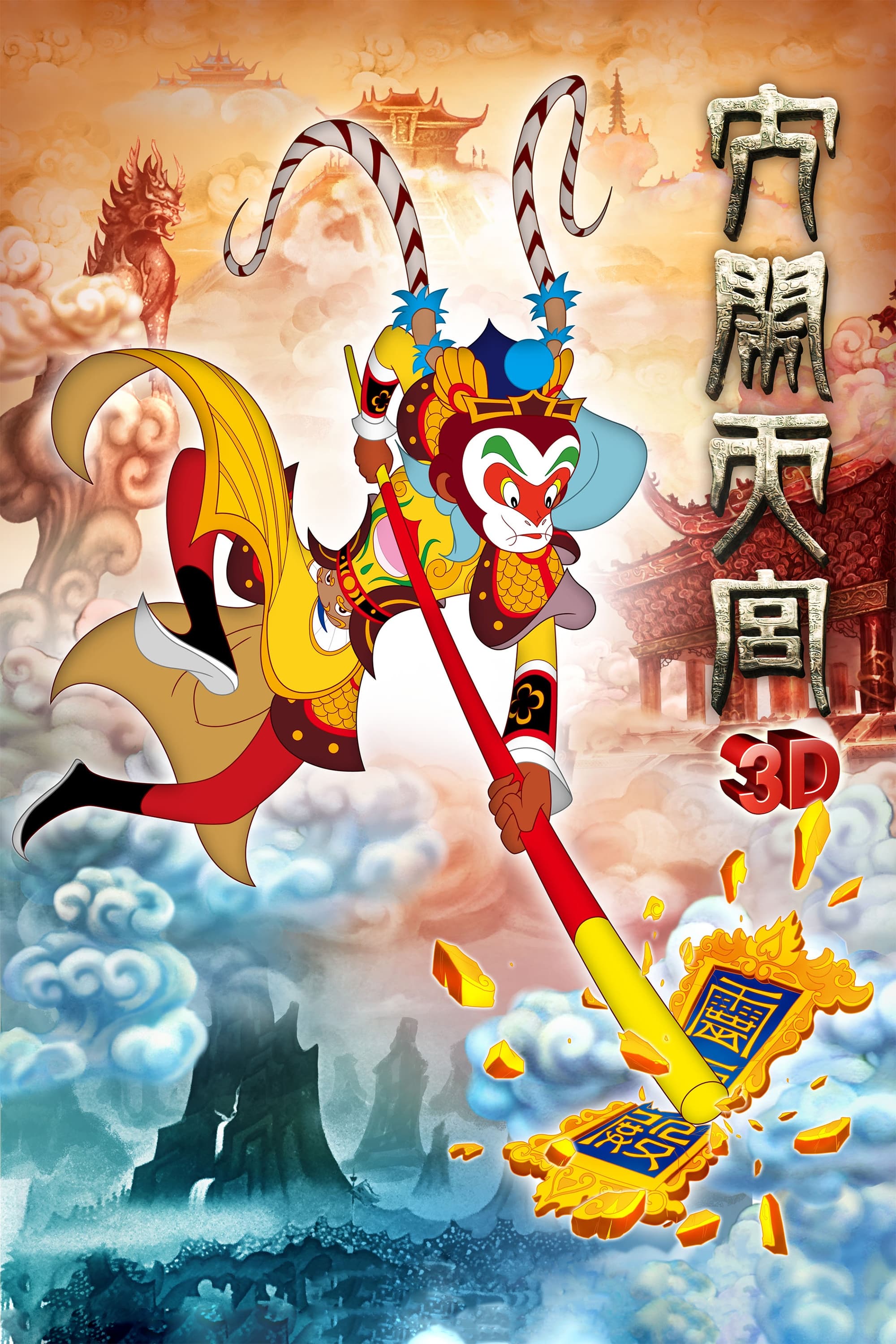
A completely remade animation film based on the original 1961 animation The Monkey King. Mythical ancient China. Born from some magic stones that fell to Earth a long time ago when Goddess Nüwa mended the sky, Sun Wukong, aka Monkey King, sets off on his first adventure to gain a worthy weapon. This earns the attention of the Jade Emperor of Heaven.
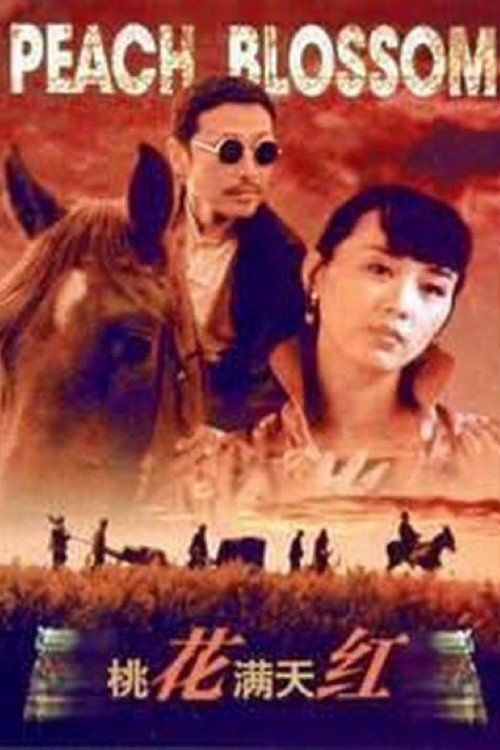
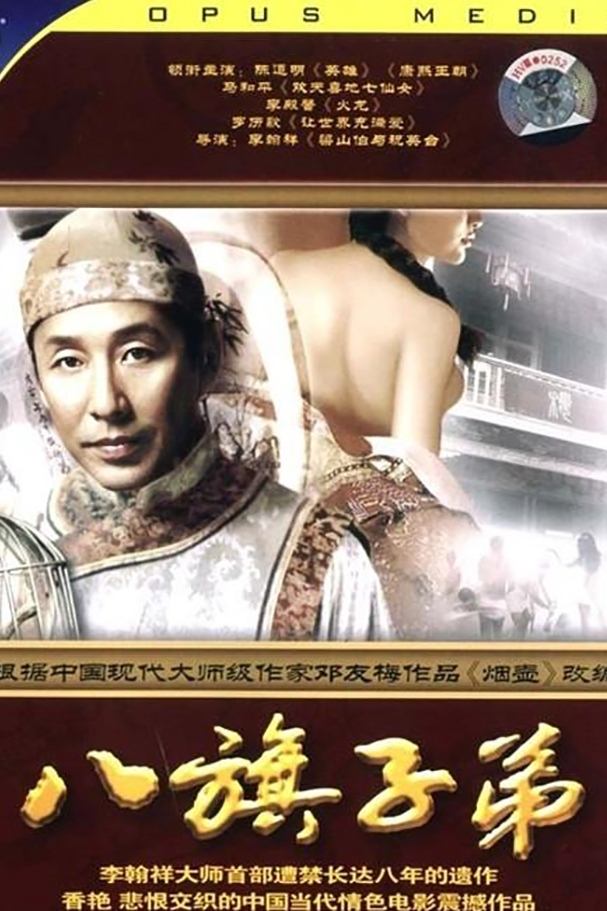
"Peach blossom" desire to lost a hundred years of court Shadow Puppetry Culture as the starting point, tells the story of China last eunuch's wife There was a red plum tree. story. Chen Daoming Li Lin passion, will carry on a clandestine love affair and stimulate the metamorphosis of Eros and There was a red plum tree. Man and a Woman deduction so exquisite beyond compare.

In 1942, Henan Province was devastated by one of the most tragic famines in modern Chinese history, resulting in the deaths of at least three million men, women and children. Although the primary cause of the famine was a severe drought, it was exacerbated by locusts, windstorms, earthquakes, epidemic disease and the corruption of the ruling Kuomintang government.
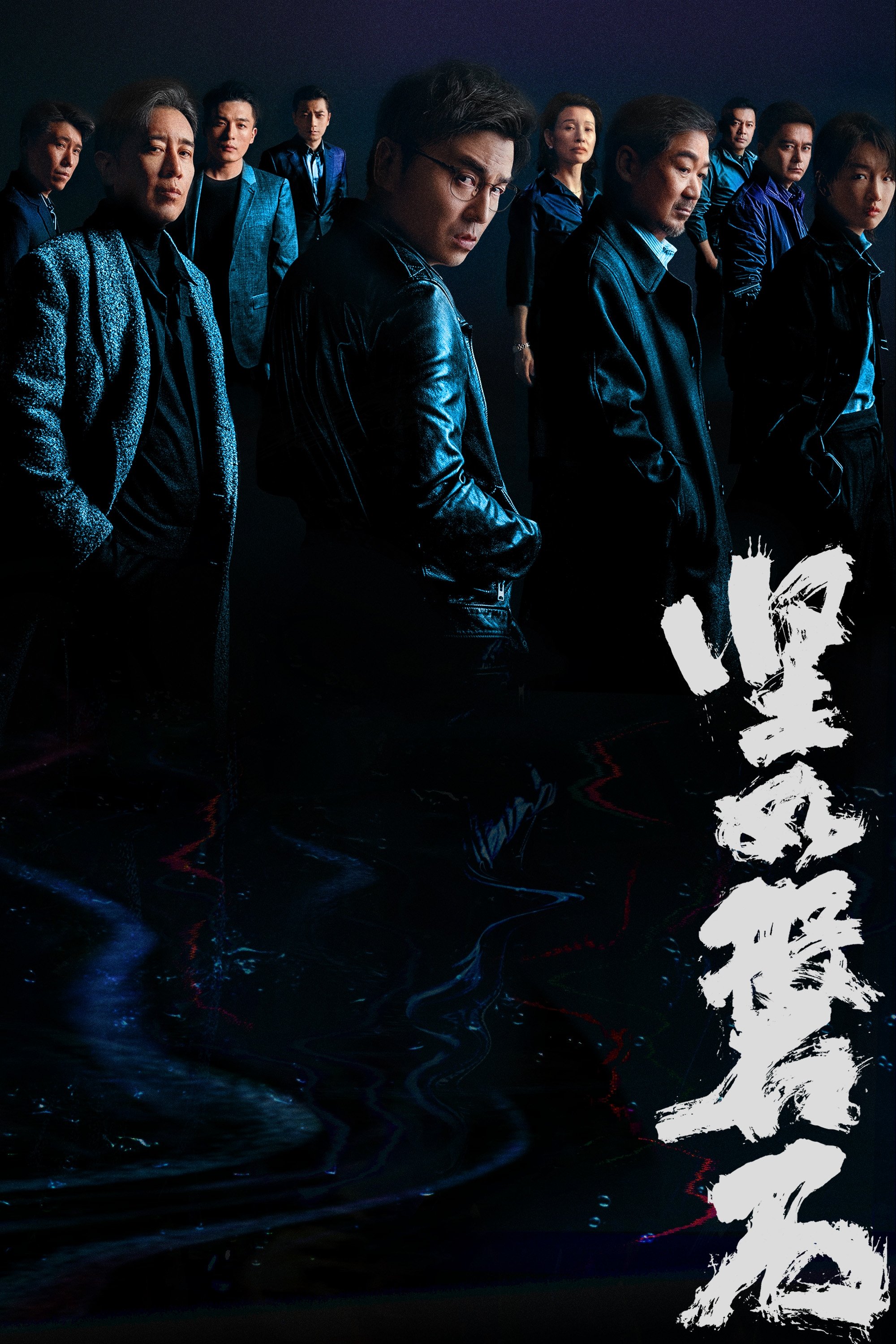
Officers Su Jianming and Li Huilin investigate a crime involving wealthy businessman Li Zhitian. As clues emerge, the investigation becomes more and more like a game of chess.
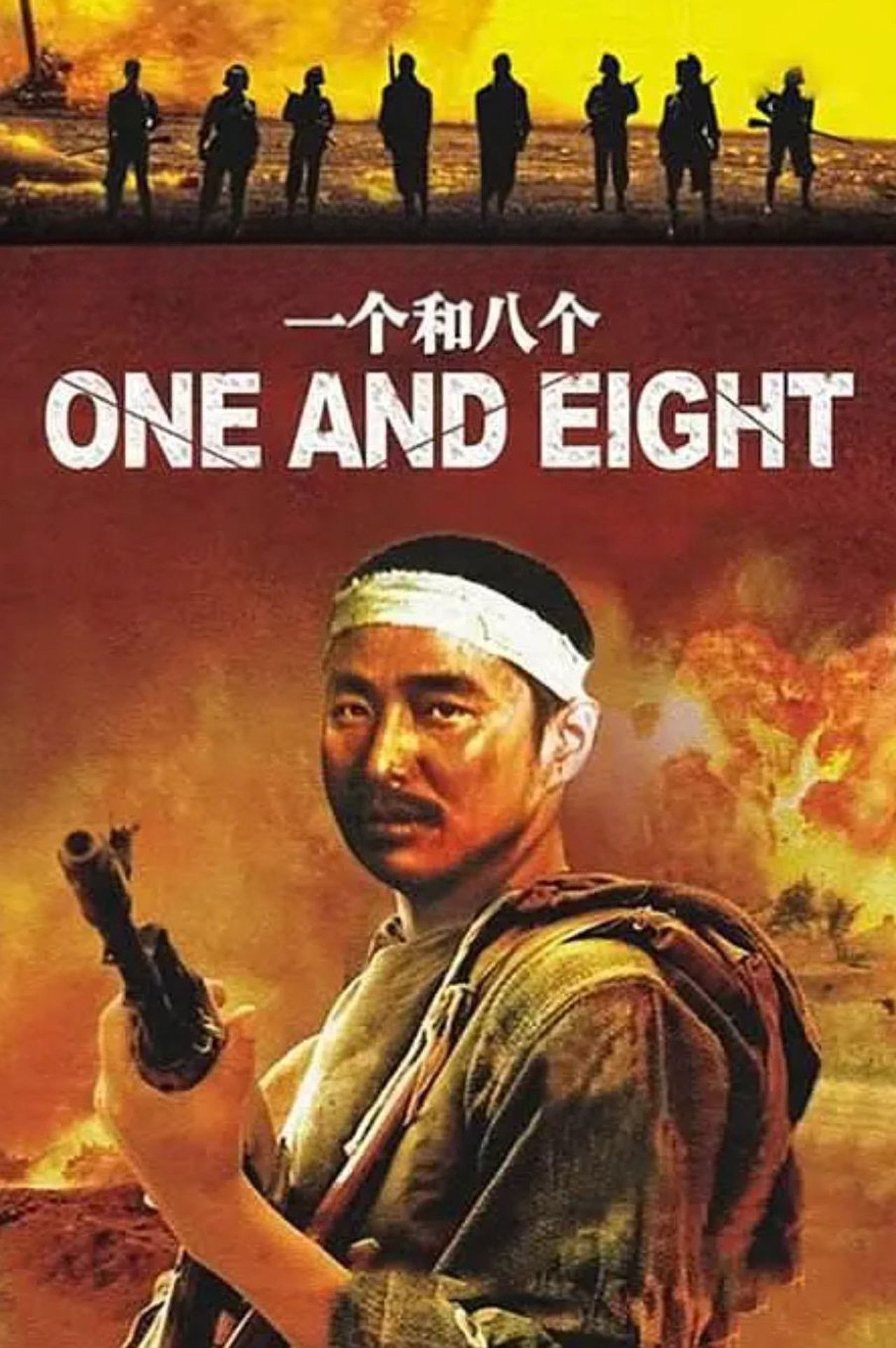
Director Zhang Junzhao's superbly tense revisionist war film (featuring striking cinematography from future Fifth Generation standard bearer Zhang Yimou) is widely considered to be the first work of Mainland Fifth Generation cinema.
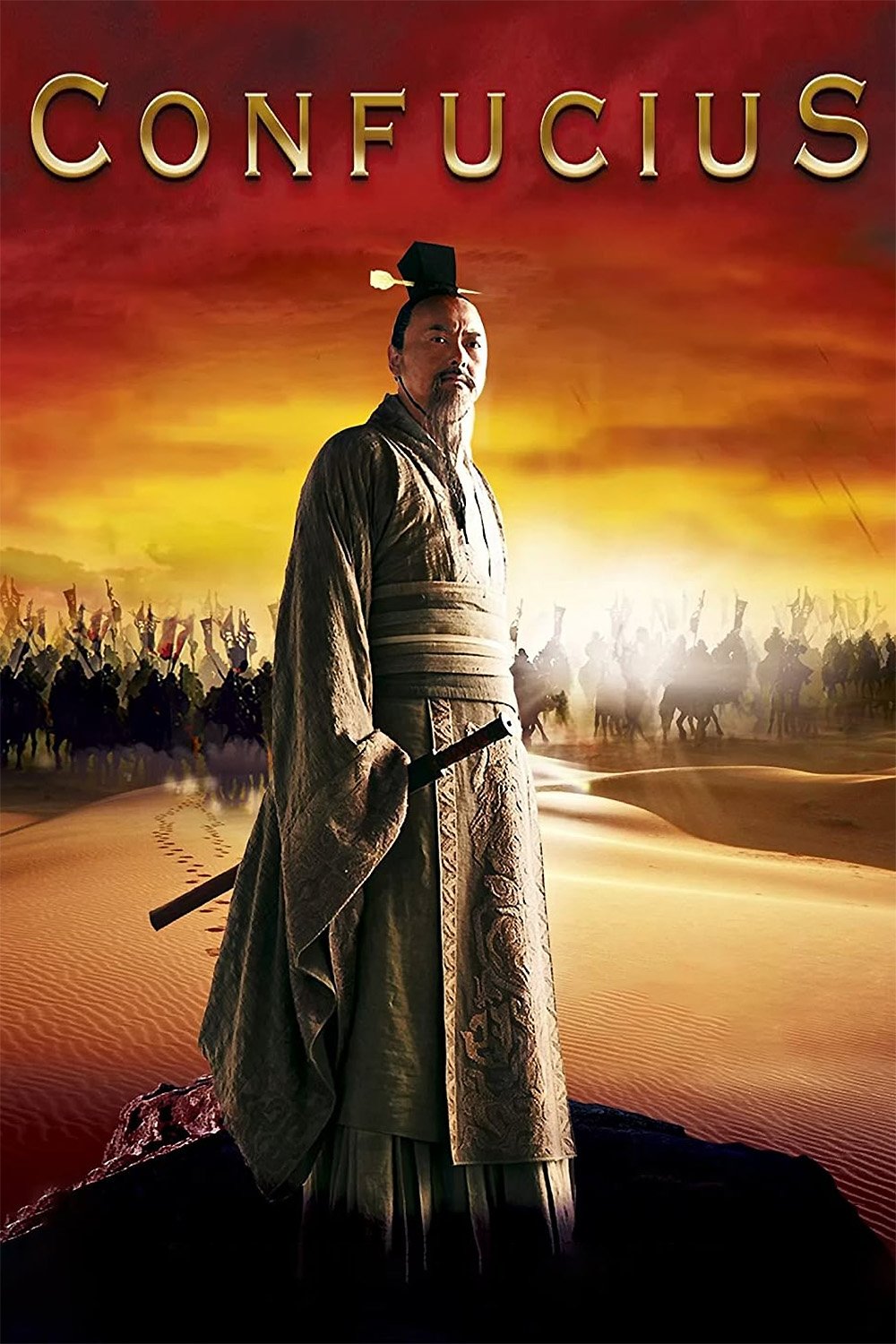
In 500 B.C., during Chinas famed 'Spring and Autumn Period', Kong Ze (Confucius), a commoner reverred for his outstanding wisdom, is made Minister of Law in the ancient Kingdom of Lu. Under his inspired leadership, Lu ascends to new heights but becomes a target of conquest for the warlike nation of Qi. Threatened with annihilation by their powerful neighbour, a desperate people turn to their greatest teacher to lead their most powerful army. When Confucius delivers a stunning victory against all odds, a jealous aristocracy sets out to destroy him, but they should never under-estimate a remarkable man whose wisdom is more powerful than the sword.
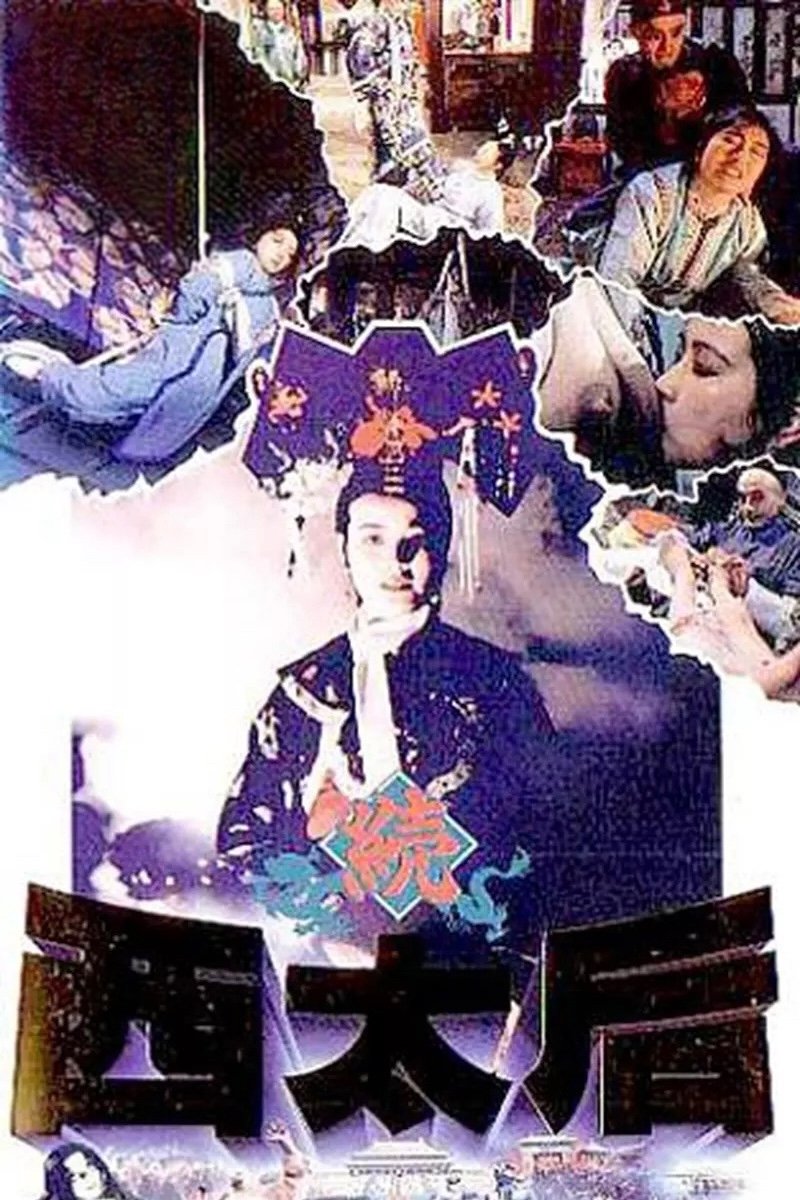
Han Hsiang Li's lush epic re-creates the fascinating life and times of Tzu Hsi, the Manchu Qing dynasty empress who rose from the ranks of Emperor Xianfeng's many concubines to become the de facto ruler of China for nearly 50 years.
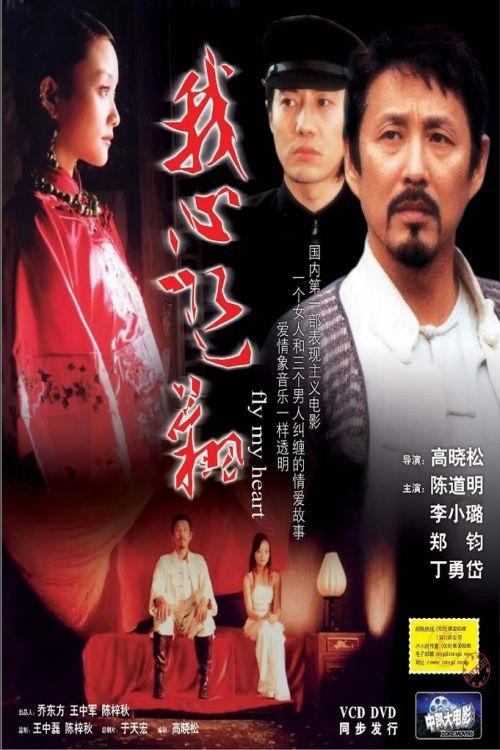
Having witnessed all his students died for conflicts among warlords and handicapped during a battle, a painter leaves his troop behind, settles down at a small utopia-like village and becomes a kite maker. This is early 1930's. He marries a local girl who never speaks. A young music student comes and takes the girl's heart away. Suddenly, Japan's war machine rolls into the quite village and everything beautiful is doomed.
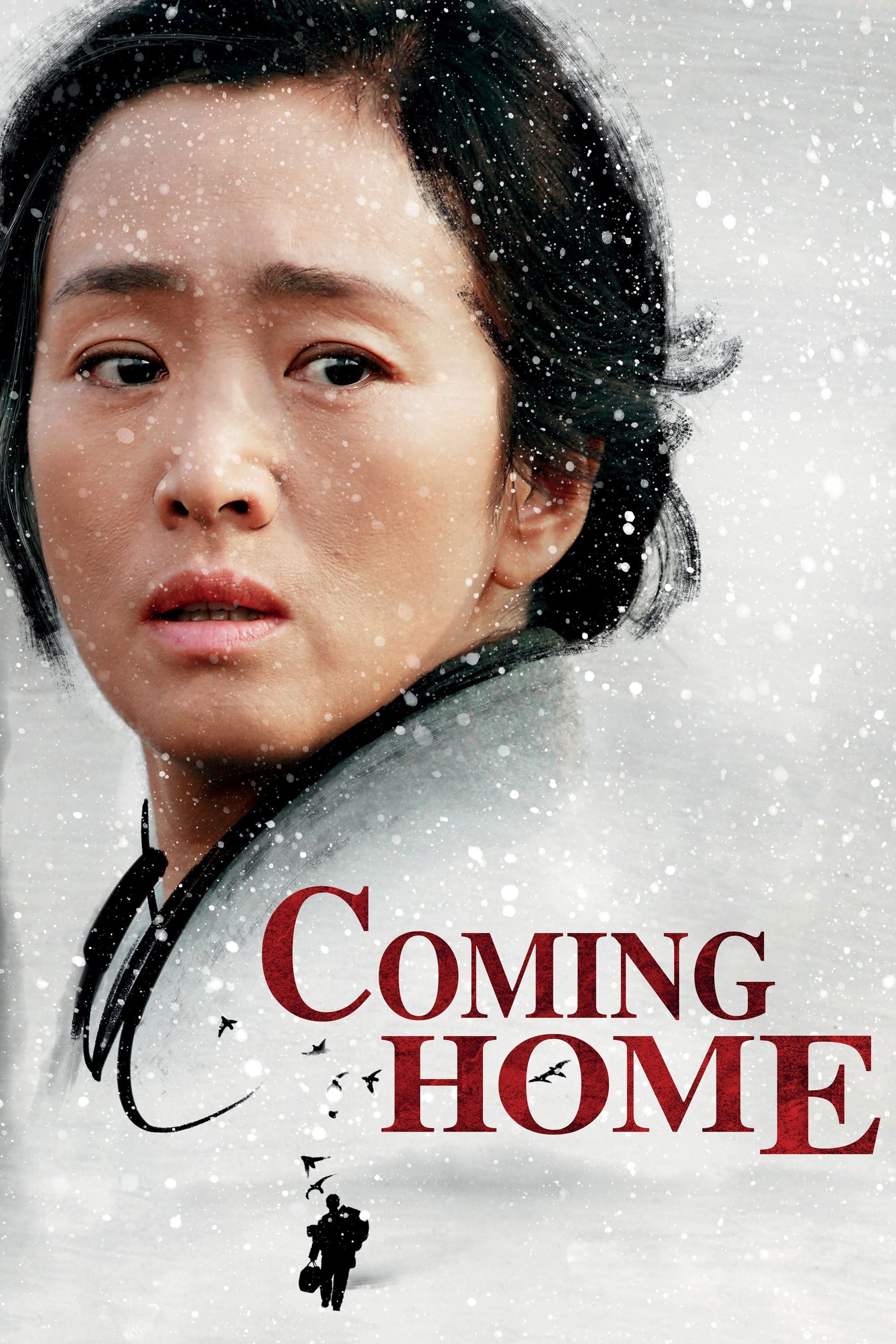
Lu and Feng are a devoted couple forced to separate when Lu is arrested and sent to a labor camp as a political prisoner during the Cultural Revolution. He finally returns home only to find that his beloved wife no longer remembers him.

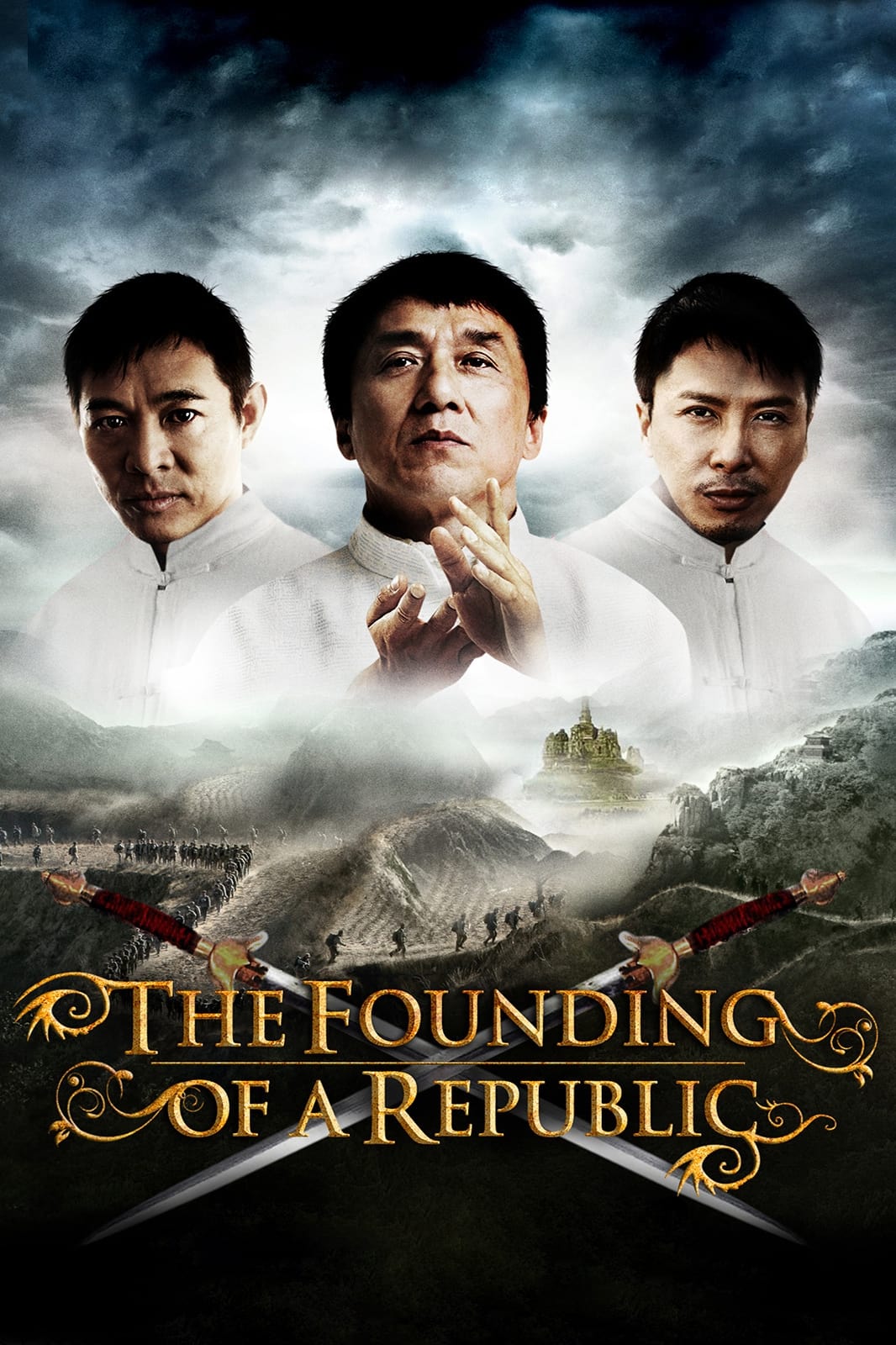
A chronicle of the events that led to the founding of the Chinese Communist Party.
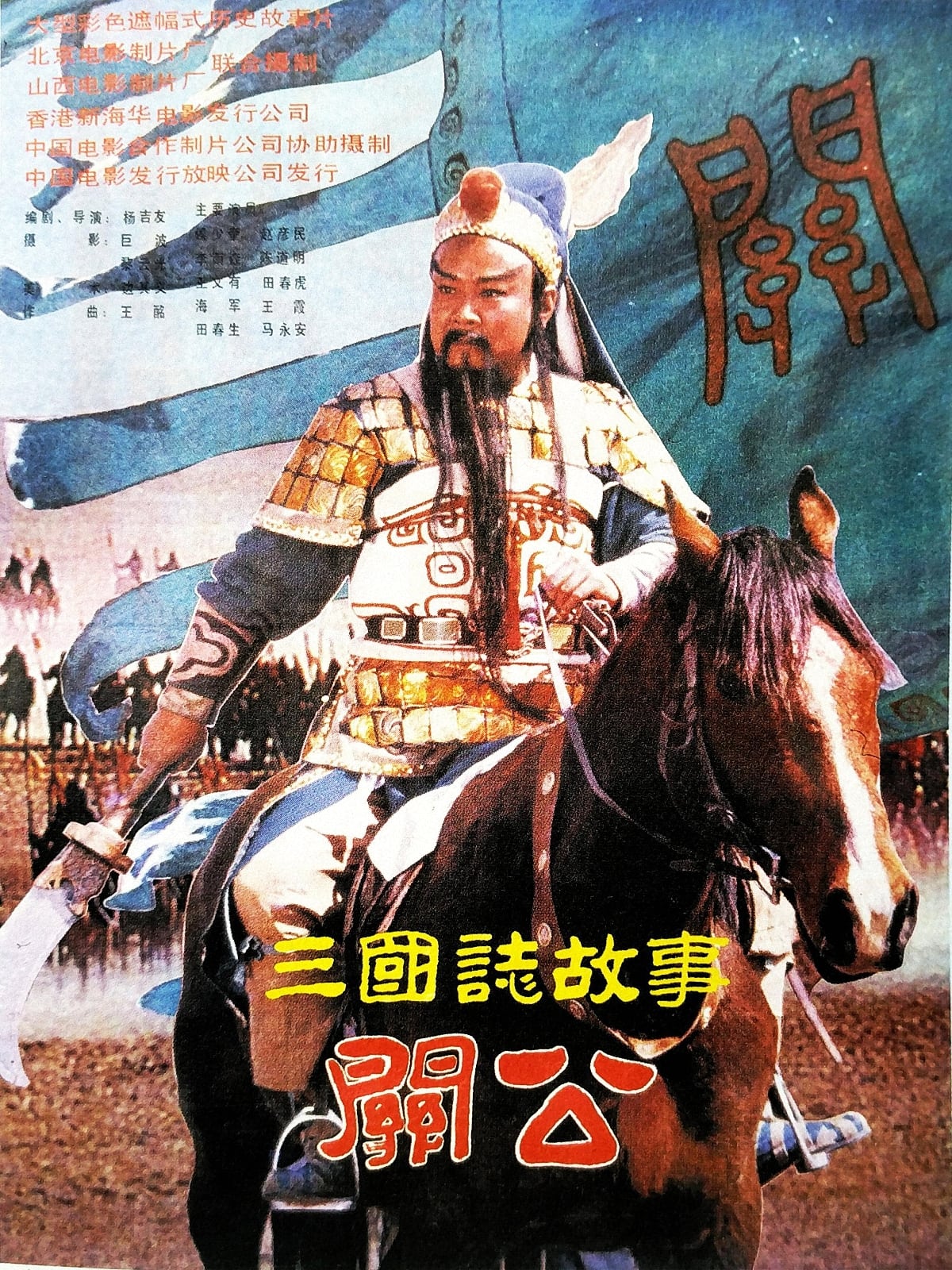
The tale of one man who fought against the tyranny of a ruler and led his people in battle in the ultimate sacrifice for his country.
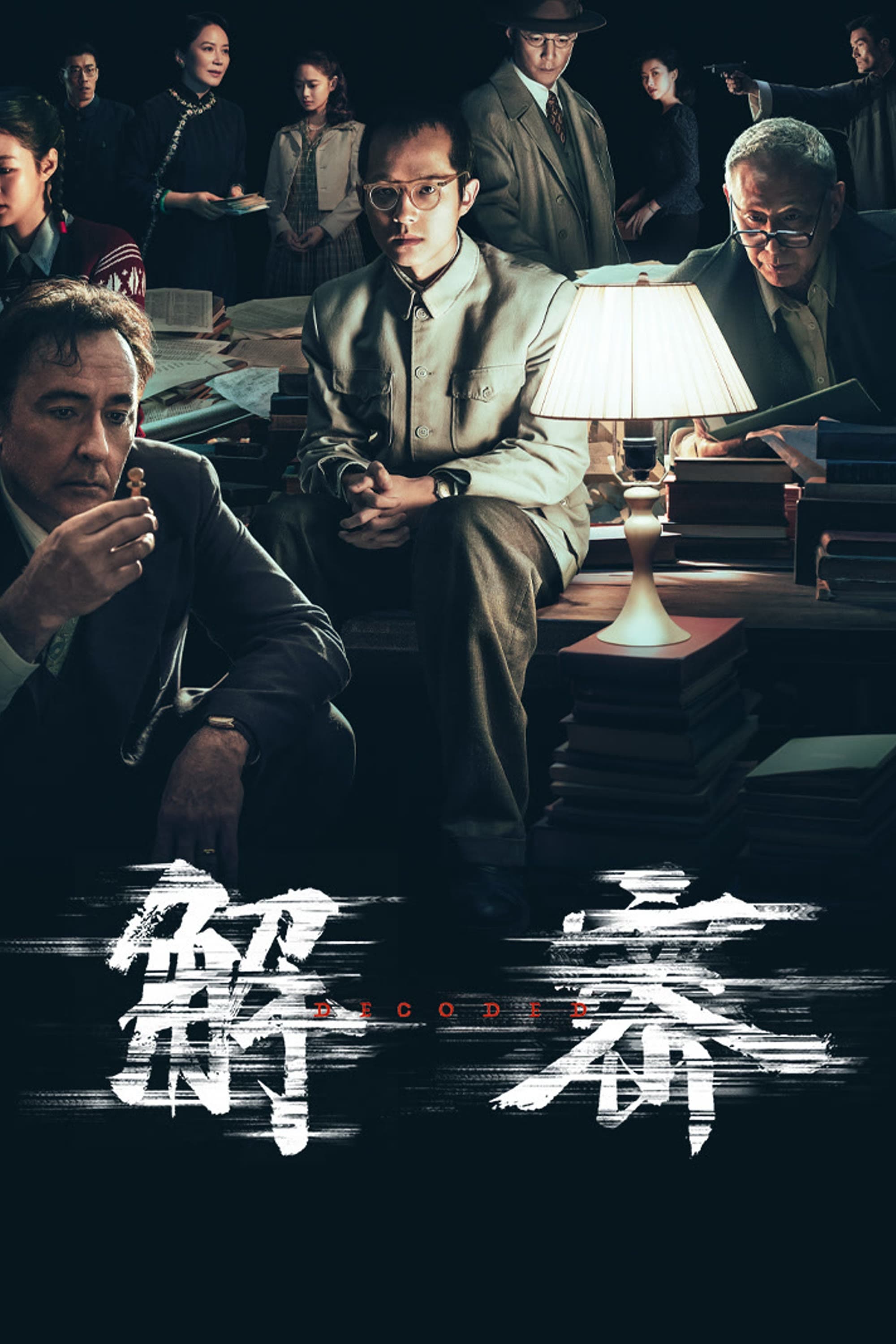
In the 1940s, the world was in turmoil, and it was crucial to decipher the enemy's communication codes in a timely and accurate manner. Rong Jinzhen has shown amazing mathematical talent since her childhood, and because she solved the problems assigned by her math teacher, she was noticed by more people, and even walked into the door of code-breaking by mistake.
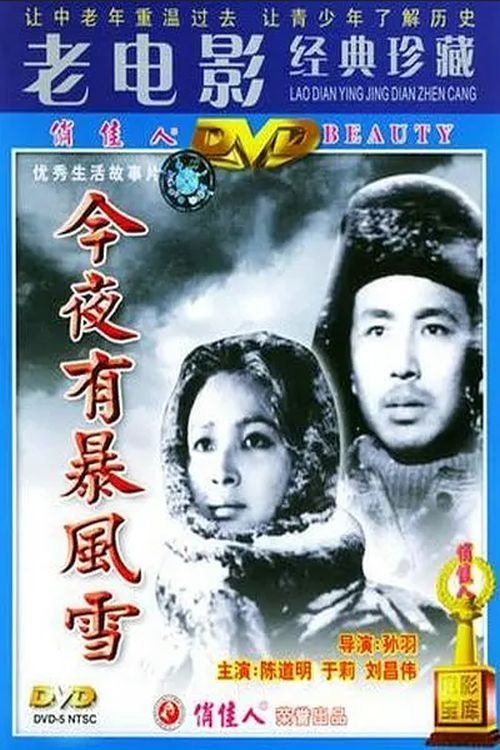
A group of young intellectuals return to the city after the Cultural Revolution.
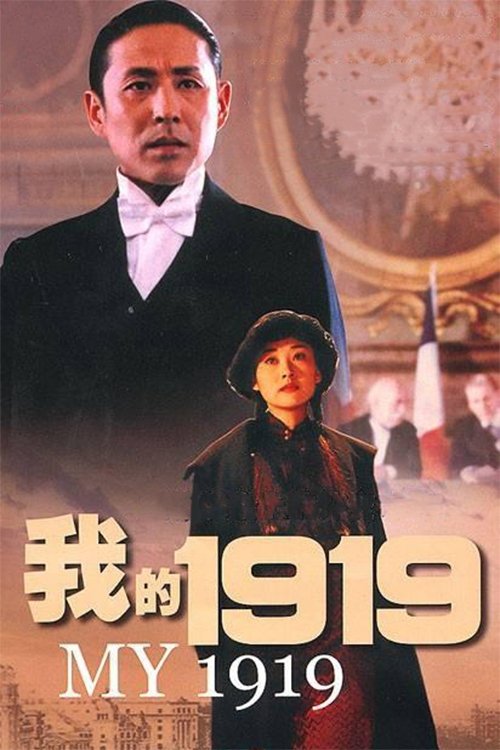
To the Chinese, the Conference at Versailles was more of an insult at their dignity and sovreignity than a celebration of peace.
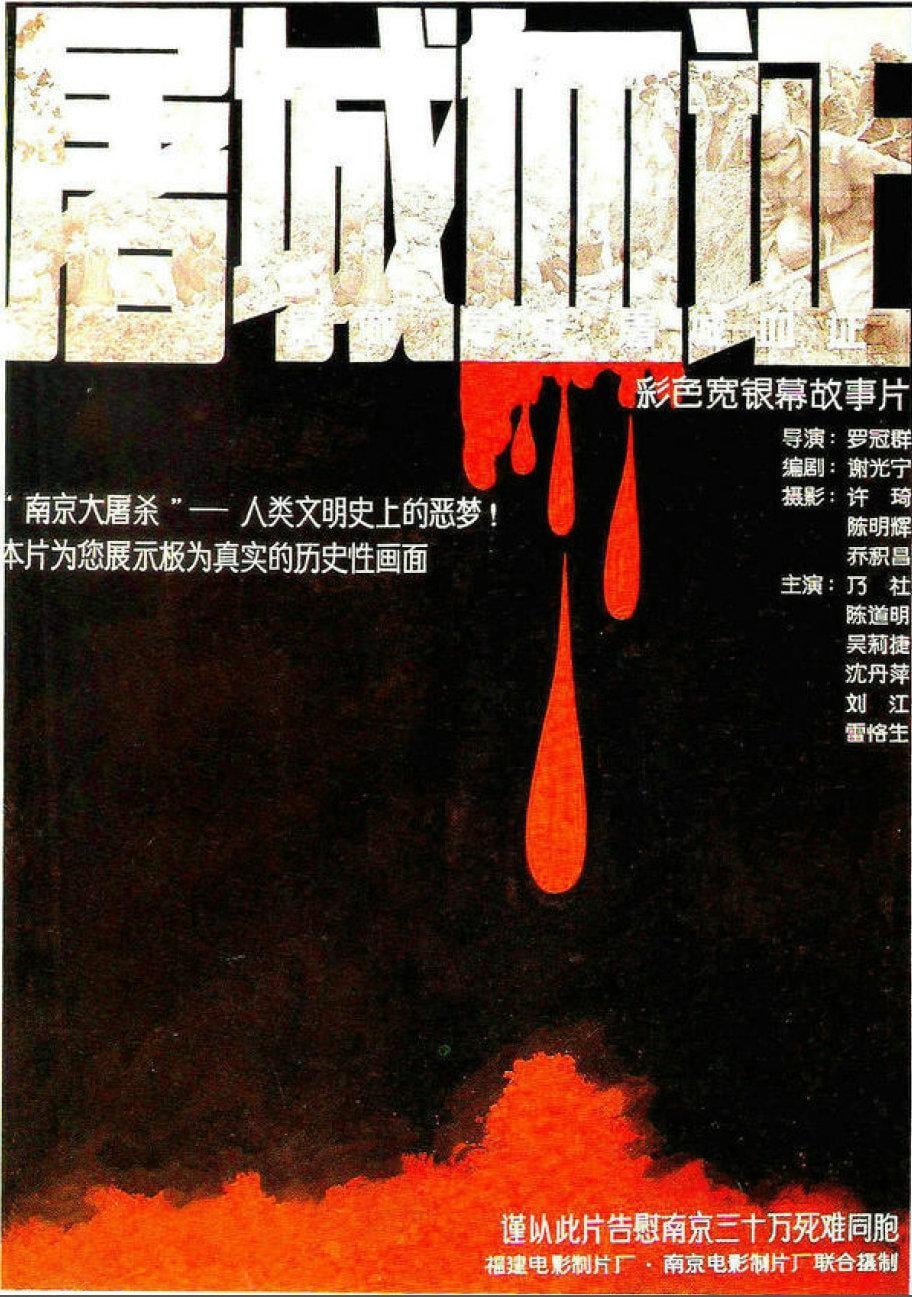
In December 1937, Imperial Japanese Army occupied Nanjing. Nanjing International Safety Zone became a safe haven amid massacres. Japanese officers sought to suppress reporting while the Chinese wanted to smuggle out the damning evidence.
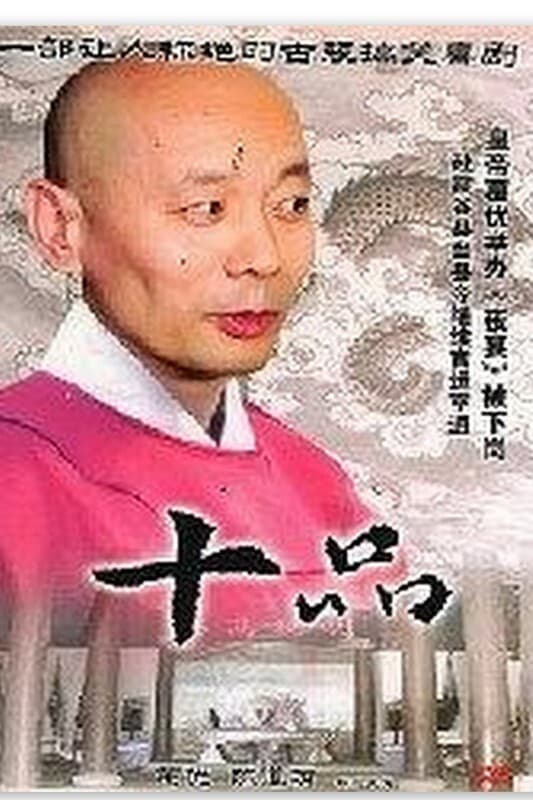
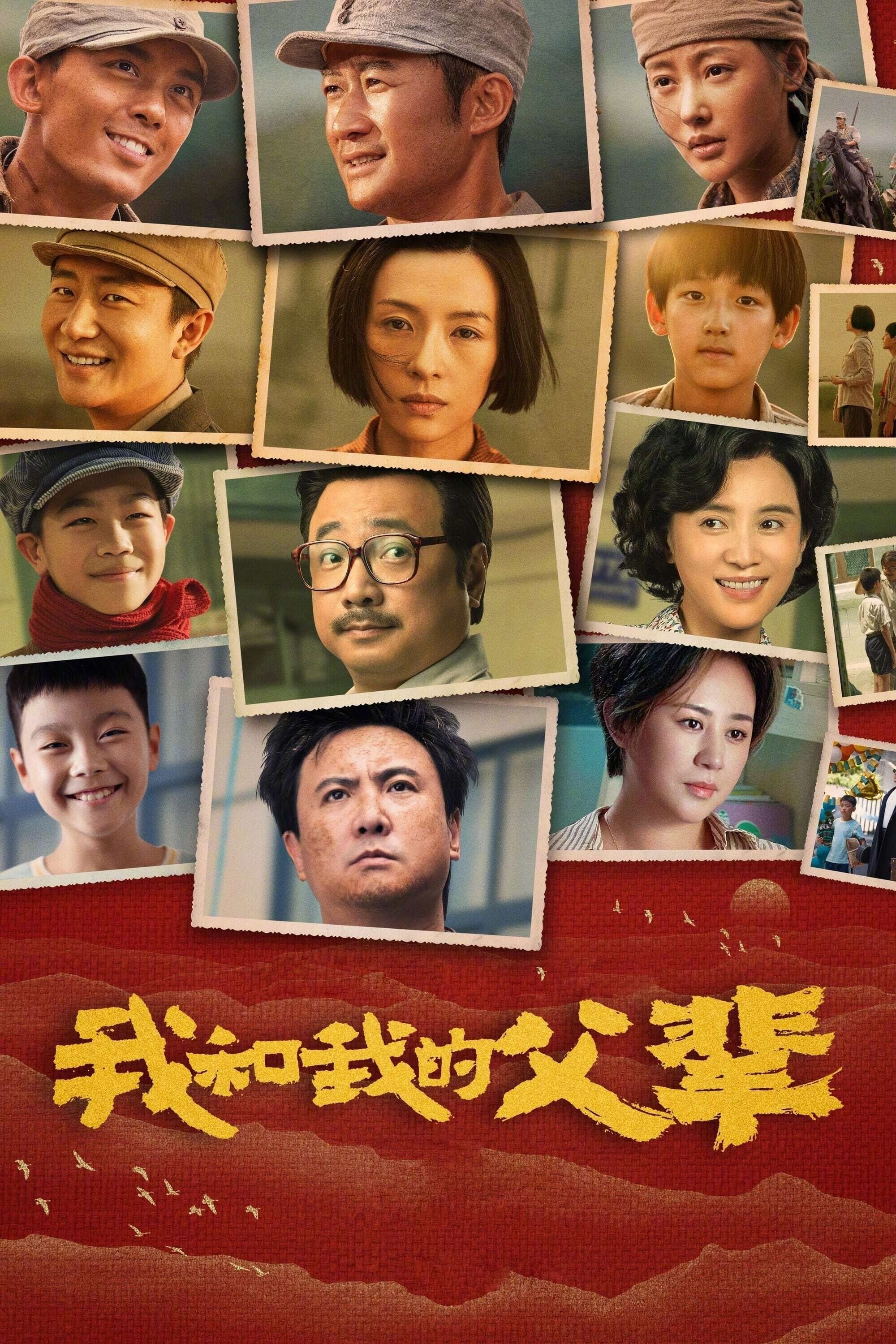
This anthology drama presents four short films honoring Chinese families, spotlighting the struggles of key groups across four pivotal eras: the revolution, construction, reform and opening up, and the new era, while highlighting their perseverance, dedication to ideals, and commitment to passing on the national spirit through generations.
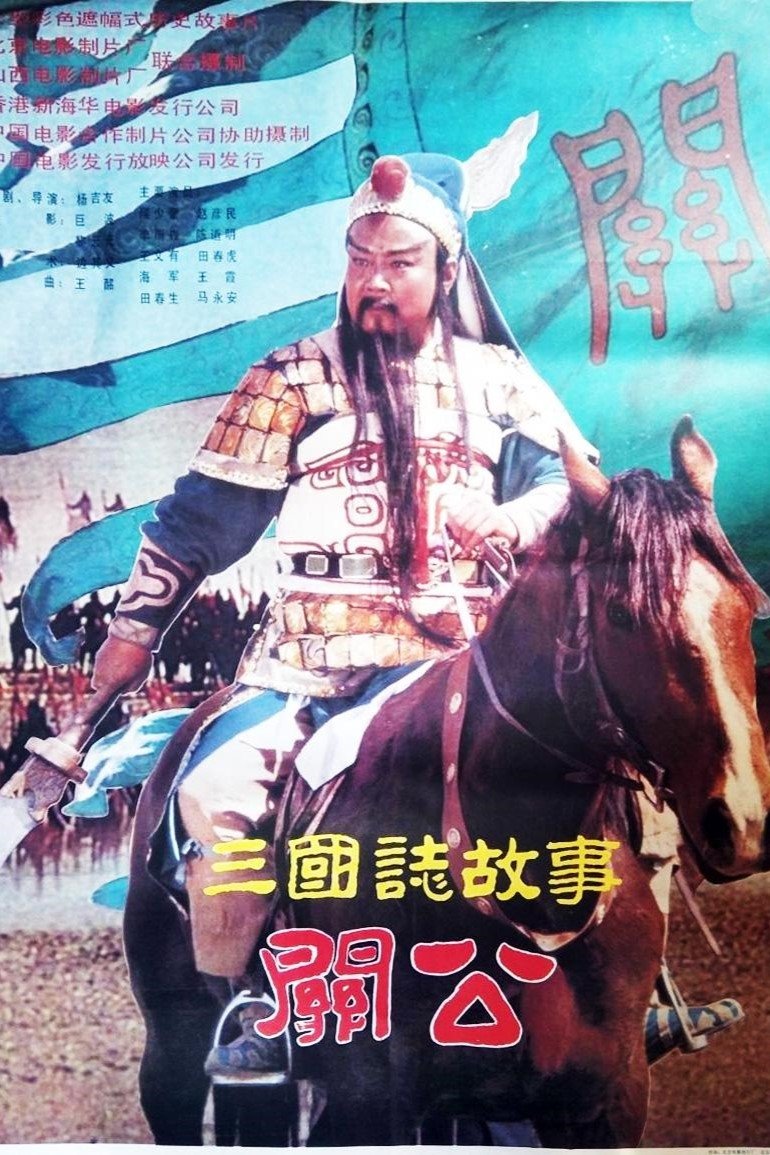
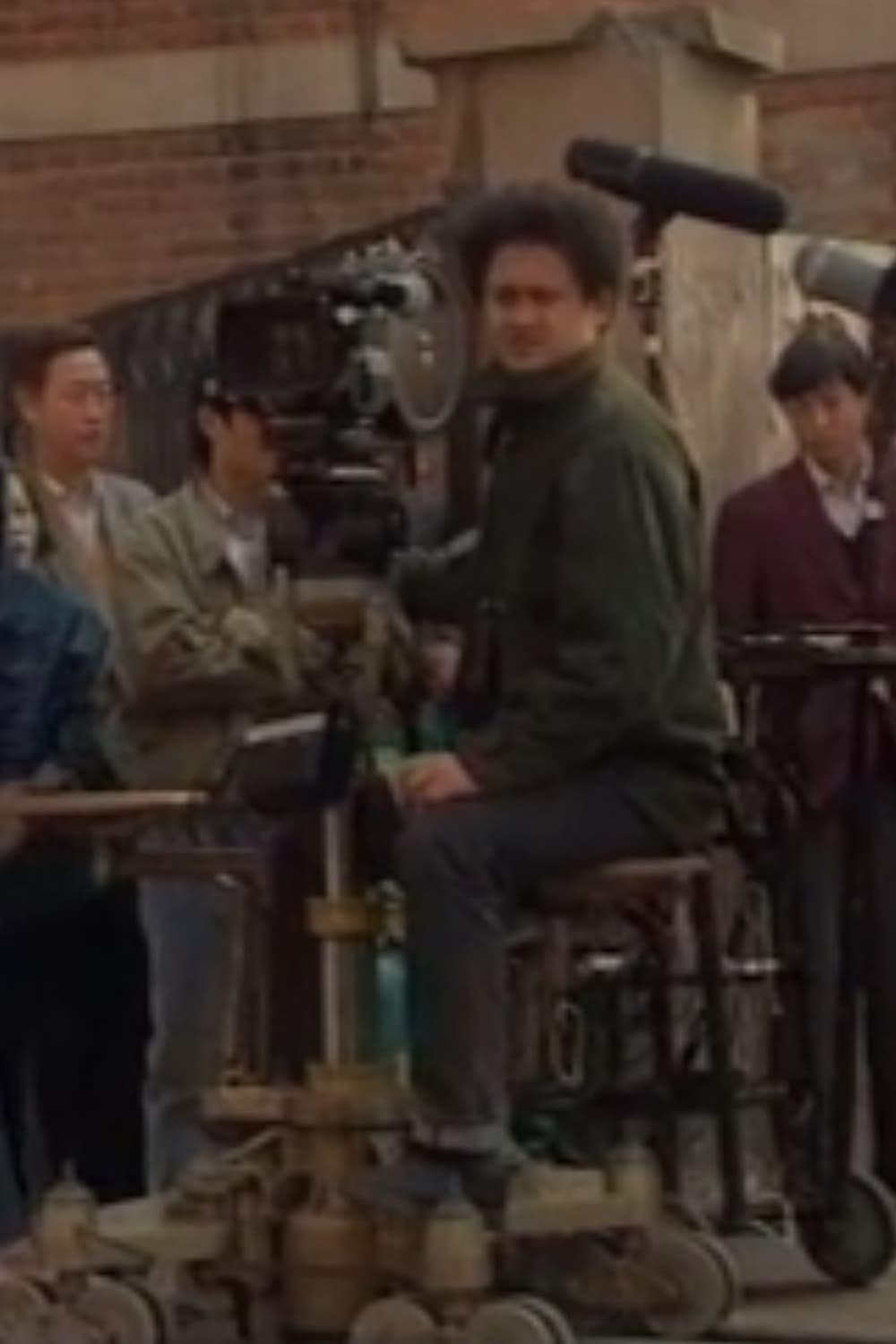
The one directorial feature by Ning Dai, sister of 5th generation filmmaker Ning Ying and wife of 6th generation filmmaker Zhang Yuan. It follows a chaotic period in November of 1993, when production suddenly halted on Zhang Yuan's TV film adaptation of a popular novel, Chicken Feathers, after the Chinese Film Bureau announced that Zhang could no longer direct the film due to submitting his previous independent feature, 1992's Beijing Bastards, to a film festival in Japan without receiving the proper authorization to do so. Ning's documentary features anguished meetings between the Chicken Feather's production crew as they debate replacing Zhang with another director, along with testimonials on the state of censorship in Chinese independent cinema of the early '90s from Wu Wenguang, Tang Danian, He Jianjun, Cui Jian, and others.
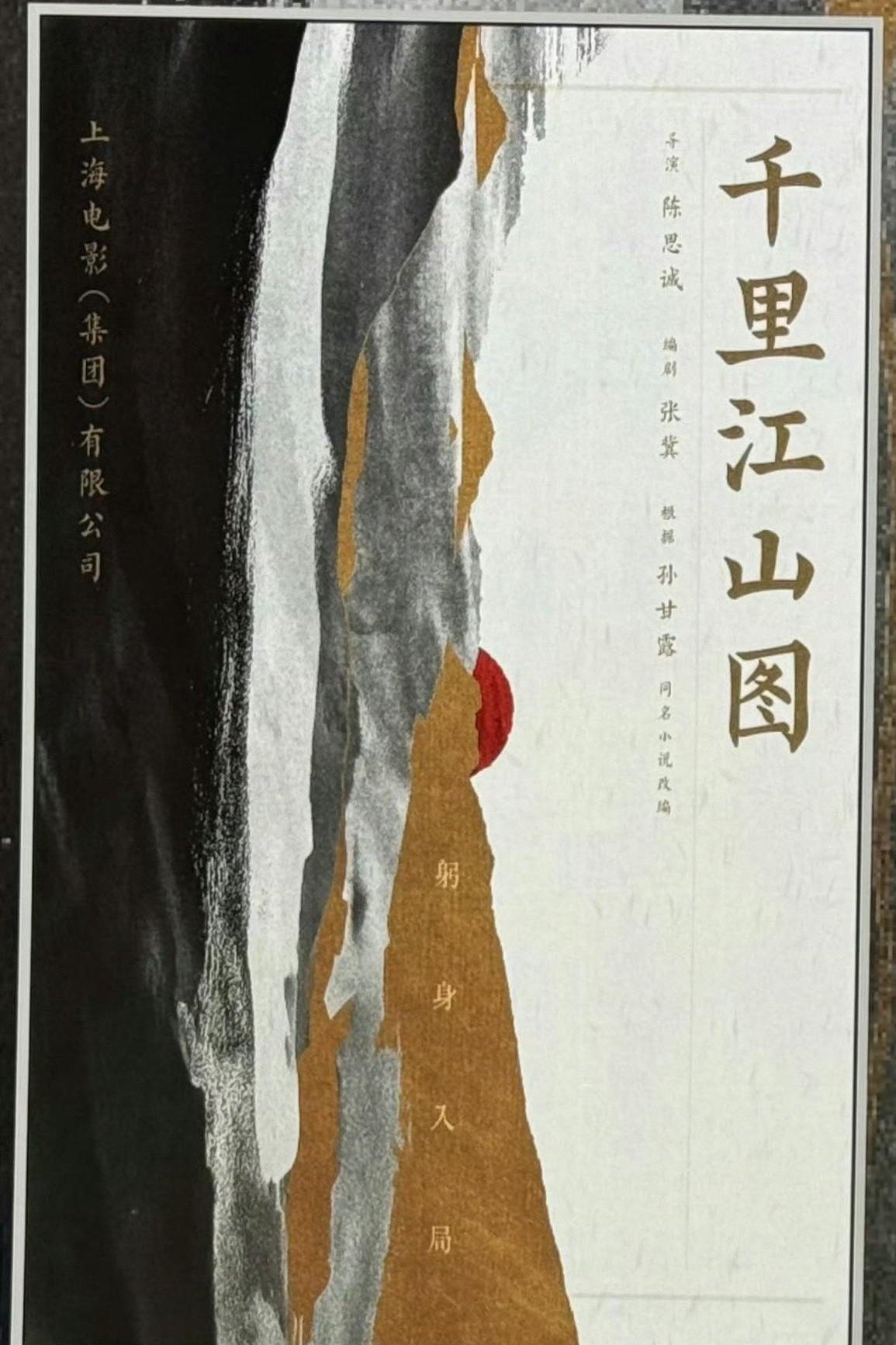
Based on the novel of the same name by Shanghai writer Sun Ganlu, which won the 11th Mao Dun Literature Prize