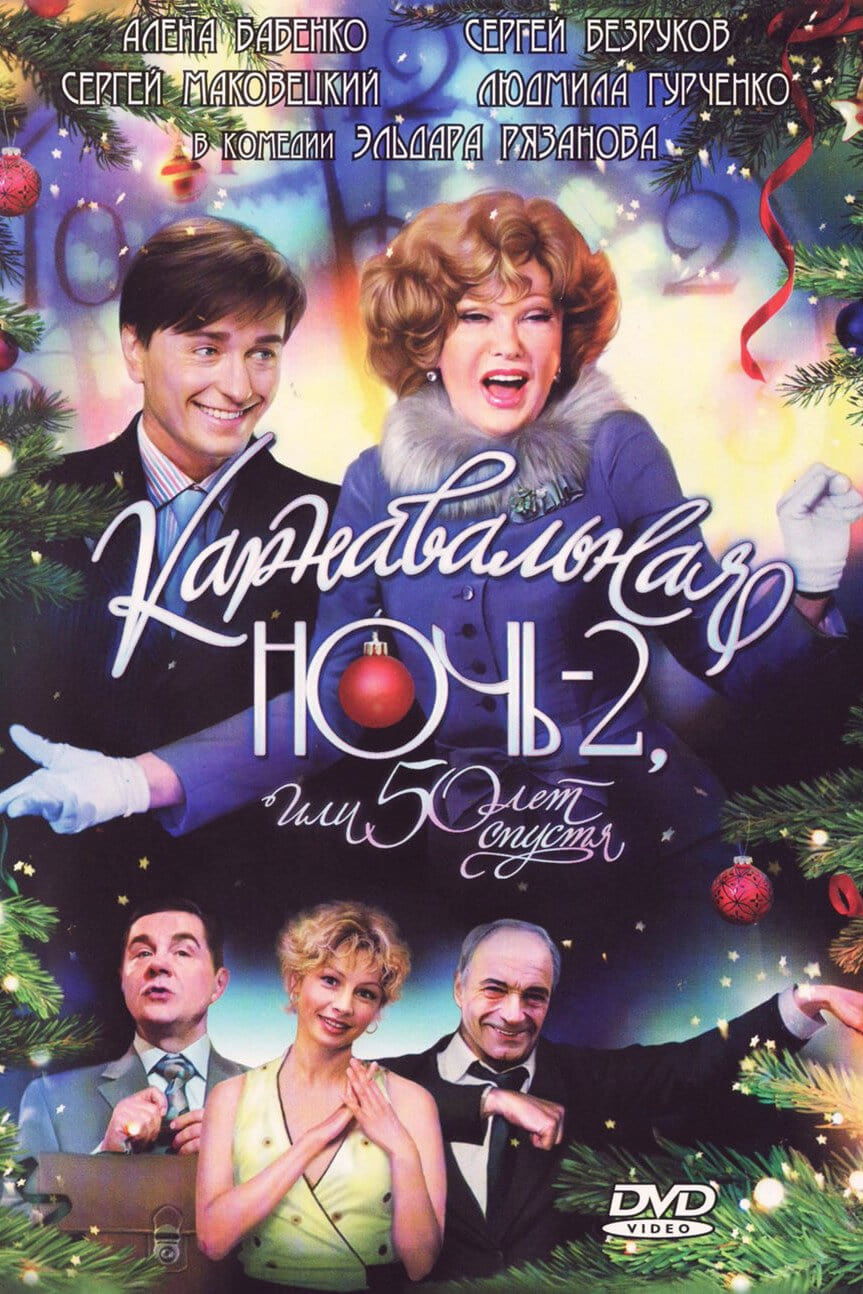
The author's remake of the famous New Year's comedy is not an exact copy of the original. Festive mess in the same House of Culture, where they celebrated the New Year 50 years ago. Now the institution is named after Ogurtsov and is headed by Mr. Kabachkov. A young enthusiast Alyona Krylatova and a young man Denis Kolechkin work in the recreation center. Alyona, as she can, opposes the "arts" of the bureaucrat and opportunist Kabachkov, and Denis helps her.
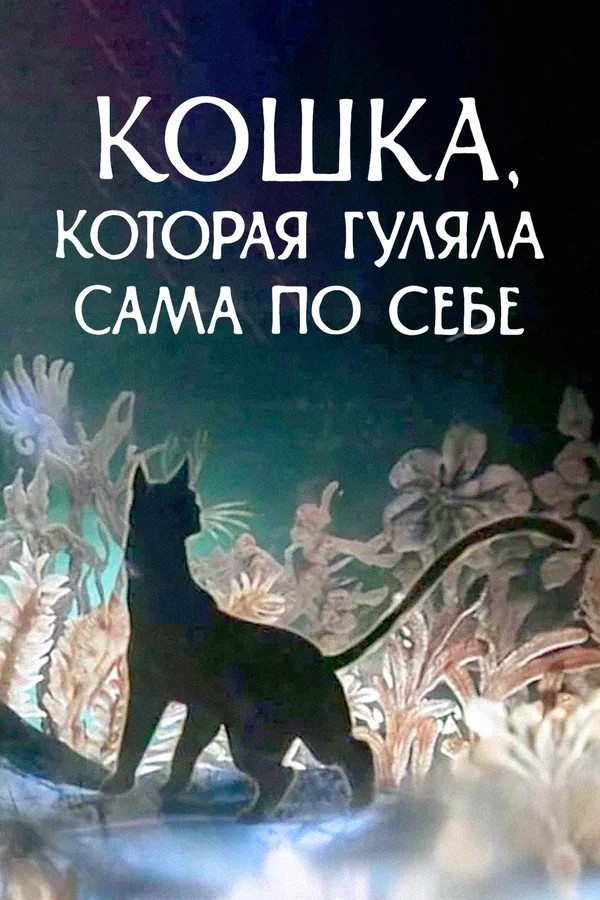
Two parents put their child in his crib for the night and leave the room. The child starts crying, and the Cat comes into the room to keep him company. The child grabs her tail, and the Cat angrily reminds him that they agreed a thousand years ago that he would not do that. Upon seeing that the child doesn't remember, the Cat sighs and decides to tell him the story from the beginning. The story starts when the planet was young and life on Earth is starting with dinosaurs.
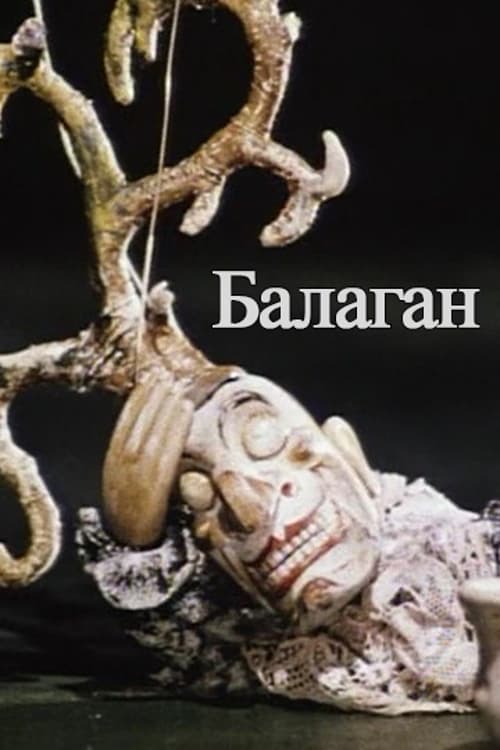
Loosely inspired in some plays from the Spanish author Federico Garcia Lorca("The Puppet Play of Don Cristóbal", "The Billy-Club Puppets" and "Doña Rosita the Spinster"), this short does an incredibly job capturing all the poetry from those literary works, adding a new level of beauty to them by the art of puppetry and stop-motion animation. "Cabaret" starts as a bizarre comedy filled with many extravagances, then, it quickly evolves into a heart-breaking (But at the same time, captivating) tragedy, filled with a breathtaking lyricism that leads into a memorable ending, having some of the most beautiful lines that have been ever spoken in any animated film.
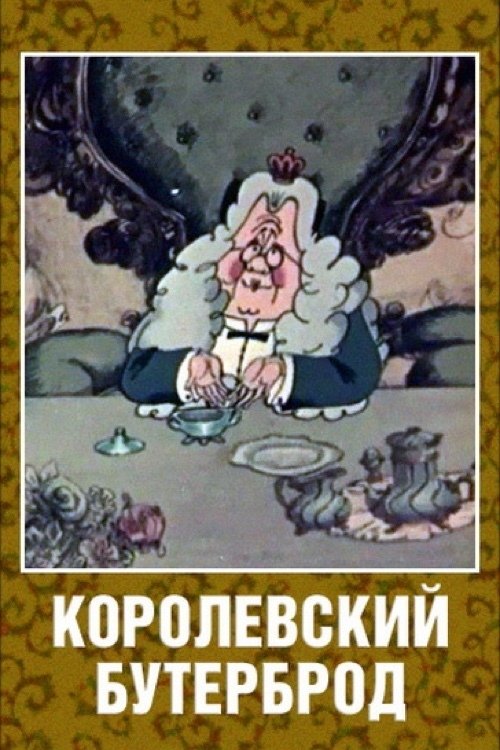
It is a comedy film which is put on the motives of A. Milne's known poem in S. J. A. Marshak's translation. It tells us how for the sake of trifling whim of whimsical king the whole kingdom was agitated.
Eldar Ryazanov reads his poetry. An introspective movie on his multifaceted work.
The documentary concert consists of performances by Soviet pop performers such as Anne Veski, Alexander Gradsky, Nani Bregvadze, and others.
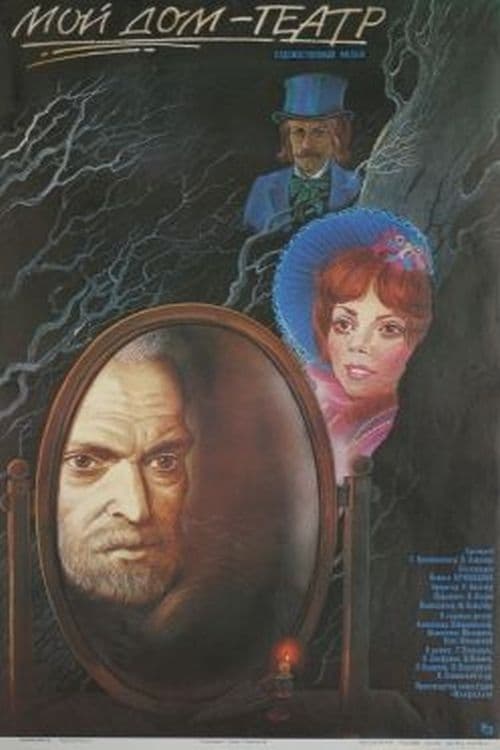
A.N. Ostrovsky recalls the first period of his creative work (1849–1859), when he began collaborating with the Maly Theatre and with masters of the Russian stage such as L.P. Kositskaya, M.S. Shchepkin, and P.M. Sadovsky. Almost every character in this film is a real historical figure.
One of the neighbors, Viktor Efimovich Rachkov, was repeatedly visited by the devil. He went to the police, but they asked for a description of the offender. Well, what kind of description can you give for the devil? So, he had to move out of his apartment, and in his place settled his mysterious nephew – a soloist of a gypsy ensemble. And where there's one gypsy, there are others. But let’s not reveal the whole intrigue...