
The film describes the activity of an ABV of the People's Police in its section in East Berlin. A mixture of “positive” characters from the beginning, the extensively staged “owl”, who is introduced as a criminal and over the course of time, especially due to the influence of the ABV, develops into a good citizen, and incorrigible characters, with whom the ABV fails with its extensive attempts at rehabilitation and who are arrested after having committed again offenses.

Eighteen-year-old Wolfgang has just passed his A-levels and still has a few months to go before he has to start his military service. Instead of sitting around lazily, he wants to experience something during this time before the serious side of life begins. Wolfgang decides to hitchhike to Poland. There he makes friends with a group of young mountaineers, and Wolfgang's last period of complete freedom begins.

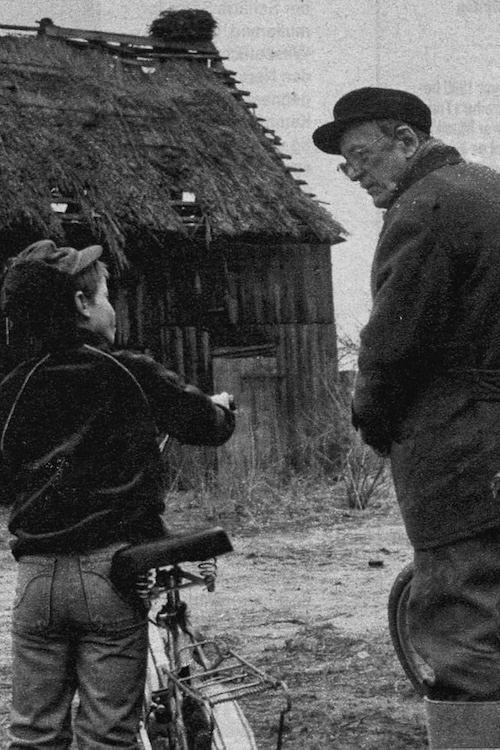
In the village of Medela, the village elder Fritz Schmal is buried with great sympathy. Beforehand, Till goes with his father to his property to check on the stork on its new nest. When they join the funeral procession afterwards, the stork has just returned from Africa and joins her husband on the nest. So it comes as Grandad Schmal had predicted. The following flashback shows how it all began.

Andreas Jungmann has decided to become a professional soldier. He proves himself during his service with the NVA and feels in his element. He and his squad pass the endurance test ordered immediately after an exercise without any problems. His decision is made. But his wife Doris is expecting a child and no longer wants to do without him. She even threatens to terminate the pregnancy if Andreas does not cancel his notification. What will he decide?

Ulf would do anything to win Biggi's heart. Because he wants to impress her, he decides to join the sailing club. Despite the mockery of his friends, he is not dissuaded from his plan and spares no effort to make an impression on his beloved. But she only gives him the cold shoulder, whereupon he manipulates her boat. As a result, Biggi ends up in last place in an important regatta race. Both are threatened with expulsion, which is why they have to pull themselves together.
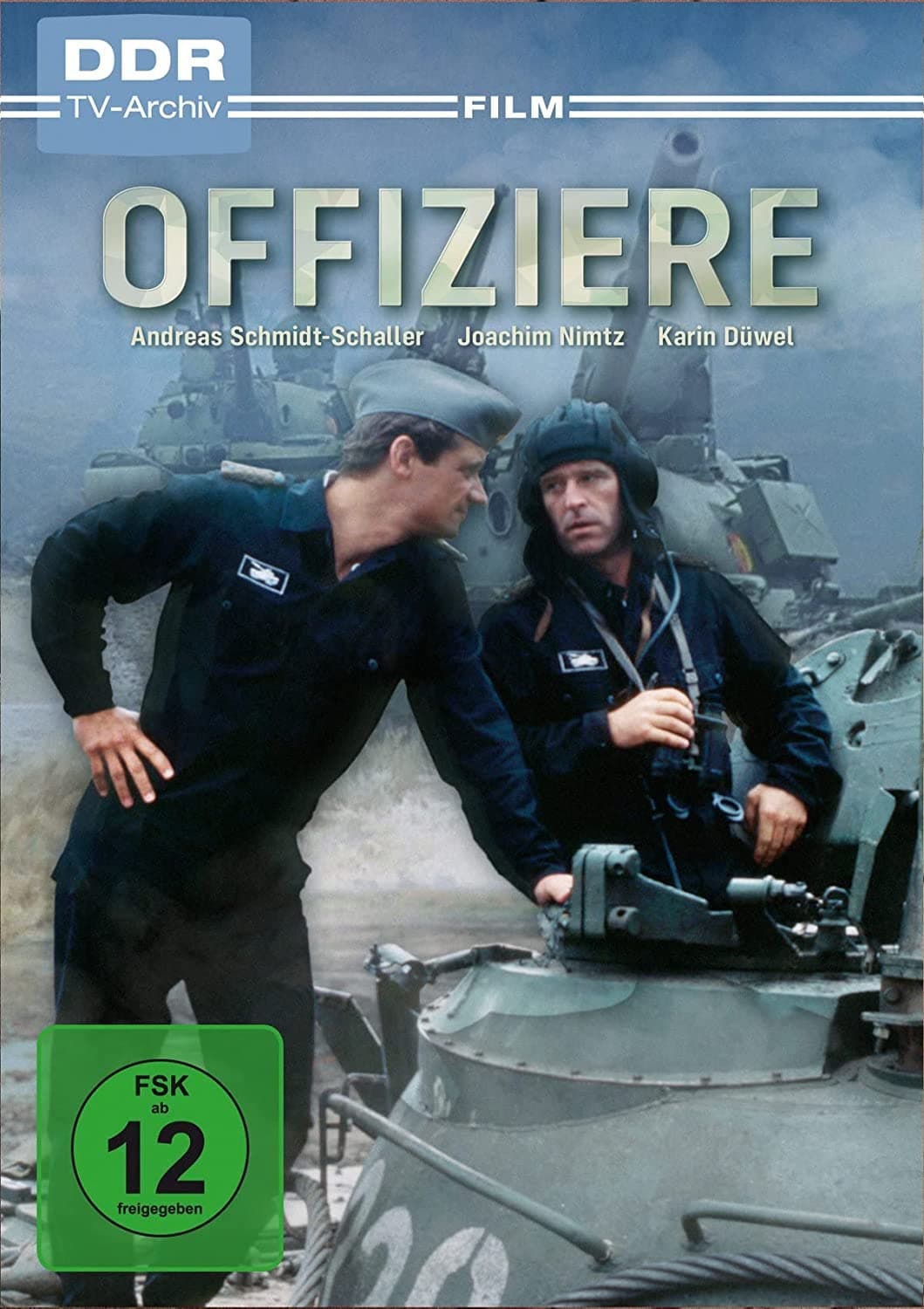
Major Leska, who has proven himself as a troop officer in a tank battalion in complicated maneuvers, is to become an instructor. He sees this as a challenge and is looking forward to the new task. But then the decision is made in favor of his friend Hans Helbig, who has just graduated from the military academy with distinction and was once Leska's subordinate. The conflict that erupts between Leska and Hans puts a strain on their working relationship and puts their friendship to the test. They have to prove themselves during an important maneuver.

"All Quiet On The Western Front" made the Osnabrück native world-famous in 1929. In 1930, Hollywood made a film of the novel, the Nazis defamed it as "treason against soldiers", Remarque had to flee to Switzerland...
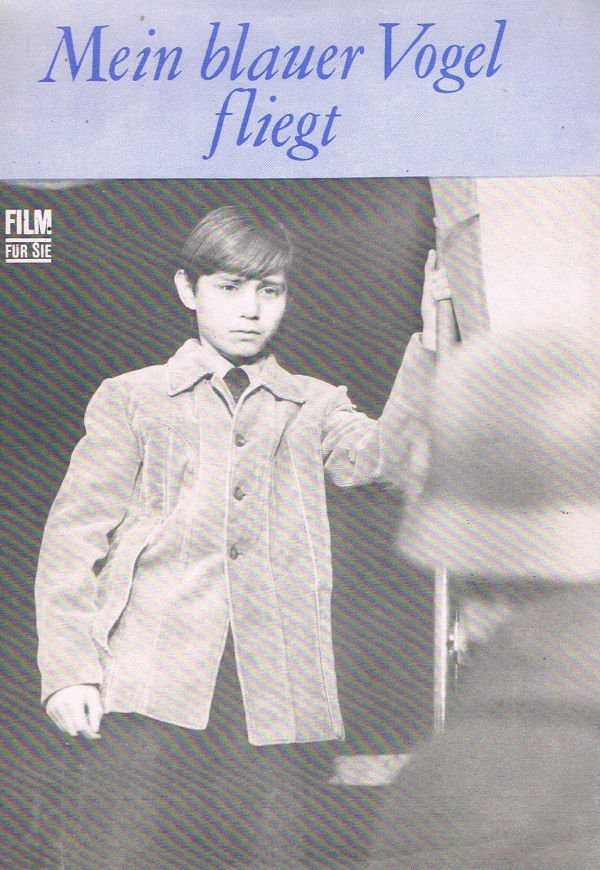
Based upon a true story, the movie centers on the German communist Robert, a "Kapo" in a concentration camp. When some Polish children are brought to the camp, Robert tries to save them from certain death. Due to his efforts they are being trained as masons and become part of his construction gang. Nevertheless, the boys, and mainly the clever Janusz, are very suspicious of Robert. They have already experienced too much evil and do not want to trust anybody – least of all a German.
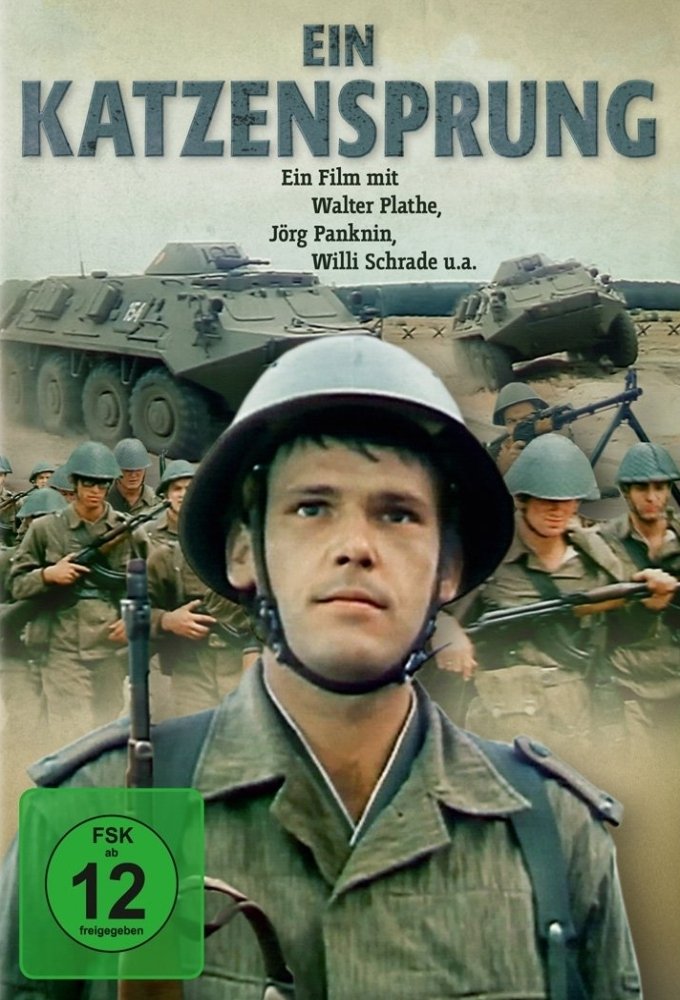
Young lieutenant Riedel, the leader of a motorized unit of NVA riflemen, is always concerned about his men. Thus, he is all the more happy that everything is running smoothly with the new recruits when he returns from his honeymoon. It seems to him that lance corporal Weißenbach, who is not only the oldest of the men but also a formidable armoured personnel carrier driver, has been a reliable stand-in for him. Thus, Riedel is all the more surprised when he learns that Weißenbach boosts the squad's performance with partly questionable methods.
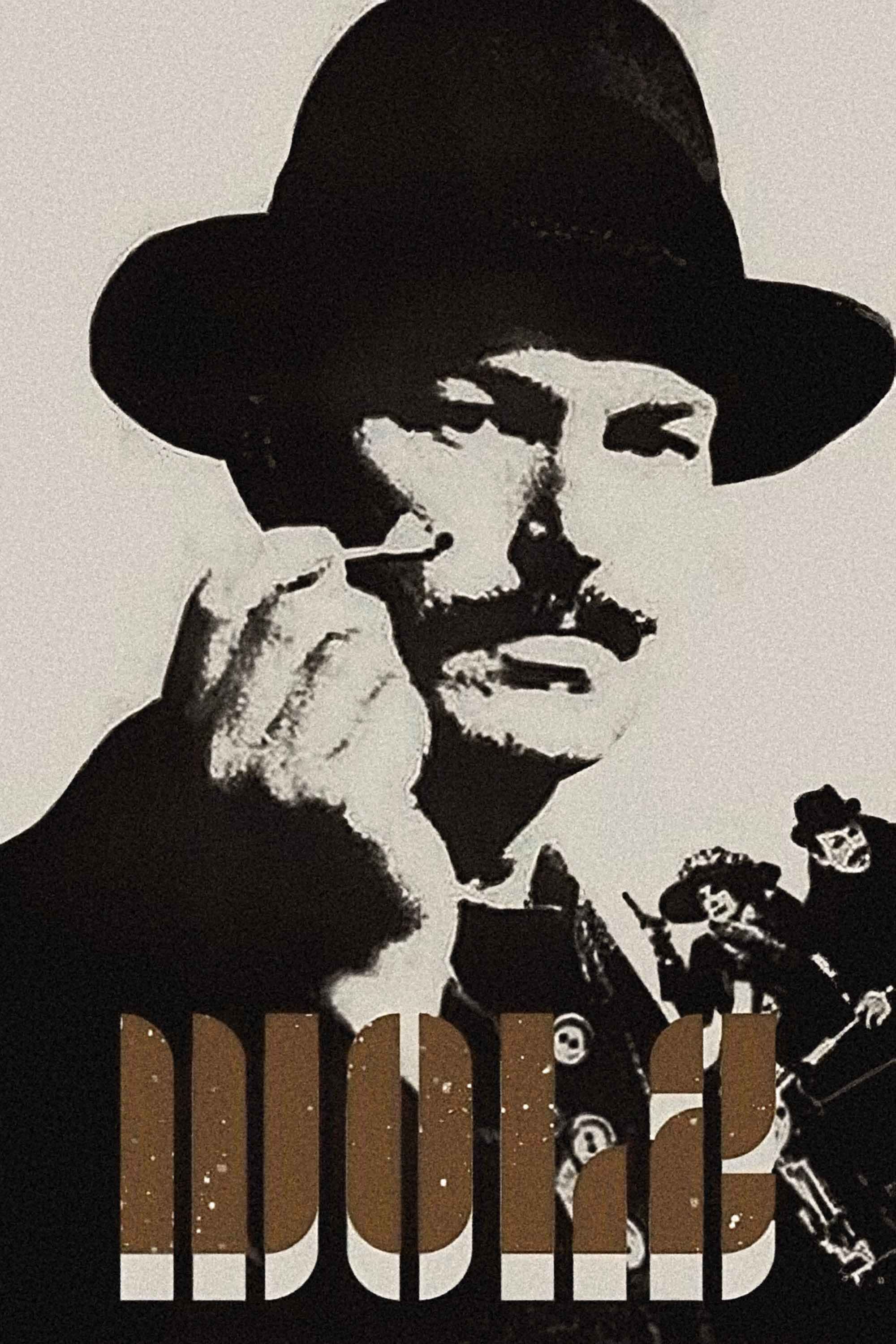
Soldier Ignaz Wolz returns from WWI with an immeasurable hatred of capitalist war profiteers. He decides to start his own revolution, but tries to stay away from the organized class struggle. He steals from the rich men and divides the wealth among the poor. One day, Wolz is arrested and sentenced to life in prison; seven years later he is released due to mass protests. More than ever, it is hard for him to fit in. He severs ties with his former companions, who reject his ideas, and leaves Germany.

Set against the backdrop of post-unification Germany, the film explores the breakdown of relations in a decaying social structure.

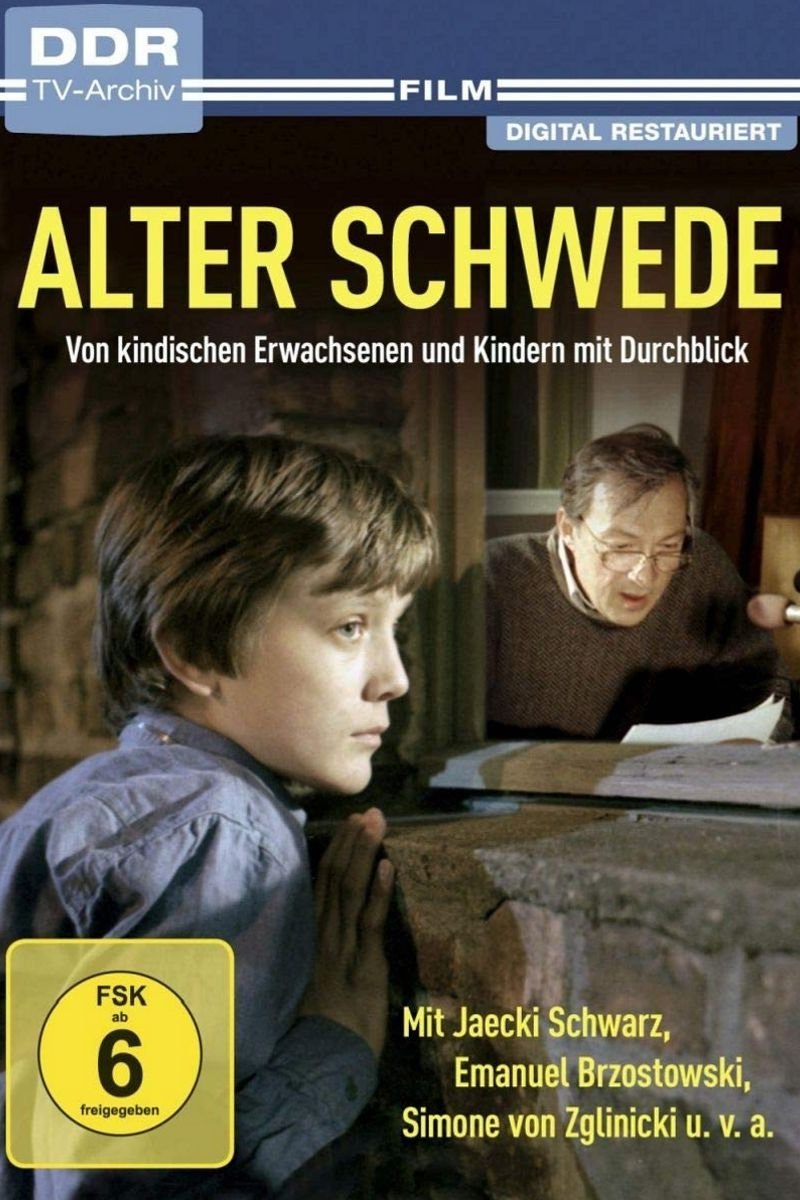
A famous journalist wants to adopt a 13 years old orphan boy but their relationship are not perfect.

A village is blackmailing the city of Leipzig.

The promise of a better life is pivotal in ten-year-old Fee’s decision to travel from her home in Romania to Germany. But she falls victim to child traffickers and is forced to work as a prostitute in a Berlin sex club. She is freed, however, after a police raid. When commissioner Wegemann takes up this serious case of sexual abuse, there’s a shocking discovery: a respected judge is a customer of the crime ring – and the state attorney helping her is a good friend of the judge. Are the police capable of protecting the young girl? Who can be trusted in this quagmire of lies and corruption? This crime drama addresses serious flaws in our society and their weakest victims: children.

In East Berlin in the late 70s, two boys meet one evening in a disco: Thomas, who is from a working class family and is doing an apprenticeship, and Michael, a 16-year-old school pupil from an educated middle-class family. They both miss the tram home and walk together instead, ending up at Michael’s house where they discuss God and the world into the early hours. Following this encounter the two boys enter into an unusual friendship, united by their mutual desire to get away from the phoniness, the limitations and the restrictions of their parents and of society.

Because of shoplifting and property damage Jessie Fischer, a single mother with a rather big mouth, is sentenced to charitable work in a nursing home. There she meets Walter Voss, known as the General. The fate of the grumpy pensioner, who was disenfranchised by his adult children and deported to the home, touches her and she decides to fight for him. But when the general's expensive pocket watch disappears, Jessie, already convicted of theft, is suspected. But the general stops by and they both embark on an adventurous journey to the sea.
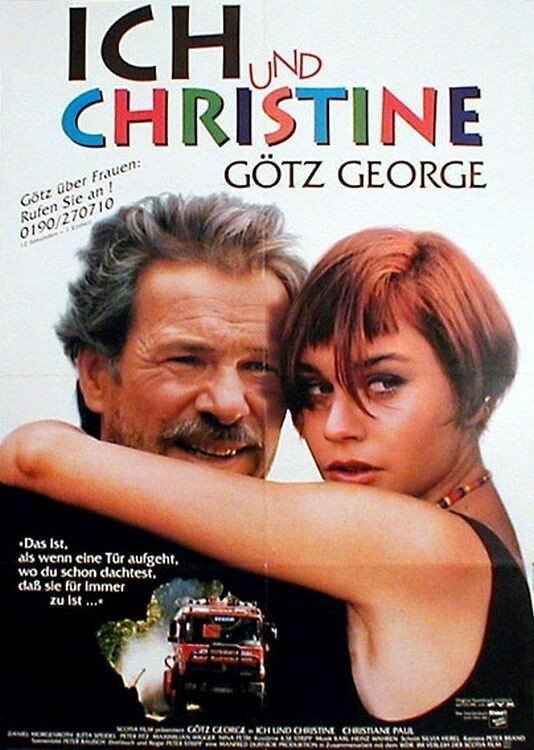
In a traffic accident, the funky young radio presenter Christine meets Bruno, a concrete mixer driver thirty years her senior. They are taken with his simple, direct manner and a relationship develops between them that throws Christine's previous life plans out of kilter. But when Bruno buys a little house by the lake where he wants to spend his life with Christine, she gets scared and moves away with her previous boyfriend, a lawyer. Disappointed, Bruno destroys the house by the lake. But when he has finished, Christine is standing there.
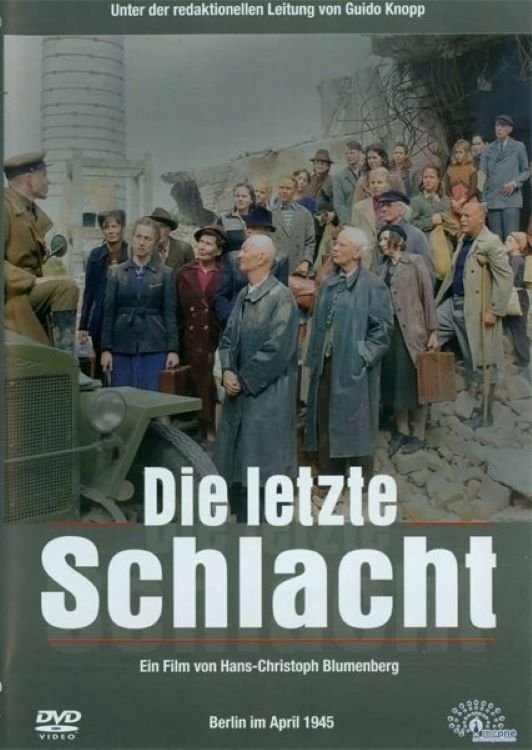
The 13 days from April 20th to May 2nd, 1945, are unique in the history of Germany: They are the final act in the history of the Third Reich, which was supposed to last for a thousand years and succumbed after twelve in an orgy of violence and fire. In the catacombs of his bunker under the Reich Chancellery in the capital city of Berlin, which Adolf Hitler wanted to make the centre of the world, the dictator operates with ghost divisions during the final days of the war. Only in the final moment, he takes his own life. Meanwhile, On the streets, in the ruins, and the basements of the destroyed city, the final battle wages on: Adolescents are sacrificed without purpose, women get raped, loyal party comrades commit suicide in the thousands, Jews who were in hiding for years hope for the liberation.
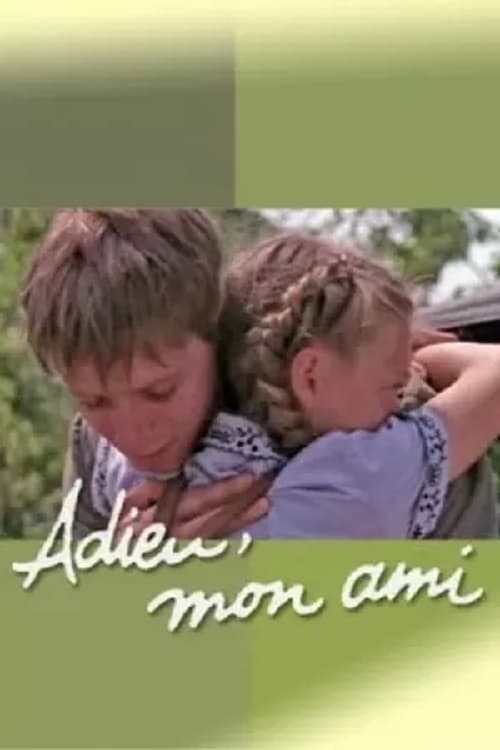
Germany, WWII: 10-year old Dagmar has just lost her beloved twin brother Doug and her family through a bomb attack. Together with a young girl who worked in the bakery of Dagmar's parents they escape to Bavaria and find shelter at some far relatives of Dagmar's family. The little girl just doesn't feel comfortable in the strange family but soon finds a good friend: Laurent, a 17-year old French alien employee. Laurent is tormented by August, the "head of the family", but cannot defend himself because as soon as he causes a conflict he will be sent into an approved school in France which is even worse. Dagmar and Laurent become very close and become almost like brother and sister, they are all they have and Dagmar even falls a bit in love with Laurent. One day August sees how Laurent hugs Dagmar, he provokes a conflict and at the end Laurent is sent back to France...

The film tells the story of the smelter brigade of a steel mill whose members are connected by a strong comradeship. Among the workers are, for instance, young Rolf, whom everybody just calls "Lachtaube" and who always comes through for his co-workers, or the likable Hubert, who works as a simple smelter again after being dismissed as the head of the steel mill. Then, there is also the stubborn Manfred, who should have become a brigadier long ago because of his experience and his competence, but this privilege is refused to him because Manfred is not a party member. Ironically, it is Manfred who hears by accident about the plans of the mill to close down the old Martin furnaces – and to lay off the smelters. When the other men learn about the plans they enter the barricades for their jobs and force the plant′s management to face the workers′ demands and criticism.
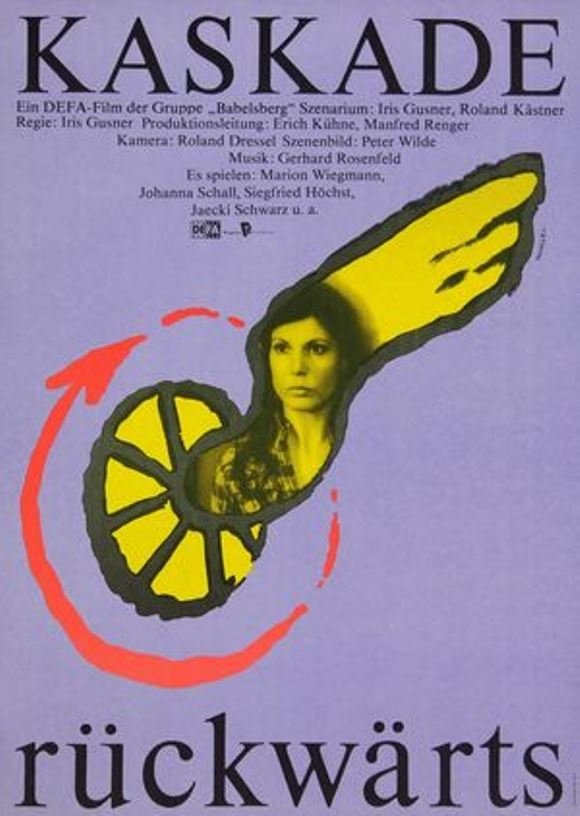
Maja Wegner is in her late thirties and a single mother of a teenage daughter. To give her stale life a new direction, she decides to start all over again in the big city. She sells her house in the countryside, quits her job, and moves with her daughter to Berlin. There, she finds a job as a conductor for the railroad company. Although Maja soon finds new friends in her apartment building, the search for a new life partner does not come off so easily.

After the accidental death of her mother, 12 year old Nicki must care for the family particularly her two young siblings.

In 1864, American soldiers massacre a Cheyenne village at Sand Creek. Disgusted by the massacre, Harmonika, one of the soldiers, deserts the army and is captured by the Indians. At first, the Cheyenne hold him responsible for the murder of the wife and the son of their chief Grauer Esel, but soon Harmonika obtains the tribe′s confidence.
For years, the carpenter Tillmann Rutenschneider has moved around. In 1932, at the age of thirty, he returns to his village in the Mark Brandenburg with a foreign wife. He builds a house and starts a family. It wasn't long before he became a victim of the new racial laws. His house is set on fire, his wife and child burn to death in the flames. He himself is sent to a concentration camp. After liberation, he returned to his home village, started a new family and built a new house. He joins forces with resettlers to form a cooperative, enforcing the land reform in his very own way. Tillmann falls into debt, gets into trouble and ends up in prison. He has to sell his house to pay off his debts. Released from prison, Tillmann Rutenschneider makes his way back to his village.
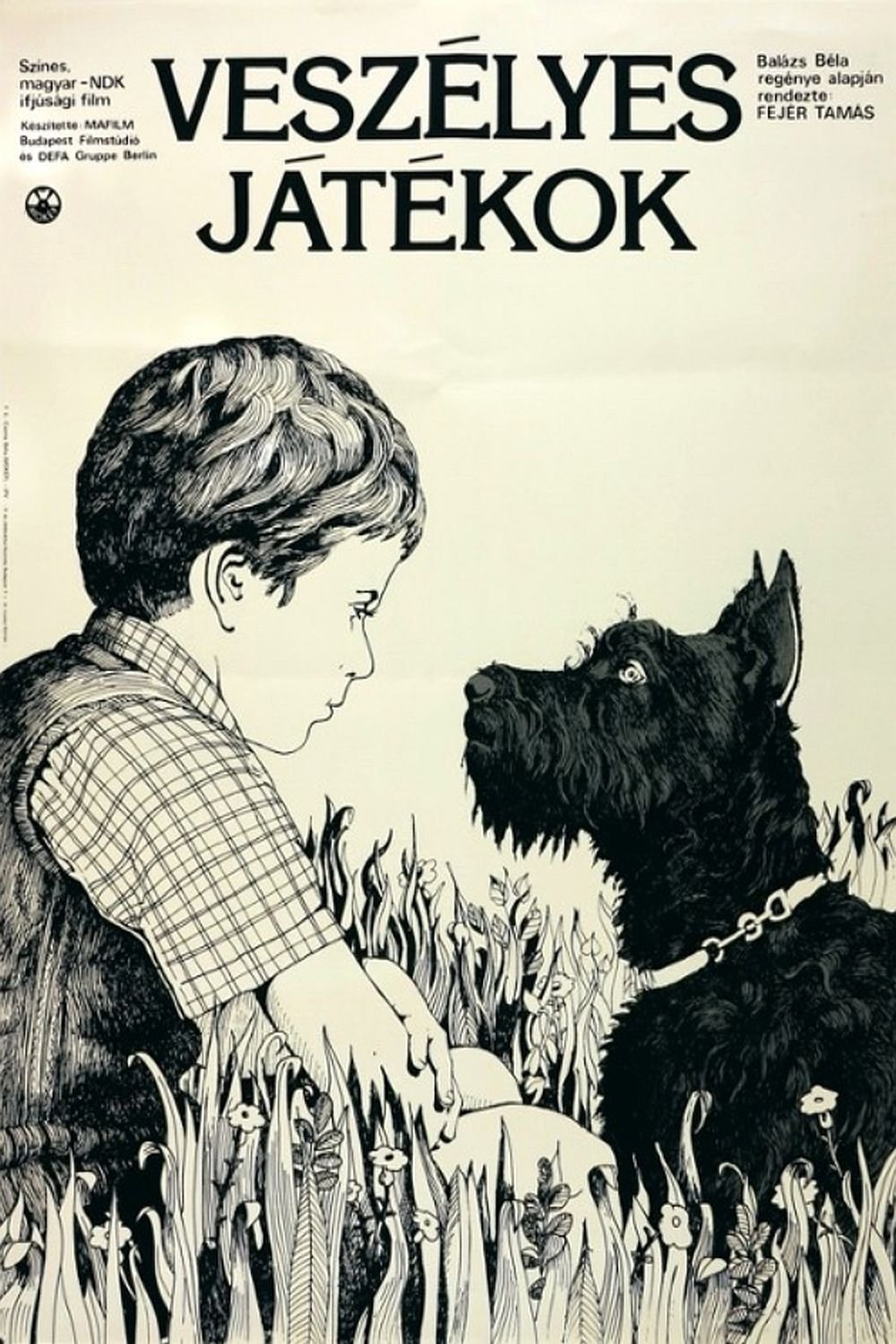
1934, Germany. The ten-year-old Peter lives in a small town with his parents. His father, an underground Communist, is arrested. In the summer vacation the kids from the neighbourhood fight in two teams, which prevail in turns. One team, led by Ewald, imitates the Nazis, while the other, headed by Fritz, follows his Communist father's example.
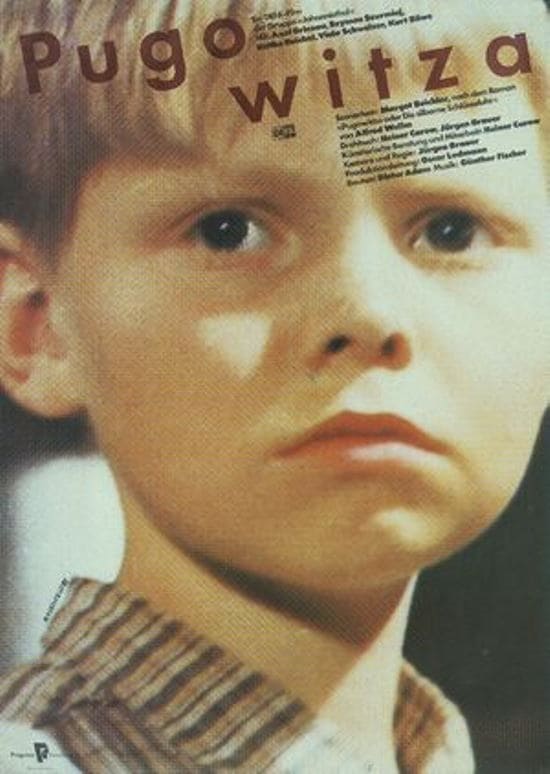
World War II is over and Heinrich, a young German boy, influenced by the Russians, starts to act according to Communist principles in a small German village.

No one has any time for Moritz. And at school, things are not exactly the greatest either. Moritz runs away and moves into the inside of an advertising pillar. A speaking cat, a circus girl and a street sweeper become his new friends. Gradually, they help the young boy to realize that running away does not solve anything.

Berlin at the end of the 1940s. Anneliese Weyher is working as a switchboard operator. She is living with her aunt after losing her parents in the war – a stroke of fate that has thrown the young woman off course emotionally. Indifferently, she is doing her work; her private life consists of an affair with a black-marketeer. Even when Anneliese witnesses an armed robbery, committed by infamous Wollnick and his gang, she stays lethargic and apathetic – she keeps silent instead of helping the inspector who is a friend of her aunt. It is not until Anneliese by coincidence meets her former lover, the watchmaker Kurt, that her life seems to take a positive turn.
Berlin, end of the 1920s. Young factory workers Hete and Paul are expecting a child. When first Paul and then Hete become unemployed, the two look for ways to terminate the pregnancy. Hete goes to a doctor, but he refuses to give her the necessary document for the abortion. As a result, Hete and Paul want to carry out the abortion themselves, using a stolen instrument. Fearing for Hete, Paul aborts the attempt. So Hete turns to an illegal abortionist, who sends the feverish girl away with a bottle of cyanide, which is supposed to help in small doses. Hete goes to her mother, who takes care of her and also gives her the cyanide drops. But Hete exceeds the dose.

On April 1st, single mother Maria and her ten-year-old son Micha move into a new apartment located in the Berlin district Marzahn. On the very first evening, Maria gets an invitation from her neighbor Alvaro, a political emigrant from Uruguay who keeps working for his country’s Communist Party while staying in the GDR. Maria and Alvaro fall passionately in love. Even Micha, who is suspicious of Alvaro in the beginning, eventually becomes friend with him. Thus, nothing stands in the way of their happiness – except for the certainty that Alvaro will have to leave as soon as he gets a new assignment.

The thirty year old bee is a daredevil, everything seems to work for him. But suddenly a tragic event tears him out of his carelessness. In the explosion of a carbide furnace in operation, a colleague is killed.

A young boy fantasizes his way to school into a battle between cowboys and Indians, where the bad guys want to steal some gold medals. Real events and fantasy interacts in his mind.

Europe, 1620: The well-known astronomer and mathematician Johannes Kepler, who teaches as a professor in Linz, receives the message that his mother is prosecuted as a witch in Württemberg. The truth behind the allegations is rather simple: His mother has been denunciated by a former friend after an argument with the authorities. Kepler tries desperately to convince the prosecutors of the absurdity of their allegations with rational arguments.

A conference is to be held once again to discuss the construction of a new dam, which Professor Paul Satie rejects. During a train journey, he spontaneously leaves the train. Here in Wolfsgrün, from 1948 to 1950, he helped build the old, now far too small dam as a youth brigadier. He and the others who helped build it have erected a monument to this. A monument with his name on it. Is that perhaps why he is against the new dam?
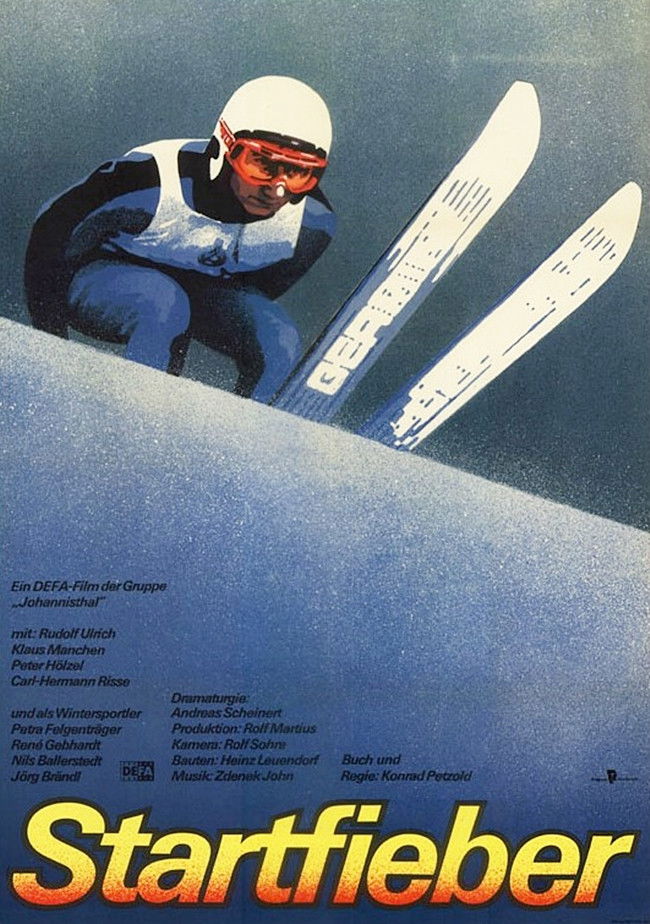
The three athletes Holger, Jens, and Ralf are fighting in the Nordic combined for a place in the junior national team. What has begun as fruitful team work in the children and youth sport schools, develops into a strong rivalry among the young men. Each of them excels at only one of the sports - Jens is a brilliant cross-country skier, but a bad ski jumper, and with Holger it is the other way around - thus, they need each other, yet they still fight against each other.
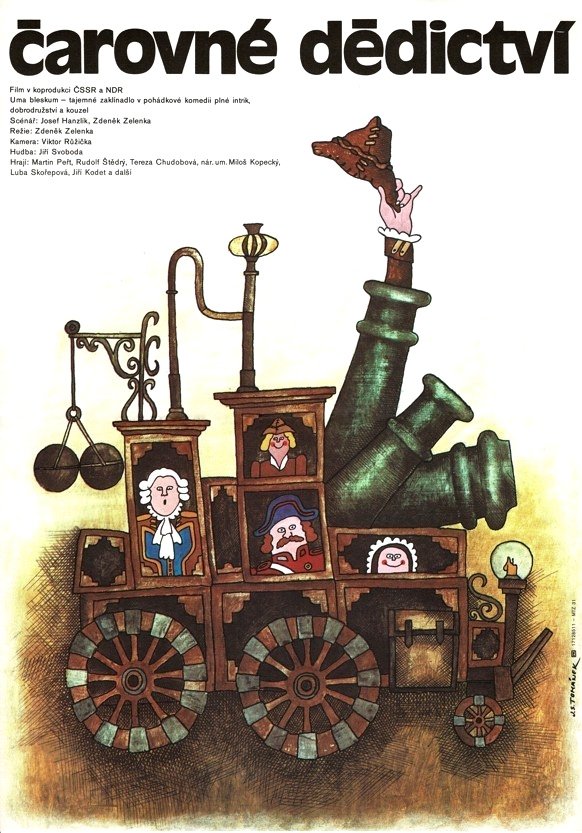
In 18th century Bohemia, the mercenary troops of a cruel duke roam the countryside. A cap maker who defends himself against injustice is thrown into prison. His ten-year-old son tries to free his father with the help of his friends of the same age and a magic cap, but the duke's henchmen are soon after the magic cap.
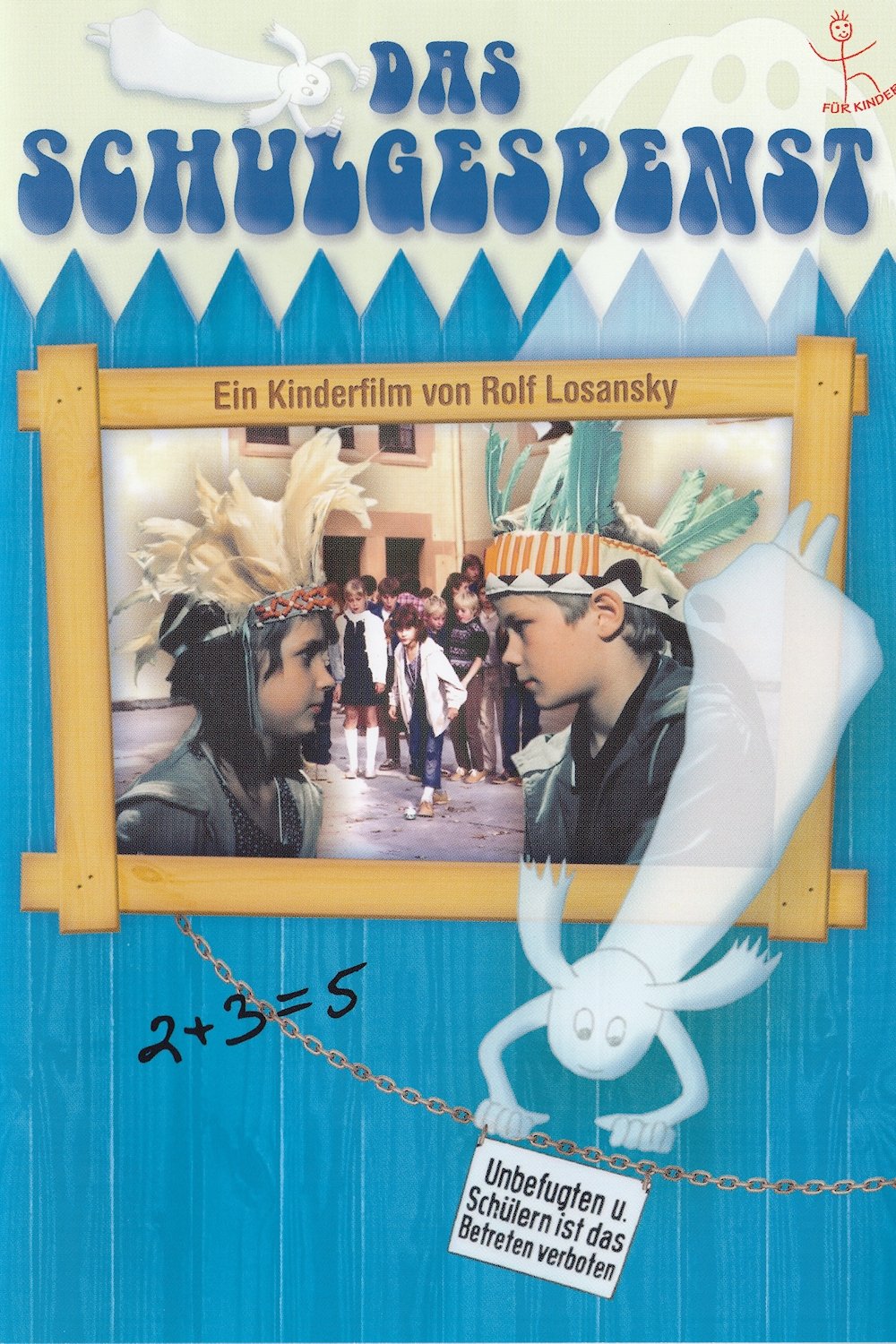
Carola is a mischievous girl who doesn't care much for school- except for sports and recess, of course. Without her good friend Willi to keep her on the straight and narrow, she would really be in trouble. One day at school, Carola has an idea. She invents what she calls "International Ghosts' Day" and a ghost named "Buh" to go with it. When Buh turns out to be less-than-imaginary the two decide to switch places, with Buh taking on all the schoolwork, and Carola taking the opportunity to play practical jokes on all her friends...

After a long period as a prisoner of war, Joachim Ott returns home to find that his wife is now living with another man.
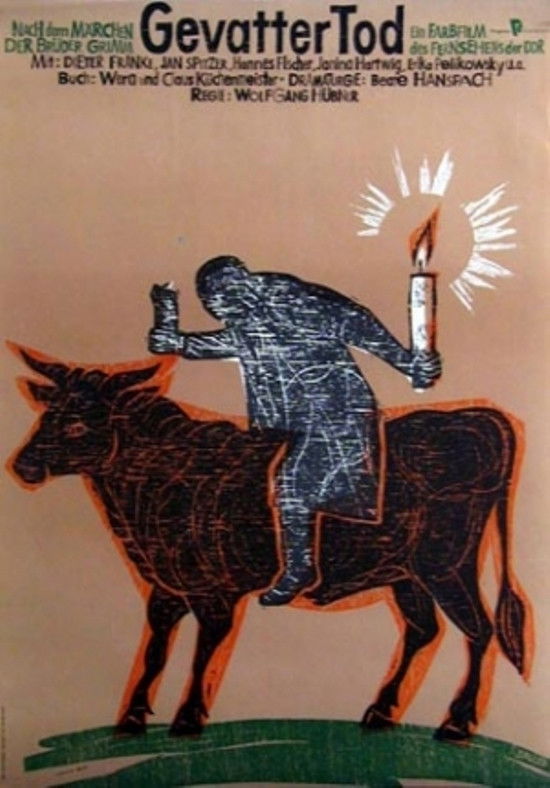
Once upon a time, there was a poor farmer who had thirteen children. Since the farmer was so poor, there was never anything left for the youngest of the family. Therefore, the farmer chose Death as the godfather of his son, Jörg, because all people are equal in the eyes of Death. The Grim Reaper is happy to look after the boy and turns Jörg into a skilled doctor who earns wealth and fame.

During a training flight, the experienced MiG fighter pilot Major Klaus Kornhod almost crashes. An investigation into the incident reveals that Kornhold is no longer allowed to fly MiGs for health reasons. A heavy blow for the passionate aviator, who had been in the service for 15 years. He decides to start retraining as a helicopter pilot.
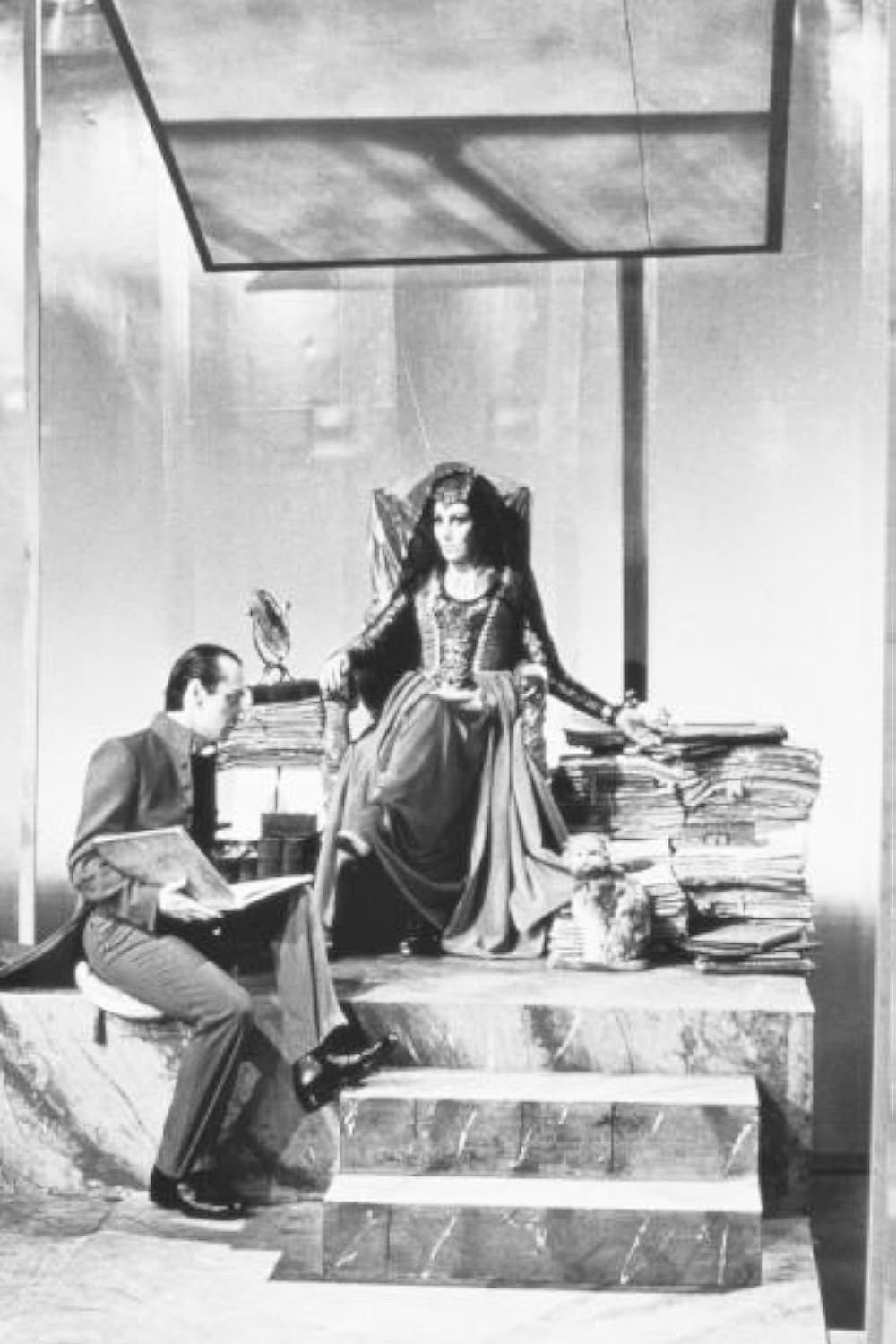
Fairytale teleplay based on the fairytale "The Water of Life" by the Brothers Grimm. The wizard, ruler of the black forest, can be defeated if someone manages to draw water from the spring containing the water of life. The princess sets off to find the water of life for her terminally ill father. The sorcerer transforms the girl into a dragon. A fairy gives the king new courage to face life. He defends himself against the sorcerer. He is supported by the blacksmith, who takes up the fight and defeats the wizard.