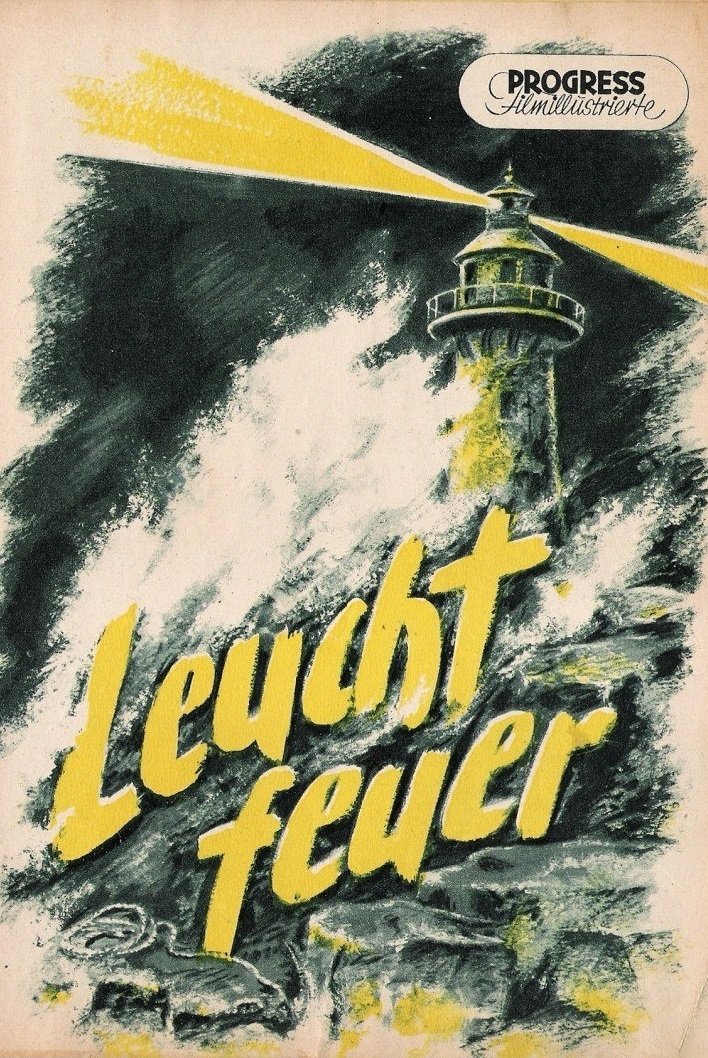
On a barren and stormy island, fishing families eke out a meager existence on what they can catch during summer, and what washes ashore during winter. But little has been washing ashore of late, and their situation worsens. Elders recall how twenty years ago, when the lighthouse keeper’s beacon went dark, a cargo ship broke apart on the cliffs. It proved a bountiful accident for the fishermen. Today people on the island view the conscientious lighthouse keepers with evil hungry eyes...
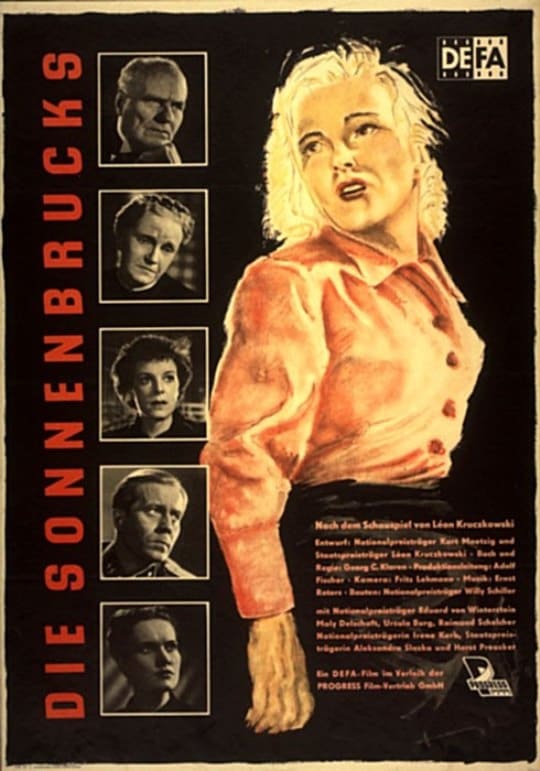
Professor Sonnenbruck is a scientist who is not particularly interested in politics. Even the meeting in 1943 with his former assistant Peters does not change him. He does not betray Peters, who has escaped from a concentration camp, but that is already enough for him. But after the war Sonnenrbruck gets into a conflict of conscience. He thought that science was finally free of politics again only to find the opposite happening at his university in Göttingen. A medical congress in the GDR brings him together with Peters, who is working on a major research contract there. Sonnenbruck decides to visit Peters.

Lifelong hard work for the count makes the servant Anton a cripple. Everybody calls him Crooked Anton. When, after the end of the war, the land of the count gets divided amongst the farmers, Anton receives a piece and hopes to be able to work freely. But an old debt and intrigue keep Anton and his family from finding peace. The farmers of the village begin to discover their own power when Annegret, Anton's daughter, leaves. Is a new beginning possible for Anton? This film paints an impressive panorama of the development of a minor village in Mecklenburg from the end of the war to the uprising of 17 June 1953.
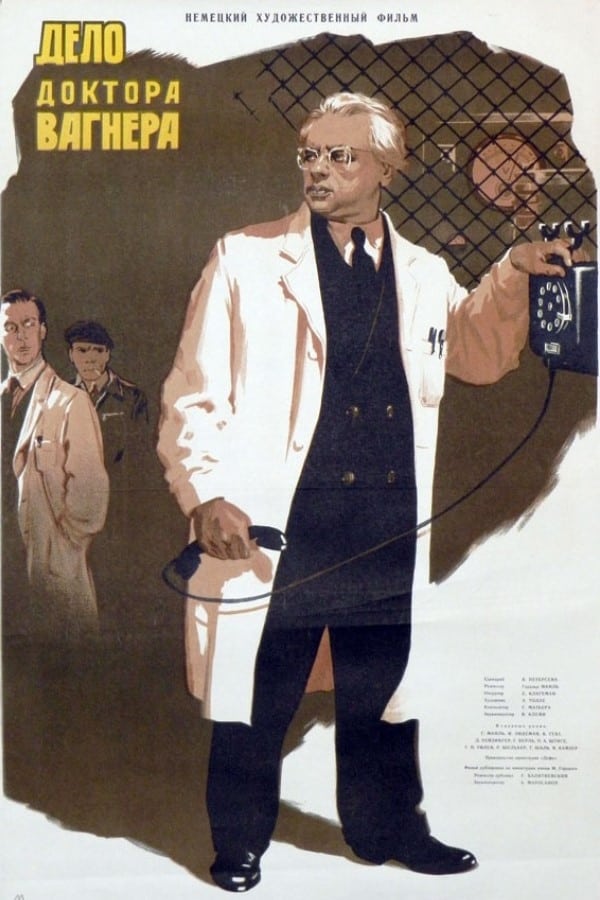
Dr. Wagner is a scientist currently working on an experiment for the Asta plant in East Berlin. If the experiment is successful its a brilliant new invention. But Wagner is the target of sabotage, and all the decisive experiment fails. Wagner can not explain this setback.
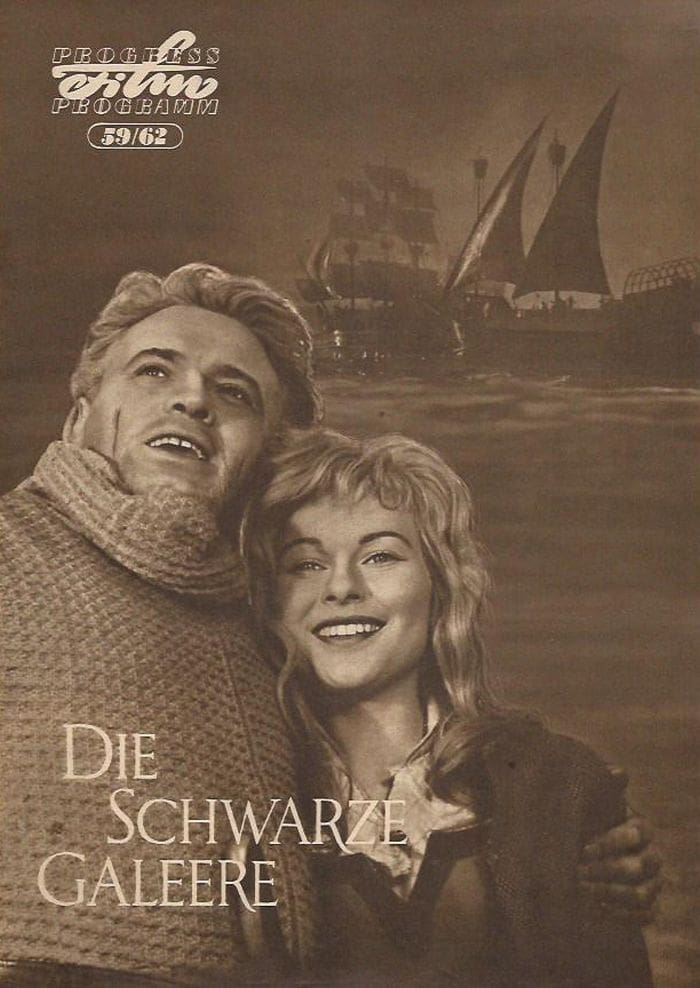
Antwerp at the end of the 16th century. For the second time, the city falls into the hands of the plundering and murdering Spaniards. Jan and Myga are just ten years old. While Myga's father tries to come to terms with the Spaniards, Jan leaves the occupied country with his father. When Jan has grown into a young man, he joins the Geusen and is entrusted with the best ship as helmsman, the "Black Galley". He survives numerous battles and dangers, but one day he is captured by the Spanish. He frees not only himself but also his beloved Myga from the hands of the enemy. In 1609, the Spaniards are forced to finally recognize the independence of the northern provinces.
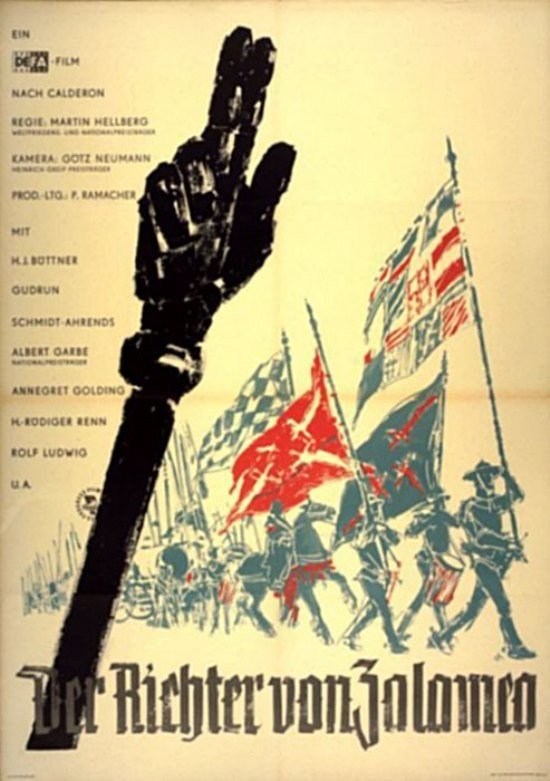
Historical drama set during the reign of Philip II of Spain. The royal troops have taken up quarters in the village of Zalamea. Captain Don Alvaro is staying with the farmer Pedro Crespo. His daughter Isabel behaves very coldly and dismissively toward the captain, which irritates him. Finally, he takes her by force and humiliates her father. The captain is put on trial in the village. Pedro is appointed judge and, despite all the threats from General de Lope, sentences the captain to death. De Lope then wants to deny him his judicial authority. Surprisingly, King Philip II appears in the village and confirms the harsh sentence, but wants to pardon the offender. However, the sentence has already been carried out.
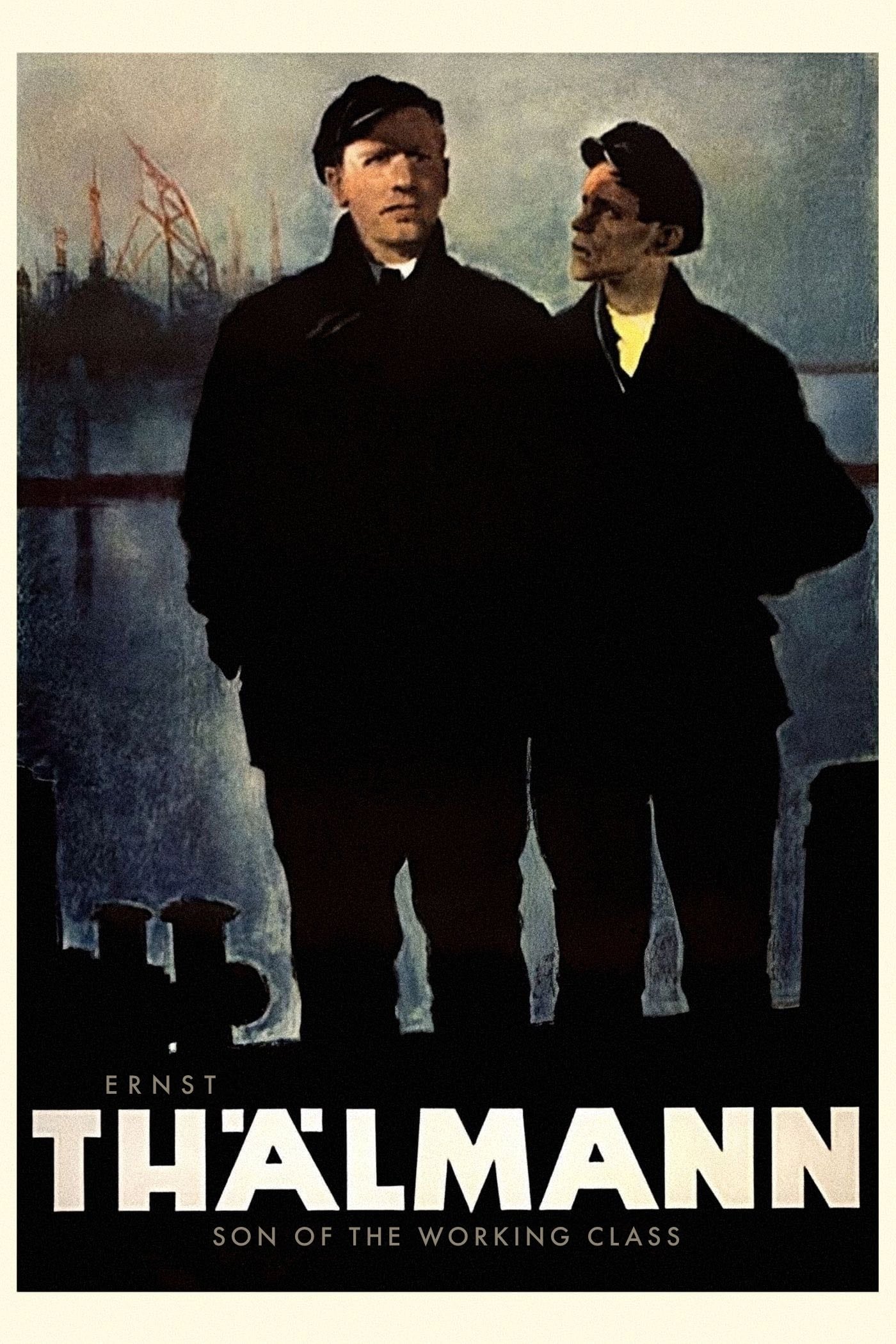
This film is the first of a two-part historical and biographical portrait of the communist politician and anti-fascist Ernst Thälmann. In early November 1918, Ernst Thälmann is an unwilling soldier serving on the western front. As the revolutionary movement at home is threatened by the betrayal of the Social Democrats and fissures in the working class, Thälmann calls on his fellow soldiers to put down their weapons and unite with the workers in the communist struggle at home. Thälmann’s qualms about which side he is fighting on continue, but when the local police attempt to prevent a shipment of provisions and supplies from reaching the people in Petrograd, he intervenes and the ship is unloaded. With this moment of clarity, Thälmann continues to follow his political convictions and joins the workers at the Hamburg uprising in October 1923.

In 1955, Michael Vierkant, a Jew who had emigrated during the Nazi era, returns from abroad to the Federal Republic of Germany to obtain the conviction of Korn, the former informer responsible for the murder of his sister. Korn is back in office; Michael's efforts remain unsuccessful. There is a direct confrontation between the two, and Michael shoots Korn in self-defense. He flees and is hidden by the young, reclusive artist Marie Jäger, but is then caught by the police and charged with premeditated murder. The case is taken out of the hands of the criminal investigation department by the Office for the Protection of the Constitution, which constructs an act of political revenge on behalf of the communists. Michael manages to escape from prison. Marie and her friends organize a press conference at which Michael reveals the connections. The trial is postponed.

On a pasture in Bavaria, an ox frightens members of the American occupying forces. Farmer Alois, the owner of the animal, is sentenced to thirty days in prison for this "political" offense. While Alois begins his sentence, the ox runs riot in the prison yard. No one can tame him, and all the farmers refuse to take the ox into their care. The helpless administration comes up with a crazy solution: Alois must split his person. As inmate Alois, he is assigned to field duty with the livestock owner Alois to supervise the ox, while as livestock owner Alois he has to supervise inmate Alois. The bill he is subsequently presented with for twice the work is enormous.
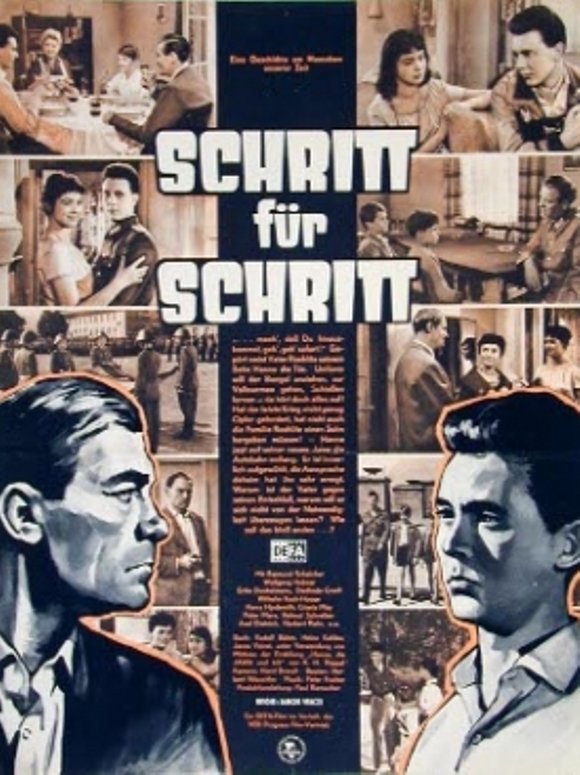
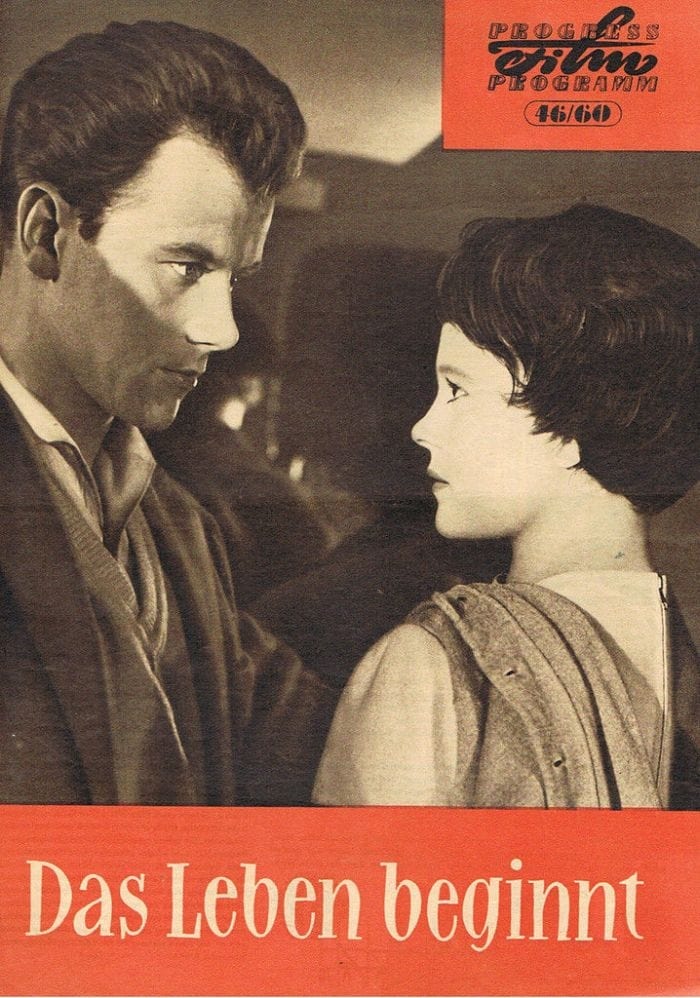
A new world full of excitement and temptation opens up for 18-year-old Erika when her father flees from Krüselin, a small village in Brandenburg, to West Berlin, taking his daughter with him. Her uncle's luxurious house, the turbulence of life in the big city, and her cousin's progressive thinking and quick wit all turn her head at first. But behind all this glitter and tinsel lurks the cold, hard world of money and Erika begins to feel homesick for the town where she grew up and for Rolf, her first real boyfriend.
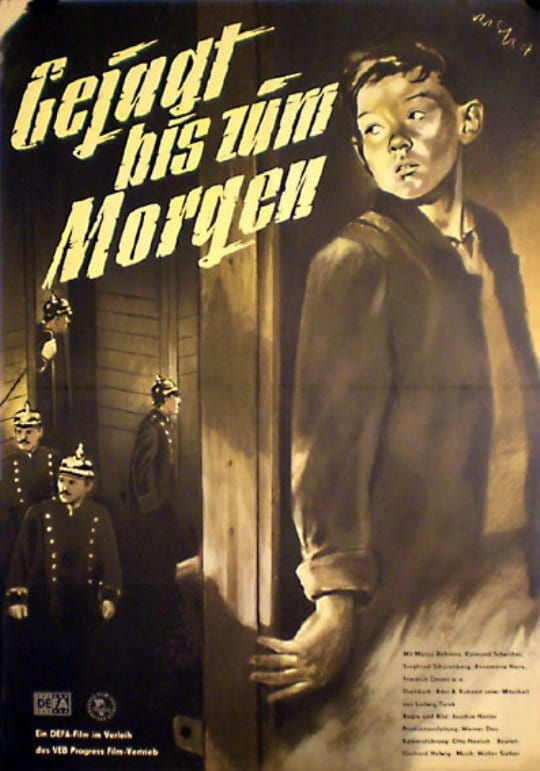
Drama about an impoverished family, a widowed mother and her two sons, trying to get by.

A film about the historical uprising of the seamen in Kiel: During the Russian October Revolution of 1917, German and Russian soldiers start to solidarize with each other. By disarming the officers, machinist Henne Lonke and stoker Jens Kasten prevent the attack on a Russian freighter. When German admiralty gives out orders for operation "Nibelungen", which would lead the German fleet into a suicidal attack against England and quell the revolutionary spirit, seamen and soldiers from different political backgrounds unite in protest.
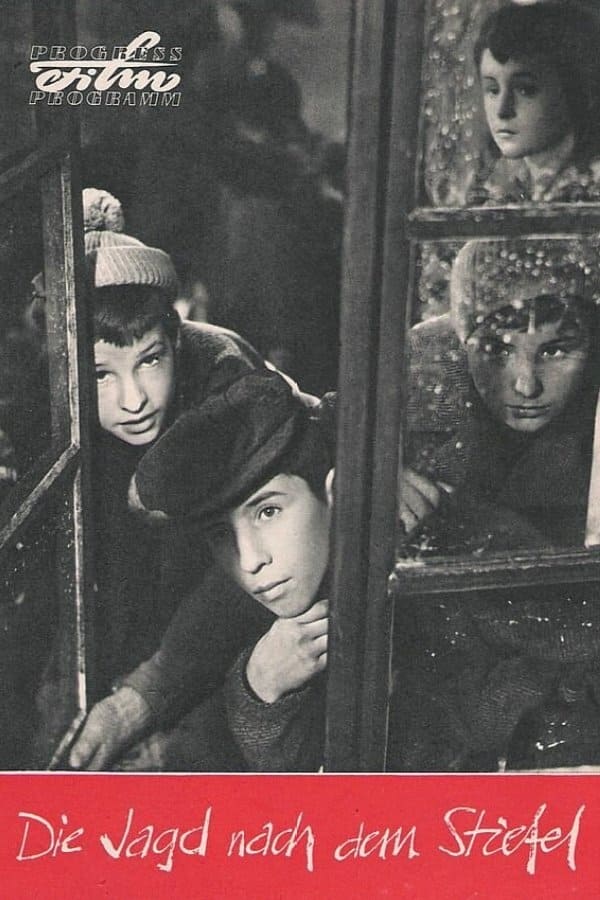
Germany 1932, constant fights between Communists and Nazis tear the country apart. When a Communist is found dead, the police accuses another Communist being his murderer. But the Communist youth group follows another trail - the murderer left a characteristic boot print at the scene of the crime.
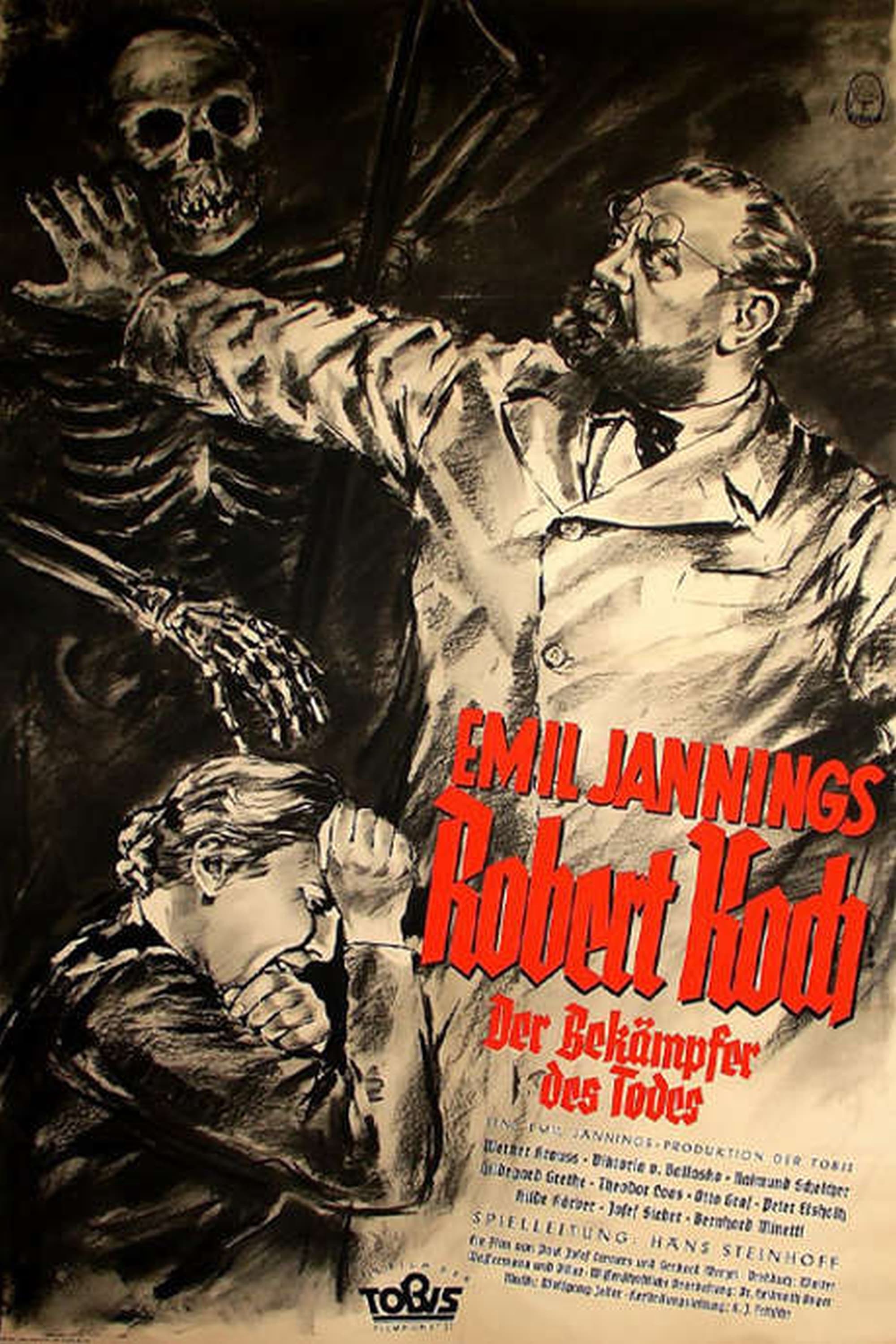
Country Dr. Robert Koch is desperate: a tuberculosis epidemic is decimating the children in his district and no one is able to do anything about it. Every fourth child is already sick and the parents must helplessly watch as their young ones die. Now Koch is undertaking to find the cause of the tuberculosis --- something he has already been working on for years --- which has been causing this plague of illness. His work is made more difficult by envy; for example, that of his teacher, who was wounded defending his honor. But his greatest obstacle is the famous Berliner scientist and Reichstag deputy, Privy Councilor Rudolf Virchow: He is extraordinarily skeptical of Koch's theory, that the cause for tuberculosis is a bacteria.
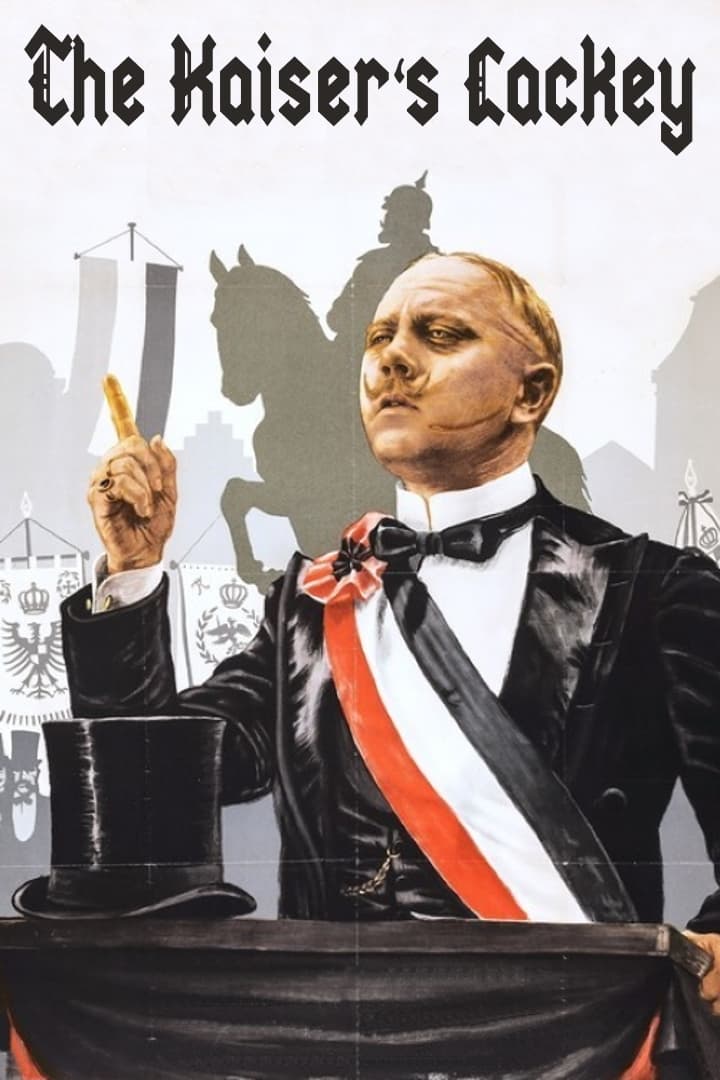
Diederich Heßling is scared of everything and everyone. But as he grows up, he comes to realize that he has to offer his services to the powers-that-be if he wants to wield power himself. His life motto now runs: bow to those at the top and tread on those below. In this way, he always succeeds: as a student in a duel-fighting student fraternity and as a businessman in a paper factory. He cajoles the obese district administrative president Von Wulkow and wins his favor. He slanders his financial rivals and hatches a plot with the social democrats in the town council. On his honeymoon with his rich wife Guste, he finally finds a chance to do his beloved Kaiser a favor. And when a memorial to the Kaiser is unveiled in the town where Diederich lives and works, he delivers the address. He stands behind the lectern in the pouring rain, saluting his Kaiser. The crowd is dispersed. Everything is laid in ruins...
Victory and demise of the first proletarian dictatorship in the history of mankind, about the struggling, bleeding workers of Paris who enthusiastically defend their historical initiative. The little Cabet family from Rue Pigalle and their friends let the spectator participate in the action.
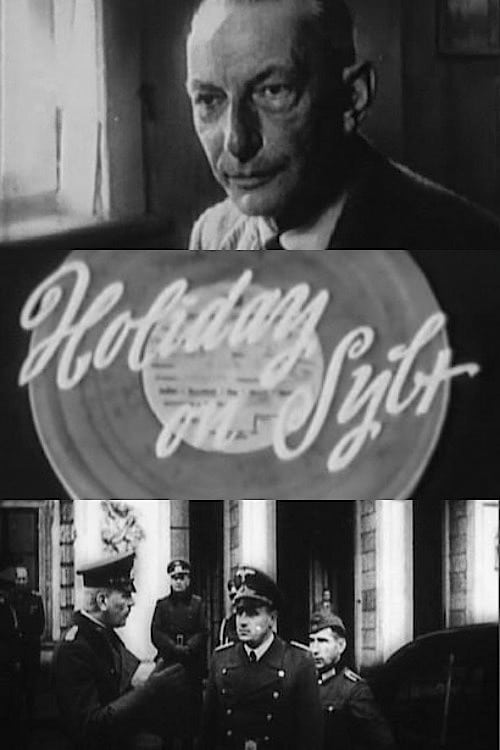
The East German documentary uncovers the postwar career of Heinz Reinefarth, the former SS general responsible for atrocities during the Warsaw Uprising who became mayor of Westerland on the island of Sylt. Combining archival footage with contemporary interviews, the film indicts West Germany for allowing former Nazi officials to return to public office.
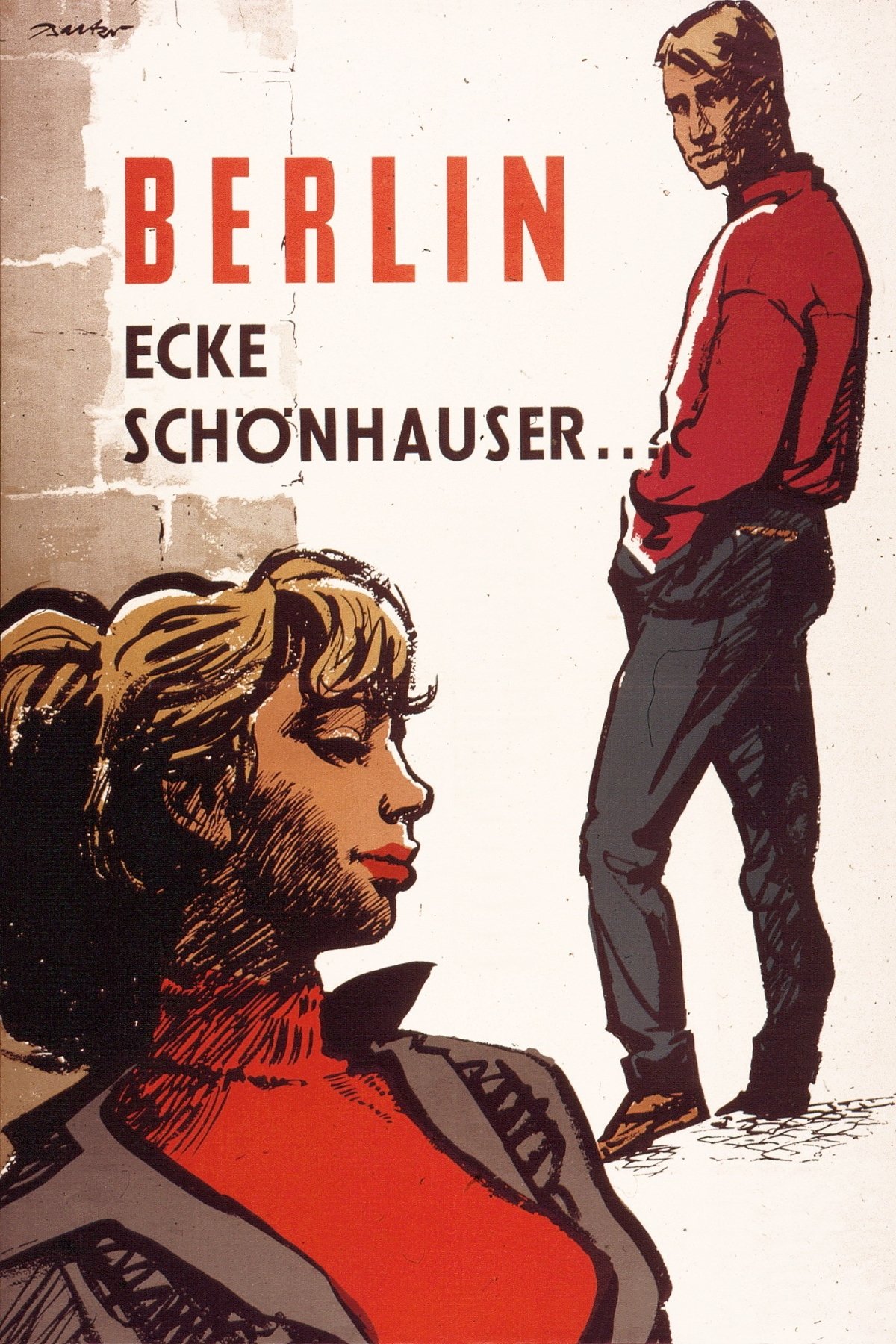
The corner Schönhauser Allee in East Berlin is the main meeting-point for a group of adolescents. Dieter is a construction worker who falls in love with Angela. She, in turn, spends time with the clique whenever her mother is occupied with her new lover. "Kohle" stays away from home to avoid his dad's alcohol problem, and Karl-Heinz is on his way to becoming a small-time criminal. Due to their interest in western music and culture they are regarded as no-goods and rowdies. Things get interesting when an incident forces Dieter and "Kohle" to escape to West Germany. Written by c.winter

This film is the second of a two-part historical and biographical portrait of the communist politician and anti-fascist Ernst Thälmann. Autumn, 1918: Somewhere on Germany’s western front, Ernst Thälmann, age twenty-four, is calling on his fellow soldiers to put down their guns and join him in the communist struggle at home. When Hamburg’s Police Commissioner blocks a much-needed food shipment to the workers of Petrograd, Ernst battles to see it allowed through. Until his murder on August 18, 1944, Ernst remained true to his political convictions in the face of many setbacks.
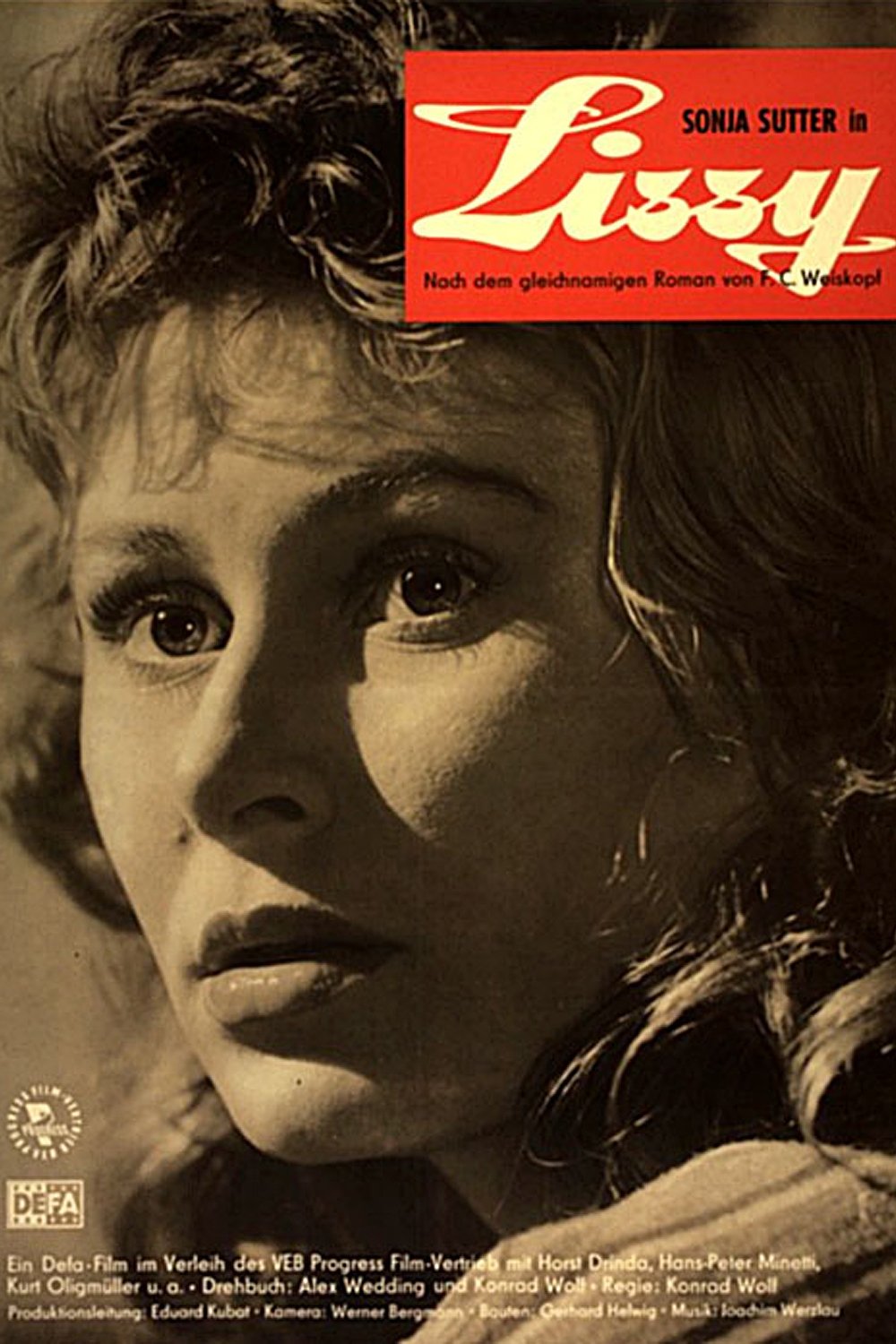
In 1930s Berlin, a woman’s life unravels as her unemployed husband succumbs to Nazi propaganda and joins the Storm Troopers, while her brother's anti-Nazi stance leads to his death, prompting her to confront her beliefs and make a risky choice.
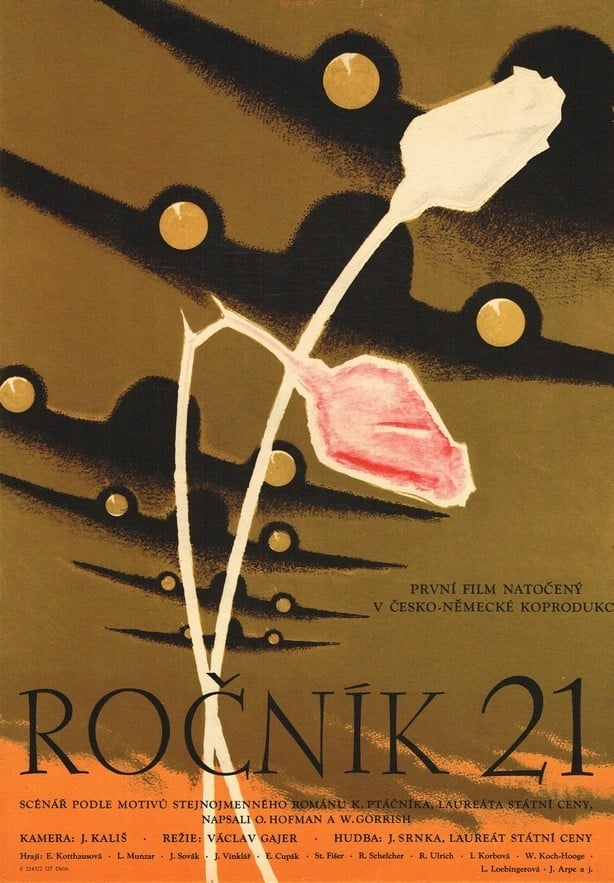
At the beginning of the Second World War, Czech music student Honsik comes to Germany from Prague to join a "foreign worker company". After rescuing a boy from the rubble of a bombed-out house, he himself is seriously injured and taken to a hospital in Stralsund. There he is regarded as a second-class citizen and the Germans are preferred to him. Nurse Käthe stands up for him, cares for him and defies all prohibitions. A love affair is kindled between the two, but it is not under a good star. Honsik tries to flee to his homeland with his comrades and Käthe supports him. At the last moment, however, Honsik realizes that his love for Käthe is stronger than his homesickness and makes his way back. Once back home, he can only watch as Käthe is arrested by the Gestapo. With the help of a resistance fighter, the young man from Prague manages to escape after all.
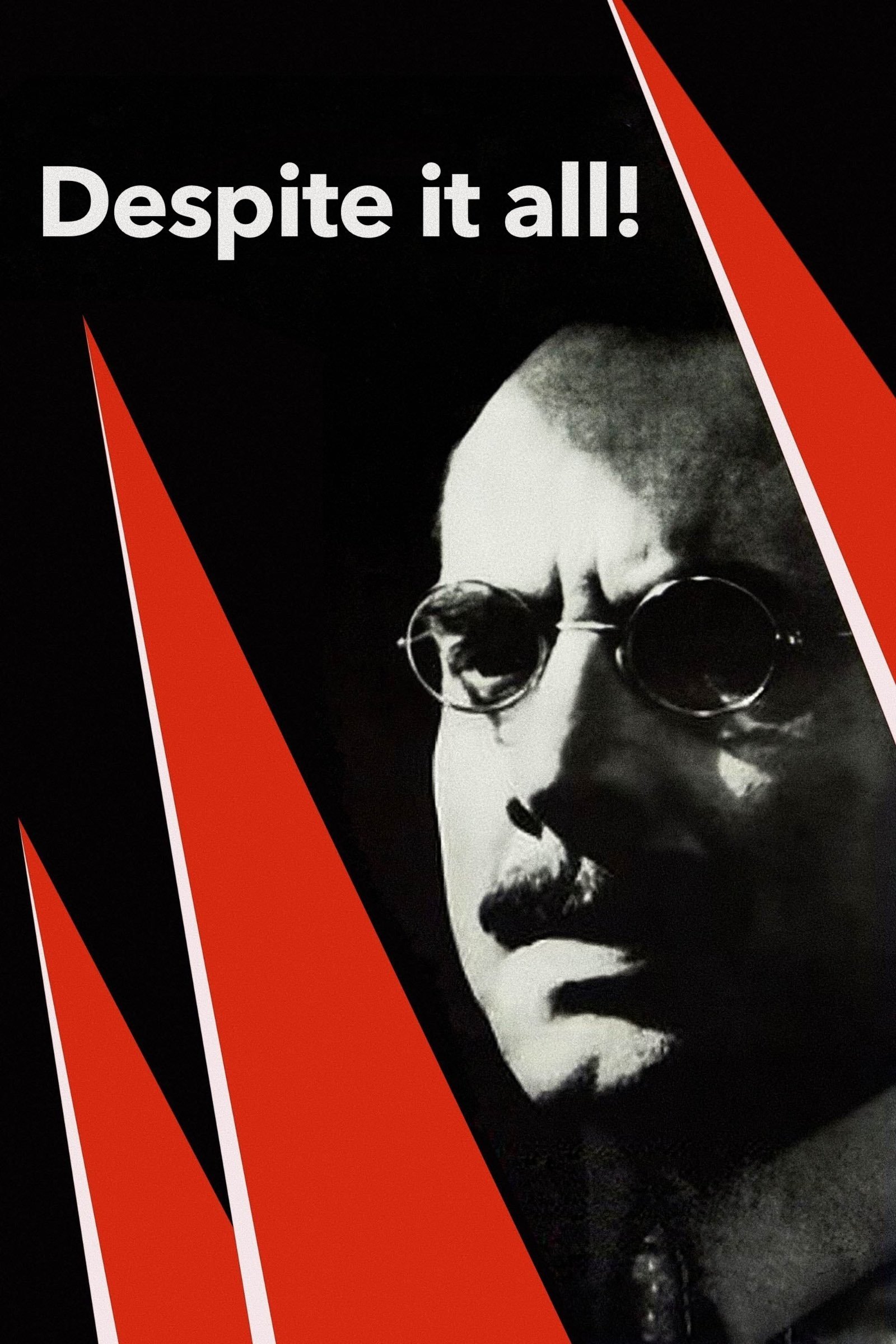
October 1918: Karl Liebknecht is released from prison and Berlin workers celebrate his release. Although WWI is almost over, the German Kaiserreich in vain sends its last reserves to the slaughter. The working class is in a rebellious mood; the uprising of Kiel’s sailors against war and militarism sets off a call for revolution led by Liebknecht. On November 9, Liebknecht declares the Free Socialist Republic of Germany. But pro-Kaiser military and right wing Social Democrats oppose him.
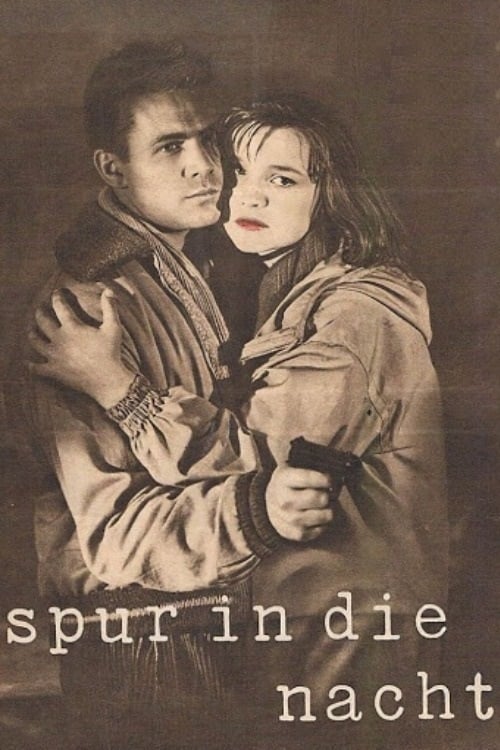
The bricklayer Ulli has received a letter from his girlfriend Sabine asking him to come to her from Berlin as soon as possible. Sabine works as a sales clerk in a small village in the Zittau Mountains near the border with Czechoslovakia. However, when Ulli arrives at the station, Sabine is not waiting for him. He goes alone to the Fuchsbau inn. Sabine's friend Traudel only knows that Sabine has made her way to the station. When she notices that Sabine's room has been cleared out, she calls the police. All the police find in Sabine's room is a map showing a trip to Hamburg. They now consider Sabine to be a fugitive from the republic.
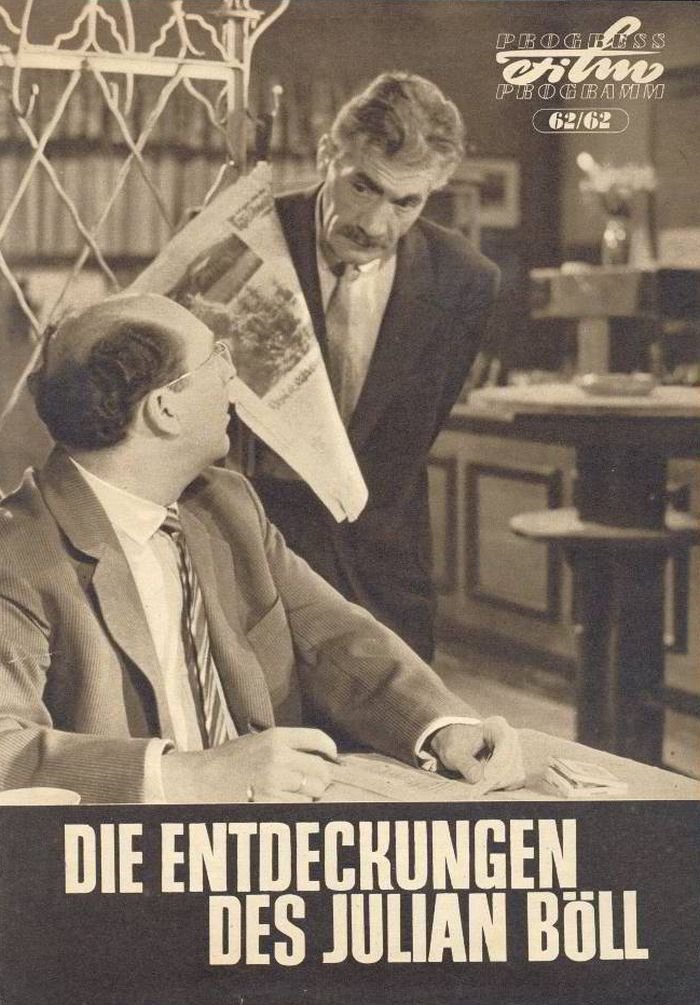
The six members of the Julian Böll brigade have been working well together for years. One day, the brigadier is missing a 100-mark bill from his pay box. Ashamed of his own doubts about his colleagues, he remains silent. Böll investigates the question of why his colleagues in the brigade have not been able to get to know each other personally despite working well together, and why he does not have the confidence to resolve the matter collectively. He recognizes omissions and decides to have a clarifying discussion. It turns out that the money was not stolen.
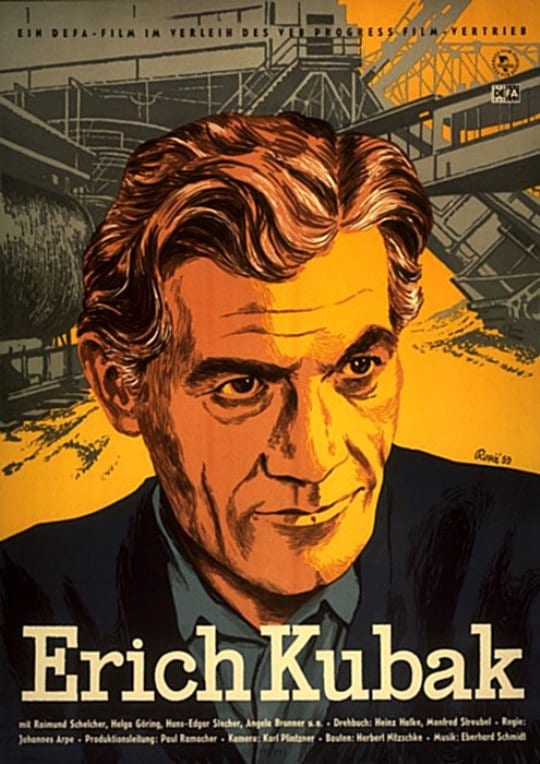
Erich Kubak is an excavator operator at the lignite plant. A technical weakness in the excavator, which repeatedly leads to production downtime, is causing problems for everyone. Erich works on an improvement, but this is not accepted by the chief engineer. On his own initiative, Erich carries out an experiment and causes a great deal of damage. He is dismissed as excavator operator and then resigns. Meanwhile, his son Ewald, who also works at the plant, manages to interest the chief engineer in his father's improvement proposal. Together they work on perfecting it. When Erich finds out about this, he returns to the factory.

Five Days, Five Nights (Fünf Tage, Fünf Nächte) takes place in Dresden in the immediate aftermath of the Second World War. While Dresden is in ruins, over two thousand paintings by artists including Rembrandt, Raphael, Rubens, Giorgione, and Vermeer have disappeared from the city’s Old Masters Picture Gallery. Red Army captain Leonov and his soldiers have been ordered to recover the lost paintings. During the next five days, Dresden’s residents join the search for the collection. A secret Nazi document offers a first lead…
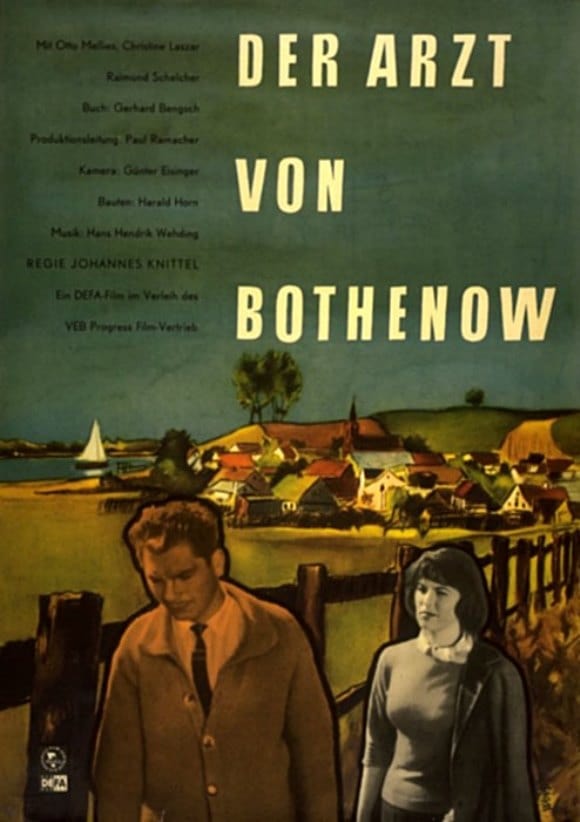
The son of a working-class man, Harry Brenner studied medicine at the ABF and quickly made a career as a doctor in Berlin. His lifestyle and his demanding wife swallow up a lot of money, so he takes on any part-time work. After a gross dereliction of duty, he is transferred to Bothenow. He meets Eva again, whom he knows from his student days and who now works here as a nurse. The two hit it off and Dr. Brenner slowly begins to change his life. In doing so, he increasingly comes into conflict with his wife. Their different views on life eventually lead to a separation.
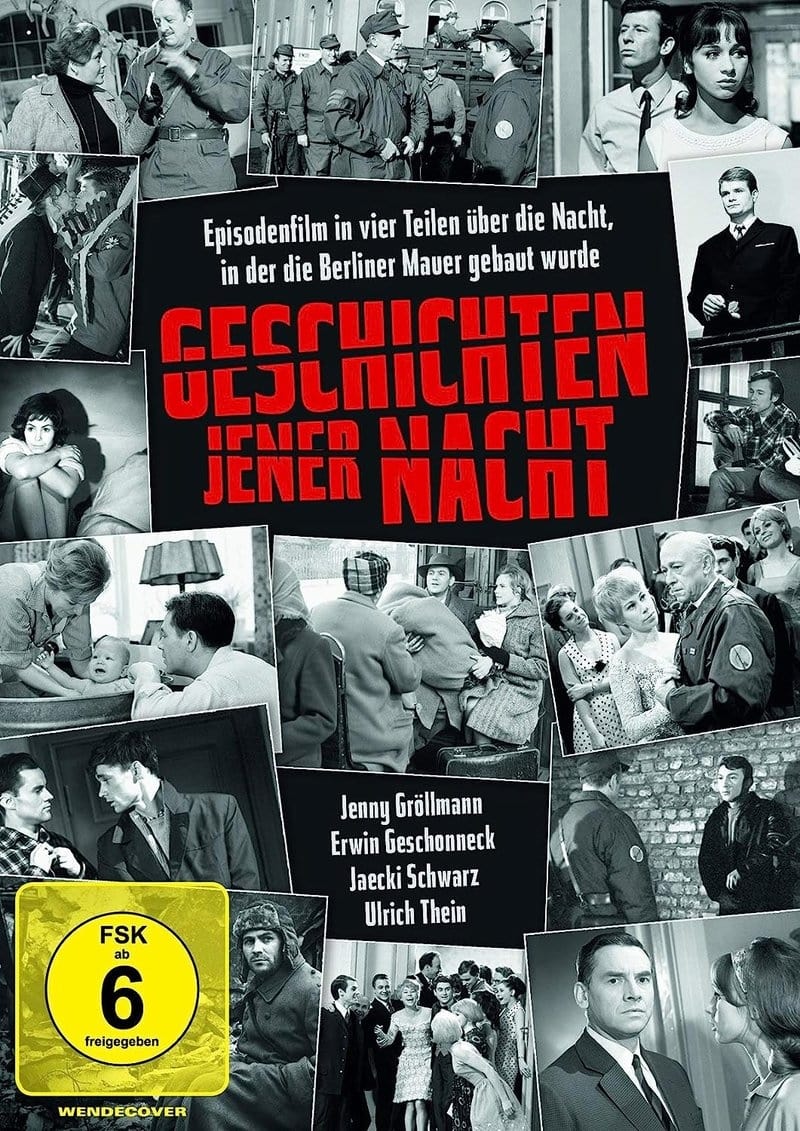
Four directors - four styles - four episodes, all relating the events of a single night which has entered the history books: August 12-13, 1961. There are thousands of complex narratives connected with the frontier drawn through the middle of Berlin, and each episode relates the story of a difficult decision made on that night...
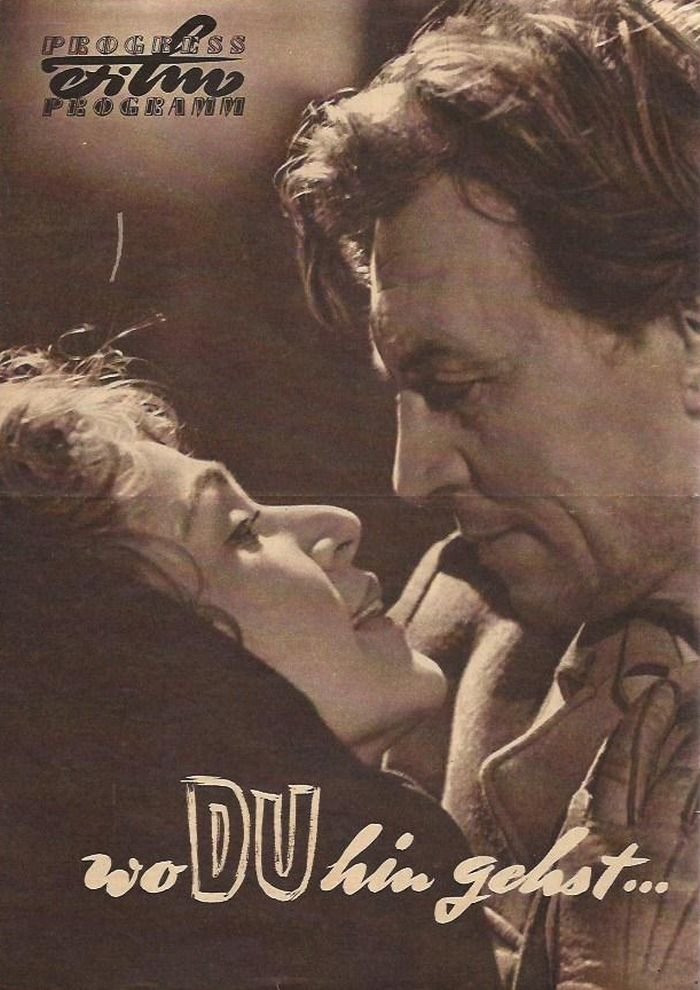
Berlin, 1936. Athletes and visitors from all over the world have come to the city to take part in the Olympic Games. Anti-Fascists use the opportunity to tell the foreign guests about the situation in Germany by distributing leaflets. Being cornered by the Gestapo, the wounded resistance fighter Jakob manages to go into hiding with the help of the Swiss doctor Thea. They fall in love with each other and when Jakob joins the International Brigades in Spain to fight against Franco, Thea follows him and becomes a dedicated fighter against Fascism. The enduring battle, however, keeps preventing them from becoming a real couple.
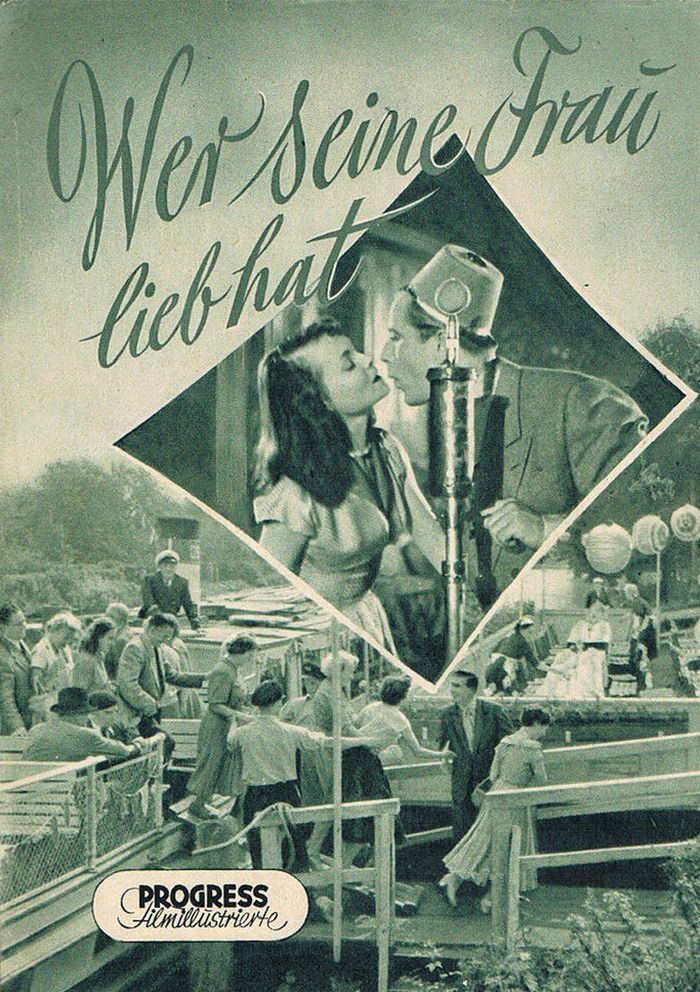
The Berlin Volkseigene Betrieb (VEB) Komet is planning a company outing. Willi Redlich, member of the party committee, votes like the others: The relatives stay at home. But he doesn't dare tell his wife Susanne. So she does the work of renting the "Waldschlösschen" restaurant for him - without his knowledge. When Willi wants to book the seats, everything is fully booked and he switches to the "Sonnenburg" opposite. Meanwhile, word has gotten around among the women that they are excluded. They plan a counter-event. On the day of the excursion, both groups are sitting in their inns and the women make sure that they can still celebrate together.
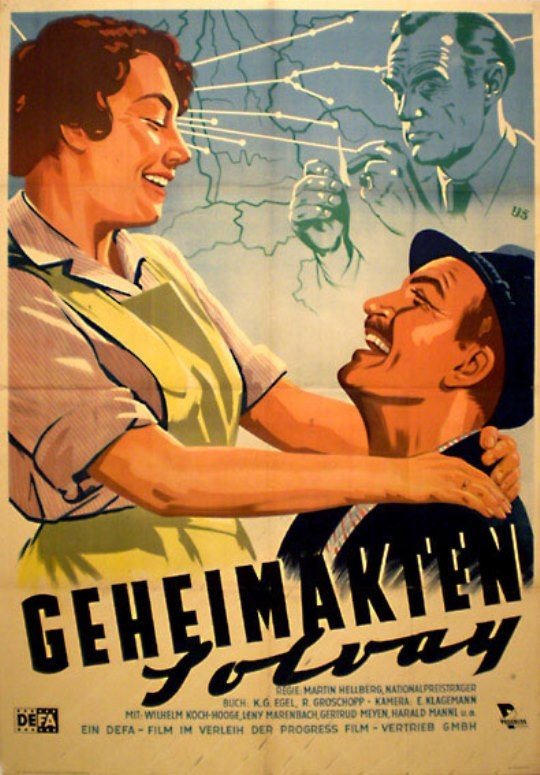
In the Werra valley near the border is one of the five soda factories of the GDR that once belonged to the powerful Solvay group. After the war, they moved the headquarters from Berneburg to Frankfurt, but some people loyal to the groups bosses remained to sabotage the production in the now nationally owned factory.