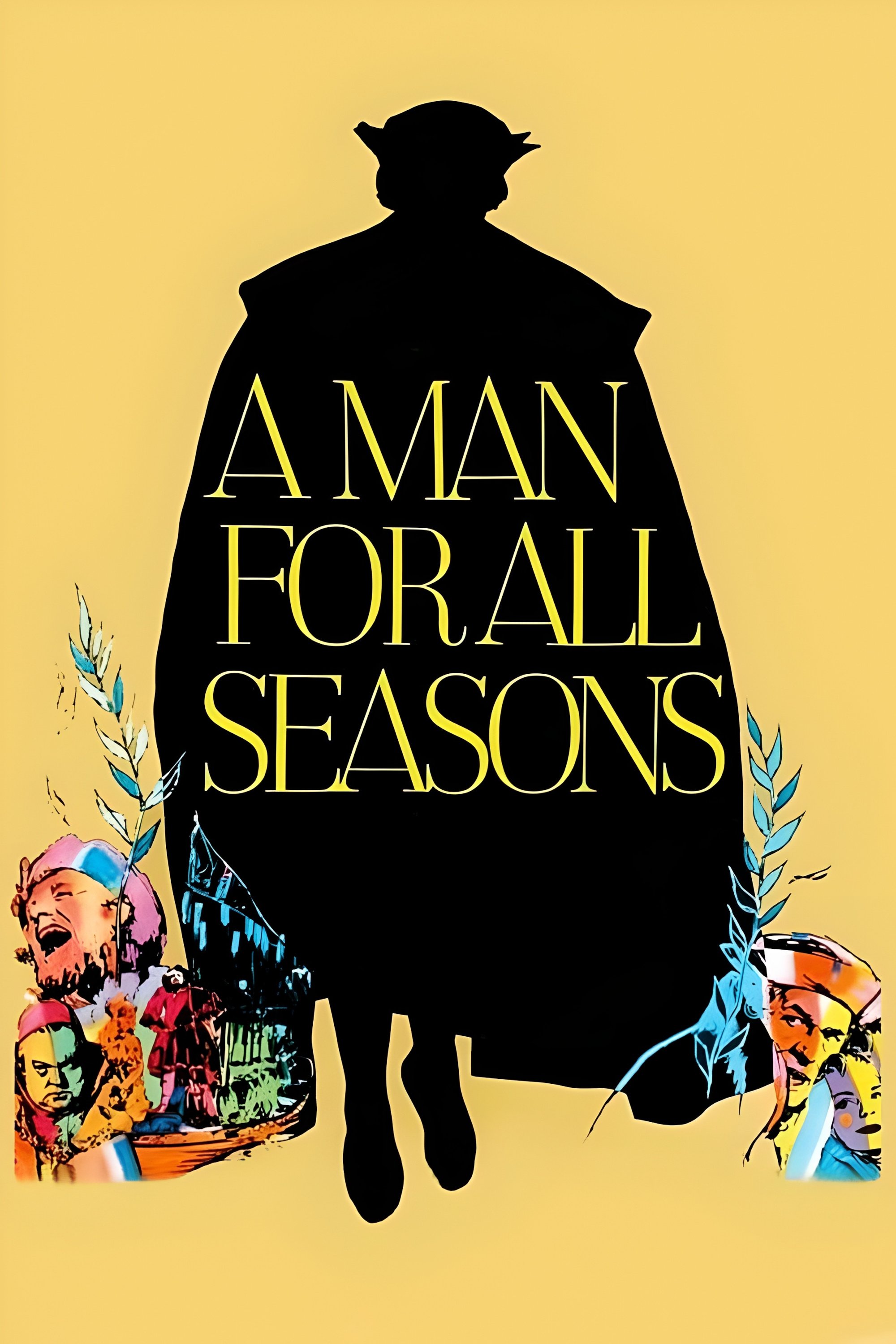
A depiction of the conflict between King Henry VIII of England and his Lord Chancellor, Sir Thomas More, who refuses to swear the Oath of Supremacy declaring Henry Supreme Head of the Church in England.

Animals on a farm lead a revolution against the farmers to put their destiny in their own hands. However this revolution eats their own children and they cannot avoid corruption.
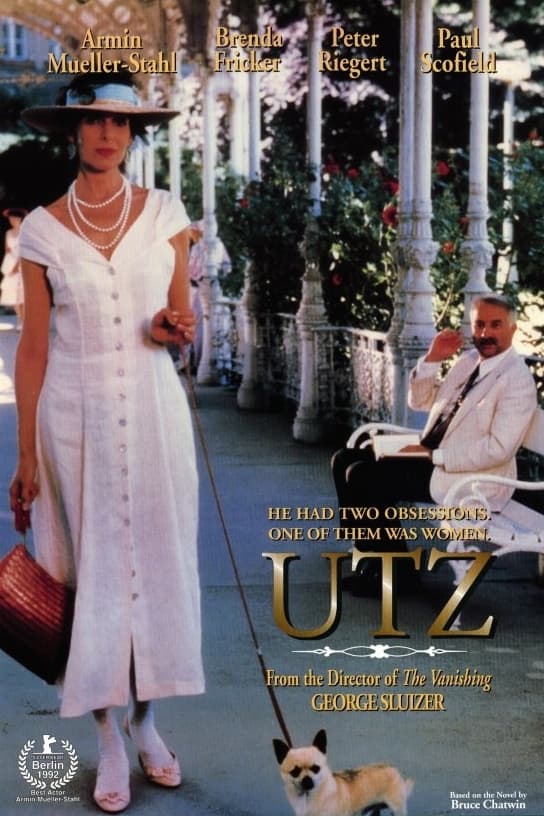
Hugh Whitemore adapted Bruce Chatwin's novel for this tale of a New York antique dealer who travels to Prague to buy the porcelain collection of the late Baron Utz, only to become embroiled in the wreckage of the dead man's unusual life history after he discovers that the collection is missing.

Hamlet, Prince of Denmark, finds out that his uncle Claudius killed his father to obtain the throne, and plans revenge.
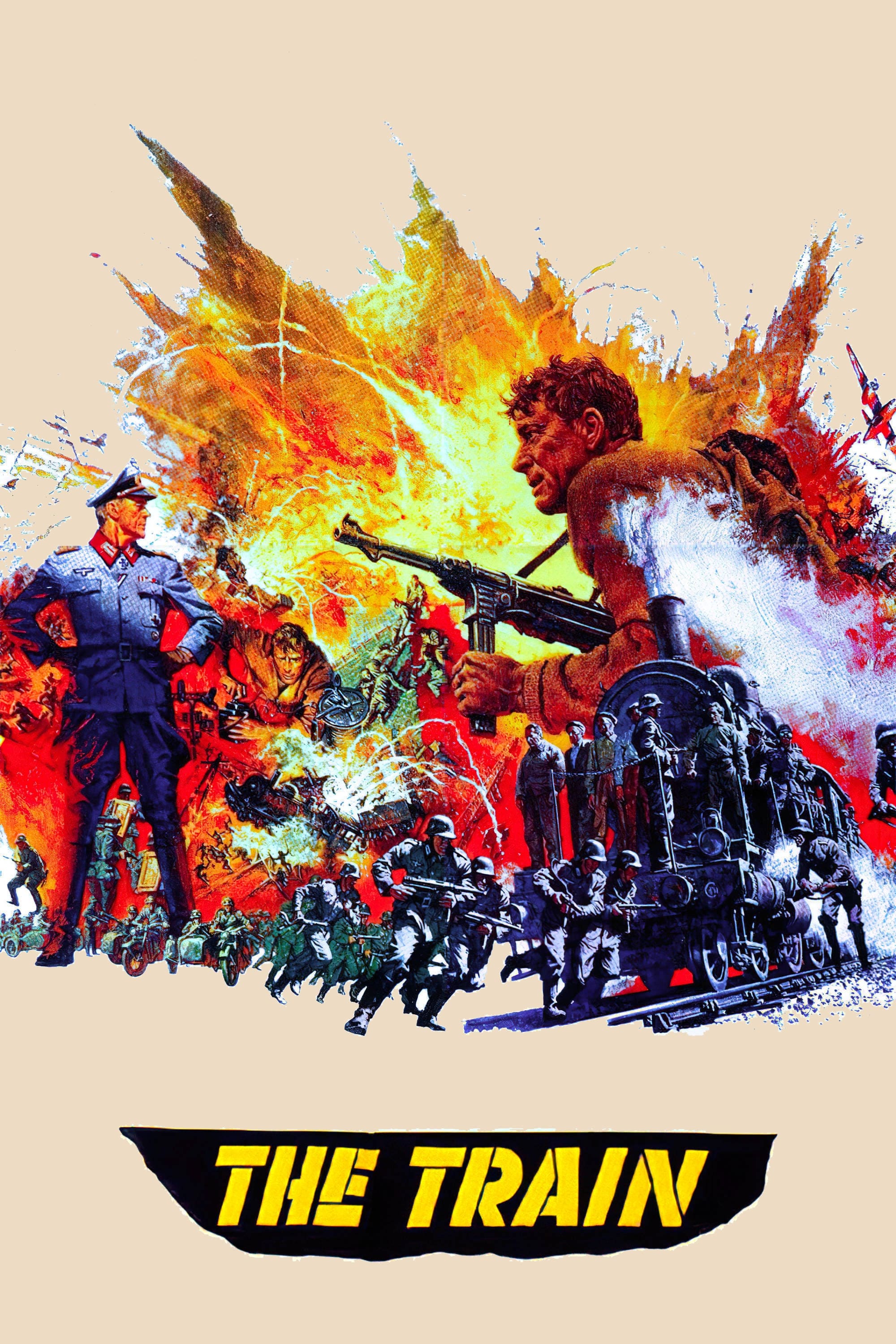
As the Allied forces approach Paris in August 1944, German Colonel Von Waldheim is desperate to take all of France's greatest paintings to Germany. He manages to secure a train to transport the valuable art works even as the chaos of retreat descends upon them. The French resistance however wants to stop them from stealing their national treasures but have received orders from London that they are not to be destroyed. The station master, Labiche, is tasked with scheduling the train and making it all happen smoothly but he is also part of a dwindling group of resistance fighters tasked with preventing the theft. He and others stage an elaborate ruse to keep the train from ever leaving French territory.
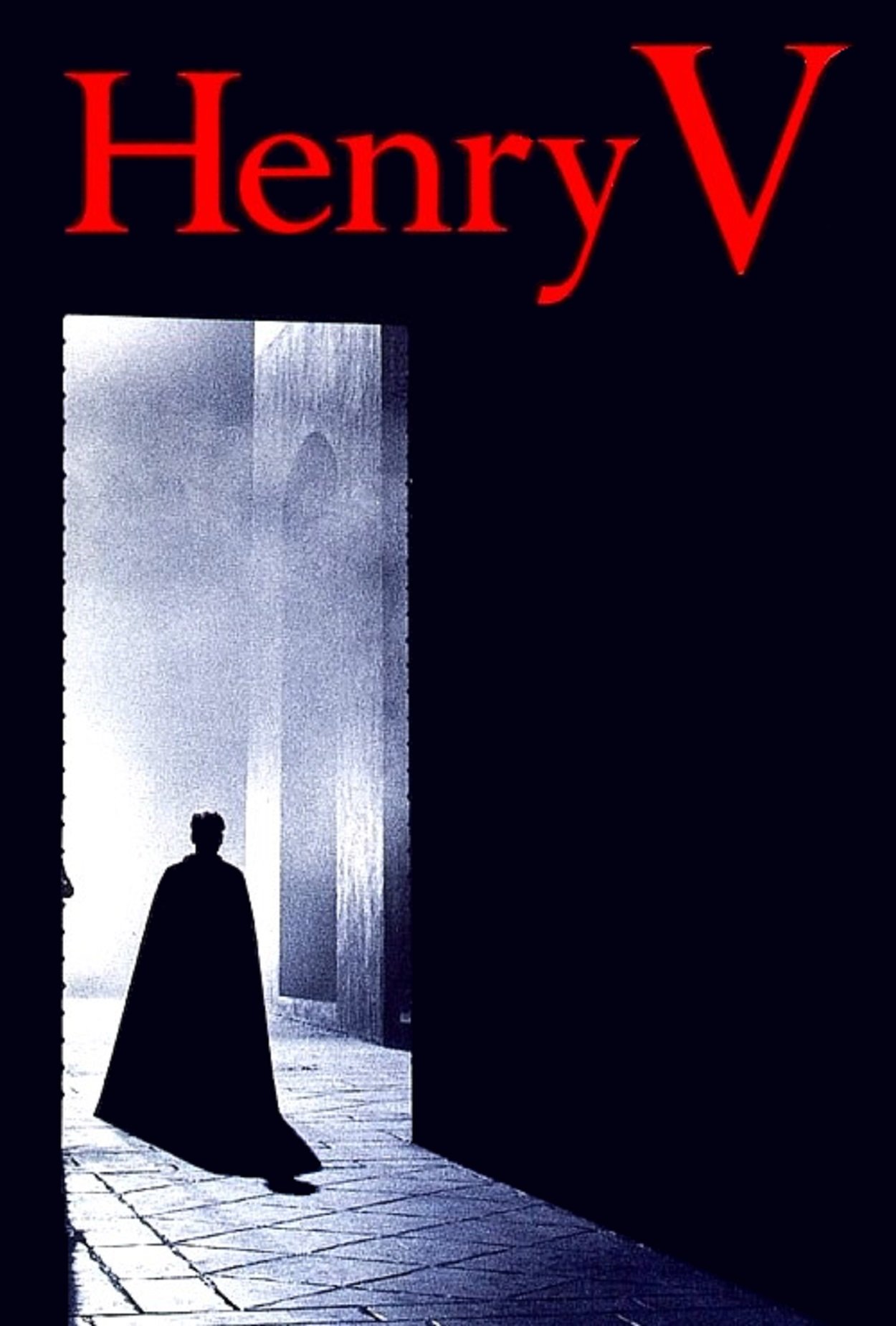
In 1415, in the midst of the Hundred Years' War, the young King Henry V of England embarks on the conquest of France.
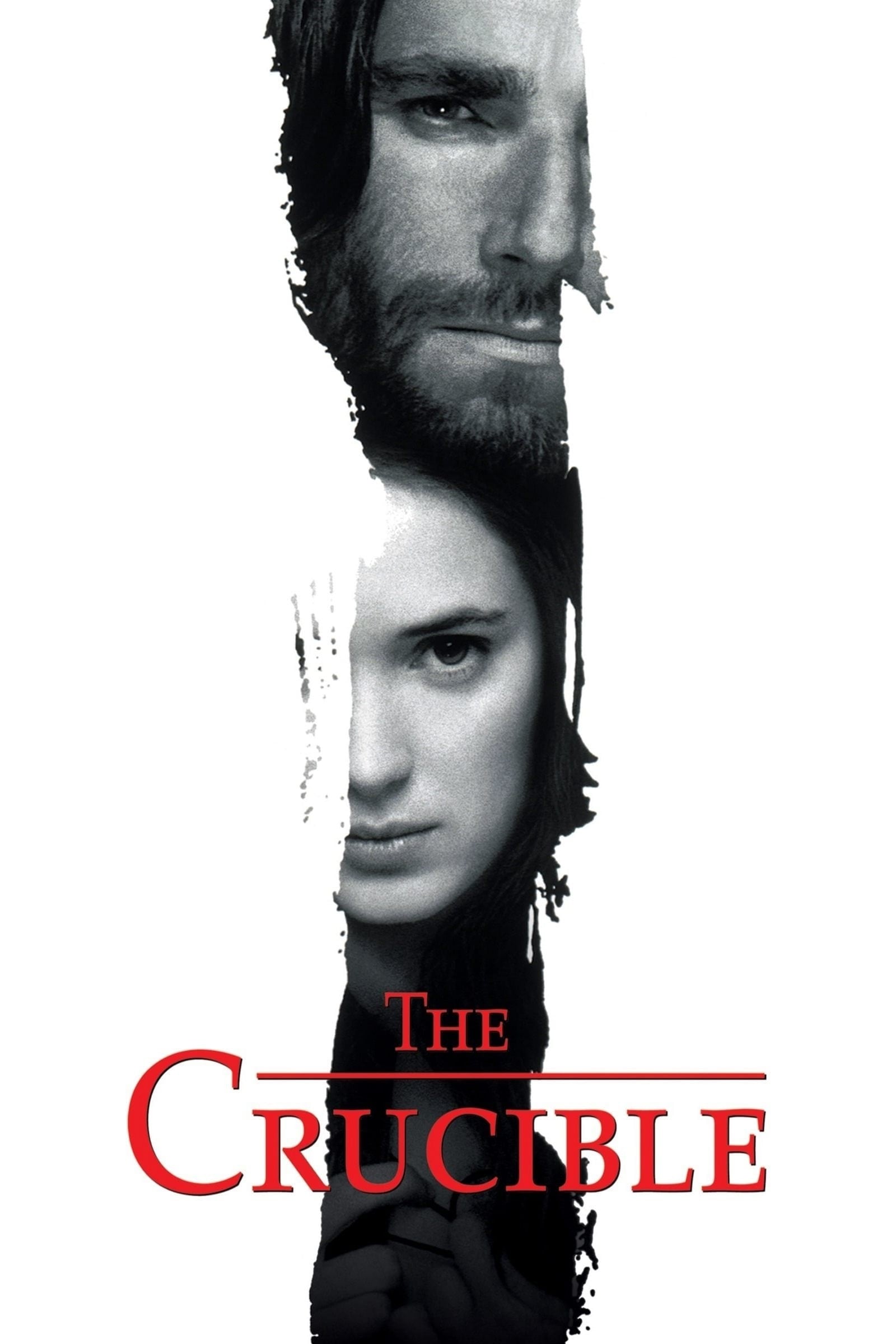
A Salem resident attempts to frame her ex-lover's wife for being a witch in the middle of the 1692 witchcraft trials.

Herbert Stempel's transformation into an unexpected television personality unfolds as he secures victory on the cherished American game show, 'Twenty-One.' However, when the show introduces the highly skilled contestant Charles Van Doren to replace Stempel, it compels Stempel to let out his frustrations and call out the show as rigged. Lawyer Richard Goodwin steps in and attempts to uncover the orchestrated deception behind the scenes.
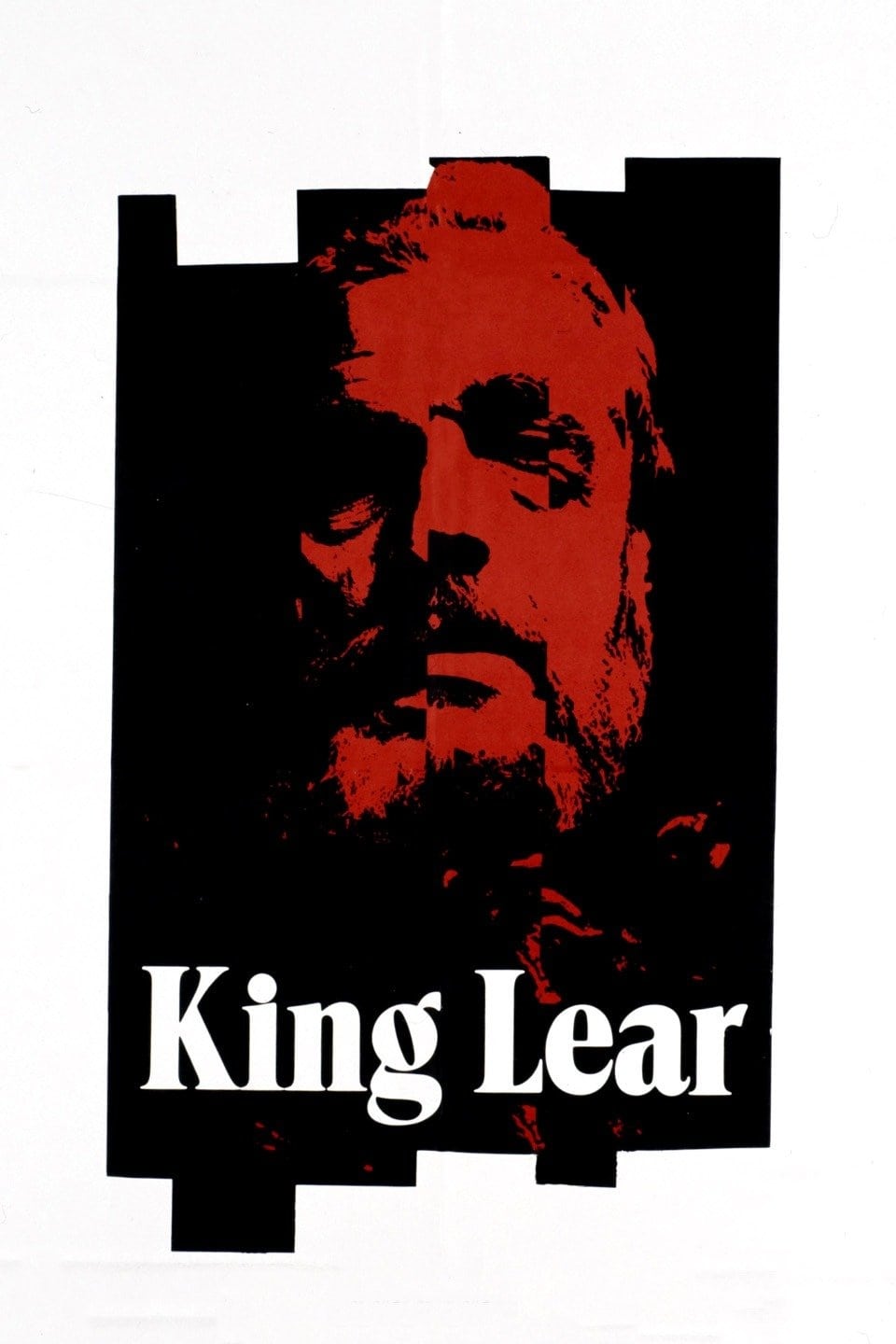
King Lear is a proud man who solicits praise from his three daughters in return for inheritance of the kingdom. Daughters Goneril and Regan profess their affection vehemently. Cordelia, who does not respect the process her father has chosen, does not humor him. Lear's perceived rejection from Cordelia leads to her banishment, thus splitting the kingdom between the other two. This hasty decision becomes his fatal error.
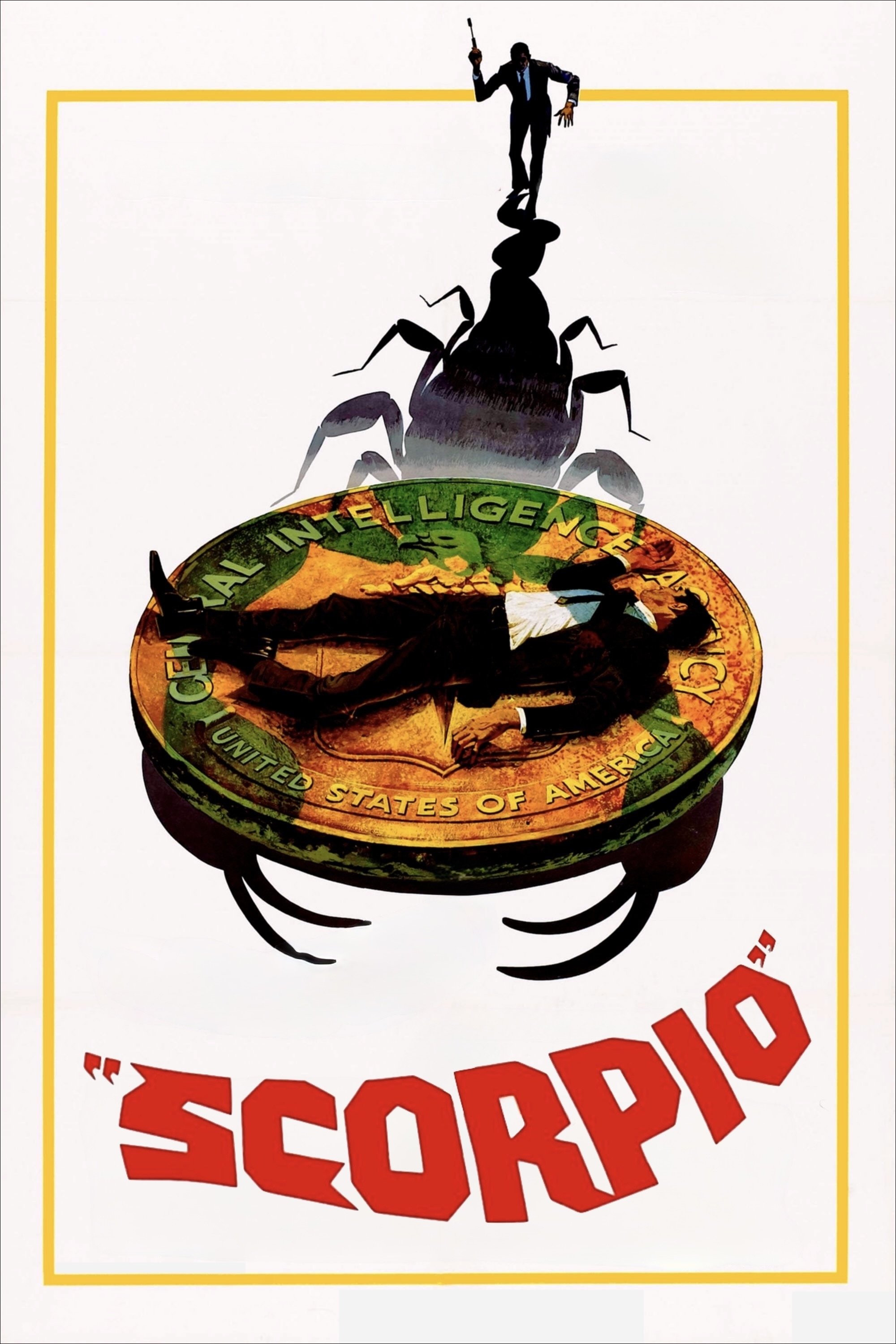
Cross is an old hand at the CIA who often teams up with Frenchman Jean “Scorpio” Laurier, a gifted freelance operative. After their last mission together, the CIA orders Scorpio to eliminate Cross, leaving him no choice but to obey.

London, England, during World War II. After living a tragic life experience, young Violette Szabo joins the Special Operations Executive and crosses the German enemy lines as a secret agent to aid a French Resistance group.
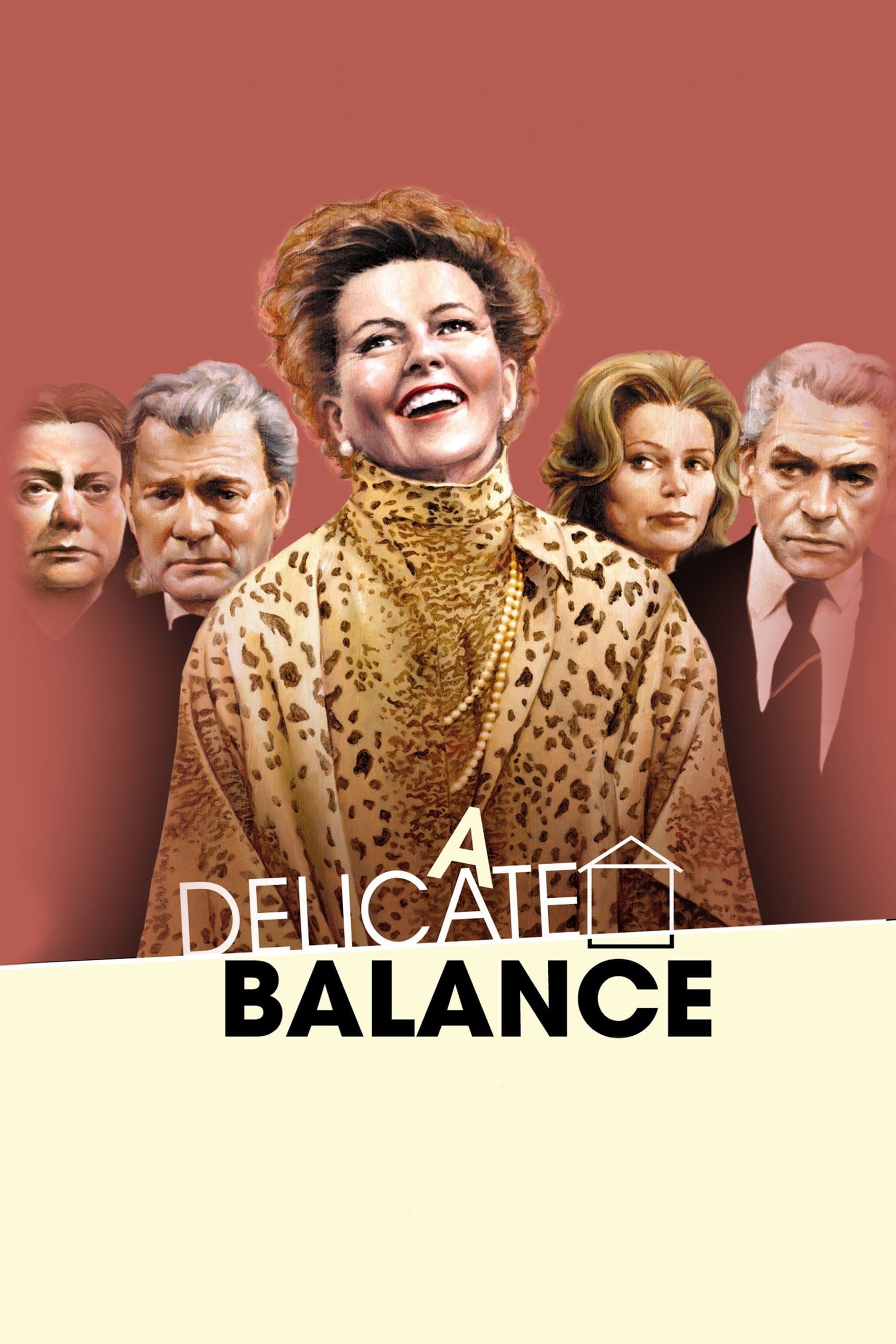
In their finely appointed Connecticut home, Agnes and Tobias have grown used to the imperfection and fragility of their marriage. Quietly nursing their grief over the death of their son, they get by well enough together. Agnes' boozy sister wanders in and out, and they allow anxiety-stricken friends to move into an upstairs room. But, when their daughter, Julia, shows up announcing her fourth divorce, long-repressed emotions come to the surface.
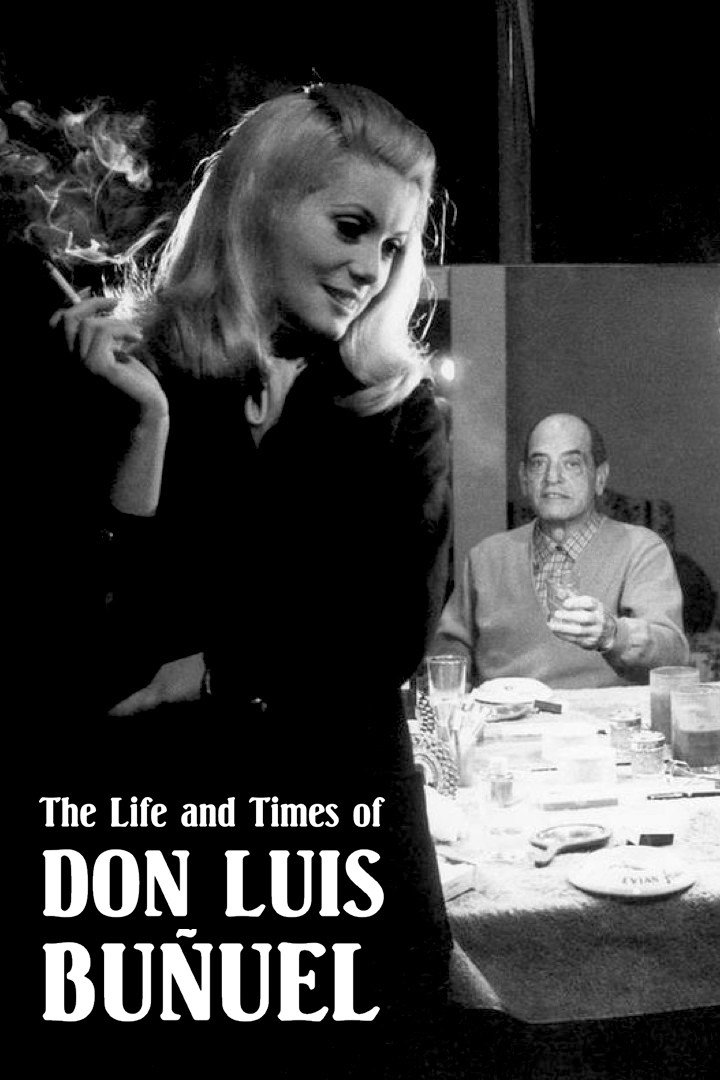
Made a year after Luis Buñuel's death in 1983 this is an illuminating portrait of the surreal and visionary director, featuring clips, archival interviews, and commentary from scholars and contemporaries including Catherine Deneuve, Fernando Rey, and Jeanne Moreau. Directed by Anthony Wall with readings from Buñuel's autobiography by Paul Scofield. Six trims to meet copyright restrictions.
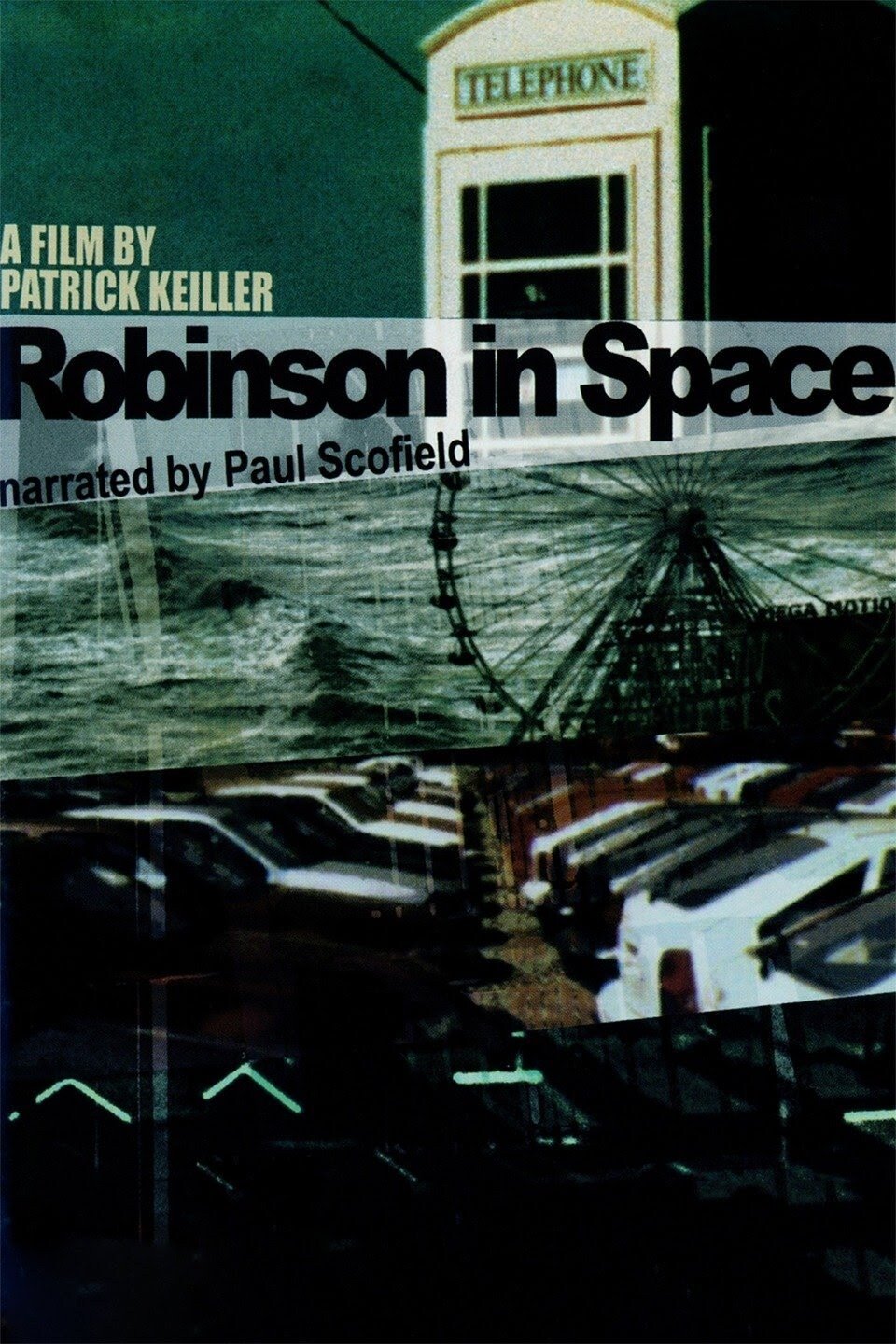
Robinson is commissioned to investigate the unspecified "problem of England." The narrator describes his seven excursions, with the unseen Robinson, around the country. They mainly concentrate on ports, power stations, prisons, and manufacturing plants, but they also bring in various literary connections, as well as a few conventional landscapes.

Documentary on film maker Akira Kurosawa
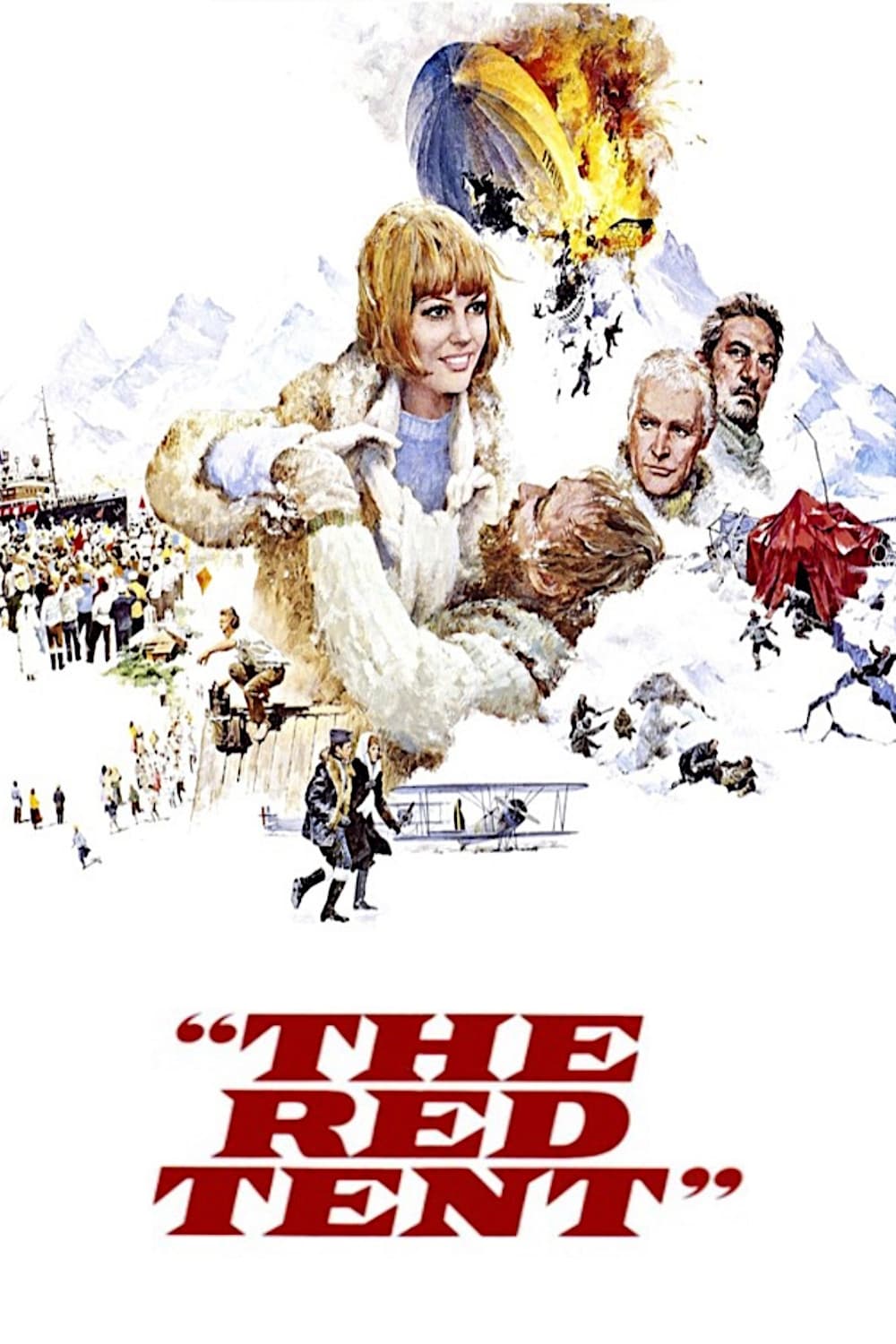
Torn by personal guilt, Italian General Umberto Nobile reminisces about his 1928 failed Arctic expedition aboard the airship Italia.
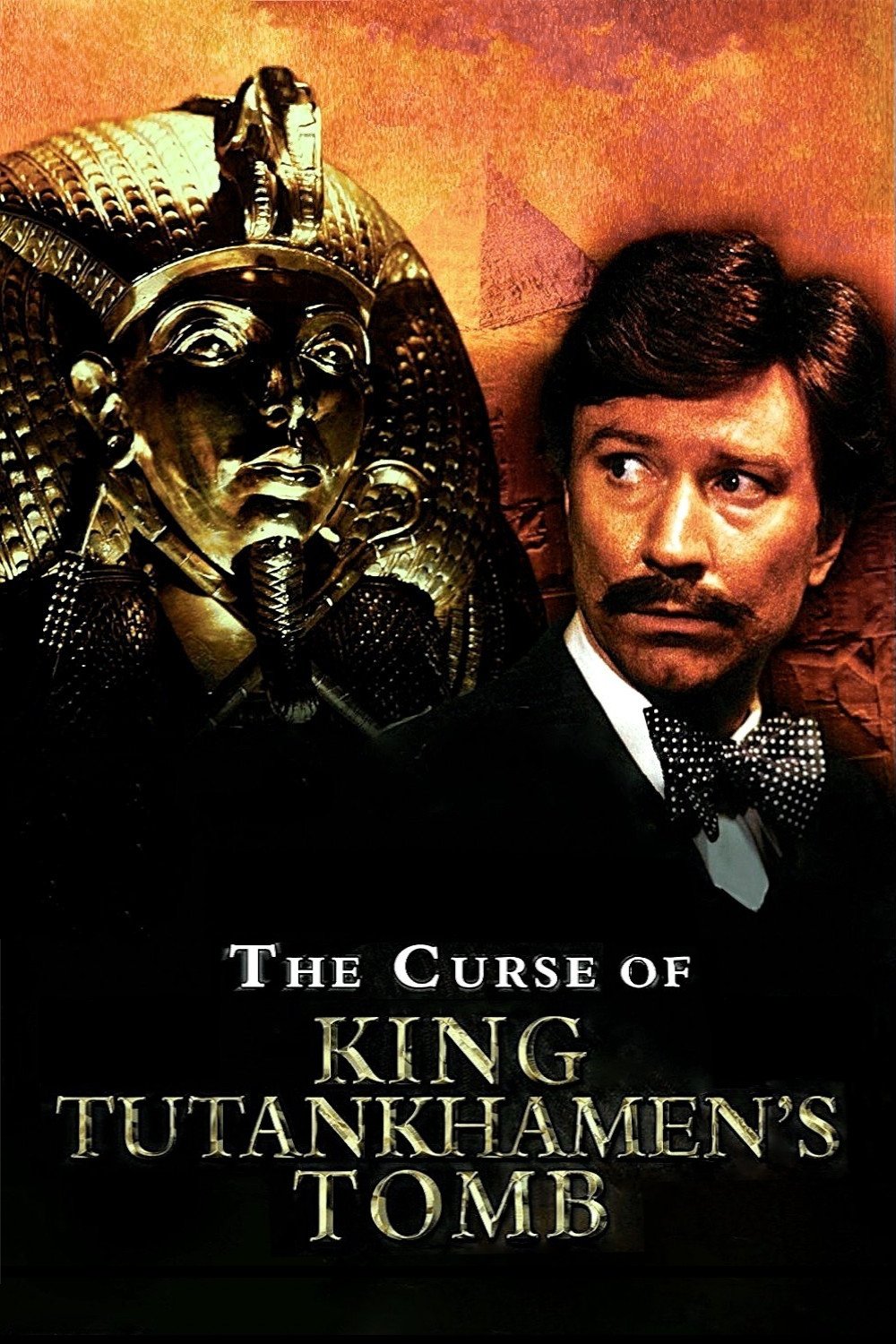
Egyptologist Robin Ellis and American reporter Eva Marie Saint uncover King Tut's burial site but wealthy profiteer Raymond Burr tries to make sure that the valuable artifacts in its chambers never leave the country.

A masterly study of a middle-aged woman waking up after 30 years passed in a coma induced by sleeping sickness. In her mind she is still 16, and her attempts to fathom the changed world into which she re-emerges is not only poignant and emotionally charged but, in the end, devastatingly brilliant theatre as well.

In 1570, widowed Princess Ana de Mendoza becomes the love object of a deadly rivalry between her cousin Don Inigo, King Philip II of Spain and his secretary of state Antonio Perez.

Never trust a man whoever he is. This is the bitter lesson learned by Mary MacNeil in her relationships with three different men: her father, a mendacious womanizer; a smooth-talking office flirt, Cornelius; and an aging barrister, Emlyn, who is enchanted by Mary's youthful vitality and charm.
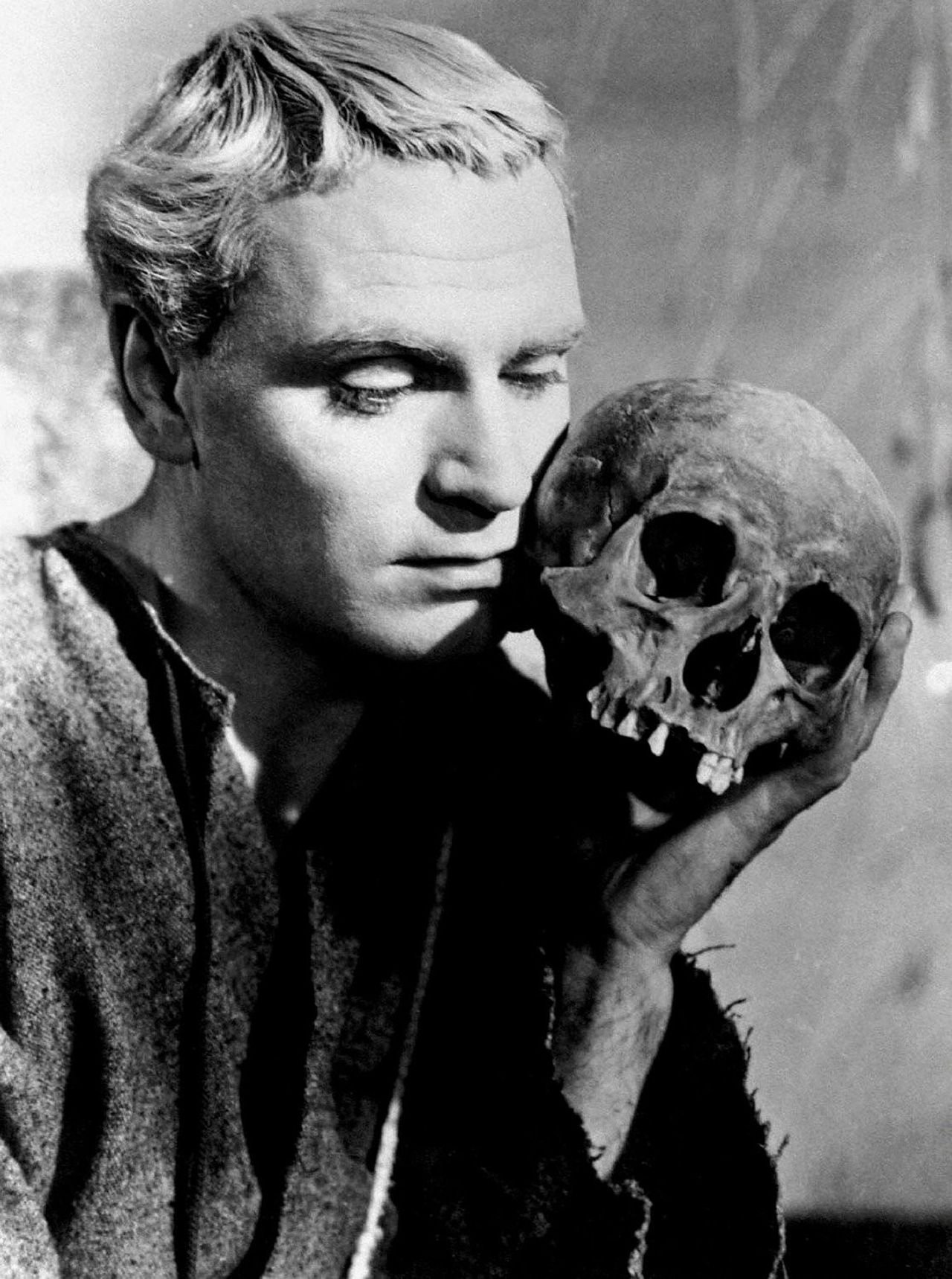
Journey into "Hamlet"-the play and the man-through the experiences of some of the major actors and directors who have brought Shakespeare's great tragedy to life. Christopher Plummer, David Tennant, John Nettles, John Simm, Sir Trevor Nunn, Franco Zeffirelli, Philip Saville, and others explore the enduring appeal of the Prince of Denmark more than 400 years after his stage debut.
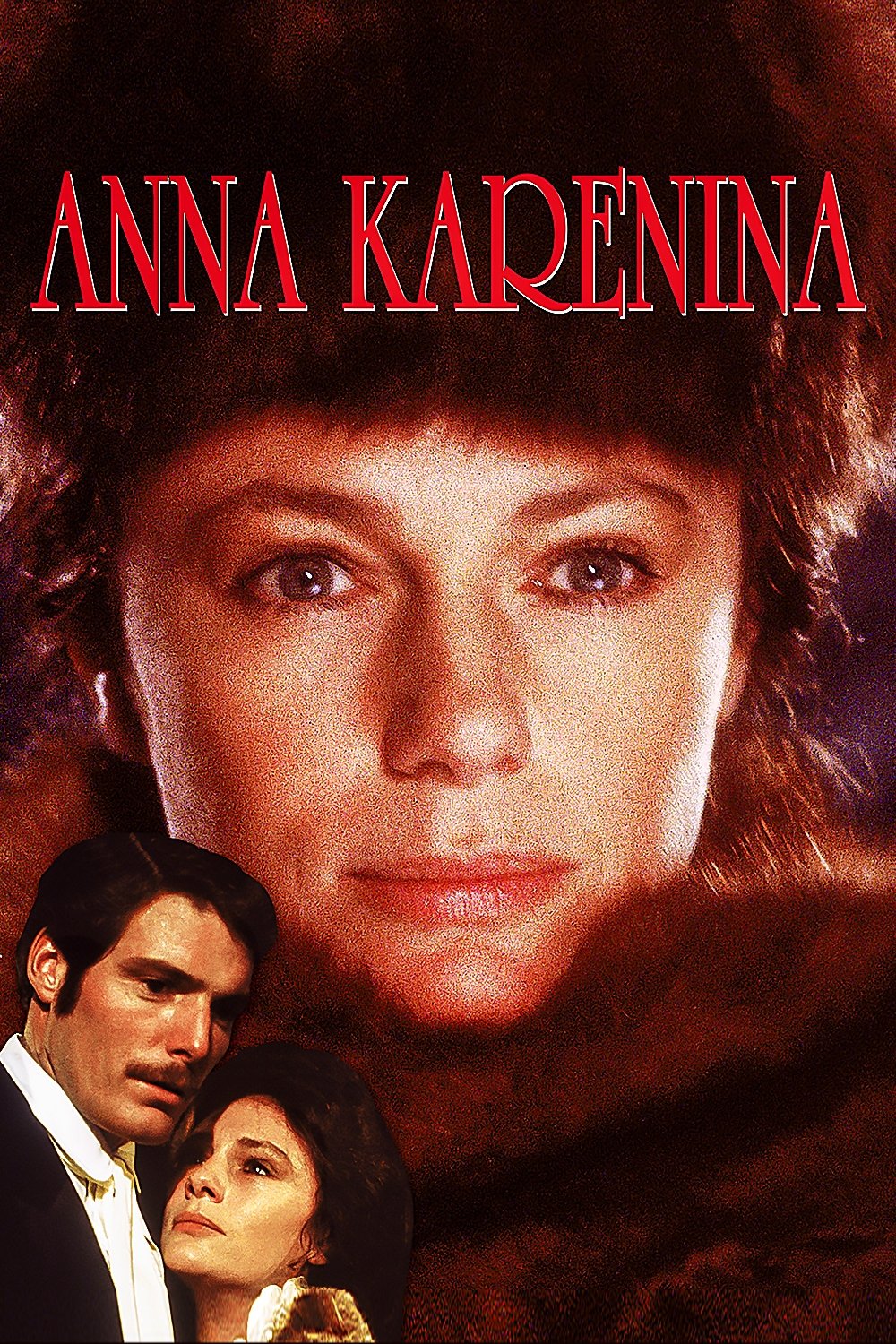
In Imperial Russia, Anna, wife of the officer Karenin, goes to Moscow to visit her brother. On the way, she meets charming cavalry officer Vronsky, to whom she's immediately attracted. But in St. Petersburg’s high society, a relationship like this could destroy a woman’s reputation.

Three couples planning their secret weekend away are exposed.
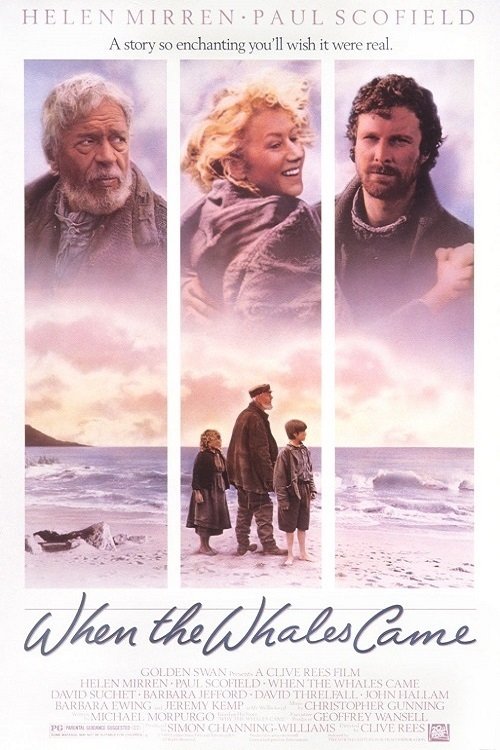
A pair of children befriend an eccentric old man, who lives isolated on the far shore of their island home. But it turns out that the old man knows a terrible secret about the island and the whales who sometimes come. Meanwhile WWI is making life hard in the village.
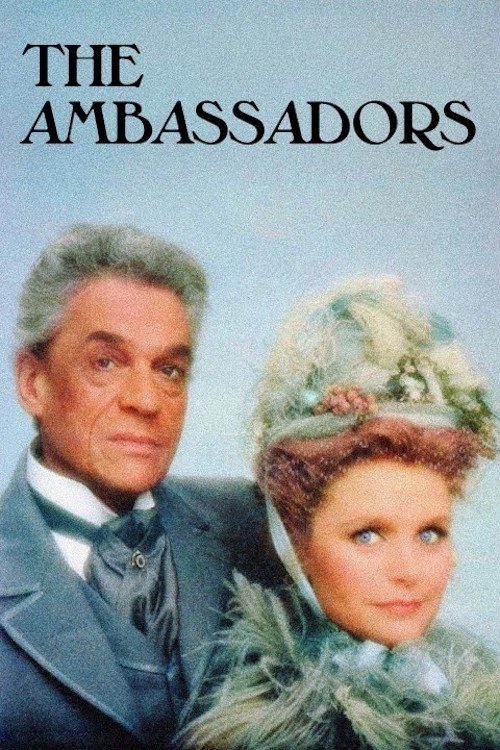
Dramatisation of Henry James's novel. Lambert Strether comes to Europe on a difficult and delicate mission. A chance meeting on arrival with the engaging Maria Gostrey provides him with much-needed support.

An all-enveloping darkness. Suddenly, a child's voice, frightened, questioning, pierces the darkness... The first flickering rays of light begin to sculpt mysterious shapes out of the darkness... Among them, a very old man. He reassures the child, exhorting him to see the wonders of the earth. And it is with this child's eyes that we will witness the creation of the world.
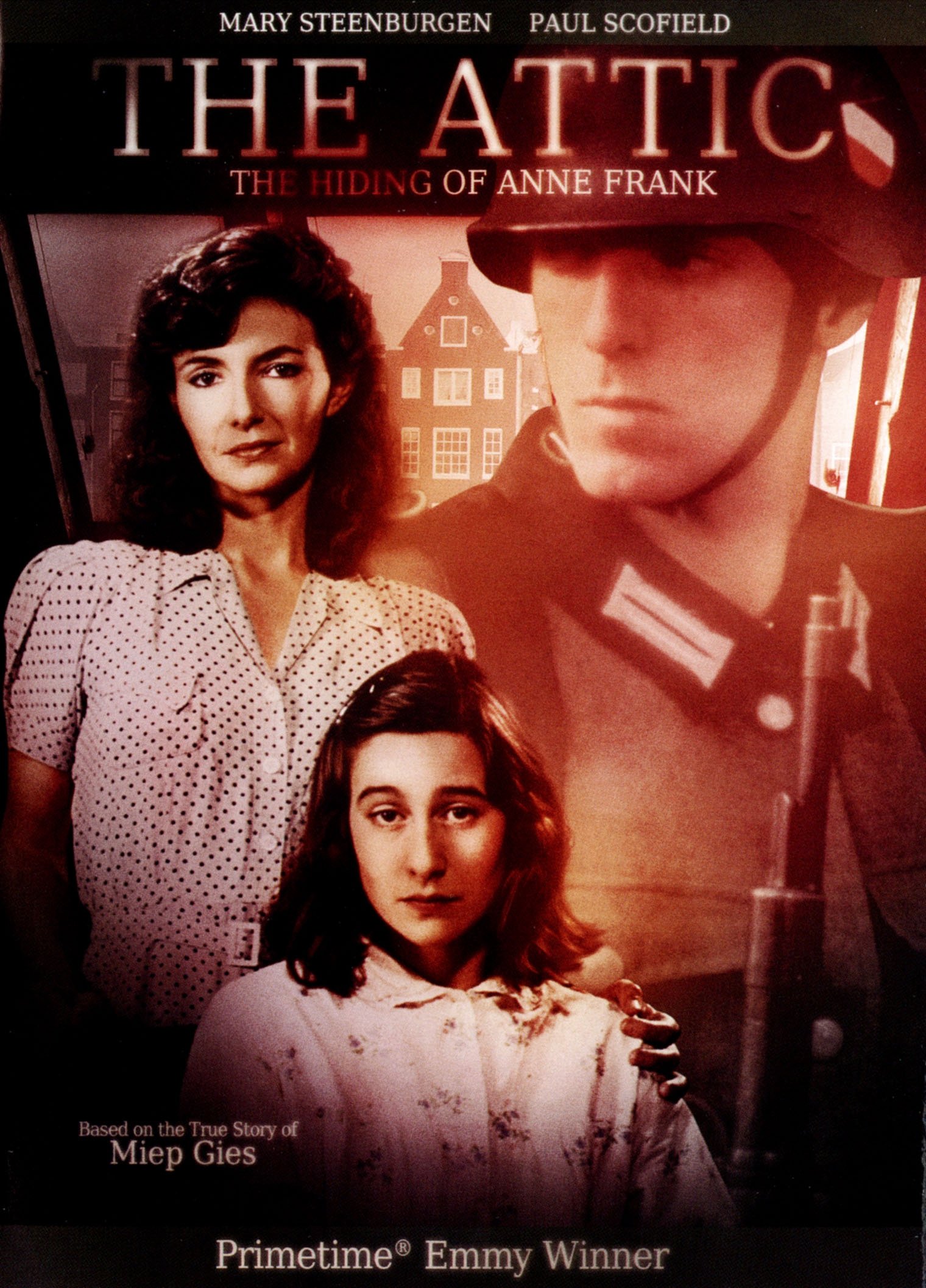
During the Nazi occupation of Amsterdam, Otto Frank decides to hide his family, who are Jewish, after his daughter Margot is called to appear for transport to a Nazi labour camp. Miep Gies, Otto Frank's office assistant hides them in the attic above the office. The film tells the true story of Gies' struggle to keep the family hidden and safe, as the Nazis turn Amsterdam upside-down. Based upon Gies' memoirs and Anne Frank's famous diary.

An asocial and enigmatic office clerk refuses to do his work, leaving it up to his boss to decide what should be done with him.

Young American Joanne Hunter is stranded in the German-occupied Holland with her Dutch grandparents. The German CO, Captain Kessel begins to wage war on the village's morale, and Joanne's house must quarter another German officer, Lt. Braun, who finds himself torn between his duty and distaste of Kessel's methods. When Kessel threatens the lead statues of 16th-century freedom fighters in the town clock, Joanne and her grandparents rally the villagers to save Kirkendam's "little riders".
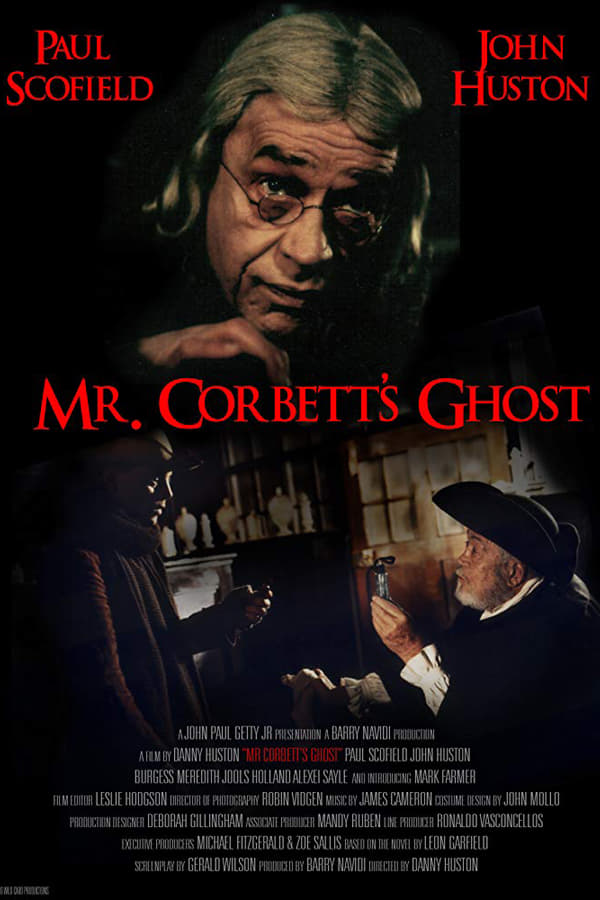
Mr Corbett is a cruel employer to Ben Partridge. One night on New Years Eve Ben is sent out to deliver some medicine. Along the way he wishes his master was dead, little knowing that the man he is delivering to is the Collector of Souls.
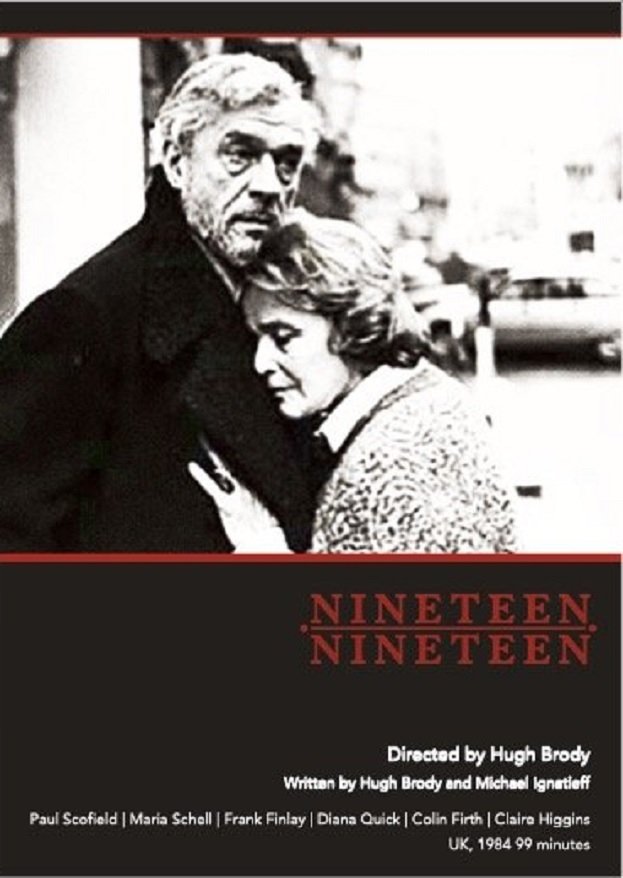
Two former patients of Sigmund Freud meet again and discuss their psychiatric treatment 65 years earlier.
A rich cornhusker and his social climbing wife find themselves in the company of royalty. While the wife is entertaining a high and mighty prince downstairs, the husband is entertaining a threadbare princess upstairs. It doesn't take long for the husband to realize he has more in common with royalty than his wife does.
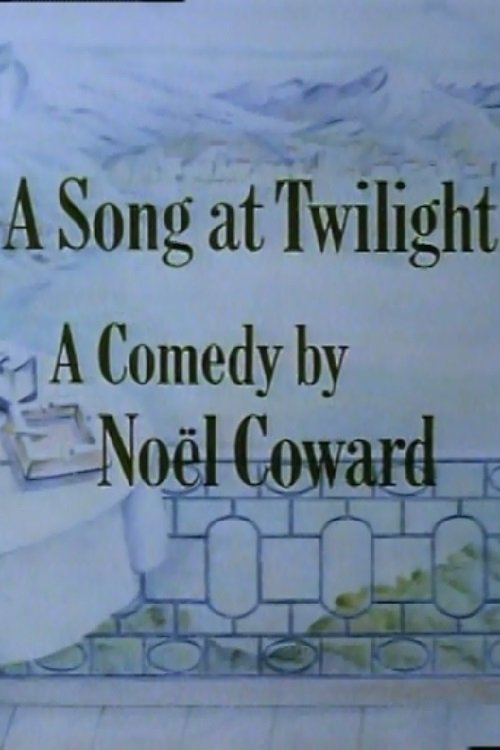
Enormously successful writer Sir Hugo Latymer has a tryst with the past not altogether to his liking. This bittersweet comedy is the story of a cosmopolitan author caught in his declining years between two women, one being his wife of convenience for twenty years, the other, one of his former lovers.
Sir Robert Clarke looks back on his life and the summer when as a 16-year-old he first fell in love with Louise St. Leger.

A psycho-geographic journey through London and its history, as undertaken by an unseen narrator and his companion, Robinson, at the time of the 1992 general election.

Adapted and directed by Peter Brook from the Royal Shakespeare Company’s ‘production-in-progress US’, this long-unseen agitprop drama-doc – shot in London in 1967 and released only briefly in the UK and New York at the height of the Vietnam War – remains both thought-provoking and disturbing. A theatrical and cinematic social comment on US intervention in Vietnam, Brook’s film also reveals a 1960s London where art, theatre and political protest actively collude and where a young Glenda Jackson and RSC icons such as Peggy Ashcroft and Paul Scofield feature prominently on the front line. Multi-layered scenarios staged by Brook combine with newsreel footage, demonstrations, satirical songs and skits to illustrate the intensity of anti-war opinion within London’s artistic and intellectual community.
A winemaker overcomes the ignorance and illiteracy of his era to become a Torah commentator who defends the right to spiritual choice and freedom in the 11th century.

The patriarch of the family is dying and James, his estranged son, appears unexpectedly. He can remember nothing about a mysterious moment that occurred in the family's potting shed when he was age 14. Family members who recall the event are unwilling to describe it to him.

In 1971, American Norman Dyhrenfurth led an expedition of 30 climbers from 13 different countries, including Don Whillans, Dougal Haston, Naomi Uemura, Pierre Mazeaud, Michel Vaucher, and others. This expedition aimed to simultaneously climb the southwest face and the direct west ridge. During the ascent, Indian climber Harsh Vardhan Bahuguna perished at Camp 3 in a storm. The expedition, already suffering from organizational problems, was severely tested after his death. The Americans decided, unilaterally, to abandon the west ridge. The Europeans, who had spent days equipping the route, were left out and felt relegated to the roles of route setters and porters. Frenchman Pierre Mazeaud, Swiss climbers Michel and Yvette Vaucher, and Italian Carlo Mauri then left the expedition. The Americans continued their ascent of the southwest face up to 8,350 meters before giving up.