
A German U-Boat commander plans a daring escape from a PoW camp in Scotland.
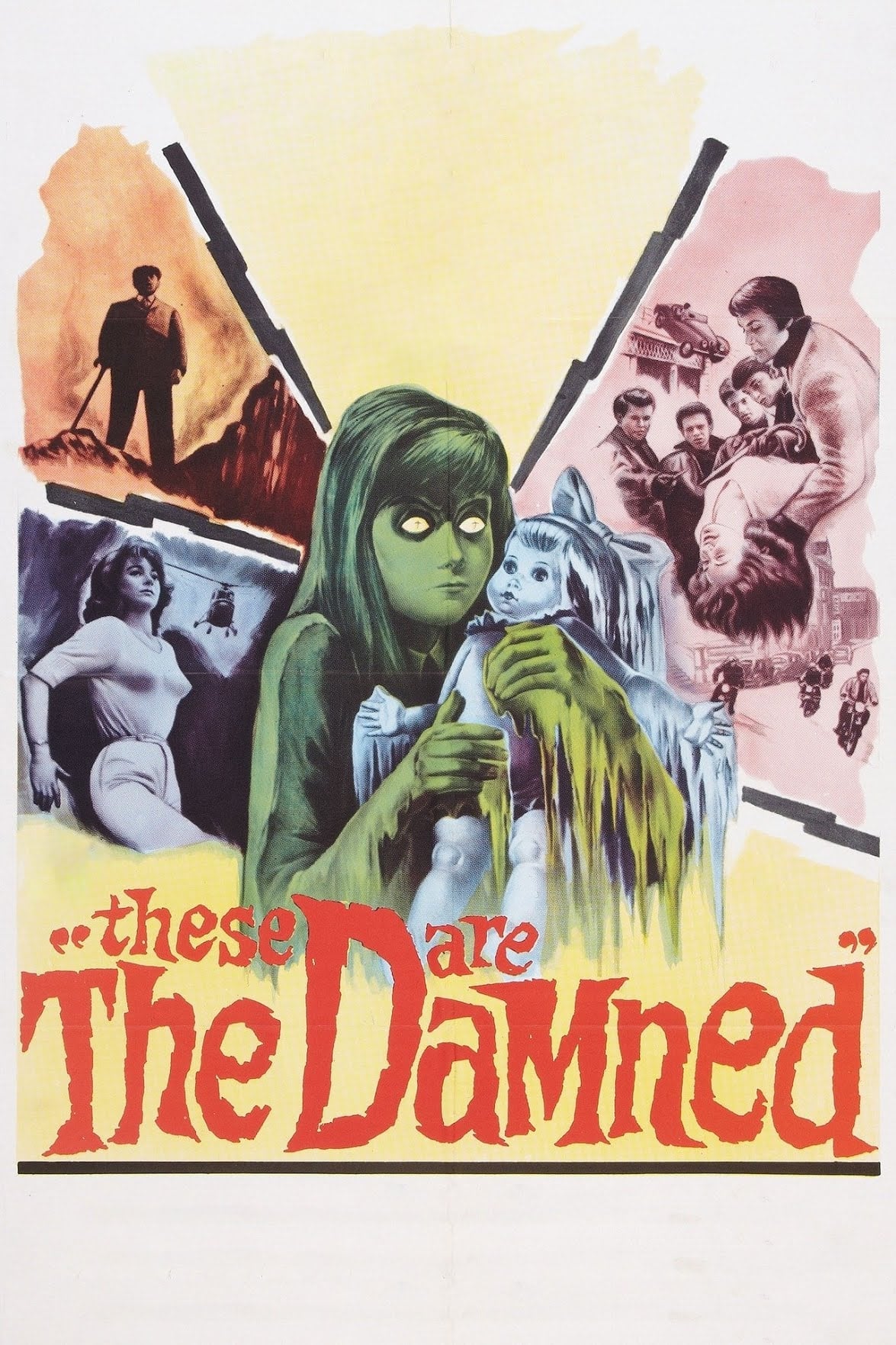
An American tourist and a troubled young woman are chased by her gang leader brother to a top secret British government facility that conducts experiments on children.
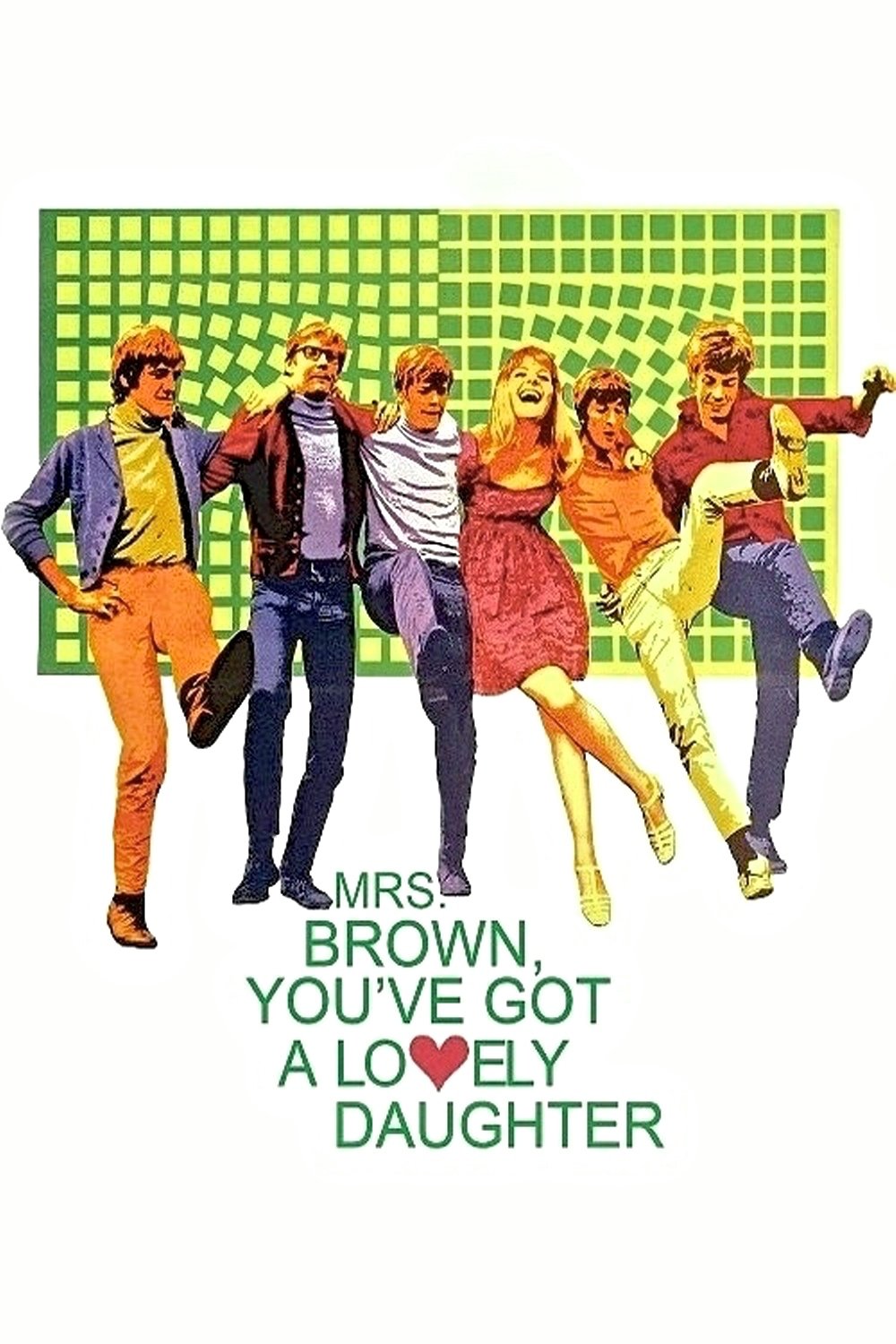
Herman inherits a greyhound and decides to make his fortune by dog racing. After traveling from Manchester to London in the hope of entering a national invitational, Herman and his friends find work in a pop group, and Herman falls in love.
Michael Marler, a successful businessman in London, is about to make his way to the top. After 37 years, the death of his father brings him back to his hometown of Liverpool, where he’s confronted with his lost Irish roots. He finds out that his father died in a fight with some Anglo-Saxon teddy boys. It becomes a matter of honour for him to take his revenge without involving the police.
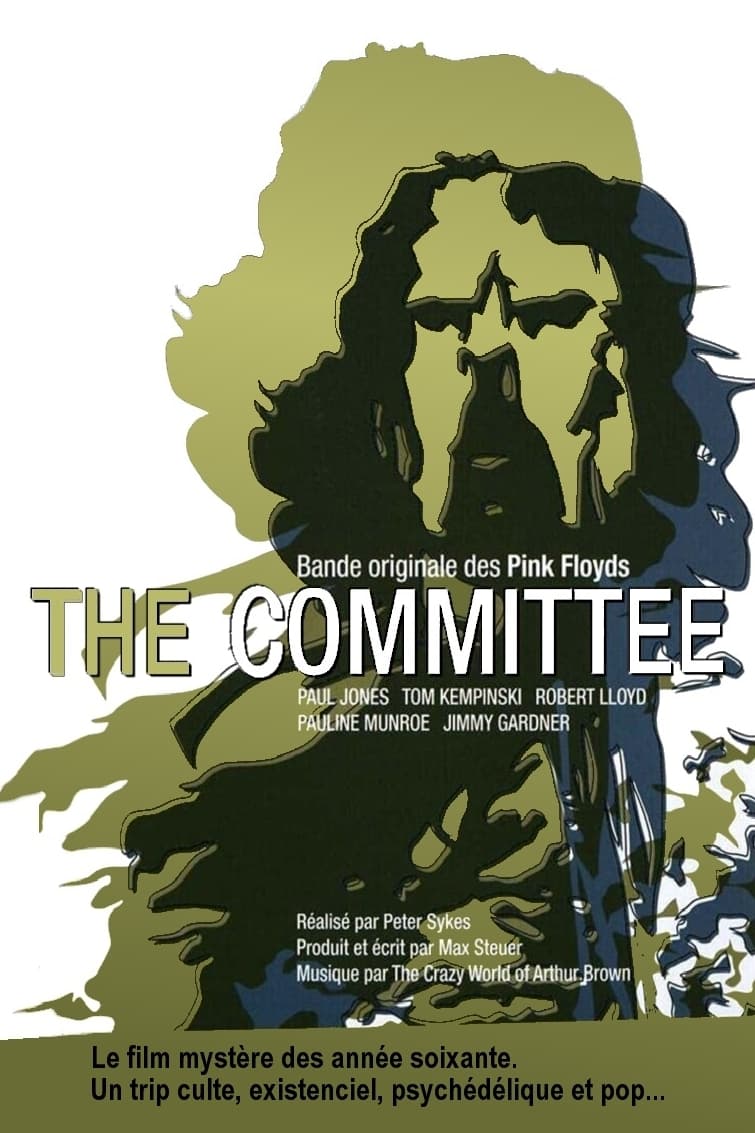
The Committee, starring Paul Jones of Manfred Mann fame, is a unique document of Britain in the 1960s. After a very successful run in London’s West End in 1968, viewings of this controversial movie have been few and far between. Stunning black and white camera work by Ian Wilson brings to life this “chilling fable” by Max Steuer, a lecturer (now Reader Emeritus) at the London School of Economics. Avoiding easy answers, The Committee uses a surreal murder to explore the tension and conflict between bureaucracy on one side, and individual freedom on the other. Many films, such as Total Recall, Fahrenheit 451 and Camus’ The Stranger, see the state as ignorant and repressive, and pass over the inevitable weaknesses lying deep in individuals. Drawing on the ideas of R.D. Laing, a psychologically hip state faces an all too human protagonist.
Roger Empson builds a house for his disabled wife Jean that is completed automated and monitored by a computer called A.D.A.M. (Automated Domestic Appliance Monitor). But things take a nasty turn when A.D.A.M. starts to develop feelings towards Jean...

Christopher Mason's documentary presents a retrospective of the arts in the immediate post-war years (1945-51), when patronage for 'public art' was intended to promote a cultural renaissance to complement that in education, health and housing. A dream of universal access to Britain's cultural heritage is shared, with use of archive newsreels, though can the dream be made reality or is art simply a luxury most can't afford?
A barrister's complex life unravels as he juggles a court case and highly-strung mistress.
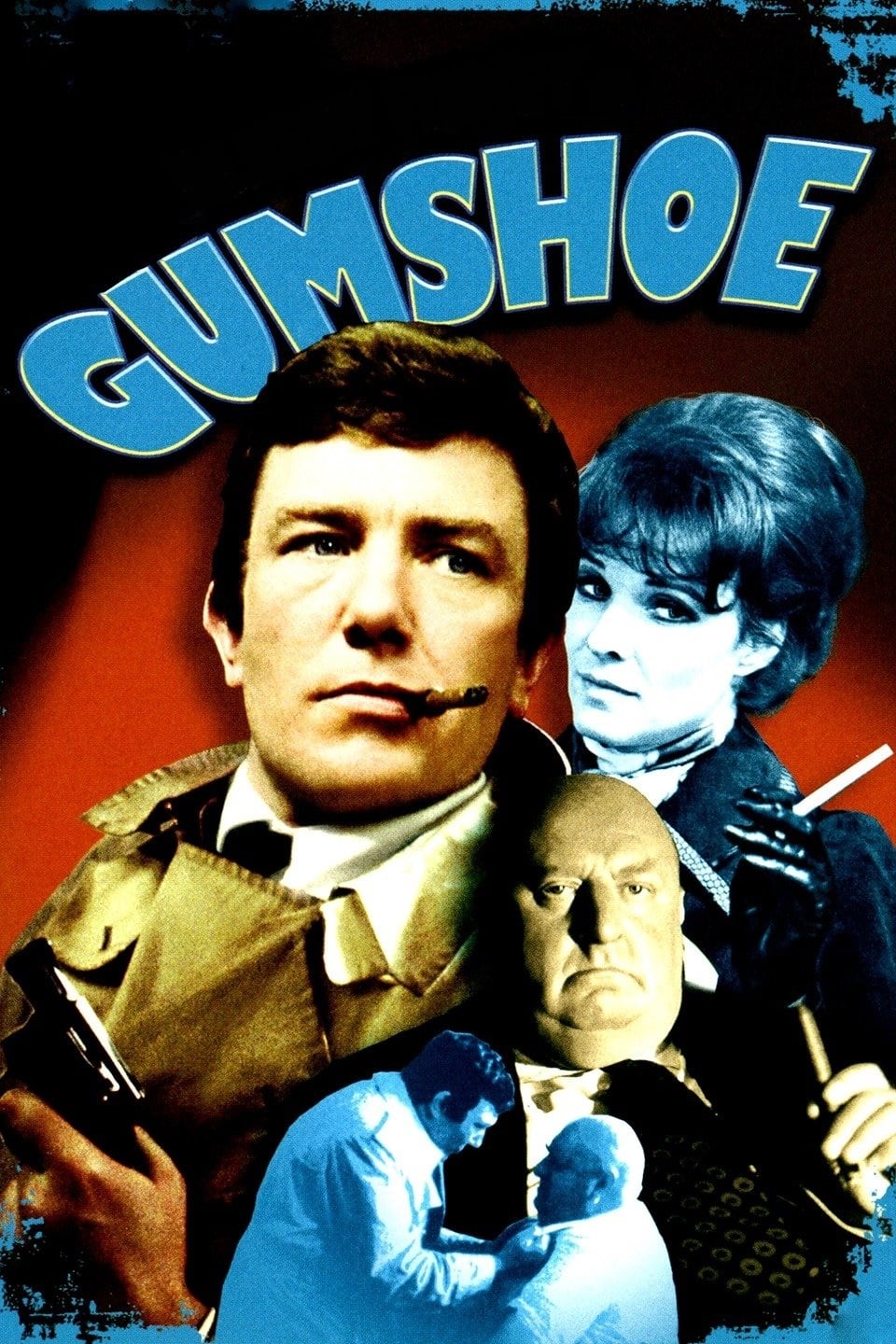
A would be private eye gets mixed up in a smuggling case.
Margaret Ross is an impoverished old woman who lives alone in a seedy apartment and enjoys a rich fantasy life as an heiress. One day she discovers stolen money hidden by her son and believes her fantasy has come true.
David Adler is an operator. He strips assets, other men's wives, and his oldest friend's soul - anything for a cool million.
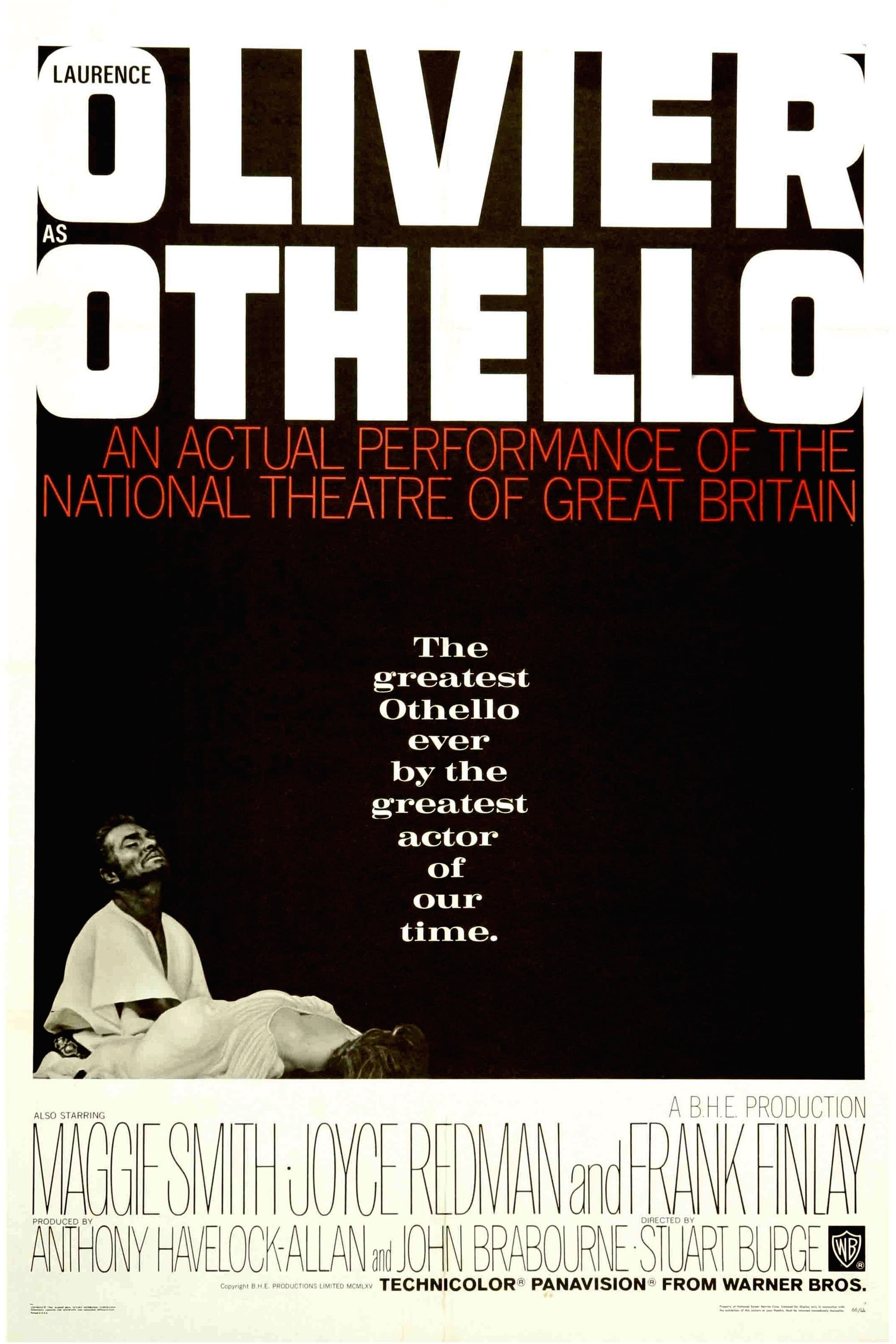
General Othello's marriage is destroyed when vengeful Ensign Iago convinces him that his new wife has been unfaithful.

Dr. Burke is in love with Ophelia but doesn't have time to propose to her as she leaves for a cruise to the Mediterranean. Also on board the cruise ship is an old school chum of Burke's who plays 'Dr.Dare' in a very popular TV series and who women flock to. Burke decides to join the cruise, but is first apprehended as a stowaway, and then becomes the captain's steward. For Burke, trying to talk to Ophelia is a hard enough task, but he meets some funny characters on board, such as a pools winner and a very stubborn captain.

John Sawyer, once an eminent barrister, has slid into a life of cynicism and drunkenness since his wife left him. When his daughter's boyfriend is accused of murder, Sawyer decides to try to pull himself together and defend him in court.