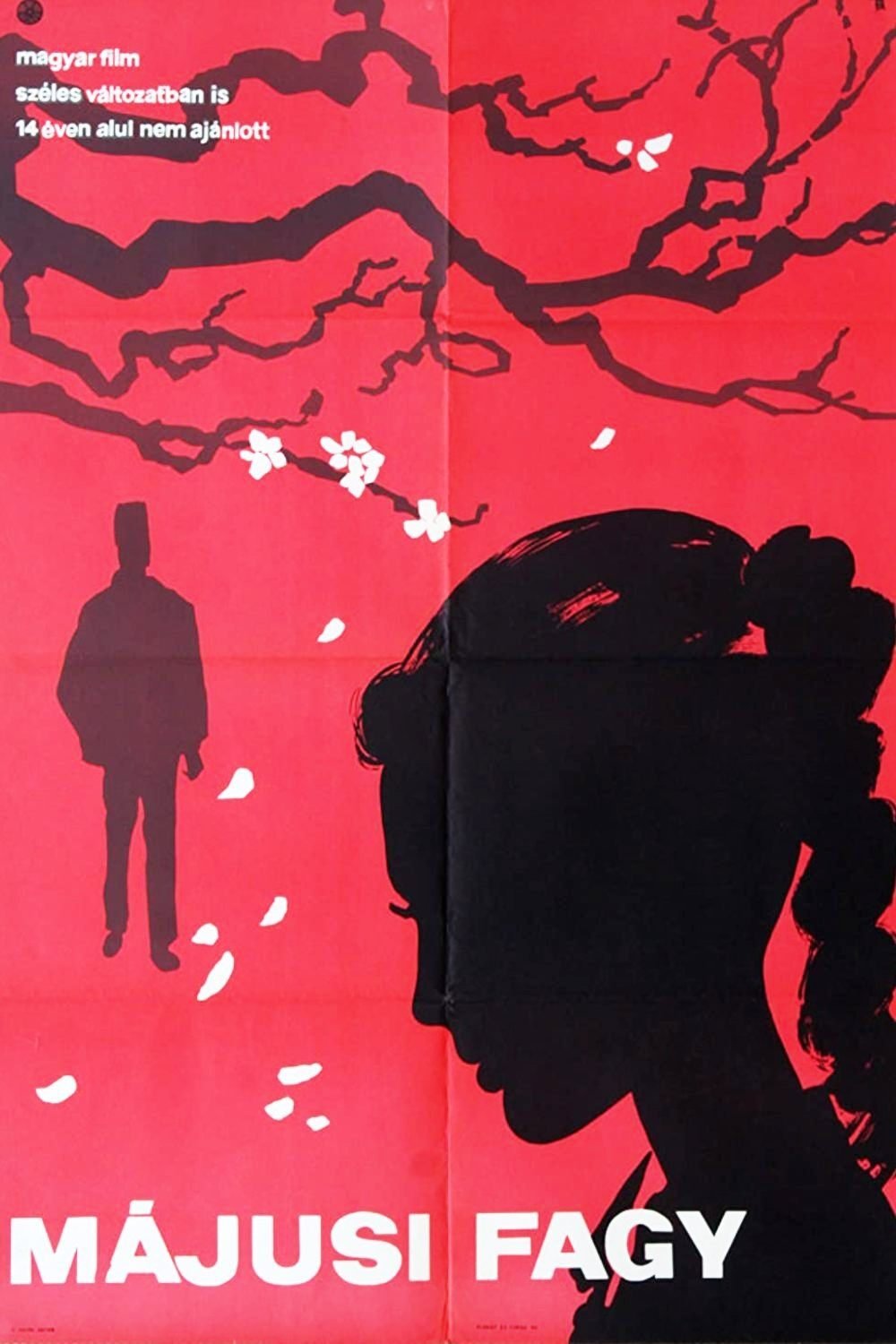
The movie tells about the relationship between young people who love each other. Young Mishka's family works on a construction site in Budapest, and on weekends they come home to their village on the Great Plain to relax and have fun. It is here that the young man meets Klari. He learns that Klari is his fellow villager, although she also works in Budapest. They arrange to meet the following weekend. Mishka is truly in love. Clarie is too, but she doesn't dare to admit to him that she has been unfaithful.

Mythomaniac teenager Anna tries to impress her schoolmates so she impersonates a journalist to meet her dancer crush who she said to be in a relationship with.
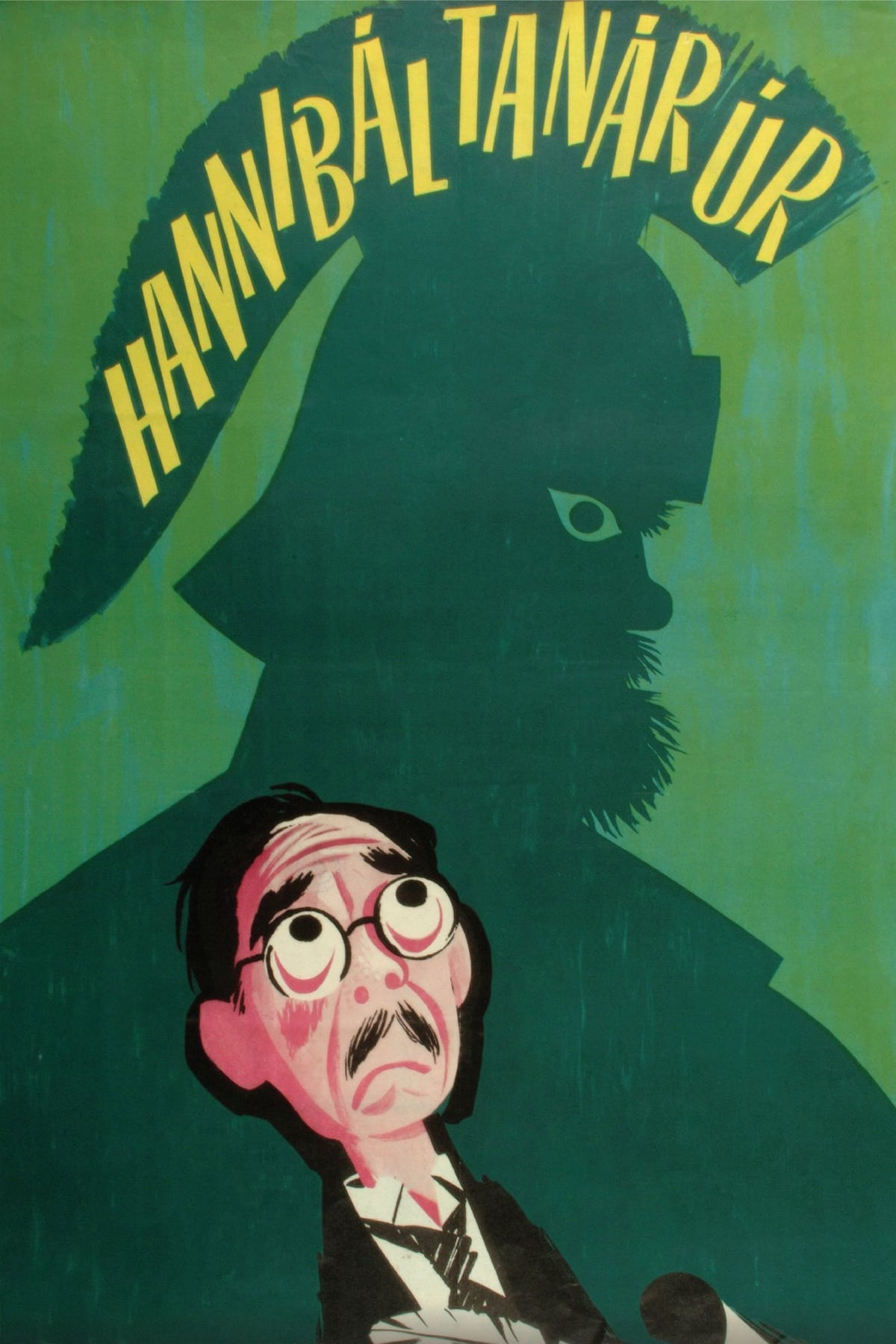
A school teacher becomes a momentary hero after having rescued a stuffed-bird from a school incident.
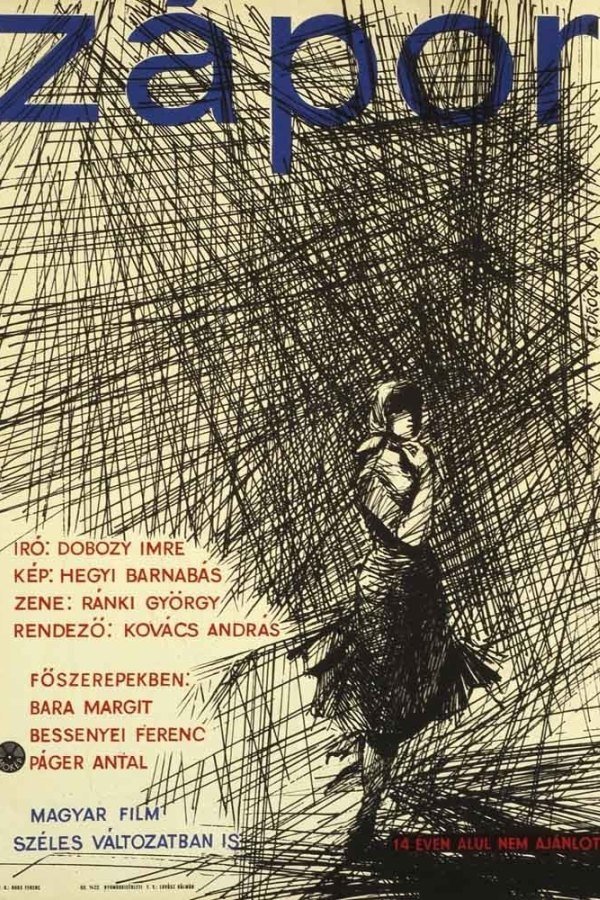
Miskei, the popular and dynamic president of a co-op falls in love with Mari, the attractive wife of the elderly Pató. The deeply feeling woman is fed up with the service beside the haughty land holder, she is longing for tenderness and a child. The passion of Miskei is growing when he sees how crudely, humiliating Pató treats her. During a powerful summer shower, when chance brings them together in an abandoned press house, he storms on Mari confessing love. The woman refuses him bitterly. Miskei calms down and he keeps on expressing his love and high esteem with the woman by steadfast and tiny compliments. Early one morning Mari leaves her husband and sets off to the city to learn and to begin a new life.
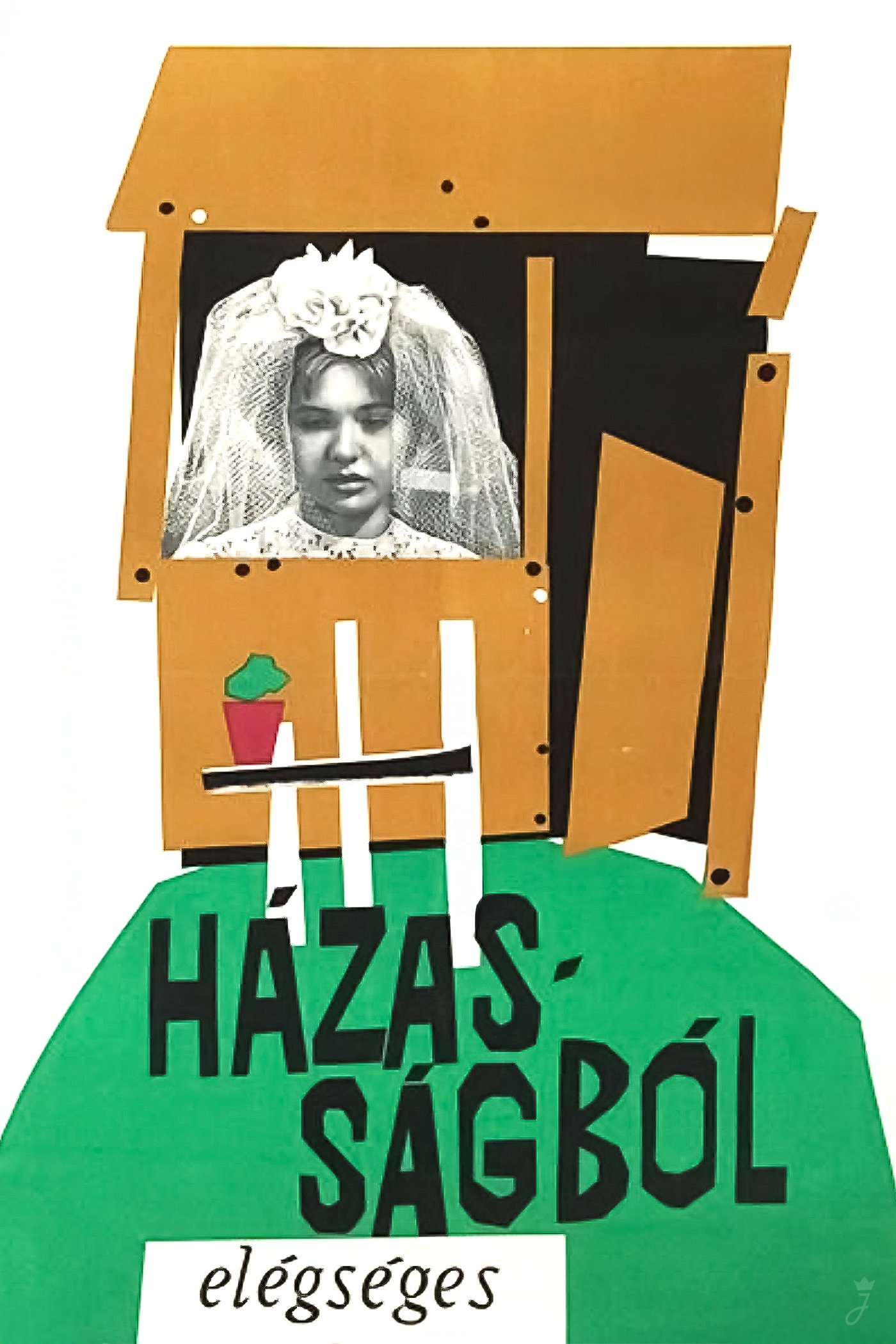
Blondie and Árpi love each other very much. She is a hairdresser, he is a confectioner. Blondie's parents are divorced and she lives with her grandmother. Árpi loves her parents, but has long been angry with her brother-in-law, whom she knows to be keeping a mistress. Pista turns the parents against Árpi, and after a quarrel, the boy decides to leave home. Then he has an even better idea: marry Blondie. She is just as much of a hebrensch, so she insists on marriage. It's summer, and the Árpi's move to their summer cottage on the top of the hill. But they are unprepared for independence, and so they have a series of conflicts. They quarrel badly, and Blondie moves back home. To Arpi's surprise, her father persuades her to make up with him. Blondie sulks at first, but her lover overcomes her resentment. They try again, together.
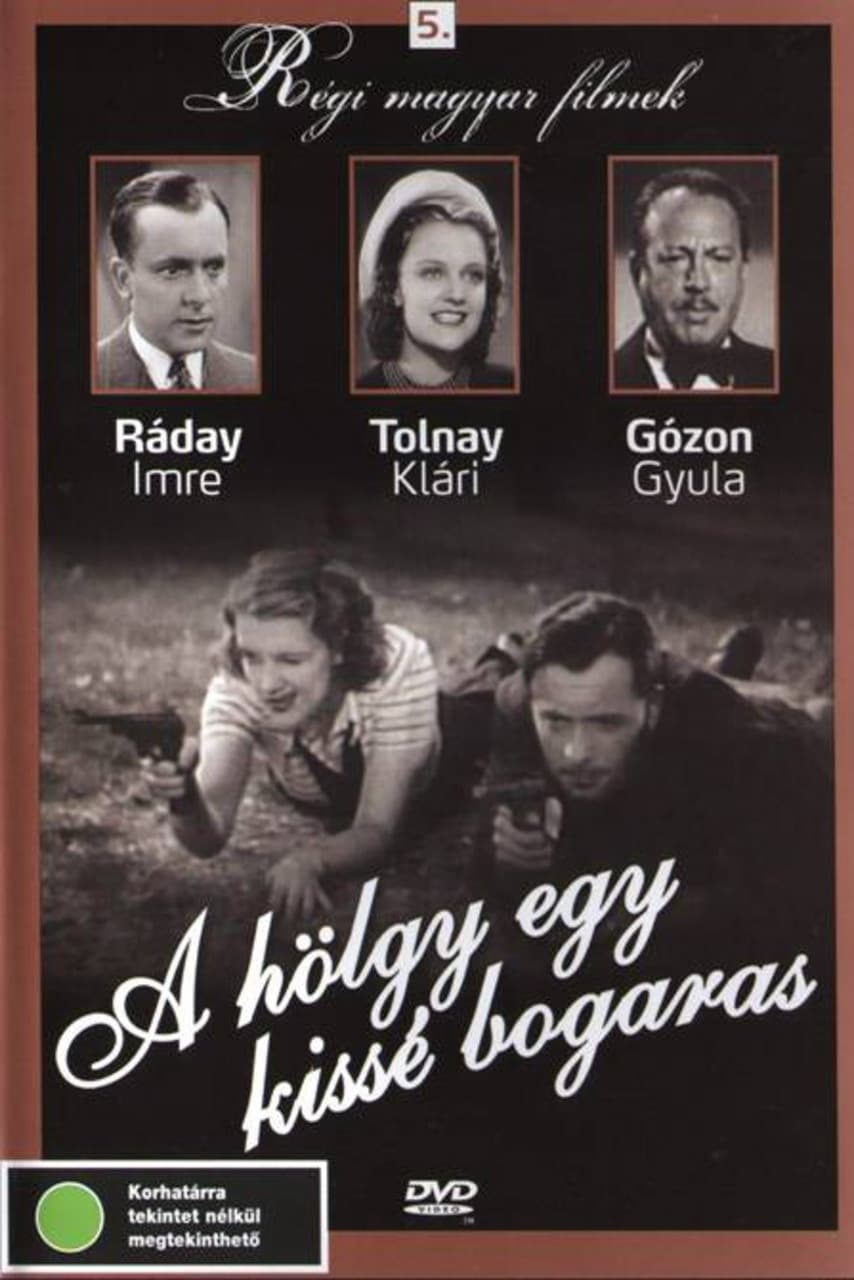
Bimbi, aka Takács Klára is unemployed. She lives in a sublet and has no idea how she will live and pay her bills. But luckily for her, the previous tenant, who had a letter of recommendation for the director of Tormássy Works, has now been put in a mental home. So he can apply for a job with the "unused" letter of recommendation. Since the letter says that the "lady with a bit of a bug" will not get a job, she can go to the son of the CEO as a typist's assistant.
In a chic hotel in the French mountains, a lonely woman is attracting a lot of attention. And yet Eva is married, and thinks back with sad nostalgia to the first happy years of her marriage. She would like Adam to be a loving, attentive husband again. One rueful evening she decided to take a month's 'holiday' and travel to the mountains of France. But away from her husband, she realises that true love and appreciation are not about compliments, flowers or a night of dancing...
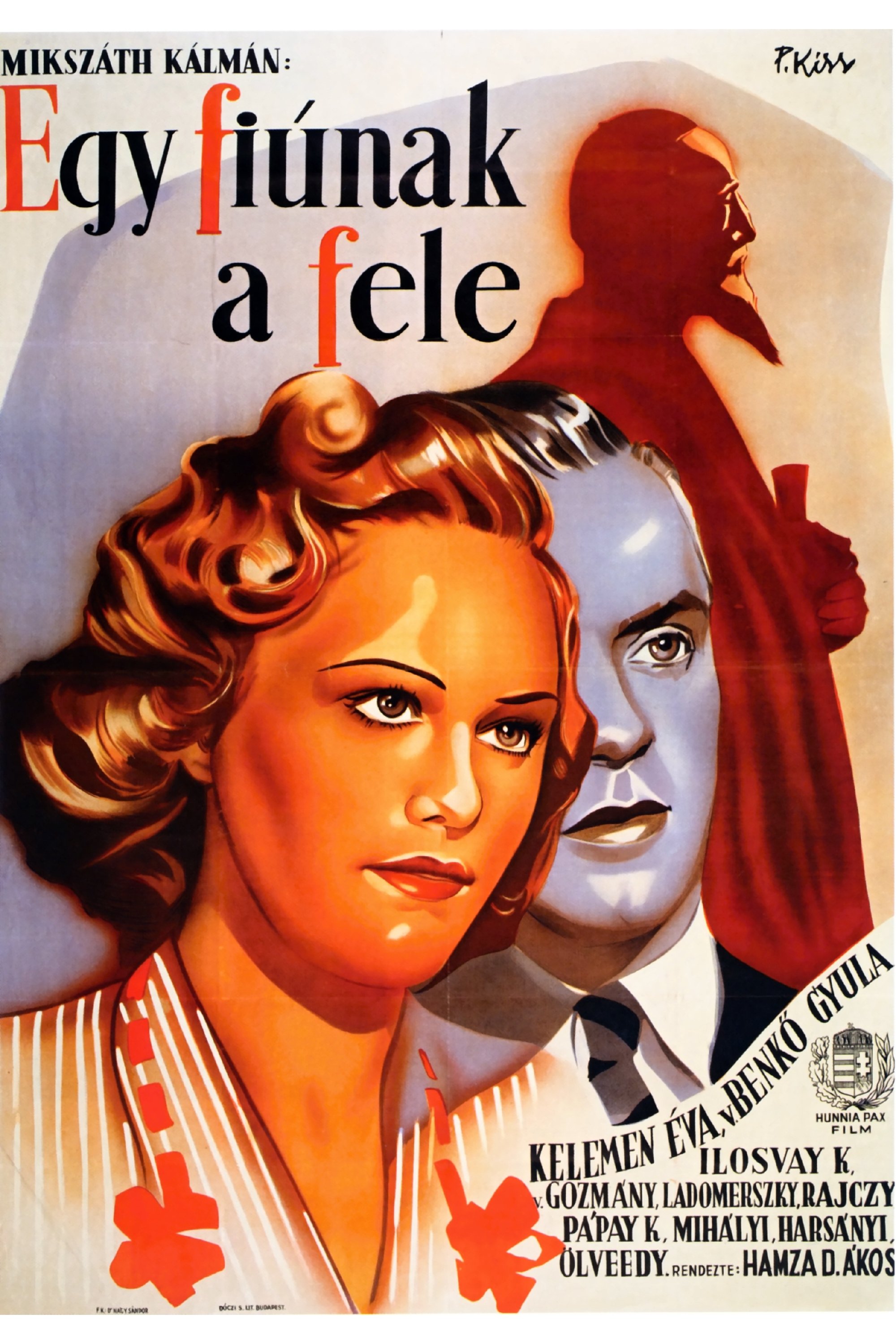
A landowner Gáthy and his wife adopt an orphaned infant at the birth of their own son, only to realize too late that they can’t tell which baby is which. They raise both boys as their own until, on the brink of the sons’ marriages, questions of lineage brought up by prospective mothers and meddling mothers-in-law threaten to unravel their family.
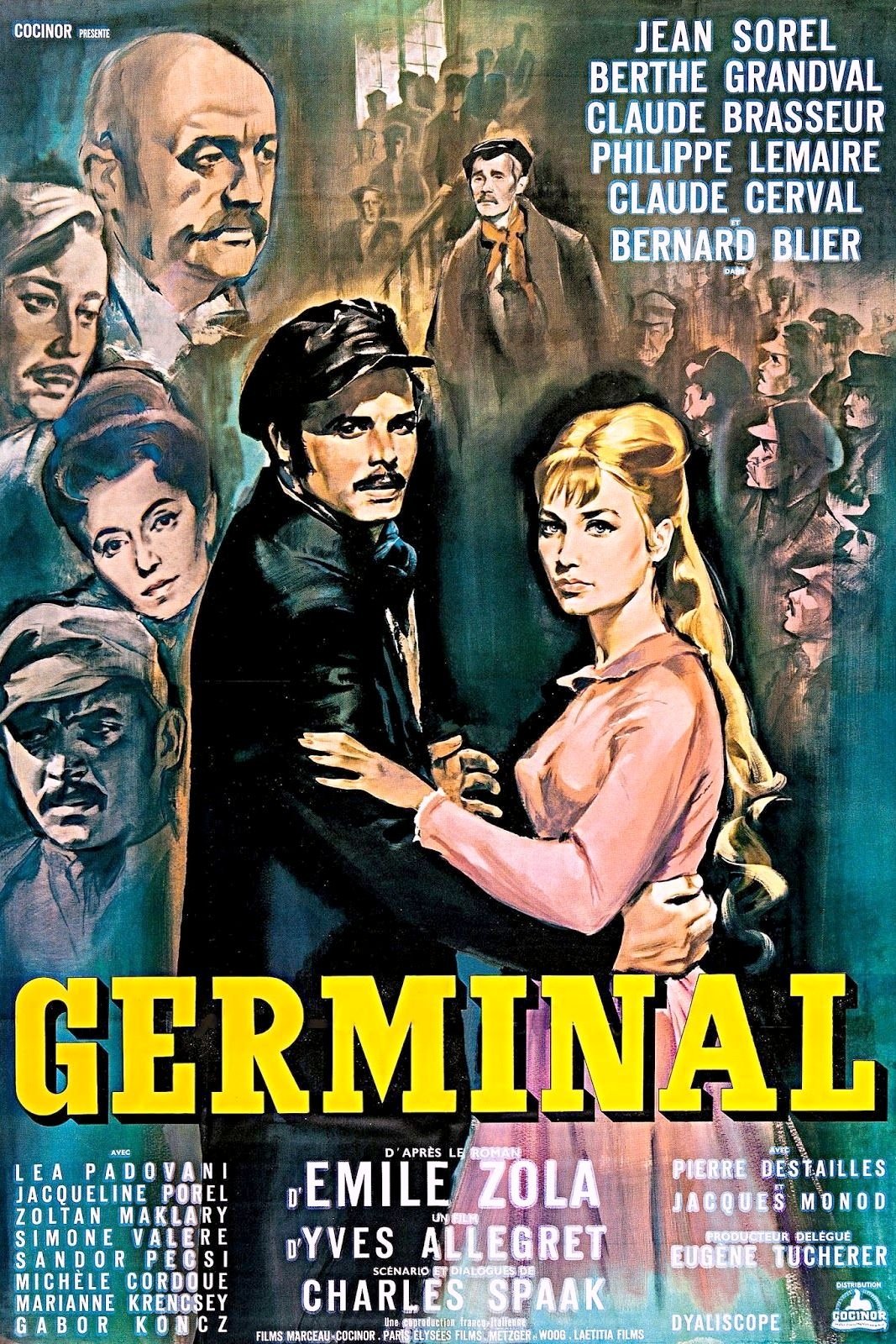
Dismissed from the railroads in 1863 for his union activities, Etienne Lantier found a job at the Voreux coal mine. But work was hard, wages were low and safety left much to be desired. Lantier tried to organize the miners into a union. When mine manager Hennebeau refused to negotiate, the workers launched a general strike, which ended with the intervention of the troops.

Daddy Kárász, the stakhanovist worker, complains in a television interview about the fact that his family, consisting of many members, cannot get a home on their own. Kéri, the chairman of the local authority, promises to help him on the condition that if he does not, they may move in to his villa at elegant Pasarét. Nothing happens, therefore the Kárász family takes Kéri by his word. From this time on, tumultuous scenes and frequent quarrels take place in the villa between the two families.
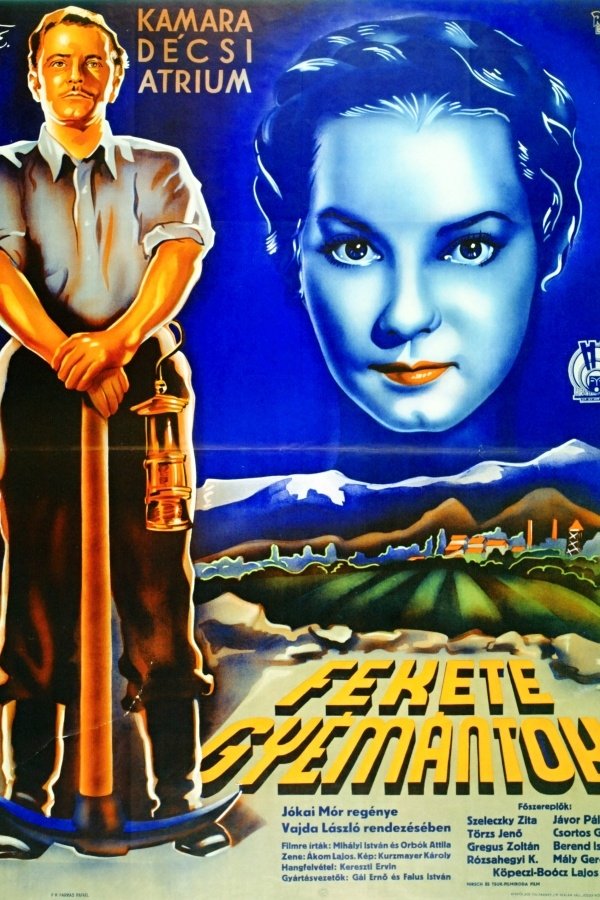
Iván Berend works with all his skills in the coal mine he inherited from his father. Fate brings him to fall in love with the beautiful Evila, the daughter of one of the miners. A wealthy Viennese banker, Félix Kaulmann, then buys up the Bondavölgy coalfield for money, but he cannot acquire Iván Berend's mine for the time being. To defeat his opponent, he comes up with a cunning plan. He takes Evila with him to the Austrian capital, then opens the new mine, luring Berend's best colleagues to him with a little more money. But he doesn't count on one thing.

The film is a ballad about the dwellers of a block-of-flats in Angyalföld.
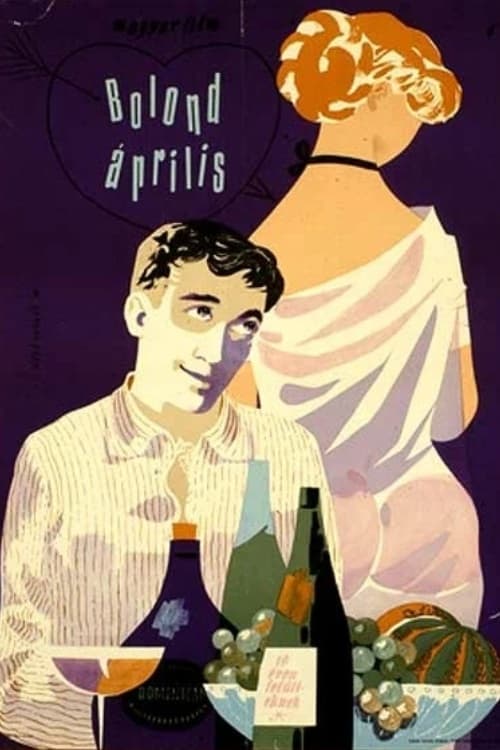
The twenty-year-old Gida, having just survived his first amorous disappointment, falls for Katinka, the young widow, at first sight.
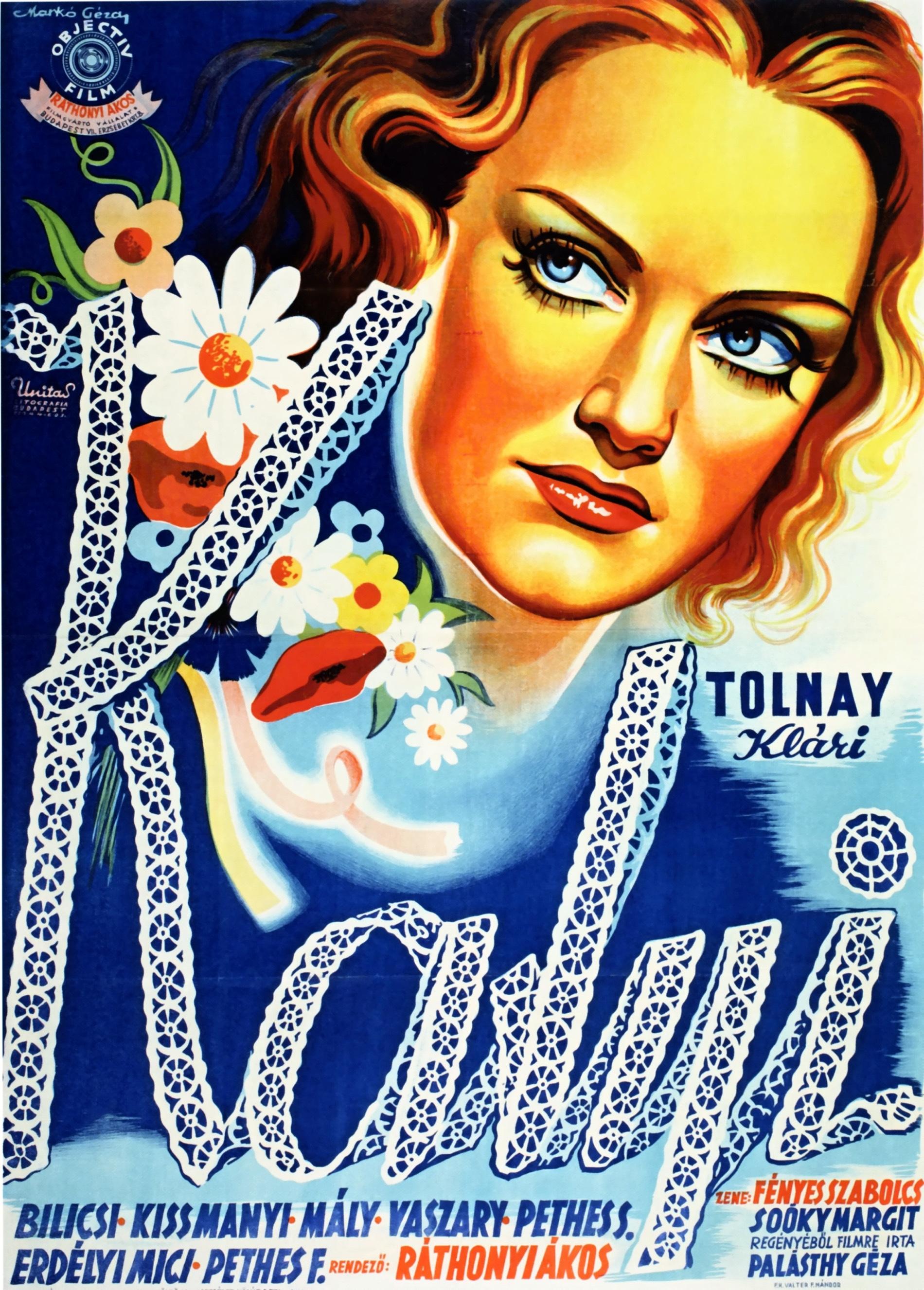
Kató Varga (Klári Tolnay) is unable to play its part in front of the Admissions Committee of the School of Dramatic Art. Geszty (Tivadar Bilicsi), severe President of the Commission maintains that she has no talent for acting and mercilessly tells you will never be an actress. Kató prepares to take revenge and under the false name of Katyi Csiba, dressed as a peasant village, obtains admission to the house Geszty. Turning everything upside down, she makes your life hell.

A simple, religious Hungarian woodcutter lives with his wife and boy child with a small community of squatters among the peaceful mountains of Transylvania until a lumber company claims their land and forces them all to become company workers or else leave the land. This 1942 Hungarian film takes a detailed and unflinching look at the hardships of mountain living, and the realistic approach proved influential to the Neorealist movement in Italian cinema. Hungarian master director Istvan Szots won the Biennale Cup at the Venice Film Festival for his auspicious debut, but the film was banned by the Nazis as "too Catholic" and not publicly exhibited until after World War II.

The subject of this film is Dr. Ivan Egry, a young man, who becomes infatuated with Edit Ralben, the beautiful, but flirtatious, daughter of a prominent man. As the two get involved romantically, problems start to plague their relationship. When they end up separating, Ivan finds comfort with Josza, a pretty girl, much more stable than Edit, but far less glamorous. When Edit eventually re-enters Ivan’s life, he can’t resist her. Unable to resolve his conflicting emotions results in an abruptly tragic finale.
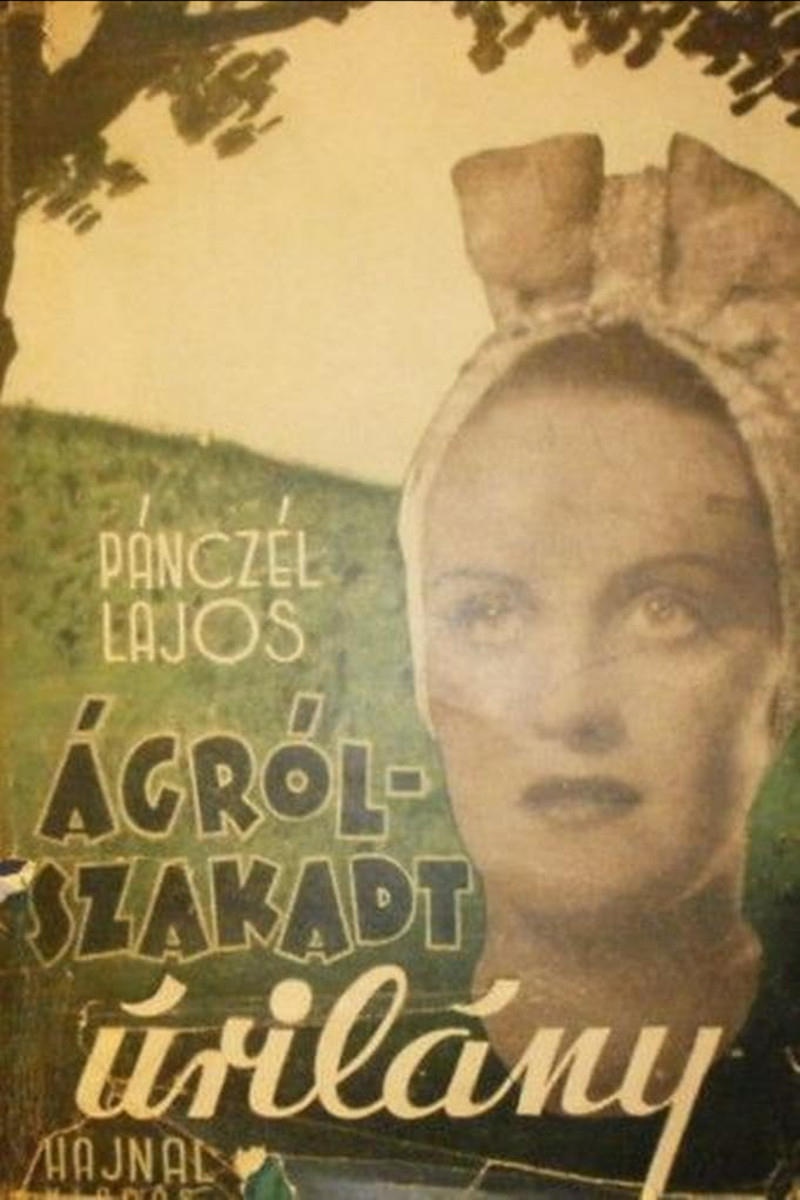
Dr. Ádám Koltay flees the city. Although he is the darling of society, he has grown weary of the emptiness of social life. He tents in the pure, unspoilt world of the snow-covered mountains, but on his first day, an unexpected event occurs: he must save the life of a young girl who has fallen off a cliff. In gratitude, she offers him an invitation to join the hustle and bustle of a nearby noisy resort, but Adam steals a kiss from her instead. Eve vows revenge, ready to do anything to disturb his peace.

The hero of the story, Gyuszi Ádám, the Jómadár, a lawyer's clerk in Pest, returns home to his parents in Kőhegy, and disrupts the stale, uneventful life of the small town with his mere appearance. He decides to revive his father's dying law firm and marry his 23-year-old sister, who is rapidly approaching the age of the "fair maiden". He successfully carries out his plans, tidies up the office and marries Sárika to their neighbour, with whom she has been hopelessly in love since she was a little girl. But in the meantime, she too falls into the trap of love...
Miklós Kátay, a spoiled, peppery gentleman, changes to his advantage when he joins the military. He is helped by his old acquaintance, Sergeant Menyhért, who is courting his cook, and a new recruit, Balázs, who becomes his friend. In the barracks, he chats and chats at first, but at the front, where he is now an ensign, he is a hero. He is welcomed back by his friend Éva, the Colonel's ugly niece, and by another Éva, the beautiful daughter of a retired Colonel.
Kovács, chief cashier, is celebrating the 30th anniversary of his school-leaving exams at the grammar-school. He takes his friends to a night-club.
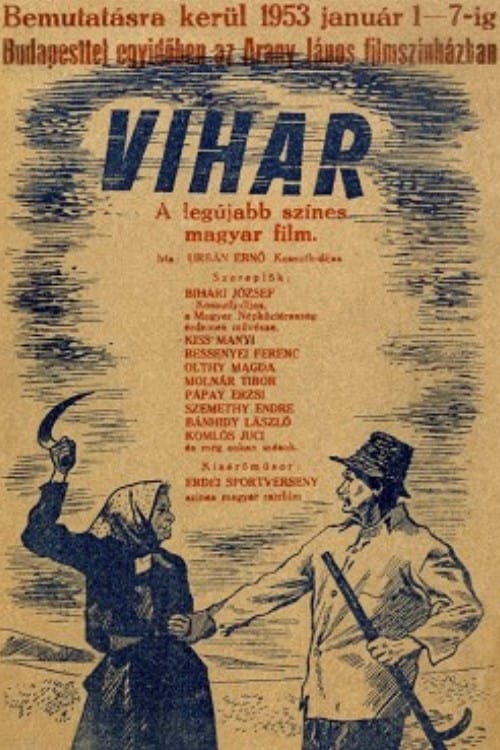
Vörös Hajnal (Red Dawn), a co-operative is the venue of skylarking, while the storm destroys the wheat which is to be harvested soon. Árendás, a middle-peasant, voices severe accusations against members of the co-operative: out of negligence, they failed to keep the ditches clean. It is always the soft option they seem to favour, while the necessity of properly taking care of the farmlands is long-forgotten. Members of the co-operative and the village people are deeply divided.

In a rural scenery in the throes of difficult changes lives a humble but promising young farmer girl called Mari Pataki. Her father forbids her from seeing the man she loves. The father, above all preoccupied by work on the fields and prospective wealth, decides to give his daughter in marriage to an old but rich man with whom he does business. Land marries land, he says. This seems to be the unyielding rule of the Hungarian peasantry. But the young lover is ready to stand up to any challenge to keep Maris love.

Varsa engineer receives the Kossuth award for his excellent work. His career once began at the family enterprise of his wife, so the woman invites her relatives for a dinner party.
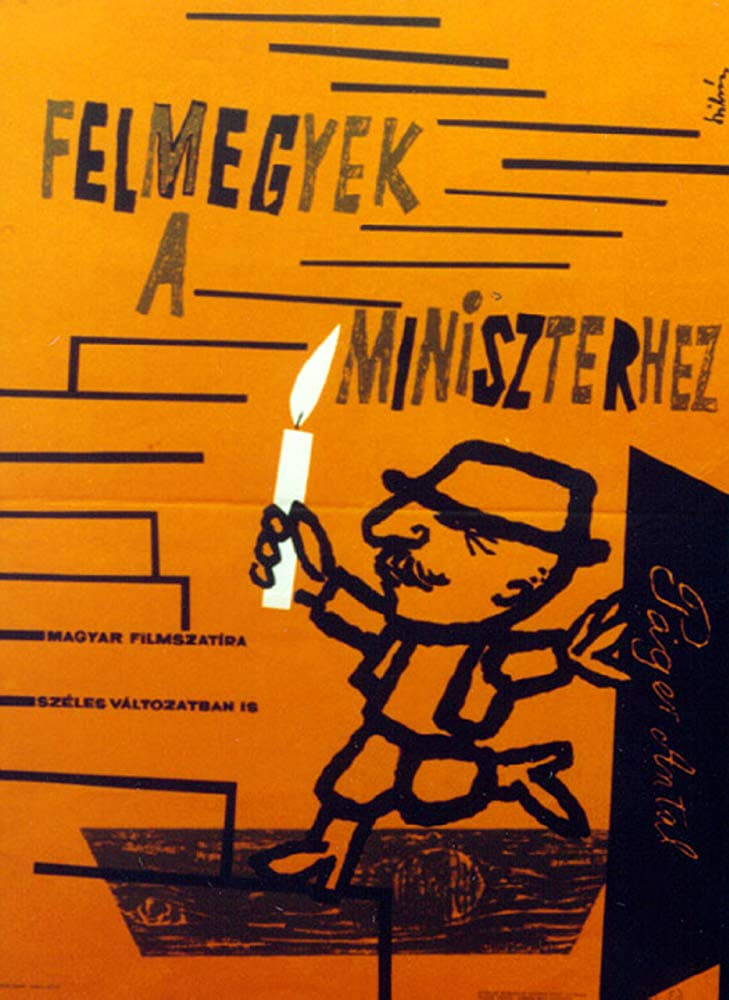
A comedy about the organisation of agricultural co-operatives. In the village of "Rendes", everybody has already entered the co-op, only the stubborn farmer, Bódog Balogh continues to resist. The leadership plays all their tricks and uses all their efforts, but all in vain.
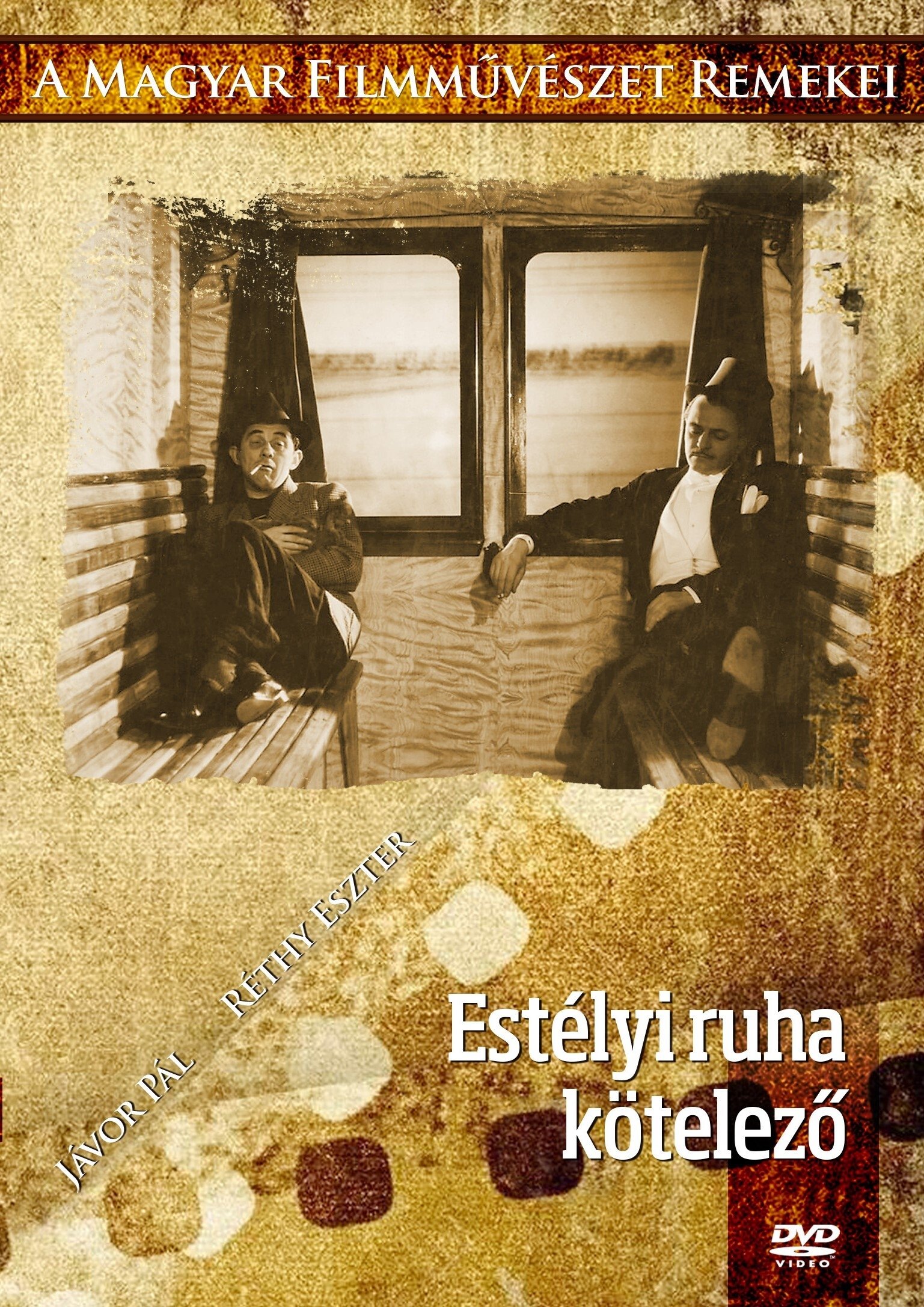
You can get anywhere in a tailcoat. Viktor Norton, a young man imprisoned by mistake, also knows this. In Viktor’s tailcoat, he can easily get to the Excelsior Hotel, where he will meet the newly wealthy Dupont couple and their daughter Marie.

A young peasant boy stands up to tyranny, aided by his trusting friend- a goose.
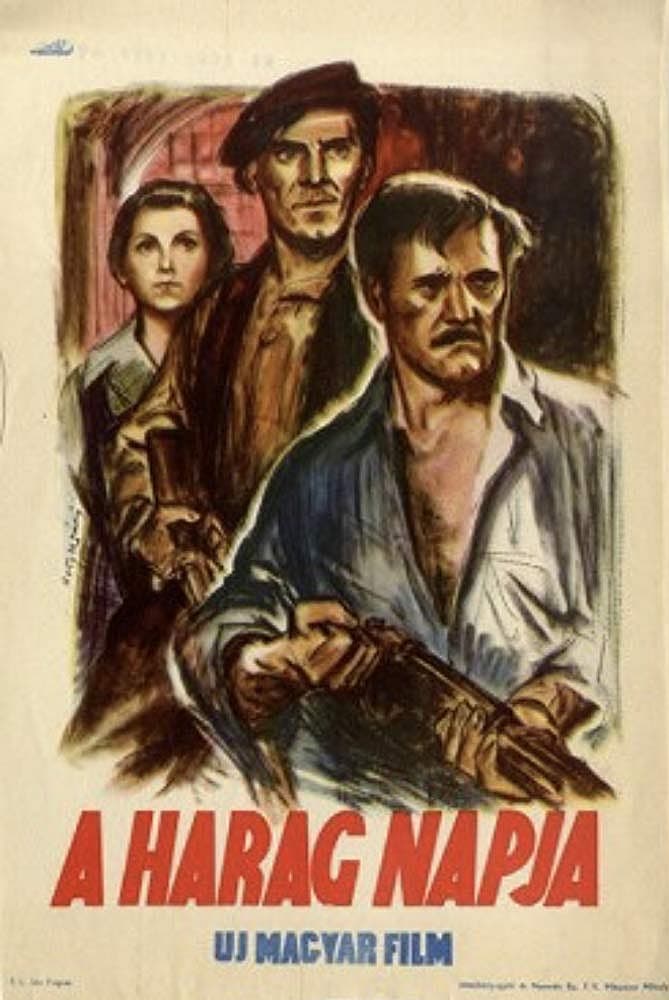
In May 1919 in a small rural town beside Salgótarján the local high society wants to get the power back with the leadership of dr. Máriáss, exploiting the outside attack launched against the Republic of Councils.
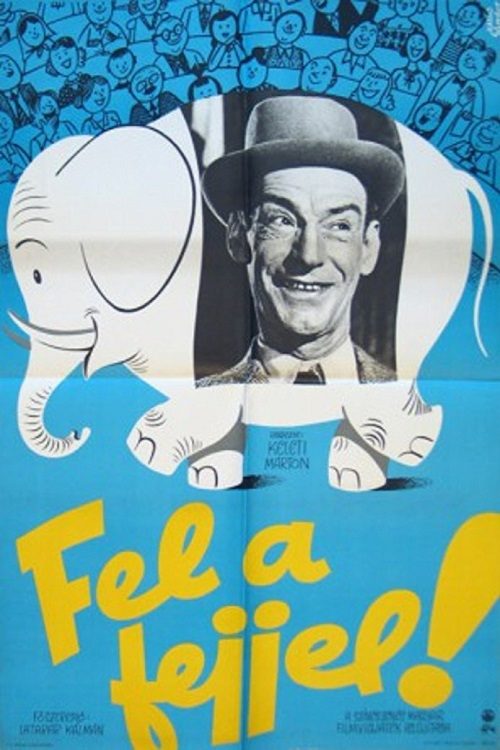
On the Spring of 1945 the Jackson circus is heading towards the border with the clown Peti and Aida, the elephant. They have to play for the Hungarian Fascists, while Peti is hiding the Jew Annuska and Sanyika.
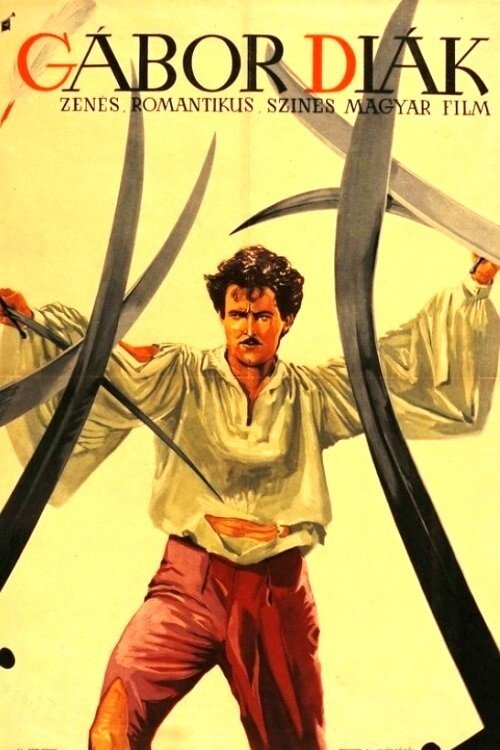
Buda is mastered by the Turks. Student Gábor and his companion flee a troop into the castle, just in the garden of Gül Baba. Gábor and Leila, the daughter of Gül Baba fall in love with each other. Ali pasha, who wants to marry the girl, has the two Hungarians caught in order to let them be executed.
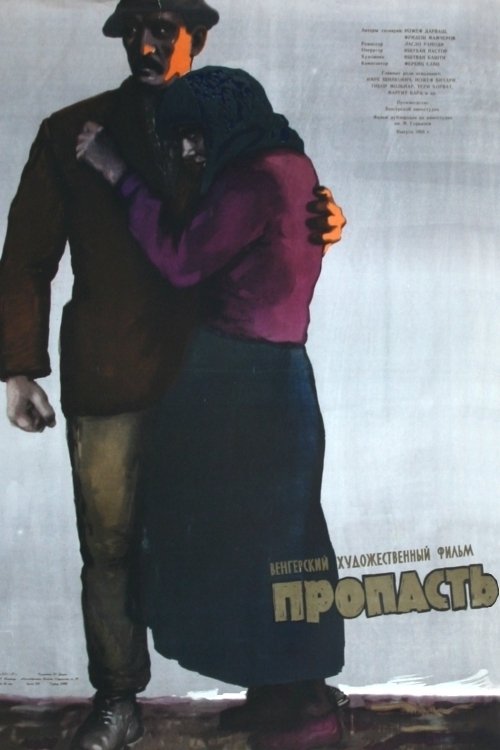
Nagy István, the formerly poor peasant boy returns to his native village as a teacher. His conviction is that the abyss between rich and poor can be diminished by good will. The rich Böröcz Horváth Klári returns his love, and also Böröcz Horváth is willing to help the poorest family, the Bakos. Bakos Jóska, who was sent to serve the tough Böröcz Horváth as a payment, dies of an infected wound and the people in the village hold the teacher liable as well. Nagy István realises, that the abyss cannot be ceased, what is more, it is impassable. He breaks up with his fiancée and stands by the side of the poor.
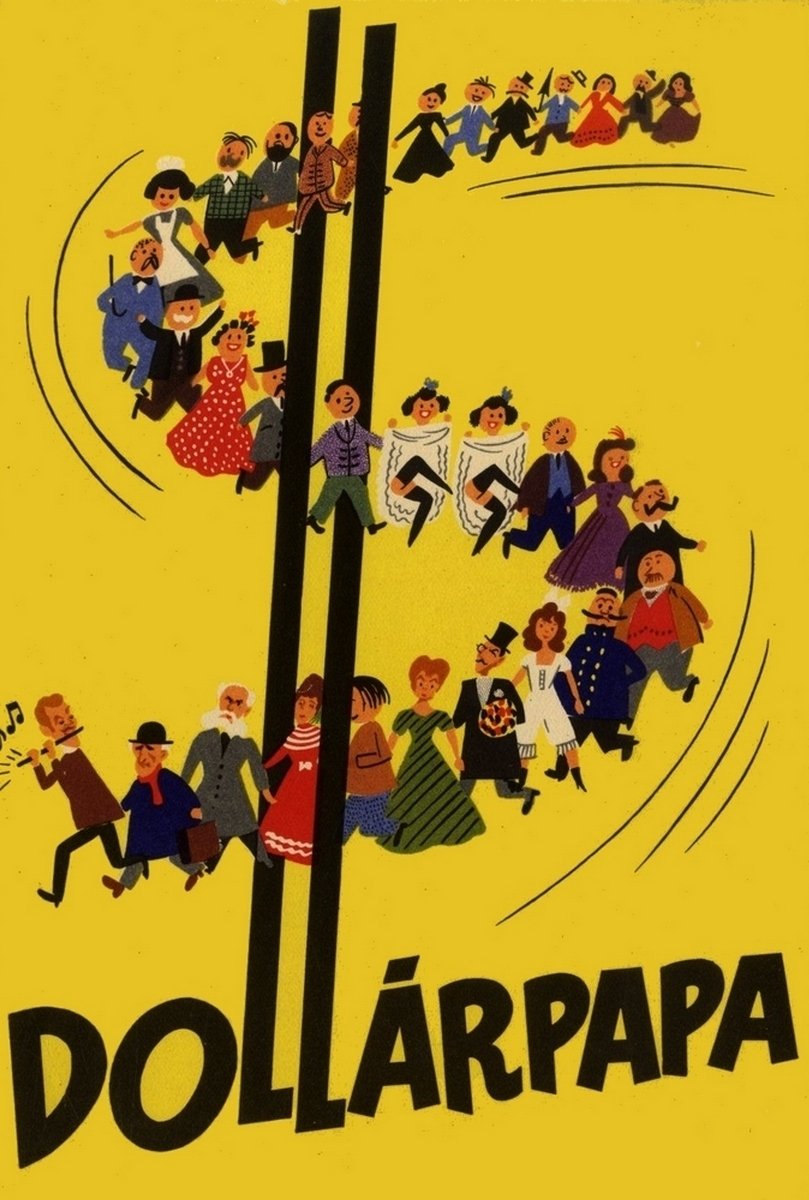
A heavily indebted schoolteacher raising two marriageable daughters is buoyed by rumors that his long-lost uncle in America is a millionaire, until the uncle’s unexpected arrival in poverty sparks a rush of creditors, patrons and fortune-seekers. Ambitious lawyer Jenő Szekeres orchestrates the deception so that the family, the town and himself profit from the false fortune, and even when the truth comes out, everyone, including Szekeres, now eyeing a political career, chooses to uphold the lie.
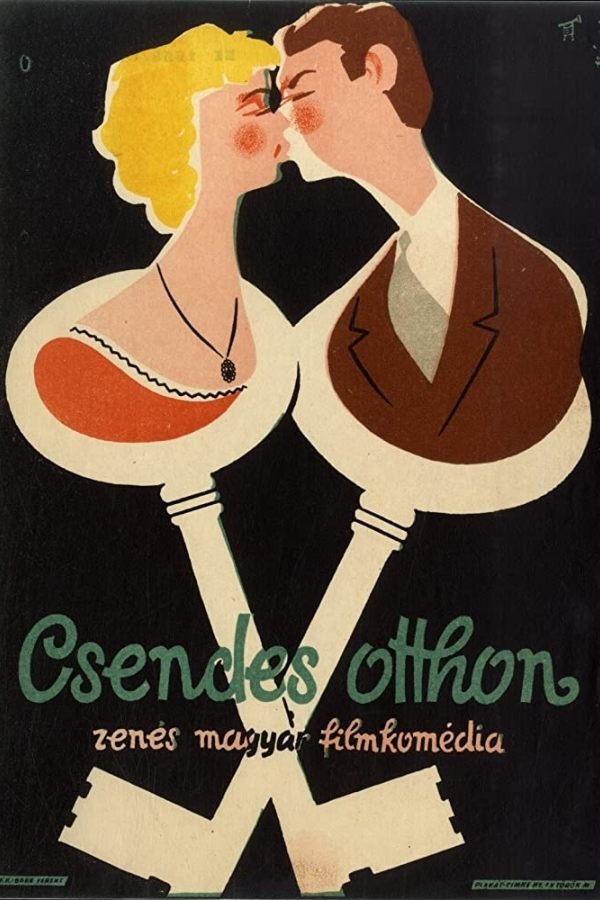
The composer Berki András, in his co-tenancy noisy with the barking of dogs and the hullabaloo of children, is unable to compose the new song for his fiancée, the singer, although the premiere is near. He cannot believe his eyes as he sees the official decision that he will soon get an apartment on his own. Yet his joy is soon over. The pharmacist Ács Éva arrives with identical documents. The situation which evolves as a result of the new co-tenancy forces them to cover up things before their partners.

On New Year's Eve in 1956 the artist couple, the actor János and the dancer Viki are hastily packing. While they are waiting for the car, which is to take them across the border, their entire life is replayed in front of their eyes.
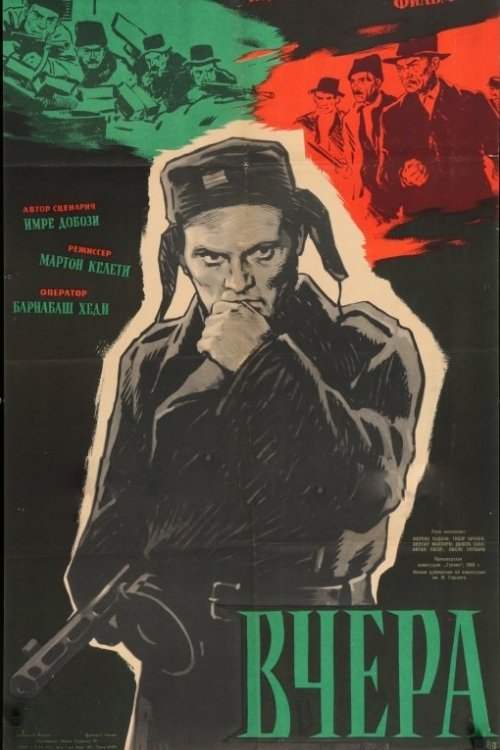
October, 1956. Colonel lieutenant Szabó sends a platoon with the mission of calming the people demonstrating in the town. The platoon is lined up under the command of Lieutenant Csendes and the soldiers aim at the demonstrators. Szusza Kis changes sides, and Csendes is unable to shoot at his childhood mate. They withdraw.
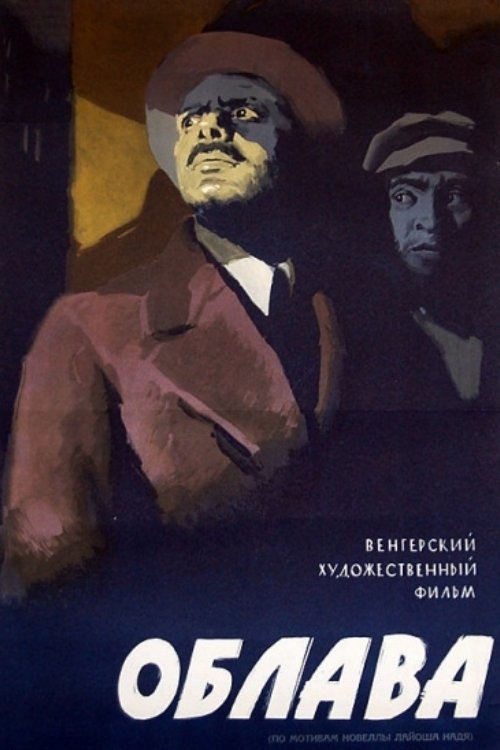
1932, Budapest. Gere János, an unemployed worker searching for employment in the capital, is organised into the secret police after a raid. Summary justice is declared, and the police wants to find an illegal communist press at any price. Gere, wandering about in the dark city, joins a man, helping him to carry his luggage. Slowly, Gere learns that his companion is a Communist and his task is to keep the press machine hidden from the police.
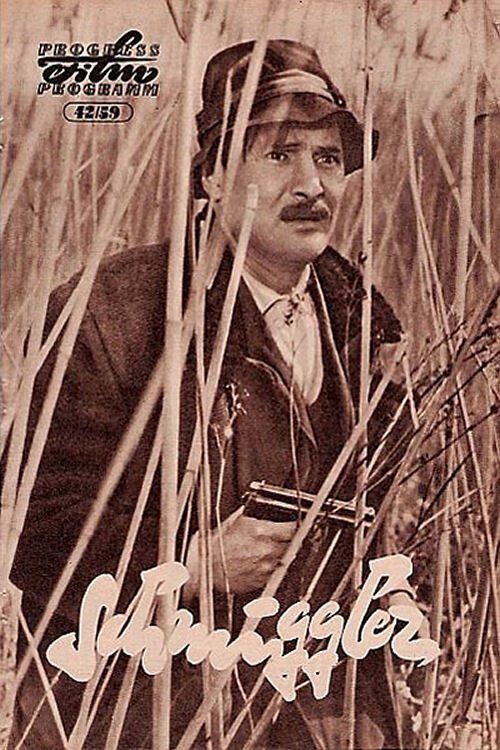
In the thirties, the poor living by the Romanian-Hungarian border were forced to smuggle if they wanted to survive. Mihály, a Hungarian peasant, kills a border guard while fleeing. He is fed up with smuggling and wants to put an end to it, yet he needs money to get a job, so he embarks on another turn.
Panni, coming from a landless family of ten and Miska have loved each other for a long time. The pretty Panni, however, has another suitor as well: Komáromi, the big farmer. The two men fight from time to time, but then, during the time Miska is serving his military duty, Panni marries Komáromi to end the tremendous squalor of her family.
About the life of young people in Hungary in the late 50s, their joys, hopes and dreams. When Joly entered the factory, she wanted to be as cheerful and carefree as the other girls, and she didn't tell anyone that she had a son. And now, when the wedding day with Ferenc is almost set, Yoli walks around sad and confused. She doesn't know how Feri will take the news of her son. She is afraid that Feri, who loves and trusts her very much, will never understand or forgive her. But Feri turns out to be a real man, and Yoli together with little Ali finds her true happiness.
Gábor Bozsó is a professional burglar. His daughter Éva, who knows nothing about her father's profession, is raised in an upscale institution. When she falls in love with one of her father's victims, things take a big change.
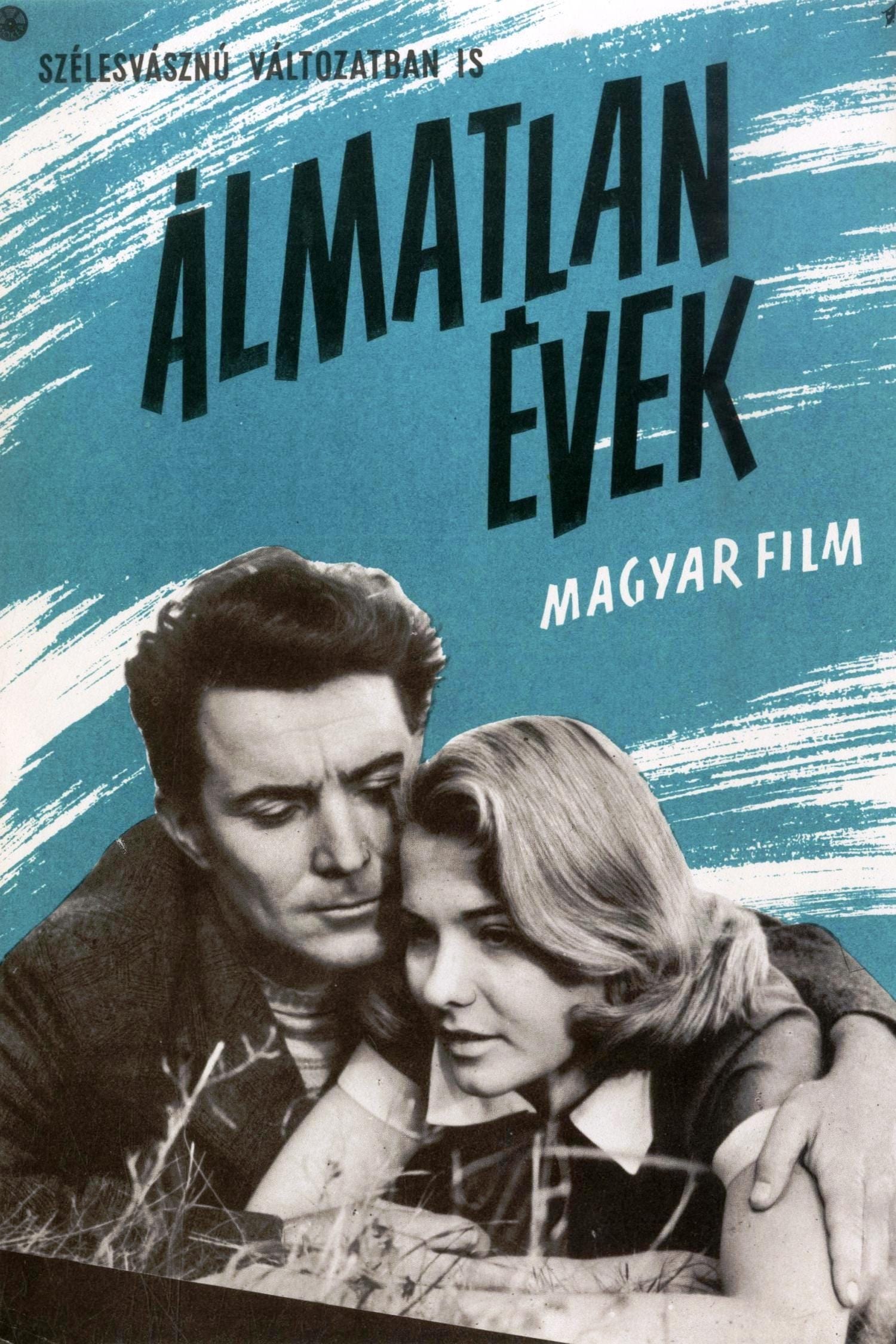
The "sleepless years" in this propaganda piece by director Felix Marlassy occur on Csepel Island, an island south of Budapest that is home to an armaments factory. The factory workers are shown being exploited by imperialists, capitalists gone berserk, and fascists, more or less in that exact chronological sequence. The heavy-handed approach does much to undercut the belief that when socialism finally takes over, the lives of the workers are brought up to a human level. In this instance, audiences might prefer a more nuanced and subtle statement, no matter what the message.
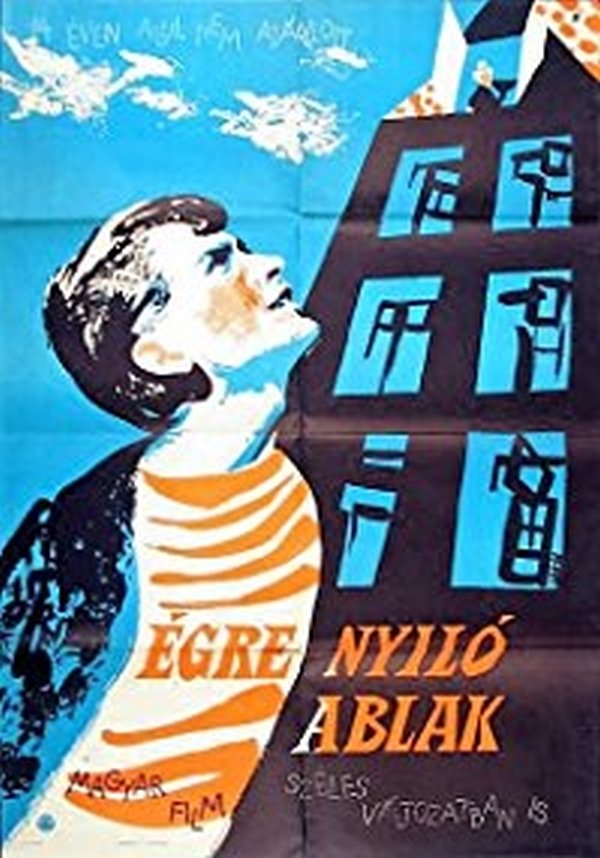
Mrs. Fazekas and her three sons live in a tenement house in the outskirts. The eldest son, Fecó, is saving money in order to buy a washing machine for his mother, while her other two sons spend time by hanging around and playing tricks.
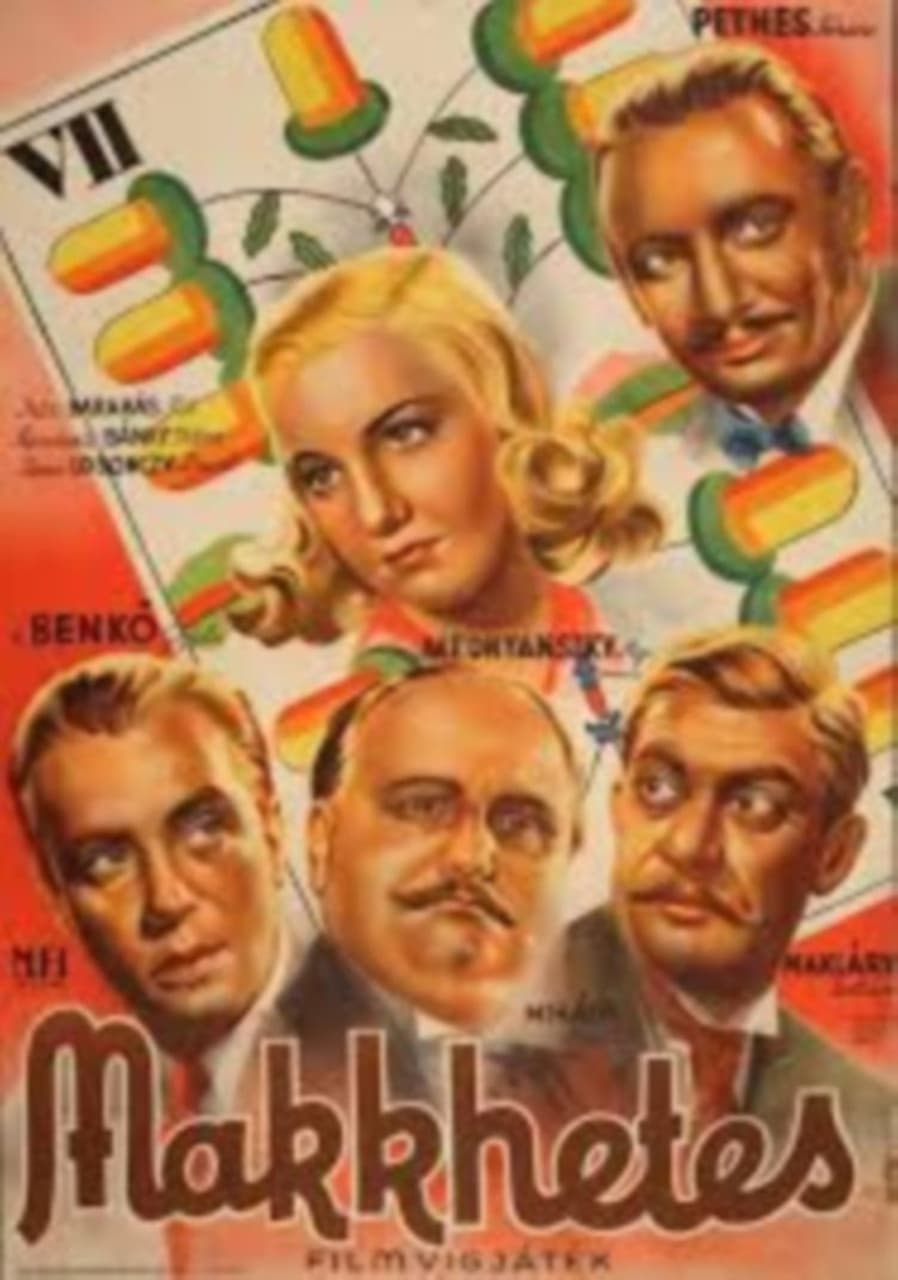
In a small town in the countryside, the election of the president of the restaurant trade association is under way. The two rivals, Dénes Kövi, owner of the elegant Korona restaurant, and Antal Bálint, owner of the staid Makkhetes restaurant, are putting all their eggs in the basket for the title. Taking advantage of this situation, Pál Balázs, who has become the manager of his crippled painter friend, has a portrait commissioned with Dénes Kövi.
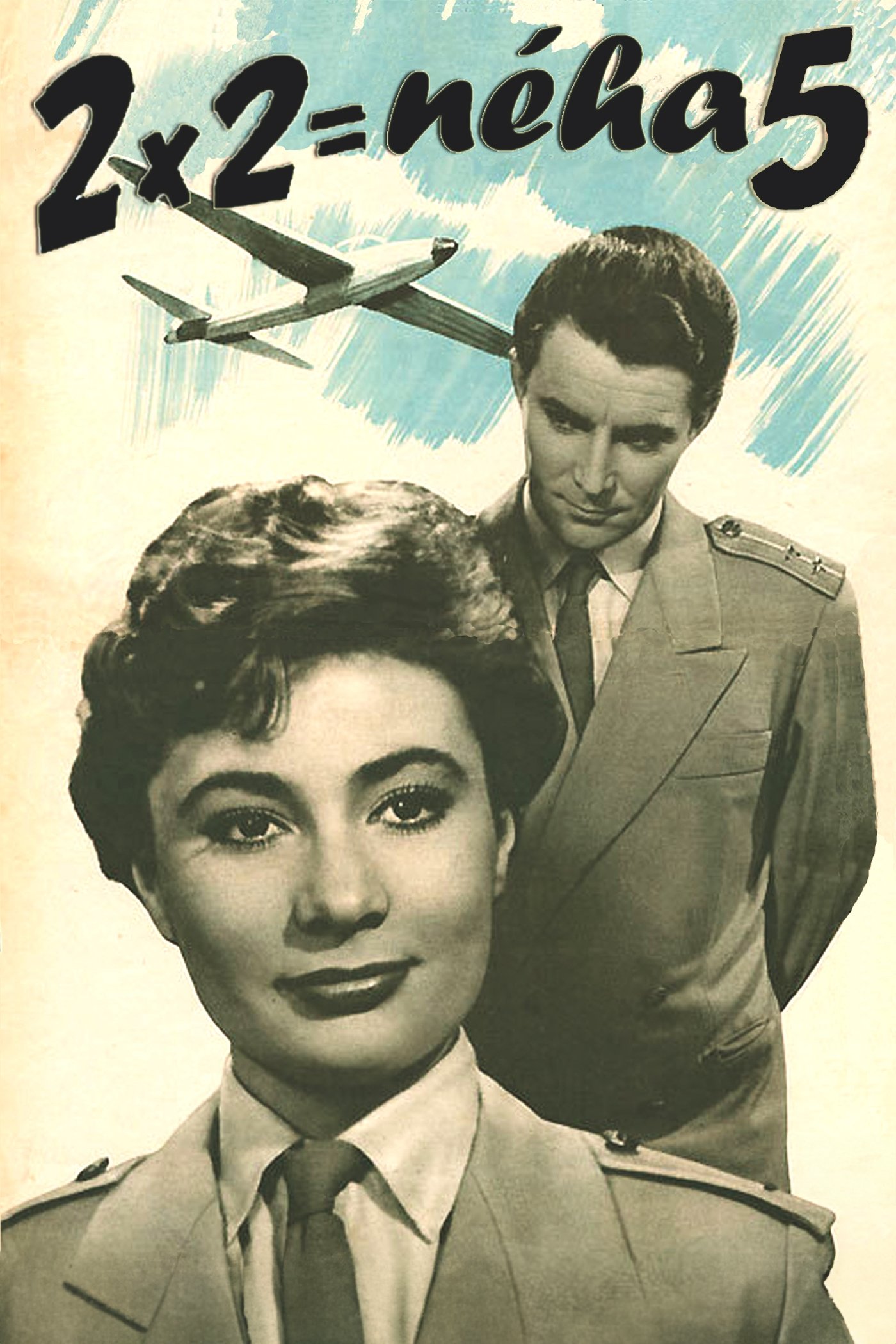
One of the most popular musical comedies of the 1950s starts with flirting between a bohemian sport pilot and a serious mathematics teacher. The lesson is that in life, not everything happens as would appear logical at the outset. In the wake of the inflexible and demagogic dramas of Stalinism, this colourful comedy was a true breath of fresh air. It is innovative not only for being full of great hits but also for being the first film in a very long time that was about pure love.
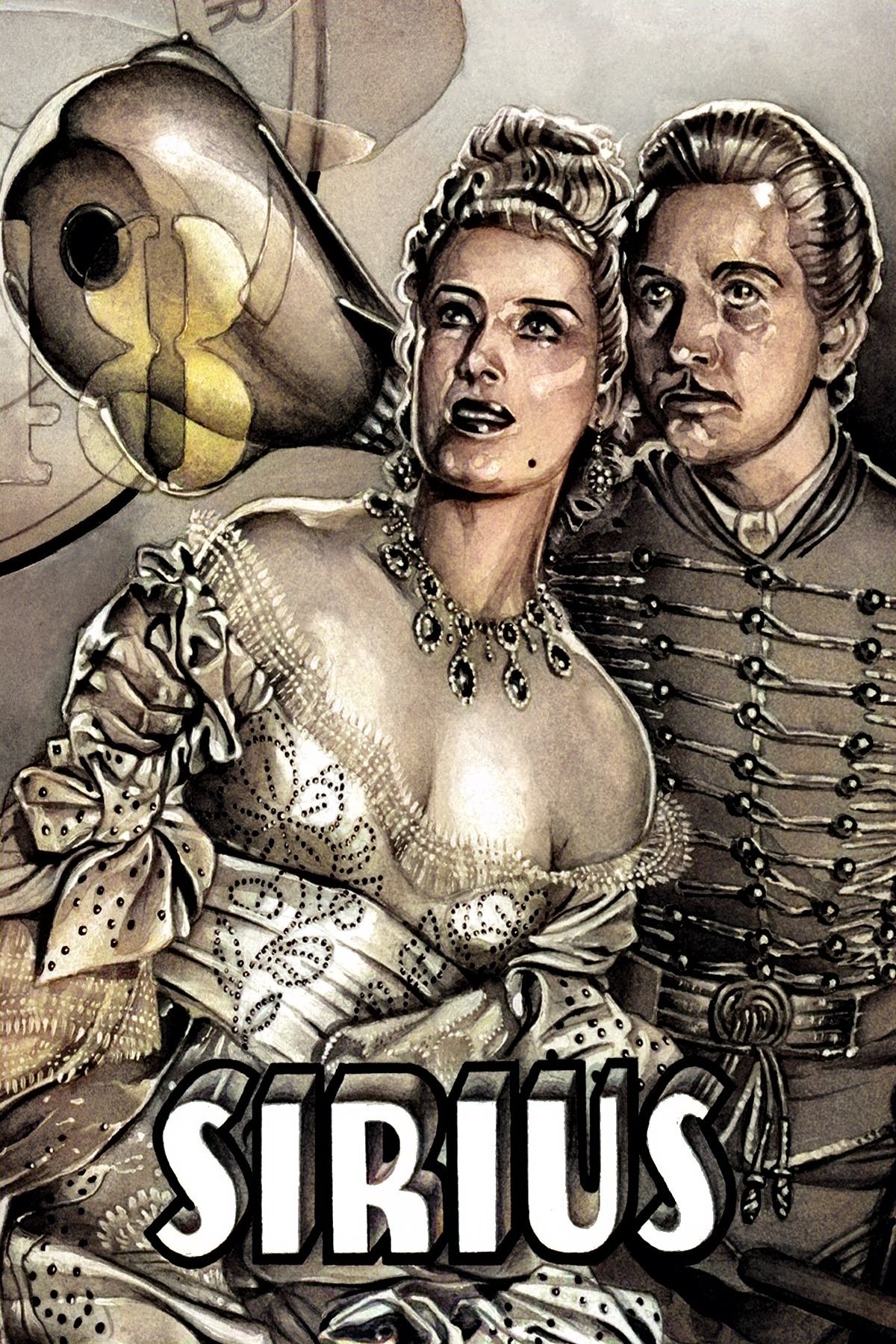
Tibor Ákos, an intrepid and dreamy Hungarian count, embarks on an incredible adventure when he accepts the inconceivable challenge set by the eccentric Professor Sirius, who has invented a peculiar machine.