
Short feature by Hiroshi Shimizu.
The Idiot, by Fyodor Dostoevsky.
Japanese silent film from 1928, ranked as Kinema Junpo's second-best Japanese movie of the year.
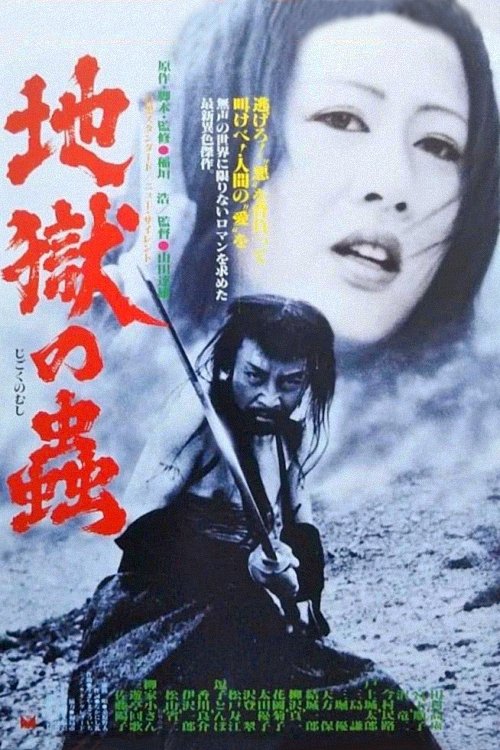
A group of bandits flee to the mountains after killing an evil moneylender. Remake of Hiroshi Inagaki's Jigoku no mushi (1938).
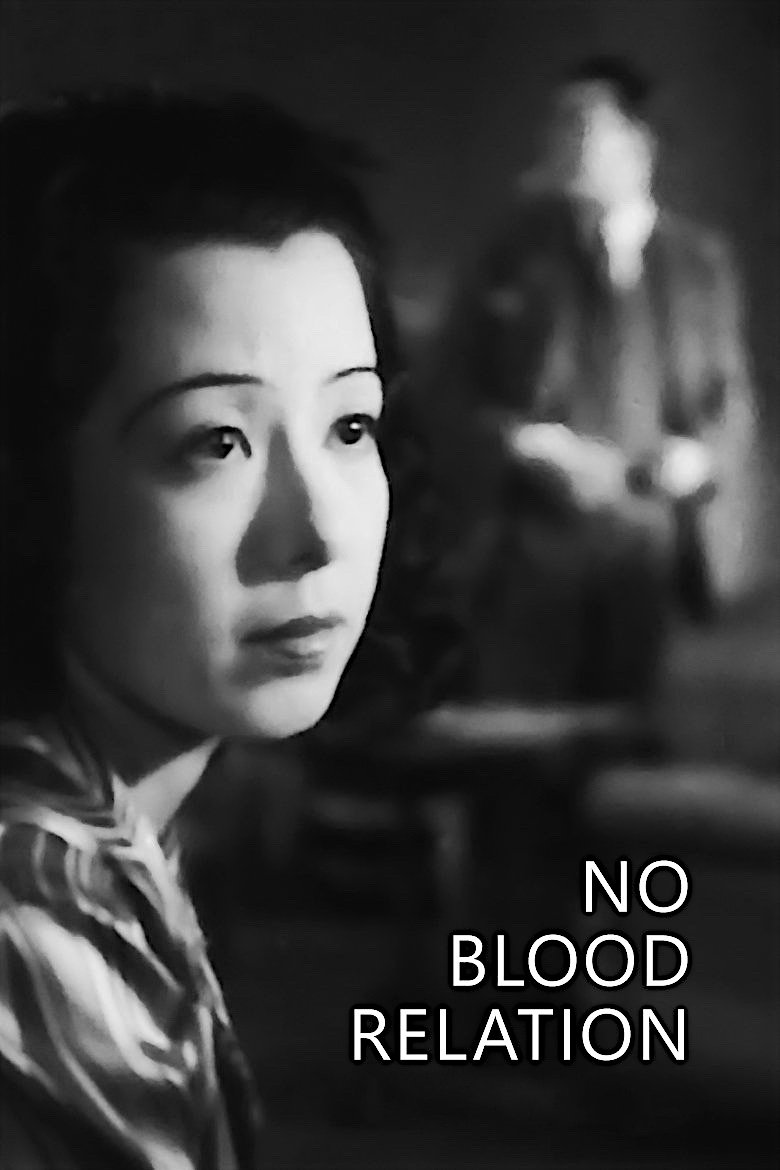
An actress returns to Tokyo after a successful stint in Hollywood to reclaim—with the help of her gangster brother—the daughter she abandoned years before.
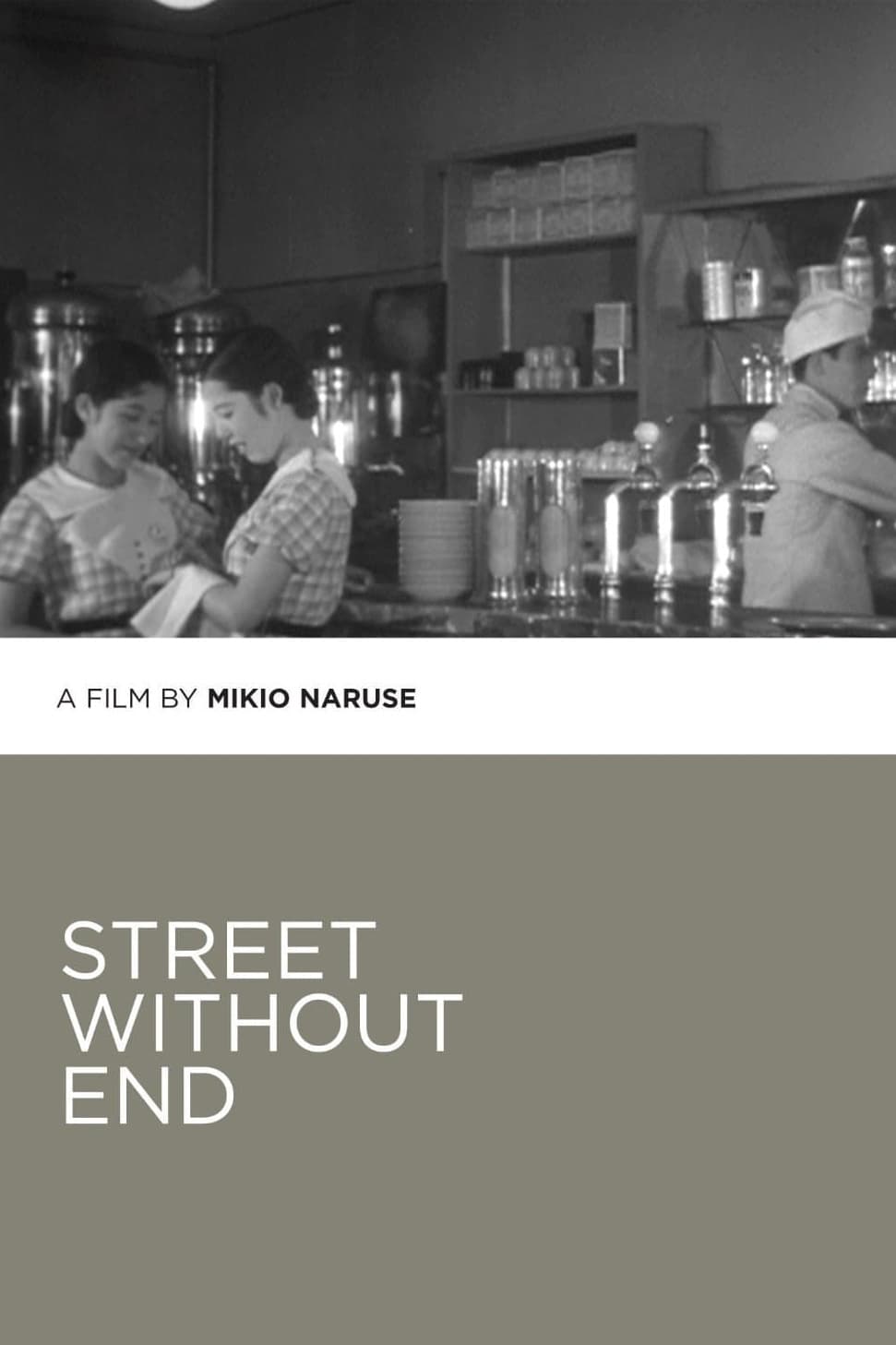
Mikio Naruse’s final silent film is a gloriously rich portrait of a waitress, Sugiko, whose life, despite a host of male admirers and even some intrigued movie talent scouts, ends up taking a suffocatingly domestic turn after a wealthy businessman accidentally hits her with his car.
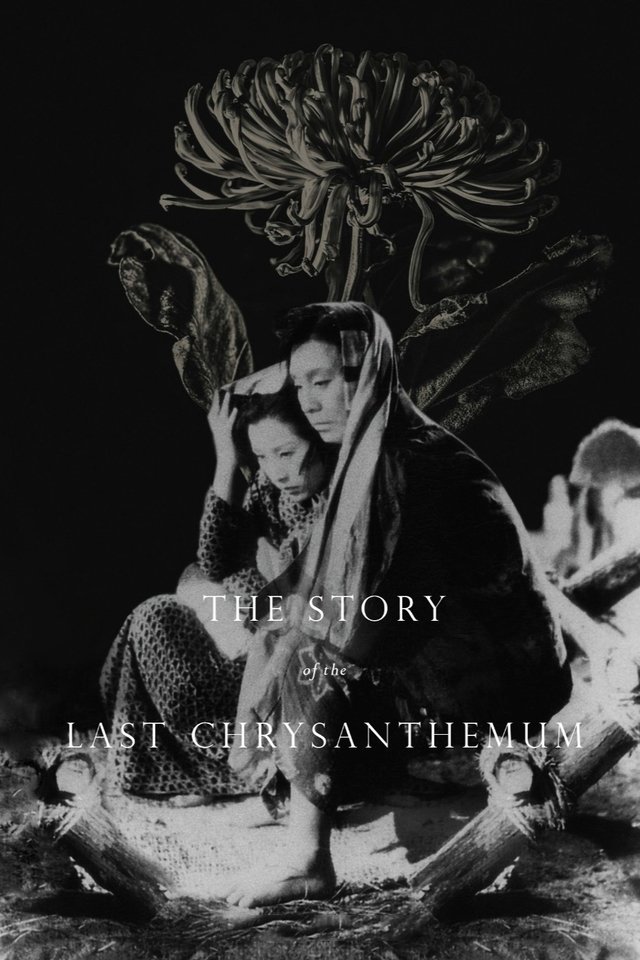
In late 19th-century Tokyo, Kikunosuke Onoue, the adopted son of a legendary actor, himself an actor specializing in female roles, discovers that the praise he receives is only due to his status as his father's heir. Devastated, he turns to Otoku, a servant of his family, for comfort, and they fall in love. Kikunosuke becomes determined to leave home and develop as an actor on his own merits, and Otoku faithfully joins him.
Directed by Mikio Naruse. It is presumed to be lost.
Directed by Mikio Naruse. It is presumed to be lost.
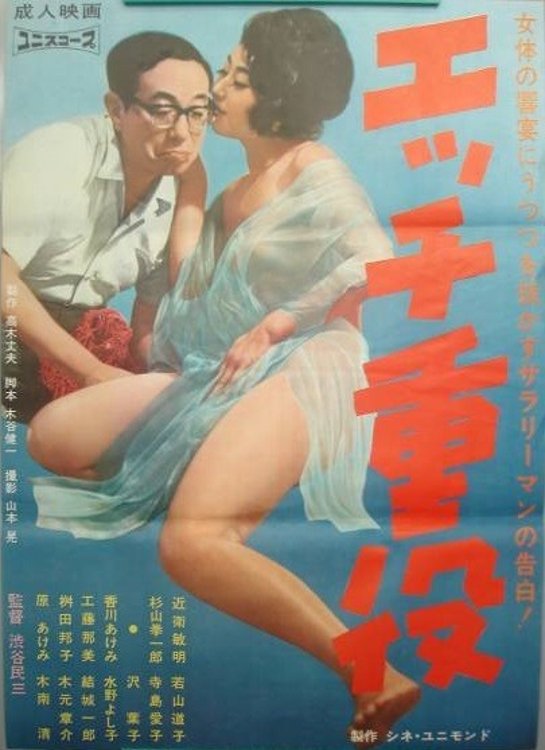
1965 pinku directed by Sôjirô Motoki, under the name of Tamizô Shibuya.
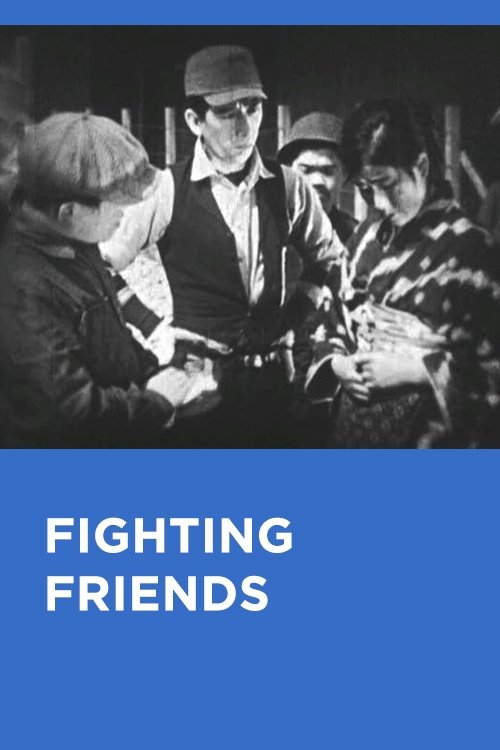
Two friends accidentally run into a young, homeless woman, so they take her in.
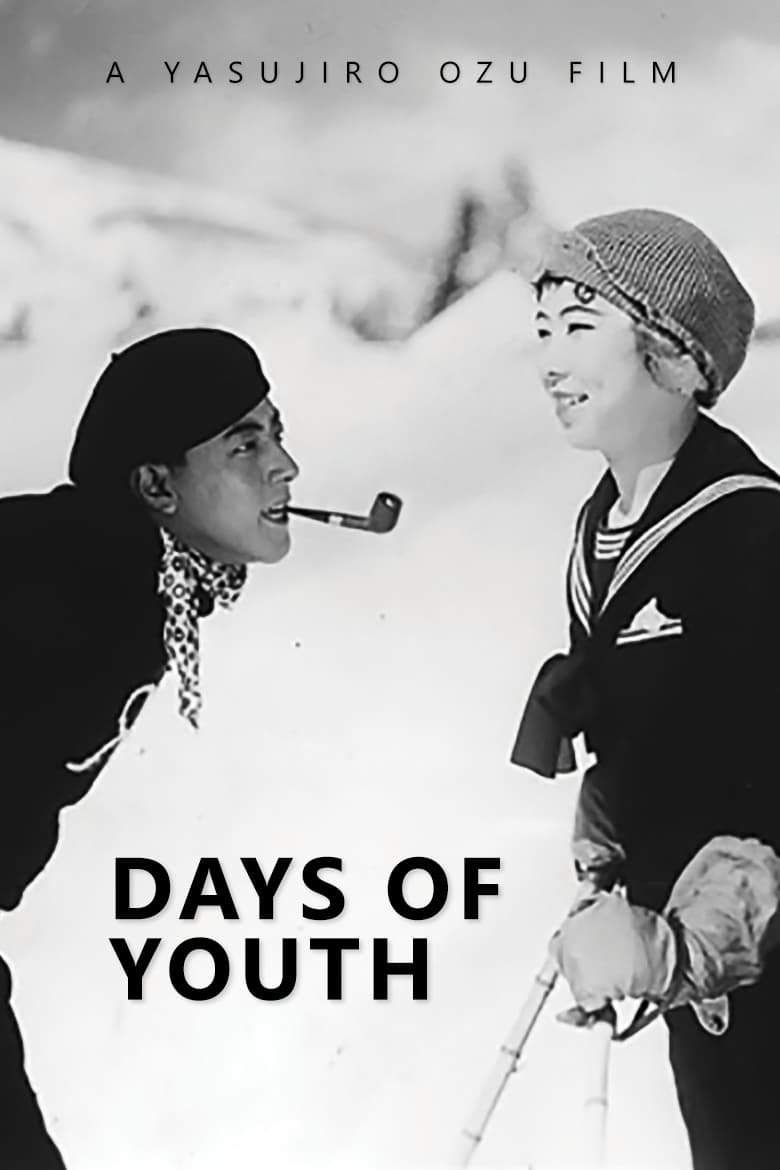
University friends Ben and Shūichi unknowingly vie for the attention of the beautiful Chieko while on a skiing trip.
Early pinku.
Pinku from 1966.
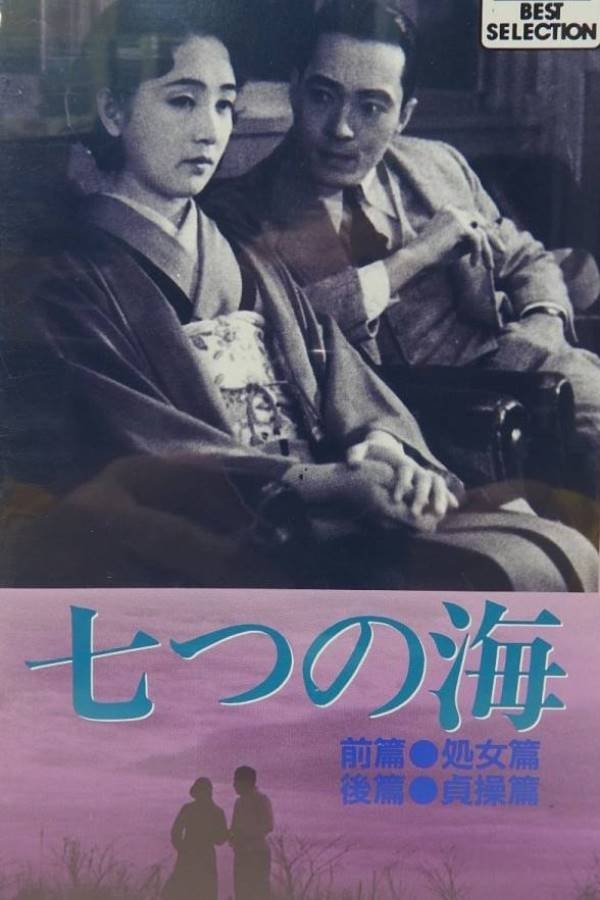
The film is a lengthy work interweaving characters from different backgrounds and social strata in a narrative centered around the experiences of its heroine, Yumie Sone. Over two hours long, Seven Seas was released theatrically in two parts, with the first part entitled "Virginity Chapter" coming out in December 1931, while the second part, "Chastity Chapter," followed in March 1932. Near the beginning of the narrative, at a garden party given by the wealthy Yagibashi family in Tokyo, Yumie meets Takehiko, the Yagibashis' playboy son and the brother of Yumie's fiancé, Yuzuru. Yumie, a young middle-class woman, lives with her ailing father, a retired ministry official, an older sister, and a younger sister still a child (played by a very young Hideko Takamine). Takehiko, who has just returned from a trip to Europe, is attracted to Yumie and contrives to have her stay overnight at his family's mansion where he takes advantage of her.
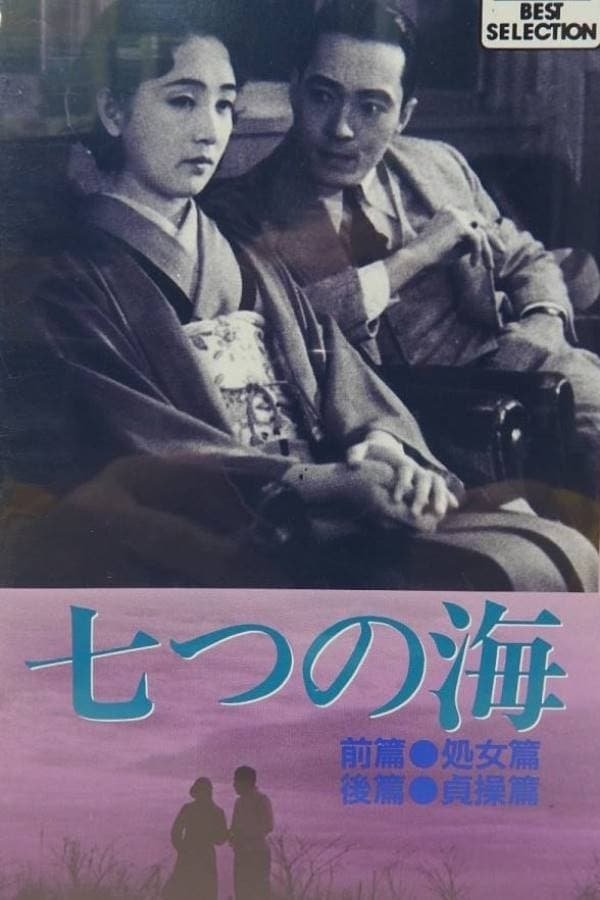
Part two of Shimizu's major silent Seven Seas, a family drama of the intertwining fates of the rich, decadent Yagibashis and the far less prosperous Sone family.
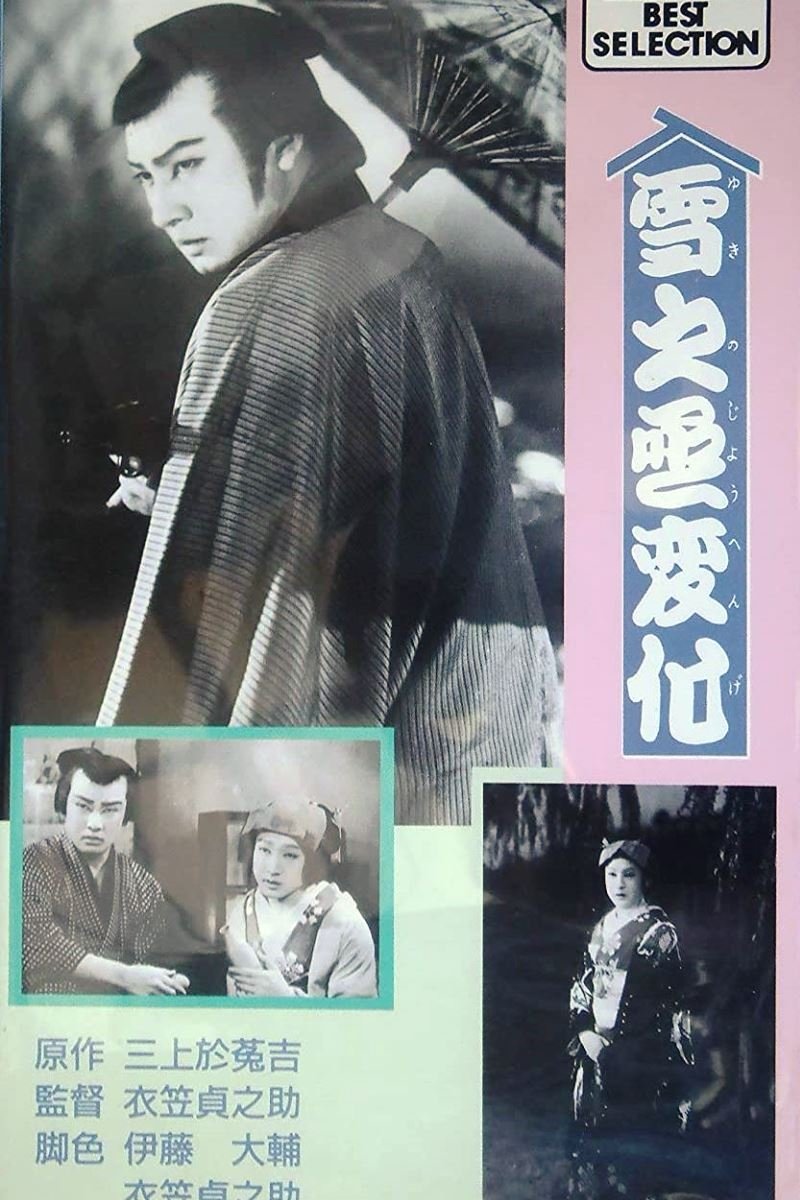
An onnagata (female impersonator) of a Kabuki troupe avenges his parents' deaths. Remade in 1963 as Yukinojô Henge.
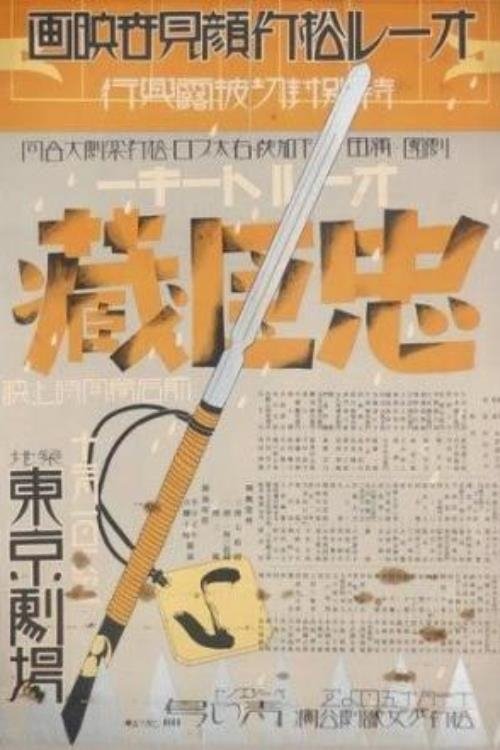
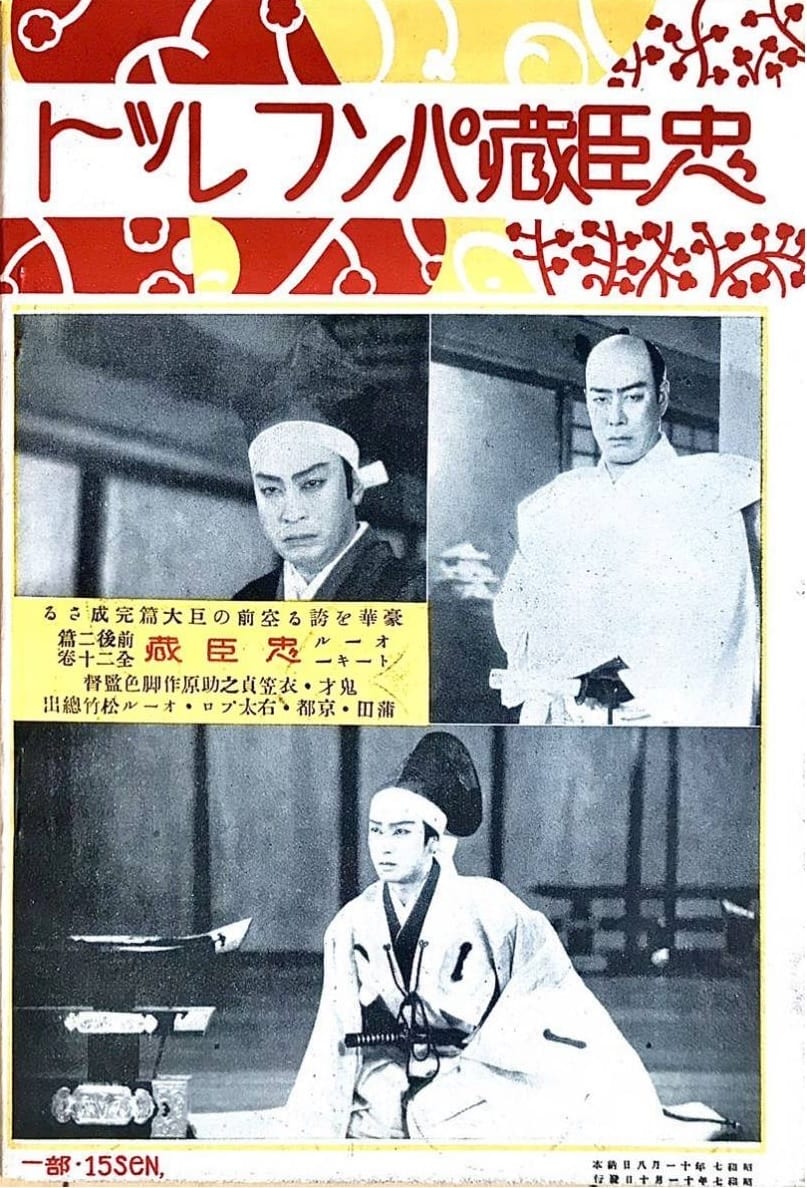
This 1932 adaptation is the earliest sound version of the ever-popular and much-filmed Chushingura story of the loyal 47 retainers who avenged their feudal lord after he was obliged to commit hara-kiri due to the machinations of a villainous courtier. As the first sound version of the classic narrative, the film was something of an event, and employed a stellar cast, who give a roster of memorable performances. Director Teinosuke Kinugasa was primarily a specialist in jidai-geki (period films), such as the internationally celebrated Gate of Hell (Jigokumon, 1953), and although he is now most famous as the maker of the avant-garde silent films A Page of Madness (Kurutta ichipeji, 1926) and Crossroads (Jujiro, 1928), Chushingura is in fact more typical of his output than those experimental works. The film ranked third in that year’s Kinema Junpo critics’ poll, and Joseph Anderson and Donald Richie noted that 'not only the sound but the quick cutting was admired by many critics.
The love of an older sister who worked as a geisha but decided to open a bar under the auspices of a millionaire
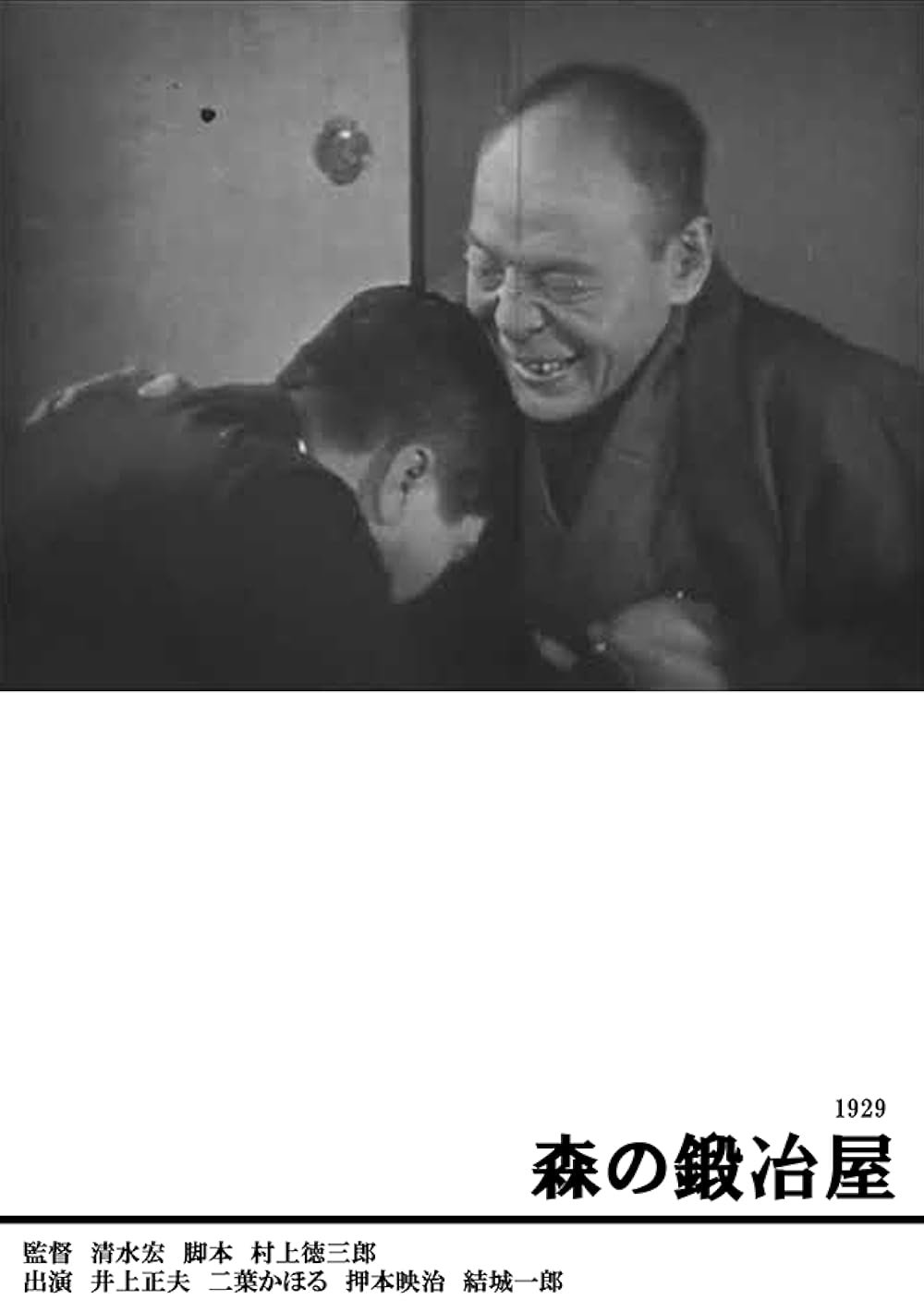
A blacksmith is chased out of the village by the sinister village chief and forced to move to the forest with his wife and two sons. The blacksmith's younger son is disabled, and the other children in the village tease him. The older son aspires to become a doctor in order to fix his brother's leg. The film depicts the bond between a father and his sons. Only 18 minutes survive.
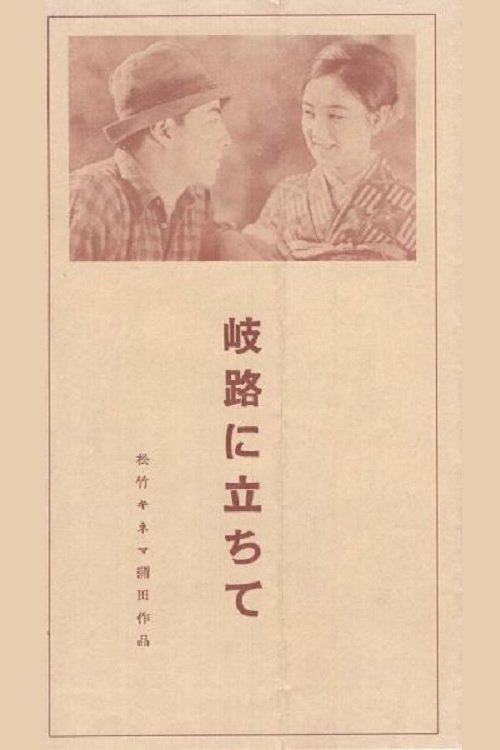
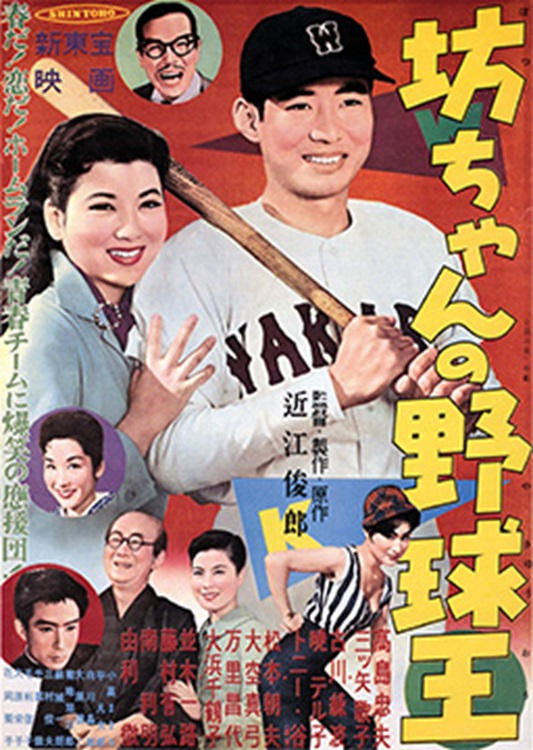
1958 Japanese movie
After being separated from their parents in childhood and left as orphans, Kyōko and Namiko were raised with the love of their aunt and grew into beautiful women who attracted the attention of many. Yet the chaste and gentle elder sister, Kyōko, somehow came to be called the “Iron Maiden.” When Namiko asked her about it, Kyōko would only say, “No matter what the world says, you are the only one I trust.” There was a reason for Kyōko’s transformation. One night, after seeing off Shinji, who had come to visit their ailing aunt, a man named Hayakawa assaulted Kyōko on her way home. Wounded, she chose to bear the title “Iron Maiden” herself. She also resolved in her heart to leave the inheritance of her aunt’s house to her younger sister. But then, Namiko appeared before Kyōko, intending to introduce a suitor. To Kyōko’s shock, it was none other than her rapist. Kyōko resolved to protect her sister at all costs.
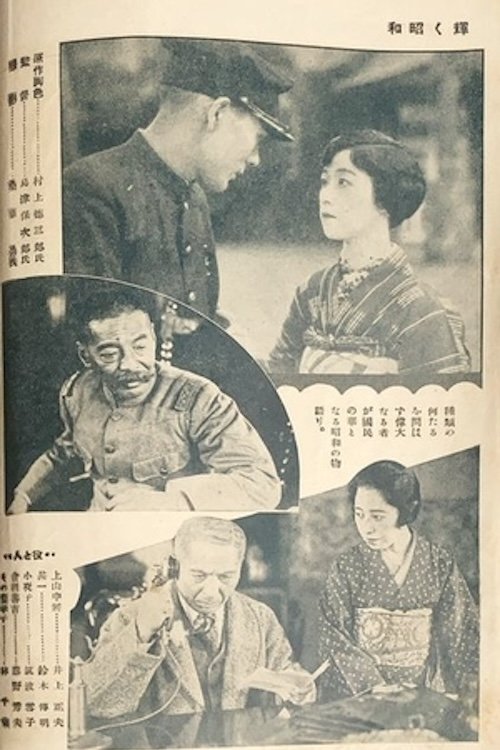
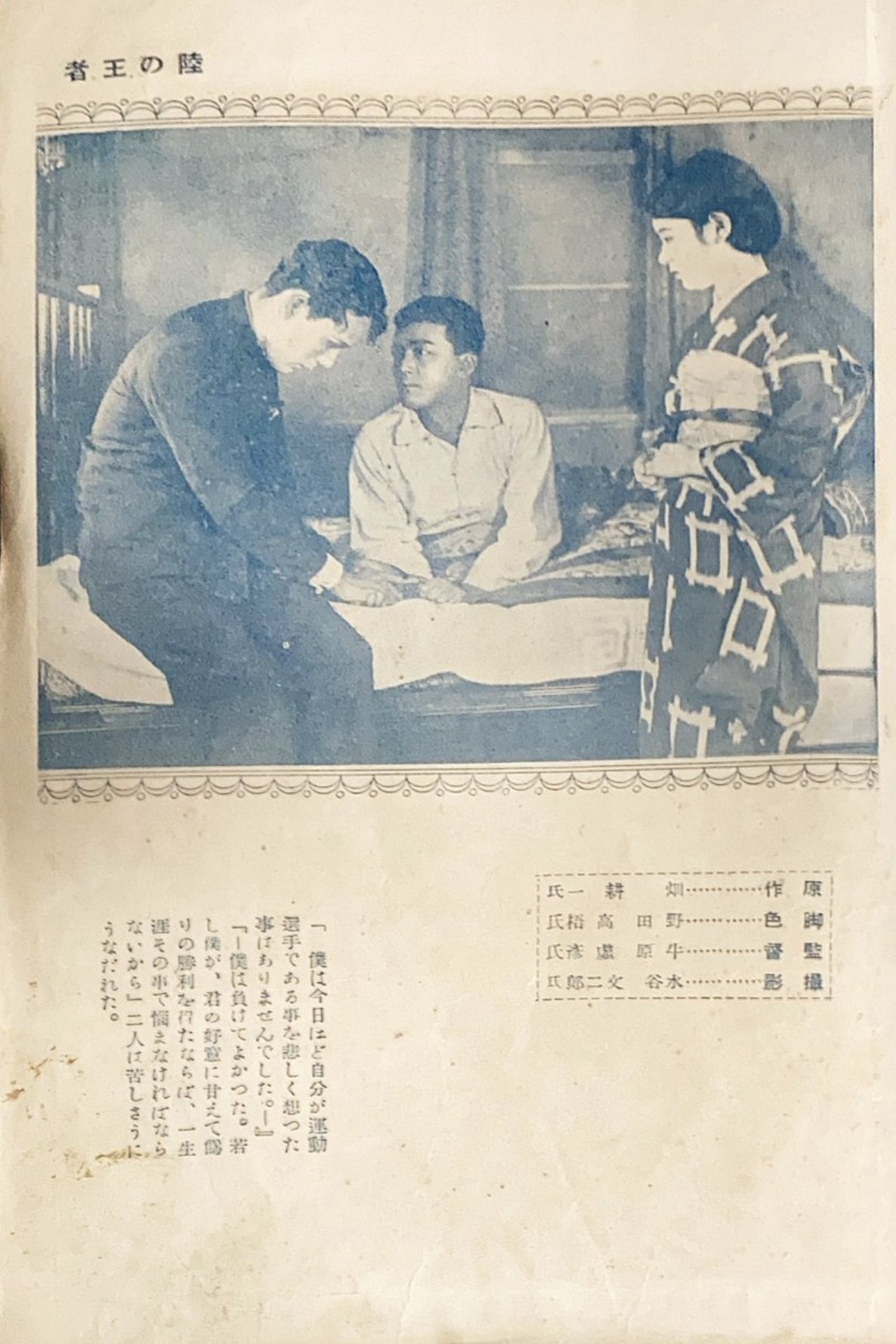
Japanese silent film from 1928.
A feature-length work based on Kan Kikuchi’s newspaper novel, adapted for the screen by Kōgo Noda. With performances by stars such as Shizue Ryūda, Kinuyo Tanaka, and Yukiko Tsukuba, alongside handsome leading men like Shin’ichirō Komura, Hikaru Yamauchi, and Ichirō Yūki, the film outshone its contemporaries. The collaboration between director Heinosuke Gosho and cinematographer Mitsuo Miura, recently returned from America, gave rise to a work of first-class quality in the Japanese film world, distinguished by its brilliance and delicacy.
Japanese silent film from 1929.
Japanese silent film from 1929.
Japanese silent comedy from 1930. The directorial debut of Hiromasa Nomura.
Japanese silent film from 1930.
Japanese silent film from 1930.
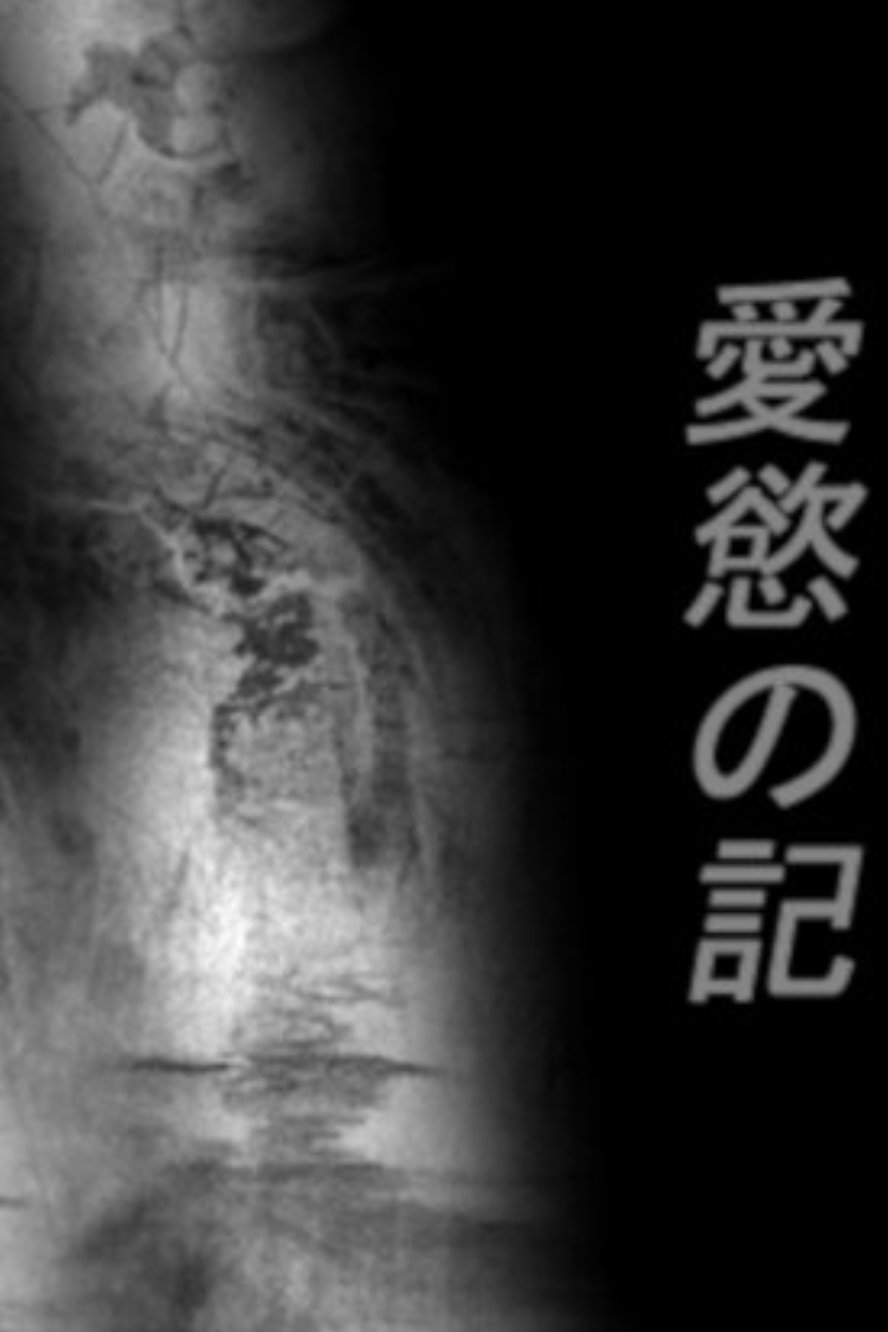
Record of Love and Desire a.k.a. Desire of Night (愛慾の記[b], Aiyoku no ki; lit. "Memories of Love and Desire") is a 1930 Japanese silent film directed by Heinosuke Gosho, starring Kinuyo Tanaka and Ichirō Yuki.
Japanese film from 1932.
Japanese silent film from 1933.
Japanese drama from 1934. A major production of Shochiku Studio, directed by Hiroshi Shimizu.