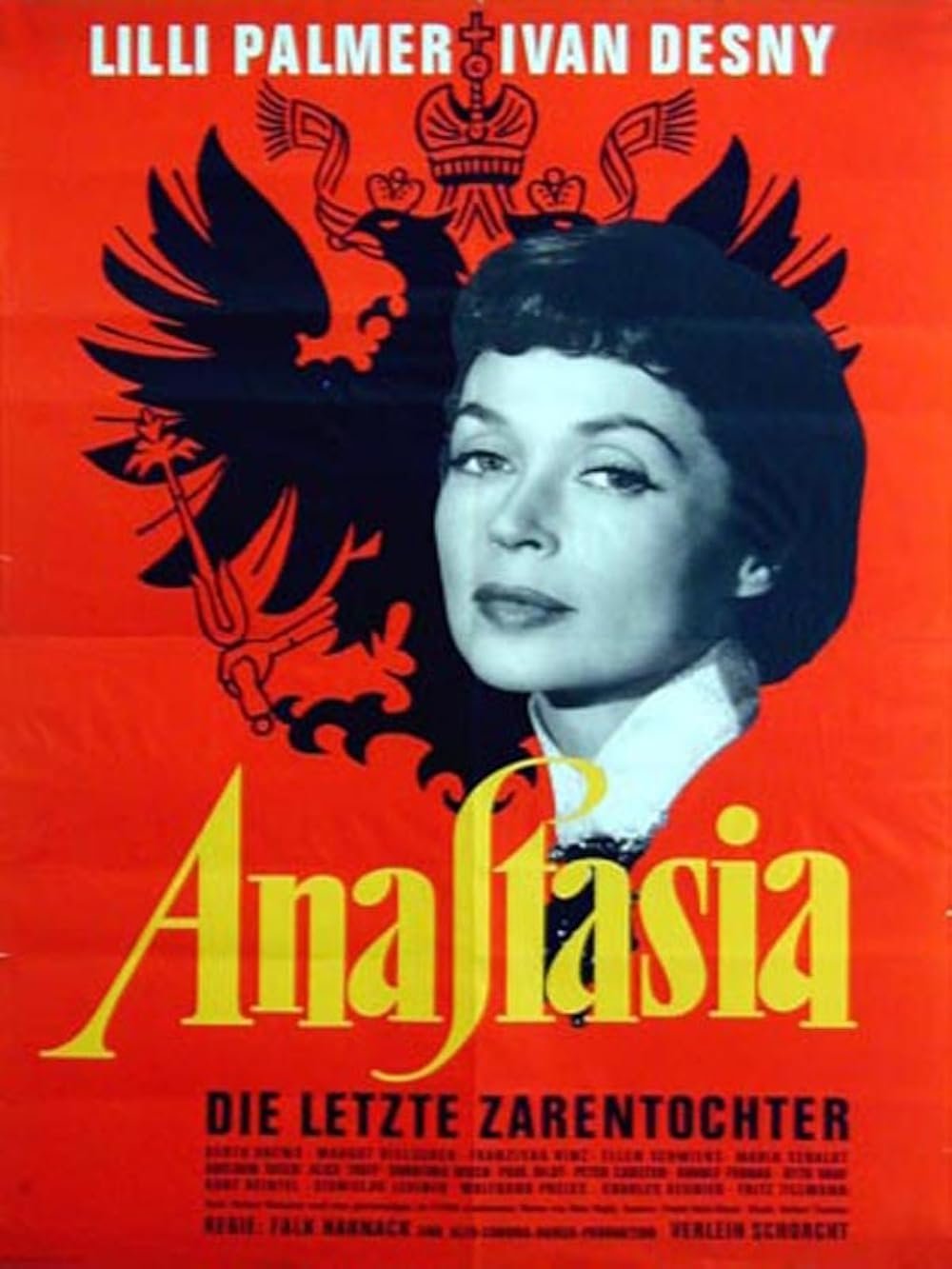
In 1920, an unknown 24-year-old woman was fished out of Berlin's Landwehr kanal after a suicide attempt. Since she has no papers and no answers to any questions, they soon assign them to the insane asylum Dallendorf. A co-patient believes she recognizes the Czar's daughter Anastasia Romanowa - who apparently was the only one who survived the murder of the tsar's family in 1918.
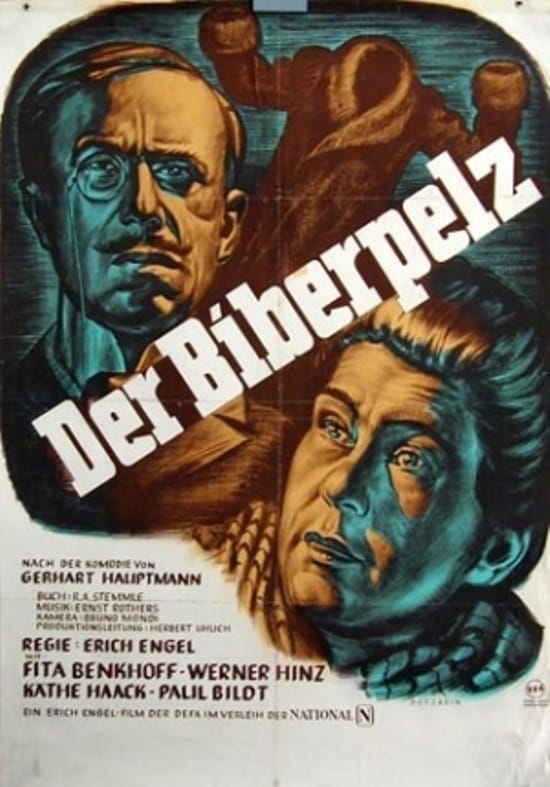
Mother Wolffen, a washerwoman, is a woman of principle: A poor man must do what he must to get through life, only he mustn't get caught doing it. All sorts of crooked deals contribute to the improvement of the daily menu and the increase of household funds. When everyone is searching for pensioner Krueger's missing beaverskin coat, Mother Wolffen and her family are calmly enjoying fresh roast venison.

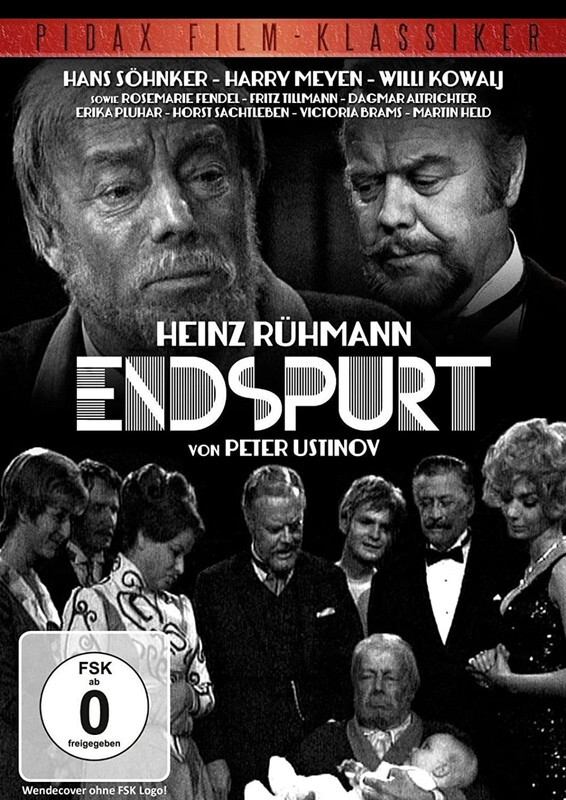
The author Peter Ustinov has called his work "Endspurt" a "biographical adventure". Biographical because the somewhat ambitious but later successful writer Sam Kinsale meets here as a twenty-, forty- and sixty-year-old. The interesting thing about this film, however, is that the four Sams are confronted with each other. The diversity of an eighty-year-old life becomes transparent. At the age of 20, Sam Kinsale loves the young Stella and is determined to marry her. But 20 years later, he is fed up with the marriage and wants to leave her. But he doesn't because she is expecting a child. As a sixty-year-old, he is constantly making compromises both in his work as a writer and in his personal life.

Dr. Blum, a Jewish manufacturer, is falsely accused of a murder. Even when the real killer’s identity becomes evident, the state prosecutor refuses to accept Blum’s innocence.
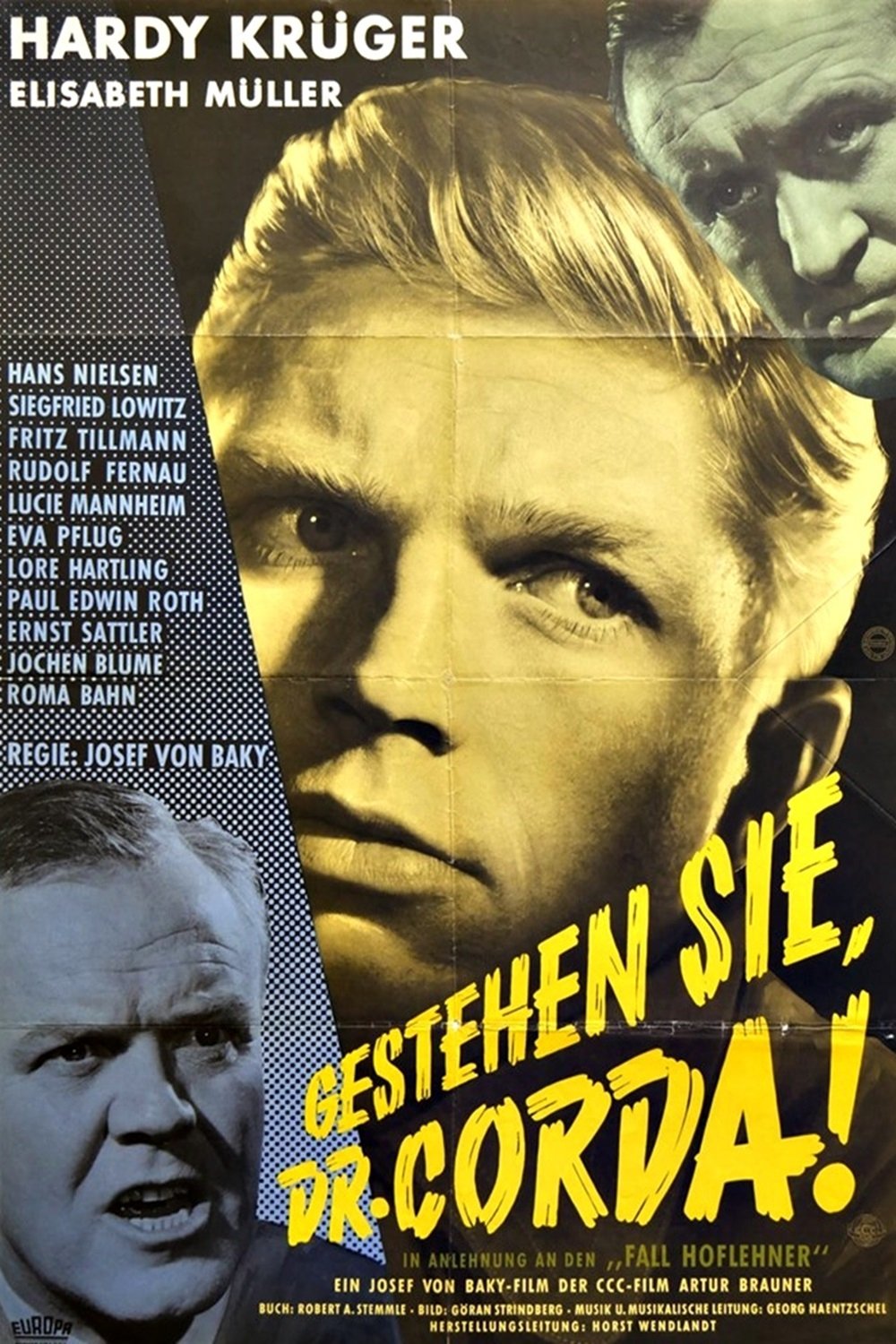
A doctor goes to meet a beautiful girl at a park bench near a wooded area. When he arrives, he finds her battered body lying next to a stream! He then finds himself to be the prime suspect. Who's the killer?
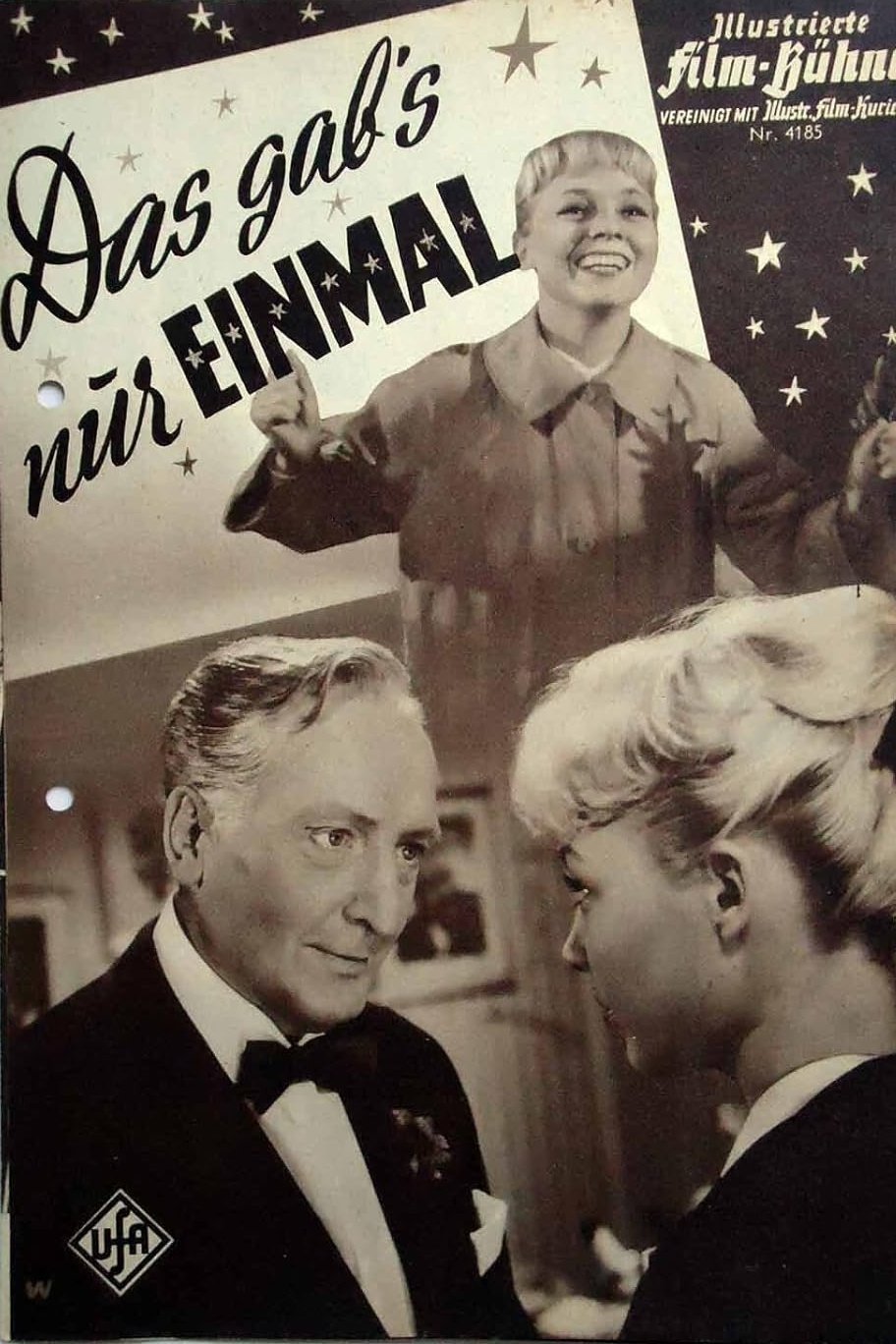
Sabine Schröder, who works as a hairdresser's assistant in a small town, feels called to higher things: to acting. She gets on everyone's nerves with her madness: her boss, her parents and above all her fiancé, the car mechanic Jürgen. One day, when Schröders received a letter from a Berlin film company, the father burned it unread. Out of disappointment, anger and defiance, Sabine packs her bags and makes her way to Berlin, where the film festival is taking place.
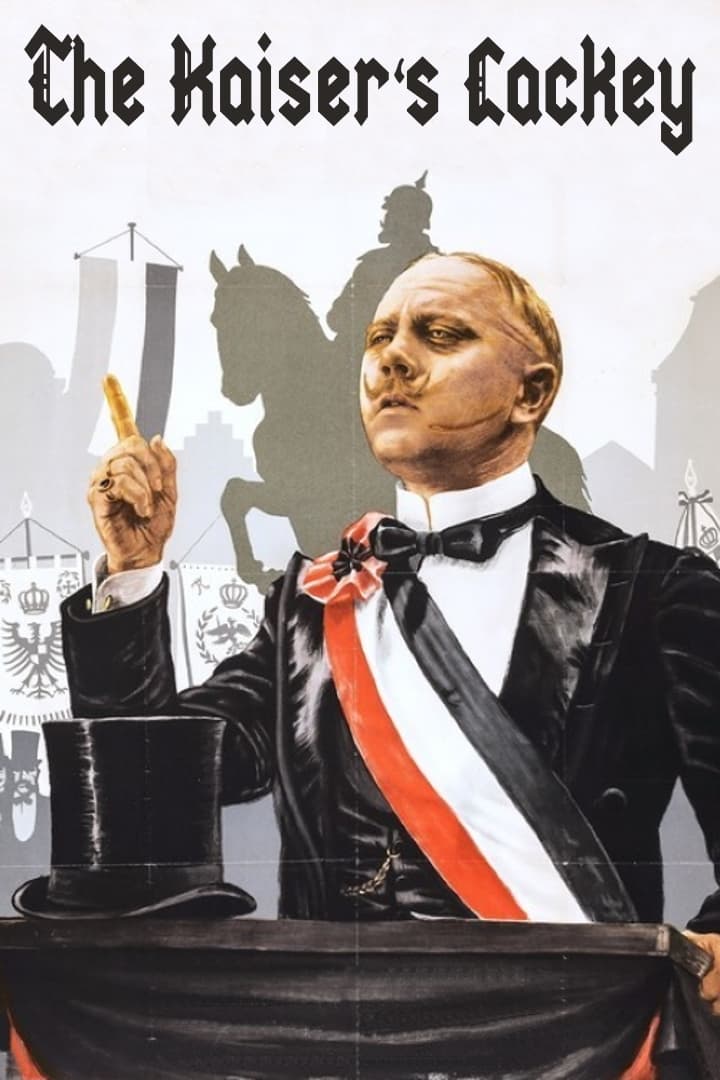
Diederich Heßling is scared of everything and everyone. But as he grows up, he comes to realize that he has to offer his services to the powers-that-be if he wants to wield power himself. His life motto now runs: bow to those at the top and tread on those below. In this way, he always succeeds: as a student in a duel-fighting student fraternity and as a businessman in a paper factory. He cajoles the obese district administrative president Von Wulkow and wins his favor. He slanders his financial rivals and hatches a plot with the social democrats in the town council. On his honeymoon with his rich wife Guste, he finally finds a chance to do his beloved Kaiser a favor. And when a memorial to the Kaiser is unveiled in the town where Diederich lives and works, he delivers the address. He stands behind the lectern in the pouring rain, saluting his Kaiser. The crowd is dispersed. Everything is laid in ruins...
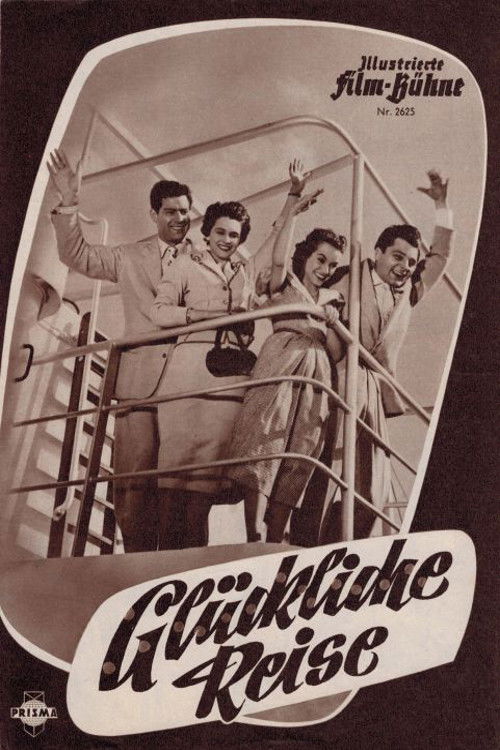

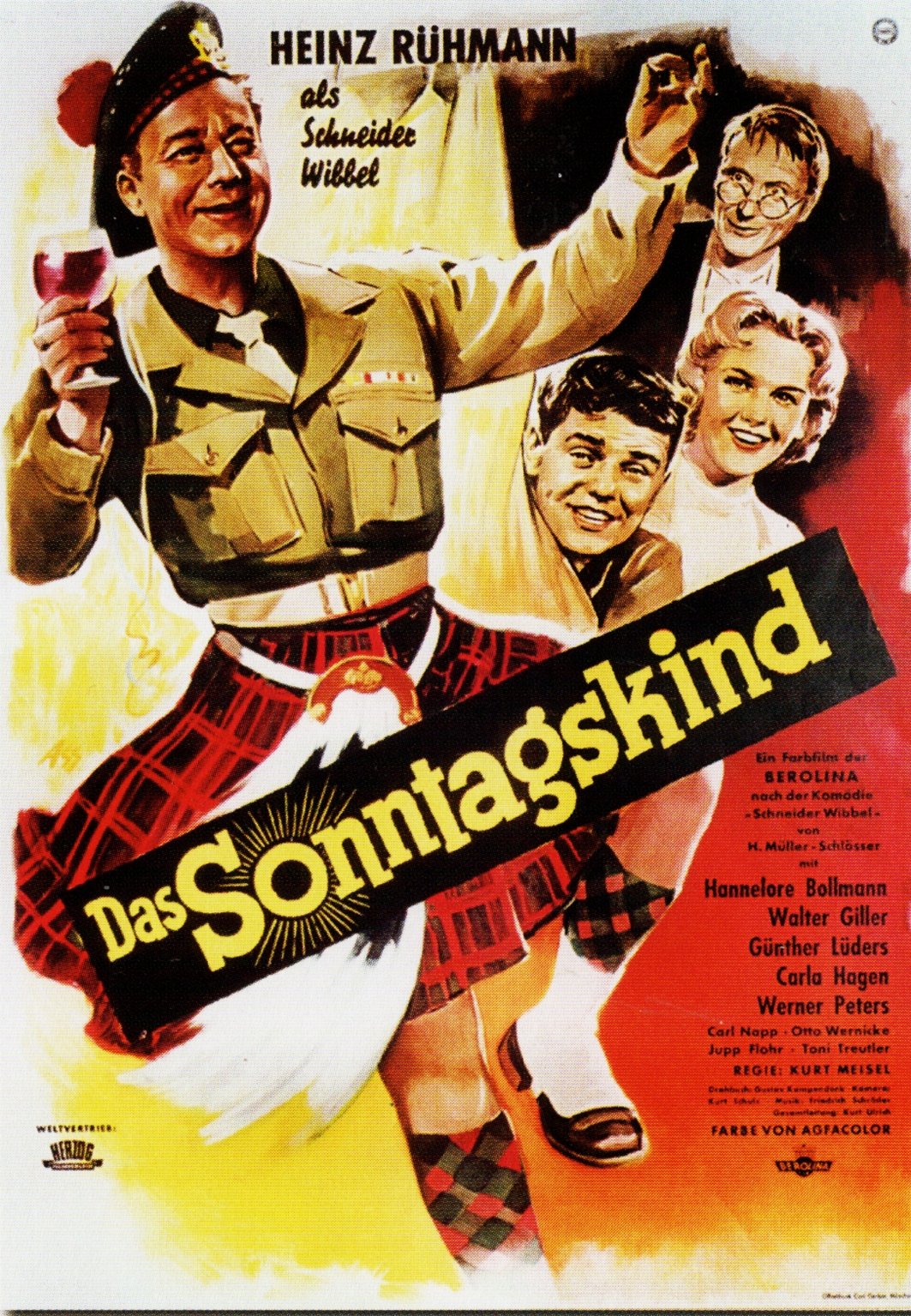

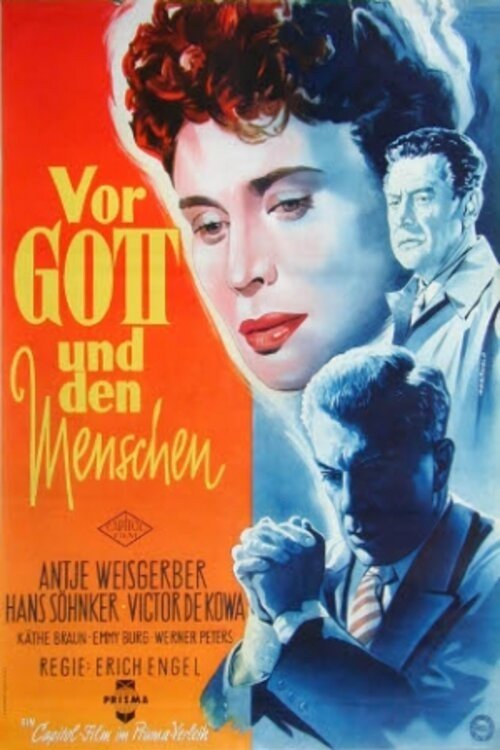
The ardent prayer of a monk brings about a true miracle in a West German industrial town, which, however, is not understood by the people but only exploited as a lucrative sensation.
The historical background to the story is the transfer of 269 executed women to the Berlin Anatomy Department in the years 1939-1945. The corpses were misused for experimental purposes.
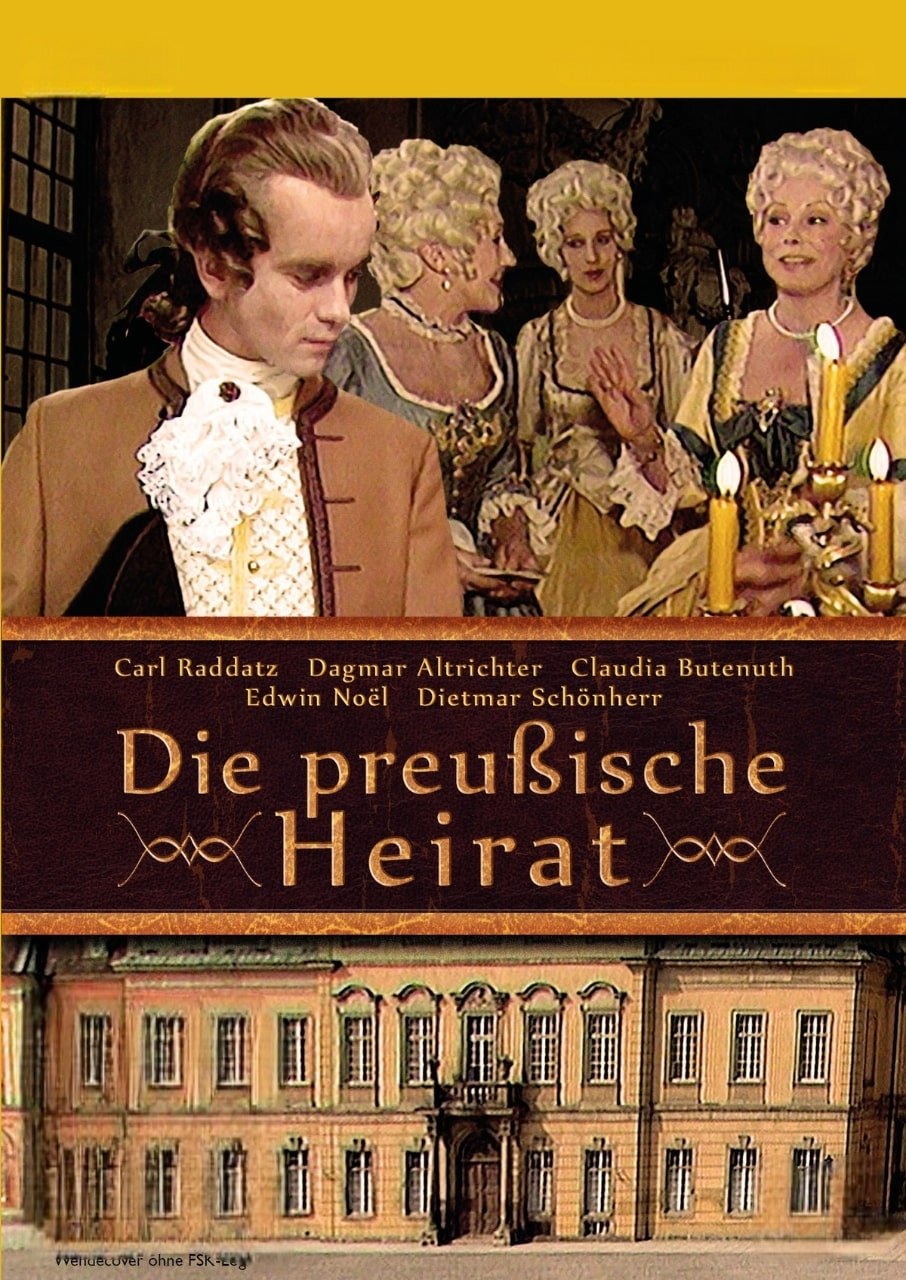
At the court of Frederick William I of Prussia, highly political marriage plans are being forged. Princess Wilhelmine's parents want her to marry into the English or Austrian royal family so that she can become queen or even empress. But she is in love with the crown prince of the small principality of Bayreuth...
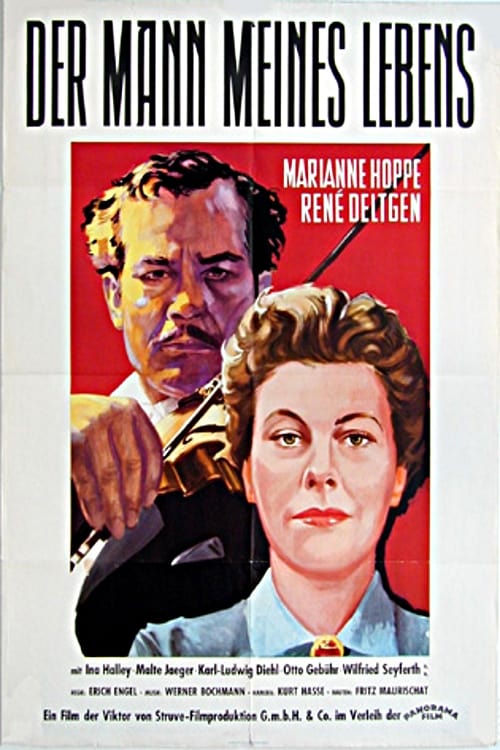
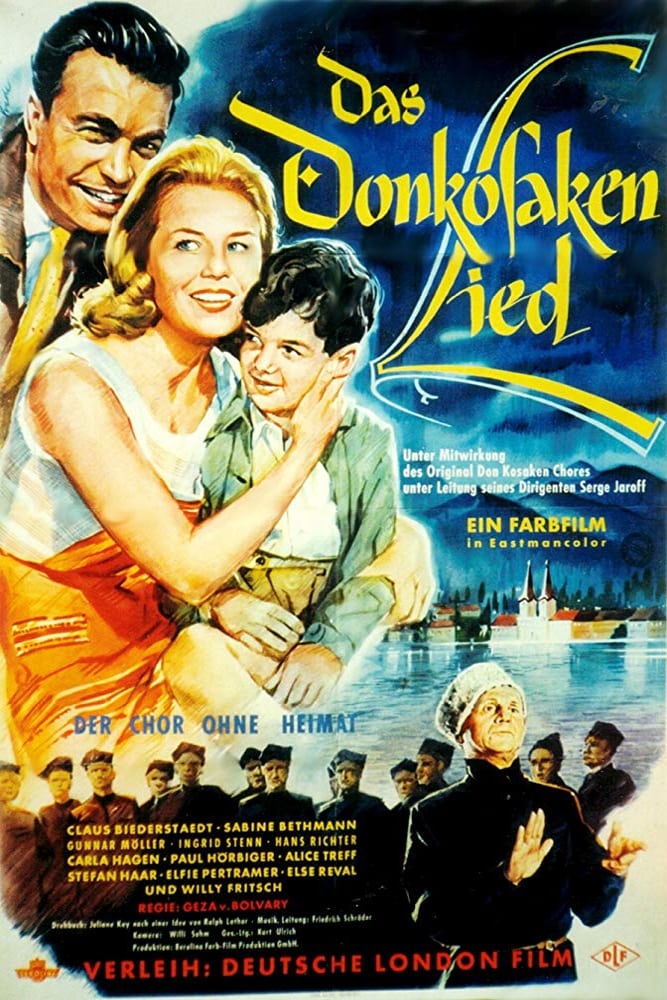
After the death of his Russian mother, nine-year-old orphan Peter lives with Professor Hartmann and his daughter Helga, who cares for him like a mother. Peter is very musical. He especially loves the melancholy songs of the Don Cossack Choir, which remind him of his mother. Because the boy has suffered from a severe heart defect since birth, his doctor, Dr. Stark, has forbidden him any excitement, including music. When one day the Don Cossack Choir's tour bus breaks down near Peter's house with engine trouble, the little boy meets the conductor Serge Jaroff and his famous singers in person.