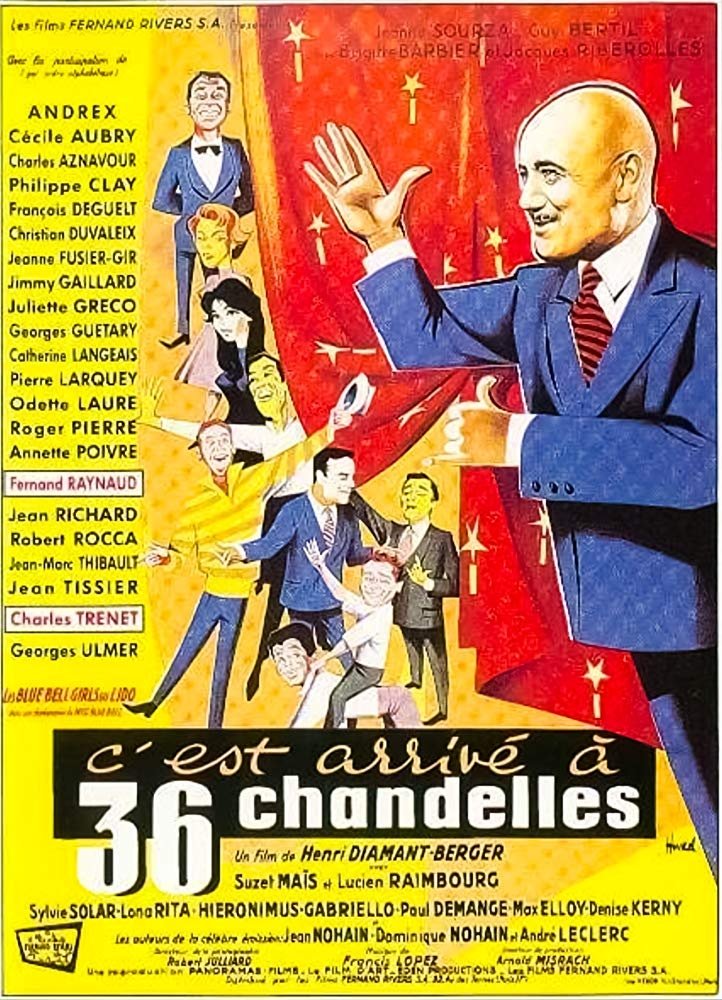
Rejecting the union of her daughter Brigitte with a modest worker, Madame Magnin invents an adultery for the lover, then introduces Brigitte to a good-looking man working on the famous RTF entertainment show 36 Chandelles. The show ultimately seals the reunion of the two estranged young lovers. The story features a parade of music-hall stars from the era: Charles Trenet, Charles Aznavour, Georges Guétary, Juliette Gréco, Roger Pierre and Jean-Marc Thibault, Fernand Raynaud, Georges Ulmer and many more.
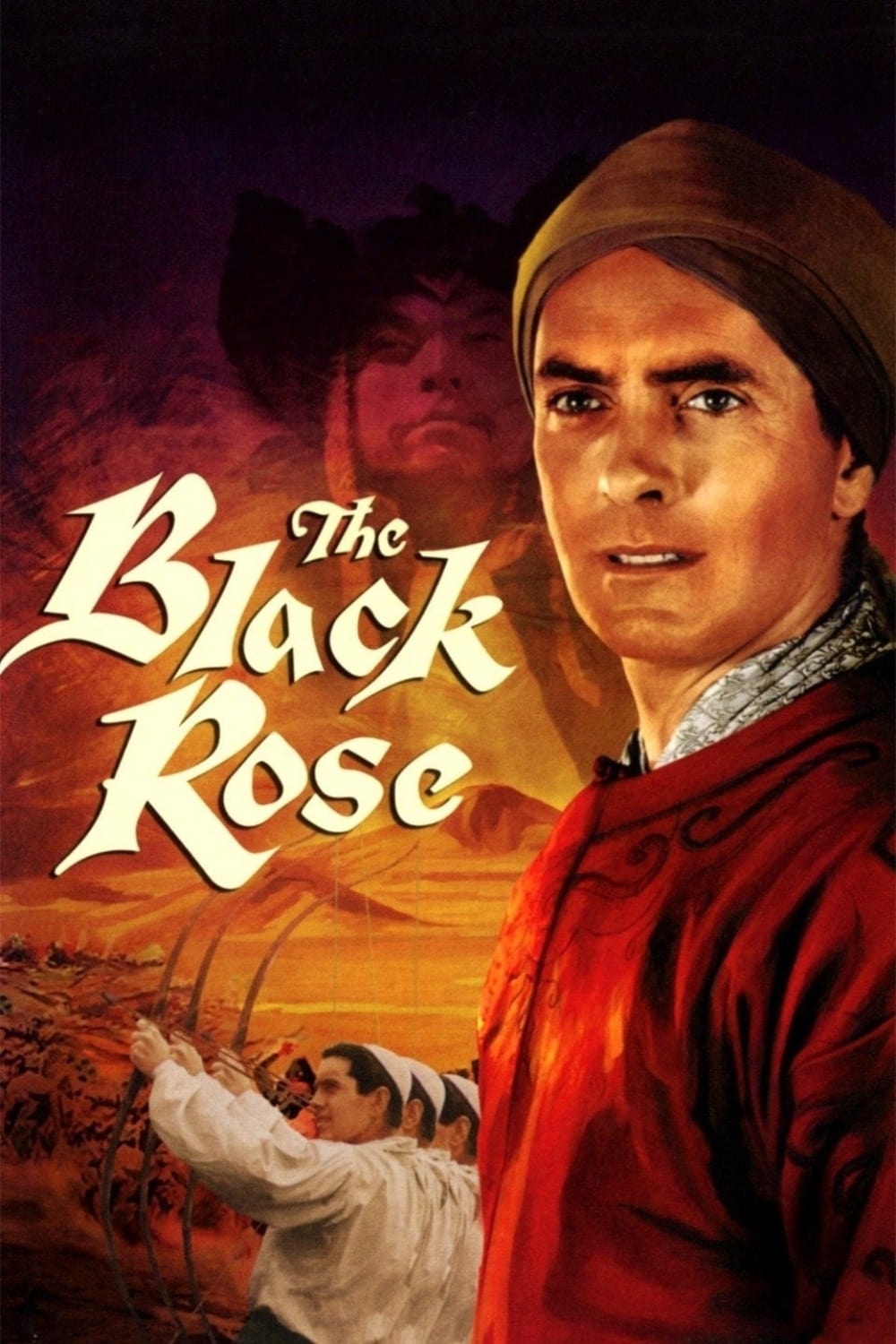
In the 13th century, Walter of Gurnie, a disinherited Saxon youth, is forced to flee England. With his friend, Tristram, he falls in with the army of the fierce but avuncular General Bayan, and journeys all the way to China, where both men become involved in intrigues in the court of Kublai Khan.

Together with his uncompromising friend Marie Girard, André de Lurvire clamors for moral reasons for the closing of the Bal Tabarin, a famous Paris cabaret. So, imagine André's reaction when he... inherits the joint! But, following the seductive schemes of Cora, Tabarin's sultry star, Lurvire gradually lowers his guard, discovers the good life and abandons his wife.
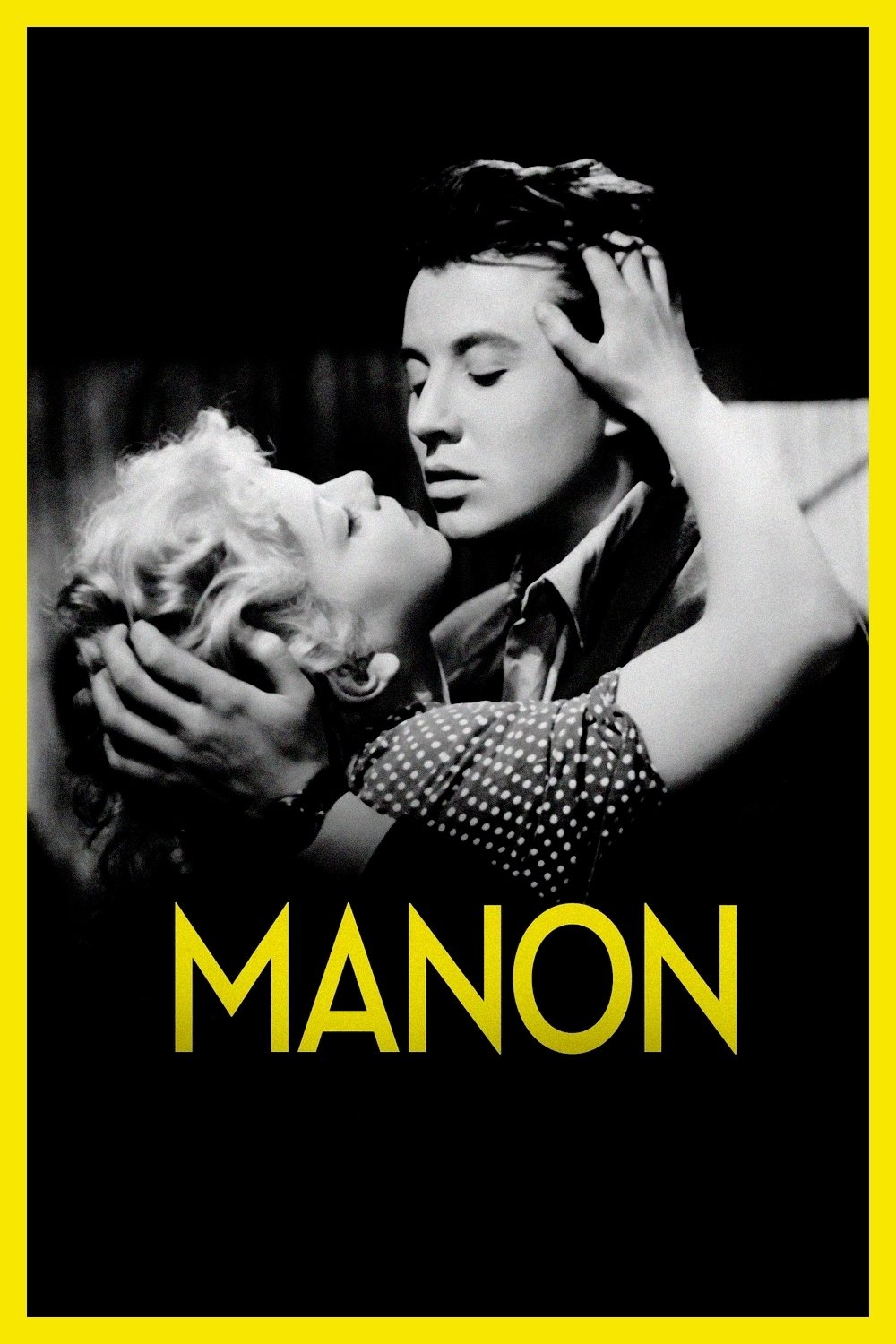
Port of Marseille, France, recently liberated from the German yoke. Caught as stowaways aboard a ship, Manon, a young woman who was accused of collaborating with the Nazis, and Robert, a freedom fighter who saved her from reprisals, tell the captain about the many challenges they have had to face in order to survive.
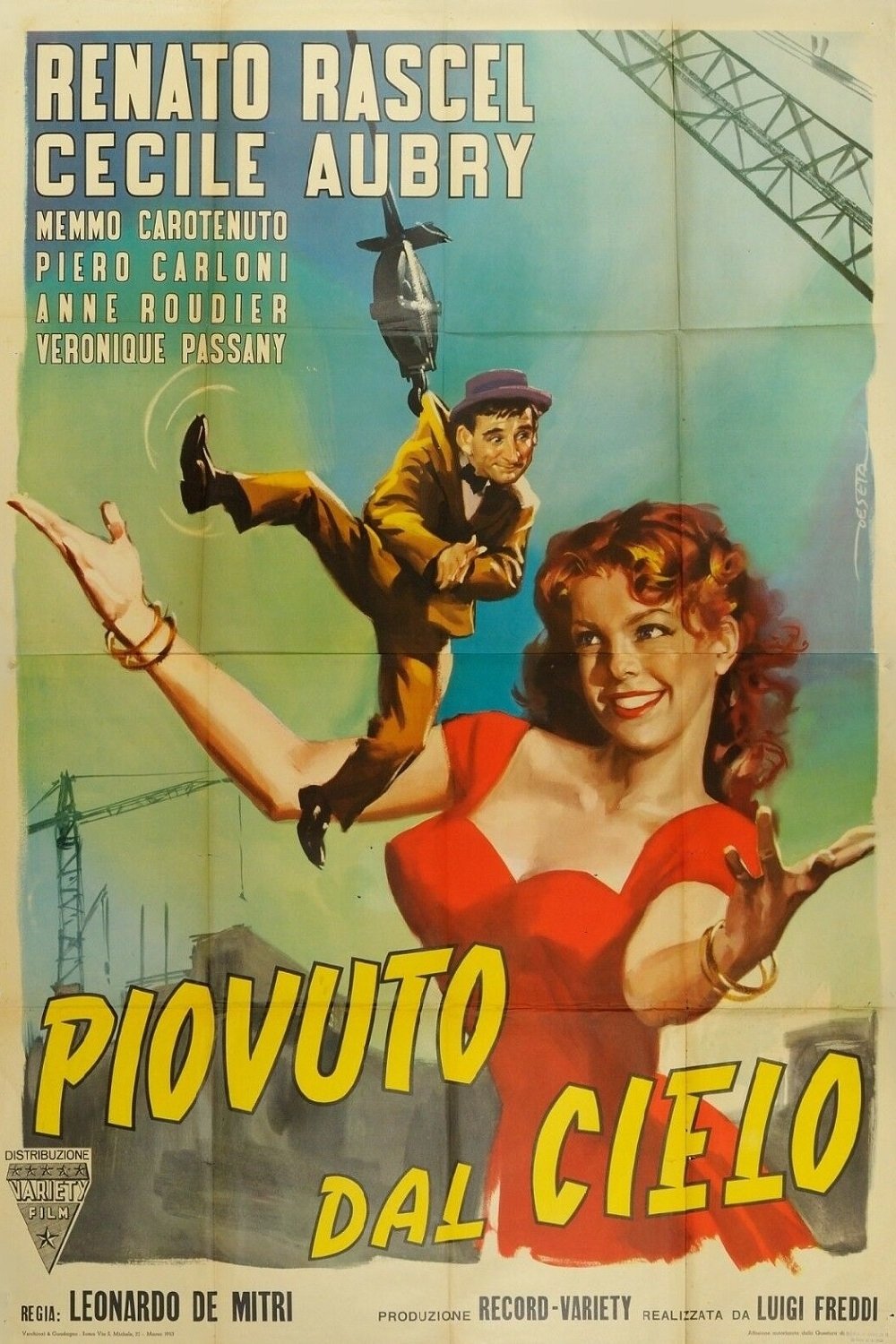
A pickpoket falls in love with one of his victims.

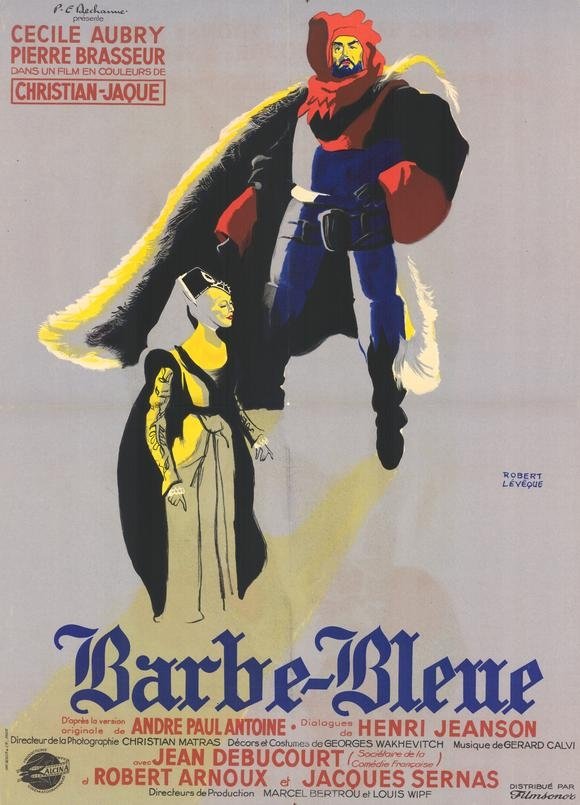
Just before wowing international critics and moviegoers with his adventure romp Fanfan la Tulipe, director Christian-Jaque dashed off the lampoonish Barbe-Bleue. Ostensibly the story of the famed wife-killing potentate Bluebeard (Pierre Brasseur), this lighthearted costumer begins as the title character is poised to march down the matrimonial aisle for the eighth time. Barbe-Bleue's newest spouse Aline (Cécile Aubry) is kept in line by her husband's claims of murdering her predecessors. But when Aline opens the famous locked door to the equally famous hidden room, both she and the audience are in for quite a surprise. The frivolous nature of Barbe-Bleue is underlined by its pleasing utilization of the French Gezacolor process.

The finding of a wallet with a lot of money is the common theme of four stories, featuring a shoeshine from Seville, a clerk from Salamanca, a bullfighter from Cuenca and a newspapers seller from Paris.