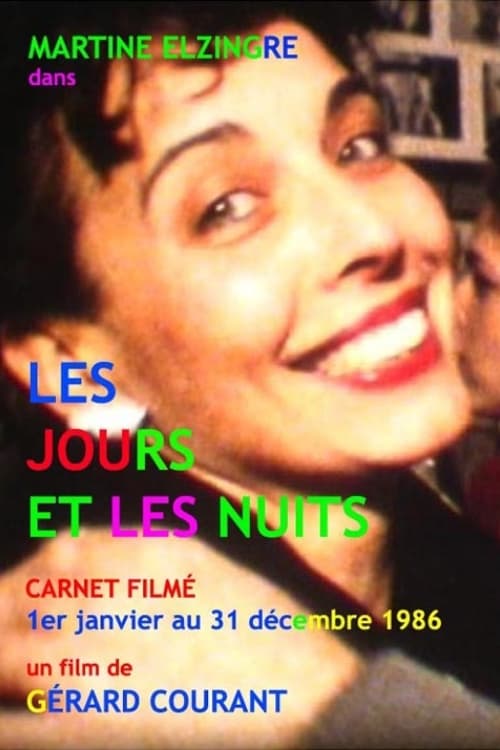
I give a methodical account of my film work: the creation of new series (Lire, Trio, Avec Mariola), the shooting of a new feature film (Amours décolorées which will take ten years to edit) with Mariola San Martin.
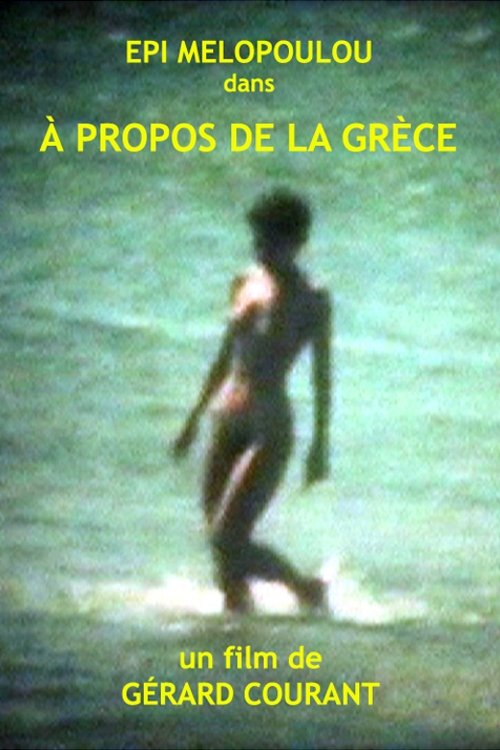
Gérard Courant films the routes of his voyage in Greece with a Super8 camera. Reflections, waves, ports and landscapes are edited at a dizzying pace; in their midst, portraits appear of a very beautiful woman, along with images of the director who turns the camera on himself, showing his face reddened by the sun.
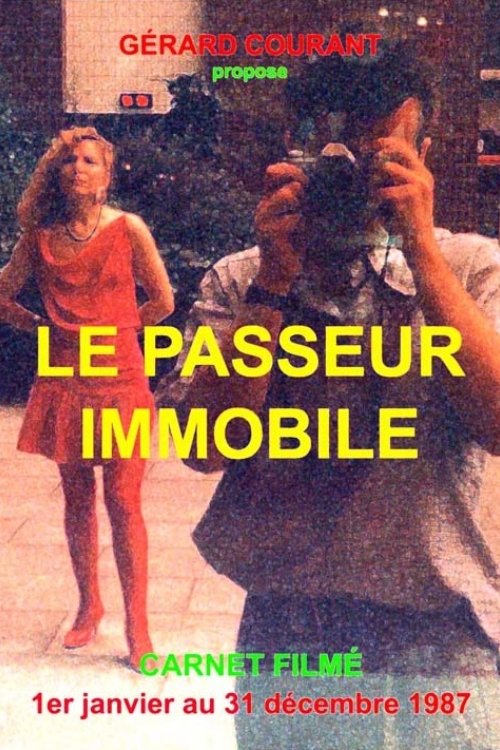
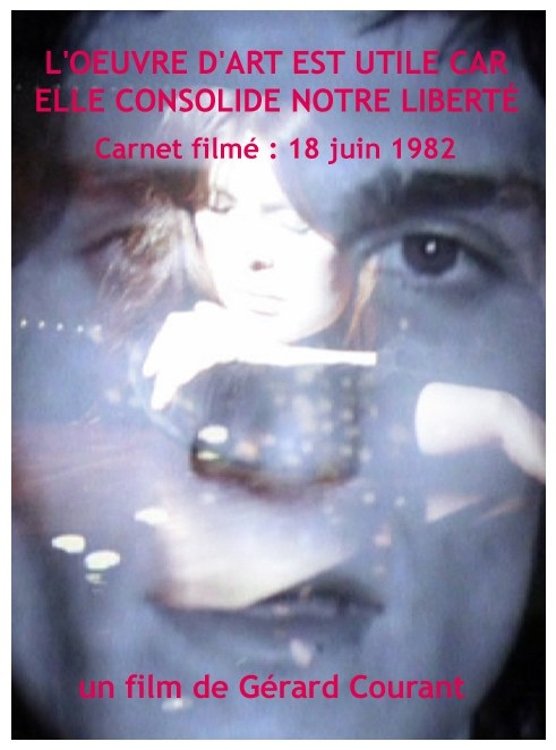
Le Passeur immobile, which covers the year 1987, is a Booklet filmed stuck between The Days and the Nights (1986) and The Artifice and the Fake (1988). These Notebooks have been punctuating my activity as a filmmaker for about fifteen years. They are like a life parallel to my other films and film series (Cinema, Group Portrait, Read, etc.). They are also like a letter to the spectators.
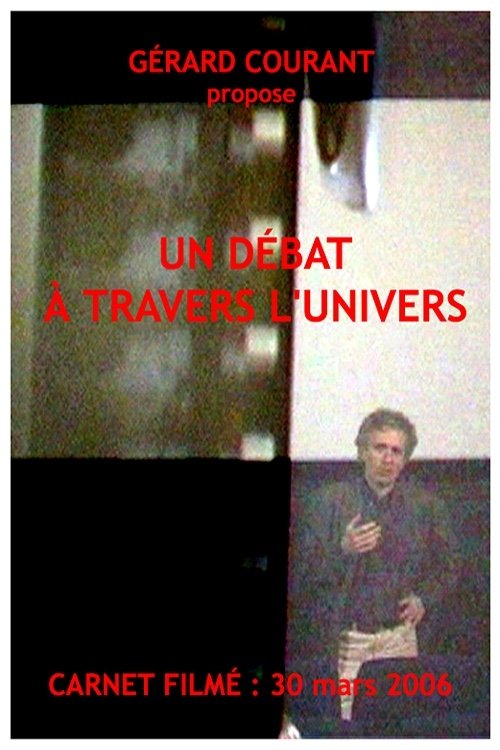
"A Debate Across the Universe" is, on the one hand, the capture of the debate which followed the world premiere screening of my film "Across the Universe", presented as part of the "Ethnology and Cinema" in Grenoble, at the Les Méliès cinema in Saint-Marcellin and, on the other hand, the criticism of this debate and additional information relating to the staging of "Across the Universe".
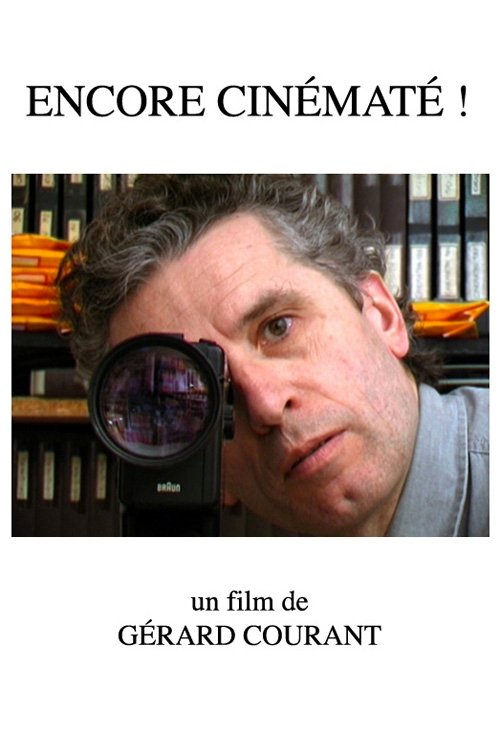
Encore Cinématé ! is a fake Cinématon by Gérard Courant, the author and designer of this famous film series. It is not part of the anthology and is therefore out of collection. However, he has all the characteristics of an official Cinématon but the filmmaker, who had just lent himself to the cinematon game a year earlier, on the occasion of the 2000th portrait of his collection, did not want to overload his fetish series with new portraits of him. He preferred not to integrate it while ensuring that this portrait has a real existence, that it is visible and that it is a film in its own right.
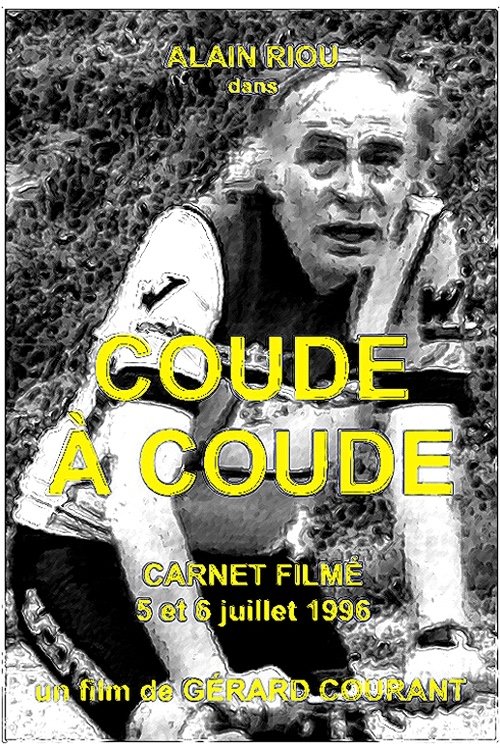
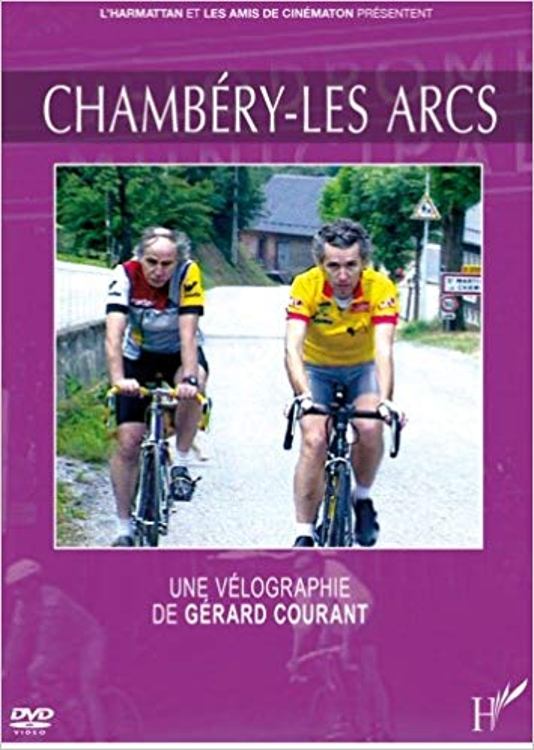
Coude à coude is an episode of Gérard Courant's Filmed Carnets that follows Velo Love (July 1 to 3, 1996), in which journalist and screenwriter Alain Riou proposed to the filmmaker to accompany him by bike on the course of the mountain stage of the Tour de France, Chambéry-Les Arcs.
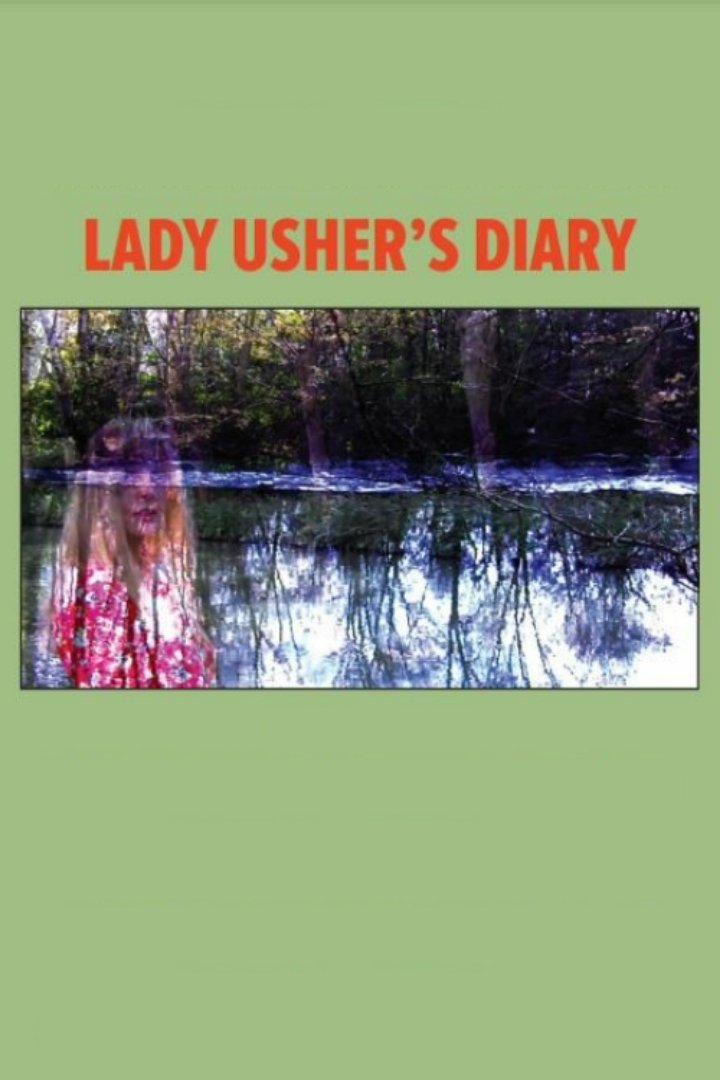
Loosely inspired by Edgar Poe. A mixture of darkness, melancholy and evanescence, a disturbing atmosphere surrounds Lady Usher's Diary. This slow and feverish melodrama...
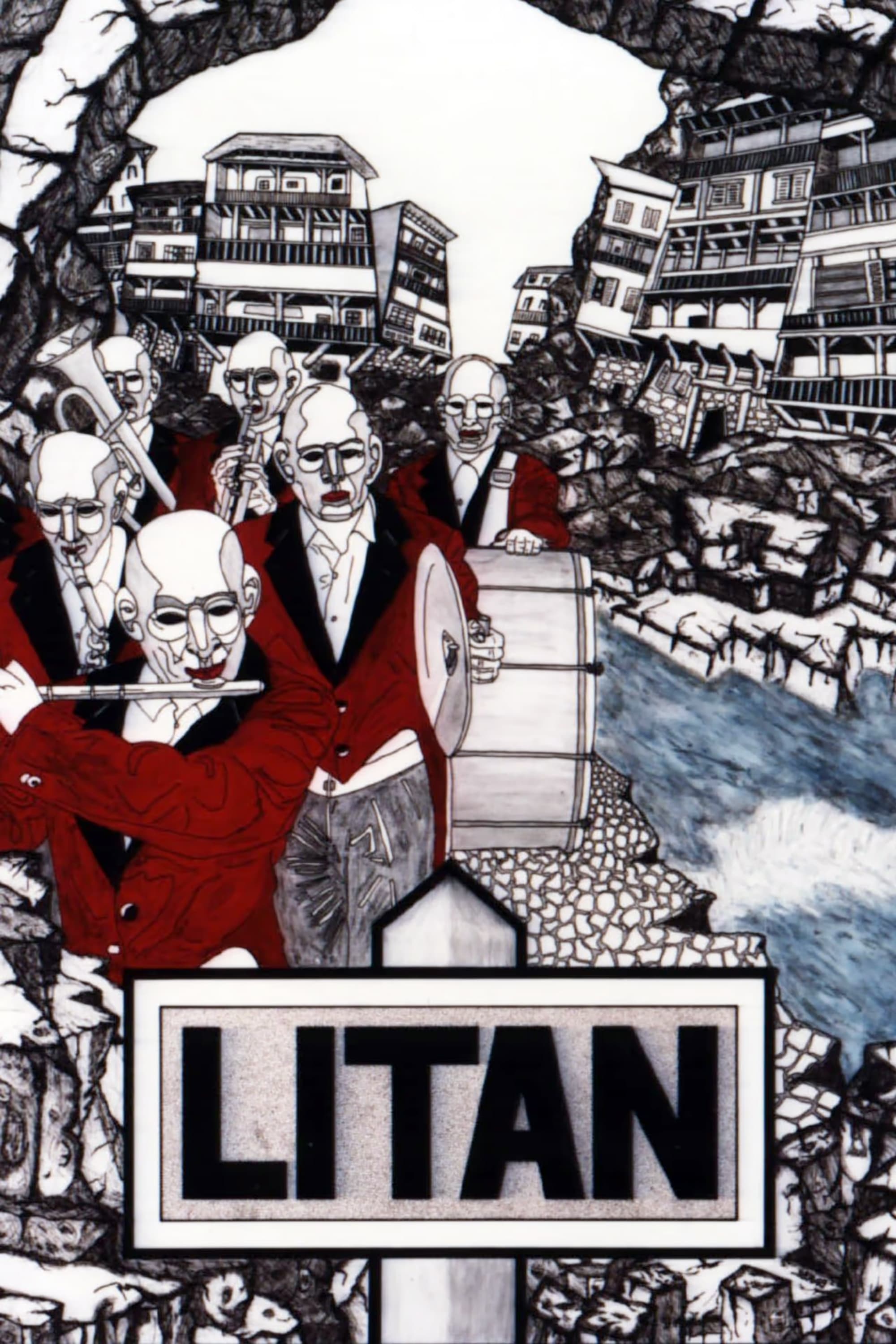
Married couple Jock & Nora are visiting the town of Litan during Litan's Day, with its carnivalesque atmosphere. When Nora wakes that morning from dreaming the bizarre death of her husband, she sets out across town to find him and warn him. But as she does, she encounters stranger and stranger people and events erupting into a frenzy in front of her. Now, she and Jock must elude all of the impediments in their way of reaching safety on the outskirts of town.
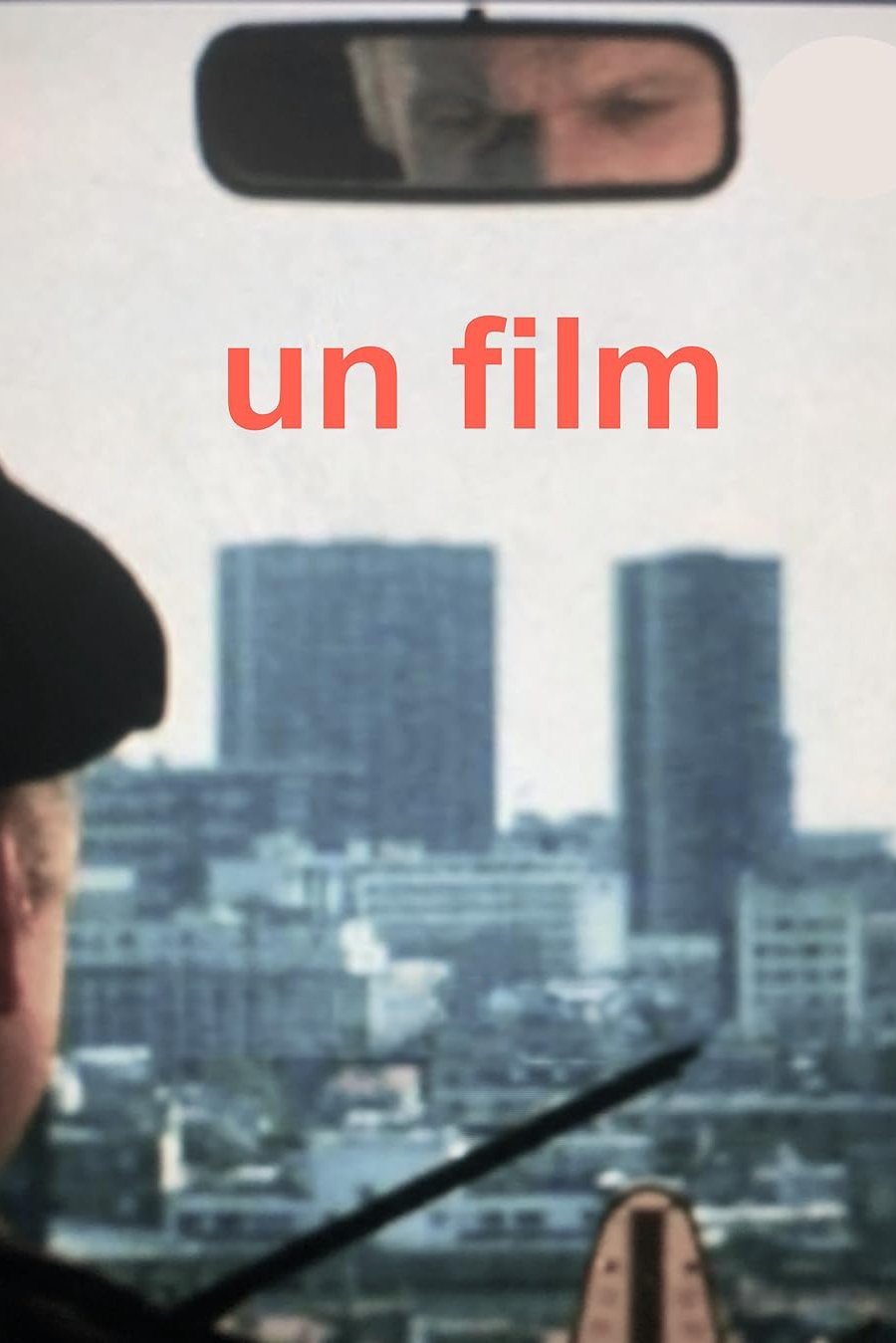
The shooting diary of a film shot in France and in the United States. Using photos of Paris and of New York City, excerpts of his former films, statements by friends of his and shooting sequences of the film itself, tormented filmmaker Marcel Hanoun has made a heterogeneous and unclassifiable film about the difficulty of filming.
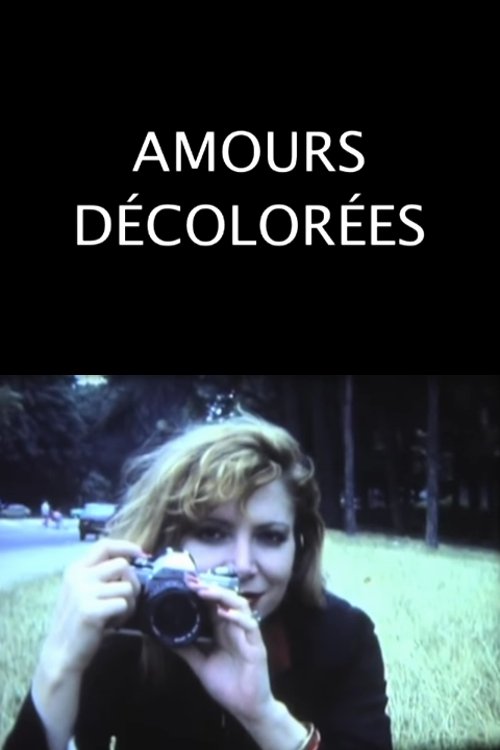
Amours décolorées is a cinematographic poem to the glory of Mariola San Martin, model, stylist, dancer and Spanish photographer.
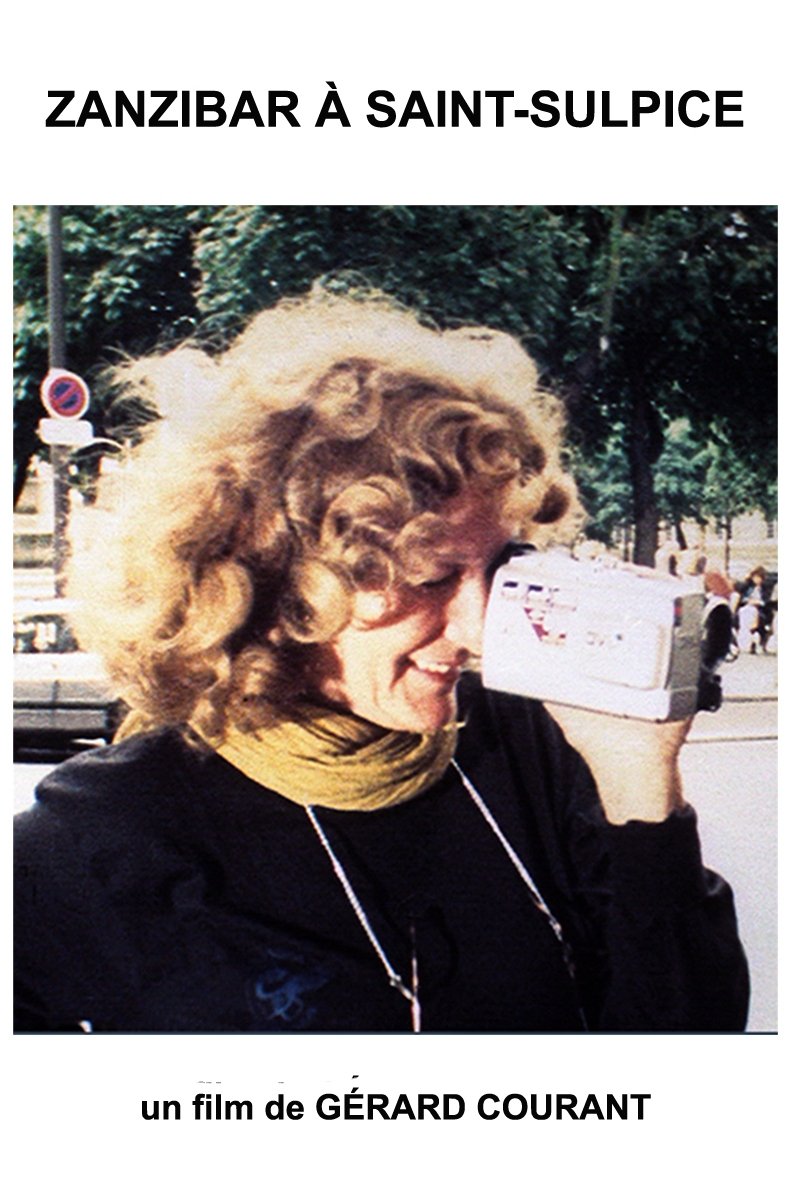
30 years after their artistic revolution, members of the Zanzibar group meet in 1999 in Saint-Sulpice Square in Paris (France) in front of Gérard Courant's camera.
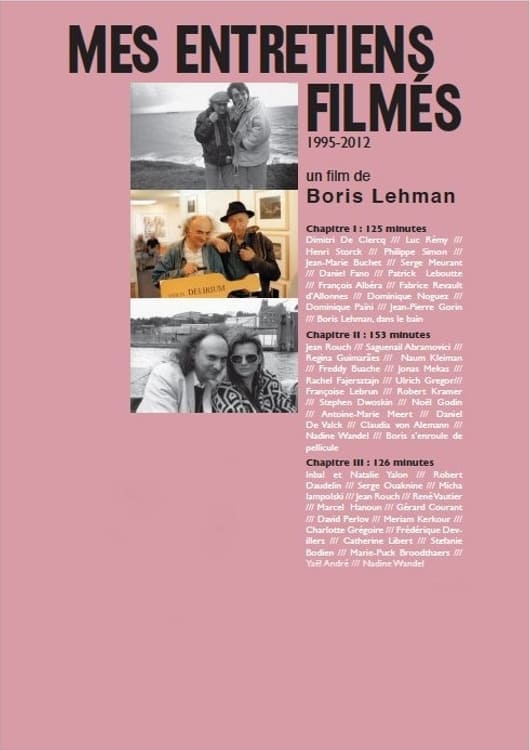
This distinctly personal journey into the artistic possibilities of independent film is not to be missed. Jonas Mekas, Jean-Pierre Gorin, Robert Kramer and many other visionaries and mavericks of the silver screen – as well as a book seller, a critic and a psychoanalyst – discuss what cinema has meant to them, what it is and what it could be and, implicitly, how it has changed over the 18 years in which this film was shot. Director Boris Lehman leads the charge, drawing in moments of absurdist humour and inventive camera work; he keeps things raw and spontaneous. His encounters with the now much-missed Jean Rouch and Stephen Dwoskin are particularly touching and stand testament to their personal playfulness and candour. An engaging, absorbing, epic odyssey of a movie.
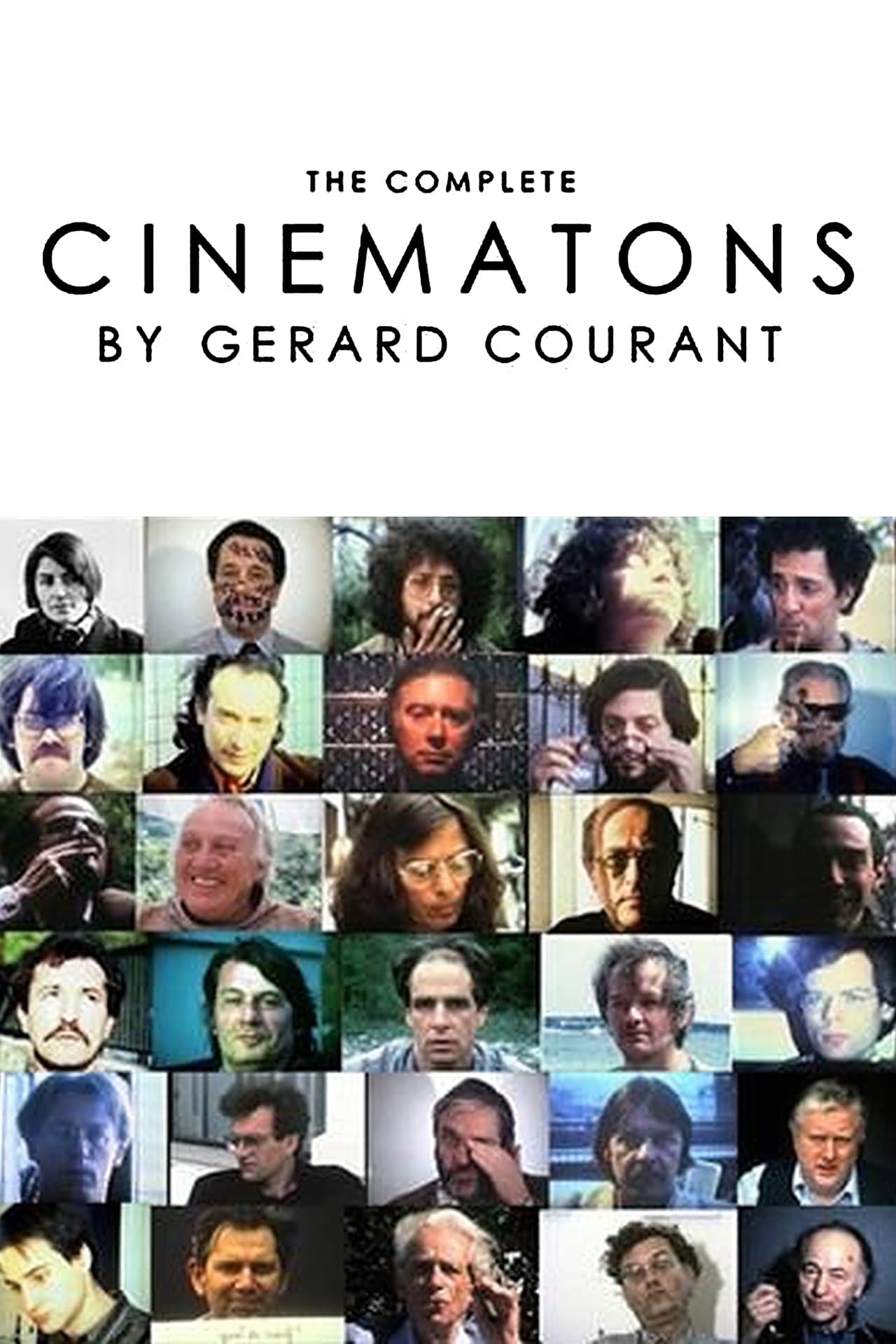
Cinématon is a 156-hour long experimental film by French director Gérard Courant. It was the longest film ever released until 2011. Composed over 36 years from 1978 until 2006, it consists of a series of over 2,821 silent vignettes (cinématons), each 3 minutes and 25 seconds long, of various celebrities, artists, journalists and friends of the director, each doing whatever they want for the allotted time. Subjects of the film include directors Barbet Schroeder, Nagisa Oshima, Volker Schlöndorff, Ken Loach, Benjamin Cuq, Youssef Chahine, Wim Wenders, Joseph Losey, Jean-Luc Godard, Samuel Fuller and Terry Gilliam, chess grandmaster Joël Lautier, and actors Roberto Benigni, Stéphane Audran, Julie Delpy and Lesley Chatterley. Gilliam is featured eating a 100-franc note, while Fuller smokes a cigar. Courant's favourite subject was a 7-month-old baby. The film was screened in its then-entirety in Avignon in November 2009 and was screened in Redondo Beach, CA on April 9, 2010.
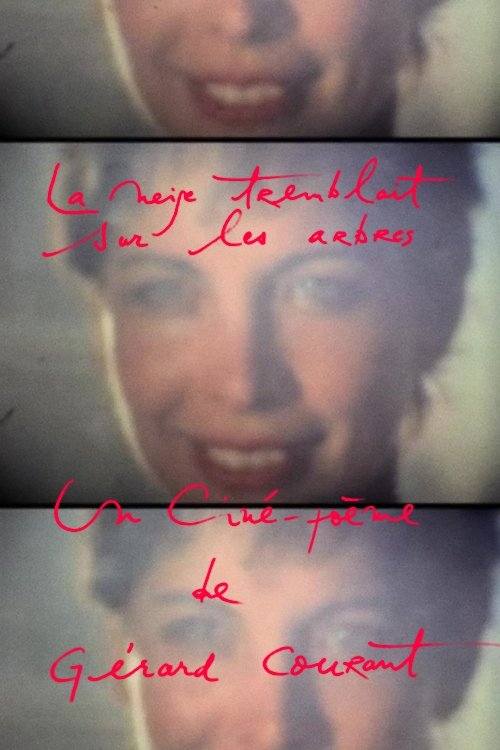
A Ciné-poem – An impressionist ballad in the early 80’s.
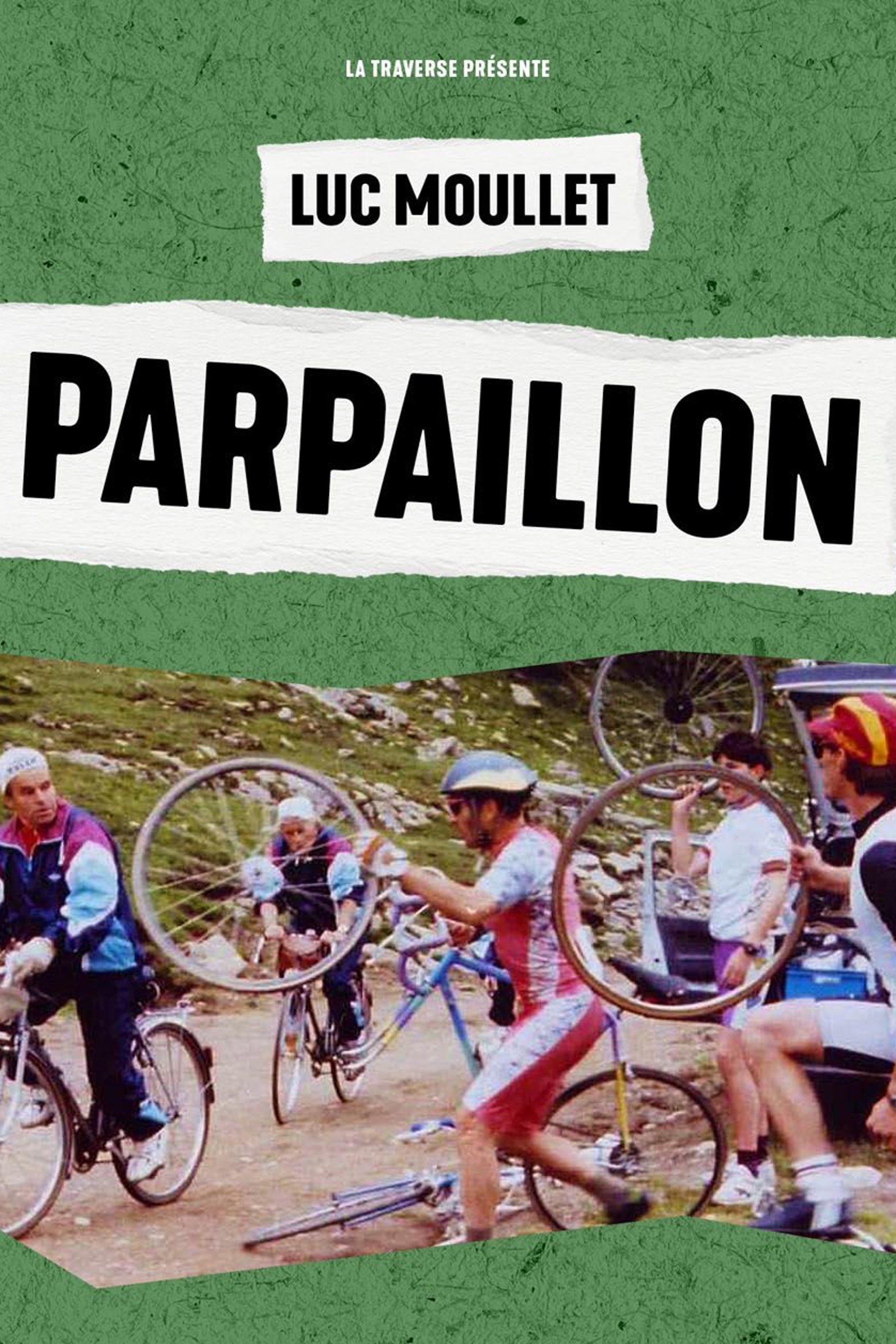
A bicycle race is held every year in a pass of the Alps called Parpaillon. With the energy of a skillful cyclist perhaps as a great tribute to François, the mailman played by Tati in The Big Day, Moullet makes a comedy by pedaling at a pace that allows him to reinvent the possibilities of film gags.
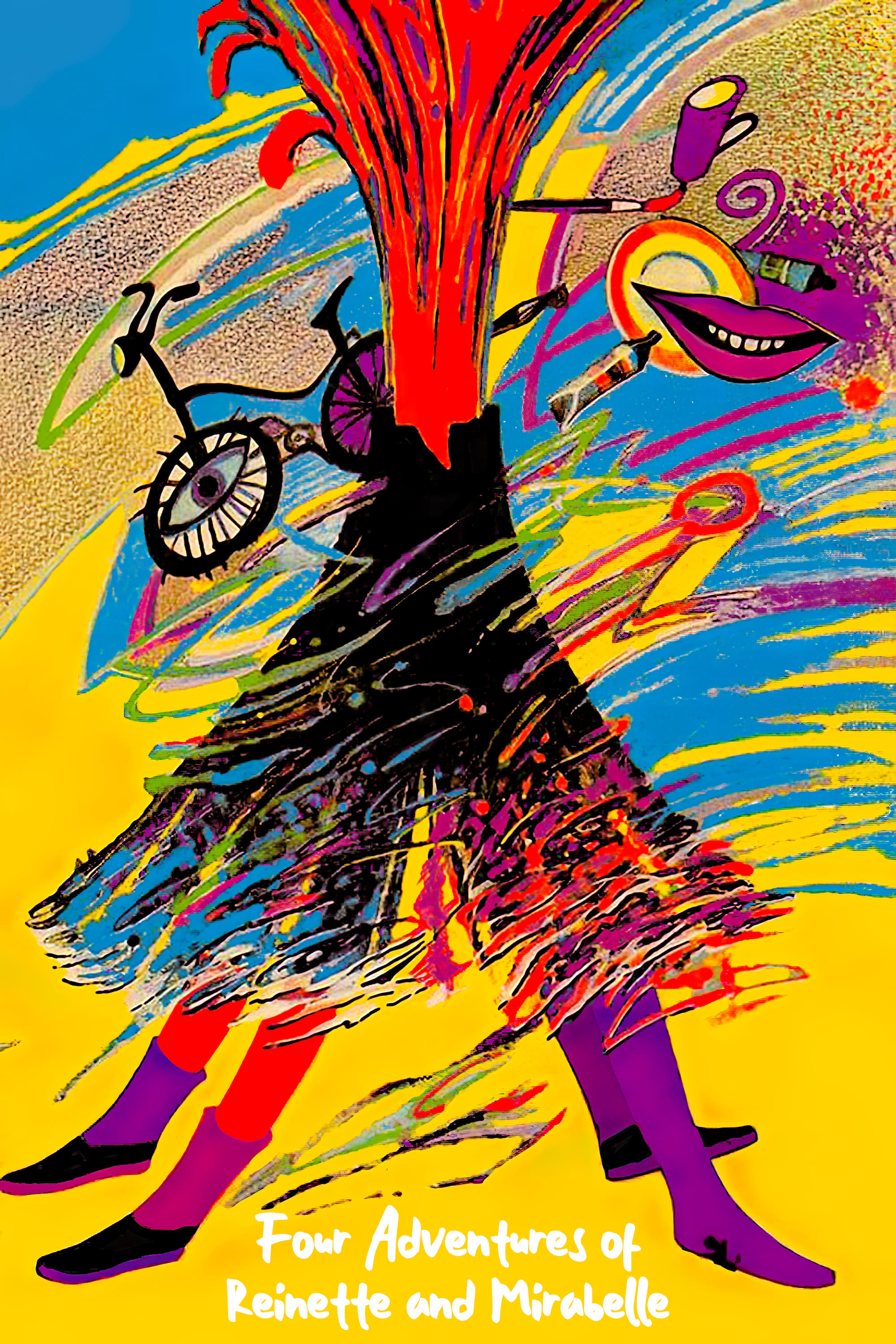
Two young girls meet, Reinette from the countryside and Mirabelle from Paris, and decide to take a flat together in Paris where they attend University. Four successive stories about their daily lives illustrate the very different views, characters and relation to the world of these two friends.
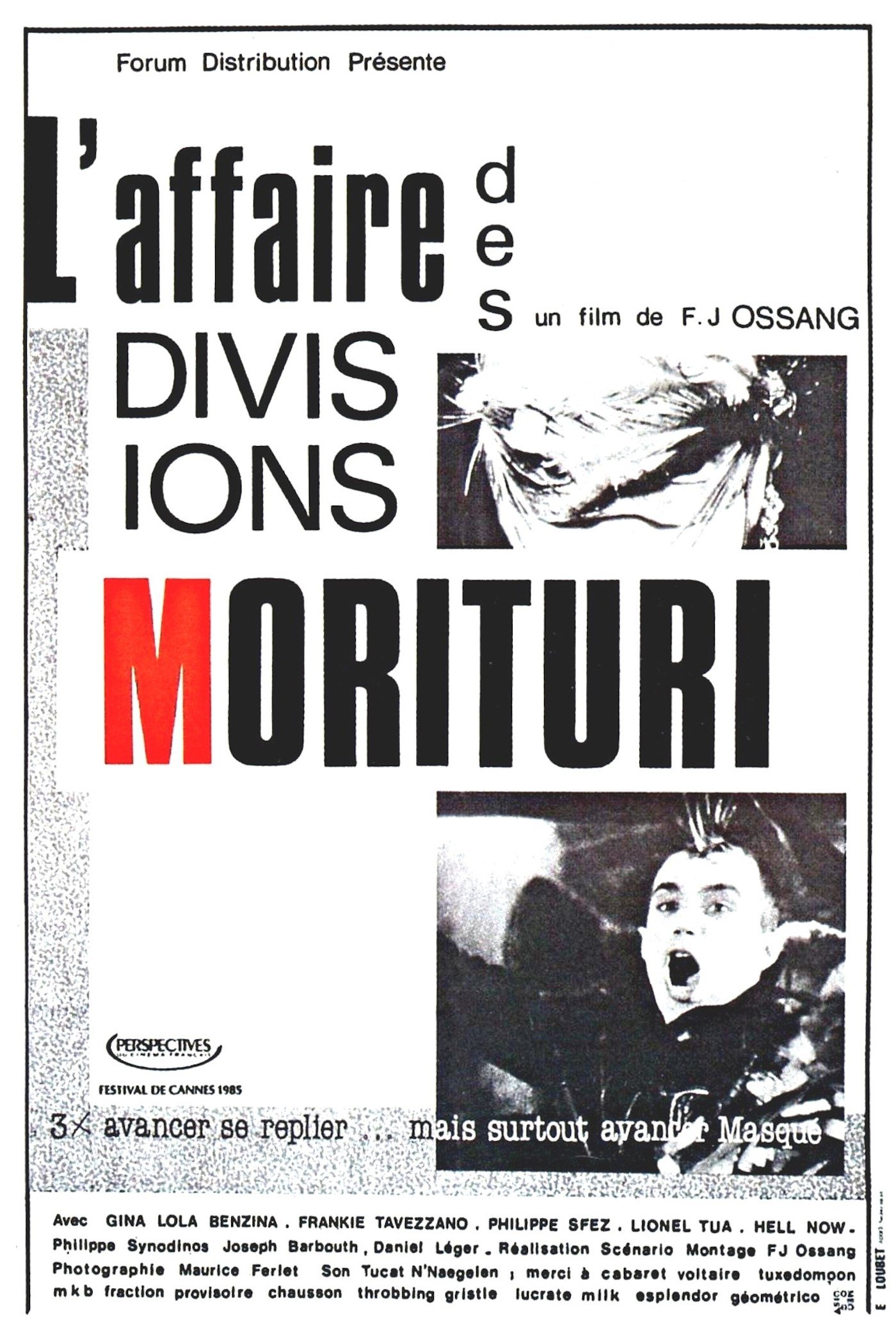
The story about gladiators against a German background. One of them, Ettore, has become a star of the underworld. He ends up breaking down, caught in a role he can no longer fulfill. His last betrayal is to spill the beans to the press. –São Paulo International Film Festival
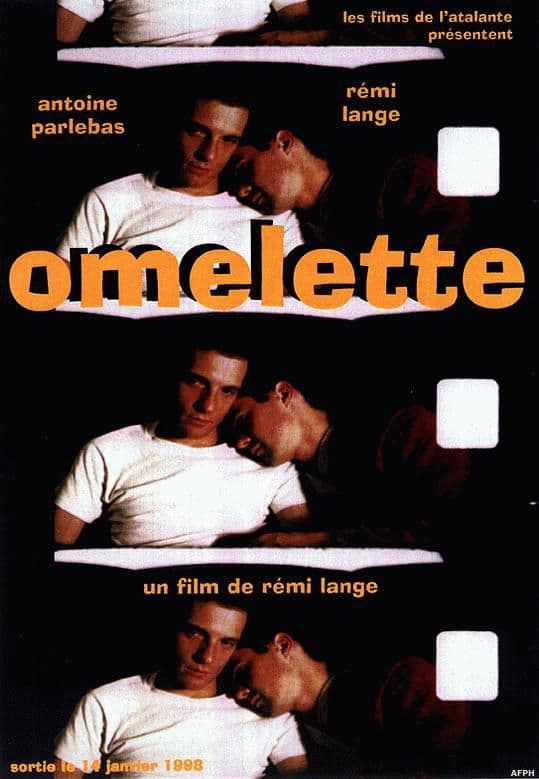
A young man tired of writing and rewriting a screenplay decides to begin a Super 8mm film diary. He films his parents and those close to him and determines to tell the about his homosexuality.
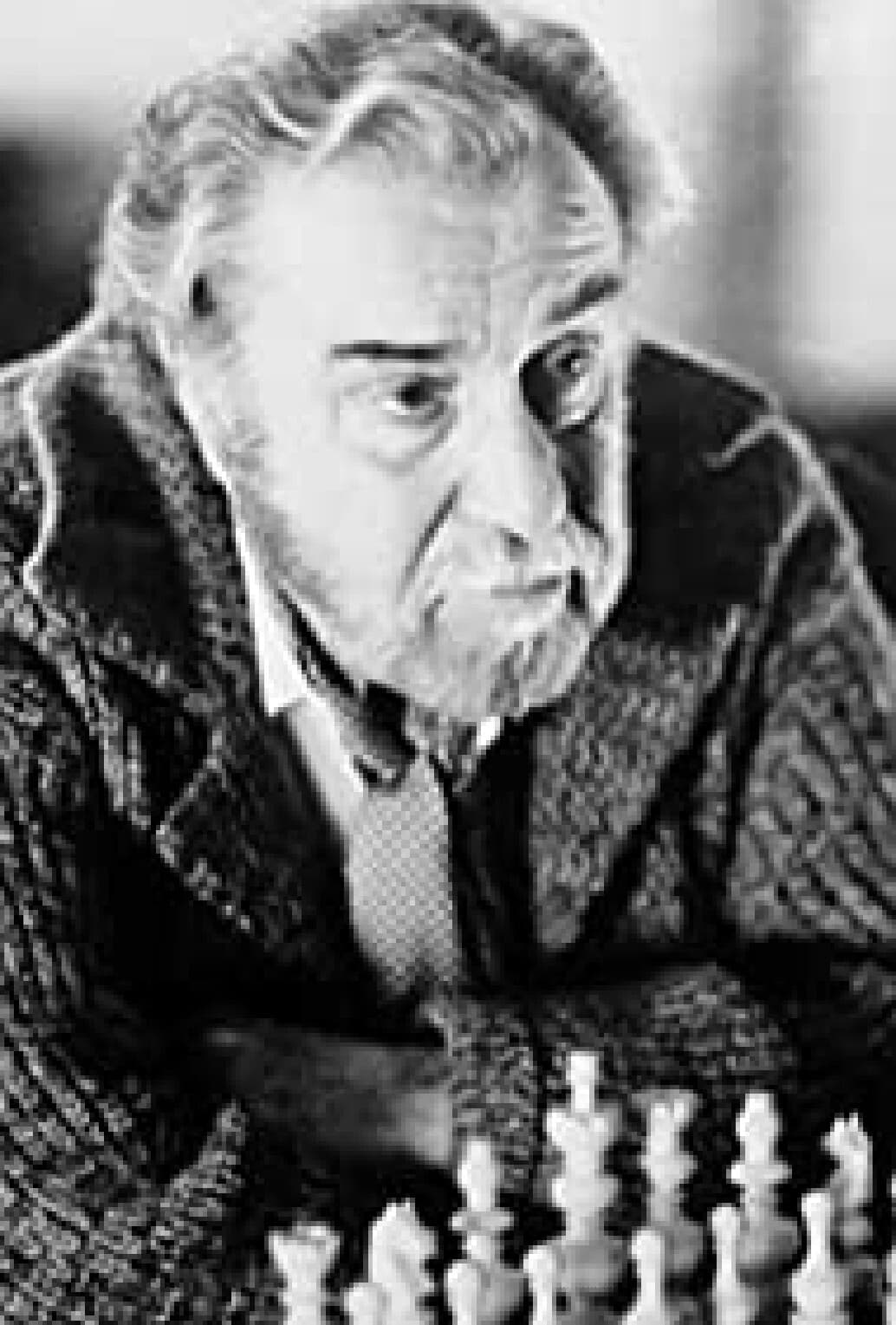
A diverse group of guests gather in a small hotel in Paris to contemplate the state of their lives in this pretentious drama. Joseph Goldman (Fernando Rey) is a washed-up Hollywood actor making a living in the dinner-theater circuit. Accompanied by his wife Sarah (Carole Regnier), Goldman meets Frederique (Berangere Bonvoisin), who is hiding from her former lover. French financier Arthur (Fabrice Luchini) hopes to get into the film industry and bends the ear of a British director (Michael Medwin). The talkative film has little action, and none of the characters evoke much interest or resolve their dilemma.
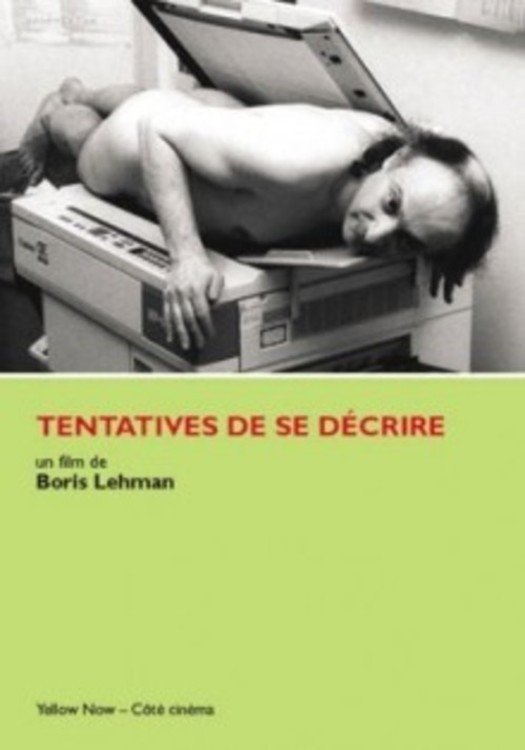
Trying to describe oneself is a movie about representation. How it is possible, through film, to describe oneself and describe others. With the camera as mirror and third eye. At first, a collage-like combination of letter-writing, investigation and journey, something between documentary and feature film. Finally, a portrait of Boris Lehman from 1989 to 1995, part II of BABEL.
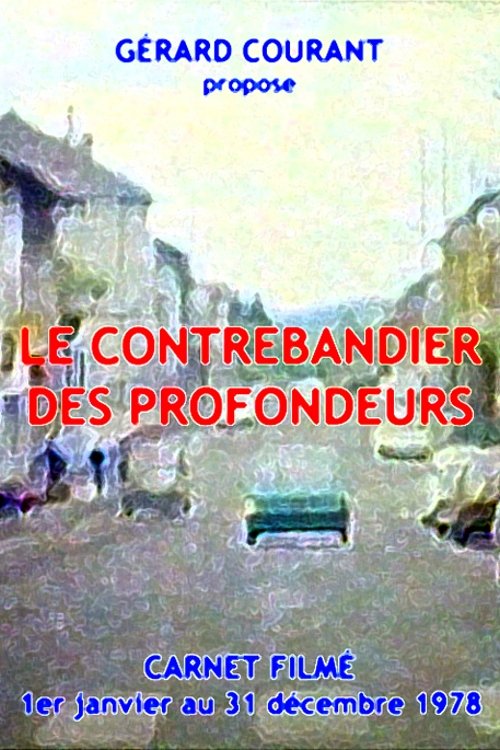
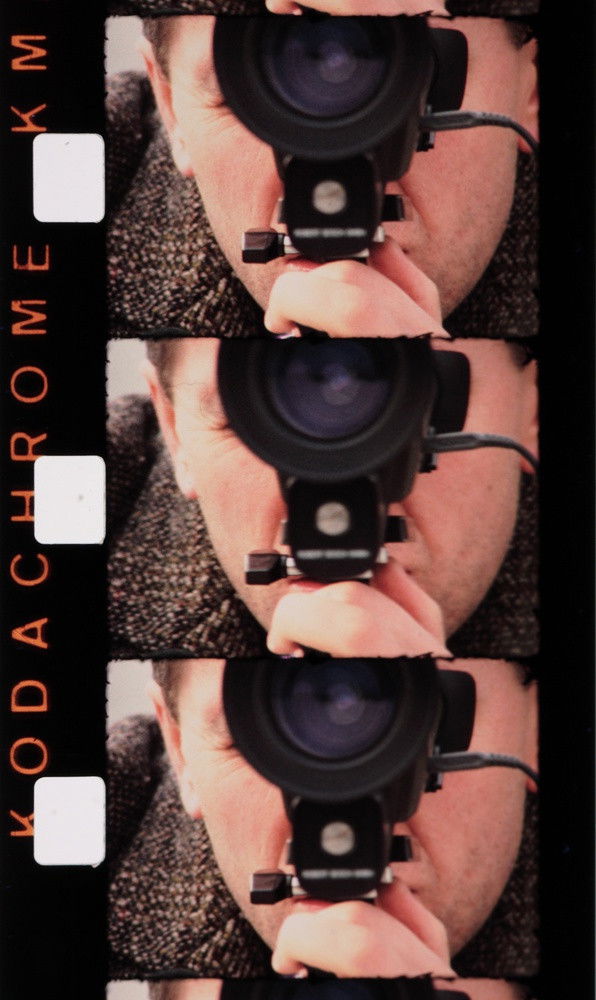
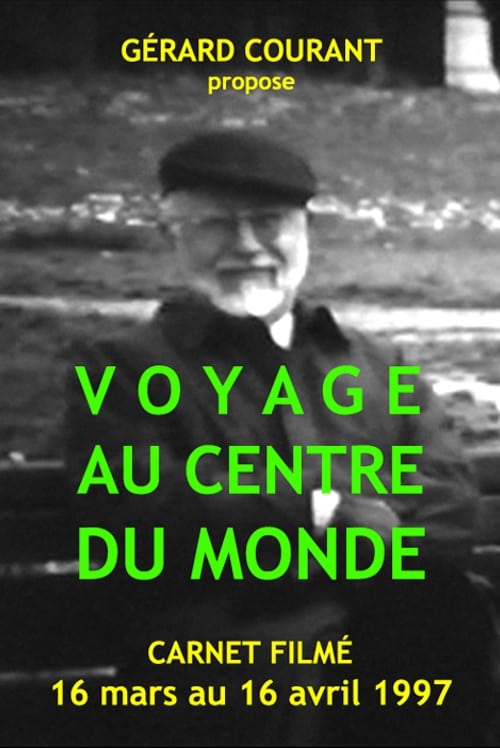
Voyage au centre du monde is, following an invitation from the new Belgrade town hall and the government of the Republika Serbska, the film brought back by Gérard Courant from his trip with a group of writers in Yugoslavia and Bosnia and Herzegovina.
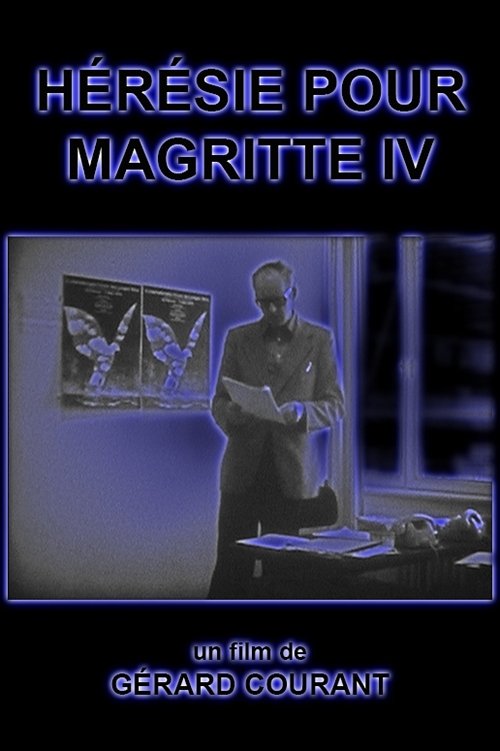
Ulrich Gregor is filmed in his office at the Berlin Film Festival surrounded by the festival's poster (The Great Family of René Magritte).

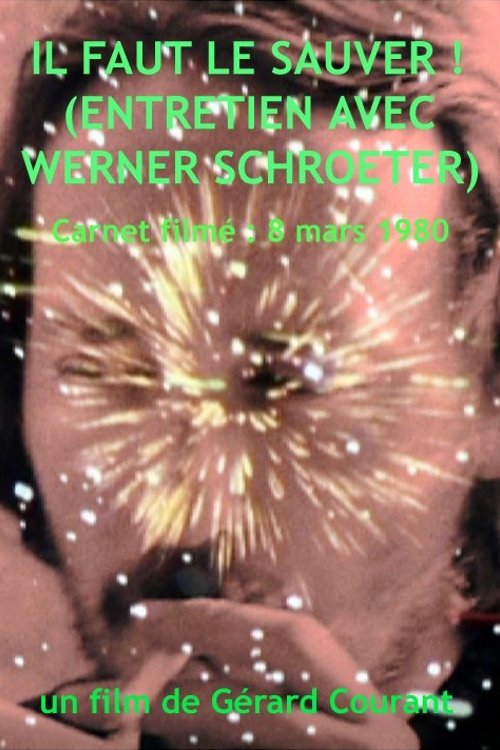
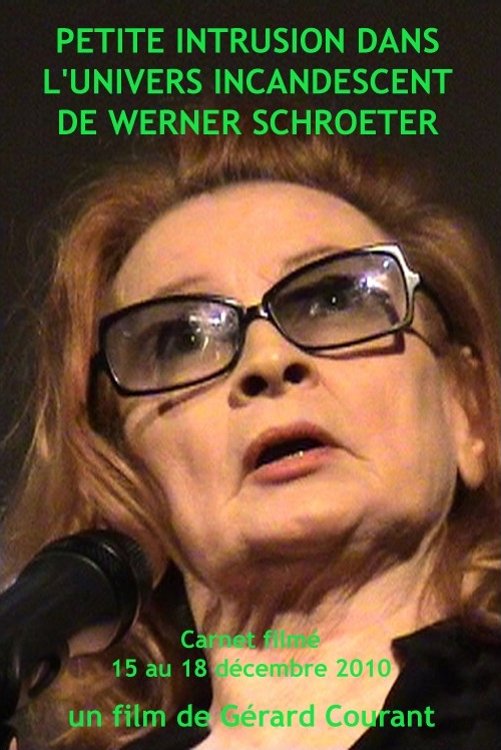
"On the occasion of the premiere of Nel Regno di Napoli in Cannes in 1978, Werner Schroeter gave me an audio interview about this film and about his work in general. Our meeting took place on the terrace of the Hotel Majestic, in the midst of excitement of the Cannes festival life, a few days after the screening of Nel Regno di Napoli and in the presence of the photographer Jean-Claude Moireau. Vivre à Naples et mourir is the audio capture of that informal meeting that happened on 20 May 1978 and which is, as per director's wish, more like a casual conversation than an interview in the strict sense of the term (a set of questions and answers).
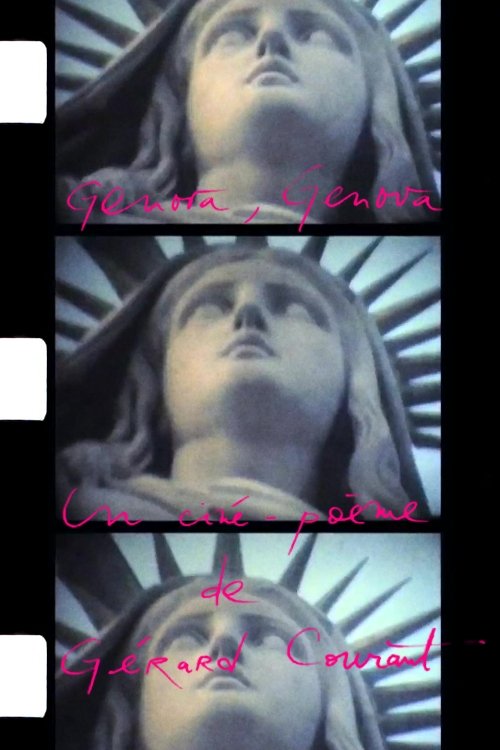
A song of love to the city of Genoa. The film wanders the streets of the city center and explore the beautiful cemetery and then climb the hills which offer an amazing view over the old town crossed by a highway and port.
15 years through Le Bois de Vincennes - The "before" and "after" 1999 storm destructions.

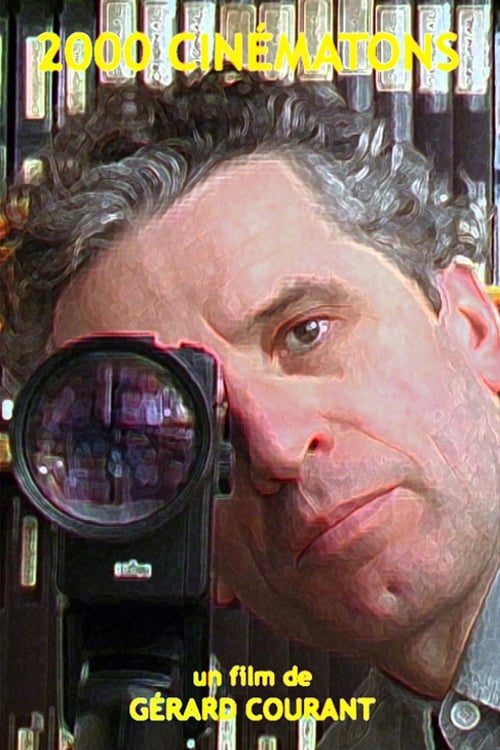
A film about an ongoing cinematic adventure that began in 1978: a vast anthology of personality portraits called Cinématons, dealing with people in the arts. Historical, ethnological, sociological and psychological, this anthology is a living record of the artistic community of the last 20th century which attempts to answer these questions: Why film everyone? Why choose cultural personalities? How do the subjects look at their image? How much exhibitionism and narcissism is involved in being filmed?
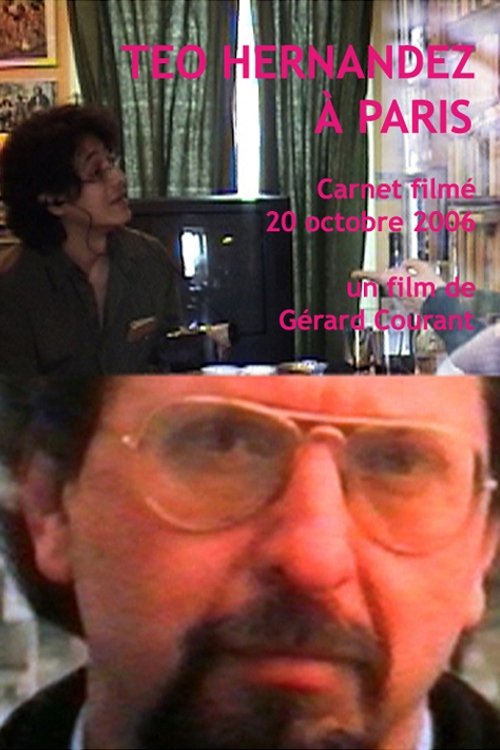
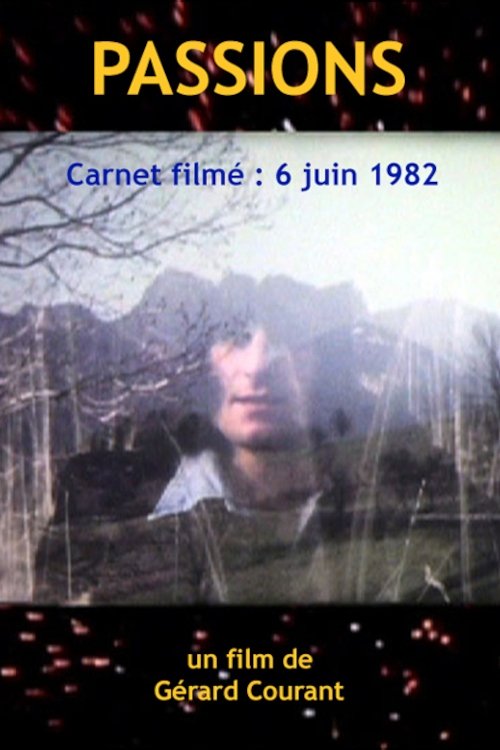
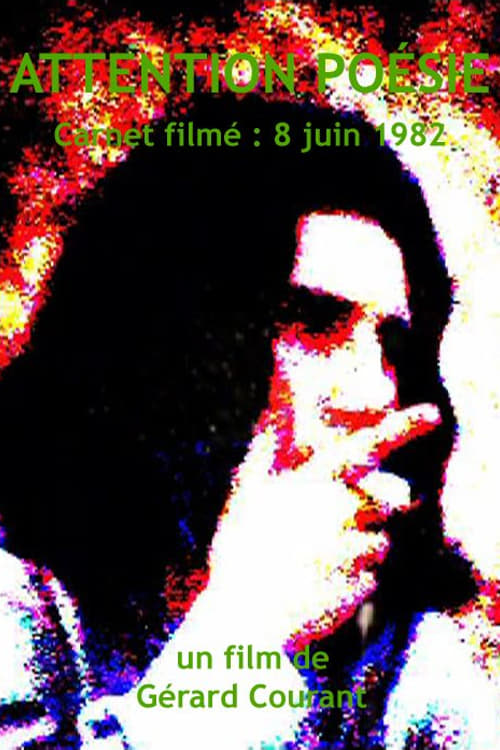
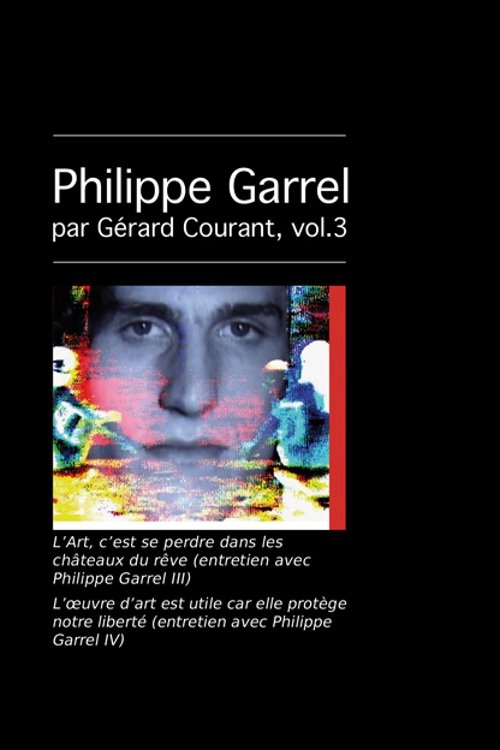
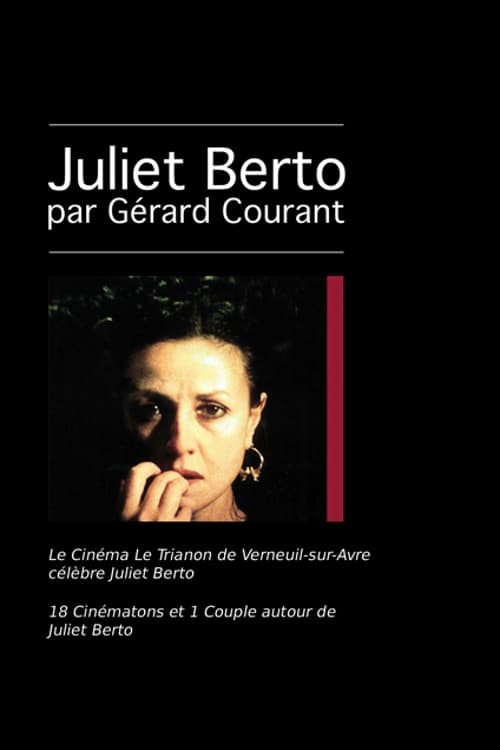
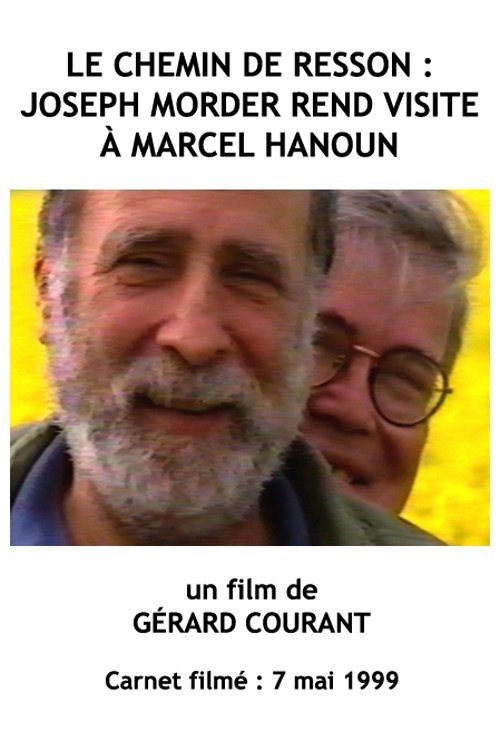
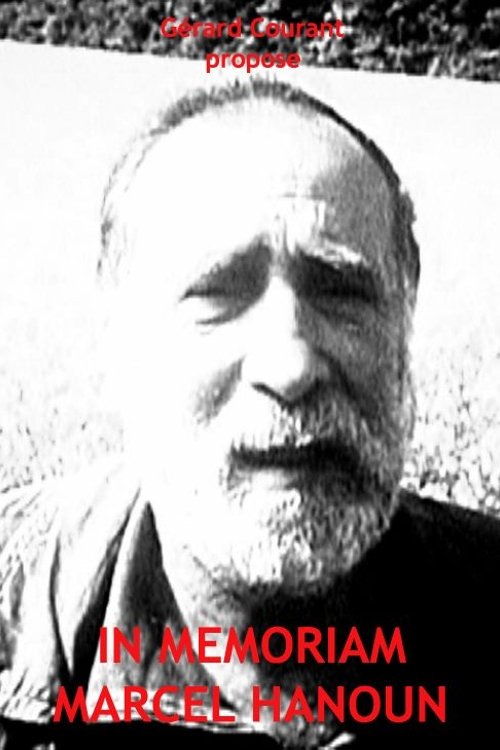
On the occasion of the passing of Marcel Hanoun, Gérard Courant wanted to pay tribute to this companion whom he had known since 1975 by accompanying him with the song Avec le temps by Léo Ferré.
"L'Artifice et le factice" is the episode that covers the period from January 1, 1988 to December 31, 1988 of my filmed Notebooks.
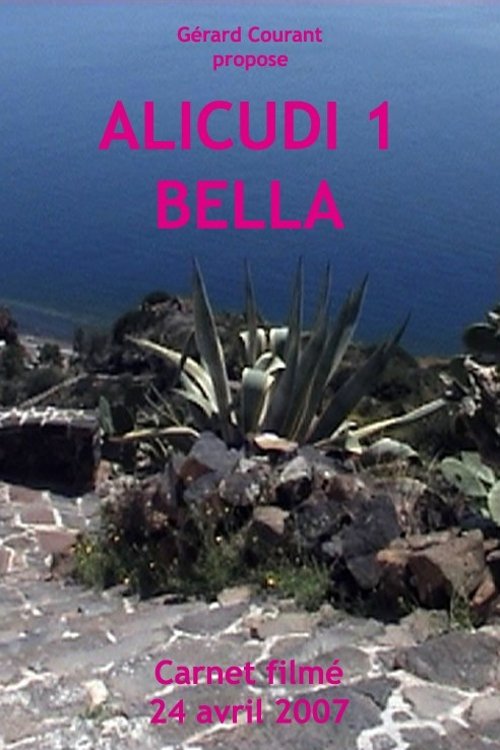
A cinematographic logbook around the mythical island of Alicudi in Sicily.
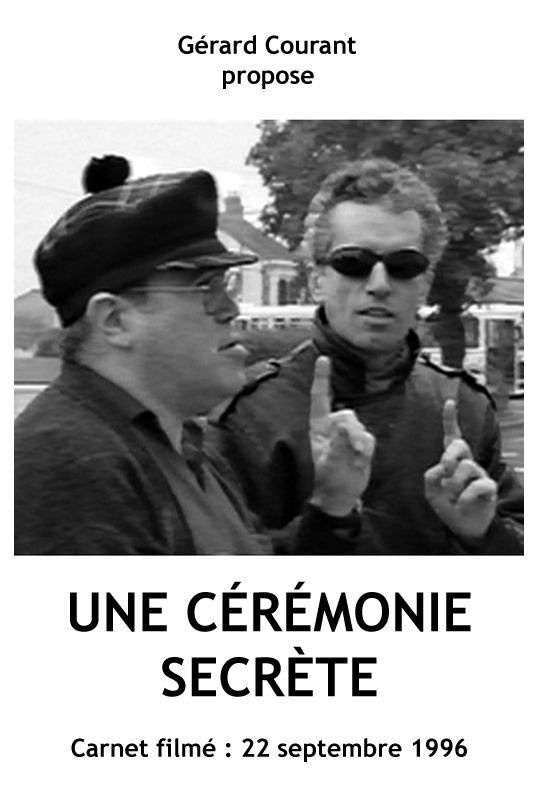
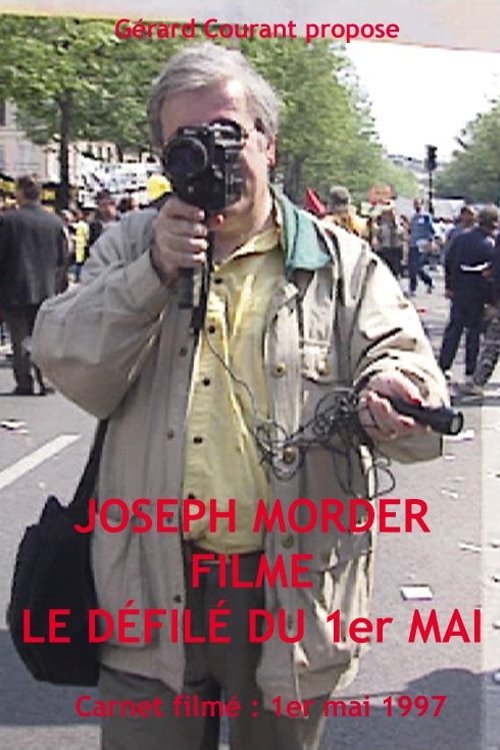
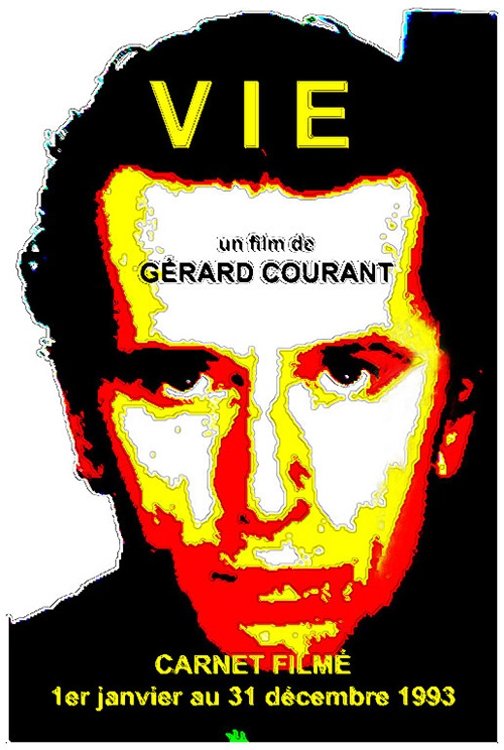
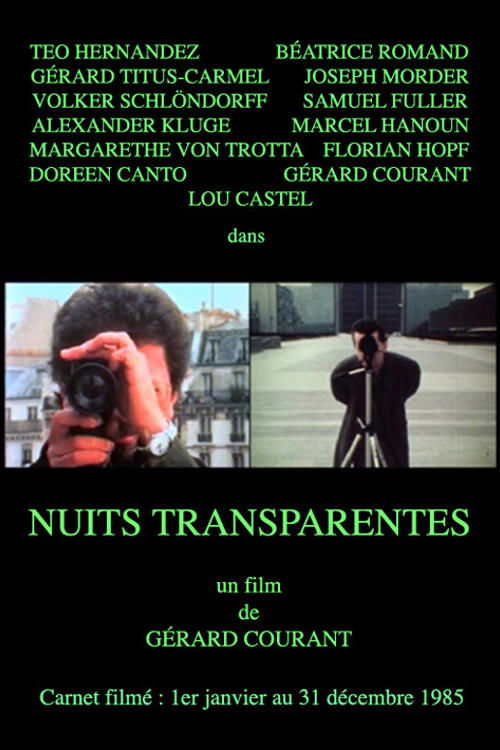
Strolling through France (Roanne, Nice and Carcassonne) with some excursions abroad (Munich, Montreal, New York).

The fortuitous meeting of two women to the identical first name, Lucy, who formerly loved the same man, Jonathan, induced, in this film, of the polysemous variations on the memory, art, and the difficult relationship between creation and emotional life. Dehumanized by an exclusive artistic practice, the man lost his reference marks little by little. "Lucy en miroir" wants to be, also, a shifted and transverse second reading of "The Contempt" ("Le Mépris") of Godard, by a step more plastic than analytical or conclusive.
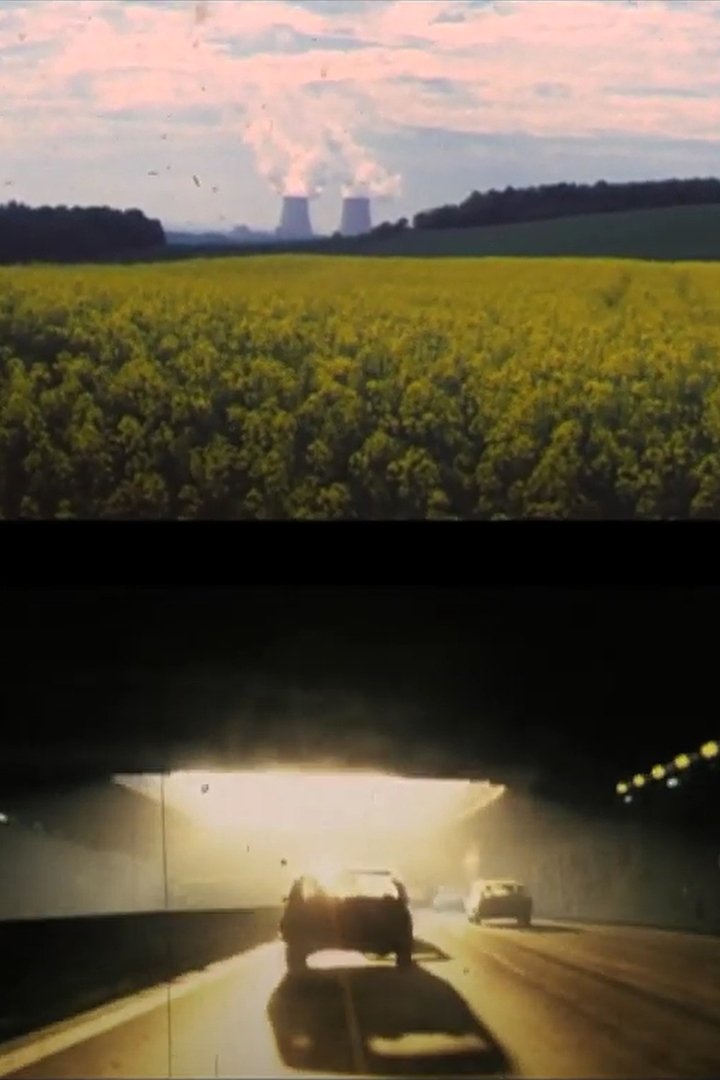
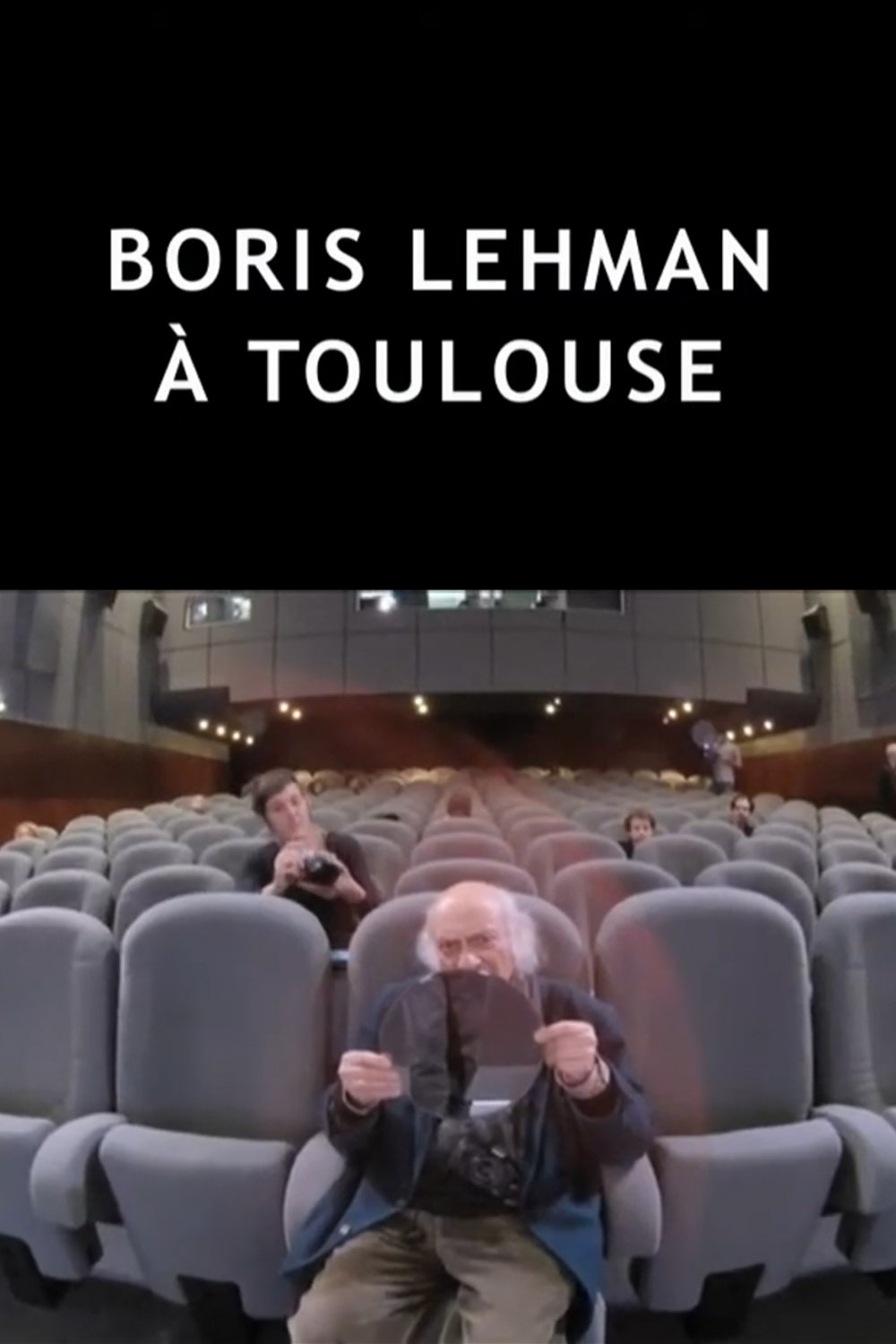
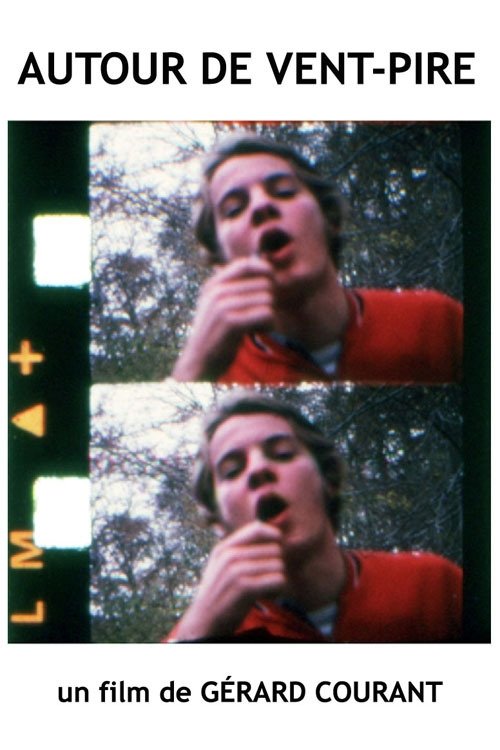
"Autour de Vent-Pire" is a documentary recounting the shooting of "Vent-Pire", the vampire film that Gérard Courant shot on November 12, 1970 at the Porte du Diable in the Pasques forest in Plombières-lès-Dijon.
Les Deux Lucy is a short documentary portrait of the shooting of Raphaël Bassan's film Lucy en miroir. It's the opportunity for us to look at one of our contemporary filmmakers and important film critics of what we call in French cinémas differents, meaning a different way of making films. Our making of offers the opportunity to follow, step by step, the making of this short film with scenes shot on the set, and to listen to comments by the filmmaker about his work.
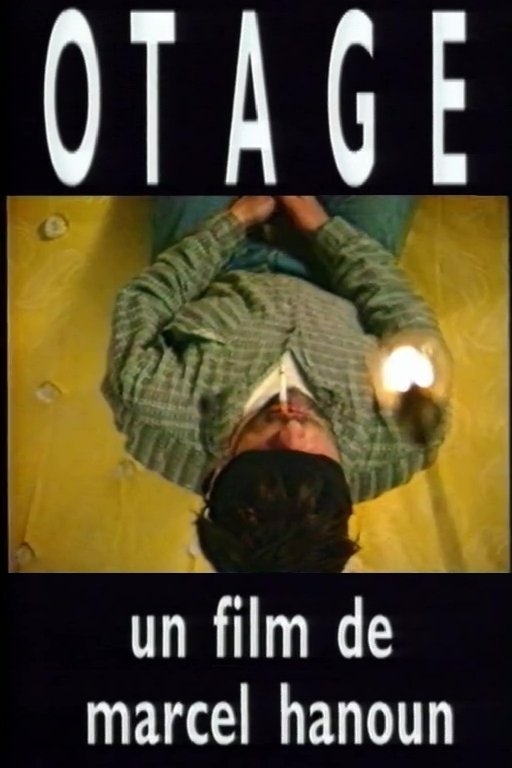
Inspired by the detention of Jean-Paul Kauffmann and Michel Seurat in Lebanon, hostages and improbable currency for terrorists...
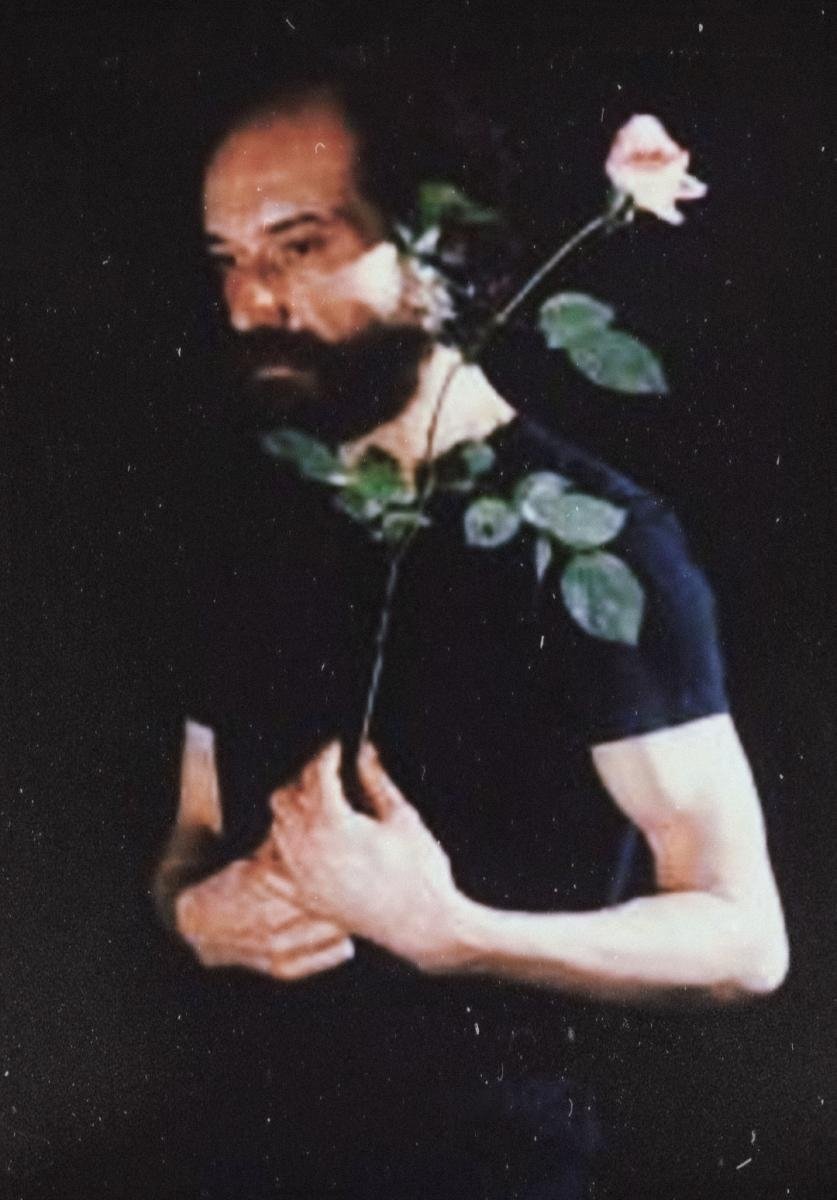
A single-screen version of the Portraits / Mirrors multi-projection. Featuring portraits of: Aloual, Gaël Badaud, Raphaël Bassan, Yann Beauvais, Jean-Michel Bouhours, Gérard Courant, Berndt Deprez, Bertrand Gadenne, Mythia Kolésar, Christian Lebrat, Stéphane Marti, Pascal Martin, Michel Nedjar, Dominique Noguez, Vivian Ostrovsky, Bernard Roué, Martine Rousset, Alain Sayag, Unglee, and Catherine Zbinden.
A film by Vincent Tolédano
Six other months of my life (December 1979 – June 1980), from one decade to the next, a trip to Quebec, Brussels, Geneva and many other adventures.
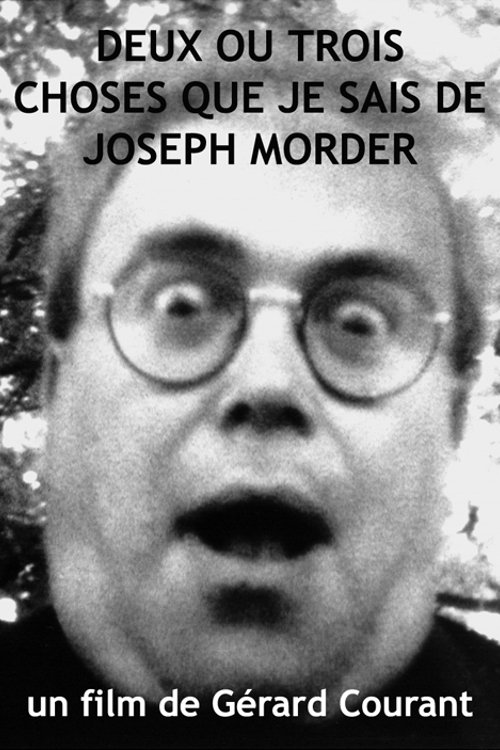
Joseph Morder's fifth journal film shot from July to December of 1980.
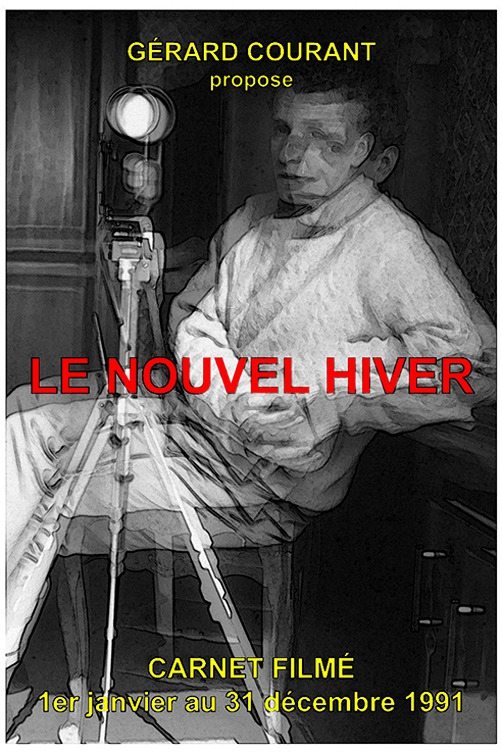
Le Nouvel Hiver is a slightly disillusioned reflection on the state of the world (the fall of the Berlin Wall, the end of the USSR, the Gulf War), the events of which are the thread of this year's Notebooks (1 January 1991 to 31 December 1991). Of course, these Notebooks are far from this sinister current events because life is elsewhere, in creation and in a quest for the absolute. And then, Le Nouvel Hiver takes us into surprising encounters (with Ken Loach, Brigitte Lahaie) and transports us to places I can't live without (the Ardèche in the North).

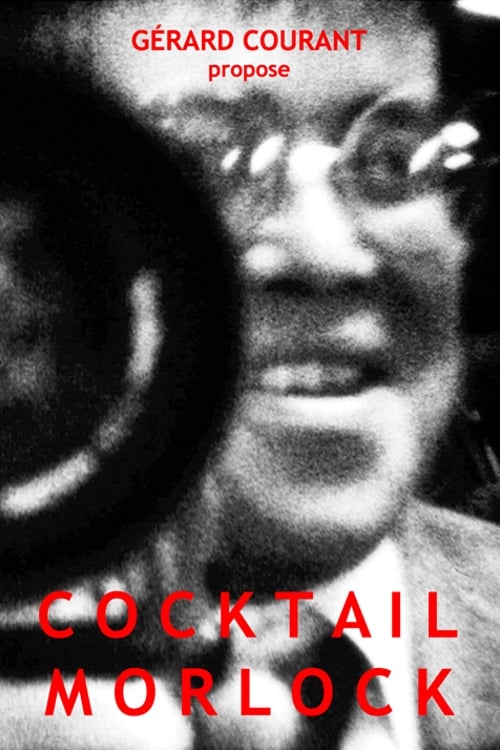
The three presidents for life of the Morlock Academy are assassinated by the Academy's permanent secretary in a peaceful village in Ardèche.
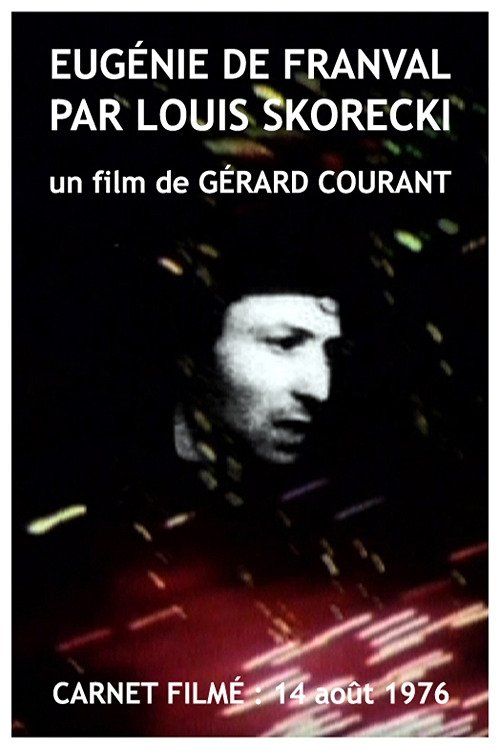
This film is an audio interview of Louis Skorecki, filmmaker and film critic for Cahiers du cinéma, by Patrice Kirchhofer and Gérard Courant. This interview, later put into images by Gérard Courant, is centred around the feature film Eugénie de Franval, based on Sade's novella, which Louis Skorecki shot in 1974 and which was awarded the prize of "la porte entrouverte" at the festival of young cinema in Toulon in 1975 by the jury composed of Marguerite Duras, Shuji Terayama and Dominique Noguez.
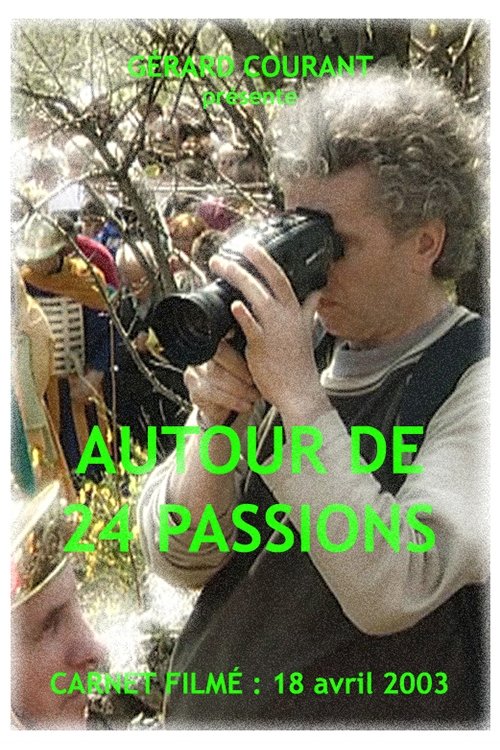
Autour de 24 Passions is the making-of of my film 24 Passions . It was shot in 2003, on the occasion of the 24th year of filming this film on the Stations of the Cross of Burzet, in Ardèche. (Gérard Courant)
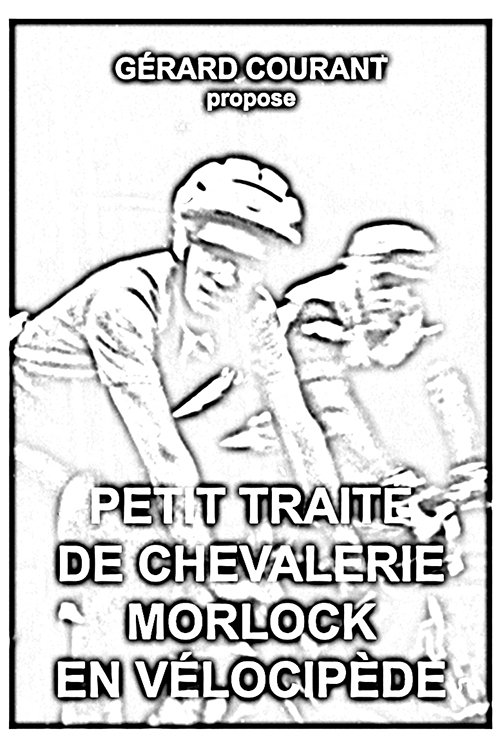
Two Morlock cyclists challenge each other in the passes of the Massif Central. Their duel is nightmarish and unusual, but the outcome of their struggle is chivalrous and moral.
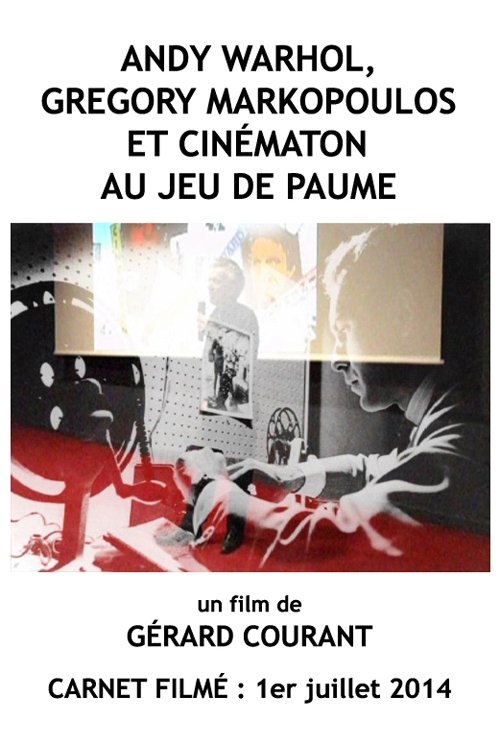
The Jeu de Paume in Paris (France) presented an Oscar Muñoz exhibition from June 3 to September 21, 2014. On the occasion of this exhibition, Marina Vinyes Albes organized a special evening on July 1, 2014 entitled "Becoming in the Moment, the Time of the Gesture" where 6 Screen Tests by Andy Warhol, 5 Cinématons by Gérard Courant and Galaxie by Gregory Markopoulos were screened.
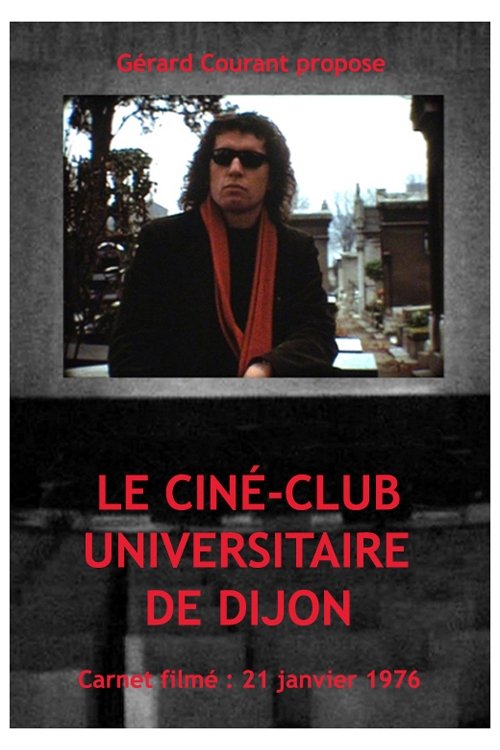
Le Ciné-Club Universitaire de Dijon is the recording of this radio programme - a first for Gérard Courant - which allows him to talk about some of the films that are close to his heart: The Death of Maria Malibran by Werner Schroeter, La Cicatrice intérieure by Philippe Garrel, Hotel Monterey and Jeanne Dielman 23 quai du Commerce 1080 Bruxelles by Chantal Akerman, La Chinoise (The Chinese) by Jean-Luc Godard, Né by Jacques Richard.
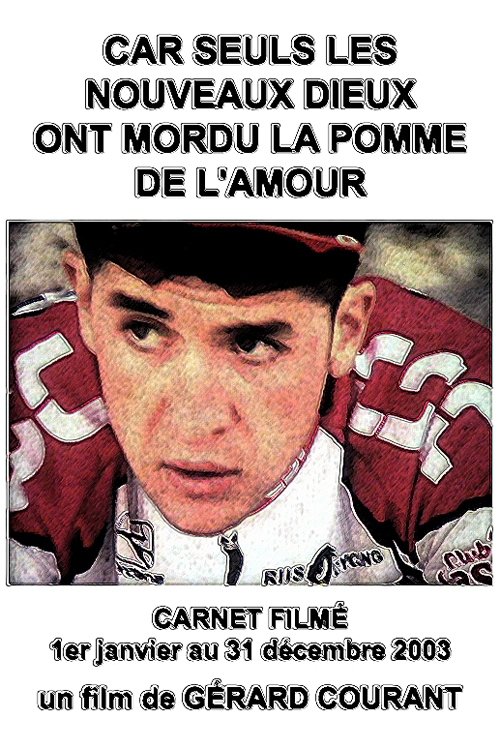
The ending of filming 24 passions over 24 years in Burzet (France). Shot on a silver film, it takes us on a tour around the area now left empty.
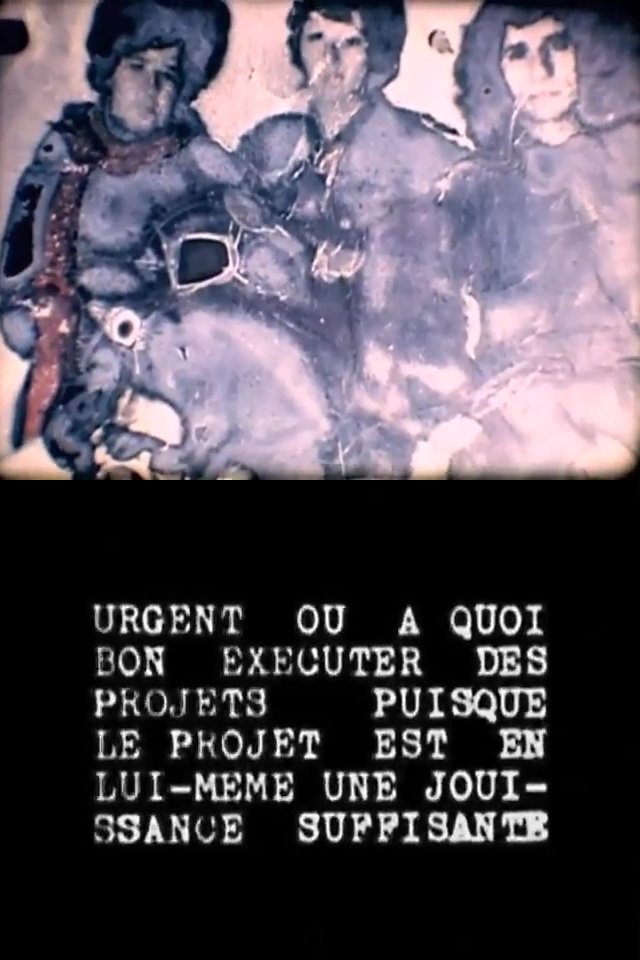
Gérard Courant applies the Lettrist editing techniques of Isidore Isou to footage of late 70's pop culture. Courant posits that his cinema offers an aggressive détournement to the French mainstream, reifying a Duchampian view of film: "I believe in impossible movies and works without meaning... I believe in the anti-movie. I believe in the non-movie. I believe in Urgent... My first full length movie that is so anti-everything that I sometimes wonder if it really does exist!"
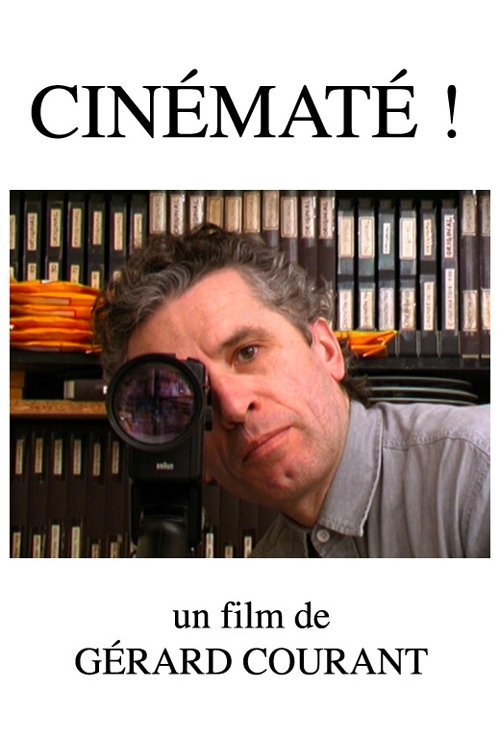
This unofficial Cinématon is one of two that Gérard Courant filmed on January 25, 2001. The second Cinématon, filmed in a tighter cinematic frame on the same day as his other non-collection Cinématon, is called Encore cinématé!
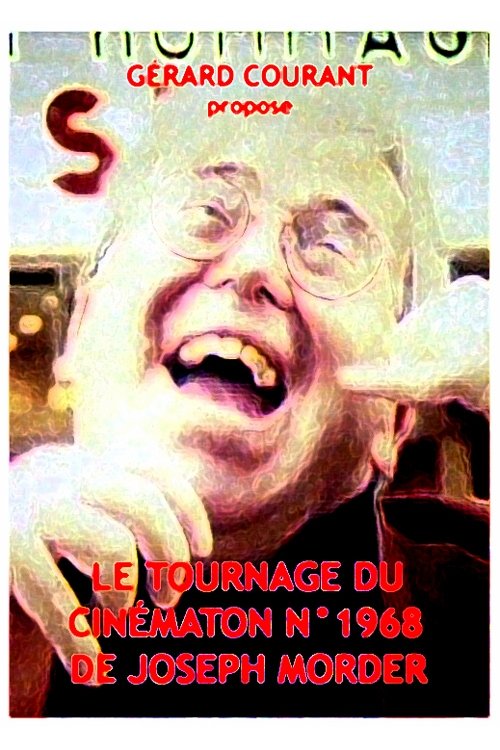
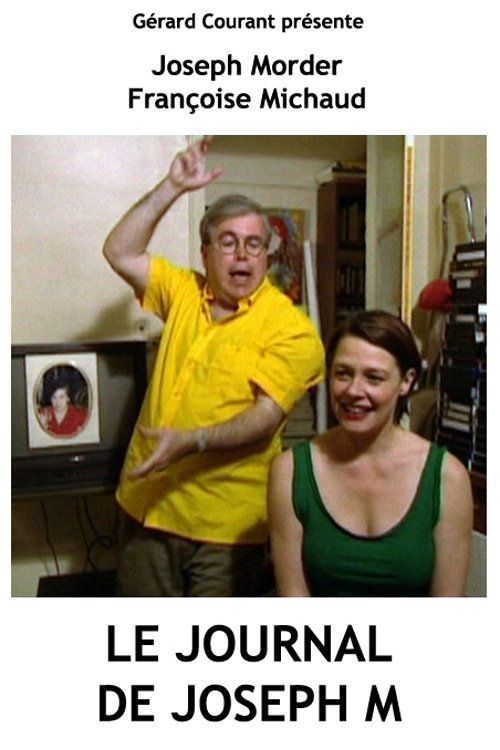
The filming of Joseph Morder's Cinématon n°1968.